

I Installed A Hot Tub In My Backyard, Then My Neighbors Tried To Ban It — Until I Showed The HOA What They Were Really Doing
I Installed A Hot Tub In My Backyard, Then My Neighbors Tried To Ban It — Until I Showed The HOA What They Were Really Doing
Twenty-Six Years in Willow Creek
Willow Creek Estates sounds like somewhere people keep horses and host garden parties, but I can tell you after twenty-six years that it's mostly just a subdivision with a fancy name and a homeowners association that takes the trash can rules very seriously. The houses are nice enough — brick fronts, tidy lawns, two-car garages — but it's the kind of neighborhood where people notice if your gutters need cleaning and mention it at the next block meeting. I moved in with my husband George back when the kids were still young and the oak trees lining the street were barely taller than the mailboxes. Now those trees are enormous, and the kids are grown, and George is gone, and I'm still here. I know every crack in the sidewalk on my block. I know which neighbors leave their porch lights on all night and which ones let their recycling bins sit out until Wednesday. Twenty-six years is long enough to watch three families move in and out of the house across the street, long enough to see the neighborhood shift from young families to empty nesters, long enough to feel like the walls of your own home have absorbed every version of your life. I wasn't unhappy there. That's the thing I want to be clear about. It was home in the truest sense — not perfect, not glamorous, but mine, and full of everything that word carries with it.
 Image by RM AI
George's Way of Laughing Things Off
George had a gift for not taking things personally, which was useful in a neighborhood like ours. When the HOA sent us a letter about our trash cans being visible from the street, he read it out loud at the kitchen table in his best formal voice and then said, "Well, I suppose we've been living dangerously." He moved the cans that same afternoon and came back inside like it was nothing. When they flagged our rosebushes for overhanging the property line, he went out with his clippers, trimmed them back, and brought me one of the blooms through the back door like he was presenting me with something precious. That was George. He didn't fight small battles. He said life was too short to spend it arguing with people who had too much time on their hands, and he meant it without any bitterness. I used to think that was easy for him — that easygoing nature came naturally, like breathing. It took me years to understand it was actually a choice he made, over and over, quietly. After he passed, I kept his jacket on the hook by the back door for months. His coffee mug stayed on the second shelf. I told myself I'd move things when I was ready. I still wasn't entirely ready. But one afternoon I opened the cabinet under the potting bench in the garage, and there were his gardening gloves, fingers worn clean through at the tips, exactly where he'd left them.
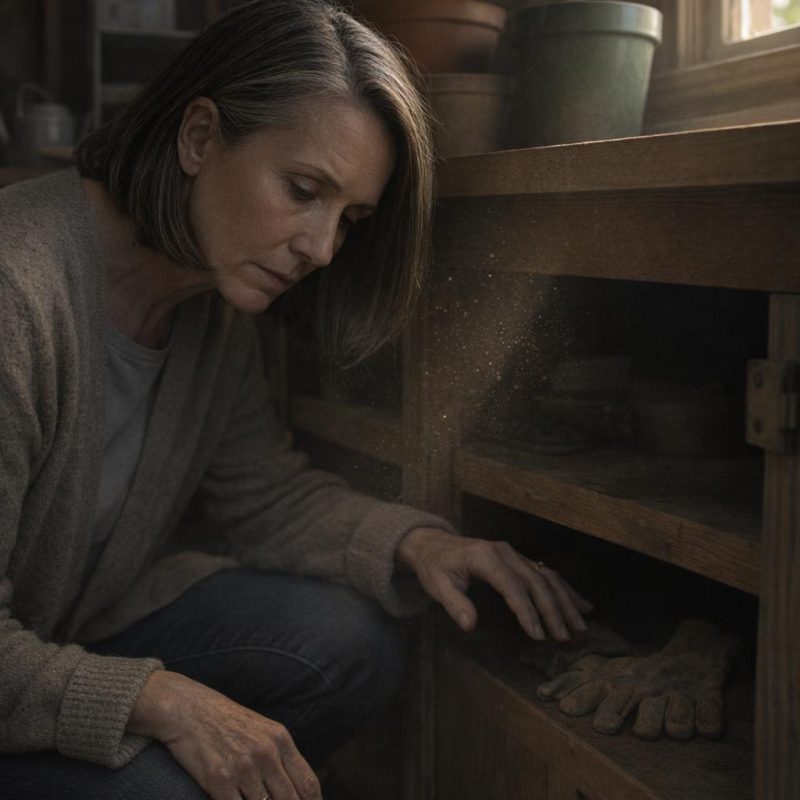 Image by RM AI
The Doctor's Suggestion
The pain in my knees had been building for a couple of years, but I'd been doing what a lot of people my age do, which is pretend it isn't happening and hope it sorts itself out. It didn't sort itself out. By last winter I was waking up stiff every morning, and the steps down to the backyard had started to feel like a negotiation. My doctor was patient about it, the way good doctors are, and she suggested warm water therapy — said it could help with the inflammation and the stiffness without putting stress on the joints. She mentioned the community center had a pool. I tried it once. The pool was crowded on a Tuesday morning, which I hadn't expected, and the chlorine smell hit me the moment I walked through the door. There were water aerobics classes going on at one end and a group of teenagers doing laps at the other, and the acoustics in that building turned every sound into an echo. I lasted forty minutes and came home feeling more worn out than when I'd left. Melissa had been gently nudging me for a while by then — using that careful voice adult children use when they're worried but trying not to push. She kept saying I needed to do something for myself, something that would actually help. Standing in my kitchen that evening, towel still around my shoulders, I thought about what quiet felt like, and how long it had been since I'd had enough of it. My body wasn't what it used to be, and no amount of ignoring that was going to change it.
 Image by RM AI
The Decision
I sat with the idea for a few weeks before I let myself take it seriously. A hot tub felt like the kind of thing other people had — people who didn't think twice about spending money on themselves, people who hadn't spent the better part of three decades making sure everyone else had what they needed first. I raised two kids in that house. I helped with four grandchildren on weekends and school holidays. I spent the last years of George's illness managing medications and appointments and the thousand small logistics that come with caring for someone you love while they're leaving you. The house had kept running because I kept it running, and somewhere in all of that I had stopped thinking of comfort as something I was allowed to want for myself. That's not a complaint. I want to be clear about that. I don't regret any of it. But I was sixty-eight years old, my knees ached every morning, and I was living alone in a house with a backyard that got good afternoon light and had been sitting mostly unused since George passed. The idea of warm water, quiet evenings, something that was just mine — it kept coming back. One Sunday afternoon I got out a notepad and started writing down numbers, and I noticed my hand wasn't shaking the way I'd expected it to. It was the first time in longer than I could remember that I was making a plan for no one but myself, and something about that felt both terrifying and exactly right.
 Image by RM AI
Checking the Rules Three Times
I am not someone who makes large purchases without doing the research first. George used to tease me about it — said I'd spent more time comparing washing machines than most people spend on cars. So before I called a single contractor, I pulled out the HOA handbook and read through the relevant sections twice. Then I read them a third time with a highlighter. The rules around backyard structures and water features were specific but not prohibitive. Inground installations required a formal approval submission with a site plan. The unit had to be screened from neighboring properties above a certain height. There were setback requirements from the property line. Electrical work had to be permitted through the county. I wrote all of it down in a notebook and kept it on the kitchen counter while I started comparing contractors. I got quotes from four different companies over the course of about six weeks, asked each one about their permitting process, their timeline, and whether they'd worked in HOA communities before. I wasn't being paranoid — I just knew that in a neighborhood like ours, the details mattered, and I didn't want to give anyone a reason to object on a technicality. I planned for a simple inground model with a stone border, professional landscaping around the perimeter, and a locking safety cover. Nothing extravagant. Nothing that would stand out. I wanted it to be right. I read through the HOA approval requirements one final time before I picked up the phone to call the contractor I'd chosen.
 Image by RM AI
Approved
Putting together the submission packet took me the better part of a weekend. I had the contractor draw up a proper site plan showing the dimensions, the setbacks from the property lines, the screening hedge placement, and the electrical routing. I wrote a cover letter explaining the medical basis for the installation and attached a note from my doctor. I included the contractor's license number and proof of county permit application. I made two copies of everything, kept one for myself, and hand-delivered the packet to Mr. Caldwell, who was the HOA board president and lived four streets over. He thanked me and said the board would review it at their next meeting. I went home and waited. I'm not going to pretend the waiting was easy. I checked my mailbox more than I needed to that week, and I may have driven past Mr. Caldwell's house once just to see if there were any cars in the driveway that suggested a meeting was happening. There weren't. The letter arrived on a Thursday, plain white envelope with the HOA return address in the corner. I opened it at the kitchen counter. The board had reviewed my submission and found it to be in full compliance with community guidelines. Installation was approved, subject to final county permit issuance. I read it twice. Then I set it down on the counter and stood there for a moment, and I held the approval letter in my hands, feeling the weight of having done everything right.
 Image by RM AI
Installation Week
The crew arrived on a Monday morning, four men in a truck with equipment I didn't have names for, and by noon there was a hole in my backyard that made the whole thing feel suddenly, irreversibly real. I brought them lemonade that first afternoon, which I think surprised them, and I watched from the patio as the shape of it emerged from the ground over the following days. They worked steadily and cleanly, and by Thursday the stone border was going in — a simple gray flagstone that matched the existing patio. The soft lights came next, low and warm around the perimeter, the kind that don't blare but just glow. One of the crew members suggested the lavender, actually. Said his grandmother had it near her garden and it kept the mosquitoes down. I bought three plants from the nursery that afternoon and put them in myself, which my knees complained about but my heart didn't. The locking cover went on last, heavy and solid, and the crew lead walked me through the controls before they packed up on Friday afternoon. I thanked them and shook hands and watched the truck pull out of the driveway. Then I walked back through the gate and stood on the patio alone, looking at what had taken shape in my backyard — the warm lights just starting to glow as the sun dropped, the smell of lavender already drifting up — and my eyes filled before I could stop them.
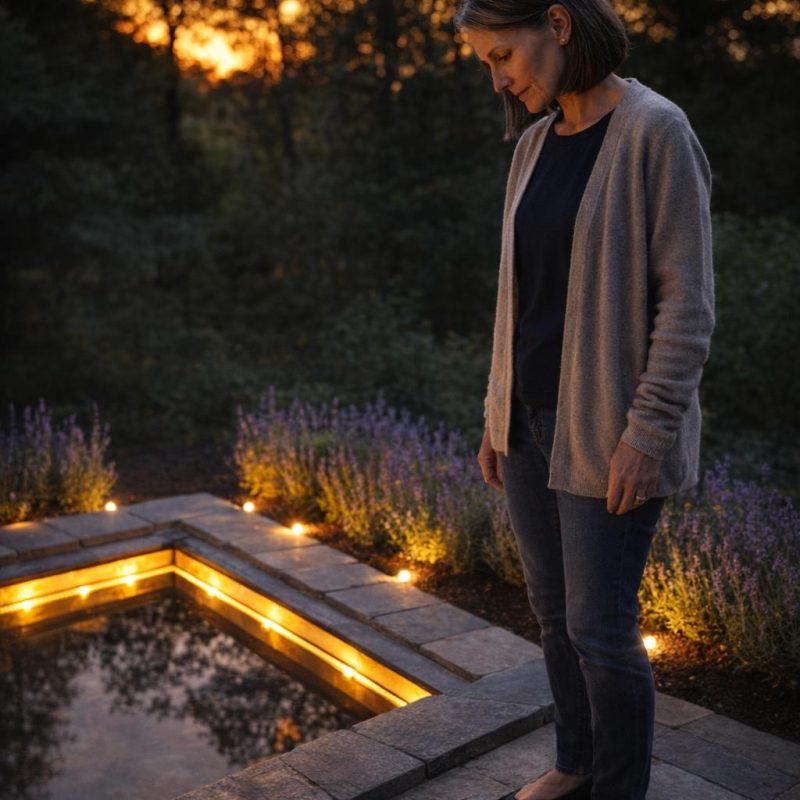 Image by RM AI
One Small Thing
Melissa came over the Saturday after the installation was finished, ostensibly to see it but really, I think, to check on me. She stood at the edge of the patio with her hands wrapped around a mug of tea and looked at the hot tub for a long moment without saying anything. Then she said, "Mom, it's really nice." The way she said it — quietly, like she meant more than the words — made my throat tighten a little. I told her I still felt strange about the money, that it seemed like a lot to spend on something just for me. She turned and looked at me with her father's eyes, that steady, patient look that doesn't leave room for argument, and she said, "You spent thirty years making sure everyone else was okay. You're allowed to have one thing that's just yours." I started to say something about being practical, about not being the kind of person who indulges herself, and she just shook her head. She didn't lecture me. She didn't make a speech. She just said, "Stop apologizing for it." We stood there together in the afternoon light, and I let her words settle. I had spent so long measuring my own needs against everyone else's that I'd almost forgotten I was allowed to have them. The guilt didn't disappear entirely — it doesn't work that fast — but it loosened, just enough, and I let it.
 Image by RM AI
The First Evening
I waited until the evening light went soft before I finally used it. I'd been circling the thing for days — wiping down the cover, checking the temperature gauge, finding small reasons to delay. That evening I made a cup of chamomile tea, carried it out on the little tray I'd bought for the purpose, and stood at the edge of the patio for a moment just looking. The yard was quiet. The hydrangeas were still. I set the tea on the ledge, lowered myself in slowly, and the warmth came up around me like something I hadn't known I was missing. My knees, which had been aching since the cold snap, went quiet almost immediately. I leaned back and let the jets do what they were supposed to do. The sky above the roofline was turning pink — that particular shade that only lasts a few minutes before it deepens into something else — and I watched it shift without trying to hold onto it. I thought about George. Not with the sharp grief that used to ambush me, but gently, the way you think about someone when something good happens and you wish they were there to see it. He would have been in here every evening. He would have called it his medical treatment and said it with a straight face. I smiled at that, alone in my backyard, warm to the bone. The pink faded to lavender, then to a soft grey, and the first star appeared above the neighbor's oak tree, and I sat there in the stillness of it, not wanting to move.
 Image by RM AI
Four Days of Peace
The pattern settled in quickly, and I let it. Each evening around seven I'd go out, lower myself in, and stay for about twenty minutes. I wasn't timing it precisely — I just stayed until my shoulders unknotted and my breathing slowed down to something that felt normal. The ache in my hips, which had been a constant low-level companion since the previous winter, eased in a way that no amount of ibuprofen had managed. I started sleeping better almost immediately. Not just falling asleep faster, but staying asleep — which had been the real problem since George died. I'd grown so used to waking at two or three in the morning, lying there in the dark with my thoughts, that I'd almost stopped expecting anything different. On the fourth night I soaked a little longer than usual, came inside, dried off, and got into bed. The sheets were cool. The house was quiet. I remember thinking I should probably read for a bit, and then I didn't think anything at all. I opened my eyes and the room was full of morning light — pale and clean, coming in at the angle it only reaches when it's past seven. I lay there for a moment, genuinely confused, checking the clock on the nightstand: 7:22. I had slept from ten o'clock straight through to 7:22 in the morning without waking once.
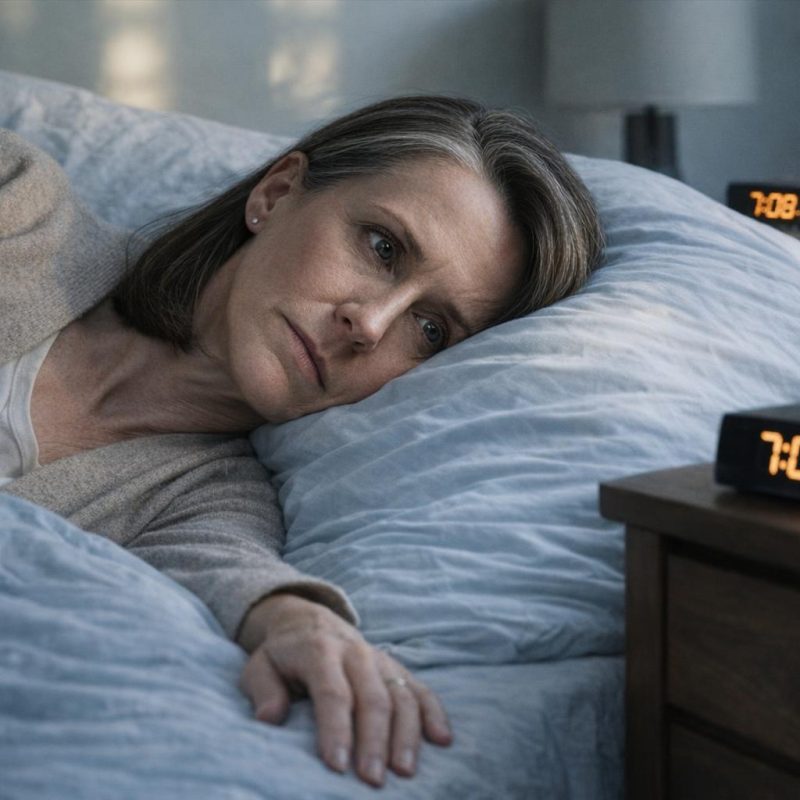 Image by RM AI
So That's the Hot Tub
It was a Tuesday morning, maybe ten days after the installation, and I was out front trimming the dead blooms off my hydrangeas. It's the kind of task I find genuinely satisfying — methodical, quiet, with visible results. I had my garden gloves on and a small bucket for the clippings, and I was working my way along the bed when I heard Marsha's voice from the direction of the fence. She was standing at the property line in a pale linen blouse, the kind of outfit that always made me feel slightly underdressed in my own yard. She said, "So that's the hot tub," in a tone I couldn't quite read — not hostile exactly, but not warm either. I said yes, that it had gone in a couple of weeks ago. She nodded slowly, looking past me toward the back of the yard, and said it was more noticeable than she'd expected. I told her it was behind the fence, which it was. She said she could see the corner of it from her upstairs guest room. I didn't say what I was thinking, which was that looking into my yard from her upstairs window was a choice she was making. I just said something about the landscaping helping it blend in. She smiled — that smile that arrives a beat too late — and said she was sure it would. Then she went back inside. I stood there with my clippers in my hand, and something about the exchange sat with me in a way I couldn't quite name.
 Image by RM AI
From the Guest Room Window
She came back to the fence the following afternoon while I was deadheading the roses along the back border. I'd half expected it, though I couldn't have said why. She opened with something about the weather, which I appreciated for about thirty seconds, and then she circled back to the hot tub. She said she'd been thinking about it, that she understood I'd gone through the proper channels, but that something like that — a structure, she called it, a structure with mechanical components — changed the feel of a property. I told her, as pleasantly as I could manage, that I had submitted the plans to the HOA before anything was ordered, that I'd received written approval, and that the installation met every requirement in the community guidelines. She said, "I'm sure you did," in a way that managed to suggest the opposite. I asked her what specifically she was concerned about. She said it wasn't a specific concern, more of a general impression. I said I was sorry she felt that way, which was the most diplomatic thing I could think of, and I went back to my roses. She stood at the fence for another moment — I could feel her there without looking — and then she left. I went inside, washed my hands at the kitchen sink, and stood at the window looking out at the yard I had tended for thirty years. Then she said it again in my memory, that flat, certain voice: "It changes the feel of the property."
 Image by RM AI
Followed Every Rule
I made myself a cup of tea and sat down at the kitchen table with the folder I'd kept from the installation process. I'm not sure why I felt the need to look at it again — I knew what was in it. The approval letter from the HOA, dated six weeks before the installation. The signed permit from the county. The contractor's compliance checklist. Everything in order, everything documented, every box ticked. I'd done it right. I'd done it carefully, the way I do most things, because I was raised to follow the rules and because I genuinely believe that living in a community means respecting the process. I set the folder down and looked out the window at the hot tub sitting quietly in the afternoon light, exactly where it was supposed to be, exactly as approved. Marsha was particular — I knew that about her. She had opinions about fence paint colors and the height of ornamental grasses and whether holiday lights were tasteful or excessive. That was just who she was. It didn't mean she was right, and it didn't mean I had done anything wrong. I closed the folder, put it back in the drawer, and told myself firmly that one neighbor's vague dissatisfaction was not going to undo what had taken me months to decide and weeks to arrange. The hot tub was mine. I had earned it, in every sense of the word, and I was not going to apologize for it or shrink from it because it made someone uncomfortable from her upstairs window.
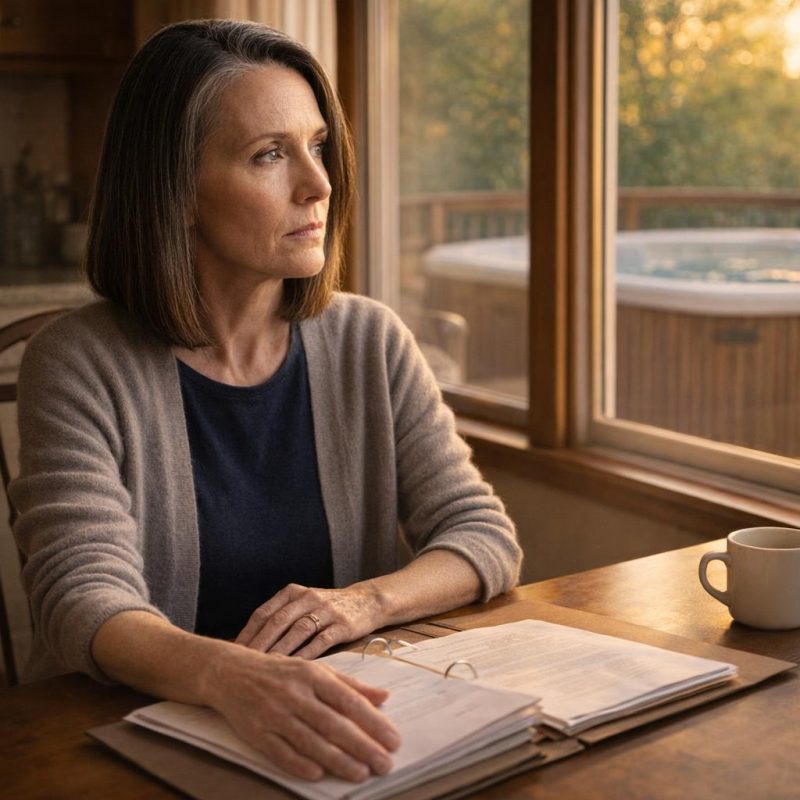 Image by RM AI
Must Be Nice
A few days later I was pulling weeds along the front walk when Ken appeared on his side of the property, dragging a garden hose across the lawn with the unhurried air of a man who has nowhere particular to be. I'd seen Ken plenty of times over the years — we'd exchanged the usual neighborly pleasantries at block parties and HOA meetings — but he'd never had much to say to me directly. He looked over and said, "Must be nice, having your own spa back there." I said it was, and left it at that. He adjusted the hose nozzle and added, almost as an afterthought, that he hoped it didn't run all night. I told him it didn't, that I used it in the evenings for about twenty minutes and that was it. He nodded in that slow, considering way that manages to imply skepticism without saying anything specific. "Good, good," he said, and turned back to his lawn. I went back to my weeding. It was a small exchange, barely worth noting on its own, but I found myself turning it over as I worked. Marsha had come to the fence twice. Now Ken had weighed in with his little comment about hoping it didn't run all night, as though I were the sort of person who would run a hot tub at midnight without a thought for anyone. I pulled a stubborn dandelion out by the root and set it in the bucket. There was something in the way Ken had said it — that smooth, unhurried certainty — that stayed with me longer than it should have.
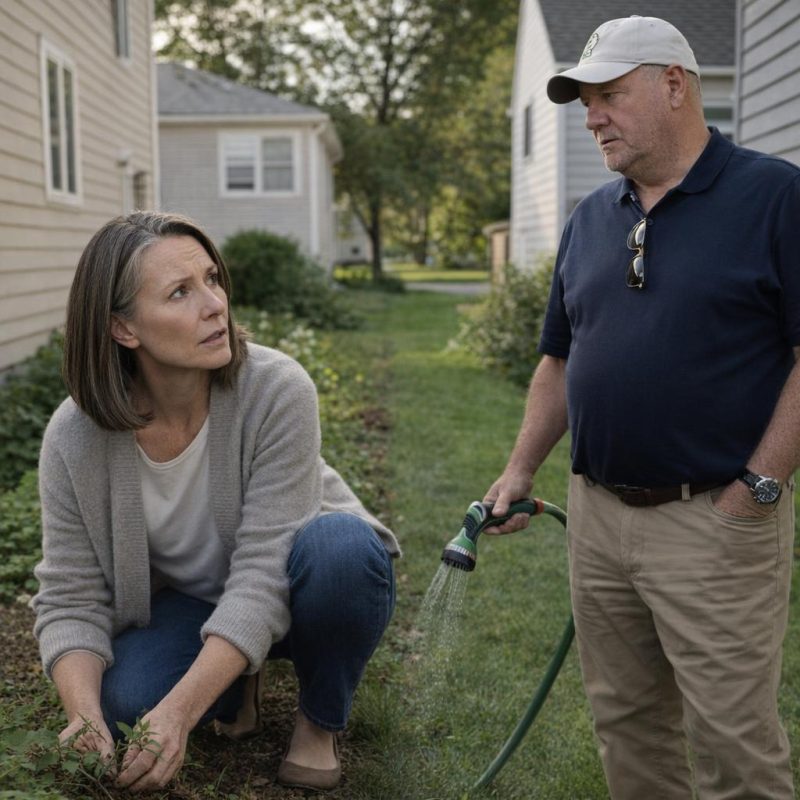 Image by RM AI
Concern Regarding Exterior Modification
The letter arrived on a Thursday, tucked between a utility bill and a circular from the grocery store. The return address was the HOA management office — I recognized it immediately — and I stood at the mailbox and opened it right there rather than carrying it inside. It was printed on official letterhead, the kind with the community logo at the top and a reference number in the corner, and it began with the phrase "Concern regarding exterior modification and potential nuisance." I read it twice, standing in the driveway in the afternoon sun. The letter said the HOA had received communication from residents expressing concern about a recent exterior modification to my property, and that while no formal violation had been determined at this time, the board was obligated to notify me and request a written response. I had used the hot tub exactly three times since the installation. Three times, always before nine in the evening, always alone, always quietly. I had not played music. I had not had guests. I had not done a single thing that could reasonably be described as a nuisance to anyone. I stood there holding the paper, trying to locate the logic in it, and I couldn't. I folded the letter carefully along its original crease, put it back in the envelope, and carried it inside. I set it on the kitchen table and smoothed it flat with my palm. There, in the second paragraph, in plain bureaucratic type, were the words "potential nuisance."
 Image by RM AI
We Have to Respond
I called the HOA office the next morning. The woman who answered said her name was Denise, and she had the voice of someone who had explained the same policy seventeen times that week and was prepared to explain it seventeen more. I told her I'd received the notice, that I had HOA approval on file for the installation, and that I wanted to understand what specific concern had been raised. Denise pulled up my file — I could hear the clicking — and confirmed that yes, the hot tub had been approved, and no, no violation had been found. I asked her what the notice was for, then. She said that when residents expressed concerns, the board was required to respond and document the communication. She said it in the tone of someone reciting a policy manual, not unkindly, just flatly. I asked if she could tell me what the specific concern was. She said the letter covered it — exterior modification, potential noise, potential impact on neighboring properties. I thanked her and said I would send a written response. She said that would be helpful. I set the phone down on the counter and stood there for a moment. Residents. She had said residents, plural, which could mean anything — but I had two neighbors who had each made a point of mentioning the hot tub in the past two weeks, and I didn't need a map drawn for me. The word sat in my chest like a small, cold stone.
 Image by RM AI
A Routine
Over the following weeks, the notices arrived with a kind of grim regularity, like a subscription I hadn't signed up for. One said the cover — the cover I kept on it when it wasn't in use — was too visible from the street and detracted from the neighborhood's aesthetic. Another said the jets were too loud and disturbed the peace, which would have been more persuasive if Ken didn't run his leaf blower every Saturday morning starting at seven-thirty, loud enough that I could hear it through my closed kitchen windows and over the radio. I never filed a complaint about that. I thought about it, standing at the sink with my coffee going cold, but I didn't. I kept my responses to the HOA polite and factual. I kept the hot tub at the lowest jet setting. I kept the lights dimmed to the minimum. I documented everything — dates, times, the exact language of each notice — in a folder I started keeping on the kitchen counter. Marsha waved to me once from her driveway during all of this, a small, pleasant wave, like none of it was happening. Ken nodded from across the fence. I nodded back. And then the next notice arrived, this one citing the steam from the hot tub as unsightly, and I stood at the mailbox holding it, the afternoon going quiet around me.
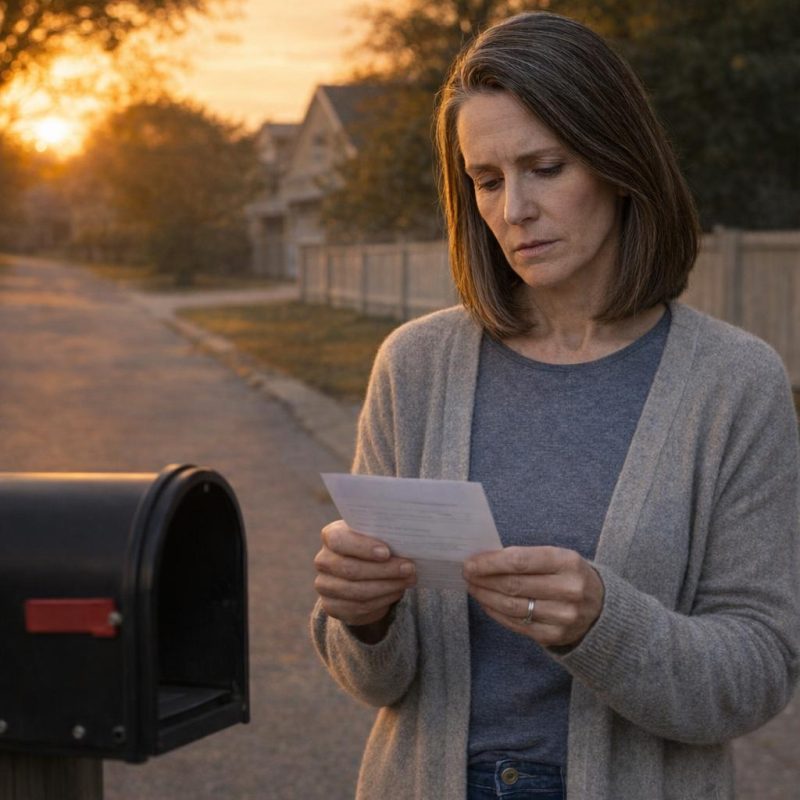 Image by RM AI
Like You Built a Nightclub
Ruth called on a Tuesday evening, and I could tell from the first two seconds that she was choosing her words carefully. She said she'd been at the HOA meeting that night and thought I should know what had come up. I hadn't gone — I hadn't even known there was one scheduled, which probably said something about how much I'd been paying attention. Ruth said Marsha had brought up the hot tub. Said she'd made it sound, Ruth's words, like I'd built a nightclub back there. I laughed a little at that, the short kind of laugh that doesn't mean anything is funny. Ruth said Marsha mentioned it was attracting attention, and Ruth had asked, right there in the meeting, who exactly it was attracting attention from, and apparently that had landed in silence. I was grateful for that. I told Ruth I appreciated her saying something. She said of course, and that most people in the room had looked more confused than concerned, which helped a little. We talked for another few minutes about nothing in particular — her garden, the weather — and after we hung up I sat at the kitchen table with the phone still in my hand. I hadn't been there to say a word in my own defense. Whatever impression had been made, it had been made without me in the room, and there was nothing I could do about that now.
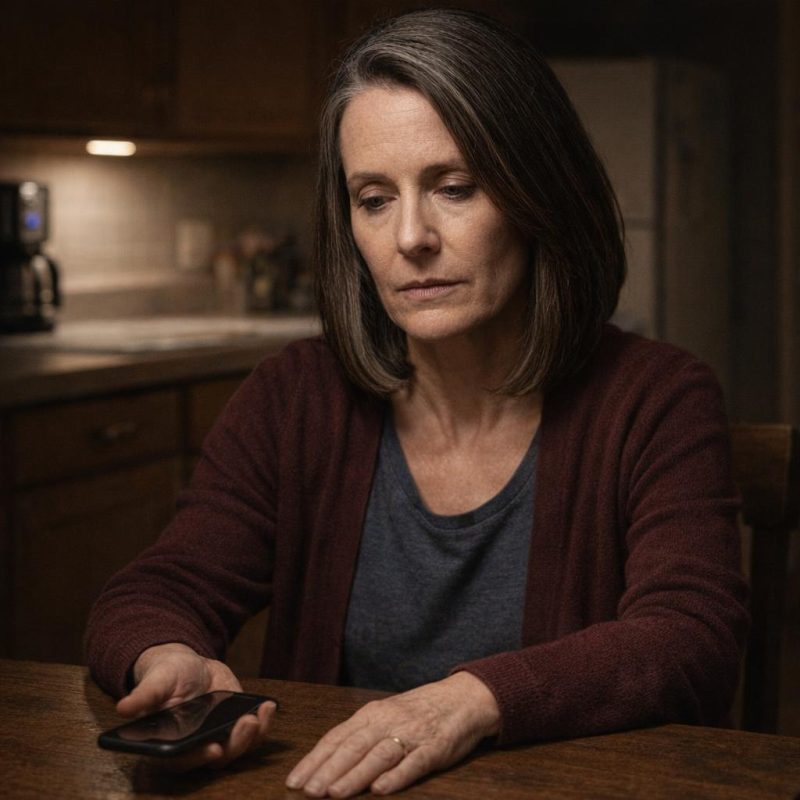 Image by RM AI
Community Standards
The letters kept coming, and somewhere around the fourth or fifth one, the language shifted. It stopped being about specific concerns and started being about community standards. One notice referenced ongoing homeowner complaints and described my backyard spa usage in a tone that made it sound like I was running a bed and breakfast. I read that phrase — backyard spa usage — and felt something tighten in my chest. I had started using the hot tub less by then. Not because I'd decided to, exactly, but because I'd find myself standing at the back door in the evening, looking out at it, and then just not going. I'd think about whether Marsha was watching from her window. I'd think about whether using it would generate another notice, another letter, another round of documentation. Some nights I'd turn off the kitchen light and stand there in the dark looking at the cover, and then I'd go back to the couch instead. I knew what I was doing. I was letting two people with a complaint folder and too much free time shrink my life down, and I knew it, and I kept doing it anyway. The hot tub sat there in the yard, approved and paid for and perfectly legal, and I had started treating my own backyard like somewhere I needed permission to be.
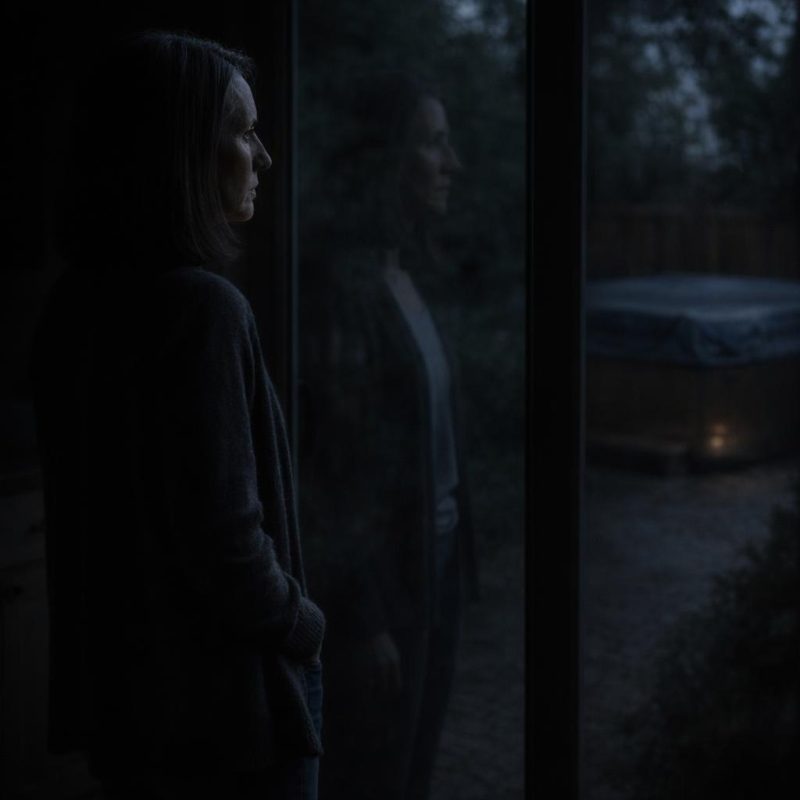 Image by RM AI
Why Is the Cover Dusty?
Melissa came by on a Sunday afternoon, the way she does sometimes, with coffee and no particular agenda. She walked through the kitchen and out to the back door the way she always does, just to look at the yard, and then she turned around and looked at me. She asked when I'd last used the hot tub. I said I'd been busy. She gave me the look — the one she's had since she was about fourteen, the one that means she's already done the math and is waiting for me to catch up. She asked if the neighbors were still bothering me. I said they were just being particular. She said particular wasn't the word she'd use. I asked what word she'd use. She set her coffee cup down on the counter and said the cover was dusty, that she could see it from the door, and that I hadn't been busy — I'd been avoiding my own backyard because two people had made me feel like I didn't have the right to use something I'd bought and installed legally and with full approval. I started to wave her off. She said, Mom, what they're doing is harassment. Just the word, flat and certain, the way she says things when she's not going to argue about it. I waved her off anyway. But the word stayed in the room long after she'd moved on to talking about other things.
 Image by RM AI
The Sound of the Leaf Blower
The following Saturday I was at the kitchen sink when Ken's leaf blower started up. Seven twenty-eight, by the clock on the microwave. I know because I looked. It ran for forty minutes — I know that too, because I stayed at the window longer than I meant to, watching him work his way along the fence line, the noise cutting through the glass like it wasn't there. I thought about the notice that had cited my hot tub jets as a disturbance to the peace. I ran the jets at the lowest setting, for maybe forty minutes at a stretch, two or three evenings a week, with the cover partially on to muffle the sound. Ken's leaf blower was a gas-powered model that rattled the window above my sink. I had never once considered filing a complaint about it. It hadn't occurred to me, because it was just a thing a neighbor did on a Saturday morning, the ordinary noise of people living next to each other. I turned away from the window eventually and poured myself more coffee. There wasn't anything to do with the feeling except sit with it — the particular, low-grade absurdity of being formally cited for disturbing the peace by the man currently vibrating my kitchen window from thirty feet away.
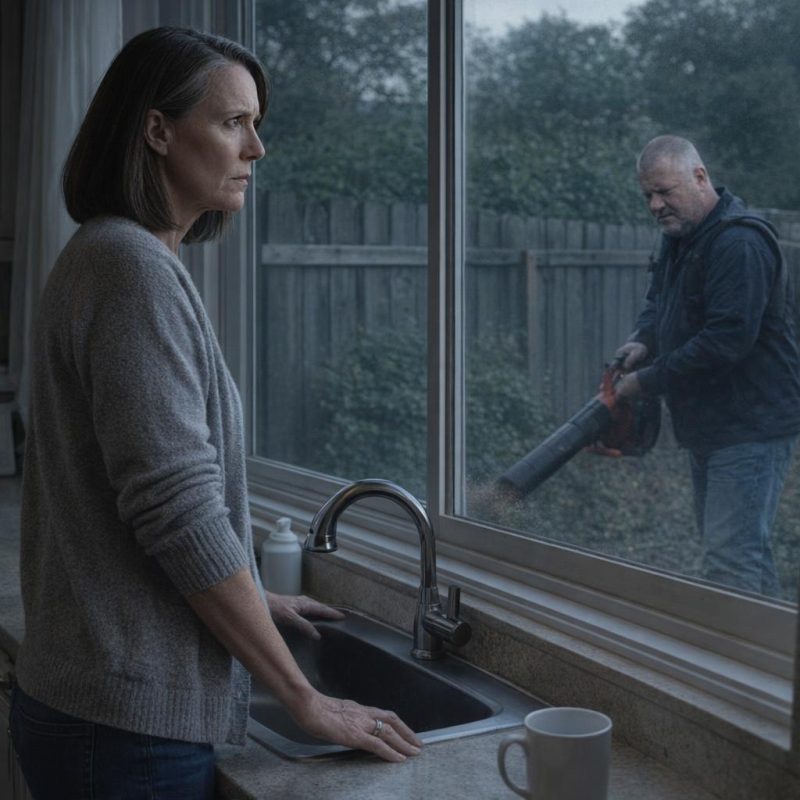 Image by RM AI
The HOA Meeting I Didn't Attend
Ruth called again after the next HOA meeting, and this time her voice had a careful quality to it that I recognized from the last call. She said Marsha had brought up the hot tub again. Said she'd framed it as a neighborhood-wide concern this time, not just a personal one. Ruth said Mr. Caldwell had mentioned that the board might need to review community standards as they applied to backyard installations, which was a sentence that sounded reasonable and made me feel cold anyway. I asked if anyone had said anything in response. Ruth said a few people had looked uncomfortable. I asked if anyone had spoken up. She paused just long enough that I had my answer before she gave it. Nobody had. I thanked her and we talked for a few more minutes, and after we hung up I sat with it. I thought about all the people in that room who knew me, or at least knew my name, who had watched this conversation happen and said nothing. I didn't blame them, exactly. It's not easy to step into someone else's dispute in a room full of neighbors you have to see every week. But there's a particular kind of loneliness in knowing you've been discussed, assessed, and set aside, in a room you weren't invited to, by people who never once knocked on your door to ask your side of it.
 Image by RM AI
Ongoing Homeowner Complaints
The next letter from the HOA arrived on a Thursday. I almost didn't open it right away — I'd gotten into the habit of setting them on the counter and making myself a cup of tea first, a small buffer between the mailbox and whatever was inside. This one was different in tone from the start. The previous letters had been careful, hedged, full of phrases like potential concerns and neighboring property considerations. This one used the phrase ongoing homeowner complaints, plural, as though there were a chorus of people lying awake at night over my backyard. I set the letter down and picked it up again. I read it through once more, slowly. Then I got to the line about my backyard and stopped. It didn't say my hot tub. It didn't say the installation. It said backyard spa usage — like I was operating some kind of commercial establishment, like there were reservations and a dress code, like the woman soaking alone on a Tuesday evening was somehow running a business out of her yard.
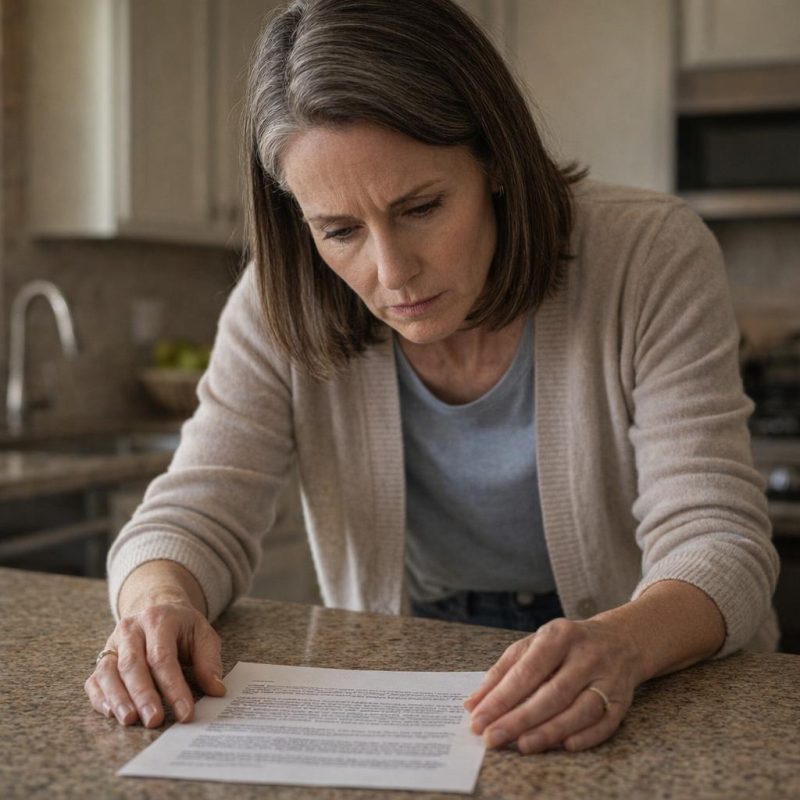 Image by RM AI
The Board Will Be Discussing
The letter that came the following week was shorter than the others. One page, formal letterhead, three paragraphs. The first paragraph said the board had received multiple communications regarding a backyard installation at my address. The second said the matter would be placed on the agenda for the next scheduled HOA meeting for board discussion. The third said I was welcome to attend. Welcome to attend. As though it were optional. As though I might choose to stay home while a group of people decided the fate of something I had already been approved to own. I read it standing at the kitchen counter, still in my coat from checking the mail. I had the original approval letter in my folder — I'd looked at it so many times the crease was starting to soften. I had every notice they'd sent me, every response I'd written, every date and time logged in my own handwriting. I had done everything right. I had followed every rule, answered every letter, kept every record. And now I was being formally summoned to defend something that had already been approved, in front of a room full of neighbors, because two people next door had decided they had a problem with it. The notice sat on the counter, and the meeting date was printed at the bottom of the page in plain black type.
 Image by RM AI
Sneaking in My Own Backyard
The meeting notice was still on the counter when evening came. I'd moved it twice — once to make room for my coffee cup, once because I didn't want to look at it anymore — but it kept finding its way back into my line of sight. Around seven o'clock I wandered to the back door and stood there with my hand on the frame, looking out at the hot tub. The cover was latched, the way I always left it. The patio light caught the edge of it, and I could see the faint steam rising from the gap where the cover met the shell. My knees had been aching all day — the kind of deep, grinding ache that warm water fixes better than anything. George used to say I should soak every evening, that I'd earned it. I thought about that. I thought about how good it would feel to lower myself in, let the jets work on the stiffness, sit there under the night sky with a cup of tea going cold on the edge. Then I looked up at Marsha's upstairs window. The light was on. I couldn't see anyone, but I knew the angle from up there. I thought about another email landing in Mr. Caldwell's inbox before breakfast. I thought about another letter with formal letterhead and a meeting date printed at the bottom. I stepped back from the door. I turned off the patio light. I went and sat on the couch instead — in my own house, on a perfectly good evening — because I was afraid of being seen in my own backyard.
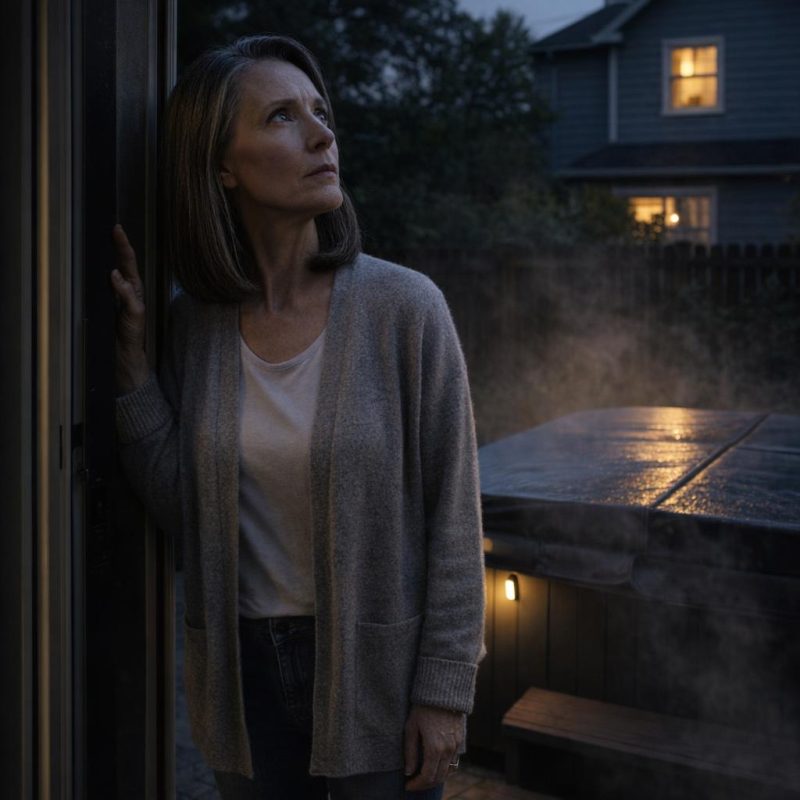 Image by RM AI
The Dusty Cover
Melissa came by on a Sunday afternoon with a container of soup she'd made and the particular look on her face that meant she was checking on me without wanting to say so. We sat on the patio for a while, the way we used to when the weather was good, and at some point she walked over to the hot tub and ran her finger along the cover. She held it up and looked at the dust on her fingertip. 'Mom,' she said. 'When did you last use this?' I told her I'd been busy. She looked at me the way she's looked at me since she was about fourteen — patient, steady, not buying it for a second. 'It's dusty,' she said. 'It's been weeks, hasn't it?' I said something about the weather being unpredictable, which was not entirely untrue, but also not the reason. She sat down across from me and set her soup container on the table between us. 'Are the neighbors still bothering you?' she asked. I started to say it was fine, that it was just a process, that these things took time. She let me finish. Then she said, 'You're not using something you paid for and you love, and you're sitting inside at night instead of out here. That's not fine.' I looked at the cover. The dust was visible even from where I was sitting. I hadn't noticed how long it had been, or maybe I had noticed and just hadn't let myself think about what it meant.
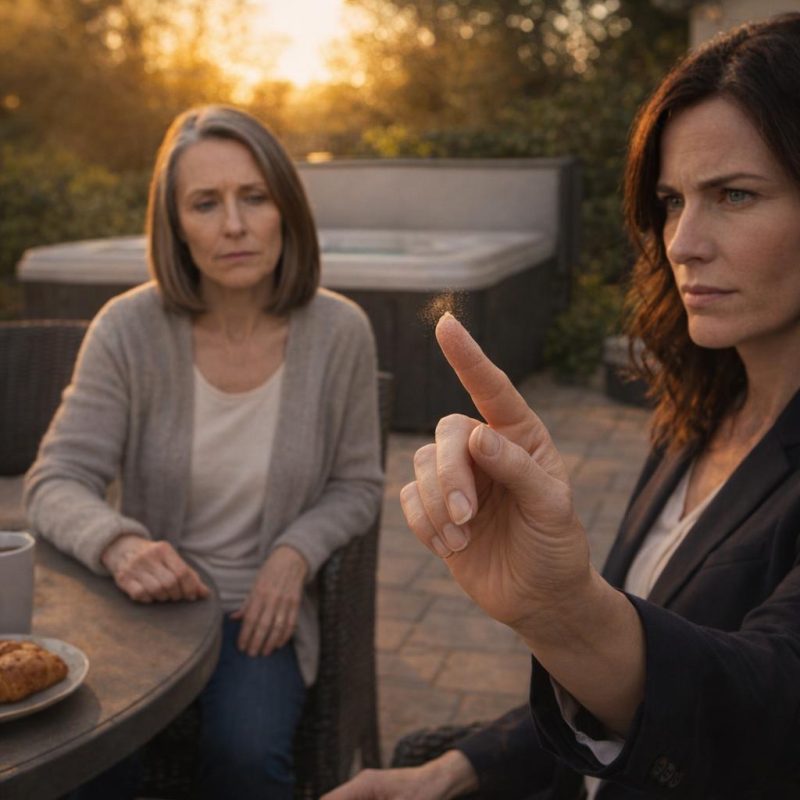 Image by RM AI
They're Harassing You
Melissa didn't leave right away. We sat there a while longer, and she walked me through it the way she does — methodically, without drama, the way she's always been. She counted the letters. She named the dates. She pointed out that every time I had responded correctly, followed the rules, provided documentation, there had simply been another letter, another complaint, another escalation. 'Mom,' she said, 'this is harassment. That's what this is.' I told her they were just particular about the neighborhood. I said some people took HOA rules seriously and that wasn't necessarily wrong. She shook her head. 'There's a difference between caring about rules and targeting one person repeatedly after every complaint has been answered. You've done everything right. They keep going anyway.' I didn't have a good response to that. I wanted to argue, but the argument wouldn't come together. After she left, I stood in the kitchen and the word just sat there with me. Harassment. I'd been thinking of it as a dispute, a disagreement, a neighbor situation that would eventually resolve itself. That word reframed it. It wasn't a misunderstanding that needed more documentation. It was a pattern, and I had been on the receiving end of it for months, and I had been so focused on responding correctly that I hadn't stopped to name what was actually happening. The kitchen was quiet. The word didn't go anywhere.
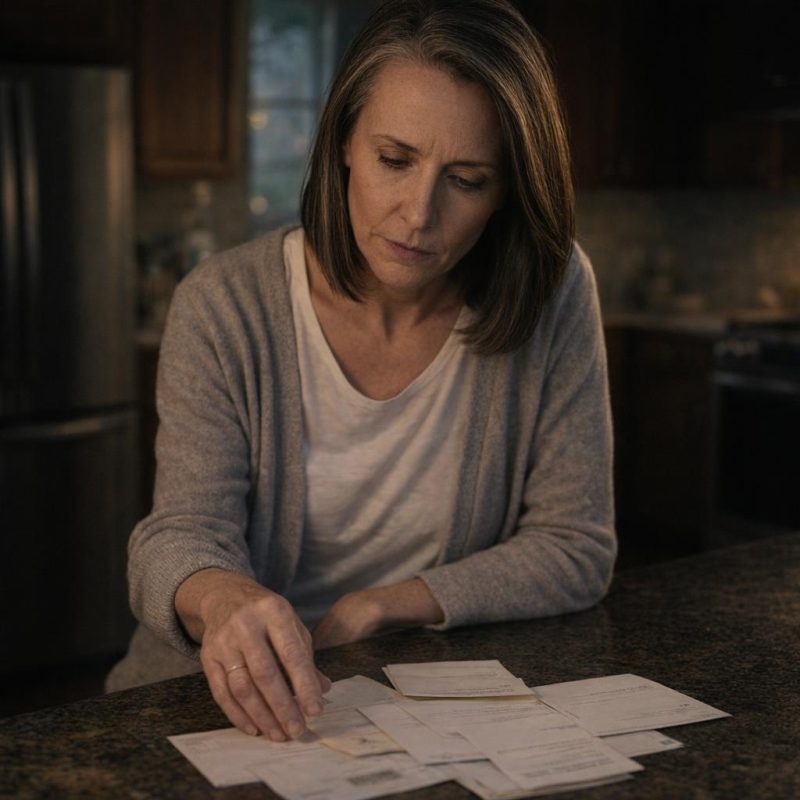 Image by RM AI
Strange Details
I sat at the kitchen table that evening with a cup of tea I kept forgetting to drink, and my mind kept drifting back over the past few weeks. Not the letters — I'd thought about those enough. The smaller things. The things I'd noticed and then set aside because there was always something more pressing to deal with. There was the afternoon I'd gone out to use the hot tub and found the storage bench lid not quite flush. I'd assumed the wind had caught it. There was the time I'd gone to get a towel and found only two where I was certain I'd left three. I'd checked the laundry room, checked the bathroom, checked the basket by the back door. Nothing. I turned it over in my mind, looking for an explanation that fit. George used to tease me about carrying things inside on autopilot and forgetting — he called it 'autopilot housekeeping' — and I'd laughed at the time. Standing in the laundry room that afternoon, I hadn't laughed. I'd just felt confused and a little unsettled, the way you do when something small doesn't add up and you can't quite find the reason. I'd moved on. There were letters to answer, records to keep. But sitting there now, I kept coming back to that towel — the first one that had gone missing from the storage bench.
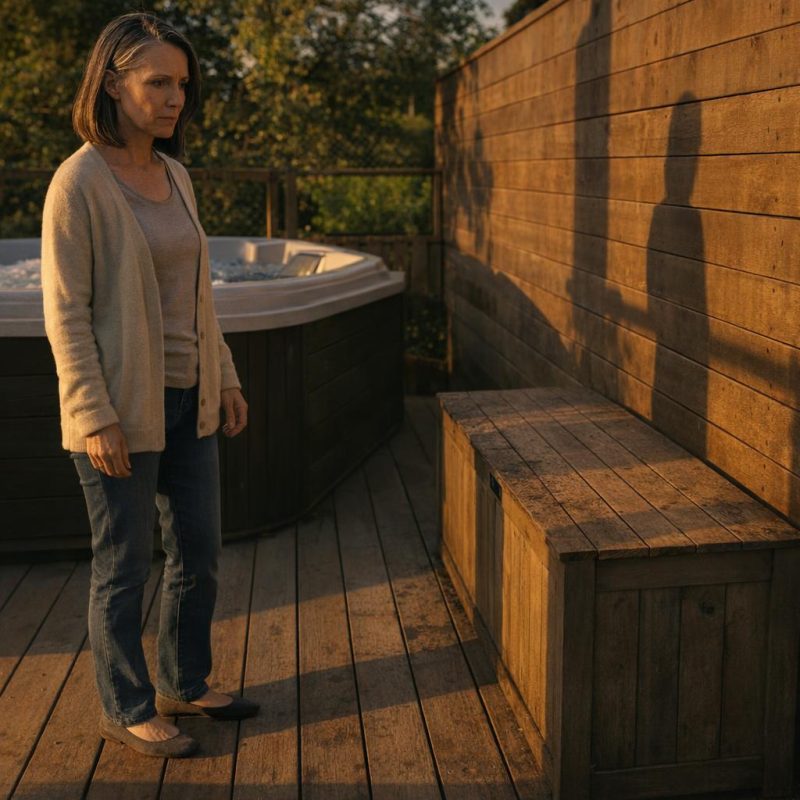 Image by RM AI
The Second Towel
The second towel had gone about ten days after the first. I remembered it clearly now that I was letting myself think about it. I'd gone out on a Tuesday morning to set up before my soak, lifted the bench lid, and counted. One. I stood there for a moment, certain I was miscounting, and counted again. Still one. I'd started with four towels in that bench — good thick ones I'd bought specifically for the hot tub, the kind that dry fast and fold small. I'd used one, brought it in to wash, and put it back. That should have left three. Then two. Now one. I went through the house that afternoon more carefully than I had the first time. I checked every bathroom, the linen closet, the laundry basket, the dryer. I even looked in the coat closet by the front door, which made no sense but I was running out of places. Nothing. I told myself I was probably just losing track. I was managing a lot — the HOA situation, the paperwork, the general weight of doing everything alone. It was easy to misplace things when your mind was elsewhere. I almost convinced myself. But there was a feeling underneath the reasoning that I couldn't quite smooth over, a low-grade unease that had nothing to do with forgetfulness and everything to do with the fact that two towels had simply ceased to exist.
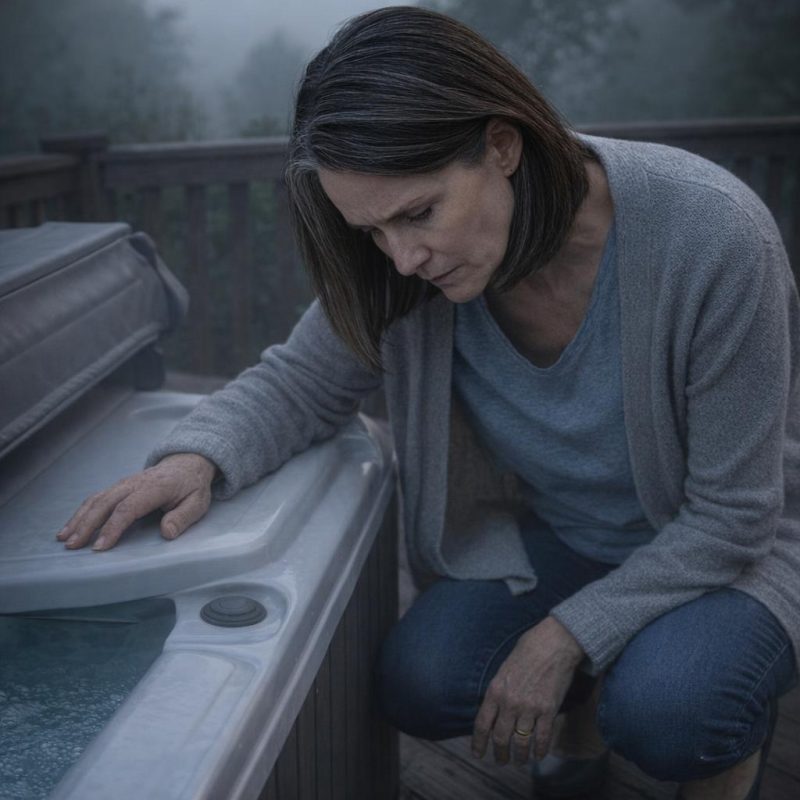 Image by RM AI
The Third Towel
I went out to the storage bench on a Thursday morning, the week after I'd noticed the second towel was gone. I wasn't in a hurry. I lifted the lid and looked in. One towel. The same one that had been there before. I stood very still for a moment. I had washed that towel, folded it, and put it back. I had also, two days earlier, placed a second towel in the bench — a fresh one from the linen closet, because I'd decided I was done being short on towels and had simply restocked. That towel was gone. I closed the lid and opened it again, as though it might have moved. It hadn't. I went inside and checked the laundry room. I checked the dryer, the bathroom, the basket by the back door. I went through the linen closet shelf by shelf. I was thorough this time, unhurried, methodical. The towel was not in the house. I sat down at the kitchen table and thought about that for a long time. Three towels, gone over the course of several weeks. I hadn't brought them inside. I hadn't misplaced them. I keep a tidy house — George always said I could find anything in under two minutes, and he wasn't wrong. This wasn't forgetfulness. I didn't know what it was yet, but I couldn't shake the feeling that something was wrong in a way I hadn't been willing to look at before.
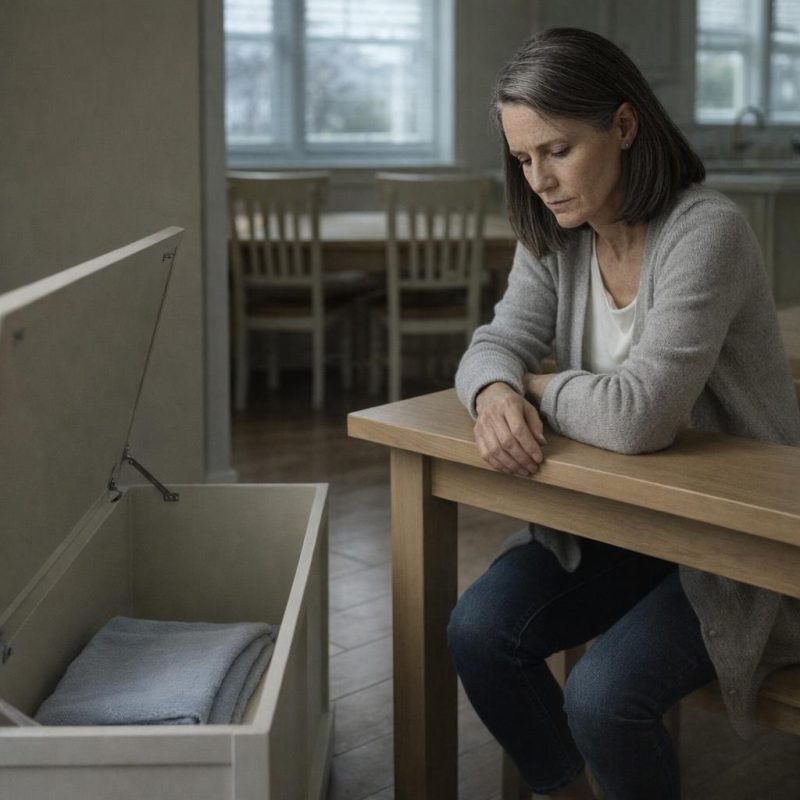 Image by RM AI
The Crooked Cover
I'd gotten into the habit of going out first thing in the morning to check on things — the garden, the patio, the general state of the backyard. George had been like that. He checked the locks every night before bed, tested the garage door twice, walked the perimeter of the yard on weekend mornings like a man who believed that paying attention was its own form of protection. I used to tease him about it. After he was gone, I found myself doing the same things, and I stopped teasing. That Thursday morning I went out just after seven, coffee in hand, and I noticed the hot tub cover was crooked. Not dramatically — just one corner lifted slightly, the latch on that side not quite seated. I stood there looking at it. I remembered latching it the night before. I always latch it the same way, same corner first, same press-and-click. I'd done it without thinking, the way you do things you've done a hundred times. I crouched down and checked the latch mechanism. It worked fine — clicked cleanly when I tested it. I told myself the wind had probably caught it. We'd had some gusty nights. I straightened the cover, pressed the latch down firmly, and went back inside. But I stood at the kitchen window for a moment before I moved on, looking out at the yard, with the feeling that something was slightly off in a way I couldn't account for. The next morning, I went out early again — and found the same corner lifted slightly.
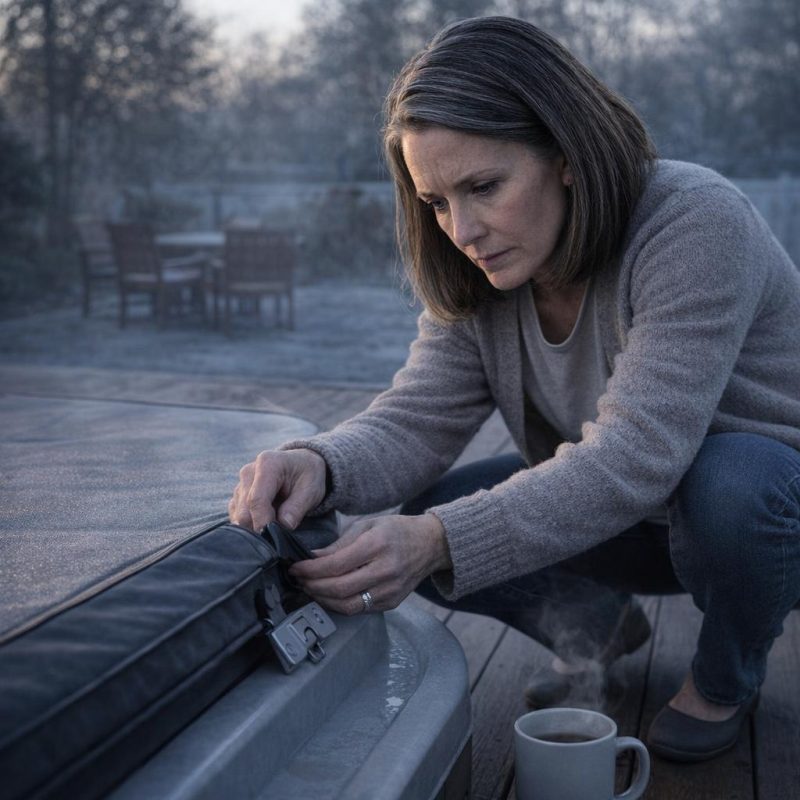 Image by RM AI
Several Mornings in a Row
After that second morning I started keeping track. I wrote it down in the small notebook I use for household things — dates, which corner, whether the latch had released or just come unseated. I checked the cover every morning for the next week. Three mornings in a row it was the same: the left rear corner lifted, the latch disengaged, the cover shifted just enough to notice if you were looking. I checked the latch mechanism again, more carefully this time. I pressed it, released it, pressed it again. It was solid. No wobble, no wear, no sign that it was failing on its own. I started latching it with extra care each night — pressing down on that corner specifically, making sure I heard the click. It didn't matter. The next morning it would be the same. I thought about the wind. We'd had calm nights mixed in with the gusty ones, and the pattern didn't follow the weather. A strong wind might lift a cover once, maybe twice. It wouldn't lift the same corner, the same amount, on the same side, every single time. I stood out there on the seventh morning with my notebook in my hand, looking at that lifted corner, and the latch mechanism sat there perfectly intact — clicked shut, no damage, no fault.
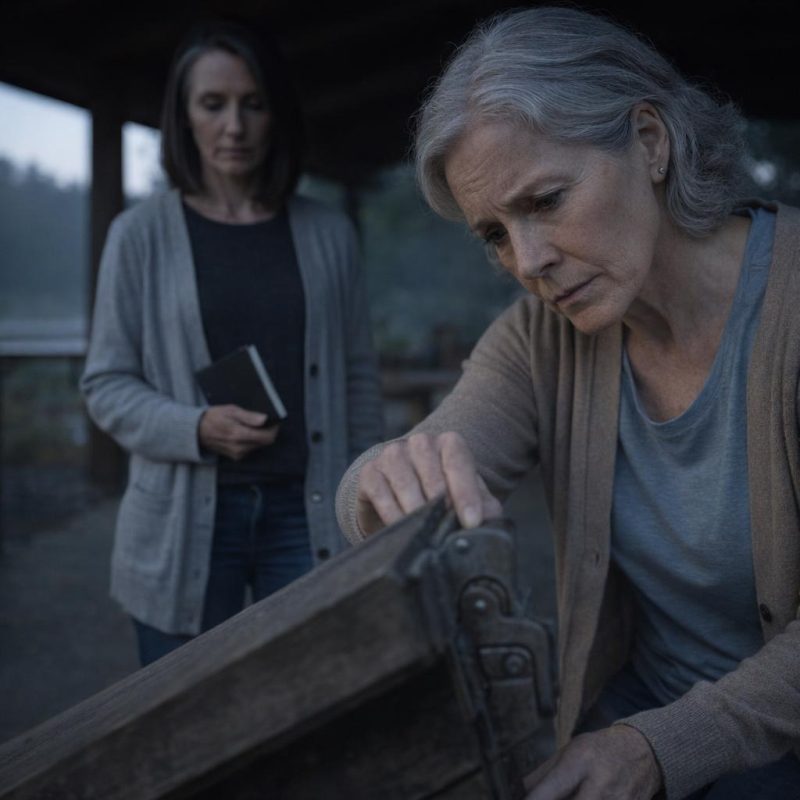 Image by RM AI
The Water Bill
Melissa had been after me for weeks to slow down and take stock of things, and I kept telling her I was fine. Then the mail came on a Tuesday and I stood at the kitchen counter opening envelopes the way I always do — bills first, circulars last. The water bill was near the bottom of the stack. I pulled it out and unfolded it the way I've done a hundred times, expecting the usual number, the one I could predict almost to the dollar after thirty years in this house. I'd actually used the hot tub less that month, not more. I'd been careful about it, almost self-conscious, given everything that had been going on with the HOA. So when I looked at the total, I thought I'd misread it. I set the bill down on the counter, smoothed it flat, and read it again. Then I picked it up and held it closer to the window where the light was better. The number didn't change. It was nearly double what I normally paid — not a few dollars over, not a rounding difference, but genuinely, significantly double. I went through my head trying to account for it. I hadn't watered the garden more than usual. I hadn't had guests. I hadn't done anything differently at all. A billing error, maybe. That was the most sensible explanation. I set the bill back down on the counter and read the total a third time, as if the number might finally decide to be something else.
 Image by RM AI
No Leak
The woman at the water company was polite and thorough. She walked me through the billing cycle, confirmed the meter reading was accurate, and suggested I check for a leak — a slow drip somewhere in the system that I might not have noticed. She said it happened more often than people expected. I called a plumber the next morning. He arrived mid-afternoon, a quiet man with a methodical way of working, and he went through everything: the kitchen, the bathrooms, the outdoor spigots, the connections running to the hot tub. He was under the house for a while. He checked the irrigation line along the back fence. He came back out brushing dust off his knees and told me there was nothing — no drip, no slow leak, no sign of any fault in the system anywhere. I asked him twice, just to be sure. He said the pipes were in good shape for a house this age. Before he left, he paused at the back gate and asked if maybe I'd been refilling something — a pool, a large planter, something that held a significant volume of water. I told him I hadn't refilled anything. The hot tub held its level fine. He nodded, wrote up his report, and left me standing in the backyard with a clean bill of health and no explanation at all. The afternoon light sat flat and quiet across the patio, and I had no idea what to do with that.
 Image by RM AI
Do You Think I'm Being Silly?
I waited until after dinner to call Melissa. I didn't want to alarm her, and I'd spent most of the day trying to talk myself out of what I was thinking. I told her about the cover — the same corner, the same latch, morning after morning. I told her about the towels that had gone missing from the storage bench. And then I told her about the water bill, the plumber, the clean inspection that explained nothing. There was a pause on her end, the kind where I could tell she was choosing her words. I asked her if she thought I was being silly for considering a security camera. I said it out loud and it sounded a little dramatic even to me — a widow in her late sixties putting up surveillance equipment over a missing hand towel and a high water bill. I told her maybe I was overthinking it. Maybe the towels had blown into the hedge and I just hadn't found them. Maybe the meter had hiccupped. Melissa didn't let me finish. She said, 'Mom, no. You should have done it already.' There was no hesitation in it, no gentle hedging. Just that — direct and certain, the way she gets when she's made up her mind about something. I felt the tension I'd been carrying all day ease just slightly. She said her husband could come over that weekend and help me get it set up properly.
 Image by RM AI
The Camera Arrives
The camera arrived in a small brown box on Thursday, and I left it on the kitchen table until the weekend. Melissa and her husband came over Saturday morning. He's good with that sort of thing — patient and precise, the kind of person who reads the instructions all the way through before touching anything. He spent about an hour on the patio eave, adjusting the angle until he was satisfied. When he came down off the stepladder, he showed me the view on his phone: the hot tub, the side gate, and the storage bench all sitting clearly in the frame. The camera was tucked up under the overhang where you wouldn't notice it unless you were looking for it, which suited me fine. He set up the app on my phone and walked me through it twice — how to check the live feed, how to pull up recorded clips, how to adjust the motion sensitivity. Melissa stood beside me while he explained it, her hand resting briefly on my arm. I told them both I wasn't going to mention it to anyone. Not Ruth, not the HOA, and certainly not the neighbors. Melissa nodded like that was exactly the right answer. After they left, I stood on the patio for a moment and looked up at the small dark lens tucked under the eave. Whatever had been happening out here, I would know about it now. That thought settled over me quietly, like something I'd been waiting to feel for a long time.
 Image by RM AI
Two Nights of Nothing
The first night I barely slept. I kept the phone on the nightstand with the volume up and woke twice thinking I'd heard something, but there were no alerts. In the morning I opened the app and scrolled through the overnight footage. There was nothing — just the backyard sitting dark and still, the hot tub cover undisturbed, the gate latched exactly as I'd left it. Around three in the morning a raccoon had wandered in from somewhere, nosed around the base of the storage bench for a minute or two, and left the way it came. That was all. The second night was quieter still. No alerts, no movement, not even the raccoon. I checked the footage over my morning coffee and watched the timestamp scroll through hours of empty patio. The cover was exactly where I'd left it. The latch was engaged. I sat there with my mug going cold and started to wonder if I'd imagined the whole pattern — the lifted corner, the missing towels, the water bill that didn't add up. Maybe the towels had simply blown away and I'd forgotten. Maybe the meter really had been misread the first time. The camera felt less like a sensible precaution and more like evidence of something I didn't want to examine too closely — the possibility that I was a woman living alone, getting older, and starting to see problems that weren't there. I left the footage running and tried not to think about it too hard.
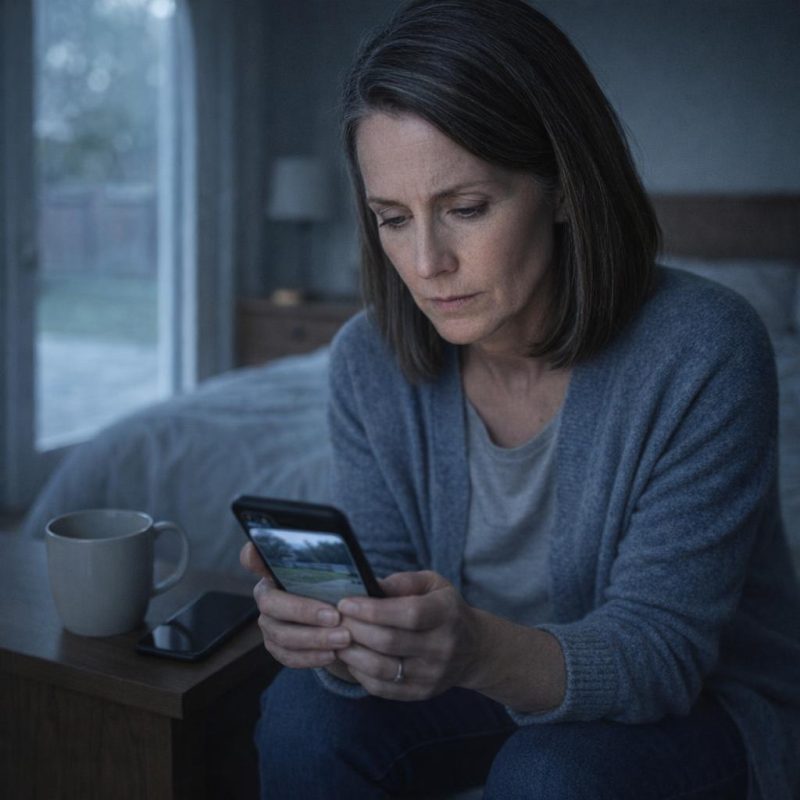 Image by RM AI
Motion Detected
The third night I went to bed earlier than usual. I'd spent the evening reading and had talked myself into a kind of resigned calm — whatever was or wasn't happening in the backyard, I would either see it or I wouldn't, and worrying about it in the dark wasn't going to change anything. I turned the light off just after nine-thirty and was properly asleep by ten. I don't know what time it was when the phone buzzed on the nightstand. I surfaced slowly, the way you do when sleep has been deep and genuine, and for a moment I didn't know what the sound was. Then the screen lit up again — a second buzz, the notification banner sitting bright in the dark. Motion detected. I lay there for a second, still half under, and thought: raccoon. It was almost certainly the raccoon again, or maybe a possum this time, working its way along the fence line. The timestamp on the notification read 11:42 p.m. I'd been asleep for less than two hours. I shifted up onto one elbow, the room still dark around me, and reached for my phone.
 Image by RM AI
Expecting an Animal
The app took a moment to load. I lay there propped on one elbow, squinting at the brightness of the screen in the dark room, waiting for the footage to come through. My eyes hadn't adjusted properly and the image was small. I was expecting the greenish glow of animal eyes near the fence, the low shape of something moving along the ground. The video buffered for a second, then started. There was movement on the patio — not near the fence, not low to the ground. The patio light was on, the one that triggers with motion, and it threw a pale wash of light across the flagstones. I blinked and brought the phone closer to my face. The shape was upright. It moved the way a person moves, with weight and intention, crossing the frame from the direction of the side gate. I sat up. My brain kept trying to hand me the raccoon explanation and I kept setting it aside because what I was looking at didn't fit. I wasn't fully awake yet and the image was grainy and small, and I told myself I was probably still half-dreaming, that my eyes were making shapes out of shadows. I held the phone with both hands and stared at the screen, waiting for my mind to catch up with what my eyes were already seeing.
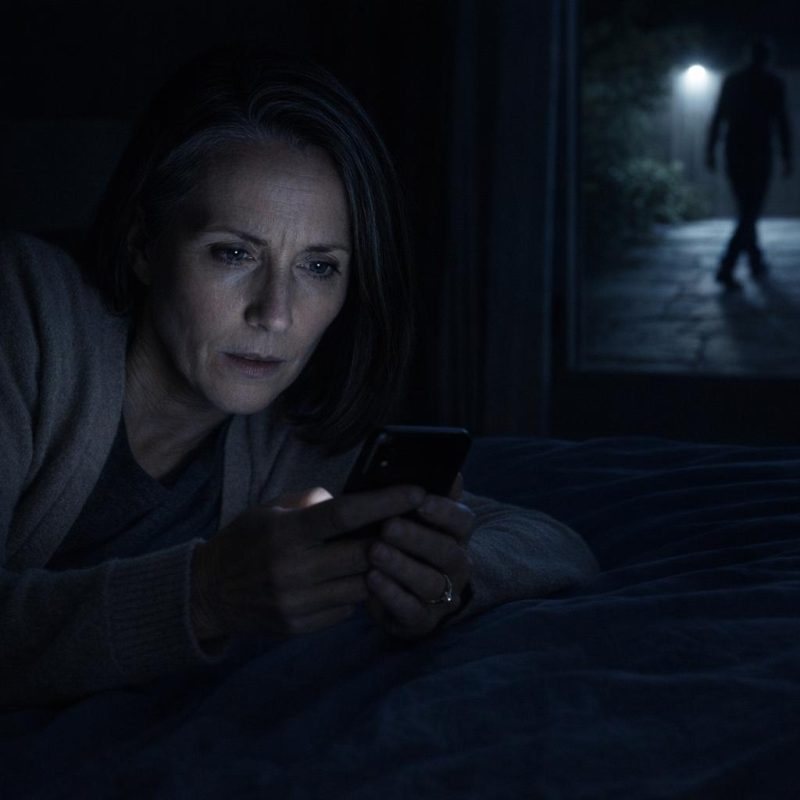 Image by RM AI
Marsha in My Backyard
I turned the brightness up on my phone and held it close. The figure on the screen came into focus slowly, the way things do when you're willing them to be something other than what they are. It was a woman. She was wearing a robe — a light-colored one, belted at the waist — and she was carrying something tucked under one arm, though I couldn't make out what it was in the low light. She moved across my patio with a kind of ease that made no sense to me, not hurrying, not looking around the way someone would if they were uncertain about being there. I watched her cross toward the hot tub. My mind went completely blank. Not the blank of sleep, but the blank of a thought that has no place to land. I sat up fully in bed, the covers falling away, the phone gripped in both hands. I recognized the robe — light-colored, belted, the same one I'd seen over the fence more than once. I recognized the hair, even in the grainy wash of the camera. Something cold moved through me as the image settled. It was Marsha. My neighbor Marsha, walking across my backyard at eleven forty-two at night as though she had every right to be there, and my mind simply refused, for a long moment, to make anything of it at all.
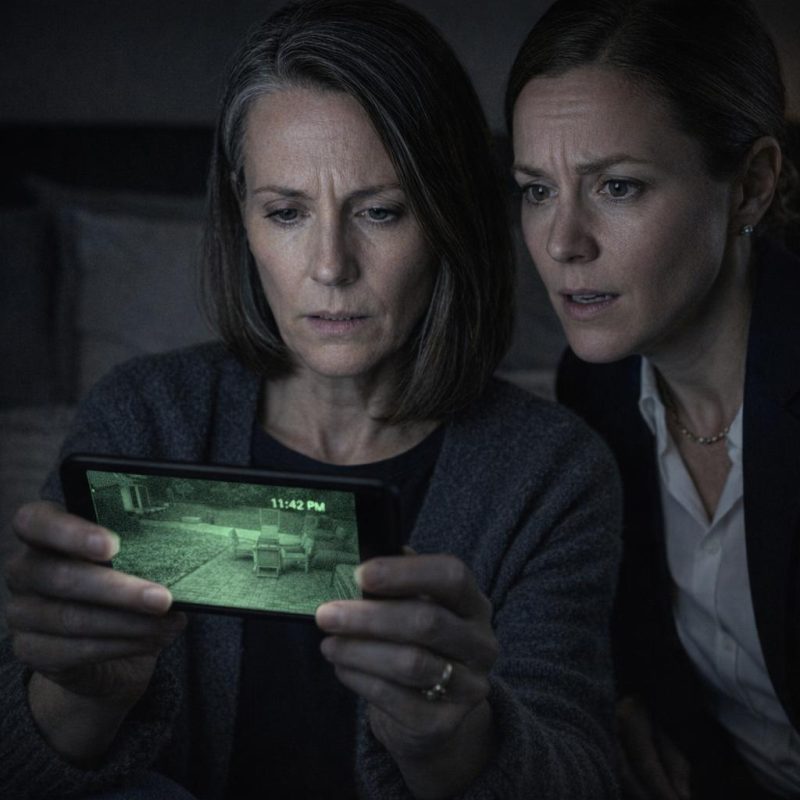 Image by RM AI
Ken Appears Behind Her
I kept my eyes on the screen, barely breathing. Marsha had stopped near the edge of the hot tub, setting down whatever she'd been carrying under her arm. I watched her turn back toward the gate, and that's when I saw him. Ken. He came through the gap in the fence the same way she had — unhurried, like he was stepping into his own yard on a Saturday afternoon. He had something draped over his shoulder. I squinted at the phone, tilting it toward the lamp on my nightstand. The camera wasn't high resolution, but the light caught the fabric just enough. It was thick and pale, with a dark stripe along the edge. My stomach dropped. I had a set of towels like that. Had being the operative word — I'd noticed two of them missing from the hook by the back door and assumed I'd left them somewhere, or maybe put them in the wash and forgotten. I sat there in my bed, covers pooled around my waist, phone gripped so hard my knuckles ached, watching Ken Bell stroll across my patio carrying one of my own towels over his shoulder.
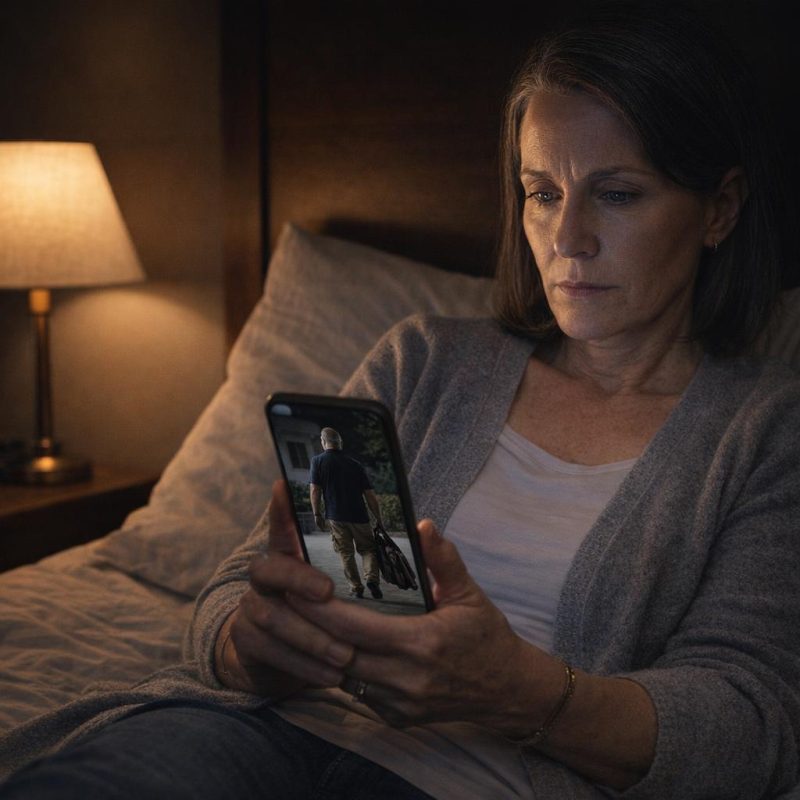 Image by RM AI
They Lifted the Cover
I couldn't look away. My thumb hovered over the screen like I might pause it, like this was something I could stop. Marsha reached the hot tub first. She set down what she'd been carrying — it looked like a small bag, the kind you'd bring to a spa — and then she reached for the cover with both hands. No hesitation. No fumbling around the edges trying to figure out the grip. She found the handles on the first try, shifted her weight back, and lifted. The cover came up smooth and even, folding back on its hinge the way it only does when you know exactly how much force it needs. Ken moved to the far side without being asked, steadying the panel as it folded over. They'd done this before. I didn't know how many times, didn't know when it had started, but the way Marsha's hands moved on that cover — confident, practiced, not a single wasted motion — told me this wasn't their first night in my backyard.
 Image by RM AI
Into My Water
Ken went in first. He sat on the edge, swung his legs over, and lowered himself into the water in one easy motion, the kind of ease that comes from knowing the depth, knowing the temperature, knowing exactly where to put your feet. Marsha followed. She stepped in from the side, one hand on the edge for balance, and settled into the far seat — the one with the stronger jet, the one I always used. I watched them both sink down until the water was at their shoulders. They weren't tense. They weren't looking around. They weren't doing anything that looked like trespassing. They looked like two people who had just come home after a long week and were finally getting to relax. The crooked cover. The missing towels. The water bill that had made me feel like I was losing my mind. I sat in my dark bedroom with my phone shaking in my hands, watching my neighbors settle into my hot tub like they belonged there.
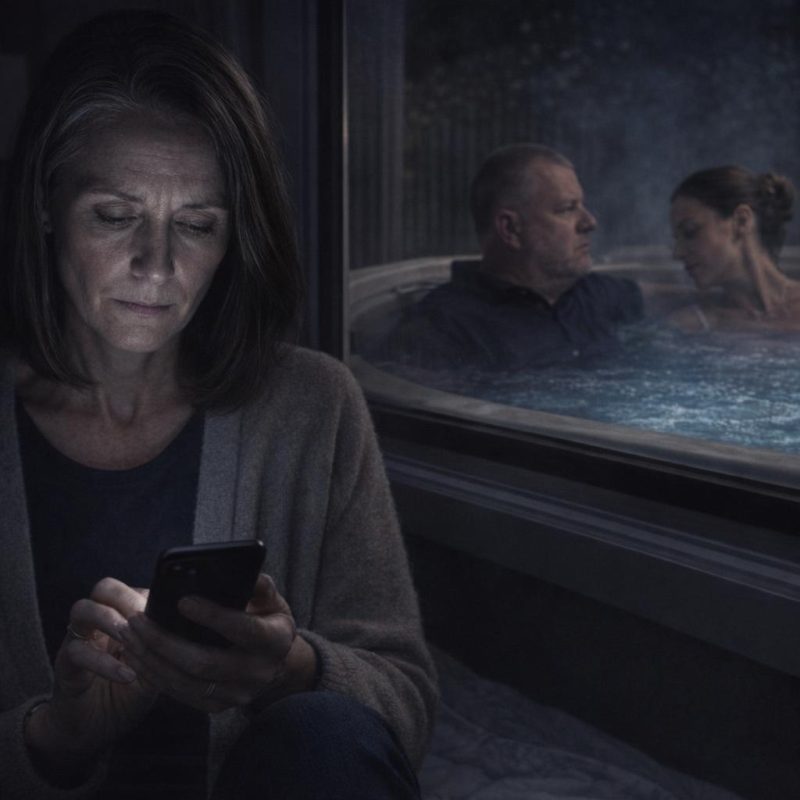 Image by RM AI
Laughing Quietly
I almost turned the volume off. I didn't want to hear them. And then I turned it all the way up. The camera picked up sound better than I'd expected — not perfectly, but enough. There was the low hum of the jets, the soft movement of water, and then their voices, quiet and unhurried. Marsha said something I couldn't quite catch, and Ken laughed — a low, easy laugh, the kind you only make when you're completely comfortable. Marsha leaned her head back against the edge of the tub. Ken reached over and adjusted something near the jet panel. They weren't whispering. They weren't nervous. They were just two people having a quiet evening, except they were doing it in my backyard, in my water, without my knowledge or permission. I sat in my bed with the phone pressed close to my ear, and the sound of their laughter — soft and intimate and utterly at ease — settled over me like something I couldn't shake off.
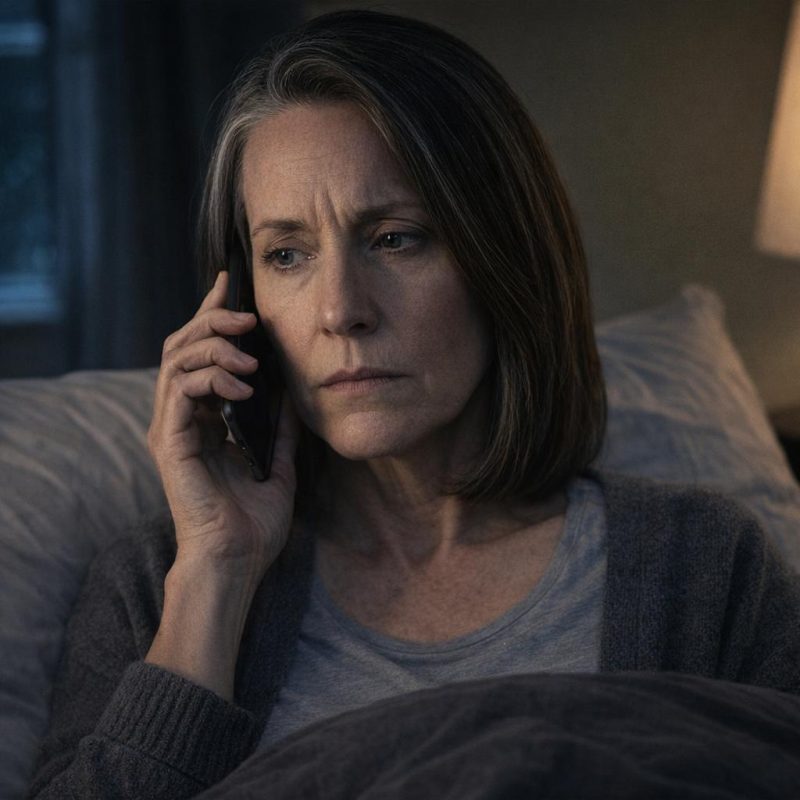 Image by RM AI
We Don't Have to Pay for It
I kept listening. The jets cycled down for a moment and the audio cleared. Marsha's voice came through first, relaxed and conversational. She said something about the temperature, about how the heat held longer than she'd expected. Then she said it was better than theirs would have been anyway. I heard Ken make a sound — half laugh, half agreement. There was a pause, the kind that comes after something that doesn't need much adding to. Then Ken's voice, easy and unhurried: "And we don't have to pay for it." I nearly dropped the phone. I sat there in the dark with those words ringing in my ears, and everything — every HOA letter, every complaint about visibility and noise, every time Marsha had looked over the fence with that particular expression — rearranged itself around those seven words. They hadn't been trying to get rid of the hot tub. They'd been trying to get rid of me using it. And Ken had just said the quiet part out loud.
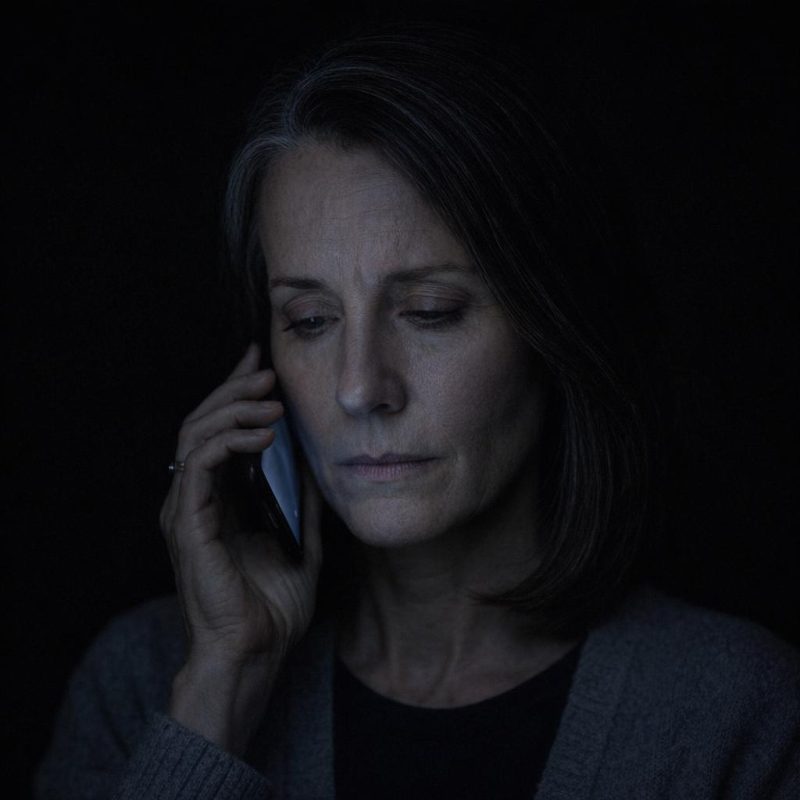 Image by RM AI
Saved Footage
I didn't go back to sleep. I sat up against the headboard and opened the saved footage on my phone, scrolling back through the previous nights. The camera had only been up for three days — I'd installed it on a Thursday — but I found what I was looking for almost immediately. Two nights earlier, just after midnight, the same gate, the same two figures. Marsha in her robe. Ken with a towel. They moved through the backyard with the same unhurried ease, lifted the cover the same way, got in. I watched the timestamp in the corner: twelve-oh-four in the morning. I thought about the water bill. I thought about the towels I'd counted and recounted, convinced I was misplacing things. I thought about the cover sitting slightly crooked every few days, and how I'd blamed the wind, blamed my own carelessness, blamed anything that made more sense than this. The camera had only captured three days. Whatever had been happening before that — how many nights, how many weeks — I had no way of knowing, and that thought sat heavy in my chest long after I set the phone down.
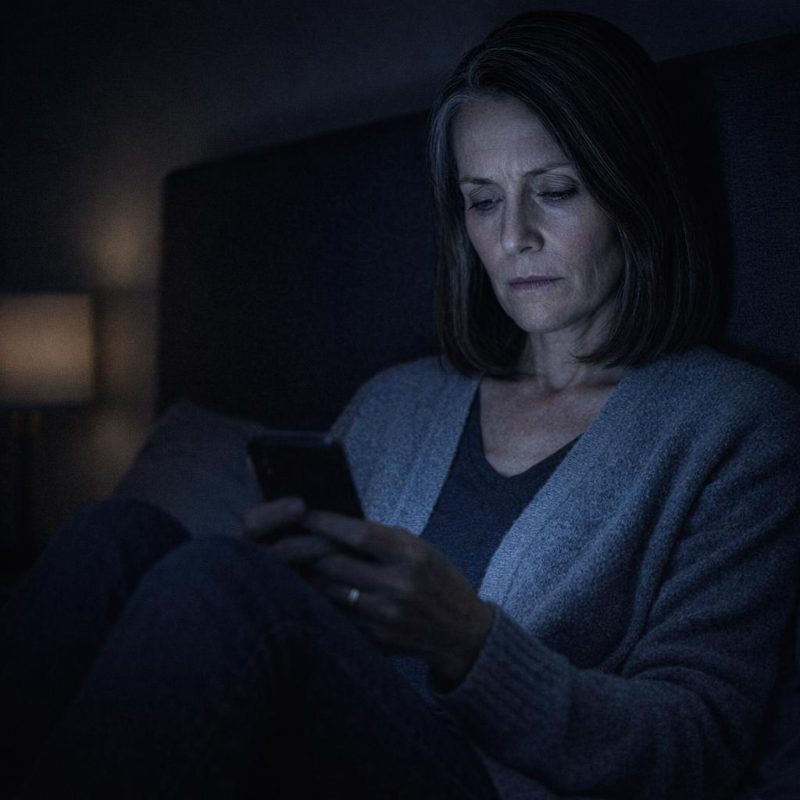 Image by RM AI
Everything Explained
I lay there in the dark putting it together, piece by piece. The towels hadn't walked off. They'd been used and taken back over the fence, or left somewhere I hadn't thought to look. The water bill had doubled because the hot tub was running several nights a week, just not for me. The cover had been crooked because someone was replacing it in a hurry, in the dark, trying to leave things close enough to how they'd found them. And Marsha — all those times she'd mentioned the hot tub in passing, asked if I'd been using it lately, commented on the noise or the light — I'd taken it as complaint, as surveillance, as her usual need to manage everything around her. But she hadn't been watching to file a report. She'd been watching to know when the coast was clear. Every HOA notice, every letter about community standards and neighborly consideration, had come from the same woman who was letting herself into my backyard after midnight. I thought about the night she'd asked, almost casually, whether I used it on weeknights — and the answer I'd given her without a second thought.
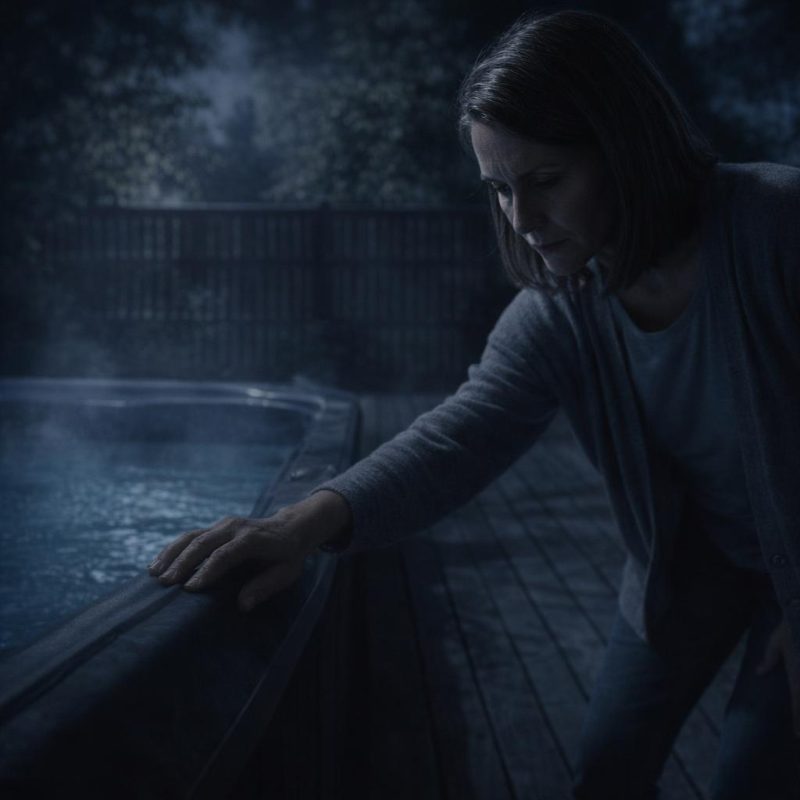 Image by RM AI
The Urge to Confront
Part of me wanted to get up right then. Walk outside, cross the yard, bang on their door, and stand there until one of them answered. I had the footage on my phone. I had the audio. I could have played it for them on their own front porch. The image of Marsha's face in that moment — the moment she understood what I had — was almost enough to get me out of bed. Almost. I made myself stay. I thought about every HOA notice, every letter written in careful neutral language designed to make me feel like the problem. I thought about the meeting where Marsha had stood up and talked about community standards while Ken sat beside her nodding. They had used every formal channel available to them, and they'd done it patiently, methodically, over months. If I went over there at one in the morning with a shaking phone and a full head of steam, I'd hand them exactly the narrative they needed. I saved the video files twice — once to my phone, once to the cloud — and set the phone face-down on the nightstand. The anger was still there. I just let it sit.
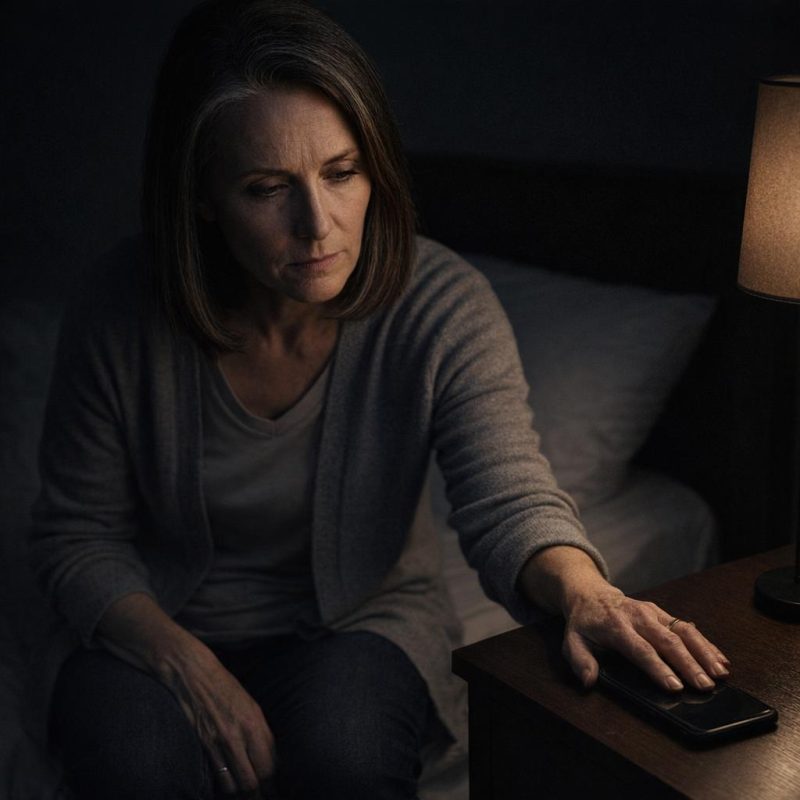 Image by RM AI
Discussion of Ongoing Nuisance Concerns
The notice arrived on a Tuesday, tucked between a water bill and a grocery store circular. Official HOA letterhead, the kind with the little crest at the top that always made me think of a country club nobody actually wanted to join. I read it standing at the mailbox, squinting in the afternoon light. It informed me, in careful neutral language, that I was expected to attend the next scheduled meeting to discuss ongoing nuisance concerns related to my property. I read it twice. Then I laughed — a short, dry sound that startled a sparrow off the fence post. They were really going to do it. They were going to stand up in front of the whole neighborhood and try to embarrass me publicly, and they had absolutely no idea what I was carrying around on my phone. I walked back inside, set the notice on the kitchen table, and smoothed it flat with my palm. Every complaint, every letter, every carefully worded grievance — and now a formal summons. I thought about the footage. I thought about Marsha's voice, easy and comfortable, drifting across my backyard in the dark. They had handed me a stage, a room full of witnesses, and a date on the calendar. I set the notice beside my phone and sat down. There was something almost elegant about it — being called to answer for a hot tub by the very people who had been soaking in it.
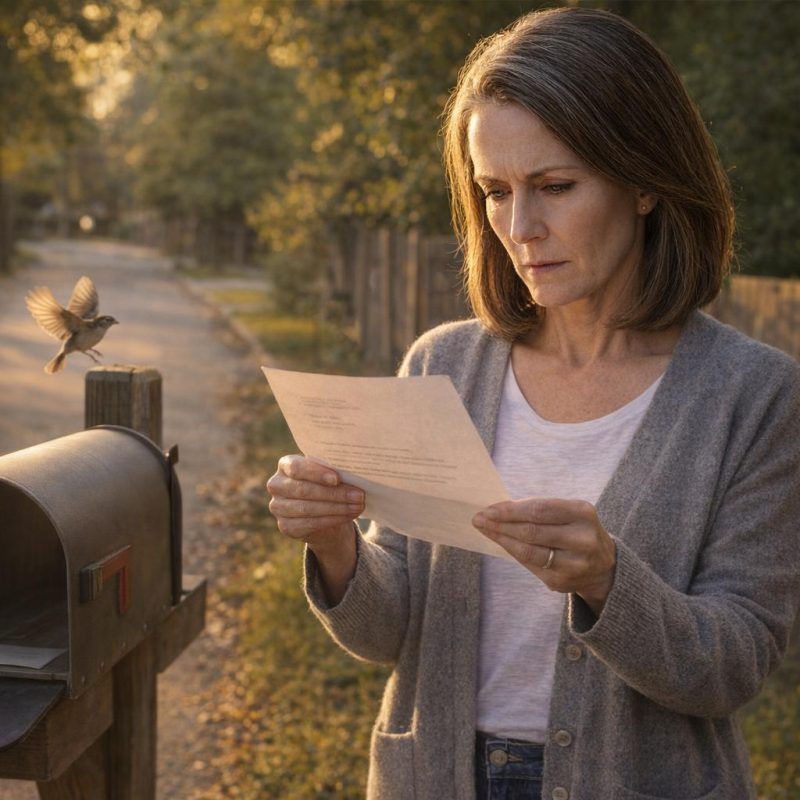 Image by RM AI
Send It Now
I called Melissa that evening. I told her everything — the motion alerts, the camera footage, what I'd seen and heard. There was a long pause on her end, the kind that meant she was working very hard not to say something she'd regret. Then she said, "Mom. Send it to the board tonight. Send it right now." I could hear her pacing. She wanted it handled immediately, wanted the Bells reported before another day passed. I understood the impulse. Part of me felt it too. But I told her no. She went quiet again, and I could picture her face — that look she gets when she's trying to decide whether to push back. "Why not?" she finally asked. I told her I'd been thinking about it since the notice arrived. They had filed complaints through every official channel available to them. They had done it patiently, in writing, with the full weight of the HOA behind them. They wanted a public discussion. I said if that's what they wanted, that's exactly what they were going to get. Another pause. Then she said, "Okay. Okay, I get it." Her voice had settled. I could hear it — the moment she understood what I meant. I told her to get some sleep. I set the phone down on the counter and stood in my quiet kitchen, feeling something I hadn't felt in months. "They want a meeting," I said to nobody in particular. "So they'll get one."
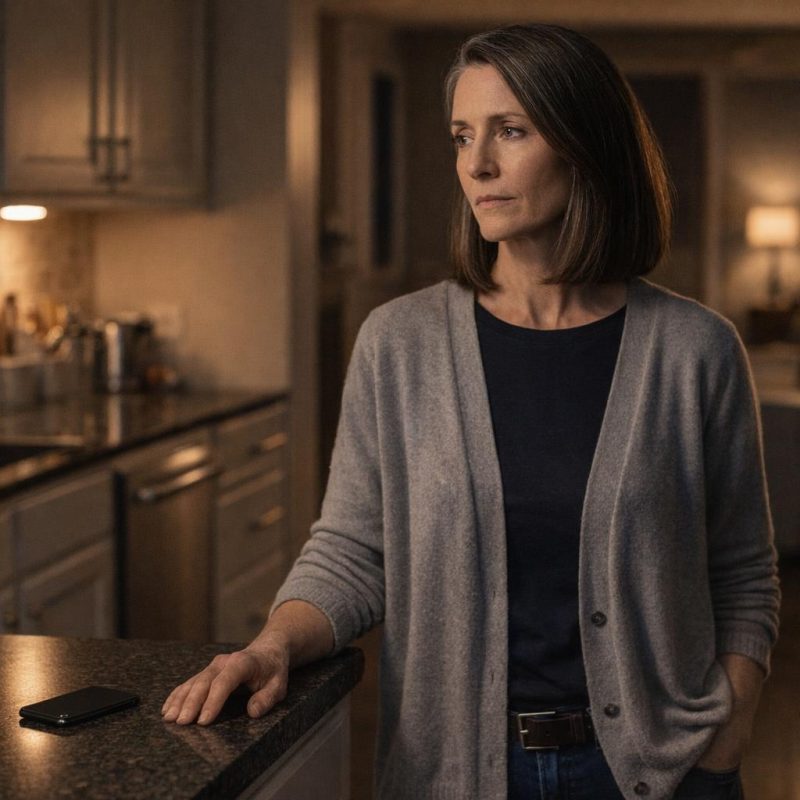 Image by RM AI
A Bottle of Wine
The motion alert came through at twelve forty-three the night before the meeting. I was still awake — I'd been lying in bed reading, too settled in my own thoughts to sleep. I picked up my phone and opened the camera feed without any particular hurry. There they were. Ken came through the gate first, and Marsha followed a few steps behind him, carrying a bottle of wine. Not tucked under her arm the way you'd carry something quickly — held out in front of her, by the neck, like she was bringing it to a dinner party. They climbed into the hot tub with the ease of people who had done it several times before, which of course they had. Marsha set the bottle on the edge of the tub. At some point she reached over and pulled one of my folded towels from the patio shelf and draped it over the side within arm's reach. I watched all of this on a four-inch screen from my own bedroom. I felt no anger. The anger had burned off days ago and left something quieter in its place — a kind of cold, clear focus. I saved the clip, labeled it, and set the phone back on the nightstand. The meeting was in less than twelve hours. They were sitting in my hot tub, drinking wine, the night before they planned to have me publicly reprimanded for owning it.
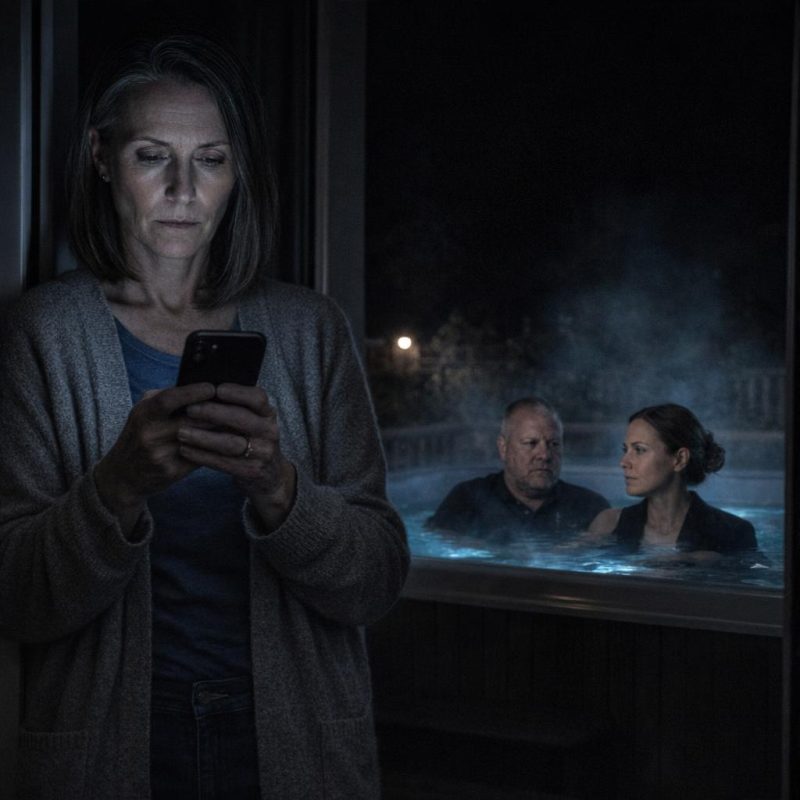 Image by RM AI
After Tomorrow She'll Stop
I left the camera feed running and turned the volume up on my phone. Their voices came through clearly enough — the night was still, and the microphone on the camera was better than I'd expected when I bought it. Ken said something about me being too cautious to make a real fuss, and Marsha laughed. It wasn't a mean laugh exactly, just easy and certain, the laugh of someone who has already decided how a thing is going to go. I lay there in the dark listening. Ken asked if she was sure about the meeting, whether it might stir things up more than they wanted. Marsha said the HOA would side with them — they always did when enough people signed on. She said the complaints had been working. Said I'd been quieter lately, less likely to push back. Then she said it plainly, in the same relaxed tone she might use to discuss a grocery list: after tomorrow's meeting, she figured I'd probably stop using the hot tub altogether. I saved that clip separately. I labeled it clearly and put it at the top of the folder. Then I set the phone down and stared at the ceiling for a moment. I wasn't angry. I wasn't even surprised. I just lay there in the quiet, thinking about tomorrow, while Marsha's voice — so easy, so certain — sat in my memory like a stone.
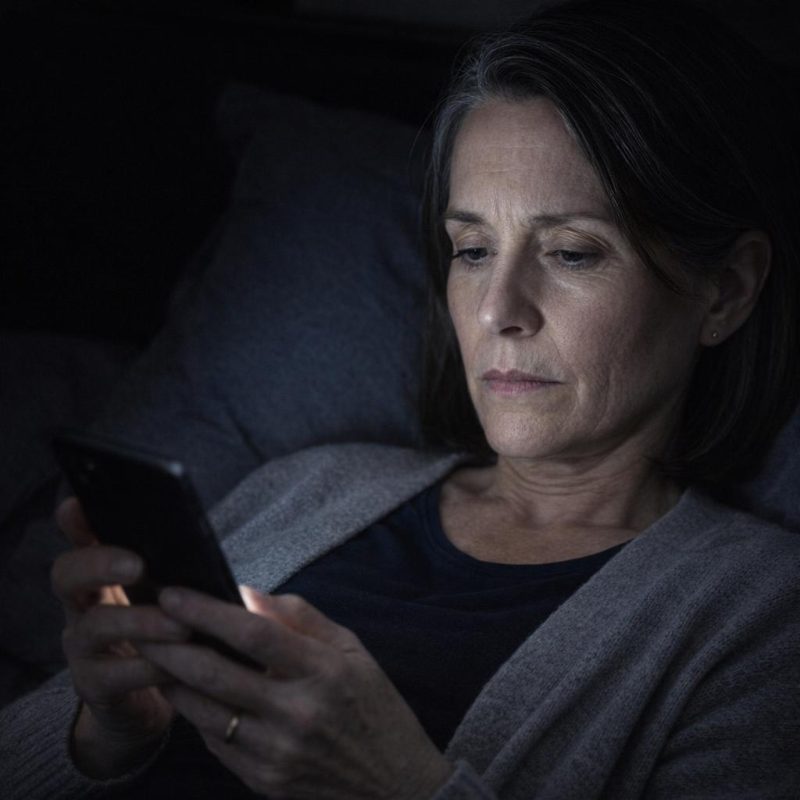 Image by RM AI
The Night Before
After they left I got up, made a cup of tea I didn't really want, and sat down at the kitchen table with my phone. I went through every clip, one by one. I watched them enter the yard. I watched Marsha with the wine bottle. I listened to the conversation from the night before, and the one before that. I organized everything in order — earliest date first, the conversation clip last. I checked the audio on each one, made sure the timestamps were visible, made sure nothing was blurry or cut off. Then I saved the whole folder to the cloud a second time, just to be certain. I thought about George while I worked. He was a methodical man — the kind who read the instructions before assembling anything, who kept receipts in a labeled accordion folder. He would have had a spreadsheet. He would have printed everything out and put it in a binder with tabs. I smiled at that. He also would have told me not to lose my temper in the room, to let the evidence do the talking, to stay quieter than I felt. I knew he would have been proud of the patience it had taken to get here. I closed the folder, set the phone face-up on the table, and went to bed. I fell asleep faster than I had in weeks, and the folder sat on the table in the dark, ready.
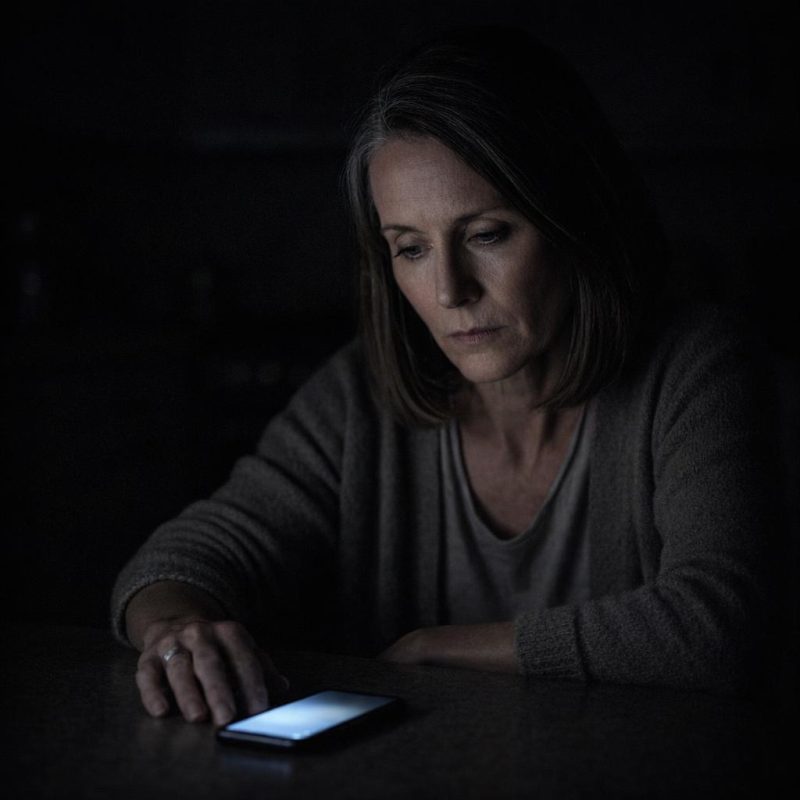 Image by RM AI
The Clubhouse
The clubhouse parking lot had more cars than I'd ever seen there on a weeknight. I counted at least twenty people already seated when I came through the door, and more were filing in behind me. The room smelled like old carpet and the particular staleness of a space that only gets used for meetings. I stood in the doorway for a moment, getting my bearings. Ruth was near the back. She caught my eye and patted the empty chair beside her, and I made my way over. She leaned in and asked quietly if I was all right. I told her I would be. She nodded like she believed me, which helped. Mr. Caldwell was at the front table, arranging papers and adjusting his reading glasses on their chain. He had the careful, unhurried manner of a man who had mediated a great many neighborhood disputes and intended to mediate this one the same way. I held my phone in my lap and kept my hands still. I had worn my good cardigan — the dark blue one — because George always said it made me look like someone who meant what she said. I took a slow breath and looked toward the front of the room. Marsha was already there, sitting in the front row beside Ken, her posture straight, her cream sweater pressed, her expression perfectly composed.
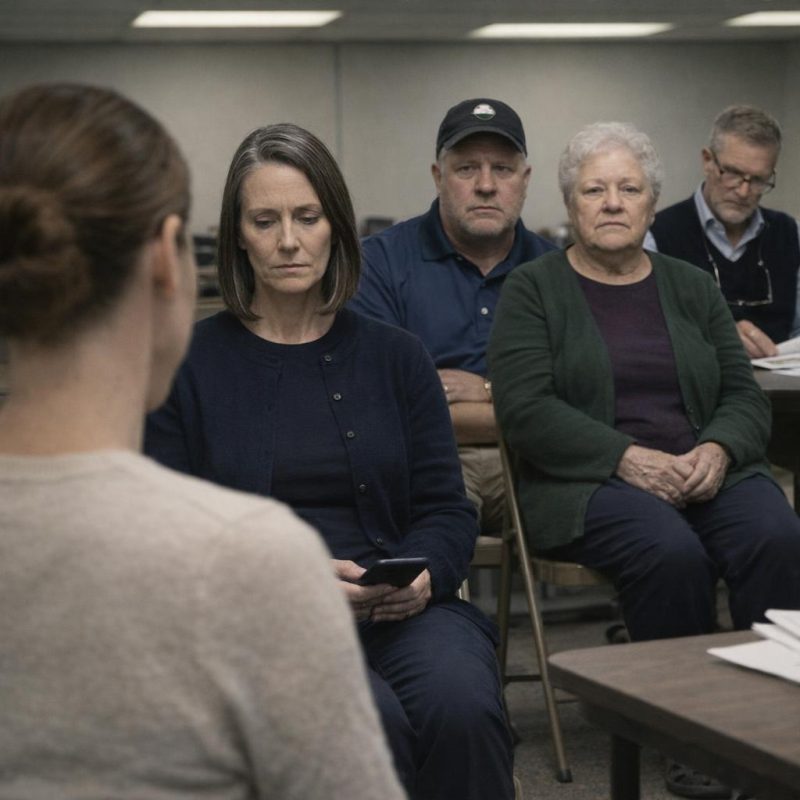 Image by RM AI
Maintaining Harmony
Mr. Caldwell called the meeting to order at seven o'clock exactly. He thanked everyone for coming, acknowledged that the turnout was larger than usual, and said he hoped that reflected the community's investment in working things out together. His tone was measured and careful, the tone of a man who had learned to say difficult things in the most inoffensive way possible. He talked about maintaining harmony in the neighborhood. He talked about respecting shared standards and the importance of addressing concerns before they had a chance to grow into something harder to resolve. He said the HOA existed to protect everyone's quality of life, not to take sides. I had heard versions of this speech before — at the meeting months ago, in the letters, in the formal notices. It was the language of institutions, designed to sound fair while the machinery moved in whatever direction it had already decided to move. I sat with my hands in my lap and my phone face-down on my thigh. Ruth's hand found mine under the edge of the table and squeezed once, briefly. I watched Marsha at the front of the room, her shoulders relaxed, her chin slightly lifted, waiting to be invited to speak. Mr. Caldwell shuffled his papers, cleared his throat, and said he'd like to begin by inviting the neighbor who had brought the concerns forward to share them with the group. The weight of all those careful, diplomatic words settled over the room like dust.
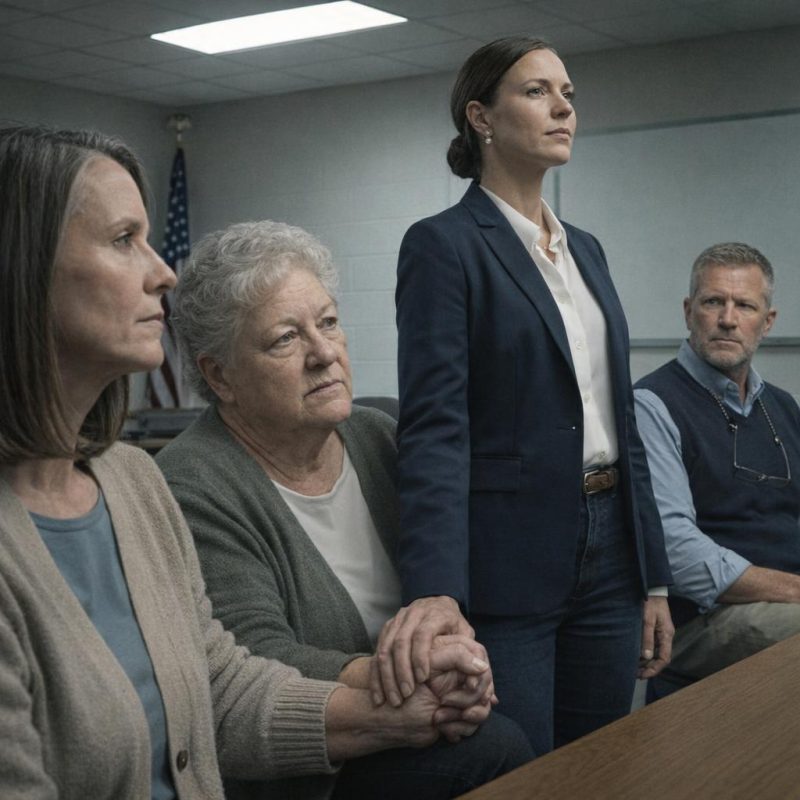 Image by RM AI
Several of Us Have Been Concerned
Marsha stood slowly, the way people do when they want the room to notice them rising. She smoothed the front of her sweater and looked around with an expression of reluctant duty, like someone who had been asked to deliver difficult news and had accepted the responsibility with grace. She said she didn't enjoy bringing this up. She said several residents had expressed concern — not just her, she was careful to say, but several — about the changes to the character of the neighborhood. She said the hot tub was visible from the street and from adjacent properties, that it created noise and light at hours that affected the surrounding homes. She used the word distracting twice. Ken sat beside her nodding at measured intervals, his arms crossed, his expression grave. A few people in the room shifted in their seats. Marsha continued that no one was trying to deny any homeowner their comfort, but that when one person's choices began to affect the experience of others, the HOA had a responsibility to step in. She mentioned water usage. She mentioned maintenance standards. She said she hoped this could be resolved in a spirit of mutual respect. It was a good performance. The words were chosen carefully, the tone was warm without being soft, and she had managed to make a complaint sound like a favor she was doing for everyone in the room. I sat completely still and let her finish, the phone steady in my lap, listening to the practiced concern in her voice.
 Image by RM AI
I Would Like to Respond
When Mr. Caldwell asked if I'd like to respond, I stood up slowly and said yes, I would. I told the room I'd done everything right before that hot tub went in — checked the HOA guidelines, pulled the permit, stayed within every setback requirement. I said I couldn't understand why my neighbors were so determined to make it a problem. Then I looked directly at Marsha and said that my towels had started disappearing, that my water bill had nearly doubled, and that every morning the cover was sitting crooked. The room went very quiet. I said I didn't know what to make of it at first, so I installed a camera. Marsha's expression shifted — just slightly, just enough. Ken's head snapped toward me like I'd said something in a language he hadn't expected me to speak. I told Mr. Caldwell I had footage I'd like to share, and he nodded and connected my phone to the clubhouse television. The video filled the screen: Marsha and Ken moving through my backyard in the dark, climbing into my hot tub, laughing. Someone in the back row gasped. Ruth muttered something I didn't quite catch but didn't need to. Then the audio came through clearly — Marsha's voice saying they didn't have to pay for it, that I'd probably stop using it after the meeting anyway. Mr. Caldwell set his glasses down on the table. He looked at Marsha and asked, very quietly, whether she had been in my backyard without my permission. Her mouth opened. Nothing came out.
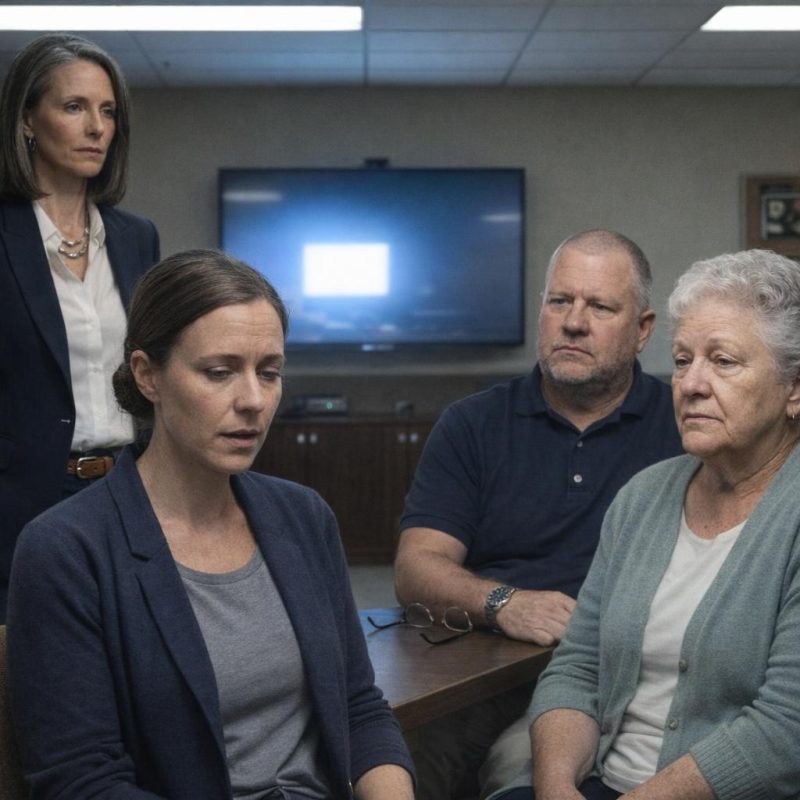 Image by RM AI
Every Complaint Dismissed
Mr. Caldwell didn't drag it out. He put his glasses back on, looked down at the complaint file in front of him, and formally dismissed every item on it — noise, light, water usage, aesthetic impact, all of it. He said the board would be reviewing its process for handling anonymous complaints going forward. Then he turned to Marsha and Ken and told them, in the same measured tone he used for everything, that entering a neighbor's private property without permission was trespassing, that the HOA took it seriously, and that any further incident would be referred to law enforcement. Marsha sat with her hands folded in her lap and her eyes fixed somewhere past the far wall. Ken stared at the table. Neither of them spoke. A few people near them shifted their chairs slightly, the way you do when you don't want to be associated with something. Mr. Caldwell looked at me then and said he was sorry for the inconvenience the process had caused me, and that the board appreciated my patience. It was a formal apology, carefully worded, the kind that comes with a title attached. Ruth squeezed my hand under the table. The meeting ended shortly after, and people filed out in near silence. A few neighbors caught my eye on the way to the door and gave me a small nod — nothing dramatic, just acknowledgment. I sat in my chair for a moment after most of them had gone, and the weight of it all settled over me like something finally put down after being carried too long.
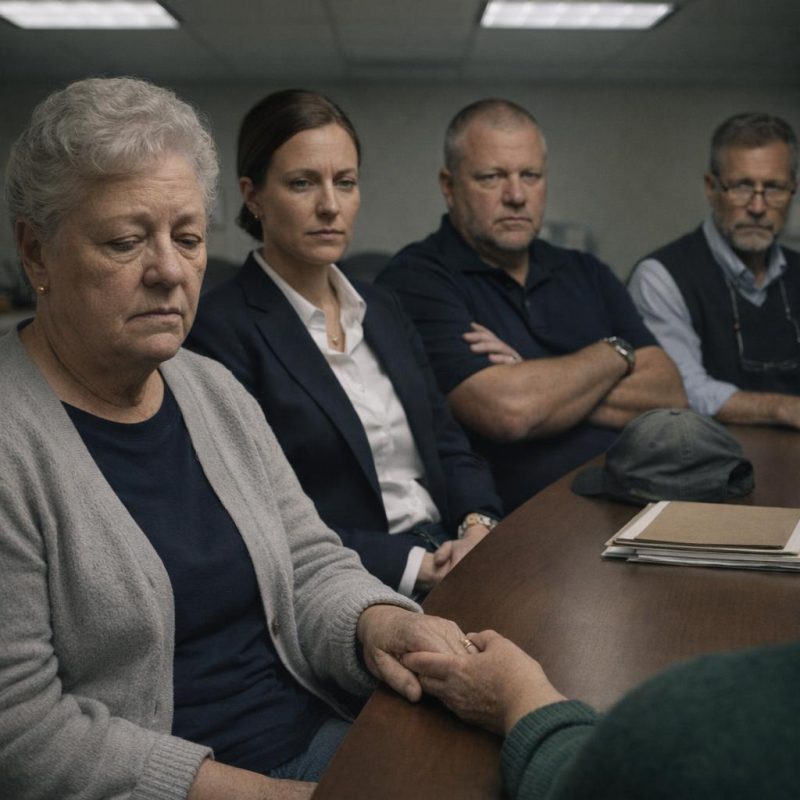 Image by RM AI
The Real Consequence
The next morning I changed the gate lock and added a second camera angled at the side yard. It took about forty minutes and I felt better the moment it was done. Over the following week I noticed things shifting in the neighborhood in small, quiet ways. At the Tuesday coffee hour I'd heard Marsha hold court at, people drifted into other conversations when she started talking. Nobody nodded along the way they used to. A woman two streets over who had always looked through me at the mailbox stopped and asked how I was doing, and meant it. Neighbors I'd barely spoken to in years waved from their driveways. Marsha was still there, still immaculate, still moving through the neighborhood like she owned the deed to it — but the room had changed around her, and I think she felt it. I didn't gloat. I didn't need to. The thing had resolved itself in the most public way possible, and all I'd had to do was press play. Then one afternoon about a week after the meeting, I found a small gift bag sitting on my front porch. Ruth's handwriting on the tag. Inside was a folded towel, thick and soft, with my initials embroidered along the edge in navy thread — and a note that read, simply, *For your hot tub. YOUR hot tub.* I laughed until my eyes watered, standing right there on the porch in my slippers.
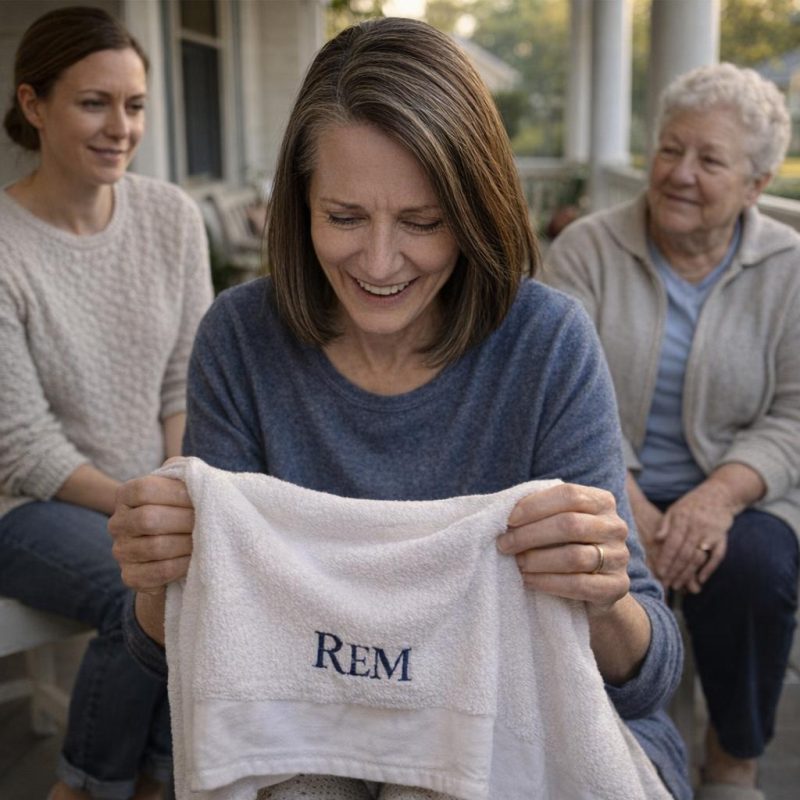 Image by RM AI
Under the Stars
That evening I finally used it. Really used it — no listening for footsteps, no checking the gate, no low-grade dread sitting in my chest. I set Ruth's towel on the hook by the steps, the one with my initials, and I lowered myself into the water as the sky went dark. The lavender I'd tucked into the planter nearby caught the warm air and drifted over. My knees, which had been aching for days, went quiet almost immediately. I leaned my head back and looked up. The stars were out, more than usual it seemed, though I knew that was just the kind of thing you notice when you finally stop bracing for something. I thought about George. I thought about how he'd picked out the model with me at the showroom, how he'd said the jets on the left side were better for his back, how he'd never gotten to use it. I could almost hear him laughing at the whole business — the complaints, the meetings, the towels. He would have said something dry and perfectly timed, and then he would have told me I'd handled it just fine. I think he would have been right. The hot tub hadn't ruined anything. It hadn't attracted trouble or lowered anyone's property value or disturbed the peace. It had only made uncomfortable the people who already knew they were doing something wrong. I sat in the warm water under a clear sky, and for the first time in months, the yard felt entirely mine.
 Image by RM AI
KEEP ON READING
20 Historical Figures Who Lived Much Longer Than You Think
Some Famous Lives Stretched Far. History has a way of…
By Christy Chan May 22, 2026
20 LGBTQ+ People from History Who Changed the World
History Is Full Of Queer Icons . LGBTQ+ people have always…
By Emilie Richardson-Dupuis May 22, 2026
20 Historical Poisons That Changed Politics, War, And Royal Families
Power In A Cup. Poison has always had a strange…
By Cameron Dick May 22, 2026
20 Man-Eaters That Terrified Entire Regions
When Fear Had Teeth. History has a way of turning…
By Cameron Dick May 22, 2026
20 Mistresses Who Had More Power Than the Queens Beside…
Power Wasn’t Always on the Throne. Royal history loves a…
By Annie Byrd May 22, 2026
20 Rare Artifacts That Changed Scholars’ Understanding of the Past
Discoveries That Forced Historians to Rethink What They Knew. Archaeology…
By Rob Shapiro May 22, 2026