

My Granddaughter Whispered 'You're Not Supposed to Know This.' What I Found Next Changed Everything.
My Granddaughter Whispered 'You're Not Supposed to Know This.' What I Found Next Changed Everything.
The Hours I Gave
After my husband passed, the house felt too big and too quiet. I'd walk from room to room, straightening things that didn't need straightening, just to have something to do. Then Daniel called and asked if I'd mind watching Sophie and Ethan a few afternoons a week while he and Lauren juggled their work schedules. Mind? I practically cried with relief. Those kids became my whole world. I learned that Sophie liked her sandwiches cut diagonally and Ethan needed his blue cup or he wouldn't drink his milk. I knew which homework assignments stressed Sophie out and that Ethan did better with math if we turned it into a game. Daniel and Lauren were so grateful back then—Lauren would hug me at the door and tell me she didn't know what they'd do without me. Daniel would joke that I was saving their lives. A few afternoons turned into most afternoons, then some mornings too. I didn't mind. I loved being needed again, loved the sound of little feet running to greet me, loved feeling like I had a purpose beyond filling empty hours. I thought I'd found my place in this new chapter of my life, thought I was exactly where I was supposed to be. I had no idea that everything I believed about this arrangement was about to shift.
 Image by RM AI
The Shift I Missed
I couldn't pinpoint exactly when things started feeling different. Lauren used to chat with me when I arrived, asking about my day or telling me funny stories about the kids. But over the past few months, she'd gotten quieter. She'd smile when she opened the door, but then she'd disappear into her home office or suddenly remember something she needed to do upstairs. Daniel was the same way—I'd try to tell him about something cute Ethan had said, and he'd nod along, but his eyes would be on his phone or drifting toward the kitchen. Conversations that used to flow naturally now felt like they hit a wall after a few exchanges. They'd thank me and then rush off, leaving me standing there wondering if I'd said something wrong. I told myself they were just stressed. Lauren had mentioned a big project at work, and Daniel always seemed to be putting out fires at his office. Parenting two kids while managing careers couldn't be easy. Of course they were distracted. Of course they didn't have time to chat like they used to. I convinced myself it was normal, just a busy season they were going through. The thought felt less convincing than it should have.
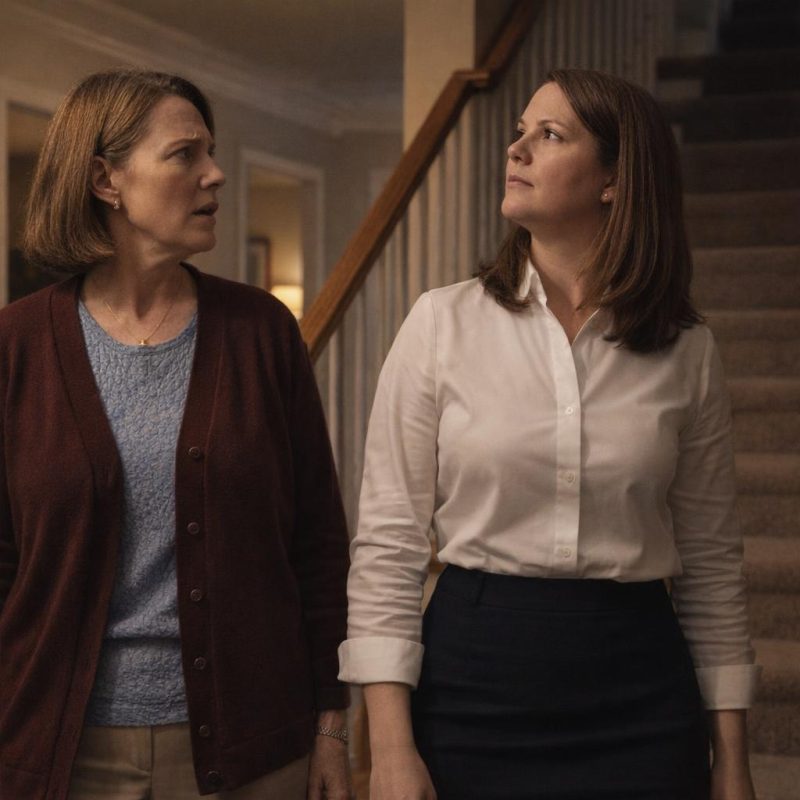 Image by RM AI
When the Room Goes Quiet
It happened three times in two weeks. I'd walk into the kitchen and Daniel and Lauren would be talking in low voices, but the moment they heard my footsteps, they'd stop mid-sentence. The first time, I asked what they were discussing, and Lauren said something vague about scheduling conflicts. The second time, Daniel just smiled and changed the subject to whether I wanted coffee. The third time, I didn't even ask—I just felt this weird tension in the air, like I'd interrupted something private. I started wondering if I was being intrusive, showing up too often or staying too long. Maybe they needed more space and didn't know how to tell me. Maybe I was reading too much into normal pauses in conversation. People stop talking when someone enters a room all the time, right? It doesn't mean anything. I'd catch myself replaying these moments later, trying to figure out if there was actually something off or if I was just being paranoid. Was I overthinking this? Was I creating problems where none existed? I talked myself out of pursuing it further, convinced that asking more questions would make me seem needy or suspicious. I decided not to ask about it—though part of me wondered what I would have heard if I'd arrived a moment earlier.
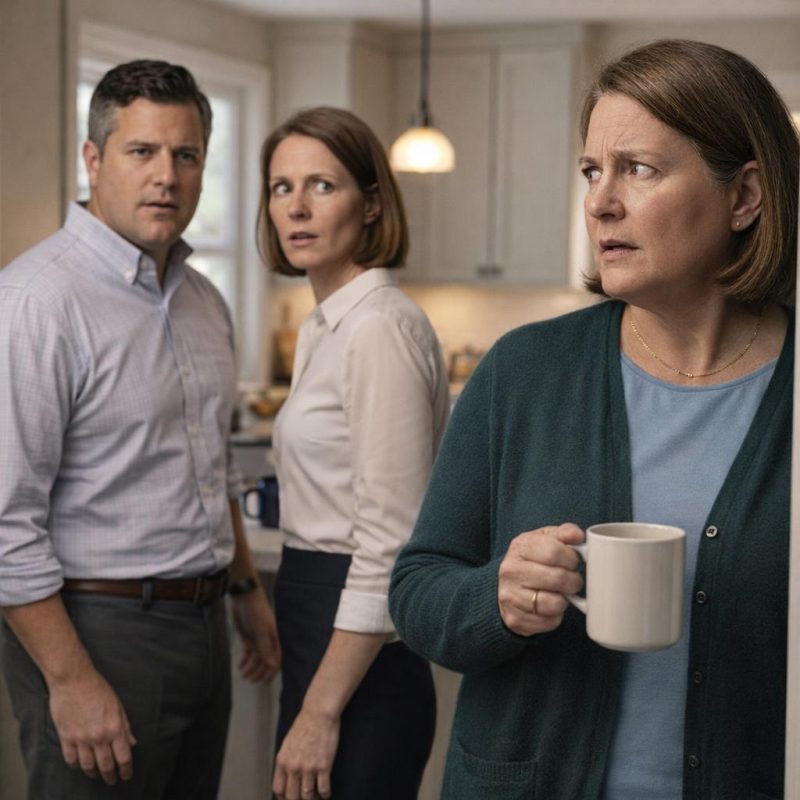 Image by RM AI
The Phone Call I Wasn't Meant to Hear
I was helping Ethan with his spelling words in the living room when I heard Lauren's voice from the dining room. She was on the phone, and her tone had this edge to it I didn't usually hear. I wasn't trying to eavesdrop, but the house was quiet except for Ethan's pencil scratching on paper. I heard her say something about not being able to keep doing this forever, that something had to change soon. My stomach did this little flip. Then she must have noticed me nearby because her voice shifted immediately—suddenly she was talking about a work deadline and laughing about how busy things were. She came into the living room a minute later, all smiles, asking how homework was going. I almost asked her what she'd meant, but the words stuck in my throat. What if it was about work? What if I'd misheard? What if she thought I was snooping? So I just smiled back and said homework was going fine. But that phrase kept circling in my head all evening while I made dinner and helped Sophie with her reading. Not being able to keep doing this forever. What couldn't she keep doing? I replayed the words in my mind all evening, unable to decide what they meant.
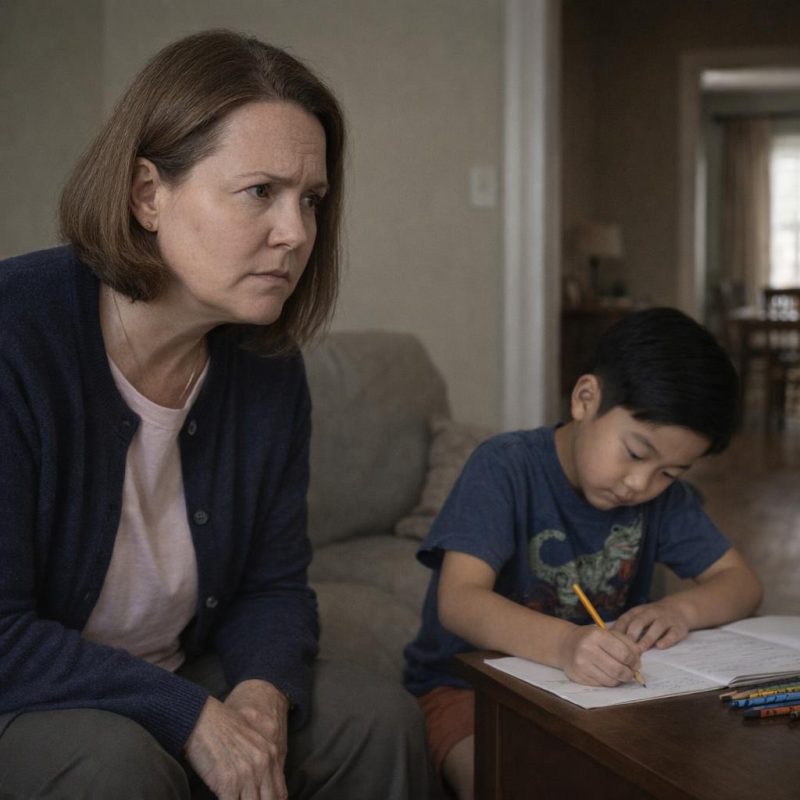 Image by RM AI
Sophie's Hesitation
Sophie had always been an open book, chattering away about school and her friends and whatever was on her mind. But lately she'd gotten careful. I'd notice her glancing toward the stairs or the hallway before she spoke, like she was checking who might hear. A few times she started to tell me something—'Grandma, I wanted to ask you about...'—and then she'd stop herself and say never mind. It happened enough that I couldn't ignore it anymore. One afternoon when Ethan was upstairs playing, I sat down next to her at the kitchen table and asked gently if something was bothering her. She looked at me with those big expressive eyes, and for a second I thought she was going to tell me. Her mouth opened, then closed. She shook her head and said everything was fine, but she wouldn't meet my gaze. Her fingers twisted the edge of her homework paper, folding and unfolding the corner. I wanted to press, to tell her she could talk to me about anything, but I was afraid of pushing too hard. What if I made her uncomfortable? What if I was imagining this whole thing? When I asked if something was wrong, Sophie just shook her head and said everything was fine—but her eyes told a different story.
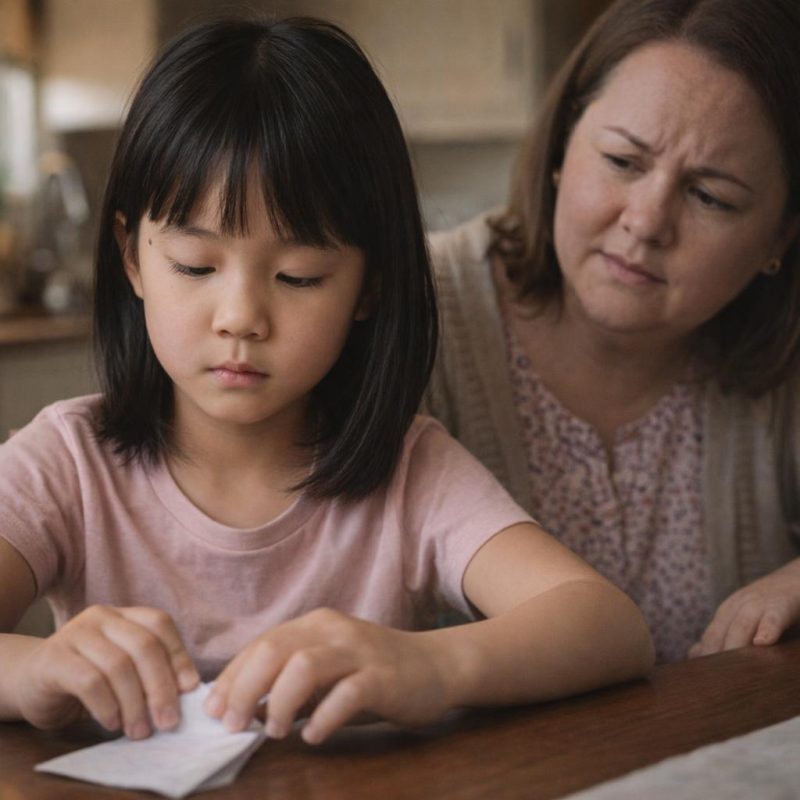 Image by RM AI
Asking for Answers I Wouldn't Get
I waited until Lauren had taken the kids upstairs for bath time, then I found Daniel in the kitchen loading the dishwasher. My heart was beating faster than it should have been for such a simple conversation. I asked him if everything was okay with the family, trying to keep my voice light and casual. He looked up, gave me that practiced smile of his, and said everything was fine—just busy with work, you know how it is. I mentioned that everyone seemed a bit stressed lately, and he nodded, launching into this explanation about a difficult client and some project Lauren was managing. It all sounded reasonable, but he was already turning back to the dishes, already moving on to asking if I'd seen where they'd put the dish soap. The conversation was over before it had really started. I felt foolish standing there, like I'd made a big deal out of nothing. Of course they were busy. Of course work was stressful. What had I expected him to say? I thanked him and gathered my things, but as I drove home that evening, I kept replaying the exchange. He'd answered my question, hadn't he? So why did I feel like he hadn't told me anything at all? I couldn't shake the feeling that he'd answered without actually telling me anything at all.
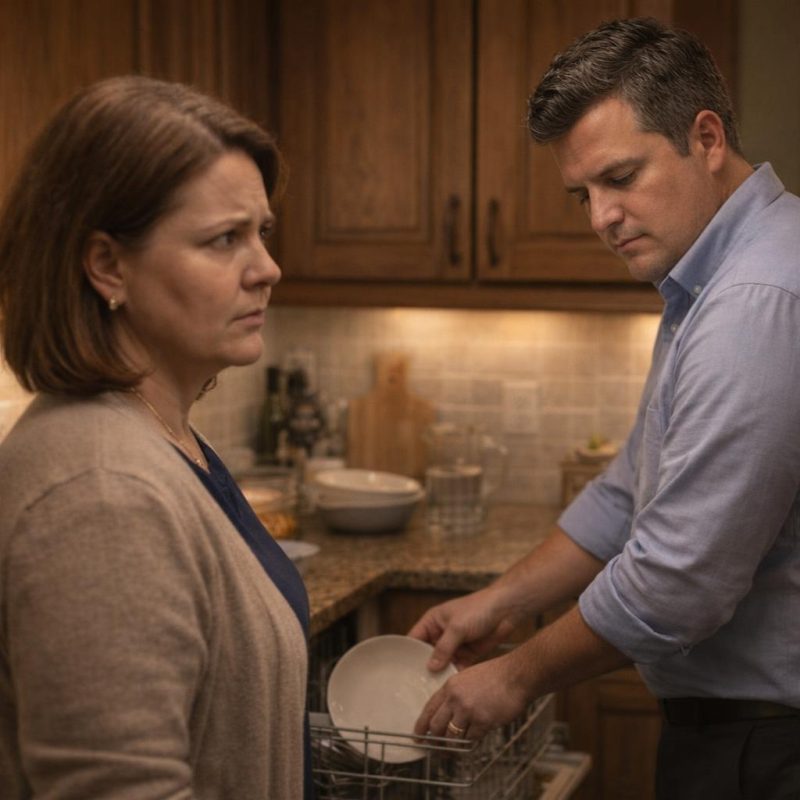 Image by RM AI
You're Not Supposed to Know This
I picked Sophie up from school on Thursday, and she was quieter than usual on the drive home. Ethan ran straight upstairs when we got to the house, yelling something about showing me his Lego creation later. Sophie lingered in the kitchen with me, setting her backpack down slowly. I was pulling out snacks when she moved closer, glancing toward the stairs. Then she leaned in and whispered, 'Grandma, you're not supposed to know this.' My hands froze on the cabinet door. I turned to look at her, trying to keep my expression light even though my chest had tightened. I asked her what she meant, laughing a little like it was just a game. But Sophie's face was serious. She said 'they' told her not to tell, and she couldn't say more. I asked who 'they' were, what I wasn't supposed to know, but she was already backing away, shaking her head. Before I could say anything else, she turned and ran upstairs, her footsteps quick on the stairs. I stood there in the kitchen, the box of crackers still in my hand, trying to make sense of what had just happened. Sophie ran upstairs before I could ask who 'they' were or what I wasn't supposed to know.
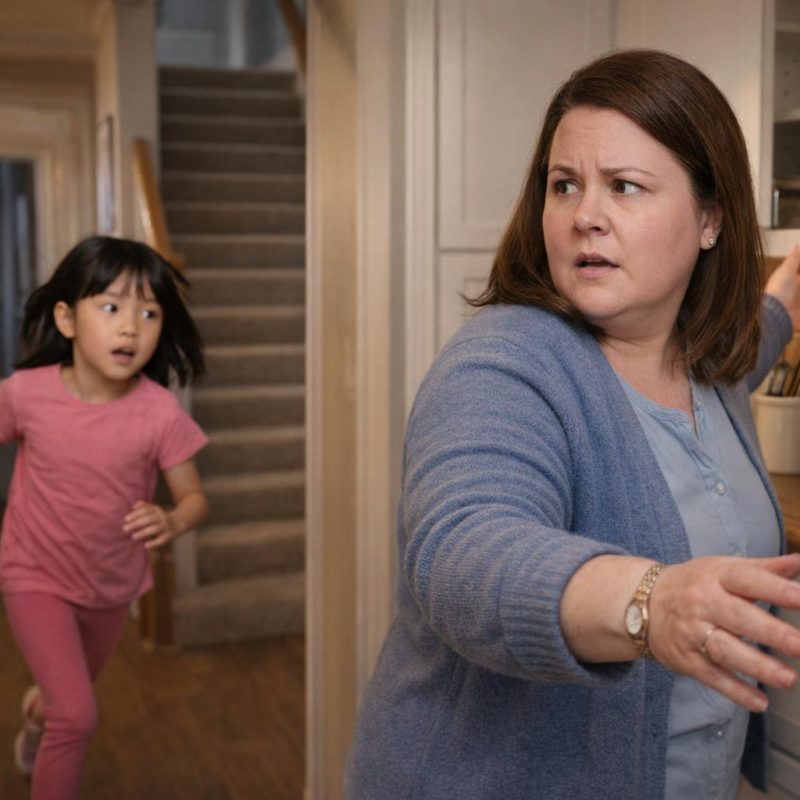 Image by RM AI
The Words That Wouldn't Leave
I went through the motions that evening like I was on autopilot. I helped Ethan with his math worksheet, but I had to ask him to repeat the problems because I kept drifting. I made grilled cheese sandwiches for dinner, flipping them without really seeing them. Sophie's whispered words kept playing on a loop in my head. You're not supposed to know this. What did that even mean? Was it something about school, some surprise the kids were planning? But then why had she looked so serious, so worried? And who had told her not to tell me? I watched both kids carefully during dinner, looking for clues, but Ethan was his normal bouncy self and Sophie had retreated into quiet politeness. When Daniel and Lauren finally came home around seven-thirty, I studied their faces as they greeted the kids. They seemed normal—tired, distracted, but normal. Lauren asked how everything had gone, and I heard myself saying fine, everything was fine. I gathered my purse and cardigan, thanked them, and headed for the door. By the time Daniel and Lauren came home, I'd convinced myself there had to be a simple explanation—even though I couldn't think of one.
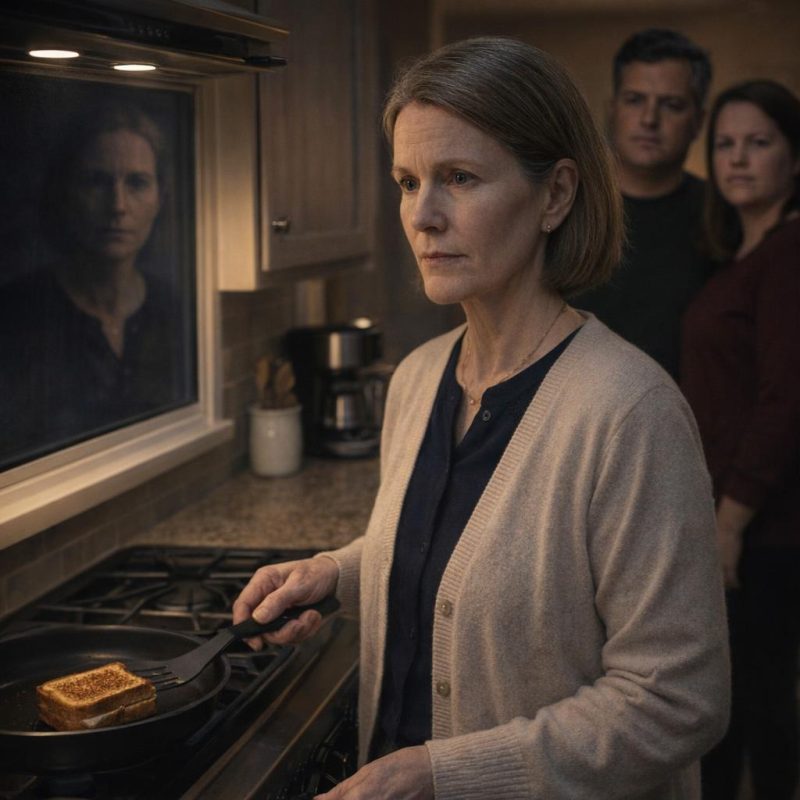 Image by RM AI
The Drawer I Had No Reason to Open
I should have left. I'd said my goodbyes, I had my purse in my hand, but I stood there in the kitchen after they'd all gone upstairs. The house had that particular quiet that comes after children finally settle—no more footsteps overhead, no more water running, just the hum of the refrigerator and my own breathing. I kept thinking about Sophie's face when she'd whispered those words. You're not supposed to know this. What wasn't I supposed to know? I set my purse down on the counter. Just for a minute, I told myself. I'd just look around for a minute to see if there was something obvious I'd missed—a birthday card they were planning, a surprise party invitation. That's what it had to be, right? I opened the junk drawer first, the one where they kept takeout menus and batteries. Nothing. Then the drawer beside the stove where Lauren kept her recipe cards and shopping lists. I moved things aside carefully, not really sure what I was looking for. That's when I saw it—an envelope, cream-colored and official-looking, tucked beneath a stack of unopened mail and a grocery store circular. It was positioned in a way that made it look accidental, but something about it caught my attention. I pulled it out with hands that had started to shake without my permission.
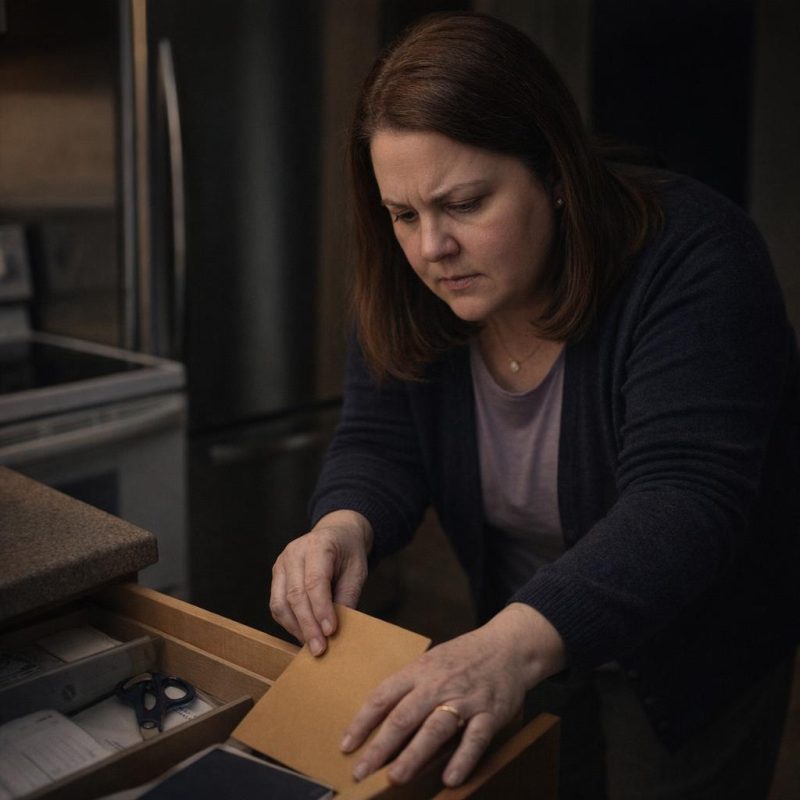 Image by RM AI
The Records They Kept
The envelope wasn't sealed. Inside were several sheets of paper, and I recognized Lauren's neat handwriting immediately—she'd always had that precise, controlled way of forming letters. At the top of the first page was a header: "Childcare Coverage - Cost Analysis." My stomach did something uncomfortable. Below that were dates, dozens of them, going back months. Next to each date was a time range—the hours I'd been at the house watching Sophie and Ethan. Someone had calculated the total at the bottom: 847 hours over the past year. Beside that number was another calculation: what it would have cost to hire a babysitter at fifteen dollars an hour. Twelve thousand seven hundred and five dollars. I stared at that number until it blurred. The next page had notes in bullet points. "Phase-out timeline—wait until financial goals met." "Reduce frequency gradually to avoid suspicion." "Target: transition complete by end of Q2." There were more notes about scheduling, about how to manage the conversation when the time came, about making sure the transition felt natural. My hands were shaking harder now as I flipped to the last page. Near the bottom, underlined twice, was a phrase that made my chest tighten: "Critical: making sure she doesn't find out too early."
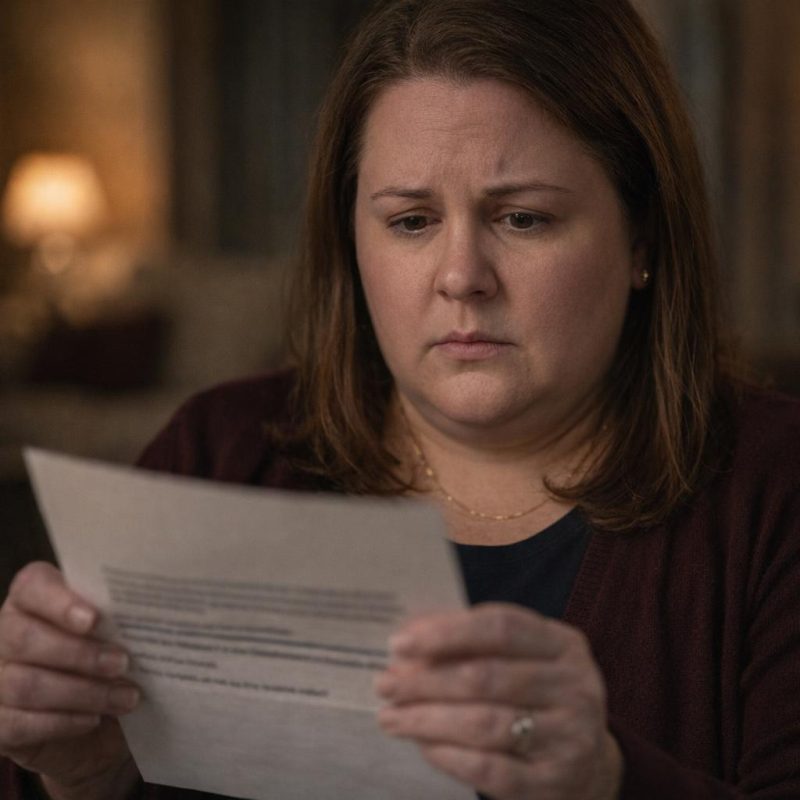 Image by RM AI
What I Was Worth to Them
I stood there holding those papers, and something inside me just went cold and still. Every Tuesday and Thursday for the past year. Every emergency call when their regular plans fell through. Every weekend I'd offered to take the kids so they could have date night. I'd thought I was building something—a relationship with my grandchildren, a way to be useful, a connection to the family. But they'd been tracking it. Calculating it. Not out of gratitude, but like I was a resource they were managing. The phrase "phase-out timeline" kept echoing in my head. That's what the distance had been about. That's why Lauren's smiles had become more polite and less warm. That's why Daniel had stopped calling just to chat. They'd gotten what they needed from me—twelve thousand dollars worth of free labor—and now they were planning to ease me out. Making sure I didn't find out too early. Too early before what? Before they told me my services were no longer required? I carefully put the papers back exactly as I'd found them, my hands steady even though my heart felt like it was breaking into small, sharp pieces. I slid the envelope under the mail and the grocery circular, positioned just the way it had been. Then I picked up my purse and walked to the door, moving quietly so I wouldn't wake anyone.
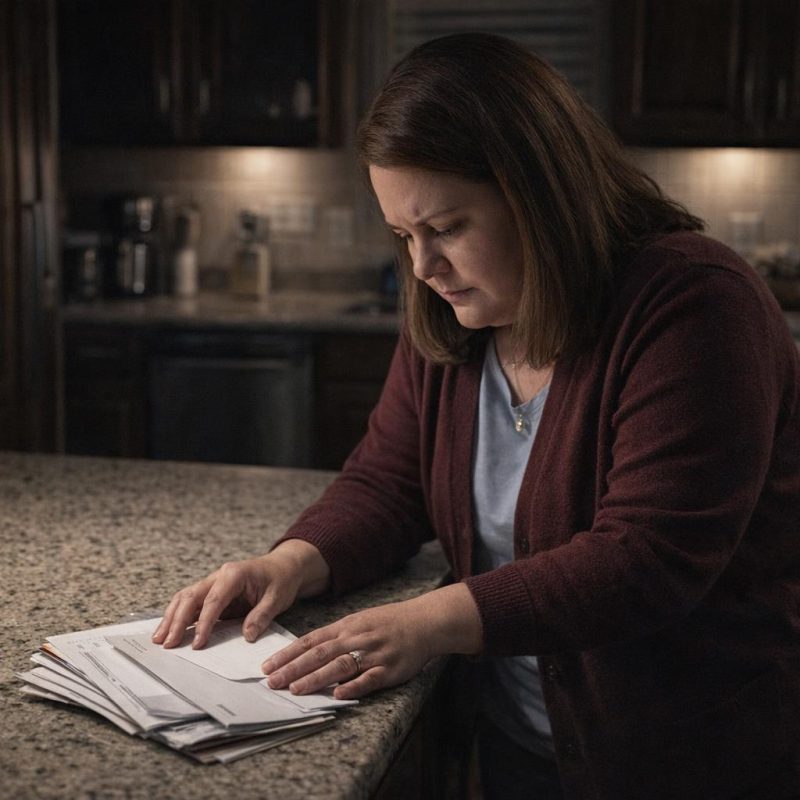 Image by RM AI
The Friend Who Listened
I drove to Patricia's house just after dawn. I hadn't slept—I'd spent the whole night sitting in my kitchen, staring at my phone, looking at the photos I'd taken of those documents before I'd left Daniel and Lauren's house. I needed someone to tell me I was wrong, that I'd misunderstood, that there was some reasonable explanation I hadn't thought of. Patricia answered the door in her bathrobe, took one look at my face, and pulled me inside. I told her everything—Sophie's warning, the envelope, the calculations, all of it. My voice stayed steady until I got to the part about being worth twelve thousand dollars to them, and then it cracked. Patricia made coffee and sat across from me at her kitchen table while I showed her the photos on my phone. She read through each one carefully, her expression getting darker with every swipe. When she finished, she looked up at me with those sharp eyes of hers. "You didn't misunderstand anything," she said. "This is exactly what it looks like." I felt something loosen in my chest—validation, maybe, or just relief that I wasn't crazy. But then Patricia leaned forward. "Margaret, if they went to this much trouble to document everything, to plan a timeline, to make sure you didn't find out too early—we need to assume there's more you haven't found yet."
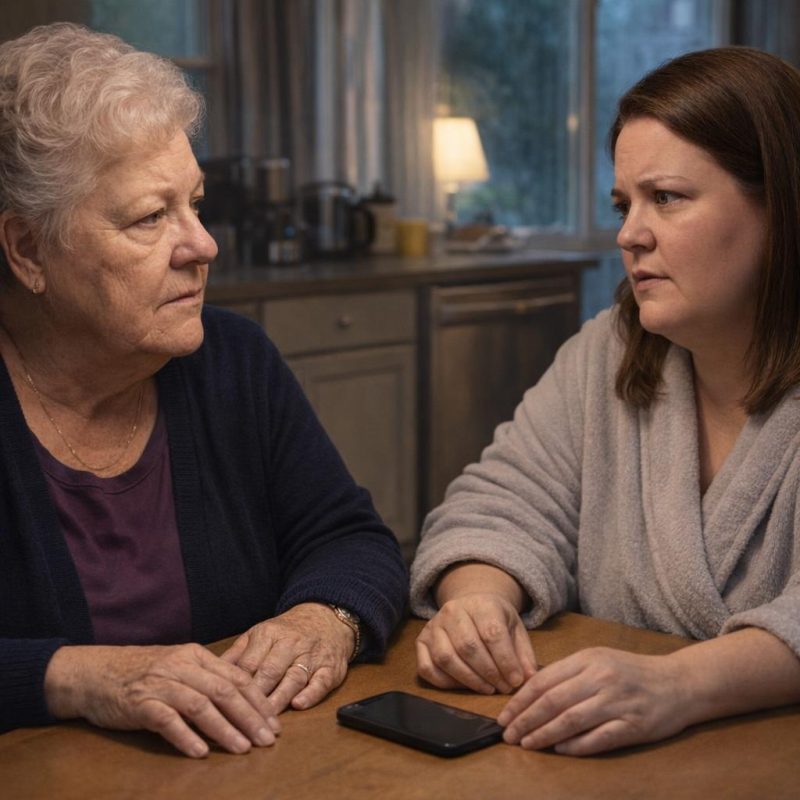 Image by RM AI
The Questions I Hadn't Asked
Patricia started asking questions I hadn't thought to ask myself. When had the distance started, exactly? Had there been any conversations about my finances, my health, my plans for the future? Had Daniel or Lauren ever asked about my will, my accounts, anything like that? I tried to remember, but everything felt jumbled now. "Think about it," Patricia said. "They documented your hours like they were building a case for something. That level of detail isn't just about feeling justified in cutting you out. That's preparation." She tapped the phone screen where the photo showed Lauren's notes. "This phrase here—'wait until financial goals met.' What financial goals? And why would your childcare hours matter to their financial goals unless—" She stopped, and I saw her expression shift. "Unless what?" I asked, but I wasn't sure I wanted to know. Patricia was quiet for a moment, and I could see her thinking through possibilities she didn't want to say out loud. "Have you checked your bank accounts recently?" she finally asked. "Your credit cards? Any paperwork that might have your signature on it?" The question hit me like cold water. My stomach dropped, and suddenly I was thinking about all the times Daniel had helped me with online banking, all the documents Lauren had offered to file for me because she was "so organized." I hadn't checked anything in weeks.
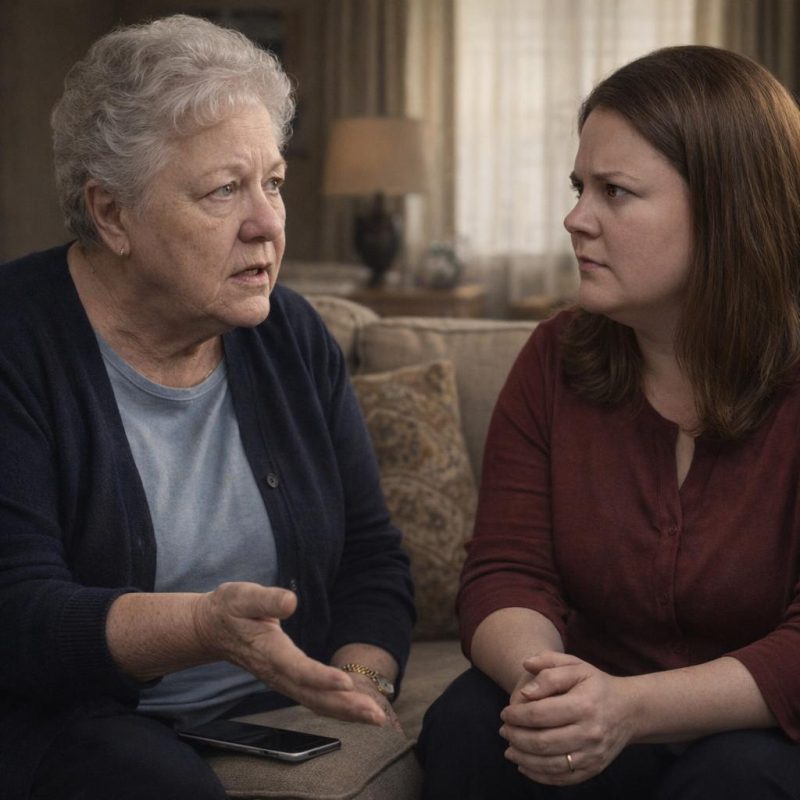 Image by RM AI
Going Back
I had childcare scheduled for Thursday—today was Tuesday. Patricia thought I should cancel, stay away until I figured out what was really going on. But I disagreed. If I suddenly stopped showing up, if I gave any sign that something had changed, they might move faster on whatever they were planning. "I need to go back," I told her. "I need to act normal and see what else I can find." Patricia didn't like it, but she understood. She made me promise to be careful, to not let on that I knew anything, to keep my phone on me at all times. When I got home, I went through my own files—bank statements, credit card bills, anything with my name on it. Everything looked normal, as far as I could tell. No strange charges, no missing money. But I wasn't sure I'd even know what to look for. That evening, I practiced in the bathroom mirror. I smiled my normal smile, said "Good morning, sweetie" in my normal voice, tried to make my face look the way it usually did when I arrived at their house. It felt ridiculous and terrifying at the same time. I needed to be convincing. If they suspected I knew something, if they saw any change in my behavior, they might accelerate whatever timeline they'd been planning. I had to be the same grandmother I'd always been, even though everything had changed.
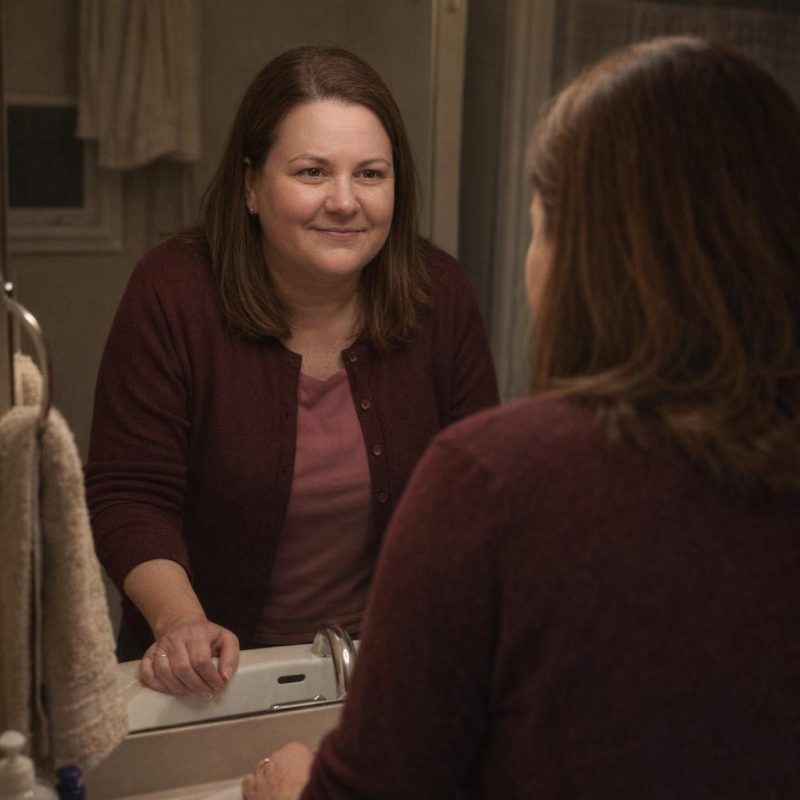 Image by RM AI
The Performance
Thursday morning, I pulled into their driveway at exactly nine o'clock, same as always. My heart was pounding, but I made myself breathe slowly as I walked to the door. Sophie opened it before I could knock—she must have been watching for me. "Grandma!" Ethan came running from the living room and crashed into my legs for a hug. I bent down and squeezed him, and for a second I forgot about everything except how solid and real he felt. "Hey, buddy," I said, and my voice sounded normal. Thank God. Lauren appeared from the kitchen, already dressed for work, her hair perfect. "Margaret, good morning. Thanks again for doing this." She smiled, and I smiled back, and I wondered if my smile looked as fake as hers suddenly seemed. We went through the usual routine—Lauren told me about the kids' schedules, mentioned that there were leftovers in the fridge for lunch, reminded me that Sophie had a project due tomorrow. I nodded and asked questions and acted like I always did. But Lauren kept looking at me. Not obviously, not in a way the kids would notice, but I felt her eyes on me an extra beat too long when I hung up my cardigan. When I laughed at something Ethan said, I caught her watching my face. Finally, she picked up her bag and headed for the door. "I'll be home by five," she said. The door closed behind her, and I stood there with the kids, wondering if something in my expression had given me away.
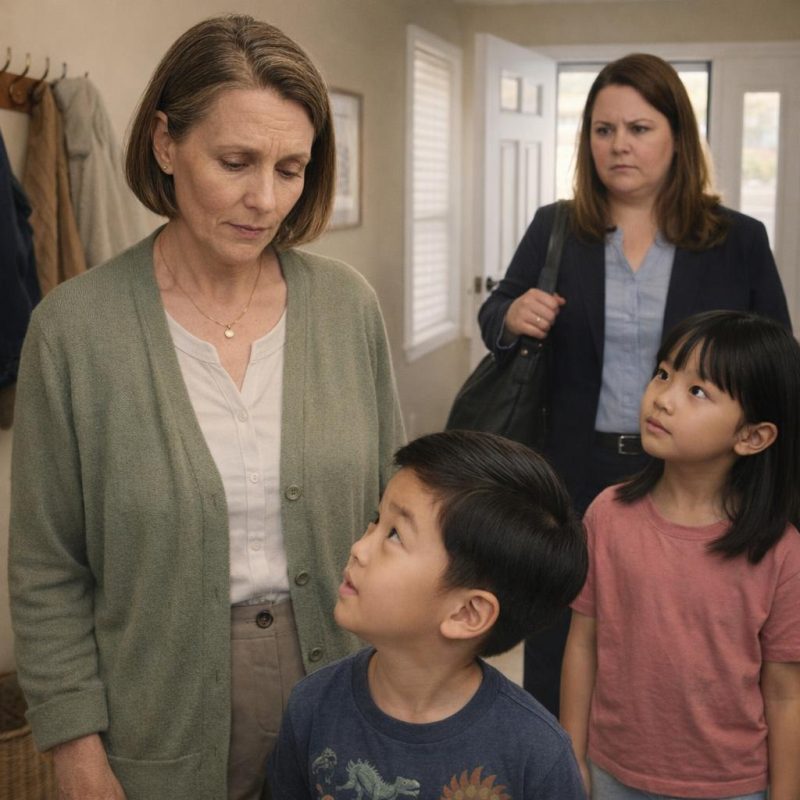 Image by RM AI
Seeing It Differently
I'd been in this house hundreds of times, but now I was seeing it differently. The way everything was organized—not just tidy, but controlled. The files on the kitchen desk arranged by color-coded labels. The closed office door at the end of the hall that I'd never been invited into. The locked file cabinet I'd noticed before but never questioned. I helped Sophie with her science project at the dining room table, but part of my mind was cataloging details. Where did they keep important papers? What was behind that office door? Why did they need a locked cabinet in a house with young children who weren't interested in paperwork? I was loading the dishwasher after lunch when I heard the front door open. My whole body went tense. It was only two-thirty—neither of them should be home yet. "Mom?" Daniel's voice called from the entryway. I dried my hands and walked out to meet him, forcing my face into a smile. "Daniel! You're home early." He smiled back, but it took a moment—just a fraction of a second longer than it should have—for that smile to reach his eyes.
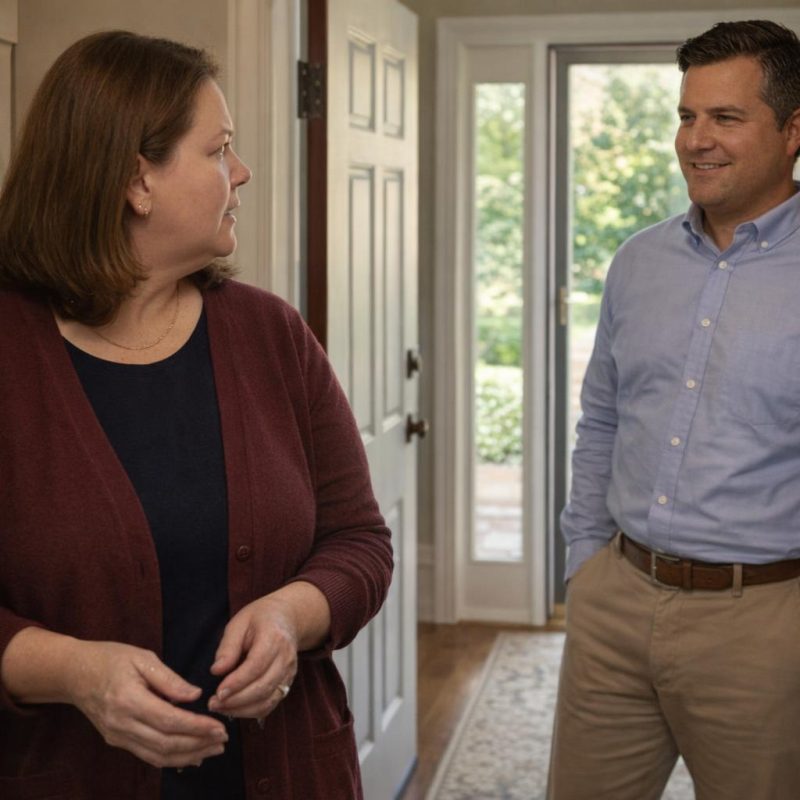 Image by RM AI
The Locked Cabinet
I'd walked past that office door a hundred times without really thinking about it. It was just Daniel's workspace—the place where he handled bills and work emails after the kids went to bed. But now, helping Sophie with her math homework at the dining room table, I found myself staring down the hallway at that closed door. There was a file cabinet in there. I'd seen it before, years ago when they first moved in. Dark gray metal with a small lock on the top drawer. At the time, I'd thought nothing of it—everyone has important papers they want to keep secure. Tax returns, birth certificates, that kind of thing. But now I couldn't stop thinking about it. What was in there that needed to be locked? What kind of documents required that level of privacy in a house where the children were too young to care about paperwork? I helped Ethan with his spelling words after dinner, read them both stories, tucked them in. The whole time, part of my mind was on that office. After they were asleep, I stood in the hallway outside the door. My hand rested on the knob. I told myself I was being ridiculous, that I had no right to go through their private space, that I was letting my imagination run wild over nothing. But I also couldn't walk away. I stood there for what felt like forever, my heart pounding, knowing I shouldn't go in but unable to stop thinking about what might be inside that locked drawer.
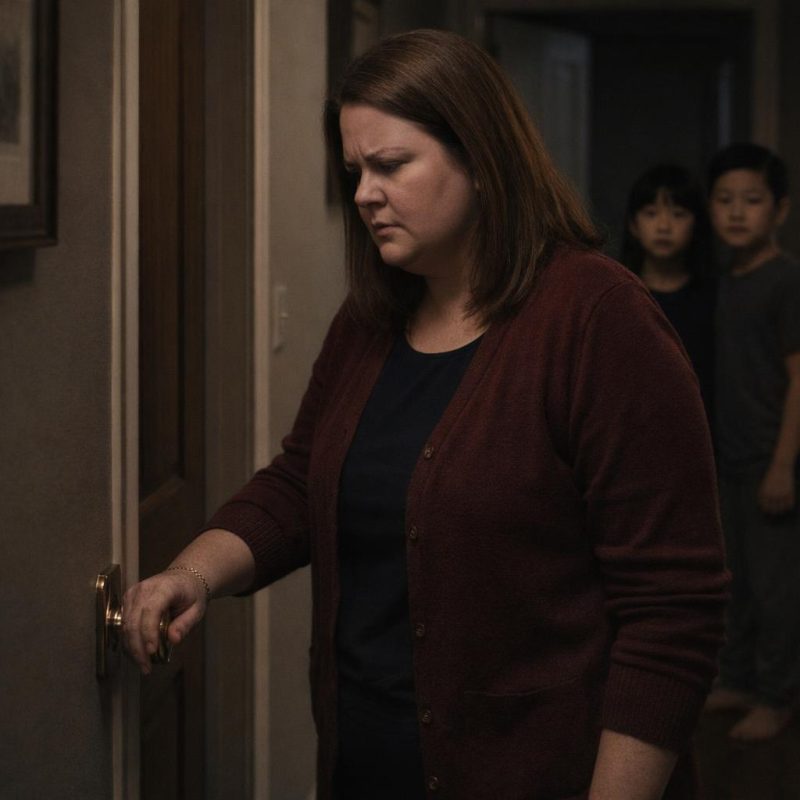 Image by RM AI
The Call to James
I sat in my car in my own driveway for ten minutes before I could make myself go inside. Finally, I pulled out my phone and called James. He answered on the second ring, sounding cheerful. We made small talk for a few minutes—how was work, had he seen the weather forecast, the usual things. Then I took a breath and tried to sound casual. "Have you talked to Daniel lately?" "Yeah, last week I think. Why?" "I was just wondering if he seemed... I don't know, different to you at all? Stressed or preoccupied?" There was a pause. It was only a second or two, but I felt it like a weight. "He's been busy," James said carefully. "Work stuff, I think. Why do you ask?" "No reason. Just mother's intuition, I guess." I forced a laugh. "You know how I worry." We talked for a few more minutes, but that pause stayed with me. James wasn't a good liar—never had been, even as a kid. If Daniel had said something to him, something that made James hesitate when I asked about it, then I wasn't imagining things. We said goodbye and I sat there in the car, staring at my dark house. I felt more worried than I had before I'd called.
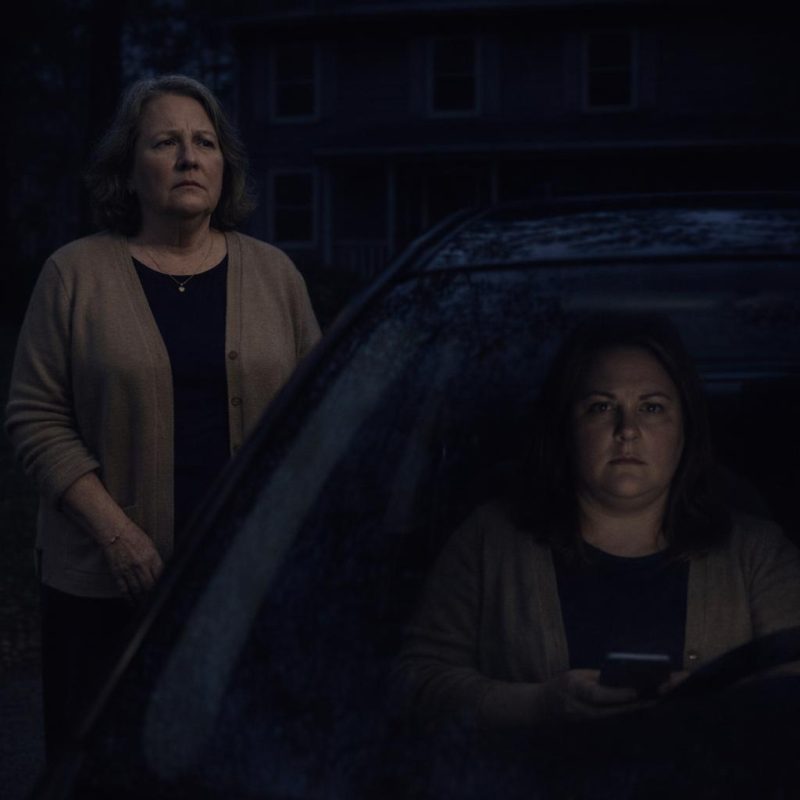 Image by RM AI
Questions About My Memory
I was making tea when my phone rang. James's name on the screen. "Hey, Mom? I've been thinking about our conversation earlier." I set down the kettle. "What about it?" "There's something I should probably tell you. It's been bothering me for a couple weeks now." My stomach tightened. "What is it?" "Daniel called me about a month ago. He asked me some weird questions about you." I gripped the phone harder. "What kind of questions?" "About your memory. Whether I'd noticed you seeming forgetful or confused. He framed it like he was concerned, you know? Like he was worried about you and wanted to know if I'd seen the same things." The kitchen felt suddenly cold. "What did you tell him?" "I told him you seemed fine to me. Sharp as ever. But Mom, the whole conversation felt off. Like he was fishing for something specific." I thought about the documents I'd photographed. The timeline about phasing me out. The notes about my involvement with the children. "Did he say anything else?" "Just that he wanted to keep an eye on things. Make sure you were okay." James paused. "Why? What's going on?" "I'm not sure yet," I said quietly. "But James, if he asks you anything else like that, will you tell me?" "Of course." After we hung up, I stood there staring at nothing. They weren't just planning to phase me out. They were building a story about why.
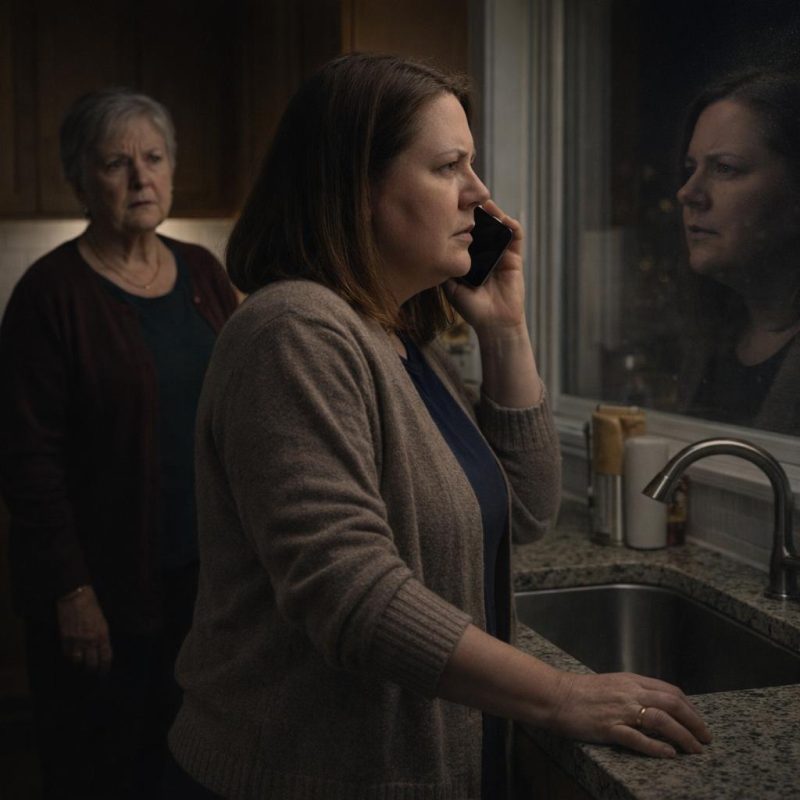 Image by RM AI
The Shape of Something Bigger
I spread the photographs across my kitchen table. The documents I'd taken pictures of in Daniel's office, the timeline, the notes about my involvement. I'd thought this was about childcare. About them wanting to cut back on how much they relied on me, maybe hire someone younger or put the kids in more programs. But James's phone call changed everything. Why would Daniel be asking about my memory? Why would he be trying to establish that I seemed confused or forgetful? I stared at the phrase "phase out grandmother's involvement" and felt something shift in my understanding. This wasn't about the children at all. Or not just about them. I thought about the locked file cabinet. The closed office door. The way Lauren had looked at me that day when I'd asked about their plans. What if the childcare was just one piece of something bigger? What if they needed me around for some reason, but were also documenting everything, building some kind of case? But a case for what? I picked up my phone, my hands shaking slightly. I needed Patricia. I needed someone who could look at this from the outside and tell me whether I was seeing patterns that weren't there or whether I was right to feel this growing sense of dread. Because whatever they were planning, it was bigger than I'd imagined.
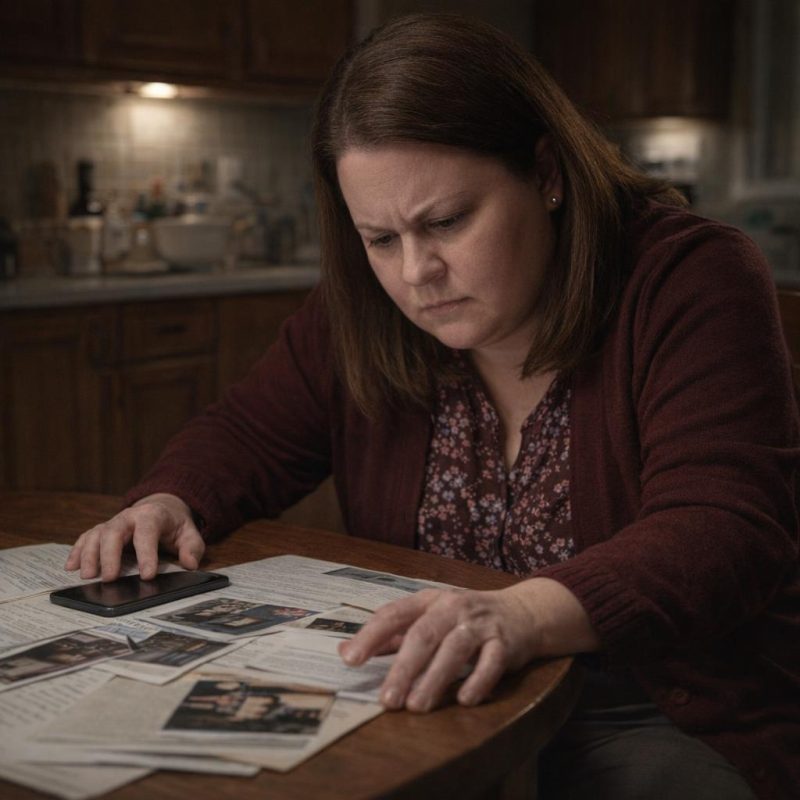 Image by RM AI
Sophie Tries Again
Sophie was quieter than usual during dinner. Ethan chattered away about his day at school, but she just pushed her food around her plate. After we cleaned up, Ethan ran upstairs to play with his trucks, and I sat with Sophie at the table. She was drawing, her colored pencils moving slowly across the paper. "You okay, sweetie?" I asked. She nodded without looking up. Then, after a long moment, she set down her pencil and leaned closer to me. Her voice dropped to a whisper. "Grandma, there's something else I want to tell you." My heart started beating faster. "What is it?" She glanced toward the stairs, checking that Ethan wasn't coming back down. "I don't know if I should say." "You can tell me anything," I said gently. "You know that." She bit her lip, her eyes worried. "I heard them talking. About papers." "What kind of papers?" "I don't know. But they had your name on them." She looked scared, like she'd said too much. I reached over and squeezed her hand. "Thank you for telling me. You're not in any trouble, okay?" She nodded, but she still looked frightened. I didn't push for more. Whatever she'd heard, whatever she knew, she was already conflicted enough about sharing it. But papers with my name on them—that confirmed I wasn't imagining things.
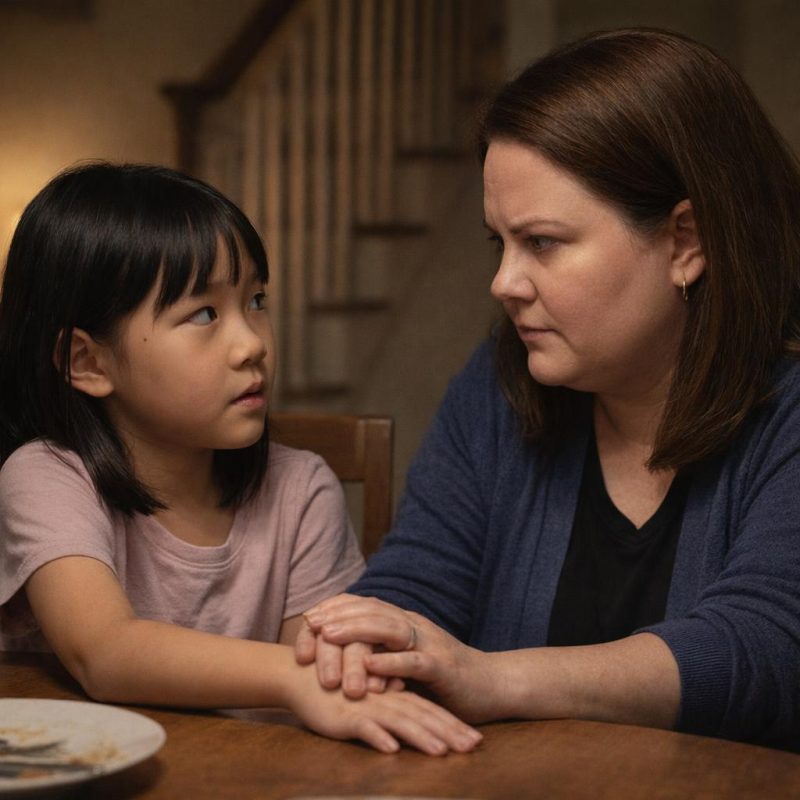 Image by RM AI
The Man with Papers
After a few minutes, Sophie picked up her pencil again, but she wasn't really drawing. I could tell she was thinking about what she'd said. "Sophie," I said quietly, "do you remember when you heard them talking about these papers?" She nodded slowly. "It was a while ago. Maybe a few weeks?" "Do you remember anything else about it?" She was quiet for a moment, then set down her pencil again. "There was a man who came to the house. He had a briefcase." "When was this?" "On a day when you weren't here. I think it was a Saturday." My pulse quickened. "What did the man look like?" "He wore a suit. Like Dad wears to work sometimes. He talked to Mom and Dad in the office." "The office down the hall?" She nodded. "They closed the door. I was watching TV in the living room, but I could hear them talking. It went on for a really long time." "Did you hear what they were saying?" "Not really. Just voices. But when the man left, Mom looked upset." I processed this carefully. A professional visitor. A closed-door meeting. Papers with my name on them. "Thank you for telling me, Sophie. You're very brave." She looked relieved, like she'd been carrying this weight for weeks. But I felt the opposite of relieved. I felt like the ground was shifting under my feet.
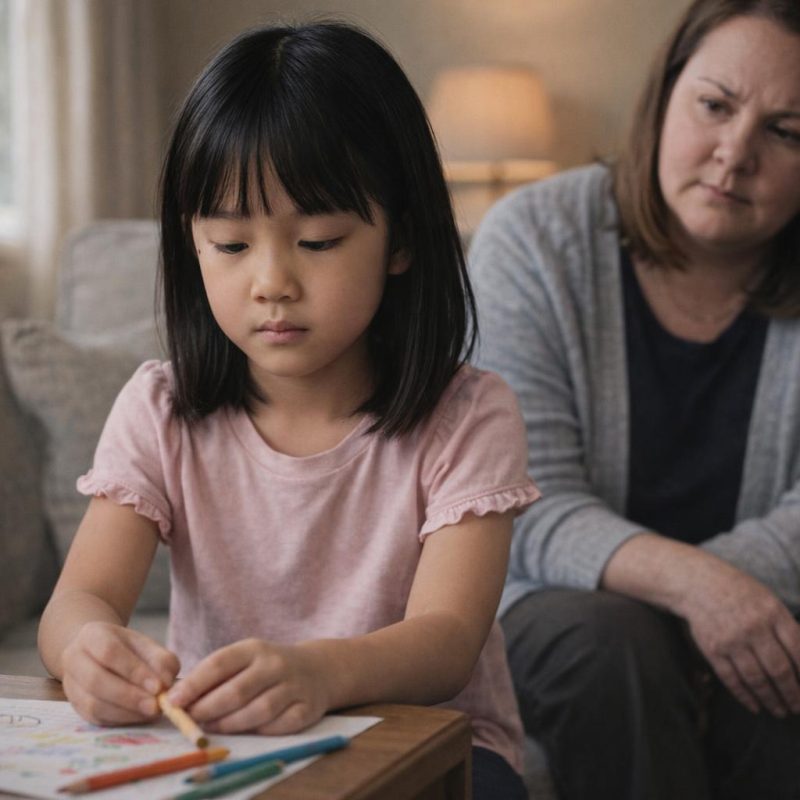 Image by RM AI
What I Found in His Coat
The next afternoon, Daniel left his coat hanging in the hallway when he went upstairs to change. I was in the kitchen with the kids, helping them with snacks, but I kept glancing at that coat. Lauren was in the laundry room. I could hear the washer running. Ethan was focused on his apple slices. Sophie was reading a book at the table. I walked into the hallway, my heart pounding. The coat was navy blue, expensive-looking. I slipped my hand into the right pocket. Nothing but a receipt. The left pocket had a pen and some loose change. Then I felt the inside pocket. My fingers touched the edge of a business card. I pulled it out carefully. The card was cream-colored with raised lettering. Robert Hendricks, Attorney at Law. Below his name was a list of specialties: Estate Planning, Elder Law, Guardianship. I stared at that last word. Guardianship. What did that have to do with anything? I pulled out my phone and took a quick photo of both sides of the card, my hands shaking slightly. Then I slipped it back into the inside pocket exactly where I'd found it, making sure it was positioned the same way. I walked back to the kitchen, my stomach twisting. I didn't know what guardianship meant in this context, but I knew it wasn't good.
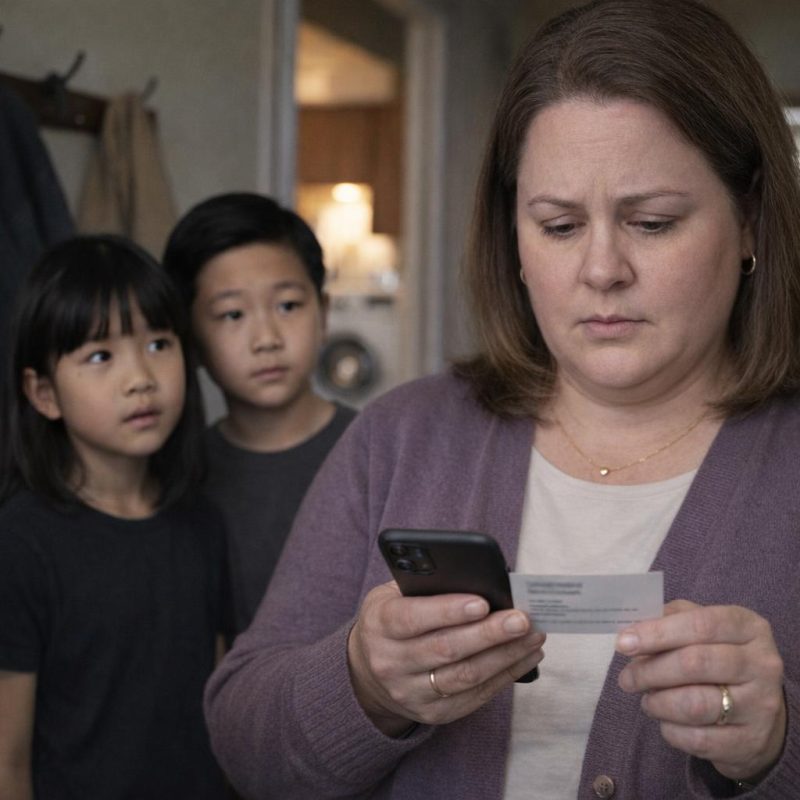 Image by RM AI
What Guardianship Means
I left as soon as Lauren got home, barely staying for our usual small talk. In my car, I pulled out my phone and typed the attorney's name into the search bar. His website came up first—professional, polished, with photos of him shaking hands with elderly clients. I clicked on the "Practice Areas" section. Guardianship proceedings. I clicked the link and started reading. My stomach dropped with every paragraph. Guardianship was a legal process where someone could be appointed to make decisions for another person who was deemed incapable of managing their own affairs. The guardian could control finances. Property. Medical decisions. The person under guardianship lost the right to make their own choices. I kept reading, my hands starting to shake. There were articles about how guardianship was supposed to protect vulnerable adults, but also warnings about how it could be abused. How families sometimes pursued guardianship to gain control of assets. How difficult it was to reverse once it was in place. I thought about Daniel's questions to James about my memory. The documents about phasing me out. The professional visitor Sophie had described. My hands were shaking so badly I had to pull over into a parking lot. I sat there, gripping the steering wheel, trying to breathe. I didn't know for certain that this was their plan, but the pieces were falling into place in a way that made my blood run cold.
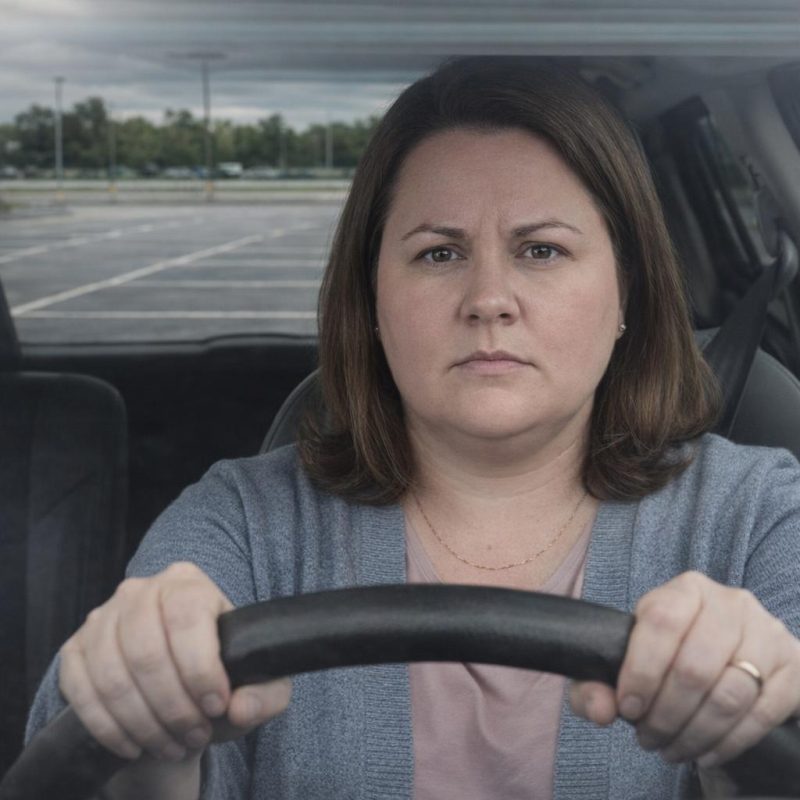 Image by RM AI
It Can't Be That
I sat in that parking lot for almost an hour, trying to talk myself down. Maybe the business card was for a client at Daniel's firm. Maybe someone at work had asked him for a referral. Maybe it was for a friend's elderly parent, someone who actually needed help managing their affairs. I kept running through possibilities, each one feeling more reasonable than the last. But then I'd think about Daniel asking James those questions about my memory, his voice so casual, so careful. I'd remember the documents I'd found, the ones about phasing me out of the grandchildren's lives. I'd picture Sophie's face when she told me about the professional visitor who'd come to observe me. Every time I tried to build an innocent explanation, something else would knock it down. The business card could have been for work. The memory questions could have been genuine concern. The documents could have been about something else entirely. I wanted so badly to believe there was another reason, something that made sense without being what I was afraid it was. I gripped the steering wheel and told myself I was jumping to conclusions, that I was letting fear turn normal things into evidence of something terrible. But when I thought about all of it together, the memory questions and the documents and now this attorney who specialized in guardianship, the alternative explanations felt thinner than I wanted them to be.
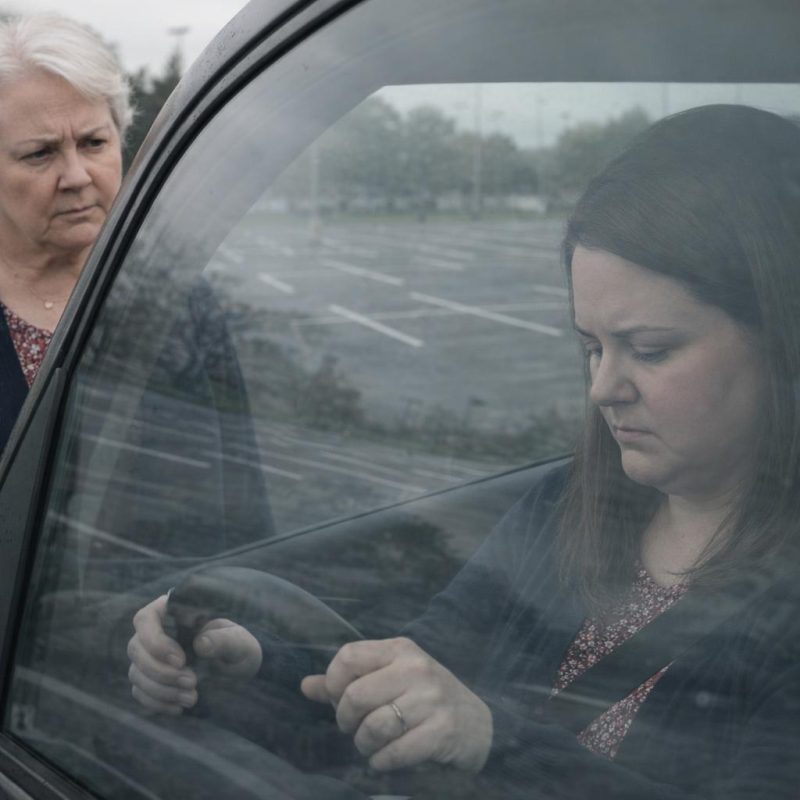 Image by RM AI
Testing the Waters
I showed up at their house the next morning like always, my heart pounding harder than it should have been. I had a plan, and I hated that I needed one. When I came in, I deliberately set my keys down on the bookshelf in the living room instead of in my purse. Not somewhere I'd never put them, but not my usual spot either. I helped Sophie with her breakfast, played blocks with Ethan, went through our normal routine. Then, about an hour later, I made a show of patting my pockets and looking around. "I can't remember where I put my keys," I said, keeping my voice light and a little confused. "I thought I had them when I came in." Daniel looked up from his coffee immediately. Lauren's head turned toward me. I watched them both, trying to look like I was just searching casually. Lauren reached into her purse and pulled out a small notebook, the kind you'd use for a grocery list. She wrote something down, her pen moving quickly across the page. Daniel set down his coffee and walked over. "Does this kind of thing happen often, Mom?" he asked. His voice was gentle, concerned. Too concerned. I found my keys on the bookshelf a moment later and laughed it off. "Oh, there they are. I must have set them down when I came in." But I couldn't shake how they'd responded, how quickly Lauren had pulled out that notebook, how interested Daniel had seemed in whether I forgot things like this frequently.
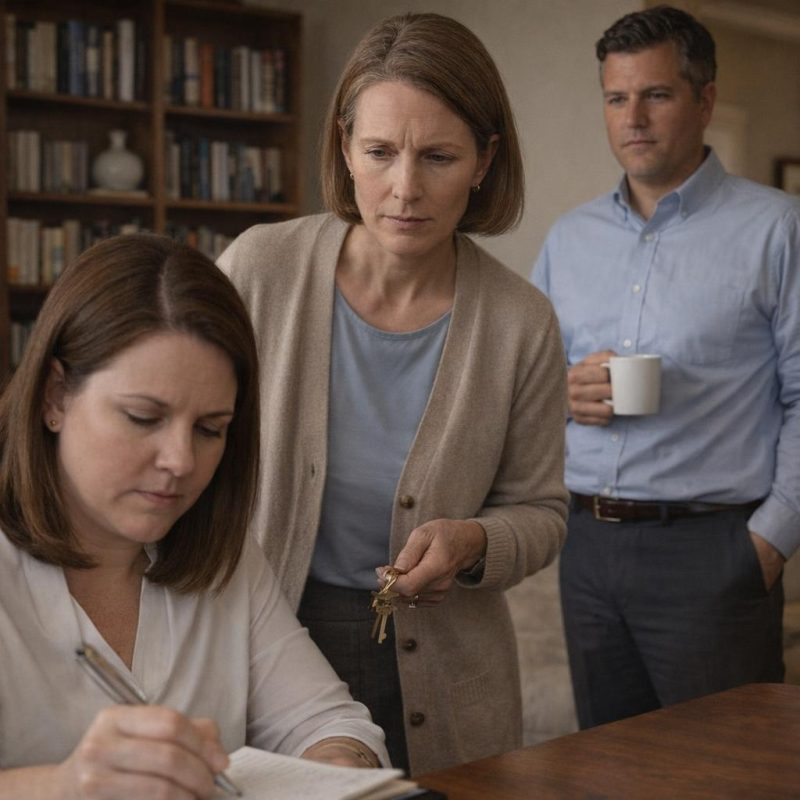 Image by RM AI
She Wrote It Down
I kept watching after that, pretending everything was normal while my stomach stayed in knots. Lauren carried that small notebook with her, I noticed. She'd pull it out at odd moments, write something quick, then tuck it back into her purse. I tried not to stare, tried to focus on the kids, but I couldn't stop tracking where that notebook went. Then, two days later, Lauren left it on the kitchen counter while she went upstairs to take a phone call. It was open, just sitting there next to her coffee mug. I glanced toward the stairs, heard her voice from the second floor, and stepped closer. The pages were filled with dated entries, neat handwriting, each one just a few lines. I scanned them quickly, my heart racing. "March 12: Couldn't remember where she parked at the grocery store, seemed disoriented." I'd never been disoriented at the grocery store. "March 15: Asked me the same question twice within ten minutes." That hadn't happened. "March 18: Forgot she'd already given Ethan lunch, tried to feed him again." I'd done no such thing. Every entry I could see was either something that hadn't happened at all or something twisted so far from the truth it might as well have been fiction. I heard Lauren's footsteps on the stairs and stepped back quickly, my hands shaking. Every entry she could see was something that hadn't actually happened the way Lauren had written it, and Margaret realized they were creating a record that had nothing to do with truth.
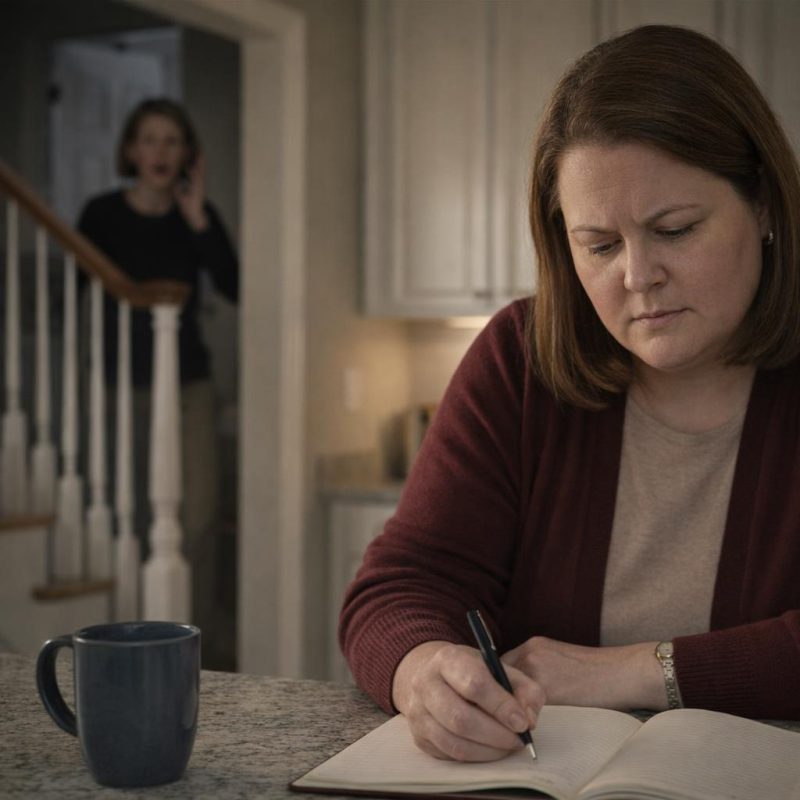 Image by RM AI
I Need Legal Advice
I waited until I was home to make the call. Patricia had given me the name of an attorney she trusted, someone who handled family law and elder issues. Rebecca Brennan. I sat on my couch with the phone in my hand for ten minutes before I could dial. When the receptionist answered, I almost hung up. "I need to speak with Ms. Brennan about a legal matter," I said. "It's confidential. It's about guardianship law." The receptionist put me through after a brief hold. Rebecca's voice was professional but warm. "This is Rebecca Brennan. How can I help you?" I explained that I needed advice, that I had questions about guardianship proceedings, that I wasn't ready to go into all the details yet but I needed to understand my options. She asked a few preliminary questions, her tone shifting slightly as I answered. "Can you come in tomorrow afternoon?" she asked. "I have an opening at two." I said yes, relief flooding through me. "Good," Rebecca said. "I want you to know something before we meet. If someone is building a guardianship case against you, time is not on your side. These things can move quickly once they're filed." I thanked her and hung up, my hands still shaking. But for the first time since I'd found those documents, I felt like I was doing something instead of just watching everything fall apart around me.
 Image by RM AI
Understanding the Process
Rebecca's office was smaller than I expected, lined with law books and family photos. She shook my hand and gestured to a chair across from her desk. "Tell me what's going on," she said. So I did. I told her about the documents I'd found, about Daniel asking James questions about my memory, about Lauren's notebook full of false entries. I told her about the professional visitor Sophie had mentioned, about the guardianship attorney's business card. I showed her the photographs I'd taken of the documents. Rebecca studied them carefully, her expression growing more serious with each one. When I finished, she sat back and folded her hands. "Let me explain how guardianship proceedings work," she said. She walked me through the process, how someone would file a petition with the court, how they'd need to provide evidence that the person was incapable of managing their own affairs. She explained what kind of evidence courts typically considered: medical evaluations, testimony from family members, documentation of confusion or poor decision-making. "Once a guardianship is in place," she said, "it's very difficult to reverse. The guardian has legal authority over finances, property, medical decisions. The person under guardianship loses the right to make their own choices." She looked at me directly. "Do you have any reason to believe someone might be gathering evidence against your mental competency?" When Rebecca asked if I had any reason to believe someone might be gathering evidence against my mental competency, I pulled out my phone and showed her the photographs I'd taken.
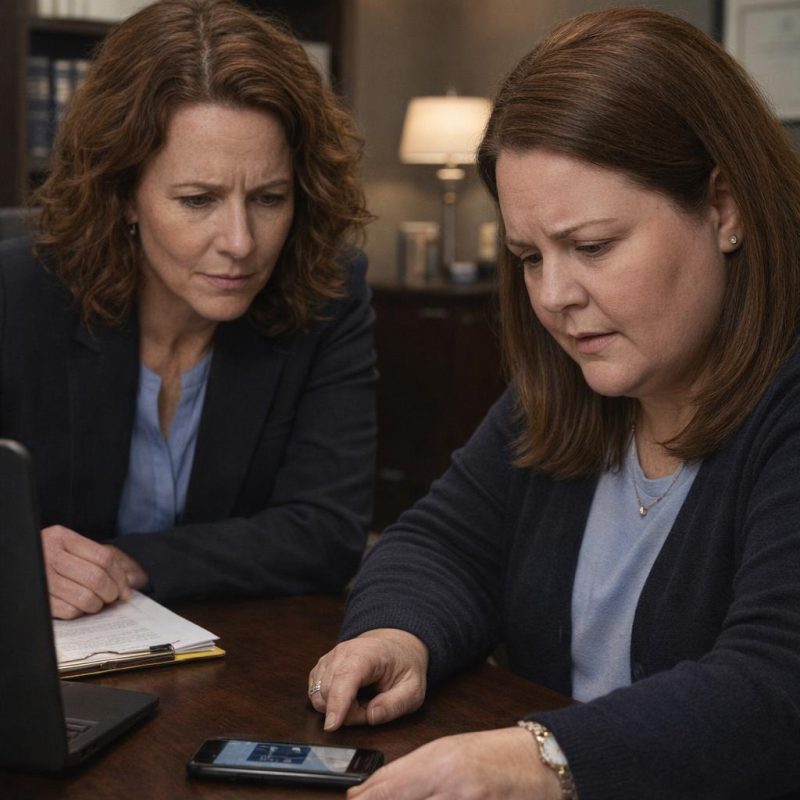 Image by RM AI
Building Protection
Rebecca studied the photos for a long time, zooming in on details, reading carefully. When she looked up, her expression was grave. "Here's what you need to do," she said. "Document everything from this point forward. Every interaction, every conversation, every incident. Keep a detailed journal with dates and times." She told me to gather copies of all my financial records, bank statements, property documents, anything that showed I was managing my affairs competently. "Most importantly," she said, leaning forward, "do not let them know you're aware of anything unusual. Act normal. Keep your routine. If they realize you're onto them, they might accelerate their timeline." She recommended I get a medical evaluation from my own doctor, something that would establish my mental competency on the record. She explained that prevention was much easier than fighting a petition once it was filed. "If they file, you'll have to prove you're competent in court, and by then they'll have built their case. Right now, you have the advantage of knowing what they're doing while they don't know you know." I took notes on everything she told me, my hand cramping from writing so fast. When I stood to leave, Rebecca walked me to the door. She called after me as I stepped into the hallway. "Remember, if they file a petition, it will already be too late to prepare a defense."
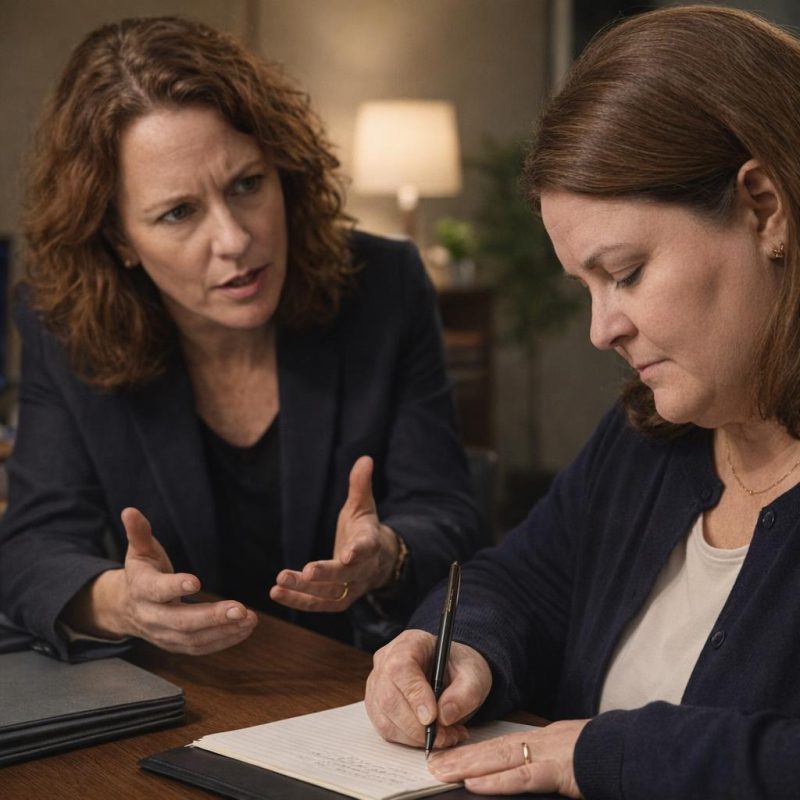 Image by RM AI
They Stop Talking Again
I went back to their house two days later for my regular childcare day. Everything looked the same, felt the same, but I couldn't shake the hyperawareness that had settled over me since meeting with Rebecca. I noticed things I might have missed before, or maybe things that were actually new. Daniel and Lauren were in the kitchen when I arrived, talking in low voices. The conversation stopped the moment I walked in. "Morning," I said, keeping my voice light. They both smiled and said good morning back, but something felt off about the pause. It happened again that afternoon. I came downstairs after reading to Ethan and heard them talking in the dining room. The voices cut off as soon as my footsteps hit the bottom step. When I walked in, they were both looking at their phones, silent. Over the next few days, I counted at least six times when conversations seemed to stop just as I entered a room. Sometimes it was obvious, voices cutting off mid-sentence. Sometimes it was subtler, just a shift in tone or a quick glance between them. I couldn't tell if they'd always done this and I was only noticing now because I was looking for it, or if something had actually changed. Maybe they'd always been private about certain conversations. Maybe I was seeing patterns that weren't there. I wondered if they'd always done this and I was only noticing now, or if something had changed that made them more careful around me.
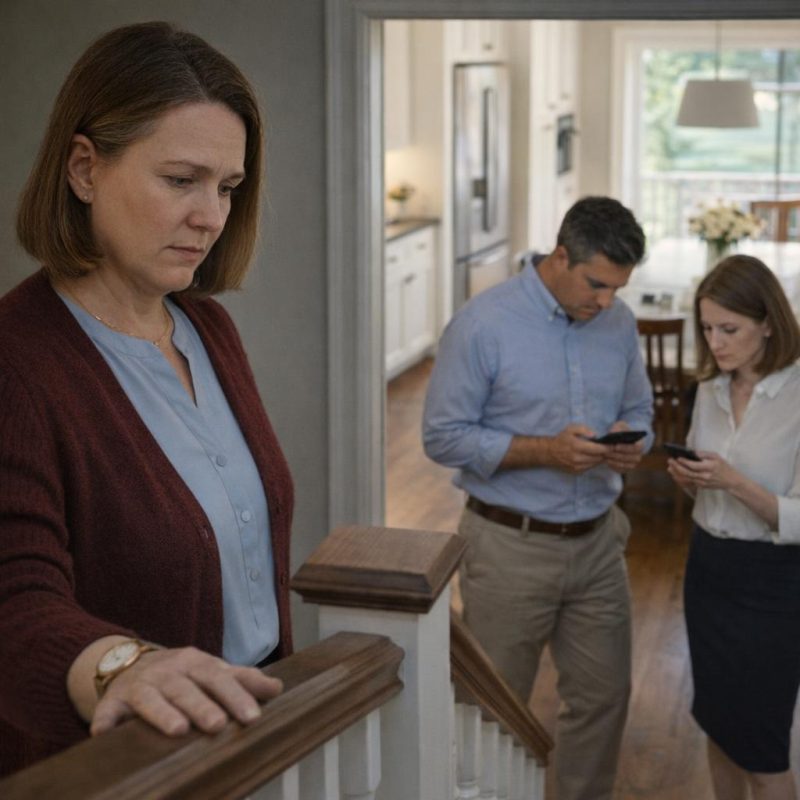 Image by RM AI
Questions About My Days
Daniel started asking me questions. Not all at once, but spread out over several visits, casual enough that I might not have noticed if I wasn't paying attention. "So what do you do on your days off, Mom?" he asked one afternoon while I was packing up to leave. "Do you have plans with friends? Any appointments coming up?" I told him about my book club, about lunch with Patricia. He nodded, seeming interested. The next visit, he asked about my bills. "Are you keeping up okay with everything? The house payments, utilities, all that?" His tone was concerned, like he was just checking in. I assured him I was managing fine. Lauren joined in sometimes. "Do you use a calendar to track your appointments?" she asked once. "Or do you just remember them?" Another time: "Have you been getting out much? It's important to stay social at your age." The questions kept coming, each one sounding like normal concern, like a son and daughter-in-law caring about an aging parent. But I couldn't shake the feeling that Daniel was gathering information for something, checking boxes on a list I couldn't see. Every answer I gave felt like it was being filed away somewhere, added to whatever case they were building. The questions sounded like concern, but I couldn't shake the feeling that he was gathering information for something, checking boxes on a list I couldn't see.
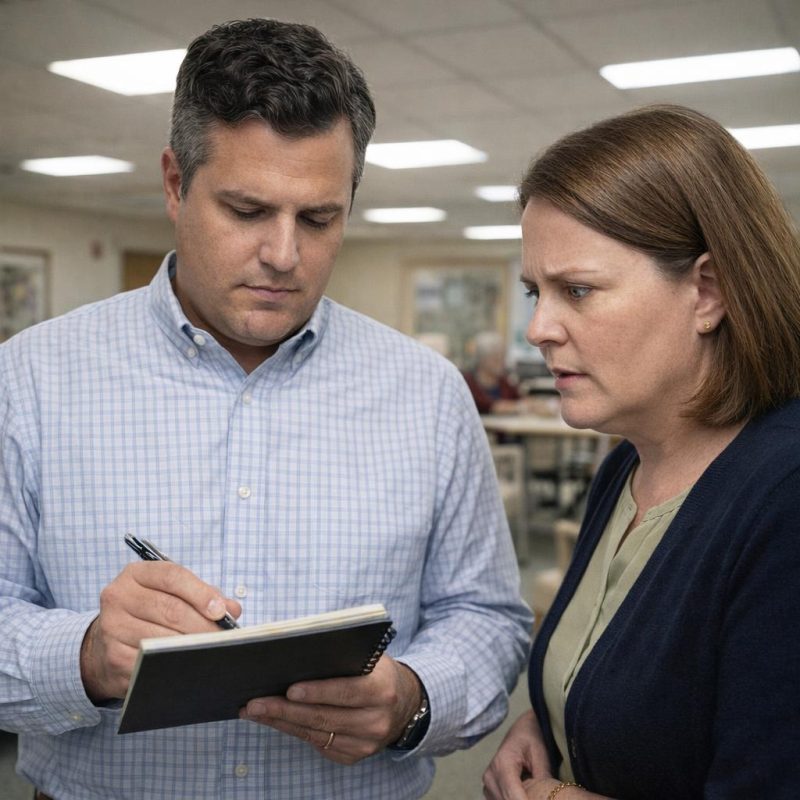 Image by RM AI
My Signature I Didn't Write
I finally got my chance when Daniel mentioned he and Lauren had a meeting across town that would take most of the afternoon. They'd be gone for at least three hours, maybe four. I waited until their car disappeared down the street, then went straight to the office. The file cabinet was still locked, but I'd watched Daniel open it enough times to know where he kept the key—tucked behind a row of books on the shelf, the kind of hiding spot that feels clever but really isn't. My hands shook as I slid the key into the lock. The drawer opened smoothly, and I started going through the folders one by one, not even sure what I was looking for. Then I found them. Medical release authorization forms, three pages stapled together, with my signature at the bottom of each page. I stared at that signature for a long moment, my hands going cold. I'd never signed these forms. I'd never even seen them before. But there was my signature, looking almost right, close enough that someone might not question it if they weren't looking carefully. I pulled out my phone with trembling fingers and photographed every page, making sure the dates were visible, that the signatures were clear. Then I put everything back exactly as I'd found it, locked the drawer, and replaced the key behind the books. My heart was pounding so hard I could hear it in my ears. The forms authorized Daniel and Lauren to access all my medical records and communicate with my doctors, dated from three months ago when I'd never been asked to sign anything.
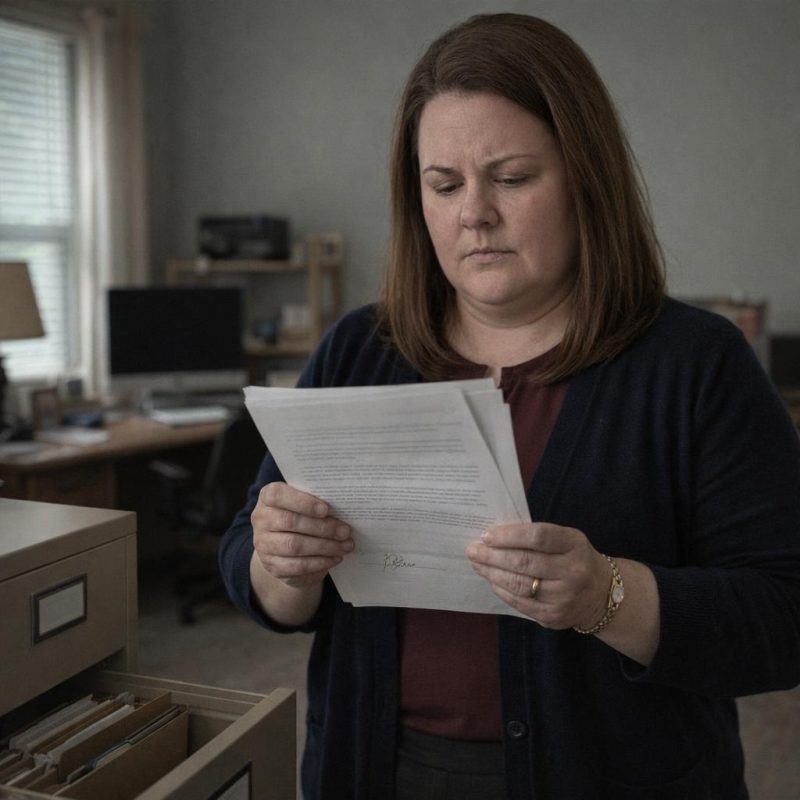 Image by RM AI
What They Already Know
I sat in my car for twenty minutes after I left the house, just staring at my phone, trying to process what I'd found. The forged signatures were bad enough, but the implications kept getting worse the more I thought about them. Those forms were dated three months ago. Three months. They'd had access to all my medical records for that entire time—every doctor's visit, every test result, every note about my health. They knew everything my doctors knew about me. I thought about my annual physical in February, the routine bloodwork, the cognitive screening my doctor always did for patients over seventy. What had they learned from those records? What had they been looking for? My hands were still shaking, but not from fear anymore. I was angry. They'd violated something fundamental, accessed private information without my knowledge or consent, used my forged signature to convince medical offices that I'd authorized it. I pulled out a notebook from my purse and started making a list of every doctor I'd seen in the past year. My primary care physician. The cardiologist for my annual checkup. The ophthalmologist. The dermatologist where I'd had that mole removed. Each office would have received those forms, would have filed them away, would have given Daniel and Lauren access to everything. I needed to stop it immediately. I needed to revoke whatever access those forged forms had granted. I started the car and drove home, already planning the calls I'd make first thing in the morning. They'd had three months of access to my private medical information, but that was ending today.
 Image by RM AI
Revoking Access
I started calling at eight-thirty the next morning, working through my list systematically. Each conversation followed the same pattern. I explained that I was calling to revoke all medical release authorizations on file, that no one should have access to my records without my explicit written permission going forward. The receptionists were professional and helpful. They'd update my file right away, they said. Was there anything else they could help me with? I asked each office if anyone had recently requested information about me. Most said no, or put me on hold to check their records. Nothing unusual, they reported back. Then I called my primary care physician's office. The receptionist recognized my voice—I'd been going there for fifteen years. She confirmed she'd update my file to revoke all authorizations. When I asked if anyone had recently requested information, there was a pause. "Actually, yes," she said. "Someone called about two weeks ago asking questions about your memory and cognitive function. They had the authorization on file, so we confirmed you'd completed your routine screening and that everything was normal for your age." I thanked her calmly and ended the call, but my stomach had dropped to somewhere around my knees. Two weeks ago. They'd been actively using that forged authorization, calling my doctors, asking specific questions about my mental competency. And my doctor's office, following proper procedure with what they believed was legitimate authorization, had answered them. I set down my phone and stared at the wall, feeling the full weight of what they'd been doing behind my back. This wasn't just preparation anymore. They were already building their case.
 Image by RM AI
Collecting Evidence
Patricia came over that afternoon. I'd called her after finishing with the doctor's offices, and she'd immediately said she was coming to help. We waited until I was certain Daniel and Lauren would be out—they'd mentioned something about meeting with their financial advisor—then drove to the house together. Patricia kept watch near the front window while I worked through the file cabinet, photographing every document page by page. We moved quickly but carefully, making sure nothing was out of place, that we could put everything back exactly as we'd found it. "How much more?" Patricia asked quietly, glancing between me and the street outside. "Maybe two more folders," I said, my phone camera clicking steadily. The afternoon light was good, the documents clear and readable in each photo. We'd been at it for almost an hour, and my phone's storage was filling up with evidence. Patricia pulled out the next folder and froze. "This one has your name on it," she said, holding it up so I could see the tab. My name, written in Lauren's neat handwriting, on a folder I'd never noticed before. It was tucked behind the medical files, easy to miss if you weren't looking carefully. Patricia opened it slightly, and I could see printed emails inside, multiple pages. We looked at each other. "We need to see what's in there," I said. My heart was racing again, that same cold feeling from yesterday spreading through my chest. Whatever was in that folder, they'd kept it separate from everything else, labeled it specifically with my name. That couldn't be good.
 Image by RM AI
The Appointment I Didn't Know About
I took the folder from Patricia and opened it fully. Printed emails, at least a dozen pages, arranged chronologically. The subject lines made my blood run cold: "Scheduling consultation," "Confirming appointment details," "Assessment approach." I started reading from the top. The emails were between Lauren and a psychologist. They were discussing an appointment, but not a medical one. They were arranging for him to meet me. "The lunch setting works well for this type of informal assessment," one email read. "She'll be more relaxed in a social environment, and I can observe her cognitive function, memory, decision-making capacity without the clinical atmosphere that might make her guarded." Another email, from Lauren: "She doesn't know it's an evaluation. We're presenting it as a casual family lunch with a colleague of Daniel's. She's agreed to come." I felt Patricia move closer, reading over my shoulder. My hands had gone numb. They were planning to have me evaluated by a psychologist without my knowledge, disguised as a pleasant family meal. The psychologist had agreed to assess me secretly, to observe and judge my mental competency while I thought I was just having lunch. One email mentioned his specialty: competency evaluations for legal proceedings. Another discussed his fee structure and how quickly he could provide a written report. Patricia started photographing the pages while I kept reading, my mind racing. They weren't just gathering information anymore. They were building toward something specific, something that required a professional evaluation of my mental state. And they'd found a psychologist willing to do it secretly, in a social setting where I wouldn't know I was being tested.
 Image by RM AI
They Said I Wouldn't Know
I found the email near the bottom of the stack. Lauren's response to the psychologist, confirming the final arrangements. "The lunch is set for Thursday at Riverside Bistro," she'd written. "Margaret has no idea it's anything other than a family meal. She thinks she's just meeting Daniel's colleague for a pleasant afternoon. She's been easy to manage so far—very trusting, doesn't question our suggestions. The setting should work perfectly for your purposes." I read that line again. Easy to manage. Like I was a child, or a problem to be handled. Patricia read it over my shoulder and I heard her sharp intake of breath. She said quietly, her voice tight with anger, "We need to call Rebecca immediately. This isn't just planning anymore. They're actively deceiving you, setting up a secret evaluation. This crosses every line." I nodded, still staring at those words. Easy to manage. How long had they been thinking of me that way? How many of our conversations had been them managing me, steering me toward whatever outcome they wanted? "Let me finish documenting this first," I said, my voice steadier than I felt. "I want every page photographed before we do anything else." Patricia took the folder from my hands and started taking pictures, her movements quick and precise. I could see the tension in her shoulders, the way her jaw was set. She was furious on my behalf, and that somehow made it easier to stay calm myself. We needed this evidence. We needed every piece of their plan documented before they realized I knew. Then we'd call Rebecca. Then we'd figure out what to do next.
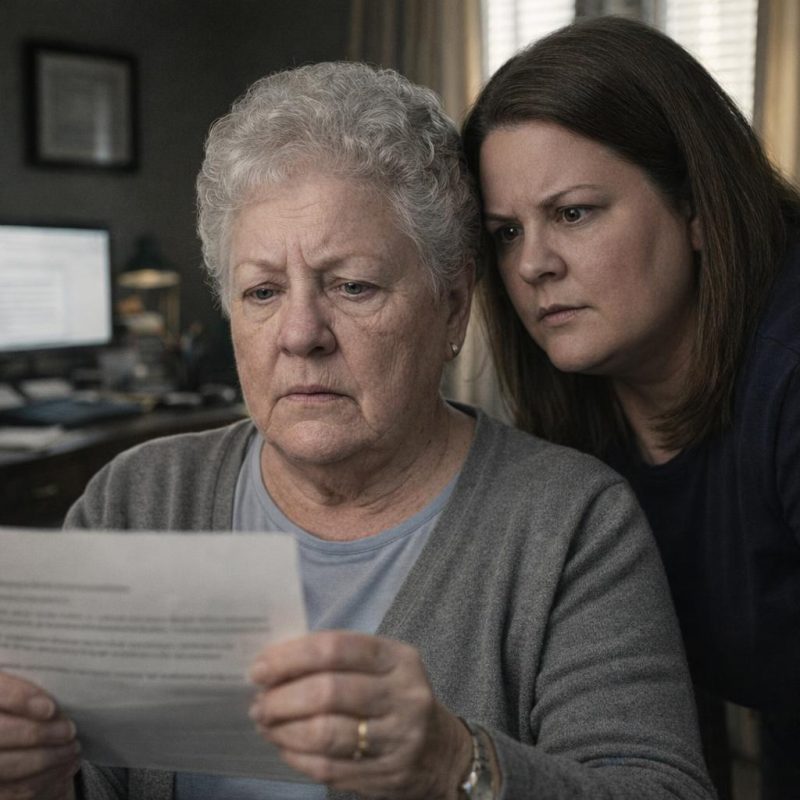 Image by RM AI
The Lunch Is Tomorrow
I reached for the last email in the folder, the most recent one, dated just two days ago. Final confirmation from the psychologist about timing and logistics. My eyes caught on the date first: tomorrow. Thursday. The lunch was scheduled for tomorrow at one o'clock. Then I saw the restaurant name and my stomach dropped. Riverside Bistro. The same restaurant Daniel had mentioned to me yesterday morning, casual and cheerful over coffee. "Mom, how about lunch tomorrow? There's this nice place Lauren and I have been wanting to try, Riverside Bistro. We thought it would be fun to take you, maybe invite a colleague of mine. Just a pleasant meal, nothing fancy." I'd agreed immediately, pleased that they wanted to spend time with me, that they were including me in their plans. And the whole time, Daniel had known. He'd known I'd be sitting across from a psychologist who was secretly evaluating my mental competency. He'd known every word I said, every gesture I made, would be assessed and documented for a report. "Patricia," I said, my voice barely above a whisper. "The lunch is tomorrow. I already told Daniel I'd go." She looked up from photographing the emails, her eyes widening. "Tomorrow? You agreed to it?" I nodded, feeling my pulse quicken. Less than twenty-four hours. I had less than twenty-four hours to decide what to do—whether to go through with it, whether to confront them, whether to cancel and risk them knowing I'd discovered their plan. Patricia carefully replaced the emails in the folder, put everything back in the file cabinet exactly as we'd found it. "We need to call Rebecca right now," she said. "You need legal advice before tomorrow, and you need it today."
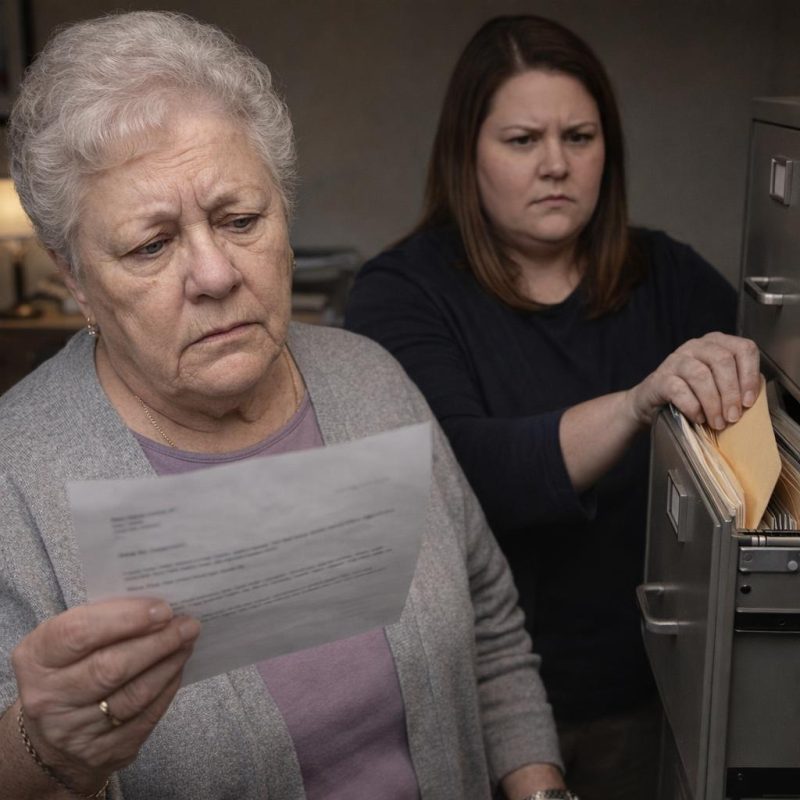 Image by RM AI
Rebecca Says Go
I called Rebecca from Patricia's phone as soon as we got back to my house. She answered on the second ring, and I explained everything as clearly as I could—the forged medical releases, the emails about the secret evaluation, the lunch scheduled for tomorrow that I'd already agreed to attend. Rebecca asked careful questions, making sure she understood the timeline, the setup, exactly what the emails had said. "So they're planning to have a psychologist evaluate you without your knowledge or consent," she said when I'd finished. "And you've already agreed to go to this lunch." "Yes," I said. "Should I cancel? Should I confront them?" There was a pause while Rebecca considered. "No," she said finally. "I think you should go." I felt Patricia stiffen beside me. "Go?" I asked. "But they're—" "They're setting a trap," Rebecca interrupted. "But here's the thing, Margaret. The trap only works if you're actually confused or incompetent. And you're not. If you refuse to go, if you cancel suddenly, they can use that as evidence of paranoia or erratic behavior. But if you go, if you're exactly who you are—clear, coherent, capable—then their psychologist will have to report what he actually observes." She paused. "Your best defense is the truth. You're not confused. You're not incompetent. Be yourself, be natural, and let him see that. Everything you say and do will be assessed, so be aware of that. But don't try to perform or prove anything. Just be who you are." I took a breath, feeling something settle in my chest. "Okay," I said. "I'll go." "Good," Rebecca said. "And Margaret? Call me as soon as it's over. We need to talk about next steps." I hung up and looked at Patricia. Tomorrow I'd sit across from a psychologist who thought I didn't know he was evaluating me, and I'd let him see exactly how clear my mind really was.
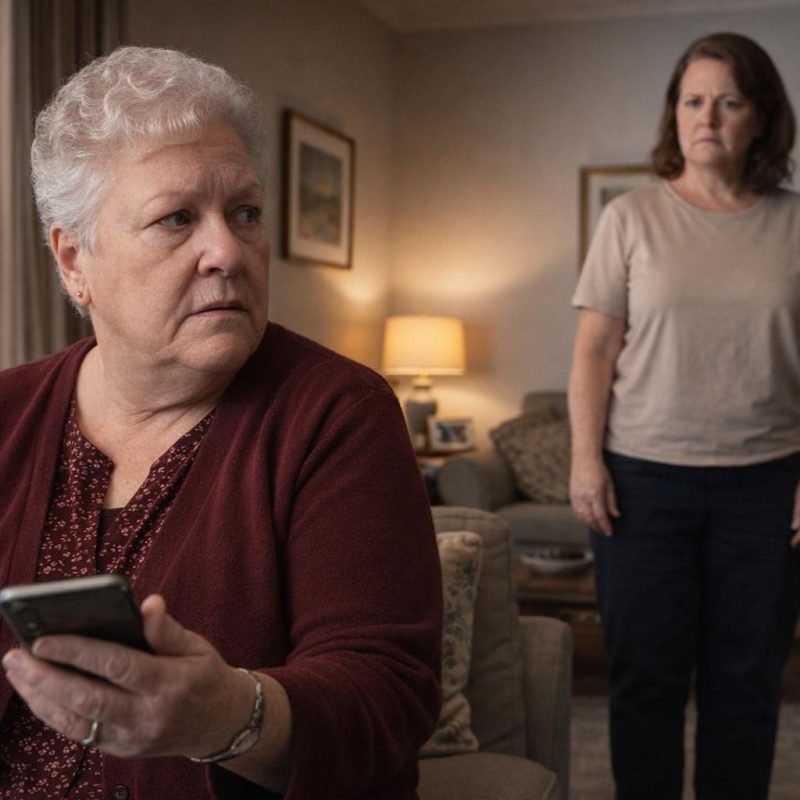 Image by RM AI
The Night Before
I sat at my kitchen table that night with a notepad in front of me, writing down questions I thought they might ask. Patricia had gone home hours ago, but she'd made me promise to call if I needed her. I wrote things like "What did you have for breakfast?" and "Can you tell me what day it is?" and practiced answering them out loud, keeping my voice steady and my answers specific. I reminded myself to mention details—not just "oatmeal" but "oatmeal with blueberries and a little brown sugar." Not just "Tuesday" but "Tuesday, March fourteenth." Rebecca had said to be natural, but how was I supposed to be natural when I knew every word I said would be analyzed? I practiced in the bathroom mirror for a while, watching my face to make sure I didn't look nervous or defensive. I tried smiling. I tried looking relaxed. Everything felt like a performance, which I supposed was exactly what it would be. Around midnight I gave up and went to bed, but I couldn't sleep. I kept thinking about Daniel and Lauren sitting across from me, watching me answer questions, waiting for me to slip up. I wondered if they'd rehearsed this too, if they'd practiced looking concerned while the psychologist took notes. By the time I finally fell asleep, I had told myself a hundred times that I could do this—but I still wasn't sure I believed it.
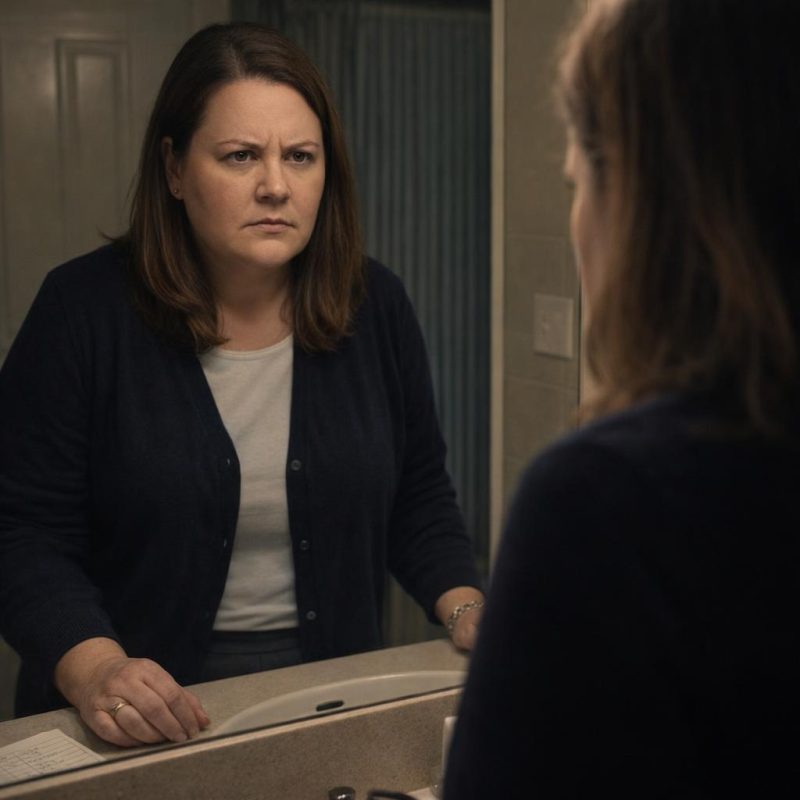 Image by RM AI
The Evaluation I Wasn't Supposed to Know About
The restaurant was one of those bright, modern places with too much natural light and open spaces that made private conversation impossible. Daniel and Lauren were already seated when I arrived, and there was a woman with them I'd never seen before. "Mom, this is Dr. Brennan," Daniel said, standing to pull out my chair. "She works with Lauren. We thought it would be nice for you two to meet." The woman smiled warmly and shook my hand. She was younger than I'd expected, maybe forty, with kind eyes and a professional manner that immediately put me on edge. Within five minutes she was asking me questions. How was I feeling? Was I sleeping well? What had I done yesterday? The questions seemed casual at first, the kind of small talk you'd make with anyone. But then she asked me to describe my morning routine, and I recognized the careful phrasing from the articles I'd read online about competency evaluations. She wanted specifics. She wanted to know if I could remember sequences, if I could organize my thoughts clearly. I answered each question as naturally as I could, describing how I'd made coffee, what I'd eaten, the order in which I'd gotten dressed. I kept my voice steady and my details concrete. But the whole time I felt like I was taking a test I hadn't studied for, and I answered each question with clarity, but I couldn't shake the feeling that everything I said was being weighed on a scale I couldn't see.
 Image by RM AI
What I Saw Across the Table
I watched Daniel lean forward slightly each time I finished answering, his eyes fixed on my face in a way that felt less like a son checking on his mother and more like someone waiting for a specific result. Lauren sat beside him with her hands folded on the table, her expression pleasant but distant, and every few minutes she'd glance at Dr. Brennan with a look I couldn't quite read. The questions kept coming. Could I remember my address? My phone number? When was my last doctor's appointment? I answered everything clearly, giving specific dates and details, but I felt the strain of maintaining composure while my heart hammered in my chest. Dr. Brennan asked about my daily activities, my hobbies, whether I had any trouble managing my finances or remembering to take medications. I told her I balanced my checkbook every month, that I didn't take any regular medications, that I'd just finished reading a book about the Civil War. She nodded and smiled, but I caught her glancing at her phone once, as if making a mental note. The lunch stretched on for what felt like hours. When it finally ended, Dr. Brennan stood and shook my hand again, her smile warm and lingering just a moment too long. "It was so lovely to meet you, Margaret," she said. When the lunch ended and the woman excused herself with a warm smile that lingered a moment too long, I left the restaurant knowing I hadn't imagined what I'd felt.
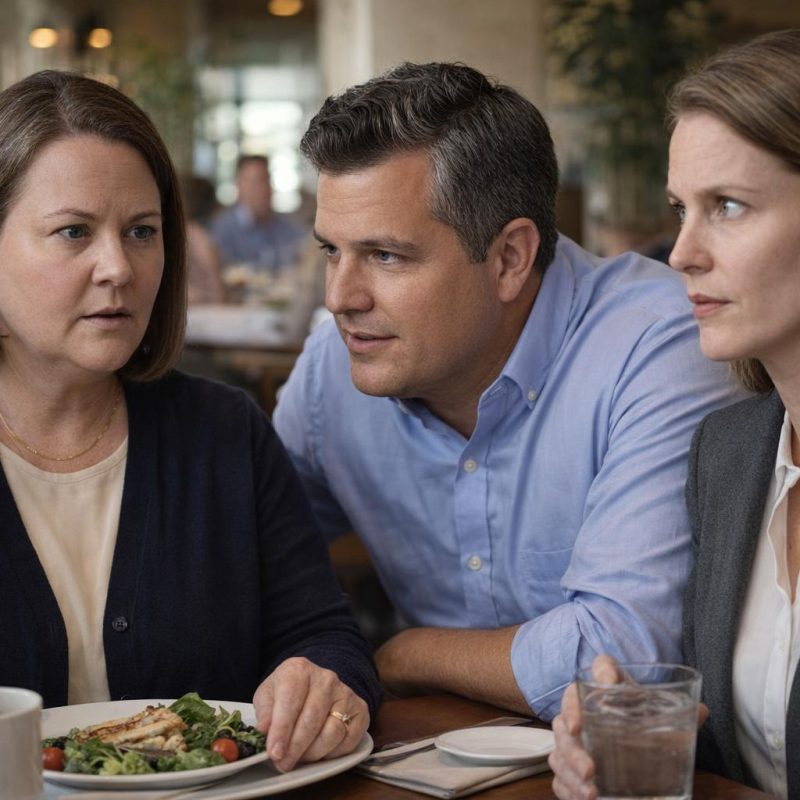 Image by RM AI
The Petition
I drove straight to Daniel and Lauren's house after the lunch. They'd mentioned they had afternoon meetings, and I knew I had at least two hours before anyone would be home. I let myself in with the key they'd given me months ago and went directly to Daniel's office. This time I didn't hesitate. I opened every drawer in his desk, checked every folder, looked behind every file. In the bottom drawer, tucked beneath a stack of old tax returns, I found a manila folder I hadn't seen before. Inside was a formal legal document with my name at the top: Petition for Appointment of Guardian of the Person and Estate. I sat down in Daniel's chair and started reading. The petition named me as the proposed ward and Daniel and Lauren as the proposed guardians. It listed my home address and included a recent property valuation—$340,000. It listed my savings accounts, my retirement funds, my investment portfolio, all with precise dollar amounts I recognized from my own records. Then came the sections describing my alleged cognitive decline. Incidents of confusion and disorientation. Inability to manage daily affairs. Memory lapses and poor judgment. Each paragraph detailed moments I didn't remember or twisted things that had actually happened into evidence of incompetence. There were dates, specific examples, references to conversations with James about my forgetfulness. Every moment of confusion they had documented, every question Daniel had asked James about my memory, every test I hadn't known I was taking—it had all been building toward taking everything I had.
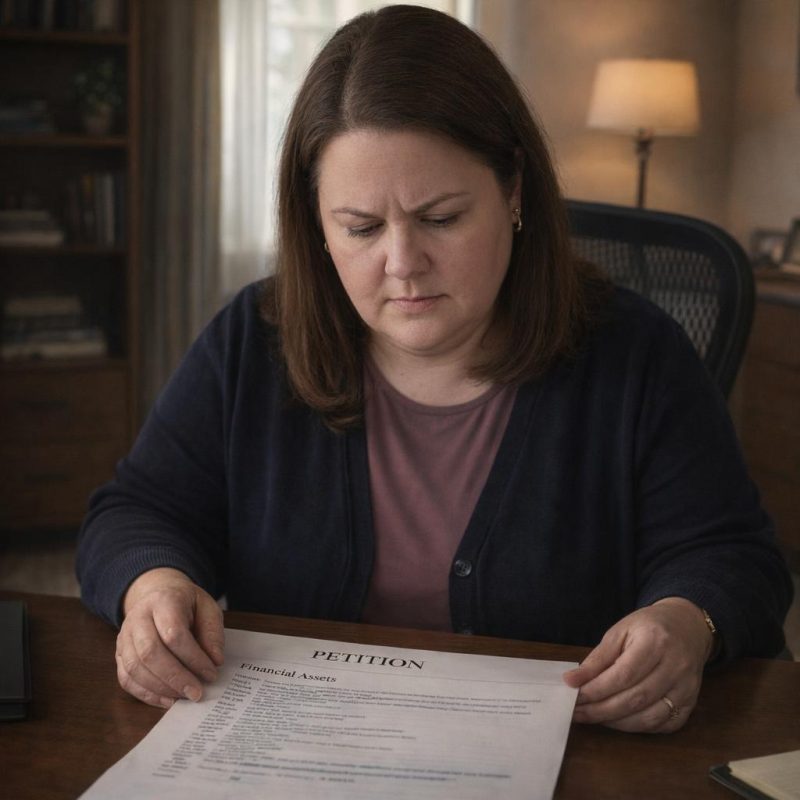 Image by RM AI
Line by Line
I forced myself to read every single page. There were eight pages in total, each one more devastating than the last. One section described an incident where I'd allegedly left the stove on and nearly started a fire—something that had never happened. Another claimed I'd gotten lost driving to the grocery store I'd been shopping at for thirty years. I read about my supposed inability to remember appointments, to pay bills on time, to maintain basic hygiene. None of it was true. But mixed in with the lies were tiny grains of truth, moments they'd twisted beyond recognition. The time I'd asked Daniel what day it was because I'd lost track over the weekend. The time I'd forgotten Lauren's work event because she'd mentioned it once in passing three weeks earlier. Normal things, human things, reframed as evidence of decline. The financial section was the most detailed. My home's value was listed with comparable sales from the neighborhood. My retirement accounts were itemized with current balances and projected growth. My monthly Social Security income was calculated. They'd done their homework. They knew exactly what they stood to gain. I found dates on correspondence that showed they'd consulted with an attorney four months ago. Four months of planning while I'd cooked their dinners and helped Emma with her homework. The woman they had described in these pages—forgetful, confused, unable to care for herself—was a lie they had been constructing while I cooked their dinners and helped their children with homework.
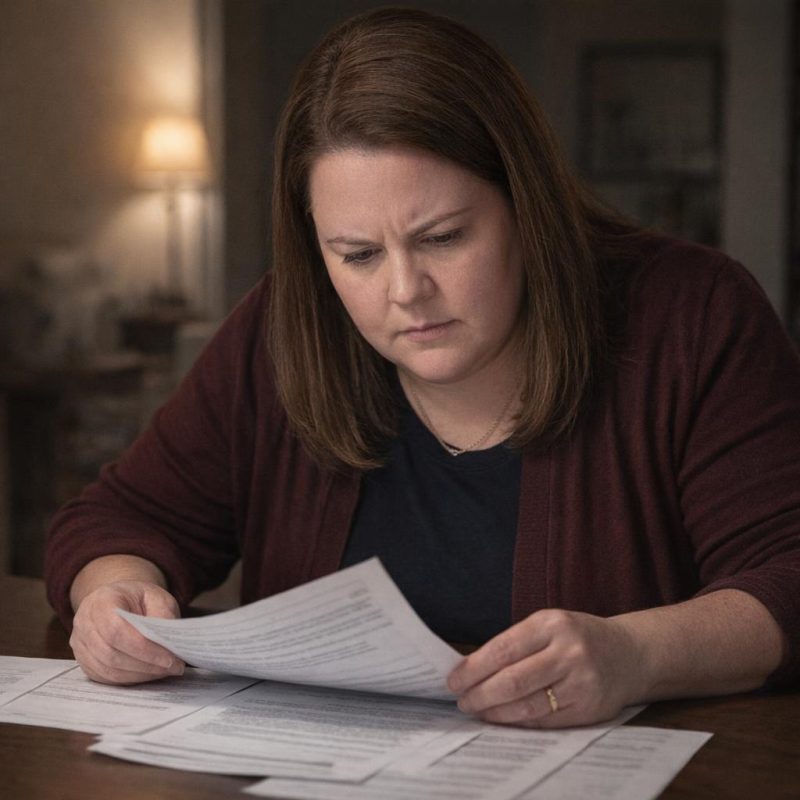 Image by RM AI
Six Months of Lies
I went back through the documents and started noting dates. The earliest document was dated six months ago—a consultation request with the attorney who'd drafted the petition. Six months. I sat there trying to remember what had been happening six months ago. It was September. We'd celebrated Emma's birthday. I'd made her favorite cake, and Daniel had hugged me and told me how grateful they were for everything I did. Lauren had given me a card that said "World's Best Grandma." I'd kept it on my refrigerator for weeks. That same week, apparently, they'd been meeting with lawyers about having me declared incompetent. I found an email dated two weeks after Thanksgiving where Daniel confirmed a meeting to discuss "moving forward with the guardianship timeline." Thanksgiving. I'd hosted dinner at my house. I'd spent two days cooking. Daniel had made a toast about family and how lucky they were to have me. I'd cried happy tears. And he'd already been planning this. Every holiday dinner, every Sunday visit, every time they'd kissed my cheek and thanked me for babysitting—they'd been building their case. They'd been documenting my supposed confusion while accepting my help. They'd been calculating the value of my home while sitting at my kitchen table. They had kissed my cheek at holiday dinners and thanked me for my help while preparing paperwork to take my home and my savings.
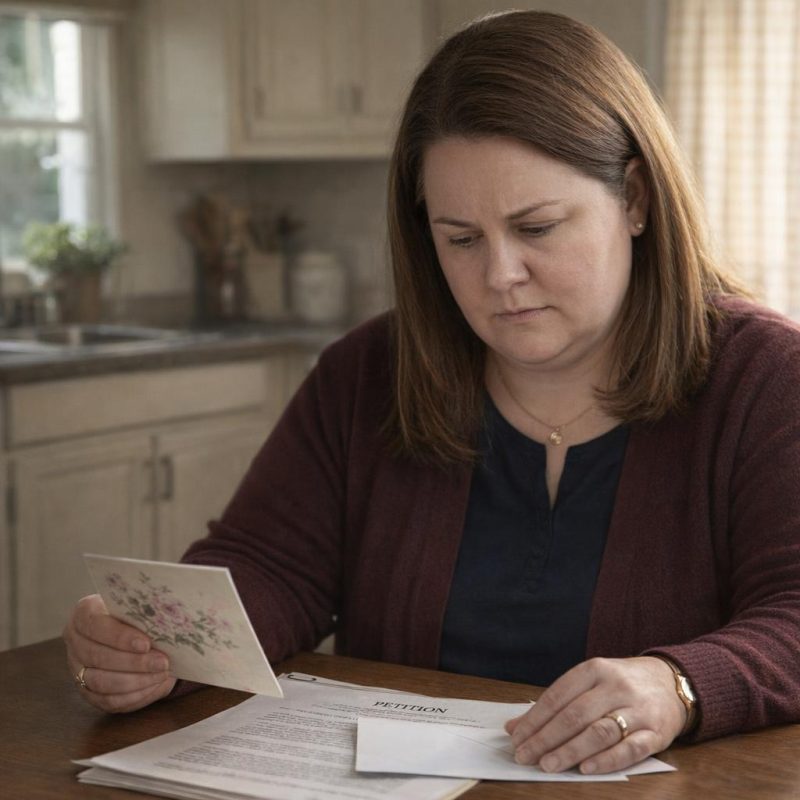 Image by RM AI
Every Piece of Evidence
I took out my phone and started photographing every page. I worked methodically, making sure each image was clear and readable, checking that nothing was cut off or blurred. The petition, the attorney correspondence, the financial valuations, the fabricated incident reports—I documented everything. Then I turned on Daniel's computer. I'd watched him type his password enough times to know it: Emma2015, her birth year. His email was already open. I found the folder labeled "Mom" and started copying files to the flash drive I'd brought with me. There were dozens of emails—communications with the attorney, with Dr. Brennan, with someone named Richard who appeared to be a financial advisor. I copied everything. The whole process took twenty minutes. When I finished, I went back through the physical documents and made sure everything was exactly as I'd found it. I returned the folder to its place beneath the tax returns, closed the drawer, straightened the papers on Daniel's desk. I checked the office one more time to make sure nothing looked disturbed. Then I slipped the flash drive into my pocket and felt its weight there, solid and real. When I finished, I slipped the drive into my pocket and knew that whatever happened next, I would not face them empty-handed.
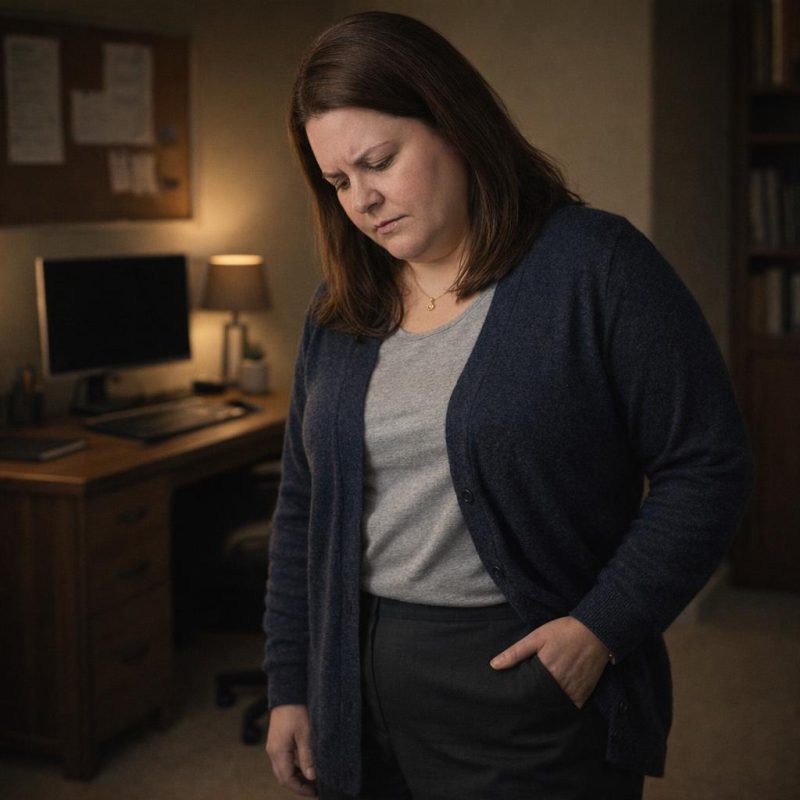 Image by RM AI
Ready
I called Rebecca from my car before I even left their driveway. She answered immediately, and I told her everything I'd found. She listened without interrupting, and when I finished she was quiet for a moment. "Margaret," she said finally, "this is exactly what we needed. This proves everything." I called Patricia next. She swore when I told her about the petition, then apologized for swearing, then swore again. "Those bastards," she said. "What do you want to do?" I told her I was going to confront them. She offered to come with me, but I said no. This was something I needed to do myself. Rebecca spent twenty minutes on the phone coaching me through what to say and what not to say. Don't threaten. Don't make accusations you can't prove. Just tell them you know, and that you have evidence, and that you've consulted an attorney. Let them know the game is over. I drove home and sat in my living room with my purse on my lap, the flash drive and my phone inside it. I thought about calling James, but I wasn't ready for that conversation yet. I thought about calling Emma, but she was too young to be pulled into this. So I just sat there and waited. Around five-thirty I heard a car in the driveway. I took a breath and straightened my shoulders. When I heard Daniel's car pull into the driveway that evening, I was already sitting in the living room with the evidence in my bag, waiting.
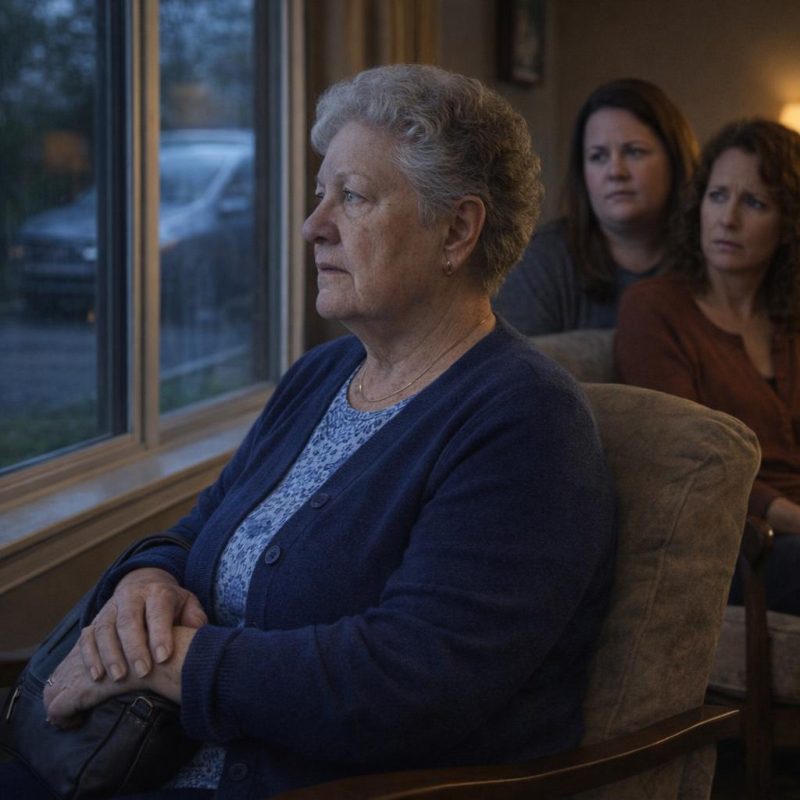 Image by RM AI
Waiting in the Living Room
I sat in my usual chair by the window as the light faded outside, my purse on my lap with everything I needed inside it. The flash drive. The printed petition. The photographs of Lauren's notebook. My phone with Rebecca's number ready to dial if things went wrong. I'd been sitting there for almost an hour when I heard Daniel's car pull into the driveway. Two doors opened and closed. Their voices carried through the evening air, casual conversation about something at work. The front door opened and they walked in together, Daniel loosening his tie, Lauren carrying her briefcase. They saw me sitting there and Daniel started to say hello, but the word died halfway out of his mouth. I watched their expressions change as they registered something in my face, something they'd never seen before. Lauren's polite smile froze and faded. Daniel's hand stopped mid-gesture. I asked where Sophie and Ethan were, keeping my voice level. Lauren said they were at a friend's house for the evening, wouldn't be back until nine. Good, I thought. That was good. I told them both to sit down because there was something we needed to discuss. For the first time in all the months since this began, they were the ones who looked uncertain.
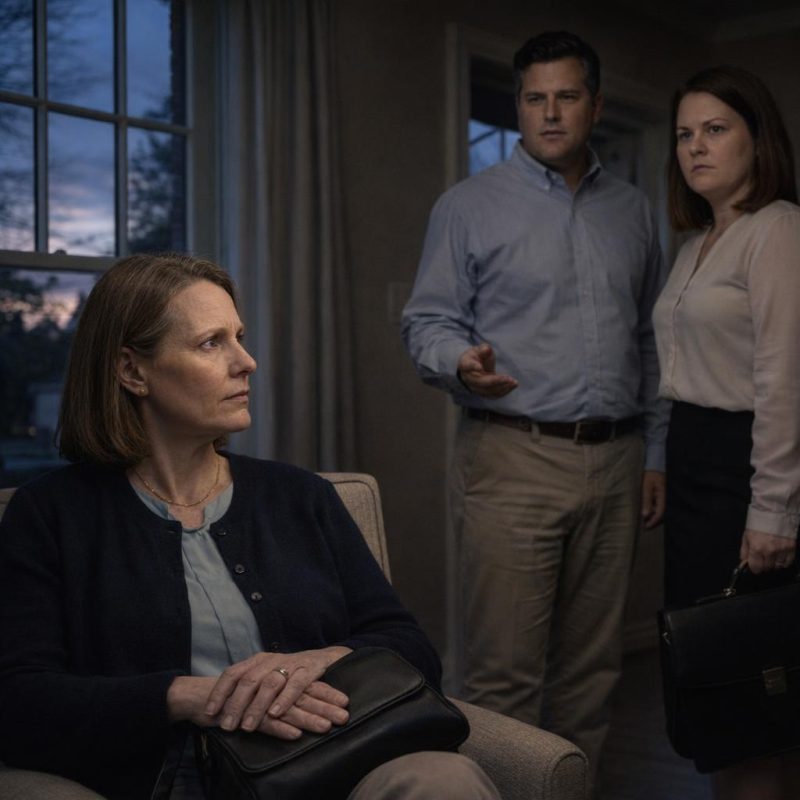 Image by RM AI
What I Found
I started with what I'd found in the kitchen drawer months ago, back when Sophie first whispered her warning to me. I described the documents about phasing out my involvement with the grandchildren, the plans to limit my time with them. I told them I'd found the forged medical release forms with my signature copied onto them, and that I'd already contacted my doctors to revoke any access they'd granted. I pulled out the photographs I'd taken of Lauren's notebook and laid them on the coffee table between us. Page after page of fabricated incidents, confusion that never happened, conversations I'd never had. I produced the guardianship attorney's business card and asked them to explain why they'd been consulting with someone who specialized in taking legal control of elderly people's lives. Then I told them about the emails I'd found, the ones planning today's lunch with Patricia, the psychological evaluation they'd arranged without my knowledge. I explained that I'd known exactly what was happening the entire time I sat there answering their hired expert's questions. I watched their faces as I spoke, watched the color drain from Daniel's cheeks and Lauren's hands grip the armrest so tightly her knuckles went white.
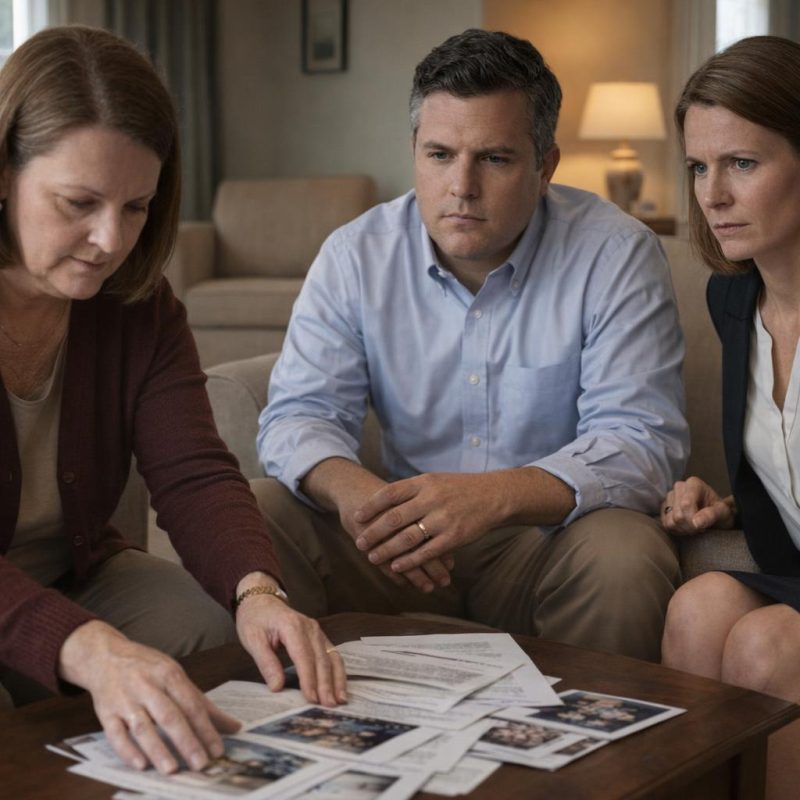 Image by RM AI
Denial
Daniel leaned forward with his hands clasped together, his voice taking on that reasonable tone he used when he was trying to convince someone of something. He insisted there had been a terrible misunderstanding, that they'd only been concerned about my wellbeing. He said they wanted to make sure I was taken care of, that living alone at my age was risky, that they'd been worried about me managing everything by myself. Lauren nodded along but didn't speak, her eyes fixed on the photographs still spread across the coffee table. Daniel kept talking, explaining how the documents were just precautionary measures, how they'd wanted to be prepared in case something happened to me. His words came faster as he went on, each explanation building on the last. I let him finish, then asked him a simple question. If this was genuine concern, why did it require forging my signature on legal documents? His mouth opened and closed without producing any words. He looked at Lauren, then back at me, then down at his hands. I waited, but no answer came.
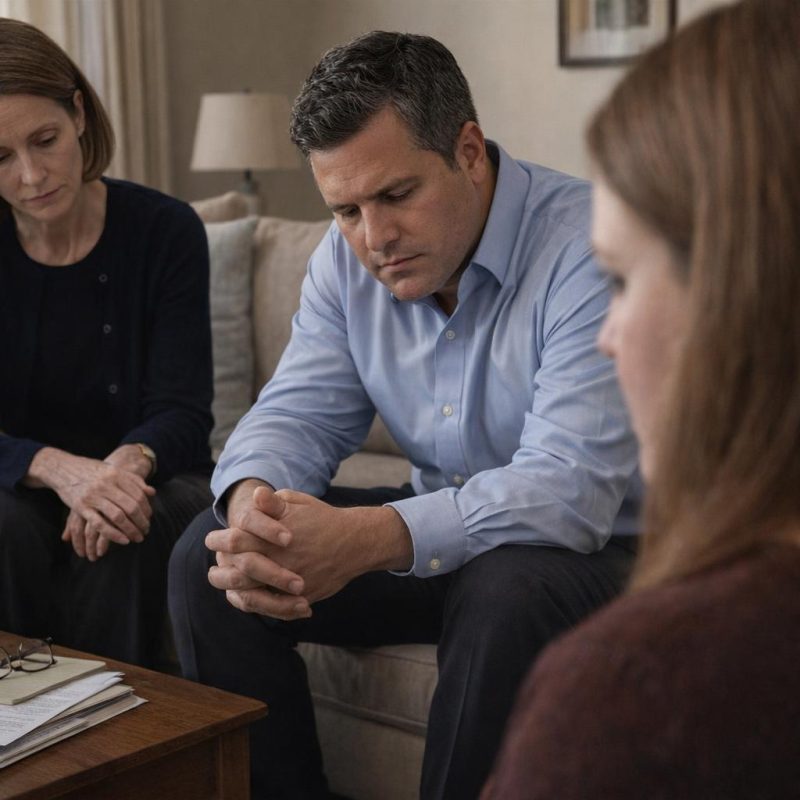 Image by RM AI
The Documents Speak
I reached into my bag and pulled out the printed copies of the guardianship petition itself. I'd made several sets, kept them in different places, but these were for them to see. I placed the documents on the coffee table, right on top of Lauren's notebook photographs. Daniel and Lauren stared at the papers like they were looking at something impossible, something that shouldn't exist. Daniel reached toward them with hands that trembled visibly, picked up the top page, scanned it with widening eyes. Lauren finally spoke, her voice tight and controlled, asking how I'd found these. I didn't answer her question. Instead I asked them to explain what I was looking at, to tell me in their own words what this petition was meant to accomplish. Daniel's mouth worked but nothing coherent came out. He set the papers down and rubbed his face with both hands. I watched him carefully, studied his reaction. What I saw wasn't guilt or remorse for what he'd done to me. What I saw was fear, pure and simple, the fear of someone who'd been caught and was calculating the consequences.
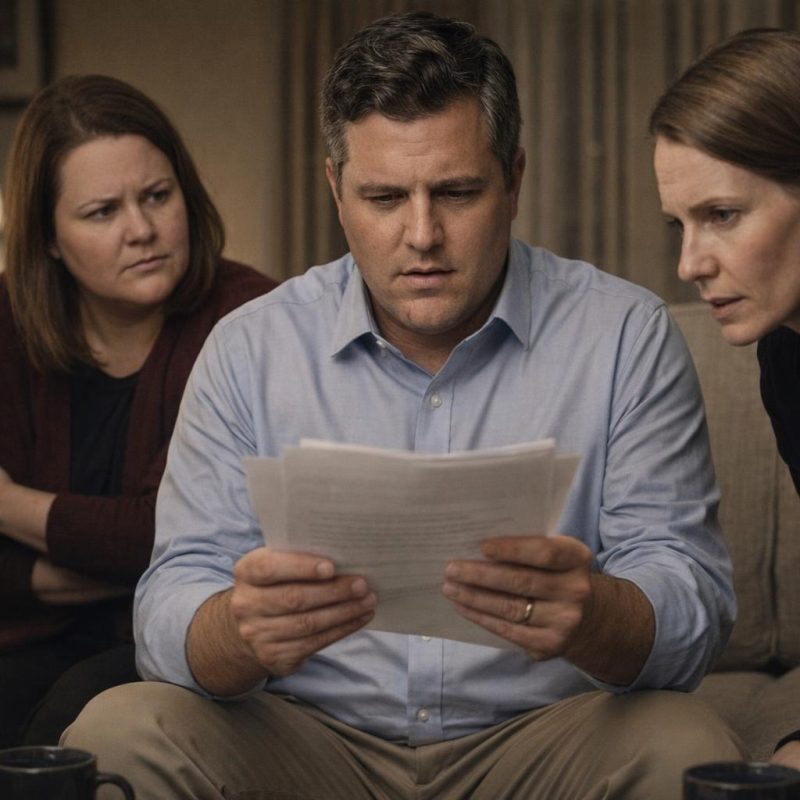 Image by RM AI
For Your Own Good
Lauren straightened in her seat and took over the conversation, her voice regaining some of its usual control. She explained that they'd been genuinely worried about my ability to manage everything alone, that they'd noticed I seemed tired and overwhelmed. She said they'd been concerned about my finances, about whether I could handle all the decisions that came with maintaining a house and managing retirement accounts. The guardianship, she insisted, was meant to be a safety net, not a takeover. It was protection, she said, a way to ensure I'd be taken care of if something went wrong. I listened without interrupting, let her make her case. Then I asked about the asset inventory in the petition, the detailed valuations that someone had clearly spent time researching. I pointed out the exact market value listed for my home, the precise figures for my retirement accounts, the itemized list of my savings. I asked her to explain how those specific numbers related to concern for my wellbeing. Lauren's composure wavered, just slightly, at the direct question.
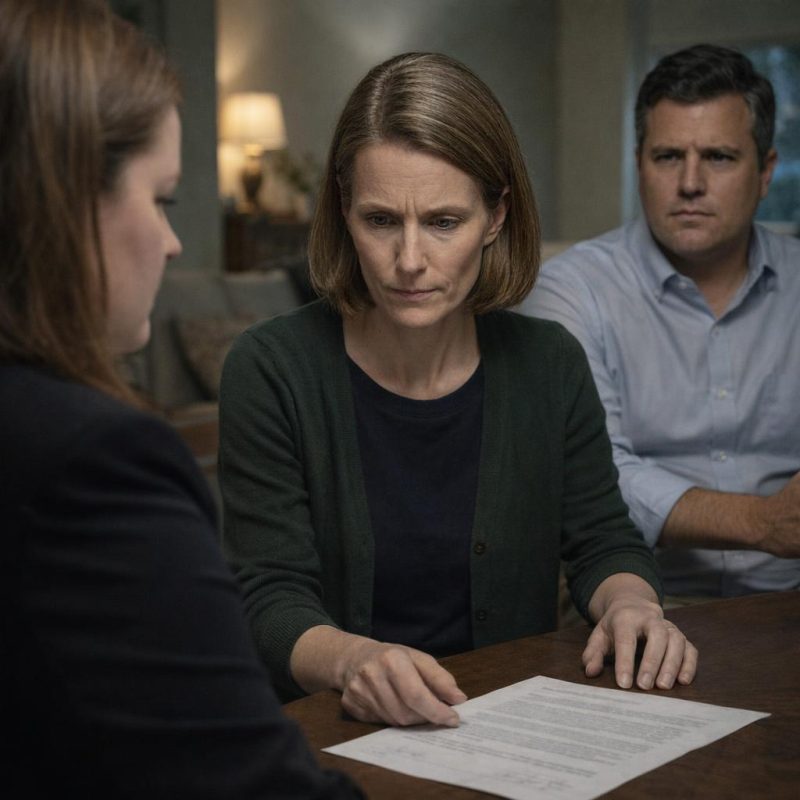 Image by RM AI
The Asset List
I opened the petition to the asset section and read aloud. Four hundred and fifty thousand dollars for the house. Two hundred and thirty thousand in retirement and investment accounts. Forty-seven thousand in savings. I asked them again how this was about my care, about my protection. Daniel started to say something about managing things more efficiently, about how it would be easier for everyone if the finances were consolidated, if decisions could be made more quickly without having to consult me on every little thing. I cut him off mid-sentence. I told him to stop talking because I'd heard enough lies. I said it clearly, without raising my voice, and the words seemed to hit him like a physical blow. I told them both that this was never about my wellbeing, never about protecting me or helping me. It was about money they felt entitled to, assets they'd already started counting as their own. It was about taking control of everything I'd worked for, everything Robert and I had built together. Both of them fell silent, and in that silence I could hear the clock ticking on the mantel.
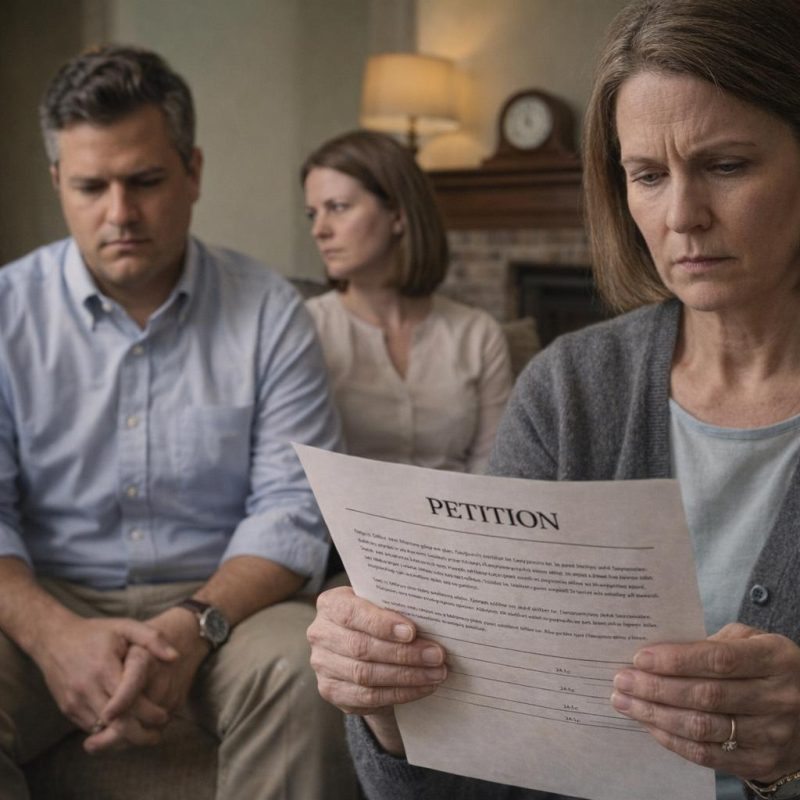 Image by RM AI
Sophie's Truth
A sound from the stairs made all three of us turn. Sophie stood at the top of the staircase in her pajamas, her hands gripping the railing. Her voice was small but steady when she spoke. She said she'd heard her parents planning this months ago, talking about Grandma's house and the papers they needed to file. She said that was why she'd tried to warn me, why she'd whispered that I wasn't supposed to know. She'd heard them discussing the documents, heard her mother practicing what to write in the notebook about me being confused. Her eyes were wet but she kept talking, kept explaining what she'd overheard. Lauren's composure shattered completely. She shouted at Sophie to go to her room immediately, her voice sharp and furious in a way I'd never heard before. But I was already standing, already moving toward the stairs. I positioned myself between Sophie and her parents, one hand on the railing, my body blocking their path to my granddaughter.
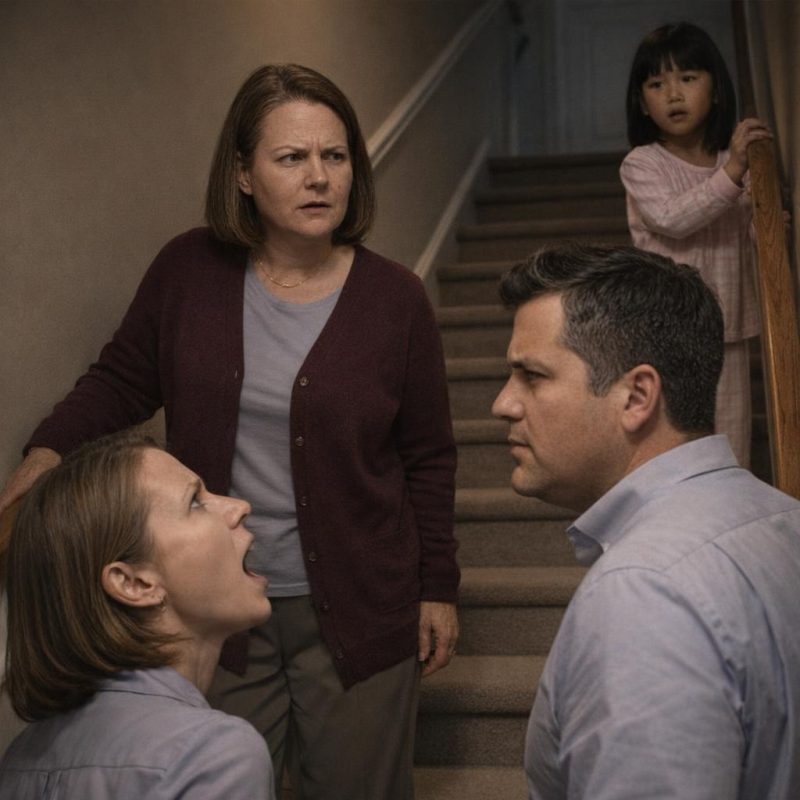 Image by RM AI
The Threat
Daniel stood up and his entire demeanor changed. The apologetic, caught-off-guard expression vanished, replaced by something cold and calculated. His voice turned hard as he told me that if I pursued this any further, I would never see Sophie or Ethan again. He said it clearly, deliberately, making sure I understood. He had every legal right to decide who spent time with his children, he said, and if I wanted to make this difficult, he would make sure I was cut out of their lives completely. Lauren stood beside him, watching, not contradicting a single word. Sophie made a small sound from behind me, frightened by her father's tone. I absorbed the threat without flinching, without looking away from Daniel's face. I studied him as if I were seeing him for the first time, taking in the cold calculation in his eyes, the set of his jaw, the way he stood there threatening his own mother to protect his scheme. I looked at my son and saw a stranger wearing a face I had loved for thirty-eight years.
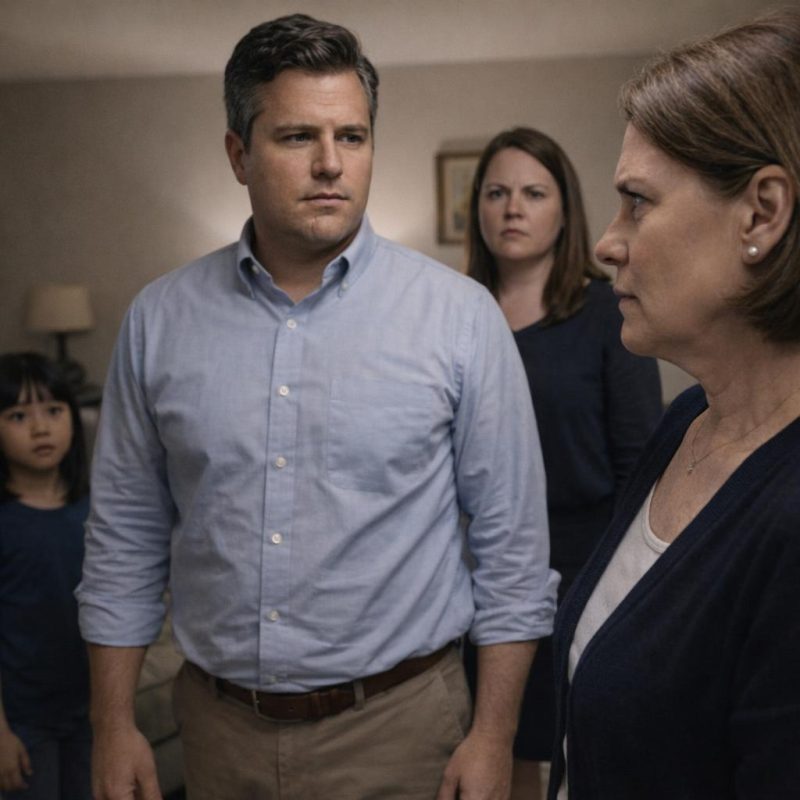 Image by RM AI
The Line I Drew
I looked at my son standing there with his threats hanging in the air between us, and something inside me settled into absolute clarity. I told him calmly that I had copies of every document. Every single page I'd found in his office, every forged signature, every financial statement, every piece of that guardianship petition—I'd photographed all of it. I'd copied everything to a drive before I left his house that first night. Daniel's face changed, the confident threat faltering as I continued. I told him that Rebecca Winters already had a complete file, that my attorney had reviewed everything they'd done and documented every fraudulent signature, every attempt to access my accounts, every step of their scheme. Lauren made a small sound, her composed mask cracking as she realized what legal involvement meant. I looked directly at Daniel and told him that if he wanted to make threats, he could make them in court, because that's where this was heading now. His threat about the grandchildren had no power anymore—not when he'd already proven what he was willing to do to his own mother. I turned to Sophie, who stood frozen near the stairs, and told her I loved her and that none of this was her fault. Then I walked to the front door, opened it without looking back at either of them, and stepped outside into the cool evening air, closing the door behind me on a life I'd spent thirty-eight years building around a son who had become someone I no longer recognized.
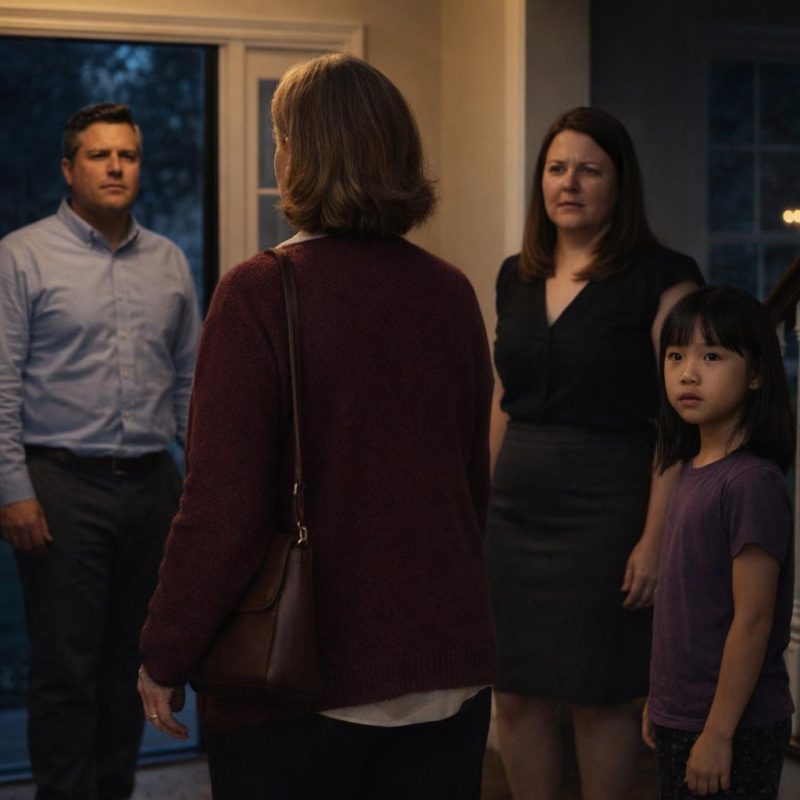 Image by RM AI
Protection
I drove to Rebecca's office first thing the next morning with the flash drive and every printed document I'd kept. She reviewed everything methodically, her sharp eyes moving across each page while I sat across from her desk trying to keep my hands from shaking. She confirmed what I already knew—we had a strong case, clear evidence of fraud and intent. The forged signatures alone were damning, but combined with the guardianship petition and their attempts to access my accounts, it painted an undeniable picture. Rebecca filed for an emergency protective order immediately, explaining that it would prevent Daniel and Lauren from filing any legal documents regarding me or my finances, and would establish a legal barrier against further attempts at guardianship. I waited at home the rest of the morning, unable to focus on anything, checking my phone every few minutes. When Rebecca called that afternoon, I could hear the satisfaction in her professional tone. The emergency protective order had been granted. A judge had reviewed the evidence and agreed that I needed immediate protection from my own son and daughter-in-law. I thanked her, ended the call, and sat at my kitchen table in the quiet house. And then, for the first time since I'd found that petition hidden in Daniel's office, I let myself cry—not from fear or confusion anymore, but from the overwhelming relief of knowing I'd protected myself when no one else would.
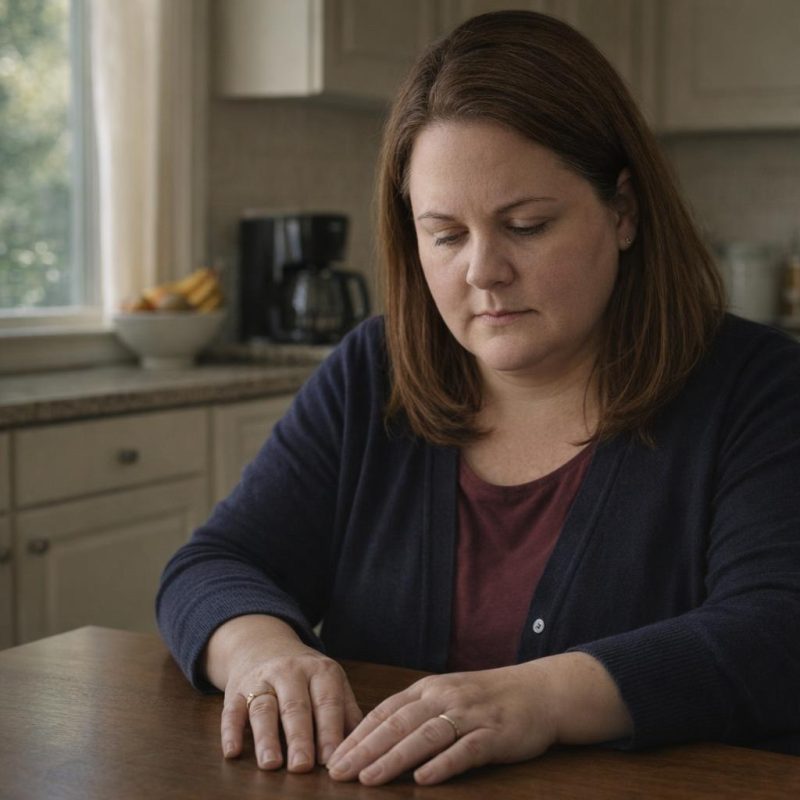 Image by RM AI
A New Kind of Quiet
Weeks passed, and slowly I began building a life that looked nothing like the one I'd had before. I spent more time with Patricia, who never once said 'I told you so' but whose presence reminded me that real friendship didn't require me to be useful. I reconnected with friends I'd neglected while pouring all my energy into Daniel's family, and discovered they'd missed me for who I was, not what I could do for them. James called regularly and visited when he could, his genuine concern such a stark contrast to his brother's calculated manipulation. My house felt different now—it was mine again, not just a place I maintained between babysitting sessions and emergency visits. I thought about Sophie and Ethan constantly, wondering what Daniel and Lauren had told them, whether they understood why I'd disappeared from their lives. The ache of missing them never fully went away. But I knew that protecting myself was the only way I could ever be there for them in the future, when they were old enough to ask questions and seek their own answers. I couldn't save them by letting myself be destroyed. So I focused on taking care of myself, on learning to value my own company, on recognizing that my worth had never depended on being needed. I missed Sophie and Ethan every single day, but I knew that protecting myself was the only way I could ever be there for them when they were old enough to find me.
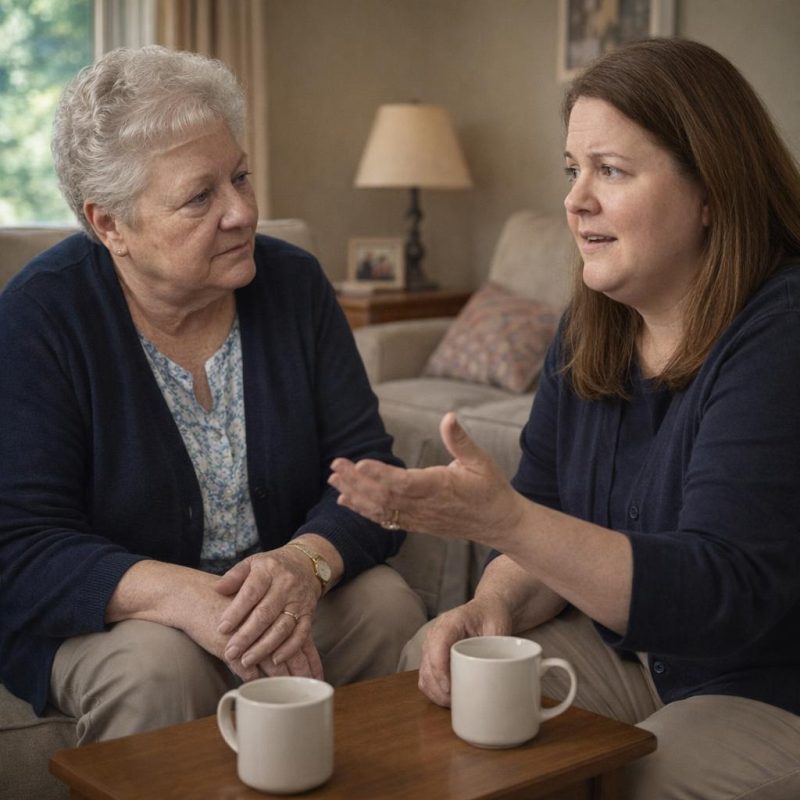 Image by RM AI
What I Learned About Worth
I sat in my living room on a quiet Tuesday afternoon, sunlight streaming through windows I'd finally gotten around to cleaning myself, and thought about everything I'd survived these past months. I used to measure my worth by how much I gave, how useful I could be, how much of myself I could pour into other people's lives. I'd spent years being the person everyone called when they needed something, believing that being needed was the same as being loved. But Daniel and Lauren had shown me the truth—I'd been pouring myself into people who saw me as a resource, not a person. My value to them had always been transactional, and when I'd stopped being useful, they'd tried to take everything I had left. I understood now that my worth had never depended on being needed by people who didn't truly see me. Trust meant something different to me now—it wasn't something I gave automatically to family anymore, but something that had to be earned and proven. I felt genuine peace in my solitude, not the emptiness I used to fear. I thought about Sophie and Ethan with love and patience, knowing our story wasn't over, just paused until they were old enough to understand. When the phone rang and I saw James's name on the screen, I answered with a genuine smile, grateful that not everyone I loved had failed me.
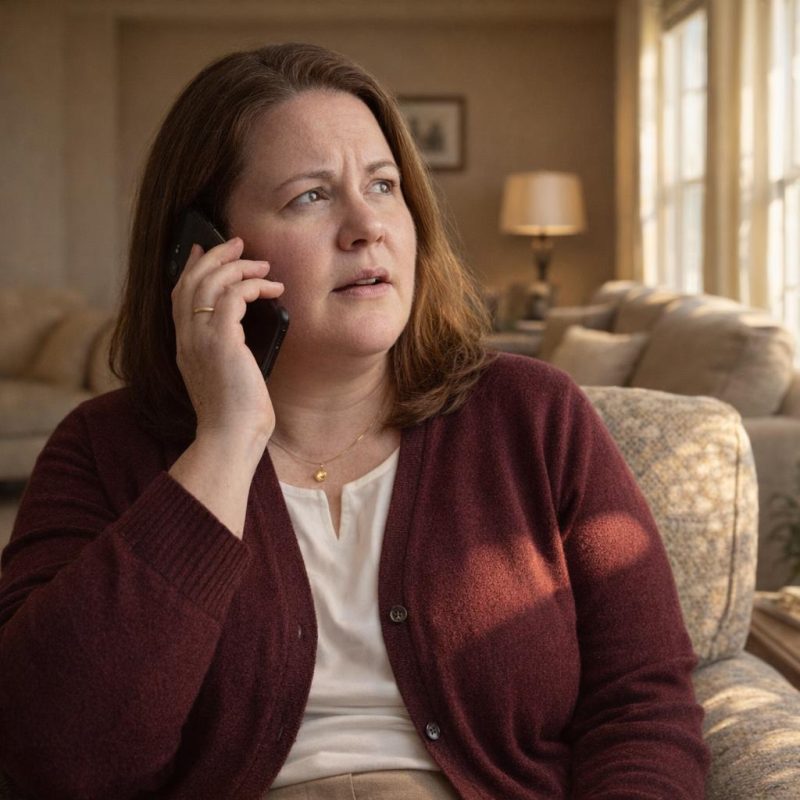 Image by RM AI
KEEP ON READING

The Origins Of 3 Common Sayings You Still Use Today
Etienne Boulanger on UnsplashMany of the phrases you use every…
By Rob Shapiro Apr 28, 2026
Was Caligula The Most Ruthless Roman Emperor?
Artur Matosyan on UnsplashRoman Emperor Caligula is one of ancient…
By Rob Shapiro Dec 18, 2025
1 Weird Fact About Every President
Washington, Lincoln, FDR. Most people know something about the lives…
By Robbie Woods Dec 3, 2024
10 Accidental Discoveries That Changed Maps & 10 That Changed…
Mistakes That Mattered. A lot of major discoveries did not…
By Cameron Dick Apr 15, 2026
10 Actors Who Perfectly Played a Historical Figure & 10…
Which Performance is Your Favorite?. Playing the role of a…
By Rob Shapiro Sep 15, 2025
10 Actors Who Perfectly Played a Historical Figure & 10…
Portraying a real person from history is one of the…
By Noone Dec 17, 2025