

My Ex-Husband Left Me Nothing in His Will—Except the One Thing His New Wife Was Desperate to Hide
My Ex-Husband Left Me Nothing in His Will—Except the One Thing His New Wife Was Desperate to Hide
The Ceramic Witness
Seven years is long enough to stop counting. I know this because I stopped somewhere around year three, when the October anniversary of the divorce papers started passing like any other Tuesday — dishes in the sink, a grocery list on the counter, the radiator clicking through the night. I live in a two-bedroom apartment I chose myself, furnished myself, and pay for myself. The second bedroom holds a filing cabinet, a yoga mat I use twice a month, and a bookshelf that finally has enough room for all my books. Nobody else's books. Just mine. My morning routine runs like a well-kept ledger: coffee in the same ceramic mug I've had since graduate school, the one with the chipped handle I keep meaning to replace and never do, then the crossword, then the commute. I never expected to hear Arthur's name again in any context that mattered to me. I had filed him under closed accounts — not with bitterness exactly, more with the particular exhaustion of someone who has finished a very long audit and simply wants to go home. The life I thought I was building with him had become something else entirely, something smaller and quieter, and most days that felt like enough. Most days, the low persistent ache of its absence sat in my chest like weather I had simply learned to dress for.
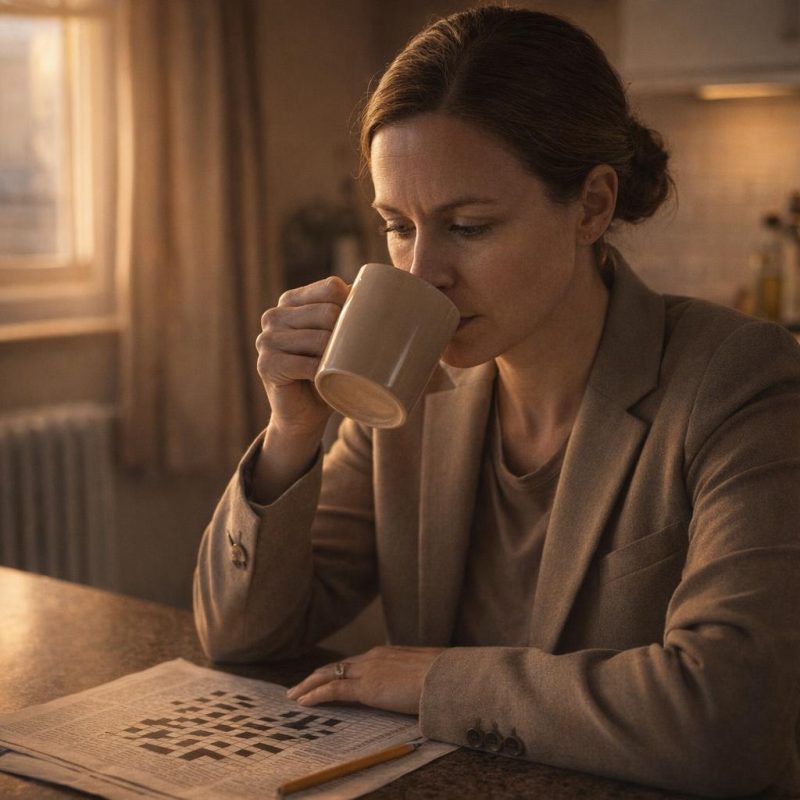 Image by RM AI
The Thursday Ritual
Every Thursday at half past eight, I walked into the same coffee shop on Clement Street and Maggie was already there, coat on the back of her chair, hands wrapped around her cup. The barista — a young man named Dev who had been working the morning shift for at least two years — had our orders ready before we reached the counter. Maggie's oat milk latte, my black coffee, no discussion required. We always started with work. It was safe ground, and we both knew it. Maggie had a new client she couldn't name, a difficult case. I had a reconciliation that had taken me three days. We talked around the edges of our actual lives the way people do when they've known each other long enough to recognize the detours. Thirty-one years of friendship gives you a very accurate map of someone's avoidance patterns. She asked, somewhere around the second cup, whether I'd thought about dating again. I gave her the same answer I always gave — that I liked my life, that I wasn't lonely, that I didn't need anyone to make it feel complete. Maggie looked at me the way she looks at her clients when they've said something they believe completely and she doesn't believe at all. Then she set down her cup and said, very quietly, that there was a difference between surviving and actually living.
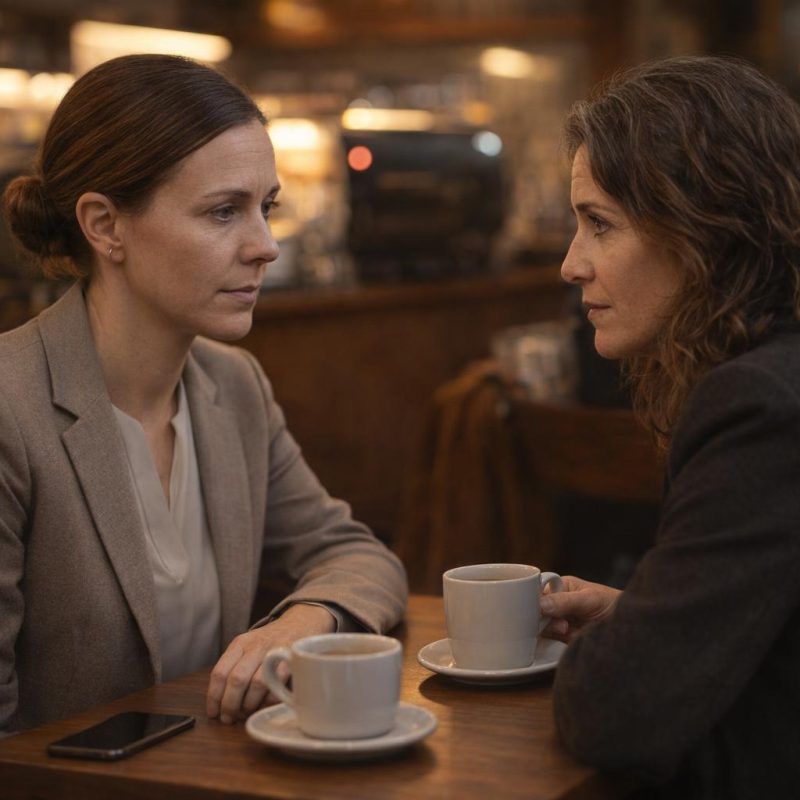 Image by RM AI
The Language of Debits and Credits
There were three impossible reconciliations on my desk before nine o'clock on Friday morning. This was not unusual. At Hargrove and Associates, I was the person the junior staff brought things to when the numbers stopped making sense — when the columns refused to balance and the client was asking questions nobody wanted to answer. I didn't mind. Numbers have always felt honest to me in a way that most things don't. They don't soften bad news or rearrange themselves to spare your feelings. A transposition error is a transposition error. A misclassified depreciation entry is exactly what it looks like. The first reconciliation took forty minutes. The second took most of the morning. The third was the interesting one — eighteen months of distorted books, a series of small errors that had compounded quietly until the whole picture was wrong. Someone had been recording equipment depreciation under operating expenses, month after month, and nobody had caught it. I caught it. I worked through lunch without noticing and stayed until half past five, long after the office had emptied out. When I finally saved the corrected file and shut down my computer, I sat for a moment in the quiet of the empty office. The numbers were right now. Everything balanced. There was a particular satisfaction in that — clean and uncomplicated, the quiet reward of work that asked nothing of me except precision.
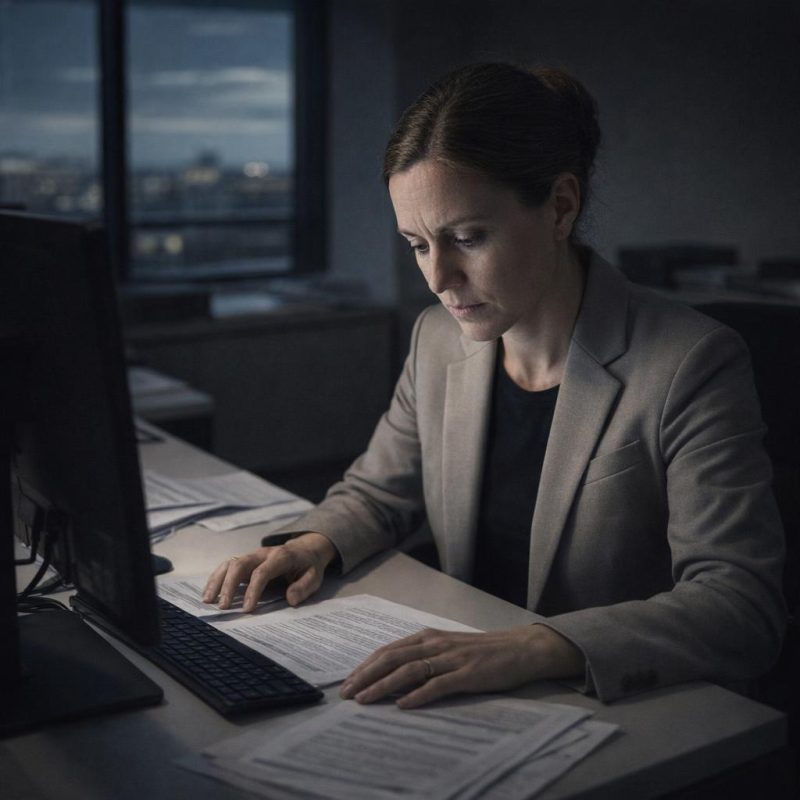 Image by RM AI
The Call
I was washing dishes on a Wednesday evening when the phone rang. I remember the specific detail of it — my hands in warm soapy water, a wine glass I was being careful with, the radio on low in the background. The man on the other end introduced himself as Robert, an attorney handling the estate of Arthur Vance. He said it the way attorneys say difficult things: measured, professional, with a pause built in for the information to land. Arthur had died three days ago. A sudden heart attack. Robert said there were estate matters he needed to discuss with me and asked whether I could come to his office. I said something automatic and appropriate, because my brain had stopped processing somewhere around the words sudden heart attack and was simply running on courtesy. After I hung up, I stood at the sink for a long time without moving. The wine glass was still in my hand. I set it down carefully on the drying rack. I didn't cry. I had expected, if this moment ever came, that I would feel something sharp and definitive — grief or relief or anger, something with a clear name. Instead there was only a hollow space, the kind that forms not from losing something recently but from finally acknowledging something that had been gone for a very long time. I lay awake all night, staring at the ceiling, sitting with the shape of that hollow space where something used to be.
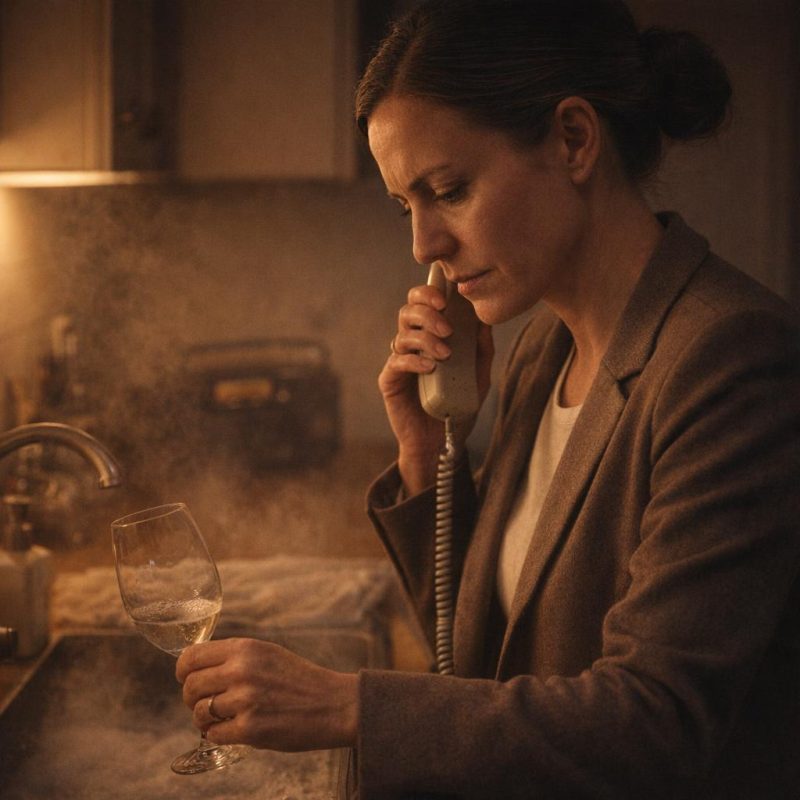 Image by RM AI
The Widow in Black
Maggie told me not to go. She said it twice, actually — once on the phone the night before and once in a text the morning of, which was as close as Maggie ever came to insisting. I went anyway. The funeral home was the kind of place that cost a great deal of money to look understated — pale flowers, dark wood, soft lighting that made everyone look like they were already being remembered. I took a seat in the back row and kept my coat on. The room filled with Arthur's associates, people from his professional life who spoke in low voices and checked their phones discreetly. Cassandra sat in the front row in a black dress that had clearly been chosen with care, her posture perfect even as her shoulders trembled slightly. I studied her the way I study a balance sheet I don't yet understand — looking for the line item that explained everything, the figure that made the rest of it add up. Seven years, and I still didn't have a clean answer. At the reception, people gathered around her to say that Arthur had been lucky to have her. I stood near the coat check with a glass of water I wasn't drinking. She spotted me from across the room and came over. We exchanged the polite lies that situations like this require — that Arthur deserved a proper send-off, that it was good of me to come. Then someone nearby said his name, and Cassandra's voice cracked when she said it back.
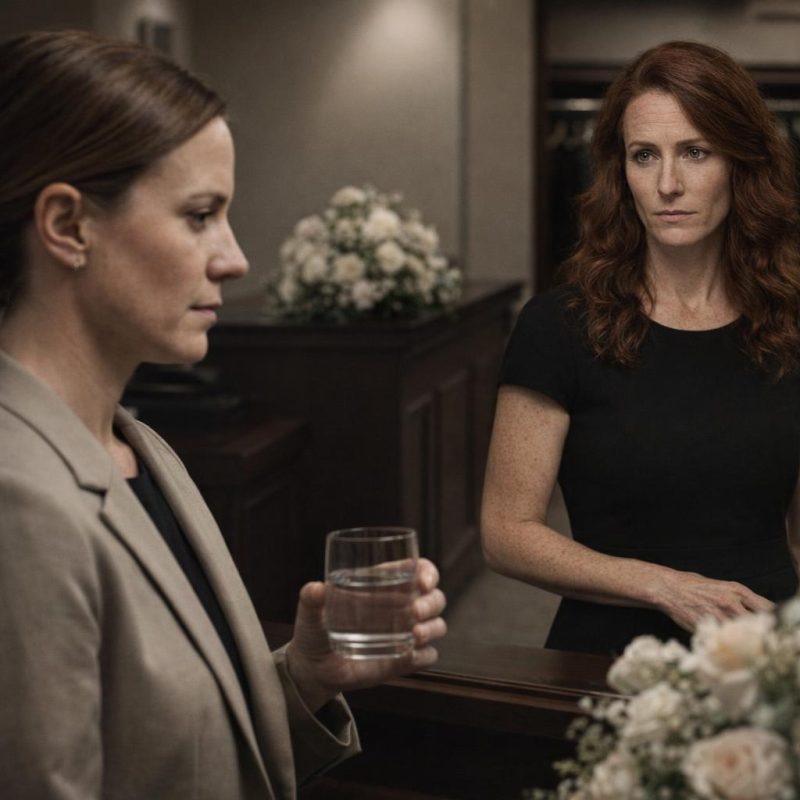 Image by RM AI
The Reading
Robert's office looked exactly the way an estate attorney's office should look — dark wood paneling, framed credentials arranged with deliberate modesty, a desk that had probably cost more than my first car. I sat in one of the leather chairs across from him and told myself I was there as a formality. Arthur and I had been divorced for seven years. I had signed away everything we'd built together in a single afternoon in a room not unlike this one. There was nothing left to leave me. Robert began reading in the measured cadence of someone who had done this many times, and I let the words wash over me at a comfortable distance. The investment accounts went to Cassandra. The city apartment went to Cassandra. The cars, the brokerage accounts, the personal property — all of it went to Cassandra, which was exactly what I had expected and exactly what made sense. I was already thinking about the drive home, calculating whether I should take the bridge or the tunnel, when Robert's voice shifted slightly and he mentioned a property two hours north. A lake house on a private lake. I heard my name. I heard it again. The language in the clause was precise and unambiguous — the bequest was intentional, and it had been added recently. I sat very still. Across the table, Robert slid the page toward me, and I read the clause myself: the lake house, left to me, by name.
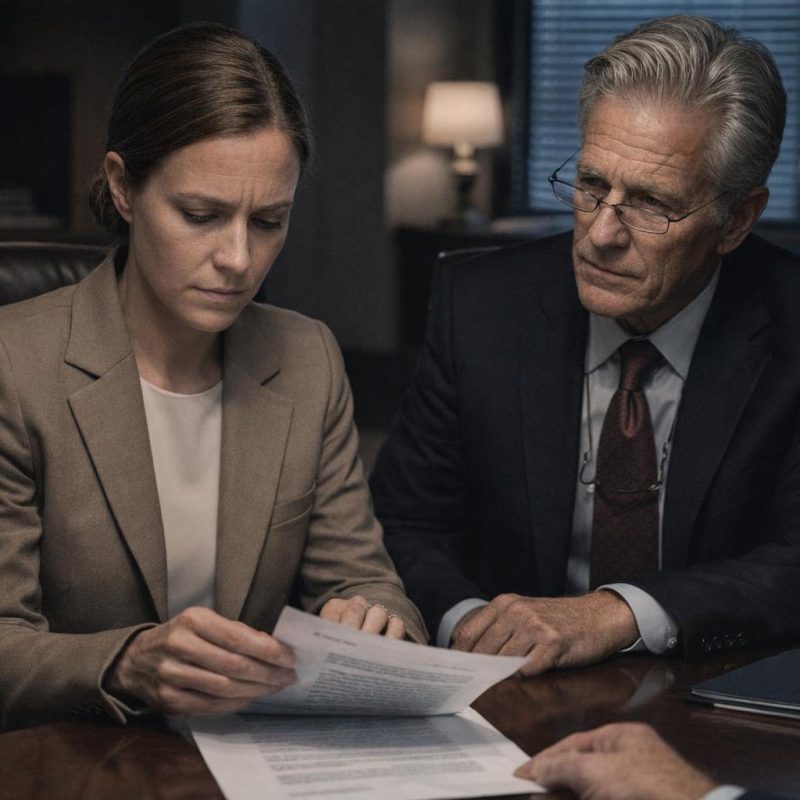 Image by RM AI
The Unexpected Inheritance
I sat very still and read the clause a second time, then a third, the way I recheck a column that refuses to balance. The words didn't change. A lake house on a private lake, two hours north, left to me by name in language that was careful and deliberate and recently added. Robert had finished reading. The room had gone quiet in a particular way, the kind of quiet that has weight to it. I was aware of Cassandra to my left without looking at her directly — aware of her the way you're aware of a change in air pressure before a storm. My hands had gone cold. Arthur and I had not spoken in two years. We had not been in the same room in longer than that. Whatever had existed between us had been filed away and closed out, and I had made my peace with that accounting, or something close enough to peace to function. I turned the page over as though there might be an explanation on the back. There wasn't. A lake house I had never seen, from a man I had stopped expecting anything from, added to his will recently enough that it felt like a decision rather than an oversight. I didn't know what to do with that. I set the page down on Robert's desk and looked at my hands, still cold, and sat with the quiet, unfamiliar weight of Arthur's name on a deed beside my own.
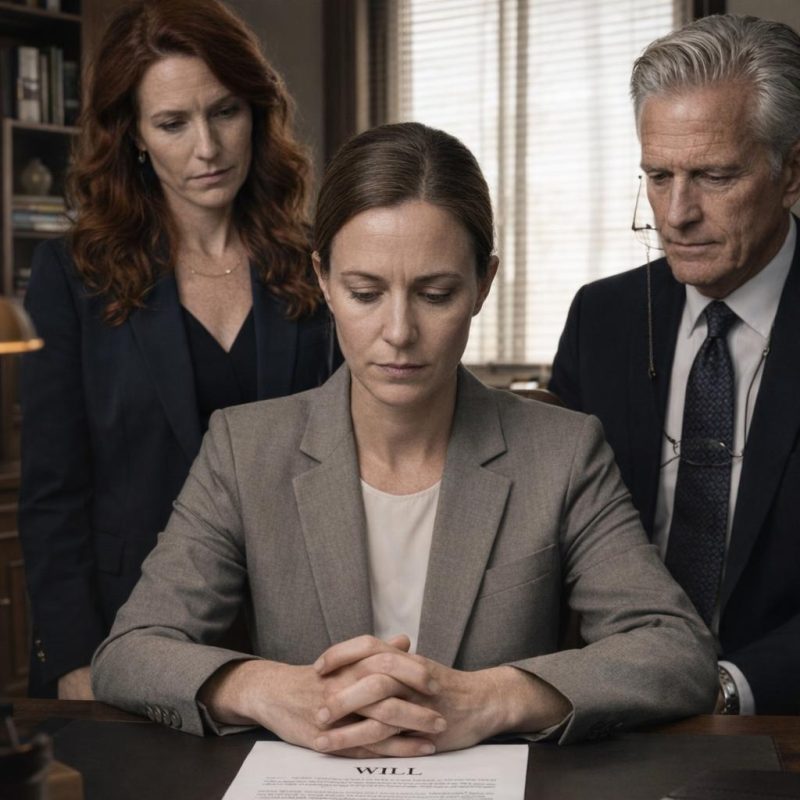 Image by RM AI
Triple Market Value
The meeting had barely adjourned — Robert was still gathering his folders — when Cassandra appeared at my elbow. The composed grief from the funeral was gone. In its place was something sharper, more focused, moving just beneath the surface of her careful grooming. She said she wanted to talk about the lake house. She said it the way people say things they have been rehearsing, which is to say quickly and without preamble. She wanted to buy it from me. She named a figure — double the market value, she said, which she seemed to expect would end the conversation. When I didn't answer immediately, when my accountant's brain started doing the arithmetic instead of responding, she raised it. Triple. Triple the market value, for a rustic property two hours north that I had never visited and hadn't known existed forty minutes ago. She said it was for the memories. She said Arthur had loved it there, that it meant something to her, that she couldn't bear the thought of it passing to a stranger. The words were right. The delivery was practiced and almost convincing. But nobody pays triple market value for sentiment. I know what numbers mean when they don't match the story being told — I've spent twenty years finding exactly those discrepancies. I was still working out what this particular discrepancy meant when I noticed Cassandra's eyes dart sideways toward the stack of files still open on Robert's desk.
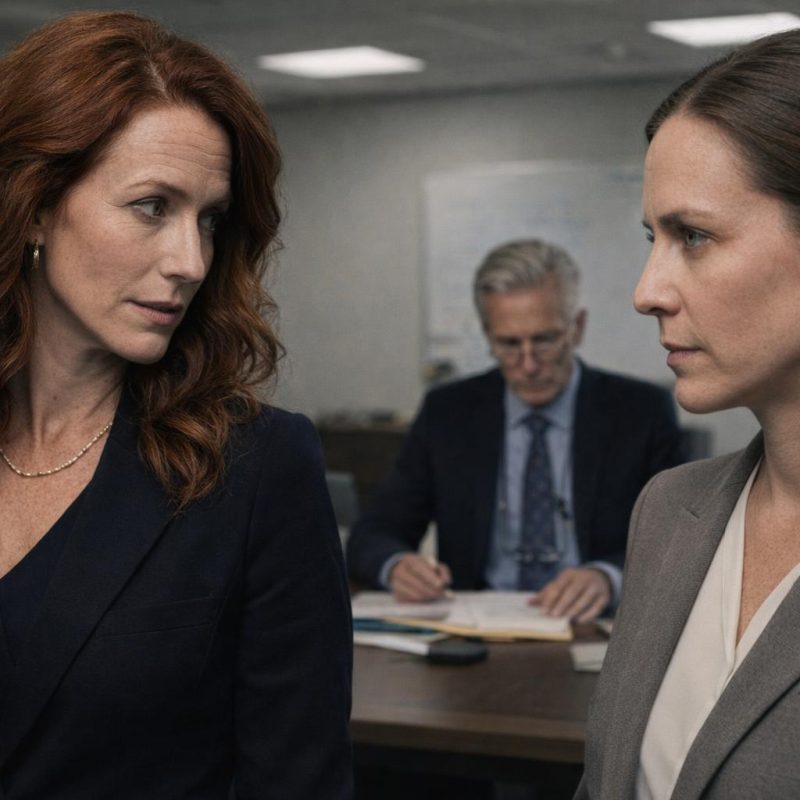 Image by RM AI
The First Refusal
I told her no. Not rudely — I kept my voice even, the way I do when I'm working through a column that won't reconcile — but clearly enough that there was no room to negotiate around it. I said I appreciated the offer, but that I needed to see the property before I made any decisions about it. Cassandra's expression shifted in a way I recognized: the particular stillness of someone who wants to argue and has decided, for now, not to. Robert was still at his desk, unhurried, sliding documents into their folders, and I think his presence was the only thing keeping her composed. She said she understood. She said it the way people say things they don't mean. Robert wrote the address on a card and handed me a set of keys with the quiet efficiency of someone who had done this a thousand times, and I thanked him and put both in my bag. The whole drive home, I kept turning the numbers over. Triple market value. Then higher. For a property I hadn't known existed an hour before she made the offer. In twenty years of forensic accounting, I had learned one thing above everything else: when the numbers don't match the story, you follow the numbers. I heard myself tell Maggie that evening that I was driving up to the lake house that weekend.
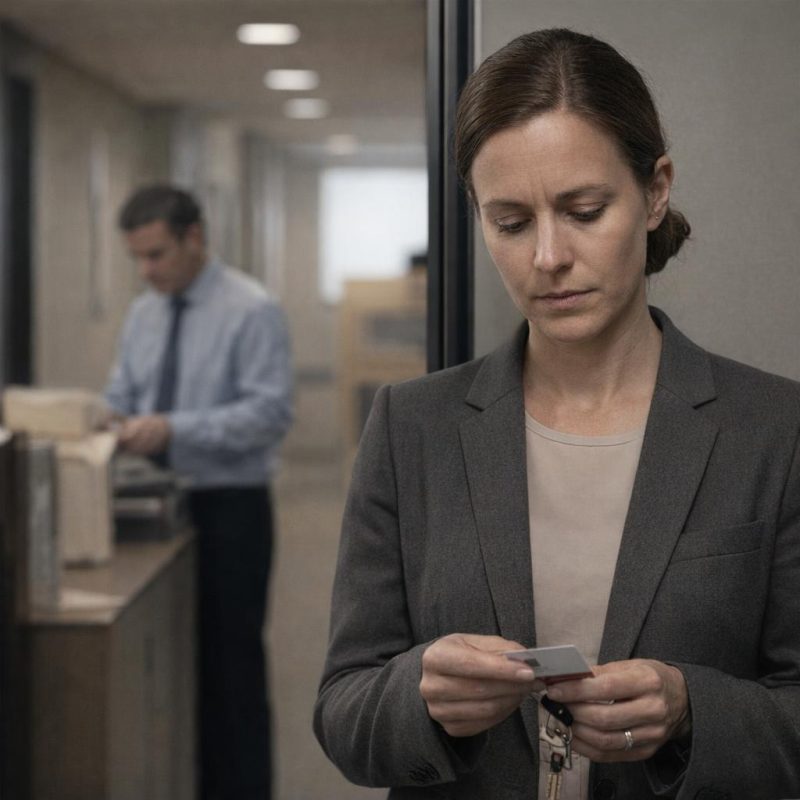 Image by RM AI
Maggie's Warning
Maggie had our usual corner table at the coffee shop, the one by the window where the afternoon light comes in sideways and makes everything look a little more serious than it is. I told her everything — the will reading, the lake house I'd never heard of, Cassandra appearing at my elbow before Robert had even closed his briefcase. When I got to the part about triple market value, Maggie set down her cup. She said, "Why don't you just take the money?" She wasn't being dismissive. She was being practical, which is one of the things I've loved about her for thirty-one years. I told her I couldn't. Not yet. She asked why not, and I tried to explain what it feels like when a set of numbers refuses to resolve — that specific, low-grade discomfort of knowing something is wrong before you can prove what it is. Maggie said Cassandra's behavior didn't make sense, and I agreed, which was exactly the problem. Generous people don't escalate offers in the same breath. They don't watch a lawyer's open files while explaining their grief. She told me to be careful, and I told her I would be, and I meant it. But I also knew I wasn't going to walk away from an unbalanced ledger. I never had. The problem was sitting right in front of me, and I knew how to work a problem.
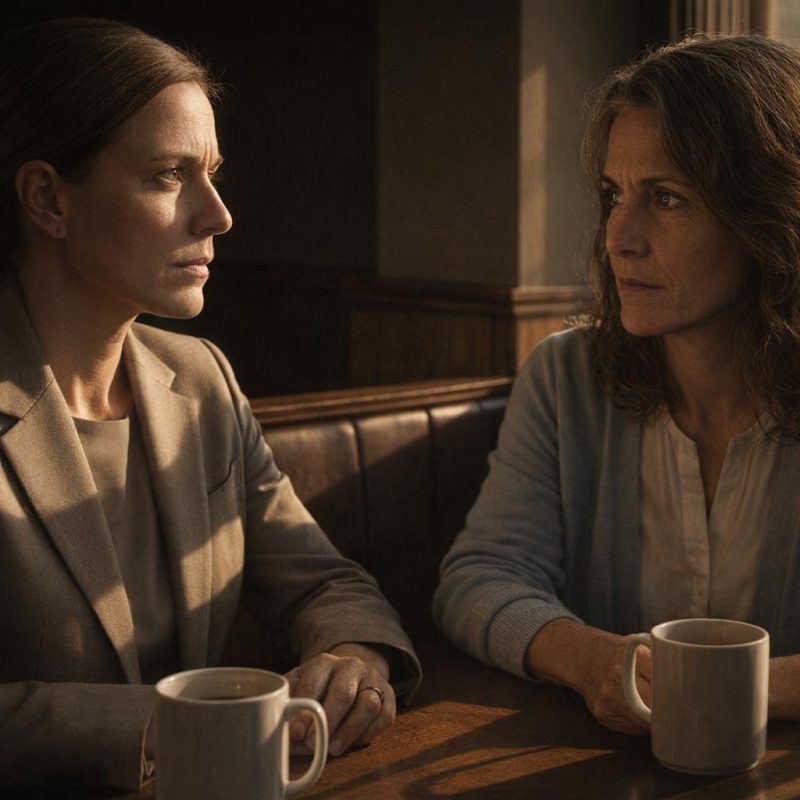 Image by RM AI
The Lake House
The drive north took just over two hours, the highway giving way to county roads and then to a gravel lane that wound through birch trees still holding their last yellow leaves. Robert's directions were precise — he was that kind of man — and I found the property without difficulty. The lake house sat at the end of the lane on a small rise above the water, cedar-sided and modest from the outside, but clearly tended. The gutters were clean. The porch boards were solid underfoot. Someone had stacked firewood along the south wall with the kind of care that suggested habit rather than occasion. I used the key Robert had given me and the front door opened without resistance, which surprised me somehow — I'd half-expected it to stick, the way neglected things do. Inside, the air was cool and still. The furniture was simple: a plaid sofa, a pine table, a woodstove with a clean grate. Nothing expensive, nothing careless. A wool blanket folded over the arm of a chair. A coffee mug on the kitchen shelf, handle turned outward. I walked through each room slowly, the way I move through a new set of books, looking for the shape of things before I start asking questions. I had never known this place existed. Arthur had kept it for years, apparently, and standing in the middle of it, I felt the particular quiet of a place that had been waiting a long time for someone to arrive.
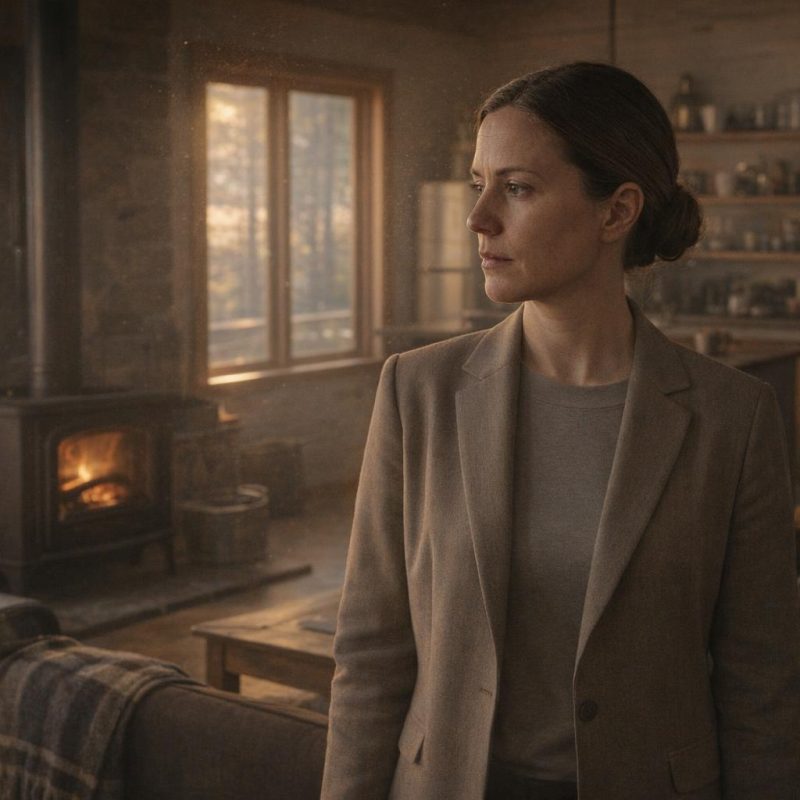 Image by RM AI
Arthur's Belongings
The bedroom closet held a row of Arthur's shirts — flannel, mostly, the kind he never wore in the city — hanging in the unhurried way of clothes that belong somewhere. I touched the sleeve of one and it held the faint smell of cedar and something else I couldn't name. His reading glasses were on the nightstand, folded, next to a paperback left open and face-down, spine creased at roughly the two-thirds mark. The bathroom had his toiletries: a razor, a particular brand of shaving soap I remembered from years ago, a comb. Everything suggested someone who came here regularly and expected to come back. Not a man who had been ill. Not a man who had been winding things down. I moved back through the hallway, checking each door as I went — a linen closet, a second bedroom with a made-up bed, a small bathroom. At the end of the hall, past where the natural light from the windows reached, there was one more door. I tried the handle. It didn't move. I worked through the keys Robert had given me, one by one, pressing each into the lock. None of them fit.
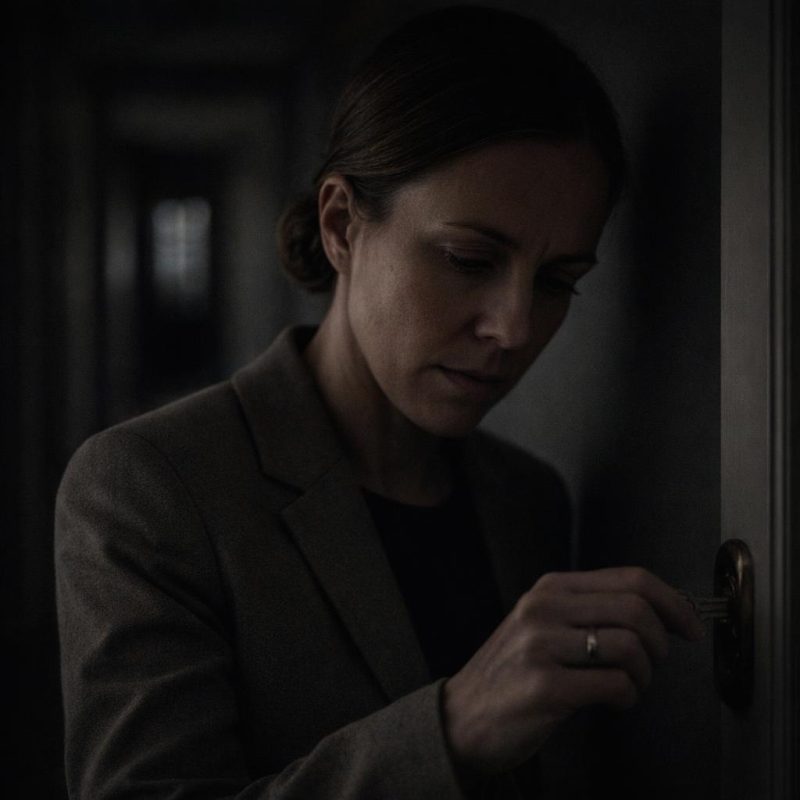 Image by RM AI
The Locked Room
I stood in front of that door for longer than I should have. The lock was a standard keyed deadbolt, nothing elaborate, but it was separate from every other lock in the house — a deliberate addition, not original to the building. I went back through the rooms methodically, the way I search for a missing entry in a ledger: kitchen drawers, the shelf above the coat hooks, the small ceramic bowl on the windowsill that held a few coins and a guitar pick. I checked under the plaid sofa cushions and behind the woodstove. I opened every cabinet in the kitchen. Nothing. I considered the door again. The house was legally mine now — Robert had been clear about that — and I could have called a locksmith, or found something in the toolbox under the sink and worked at the frame myself. But forcing it felt wrong in a way I couldn't entirely explain. Whatever was behind that door, I wanted to come to it properly. I wanted the key, not the shortcut. I stood in the hallway with the afternoon light fading behind me, and the locked door held its silence the way a question does when you're not yet sure you're asking it correctly.
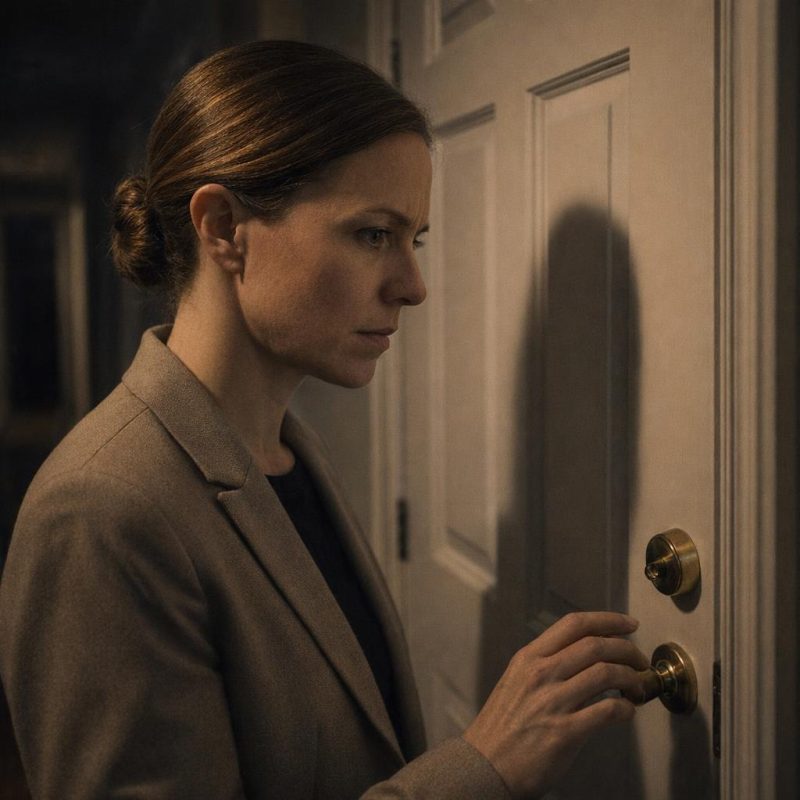 Image by RM AI
The Neighbors
I walked the property as the light dropped, following the path that curved around the south side of the lake. The water was flat and dark, the birches on the far bank already bare. A cabin sat maybe two hundred yards along the shore, smoke coming from its chimney, and as I passed a neighbor came out onto the porch — an older man in a canvas jacket, the kind of person who notices things because there isn't much else to notice out here. He offered his condolences about Arthur. I thanked him and asked, carefully, whether he'd seen much of Arthur over the years. He said yes, fairly often. Always alone, he said. He mentioned that Arthur tended to arrive late — sometimes well after dark, headlights coming down the gravel lane when the neighbor was already in for the night. He'd never seen anyone with him. Not once. I thanked him again and walked back toward the house. The information settled into me the way new data does — not dramatic, just present, waiting to be placed somewhere. Arthur had been driving two hours north, alone, in the dark, to a house his wife apparently wanted badly enough to pay triple market value for. I stood on the porch and looked out at the water, and the image of him making that drive — headlights cutting through the dark, the lane empty ahead of him — stayed with me long after I went inside.
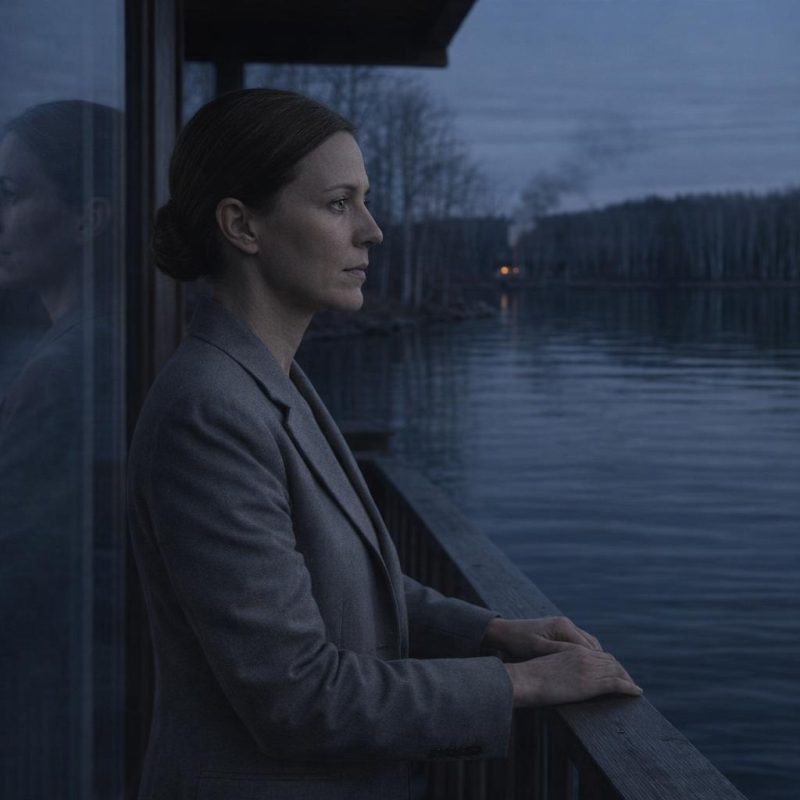 Image by RM AI
The Lawyer's Call
The call came on Tuesday morning while I was at my desk. The number was a downtown exchange I didn't recognize, and the voice on the other end introduced itself as Marcus, Cassandra's personal attorney. His tone was polished in the way that expensive things sometimes are — smooth on the surface, harder underneath. He said he was reaching out on Cassandra's behalf regarding the lake house property. He named a figure. It was higher than what Cassandra had offered in Robert's office, which I hadn't thought possible given where she'd already landed. He said the offer reflected Cassandra's deep personal connection to the property. He said it in the way people say things that are meant to sound like one thing and function as another. I told him I wasn't ready to sell. There was a pause — brief, but the kind of pause that means something. He said he would relay my response to his client. He said he hoped I would give the matter serious consideration. He said Cassandra was prepared to be very generous.
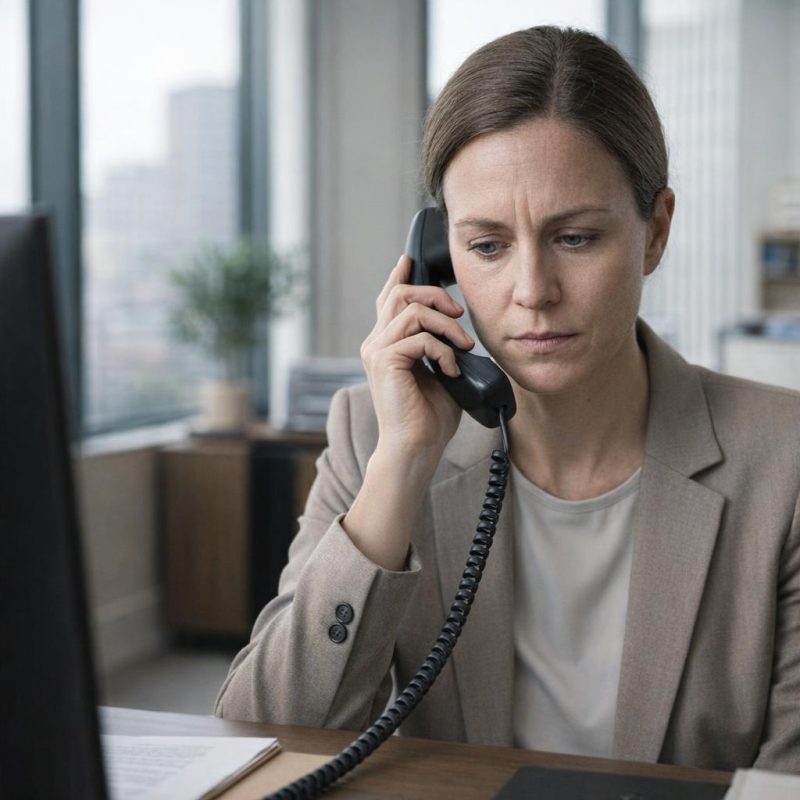 Image by RM AI
The Hidden Compartment
I drove back up on Thursday, earlier in the day this time, the light better for looking carefully at things. I started in the main room, moving through it the way I move through a balance sheet — not looking for anything specific, looking for anything that didn't fit. The desk was solid walnut, old, the kind of piece that gets passed down rather than purchased. Four drawers on the right side, one long shallow drawer across the top. I pulled each one open and measured it against the outside of the desk with my hand, the way my first supervisor taught me to check a cash box — exterior against interior, always. The third drawer down stopped short. Not by much. Maybe three inches, maybe a little more, but enough. I pulled the drawer all the way out and set it on the floor, then reached into the cavity and felt along the back panel. There was a seam I hadn't seen, and a small recessed point that gave slightly when I pressed it. Something released. I pulled the hidden panel open and looked inside.
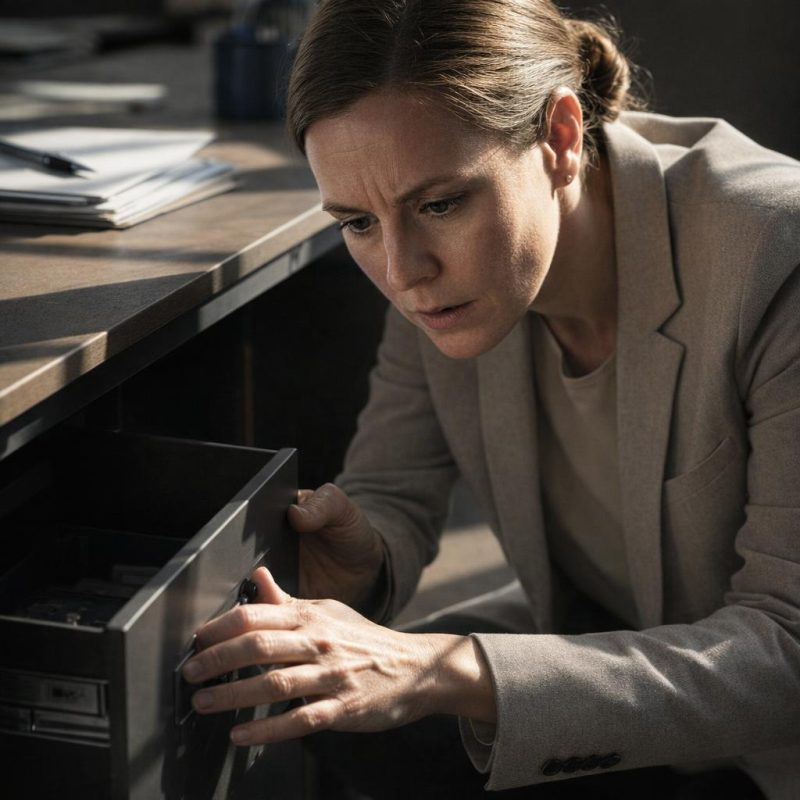 Image by RM AI
Encrypted Files
I took the USB drive back to my car and sat there for a few minutes before I did anything else. It was small — the kind of thing you'd overlook if you weren't looking for it, a plain black drive with no label, no markings. I plugged it into my laptop and waited. The drive mounted without a password prompt, which surprised me, but when I tried to open the first folder, a dialog box appeared asking for a decryption key. Every folder was the same. I counted eight of them, each labeled with nothing but a year. The oldest was seven years back. I sat with that for a moment, doing the arithmetic I didn't want to do. Seven years ago was the year Arthur told me he was leaving. The year he packed two bags and said he needed something I couldn't give him. I'd spent a long time not thinking about that year, and here it was, sitting in a folder on a drive Arthur had hidden behind a false panel in a desk he'd left me in his will. The other folders stepped forward one year at a time, all the way to the present. I couldn't open any of them. But I kept coming back to the one labeled with the year everything ended — the one that started it all.
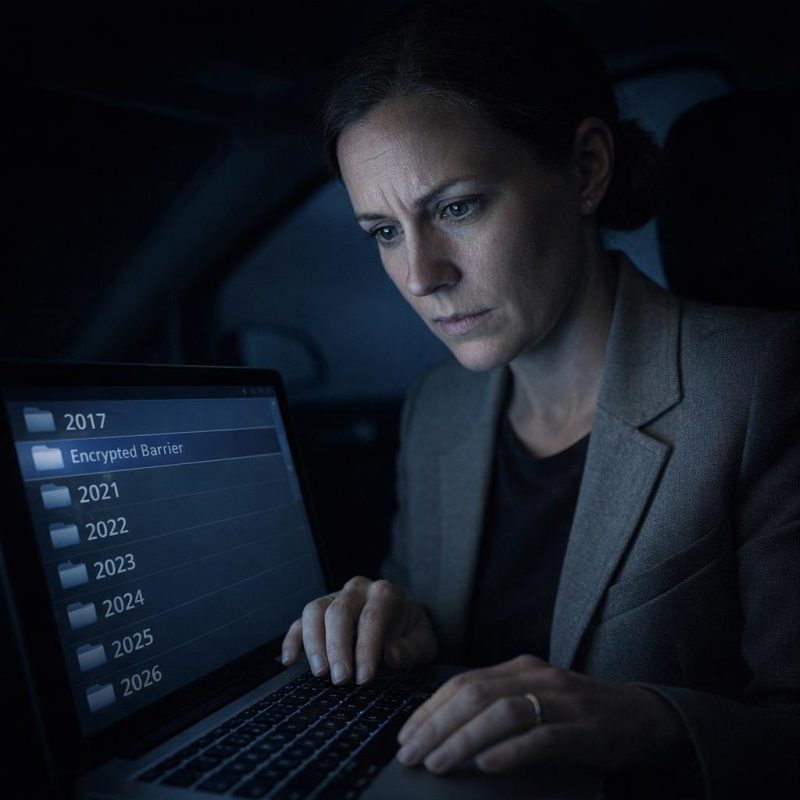 Image by RM AI
Sarah's Reluctance
It took me two days to find a phone number for Sarah. Arthur's company website had been scrubbed of staff pages after the acquisition, but I found her name in an archived press release and tracked down a LinkedIn profile that hadn't been updated in eighteen months. I sent a connection request with a short note explaining who I was. She accepted within the hour and messaged me back within the day. She agreed to meet, but her message had a careful quality to it — short sentences, no details, just a time and a place. We met at a coffee shop near the financial district, the kind of place that's always just busy enough that no one pays attention to anyone else. Sarah was already there when I arrived, sitting with both hands around a mug she hadn't touched. She offered condolences about Arthur in the way people do when they're not sure what else to lead with. I thanked her and asked, as gently as I could, whether Arthur had seemed troubled in the last couple of years. She looked at the table. She said he was under a lot of pressure. I asked what kind. She picked up her mug, set it back down, and said she wasn't sure it was her place to say — and I noticed how precisely she chose every word that followed.
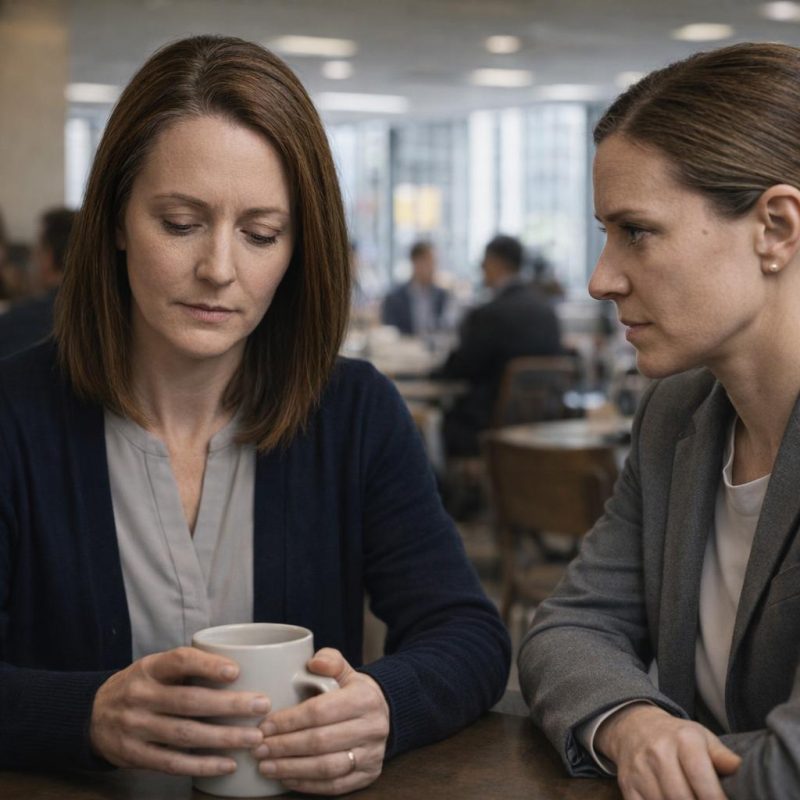 Image by RM AI
The Troubled Man
I didn't push her, not directly. I'd learned a long time ago that pushing someone who's already braced against you only makes them lean harder the other way. So I asked smaller questions instead — what his hours were like, whether he seemed distracted, whether anything changed. Sarah answered those carefully, the way someone answers when they're deciding in real time how much to give. She said Arthur had become increasingly withdrawn over the last two years. That he stayed late more often than not, and that the calls he took behind closed doors had become routine rather than occasional. She said it felt like he was carrying something he couldn't put down. I asked if she thought it had anything to do with Cassandra. The name landed between us like something dropped. Sarah went very still. She looked at her coffee, then at the window, then back at her hands. She said she'd probably already said more than she should. She finished what was left in her mug and started gathering her things, and I thanked her and told her I understood, even though I didn't — not fully. I drove home with the windows down, turning her words over the way you turn a stone to see what's underneath, and what stayed with me wasn't anything she'd said but the shape of what she'd left out.
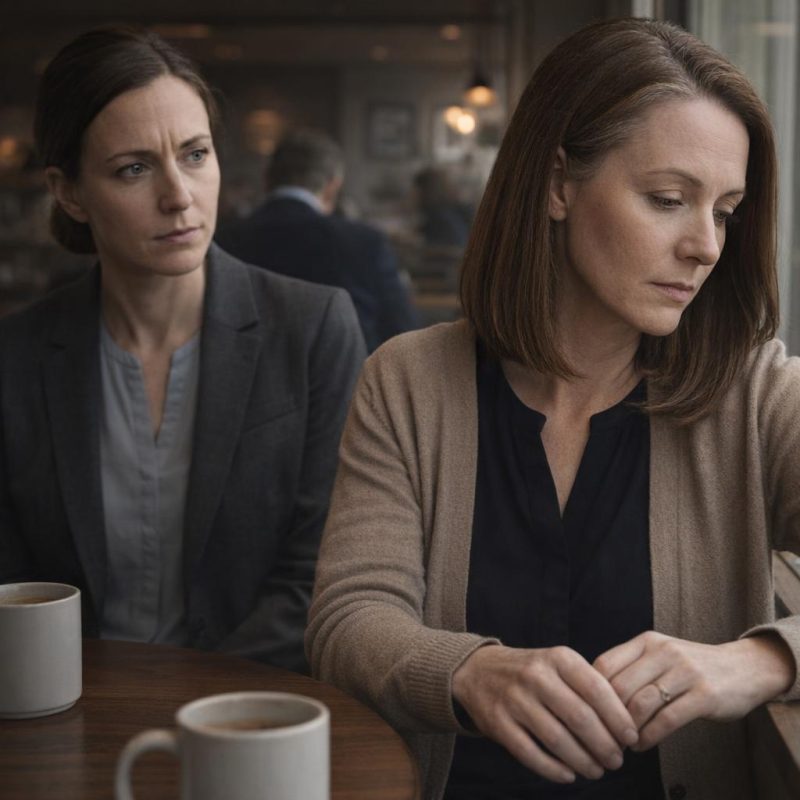 Image by RM AI
The Decryption Attempt
I drove back to the lake house on a Tuesday, laptop bag over my shoulder, a thermos of coffee in my hand. I set up at the walnut desk — it felt right, somehow, to work from the same place Arthur had — and spent the first hour researching decryption methods. I wasn't starting from zero. I'd handled forensic accounting work years ago that touched on encrypted financial records, and I knew enough to know I needed software rather than guesswork. I downloaded two programs, read the documentation on both, and chose the one with better reviews for AES-256 encryption. The lake was flat and grey outside the window. I ran the software against the oldest folder first — the one labeled with the year Arthur left — and set the parameters based on what I knew about Arthur: birthdays, significant dates, the kinds of numbers people use when they think they're being careful. The progress bar appeared. It moved the way progress bars always do, faster at first and then slower, as if reconsidering. I refilled my coffee. I watched the percentage climb past forty, past fifty, past sixty. The folder was beginning to give. The decryption software logged its first successful key match and began processing the files inside.
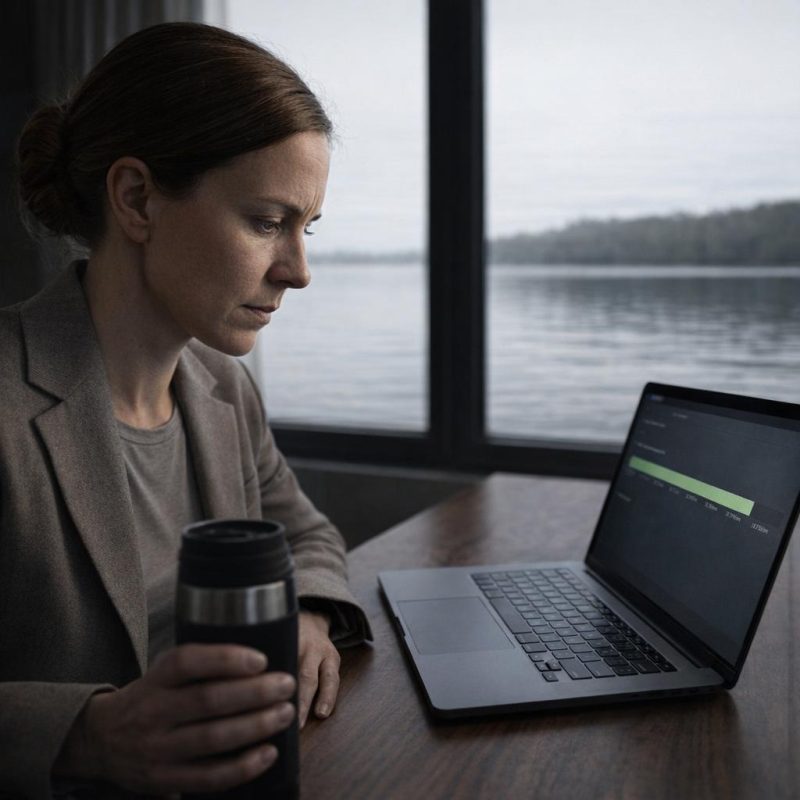 Image by RM AI
Offshore Accounts
The files opened in stages, the way a room comes into focus when your eyes adjust to the dark. Financial documents — account statements, transaction logs, wire transfer confirmations. The account numbers were partially redacted, blocks of digits replaced with asterisks in a way that suggested someone had been careful about what they preserved and what they obscured. But the transactions themselves were intact: dates, amounts, routing codes. I pulled out a legal pad and started writing. The patterns emerged the way they always do in forensic work, not all at once but incrementally, one anomaly pointing to the next. Large sums moving at irregular intervals. Transfers timed in ways that didn't correspond to any business cycle I recognized — not quarterly, not monthly, not tied to any fiscal rhythm I could identify. The amounts varied, but the structure didn't. Something moved in, something moved out, and the gap between the two was never quite the same twice. I'd seen irregular patterns before in my work, and I knew that irregularity itself can be a kind of signature. I kept writing. The lake outside had gone dark by the time I looked up, and the only sound in the room was the quiet hum of the laptop fan turning over the data I was only beginning to understand.
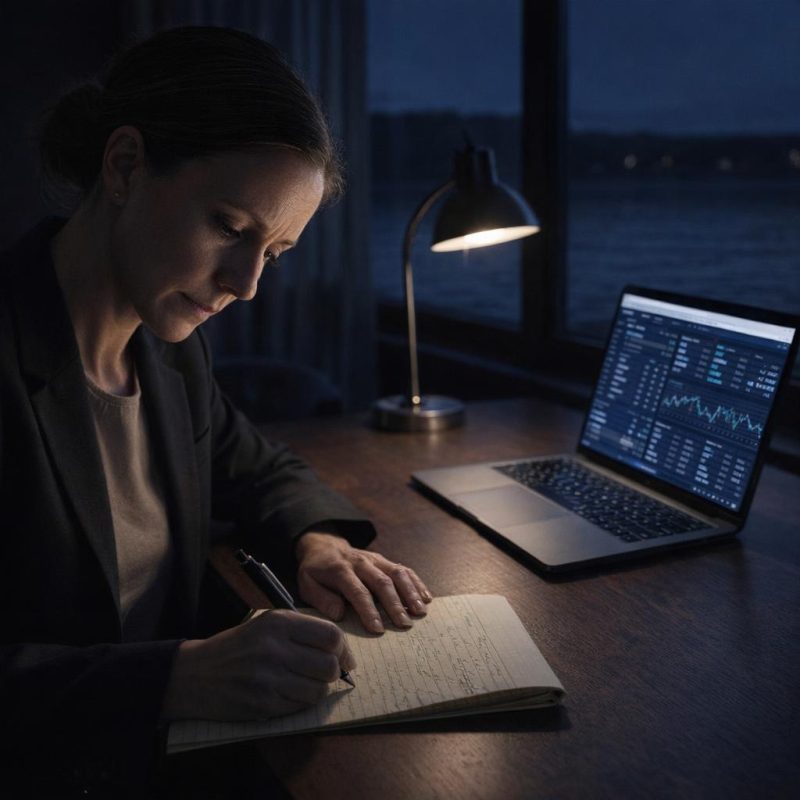 Image by RM AI
Cassandra's Name
I worked through the second folder the next morning, and then the third. By the time I reached the fourth, I'd started a spreadsheet — columns for date, amount, account reference, and a notes field I kept adding to. That was when the name started appearing. Not once, not twice. Cassandra's name showed up as a signatory on account after account, sometimes as a primary holder, sometimes listed alongside a numbered entity I couldn't immediately identify. I cross-referenced the dates against what I knew of the timeline — when Arthur left, when they married, the years that followed — and the frequency only increased as I moved forward through the folders. Recent years showed her name more often than the early ones. The amounts attached to those accounts were substantial. Not the kind of substantial that reads as ordinary wealth management. The kind that requires explanation. I built the spreadsheet carefully, the way I'd been trained to build any evidentiary record: no conclusions in the notes field, only observations. What I saw. What the numbers said. I didn't write down what I thought it meant. But I sat with the spreadsheet open on the screen for a long time after I stopped adding to it, Cassandra's name repeating down the column like a word you've read so many times it stops looking like a word.
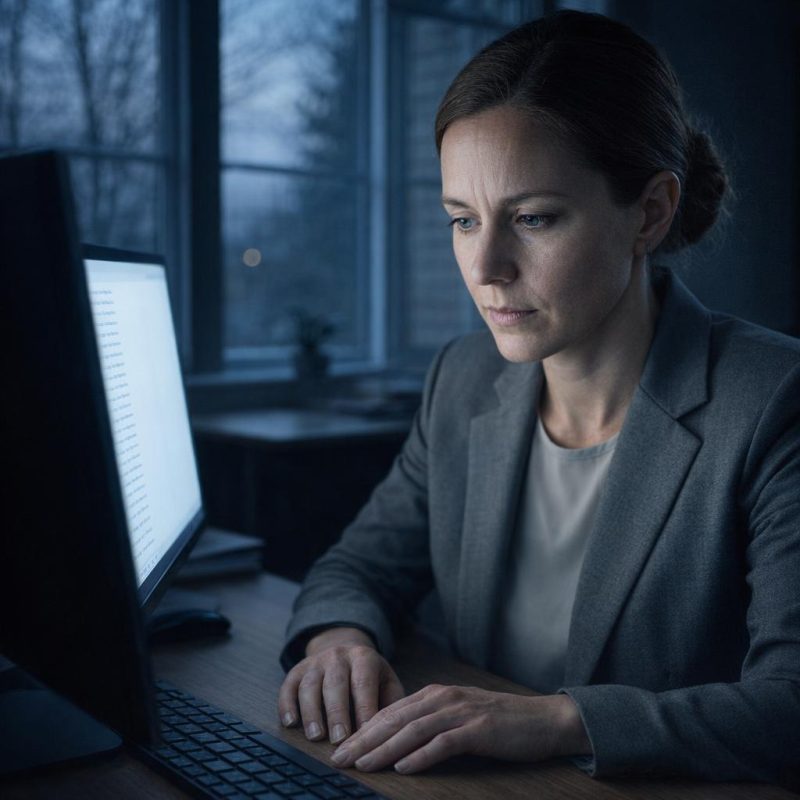 Image by RM AI
The Laundering Pattern
I'd taken a continuing education course on financial crime patterns eight years ago — mandatory for my certification renewal, the kind of seminar you sit through and think you'll never use. I was wrong about that. The structure I was looking at had a shape I recognized from those case studies: funds introduced at one point, moved through a sequence of accounts, surfacing somewhere else. The timing intervals, the varying amounts, the use of offshore entities — the resemblance to what I'd studied was close enough to make my hands unsteady as I worked through the later folders. I kept my notes clinical. Observations, not conclusions. But the pattern held across every year, growing more elaborate rather than less, and I couldn't stop my accounting instincts from flagging what they flagged. In the fifth folder I found something different: a scanned document, handwritten, Arthur's handwriting — I recognized the particular way he formed his sevens. It was a single page of brief notations, dates and shorthand I was still parsing. Most of it I couldn't decode without more context. But one line near the bottom was plain enough. The date beside it was two years ago. The notation read: 'C knows I know.'
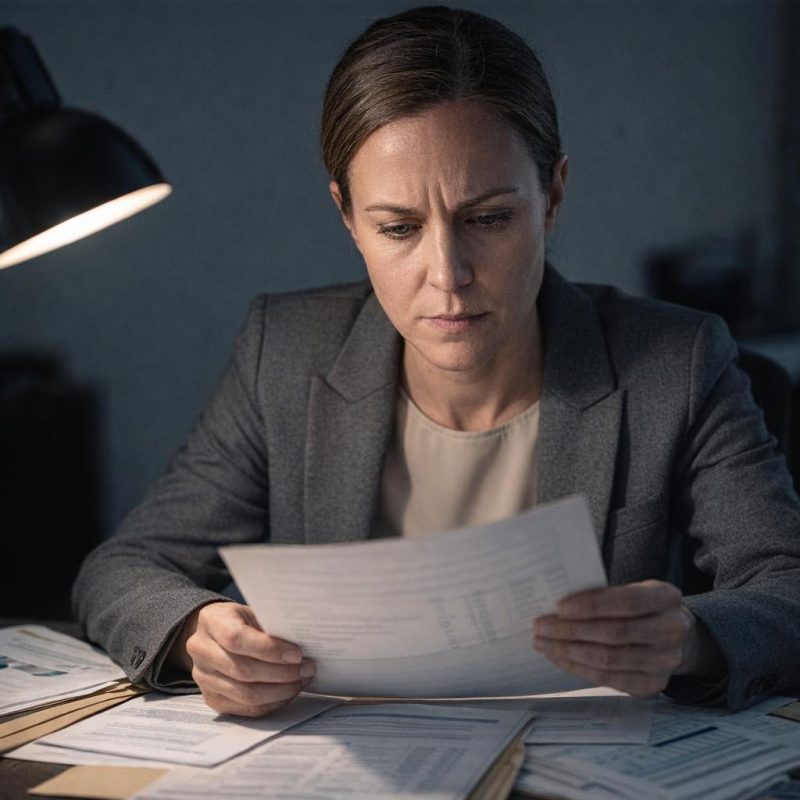 Image by RM AI
The Unannounced Visit
I was deep in the sixth folder when I heard it — tires on gravel, slow and deliberate, the sound of someone who knew the driveway. I went to the window. A silver SUV I didn't recognize at first, and then I did. My stomach dropped before my mind caught up. I crossed the room in four steps, closed the laptop, and slid it into the bottom drawer of the walnut desk. I straightened up and stood in the middle of the room, trying to look like someone who had been doing nothing in particular. The knock came — two sharp raps, unhurried. I opened the door. Cassandra stood on the porch in a camel coat, her hair perfect, her expression arranged into something that resembled warmth. She said she'd been in the area and thought she'd stop by, see how I was settling in. She stepped inside before I answered. Her eyes moved across the room the way a hand moves across a surface, checking for something without appearing to. She asked if I'd given any more thought to selling. I said I was still weighing my options. She smiled — the kind of smile that lives only in the lower half of the face — and I heard her car door, which she hadn't fully latched, swing shut in the driveway behind her.
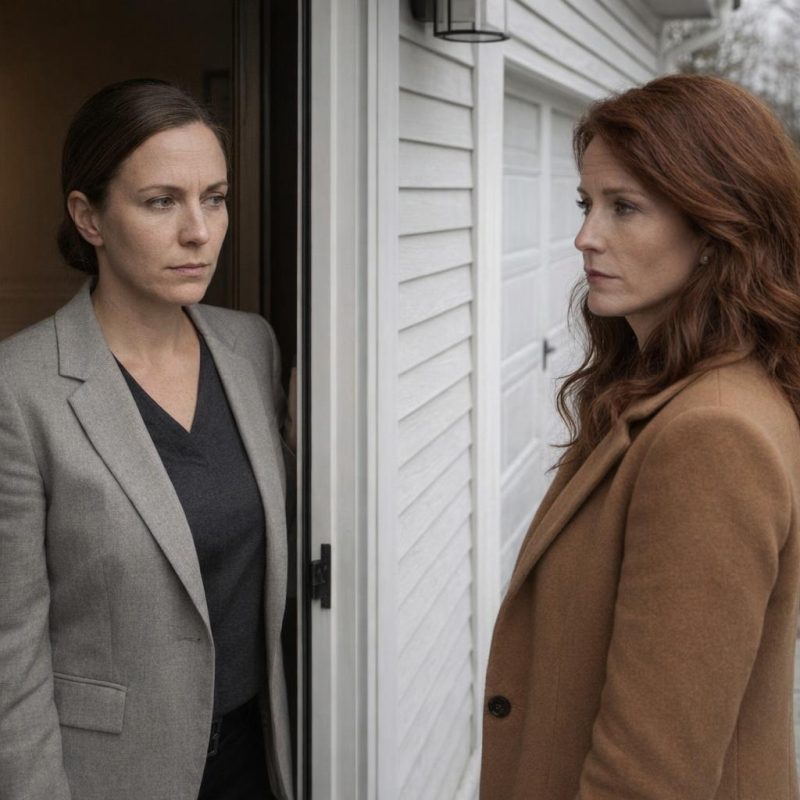 Image by RM AI
Letting the Past Stay Buried
She moved through the lake house the way someone moves through a room they already own — unhurried, proprietary, pausing at the window to comment on how still the water looked this time of year. She said Arthur had loved it here. Said it in the past tense, soft and deliberate, like she was laying flowers. I followed a half-step behind and kept my face arranged into something polite. She touched the back of a chair without sitting in it and mentioned that places like this hold memories — private ones, she said, the kind that don't always translate well to outsiders. Then she turned to me and said it plainly, in the gentlest possible voice: some things are better left in the past. She said dwelling on old questions rarely brought peace. She mentioned the offer was still open, that the money could help me build something new, something forward-facing. I thanked her for stopping by. I walked her to the door. I watched her cross the porch and descend the steps without hurrying, without looking back. She kept three feet of careful distance between us the entire time she spoke, and I stood in the doorway long after her taillights disappeared, feeling the weight of every word she hadn't quite said.
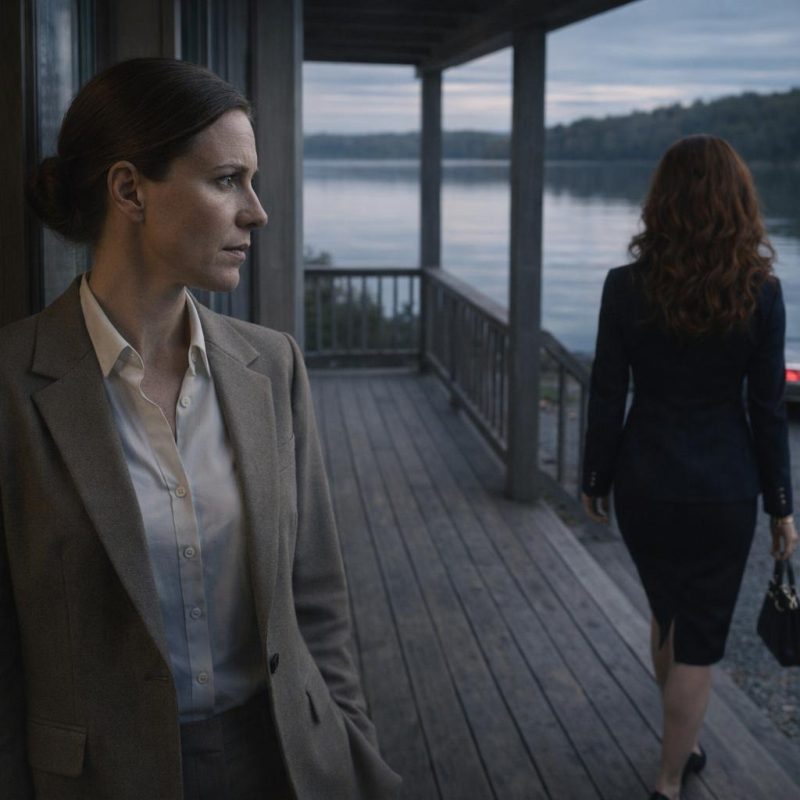 Image by RM AI
The Break-In
I drove back to the city with the windows cracked, trying to let the cold air do something useful. By the time I reached my building the sky had gone the color of a bruise. I unlocked my apartment door and knew before I stepped inside. There was a stillness to the air that felt wrong — not the stillness of an empty room but the stillness of a room that had recently been occupied. I walked through slowly. A dining chair sat at a slight angle I wouldn't have left it. The cabinet above the stove was open two inches. The throw blanket on the couch had been refolded, not the way I fold things. I checked my bag — laptop still there, wallet untouched. I went through every drawer, every shelf. Nothing was gone. Nothing was obviously disturbed. Someone had been careful, and they hadn't wanted anything I owned. They had wanted to know what I knew. My hands were shaking by the time I reached the desk in the corner. The bottom drawer — where I kept the printed copies, the handwritten notes — was standing open.
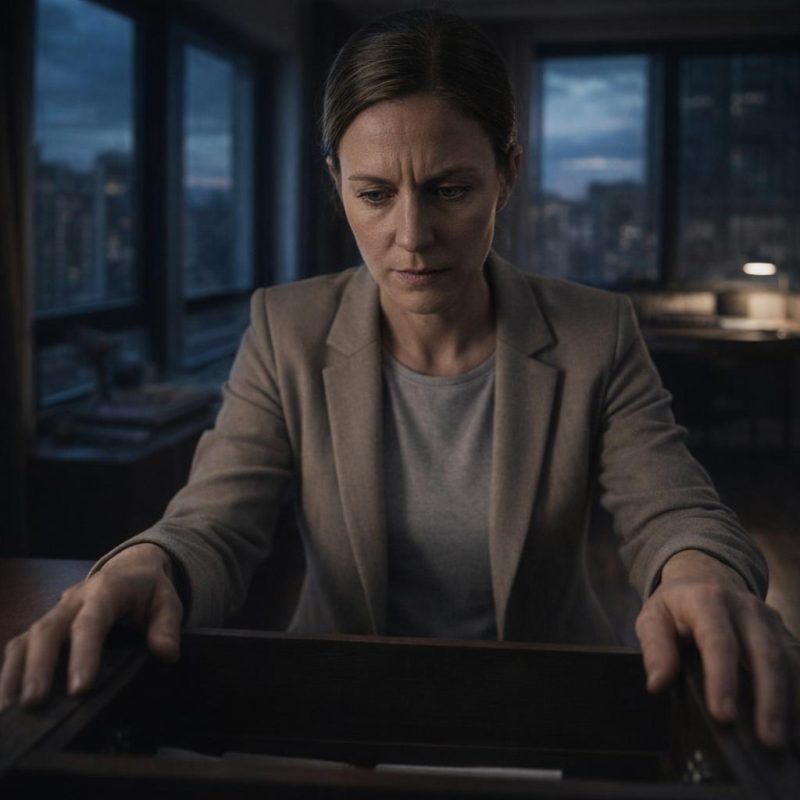 Image by RM AI
Maggie Insists
I called Maggie from the kitchen, still standing, still in my coat. She was at my door in under thirty minutes, which is the kind of thing that makes you understand what thirty-one years of friendship actually means. She walked through the apartment the way I had — slowly, reading the small displacements — and when she turned back to me her face had gone pale. She asked if I had any idea who might have done it. I said I didn't know. It wasn't entirely a lie. She looked at me the way she's looked at me since we were twenty-two, the look that means she knows I'm editing. She said this was serious. She said I was in danger and that I needed to go to the police, tonight if possible, first thing tomorrow at the latest. I told her nothing was taken, that the police might not prioritize it. She said that wasn't the point. She said a break-in with nothing stolen wasn't a robbery — it was a message — and she wasn't leaving until I agreed to file a report. I sat down on the couch. She sat across from me and waited. I finally said yes, I'd go in the morning, I'd file the report. I heard myself agree to it, and I heard, just as clearly, everything I had already decided not to say.
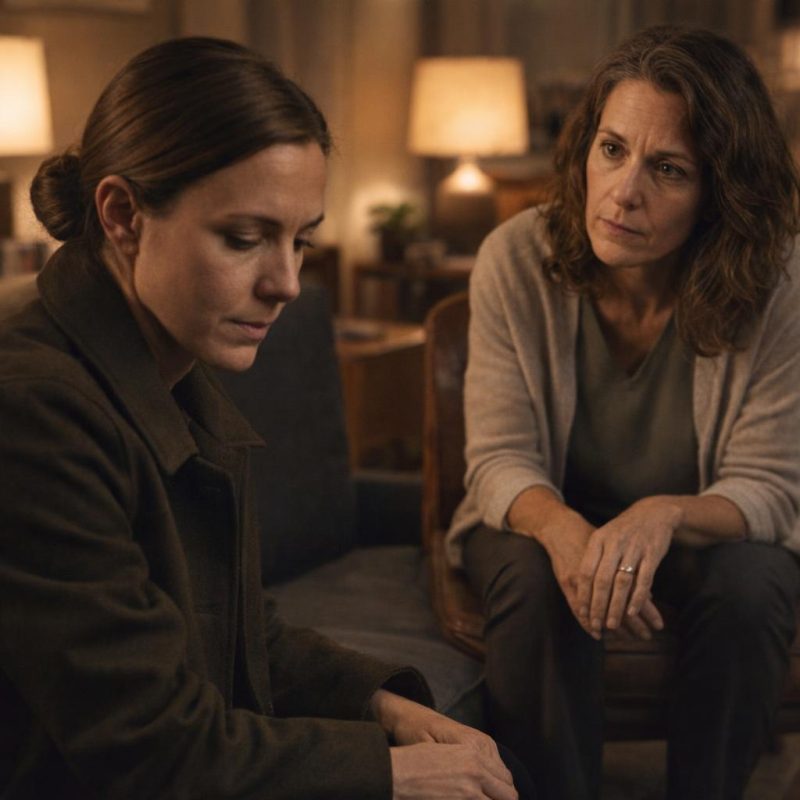 Image by RM AI
Detective Morrison
Detective Morrison's desk was in the middle of a room that smelled like burnt coffee and old carpet, and he had the kind of face that had stopped being surprised by people a long time ago. He listened while I described the apartment — the open cabinet, the angled chair, the drawer. He wrote things down in a small notebook with a mechanical pencil. He asked what was taken. I said nothing. He looked up at that, just briefly, then back at the notebook. He asked if I had any idea who might have done it. I said I didn't. He asked if I'd had any recent conflicts, any disputes, anyone who might have reason to want access to my home. I said no. The word came out steadier than I felt. He asked if I was certain there was nothing else I wanted to add, that sometimes people remembered details later. I said I just wanted it on record. He nodded like he'd heard that before too. He wrote down my address and my phone number in the same unhurried hand, and then he looked up and asked, in a tone that carried no particular weight, whether I had any enemies.
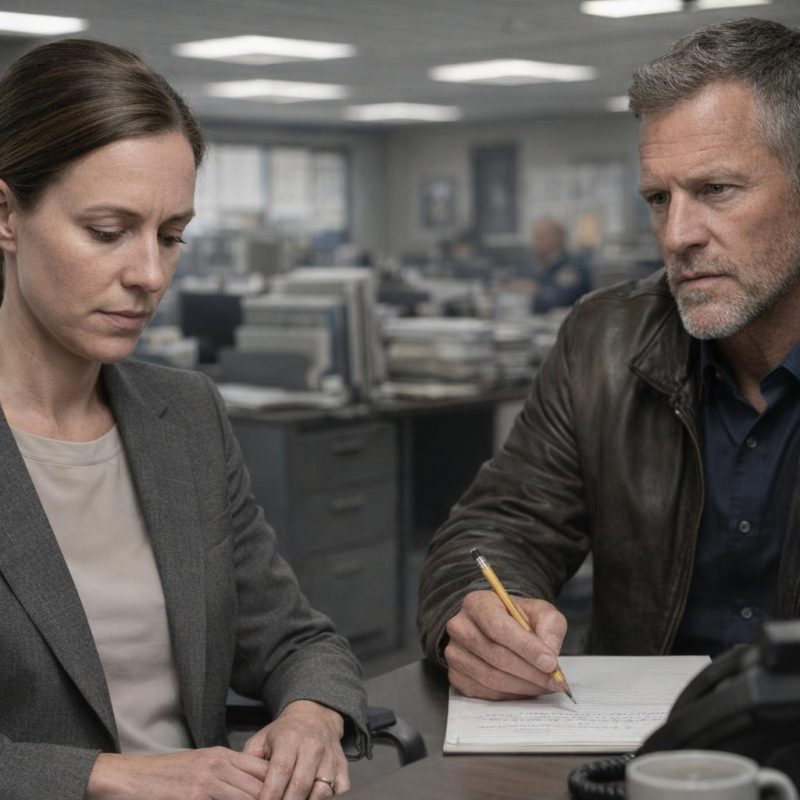 Image by RM AI
Unknown Correspondence
I drove back to the lake house the next afternoon and sat down at the walnut desk with the USB drive and a fresh legal pad. The third folder I decrypted held email correspondence — dozens of threads, the oldest dating back six years. Arthur's address I recognized. The other address was a string of numbers and letters that resolved into nothing when I searched it, no name, no domain I could trace. I read through the exchanges in order, trying to find the shape of them. Arthur's messages were longer, more careful — he wrote the way he always had, measured sentences, qualifications at the edges. He mentioned feeling pressure. He mentioned needing more time to think through the implications. The replies from the other address were short, sometimes only a sentence or two, and they did not offer more time. They offered conclusions. I read one exchange three times trying to understand what decision was being discussed, what the pressure was about, what Arthur had been weighing so carefully in those long, hedged paragraphs. The context stayed just out of reach — words written between two people who shared a history I couldn't see, and I was reading them from the outside, pressing my face against glass.
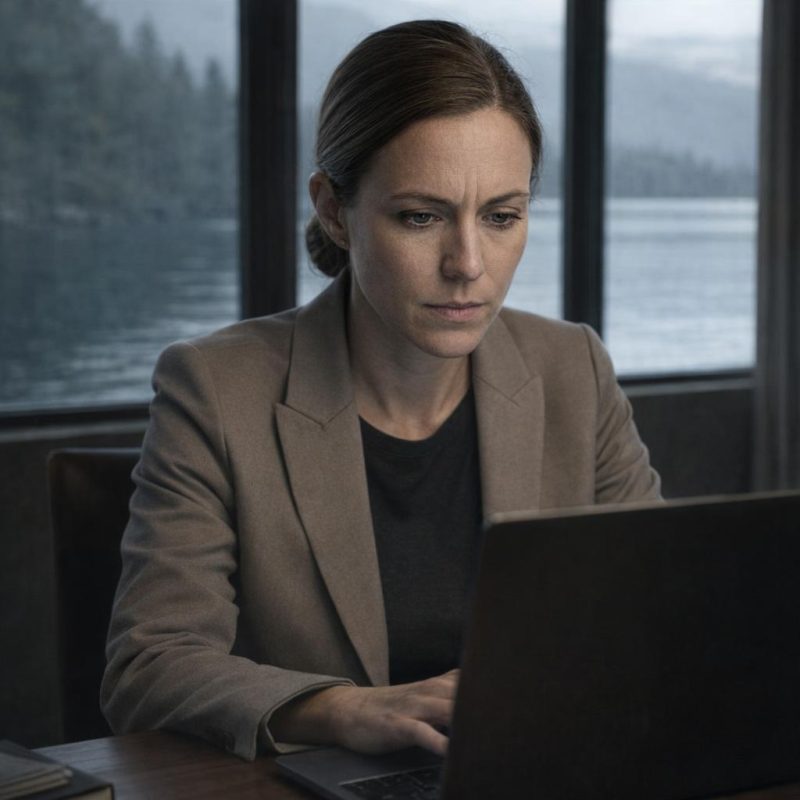 Image by RM AI
The Quick Marriage
I pulled out the legal pad and started building a timeline the way I used to build audit trails — chronologically, sourced, no assumptions without documentation. Arthur left in October, seven years ago. I had always told myself it had been building for a while, that I simply hadn't seen it. But the files gave me dates I hadn't had before. A financial record placed Arthur in a different city in November of that same year. A scanned document — something that looked like a venue receipt — carried a date in February, four months later. I cross-referenced it against the emails, against a brief reference in one of Arthur's notes. The arithmetic was simple and kept coming out the same way. October to February. Four months from the end of our marriage to the beginning of his next one, and only three of those months between meeting Cassandra and marrying her. I set down my pen. I had known Arthur for eleven years before he left. He was not a man who moved quickly toward anything. He researched cars for eight months before buying one. He sat with decisions the way other people sit with grief. I looked at the timeline on the legal pad, the neat columns of dates — three months from meeting to marriage, a span that didn't match the man I thought I'd known.
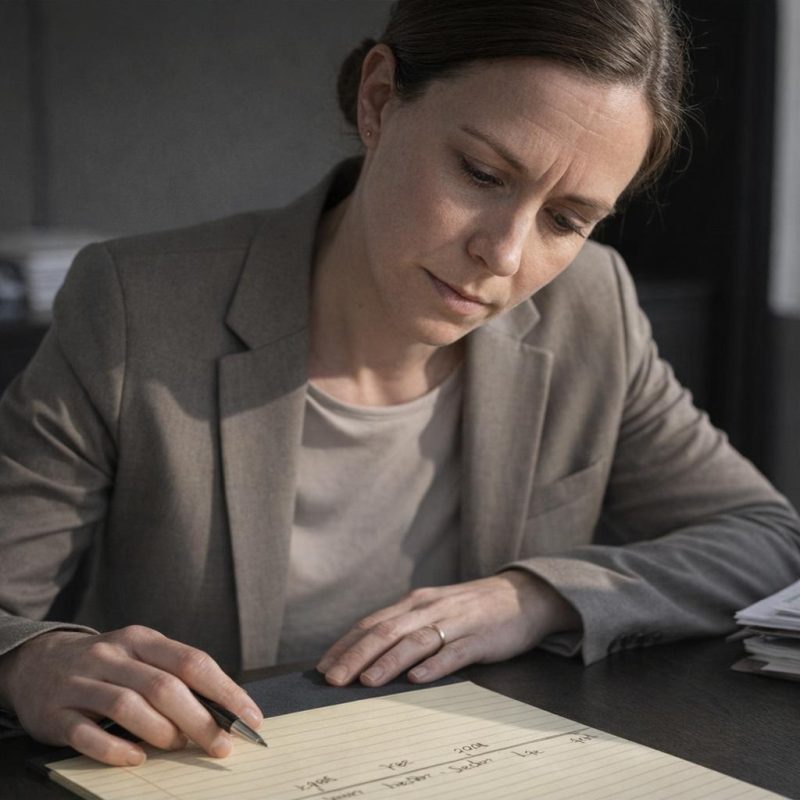 Image by RM AI
Forced Decisions
The emails in the later folders had a different quality to them. Earlier, Arthur's writing had been careful, measured — the voice of a man thinking out loud. These were shorter. Tighter. The qualifications had dropped away. In one message he wrote that he understood what was being asked of him. In another he said he didn't see another path forward. I read through six or seven exchanges where his tone kept compressing, like something being slowly reduced. Then I found the one that stopped me. It was dated five years ago, roughly a year after the marriage records I'd found. The subject line was blank. The body was three sentences, and the last one read: I don't have a choice anymore. I sat with that line for a long time. I read it again. Arthur had been one of the most deliberate people I had ever known — a man who believed, genuinely, that there was always another option if you were willing to look carefully enough. Whatever he was writing about, whatever he had found himself facing, the words were there on the screen, plain and unqualified. My anger at him, which I had carried for seven years like a stone in my coat pocket, shifted into something I didn't have a clean word for yet.
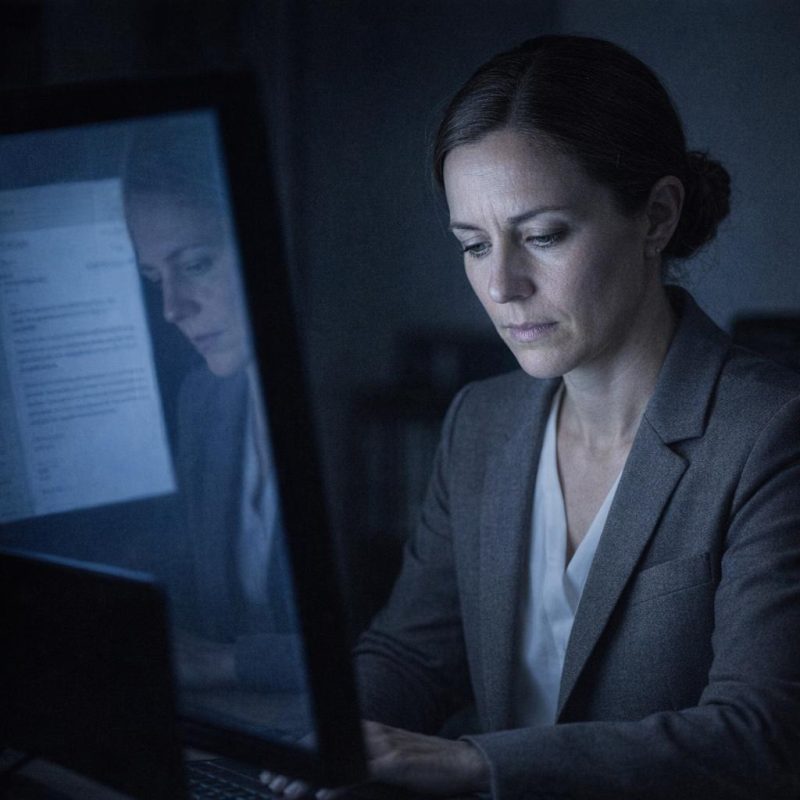 Image by RM AI
The Warning Attempt
The last folder on the USB drive was labeled with the current year. I almost didn't open it. Inside was a single file — a draft email, never sent, dated one week before Arthur died. The recipient field held another encrypted string, the same format as the unknown address from the earlier correspondence. The subject line read: In case of emergency. I stared at that for a moment before I let myself scroll down. The body of the email was four lines, and the fourth line ended in the middle of a sentence. Arthur had written: I need you to know that I tried to keep — and then nothing. No period. No completion. The sentence simply stopped, the way a conversation stops when someone leaves the room before they've finished speaking. I sat back in the chair and looked at the window, at the lake going dark in the early evening light. He had started to say something. He had run out of time, or nerve, or both, and now the sentence just sat there on the screen, incomplete and irreversible, the way some things are.
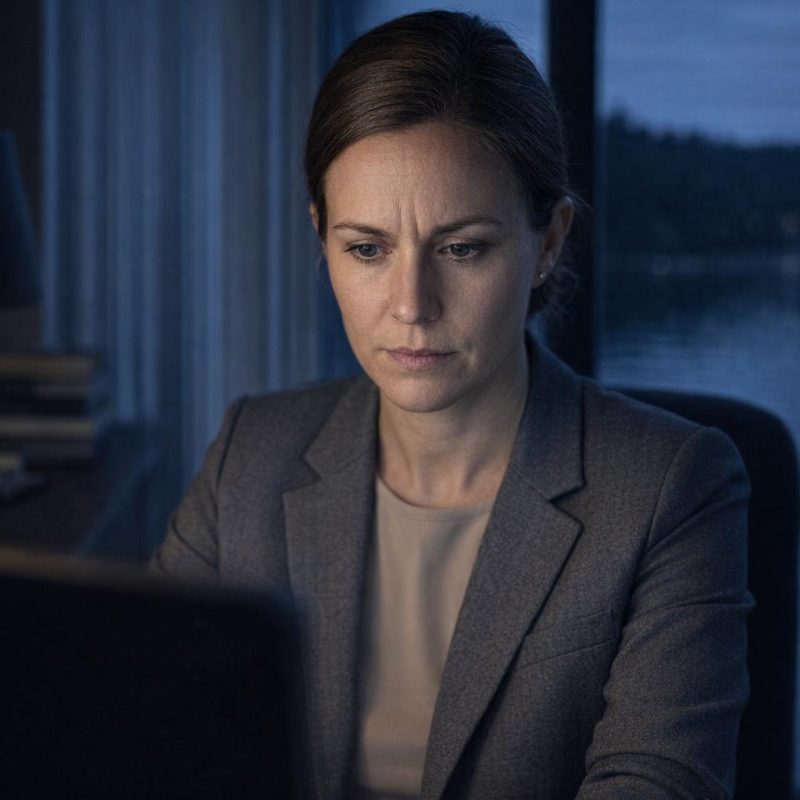 Image by RM AI
Multiple Copies
I worked through the night. That felt like the right way to describe it — work, not panic, because panic would have meant stopping, and I couldn't afford to stop. I bought three blank USB drives at the pharmacy two towns over, paying cash, and I spent the next four hours copying every file from Arthur's drive, encrypting each copy with a different password, writing those passwords in a notation system I'd used in my accounting work for years — something that would look like gibberish to anyone else. One drive went into a safe deposit box at my bank the following morning, slipped inside an envelope with no label. Another I uploaded to a cloud storage account I'd created under a name that wasn't mine, the kind of anonymous workaround I'd never imagined needing. The original USB stayed at the lake house, tucked behind a loose board in the locked office closet. I also created a typed index of every file — dates, subjects, file sizes — and stored that separately. The break-in at my apartment had made one thing clear: whatever Arthur had assembled, someone wanted it gone. I wasn't going to let that happen. When I finally sat back and looked at what I'd done, the lake was pale and still in the early morning light, and the quiet felt, for once, like something I had earned.
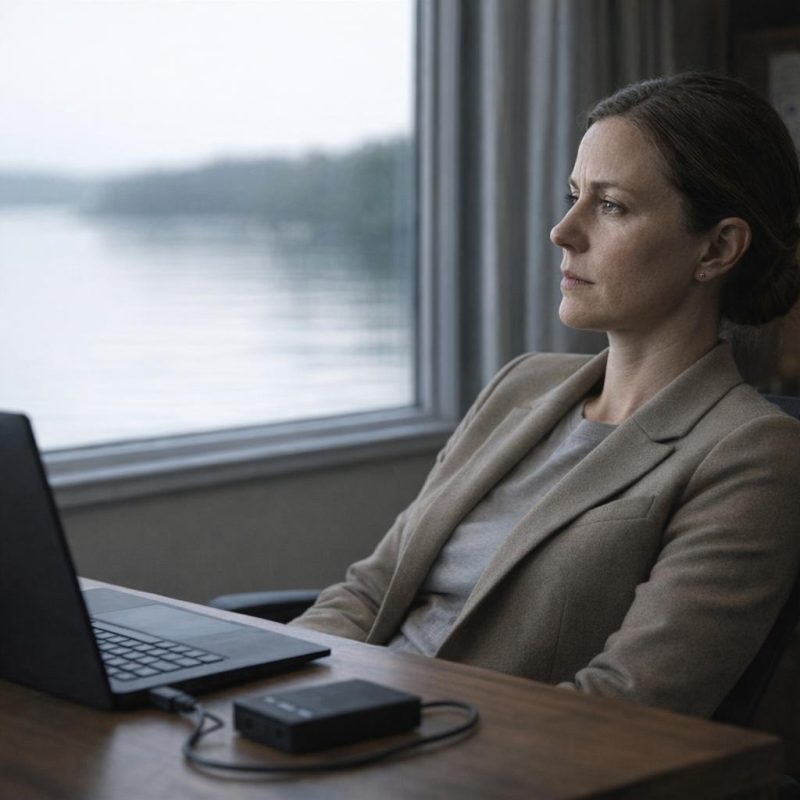 Image by RM AI
Legal Pressure
The certified letter arrived on a Tuesday, which felt appropriate — Tuesdays have always struck me as the day the week stops pretending to be manageable. The return address was a law firm I recognized immediately: Marcus Delacroix, the attorney Cassandra had brought to Robert's office like a prop. The letterhead was heavy stock, the kind designed to communicate that the sender could afford heavy stock. I read it once standing in the hallway, then carried it to the kitchen table and read it again. The language was precise and aggressive in equal measure — my continued silence regarding the purchase offer was characterized as unreasonable, my failure to respond described as a breach of good faith. Marcus had given me ten days to provide a written response or face, as the letter put it, appropriate legal remedies. I set it down and looked at it for a moment. The pressure had been building in increments — the visit to Robert's office, the offer, the silence from Cassandra's side that I'd known wouldn't last. This was the next increment. I thought about the USB drives sitting in their separate locations, about the index I'd coded by hand, about the incomplete sentence Arthur had left on a screen. The more weight Cassandra applied, the more certain I became that whatever was in those files was worth every ounce of it. I had ten days to respond, and the certified letter sat on my kitchen table like a countdown.
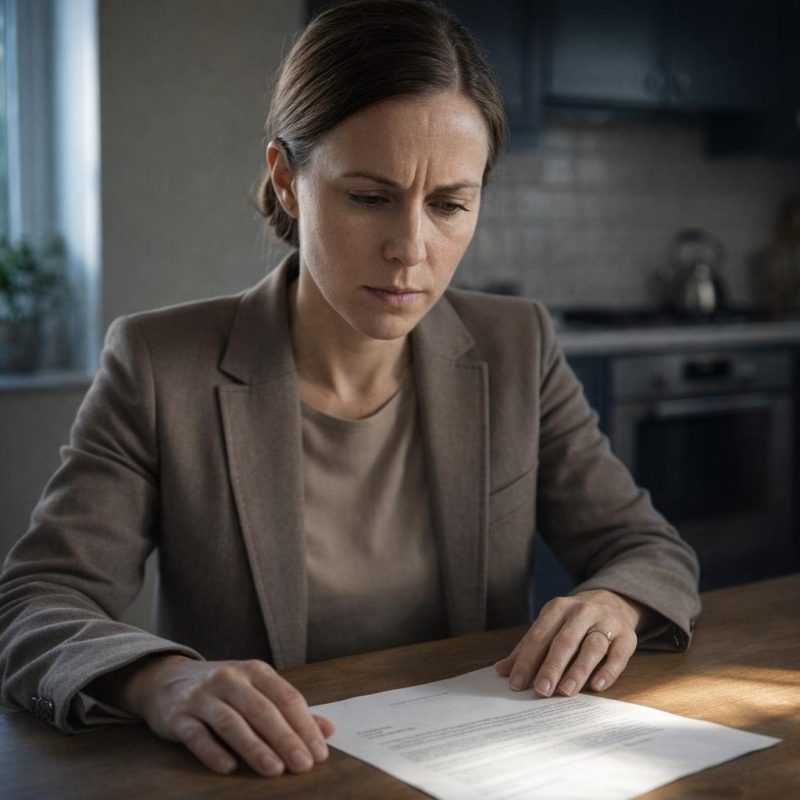 Image by RM AI
The Old Colleague
I found his name through a professional directory — Arthur's former colleague, someone who had worked alongside him for nearly a decade before leaving the company three years ago. I called and kept it simple: I was Arthur's ex-spouse, I was trying to understand some things, and I would be grateful for even twenty minutes of his time. He agreed, cautiously, and we met at a café downtown on a gray Thursday morning. He was a careful man — I could see it in the way he chose a corner table, the way he kept his voice low even when the room was loud enough to cover us. He said Arthur had changed in the last few years. Became harder to reach, stopped joining the team for the informal things — lunches, the occasional drink after a long quarter. He said Arthur had always been private, but this was different. More like someone who had decided that distance was safer than closeness. I asked him directly whether he'd noticed anything specific, any particular shift. He wrapped both hands around his coffee cup and looked at the table for a moment before he answered. He said Arthur had seemed, toward the end of his time there, like a man who was afraid of something. I asked what. He shook his head. He said Arthur never explained — just that the fear was there, visible enough that people noticed, quiet enough that no one asked.
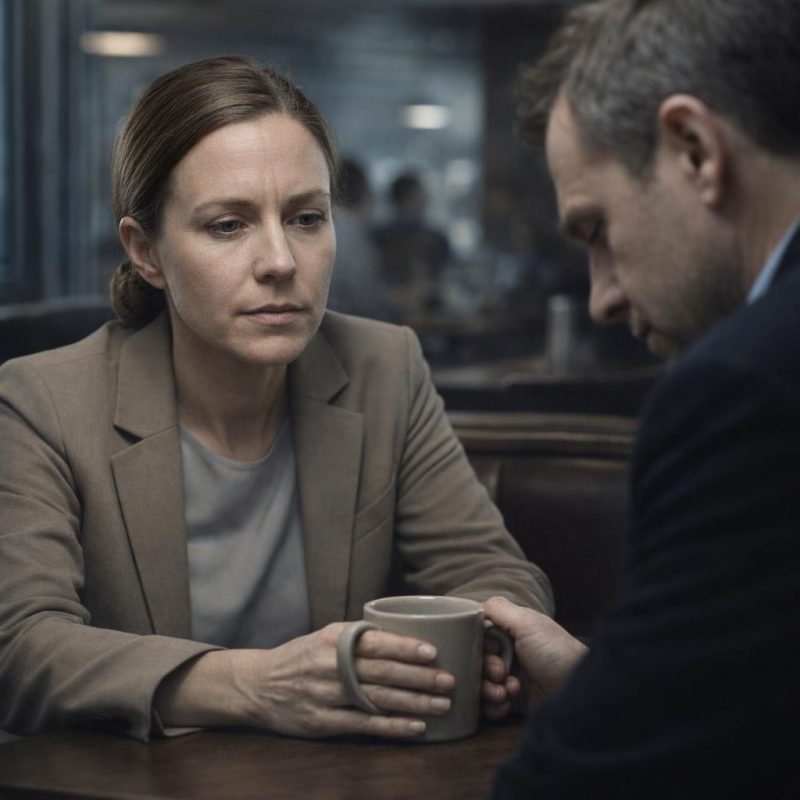 Image by RM AI
The Irregularities Begin
I'd been organizing the financial documents by category, but that afternoon I switched to chronology — laid everything out by date the way you'd reconstruct a ledger after an audit, working backward from the most recent entries toward the oldest. Most of the irregular transactions clustered in the years after Arthur married Cassandra, which was what I'd expected to find. I was nearly ready to close the folder when something in the earlier dates caught my attention. I went back through more carefully, cross-referencing the timestamps against what I remembered of our own timeline. The numbers were patient. They didn't care what I expected. I checked the date three times, then a fourth, because the first three times I assumed I was misreading it. A significant sum — routed through an account I didn't recognize, structured in the same layered way as the later transfers — was dated two months before Arthur sat across from me at our kitchen table and told me he wanted a divorce. I sat very still with that for a moment. I had spent seven years building a timeline in my head, a clean narrative with a clear beginning: Arthur left, and then things changed. But the numbers were telling me something different. Whatever had started happening to Arthur had started before he left.
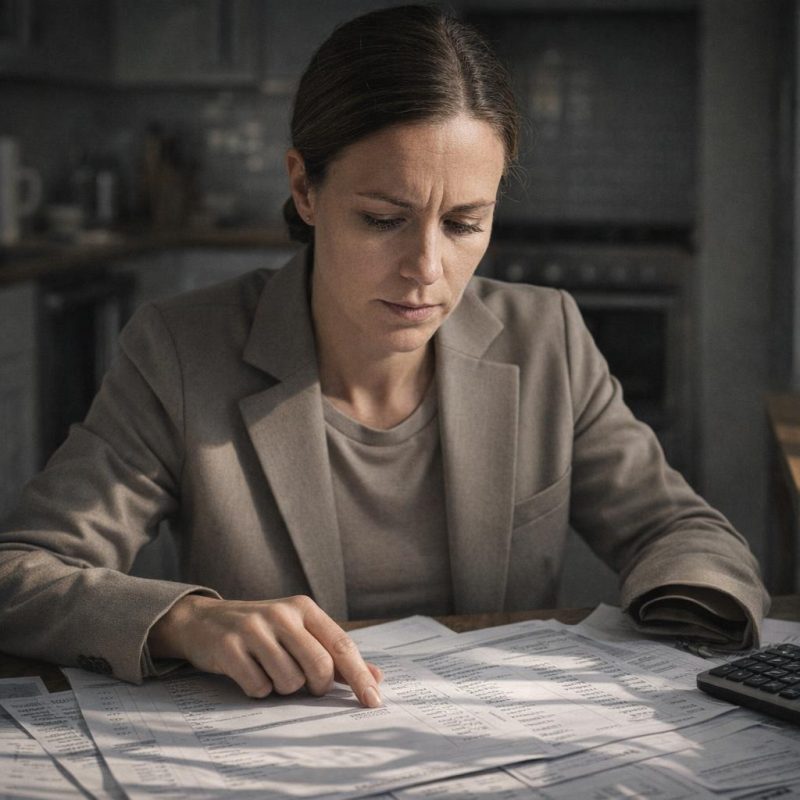 Image by RM AI
Password Protected Videos
I almost missed the subfolder entirely. It was nested three levels deep inside a directory I'd already catalogued, labeled with a string of numbers that looked like a file reference code — the kind of label designed to be skipped over. I almost did skip it. But something made me click through, and when the folder opened I sat forward in my chair. Video files. Twelve of them, each labeled with a date, the earliest from six years ago and the most recent from just weeks before Arthur died. They were large files — substantially larger than the documents I'd been working through — and every single one was password protected with the same encryption format as the rest of the drive. I tried a few obvious combinations out of reflex, knowing they wouldn't work, and they didn't. I sat back and looked at the list of dates on the screen. Arthur had recorded these over a span of years. He had come back to this folder again and again, added to it, protected it with the same care he'd applied to everything else on that drive. Whatever was in those files, he had wanted it preserved. He had wanted it found. The screen glowed in the dim room, and the weight of that — of someone recording something they needed to survive them — settled over me and didn't lift.
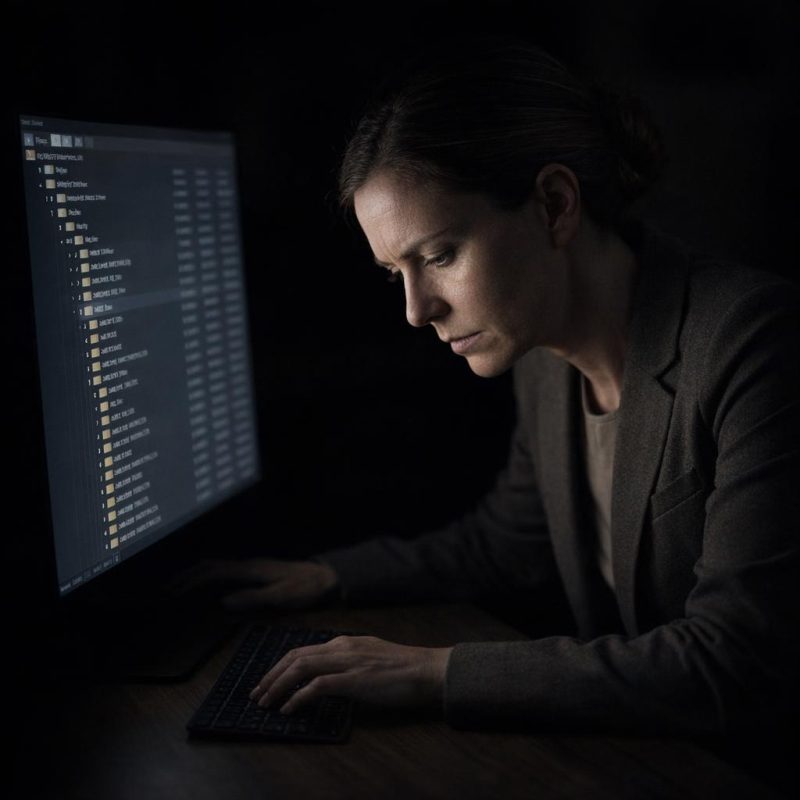 Image by RM AI
The Marriage Password
I spent the better part of two days trying passwords. Dates first — our anniversary, his birthday, the year he graduated, the year the company went public. Then names, combinations of names, names with numbers appended. Nothing. I made a list on paper and crossed each attempt off methodically, the way I used to work through a reconciliation that wouldn't balance, eliminating the impossible until only the improbable remained. I thought about what Arthur would have chosen — something he could remember without writing down, something that wouldn't be obvious to anyone who hadn't known him the way I had. I tried the date we first met: a rainy Saturday in October, a number I hadn't thought about in years. Locked. I tried the name of the coffee shop where he'd proposed, spelled the way he always misspelled it. Locked. Then I sat quietly for a moment and thought about the street we'd lived on — Aldermoor — and our wedding date, and the particular way Arthur had always combined things in pairs. I typed the combination slowly. The encryption prompt cleared. The video player opened. And then Arthur's face filled the screen, older than I remembered, tired in a way that photographs don't capture, and the file began to load.
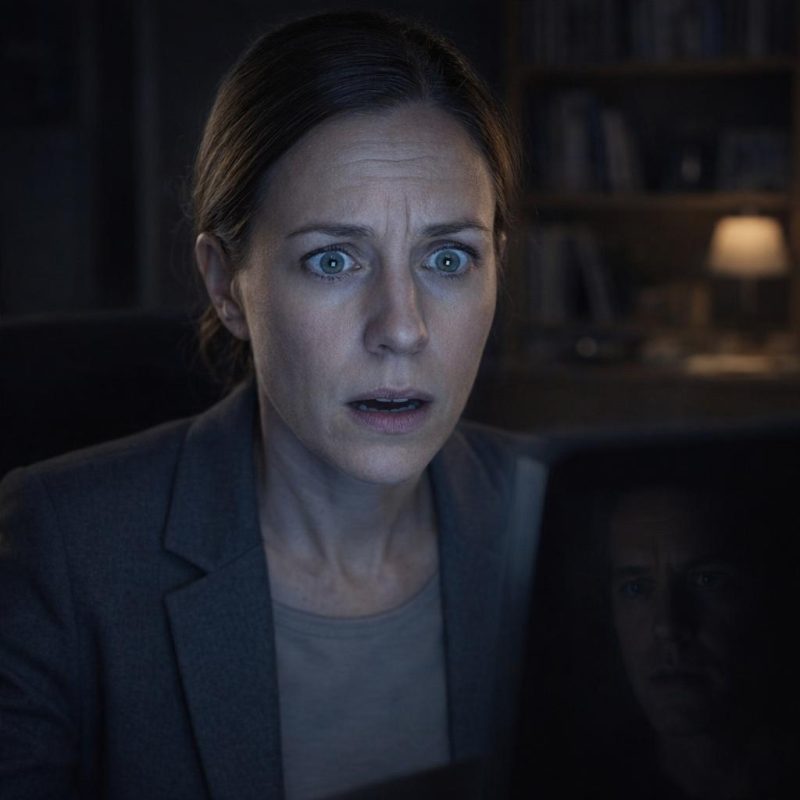 Image by RM AI
Arthur Speaks
He was sitting in the locked office at the lake house — I recognized the bookshelves behind him, the particular angle of the window light. He looked like Arthur and didn't look like Arthur at the same time, the way people do when you've been carrying an old image of them and the current one doesn't quite match. He was wearing a gray shirt, no jacket, and he looked like a man who hadn't been sleeping. He spoke directly to the camera, his voice steady in the way that takes effort to maintain. He said that if someone was watching this recording, he was probably already gone. He said he had been keeping notes for a long time, that there were records, and that he needed whoever was watching to understand that things had been more complicated than they appeared. He said he was sorry for the parts that couldn't be explained quickly. His eyes moved once, briefly, toward the window — the same window I was sitting near right now — and then back to the camera. He said he needed her to know she had never been part of any of it, that keeping her clear of it had been the one thing he was certain about. And then he said, in the same steady voice: "If you're watching this, Claire, then I'm already gone."
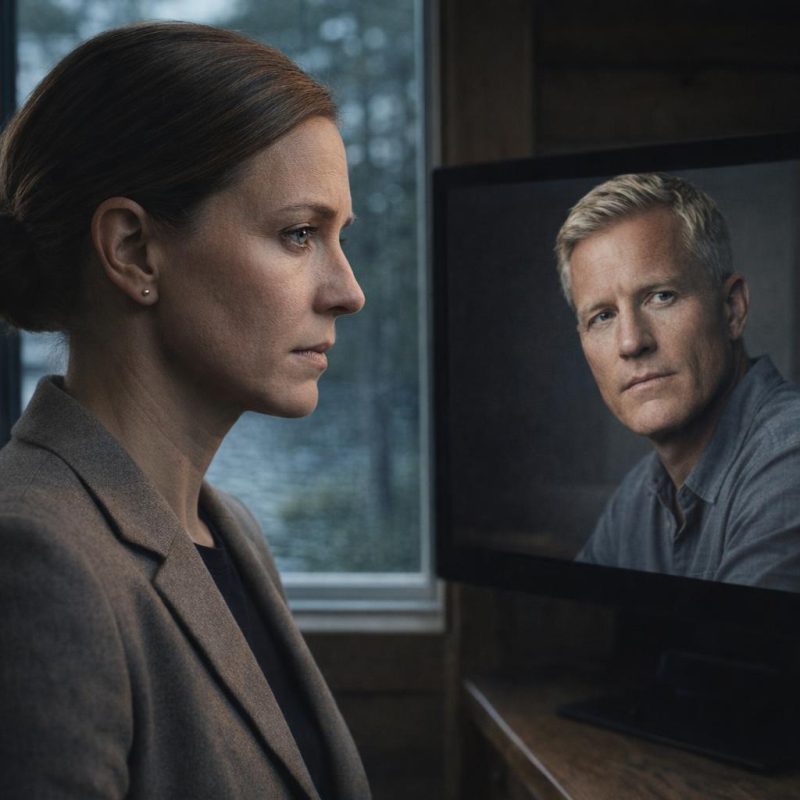 Image by RM AI
The Unwanted Divorce
I watched the second video with my hands in my lap and the room completely dark around me except for the screen. Arthur looked the same as in the first recording — same gray shirt, same tired eyes — but this one felt different from the first frame. He spoke more slowly, like a man choosing each word the way you choose footing on uncertain ground. He said the divorce was not what he had wanted. He said leaving was not his choice. His voice held steady for most of it, but it broke on that sentence — just slightly, just enough — and he stopped for a moment and looked away from the camera before he continued. He said he had loved her and that he had never stopped. He said the decision had not been his to make, that he understood how it must have looked from the outside, and that he was sorry for every year she had spent believing something that wasn't true. He said he would explain everything in the videos that followed, that he needed her to watch all of them before she did anything else. I paused the video. I sat in the dark with the lake invisible outside the window and the screen frozen on Arthur's face. Seven years. Seven years of a story I had told myself about a man who chose to leave, who chose someone else, who moved on without looking back. I sat with the wreckage of that story settling into my chest, and I didn't move.
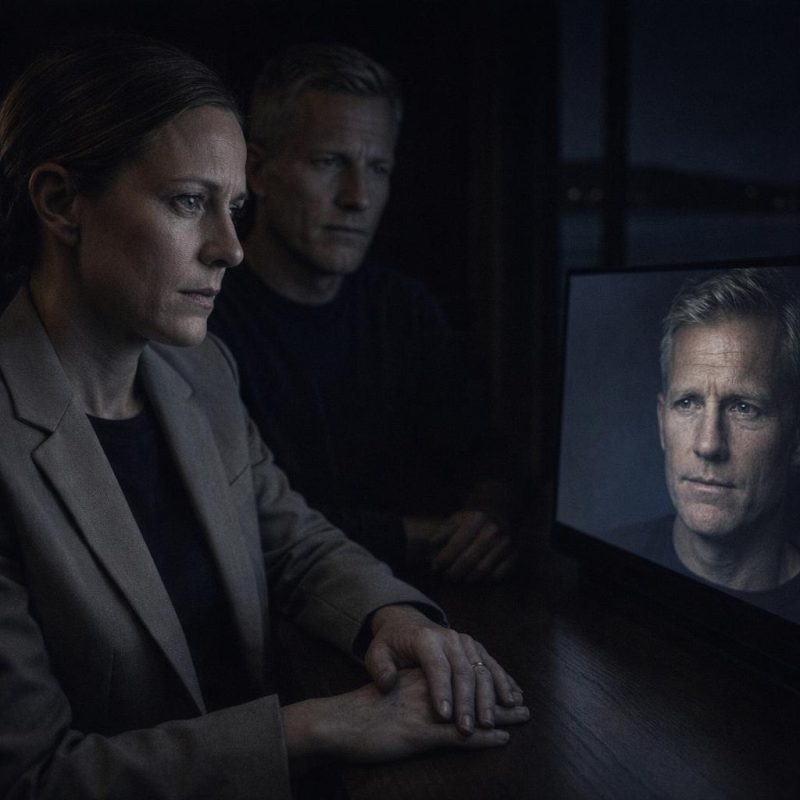 Image by RM AI
The Blackmail Evidence
I pressed play on the third video with hands that wouldn't quite steady themselves. Arthur looked the same — same gray shirt, same careful eyes — but he leaned forward this time, like the weight of what he was about to say required him to be closer to the camera. He said there were financial irregularities. Old ones, from years before he ever met me, decisions made when he was younger and less careful, the kind of thing that looks worse on paper than it ever felt in the moment. Someone found them. Someone used them. He said the word blackmail slowly, like he was still getting used to the shape of it in his mouth. He said they told him that if he didn't comply, I would be implicated — that my name would be attached to transactions I had never seen, accounts I had never touched. He said the divorce was the only way to keep me clear of it. He said he couldn't tell me the truth without pulling me into the danger he was already standing in. He said every year of silence was the price he paid to keep my name clean. I sat in the dark after the video ended, and the seven years between us rearranged themselves into something I didn't have a word for yet.
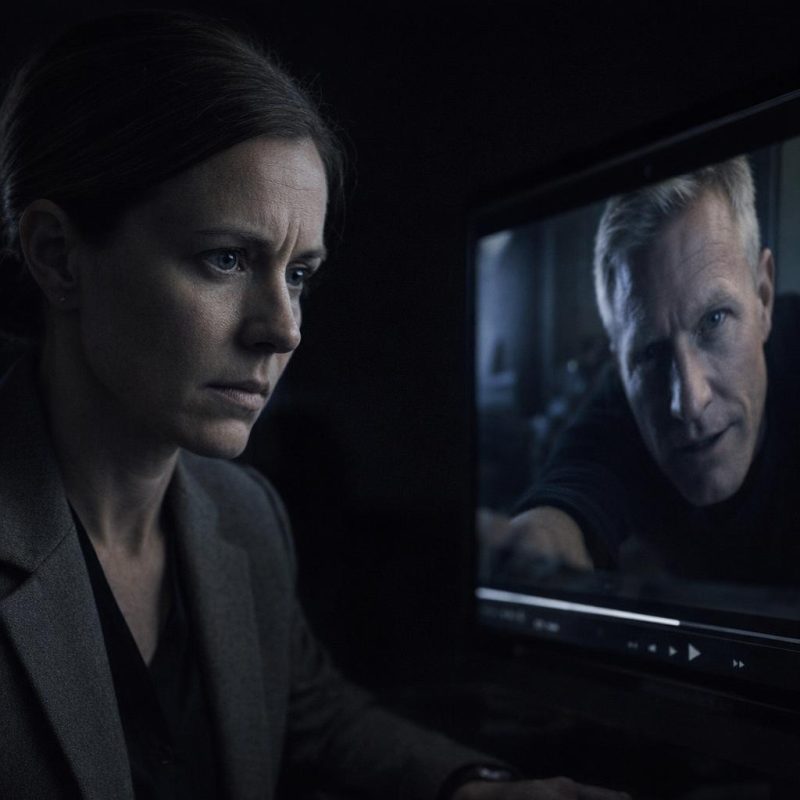 Image by RM AI
Cassandra's Network
The fourth video opened with Arthur sitting behind a spread of documents, papers fanned across the desk like a hand of cards he'd been dealt and couldn't fold. He looked tired in a way that went past sleep. He said Cassandra ran a money laundering network — sophisticated, layered, moving funds through shell companies across multiple countries. He said she needed someone with financial expertise and a reputation clean enough to open doors. He said she found him. He explained how the blackmail had been the mechanism, the lever she used to pull him out of his life and into hers. The marriage gave her access to his accounts, his credentials, his name on documents that made her operation look legitimate. He said he spent years appearing complicit, learning the shape of every transaction, every communication, every name in the network. He said he became a prisoner in his own life — going to dinners, signing papers, performing a version of himself that made him sick. He said Cassandra knew he was watching but couldn't move against him without unraveling her own operation. I sat there with the rage building somewhere behind my sternum, slow and pressurized, and then Arthur said she had been watching him for months before they ever met.
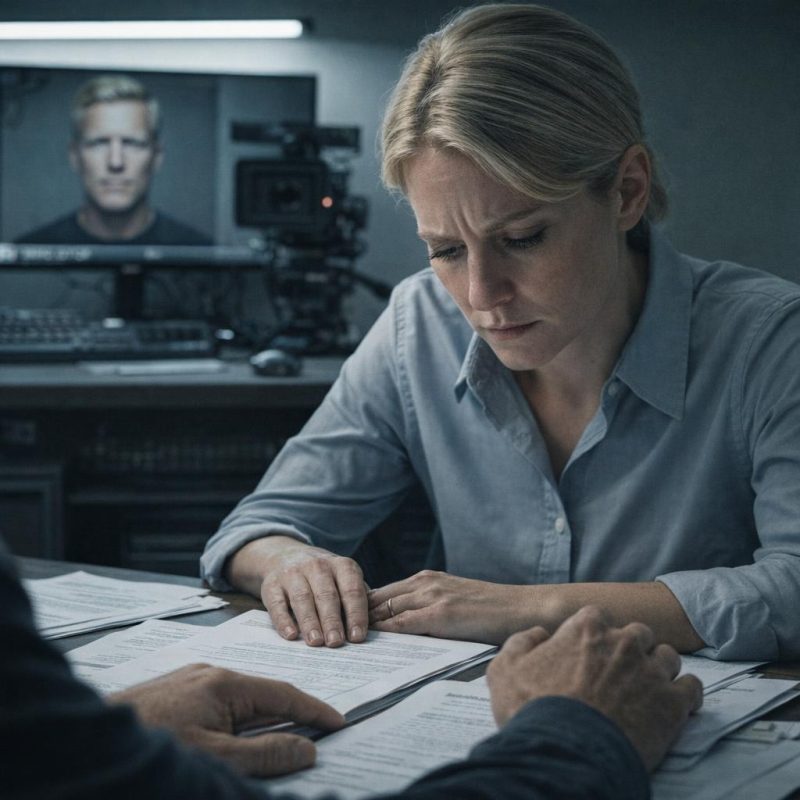 Image by RM AI
The Seven Year Plan
The fifth video was the longest. Arthur had a yellow legal pad beside him and he kept glancing at it, like he was working through a list he'd rehearsed too many times to need but couldn't quite trust himself to leave behind. He said he spent seven years building a case. Every transaction documented with timestamps and source accounts. Every communication saved — emails, texts, records of meetings he attended and conversations he recorded when he could. He tracked the money through countries I'd never heard connected to each other, through shell companies with names that sounded like law firms or real estate holdings. He said he built it slowly, carefully, because one mistake would have ended everything. He said the most important part — the part he needed me to understand — was the documentation proving I was never involved. He had created a paper trail that showed, clearly and completely, that my name appeared nowhere in Cassandra's network. He said he knew he might not survive to see the end of it. He said the lake house and the files were his insurance policy, his way of making sure the evidence outlasted him. I looked at the USB drive sitting on the desk beside me, and what I saw there was seven years of Arthur working alone in the dark to keep my name out of it.
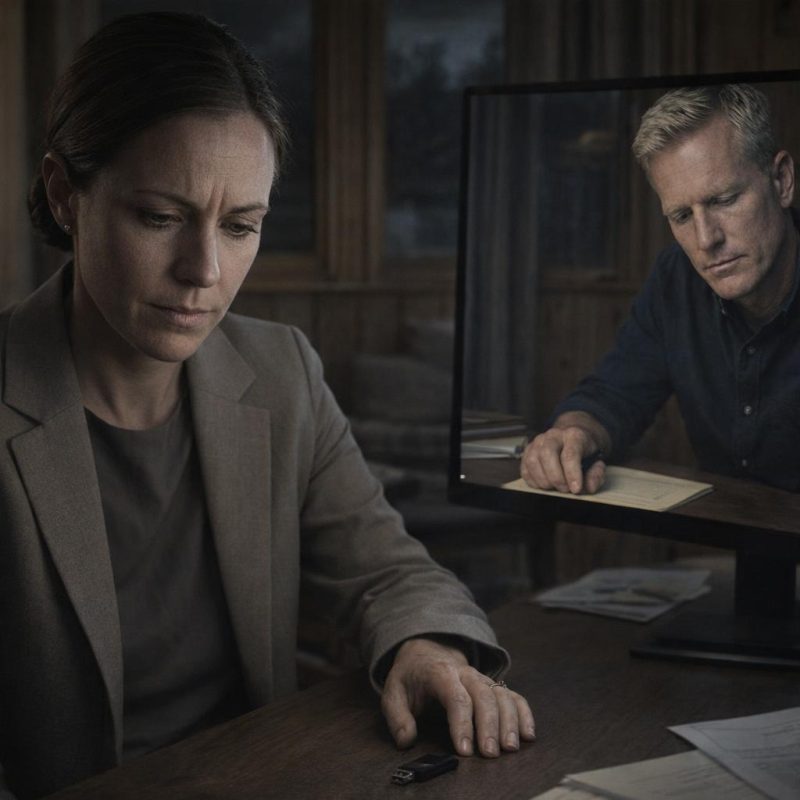 Image by RM AI
Arthur's Final Message
The final video was dated two weeks before Arthur died. He looked exhausted in a way the earlier recordings hadn't shown — the kind of tired that settles into the bones and stops pretending. He looked directly into the camera and said my name. He said if I was watching this, then his time had run out. He said I was the only person he had ever trusted completely, the only one with the skills to understand what he had built and the judgment to know what to do with it. He said the lake house was always meant for me. He said the files were meant for me. He asked me to take them to the right people, to finish what he had started, to see it through. He said he was sorry for the seven years. He said he was sorry for every morning I woke up believing something that wasn't true. His voice broke on that, and he stopped, and he looked away from the camera for a long moment before he looked back. He said he had never stopped loving me. He said he never would.
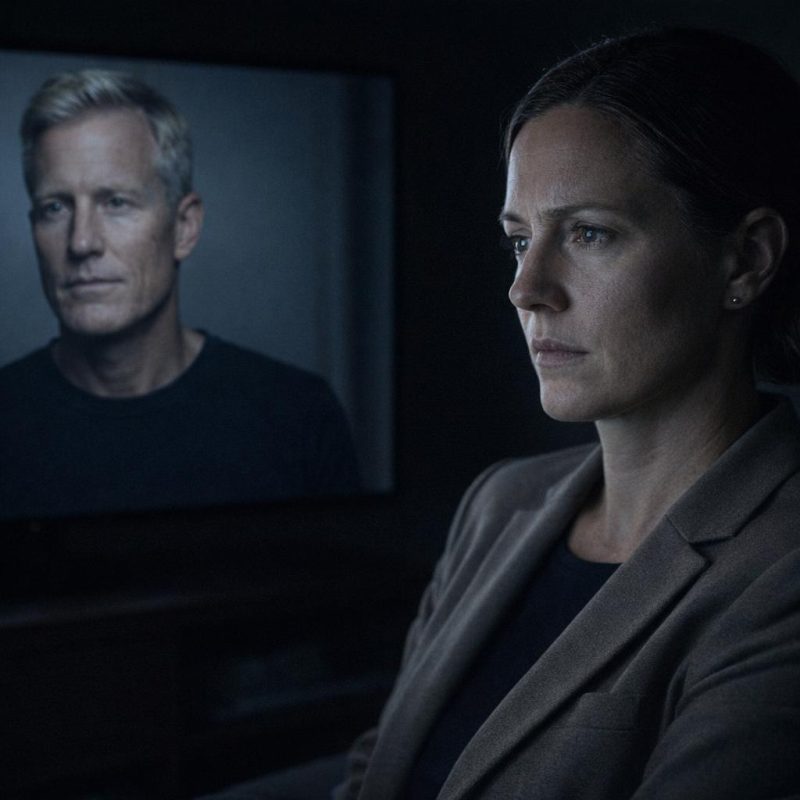 Image by RM AI
The Truth Revealed
I sat in the lake house office as the last video's silence settled around me, and the full shape of it finally came clear. Arthur never chose Cassandra. He never chose to leave. The affair, the divorce, the years of silence — none of it was what I had spent seven years believing it was. He had been blackmailed over old financial mistakes, and Cassandra had used that leverage to pull him out of our marriage and into hers, because she needed his name and his expertise to make her operation run. The marriage was a trap. Every day of it was a day he spent imprisoned, performing a life he hadn't chosen, gathering evidence he hoped would outlast him. The divorce wasn't betrayal. It was the only move he had that kept my name off her books. Every year of silence was a year he spent protecting me from something I didn't even know was coming. He documented everything — every transaction, every communication, every thread of a criminal network that spanned years and countries — and he left it all here, in this house, for me, because I was the only person he trusted to finish it. Seven years. Not abandonment. Not indifference. Not a man who stopped loving me and moved on. Seven years of the longest, loneliest act of protection I had ever witnessed, and I finally understood every word of it.
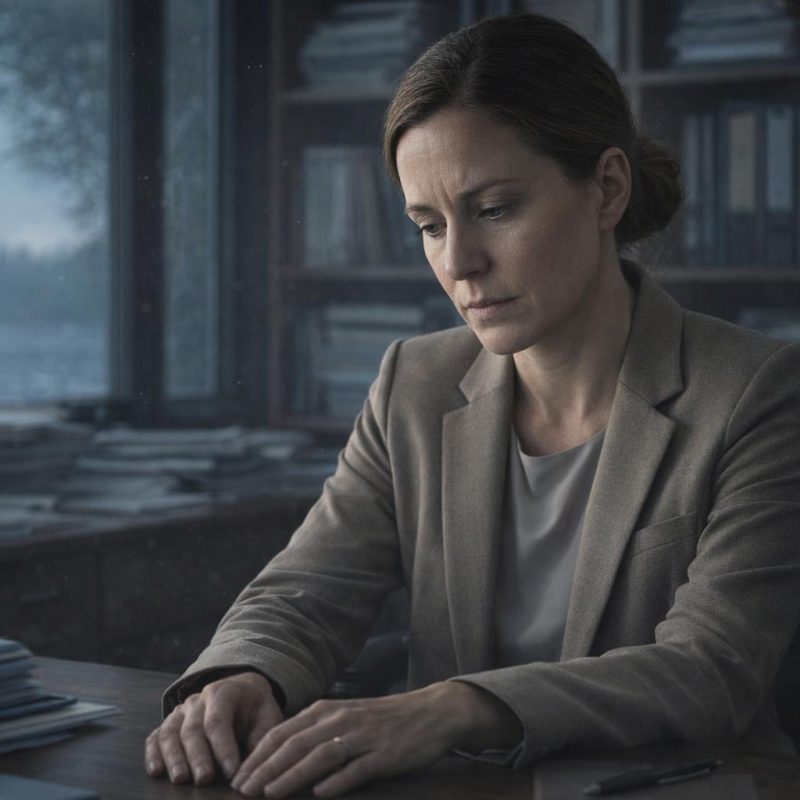 Image by RM AI
Grief Transformed
I didn't move for a long time after that. The lake was invisible outside the window, the dark pressing flat against the glass, and I sat with the full weight of seven years settling into me like water finding its level. Seven years of rebuilding a life around his absence. Seven years of telling myself a story about a man who chose someone else, who walked away without looking back, who stopped loving me somewhere along the way. All of it constructed on a foundation that Cassandra had laid. Arthur had been in that marriage the way a person is in a room with no door — present, visible, going through every motion, and completely unable to leave. He had endured it to protect me. Every day he couldn't call, every year he couldn't explain, every silence I had interpreted as indifference was another day of a sacrifice I hadn't known to grieve. The grief came anyway, now, but it came differently than it had before — heavier in some places, and in others strangely clarified, the way a landscape looks after a storm has moved through and taken the haze with it. I thought about Cassandra. I thought about what she had taken. And somewhere underneath the grief, something harder and quieter had already begun to take its shape.
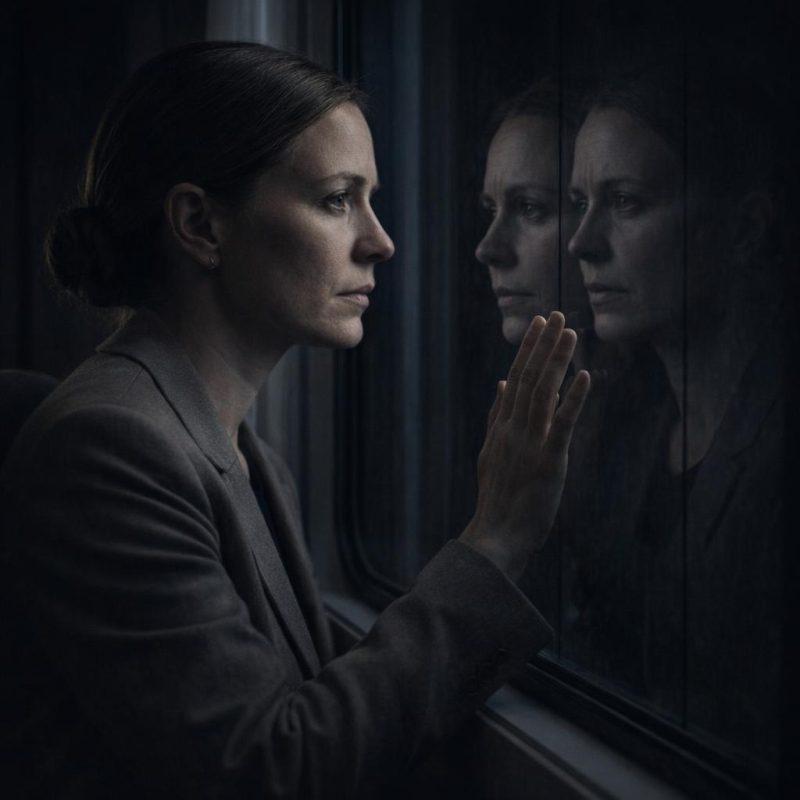 Image by RM AI
Arthur's Evidence
I went through the files again, all of them, starting from the beginning. The same documents I had reviewed before, but I saw them differently now — the way you reread a letter after learning something that changes every sentence. Arthur had been meticulous in a way that went past careful into something closer to devotion. Every transaction was logged with the source account, the destination, the date, the intermediary. Every email was saved in full, with headers intact, timestamps preserved. He had recorded conversations — some of them in rooms I recognized from photographs, some in places I didn't know — and the recordings were clear, labeled, cross-referenced to the documents they supported. He had tracked the money through shell companies in four countries, following it through layers that were clearly designed to be untraceable, and he had traced them anyway. He had done this alone, over seven years, in a house he shared with the person he was building the case against. I spread the printed files across the desk the way he must have done, organizing them into the shape of an argument, and the scope of what he had assembled sat across the surface in front of me — patient, precise, and complete.
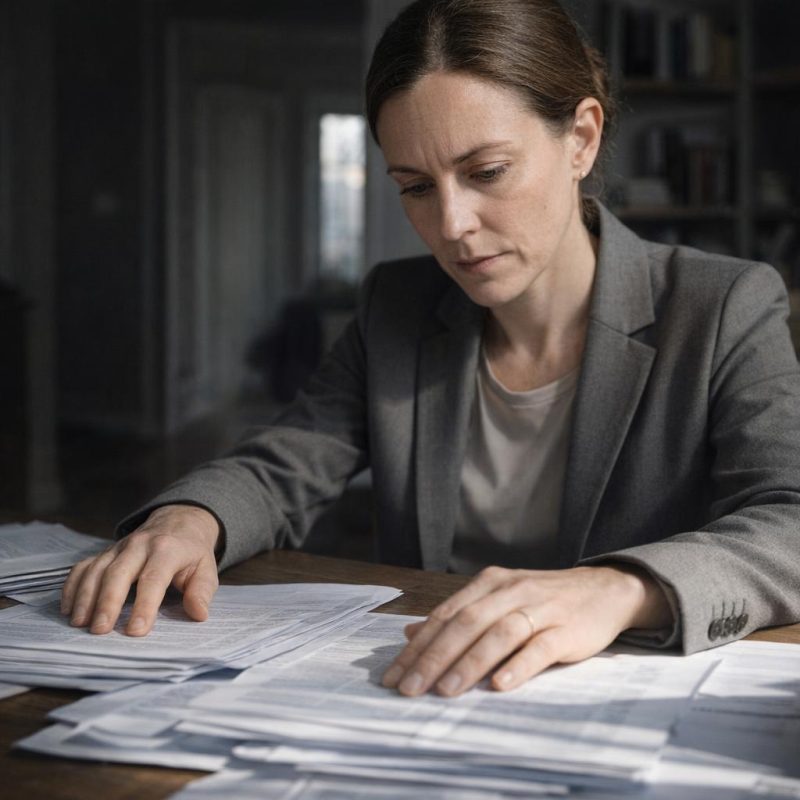 Image by RM AI
The Decision to Act
I sat at the desk for a long time with Arthur's files spread in front of me and the decision forming the way decisions do when you already know the answer and are just waiting for yourself to say it. I would take the evidence to the authorities. I would give them everything Arthur had built — every transaction, every recording, every thread of the network he had spent seven years documenting. I would finish what he had started. I knew what that meant. Cassandra had resources and a lawyer who moved like someone accustomed to winning, and she would not accept exposure quietly. The danger was real. I understood that clearly and without flinching. But Arthur had spent seven years in a life he hadn't chosen, gathering proof he might not live to deliver, protecting me from something I hadn't even known existed. He had done all of that alone. The least I could do was carry it the rest of the way. I looked at his handwriting on the folder tabs — neat, precise, the same handwriting I had known for twenty years — and I felt the weight of what he had left me settle into something that felt less like a burden and more like a purpose. I said it out loud to the empty room: I will finish this for you, Arthur.
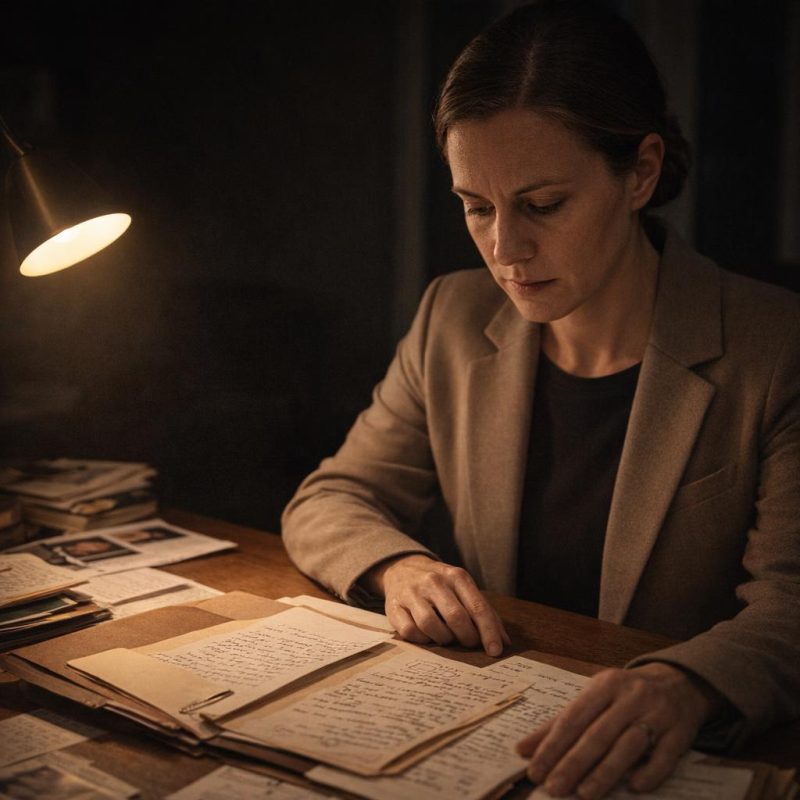 Image by RM AI
Consulting the Allies
I called Maggie first. I told her I needed her to come with me to the police station, that I had something important to share, and that I would explain everything when we got there. She didn't ask questions — she just said she'd be ready in twenty minutes. Detective Morrison agreed to meet us in a private room off the main corridor, the kind of room with a table bolted to the floor and fluorescent light that makes everyone look a little guilty. I spread Arthur's copies across the table in the order I had organized them: financial records first, then the recordings, then the seven years of documentation he had assembled with the patience of someone who knew he might not be there to see it used. I talked for almost an hour. Morrison listened without interrupting, taking notes in a small spiral pad, his expression giving nothing away except the occasional slight tightening around his eyes when something landed harder than expected. Maggie sat beside me the whole time, her hand resting near mine on the table. When I finished, Morrison said the evidence was substantial and credible, and that he would need to bring in financial crimes investigators immediately. I drove home afterward and sat in my kitchen in the quiet, and for the first time in weeks, the weight I had been carrying felt like something I was no longer holding entirely alone.
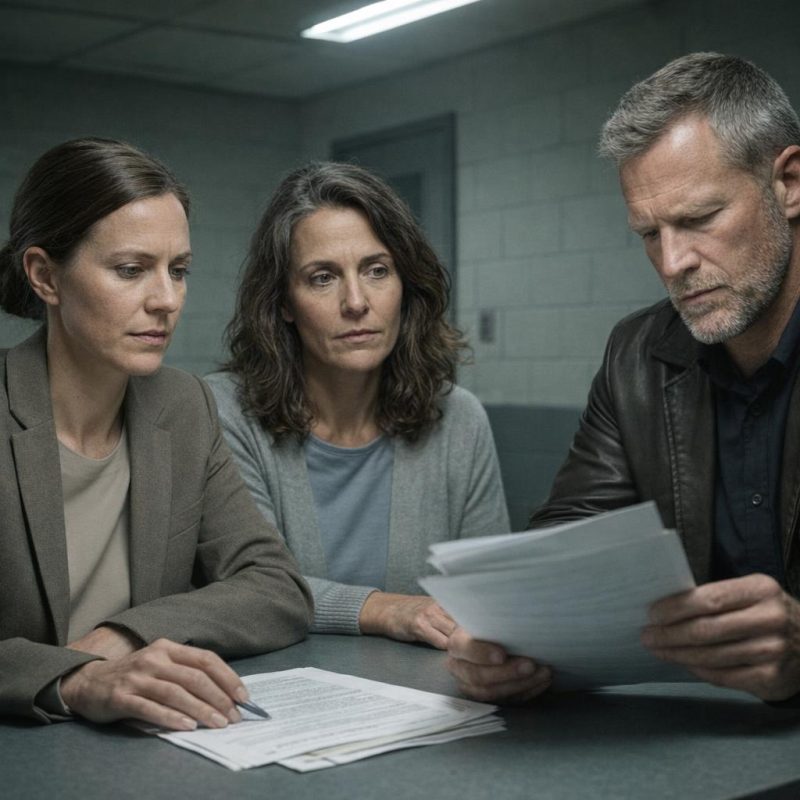 Image by RM AI
The Existing Investigation
Morrison excused himself and came back ten minutes later carrying a manila folder, thicker than I expected, with a tab along the top edge. He set it on the table between us and sat down without speaking for a moment, the way people do when they are deciding how much to say. Then he told me that Cassandra had been under investigation by the financial crimes unit for nearly two years. They had suspected money laundering — a sophisticated network of shell companies moving funds across multiple jurisdictions — but the operation was too carefully constructed to penetrate from the outside. Every lead they followed dissolved before it became evidence. The connections existed, Morrison said, but they couldn't prove them. They had surveillance reports, transaction patterns, names that kept appearing in the margins of other cases, but nothing that would hold in court. Arthur's files were different. Arthur had documented the internal architecture of the network from the inside, with timestamps and transaction records and recordings that established intent. Morrison said it plainly: the files provided the paper trail investigators had been unable to build on their own. He slid the folder toward me and opened it to the first page. Cassandra's name was printed across the top of a surveillance report dated eighteen months ago, and below it, in careful columns, were the same account numbers I had seen in Arthur's handwriting.
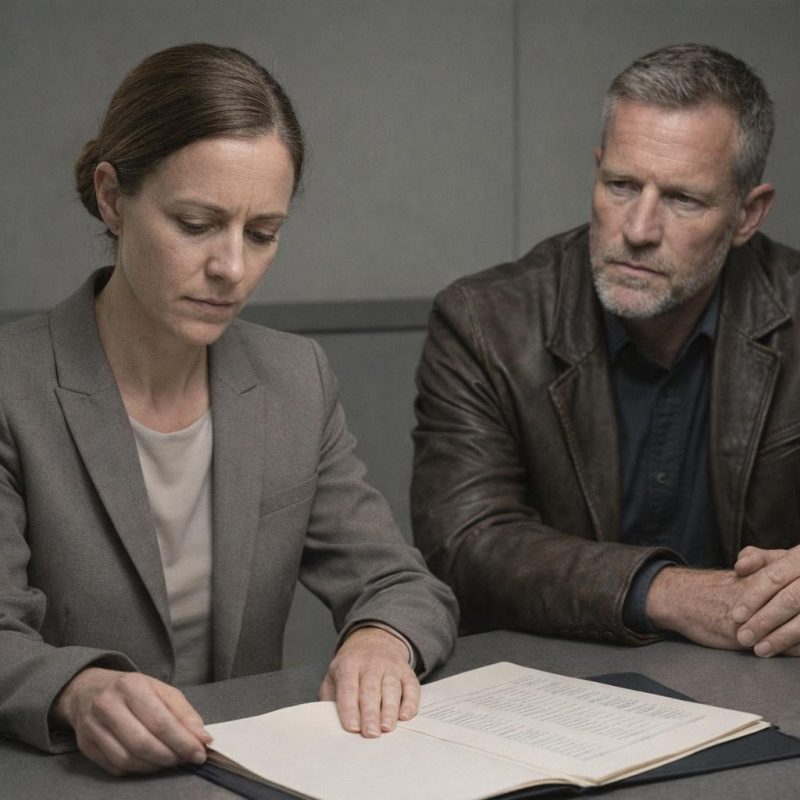 Image by RM AI
Cassandra's Final Offer
My phone rang on a Tuesday afternoon while I was sorting through the last of the copies I had made for Morrison's team. Cassandra's name appeared on the screen. I set down the papers, let it ring once more, and answered. Her voice came through tight and clipped, the polish still there but stretched thin over something underneath it. She said she wanted to make a final offer on the lake house — that she was prepared to be generous, that she understood we had gotten off on the wrong foot, that she hoped we could resolve things between ourselves like reasonable people. The number she named was more than three times what the property was worth. I told her the house wasn't for sale. There was a pause, and when she spoke again, the careful warmth had dropped another register. She asked what I wanted, then. I said I wanted the truth about Arthur. The silence that followed was long enough that I could hear her breathing — shallow and slightly uneven, not the measured breath of a woman in control of a conversation. She asked, very quietly, what I thought I knew. I told her I knew everything. The line stayed open for another few seconds, and then something in her voice shifted — not loud, not dramatic, just a hairline fracture running through the surface of it — and the composed widow I had been dealing with for months was simply gone.
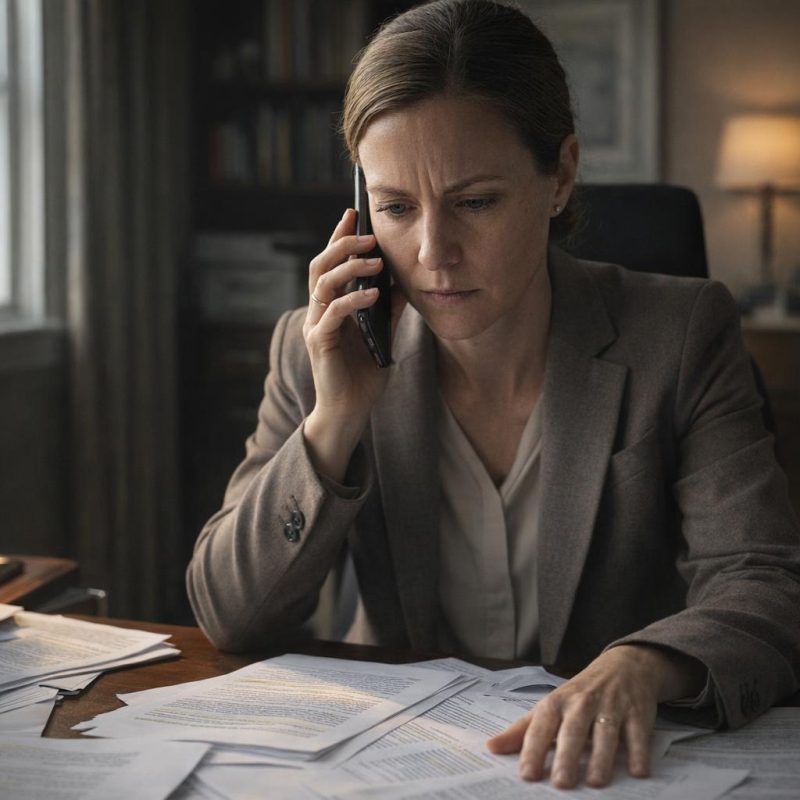 Image by RM AI
The Pretense Drops
Her voice went cold the way a room goes cold when a window breaks — sudden and total. She told me I was making a serious mistake. She said I didn't understand what I was dealing with, that I was a woman who kept books for a living and I should think very carefully before I decided to involve myself in things that were beyond me. I listened without interrupting. There was something almost clarifying about hearing it said plainly, without the widow's veil and the careful condolences. I told her that Arthur had spent seven years documenting everything — every transaction, every account, every connection she had forced him to maintain. I told her the authorities already had the files. I heard her breath catch. She asked what I meant by the authorities. I said exactly what I meant. Another silence, longer this time, and I could feel her working through the arithmetic of it on the other end of the line — what had been handed over, what could be proven, how much time she had left. She said my name once, flat and hard, like a period at the end of a sentence. I told her it was already too late. The line went quiet. Then the call ended, and I sat holding the phone in the stillness that followed, and the silence felt less like an absence and more like something finally, irrevocably settled.
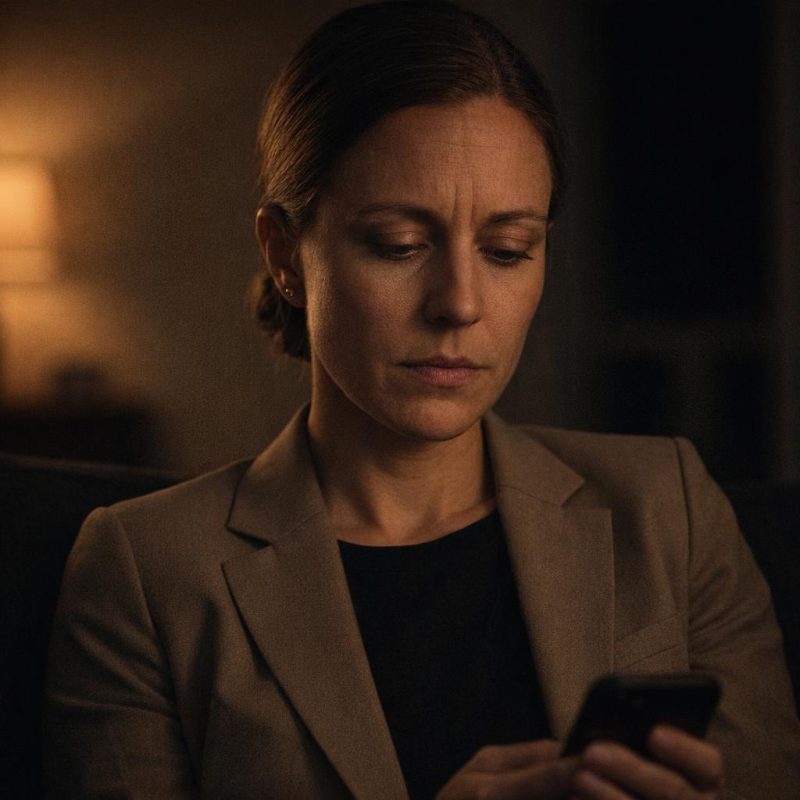 Image by RM AI
The Lake House Confrontation
Morrison and I were at the lake house by eight in the morning. He had two officers positioned outside — one at the tree line along the east side of the property, one near the boathouse — and he had asked me to stay inside and away from the windows until he gave the word. I made coffee I didn't drink and stood in Arthur's study looking at the shelves he had built himself the summer before everything changed. Morrison had told me she would come. The evidence suggested she had a secondary set of files stored somewhere on the property, something she hadn't been able to retrieve before the estate transferred, and she would not leave them in place once she understood what was happening. We heard the gravel shift at half past ten. I moved to the front room and Morrison stepped up beside me, close to the wall. Through the window I watched her get out of the car quickly, the way people move when they are trying to look purposeful rather than frightened. She was halfway up the front walk when I opened the door. She stopped. Her eyes went from my face to Morrison's, and whatever she had come prepared to do rearranged itself behind her expression into something harder and more careful. Then Cassandra's car sat silent in the driveway, and Morrison was already moving toward the door.
 Image by RM AI
The Arrest
Morrison asked her to come inside. She did, because there was nothing else to do, and because the officer who had materialized from the side of the house made the geometry of the situation clear. He told her she was under arrest. He listed the charges in the measured cadence of someone who had done this many times — money laundering, wire fraud, conspiracy — and each word landed in the room like something solid being set on a table. Cassandra stood very still through all of it. She asked for Marcus. Morrison told her she could call from the station. He asked if she understood her rights. She said yes, and the word came out flat and bitten-off, the last controlled thing she had left. The officers moved to either side of her and she let them, which surprised me — I had expected something louder, some final performance. Instead she just turned her head and looked at me. It wasn't hatred exactly, though there was that in it. It was something more like the look of a person recalculating, still searching for the variable she had missed. The handcuffs closed around her wrists with a sound that was smaller than I expected. They walked her out through the front door and down the steps Arthur had repaired the last autumn of his life, and her face in the morning light was drained of everything that had made her formidable.
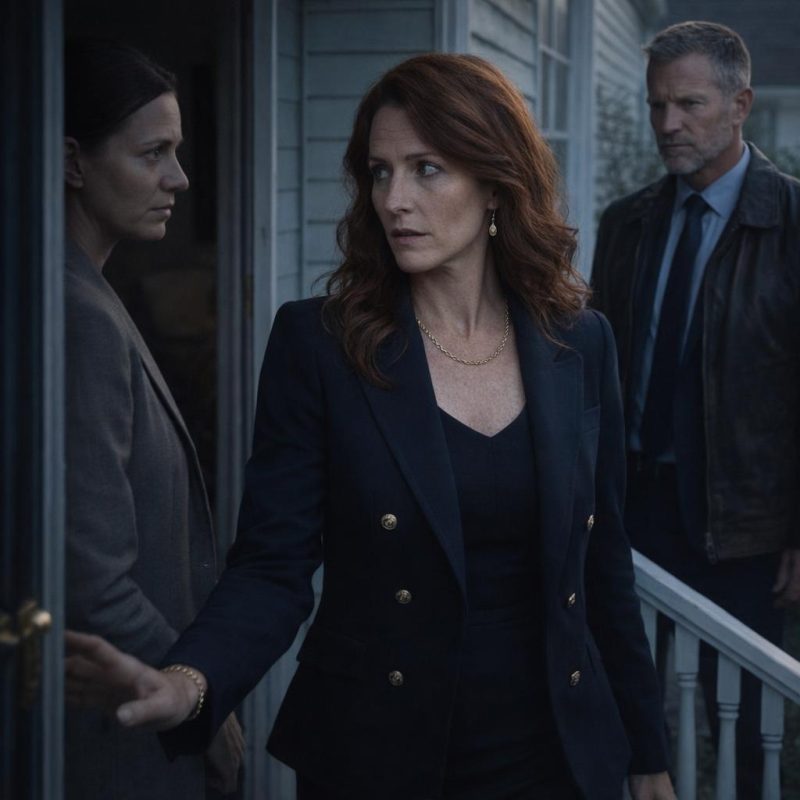 Image by RM AI
The Full Scope
Morrison called me back to the station four days after the arrest. He had a legal pad covered in notes and the look of a man who had not slept enough. He told me the investigators had spent those four days working through Arthur's files, and that what they found was larger than anyone had anticipated going in. Shell companies registered across eight countries. Hundreds of millions of dollars moved through layered accounts over the course of a decade. Names that connected to organized crime investigations in three separate jurisdictions. Arthur had documented not just Cassandra's operation but the entire network she was embedded in — the people above her, the people below her, the financial architecture that held it all together. Morrison said Arthur had gathered evidence that trained investigators with subpoenas and surveillance resources had not been able to obtain. He said it quietly, the way you say something when you want the weight of it to land without inflation. I sat across from him and thought about seven years. About a man keeping files in a lake house, building a case in the margins of a life he hadn't chosen, alone. Morrison set down his legal pad and looked at me directly. He said Arthur's work wouldn't just put Cassandra away — it was going to bring down an entire criminal organization.
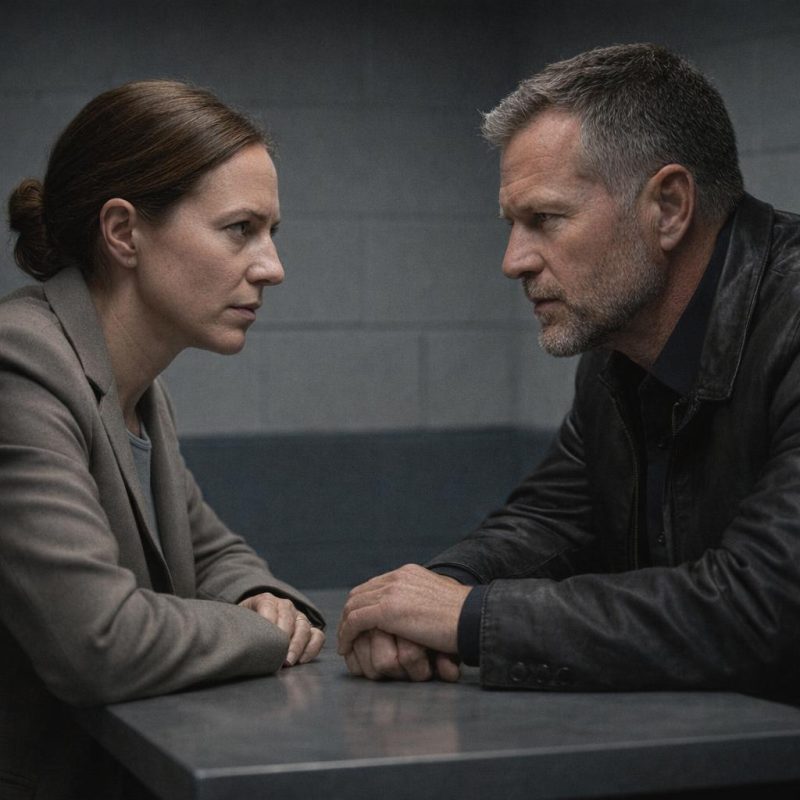 Image by RM AI
Murder Investigation
Morrison called me back to the station two weeks later. He sat across from me with a folder he didn't open right away, and I had learned by then that when he paused before speaking, what came next required space around it. He told me the investigators had requested Arthur's complete medical records as part of the case, and that the records had raised questions. The circumstances of his heart attack were unusual in ways that hadn't been apparent at the time of death — the speed of onset, the absence of prior indicators, certain markers in the tissue. Toxicology had been ordered. The preliminary results showed traces of a compound that can induce cardiac arrest and metabolizes quickly enough to evade standard post-mortem screening. He said Arthur's death was now being investigated as a homicide. He said Cassandra had motive and opportunity, and that Arthur had been weeks away from having enough to move against her when he died. I sat with that for a long time without speaking. I had understood, in the abstract, that Arthur had sacrificed years of his life to protect me. But sitting in that room under the fluorescent light, I understood something different and heavier — that he had not just given years. He had given everything, and it had been taken from him, and the grief that settled over me then had the particular weight of something that would not lift quickly or cleanly or perhaps ever entirely.
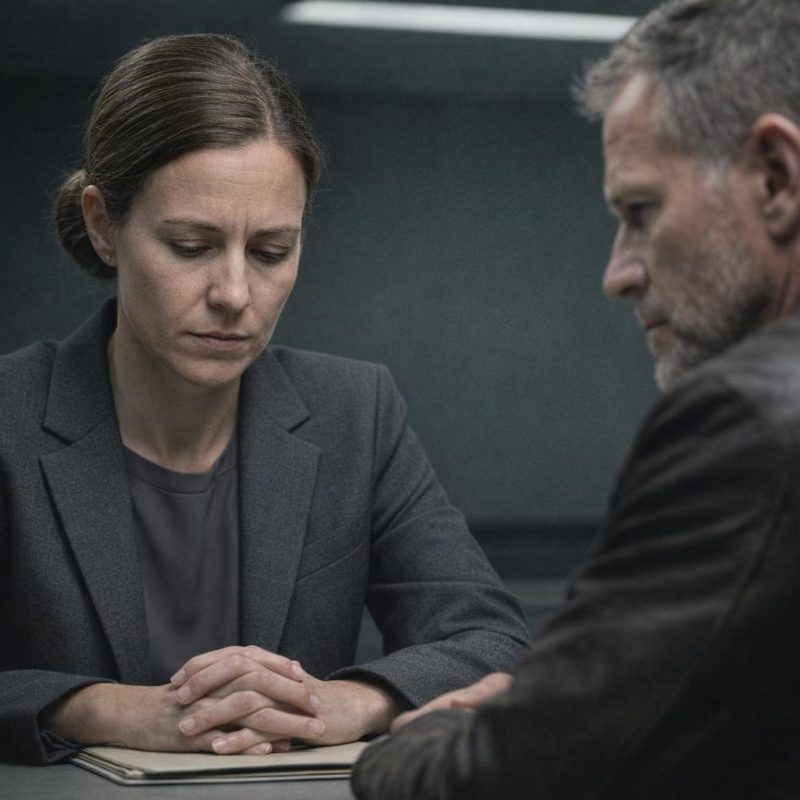 Image by RM AI
The Formal Statement
The interview room had a recorder on the table and a prosecutor named Heller who took notes in a precise, unhurried hand. Morrison sat to her left. I sat across from them both and told them everything — not in the order I had lived it, but in the order that made sense, the way you reconstruct a ledger after the fact, working backward from the balance to find where the entries went wrong. I described the will reading, the lake house, the loose floorboard, the USB drive. I described the encrypted files and the videos of Arthur speaking directly to a camera in a room I had since sat in myself. I explained the blackmail, the money laundering, the seven years he spent building a case he knew he might not survive to deliver. Heller asked about timelines and I gave her dates, amounts, file names — my accounting training doing what it was built to do, organizing chaos into something a court could follow. The statement took four hours. When it was finished, Heller slid the pages across the table one by one, and I signed each one. My name on every page, in ink, on the record. The accounting between Arthur and Cassandra was finally settled.
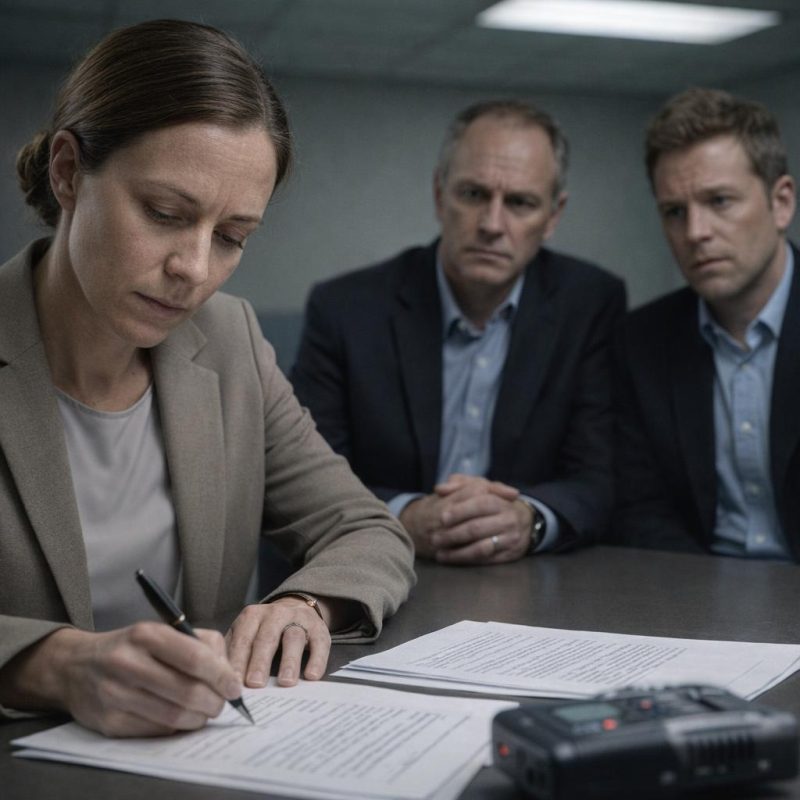 Image by RM AI
Processing the Truth
Three months after Cassandra's arrest, Maggie and I were back in our corner booth at the coffee shop we had been meeting at since our thirties — same orders, same window, same worn vinyl seat that had absorbed more of our conversations than either of us could count. I had not talked about Arthur, not really, not since the night I called her from the lake house parking lot barely able to speak. But that morning I did. I told her about the grief I had been carrying since Morrison's office — not the old grief, the one I had spent seven years building scar tissue over, but a new one, rawer and stranger. Grief for a man who had loved me the whole time. Grief for the years we lost to a lie neither of us chose. I said I wished I had known while he was still alive, and Maggie reached across the table and held my hand and said that Arthur had made sure I would know eventually, that it was the best he could do from where he was standing. I cried in a coffee shop for the first time in my adult life, and Maggie didn't say a word, just kept her hand over mine while the morning moved around us and the grief settled into something I could carry.
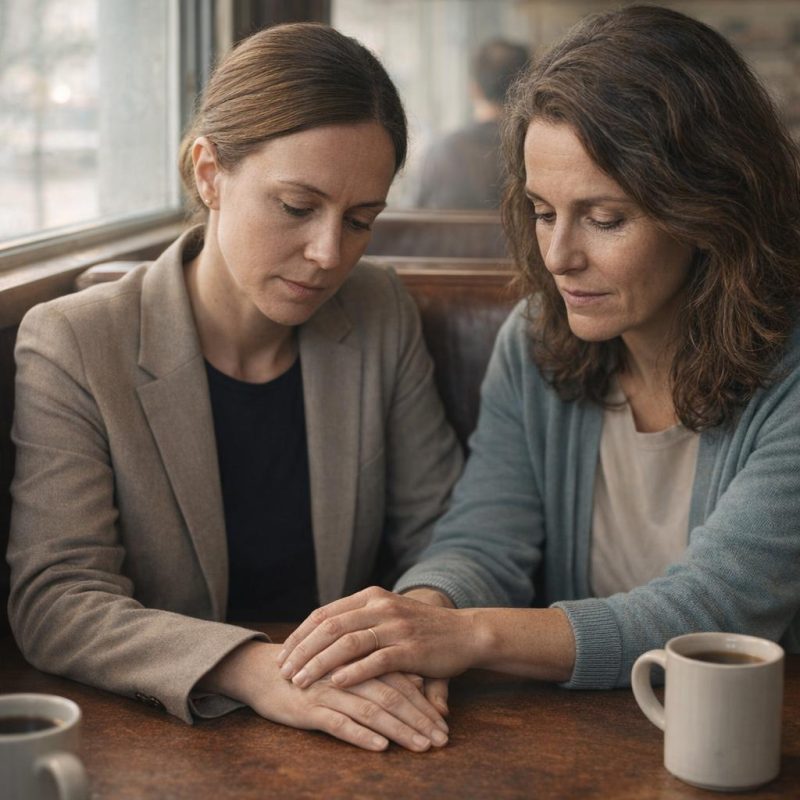 Image by RM AI
The Lake House Return
I drove to the lake house on a Saturday in early spring, when the road through the pines still had patches of old snow at the shoulders and the lake was the flat grey of unpolished pewter. I had not been back since the arrest. I walked through the rooms slowly, not looking for anything this time, just letting the place be what it was. I stood in the office doorway for a long time before I went in. The desk was the same. The floorboard was the same, though the drive was long gone, logged into evidence. I sat in Arthur's chair and thought about what it had cost him to sit here, night after night, building something he might never see used. He had not just given me the truth. He had made sure the truth was clean — that my name was nowhere in the wreckage, that when it all came apart I would be standing on solid ground. That was the architecture of what he had done, and sitting there I finally understood the full weight of it. He had loved me in the most careful, costly way he knew how. The lake was visible through the window, still and grey and patient, and the quiet of that room held everything he had left behind.
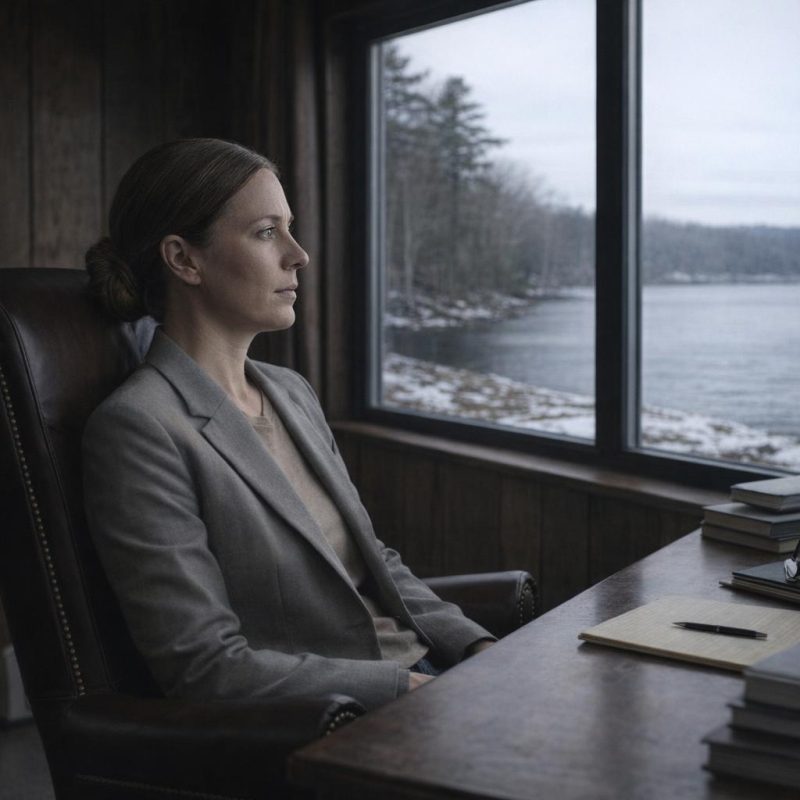 Image by RM AI
The Accounting Settled
I stood on the porch with my coffee going cold in my hands and looked at the water for a long time. I had been turning the question over for weeks — sell it, let it go, stop carrying something that belonged to a chapter I had already closed. But standing there that morning, I knew I wasn't going to sell it. Not because I wanted to preserve the past like something under glass, but because the lake house was never really about the past. Arthur had left it to me as a place where the truth could survive, and the truth had. What I did with it now was mine to decide. For seven years I had built a life calibrated around absence — routines that asked nothing of me, a careful smallness that kept the grief at a manageable distance. Arthur had spent those same seven years trying to give me back something larger. I understood that now. The accounting between us was settled, not in debits and credits but in something that didn't fit any ledger I had ever kept — in love, in sacrifice, in the particular faith of a man who believed I was worth protecting even when he couldn't say so. I locked the front door, walked to my car, and drove home toward whatever came next.
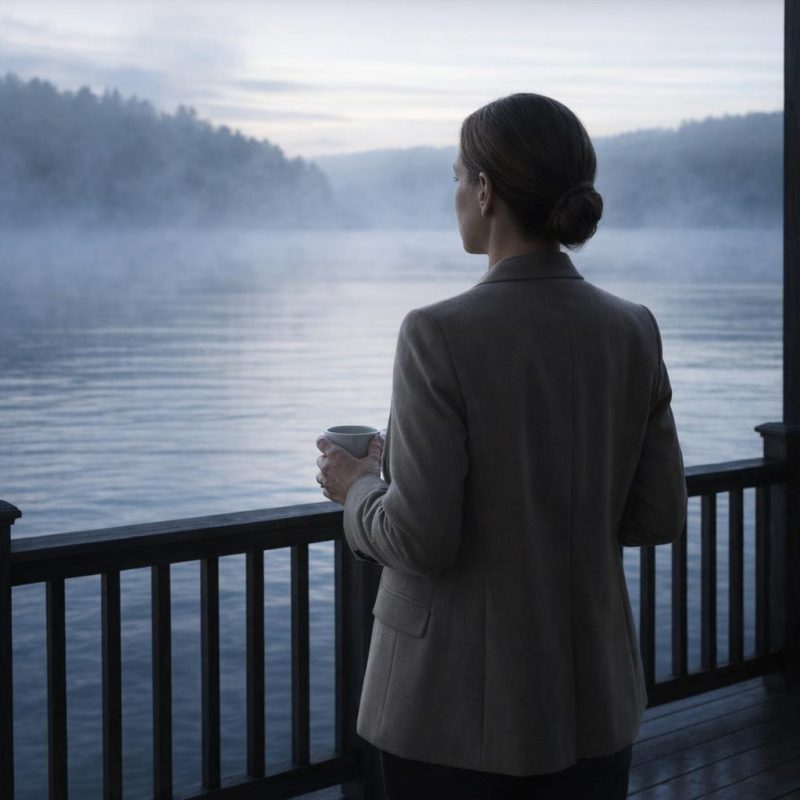 Image by RM AI
KEEP ON READING
20 People In History Who Got Revenge In The Pettiest…
Documented Grudges. History tends to celebrate the bold move, the…
By Cameron Dick Jun 26, 2026
20 Ordinary Citizens Who Became Robin Hood-Style Outlaws and Defied…
Viva Revolution. History loves to focus on kings and queens,…
By Sara Springsteen Jun 26, 2026
20 People in History Who Charmed Their Way to the…
Charisma Has Always Opened Doors. History is full of people…
By Emilie Richardson-Dupuis Jun 26, 2026
20 Insane Things People In the 1800s Thought Would Keep…
Part Science, Part Guesswork. Doctors might not have all the…
By Annie Byrd Jun 26, 2026
How a Deformity Made This Man an Urban Legend
Alex Fu on PexelsThere's a stretch of road in western…
By Christy Chan Jun 25, 2026
The Deadly Beer Flood That Sounds Too Strange To Be…
en.wikipedia.org on GoogleOn the afternoon of October 17, 1814, a…
By Cameron Dick Jun 25, 2026