

 Svetlana Zhigulskiy on Unsplash
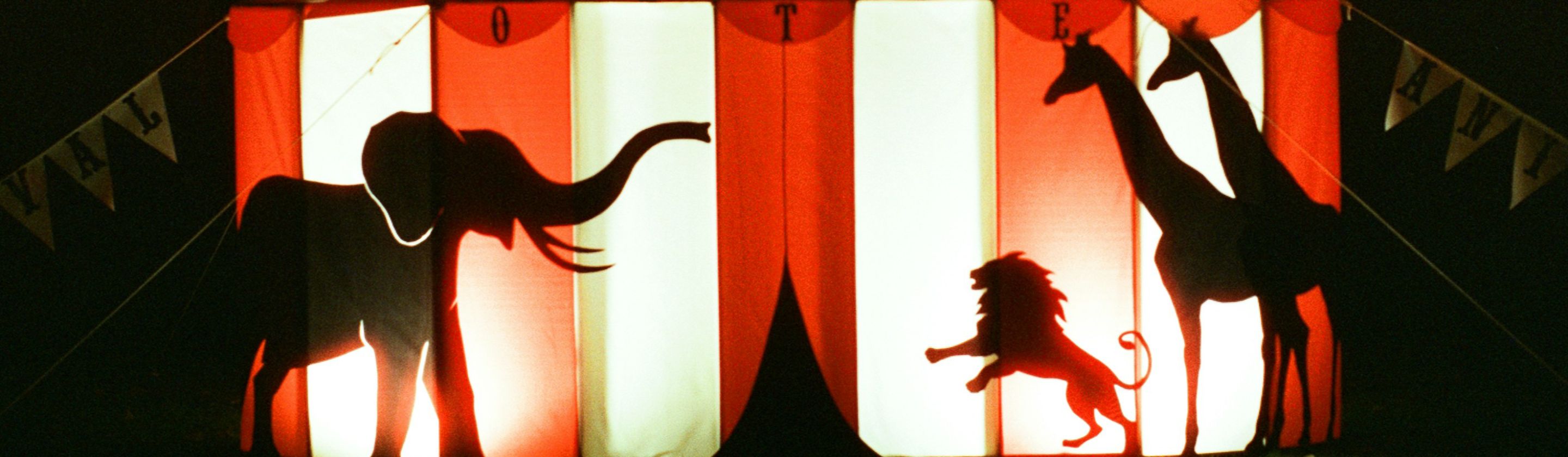
The history of training circus animals goes back much farther than what we think of today. There was no striped tent, brass band, or trainers stepping into the ring. People have watched animal performances for centuries. From the seats, a horse moving in rhythm or a lion responding to a handler can look almost easy. The longer story behind those acts, though, is much more complicated.
Circus animal training doesn't have a singular origin story. It grew from older traditions that slowly crossed paths, including ancient public shows, military riding, traveling animal collections, and show-business marketing. For a long time, these acts were a big reason people bought tickets. Over the years, they also became one of the most debated parts of circus history.
Ancient Spectacles
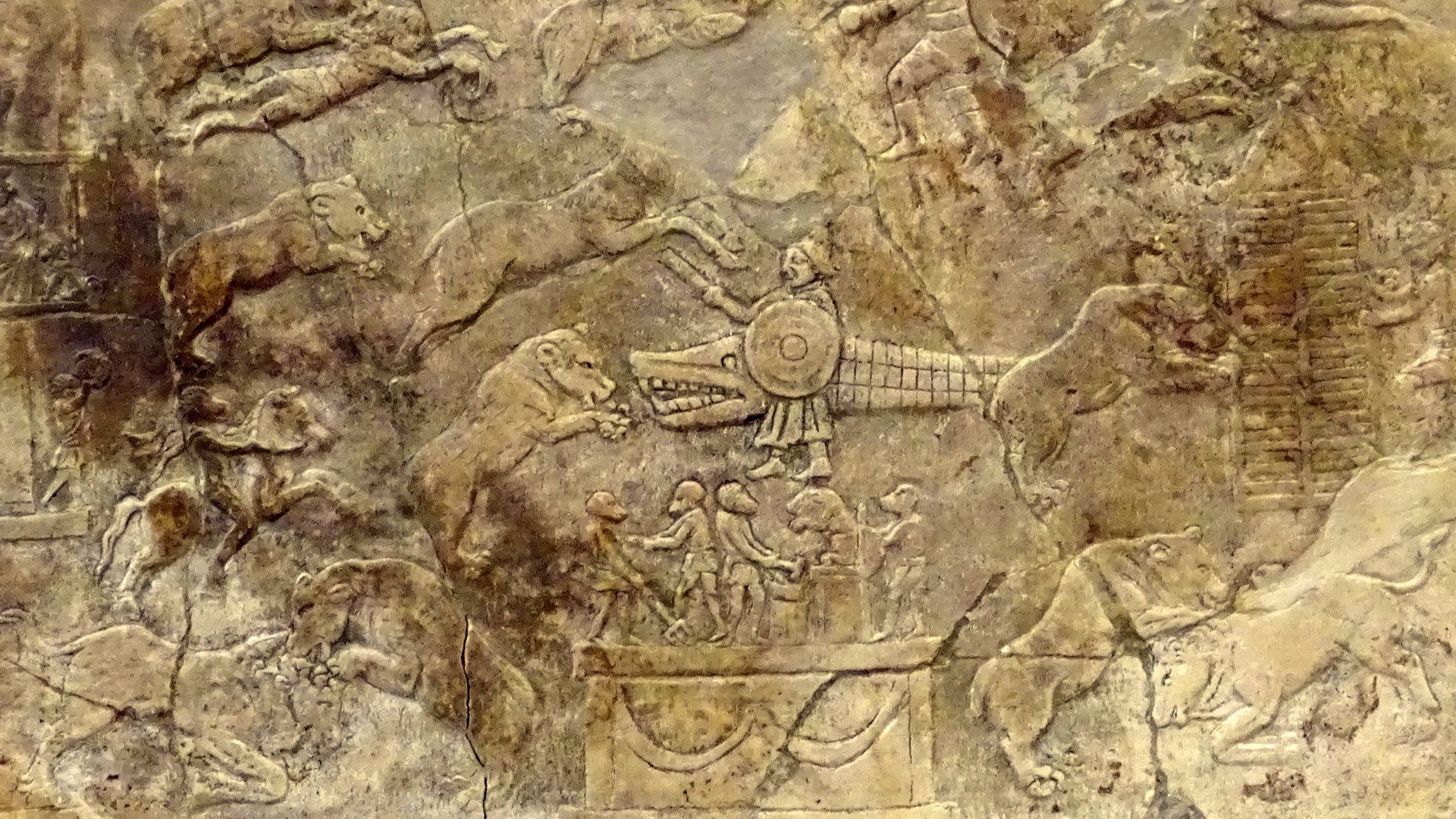
The Roman games give us an early look at animals being placed at the center of public entertainment. The Metropolitan Museum of Art notes that ancient sources described trained animal acts, including elephants walking a tightrope, lions retrieving hares without hurting them, and a handler placing his head inside the mouth of a big cat.
Unfortunately, these animal shows were often brutal. The same Met essay explains that these poor animals were also used in arena hunts and mass killings, including thousands slaughtered during major imperial games. These events mixed training, display, violence, and power in ways that can feel hard to look at today. In those settings, animals weren’t just there to entertain; they also stood for conquest, wealth, distance, and control.
That said, it's clear that there is a direct line between ancient Rome and the circus we know today. Roman games show how long people have been drawn to animals placed inside a planned public event. Audiences responded fervently, cheering and jeering at something wild brought under human control. Centuries later, modern circus animal acts would draw on a similar interest.
Horses And Menageries
The modern circus is often traced back to Philip Astley, an English cavalryman and trick rider who began giving horse-riding performances in London in 1768. Astley was a central figure in the creation of the modern circus and explains that his circular riding space helped shape the circus ring people still recognize today, despite the animals changing.
Initially, horses made sense as the foundation of early circus performance. In the 18th century, people were already familiar with our large four-legged companions. BnF/CNAC, the French circus arts archive, describes Astley’s circus as developing based on the trained horse and horse-based theater. A trained circus horse could bow, kneel, rear, move in formation, or carry a rider through difficult tricks, which made horsemanship the center of the early circus.
Wild animals eventually entered the circus through traveling menageries, collections of exotic animals shown to paying crowds. Many people didn’t have any other chance to see lions, elephants, monkeys, sea lions, or other 'rare' creatures. BnF/CNAC explains that the 19th-century trade in exotic animals allowed circuses to change their programs by adding these animals to their programs. It's also understood that this was the beginning of closer human-animal training, as performers began entering cages and doing reward-based work.
Welfare Concerns Changed The Ring

By the late 19th and early 20th centuries, animal acts had become a major part of the circus business. At this point, horses still played a big role, while elephants, big cats, monkeys, and other animals added new and exciting elements to the show. In the United States, huge touring circuses used railroads, posters, parades, and famous animals to sell the experience. Smithsonian Magazine describes the American circus as part of Gilded Age big-business culture, with the largest railroad shows buying up other circuses and building larger operations.
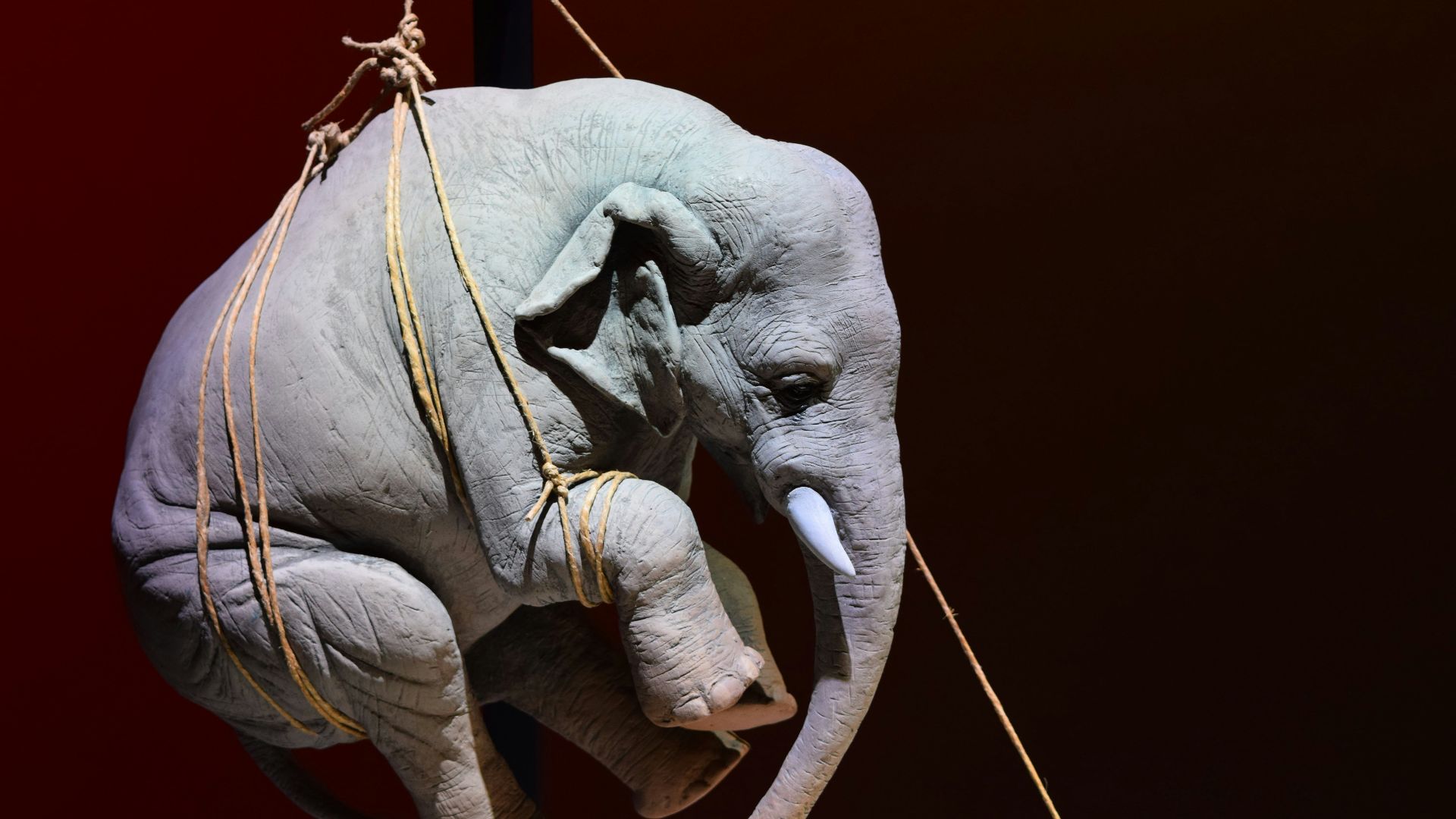
No circus animal became more closely tied to the old American big top than the elephant. Elephants appeared in parades, performed in rings, and gave audiences a powerful image of size, distance, and spectacle. Britannica’s overview of Ringling Bros. and Barnum & Bailey places that combined show among the best-known names in American circus history. By the 20th century, the elephant had become almost inseparable from the public image of the traditional circus.
As the years passed, more people began looking beyond the performance itself. The old thrill of seeing trained animals started to bring up concerns about confinement, transport, training, and daily care. The Animal Welfare Act, signed in 1966, created federal oversight for certain animals used in research, exhibition, transport, teaching, testing, and commerce. These federal rules also cover public handling, supervision, rest periods, and exhibition conditions for animals. Ringling Bros. retired its performing elephants in 2016, later returning without animal acts, and England’s Wild Animals in Circuses Act 2019 made it illegal for a circus operator to use a wild animal in a traveling circus in England if the animal performs or is shown as part of the circus.
The history of training circus animals isn’t a simple story of charm or cruelty alone. It includes skilled riders, careful handlers, ambitious showmen, exotic animal trades, lawmakers, and us, the audience. What once looked like pure wonder now comes with harder questions about what animals experienced before and after the spotlight. That’s why this history still matters, even as many animals have left the ring.
KEEP ON READING

The Origins Of 3 Common Sayings You Still Use Today
Etienne Boulanger on UnsplashMany of the phrases you use every…
By Rob Shapiro Apr 28, 2026
Was Caligula The Most Ruthless Roman Emperor?
Artur Matosyan on UnsplashRoman Emperor Caligula is one of ancient…
By Rob Shapiro Dec 18, 2025
1 Weird Fact About Every President
Washington, Lincoln, FDR. Most people know something about the lives…
By Robbie Woods Dec 3, 2024
10 Accidental Discoveries That Changed Maps & 10 That Changed…
Mistakes That Mattered. A lot of major discoveries did not…
By Cameron Dick Apr 15, 2026
10 Actors Who Perfectly Played a Historical Figure & 10…
Which Performance is Your Favorite?. Playing the role of a…
By Rob Shapiro Sep 15, 2025
10 Actors Who Perfectly Played a Historical Figure & 10…
Portraying a real person from history is one of the…
By Noone Dec 17, 2025