

My Brother Inherited Our Father's Priceless Collection and Kicked Me Out in 48 Hours—So I Made One Phone Call That Destroyed His Empire
My Brother Inherited Our Father's Priceless Collection and Kicked Me Out in 48 Hours—So I Made One Phone Call That Destroyed His Empire
The Weight of Silence
He died on a Tuesday, which felt wrong somehow — Father was always a Sunday kind of man, unhurried and deliberate. I stood in his study the morning after, still in the clothes I'd slept in, and the room felt like it was holding its breath. The collection was everywhere, the way it had always been: the brass sextants lined up on the east shelf, the first-edition Bowditch open to the tide tables, the row of marine chronometers in their mahogany boxes, each one wound to a different meridian. I had been winding them for years. Father taught me the sequence when I was eleven — which ones needed a half-turn, which ones you never touched before noon. Julian had been gone by then, already chasing something shinier in the city. I was the one who stayed. I catalogued every piece, researched every provenance, learned to clean escapements with a brush so fine it looked like a single hair. The collection wasn't just furniture to me. It was the language Father and I shared when we didn't have other words. I moved through the room slowly, not touching anything, just being there. The funeral was set for the following week. Outside, a car passed on the gravel drive. Inside, the clocks had always ticked — and now they didn't.
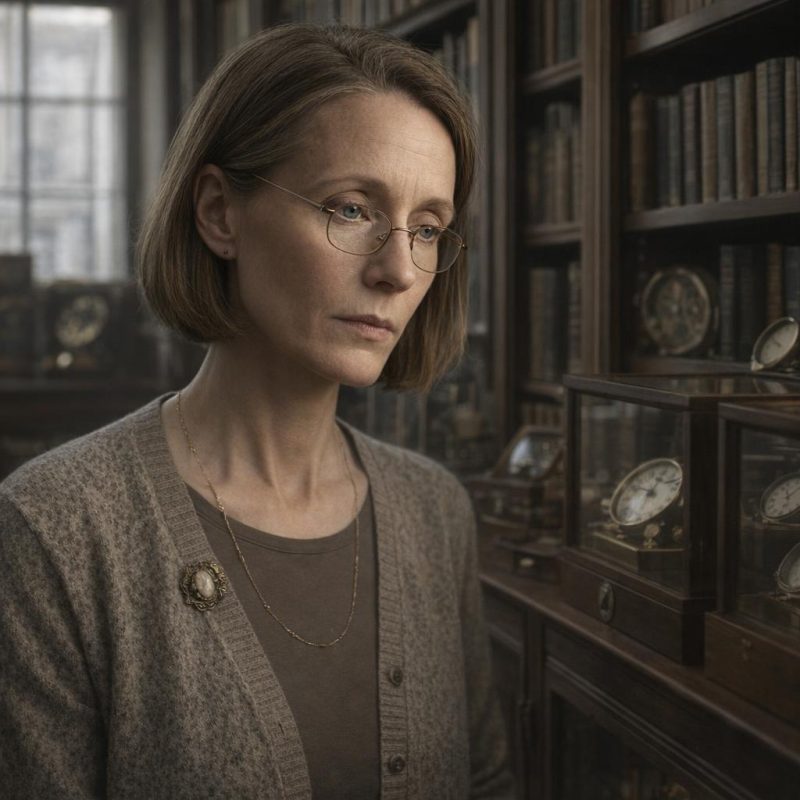 Image by RM AI
The Prodigal Son Returns
Julian arrived the day before the funeral in a black SUV I didn't recognize, followed by a second one carrying two men in suits who moved like they were billing by the hour. He hugged me at the door — one of those shoulder-pat hugs that lasts exactly long enough to look sincere — and then he was already past me, phone in hand, scanning the entrance hall like he was pricing it. The service was held in the library, which felt right to me and probably felt like a venue to him. I spoke about Father's obsession with accuracy, about the way he could spend three hours adjusting a single clock and call it a productive afternoon. Julian's eulogy ran about four minutes. He talked about Father's 'vision' and his 'legacy of value,' and I noticed he never once mentioned a specific object, a specific afternoon, a specific anything. At the reception, he stood near the fireplace with his two assistants, speaking in low tones while the neighbors offered condolences to an empty chair. He told me he'd be staying at the manor to 'handle estate matters,' and something about the phrase felt too prepared, too ready in his mouth. I told myself it was grief. People handle things differently. But then the service started again in my memory, and I saw him — head down, thumb moving — checking his phone during the eulogy.
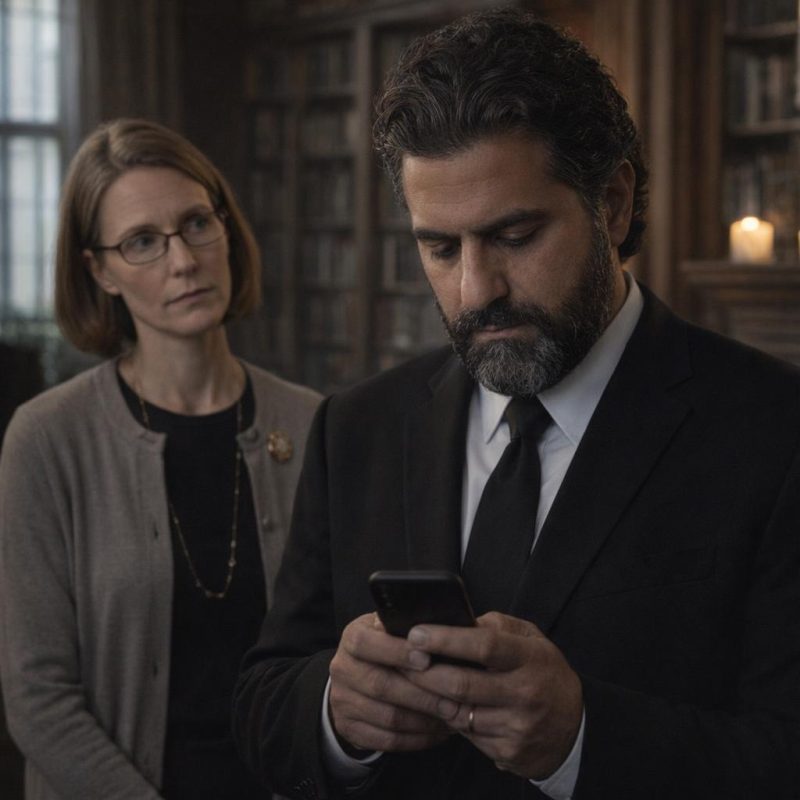 Image by RM AI
The Amended Will
The estate lawyer arrived two days after the funeral, a quiet man with a soft briefcase who set up at the library table like he'd done this a hundred times, which he probably had. I sat across from Julian, my hands folded in my lap, telling myself to stay calm. Father had always been fair. Eccentric, yes. Secretive about certain things, yes. But fair. The lawyer read through the standard language first — the preamble, the executor clauses — and I found myself looking at the shelves behind him, at the Dent chronometer Father had bought at auction in Edinburgh the year I turned twenty. Then the lawyer said Julian's name. And then he said it again. And then he said the manor. And the collection. And the accounts. I waited for my name. It didn't come. Not for a specific bequest, not for a single piece, not even for the cataloguing notes I'd spent a decade compiling. The lawyer mentioned, almost as an aside, that the will had been amended six months ago. I sat very still. Julian thanked the lawyer with the ease of a man confirming a reservation he'd already made. The lawyer packed his soft briefcase and left. I stayed in my chair, staring at the Dent chronometer on the shelf, and the weight of Julian's satisfied silence filled the room like something solid.
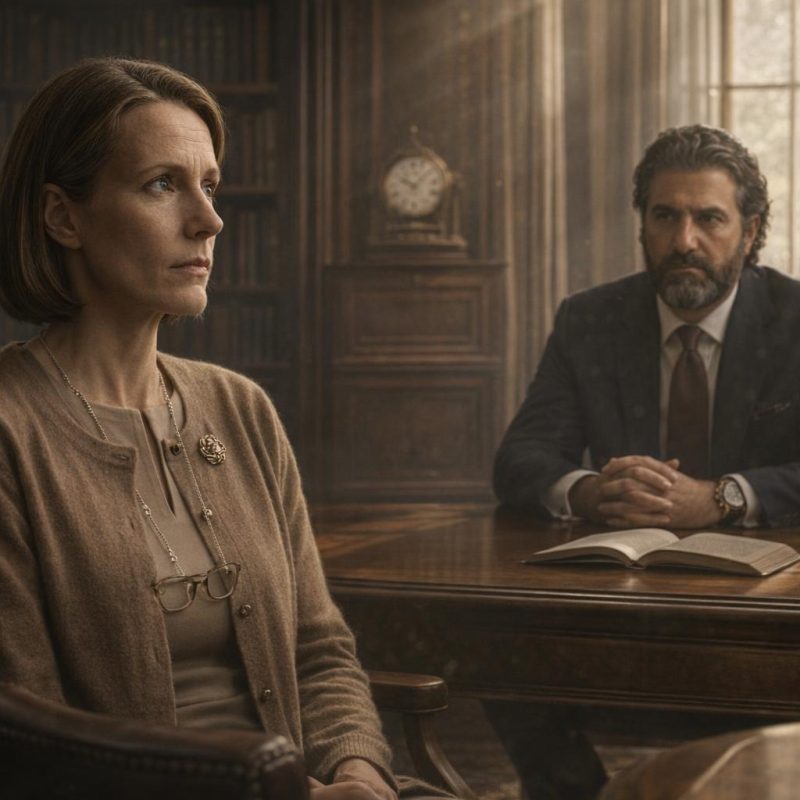 Image by RM AI
The Timeline
I took the will documents to my room that night and read them until the words stopped making sense. The amendment date was printed clearly at the top of the addendum: six months ago, which put it squarely in the middle of Father's final hospitalization. I had been there every day. I remembered the smell of the ward, the particular squeak of the third-floor corridor, the way Father's hands looked smaller against the hospital blanket. He had been sedated for most of it, confused when he wasn't. I had read to him from a monograph on Harrison's marine timekeepers because it was the only thing I could think to do. Julian had visited twice. I counted back. Twice in three weeks. At dinner that evening, Julian mentioned — casually, between bites — that Father had wanted to ensure the collection was 'properly managed going forward.' He said it the way people say things they've rehearsed until they sound unrehearsed. He suggested, still very casually, that I had never really had the business acumen for assets of this scale. I didn't argue. I sat with the documents in my room afterward, turning the amendment date over in my mind, and the hollow feeling of being erased settled into me like cold air through an old window.
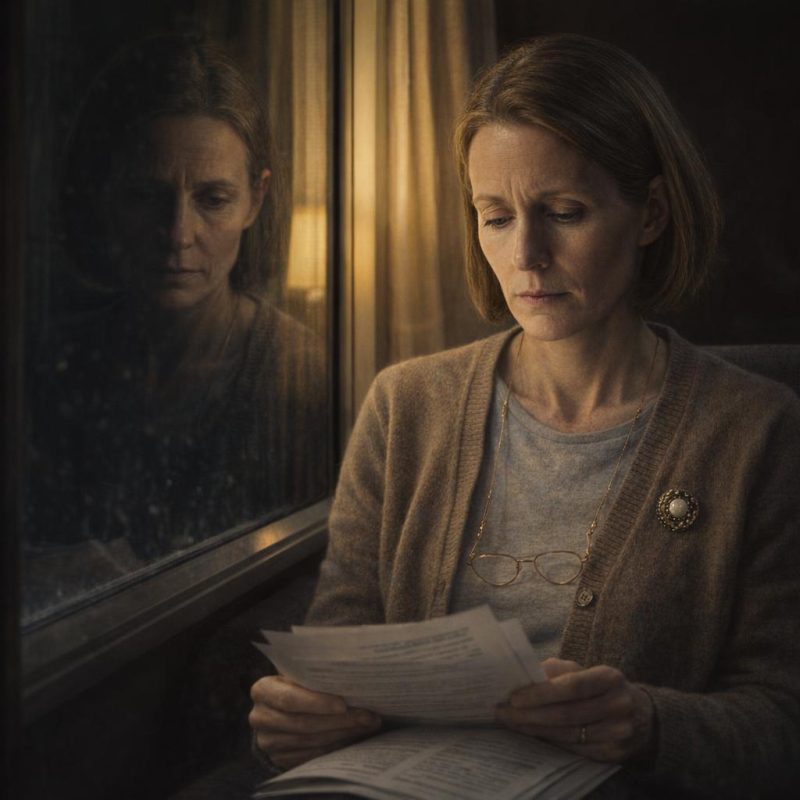 Image by RM AI
The Liquidation Plan
He announced it at breakfast, between his second cup of coffee and a phone call he didn't bother to step away for. The collection would be sold. All of it. He'd already contacted three auction houses and two private buyers, and he wanted everything appraised and listed within three weeks. I set down my fork. I asked about Father's papers, about the provenance files, about the pieces that had specific conservation requirements — the vellum star charts, the ivory-inlaid compass that couldn't be exposed to direct light. Julian looked at me the way people look at someone who has just explained the rules of a game that's already over. He said he was hiring professionals. I offered to help with documentation, to at least make sure the buyers understood what they were acquiring. He said that wouldn't be necessary. I asked, carefully, whether he'd considered keeping any of it — even one or two pieces, for the family. He said his real estate business needed liquidity after some recent setbacks, and that sentiment didn't pay carrying costs. I watched him refill his coffee. Something about the speed of all this felt wrong to me, though I couldn't have said exactly why — maybe I was overthinking it, reading urgency where there was only impatience. Then he picked up his phone again and said the collection was 'just inventory waiting to be monetized,' and I sat there, unable to move.
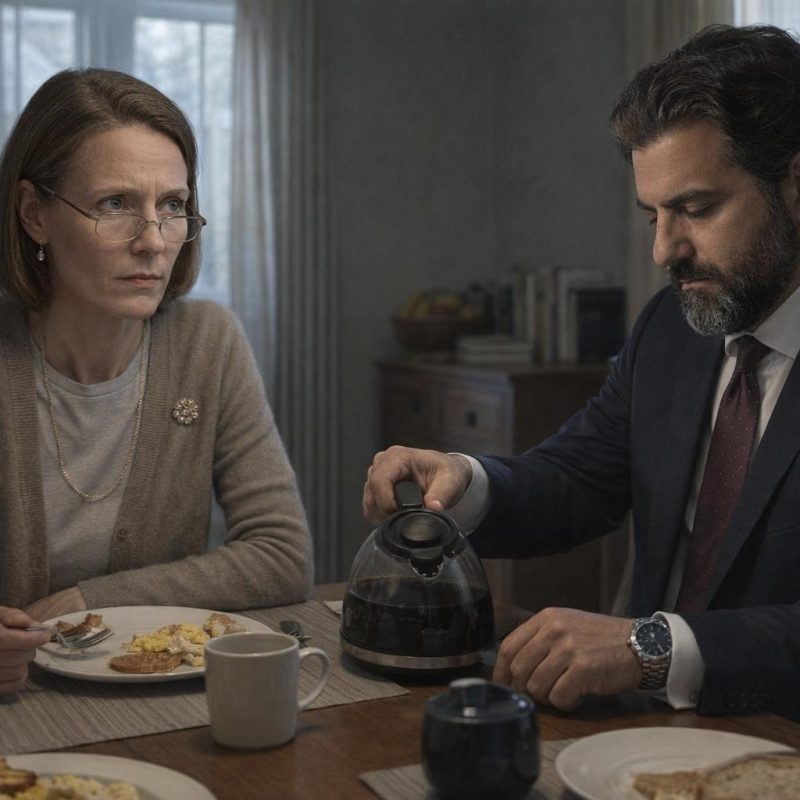 Image by RM AI
The Invasion
They arrived Monday morning: three of them, with clipboards and rolls of neon-green stickers and the brisk efficiency of people who had never once wondered what an object was for beyond what it might fetch. Julian had moved into Father's master bedroom over the weekend — I heard him in there Sunday night, the unfamiliar sound of someone else's footsteps on those particular floorboards. By Monday afternoon, the green stickers were everywhere. On the barometer in the hall. On the set of parallel rules Father had used to teach me dead reckoning. On the Dollond telescope that needed its lens cloth changed every six weeks and couldn't be stored horizontally. I followed one of the assistants into the instrument room and watched him pick up the 18th-century sextant by its arc — the wrong way, the way that puts stress on the index arm — and I said, quietly, that it needed to be held by the frame. He looked at me like I'd spoken in a foreign language and kept moving. Julian appeared in the doorway and told me his team knew what they were doing. I didn't push it. I stood in the corridor while their voices echoed through the rooms late into the evening, and I watched a stranger press a neon-green sticker onto the face of Father's favorite chronometer.
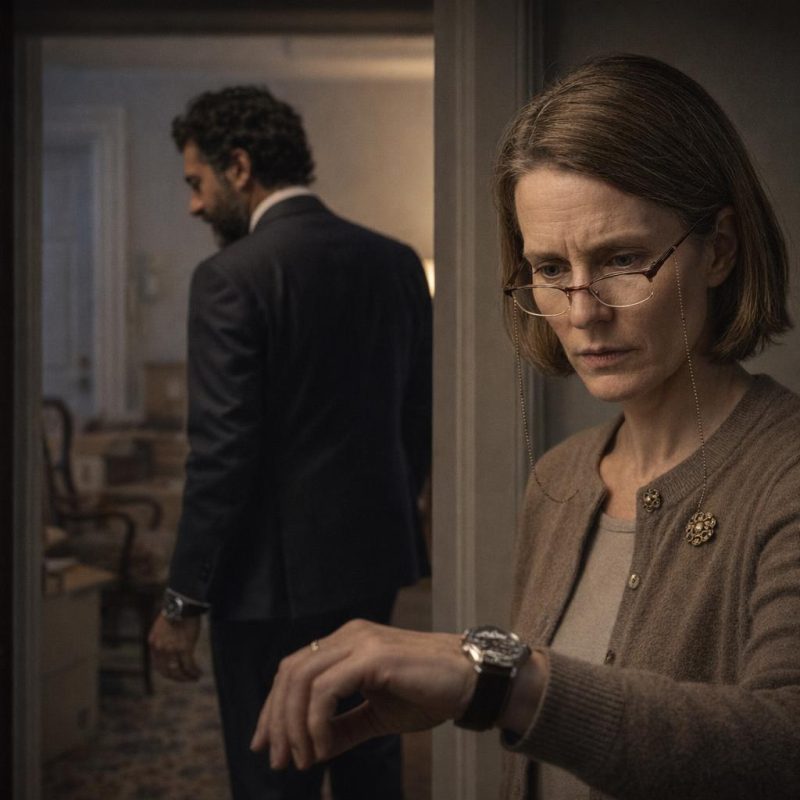 Image by RM AI
The Celestial Globe
I heard him in the library before I saw him, the sound of crates being dragged across the parquet floor Father had refinished in 1987 and never let anyone walk on in outdoor shoes. Julian was packing himself, which surprised me — I hadn't thought he'd want to get his hands that close to anything without a middleman. He was moving fast, pulling items from the shelves and dropping them into open crates with the focus of someone clearing a desk before a flight. I stood in the doorway. He picked up the celestial globe — the 17th-century one, Dutch, with the hand-painted constellation figures and the original meridian ring still intact — and I took a half-step forward. There was no acid-free paper in the crate. No foam, no cloth, nothing. I said his name. He glanced at me, then back at the globe, and set it down into the crate. I offered to show him the proper wrapping technique, the way you support the meridian ring separately so the pivot points don't bear the weight. He said he didn't have time for museum protocols. I kept my face still. I kept my voice level. And then came the sound — that flat, dense knock of old wood against cardboard — and something inside me went very quiet and very cold.
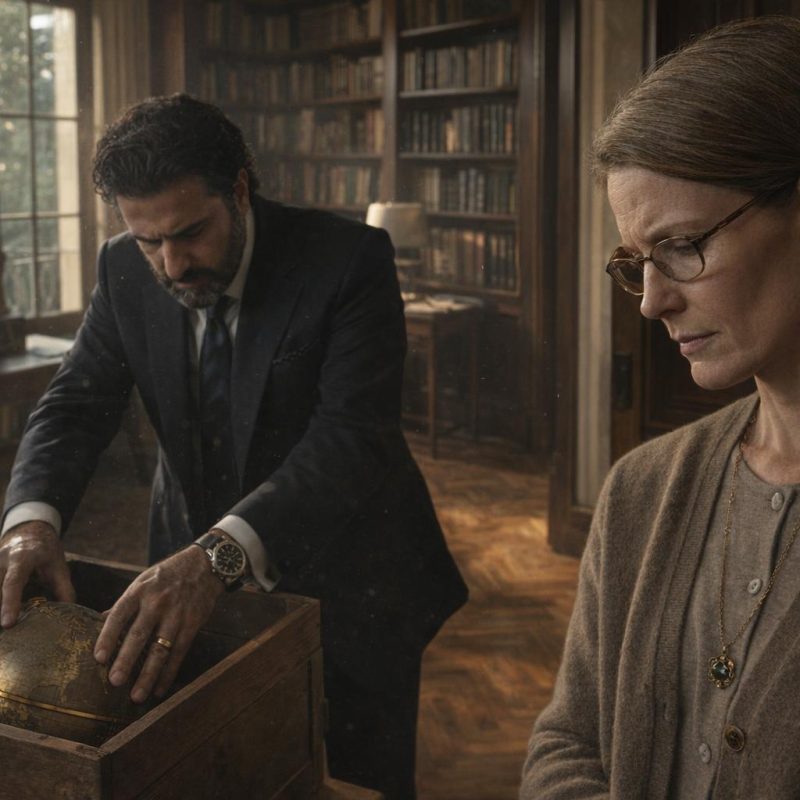 Image by RM AI
The Squatter
I heard it first through the wall of the sitting room, Julian's voice carrying the way it always had when he wasn't thinking about who was listening. 'She's still here,' he said, and the tone was the tone you use for a pipe that hasn't been fixed yet. After that I started noticing the pattern. He would walk into whatever room I was in, trailing an assistant, and begin a conversation as if I weren't there — discussing square footage, discussing access, discussing timelines. I would gather my things and leave, because the alternative was making a scene, and I had never been good at scenes. He ate dinner at the table I had set, phone to his ear, not looking up. His assistants began appearing in doorways to ask if I could 'clear out' so they could finish the inventory. I kept to my routine as best I could — checking the humidity levels in the instrument room, making sure the chronometers were wound — small acts of maintenance that felt increasingly like arguing with the tide. One morning I passed the mirror in the upstairs hall and caught my own reflection and had to stop for a moment, because I looked like someone who was trying very hard not to take up space. The house I had lived in for most of my adult life had simply stopped registering me as part of itself.
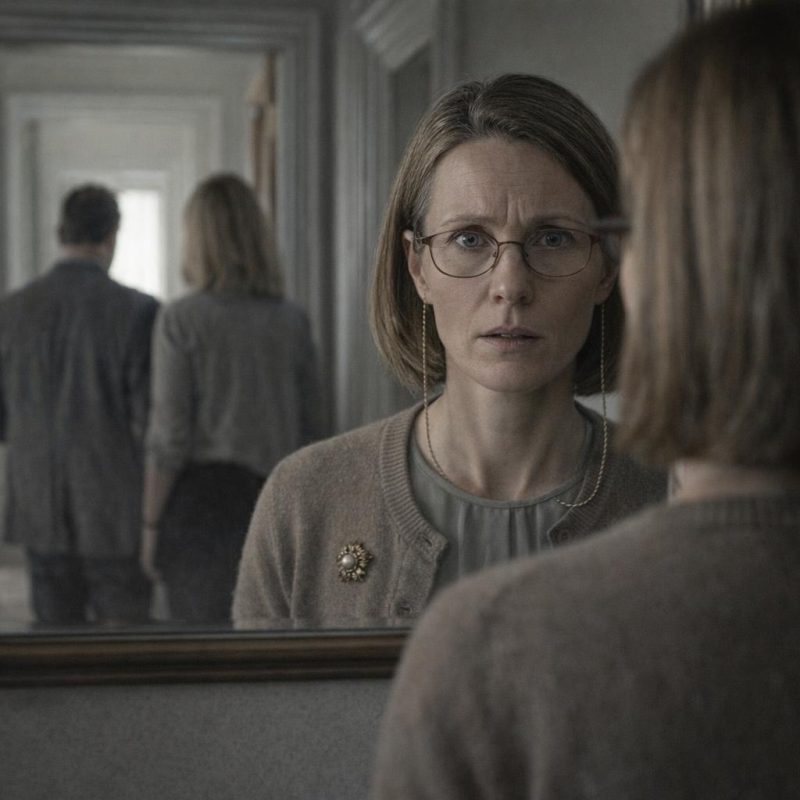 Image by RM AI
The Price Tags
I walked through the manor that morning with a cup of tea I never finished, and by the time I reached the library I had stopped counting the neon-green stickers. They were everywhere — small, adhesive, aggressively cheerful — affixed to the spines of first editions, to the bases of chronometers, to the underside of chairs that had been in the family longer than Julian had been alive. The library had been reorganized. Not by subject, not by period, not by the careful thematic logic Father had spent forty years refining, but by estimated value, descending. The Darwin — the first edition, the one Father had wrapped in acid-free tissue every winter — wore a sticker that read $45,000 in someone's block handwriting. The dining room table, where I had eaten breakfast for the better part of three decades, had been tagged at $12,000 and photographed from four angles for a digital catalog I hadn't been consulted on. I noticed they were using Father's catalog numbers. They were not using his provenance notes. The maritime instruments had been grouped together in a single lot regardless of century, regardless of maker, regardless of the stories attached to each one. I stood in the doorway of the instrument room for a long time, and the house around me felt like a word I no longer knew how to pronounce.
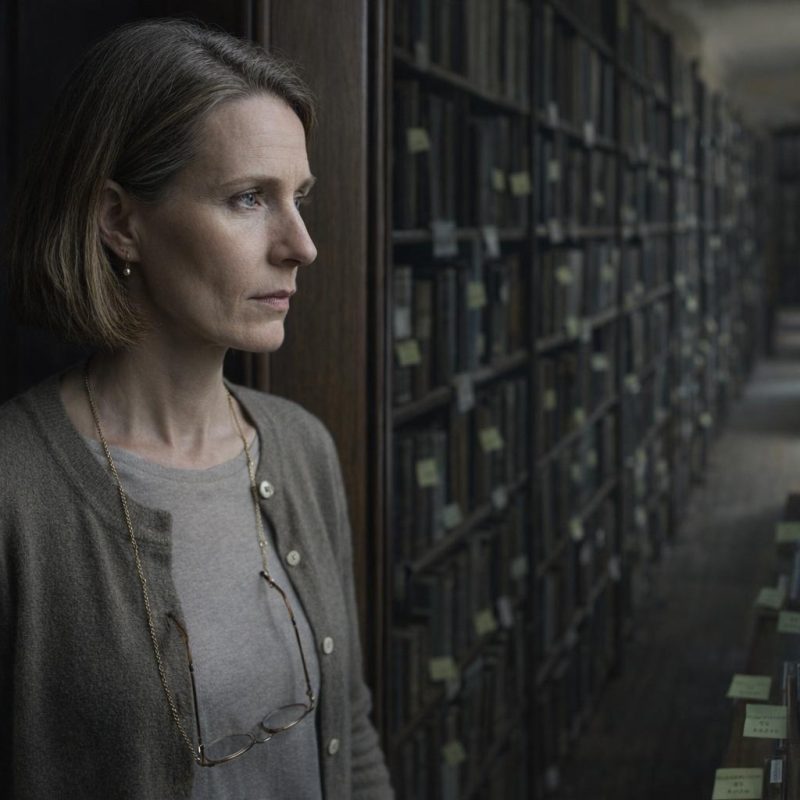 Image by RM AI
The Eight-Figure Valuation
Julian insisted I join him for dinner, which should have been my first warning. He was in the kind of mood that requires an audience, the expensive Burgundy already open, Father's cellar apparently now his cellar. He talked through the appetizers about square footage and market timing, and somewhere between the main course and the second glass he mentioned the number — eight figures, preliminary, from a private equity group he'd been in conversation with for weeks. He said it the way people say things they've been rehearsing. I asked what would happen to the collection's integrity once it was dispersed across private buyers. He laughed. Not unkindly, just with the particular dismissiveness of someone who finds the question genuinely baffling. 'Integrity doesn't pay the bills,' he said, and refilled his glass. He mentioned, almost as an aside, that his real estate business had experienced some unfortunate setbacks recently — the kind of setbacks, I gathered, that required eight-figure solutions. He raised his glass and toasted to finally getting what we deserve. I held mine and did not drink. He didn't notice. He was already talking about a shore house in the Hamptons, describing the view from a deck he hadn't yet purchased, and I sat there listening to him spend money that hadn't arrived yet from a sale that hadn't happened yet — and something about the speed of it all felt deeply, specifically wrong.
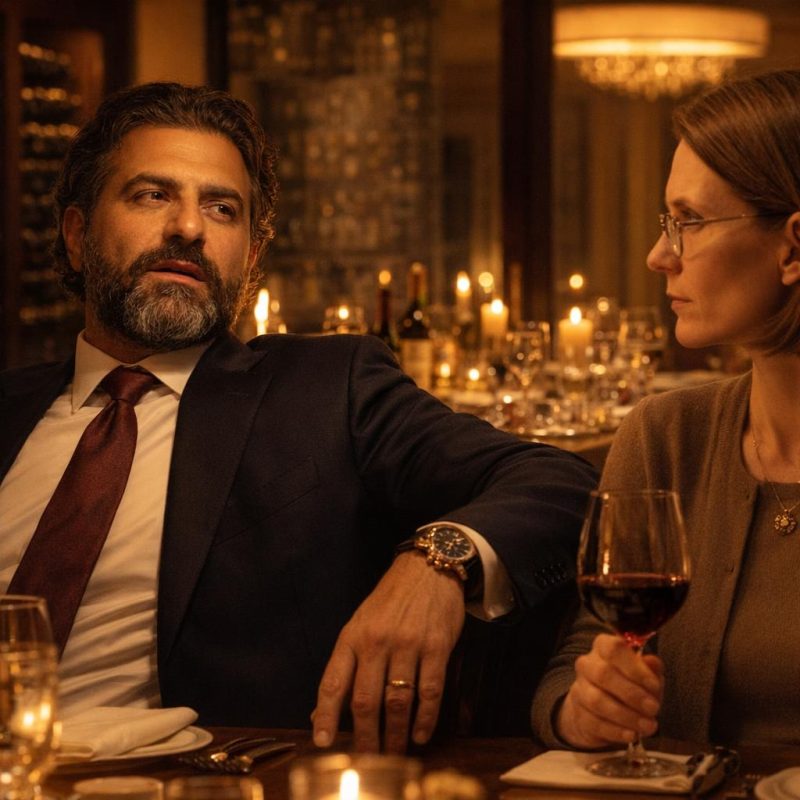 Image by RM AI
Forty-Eight Hours
He slid the envelope across the breakfast table between the coffee pot and the marmalade, as if it were a piece of toast. Formal letterhead, his solicitor's name embossed at the top, my name typed in the address field with the clinical precision of someone who had stopped thinking of me as a person and started thinking of me as a complication. Forty-eight hours. I had forty-eight hours to remove my personal belongings from the only home I had ever known. Julian explained, in the tone of someone conferring a favor, that there was a relocation stipend attached — quite generous, he said — provided I signed the accompanying document releasing all claims to the estate. He had already found some apartment listings in the city. Small places, he said, but perfectly adequate for one person. He told me I should be grateful he was handling the messy side of things so I didn't have to. I asked where, precisely, he expected me to go in forty-eight hours. He looked at me the way you look at someone who has asked a question with an obvious answer. I picked up the envelope. I did not sign anything. Julian seemed satisfied by my silence, interpreting it, I suppose, as the quiet acceptance of someone who had finally run out of options. The envelope sat in my hands, thick and deliberate, heavier than paper had any right to be.
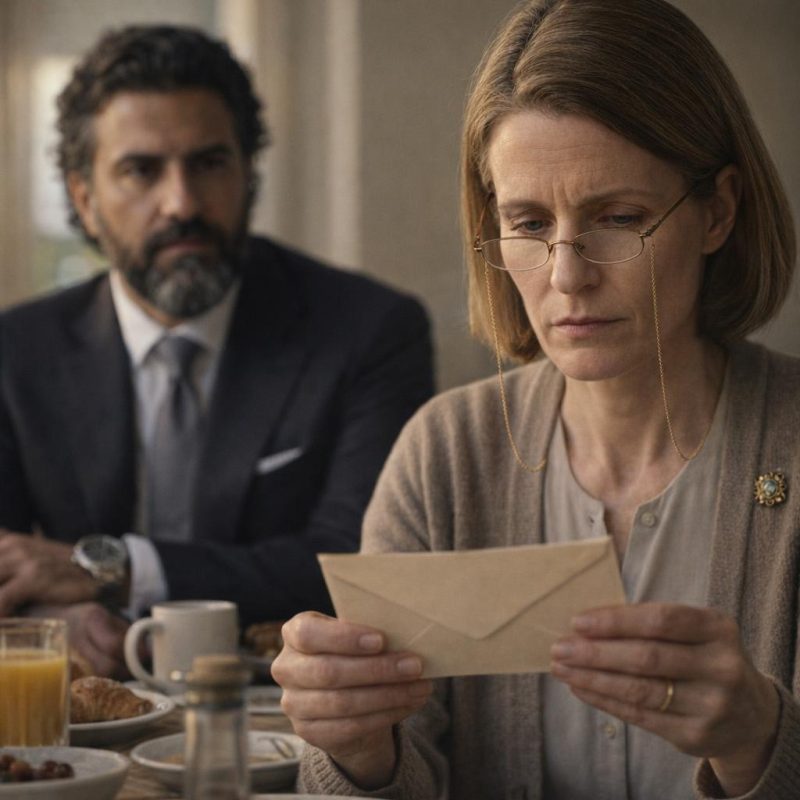 Image by RM AI
The Professional Opinion
I called Catherine from my room with the door locked and my voice low, the way you speak when you're in a house that has started listening for you. I had known her for years through the auction circuit — she was the kind of professional who made other professionals feel slightly underprepared — and I trusted her judgment the way I trusted a well-calibrated instrument. I explained Julian's plan as plainly as I could: the entire collection, liquidated, three weeks. There was a pause on her end that I recognized as the pause of someone choosing their words carefully. She asked whether proper provenance documentation had been assembled. I told her Julian had hired a friend to do the appraisal. Another pause, shorter and less diplomatic. She said that major auction houses required extensive documentation for high-value estates — acquisition records, export histories, chain of custody going back decades in some cases. She mentioned that international sales required export licenses and customs declarations that could take months to process correctly. I asked, as neutrally as I could manage, what happened if those weren't obtained. Her tone shifted into something I could only describe as careful. She said it could attract federal attention. I thanked her and set the phone down on the windowsill. Outside, Julian's team was loading equipment into a van. I sat with what Catherine had just told me, and the silence in the room felt like it had changed texture.
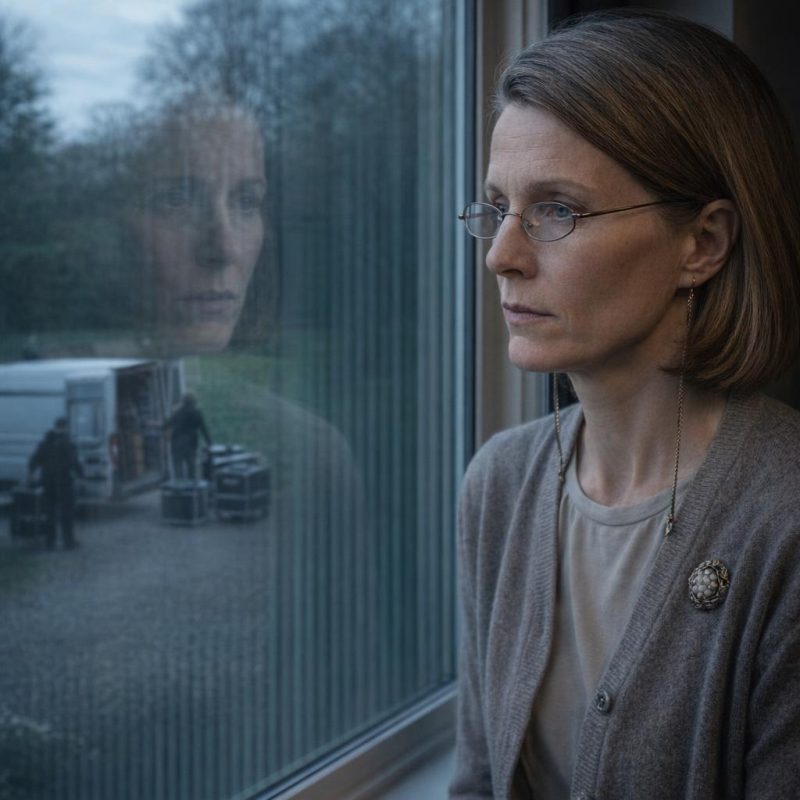 Image by RM AI
The Cursory Appraisal
Marcus Hendricks arrived at ten in the morning with an expensive watch and a briefcase that looked like it had been purchased for the occasion. Julian introduced him as the best appraiser in the business, which was the kind of claim that collapses under the weight of a single follow-up question, so I didn't ask one. I recognized him from photographs Julian kept on his phone — country club events, charity golf tournaments, the kind of social infrastructure that substitutes for professional credentials. Marcus moved through the collection the way tourists move through museums: quickly, photographing things with his phone, nodding at intervals. I offered to walk him through Father's catalog system, the provenance files, the acquisition ledgers going back to the 1970s. He thanked me and said he had his own methods. His methods, as far as I could observe, involved taking photographs and discussing Julian's real estate portfolio. He did not open a single provenance file. He did not check a single serial number against any registry I recognized. He did not ask about country of origin for any of the overseas acquisitions, and there were several that would have warranted the question. I stood near the doorway of the library and watched him sign off on valuations with the confidence of a man who had never been wrong because he had never been tested. Then I heard him tell Julian, from the next room, that everything looked clean and ready for immediate sale.
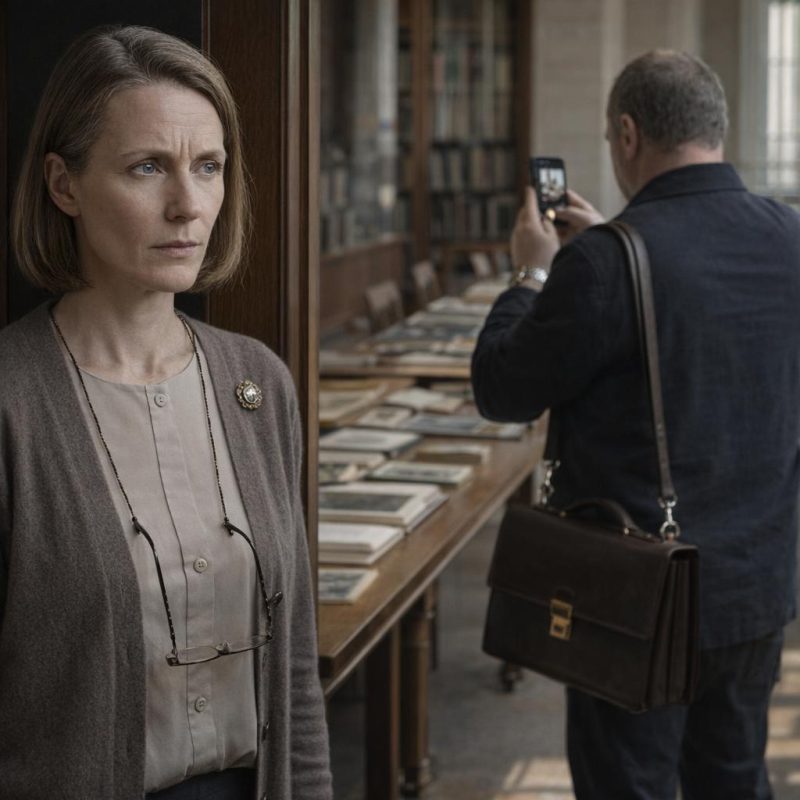 Image by RM AI
The Ignorance
Marcus laid his report on the library table with the quiet ceremony of someone presenting a diploma. It was a tidy document — values listed, photographs appended, totals summed at the bottom — and it contained, as far as I could see, not a single line of provenance research. Julian flipped through it the way you flip through a menu when you've already decided what you want. He asked Marcus about the timeline for getting items to auction. Marcus said it was straightforward: sign the contracts, arrange transport, done. I asked, from my chair near the window, about export licenses for the pieces acquired overseas. Julian waved his hand in the general direction of the past. Father had handled all that decades ago, he said. Marcus nodded and agreed that old acquisitions didn't require new paperwork, which was the kind of confident wrongness that only flourishes in rooms where no one is checking. I mentioned, carefully, that international registries had been digitized in recent years and were now cross-referenced across jurisdictions. Julian looked at me with the patient exasperation of someone explaining gravity to a person who keeps floating. I was overthinking it, he said. This was a simple estate sale. He picked up Marcus's report and signed the bottom page without reading the disclaimer paragraph, which ran to six lines and contained, I noted, three separate liability exclusions. I said nothing further and excused myself from the room.
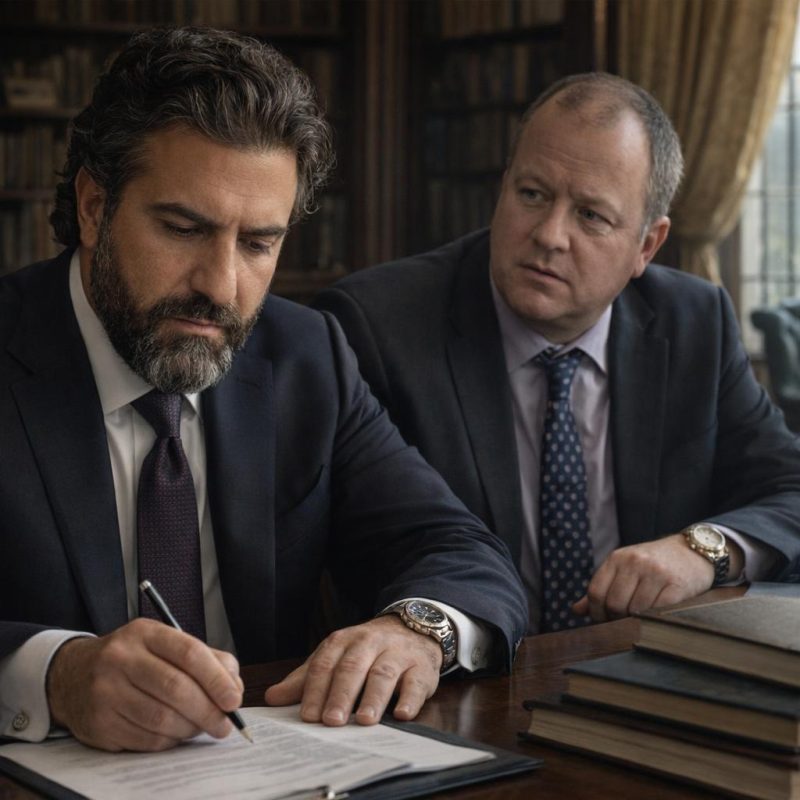 Image by RM AI
The Cryptic Warnings
I lay awake past two in the morning, which had become a habit since the envelope arrived, and I found myself back in the hospital room where Father had spent his final lucid days. He had gripped my hand with more force than I expected from someone that diminished, and he had been agitated in a way the nurses attributed to the medication. He kept returning to something he called the Blackwood Problem — a name I hadn't recognized then and hadn't been able to place since. He said some of the collection's doors were better left closed. He said it more than once, in slightly different words, the way people repeat things they're afraid won't be heard. At one point he held my hand very still and told me the collection was like a house of cards — that one wrong move could bring the whole thing down — and I had nodded and told him to rest, because I thought he was confused. I had assumed it was the medication talking. I had assumed a great many things in that room that I was no longer certain of. He had said something else, near the end of that visit, something I had filed away without examining: Julian must never know. He had lost consciousness before I could ask what Julian must never know, or why, or what exactly it was that needed protecting. I lay in the dark and turned the phrase over, and it no longer sounded like confusion.
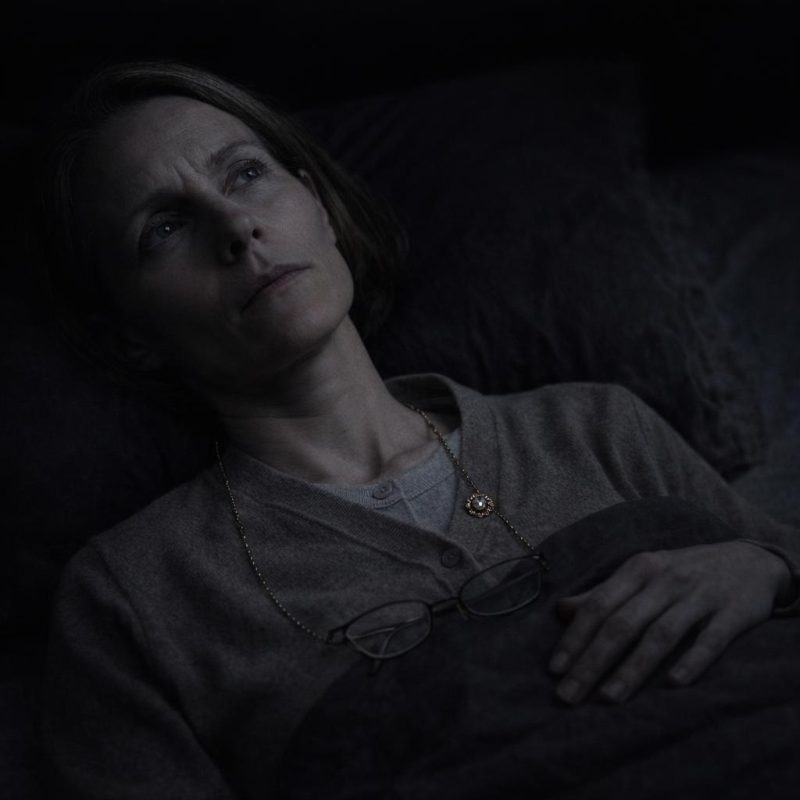 Image by RM AI
The Night Visit
I waited until the manor had been quiet for an hour — not just empty, but settled, the particular silence of a house that has stopped expecting anyone to move through it. Julian's team left before ten. I stayed in my room until after midnight, then retrieved the small brass key from the back of my jewelry box, where it had lived for eleven years beneath a tangle of things I never wore. Father had pressed it into my hand one afternoon without ceremony, told me it was for the turret room, and asked me never to mention it to anyone. I hadn't. The study was on the third floor, at the end of a corridor Julian's team hadn't reached yet — I could tell by the absence of green stickers on the door frame. The key turned smoothly, which surprised me; I had half-expected resistance, some physical acknowledgment of how long the room had been waiting. Inside, the air was cool and still and carried the smell of old paper and the faint ghost of pipe tobacco that I associated so completely with Father that for a moment I had to stand in the doorway and simply breathe. Filing cabinets lined two walls. Ledgers were stacked in precise columns. Correspondence folders, labeled in Father's meticulous handwriting, ran in dated sequence going back thirty years. Everything was exactly as he had left it, untouched and waiting, and the weight of that — of being the only person who knew this room existed — settled over me like something I had not known I was carrying.
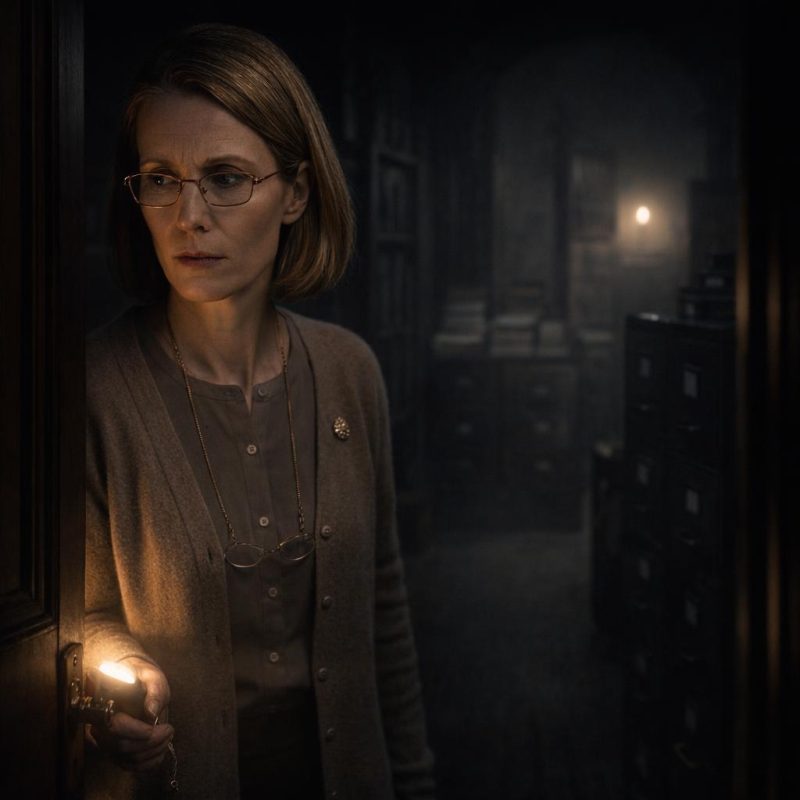 Image by RM AI
The Hidden Ledgers
Father had spent more hours in the basement workshop than anywhere else in the house, and I had always assumed it was the clock repair — the meticulous, obsessive kind that kept him bent over a workbench until two in the morning. The study had given me partial answers, enough to make my hands unsteady, but not enough to understand the full shape of what I was looking at. I went down after midnight, moving quietly past the boiler room door and into the workshop proper, where the smell of machine oil and solder still lived in the walls. His tools were arranged with the same precision as everything else he owned — each one in its place, undisturbed, as though he had simply stepped out. I remembered him saying once, offhandedly, that he kept important things somewhere the heat couldn't reach them. Behind the boiler. I moved aside three paint cans and a rusted toolbox, and my fingers found the seam of a panel I would never have noticed if I hadn't been looking for it. The metal box inside was heavier than I expected. I lifted the lid. The ledgers were leather-bound, four of them, and on the cover of the first, in Father's unmistakable handwriting, were the words: *Private — Destroy if discovered.*
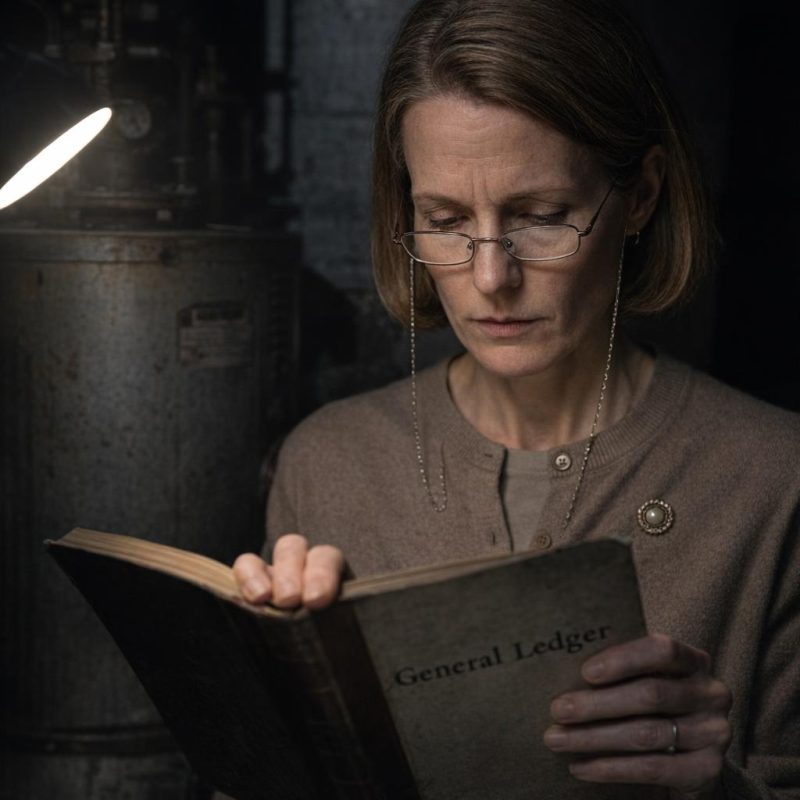 Image by RM AI
The Unqualified Expert
Marcus arrived at ten with a glossy bound report and the self-satisfied energy of a man who had just invoiced something significant. Julian met him in the front hall with a handshake that lasted too long, the way men do when they're congratulating each other on money not yet received. I sat in the corner of the drawing room and watched Marcus lay out his findings — photographs, valuations, a projected auction estimate that ran to eight figures. Julian kept nodding, touching the pages like they were already currency. I waited until there was a pause, then asked Marcus whether he had cross-referenced any of the items against international stolen property databases. He looked at me the way people look at someone who has asked a question in the wrong language. That wasn't part of a standard appraisal, he said. Julian told me, without looking up, to stop trying to complicate a straightforward process. Marcus added, helpfully, that buyers always conducted their own due diligence. I didn't argue. I watched Marcus pack his glossy report back into his cheap briefcase, watched Julian walk him to the door with another handshake, and understood with complete clarity that no one in this transaction was going to ask the questions that needed asking. No one except me.
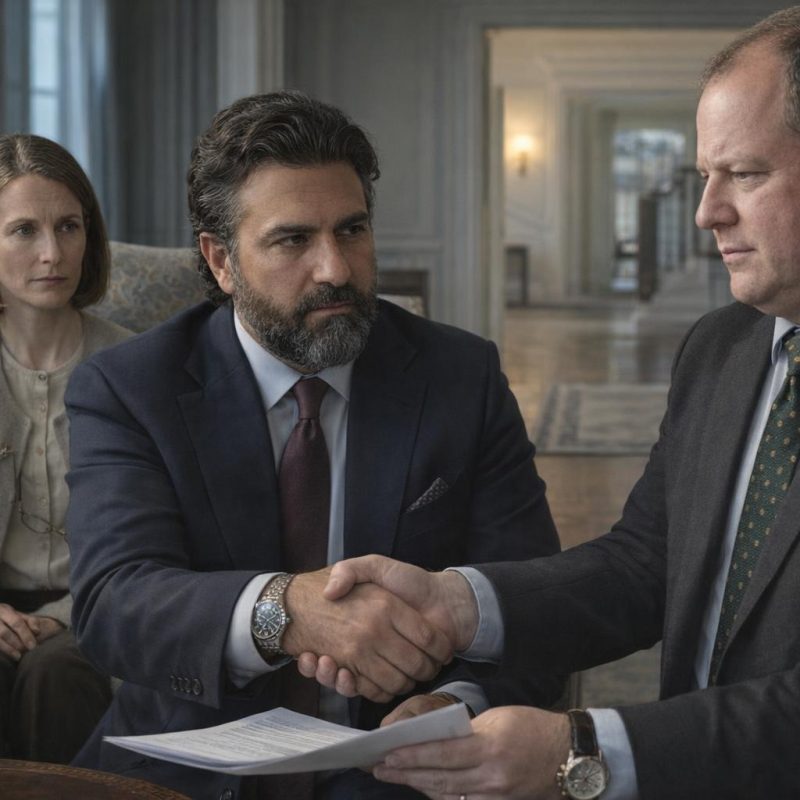 Image by RM AI
The Extent of the Problem
I worked through the night with the ledgers spread across my bed and the official catalog open beside them, cross-referencing entries by date and item description until my eyes ached and the numbers stopped looking like numbers. The pattern that emerged was not subtle. At least forty percent of the high-value pieces had acquisition notes that read 'alternative routing' or 'undeclared' or, in one case, simply a small asterisk that led to a coded entry I had to decode against a key tucked into the back cover. Father had used shell companies — names I didn't recognize, addresses that resolved to nothing when I searched them. Some of the pieces came from countries that had since passed strict repatriation legislation, which meant their legal status had shifted dramatically in the decades since he acquired them. The most valuable items, the ones Julian had placed at the front of his catalog with the largest photographs and the most breathless descriptions, were the ones with the most complicated histories. I had always known Father was secretive about his acquisitions. I had assumed it was eccentricity, the collector's instinct to guard his sources. Sitting there in the early hours with the evidence arranged in front of me, I understood that what he had built was something that could never be cleanly sold, and the weight of that understanding settled over me like a second sleepless night.
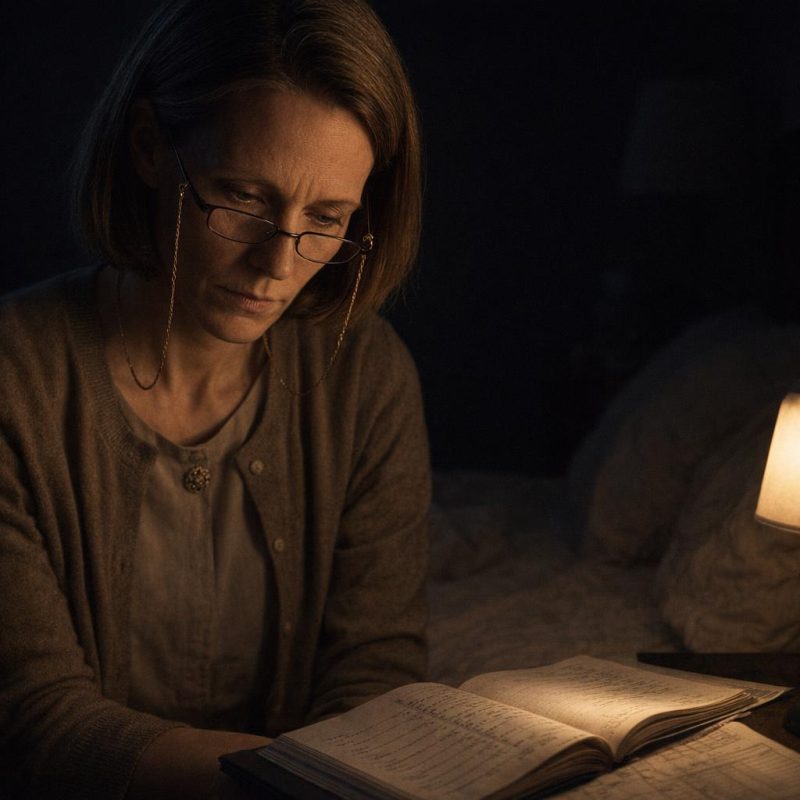 Image by RM AI
The Byzantine Artifacts
The Byzantine artifacts occupied twelve pages of Father's private ledger and a full quarter of Julian's auction catalog. I had always known they were the centerpiece of the collection — Father had spoken of them rarely and with a reverence he reserved for almost nothing else. Now I understood why he had never displayed them publicly, never loaned them to exhibitions, never allowed them to be photographed for any publication. I worked through the ledger entries methodically, matching each piece against what I could find in the catalog and in the digitized customs archives I had accessed through my library credentials. The correspondence tucked between two ledger pages was careful, almost clinical — references to 'release arrangements' and 'administrative resolution' that described, in the language of men who knew better, how Father had extracted the pieces from a customs hold in 1979 through a legal mechanism that no longer existed. The loophole had been closed in 1983. Current law was unambiguous: pieces acquired under those circumstances and never subsequently cleared would be classified as stolen cultural property. Julian had them listed as the crown jewels of the auction, priced accordingly, with a preview date already set. I pulled the next document from the folder — a single page, official letterhead, dated November 14, 1979 — and it was a customs seizure notice, stamped and signed, that Father had apparently never resolved.
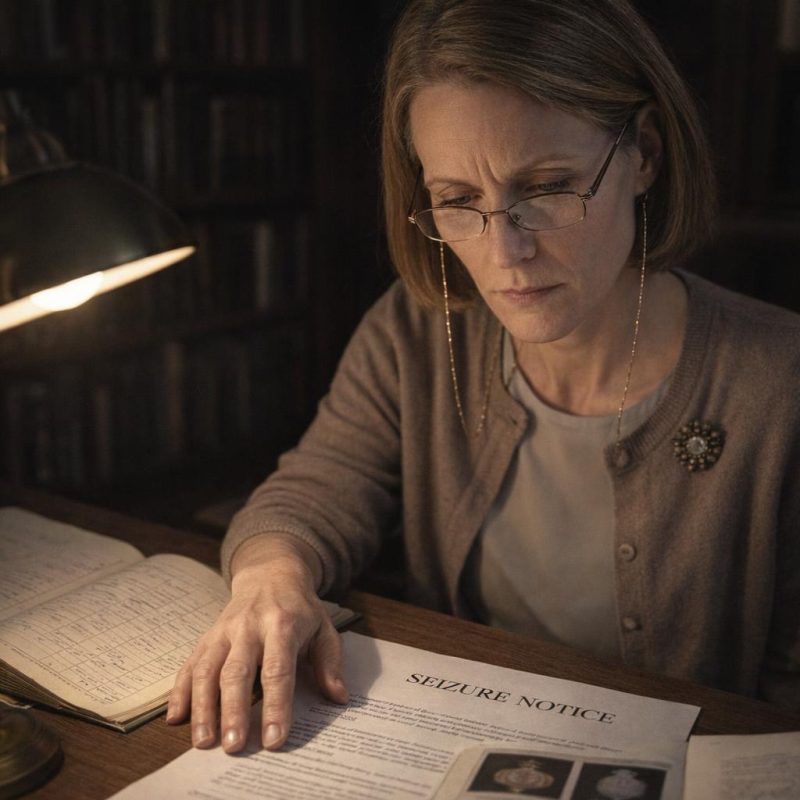 Image by RM AI
The Legal Precedents
I spent the following afternoon in my room with my library credentials and a legal database I had used for years in my research work, pulling up every federal cultural property case I could find from the last three decades. The precedents were not ambiguous. Once an investigation into undeclared antiquities was opened, seizure of the entire collection was mandatory pending resolution — not just the flagged items, but everything, frozen in place while the legal process ran its course. I found case after case where that process had taken fifteen years, twenty years, in one instance nearly thirty. Collectors had faced criminal trafficking charges. Estates had been dismantled. Auction houses had been fined for proceeding without adequate provenance verification. The one consistent thread across every case was this: the person who signed the ownership transfer documents and authorized the sale became the legally responsible party. Buyers were protected by good-faith purchase provisions. Sellers were not. Julian had already signed the ownership transfer. His signature was on the sale authorization. I sat with that fact for a long time, not moving toward any decision, just holding the shape of what I had found — the machinery of it, the scale of it, the particular cold weight of understanding exactly what could be set in motion and precisely how far it would reach.
 Image by RM AI
The Customs Records
The digitized customs database was not difficult to access — my library network had carried institutional credentials for years, and I had used it before for provenance research on far less consequential questions. I started with the Byzantine artifacts, entering the acquisition dates from Father's private ledger and searching for any corresponding import declarations. There were none. I tried variant spellings of the shell company names, different date ranges, the names of the intermediaries mentioned in his correspondence. Nothing. I moved to the maritime instruments Father had acquired in 1982 — a collection of navigational tools he had always described as his most personally meaningful pieces. No import documentation existed for any of them. I worked through the list methodically, cross-checking serial numbers from the ledger against official records, and by the time I reached the thirtieth item I had stopped being surprised. Thirty high-value pieces with no legal provenance trail, no customs declarations, no paper record of ever having entered the country through any legitimate channel — and every one of them featured prominently in Julian's sale catalog, photographed beautifully, priced ambitiously. I photographed the database results on my phone and transferred them to a spreadsheet, linking each missing record to its corresponding ledger entry. The file sat on my laptop, quiet and complete, and I held the particular stillness of someone carrying something very heavy with both hands.
 Image by RM AI
The Serial Numbers
UNESCO's cultural property database required a different set of credentials, but I had those too — accumulated over years of research inquiries that had never amounted to anything more consequential than a footnote. I started with the astrolabe, a sixteenth-century piece Father had acquired in 1977 and described in his ledger with unusual brevity. I entered the serial number he had recorded in his private notes — not the number currently engraved on the instrument, which I had already noticed didn't match. The database returned a result in under four seconds. A Greek repatriation claim, filed in 1994, still active. I moved to the illuminated manuscript, entering the original number from the ledger. The Italian Ministry of Culture had flagged it in 2001. I sat very still for a moment before I entered the third number — the Byzantine reliquary that Julian had placed on the cover of his auction preview materials, the piece he had described to a journalist last week as the collection's defining treasure. The result loaded, and at the top of the entry, in red text that the database apparently reserved for its most urgent classifications, were the words: *Subject to immediate seizure if located.*
 Image by RM AI
The Documentation
I had spent enough years in libraries to know that the difference between information and evidence is organization. I started the dossier at six in the morning and worked with the kind of focus that only comes when the task in front of you is the only thing that matters. I photographed each page of Father's private ledgers and added typed translations of the coded entries, cross-referenced by item number. I added the customs database screenshots, each one annotated with the corresponding catalog entry showing the same piece listed for sale. I included the UNESCO database results, the red-flagged entries printed cleanly with their case numbers and originating countries. The 1979 seizure notice went in with a timeline I had constructed showing every subsequent legal development — or rather, the absence of them. Marcus's appraisal report followed, its glossy pages a useful contrast to everything surrounding it, documenting in cheerful detail that no provenance verification had been performed. Julian's ownership transfer and sale authorization, both bearing his signature, went in last. I printed two copies and saved encrypted digital versions to three separate locations. The executive summary ran to four pages and named thirty-one items, three international seizure orders, and one unresolved federal customs notice from 1979. I set the printed dossier on the desk in front of me — two inches of paper, neatly bound, holding everything Julian had not thought to look for.
 Image by RM AI
The Moral Weight
I walked the grounds for most of that afternoon, following the same paths I'd traced as a child — past the overgrown kitchen garden, along the stone wall where Father used to quiz me on hallmarks and maker's marks, down to the far corner where the old sundial still stood at its slight tilt. The dossier was sitting on my desk upstairs, two inches of organized consequence, and I was out here trying to decide what it meant to use it. Father's reputation would not survive what I knew. The man who had spent forty years building a collection of international significance would be remembered instead as someone who had trafficked in stolen cultural property. That was the truth of it, and I had to hold it plainly. But Father was gone, and Julian was not. Julian, who had called me a squatter. Julian, who had signed documents without reading them, who had laughed on his phone while Marcus waved a glossy appraisal report at pieces that belonged to other countries. I thought about the celestial globe wrapped in moving blankets, about buyers who would see it as a line item. Federal seizure, at minimum, meant eventual museum placement — meant the objects would go somewhere they could be studied and seen. I stopped at the sundial and looked back at the house. Through the library window, I could see Julian pacing, phone to his ear, laughing at something. I watched him for a long moment, and felt the full weight of it settle: protecting what Father had been, or destroying what Julian was becoming.
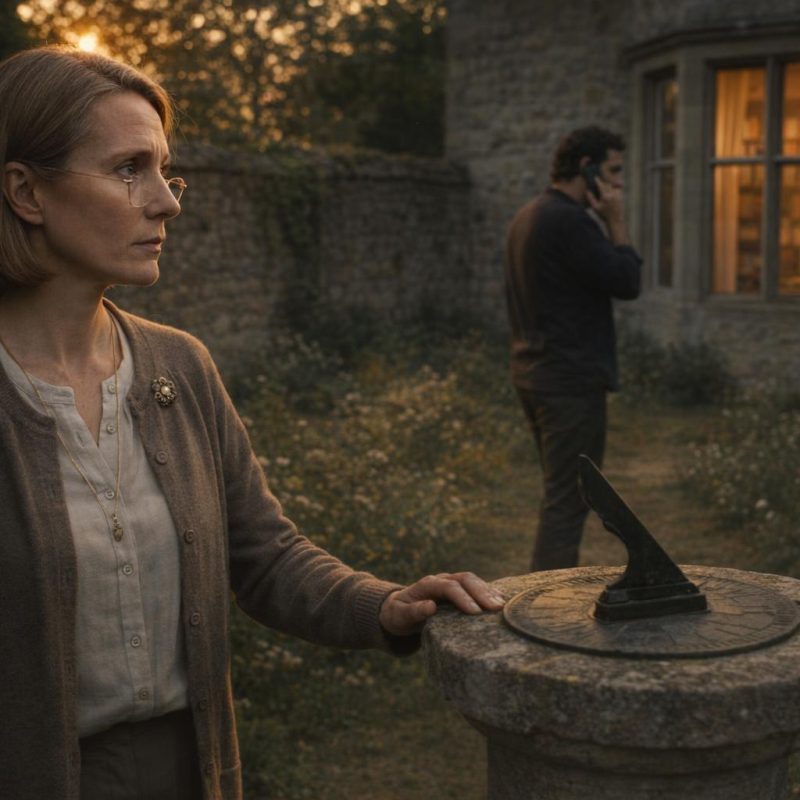 Image by RM AI
The Acceleration
He announced it at breakfast, between bites of toast, the way someone mentions a weather forecast — the sale had been moved up by a week. A private equity group wanted to close faster, he said, and he saw no reason to slow them down. He seemed genuinely energized by it, the way he got when a deal was accelerating past the point where anyone could ask careful questions. He told me I should start packing my personal items immediately, that the new timeline gave me ten days before I needed to be out. I asked, as neutrally as I could manage, whether he was concerned about rushing the legal documentation. He waved it off. Marcus had assured him everything was in order. I watched him sign three additional pages of paperwork while he was still talking, not pausing to read a single line. Each signature landed on the page with the easy confidence of someone who had never once considered that confidence could be wrong. I said nothing. I poured my coffee and looked out the window and kept my expression at the particular register I had been practicing — tired, resigned, beaten. Every page he signed without reading was another page I would eventually photograph. The ten days felt less like a deadline and more like a countdown I had already accounted for, and the quiet in my chest was not the quiet of defeat.
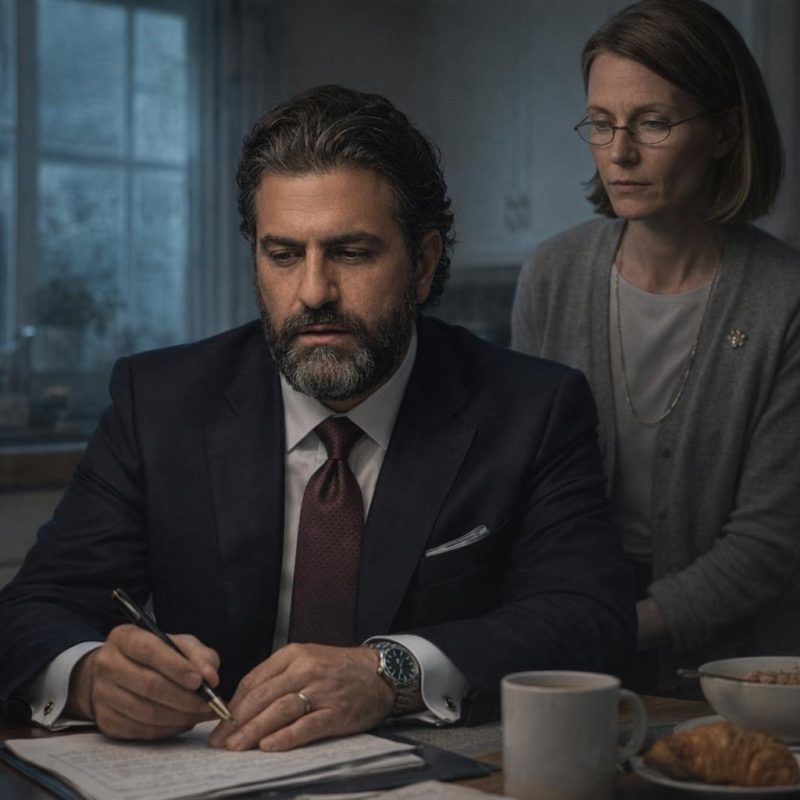 Image by RM AI
The Private Equity Interest
I was passing the library when I heard his voice through the half-open door, louder than usual, the particular volume of a man performing confidence for an audience he cannot see. I stopped in the hallway and listened. The buyers were on speakerphone — several of them, from the sound of it, the kind of call where everyone talks slightly too fast. I caught enough. They were not planning to hold the collection. They were planning to move it, piece by piece, to a list of private collectors they named on the call. The figure they were offering Julian was substantial. The figure they expected to realize within eighteen months was, by my rough calculation, nearly double that. Julian sounded pleased. He agreed to indemnify them against any legal complications arising from provenance questions, which meant he was signing away the only protection he had, and he did it in the cheerful tone of a man who does not know what indemnification actually costs. I stood in the hallway and listened until the call ended. There was something almost elegant about it — Julian had spent weeks treating the collection as a transaction, and now he was the one being transacted. The people on that call were playing a different game than he was, and the numbers reflected it. I walked back to my room and sat with that for a while, and found I had very little sympathy to spare.
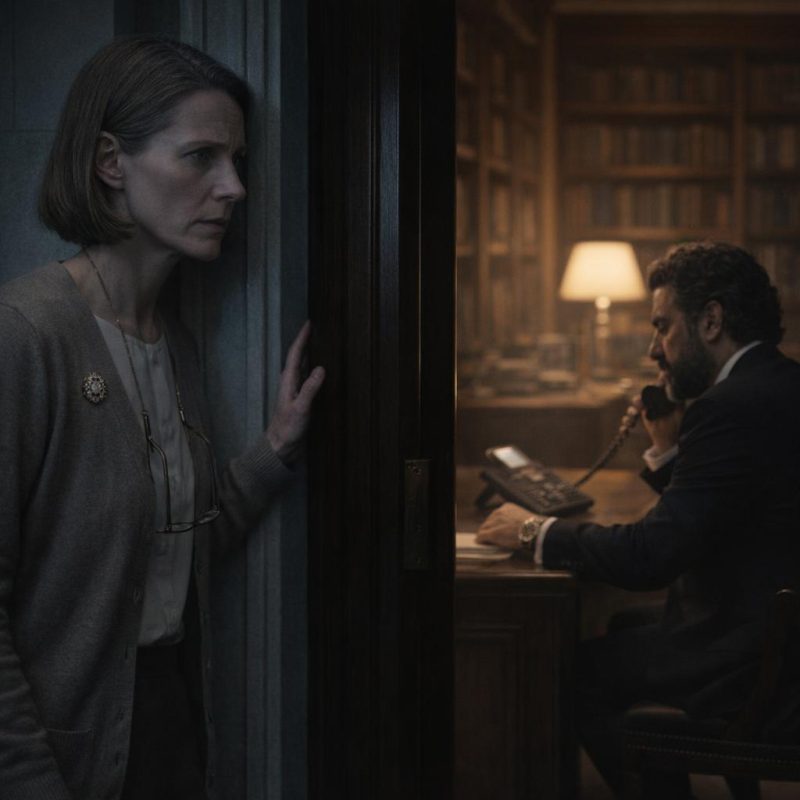 Image by RM AI
The Final Documentation
Julian left for his lawyers' office at half past ten, and I gave him fifteen minutes before I went into the library. He had been working at Father's desk — a fact that still landed wrong every time I saw it — and the sale documents were stacked in two neat piles on the left side of the blotter. I photographed each page methodically, checking the screen after every shot to confirm the image was sharp and the text legible. The signatures were what mattered most, and Julian had signed generously. He had personally certified that all items in the collection were legally acquired. He had declared clear title and full legal authority to sell. He had, in a separate addendum, warranted that no items were subject to outstanding legal claims or international seizure orders. I read that last clause twice before I photographed it — standard language, the kind that appears in every sale agreement of this type. I returned every page to its original position, checked that nothing had shifted, and walked back to my room. I uploaded the photographs to the encrypted folder, synced everything to the cloud backup, and confirmed the physical drive was still where I had hidden it. Then I opened the dossier on my screen and scrolled to the section on the 1979 customs notice, and I took out my phone and photographed Julian's ownership declaration one more time, just to be certain the signature was clear.
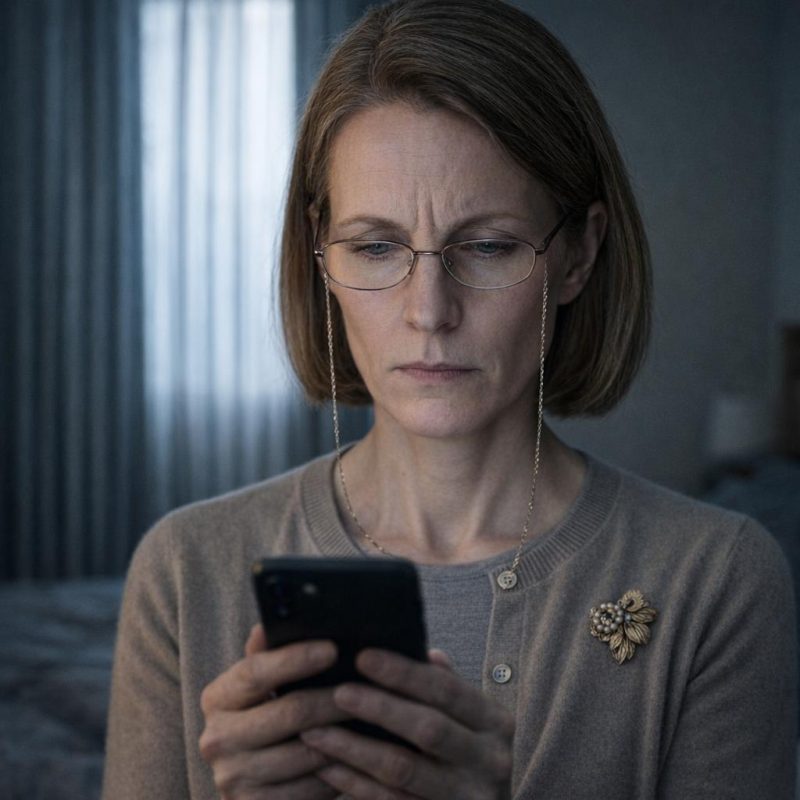 Image by RM AI
The Quiet Preparation
I packed the way I do most things — methodically, without sentiment getting in the way of the work. The photographs came down first: my mother's face at various ages, Father in his study before the collection had grown large enough to crowd him out, one of the two of us at an auction house in Vienna that I had kept on my windowsill for eleven years. I wrapped them in a cardigan and set them in the case. I took my books, the ones that were actually mine and not Father's — the reference volumes I had annotated over two decades, the ones with my handwriting in the margins. I left the decorative ones Julian would notice missing. My mother's jewelry went into a small velvet pouch I tucked into the interior pocket of my bag, where it had always traveled. The laptop went in last, encrypted, backed up, carrying everything that mattered in formats Julian could not access and would not think to look for. I had arranged a storage unit in the city and booked a small apartment on a month-to-month lease — practical, anonymous, sufficient. Julian passed my open door at some point in the afternoon and paused long enough to look satisfied at the sight of the half-filled boxes. I did not look up. There was nothing left to perform. The room grew quieter as it emptied, and the quiet felt exactly right.
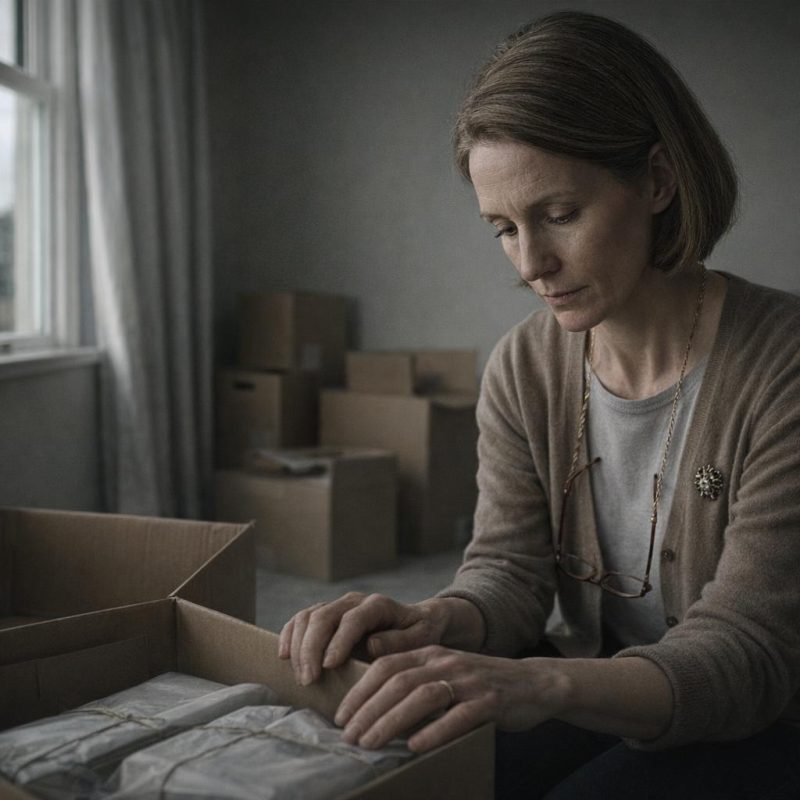 Image by RM AI
The Federal Contact
I had kept the emails in a dedicated folder, sorted by date, going back three years. The first one I had sent to Agent Samuel Torres was a research inquiry — a question about the legal framework governing repatriation claims on pre-1970 acquisitions, the kind of question a careful person asks when they are trying to understand where the lines are. He had answered thoroughly, more thoroughly than I had expected, and we had corresponded perhaps a dozen times after that. He had a precise, unhurried way of writing that I had come to associate with people who are genuinely good at their jobs. I had passed him two auction listings over the years — items that had appeared in catalogs with provenance gaps that struck me as worth flagging. I did not know what had come of them, and I had not asked. What I knew was that his responses had always been prompt, that he had once written that knowledgeable sources were the most valuable resource his division had, and that he had given me his direct line for anything urgent. I found the business card in the back of my desk drawer, tucked behind a rubber band and a spare set of reading glasses — cream stock, federal seal, his name and direct number in plain black type. I held it between two fingers and looked at it for a long moment. Three years of careful correspondence, and it had come down to this small rectangle of card.
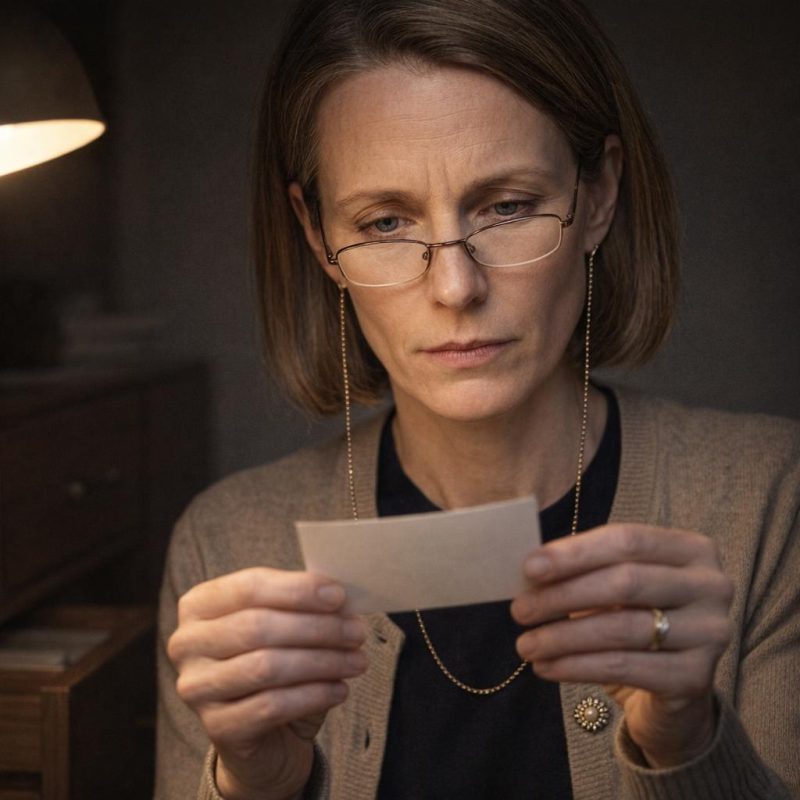 Image by RM AI
The Point of No Return
I was awake at three in the morning, which was not unusual for me in that house, and I sat at the small desk in my room with the lamp on low and thought it through one more time. Father's reputation was the part that had always snagged. He had been a brilliant man and a difficult one, and he had loved the collection with a devotion that I understood better than anyone. He had also made choices — specific, documented choices — that had brought objects into that house through channels that could not bear examination. The ledgers suggested he had understood the risks. He was gone, and the consequences of those choices had not gone with him. They had passed, along with everything else, to Julian. Julian, who had called me a squatter in the house where I had lived for most of my adult life. Who had wrapped the celestial globe in moving blankets and scheduled it for auction. Who had signed indemnification clauses without reading them and laughed on his phone while the collection was sorted into lots. I thought about the objects themselves — where they had come from, what they had survived, where they deserved to end up. Federal seizure was not a clean outcome. But it was a better one than a private equity portfolio. I sat with all of it in the low lamplight, and when I was done, I felt nothing that resembled guilt.
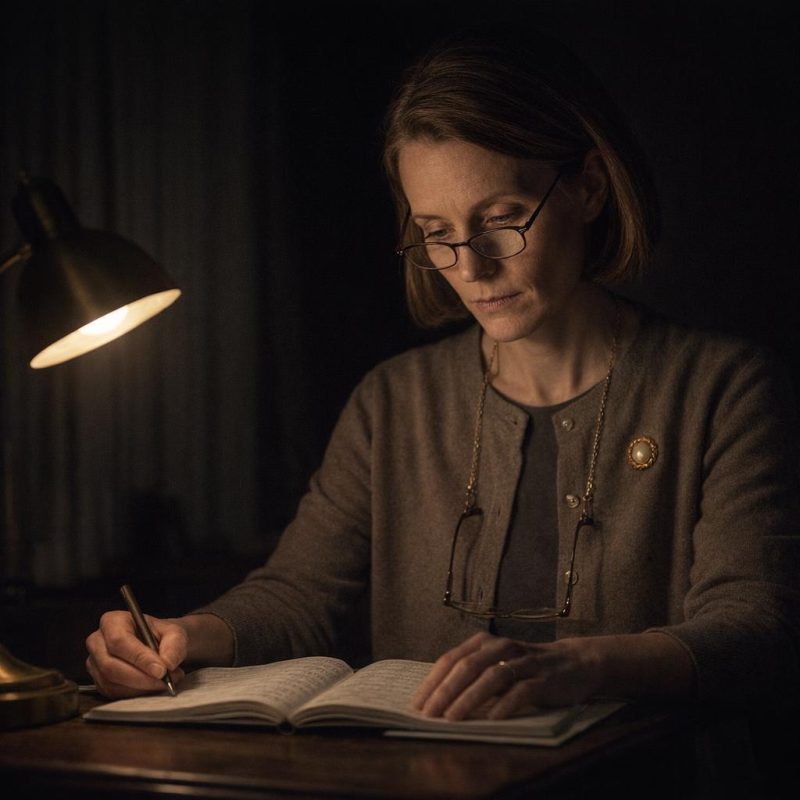 Image by RM AI
The Final Evidence Review
I opened the dossier at seven in the morning with a fresh cup of coffee and went through it the way I would have gone through a manuscript before submission — section by section, checking every claim against its source. The photographs of Father's ledgers were sharp and properly sequenced, each coded entry paired with its typed translation and catalog cross-reference. The customs database screenshots carried their dates and reference numbers in the frame. The UNESCO flags were documented with their official case numbers and originating country designations. The 1979 seizure notice sat in its own tabbed section with the timeline I had built around it. Julian's signatures appeared in eleven separate documents, each image clear enough that the pen pressure was visible. The executive summary named thirty-one items, three international seizure orders, and one unresolved federal customs notice, and it did so in four pages of plain, precise language that required no interpretation. I added a cover letter that morning — my credentials, my relationship to the collection, my years of research, my offer to provide additional documentation or testimony as needed. I included my contact information twice. Then I read the whole thing from the beginning one more time, slowly, the way you read something when you want to be sure it will hold. It would hold. I saved the final version, confirmed the backup, and set the printed copy squarely on the desk in front of me. The work was done, and it was good work.
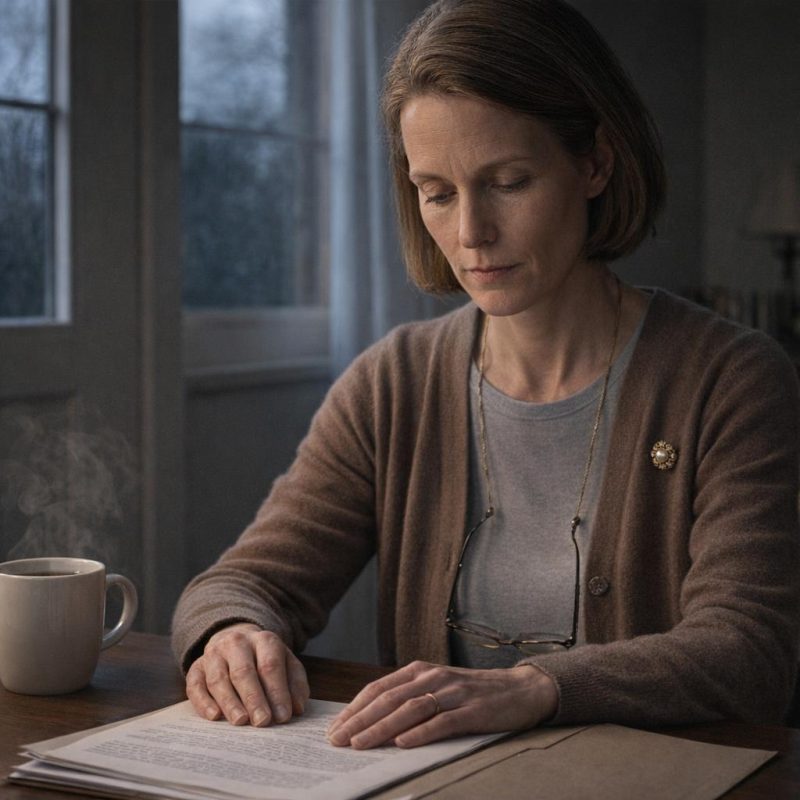 Image by RM AI
The Ownership Transfer
Julian's lawyers arrived at ten with a leather portfolio thick enough to stop a door. There were three of them — two associates and a senior partner whose handshake communicated that he billed by the six-minute increment. They spread the documents across Father's reading table, the same table where I had spent years cross-referencing catalog entries against acquisition records, and Julian stood at the head of it like he'd earned the position. The senior partner walked him through each section in the brisk, efficient language of someone who assumed his client had read nothing and intended to read nothing now. Julian hadn't. He flipped pages at the pace of a man checking a restaurant menu he'd already decided to ignore. The lawyers explained that the transfer made him sole legal owner with full authority over every item in the estate — every piece, every provenance record, every associated liability. Julian nodded and made a small joke about finally being free of the paperwork. I stood near the window and said nothing. I watched his pen move across each signature line, quick and careless, the ink barely dry before he turned to the next page.
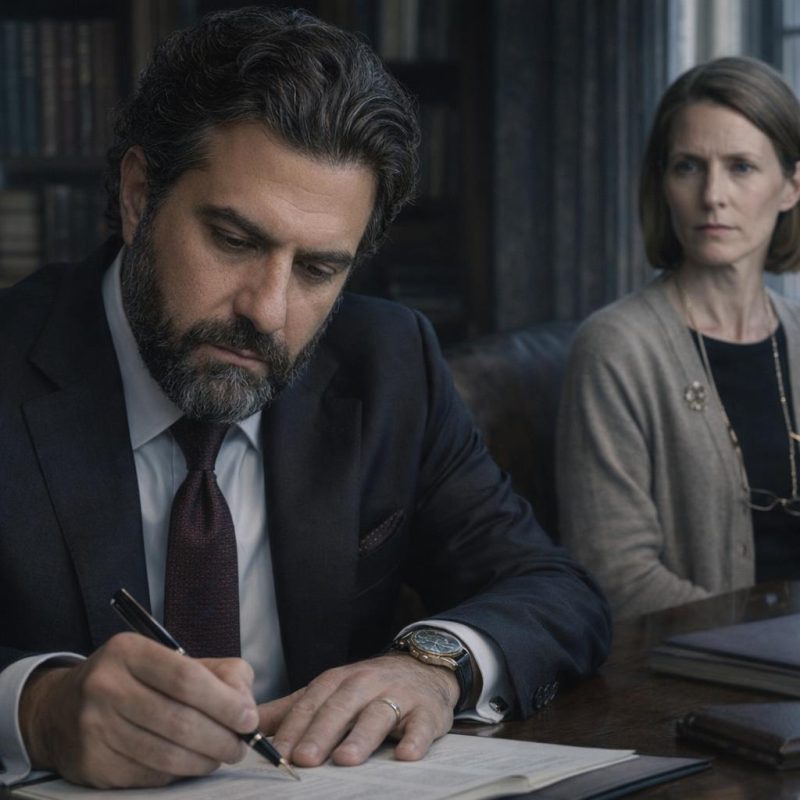 Image by RM AI
The Victor's Celebration
He found a bottle of Krug in Father's cellar — the 2008, which Father had been saving for something he never specified — and opened it without ceremony in the middle of the library. The pop of the cork bounced off the shelves. Julian poured himself a glass and made three phone calls in the next twenty minutes, each one louder than the last. I heard him tell someone about the eight-figure sale, heard him use the phrase 'negotiating leverage' twice, heard him mention a shore house he'd already put a deposit on. He told me, in the expansive tone of a man who has confused luck with skill, that I should be grateful he was handling everything so competently. I sat in the wingback chair near the fireplace and let him talk. The library was half-dismantled around him — crates stacked against the walls, items tagged and wrapped in archival tissue that his team had handled with the care of people packing a storage unit. Julian raised his glass toward the ceiling, toward nothing in particular, and toasted to his own success while standing in the middle of what remained of everything Father had spent a lifetime building.
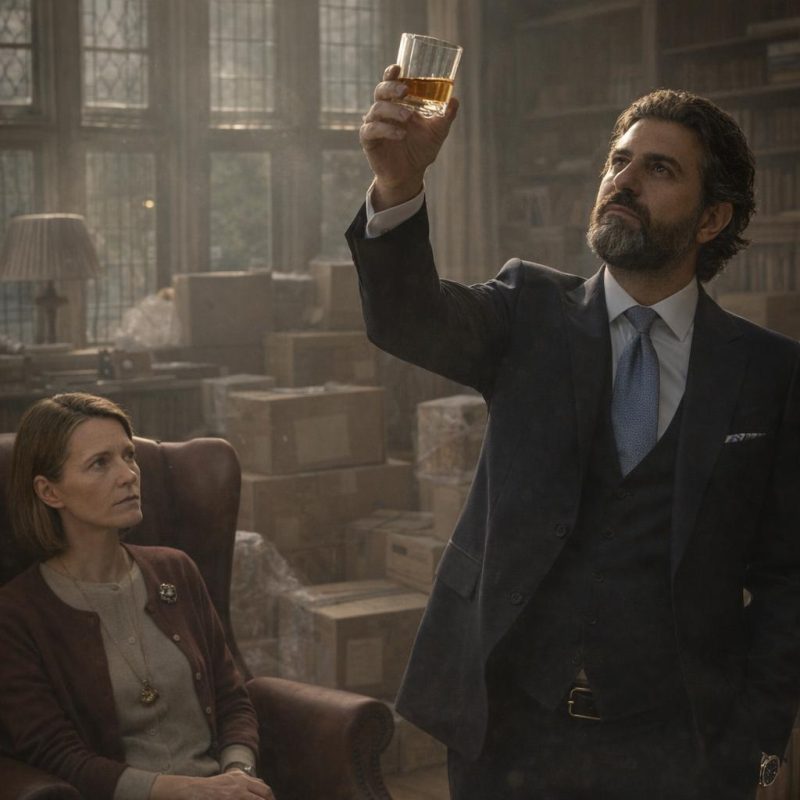 Image by RM AI
The Declaration
I was in the hallway when his phone rang. I had been moving toward the stairs with a stack of my own notebooks, and I stopped when I heard him shift into his business voice — the one that dropped half an octave and shed the casual sloppiness he used with me. The library door was open. I set the notebooks down quietly on the hall table and stood where I was. He was talking to someone at the auction house, confirming final arrangements. I heard him walk through the provenance of three specific pieces with the confidence of a man who had read a summary document once and considered himself an expert. He confirmed the sale timeline. He confirmed the transfer of authority. He said that all items were legally acquired with clear provenance, that he had personally reviewed and certified the collection's legal status, and that he would indemnify the auction house against any claims arising from the sale. His voice was smooth and unhurried. He laughed at something the other person said. Then he said, in the easy tone of someone stating the obvious: 'I have full legal authority and clear title to every item.'
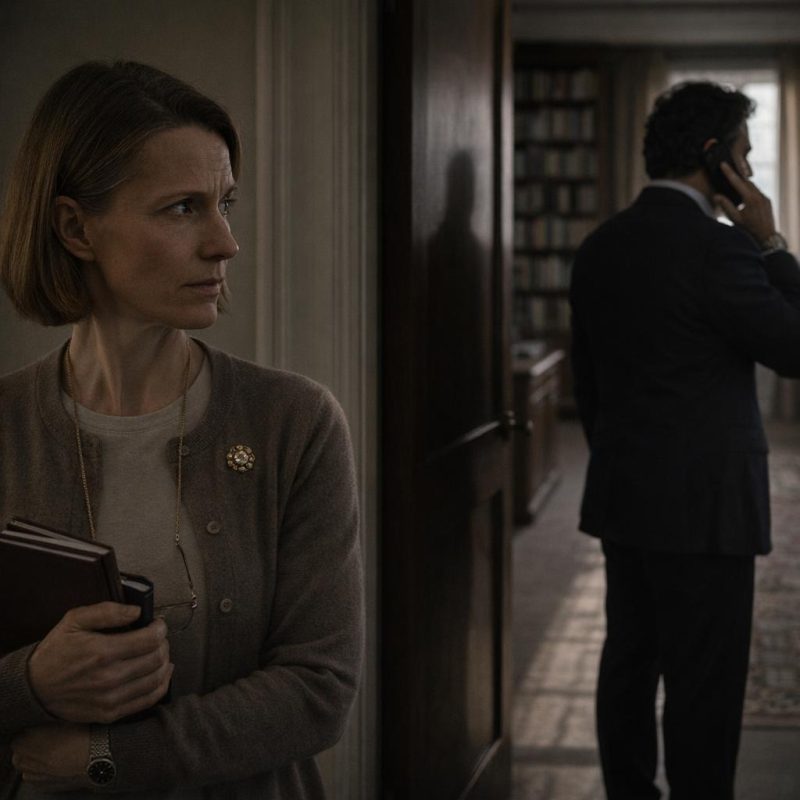 Image by RM AI
The Morning of Eviction
I woke before the alarm, which I had set for five-thirty out of habit rather than necessity. The manor was quiet in the way old houses are quiet — not silent, but full of its own sounds, the creak of the settling walls, the particular groan of the third stair that I had learned to step over as a child and had never quite unlearned. I dressed in the dark and walked through the rooms one last time. I touched the bannister at the bottom of the stairs, the wood worn smooth in the exact place where a child's hand would land. I stood in Father's study, which smelled now of dust and absence rather than pipe tobacco and old paper. I looked at the library, the shelves half-bare, the remaining pieces crated and tagged with auction lot numbers in Julian's assistant's handwriting. My car was already loaded. One small bag sat by the front door. I had my laptop. I had everything I needed. The movers were coming at noon for Julian's things, not mine — I had nothing left here that required a truck. I stood in the doorway of the library for a long moment, and the house settled quietly around me, indifferent to the leaving.
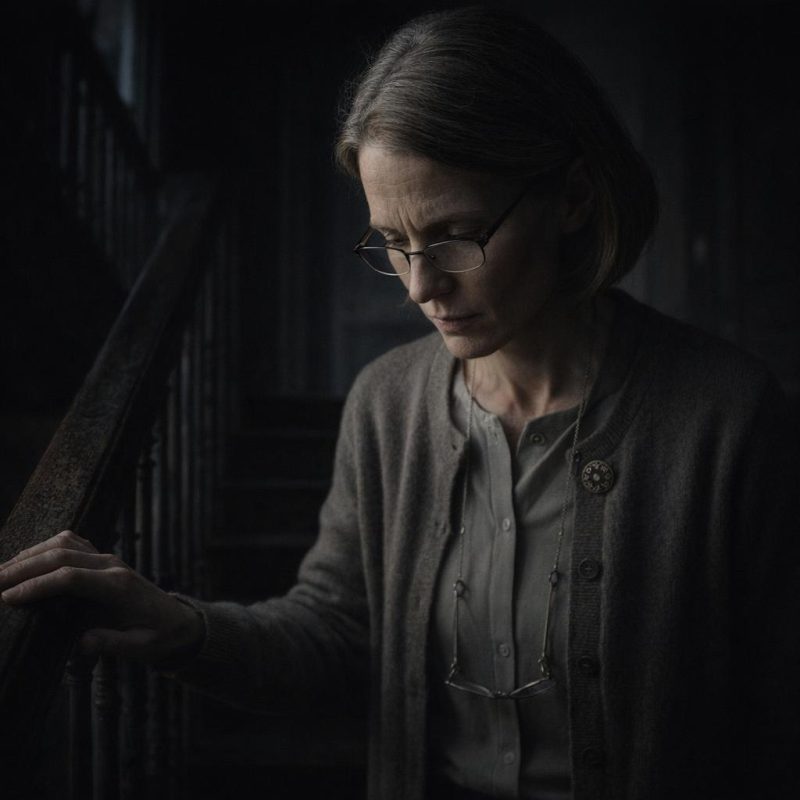 Image by RM AI
The Final Packing
Julian's assistants were working in the east wing when I went back upstairs for the last time. I could hear them talking through the wall, the low efficient murmur of people on a deadline. My room had been stripped down to the furniture, which wasn't mine anyway — it had always been the house's. I picked up the leather document case from the closet shelf where I had placed it the night before. Father's ledgers were at the bottom, wrapped in two layers of archival tissue and tucked beneath my own research notebooks, which were thick enough and numerous enough to make the case look like nothing more than an academic's moving day. I added my laptop and the two backup drives. I zipped the case closed and lifted it by the handle. It was heavier than it looked. I carried it downstairs at a pace that suggested nothing in particular. Julian was in the library on a call, facing the window, and I walked past the open door without slowing. One of his assistants nodded at me from the hallway without interest. I loaded the case into the passenger seat of my car and set it flat, and I sat for a moment with my hand resting on the leather, feeling the particular weight of what was inside it.
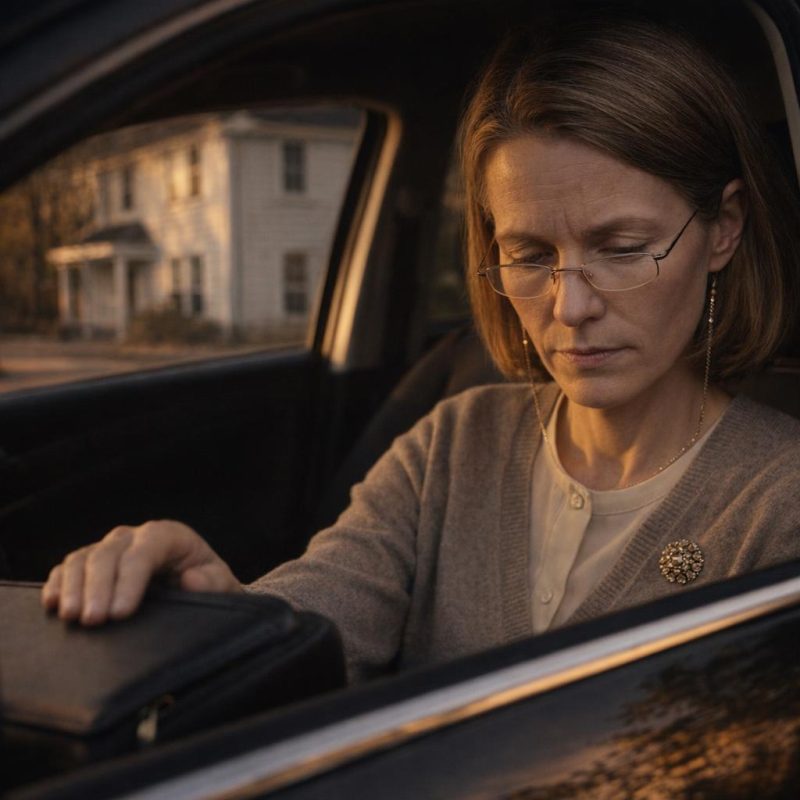 Image by RM AI
The Celestial Globe Revisited
I went back inside for the one item I had left deliberately — a small framed photograph from the hall table, Father and me at a conference in Edinburgh, 1987, the year he first let me help him authenticate a piece. I was passing the library when I heard it. Julian was at the far end of the room, packing the celestial globe himself, which surprised me — he had left everything else to his team. He had it half-lifted, one hand under the base, the other gripping the meridian ring in a way that made my jaw tighten. The globe was seventeenth century, Dutch, with hand-painted constellation figures that had survived three hundred years of careful handling. He was talking on his phone, laughing at something, not looking at what he was doing. It was the same careless grip I had seen weeks ago, the same indifference to what the friction cost. Julian didn't pause. He didn't look down. He shifted his grip to push it toward the open crate, and I heard the low, scraping drag of the globe's equatorial band catching the raw wooden edge.
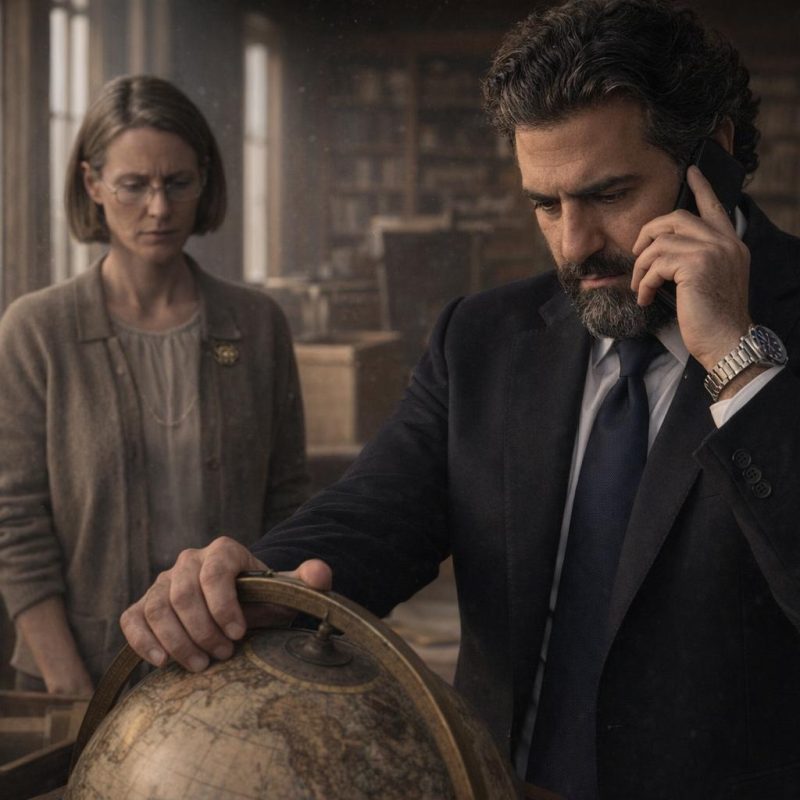 Image by RM AI
The Relocation Fee
He found me in the foyer with my last bag, the photograph tucked under my arm. He was holding a check, which he extended toward me with the particular smile of a man who has confused generosity with dominance. He said it should help me get settled in the city, that it was the relocation stipend they'd discussed, that there was no reason to make things difficult. I looked at the check. His name was on the signature line in the same quick, careless hand I had watched move across eleven pages of ownership documents two days ago. I didn't take it. Julian's smile shifted slightly. He told me not to be proud about it, that I would need the money, that there was no shame in a practical arrangement. I said I didn't want anything from him. He studied me for a moment, then shrugged and folded the check back into his breast pocket. He told me to have a nice life in the tone of someone closing a tab. He was already half-turned toward the library when I said that he should make sure he'd kept good records — receipts, acquisition documents, that sort of thing. He laughed, short and easy, the laugh of a man who finds his younger sister's meticulousness charming in a small, irrelevant way. I picked up my bag and walked out the front door into the cold morning air, moving toward something he couldn't have named if he'd tried.
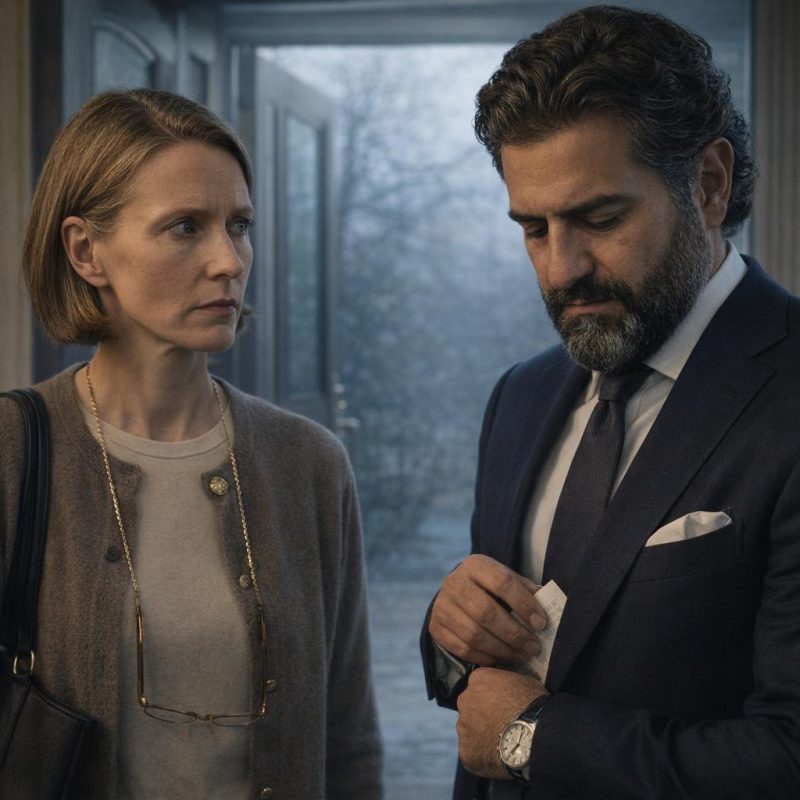 Image by RM AI
The Warning
My car was in the circular drive, already running. I had started it ten minutes earlier to let the heater work through the November chill. I loaded the last bag into the trunk and closed it, and when I turned around Julian was standing on the front steps with his arms crossed, watching me with the satisfied expression of a man who believes he has won something. He looked comfortable there, framed by the manor's entrance, already inhabiting the role of sole proprietor. I stood by the driver's door and looked at him for a moment. I told him I hoped he'd kept all the receipts. He laughed — a full, genuine laugh, the kind that meant he thought I was being exactly what he had always taken me for: precise, fussy, a little absurd. He said something about how I had always overthought everything. I got into the car without answering. In the rearview mirror I watched him turn back toward the door, already pulling out his phone. I put the car in drive. Agent Samuel Torres's business card was in my left hand, the corner of it pressing into my palm, and I pulled out of the circular drive and onto the road without looking back.
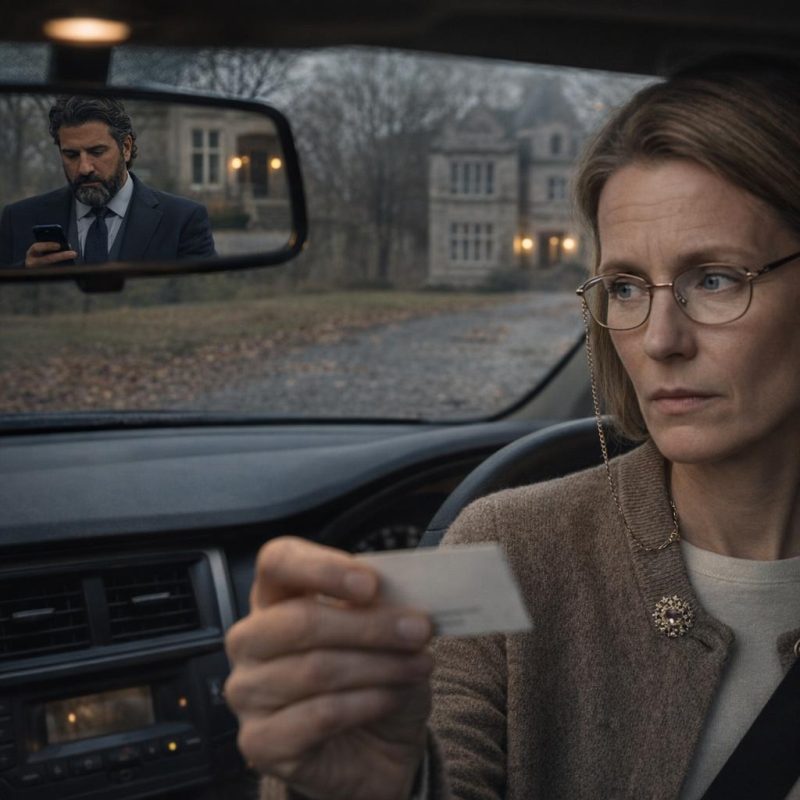 Image by RM AI
The Night Before
The apartment was small enough that I could see every corner of it from the kitchen table. That was fine. I didn't need space — I needed light and silence, and the lamp over the table gave me both. I spread everything out the way I always did: photographs on the left, customs records in the center, the provenance timeline along the right edge. The leather case sat open beside my laptop. I went through the dossier the way a surgeon checks instruments before an operation — methodically, without sentiment. Every photograph was sharp. Every document was labeled with the corresponding database entry. The timeline held. I confirmed Agent Torres's direct number against the card twice, then saved it in three separate places. I thought about Father — about what scrutiny of the collection would mean for his name — and I sat with that for a moment before I turned the page. Whatever he had built, he had built it knowing this day was possible. Julian's laugh from the front steps drifted back to me, easy and dismissive, and I felt nothing waver. I closed the dossier, stacked everything back into the case, and turned off the lamp. The room settled into quiet around me, and I went to bed.
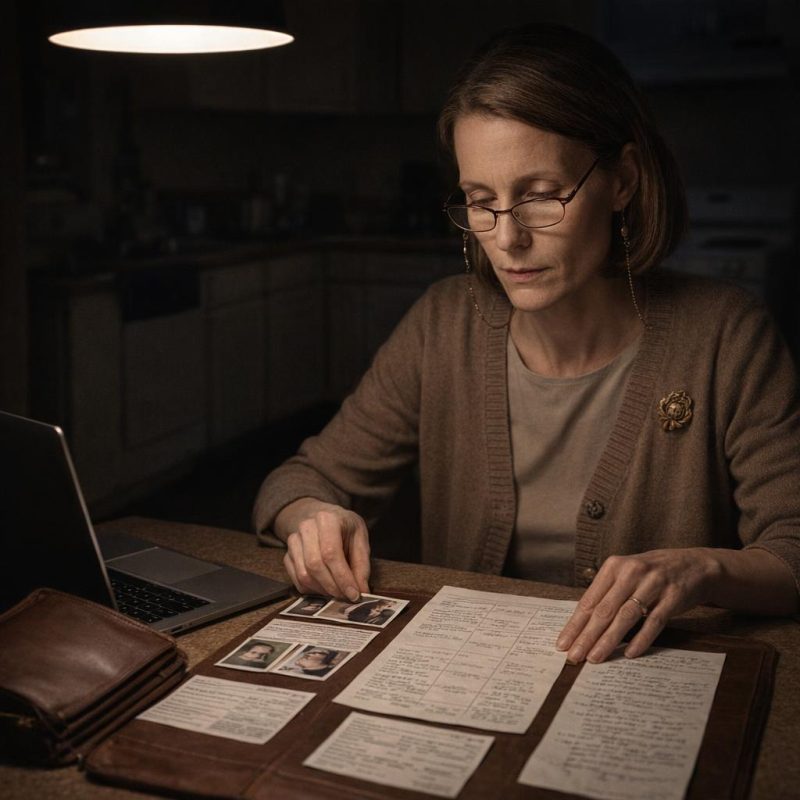 Image by RM AI
The Morning After
I was awake before the sky had fully decided what color it wanted to be. I made coffee and carried it to the window, watching the street below come to life in increments — a delivery truck, a woman walking a dog, the first commuters moving with their heads down against the cold. I checked my email. There was a message from Catherine asking if I had settled in, whether I needed anything. I read it twice and left it unanswered. I didn't want her name anywhere near what was about to happen. There was also a forwarded notification confirming that the sale was scheduled to close in three days. Three days. I had already decided I would move before then — after Julian was fully committed, after the movers were on-site and the crates were in motion, when reversing course would require more than a phone call. I showered and dressed in the same unhurried way I used to catalog a new acquisition: one thing at a time, each step complete before the next. I set Agent Torres's card on the table beside my phone. I sat down, picked up the phone, and held it in both hands, feeling the solid, unremarkable weight of it.
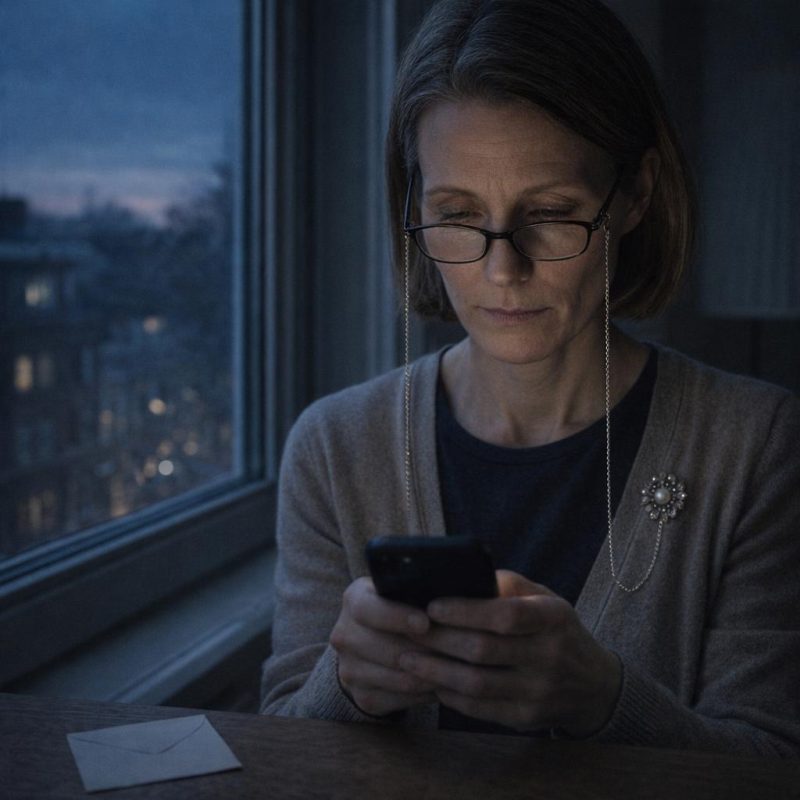 Image by RM AI
The Final Confirmation
I drove out to the manor mid-morning and parked on the far side of the elm row where the road curved, far enough back that no one glancing from the driveway would register my car. Three moving trucks filled the circular drive, their rear doors open, a crew working in the efficient, impersonal way of people paid by the hour. I had brought binoculars — the small ones I used for auction previews — and I watched from the driver's seat. Julian was on the front steps in a dark coat, holding a clipboard, pointing at specific crates as they came through the door. He looked energized. He looked like a man who had been waiting his whole life to be in charge of something this large. I watched the crew carry a long, reinforced crate down the front steps — the kind of crate I had built specifications for myself, years ago, to protect the most fragile pieces. I knew exactly what was inside it. Julian checked something off his list without looking up. I set the binoculars on the passenger seat, started the car, and drove toward the coffee shop on Meridian without hurrying. Through the rearview mirror I watched Julian point toward the truck, directing two men to load the crate carrying the Byzantine artifacts.
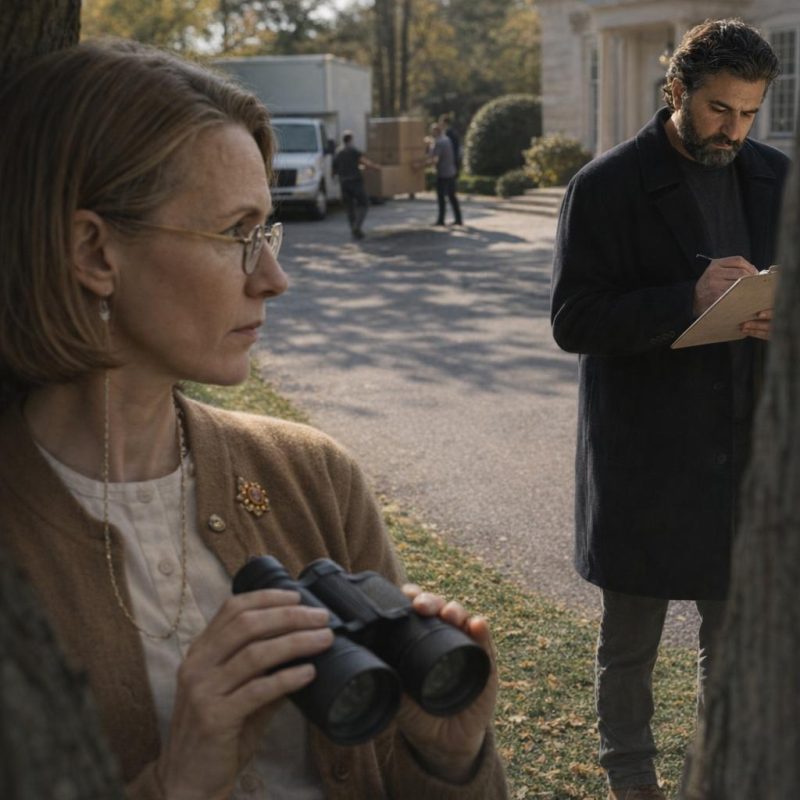 Image by RM AI
The Cryptic Warning Remembered
The coffee shop was warm and smelled of burnt milk and cinnamon. I took a corner table, set my phone face-up beside Agent Torres's card, and ordered something I didn't intend to drink. I thought about Father. Not the version of him that existed in the will or in Julian's accounting of things, but the version I had sat beside in the study for thirty years — the one who would hold a piece up to the light and go very quiet, the way people go quiet around things they love and fear in equal measure. In his last lucid stretch at the hospital, he had gripped my hand with more strength than I expected and said the collection was a house of cards. He said it the way people say things they have been holding for a long time. He said that pulling the wrong card would bring everything down. I had thought about that warning for months afterward, turning it over, trying to understand what he meant by wrong. Sitting in that corner booth, I thought I finally had an answer. He had built something that could not survive a direct look. Julian's greed had simply removed the last reason to look away. Father's hand had been dry and tight around mine, his voice low, his eyes fixed on something past my shoulder — and then the moment passed, and he was gone again.
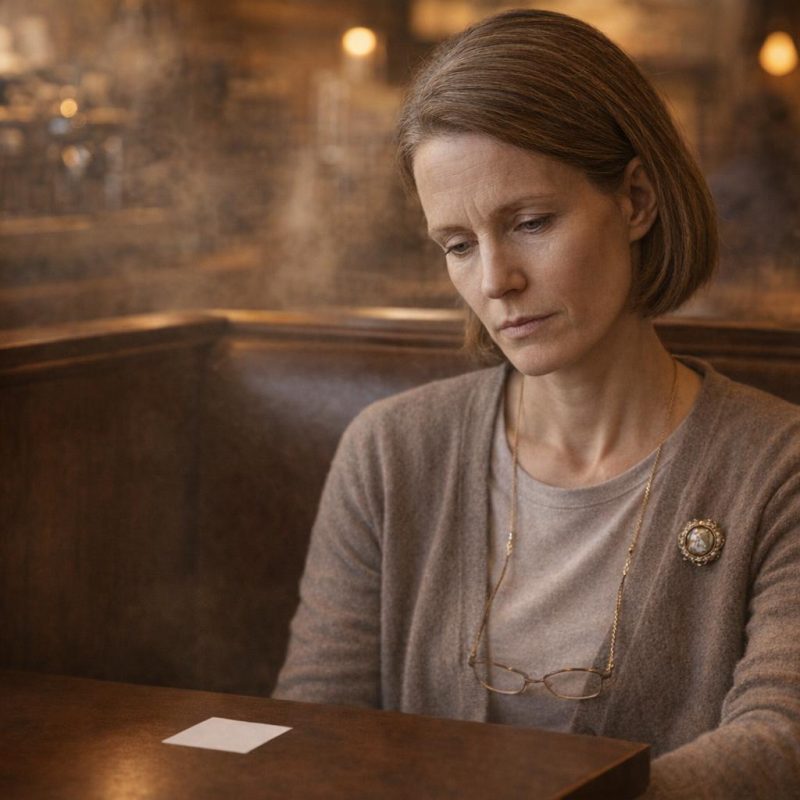 Image by RM AI
The Phone Call
He answered on the second ring. I told him my name and said I had urgent information regarding cultural property violations currently in progress. His tone shifted immediately — not dramatically, but in the way a door shifts when a key fits. I gave him the address of Blackwood Manor. I gave him the crate numbers I had memorized from the shipping manifests. I told him that a sale of restricted Byzantine artifacts was actively underway, that the items had never been legally imported, and that at least four of them carried active international seizure orders I could document with database records going back to 1987. He asked how I had come to possess this information. I told him I had been cataloging and cross-referencing the collection's provenance for years — that I had corresponded with his office twice before under research inquiries, and that I had a complete dossier ready to transmit: customs records, auction house correspondence, international registry results, and the signed ownership transfer documents placing full legal responsibility on my brother. There was a pause. Then Torres said this required an immediate federal response. He said his office would coordinate with Homeland Security's Cultural Property division. He said I should stand by for a callback. Then he said his team would have someone at the property within two hours.
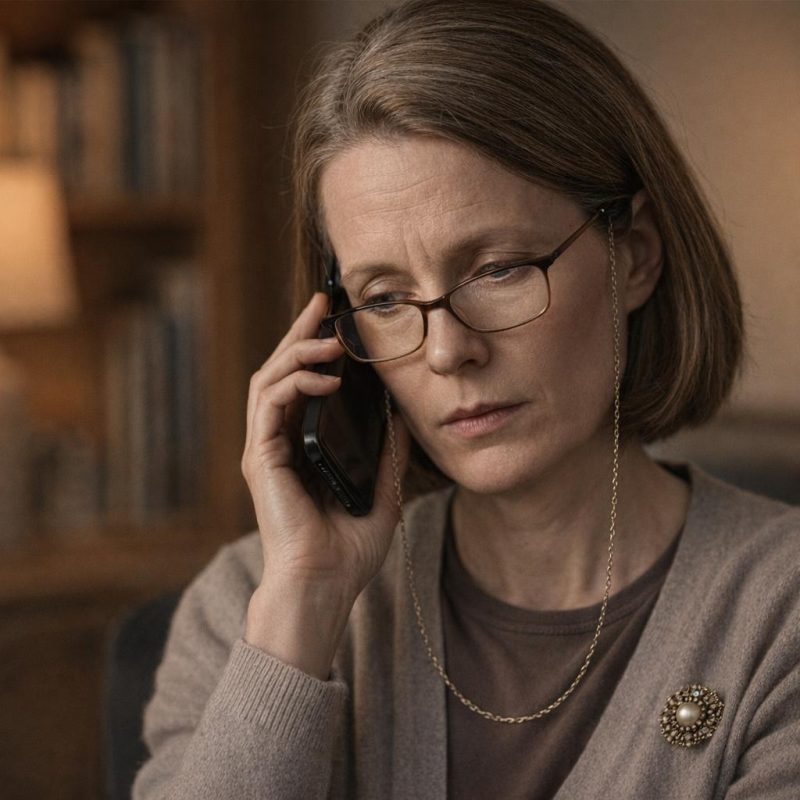 Image by RM AI
The Confirmation
My phone rang twenty-eight minutes later. Torres's voice was measured and precise, the way it gets when someone is reading from notes and choosing words carefully. He said he had reviewed the dossier I had transmitted and that it was, in his word, comprehensive. The Byzantine pieces alone were sufficient to authorize immediate federal seizure. A team from Homeland Security's Cultural Property division was already en route. He walked me through what would happen at the property — the sale would be halted, all crated items would be held pending legal review, and the entire collection would be subject to inventory and authentication. He said the customs violations in my documentation went back decades and would require a full audit. Then he told me that the signed ownership transfer documents I had provided were significant, because they established who had claimed legal title to items with active seizure orders. He said my brother was now the subject of a federal trafficking investigation. He thanked me for the thoroughness of my documentation and said I might be contacted for further cooperation. I told him I understood. I sat with the phone in my lap after the call ended, the coffee in front of me gone cold, the street outside moving at its ordinary pace as though nothing had shifted at all.
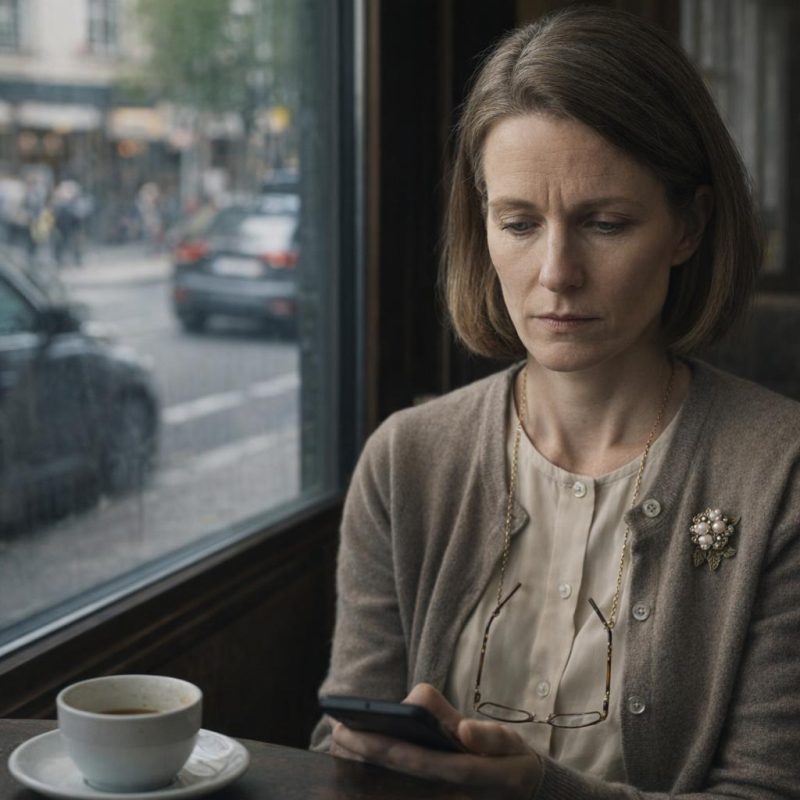 Image by RM AI
The Wait
I ordered a second coffee I didn't need and moved my chair slightly so the window light fell across the table rather than in my eyes. The street outside was doing what streets do on ordinary weekday mornings — people with bags, a courier on a bicycle, a woman arguing quietly into her phone. None of them knew. Julian didn't know. He was probably still on the front steps with his clipboard, checking things off, feeling like a man who had finally gotten what he deserved. I thought about the years I had spent in that study — the hours with the loupe and the reference books, the correspondence with registries in Istanbul and Athens and Nicosia, the careful, patient work of understanding what Father had actually assembled. Julian had walked through that same study a hundred times and seen inventory. I had seen a problem that was going to need solving eventually, one way or another. I thought about the celestial globe hitting the side of the crate. I thought about the forty-eight hours. I checked my phone once, saw nothing from Torres yet, and set it back on the table. The machinery was already in motion. It didn't need me to watch it. I sat with that knowledge the way you sit with something that has been a long time coming and has finally, quietly, arrived.
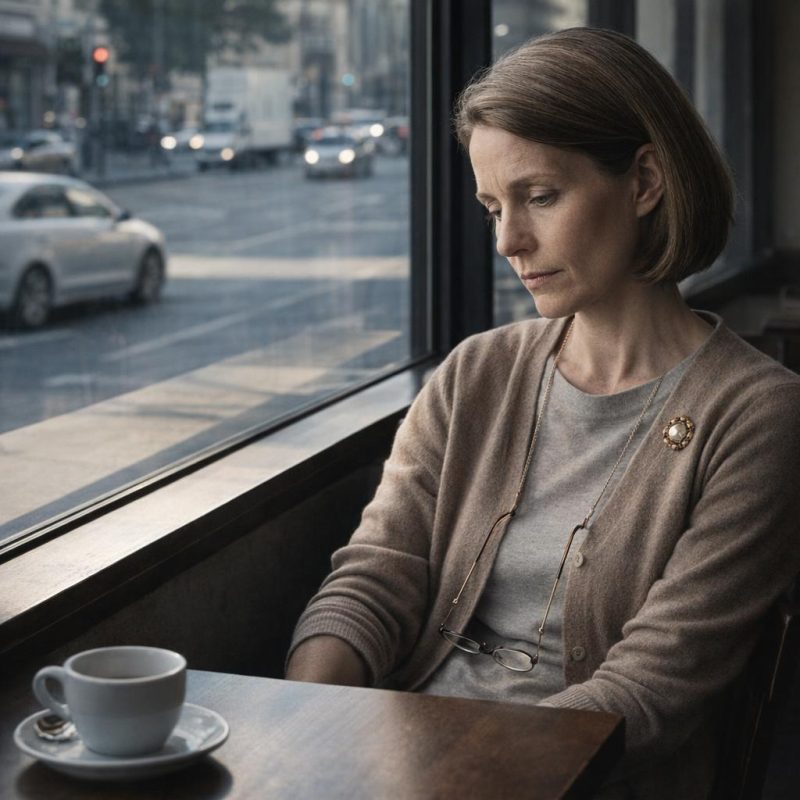 Image by RM AI
The Text Message
The buzz came while I was still on my second coffee. Catherine's name on the screen. The text read: Morgan, are you aware of what's happening at Blackwood Manor? Federal agents. The sale has been stopped. I stared at it for a moment. This was the first ripple — the moment it stopped being something I had set in motion privately and became something other people were watching. I typed: Yes, I know. She called within thirty seconds. I let it ring. Another text arrived almost immediately: Did you — and then nothing, the sentence left open the way people leave sentences when they already suspect the answer. I typed back: Julian signed documents claiming legal ownership of items that were never legally imported. I sent it and set the phone on the table. Three minutes passed. Then her reply came: I understand. That was all. Two words, and somehow they carried everything — the years she had spent authenticating pieces, the professional distaste she had never quite managed to hide when Julian dismissed her assessments, the particular silence of someone who has just confirmed what they already suspected. I turned the phone face-down on the table and left it there, the weight of those two words still settling.
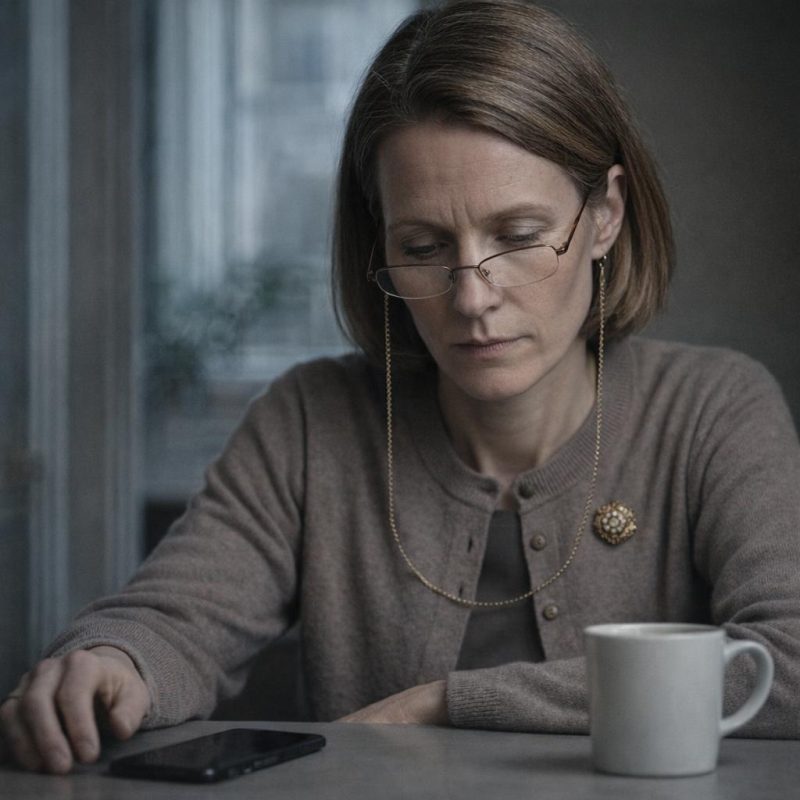 Image by RM AI
The Arrival
I gave it two hours. Then I drove back. I parked four houses down from Blackwood Manor, far enough that no one would notice a woman sitting in a sensible sedan with a thermos of cold coffee, close enough that I had a clear line of sight to the circular drive. The moving trucks were still there, exactly where they'd been when I left — half-loaded, patient, oblivious. I watched the street for maybe ten minutes before the first black SUV turned the corner. Then a second. Then a third. They pulled in tight across the driveway in a practiced formation that left no room for anything to leave. The agents who stepped out moved the way people move when they've done something many times — unhurried, deliberate, already knowing where they were going. Julian appeared on the front steps almost immediately, the way people do when they've been watching from a window. Even from four houses away I could read his posture: the squared shoulders, the slight forward lean of a man who still thought this was a misunderstanding he could talk his way out of. I watched him scan the agents, looking for whoever was in charge. Then the door of the lead SUV opened, and Agent Torres stepped out.
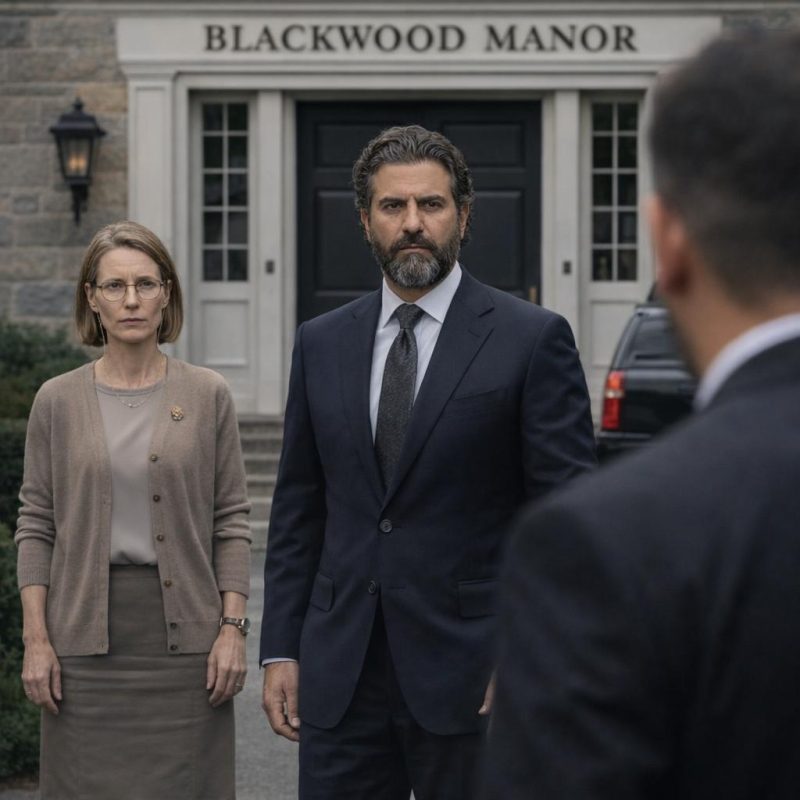 Image by RM AI
The Confrontation
I had a pair of compact binoculars in the glove compartment — a habit from years of estate sales and auction previews, where reading lot numbers across a crowded room matters. I pulled them out now without any particular self-consciousness. Through the lenses, Torres was unhurried. He crossed the driveway with a folder under his arm and handed Julian a document thick enough that Julian had to shift his grip to hold it. I watched Julian's face as he read. The confusion came first — the slight frown of a man encountering language he hadn't expected. Then the alarm, quick and unmistakable, his chin coming up, his free hand starting to move. He said something to Torres. Torres pointed to a specific page, calm as a man explaining a bus schedule. Julian pulled out his phone. More agents were coming out of the house now, carrying evidence boxes, and two others had begun photographing the crates still sitting in the moving trucks. Julian's assistants were being separated, walked to different corners of the property. Julian looked at the house. He looked at the agents. He looked back at the document in his hands. His shoulders dropped, and he stopped talking. His face, even through the binoculars, had gone the particular gray of a man reading his own verdict.
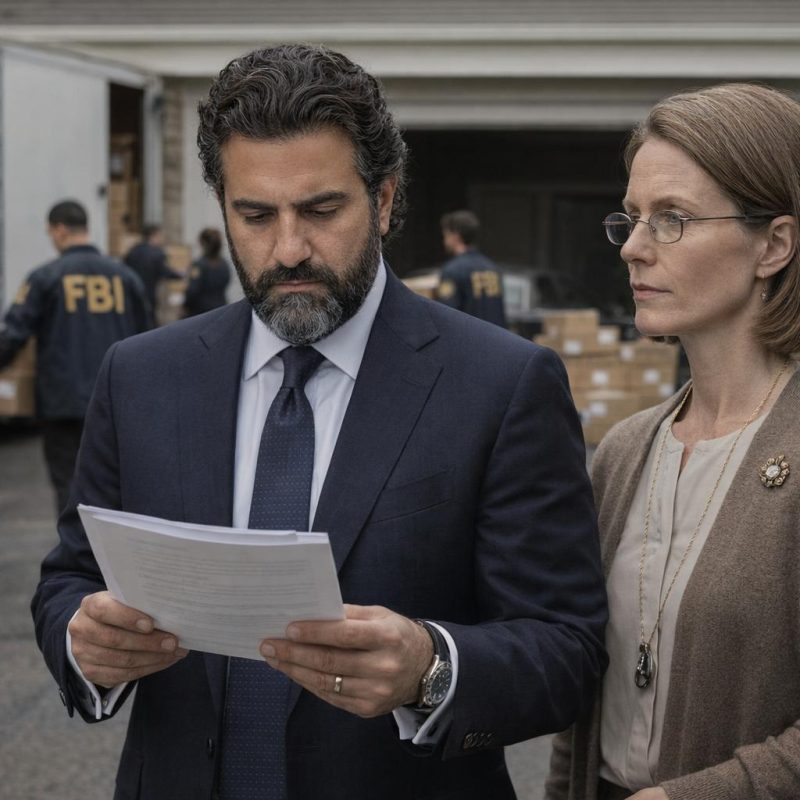 Image by RM AI
The Seizure Begins
The operation was methodical in the way that only federal operations are — no wasted motion, no drama, just the steady accumulation of consequence. Agents unloaded the moving trucks item by item, each piece photographed from multiple angles before an evidence tag went on. The Byzantine artifacts got special cases, foam-lined, handled with the kind of care Julian had never once extended to them. I watched agents carry Father's ledgers out of the study in archival boxes, and I felt something settle in my chest that I hadn't realized was still tense. They'd found the hidden compartment in the basement — my documentation had been specific enough that they went straight to it. Julian stood on the porch through most of it, phone pressed to his ear, then not, then pressed again. At some point his lawyer must have told him there was nothing to do but stand there, because that's what he did. He stood there and watched an eight-figure sale disappear into federal custody, piece by piece, hour by hour. The moving company workers sat on the tailgate of one of the trucks, no longer relevant to anything. Late in the afternoon, I watched Julian stop making calls. He sat down on the porch steps, put his head in his hands, and the manor rose behind him, indifferent and unchanged, as it had always been.
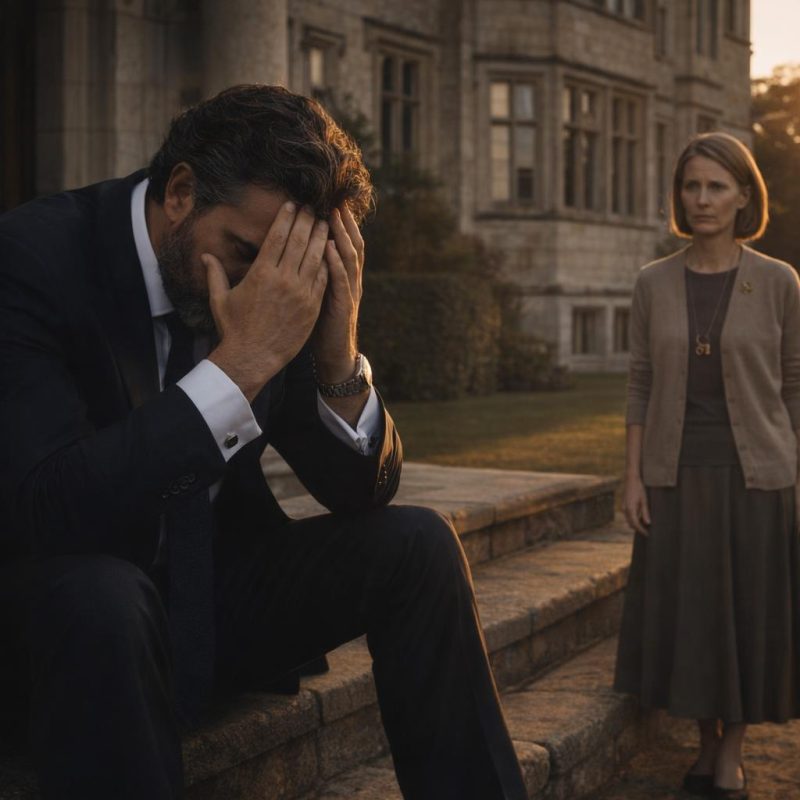 Image by RM AI
The Investigation Expands
I learned the fuller picture from Catherine, two days later. She'd been making calls of her own — colleagues at other institutions, a contact at the U.S. Attorney's office she'd worked with on a repatriation case years ago. Because Julian had signed ownership declarations on items that were never legally imported, he was personally liable. Not the estate, not a corporate entity — Julian, by name, on the documents. That signature had been his idea of efficiency. It turned out to be something else entirely. The federal review wasn't limited to the collection. His financial records were being examined for money laundering connections. His real estate transactions were being cross-referenced against the collection's acquisition history. The private equity buyers had withdrawn within forty-eight hours of the seizure becoming public, and they'd done it loudly enough that every other potential partner heard the door close. His bank accounts were frozen pending review. Catherine told me all of this in the measured tone she uses when she's relaying information she finds professionally significant, and I listened without interrupting. When she finished, there was a pause. I hadn't just stopped the sale. The investigation had reached into every corner of what Julian had built over thirty years, and the weight of that — the sheer, compounding totality of it — settled over me like something I hadn't known I was waiting to feel.
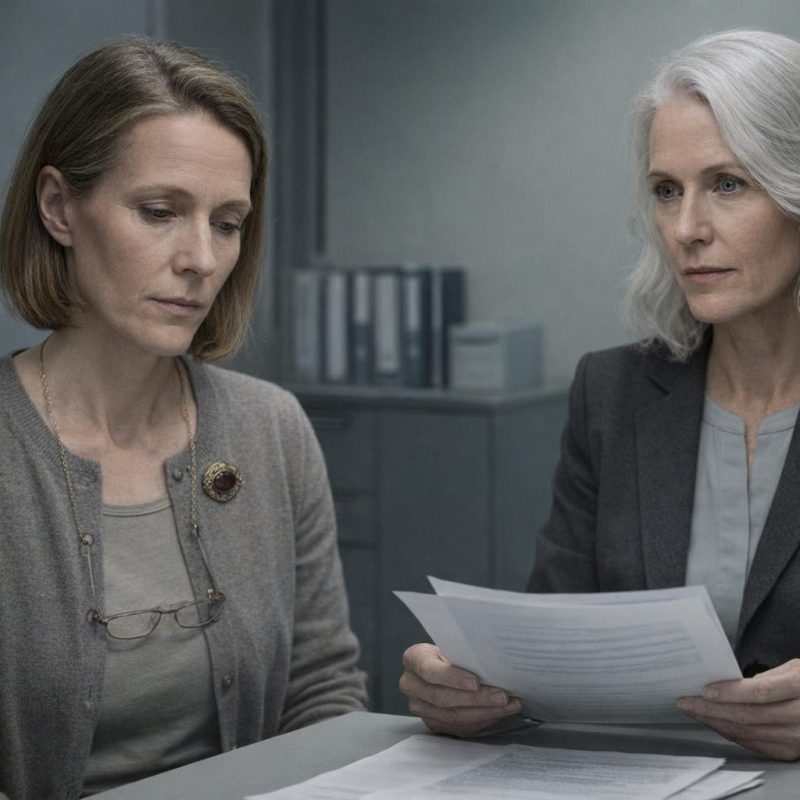 Image by RM AI
The Realization
I drove back one more time that evening, just before the light went. I don't know exactly what I was looking for — confirmation, maybe, or just the particular satisfaction of seeing a thing through to its end. Julian was still on the porch steps. The agents were finishing their work inside, and the moving trucks sat empty in the drive, their cargo gone. He tried to go inside at one point — I saw him stand, move toward the door, and get stopped by an agent with a quiet word and an outstretched hand. He stepped back. He stood in the driveway for a while after that, in the middle of all of it, not making calls anymore, not arguing, not performing the confidence that had always been his primary instrument. His assistants had been released and had left without speaking to him. The shore house he'd described to me with such satisfaction — the one he'd been so certain was already his — was never going to happen. The real estate empire that was supposed to absorb the collection's proceeds was now the subject of its own federal review. He looked, from where I sat, like a man who had finally run out of moves. I felt no pity. I want to be honest about that. I felt nothing that resembled pity at all.
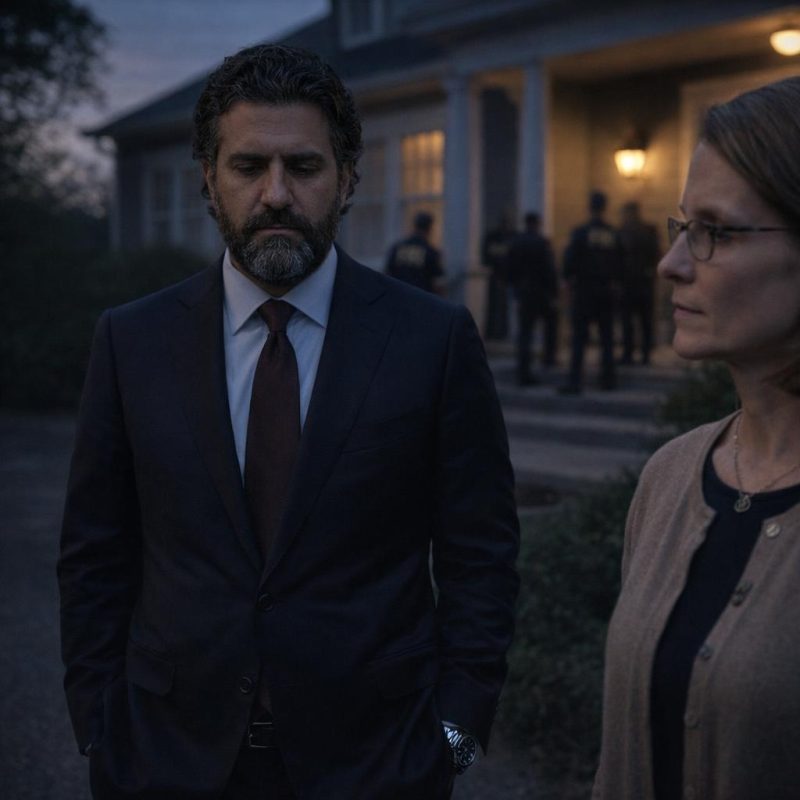 Image by RM AI
The Legal Consequences
I had moved my car closer by then — close enough, with the window cracked, to catch fragments of what Torres was saying. Julian's lawyer had arrived and was standing slightly behind his client, which told me everything about how that conversation was going. Torres spoke in the even, factual register of someone delivering information rather than making an argument. The collection was federal evidence now. Every piece would remain in secure storage while provenance was established through international cooperation — source countries, customs records, auction house documentation going back decades. Julian asked something. I couldn't hear the exact words, but I heard the shape of the question: when, and how much. Torres's answer was brief. Julian's lawyer put a hand on Julian's arm, which Julian shook off. Torres said something else, and I caught the phrase criminal charges clearly enough that I didn't need to fill in the surrounding words. Julian's signatures on the ownership declarations made him the responsible party. Torres mentioned similar cases. The lawyer stepped forward and said something sharp and final, and Julian went quiet. I watched Julian's face as Torres said the part I heard most clearly through the cracked window — that the legal process for establishing provenance and resolving ownership claims in cases like this typically takes fifteen to twenty years.
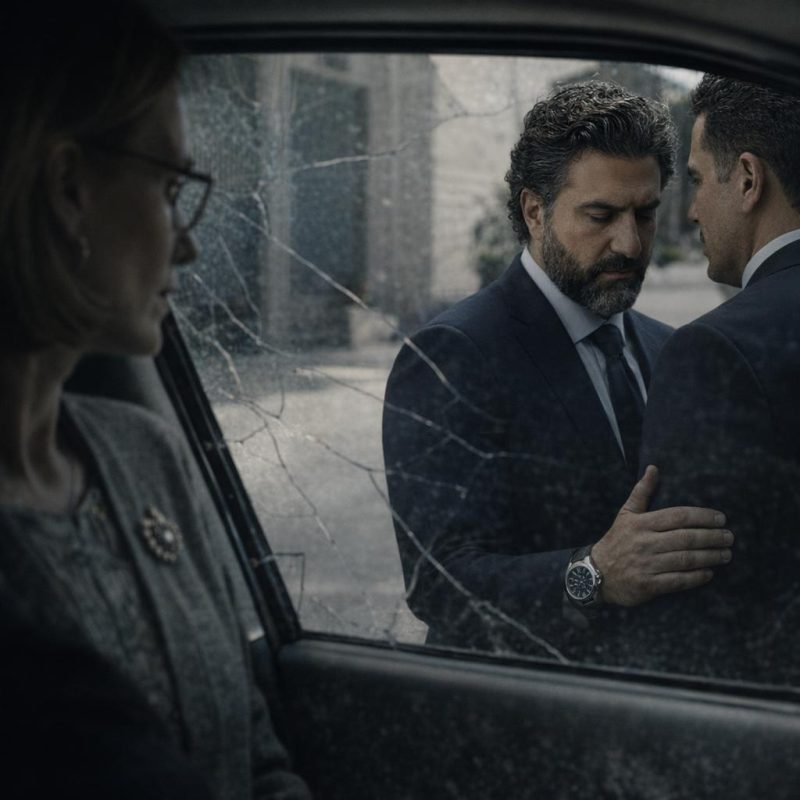 Image by RM AI
The Empire Collapses
Catherine called on a Thursday, about a week after the seizure. She'd been tracking the industry news and, I suspected, a few sources closer to the legal proceedings than she'd ever admit to me directly. She got through the pleasantries in about twelve seconds and then told me what she'd learned. Julian's real estate business had collapsed. Not stumbled, not contracted — collapsed, the way things collapse when the foundation goes at once. Investors had pulled out within days of the federal investigation becoming public. His creditors had called their loans. The private equity deal was permanently dead, and the buyers had made sure everyone in the relevant circles knew why they'd walked. His business partners were issuing careful statements about the limits of their involvement. Julian was facing personal bankruptcy. The deposit on the shore house had been forfeited when he couldn't complete the purchase. Catherine delivered all of this in her thorough, diplomatic way, and then she asked if I was all right, in the tone of someone who genuinely wanted to know. I told her I was fine. I meant it. She said she was glad, and I believed her. After we hung up, I sat with the full shape of it: thirty years of deals and networking and carefully maintained appearances, gone in less than a week. The federal case files listed his name. The creditor notices listed his name. Every document that mattered now listed Julian's name alone.
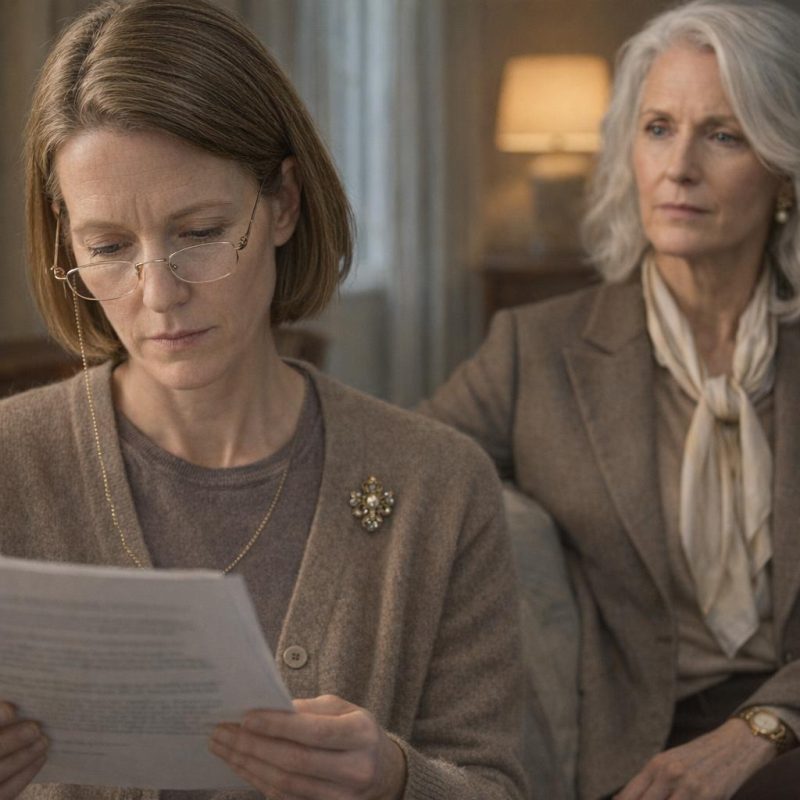 Image by RM AI
The Final Encounter
I drove past Blackwood Manor one last time on a Tuesday morning, not because I needed to, but because some things deserve a proper ending. The federal evidence vehicles had replaced the moving trucks. The circular drive was quiet. The manor looked exactly as it always had from the outside — the same stone facade, the same iron railings, the same windows that had watched decades of arrivals and departures. Julian was on the front porch. He was alone, and he was holding something small between his fingers — one of the neon-green price stickers, the kind Marcus had pressed onto Father's things with such cheerful incompetence. I slowed without thinking. Julian looked up. Across the distance between us, his eyes found mine, and I watched his expression do the thing I had been waiting, without quite admitting it, to see. He looked down at the sticker in his hand. He looked back at me. I didn't stop. I didn't wave. I didn't offer him the satisfaction of any gesture at all. I let my foot ease back onto the accelerator and drove past, and in the rearview mirror I could see him still standing there on the porch of the house he could no longer enter, holding that small green square, and I understood from the look on his face that he finally knew exactly what I had done.
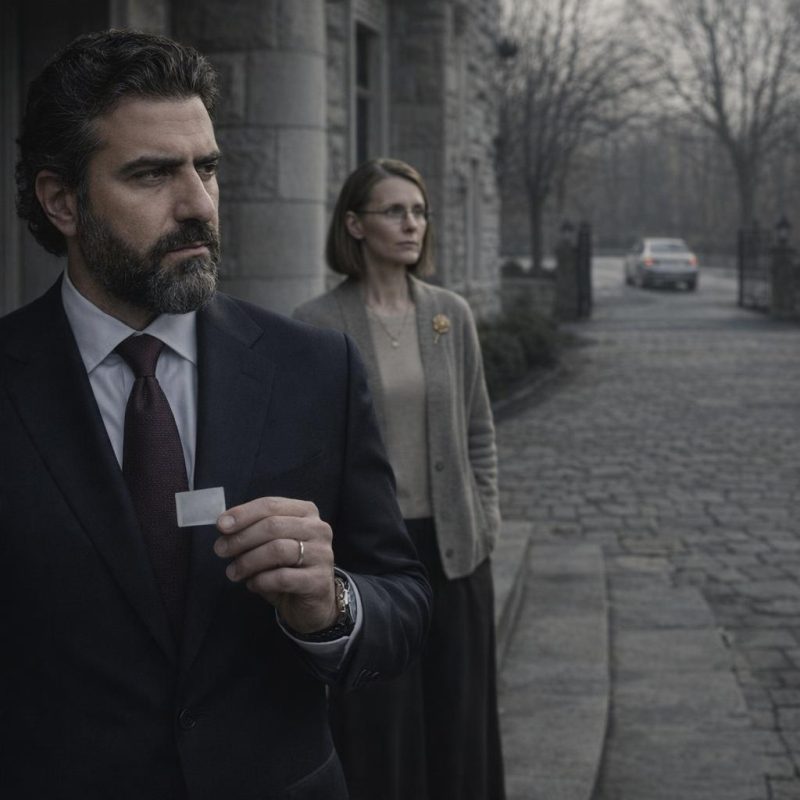 Image by RM AI
The Silence
I drove back to my apartment in the city without stopping, without the radio, without anything to fill the quiet. The place was exactly as I'd left it — small, orderly, smelling of old paper and the particular dust that accumulates around books. I sat down in the chair by the window and didn't move for a long time. It took me a while to understand what was wrong, and then I understood: there was no ticking. At Blackwood Manor, the clocks had been constant — a layered, overlapping sound I had absorbed so completely that I'd stopped hearing it the way you stop hearing your own heartbeat. Bracket clocks, longcase clocks, a Vienna regulator in the upstairs hall that Father wound every Sunday morning with a small brass key. They were in federal storage now, silent in evidence boxes, their pendulums stilled. I had grown up inside that sound. I had cataloged it, maintained it, built my entire sense of time around it. My apartment offered nothing in its place — just the ambient hum of the city outside, indifferent and unhurried. I sat with that absence and let it settle over me. The clocks were finally still.
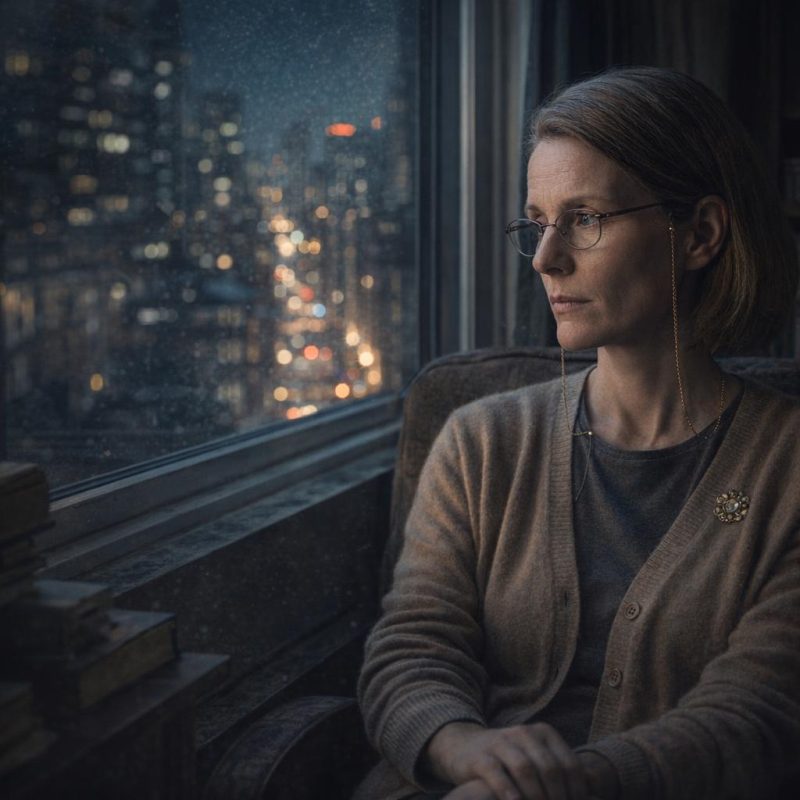 Image by RM AI
The Aftermath
Several weeks passed, and I found a rhythm I hadn't expected to find. The university library hired me on a part-time basis that became full-time by the third week — they needed someone who could handle rare materials, and I had spent the better part of my adult life doing exactly that. My apartment stopped feeling temporary. I arranged my books along the south wall, set up my desk by the window, and established the kind of quiet routine that Blackwood Manor had never actually permitted, despite all its silences. Catherine called on a Thursday evening, just to check in, and we talked for nearly an hour about nothing consequential — a catalog she was consulting on, a lecture series she thought I might enjoy. She didn't mention Julian. I saw his name in the news occasionally, buried in financial reporting: bankruptcy proceedings, creditors filing claims, the federal investigation expanding into his business partners. I read those items the way you read weather reports for a city you used to live in — with mild, detached interest. The weight I had carried for years, the weight of Father's secrets and the collection's impossible demands, was simply gone. I hadn't anticipated how light that would feel.
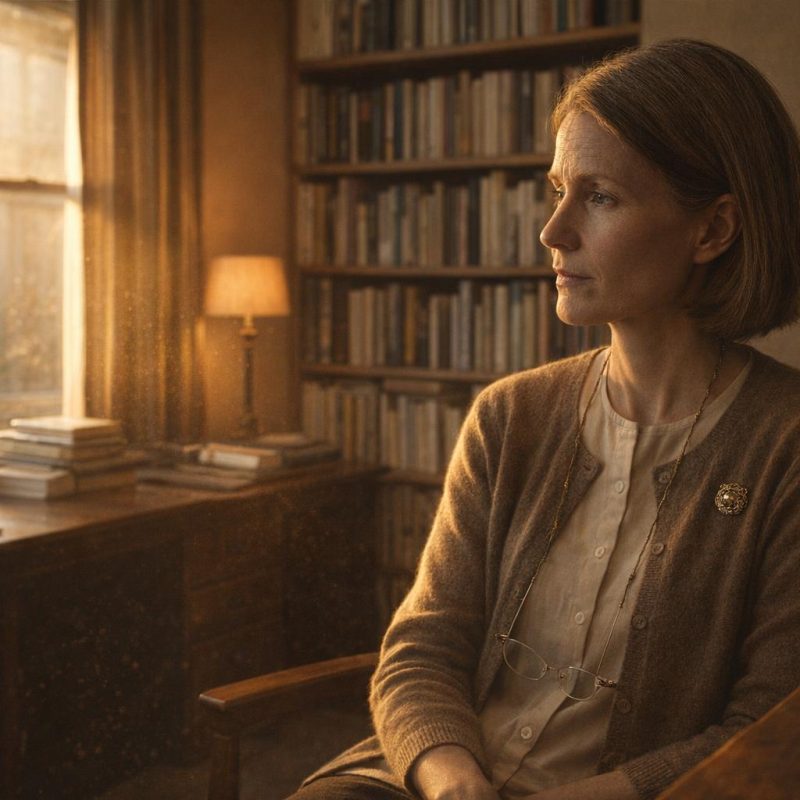 Image by RM AI
The Letter
The letter arrived on a Wednesday, in a plain envelope with a Department of Homeland Security return address. Samuel had mentioned it might come eventually, but I'd stopped expecting it. I made tea before I opened it, which tells you something about where I was by then. The letter was formal and precise — the kind of language that has been reviewed by three lawyers before it reaches anyone. It thanked me for my cooperation, confirmed I had been cleared of any wrongdoing, and noted that my documentation had been instrumental in establishing provenance chains for several dozen items. The collection, it explained, would be processed over the coming years: pieces with established foreign provenance returned to their countries of origin, others transferred to accredited museum collections once authentication was complete. The process would take time. I already knew that. I set the letter on my desk and thought about Father — about the obsessive precision with which he had acquired each piece, the way he'd spoken about ownership as though it were a form of love. He had wanted possession. He had wanted prestige. What he was going to get, in the end, was a wall label in a museum he'd never visited, in a country he'd never cared about. The collection would be properly cared for, properly seen. I sat with that for a long time, and it felt, on balance, like the right ending for it.
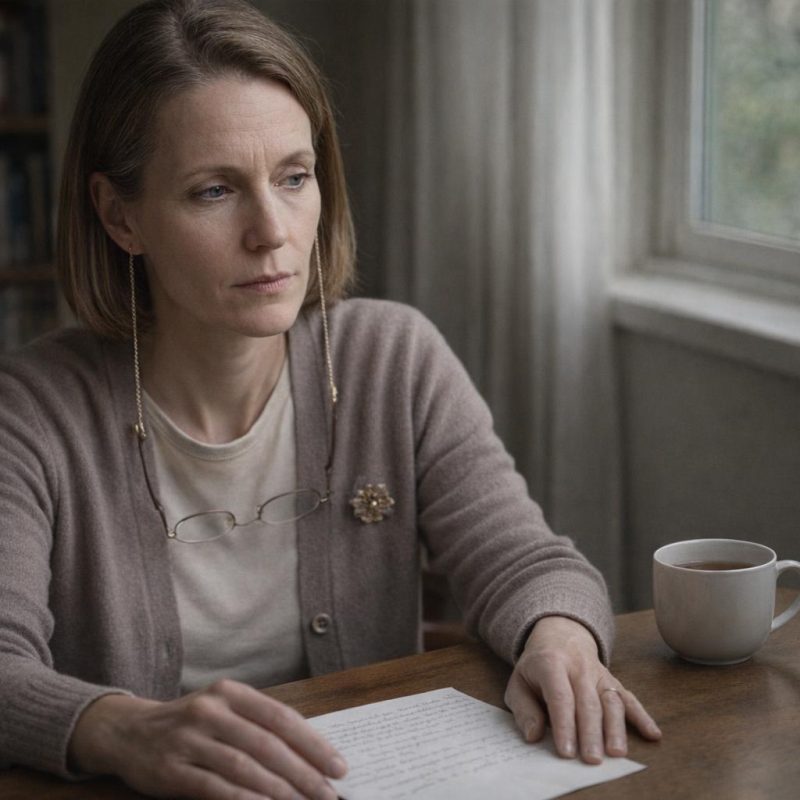 Image by RM AI
The Silence of the Clocks
I walked through the city on a Thursday evening in late autumn, no particular destination, just moving through the cold air because the apartment had started to feel too still. I passed a wine bar where people were laughing at something I couldn't hear, a used bookshop with its lights still on, a couple arguing quietly outside a restaurant in the way that means the argument started somewhere else entirely. I was anonymous in all of it, which I had once found lonely and now found something close to restful. I thought about Blackwood Manor — the years of cataloging in rooms that smelled of linseed oil and old varnish, the weight of knowing things I wasn't supposed to know, the particular exhaustion of being the person who understood everything and was consulted about nothing. Julian had the house and lost it. I never had it and lost it anyway. Neither of us came out of this with what we'd wanted. But I had come out of it without the thing I hadn't known I was carrying: the obligation to protect a legacy that had never deserved protection. The clocks were in federal storage, silent in their evidence boxes, pendulums stilled. I kept walking, and the city moved around me, and I felt the quiet all the way through.
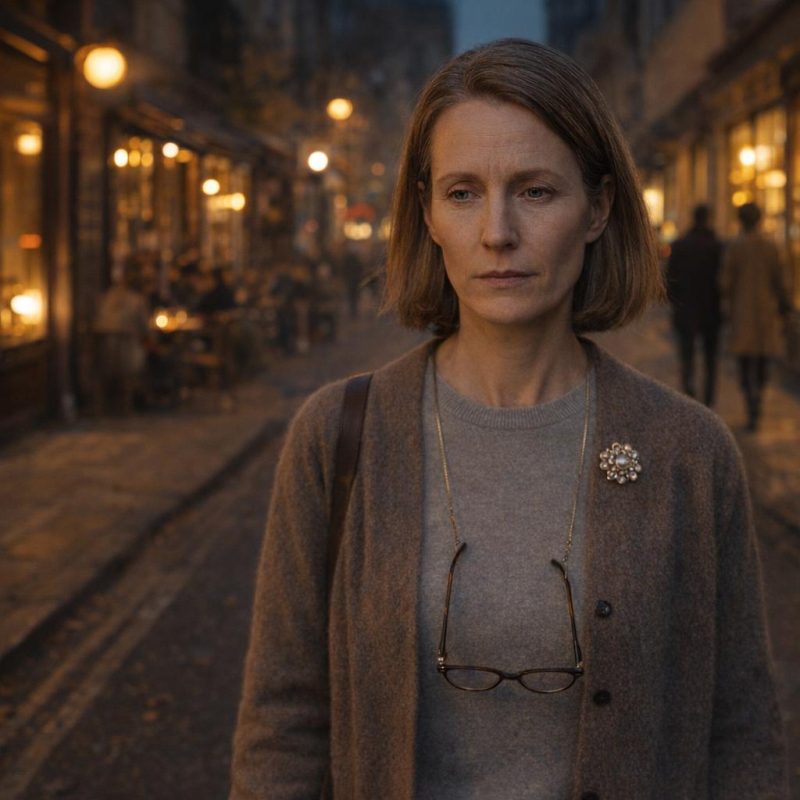 Image by RM AI
KEEP ON READING
From Heroes To Zeroes 20 Historical Figures Whose Heroism Was…
History is full of legends, but not every hero lived…
By Noone Feb 25, 2026
The Clueless Crush: How I Accidentally Invited a Hacker Into…
Fluorescent Lights and First Impressions. My name is Tessa, I'm…
By Ali Hassan Nov 4, 2025
This Infamous Ancient Greek Burned Down An Ancient Wonder Just…
History remembers kings and conquerors, but sometimes, it also remembers…
By David Davidovic Nov 12, 2025
Einstein's Violin Just Sold At An Auction—And It Earned More…
A Visionary's Violin. Wanda von Debschitz-Kunowski on WikimediaWhen you hear…
By Ashley Bast Nov 3, 2025
The Mysterious "Sea People" Who Collapsed Civilization
3,200 years ago, Bronze Age civilization in the Mediterranean suddenly…
By Robbie Woods Mar 18, 2025
The 20 Smartest Women in History
Intelligence Has Always Had More Than One Form. Calling anyone…
By Emilie Richardson-Dupuis Jun 16, 2026