


The North Star
My Aunt Margaret was the person you called when everything fell apart. When my mother died, I was twenty-three and absolutely rudderless, and Margaret showed up at my apartment with groceries and a spare key to her place. She didn't do drama or speeches. She just said, 'You'll stay with me until you're ready,' and that was that. For thirty-four years after, she was my north star—the one who remembered my birthday before I did, who listened to my work complaints without trying to fix me, who sent newspaper clippings about gallery openings she thought I'd like. Margaret was sharp. She did her own taxes until she was eighty. She traveled alone to Portugal at seventy-six. She had opinions about architecture and wasn't shy about sharing them. When she spoke, people listened, because she didn't waste words. Her house was always orderly, her mind even more so. I visited every other weekend, and we'd drink tea in her sunroom and talk about everything and nothing. Those visits were the steadiest part of my life. But in the last few years, something in Margaret's house had changed.
 Image by RM AI
The Temporary Guest
Brianna was Margaret's cousin's granddaughter—one of those relatives you see at weddings and funerals but never quite place. She showed up at Margaret's door three years ago with two suitcases and a story about a roommate situation gone bad. Margaret, being Margaret, offered her the guesthouse for 'a few weeks.' I met Brianna that first month. She was charming in that effortless way some people have, all warm smiles and self-deprecating jokes. She asked thoughtful questions and remembered details. Margaret seemed pleased to have company. But weeks became months, and months became years. Every time I asked Brianna about her plans, she'd sigh and mention job interviews that didn't pan out, apartment searches that fell through, savings she was 'almost' ready to use. There was always a reason the timing wasn't quite right. Margaret never pushed. She'd just shrug and say, 'She'll figure it out.' I wanted to believe that too. But I started noticing how Brianna's answers shifted depending on who was asking. To me, she was looking for work. To Margaret's neighbor, she was 'taking care of Aunt Margaret.' To the mailman, she was 'staying temporarily while renovating.' Brianna had a talent for looking exhausted whenever anyone asked about her plans.
 Image by RM AI
Small Changes
The first thing I noticed was the locked cabinet in Margaret's study. She'd never locked anything before—her house had always been open, trusting. But one afternoon I went to grab a photo album from the cabinet where she'd always kept them, and the door wouldn't budge. Margaret appeared in the doorway almost immediately. 'Oh, I've been reorganizing,' she said lightly, slipping the key back into her pocket. Her smile was pleasant, but her hand stayed on that pocket. The next visit, I saw her move her purse from the kitchen counter to her bedroom when Brianna came in from the guesthouse. It was subtle—just a quick scoop and retreat—but Margaret's eyes tracked Brianna's movements the whole time. I thought maybe I was reading too much into it. Old people get protective of their things, right? Except Margaret had never been that way. She'd always been generous, relaxed about possessions. Now she kept her checkbook in a drawer that locked. She stopped leaving her mail on the hall table. When my brother David visited, he mentioned that Margaret had asked him about power of attorney paperwork, something about 'making sure everything's clear.' He thought she was just being thorough. I told myself it was nothing, but I couldn't stop wondering what Margaret was protecting.
 Image by RM AI
The Caregiver Narrative
Brianna started telling people she was Margaret's caregiver. I first heard it from Margaret's neighbor, Mrs. Chen, who mentioned how 'wonderful' it was that Brianna had 'stepped up' to help. I didn't correct her, but I filed it away. Then Margaret's hairdresser said something similar. And the woman at the dry cleaners. Brianna had built this narrative, and it was spreading. The thing is, I never saw much evidence of actual caregiving. Margaret still drove herself to appointments. She still did her own shopping, cooked her own meals. When I visited, Margaret was always the one making tea, while Brianna stayed in the guesthouse or ran errands 'in town.' Once, I asked Brianna directly what kind of help Margaret needed. She gave me this patient smile, like I was being deliberately obtuse. 'Oh, you know. Just being here. Making sure she's not alone. Little things.' She gestured vaguely. 'She'd never ask, but she needs someone.' I looked at Margaret, who was reading the newspaper with perfect concentration, same as she'd done for decades. Brianna talked about Margaret like she was fragile, diminished. But Margaret wasn't. She was just older. There's a difference. The way Brianna said it made it sound like a job title she'd earned.
 Image by RM AI
The Passing
Margaret died on a Tuesday morning in April, in her sleep, exactly the way she would've wanted. No drama. No hospital vigil. Just gone. I got the call from Brianna, who said she'd gone in to check on her and found her peaceful in bed. The doctor said her heart had simply stopped—eighty-two years of steady beating, and then done. I cried in my car before I went inside. I cried at her kitchen table. I cried folding the blanket she always kept on her reading chair. My grief felt huge and shapeless, too big for my body. Brianna cried too, but hers had a performance quality I couldn't quite name. She clutched tissues and talked about how Margaret had been 'like a grandmother' to her, how she'd 'given her a home when she had nowhere to go.' She posted on Facebook about losing her 'angel' and 'best friend.' People left heart emojis. At the funeral, Brianna sat in the front row, which felt wrong but I didn't have the energy to argue. She wore black and sobbed audibly during the service. Afterward, people hugged her and told her how strong she was. I stood to the side, numb. At the funeral, Brianna cried loud enough for everyone to hear, and I realized we weren't mourning the same thing.
 Image by RM AI
The Lawyer's Office
Mr. Holcomb's office was exactly what you'd expect from a small-town estate attorney: beige walls, heavy wooden furniture, framed diplomas no one ever reads. He'd been Margaret's lawyer for twenty years, and he had the kind of face that gave nothing away—pleasant, professional, forgettable. Brianna and I arrived separately. I got there first and sat in one of the stiff chairs across from his desk. When Brianna walked in, she looked composed, hair pulled back, wearing a navy dress that somehow managed to look both respectful and expensive. She sat in the chair next to mine, close enough that I could smell her perfume—something floral and cloying that made my sinuses ache. She didn't say much, just folded her hands in her lap and gave me a small, tight smile. It wasn't a warm smile. It was the smile of someone who knows something you don't. Mr. Holcomb offered us water. We both declined. He opened a folder, adjusted his glasses, and began the preamble about how Margaret had been very clear in her wishes, how everything had been properly documented. Brianna nodded along like she already knew. Maybe she thought she did. Brianna sat close enough that her perfume made my eyes water, and she kept glancing at me with a tight, satisfied smile.
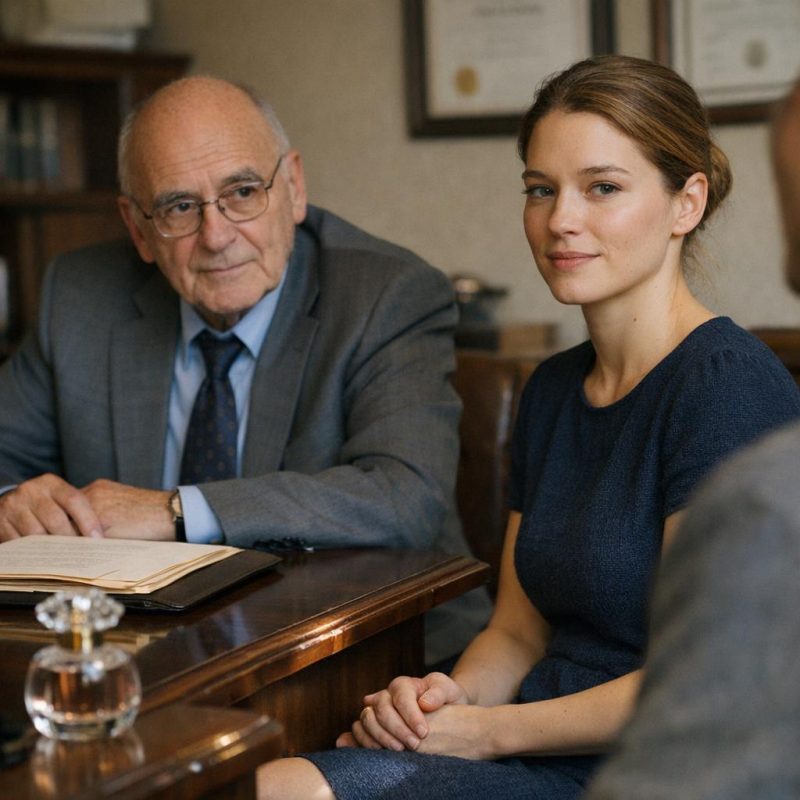 Image by RM AI
The Basic Bequests
Mr. Holcomb started with the easy stuff. Margaret's car would be donated to a veterans' charity. Her jewelry was divided between me, my brother David, and two cousins on her late husband's side. There was a cash bequest for the local library. Brianna listened politely, her expression neutral but focused. She wasn't interested in the jewelry or the charitable donations. I could feel her waiting. Mr. Holcomb read through each item in his steady, unrushed voice, pausing occasionally to clarify a detail or ask if we had questions. We didn't. The room felt smaller with each sentence. I kept my hands folded in my lap to stop them from shaking. I wasn't sure what I was nervous about—maybe just the finality of it all, the way Margaret's entire life was being reduced to bullet points in a legal document. Brianna shifted slightly in her chair when Mr. Holcomb turned the page. Her posture changed. It was subtle, but I noticed—the way her spine straightened, the way her hands unclenched. She was ready. This was the moment she'd been waiting for. The house. The property. The thing that made three years in a guesthouse worth it. Then he got to the house, and Brianna straightened like a cat hearing a can open.
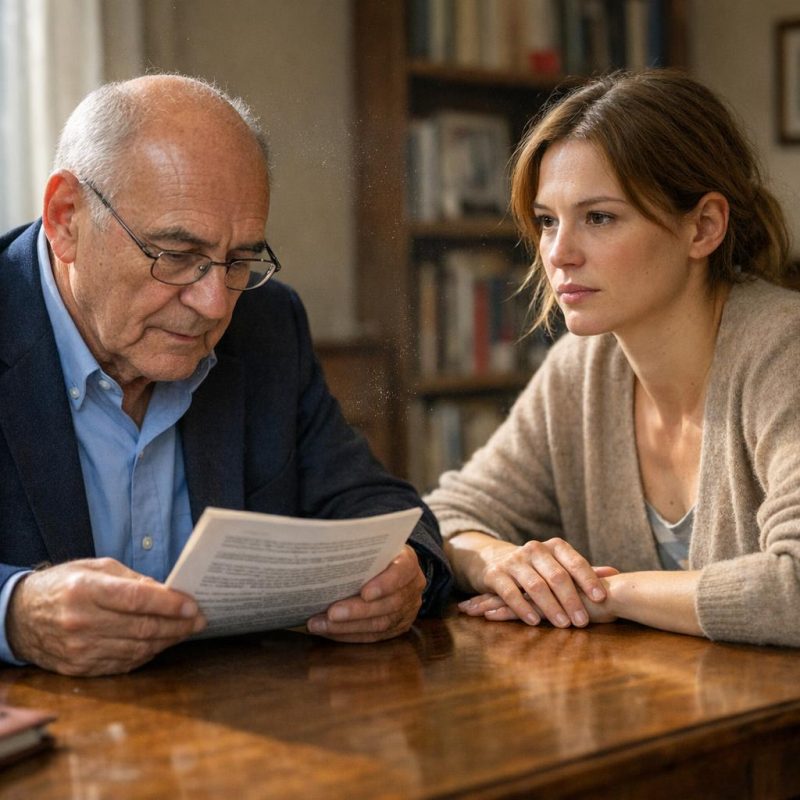 Image by RM AI
The Guesthouse Disappointment
Mr. Holcomb's voice didn't change. 'The primary residence, located at 428 Maple Street, is to be sold, with proceeds divided equally among Meredith, David, and Ellen.' Ellen was Margaret's niece, someone I barely knew. Brianna blinked. I watched her process it. The guesthouse wasn't mentioned. Not as a bequest, not as a gift, not even as an afterthought. It was part of the property to be sold, and she had no claim to any of it. For just a second, her face went blank. Then the smile came back, a little tighter, a little sharper. 'I see,' she said softly. Mr. Holcomb looked up. 'Miss Brianna, there is a separate paragraph here. Margaret left you a personal note of thanks for your companionship, along with a sum of five thousand dollars.' Five thousand dollars. For three years. Brianna nodded slowly, like she was absorbing this with grace. But her hands gripped the armrests, and I saw her jaw tighten. 'That's very generous,' she said. Her voice was calm. Too calm. She glanced at me, and for just a moment, I saw something cold behind her eyes. Then she looked back at Mr. Holcomb and smiled again. Brianna's smile flickered, but she recovered fast, because she'd been rehearsing her outrage for years.
 Image by RM AI
Services Rendered
Mr. Holcomb turned another page, scanning the text with that careful lawyer's precision. 'There is a notation here,' he said, adjusting his glasses. 'Margaret expressed gratitude for Brianna's services rendered during her final years.' I saw Brianna's posture shift. Her shoulders relaxed. That phrase—services rendered—it was exactly what she'd been calling it for months. I'd heard her use those words at the funeral, talking to distant relatives who didn't know better. 'I provided services,' she'd said, with that practiced humility. Like she'd been a nurse, a caregiver, a saint. Now here it was, in legal language, and I could see her brain spinning it into gold. She nodded slowly, her expression softening into something like vindication. She glanced at me, just for a second, and I saw the calculation behind her eyes. She was already rewriting the narrative in her head—five thousand dollars wasn't the insult she'd thought it was, it was proof. Proof that Margaret had recognized her sacrifice. Proof that she'd been essential. Proof that she deserved more than the will had given her. She'd always sold the story that she'd sacrificed her youth, and I could see her imagining applause.
 Image by RM AI
The Sealed Envelope
Mr. Holcomb set the will aside and reached into his briefcase. 'There is one more item,' he said, pulling out a sealed envelope. It was cream-colored, legal-sized, with a red wax seal that looked almost ceremonial. Brianna leaned forward slightly. I saw her eyes lock onto it, and for the first time since we'd sat down, she looked genuinely interested. This was it, I thought. This was the thing she'd been waiting for. The real inheritance. The hidden clause. The secret codicil that would make everything make sense. Mr. Holcomb turned the envelope over in his hands, examining the seal. 'Margaret left specific instructions that this was to be opened only in the presence of her heirs,' he said. 'It contains a private letter.' Brianna's lips parted slightly. I could see her pulse in her throat. She was holding her breath. 'It's addressed to Meredith,' Mr. Holcomb said, and slid the envelope across the desk toward me. Brianna's eyes gleamed, then Mr. Holcomb said, 'It's addressed to Meredith,' and I heard Brianna's breath catch.
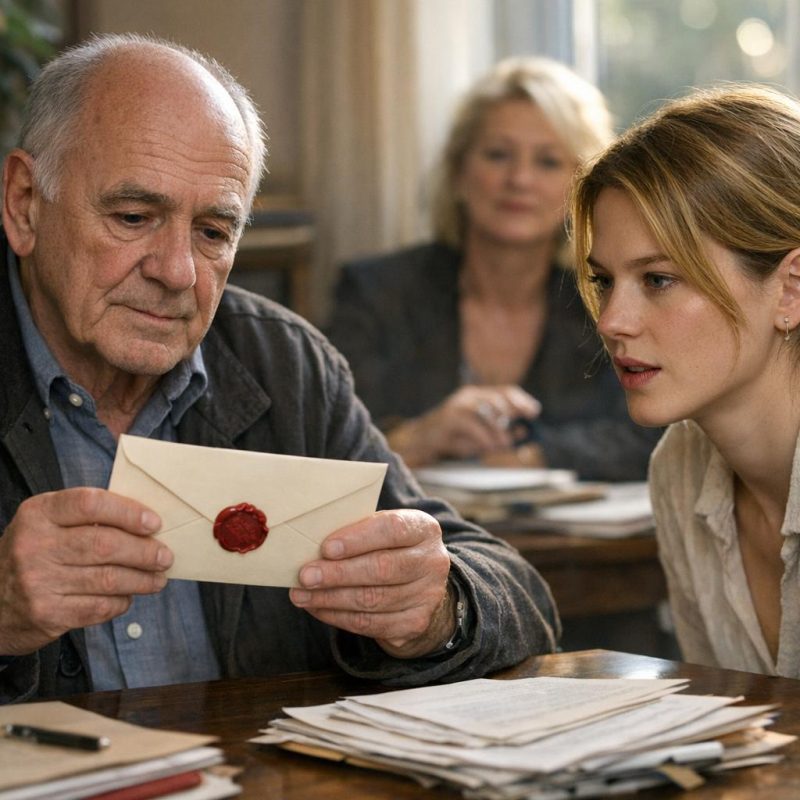 Image by RM AI
Margaret's Handwriting
I stared at the envelope. The handwriting on the front was unmistakably Margaret's—those sharp, slanted letters she'd formed with a fountain pen, the kind of penmanship they don't teach anymore. My name was written in dark blue ink: Meredith Anne Caldwell. Seeing it there, in her hand, made my throat tighten. It had been six weeks since the funeral, and I thought I'd processed the grief. I thought I'd moved through the worst of it. But holding something she'd touched, something she'd sealed and labeled with my full name, felt like standing too close to a fire. I could feel Brianna watching me. Mr. Holcomb waited, patient and still. I ran my thumb over the wax seal, half-expecting it to be warm. Margaret had always been deliberate. She didn't do things on impulse. If she'd gone to the trouble of sealing this with wax, of writing my name in ink instead of typing a label, it meant something. It meant she'd wanted me to feel this weight. It felt like she'd reached across time to tap my hand, and I couldn't move.
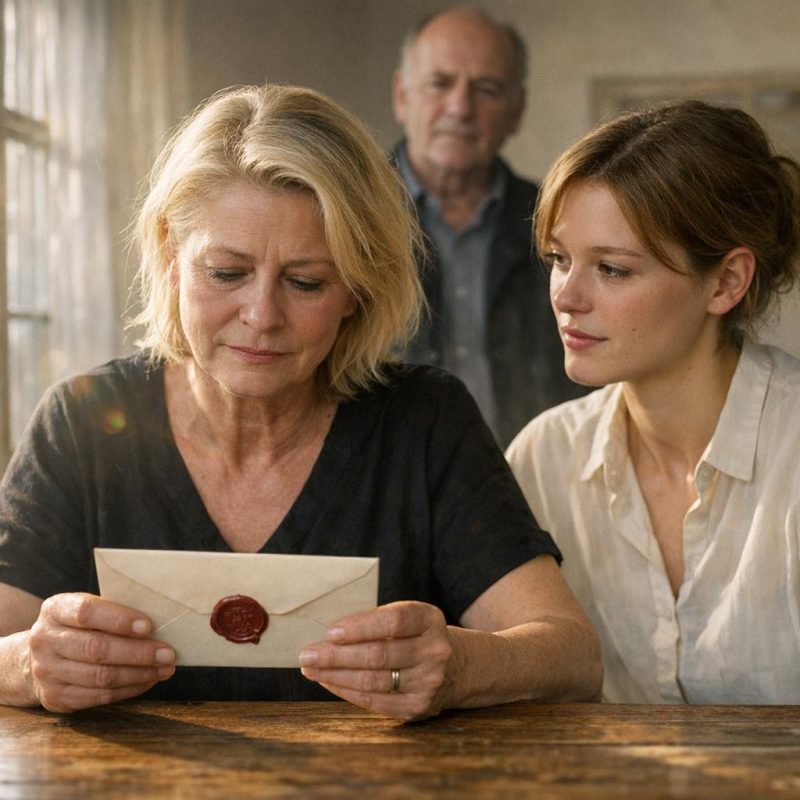 Image by RM AI
Just Read It
Brianna cleared her throat. 'Well,' she said lightly, 'are you going to open it?' Her voice had that casual tone people use when they're pretending not to care. I looked at her. She was sitting very still, hands folded in her lap, but her eyes were fixed on the envelope like it might sprout legs and run. Mr. Holcomb nodded. 'It's yours to open whenever you choose, Miss Caldwell.' I slid my finger under the seal. The wax cracked cleanly, and I pulled out two folded pages. Margaret's handwriting covered both sides, neat and precise. Brianna shifted forward in her chair. 'Maybe you should read it aloud,' she said. 'I mean, if it's about the estate, we should all hear it.' I glanced at Mr. Holcomb. He gave me a small, neutral nod. So I unfolded the pages, smoothed them flat on my lap, and started reading. The first sentence knocked the air out of my chest: 'If you're holding this, it means I didn't get the chance to tell you what I should have told you years ago.'
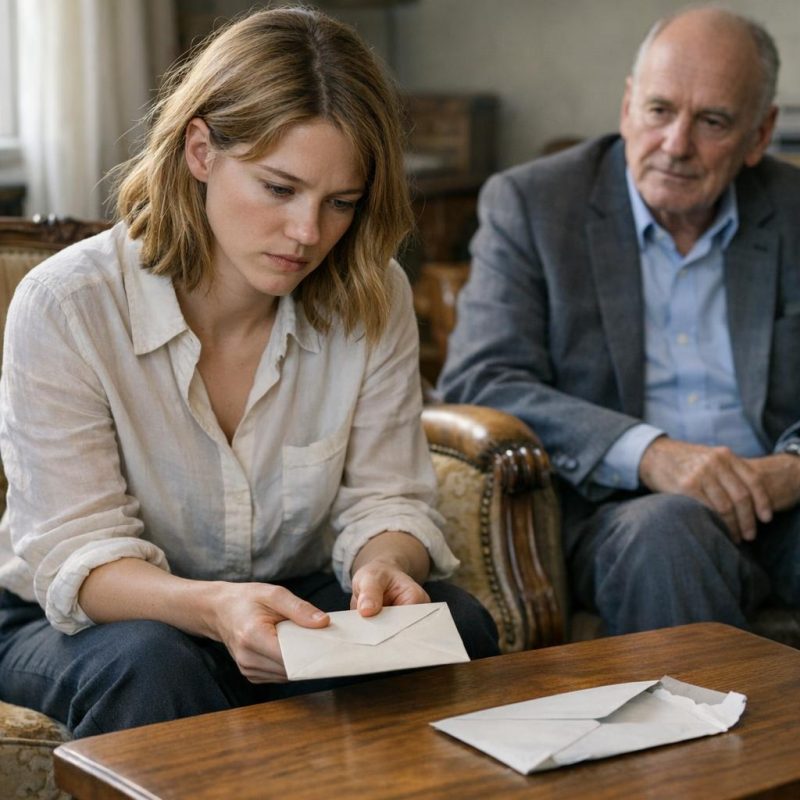 Image by RM AI
The Secret Property
I kept reading, my voice steady even though my hands weren't. Margaret's letter was methodical, almost clinical in its clarity. She explained that she'd purchased a duplex in 1998, using money from the sale of her first husband's business. It was in a different county, under an LLC she'd set up years before I even knew what an LLC was. She'd rented both units, used the income to fund her travel, her hobbies, her quiet generosity. None of us had known. Not me, not David, not anyone in the family. She wrote that she'd kept it quiet on purpose, that she'd learned early on what happened when people knew you had money. Suddenly everyone had needs. Suddenly every conversation came with an ask. Margaret had seen it happen to her mother, watched her get bled dry by relatives who thought love meant access. So she'd kept the duplex to herself, managed it quietly, and let people believe she lived modestly on her teacher's pension. She'd kept it secret for one reason: family had a way of turning generosity into entitlement.
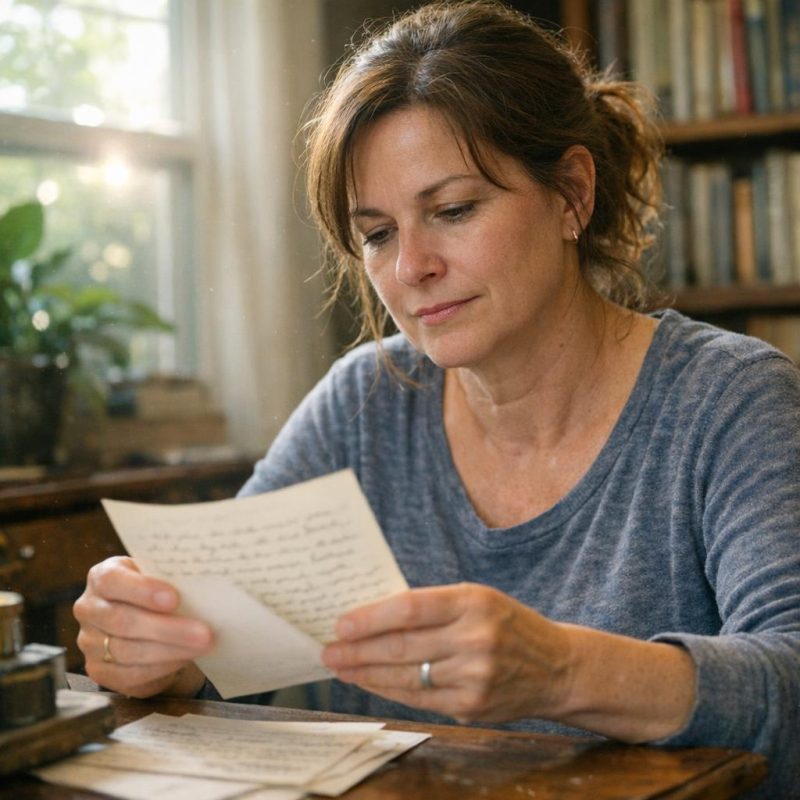 Image by RM AI
Brianna Found Out
The next paragraph made my stomach drop. Margaret wrote that Brianna had found out about the property two years ago. She'd been going through Margaret's home office, ostensibly looking for insurance documents after a minor fender bender. But she'd opened the wrong file drawer—or maybe the right one, depending on how you looked at it—and found the LLC paperwork. Margaret had come home early from a doctor's appointment and found Brianna at her desk, papers spread out, phone in hand, photographing everything. When Margaret asked what she was doing, Brianna had smiled and said she was just 'trying to help organize things.' Margaret hadn't confronted her directly. She'd simply locked the drawer after that and started keeping better records. But she'd known. She'd known exactly what Brianna had seen, and exactly what Brianna was planning. I looked up from the letter. Brianna's face went pale, then flushed, and she sat back hard as if the chair had grown teeth.
 Image by RM AI
Organizing Paperwork
I kept reading, even though I could feel Brianna's eyes burning into me. Margaret wrote that Brianna had started making comments after that day. Little remarks about how Margaret seemed 'forgetful lately,' how she'd been 'confused about her finances.' Brianna had even suggested, more than once, that maybe it was time to set up a power of attorney, 'just in case.' She'd framed it as concern, as love, as the responsible thing to do. But Margaret had taught high school for thirty years. She knew manipulation when she saw it. She wrote that Brianna's excuse for going through her files—that she was 'organizing paperwork' because she was 'worried about Aunt Margaret's memory'—was a narrative Brianna had been building for months. I stopped reading and stared at the page. I'd heard Brianna use that phrase before—little jokes about Margaret being 'confused lately.' I'd thought she was just being affectionate, the way people are with older relatives. Now I realized she'd been laying groundwork.
 Image by RM AI
The Binder
Margaret's letter continued with the kind of detail that made my chest ache. She wrote that she'd started keeping records after Brianna's snooping incident. Not just financial records—she'd always kept those—but a separate binder documenting every interaction, every request, every 'favor' Brianna claimed to have done. She kept it hidden behind her cookbooks in the kitchen, the one place Brianna never looked because she never cooked. Margaret wrote that she'd documented everything: the time Brianna said she'd paid for Margaret's prescription but the pharmacy receipt showed Margaret's credit card; the weekend Brianna claimed she'd given up to drive Margaret to appointments, when Margaret had actually taken an Uber; the groceries Brianna said she'd bought, itemized against the receipts Margaret found in the trash. Every single claim, cross-referenced and verified. Inside were dated notes, receipts, and screenshots, each ending with the same phrase: 'I paid for this.'
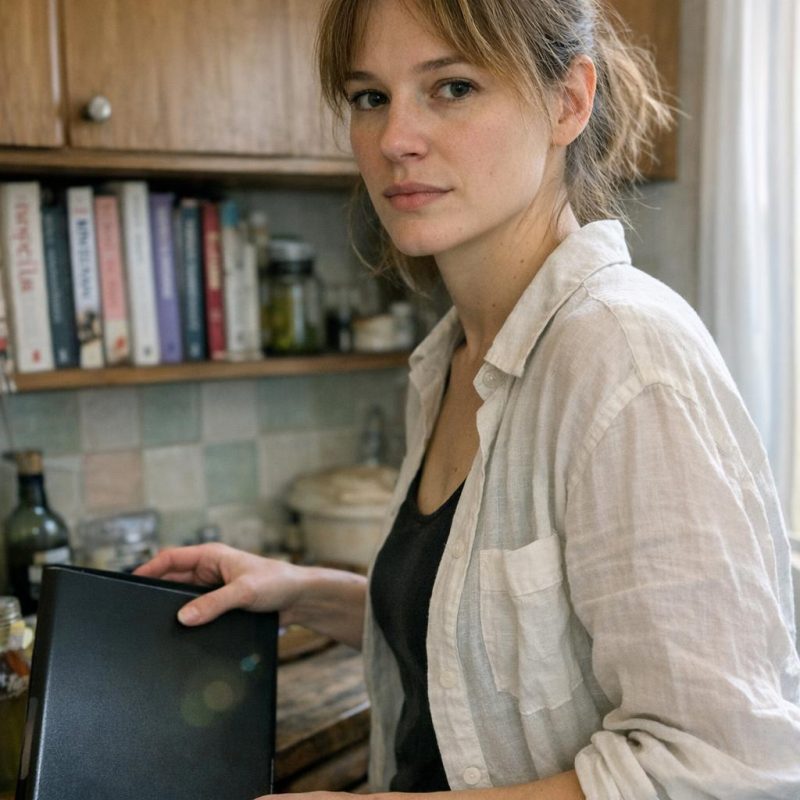 Image by RM AI
Appointment for One
The next entry Margaret detailed was dated from March, about four months before she died. Brianna had called to say she was taking Margaret to three doctor's appointments that week—a neurologist follow-up, a lab draw, and a medication check. Margaret wrote that Brianna picked her up each time, drove to the medical complex, then told her to wait in the car because parking was difficult and Margaret would slow her down inside. So Margaret sat. She waited while Brianna disappeared into the building for forty minutes, then an hour, then fifty minutes across three separate days. Margaret had felt vaguely ashamed, she wrote, like she really was the burden Brianna kept implying she was. Then she'd gotten the appointment reminders on her phone. She hadn't been scheduled for anything that week. When she called the offices, they confirmed: no appointments, no cancellations, nothing. Brianna had been going to her own appointments—a dermatologist, a dentist, her gym's physical therapist—and billing the driving time as caregiving while Margaret sat alone in a parking garage. Margaret's handwriting got smaller here, tighter, like she was pressing the pen hard into the page. 'I waited in the car,' Margaret had written, and the calm simplicity of it made me furious.
 Image by RM AI
The Roof Leak
Two pages later, there was an entry about the roof leak over the sunroom. I remembered this one—Brianna had posted about it on Facebook, actually, with a whole story about spending her Saturday hauling supplies and patching the roof herself because Margaret couldn't afford a contractor. The post had gotten dozens of sympathetic comments. What Margaret documented was different. Brianna had indeed gone to the hardware store, but she'd charged two hundred and thirty dollars' worth of supplies to Margaret's credit card—sealant, shingles, tools, even a new ladder. Then she'd taken photos of the materials spread out on the driveway and posted them online with a caption about family sacrifice. Margaret wrote that the leak had continued for another week, dripping into a bucket she emptied twice a day, before she finally called a handyman herself. He'd looked at the roof and told her nobody had touched it. The supplies were still in their packaging in the garage. Brianna had staged the whole thing, documented her supposed labor, charged Margaret for materials she never used, and collected praise for work she never did. Margaret had called the handyman afterward and learned Brianna hadn't done any work at all.
 Image by RM AI
Weekend Strangers
The next section made my stomach drop. Margaret had noticed cars in the guesthouse driveway on weekends when Brianna claimed to be out of town. Different cars, different people, always Saturday check-in and Sunday check-out. She'd felt confused at first, wondering if she was losing track of time or misremembering Brianna's schedule. Then one Saturday morning, a couple had knocked on the main house door asking where to find the coffee maker. They'd been cheerful, apologetic, saying they'd booked the 'cottage rental' online and the listing mentioned complimentary coffee but they couldn't find it. Margaret had smiled, said she'd figure it out, then looked up her own address on a vacation rental site as soon as they left. There it was: her guesthouse, listed as 'Cozy Cottage Retreat,' advertised by someone named 'Bree,' available every weekend, eighty dollars a night. Brianna had been pocketing the cash for months, maybe longer. The entry included printed screenshots of the listing, reviews from guests, and Margaret's handwritten note: 'She rented my home to strangers while I slept fifty feet away.' I looked up at Brianna. She was staring at the table, her face white. Brianna made a sound then—half laugh, half choke—and said, 'That's a lie.'
 Image by RM AI
Not the Favorite
Margaret's letter shifted tone in the next section. She wrote that she wanted to explain why she'd chosen me as trustee, and that it wasn't because I was the favorite or because I'd done anything grand. It was because I'd shown up quietly, consistently, without making it a performance. She said she'd noticed the small things: how I brought soup when she had a cold and didn't post about it, how I changed the light bulbs she couldn't reach without being asked, how I listened when she talked instead of waiting for my turn to speak. She wrote that Brianna had always been loud in her affection, public in her gestures, the kind of person who'd buy an expensive gift and make sure everyone knew about it. But Margaret had needed someone who could sit with silence, who understood that love wasn't always a spotlight, who wouldn't turn caregiving into currency. She said she'd watched me over the years, especially after my mother died, and she'd seen someone who understood loss without using it as leverage. That's who she wanted managing her affairs—not someone who performed care, but someone who practiced it without an audience. Margaret wrote she'd seen me bring soup, change light bulbs, listen instead of perform.
 Image by RM AI
The Duplex Trust
The next section explained the duplex trust in detail. Margaret had structured it so the property stayed in trust with me as the trustee responsible for managing it. The rental income wasn't just meant to sit there—it had a specific purpose, laid out in careful steps. First, the income would pay off the remaining mortgage and property taxes, clearing the debt within about three years based on current rent rates. Then, once the property was free and clear, the income would be redirected into an endowment fund. The fund would be managed by the community college foundation, but I'd serve on the advisory board to ensure it stayed true to Margaret's vision. The endowment would grow for two years before the first scholarships were awarded, giving it time to build enough principal to sustain itself. Margaret had even specified the investment strategy—conservative, steady, nothing risky, because she wanted this to last. And the scholarships wouldn't be one-time awards; they'd be renewable for up to four years if the recipients maintained enrollment and progress. She'd thought of everything, mapping it out like she was building something that would outlive all of us. The income was to pay off debts, then fund a scholarship in my mother's name.
 Image by RM AI
Second Chances
Margaret's letter described exactly who the scholarship was for: women over thirty-five returning to school after life had interrupted their plans. Women who'd raised kids or cared for parents or worked jobs that didn't lead anywhere, women who'd put themselves last for decades and were finally trying again. The application wouldn't ask for test scores or high school transcripts or essays about overcoming adversity. It would ask what they wanted to study and why it mattered now, at this point in their lives, with everything they'd learned along the way. Margaret wrote that she'd watched my mother go back to school at forty-two, taking night classes while working full-time, studying at the kitchen table after everyone else had gone to bed. She'd seen how my mother's face changed when she talked about her coursework, how she'd become more herself, not less, even as she got sicker. Margaret wanted to give that chance to other women—the ones who thought they'd missed their window, who felt ashamed for starting late, who needed someone to say it wasn't too late to want something for themselves. My eyes blurred reading that, because it felt so personal, like Margaret had stitched a piece of my mother into her final act.
 Image by RM AI
The Draft Deed
Then Margaret's letter took a darker turn. She described finding something strange in the printer tray one afternoon—a draft deed, printed but not yet notarized, transferring the duplex property from Margaret's name to Brianna's. The document looked official enough at first glance, with the right legal language and formatting, but there were small errors that caught Margaret's attention. The parcel number was correct, but Margaret's middle initial was wrong—it listed her as Margaret A. Chen instead of Margaret L. Chen. The signature line was blank, waiting to be filled in, and the date field had been left incomplete. What disturbed Margaret most was finding a practice sheet in the recycling bin—Brianna's handwriting attempting Margaret's signature over and over, getting progressively closer to the real thing. Margaret had taken photos of everything, stored the documents in the binder, and said nothing. She didn't know if Brianna had abandoned the plan or was just waiting for a better opportunity, but the intent was clear enough. The room felt colder as I read that Margaret suspected Brianna had tried to forge ownership.
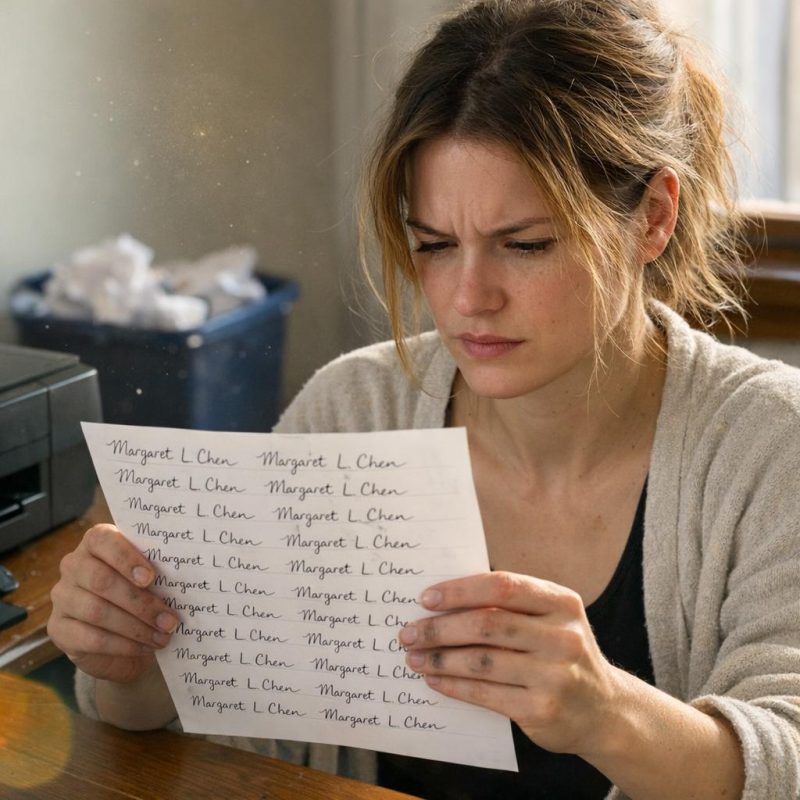 Image by RM AI
Avoiding a Scene
Margaret's letter explained why she hadn't confronted Brianna directly about any of it—the false caregiving, the rental scheme, the suspected forgery. She wrote that she'd considered it, even rehearsed what she might say, but ultimately decided against it. She didn't want her final months filled with accusations and denials, didn't want Brianna crying or performing remorse or making Margaret feel like the villain for noticing. She'd spent enough of her life managing other people's emotions, smoothing over conflicts, keeping the peace. She was too tired for that kind of confrontation, and she didn't owe Brianna the chance to explain or spin another story. Instead, she'd done something more strategic. She'd documented everything meticulously, updated her will to close every loophole, and told Mr. Holcomb to expect trouble after she died. She'd given him copies of the binder, explained Brianna's patterns, and made sure the trust documents were airtight. Let Brianna perform her grief at the funeral, Margaret wrote; let her play the devoted niece for the neighbors and the Facebook audience. Margaret had made sure the truth would come out when it mattered most—when Brianna couldn't charm or manipulate her way out of it anymore. Instead, she'd told Mr. Holcomb to expect trouble.
 Image by RM AI
The Final Instruction
Margaret's letter closed with a specific instruction. If Brianna contested the will or claimed she'd 'earned' anything through caregiving, Mr. Holcomb was to give me the binder immediately. She'd made copies for his files and the court if needed. 'I don't want Meredith blindsided,' she wrote. 'I want her to have every fact, every receipt, every lie documented, so she knows exactly what happened and doesn't second-guess herself when Brianna starts performing.' That word—performing—hit me hard, because it was so accurate. Margaret had seen through every act, every calculated gesture. She'd just chosen not to waste her final months staging a confrontation that Brianna would only twist into another drama. Instead, she'd armed me with the truth and trusted I'd know what to do with it. The letter ended with one more line that I've thought about constantly since that afternoon. 'Let the truth do what shouting never could,' Margaret wrote.
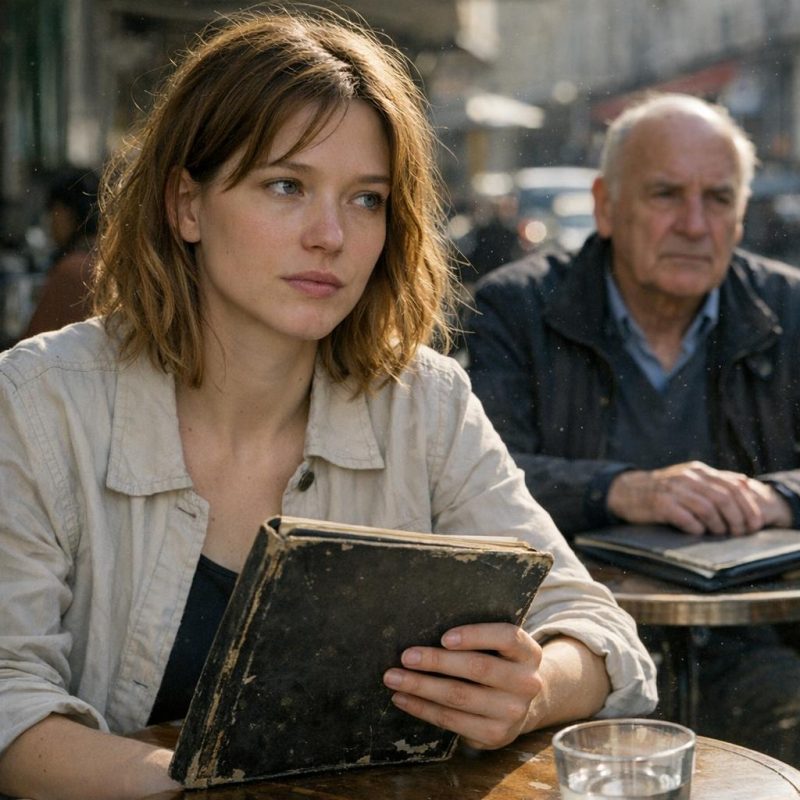 Image by RM AI
The Physical Binder
Mr. Holcomb folded the letter carefully and placed it back in the envelope. Then he stood and walked to the antique filing cabinet behind his desk. The room was so quiet I could hear the drawer slide open, the shuffle of folders. He returned with a black three-ring binder, the kind you'd use for a school project or a recipe collection, except this one had little colored tabs sticking out along the edges. He set it on the table between Brianna and me with a soft thud. The cover was unmarked, just plain black vinyl, but somehow it felt heavy with intent. I looked at it, then at Brianna, who'd gone completely still. Her hands were in her lap now, fingers twisted together. Her eyes locked on the binder like it was something dangerous, something that might bite if she got too close. She didn't reach for it. She didn't ask what was inside. She just stared at it with an expression I'd never seen on her face before—something between fear and rage. Brianna's eyes locked on it like it was an enemy.
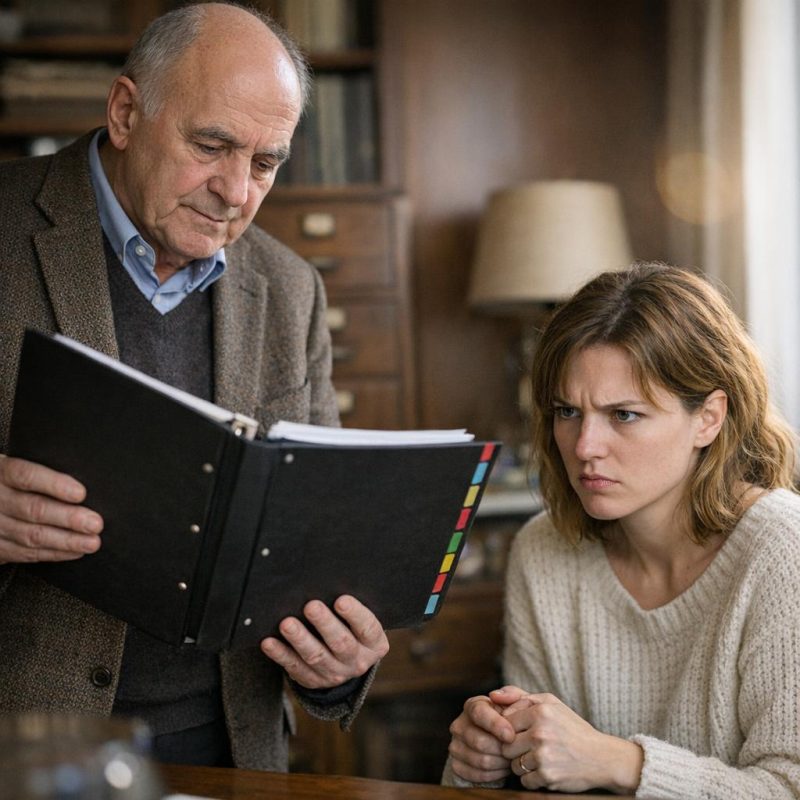 Image by RM AI
Don't Make This Ugly
Brianna finally looked up at me, not at Mr. Holcomb. Her voice dropped to something softer, almost pleading. 'Meredith, we're family. This doesn't have to be—we don't need to make this ugly.' She shook her head slightly, like she was disappointed in me for even entertaining whatever was in that binder. 'Margaret wouldn't have wanted us fighting over her things. You know that. She loved us both.' The shift was so smooth, so practiced, that I might have believed it once. The wounded niece, appealing to sentiment and shared history. But I'd just read Margaret's letter. I'd just learned that Margaret had spent months quietly cataloging every manipulation, every lie, every entitled demand. Brianna wanted to frame this as a family squabble, something we could smooth over with goodwill and selective memory. She wanted me to be the bad guy for looking at the evidence. Ugly—the word made me almost laugh, because Brianna had been making it ugly for years.
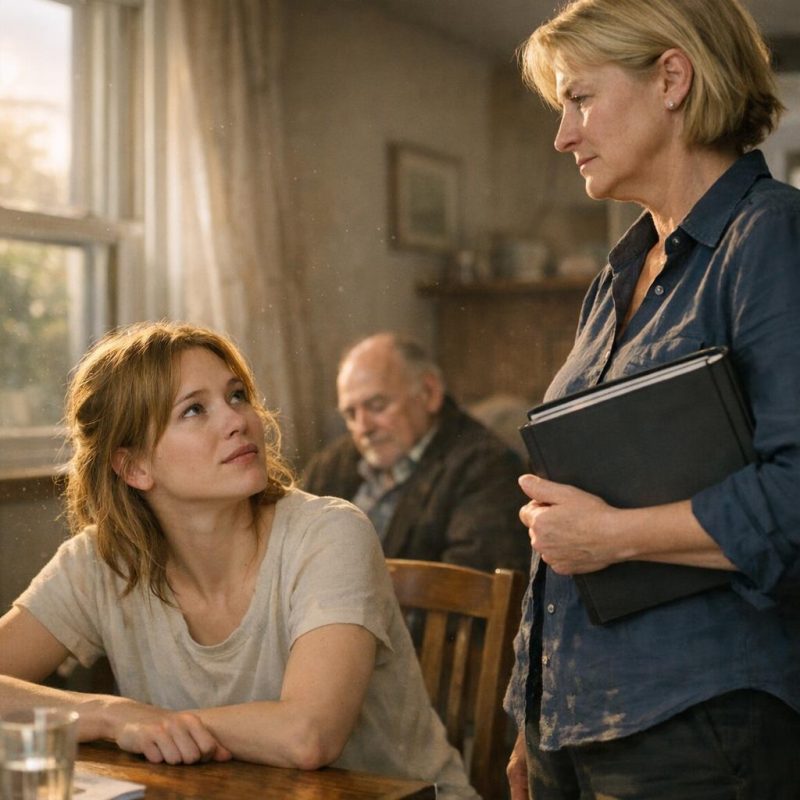 Image by RM AI
You Owe Me
Mr. Holcomb opened the binder and turned it toward me. The first page was a printed text message conversation, the kind where you screenshot your phone. The exchange was between Margaret and Brianna, dated about eighteen months before Margaret died. Brianna had written: 'I could've had my own place but I stayed. You owe me.' Just like that, flat and entitled. Margaret's reply was measured: 'I appreciate your company, but I've never asked you to give up your independence.' Then another text from Brianna: 'I gave up everything to be here. You don't even see it.' I stared at the messages, feeling something cold settle in my chest. Underneath the printout, in Margaret's neat handwriting, was a note on lined paper: 'I offered to help her find work. She refused. She said work is triggering.' There was a date beside the note, and a reference to a conversation they'd had over breakfast. Margaret had documented the offer, the refusal, the excuse. Underneath, Margaret had written: 'I offered to help her find work. She refused. She said work is triggering.'
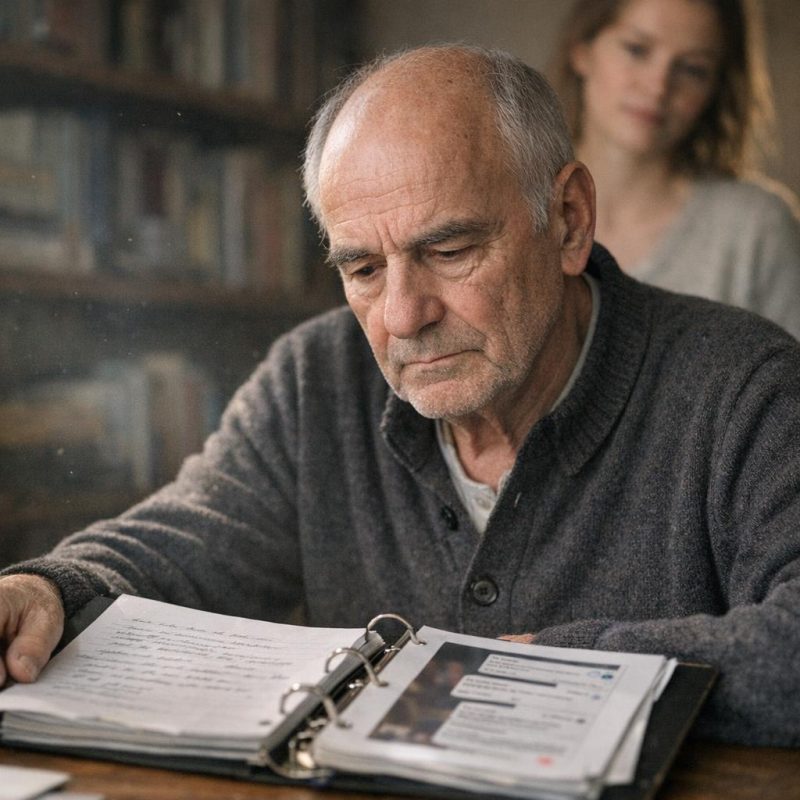 Image by RM AI
Household Necessities
The next few pages were receipts, printed and taped neatly to the paper. Sephora, Ulta, Nordstrom beauty counter. The amounts weren't small—sixty, ninety, a hundred and twenty dollars. Each one had a sticky note attached in Margaret's handwriting: 'Charged to household account. Told me it was for groceries.' Another one said, 'Claimed reimbursement for pharmacy run. Bought makeup instead.' I flipped through slowly, my stomach tightening with each page. There were receipts for clothes, for dinner at a wine bar, for a weekend trip to the coast that Brianna had apparently told Margaret was a 'medical consultation' in Portland. Margaret had tracked it all, not with anger but with this calm, methodical precision. She'd even included screenshots of Brianna's Instagram from that weekend—photos of cocktails and beach sunsets with captions about self-care and healing. Mr. Holcomb sat quietly, letting me read. Brianna said nothing. Each page was calm, factual, and devastating.
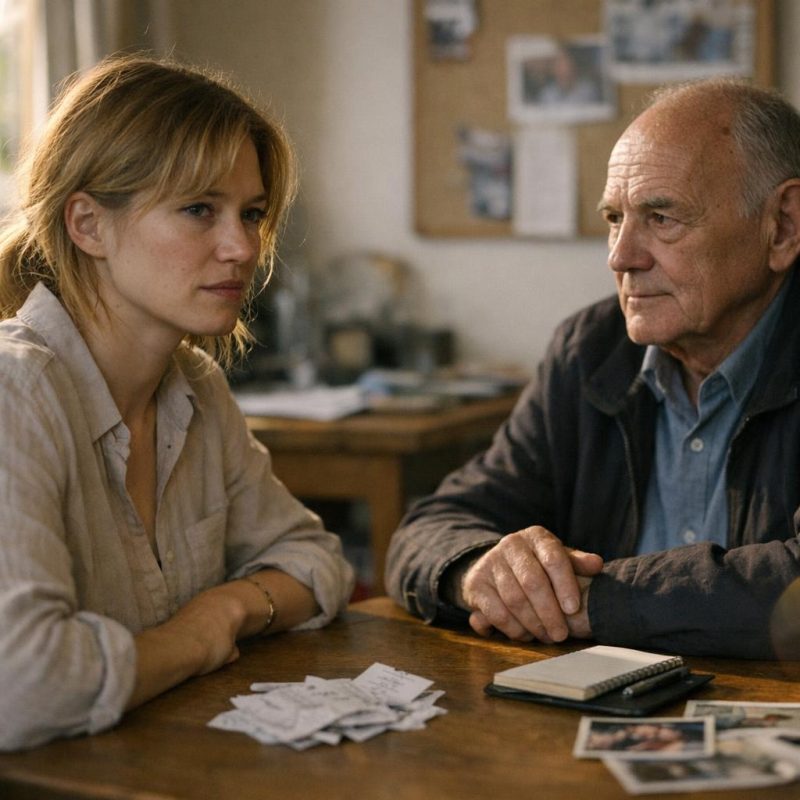 Image by RM AI
Cash Borrowed
Further in, there was a handwritten ledger on graph paper, the kind Margaret used for her garden planning. This one listed dates, amounts, and notes. 'March 12—loaned $200 for car repair. Not returned.' 'May 8—$150 for dentist copay. Not returned.' 'July 22—$300 for security deposit on storage unit. Not returned.' The entries went back almost two years, small amounts that added up to thousands. Beside some, Margaret had written follow-up notes: 'Asked about repayment. B said she'd get to it when she could.' Or, 'B said she thought it was a gift.' Each entry was dated, precise, with no editorializing, just the facts as Margaret had experienced them. I could picture her sitting at the kitchen table after Brianna left for the day, updating the ledger with that careful, patient handwriting. She hadn't confronted Brianna about any of it. She'd just written it down. Margaret had tracked every dollar with the patience of someone who knew she'd need proof.
 Image by RM AI
Cozy Weekend Getaway
Then I turned to a section with printed screenshots from a vacation rental website. The listing was for a 'cozy weekend getaway' in Southeast Portland, and the photos showed the guesthouse—Margaret's guesthouse—decorated like a boutique Airbnb. There were string lights, potted succulents, and in one wide shot of the bed, I recognized the quilt Margaret had made twenty years ago, the one with the log cabin pattern in blues and greens. The listing had been active for at least eight months, based on the reviews Margaret had printed. Guests praised the 'host' for being responsive and accommodating. One review mentioned never meeting the host in person, just getting instructions via text. Margaret had highlighted that one. Beside the printouts, she'd written: 'I was never told. I was never asked.' I glanced at Brianna, who was staring at her hands now, jaw tight. The bravado from earlier was gone. Brianna's bravado drained with every flip of the page.
 Image by RM AI
This Is Private
Brianna suddenly reached forward, her hand hovering near the binder like she wanted to close it or snatch it away. 'This is private,' she said, her voice sharp and defensive. 'You can't just—this is between me and Margaret. It's private.' Mr. Holcomb didn't move the binder, but his tone shifted to something firmer, more formal. 'It's evidence, Miss Reyes. Your aunt provided it to me specifically for this purpose. It's part of the estate documentation.' Brianna's face flushed. She looked at me again, searching for some crack in my expression, some sign that I might waver or feel sorry for her. But I didn't. Because I finally understood what I was seeing. Brianna wasn't upset that she'd been caught lying or manipulating or stealing. She was upset that her plan had failed. She'd built this whole narrative—devoted caregiver, selfless niece—expecting it would pressure me or guilt me or confuse me enough that I'd just hand over what she wanted. That's when I saw Brianna's real strategy—she wasn't upset about being caught, she was upset her plan had failed.
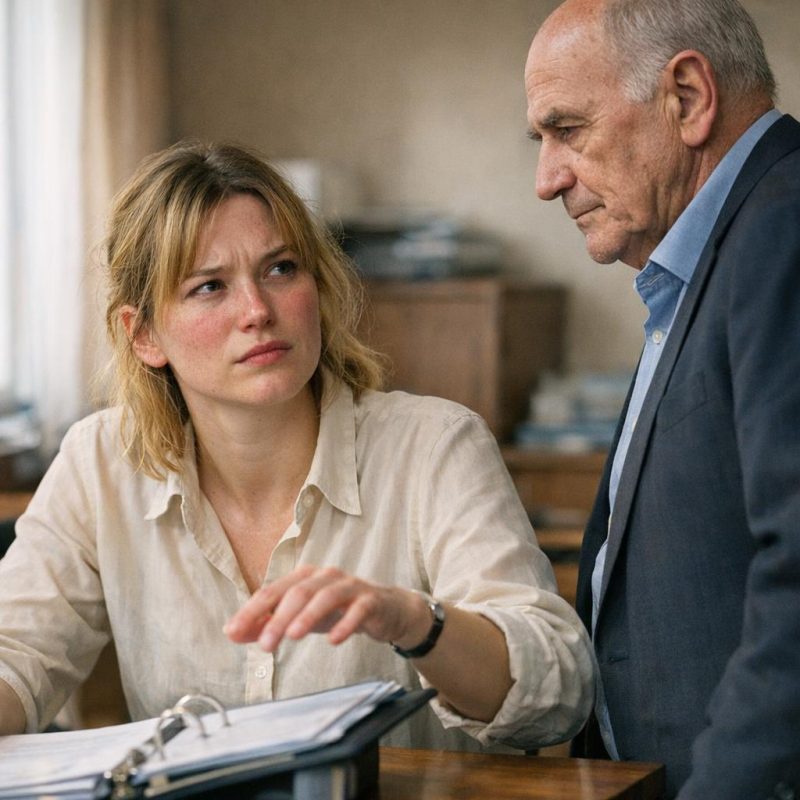 Image by RM AI
The Confusion Defense
I watched Brianna's face closely as Mr. Holcomb kept the binder open on his desk. She was recalibrating, I could tell. Her initial panic had smoothed into something else—something practiced. She shifted in her chair and glanced at me with this wounded expression, like she was the victim here. And that's when I understood the backup plan she'd probably had all along. If the will didn't go her way, she was going to argue that Margaret had been confused, forgetful, not quite herself those last years. That any 'promises' Margaret made to Brianna—verbal ones, of course, the kind that can't be proven or disproven—should matter more than some cold legal document Margaret signed when she wasn't thinking clearly. It was actually kind of brilliant in its simplicity. Who's going to contradict a dying woman's supposed wishes? Who's going to say she didn't mean what her devoted caregiver claims she meant? I could already hear the argument: 'Margaret always told me the house would be mine. She said it all the time. She just forgot to update the paperwork.' It would've worked on someone who felt guilty or uncertain or too grief-stricken to fight back. But Margaret had anticipated that too.
 Image by RM AI
The Doctor's Letter
Mr. Holcomb turned to a page near the back of the binder and slid out a single sheet of paper—official letterhead, typed, signed. 'This is a letter from Dr. Osman Chen, your aunt's primary physician,' he said, looking at me but clearly speaking for Brianna's benefit. 'It's dated three weeks before Margaret executed her will. Dr. Chen confirms that Margaret was mentally sharp, fully competent, and capable of making complex legal and financial decisions.' He paused, letting that sink in. 'She requested this letter specifically to be included with her estate documentation.' I felt this surge of something I can only describe as pride mixed with sadness. Margaret had thought of everything. She'd known exactly what Brianna might try to claim, and she'd quietly, methodically closed that door before Brianna even knew it existed. It wasn't just a safeguard. It was a trap. And Brianna had walked right into it. The letter sat there on the desk between us, plain and irrefutable, and I could see Brianna's whole strategy collapse in real time. A simple safeguard. A quiet trap.
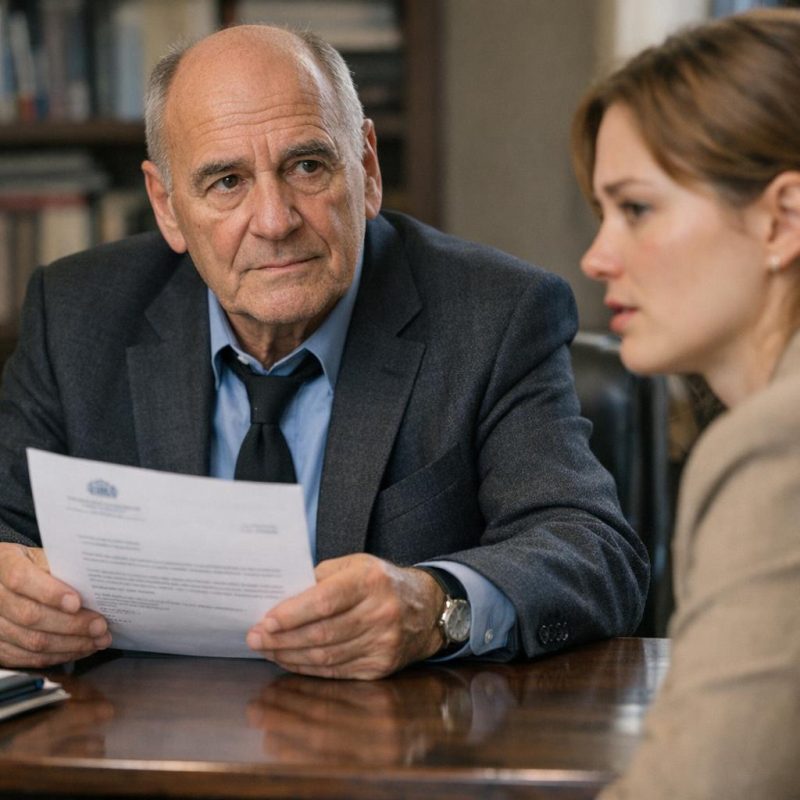 Image by RM AI
You Always Had It Out for Me
Brianna stood up so abruptly her chair scraped against the floor. 'She always had it out for me,' she said, her voice louder now, shaking. 'From the beginning. Nothing I did was ever good enough for her. I moved my whole life here, I gave up everything to take care of her, and she treated me like—like I was trying to steal from her.' Her face was flushed, her hands clenched at her sides. Mr. Holcomb started to speak, but she talked right over him. 'She was suspicious of me from day one. She never trusted me. She watched me like I was some kind of criminal.' And there it was—the real Brianna, the one who'd been hiding under all that performative grief and wounded innocence. She wasn't sorry. She was furious. Furious that Margaret hadn't been the easy mark she'd expected. Furious that her plan had been documented and dismantled before it even had a chance to work. She pointed at me and said, 'You think you're better than me because you didn't need help.'
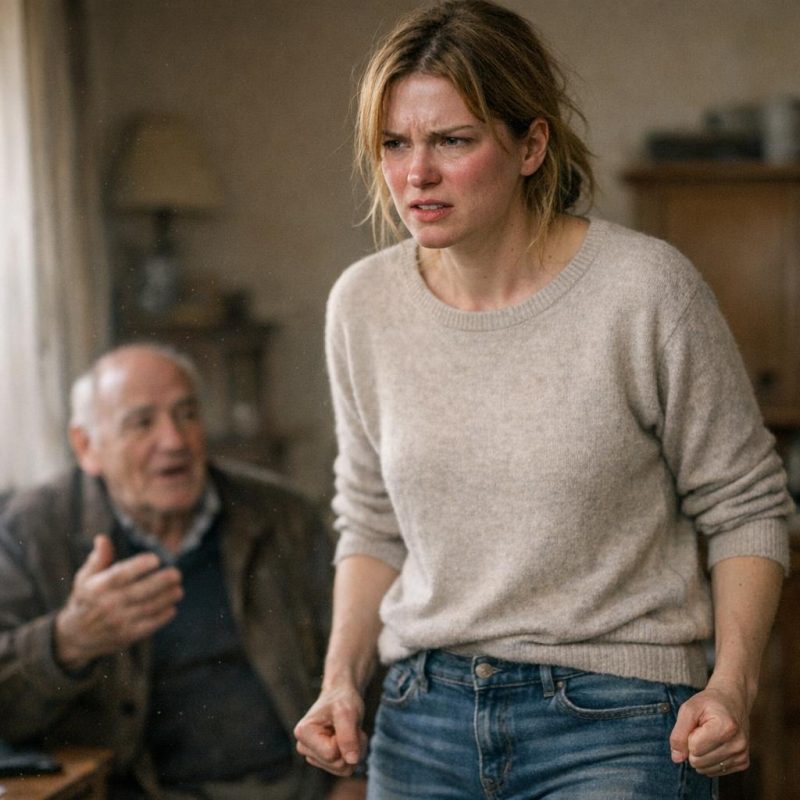 Image by RM AI
Taking Is Surviving
That sentence hung in the air, and I finally understood. Brianna truly believed that taking was the same as surviving. In her mind, everyone was out for themselves, everyone was working an angle, and the only difference between people was whether they were smart enough to grab what they could or dumb enough to let opportunities slip by. She didn't see what she'd done as manipulation or theft. She saw it as resourcefulness. As doing what anyone would do if they had the guts. And people like me? People who didn't play that game? We were either hopelessly naive or secretly doing the same thing but better at hiding it. There was no third option in Brianna's worldview. No such thing as genuine care or boundaries or earning what you received. I felt sorry for her, honestly. Not enough to give her what she wanted, but enough to recognize how exhausting it must be to live like that—always calculating, always performing, always convinced that the world was trying to cheat you so you'd better cheat it first. In Brianna's world, anyone who didn't take was either stupid or secretly taking too.
 Image by RM AI
She Made Her Afraid
I kept my voice calm, steady. 'Margaret didn't have it out for you, Brianna. She kept records because you made her afraid.' Brianna's mouth opened, but nothing came out. I kept going. 'She was elderly and alone in that house with someone she didn't fully trust. Someone who made her feel like she had to defend herself. That's why she documented everything. That's why she asked her doctor for that letter. Not because she was paranoid or cruel. Because you gave her a reason to be careful.' I wasn't yelling. I wasn't even particularly angry anymore. I was just stating a fact, the same way you'd point out that it's raining or that the stove is hot. Mr. Holcomb sat very still, watching both of us. Brianna looked at me like I'd slapped her. But I didn't take it back, and I didn't soften it. Because it was true, and somewhere deep down, I think she knew it. The room went silent.
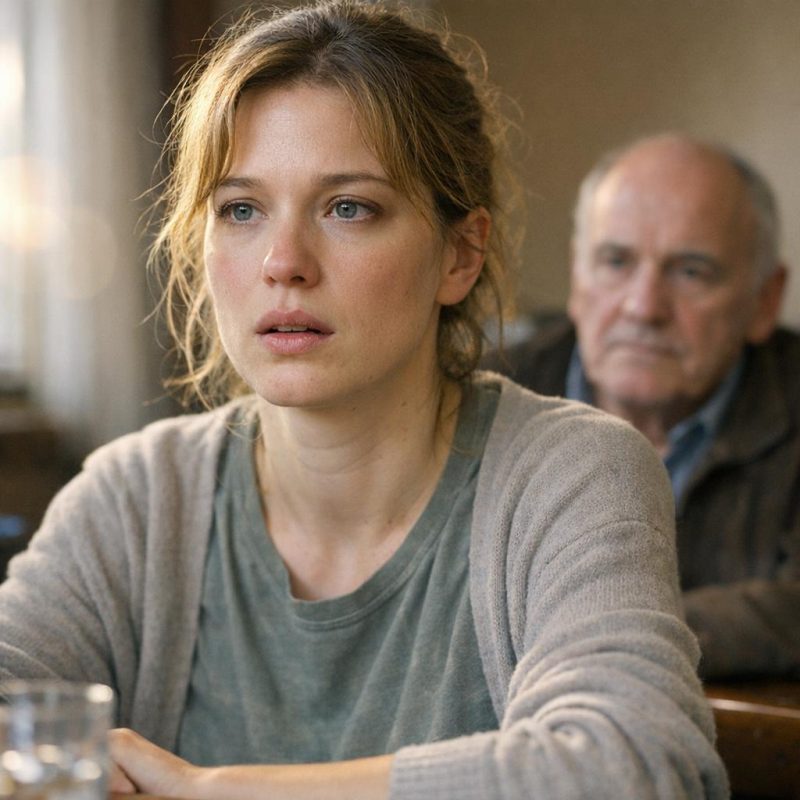 Image by RM AI
Thirty Days
Mr. Holcomb reached into a folder on his desk and slid a document across to Brianna. 'This is a notice requiring you to vacate the guesthouse within thirty days,' he said quietly. 'You'll need to make arrangements for your belongings and provide a forwarding address.' Brianna stared at the paper like it might bite her. She didn't pick it up. Didn't touch it. Just stared. 'Thirty days,' she repeated, her voice hollow. 'You're kicking me out.' I didn't say anything. There was nothing to say. This wasn't cruelty. It was necessity. Margaret's house, Margaret's property, Margaret's decision—and now mine to carry out. Brianna's hands were shaking as she finally picked up the notice, gripping it so hard the edges crumpled. She looked at me one more time, and I expected anger or another outburst. But what I saw instead was something rawer and more desperate. Brianna's face crumpled—not into remorse, but into panic.
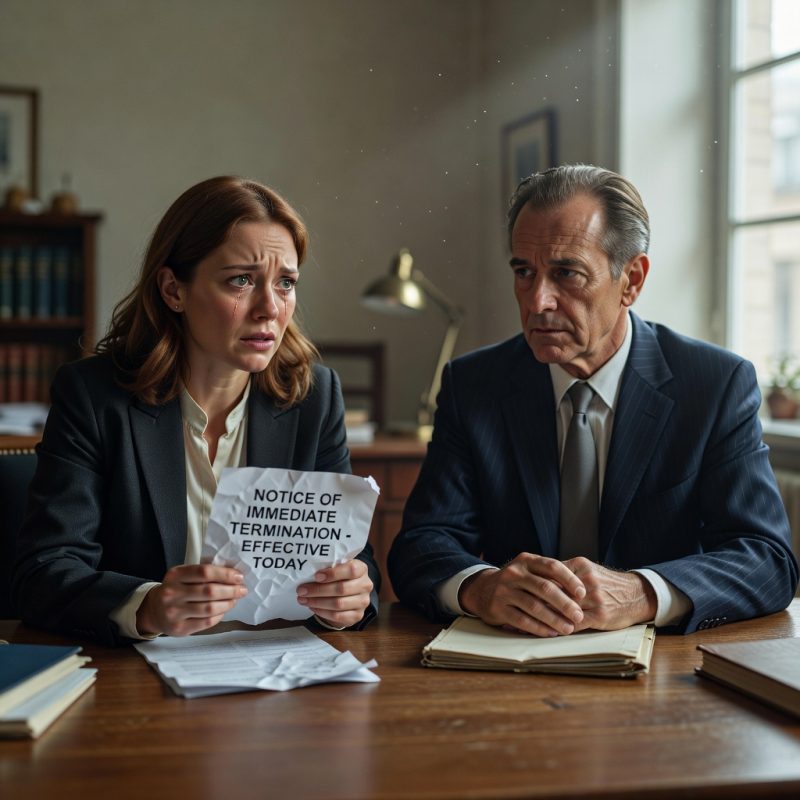 Image by RM AI
You'll Regret This
Brianna shoved the eviction notice into her bag and stood. She didn't say goodbye, didn't look at Mr. Holcomb, just fixed her eyes on me with this cold, bitter stare. 'You'll regret this,' she said. It was supposed to sound threatening, I think. Ominous. Like the villain's exit line in a movie. But it came out thin and unconvincing, the kind of thing people say when they've already lost and they know it. She turned and walked out, her footsteps echoing down the hallway outside Mr. Holcomb's office. I heard the outer door open and close. And then she was gone. Mr. Holcomb let out a long breath and closed the binder. I sat there for a moment, waiting to feel something—guilt, maybe, or doubt. Some flicker of uncertainty about whether I'd done the right thing. But I didn't.
 Image by RM AI
Winter Sun
I drove past Margaret's house on my way home, not because I needed to but because I wanted to see it. The winter sun was low and golden, cutting across the garden Margaret had loved, the one she'd tended every spring until her hands got too stiff to hold the pruning shears. The hedges needed trimming. The flower beds were dormant. But the house itself looked solid, cared for, waiting. I thought about Margaret sitting in that house, keeping her records, writing her letters, making sure everything was airtight. She must have felt so alone. So tired. But she hadn't given up. She'd fought back in the only way she could—quietly, carefully, with a paper trail Brianna never saw coming. When I got home, I made tea and sat at my kitchen table with the letter Margaret had left for me, the one Mr. Holcomb had given me at the start of all this. I read it again, her careful handwriting filling the page. I held the letter again in my kitchen and felt the weight of Margaret's careful planning.
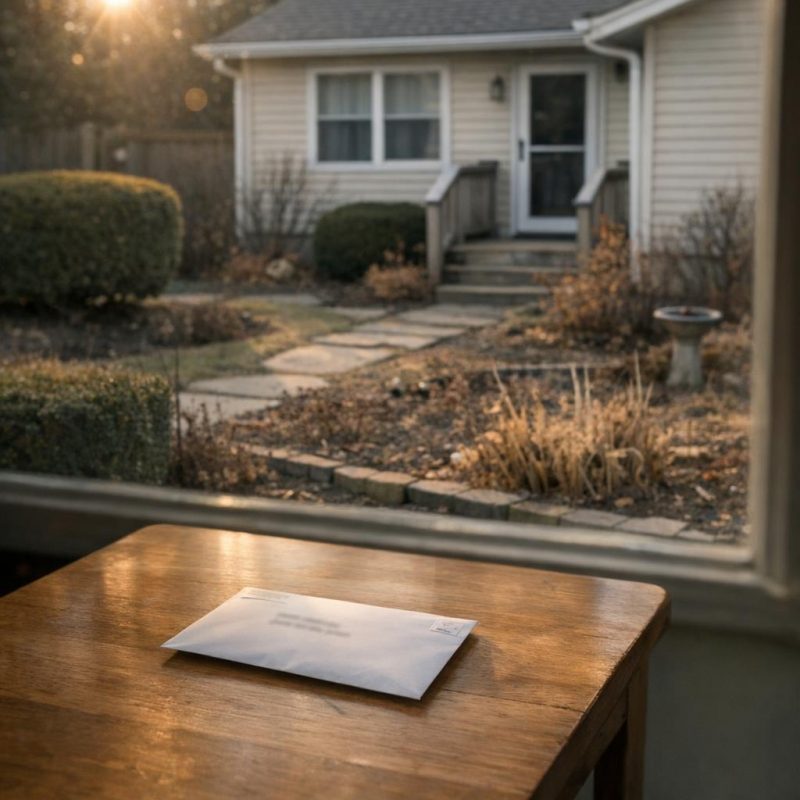 Image by RM AI
Not Just a Surprise
The thing I kept coming back to, the thing that made me sit there staring at Margaret's letter until the tea went cold, was this: the secret property wasn't just about money. It wasn't even really about making sure I was taken care of, though Margaret had done that too. It was about drawing a line. Margaret had spent years—decades, maybe—being the person everyone leaned on. The one who listened. The one who helped. The one who always said yes when family needed something. She'd given Brianna money for rent, co-signed loans, paid for that trip to Europe when Brianna was twenty-three and said she needed to 'find herself.' Margaret had been generous to a fault, and I think somewhere along the way, she'd realized that generosity had become an expectation rather than a gift. That's what the duplex represented. A boundary. A piece of herself she'd kept separate, protected, untouchable by the endless requests and the assumption that her resources belonged to everyone. I thought about all the times Margaret must have wanted to say no and didn't. All the times she'd felt used but stayed silent because that's what family did. And then, finally, she'd carved out this one thing that was hers alone—and left it to someone who'd never asked her for anything. Kindness wasn't a bank you could keep withdrawing from without depositing anything back.
 Image by RM AI
The Quiet Win
Margaret had never been the kind of person who 'won' at things. She wasn't competitive. She didn't keep score. She didn't even like confrontation. But looking back at everything—the will, the letters, the documentation, the secret property—I realized she'd engineered a perfect, quiet victory. She'd outmaneuvered Brianna without Brianna even knowing there was a game being played. Every piece had been positioned years in advance. Every document filed. Every conversation witnessed. Every financial transaction recorded. While Brianna had been building her case through tears and stories and carefully crafted moments of devotion, Margaret had been building something else entirely: an airtight legal fortress that couldn't be stormed by sentiment or manipulation. The beauty of it was the simplicity. Margaret hadn't tried to argue or defend herself. She'd just made sure the facts spoke louder than Brianna's stories ever could. She'd known exactly what Brianna would try—the claims of promises, the appeals to fairness, the performance of grief—and she'd made all of it irrelevant. The will was clear. The property was mine. The documentation was complete. And the greatest twist was that Brianna couldn't charm her way out of it.
 Image by RM AI
The First Night Alone
That evening, David came over and found me at the kitchen table surrounded by papers I wasn't really reading. He made dinner—pasta with that garlic bread I loved—and we ate mostly in silence. It wasn't an uncomfortable silence. It was the kind you settle into with someone who knows when not to push. After we'd cleared the plates, he poured us both wine and asked how I was feeling. 'Overwhelmed,' I said. 'Grateful. Confused. Angry on Margaret's behalf. All of it at once.' He nodded, sipping his wine. 'It's a lot to process.' We talked through everything that had happened at Mr. Holcomb's office—Brianna's fury, the letter Margaret had left, the scholarship fund Margaret wanted me to create. David listened the way he always did, asking questions that helped me sort through my own thoughts. He said Margaret must have trusted me deeply to leave me with all of this, and I felt that weight settle on my shoulders again—not in a bad way, just in a way that made me realize how much responsibility came with this gift. David asked if I thought Brianna would fight back, and I said I wasn't sure—but Margaret had thought of everything.
 Image by RM AI
The Scholarship Fund Setup
I met with Mr. Holcomb the following week to start setting up the scholarship fund. Margaret's letter had been specific: she wanted it to support students pursuing degrees in education or social work, fields she'd spent her life working in. 'People who want to help others,' she'd written, 'not just themselves.' Mr. Holcomb had already drafted preliminary documents, and we spent the afternoon going over structures and requirements. He suggested partnering with the local community college, where Margaret had volunteered for years. They already had a scholarship program in place, and adding Margaret's fund to it would simplify administration. I liked that idea. It felt like Margaret would still be connected to something she'd loved. We talked about funding levels, application criteria, selection committees. It was technical and detailed, but it felt purposeful. Like I was building something that would last beyond all of this drama. Mr. Holcomb complimented me on how organized I was being, and I laughed—I told him I was just trying to honor what Margaret wanted. Then I asked about the duplex, about the tenants and whether there was anything I needed to know for property management. But when I asked about the duplex tenants, Mr. Holcomb hesitated.
 Image by RM AI
The Tenant Problem
He set down his pen and looked at me with that careful expression lawyers get when they're about to tell you something you won't like. 'There's been a situation,' he said. 'One of the tenants broke their lease last month. They left rather suddenly.' I asked if there was a problem with the unit, if something needed repairs. Mr. Holcomb shook his head. 'No, nothing like that. They told the property manager they felt uncomfortable staying there. Said someone had been coming by asking questions.' My stomach tightened. 'What kind of questions?' He pulled out a file and scanned through some notes. 'About the owner. About the property. About whether there were any other heirs. The tenant said this person claimed to be family and seemed very interested in when the owner had purchased the building.' I didn't need to hear a name to know who it was. The timing was too perfect—right after Margaret died, before the will had even been read. 'Did they describe this person?' I asked. Mr. Holcomb nodded slowly. 'Young woman. Very friendly at first. Asked a lot of questions about whether the tenants knew the owner personally.' They'd mentioned someone coming by claiming to be 'family' and asking questions about the owner.
 Image by RM AI
Rebecca's Warning
Rebecca called me that night sounding agitated. 'Have you seen what Brianna's posting online?' she asked. I hadn't. I'd stayed off social media since the will reading, not wanting to invite the drama. Rebecca told me to look. I pulled up Brianna's Facebook page and scrolled through the recent posts. There it was: a series of updates about grief, family betrayal, and the pain of being 'cast aside after years of devotion.' She'd posted photos of herself with Margaret, captioned with things like 'I gave everything to care for her' and 'Family should mean more than paperwork.' The comments were full of sympathy. Friends and acquaintances expressing outrage on her behalf. Asking what kind of person would treat their cousin this way. Some of the posts didn't name me directly, but the implication was clear. I was the villain in this story. The ungrateful niece who'd swooped in and stolen what rightfully belonged to Brianna. Rebecca said she'd seen at least a dozen posts over the past few days, each one carefully worded to sound hurt rather than angry. 'She's good at this,' Rebecca said quietly. 'She knows exactly how to play it.' She was building a narrative again, and I wondered how many people would believe her version.
 Image by RM AI
The Family Group Chat
The next day, my phone started buzzing with messages. Extended family members I barely spoke to were suddenly very interested in Margaret's estate. The family group chat, which had been dormant for months, lit up with questions directed at me. Was it true I'd inherited everything? Had Margaret really intended to leave Brianna with nothing? Wasn't that a bit harsh considering how much time Brianna had spent caring for her? Cousin Linda said she was 'just trying to understand the situation,' but her message had twenty questions attached. Uncle Paul suggested maybe we should 'work something out as a family' rather than letting lawyers divide us. Aunt Sharon said she was worried about Brianna's wellbeing and wondered if I'd considered 'being more generous.' I responded calmly, saying the will reflected Margaret's wishes and I was following them. But the messages kept coming. Different relatives. Similar concerns. All phrased as worry or curiosity, but all questioning whether I was being 'fair.' I showed them to Rebecca and David. Rebecca frowned at her phone. 'These all sound the same,' she said. 'Like someone gave them talking points.' David nodded. I started to suspect this wasn't random—someone was feeding them a script.
 Image by RM AI
The Pattern Emerges
That night, I couldn't sleep. I sat up with Margaret's binder and went through everything again—not just reading it, but really thinking about the timeline. The dates. The patterns. The way Brianna's involvement had escalated. I laid it all out on the dining room table like a detective working a case. The first document was from six years ago: a letter from Margaret's doctor confirming she was mentally competent, written right after Brianna had apparently suggested to someone at church that Margaret was 'getting forgetful.' Then the bank statements showing Brianna's increased requests for money, each one accompanied by Margaret's note about what the money was supposedly for. Then the emails where Brianna positioned herself as Margaret's primary caregiver, even when Margaret was still fully independent. The witnesses Margaret had recruited to document conversations where Brianna mentioned 'what Margaret promised her.' The property records showing Margaret had purchased the duplex quietly, keeping it separate from anything Brianna knew about. And finally, the will itself, written and witnessed and sealed before Margaret got truly sick. This wasn't opportunism—it was a strategy Brianna had executed for years, and Margaret had seen through it completely.
 Image by RM AI
The Handwriting Expert
Mr. Holcomb called me three days after the will reading with something he'd been holding back. 'There's one more document in Margaret's files,' he said, his voice careful in that way lawyers get when they're about to drop something significant. 'She hired a handwriting expert two years ago.' I remember sitting down slowly at the kitchen table, my coffee going cold in my hand. He explained that Margaret had found a draft deed in her files—something Brianna had apparently prepared, transferring the duplex property to herself. It was unsigned, probably abandoned when Brianna realized Margaret would never sign it voluntarily. But Margaret had taken that draft to a forensic document examiner anyway. She'd paid for a full analysis. The expert had compared it to known samples of Brianna's handwriting—birthday cards, shopping lists, notes Margaret had saved. I could picture my aunt methodically collecting those samples, tucking them away like evidence at a crime scene. Mr. Holcomb paused, and I heard him flipping through pages. 'The report is conclusive,' he said. 'The handwriting on that deed draft is definitively Brianna's. Margaret had the report sealed with instructions that it only be opened if Brianna contested the will.' My aunt had built a trap and left it waiting, armed and ready. The handwriting expert's report confirmed it was Brianna's work, and Margaret had kept it sealed until it was needed.
 Image by RM AI
The Moving Truck
I drove to Margaret's house the next morning with a strange mix of dread and purpose. I don't know what I expected to find—maybe nothing, maybe Brianna holed up in the guesthouse with her lawyer on speed dial. But when I turned onto the street, there was a U-Haul truck parked in the driveway, its back door rolled open like a mouth. I pulled over across the street and just sat there for a minute, watching. Two guys were carrying furniture out of the guesthouse—a vintage chair I recognized, a side table, boxes stacked on a dolly. Brianna appeared in the doorway, gesturing directions, her hair pulled back in a ponytail, wearing jeans and a T-shirt I'd never seen her in. She looked so ordinary. So normal. Like she was just moving apartments, not fleeing the scene of a years-long con. I got out of my car and started walking up the driveway. One of the movers saw me first and paused, mid-lift. Then Brianna turned. For just a second, her face was open—surprised, maybe even guilty. But then something shuttered closed behind her eyes, and her expression hardened into something I didn't quite recognize. Brianna was standing in the driveway with boxes, and when she saw me, her expression shifted from anger to something colder.
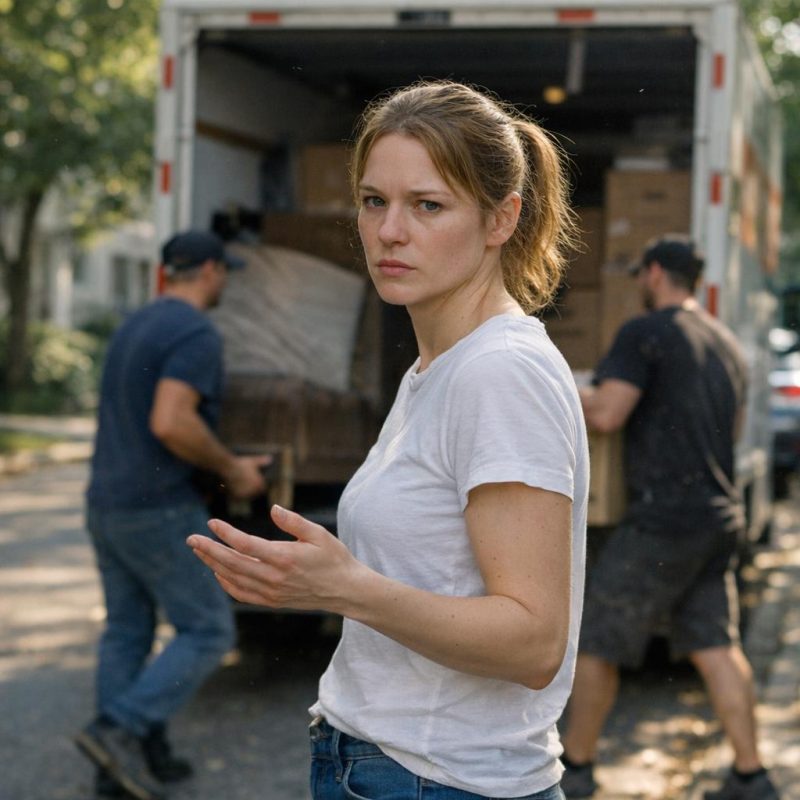 Image by RM AI
The Final Confrontation
Brianna set down the box she was holding and walked toward me, and I could see her whole body was tense, coiled. 'You couldn't just let it go, could you?' she said, her voice low enough that the movers wouldn't hear. 'You had to come here and gloat.' I shook my head. I wasn't there to gloat. I was there because I needed to see it ending with my own eyes. 'I'm not gloating,' I said. 'I'm just trying to understand how you lived with yourself.' She laughed—actually laughed, this bitter, sharp sound. 'You don't know anything about what I did for her. I was here, Meredith. Every day. Where were you?' It was the same script she'd used at the lawyer's office, and it still didn't hold water. 'You were here,' I said quietly, 'positioning yourself. Writing fake deeds. Telling people she was losing her mind when she wasn't. That's not caregiving, Brianna. That's a con.' Her face flushed red. 'She poisoned you against me. She poisoned everyone. You all believed her lies.' I felt something settle in my chest, something calm and clear. Margaret's voice in my head, steady as ever. I told her the only poison was the one she'd been serving in small doses for years.
 Image by RM AI
The Witnesses
Brianna's voice was rising now, loud enough that I saw curtains moving in the neighboring houses. 'You have no idea what it was like! She promised me that house! She promised!' The words sounded rehearsed, like she'd been saying them to herself for so long she actually believed them. I didn't respond. I just stood there, watching her unravel. Then I heard footsteps on the sidewalk, and Ellen appeared—Ellen from down the street, who'd lived there longer than anyone. She wasn't alone. Two other neighbors stood behind her, arms crossed, watching. Brianna noticed them too. Her face went pale, then red again. 'What, you're all just going to stand there and judge me?' she said, her voice cracking. 'You don't know anything.' But Ellen didn't flinch. She looked at Brianna the way you'd look at a stranger who'd overstayed their welcome. 'We know Margaret,' Ellen said, her voice quiet but firm. 'We knew her for thirty years. She was sharp as a tack until the end, and we all knew it.' The other neighbors nodded. One of them—Tom, I think his name was—added, 'We saw you coming and going. We heard the things you said about her.' Brianna looked around at them, at me, at the moving truck. Ellen stepped forward and said, 'Margaret was sharp as a tack until the end, and we all knew it.'
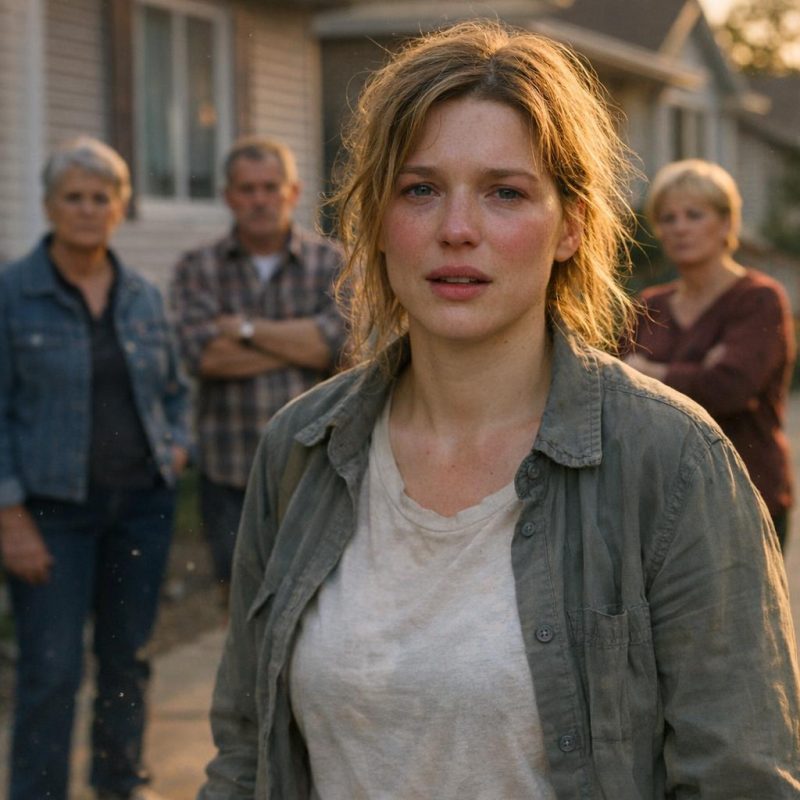 Image by RM AI
The Property Manager
Two days later, I got a call from a number I didn't recognize. The voice on the other end introduced himself as Dennis Chen, the property manager for Margaret's duplex. 'Ms. Hayes?' he said. 'I wanted to give you a heads-up about something that happened yesterday.' My stomach dropped. I knew before he said it. 'Brianna came by the property,' Dennis continued. 'She introduced herself as the new owner and said she'd be handling the lease renewals going forward.' I closed my eyes. Of course she had. Of course she was still trying. 'What did you do?' I asked. 'I asked for documentation,' Dennis said, and I could hear the dry amusement in his voice. 'Deed, title transfer, probate paperwork—anything official. She got flustered and said it was all being processed, but she'd bring it by next week.' He paused. 'She didn't look like someone who had paperwork coming.' I thanked him and immediately called Mr. Holcomb, who listened without interrupting and then sighed the sigh of a man who'd seen this exact thing a hundred times before. 'She's desperate,' he said. 'That's when people make mistakes.' I asked if we needed to do anything, and he said he'd handle it. He'd asked for paperwork, and Brianna had left without providing any.
 Image by RM AI
The Legal Warning
Mr. Holcomb drafted the cease-and-desist letter that afternoon. He read it to me over the phone before sending it, and I remember how clinical the language was—how it reduced years of manipulation into legal violations and false claims. The letter informed Brianna that any further attempts to represent herself as an owner, heir, or agent of Margaret's estate would be considered fraud and prosecuted accordingly. It cited the handwriting expert's report, the sealed will, the witnesses who'd documented her behavior. It wasn't angry. It was just factual, which somehow made it more devastating. He sent it certified mail, return receipt requested. Three days later, Brianna's response arrived—not to me, but to Mr. Holcomb's office. She'd hired a lawyer. Some guy from a strip-mall firm two towns over. His letter was all bluster and vague threats about 'exploring legal options' and 'oral contracts' and 'promissory estoppel,' terms that sounded impressive but didn't actually apply. Mr. Holcomb called me after he'd read it. 'They have nothing,' he said flatly. 'This is posturing. Her lawyer knows it, too—he's just taking her money.' I asked if we should be worried. 'Not even a little,' he said. Brianna responded with a lawyer of her own, but Mr. Holcomb said they had no case.
 Image by RM AI
The Last Box
I drove past Margaret's house one more time the following week, not because I needed to but because I wanted to see it finished. The U-Haul was gone. The guesthouse windows were dark. The driveway was empty except for a single cardboard box sitting by the curb, waiting for trash pickup. I parked and sat there for a while, engine off, just looking at the house. The main house where Margaret had lived. The garden she'd tended. The guesthouse that Brianna had occupied like a tenant who'd forgotten she didn't own the place. Then I saw movement. Brianna's car—that white sedan I'd seen a dozen times—pulled out from behind the house, trunk stuffed with bags, backseat piled with whatever hadn't fit in the truck. She drove slowly down the driveway, and for just a second I thought she might stop. Might look over. Might say something. But she didn't. Her face was set forward, jaw tight, eyes on the road. She passed me without a glance and turned at the corner, taillights disappearing behind the trees. She didn't look back, and I realized she never would—not with regret, only with resentment.
 Image by RM AI
The Garden Walk
After Brianna left, I walked around to the back of the house, to Margaret's garden. It was overgrown now—nobody had weeded it in months—but the structure was still there. The stone path, the raised beds, the little gate she'd installed herself one summer with a level and a YouTube tutorial. I stood there for a while, remembering the afternoons I'd spent here as a kid, helping her plant tomatoes and pull dandelions. She used to hide things in this garden. Little treasures, little jokes. Once she'd buried a plastic dinosaur under the rosebush just to see if I'd find it. I smiled at the memory and started walking the path slowly, letting my feet remember the rhythm. And then I saw it—the third stone from the gate, just slightly raised. I knelt down and lifted it, and there, in a small plastic bag tucked into the dirt, was a key. The spare key to the main house. The one she'd hidden for me years ago, back when I was still in college and would come visit on weekends. 'Just in case,' she'd said. 'So you always know you can come home.' My throat tightened. I held the key in my hand, dirt still clinging to the plastic. It was still there, under the third stone from the gate, where trust had always lived.
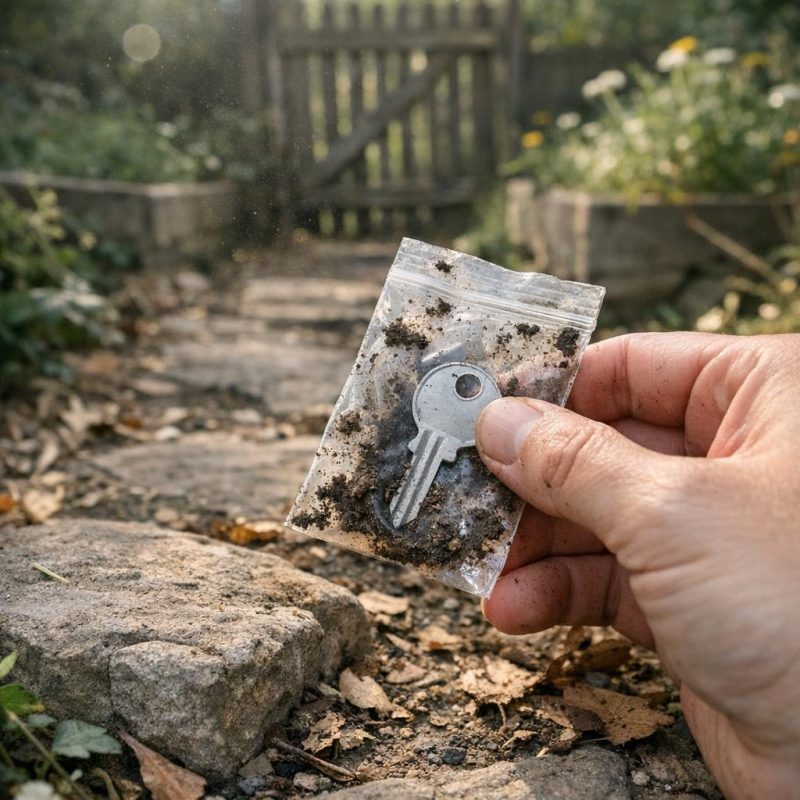 Image by RM AI
The First Scholarship Recipient
Her name was Patricia, and she was fifty-three years old. We met at a coffee shop near the university where she'd just enrolled in the nursing program. She'd worked in retail for thirty years, raised two kids alone, and always dreamed of becoming a nurse but never had the chance. Now her kids were grown, and she'd been saving for years, but it wasn't enough. Not until she saw the scholarship announcement. She showed me her acceptance letter like it was made of gold. Her hands shook a little as she talked about her first semester classes, about how terrified and excited she was, about how she'd been studying anatomy at night after her shifts. She said she'd read about Margaret in the scholarship materials, about what she'd done, how she'd lived. 'She sounds like someone who understood,' Patricia said quietly. 'That it's never too late. That we deserve a second chance.' I had to look away for a second. When Patricia stood up to leave, she reached across the table and squeezed my hand. Her eyes filled with tears as she thanked me, but I shook my head. 'Thank Margaret,' I told her. 'This was her gift, not mine.'
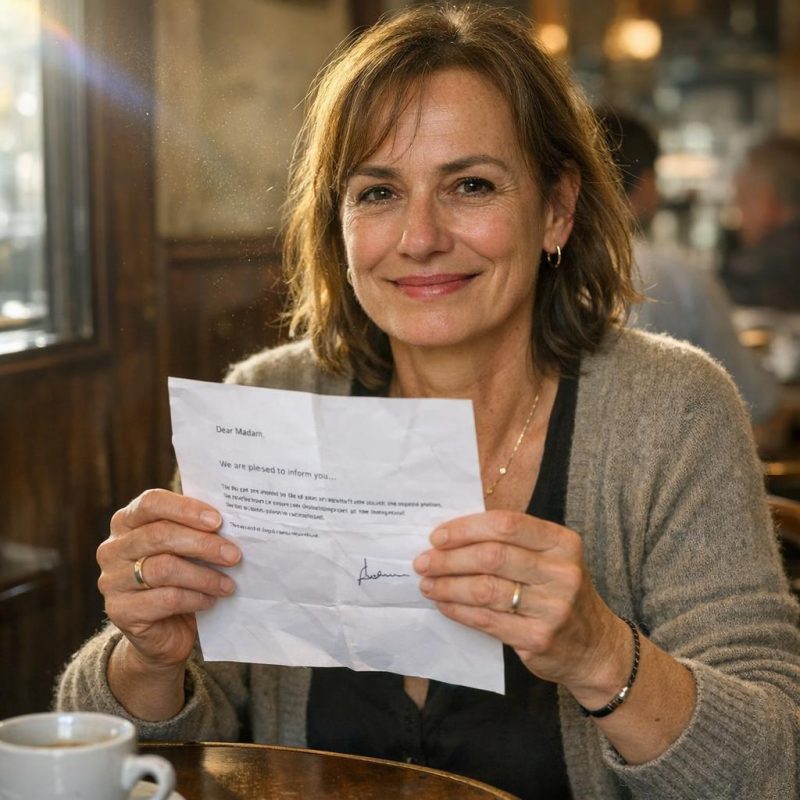 Image by RM AI
The House Sale
David came with me to the final walk-through. The buyers were a young couple with a seven-year-old daughter who'd already picked out which room would be hers. They stood in the kitchen while their realtor went over paperwork, and the woman—Emily—kept looking out at the garden. 'We're going to keep it,' she said suddenly, turning to me. 'The garden. We won't change it. Our daughter wants to learn how to grow things.' Her husband nodded, smiling. 'She's already planning what she wants to plant in the spring.' I felt David's hand on my shoulder, steady and warm. I couldn't speak for a moment, just nodded. We walked through the house one last time, Emily and her family trailing behind us, already imagining their life here. I saw them touching the windowsills, opening closets, their daughter running down the hallway with that particular echo that only old houses have. They were good people. They'd fill these rooms with noise and life and love. I watched them walk through the rooms where Margaret had lived her quiet, powerful life.
 Image by RM AI
The Anniversary
One year to the day, I drove to the cemetery alone. I brought peppermints—the same kind she always kept in her purse—and a folder with updates on the scholarship fund. Four women had received awards so far. Patricia had just finished her first semester with a 3.8 GPA. I sat on the bench near Margaret's grave and read the updates out loud, like she could hear me. Maybe she could. I told her about Brianna's sentencing, about how the evidence had been so thorough that even her lawyer had advised her to take the plea. I told her about the house, about the family with the little girl who wanted to garden. I told her that people still asked about her, that her name meant something now—not just in our family, but out in the world. The scholarship had gotten attention. Articles had been written. Her story mattered. I unwrapped one of the peppermints and set it on the headstone, then put one in my own mouth. The sharp sweetness made me smile. 'You did this,' I said quietly. 'You planned it all so carefully.' I told her she'd won, not by fighting, but by planning so carefully that truth became undeniable.
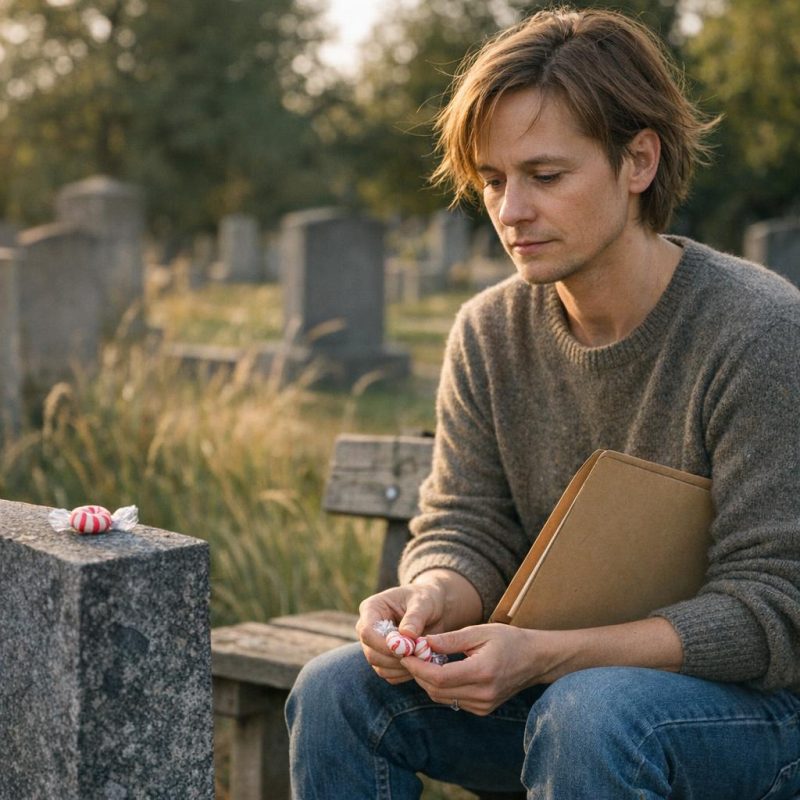 Image by RM AI
The Labeled Leftovers
Last night, I made too much dinner. David and I ate at the kitchen table, talking about nothing important—his day at work, a movie we wanted to see, whether we needed to repaint the bathroom. Ordinary things. Comfortable things. After he went to watch TV, I stood at the counter portioning the leftovers into containers. I reached for the label maker without thinking. Beef stew, April 12. I pressed the label onto the container and stacked it in the fridge, then made labels for the other two. When I closed the refrigerator door, I caught my reflection in the steel surface, distorted but recognizable. I thought about Margaret labeling her cottage cheese, her meticulous records, her quiet insistence on order. I thought about how I used to find it excessive, almost obsessive. Now I understood it differently. It wasn't about control. It was about care. About making sure nothing was wasted, nothing forgotten, nothing lost. It was about paying attention to the small things because small things mattered. And I understood finally that love isn't just what you give—it's also what you refuse to let be taken.
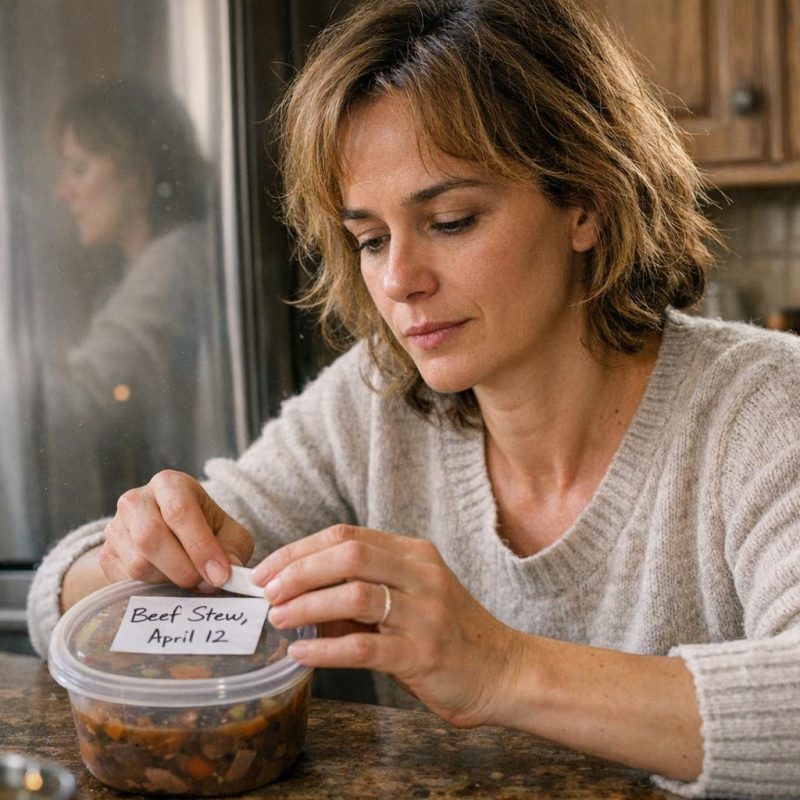 Image by RM AI
KEEP ON READING

20 Mistakes Every Empire Makes Right Before The End
The Collapse Rarely Comes Out Of Nowhere. Empires do not…
By Cameron Dick Feb 11, 2026
20 Commanders Who lost Control Of Their Own Armies
When Leaders Lose Their Grip. Control is what makes a…
By Sara Springsteen Feb 5, 2026
The Queen Who Poisoned Her Rivals with Perfume
After Justus Sustermans on WikimediaCatherine de' Medici arrived in France…
By Cameron Dick Feb 10, 2026
20 Soldiers Who Defied Expectations
Changing the Rules of the Battlefield. You’ve probably heard plenty…
By Annie Byrd Feb 10, 2026
Unraveling The Conspiracy Around Rasputin's Death
Published by John Lane, NY, 1918 on WikimediaGrigori Rasputin’s death…
By Rob Shapiro Feb 10, 2026
20 Worst People Who Ever Lived
The Most Evil People Who Ever Lived. Putting cruelty into…
By Christy Chan Jan 28, 2026