

When Loyalty Shifted the World
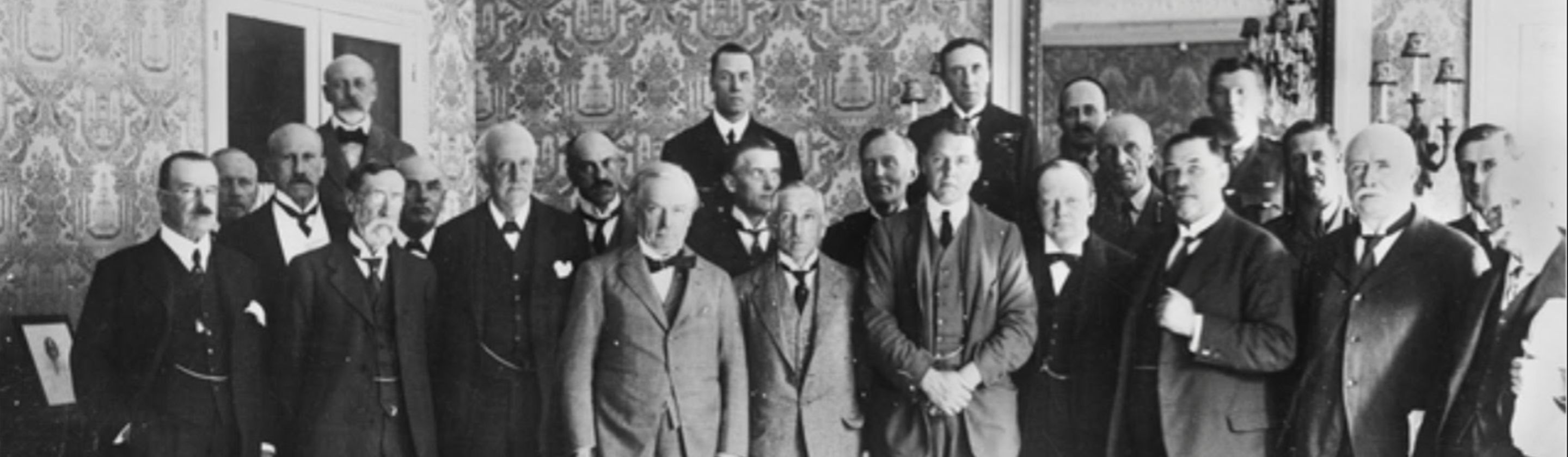
History often turns not on grand speeches or decisive battles, but on moments when trust collapses behind closed doors. Political betrayals often feel personal at the time, driven by ambition, fear, or a desire for survival, yet their consequences rarely remain contained. Alliances fracture, wars ignite, empires crumble, and ordinary people are left to live with the fallout. These 20 betrayals didn’t just shock their contemporaries; they redirected the course of history in ways that still shape the world today.
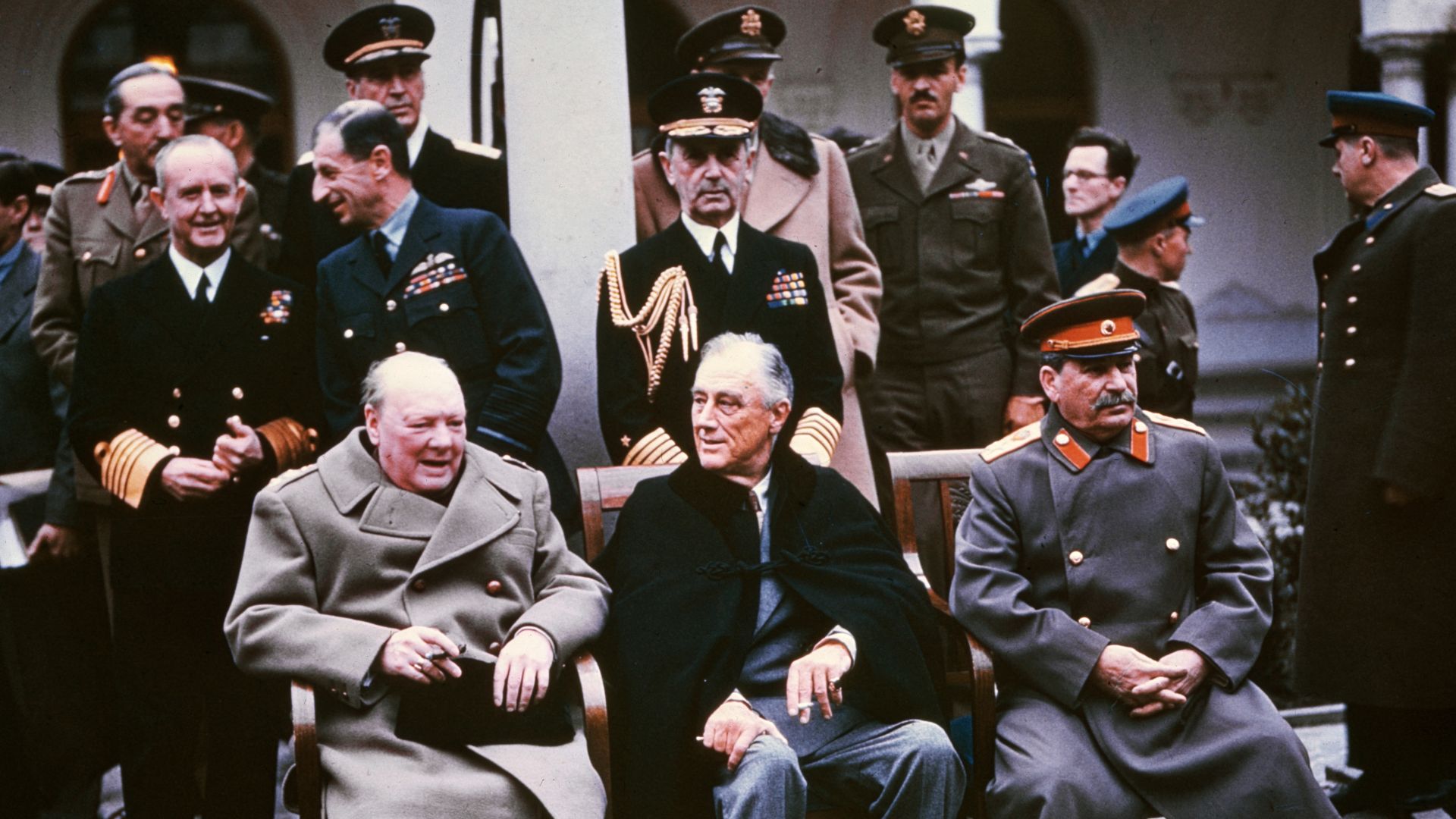 Photograph from the Army Signal Corps Collection in the U.S. National Archives. on Wikimedia
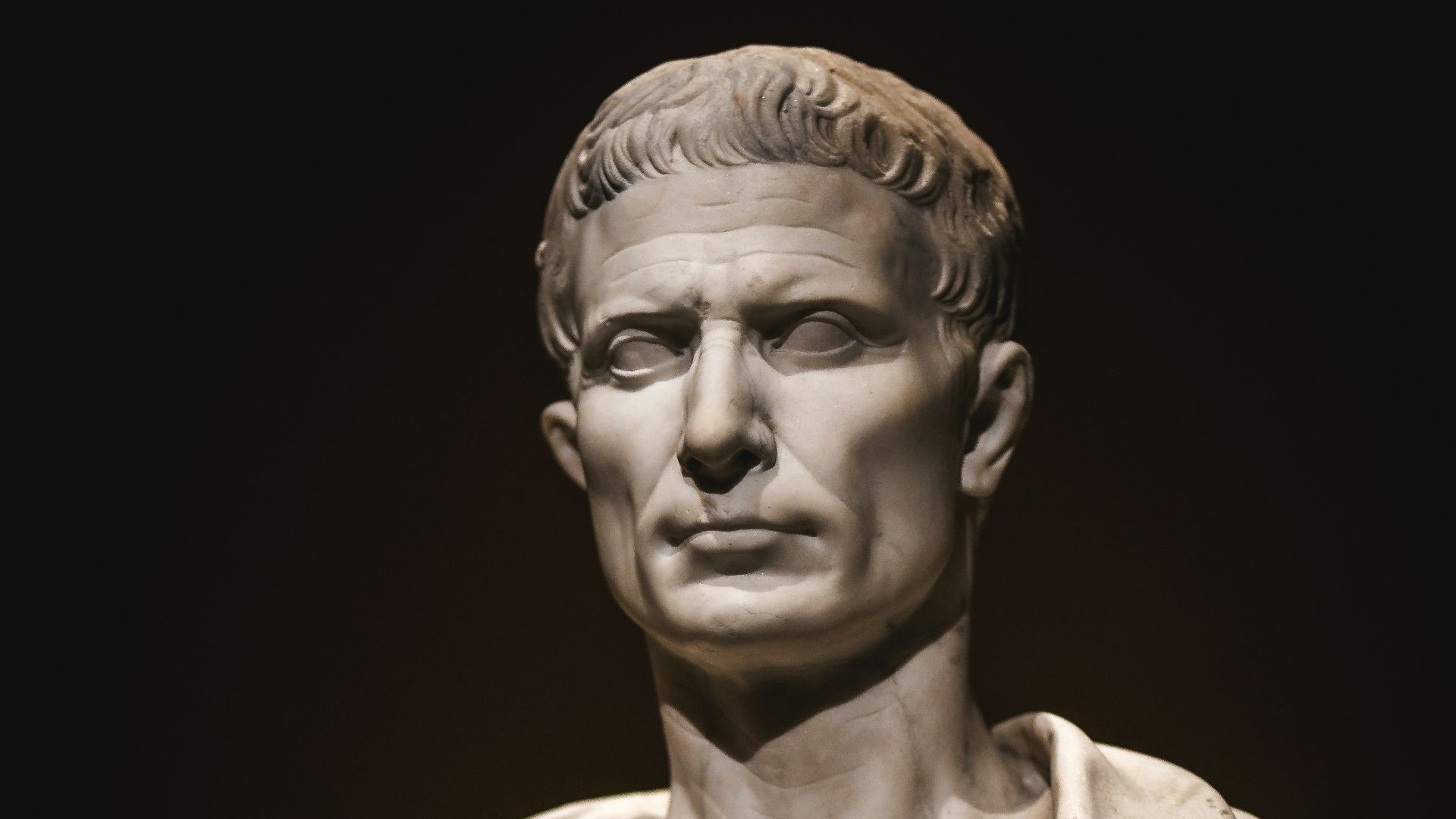
1. Julius Caesar Is Murdered By The Senate
In 44 BCE, a group of Roman senators, many of them Caesar’s allies, stabbed him to death to stop what they feared was a slide into tyranny. The betrayal shattered any remaining stability in the Roman Republic.
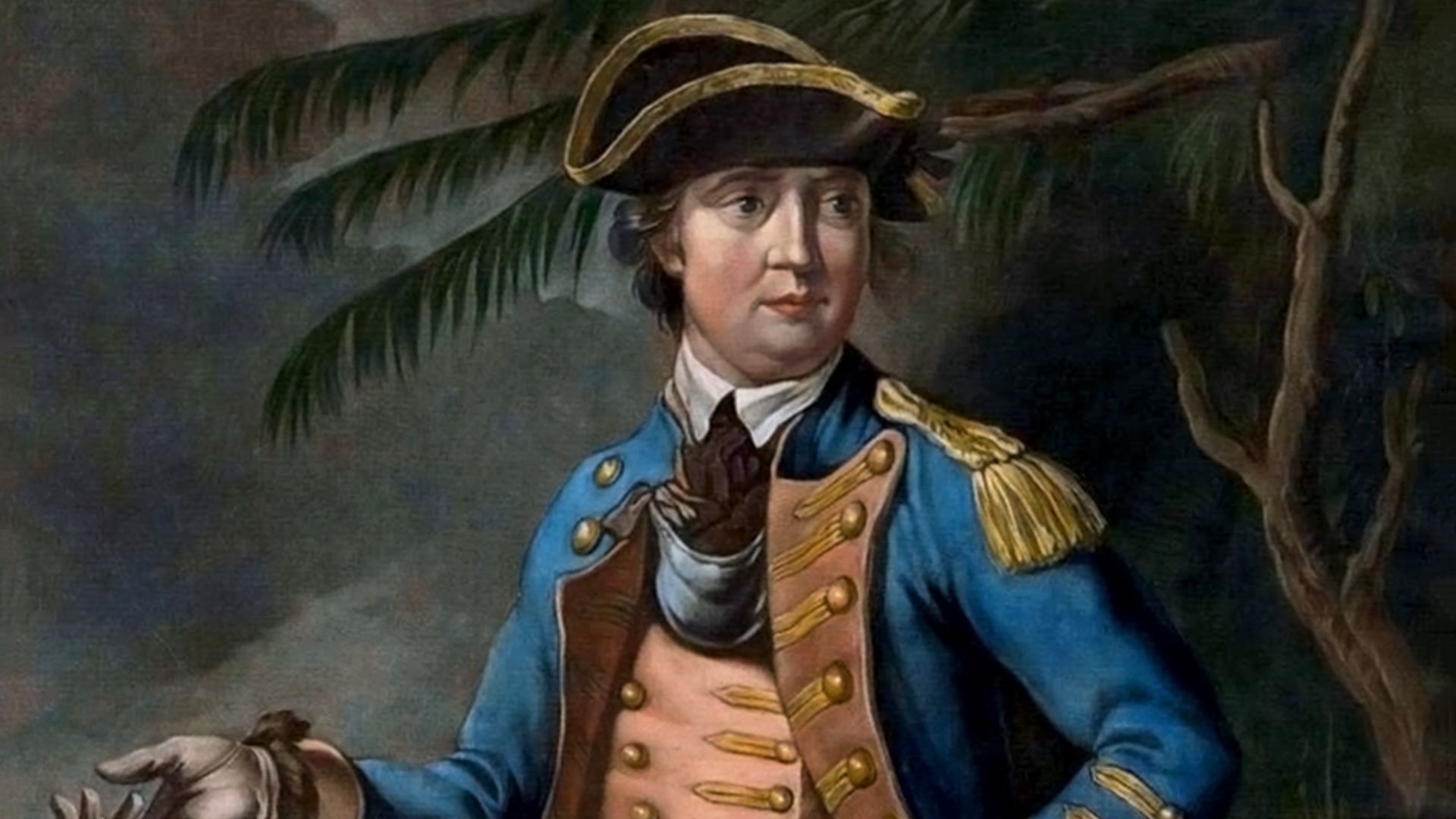
2. Benedict Arnold Defects To The British
During the American Revolutionary War, General Benedict Arnold secretly negotiated with Britain to hand over the strategic fort of West Point. His plot was exposed before completion, but the damage to trust within the Continental Army was profound.
3. Napoleon Is Betrayed By His Marshals
After years of military dominance, Napoleon Bonaparte was abandoned by key marshals and political allies in 1814. Facing invasion and internal dissent, the French Senate declared him deposed. His exile marked the end of revolutionary France’s expansion across Europe.
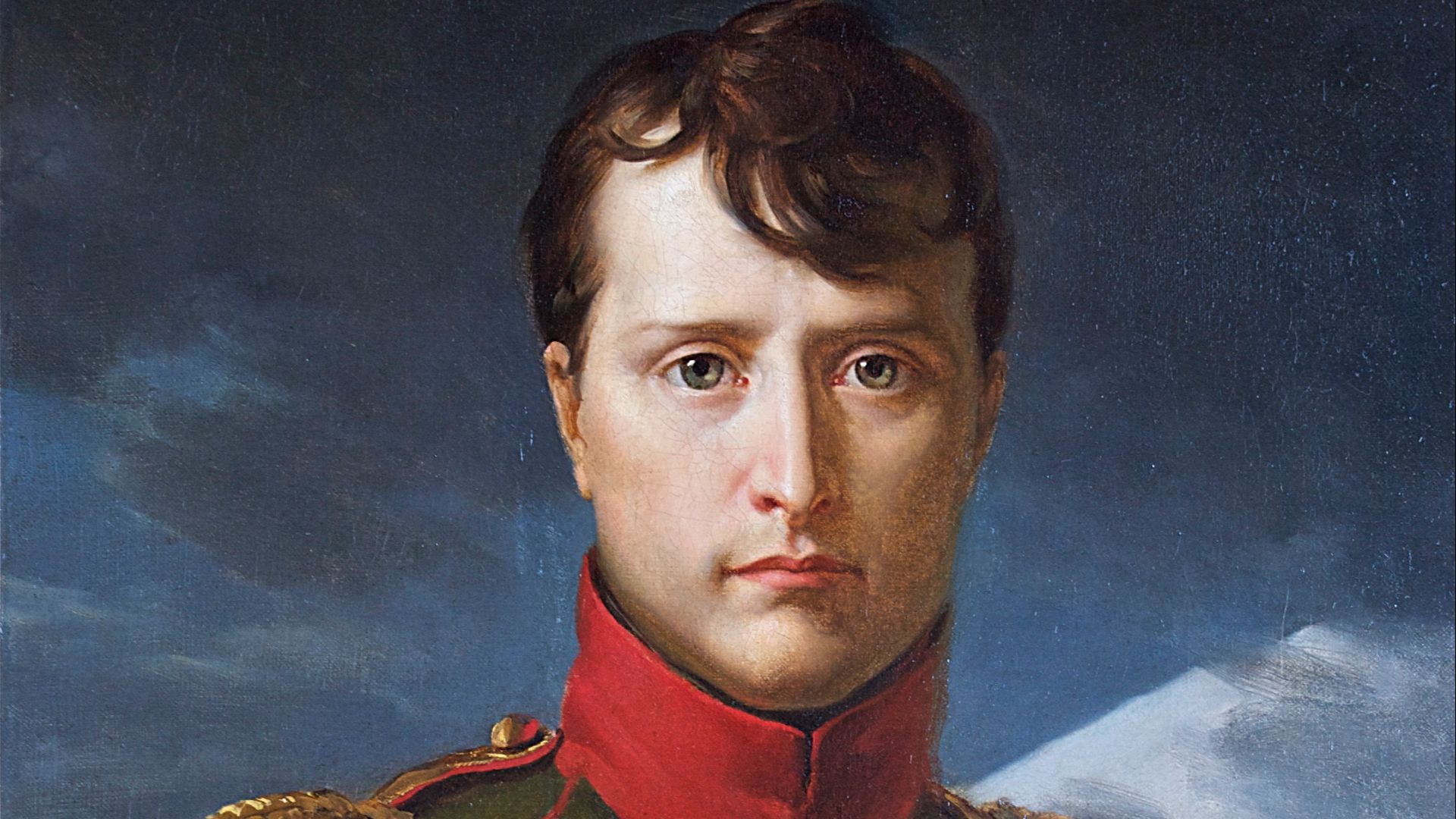
4. King Charles I Is Handed Over By His Allies
During the English Civil War, Scottish allies who had sheltered Charles I eventually handed him over to the English Parliament. Their decision was driven by political leverage rather than loyalty. This betrayal removed the king’s last meaningful protection and directly led to his trial and execution, a radical moment in monarchical history.
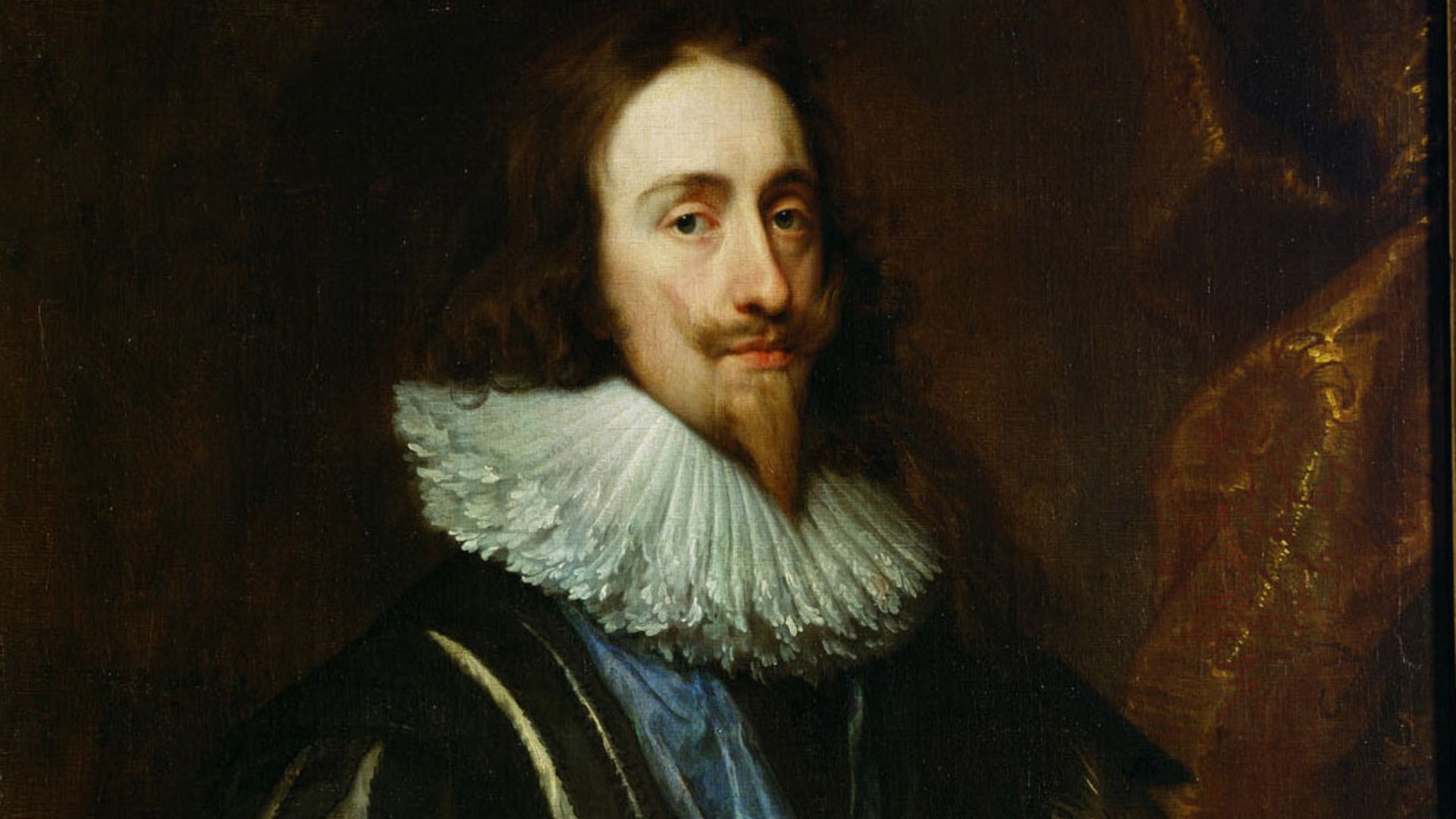
5. Pompey Is Abandoned By The Roman Senate
When civil war erupted between Julius Caesar and Pompey the Great, the Roman Senate initially backed Pompey as the defender of the republic. As Caesar advanced and the political tide turned, many senators quietly fled, defected, or hedged their loyalty.
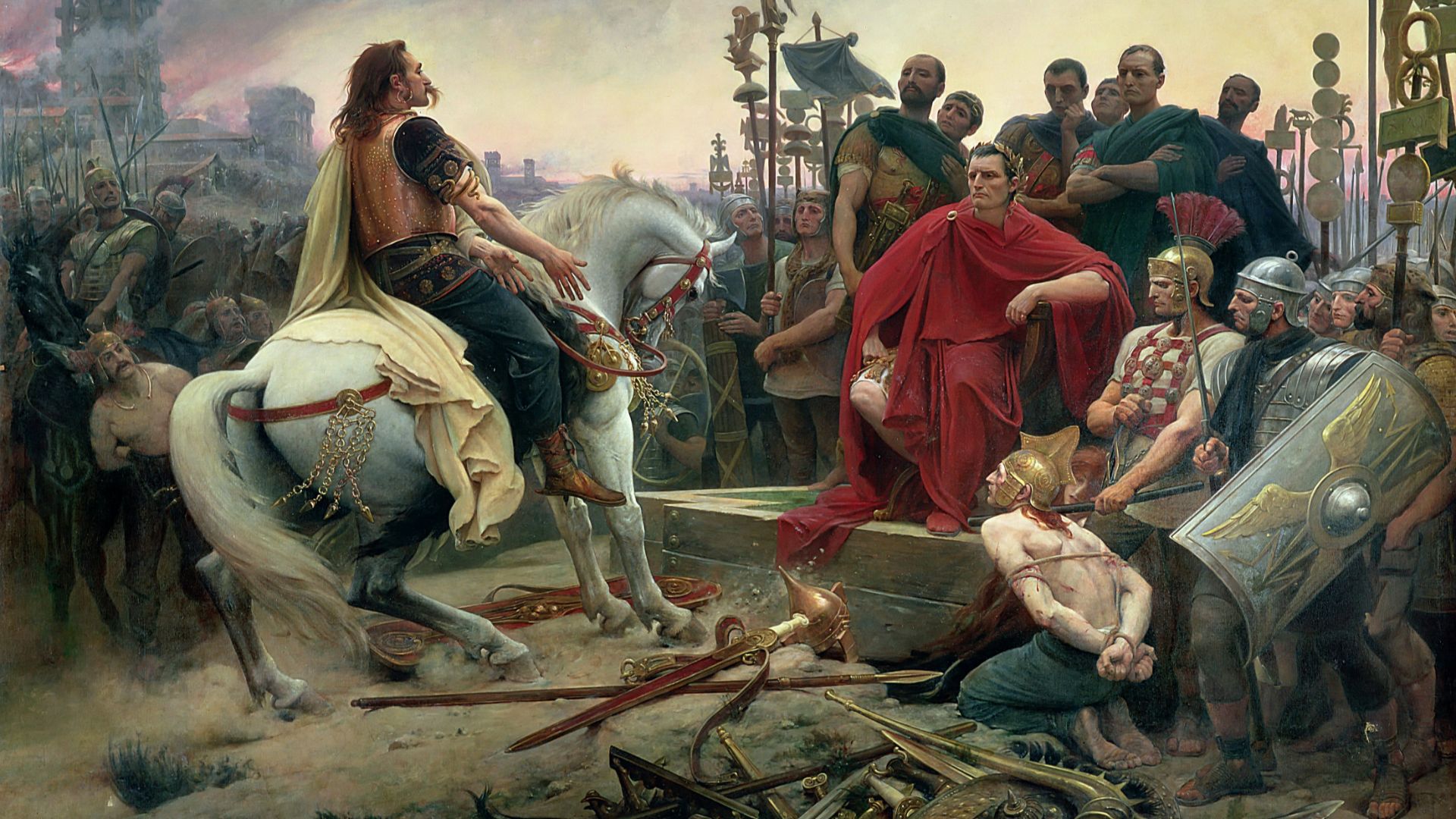
6. Stalin Betrays Trotsky
Leon Trotsky helped lead the Bolshevik Revolution alongside Joseph Stalin, but their alliance collapsed after Lenin’s death. Stalin systematically isolated Trotsky, exiled him, and eventually ordered his assassination in 1940.

7. Hitler Breaks The Molotov–Ribbentrop Pact
In 1939, Nazi Germany and the Soviet Union signed a non-aggression pact that shocked the world. Less than two years later, Hitler violated it by launching Operation Barbarossa. The betrayal devastated the Soviet Union but also united it fully against Nazi Germany. The Eastern Front became the deadliest theater of World War II.
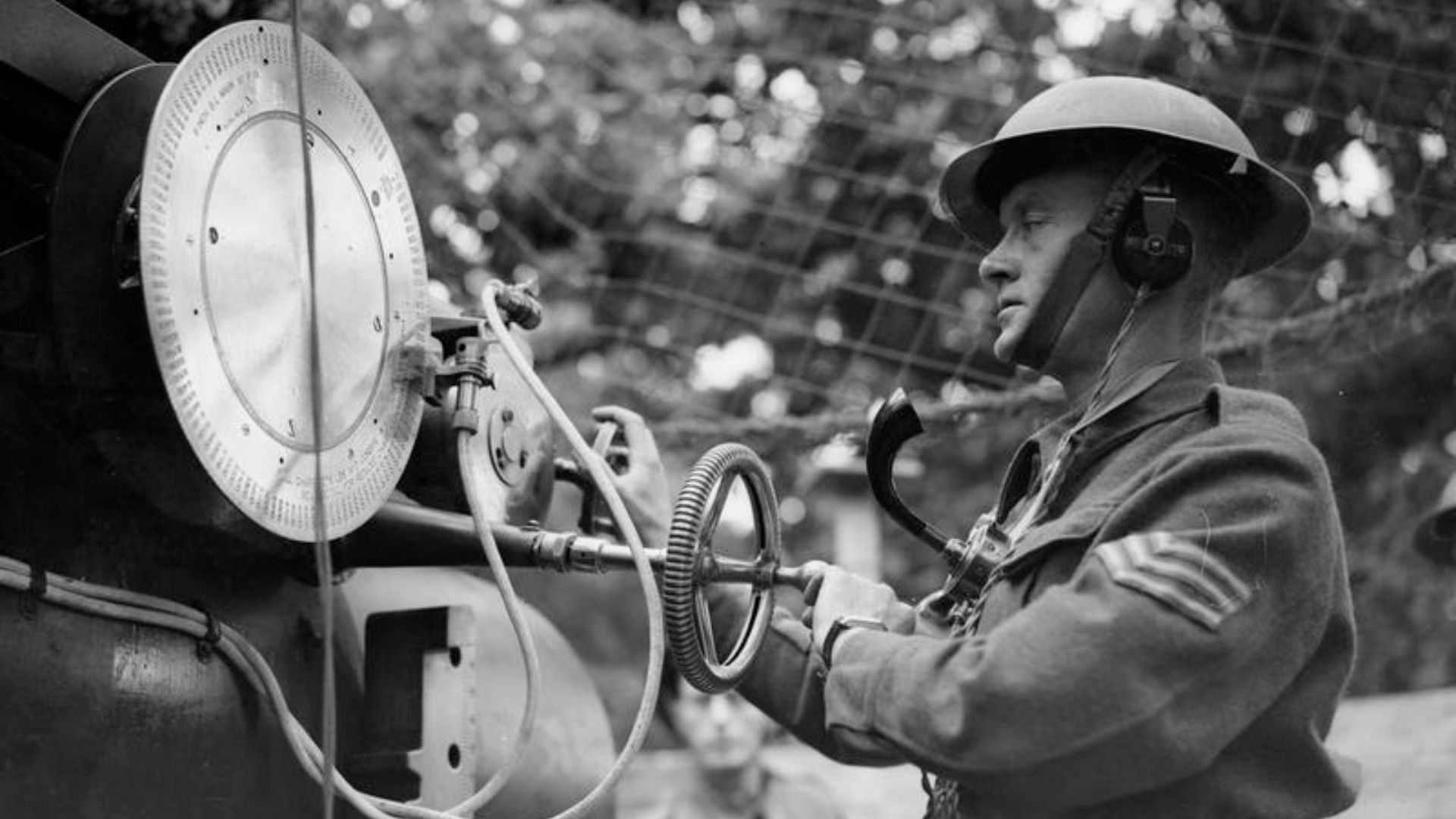 War Office official photographer on Wikimedia
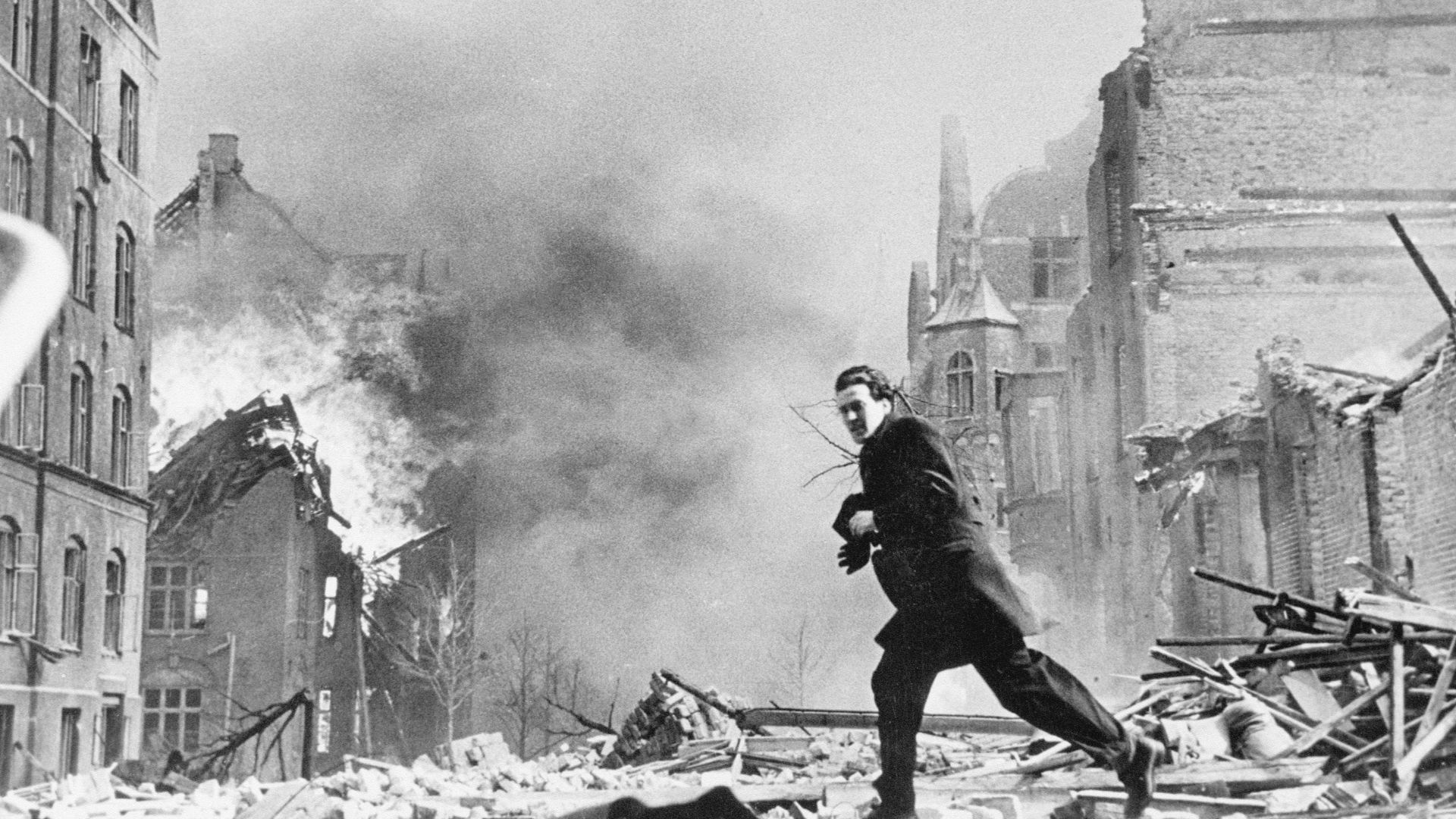
8. The Munich Agreement Sacrifices Czechoslovakia
In 1938, Britain and France agreed to let Nazi Germany annex parts of Czechoslovakia without Czech participation. Leaders framed the deal as a necessary compromise to avoid war.
 National Museum of Denmark on Unsplash
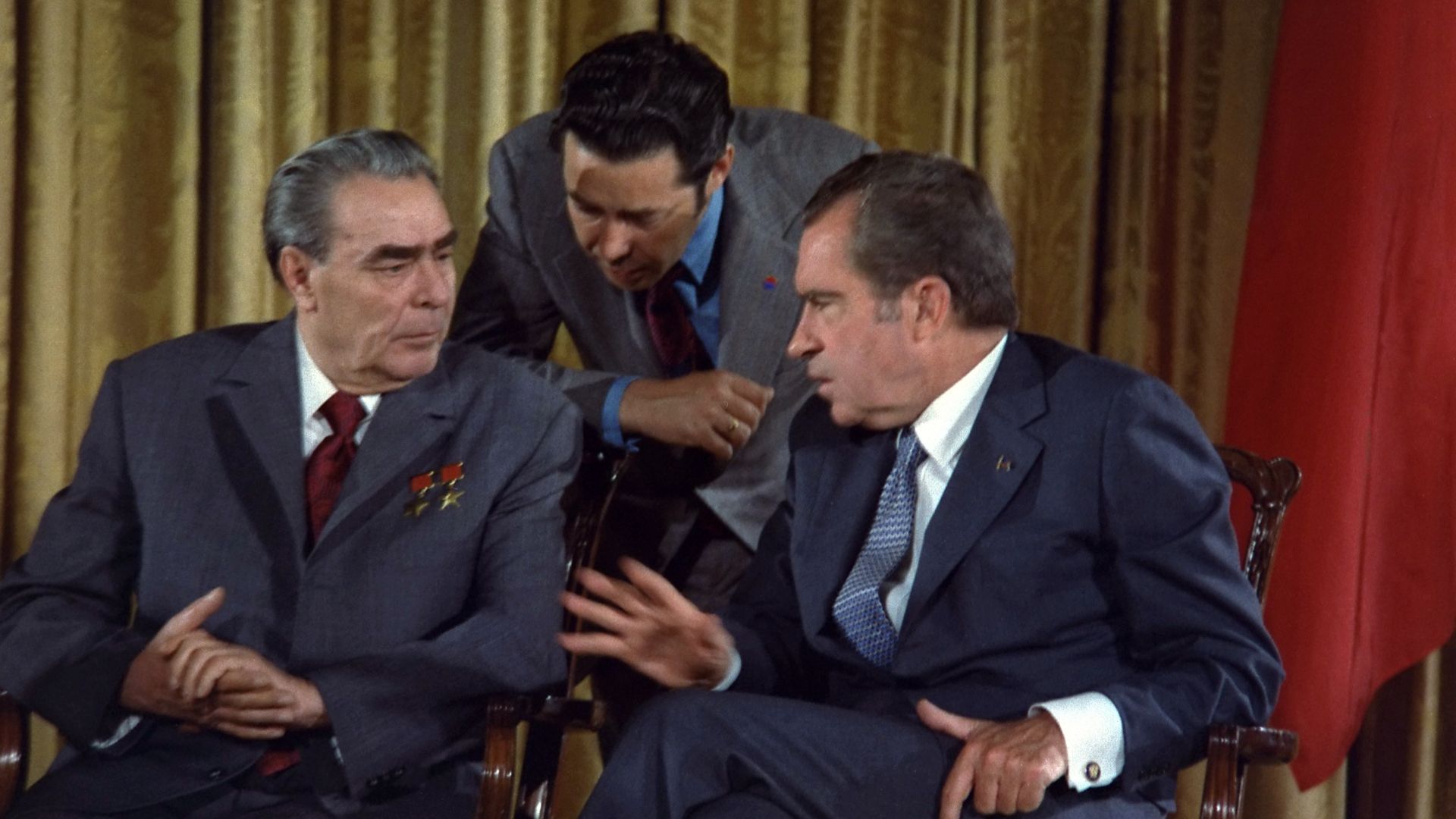
9. Richard Nixon Covers Up Watergate
President Nixon’s involvement in covering up the Watergate break-in represented a betrayal of public trust. The effort to obstruct justice unraveled as evidence mounted.
 Robert LeRoy Knudsen on Wikimedia
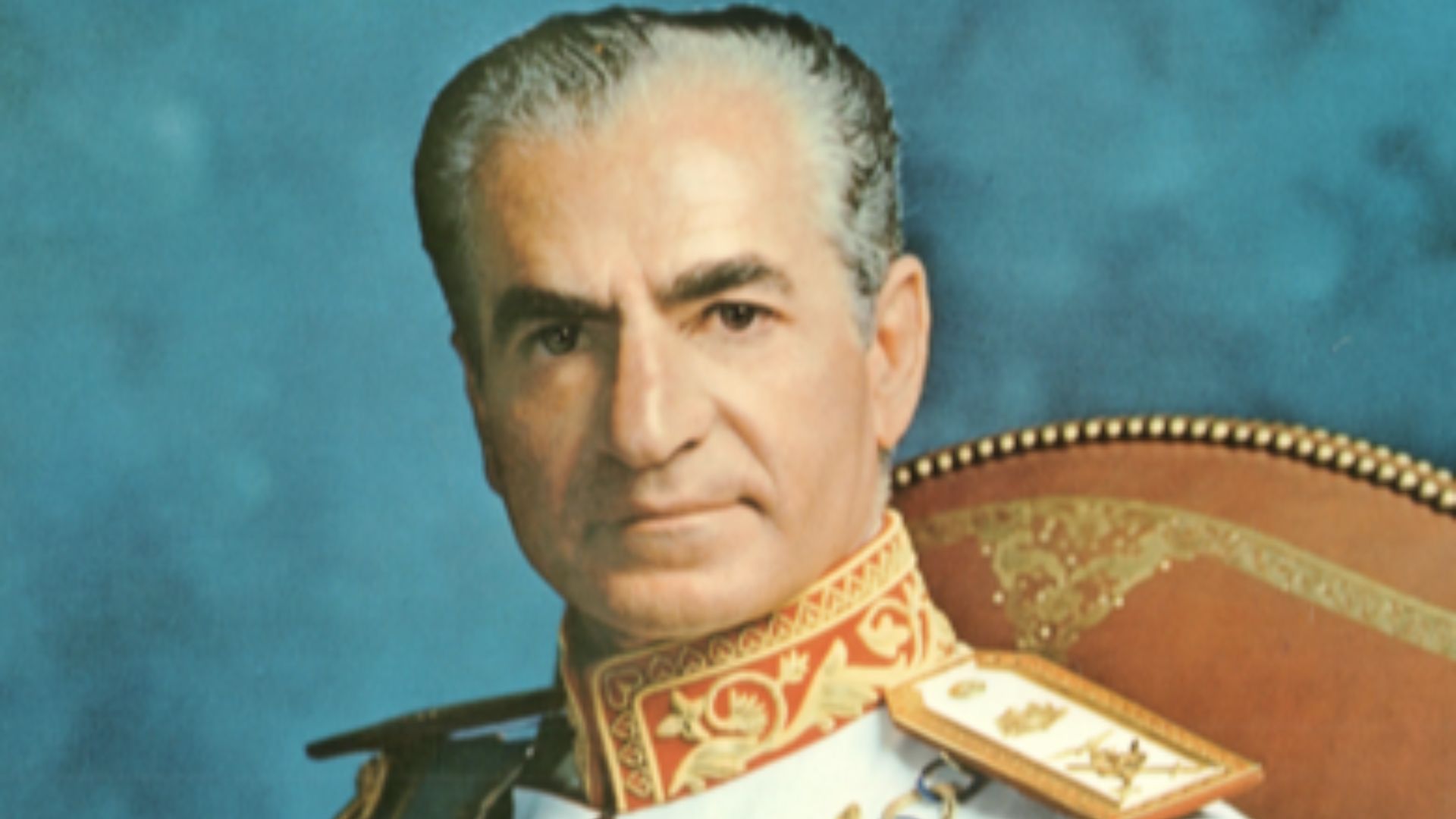
10. The Shah Of Iran Is Abandoned By The West
For decades, Iran’s Shah relied on Western backing to maintain power. As unrest grew in the late 1970s, that support quietly evaporated. The Shah fled, leaving a power vacuum that allowed the Islamic Revolution to succeed.
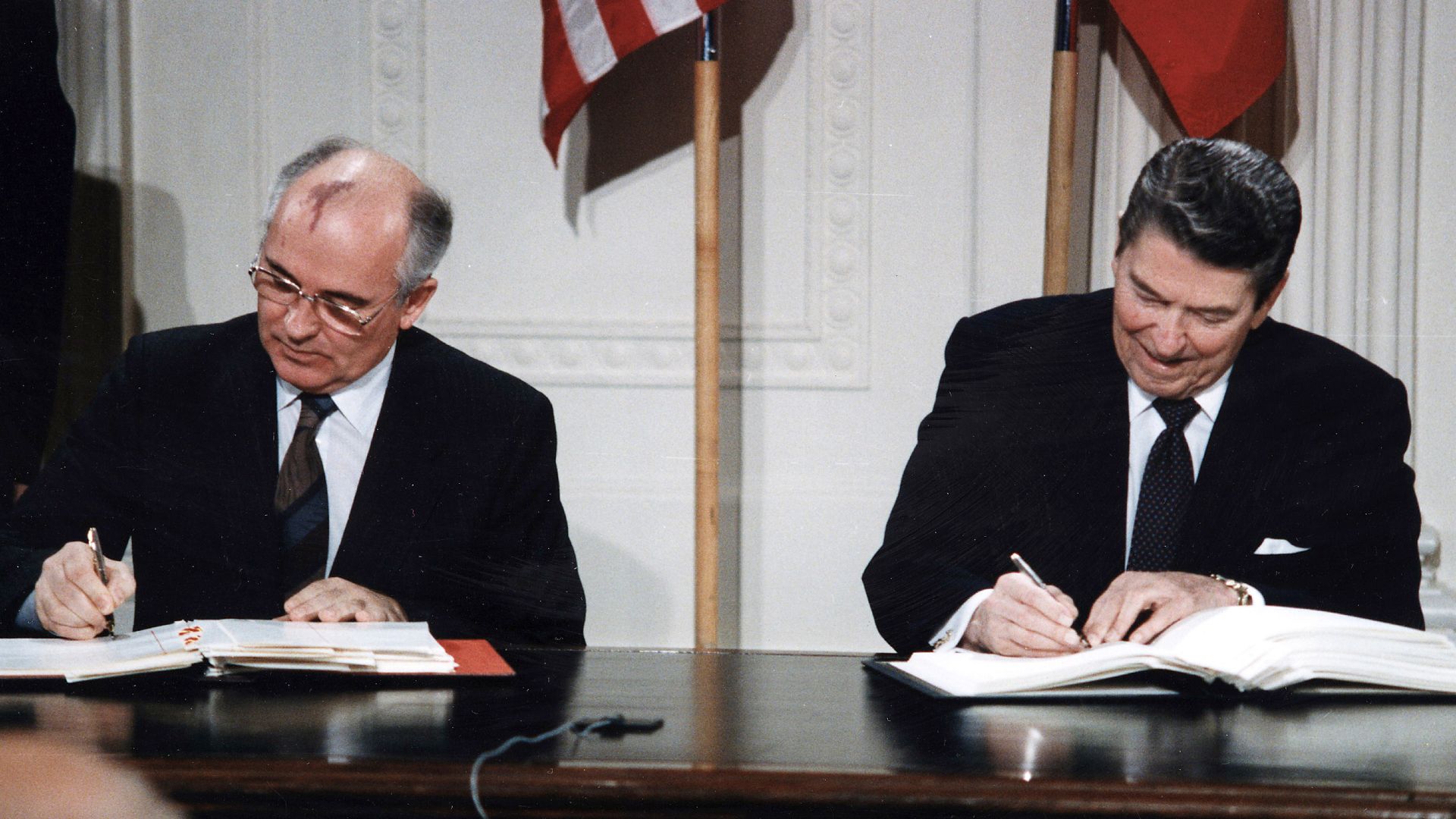
11. Gorbachev Is Undermined By Soviet Hardliners
In 1991, Soviet hardliners attempted a coup against Mikhail Gorbachev, who had introduced reforms like glasnost and perestroika. The betrayal weakened his authority even after the coup failed. It accelerated the collapse of the Soviet Union itself. Reform gave way to fragmentation almost overnight.
 White House Photographic Office on Wikimedia
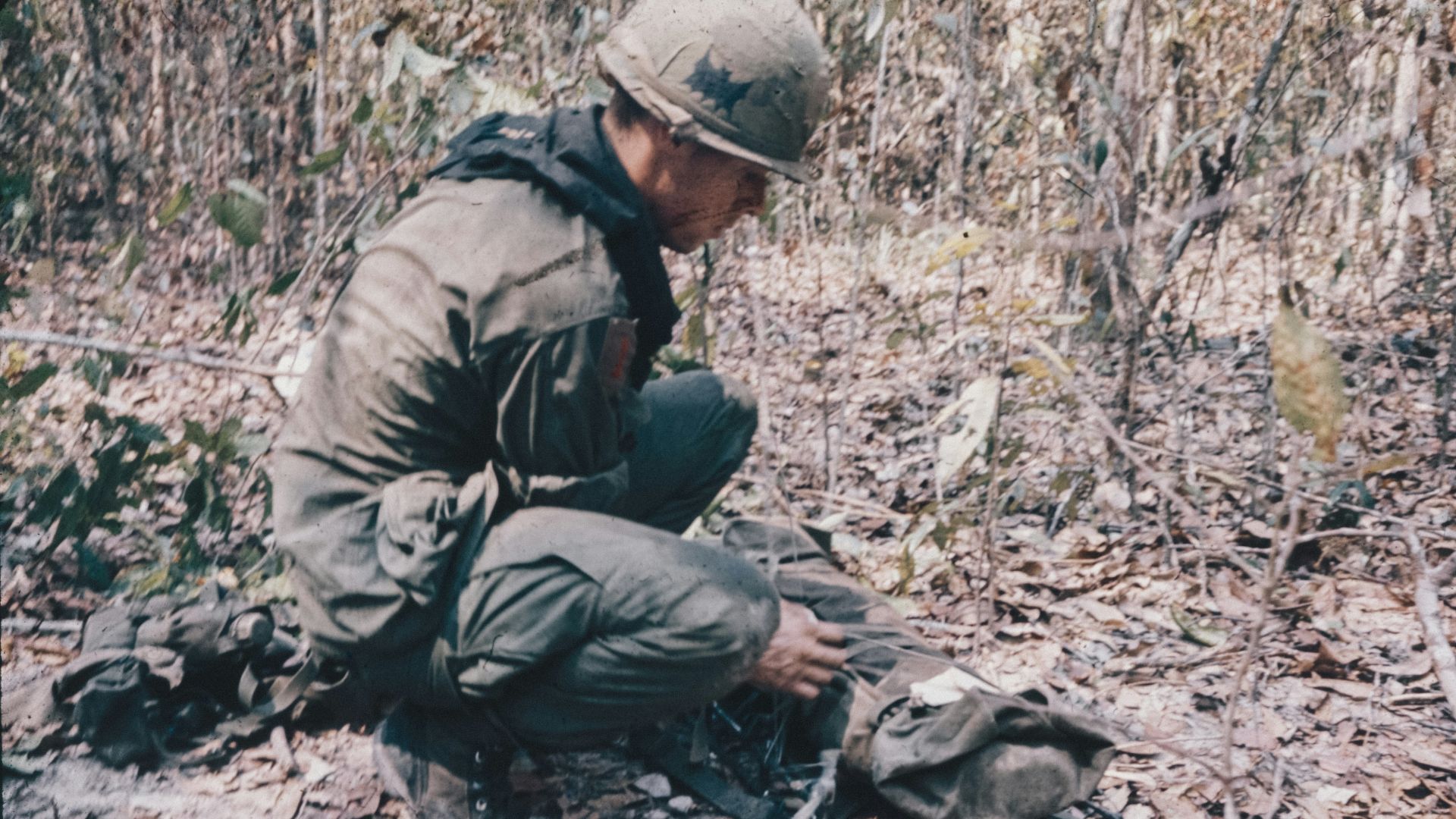
12. South Vietnam Is Abandoned After U.S. Withdrawal
The Paris Peace Accords promised stability, but American military support evaporated soon after withdrawal. South Vietnam was left vulnerable despite assurances. When North Vietnamese forces advanced, there was little meaningful resistance. The fall of Saigon became a lasting symbol of geopolitical abandonment.
13. The Treaty Of Versailles Betrays Germany’s Civilians
Although framed as a peace settlement, the Treaty of Versailles imposed harsh penalties on Germany after World War I. Many German civilians felt betrayed by both their former leaders and the international community. Economic hardship and humiliation followed. These conditions helped fuel extremist politics, including the rise of Nazism.
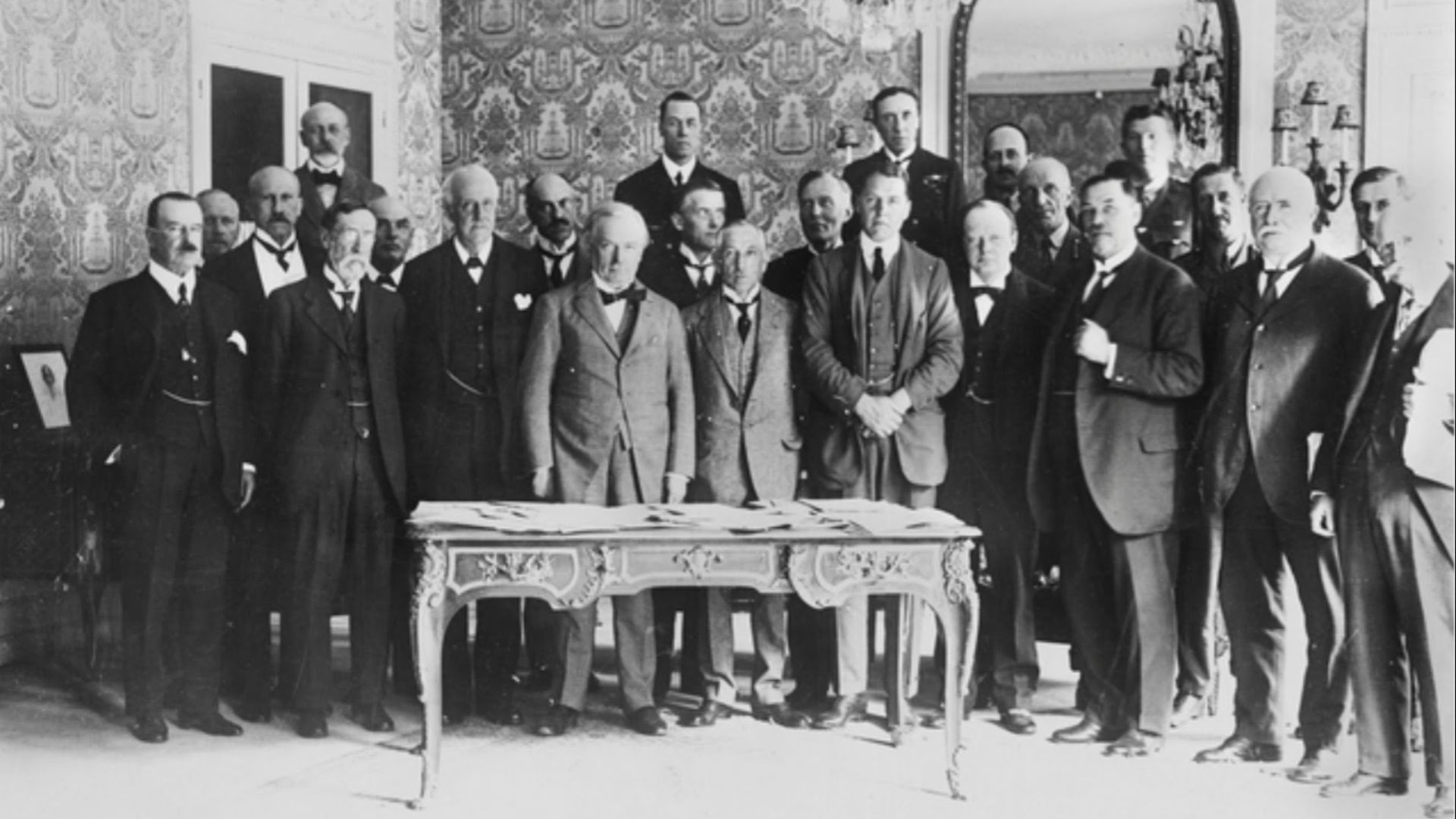 The British Government on Wikimedia
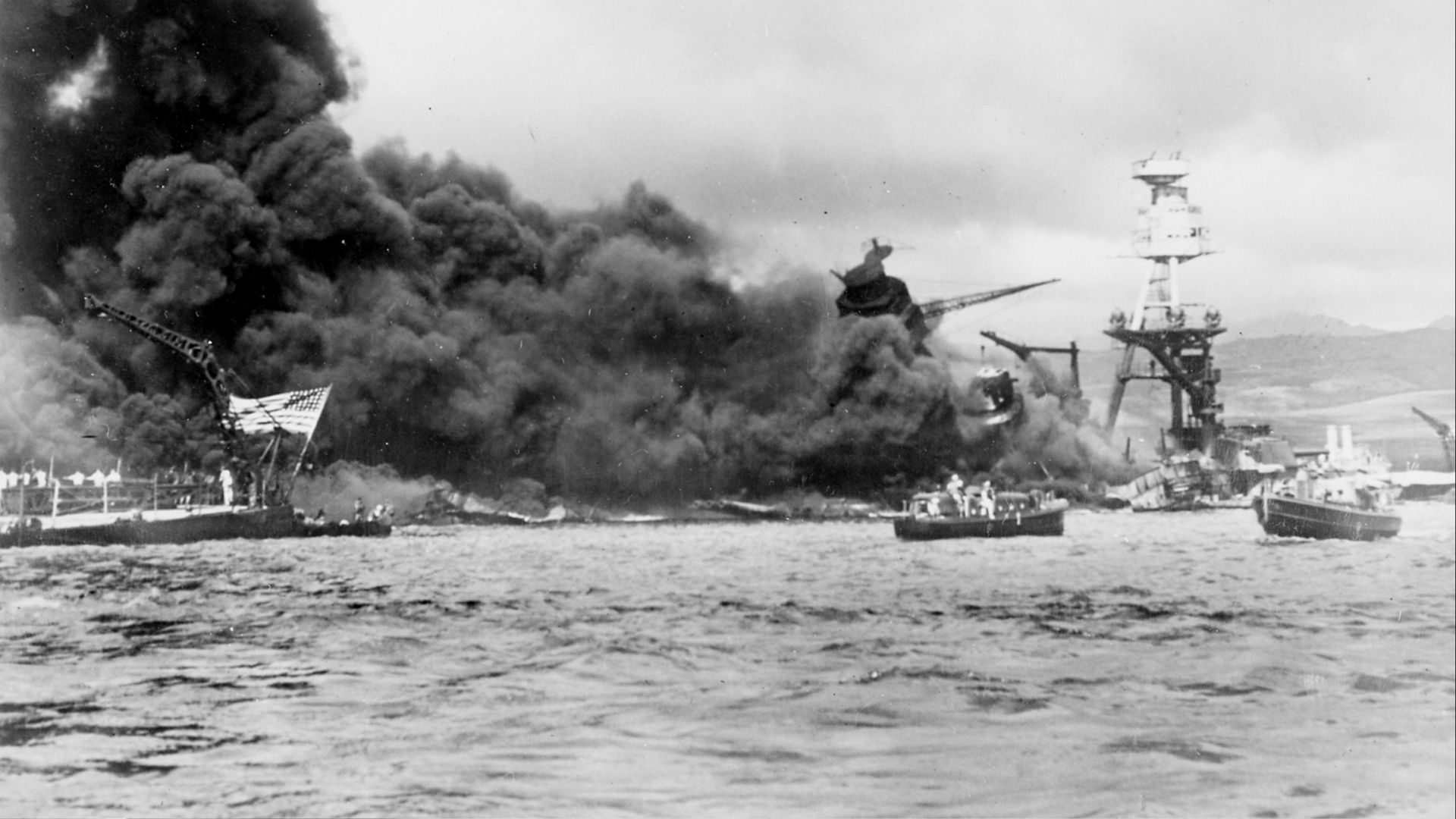
14. Japan Attacks Pearl Harbor
While Japan and the United States were still formally negotiating, Japanese forces launched a surprise attack on Pearl Harbor in 1941. The betrayal shocked the American public and leadership alike. It immediately drew the United States into World War II. The balance of global power shifted almost overnight.
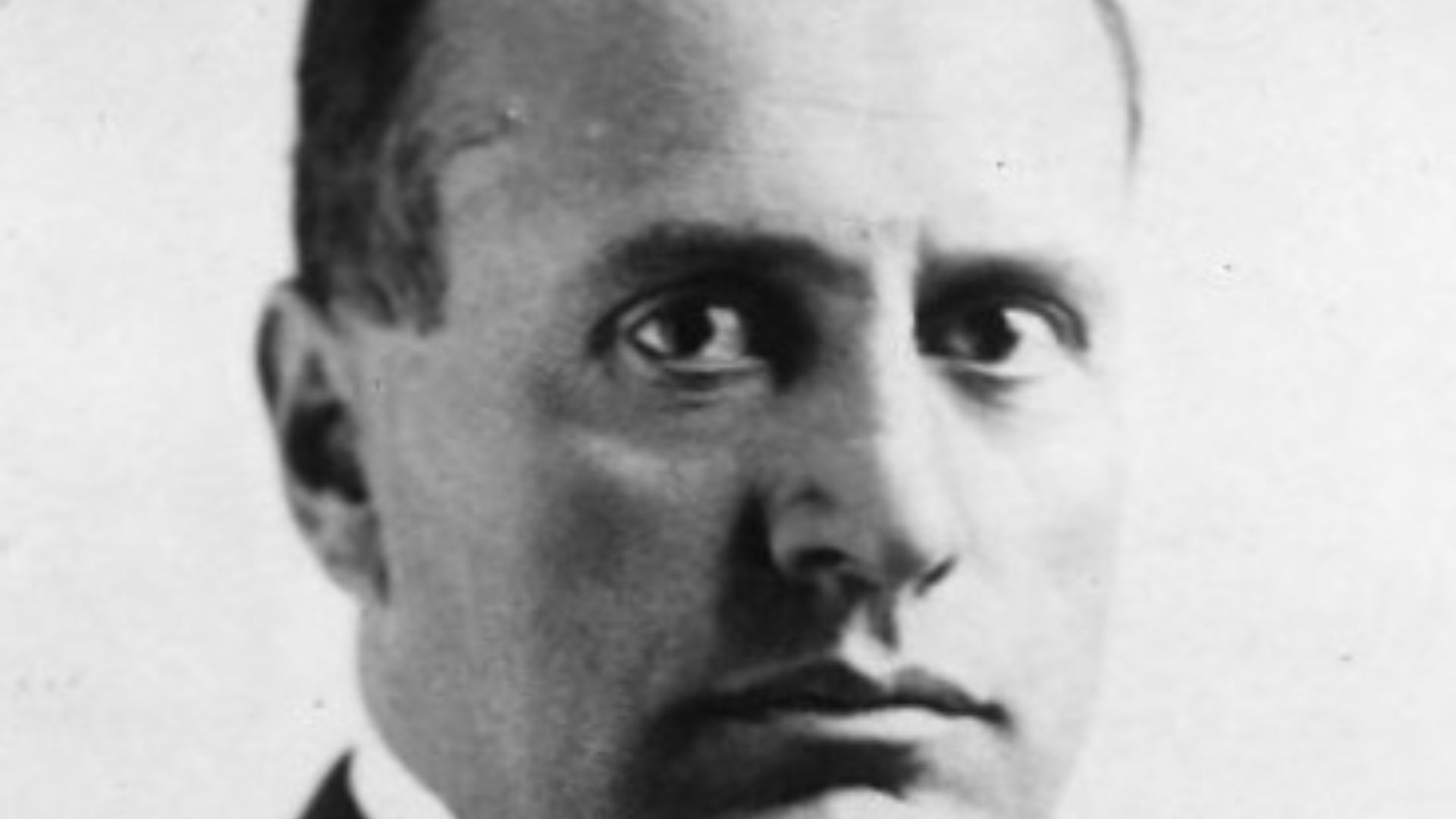
15. Mussolini Is Overthrown By His Own Government
As World War II turned against Italy, Mussolini’s allies in the Fascist Grand Council voted to remove him from power. The betrayal reflected political survival rather than ideology. Mussolini was arrested and later rescued by German forces. Italy’s internal collapse weakened the Axis significantly.
 Unknown authorUnknown author on Wikimedia
16. The Soviet Union Abandons Eastern Europe
After decades of control, the Soviet Union declined to intervene as Eastern European states broke away in the late 1980s. While framed as a restraint, many communist leaders felt abandoned.
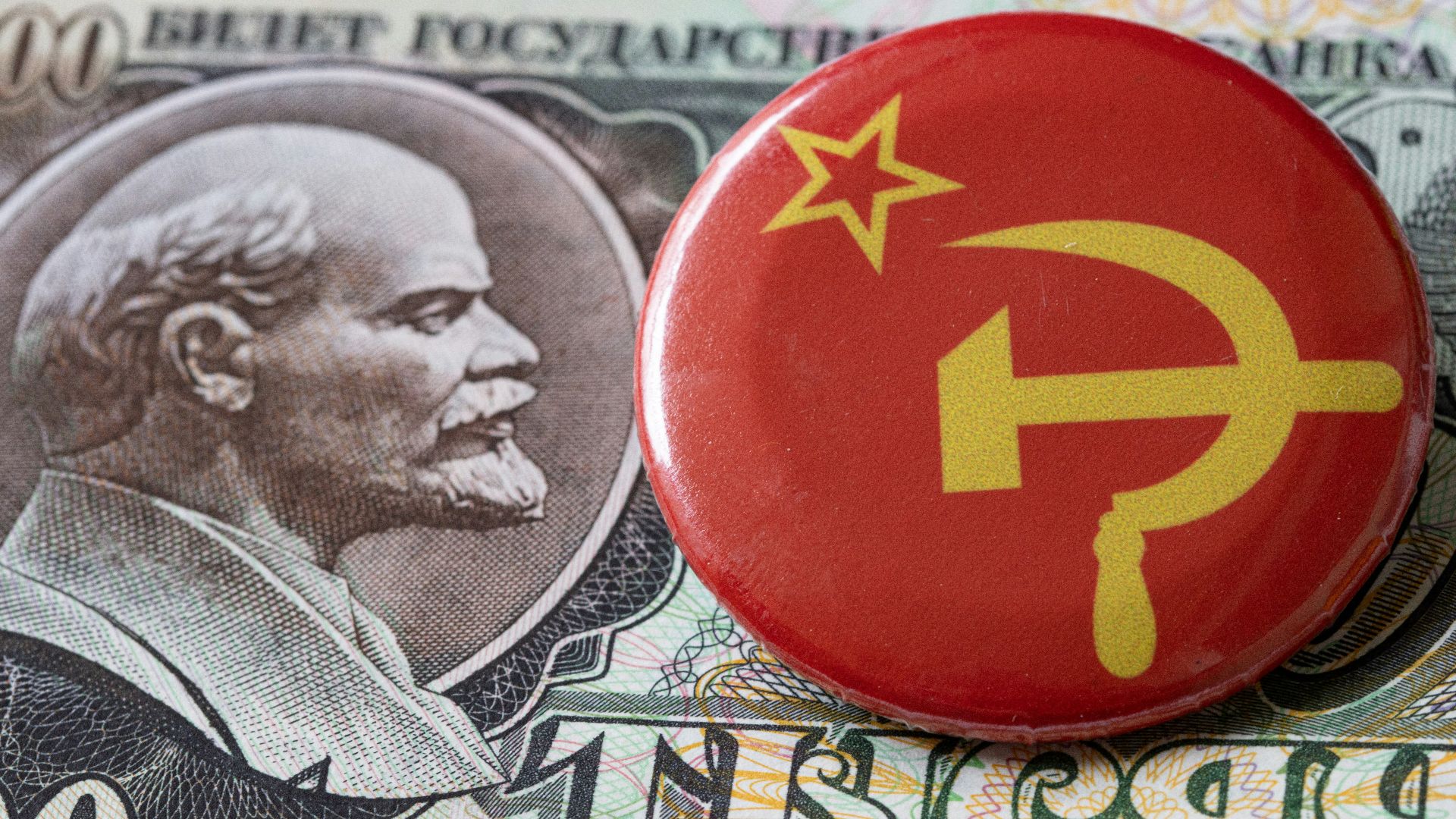
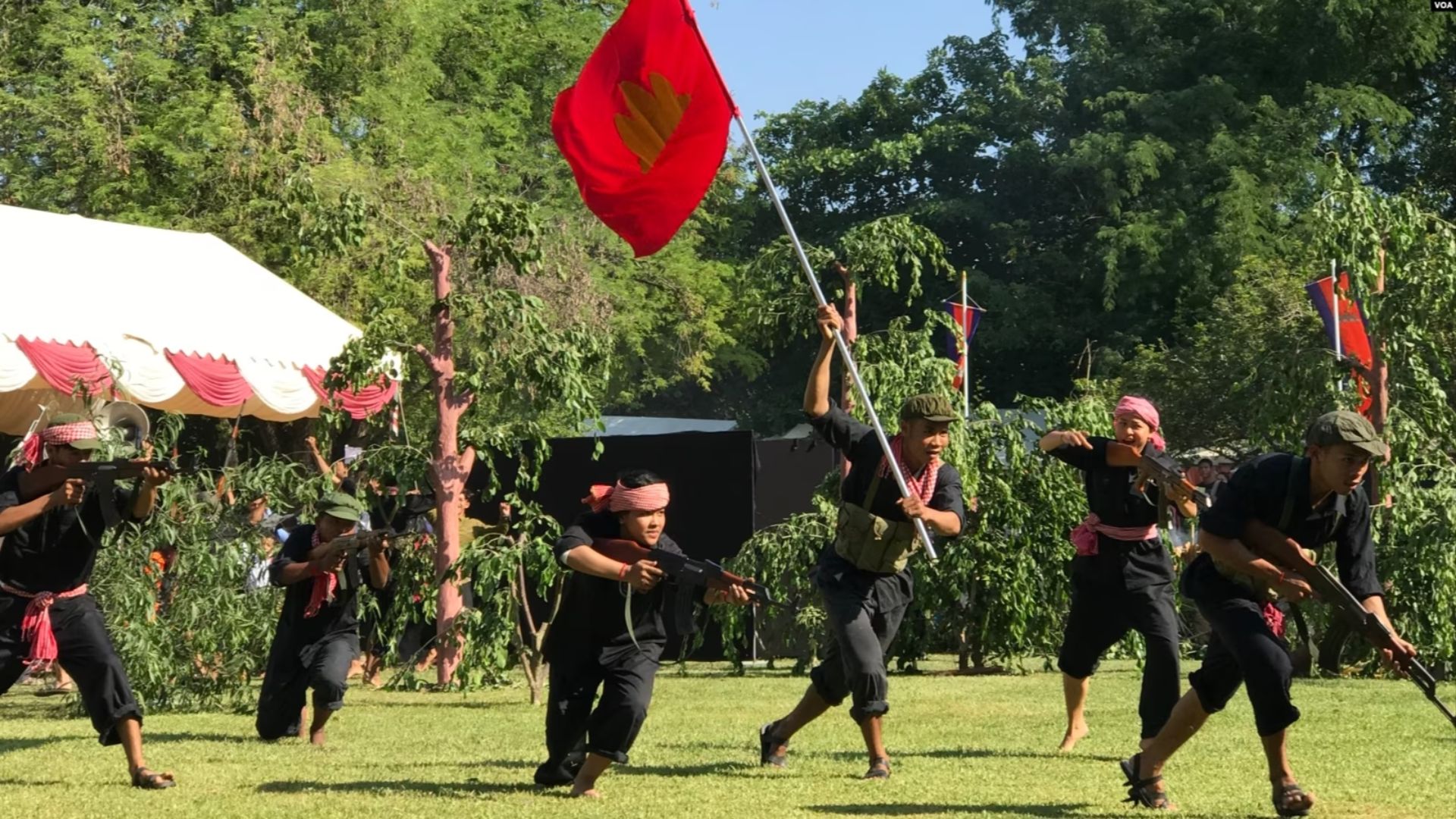
17. The Khmer Rouge Betrays Its Own Revolutionaries
Once in power, the Khmer Rouge turned violently against former allies and supporters. Purges targeted intellectuals, party members, and perceived rivals.
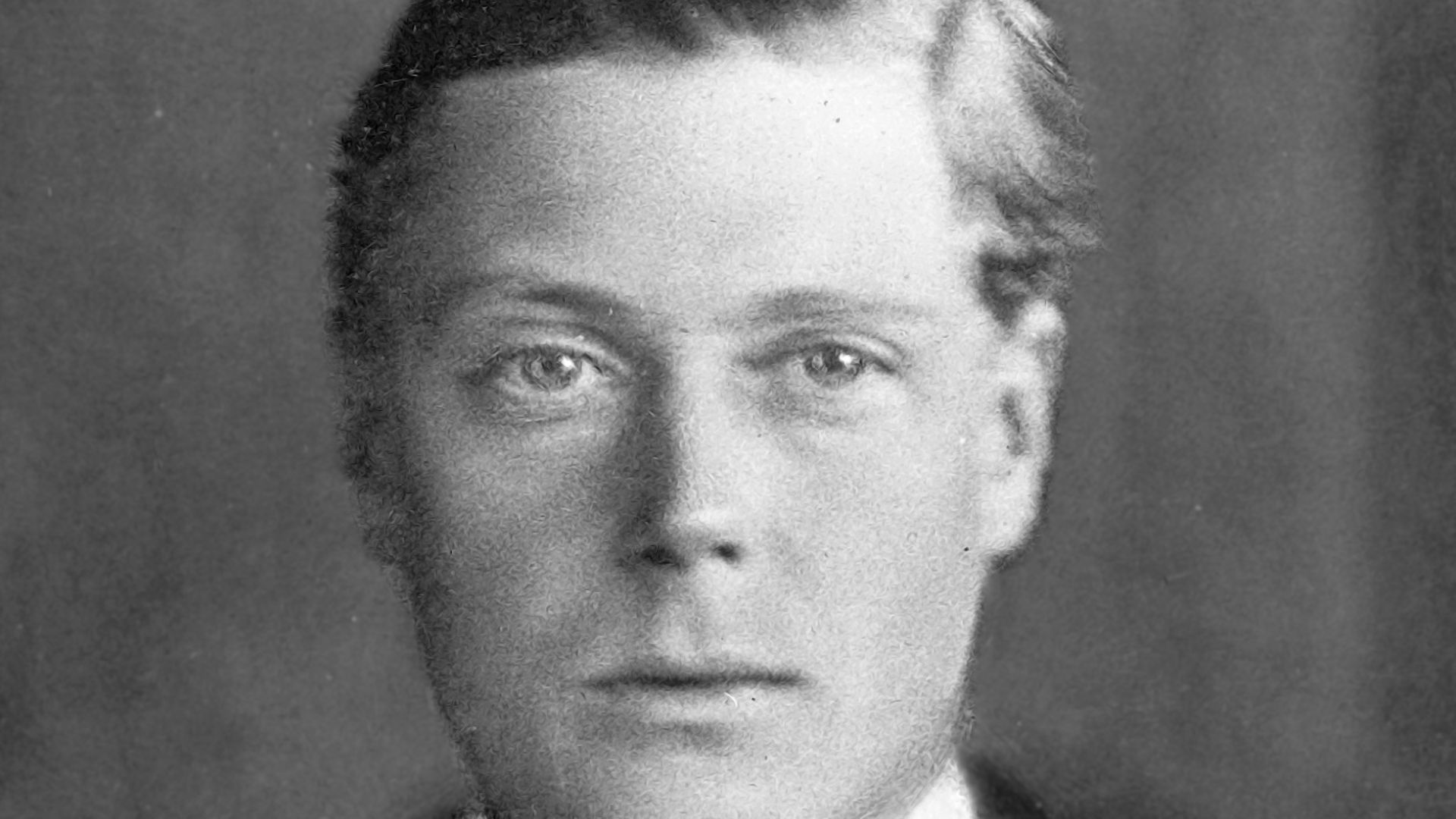
18. Edward VIII Abdicates The British Throne
Edward VIII chose marriage over monarchy in 1936, abandoning his constitutional role. Political leaders viewed the decision as a betrayal of duty during a volatile period.
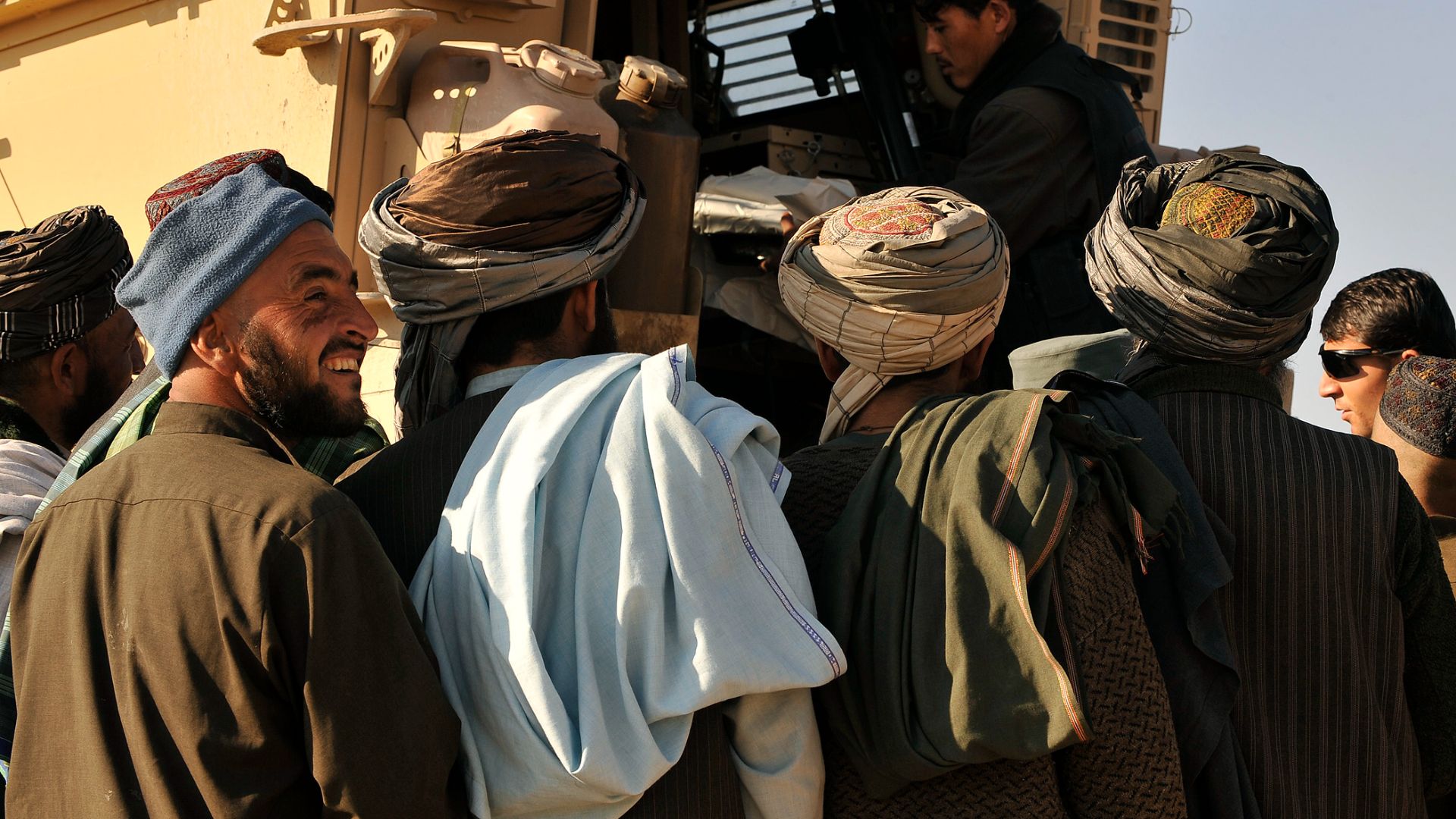
19. Afghanistan’s Government Collapses In 2021
After years of international support, Afghanistan’s government fell rapidly following foreign withdrawal. Many Afghan allies believed long-term backing had been promised.
 Staff Sgt. Dayton Mitchell on Wikimedia
20. The Roman Republic Betrays Its Own Ideals
Long before Caesar’s death, Rome’s elite repeatedly undermined republican norms for personal power. Laws were bent, offices abused, and violence normalized.
KEEP ON READING
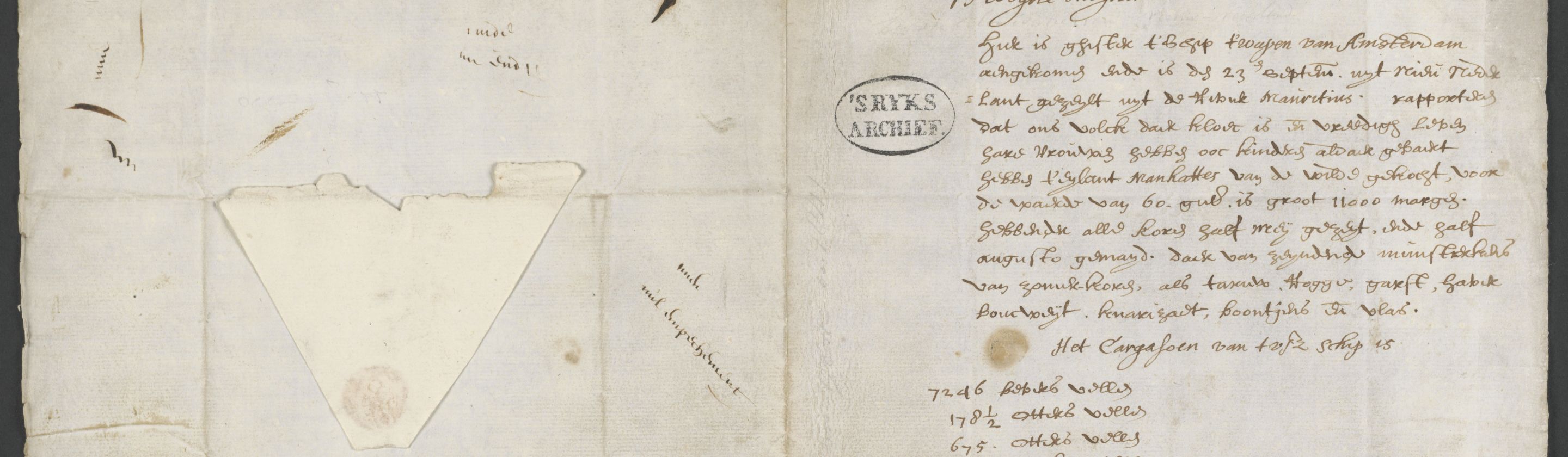
The Island Bought for Beads and Trinkets
Alfred Fredericks on WikimediaThe story is one of the most…
By Cameron Dick Jun 2, 2026
20 Historical Wills That Were Written Purely to Spite the…
Petty From Beyond the Grave. While most people view a…
By Sara Springsteen Jun 2, 2026
20 Historical Divorces That Shocked Society
When Private Heartbreak Became Public History. History has never been…
By Annie Byrd Jun 2, 2026
20 Historical Figures Who Went by Fake Names
Famed Pseudonyms. Here's a fun fact for you: Pablo Picasso's…
By Christy Chan Jun 1, 2026
20 Forgotten Historical Inventors Who Need More Credit
Stepping Out of the Shadows. We all know the famous…
By Sara Springsteen Jun 1, 2026
20 Historical "Hustlers" Who Went from Rags to Riches
Chasing the Ultimate Dream. History is packed with individuals who…
By Sara Springsteen Jun 1, 2026