

We Got The Story Wrong
History loves a good narrative, and sometimes we cling to the version that sounds best even when the facts tell a different story. The problem is that once a myth takes root in textbooks and popular culture, it becomes nearly impossible to dislodge. We repeat these tales because they feel true, because they fit our expectations, or because we simply never bothered to actually fact-check what people are saying. The gap between what actually happened and what we think happened can be enormous, and closing that gap often reveals something far more complex and human than the sanitized version we learned in school. Here are 20 moments when history got twisted, distorted, or invented along the way.
1. Napoleon Was Of Average Height
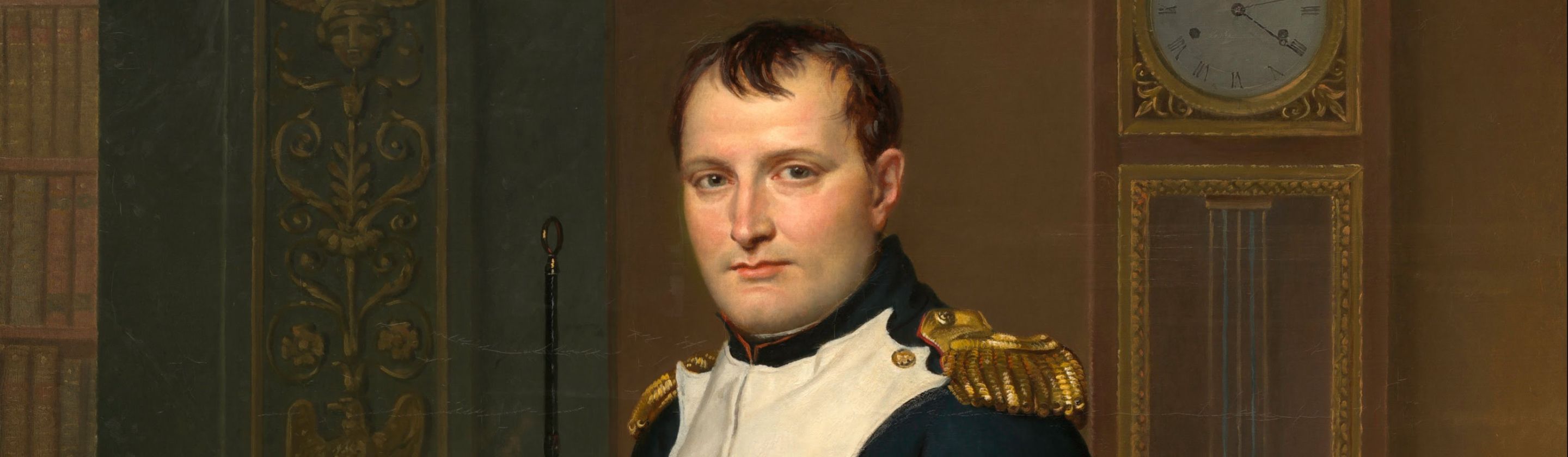
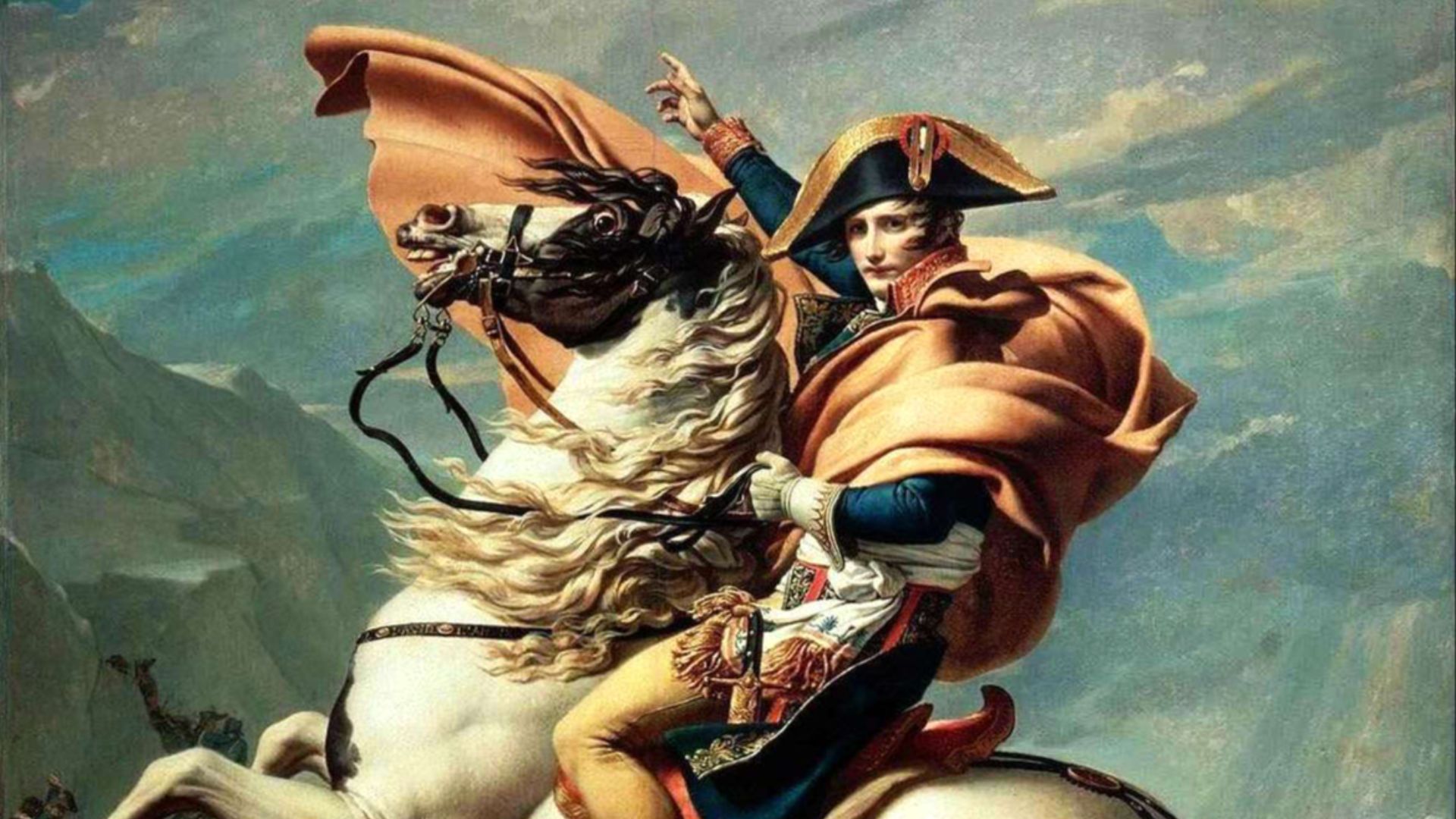
Napoleon wasn't short. The whole "Napoleon complex" thing is based on a misunderstanding of French measurements versus British ones. He actually stood around 5'7", which was, and continues to be, a perfectly average height. British propaganda simply ran with the short joke because mocking your enemy's physical appearance has always been low-hanging fruit.
 Jacques-Louis David on Wikimedia
2. Viking Helmets Didn’t Wear Horns
Those iconic horned helmets were invented by a costume designer for a 1876 Wagner opera, but actual Archaeological evidence shows that actual Vikings wore simple, practical helmets without any decorative horns. If there were any horned helmets being worn during this time period, they were likely ceremonial.

3. Nero Didn't Fiddle While Rome Burned
The fiddle wouldn't be invented for another thousand years after Nero's reign, so the famous image of him playing music while Rome went up in flames in 64 CE is chronologically impossible. This legend was likely fabricated due to the fact that he was a wildly unpopular emperor.
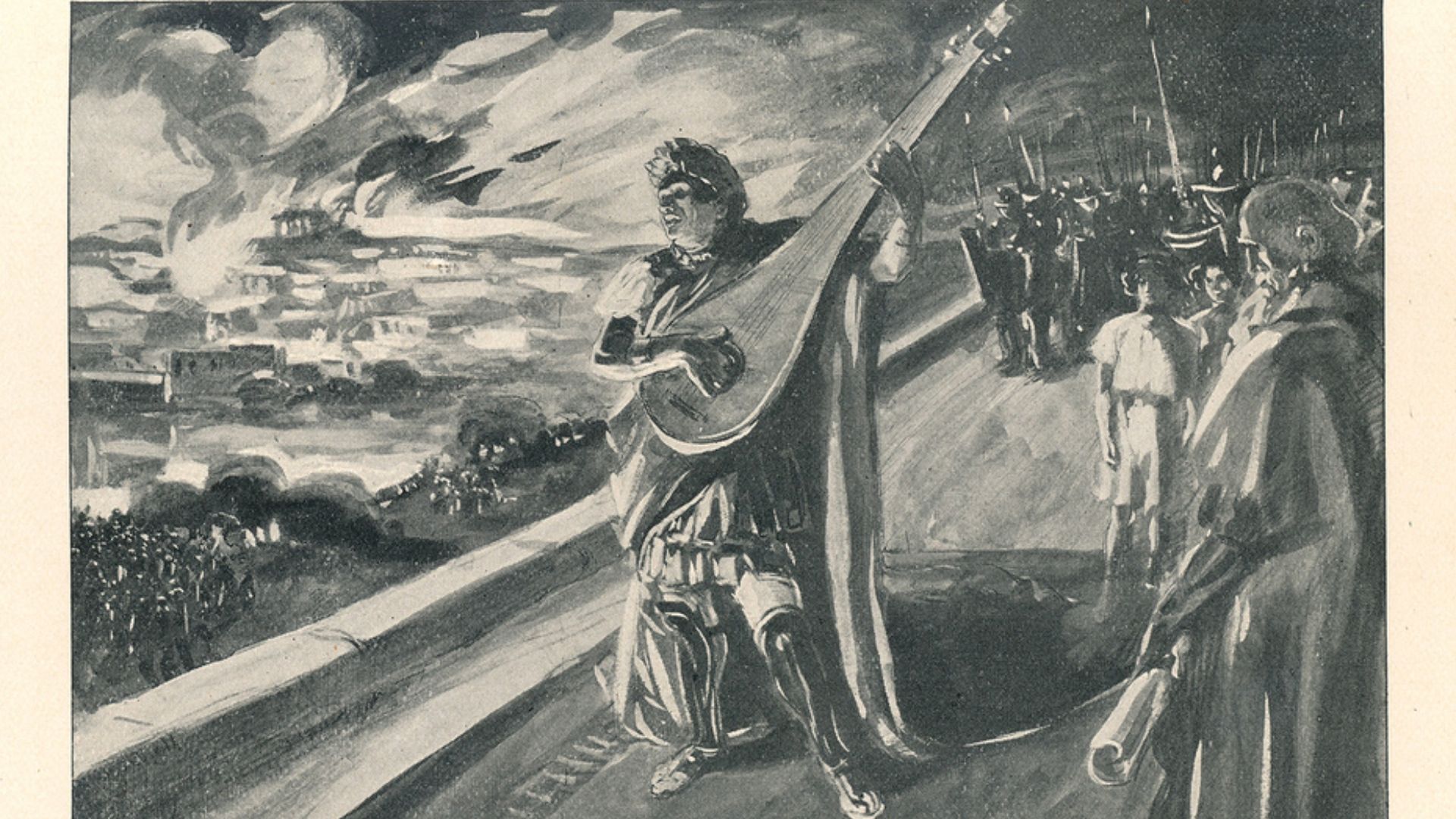 Illustration by M. de Lipman. on Wikimedia
4. Marie Antoinette Never Said "Let Them Eat Cake"
There's no reliable evidence that Marie Antoinette ever uttered this phrase when told that peasants had no bread. The line appeared in Jean-Jacques Rousseau's writings years before she would have said it, attributed to an unnamed princess.
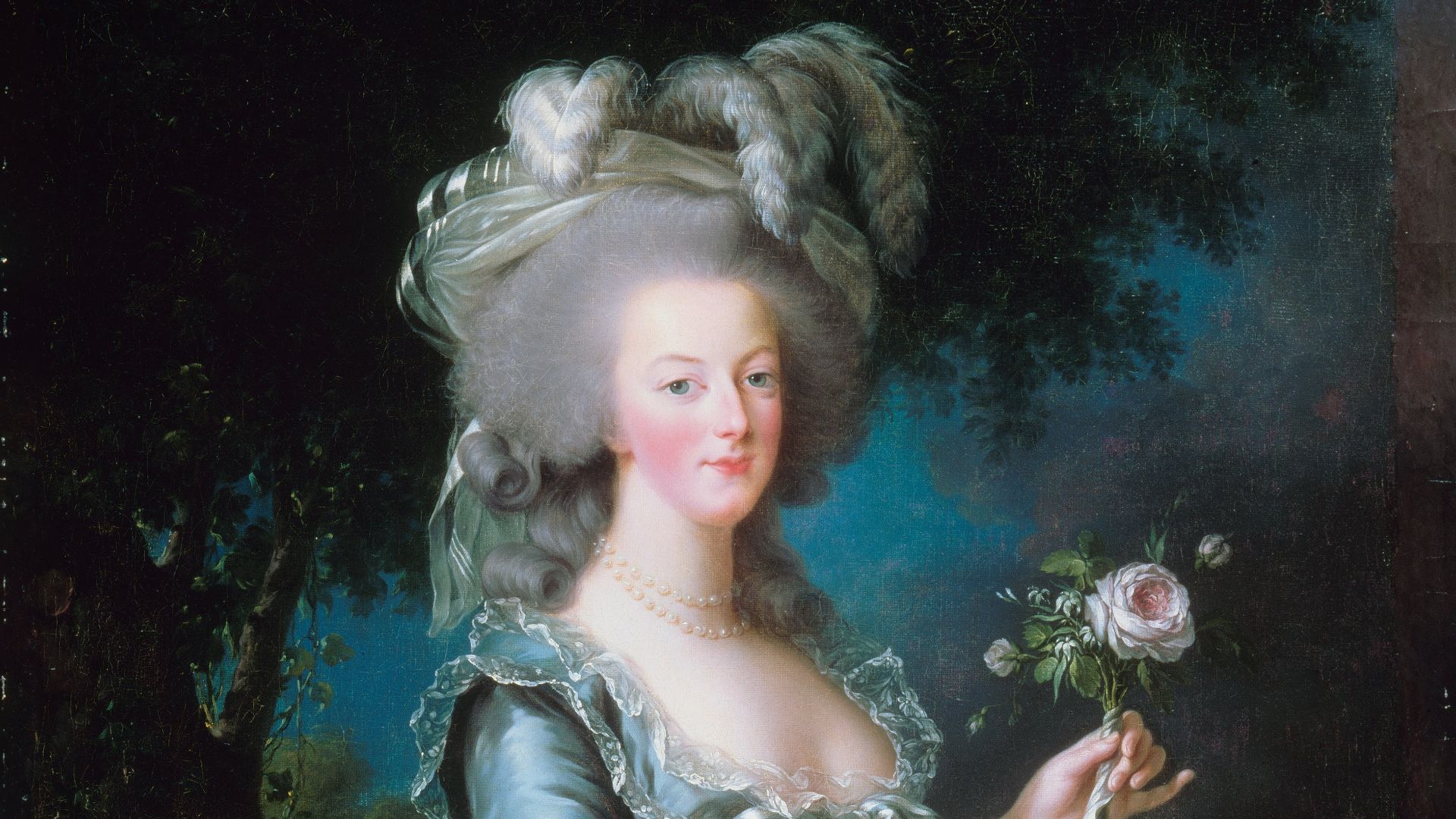 Élisabeth Louise Vigée Le Brun on Wikimedia
5. Washington's Teeth Weren't Made Of Wood
Washington wore dentures made from ivory, gold, lead, and even human teeth, possibly from his slaves. The wooden teeth myth stems from folks noticing that his dentures would stain and crack, especially with his affliction to port wine.
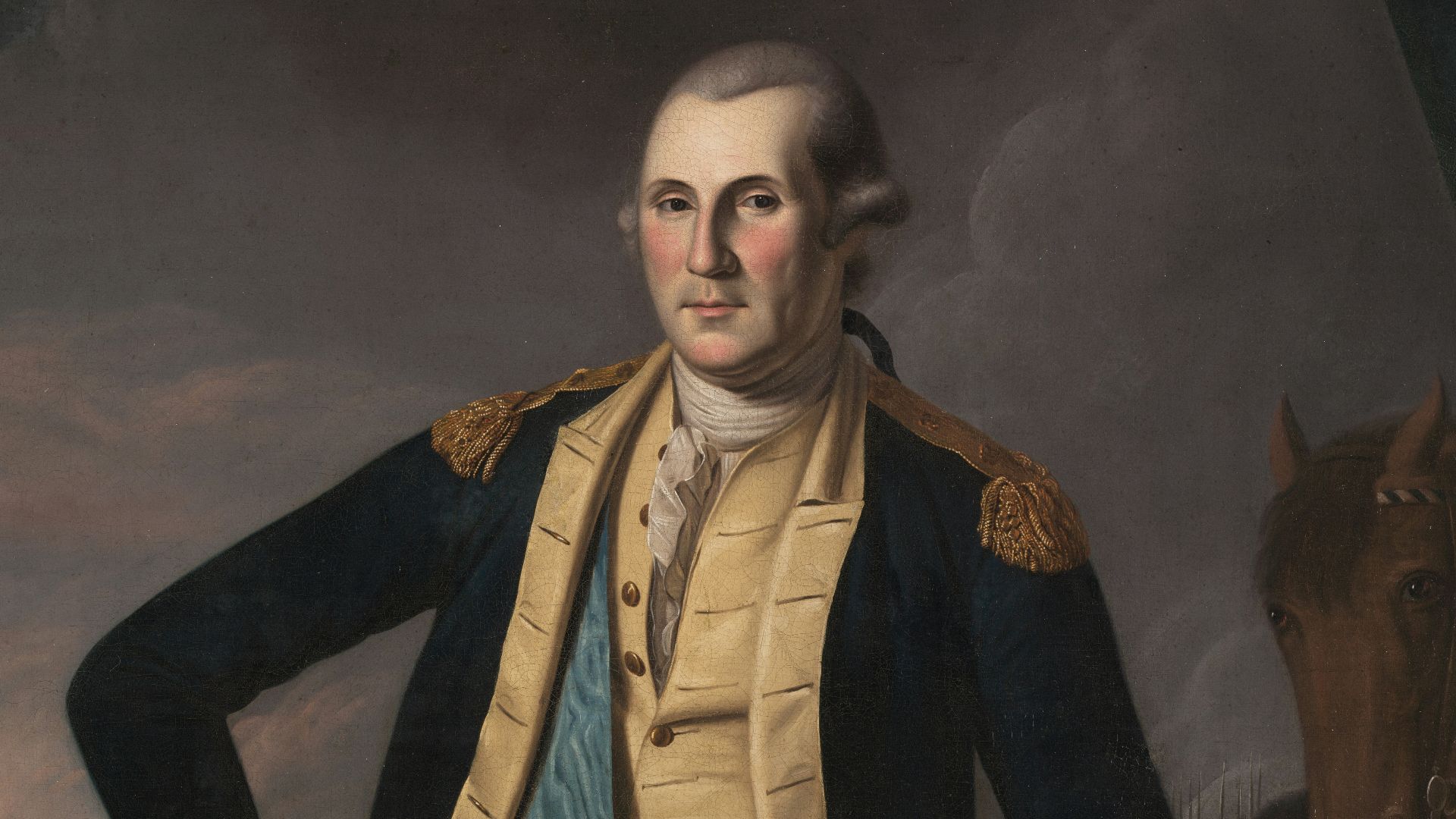 The Cleveland Museum of Art on Unsplash
6. Columbus Didn't Prove The Earth Was Round
Educated people in 1492 already knew the Earth was round, a fact established by Greek mathematicians centuries earlier. Columbus actually underestimated the planet's circumference and got lucky that the Americas were in his way, or his crew would have starved crossing the actual distance to Asia.
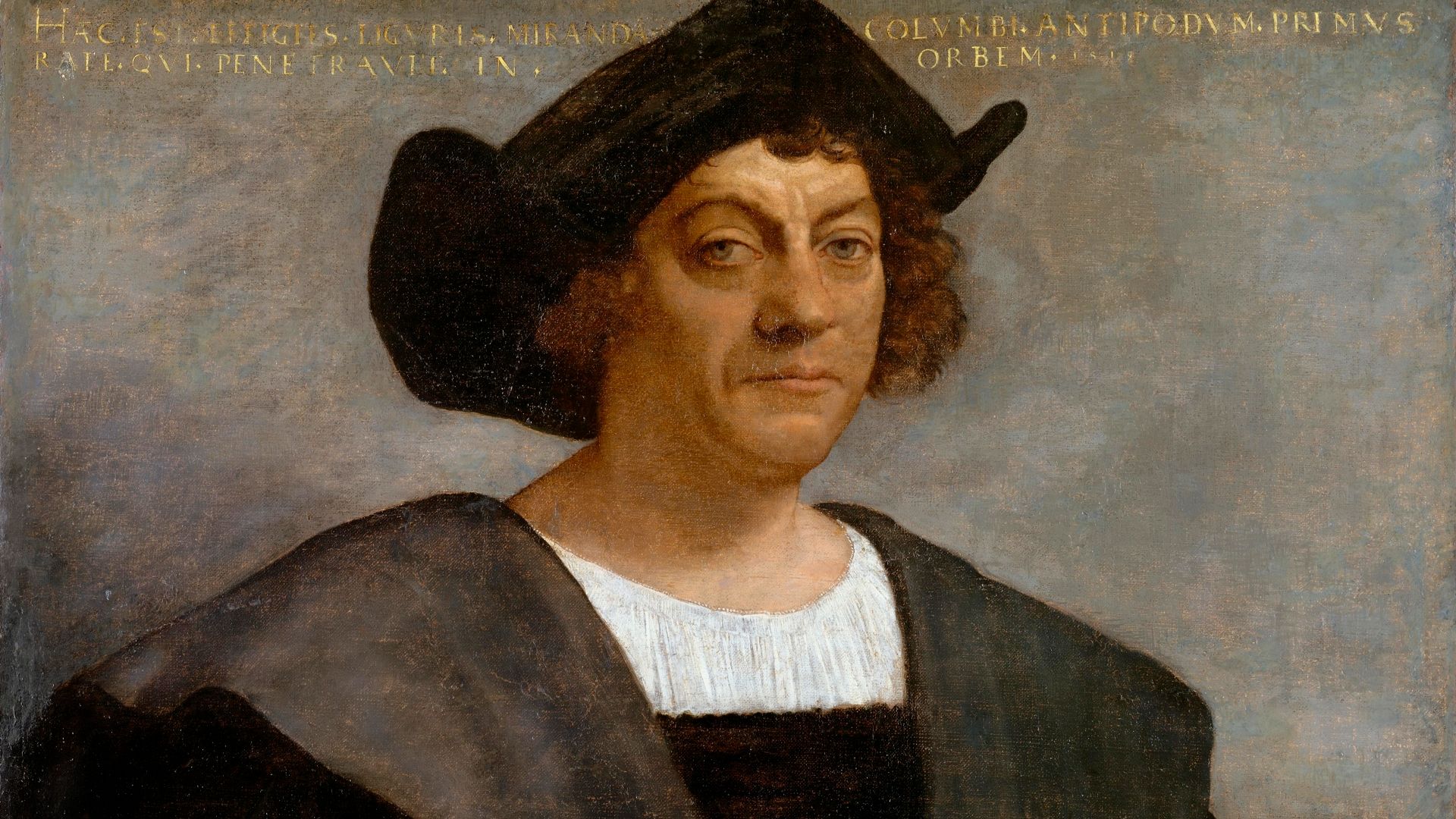 Sebastiano del Piombo on Wikimedia
7. The First Thanksgiving Wasn't Harmonious
The 1621 harvest celebration between the Pilgrims and the Wampanoag people happened, but it wasn't repeated annually and wasn't called Thanksgiving at the time. It’s possible that while the event itself wasn’t violent, it was likely more of a temporary thing than a long-standing alliance.
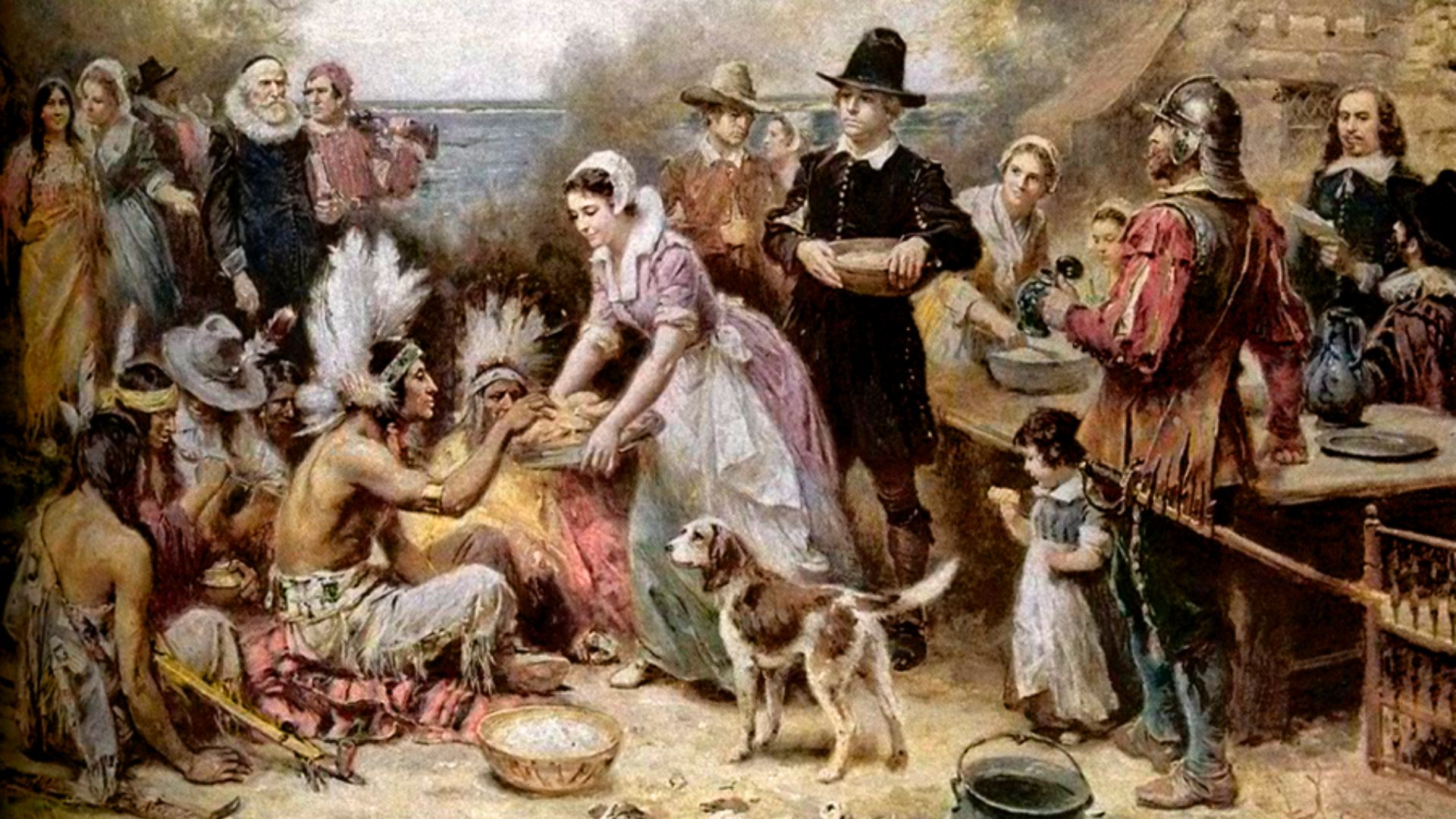 Jean Leon Gerome Ferris on Wikimedia
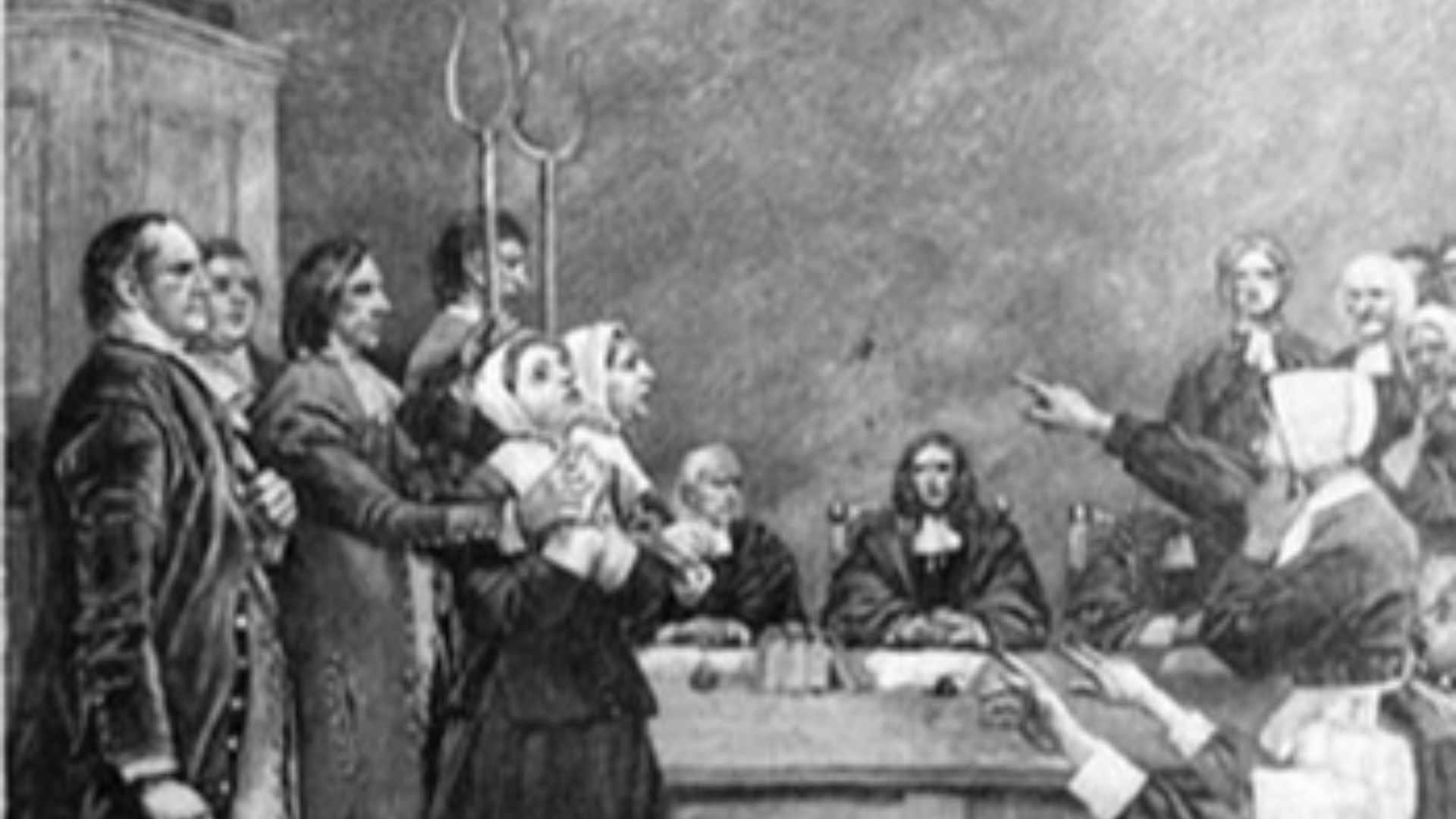
8. Salem Witches Weren't Burned
The Salem witch trials of 1692 resulted in a total of 20 executions, but 19 of those were by hanging, and one man was pressed to death with heavy stones. Burning witches was a common practice, but it was done so in Europe and not in the colonies.
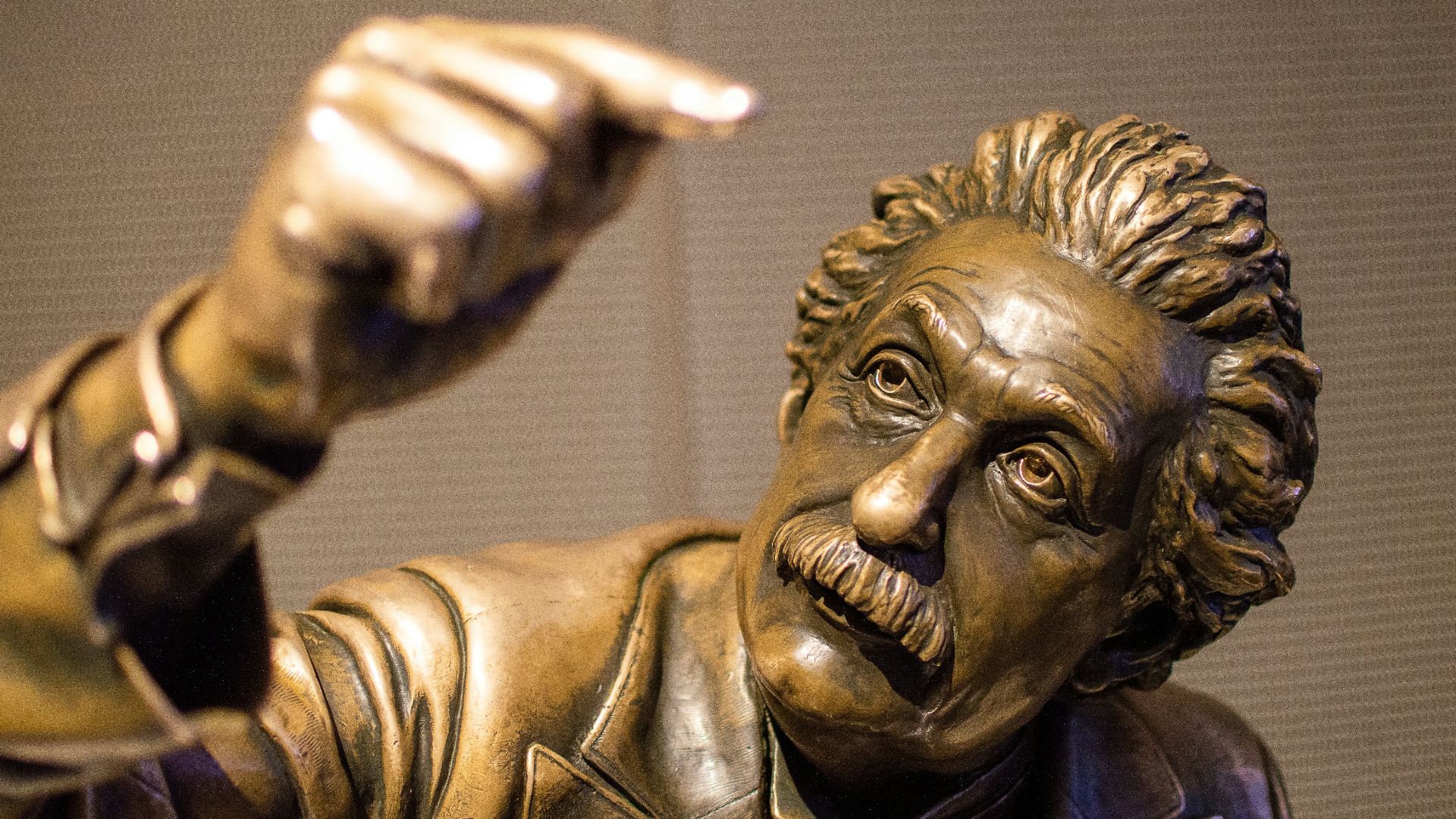
9. Einstein Didn't Fail Math
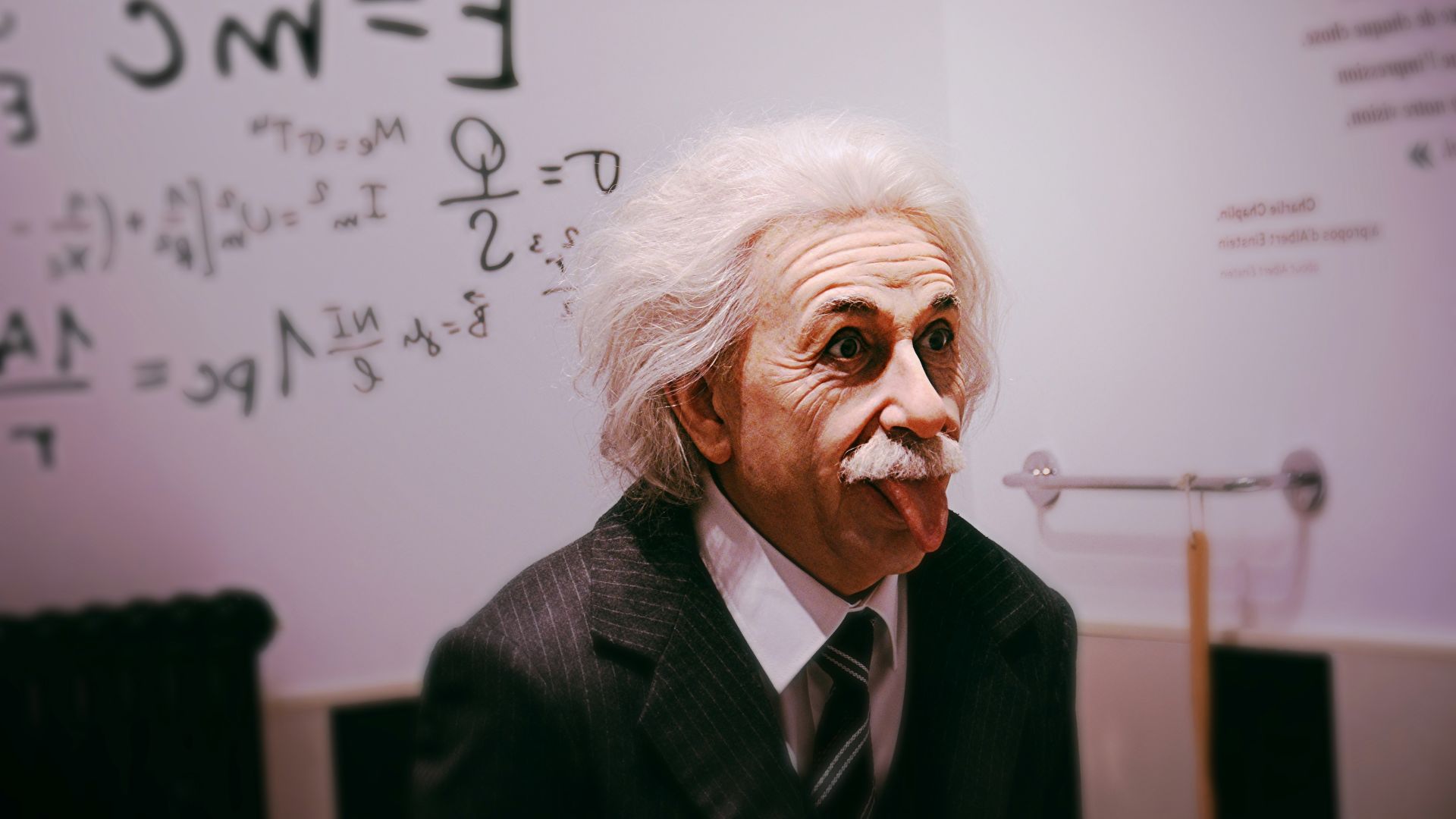
Albert Einstein was actually excellent at mathematics from a young age and was doing advanced calculus while still in his early teens. The myth probably started because he failed an entrance exam to a prestigious school, but it was the languages and arts that tripped him up, not the scientific sections.
 Crisoforo Gaspar Hernandez on Unsplash
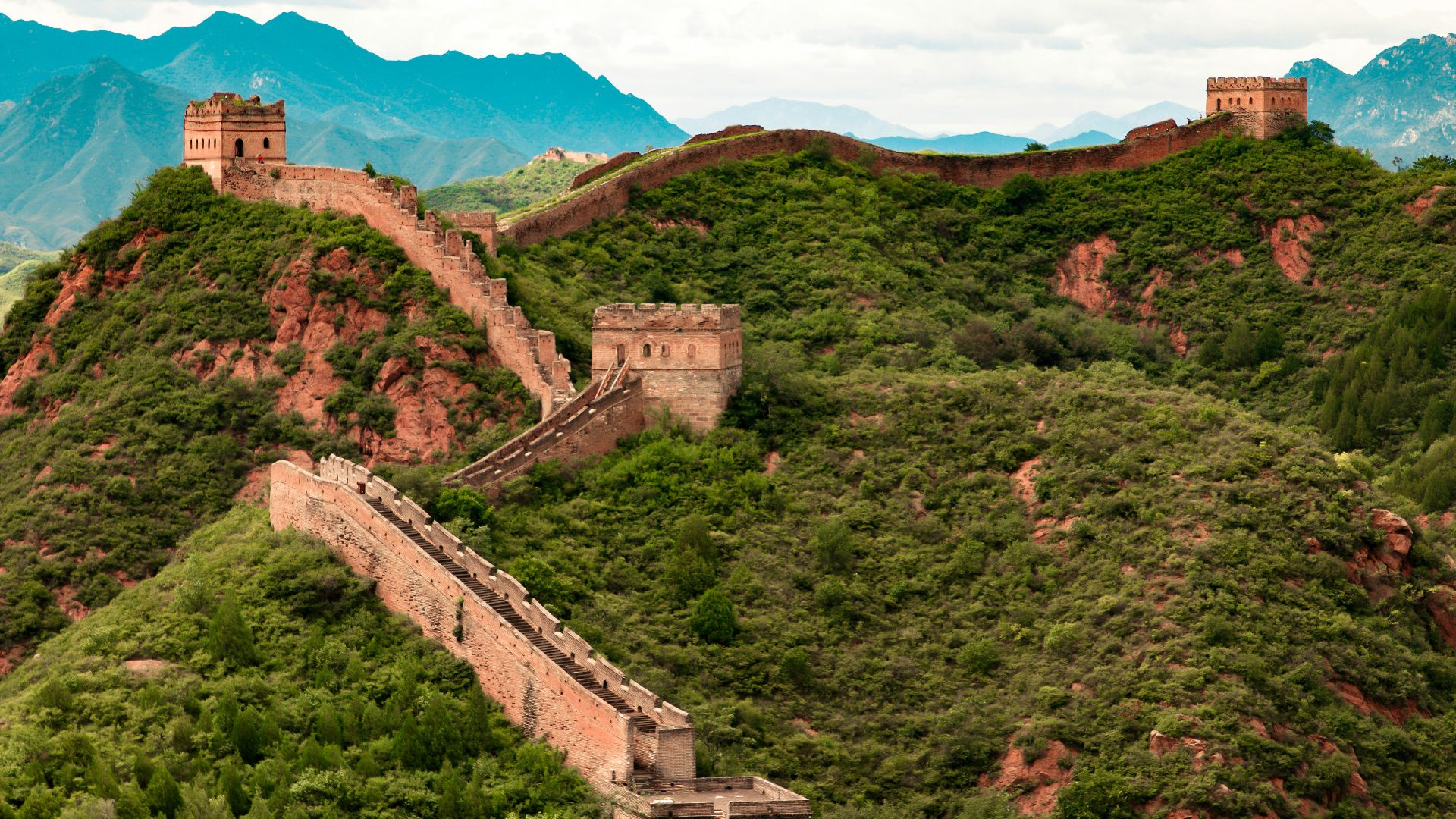
10. The Great Wall Isn't Visible From Space
Astronauts have repeatedly confirmed that the Great Wall is nearly impossible to see from low Earth orbit without aid, let alone from the Moon. According to our space travellers, the wall is too narrow and too similar in color to its habitat for it to be seen with the naked eye.
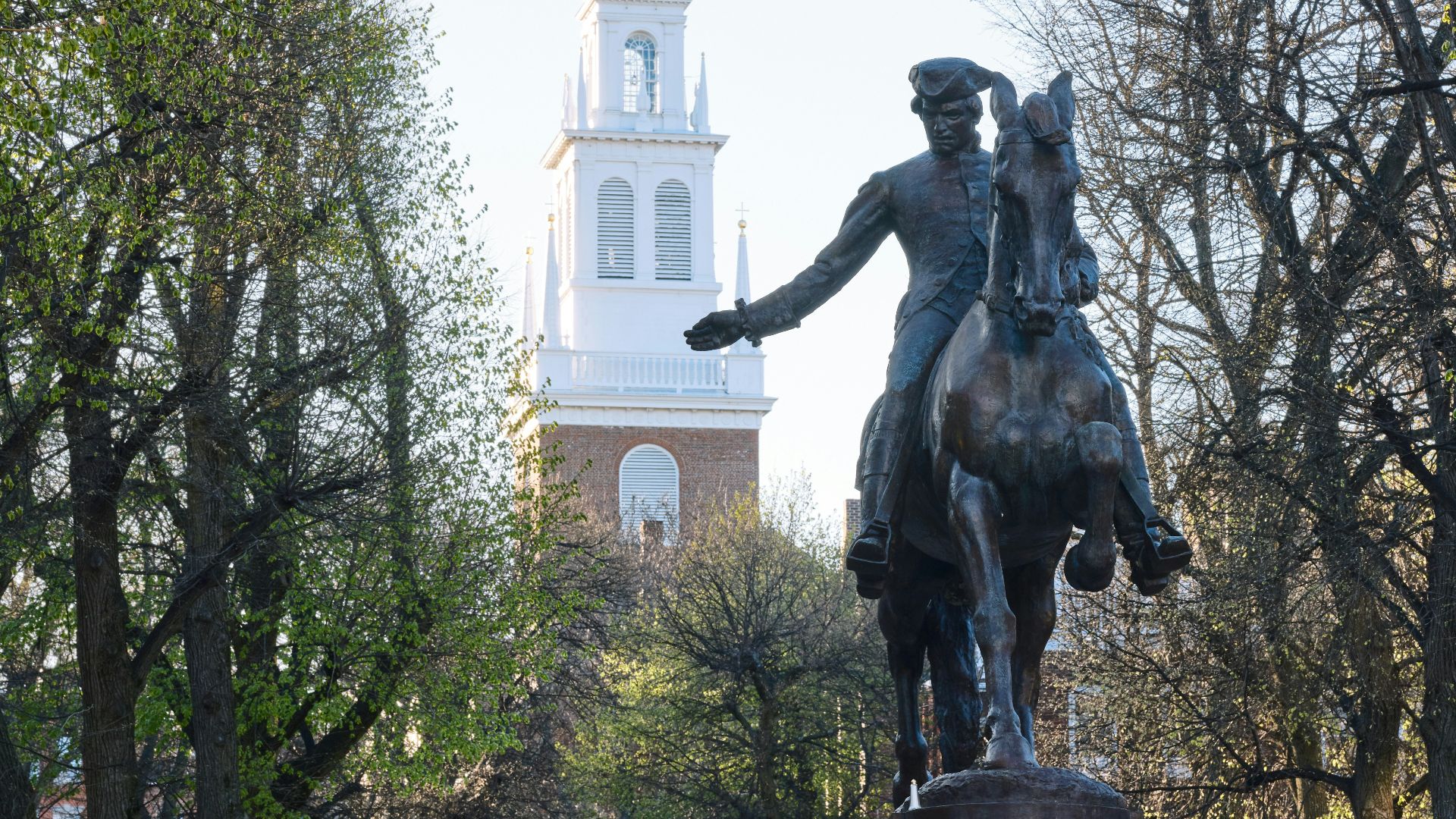
11. Paul Revere Didn't Yell About The British
The iconic “The British are coming” line from Paul Revere's midnight ride in 1775 never actually occurred. This line was popularized by one Henry Wadsworth Longfellow nearly a century later.
12. Cleopatra Was Greek
Cleopatra VII was a member of the Ptolemaic dynasty, descended from one of Alexander the Great's generals who took control of Egypt after Alexander's death. She was ethnically Macedonian Greek and grew up speaking Greek, though she was the first of her dynasty to learn Egyptian.
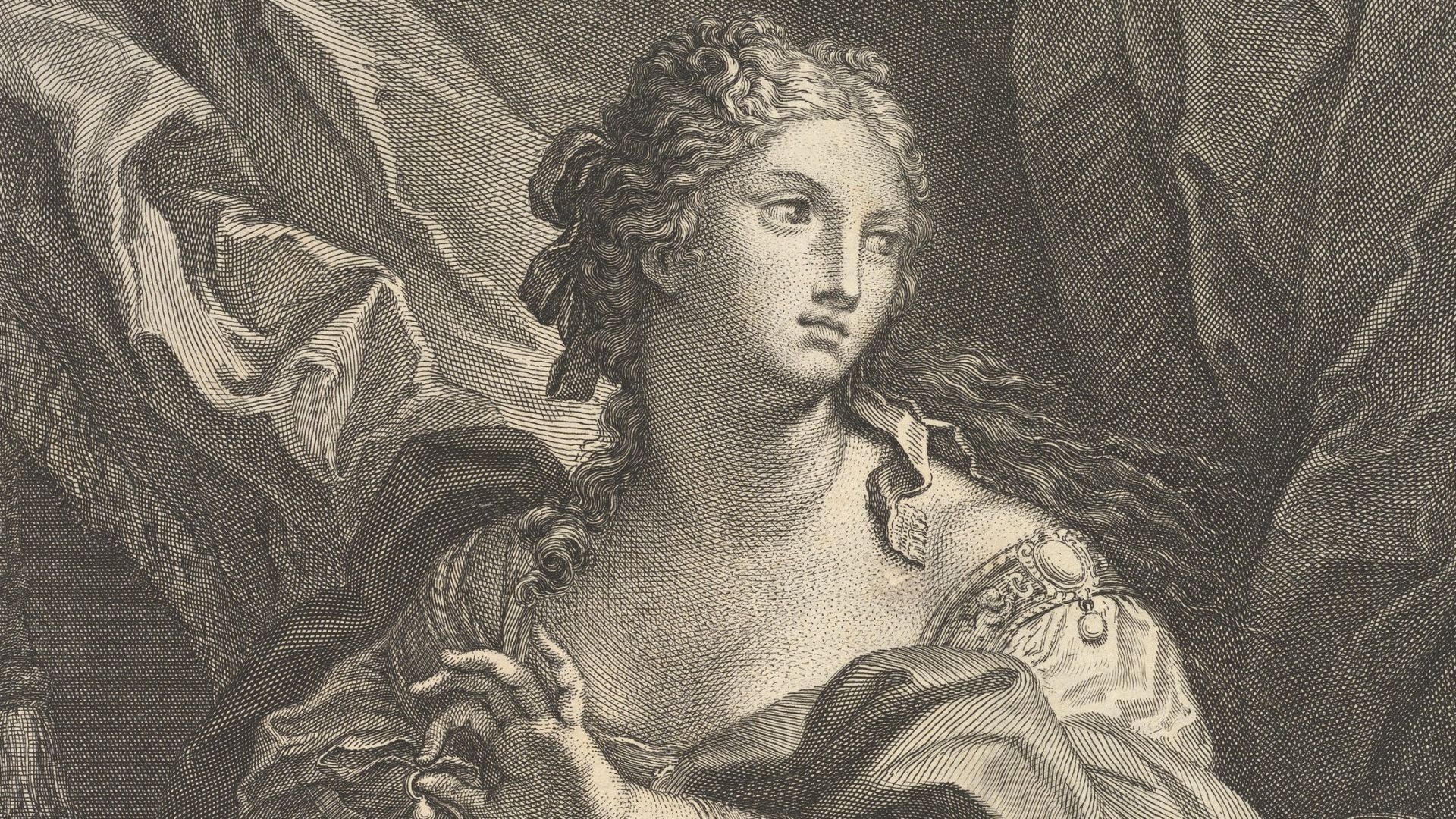 Johann Jakob Frey the Elder / Carlo Maratta on Wikimedia
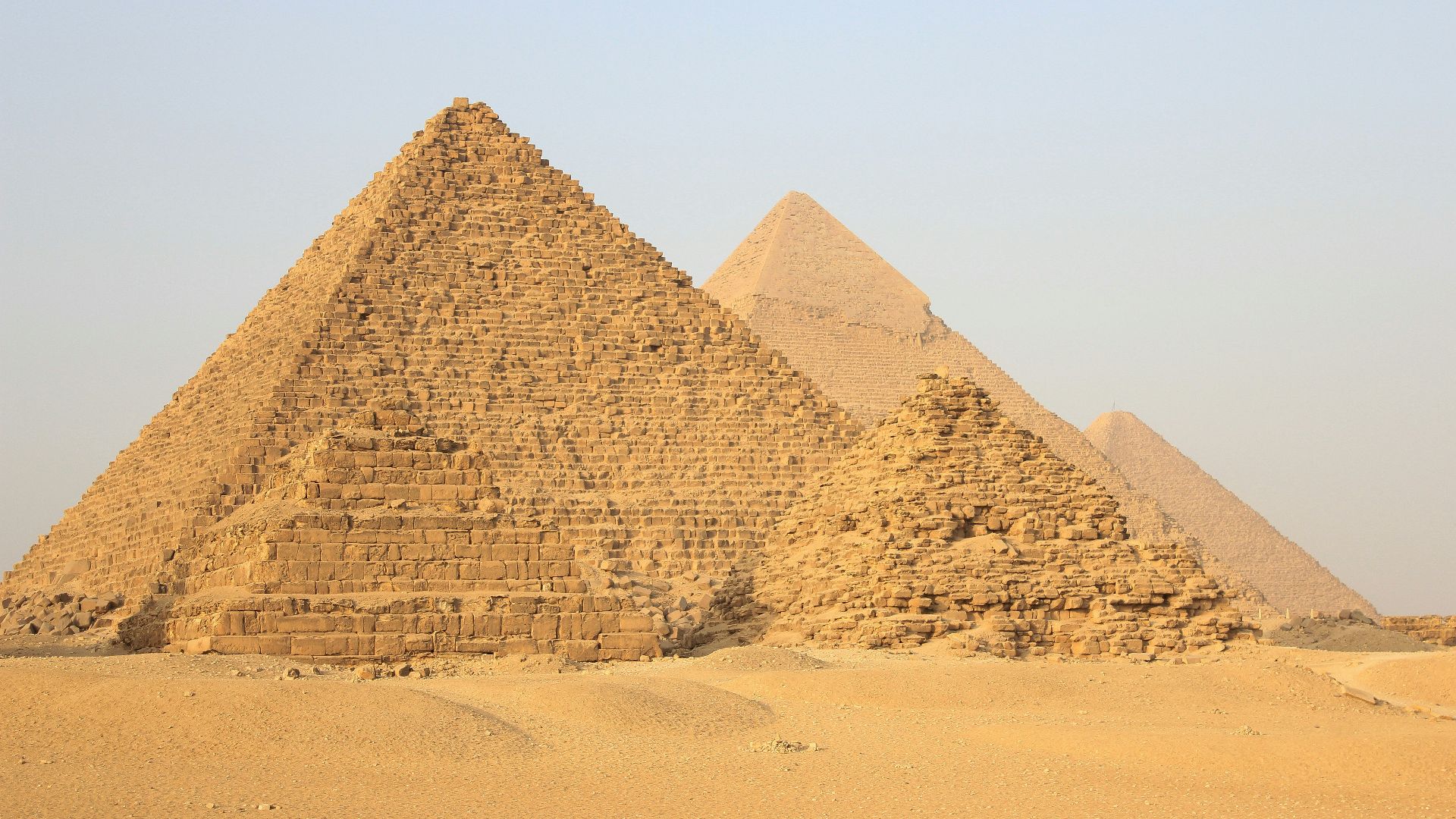
13. The Pyramids Weren't Built By Slaves
Archaeological evidence from worker villages near the pyramids shows that the laborers were paid Egyptian citizens who received medical care and proper burials. While we never know for sure, many Egyptologists believe that this idea stems from the ancient Greek historian, Herodotus, and the rumor was perpetuated through Hollywood films.
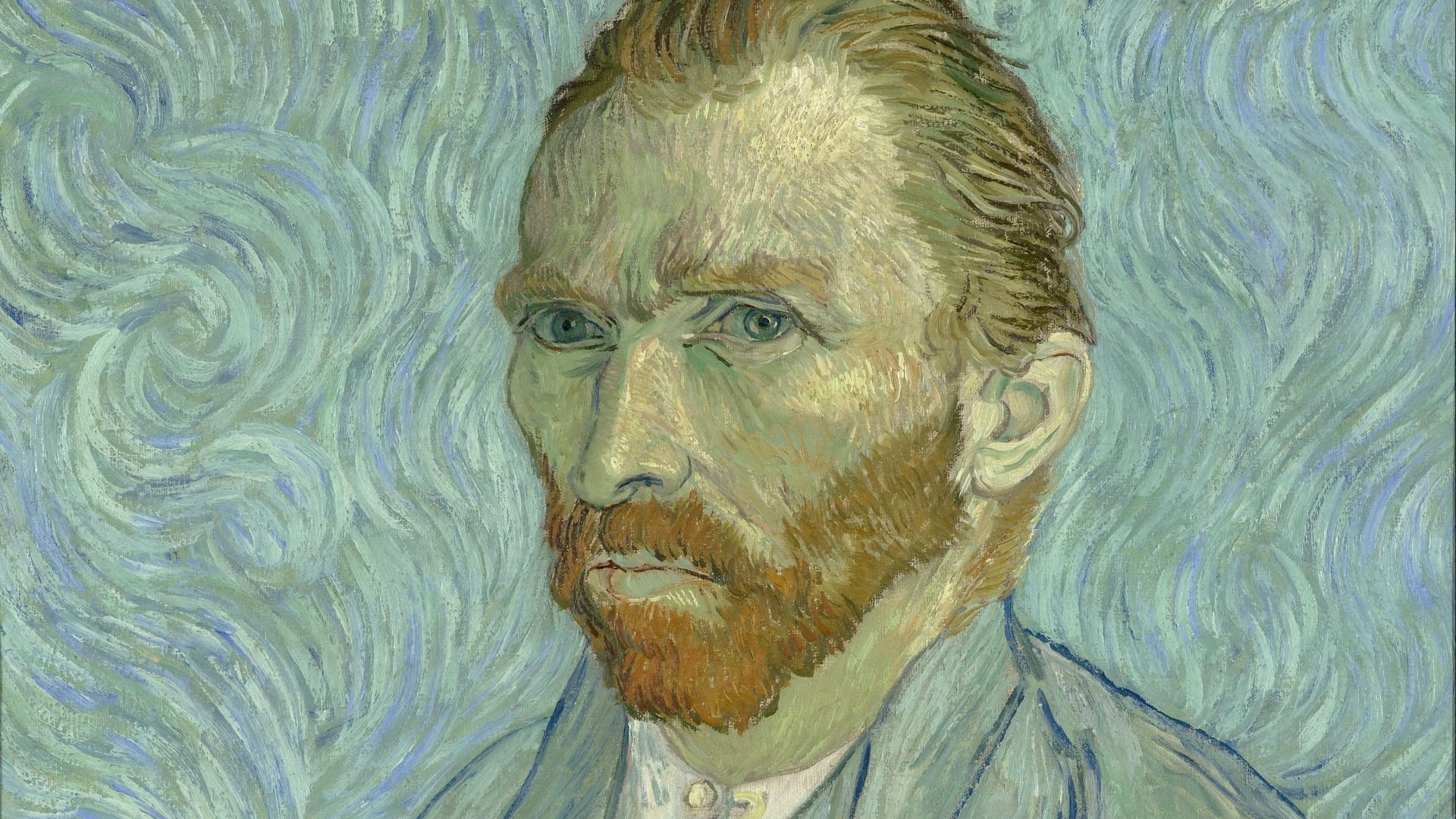
14. Van Gogh’s Ear
We’re not entirely sure if Van Gogh kept his entire ear or not. As the story goes, he completely severed his left ear during a mental health crisis. Modern analysis believes that this is, in fact, true, but there are ongoing debates about whether or not it was the whole ear or just the lobe.
15. Betsy Ross Probably Didn't Design The Flag
The story of Betsy Ross creating the first American flag comes from her grandson's account, told nearly a century after the fact, with no contemporary documentation to support it. The actual designer of the stars and stripes pattern remains unknown, though Ross may have sewn flags during the Revolutionary period.
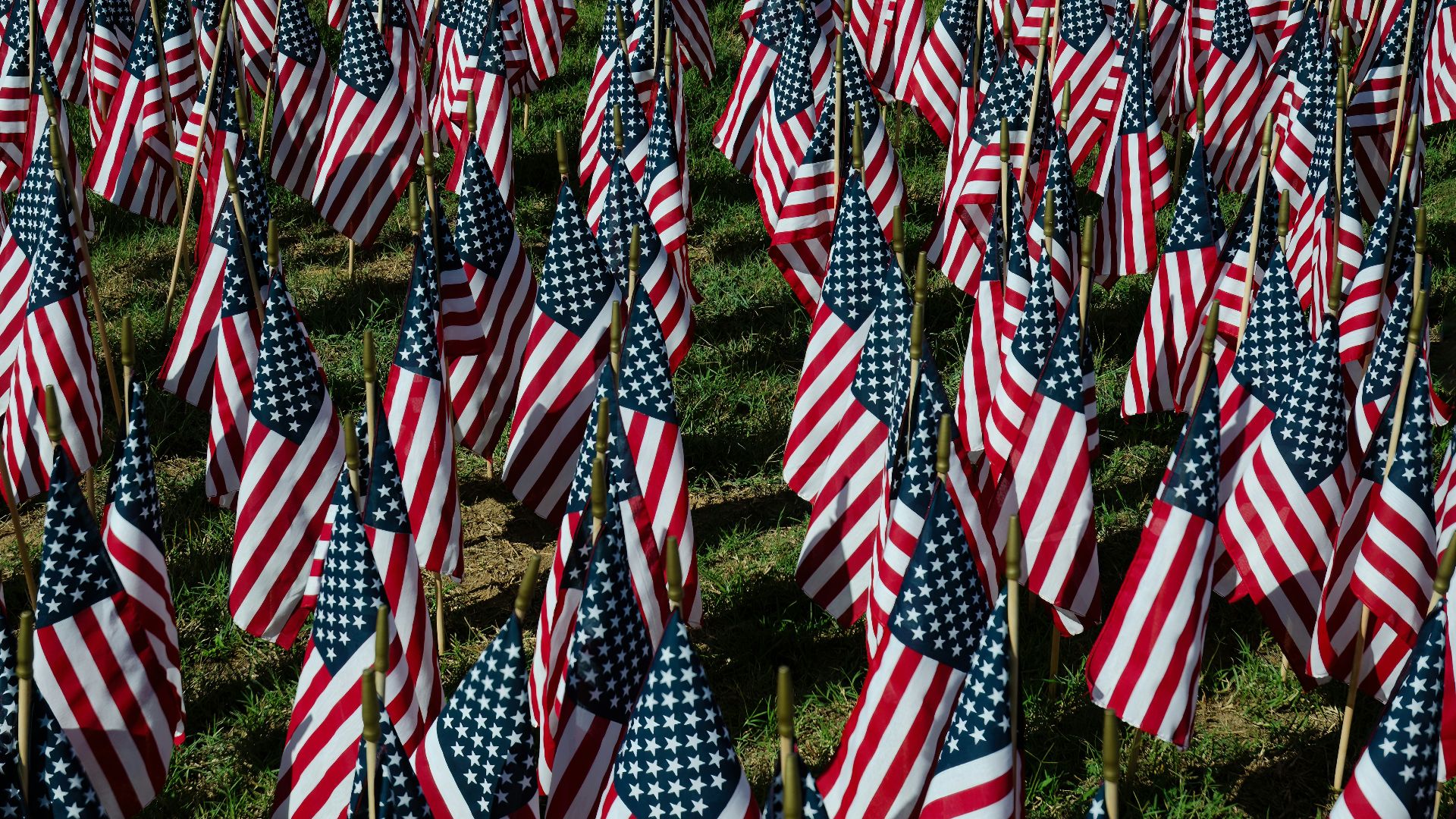 Robin Jonathan Deutsch on Unsplash
16. Mussolini Didn't Make The Trains Run On Time
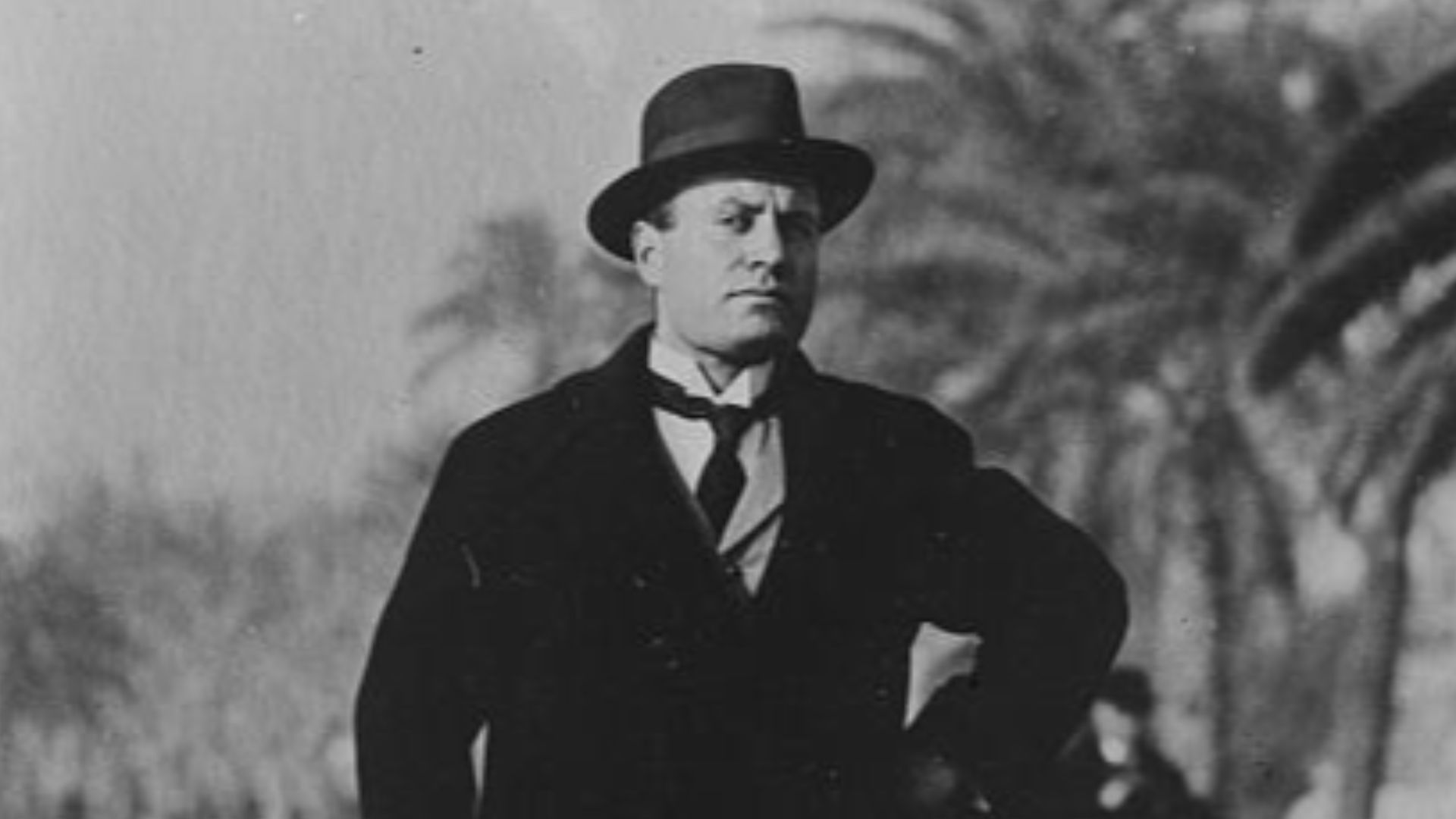
Italy's rail system improved in the years before Mussolini took power in 1922, and much of the credit belonged to administrators from the previous government. The claim became a piece of fascist propaganda and was pushed by those who wanted to believe his dictatorship was an effective rule.
17. Lincoln Didn't Write The Gettysburg Address On An Envelope
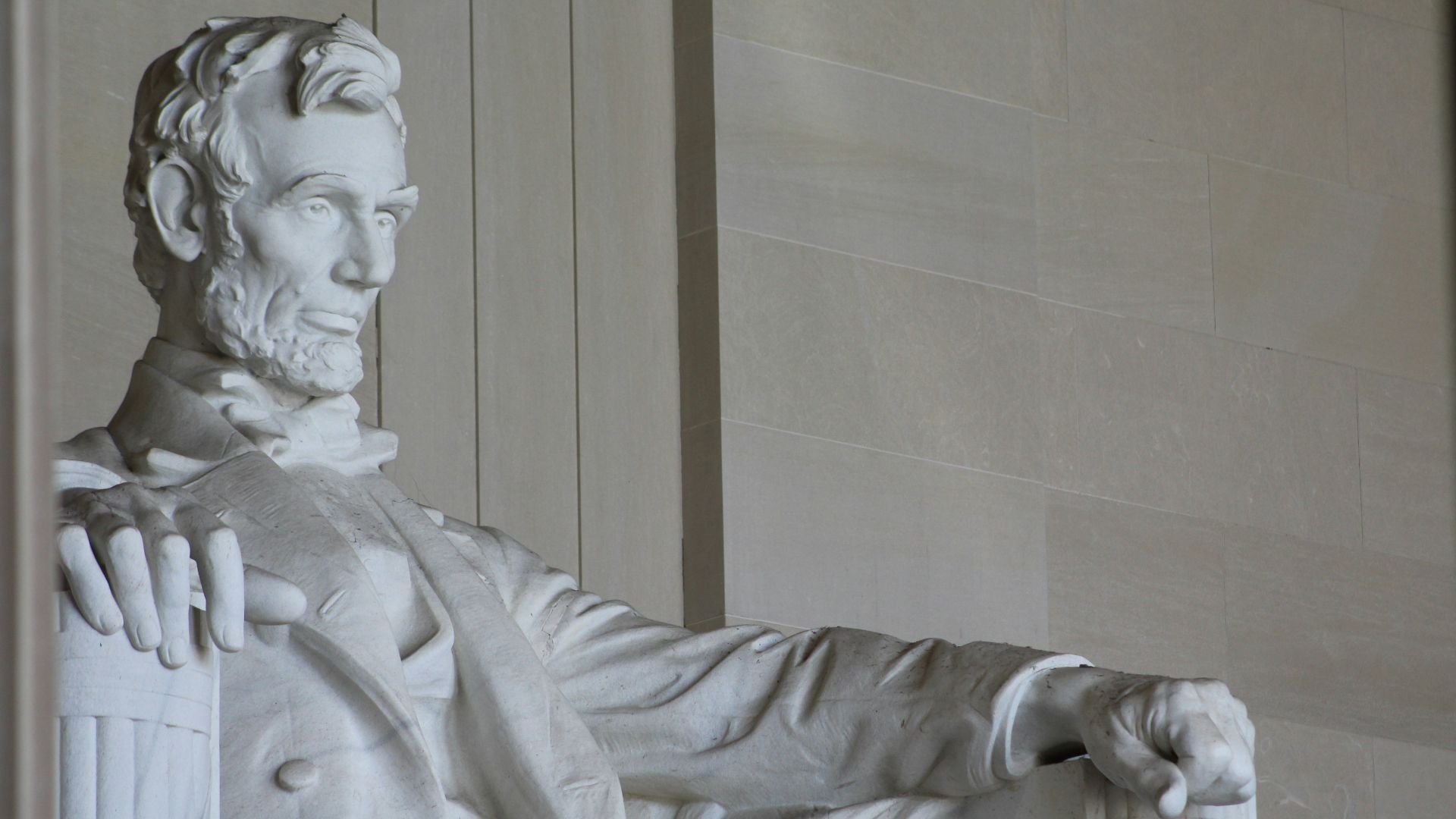
Abraham Lincoln worked on multiple drafts of the Gettysburg Address over several days before delivering it in November 1863. The envelope story emerged as a way to emphasize his genius and the speech's spontaneous brilliance, but contemporary accounts and surviving drafts show that that wasn’t actually the case.
18. Medieval Europeans Didn't Fear The Year 1000
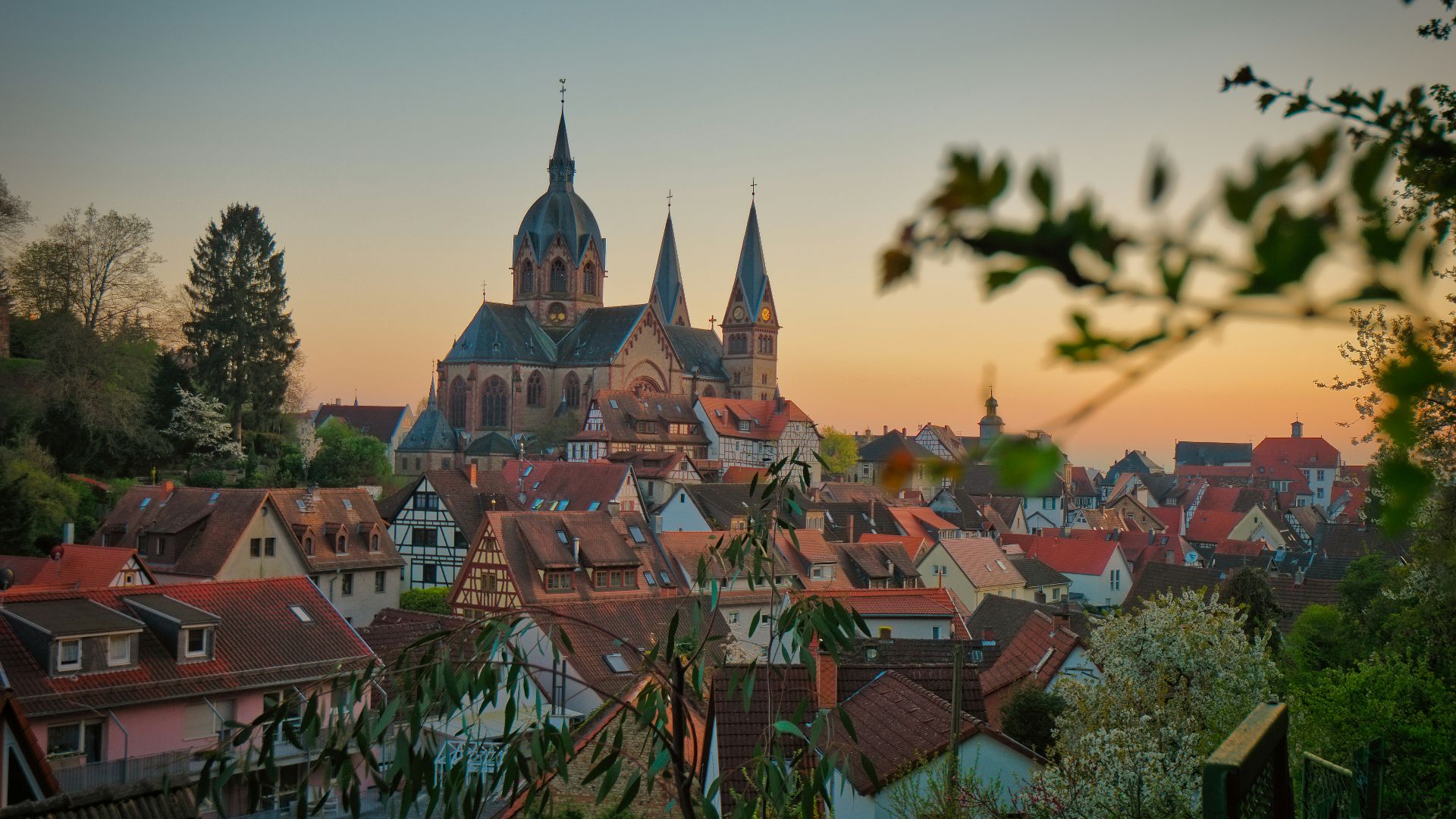
The concept of widespread millennial panic in the year 999-1000 CE was largely invented by historians in the 1800s. Most medieval Europeans didn't use a calendar based on Christ's birth in their day-to-day lives. We can expect there was some fear in certain circles, but nothing that interrupted daily life.
19. Cinco De Mayo Isn't Mexican Independence Day
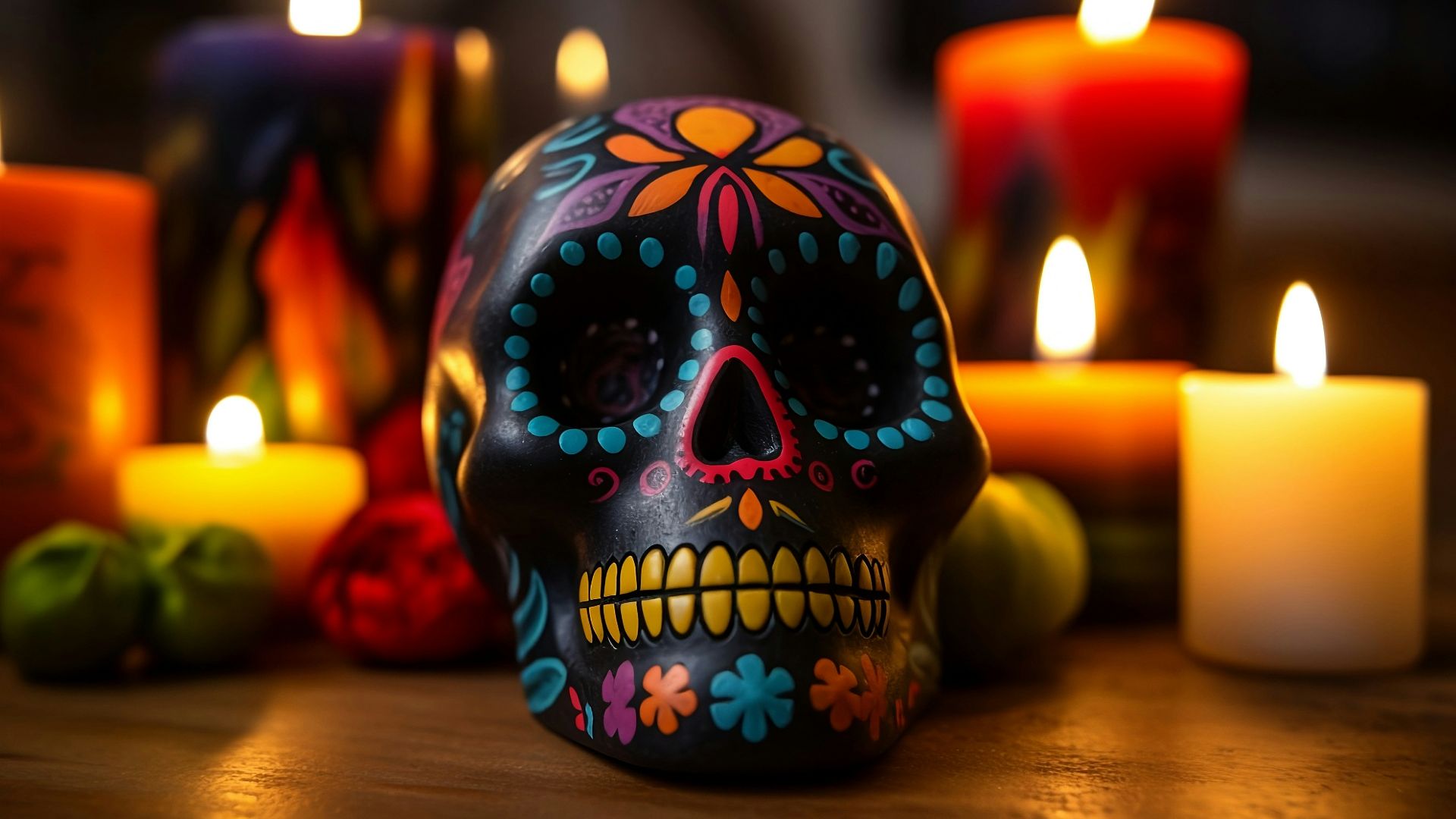
Cinco de Mayo commemorates the Mexican army's 1862 victory over French forces at the Battle of Puebla. Mexican Independence Day is actually September 16, celebrating the start of the independence movement in 1810.
20. Vikings Reached America 500 Years Before Columbus
There are several Norse settlements in Newfoundland that date to roughly 1000 CE, nearly 500 years before Columbus, most notably the archaeological site at L'Anse aux Meadows. These settlements were likely temporary due to conflicts with the Indigenous population.

KEEP ON READING
The Love Story Behind the Taj Mahal Was Also a…
Koushik Chowdavarapu on UnsplashThe Taj Mahal is often introduced as…
By Emilie Richardson-Dupuis Apr 2, 2026
JFK's Last Meal Is A Testament To His Character
Walt Cisco, Dallas Morning News on WikimediaHistory often focuses on…
By Sara Springsteen Apr 2, 2026
Public Executions Were Once the Most Attended Events in Town…
Georg Heinrich Sieveking on WikimediaFor centuries, a public execution could…
By Breanna Schnurr Apr 2, 2026
20 Old Hollywood Feuds That Went Beyond The Studio Lot
When The Smiles Stopped. Old Hollywood sold a polished fantasy,…
By Breanna Schnurr Apr 2, 2026
The Coup Triggered by a Pop Song
Matheus Ferrero on UnsplashMost political upheavals have a trigger that…
By Cameron Dick Apr 2, 2026
How The Black Death Spurred the Renaissance
Art Institute of Chicago on UnsplashThe Black Death, which swept…
By Rob Shapiro Apr 2, 2026