Changing the Rules of the Battlefield
You’ve probably heard plenty of war stories that sound prepackaged: a heroic name, dramatic moments, and then a neat ending. However, the truth is often messier. We’re here to break down some of the biggest names people underestimated for their age, background, rank, or reputation, and then proceeded to do something memorable.
 United States Army (courtesy of the US National Archives) on Wikimedia
1. Audie Murphy
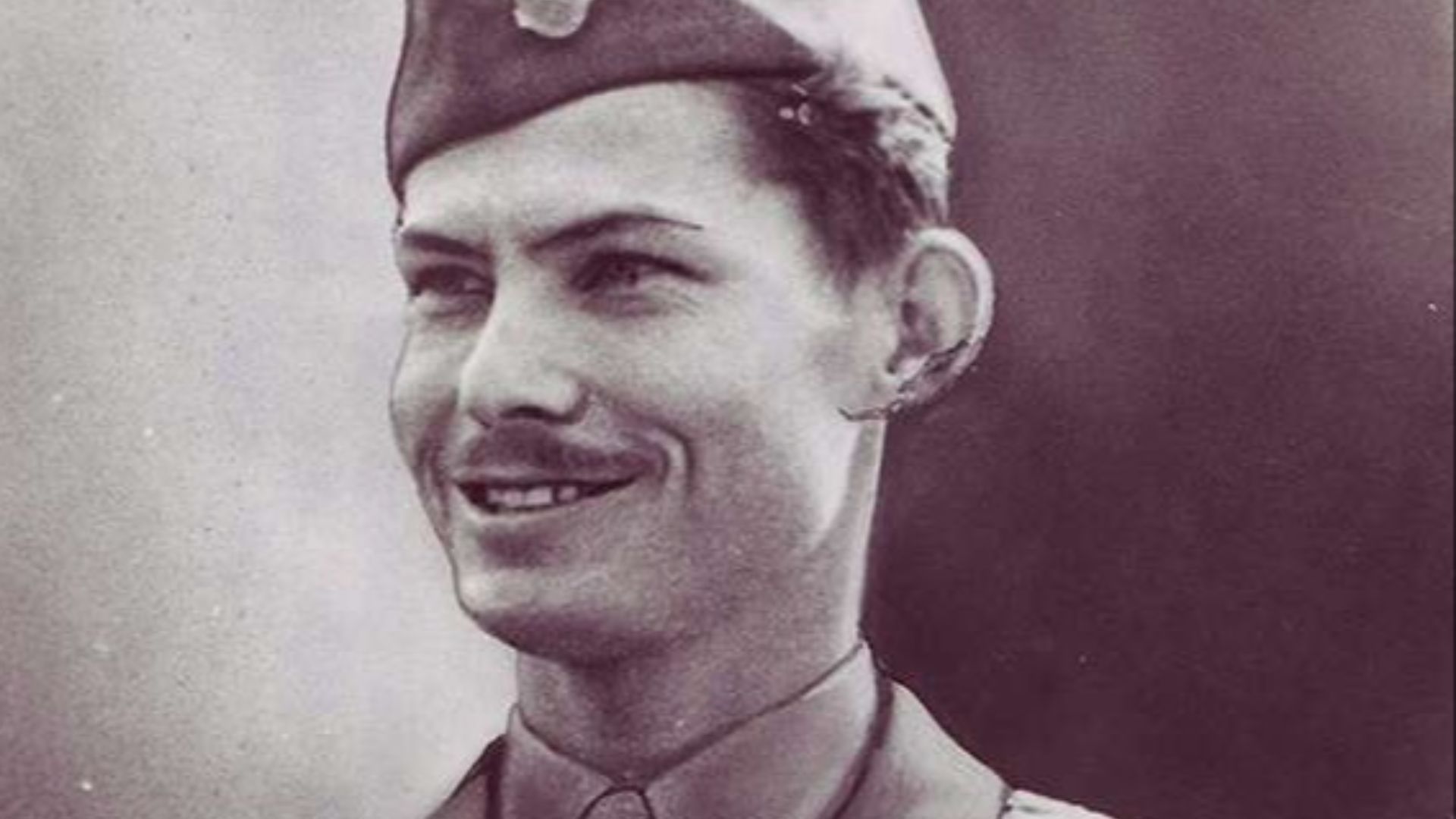
Audie Murphy was considered too young and too slight when he first tried to enlist. Sure enough, people doubted his abilities until he persisted, got in, and became one of the most decorated American soldiers of World War II.
 U.S. Army (http://www.detrick.army.mil/samc/index.cfm) on Wikimedia
2. Alvin C. York
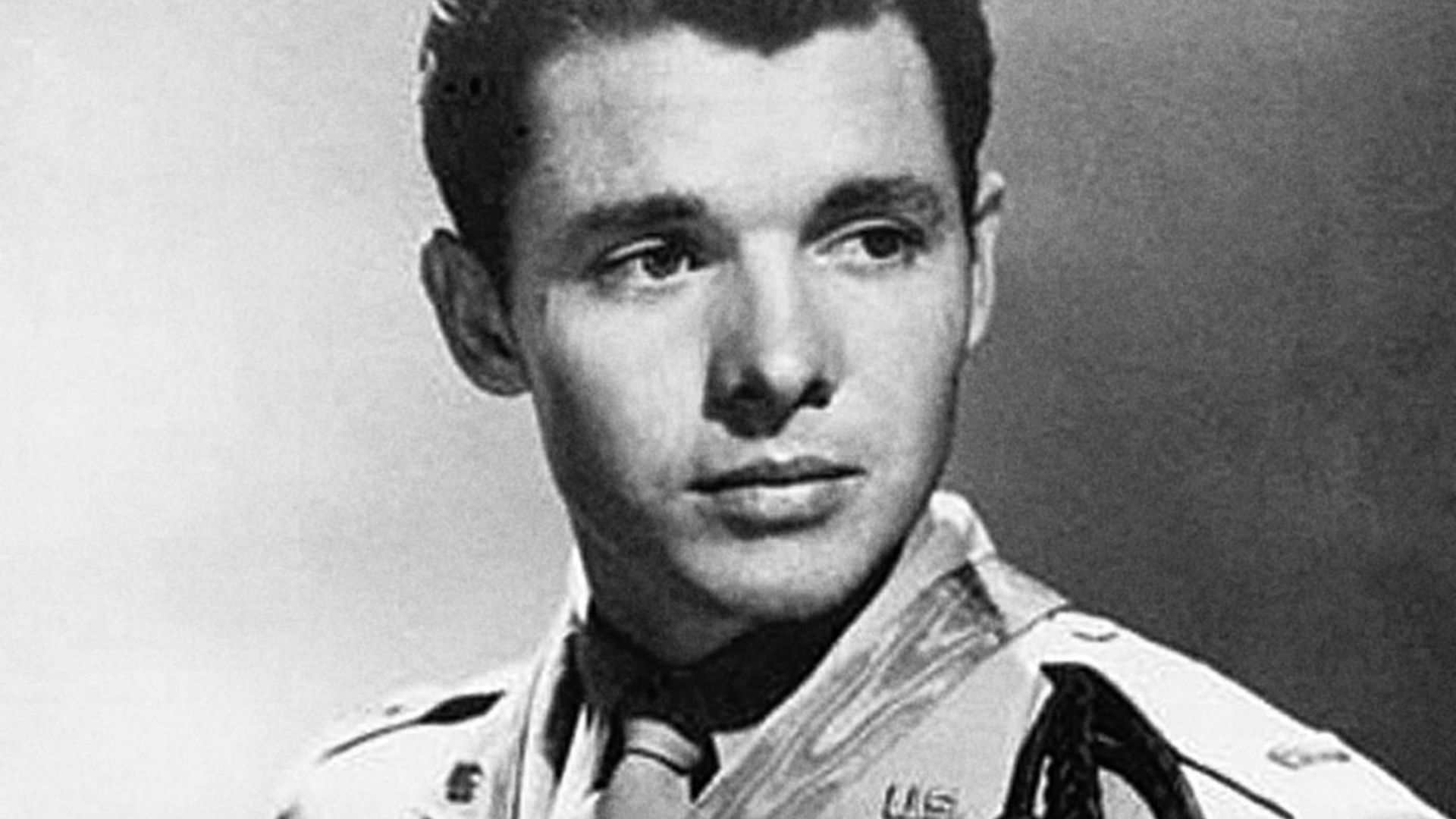
Alvin York didn’t start eager to fight, and he wrestled with the moral weight of war. Once deployed in World War I, York engaged multiple enemy positions, and the action ended with 132 German prisoners captured. He received the Medal of Honor and earned major recognition from France, including the Croix de Guerre.
 Bain News Service, publisher on Wikimedia
3. Cathay Williams
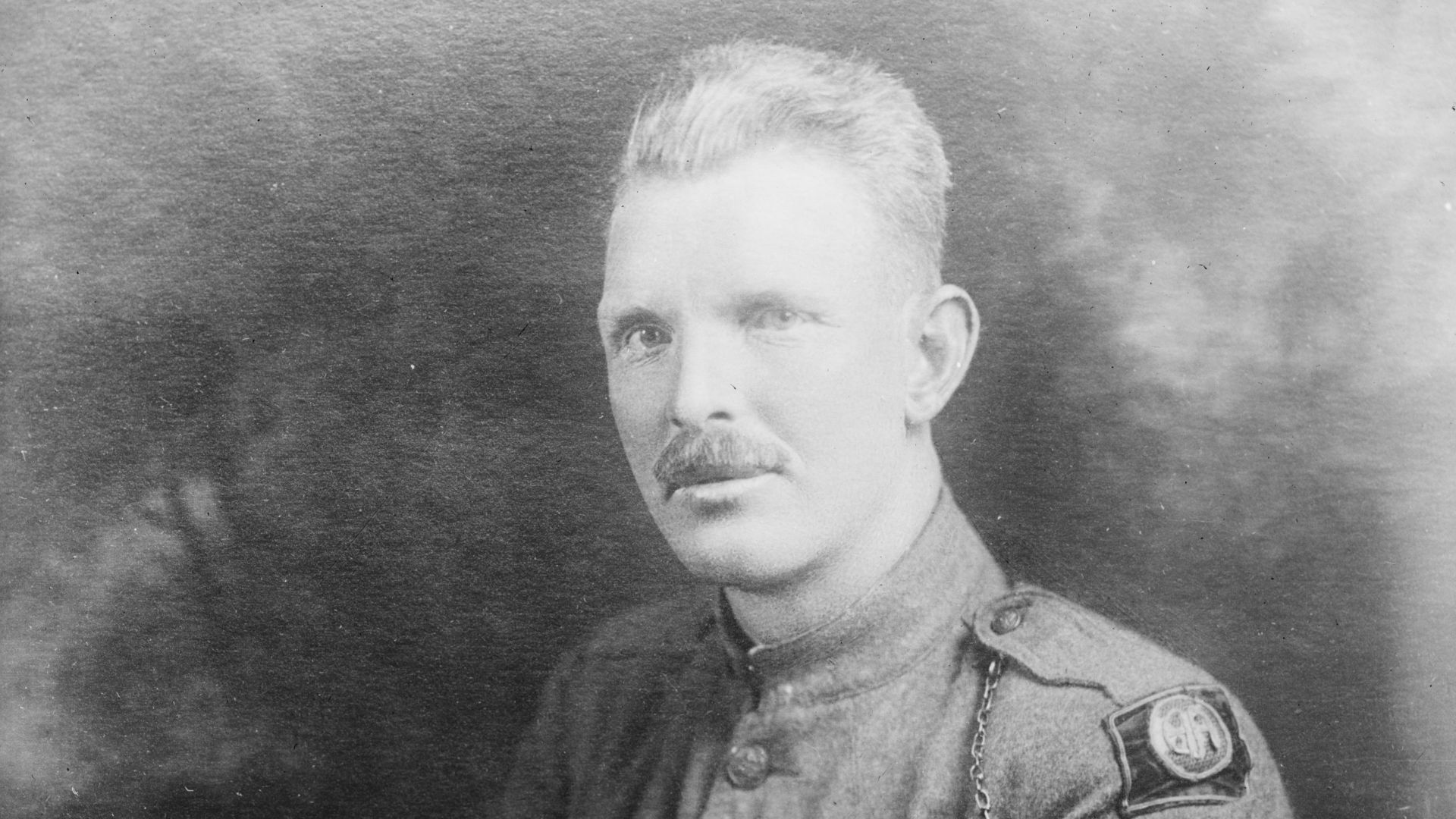
Cathay Williams enlisted in the U.S. Army disguised as a man—the door wasn’t open any other way. She served for years despite harsh conditions and constant risk of discovery. It’s an audacious reminder that sometimes defying expectations begins with refusing to accept the rules you've been given.
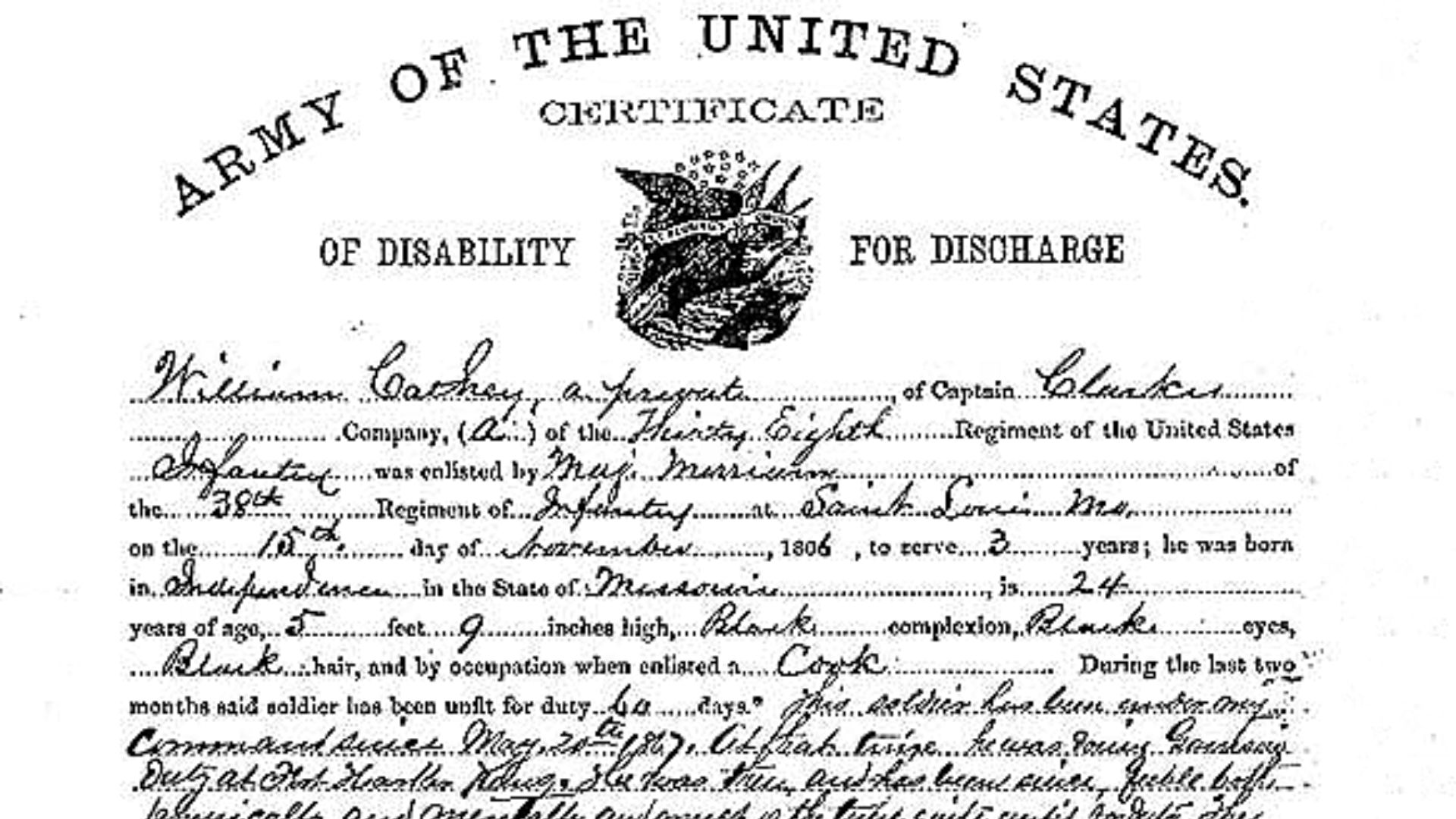
4. Henry Johnson
Henry Johnson faced not only enemy attacks in World War I but also the limits of recognition back home. In combat, he fought with relentless determination, protecting his fellow soldiers in a brutal encounter. His valor was recognized early by France with the Croix de Guerre, but it took a few decades for the U.S. to fully catch up. However, he was eventually awarded the Medal of Honor in 2015, long after he’d died in 1929.
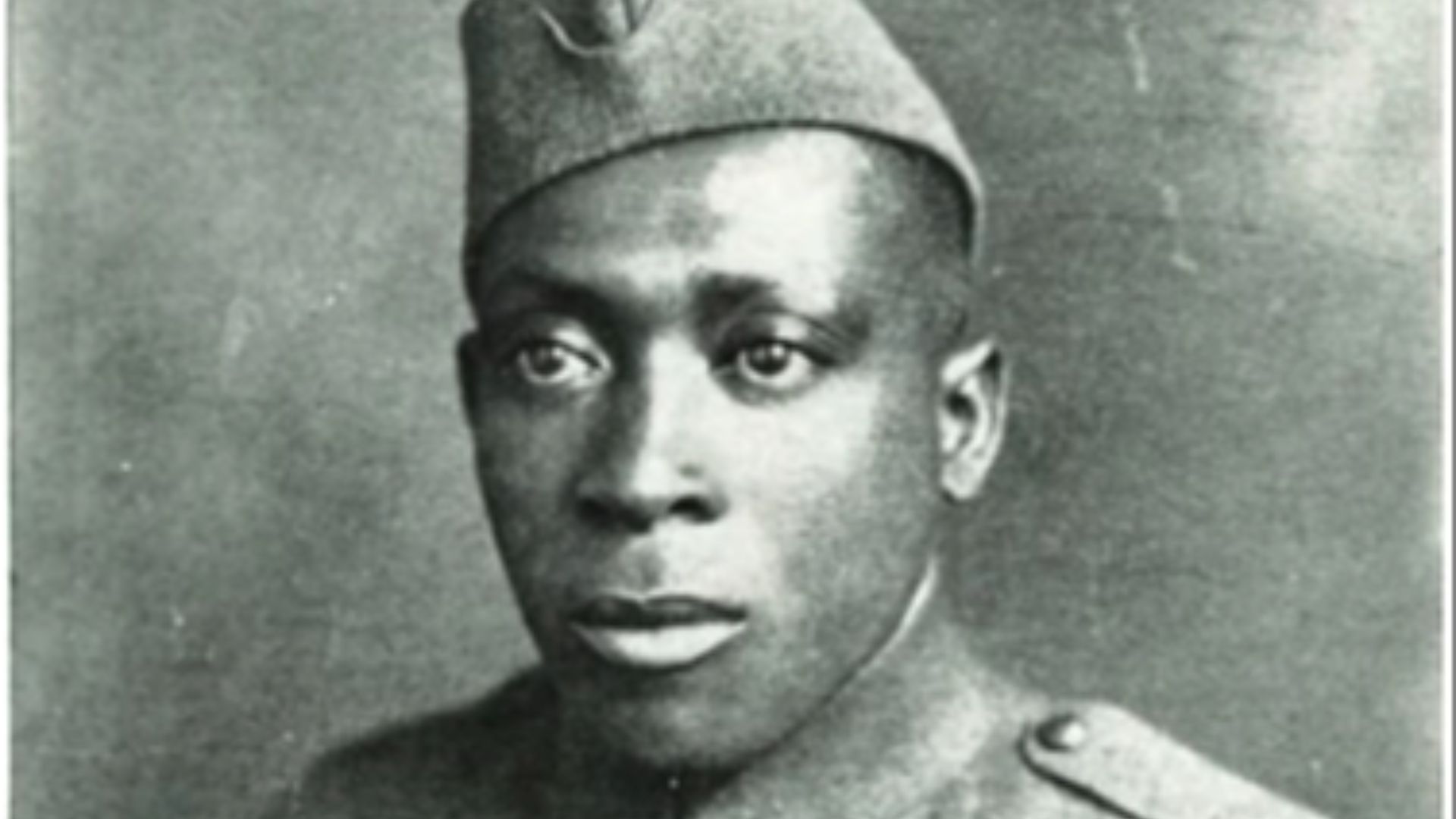 United States Army on Wikimedia
5. Desmond Doss
Desmond Doss served as a combat medic in World War II and refused to carry a weapon. Many doubted he could handle frontline chaos without a rifle in hand, but he immediately proved them wrong by repeatedly rescuing wounded men under fire, even when others thought it couldn’t be done.
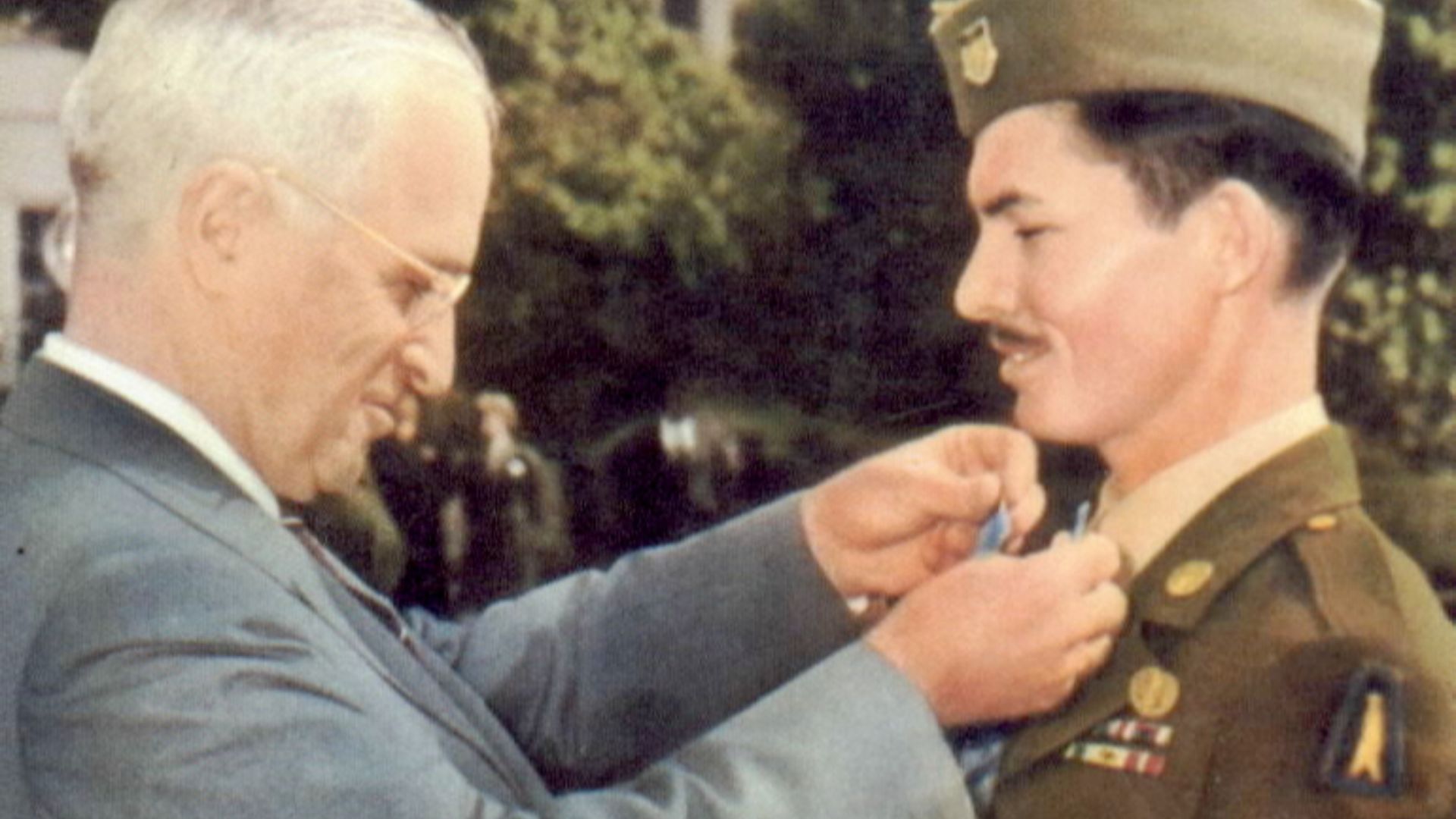 US Federal Government on Wikimedia
6. Roy Benavidez
Roy Benavidez was told he might never walk again after severe injuries, but what would have stopped the average soldier didn’t get in his way; he worked his way back to full duty through stubborn effort and returned to combat in Vietnam. When a mission went sideways, he kept moving, kept fighting, and kept bringing people home.
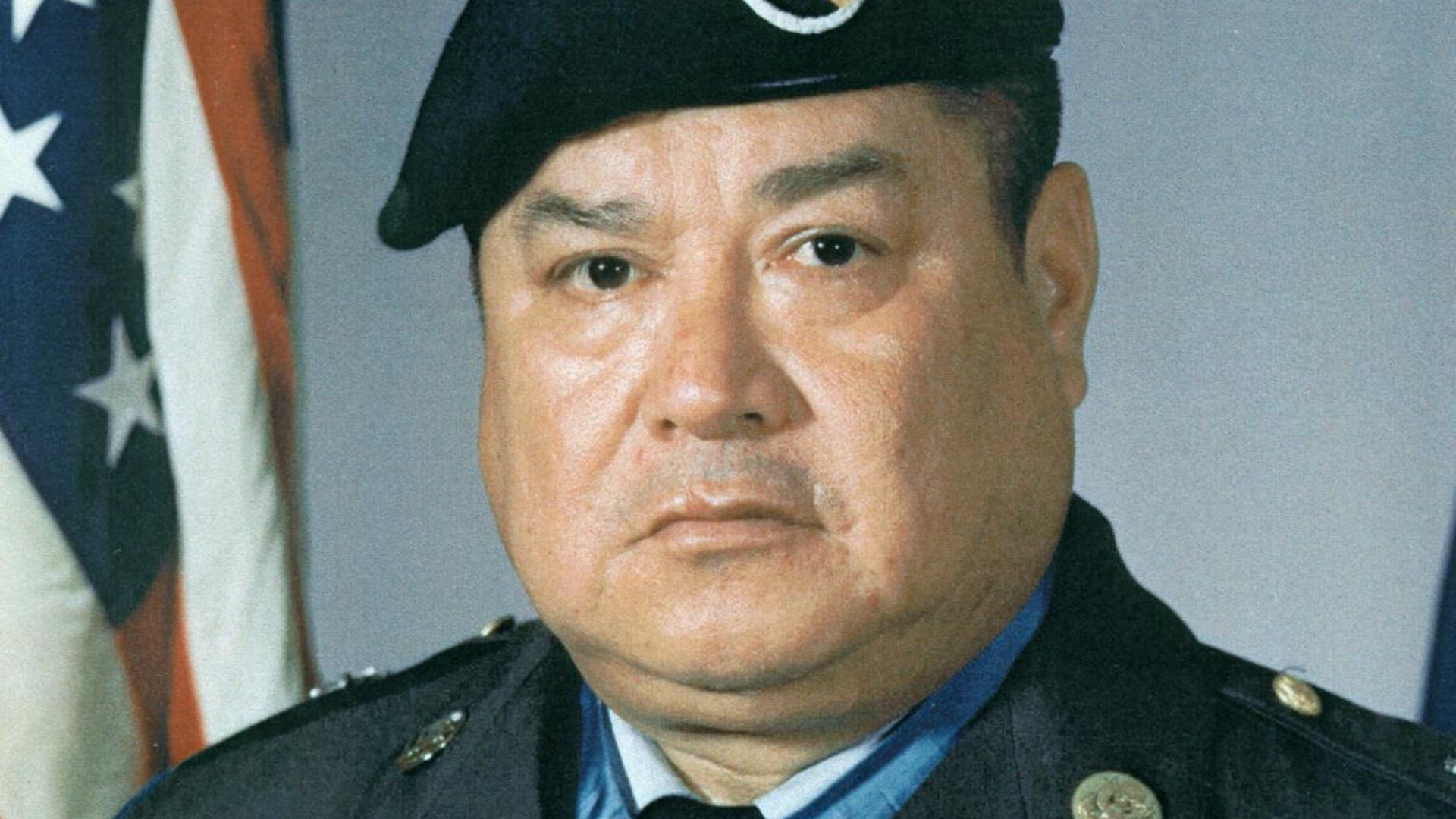 Veterans Affairs/ United States Army on Wikimedia
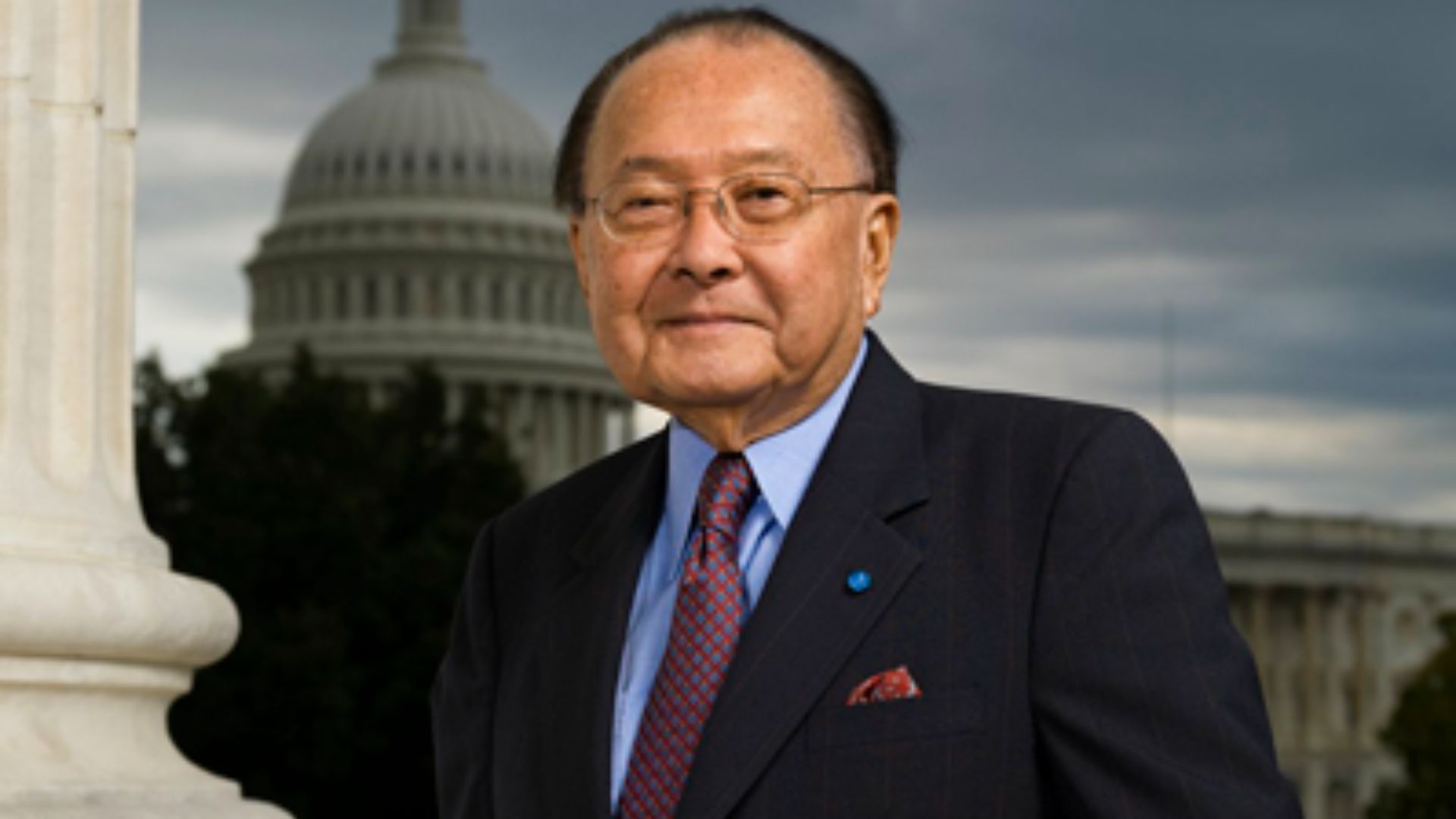
7. Daniel Inouye
Daniel Inouye served in World War II with the 442nd Regimental Combat Team, a unit made up largely of Japanese American soldiers. Despite prejudice and suspicion directed at his community, he fought with extraordinary courage. His resilience didn’t stop in uniform, either, and his later leadership carried that same steady backbone.
 United States Congress on Wikimedia
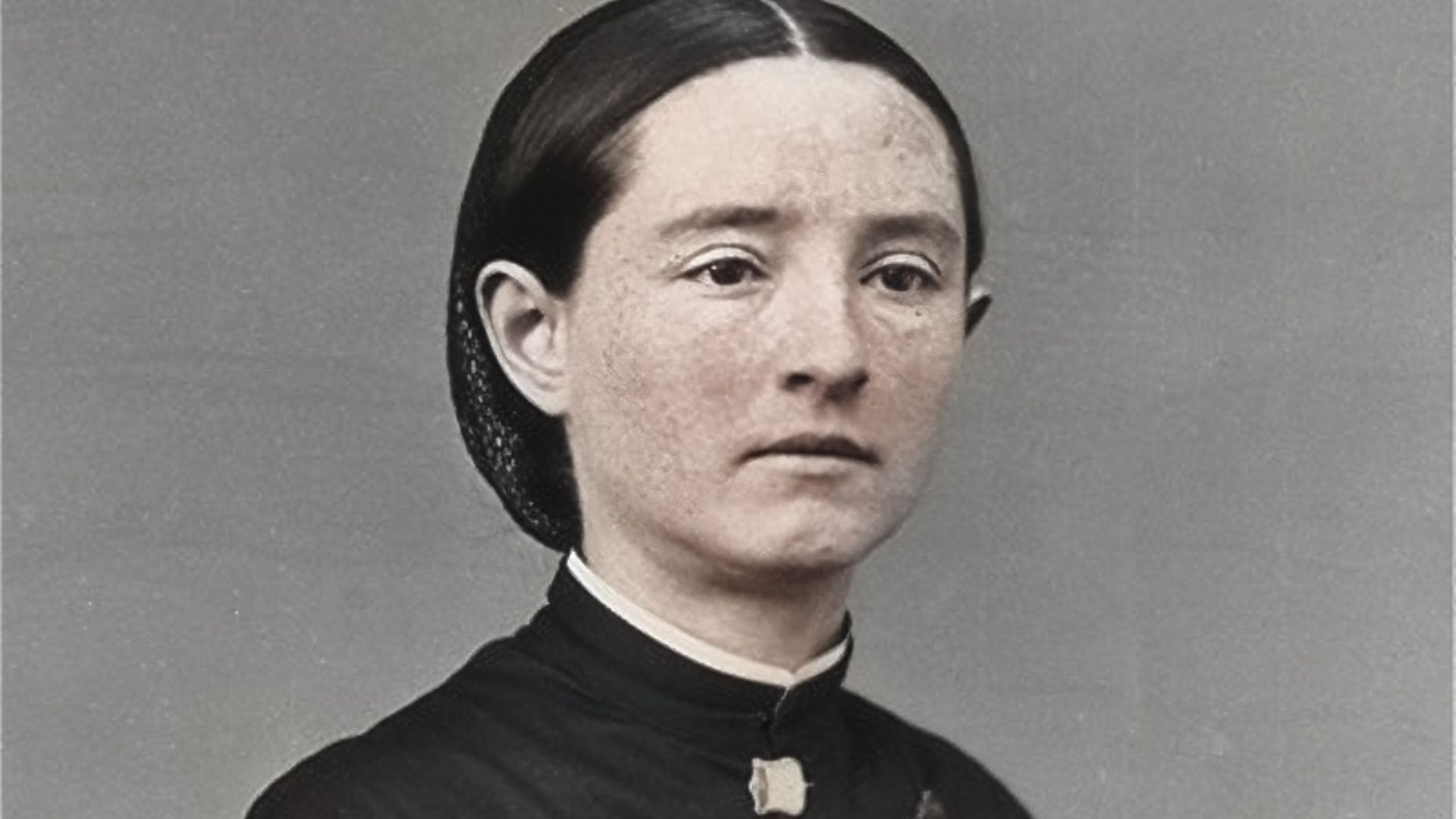
8. Mary Edwards Walker
Mary Edwards Walker served as a surgeon during the Civil War in a time that didn’t welcome women in that role. She was captured by Confederate forces, spending months as a prisoner of war before a prisoner exchange brought her back. Afterward, she became the only woman to receive the U.S. Medal of Honor, but the Army later tried to remove her from the roll in 1917. That didn’t stop her—she refused to give the medal back, and it was officially restored in 1977.
 Unknown authorUnknown author on Wikimedia
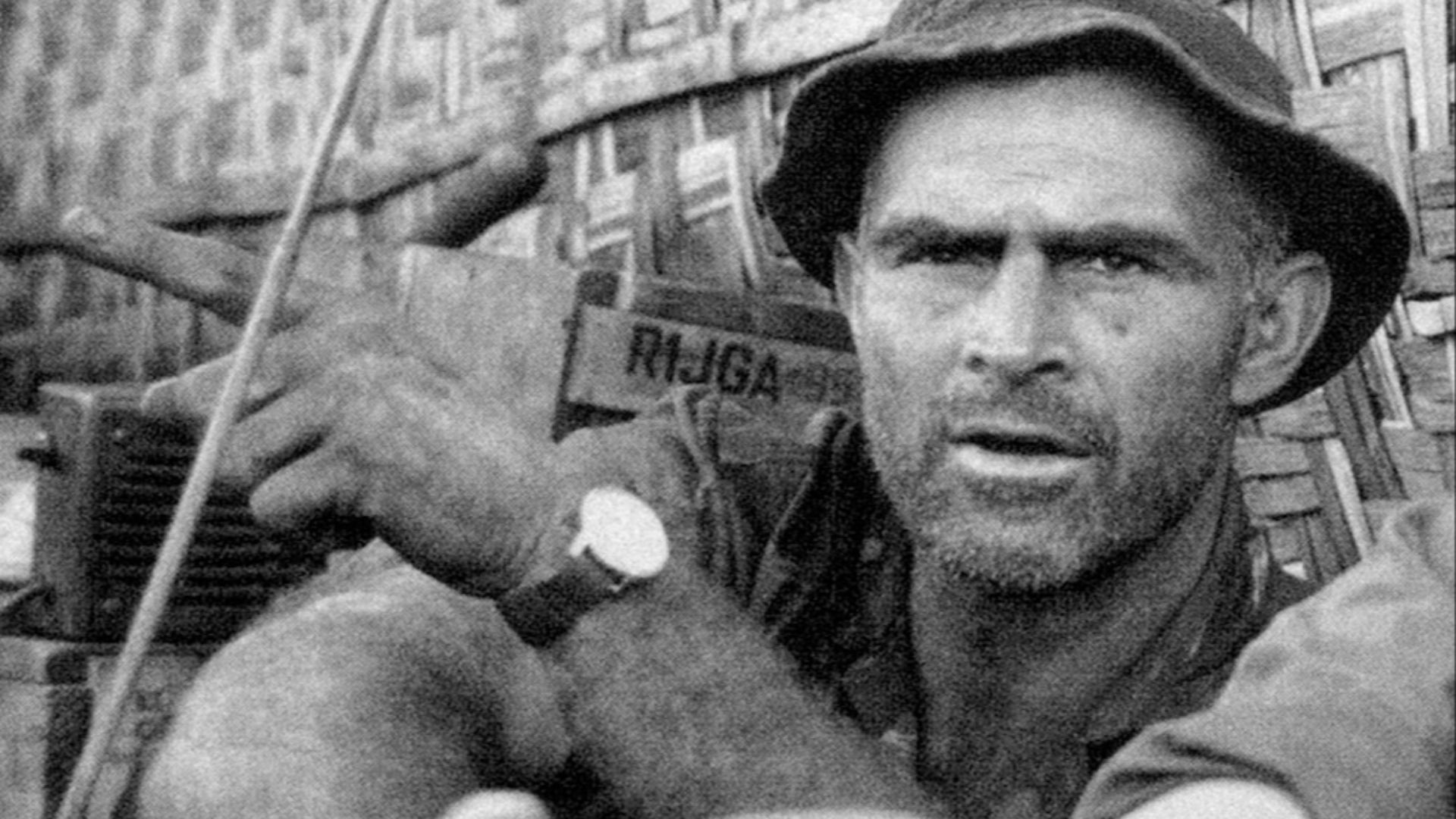
9. Charles Alvin Beckwith
Charles Beckwith (otherwise known as “Chargin’ Charlie) was known for challenging complacency. He was a U.S. Army Special Forces officer who’s best remembered for creating Delta Force after serving as an exchange officer with the British SAS. He constantly pushed the idea through Army bureaucracy, then finally helped stand the unit up in 1977 and became its first commander.
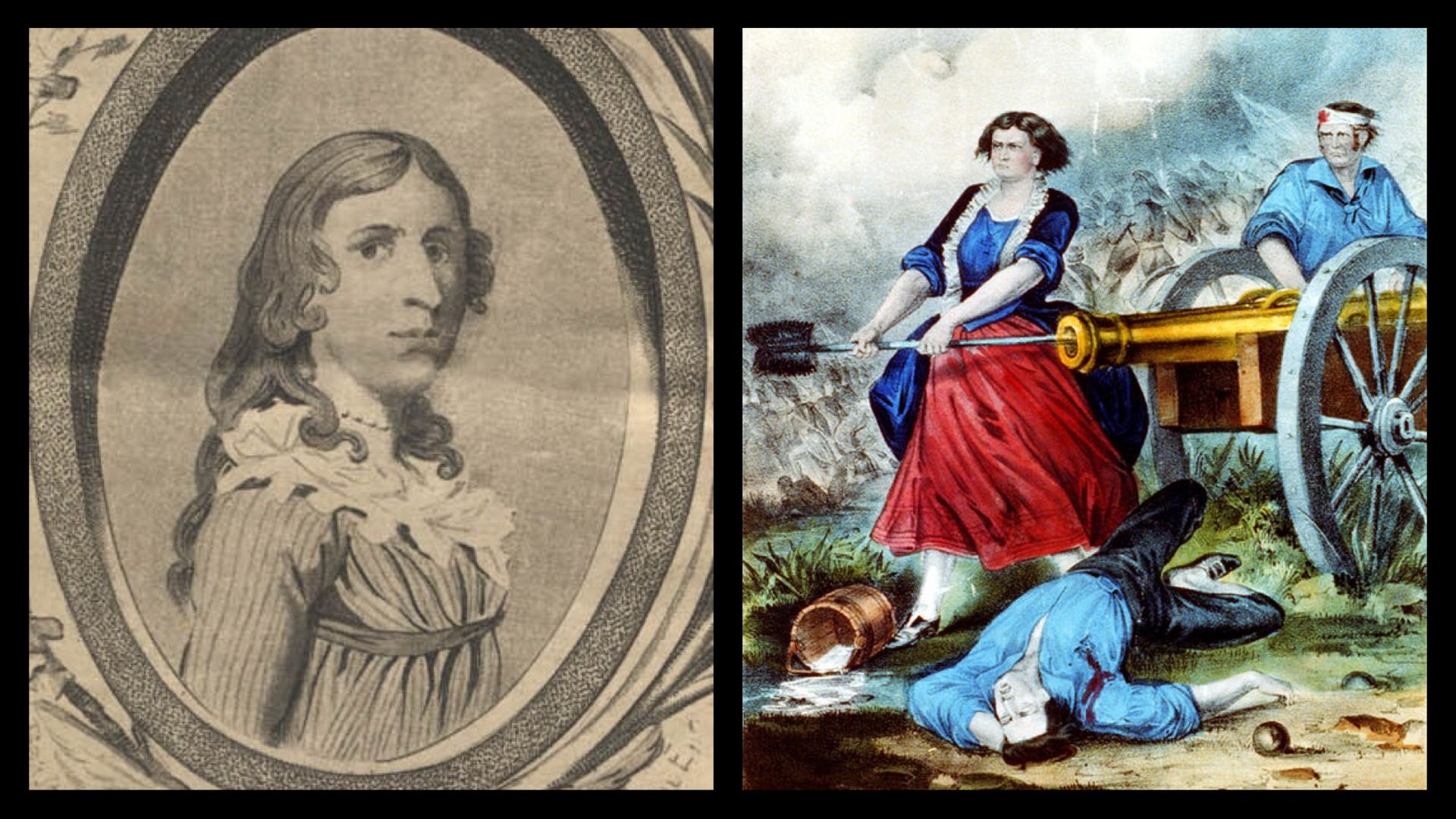
10. Deborah Sampson
Deborah Sampson disguised herself as a man to serve during the American Revolutionary War. Using the name Robert Shurtliff, she served for well over a year and even treated her own wounds to avoid being discovered. However, once she was found out and discharged, she still got the support she deserved down the road.
11. Eugene Fluckey
Eugene Fluckey commanded submarines in World War II (namely the USS Barb) and had a reputation for bold operations. He repeatedly took calculated risks that others might’ve avoided, and those choices paid off in dramatic results—that mix of nerve and planning earned him the Medal of Honor.
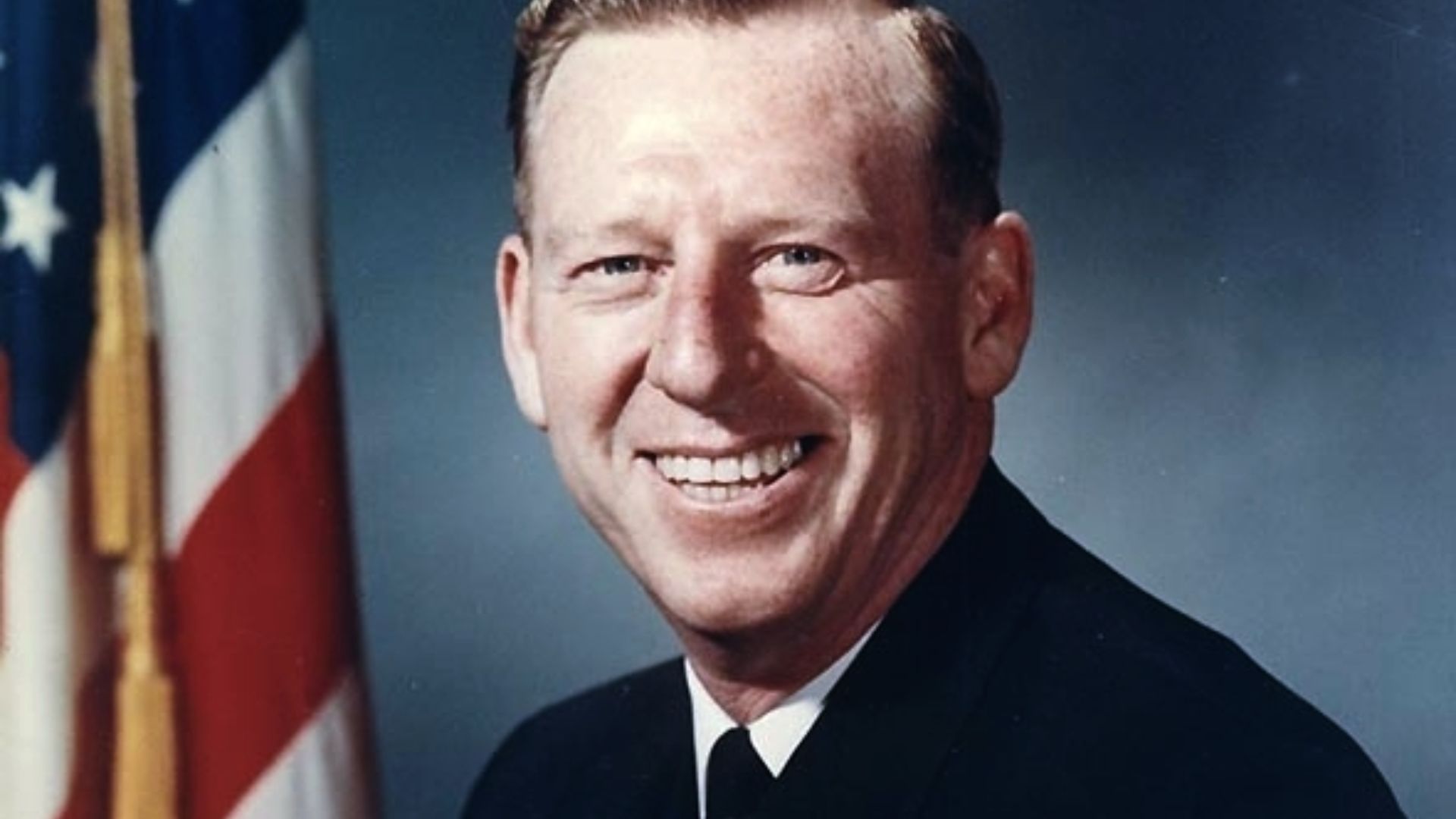 United States Navy, Photographer's Mate Second Class Moiz on Wikimedia
12. Leigh Ann Hester
Leigh Ann Hester served in Iraq as a military police soldier. On March 20, 2005, Hester was with the 617th Military Police Company when a supply convoy near Salman Pak was hit by a coordinated ambush. She moved to a flanking position and took the fight to the attackers, including clearing trench lines during the engagement. She remains a landmark figure, being the first woman in the U.S. Army to receive the Silver Star for valor in direct combat since World War II.
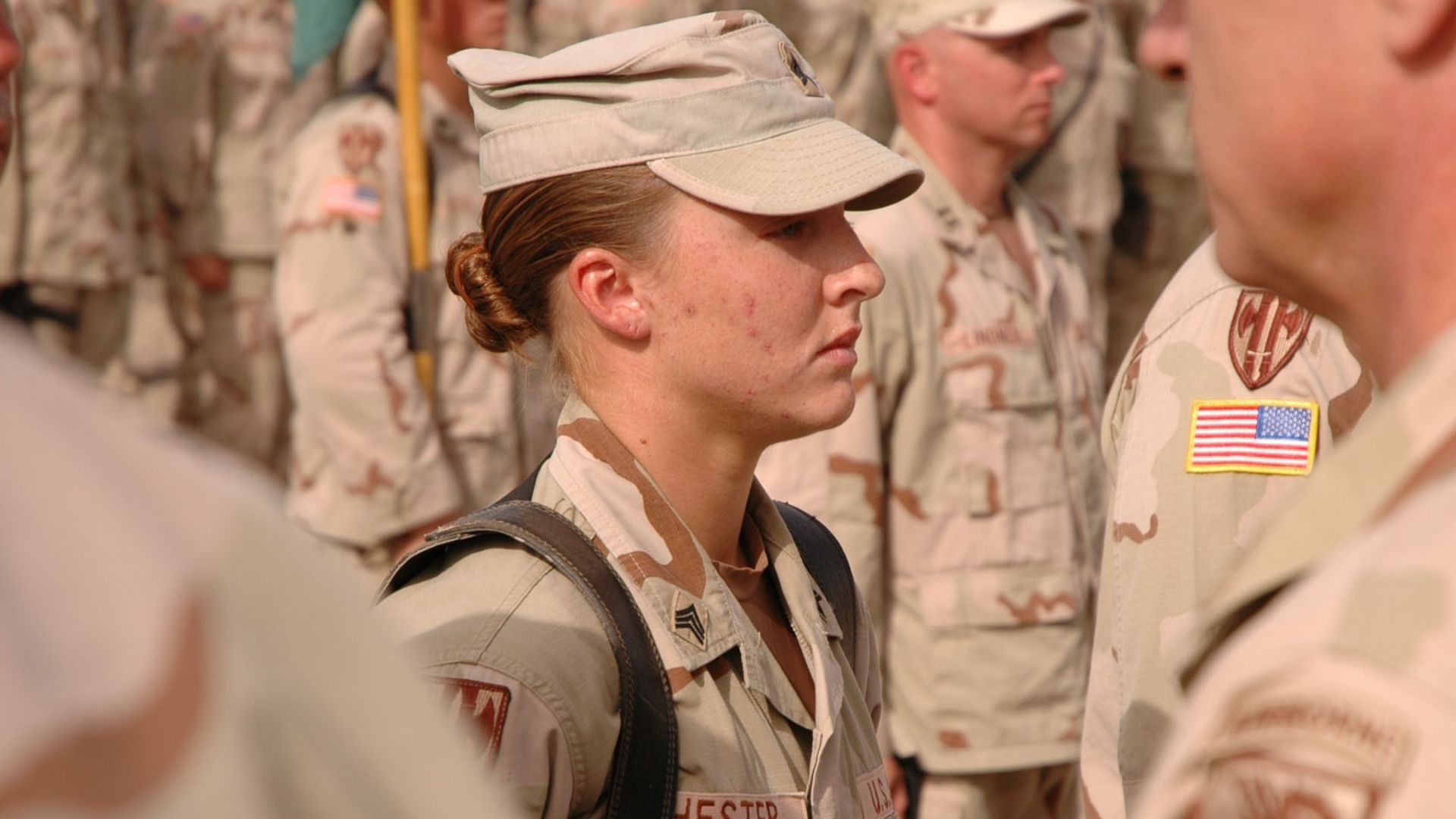 Specialist Jeremy D. Crisp, United States Army on Wikimedia
13. Mitchell Paige
Mitchell Paige fought in the Pacific during World War II and found himself in a situation where leadership became a moment-by-moment decision. With his unit under heavy fire, he kept a defensive position going when it looked like it might collapse. The impressive part isn’t just what he did, but how long he refused to quit.
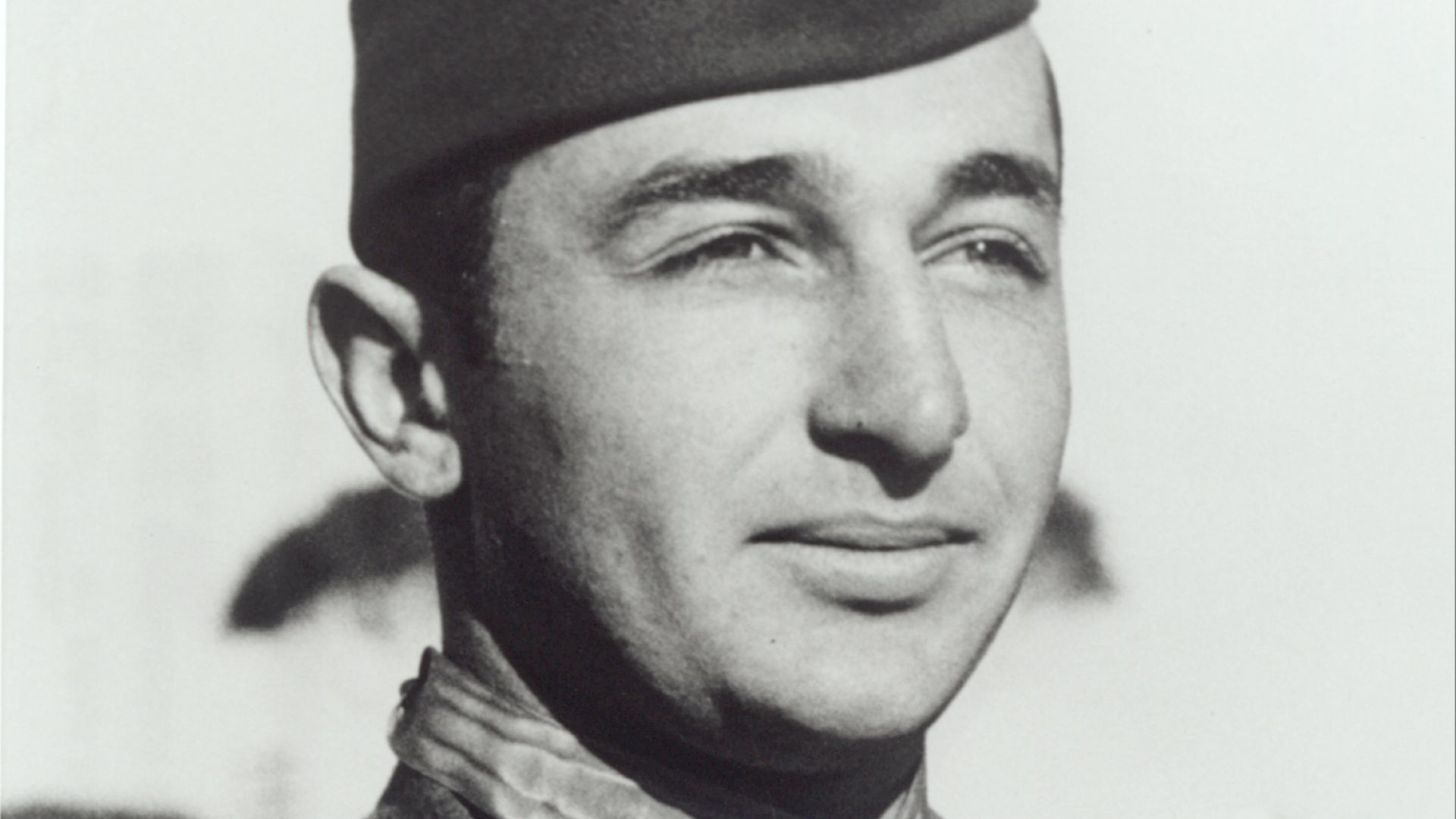 en:United States Marine Corps on Wikimedia
14. Hazel Ying Lee
Hazel Ying Lee served as a Women Airforce Service Pilot (WASP) during World War II. She flew military aircraft in demanding conditions at a time when many people questioned whether women belonged in that cockpit at all. Even without combat status, her service helped shift what the military thought was “normal.”
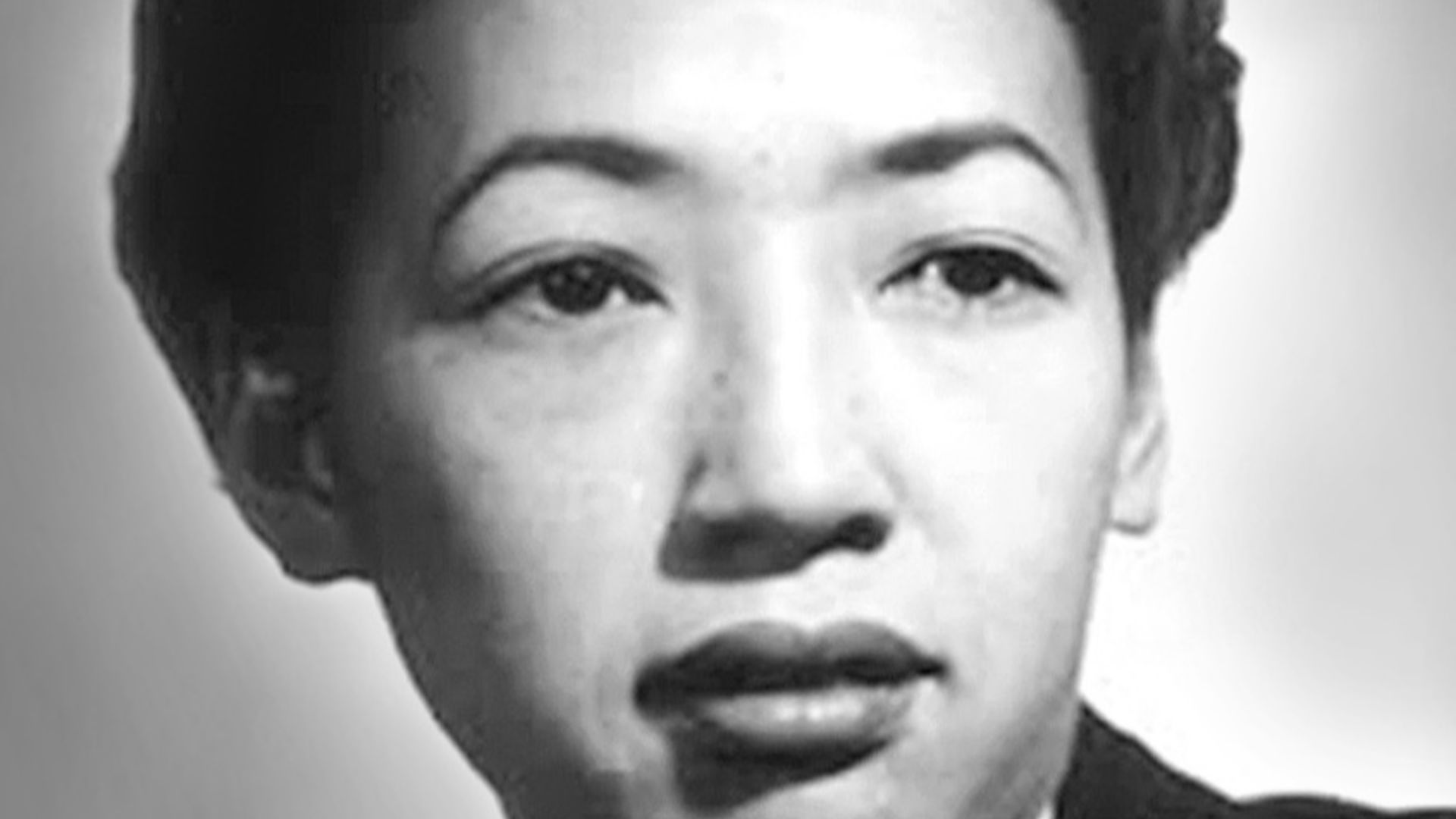 U.S. Air Force photo illustration/John Turner on Wikimedia
15. Doris “Dorie” Miller
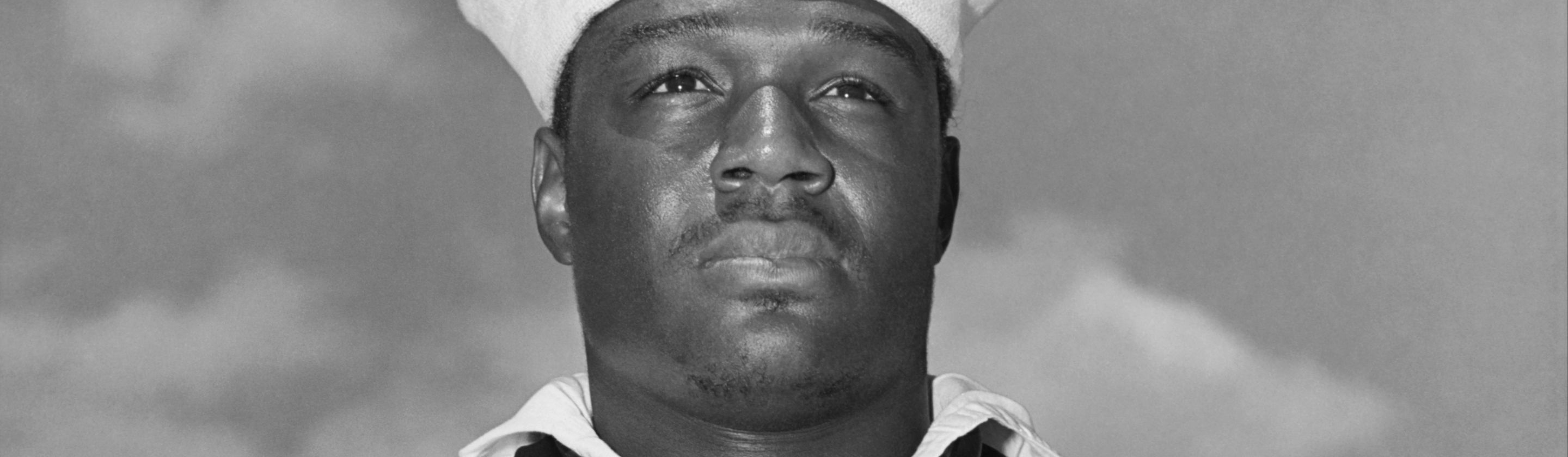
Dorie Miller was a cook in the U.S. Navy during World War II and wasn’t expected to be at the center of a firefight. Assigned as a mess attendant aboard USS West Virginia at Pearl Harbor on December 7, 1941, he helped move wounded shipmates to safety and carried his injured captain during the attack. His actions earned the Navy Cross and made him a national symbol of courage.
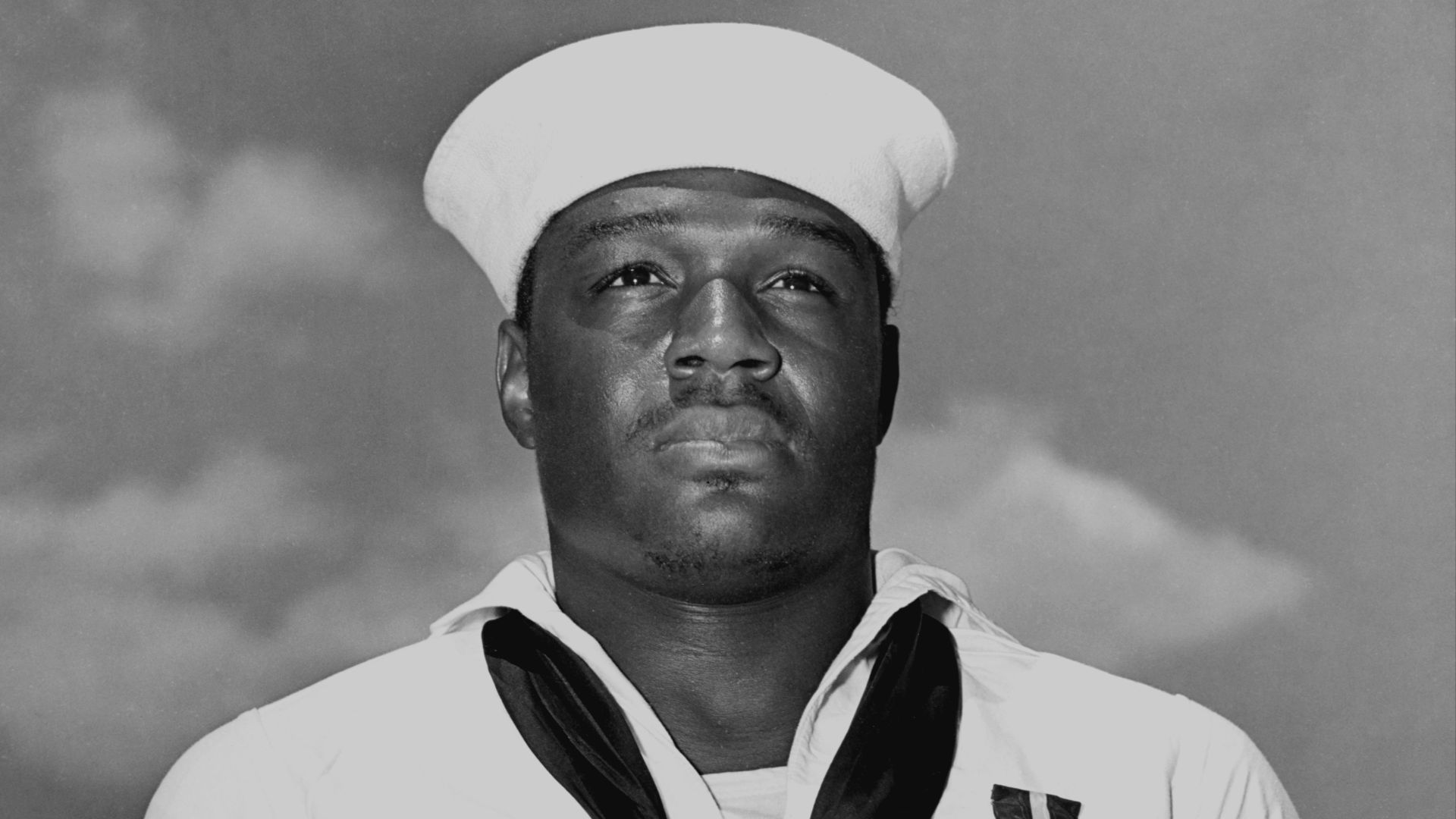 Unknown photographer, US Navy; restored by User:Coffeeandcrumbs on Wikimedia
16. Bhanbhagta Gurung
Bhanbhagta Gurung served as a rifleman with the Gurkhas in World War II and carried a reputation for fierce effectiveness. On March 5, 1945, at a position known as Snowdon-East near Tamandu, he stood up under heavy fire to eliminate a sniper who was hurting his section, then pushed forward alone to clear multiple enemy positions. It earned him the Victoria Cross for his bravery.
 Unknown authorUnknown author on Wikimedia
17. Simo Häyhä
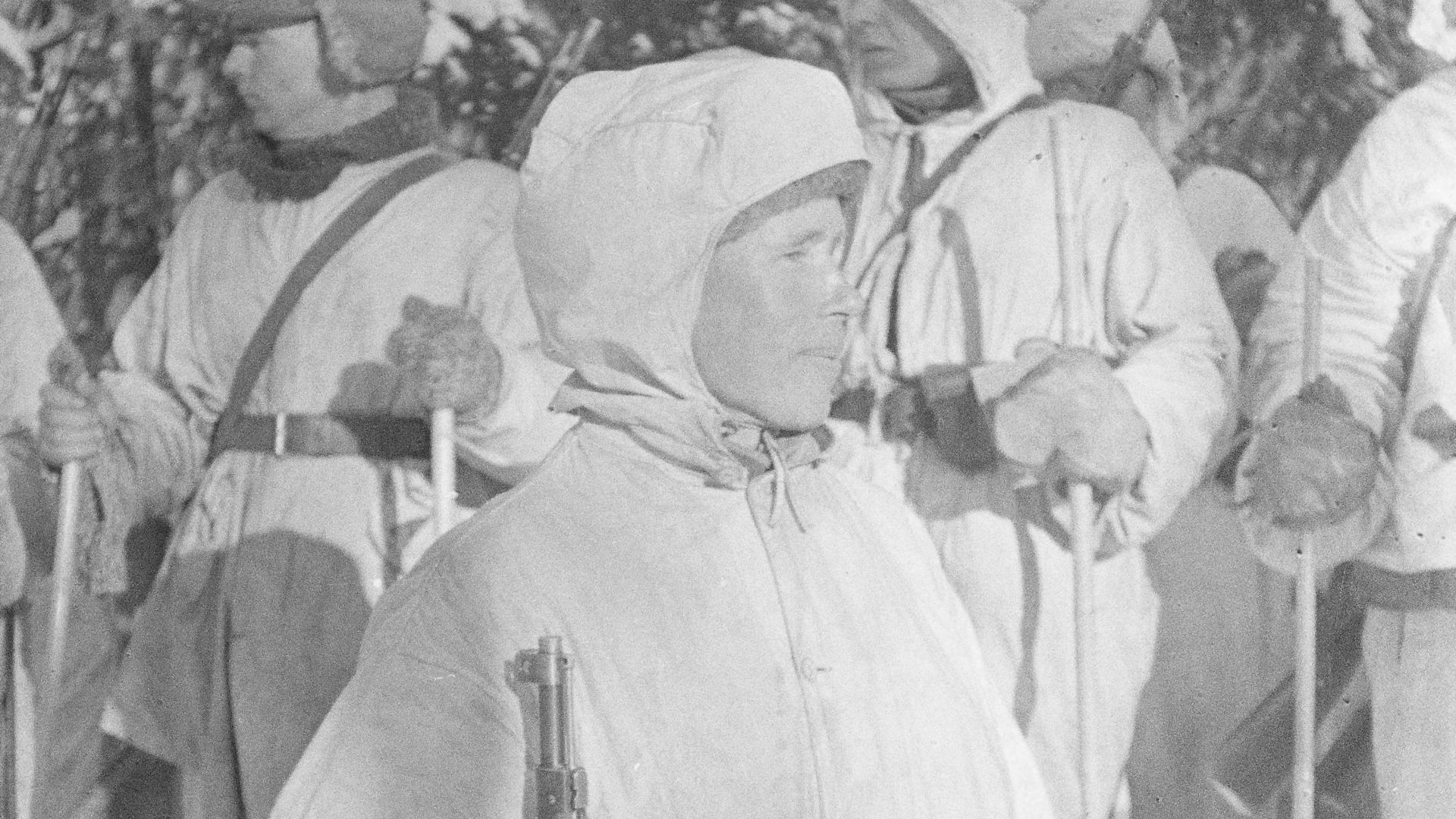
Simo Häyhä, a Finnish soldier in the Winter War, became known for exceptional marksmanship in brutal conditions. He’s often credited with at least 500 confirmed kills during the conflict and even earned the moniker “the White Death” for his abilities as a sniper in extreme cold.
18. Lyudmila Pavlichenko
Lyudmila Pavlichenko served as a Soviet sniper during World War II, confronting immediate skepticism because she was a woman in a combat role. However, she answered it with results that were impossible to ignore. She’s widely credited with 309 confirmed kills, including 36 enemy snipers, during fighting around Odessa and Sevastopol. If that wasn’t enough, she later spent the rest of the war training snipers.
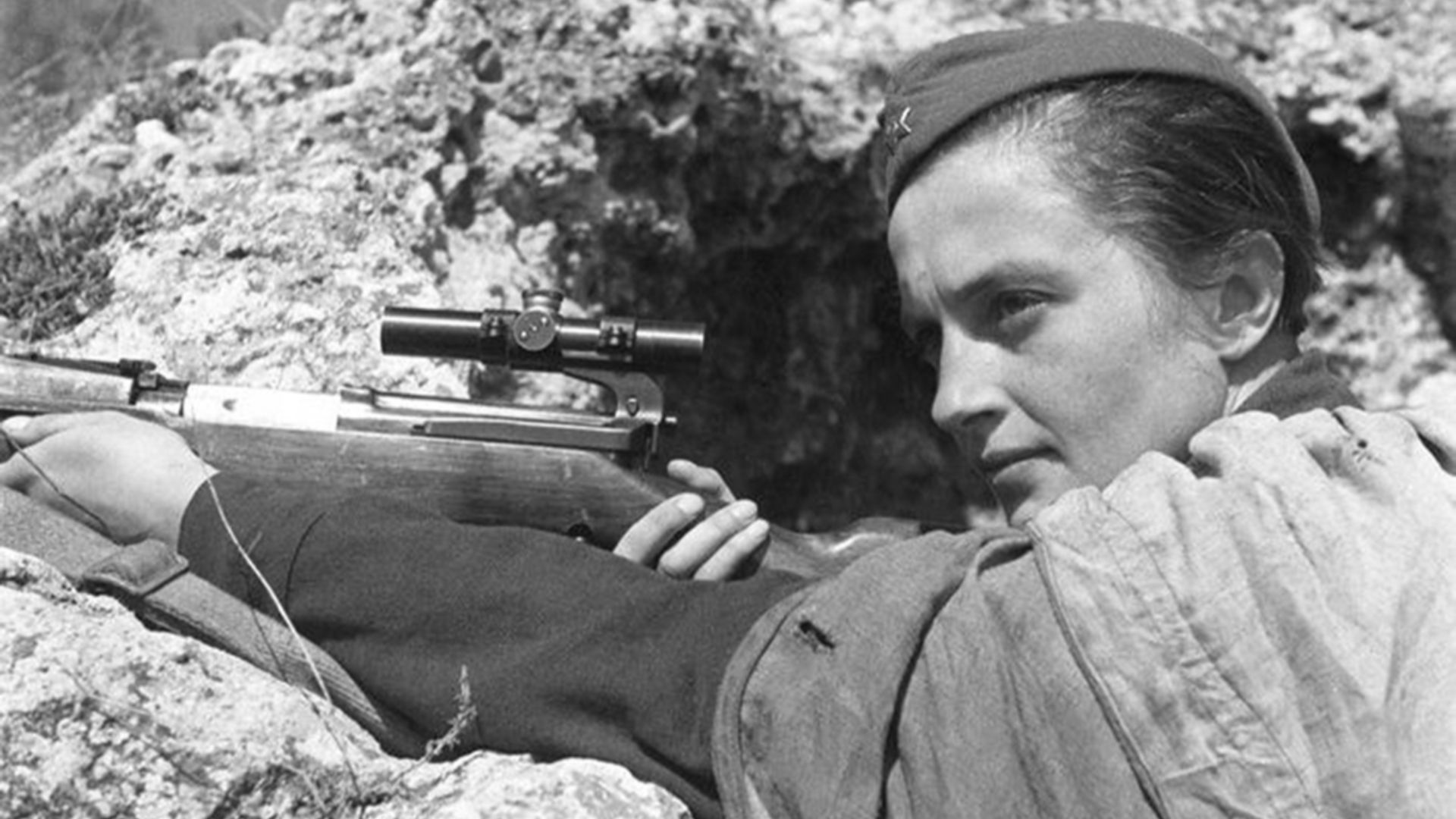 Израиль Абрамович Озерский (1904-1971) on Wikimedia
19. Jack Churchill
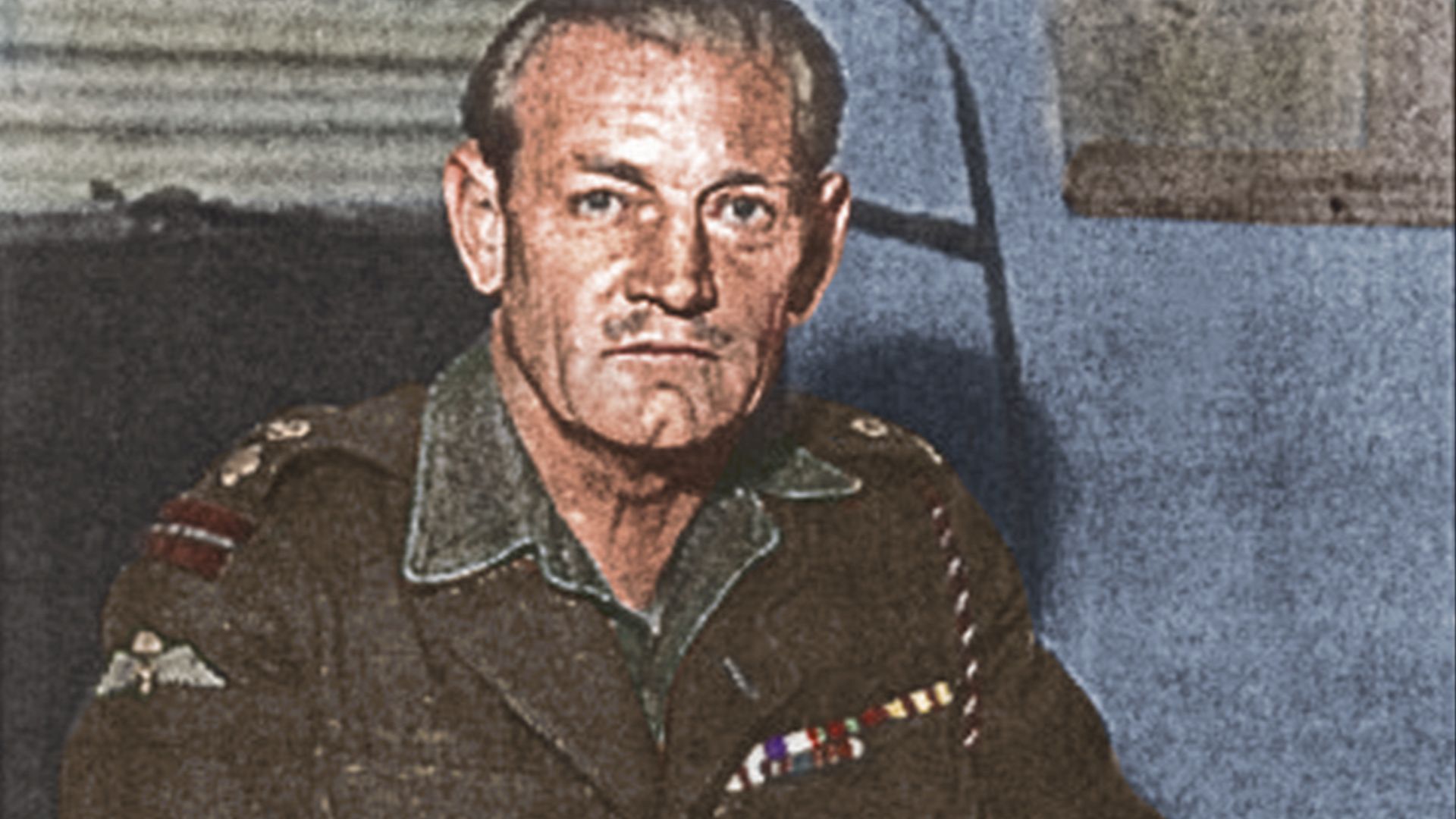
He didn’t earn the name “Mad Jack” for nothing. Churchill, a British officer in World War II, developed a reputation for unconventional choices and fearless presence. He’s best remembered for charging into battle with a broadsword and sometimes even bringing along a longbow. He didn’t do it as a gimmick—he did it because he genuinely believed in staying aggressive.
 Cassowary Colorizations on Wikimedia
20. Tommy Prince
Tommy Prince was a Brokenhead Ojibway Nation Canadian soldier who faced barriers that had nothing to do with his ability. Not only did he volunteer for the elite First Special Service Force and earn both the Military Medal and the U.S. Silver Star, but he also later advocated for Indigenous rights, especially after all the discrimination he faced.
 Christopher J. Woods - Canada. Dept. of National Defence on Wikimedia
KEEP ON READING