

The Collapse Rarely Comes Out Of Nowhere
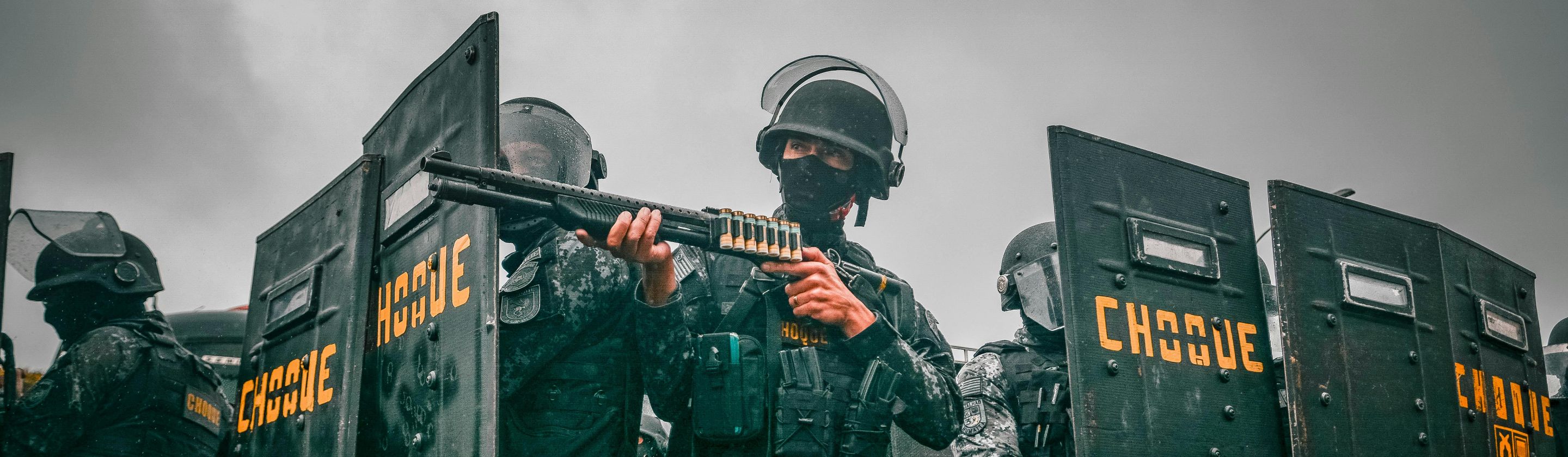
Empires do not usually fall because the map suddenly changes color overnight. They fray, then they improvise, then they insist the improvisation is a plan. The early warning signs often feel mundane at the time, like shortages, petty purges, and slogans that start doing the work policies used to do. People inside the system keep living their lives, paying taxes, serving in offices, and making dinner, while the center grows louder and less effective. Here are twenty mistakes every empire makes right before the end.

1. Confusing Silence With Loyalty
When speaking honestly becomes risky, people stop telling the truth and start telling leaders what they want to hear. That feels stable for a while, then it produces catastrophic blind spots, because no one in the room has an incentive to report problems early.

2. Treating Corruption As A Cultural Quirk
A little graft gets waved off as normal, then it becomes the operating system. The late Roman Empire is one commonly cited case where bribery and patronage shaped administration, and once enough people expect to pay for basic outcomes, legitimacy drains fast.

3. Burning Through Money Like It Is Unlimited
Empires often try to spend their way out of structural trouble, especially when military and administrative costs rise. The Roman practice of debasing coinage is a well-known historical example of how financial shortcuts can feed inflation and mistrust, even if they buy time in the moment.

4. Letting The Military Become A Political Faction
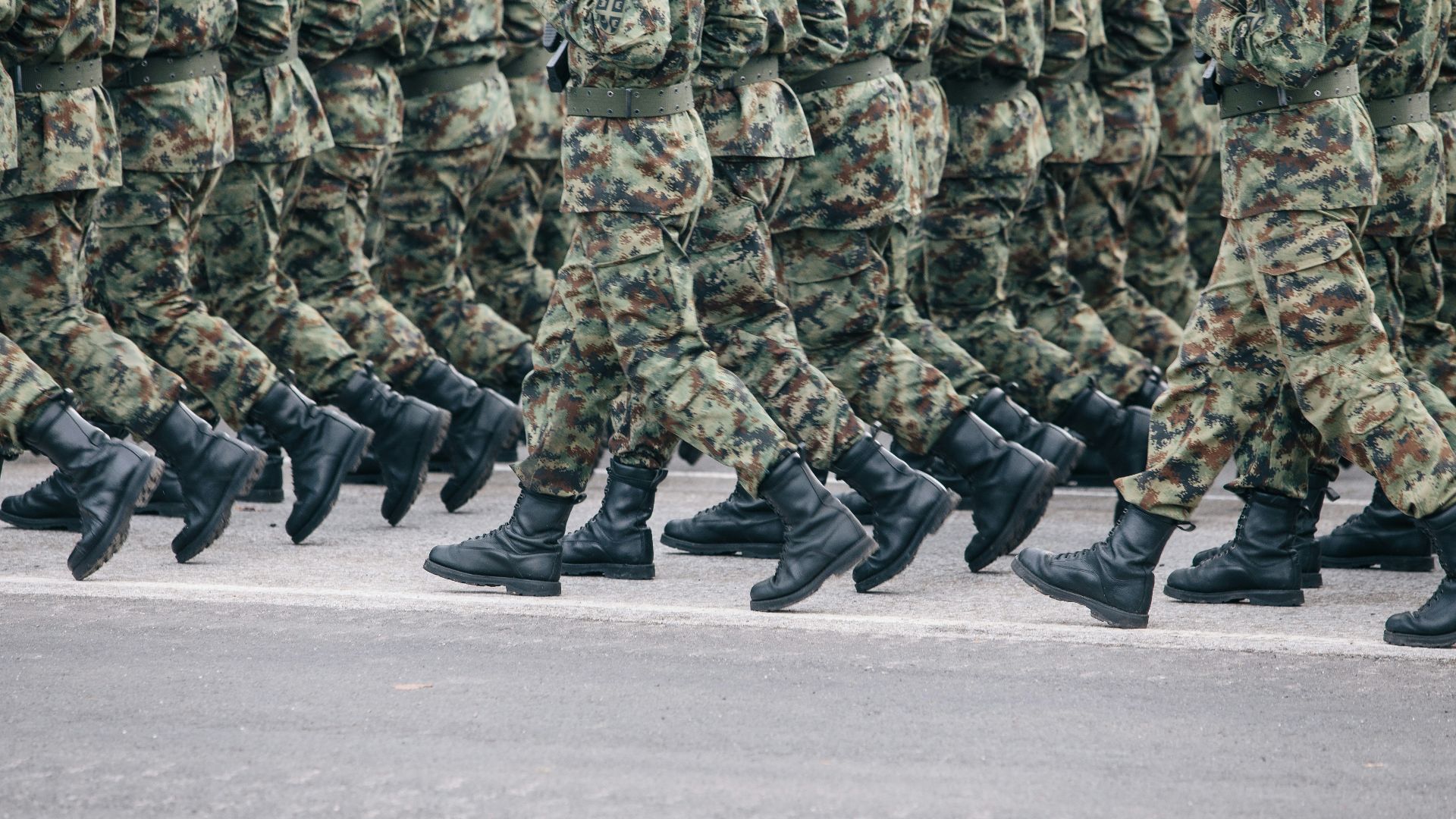
Armies are supposed to defend borders, yet in many empires they start choosing rulers, shaping policy, or extracting concessions. The Praetorian Guard in Rome is the classic cautionary tale, because once soldiers see politics as part of the job, civilian authority becomes a performance.
5. Picking Succession Fights Over Governing
When leadership transitions are unclear, the empire spends its energy on palace games instead of problems outside the palace. Civil wars, coups, and contested heirs show up again and again in imperial histories, and every fight makes the next one easier to justify.
6. Making The Capital A Bubble
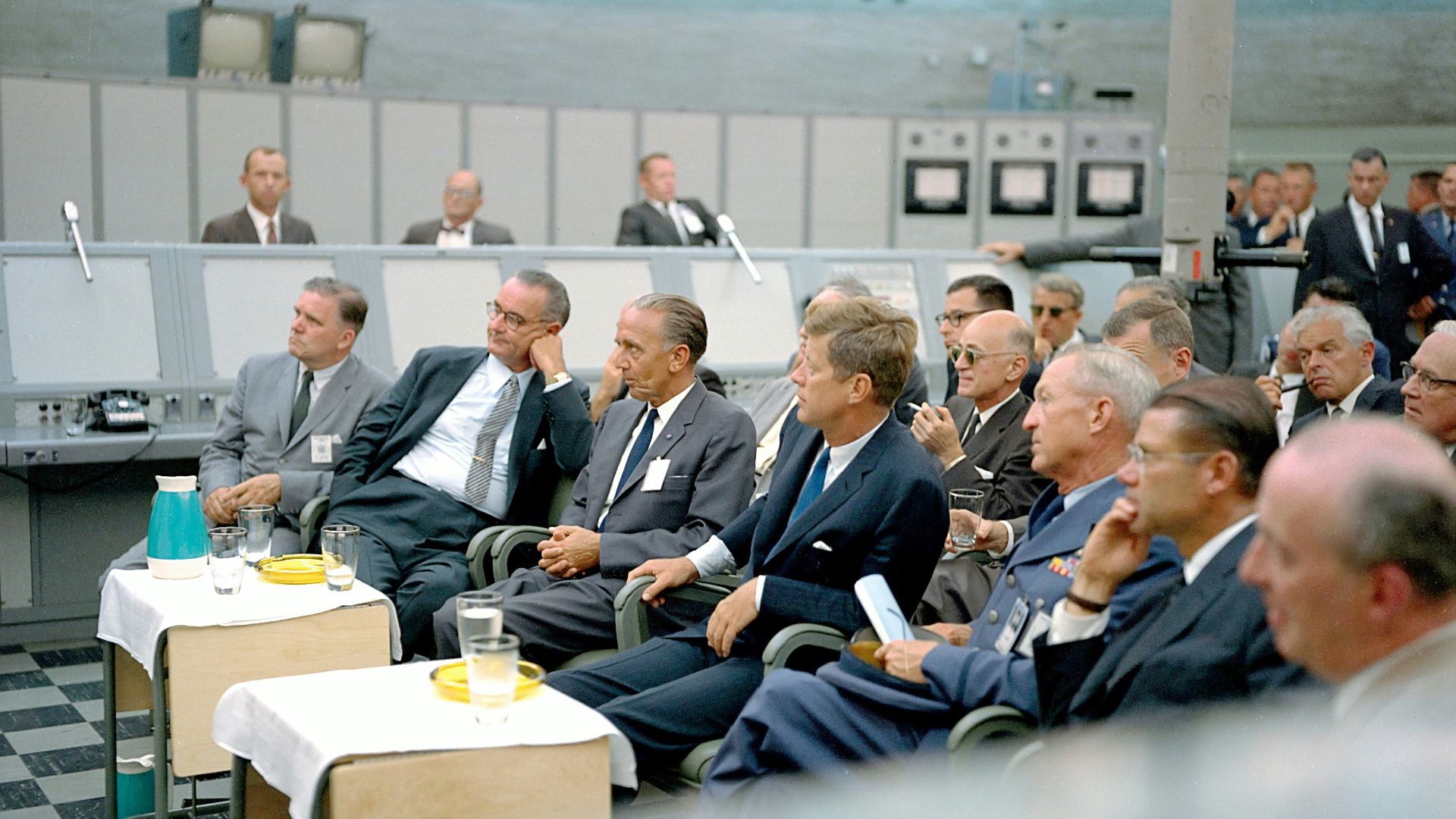
The center starts believing its own press, and daily reality in the provinces becomes a rumor. You see this in court cultures across time, where proximity to power can matter more than competence, and the capital feels prosperous right up until the supply lines wobble.

7. Overexpanding Past The Ability To Maintain Control
Taking territory is easier than holding it, especially when distance turns every decision into a delayed argument. Empires that stretch too far end up paying for garrisons, roads, and administration that never quite catch up, and local power brokers fill the gaps.
8. Relying On One Resource Or One Revenue Stream
When an empire’s budget depends too heavily on one commodity, one trade route, or one tax base, resilience disappears. A bad harvest, a blockade, or a new competitor can turn into a crisis that policy cannot fix quickly enough.

9. Ignoring Slow Administrative Rot
Institutions do not usually implode, they clog. Paperwork expands, decisions stall, and people learn that waiting out the system works better than working with it, which is the kind of decay that does not look dramatic until everything is behind schedule.
10. Turning Outsiders Into A Permanent Enemy Category
Empires often need newcomers for labor, trade, or military service, then decide the same groups are the reason everything feels unstable. Late-stage scapegoating burns social trust, and it also sabotages recruitment, because the empire is insulting the very people it needs to keep functioning.
11. Treating Reforms As A Threat To Prestige
When changing course feels like admitting weakness, leaders double down on the policies that caused the problem. You can see this logic in many declining states where modernizing armies, tax systems, or schools gets delayed until the external shock arrives.

12. Crushing Dissent Instead Of Learning From It
Repression can quiet streets, yet it rarely fixes what drove people into the streets. The late Soviet Union shows how a system can maintain control for a long time while steadily losing faith, and once belief is gone, coercion gets expensive and unpredictable.
13. Losing Credibility In Basic Measurement
An empire that cannot count accurately, audit honestly, or report reliably cannot steer. When statistics become propaganda, leaders are making decisions with broken instruments, and the first real test exposes how little anyone knows.
14. Militarizing Every Problem
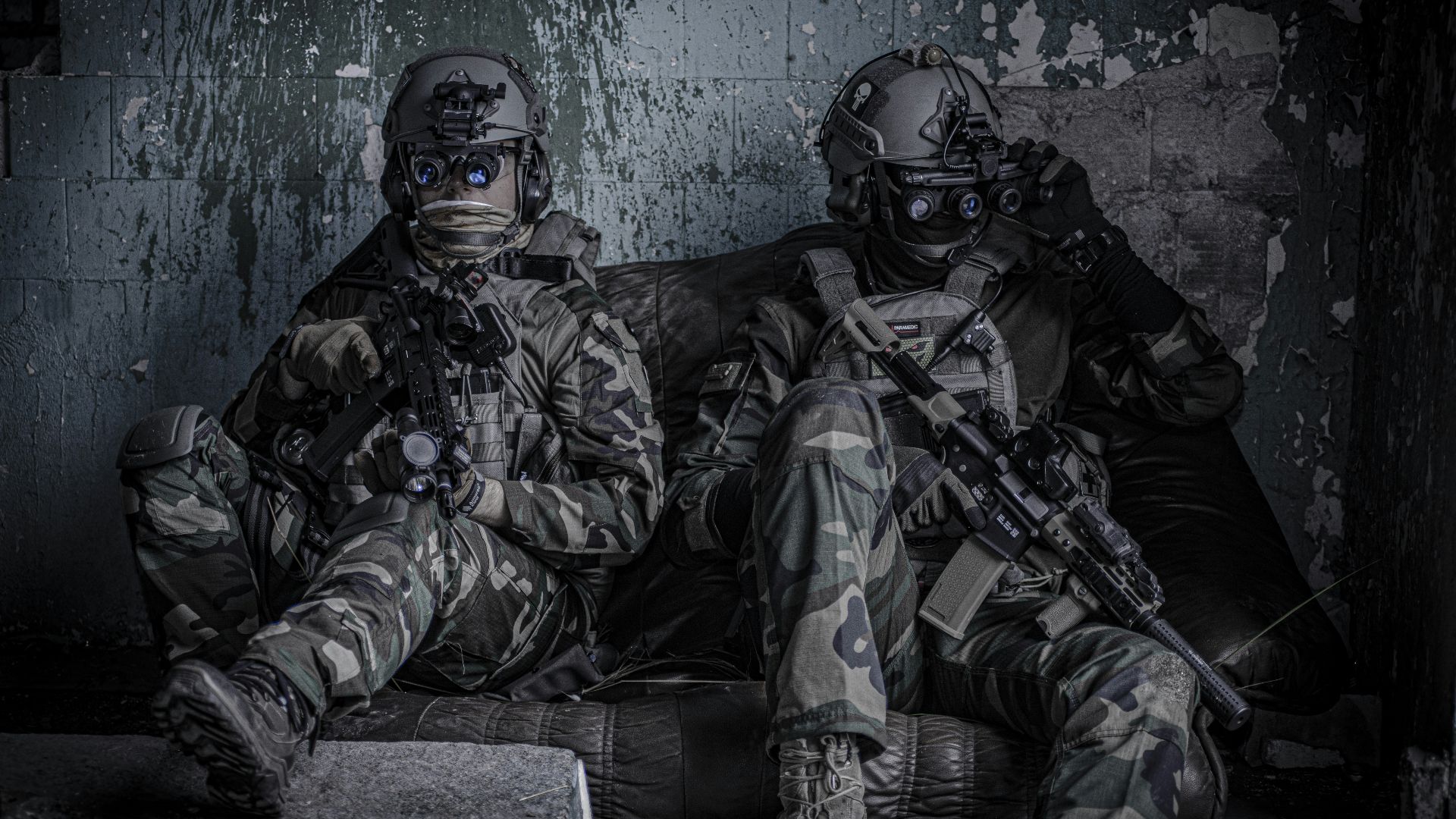
When the answer to unrest, shortages, and political conflict is always force, the state narrows its own options. The British Empire’s late struggles in Ireland, India, and elsewhere show how security responses can deepen resistance when legitimacy is already thin.
15. Letting Elite Life Float Free From Everyone Else
When the ruling class lives in a separate universe, policy becomes a luxury product that ordinary people cannot afford. The French monarchy before 1789 is a familiar reference point, not because history repeats neatly, but because the optics of inequality can become a spark in a dry room.

16. Allowing Infrastructure To Become A Museum
Roads, aqueducts, ports, and bureaucracy are not trophies, they are maintenance jobs. When upkeep gets postponed, the empire still looks impressive on ceremonial days, yet daily commerce slows, and people start routing around the state.

17. Treating Foreign Rivals Like Background Noise
Declining empires often assume their status is permanent, even as competitors adapt faster. The Qing dynasty’s collision with Western powers during the Opium Wars is one harsh example of what happens when military technology and diplomacy change and leadership keeps using yesterday’s playbook.
18. Using Religion Or Ideology As A Substitute For Competence
Shared belief can unify, yet it cannot repair supply chains or train officers. When leadership leans too hard on purity tests, loyalty rituals, or grand narratives, the system starts promoting the faithful over the capable, and the capable quietly leave.

19. Punishing The People Who Tell The Bad News
Whistleblowers get sidelined, inspectors get ignored, and messengers learn to soften reports. That is how failures repeat, because the empire has trained itself to avoid discomfort rather than solve problems, and the bill comes due all at once.

20. Betting On One Last Big Gamble
Near the end, leaders often reach for a dramatic victory, a rushed war, a sweeping decree, or a crash economic plan. It can work briefly, yet more often it accelerates collapse, because the empire is already fragile and the margin for error has vanished.
KEEP ON READING
The Love Story Behind the Taj Mahal Was Also a…
Koushik Chowdavarapu on UnsplashThe Taj Mahal is often introduced as…
By Emilie Richardson-Dupuis Apr 2, 2026
Public Executions Were Once the Most Attended Events in Town…
Georg Heinrich Sieveking on WikimediaFor centuries, a public execution could…
By Breanna Schnurr Apr 2, 2026
20 Old Hollywood Feuds That Went Beyond The Studio Lot
When The Smiles Stopped. Old Hollywood sold a polished fantasy,…
By Breanna Schnurr Apr 2, 2026
JFK's Last Meal Is A Testament To His Character
Walt Cisco, Dallas Morning News on WikimediaHistory often focuses on…
By Sara Springsteen Apr 2, 2026
The Coup Triggered by a Pop Song
Matheus Ferrero on UnsplashMost political upheavals have a trigger that…
By Cameron Dick Apr 2, 2026
How The Black Death Spurred the Renaissance
Art Institute of Chicago on UnsplashThe Black Death, which swept…
By Rob Shapiro Apr 2, 2026