

Even Genius Has Its Limits
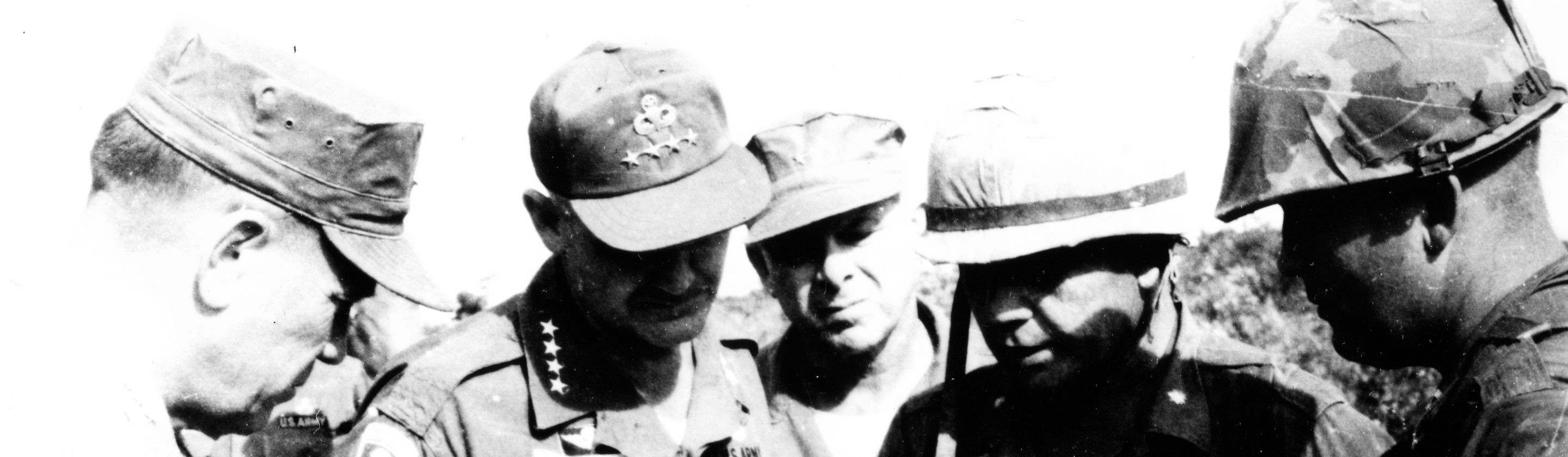
History loves a military genius, especially the kind who seems unstoppable for a while. Many commanders reshaped warfare, terrified their enemies, and built reputations that looked bulletproof. Then circumstances changed, judgment slipped, or confidence turned into stubbornness. These leaders didn’t lose their brilliance overnight, but their later decisions showed how fragile even great reputations can be. Here are 20 military leaders who were brilliant—until they weren't.
1. Napoleon Bonaparte
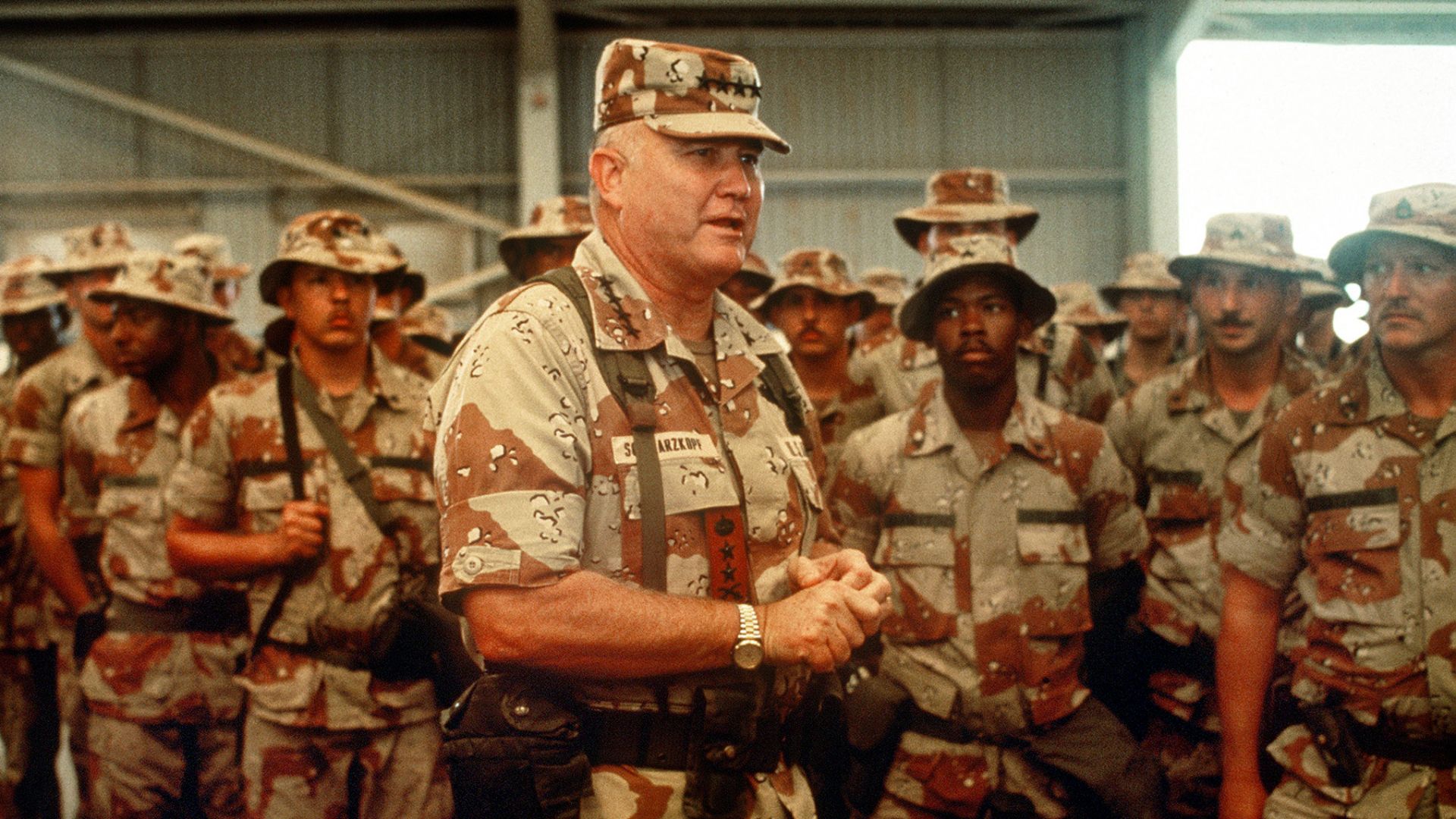
Napoleon revolutionized warfare with speed, artillery coordination, and merit-based command. His early campaigns reshaped Europe and humbled larger armies. Over time, his confidence hardened into inflexibility. The invasion of Russia in 1812 exposed the limits of his strategic judgment. It also showed how ignoring logistics and climate could undo even the most gifted commander.
2. Douglas MacArthur
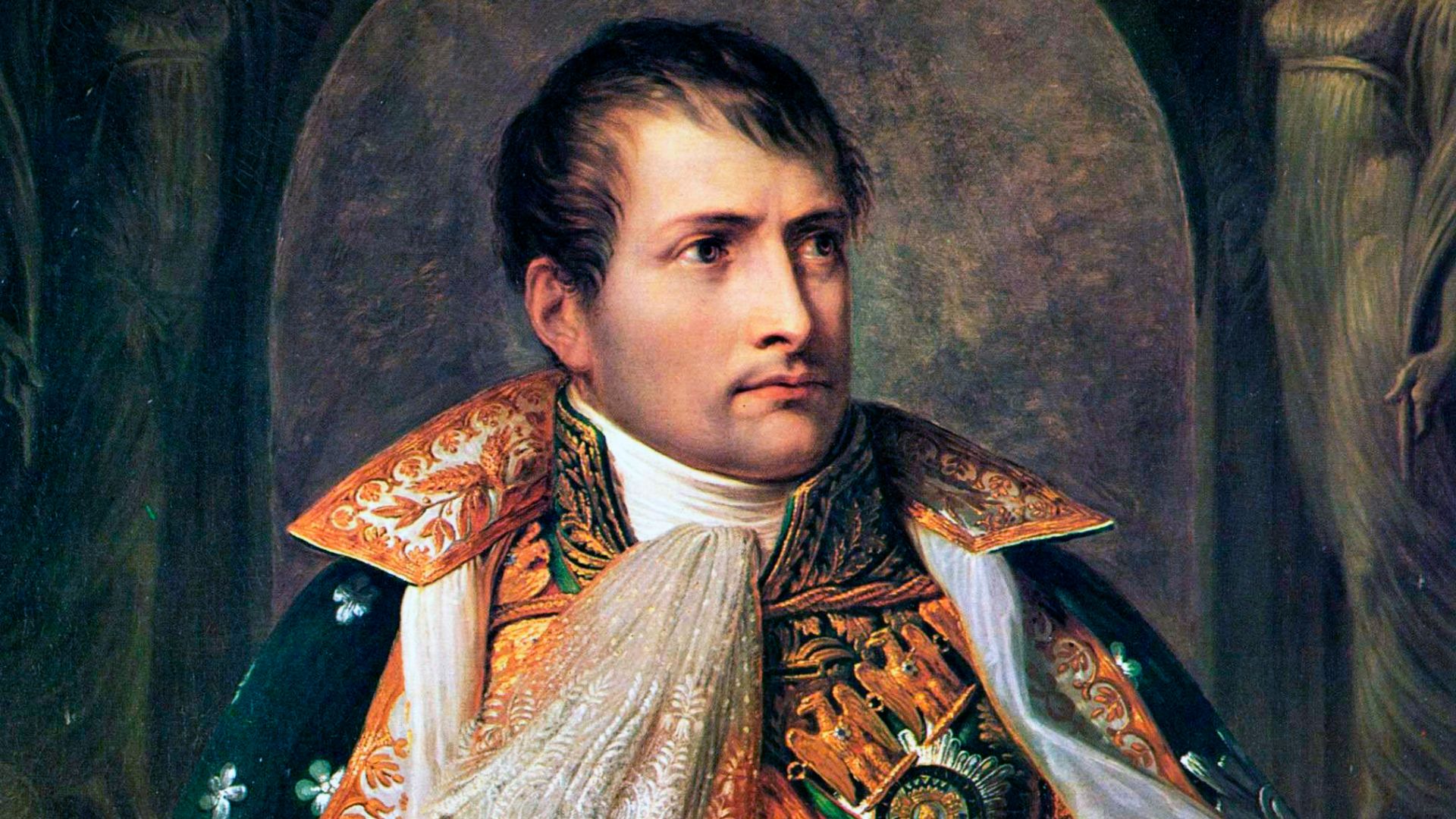
MacArthur was instrumental in the Pacific Theater during World War II. His island-hopping strategy accelerated Japan’s defeat. During the Korean War, he pushed too far toward China despite warnings. That miscalculation led to his dismissal. His brilliance was real, but his inability to accept civilian oversight proved costly.
 U.S. Army Signal Corps officer Gaetano Faillace [1] on Wikimedia
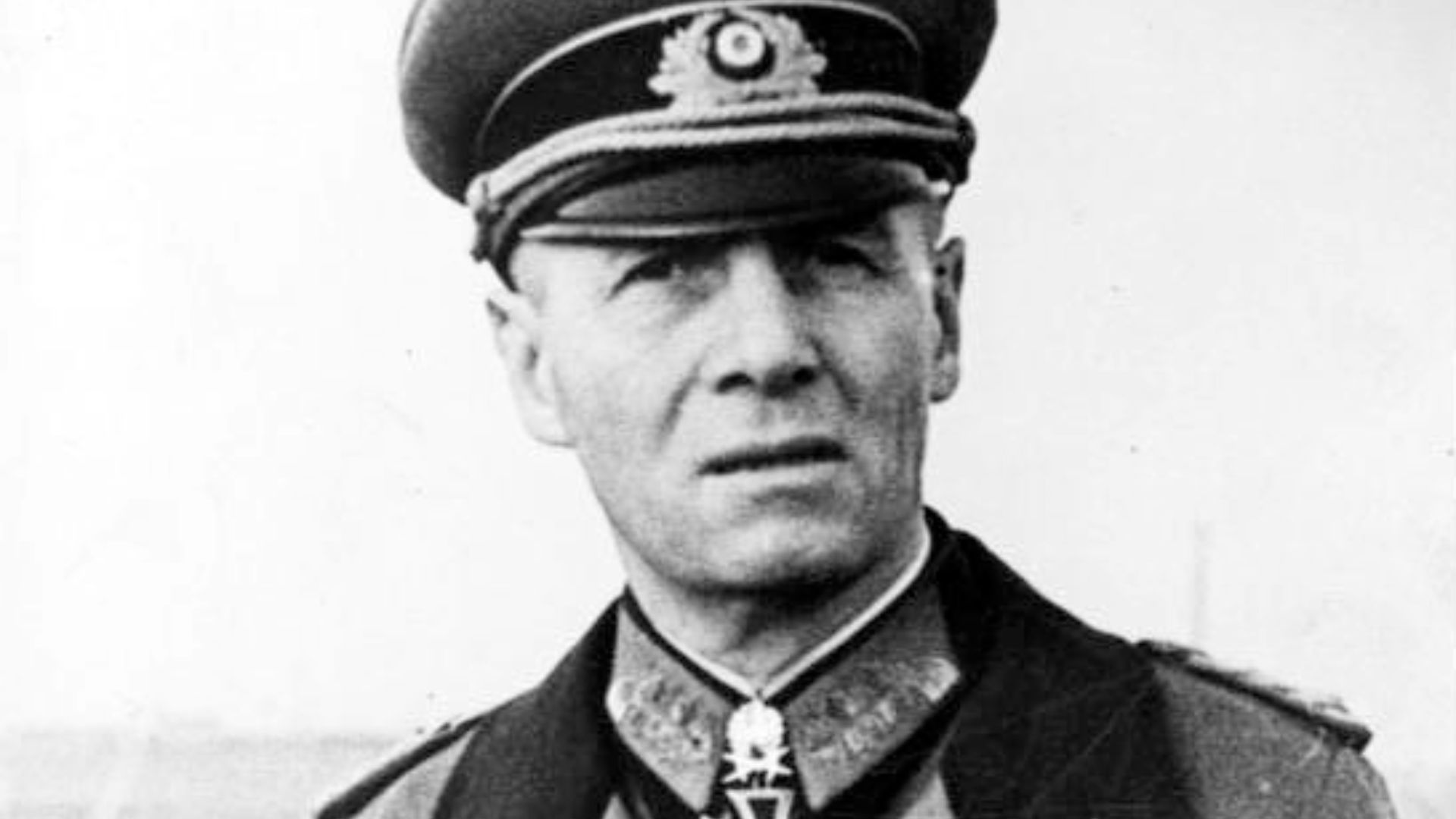
3. Erwin Rommel
Rommel earned fame for daring maneuvers in North Africa. His leadership style emphasized speed and surprise. As Allied resources overwhelmed Axis forces, his tactics lost effectiveness. Logistics and strategic constraints caught up with him. Even Rommel couldn’t outmaneuver material shortages.
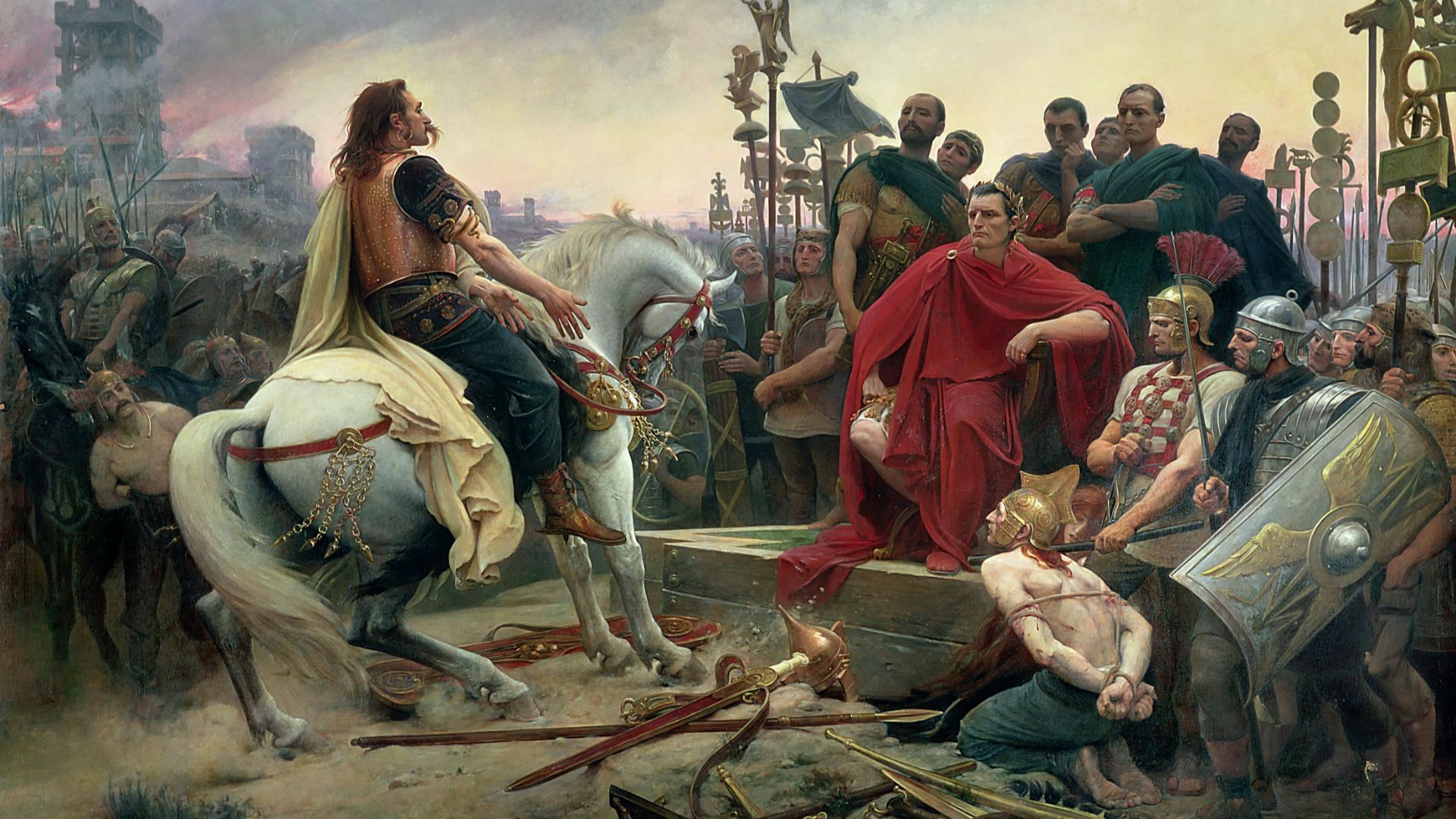
4. Julius Caesar
Caesar’s campaigns in Gaul demonstrated political insight and military innovation. He mastered morale, discipline, and adaptability. His later concentration of power alienated allies and enemies alike. Assassination ended his ambitions before they stabilized. Military genius couldn’t save him from political backlash.
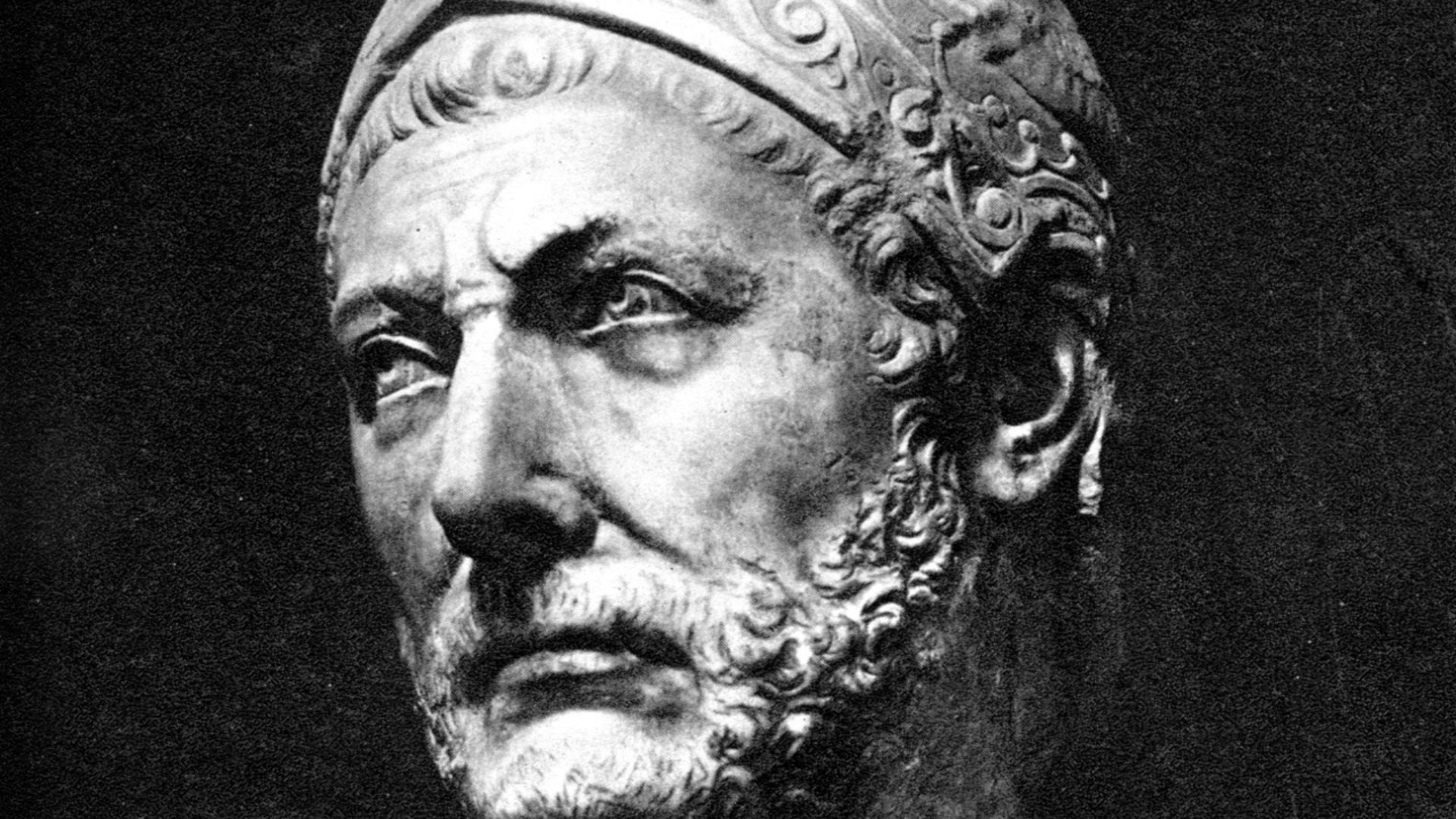
5. Hannibal Barca
Hannibal’s victory at Cannae remains a textbook example of tactical brilliance. He repeatedly outmaneuvered Roman armies on Italian soil. However, he lacked sufficient reinforcements and political backing. Rome eventually adapted and prevailed. Strategy alone couldn’t compensate for weak support at home.
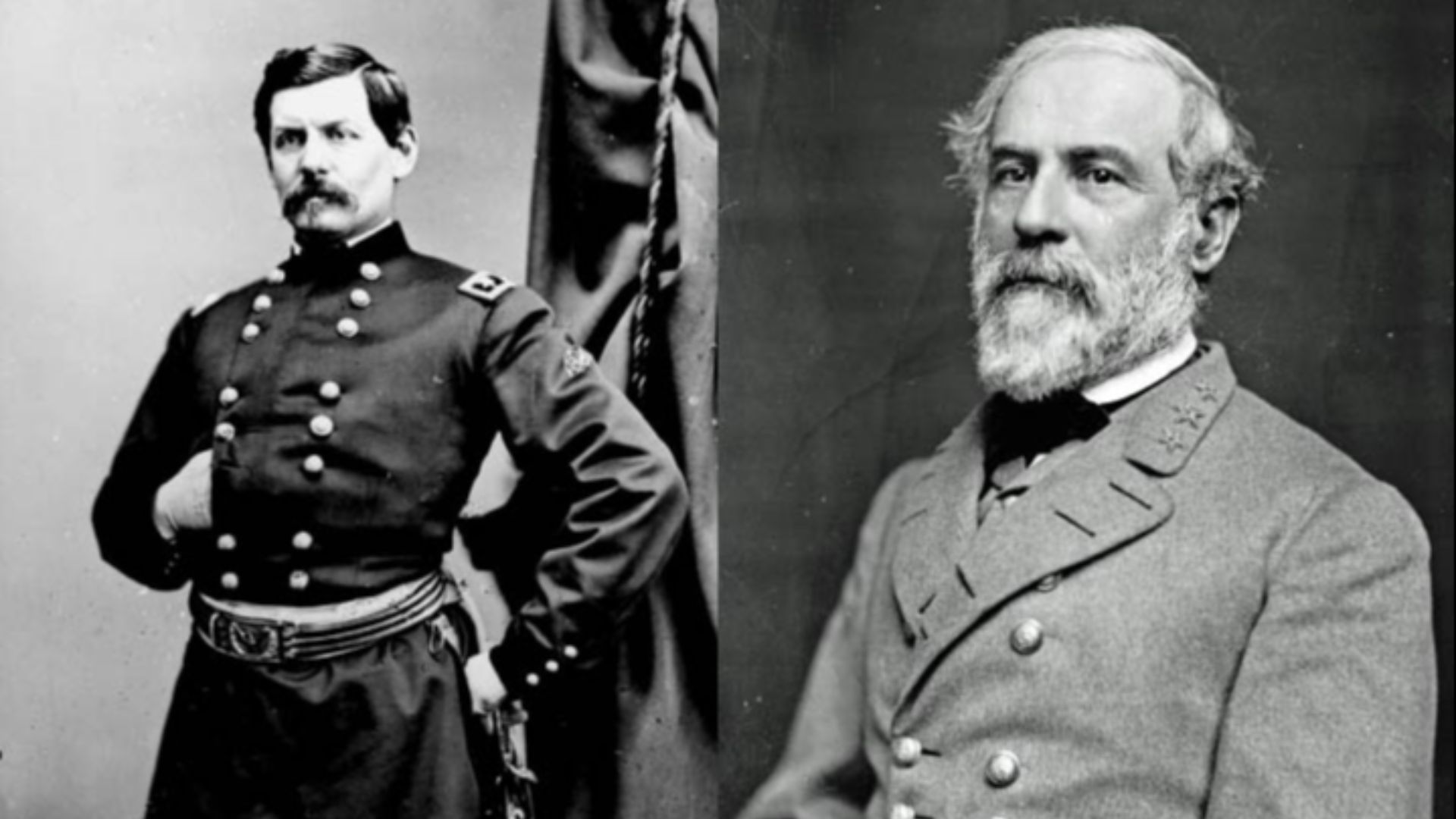
6. George McClellan
McClellan excelled at organizing and training the Union Army. His troops respected his leadership and preparation. In battle, he consistently hesitated despite numerical advantages. That caution cost him command. His brilliance never translated into decisive action.
7. Bernard Montgomery
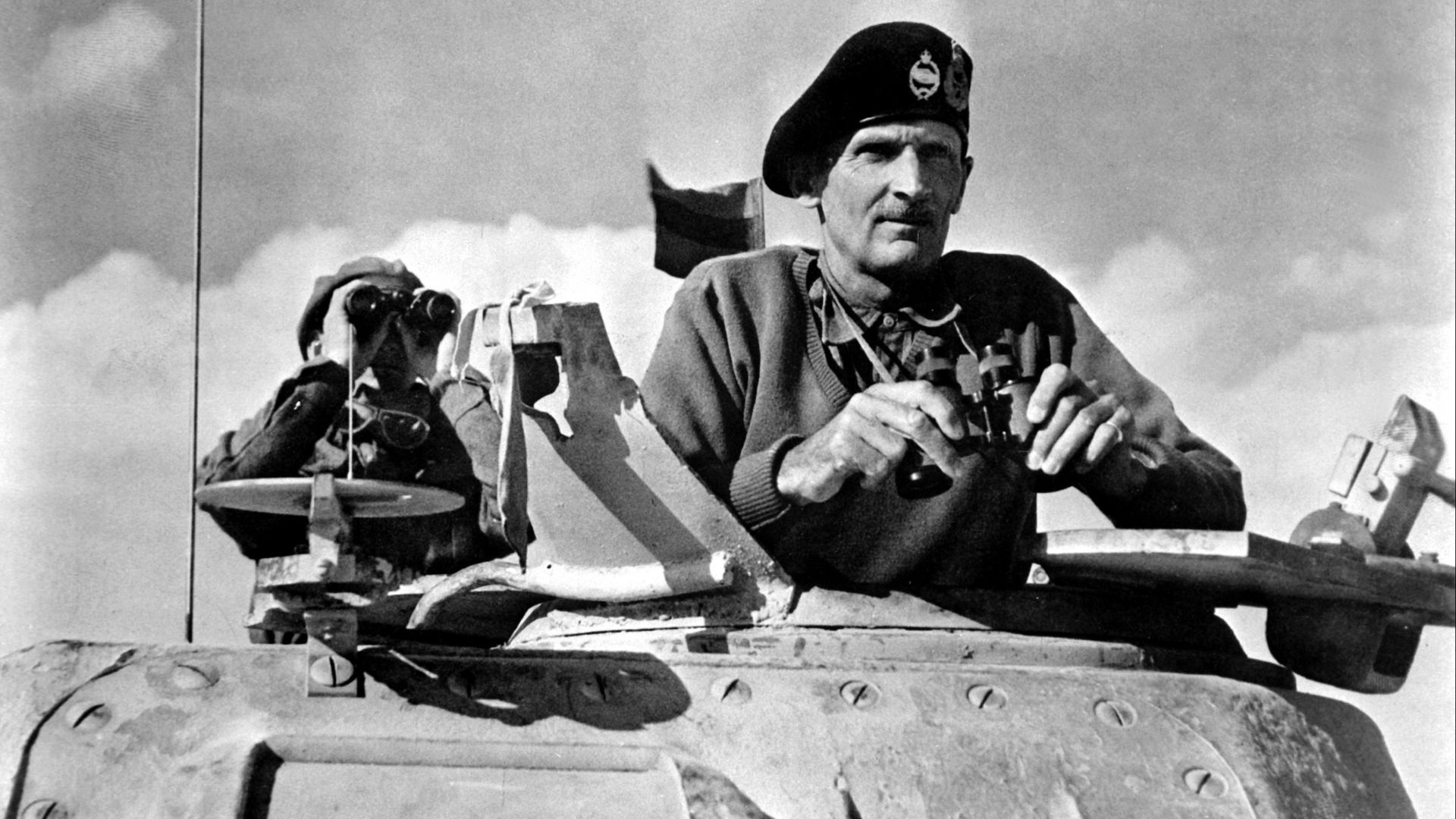
Montgomery’s victory at El Alamein shifted momentum in North Africa. He emphasized careful planning and overwhelming force. Later campaigns showed rigidity and overconfidence. His role in Operation Market Garden drew lasting criticism, and success made him less flexible than the moment required.
 Unknown authorUnknown author on Wikimedia
8. Robert E. Lee
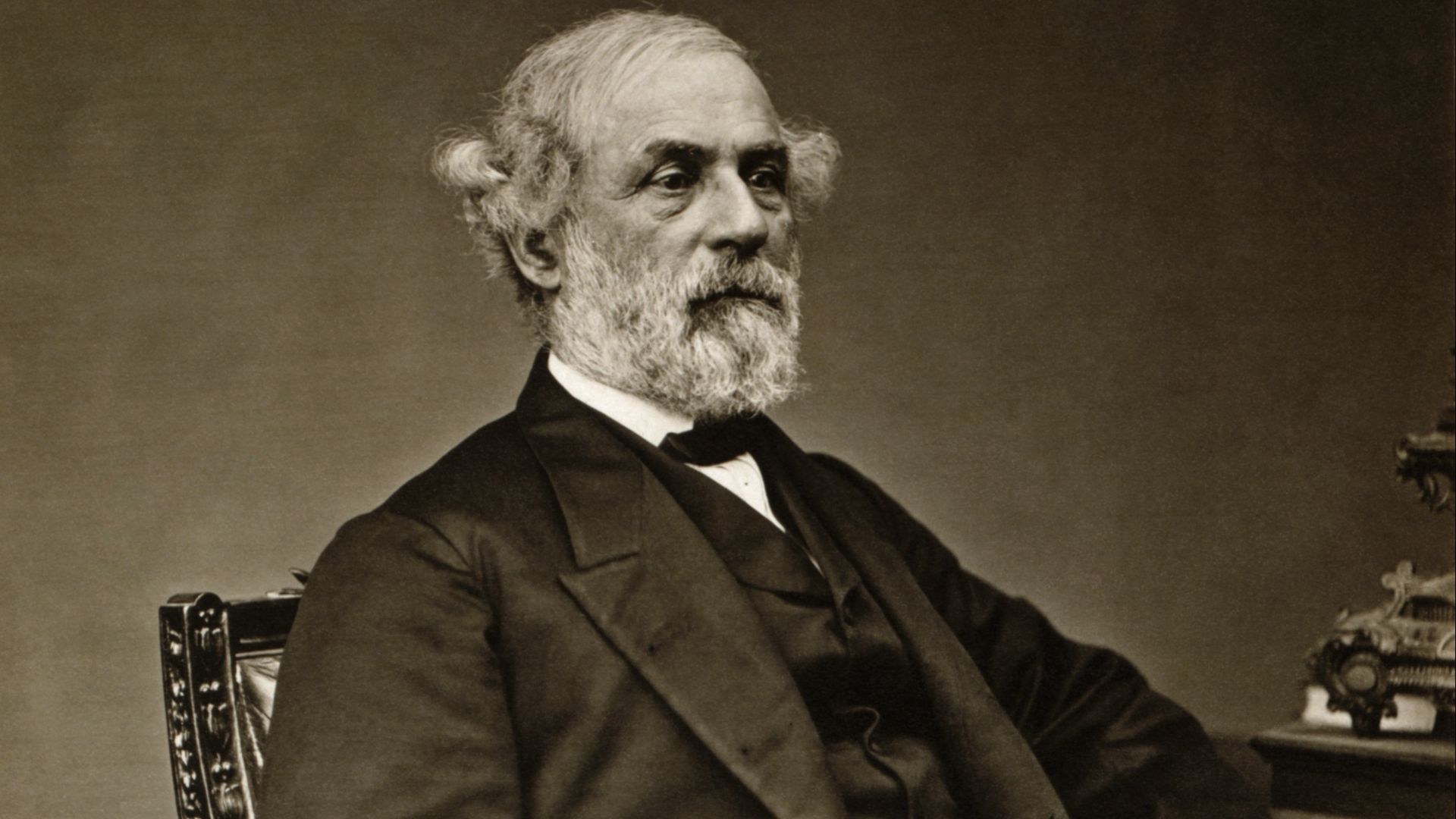
Lee’s early Civil War victories relied on bold maneuvers and aggressive tactics. He inspired loyalty from his officers and soldiers. As the war dragged on, resources dwindled and risks multiplied. Gettysburg marked a turning point he never recovered from. Strategic daring eventually collided with harsh realities.
 Levin Corbin Handy / Adam Cuerden on Wikimedia
9. Yamamoto Isoroku
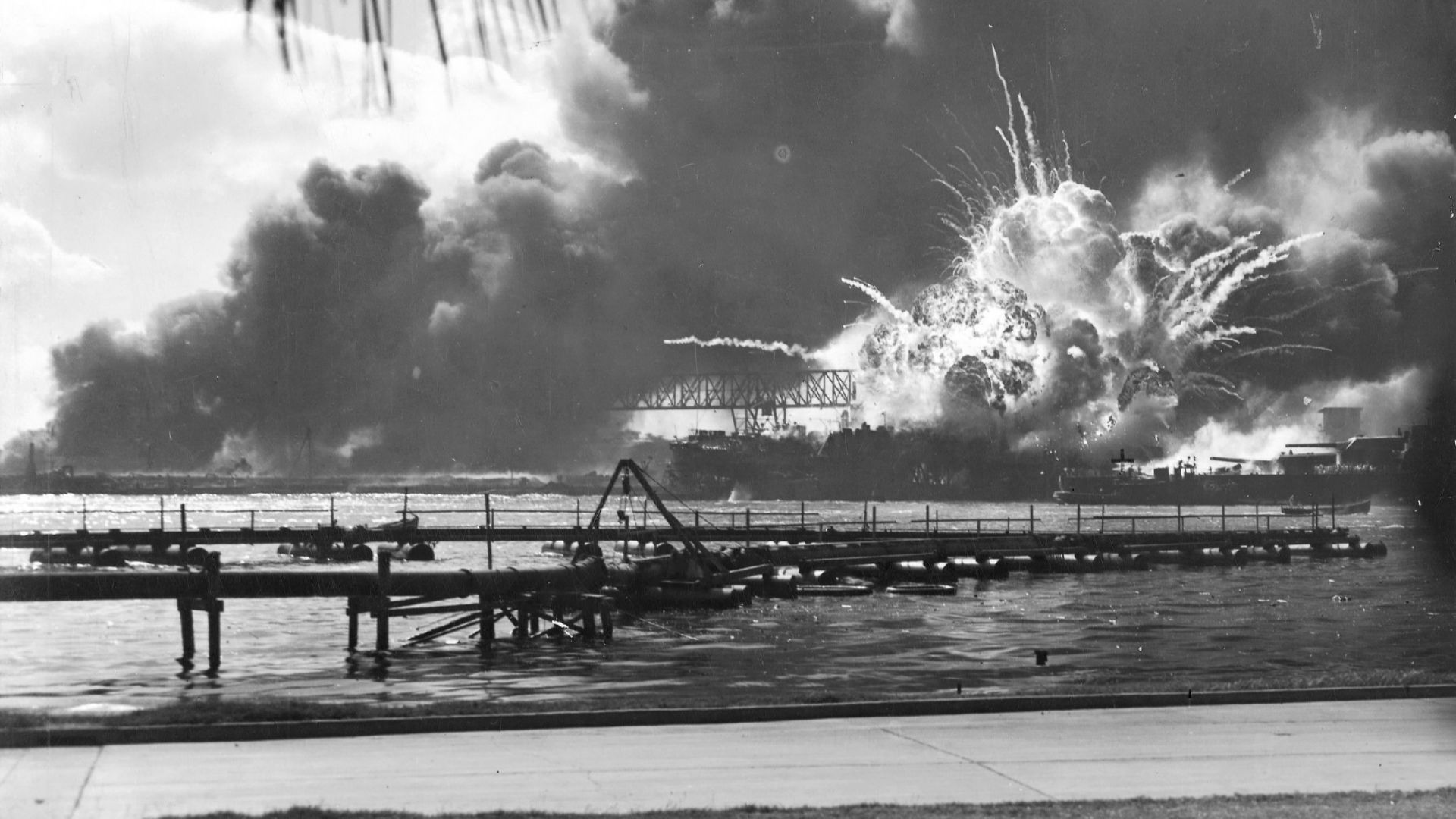
Yamamoto planned the attack on Pearl Harbor with precision. He understood American industrial power better than most Japanese leaders. However, the attack failed to cripple U.S. capabilities long-term. His strategic gamble ultimately backfired as his tactical success masked a deeper strategic miscalculation.
 Unknown navy photographer on Wikimedia
10. Khalid ibn al-Walid
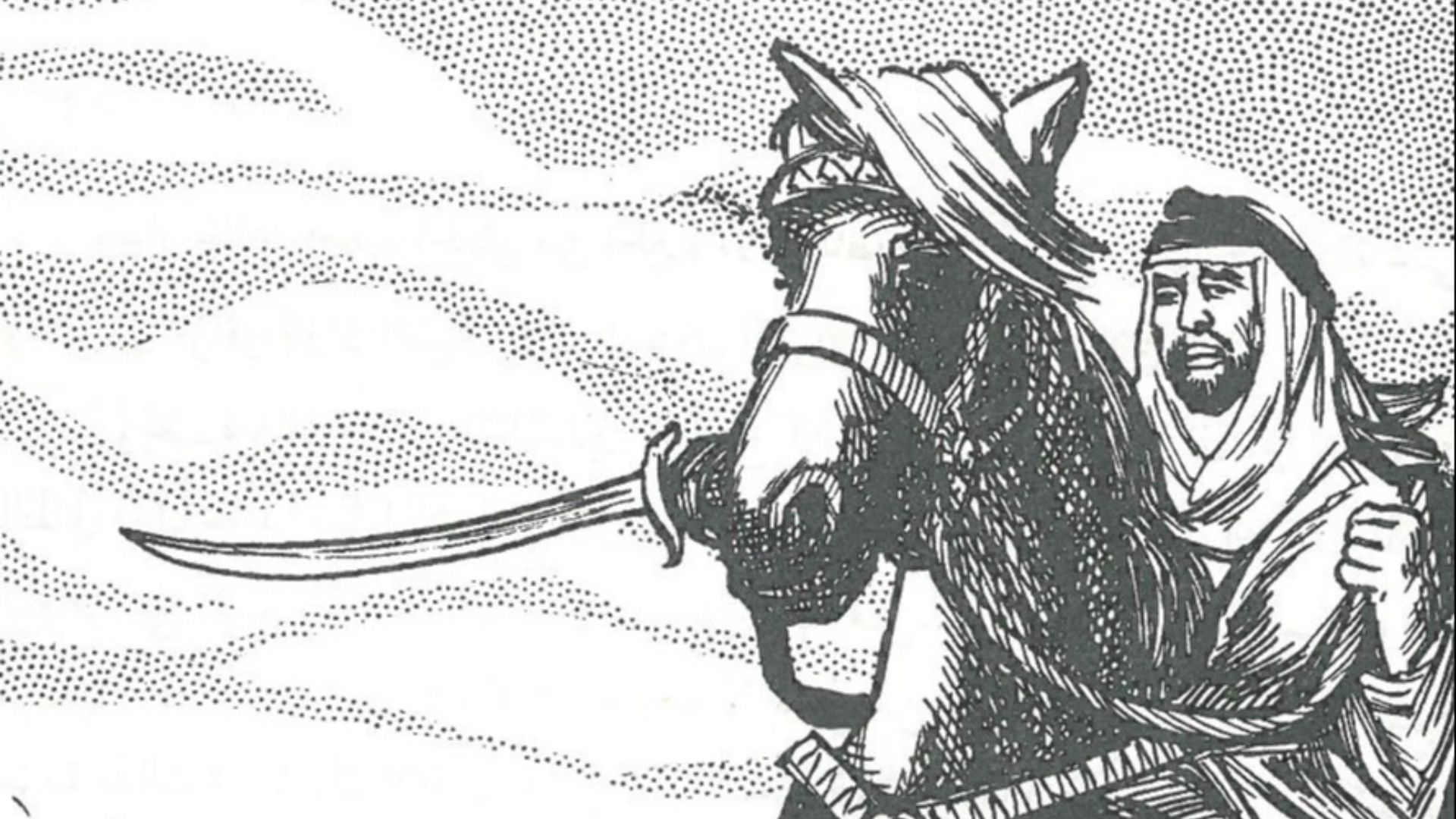
Khalid earned the title “Sword of God” through undefeated campaigns. His mobility and battlefield awareness were exceptional. Political shifts removed him from command despite success. Without authority, his military influence faded, and his career showed how power can vanish independent of performance.
 Unknown authorUnknown author on Wikimedia
11. Frederick the Great
Frederick modernized the Prussian army and mastered maneuver warfare. His early victories stunned larger European powers. Prolonged wars strained his forces and alliances as survival replaced innovation in his later campaigns. Brilliance turned into endurance rather than dominance.
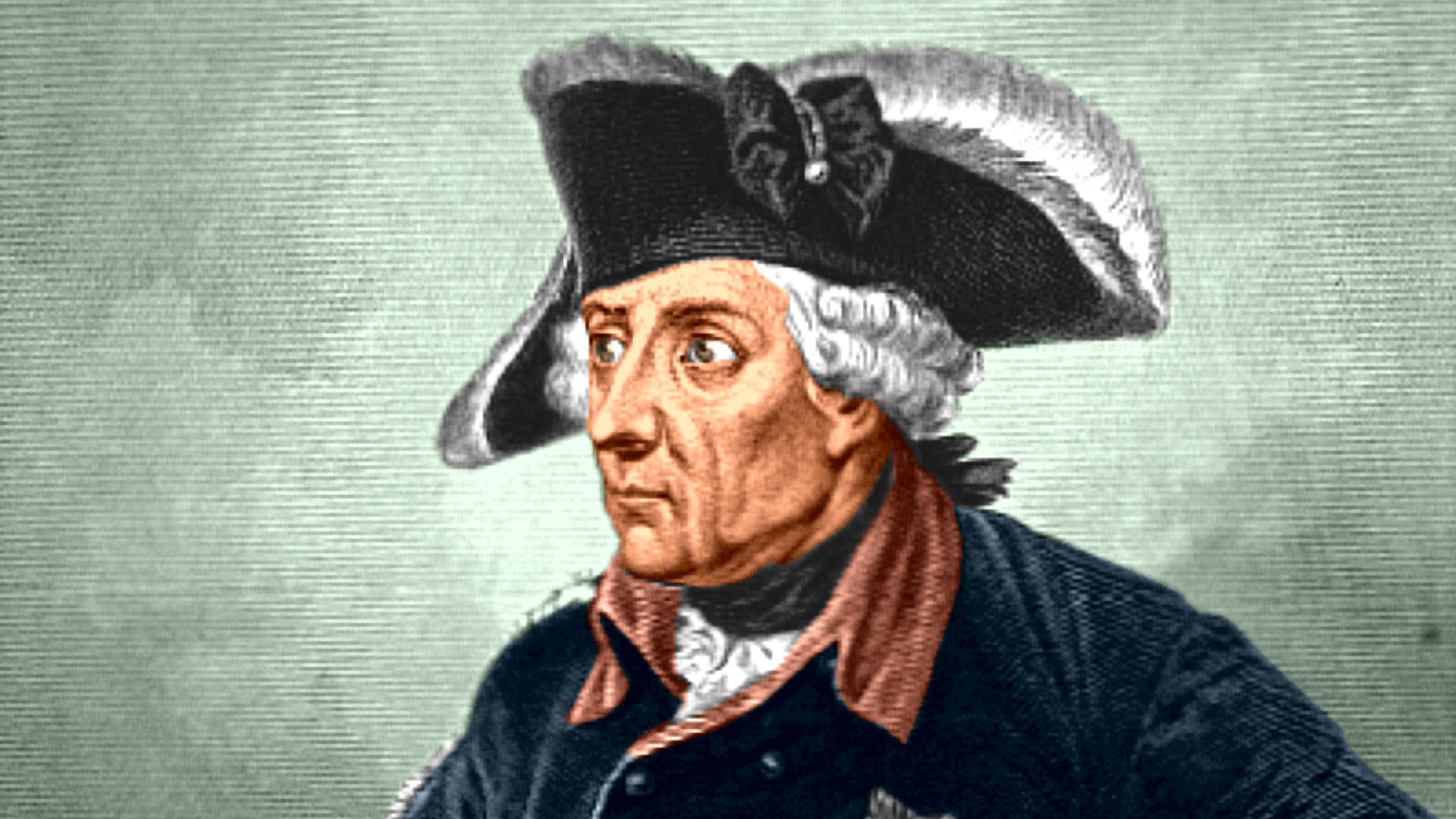 Unknown authorUnknown author on Wikimedia
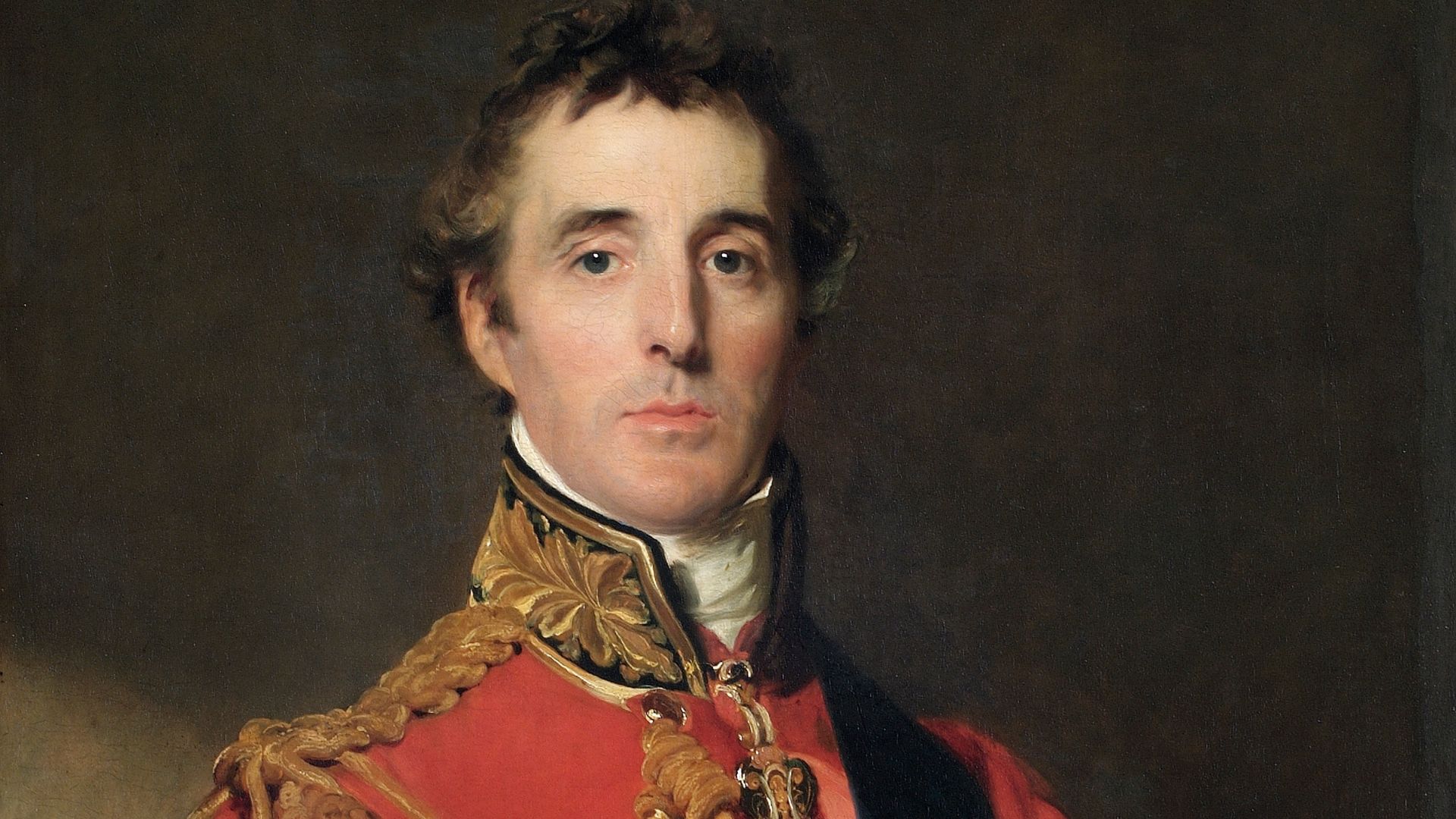
12. Arthur Wellesley, Duke of Wellington
Wellington’s defensive mastery culminated at Waterloo. He excelled at choosing terrain and managing coalitions. Later political leadership overshadowed his military reputation. His rigid views limited adaptability outside war,e and his skills that won battles didn’t always translate to governance.
13. Napoleon III
Napoleon III invested heavily in military modernization. Early conflicts bolstered his standing, but poor leadership during the Franco-Prussian War proved disastrous. Capture at Sedan ended his reign.
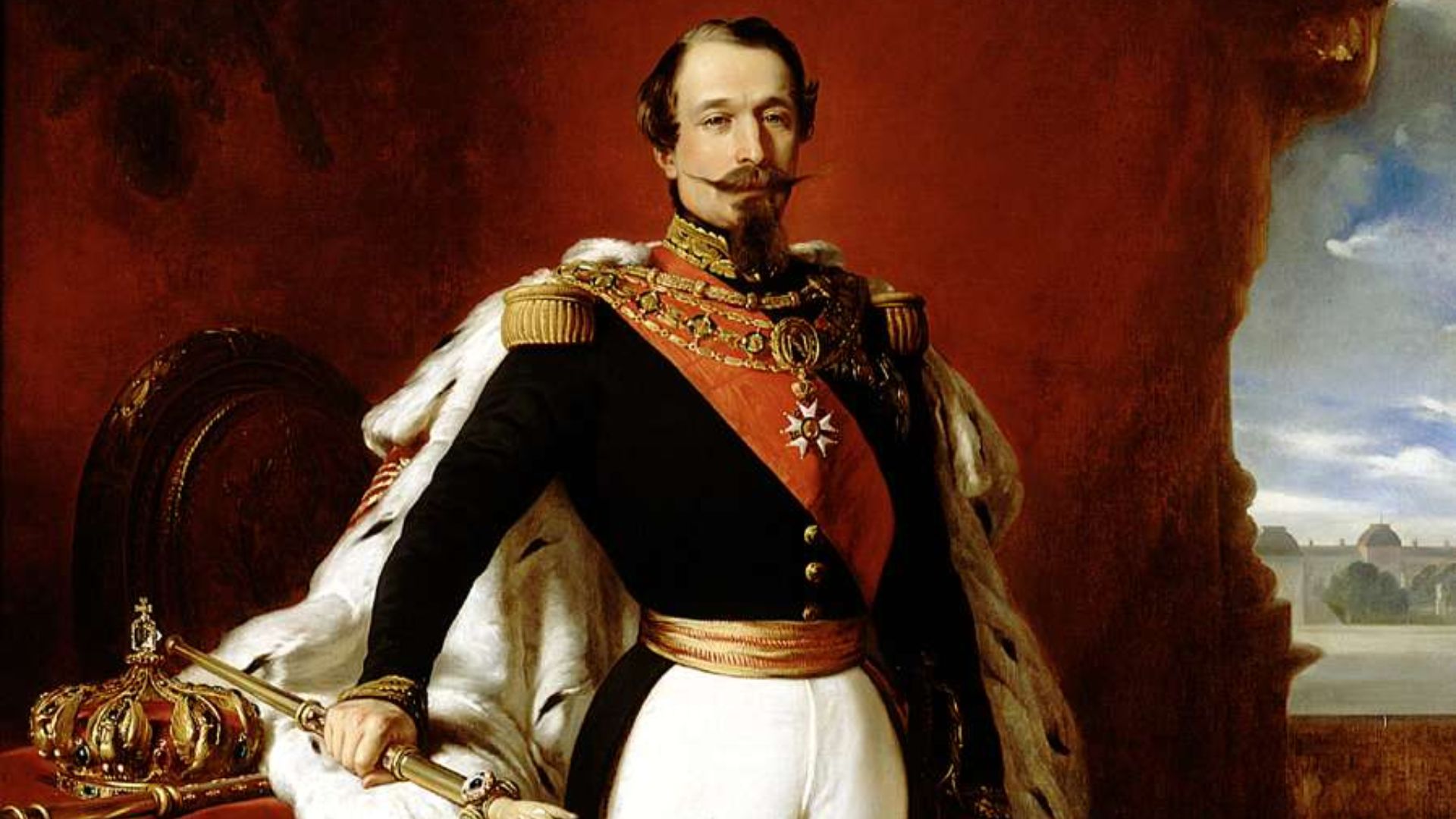 Franz Xaver Winterhalter on Wikimedia
14. Georgy Zhukov
Zhukov played a decisive role in defeating Nazi Germany. His coordination of massive offensives showed organizational brilliance. Postwar politics sidelined him as his strategic influence gave way to internal power struggles. Victory on the battlefield didn’t guarantee security afterward.
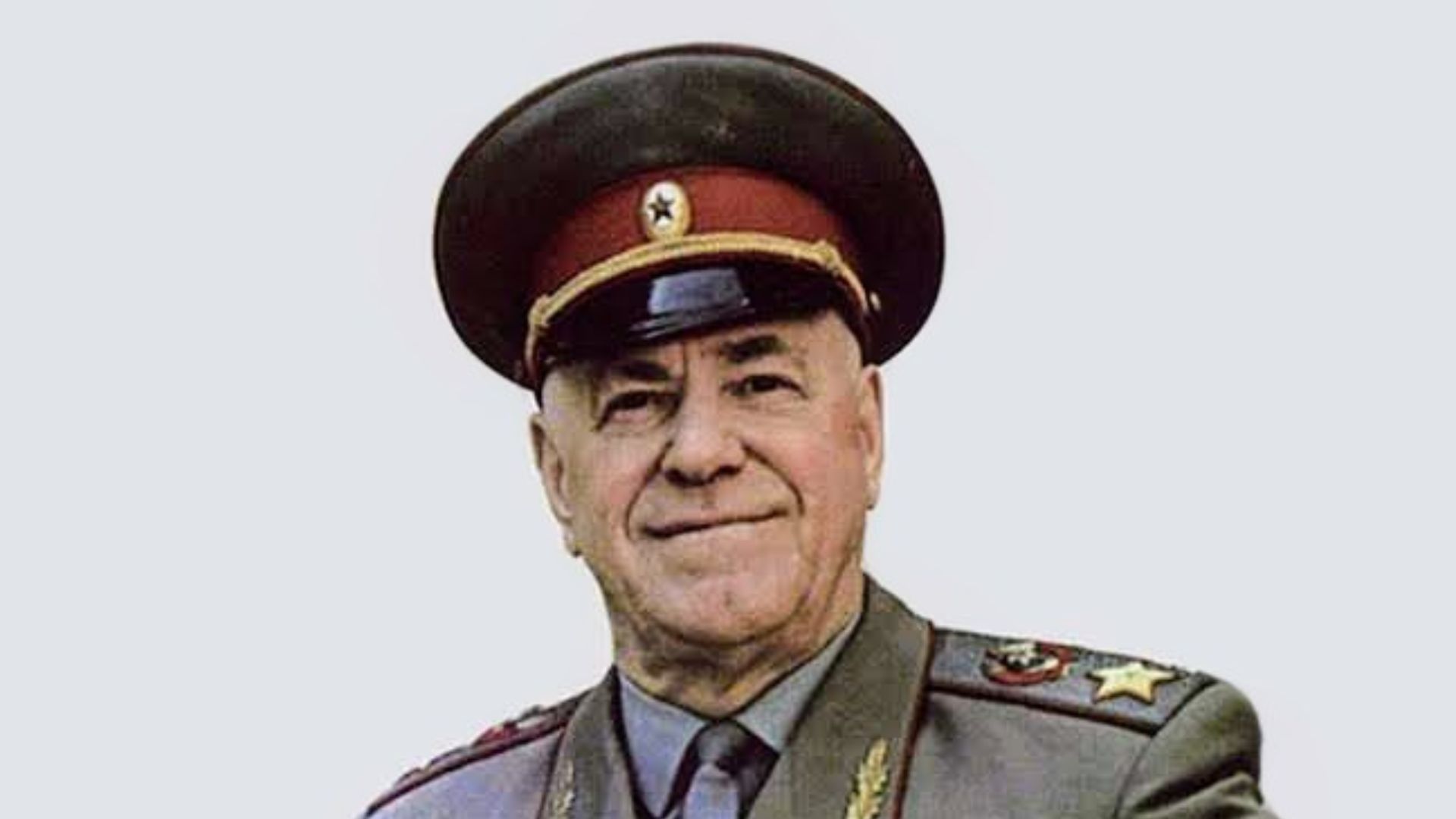 Министерство обороны Российской Федерации on Wikimedia
15. William Westmoreland
Westmoreland focused on attrition during the Vietnam War. His approach relied heavily on body counts and firepower. That strategy failed to account for political realities. Public confidence eroded as results stalled.
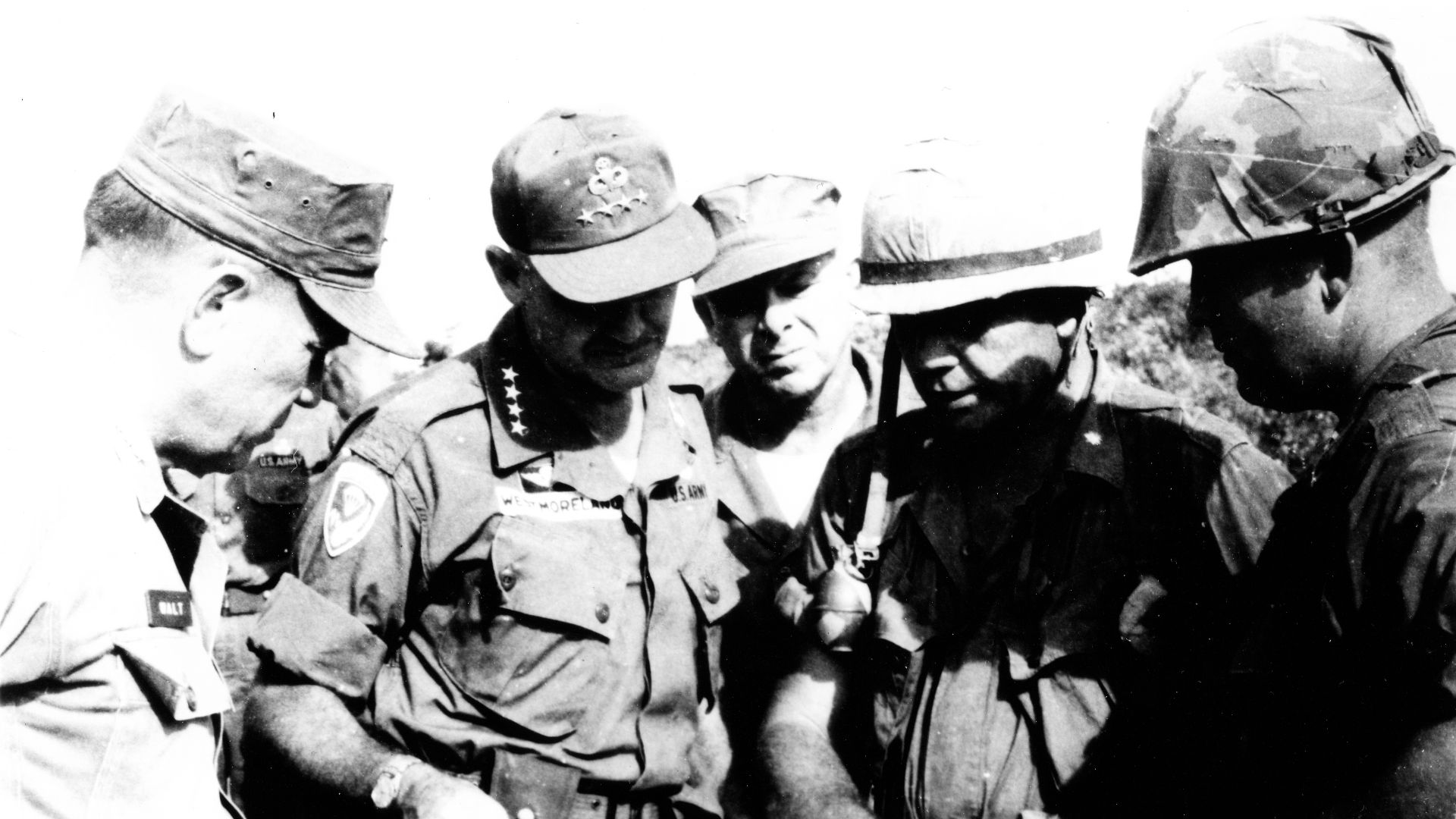 Unknown photographer of the Signal Corps on Wikimedia
16. Pyrrhus of Epirus
Pyrrhus won battles against Rome using innovative tactics. His use of war elephants shocked Roman forces, but the victories came at unsustainable cost. The term “Pyrrhic victory” immortalized his failure. Winning became indistinguishable from losing.
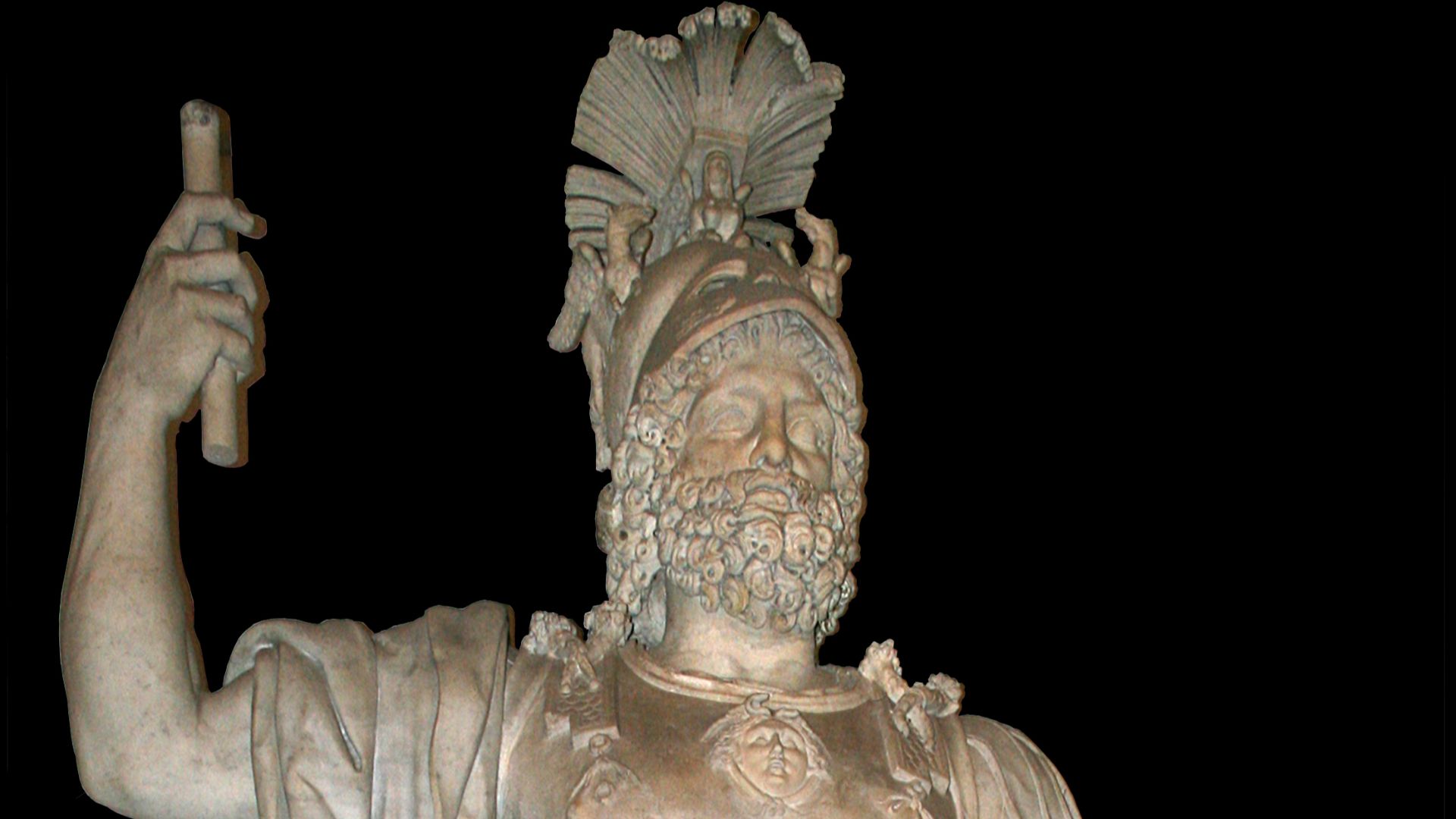 Unknown artistUnknown artist on Wikimedia
17. Sun Bin
Sun Bin revitalized ancient Chinese military thought. His strategies emphasized deception and psychological warfare. Political rivalries limited his long-term influence,ce and success did not translate into lasting authority. Brilliance alone couldn’t overcome court politics.
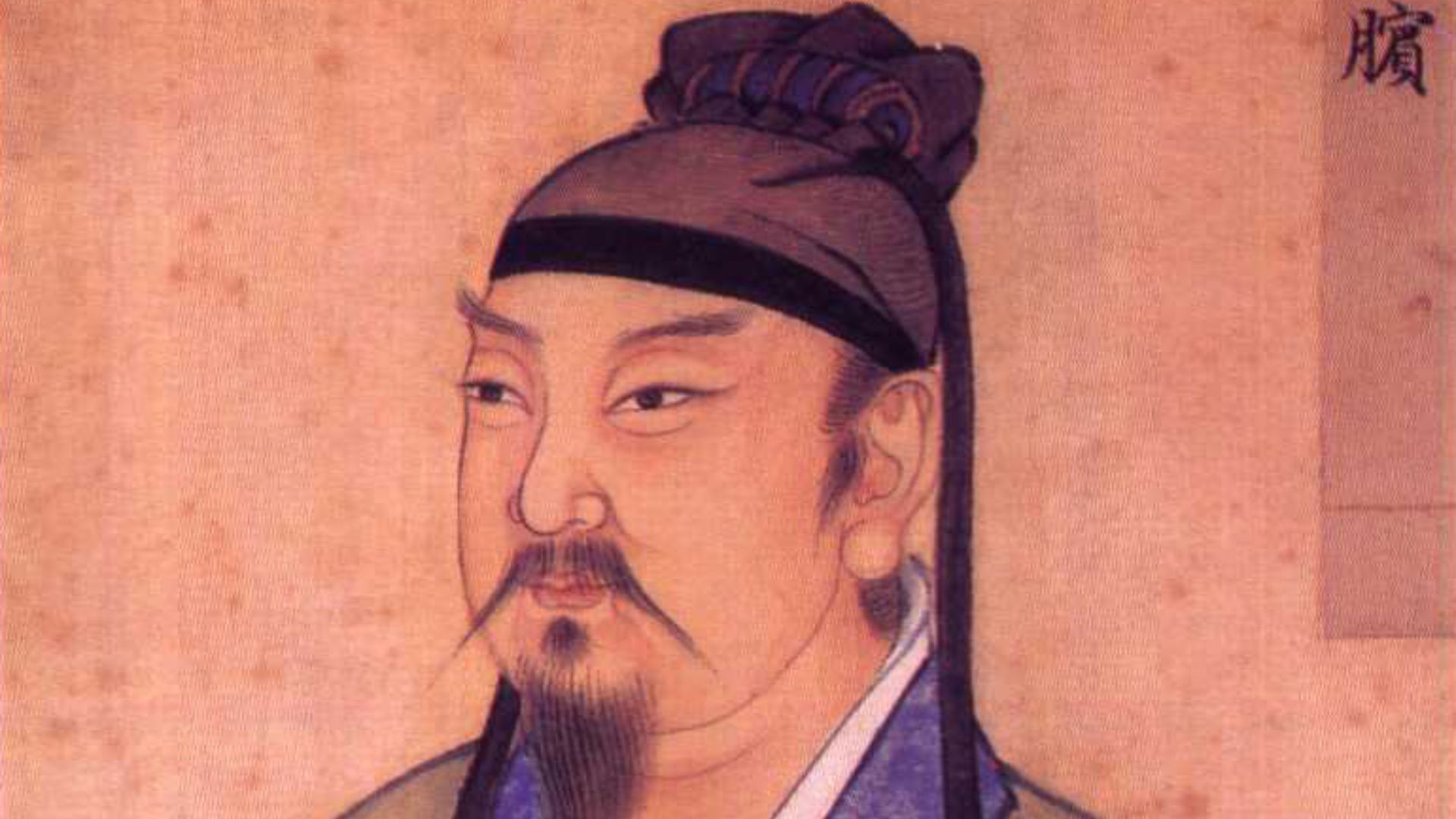 Unknown authorUnknown author on Wikimedia
18. Charles XII of Sweden
Charles XII led daring campaigns against multiple enemies. His aggressive style overwhelmed opponents early. The invasion of Russia, however, proved catastrophic.
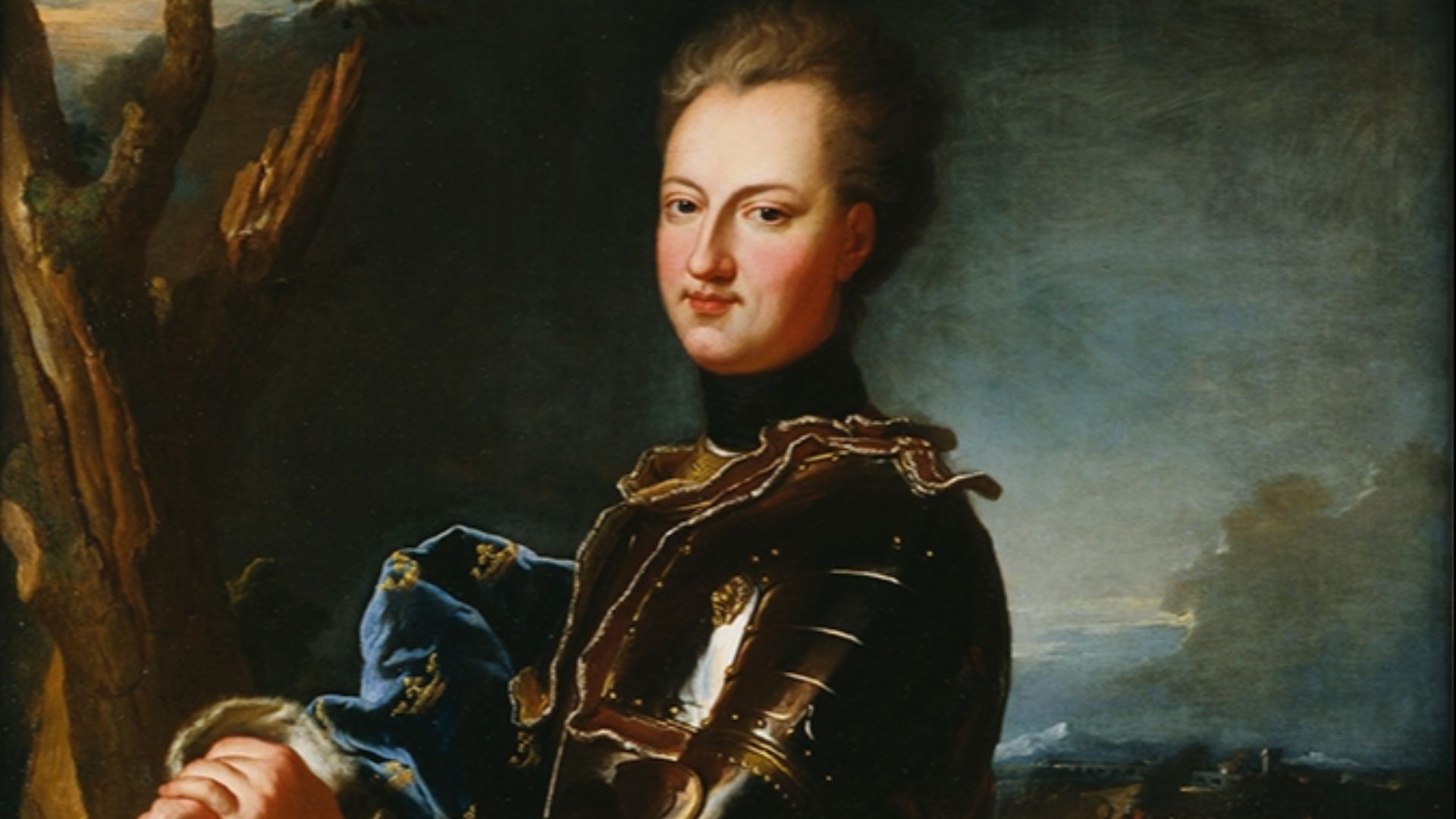 Workshop of Hyacinthe Rigaud on Wikimedia
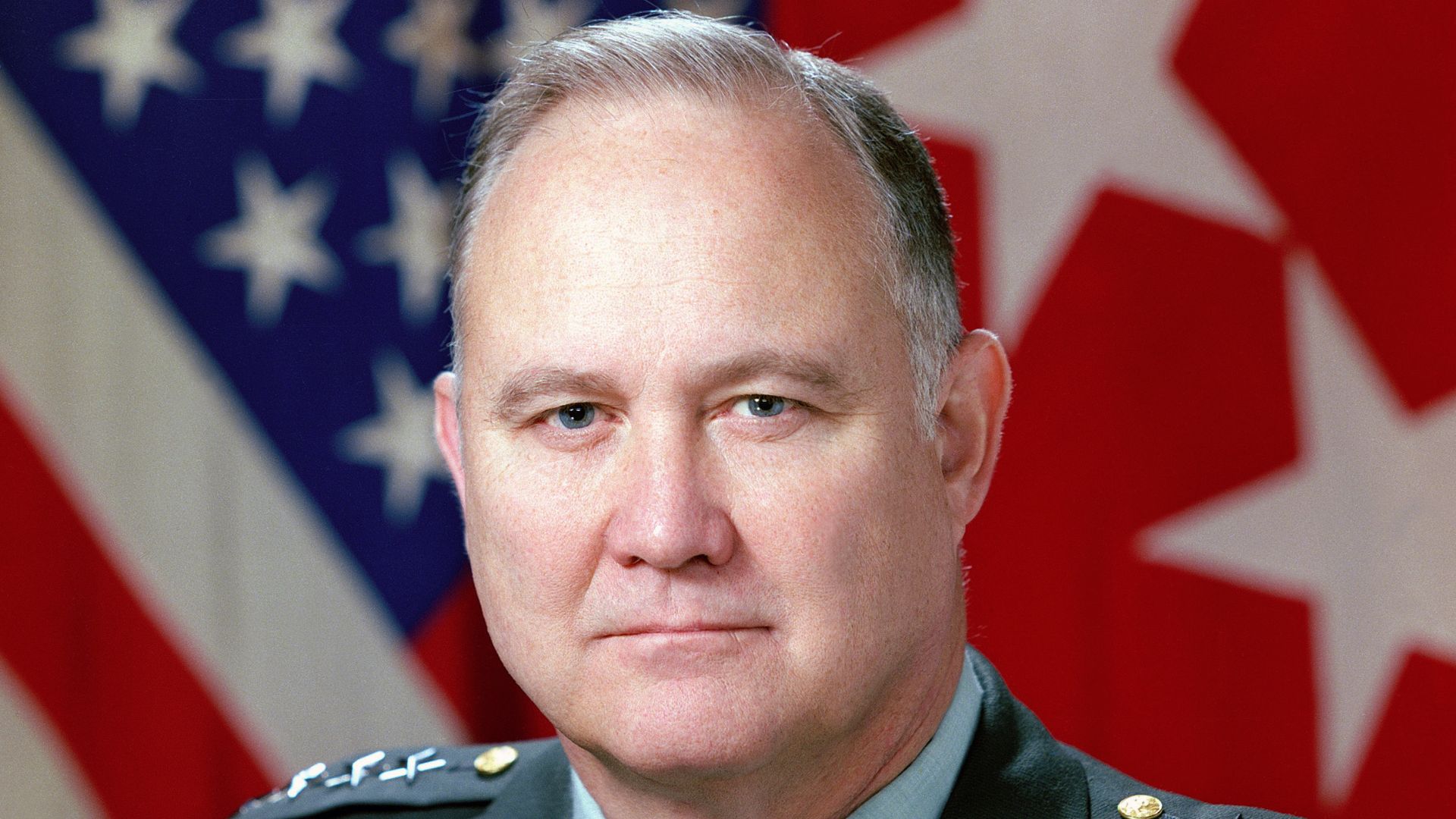
19. Norman Schwarzkopf
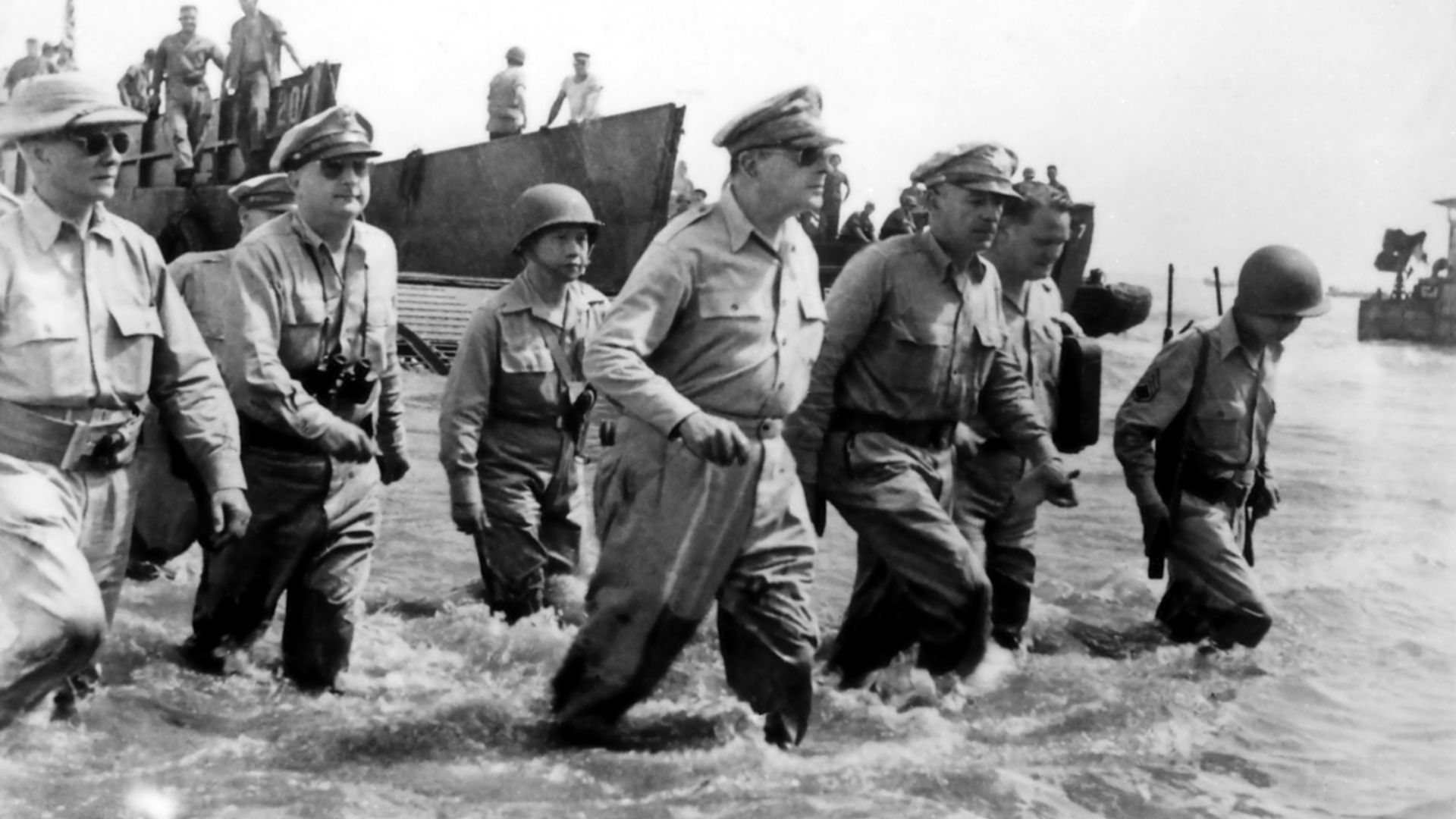
Schwarzkopf orchestrated a swift victory in the Gulf War. His coalition management and operational planning were widely praised. Later conflicts revealed the limits of decisive battlefield wins. Strategic outcomes proved more complex, and clear victories didn’t ensure lasting stability.
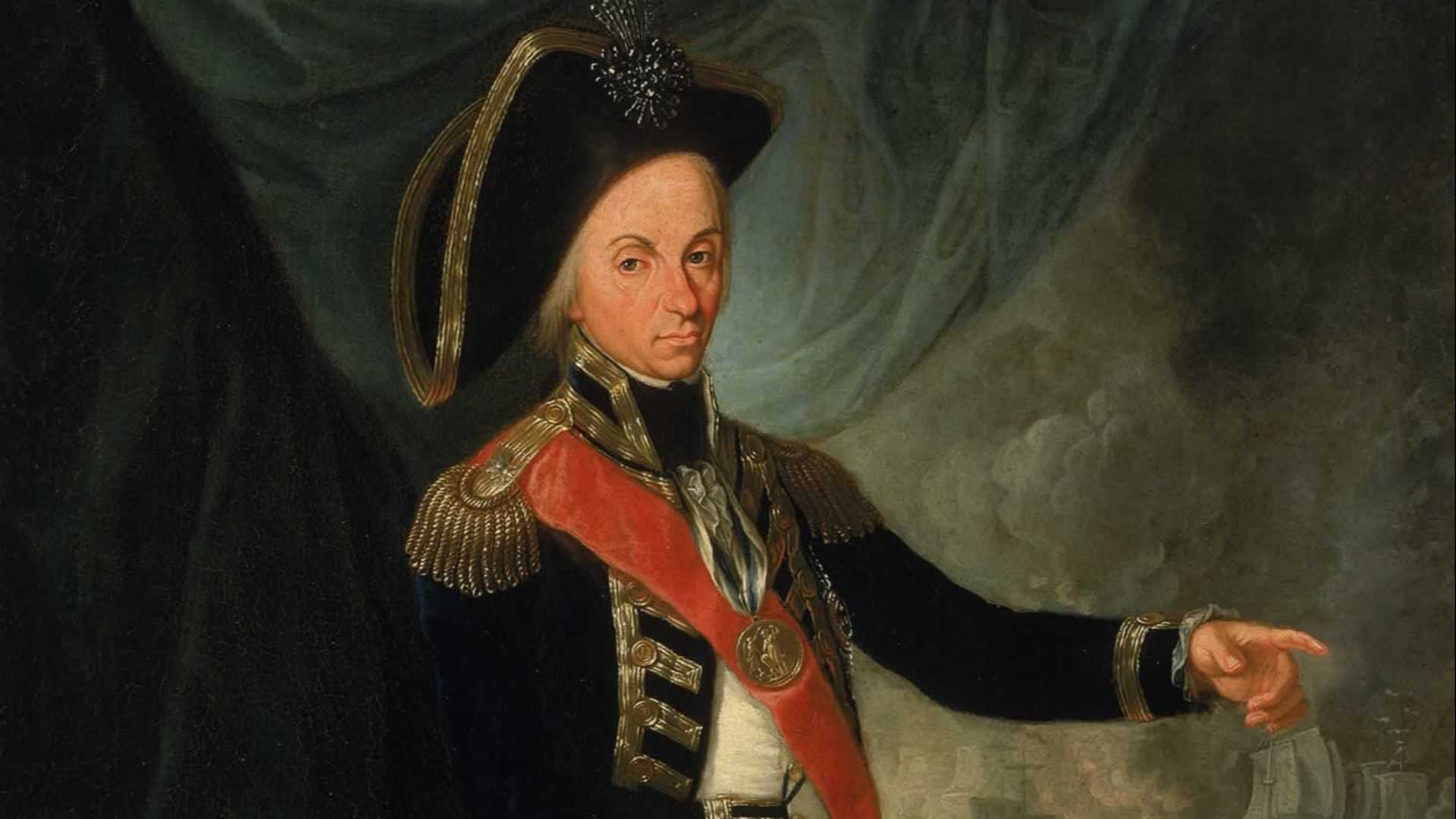
20. Admiral Horatio Nelson
Nelson’s naval leadership redefined maritime warfare. His victories relied on initiative and bold command,d but the same risks that brought success also led to his death.
KEEP ON READING
The story of Ching Shih, the Woman Who Became the…
Unknown author on WikimediaFew figures in history are as feared…
By Emilie Richardson-Dupuis Dec 29, 2025
Einstein's Violin Just Sold At An Auction—And It Earned More…
A Visionary's Violin. Wanda von Debschitz-Kunowski on WikimediaWhen you hear…
By Ashley Bast Nov 3, 2025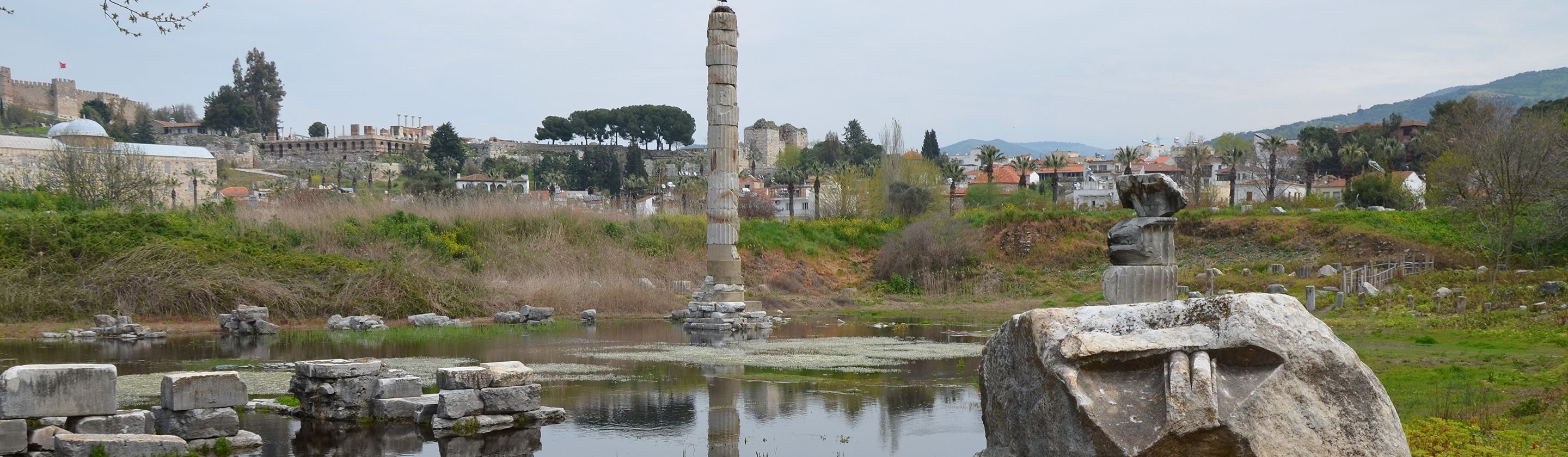
This Infamous Ancient Greek Burned Down An Ancient Wonder Just…
History remembers kings and conquerors, but sometimes, it also remembers…
By David Davidovic Nov 12, 2025
The Mysterious "Sea People" Who Collapsed Civilization
3,200 years ago, Bronze Age civilization in the Mediterranean suddenly…
By Robbie Woods Mar 18, 2025
The Love Story Behind the Taj Mahal Was Also a…
Koushik Chowdavarapu on UnsplashThe Taj Mahal is often introduced as…
By Emilie Richardson-Dupuis Apr 2, 2026
20 Soldiers Who Defied Expectations
Changing the Rules of the Battlefield. You’ve probably heard plenty…
By Annie Byrd Feb 10, 2026