

Contested Successions, Coups, And Dubious Claims
Royal succession is often presented as orderly, yet the record is full of disputed claims, rushed coronations, and outright seizures of power. Sometimes the wrong person took the throne because a council moved fast and bet on the strongest local figure. Sometimes it happened because a rival had better military backing, tighter control of the capital, or the right allies at the right moment. In a lot of cases, the argument was never really settled by law, only by who could hold power long enough for everyone else to accept it. The results were usually serious: civil wars, purges, foreign invasions, and years of instability. Here are 20 examples where the throne went to the wrong person, and the damage followed.
 Lucas Conrad Pfandzelt on Wikimedia
1. Harold Godwinson, England
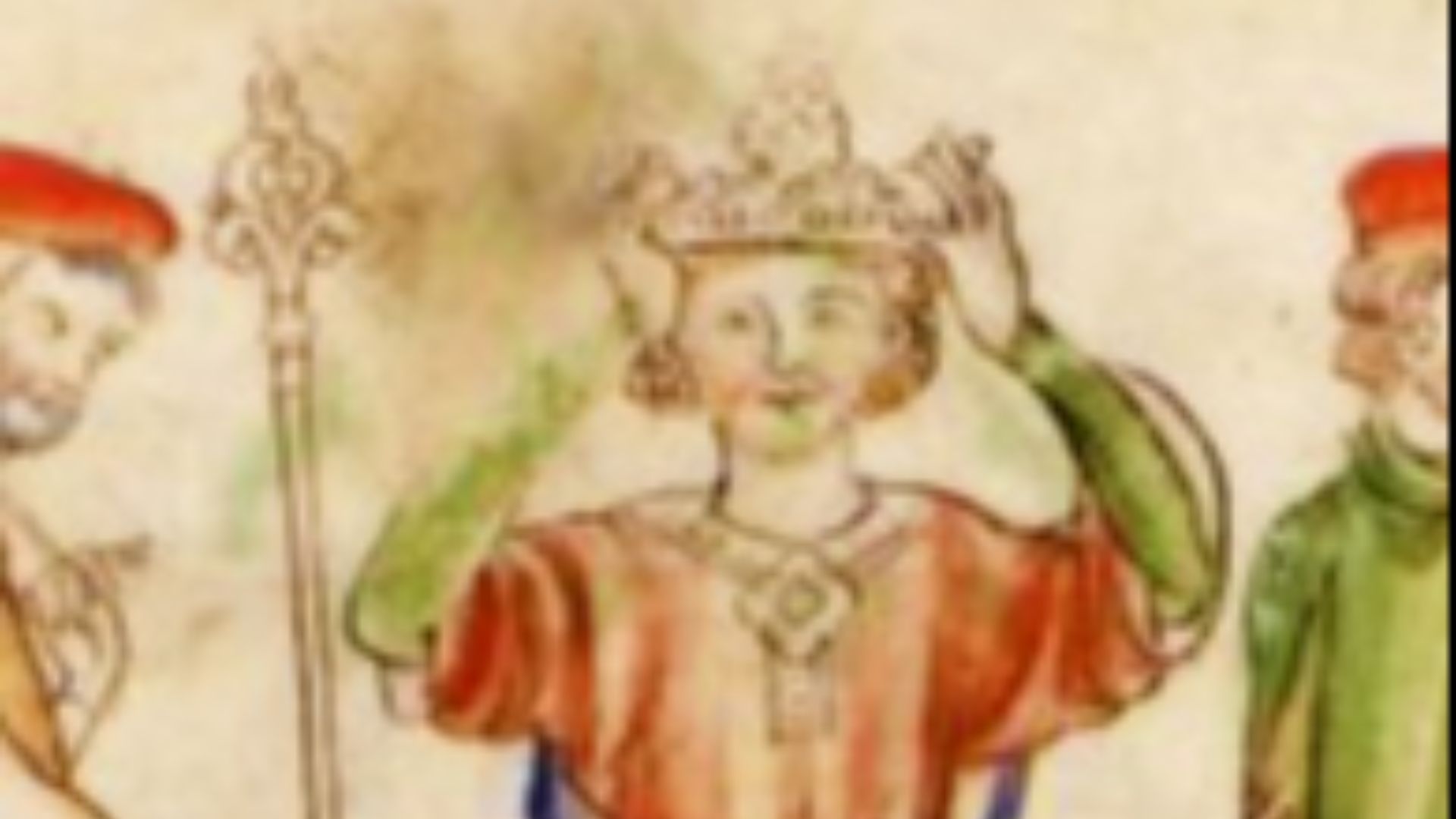
Harold was crowned in January 1066 immediately after Edward the Confessor died, despite competing claims from William of Normandy and Harald Hardrada. The disputed succession helped trigger invasions that same year, and Harold’s defeat at Hastings ended Anglo-Saxon rule in England.
2. Stephen Of Blois, England
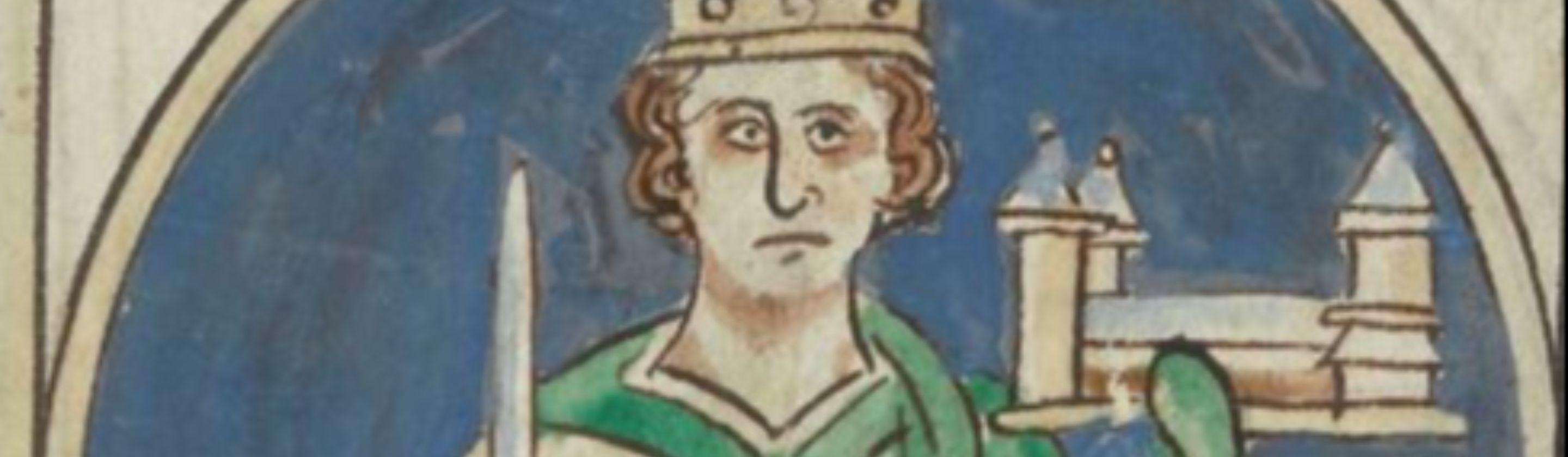
Henry I had named his daughter, Empress Matilda, as his heir, yet Stephen took the throne in 1135 while she was away. His seizure led to a prolonged civil war known as the Anarchy, destabilizing the kingdom for years.
3. John, England
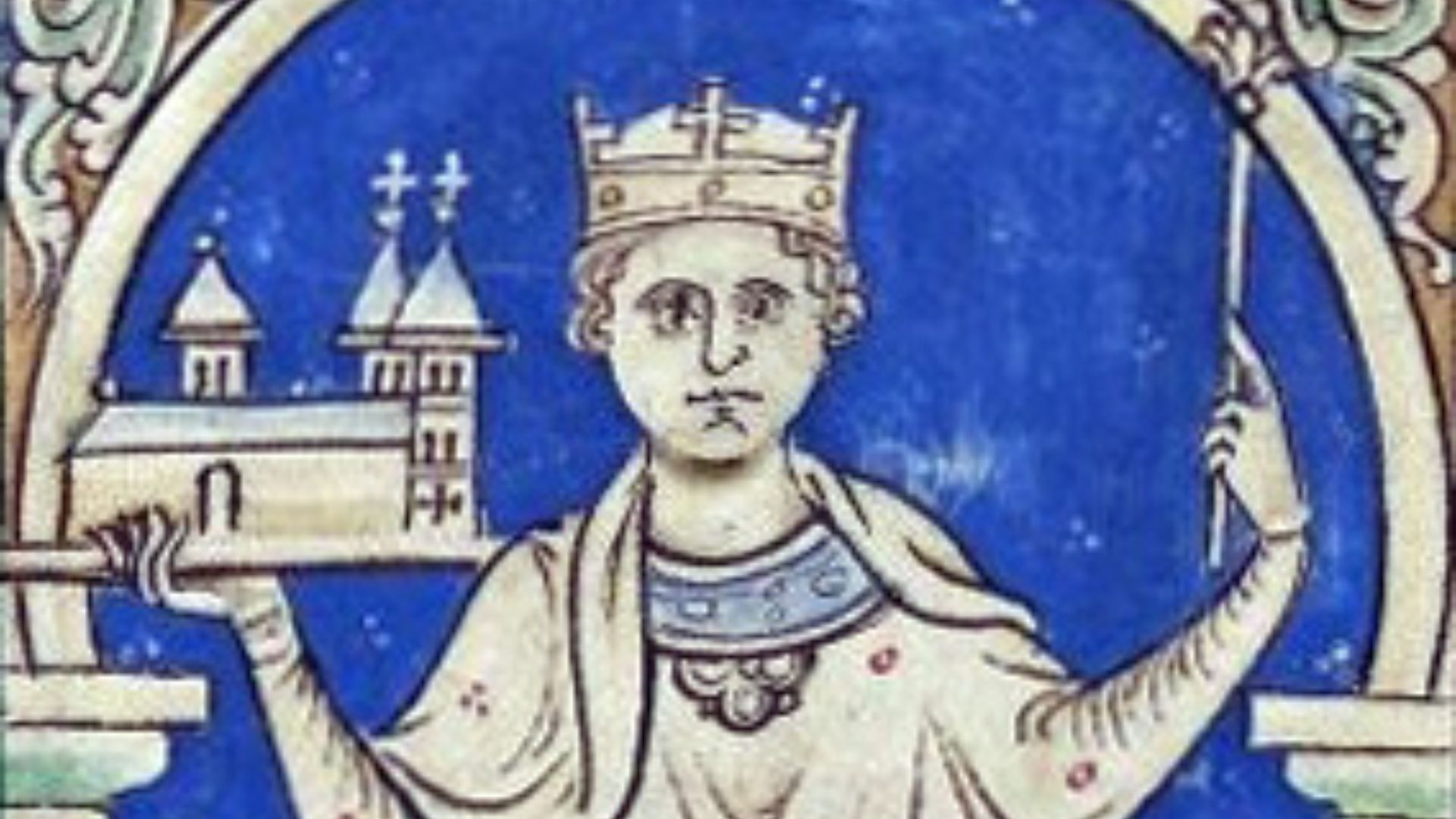
After Richard I died in 1199, John took the throne even though Arthur of Brittany had a strong hereditary claim under strict primogeniture arguments. The legitimacy dispute fed conflict with France and contributed to the political crisis that produced Magna Carta.
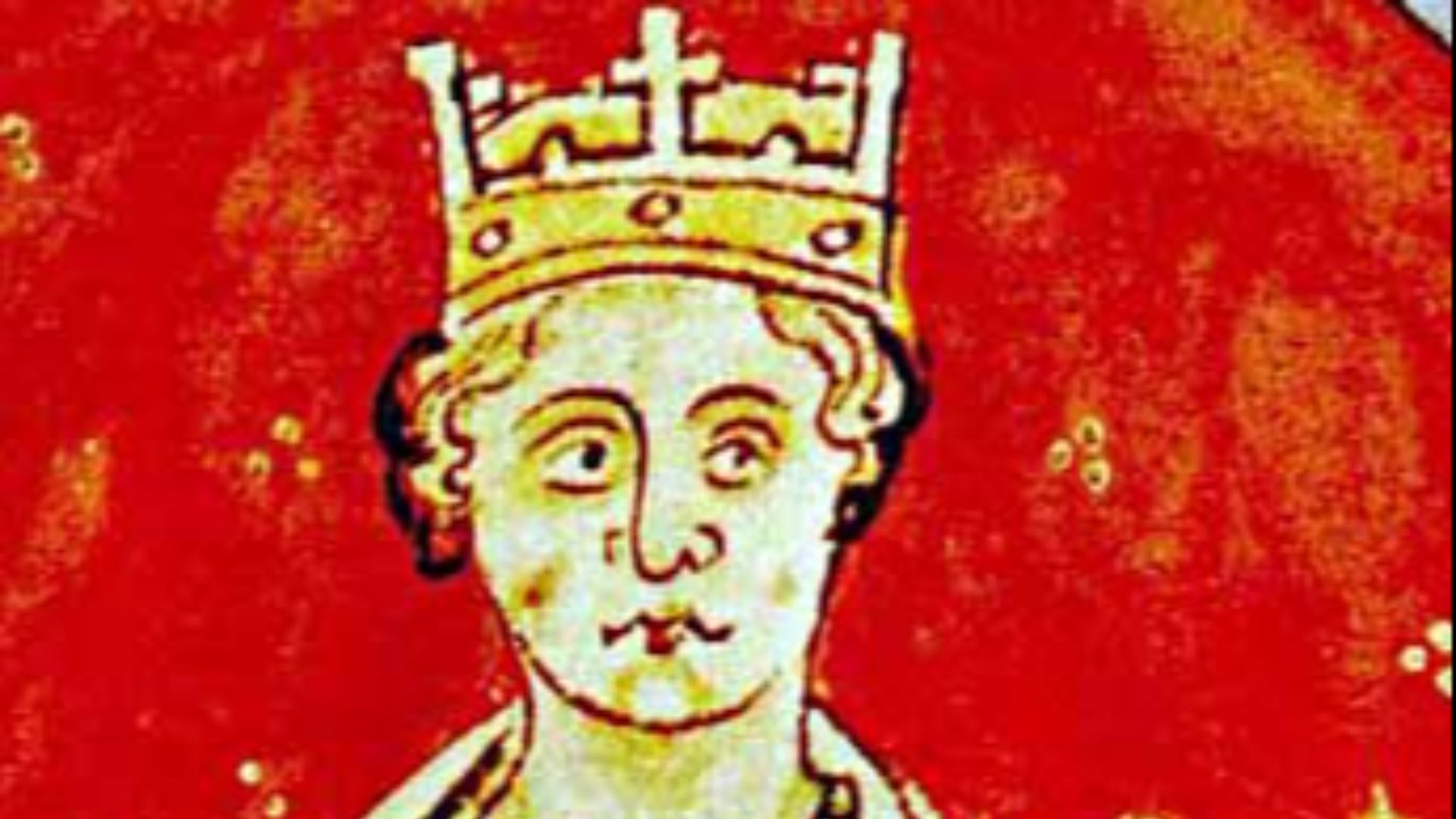
4. Isabella And Roger Mortimer Holding Power In England
Edward III became king in 1327 after Edward II was deposed, yet actual authority stayed with Isabella and Roger Mortimer for several years. Their rule relied on force and patronage, and it ended when Edward III removed Mortimer and reasserted control.
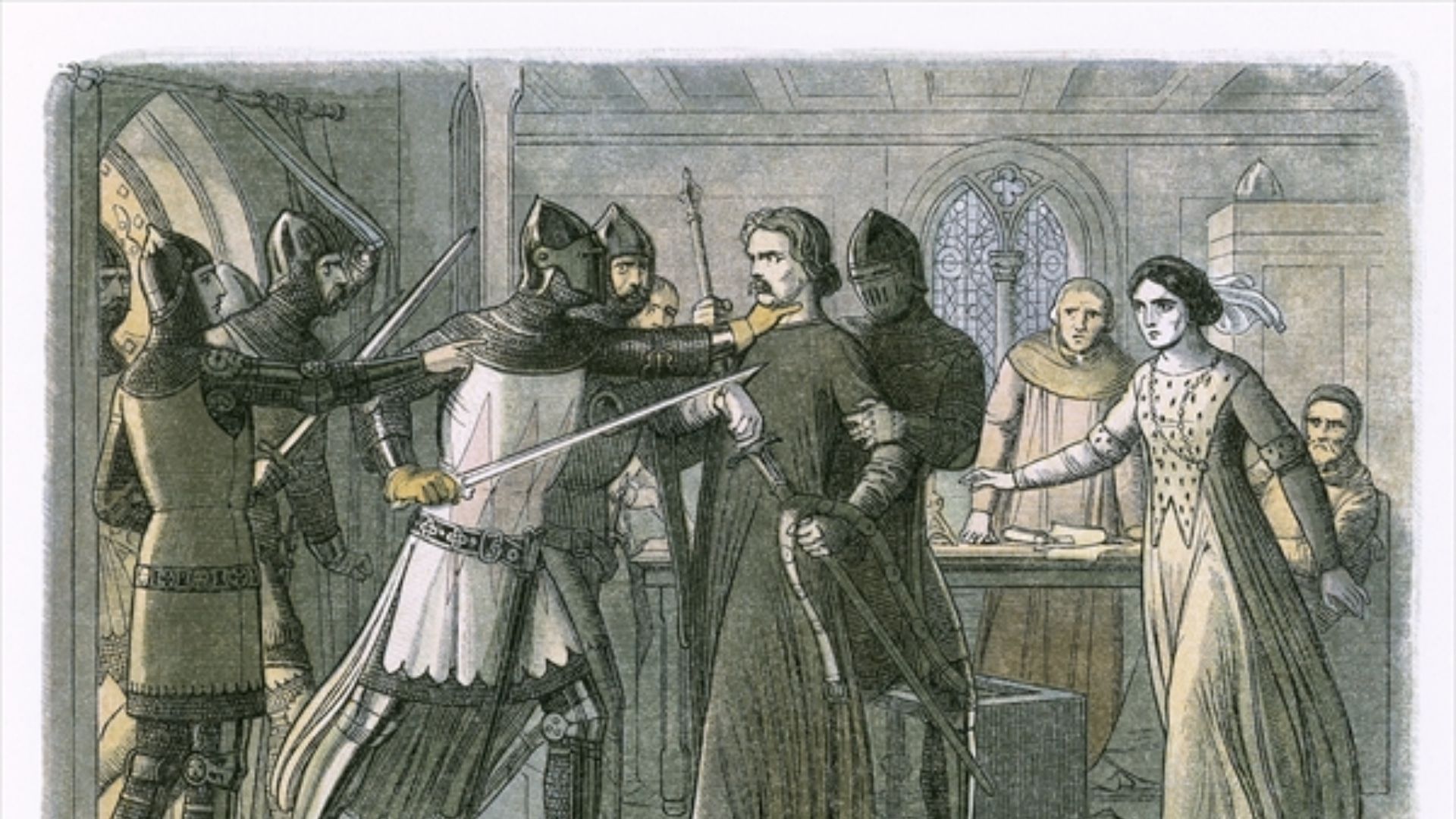 James William Edmund Doyle / Edmund Evans on Wikimedia
5. Richard III, England
Edward V inherited the throne in 1483, yet his uncle Richard took power and became king, while Edward V and his brother disappeared from public life. Richard’s claim remained contested, and his defeat at Bosworth in 1485 ended the Plantagenet dynasty.
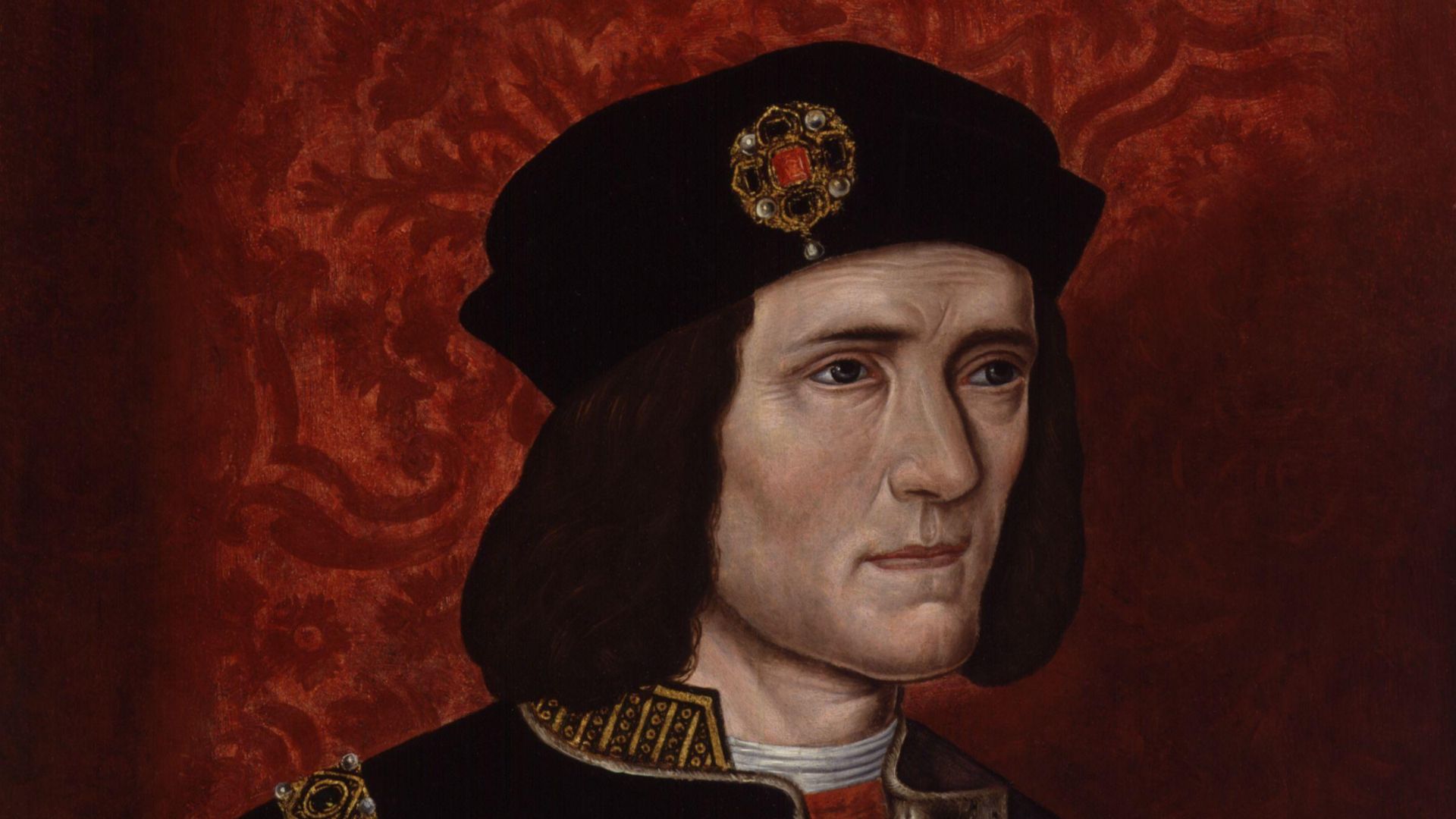
6. Lady Jane Grey, England
Jane was proclaimed queen in 1553 by a faction attempting to block Mary Tudor’s succession after Edward VI died. She ruled for only days before Mary took power, and Jane was executed, showing how quickly a manufactured succession can collapse.
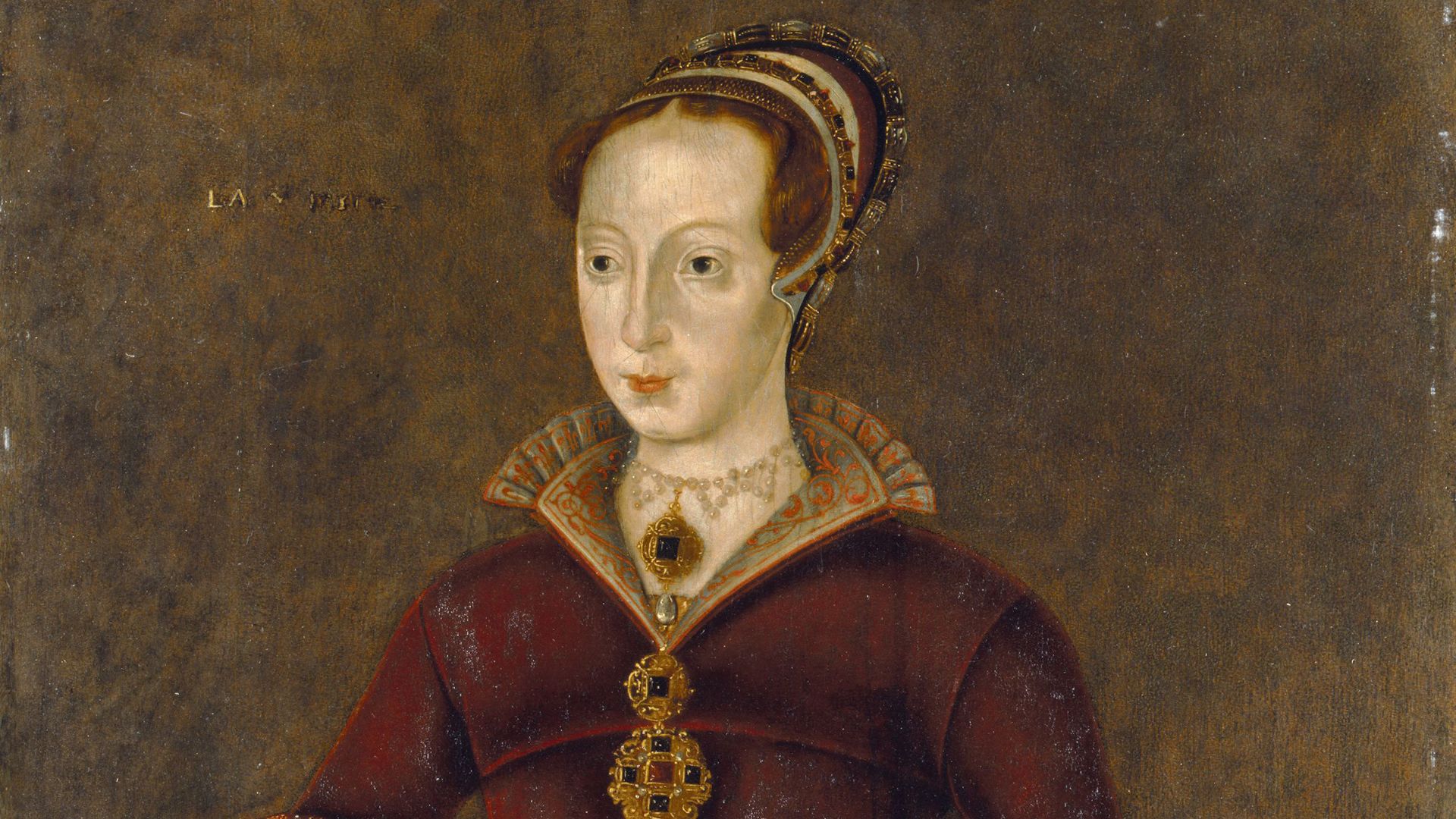 Unidentified painter on Wikimedia
7. Louis-Napoléon Bonaparte, France
Louis-Napoléon was elected president of the Second Republic, then carried out a coup in 1851 and made himself Emperor Napoleon III. The shift replaced a constitutional republic with authoritarian rule, and France later faced military defeat and another regime collapse in 1870.
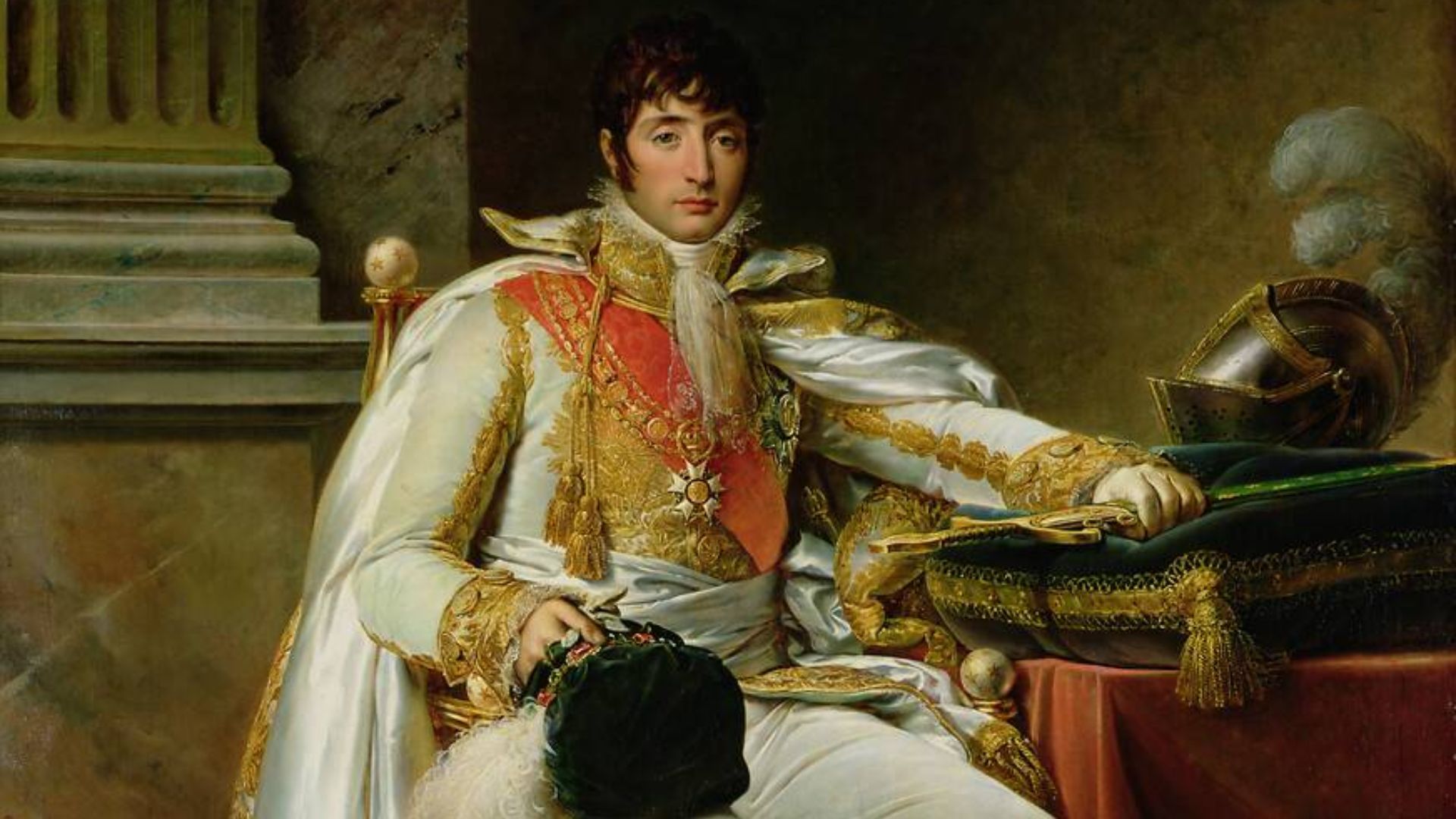
8. Maximilian I, Mexico
Maximilian accepted a crown backed by French military intervention in the 1860s, opposing the Mexican Republic led by Benito Juárez. When French support ended, his regime fell, and he was executed in 1867, leaving Mexico to rebuild after years of conflict.
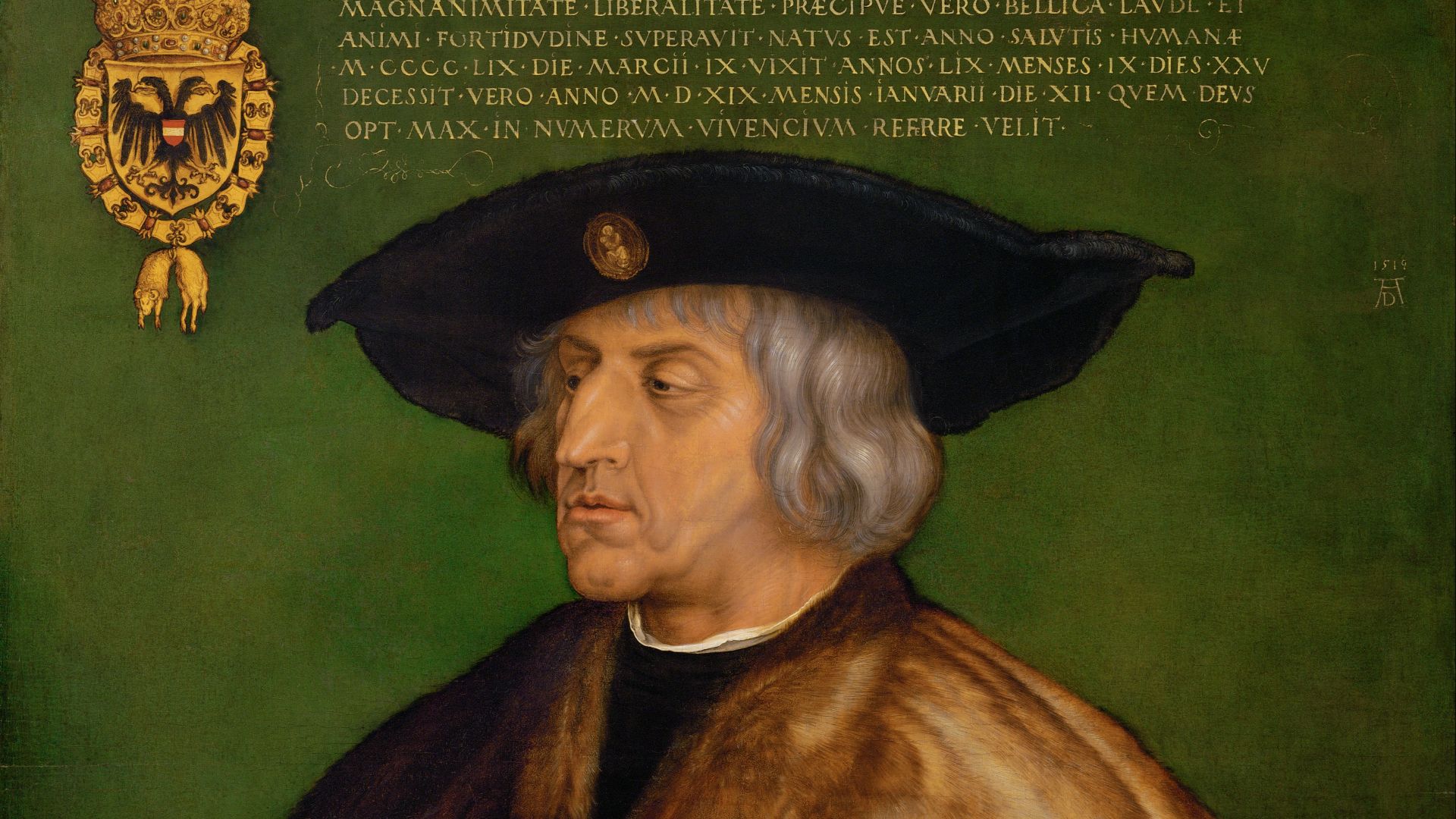
9. Basiliscus, Byzantine Empire
Basiliscus seized the throne in 475 while Emperor Zeno fled Constantinople. His short reign was undermined by political mistakes and loss of support, and Zeno returned to reclaim power within two years.
 Saperaud~commonswiki on Wikimedia
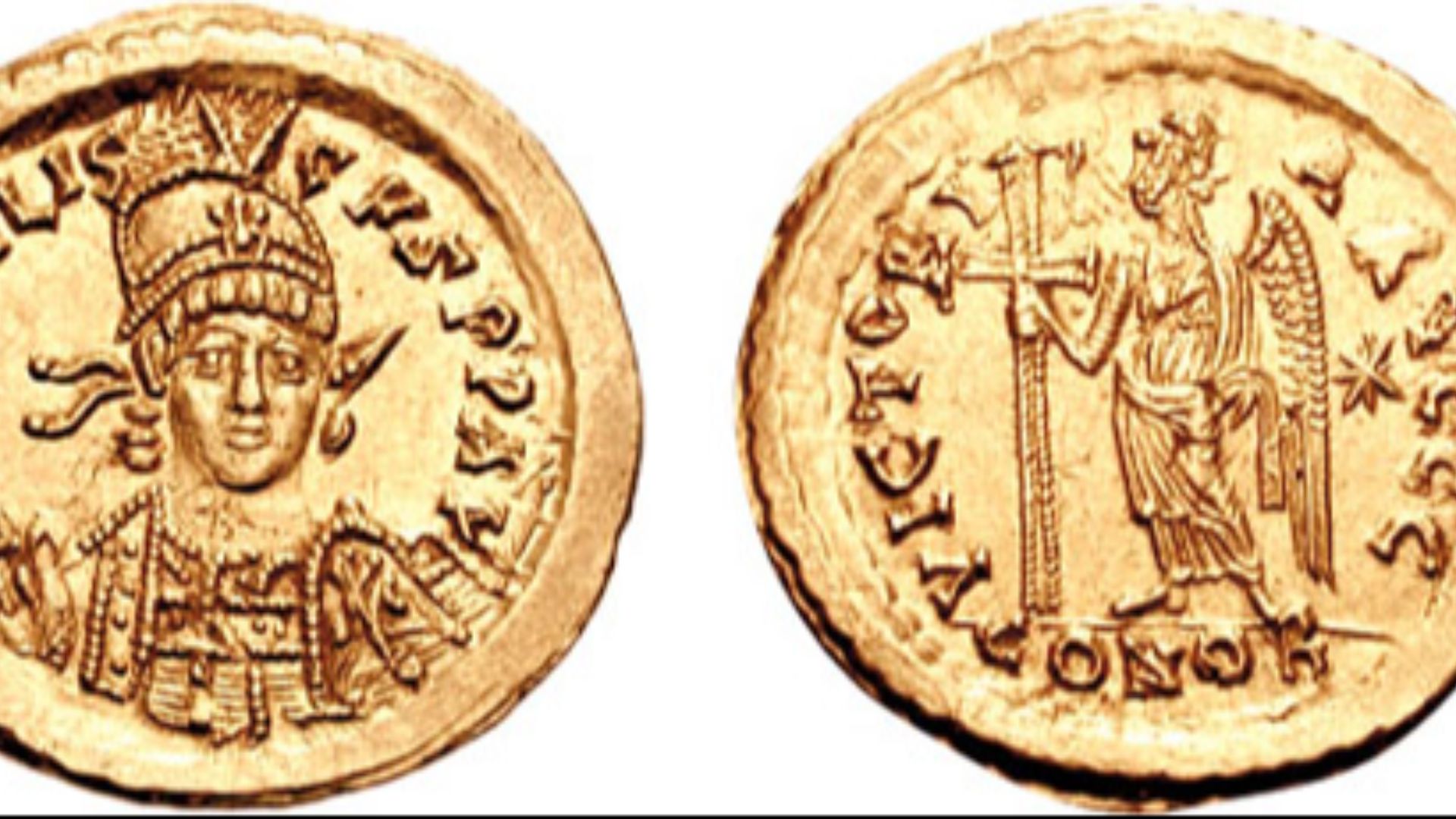
10. Phocas, Byzantine Empire
Phocas overthrew Emperor Maurice in 602 and took the throne through a violent coup. His rule was marked by instability and repression, and the empire faced severe external pressure before Heraclius replaced him.
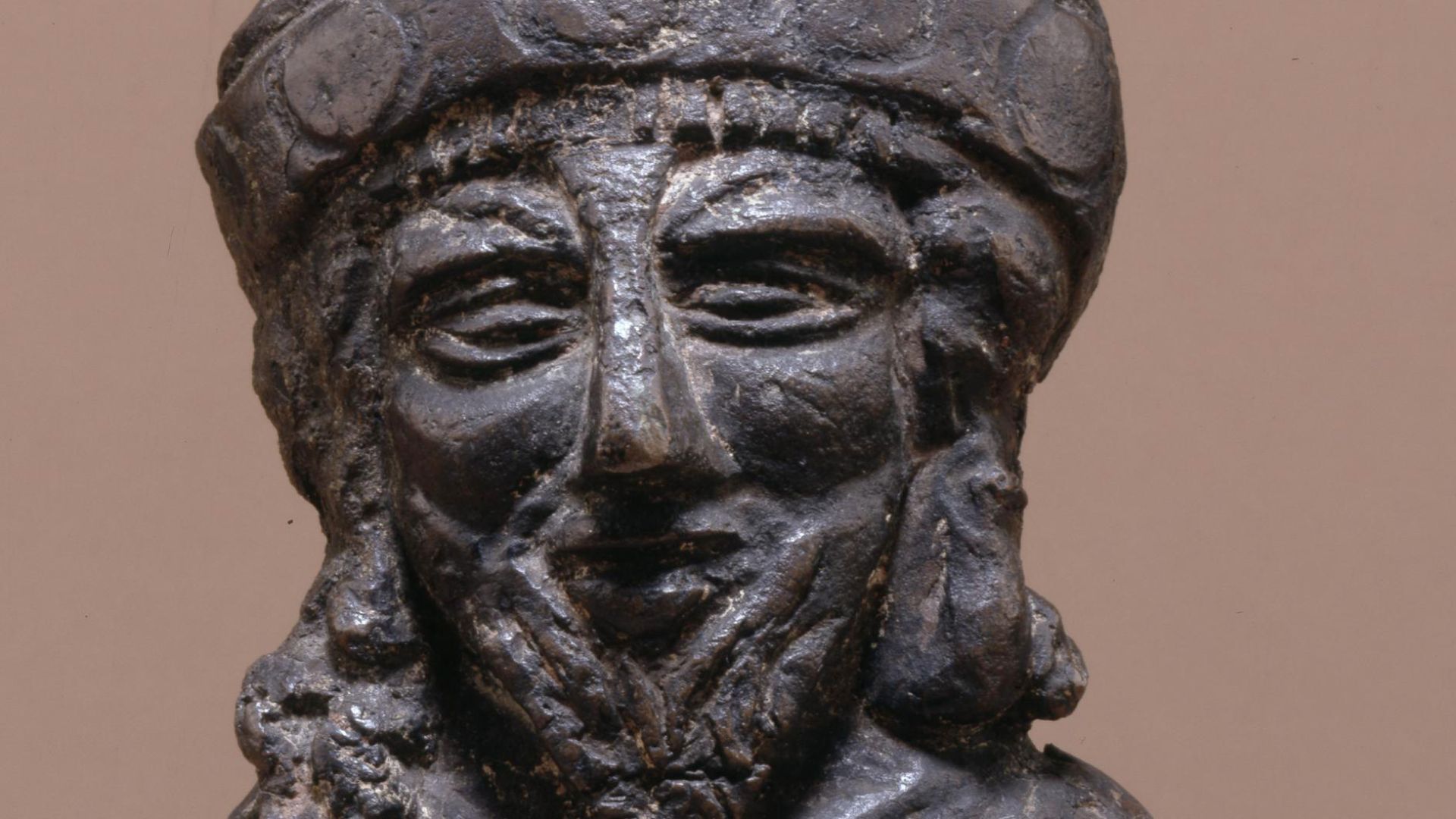
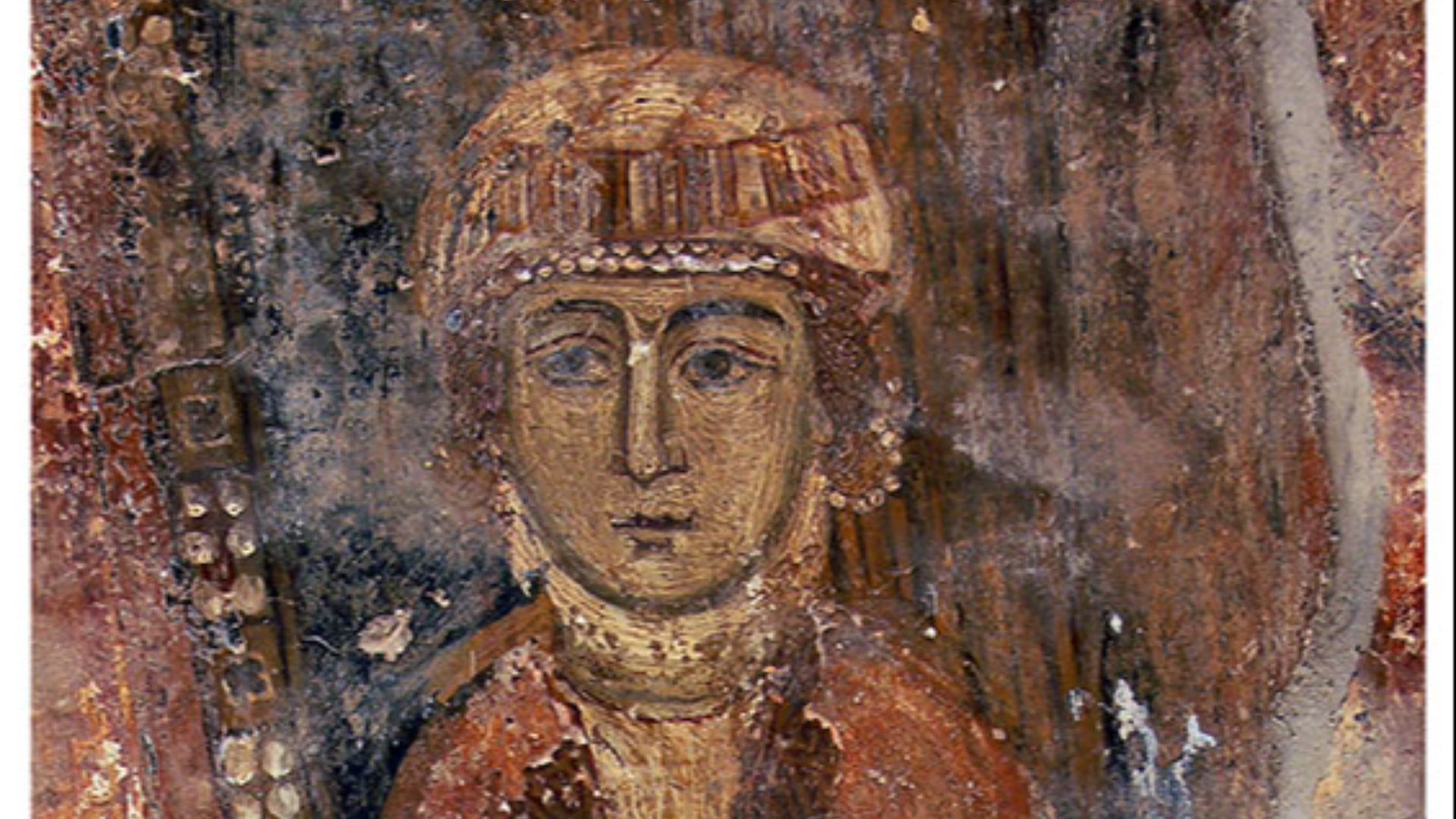
11. Irene Taking Sole Rule, Byzantine Empire
Irene ruled as regent for her son Constantine VI, then removed him and ruled alone. The takeover destabilized internal politics and contributed to disputes about imperial legitimacy in the wider Christian world.
 Unknown authorUnknown author on Wikimedia
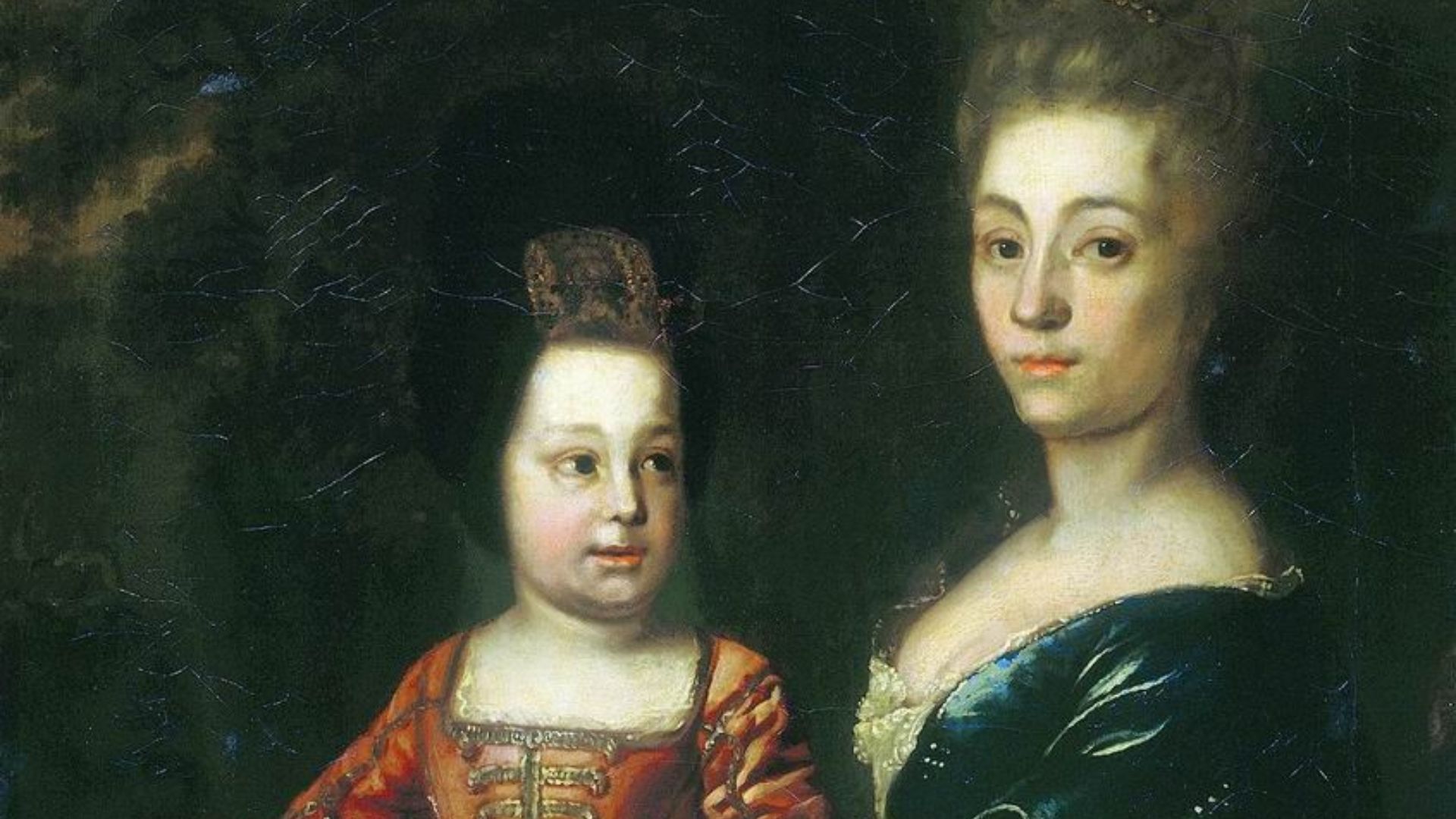
12. Ivan VI Being Removed, Russia
Ivan VI became emperor as an infant in 1740, then was overthrown in 1741 by Elizabeth Petrovna. He spent most of his life imprisoned, a stark example of how a child ruler could be treated as a political threat.
 Unknown authorUnknown author on Wikimedia
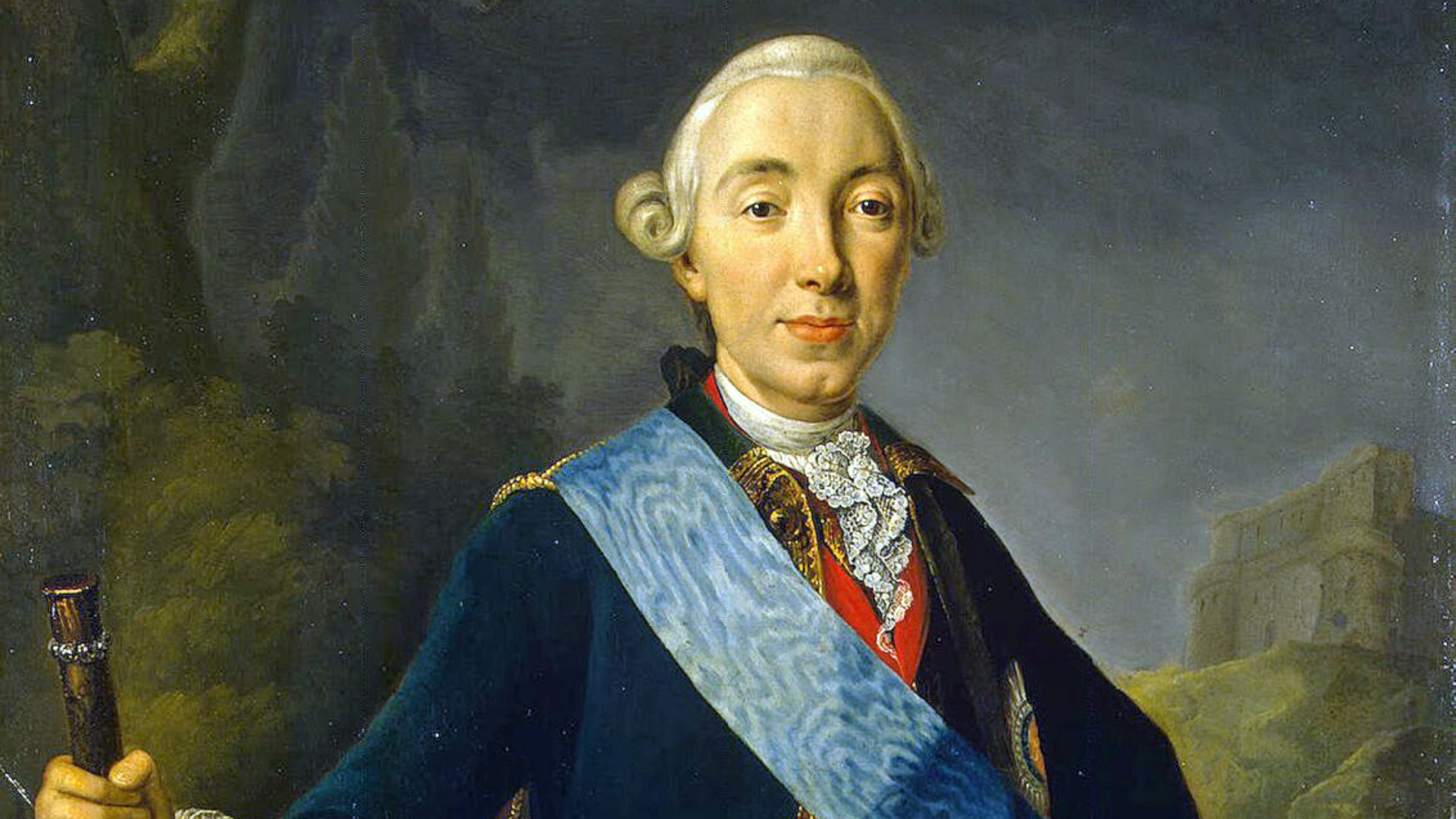
13. Peter III, Russia
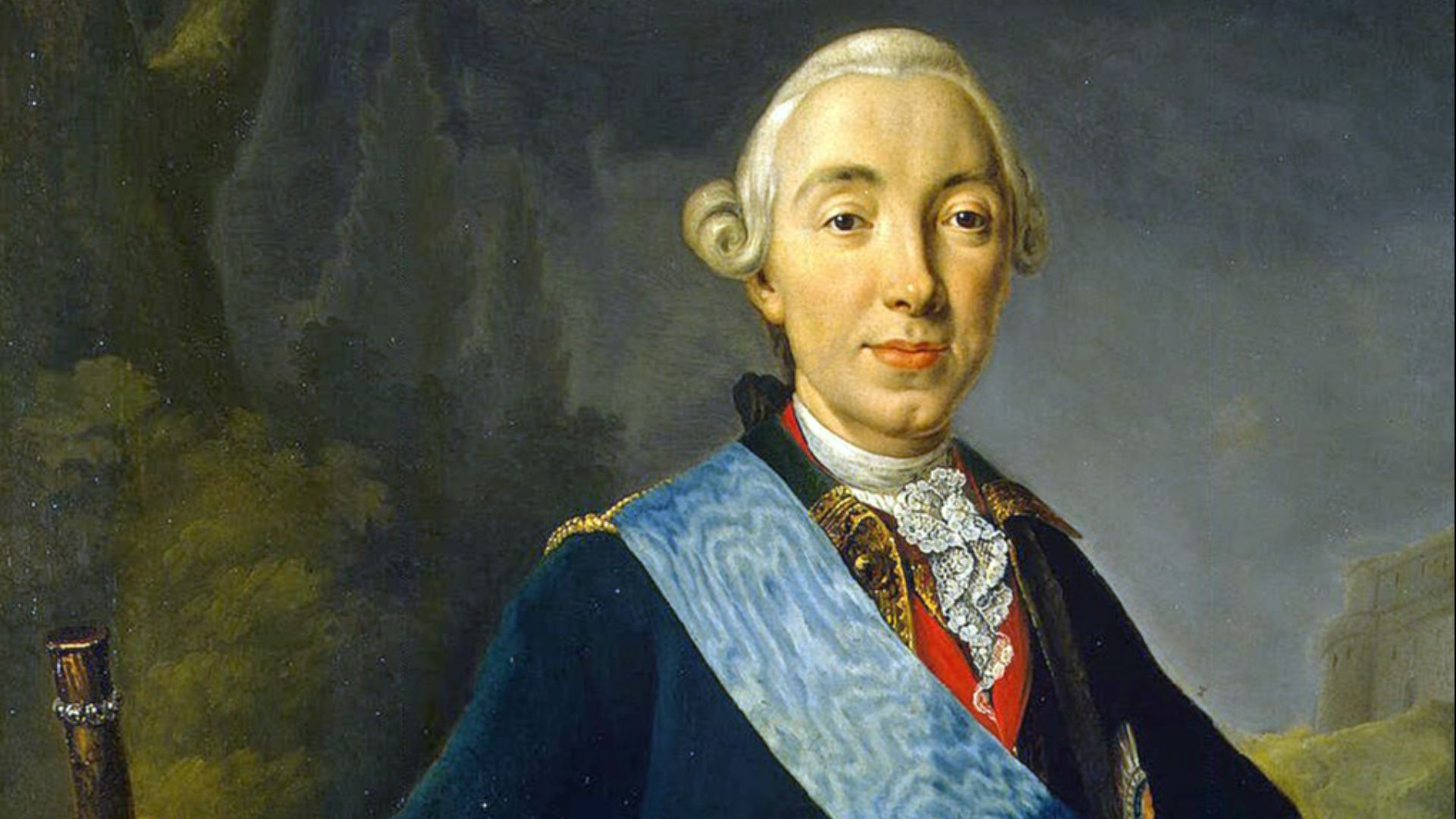
Peter III ruled briefly in 1762 before a coup brought Catherine II to power. His loss of support among elites and the military made his position untenable, and the transition reshaped Russia’s leadership for decades.
 Lucas Conrad Pfandzelt on Wikimedia
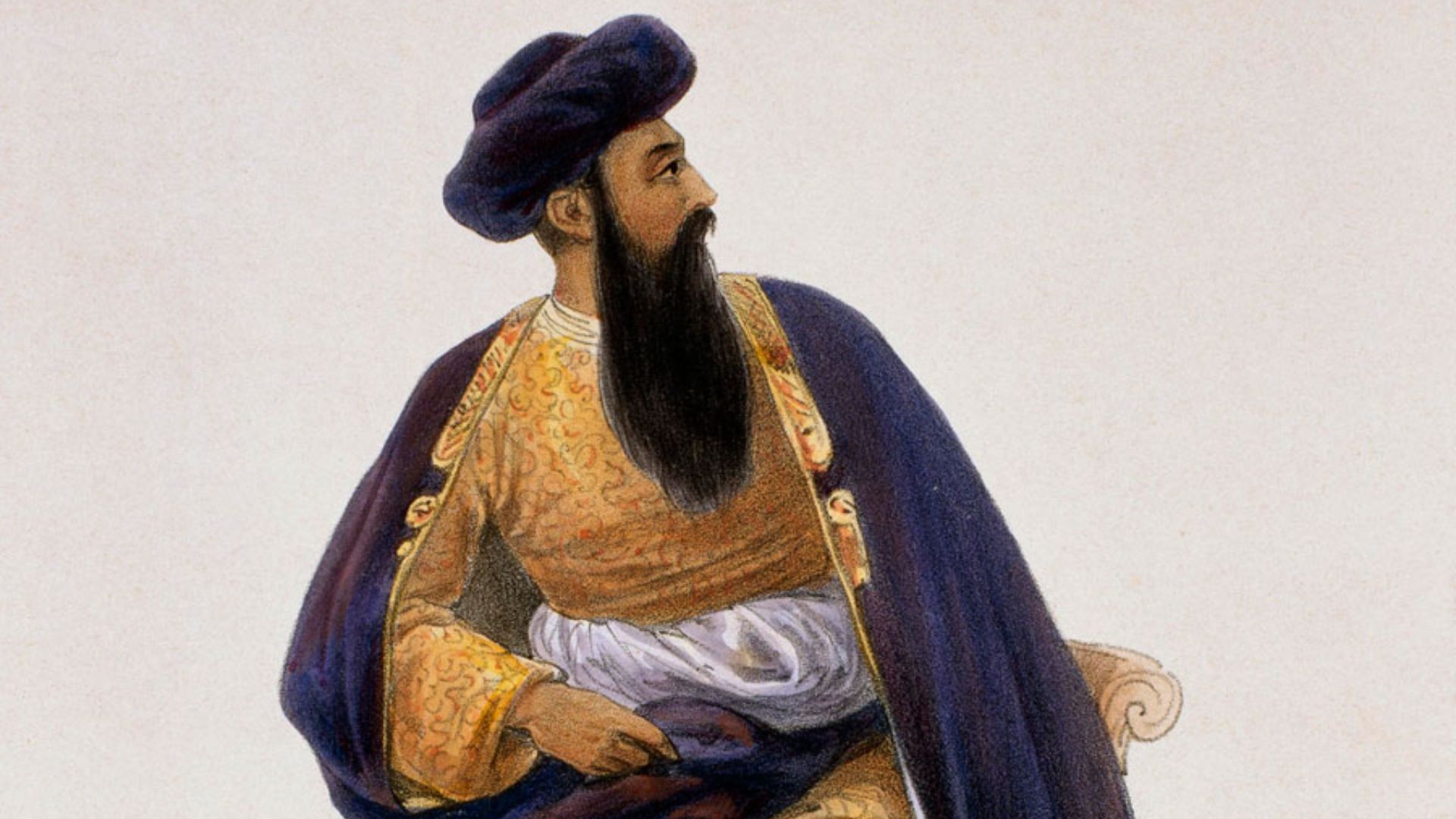
14. Shah Shujah, Afghanistan
Shah Shujah was restored to the Afghan throne in 1839 with British support during the First Anglo-Afghan War. His rule lacked broad legitimacy, and the political backlash contributed to conflict, including the disastrous retreat from Kabul and Shah Shujah’s assassination.
 Louis Haghe / After James Atkinson on Wikimedia
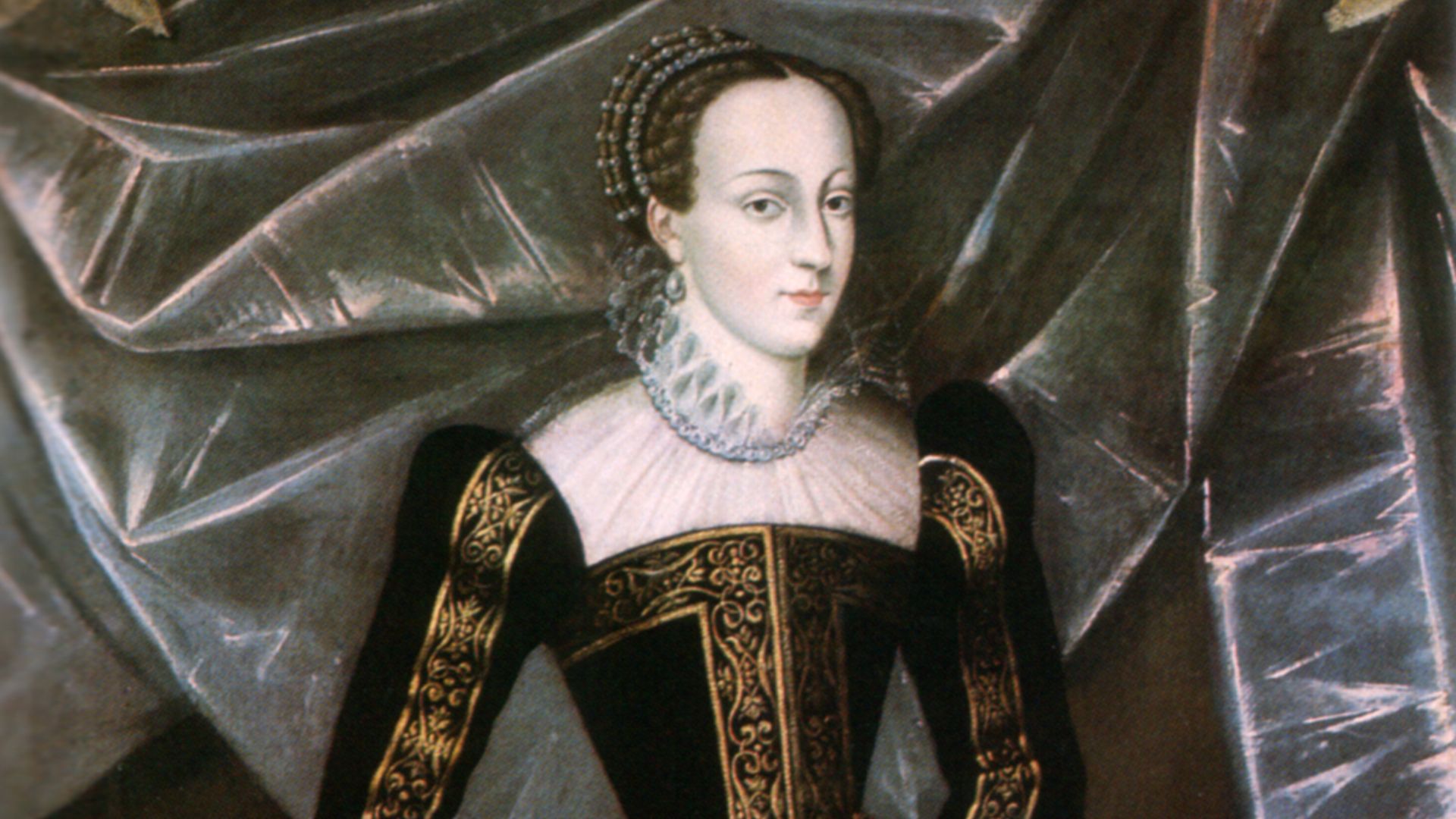
15. Mary, Queen Of Scots Being Replaced By Regents
Mary became queen as an infant in 1542, and regents governed in her name while factions competed for influence. The gap between the monarch’s title and actual control contributed to long-running instability and set conditions for later crises.
 Unidentified painter on Wikimedia
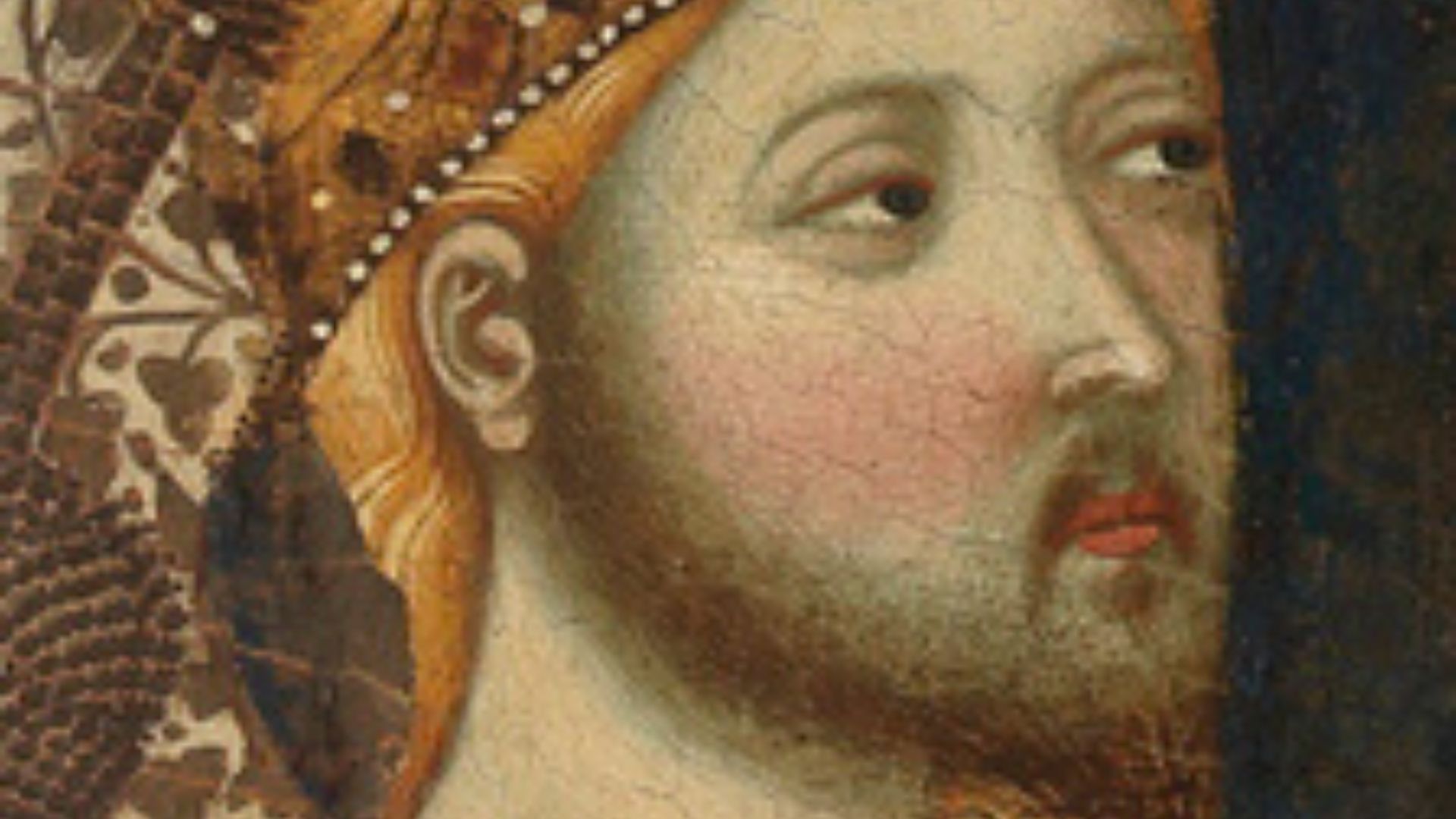
16. Henry Of Trastámara, Castile
Henry seized the Castilian throne during the 1360s after conflict with his half-brother, King Peter of Castile. The takeover changed the dynasty and deepened internal divisions, with lasting effects on Castilian politics.
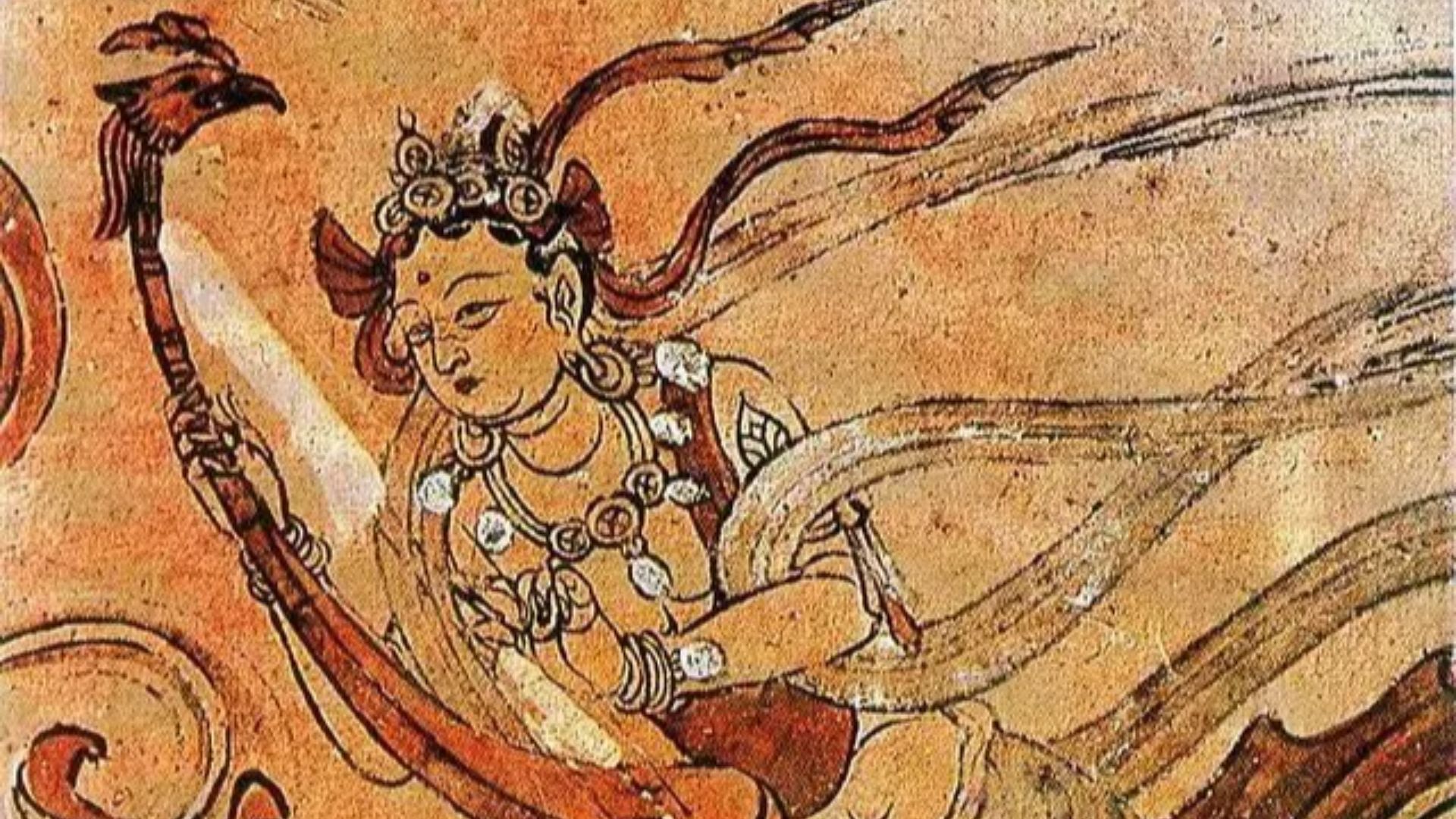
17. Sui Dynasty Takeover, China
The Sui rise involved the replacement of an established regime during a period of fragmentation, with power consolidated through force and political maneuvering. The new dynasty achieved reunification, yet the transition period reflected how contested legitimacy can accompany major regime change.
 Unknown artist, Tang dynasty on Wikimedia
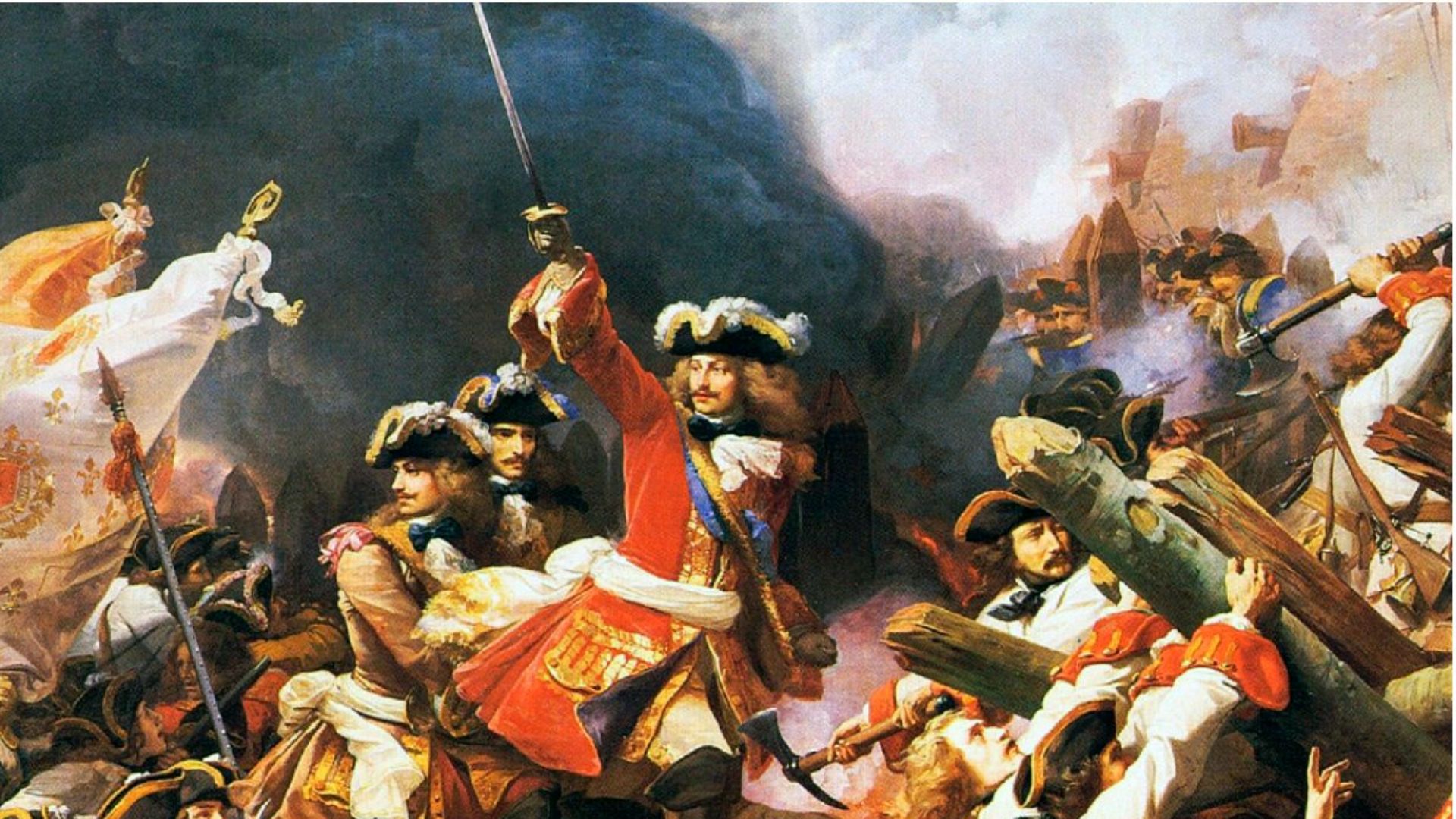
18. The War Of The Spanish Succession Claimants, Spain
After Charles II died without an heir in 1700, rival claimants and foreign powers fought over who had the right to rule. The conflict showed how a disputed throne could become an international war, reshaping Europe’s balance of power.
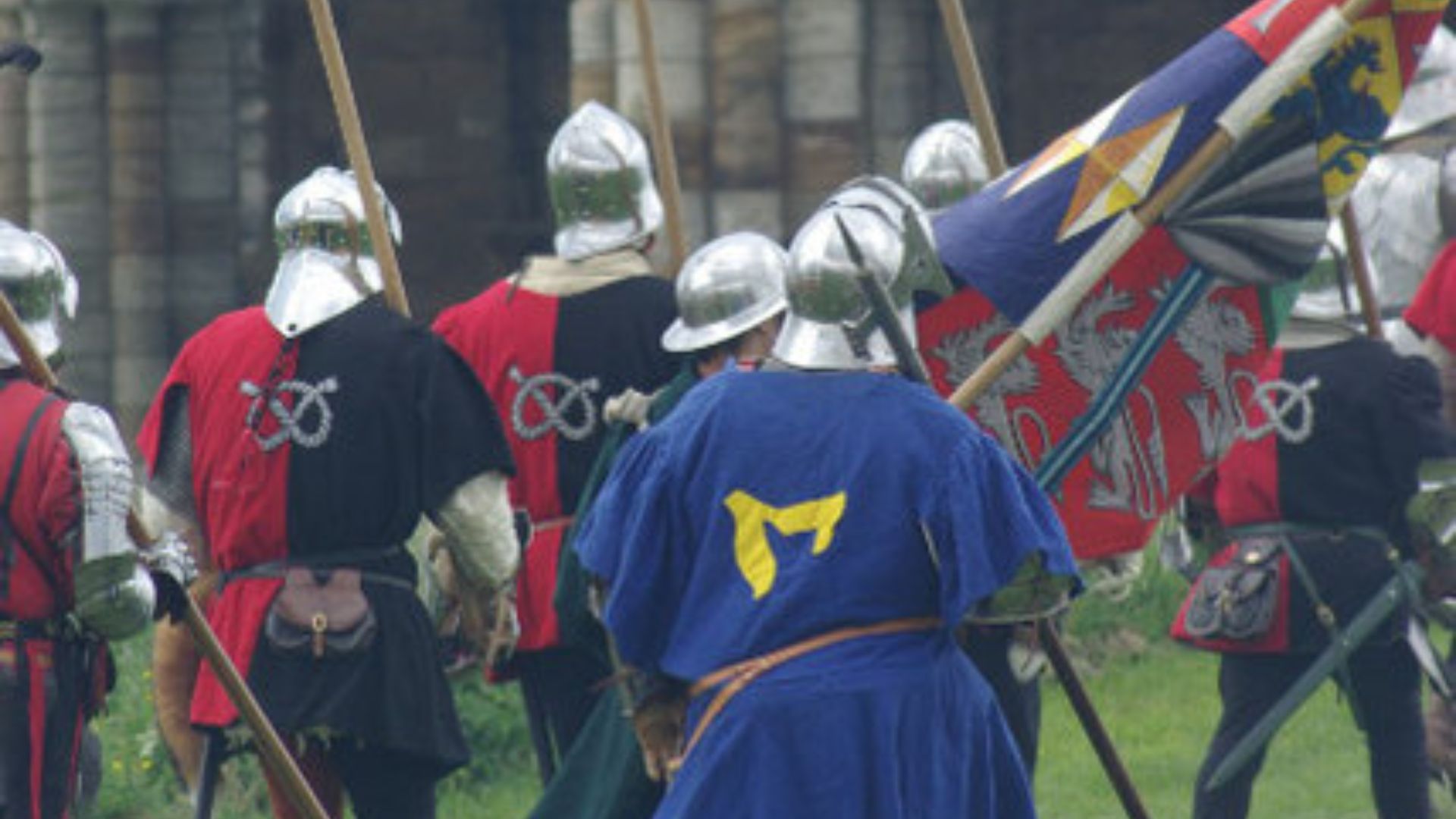
19. The Wars Of The Roses, England
Competing branches of the royal family fought over the crown for decades, with kings being displaced and restored. The repeated shifts show that legal claims mattered less than the ability to secure armed support and stable alliances.
20. The Year Of The Four Emperors, Rome
After Nero’s death in 68 CE, Galba, Otho, Vitellius, and Vespasian each claimed imperial power in rapid succession. The turnover was driven by military loyalty and political collapse, and it demonstrated how quickly authority could break when succession was not settled.
KEEP ON READING

10 Greatest Quarterbacks Of All Time & 10 That Are…
Do You Disagree?. Few topics in sports generate as much…
By Farva Ivkovic Dec 2, 2025
The story of Ching Shih, the Woman Who Became the…
Unknown author on WikimediaFew figures in history are as feared…
By Emilie Richardson-Dupuis Dec 29, 2025
20 Shakespearean Words, Translated For A Modern Audience
What’s In A Word?. Shakespeare was a wordsmith of the…
By Breanna Schnurr Dec 17, 2025
20 Inspiring Stories From Native American History
Incredible Stories Of Resilience And Endurance. Many of us didn't…
By Ashley Bast Dec 17, 2025
You Think You Have Problems? These Royal Families Were Cursed
Boasson and Eggler St. Petersburg Nevsky 24. on WikimediaHeavy is…
By Ashley Bast Dec 5, 2025
MH370: The Plane That Can't Be Found
Anna Zvereva from Tallinn, Estonia on WikimediaEleven years after Malaysia…
By Christy Chan Dec 10, 2025