

I Worked Two Jobs for Three Years to Pay for My Sister's Life-Saving Treatment—What I Discovered at Her Clinic Destroyed Me
I Worked Two Jobs for Three Years to Pay for My Sister's Life-Saving Treatment—What I Discovered at Her Clinic Destroyed Me
The Night She Told Me
It was a Tuesday night in late October, and we were sitting in my car outside the house we grew up in — the one with the crooked porch light that never got fixed. Elena had asked me to drive her home after dinner, and I figured she just didn't want to take the bus. She was quiet the whole ride, which wasn't unusual for her, so I didn't push. Then she pulled out her phone and showed me a lab report. White blood cell counts. Reference ranges. Numbers I didn't know how to read but that she walked me through in a voice so steady it almost scared me more than the words themselves. She said the doctors were calling it a rare autoimmune deficiency — something her immune system was doing wrong at a cellular level. She said there were experimental infusions that could help, but insurance wouldn't touch them. She didn't cry. She just stared through the windshield at that crooked porch light like she was memorizing it. I sat there with the engine ticking as it cooled, that sound filling up all the space between us. The air coming through the vents had gone cold, and I remember it exactly — that particular bite, sharp and thin, the kind that makes everything feel like it could break.
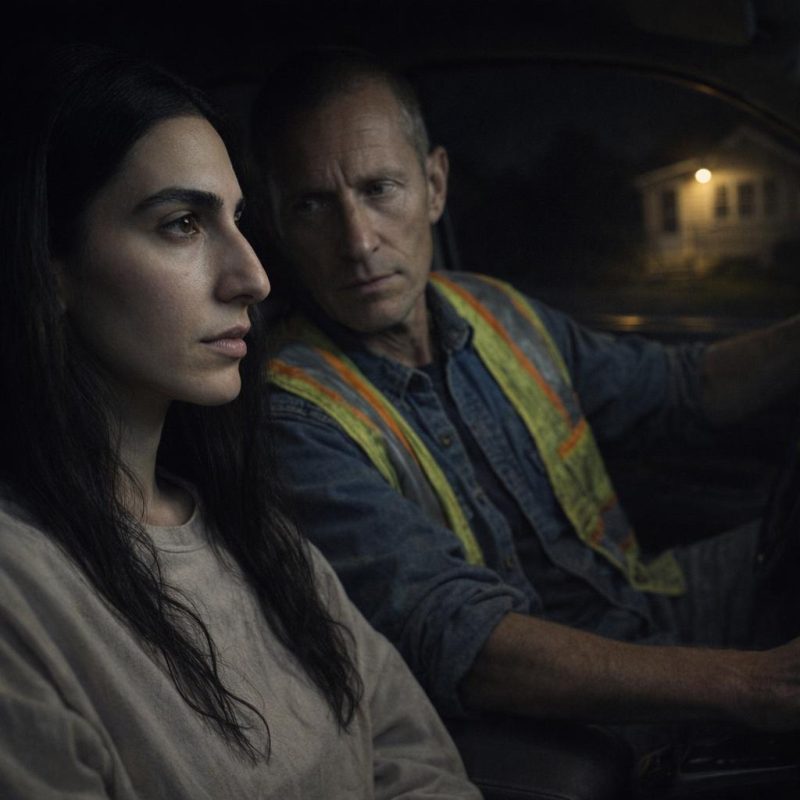 Image by RM AI
The Promise
I don't remember deciding to reach over and take her hand. It just happened, the way breathing happens. Her fingers were cold — colder than the air in the car — and she didn't squeeze back right away, just let me hold on. I told her that money was never going to be the reason she didn't get better. Not ever. I said it quietly, not like a speech, just like a fact I was stating out loud so we both knew it was true. She turned and looked at me then, and there was something in her expression I couldn't quite name — relief, maybe, but something else underneath it that I didn't have the vocabulary for at the time. I didn't try to figure it out. I was already doing the math in my head: my teaching salary, my savings, what I could cut from my monthly expenses. The childhood home sat there in the windshield like a photograph, the porch light throwing its crooked yellow glow across the front walk. I thought about every meal our mother had stretched to feed us, every bill paid a week late, every sacrifice that had never been named out loud in our house. This was just the next one. I took a breath, and I made the promise — and I had no idea yet what it was going to cost me.
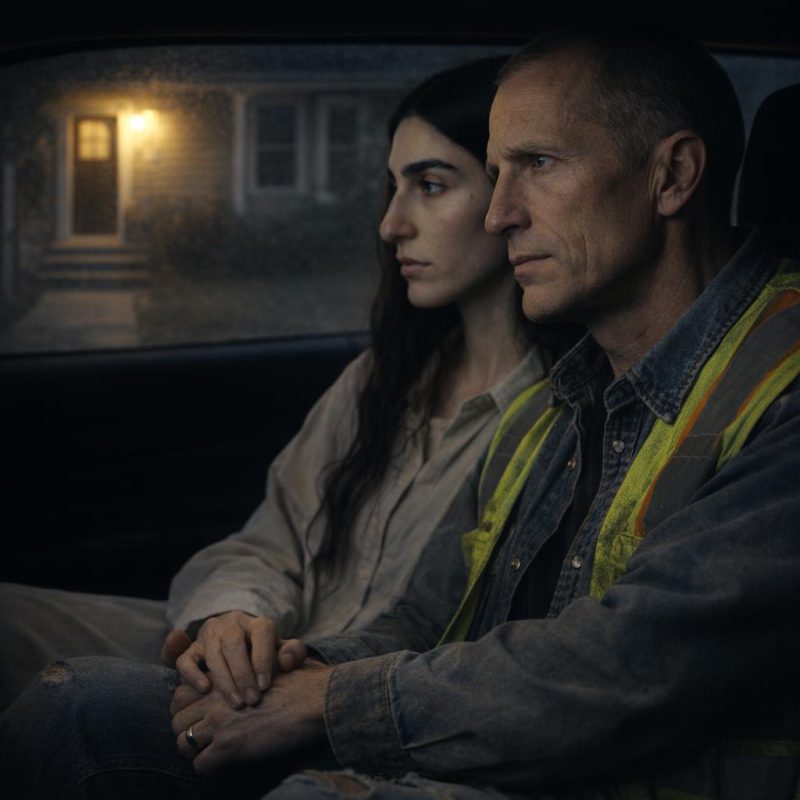 Image by RM AI
The Second Shift
I spent two evenings at my kitchen table with a legal pad and a calculator, trying to make the numbers work. My teaching salary covered rent, utilities, groceries — barely. Elena's projected treatment costs, the way Patricia had explained them after that first conversation, were going to run several thousand dollars a month, minimum. So I started looking for second jobs that wouldn't eat into my classroom hours. Graveyard shift at a logistics warehouse forty minutes from my apartment. Eleven PM to seven AM, four nights a week. The pay wasn't great, but it was consistent, and the schedule fit like a puzzle piece I'd forced into place. I filled out the application at my kitchen table on a Wednesday night, the apartment so quiet I could hear the refrigerator hum. I printed it at the library the next morning and dropped it off in person. When the call came back three days later, I said yes before the woman finished her sentence. I told myself it was temporary. Six months, maybe a year. I mapped out the schedule on the legal pad — teach, drive, scan crates, drive back, shower, teach again — and it looked brutal on paper, but it also looked like a solution. I felt something close to pride filling up my chest as I folded the paper and set it aside. The first time I walked onto that warehouse floor, the fluorescent lights hummed overhead in a way that felt permanent, like they'd been running since before I was born and would keep running long after.
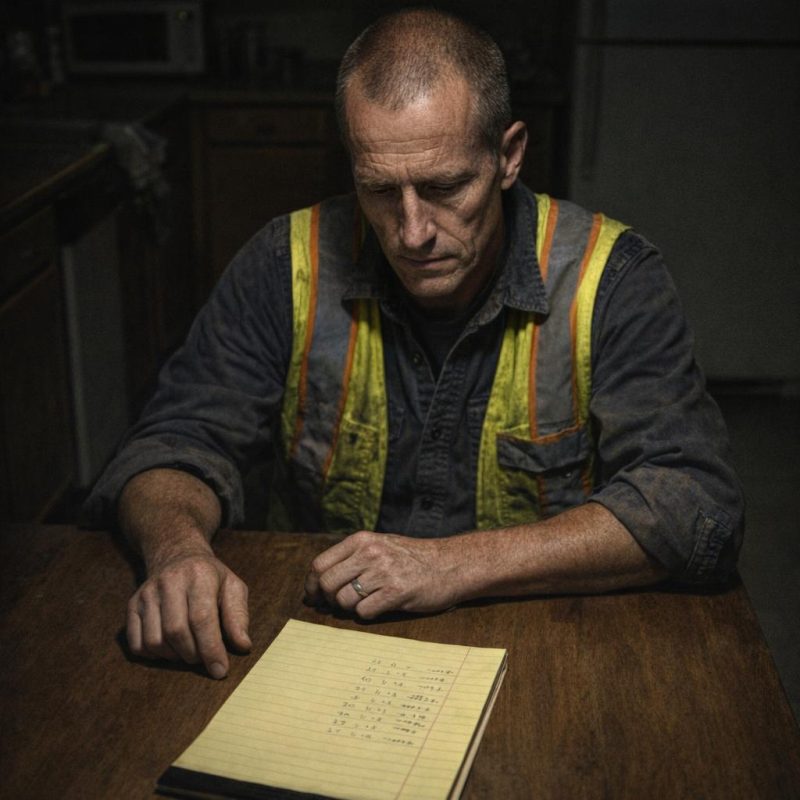 Image by RM AI
First Night
Nobody tells you how loud a warehouse is at midnight. The forklifts, the conveyor belts, the constant beeping of scanners — it layers on top of itself until it stops being noise and becomes something more like weather. I showed up at eleven on a Thursday, got a ten-minute orientation from a guy who spoke faster than I could follow, and then I was on the floor with a handheld scanner and a pallet jack, learning by doing. My hands blistered by hour three. My lower back started talking to me around hour five in a language I'd never heard before — not soreness exactly, more like a deep structural complaint, like the bones themselves were filing a grievance. I kept moving. Every time I wanted to stop, I thought about Elena sitting in some clinic chair with an IV in her arm, and I picked up the next crate. By six in the morning, the overnight crew was thinning out and the early shift was filtering in, and I was running on nothing but the knowledge that I had to be in front of a classroom in three hours. I drove home with the windows down so the cold air would keep me awake. Showered. Put on a clean shirt. Made it to school with seven minutes to spare. I sat in my car in the parking lot for those seven minutes and didn't move. The ache had settled deep into my lower back by then, quiet and permanent, like it had decided to stay.
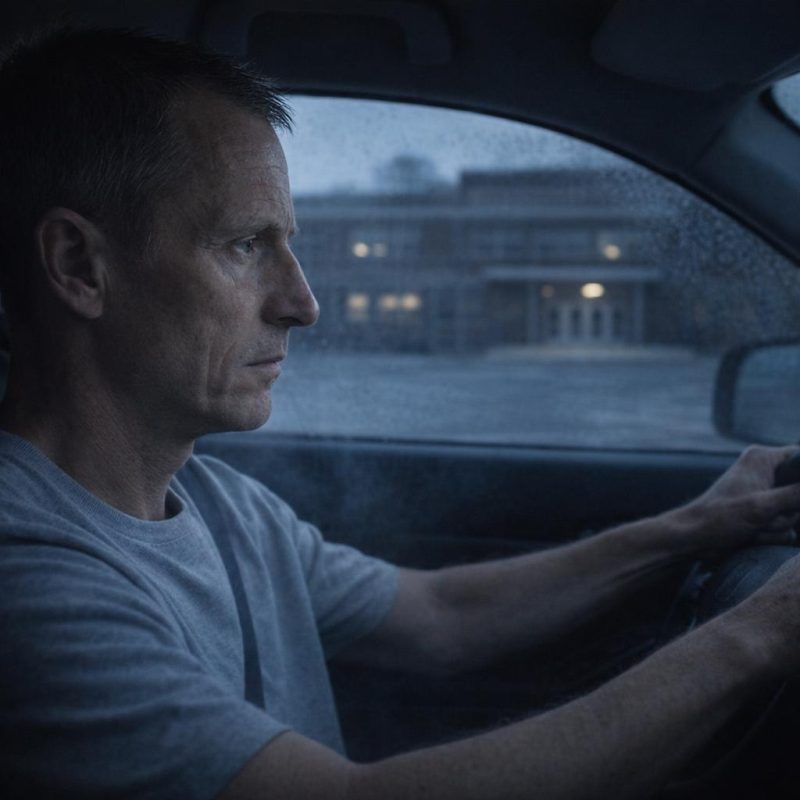 Image by RM AI
The Joint Account
Patricia suggested the joint account like it was the most practical thing in the world, and honestly, at the time, it was. She said she was already coordinating with the clinic on scheduling, talking to the billing department, keeping track of what insurance had denied and what needed to be resubmitted. It made sense for her to handle the payments directly. I was working nights and teaching days — I didn't have the bandwidth to manage medical billing on top of everything else. We met at the bank on a Saturday morning, and she came prepared: a folder with printed documentation, appointment summaries, a breakdown of the first round of treatment costs. She looked tired in a way that made me feel guilty for noticing, like she'd been carrying this longer than I had. She explained that sixty percent of my combined paychecks, transferred biweekly, would cover the infusions and the associated pharmacy costs. I nodded along. It sounded right. She hugged me in the parking lot afterward and called me selfless, and I remember feeling embarrassed by the word, the way you do when someone names something you were trying not to make a big deal of. I told her it was just what you do for family. Back inside, the bank associate slid the paperwork across the desk, and I picked up the pen and signed the forms that gave Patricia full access to the account.
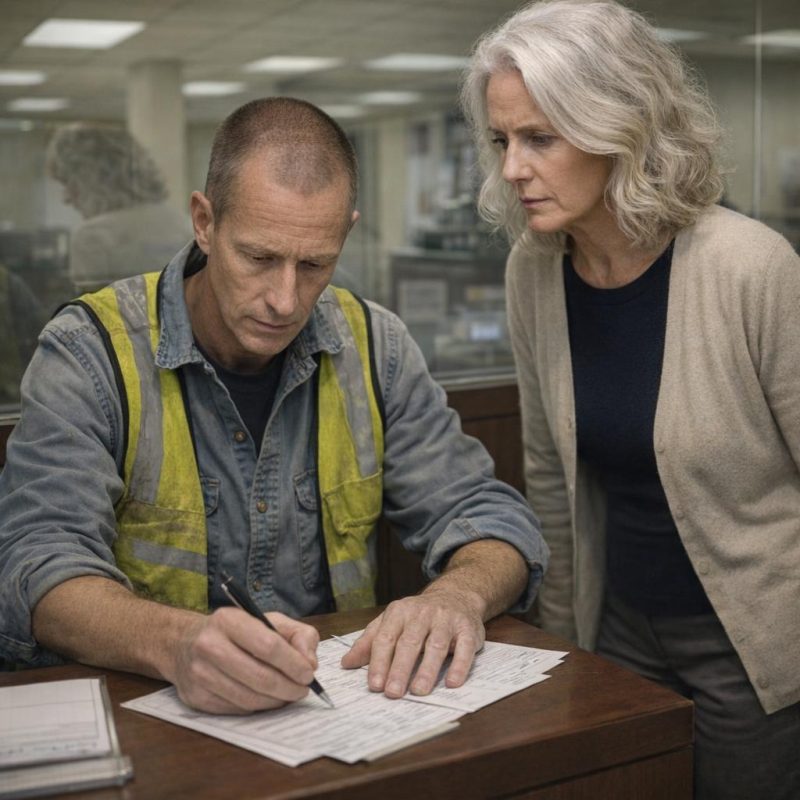 Image by RM AI
Fraying at the Edges
I don't know exactly what I looked like by week six, but I can guess. I'd stopped ironing my shirts. I was running on four hours of sleep on a good night, three on a bad one, and the dark circles under my eyes had gone from noticeable to alarming. I made it to the faculty meeting that Thursday by sheer momentum, sat in the back row, and spent most of it staring at the agenda without reading it. Sarah caught me in the hallway afterward, right as I was trying to make it to my classroom before anyone could stop me. She said my name once, and something in her voice made me slow down. She asked if everything was okay at home. I told her there were some family medical things happening, nothing I wanted to get into, and that I was managing fine. She didn't push. She just stood there in the hallway with her arms crossed and her head tilted slightly, the way she did when she was listening to a student who wasn't saying the whole truth. I appreciated that she didn't press. I also appreciated that she didn't pretend to believe me. She said to let her know if I needed anything, and I said I would, and we both knew I probably wouldn't. I turned to go. Behind me, I heard her say my name again, softer this time. When I looked back, her eyes were steady on mine, and the worry in them was plain and unguarded.
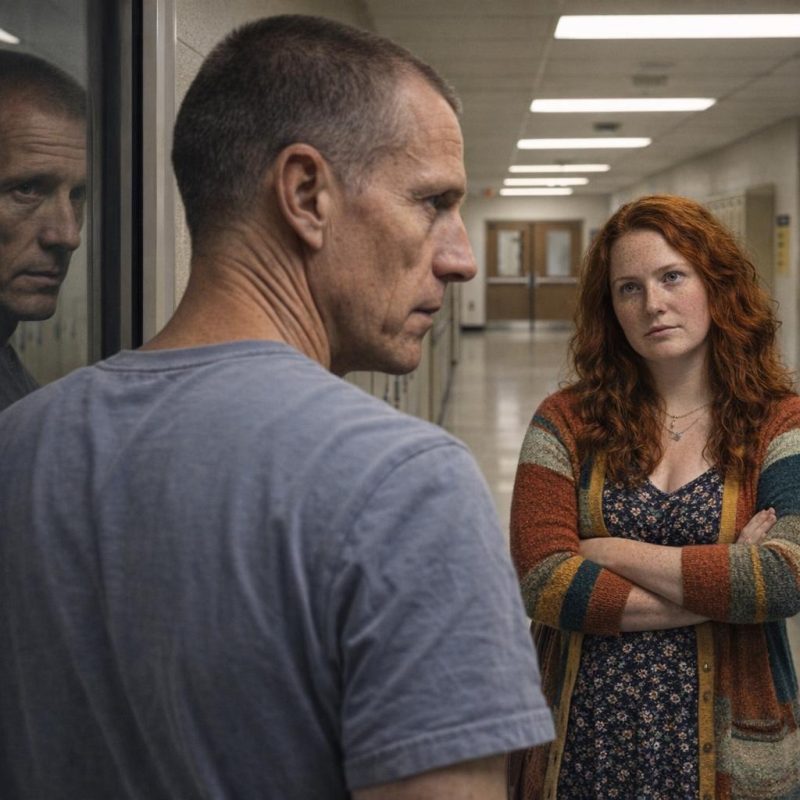 Image by RM AI
First Transfer
The first combined paycheck hit on a Friday, and I sat at my kitchen table with my phone and a notepad and did the math three times to make sure I had it right. Teaching salary plus warehouse wages, minus taxes, minus the automatic deductions. Sixty percent of what was left came to just under nineteen hundred dollars. I stared at that number for a while. Then I opened the banking app and initiated the transfer. Patricia called eleven minutes later. Her voice broke a little when she thanked me, and she said Elena had cried when she heard the first treatment was confirmed. I held onto that. A few days later, an email arrived with a PDF attached — a receipt from Midwest Immunology Group, itemized down to the milligram. Specialty biologics. Infusion administration fees. A pharmacy handling charge I didn't recognize but didn't question. The total at the bottom was four thousand, three hundred and twelve dollars. For one round. I read it twice, then set my phone face-down on the table. I opened the banking app again and looked at what was left in my account after the transfer, after rent, after the minimum on my credit card. The number on the screen was smaller than I'd expected, even knowing what I'd sent. I sat there in the kitchen light and started writing out a new grocery list — the bare-minimum version, the one where you price everything before it goes in the cart.
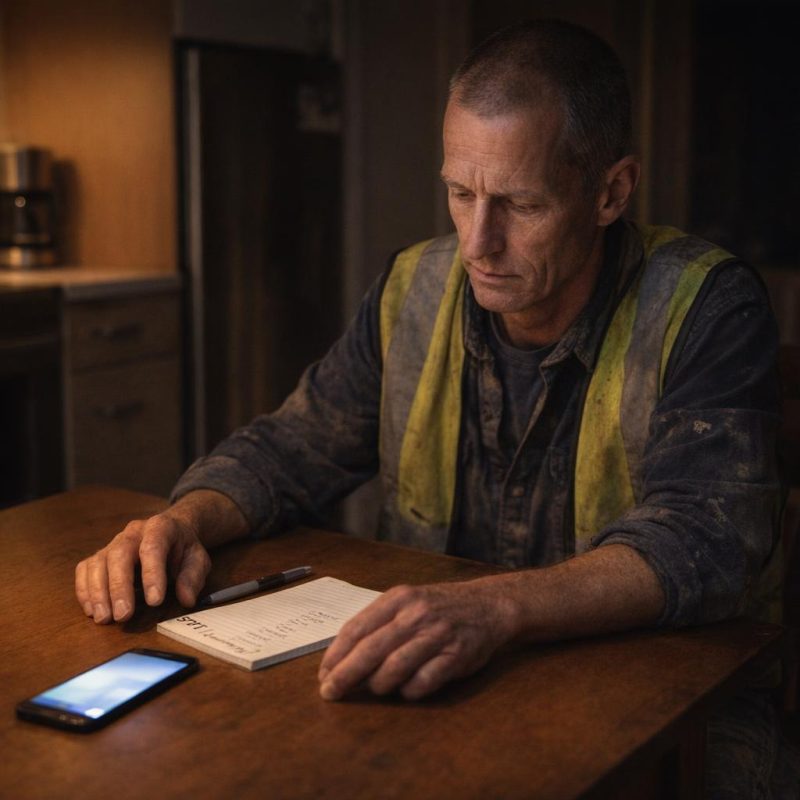 Image by RM AI
The Supervisor's Question
There was a shift in late November where I nearly dropped a crate of automotive parts onto the loading bay floor. It wasn't even that heavy — maybe sixty pounds — but my arms just stopped cooperating somewhere between the lift and the stack, and I had to set it down fast and grab the shelf to keep from going down with it. David saw it. He didn't say anything right then, just watched from across the bay with that particular stillness he had, the kind that meant he was filing something away. He came over during the break, poured himself a coffee from the thermos he kept on the supervisor's table, and sat down on the bench across from me. He asked if I was getting enough sleep. I told him I was working two jobs. I didn't explain why — it wasn't the kind of place where you explained things, and David wasn't the kind of man who needed you to. He nodded slowly, turned the thermos cup in his hands, and told me that exhaustion was how people got hurt on the floor. Not carelessness, not bad luck — exhaustion. He said he'd seen it enough times to know the difference. I told him I'd be careful. He looked at me the way my father used to look at me when I said something he didn't believe but wasn't going to argue with. I sat there after he walked away, the loading bay cold and loud around me, and let the weight of what he hadn't said settle over me.
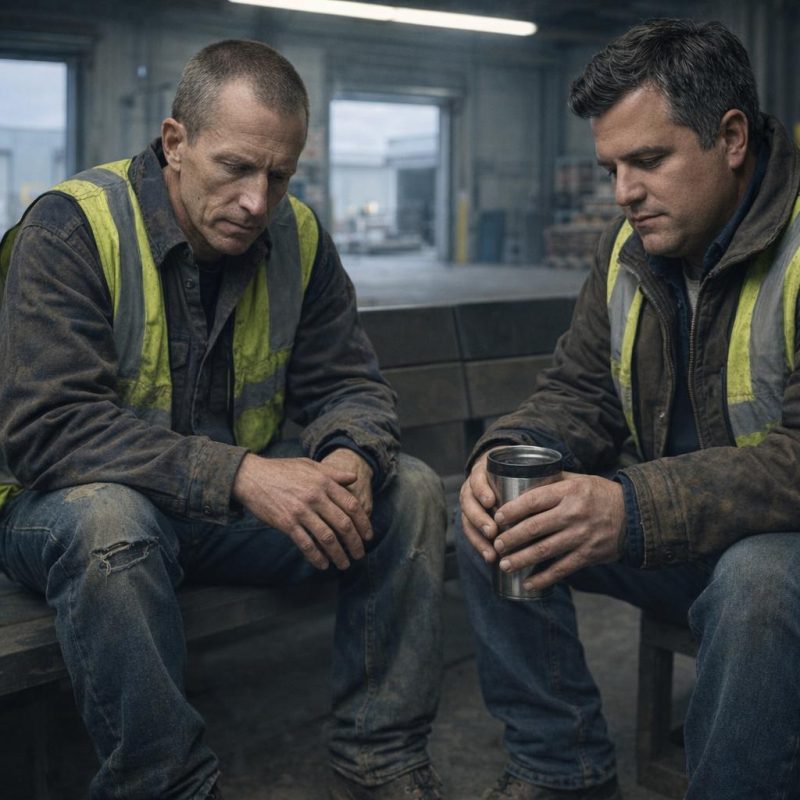 Image by RM AI
The Vanishing Life
I canceled my gym membership on a Tuesday in December, standing in the parking lot of the warehouse at 11:47 at night, doing the math on my phone. Thirty dollars a month. That was four bags of rice, or two weeks of ramen, or a small fraction of what Elena needed. It wasn't even a hard decision. Around the same time, Sarah and a few of the other teachers started a group chat about happy hour at the Mexican place on Fifth — the kind of thing I used to look forward to. I typed out three different responses and deleted all of them. I said I had family stuff. Which was true. I just didn't say what kind. I couldn't remember the last time I'd sat somewhere that wasn't a break room or a couch. I couldn't remember the last time I'd talked to anyone about anything that wasn't a schedule or a transfer confirmation. My world had gotten very small, and I'd let it happen, because small felt manageable and manageable felt survivable. I got home that night still wearing my warehouse vest, sat down on the couch to take off my boots, and woke up three hours later with the lights still on and the apartment so quiet it had its own kind of weight.
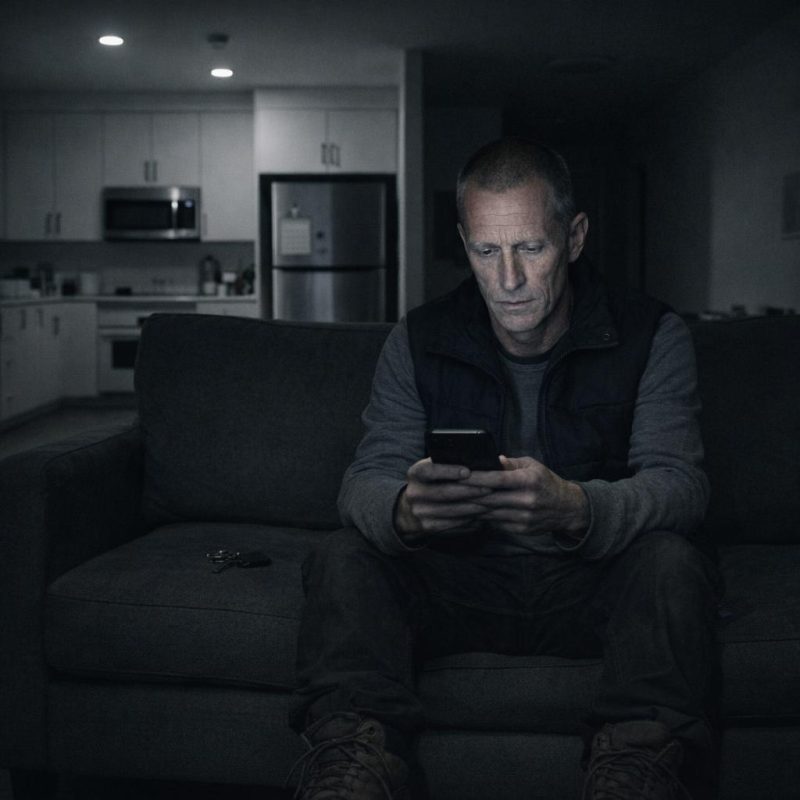 Image by RM AI
The Hero
I showed up at my parents' house on a Saturday with two bags of groceries — nothing fancy, just the basics, things I'd picked up on sale. Patricia met me at the door before I even knocked, like she'd been watching for my headlights. She looked tired in the way she'd been looking tired for months, that particular kind of worn-down that made me feel both guilty and necessary. She took one of the bags and led me inside without saying much. Elena was on the couch under a blanket, pale and still, the TV on low. She looked up when I came in and gave me a small smile that didn't quite reach her eyes, and I felt the familiar tightening in my chest — the one that reminded me why I was doing all of it. I set the groceries on the kitchen counter and Patricia started putting things away, moving slowly, deliberately. The house had that hushed quality it always had now, like everyone inside it was being careful not to disturb something fragile. I stood there in the kitchen doorway watching Elena breathe, and then Patricia came up behind me and put her arms around me, her chin against my shoulder, and she whispered it so quietly I almost missed it — that I was saving Elena's life.
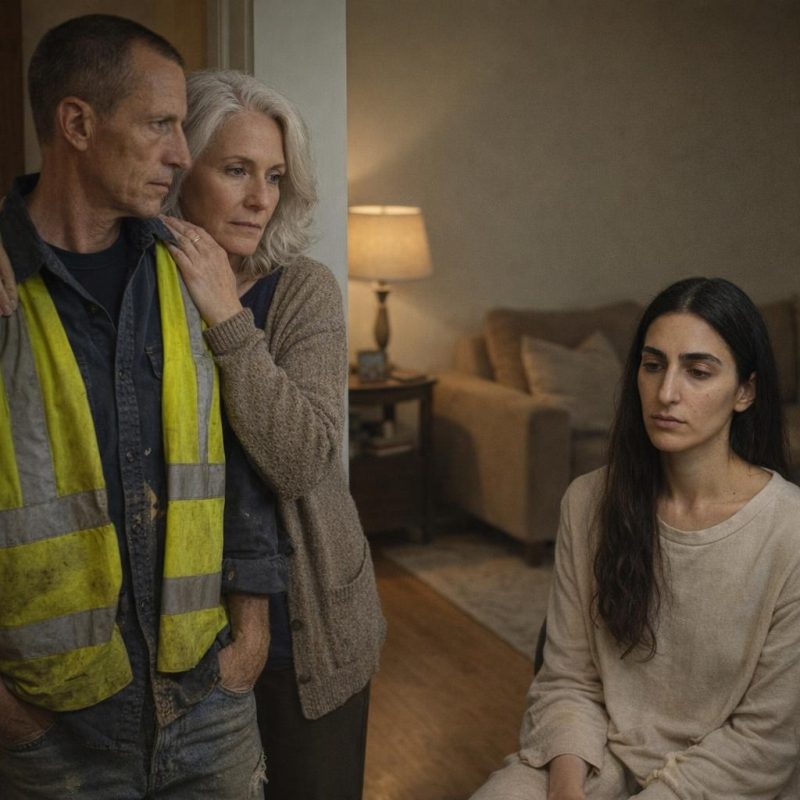 Image by RM AI
The Blur
Somewhere around February I stopped being able to tell one week from the next without checking my phone. The days had a shape — alarm, coffee, lesson plans, kids, drive, warehouse, pallets, drive, sleep — and that shape repeated so consistently that it stopped feeling like time passing and started feeling like a single long day I kept waking up inside. I set up the transfers automatically, sixty percent of each paycheck, routed out before I could second-guess it. I graded papers during warehouse breaks, sitting under the fluorescent lights with a red pen and a stack of seventh-grade essays about the American Revolution, my back aching and my eyes burning. My body had stopped protesting the way it used to. The exhaustion had settled in so deep it just became the baseline, the new normal, the thing I measured everything else against. I remember one night looking at my phone to check the date and genuinely not knowing what month it was for a full three seconds. March, it turned out. It had been March for two weeks. I filed the latest transfer confirmation in the folder I kept on my desktop, labeled it with the date, and closed the laptop. Every day looked exactly like the one before it, and I told myself that was fine, that sameness meant stability, that stability meant Elena was still being treated, and that was enough.
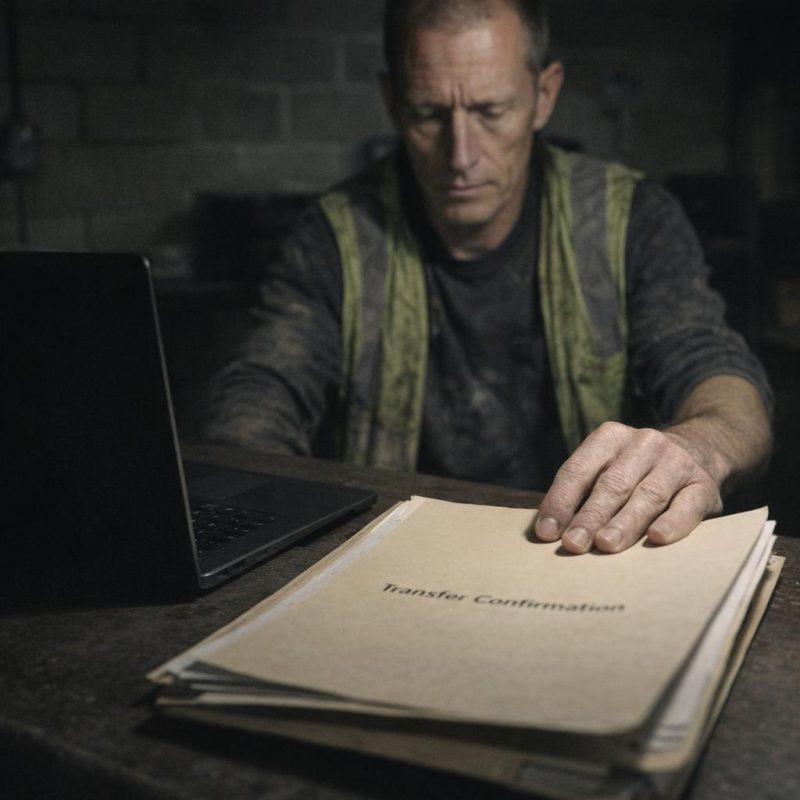 Image by RM AI
The Photo
My phone buzzed during the Wednesday night break, somewhere around ten-fifteen, when I was sitting on an overturned milk crate eating a granola bar that had been in my jacket pocket since Monday. I almost didn't check it — I was that tired. But I did. It was Elena. The photo loaded slowly on my screen, the way images do when the warehouse wifi is fighting itself, and then there she was: hospital gown, IV line taped to the inside of her arm, the kind of fluorescent overhead light that makes everyone look a little gray. She looked small in the frame. Smaller than I remembered. The caption underneath read: Round 4 today. Thank you, big brother. I sat there on that milk crate for a long time, granola bar forgotten, just looking at it. I saved it to my camera roll. I don't know exactly when I started doing this — pulling up the photo when a shift got bad enough that my legs were shaking and my eyes wouldn't focus — but I did it that night, and I did it a dozen times after. There were moments in that warehouse, deep in a double shift, when the only thing that got me from one pallet to the next was pulling out my phone and looking at her face in that hospital gown, and telling myself it was worth it.
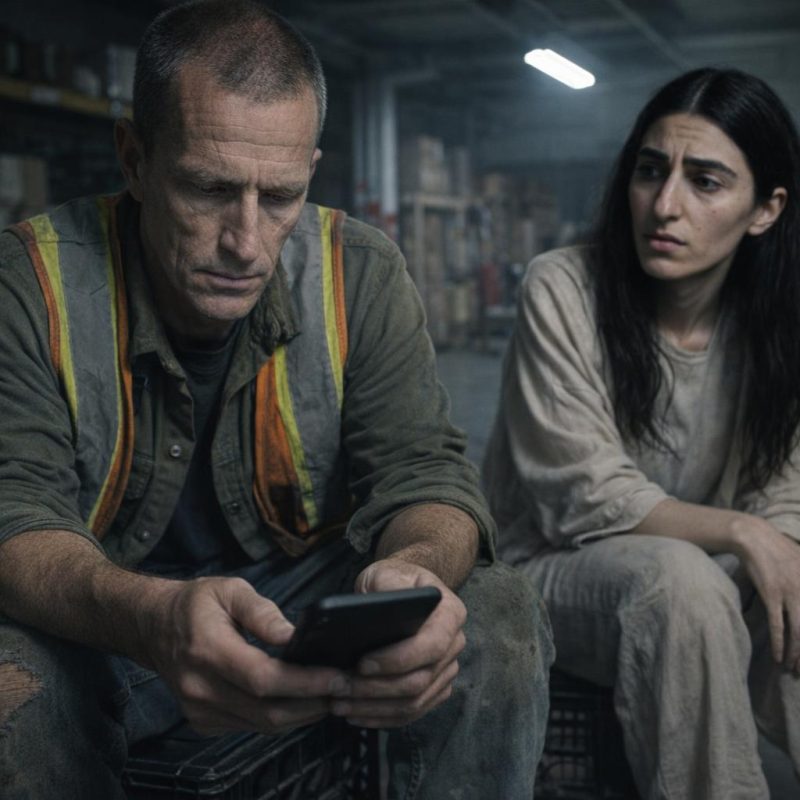 Image by RM AI
The Frayed Hems
I noticed the hems first on a Monday morning, standing in the bathroom under the bad light, getting ready for first period. The left leg had gone completely, just loose threads dragging against my shoe, and the right wasn't far behind. I pulled up the browser on my phone and found a pair of decent slacks for thirty-four dollars. I looked at the number for a while. Then I closed the tab. I had two pairs of work pants and three shirts I rotated through, and I told myself that was enough, that nobody was looking at my clothes, that it didn't matter. But it did matter a little, in the way things matter when you're too tired to fully suppress them. Sarah noticed. She didn't say anything — she was too careful for that — but I caught her glance during the Thursday staff meeting, just a quick look down at my hem and then back up at the whiteboard, the kind of look that pretends it didn't happen. I'd also started lining my left shoe with a folded piece of cardboard because the sole had worn through near the ball of my foot and the cold came up through it on the walk from the parking lot. I told myself Elena's life was worth more than new pants. I believed it. I just hadn't expected believing it to look quite like this — the frayed threads, the cardboard, the careful way I sat so the hems didn't show.
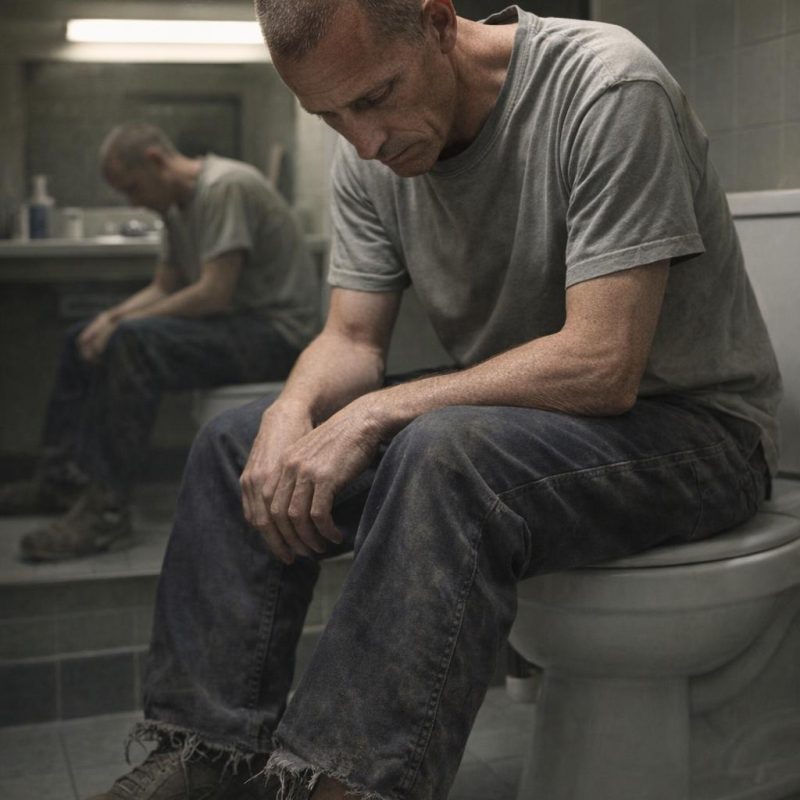 Image by RM AI
The Official Letterhead
Patricia emailed me the receipt on a Thursday evening, and I opened it on my phone while I was still in the warehouse parking lot, engine running, heat on low. It was a scanned document, clean and crisp even through the phone screen — Midwest Immunology Group letterhead across the top, the clinic's address and phone number printed in small gray text beneath it. The body of the document listed billing codes I didn't recognize, drug names I couldn't pronounce, line items that ran down the page in neat columns. The total at the bottom was consistent with what I'd been sending — which somehow made it easier to look at than if it had been more. I sat there reading it twice, the way you read something when you want to make sure you're understanding it correctly. Then I forwarded it to my email, opened my laptop when I got upstairs, and filed it in the folder I kept for exactly this purpose — the one labeled Elena Medical, which by then had grown thick with similar documents. I printed it out and added it to the physical folder I kept in my desk drawer, the one with the rubber band around it. There was something about holding the paper, feeling the weight of the letterhead, that made the whole thing feel real and documented and right, like I was part of something that had a proper record.
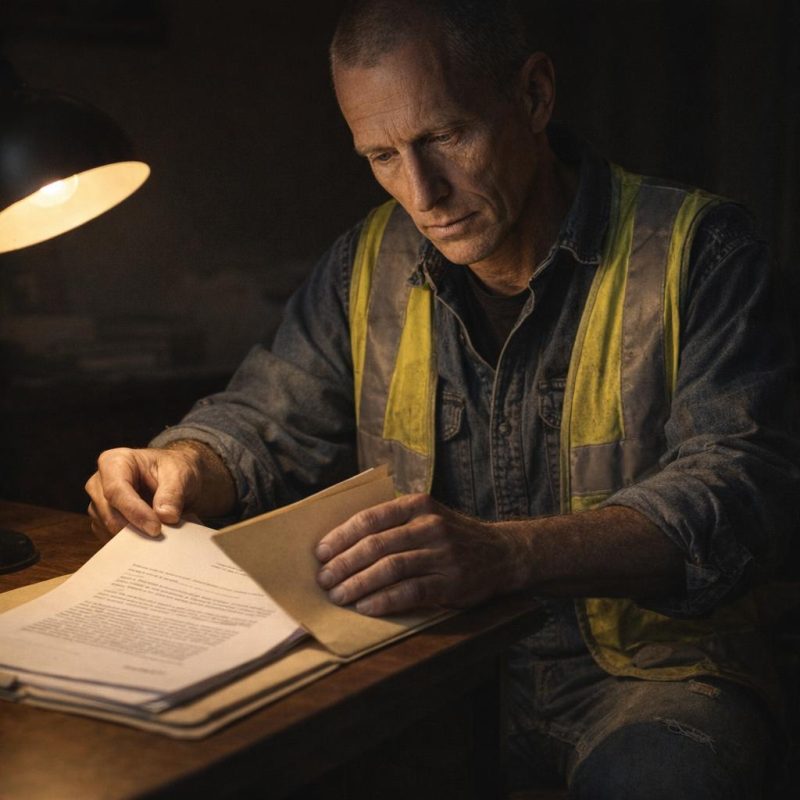 Image by RM AI
One Year
I didn't mark it on a calendar or anything. I just noticed one morning in late January that it had been exactly a year since Patricia called me crying and said Elena's diagnosis had come back. A full year of double shifts, automatic transfers, granola bars on milk crates, and lesson plans written in break rooms. I drove out to my parents' house that Sunday. Elena was up and sitting at the kitchen table, which felt like progress — she'd been couch-bound most of the fall. She looked a little stronger, or maybe I just needed her to. Patricia made coffee and told me the latest round was showing some response, that the doctors were cautiously optimistic, but that the treatment needed to continue. Elena reached across the table and squeezed my hand and said she didn't know how to thank me. I told her she didn't have to. I meant it. On the drive home I ran the numbers in my head the way I sometimes did, not to feel sorry for myself but just to keep track — somewhere north of forty thousand dollars over twelve months, give or take. It was a number that should have scared me. Instead I just felt the quiet, settled weight of it, the way you feel something you've already decided about. I pulled into my parking spot and sat in the car for a minute, and I knew without having to say it out loud that I would keep going for as long as she needed me to.
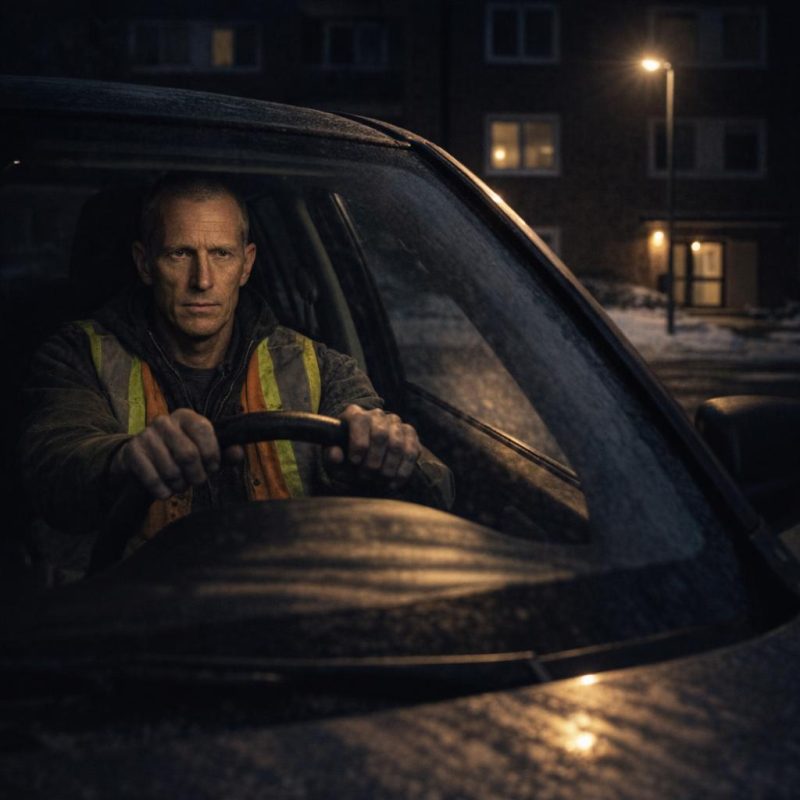 Image by RM AI
The Pride of Poverty
The parent-teacher conferences ran until eight on a Thursday, and I was in my usual rotation — the frayed slacks, the blue shirt that was starting to thin at the elbows. One of the parents, a woman in a wool coat that probably cost more than my monthly grocery budget, glanced down at my hem when she sat across from me. Just a flicker, the kind of look people think they're hiding. I kept talking about her son's reading comprehension like I hadn't noticed. After the last family left, Sarah caught my eye from across the hallway and gave me a look that was too careful to be pity and too soft to be nothing. I nodded at her and started gathering my folders. I was walking toward the exit when I passed the long window that ran along the side of the main corridor — the kind that goes dark at night and turns reflective. I stopped without meaning to. The man looking back at me was lean in a way that wasn't healthy, with dark circles that had stopped being temporary and started being structural, wearing clothes that had clearly been worn past their useful life. I stood there for a moment, just looking. Then I straightened up, picked up my bag, and walked out into the cold, because that man in the window was proof of something, and proof was the only thing I had left to hold onto.
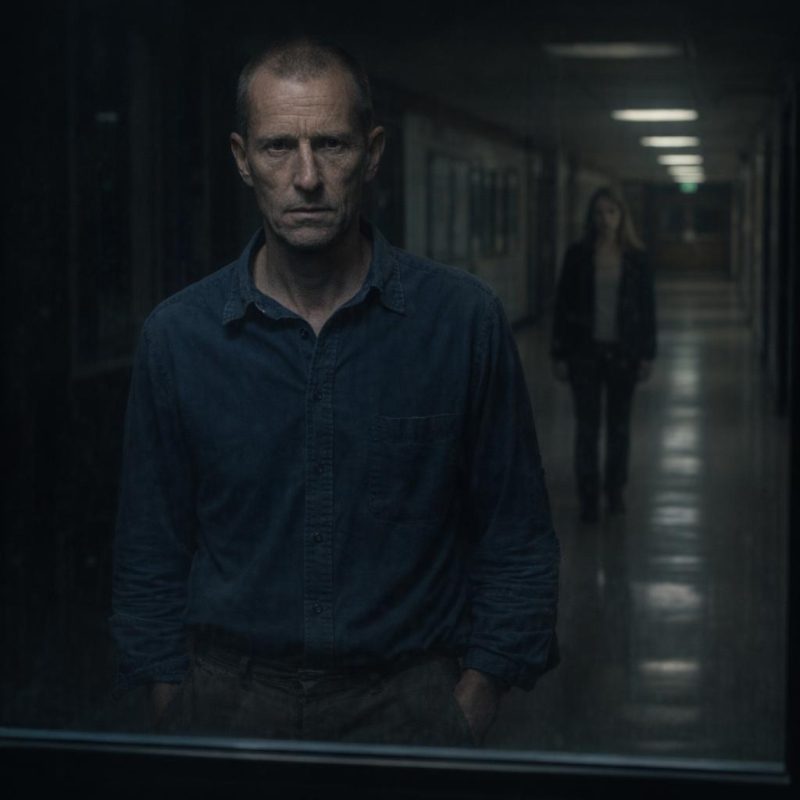 Image by RM AI
The Improvement
Patricia called on a Tuesday afternoon, and I was standing in the school parking lot with my keys in my hand, too tired to even feel the cold. She said the words slowly, like she wanted me to hear each one separately. I stood there with the phone pressed against my ear and felt something crack open in my chest — not pain, just pressure releasing, like a joint that had been locked for two years finally giving. I drove over that same evening. Elena was sitting up on the couch instead of lying flat, and there was a little color in her face that hadn't been there the last time. She looked at me and said she could feel it working, that she felt stronger in the mornings now. I nodded and didn't trust myself to say much. Patricia made tea and talked about the next round of appointments, and I sat there in that small living room thinking about every double shift, every skipped meal, every night I'd driven home at four in the morning with my hands barely gripping the wheel. Then Patricia said it again, slowly, like she wanted it to land: Elena's latest blood work had come back, and the numbers were moving in the right direction — the treatment was beginning to work.
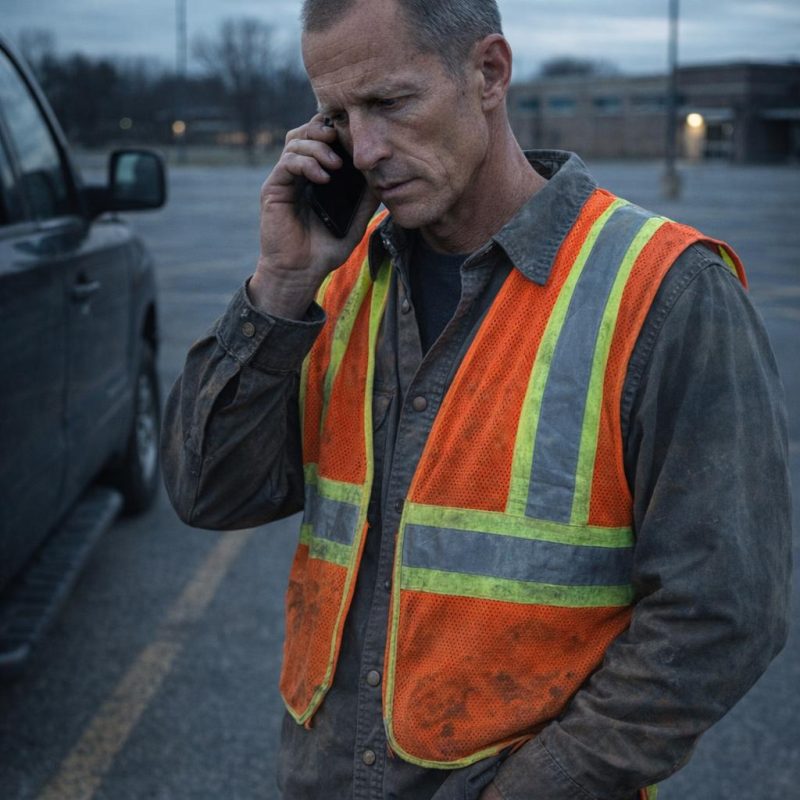 Image by RM AI
Ramen and Generic Coffee
The ramen was the store-brand kind, twelve packets for a dollar eighty-nine, and I had a system. Two packets at a time, half the seasoning to cut the sodium, a splash of hot sauce from the bottle I'd had since September. I told myself it was fine. Food is fuel, and fuel is fuel — the grade doesn't matter as long as the engine runs. The generic instant coffee came in a red plastic tub the size of a paint can, and it tasted like someone had described coffee to a chemist who had never actually tasted it. I drank it anyway, three cups before the morning shift, two more before the night shift, sometimes a sixth one around two in the morning when my hands started to feel like they belonged to someone else. I noticed my nails had gone brittle. My hair was coming out in the comb more than it used to. I skipped lunch most days because the biweekly transfer was coming up and I needed the buffer. I didn't think of it as suffering. I thought of it as math — subtract here, add there, keep the column balanced. The coffee had gone cold in the mug beside me, and I didn't bother reheating it.
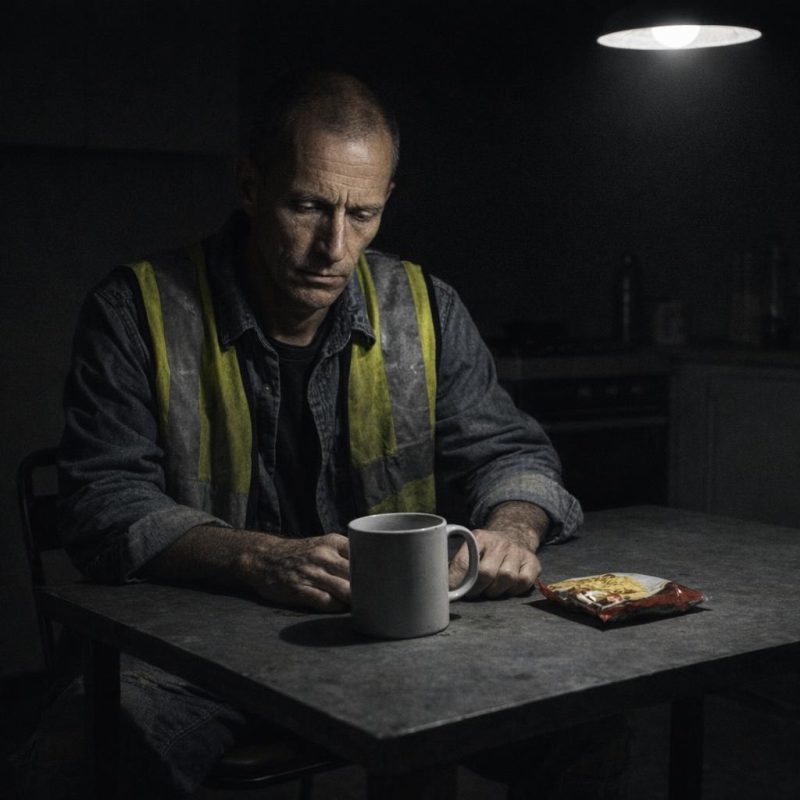 Image by RM AI
The Quiet Shrine
The house had changed in a way that was hard to name but impossible to miss. The curtains were drawn even in the afternoon. The television stayed off. Patricia moved through the kitchen in soft-soled slippers and spoke in the kind of hushed voice you use in hospital corridors, like raising it above a certain volume might disturb something fragile. Elena's blanket was folded on the couch. Her medications — or what I understood to be her medications — were lined up on the kitchen counter in a neat row, each bottle labeled in Patricia's handwriting. Every conversation circled back to the treatment schedule, the next appointment, the latest reading from the clinic. I'd sit at the table and Patricia would update me on dosages and protocols and I'd nod and try to follow along, even though most of it was beyond me. I wasn't a medical person. I was the person who made the medical possible. That was my job in this structure, and I understood it clearly. I'd look around that quiet room — the drawn curtains, the pill bottles, the careful hush — and feel the full weight of what we were all carrying together, each of us holding up a different corner of something that couldn't be allowed to fall.
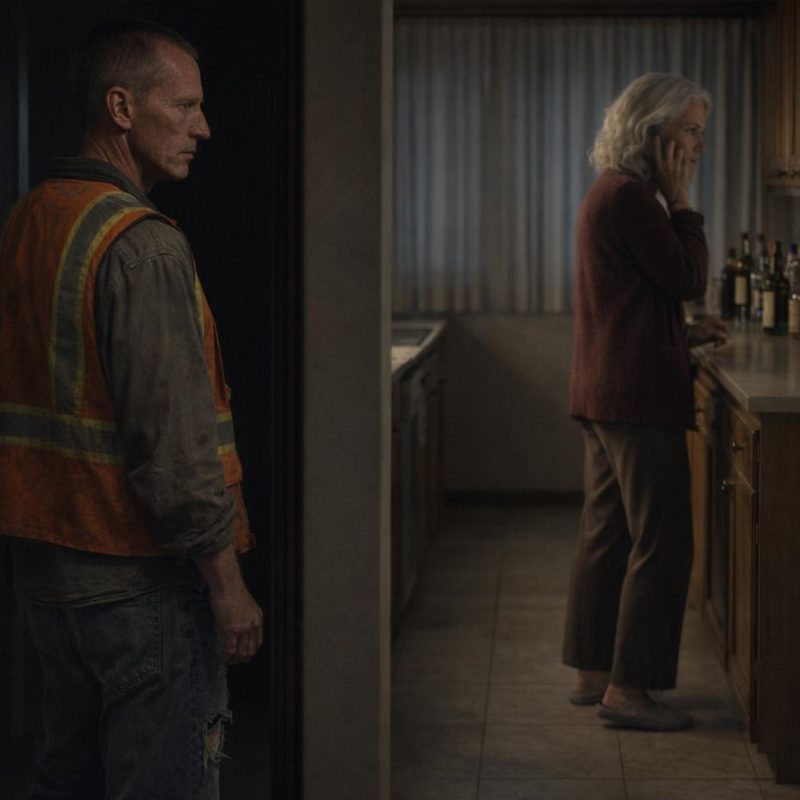 Image by RM AI
The Three AM Slump
Three in the morning at the warehouse is its own kind of country. The fluorescent lights don't flicker — they just hum at a frequency that gets inside your back teeth, and the cold comes up through the concrete floor no matter what you're wearing on your feet. My back had been sending signals for hours, the kind that start as a dull ache and graduate into something with edges. The caffeine had stopped doing anything useful around midnight. I was moving pallets on autopilot, muscle memory carrying what my brain had already checked out of. David was somewhere across the floor — I could hear the forklift, see the sweep of its headlight against the far wall. I set down a box and leaned against the shelving unit for just a second, just long enough to breathe. He watched from across the warehouse floor as I stood there, and I could feel his concern without looking up. The photo Patricia had sent two weeks ago was still saved on my phone — Elena in the clinic chair, the IV line in her arm, her eyes closed but her face calm. When the ache in my back sharpened and my legs went heavy, I reached into my pocket and pulled out my phone to look at the photo again.
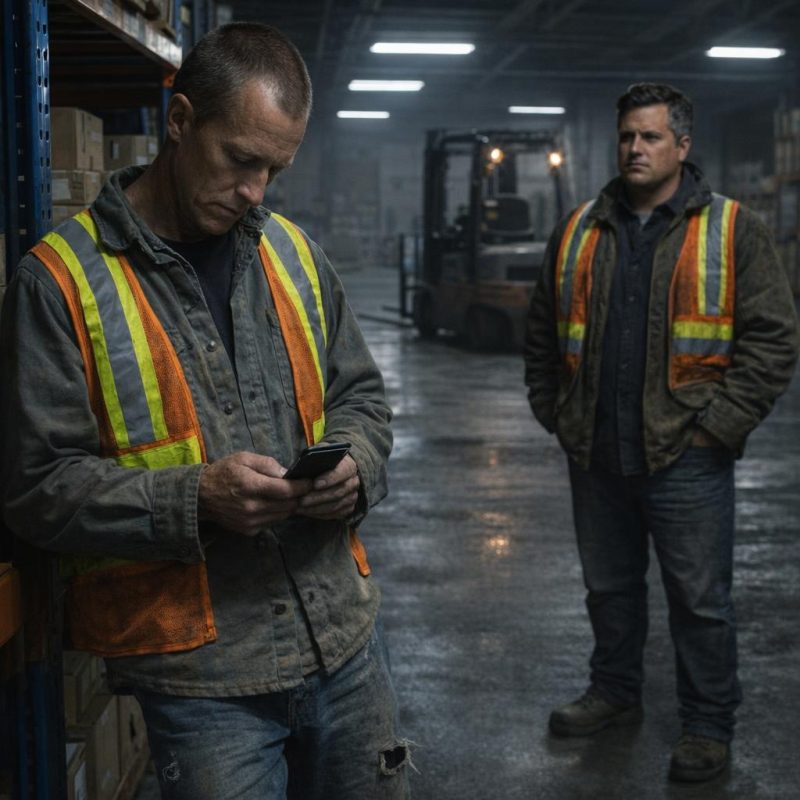 Image by RM AI
Year Two
Two years. I sat with that number for a while before I did anything else with it. Two years since the phone call, since the diagnosis, since I'd restructured my entire life around a single purpose. I pulled out the notebook where I'd been keeping the running total — not because I needed to, but because I needed to see it. Eighty-three thousand, four hundred dollars. Give or take. Nearly fifteen hundred night shifts. I'd stopped counting the meals I'd skipped somewhere around month ten. I drove over to the house that evening and Patricia made coffee and told me the clinic was encouraged by the latest results. Elena was stable. The maintenance phase would continue for the foreseeable future, but the trajectory was good. Elena sat across from me and said she was grateful, and I believed her, and I told her there was nothing to be grateful for because she was my younger sister and that was just how it was. I drove home after dark with the heater running and the radio off. Eighty-three thousand dollars. Fifteen hundred shifts. Two years of my life measured out in transfers and time cards and instant coffee and ramen and a body that was starting to feel like borrowed equipment. I sat in the parked car outside my building for a long time, and the number just sat there with me.
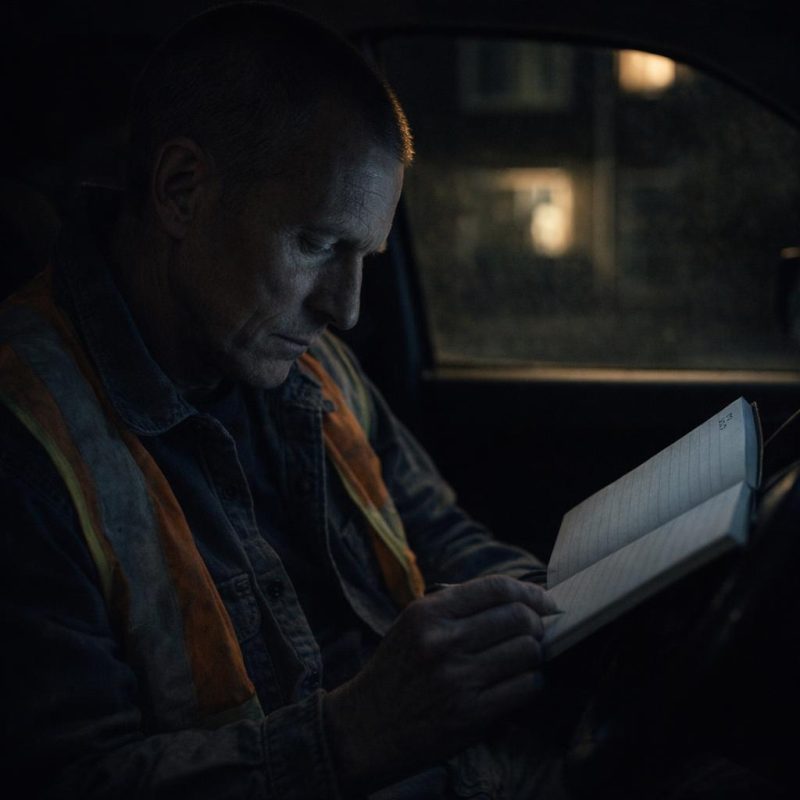 Image by RM AI
The Slipping
The back pain had stopped being something that happened and started being something that just was. It lived in my lower spine and sent branches down both legs, and some mornings I had to sit on the edge of the bed for a full minute before I could stand up straight. I'd lost weight — I knew that without a scale because my belt had moved two notches and my work shirts hung differently. The cough had started sometime in month four of year two, the dry warehouse kind, and it had never fully left. David noticed before I said anything. He came up beside me one afternoon while I was moving a pallet and watched me for a second without speaking. Then he said I looked like I was running on fumes and asked when I'd last seen a doctor. I told him I was fine. He said the word fine the way people repeat a word back to you when they don't believe it. I told him Elena's treatment was at a critical stage and I couldn't afford the distraction. He didn't push it, but he didn't look convinced either. I took four ibuprofen before the next shift and two more at the midpoint and told myself it was temporary. The cough rattled loose somewhere around two in the morning, and I swallowed it down and kept moving.
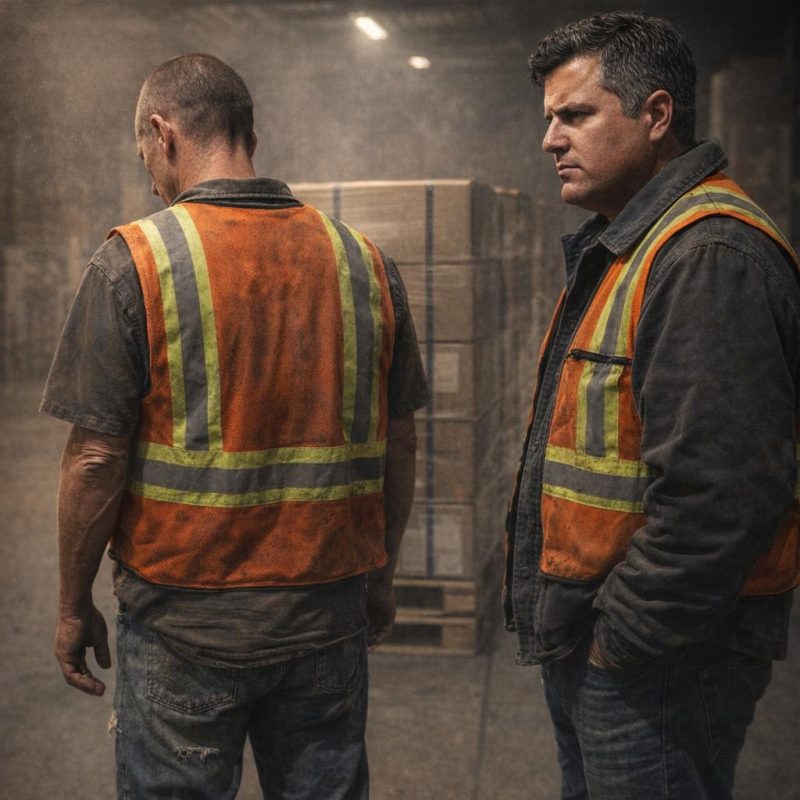 Image by RM AI
The Equation
I spread everything out on the kitchen table one night — the bank statements, the transfer receipts, the notebook with the running total. I wasn't looking for anything new. I just needed to see the shape of it laid out flat. I stared at the numbers for a while. Any finite number on the left side of that equation was still just a number. The right side was my younger sister breathing, existing, having a future. The math wasn't complicated. A finite cost against an infinite value — there was only one answer, and it was the same answer every time, no matter how many times I ran it. I felt the logic settle over me the way a heavy coat settles over tired shoulders. It didn't make anything easier. It just made it bearable. I took a piece of paper and wrote it out the way you'd write a proof — on one side, the hours, the dollars, the meals, the sleep, the back pain, the cough, the fifteen pounds I didn't have to lose; on the other side, Elena alive — and I set the pen down and stared at it.
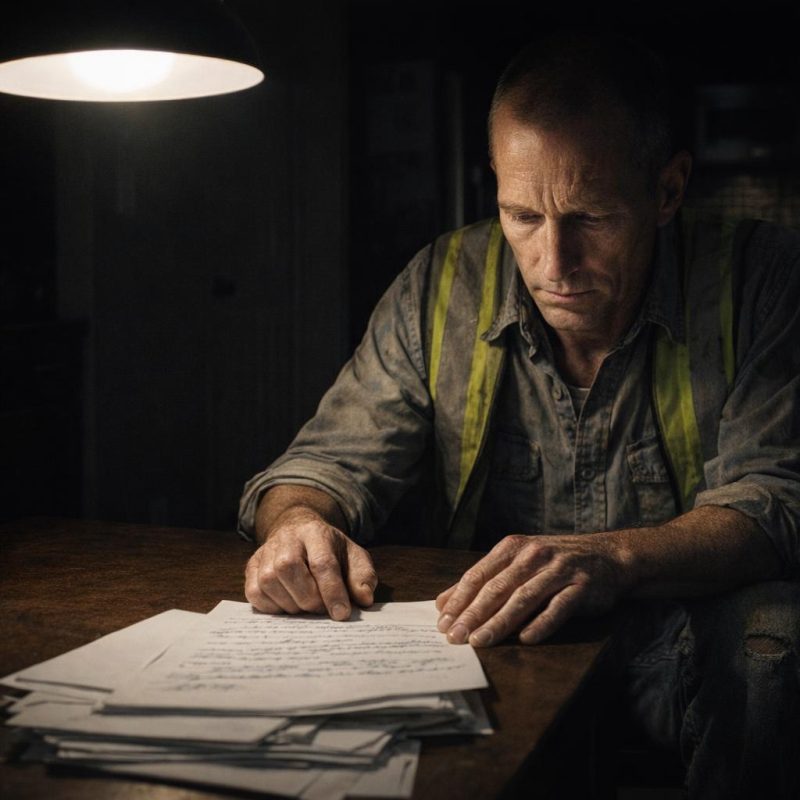 Image by RM AI
The Coordinator
Patricia had taken over all of it — the scheduling, the coordination, the paperwork — and I was grateful in the way you're grateful when someone lifts something heavy you didn't realize you'd been carrying. She called every week with updates. She'd tell me about the treatment protocols, the adjustments the clinic had made, the next round of appointments. She spoke with the kind of fluency that comes from being deep inside something for a long time — the terminology, the names of the medications, the billing cycles. After each appointment she'd mail me a summary: a printed sheet with dates and procedures and costs, sometimes a receipt stapled to the back. I filed them in a manila folder without reading them closely. I trusted her. She was my mother, and she had more reason than anyone to want Elena well. The folder had gotten thick over two years — thick enough that I'd had to start a second one. I kept them both in the kitchen drawer, rubber-banded together. One evening I pulled the drawer open to add the latest summary and noticed the stack had grown again, the rubber band stretched tight around two years of documentation I had never once sat down to read carefully.
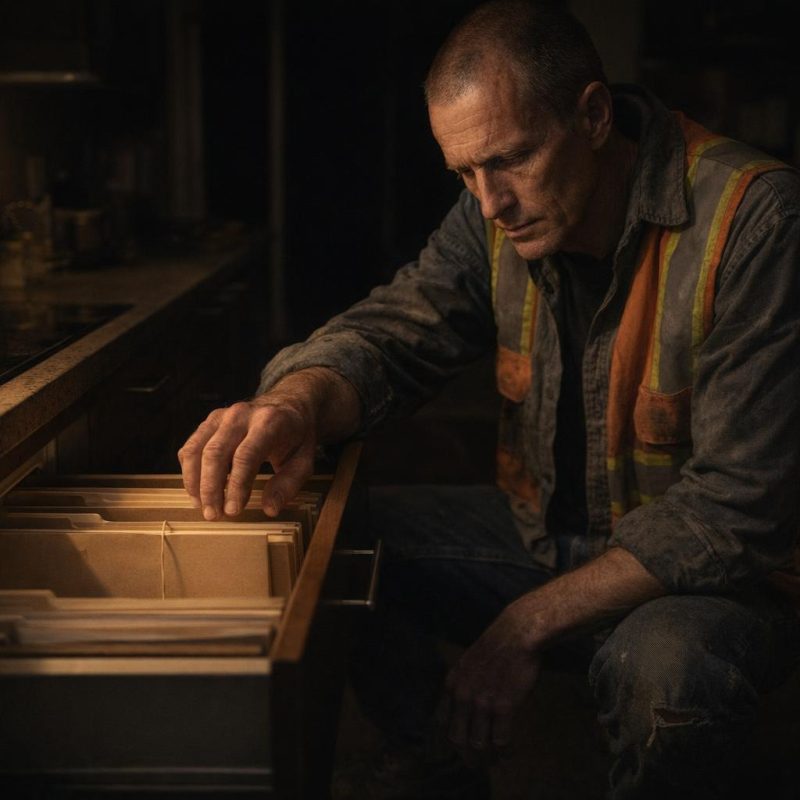 Image by RM AI
Round Four
She sent it on a Tuesday, right in the middle of my break. I was sitting on an overturned milk crate behind the loading dock, eating a granola bar that had gone stale two days ago, when my phone buzzed. It was Elena. The photo loaded slow on my screen — the warehouse wifi was garbage — and then there she was, propped up in a hospital bed with an IV line taped to the back of her hand, wearing one of those thin cotton gowns that never quite close in the back. Medical equipment crowded the frame behind her. She looked pale and small and tired in a way that made my chest tighten. The caption read: 'Round 4 today. You're making this possible.' I sat there on that crate in the cold and read it three times. Something loosened in my ribs — not relief exactly, but something close to it. Purpose, maybe. The kind that gets you back on your feet when your body is telling you to stay down. I saved the photo to my phone and told myself I'd pull it up the next time the warehouse shift got bad enough that I needed a reason to keep moving.
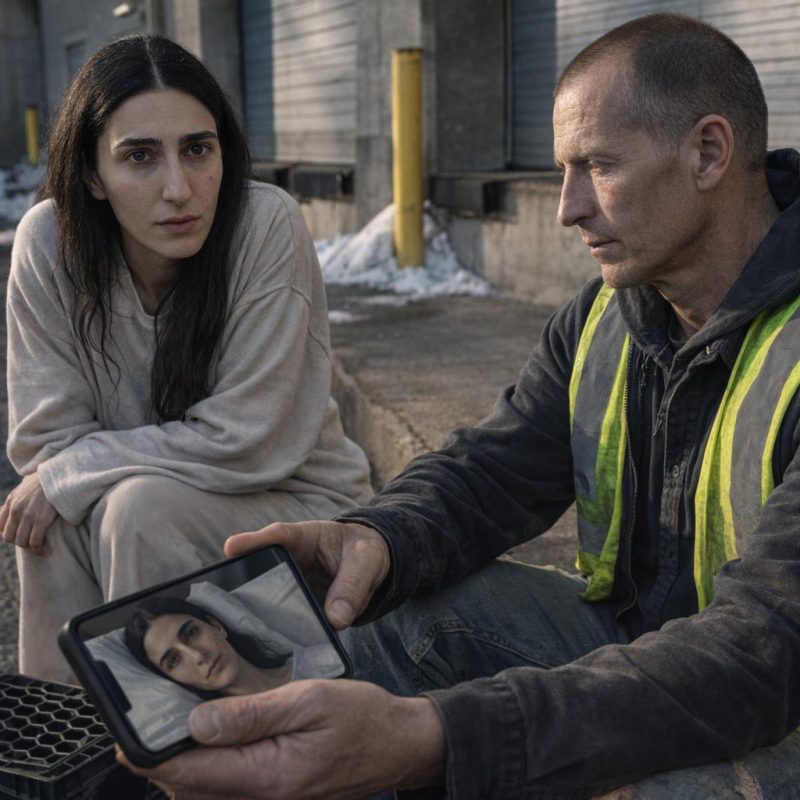 Image by RM AI
The Automatic Transfer
I set up the automatic transfer on a Wednesday evening, sitting at my kitchen table with my laptop open and a cup of coffee going cold beside me. Sixty percent of every paycheck, moved to the joint account on the first and fifteenth without me having to do a thing. The bank's interface made it almost too easy — a few fields, a confirmation click, and it was done. I remember thinking that was probably a good thing. If I had to manually move the money every two weeks, I might hesitate. I might look at the number and feel it. This way I didn't have to. The forty percent that stayed in my account covered rent, utilities, groceries if I was careful, and not much else. I stopped checking my balance the way you stop checking a wound you already know is there. The money left before I could miss it, and after a while the whole thing stopped feeling like a sacrifice and started feeling like weather — something that just happened to you, regular as the seasons, not something you decided. I'd sit down to pay a bill and the math would already be done. The decision had already been made, weeks ago, by a version of me that still had the energy to make it.
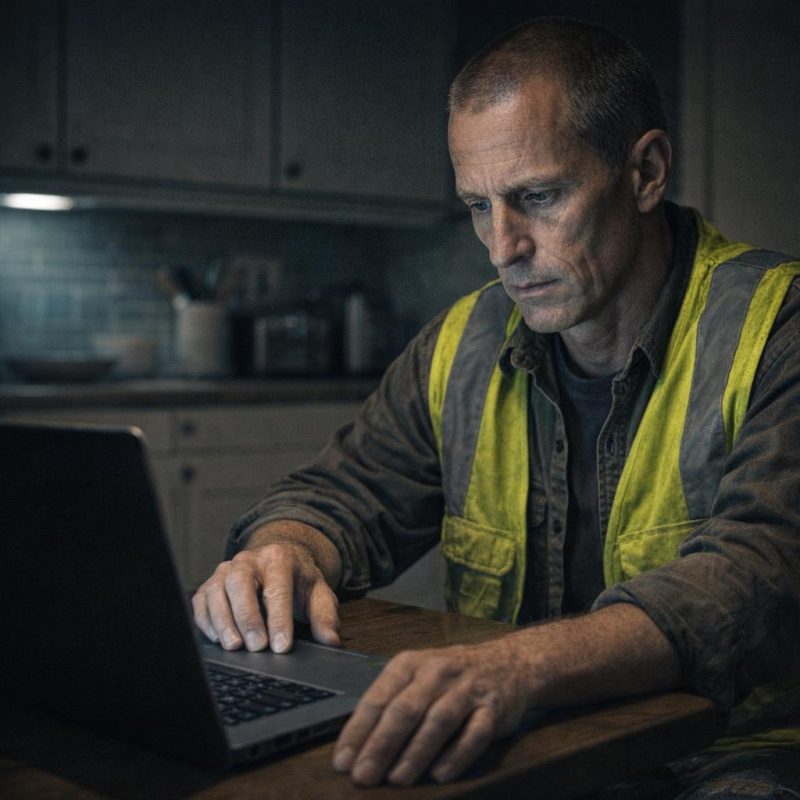 Image by RM AI
The Pillar
I drove out to the house on a Sunday, the way I did most Sundays that year. Patricia met me at the door before I even knocked, like she'd been watching for my headlights. The kitchen smelled like the soup she always made when things felt serious — bay leaves and something heavy, something that meant we were in it together. Elena was resting. Patricia walked me through the latest round of paperwork at the table, her reading glasses low on her nose, her voice steady and practiced. She needed me to sign off on a reimbursement form, to confirm the next transfer amount, to look over a schedule of upcoming appointments. I signed everything she put in front of me. Driving home that night, I thought about what it would look like if I stopped. If I just — didn't show up one Sunday. Didn't transfer the money. Didn't answer the phone. The whole thing would come apart. Patricia couldn't cover it. Elena couldn't fight it alone. I was the one holding the load, and I knew it, and some part of me needed that to be true. It gave the double shifts a reason. It gave the stale granola bars and the cold break room and the aching lower back a reason. I carried it home with me, that weight, and I didn't put it down when I got inside.
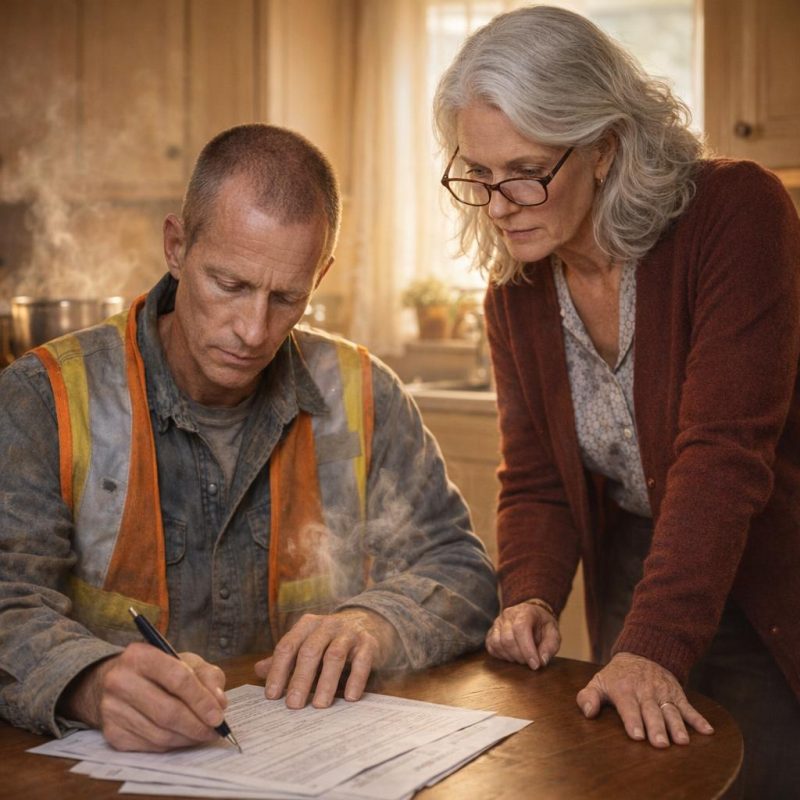 Image by RM AI
The Bedside Visits
Elena was in bed when I got there, same as always. The curtains were half-drawn and the room had that particular stillness that sick rooms get — hushed and careful, like even the air was trying not to disturb anything. She had the blanket pulled up to her waist and her hair loose around her shoulders, and she looked smaller than I remembered from the last visit. Patricia was in the doorway behind me, arms crossed, watching with the quiet vigilance of someone who hadn't slept well in a long time. I pulled the chair up close and we talked for a while — nothing heavy, just the kind of conversation you have when you're trying to make someone feel normal. I told her about a raccoon that had gotten into the warehouse break room and knocked over the vending machine. She laughed, soft and short, like laughing took something out of her. I got her a glass of water from the nightstand pitcher and she thanked me in a voice that barely carried across the room. She said she didn't know what she'd do without me. I told her she didn't have to think about that. I straightened her pillow, said I'd be back next week, and stood to go — and then her pale hand reached across the blanket and closed around the water glass.
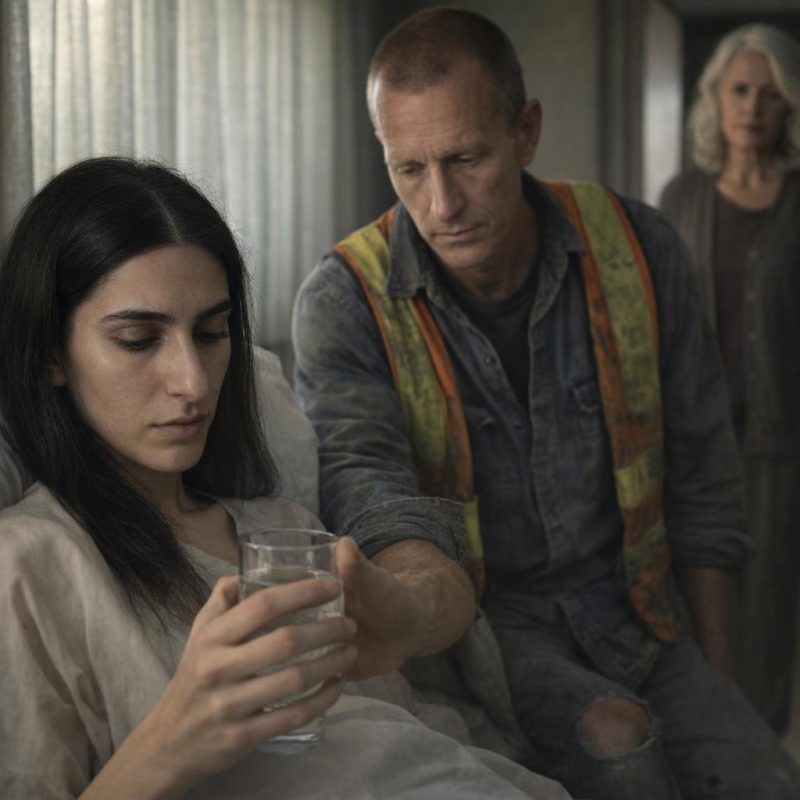 Image by RM AI
The Maintenance Phase
Patricia called on a Thursday morning, and her voice had a different quality to it — lighter, almost. She said the word 'maintenance' like it was something to celebrate, and for a second I let myself feel it too. Maintenance phase. It sounded like the worst was behind us. It sounded like Elena's body had finally stopped fighting the treatment and started working with it. I was standing in the parking lot of the school where I picked up my second job, and I remember the sun was actually out for once, and I thought: maybe this is the turn. Patricia explained that maintenance still required infusions — regular ones, ongoing, to keep the disease from reasserting itself. The costs, she said, would stay about the same for now. Maybe a little longer. I asked how long 'a little longer' was, and she said it was hard to predict, that these things moved on their own timeline. I said okay. I said I understood. I drove home that afternoon with the windows down, trying to hold onto the feeling that something had shifted, that the ground under my feet was a little more solid than it had been that morning. But by the time I got inside and sat down, the relief I'd been reaching for hadn't quite arrived.
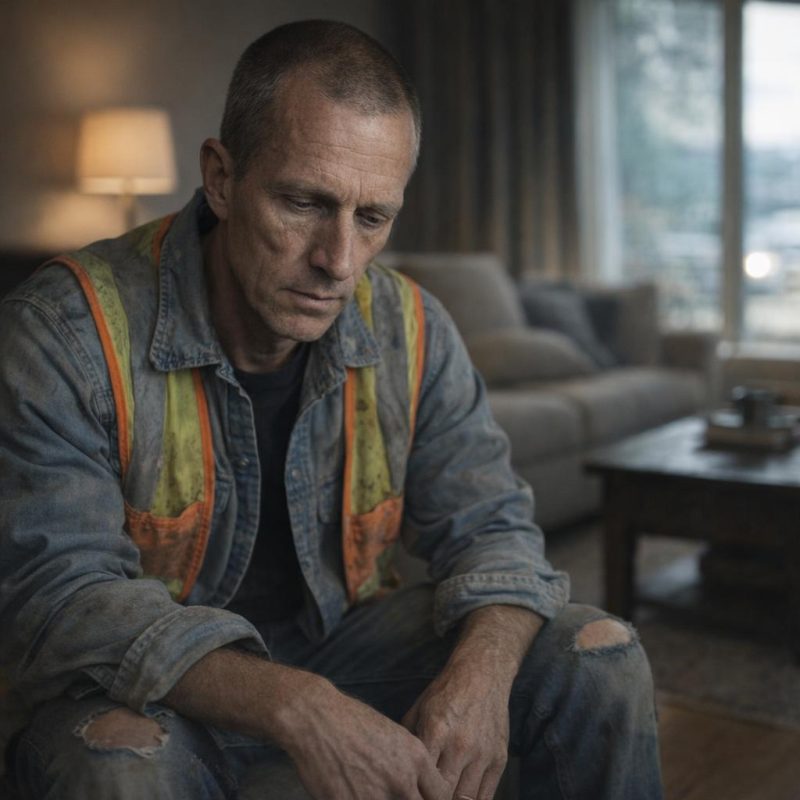 Image by RM AI
The Spike
The invoice came in the mail on a Friday, tucked inside one of Patricia's usual envelopes. I almost didn't open it right away — I'd gotten used to filing them without looking too hard. But something made me stop at the kitchen counter and pull it out. The number at the bottom was higher than anything I'd seen before, and we were supposed to be in the maintenance phase. I called Patricia that evening. She picked up on the second ring. She explained that the clinic had restructured its billing — new facility fees, an updated protocol that required additional monitoring, administrative costs that hadn't been part of the original agreement. She said it calmly, the way you explain something to someone who doesn't have the background to fully understand it. I stood at my kitchen window and listened and tried to find the logic in it. Maintenance costing more than active treatment didn't sit right with me, but I didn't know enough about how these things worked to push back with anything solid. I told her I'd figure it out. She said she knew I would. After I hung up, I looked at the invoice again, still sitting on the counter where I'd left it: four thousand, two hundred dollars more than last month's total.
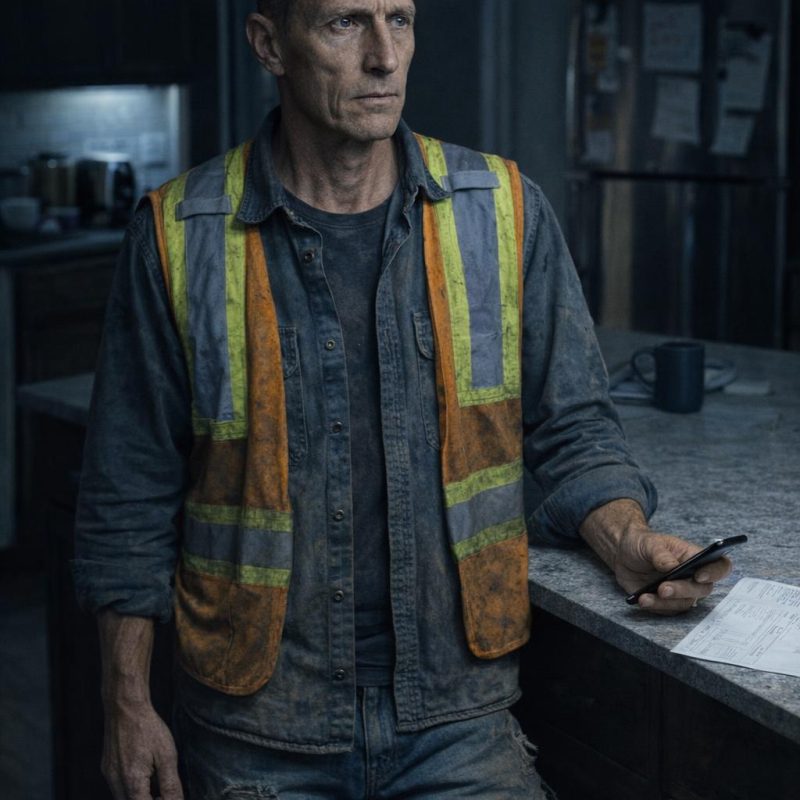 Image by RM AI
The New Facility
She called on a Monday, and I could tell from the first word that this wasn't a routine update. Patricia said the clinic was relocating — a new facility, better equipped, part of an expanded research program. She said it like it was good news, and then she got to the part that wasn't. Elena needed to secure her spot in the new facility's clinical trial before the transfer date, and the clinic required a deposit to hold the slot. Fifteen thousand dollars. Due within two weeks. I sat down on the edge of my bed and didn't say anything for a moment. I didn't have fifteen thousand dollars in any account I could touch without consequences. My savings were thin from three years of sixty-percent transfers. Patricia said if Elena lost her spot in the trial, they'd have to start the application process over from scratch, and there was no guarantee another slot would open. She said it quietly, without drama, which somehow made it worse. I asked if there was any flexibility on the timeline. She said she'd already asked. I stayed on the phone a few minutes longer, asking questions I already knew the answers to, and when I finally hung up I sat there in the dark of my bedroom with the number still turning over in my head, and the weight of it pressed down on me like something physical.
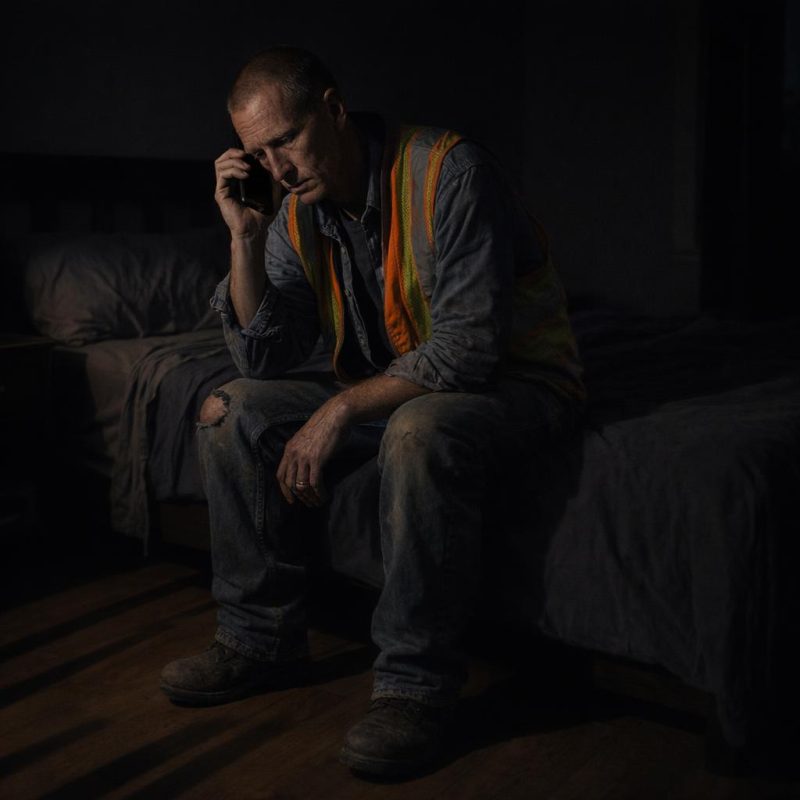 Image by RM AI
The 401k
I spent two evenings looking up early withdrawal rules on the IRS website, reading the same paragraphs three times because my brain kept sliding off the numbers. Ten percent penalty on top of the income tax hit — on fifteen thousand dollars, I was looking at losing close to four thousand before the money even reached the joint account. I sat with that figure for a long time. Four thousand dollars was two months of double shifts. It was the emergency fund I'd been quietly rebuilding since the previous year. It was supposed to be the foundation of something I hadn't let myself think about too carefully — a future, eventually, when all of this was over. I called the 401k administrator on a Wednesday morning, standing in my car in the school parking lot so nobody could hear me. I gave them the account number and the withdrawal amount and confirmed I understood the penalty. The representative read me a disclosure statement in a flat, professional voice, and I said yes to all of it. The transfer to the joint account cleared two days later. I checked the confirmation number, closed the app, and sat there in the parking lot for a while. The retirement account balance on the screen had been a number I'd spent years building toward. Now it was just a smaller number, and Elena still had her slot, and that was the only math that felt like it mattered.
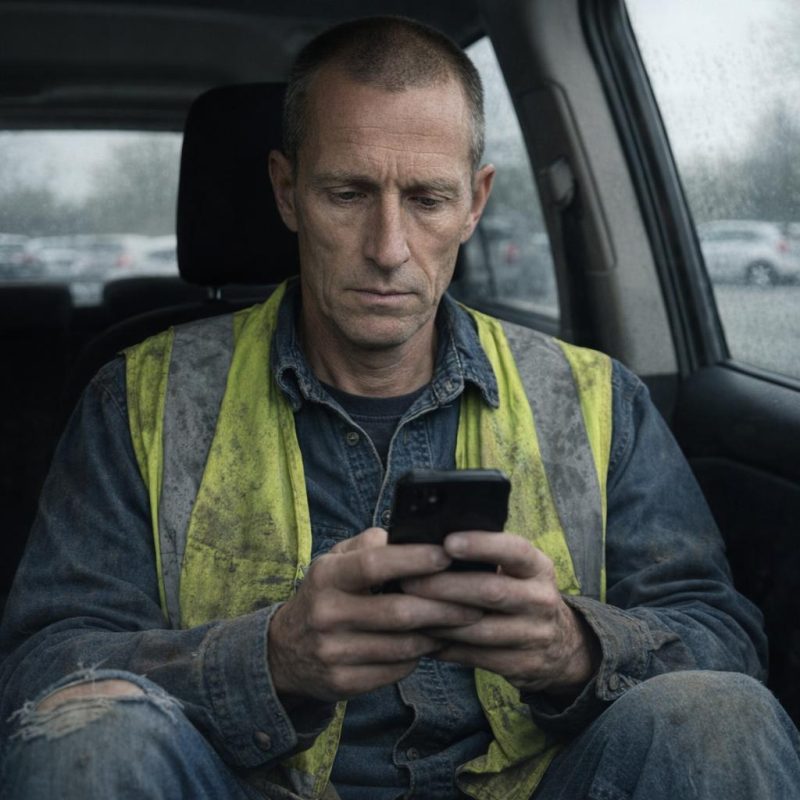 Image by RM AI
The Tax Form
The form came in a plain white envelope, mixed in with a water bill and a grocery store circular. I almost threw it away without opening it. It was labeled as a medical expense summary — the kind of thing the joint account generated automatically for tax purposes — and I set it on the kitchen table and smoothed it flat with my palm. The numbers matched what I expected. Every quarterly withdrawal was listed in order, going back eighteen months, and seeing them all in a column like that hit differently than watching them disappear one at a time. Forty-two thousand dollars, give or take. I sat with that for a minute. Then I started reading the line items more carefully, the way you do when you're trying to make sure everything is accounted for, and that's when I noticed it. The column labeled 'Provider' — the one that should have had the clinic name, the facility, something — was completely blank. Not dashes, not a placeholder. Just white space where a name should have been. I told myself it was probably a database glitch. These forms were auto-generated, and auto-generated things had errors all the time. I'd seen it before with insurance paperwork. I set the form aside to ask Patricia about later and tried not to think too hard about the blank space where a name should be.
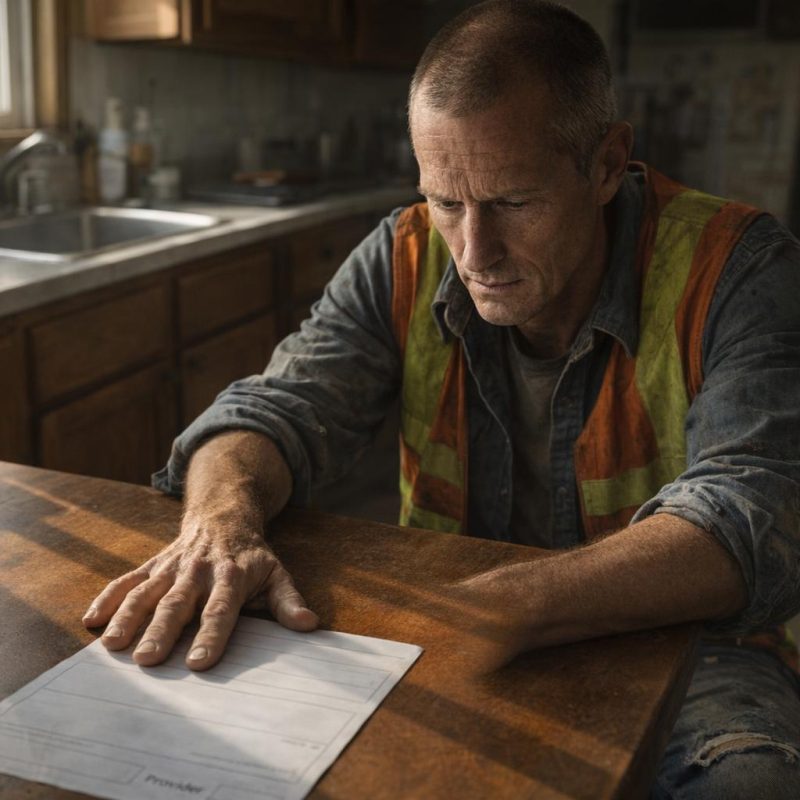 Image by RM AI
The Rationalization
I picked the form up again the next morning with my coffee, thinking a second look would settle it. It didn't. The blank provider field just sat there, the same as before, and I found myself pulling up a browser tab and typing in things like 'medical expense summary blank provider field' and 'IRS form 1099 clerical error database.' I found what I was looking for within about ten minutes — forum posts, a Reddit thread, a couple of accounting blogs all saying the same thing: medical billing systems were notoriously inconsistent, especially when a provider used a third-party billing service. The provider name sometimes didn't populate correctly. It happened more than people realized. I read three of those posts twice. I bookmarked one of them, which felt a little ridiculous even as I did it. But the relief was real. There was a logical explanation, and I'd found it, and that was that. Patricia had enough on her plate coordinating Elena's care without me calling her up to ask about a clerical error on a tax form she probably hadn't even seen. I folded the form and put it in the folder with the other medical paperwork. I told myself I was being practical. The doubt was still there, small and quiet, but I pushed it back down and left it there.
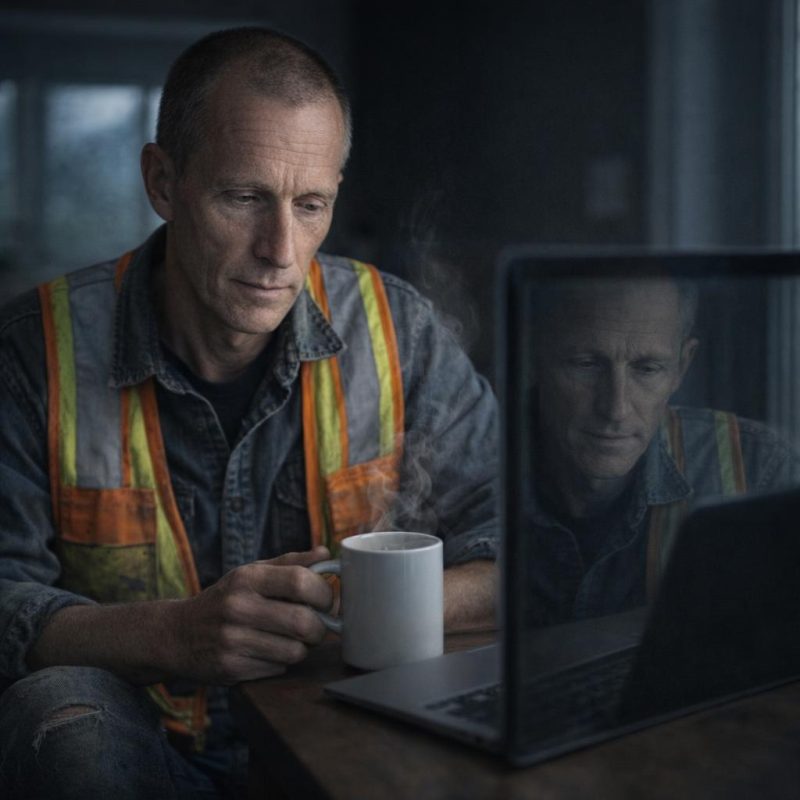 Image by RM AI
The Decision to Visit
I don't know exactly when the idea of going in person shifted from a passing thought to a plan. It might have been during a night shift, somewhere around three in the morning when the warehouse floor was loud and my back was screaming and I started thinking about where all of this money was actually going. Not in a suspicious way — more like the way you think about a place you've been sending letters to for years without ever seeing it. I'd been paying the Midwest Immunology Group for eighteen months and I had never once laid eyes on the building. I had a quarterly payment due anyway. I could drop it off in person, ask someone at the front desk about the provider field on the tax form, maybe thank whoever was willing to listen for what they were doing for Elena. That was all. It felt practical. It felt like the kind of thing a responsible person would do instead of just mailing another check into the void. I wrote the check that night on my break, tucked it into my jacket pocket, and decided I'd drive straight there after my shift ended in the morning. The address was already in my phone. I'd looked it up months ago and never used it. Now I finally had a reason to go.
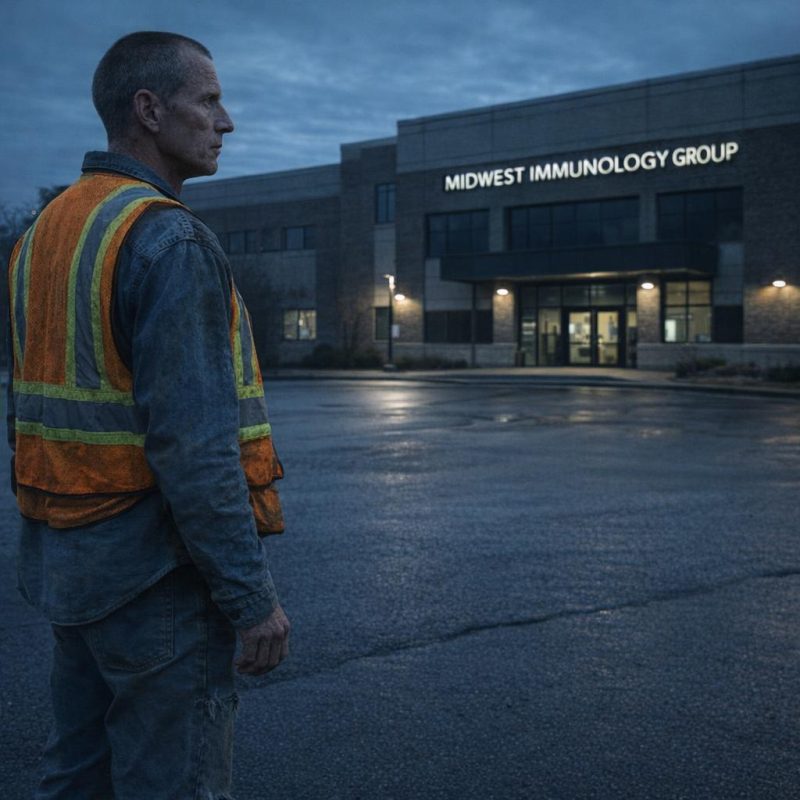 Image by RM AI
The Drive
My shift ended at seven and I didn't go home. I told myself it made more sense to drive straight there — if I went home first I'd lie down and that would be the end of it, and I'd wake up at four in the afternoon having accomplished nothing. So I sat in my car in the warehouse lot for a few minutes with the heat running, eating a granola bar I found in the glove compartment, and then I pulled out onto the highway. My hands smelled like the warehouse — that particular mix of cardboard dust and machine oil that never fully washed off. My shoulders ached in the specific way they always did after a full shift, that deep-muscle soreness that had become so familiar I barely registered it anymore. The drive was about forty minutes. I kept the radio off. I rehearsed what I'd say at the front desk — something simple, something that didn't make me sound like I was checking up on anyone. Just dropping off a payment, had a quick question about a tax form, wanted to say thank you to whoever had a minute. The check was in my jacket pocket and I could feel the slight weight of it every time I shifted in the seat. The morning light was flat and gray, and the exhaustion sat behind my eyes like something I'd been carrying so long I'd forgotten it wasn't supposed to be there.
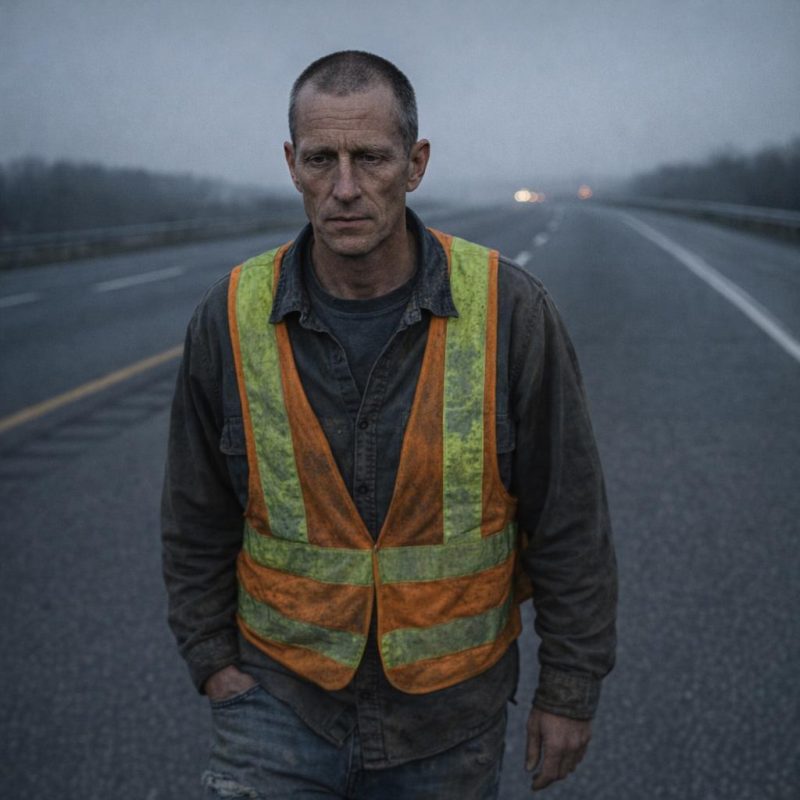 Image by RM AI
The Glass Building
The address took me to a part of the city I didn't get to often — newer construction, wide sidewalks, the kind of landscaping that gets watered on a schedule. I parked in a visitor spot and sat there for a second looking at the building. It was glass-fronted, maybe four stories, with the kind of clean lines that cost money to maintain. There were flower beds along the entrance path, trimmed and deliberate. A small waterfall feature ran along one side of the lobby entrance, the water catching the morning light. It looked exactly like what I'd imagined when I pictured where Elena was being treated — serious, professional, expensive in the way that medical care is supposed to be expensive when it's actually working. I felt something loosen in my chest a little. This was real. This was a real place. I got out of the car and my knees ached from the drive on top of the shift, and I straightened up slowly and tucked my jacket closed because the morning was cold and I was aware, suddenly, of how I looked — the frayed cuffs, the work boots, the dark circles I could feel more than see. I walked up the path toward the entrance, past the flower beds and the sound of the water, and pushed through the glass doors into the lobby.
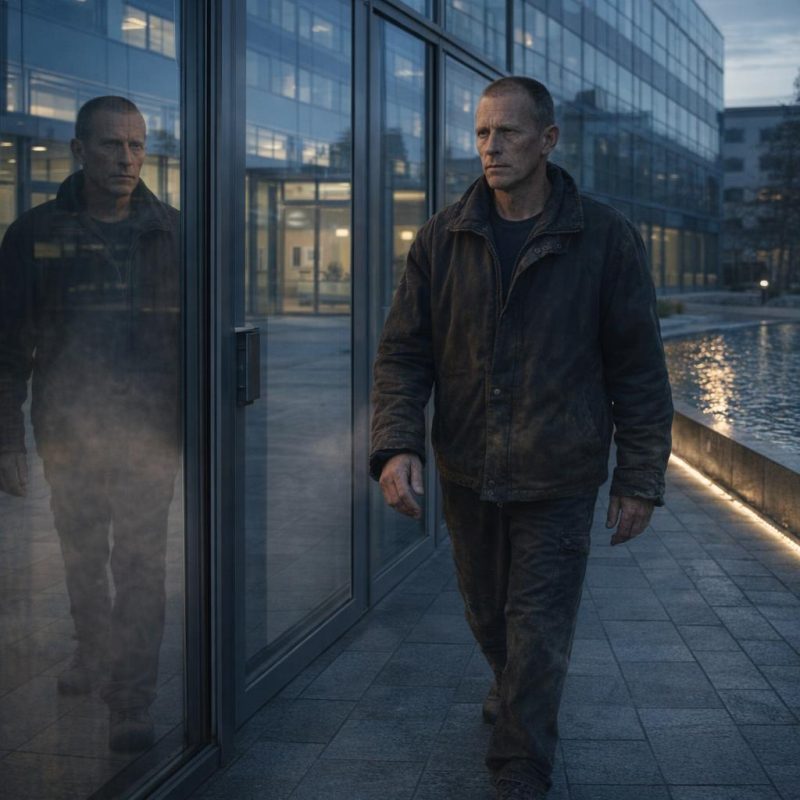 Image by RM AI
The Gratitude He Planned
The lobby smelled like lilies. That was the first thing — this clean, expensive floral smell that hit me the second the doors closed behind me. The floors were marble, or something that looked like it, and the overhead lighting was the warm kind, not the fluorescent buzz I lived under at the warehouse and the school. There was a low arrangement of white flowers on a side table near the entrance, fresh enough that the petals hadn't started to curl. I stood there for a second just taking it in, feeling the warmth of the building after the cold outside. Then I walked to the reception desk. The receptionist looked up with a professional smile — the kind that's genuine enough to put you at ease. I told her I was there to drop off a payment and that I had a quick question about a tax form. She nodded and asked how she could help. I said I was there on behalf of my younger sister, Elena Vance, that she was a patient here, and that I'd been handling the payments for her treatment. I said I'd wanted to come in person for a while — that I just wanted to say thank you to someone, anyone, for what they were doing for her. The words I'd rehearsed in the car came out almost exactly the way I'd practiced them.
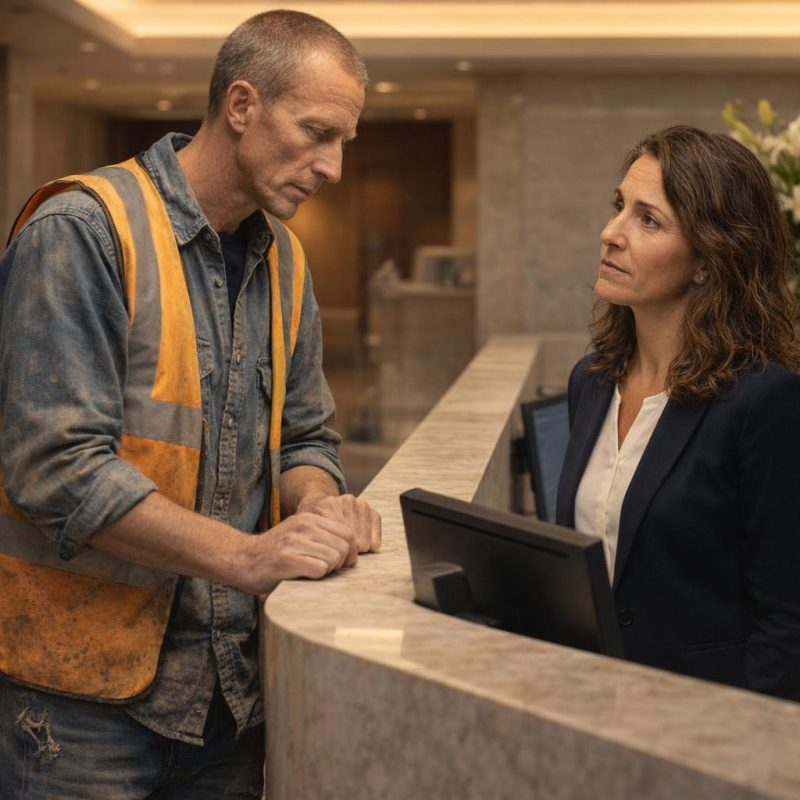 Image by RM AI
The Search
The receptionist's smile stayed in place while she turned to her keyboard and started typing. I watched her fingers move, heard the soft click of the keys. She asked me to spell the last name, and I did — V-A-N-C-E — and she typed it in and waited. The smile shifted slightly. Not gone, just — different. She asked for a date of birth, and I gave her Elena's. She typed again, slower this time, and I could see her eyes moving across the screen in a way that didn't look like reading so much as searching. She asked me to spell the first name too, just to be sure. E-L-E-N-A. She typed it. She waited. She scrolled. I became aware of my own heartbeat in a way I hadn't been a minute ago — that low, insistent thud that shows up when your body knows something your brain hasn't caught up to yet. The receptionist's brow pulled together just slightly, the professional composure still mostly intact but with something working underneath it. She tried one more search — I could tell by the way she paused and then started typing again with a different rhythm, like she was approaching it from a new angle. Then she stopped. She looked up at me, and the confusion on her face was quiet and careful, the kind that comes from not wanting to say the wrong thing.
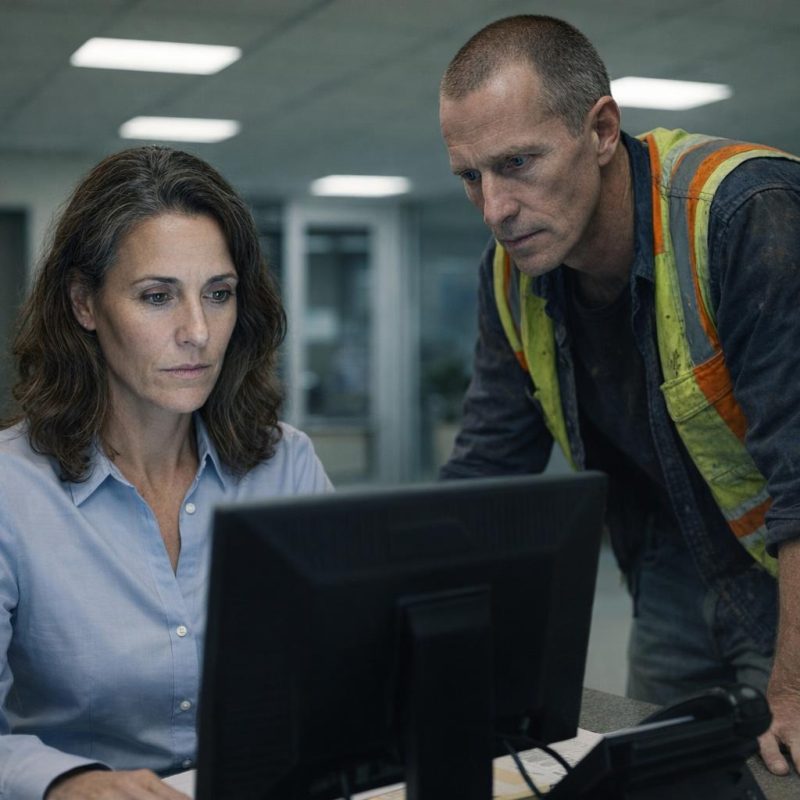 Image by RM AI
The Invoice
I don't know what I said first. Something like, 'Is there a problem?' or maybe I just asked if she was sure. She said she wasn't finding anything under that name in their system, and that she'd tried a few different searches. My mouth went dry. I reached into my jacket pocket and pulled out the invoice — the most recent one, the quarterly statement Patricia had mailed me — and I set it on the counter and slid it toward her. I pointed to the letterhead at the top: Midwest Immunology Group, the address, the phone number, all of it printed in clean professional type. I asked if this was the right office. She picked up the paper and looked at it. I watched her read it the way you watch someone read something you've handed them when you need the answer to be yes. Her expression changed as she studied it — something careful and deliberate moving across her face, the kind of look that people get when they're deciding how to handle a situation they weren't expecting. She set the invoice down on the desk without giving it back to me. Then she said she was going to get the office manager, and she picked up the phone.
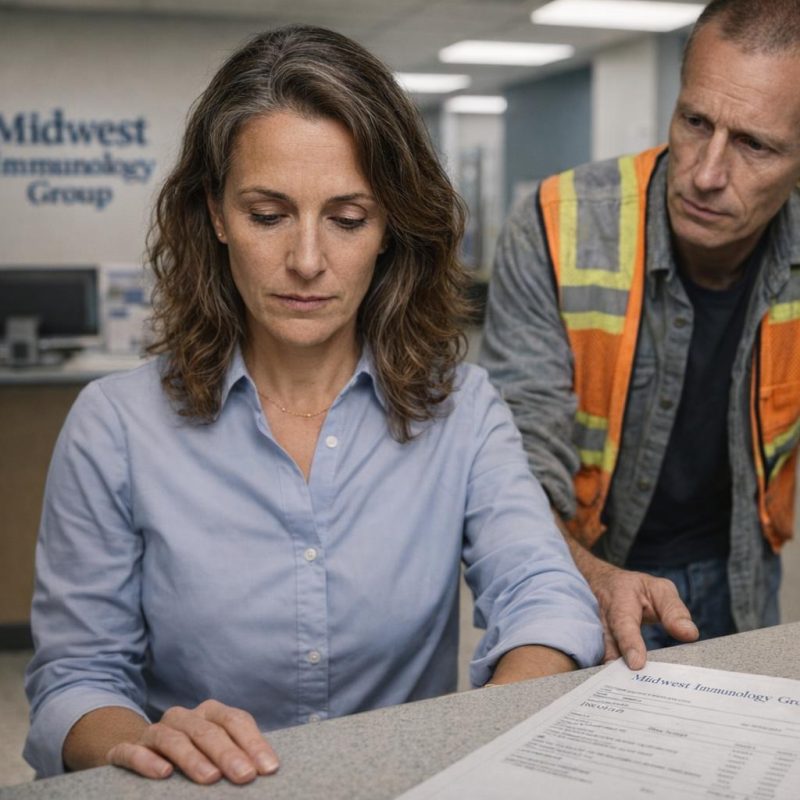 Image by RM AI
No Record Found
The receptionist tried again. She asked me to spell the last name, and I did — V-A-N-C-E — and she typed it in slowly, like she wanted to make sure she hadn't missed anything. Nothing came up. She asked for a date of birth, and I gave her Elena's: March 14th, 1991. Still nothing. She tried a partial search on just the first name. She tried the address I had on the invoices. She asked if I had a social security number, and I read it off the back of one of the billing statements Patricia had sent me, the one I'd carried in my wallet for two years in case of emergency. Her fingers moved across the keyboard one more time, and then she stopped. She looked up at me with an expression I couldn't quite read — careful, measured, like she was choosing her next words with real deliberation. She said she was sorry, that she'd tried every search field available to her, and that there was simply no record. I stood at that counter with the invoice still sitting between us, the name printed right there in clean black type, and the silence where an answer should have been pressed in around me like something physical.
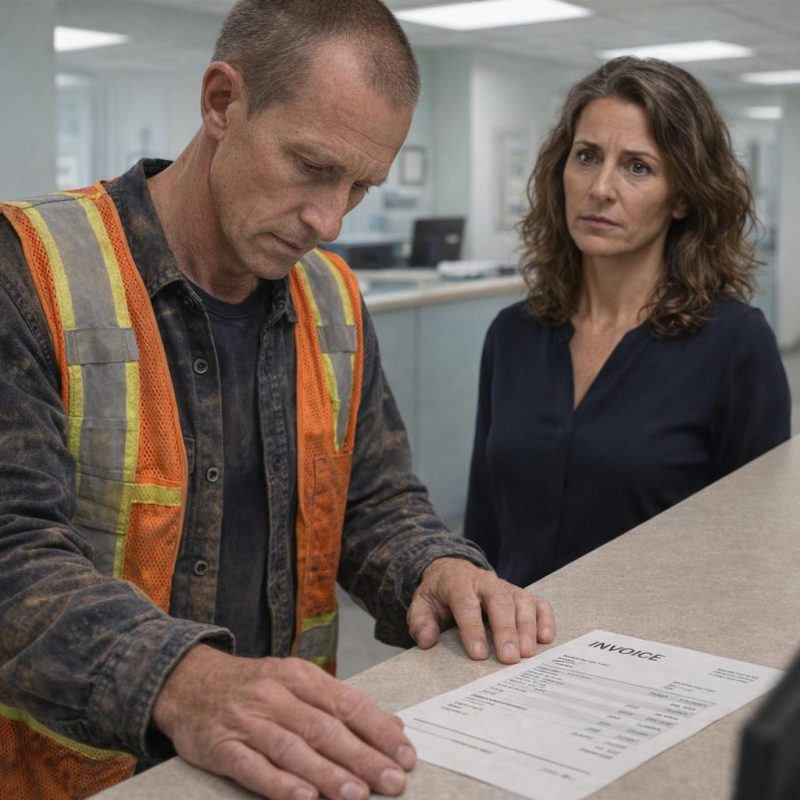 Image by RM AI
The Manager's Review
The office manager came out from a back hallway carrying the invoice the receptionist had handed her. She was a compact woman with reading glasses pushed up on her forehead, and she studied the paper the way someone studies a thing they already suspect is wrong. She didn't say anything at first. She held it up slightly toward the overhead light, then set it flat on the counter and ran her finger along the top edge where the letterhead was printed. She said the logo was off — that the version on my invoice was the one they'd retired about five years ago, before a full rebrand. She pointed to a line of billing codes near the bottom of the page and said those codes didn't correspond to anything in their current system, or their archived system either. She turned the invoice slightly so I could see where she was pointing, and I looked at the numbers like they might rearrange themselves into something that made sense. She said she wanted to check one more thing and asked if she could keep the paper for a moment. I said yes. I watched her carry it back toward her office, and I stood there at the counter with the fluorescent lights humming above me and every detail she'd named sitting wrong in my chest.
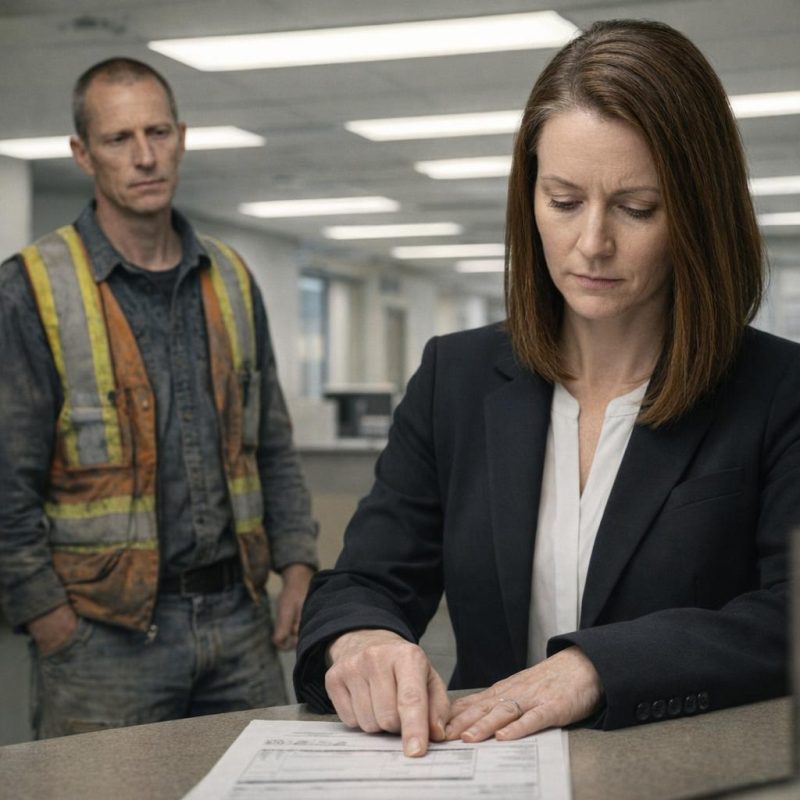 Image by RM AI
Pediatric Dental Work
She came back out a few minutes later and set the invoice on the counter between us. She said she wanted to be straightforward with me, and something in her tone made me grip the edge of the counter. She explained that the billing codes printed on my invoice — the ones I'd been receiving for three years — were procedure codes for pediatric dental work. Not autoimmune treatment. Not immunology of any kind. Pediatric dental. She said it slowly, like she understood I needed a moment to process it. Then she told me that even if the codes had been correct, it wouldn't have mattered, because their facility had stopped treating autoimmune disorders entirely about eighteen months ago. They'd transitioned to dermatology and cosmetic surgery. She said it gently, but the words landed like something dropped from a height. I tried to follow the logic of it — dental codes, a dermatology clinic, three years of quarterly statements — and the pieces wouldn't connect into anything that held together. The receptionist had stepped back slightly, giving me space. The manager folded her hands on the counter and waited. I opened my mouth to ask the question that was forming somewhere behind my sternum, and what came out instead was: "Pediatric dental?"
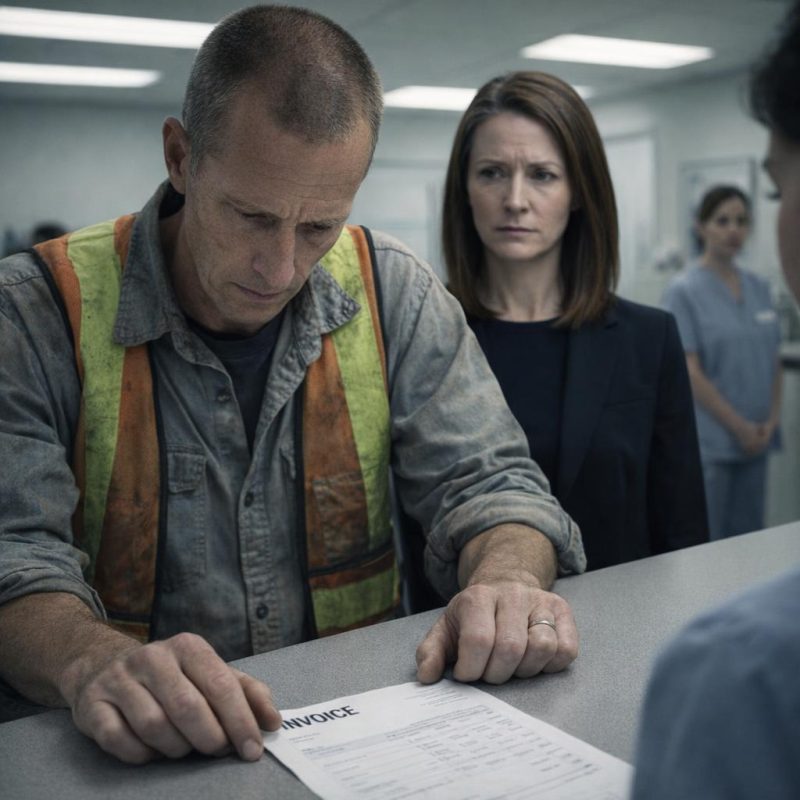 Image by RM AI
The Ghost
The manager nodded, and I heard her offer to help me file a report. I think I said no. I'm not entirely sure what I said. The receptionist brought me a small paper cup of water and I took it without drinking it, just held it in my hand while the lobby seemed to tilt slightly around me. I kept looking at the invoice on the counter — the clean letterhead, the professional formatting, the billing codes that apparently meant nothing close to what I'd believed they meant. Three years of those documents. Quarterly statements. Explanation-of-benefits summaries. All of it arriving in envelopes with Patricia's handwriting on the outside. I thought about the accordion folder I kept at home, fat with every receipt and statement, organized by year. I thought about the total I'd calculated once on a napkin at the warehouse break room — the number I'd been too tired to fully feel at the time. The manager said something else, something about resources, and I nodded like I was listening. But I was standing in a lobby where my younger sister had apparently never set foot, holding a cup of water I couldn't drink, staring at a document that had never been real.
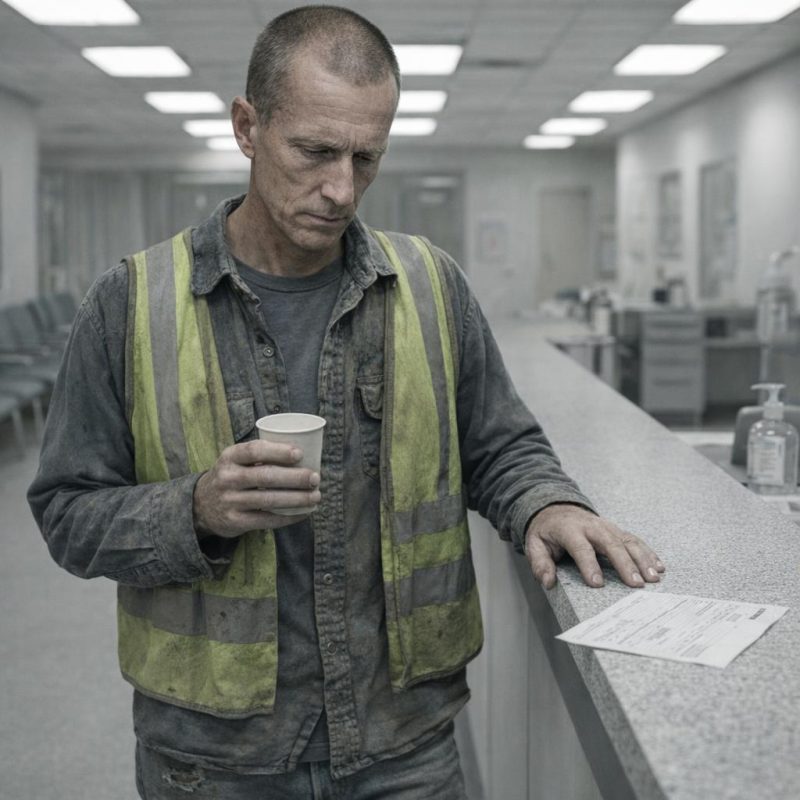 Image by RM AI
The Backyard
I drove to the house on autopilot. My hands were on the wheel but I couldn't have told you what roads I took. I let myself in with the spare key — the house was quiet, no one in the front rooms — and I noticed a stack of manila folders on the kitchen table, the kind Patricia always used for what she called Elena's medical paperwork. I didn't stop to look at them. I could hear something from the backyard, voices, laughter, and I walked toward the sliding glass door at the back of the kitchen. The laughter got clearer as I got closer. I put my hand on the door handle and looked through the glass. There was a new teak deck out there — wide, expensive-looking, the kind of thing that costs real money — and Patricia was stretched out on a lounge chair surrounded by shopping bags with tissue paper spilling out the tops. And there was Elena. My younger sister, who I had been told was too weak some days to get out of bed, was standing in the middle of that deck in yoga clothes, one leg extended behind her in a pose that required balance and strength and a body that had never been failing.
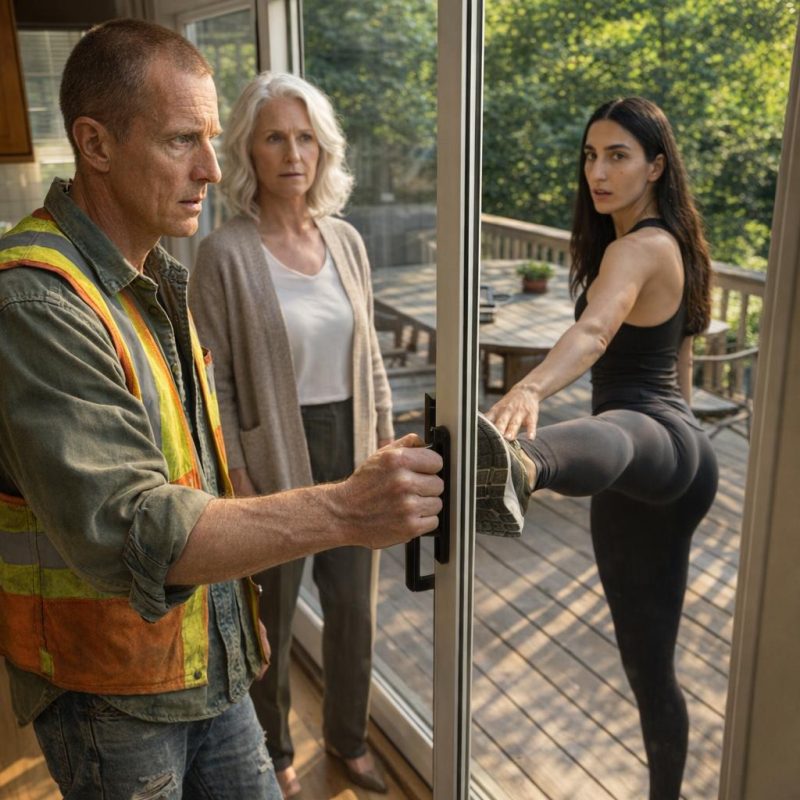 Image by RM AI
The Freeze
I slid the door open and stepped out onto the deck. The wood was solid under my feet, smooth and new. The laughter stopped the instant they heard the door. Elena was mid-pose, one leg still extended, and she froze there — didn't bring it down, didn't move at all, just went completely still the way an animal goes still when it knows it's been seen. Patricia's tablet slid off her lap and hit the deck with a flat crack. Neither of them said anything. I didn't say anything either. I just stood there and looked at them, and they looked at me, and the silence stretched out long enough that I could hear a neighbor's lawn mower running somewhere down the block. I looked at the shopping bags — four, five of them, designer names I recognized from price tags I'd never been able to justify for myself. I looked at Elena's posture, her color, the easy way she was holding that extended pose even frozen in shock. I looked at Patricia's face. Then I looked back at Elena, and I watched the moment when they both understood that whatever story came next, I had already seen what I had seen.
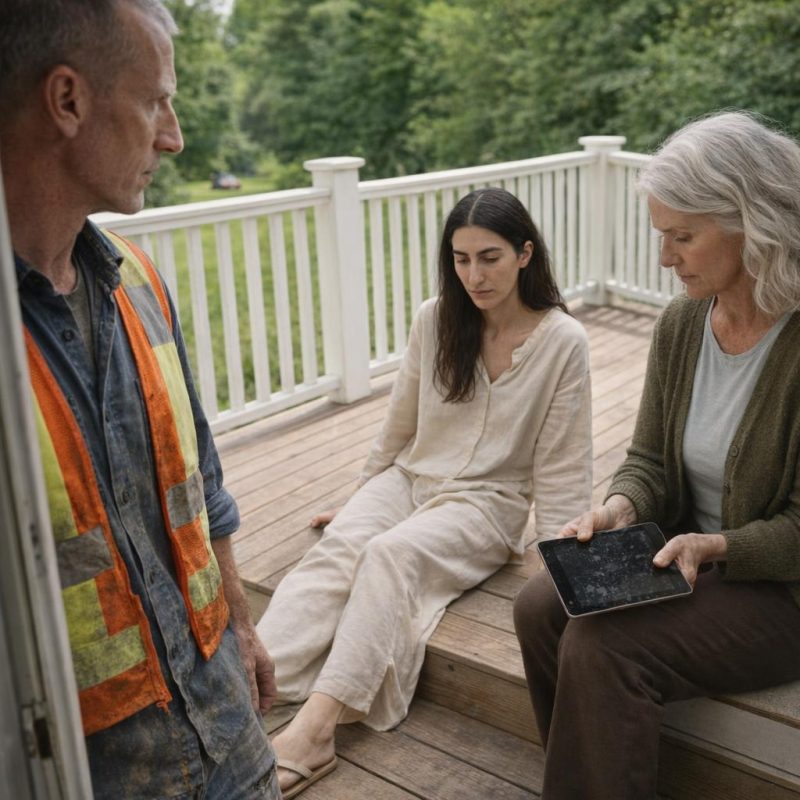 Image by RM AI
The Excuses Begin
Patricia stood up first. She started talking before she was fully upright, her voice fast and layered with something that sounded like explanation but kept sliding into justification. Elena stepped down from her pose and started talking too, and for a moment they were both going at once — Patricia saying Elena had been sick, genuinely sick, at the beginning, that the first diagnosis was real, and Elena saying they'd just needed more time, that they knew the money would stop if they said she'd gotten better. I stood there and let it wash over me. Elena gestured at the house, at the deck, like the existence of nice things was its own kind of argument. Patricia mentioned debts — credit cards, she said, things that had gotten out of hand before any of this started, like that was context I was supposed to find softening. Neither of them cried. Neither of them said the word sorry. They spoke quickly and watched my face while they spoke, and what I saw in their expressions wasn't remorse — it was the particular anxiety of people recalculating, trying to find the version of the story that would cost them the least. The words kept coming, and each one landed heavier than the last.
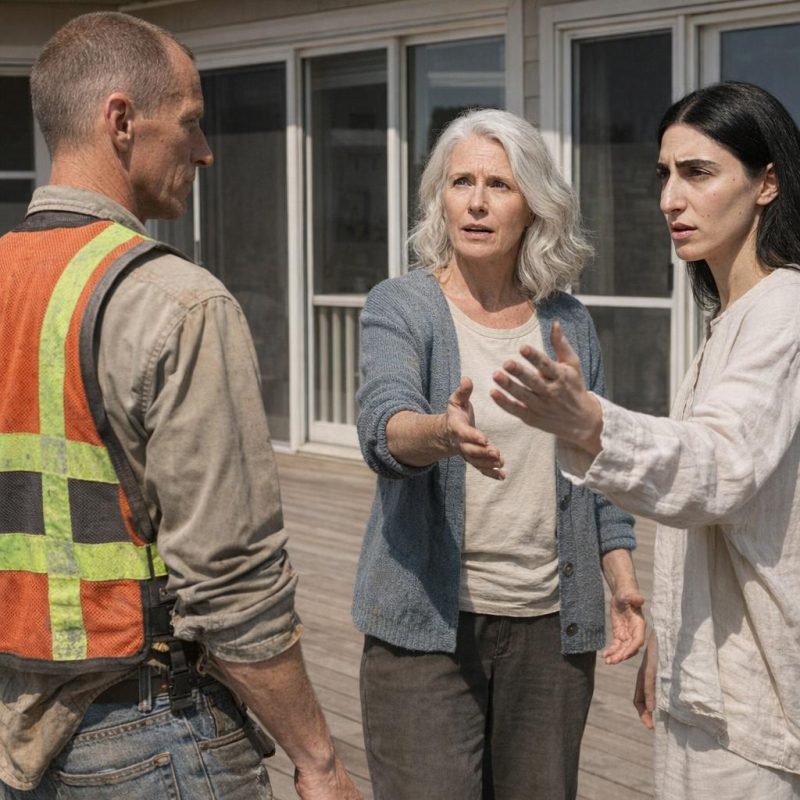 Image by RM AI
The Debts
Patricia kept going. The debts she mentioned weren't small — credit cards she'd run up over years, she said, on things she described as necessities in a tone that made clear she'd never questioned whether they were. Then she said the word cruise, and I heard it the way you hear a sound that doesn't belong in the room you're standing in. She said the European trip — the one she'd told me was a specialized medical retreat, the one I'd wired money for in two separate transfers — had been a cruise. Twelve days. She named the ports like she was still proud of them. Elena said the new wardrobe she'd needed for the trip had cost more than my car, and she said it without flinching, like that was a data point and not a confession. Patricia listed other things after that — the deck, the patio furniture, the boutique bags still sitting there with tissue paper spilling out — and she listed them in the flat voice of someone reading off a receipt, not someone accounting for what they'd taken. I stood on that deck in my warehouse clothes, the ones I'd worn through three years of double shifts, and I thought about the fifteen thousand dollars I'd calculated in my head on the drive over, and I let the number sit there between us in the warm afternoon air, unchallenged and enormous.
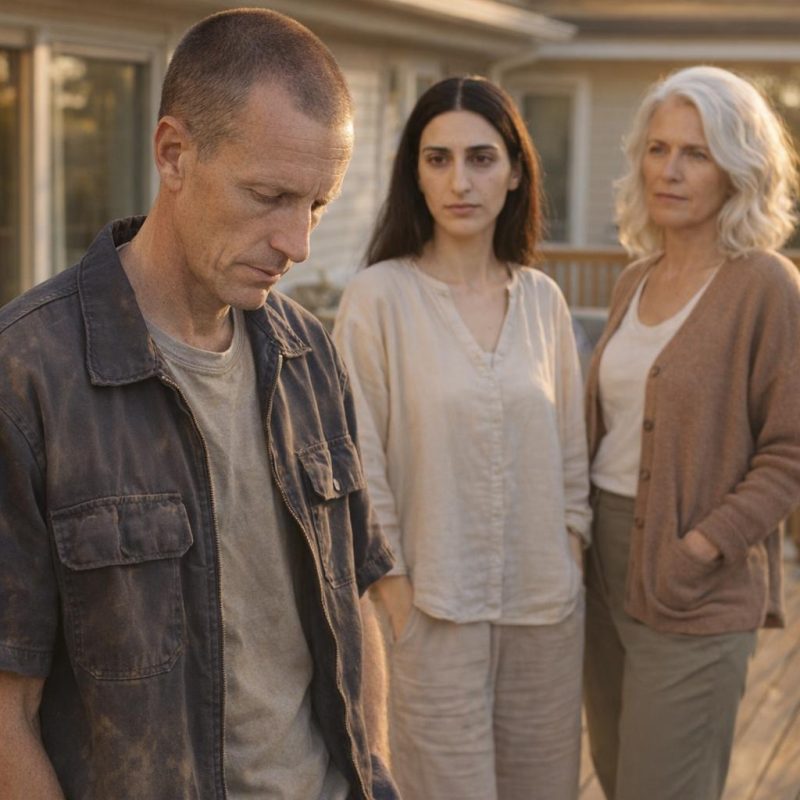 Image by RM AI
The Resentment
Neither of them said they were sorry. That was the thing I kept waiting for, standing there on that deck in my warehouse clothes — some crack in the surface, some flicker of shame. Patricia's expression didn't crack. It shifted. The defensiveness I'd walked in on slowly hardened into something else, something I recognized from childhood but had never been able to name until right then. Annoyance. She looked at me the way you look at someone who's shown up uninvited and made a scene. Elena uncrossed and recrossed her arms and asked, in a voice that was almost bored, why I hadn't called first. Patricia said I was blowing this out of proportion, that there had been real medical expenses mixed in, that I wasn't seeing the full picture. Elena said — and I will never forget this — that I could have afforded it, that I'd always been good with money, like that was the point, like the point was my budget and not three years of my life. They weren't afraid of what I knew. They were irritated that I'd found out. I looked at them both, really looked, and there was no guilt anywhere in their faces — only anger, sharp and unashamed, staring straight back at me.
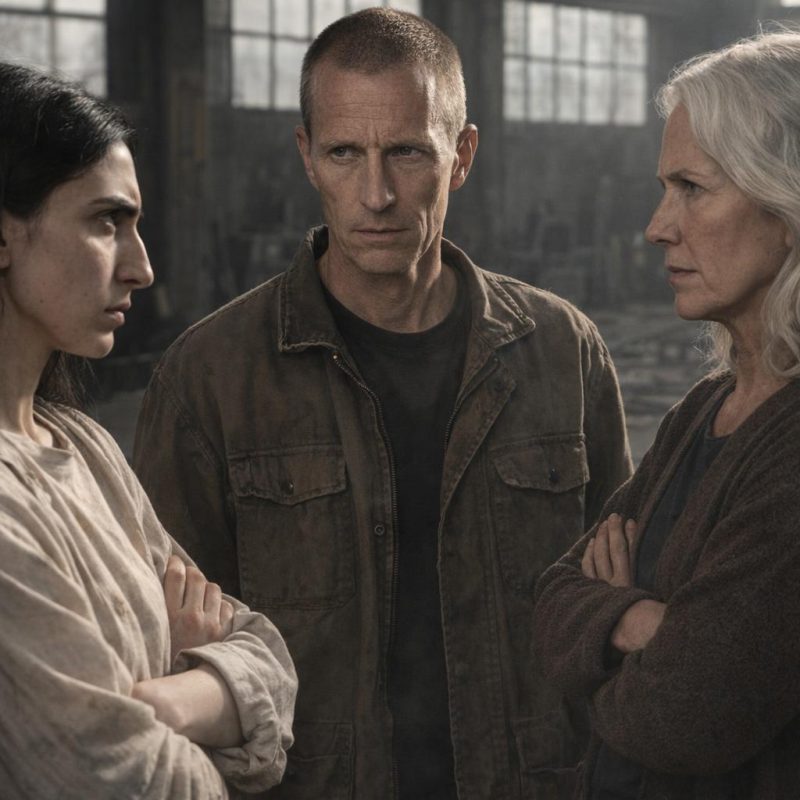 Image by RM AI
The Files
I didn't say another word. I turned around and walked back into the house, and I heard them follow me, Patricia's voice rising behind me asking what I thought I was doing, Elena saying my name like it was a warning. I didn't answer either of them. The stack of folders was still on the kitchen counter where Patricia had left them — the forged treatment summaries, the fake invoices with the clinic letterhead, the receipts I'd been mailed like they were proof of something real. I picked them up. All of it. I tucked the whole stack under my arm and walked back through the sliding door, across the deck, down the steps. Patricia followed me to the driveway, still talking, her voice climbing. Elena stood in the doorway with her arms crossed, watching. I opened my car door, set the files on the passenger seat, and got in. Neither of them moved to stop me. I pulled the door shut, and through the windshield I could see them both standing there — Patricia in the driveway, Elena framed in the doorway — and I backed out without looking at them again.
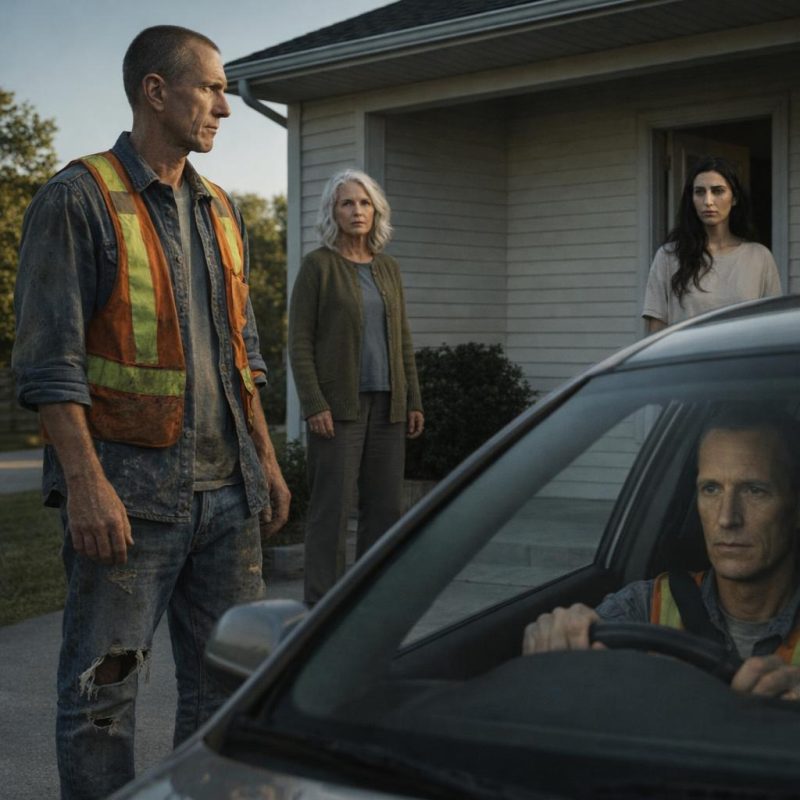 Image by RM AI
The Account
I drove to the bank on autopilot. I don't remember the route, don't remember parking. I remember the fluorescent lights inside and the way the teller looked at me when I said I needed to close a joint account immediately. She pulled up the account, confirmed the names on it, and I signed where she pointed without reading anything. The balance that transferred to my personal account was just over four hundred dollars. Four hundred dollars and change, after three years of double shifts, after every wire transfer and every payment I'd routed through that account so Patricia could manage Elena's care. The teller printed a confirmation slip and slid it across the counter. I folded it once and put it in my pocket. She said something about whether I needed anything else and I said no and walked out. I sat in my car in the bank parking lot for a long time after that. The engine was off. The confirmation slip sat in my pocket. Outside, people walked in and out of the bank like it was an ordinary Tuesday, and I sat there in the quiet with the weight of what four hundred dollars meant after everything I had given.
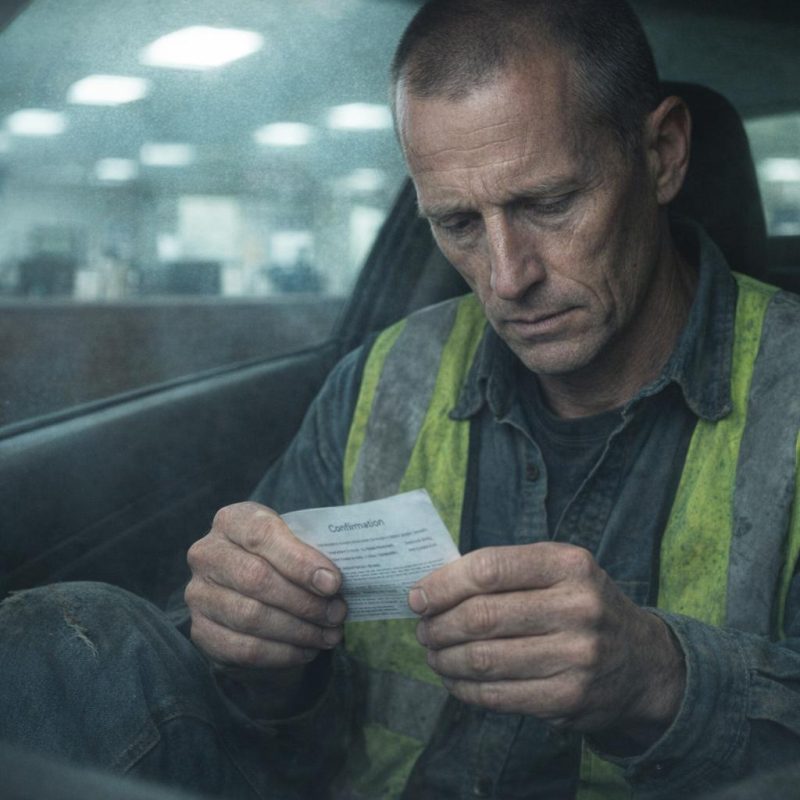 Image by RM AI
The Calls
The phone started buzzing before I'd even left the parking lot. Patricia's name on the screen, then again, then a third time. I declined each one. The texts came next, a string of them arriving fast enough that the phone barely stopped vibrating between notifications. I didn't open any of them. I could see the preview lines — fragments of sentences that started with words like 'you need to understand' and 'this isn't fair' — and I deleted them without reading further. Then Elena's name appeared. I declined that one too. A few minutes later Patricia's number again, then Elena calling from it. I blocked them both, one after the other, and set the phone face-down on the passenger seat next to the stack of folders. The buzzing stopped. I sat with the quiet that followed and tried to decide what I felt about it. I didn't feel relief, exactly. I didn't feel grief. There was just the absence of noise where noise had been, and the slow settling understanding that I had spent three years answering every call, every request, every emergency — and that silence, right now, was the first thing in a long time that actually belonged to me.
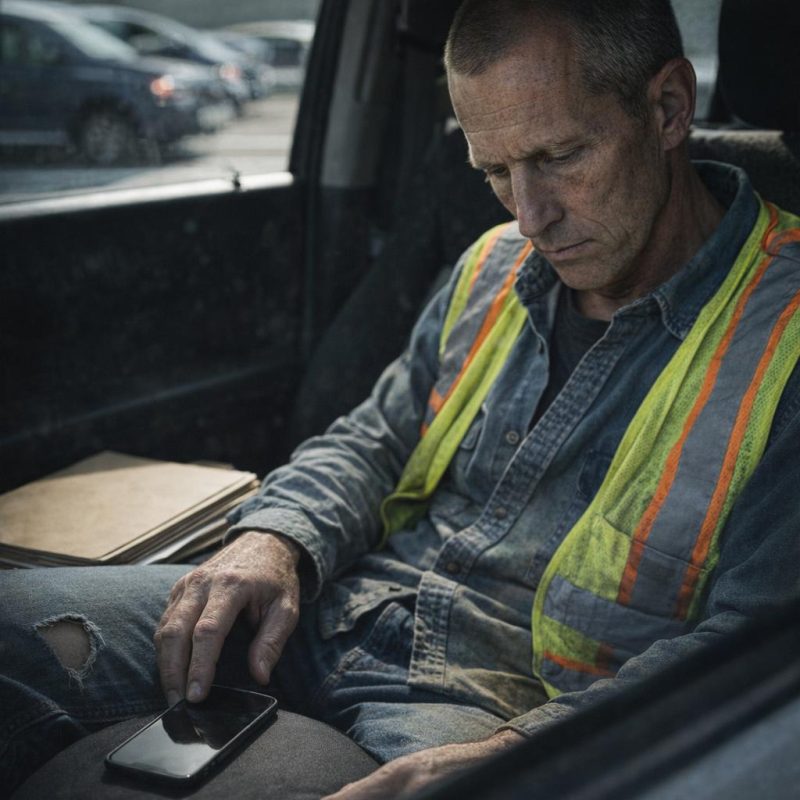 Image by RM AI
The Apartment
My apartment looked exactly the way I'd left it, which was the problem. Nothing had changed because nothing ever changed in there — I was never home long enough to change anything. The couch cushion on the left still had the permanent indent from the nights I'd fallen asleep in my warehouse uniform, too tired to make it to the bedroom. The kitchen counter had a stack of ramen cups in the recycling bin that I hadn't emptied in weeks. The closet held three versions of the same outfit: work clothes for the warehouse, slightly less worn clothes for the classroom, and one dress shirt I'd bought for a date I'd cancelled two years ago because I'd picked up an extra shift. I stood in the middle of the living room and looked at all of it. The bare walls. The secondhand furniture I'd told myself was temporary. The single window with the broken blind I'd never gotten around to fixing. I had been so focused on Elena's life that I had stopped building my own, and the apartment had just held still and waited, like a room in a house where someone had been gone a very long time and nobody had thought to redecorate.
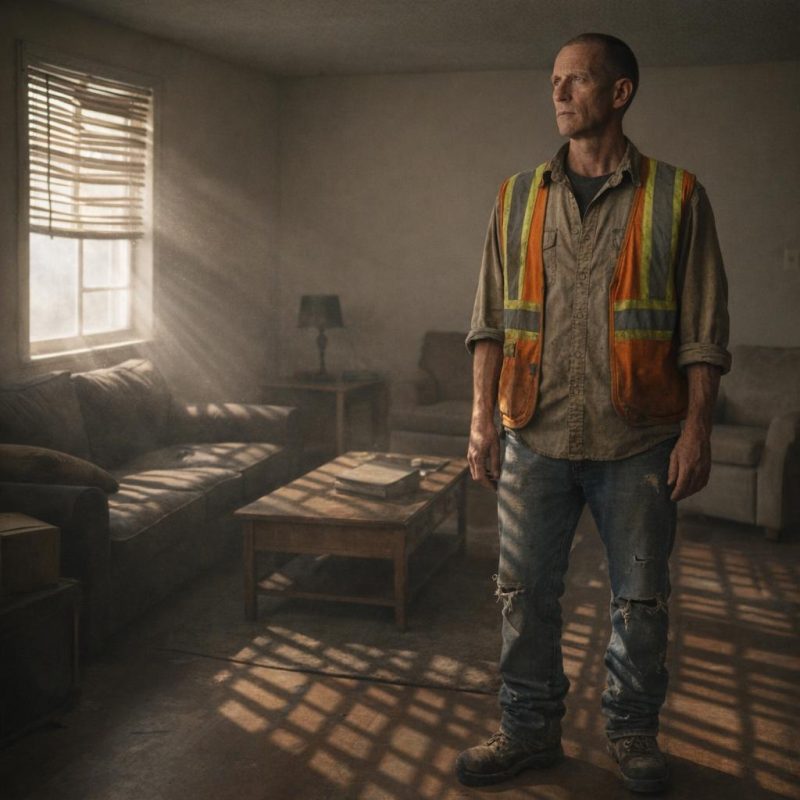 Image by RM AI
The Decision to Leave
I opened my laptop that same night and started searching. I didn't have a plan beyond distance — I just knew I needed to be somewhere that didn't know me as the guy who'd worked himself half to death for a sister who'd been fine the whole time. I pulled up job boards and filtered by state, deliberately skipping anything within three hundred miles. I updated my resume for the first time in three years, and it felt strange to look at it, like reading a document about someone I used to be. I wrote five cover letters. I kept them honest — I said I was looking for a fresh start, that I was ready to bring full energy to a new district, that I was available immediately. All of it was true. I wasn't trying to run from anything, exactly. I was trying to run toward something I hadn't been able to name yet, some version of a life that was actually mine. I read each application over once, made small corrections, and then I hit submit on all five of them before I could talk myself out of it.
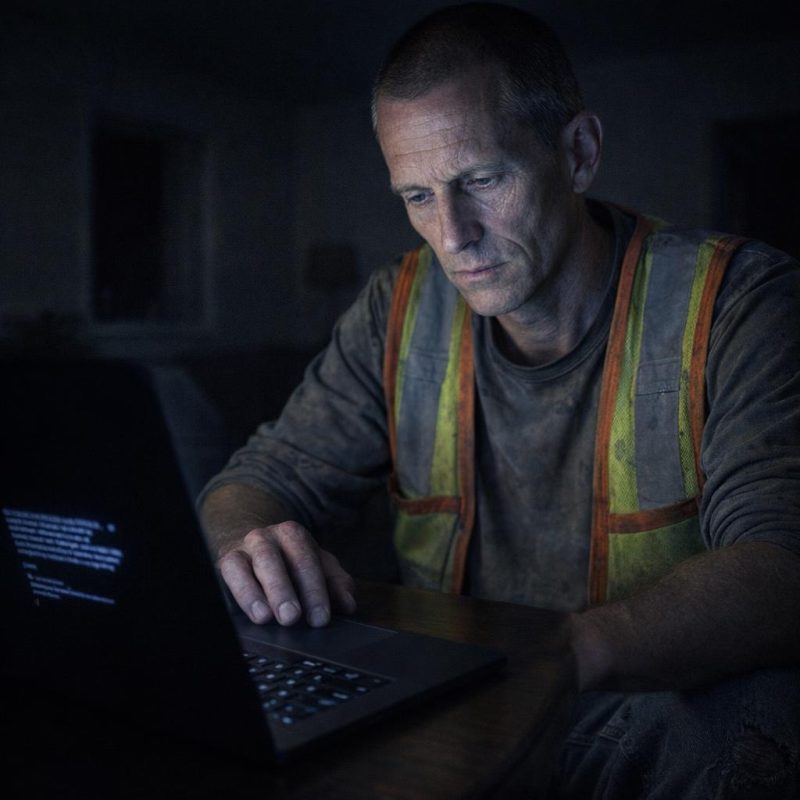 Image by RM AI
The Offer
The email came four days later, from a district in a state I'd driven through exactly once on a road trip in my twenties. The subject line said 'Offer of Employment' and I sat with my coffee going cold while I read it twice. The salary was modest — not much more than what I was making between both jobs, but it would be one job, just one, and that felt like something I couldn't put a price on. The position started in six weeks. I accepted within the hour, typed the reply before I could second-guess it and hit send. Then I called the school where I'd been teaching and gave notice. The warehouse was easier — I walked in the next morning and handed my supervisor a written resignation, effective immediately, and he looked at it and nodded like he'd been expecting something like this for a while. I went home and started a moving list on the back of an envelope. It wasn't a long list. Three years of living like a monk meant I didn't have much to pack. I wrote the new city's name at the top of the envelope and set it on the kitchen counter, and the offer letter sat open on my laptop screen beside it.
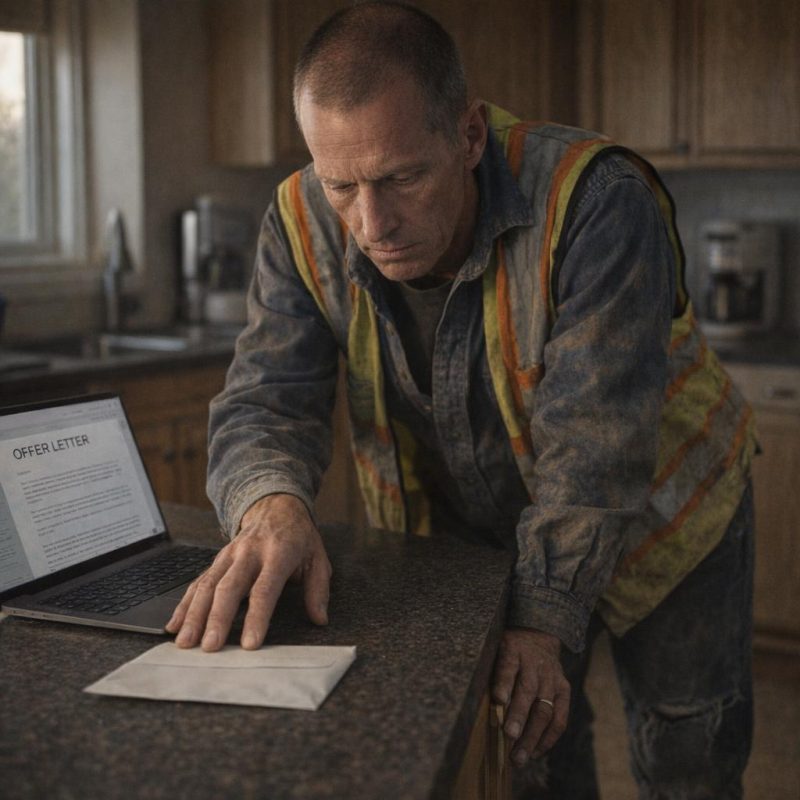 Image by RM AI
The Last Shift
My last shift started at four in the morning, same as always. David was already on the floor when I got there, clipboard in hand, and he looked at me the way he'd been looking at me for weeks — like he was trying to read something written in a language he almost knew. I moved through the routine without thinking: scan, lift, stack, move. My back ached the way it always did, that deep grinding ache that had become so familiar I'd stopped noticing it until moments like this, when I was paying attention on purpose. Around the break, David came and stood next to me by the loading dock and didn't say anything for a minute. Then he asked if I was alright. I told him I was leaving — taking a teaching job in another state, moving in a few weeks. He was quiet for a moment, then he nodded slowly and said he thought that sounded right. He didn't ask why. He didn't ask about Elena or the money or any of it. He just put his hand briefly on my shoulder and went back to his clipboard. When the shift ended at dawn, I walked out through the loading dock doors into the cold morning air and didn't look back.
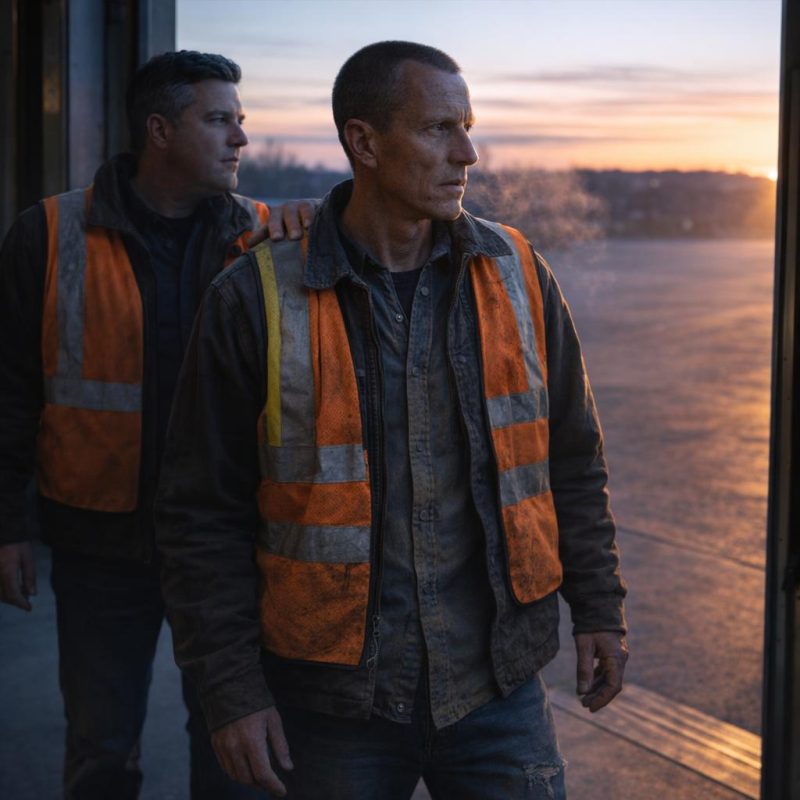 Image by RM AI
The Move
I packed everything I owned into the back of my car in under two hours. That's what three years of working yourself hollow gets you — a duffel bag, a box of books, and a set of sheets that had seen better days. I didn't say goodbye to the apartment. I just pulled the door shut behind me and listened to the latch click. I drove past the school without slowing down, past the warehouse without even glancing at the loading dock, and I kept my eyes straight ahead like the road itself was the only thing I could trust. My phone sat in the cupholder, silent. The blocked numbers held. Patricia hadn't tried. Elena hadn't tried. Maybe they knew better by now, or maybe they'd already moved on to the next thing — I didn't let myself think about it long enough to land anywhere. I crossed the state line just as the sun was dropping behind the tree line, that flat Midwestern orange spreading across the sky like something trying to look beautiful on its way out. In the rearview mirror, the city I'd given everything to shrank into a smear of light and then disappeared entirely.
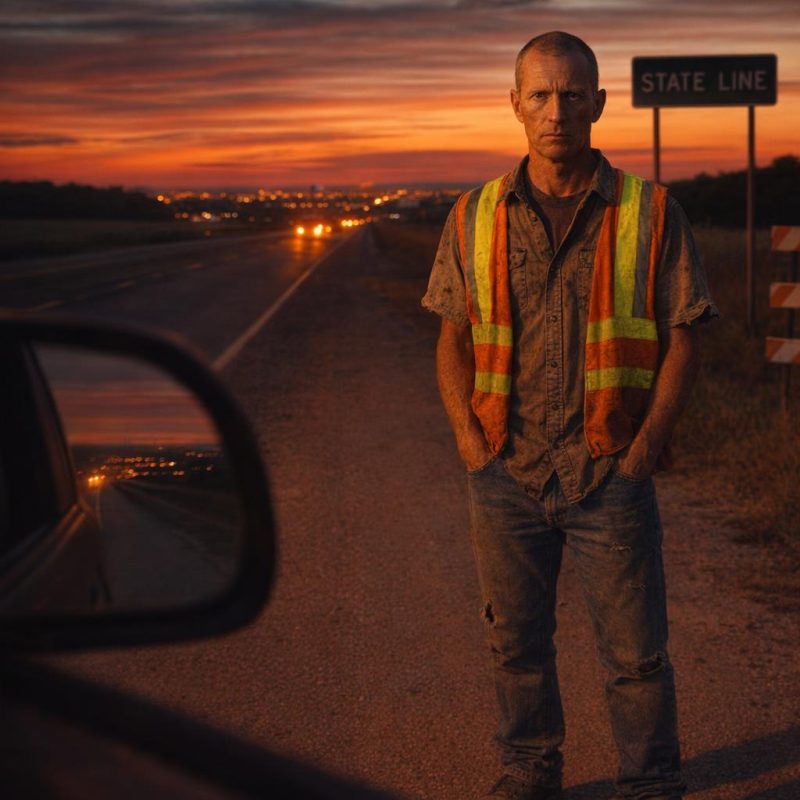 Image by RM AI
The New School
The new school smelled like every school I'd ever been in — floor wax and dry-erase markers and something faintly like cafeteria bread. I stood in the orientation circle with nine other new hires and when it was my turn I said my name, said I'd been teaching for four years, said I was glad to be there. That was it. Nobody asked where I'd come from. Nobody asked about family. A woman named Sarah standing two spots to my left gave me a small, easy smile when I finished, the kind that doesn't ask for anything back, and I nodded and let it land without making it mean more than it was. The principal shook my hand and told me my classroom was down the east hall, second door on the left. I spent the rest of the afternoon arranging desks and taping up a single poster — a map of the world, nothing personal. No photos. No mementos. Just the map and the clean smell of a room that didn't know anything about me yet. I stood in the doorway before I left and looked at the empty chairs, and for the first time in longer than I could remember, the silence around me felt like something I had chosen.
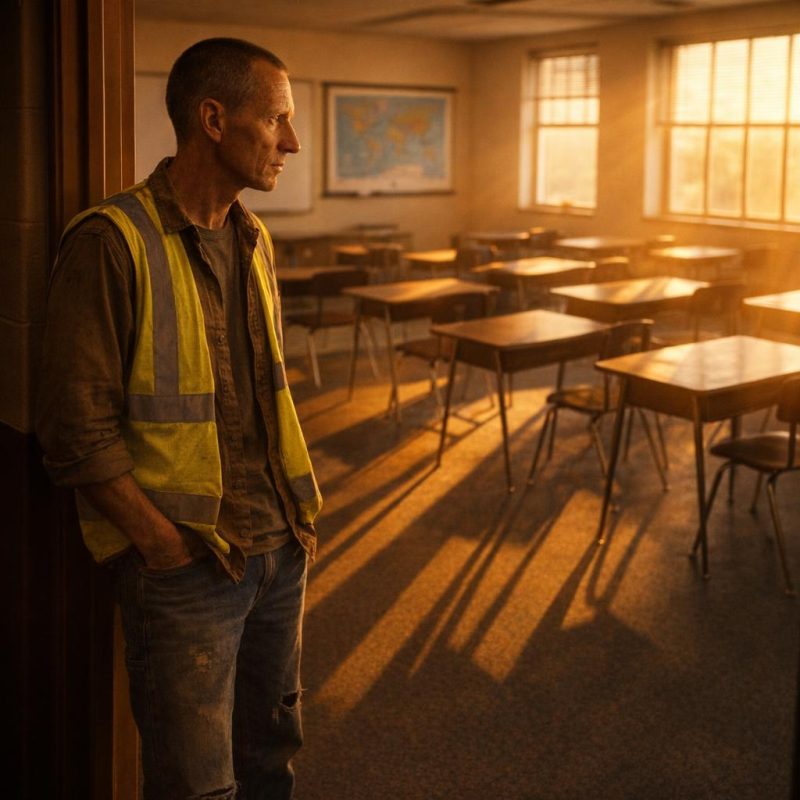 Image by RM AI
Six Months Later
Six months in, my back still woke me up on cold mornings — that same deep grinding ache from the warehouse pallets, the kind that had worked its way into the bone and decided to stay. I'd put back maybe eight pounds of the weight I'd lost, enough that my face didn't look quite so hollowed out in the bathroom mirror. I'd started eating actual meals, sitting at an actual table, which sounds like nothing until you remember what the alternative looked like. Patricia's name sat in my blocked contacts list. Elena's too. I saw them sometimes when I scrolled past by accident, just the names behind the little blocked icon, and I'd keep scrolling. I hadn't reached out. I wasn't going to. I'd had a few beers with some of the other teachers after a staff meeting, laughed at something genuinely funny, and noticed afterward that I'd gone a full three hours without thinking about any of it. That felt like progress. Slow, uneven, nothing like the clean break I'd imagined when I crossed that state line — but progress. The ache in my back on those cold mornings wasn't going anywhere, and I'd stopped expecting it to.
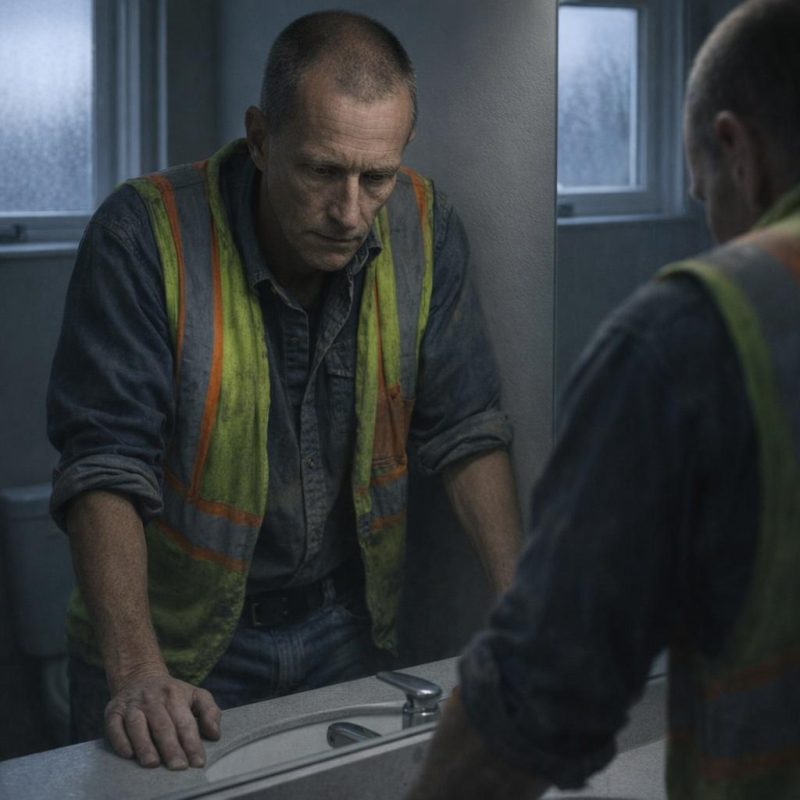 Image by RM AI
The Bitter Clarity
I was sitting at my kitchen table at eleven-thirty on a Tuesday night, grading papers I could have graded at school, when it finally settled into something I could hold still long enough to look at. Three years. Two jobs. Every dollar I could scrape together, every hour of sleep I shorted myself, every meal I skipped, every thing I told myself didn't matter because Elena needed it more. I used to think the worst part was the money — the specific, countable number of dollars that were just gone. But sitting there under the kitchen light with a red pen in my hand, I understood that the money was almost beside the point. What I'd actually spent those three years buying was the knowledge that the people I loved most were capable of watching me come apart at the seams and calling it devotion. That's not something you can give back. You can't unfind it. I'd bought it at full price and I was going to carry it for the rest of my life — not the debt, not the exhaustion, but the cold and permanent understanding that some people will let you drown just to see if you'll keep them afloat.
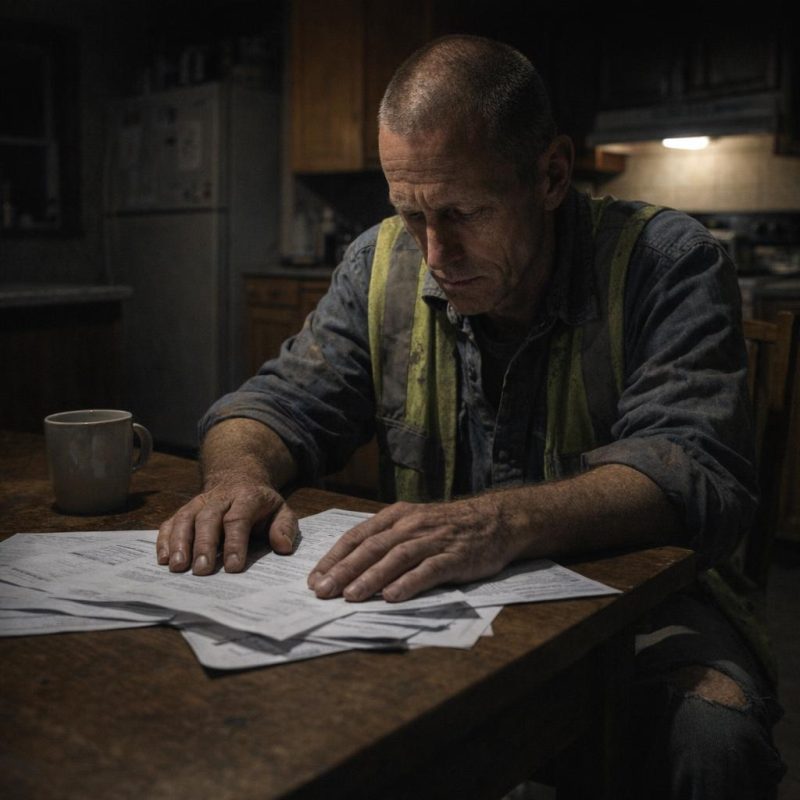 Image by RM AI
KEEP ON READING

20 Powerful Ancient Egyptian Gods That Were Worshipped
Unique Religious Figures in Ancient Egypt. While most people are…
By Cathy Liu Nov 27, 2024
The 10 Scariest Dinosaurs From The Mesozoic Era & The…
The Largest Creatures To Roam The Earth. It can be…
By Cathy Liu Nov 28, 2024
The 20 Most Stunning Ancient Greek Landmarks
Ancient Greek Sites To Witness With Your Own Eyes. For…
By Cathy Liu Dec 2, 2024
10 Historical Villains Who Weren't THAT Bad
Sometimes people end up getting a worse reputation than they…
By Robbie Woods Dec 3, 2024
One Tiny Mistake Exposed A $3 Billion Heist
While still in college, Jimmy Zhong discovered a loophole that…
By Robbie Woods Dec 3, 2024
30 Lost Treasures That Vanished From History
Buried treasure, missing artefacts, legends of ancient gold in them…
By Robbie Woods Dec 3, 2024