

I Thought My Business Partner Was My Best Friend Until I Caught Her Red-Handed Stealing Everything We Built
I Thought My Business Partner Was My Best Friend Until I Caught Her Red-Handed Stealing Everything We Built
The Investor Meeting Victory
I still think about that evening sometimes — the way the conference room felt smaller and warmer after Marcus and Robert finally left, champagne flutes half-empty on the mahogany table, the city lights just starting to blink on through the floor-to-ceiling windows. We'd nailed it. Four months of late nights, of debugging encryption handshakes at two in the morning, of arguing over slide decks and revenue models — and it had all landed exactly the way we'd hoped. Marcus had leaned forward when I walked through the Aegis architecture, and Robert had filled three pages of notes without looking up once. Sarah squeezed my arm when we wrapped and said, quietly enough that only I could hear, 'We actually did it.' I believed her completely. We stayed long after the building had gone quiet, splitting the last of the champagne and talking about where Veridia could be in two years, in five. She had this way of finishing my sentences when I got too deep into the technical weeds, pulling the vision back to something human and sellable, and I loved that about working with her. The partnership felt like the best decision I'd ever made. Sitting there in the glow of the city, I felt nothing but grateful.
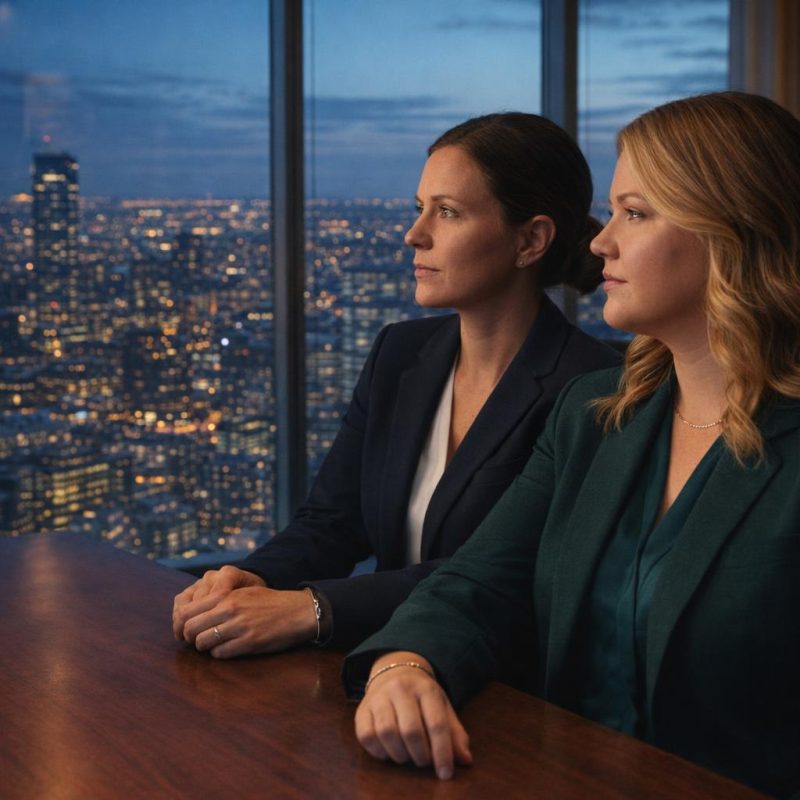 Image by RM AI
The Morning Routine
I was usually the first one through the door at Heights Plaza, and that Tuesday was no different — the sky still a deep grey-blue when I badged in and settled at my desk with the encryption module open on my second monitor. There's something I genuinely love about the office before anyone else arrives: no Slack pings, no calendar alerts, just the hum of the servers and the clean logic of the code. Sarah showed up around seven-thirty with two cups from the place on the corner — my usual oat milk latte, no sugar, without me having to ask. She set it beside my keyboard and dropped into the chair across from me, and we spent the next hour mapping out the week: two development sprints, a check-in call with Robert, and a handful of solo investor calls she'd lined up on her end. The receptionist waved good morning as the rest of the team filtered in, and the office settled into its familiar rhythm. I was tidying up Sarah's side of the shared desk to make room for my notes when I spotted a handwritten note tucked under her keyboard planner — a date, a time, and the words 'private meeting — do not calendar.' Sarah glanced over and said it was just early logistics for the acquisition discussions, nothing worth scheduling formally yet, and I nodded and went back to my coffee.
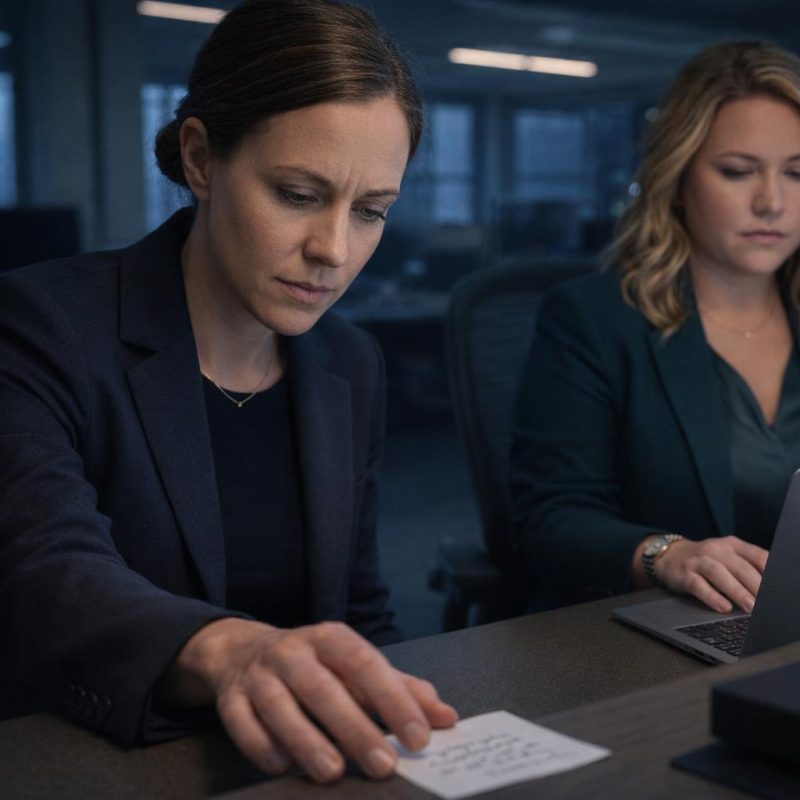 Image by RM AI
Presenting Progress
The projector hummed to life and I pulled up the first architecture diagram, and for a moment I just stood there feeling quietly proud of what we'd built. The Aegis protocol had started as a whiteboard sketch eighteen months ago, and now it was a fully documented, battle-tested encryption system that could hold its own against anything on the market. Marcus sat at the head of the table with his hands folded, asking detailed questions about the key rotation methodology and the authentication layers — good questions, the kind that told me he'd actually read the technical brief we'd sent over. Robert was in the corner with his tablet, stylus moving constantly, barely looking up. Sarah handled the revenue side with the same ease she always brought to those rooms, pivoting between market share projections and integration timelines without missing a beat, and I handled every technical curveball they threw at me. Marcus said at one point that the protocol's market value potential was 'considerably broader' than what we'd outlined in the deck, and I remember feeling a quiet surge of satisfaction at that. Robert finally set his tablet down and said the security architecture was among the cleanest he'd reviewed at this stage. Sarah caught my eye across the table and gave me the smallest nod. I drove home that night with the windows down, still running through the session in my head, and the pride of it hadn't faded at all by the time I pulled into my driveway.
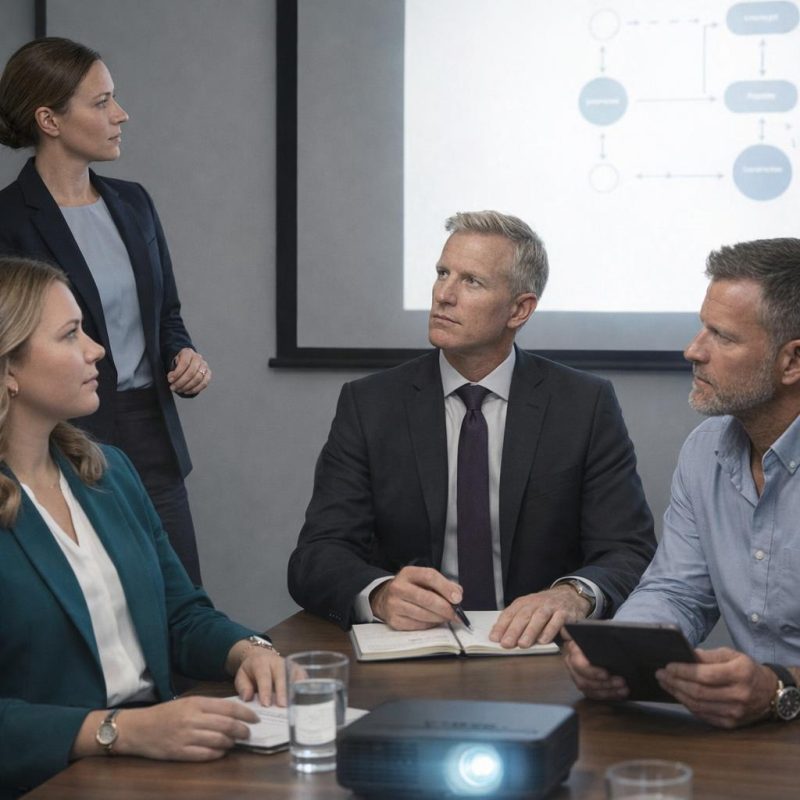 Image by RM AI
Acquisition Discussions Begin
Diana Reeves walked into the conference room like someone who had done this a hundred times and found it mildly interesting at best — structured blazer, direct eye contact, a leather portfolio she opened before she'd fully sat down. I liked her immediately. She had the kind of no-nonsense energy that made you want to get straight to the point, and so I did, walking her through the Aegis value proposition without the usual warm-up preamble. She listened without interrupting, which I've learned is actually rare, and when I finished she asked two sharp technical questions that told me she'd already done her homework. Sarah took over for the revenue section and was sharp and confident, and the three of us fell into a rhythm that felt less like a pitch and more like a real conversation about what a partnership could look like. Diana asked about the equity split and the decision-making structure between Sarah and me, and we answered in sync the way you only can when you've been building something together for years. Before she left, Diana mentioned she'd want individual follow-up meetings with both of us separately — standard process, she said, just to get unfiltered perspectives. I walked her to the elevator and came back to find Sarah already pulling up the next item on her laptop, and I remember thinking that this was exactly what we'd been working toward. The whole afternoon had the particular feeling of something finally clicking into place.
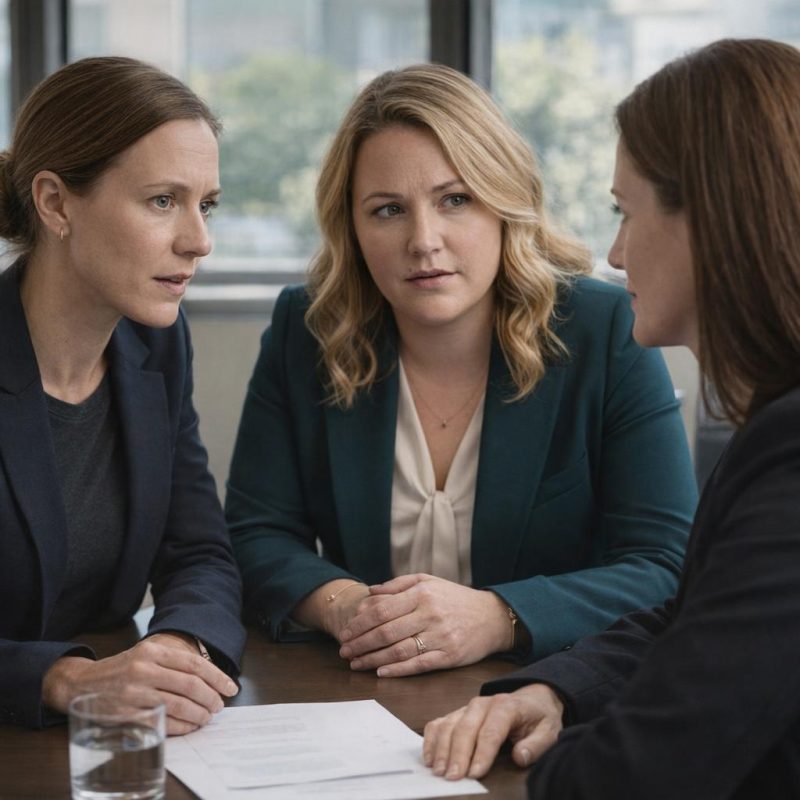 Image by RM AI
Late Night Encryption Work
By nine o'clock the office had emptied out to just the two of us — me and Jake hunched over the encryption handshake logic on my monitor, the rest of the floor dark and quiet. I genuinely loved these late sessions. Jake had this methodical way of working through a problem, patient and precise, never cutting corners on the security layers even when the faster path was right there. We'd patched two potential vulnerabilities in the authentication flow and were deep into a third when he leaned back and said he was getting excited about what the acquisition could mean for the team — better resources, wider reach, a real runway to build something lasting. I told him I felt the same way. He asked if I wanted to order dinner and I waved him off, too absorbed to think about food. Sarah's office light was still on at the far end of the hall, her door pulled most of the way shut, and at some point I registered her voice drifting through the gap — low and steady, clearly on a call. I didn't think much of it. Late investor calls weren't unusual, and Sarah had always been the one who kept those relationships warm. But there was something about the cadence of it — quieter than her usual pitch voice, more clipped — that sat in the back of my mind for just a second before Jake asked me a question and I turned back to the screen.
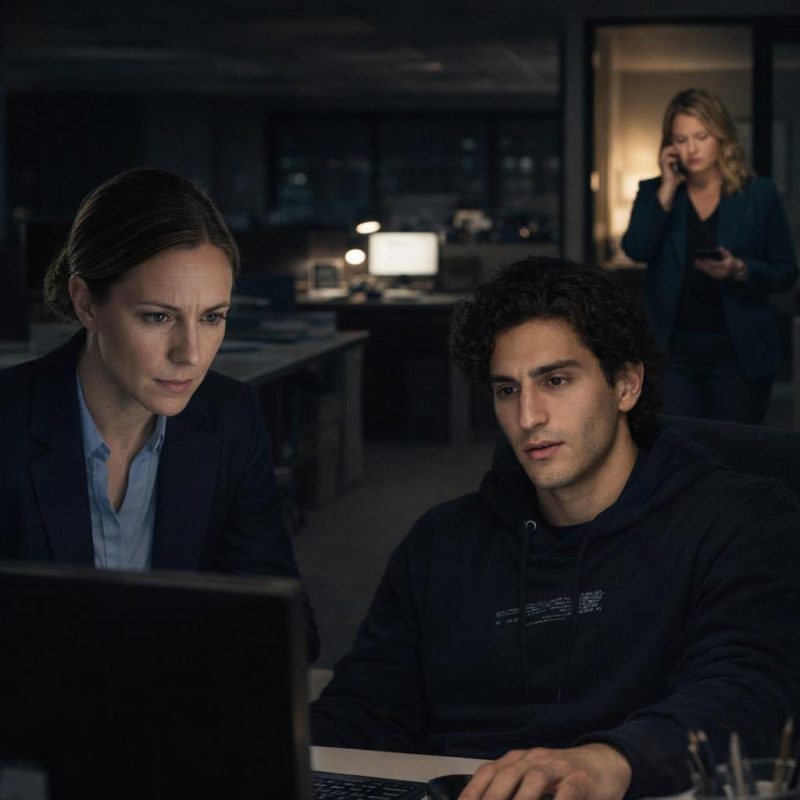 Image by RM AI
Coffee and Future Plans
We had a standing tradition of meeting at the corner café on Thursday mornings — the one with the mismatched chairs and the barista who always spelled Sarah's name wrong on the cup, which she found inexplicably funny every single time. I ordered my usual and she ordered hers and we took the window table and just talked, the way we used to before the company got big enough to make every conversation feel like a meeting. She was in a good mood, loose and funny, talking about all the places she wanted to travel once the acquisition closed — Portugal, she kept saying, definitely Portugal. I told her about the mentorship program idea I'd been turning over in my head, something for young developers who didn't have the network we'd had, and she listened and asked real questions and said she thought it was a great idea. It felt easy. It felt like us. Her phone was face-up on the table between our cups, and at some point it buzzed once, then again, then a third time in quick succession. She glanced down, then picked it up and turned it face-down without unlocking it, and said it was just spam calls getting through the filter lately. I nodded and we kept talking. It was a small thing. I didn't think about it again until much later.
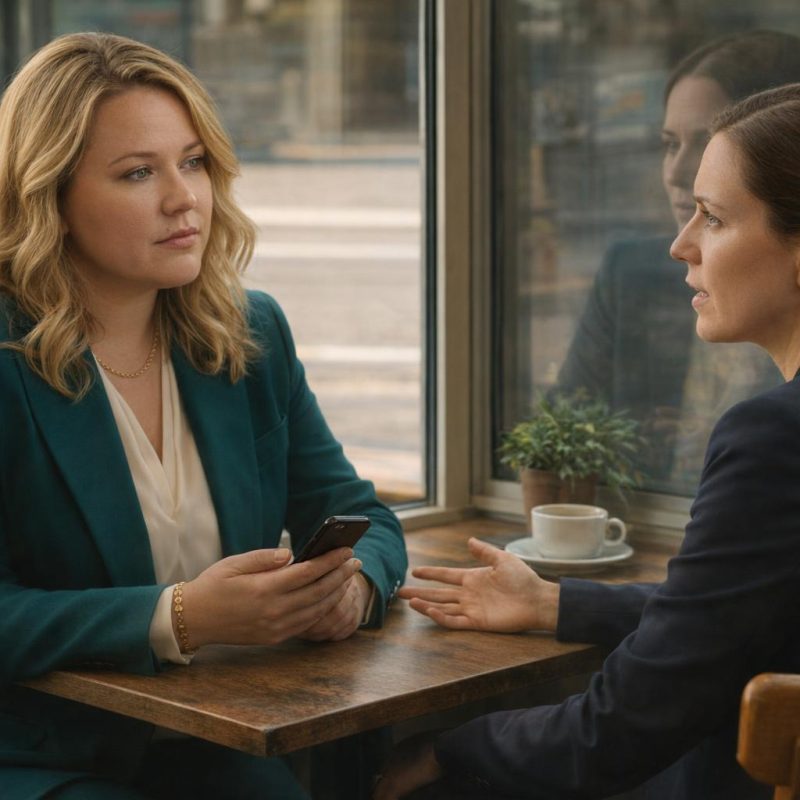 Image by RM AI
Deep in the Code
I spent most of that day in what I can only describe as a good kind of tunnel vision — the encryption key rotation logic had a structural elegance to it that I kept wanting to get exactly right, and the hours disappeared the way they only do when the work is genuinely absorbing. Jake came by mid-morning to walk through the authentication protocols together, and we spent about an hour tightening the handshake sequence before he headed back to his desk. In the afternoon I switched to documentation, pulling together the full architecture notes for the acquisition due diligence package — the kind of thorough, clean write-up that takes longer than you expect but matters more than almost anything else in that process. Around five I ran a routine check on the server logs to confirm the overnight backup had completed cleanly. The backup had run fine. But there was another entry just above it in the log, timestamped 3:47 AM, showing an admin account login that I didn't recognize from our usual overnight processes. I scrolled back through the previous week's logs to see if it was a recurring maintenance task I'd forgotten about. It wasn't there. I made a note to bring it up at the next team standup and closed the window, already thinking about the next section of documentation I needed to finish.
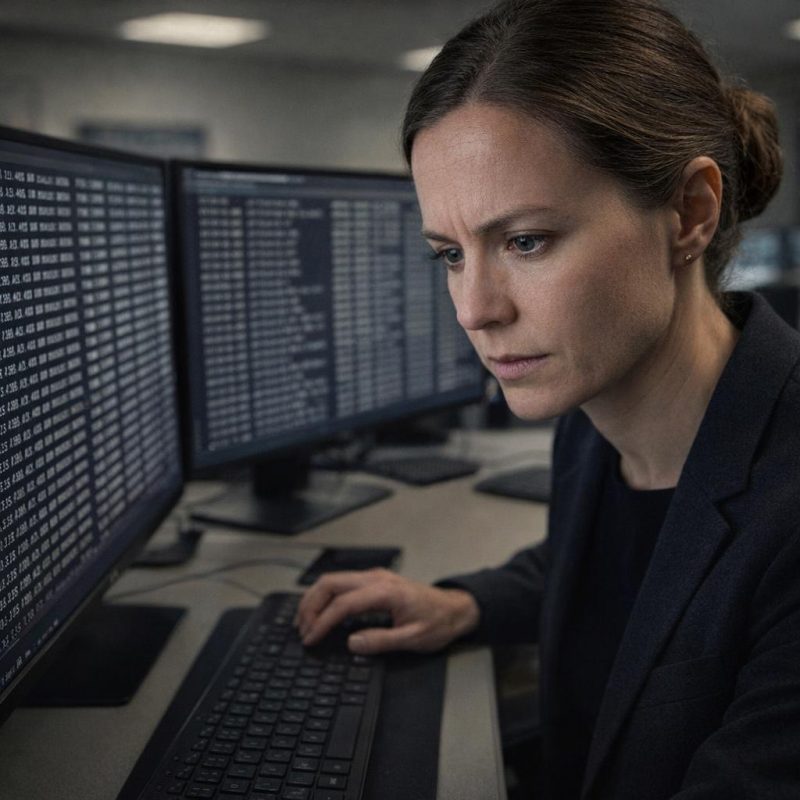 Image by RM AI
Team Celebration Dinner
I'd reserved the private room at Osteria on Fifth, the one with the exposed brick and the good Barolo, and for a few hours everything felt exactly the way it was supposed to. Jake and Mia arrived together, already deep in a conversation about the beta test numbers — the latency metrics had come in better than projected, and Mia had this barely-contained energy about her that I loved, the kind that only shows up when the technical work has genuinely paid off. We ordered too much food and not enough bread and the wine was excellent. I stood up first and gave a toast — thanking Jake and Mia for the late nights, thanking the process for holding together, saying that whatever came next, this team had built something real. There was genuine warmth in the room. Then Sarah stood, and she raised her glass and talked about Veridia's future — the market opportunity, the momentum, the road ahead. It was polished and confident and hit every right note. But somewhere in the middle of it I noticed she hadn't said 'we.' Not once. She talked about the company the way someone talks about a thing they own outright. I told myself it was just her presentation style, that I was reading too much into word choice after a long week. Then Mia glanced at me from across the table, and her expression shifted in a way I couldn't quite read.
 Image by RM AI
The Abrupt Phone Call
We'd been in the conference room for about two hours, spread across the long table with press release drafts and messaging frameworks and sticky notes color-coded by audience segment. It was the kind of work I actually liked — the careful shaping of language, making sure every word about the acquisition landed exactly right. Sarah was sharp in these sessions, and for a while it felt like the old rhythm between us, the one where we finished each other's sentences and caught each other's blind spots. Then her phone lit up on the table. She glanced at the screen and something shifted in her face — not dramatically, just a small tightening around the eyes. She stood up before I could register what was happening. 'I need to take this,' she said, and she was already moving toward the door. No 'give me five minutes,' no 'sorry, one sec.' Just gone. I sat there with the half-finished press release in front of me, the cursor blinking in the middle of a sentence we'd been editing together. The room felt different without her in it — not tense exactly, just strangely still, the way a space feels when something has been removed from it without explanation.
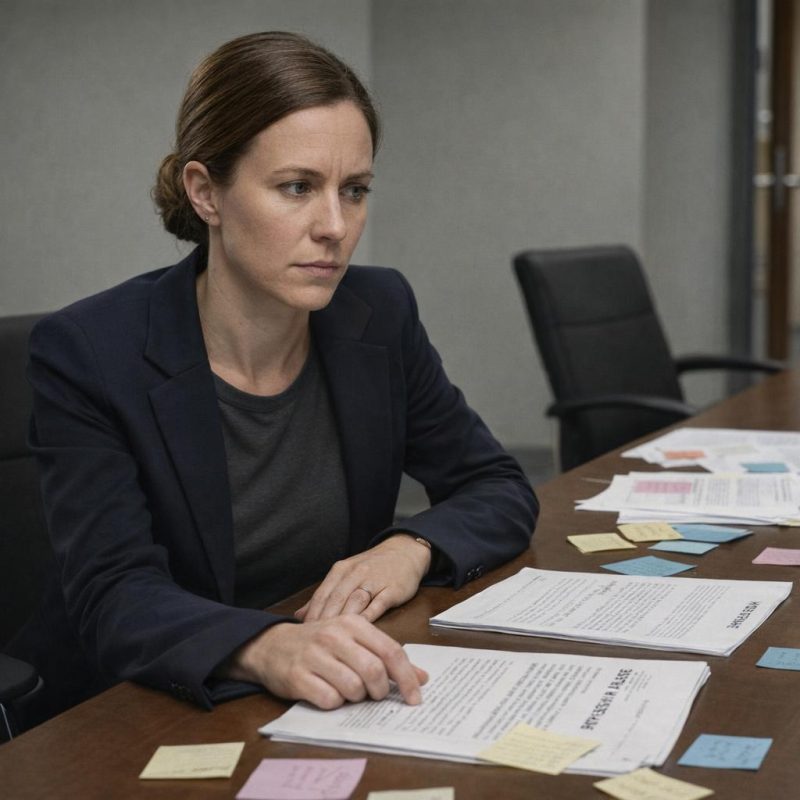 Image by RM AI
Marcus's Unusual Questions
Marcus had suggested coffee rather than the usual boardroom format, which I'd taken as a good sign — something casual, a check-in between the formal investor updates. He was already seated when I arrived, tablet open, silver cufflinks catching the light. We talked about the Aegis metrics first, and I felt confident walking him through the numbers. But then the questions shifted. He wanted to know specifically about my contributions to the authentication architecture — not Veridia's contributions, mine. He asked how decisions got made between Sarah and me, who held final sign-off on technical direction, whether I'd ever considered what a post-acquisition role might look like for me individually. I answered honestly, the way I always did with Marcus. Equal partnership, shared decision-making, both of us committed to seeing this through. He nodded and typed something on his tablet after each answer. The questions weren't hostile — his tone stayed measured and professional throughout — but they had a specificity to them that I hadn't expected from a routine check-in. By the time we finished, I couldn't quite shake the feeling that I'd been asked to account for myself in a way I hadn't prepared for. I drove back to the office turning the conversation over in my mind, not sure what to make of it.
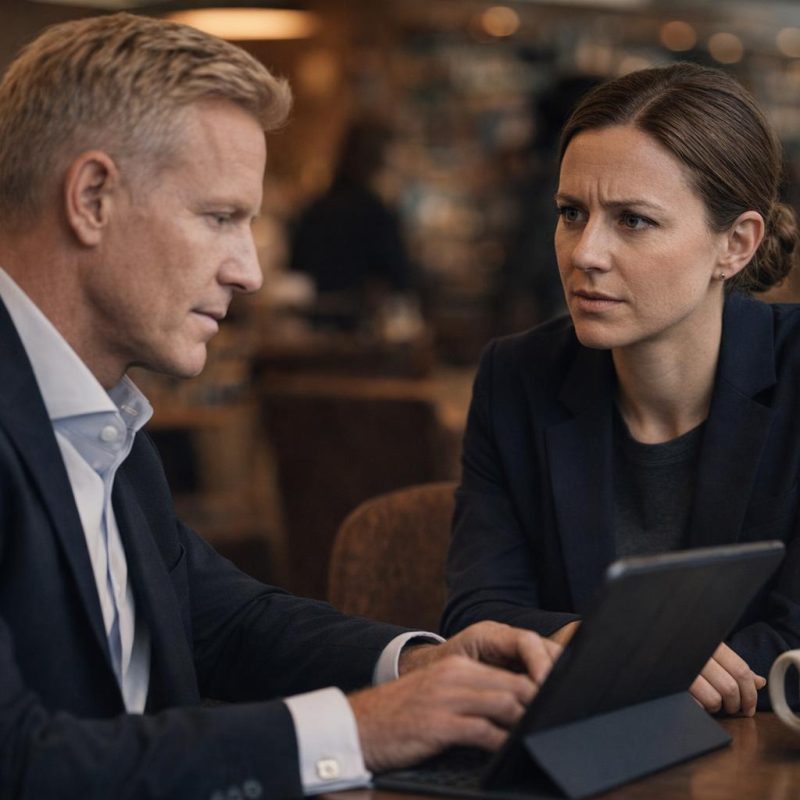 Image by RM AI
The Password Protocol Suggestion
The security review had been on the calendar for weeks — a standard pre-acquisition audit of our admin access protocols, the kind of thing that sounds tedious until you remember how much is riding on a clean due diligence report. Jake walked us through the current system: tiered access, rotating credentials, two-factor on everything sensitive. It was solid work and I told him so. Then Sarah leaned back in her chair and suggested we consolidate the admin passwords into a single shared credential set before the acquisition closed. She framed it as a workflow efficiency thing — fewer handoffs, faster response time if something needed urgent attention. Jake glanced at me before he answered. He said the current system was industry-standard for a reason, that consolidation would actually create more vulnerability, not less. Sarah nodded like she was considering it and said we should revisit the idea next week. I didn't push back in the moment. The suggestion wasn't unreasonable on its face — I'd heard similar arguments made at other companies during acquisition prep — and I didn't want to make the meeting awkward over something that might just be a difference in operational philosophy. Jake closed his laptop when we wrapped up, and I noticed he didn't say much on his way out. I sat with the quiet afterward, telling myself it was a reasonable conversation, even as something about it sat slightly sideways in my mind.
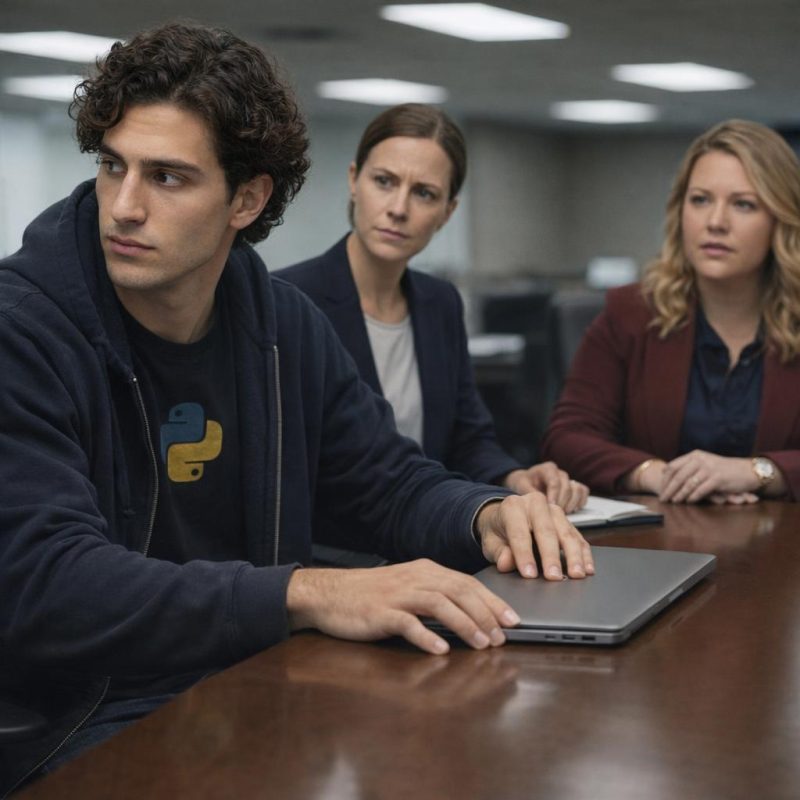 Image by RM AI
Mia's Averted Eyes
Mia had always been one of those developers who lit up during code reviews — the kind of person who'd pull up three browser tabs to defend a technical decision and genuinely enjoy the debate. So when she came in for our session looking like she hadn't slept and answered my first two questions with single sentences, I noticed. I asked about her progress on the authentication module and she said it was on track. I asked if she'd hit any blockers and she said no. I tried to pull her into the kind of back-and-forth we usually had about architecture tradeoffs, and she gave me a short answer and looked back at her laptop screen. I didn't push. I figured maybe she was burned out — the pre-acquisition sprint had been brutal for everyone on the dev team, and I knew she'd been putting in long hours. I told her the work looked solid and that she should take a real lunch break. She gave me a small smile that didn't quite reach her eyes and said she would. After she left I gathered my notes and walked down to the printer to pick up the meeting summary I'd queued before the session. The page was already in the tray, but there was another document sitting on top of it — face up, printed on plain white paper, the header reading 'Letter of Resignation.'
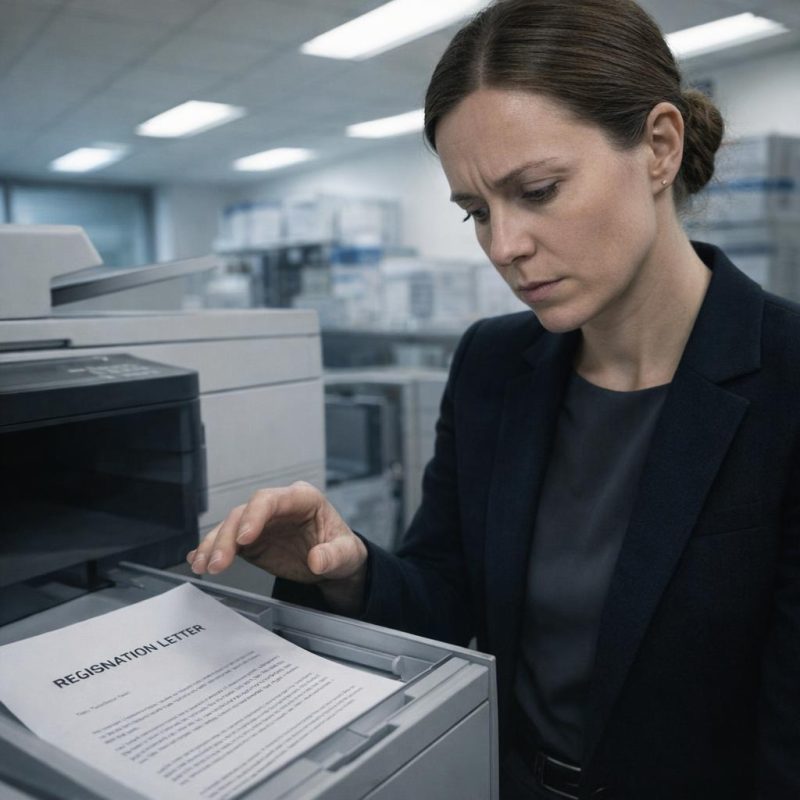 Image by RM AI
The Shifting Office Atmosphere
I'd always thought of our office as a place with a particular kind of energy — focused but loose, the kind of environment where someone might be deep in a debugging session at one desk and cracking a joke across the room at the same time. That week, something about it felt different. I walked into the break room on Tuesday morning and the conversation between Jake and Mia stopped the moment I came through the door. Not gradually — just stopped. They both looked up, and Jake said something about getting back to a pull request, and Mia followed him out with her coffee still in her hand. I stood there for a second, then poured my own cup and told myself they were probably just stressed about the acquisition timeline. Later that afternoon I passed Sarah in the hallway and she gave me a quick smile and kept walking. I tried to catch Jake for a casual check-in and he was suddenly very busy with something on his monitor. The usual back-and-forth that happened organically throughout the day — the small questions, the shared frustrations, the offhand comments about whatever was breaking in the build — it was just absent. By the time I sat back down at my desk that evening, the office had emptied out around me, and the quiet felt less like the end of a workday and more like something I hadn't been told about.
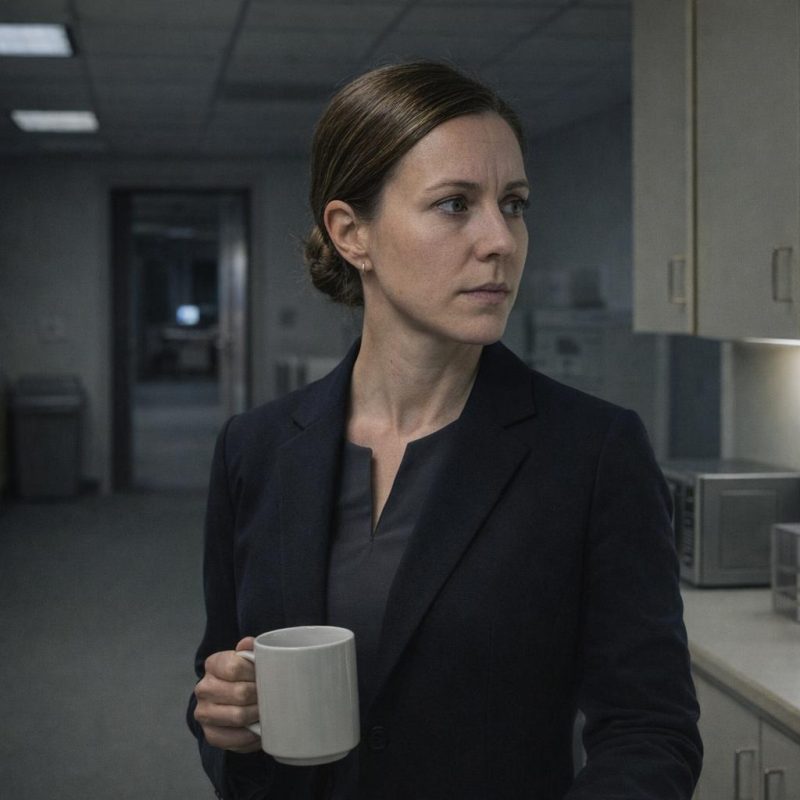 Image by RM AI
The Cancelled Lunch
The text came in at eleven-thirty, thirty minutes before we were supposed to meet. 'So sorry — unexpected investor call just came up, have to reschedule. Talk soon.' I read it twice, then set my phone face-down on the desk. It was the third week in a row. The first time, I'd assumed it was genuine — acquisition prep created real scheduling chaos, and investor calls didn't always give advance notice. The second time, I'd told myself the same thing. This time I sat with it a little longer before I texted back asking if everything was okay. Her reply came fast: 'All good, just slammed with acquisition stuff. We'll catch up soon!' The exclamation point felt like a door closing politely in my face. I ordered a sandwich from the place down the street and ate it at my desk, scrolling through a code review I'd been meaning to finish. Sarah and I had eaten lunch together almost every week for four years. We'd talked through every major decision the company had ever made over bad takeout and good coffee. I wasn't angry, exactly. I just kept turning the number over in my head — three weeks, three cancellations — and the space where those lunches used to be felt wider than it should have.
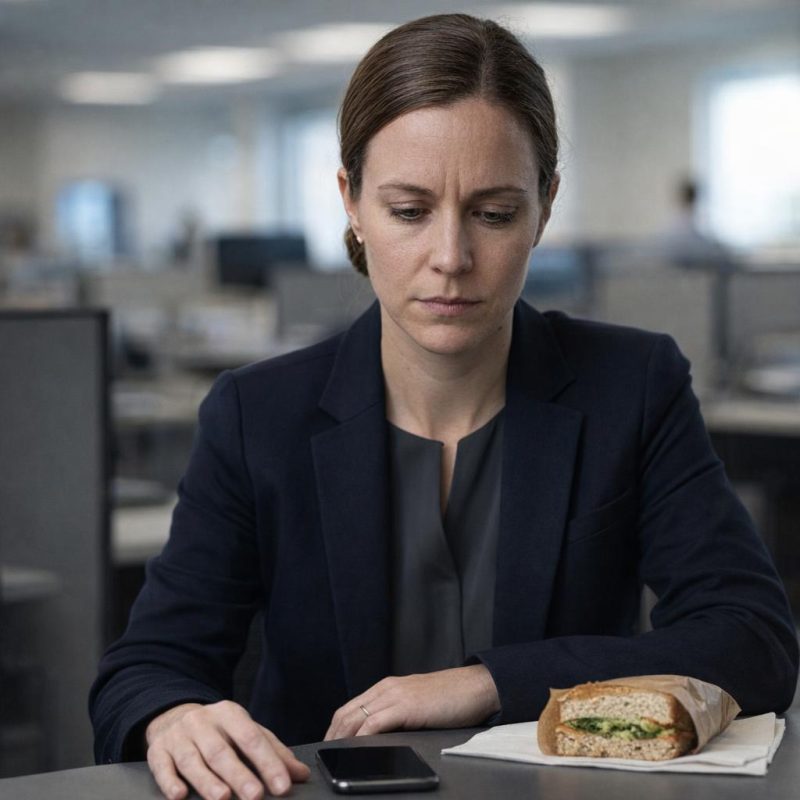 Image by RM AI
The Hushed Phone Conversation
My office shared a wall with Sarah's, which had never been an issue — we'd both always been good about keeping calls at a reasonable volume. I was deep in a contract review when I heard her voice come through, not loud but clear enough. She was on the phone, and for a few seconds the words were just background noise. Then I heard it: 'after she's out.' Three words, distinct and unmistakable. I stopped typing. I sat very still and tried to hear more, but her voice had dropped, the way it does when someone realizes they've been speaking too loudly. I caught fragments — something about timing, something about a meeting — but nothing I could assemble into a sentence. I told myself there were a hundred things that phrase could mean. A client transition. A personnel decision about someone else entirely. A conversation about a competitor. I ran through the possibilities the way you do when you want to believe the most reasonable explanation. But I couldn't make myself go back to the contract. I just sat there, fingers resting on the keyboard, the cursor blinking in the middle of an unfinished sentence, and then through the wall I heard Sarah's voice pull tight and clear one more time: 'the timeline needs to move faster.'
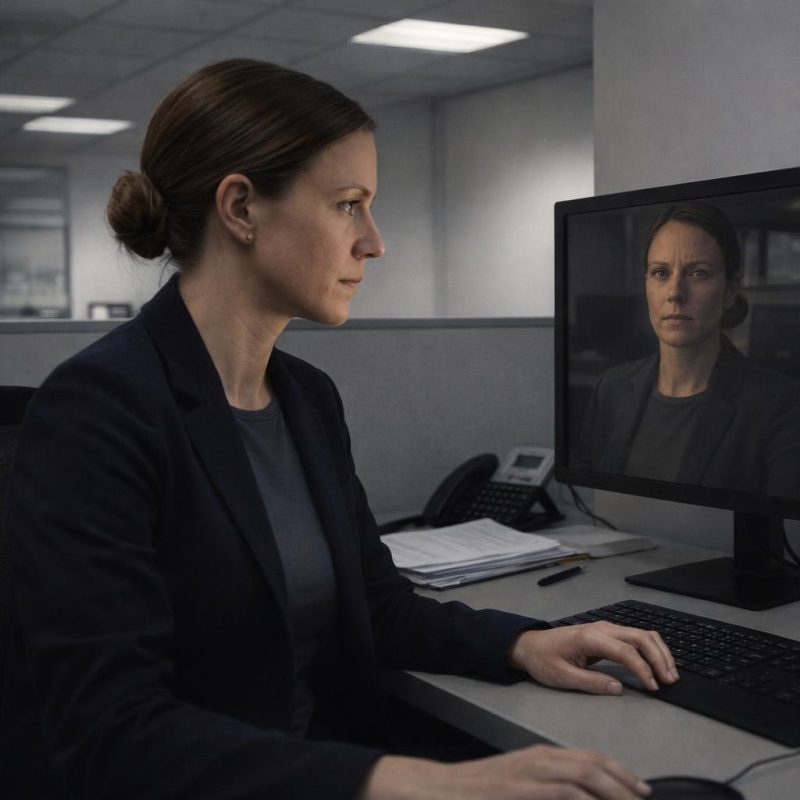 Image by RM AI
The Closed-Door Meeting
I came in early that morning, which I'd been doing more often lately, and the office was already busier than I expected. I could see through the glass wall of the conference room that Sarah, Jake, and Mia were already seated around the table. The door was closed. I checked my phone — no meeting invite, no message. I pulled up the shared calendar on my laptop and scrolled through the morning: nothing scheduled. I stood at my desk for a moment, trying to decide if I was reading too much into it. Maybe it was a spontaneous technical sync, the kind that happened when a bug needed fast triage. Maybe Sarah had tried to reach me and the notification hadn't come through. I walked toward the conference room slowly, close enough that Sarah glanced up and saw me through the glass. We made eye contact for just a second. Then she stood, crossed to the window, and drew the blinds closed.
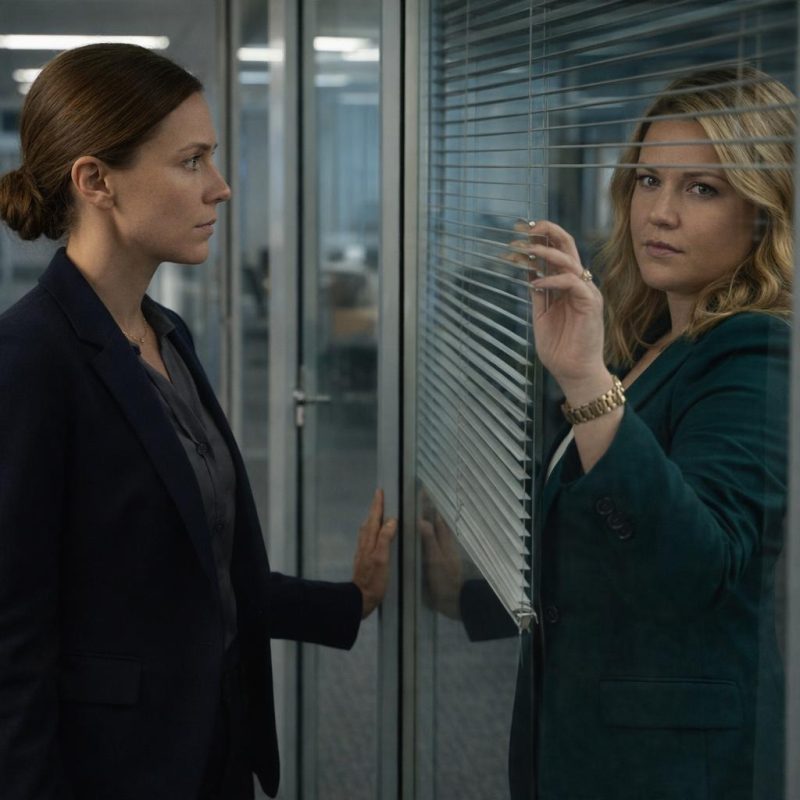 Image by RM AI
Jake's Discomfort
I caught Jake in the hallway just as the conference room was emptying out. I kept my voice easy, casual — the kind of tone you use when you're trying not to sound like you're asking what you're actually asking. I said something like, hey, what was that about? He stopped walking and looked at his shoes for a second before he looked at me. Just routine project planning, he said. Making sure the sprint timelines lined up. I told him I hadn't seen anything on the calendar. He nodded, said Sarah had scheduled it last minute, said it came together fast. There was something in the way he said it — not wrong exactly, just a little too careful, like he was choosing each word before he let it out. I didn't push. I said okay and let him go, then walked back to my desk and opened my laptop. I had three unread emails. I clicked through the first two without really reading them. The third one opened onto a thread I was still CC'd on — subject line: 'Veridia Transition Planning — Founder Role Restructure.'
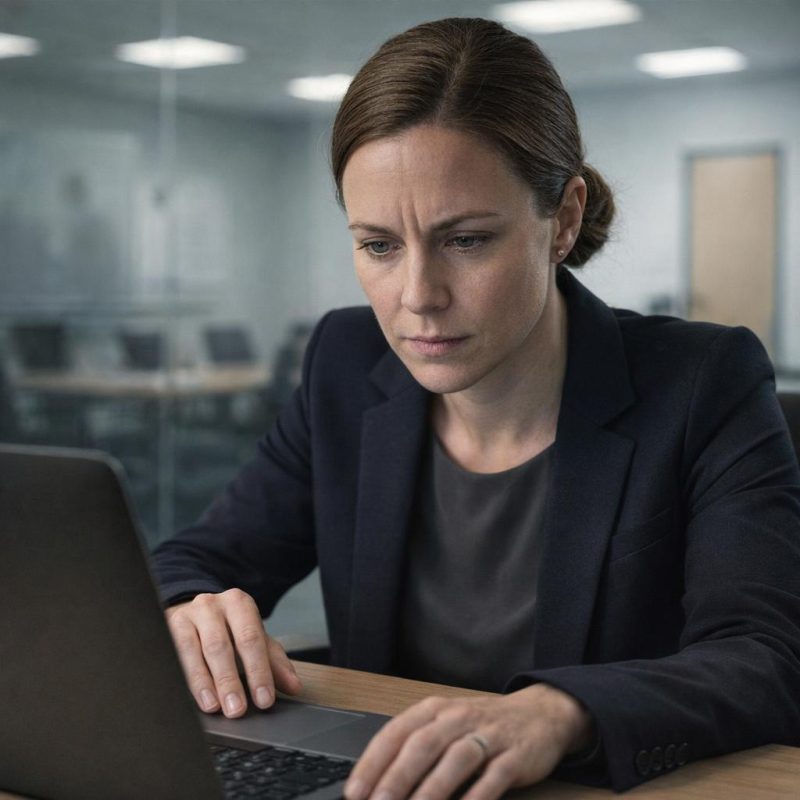 Image by RM AI
The Rehearsed Responses
I told myself it was nothing. I told myself I'd been misreading things all week and that I needed to stop looking for problems that weren't there. So I walked down to Sarah's office that afternoon with the specific intention of having a normal conversation. She looked up from her laptop when I knocked, and she smiled — that wide, easy smile I'd seen her use in a hundred investor meetings. I asked how the latest acquisition conversations were going. She said they were progressing well, that the term sheet language was moving in a positive direction, that she expected to have something concrete to share with the team by end of quarter. It was a perfect answer. That was the problem. I tried to shift gears, brought up the night we'd stayed until two in the morning debugging the first Aegis build, eating cold takeout on the floor. She laughed. It was the right laugh at the right moment. But it didn't go anywhere near her eyes. I sat across from her for another few minutes, nodding along, and the whole time I kept thinking that I was talking to someone who had prepared for this conversation. The smile stayed exactly where she'd put it.
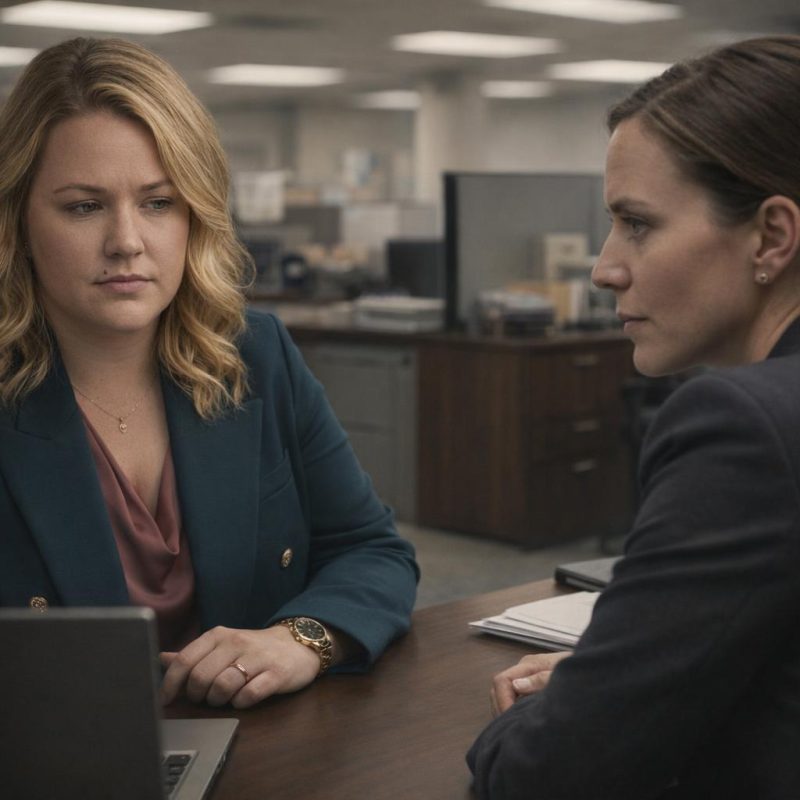 Image by RM AI
The Server Restrictions
It started as a routine task — I just needed to update a section of the Aegis documentation before our next review cycle. I logged into the development server the way I had dozens of times before and navigated to the core directory. Access denied. I figured it was a session issue and tried again with my secondary admin credentials. Same result. I sat back in my chair and stared at the screen for a moment, then pulled up the permission logs. The changes had been made two days ago. The log entry showed an admin account had modified the access controls on the core Aegis directory and three of its subdirectories, but the specific user field was masked — either by a settings change or a log configuration I hadn't set up that way. I scrolled through the surrounding entries looking for anything that might tell me more. There was nothing obvious. I checked my own admin status and found it had been downgraded to read-only on those folders. I hadn't done that. I hadn't asked anyone to do that. I sat there with the screen glowing in front of me, and the only thing I could think was that someone had changed the permissions on files I had built from the ground up.
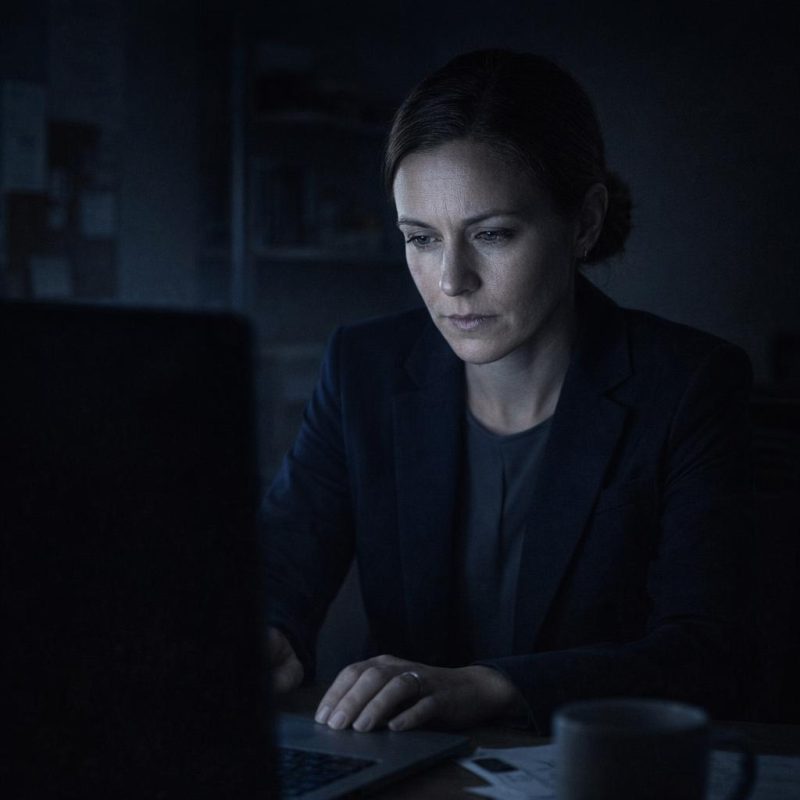 Image by RM AI
The Pitying Look
I pushed through the lobby doors of Heights Plaza at my usual time, coffee in hand, already running through the morning in my head. The receptionist looked up from the front desk the way she always did — and then something shifted in her face. It was quick, the kind of micro-expression people don't know they're making. Her smile came up a beat too late and sat a little too still. I said good morning. She said it back, and her voice was warm enough, but her eyes moved away from mine faster than they should have. I kept walking toward the elevator, but the feeling followed me. Sarah's car was already in the garage — I'd noticed it on the way in. I stopped near the reception desk to check my phone, buying myself a few extra seconds without quite knowing why. That's when I heard it. The receptionist's voice, low and directed at someone just around the corner from the desk, barely above a murmur: 'She still doesn't know.'
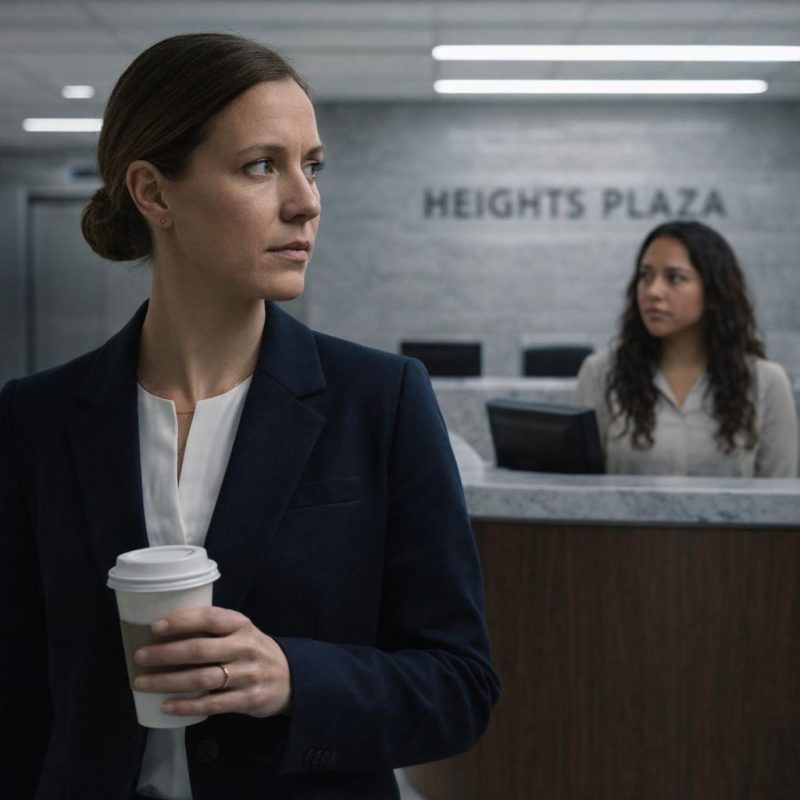 Image by RM AI
Diana's Pointed Questions
Diana had suggested the café two blocks from the office, which I'd thought was a good sign — neutral ground, relaxed setting, the kind of meeting where you talk through details over coffee rather than across a boardroom table. She was already seated when I arrived, a leather portfolio open in front of her. We exchanged the usual pleasantries and then she got straight to it. She asked me to walk her through the current equity split. I did. She asked who held final authority on technical decisions when the two founders disagreed. I explained that we'd structured it as an equal partnership, that major decisions required consensus. She wrote something down. Then she asked what the process would look like if one founder wanted to exit before a deal closed. I gave her the answer that was in our operating agreement, but I could hear myself sounding more formal than I meant to. She nodded after each answer, not in a way that suggested agreement, more like she was filing things away. By the time we finished, I couldn't point to a single question that was out of line. But I walked back to the office with the distinct feeling that I hadn't been there to discuss the acquisition. I'd been there to be assessed.
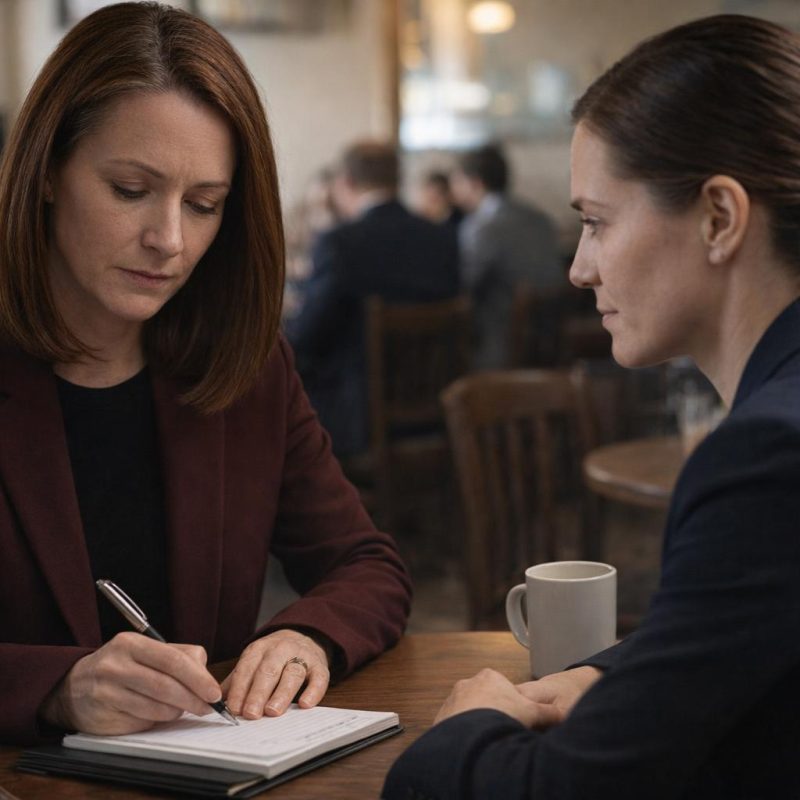 Image by RM AI
The Solo Credit
Sarah called the all-hands for ten o'clock and the conference room filled up fast. I took a seat near the back, which wasn't something I usually did, but I told myself it was just easier than navigating to the front. Sarah ran through the quarterly numbers with the kind of fluency that came from having rehearsed them — revenue growth, client acquisition, pipeline projections. The team was engaged. I watched Jake take notes. I watched Mia nod along. Then Sarah advanced to the Aegis slide. She talked about the protocol's architecture, the problem it solved, the reason it had become the centerpiece of the acquisition conversation. Her voice was confident and specific. I had written half of what she was describing. I waited for my name to come up. She advanced to the next slide — a summary card, clean design, the kind that ended up in investor decks. Under 'Lead Architect,' in the same font and weight as everything else on the slide, it read: Sarah Chen. Jake glanced back at me from across the room, and the look on his face was the same one the receptionist had given me that morning.
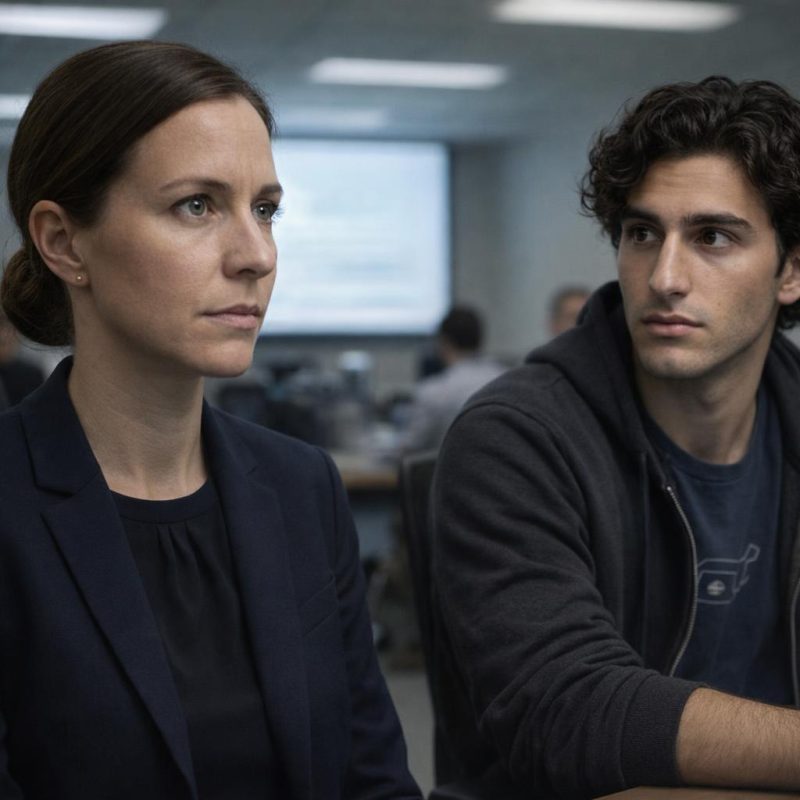 Image by RM AI
The Hollow Feeling
Everyone else went to lunch. I stayed. I sat down at my desk and pulled up the Aegis repository almost without deciding to, the way you reach for something familiar when the ground feels unsteady. The commit history loaded and I scrolled through it slowly — my initials next to hundreds of entries going back three years. Late nights, early mornings, the weekend I'd skipped my cousin's wedding because we were two days from a critical deadline. It was all there in the log, timestamped and documented. I thought about walking down to Sarah's office and asking her directly. I even got as far as standing up. But I didn't know what I would say, or what I would do with whatever answer she gave me. I sat back down. The office was quiet in the way it only got when everyone had cleared out at once — no keyboard sounds, no low conversations from the kitchen, just the hum of the HVAC and the faint noise of the street below. I stayed in that quiet for a long time, the commit history still open on my screen, my name running down the left side of the page.
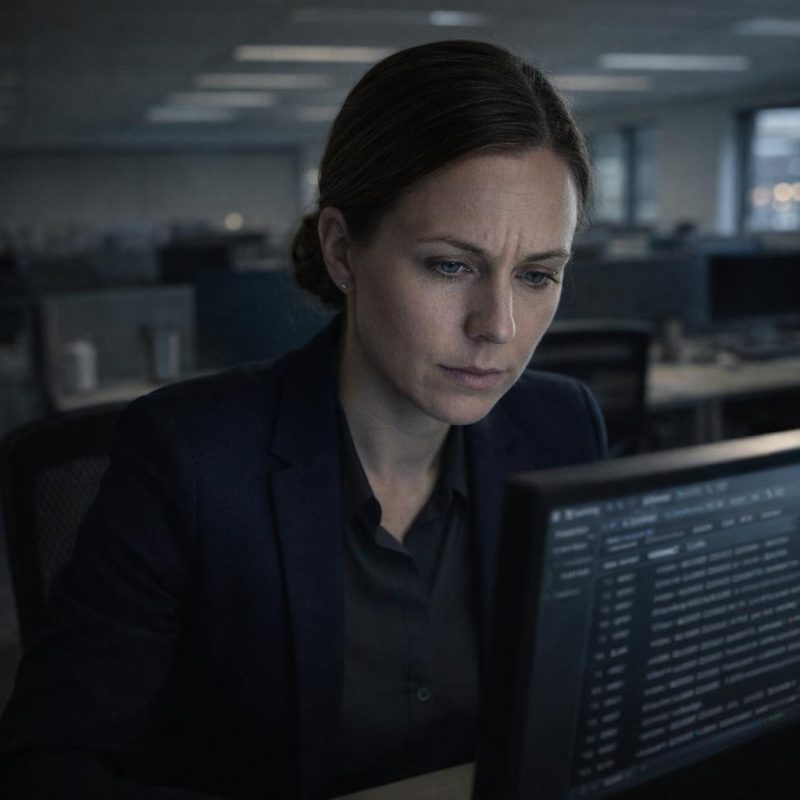 Image by RM AI
Reviewing the Server Logs
I pulled the server access logs for the past thirty days that afternoon, telling myself I was just being thorough. The data loaded in a spreadsheet and I started filtering by account. When I got to Sarah's login entries, I stopped scrolling. There were sessions at 2:14 AM on a Tuesday. 3:47 AM on a Thursday. 4:02 AM on a Sunday. Not one or two late nights — a pattern, spread across multiple weeks. I cross-referenced the timestamps against her shared calendar. No scheduled calls with overseas clients. No deadlines that would explain working through the night. The accessed directories were listed in the adjacent column: core Aegis files, the architecture documentation, the client-facing technical specs. I took screenshots of each entry, methodical about it, the way you get methodical when you're trying not to let yourself feel what you're feeling. I saved the folder and closed the spreadsheet. The timestamps sat in my head even after the screen went dark — 2 AM, 3 AM, 4 AM, the same directories, over and over, on nights when there was no reason I could find for anyone to be there.
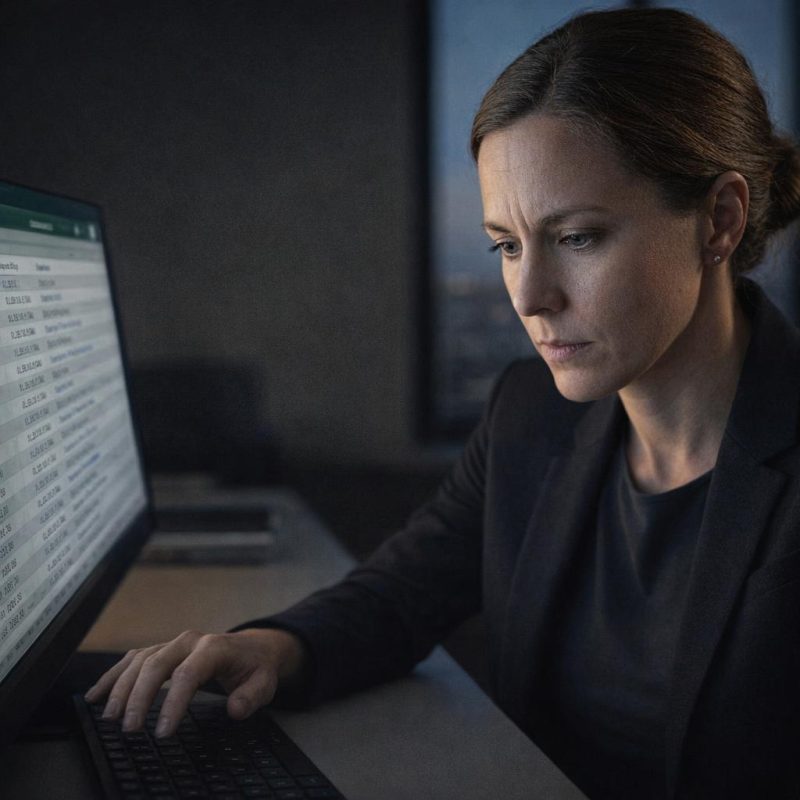 Image by RM AI
The False Detail
I stopped by Sarah's office around ten with two coffees, the way I used to do before any of this started. We talked about the acquisition for a few minutes — the usual back-and-forth about investor expectations and timeline pressure. I kept my voice easy, casual, the kind of tone that doesn't signal anything. Then I mentioned, almost as an aside, that the acquiring firm was pushing to close by November 15th. I watched her face as I said it. She nodded, took a sip of her coffee, said it was tight but doable. Nothing in her expression shifted. We talked for another minute or two about the due diligence checklist, and I started to think maybe I was reading too much into everything. Then she picked up her phone and her thumbs moved across the screen — fast, deliberate, before I'd even finished my sentence.
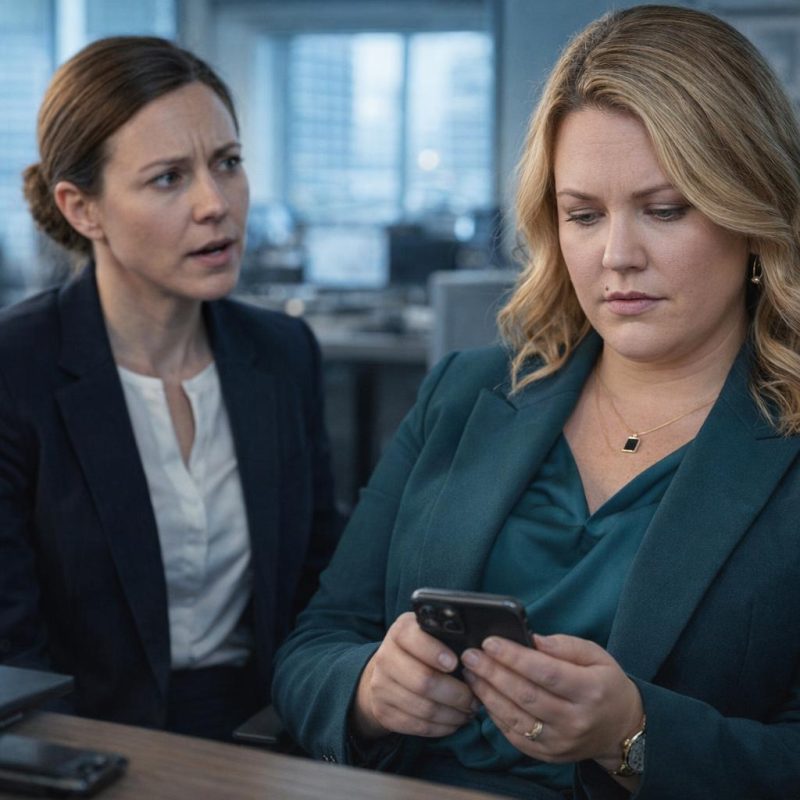 Image by RM AI
The Password Change
I needed to pull a server configuration file that afternoon, routine maintenance I'd been putting off. I opened the admin panel login and typed the password I'd used for the past two years. Access denied. I tried it again, slower, making sure I hadn't mistyped. Same result. I went through the alternates — the older version, the one with the capital letter swap, the one we'd used before the last security update. None of them worked. I sat back and told myself it was probably a system glitch, a forced reset after some automated security scan. I opened my email and searched for any password reset notification I might have missed. The results loaded and I found it near the top of the search — a confirmation email I hadn't seen before. I opened it. The reset had been initiated three days ago, from an IP address I didn't recognize.
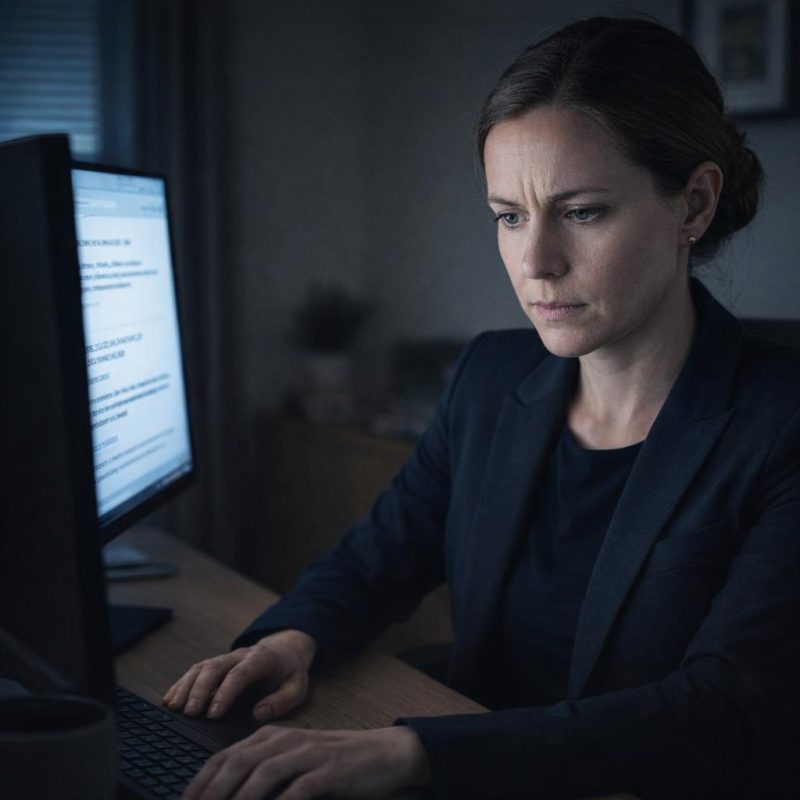 Image by RM AI
The Leaked Detail Returns
Marcus had scheduled the video call for nine in the morning, and Sarah and I joined from our separate offices. He opened with the usual pleasantries, then moved straight into the acquisition timeline. He said the pace was aggressive and that his team needed clarity on key milestones. I had my notepad open and was writing as he talked, keeping my expression neutral. Then he said he was particularly concerned about the November 15th deadline — whether the technical documentation would be ready in time. My pen stopped moving. I kept my eyes on the screen. Sarah was visible in the corner tile of the call, her face composed, not reacting, not correcting him. I wrote the date down on my notepad and stared at it. That date wasn't real. I had put it into the world less than twenty-four hours ago, and now Marcus was saying it back to me like it had always been true.
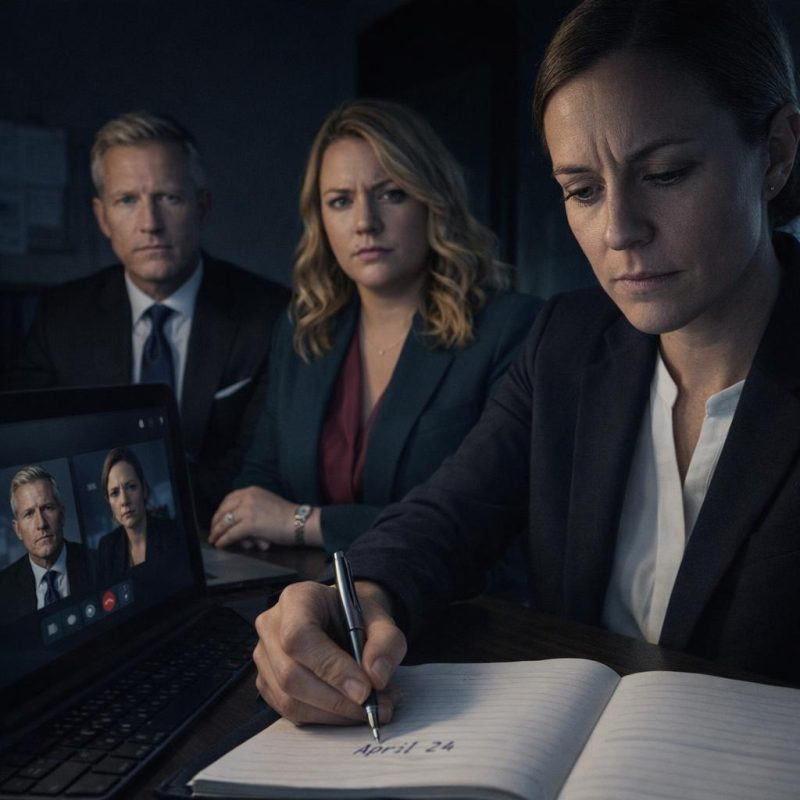 Image by RM AI
Creating the Backup
I stayed at the office until midnight. The building had gone quiet by eight, and by ten the only sound was the hum of the server rack in the back room. I set up a private cloud account under my personal email — nothing connected to Veridia's infrastructure — and started copying files. Core Aegis protocol documentation. Architecture specs. The full commit history with timestamps intact. Client-facing technical briefs. I worked through each directory methodically, encrypting every folder before I moved to the next. I wasn't sure exactly what I was preparing for. I didn't have a plan yet, not a complete one. But something in me had shifted past the point of waiting to see how things unfolded. When the last file finished uploading, I locked the private server with new credentials I hadn't used anywhere else and wrote them down on a piece of paper I folded into my wallet. The work was still ours. For now, at least, I had made sure of that.
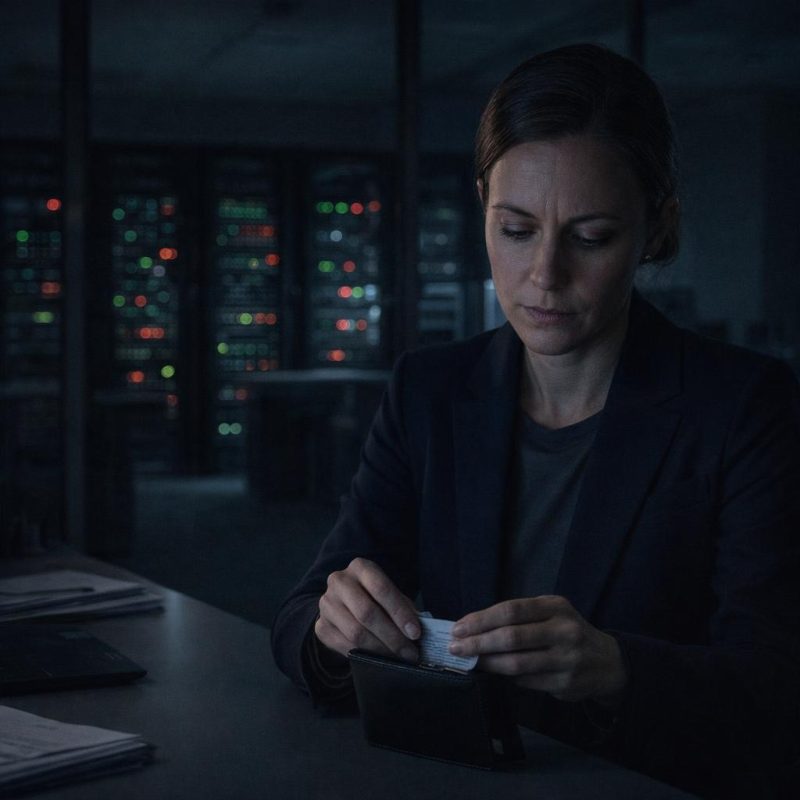 Image by RM AI
The Solo Presentation Proposal
Sarah appeared in my doorway late on a Thursday afternoon, leaning against the frame like she had a hundred times before. She said the investors had asked for a more streamlined presentation format ahead of the acquisition review. I looked up from my screen and waited. She said she thought it made sense for her to handle the full overview solo — the business case and the technical summary together, one voice, cleaner narrative. I asked why we were moving away from the joint format we'd always used. She said it was just efficiency, given the timeline pressure, and smiled the way she does when she's already decided something and is explaining it after the fact. I told her that made sense. I kept my voice even. She said she'd send me the draft slides for review and then she was gone, her heels quiet on the carpet down the hall. I sat at my desk and didn't move for a long moment, the door still open, the afternoon light going flat against the wall.
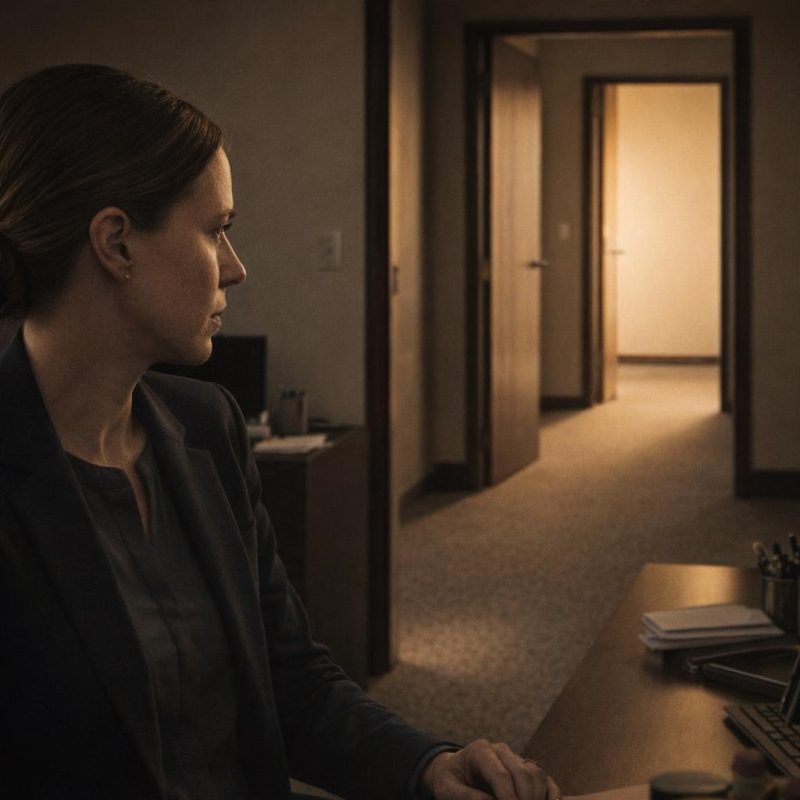 Image by RM AI
The Repository Changes
I pulled up the code repository after eleven that night, intending to verify that the latest Aegis build documentation was intact. I opened the first file and something looked wrong in the header. I checked the second file. Then a third. The headers that had always listed both of our names — mine and Sarah's — now showed only one. I went through the directory file by file, and the pattern held across every modified document. I opened the commit history and filtered by date. The changes had been made incrementally, spread across the past two weeks, small enough that a casual review wouldn't catch them. I clicked through to the author field on each commit. Sarah's account was listed on every single one. I took screenshots of the before and after versions, pulling the cached originals from the backup I'd made two nights ago, and saved them into a folder I'd already started keeping on the private server.
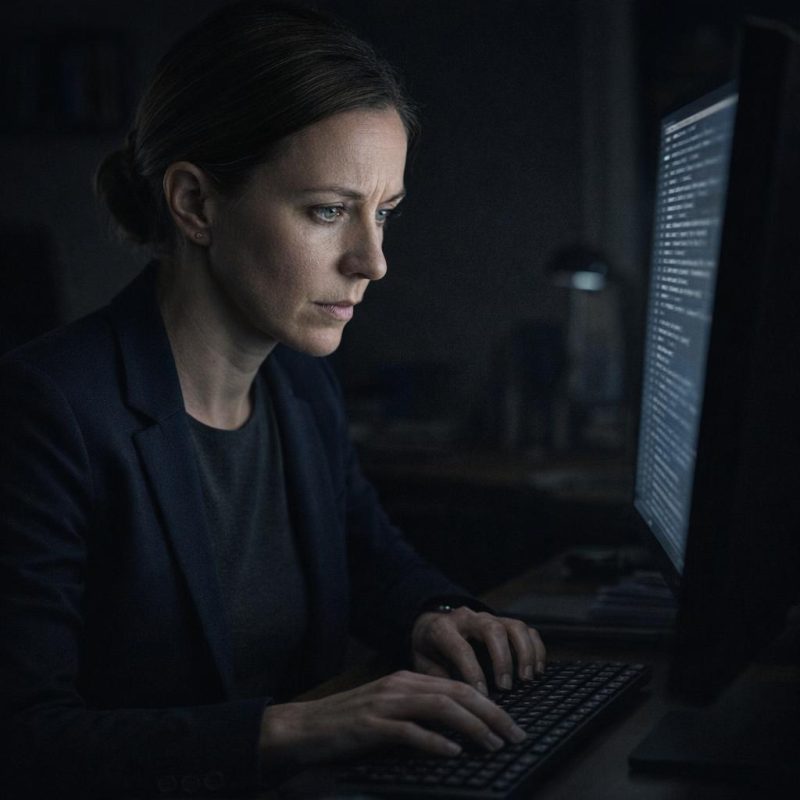 Image by RM AI
Documenting the Evidence
I spent most of the next day at my desk with the door closed, working through the evidence folder the way you'd build a legal brief — methodical, nothing out of order. I screenshotted every modified file header, labeled each one with the original filename and the date of the change. I exported the server access logs and saved them as timestamped PDFs. I went back through my email archive and pulled every thread related to the acquisition — investor communications, technical review requests, anything that established my role and my contributions in writing. I documented the timeline in a separate notes file, entry by entry, starting from the first late-night login I'd found in the access logs. When I finished, I encrypted the entire folder and backed it up to two separate locations. I sat back and looked at the screen. The folder had grown larger than I'd expected, and that fact alone sat with me in the quiet of the closed office.
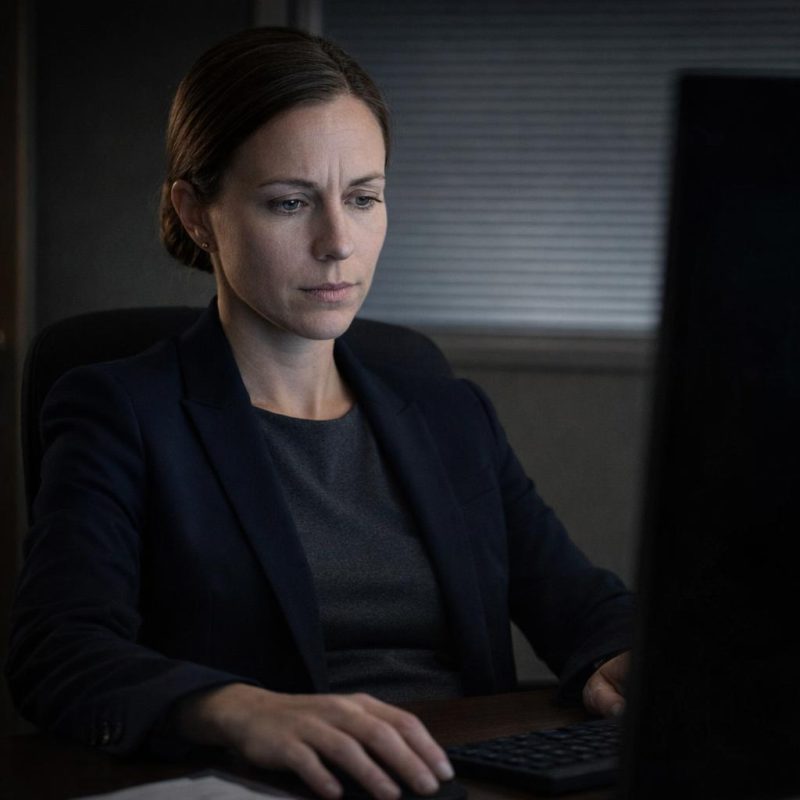 Image by RM AI
The Board Influence
I arrived ten minutes early for my scheduled check-in with Robert and found the conference room door pulled almost shut. His voice came through the gap — low, measured, the kind of tone people use when they think no one is nearby. I stopped in the hallway. I wasn't trying to listen, but the building was quiet enough that the words carried. He was talking about the acquisition process, about complexity, about how much cleaner things moved when accountability was centralized. I stood there with my laptop bag over my shoulder and my coffee going cold in my hand. He said something about dual leadership structures creating friction during transitions. I told myself he was probably just thinking out loud, working through a general concern, nothing specific. Then his voice came through clearly one more time, and I heard him say that maybe a single CEO model would be cleaner.
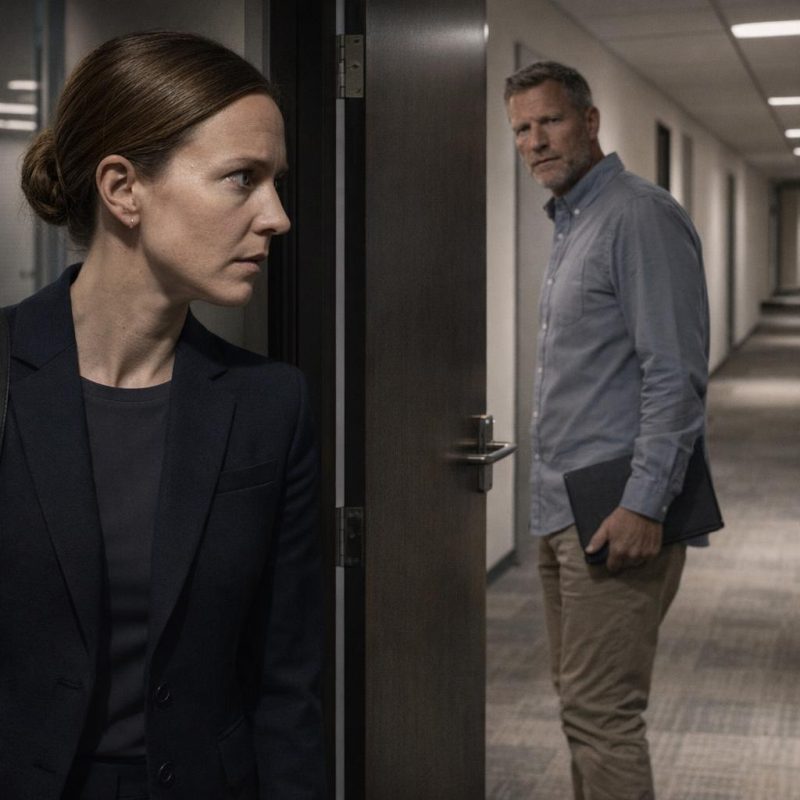 Image by RM AI
Securing Legal Documents
I waited until the office was empty — everyone gone for the evening, the cleaning crew already finished — before I went to the safe. My hands were steady, which surprised me. I'd been running on adrenaline and bad coffee for days, and I half-expected them to shake when I turned the combination dial. They didn't. The partnership agreements were exactly where they'd always been, tucked behind the insurance binders in a manila folder that hadn't been touched in months. I pulled everything out and laid it flat on the conference table: the original incorporation documents, the stock certificates, the board resolutions from our first year. Equal equity split, right there in black and white. I photographed every page, front and back, checking each frame to make sure the text was legible. Then I uploaded everything to an encrypted folder on a drive I kept at home, not on any company server. When I was done, I slid the originals back into the folder, returned them to the safe, and spun the dial. The documents were still there. So was my name on every one of them. I stood in the quiet office for a moment, and the weight of having them — really having them, backed up and protected — settled over me like something I hadn't known I was missing.
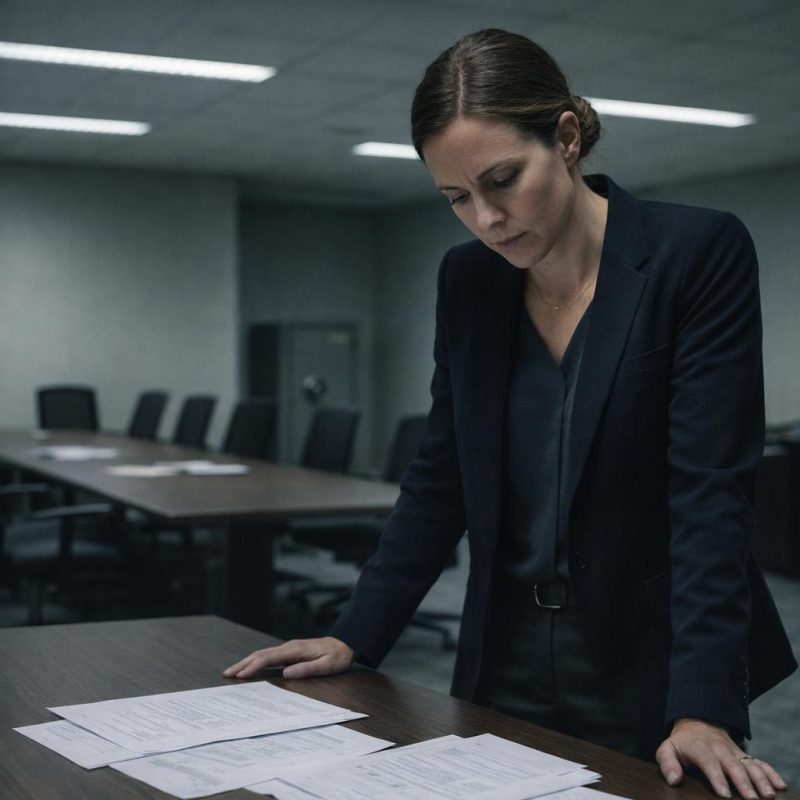 Image by RM AI
Robert's Concerns
Robert suggested the café two blocks from the office, which already felt like a signal. We'd always done our check-ins at the conference table with bad filtered coffee and a shared screen. Sitting across from him at a small table with street noise coming through the window felt deliberately casual in a way that made me pay attention. He asked how I was feeling about the acquisition timeline, and I told him honestly — cautiously optimistic, a few moving pieces still to resolve. He nodded and wrapped both hands around his mug. Then he said that some investors, in his experience, found dual leadership structures harder to evaluate during transitions. He said it carefully, like he'd thought about how to phrase it. I told him that co-founder models had a strong track record in tech acquisitions, that our structure was documented and clean. He nodded again. He didn't push back, but he didn't agree either. He just said he wanted me to be thinking about it. We talked for another twenty minutes about nothing that mattered, and when we said goodbye outside, his handshake felt the same as always — firm, professional, brief. But the whole walk back, I kept turning his words over. He'd been careful. Too careful, maybe. The distance in how he'd said it stayed with me longer than the words themselves.
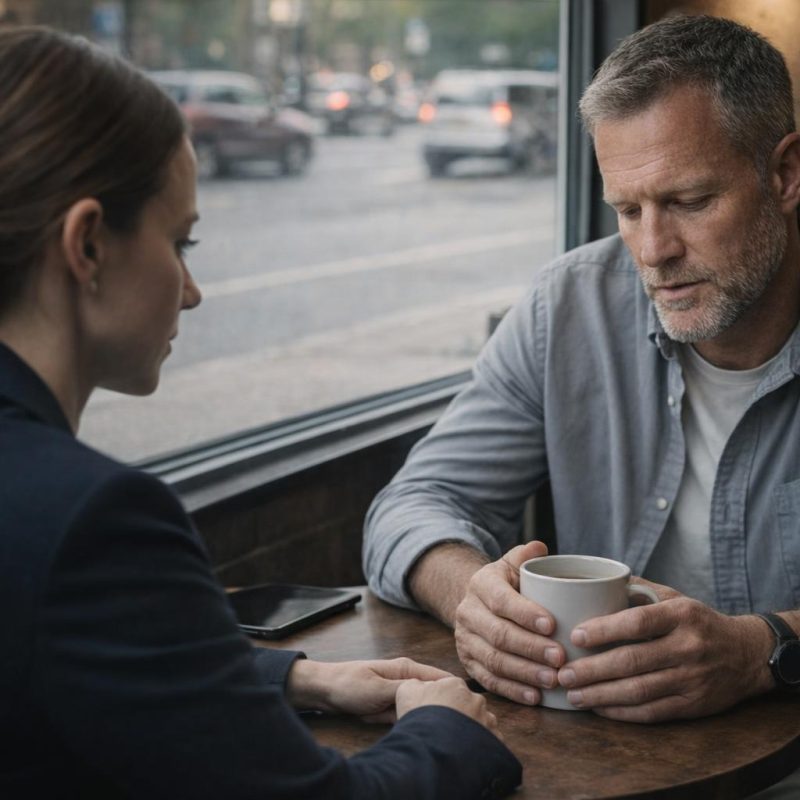 Image by RM AI
The Dummy Files
I stayed at the office until nearly midnight, which wasn't unusual enough for anyone to notice. I made a fresh pot of coffee, pulled up a blank project directory, and got to work. The dummy files took about three hours to build properly. I wanted them to look real — real enough that someone skimming the directory structure would see exactly what they expected to see. The code architecture mirrored the actual Aegis protocol closely enough to pass a quick review, but I'd seeded it with subtle structural flaws, the kind that wouldn't surface until someone tried to actually run it. Anyone who knew the codebase well would eventually catch them. Anyone moving fast and confident might not. I named the files using our standard naming conventions and dropped them into a subdirectory I'd noticed had been accessed more than once in the past two weeks. Then came the part that took the most care: the tracking script. I embedded it deep in the file metadata, lightweight enough not to flag anything, but wired to log every access attempt — timestamps, IP addresses, any copy or transfer event — and push that data silently to an external server I controlled. I ran three test cycles to confirm it was working. Each one came back clean. I saved the final version, closed my laptop, and sat back. The trap was set.
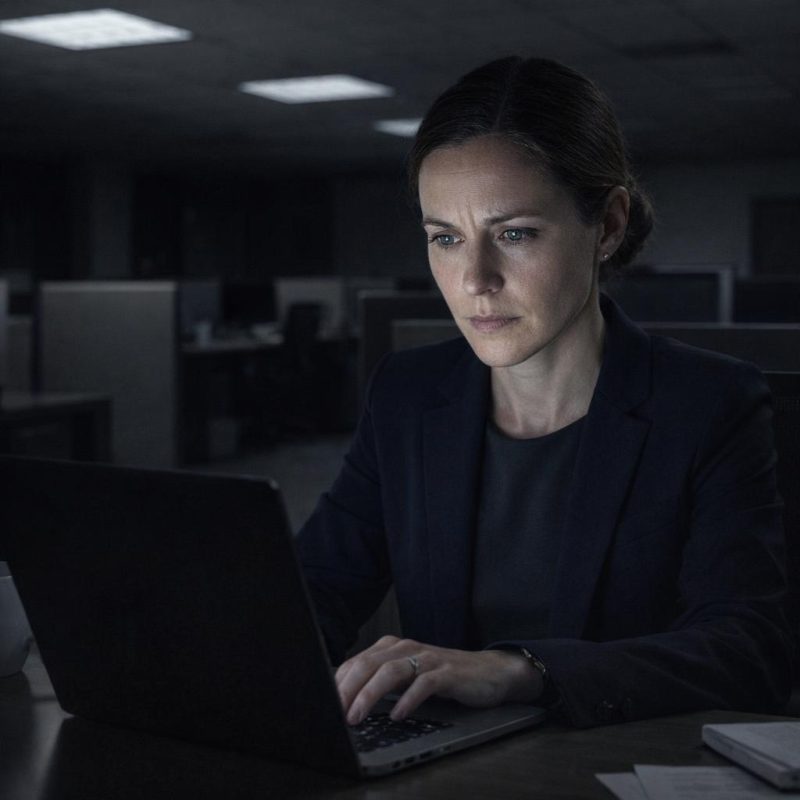 Image by RM AI
Installing Security Monitoring
I ordered the cameras on a Thursday and had them delivered to my apartment, not the office. Four small units, each about the size of a matchbox, with wide-angle lenses and night vision. I'd done enough research to know they were reliable and discreet. I brought them in on a Saturday morning when the building was empty, telling the front desk I was catching up on work. Installation took about two hours. I mounted one above the main entrance, angled to cover the reception area and the door to the open workspace. A second went in the conference room, tucked into the corner shelf behind a row of binders. The third I positioned near the workstation cluster, high enough to cover the full row of desks. The fourth I kept as a backup and placed near the server room door. Each camera connected to a secure app on my phone, with footage routed to encrypted cloud storage and set to retain for thirty days. I tested every feed before I left, adjusting angles until the coverage felt right. Then I sat in the empty office for a few minutes, looking at the space I'd helped build from a two-person startup in a shared co-working room. Installing cameras in my own office felt like something I never should have needed to do. I opened the app one last time before I locked up, and the live feed showed the empty office, still and dark, at just past midnight.
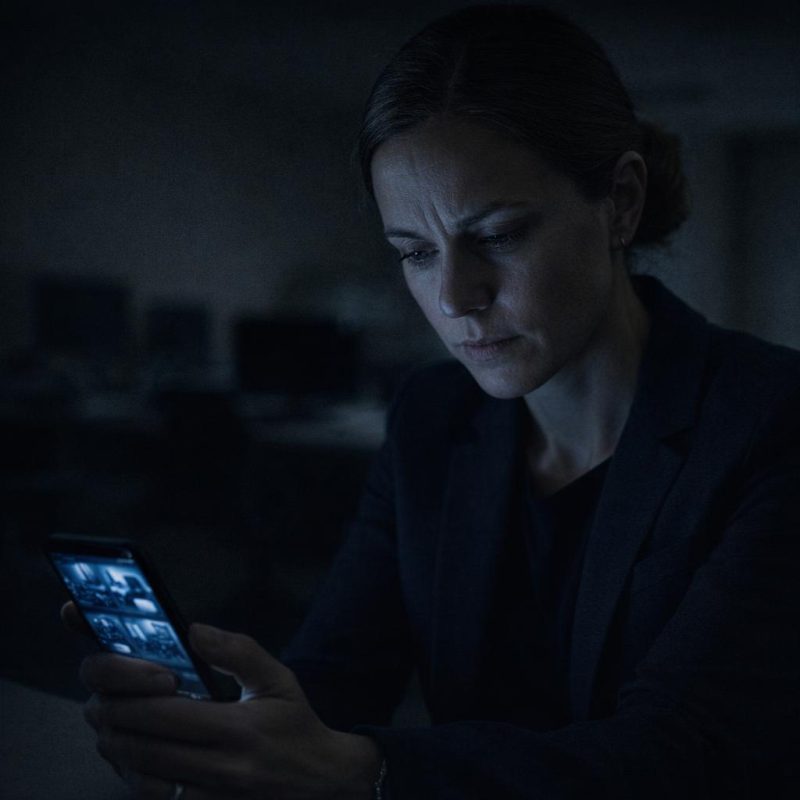 Image by RM AI
Mapping the Timeline
I cleared the dining room table completely on a Sunday afternoon and spread everything out. Printed emails, access logs, the notes I'd been keeping in a password-protected document for weeks, screenshots of the file modification timestamps. I bought two packs of sticky notes — yellow for confirmed events, orange for things I couldn't verify yet — and started writing. One note per event, one date per note. I put the password change suggestion at the start of the row. Then the closed-door meetings I hadn't been invited to. Then the file access anomalies Jake had flagged. Then Robert's careful words at the café. I added the dummy file directory accesses, the after-hours badge swipes I'd pulled from the building management system, the shift in how certain conversations had started going quiet when I walked into a room. I drew lines between the notes with a red marker, connecting dates to events, events to people, people to patterns. When I stepped back and looked at the full table, something shifted in my chest. Individually, each note was explainable. A miscommunication. A coincidence. Someone having a bad week. But laid out in sequence, with the dates running left to right across the table, the gaps between events kept shrinking. Whatever was happening, it was moving faster now — and the shape of it, still incomplete, still full of orange notes I couldn't confirm, looked nothing like coincidence.
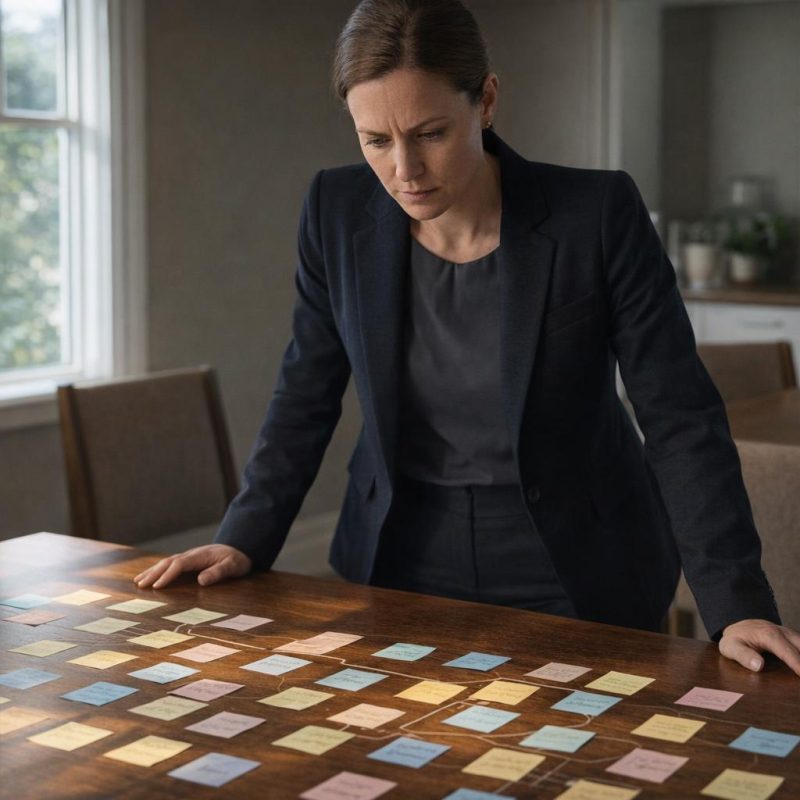 Image by RM AI
The Night Visitor
The alert came through at 2:14 in the morning. I was still awake — I'd been sleeping badly for weeks — and my phone buzzed on the nightstand with a motion notification from the office camera. I sat up and opened the app. The feed was grainy in the low light but clear enough. Someone had come through the main entrance. I watched the figure move through the reception area and into the open workspace, and it took me about four seconds to recognize the posture, the coat, the way she moved through the room without hesitating or looking around. Sarah. She went directly to the workstation cluster and sat down at my desk. The timestamp in the corner of the feed read 2:17 AM. I watched her type for a while, though the camera angle didn't give me a clear view of the screen. She stayed for just under forty minutes. Then she stood, straightened her coat, and walked back out the way she'd come. The office was empty again by 2:54. I sat in the dark of my bedroom with the phone in my hand, the footage still open on the screen. I didn't move for a long time. The silence in the room felt different from the silence it had been an hour ago.
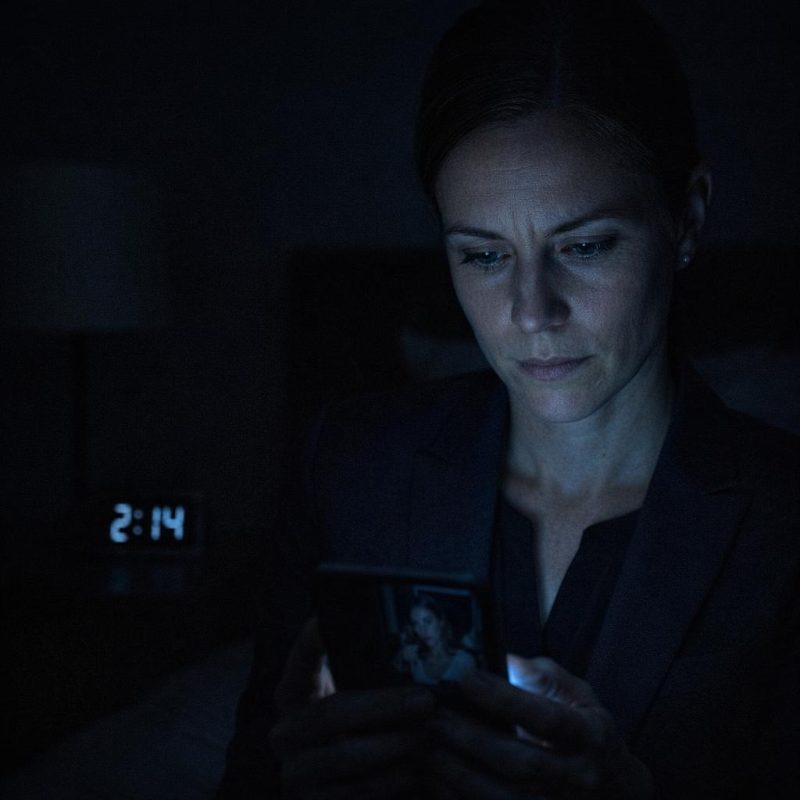 Image by RM AI
The Thumb Drive
I went back through the footage the next morning, frame by frame, starting from the moment Sarah sat down at my workstation. The camera angle was frustrating — I could see her profile and her hands, but not the screen directly. I almost missed it on the first pass. On the second, I caught it: around the 2:23 mark, she reached into the right pocket of her coat and pulled out something small. A thumb drive. She held it for a moment, then leaned forward and inserted it into the USB port on the left side of the workstation. I paused the footage and sat with that for a second before I kept going. The next several minutes showed her watching the screen, hands in her lap, waiting. The file transfer progress bars were visible in the reflection on her glasses — faint, but there. When the transfer finished, she removed the drive, slipped it back into her pocket, and spent another few minutes at the keyboard before she stood up. I pulled the system logs from my workstation remotely and found exactly what I expected: the transfer history had been deleted. She'd been thorough. But the camera had been there, and the footage didn't lie, and I sat at my kitchen table with the laptop open in front of me, the weight of what I'd just watched pressing down on my chest like something solid.
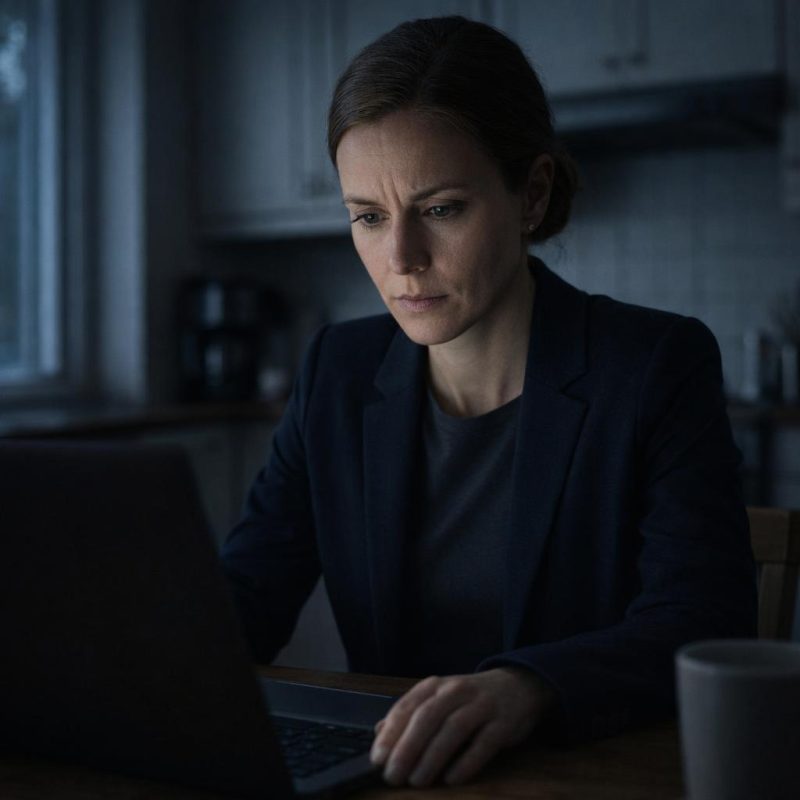 Image by RM AI
The Private Conversation
I almost missed the earlier footage entirely. I'd been focused on the past week, but something made me scroll back further in the archive — two weeks, maybe a little more. That's when I found it. The timestamp read 11:48 PM on a Tuesday I recognized because I'd been at a client dinner that night. The conference room camera had picked up two figures. Marcus came through the door first, no tie, jacket still on, moving like someone who knew the building well enough not to need the lights at full. Sarah was already there, tablet on the table in front of her. I turned my laptop volume up and leaned in close. The audio was compressed and slightly hollow, but it was clear enough. They talked about the acquisition timeline, about investor positioning, about what the next few months would look like. Marcus did most of the talking. Sarah took notes. At one point she asked something I couldn't fully make out, and Marcus paused, then answered — five words, flat and even, that I had to replay three times to be sure I'd heard correctly.
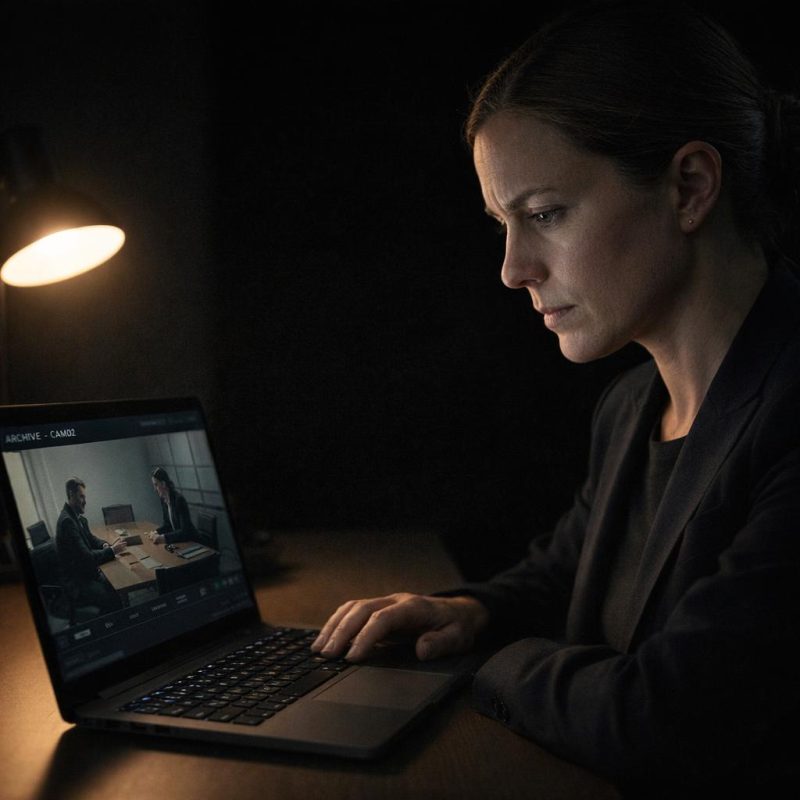 Image by RM AI
The Private Equity Trail
I started with his name in a business database I'd used for due diligence before — the kind that pulls SEC filings, press coverage, and litigation history into one place. Marcus Webb. The results came back fast. Three previous tech acquisitions, all within the last decade, all following a similar shape. A promising mid-size company. Internal friction between founders. A valuation drop. Then Marcus's private equity fund stepping in at a fraction of the original offer. I clicked through each one, reading slowly. The first was a SaaS company out of Austin — co-founders had a public falling-out over equity distribution, the board lost confidence, and the acquisition that had been on the table for sixty million closed instead at nineteen. Marcus's fund had led the round. The second was a cybersecurity firm in Seattle. Same arc, different names. The third was closer to home — a fintech startup that had been on every industry shortlist two years before it quietly disappeared. I saved screenshots of every article, every timeline, every fund disclosure I could find. I didn't know yet what any of it meant for Veridia specifically. But sitting there in the blue light of my monitor, the pattern pressed down on me like something with real weight.
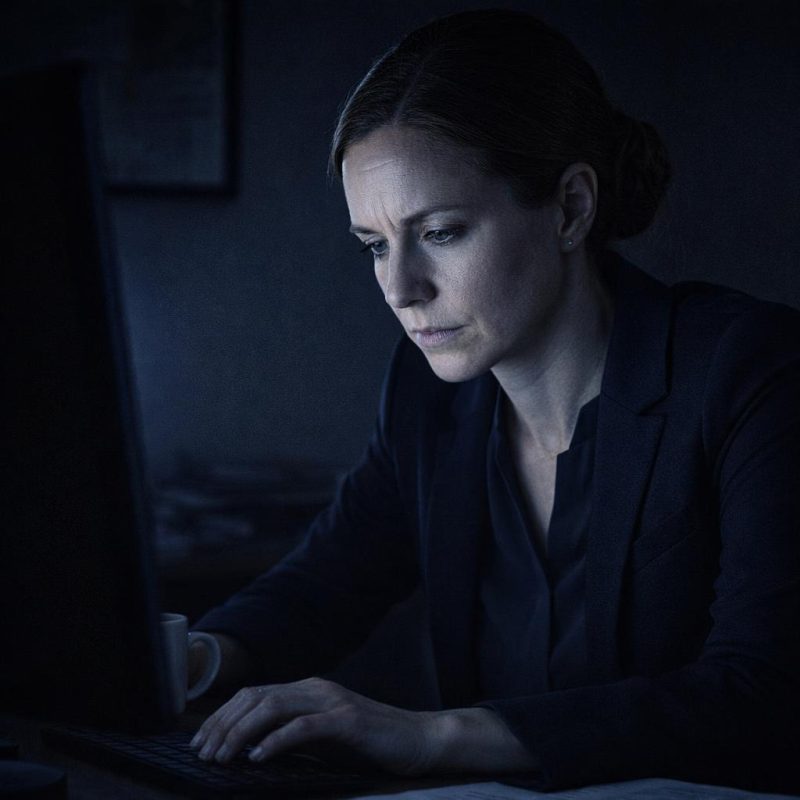 Image by RM AI
The Funding Promise
I went back to the security archive and started pulling footage from further out — not the past week, but the past month. I was looking for something I might have scrolled past before. I found it on a Thursday from three weeks ago, timestamped just after nine in the evening. The conference room again. Marcus was already seated when Sarah came in, and the body language between them was different from what I'd seen in the later recording — more relaxed, like they'd done this before. I turned the volume up as high as it would go. Marcus was talking about his fund's investment criteria, something about how the structure of a deal affected the terms available. Then he said it plainly: solo founders, he told her, received significantly better terms than partnerships. Sarah leaned forward. She asked about timelines. He said the money would be available once the current situation resolved. I had to sit back from the screen for a moment. I'd spent years building something with her. Late nights, bad pitches, the stretch of months when we weren't sure we'd make payroll. I'd thought we were in it together. The recording kept playing, but I'd already stopped hearing it. The hollow feeling that settled in my chest didn't move.
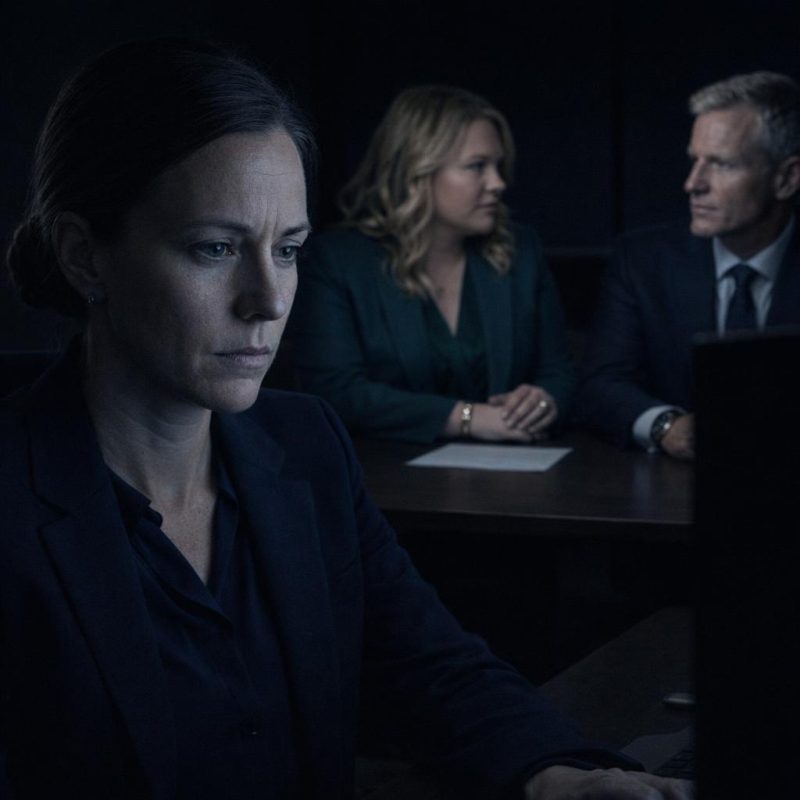 Image by RM AI
The Acquisition Sabotage Plan
The shared admin account had been set up years ago for system maintenance — neither of us had thought much about it since. I used it now to access the email server, moving carefully through the directory structure. Sarah had a folder she'd labeled 'Private - MW,' nested inside a subfolder I wouldn't have found without looking. I opened it. There were months of correspondence, going back further than I'd expected. The early emails were vague — general talk about market conditions, acquisition timing, investor sentiment. But they got more specific as they went. Marcus suggested that highlighting leadership conflicts to the acquiring firm would create doubt about the company's stability. Sarah asked about his counter-offer timeline. He answered with dates. I read through it all twice, making sure I was seeing what I thought I was seeing. The language was careful, the kind of careful that comes from people who know what they're writing could be read later. I copied everything to an encrypted folder on my personal drive and kept going. The last email in the thread was short — four lines from Marcus, no greeting, no sign-off. The words sat on the screen, plain and unambiguous: tank the deal and I'll buy it myself.
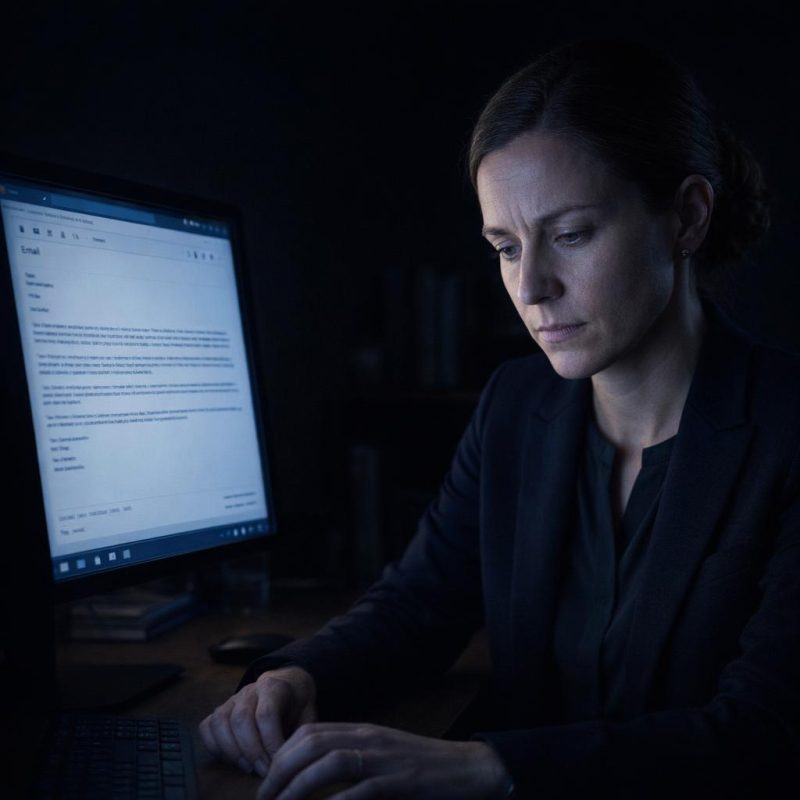 Image by RM AI
The Full Picture Emerges
I printed everything and spread it across my desk — the articles, the fund disclosures, the email thread, the footage timestamps, the acquisition records from the three previous companies. Then I stood back and looked at it. The timeline was the thing that kept pulling my attention. Marcus had first contacted Sarah months before any of the acquisition conversations with the other firm had gone public. His promises to her had grown more specific as the pressure on Veridia increased. The deals he'd orchestrated before — Austin, Seattle, the fintech firm — had all followed the same sequence: internal conflict, valuation drop, his fund arriving with a low offer after the original deal collapsed. The acquisition sabotage in the emails didn't benefit Sarah in any structural way. She wasn't positioned to gain equity in Marcus's fund. The promised solo funding was contingent on the deal closing on his terms. I stood there looking at the papers and thought about Sarah — her ambition, her frustration over the past year, the way she'd seemed increasingly convinced that Veridia's direction was wrong. She hadn't been wrong that Marcus had approached her. The draft purchase agreement I pulled up next showed a price point that made everything on the desk snap into a single, cold shape.
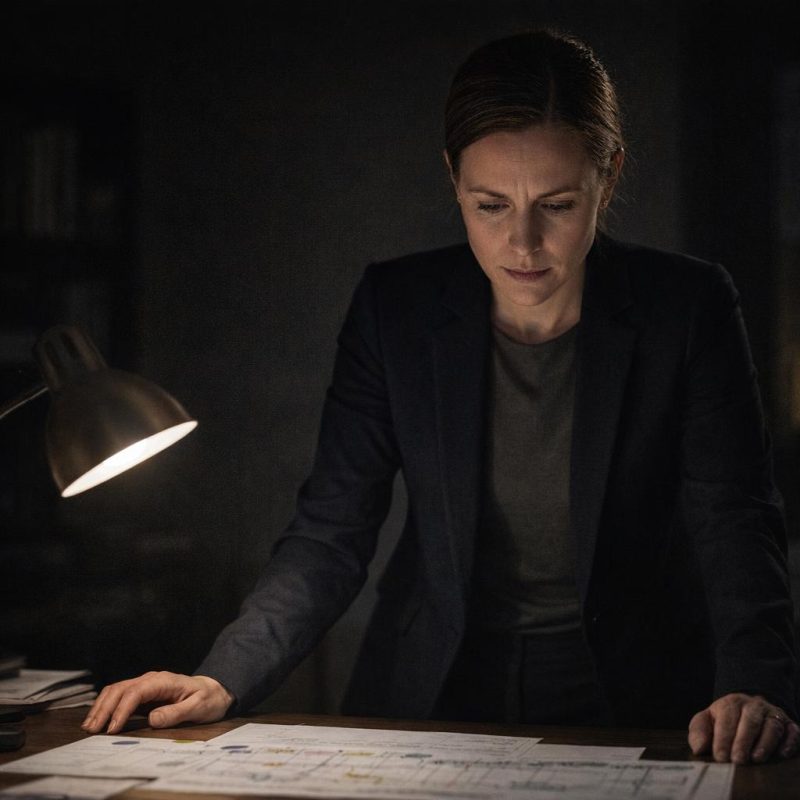 Image by RM AI
The Manipulation Revealed
The document was buried in a folder of leaked fund communications Jake had flagged weeks ago — I'd skimmed it then and moved on. I opened it now and read it carefully. It was a draft purchase agreement, Marcus's fund listed as the acquiring entity, Veridia as the target. The price was thirty percent of the offer currently on the table from the other firm. The date at the top of the document was four months old — weeks before Sarah had started pulling files, before the board meeting where she'd first pushed back on the acquisition terms, before any of it. He had written the contract before he'd approached her. I sat with that for a long moment. He hadn't responded to an opportunity Sarah created. He had created the opportunity himself, then handed her a role in it, then promised her funding that was always contingent on his deal closing. She thought she was getting out. She was getting used. We both were — I'd just been the one standing in the way. I went back through the earlier companies: Austin, Seattle, the fintech firm. Each one had a co-founder who'd been turned. Each one had ended with Marcus's fund buying the wreckage. I looked at the contract date again. Then I looked at my name in the company header and understood exactly what I was looking at.
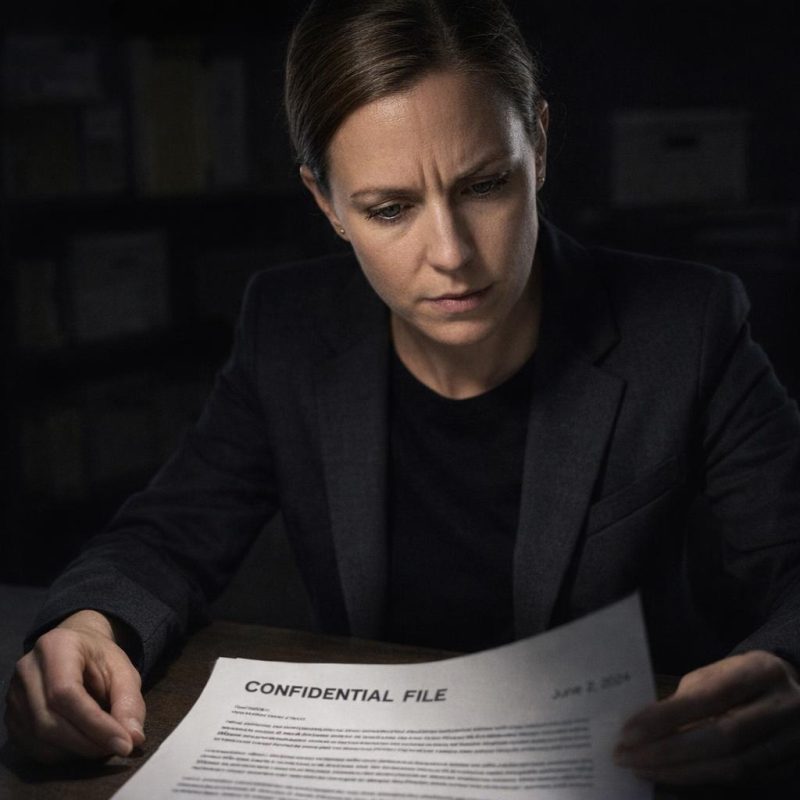 Image by RM AI
Building the Counterattack
I didn't sleep. I opened a new presentation file at one in the morning and started building. The security footage went in first — I edited the clips into a clean sequence, each one timestamped, each one showing Sarah at the server room door or at the conference table with Marcus. Then the emails, organized chronologically, the most explicit ones flagged. Then Marcus's purchase agreement, the date circled in red, the price point next to the current acquisition offer for comparison. I pulled in the records from the three previous companies — Austin, Seattle, the fintech firm — and built a timeline that ran across a single slide. The pattern was visible in under ten seconds. I verified the tracking script Jake had embedded in the dummy Aegis files, ran a test ping, confirmed it would activate on projection. I set up the remote lockout protocol for Sarah's presentation credentials and tested that too. Everything worked. Around four in the morning I sat back in my chair and looked at what I'd built. It was clean, it was sourced, and it was complete. Then I opened the dummy Aegis directory one more time and confirmed the files were still there, waiting. The last clip in the footage sequence — Sarah at the server room, USB drive in hand — sat at the end of the timeline, and I pressed play one final time to make sure it ran clean.
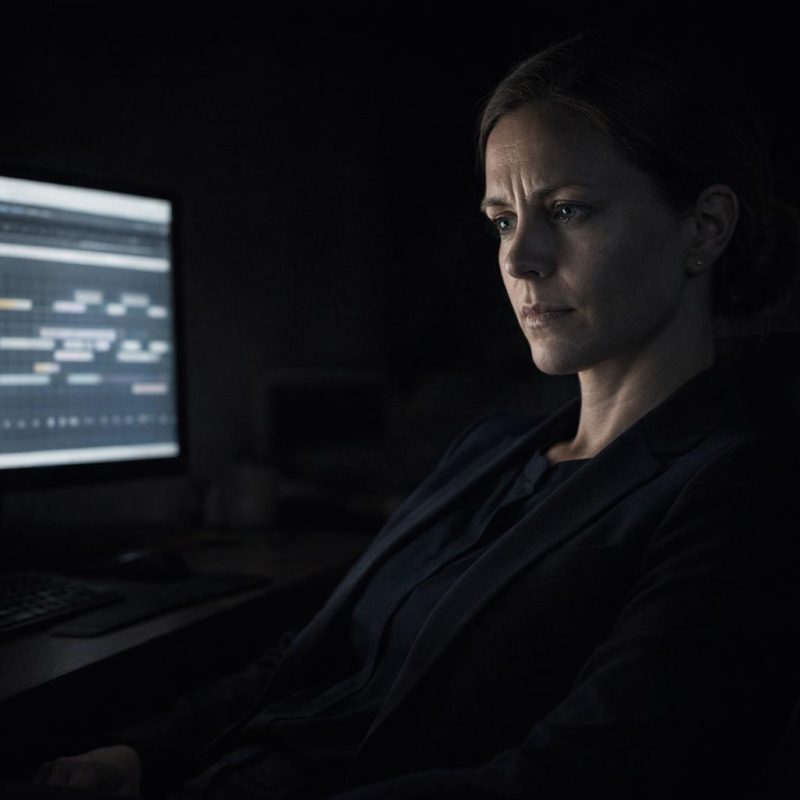 Image by RM AI
The Tracking Script Activates
My phone buzzed at 12:17 AM, pulling me out of a half-sleep on the couch. I picked it up and looked at the screen. It was the tracking script alert — a single notification from the monitoring tool Jake had configured, timestamped and precise. The log showed Sarah had accessed the dummy Aegis directory at 12:09. She'd been in the folder for four minutes. Then she'd copied everything to a USB drive and closed the session. I opened the secondary log and confirmed the script had embedded itself in the file structure during the copy. It would sit dormant until the files were opened on a projector-connected display — exactly the kind of setup she'd be using for the investor presentation. I set the phone down on the coffee table and stared at the ceiling for a moment. I'd spent weeks watching things happen to me. Evidence disappearing, conversations I wasn't part of, decisions made in rooms I wasn't in. This was the first thing I'd set in motion myself, and it had moved exactly the way I'd built it to. I didn't feel triumphant. I felt something quieter than that — the particular stillness of a thing that has already been decided, settling into place.
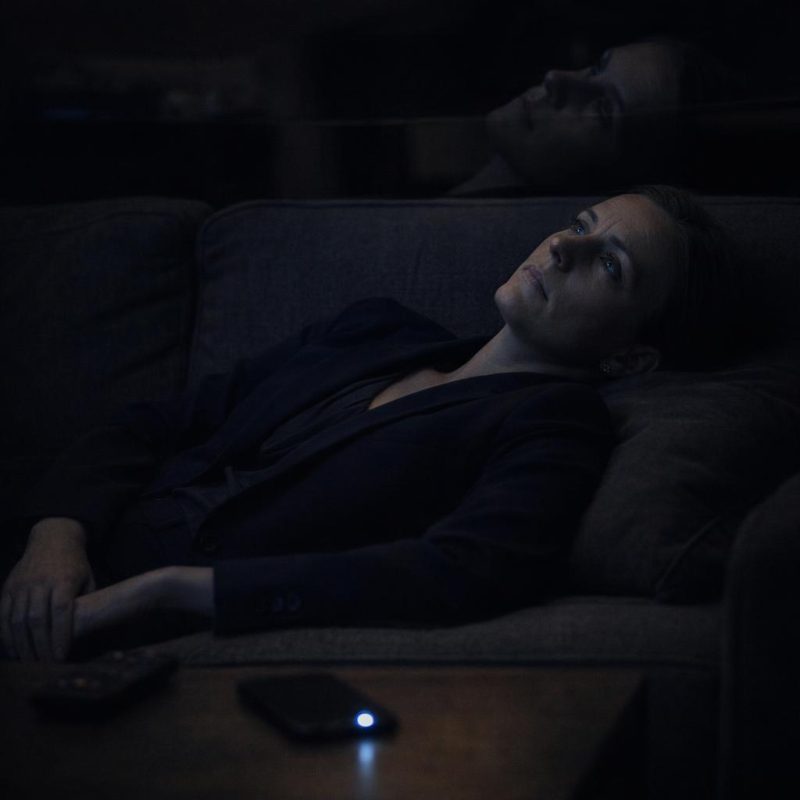 Image by RM AI
Preparing the Final Evidence
I was at my desk before six, coffee going cold beside the keyboard. I opened the second presentation file — the one built for the investors, not the board — and went through it one more time. Marcus's three previous acquisitions were documented with source links: the Austin SaaS company, the Seattle cybersecurity firm, the fintech startup. Each slide showed the same arc — internal conflict, valuation drop, his fund's entry price. Then the Veridia slide: the draft purchase agreement, the date, the price. Thirty percent of the current offer, written four months before any of this had surfaced. The email thread between Marcus and Sarah ran for six slides, timestamped, with the most direct exchanges highlighted. I'd pulled the fund disclosure documents and cross-referenced them against the acquisition records to show where the money had moved after each previous deal. It was the kind of evidence that didn't require interpretation — it just required someone to read it in order. I exported both presentations to an encrypted drive, labeled them clearly, and set them side by side on the desk. Everything was sourced. Everything was timestamped. Every piece connected to the next. I sat back and looked at what four weeks of sleepless work had produced, and for the first time since this had started, the weight of it felt like something I could carry.
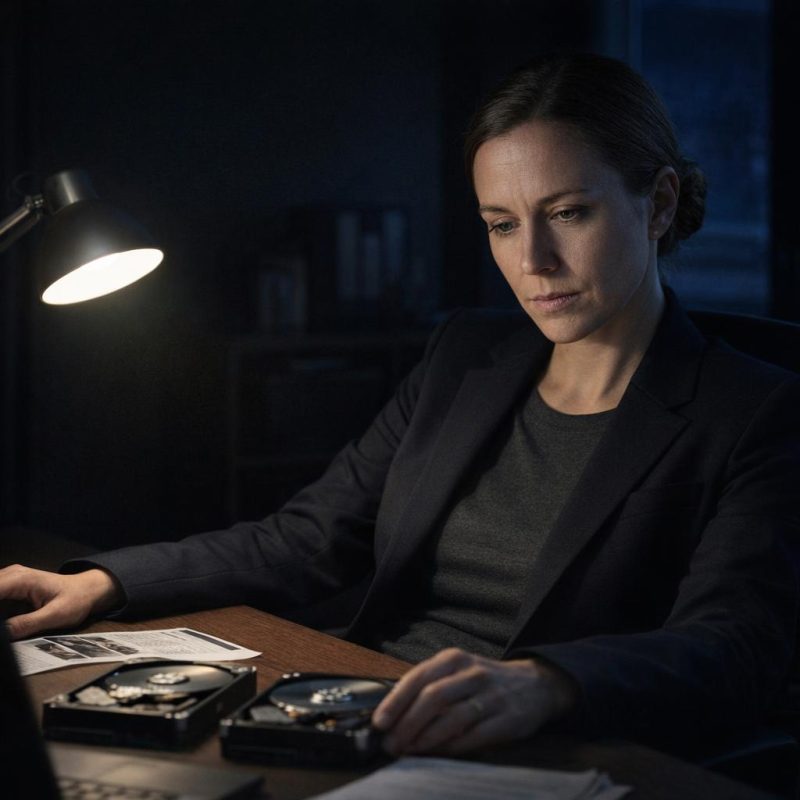 Image by RM AI
The Night Before
The office was dark except for the glow of my monitors. I'd sent everyone home hours ago, and the building had that particular silence it only gets after midnight — the kind where every small sound carries. I went through both presentations one more time, clicking through each slide slowly, checking every timestamp, every source link, every highlighted email exchange. The encrypted drive sat beside my keyboard. The remote lockout protocol was staged and ready. I'd run the confrontation scenario in my head so many times I could see it frame by frame — where Sarah would stand, which slide she'd be on when the screen went dark, the exact moment everything would shift. Six years. I kept landing on that number without meaning to. Six years of building something together, of late nights and bad coffee and celebrating every small win like it was the Super Bowl. I didn't let myself stay there long. The plan was solid. The evidence was airtight. Tomorrow was just execution. I was closing the laptop when my phone lit up on the desk — a text from Sarah, a string of exclamation points and a smiley face: "Can't sleep, too excited!! Big day tomorrow!! 🙂"
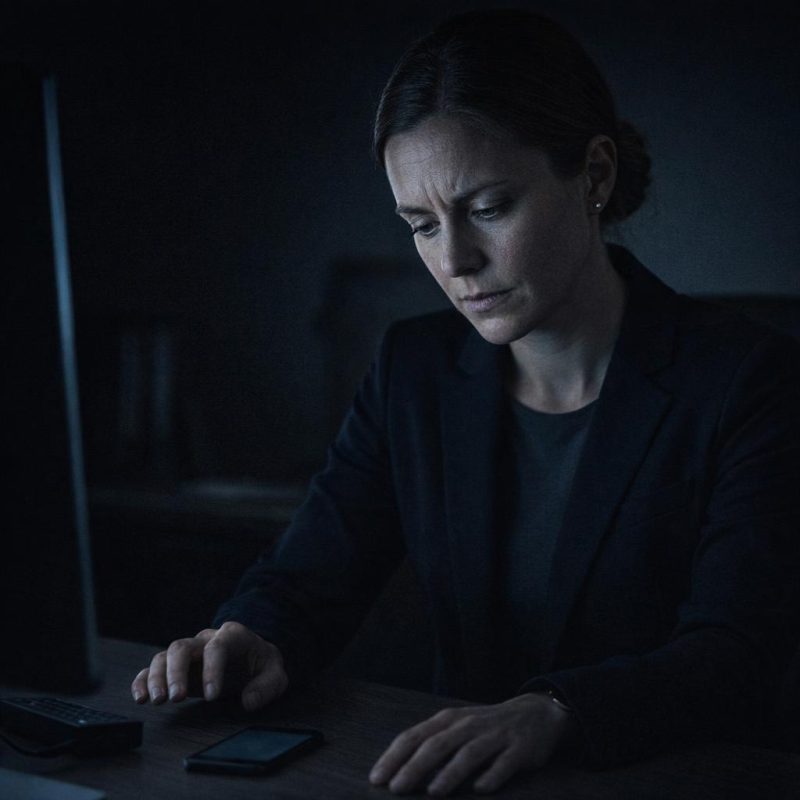 Image by RM AI
The Final Preparations
I was back at my desk by four-thirty. The coffee was strong and the building was still empty and that was exactly how I needed it. I opened the remote access panel and ran the lockout protocol one final time — clean execution, no lag, no errors. The system connected to the conference room's AV setup in under three seconds. I tested the override sequence: Sarah's presentation file would load normally, let her click through the title slide, and then the screen would go dark. Two seconds of black. Then the video file would take over, pulling directly from the security archive I'd already loaded into the system. I verified the file path twice. I checked that the keyboard lock engaged on the conference room laptop the moment the override triggered — no abort, no escape, no ctrl-alt-delete getting her out of it. The tablet on my desk was the only control point. I ran through the investor presentation files one more time, confirmed they were queued and ready to display on command. I set the tablet in my briefcase, closed the latches, and set it beside the door. Every variable I could control had been controlled. The briefcase sat by the door, packed and ready.
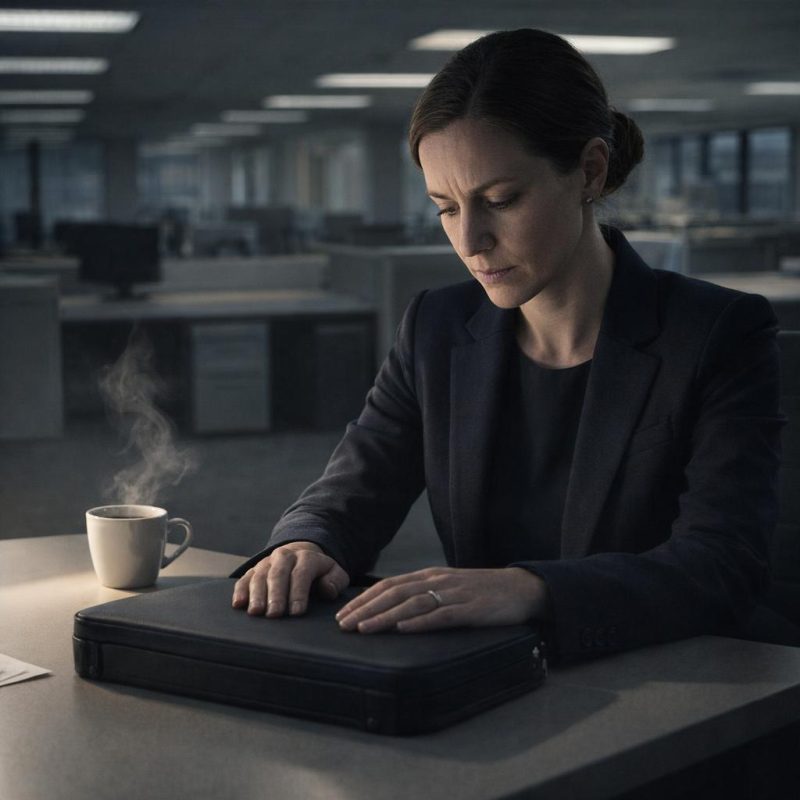 Image by RM AI
Arrival at Heights Plaza
I pulled into the Heights Plaza parking garage at eight forty-five and sat in the car for a few minutes. The garage was cool and dim, and I could hear the distant sound of the city starting its day outside. I watched the entrance ramp. At eight fifty-two, the red sports car came down the ramp and swung into the CEO-designated spot near the elevator bank — the one with the little placard that had always quietly annoyed me. Sarah stepped out in a charcoal power suit, statement earrings, the whole presentation. She moved toward the building like someone who had already won. I gave it two minutes, then followed. The receptionist was at her desk when I came through the lobby doors. She looked up, and something passed across her face — not quite a smile, not quite a warning. Just a look that said she saw more than her job description required. I nodded once and kept moving. The elevator doors closed behind me, and I stood there with my briefcase and the quiet that comes right before something irreversible. Fourteen floors. The numbers climbed in silence.
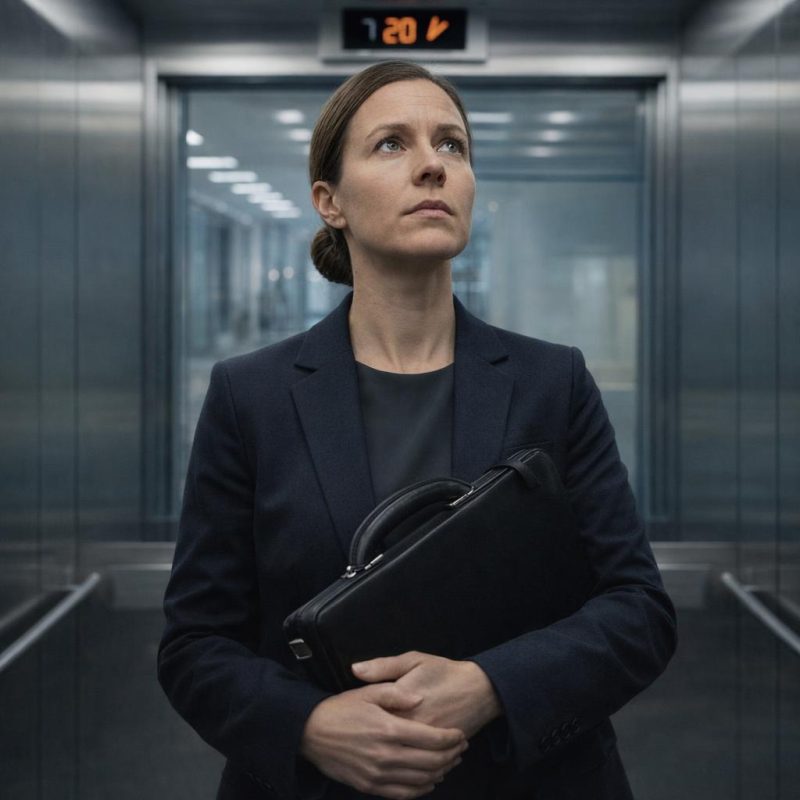 Image by RM AI
Entering the Conference Room
I pushed open the conference room door and they were all already there. Marcus sat at the center of the long side of the table, Robert to his left, Diana to his right — three across, like a panel assembled for a verdict. Sarah stood at the head of the table near the projector screen, a remote clicker in her hand, her presentation already loaded on the laptop. Nobody offered a handshake. Nobody said good morning. Marcus gave me a single measured look and said nothing. Robert had his tablet out, stylus in hand. Diana's expression was unreadable, her posture perfectly straight. Sarah gestured toward the empty chair at the far end of the table — the one that put the maximum distance between me and the screen, between me and the investors, between me and any appearance of authority in the room. I walked to it without hesitating, set my briefcase on the floor beside my chair, and placed the tablet flat on the table in front of me, screen down. Nobody asked about it. I folded my hands and looked at the room — the three investors arranged like a jury, Sarah at the front, the projector humming softly behind her. The weight of what was about to happen settled over everything like a held breath.
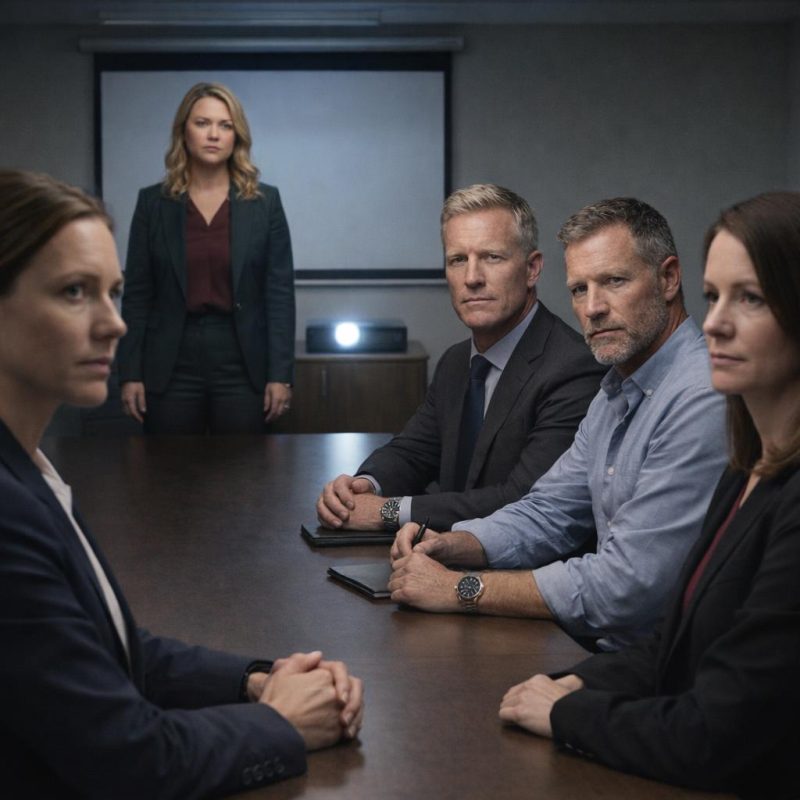 Image by RM AI
Sarah's Opening Move
Sarah thanked everyone for coming with the warmth of someone hosting a dinner party. She talked about Veridia's future — the market position, the growth trajectory, the opportunity in front of them. Her voice was smooth and confident, the kind of confidence that fills a room without asking permission. Then she got to the Aegis protocol. She described it as her independent development — her vision, her architecture, her eighteen months of focused work. She said it with the ease of someone who had rehearsed it enough times that it no longer felt like a lie. Marcus nodded slowly from his seat, the way someone nods when they're hearing exactly what they expected to hear. Robert leaned forward slightly. Diana had her pen moving across a notepad. I kept my hands flat on the table and my face neutral. I didn't look at the tablet. I didn't need to — the sequence was already running on a timer, waiting for her to advance past the title slide. Sarah smiled at the room, lifted the remote clicker, and pointed it at the screen. I took one slow breath and let it out.
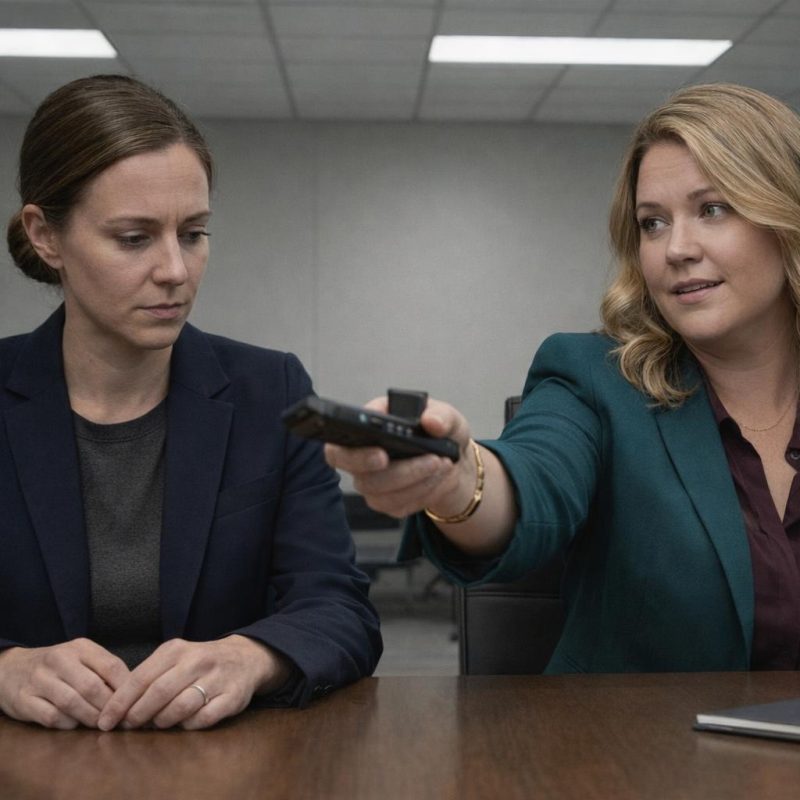 Image by RM AI
The Trap Springs
Sarah clicked the remote. The screen stayed black. She clicked it again, and a loading icon spun in the center of the display — the kind of pause that makes a presenter's smile go tight at the edges. She glanced at the laptop, clicked once more. The screen flickered. Then the video opened. It was the security footage from my office — the timestamp in the corner reading 2:07 AM, the image sharp and unmistakable. Sarah at my desk, her face turned toward the monitor, her hands moving across the keyboard. The audio came through the conference room speakers clearly: her voice, low and satisfied, saying "Finally. It's all mine." Robert went completely still. Diana's pen stopped moving. Marcus's expression shifted in a way I couldn't quite read from my end of the table. Sarah spun toward the laptop and her hands hit the keyboard — nothing happened. She tried the trackpad. She tried the escape key. She grabbed the sides of the laptop like she could physically force it to respond. I watched her lunge for the laptop a second time as the video kept playing without interruption.
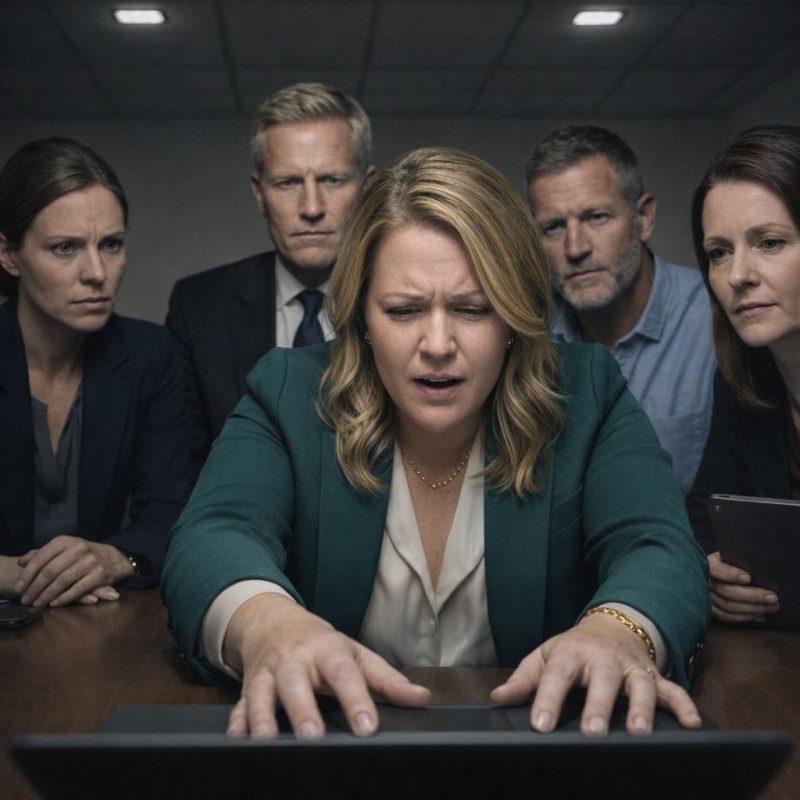 Image by RM AI
The Investors' Disgust
The video kept going. It showed Sarah moving through my office files with the kind of systematic focus that left no room for misinterpretation — opening code headers, deleting my name from the contributor fields, replacing it with hers, moving on to the next file. The timestamp advanced in the corner. Robert hadn't moved. Diana had set her pen down. Marcus pushed back his chair and stood up, his voice coming out flat and hard: "Sarah. Explain this. Right now." Sarah turned from the laptop. Her face had gone the color of copy paper. She looked at Marcus, then at Robert and Diana, then her eyes landed on me — and stayed there. Her mouth opened. Nothing came out. She tried again, and what came out was half a syllable that didn't become a word. Diana turned to Robert. Robert turned to Diana. Then they both turned back to the screen, where the video was still running, still showing the same methodical deletion, file after file, timestamp advancing. Sarah's hands dropped to her sides. The investors' expressions had moved past surprise into something quieter and harder — the look of people recalculating everything they thought they knew about the room they were sitting in.
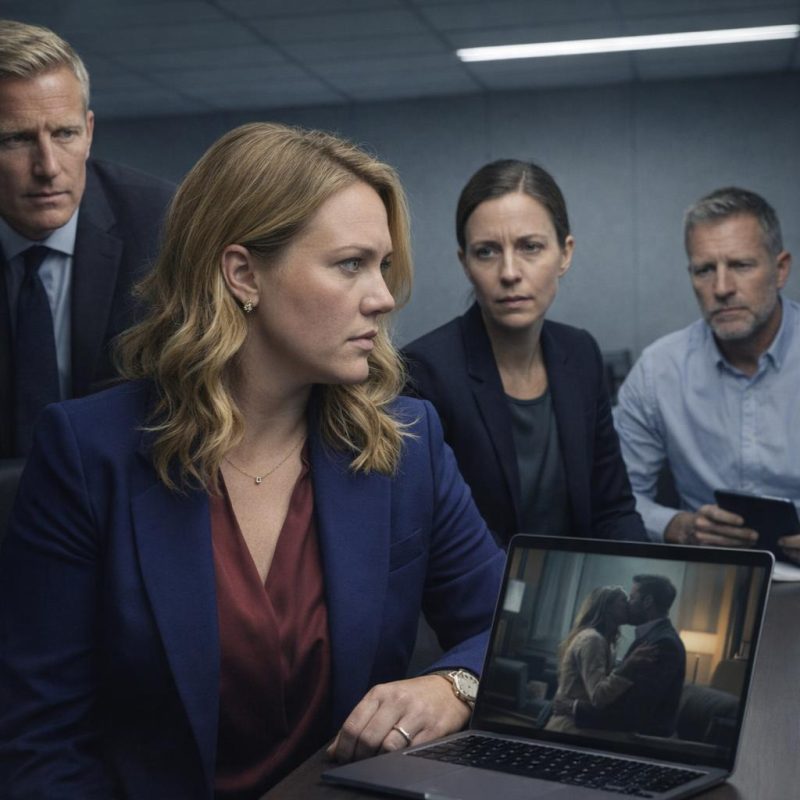 Image by RM AI
Exposing Marcus
I stood up. The room went quiet in a different way — the kind that happens when someone who has been silent takes the floor. I addressed Robert and Diana directly and told them there was a second presentation they needed to see. I tapped the tablet and the projector switched feeds. The first slide showed Marcus's fund and three prior acquisitions — the Austin SaaS company, the Seattle cybersecurity firm, the fintech startup — each one following the same arc: internal conflict, valuation drop, entry price. The next slide showed the Veridia purchase agreement, dated four months before any of this had started, priced at thirty percent of the current offer. Then the email thread between Marcus and Sarah came up, timestamped, the most direct exchanges enlarged so they were readable from every seat in the room. I walked through it methodically — how the conflict had been seeded, how Sarah had been positioned as the vehicle, how the acquisition price had been engineered downward. I didn't editorialize. I just read the slides in order and let the documents speak. When I looked up from the tablet, Robert and Diana had both turned in their chairs to face Marcus, and the color had gone out of his face entirely.
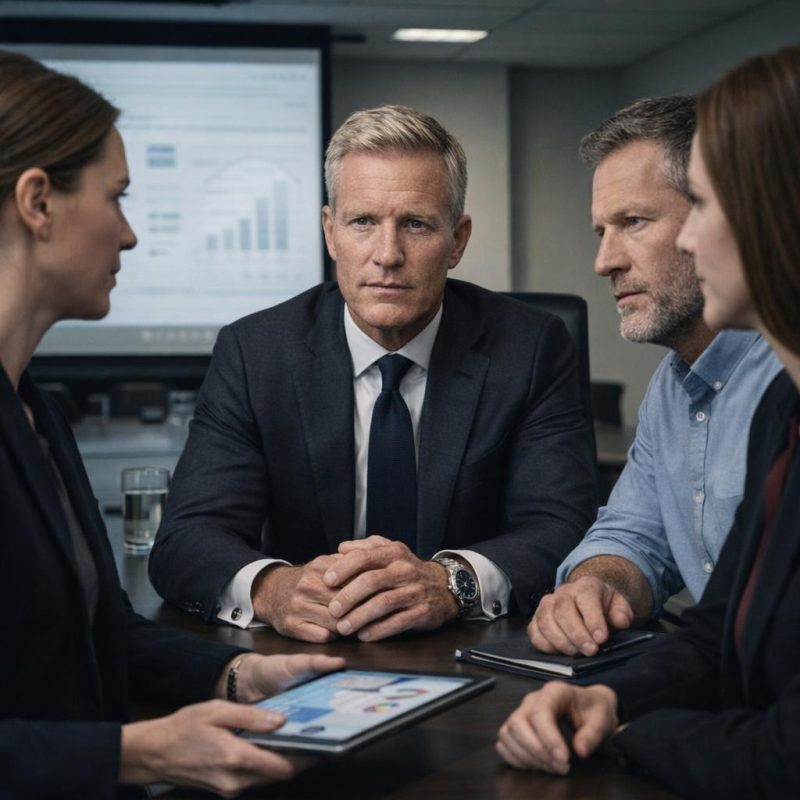 Image by RM AI
The Final Revelation
I picked up the briefcase from the floor beside my chair and the room went very still. Sarah's voice came sharp across the table — she wanted to know what I meant about acquisition papers. I told her the deal with Nexus Technologies had closed at nine-fifteen that morning. The real Aegis protocol — the full codebase, the architecture, every line of it — was sitting on servers she had no credentials to touch. I watched her face cycle through something I couldn't quite name, and Marcus set both hands flat on the table like he needed something solid to hold onto. I told them both, as plainly as I could, that there was no longer a company here worth fighting over. Robert and Diana stayed in their seats. They didn't say anything, and they didn't have to. I snapped the briefcase shut, straightened my jacket, and walked to the door. The morning light was coming through the lobby glass in long flat panels, and when I pushed through the front door and stepped outside, the air hit my face and my shoulders dropped for the first time in months. I kept walking.
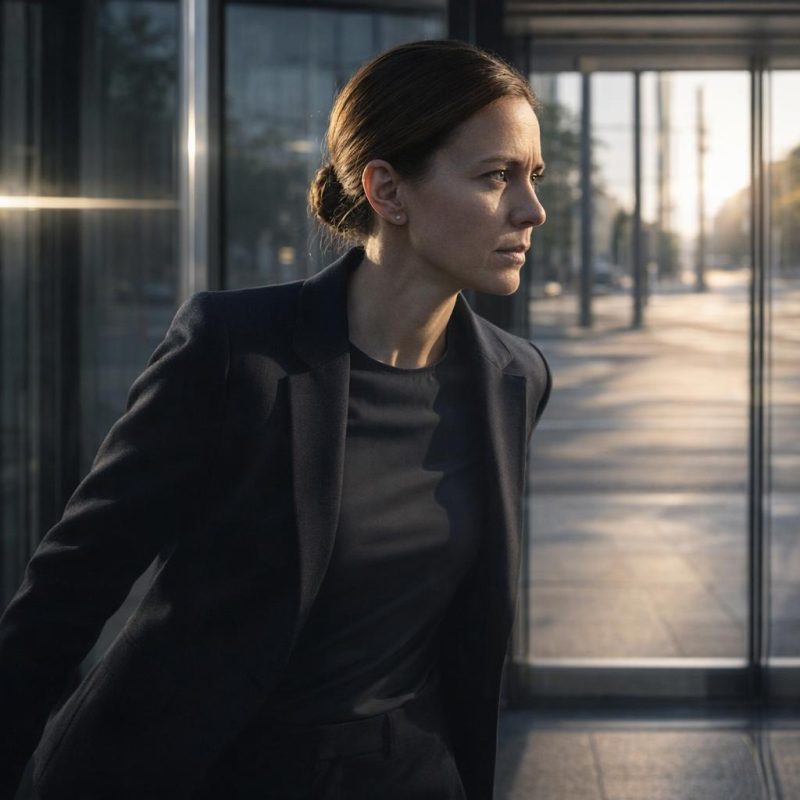 Image by RM AI
Meeting with the Loyal Investors
Robert called fifty-three minutes after I left the building. He and Diana were already at a coffee shop two blocks away and they wanted me there. I almost didn't go — I was still running on adrenaline and the last thing I trusted was another room full of people with something to say. But I went. Diana was already standing when I walked in, and she crossed the floor and put her hand on my arm and said she was sorry they hadn't seen it sooner. Robert said the same thing, quieter, turning his coffee cup in both hands. I told them I didn't need an apology, I needed to know where they stood going forward. Diana said she was in — fully, without conditions. Robert said if it ever came to a legal proceeding, he would testify to everything he'd witnessed in that room. I sat with that for a moment. Six months ago I had been trying to hold a company together with my bare hands while the floor was being pulled out from under me, and I hadn't been sure a single person in that orbit actually saw what was happening. The coffee shop was warm and a little too loud, and none of that mattered at all.
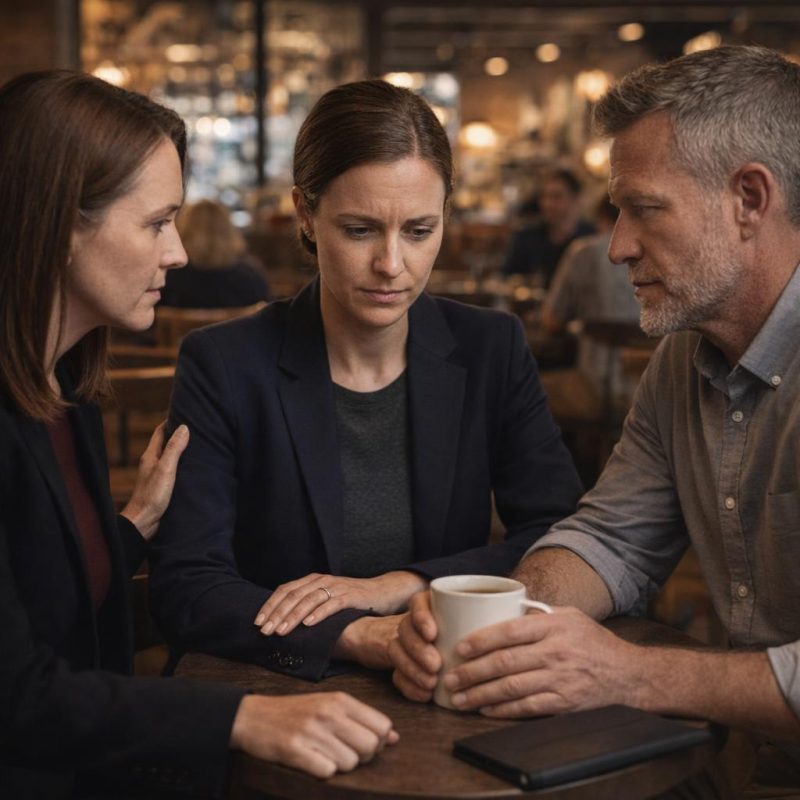 Image by RM AI
Restructuring with the Team
I called Jake and Mia that same afternoon and asked them to come in. They both showed up within the hour, which told me everything I needed to know about where their heads were. Jake sat down and said, quietly, that he was glad it was finally over. Mia pressed her hands together on the table and let out a breath that sounded like it had been held for weeks. I walked them through the Nexus acquisition — what it meant structurally, what their roles would look like, what I was asking them to commit to. Jake would lead the engineering build-out on the new infrastructure. Mia would own the Aegis integration on the Nexus side. Both of them would receive equity in the restructured entity — real equity, documented and clean, not the kind of promise that evaporates when someone decides the terms no longer suit them. We talked for a long time about what had gone wrong and why, and I didn't try to make it sound cleaner than it was. I told them I wanted a culture where people could flag problems without calculating the political cost first. Jake nodded slowly and said that sounded like a place he'd actually want to work. The afternoon light came through the windows at a low angle, and for the first time in a long time, the room felt like it belonged to us.
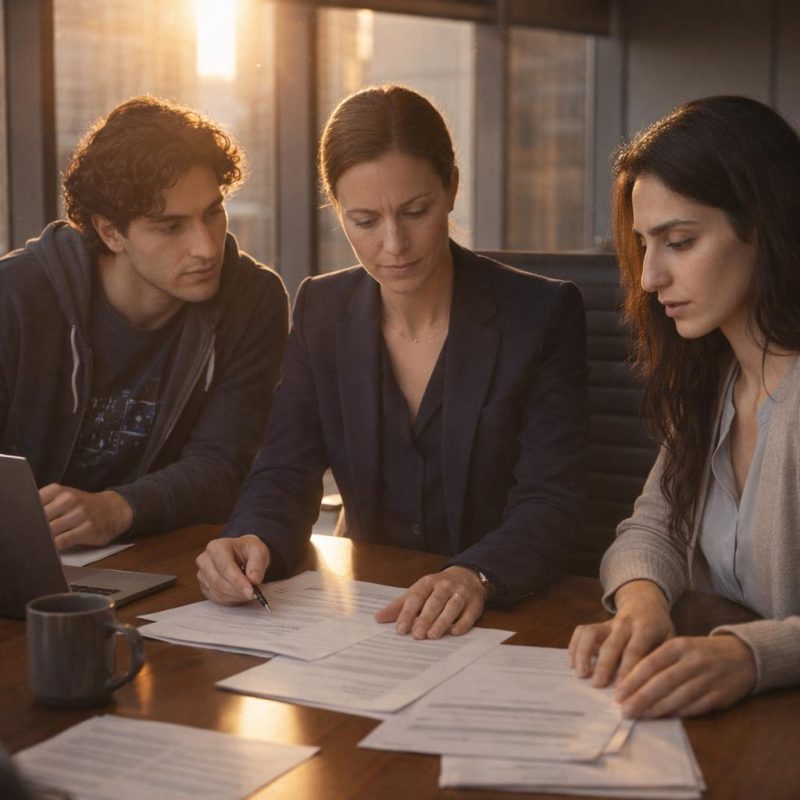 Image by RM AI
New Beginning
The new space was on the fourteenth floor of a building I had chosen myself, which sounds like a small thing but wasn't. Jake walked the floor with me on the first morning, hands in his pockets, taking it in. He said the air felt different here, and I knew exactly what he meant. I stood at the window and looked out at the city and let myself think about the six years — the early builds, the late nights, the version of Sarah I had believed in before I understood what I was actually looking at. There was grief in it, still. I wasn't going to pretend otherwise. But it sat differently now, more like scar tissue than an open wound. The Aegis protocol would launch under a structure I trusted, with a team I had chosen for the right reasons, and the work itself was still good — that had never been the problem. Jake came to stand beside me at the window and didn't say anything, which was exactly right. I had spent the better part of a year carrying something that had bent me nearly flat, and standing there in that empty room with the city spread out below us, I felt the full weight of it lift off my shoulders and dissolve into the light.
 Image by RM AI
KEEP ON READING
20 Strangest Beauty Trends Throughout History
Beauty Has Always Had Strange Rules. History is full of…
By Christy Chan Jun 12, 2026
20 First Class Meals Served On The Titanic's Final Night
The Ultimate Final Feast. When the wealthiest passengers gathered in…
By Sara Springsteen Jun 12, 2026
20 Facts About The Library of Alexandria
More Than Just A Room. The Library of Alexandria has…
By Elizabeth Graham Jun 12, 2026
20 Baby Names That Became Unusable After One Historical Figure
Some Names Never Fully Escape Their Reputation. Most baby names…
By Emilie Richardson-Dupuis Jun 12, 2026
The 20 Creepiest People In History
Truly Uncomfortable. History isn’t only made by kings, reformers, and…
By Annie Byrd Jun 12, 2026
10 Historical Figures Flattered By Portraits & 10 Who Got…
History's Paintbrush Wasn't Always Honest. Before cameras, the only record…
By Cameron Dick Jun 12, 2026