

The Silver Bookmark
Six years in, and Marcus still managed to surprise me. We were at Bella Notte — our table, the one near the window with the candle that always dripped wax onto the white cloth before the appetizers arrived — and the garlic and warm bread smell of the place had already done its work on me. I was halfway through my second glass of Chianti when he slid a small velvet pouch across the table. Inside was a silver bookmark, slender and cool in my palm, with a tiny engraving of a lighthouse on one end. I looked up at him. He was watching me with that quiet smile he gets when he's done something he's proud of. 'You mentioned it once,' he said. 'That book about the woman who kept the lighthouse. You said you'd never found a copy.' I had mentioned it exactly once, three years ago, in passing, in the car. I hadn't thought he'd heard me. I closed my fingers around the bookmark and felt something loosen in my chest — the particular relief of being known by someone, really known, in the small and specific ways that matter most. I closed my eyes for just a moment and breathed it in.
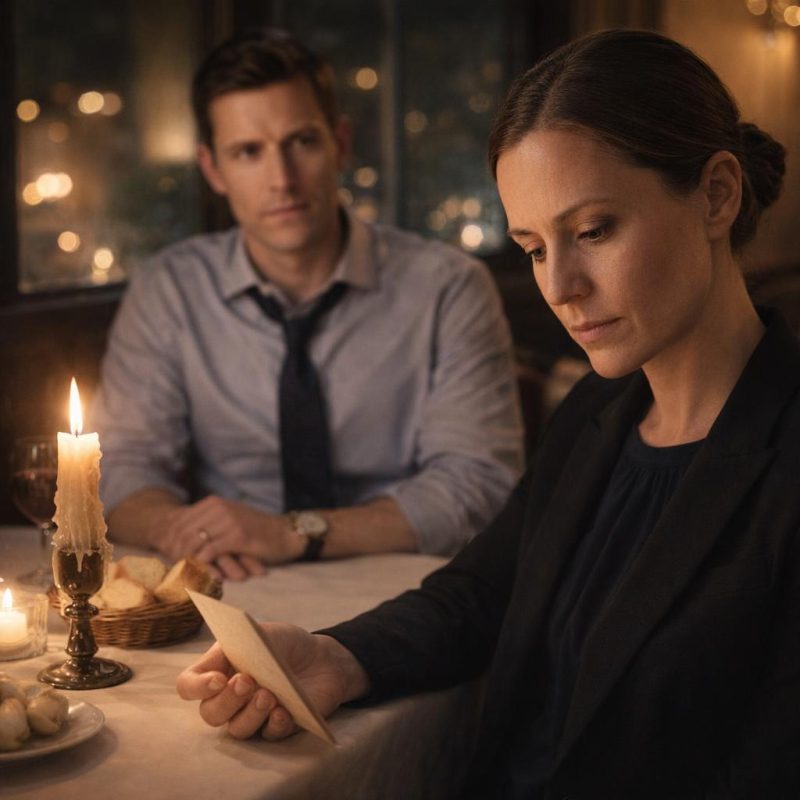 Image by RM AI
The Architecture of Six Years
Our life together had a rhythm I genuinely loved. Fridays were movie nights — takeout containers on the coffee table, Marcus always stealing the last spring roll, me pretending to be annoyed. Sundays we hit the farmers market two blocks over, and I'd spend too long at the honey stand while Marcus circled back for sourdough. I managed medical supply inventory for a living, which meant I thought in systems and patterns, and our marriage felt like a well-maintained one: predictable in the best way, no missing parts, nothing out of place. I'd built my whole sense of security on exactly that kind of order. So when Marcus sat across from me one Tuesday evening, phone in hand, I didn't think much of it at first. He was present — physically, anyway — but there was something slightly elsewhere about him. I was telling him about a shipment discrepancy at work, and when I glanced up mid-sentence, he was staring at his phone with an expression I couldn't quite name. Not angry. Not worried, exactly. Just — unreadable. He looked up a second later and smiled, and I let it go. It was probably nothing.
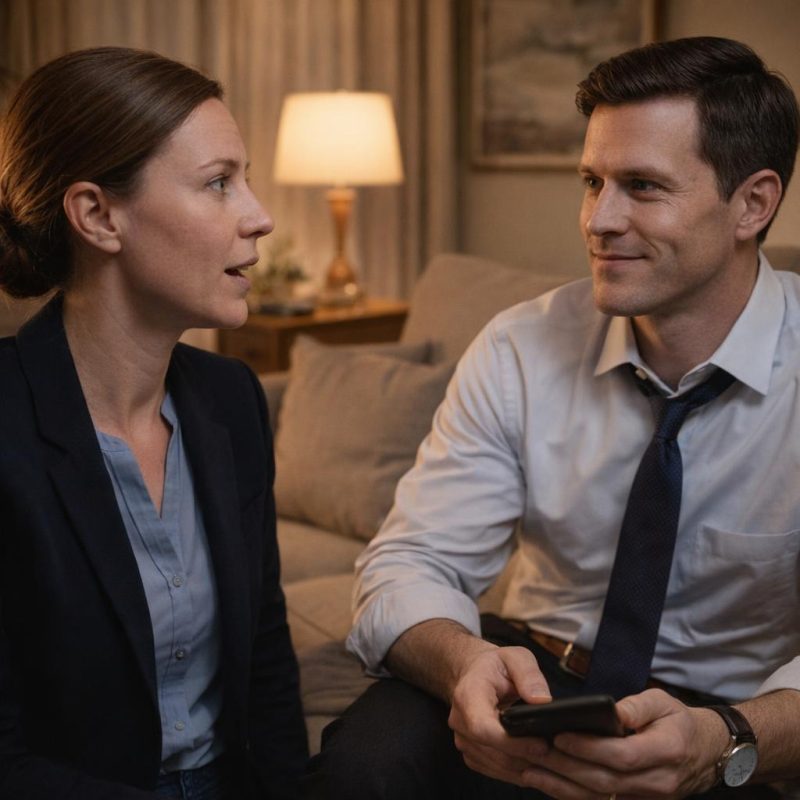 Image by RM AI
Sunday Morning Logistics
Sunday morning, I made eggs and toast and set his plate across from mine the way I always did. Marcus sat down but didn't eat. He was scrolling through his phone with one thumb, and by the time I'd finished half my breakfast his eggs had gone from steaming to that rubbery, sad stillness that means they're past saving. I watched him for a moment before I said anything. 'You're not eating.' He looked up, blinked like he'd forgotten I was there, and set the phone face-down on the table. Then he told me about the trip — a logistics summit in Miami, Sunday to Wednesday, something his company had apparently been planning for weeks. I asked the normal questions. He answered them, but there was a tightness in his jaw I didn't usually see on Sunday mornings. His voice was even, measured, like he was reading from a prepared list. I told myself it was work pressure. Quarter-end was always hard on him, and travel prep made him go quiet. I cleared his cold plate and rinsed it at the sink, and when I turned back around he'd picked up his phone again. The word Miami hung in the air between us, neither of us saying anything more about it.
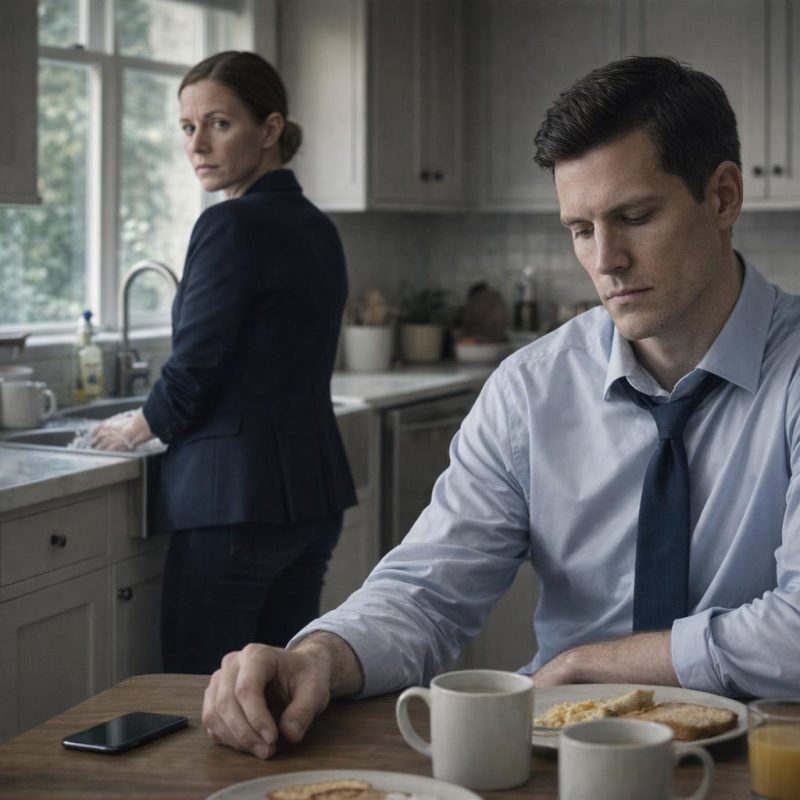 Image by RM AI
Census Form Answers
I asked him which hotel. He said the Marriott Brickell. I asked if the conference had a schedule posted yet, whether he'd know his sessions in advance. He said probably, he'd check. I asked if he wanted me to drive him to the airport Sunday morning. He said no, he'd take a car. Each answer came back trimmed to its smallest possible size — factual, complete in the technical sense, but with nothing extra attached. No 'it's fine, don't worry about it.' No 'I'll text you when I land.' Just the bare minimum, delivered to a point somewhere past my left shoulder. His jaw stayed tight the whole time, the way it does when he's grinding through a problem he hasn't solved yet. I stacked the questions and answers in my head the way I'd stack a receiving log — everything accounted for, nothing obviously missing, and yet the whole thing felt slightly off-balance. I told myself he was stressed about the presentation. He always got like this before a big work trip, pulled inward, running through logistics in his head. It wasn't about me. I knew that. I set my coffee mug down and let the silence settle, and the distance in his voice sat in my bones long after the conversation was over.
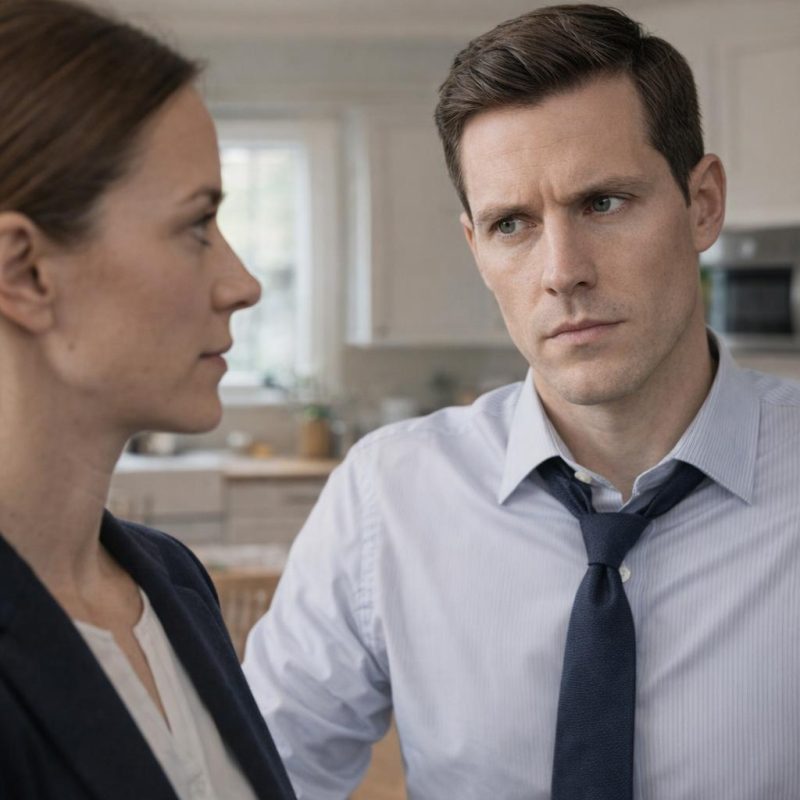 Image by RM AI
The Withdrawal
It wasn't one thing. It was the accumulation of small things, the kind that don't register individually but start to add up when you work in inventory and your brain is wired to notice when the count is off. He'd been quiet for days — not his comfortable quiet, the kind we'd built together over six years, but a different kind, sealed and turned inward. One-word answers at dinner. Staring at the wall while I talked. Picking up his phone, checking it, setting it face-down, picking it up again. I tried to draw him out one evening with plans for the weekend — a new restaurant Rachel had mentioned, maybe a drive up the coast. He nodded and said 'sure' and I could tell he hadn't heard a word. I let it go. Work stress, I told myself. The Miami trip was coming up, and he always got like this before travel. I was almost convinced. Then one night I woke up around two in the morning, that sudden, complete wakefulness that happens for no reason. I lay still for a moment before I noticed the bed beside me was empty. I got up to use the bathroom, stepped into the hallway — and Marcus was standing there in the dark, fully dressed, shoes on, not moving.
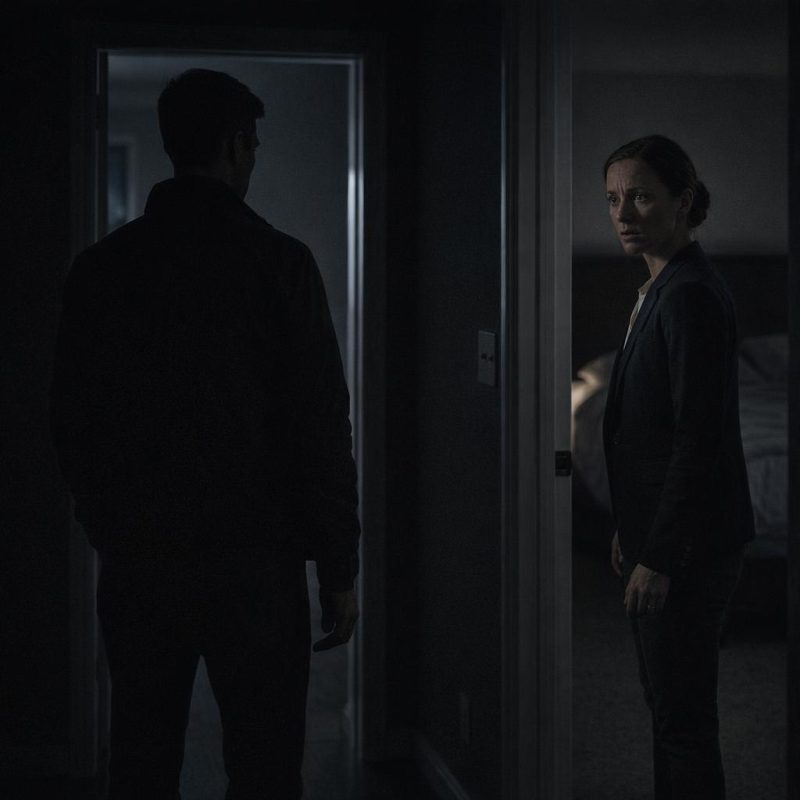 Image by RM AI
Cold Night Air
The first time he came home after ten, I'd been sitting on the couch with a book I wasn't really reading, checking the clock every twenty minutes or so. He walked in at 10:43 — I know because I looked at the microwave display the second I heard his key in the lock. The cold came in with him, that particular sharp smell of night air that clings to a coat when someone's been outside for a while. I asked where he'd been. He said work had run long, a vendor call that went sideways, the usual kind of thing. His voice was even, his explanation tidy. But he said it to the space between us rather than to me, and when I stepped closer to take his jacket he turned slightly, just enough that I couldn't quite read his face. I didn't push. I told myself vendor calls did run long, that quarter-end was brutal, that I was reading into nothing because I was tired and he was tired and that was all this was. He went to hang up his coat and I stood in the entryway for a moment, and the cold air smell was still there — and underneath it, something else I couldn't quite place.
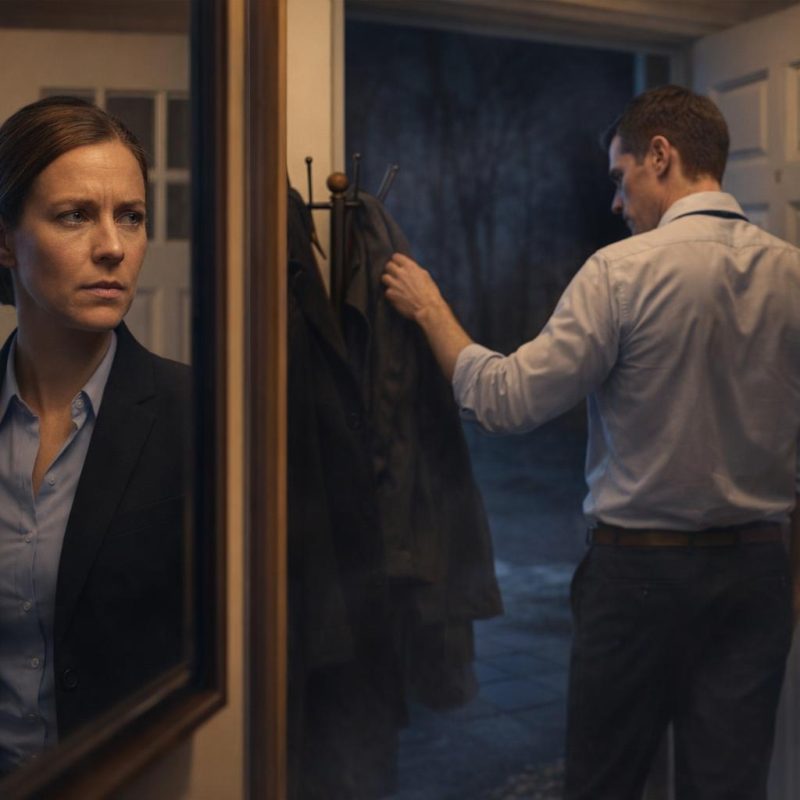 Image by RM AI
The Second Night
The second night, I watched the clock more deliberately. I'd told myself I wouldn't, but by nine-thirty I was tracking the minutes the way I track a delayed shipment — noting the gap between expected and actual, logging it somewhere in the back of my mind. He came in at 10:17. I know because I'd written it down, which I'm not proud of, but there it is. Same vague answer about work. Same tidy, abbreviated explanation that covered the surface without going any deeper. I asked how the vendor situation had resolved. He said it was fine, mostly. I asked if he'd eaten. He said he'd grabbed something. He moved through the apartment with that same sealed-off quality, heading straight for the bedroom without stopping to sit down or decompress the way he used to. I followed and tried to talk to him — nothing heavy, just the ordinary back-and-forth of a Tuesday night — but he was already somewhere else. He set his work bag on the floor without unpacking it and went directly into the bathroom. I sat on the edge of the bed and listened to the water start up, and it occurred to me that this was the third time this week I'd heard the shower running after midnight.
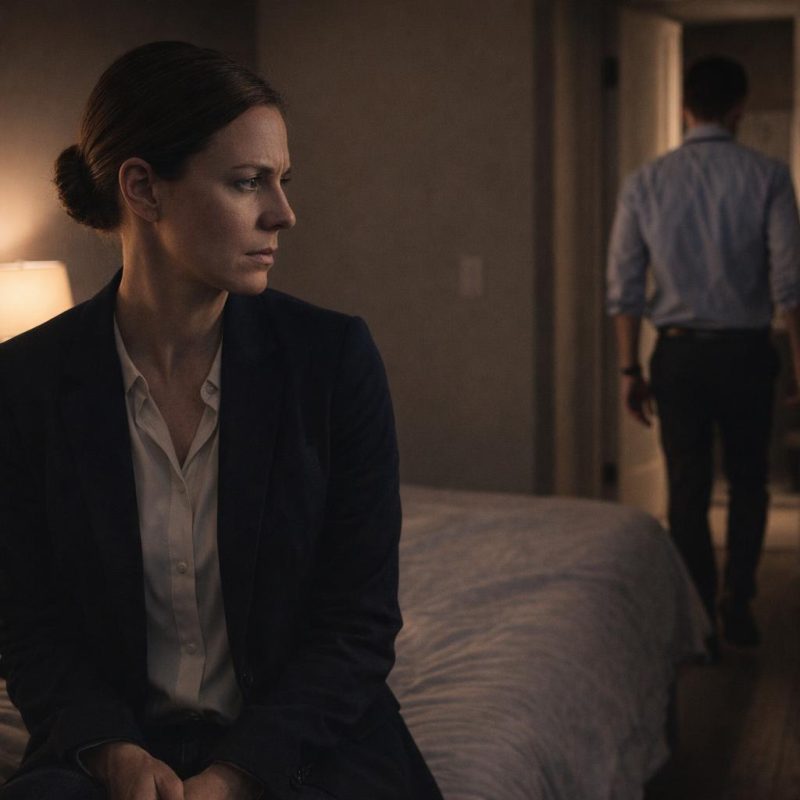 Image by RM AI
The Ghost Kiss
The third night, I was already in the living room when he came in. I'd stopped pretending to do anything else. He walked through the door a little after ten, coat still on, and I stood up from the couch. He came toward me and I thought for a moment he was going to say something — explain, or ask how I was, or just look at me the way he used to. Instead he leaned in and pressed his lips to my forehead. It lasted maybe a second. Dry, barely there, the kind of kiss you give a sleeping person or a photograph. He said 'hey' in a quiet voice and then he was already moving past me toward the hallway, coat still on, heading for the shower without another word. I stood where he'd left me, one hand half-raised, and touched the spot on my forehead where his lips had been. The apartment was quiet. The radiator ticked. I didn't move for a long time, and the hollow feeling of his lips barely touching my skin was all I could think about.
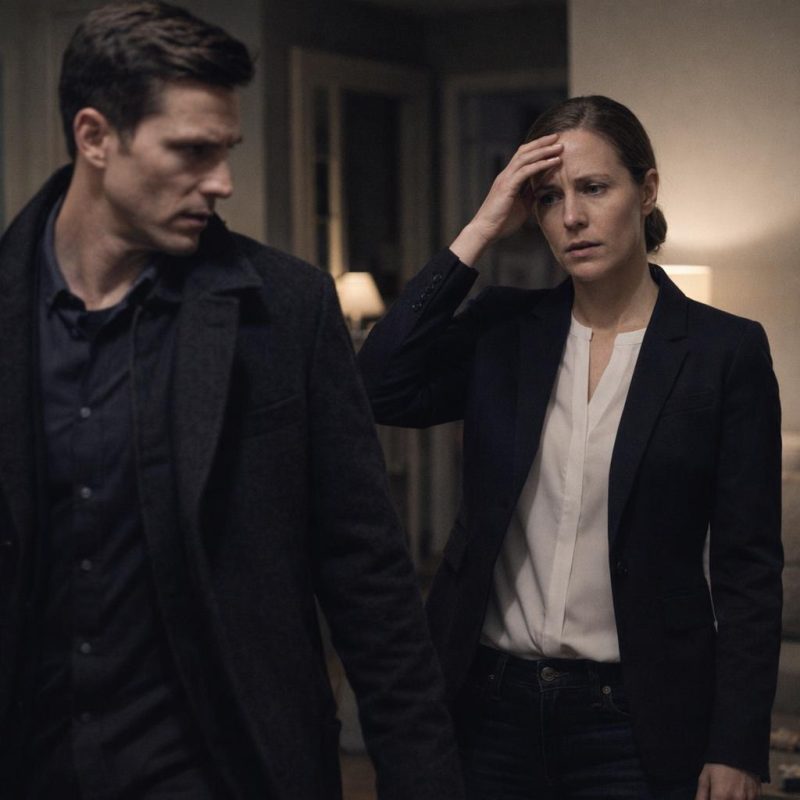 Image by RM AI
Lunch with Rachel
I called Rachel on a Tuesday and asked if she wanted to grab lunch at the Thai place on Clement Street, the one we'd been going to since before either of us was married. She said yes before I even finished the sentence. We ordered our usual — pad see ew for her, green curry for me — and for the first ten minutes we talked about nothing important, the way you do when you're working up to something. Then I set down my fork and told her Marcus had been acting strange. Distant. Coming home late and barely talking. She put her elbows on the table and looked at me the way she does when she's actually listening, not just waiting for her turn to speak. I told her about the late nights, the one-word answers, the forehead kiss that felt like something you'd give a stranger. I said I was probably overthinking it, that I felt a little silly even bringing it up. She shook her head and told me not to apologize for noticing things. I wanted to feel better after saying it out loud. And I did, a little. But the words were still sitting there between our plates, heavier than I'd expected them to be.
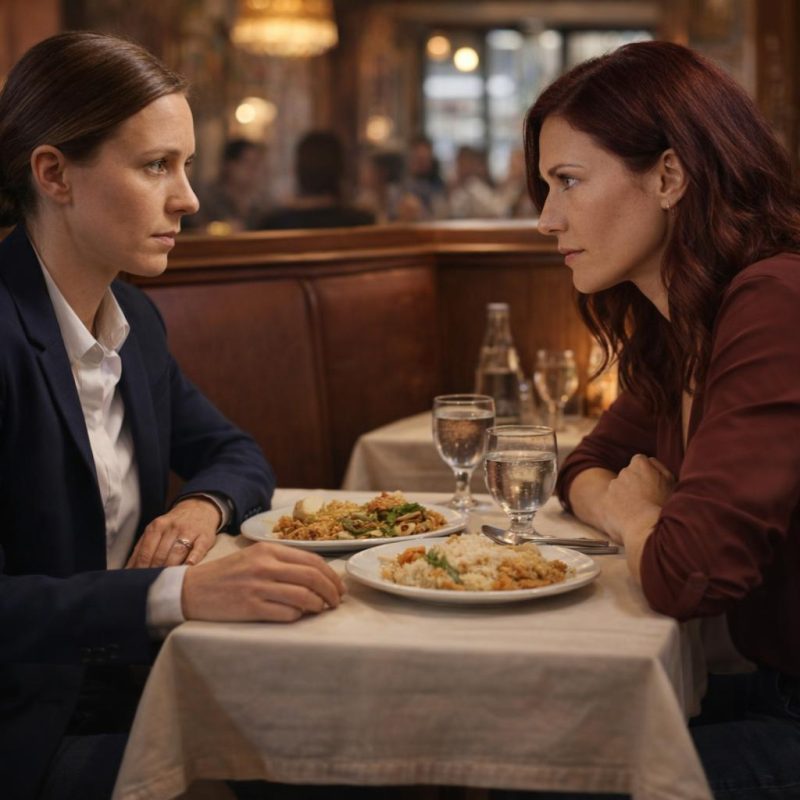 Image by RM AI
The Reassurance
Rachel reached across the table and topped off my water glass without being asked, which is such a Rachel thing to do. She told me Tom had been an absolute wreck before his conference in Portland last spring — triple-checked his luggage, couldn't sleep the night before, snapped at her over something stupid like the wrong brand of travel shampoo. She laughed telling it, that easy laugh of hers, and I found myself smiling despite everything. She said men get weird before big work trips, that the pressure builds up and they don't know how to talk about it so it just leaks out sideways. She said Marcus was probably stressed about presentations or meetings or whatever logistics people stress about, and that it had nothing to do with me. I wanted to believe her. Rachel had been married to Tom for nine years, two more than Marcus and I had been together, and she'd seen more of this than I had. I told myself she knew what she was talking about. We hugged in the parking lot and she held on an extra second, the way she does. I drove home with the radio on, repeating her words in my head, pulling them around me like something I very much wanted to be warm.
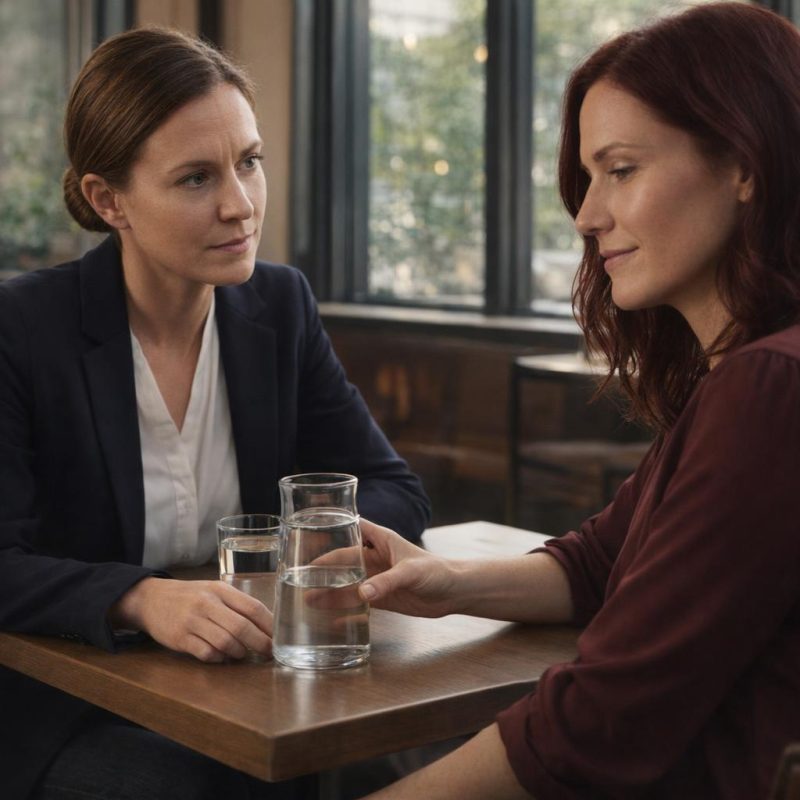 Image by RM AI
The Pill Bottle
Marcus was packing the night before his flight, moving between the closet and his open suitcase with the focused quiet of someone running through a mental checklist. I sat on the edge of the bed and watched him fold shirts. His toiletry bag was unzipped on the duvet beside me, and I wasn't snooping — I was just sitting there — when I noticed the orange prescription bottle tucked in among the travel-sized things. I picked it up. The label had his name on it, the pharmacy address, a fill date from two weeks ago. The medication name was long and hyphenated, the kind that looks like it was assembled from spare parts, and I didn't recognize a single syllable of it. Marcus had always refused even aspirin. Headache? Walk it off. Sore back? Stretch it out. In six years I had never once seen him take a pill for anything. I turned the bottle in my fingers, reading the label again, trying to find something familiar in the name. The dosage instructions were printed in that small, serious pharmacy font. I didn't put it down right away. I just sat there with it in my palm, feeling the small solid weight of it, and the room felt very quiet around me.
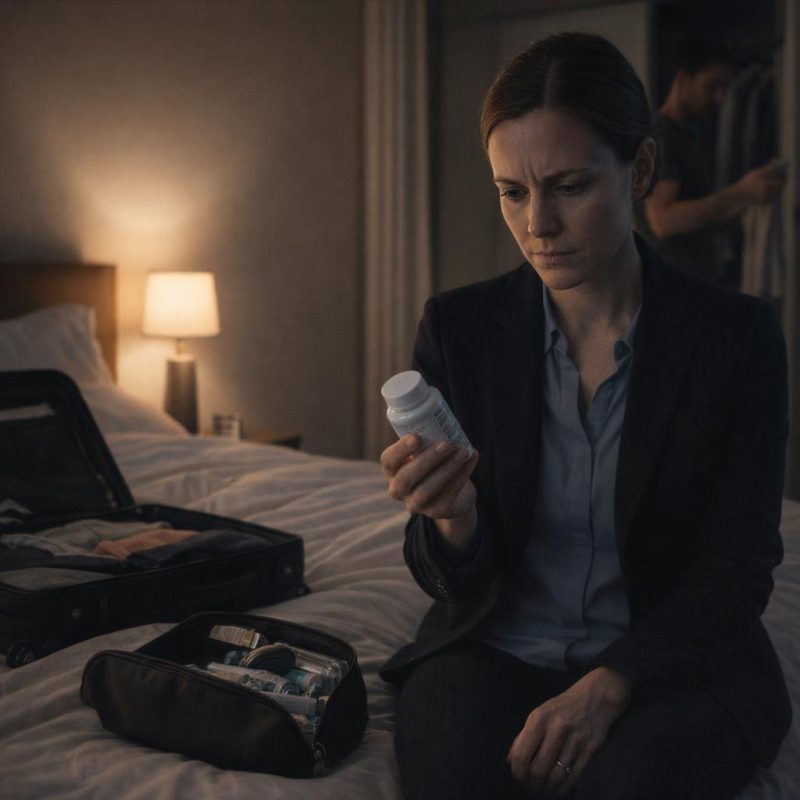 Image by RM AI
Travel Anxiety
I held the bottle up so he could see it and asked him what it was for. Marcus stopped mid-fold, a shirt still in his hands, and looked at the bottle. Not at me — at the bottle. He set the shirt down and said they were for travel anxiety, just something his doctor had suggested recently. I asked him why he'd never mentioned it, not once in six years of flights and road trips and the long drive we took up the coast two summers ago. He said it was a new thing, that it had only started bothering him lately, that this trip was more stressful than usual. His voice was even and unhurried, the words coming out in the right order, and that was almost the problem — it was too tidy, too ready, like something he'd already thought through. I reminded him about the trip to Vancouver, the one where our flight got diverted and we sat on the tarmac for three hours. He hadn't seemed anxious then. He'd done the crossword. He reached over and took the bottle from my hand and dropped it back into the toiletry bag. I watched his face as he explained — his eyes never once found mine, fixed somewhere on the middle distance between us, and they stayed there even as his voice went on, steady and flat.
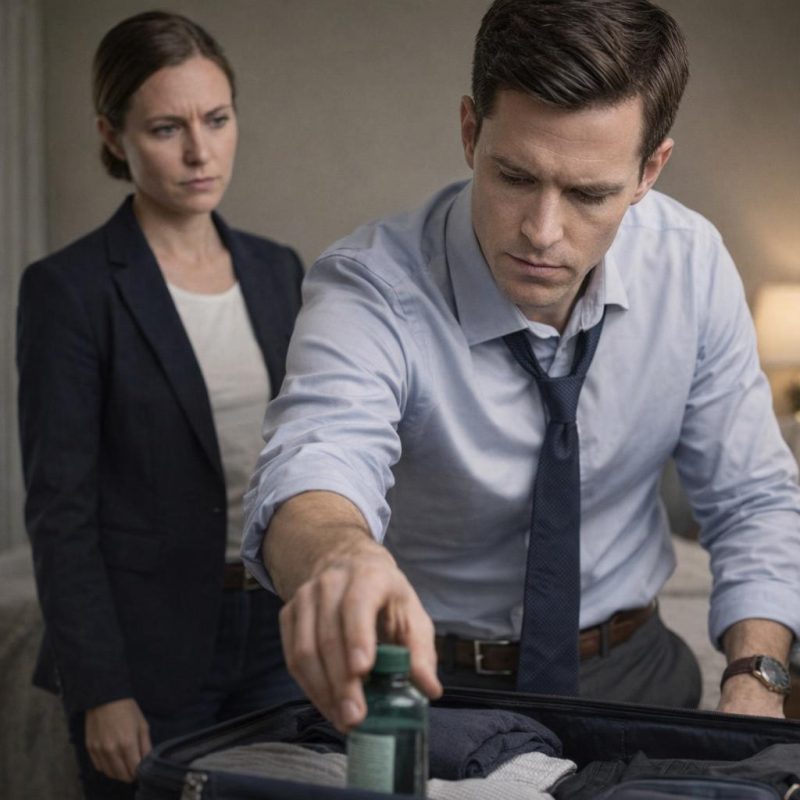 Image by RM AI
The Hammering Heart
I drove him to the airport on Sunday morning, the city still half-asleep around us, fog sitting low over the avenues. We didn't talk much in the car. He had his carry-on in the back seat and his phone in his lap and he watched the road the way you do when you're already somewhere else in your head. I walked with him as far as the security line, and when we stopped he turned and pulled me into a hug. It lasted longer than our usual goodbyes — long enough that I noticed, long enough that I stopped thinking about what to say next and just stood there. And that's when I felt it: his heart, hammering hard and fast against my ribs, a rapid insistent rhythm that had nothing to do with the walk from the car. I pressed my hand against his back and held still. He said he loved me, his chin against my hair, and I said it back. But when I tilted my head up I caught his eyes moving over my shoulder, scanning the terminal behind me, tracking something I couldn't see. He picked up his carry-on and walked toward the security line, and I stood at the barrier and watched him go, his heartbeat still echoing against my chest like a sound I couldn't unhear.
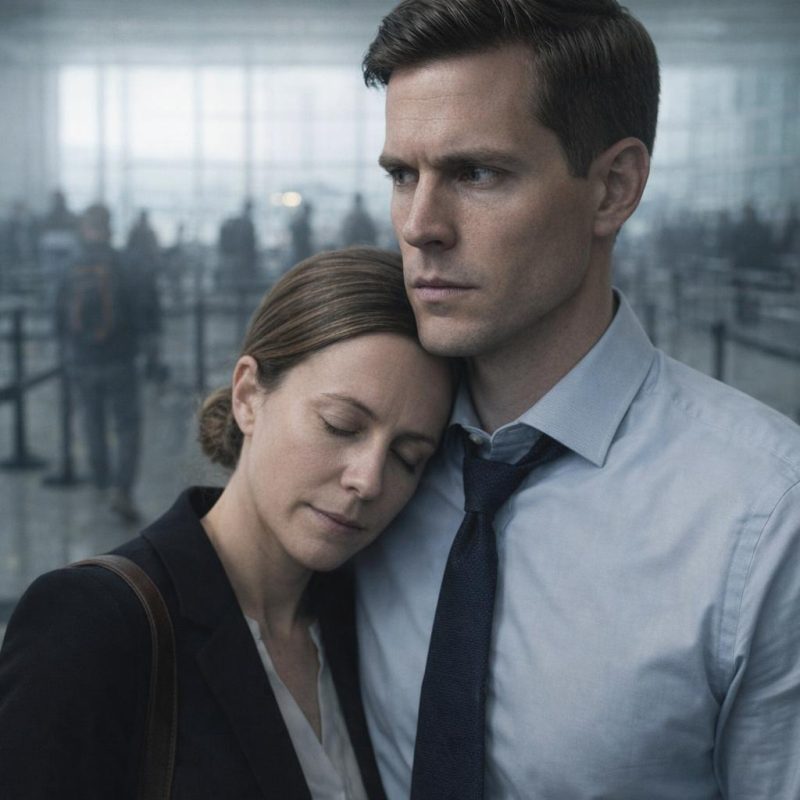 Image by RM AI
The Void
The apartment felt different when I got back — not just quiet, but emptied out, like the air itself had thinned. I put my keys on the hook and stood in the hallway for a moment, listening to nothing. I made tea I didn't drink and sat on the couch and told myself to read, and then I picked up my phone instead. I opened Instagram first, then Facebook, then the LinkedIn he barely used. No posts. No check-ins. No photo of a hotel room or a conference badge or a Miami skyline at dusk. I refreshed each one twice, then a third time, the little loading spinners turning and turning and delivering nothing. He'd landed hours ago — he had to have landed — but there was no message saying so, no quick text from the hotel, not even one of those automated flight arrival notifications he sometimes forwarded. I told myself he was tired, that he'd unpacked and gone straight to dinner with colleagues, that not everyone narrated their trips in real time. I set the phone face-down on the cushion beside me. The living room was dark except for the glow of the screen bleeding through the fabric, a faint rectangle of light in the quiet, and I sat with it there beside me and couldn't think of a single reason why the silence felt so much louder than it should.
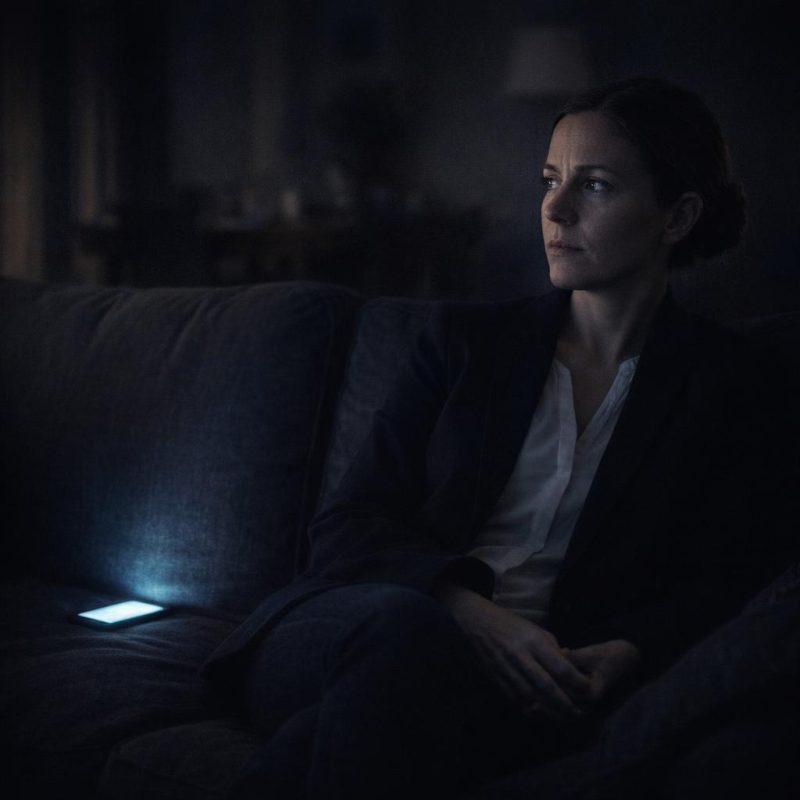 Image by RM AI
Monday Morning Silence
I woke up Monday reaching for my phone before I was fully awake, the way you do when you've been half-listening for something all night. Nothing. No texts, no missed calls, no message saying he'd landed safe or slept well or was heading into the first session. I made coffee and sat at the kitchen table and opened Instagram again out of habit, then closed it. Still nothing. In six years of travel, Marcus had always checked in — not constantly, not in an annoying way, just enough. A quick text from the hotel. A photo of whatever he'd ordered for room service. Something. I got dressed and tried to focus on work, but I kept coming back to the table, to the coffee going cold, to the specific quality of the silence coming from my phone. By mid-morning I'd talked myself into and out of calling him twice. I told myself I was being irrational. I told myself Rachel was right. Then I opened my laptop and pulled up the banking website, the joint account we used for shared expenses, and I told myself I was just checking on a few bills that were due.
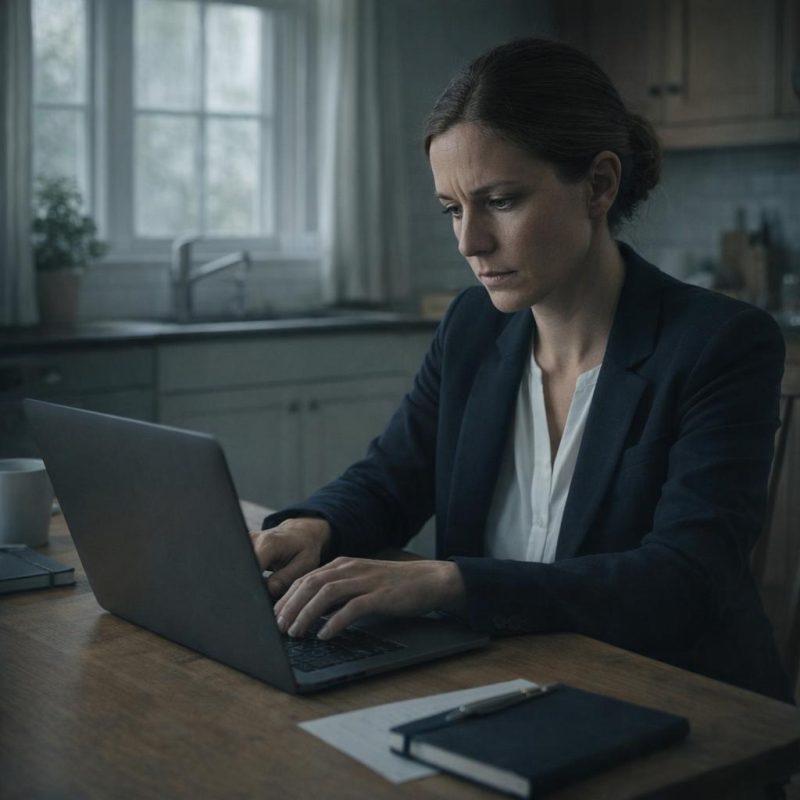 Image by RM AI
The Wrong Hotel
The page loaded and I scanned down through the recent transactions the way I always do — utilities, groceries, the streaming service we kept meaning to cancel. Then a charge from Miami stopped me. I leaned closer to the screen. The hotel name was there in plain text: The Meridian Shores, Miami Beach. I read it twice. Marcus had told me he was staying at the Marriott by the convention center, the one the conference had a room block at, the one he'd mentioned by name when he showed me the itinerary. Miami Beach was not the convention center. I knew Miami well enough to know that — we'd been there together three years ago, and I remembered the geography, the causeways, the way the beach hotels sat on a strip of barrier island miles from the downtown conference district. I scrolled back up and read the charge again. The Meridian Shores, Miami Beach. The amount was significant, the kind of nightly rate that didn't come with a corporate discount code. I sat very still with my hands in my lap and the laptop open on the table, the hotel name glowing on the screen, nowhere near the convention center.
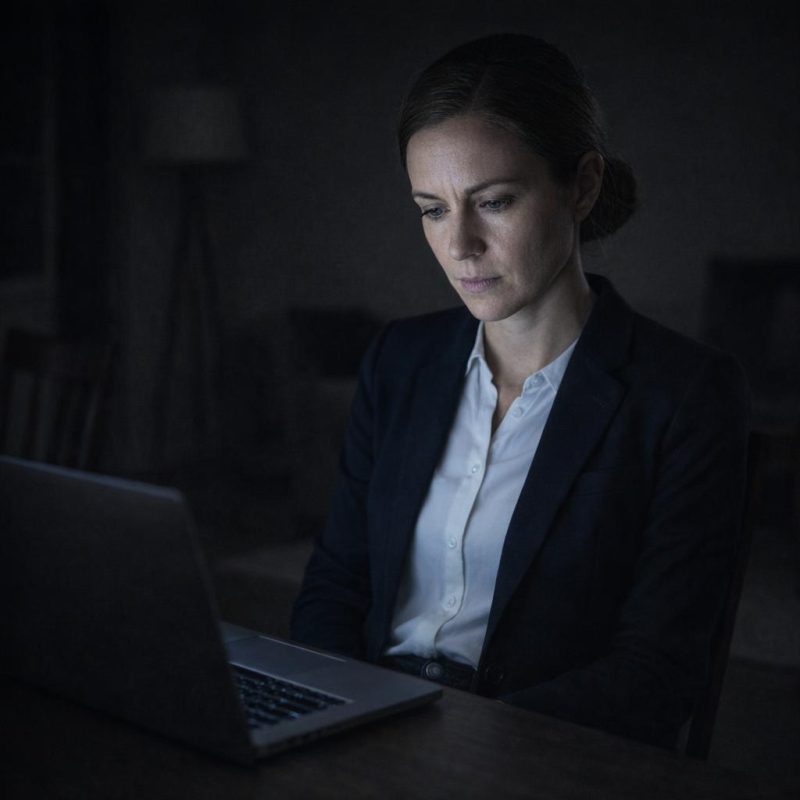 Image by RM AI
Building the Case
I went back through the transactions the way I'd go through a receiving log at work — methodically, line by line, looking for the pattern underneath the numbers. The hotel charge was already there, sitting wrong. Then I found the restaurant: Cala Rossa, two hundred and twelve dollars on Saturday night. I looked it up. Waterfront. Candlelit. The kind of place that doesn't put prices on the menu because the people eating there already know. A car service charge followed — Sunday night, forty-seven dollars, pickup at ten-fifteen PM. Not a rideshare. A scheduled car. And then the minibar: sixty-three dollars from the hotel, which isn't one person having a nightcap. That's a spread. That's two people settling in. I sat there and cataloged each charge the way I'd catalog a shipment discrepancy — wrong item, wrong quantity, wrong location. None of it matched the conference. None of it matched the Marriott by the convention center. None of it matched anything Marcus had told me. I picked up my phone and called him. Nothing rang. It went straight to voicemail. I waited a minute, then called again — straight to voicemail, not even a single ring before the recording cut in.
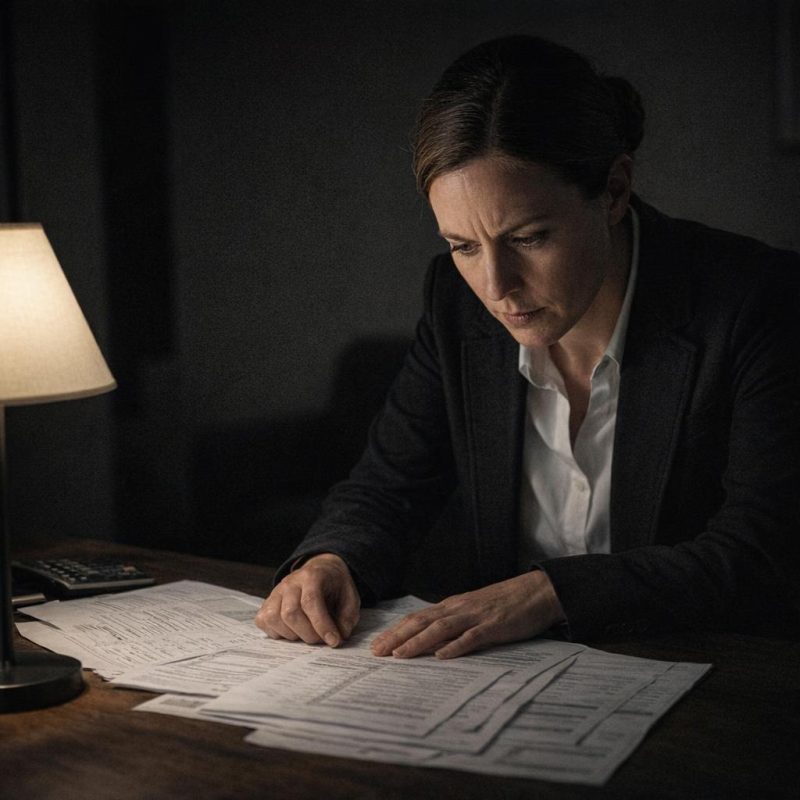 Image by RM AI
The Decision
I sat at the kitchen table with the laptop still open and the screen casting pale light across my hands. I went through it one more time — the wrong hotel, the candlelit restaurant for two, the car service at ten at night, the minibar charges, the phone that wouldn't ring. I laid it out in my head the way I'd lay out a discrepancy report: item, quantity, location, variance. The variance here was everything. I felt something shift in my stomach, something that had been loose and sick all morning pulling tight and going cold. I didn't want to be the person who did what I was about to decide to do. I'd spent the last hour hoping I was wrong, hoping there was an explanation I hadn't thought of yet. But I'd thought of all of them. I needed to see for myself. Not a phone call, not a text, not a conversation I could be talked out of — I needed to be standing in Miami with my own eyes open. I closed the laptop. The apartment was very quiet. Six years of mornings in this kitchen, six years of coffee and ordinary Mondays, and now this one. The cold certainty of it settled into me and stayed.
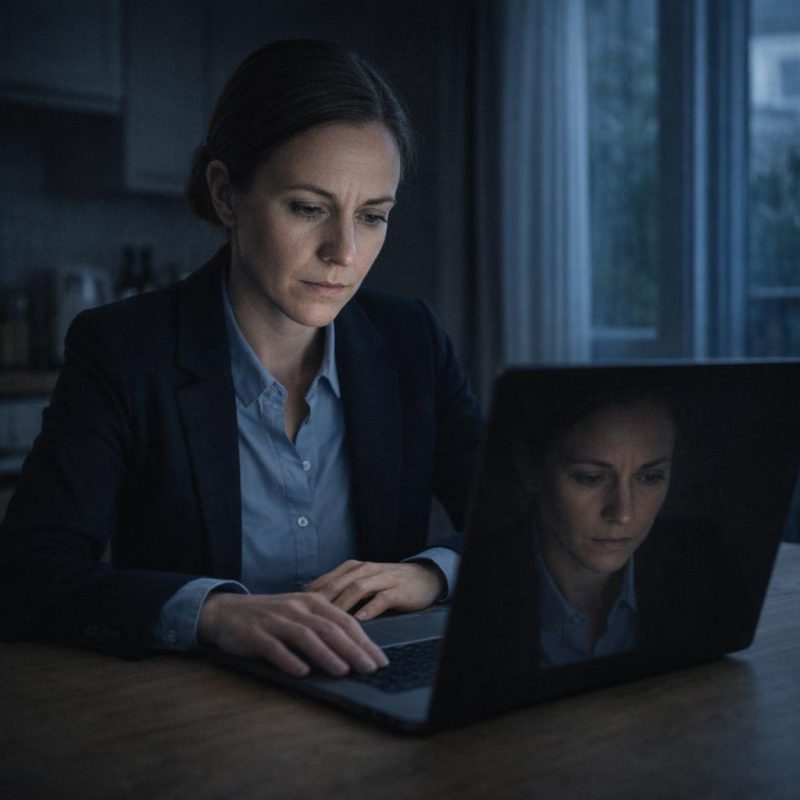 Image by RM AI
No Suitcase
I stood up from the table and moved. I didn't let myself think too carefully about what I was doing because I knew if I stopped to think, I'd talk myself out of it. I grabbed my purse from the counter — wallet, keys, phone, all already inside. I picked up my laptop and the charger from the table and tucked them under my arm. I went to the closet by the front door and pulled out the light jacket I kept there for air-conditioned offices. That was it. No suitcase. No overnight bag. No toiletries lined up on the bathroom counter. I checked my wallet quickly — credit card, ID, enough cash to matter. I wasn't planning a trip. I was just going. There's a difference, and I felt it in my body, the way my hands moved without hesitation, the way I didn't pause in front of the mirror or straighten anything on the counter. I took one look back at the apartment — the kitchen table with the ring from my coffee mug still on it, the laptop cord I'd left plugged into the wall, the ordinary stillness of a Monday morning. Then I stepped into the hallway and pulled the door shut behind me, and the latch clicked into place.
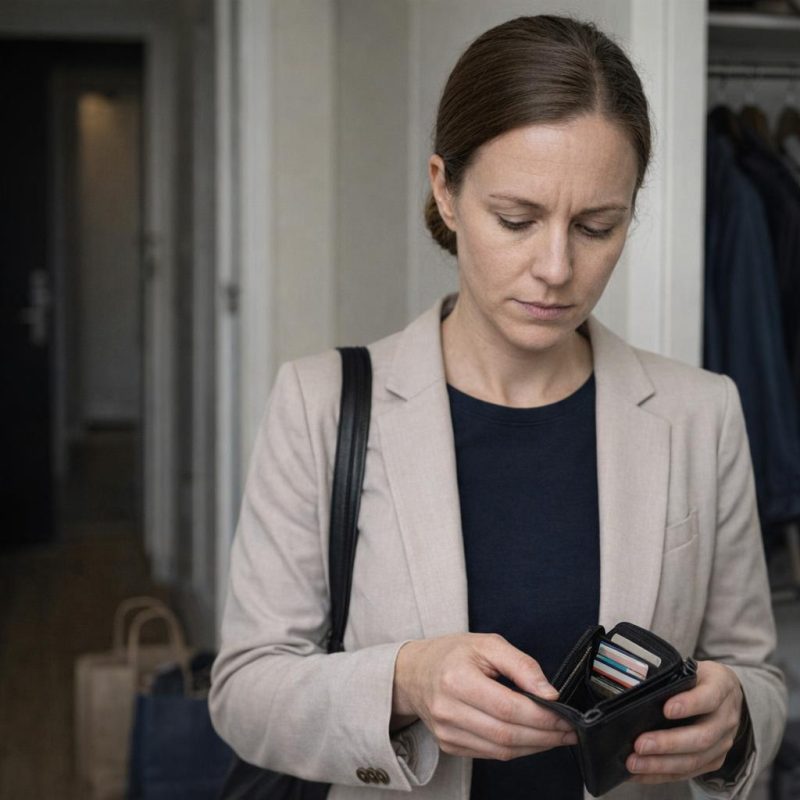 Image by RM AI
Last Flight Out
I drove to the airport on autopilot, parked in long-term without checking the daily rate, and walked straight to the ticketing counter. I told the agent I needed the next flight to Miami. She typed for a moment, looked at her screen, typed again. She asked if I had bags to check. I held up my purse and my laptop. She printed my boarding pass without another word. I went through security, found the gate, and sat down in a plastic chair facing the window. Around me, people were doing normal things — a couple sharing earbuds, a man in a suit reading something on his phone, a family with a stroller and too many bags. I watched them the way you watch a movie you've already seen, present but not really there. When they called boarding, I got in line. I found my seat, a middle seat near the back, and buckled in. The plane taxied and lifted and the city lights spread out below me and then fell away into darkness. I watched them go. Then the agent's words came back to me — one seat left on the last flight out — and I understood I was already in it.
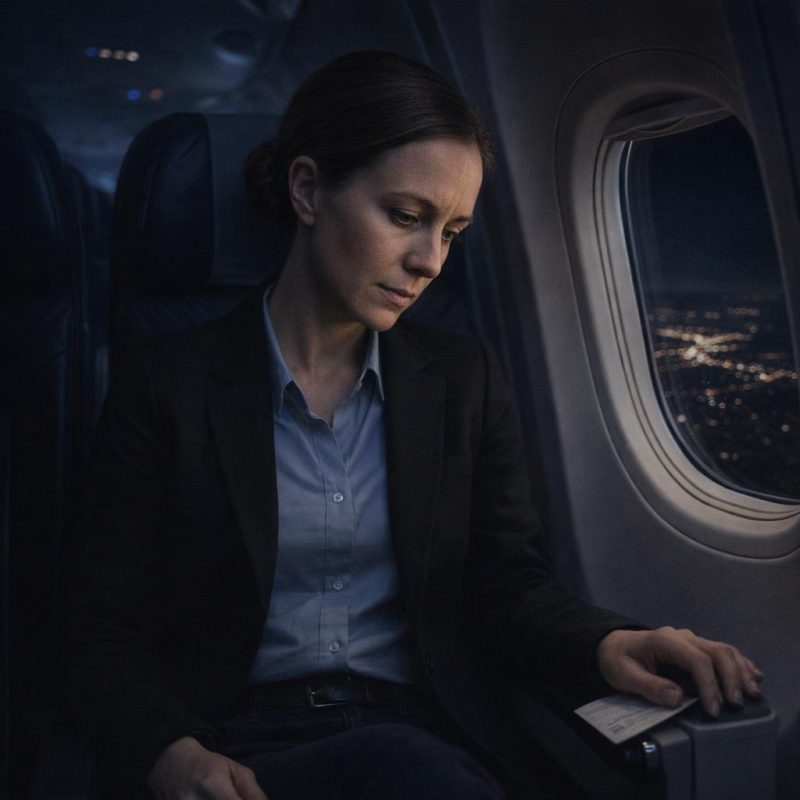 Image by RM AI
Moving on Adrenaline
The cabin went quiet around me as the flight leveled out, most passengers pulling blankets up or tilting their seats back. I opened my laptop in the dark and went through the bank account again. I made a list in a notes document the way I'd make a discrepancy log at work: wrong hotel, Meridian Shores, Miami Beach, not the Marriott convention center. Restaurant charge, Cala Rossa, two hundred twelve dollars, Saturday night. Car service, Sunday, ten-fifteen PM. Minibar, sixty-three dollars. Phone to voicemail, twice, no ring. I stared at the list. Each item on its own could maybe be explained. Together they had a weight I couldn't argue with. I thought about the past week — the late nights Marcus had come home after I was already in bed, the way he'd kissed my forehead at the airport like he was saying goodbye to something. The pill bottle. The tight jaw when he mentioned the conference. I'd filed each of those things away as nothing, the way you set aside a small variance and tell yourself you'll check it later. I hadn't checked. The plane hummed steadily through the dark and the other passengers slept and I sat with my list open on the screen, the weight of it pressing down on my chest.
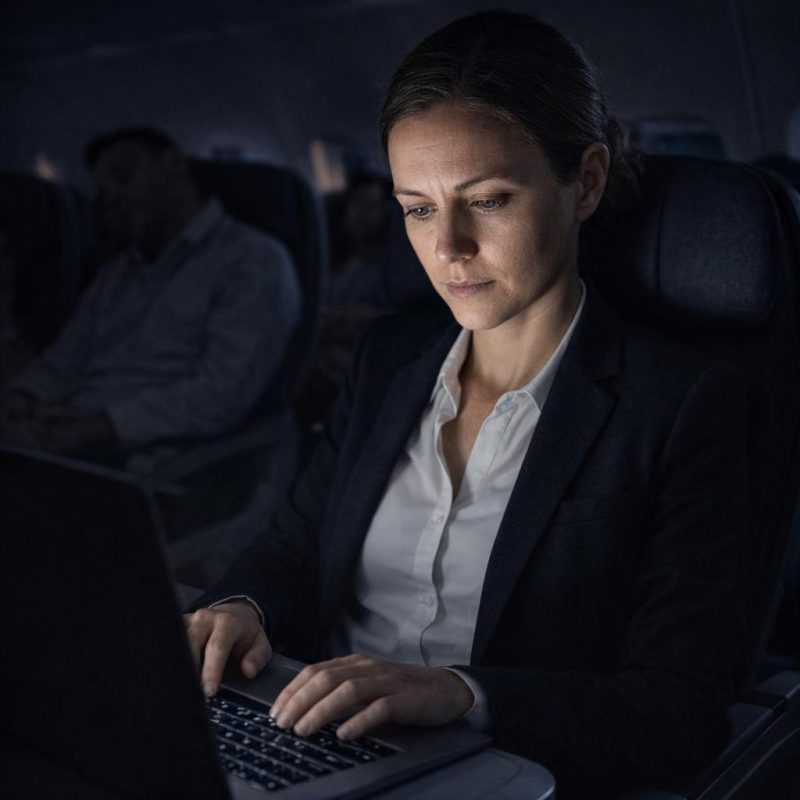 Image by RM AI
Reviewing Mental Evidence
I closed the laptop and leaned my head back against the seat. The cabin lights were dimmed to almost nothing and the hum of the engines was the only sound. I let myself go back through it — really go back, the way you walk a warehouse floor looking for where the count went wrong. The anniversary dinner at Bella Notte, Marcus reaching across the table with the silver bookmark, the way he'd looked at me that night. I'd thought it was love. I'd thought he was present. I turned it over now and couldn't find the seam, couldn't tell where the real thing ended and something else began. The mornings after that, him staring at his phone over breakfast, jaw tight when Miami came up. I'd read it as work stress. I'd read all of it as work stress because that was the explanation that fit the life I thought we had. I wondered about the pill bottle — whether the travel anxiety was real or whether I'd just accepted it because he'd handed it to me and I'd trusted his hands. I wondered how long I'd been missing things that were right in front of me. The question didn't have an answer, not yet, and it sat in the middle of my chest like something with real weight.
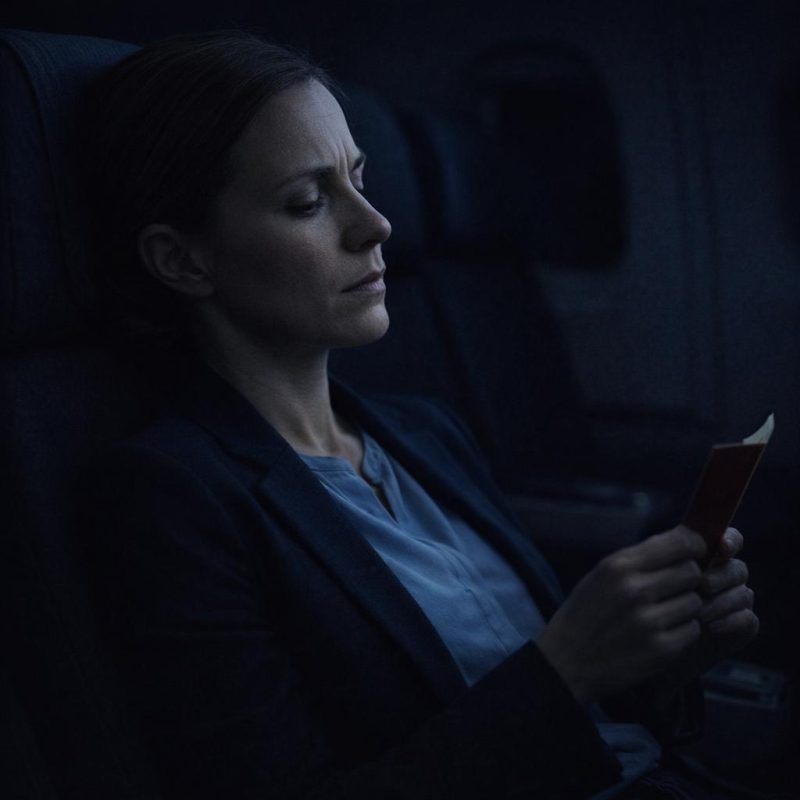 Image by RM AI
Humid Landing
The plane touched down at Miami International just after two in the morning. I gathered my purse and laptop and filed out with the handful of other passengers still awake enough to move with purpose. The terminal was nearly empty — a few cleaning crews, a gate agent at a distant counter, the particular fluorescent quiet of an airport at night. The air conditioning hit cold after the recycled warmth of the plane. I followed the signs to ground transportation and pushed through the glass doors to the outside, and the Miami night wrapped around me immediately — thick, wet heat that pressed against my skin and made me feel every hour I hadn't slept. My shirt stuck to my back within seconds. I got in the taxi line, which was short at that hour, and a cab pulled up almost immediately. I slid into the back seat. The driver glanced at me in the rearview mirror and asked where I was headed. I had the address memorized from the bank statement — I'd read it enough times that it had lodged somewhere behind my eyes. I gave it to him, the address of the Meridian Shores on Miami Beach, and he pulled away from the curb without another word.
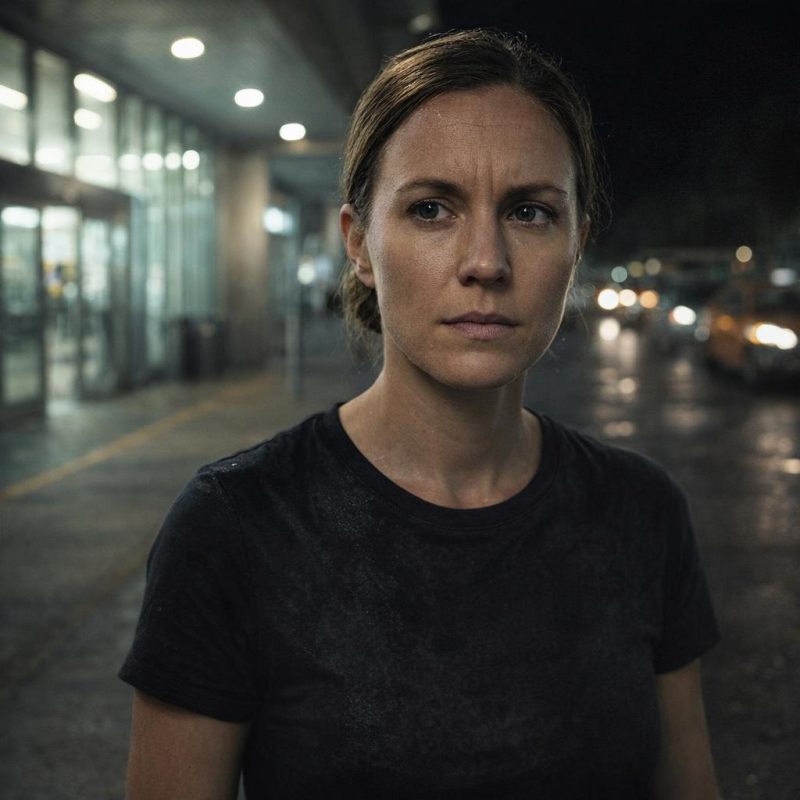 Image by RM AI
Straight There
The cab moved through streets that felt like a different city at that hour — wide and dark and almost empty, palm trees standing still in the humid air, their fronds catching the orange glow of the streetlights. We crossed a causeway and I watched the black water on both sides, flat and glassy. The driver asked if I was in town for business or pleasure. I said business. He said Miami was beautiful this time of year, that the weather had been good, that the tourists were already starting to come back. I said something back, I don't remember what. My eyes were on the window and my mind was somewhere ahead of the cab, already at the hotel, already standing in front of whatever I'd come here to find. The buildings changed as we moved onto the beach side — taller, whiter, lit from below with the kind of lighting that costs money. The driver turned onto a quieter street and slowed. The other hotels fell away on either side. And then, through the windshield, the white facade of the Meridian Shores came into view, its entrance lit against the dark.
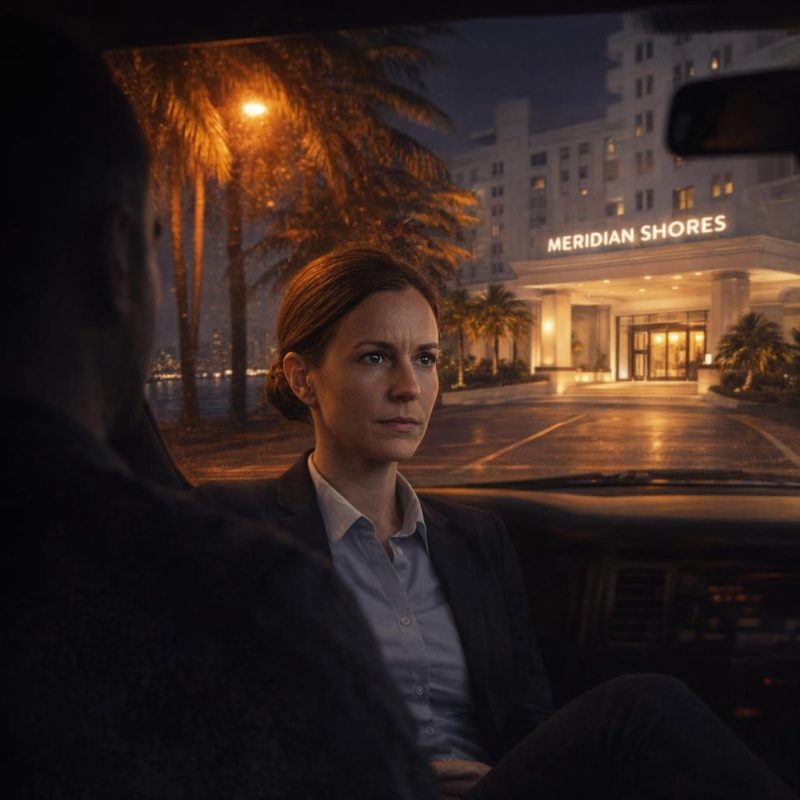 Image by RM AI
Hibiscus and Betrayal
The cab pulled away before I'd even reached the doors. I stood on the sidewalk for a second, looking up at the white facade of the Meridian Shores, and then I pushed through the glass entrance into the lobby. The air hit me first — cool and expensive, carrying something floral and tropical that I later figured out was hibiscus, pumped through the ventilation like a signature. The lobby was quiet at that hour, all low lighting and pale marble and the kind of furniture that exists to look comfortable rather than be it. A night clerk sat behind the front desk, eyes on his computer screen, and he glanced up when I came in — a brief, professional look, the kind that clocks you without really seeing you. I gave him a small nod and kept moving, like I belonged there, like I had a room key in my pocket and a reason to be arriving at two-thirty in the morning. I didn't have either. I had no key, no plan beyond morning, and no idea what I was going to say when the sun came up. I found the lounge off the main lobby — low chairs, softer light, a corner table half-hidden behind a potted palm. I sat down, set my bag at my feet, and settled in to wait.
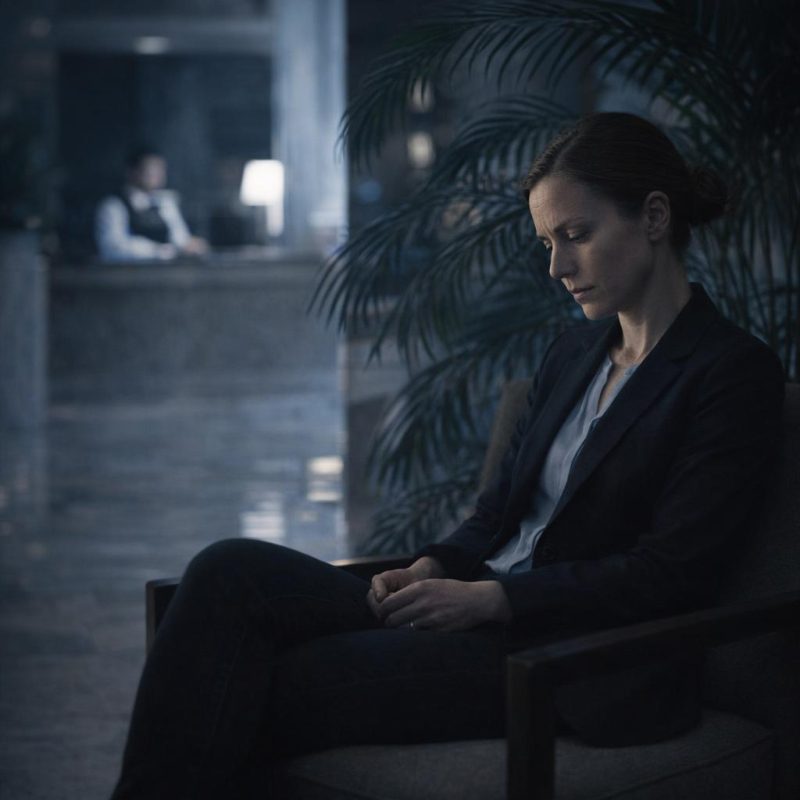 Image by RM AI
Watching Gold Sunrise
The night clerk never came over to ask why I was sitting in the lounge at three in the morning with no drink and no luggage worth mentioning. Maybe he'd seen stranger things. I watched him from my corner, the way he moved through his quiet routines — typing, checking something on a clipboard, stepping away and coming back. Occasionally a late guest crossed the lobby, heels clicking on the marble, and I'd go still without meaning to. My phone showed no messages. I checked it more times than I could count, the screen lighting up my face in the dark, and every time it was the same: nothing from Marcus, nothing from anyone. The sky outside the tall windows began to change somewhere around five — a gray softening at the edges, the darkness thinning rather than lifting. Then the ocean appeared, piece by piece, as the light grew. By the time the sun actually cleared the horizon, the water had turned a color I didn't have a word for — hammered and gold and almost violent in its brightness. I thought about Marcus upstairs, asleep, not knowing I was here. I thought about what I might find when I finally went up. The lobby filled slowly with morning light, and I sat in it, exhausted down to my marrow, the long hours of waiting pressed into me like something permanent.
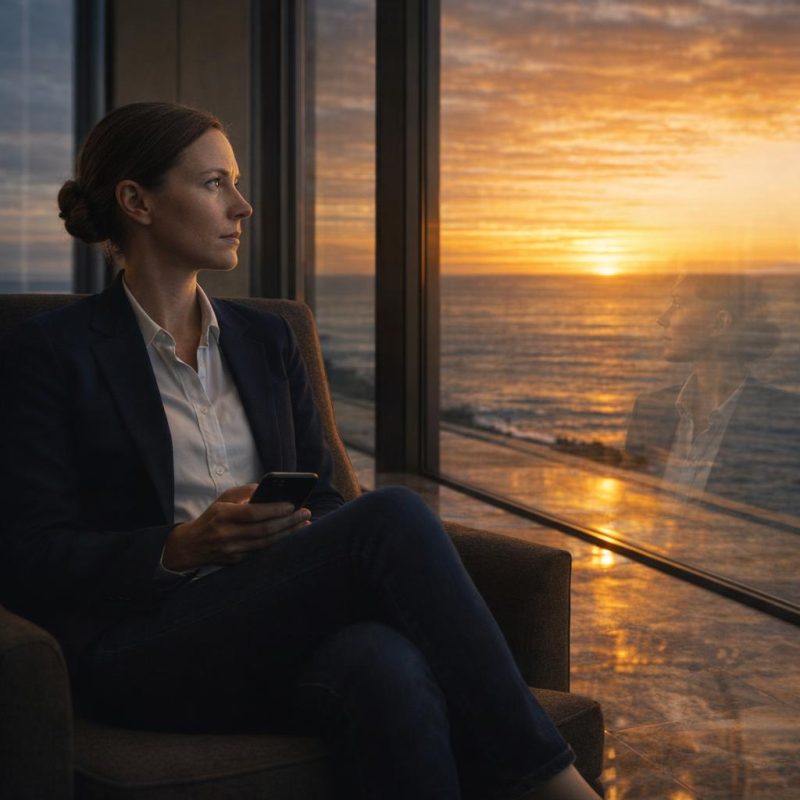 Image by RM AI
Planning the Approach
By seven-thirty the lobby had started to wake up — a bellhop moving luggage, the smell of coffee drifting from somewhere near the restaurant, a couple in resort wear heading toward the exit with beach bags. I watched all of it from my corner and ran through the plan again, the way I used to run inventory counts: methodically, looking for gaps. I was going to walk to the front desk and say I was Mrs. Miller. That I'd arrived separately from my husband and somehow lost my key. Room 412. I'd say it like it was obvious, like I'd said it a hundred times. The part that worried me was ID — if they asked for a card, I had nothing with Miller on it. So I worked out an answer for that too: my wallet was upstairs, I'd left it in the room when I went out for an early walk, I just needed a replacement key. It was thin, but hotel clerks weren't investigators. They were trained to be helpful, not suspicious. I watched the night clerk hand off to a younger woman just before eight, and I gave them a few minutes to settle into the transition. Then I stood, smoothed my clothes with both hands, and looked toward the front desk. The words were already arranged in my mouth, waiting.
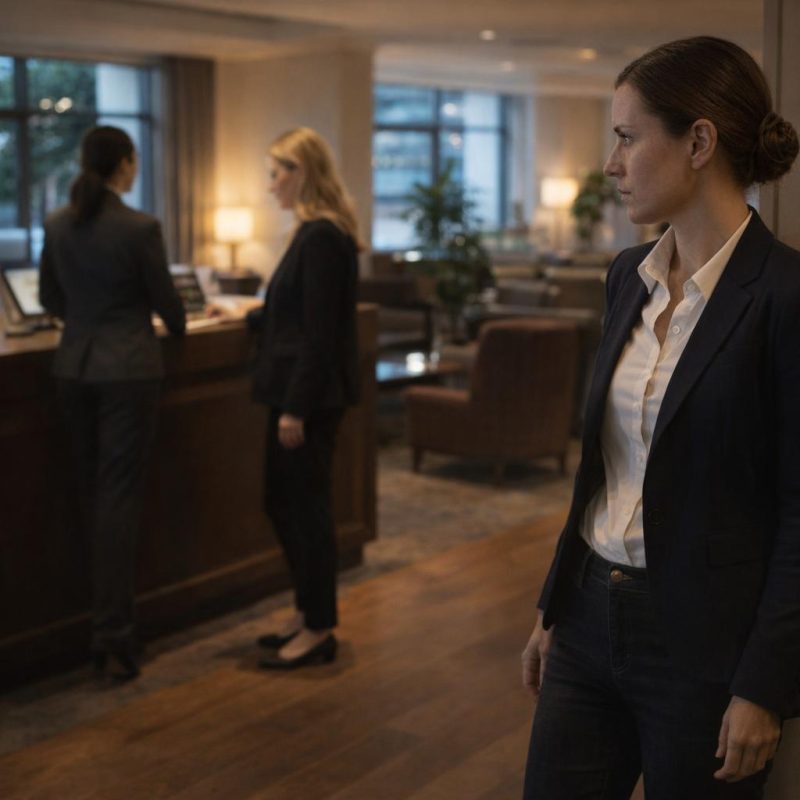 Image by RM AI
Mrs. Miller
I crossed the lobby at eight on the dot, walking at a pace that I hoped read as tired-but-normal rather than terrified. The morning clerk looked up and gave me the standard hotel smile — bright, practiced, entirely impersonal. I said I was Mrs. Miller, that I'd lost my key card, that my husband had checked in and I'd arrived separately. My voice came out steadier than I had any right to expect. She asked for the room number. I said four-twelve. She typed something, glanced at the screen, and nodded once — the small, efficient nod of someone confirming a detail that matched. She didn't ask for ID. She didn't ask anything else. She just reached for the key card machine, slid a blank card through, and set it on the counter in front of me with a pleasant smile and a wish for a good morning. I picked it up. My hand was shaking — not a little, not a subtle tremor I could hide, but a visible, full-hand shake that I had to hope she didn't notice or didn't care about. I thanked her and turned toward the elevators before she could look at me too closely. The card was warm from the machine and thin as a playing card in my palm, and it felt like the last door I'd ever walk through before everything changed.
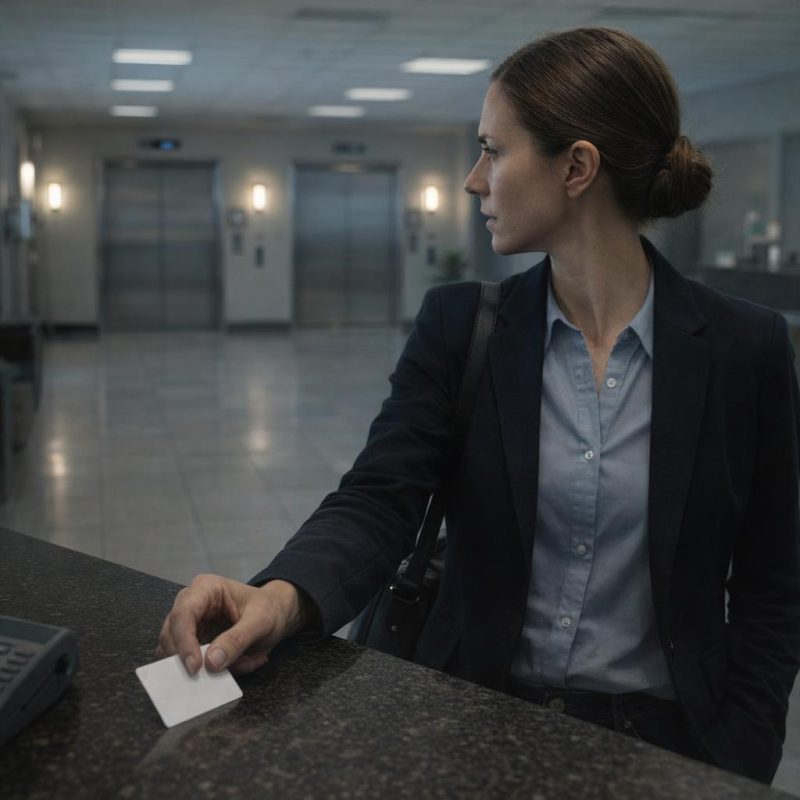 Image by RM AI
Ascending to Answer
The elevator was empty. I stepped in and pressed the button for the fourth floor, and the doors slid shut with a soft, definitive sound that felt louder than it was. The car began to rise. I watched the numbers above the doors: 1, then 2, the light moving from one to the next with a small mechanical click. Somewhere between the second and third floors I caught my reflection in the polished metal of the doors — pale, dark-eyed, hair pulled back in the same way I'd worn it when I left home two days ago, which felt like a different lifetime. I barely recognized the face looking back at me. Not because anything had changed in the features, but because the expression was wrong — too still, too controlled, like someone holding a position rather than actually standing there. I gripped the key card tighter. My heart was doing something irregular and insistent that I could feel in my throat. The 3 lit up and then faded. The elevator slowed. The 4 appeared, steady and bright, and the car came to a stop with a small shudder. I stood there for one more second, facing my own reflection. Then the doors parted, and the fourth-floor hallway opened up in front of me, quiet and carpeted and waiting.
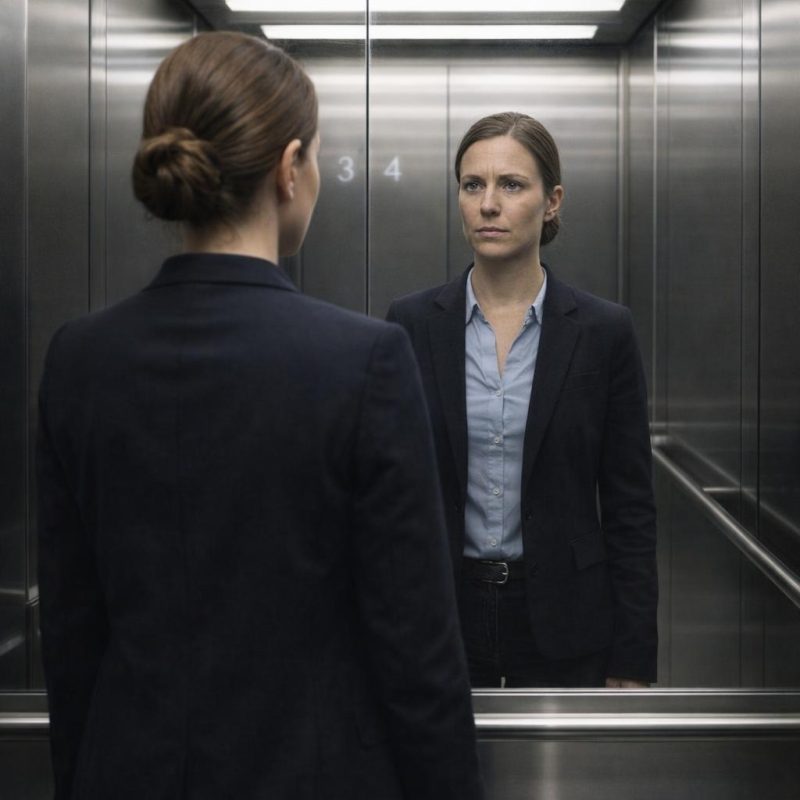 Image by RM AI
Silent Hallway
The hallway was the kind of quiet that has texture to it — not just an absence of sound but something that pressed back. Thick carpet absorbed every footstep as I moved away from the elevator, reading the numbers on the doors. Four-oh-four. Four-oh-six. Four-oh-eight. I passed them one by one, the key card held flat in my hand, and then I stopped. Four-twelve. The number was mounted in brushed silver on a dark wood door, and I stood in front of it and did not move. I listened. Nothing came through — no television, no voices, no sound of movement. Just the hallway's dense, padded silence and the faint hum of the building's air system somewhere above me. My heart was loud enough that I half-wondered if it was audible from the other side of the door. I looked at the key card in my hand, then back at the number. Four-twelve. I had flown here alone in the middle of the night, sat in a hotel lounge for six hours, and talked my way past a front desk clerk, all to stand in front of this door. I should have been ready. I wasn't. I stood there with the silence of the hallway filling my ears like water.
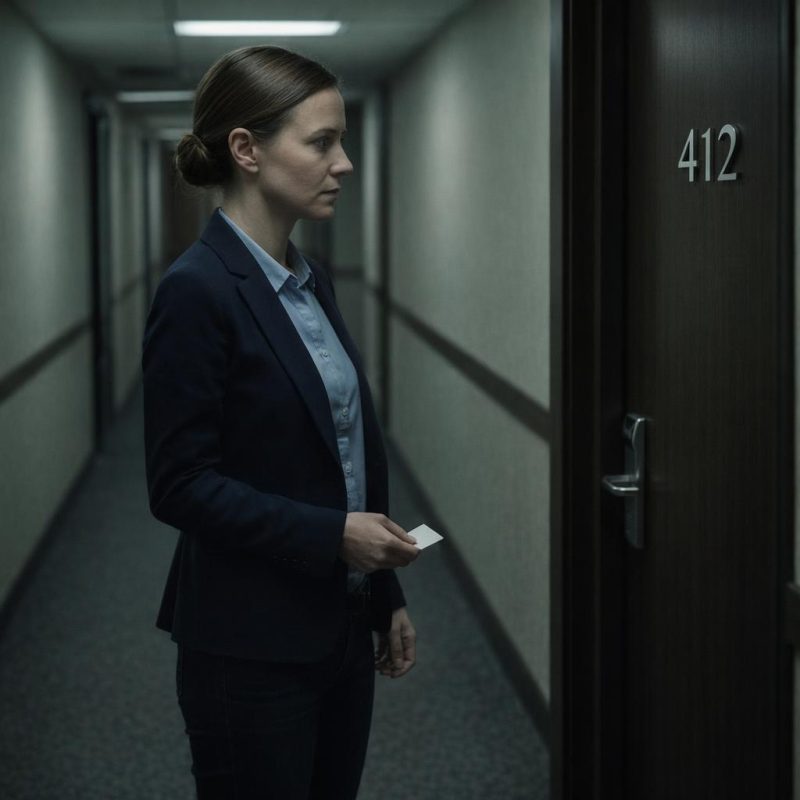 Image by RM AI
High Bright Laughter
I don't know how long I stood there before I leaned in. A minute, maybe more. I tilted my head toward the door and held my breath. At first there was nothing — just the same padded quiet, the same faint building hum. Then I heard it. I went very still. A few seconds later I heard Marcus's voice — lower, indistinct, the words swallowed by the door — and then the sound came again, the same bright note, and something in my stomach dropped straight through the floor. I couldn't make out what either of them was saying. I didn't need to. The voices were close together, unhurried, the rhythm of two people in a room who had nowhere else to be. I pressed the key card flat against my palm and felt the edge of it dig into my fingers. My hand had started shaking again. Then it came through the door once more — a woman's laugh, high and bright, unguarded and easy, like whoever it belonged to felt completely at home.
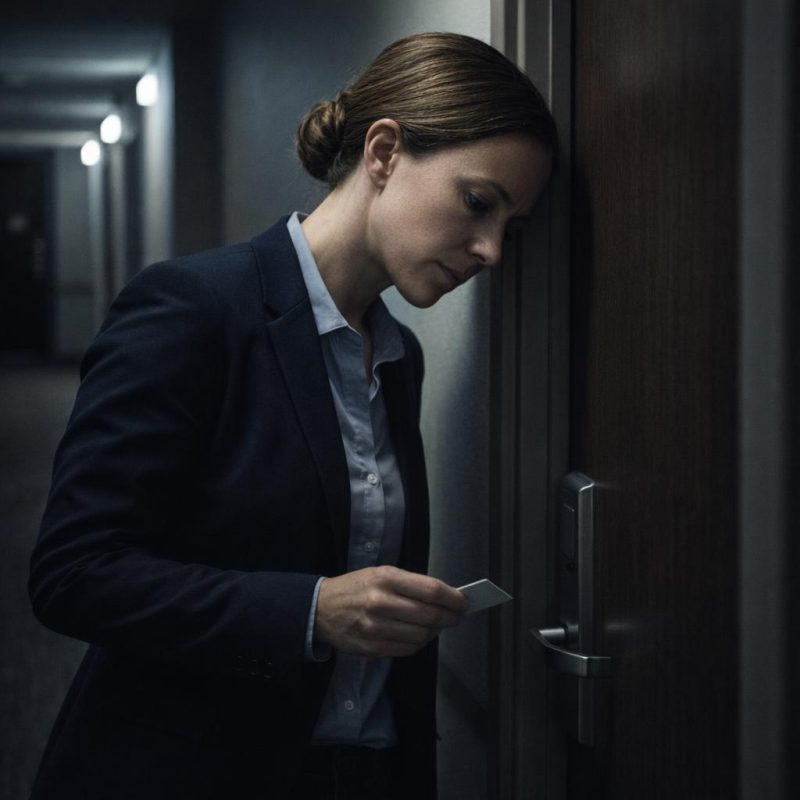 Image by RM AI
Green Light Flickers
My hand wouldn't hold still. I could see it — the card hovering a few inches from the reader, trembling in a way I couldn't control no matter how hard I focused. I tried to breathe slowly, the way you do when you're trying to convince your body that everything is fine, but my body wasn't buying it. From inside the room I could still hear them — faint now, just the murmur of voices through the door, the occasional shift of sound that told me they were still there, still close, still completely unaware of what was standing in the hallway. I thought about turning around. I thought about the elevator, the lobby, the cab back to the airport, the version of my life where I never came to Miami at all. But I'd already crossed every line that mattered — the flight, the lounge, the front desk, the fourth floor. There was no version of going home that didn't include knowing. I steadied my wrist with my other hand, bracing one against the other the way you'd hold a camera for a long exposure. The card reader waited, small and indifferent, its tiny indicator light glowing red. My hand trembled against my own grip, and I held it there, suspended, unable to close the last inch.
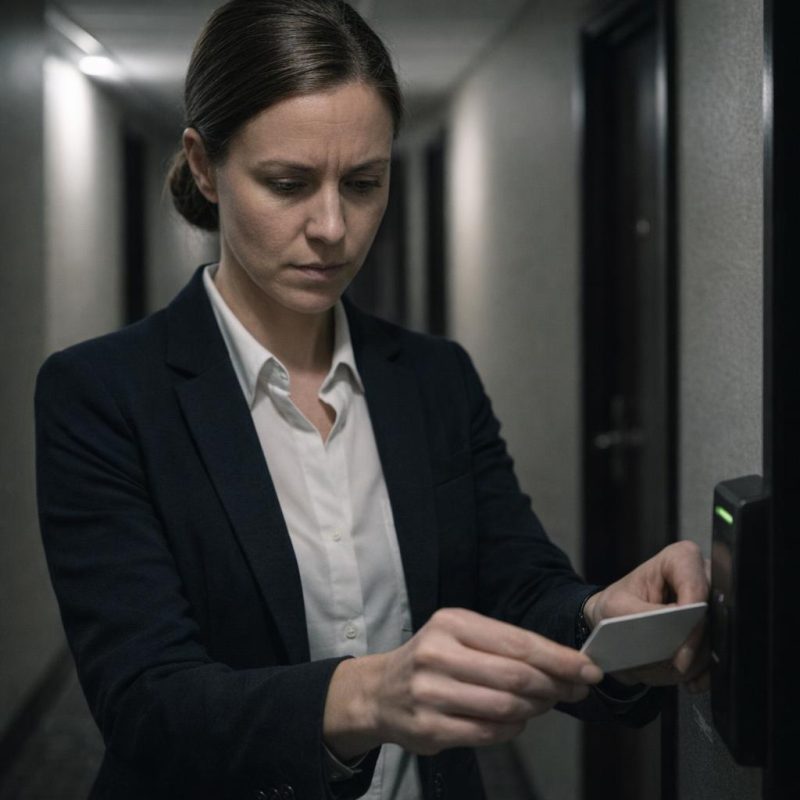 Image by RM AI
The Lock Clicks
I braced my wrist with my free hand the way I had before, one steadying the other, and I swiped the card. The motion was almost nothing — a half-second drag through the reader — but it felt like stepping off a ledge. The indicator light blinked once. I held my breath. Then it flickered, and the red shifted, and the light went green. Inside the room, the voices kept going. They hadn't heard it. They had no idea. I stood there with my hand still pressed against the card reader, the green light glowing steadily now, the door resting against its frame with nothing holding it closed anymore. My heart was slamming so hard I could feel it in my throat. I thought about Rachel. I thought about the flight home I hadn't booked. I thought about six years of mornings and dinners and the particular way Marcus laughed at his own jokes. And then the lock clicked — small, mechanical, clean — the loudest thing I had ever heard in that hallway.
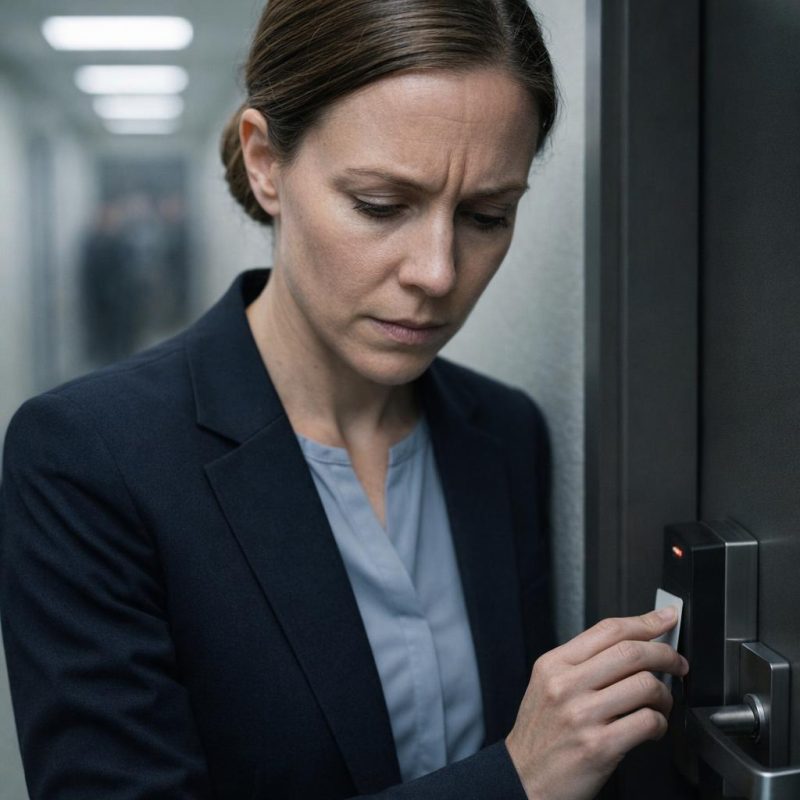 Image by RM AI
Door Swinging Inward
The handle gave under my palm with almost no resistance, smooth and cool, and I pushed. The door swung inward slowly, the way hotel doors do — heavy, measured, indifferent to what they're revealing. Morning light hit me first. It came through a window on the far wall, wide and white and full, the kind of light that makes everything look clean and ordinary. I stood in the doorway and let my eyes adjust. The room took shape in pieces: a bed to the left, neatly made, a suitcase open on the luggage rack. A small table near the window. Two chairs. A breakfast spread between them — coffee, something on plates, a water glass catching the light. And two people sitting at that table. They were already turning toward the door. The movement was slow, the way people turn when they hear something unexpected but haven't yet decided whether to be alarmed. I stood there in the frame of the open door, the hallway at my back, the room laid out in front of me like a photograph I hadn't taken, and I watched the scene come into focus.
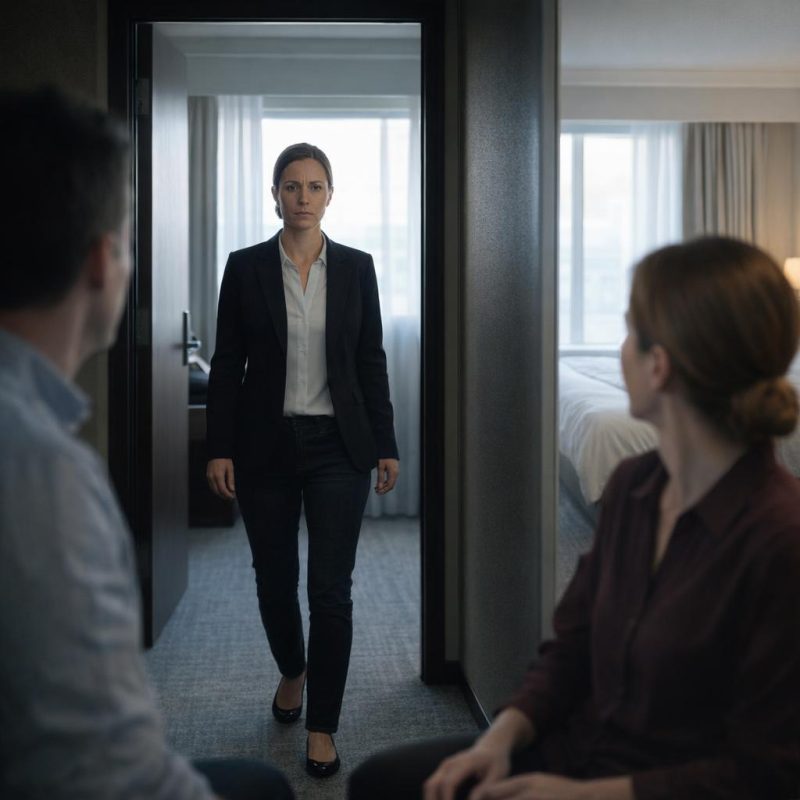 Image by RM AI
The Tableau
My eyes found Marcus first. He was sitting closest to the window, one hand wrapped around a coffee cup, and for a half-second he looked exactly like himself — like the man who made coffee on Sunday mornings and left the cabinet doors open and knew every shortcut on the drive to my mother's house. Then his expression changed. I watched it happen in real time: the recognition, the color leaving his face, the way his jaw went tight. He was staring at me like I was something that couldn't exist. Across from him, a woman was turning in her chair. She had dark hair, well-kept, and she was wearing a light cardigan over a blouse — the kind of outfit that looked comfortable and considered at the same time. There was a croissant on the plate in front of her, broken in half. A coffee cup near her right hand. She looked like someone who had been having a quiet, private morning, and I had just walked into the middle of it. Marcus's mouth opened. Nothing came out. The woman's eyes reached me, and both of them sat frozen mid-turn, staring at the doorway where I was standing.
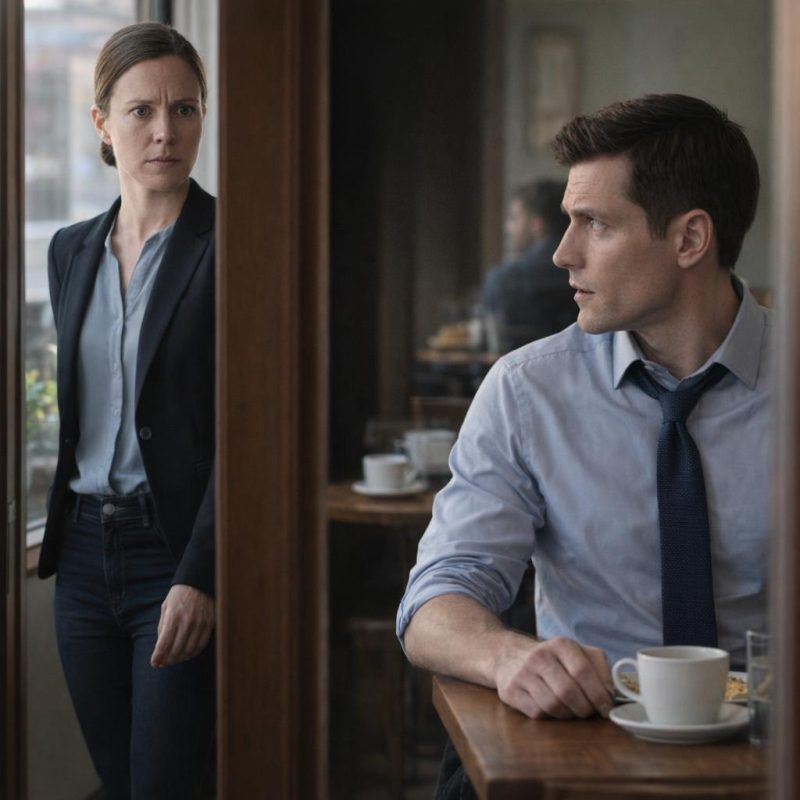 Image by RM AI
Breakfast Scene
My brain did what it always does when it doesn't know how to feel something — it started cataloging. Two coffee cups on the table, both partially empty, the kind of half-empty that meant they'd been sitting there a while, talking. Croissants on a white plate, one broken open, a smear of butter on the edge. A small bowl of fruit — strawberries, a few grapes — that nobody had touched yet. Two cloth napkins, both unfolded and used. The morning light coming through the window made everything look warm and unhurried, the way a Sunday should look. This wasn't a conference call. It wasn't a business breakfast with a colleague in a hotel lobby. The table was small, the chairs pulled close, the whole arrangement intimate in the way that only happens when two people are completely comfortable with each other. Marcus still hadn't moved. He sat with his hands flat on the table now, his coffee forgotten, watching me take in the room. The woman across from him had gone very still, her hand suspended near her cup. I kept cataloging because it was the only thing I knew how to do, and the details settled over me like something I couldn't quite name yet.
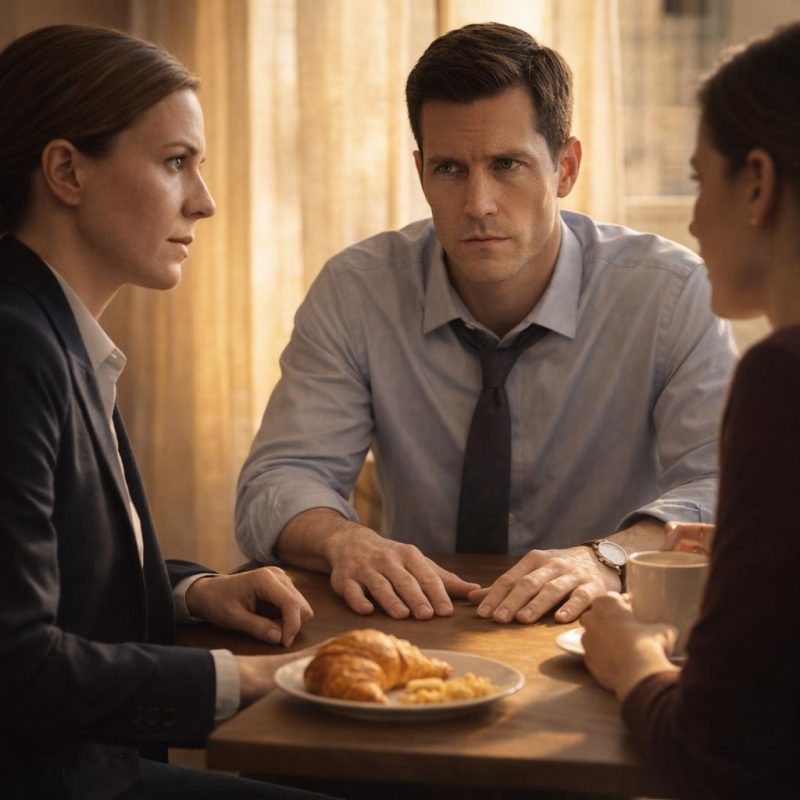 Image by RM AI
Seeing Myself Older
I don't know how long I stood there before I actually looked at her face. I'd been looking at the table, at Marcus, at the room — anywhere that wasn't the direct center of what I was seeing. But eventually my eyes moved to her, the way they had to, and I made myself focus. She had dark hair, pulled back loosely, with a few strands coming free at the temples. High cheekbones. A particular line to the jaw. I noticed those things the way you notice furniture in a room — cataloging, not yet understanding. And then something shifted. The cheekbones weren't just high. They were set at a specific angle I recognized without being able to say why. The jaw wasn't just defined. It matched something I couldn't quite place. The eyes looking back at me were wide with shock, dark, set deep under brows that arched in a way that snagged at something in my memory. I felt the floor tilt slightly under me. She looked like me — not vaguely, not the way strangers sometimes share a passing resemblance, but in some specific, unsettling way I didn't have words for yet, staring back at me with the same shock I could feel on my own face.
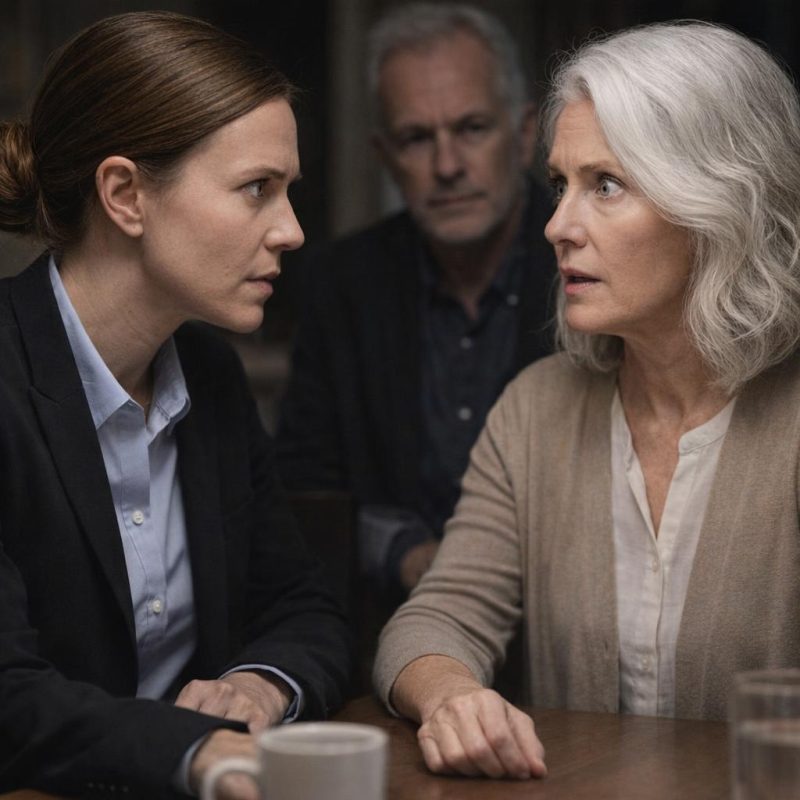 Image by RM AI
Cataloging Resemblance
I couldn't stop cataloging. It was the only thing keeping me upright. The widow's peak at her hairline — I had one too, the same small point where the hair came to a V at the center of her forehead. I'd always thought mine was unusual. The set of her mouth, the way the upper lip had that particular curve — I'd seen that curve in photographs of myself and never liked it, and here it was again, on someone else's face. Her hands were gripping the edge of the table, and I looked at them because I needed something concrete to focus on, and her fingers were long, the knuckles slightly prominent, the same shape as the hands I used to count inventory and type spreadsheets and hold Marcus's hand across restaurant tables. I tried to think of explanations. Coincidence. The way the light was hitting things. The way shock distorts perception and makes you see patterns that aren't there. But I'd spent years counting things, measuring things, noting discrepancies between what the records said and what was actually on the shelf. The similarities kept adding up, detail by detail, and I stood there holding each one without knowing what to do with it.
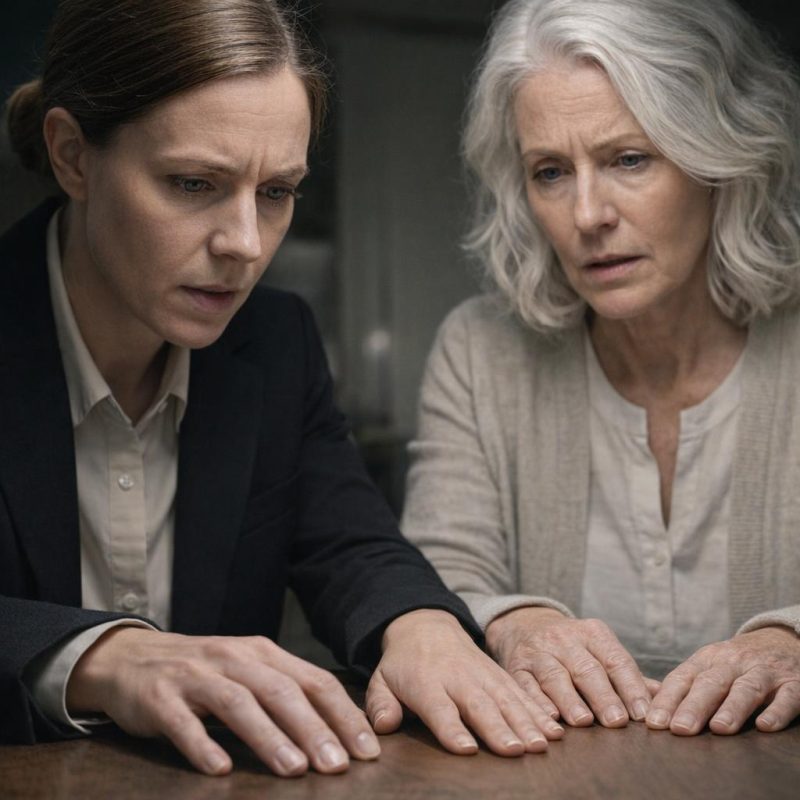 Image by RM AI
Marcus Goes White
I made myself look at Marcus. I don't know why — maybe because looking at him was easier than looking at her, or maybe because some part of me still thought he might say something that would make this make sense. His face had gone completely white. Not pale the way people go pale when they're embarrassed or caught off guard, but white — the kind of white that means the blood has genuinely left, that the body has registered something it doesn't know how to process. His mouth opened. I watched it happen, watched him try to form a word, and nothing came out. He closed it. Tried again. Still nothing. His hands were flat on the table, pressing down like he needed the surface to stay solid beneath him. He kept looking between me and the woman — back and forth, back and forth — and each time his eyes moved I could see the panic in them, the specific look of someone watching two things collide that were never supposed to be in the same room. The woman had gone still beside her coffee cup. The morning light kept coming through the window, warm and indifferent. Marcus's face stayed white, his mouth slightly open, no sound coming out at all.
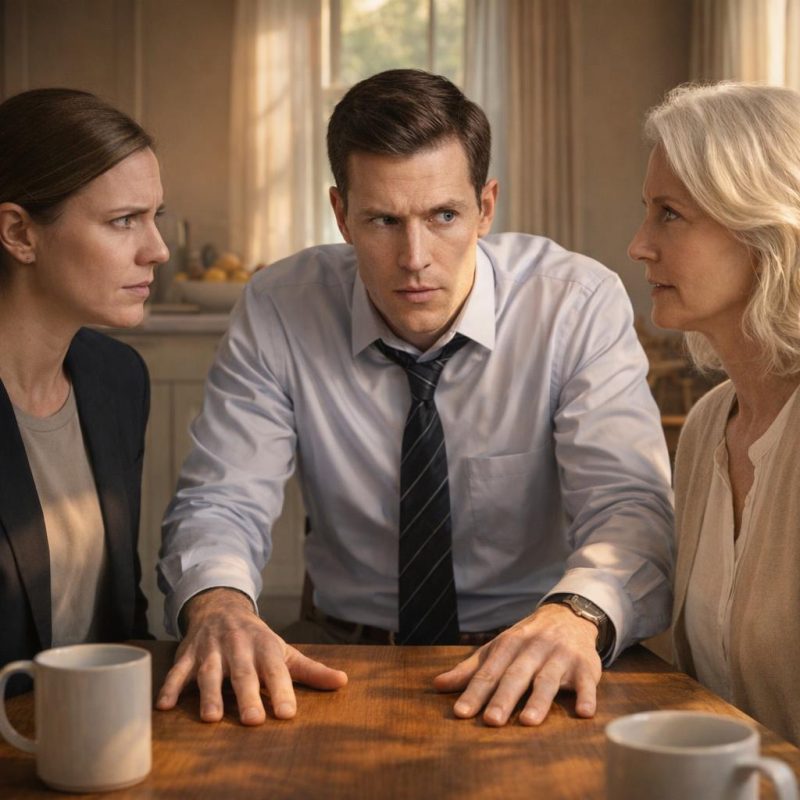 Image by RM AI
Mirrored Shock
I looked back at her. I couldn't help it. Marcus wasn't speaking — I could see that now — and she was the thing I couldn't stop returning to. Her eyes were wide, and I mean wide in a way that wasn't performance, wasn't the polite surprise of someone caught in an awkward situation. It was the same shock I could feel on my own face, the same involuntary widening, the same held breath. She raised her hand to her mouth. Fingers pressed lightly against her lips, the gesture quick and automatic. I do that. I have always done that — when something surprises me, when I'm trying to hold something in, my hand goes to my mouth before I've decided to move it. I stood there watching her do it and felt something shift in my chest, something that wasn't quite a thought yet. The resemblance. Marcus's lies. The trip to Miami that wasn't on any calendar. The way he'd gone white the moment he saw me standing in that doorway. Something was pulling at the edges of all of it, some shape I couldn't quite bring into focus, hovering just out of reach.
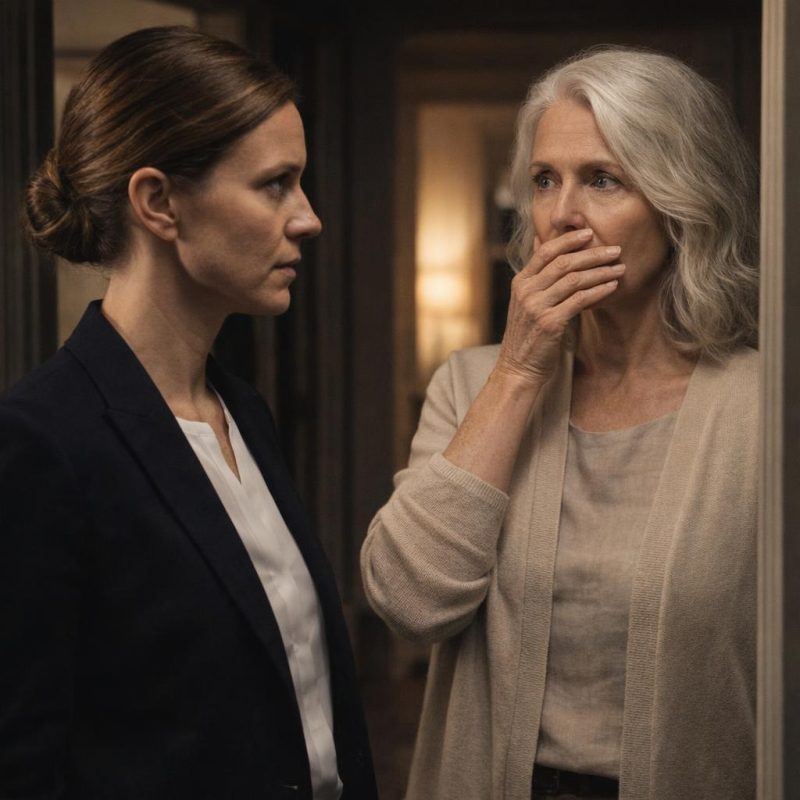 Image by RM AI
Pieces Sliding Together
I couldn't move. My feet had stopped working somewhere between the hallway and the doorway, and I just stood there, cataloging things the way I do when I'm trying to hold myself together — the half-eaten breakfast on the table, the coffee cups, the morning light coming through the curtains at a low angle. Marcus was still white. Not pale the way people get when they're embarrassed or caught off guard, but white the way paper is white, the way something goes when the blood has genuinely left it. And the woman. I kept coming back to the woman. Her bone structure. The line of her jaw. The way her hand had gone to her mouth the same way mine does. I thought about the grave I'd visited every Mother's Day for six years — the granite headstone, the dates, the flowers Marcus would set down without saying anything. I thought about the stories he'd told me, the careful, quiet grief he'd carried. The woman across the table would have been the right age. I pushed the thought away before it could finish forming. Some shapes are too large to look at directly, and whatever was assembling itself at the edges of my mind, I wasn't ready to see it yet.
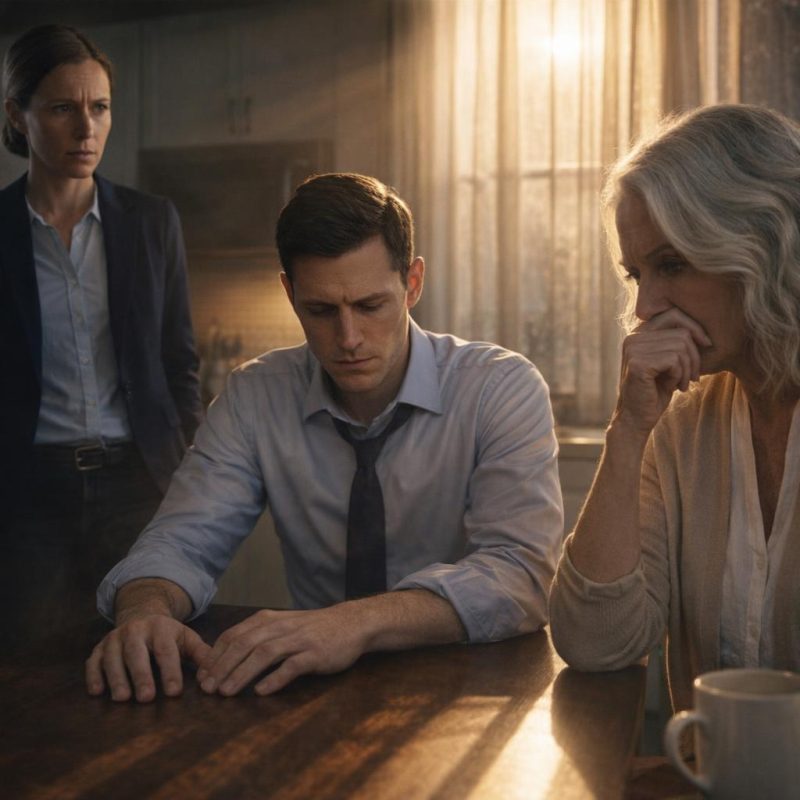 Image by RM AI
Remembering Grave Visits
The memories came without my permission. Mother's Day, six years running — the drive to the cemetery, the way Marcus would go quiet in the car about a mile out, the particular stillness that would settle over him when we turned through the iron gates. I remembered the headstone clearly: Linda Rose Miller, the dates carved clean into the granite, the small vase we'd bring for flowers. Lilies, usually. Marcus always chose lilies. I remembered standing beside him while he crouched to set them down, and how I'd rest my hand on his shoulder because I never knew what else to do with grief that wasn't mine. He never cried at the grave. He'd just go still and quiet, and I'd always read that as the particular silence of someone who had run out of ways to mourn. I'd thought it was love. I'd thought it was loss. The woman at the table hadn't moved. Neither had Marcus. I looked at her again — the angle of her cheekbones, the set of her eyes — and then I looked away, because looking felt like standing too close to something I wasn't ready to name. The cemetery was so clear in my mind: the lilies, the granite, Marcus's hand in mine on the walk back to the car.
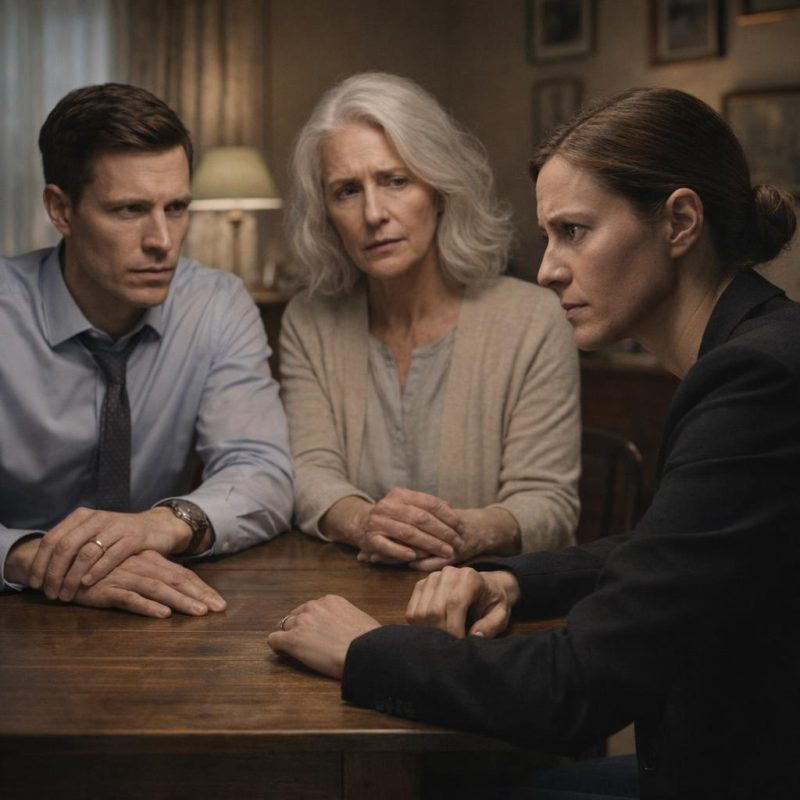 Image by RM AI
About to Shatter
I made myself move. One step into the room, then another, until I was past the doorway and the door swung shut behind me with a soft click that sounded enormous in the silence. Marcus shifted in his chair — the first real movement he'd made since I'd appeared — and the scrape of it against the floor was enough to break something loose in my chest. I opened my mouth. Nothing came out. I swallowed, tried again. My voice, when it finally arrived, didn't sound like mine — it came out rough and too low, like something dragged up from a long way down. "Who is she?" I heard myself say. It wasn't the question I'd meant to ask. I'd meant to ask something harder, something with more edges, but that was what came out. The woman's hand moved across the table toward Marcus — slow, deliberate, the gesture of someone steadying another person — and I watched Marcus's eyes fill, watched him look at her and then back at me, his mouth opening and closing once without sound. He took a breath. His jaw tightened. I braced myself against the wall of whatever was about to come out of his mouth.
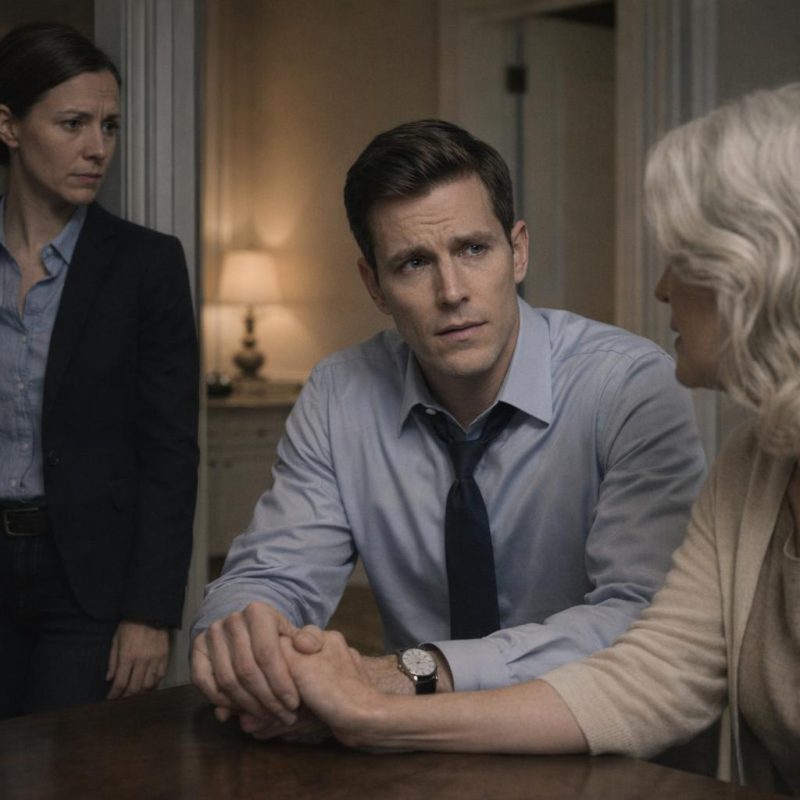 Image by RM AI
The Word
Marcus looked at me for a long moment — really looked at me, the way he almost never did anymore, like he was trying to memorize something or apologize for something he hadn't said yet. His eyes were wet. I'd seen Marcus cry exactly twice in six years, and both times it had been quiet and private and over quickly, and this was different. This was the face of someone standing at the edge of something they'd been dreading for a very long time. He turned his head toward the woman beside him. Just slightly. Just enough. And then he turned back to me, and his mouth formed the word before the sound came out, and the sound came out soft and wrecked and completely certain. "Mom." That was all. One syllable. The woman's eyes filled immediately, tears spilling before she could stop them, and I stood there with the word bouncing around inside my skull, unable to land anywhere, unable to attach itself to anything that made sense. Mom. I looked at the woman. I looked at Marcus. I looked at the woman again. The grave. The lilies. The headstone with the dates. Mom.
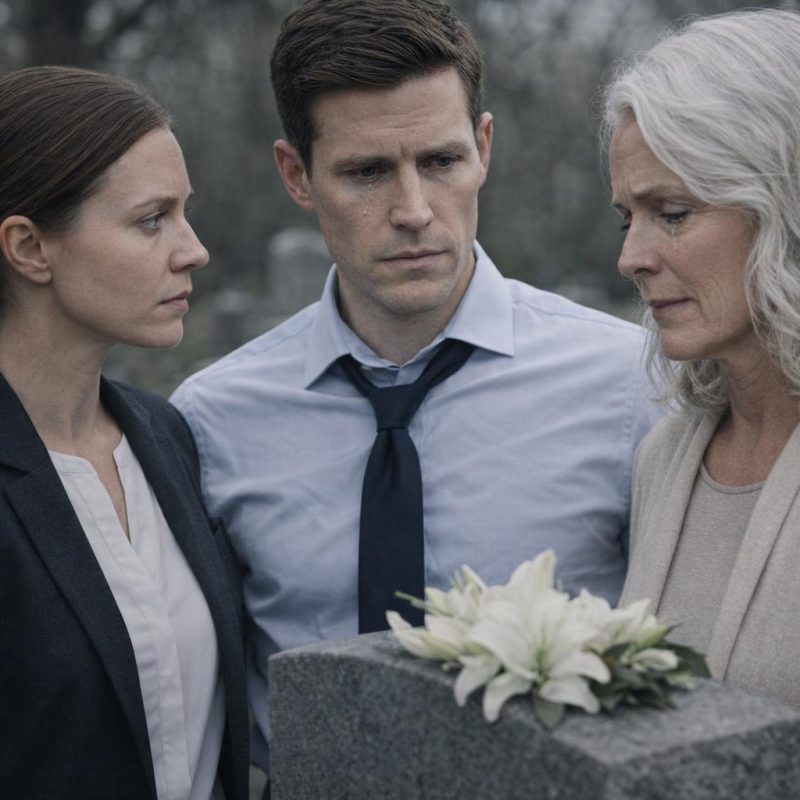 Image by RM AI
The Dead Woman Lives
And then it hit me. Not gradually, not in pieces — all at once, like a door blown off its hinges. This woman was Linda. Marcus's family. The woman whose name was carved into a granite headstone in a cemetery I had driven to every single Mother's Day for six years. She was alive. She was sitting three feet away from me in a hotel in Miami, with a half-eaten breakfast in front of her and tears running down a face that looked like mine, and she was alive. The grave was a lie. The headstone was a lie. Every lily Marcus had ever set down in that cemetery, every moment of silence I'd stood beside him through, every story he'd ever told me about losing her — all of it, a lie. He had been coming to Miami to see her. The pills, the locked phone, the business trips that didn't quite add up — he'd been coming here to sit across a breakfast table from a woman who was supposed to be dead. I stared at her and felt the last six years of my marriage rearrange themselves into something I didn't recognize. She had my bone structure. My jaw. My eyes. Marcus had married someone who looked like the mother he'd told me was gone, and she had been here the whole time.
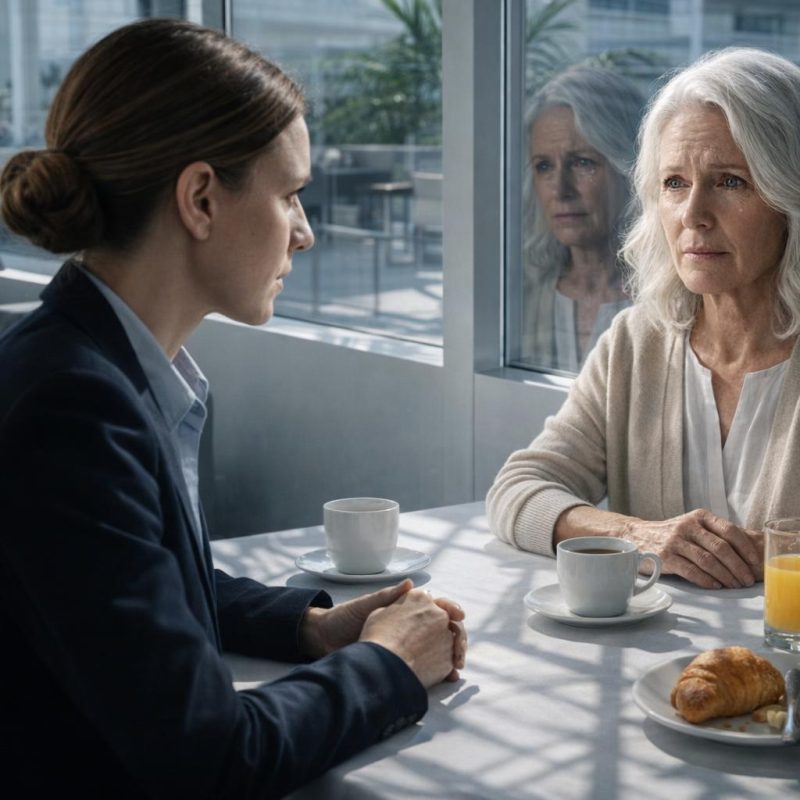 Image by RM AI
Frozen in Shock
I couldn't move. I understood that my legs were still working, that the floor was solid under my feet, that the room was real — but my body had simply stopped taking instructions. Marcus and Linda sat at the table like a photograph of something I wasn't supposed to see, both of them watching me with the same expression, guilt and fear layered together in a way that made them look even more alike than they already did. Linda's hand was trembling on the tablecloth. I could see it from where I stood. Marcus's face was still that terrible white. I tried to speak. I opened my mouth and felt my throat close around nothing, no sound, no words, just air that went nowhere. The hotel room felt like it belonged to someone else's life — the neat breakfast things, the morning light, the ordinary furniture arranged around an impossible situation. I tried again. My mouth moved. Still nothing came out.
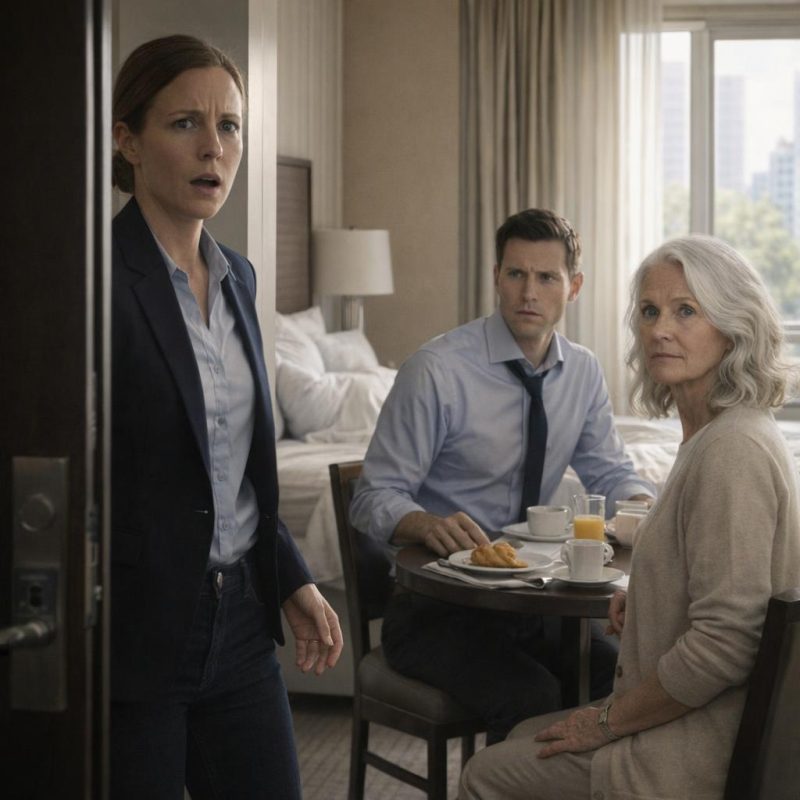 Image by RM AI
Hearing Her Voice
Linda moved first. She shifted in her chair — carefully, the way you move around something fragile — and she looked at me with an expression I didn't have a name for yet, something between sorrow and a plea. Her mouth opened. "Emma." That was all she said. Just my name. But the sound of it stopped everything. Her voice was soft and low and careful, and it had the same pitch mine does when I'm trying not to startle someone, the same cadence I hear in recordings of myself that I always find slightly wrong and slightly familiar at the same time. Marcus sat between us without speaking, his hands flat on the table, his eyes down. Linda said my name again, more quietly the second time, like she was testing whether I was still there. I was still there. I just didn't know what to do with any of it — the face that echoed mine, the grave I'd stood at six times, the husband who had said nothing. The sound of her voice saying my name hung in the room like something that couldn't be taken back.
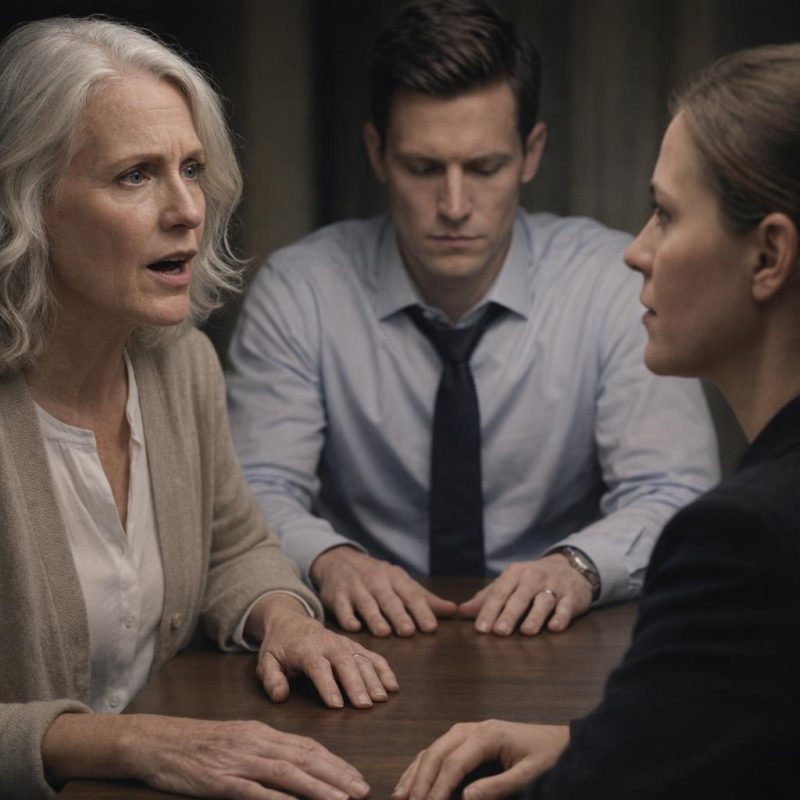 Image by RM AI
First Questions
My voice came back all at once, like a switch thrown. "How are you alive?" It came out louder than I meant it to, rough at the edges, and I didn't try to soften it. "I stood at your grave. I stood there with him" — I gestured at Marcus without looking at him — "and put flowers down, and I stood there, and your name is on a headstone, and how are you alive?" Marcus flinched. Each sentence landed on him visibly, his shoulders pulling in, his jaw tightening. Linda sat very still, hands folded on the table, watching me with those eyes that were too much like mine. "How long?" I asked. "How long has he been coming here? How long have you been — " I stopped, because the questions were coming faster than I could sort them, piling up behind each other, and I needed to breathe. "Is the grave empty?" My voice cracked on that one. Marcus made a sound — not quite a word — and I held up my hand to stop him. I wasn't ready for his explanations yet. I needed the questions out first, all of them, filling the space between us before anything else could.
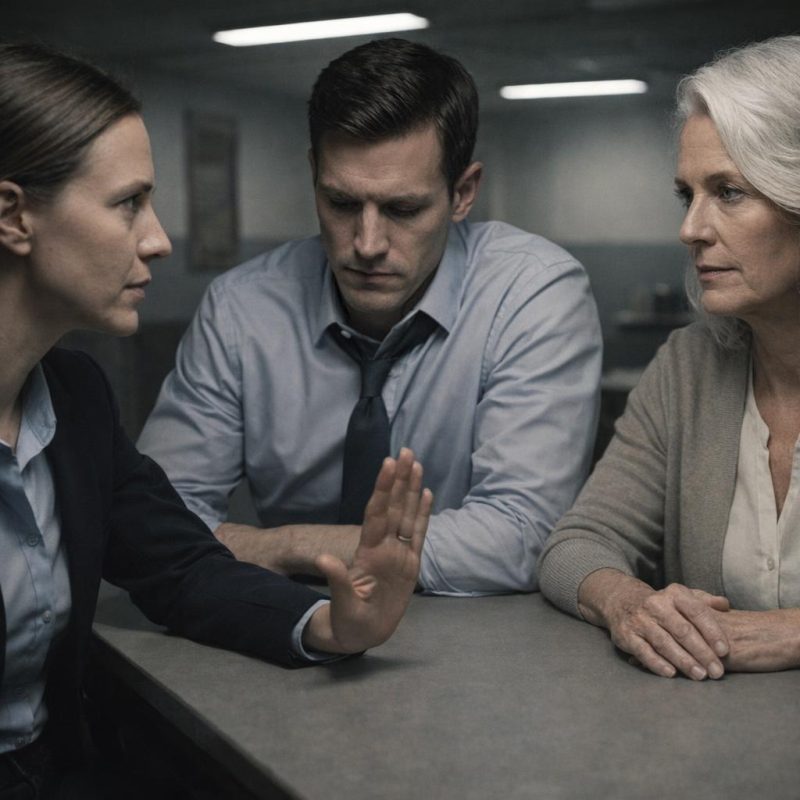 Image by RM AI
Marcus Attempts Explanation
Marcus started talking before I could stop him. The words came out in a rush — he could explain, he needed me to understand, it wasn't what it looked like. I stood there and let him go, because I wanted to hear it, wanted to watch him try to build something coherent out of all of this. He said Linda had faked her death ten years ago. He said she'd had no choice, that it was a safety issue, that he'd been protecting her ever since. He said he visited a few times a year, kept it quiet, kept it contained. I asked him why he hadn't told me before we got married. He said he couldn't, that it was too dangerous, that the fewer people who knew the better. I asked him if he was already keeping this secret when we met. He looked at the table. Then he looked back at me. He said yes — and then he said the part that made my stomach drop straight through the floor: that he had been lying to me since before we ever met.
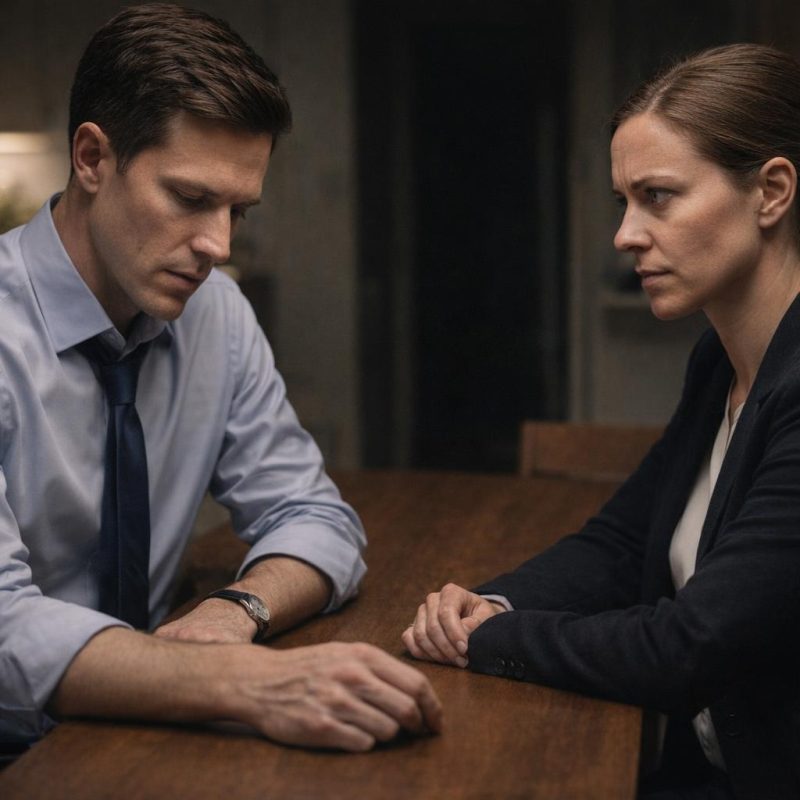 Image by RM AI
Counting Ten Years
I stopped listening for a moment and just did the math. Linda had faked her death ten years ago. Marcus and I had been married for six years. We'd dated for two years before that. Which meant when Marcus first asked me to dinner, when he laughed at something I said and touched my hand across the table, he was already living inside this lie. Every Mother's Day when we drove to the cemetery together — I counted six of those, six times I'd stood at that grave with flowers I'd picked out myself, six times I'd watched him bow his head like a man carrying real grief. Every anniversary dinner where he told me a story about her. Every time I'd squeezed his hand and said I was sorry she never got to meet me. Every single one of those moments had been built on something that wasn't true. I thought about the flowers wilting in the cemetery vase. I thought about the sympathy I'd poured into him, the careful way I'd tried not to bring her up too often so I wouldn't reopen the wound. Eight years. The number sat in my chest like a stone I couldn't shift.
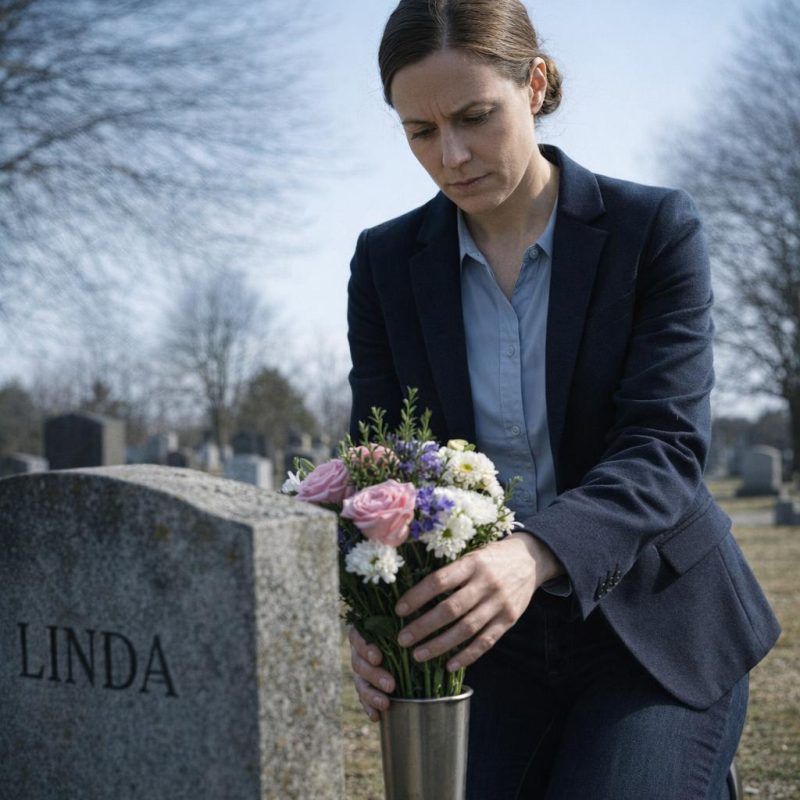 Image by RM AI
Rage Building
Something shifted in me then — the shock burned off and what was underneath it was hot and sharp and had nowhere to go. I looked at the two of them sitting at that breakfast table. The coffee cups were still there. The little bowl of sugar. The folded napkins. Marcus had his hands flat on the table like he was trying to hold it steady, and Linda sat with her spine straight and her hands folded, and they both watched me with the same careful, waiting expression. They'd done this before. That was the thing that hit me — they had a rhythm together, a practiced quiet, a way of occupying the same space that didn't come from one conversation. They had years of Sunday mornings and phone calls and whatever else I'd never been invited into. I felt my hands close into fists at my sides. My face was hot. I thought about every time Marcus had come home from a so-called work trip and kissed me on the cheek and asked what I wanted for dinner, and I had to press my back teeth together to keep from saying something I couldn't take back. The rage had stopped moving. It had settled somewhere low and cold and very, very still.
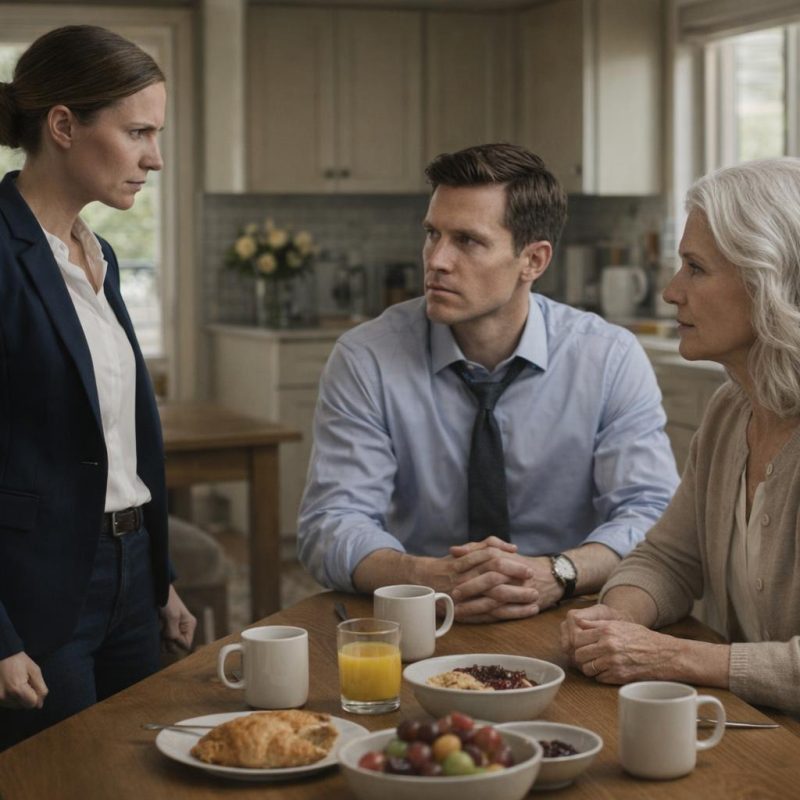 Image by RM AI
Needing Full Truth
I unclenched my hands and made myself speak slowly, because slow felt more dangerous than shouting and I wanted them to feel it. I asked Linda why. Not how — I'd already pieced together the mechanics — but why. Why fake a death, why Miami, why this particular disappearance. I asked if there had been a funeral, if people had stood at that grave and cried, if the grave was even occupied. I turned to Marcus and asked him when exactly he'd planned to tell me — before the wedding, after, never. I asked how many times he'd been down here. I asked what else there was, because there was always something else, and I was done being the last person in the room to know. I asked if Linda knew everything about our marriage, if she knew about the miscarriage we'd had in year three, if she knew about the fights, if she'd been a silent presence in our life the whole time. Marcus and Linda glanced at each other — just a flicker, half a second — and I said, out loud and very clearly, that they needed to stop doing that and answer me. The question hung in the air between us, and neither of them moved to take it down.
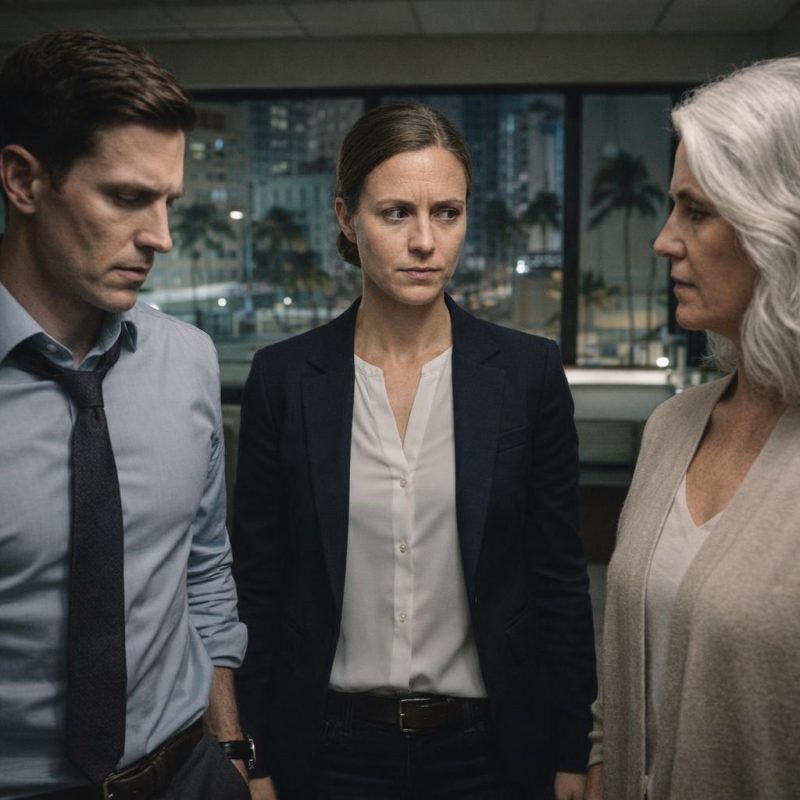 Image by RM AI
Linda's Story
Linda was the one who spoke first. She folded her hands tighter and looked at me directly, and she said she owed me the truth even if it was too late for it to matter. She told me about Marcus's father — her ex-husband. She said it had been years of it, the kind of years that leave marks you don't talk about in polite company. She'd gotten a restraining order. She said it hadn't been worth the paper it was printed on. He'd told her, more than once, exactly what he would do when he got tired of the paperwork. She said she believed him. She said she'd had help from a friend, someone who knew how these things could be arranged, and she'd disappeared. New city, new name, new life. She said Marcus was twenty-four when she did it, that he'd known from the beginning, that she hadn't been able to leave without telling him. She said even Marcus's father believed she was dead. Her voice shook on that part — just slightly, just enough that I could hear it. I didn't want to feel anything except anger. But sitting there listening to her, I could feel the anger getting complicated in ways I hadn't asked for and wasn't ready to sort through.
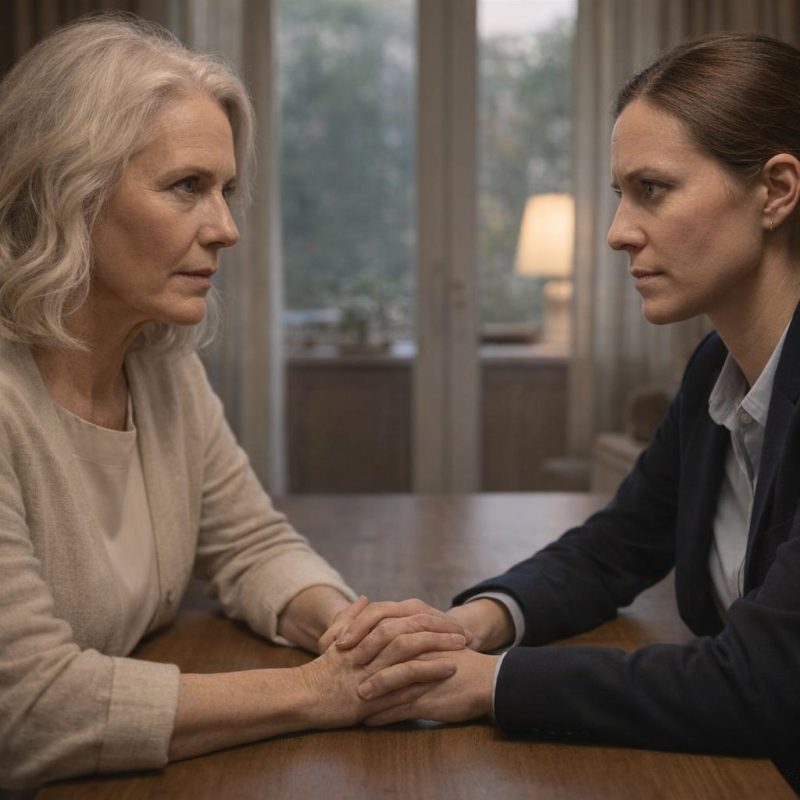 Image by RM AI
Marcus's Reasons
Marcus wiped his face with the back of his hand. He wasn't trying to hide it — the tears were just there, and he let them be. He said he'd been twenty-four and terrified and his mother was the only family he had left, and what was he supposed to do. He said his father was the kind of man who finished what he started, and if anyone had known Linda was alive, word would have traveled. He said he couldn't risk it. He said the lie had grown a layer every year, like something calcifying, and by year three he couldn't see the bottom of it anymore. He said he was sorry. He said it more than once, in different ways, like repetition might change what it meant. I listened to all of it. I heard every word. And then he said it — that he had lied to me because he loved me, because he had been too afraid of losing me to tell me the truth.
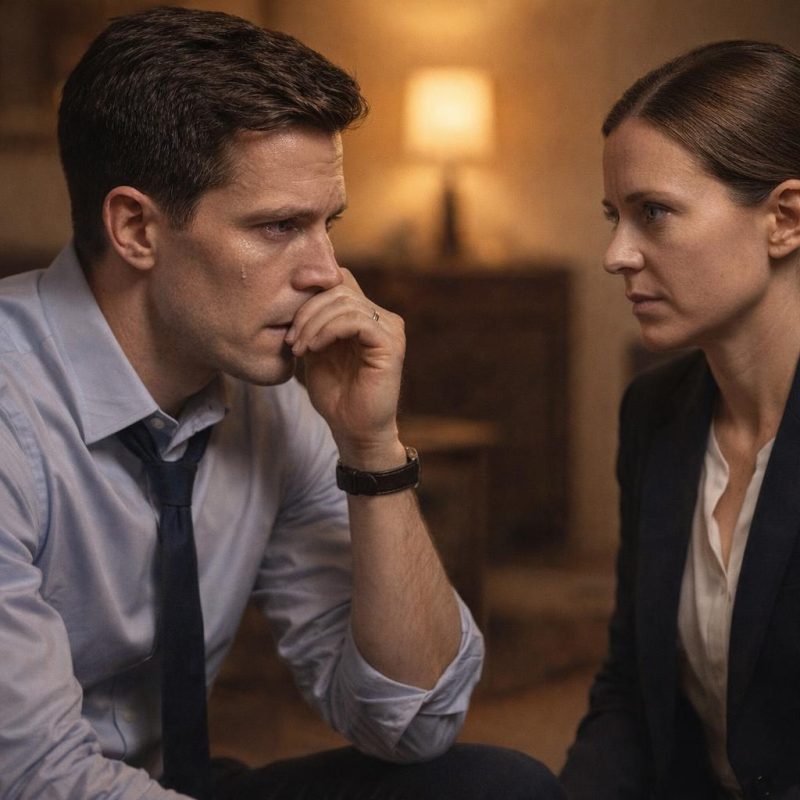 Image by RM AI
Fever Pitch
I didn't let the quiet last. I told him that wasn't love. I said it flat and clear and I watched it land. Then my voice started climbing and I stopped trying to hold it down. I told him love didn't get to look like this — like a decade of managed information, like a grave I'd put flowers on six times, like a grief I'd tiptoed around for years because I thought it was real. I told him he had stolen my ability to choose. I said that was the part he didn't seem to understand — that I never got to decide if I could handle the truth, because he'd already decided for me. I told him our entire marriage was a performance and I'd been the only one in the audience who didn't know it. My voice broke somewhere in the middle of that and I kept going anyway. I told him he was a stranger. I said I didn't know which parts of him were real and which parts were just maintenance, just enough warmth to keep me from looking too closely. Marcus opened his mouth and I cut him off. Linda had tears running down her face and she didn't wipe them away. My voice filled the whole room and I let it.
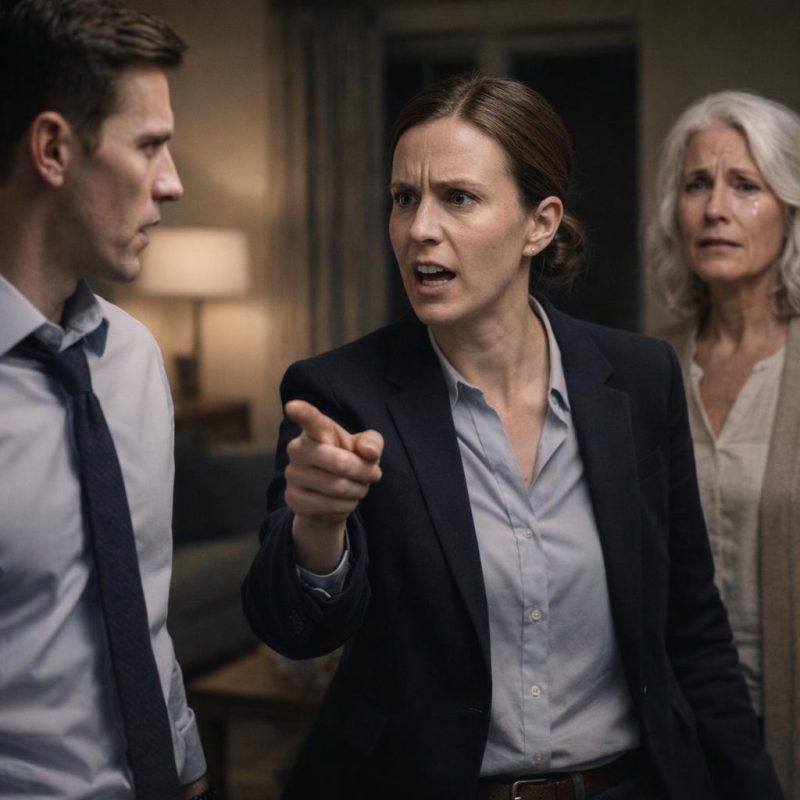 Image by RM AI
All Cards Revealed
When I finally stopped, Marcus didn't try to defend himself again. He just said there was more. I almost laughed. He said he'd been sending Linda money — monthly, from our joint account. I thought about the withdrawals I'd noticed over the years, the ones that never quite matched any bill I could identify, the ones I'd eventually stopped questioning because I trusted him. He said he'd been supporting her for years. He said the anniversary gifts — the careful ones, the ones that always seemed to prove he'd been paying attention — were chosen to make me feel secure. He said the silver bookmark was part of that. He said he knew he was lying and he kept trying to make up for it in small ways that didn't cost him the secret. Linda said quietly that it had been destroying him for years. I looked at them both. I had run out of questions. And then Marcus said the pills had never been for flying — they were for the guilt of looking me in the eye every single morning.
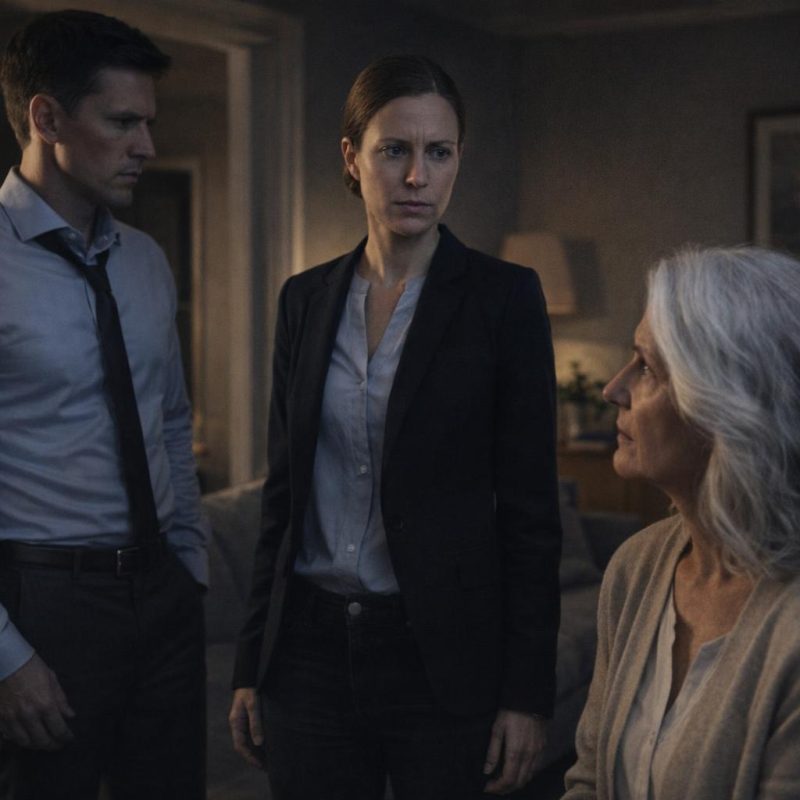 Image by RM AI
Breaking Point
I stopped mid-sentence and just went quiet. Not the quiet of someone gathering themselves — the quiet of someone who has nothing left to gather. I looked at Marcus across that breakfast table and I said it. I said our marriage was over. Not as a threat, not as a question. Flat. Final. The words came out of me like something I'd been carrying for years without knowing it. I told him I couldn't be married to someone I didn't know. I told him trust was the foundation and ours was gone — not cracked, not damaged, gone. Marcus's face crumbled in a way I'd never seen before. He started crying, openly, his shoulders shaking, and he asked me to wait, to let him explain more, to give him a chance. I shook my head. I told him there was nothing more he could say that would change what I knew. And then Linda reached across the table and took his hand. I watched her do it. I watched the two of them — mother and son — holding on to each other, and I understood with absolute clarity that they had each other. I turned toward the door, and the silence behind me settled over all three of us like something permanent.
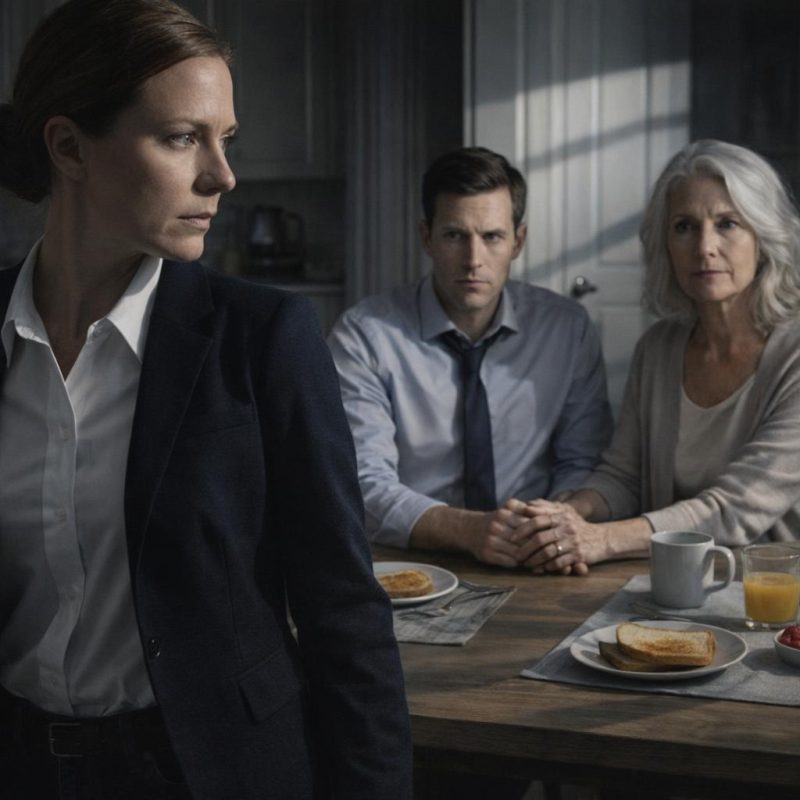 Image by RM AI
Night Alone Processing
I checked into a different hotel six blocks away and paid cash because I didn't want Marcus to find the charge and call me. The room was smaller, the air conditioning louder, and I lay on top of the covers fully dressed and stared at the ceiling for hours. I kept replaying things. The anniversary dinner at Bella Notte — the way Marcus had remembered I wanted the window table, the way he'd ordered the wine I liked without asking. I used to tell Rachel that story as proof he paid attention. Now I turned it over in my hands like something I couldn't identify. The silver bookmark. The Friday movie nights. The Sunday farmers markets where he always carried the bags without being asked. I went through all of it, piece by piece, the way I'd inventory a warehouse — checking each item, trying to determine what was real and what was performance. I thought about the late nights before Miami, the tension I'd read as work stress. I thought about the pills he said were for guilt. I thought about Linda's grave, the flowers I'd left there every year for a decade, and my stomach turned. I didn't sleep. The ceiling didn't give me any answers. The weight of six years pressed down on me in the darkness, and I let it.
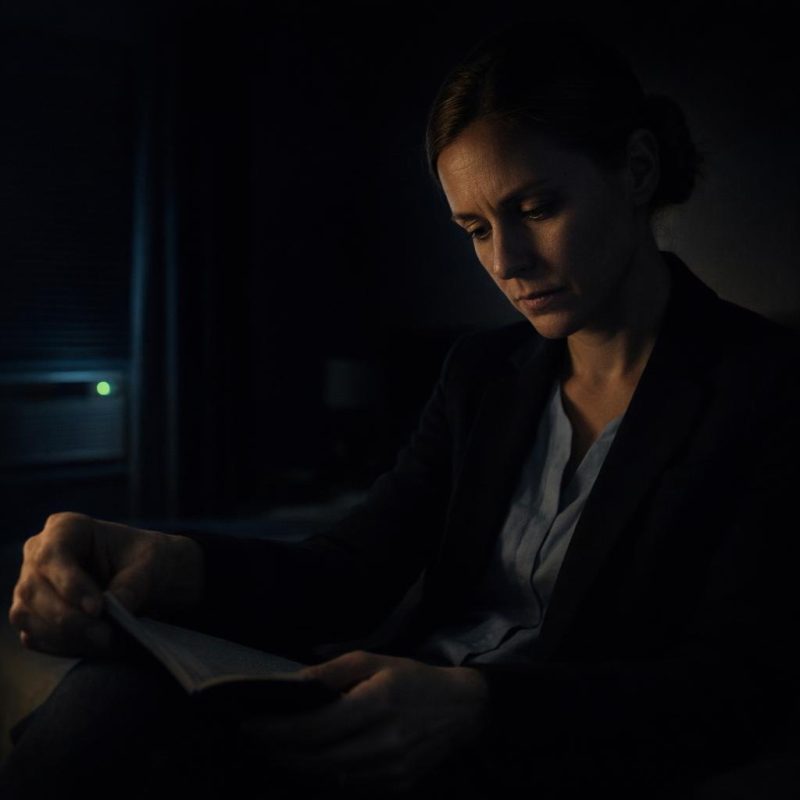 Image by RM AI
Weighing the Future
Somewhere around five in the morning I gave up on sleep and took my coffee out to the balcony. The ocean was still dark when I sat down, but by the time I'd finished half the cup, the horizon had started to go gold. I thought about the sunrise I'd watched from the boutique hotel lobby — how different everything had felt then, how much I hadn't known yet. I sat with the question I'd been circling all night: could I forgive this? I tried to be fair about it. I understood why Linda had run. I understood that Marcus had been a teenager when it happened, that he'd been protecting her, that the lie had grown too large to dismantle. I understood all of it. Understanding it didn't change what it had cost me. I thought about every conversation we'd ever had about honesty, every time I'd told him I could handle hard things as long as he told me the truth. He'd nodded. He'd agreed. He'd looked me in the eye. I knew, sitting there watching the water turn from grey to gold, that I would never fully believe him again — not about anything. Every word would carry a question mark I couldn't put down. I thought about the grave visits and felt the nausea rise again. Some betrayals are too large to build a life around. The certainty of it settled into my chest, quiet and immovable.
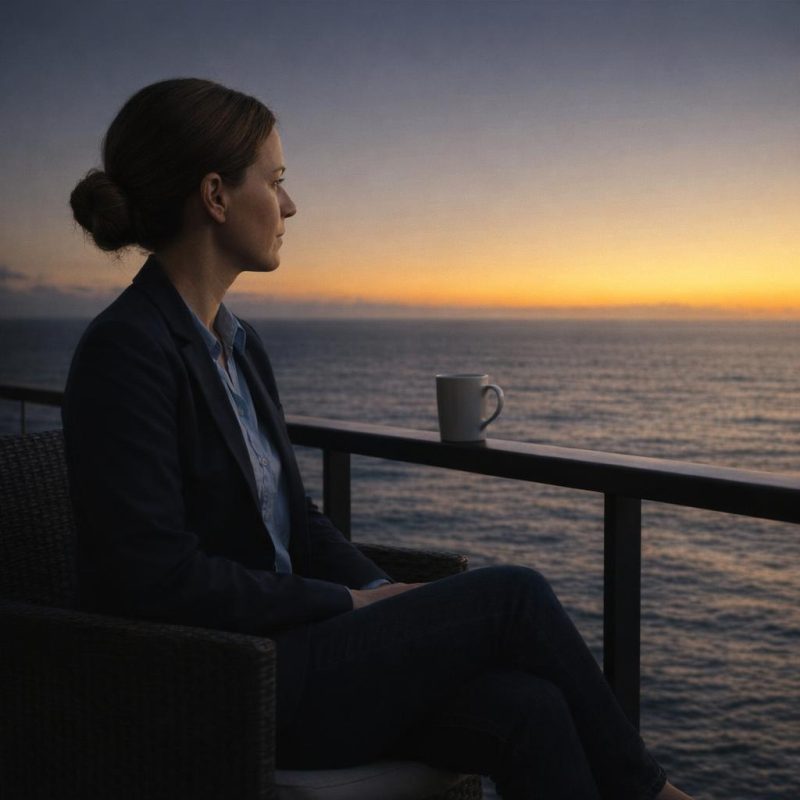 Image by RM AI
Moving Forward
I packed what little I had, checked out before seven, and took a cab to the airport without texting Marcus. I booked the next available flight home at the gate, paid the change fee without flinching, and sat in the terminal with a coffee I didn't finish. On the plane I kept waiting to feel something dramatic — grief, rage, the urge to call him. Mostly I felt tired. The particular exhaustion of someone who has been holding a question for too long and finally set it down. I thought about Rachel, about calling her from the car. I thought about my job, my routines, the life I'd built that had existed before Marcus and would exist after him. I thought about the apartment — our apartment, technically, though my name was on the lease first. The flight landed and I moved through baggage claim on autopilot, retrieved my car from the parking structure, and drove home through streets that looked exactly the same as they always had. I parked, walked to the building, and took the stairs. My key was in the lock before I'd fully decided I was ready. I stepped inside. The apartment smelled like the candle I'd left burning in the diffuser, faintly cedar, faintly familiar. I set my bag down. I turned and pushed the door closed behind me, and this time it was on my terms.
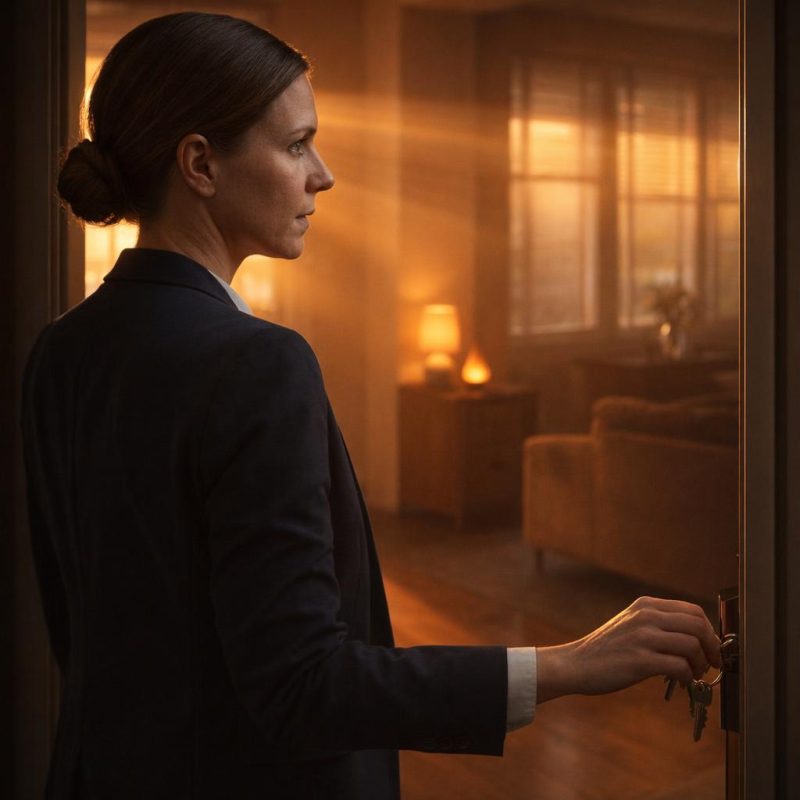 Image by RM AI
KEEP ON READING

20 Greek Gods We Don't Often Talk About
Step Aside, Zeus. Greek mythology isn’t only about Zeus and…
By Elizabeth Graham Jan 16, 2026
10 Historic Courtship Practices That Should Be Brought Back &…
Old-School Dating Was a Mix of Charming & Unhinged. Historic…
By Emilie Richardson-Dupuis Jan 20, 2026
Pooches Of The Past: Extinct Dog Breeds
Unknown authorUnknown author on WikimediaDogs have been showing up in…
By Elizabeth Graham Jan 27, 2026
The 20 Craziest Silent Films Ever Made
When Silence Let the Madness Speak. Silent cinema didn’t just…
By Chase Wexler Jan 5, 2026
Legendary Tales: 20 Most Fascinating Mythical Creatures from Folklore
Mythological Beasts. Stories about mythical creatures endure for a simple…
By Christy Chan Jan 16, 2026
The three most expensive historical artifacts ever sold at auction
Attributed to Leonardo da Vinci on WikimediaAuctions are where history…
By Emilie Richardson-Dupuis Jan 9, 2026