I Skipped School to Sneak Into SNL in 1979—What I Discovered Decades Later About That Day Still Haunts Me
I Skipped School to Sneak Into SNL in 1979—What I Discovered Decades Later About That Day Still Haunts Me
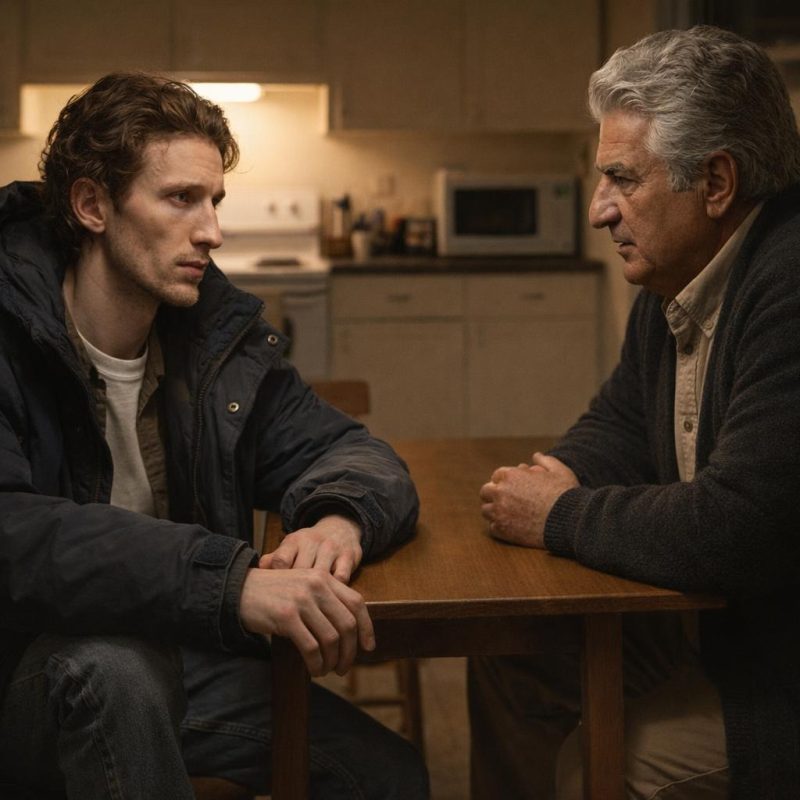
Some memories sit quietly for decades, and then one day they don't anymore. I was in my apartment last winter, half-watching some late-night rerun, when it came back to me the way it always does — not gradually, but all at once, like a door swinging open. February 1979. I was seventeen years old, and my father Frank came home from his neighborhood bar smelling like cigarette smoke and draft beer, the way he always did on a Thursday night. He worked long hours at the plant, and that bar was his decompression chamber, the place where he talked to people he'd never have met otherwise. That particular Thursday, he'd been talking to a regular named Tom Sullivan. Tom worked over at 30 Rockefeller Plaza, he told me — lighting director for Saturday Night Live. And Tom had offered to get me and a friend into Friday rehearsals. No tickets. No paperwork. Just a name to give at the door. I remember sitting at the kitchen table while my father explained it, the overhead light buzzing faintly above us, and not fully understanding yet how much weight that ordinary Friday evening was carrying.
A Name at the Door
My father set his beer down on the counter and said the name slowly, like he wanted to make sure I got it right. Tom Sullivan. That was all I had — two words and my father's word that this man existed. No phone number. No note. No way to call ahead and confirm. I asked my father what Tom looked like, and he shrugged and said tall, tired-looking, smokes a lot. That was the whole description. I went to my room and called Rob from the phone on my nightstand, stretching the cord as far as it would go, and I told him everything. Rob went quiet for a second, then said it sounded like something a guy makes up when he's had a few too many. I told him I thought the same thing. But we kept talking, turning it over, and by the end of the call Rob said he was in if I was in. We agreed to go Friday morning. We agreed to give the name at the door and see what happened. And lying in bed that night, staring at the ceiling, I kept coming back to the same thing — I had absolutely nothing to prove any of this was real.
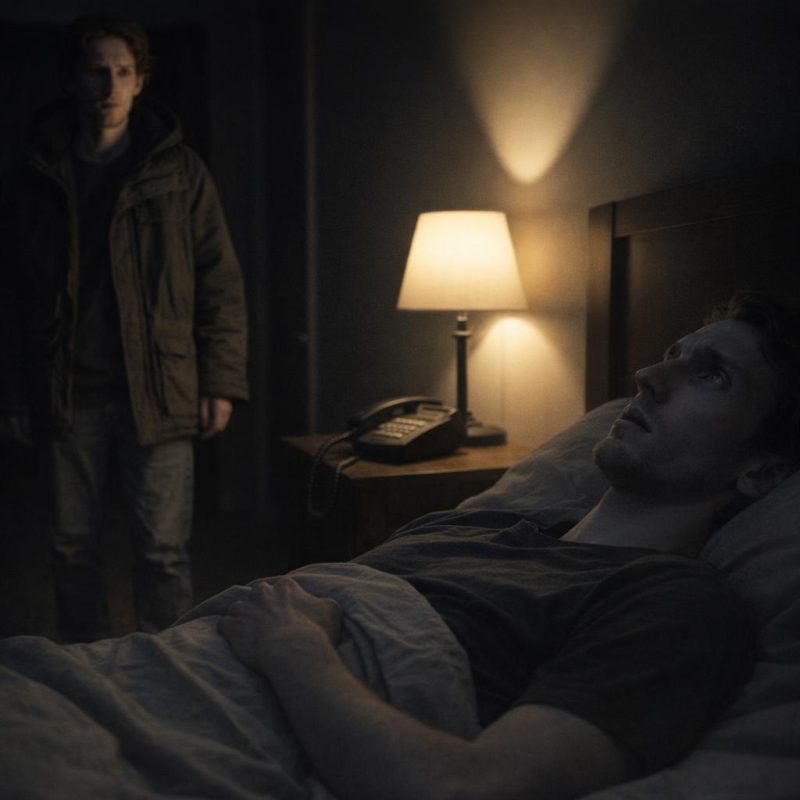 Image by RM AI
The Friday Decision
We met at the corner of my block the next morning before school, breath fogging in the cold, and we stood there talking it through one more time. Neither of us had ever cut class before — not once, not even a half-day. We were the kind of kids who showed up, did the work, kept our heads down. Skipping school felt like a different category of wrong than anything we'd done before. Rob said his mother would ground him until graduation if she found out. I told him mine would probably do worse. We stood there for a long time, kicking at the frozen sidewalk, listing reasons not to go. But every time one of us finished a reason, the other one would say yeah, but — and then trail off, because we both knew what came after the but. This was Saturday Night Live. This was the actual show, being made, right in front of us. You didn't get chances like this. You didn't get them twice. We looked at each other, and something passed between us that didn't need words, and that was that. The decision settled over us both like the cold — quiet, total, already done.
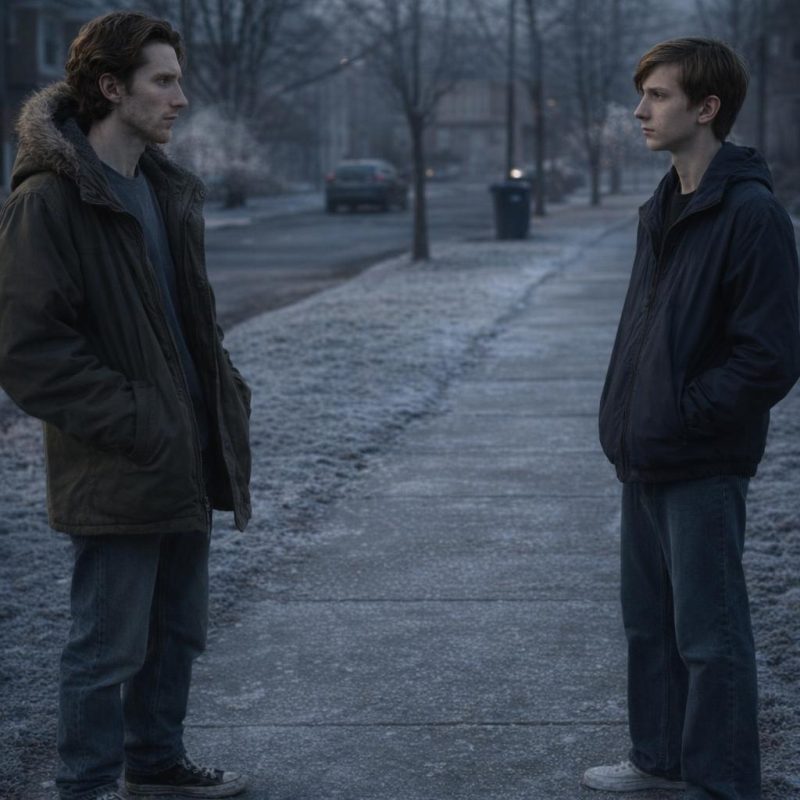 Image by RM AI
Consequences We Couldn't See
The days between Thursday and Friday felt longer than they should have. Rob and I talked every night, running through the logistics like we were planning something far more complicated than two teenagers taking a subway into Manhattan. We figured out which train to catch and what time to leave so we'd arrive before anyone at school noticed we were gone. We rehearsed our cover stories — I was going to tell my mother I had a free period first thing, which wasn't true, and Rob was going to say he had a dentist appointment, which also wasn't true. We talked about what would happen if the school called home before we got back. We talked about detention, about parent-teacher conferences, about the specific look on my father's face if he found out I'd used his bar connection to get myself in trouble. The excitement was still there, but it had company now. Every time I thought about Friday morning, my stomach did something complicated. I'd lie in bed running through the plan, and the plan would feel solid for about thirty seconds, and then I'd think about my mother picking up the phone, and the weight of what we were about to risk would settle back down over everything.
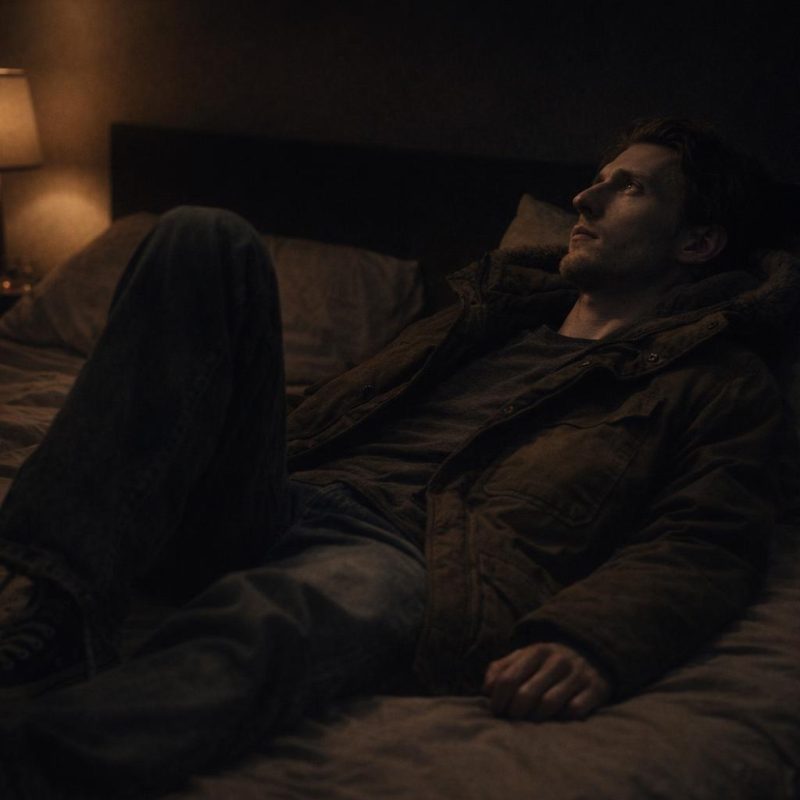 Image by RM AI
The Morning Lie
Friday came faster than I expected. I was up before my alarm, which never happened, and I sat at the kitchen table eating cereal while my mother moved around behind me making coffee. She asked if I wanted eggs. I said no thanks, I was running a little late. She asked if I had my homework. I said yes. Every answer came out smooth and ordinary, and I hated how easy it was. I kissed her on the cheek, picked up my school bag — packed with nothing useful — and walked out the front door into the February cold. I didn't look back. I walked two blocks in the direction of school, then turned and headed for the subway instead, the lie sitting in my chest like something I'd swallowed wrong. The station was already busy with the morning rush, commuters pushing past each other in their coats, and I stood near the bottom of the stairs scanning the platform. Rob was already there, hands shoved in his jacket pockets, shoulders up around his ears. He looked at me. I looked at him. We both had the same expression — the specific face of someone who has just done something they cannot undo.
Train Into Manhattan
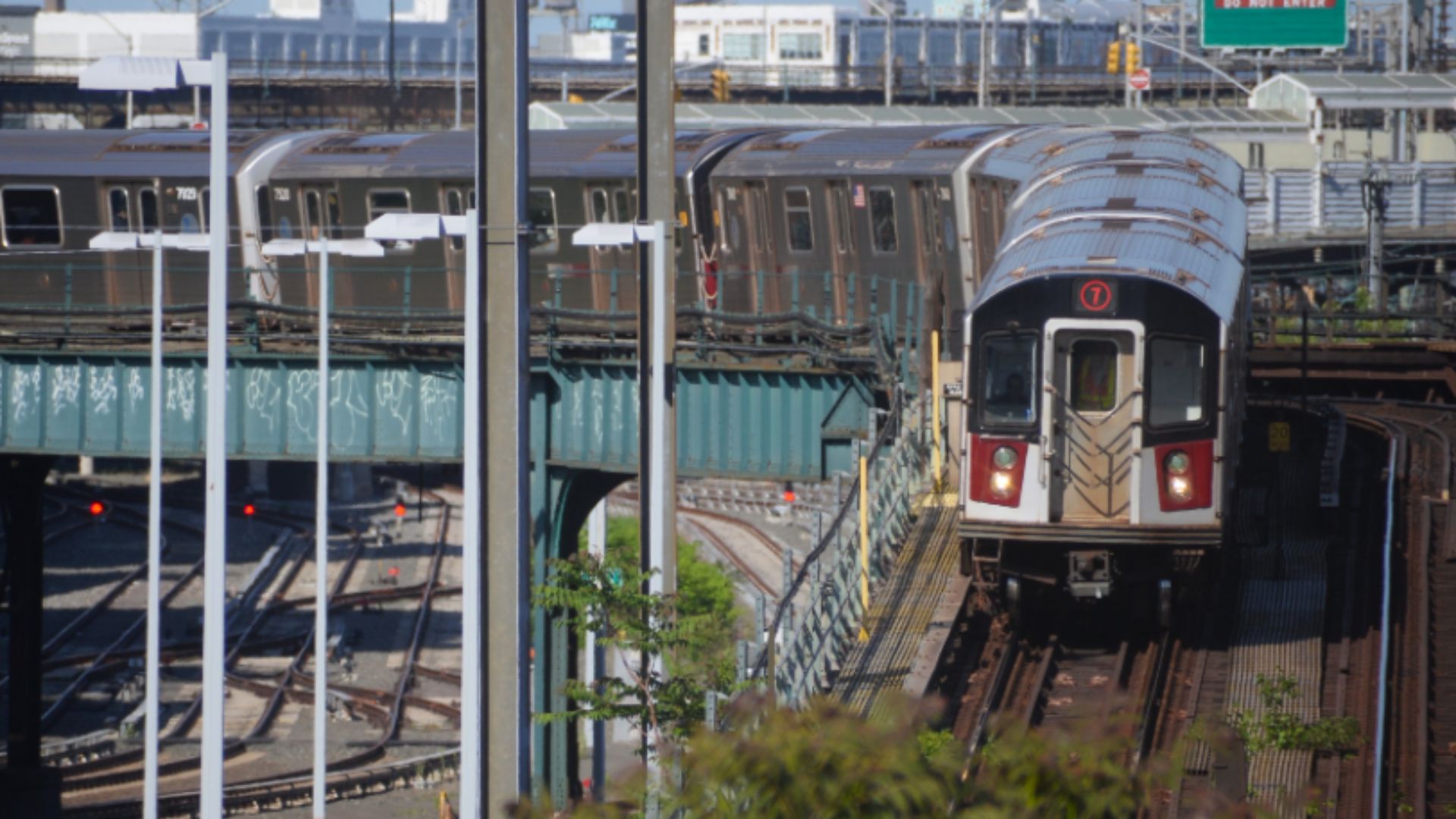
We didn't talk much on the train. There wasn't a lot to say that we hadn't already said, and besides, the city was doing something outside the windows that made conversation feel unnecessary. It was still early enough that the light had that thin, gray-blue quality it gets in February, and Manhattan was just starting to pull itself awake. We watched a woman in a fur-collared coat reading a folded newspaper. We watched a man in coveralls fall asleep against the pole and jerk awake again at every stop. The other passengers all had somewhere to be, some ordinary Friday purpose, and we were the only ones on that train heading somewhere that still felt made-up. Rob leaned over at one point and said, what if it's actually real, and I said, then we're going to have a story to tell. The train rattled and swayed, and the stations ticked past, and somewhere under the river the lights in the car flickered once and held. By the time we came up into Midtown, the city had fully arrived — cabs and steam and people moving fast in every direction — and it looked exactly like itself, ordinary and extraordinary at the same time, and I just sat with that for a moment before we stood to go.
Arriving at 30 Rock
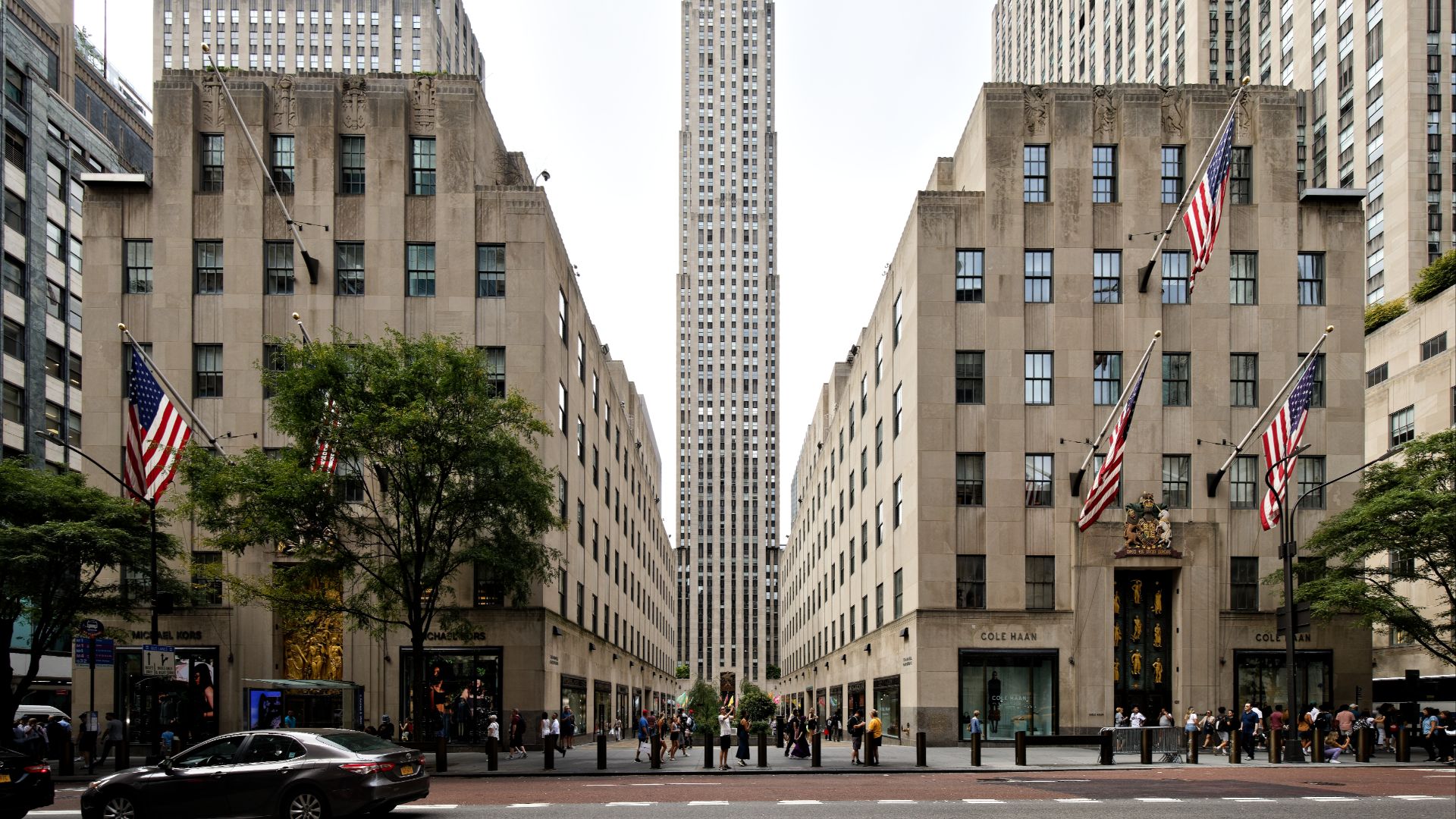
We came up out of the subway and there it was — 30 Rockefeller Plaza, rising straight up into a white February sky. I'd seen it before, obviously. Every New Yorker had. But standing in front of it that morning, knowing why we were there, it looked completely different. It looked like a place that had every right to turn us around and send us home. People moved in and out of the entrance like they owned the building, which in every practical sense they did — men in suits, women with briefcases, crew types in work jackets carrying cases of equipment. Nobody hesitated. Nobody looked up. Rob stood next to me with his hands in his pockets and said, we look like we're casing the place. I said, we kind of are. We stood there in the cold for another minute, maybe two, going back and forth about whether this was genuinely the worst idea we'd ever had. The wind came off Fifth Avenue and made the decision easier — standing outside was going to get painful fast. We had a name. We had nothing else. Rob looked at me and said, worst they can do is say no. I pulled my jacket tighter, stepped off the sidewalk, and walked toward the entrance with my heart going hard in my chest.
 D. Benjamin Miller on Wikimedia
Tom Sullivan's Name
The lobby was warm and bright and full of people who all looked like they had somewhere specific to be. There was a desk near the center, staffed by a woman with reading glasses pushed up on her head, and I walked straight toward her before I could talk myself out of it. Rob stayed half a step behind me. I told her we were there to see Tom Sullivan, the lighting director for Saturday Night Live. I said it as evenly as I could manage. She looked at us — really looked, the way adults look at teenagers who are somewhere they probably shouldn't be — and then she looked back down at whatever was on her desk. My stomach dropped completely. I was already composing the story I'd tell later, the one where we got turned away at the door and had to ride the train home in silence. Then she reached for the phone, lifted the receiver, and said Tom Sullivan's name into it.
 Boston Public Library on Unsplash
The Hungover Welcome
He came through the lobby doors like he owned the building def rumpled shirt, loosened tie, hair going in three directions at once def and the second he spotted us he broke into this enormous grin. Tom. My benefactor Tom, who my father had met at a bar and apparently trusted completely. The man next to him, Pete, looked equally wrecked, blazer half-buttoned, eyes carrying the particular redness of someone who had not slept so much as briefly lost consciousness. They smelled like cigarettes and last night's whiskey and something that might have been coffee if you were being generous. But they were happy to see us. Genuinely, warmly, confusingly happy. Tom grabbed my hand and shook it hard, then pulled Rob in like he was greeting a nephew he hadn't seen in years. Pete did the same, clapping us both on the shoulders. Tom asked how my father was, how the bar was, whether Frank had been staying out of trouble. Then he turned us toward the elevators, his arm landing around my shoulders, and we were moving.
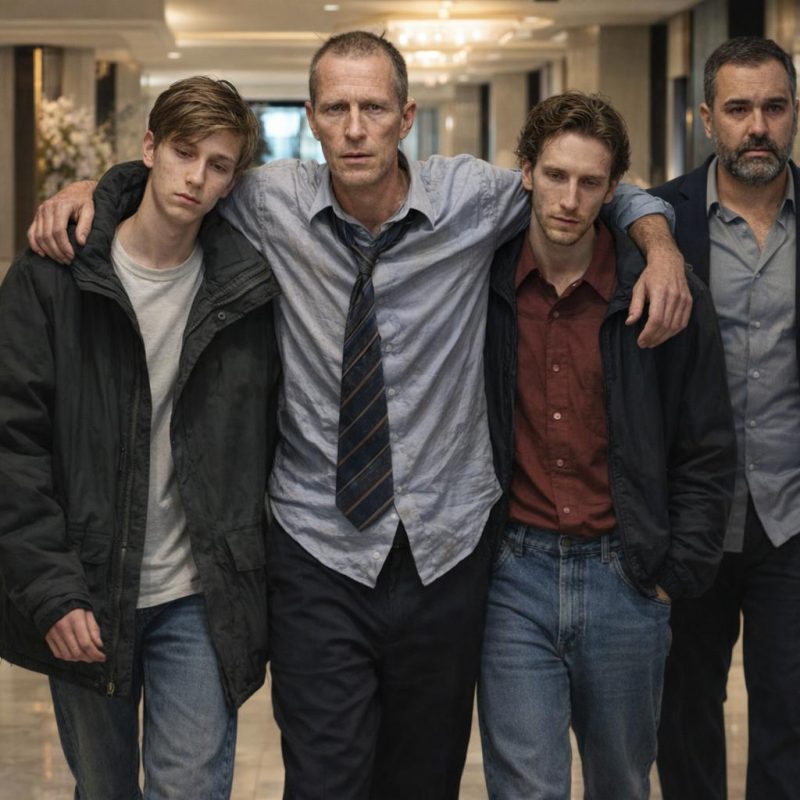 Image by RM AI
Into the Studio
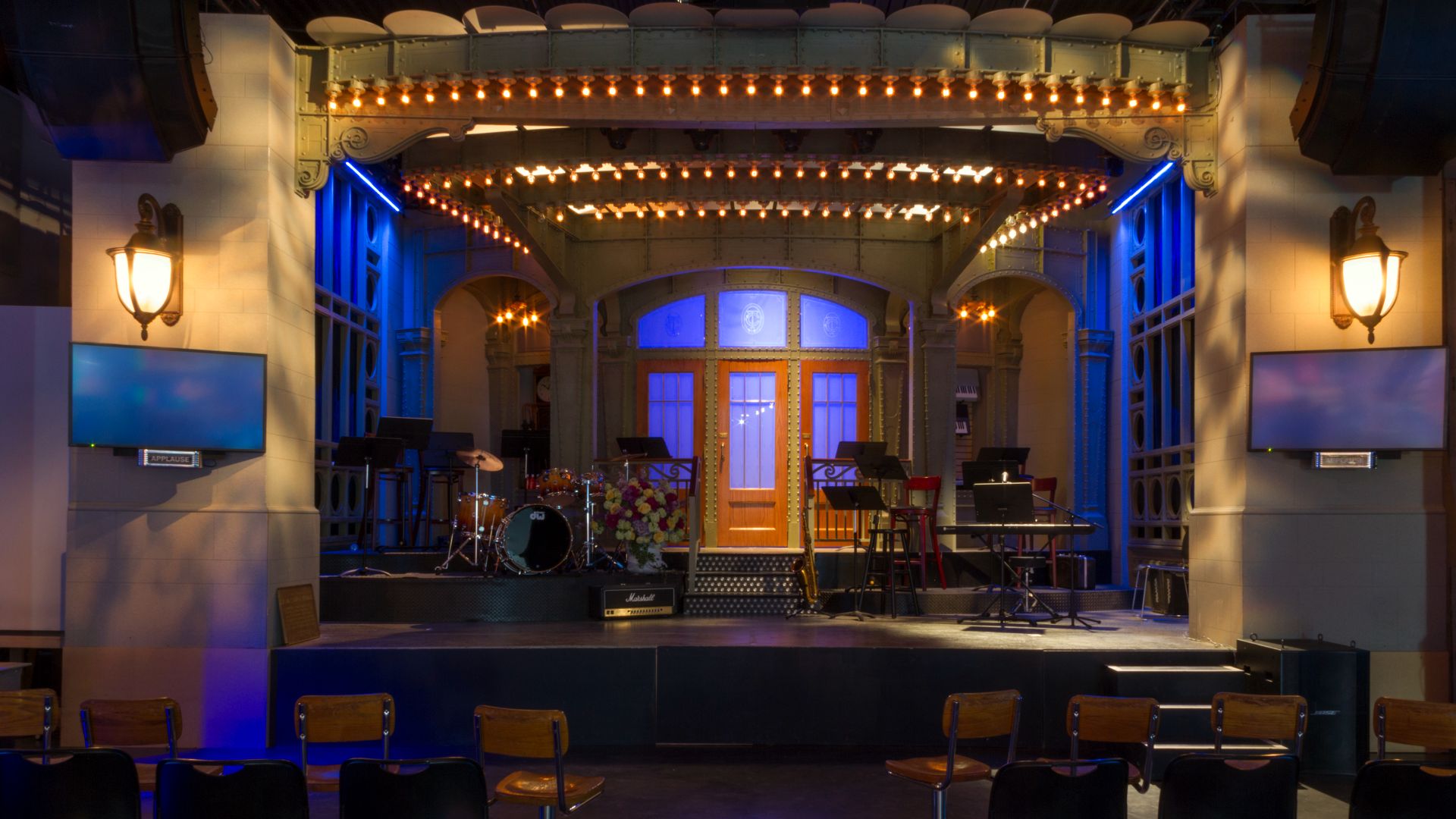
The elevator opened onto a different world. The corridors back there were narrow and loud, cables taped across the floors, people moving fast with clipboards and headsets and expressions that said they had no time for anything that wasn't already on fire. Tom and Pete walked us through it all like tour guides who'd forgotten they were supposed to be guiding, pointing at things, naming them, not really waiting for us to absorb any of it. Then Tom stopped beside a tall man with a calm, steady presence def Joe, he said, one of the crew def and Joe shook our hands and started explaining how the set pieces moved around the studio floor, which tracks they ran on, how the lighting rigs shifted between sketches. He was patient and clear in a way that felt like a gift. Then he said he had work to get back to, and he walked away. Tom and Pete had already gone somewhere else entirely. Rob and I stood in the middle of the studio floor, surrounded by controlled chaos, and not one person was looking at us.
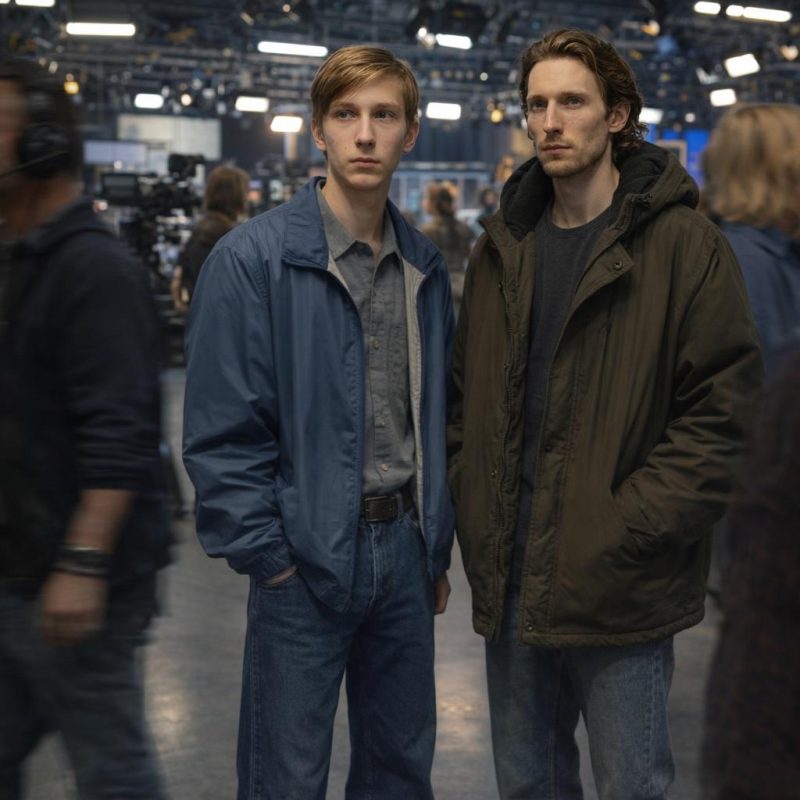 Image by RM AI
Unsupervised
We stood there for a full minute just waiting for someone to come back and tell us what to do. Nobody did. Crew members moved around us like water around two rocks def purposeful, indifferent, completely unbothered by our existence. Rob looked at me. I looked at Rob. No badges. No lanyards. No chaperone materializing from a side door with a clipboard and a suspicious expression. I kept expecting a hand on my shoulder, a firm voice asking who we were and who had authorized us to be standing here. It didn't come. A guy in a headset walked past close enough that I could have touched him, and he didn't even glance our way. The studio was enormous and loud and full of people doing important things, and we were just two high school kids from Queens standing in the middle of it, and apparently that was fine. The nervousness didn't disappear exactly def it just softened, spread out, settled into something that felt almost like permission.
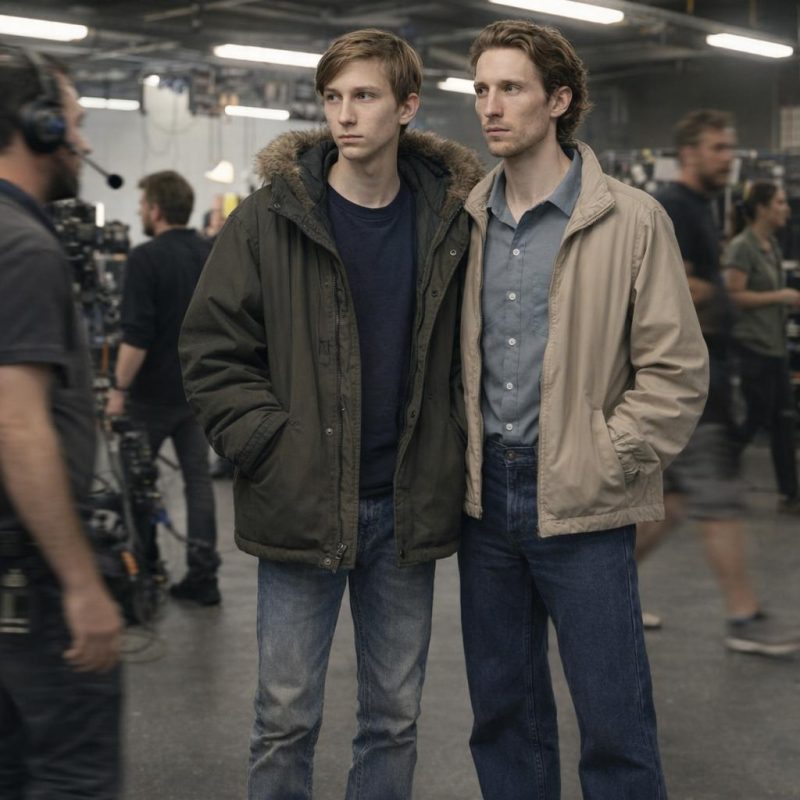 Image by RM AI
The First Exploration
We started walking. Slowly at first, like we were just stretching our legs, not going anywhere in particular. Past a rack of costumes covered in plastic sheeting. Past a table stacked with script pages nobody was reading. Past a guy on a ladder adjusting a light who looked down at us and looked back up without a word. Each time we made it through another section without being stopped, something loosened a little more. Rob pointed at a rubber chicken hanging off a prop shelf and mouthed oh my God at me, and I had to press my lips together to keep from laughing out loud. We went deeper. The corridors got narrower and the lighting got dimmer and the sounds of the main studio floor faded behind us. Nobody stopped us. Nobody asked. We turned a corner and the hallway stretched ahead, quieter now, and at the far end of it was a door with a small metal sign that said Authorized Personnel Only. I looked at Rob. He looked at me. I pushed it open.
Invisible Teenagers
On the other side was more of the same def more cables, more equipment cases, more people moving with that particular television-production urgency that left no room for noticing two teenagers who had no business being there. A woman in a headset crouched beside a lighting instrument, making adjustments with a small wrench, and she didn't look up as we passed. Someone wheeled a flat piece of painted scenery down the hallway and steered around us the way you'd steer around a cart or a stack of boxes def automatically, without curiosity. Rob picked up a prop from a shelf near the wall, some kind of oversized novelty telephone, turned it over in his hands, and set it back down. Nothing happened. No alarm. No sharp voice from across the room. I kept my face neutral and my pace steady, the way I imagined someone who belonged there would walk. The strange thing was, it worked. The more we moved like we had somewhere to be, the more invisible we became, and after a while the invisibility stopped feeling dangerous and started feeling almost comfortable.
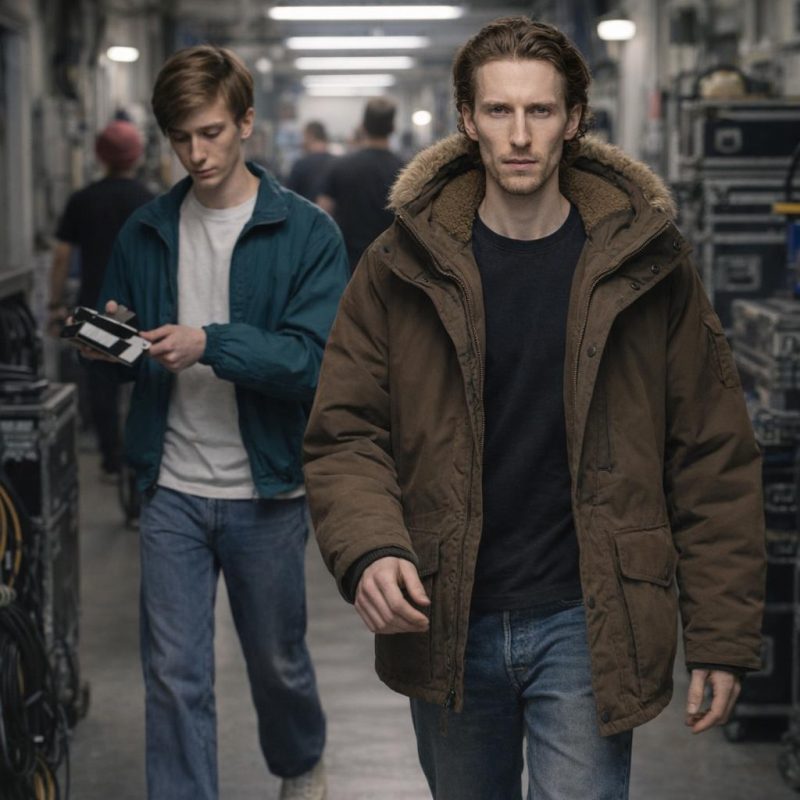 Image by RM AI
Finding the Rehearsal Space
We found it by accident, the way you find most good things when you're wandering somewhere you're not supposed to be. A door that opened onto a staircase, and the staircase that led up to a row of seats overlooking a stage below. A rehearsal space, clearly def the stage was lit and dressed, a few props arranged with the careful casualness of things placed to look natural. A handful of other people were already in the seats, scattered and quiet, watching or waiting or just existing in that particular pre-show stillness. Rob and I climbed the stairs without discussing it and found two seats near the back with a clean sightline to the stage. We sat down slowly, the way you sit when you're trying not to make a sound. The stage below was empty for now, but it wasn't waiting def it was ready, the way a room feels ready when everything in it has been arranged with intention. I leaned back in the seat and let the quiet settle over me, and something in my chest went still with the weight of what might happen on that stage.
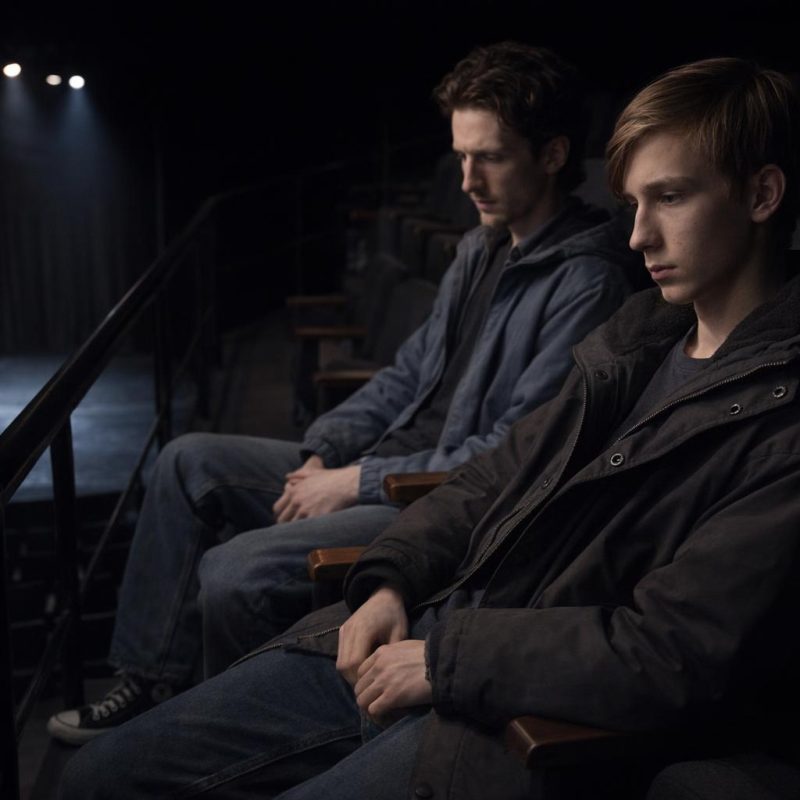 Image by RM AI
Belushi Appears
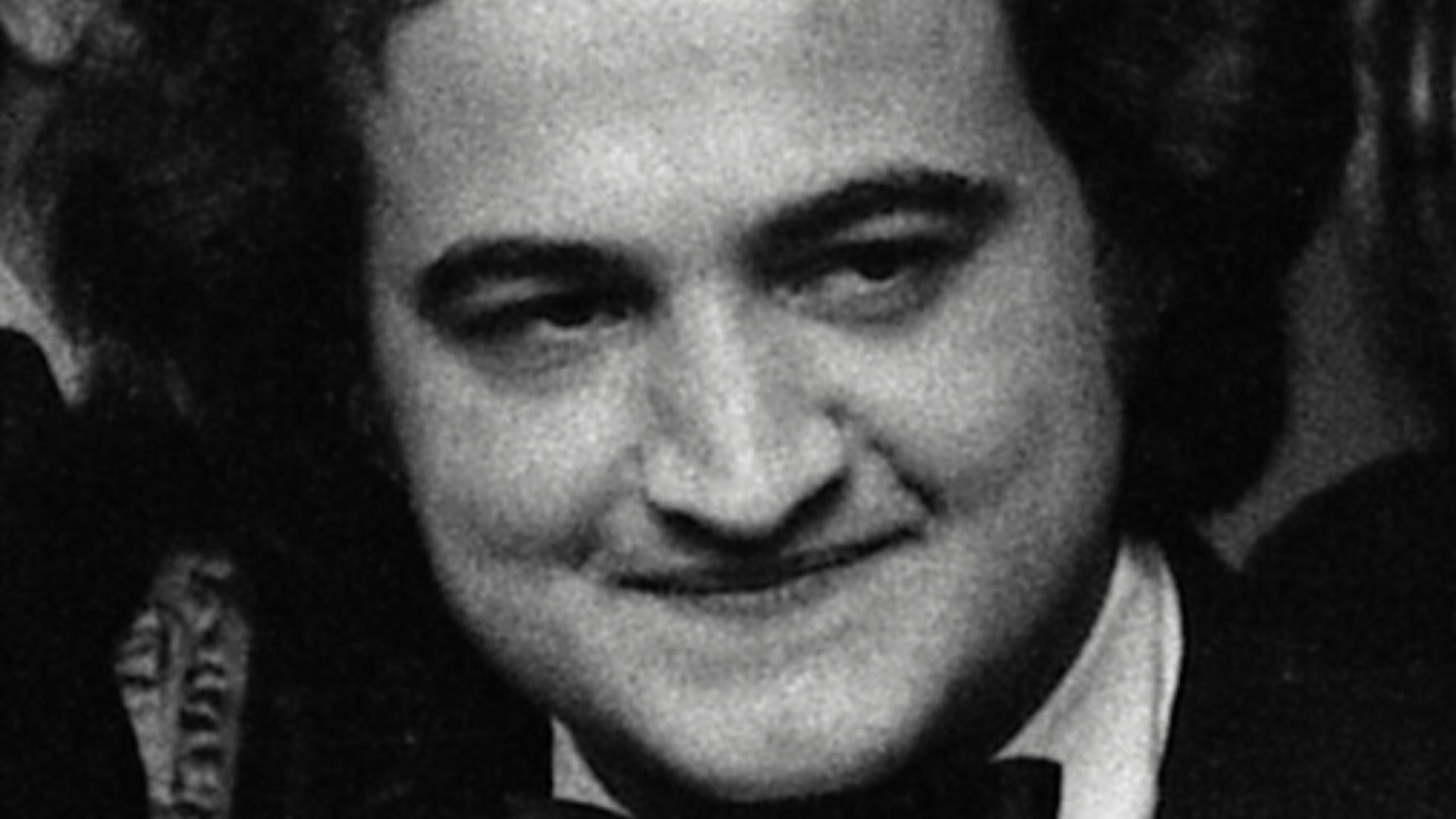
He came in from the left side of the stage, and I knew who he was before he'd taken three steps. Belushi. Shorter than I expected, stockier, with that dark curly hair and the kind of physical presence that made the air around him feel different. Rob grabbed my arm without saying anything. We both went completely still. Belushi was running through something with two other performers, a sketch I didn't recognize, and even in rehearsal the energy coming off him was extraordinary def this coiled, restless thing that made you feel like anything could happen at any second. I watched him move through the blocking, hit his marks, deliver a line, and I thought: I am actually here. This is actually happening. Then he stopped. He ran a hand back through his hair and said the line again, slower this time, like he was testing it. It came out wrong again. He stopped, jaw tight, staring at a point somewhere past the other performers.
 Unknown authorUnknown author or not provided on Wikimedia
Noticed
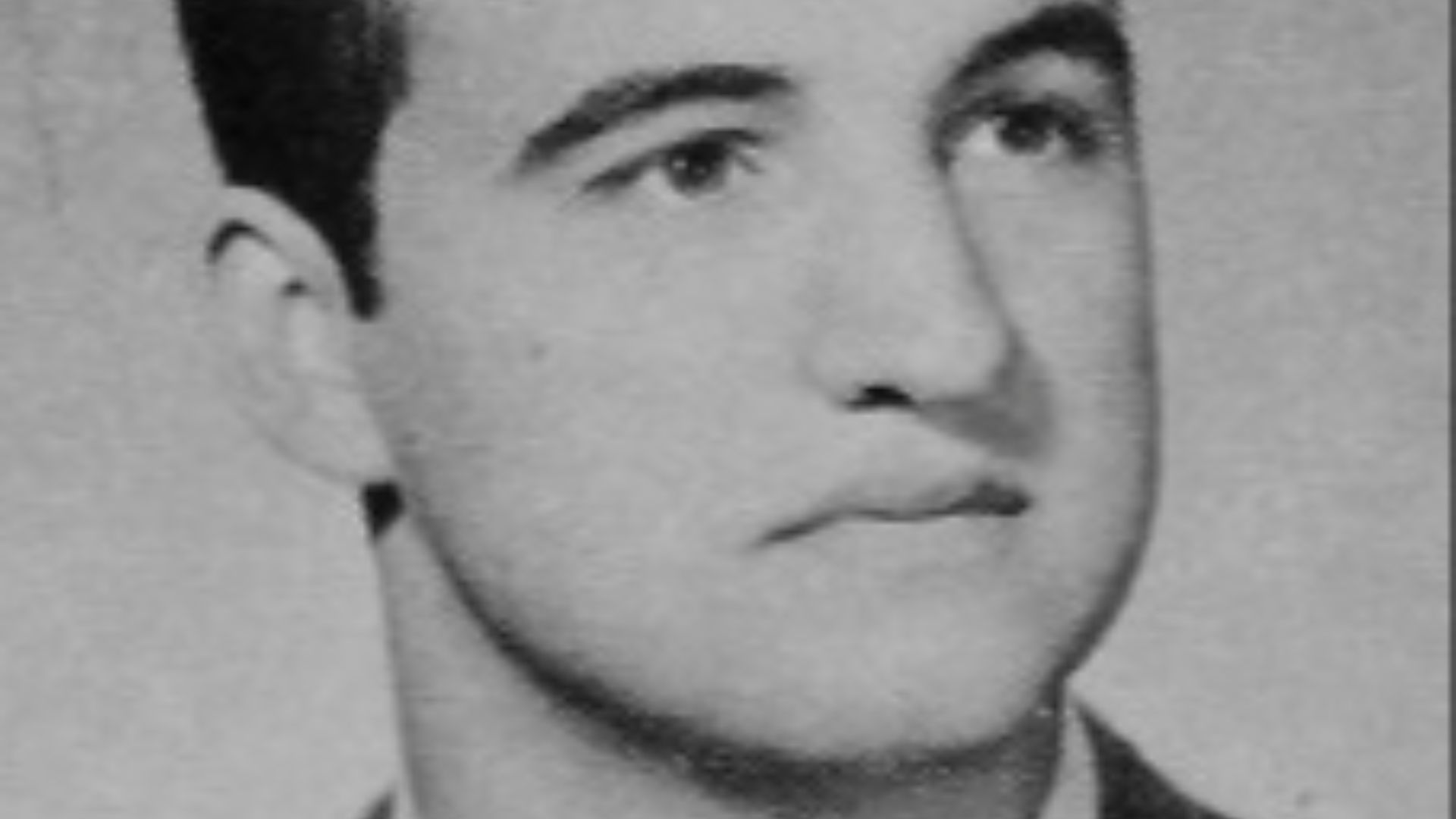
He ran it again and it still didn't land right. You could see it in his body def the way his shoulders pulled up, the way he reset his feet between each attempt like he was trying to find different ground to stand on. The other performers waited. Nobody said anything. He tried the line a third time, then stopped mid-sentence and stood there with his hands on his hips, breathing. The rehearsal space had gone very quiet. Rob had stopped moving entirely beside me. I was barely breathing myself, watching this man who had made me laugh harder than almost anyone on television stand on a stage below us and struggle with something the rest of us couldn't hear clearly enough to understand. Then Belushi looked up. Not scanning the seats, not glancing around def he looked up the way you look when you already know something is there. His eyes found us in about two seconds. His expression shifted, the easy frustration of a moment ago giving way to something harder, and he raised one arm and pointed directly at us.
 Wheaton Central High School on Wikimedia
Waiting for Security
I didn't move. Rob didn't move. We sat there like two kids who'd been caught shoplifting and were waiting for the store manager to come around the corner — except the corner stayed empty. I kept my eyes on the stairs, certain I was about to see a security guard's head appear above the railing. Belushi had pointed directly at us. There was no ambiguity in that gesture, no chance he'd been pointing at something else. And yet the rehearsal just kept going below us. He'd turned back to the stage, reset his feet, tried the line again. The other performers moved around him like nothing had happened. Nobody climbed the stairs. Nobody even glanced up. A minute passed, then another. Rob leaned slightly toward me and I could feel him wanting to say something, but neither of us dared make a sound. The building hummed around us — cables, voices, the distant clatter of something metal — and the stairs stayed empty.
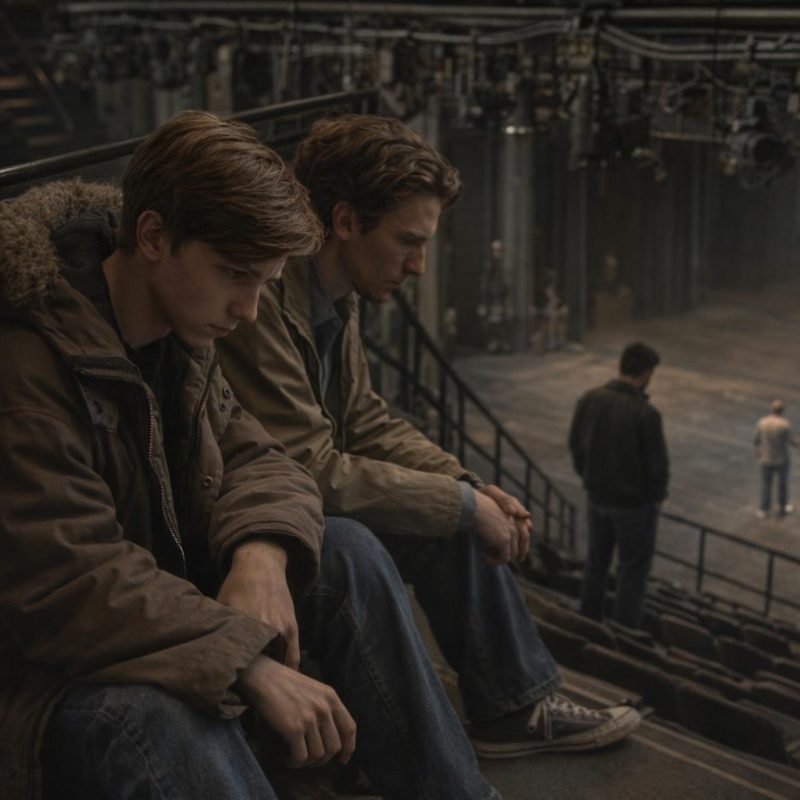 Image by RM AI
The Mood Shift
We stayed in our seats another ten minutes, neither of us willing to be the one to suggest we move. Then Belushi walked off the stage with a few of the other performers, and they disappeared through a door at the far end of the floor. Rob exhaled for what felt like the first time in a while. I watched the door. I didn't know what I was expecting — maybe for it to swing back open immediately, maybe for someone to finally come up those stairs with a clipboard and a firm voice. But the door just stayed closed. A few crew members crossed the floor below us. Nobody looked up. Then, maybe five minutes later, the door opened and Belushi came back through it with the others. Something had shifted. The man who'd walked off tight-shouldered and frustrated came back loose, laughing at something one of the other performers had said, his whole body different — lighter, easier, like a different setting on the same dial.
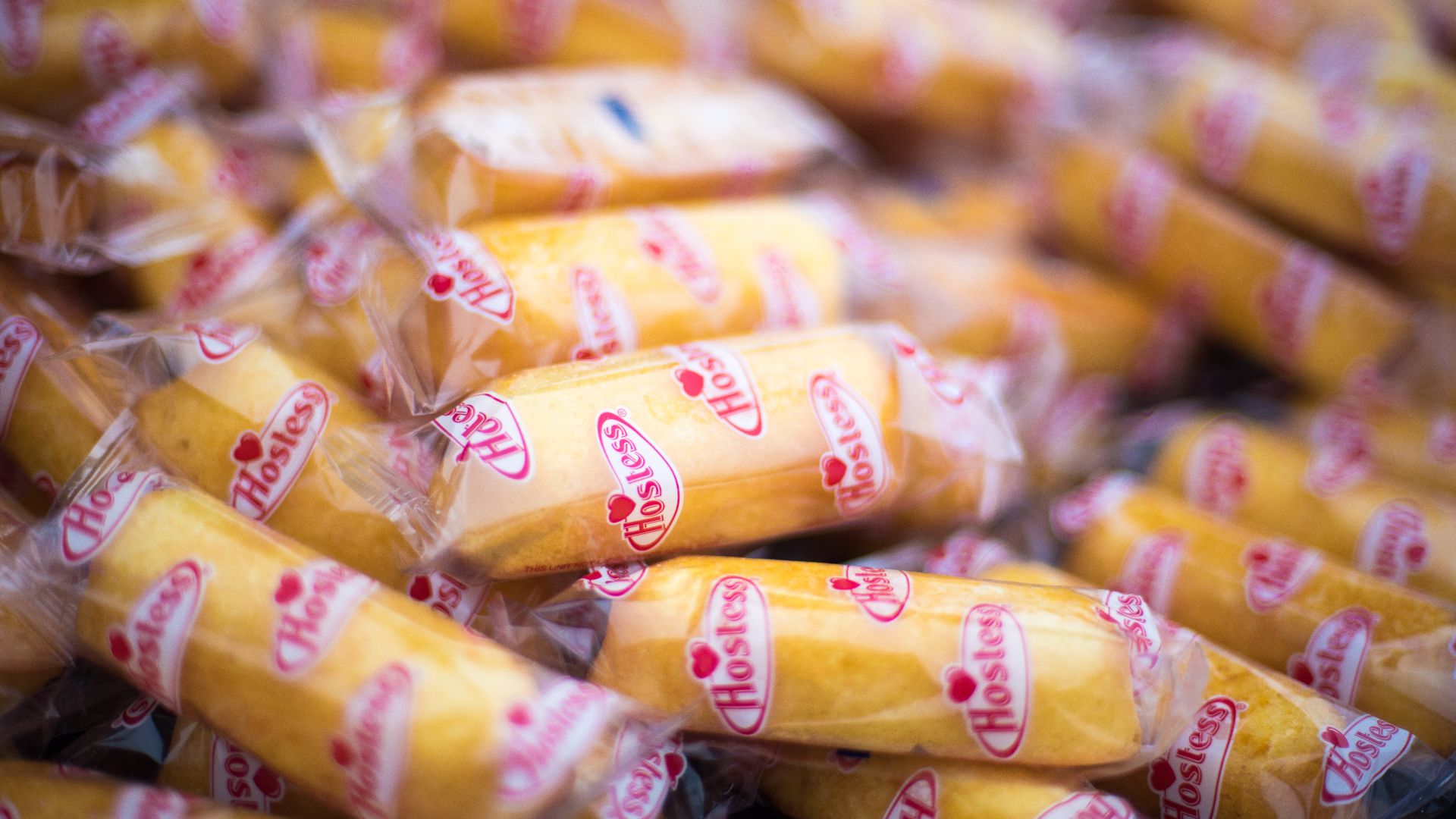
Twinkies and Yodels
The sketch they started rehearsing involved a lot of food — Twinkies, Yodels, the kind of snacks that belong in a gas station display case, not on a television stage. Belushi was fully in it now, loud and physical and funny in a way that made even the crew members stop pretending to be busy. At some point he looked up at us in the seats, and I braced for the finger again, the pointed arm, the order that would finally stick. Instead he grinned. He picked up a Twinkie, wound up like he was throwing a baseball, and launched it up into the seats. I caught it on pure reflex, both hands, and just stared at it. He laughed — this big, full laugh — and grabbed a Yodel and threw it to Rob. The other performers were laughing too. An hour ago we'd been one security guard away from getting thrown out onto 30 Rockefeller Plaza. I looked at Rob, Twinkie in my hand, and we both started laughing at the same time, neither of us able to explain what any of this was.
Wandering Again
We left the rehearsal space eventually, pockets stuffed with whatever Belushi hadn't thrown at us. The corridors felt different now — or maybe we did. We moved through them the same way we had all morning, two teenagers with no badges and no business being there, and the crew kept doing what the crew had been doing all day, which was ignoring us completely. We passed dressing rooms, equipment bays, a woman pushing a rack of costumes who didn't even glance our way. Rob said something about the layout of the building, how it didn't make sense from the outside, and I agreed, though I wasn't really thinking about architecture. I was thinking about Belushi's face when he'd thrown that Twinkie — the shift from whatever he'd been before to whatever he'd become after walking through that door. I couldn't account for it. I didn't try very hard. The building just kept absorbing us, hallway after hallway, and nobody asked us a single thing.
The Hunger Problem
The Twinkies were gone by the time we found ourselves in a corridor we hadn't been in before, and Rob said what I'd been thinking for the last twenty minutes. He was hungry. Actually hungry, not just snack-hungry. It was past noon and we hadn't eaten a real meal since the night before. Going outside seemed obvious until we thought it through out loud. We had no passes. No badges. Tom could be anywhere in the building by now, and we had no way to reach him. The woman at the front desk had let us in once, but that was with Tom walking ahead of us. Without him, without any credential, walking back through those doors felt like a coin flip we couldn't afford to lose. Rob looked at me. I looked at him. The whole day was sitting on the other side of that front entrance — everything we'd seen, everything still left to see — and the only thing standing between us and losing it was the fact that we hadn't left yet.
 Image by RM AI
The Staff Lunch Line
We found the lunch line by accident, rounding a corner and nearly walking into the back of it. It was a proper setup — trays, a steam table, crew members moving through in ones and twos with the practiced efficiency of people who did this every day. Rob and I stopped and looked at each other without saying anything. We'd been doing this all morning. Walking into rooms we had no right to be in, standing in spaces that weren't meant for us, and it had worked every single time. The line was right there. The food was right there. We walked to the back of it and picked up trays. The guy in front of us was talking to someone about cable routing. The woman behind the steam table was ladling something without looking up. Nobody asked us anything. Nobody even paused. We just moved forward with everyone else, two more bodies in a line of bodies, and the smell of actual food was the best thing I'd encountered all day.
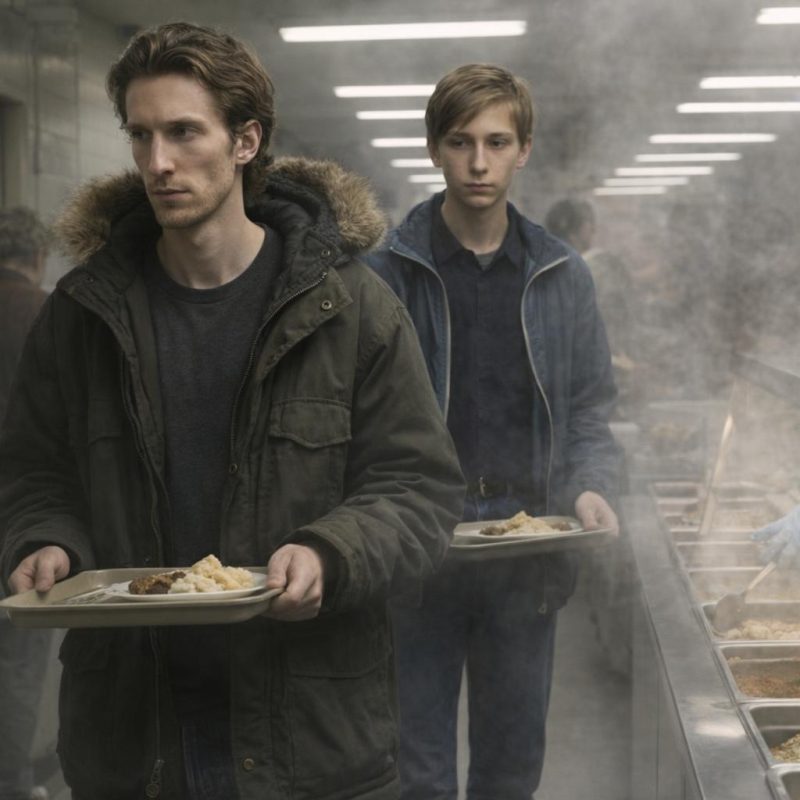 Image by RM AI
Almost Safe
We loaded our trays the way you do when you're seventeen and haven't eaten since the night before — salad, whatever the hot option was, drinks, a roll Rob grabbed with both hands like it might disappear. The line moved steadily and nobody broke the rhythm of it. A grip ahead of us complained about the lighting rig on the main stage. Someone behind us laughed at something we hadn't heard. We were just part of it, two more people shuffling forward with trays, and the register was maybe four people away now. Rob leaned toward me and said, barely above a whisper, that he couldn't believe this was actually working. I couldn't either, but I didn't say so out loud, because saying it felt like tempting something. The register got closer. Three people. Two. The whole morning had been like this — one impossible thing after another just quietly allowing itself to happen — and I let myself believe, for just that moment, that this was simply how the day was going to go.
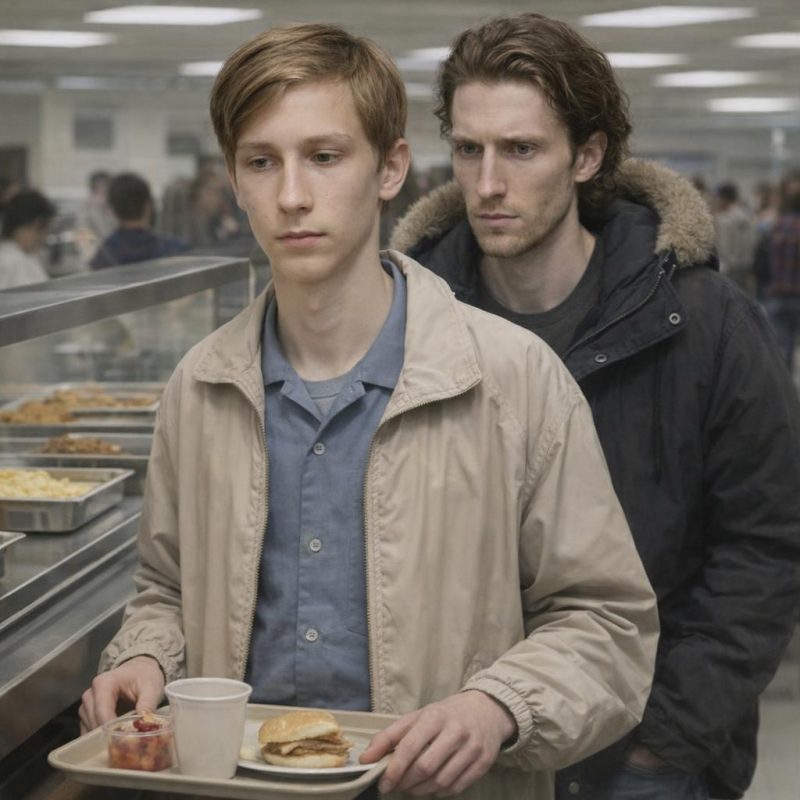 Image by RM AI
Bill Murray Steps In
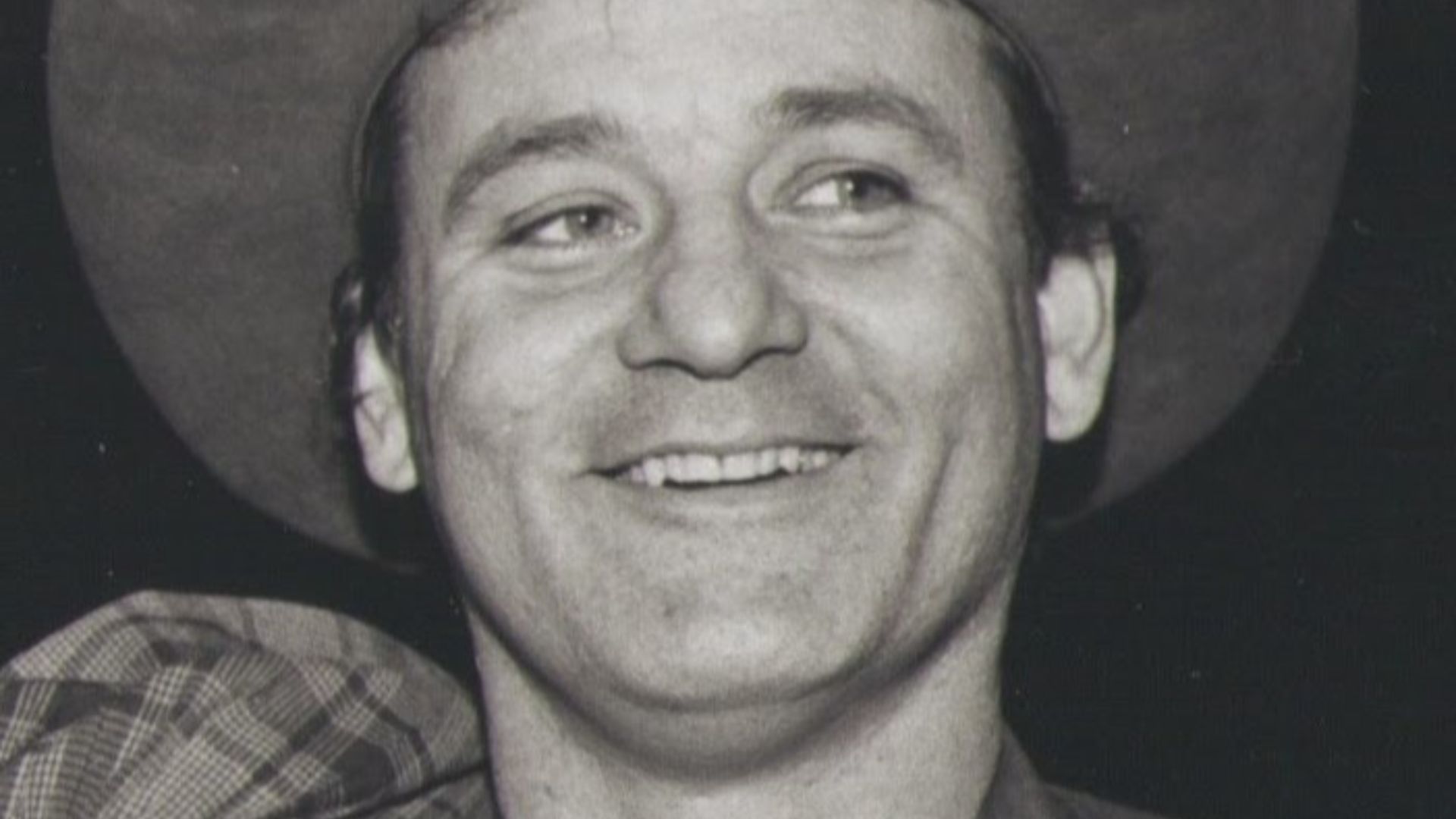
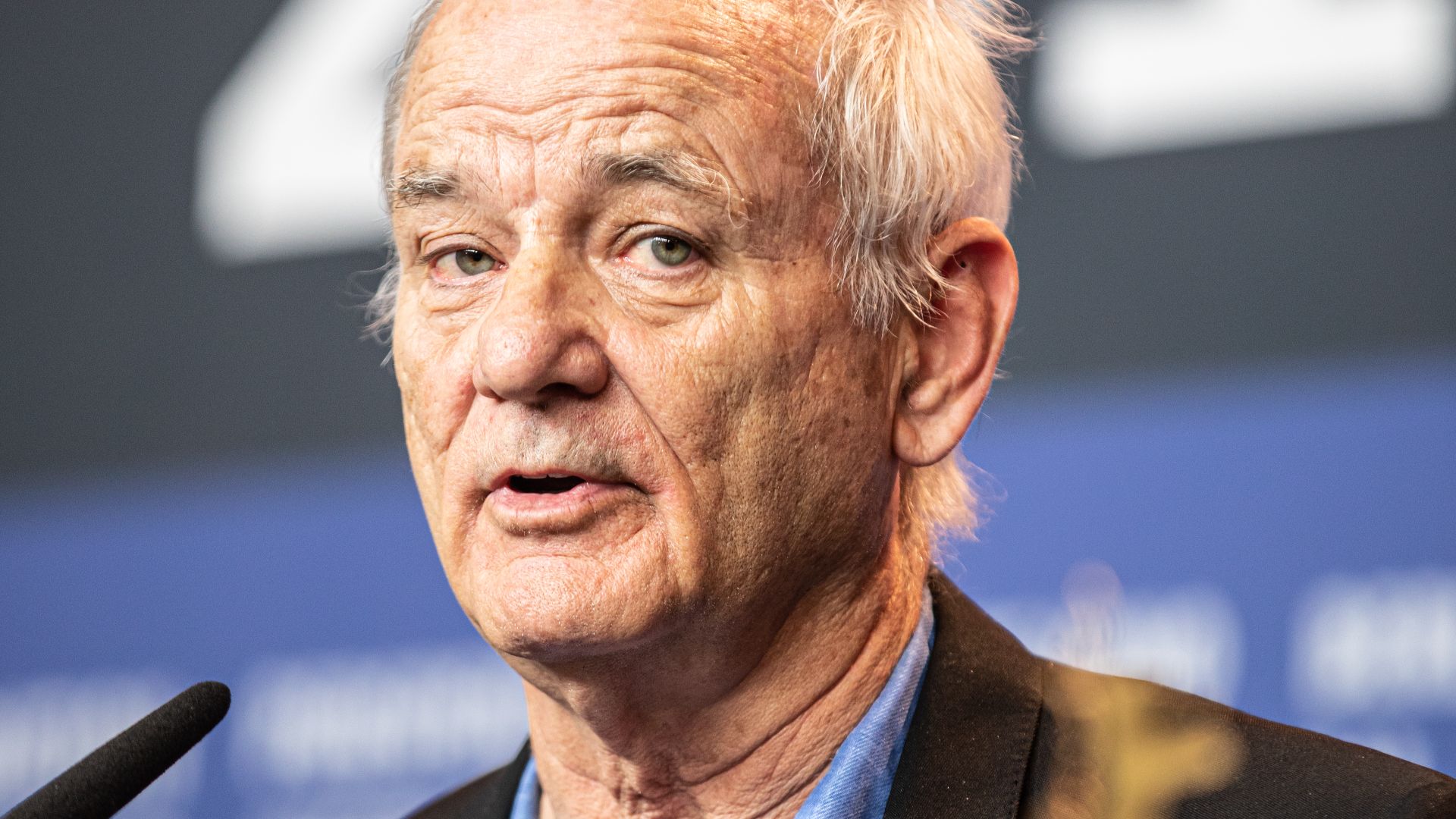
I felt him before I heard him. That specific awareness of someone standing too close, too still, paying the wrong kind of attention. I shifted my tray and glanced back, and Bill Murray was standing directly behind us in line. He was tall, unhurried, holding nothing — no tray, no plate — just standing there with those sharp, knowing eyes moving between me and Rob like he was reading something written on us that we couldn't see. The grip ahead of us moved forward. I turned back to the register and tried to look like a person with somewhere to be. Rob had gone very still beside me. The silence behind us stretched out a beat too long, the comfortable noise of the lunch line carrying on around it, and then Murray's voice came over my shoulder, dry and unhurried and not quite a question: "So who are you guys?"
No Good Answer
I opened my mouth and nothing useful came out. Murray just waited, those sharp eyes not moving, not blinking, giving me exactly zero help. I said something about Tom Sullivan — that a guy named Tom, a lighting director, had invited us, that my father knew him from a bar, that he'd left us passes at the door. Even as the words came out I could hear how they sounded. A bar. A lighting guy. Two high school kids who skipped class on a Friday. Rob was completely silent beside me, gripping his tray like it might float away. Murray asked if we had any identification. I patted my jacket pocket out of reflex, as if a laminated press credential was going to materialize. Nothing. A MetroCard and a folded geometry quiz. Murray's expression didn't change, which was somehow worse than if it had. He just looked at us with that flat, knowing patience, and I understood with absolute certainty that we had no story that was going to work here. The tray in my hands felt very heavy.
Aykroyd's Intervention
Then Dan Aykroyd materialized out of nowhere, tall and electric, sliding into the space beside Murray like he'd been launched from somewhere offstage. He took one look at the situation — Murray, us, the trays, the silence — and his whole face lit up with something that had nothing to do with friendliness and everything to do with opportunity. Before I could say a word, he was already talking, fast and clipped and completely unhinged, demanding our names, ranks, and serial numbers. Driver's licenses. Passports. Social Security cards. Mother's maiden name. Father's maiden name. Blood type. He wanted triple-laminated identification with a raised government seal and two forms of notarized backup documentation. He wanted to know our shoe sizes and our dentists' names and whether we'd filed the appropriate forms in triplicate. The questions came so fast I couldn't have answered any of them even if I'd had answers. Rob made a sound beside me that might have been a laugh or might have been a small breakdown. Murray watched Aykroyd with the expression of a man who had seen this before and had already decided it wasn't worth fighting. The whole lunch line just kept moving around us like we were a rock in a stream.
Murray Backs Down
Aykroyd kept going for another thirty seconds — something about retinal scans and a signed affidavit from our third-grade teachers — and then Murray just shook his head. Not angry. Not even particularly interested anymore. He made a short, dismissive gesture with one hand, the kind that meant forget it, and turned back toward Aykroyd like we'd already stopped existing. 'Forget about it,' he said, and that was it. That was the whole thing. Rob and I looked at each other. Neither of us moved for a second. Then I picked up the salad tongs, put some lettuce on my plate, and we walked to the end of the line. We found a table near the far wall and sat down, and Rob let out a breath that sounded like it had been trapped in his chest since Tuesday. I still had no idea what had just happened, or why it had worked — only that two kids from New Jersey were carrying their trays across 30 Rock, still not thrown out.
 John Mathew Smith & www.celebrity-photos.com from Laurel Maryland, USA on Wikimedia
Finding a Table
The Murray encounter had lasted maybe three minutes, but it had felt like standing in front of a firing squad. Rob let out a long, shaky exhale and started laughing — the kind of laugh that's mostly relief and a little bit hysteria. 'He asked us about cheese,' Rob said. 'Aykroyd asked us about cheese.' I told him I knew. I still couldn't quite believe it either. We'd come within about thirty seconds of being marched out of the building, and what had saved us was a man in a sport coat asking increasingly absurd questions about dairy products until Murray lost interest. The lunch area hummed around us — crew members moving trays, talking shop, nobody paying us any attention. I picked up my fork and tried to eat. Then, across the room, a few guys started unfolding equipment stands and pulling out instrument cases only a few feet from where we were sitting.
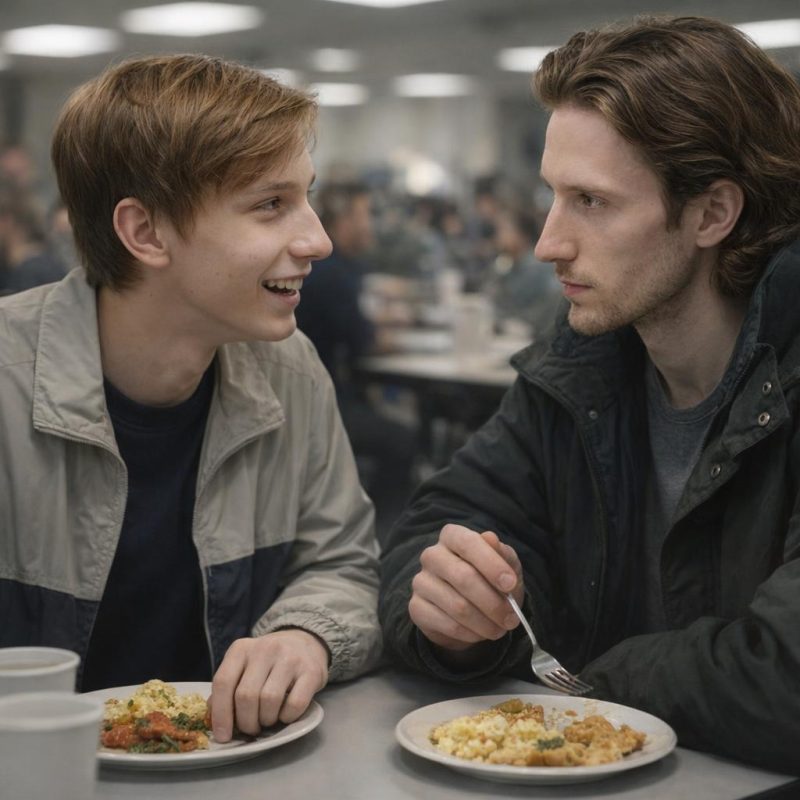 Image by RM AI
Talking Heads Rehearse
They didn't announce themselves. There was no introduction, no cleared space, no moment where the room paused to acknowledge what was happening. David Byrne just picked up his guitar and started playing, and the other members of Talking Heads fell in around him like it was the most ordinary thing in the world — because for them, it was. For Rob and me, it was something else entirely. We sat completely still, forks halfway to our mouths, watching. The music filled the lunch area — angular, nervous, alive — and the crew members around us kept eating, kept talking, kept moving equipment without breaking stride. Nobody looked up. Nobody cleared the room. A woman two tables over laughed at something her colleague said and didn't even glance toward the band. Rob looked at me. I looked at Rob. We had survived Belushi's fury and Murray's interrogation and Aykroyd's cheese questions, and now we were sitting four feet from Talking Heads eating iceberg lettuce salads while they rehearsed. The whole day had been impossible. This was the part that made the rest of it feel almost reasonable by comparison. The music moved through the room and settled somewhere in my chest, and I just sat there and let it.
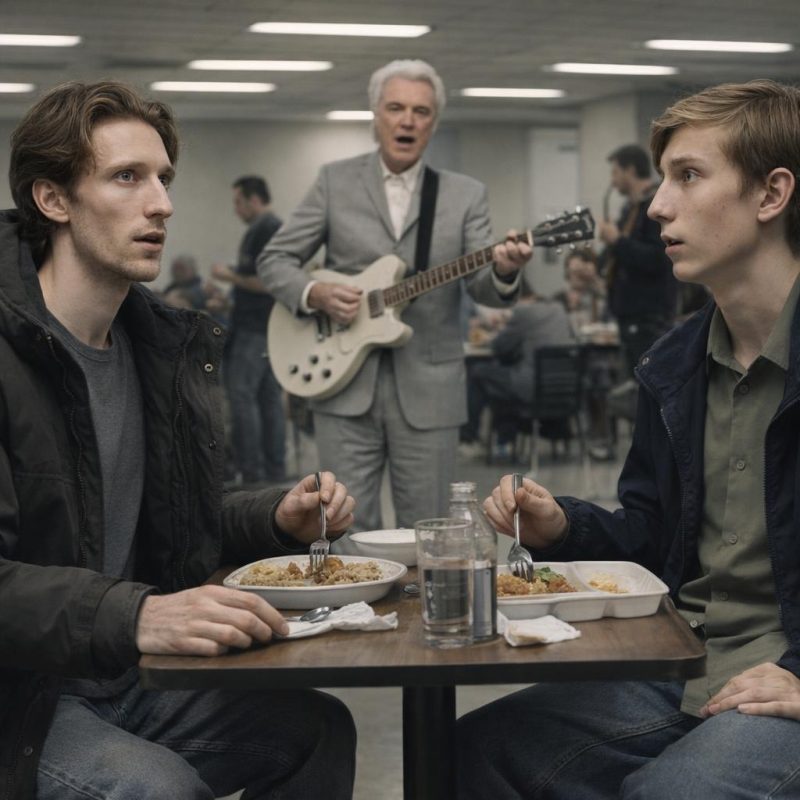 Image by RM AI
The Secret to Survival
Talking Heads kept playing, and I kept watching the room instead of just the band. That was when I started to understand how we'd made it this far. A crew member walked past our table carrying a coil of cable, eyes fixed on wherever he was going, and didn't spare us a glance. Another followed behind him with a clipboard, scanning it as he moved. Nobody had assigned anyone to watch us. Tom and Pete had welcomed us and then disappeared into their work. Belushi's order to remove us had apparently evaporated the moment he walked away. Murray had let us go because Aykroyd had given him something more interesting to argue about. The pattern was the same every time — we'd survived not because anyone had decided we belonged there, but because nobody had decided we didn't. In a building full of people who all assumed someone else was responsible for us, we'd become invisible by default. As long as we sat quietly and didn't cause trouble, we were just part of the furniture. Another crew member walked past without breaking stride, without a glance in our direction, without any sign that two teenagers eating salads while Talking Heads rehearsed was anything worth noticing.
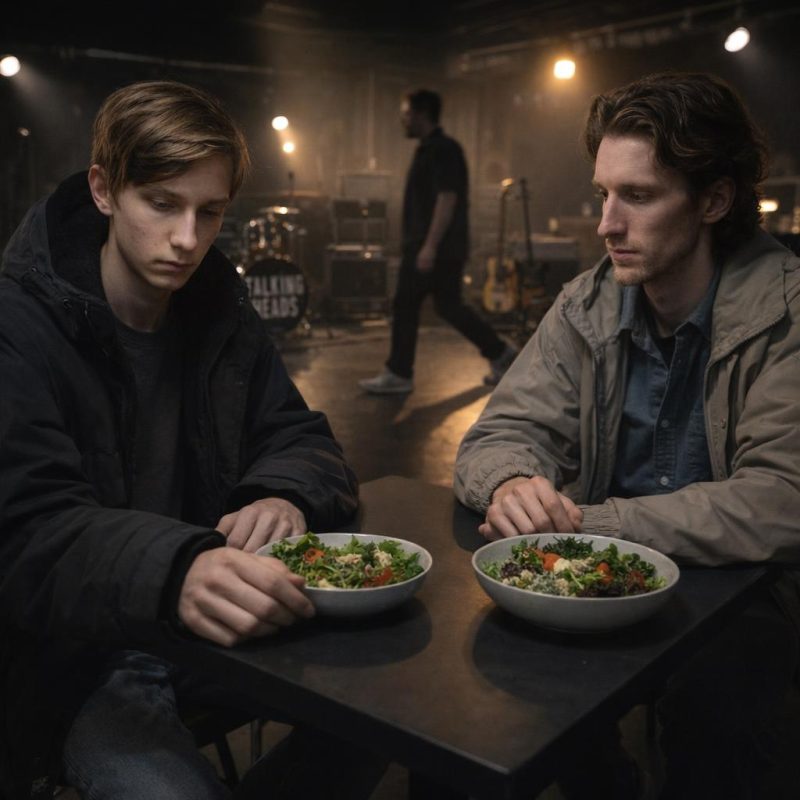 Image by RM AI
The Music Ends
They played one more song — something angular and hypnotic that I wouldn't have been able to name then but can place now — and then Byrne stepped back from the microphone and the music simply stopped. The room didn't react. The crew kept moving. Rob and I sat very still, as if any sudden movement might break whatever had been holding the day together. Byrne said something quiet to the bassist, and they both nodded, and then the band started breaking down their equipment with the same unhurried efficiency they'd brought to setting it up. Nobody looked at us. Nobody acknowledged that we'd been sitting there the whole time. They packed their cases, talked among themselves in low voices, and walked out of the lunch area without a backward glance. The tables around us were emptying. Trays were being cleared. The afternoon light coming through the high windows had shifted to something thinner and more golden. Rob pushed his empty tray to the side. I did the same. The lunch area felt larger now, and quieter, and the last note of that final song seemed to hang in the air for a moment before the ordinary sounds of the building moved in to fill the space it left.
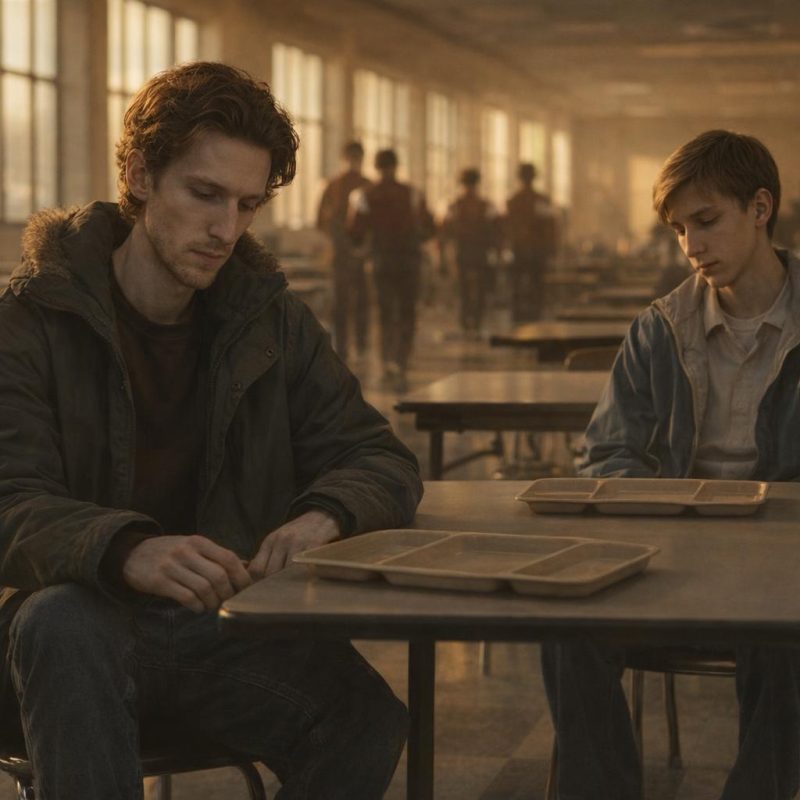 Image by RM AI
Late Afternoon
We left the lunch area without discussing it and started walking the corridors again, slower this time. The energy in the building had changed. Crew members moved with more purpose now, heads down, focused on the evening ahead. Equipment was being repositioned. Cables were being checked. The loose, almost festive quality of the morning had given way to something more concentrated and serious. Rob and I moved through it quietly, not talking much, just looking. I tried to fix things in my memory the way you press a flower between book pages — the particular smell of the place, something between sawdust and electrical heat and old coffee. The layout of the corridors. The sound of a dolly being wheeled across a concrete floor somewhere out of sight. Rob paused at a doorway and looked in at something I couldn't see from where I was standing, and I watched his face instead — the way he was trying to hold onto it. We both knew we'd have to leave soon. Neither of us said it. We just kept walking, slowly, the way you walk when you're not ready to arrive at the end of something.
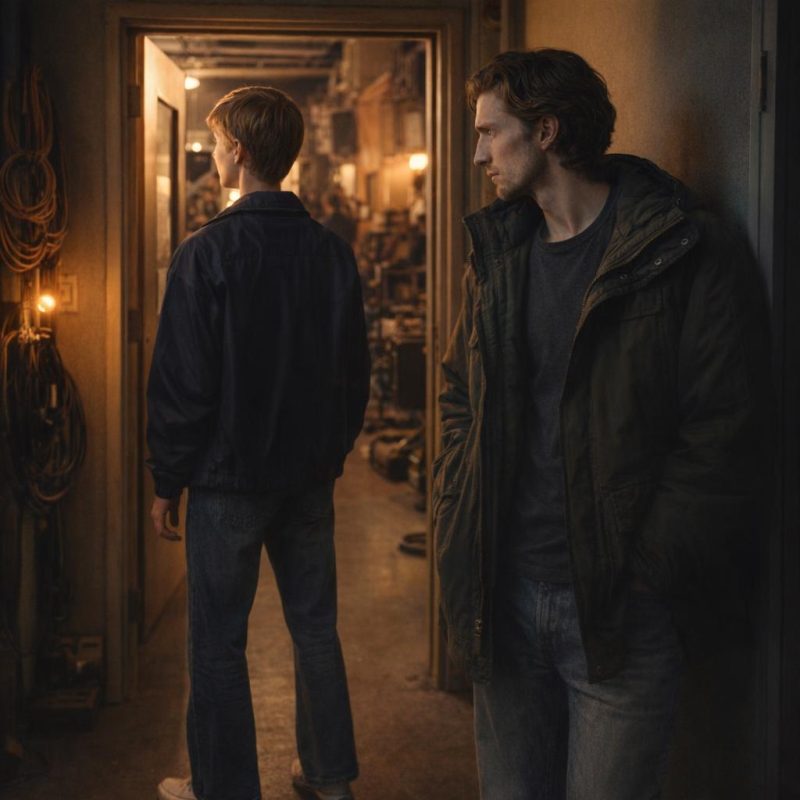 Image by RM AI
Leaving 30 Rock
We made it back to the main corridor without anyone stopping us, and then we were at the lobby, and then we were walking past the front desk where we'd given Tom's name that morning. The woman behind the desk didn't look up. We pushed through the heavy doors and the February air hit us like a wall — cold and sharp and smelling of exhaust and the particular mineral cold of a New York winter evening. The city had shifted while we were inside. The afternoon crowds had thickened into early rush hour, people moving fast with their collars up, the streetlights already on against the darkening sky. Rob and I stood on the sidewalk for a moment without speaking. I turned and looked back at 30 Rockefeller Plaza — the limestone facade, the gold lettering, the lit windows climbing up into the grey above us. It looked exactly the same as it had when we'd arrived that morning, unremarkable and enormous, giving nothing away.
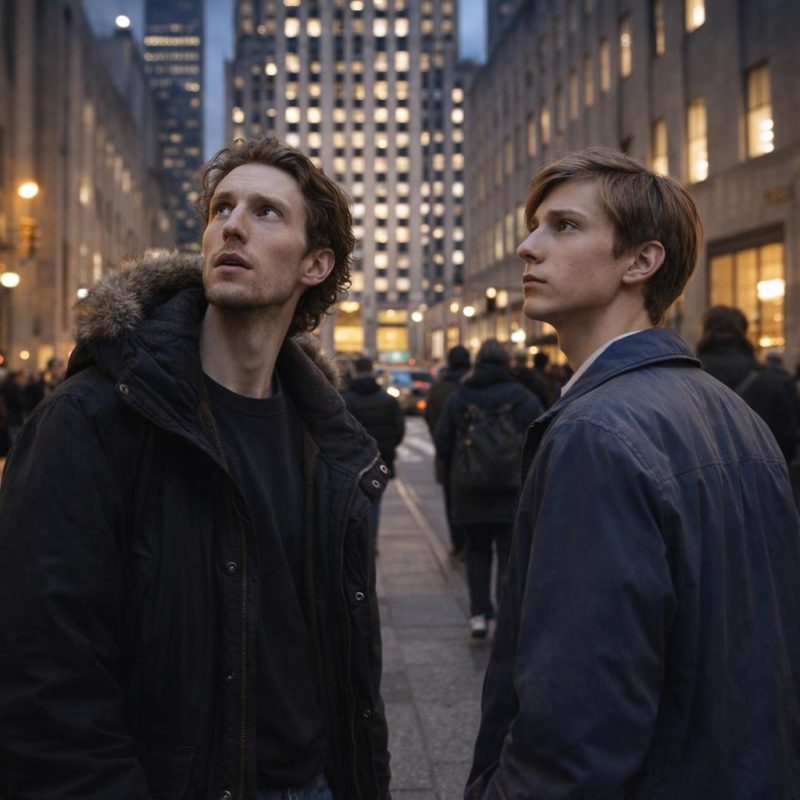 Image by RM AI
The Train Home
We found seats near the back of the train and didn't say much for the first few stops. Rob leaned his head against the window and watched the tunnel walls go by. I sat with my hands in my jacket pockets and tried to hold the whole day in my mind at once — Belushi's fury and then his strange warmth, Murray's flat suspicious eyes, Aykroyd materializing out of nowhere with questions about cheese, Joe explaining the lighting rigs with patient hands, Tom's red-rimmed eyes and his tired, genuine smile. Talking Heads playing four feet from our salads while the crew ate lunch around them like it was nothing. We talked a little. Rob said he still couldn't believe the Murray thing. I said I couldn't either. Then we went quiet again. We both knew we'd face some version of consequences for skipping school. We both knew it didn't matter. The train rocked and the lights of the stations came and went, and the day sat between us like something solid — too large to summarize, too real to doubt, too strange to explain to anyone who hadn't been there.
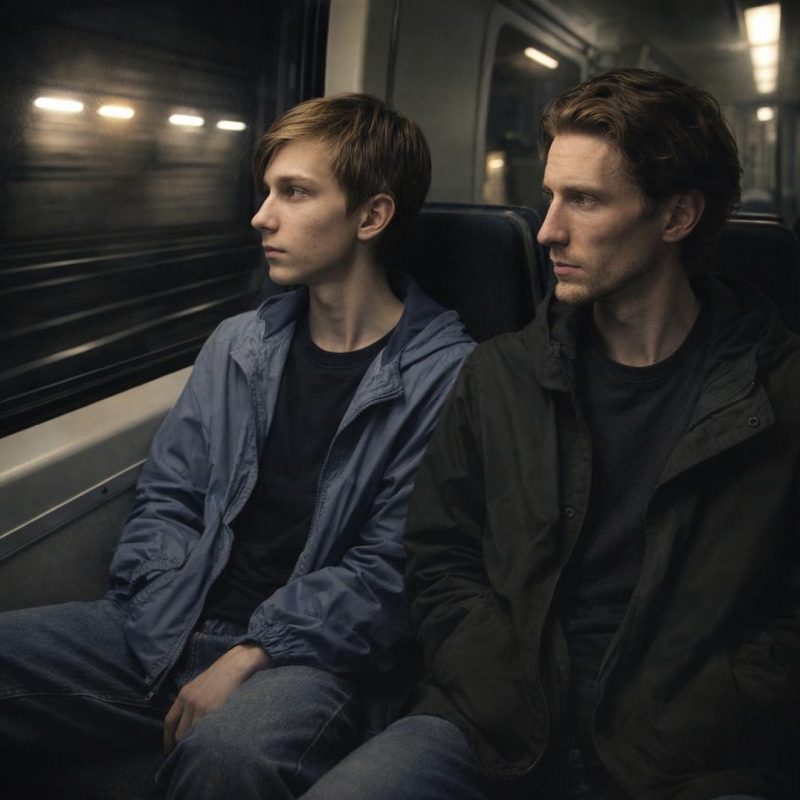 Image by RM AI
What Tom Gave Us
I've thought about Tom Sullivan a lot over the years, and especially in the years since I learned about Michael. Tom didn't bring us backstage because he was feeling generous after a few drinks at my father's bar. He brought us because he was a man with a hole in his life where a son used to be, and two teenagers had appeared in front of him at the right moment. He gave us the day his son never got. Every door he opened, every introduction he made, every time he steered us toward something worth seeing — that was grief doing something useful with itself, love with nowhere left to go finding a new direction. I was seventeen and I didn't understand any of it. I just thought we were lucky. We were lucky. But the luck had a cost I couldn't see, paid by a man who smiled through it and made the whole thing feel like a gift. I've carried that day for forty-five years. I carry it differently now — with more weight, more tenderness, more awareness of what it took to make it possible. The memory is the same. What I understand about it has changed everything.
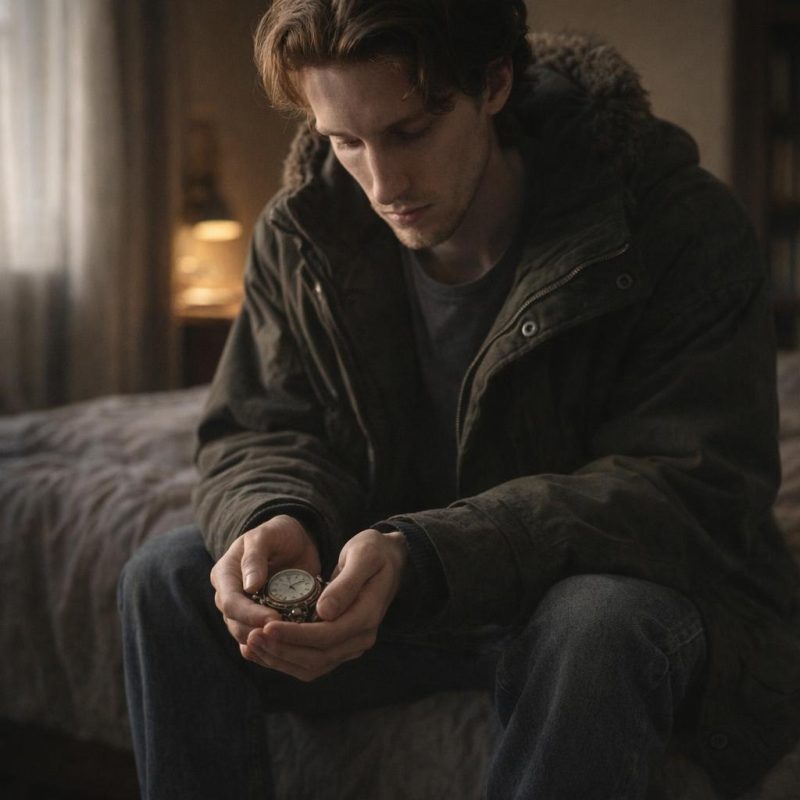 Image by RM AI
KEEP ON READING