

I Saved Six Months for My Dad's Dream Birthday Gift — Then a Man in a $5,000 Suit Tried to Steal It Right in Front of Me
I Saved Six Months for My Dad's Dream Birthday Gift — Then a Man in a $5,000 Suit Tried to Steal It Right in Front of Me
Fifty Years in the Nosebleed Section
My dad has been a fan of this team for fifty years. Not the fair-weather kind — the kind who shows up in November when the wind cuts through the upper deck like a blade and the team is three games out of playoff contention. He went to his first game in 1974, the year before I was born, and he never really stopped. I grew up hearing about it. The roar of the crowd, the smell of hot dogs and cold concrete, the way the stadium lights made everything look like it was happening inside a snow globe. He'd take me when he could afford the tickets, which wasn't always, and we'd sit up in the nosebleed section where the seats were metal and the view was a postage stamp. He never complained. Not once. He'd just lean forward with his elbows on his knees and watch like every play was the most important thing he'd ever seen. His 70th birthday was coming up in the spring, and I kept thinking about all those years he'd given to that team — all those cold Sundays, all those cheap seats, all that loyalty handed over without ever asking for anything back.
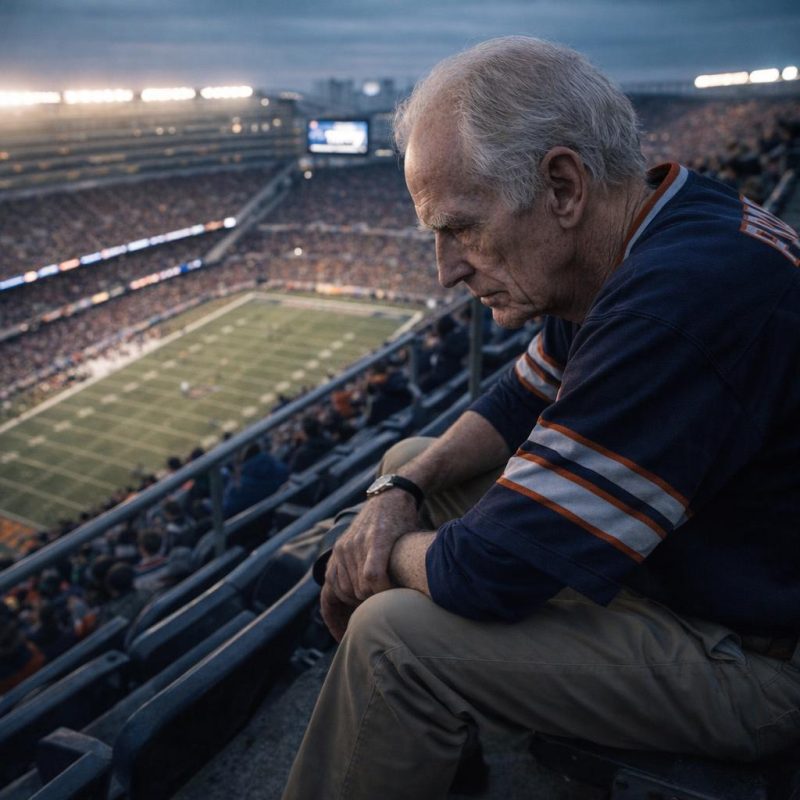 Image by RM AI
Forty-Two Years at the Shipyard
Forty-two years. That's how long my dad worked at the shipyard. He started when he was twenty-six and he didn't leave until they handed him a plaque and a handshake at his retirement party. He worked through bad backs and worse winters, through layoffs that took out guys around him while he kept his head down and his hours up. He never called in sick unless he genuinely couldn't stand. I remember being a kid and watching him leave before sunrise, thermos in one hand, lunch pail in the other, boots already laced. He'd come home smelling like metal and salt water and he'd still ask about my homework before he sat down. On game days, he'd change out of his work clothes and into his jersey — the same faded one he'd had since the nineties — and we'd take the bus to the stadium and climb all the way up to the cheap seats where the wind whipped through the open rafters and you could barely read the scoreboard. He never once suggested we try to sit somewhere better. I was going through some old boxes a few weeks ago, helping him clear out the spare room, when I found a pay stub from 2001 — twenty years into his career — and the hourly rate printed on it stopped me cold.
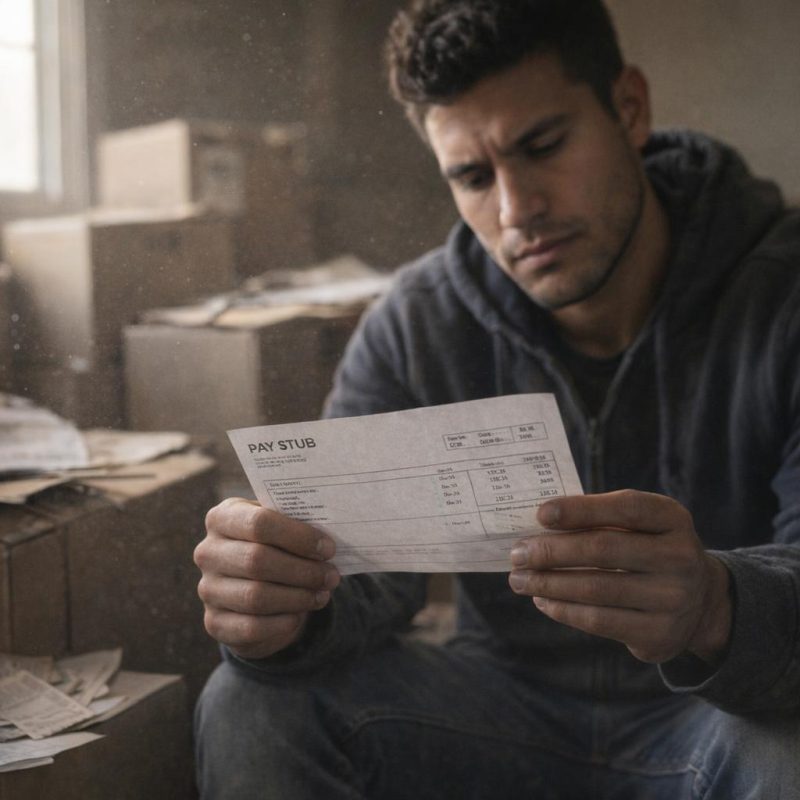 Image by RM AI
The VIP Suite Discovery
I wasn't even looking for it specifically. I'd been poking around the stadium's website trying to find out if they did anything special for milestone birthdays — a message on the scoreboard, maybe, or a field visit. That kind of thing. And then I clicked on a tab I'd never noticed before. Premium Experiences. There was a whole section I didn't know existed: private suites, catered events, floor-level access. I scrolled through it slowly, reading every line. The suites had their own balconies overlooking the fifty-yard line. Climate controlled. Dedicated attendants. A full catering menu you could customize in advance. I sat back in my chair and just stared at the screen for a minute. I thought about my dad in that faded jersey, squinting at a scoreboard two hundred feet away, eating a hot dog he'd waited twenty minutes for. And then I thought about him sitting in a cushioned seat behind glass, watching the game from the best angle in the building, with food brought to him and nowhere to be cold. Something shifted in my chest. It wasn't just an idea anymore. It was the thing I was going to do, no matter what it took to get there.
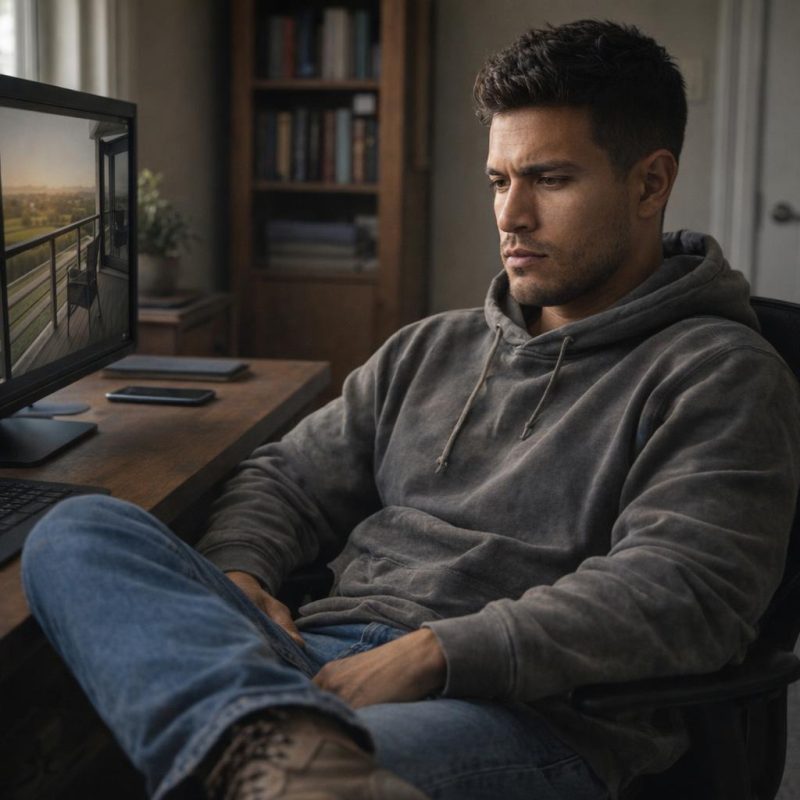 Image by RM AI
Six Months of Sacrifice
The price was more than I expected, but I didn't let myself look away from it. I just opened a new savings account that same night and named it something I'd see every time I logged in. Then I started cutting. Coffee shop runs — gone. I started making it at home, even on the mornings I didn't want to. Lunch out with coworkers — gone. I packed sandwiches and ate at my desk. I skipped my buddy Darnell's birthday bar crawl in October and felt genuinely terrible about it, but I sent him a card and told him I was saving for something. I picked up extra shifts at work whenever they came available, even the ones that ran late on weeknights and left me dragging the next morning. I stopped ordering anything online that wasn't a necessity. I turned down a weekend trip in November that I actually wanted to take. Every time I felt the pull to spend something I didn't need to spend, I'd open the savings app and look at the number. It climbed slowly at first — painfully slowly — and then it started to feel like momentum. Each deposit was a small proof that I was actually doing this. Every dollar in that account stood for something I'd chosen not to spend on myself.
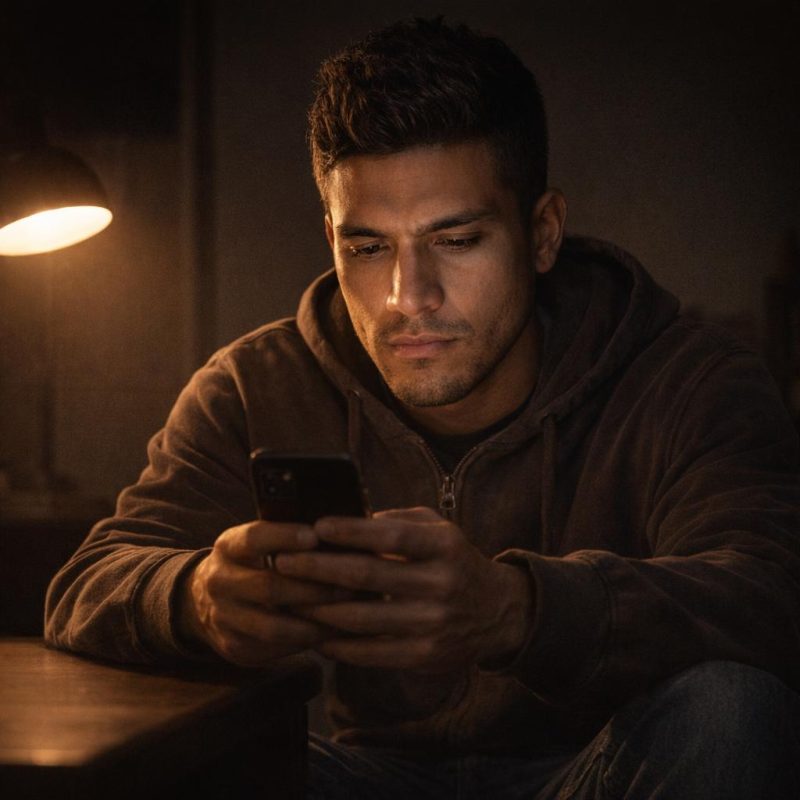 Image by RM AI
Navigating the Booking System
The stadium's booking system looked straightforward until it wasn't. I found Suite 4B listed under the premium inventory — it had the balcony view I wanted, the right capacity, and it was available for the game date that fell closest to my dad's birthday. I clicked through to reserve it and that's when the fees started appearing. A venue service charge. A catering deposit. A non-refundable booking fee. Each one popped up on a new screen like the website was testing how serious I was. I kept clicking through, entering my information, watching the subtotal climb. I told myself I'd done the math, I'd saved for this, I could handle it. I got to the final checkout screen and entered my card details. And then, right before the payment confirmation page loaded, a new line appeared at the bottom of the itemized total — Holiday Weekend Premium Surcharge — and the number jumped by an amount that made me grip the edge of my desk.
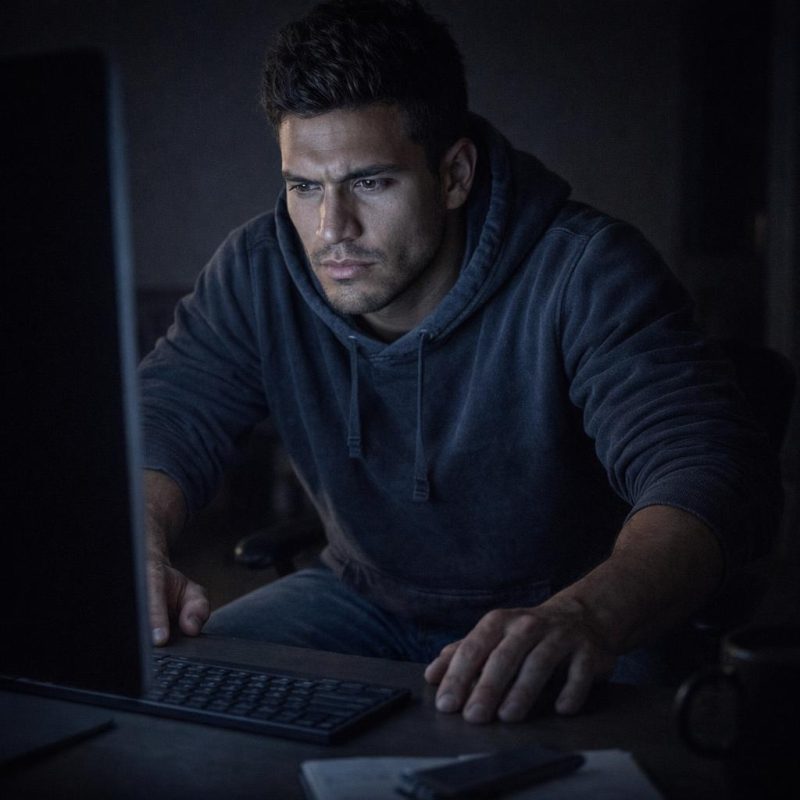 Image by RM AI
The Green Checkmark
I sat there for a solid minute just staring at that surcharge. I did the math in my head twice, then pulled up my savings account on my phone to make sure I was reading it right. It was going to wipe out almost everything I'd put away — not quite, but close enough that my stomach dropped. I thought about closing the tab. I thought about it seriously. But then I thought about my dad on that bus ride home after every game, still talking about plays like they were poetry, still wearing that jersey with the cracked lettering across the back. I hit confirm. The screen went white for a second, then loaded a payment processing animation that felt like it lasted forever. I had my email open in another tab and I kept glancing over at it. Then the notification came through — subject line: Your Suite 4B Reservation is Confirmed. I opened it and there it was: a bright green checkmark, a reservation number, the date, the suite details, all of it laid out in clean black text.
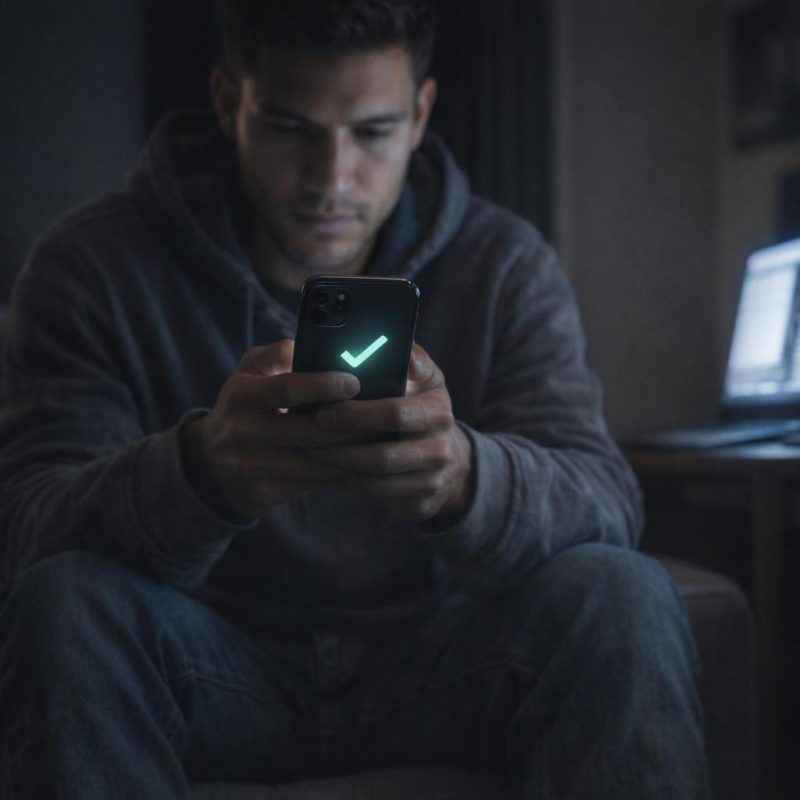 Image by RM AI
Building the Perfect Menu
The catering menu came as a separate link in the confirmation email, and I opened it that same night. There were pages of options — appetizers, entrees, desserts, a full drinks list. I went through it slowly, the way you do when you're actually paying attention. My dad is not a complicated eater. He likes what he likes and he's liked it for thirty years. I added the pulled pork sliders first because he orders them every single time we go to the corner bar on Clement Street — every time, without looking at the menu, before the server even finishes asking. Then I found the loaded potato skins, which he always steals off my plate at family dinners and pretends he isn't eating. I added those. I found a lager on the drinks list that was close enough to his usual brand that I figured he'd be happy, and I added a six-pack of it. I went back and forth on the dessert options for longer than I'd like to admit before landing on the warm chocolate chip cookies, because my mom used to make them on game days when we were kids and I knew he'd notice. By the time I submitted the menu, it didn't feel like a catering order anymore — it felt like a letter I'd been writing him for years.
 Image by RM AI
The Week Before
The week before the game, I had the confirmation email printed and folded inside an envelope in my desk drawer, and I checked on it more than I should admit. My dad called me on Tuesday to talk about the game — he does that before every home game, has for as long as I can remember — and he mentioned he was going to dig out his old seat cushion because the upper deck benches had been killing his back lately. I told him that sounded like a good idea. I kept my voice completely even. He said he was thinking we'd take the early bus to beat the crowd, same as always, and I said sure, that works. He had no idea. None. He was planning for cold metal and a distant scoreboard and a hot dog from the concession line, and I was sitting there knowing he was going to walk into Suite 4B with a balcony view and pulled pork sliders and a cold lager waiting for him. I didn't tell him anything. I just let him talk about the game, and when we hung up I sat with the quiet weight of what I was carrying — a secret that was really just six months of love with a reservation number attached.
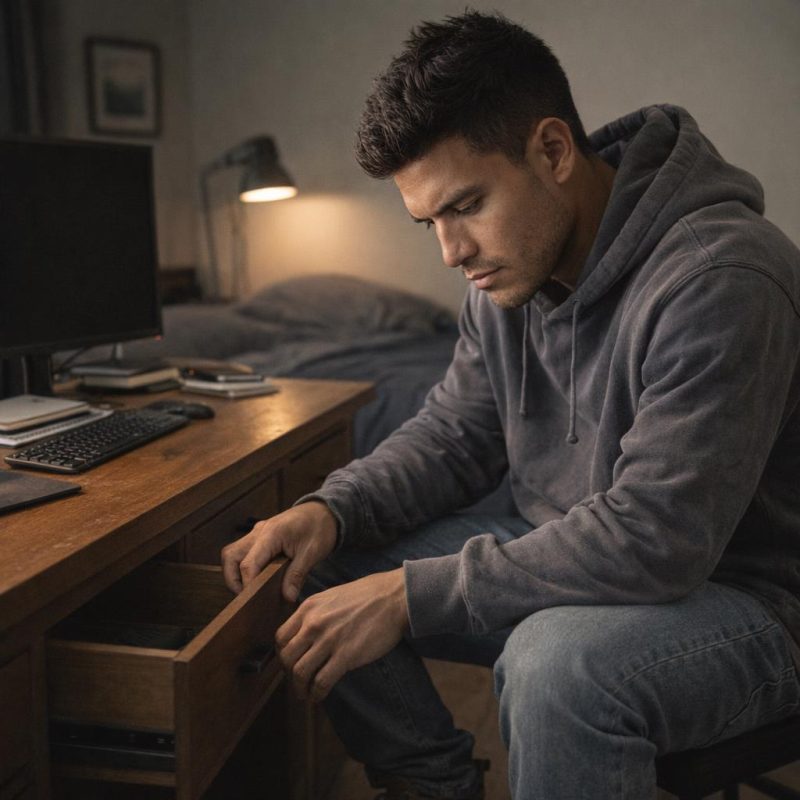 Image by RM AI
The Morning of the Game
I'd been rehearsing how to tell him for weeks, but when the morning finally came, all my careful words just fell apart. We were sitting at his kitchen table with our coffee, same as always, and I slid the printed confirmation email across to him without saying anything. He picked it up and squinted at it the way he does when he's reading something he doesn't quite trust. Then he looked up at me. 'Suite 4B,' he said, like he was reading it back to make sure he had it right. I told him yeah, Suite 4B, Executive Level, balcony view, the whole thing. He set the paper down and looked at me again, and I could see him trying to figure out if I was pulling his leg. 'Son,' he said, 'this is a joke.' I shook my head. He picked the paper back up. His mouth opened and then closed. His eyes went a little glassy, and he pressed his lips together the way he does when he's trying to hold something in. He reached across the table and put his hand over mine, and he didn't say anything for a long moment, and neither did I. That look on his face — that was everything I'd worked for.
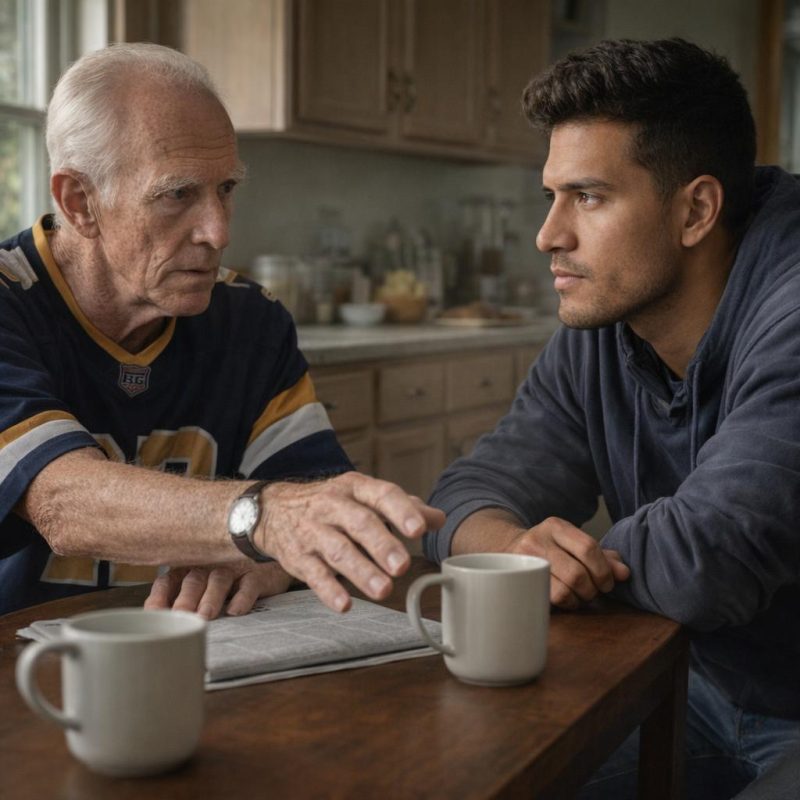 Image by RM AI
The Old Jersey
He disappeared into his bedroom to get ready and came back out holding that jersey like it was something sacred. It's been washed so many times the team colors have gone soft — what used to be a deep royal blue is closer to the color of a winter sky now, faded at the shoulders and fraying a little at the collar. He held it up against his chest and grinned at me, and I told him it looked great, because it did. He pulled it on over his undershirt and tucked it carefully into his chinos, smoothing the front down with both hands, standing a little straighter once it was on. I don't know how to explain it exactly, but he looked younger. Not younger like the years had come off him, but younger like something had come back into him — some version of himself from before the shipyard took so much out of him. He was talking about the starting lineup, about the weather forecast, about where we'd park, and his voice had this energy in it I hadn't heard in a long time. Then he turned to button his flannel shirt over the jersey, and I noticed his hands were trembling slightly as he worked the buttons.
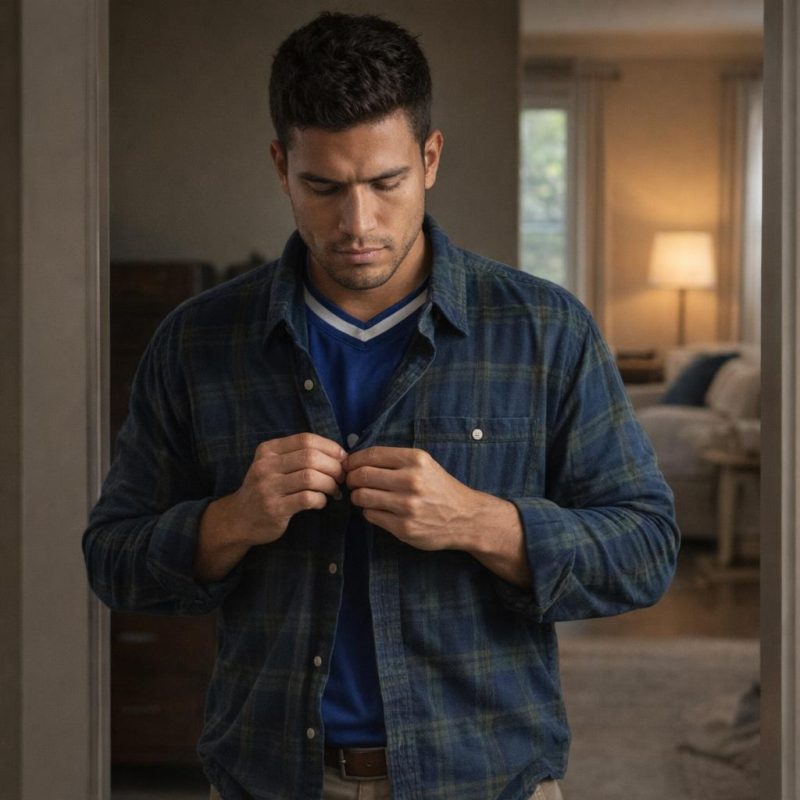 Image by RM AI
The Drive to the Stadium
He talked the whole drive. I mean the whole drive — from the moment we pulled out of his driveway to the moment I found a spot in the lot, he barely stopped for breath. He talked about the playoff run from '94, about a game in the late eighties where they came back from three goals down in the third period and the upper deck was so loud he couldn't hear himself think. He talked about the first game he ever took me to, when I was seven and fell asleep on his shoulder in the second period and he carried me to the car without waking me up. I kept my eyes on the road and just let him go, nodding, laughing when he laughed, and the whole time I felt this warmth spreading through my chest that I couldn't quite name. It wasn't just pride, though it was that too. It was more like relief — like six months of scrimping and calculating and second-guessing myself had finally resolved into something real and right. He was happy. Genuinely, completely happy. And then we came around the bend on the highway and the stadium lights rose up through the windshield, enormous and blazing against the grey afternoon sky.
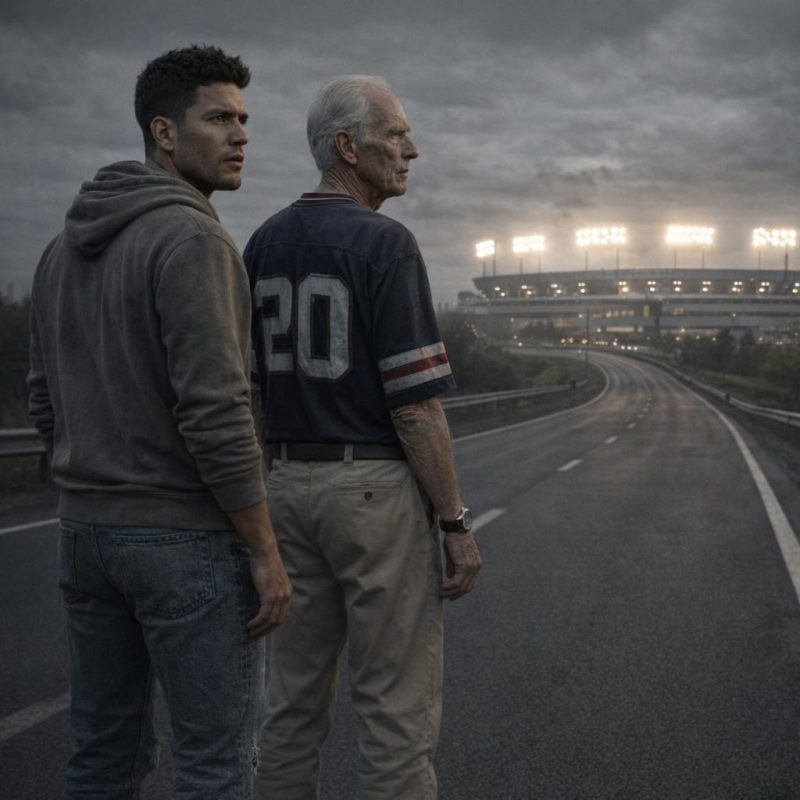 Image by RM AI
Arrival at the Stadium
We found the main entrance and joined the river of people funneling through the gates, and the noise hit me before anything else — thousands of voices layered over each other, vendors calling out, music thumping from somewhere inside. My dad's eyes were everywhere at once. The smell came next: grilled sausages and onions, spilled beer soaking into concrete, the faint chemical sweetness of stadium nachos. It's a smell I've known my whole life, and it still does something to me every single time. People were streaming past in jerseys and scarves, kids on shoulders, couples holding paper cups of beer with both hands. My dad stopped to look up at the scoreboard display cycling through the starting lineups, and I had to gently steer him forward before the crowd swallowed us. I was carrying the confirmation email in my jacket pocket, folded the same way it had been in my desk drawer all week, and I kept touching it through the fabric just to make sure it was still there. We pushed through the main concourse doors and the full scale of it opened up around us — the noise, the light, the press of bodies moving in every direction — and we were inside.
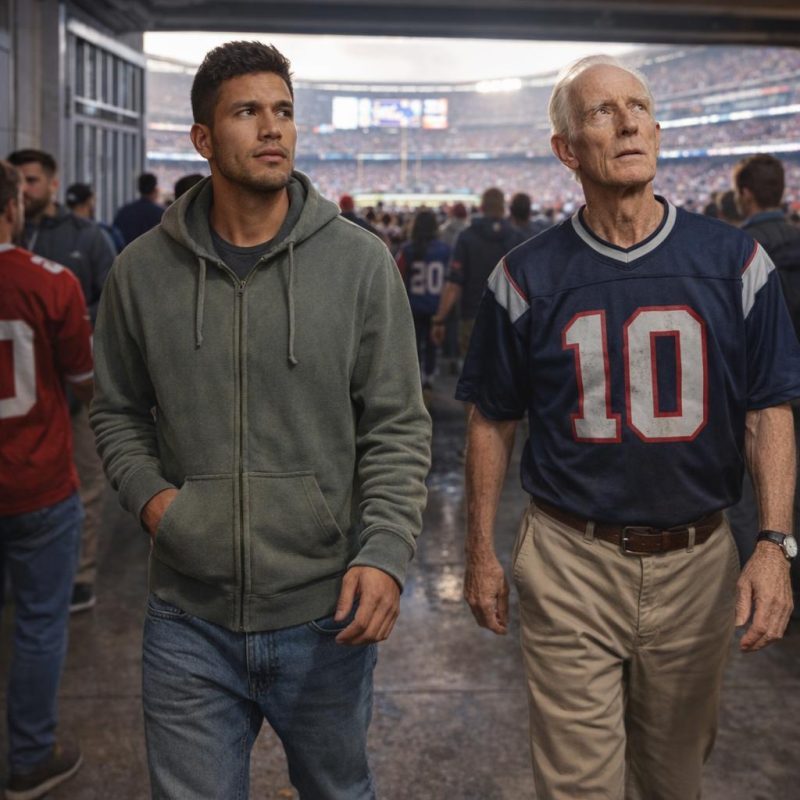 Image by RM AI
Finding the Executive Elevator
The main concourse was pure controlled chaos — shoulder to shoulder, everyone moving with that particular game-day urgency, the kind where nobody's being rude exactly but nobody's stopping either. I had the directions I'd memorized from the stadium website, so I knew we needed to cut left past the main merchandise stand and follow the wall toward the far end of the building. My dad kept pace beside me, still talking, still grinning, though I could tell the crowd was a lot for him. We passed the ramps leading up to the general seating levels and I watched the masses peel off in that direction, the concrete stairs already packed with people hauling food and drinks up toward the upper tiers. We kept going straight. The further we walked from the main flow, the quieter it got — not silent, you could still feel the stadium humming through the floor, but the frantic edge of it softened. The lighting changed too, from the flat fluorescent wash of the concourse to something warmer and more deliberate. There was a small alcove set back from the main corridor with a brushed steel panel above it reading EXECUTIVE LEVEL, and the air around it felt different — stiller, somehow, like it existed just slightly apart from everything else.
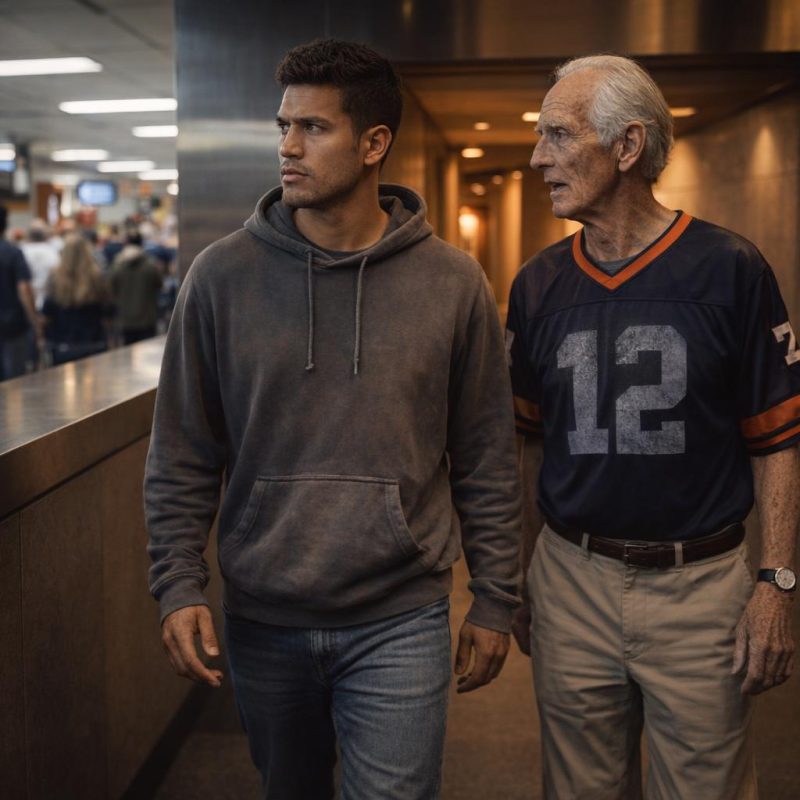 Image by RM AI
The Attendant's Nod
There was an attendant stationed at the elevator — a man in his fifties in a dark blazer, the kind of quiet professional presence that doesn't need to announce itself. He had a small tablet and he looked up as we approached with an expression that was polite but assessing. I pulled out the confirmation email and handed it over, and I'll be honest, my heart was doing something uncomfortable while he looked at it. Six months of savings folded into a piece of paper, and for a second I was aware of exactly how I was dressed — jeans, hoodie, my dad in his faded jersey — standing at the entrance to a place that wasn't built with us in mind. The attendant looked at the email, looked at his tablet, looked back at the email. Then he nodded once, the kind of nod that means everything is in order, and handed it back to me. 'Enjoy the game, gentlemen,' he said, and stepped aside. My dad looked at me with this expression like he still couldn't quite believe any of this was real. We stepped into the elevator, the doors closed, and as the floor rose beneath us, the roar of the crowd below faded to something distant and muffled, like the world had gotten quieter just for us.
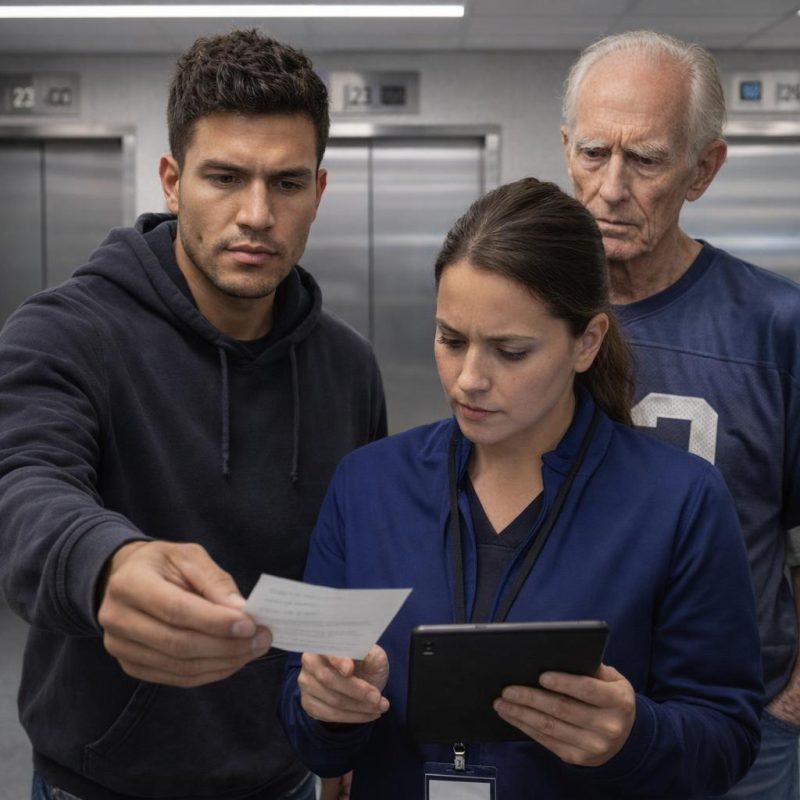 Image by RM AI
The Plush Hallway
The elevator opened onto a hallway that felt like it belonged to a different building entirely. The carpet was thick enough that my footsteps disappeared into it, and after hours of concrete and crowd noise, the quiet was almost disorienting. The walls were lined with framed photographs — legendary players in black and white, championship banners, moments frozen from decades of history — and the lighting was warm and low, the kind that costs money to get right. There was a faint smell of polished wood and something expensive I couldn't name, and the air was noticeably cooler than the concourse below. My dad had gone quiet for the first time all day. He was moving slowly, looking at the photographs, and I let him take his time. I felt like I was walking through somewhere I'd only ever seen in the background of televised press conferences, the kind of place that exists in the same building as the cheap seats but might as well be a different planet. I was reading the small brass plaques on each door as we walked — Suite 4A, a service corridor, a door marked PRIVATE — and then I stopped. There it was, mounted at eye level on a dark wood door: a brass plaque engraved with Suite 4B.
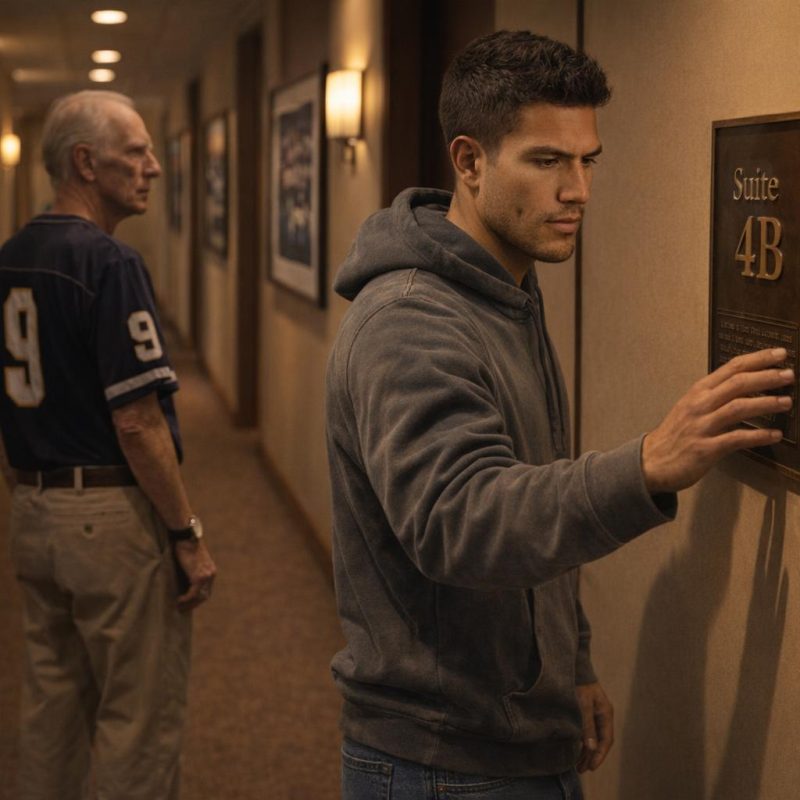 Image by RM AI
The Locked Door
I turned to my dad and I couldn't help it — I was grinning like an idiot. I told him this was it, this was the one. He looked at the plaque and then at me and shook his head slowly, still doing that thing where he couldn't quite make himself believe it. I reached out and pressed down on the door handle. It didn't move. I tried again, pushing slightly this time, thinking maybe it was stiff. Nothing. The door was solid and completely unyielding, and when I pressed my ear close I could hear voices on the other side — more than one, low and easy, the kind of voices that belong to people who are comfortable, settled in, already at home somewhere. Then came a burst of laughter from inside the suite.
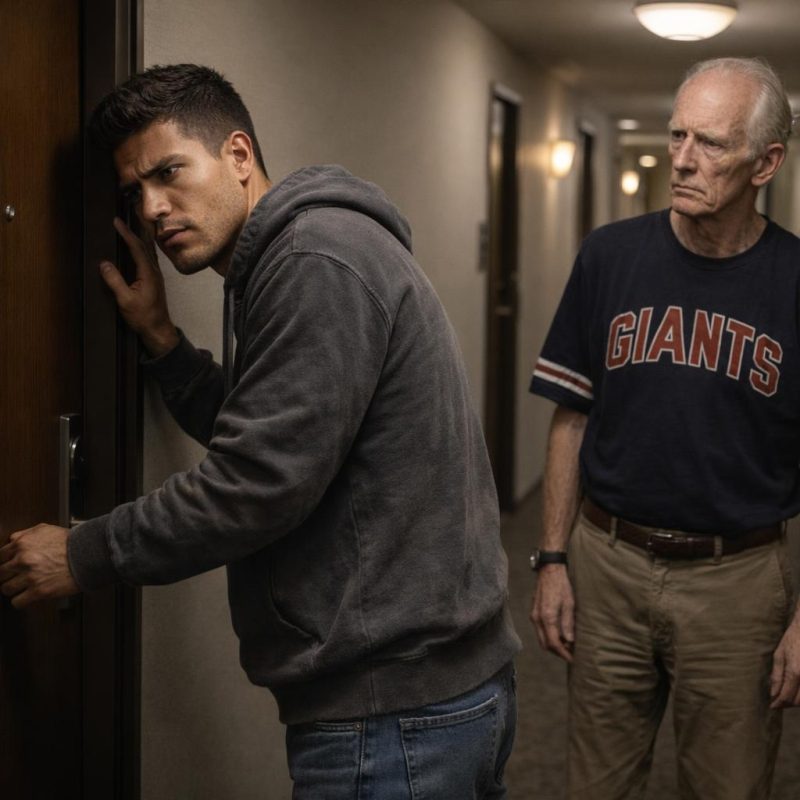 Image by RM AI
The First Knock
I knocked. Not a timid little tap — a real knock, the kind that says I belong here and I know it. My dad stood just behind my shoulder, hands clasped in front of him the way he always does when he's trying to be patient. For a second nothing happened, and I could still hear those voices on the other side, easy and unhurried, glasses clinking. Then the small privacy curtain on the door's narrow window shifted. Someone had pulled it aside from the inside. A face appeared — silver hair, sharp features, a suit that probably cost more than my car. The man looked out at us the way you look at something that has landed on your food. His eyes moved from me to my dad and back again, taking maybe two full seconds to complete the assessment. Then his hand came up, fingers spread, and he waved us off — a single slow sweep, like he was shooing something away from a table — and let the curtain fall back into place.
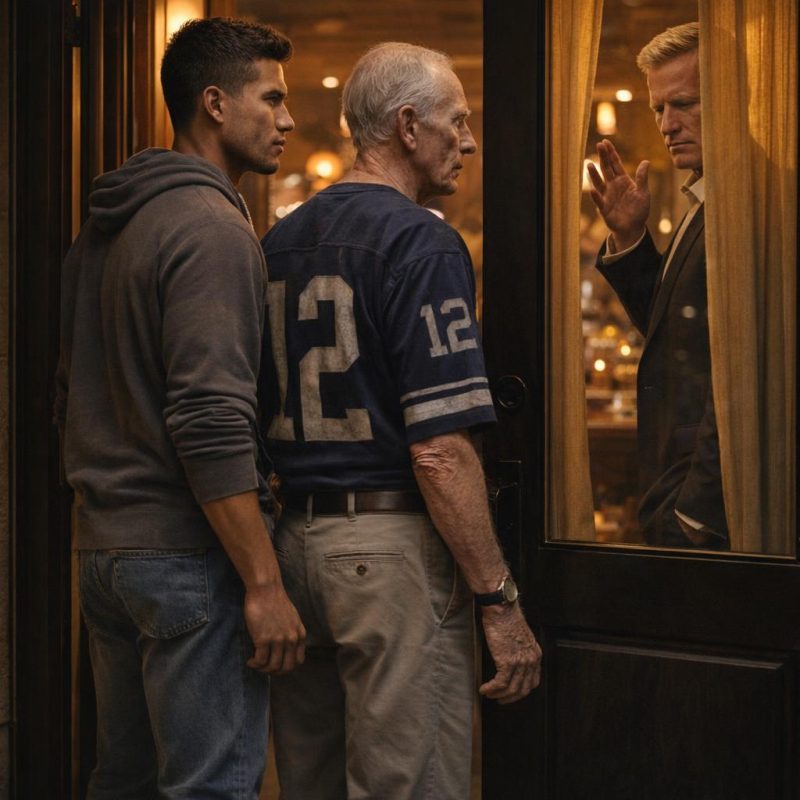 Image by RM AI
Wrong Door
My dad touched my arm and said maybe we had the wrong door, his voice low and careful. I turned and looked at him. That smile he'd been wearing since we pulled into the parking garage — the one I'd been carrying in my chest all morning — had gone uncertain at the edges. He was giving the situation an out, the way he always does, always finding the most generous explanation for things. I pulled out my phone and opened the confirmation email. Suite 4B, it said. Premium game-day package. I scrolled down past the itemized catering list, past the seat-view description, all the way to the green checkmark at the bottom that said Reservation Confirmed. I showed him the screen. He nodded slowly, reading it twice, and then looked back at the door. He didn't say anything after that. Neither did I. The quiet that settled between us carried something I didn't have a name for yet — just the sound of his voice a moment before, still soft with the hope that this was all a simple mistake.
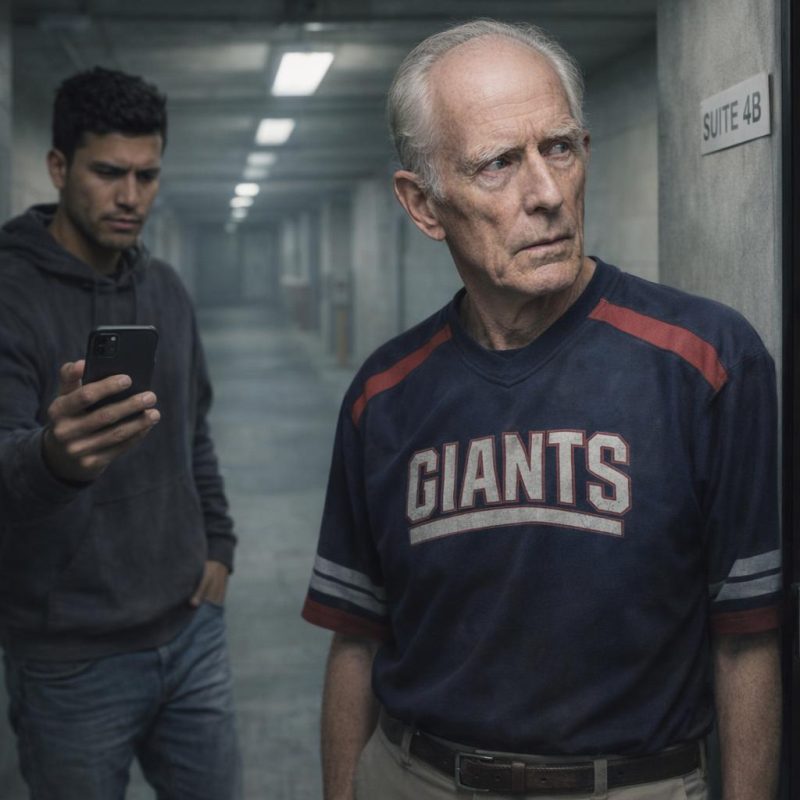 Image by RM AI
The Smell of Scotch
I knocked again, harder this time, three solid raps that I felt in my knuckles. A long pause. Then I heard the latch disengage and the door opened maybe four inches — no more than that, held in place by the man's body on the other side. The smell hit me first: expensive scotch, the kind that comes in a bottle with a wax seal, mixed with something warm and savory from inside the room. My catering. I could smell my catering. The man looked at me through the gap with an expression like I was a scheduling conflict he hadn't anticipated. He said the suite was occupied for a private corporate event and that we needed to speak with guest services downstairs. I told him I had booked this suite six months ago and held up my phone so he could see the confirmation screen. He didn't look at it. Not a glance, not even a flicker of his eyes toward the screen — he just kept his gaze level on my face, waiting for me to finish, like the phone in my hand wasn't there at all.
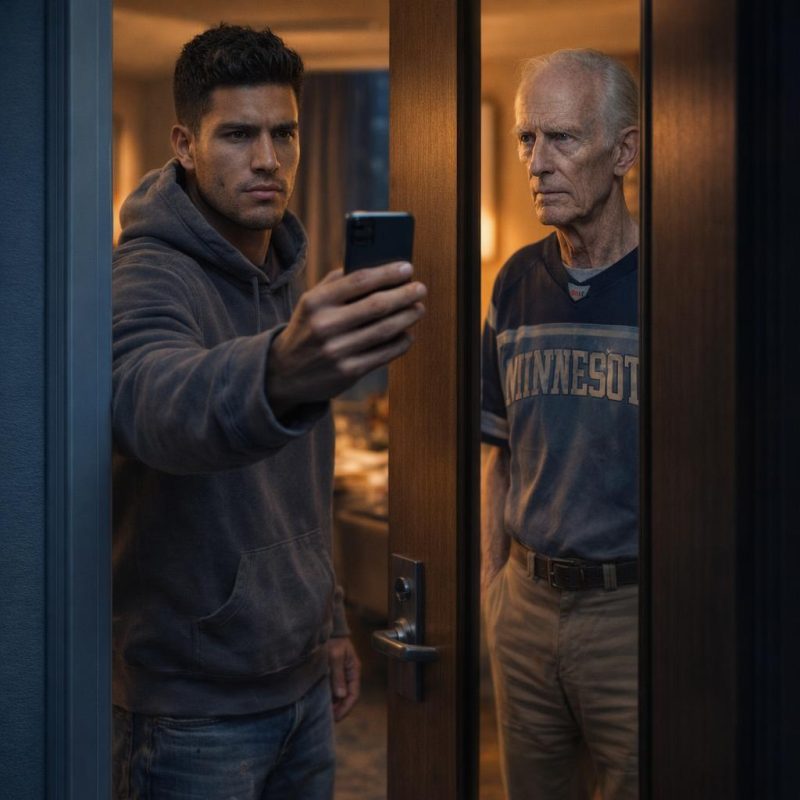 Image by RM AI
The Door Closes
He pulled the door shut. No argument, no explanation, no parting word — just the door swinging back into the frame with a soft, final thud. I stood there for a half second thinking it hadn't fully latched, that he'd open it again. Then I heard it: the electronic lock engaging, a short mechanical click that seemed way too small for what it meant. The heat started at the back of my neck and moved up fast. I pressed my palm flat against the door and held it there, not pushing, just feeling the solid weight of it. Six months of skipped lunches and double shifts and a spreadsheet I'd updated every Friday night. My dad was behind me. I could feel him there without turning around, standing the way he stands when something is wrong and he doesn't want to make it worse — very still, very quiet, giving me room. I didn't turn around yet. I wasn't ready for him to see my face.
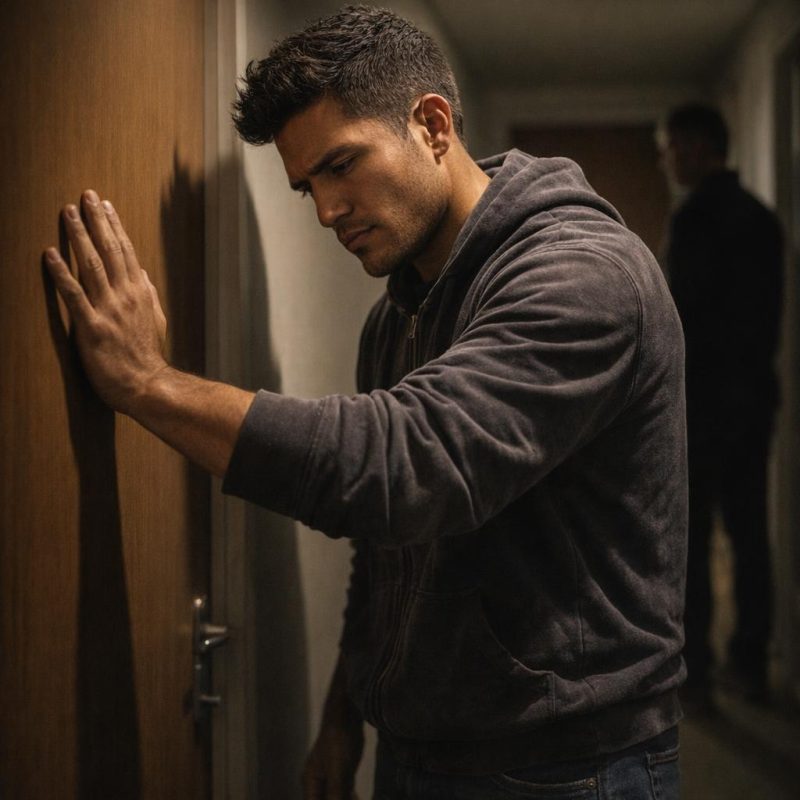 Image by RM AI
Finding the Gold Blazer
I stepped back from the door and looked down the hallway. It was long and carpeted in deep burgundy, the kind of carpet that swallows sound, and for a moment it felt like the whole corridor was holding its breath. Then I saw her — maybe thirty feet away, a woman in a gold stadium blazer moving between two doors with a tablet in her hand, the kind of purposeful walk that meant she worked here and knew what she was doing. I started toward her without deciding to. My dad fell in behind me, and I could hear the slight hesitation in his footsteps, that half-beat pause that told me he was already uncomfortable with where this was going. He's never liked confrontation. Thirty years in the shipyard and he learned to keep his head down, to work the problem quietly, to not make a scene. I understood that about him. I just couldn't do it right now. I kept walking, and behind me I felt the weight of his discomfort like a hand on my shoulder, steady and familiar and asking me to slow down.
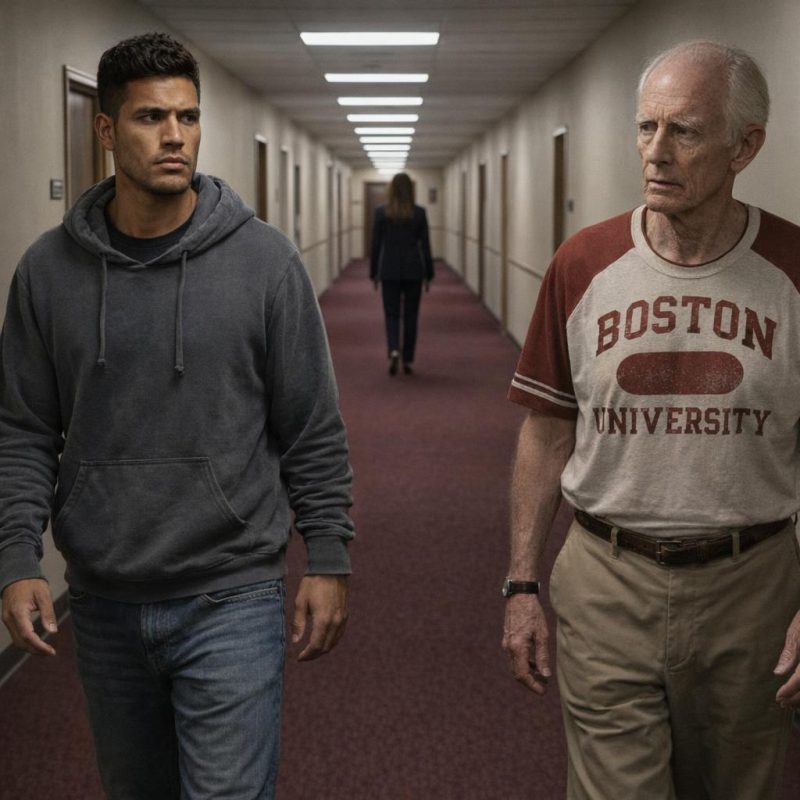 Image by RM AI
Explaining the Situation
She turned when she heard me coming, and I could tell from the way her expression shifted — from professional neutral to something more alert — that she'd read the situation in my face before I said a word. Her name tag said Jessica. I kept my voice even. I told her I had a confirmed reservation for Suite 4B, that I'd booked it six months ago for my dad's birthday, and that when I arrived the door was locked with a group of people inside who were refusing to open it. I showed her the confirmation on my phone. She took it carefully, both hands, and read it the way you read something when you're hoping it will tell you there's been a simple clerical error. My dad stood just behind me, quiet, his hands in his pockets. Jessica looked up from the screen and then back down at it once more. She handed the phone back to me and said she needed to check something, and when she looked up again there was something moving across her face — not panic, not quite, but something close to it, something that told me this was not the first time today she'd heard the words Suite 4B.
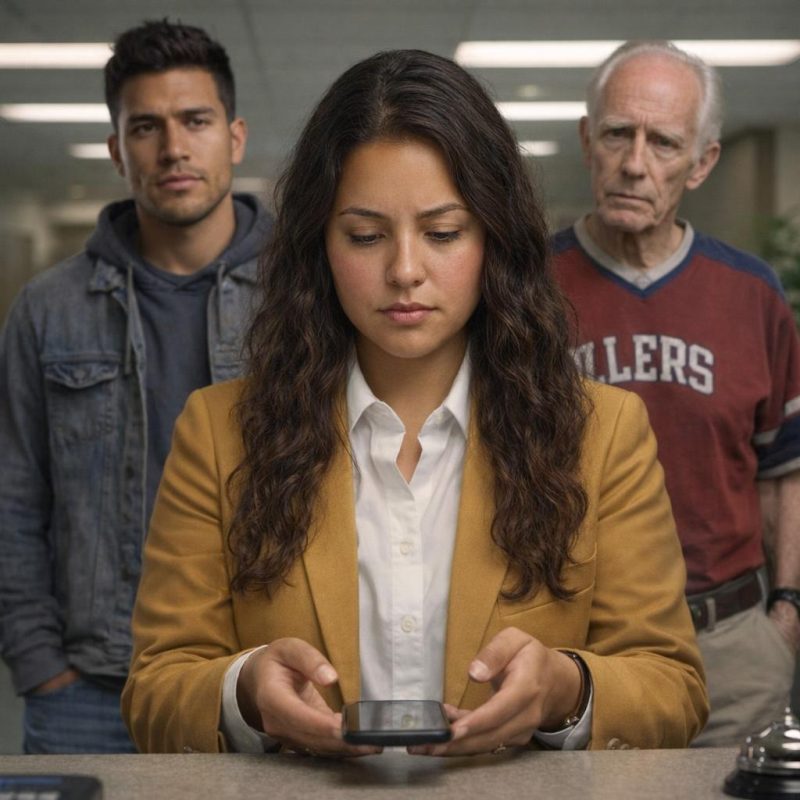 Image by RM AI
The Master Key
Jessica didn't make me wait. She said to follow her and started back down the hallway at a pace that was just short of a jog, her blazer catching the overhead light as she moved. My dad and I fell in behind her. Nobody spoke. The carpet absorbed our footsteps and the hallway felt longer going back than it had going forward. When we reached Suite 4B, Jessica stopped in front of the door and unclipped a keycard from the lanyard at her hip — a different card from the standard guest ones, thicker, with a stripe of silver along one edge. She held it up to the reader. The light on the panel blinked from red to green. She pressed down on the handle and pushed, and the heavy oak door swung inward on its hinges, slow and wide, opening up the full width of the suite in one long, unhurried motion.
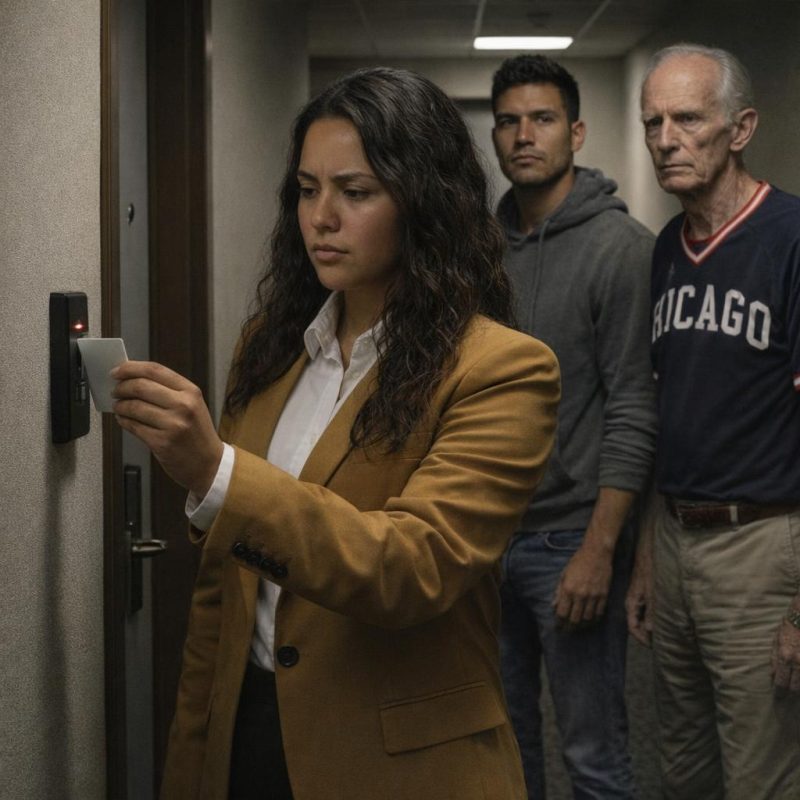 Image by RM AI
The Corporate Gathering
The smell reached me before anything else — the cedar and leather of the suite mixing with the food, my food, the exact spread I had spent forty minutes selecting from the premium catering menu: the charcuterie board with the smoked gouda, the sliders, the loaded potato skins, the chocolate-dipped strawberries I'd added at the last minute because my dad has a sweet tooth he pretends he doesn't have. Eight people in business formal were arranged around the room like they owned it. Two were out on the balcony leaning over the railing to watch the field below. Three more were clustered around the catering table, plates in hand. A man in his fifties I didn't recognize sat near the window with a drink. My dad made a small sound behind me, barely audible, somewhere between surprise and confusion. Jessica had gone very still beside me. I was still taking it all in — the food, the strangers, the easy comfort of people who had never once considered they might be somewhere they didn't belong — when the silver-haired man rose from the leather sofa.
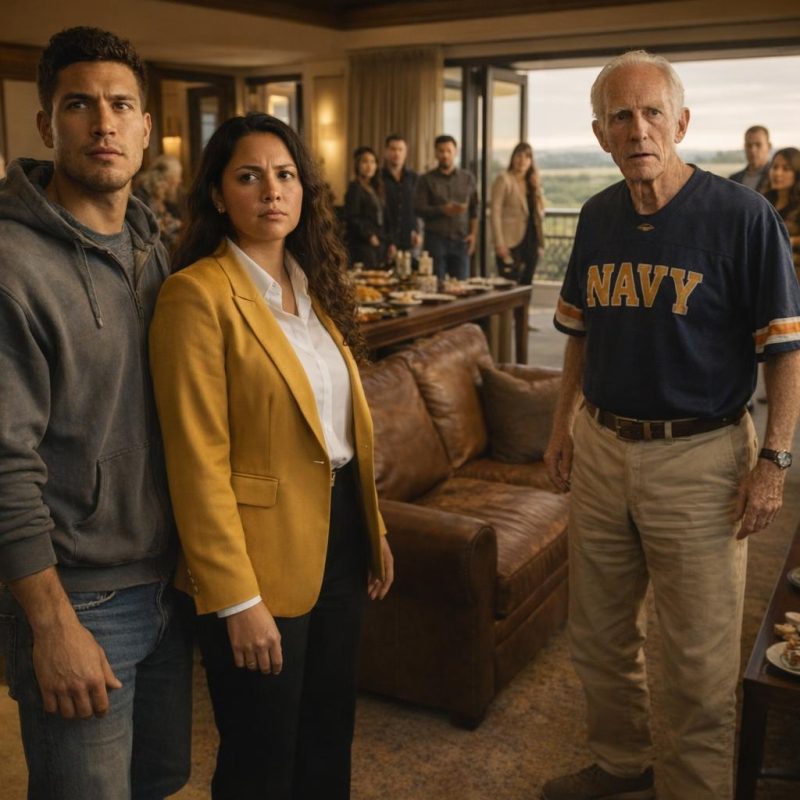 Image by RM AI
Top Sponsors
He didn't apologize. Didn't even blink. The silver-haired man just straightened up from the sofa like we were a minor inconvenience — a fly that had wandered into the wrong room. He looked past me, past my dad, and fixed his eyes on Jessica with the kind of stare that's designed to make people feel small. 'Do you have any idea,' he said, his voice dropping into something low and controlled, 'who you are interrupting right now?' Jessica opened her mouth and nothing came out. He didn't wait for her. He swept one hand toward the room behind him — the people with the plates, the guys on the balcony, Thompson near the window — and said this was a private meeting with the stadium's top sponsors, and that sending a low-level staffer to knock on the door mid-event was an embarrassment to the organization. He said it like he was doing her a favor by not calling her supervisor himself. I watched the other guests inside turn to look at us, drinks in hand, expressions somewhere between bored and amused. And then the word landed in my chest — sponsors — and I felt the whole situation tilt sideways.
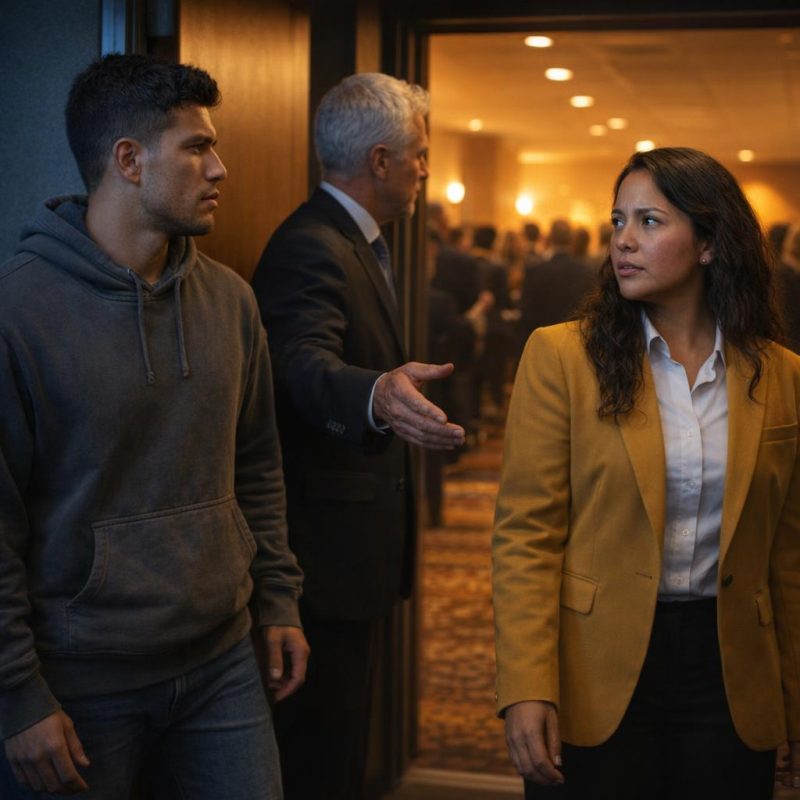 Image by RM AI
The Representative Stutters
Jessica looked at my phone. I had it extended toward her, the confirmation screen bright in the dim hallway light — booking number, suite number, date, my name, paid in full. She looked at it for a long moment, long enough that I thought maybe it was going to be okay, maybe the receipt would be enough. Then her eyes moved to the man in the expensive suit. He hadn't shifted his posture. He was still standing with that easy, planted authority, arms loose at his sides, like he had all the time in the world and none of it was going to go our way. Jessica's mouth opened. What came out was halting — something about needing to verify, about checking with the system, about how there might have been a — and then she stopped. Started again. Her voice had gone thin. I could see her trying to hold onto her professionalism and losing the grip on it in real time. My dad stood quietly behind me, and I could feel him not saying anything, which was somehow worse than if he had. I kept my eyes on Jessica. The fear in them, when she glanced back at the man, was something I couldn't look away from.
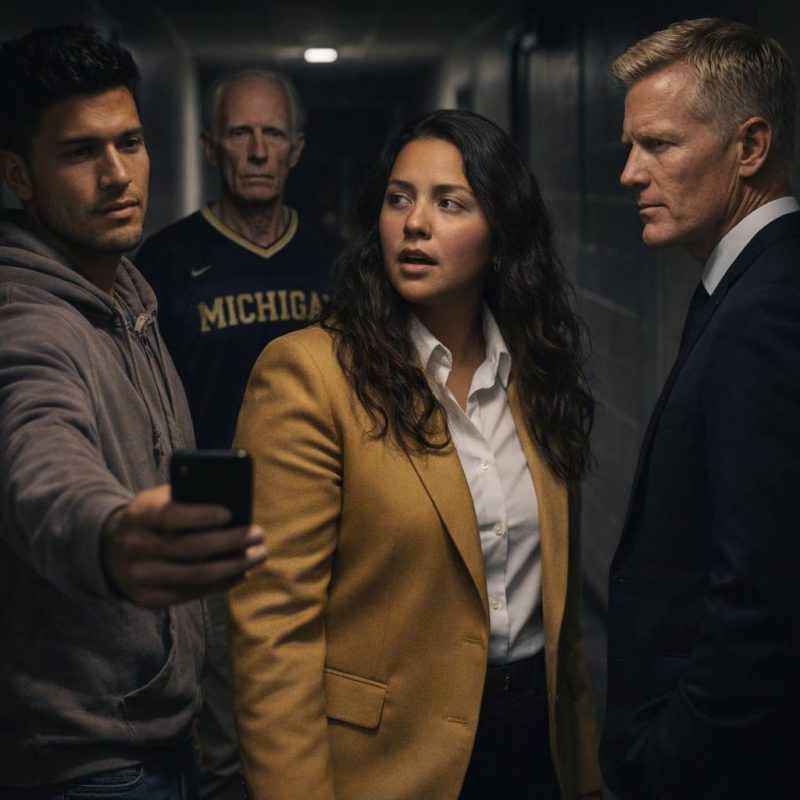 Image by RM AI
Verbal Agreement
Then he said it. Calm as anything, like he was reading from a document he'd already had notarized. He said he had a verbal agreement with stadium ownership — a standing arrangement that superseded standard digital reservations. He used that word, superseded, without any hesitation, like it was a word he reached for regularly. He said the suite had been made available to his group through a direct understanding with the organization's leadership, and that whatever the ticketing system showed was a clerical matter that would be sorted out after the game. Jessica didn't challenge it. She just stood there holding my phone, and I watched her absorb his words the way you absorb a verdict you weren't expecting. I wanted to say something — I had a receipt, I had a booking number, I had six months of overtime shifts behind that number — but the words backed up somewhere in my throat. My dad hadn't moved. The noise from the corridor felt very far away. The man's voice had already moved on to something else, but that phrase — verbal agreement — just hung there in the air between us, not going anywhere.
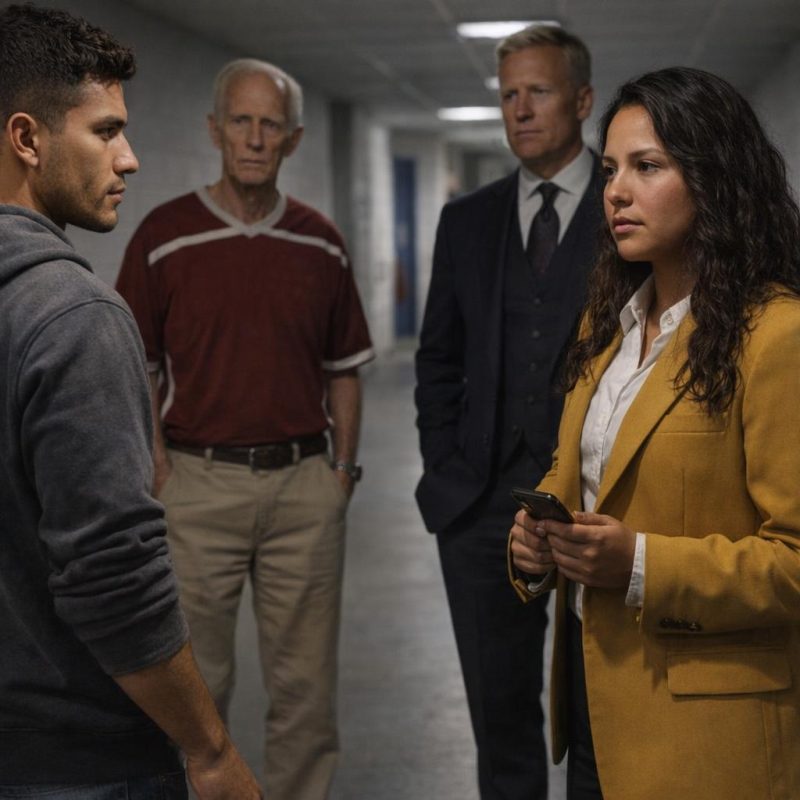 Image by RM AI
The Sneer
He let the silence sit for a beat, and then his eyes moved. Not to me first — to my dad. They traveled down from my father's face to the faded team jersey, the one my dad had owned for probably fifteen years, the one with the small iron-on patch near the hem where my mom had fixed a tear. Then they moved to my jeans, my hoodie, my beat-up sneakers. It took maybe two seconds. It was the kind of look that doesn't need words because it's already said everything — the whole assessment, the whole verdict, delivered in the time it takes to exhale. The corner of his mouth pulled. Not a smile. Something that lived just below a smile, in the territory where contempt parks itself when it wants to stay polite. I had felt that look before, in other rooms, from other people, but never quite this openly, never quite this deliberately aimed at my father. My dad was standing there in his jersey with his hands at his sides, and he hadn't done a single thing wrong, and the man was looking at him like he was something that had wandered in off the street.
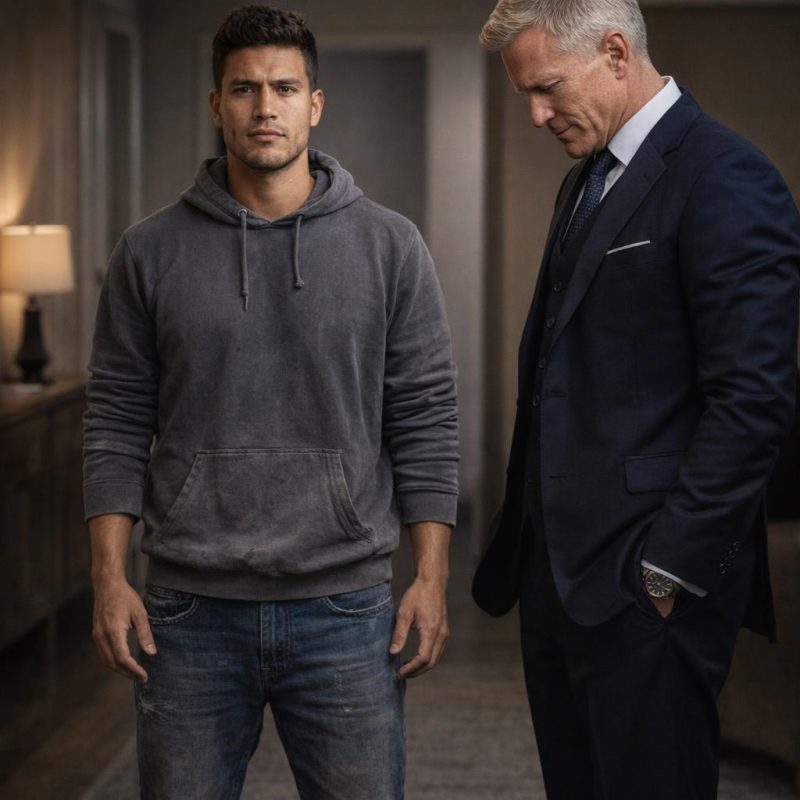 Image by RM AI
Call Security
He turned back to Jessica like we had already been handled. 'Call security,' he said. Just like that — no raised voice, no drama, the same flat tone he'd used for everything else. 'Have these two escorted out. They've been harassing my guests.' I heard my dad make a small sound beside me. I felt the floor shift under the word harassing. We hadn't raised our voices. We hadn't touched anything. We had knocked on a door to a suite I had paid for, and now we were being described as a threat. Jessica's eyes went wide for just a second before she pulled her expression back into something neutral. She looked at me, then at him, then at the tablet in her hands. She didn't say no. She didn't say yes either, but she didn't say no, and in that moment the difference felt razor thin. My dad's hand found my elbow — not grabbing, just resting there, the way he used to when I was a kid and he was trying to tell me something without words. I stood very still. The word harassment sat in the air between all of us, and nobody moved.
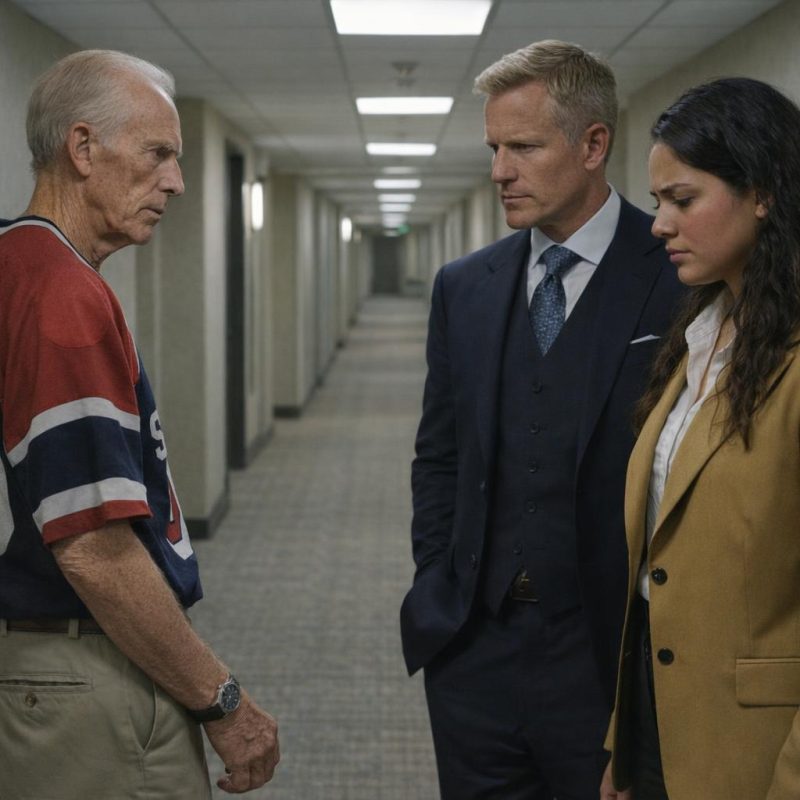 Image by RM AI
Dad's Hand on My Arm
My dad's grip tightened just slightly on my arm. 'Marcus.' His voice was low, meant only for me. 'It's okay. We can watch from the concourse — they've got the big screens down by the food stands. It'll still be a good time.' He said it gently, the way he's always said hard things — like he was trying to make the landing softer for me, not for himself. Like the disappointment was mine to carry and he was just trying to help me set it down. That's the thing about my dad. Forty years in the shipyard, and he never once came home and told us the world was unfair. He just adjusted. He just found the next thing that would work. And standing there in that hallway, I could hear all of those adjustments in his voice — every time he'd swallowed something and moved on, every time he'd decided the fight wasn't worth it. He wasn't giving up. He genuinely believed he was protecting me. That was the part that broke something open in my chest — not the man in the suite, not the word harassment, just the quiet resignation in my father's voice, already making peace with losing something he hadn't even had the chance to enjoy yet.
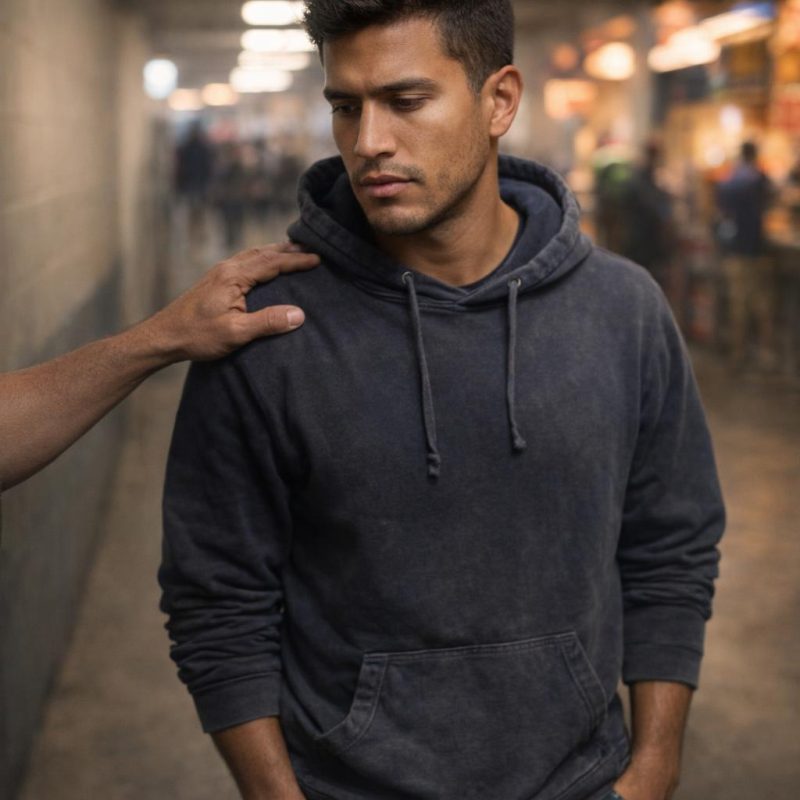 Image by RM AI
Standing Ground
I put my hand over my dad's and squeezed once, then stepped forward so I was squarely in the doorframe. Not aggressive — I wasn't going to give anyone a reason to say I was. But I wasn't moving either. I looked at Jessica and I kept my voice as level as I could manage. 'I'm not leaving,' I said. 'I have a confirmed reservation, I have the receipt on my phone, and I'm not going anywhere until a manager comes up here and looks at both.' Jessica glanced at the man. The man looked at me the way you look at something you've already decided is beneath your attention. I held the doorframe and I didn't look away. My dad had gone quiet behind me, and I could feel him there, steady, not pulling at my arm anymore. The corridor felt very still. Jessica had her tablet pressed against her chest like a shield. I don't know how long we stood like that — ten seconds, maybe twenty — before the silver-haired man reached into the breast pocket of his jacket, pulled out his phone, and brought it to his ear.
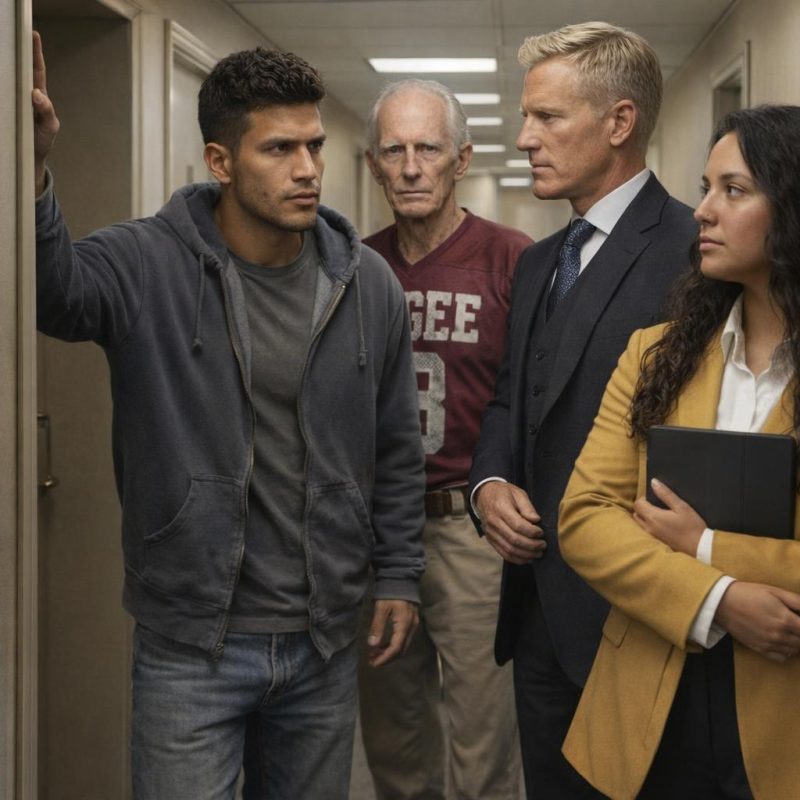 Image by RM AI
Unruly Fans
He turned slightly away from us when the call connected, but not far enough. The corridor was quiet enough that I caught most of it. His voice stayed even — no urgency, no heat, just that same flat authority he'd used on Jessica. He said he was in Suite 114 and that there was a situation that needed immediate attention. Then he said it: a couple of unruly fans had shown up at the door and were refusing to leave, and that they were making his guests uncomfortable. He said guests. He said unruly fans. He said it the way you'd report a spilled drink — a minor problem, easily solved, already beneath him. I looked at my dad standing there in his jersey with his hands folded in front of him, the most patient man I had ever known, and I looked at myself — standing still, voice steady, receipt in hand — and I heard those two words again: unruly fans.
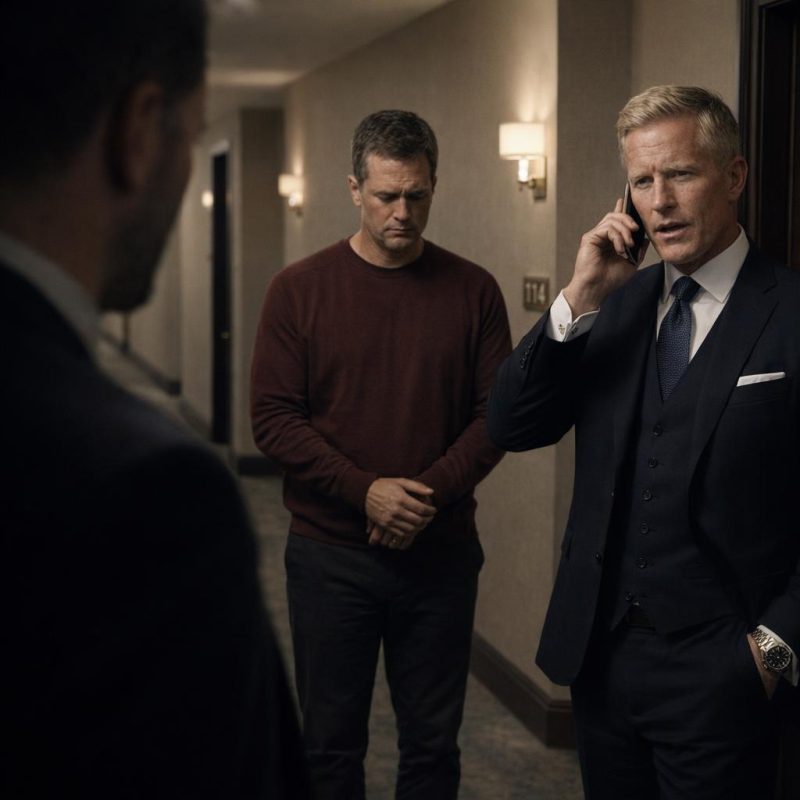 Image by RM AI
Three Minutes
I counted the seconds after he ended the call. I don't know why — maybe because standing still was the only thing I could do without my legs giving out. My dad hadn't moved. He was still standing there with his hands folded in front of him, that same patient posture he'd held through thirty years of shipyard shifts, through foremen who talked down to him, through every indignity that came with working your whole life for people who never learned your name. Carmichael had drifted back toward the suite door, unhurried, like the whole thing was already resolved. Jessica was pressed against the wall, eyes down, not looking at either of us. The corridor felt smaller than it had five minutes ago. I kept my receipt in my hand. I kept my phone in my pocket. I told myself to stay calm, stay visible, don't give anyone a reason. I was still telling myself that when I looked up and saw them — two large men in black tactical vests, already moving toward us from the far end of the hallway.
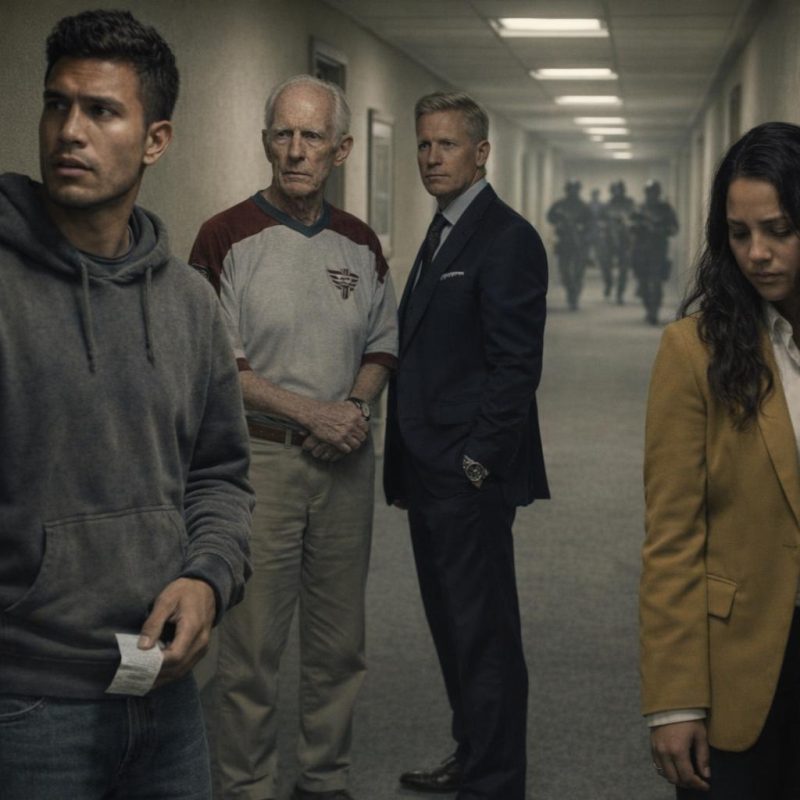 Image by RM AI
Immediate Judgment
They didn't slow down when they reached us. They didn't look at me and ask what was going on. One of them — the taller one, late thirties, jaw set like he'd already made up his mind — looked straight past me to Carmichael. That was it. That was the whole assessment. Carmichael gave a small nod, barely perceptible, the kind of nod that assumes it will be understood, and it was. The guard's eyes came back to me and my dad, and I watched something settle in his face — not hostility exactly, more like confirmation. Like we matched whatever description he'd already been given. I was in a hoodie and jeans. My dad was in his jersey. Carmichael was in a three-piece suit that probably cost more than my car. I held up my phone. I said, calmly as I could manage, that I had a reservation and a confirmation number and I could show them everything right now. Neither guard responded. The taller one glanced at my phone the way you glance at something you've already decided doesn't matter. I felt my dad shift beside me, and I didn't look at him, because I already knew what I'd see. That was the moment — the exact moment — they chose who to believe.
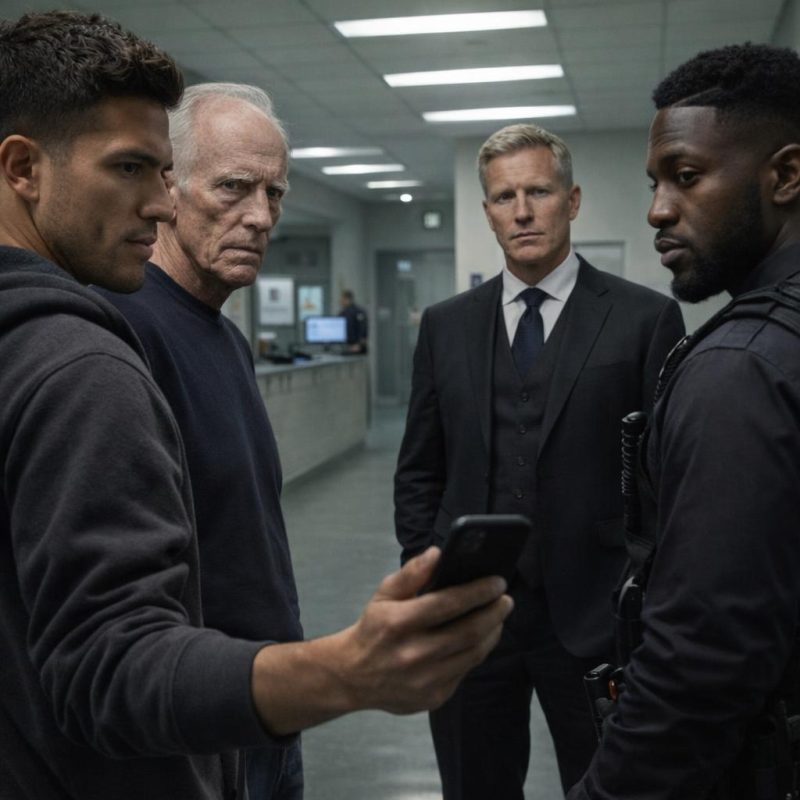 Image by RM AI
Hands Near Belts
The taller guard took a step forward and the other one moved to flank me on the left, and something in my chest locked up completely. My dad said my name — quiet, careful, the way he used to say it when I was a kid and about to do something that would make things worse. I heard him. I stayed still. I kept my hands visible, palms out, phone in my right hand, because I knew — I knew in the way you know things when your body understands the situation faster than your brain does — that any sudden movement was going to end this badly. The taller guard told me to put the phone away. I said I needed them to look at it first. He said it again, slower this time, and the other one had stopped flanking and was just standing there, close enough that I could smell the starch in his vest. My dad took a small step toward me and the second guard put a hand up to stop him, not touching him, just the gesture, and my father stopped like he'd hit a wall. I looked at the taller guard's hands. They weren't at his sides anymore. Both of them had their hands hovering near their belts.
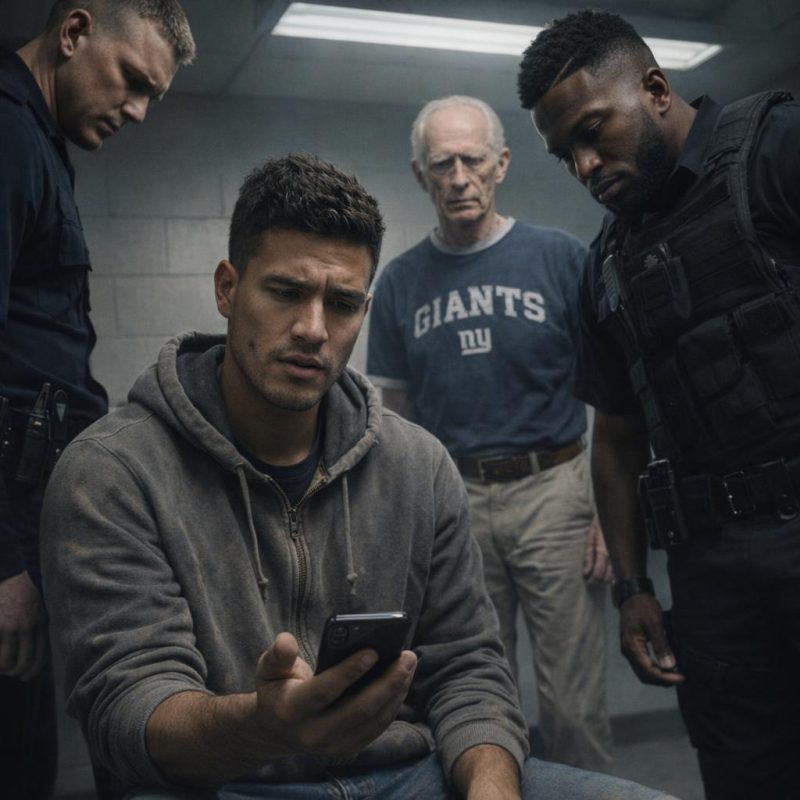 Image by RM AI
Phone as Shield
I raised my phone higher. Both hands now, screen facing out, the confirmation page pulled up with the suite number and my name and the date printed right there in black and white. I said it loud enough that my voice bounced off the corridor walls — that I was the paying customer, that I had booked Suite 4B six months ago, that I had the confirmation right there and they needed to look at it before they did anything else. My dad said my name again, softer this time, and I could hear something in it that I didn't want to hear — not fear exactly, more like resignation, like a man who had learned a long time ago that raising your voice in a hallway like this one rarely ended the way you hoped. The guards didn't stop. The taller one told me to lower the phone and step toward the wall. I didn't lower it. I kept it up, arm extended, screen glowing, and I heard my own voice still going — still insisting, still explaining — and what hit me wasn't anger anymore. It was the sound of it. The raw, cracking edge underneath the words. I hadn't heard myself sound like that in a long time.
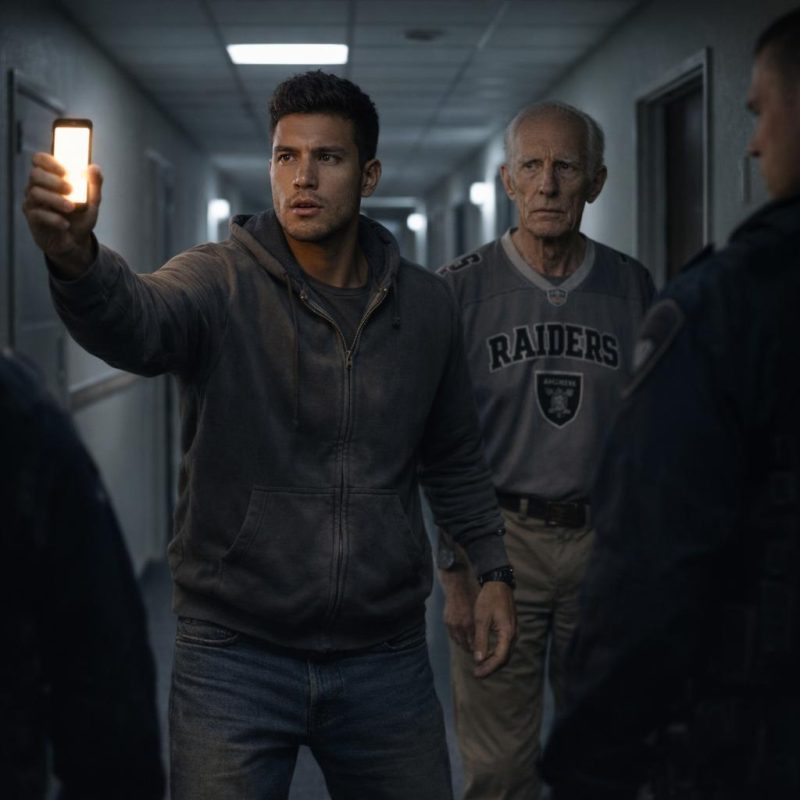 Image by RM AI
Arms Behind Back
It happened fast. The taller guard stepped in and got a hand on my left arm, and before I could process it the other one had my right, and they pulled both arms back and behind me in one practiced motion. My phone hit the floor. I heard it skid across the tile and I couldn't see where it went because my face was turned toward the wall and my shoulder was screaming and I was trying very hard not to make a sound that would make this worse. I heard my dad say something — not my name this time, something else, something low and urgent — and one of the guards told him to stay back. I twisted just enough to see him. He was standing three feet away with his hands raised, palms out, and his face — his face was something I had never seen before in thirty years of knowing him. My dad was not a man who showed fear. He had worked dangerous jobs in dangerous places and he had never once let me see him rattled. But he was rattled now. He was standing in a stadium hallway in his birthday jersey with his hands in the air, watching his son get pinned against a wall, and the look on his face was frozen somewhere I couldn't reach him.
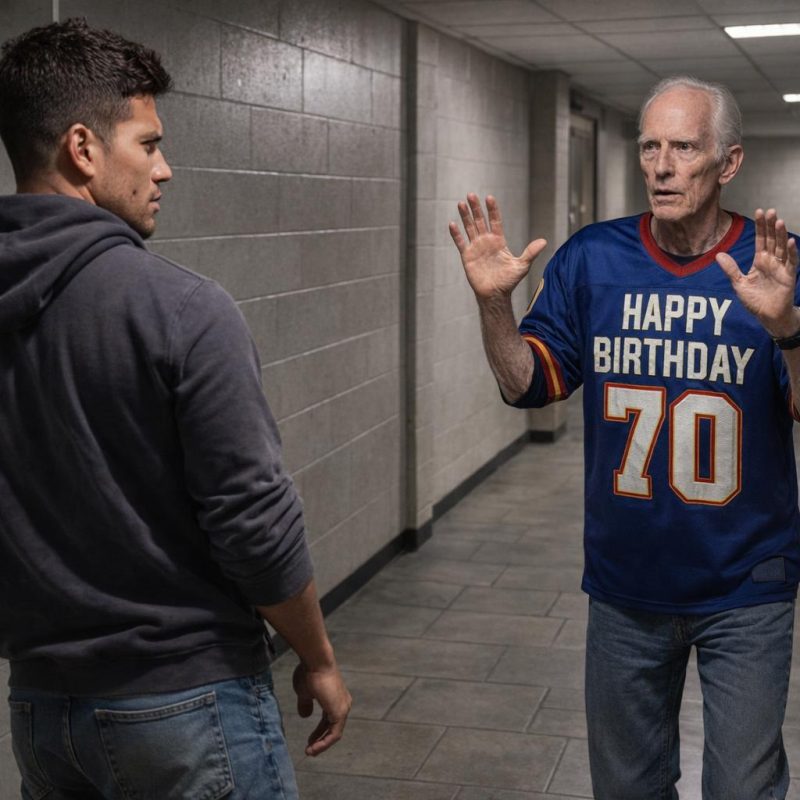 Image by RM AI
The Service Elevator
The taller guard said something about the elevators and I felt the grip on my arms tighten, a shift in weight that meant we were about to move. My shoulder was still burning. I couldn't see my phone. My dad was saying something behind me but I couldn't make out the words over the blood in my ears. I was trying to think — trying to figure out if there was anything left I could say or do that would stop this before it got to wherever it was going — and I couldn't come up with anything. Carmichael hadn't moved from the suite doorway. I caught a glimpse of him in my peripheral vision, standing there with his arms crossed, and I looked away because looking at him wasn't going to help me. The guard on my right started to turn me toward the main elevators. I planted my feet for one more second, not fighting, just stalling, just buying one more breath. And then I heard it — the mechanical grind of elevator doors opening, but not from the direction they were pulling me. From the other end of the hallway. The service elevator. And a woman in a dark navy blazer stepped out into the corridor.
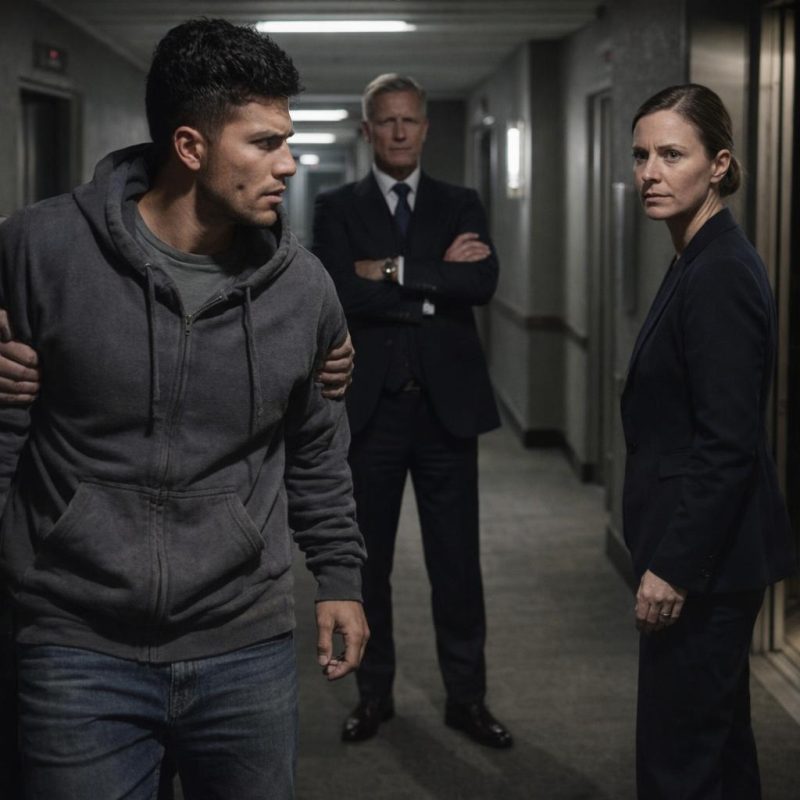 Image by RM AI
Checked the Manifest
She didn't rush. That was the first thing I noticed. Everyone else in that hallway was operating at some level of urgency — the guards, my dad, me — but she moved like someone who had already done the math before she walked through those doors. She had a tablet tucked under one arm and she was scanning the hallway as she walked, taking in the whole scene in about two seconds flat. The guard on my left glanced at her. The one on my right didn't let go of my arm but his grip shifted, just slightly, like he wasn't sure anymore whether the situation was still entirely his to manage. She stopped about ten feet away and looked at the guards first, then at Carmichael, then at me and my dad. She said her name and her title clearly — Director of Operations — and then she said she'd heard the radio call and had pulled the reservation manifest before coming up. She didn't say what she'd found. She didn't need to yet. She just stood there with the tablet in her hand and her eyes steady and her voice carrying the kind of quiet weight that doesn't need volume behind it to land.
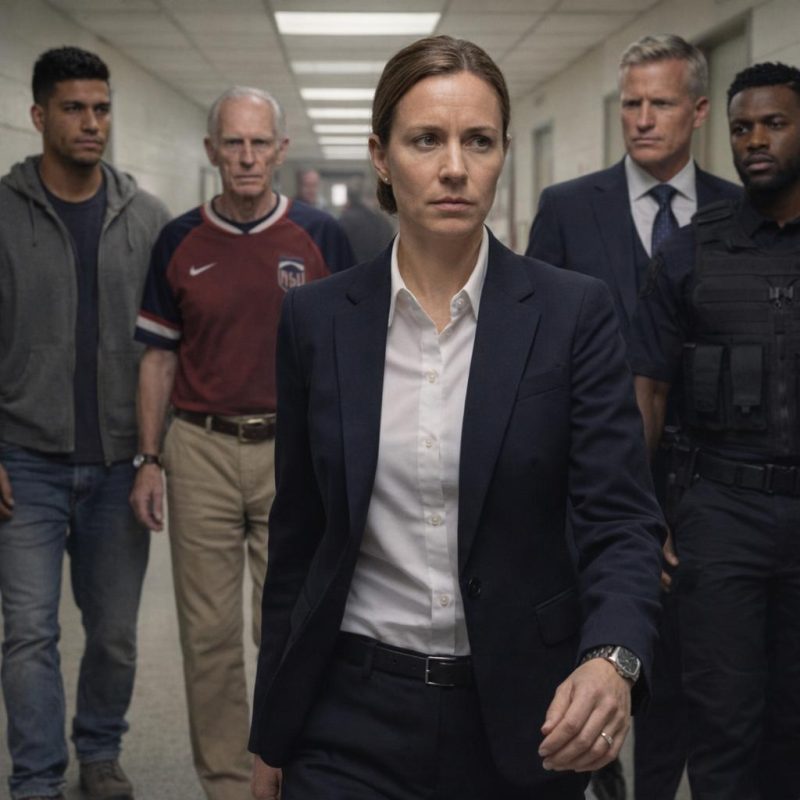 Image by RM AI
Stop
Nobody moved for a second. Carmichael straightened up in the doorway. The taller guard looked at him, then back at her, like he was trying to figure out whose authority outranked whose. My arms were still pinned behind me and my shoulder was still burning and I was trying to breathe slowly enough that nobody could see how close I was to the edge. My dad had gone completely still. Jessica was pressed flat against the wall with her hand over her mouth. Diana looked at the guards — not at Carmichael, not at me, just at the guards — and she said one word. Stop. Not loudly. She didn't need to say it loudly. It came out flat and final, the way a door closes on a conversation that's over, and both guards froze where they stood. The grip on my arms didn't release, but it didn't tighten either. Nobody in that hallway made a sound. The word just sat there in the air between all of us, and somehow it was the only thing I could still hear.
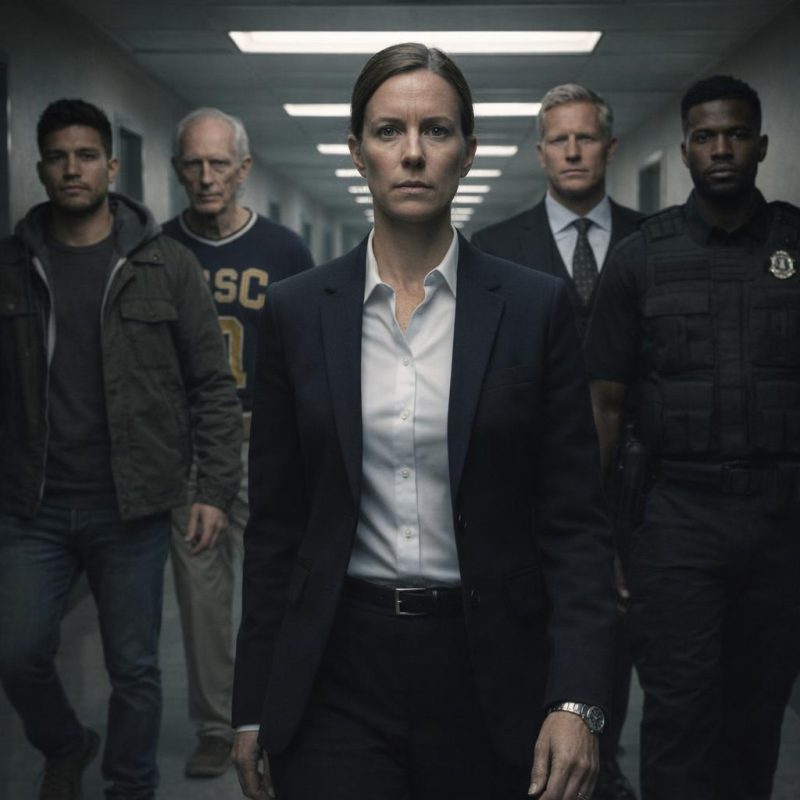 Image by RM AI
Into the Suite
Diana didn't ask permission. She just walked in. The guards still had my arms pinned and my shoulder was screaming but I watched her step past the doorframe like the suite belonged to her by default, and something in my chest loosened just slightly. Carmichael moved to block her path — actually stepped sideways to cut her off — and started talking about private events and corporate arrangements and people he knew at the executive level. Diana walked around him. Not aggressively, not dramatically. She just redirected her path the way you'd redirect around a piece of furniture and kept moving. Thompson was standing near the back wall with a drink in his hand and he went very still when she came in, like a man who'd just heard a sound he didn't want to identify. My dad was pressed against the wall near the door, his faded jersey wrinkled, his hands clasped in front of him, and the look on his face was the one I'd seen when the shipyard handed him his last check — that quiet, dignified hurt that he never let turn into anger. Carmichael kept talking. Diana stopped at the catering table, set her tablet flat on the surface beside a tray of untouched appetizers, and started comparing what was laid out in front of her to whatever was on her screen.
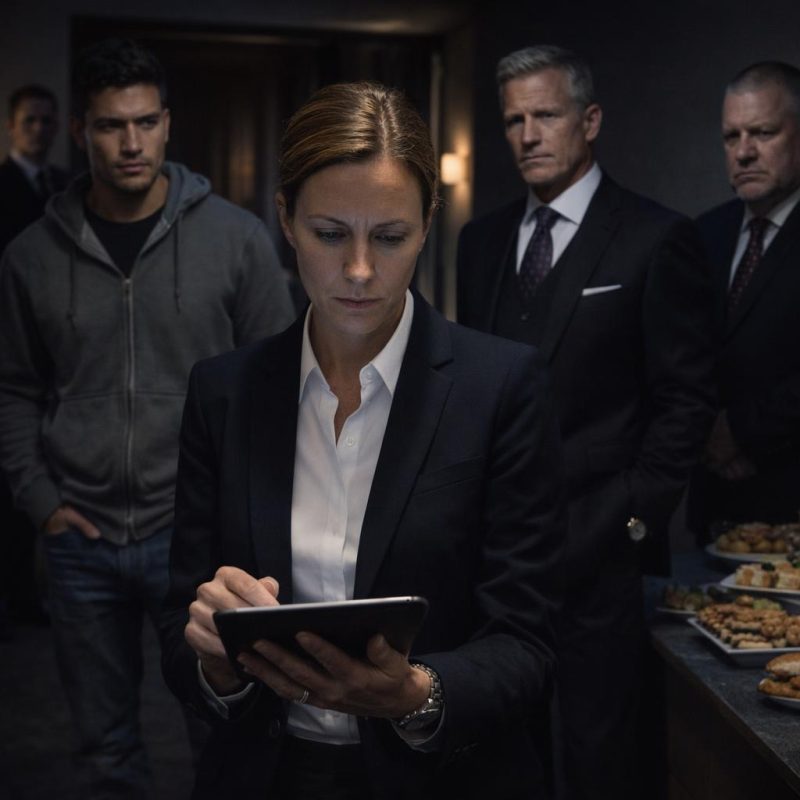 Image by RM AI
Reservation Number
Carmichael was still going. Something about a verbal agreement, something about a handshake with someone in sales, something about how this kind of misunderstanding gets sorted out at a different level than whatever level Diana was operating at. He said that last part with a particular kind of weight, like he expected her to feel the distance between them and step back. She didn't step back. She finished reading whatever was on her tablet, looked up, and turned to face him. The room went quiet in a way that felt different from before — not the quiet of people holding their breath, but the quiet of something about to be decided. My dad had stopped fidgeting. Jessica had her hands folded in front of her. Even Officer Blake had gone still near the doorway. Diana's voice came out level and unhurried, the way someone speaks when they already know the answer to the question they're asking. She wanted his reservation number. Not his contacts. Not his agreement. His reservation number for Suite 4B. Carmichael opened his mouth. Then he closed it. Then he opened it again. The silence that followed stretched out long enough that I could hear the crowd noise bleeding up from the stadium below.
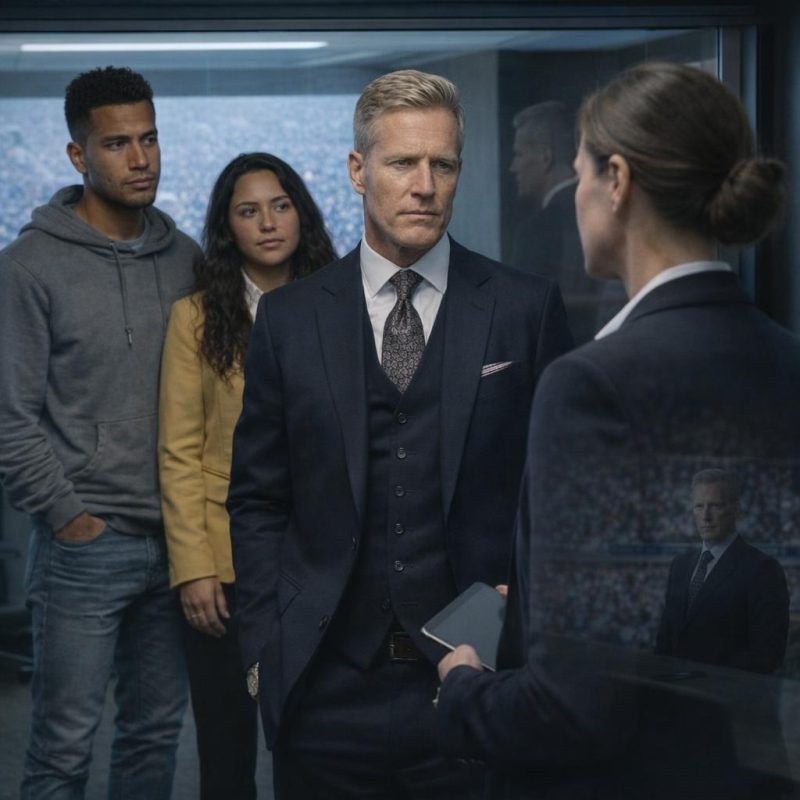 Image by RM AI
Board Members
He didn't give her a number. What he gave her instead was a list of names — board members, he said, people who sat on the stadium's oversight committee, a VP of something I didn't catch, a name he dropped twice like repetition would make it land harder. His voice had changed. It was still loud, still carrying that boardroom authority he'd walked in with, but there was something underneath it now that hadn't been there before — a kind of friction, like a gear that wasn't quite catching. Thompson set his drink down on the side table without looking at it and stared at the floor. My dad glanced at me and I gave him the smallest nod I could manage, the kind that means I'm still here, I'm still in this. Carmichael shifted to future partnerships — something about a sponsorship renewal, a multi-year deal, the kind of relationship that benefits everyone involved. He said benefits everyone involved like it was a threat dressed up as generosity. Diana hadn't moved. Hadn't written anything down. Hadn't reacted to a single name. She was just watching him talk, her tablet held at her side, and I heard him say the words future partnerships again instead of producing anything that looked like proof.
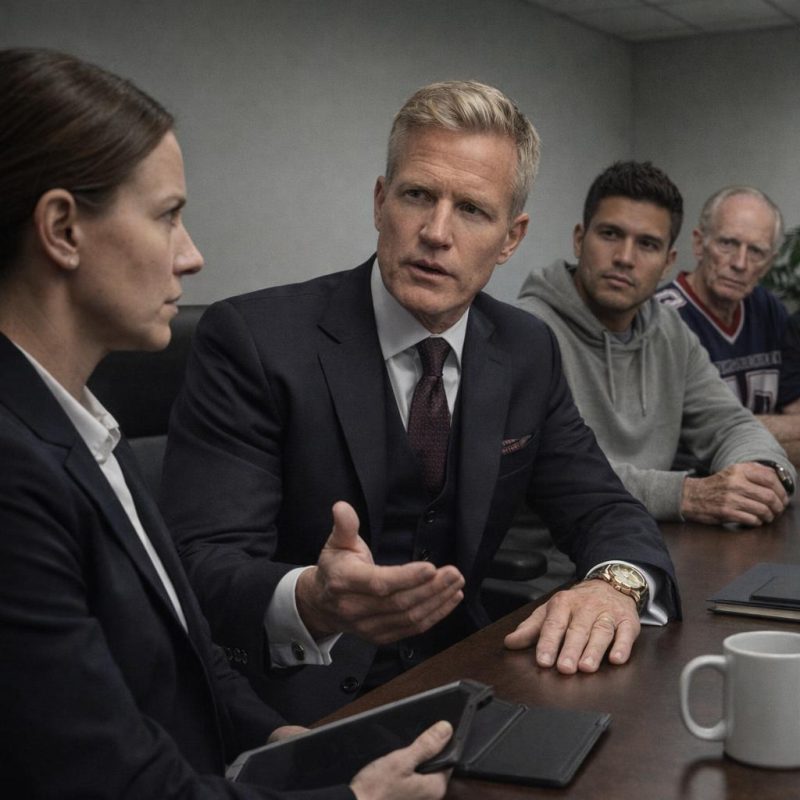 Image by RM AI
The Tablet
Diana looked down at her tablet. That was all she did — just dropped her eyes to the screen — and somehow that small movement stopped Carmichael mid-sentence more effectively than anything else could have. He picked back up after a beat, pivoting to something about the coordinator he'd spoken with, how everything had been confirmed, how there were people who could vouch for the arrangement. Diana scrolled. Her face didn't change. Not a tightening around the eyes, not a shift in her jaw, nothing. She had the kind of professional stillness that takes years to build, the kind that doesn't give anything away before it's ready to. Carmichael mentioned another name. She scrolled again. He referenced the verbal confirmation a second time, his voice finding a little of its old footing, like he was hoping repetition might eventually produce a different result. Thompson had moved slightly closer to the door. My dad's hands were still clasped in front of him, and I could see the tendons in his weathered knuckles. I kept my eyes on Diana's face, watching for any crack in that neutral expression, any signal at all. She read whatever was on that screen, and the weight of her silence filled the room the way water fills a space — completely, without rushing.
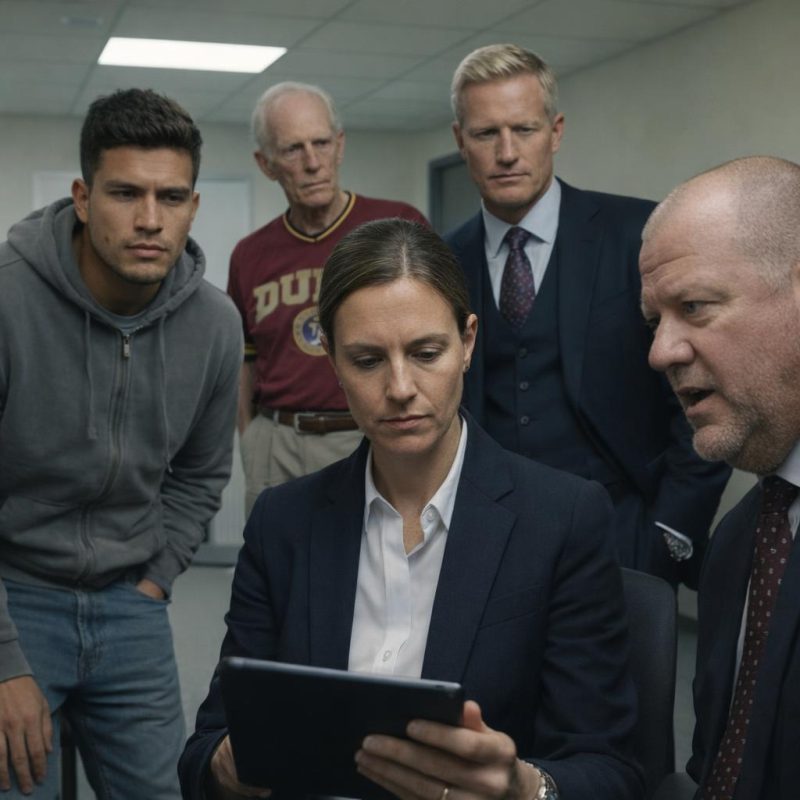 Image by RM AI
The Fraud Revealed
Diana looked up from the tablet. She didn't clear her throat or pause for effect. She just started talking, and the room locked into place around her words. Suite 4B, she said, had been fraudulently reassigned three times already this season. Each reassignment followed a cash payment to a booking coordinator who had been handling suite logistics for the past two years. That coordinator, she said, was terminated two weeks ago when the pattern first surfaced. The cash payments bought a reassignment — the original reservation would get flagged as a system error, the suite would show as available, and a new party would be walked in. My stomach dropped. The system glitch. The apology about the computer. Jessica's confusion at the desk. It all snapped into focus at once — not a glitch, not a mistake, but exactly what Diana had just described. I looked at Carmichael and his face had gone the particular color of a man who has just watched his exit close. Thompson had taken two full steps toward the door. My dad was very still, his warm eyes moving between Diana and me, trying to follow what was happening. Officer Blake hadn't moved but his posture had shifted — something in the set of his shoulders that hadn't been there a minute ago. Diana glanced back at her tablet, then back up at the room, and said this was the fourth fraudulent reassignment she'd found today.
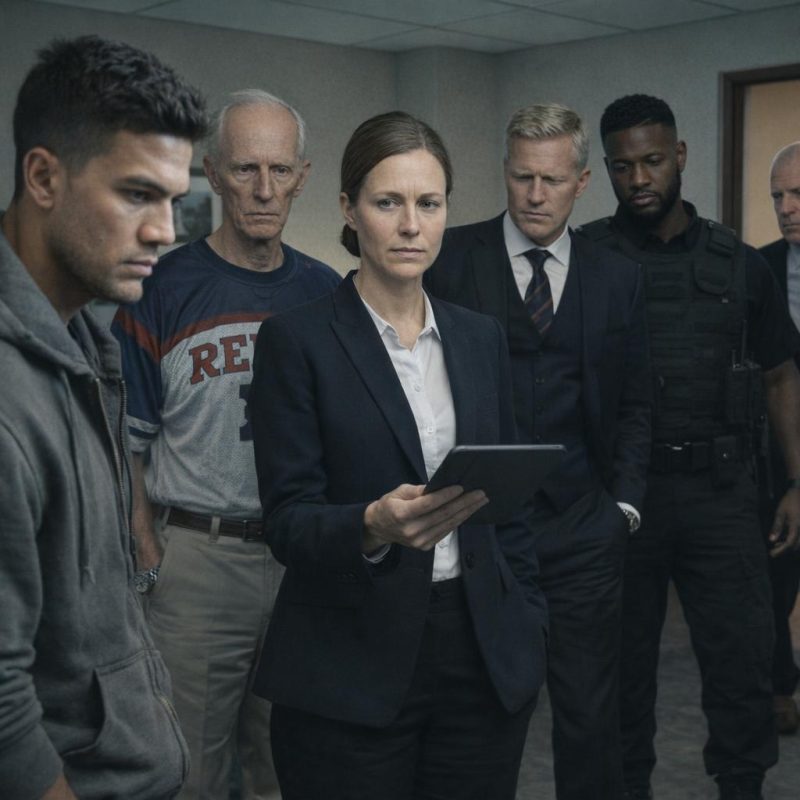 Image by RM AI
Repeat Participant
Nobody spoke. Carmichael's jaw was tight and his silver hair was still immaculate and he looked like a man who had spent decades making sure he always appeared in control, even now, even here. Diana scrolled her tablet again. She said his name had appeared in the coordinator's records as a repeat participant. Not once. Not twice. At least six prior occasions across three seasons, each one following the same pattern — cash payment, system flag, reassignment. Six times. I thought about that number. Six other suites. Six other sets of people who'd saved up or planned ahead or brought someone they loved to a game that mattered to them, and this man in his five-thousand-dollar suit had walked in and taken what was theirs because he could, because it had worked before, because nobody had stopped him. My dad made a small sound beside me — not words, just a breath — and I reached over and put my hand on his arm. His jersey was soft and worn under my fingers, washed so many times the team colors had faded to something gentler than the original. Carmichael stood in the center of the room with six stolen suites behind him and said nothing at all.
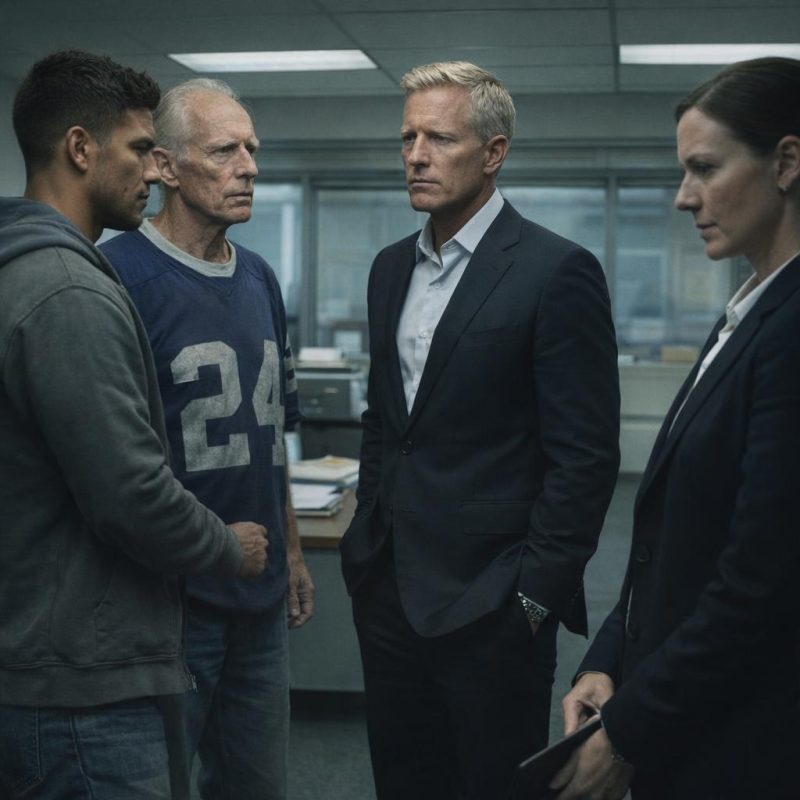 Image by RM AI
The Corporate Guests
Diana turned away from Carmichael like he'd already been handled and looked at the rest of the room. Thompson was near the door. Two other men in business formal were standing by the window, drinks in hand, ties loosened. There was a woman in a charcoal blazer near the catering table who had been very quiet since Diana walked in. Diana asked the question simply and without accusation — had any of them paid for access to Suite 4B today? The woman in the charcoal blazer looked at the floor. The two men by the window looked at each other. Thompson looked at his shoes. Nobody said yes. Nobody said anything. Diana let the silence sit there and do its work. I thought about how they'd all been in here when we arrived — comfortable, settled, helping themselves to the food, watching the pre-game from the best seats in the section — and not one of them had said a word when the guards dragged me into the hallway. My dad's hand found my forearm and he squeezed once, gently, the way he used to when I was a kid and something had gone wrong that he couldn't fix but wanted me to know he was there. I watched Thompson and the men by the window and the woman in the charcoal blazer, and not one of them could find a single place in that room to rest their eyes.
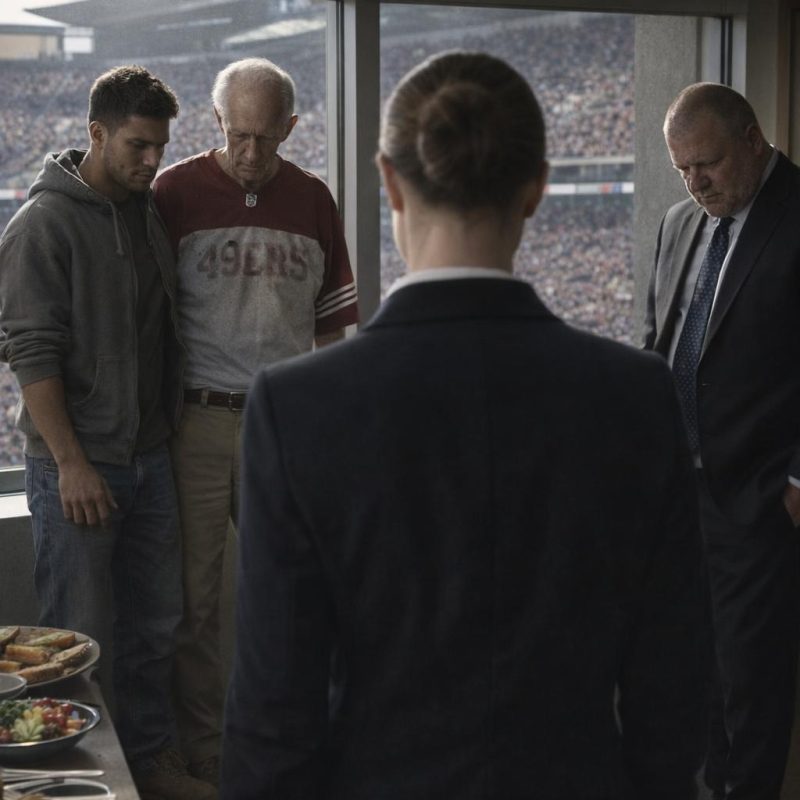 Image by RM AI
Wrong Department
Carmichael found his voice again. He went back to the verbal agreement — said it like it was a foundation he could still stand on, like if he said it with enough conviction it would hold his weight. He'd spoken to someone in sales, he said. It had been confirmed. Diana let him finish. Then she said that the sales department had no authority over suite reservations. None. Suite logistics operated under a completely separate division with its own booking system, its own confirmation protocols, and its own chain of authorization. Any agreement made through sales regarding suite access was, she said, without jurisdiction and without standing. She said it the way you'd explain something to someone who already knew it was true. Carmichael's mouth stayed open for a moment after she stopped talking. He looked at Thompson. Thompson looked at the floor. He looked at the men by the window. They had both turned slightly away. He looked back at Diana and she was already writing something on her tablet, unhurried, like the conversation had concluded and she was simply documenting the outcome. The verbal agreement, the name-dropping, the boardroom confidence, the guards, all of it — every piece of the structure he'd walked in here with — had nothing left underneath it.
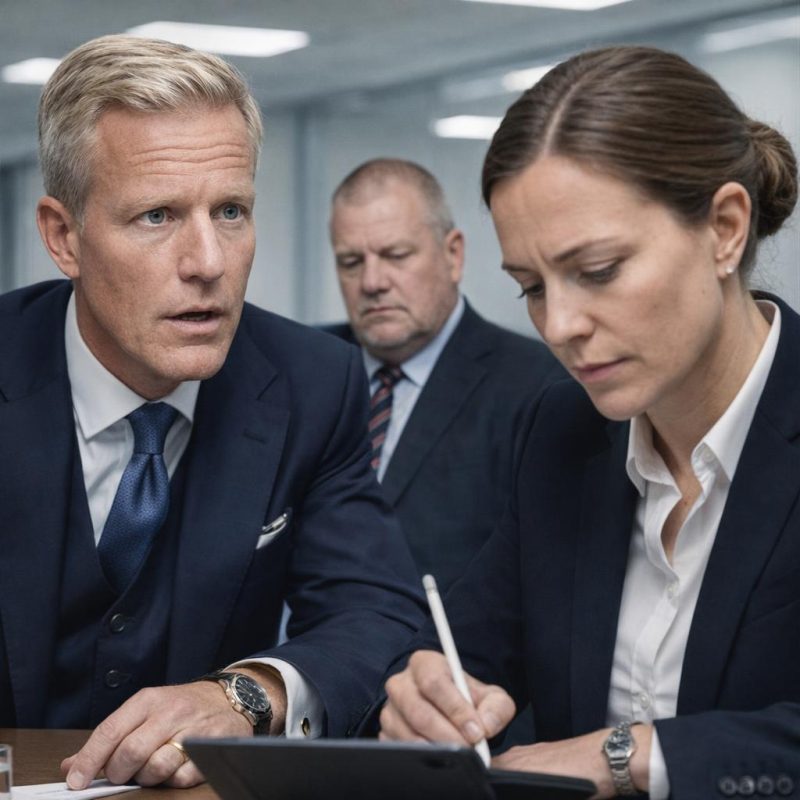 Image by RM AI
Trespassing
Diana didn't pause. She didn't soften it or dress it up. She looked directly at Carmichael and said that he and his associates were currently trespassing in a suite that had been reserved and paid for by me, and that he had exactly two minutes to vacate the premises. Two minutes. Not a suggestion. Not a negotiation. A deadline with the full weight of the stadium's authority behind it. I was still standing between the two guards, their hands on my arms, but something had shifted so completely that the grip barely registered anymore. My father stood a few feet away, his weathered hands clasped in front of him, watching Diana the way you watch someone do something you didn't know was possible. Jessica had gone very still near the door. Officer Blake had straightened up and was looking at Carmichael now instead of me — like the room had reoriented itself around a new center of gravity. Carmichael opened his mouth once. Then closed it. Diana was already checking her tablet again, unhurried, like the two minutes had already started and she had better things to do than watch him process it. That voice — measured, flat, absolute — settled into the room like something permanent.
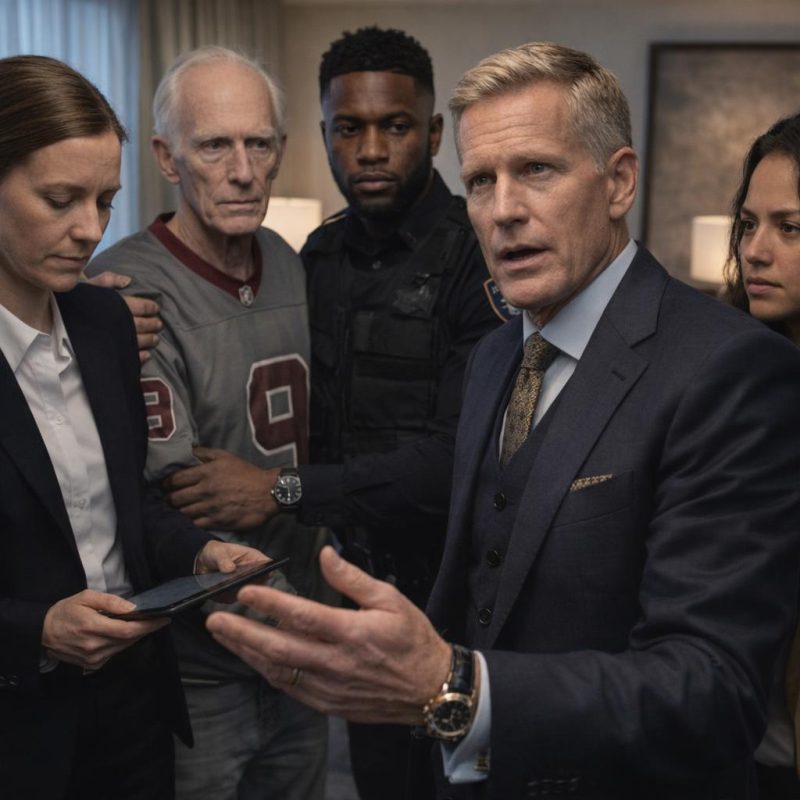 Image by RM AI
Police and Sponsorship
Carmichael tried one more time. He said something about relationships, about the history between his company and this organization, about how this kind of thing gets handled at a different level. Diana let him finish. Then she said, clearly and without any particular emotion, that if he did not vacate the suite within the time she had specified, she would contact the police and document the incident as criminal trespass. She said it the way you read a terms-of-service clause — not angry, just precise. And then she said the second part. She said that his company held a corporate sponsorship agreement with the stadium, and that any incident of this nature would trigger a mandatory review under the code of conduct provisions in that agreement. She said the word 'review' the way lawyers say it — meaning it could go a lot of places from there. I watched Carmichael's face. The boardroom composure he'd walked in with, the certainty that his name and his suit and his connections were enough to make the room bend — I watched it drain. Thompson had gone pale. The other men near the window had stopped pretending to look anywhere else. Diana said, "The clock is running."
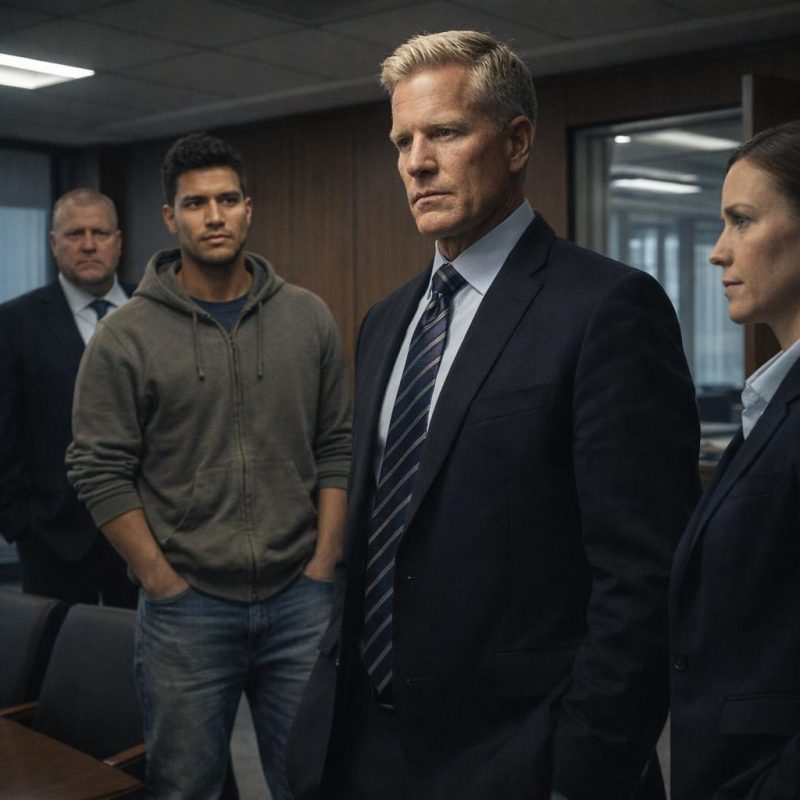 Image by RM AI
The Exodus Begins
It started with the men by the window. They moved first — quiet, efficient, like they'd been waiting for permission and now they had it. No words, no eye contact, just a sudden interest in the door. One of them brushed past me close enough that I could smell the scotch on his jacket, and he looked at the floor the whole time. Then the others followed, one by one, the whole corporate procession unraveling in reverse. These were men who had been laughing and eating and filling up a space that wasn't theirs, and now they moved through it like they were trying to take up as little room as possible. My father stood near the window, still and quiet, and not one of them looked at him. Not one. I watched each face as they passed — eyes down, jaws tight, that particular kind of silence that isn't peace, it's shame wearing a suit. Thompson was near the back of the group. He'd spent the whole confrontation looking at the floor or the wall or anywhere that wasn't a person, and he kept that up all the way to the door. He didn't say anything. None of them did. The suite emptied out in near silence, and the quiet they left behind felt entirely different from the quiet they'd walked into.
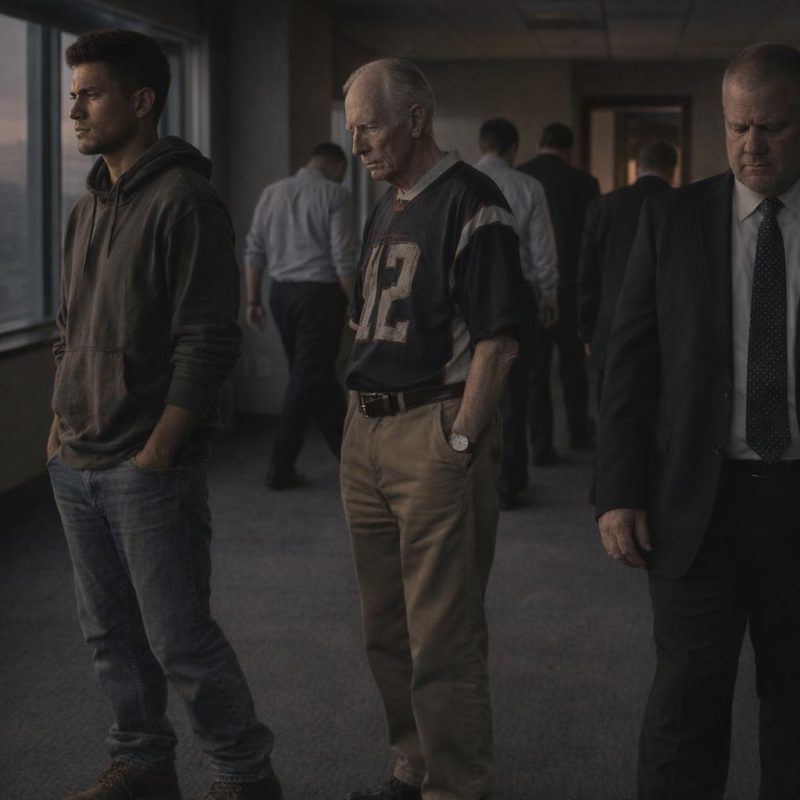 Image by RM AI
The Last to Leave
Everyone else was gone. The suite had emptied out until it was just us — me, my father, Diana, Jessica, Officer Blake, and Carmichael. He stood near the center of the room for a moment, like he was doing a calculation, like some part of him was still looking for a move that wasn't there. Diana didn't say anything else. She didn't need to. She just waited, tablet in hand, watching him with the patient certainty of someone who had already won and knew it. I watched him too. I wanted to see it. I'm not going to pretend I didn't. He straightened his jacket — that small, automatic gesture of a man trying to reassemble his dignity — and then he walked toward the door. He passed within three feet of me. His face was a wall. No words, no acknowledgment, nothing directed at my father who had worked for companies like his for thirty years and never once been treated like he mattered. Just that jaw, set hard, and eyes fixed somewhere past my shoulder like I wasn't worth the energy of a final look. The fury was all there — I could feel it radiating off him — but he kept it locked behind his teeth, and somehow that silence carried more weight than anything he could have said.
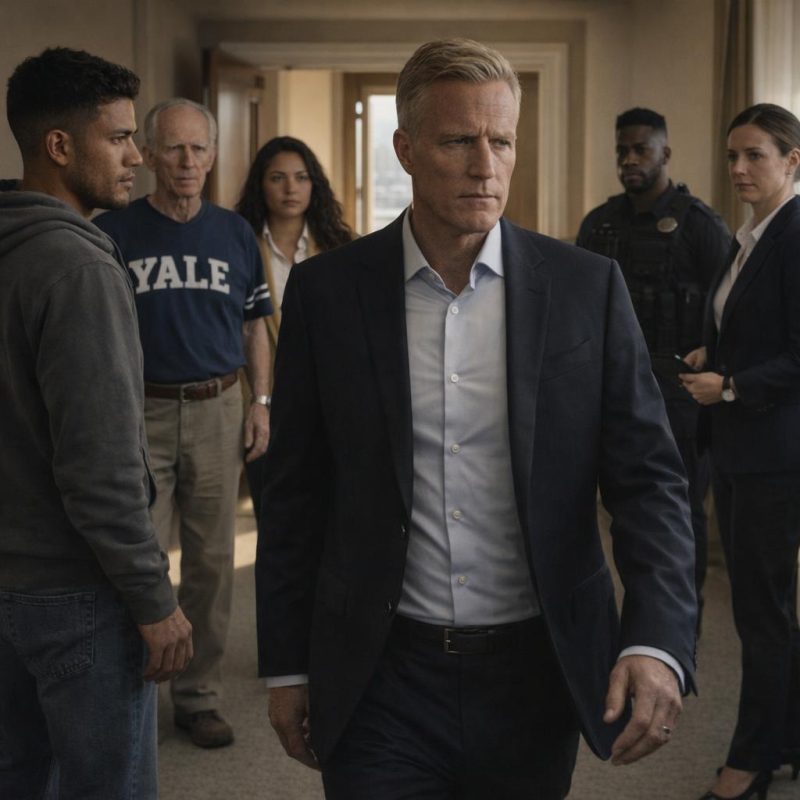 Image by RM AI
Escorted Out
Diana spoke to the guards before Carmichael had even cleared the doorway. She said she needed them to escort Mr. Carmichael and his associates all the way to the stadium exit — not the hallway, not the elevator, the exit — and to ensure they did not return to this level for the remainder of the event. Her tone left no room for interpretation. The guard on my left released my arm first. Then the one on my right. I stood there for a second just feeling the absence of their grip, rolling my shoulder slightly without meaning to. Officer Blake gave me one look — not an apology exactly, but something in the neighborhood of one — and then he turned and followed Carmichael down the corridor. I stepped to the doorway and watched them go. The same two men who had grabbed me twenty minutes ago, who had treated me like the problem, were now walking a few paces behind the man in the five-thousand-dollar suit, escorting him out of a building he'd tried to take from us. My father came and stood beside me in the doorway. Neither of us said anything. We just watched until they turned the corner and disappeared, and the hallway went quiet.
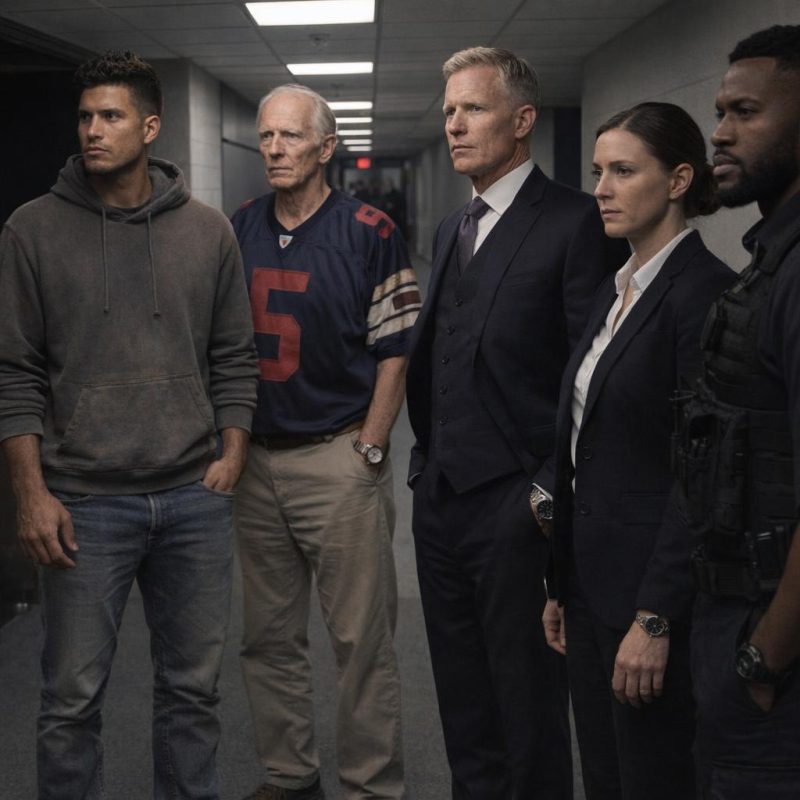 Image by RM AI
The Apology
Diana turned back to us and something in her posture changed — the official, tactical efficiency softened just slightly, enough to let something human through. She looked at me first, then at my father, and she said she was sorry. Not a quick, liability-conscious sorry. She said it like she meant it, like she understood what the last hour had actually cost us. She said the stadium's systems had failed us at multiple points — the booking verification, the staff response, the security escalation — and that none of it should have unfolded the way it did. She said my documentation had been thorough and correct from the beginning, and that every claim I'd made had been fully supported by the reservation records. My father put his hand on my arm while she was talking. He didn't say anything, just rested his hand there, and I had to look away for a second because I'd been holding myself together for so long that the simple weight of it nearly undid me. Jessica was standing off to the side, quiet, her hands folded in front of her. Diana looked at both of us one more time and said, "This should never have happened to you."
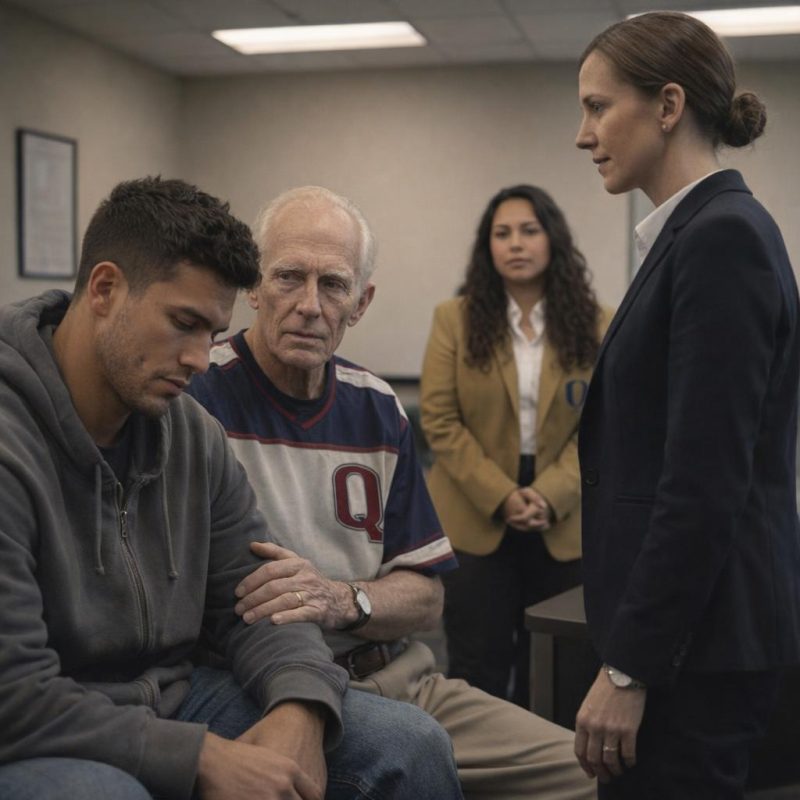 Image by RM AI
Fresh Catering
Diana pulled out her radio and made a call to catering. She said it clearly and without hesitation — she wanted a completely fresh spread brought up to the suite, full service, everything replaced, and it was all to go on the house. No charge, no conditions, no paperwork for us to sign. She said it like it was the obvious next step, like anything less would have been an insult on top of everything else. My father looked at me when she said it, and I saw something in his face that I hadn't seen since we'd walked into this building — relief, real relief, the kind that loosens the muscles around your eyes. He'd been so steady through all of it, so careful not to make things worse, and now he let out a long breath and almost smiled. Diana finished the call and told us the catering team would be up within fifteen minutes, and that we should make ourselves comfortable. She gestured toward the suite — our suite, the one I'd saved for, the one with the view of the field and the leather seats and the name on the reservation that had always been mine. I looked around the room, finally empty of everything that didn't belong, and for the first time all day it actually felt like ours.
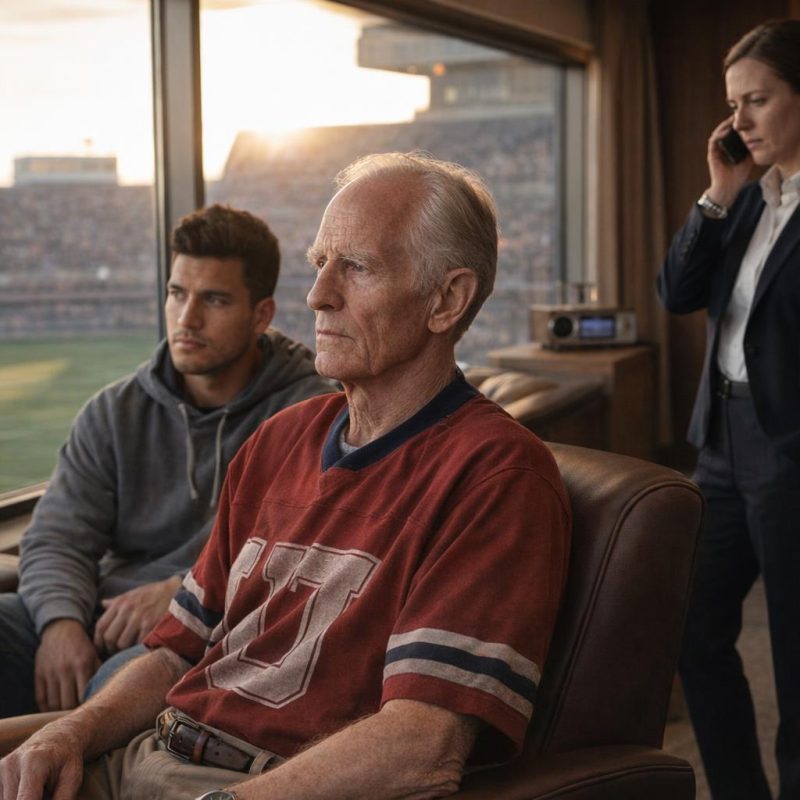 Image by RM AI
Jessica's Relief
My father had settled into one of the leather chairs near the window, and Diana had stepped out to handle some follow-up, when Jessica came over to me. She kept her voice low, like she wasn't sure she had the right to say what she was about to say. She told me she was sorry — not the official kind, the personal kind, the kind that costs something. She said she'd known something was wrong from the beginning, that the reservation had been clear, but that she hadn't pushed back the way she should have. Then she told me why. She said two members of the stadium staff had been let go in the past year for challenging guests like Carmichael — guests with sponsorship money and corporate connections and the kind of confidence that makes people in her position feel very small and very replaceable. She said she had a lease and a car payment and a mother she helped support, and that when he'd turned that voice on her, she'd frozen. I didn't say anything for a moment. I thought about what it actually takes to hold your ground when the cost of being right is your livelihood. Then she looked up at me, and her voice steadied, and she said, "I'm just glad someone finally stopped him."
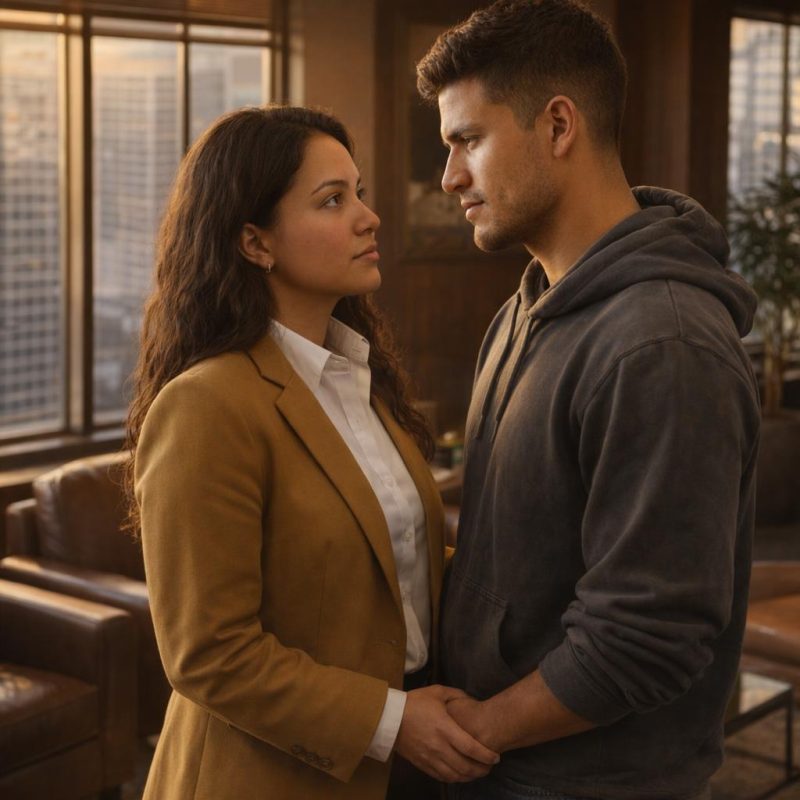 Image by RM AI
Settling In
After everything — the confrontation, the security call, the paperwork, Diana's quiet authority cutting through Carmichael's bluster like it was nothing — my father and I finally sat down. The leather chairs were deep and soft in a way that felt almost absurd after the morning we'd had. The catering table had been refreshed: a spread of sliders, wings, and cold drinks arranged like someone actually wanted us to enjoy ourselves. My father ran his hand along the armrest the way he sometimes runs his hand along a good piece of wood — slowly, like he's taking inventory of something real. I didn't say anything. I just let him have the moment. The suite smelled like warm food and cool air conditioning, and outside the glass the stadium was filling up, that low collective hum building into something enormous. I could feel it in my chest before I could hear it clearly. My father leaned forward in his chair, elbows on his knees, eyes fixed on the field below. The crowd noise swelled all at once, and down on the bright green rectangle of grass, the players lined up for the opening play.
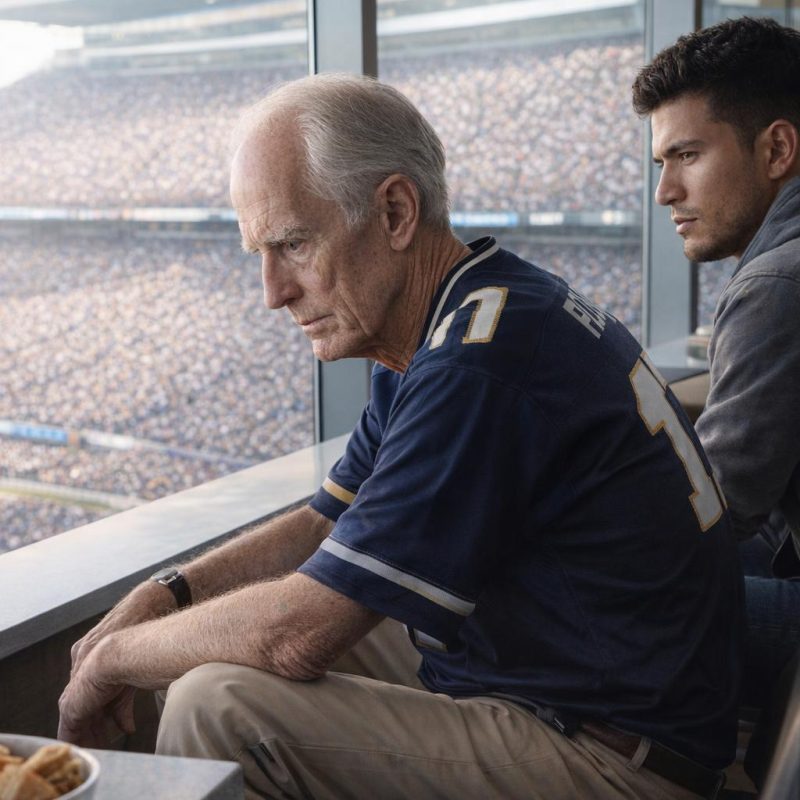 Image by RM AI
Sliders and Wonder
My father had a plate of sliders balanced on one knee and a cold drink sweating in his other hand, and he looked like a kid. That's the only way I can describe it. Forty-one years of shipyard work, of early mornings and aching joints and paychecks that never quite stretched far enough — and right now, none of that was on his face. What was on his face was pure, uncomplicated wonder. He watched the players move across the field below us like he was seeing something he'd only ever imagined from a distance, which, honestly, he had been. The suite glass gave everything this clean, cinematic quality, the field impossibly green under the stadium lights, the players' jerseys bright and sharp. He took a bite of a slider without looking at it, eyes never leaving the field, and I had to look away for a second because my throat got tight. I thought about all the times he'd watched games on a secondhand television with the volume low so he wouldn't wake me up for school. I thought about what it had cost me to get here, and how completely worth it every single dollar was. The joy on his face was the only thing in the room that mattered.
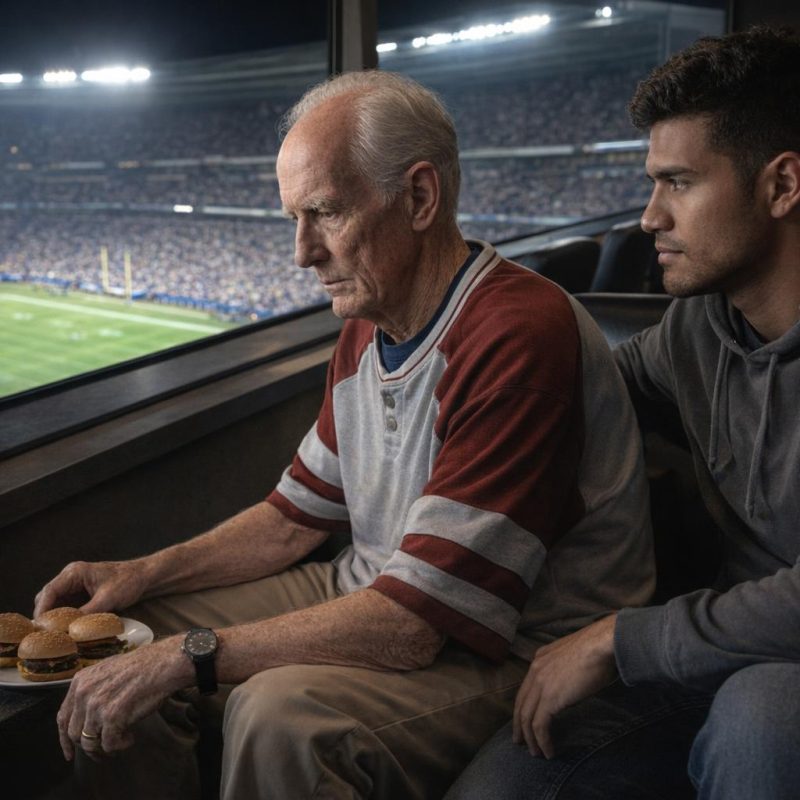 Image by RM AI
Worth the Drama
Somewhere in the second quarter, my father leaned over toward me, close enough that I could hear him clearly over the crowd noise. He had this small smile on, the kind he gets when he's thought something through and decided it's worth saying. He told me he didn't mind the drama. I laughed a little, surprised, and he nodded like he'd expected that reaction. He said that when something comes easy, you enjoy it and move on, but when you have to fight for it — when someone tries to take it from you and you hold your ground anyway — it becomes a story. He said it becomes something you carry with you. He tapped the armrest once with two fingers, the way he does when he's making a point he considers settled. Then he looked back at the field and said, quietly, that the best things he had in his life were all things he'd had to work for, and that today was no different. I sat with that for a while. The crowd surged around a big play on the field, and my father raised his drink slightly, like a small private toast. There was nothing complicated in what he'd said, and that was exactly why it landed the way it did.
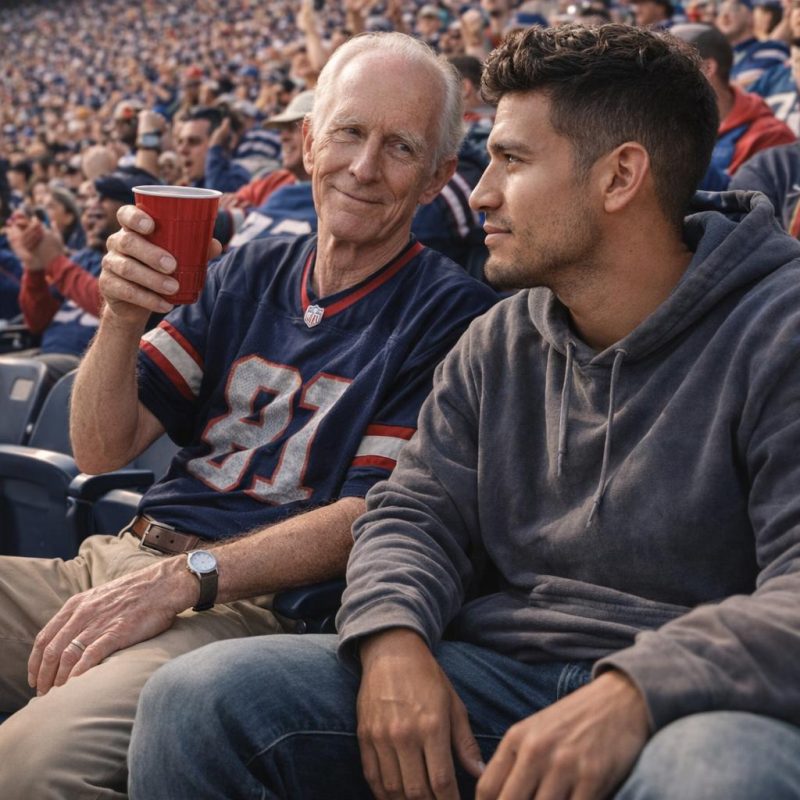 Image by RM AI
The Best Seat in the House
We stayed for every minute of it. The whole game, all four quarters, in those leather chairs with the food and the cold drinks and the floor-to-ceiling glass between us and the field. Our team pulled ahead in the third quarter and never looked back, and when the final score locked in, my father stood up and clapped twice — not wildly, just firmly, the way he does when something has gone exactly right. I stood up next to him. The stadium lights were blazing over the field below, and the crowd was loud enough to feel physical, a pressure in the air. I looked around the suite — the clean table, the good chairs, the view that cost someone a lot of money to build — and I thought about Carmichael being walked out of this same room a few hours earlier, his suit still perfect, his face not. I thought about Jessica's apology, and Diana's clipboard, and my father's hand on the armrest like he was taking inventory of something real. Six months of overtime and skipped lunches and a reservation I'd made before I even told my father about it. I looked at him standing there in his faded jersey, watching the celebration on the field, and I knew with complete certainty that the right person was in the best seat in the house.
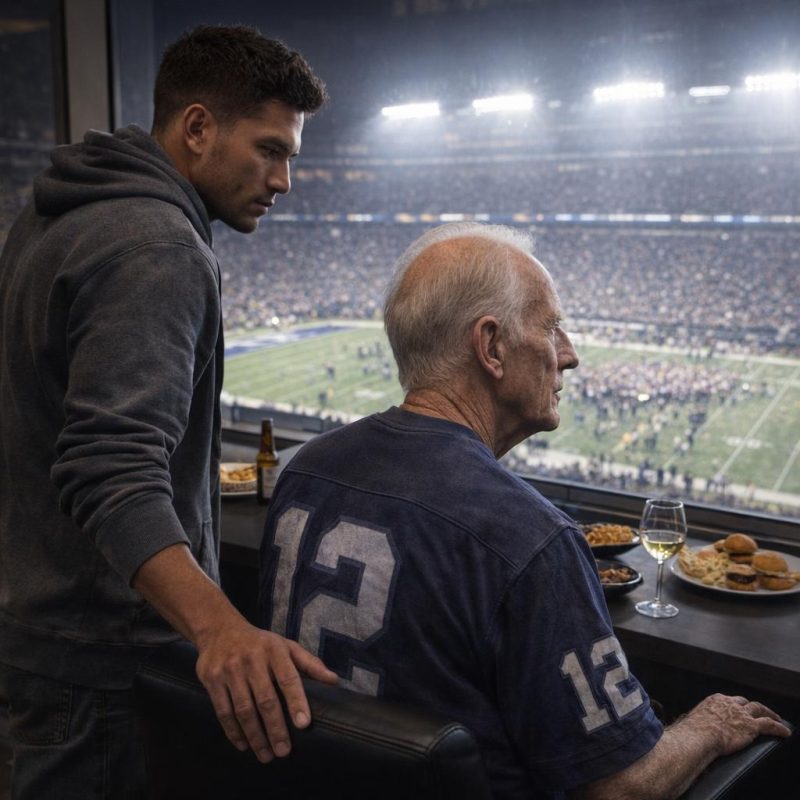 Image by RM AI
KEEP ON READING
From Heroes To Zeroes 20 Historical Figures Whose Heroism Was…
History is full of legends, but not every hero lived…
By Noone Feb 25, 2026
The Clueless Crush: How I Accidentally Invited a Hacker Into…
Fluorescent Lights and First Impressions. My name is Tessa, I'm…
By Ali Hassan Nov 4, 2025
This Infamous Ancient Greek Burned Down An Ancient Wonder Just…
History remembers kings and conquerors, but sometimes, it also remembers…
By David Davidovic Nov 12, 2025
Einstein's Violin Just Sold At An Auction—And It Earned More…
A Visionary's Violin. Wanda von Debschitz-Kunowski on WikimediaWhen you hear…
By Ashley Bast Nov 3, 2025
The Mysterious "Sea People" Who Collapsed Civilization
3,200 years ago, Bronze Age civilization in the Mediterranean suddenly…
By Robbie Woods Mar 18, 2025
20 Strangest Beauty Trends Throughout History
Beauty Has Always Had Strange Rules. History is full of…
By Christy Chan Jun 12, 2026