I Refused $10,000 From a Famous Celebrity to Forget What I Heard in My Limo—Then I Realized Why He Really Offered It
I Refused $10,000 From a Famous Celebrity to Forget What I Heard in My Limo—Then I Realized Why He Really Offered It
Two Things About Famous People
Nineteen years is a long time to drive strangers around Los Angeles, and I want to be upfront about something before I tell you any of this: I am not the kind of person who talks. That was the whole point. That was the job. You pick people up, you get them where they're going, and whatever happens in between stays in the car. I built my entire career on that one principle, and it kept me working when other drivers couldn't get a callback. Dispatch knew it. The agencies knew it. Word gets around in this industry, and the word on me was that I could be trusted. I drove actors on their worst nights. I drove executives through deals that hadn't been announced yet. I drove people who were crying before they even got the door closed, and I never once picked up my phone to tell anyone about it. That's not heroism. That's just the job done right. The unglamorous truth about famous people is that they are exhausted and anxious and sometimes deeply unhappy, and they need to get from one place to another just like everyone else. My job was to make that happen quietly. What it cost me to stay quiet all those years — the things I carried home and set down and never spoke about — I didn't think about that too much. I just kept driving.
 Image by RM AI
What Gets Said in the Back Seat
People assume that driving celebrities means you're constantly surrounded by glamour, and I understand why they think that. But what I actually drove was a cross-section of human beings under pressure. Actors between projects who couldn't sleep. Singers coming off tours who hadn't spoken to their kids in three weeks. Television hosts who were charming on camera and completely hollow by midnight. Producers who got on the phone the second the door closed and said things that would have ended careers if anyone had been paying attention. I was paying attention. That was my job — to be alert enough to drive safely and invisible enough that they forgot I was there. I heard marriages end in my back seat. I heard agents get fired in language I won't repeat. I heard a studio deal collapse in real time, the kind of deal that gets announced in the trades, and I heard exactly why it fell apart. I never told anyone. Not a dispatcher, not another driver, not my sister who would have loved every detail. The money conversations were the ones that stayed with me longest, though. People in that world argue about amounts that don't feel real — numbers that took me years to process as actual figures. I heard those arguments regularly, and I kept my eyes on the road every time. But one night, a number came through the partition that stopped me cold.
 Image by RM AI
The Pickup After the Awards
The pickup was outside a private dining room in West Hollywood, about forty minutes after an industry awards event had wrapped. I had driven The Star before — three or four times over the previous couple of years — and he had always been the same: polite, low-key, the kind of client who said thank you when he got out and meant it. He was someone you would absolutely recognize if you saw him, but he never acted like he expected you to make a fuss about it, which I respected. That night he came out with another man I hadn't driven before. Martin. He was introduced to me by the agency as The Star's business manager, and he had the look of someone who spent a lot of money making sure he looked like he spent a lot of money. The Star got in first and sat by the window. Martin got in after him and immediately pulled out his phone. Neither of them spoke. I confirmed the destination, pulled out into traffic, and kept my eyes forward. I had driven quiet rides before — plenty of them — but this felt different from the usual tired silence after a long event. The Star was looking out the window at nothing in particular. Martin was scrolling through his phone with his jaw set. Whatever had happened between them before they got into my car, it had not been resolved. The silence that settled in after Martin pulled his door shut had a weight to it I couldn't quite name.
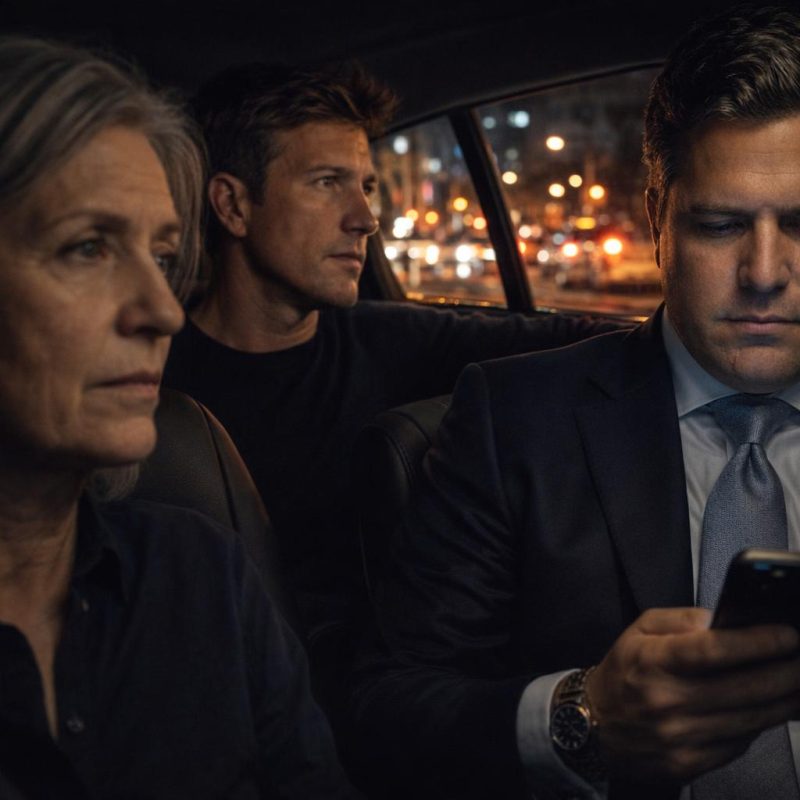 Image by RM AI
You Have Until Friday
We were about ten minutes into the drive when Martin finally spoke. He didn't raise his voice. He didn't need to. "You have until Friday," he said, and the way he said it made it clear this wasn't the first time the subject had come up. The Star didn't answer right away. I kept my eyes on the road and adjusted my grip on the wheel, the way you do when you're reminding yourself that you are a driver and not a participant. "I'm not signing it," The Star said. His voice was quieter than Martin's, but it was steady. Martin made a short sound that wasn't quite a laugh. "Then everything comes out," he said. "All of it." I moved into the left lane and focused on the tail lights ahead of me. This was the part of the job where you become furniture. You breathe slowly, you keep your speed consistent, and you do not react to anything happening behind you. The conversation continued in fragments after that — Martin pressing, The Star responding in short sentences that I couldn't always catch clearly. I wasn't trying to follow it. I was trying to get them to their destinations without incident, which was the only thing I was being paid to do. But Martin's voice had a particular quality when he said the word Friday — flat and certain, like a door closing — and that quality stayed in the car long after the sentence was finished.
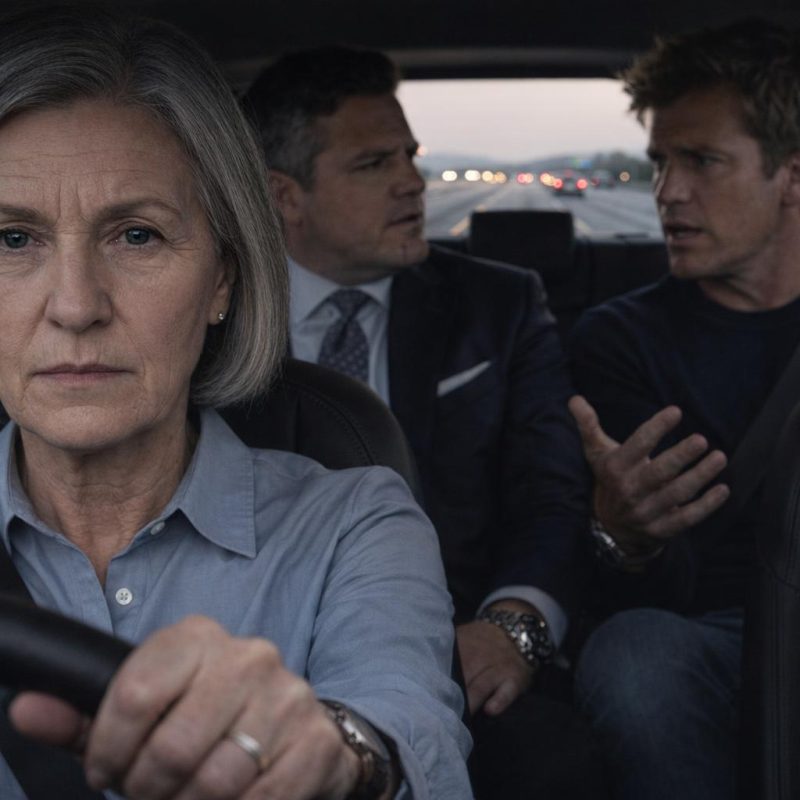 Image by RM AI
A Woman Named Claire
The argument didn't stop. It dropped in volume for a few minutes and then picked back up, and I caught pieces of it the way you catch pieces of a conversation through a wall — enough to know the shape of it, not enough to understand what it was actually about. Martin mentioned a house in Malibu. The Star said something back that I didn't catch fully. Then Martin said something about an account — the Palmer account, he called it — and The Star's voice went tight in a way I hadn't heard from him before. I told myself this was none of my business, which was true. In nineteen years I had overheard enough to know that wealthy people have complicated arrangements, and that those arrangements sometimes become arguments, and that those arguments are not mine to interpret or repeat. My working assumption, sitting there in the front seat, was that I was listening to the edges of some kind of personal situation — the kind that ends up in a settlement or a tabloid, the kind I had heard versions of before. I kept my speed steady and my eyes forward. But then Martin said a name. He said it once, clearly, in the middle of a sentence I only half-heard, and something about the way he said it made it stick. The name was Claire.
 Image by RM AI
Eleven Years of Payments
After that the conversation shifted in a way I couldn't ignore, even though I was trying to. Martin's voice got harder. He said something about payments — that The Star had been paying her for eleven years. Eleven years. I heard that number clearly because he said it with emphasis, like he was presenting evidence. The Star didn't deny it. He said, "Because she earned it," and there was something in his voice when he said it that didn't sound like guilt. It sounded more like exhaustion, or maybe conviction — I couldn't tell which. Martin came back fast. "That isn't how it will look," he said. I kept my hands on the wheel and my face forward. My working assumption at that point was that I had the full picture, or close enough to it: a long-running arrangement with a woman named Claire, a house in Malibu, money changing hands for over a decade, and now someone threatening to make it public. I had heard versions of this story before. I thought I understood what I was listening to. I remember thinking that eleven years was a long time, and wondering, briefly, what kind of situation required that kind of sustained commitment. Then I pushed the thought away and focused on the road, because it wasn't my situation and it wasn't my business. But the number eleven just hung there in the air between the front seat and the back.
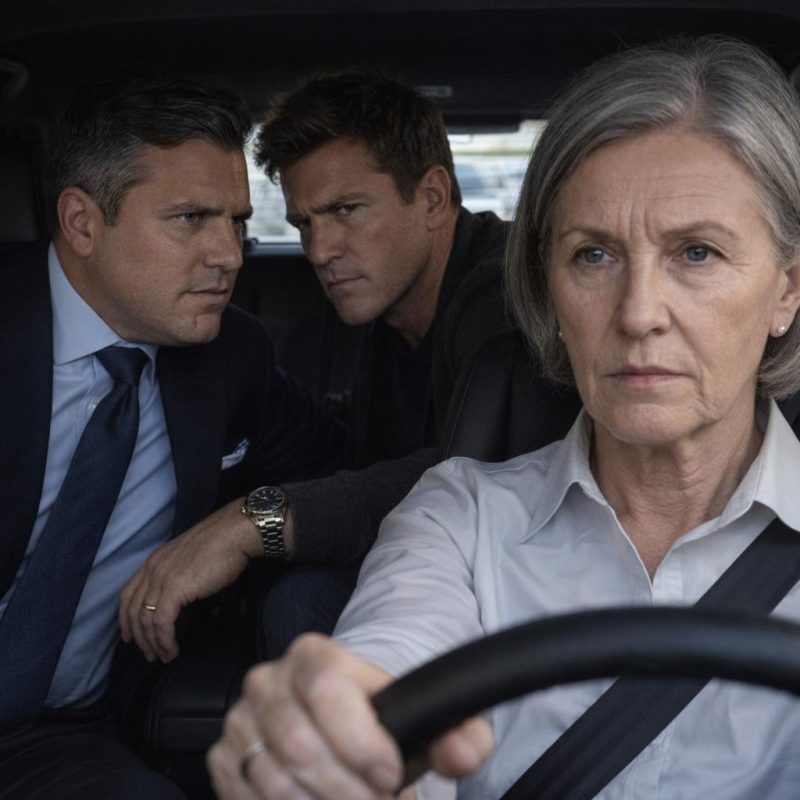 Image by RM AI
The Promise and the Threat
They went quiet after that for a few minutes, and I thought maybe the conversation was done. Then The Star spoke again, and his voice had changed — less guarded, more direct. "You promised her family would be taken care of," he said. Martin didn't answer immediately. When he did, his voice came through pulled tight and flat. "And you were stupid enough to put your name on the transfers." That was the end of it. Neither of them said another word for the rest of the drive to Martin's house. I pulled up to the address, and Martin got out without acknowledging me at all — no thank you, no nod, nothing. I sat there with the engine running while he walked around the front of the car toward his front door. Then he stopped. He turned back, leaned down into the open rear door, and looked at The Star. "Friday," he said. "After that, I protect myself." He closed the door and walked away without looking back. I pulled away from the curb and the car went completely silent. The Star didn't speak. I didn't speak. I was relieved Martin was gone — I won't pretend otherwise — but the silence that replaced him wasn't comfortable. It was the kind of silence that has something sitting inside it. I drove the next several blocks on autopilot, waiting for it to lift.
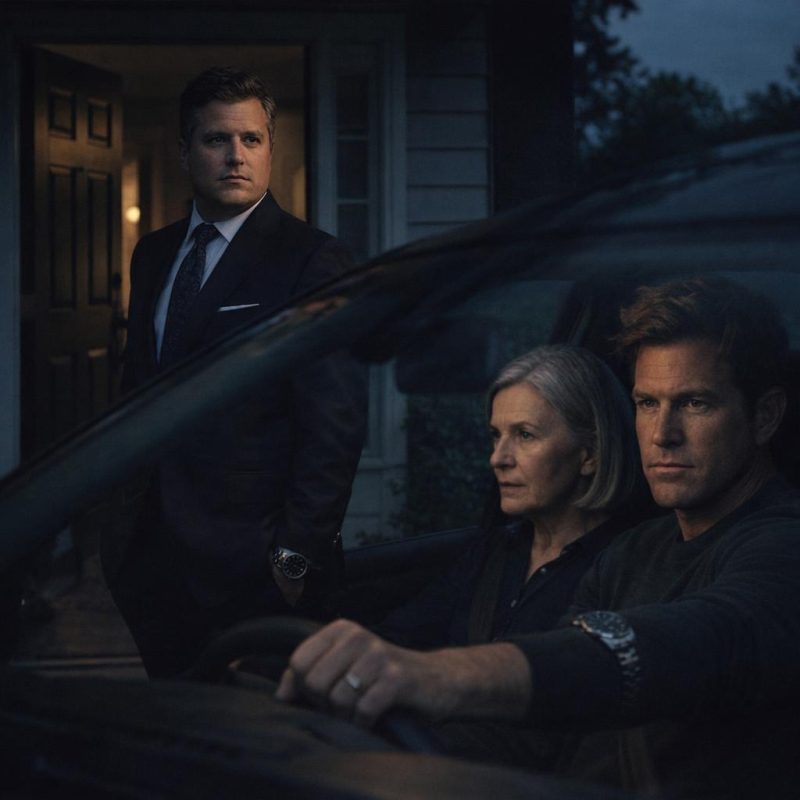 Image by RM AI
Ten Thousand Dollars
We were two blocks from The Star's home when he asked me to pull over. I found a spot along the curb and put the car in park, and my first thought was that he wasn't feeling well — it wouldn't have been the first time a client needed a minute before arriving somewhere. But he didn't look sick. He leaned forward slightly and reached down to the leather bag on the seat beside him. He unzipped it, took out an envelope, and held it for a moment before setting it on the front seat next to me, through the partition gap. "There's ten thousand dollars in there," he said. His voice was quiet and even. "For tonight never having happened." I looked at the envelope. I looked at him in the rearview mirror. He wasn't threatening me. He wasn't angry. He looked, if anything, tired — the way someone looks when they've already thought through every option and this is the one they landed on. I didn't know what to say. In nineteen years, no one had ever handed me an envelope. No one had ever needed to. I had always kept my mouth shut without being asked, and I had always assumed that was understood. I sat there trying to work out what exactly I had heard tonight that was worth ten thousand dollars to make disappear. The envelope sat on the seat beside me, and I couldn't stop staring at it.
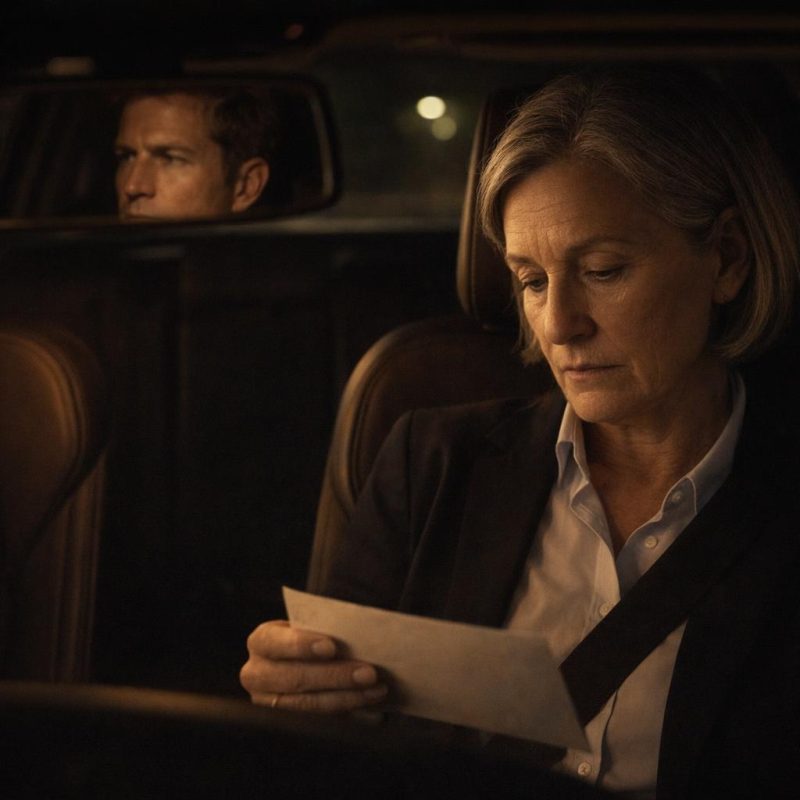 Image by RM AI
Remember That You Refused It
I picked up the envelope and pushed it back through the partition gap without saying a word at first. He looked at it like he wasn't sure what to do with it. "Discretion is part of my job," I told him. "It always has been. I'm not taking money to keep quiet about something I wasn't going to talk about anyway." He didn't argue. He didn't push the envelope back toward me. He just sat there for a moment, and then something shifted in his face — not relief exactly, but close to it. The tension around his eyes eased in a way I hadn't expected. "Good," he said quietly. "Then remember that you refused it." I didn't know what to say to that. I put the car in drive and covered the last two blocks to his home without either of us speaking. He got out, thanked me the same way he always did, and that was it. I drove away trying to figure out why those seven words were sitting heavier in my chest than the envelope ever had. The money I understood. An offer like that, strange as it was, had a logic to it. But telling me to remember that I refused it — that was something else. That look on his face when I handed it back stayed with me the whole drive home.
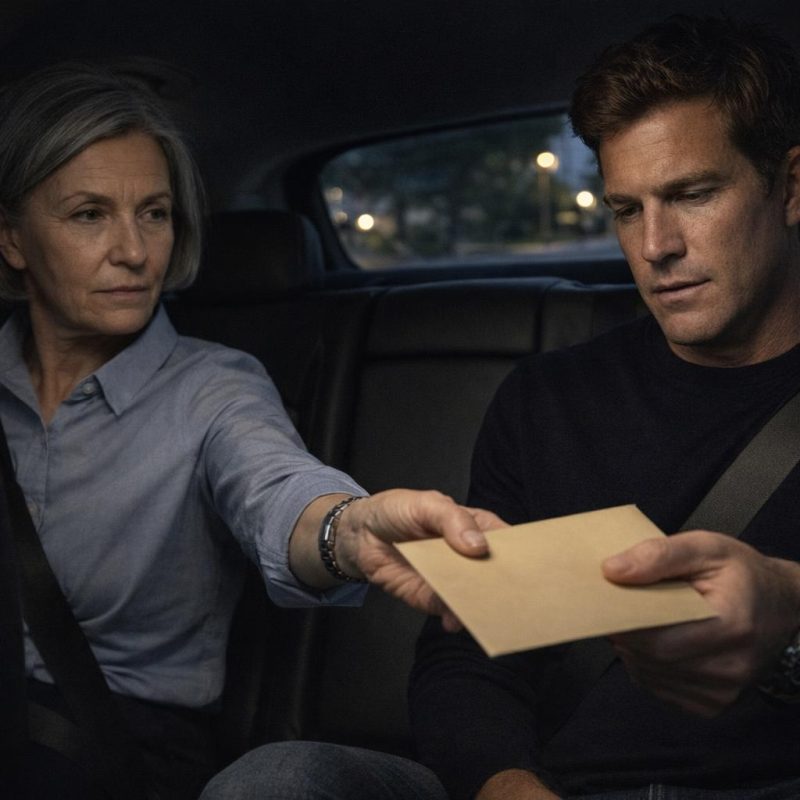 Image by RM AI
The Complaint
Three days later I was home folding laundry when my phone rang. It was Tom, my dispatcher, and I could tell from the first two words that it wasn't a scheduling call. He told me someone had filed a formal complaint against me. I sat down on the edge of the bed and made myself listen. According to the complaint, I had overheard a private conversation during a recent ride and then demanded ten thousand dollars for my silence. Extortion. That was the word Tom used, and he said it carefully, like he was hoping I'd tell him there was some misunderstanding he could clear up in the next thirty seconds. I told him there was no misunderstanding on my end. I told him exactly what had actually happened — that the money had been offered to me, not the other way around, and that I had pushed it back. Tom said he believed me, but that the company's lawyers needed to review everything before anyone could say much more. I hung up and sat there staring at the wall. Whoever filed that complaint knew the exact amount. They knew it was ten thousand dollars.
 Image by RM AI
Martin's Name
Tom called back about an hour later with more details, and that's when things got stranger. The Star's name wasn't on the complaint. The person who filed it was Martin — listed as a representative acting on behalf of the client. Martin claimed he had personally witnessed me soliciting payment during the ride. I turned that over in my mind a few times. Martin hadn't been in the car. There was no way he witnessed anything, because there was nothing to witness. But his name on that complaint instead of The Star's — that detail landed differently than I expected. It meant The Star hadn't filed it. It meant someone else had decided to move on this, and had done it using a name that put distance between the complaint and the person I'd actually driven that night. I didn't know what to make of that yet. What I kept coming back to was simpler than any theory I could construct: The Star had said nothing. Not a word in my defense, not a correction, not a call to Tom to set the record straight. Whatever was happening, he had stayed completely quiet.
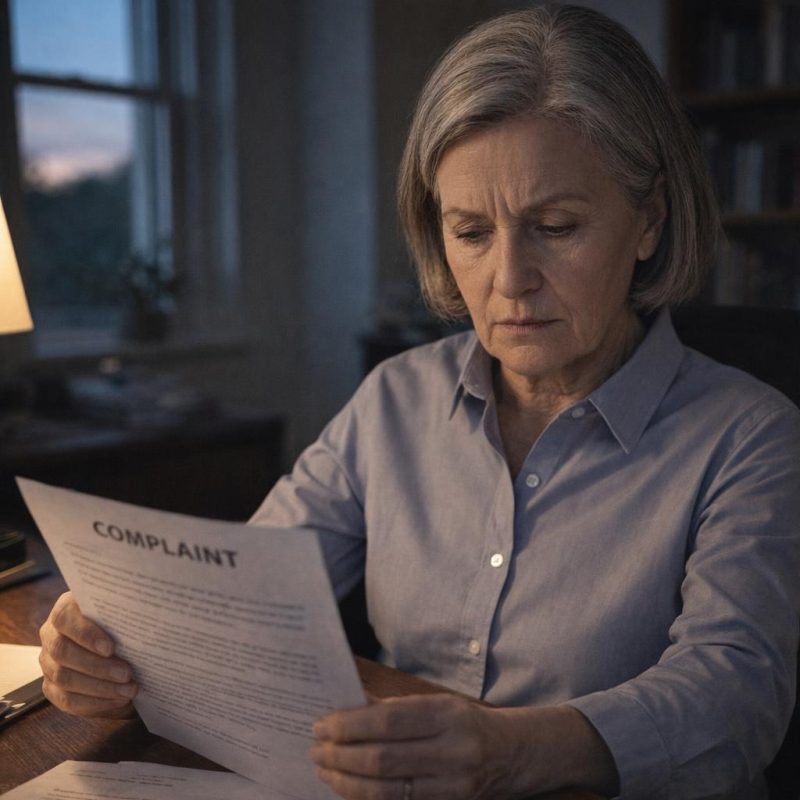 Image by RM AI
Suspended
The company suspended me the next morning, pending the lawyers' review. They were professional about it — no accusations, just procedure — but suspended was still the word they used, and I felt it. I spent the first day trying to stay calm and the second day making calls. I called The Star's office three times on Tuesday and twice on Wednesday. I left my name, my number, a brief message each time — nothing dramatic, just that I needed to speak with someone about the complaint and that I was hoping for a chance to clarify what had actually happened. Nobody called back. On Thursday I tried once more and got the same receptionist I'd reached before. She was polite. She told me The Star was unavailable and would not be returning my calls.
 Image by RM AI
The Gossip Item
I found the item on a Friday afternoon, buried about halfway down a celebrity gossip site I wouldn't normally have any reason to visit. Someone had sent me the link without comment, which told me everything I needed to know about how it was spreading. The piece was vague — no names, no company, just a few sentences about a veteran limousine driver allegedly trying to sell damaging information about a beloved television star. It was written in that breezy, winking tone those sites use when they think they're being careful. But the transportation business in this city is smaller than people realize. Drivers talk. Dispatchers talk. Within a day or two, people who had known me for years were connecting the dots — the timing, the suspension, the route. I started getting texts that weren't quite questions and weren't quite support. Then the texts stopped altogether. I ran into two drivers I'd worked alongside for over a decade at a fuel station, and they looked up when I pulled in, and then they looked away. Not rudely. Just carefully. That was almost worse.
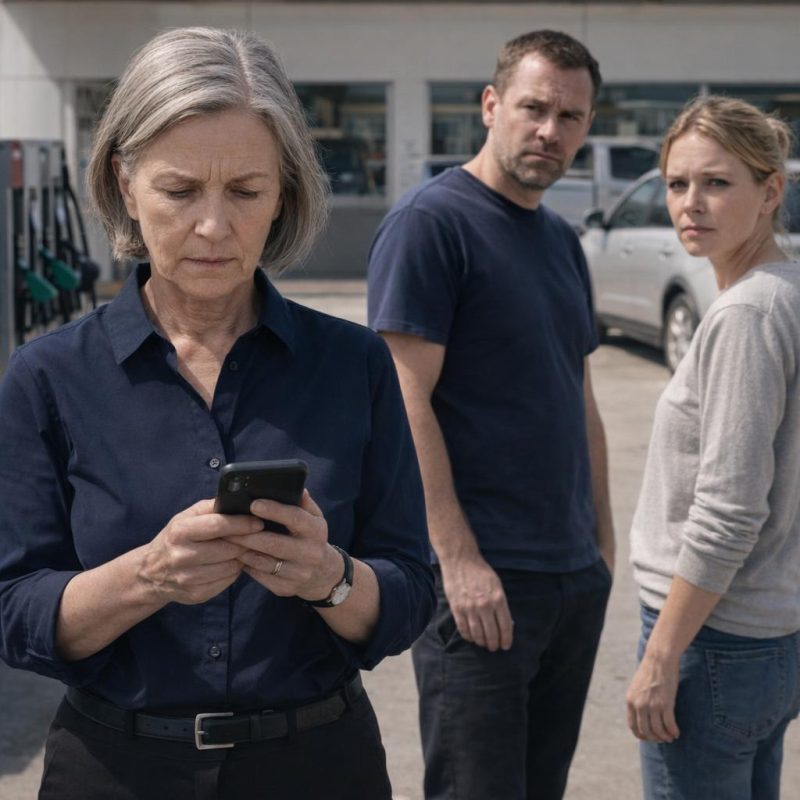 Image by RM AI
Clients Cancel
The cancellations started coming in that same week. A regular client I'd driven to the airport every other Monday for four years sent a short email — thanked me for my service, said he'd be making other arrangements going forward. No explanation. A woman I'd driven to medical appointments for two years just stopped booking. I called her once to check in and she didn't pick up. I didn't leave a message. I started keeping a list, partly because I needed to track the income loss and partly because writing things down made me feel like I still had some control over something. By the end of the second week the list had eleven names on it. I tried reaching out to a few drivers I'd considered real colleagues — people I'd covered shifts for, people who'd called me when they needed advice. Most of them didn't respond. One sent back a two-word text that said he was sorry but that he couldn't get involved. I understood it. I didn't like it, but I understood it. I set my phone down after leaving my tenth voicemail into silence, and the quiet in that room felt like its own kind of answer.
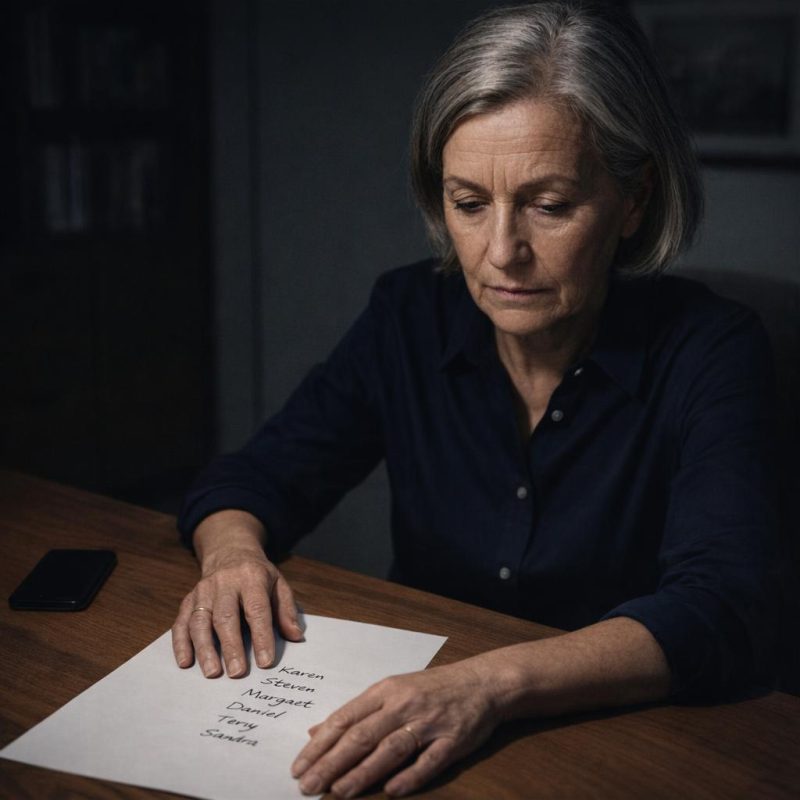 Image by RM AI
The Fury and the Silence
By the third week I was angry in a way I hadn't let myself be before. Not at Martin, not at the gossip site, not at the clients who'd canceled — at The Star. He knew what had actually happened in that car. He knew I had pushed the money back. He knew I hadn't asked for a single dollar. And he was saying nothing. Every day that passed without a word from him felt like a choice, and I went over that night again and again trying to understand it. I thought about the offer, about the way he'd looked when I refused, about the careful way he'd gotten out of the car. And then I kept landing on those seven words. Remember that you refused it. I'd taken it as a strange thing to say at the time — almost a warning, almost a comfort, I couldn't decide which. But standing in my kitchen three weeks later with my career coming apart, I started turning the phrase over differently. Why would anyone say that unless they had some reason to think it would matter later? I couldn't answer that. I didn't have enough to go on. But the question wouldn't leave me alone.
 Image by RM AI
The Security Camera
I started going back through everything I could remember from that night, looking for anything I might have missed. I went through it the way you go through a route you've driven a hundred times — methodically, corner by corner. The conversation I'd overheard. The envelope. The refusal. His words. The silence after. I kept hitting the same wall: it was my word against a complaint filed by someone who hadn't even been in the car, and I had nothing tangible to show for any of it. Then I remembered the cameras. My company had installed inward-facing security cameras in all the vehicles about four months earlier, after a string of incidents where drivers had been falsely accused by passengers and had no way to prove what had actually happened in the car. I remembered the memo that had gone around when they were installed. I remembered someone in the break room asking whether the audio was any good, and the answer coming back that the cameras recorded video but no usable audio — something about the road noise and the partition making clean sound impossible. But video. I still had video. I pulled the memo up on my phone and read it again, and there it was in plain text.
 Image by RM AI
The Emergency Button
I called Linda the same morning Tom told me about the suspension. She was the company's attorney, and I'd met her once before at a safety training session — sharp, no-nonsense, the kind of person who listens without interrupting. I told her everything. The conversation I'd overheard. The envelope. The refusal. Martin's complaint. She listened to all of it, and then she confirmed what I already knew about the cameras: video, yes, but no usable audio. Road noise, partition interference — the recordings were essentially silent. I felt the floor drop out from under me again. But she asked me to walk her through the ride minute by minute anyway, said sometimes people remember things under pressure that they don't think to mention right away. So I did. I went back through it the way you replay a bad accident — slowly, in pieces. Martin's voice rising. The partition. My hands on the wheel. And then I stopped. There was something I hadn't mentioned yet, something I'd done without even thinking about it in the moment. When Martin's voice had gone sharp and loud, my left hand had moved on its own. I'd pressed the emergency safety button on the steering column.
 Image by RM AI
The Upgraded System
Linda went quiet for a second after I told her about the button. Then I heard her typing. She asked me which vehicle I'd been assigned that night, and I gave her the unit number from memory — I'd driven that car enough times that it was automatic. More typing. Then another pause, longer this time. When she came back, her voice had shifted. She said my car was one of three vehicles the company had been running in a pilot program for the past two months. An upgraded system. She said that when a driver pressed the emergency safety button, it didn't just flag the ride in the dispatch log — it triggered audio recording for the duration of the trip. The standard cameras couldn't capture clean sound, but this system had a different microphone setup, isolated from road noise. She said the recording from that night was still in the company's system. It hadn't been overwritten. I sat down on the edge of my kitchen chair and didn't say anything for a moment. I'd spent days convinced I had nothing — no proof, no witness, no way to show anyone what had actually happened in that car. And the whole time, the truth had been sitting in a server somewhere, waiting.
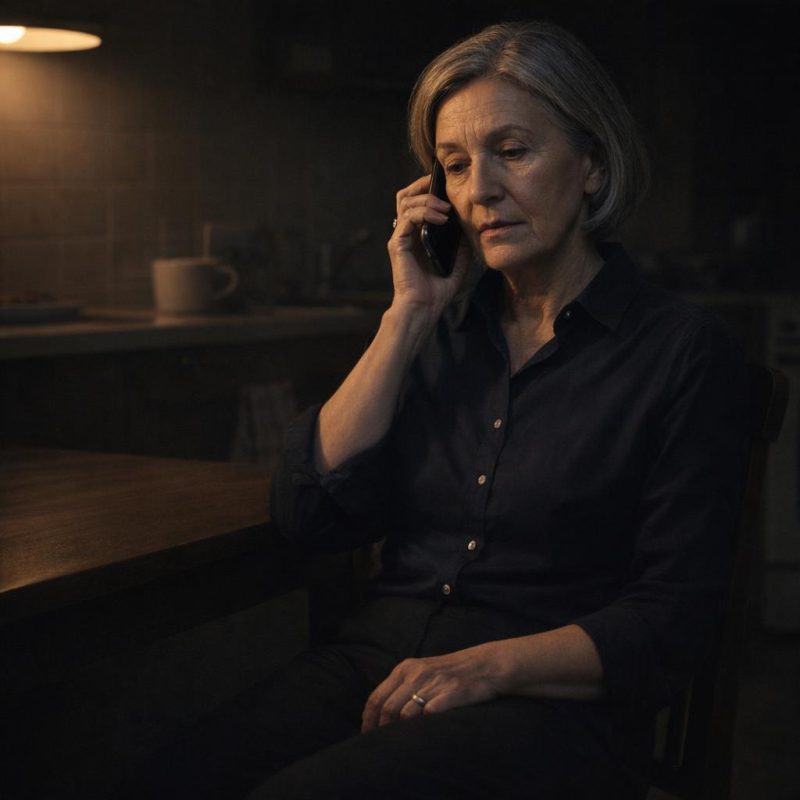 Image by RM AI
The Video Evidence
Linda pulled the recording up the next afternoon and we watched it together in her office. The footage was clear — better than I expected. You could see the back seat, the partition, my hands on the wheel. You could hear the conversation. I watched myself drive. I never turned around. Not once. I kept my eyes forward the entire time, even when Martin's voice climbed and The Star's got quieter and more controlled. The audio caught all of it — their argument, the words I hadn't been meant to hear, the long silence that followed. Then you could see The Star lean forward and place the envelope on the console beside me. You could hear me say I couldn't take that. You could see me push it back toward him. Linda watched that section twice without saying anything. Then the recording reached the part where The Star spoke again, and his voice came through the speakers in that small office, calm and deliberate: remember that you refused it. Linda reached over and paused it right there. I sat looking at the frozen image on her screen — my own hands on the steering wheel, the envelope visible at the edge of the frame — and something about hearing those words out loud, in a room with a witness, made the whole night feel more real and more strange at the same time.
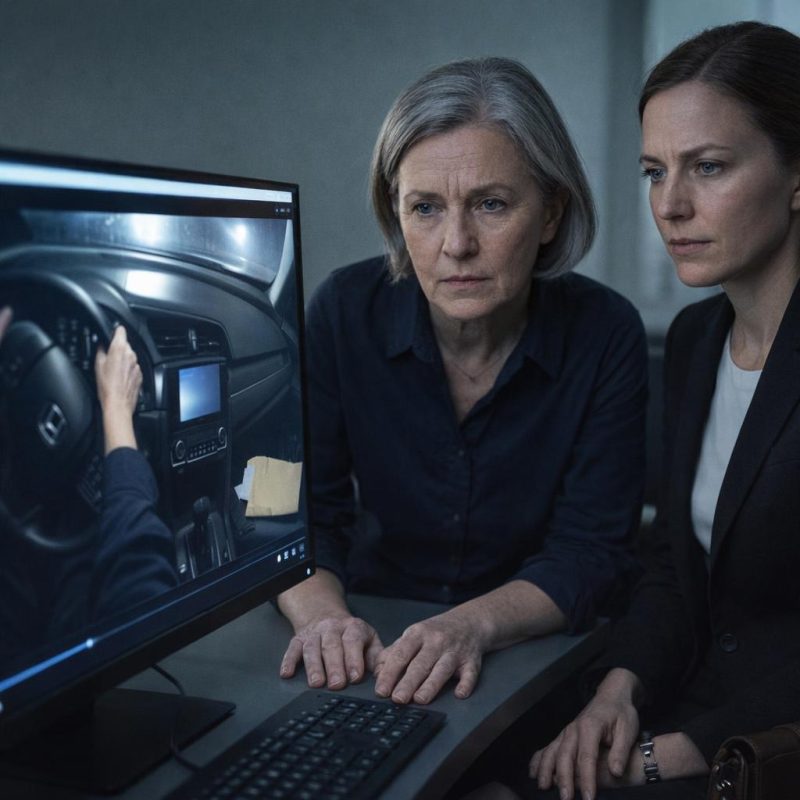 Image by RM AI
The Question
I expected Linda to say something about next steps — who she'd send the recording to, how quickly this would clear my name. Instead she sat back in her chair and looked at the paused image on the screen for a long moment. Then she turned to me. She asked me to think carefully before I answered. She said: you never threatened to talk, right? You never said anything about going to the press, or telling anyone what you'd heard? I told her no. I hadn't said a word about any of it to anyone. She nodded slowly, like that confirmed something she'd already been turning over. She said the recording backed that up completely — there was nothing on it that looked like a demand or a threat from me. And then she asked the question I hadn't thought to ask myself in all the days I'd been going over that night. She said: so why would someone hand a driver ten thousand dollars to stay quiet, when that driver hadn't said a single word about talking?
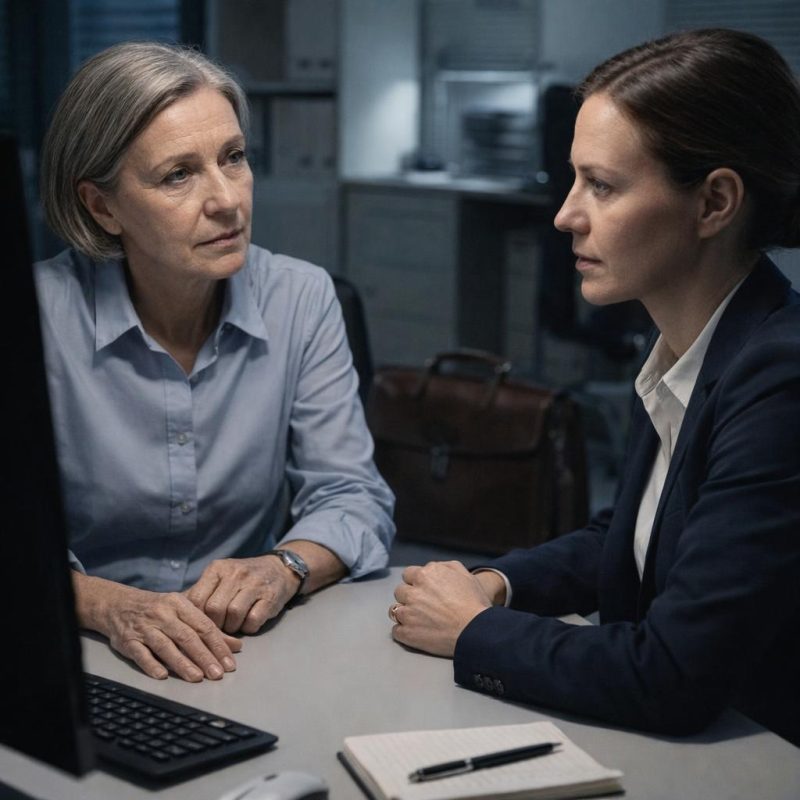 Image by RM AI
Friends Who Doubt
The calls started coming in over the next few days. People I'd worked alongside for years, some of them friends I'd grab coffee with between shifts. They'd heard something — they didn't say where — and they wanted to know what had really happened. I told each of them the same thing I'd told Linda. I kept it straightforward. But I could hear it in their voices, that careful pause before the next question. One of them asked me gently if maybe I'd misread the situation. Another said she wasn't doubting me, and then asked if there was any chance I'd said something that could have come across the wrong way. A guy I'd known for eleven years asked me, real quiet, if I was sure I hadn't asked for anything. I told him I was sure. He said he believed me, but the way he said it didn't quite land that way. I understood it, in a way — Martin had decades in the industry, a name people recognized, a track record that made him credible before he even opened his mouth. I was a driver. I didn't have a reputation that traveled in those circles. By the end of the week, I'd stopped picking up the phone as quickly. The doubt in voices that had known me for years settled into me like weather.
 Image by RM AI
Martin's Credibility
Word travels fast in this industry, and it doesn't always travel accurately. I started hearing things secondhand — a dispatcher mentioning something offhand, a colleague who'd run into someone at another company. Martin's version of events was out there, and it had weight behind it. He'd been managing major talent for over twenty years. His name showed up in trade publications. He had relationships with people at every level of the business, from agency assistants to senior executives. When someone like that files a complaint against a driver, people don't automatically assume the driver is telling the truth. That's just how it works. I wasn't naive about it. But knowing how it worked didn't make it easier to sit with. I had no comparable standing. I drove cars for a living — good, honest work that I was proud of, but it didn't come with the kind of credibility that holds up in a room full of people who already know the other person's name. I'd hear a version of what Martin was saying filtered through two or three people, and each time it sounded a little more settled, a little more like established fact. The weight of his years in the industry pressed down on everything I tried to say in response.
 Image by RM AI
The Need for Proof
I sat down one night and tried to look at it plainly. My word against his. A driver with a suspended badge against a business manager with two decades of industry relationships. Even if everyone who knew me personally believed me, that wasn't the same as being cleared. The gossip had already moved through enough channels that it had taken on a shape of its own — something that would follow me into every dispatch office and every reference check for as long as I stayed in this city. I thought about the recording Linda had. It was the only thing I had that was real, that was concrete, that couldn't be argued with. But I didn't know yet what Linda could do with it, or whether it would be enough to matter against a complaint filed by someone with Martin's standing. Evidence doesn't always win. I knew that. I'd seen enough of how things actually work to know that the truth and the outcome aren't always the same thing. I needed something that couldn't be dismissed, something that would hold up no matter who was in the room. Without it, I wasn't going to work in this city again.
 Image by RM AI
The Witness Problem
Linda called me back in a few days later. She'd gone through Martin's formal complaint in detail, and she wanted to walk me through something specific. She pulled up the document and read me the relevant section. Martin hadn't just filed a complaint on behalf of The Star — he'd stated that he personally witnessed me demanding money. Not that he'd been told about it. Not that The Star had reported it to him afterward. He claimed he was present and saw it happen directly. Linda set the paper down and looked at me. She said the recording showed the back seat clearly for the entire ride. It showed The Star placing the envelope beside me and me pushing it back. It showed no demand, no threat, nothing that matched what Martin had described. She said Martin's account was specific — he'd included details about what I supposedly said and how I supposedly said it. I sat there trying to work out how that was possible. The recording was plain. What Martin described in that complaint wasn't on it. Linda tapped the page and said: the problem isn't just that his account is wrong. It's that he described witnessing something the recording shows never happened.
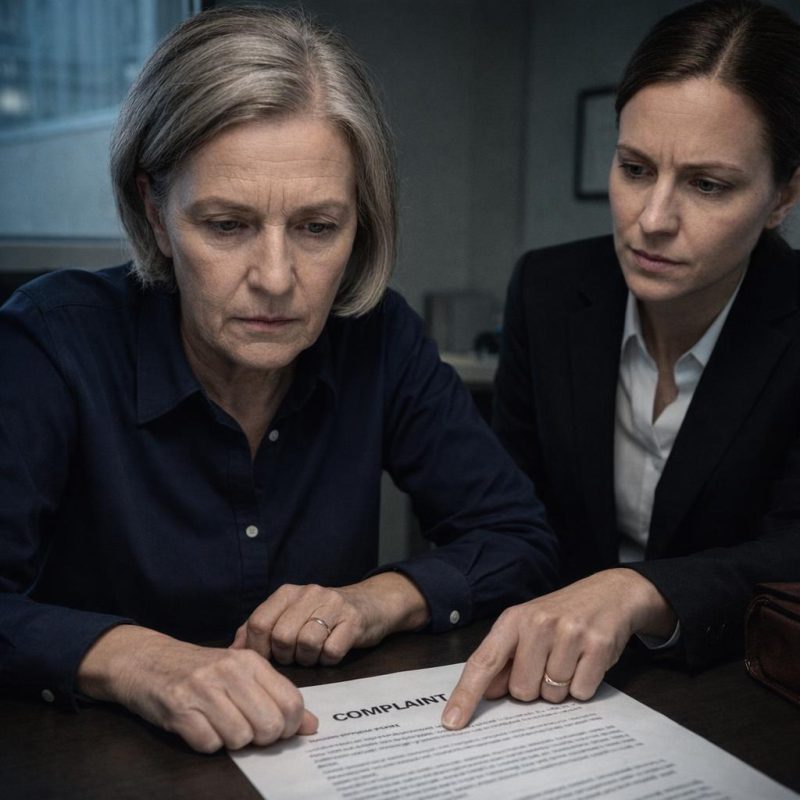 Image by RM AI
The Timeline
Linda asked me to walk her through the night from the beginning, so I did. I picked up Martin first — that was the arrangement. He lived closer to the venue, so we swung by his place, then went to get The Star. After the event, I drove them both back toward Martin's house first because that was the drop order. Martin got out at his front door. I remember it clearly because he said something sharp to The Star before he shut the car door — something about not forgetting what they'd talked about. Then I pulled away. It was just me and The Star in the car after that. We drove for another twenty minutes, maybe a little more, before I got close to his neighborhood. That's when he slid the envelope across the seat. Two blocks from his gate. Martin had been out of the car for at least twenty minutes by then. He was inside his house. Linda was quiet for a moment after I finished. Then she tapped the complaint again and read me the line where Martin described watching me demand the money. I looked at her. Martin had claimed to witness something that happened twenty minutes after he got out of the car — and that lie was right there in his own statement, plain as anything.
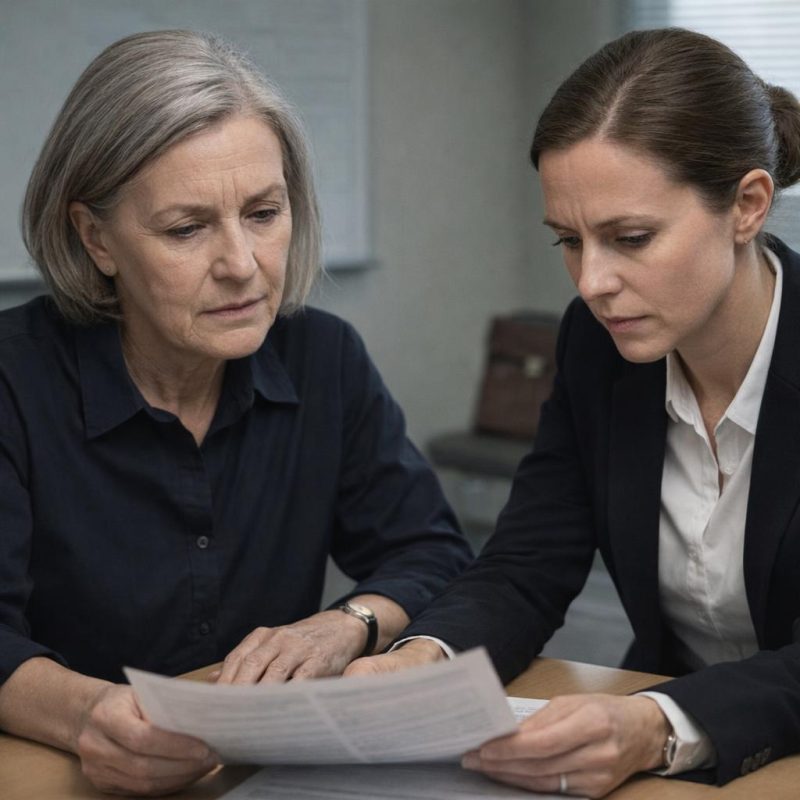 Image by RM AI
The Friday Deadline
I kept turning the timeline over in my head after I got home that night. The ride was on a Tuesday. Linda had told me the complaint was filed on a Friday — three days later. I'd been so focused on the recording and Martin's false witness claim that I hadn't stopped to think about the gap between those two dates. Then I remembered something from the argument in the car. Martin had told The Star he had until Friday. I hadn't thought much of it at the time — deadlines get thrown around in heated conversations and I'd been focused on the road. But sitting there in my kitchen, I counted the days again. Tuesday night. Wednesday. Thursday. Friday — the day Martin filed the complaint. Whatever deadline Martin had given The Star, it had already come and gone by the time that paperwork landed on Linda's desk. I didn't know what was supposed to happen on Friday. I didn't know what The Star was supposed to agree to, or refuse, or sign. I had no idea what Martin had been pushing for. But the dates lined up in a way that sat heavy with me, and I couldn't shake the feeling that the complaint and that deadline were connected in some way I couldn't quite see.
 Image by RM AI
The Relief
I kept coming back to the moment I pushed the envelope back across the seat. I'd done it without much thought — I don't take money I haven't earned, and that's just how I've always operated. I expected The Star to be a little embarrassed, maybe a little put out. That's usually how it goes when someone's gesture gets turned down. But that's not what happened. He'd looked at me in the rearview mirror and something in his face had loosened. Not relief exactly — or maybe it was exactly that. I'd been driving long enough to read people in that mirror, and what I saw wasn't disappointment. It was closer to someone exhaling after holding their breath. He said good, and then he said remember that you refused it, and his voice was quieter than it had been the whole ride. I'd taken it as a polite acknowledgment at the time. But the more I sat with it, the more that reaction didn't fit. If you offer someone money and they say no, you don't look relieved. You look awkward, or you push back, or you let it go. You don't look like something went right. That expression stayed with me in a way I couldn't explain.
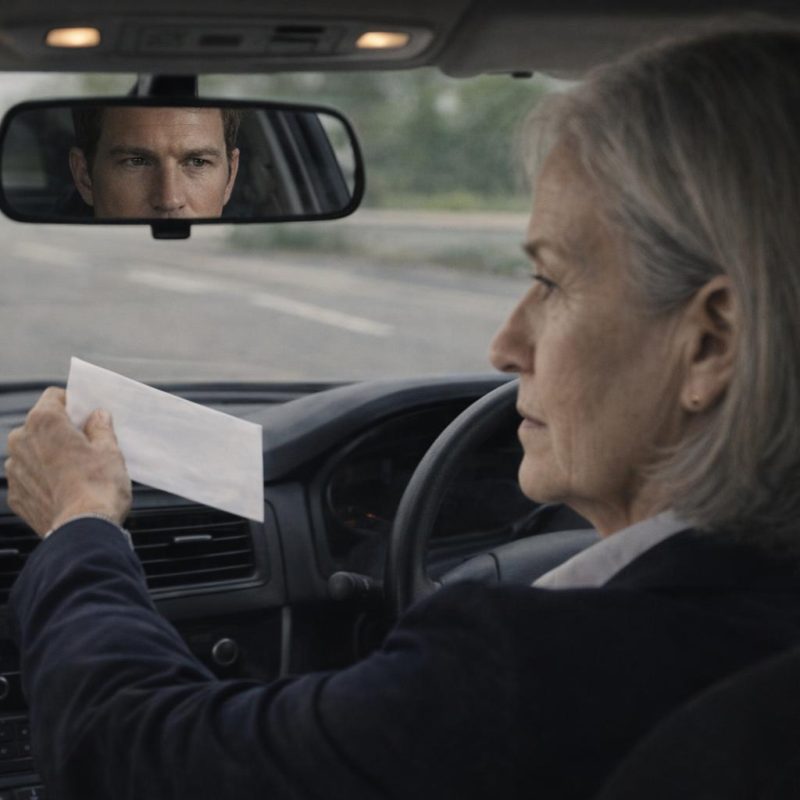 Image by RM AI
Remember That You Refused It
I must have replayed those words a dozen times over the next few days. Remember that you refused it. Not thank you. Not no problem. Not I understand. He'd been specific about what he wanted me to hold onto — not the offer, not the conversation, not the argument I'd overheard earlier in the ride. The refusal. That one particular fact. I've had passengers say strange things over the years. People talk in cars the way they talk when they think no one's really listening. But this wasn't rambling. The phrasing was precise in a way I couldn't account for. He wanted me to remember a specific thing. Not that he'd offered money. Not that we'd had a conversation. That I had said no. I turned it over from every angle I could think of. Maybe he was just being gracious. Maybe it was habit — some people in his position are careful about how things look, and maybe he wanted to make sure I knew he wasn't trying to buy anything. But I couldn't make that explanation fit the weight those words carried. The more I sat with it, the more those six words felt like they meant something I hadn't caught — and I couldn't stop hearing them.
 Image by RM AI
The Bigger Picture
I went back over everything I'd heard that night, trying to lay it out in some kind of order. The argument between Martin and The Star had been serious — not the kind of thing people have over scheduling or bad press. There were names I didn't recognize. Claire. The Palmer account. References to eleven years of payments and a promise made to someone's family. Martin had said everything comes out, and The Star had gone quiet in a way that told me the threat landed. None of it made sense to me as a complete picture. I was a driver. I'd been in the car for a few hours and caught pieces of something I had no context for. I didn't know who Claire was or what the Palmer account meant or what kind of promise The Star had made and to whom. I had fragments, and fragments don't tell you much. But even without understanding the details, I could feel the weight of it. Whatever those two men had been fighting about, it felt bigger than I could get my arms around — something I sensed had deep roots, though I couldn't have said what kind. I'd happened to be sitting in the front seat when it broke open. I just didn't know what it was.
 Image by RM AI
The Silence Strategy
What I kept getting stuck on was the silence. After that night, nothing. No message through the company, no word passed along through anyone, no acknowledgment that any of this was happening to me because of a ride I'd given him. I'd been angry about it — genuinely angry. It felt like the kind of thing a decent person would at least try to address. But I'd been thinking about it as cowardice, as someone protecting himself at my expense, and I started to wonder if I was reading it right. His behavior that night had been strange in ways I was still working through. The money offer. The relief when I refused. The specific words he'd chosen. None of that fit the picture of someone who was simply trying to cover his tracks and move on. I didn't know what it fit. I couldn't construct a version of events that made all the pieces add up. But I found myself sitting with the possibility that his silence wasn't the same thing as indifference — that maybe it was a choice made for reasons I couldn't see from where I was standing. I wasn't ready to let him off the hook. I just wasn't as certain as I'd been that I understood what he was doing.
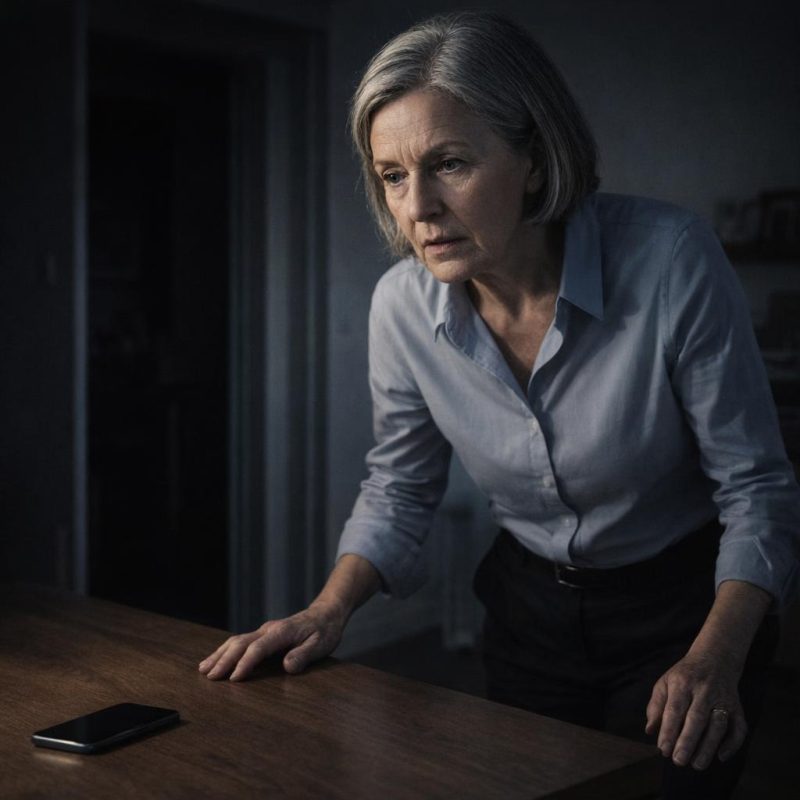 Image by RM AI
Income Disappears
By the third week, my schedule was nearly empty. The few bookings I still had canceled one by one — no explanations, just quiet withdrawals. Nobody wants a driver with an open complaint against her name, even if nothing's been proven. Word travels fast in this industry, and it doesn't wait for facts. I checked the app every morning out of habit, but there was nothing coming in. No new clients, no referrals, no corporate accounts reaching out. The work had just stopped. I sat down one afternoon and did the math on my savings. I had enough to cover rent and basics for maybe two months, possibly three if I was careful. The investigation had already been dragging for weeks with no sign of a resolution. Linda was thorough, but thorough takes time, and time was the one thing I didn't have in abundance. I thought about picking up other work — rideshare, deliveries, something to bridge the gap — but I was still technically under suspension, and I didn't want to do anything that complicated my situation further. I opened my scheduling calendar and scrolled forward through the coming weeks. Page after page, the same thing: nothing booked, nothing pending, nothing at all.
 Image by RM AI
The Legal Fight
I started thinking seriously about what a legal fight would actually cost me. Not in the abstract — in real numbers. An attorney who handled employment and defamation cases wasn't going to be cheap, and I'd already looked up enough to know that a case like this, with a well-connected complainant and a company caught in the middle, could drag on for months. Martin had spent years managing money for people at the top of the industry. He had contacts, he had resources, and he could afford to let things move slowly. Slow was fine for him. Slow was devastating for me. The company's attorney was handling the internal investigation, but she represented the company's interests, not mine. If this escalated beyond Linda's desk, I'd be on my own. I had no income coming in, savings that were already shrinking, and no clear timeline for when any of this would be resolved. I wasn't naive enough to think the truth automatically wins when one side has the money to keep fighting and the other side doesn't. Martin could outlast me financially without breaking a sweat, and we both would have known it.
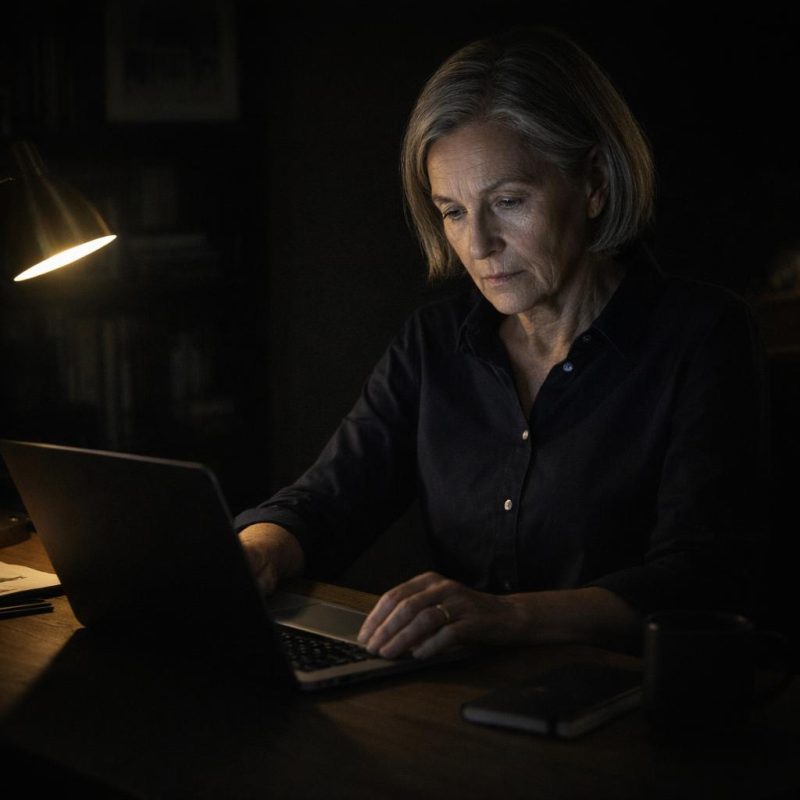 Image by RM AI
The Camera Detail
The cameras had been installed about two years before that night. I remembered the meeting where Tom explained the new system — a fleet-wide rollout, phased in over several months. The company had been dealing with a string of complaints from passengers, a couple of which had turned ugly. One driver lost his job over an accusation that came down to his word against a passenger's, and the company couldn't defend him without evidence. So they brought in the cameras. The memo that went out afterward was clear about the purpose: these systems exist to protect our drivers from false accusations. That was the language they used. I remembered reading it and thinking it was a decent thing for the company to do, a sign that management actually had our backs. We were told the footage could be pulled if a passenger filed a complaint, and that it would be reviewed before any disciplinary action was taken. The whole point was that no driver would be left defenseless against someone willing to lie. Standing in my kitchen two years later, suspended and staring at a complaint filed by a man with every resource in the world to make it stick, I kept coming back to that memo — the one that promised the cameras were there to protect us.
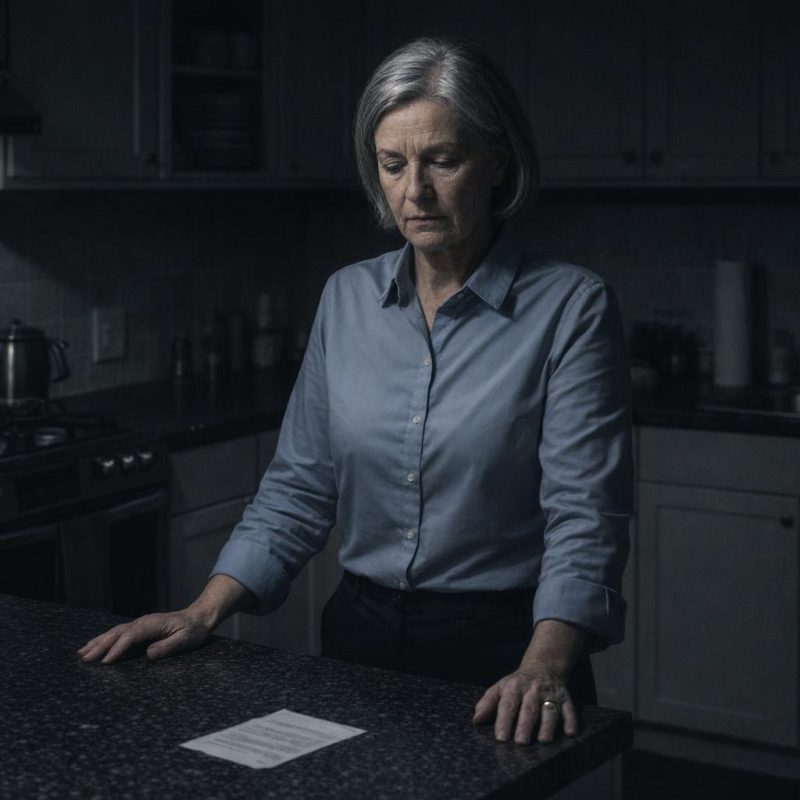 Image by RM AI
The Safety Button
Linda had cleared time to meet with me again, and I was grateful she was being thorough about it. I walked her through the ride from the beginning — the pickup, the route, the moment the conversation in the back shifted. I told her that when Martin's voice started rising, when the tone went from tense to something that felt genuinely threatening, I reached for the safety button on the steering column. It's a small button, easy to press without drawing attention. Drivers are trained to use it quietly so passengers don't know it's been activated. I pressed it without looking down, kept my eyes on the road, and said nothing. I told Linda I wasn't even sure the passengers noticed. She was writing while I talked, and when I finished she looked up and asked me to confirm the exact moment — was it before or after Martin raised his voice the second time. I told her it was right when his voice first went hard, before things escalated further. She nodded slowly and wrote something else down. She said the button press would matter for the recording protocols, that it triggered a different level of capture than the standard system. I sat across from her and thought about that moment — my finger finding the button on the steering column without a second thought.
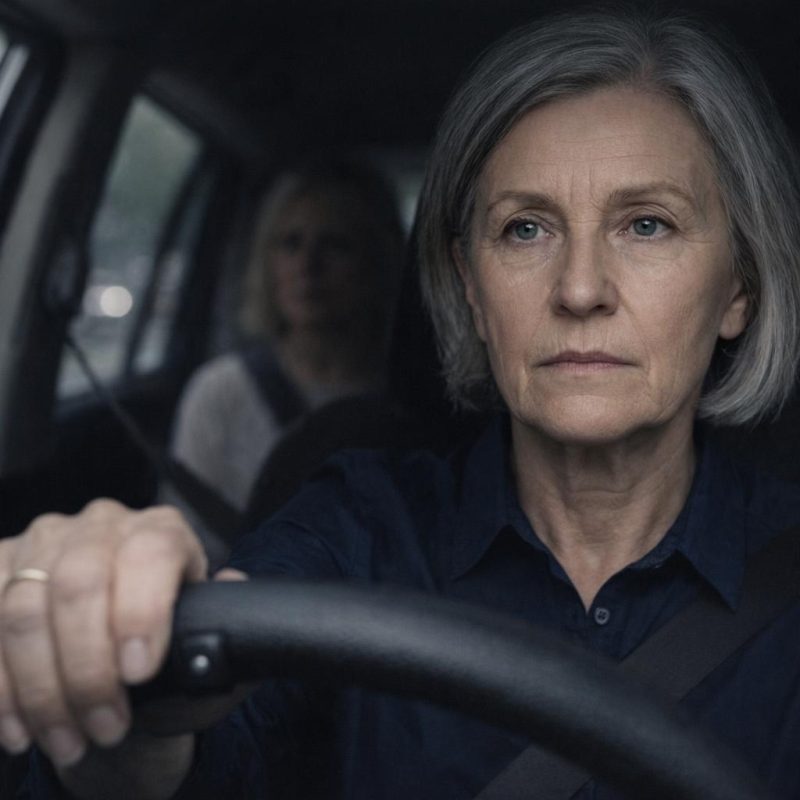 Image by RM AI
The Three Test Vehicles
Linda set her pen down and told me something I hadn't expected. She said my vehicle had been one of three in the fleet selected for an upgraded audio system — a pilot program the company was testing before deciding whether to roll it out across the whole fleet. Three cars out of dozens. I hadn't known that. Drivers weren't told which vehicles had the upgraded system, partly to keep the testing conditions consistent. She explained that the standard cameras captured video and basic audio, but the upgraded system had enhanced microphones and a higher-quality capture protocol that activated fully when the safety button was pressed. The standard system might have picked up fragments. The upgraded system, once triggered, recorded everything. She said the file had already been pulled from the server and she'd had a chance to review it before our meeting. I asked her what was on it. She looked at me steadily and said the recording had captured the entire argument — everything said in that car from the moment I pressed the button to the moment the ride ended.
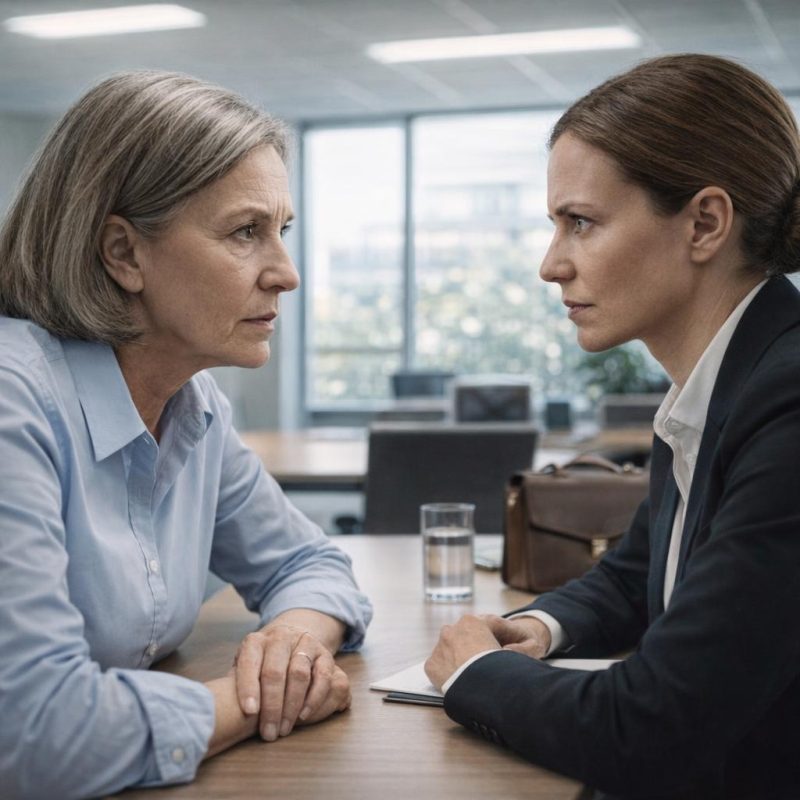 Image by RM AI
Hearing the Argument
Linda played the recording through a laptop she'd set up on the conference table. Hearing it again was strange — I recognized the sounds of the car, the low hum of the engine, the muffled noise of the city outside. Then Martin's voice came through, and it was clearer than I expected. You have until Friday. That was the first thing I heard him say with any real force behind it. The Star's response was quieter, harder to make out at first, but the refusal was there — something about not signing anything until he'd talked to Robert. Martin's voice came back sharper: everything comes out. There was a pause, and then Claire's name, and something about eleven years, and a reference to the Palmer account that meant nothing to me then and still didn't mean much now. I sat there listening and trying to follow the thread of it, but the argument had a history I wasn't part of. I could hear the anger. I could hear the pressure Martin was applying. What I couldn't hear was the full shape of what they were actually fighting about. The words were clear. The meaning behind them sat just out of reach.
 Image by RM AI
The Money Offer
The recording kept going. I heard the moment the argument wound down — the silence that followed, the sound of movement in the back seat. Then The Star's voice, quieter now, directed toward the front. I heard myself answer. Listening to it from across a conference table felt odd, like watching yourself in a video you didn't know was being taken. His words came through clearly: there's ten thousand dollars in there. My response was audible — asking what it was for, the confusion in my voice genuine. Then my own voice saying that discretion was part of the job, that I didn't need anything for doing my job right. There was a soft sound on the recording that Linda said was the envelope being slid back across the seat. Then The Star's voice again, measured and deliberate: good — then remember that you refused it. Linda stopped the playback and looked at me. She didn't say anything for a moment. She didn't need to. The recording had captured every word of that exchange, and not one of them suggested I had asked for anything or taken what was offered. I sat with that — the sound of my own voice on tape, refusing the money, the proof of it sitting right there on the table between us.
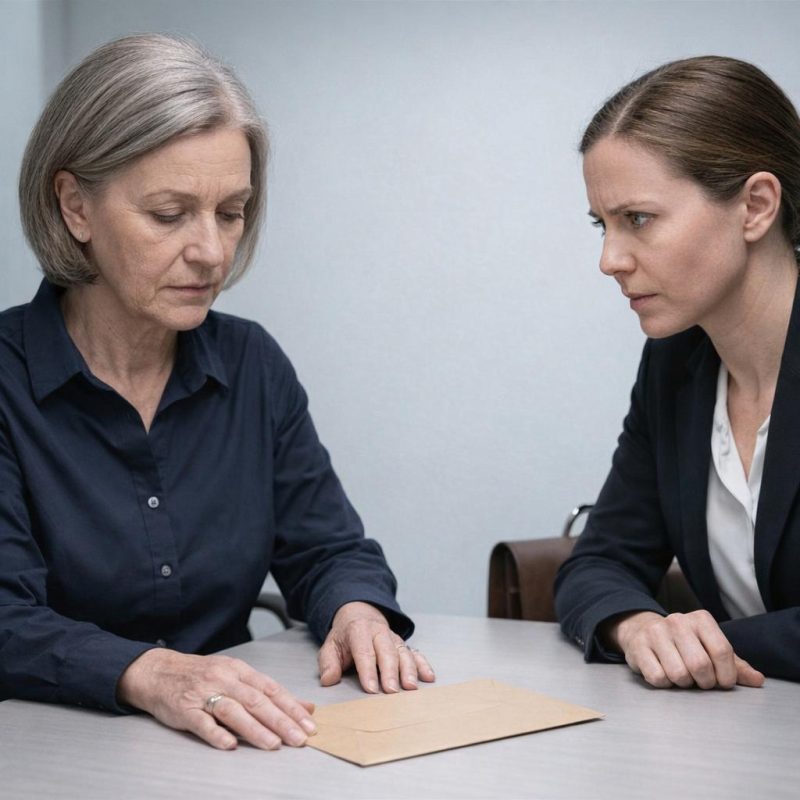 Image by RM AI
The Encrypted File
Linda closed the laptop and explained what happened to the recording after it was captured. The file was encrypted automatically by the system the moment it was created — no human hand involved in that step. The company's security protocols generated a timestamp at the point of creation, and the system logs recorded the exact moment the emergency button was pressed, the exact moment the recording began, and the file size at completion. She said all of that data was stored separately from the audio file itself, on a different server, and that the two sets of records cross-referenced each other. If anyone tried to claim the audio had been altered or fabricated after the fact, the logs would show it. The timestamp on the file matched the night of the ride down to the minute. The button press was logged in the system at the precise time I said I pressed it. Linda said that kind of digital trail was difficult to challenge in any formal proceeding because the records were generated automatically, not by a person with a stake in the outcome. I asked her directly whether someone like Martin could find a way to dispute it. She said he could try, but the chain of custody on a file like this — encrypted, timestamped, cross-referenced — was about as solid as evidence gets.
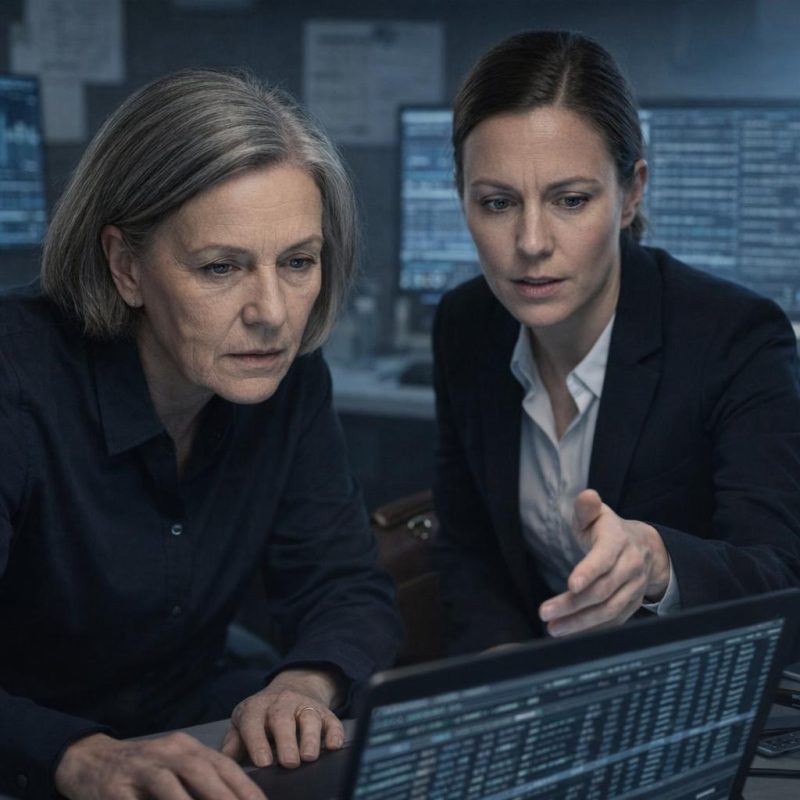 Image by RM AI
The Unanswered Question
After the playback, Linda asked me a question I hadn't thought to ask myself. She said: why would he offer you money if you hadn't asked for it? I didn't have a good answer. The recording proved I hadn't demanded anything — that part was settled. But Linda was pointing at something else. She said that in her experience, people don't hand envelopes of cash to drivers unprompted. Something had to have motivated it. I told her what I'd told myself at the time — that he was rattled, that the argument had been intense, that maybe he was worried I'd heard too much and was trying to get ahead of it. She wrote that down but didn't look satisfied with it. She said it was possible, but that it still left a gap she couldn't account for. I didn't have anything better to offer her. The recording had given me back my footing, had taken the worst of the uncertainty off my shoulders. But The Star's decision to reach into that envelope and hand it forward — that part I still couldn't explain, and sitting there in that conference room, I wasn't sure I understood it any better than I had the night it happened.
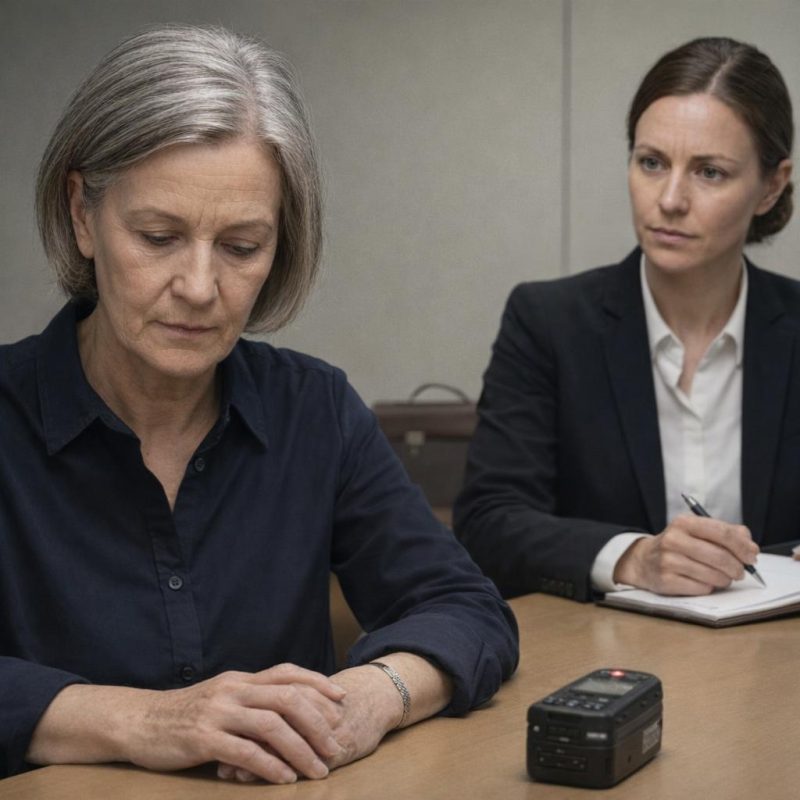 Image by RM AI
Waiting for Contact
Linda told me her next step was to present the recording formally — to Martin's attorney and to The Star's legal representative, Robert. She said she expected responses within a few days, that evidence this clear tended to move things along. I nodded and tried to feel as confident as she sounded. She walked me out and told me to stay available and to call her if anyone contacted me directly. I drove home and did what people do when they're waiting on something they can't control — I kept busy with small things, cleaned what didn't need cleaning, checked my phone more than I should have. I thought about The Star. The recording had answered the question of what happened in that car, but it hadn't answered the question of why. I expected that once Linda sent the file, someone on his side would reach out. Robert, maybe, or someone from his office. I thought about what I'd say when that call came, what I'd ask, whether I'd finally get a straight answer about what that night had actually been. The waiting had a particular weight to it — not the panicked kind from the days right after the suspension, but something quieter, the kind that comes when you know the truth is close but hasn't arrived yet.
 Image by RM AI
The Strange Phrasing
I listened to the recording again that night, not for the parts I'd already flagged for Linda, but for something else I couldn't quite name. I kept going back to the same moment — right after I'd turned down the money. Most people would have said something like thank you, or I understand, or even just nodded and moved on. He didn't do any of that. What he said was: remember that you refused it. Not thank you for refusing. Not I appreciate that. Remember that you refused it. I played it four times. The word remember was doing something specific in that sentence, something I couldn't explain. It wasn't gratitude. It wasn't relief, exactly. It felt more like an instruction. Like he was marking the moment for a reason that had nothing to do with politeness. I sat at my kitchen table with my phone in front of me and tried to work through it. Why would it matter that I remembered refusing? Refusing was just what I did. It wasn't a decision I'd agonized over — the offer felt wrong and I said no. But he'd said it like the refusal itself was the important thing, not the money, not the conversation around it. Those four words had a weight to them I couldn't shake, settling into a pattern I couldn't yet name.
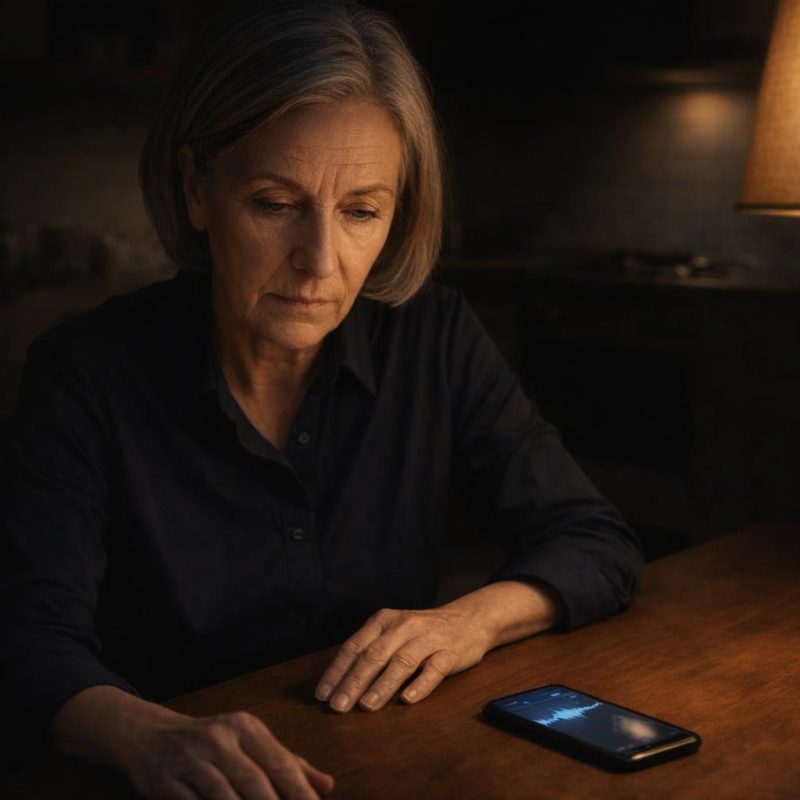 Image by RM AI
Two Days of Silence
Linda confirmed by email the next morning that she'd sent the recording to all parties — Martin's attorney and Robert Walsh, who represented The Star. She said to expect responses within a few business days. I read that email three times and told myself a few business days was reasonable. It wasn't. By the end of the first day, I'd checked my phone so many times I finally put it face-down on the counter just to stop myself. Nothing came. No call from Robert's office, no message from Linda saying someone had responded, nothing from Martin's side either. I told myself that attorneys move slowly, that evidence takes time to process, that this was normal. The second day was worse. I'd expected the recording to land like a stone in still water — immediate, visible, impossible to ignore. Instead there was just quiet. The kind of quiet that makes you second-guess everything. I'd assumed that once the truth was documented and delivered, the other side would have to respond. But neither The Star's representatives nor Martin's attorney made a sound. Two full days, and the silence from both sides after the recording was shared sat heavier than any accusation had.
 Image by RM AI
The Attorney's Office
Robert Walsh's office was on the fourteenth floor of a building in Century City, the kind of place where the carpet is thick enough to muffle your footsteps and the receptionist greets you by name before you've said a word. I'd half-expected to be kept waiting, maybe handed off to a paralegal, given some careful non-answer about ongoing proceedings. Instead Robert came out himself within two minutes of my arrival, shook my hand, and thanked me for my patience in a way that sounded like he meant it. He was mid-fifties, silver-haired, the kind of measured that comes from decades of knowing exactly what to say and when to say it. He walked me into a conference room, offered coffee, and sat across from me without any of the defensive posturing I'd braced for. He said The Star wanted to explain everything to me personally, that there were things I deserved to understand, and that the situation was more complicated than anything I'd been told so far. I asked why no one had reached out sooner — why weeks had passed without a word. Robert folded his hands on the table and said I'd needed to have the recording first, that without it, nothing else would have made sense to me. Then he said The Star had been waiting to talk to me since the night it happened.
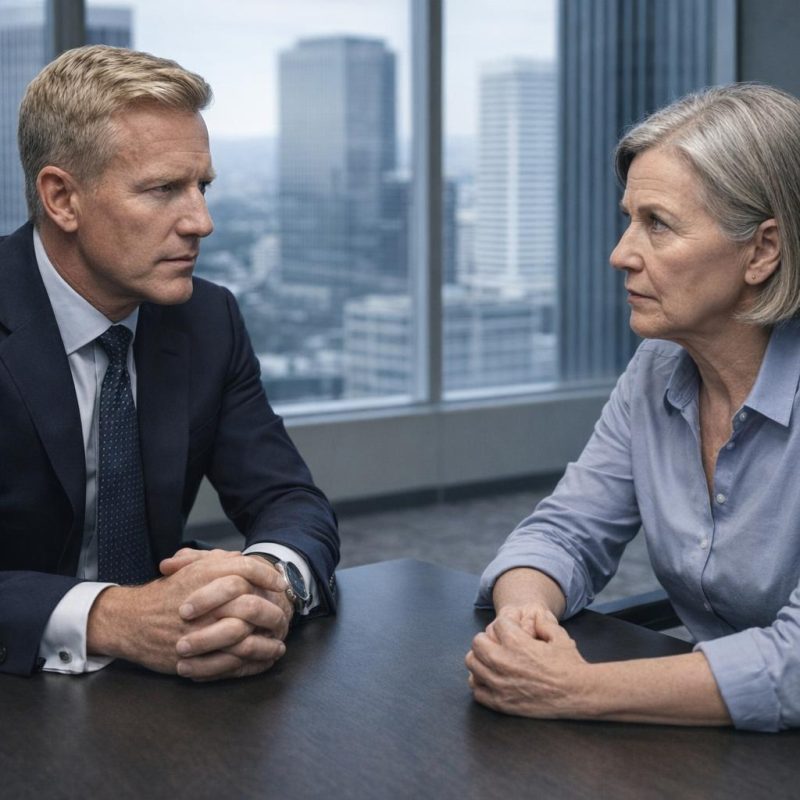 Image by RM AI
Before the Truth
I sat with that for a moment. Since the night it happened. That meant he'd known, from the moment I dropped him off, that there was something he wanted me to understand. And he'd waited — through the complaint, through the suspension, through all of it — without reaching out. I started to ask why, and Robert held up one hand, not dismissively, just carefully, like he was managing the order of things. He said there was context I needed before any of it would make sense. He said the name Claire, and I recognized it from the recording — the woman Martin had mentioned, the one The Star had gone quiet about. I'd assumed she was a personal matter, something private, the kind of thing that gets kept out of public view for obvious reasons. Robert said she wasn't. He said Claire had witnessed something, that what happened to her wasn't a personal scandal but something that crossed into criminal territory, and that understanding her situation was the only way to understand everything else. I didn't ask another question. I just waited. The room was very still, and I could hear the faint sound of traffic fourteen floors below, and I sat there with the full weight of how wrong my assumptions had been pressing down on me before he'd even said another word.
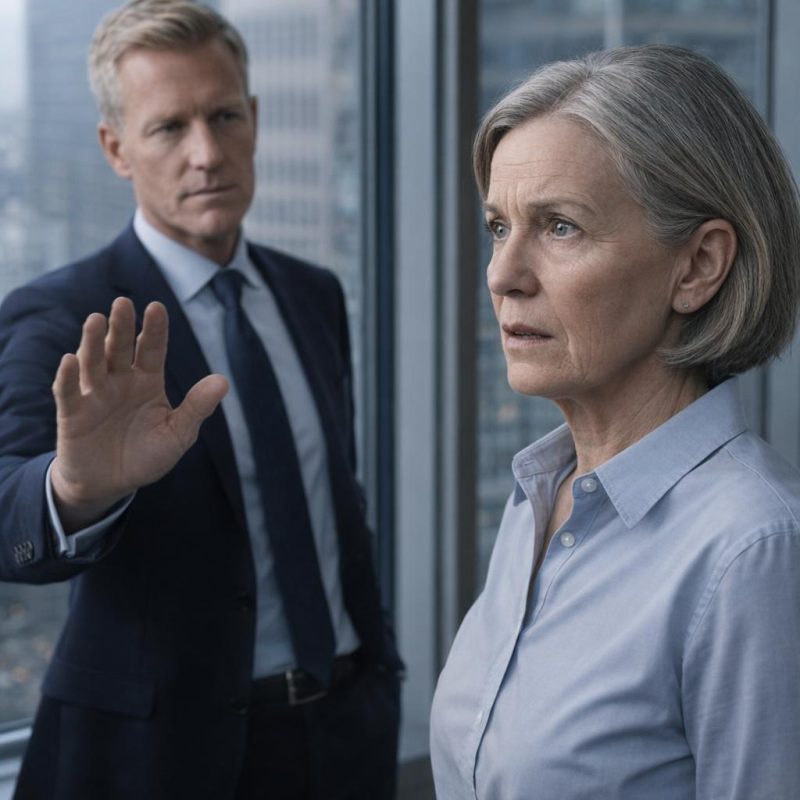 Image by RM AI
The Real Story
Robert laid it out methodically, the way someone does when they've thought carefully about the order because the order matters. Martin had been The Star's business manager for over a decade. Somewhere in that time, he'd started moving money — through accounts he controlled, through companies he'd set up, through expense lines that looked legitimate until someone looked closely. Claire had been The Star's assistant years earlier. She'd been reviewing expense reports when she found discrepancies in accounts Martin managed. She confronted Martin directly. Martin responded by pressuring her out with a confidential settlement that was, by Robert's description, nowhere near adequate. The Star didn't learn the full truth of what had happened to Claire until later, and when he did, he'd been quietly compensating her family for eleven years. Then an audit became unavoidable. Martin knew it was coming, and he knew the Palmer account and others would surface. He needed to control the story before the numbers did. Robert said Martin's plan was to reframe The Star's private payments to Claire as a celebrity scandal — cast himself as the loyal manager managing a mess — and discredit anyone who might complicate that picture. That's where I came in. Martin needed me either compromised or dismissed. The Star had suspected Martin was moving against him, and he'd offered me the money deliberately — not to buy my silence, but to see what I would do with it. Then Robert said it plainly: The Star had been testing whether I could be compromised.
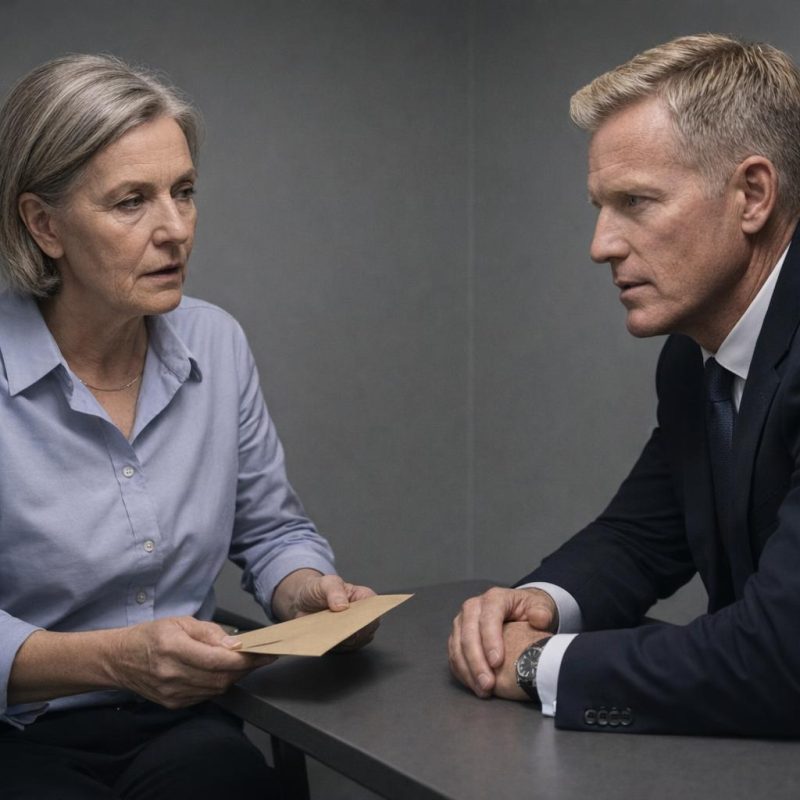 Image by RM AI
Reframing the Night
I didn't say anything for a while. Robert didn't push me to. I sat there and let the whole night run back through my head — the silence in the car, the tension I'd read as guilt, the way The Star had looked out the window while Martin talked. I'd thought he was ashamed. He wasn't. He was calculating, measuring, watching how things were unfolding from the back seat of my car while Martin laid out what he expected him to do. The relief I'd seen when I refused the money — that had been real, but not for the reason I'd assumed. He hadn't been relieved that I wasn't going to make trouble. He'd been relieved because I'd just shown him I couldn't be used. And those words — remember that you refused it — weren't gratitude. They were a marker. He'd needed me to be able to say, clearly and on record, that I had turned the money down without hesitation. The complaint Martin filed against me afterward made sense now too. I'd become a problem the moment I refused. Everything I'd spent weeks trying to untangle had been one piece of something much larger than a ride across town, and the full weight of what I'd actually been sitting in the middle of that night settled over me quietly.
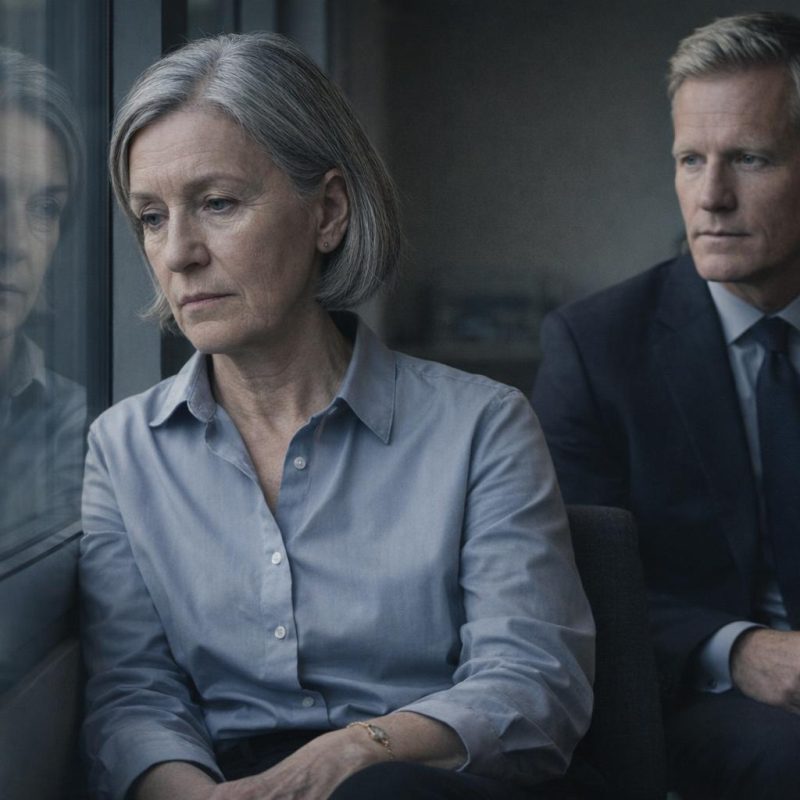 Image by RM AI
Claire's Story
Robert walked me through Claire's story with the same careful precision he'd used for everything else. She'd been thorough in her work — that was the word he used, thorough — and that thoroughness was what got her into trouble. She'd been cross-referencing expense reports against vendor invoices when the numbers stopped adding up. The discrepancies were in accounts Martin controlled directly, and they weren't small. She brought what she'd found to Martin first, which Robert said was the right instinct and the wrong move. Martin didn't deny it. He told her she was misreading the accounts, that the structure was complicated, that she didn't have the full picture. When she pushed back, the tone changed. Within two weeks she was presented with a confidential settlement agreement and strongly encouraged to sign it. The amount was described as generous. It wasn't. She left the industry entirely after that. The Star found out what had really happened to her some time later, and Robert said he'd carried it badly — that a woman had been pushed out while working for him, and he hadn't known, and by the time he did, the legal window had mostly closed. The private payments to her family had been his way of trying to make it right without making it worse. Robert paused there, and what landed was simple and hard: Claire had tried to do the right thing, and it had cost her everything she'd built.
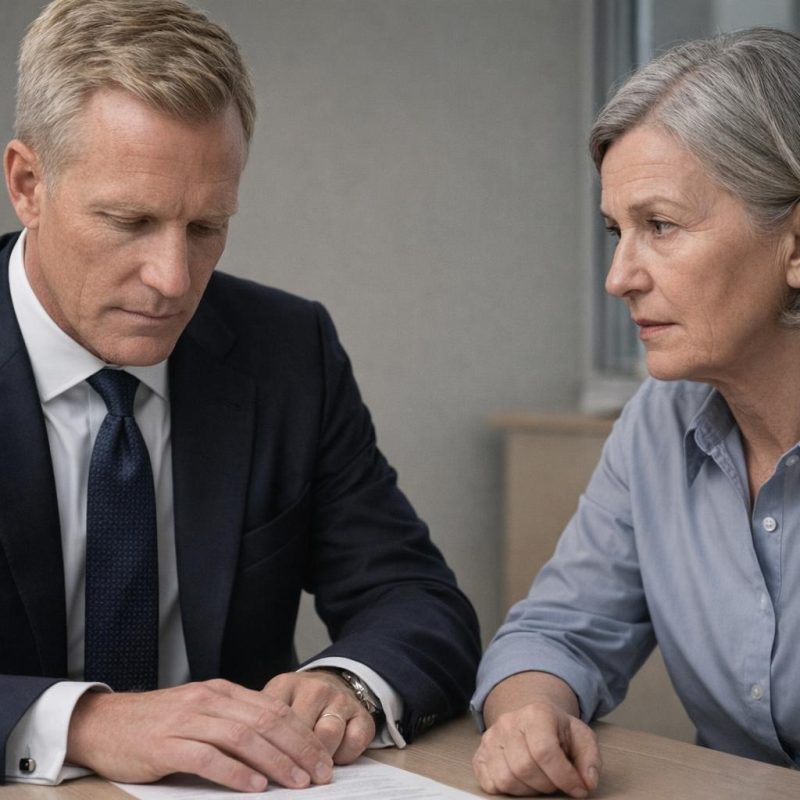 Image by RM AI
The Palmer Account
Robert pulled a folder from the stack beside him and set it on the table without opening it. He said the Palmer account wasn't what Martin had implied in the car that night. It wasn't evidence of anything The Star had done. It was one of several accounts Martin had set up and controlled himself, used to route money through companies that looked legitimate on paper but existed primarily to obscure where funds were actually going. Accountants had been working through the records for weeks by that point, and the Palmer account was just one thread in something considerably larger. Robert said the total scope of what Martin had allegedly diverted over the years was still being calculated, but the number was significant — far beyond the payments to Claire, far beyond anything I'd imagined when I was sitting in that parking garage trying to make sense of a conversation I'd overheard. Martin had known an audit was coming for months. He'd known the accounts wouldn't survive scrutiny. Everything he'd done in those final weeks — the threats in the car, the complaint against me, the attempt to reframe the story — had been the moves of someone watching a very large structure start to come apart. I sat there in Robert's conference room, and the full scope of what Martin had allegedly built and hidden over all those years just hung in the air between us.
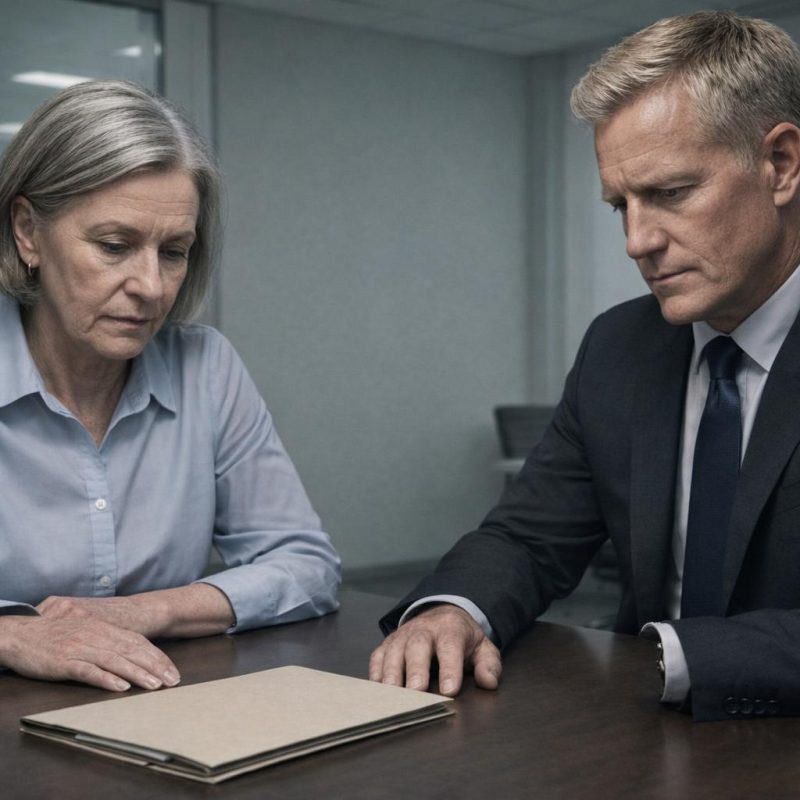 Image by RM AI
The Manufactured Scandal
Robert finally opened the folder. He walked me through Martin's plan the way you'd explain a chess game after it was already over — move by move, so you could see exactly how close the other player had come to winning. Martin's strategy, as Robert laid it out, was to take the payments The Star had made to Claire and reframe them entirely. Not as compensation for what Martin himself had done to her. Not as a private attempt to make things right. Martin was going to present them publicly as hush money — evidence that The Star had some personal secret he'd been paying to keep quiet for years. The scandal wouldn't need to be specific. It just needed to be believable enough to dominate the story. And while everyone was focused on whatever The Star was supposedly hiding, Martin would be standing just off to the side, positioning himself as the loyal business manager who had spent years quietly cleaning up his client's messes. The embezzlement would be buried under the noise. Martin would look like the responsible one. The Star would look like the problem. I sat there and turned that over in my mind — how clean it was, how it used real money and real people to build something that was almost entirely false.
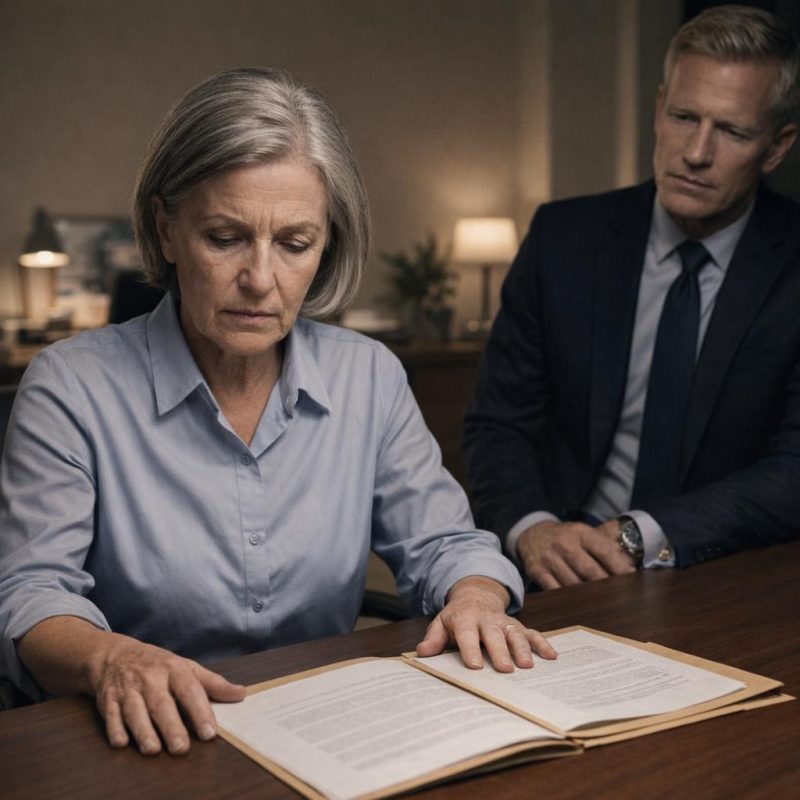 Image by RM AI
Why Denise Mattered
Robert leaned back and looked at me directly. He said Martin's complaint against me wasn't random and it wasn't personal — it was structural. I had been in that car. I had heard Martin threatening The Star, heard him reference Claire, heard him mention the Palmer account. If Martin's manufactured scandal ever went public, I was the one person who could stand up and say that what I'd heard that night didn't match the story Martin was telling. I could testify that Martin had been the one making threats, not The Star. That made me a problem Martin needed to neutralize before I ever got the chance to open my mouth. The extortion accusation was the tool for that. If I was on record as someone who had tried to shake down a celebrity client, nothing I said afterward would carry much weight. Robert paused and then told me something I hadn't fully understood until that moment. He said The Star had anticipated Martin would come after me. That was why he'd offered me the money and told me to remember refusing it. He wasn't being generous. He was creating a record — evidence that I couldn't be bought and hadn't tried to sell anything. I had walked into that parking garage a witness Martin wanted to erase, and I had walked out of it something he couldn't touch.
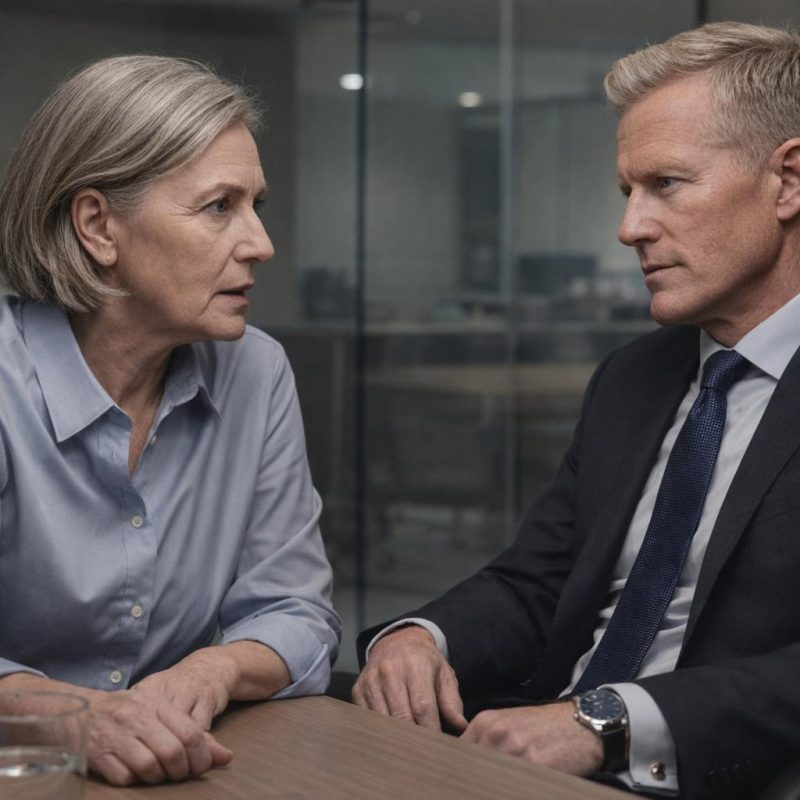 Image by RM AI
The Investigation
Robert told me the investigation had been running quietly for months before I ever sat down in that conference room. After the night in the car, The Star's legal team had brought in forensic accountants — people who specialized in exactly this kind of financial architecture. They had been working through the accounts Martin controlled, tracing money as it moved through companies that looked legitimate on the surface. The recording from the limousine had been kept private the entire time, deliberately. Robert said releasing it too early would have tipped Martin off and given him time to move assets or adjust his story. So they held it. They let Martin keep talking, keep filing complaints, keep building his version of events, while the accountants kept pulling threads. The picture that emerged wasn't built on one account or one transaction — it was a pattern that stretched back years, documented across multiple entities Martin had set up and managed himself. Robert said they needed the evidence to be complete before anyone made a move. I thought about all the weeks I'd spent not knowing what was happening, wondering if the recording even mattered, wondering if I'd made the right call refusing that money. The silence hadn't been indifference. It had been patience, and it had been working the whole time.
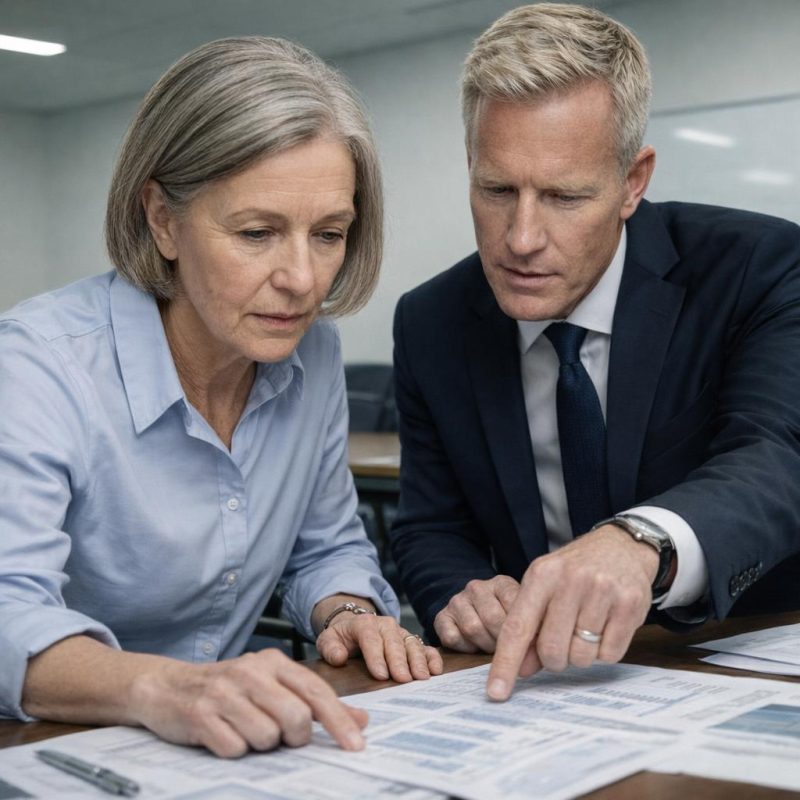 Image by RM AI
Martin Continues
Robert told me Martin hadn't backed down. Even after The Star's attorneys had shared the existence of the recording with Martin's legal team, Martin was still pushing his version of events. He was still telling people I had demanded money from him. Still framing himself as the victim of an extortion attempt by a driver who had overheard something and decided to profit from it. Robert said Martin appeared genuinely confident — that his story would hold, that the recording would only clear me of the complaint and nothing more. What Martin apparently didn't know was how much of that night's conversation the recording had actually captured. He seemed to believe it documented the moment in the parking garage, not the full ride. He didn't realize his own voice was on it — the threats, the references to Claire, the Palmer account, all of it. Robert said every statement Martin made now, every repetition of the false accusation, was being documented. His attorneys were logging it. The investigators were logging it. Martin was so focused on discrediting me that he kept adding to the record against himself. I didn't feel angry listening to that. I felt something quieter and colder — and then Robert slid a printed page across the table and told me Martin was still, as of that morning, claiming I had demanded ten thousand dollars for my silence.
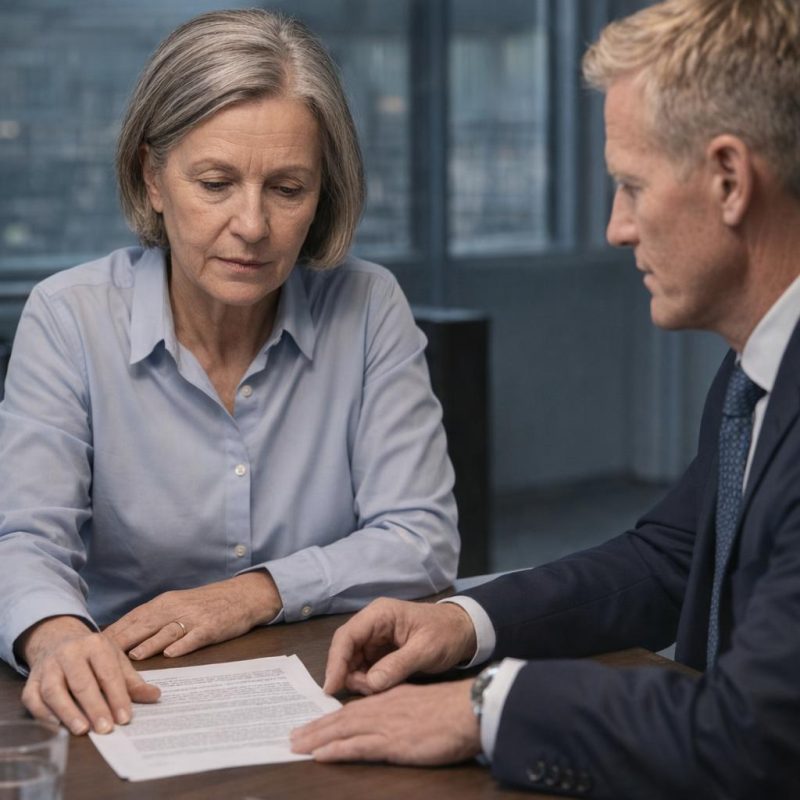 Image by RM AI
The Fabricated Email
Robert reached into the folder and pulled out a single printed page. He set it in front of me and let me read it before he said anything. It was an email — formatted to look like it had come from my address, sent to Martin's personal account. The subject line was blank. The body was short and direct: it named the amount, ten thousand dollars, and said I expected payment in exchange for not discussing what I had heard during the ride. I read it twice. I had never written that email. I had never sent anything to Martin at all. Robert said digital forensic analysts had examined the message after Martin submitted it as evidence with his complaint. The metadata didn't match my account. The routing information showed it had not originated from any device or server associated with me. And the timestamp placed its creation after Martin had already filed the complaint — meaning he had submitted a complaint, then produced the evidence to support it. Robert said that sequence mattered legally. I sat there looking at my name on something I had never touched, something built to make me look like exactly what Martin needed me to be. The fury I felt was clean and specific — not at the accusation itself, but at the craftsmanship of it, and at how easily it might have worked.
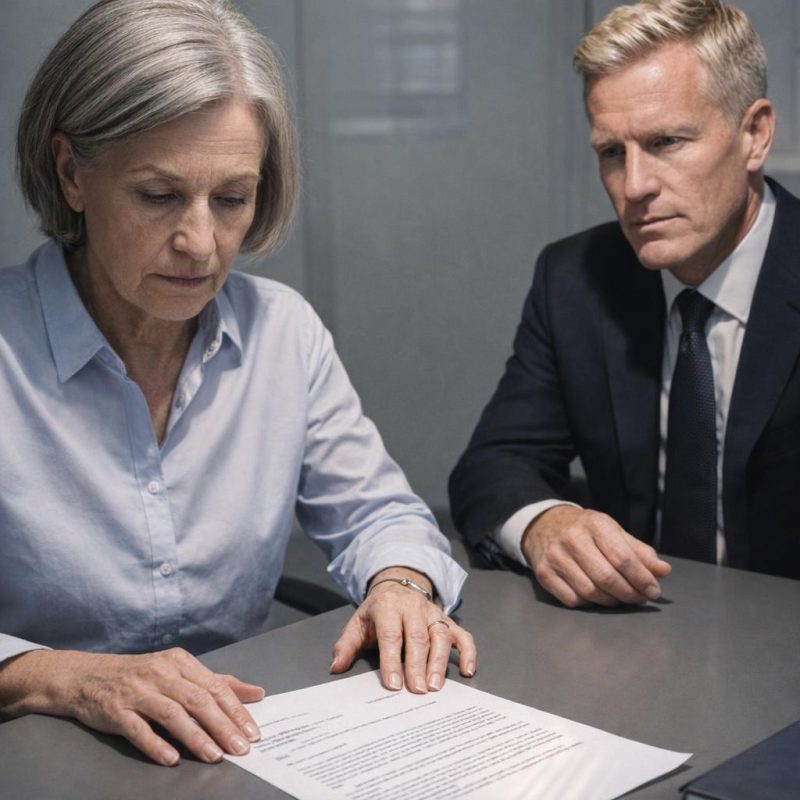 Image by RM AI
The Financial Audit
Robert closed the folder with the email and opened a different one. This one held printed spreadsheets — columns of account numbers, transaction dates, and dollar amounts that ran across multiple pages. He walked me through what the forensic accountants had found. The accounts Martin had flagged as suspicious in his conversations with The Star — the ones he'd implied were evidence of something The Star had done — traced back, when you followed the actual money, to entities Martin himself had set up and controlled. The Palmer account was one of several. The accountants had identified a pattern going back years: funds routed through shell companies, management fees that didn't correspond to any documented services, expense reimbursements with no supporting records. The amounts involved were not small. Robert said the total alleged diversion was significantly larger than anything The Star had paid to Claire — larger than I had imagined sitting in that parking garage trying to make sense of a conversation I wasn't supposed to hear. He turned one of the spreadsheet pages toward me and pointed to a column near the right margin that showed cumulative figures broken out by year, and I looked at the numbers running down that page and understood for the first time the full scale of what Martin had allegedly been doing for a very long time.
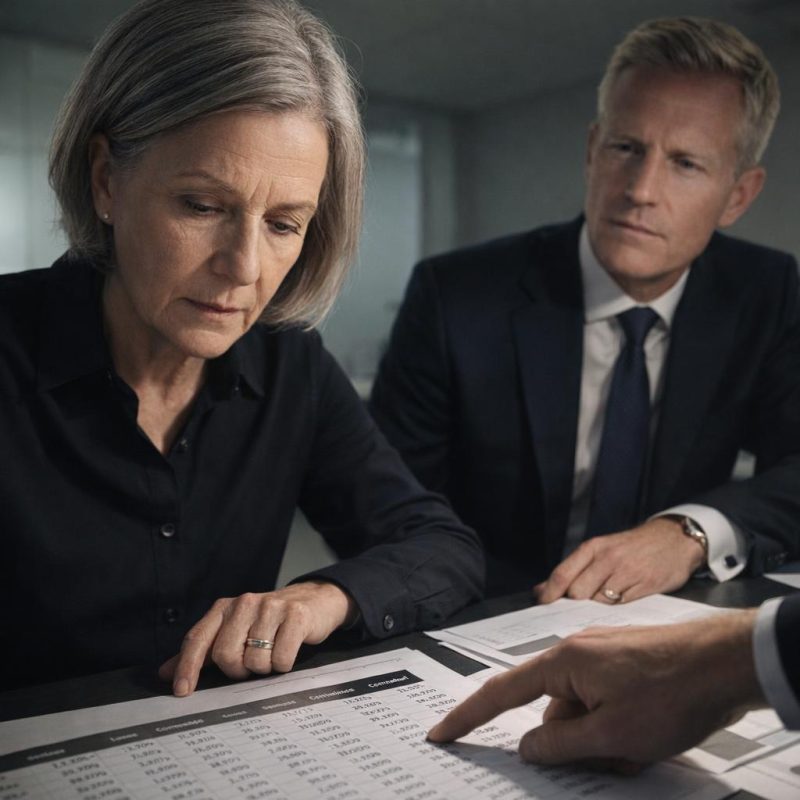 Image by RM AI
The Meeting
Robert told me a meeting had been scheduled for the following week. Martin's attorney had requested it, framing it as an opportunity to discuss resolution — which Robert said was legal language for Martin expecting The Star to write a check and make the accusations disappear. Martin apparently believed the situation was still negotiable. He thought he was walking into a settlement conversation. Robert said Martin had no idea what had been assembled in the months since that night in the car. He didn't know about the full scope of the audit. He didn't know how much of the recording had been captured or what it contained. He was coming to the table expecting leverage, expecting The Star's team to be eager to keep things quiet. Robert looked at me and said he thought I should be there. Not to testify, not to speak — just to be present when the recording played. I told him I'd be there. I drove home that evening thinking about Martin walking into that room confident, and I thought about everything that was waiting for him on the other side of that confidence — the recording, the spreadsheets, the fabricated email, all of it laid out and documented and ready. The weight of that preparation had been sitting somewhere out of sight for months, and in a week it was finally going to land.
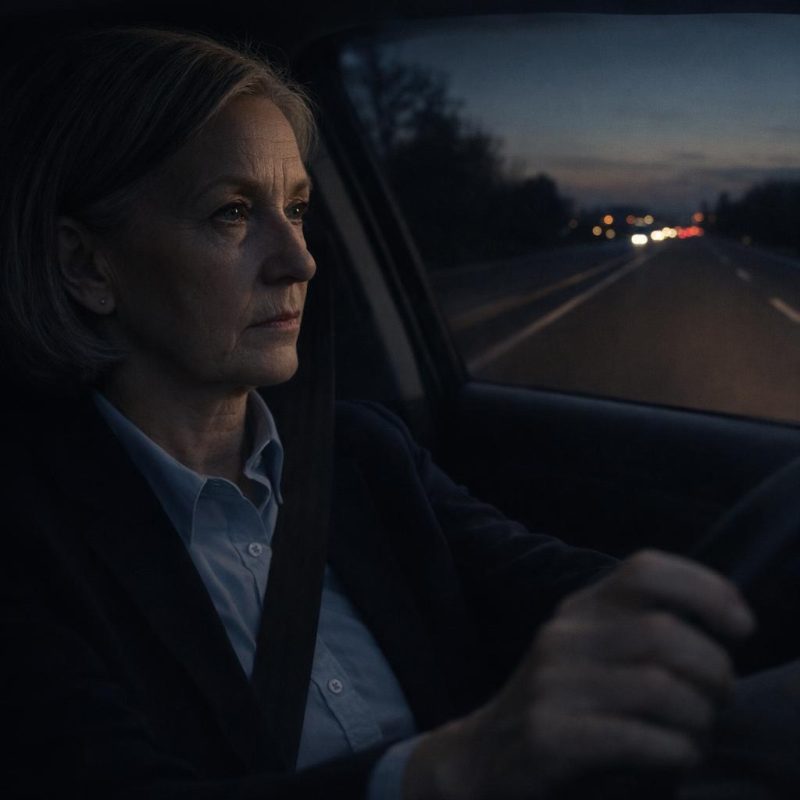 Image by RM AI
The Recording Plays
The conference room was on the fourteenth floor, and Martin was already seated when Robert and I walked in. He had his attorney beside him and a legal pad in front of him, and he looked the way I remembered from the car — composed, expensive, like a man who expected the room to arrange itself around him. He glanced at me when I came in and his expression didn't change much, just a slight tightening around the eyes. Robert set up a small speaker on the table without explaining it. Martin's attorney started to say something about the purpose of the meeting, and Robert said they'd get to that, and then he pressed play. The first voice out of the speaker was Martin's. I watched Martin's face as he heard himself in that car — the tone he'd used, the specific words, the Friday deadline, the threat that everything comes out. I watched him hear the discussion of Claire and the Palmer account in his own voice, clear enough that there was no room to claim it had been taken out of context. I watched him hear The Star offer me money, and then hear me refuse it, and hear The Star's response. Martin's attorney put his pen down at some point and didn't pick it back up. When the recording ended, nobody in that room said anything for a long moment, and the silence that followed felt like something that had been a long time coming.
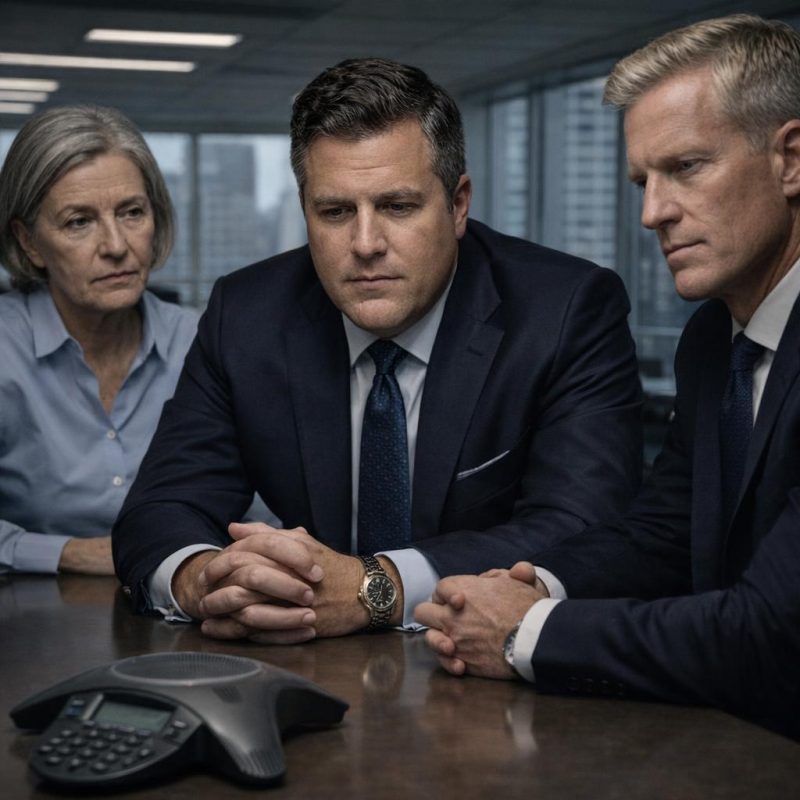 Image by RM AI
The Audit Revealed
After the recording finished, Robert didn't let the silence sit long. He opened a folder and started walking the room through the audit findings — account numbers, transfer dates, amounts, the pattern of diversions that had been running for years through shell structures tied back to Martin. The numbers were specific and they were large, and Robert laid them out without editorializing, just one line after another until the shape of it was impossible to miss. Martin's attorney leaned over and said something quietly, and then he straightened up and told Robert that the recording could have been altered, that digital files could be manipulated, that nothing on that table was verified. That's when Linda set her materials on the table. She had the original encrypted file from the limousine company's system, and she had the server logs showing the exact timestamp of when the emergency button was pressed and when the file was created. She walked through each log entry the way someone does when they've done it before and aren't nervous about questions. The timestamp matched the night of the ride down to the minute. The file hash showed no alterations. Martin's attorney looked at the logs for a long time. Then he set his pen down, folded his hands on the table, and didn't say another word in Martin's defense.
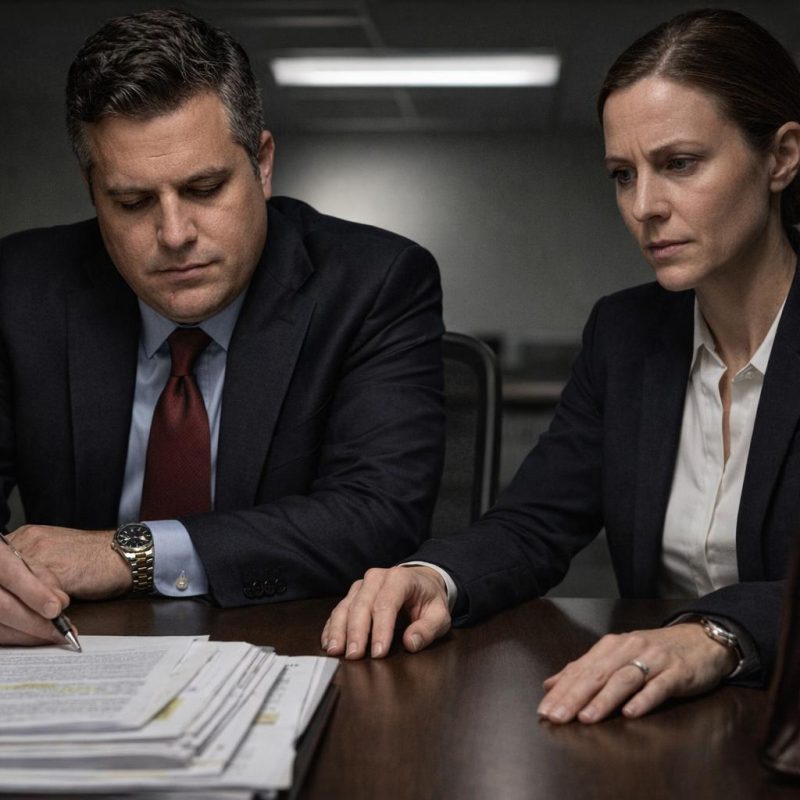 Image by RM AI
Resolution
Robert called me about a week after the conference room meeting. He kept it brief and professional, which I appreciated. Martin had been removed from the business partnership immediately following that meeting. The financial evidence had been turned over to the appropriate authorities, and from what Robert said, the scope of what they were looking at was significant. Claire had been contacted, and she agreed to cooperate with the investigation. She received an additional settlement — one that actually reflected what had happened to her, not the inadequate amount she'd been pressured into the first time. A few days after Robert's call, Linda reached out to tell me the company had formally cleared me of the extortion accusation. The gossip site published a retraction, buried and brief, but it was there. The company also offered me compensation for the income I'd lost during the suspension. I accepted it. I sat at my kitchen table that evening and tried to figure out what I was feeling, and the closest I could get was tired — not the bad kind, just the kind that comes after something hard is finally finished. The accusation was gone. My name was clean. The work I'd put into nineteen years of doing this job right had held up when it mattered, and that settled over me quietly, like something finally put back in its proper place.
 Image by RM AI
The Note
I went back to driving about two weeks after everything was resolved. Tom handed me my schedule like nothing had happened, which was exactly the right way to handle it, and I didn't make a speech about it. The clients came back gradually — some right away, some after a few weeks once word had moved through the industry the way word does. I kept my head down and did the work, same as I always had. The Star and I never became friends. That wasn't what the relationship was, and neither of us tried to make it something else. I drove him twice more over the following year, and both times were professional and quiet, the way good rides are supposed to be. I worked for several more years after that before I retired, and I don't have any regrets about how I spent that time. Then, about eight months after the conference room meeting, an envelope showed up at the limousine office addressed to me. No return address, but I recognized the handwriting on the outside as careful and deliberate, like someone who'd thought about what they were doing. I opened it at Tom's desk while he pretended not to watch. Inside was a single handwritten note — and nothing else. No check, no cash, no money of any kind.
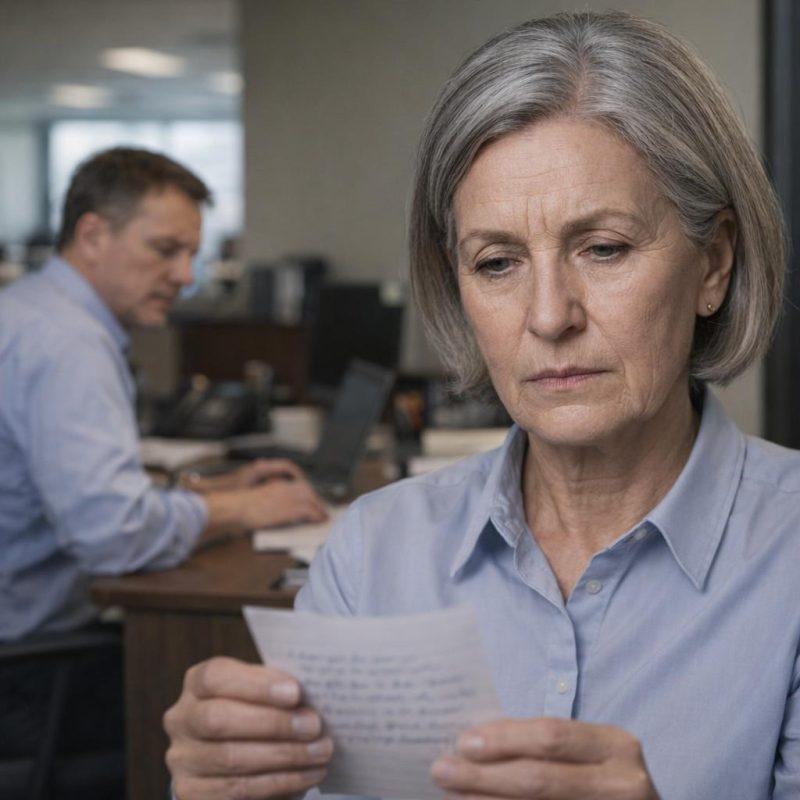 Image by RM AI
The Real Secret
The note was short. It thanked me for saying no when saying yes would have been easier, and it said that my refusal had mattered more than I probably knew. I read it twice, folded it back up, and put it in my jacket pocket. I still have it. Driving limousines for nineteen years means you hear things. You hear arguments and confessions and deals being made and relationships falling apart. You carry those stories and you don't repeat them, because that's the job. I always assumed the secrets worth protecting were the ones about famous people — the ones the tabloids would pay for, the ones that could end careers. That's what everyone assumes. That's exactly what Martin counted on. He built his cover inside that assumption, because the world expects the person in the back seat to be the one with something to hide. Nobody looks twice at the business manager. Nobody assumes the scandal is coming from the man with the clipboard and the quarterly reports. My discretion, the same discretion I'd spent nearly two decades treating as a point of professional pride, had very nearly protected the wrong story entirely. What I understood, sitting with that folded note in my pocket, was that the biggest secret I ever carried wasn't about a celebrity at all — it was about how easily the truth gets buried when everyone's already decided where to look.
 Image by RM AI
KEEP ON READING