

I Installed a Hot Tub in My Backyard. My Neighbors Declared War. What I Did Next Shocked Them.
I Installed a Hot Tub in My Backyard. My Neighbors Declared War. What I Did Next Shocked Them.
The Simple Upgrade
I'd been living in this quiet neighborhood for six years without a single problem. My house was modest, my lawn stayed trimmed, and I kept to myself mostly. But the last few months at work had been brutal—constant deadlines, weekend calls, projects that never seemed to end. I needed something to help me decompress, and that's when I started researching hot tubs. I spent weeks comparing models, reading reviews, checking installation requirements. I measured my backyard three times to make sure I had the space. I pulled up the property survey I'd gotten when I bought the house and confirmed the placement would be well within my property lines. Nothing fancy, just a six-person standalone unit that didn't require any permanent construction or special permits. I called a local installer, got a quote that seemed reasonable, and scheduled them to come out the following Monday. When I hung up the phone, I felt this wave of relief wash over me. Finally, something good. The installation crew said they'd be back Monday morning, and I spent the weekend imagining how good it would feel to finally relax.
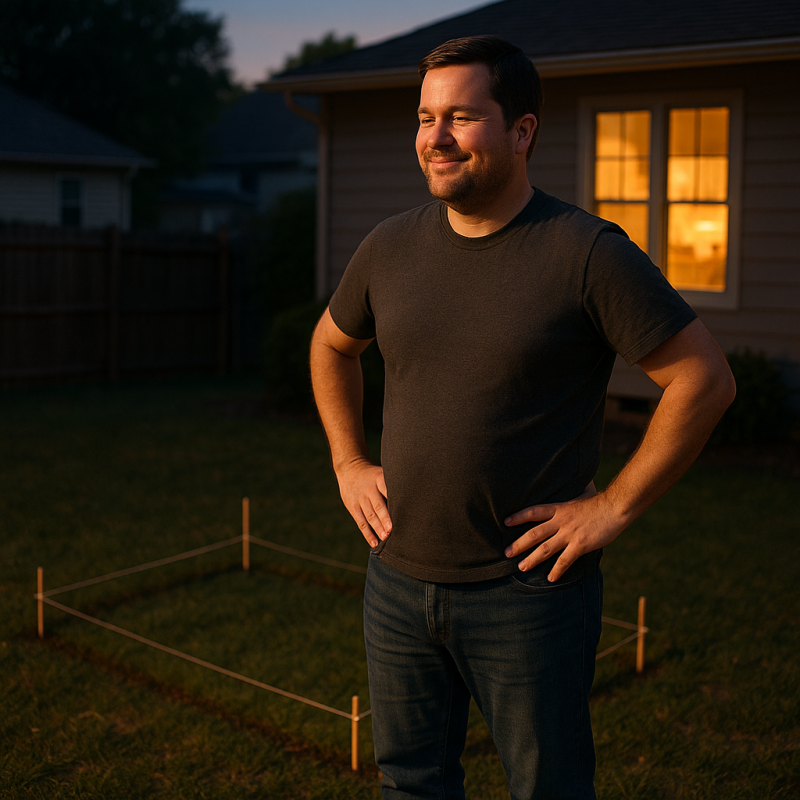 Image by RM AI
Setup Complete
The installation team showed up right on time Monday morning, which I appreciated. They were efficient, professional, knew exactly what they were doing. The whole process took about four hours—leveling the pad, positioning the unit, running the electrical connection to the outdoor outlet I'd had installed years ago. Once they finished, I pulled out my tape measure and checked the placement myself. I measured from the property line twice, just to be sure. Twelve feet from the fence on one side, fifteen from the back. Well within the setback requirements I'd read about in the city guidelines. I even pulled up the PDF on my phone and reviewed it one more time while standing there in my backyard. Everything checked out. The hot tub sat there looking solid and new, the cover strapped down tight. The crew walked me through the controls, handed me the manual, and packed up their tools. That evening, I filled it for the first time, watching the water level rise slowly. Steam started curling up into the cool air as the heater kicked in.
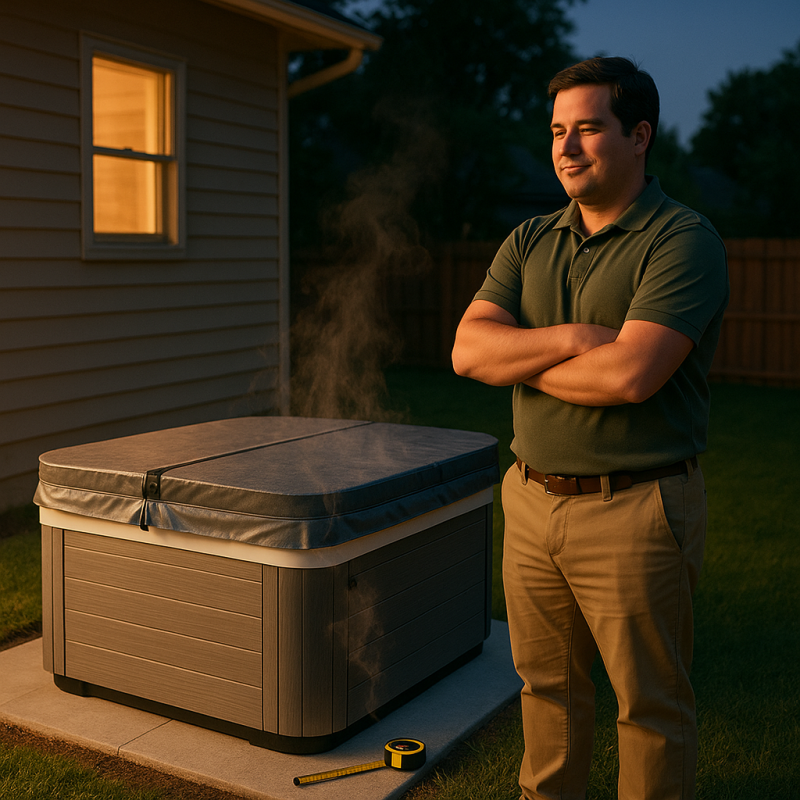 Image by RM AI
The Watchers
I was out in the backyard the next afternoon, wiping down the hot tub cover and organizing the chemical supplies the installer had left. That's when I noticed them. My neighbors from next door, Richard and Patricia Caldwell, were standing at their upstairs window looking down into my yard. Not just a quick glance—they were really watching. I'd seen them around since they moved in about a year ago. They'd made a few comments here and there about my lawn height, asked once if I was planning to repaint my old shed. Nothing major, just the kind of thing some neighbors do. But this felt different. I went back to what I was doing, arranging the test strips and chlorine tablets in the small storage box I'd bought. When I glanced up again maybe ten minutes later, Patricia was still there. Same window, same position. I couldn't see her expression from that distance, but something about the way she stood there, so still, made me pause. I finished up and headed inside, telling myself they were probably just curious about the new addition. When I glanced up again an hour later, one of them was still there.
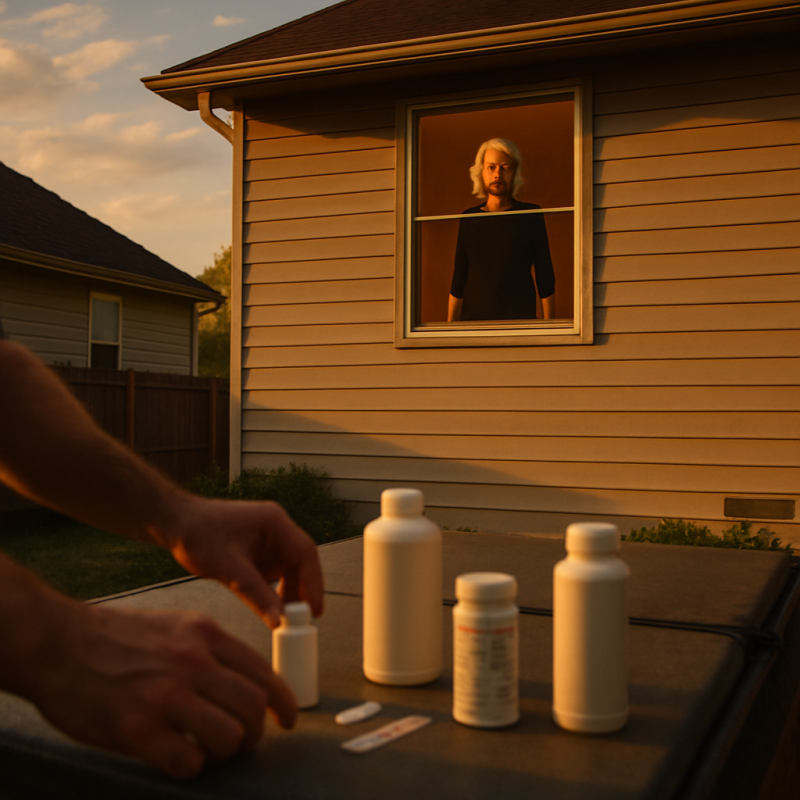 Image by RM AI
The First Notice
The letter came on Thursday. City of Riverside letterhead, official seal, the whole thing. I pulled it out of the mailbox along with the usual junk mail and bills. "Notice of Complaint - Unauthorized Construction" was printed across the top in bold letters. I stood there on my front step reading it. Someone had filed a complaint claiming I'd done unauthorized construction on my property. The letter didn't say who filed it, just that the city had received a report and needed to investigate. I read it three times standing there, trying to figure out what they were talking about. Construction? The hot tub wasn't construction—it was a standalone unit, no foundation, no permanent attachment to the property. I'd specifically chosen that model because it didn't require permits or inspections. I went inside and pulled up the city website on my laptop, searching through the municipal code sections about accessory structures and temporary installations. Everything I read confirmed what I already knew. The letter asked me to contact the compliance office within ten days to schedule an inspection. I set it on my kitchen counter and stared at it for a while, feeling this low-level concern starting to build. I read it three times, trying to understand what construction they meant.
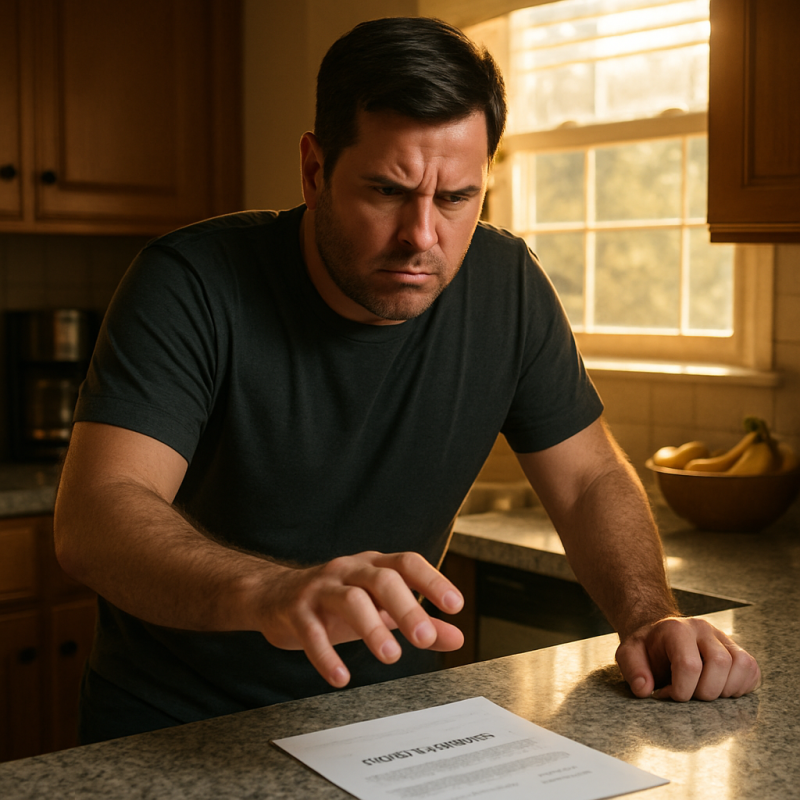 Image by RM AI
Clarification Call
I called the city compliance office first thing Friday morning. A clerk named Jennifer answered, and I explained the situation as clearly as I could. "I installed a hot tub last week," I said. "It's a standalone unit, not permanent construction. I'm not sure why someone filed a complaint." She put me on hold for a minute, then came back and asked for my address. I heard her typing, clicking through what I assumed was their system. "Okay, I see the complaint here," she said. "It's listed as unauthorized construction." I walked her through the specifications—the model, the placement, the fact that it wasn't attached to any structure or utility beyond a standard outdoor electrical outlet. She listened patiently, asked a few questions about the dimensions and setback distances. "That does sound like it should be fine," she said, her tone neutral and professional. "But since a complaint was filed, we still need to send someone out to verify everything's in compliance." I told her I understood, that I wanted to cooperate fully. She said she'd make a note in the file about our conversation. The whole call took maybe fifteen minutes. The clerk said she'd make a note in the file, but someone would still need to verify in person.
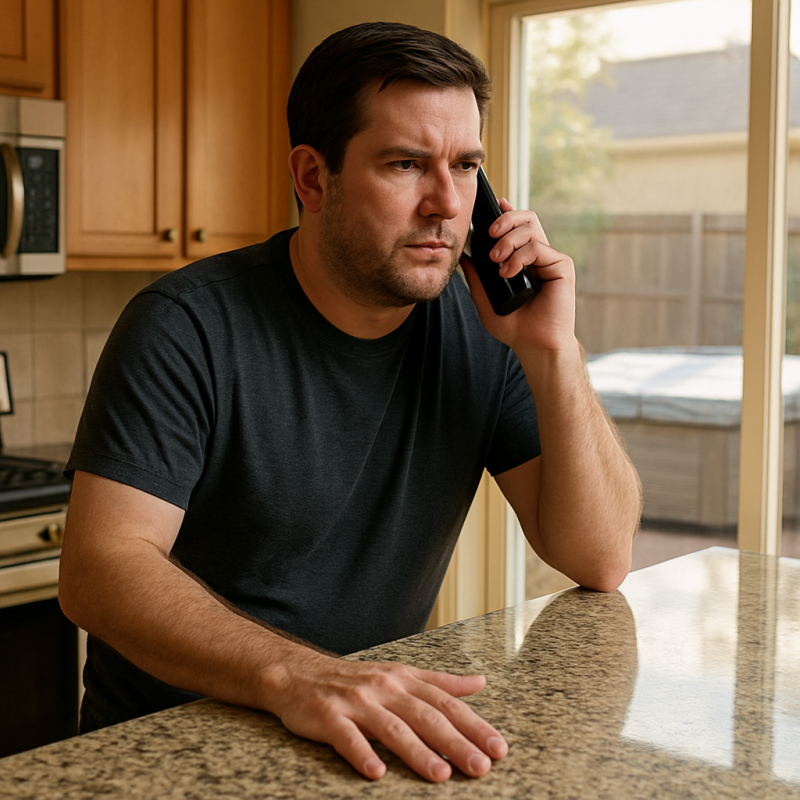 Image by RM AI
Cleared
The inspector showed up Tuesday afternoon. He introduced himself, checked his clipboard, and asked if he could see the hot tub. I walked him around to the backyard and stood there while he measured everything. He had a laser measuring tool and a tablet where he was recording the distances. Twelve feet, three inches from the east property line. Fifteen feet, one inch from the rear. He checked the electrical connection, looked at the manufacturer's specifications I'd printed out and brought with me. He asked if it was bolted down or attached to any permanent structure. I told him no, showed him how it just sat on the leveling pad. The whole inspection took maybe twenty minutes. "Everything looks good," he said, making notes on his tablet. "This meets all the placement requirements. I'll mark the complaint as resolved." I thanked him, feeling this weight lift off my shoulders. He handed me a copy of his inspection report before he left. I filed it carefully in my desk drawer, relieved to have documentation that everything was fine. I thought that would be the end of it.
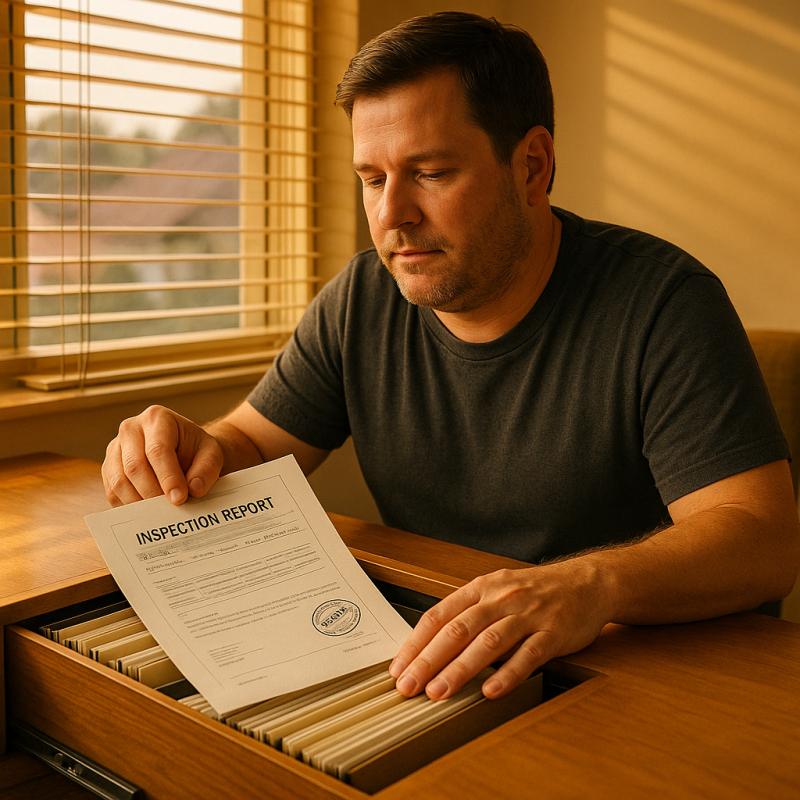 Image by RM AI
Noise Complaint
The second letter arrived the following Monday. Same city letterhead, different complaint number. This one was about noise violations—specifically, excessive noise from my property disturbing neighbors during evening hours. I stood in my kitchen reading it, feeling confused all over again. I hadn't used the hot tub yet. Not once. I'd been waiting for the water chemistry to balance properly, testing it every day like the manual instructed. The tub had been sitting there completely silent except for the low hum of the circulation pump, which ran quietly and was barely audible even standing right next to it. I looked at the date on the complaint form. It was filed two days ago—Saturday evening. I'd been inside watching a movie that night, hadn't even gone outside. The hot tub had been covered and unused. I pulled out my phone and checked the photos I'd been taking of the water test results. Saturday at six PM, I'd tested the pH and chlorine levels, taken a picture of the strips. The cover had been on, everything shut down except the circulation system. There was no possible way anyone could claim noise from my property that evening. I looked at the date on the complaint—it was filed two days ago, when the hot tub had been sitting silent.
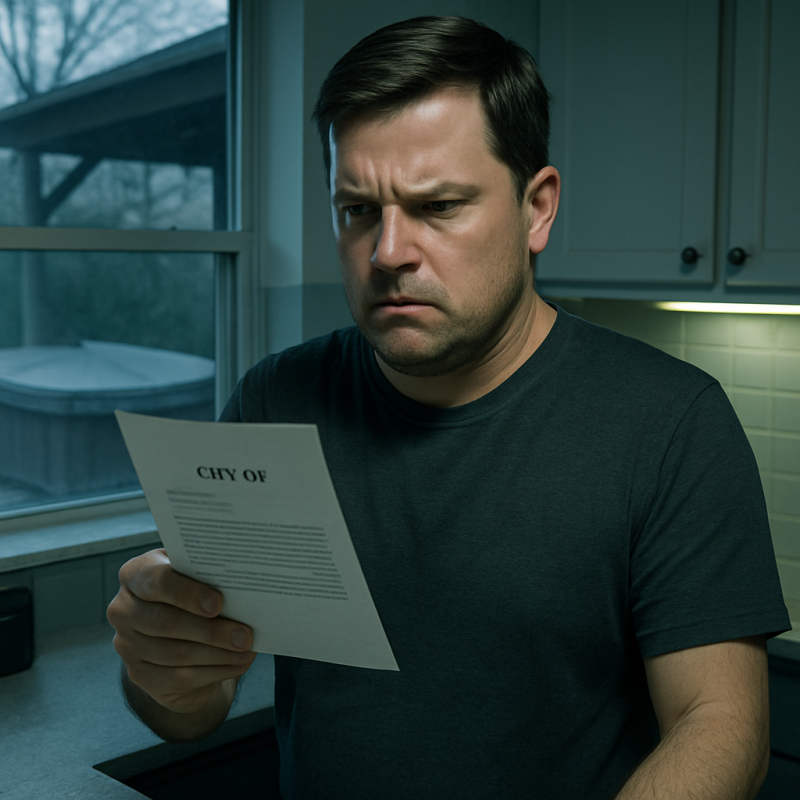 Image by RM AI
Inspector Torres
Inspector Torres arrived Wednesday morning. He was different from the first inspector—older, more methodical, carrying a clipboard with what looked like multiple pages of notes. I explained the situation before he even asked. "I haven't used the hot tub at all yet," I said. "The water's still balancing. It's been covered and quiet since installation." He nodded, walked around my backyard, stood near the hot tub listening. The only sound was the faint hum of the circulation pump and some birds in the trees. He made notes, checked the equipment, asked me about my typical schedule. I showed him the photos on my phone with timestamps, the water test results I'd been documenting. He looked at everything carefully, asked a few more questions about when I was home, whether I'd had any gatherings or visitors. "No violations here," he finally said, closing his notebook. "The equipment is running normally and well within acceptable noise levels." I thanked him, started to feel relieved again. Then he paused at my back gate and turned around. He closed his notebook and said this was the second invalid complaint on my property in two weeks.
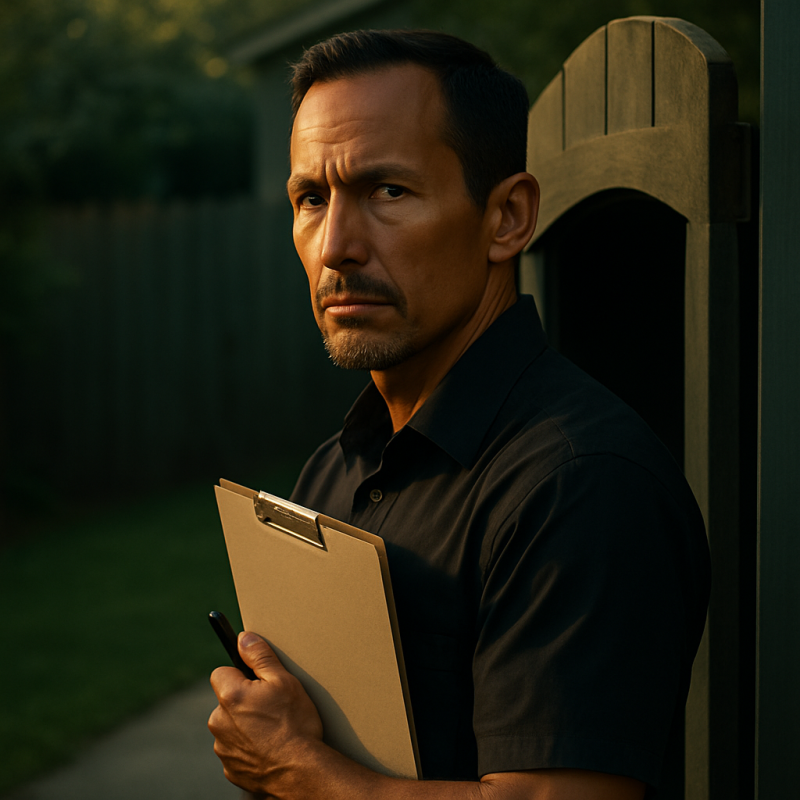 Image by RM AI
Drainage Concerns
The third complaint arrived on a Friday afternoon. I pulled it from my mailbox and felt something shift in my chest when I read the subject line—improper drainage that could affect neighboring properties. I stood there holding the paper, reading through allegations about water runoff and potential foundation damage to adjacent homes. The thing is, I'd spent hours researching drainage requirements before the installation even started. I'd consulted with the contractor, reviewed the city codes, made sure everything sloped away from property lines exactly as specified. The hot tub sat on a properly graded pad with drainage that fed into my existing yard system, the same one that had been there when I bought the house. I walked to my backyard and looked at the setup, at the careful positioning we'd planned, at the drainage channels that were working exactly as designed. Nothing had changed. No water was pooling. No runoff was crossing property lines. I felt my jaw tighten as I stood there, the complaint letter still in my hand. Three complaints in less than three weeks, each one requiring my time to respond, to wait for inspections, to prove I'd done nothing wrong. I stood in my backyard, looking at the drainage setup I'd specifically researched, and felt my patience starting to crack.
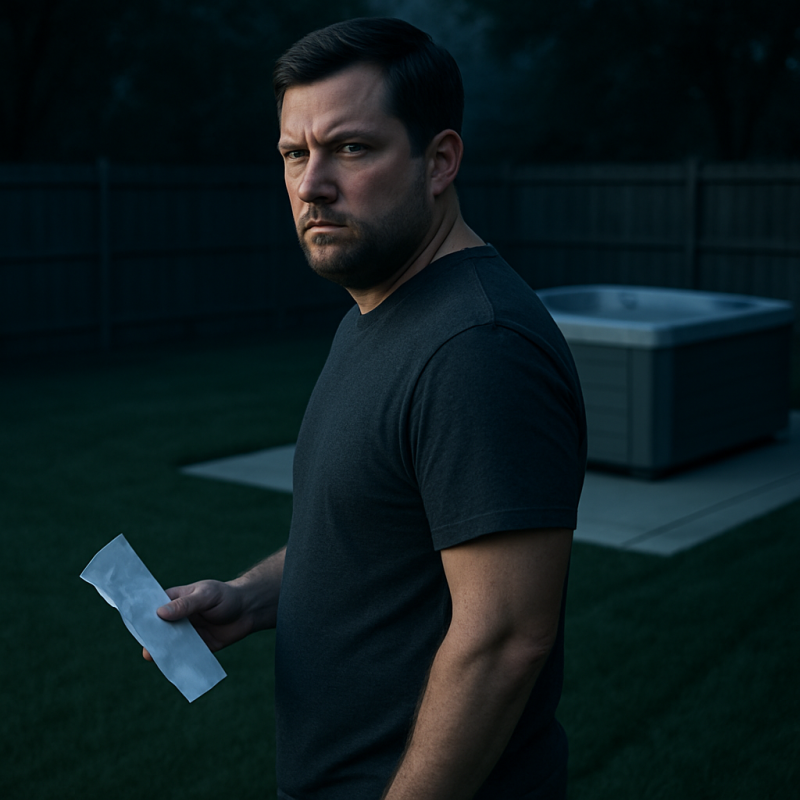 Image by RM AI
Another Inspection
Inspector Torres came back on Monday. He walked around the hot tub, checked the grading with a level, examined where the water drained during the filtration cycle. I showed him the installation plans, the contractor's drainage specifications, the city permit that had approved the entire setup. He spent twenty minutes checking everything, making notes, taking photos of the slope angles and drainage paths. "This meets all requirements," he said, closing his notebook. "The drainage is properly designed and functioning as it should. No issues here." I thanked him, watched him walk back through my side gate to his truck parked on the street. He looked tired, I noticed. Maybe a little weary of being called out to my address for complaints that kept turning up empty. I stood on my front porch as he drove away, feeling the frustration settle deeper into my chest. That's when I glanced toward the Caldwell house and saw the curtain move in their upstairs window. Someone was standing there, partially visible behind the fabric. Watching. I couldn't make out who it was from this distance, but I could see the shape of a person, the stillness of someone observing. As he drove away, I saw someone watching from the Caldwell's upstairs window again.
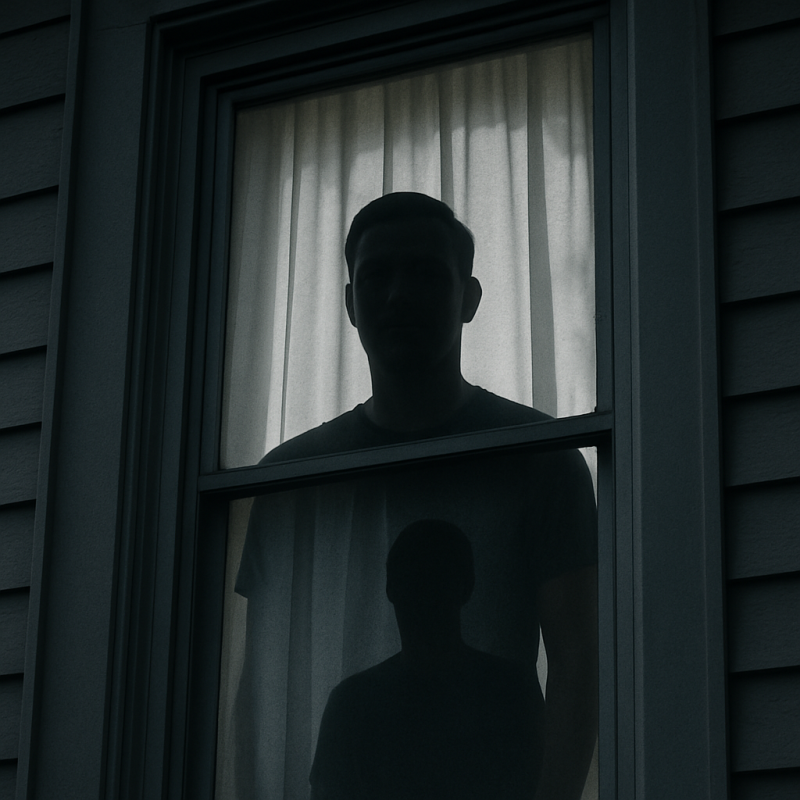 Image by RM AI
Safety Hazards
Four days later, another envelope appeared in my mailbox. I didn't even feel surprised anymore when I pulled it out and saw the city letterhead. This one alleged potential safety hazards posed by the installation—vague concerns about electrical systems, structural integrity, public safety risks. I read through it standing in my kitchen, the words blurring together into a familiar pattern of baseless accusations. The electrical work had been done by a licensed electrician and inspected during the permit process. The structure was professionally installed and had already been cleared by two separate city inspections. There were no safety hazards. There never had been. I set the letter on my counter and stared at it for a long moment. Four complaints in three weeks. Each one requiring a response, an inspection, hours of my time proving what I already knew—that I'd done everything correctly. I walked to my home office and pulled out the folder I'd started keeping. Inside were the first three complaint letters, each one with the inspection clearance notes I'd written on the back. I slid the fourth letter in with the others, the paper joining the growing stack. I saved the envelope with the others I'd started keeping in a folder.
 Image by RM AI
Documentation Begins
That evening, I opened my laptop and created a new spreadsheet. I titled it "Property Complaints" and started filling in columns—date received, complaint type, inspection date, inspector name, outcome. I went through each letter in my folder and entered the information methodically, one row at a time. Complaint one: noise violation, cleared. Complaint two: noise violation again, cleared. Complaint three: drainage concerns, cleared. Complaint four: safety hazards, inspection pending. I sat back and looked at the dates column. The first complaint had arrived twelve days after the hot tub installation. The second came four days after that. The third arrived three days later. The fourth, just four days after the third. I added a new column calculating the days between each complaint. The numbers stared back at me from the screen—4, 3, 4. Too consistent. Too regular. This wasn't random neighbors noticing problems at different times. This was someone filing complaints on a schedule, one after another, each timed to arrive just as the previous inspection cleared me. When I typed in the fourth entry, I saw they were coming every three to four days.
 Image by RM AI
Caught Recording
I went outside the next afternoon to check the water chemistry. The sun was bright, and I had my test kit in hand when I noticed movement at the fence line. I looked up and saw Richard standing there, his phone raised and pointed directly at my backyard. He wasn't trying to hide it. The phone was held up at eye level, clearly recording, the camera lens aimed at my hot tub and the surrounding area. I stopped walking and just stood there, test kit still in my hand, staring at him. He had to see me looking. We were maybe twenty feet apart, and I was standing in full view in the middle of my yard. But he didn't lower the phone. Didn't move. Didn't acknowledge me at all. He just kept recording, his posture rigid, his face expressionless behind the phone screen. I felt something cold settle in my chest, a kind of anger that was different from frustration. This wasn't accidental. This wasn't a misunderstanding. He was standing at my fence line, openly recording my property, and he didn't care that I saw him doing it. He didn't lower the phone when he saw me looking.
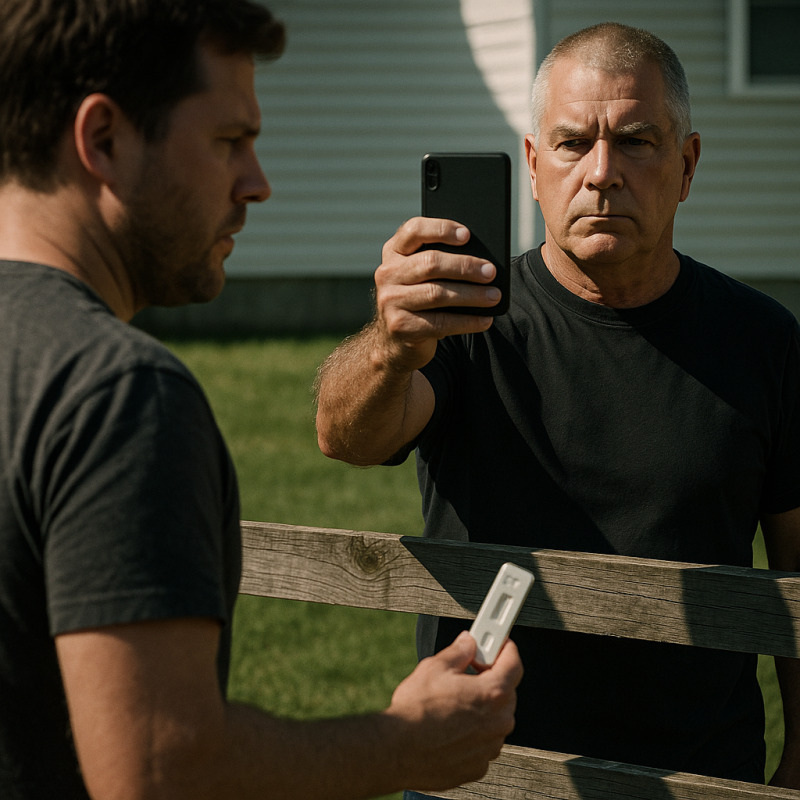 Image by RM AI
Documenting Violations
I walked toward the fence, my footsteps deliberate across the grass. Richard still didn't lower his phone. When I got close enough to speak without raising my voice, I stopped. "What are you recording?" I asked. My tone was level, controlled. Richard finally lowered the phone, but slowly, like he was finishing whatever he'd been capturing first. He looked at me with that same rigid expression I'd seen before, his posture military-straight. "Documenting violations," he said. Just like that. Matter-of-fact. Like it was the most reasonable thing in the world to stand at someone's fence line recording their backyard. "What violations?" I asked. He didn't answer. Just looked at me for another moment, then turned and walked back toward his house, phone still in his hand. I stood there at the fence, watching him go, feeling my anger shift into something sharper. He'd said it so casually, with such certainty. Documenting violations. Like he'd already decided I was guilty of something and was just collecting evidence to prove it. The casual way he said it made my anger feel cold and focused.
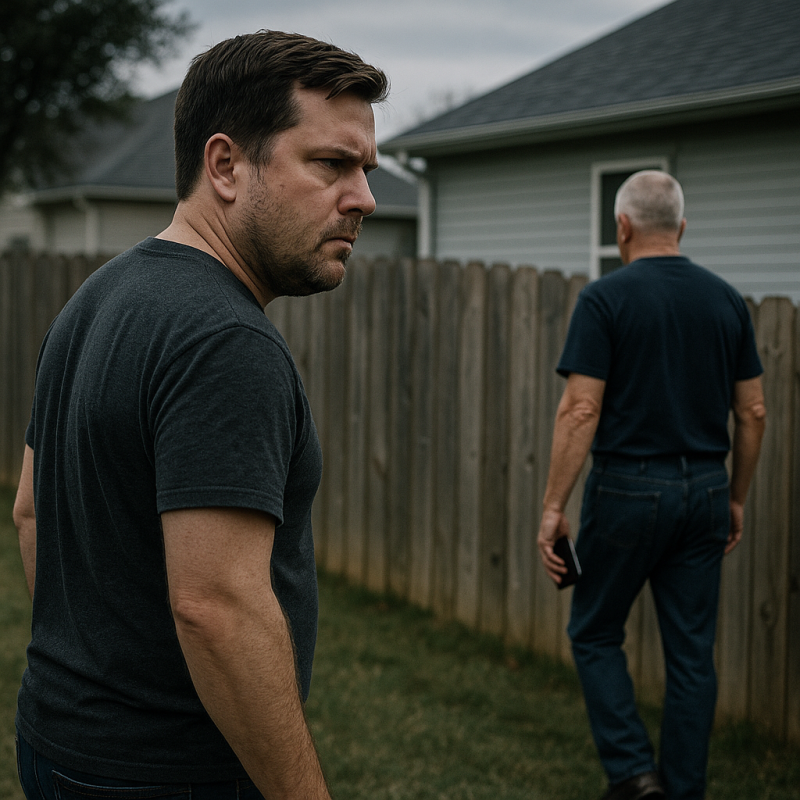 Image by RM AI
About Control
I went back inside and sat at my kitchen table. The test kit was still in my hand, forgotten. I set it down and just sat there, thinking about what Richard had said. Documenting violations. Four complaints in three weeks, each one cleared by city inspectors. Someone watching from their window every time an inspector left. Richard standing at my fence line with his phone raised, recording my property without explanation or apology. I understood something then, sitting in my quiet kitchen with the afternoon light coming through the windows. This wasn't about the hot tub. It had never been about the hot tub. The noise complaints when the equipment ran quieter than my refrigerator. The drainage concerns when the system was professionally designed. The safety allegations when everything had been permitted and inspected. None of it was about actual violations or legitimate concerns. This was about control. About someone deciding they didn't want a hot tub in my backyard and doing everything they could to make me remove it. They wanted me to give up, to decide it wasn't worth the hassle, to take it out voluntarily just to make the complaints stop. They wanted me to give up and remove it, to prove they could make me.
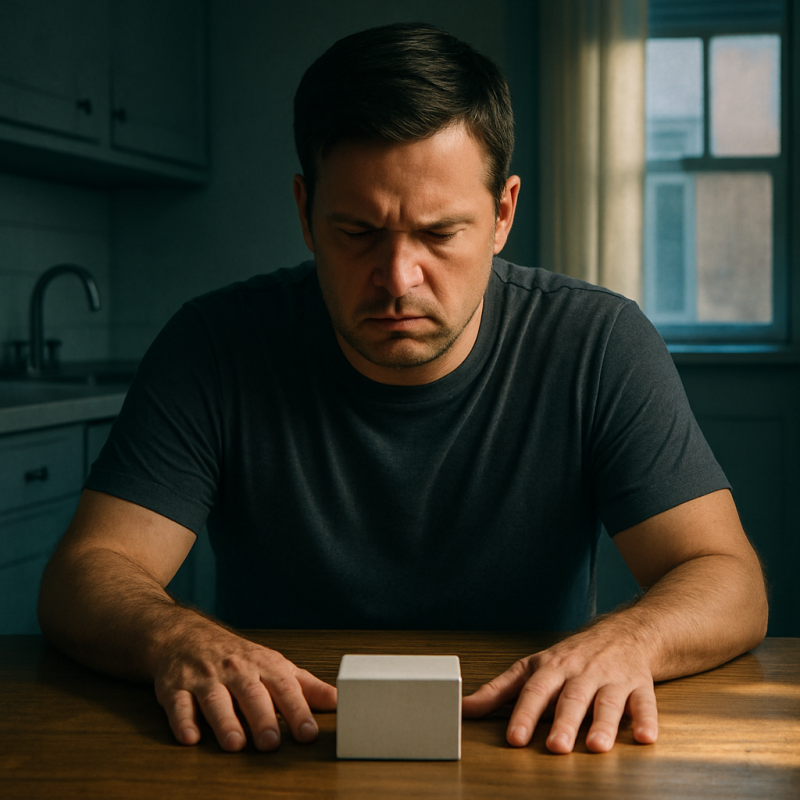 Image by RM AI
Strategic Records
I opened my laptop again that evening and expanded my spreadsheet. I added new columns—date, time, observation type, location, witnesses. Then I started filling in what I remembered. The figure in the upstairs window after the second inspection. Richard at the fence line with his phone. The curtain movement after Torres left. I went back through my phone and found the timestamps on the photos I'd taken of the hot tub installation, the water testing, the equipment setup. I saved copies of every email from the city, every inspection report, every complaint letter. I created a folder on my computer and backed everything up to cloud storage. If they were going to watch me, I was going to watch them right back. If they were going to document every perceived violation, I was going to document every instance of their surveillance, every complaint, every cleared inspection. I approached it the same way I approached problems at work—methodically, thoroughly, with attention to detail. I began keeping detailed records of everything—every complaint, every inspection, every time I saw them watching. If they were going to document me, I was going to document them right back.
 Image by RM AI
Escalation
Two more complaints arrived in the same week. The first one came on Tuesday—property line encroachment. Someone claimed my hot tub extended beyond my property boundaries. I measured it myself with a tape measure, then checked the survey documents I'd received when I bought the house. The hot tub sat a full eighteen inches inside my property line. The second complaint arrived Thursday—electrical concerns. Anonymous caller worried about improper wiring that could cause a fire hazard. I pulled out the electrical inspection report from the licensed contractor who'd done the installation. Everything was up to code, signed off by a certified electrician. I opened my laptop and added both complaints to my spreadsheet. Date received, nature of complaint, resolution timeline. I scanned the complaint letters and saved them in my cloud folder alongside all the others. Five complaints in less than two months. Six if you counted the original noise complaint. The pattern was obvious now—they weren't slowing down, they were ramping up. I could feel the pressure building, the constant weight of waiting for the next accusation. But I wasn't going to crack. I filed them in my folder with the others and updated my spreadsheet.
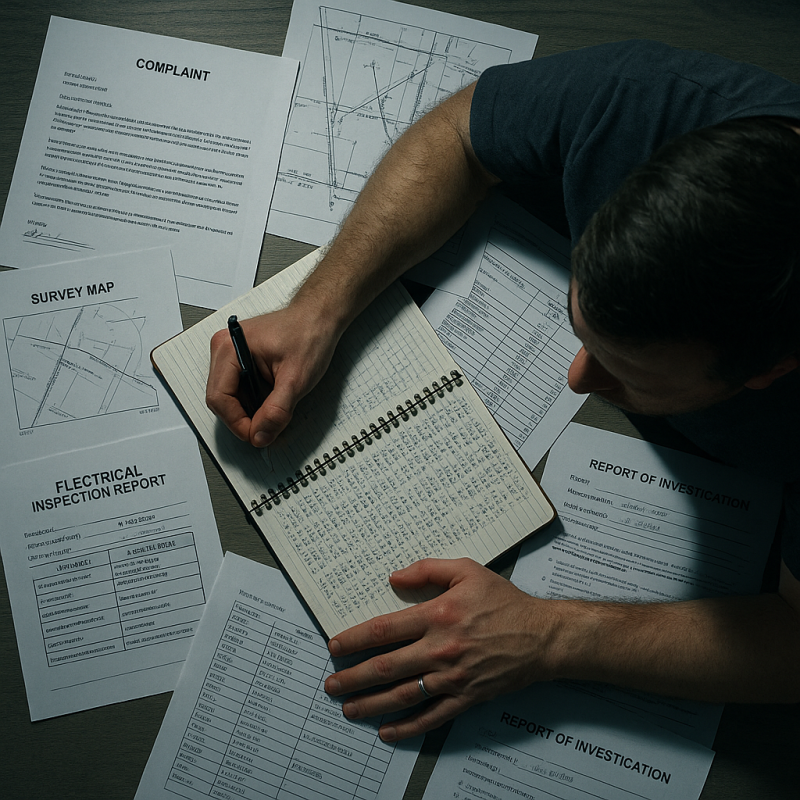 Image by RM AI
Cleared Again
Inspector Torres came back twice that week. First visit was Wednesday morning for the property line complaint. He brought a copy of my property survey and walked the perimeter with a measuring tape, checking the hot tub placement against the official boundaries. Cleared. No violation. Second visit was Friday afternoon for the electrical concern. He examined the breaker box, inspected the GFCI outlet, reviewed the contractor's certification and the electrical permit. Cleared again. No violation. He stood in my backyard after the second inspection, clipboard in hand, and I could see the frustration in his expression. Not directed at me—directed at the situation. "Mr. Chen," he said, using my last name for the first time, "do you have any idea who might be filing these complaints?" I chose my words carefully. "I have suspicions," I told him. "But I don't have proof. Just observations." He nodded slowly, making a note on his clipboard. "These calls are taking up a lot of city resources," he said. "Especially when they keep coming back unfounded." I could hear the weariness in his voice that matched what I felt. He asked me if I had any idea who was filing these complaints, and I told him I had suspicions but no proof.
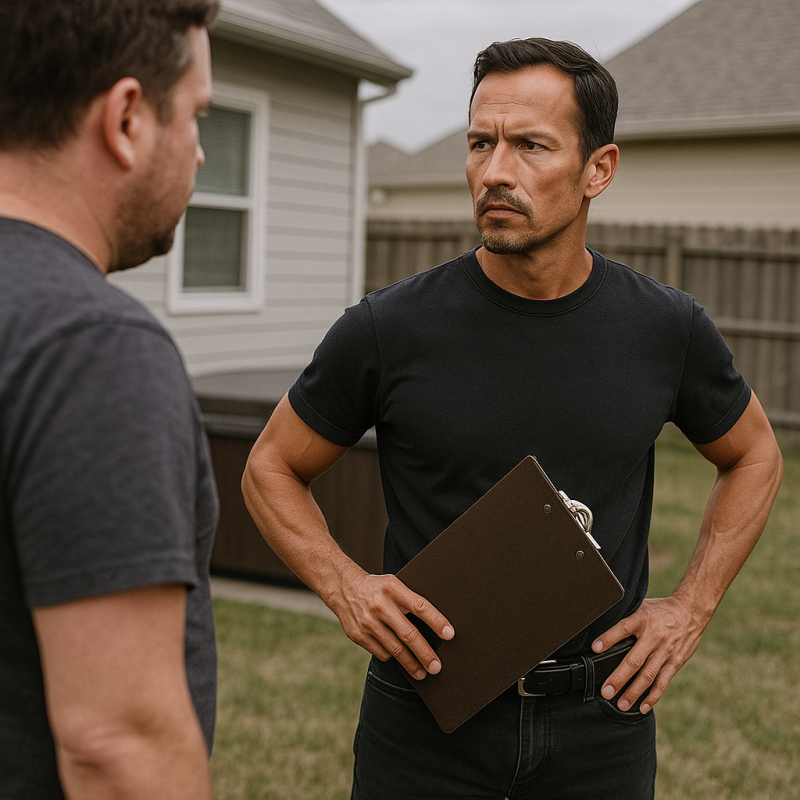 Image by RM AI
Moment of Doubt
I stood in my backyard that evening, looking at the hot tub. The cover was on, the water chemistry perfect, everything maintained exactly to code. I'd done everything right. Followed every rule, passed every inspection, documented every step. And still the complaints kept coming. For the first time since this whole thing started, I seriously considered just having it removed. Call the installer, have them haul it away, fill in the concrete pad with grass. End the harassment. Go back to my quiet life. The thought was tempting in a way that surprised me. I was tired. Tired of the complaints, tired of the inspections, tired of feeling watched every time I stepped into my own backyard. Tired of the constant low-level stress that had become background noise in my life. But even as I considered it, I knew the truth. Removing the hot tub wouldn't end anything. They'd proven they could mobilize the system against me. They'd proven they could make my life difficult whenever they wanted. If I gave in now, they'd just find something else to target. My fence. My landscaping. The color I painted my house. But I knew if I gave in now, they'd just find something else to target.
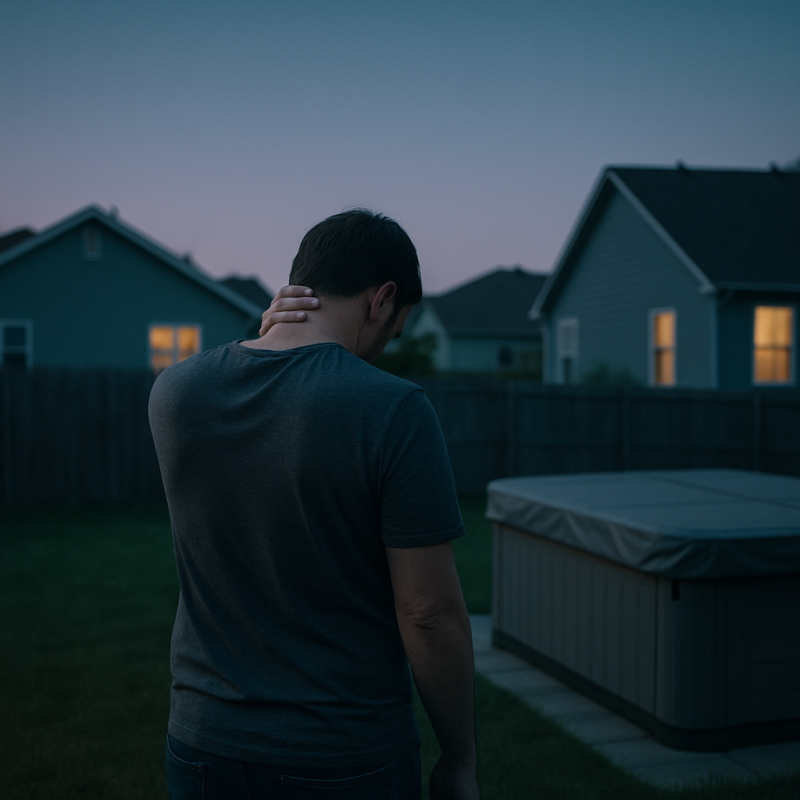 Image by RM AI
Changed Strategy
I went inside and sat at my kitchen table, thinking it through. Removing the hot tub would send a clear message—that I could be pushed around, that enough pressure would make me fold. And once they knew that, the harassment would never stop. It would just shift to the next thing they decided they didn't like about my property or my presence. I'd be playing defense for as long as I lived here, always reacting to their next move, always one step behind. That wasn't acceptable. I'd spent my entire career solving problems by understanding systems, identifying patterns, building solutions based on data and evidence. I'd been approaching this situation the same way—documenting everything, maintaining compliance, defending my position. But defense wasn't enough anymore. I needed to shift my strategy. Instead of just proving I wasn't violating any rules, I needed to build something more comprehensive. Something that would end this permanently. I opened my laptop and looked at my spreadsheet, my folders of documentation, my timeline of events. I had been collecting evidence without fully realizing it. So instead of defending myself, I was going to start building something else—a case.
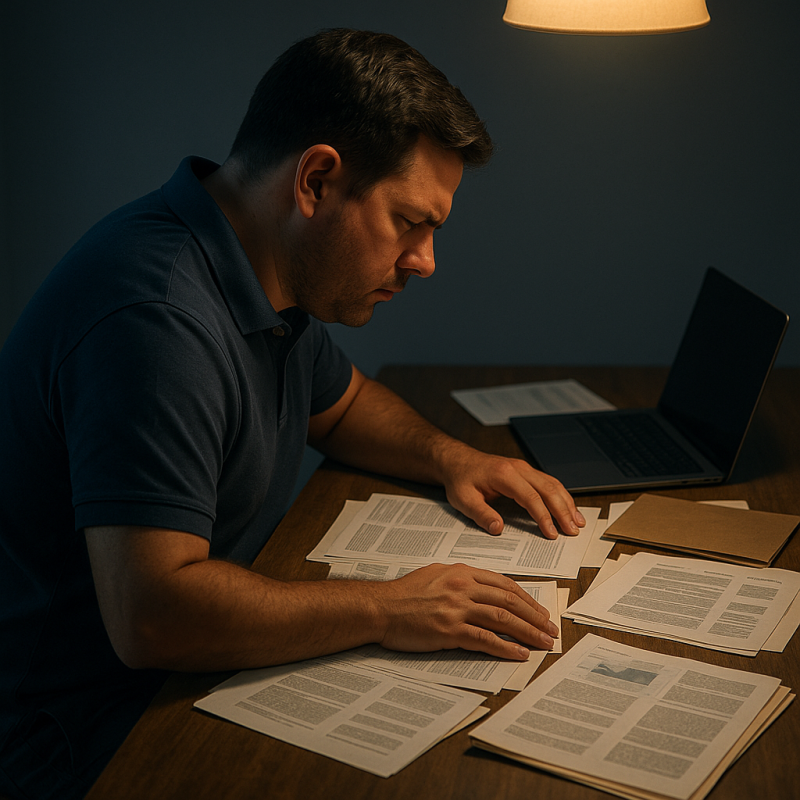 Image by RM AI
Proactive Measures
I'd been waiting for each complaint to arrive, then scrambling to respond. Reactive. Always on the back foot. That needed to change. I wasn't going to wait anymore. I was going to take control of this situation myself. I opened a new document on my laptop and started making a list. Every municipal code that applied to residential properties. Every regulation about fences, structures, landscaping, noise, property maintenance. If they wanted to weaponize the rules against me, I needed to know those rules better than they did. Better than the inspectors did. I needed to understand not just what I was required to do, but what they were required to do. What everyone on this street was required to do. I spent two hours that night reading through the municipal code online. Setback requirements. Height restrictions. Permit processes. Noise ordinances. Privacy regulations. I took notes, highlighted sections, bookmarked pages. The more I read, the clearer my strategy became. They'd been documenting everything I did, looking for violations. Fine. I would document everything they were required to follow. Every code, every regulation, every standard that applied to residential properties in our neighborhood. If they wanted to document everything I did, I would document everything they were required to follow.
 Image by RM AI
Full Review Request
The next morning, I called the city compliance office. Not to respond to a complaint this time—to make a request. "I'd like to schedule a comprehensive review of my property," I told the clerk who answered. "Not just the hot tub. Everything." There was a pause on the other end of the line. "Everything?" she asked. "Yes. I want a full inspection of all structures, landscaping, fencing, drainage—anything that falls under city code. I want to make sure my entire property is in complete compliance." I could hear her typing. "That's... unusual," she said. "Most people only request inspections when they're required." "I want to be thorough," I said. "And I want everything documented in writing. Every inspection, every finding, every compliance confirmation. Official reports, not just verbal clearances." More typing. "We can schedule a full inspection within the week," she said finally. "I'll make a note that you want comprehensive written documentation." "Thank you," I said. "I appreciate it." I hung up feeling something I hadn't felt in weeks—a sense of forward momentum. I wasn't reacting anymore. I was building. The clerk said they could schedule a full inspection within the week, and I told her I wanted everything documented in writing.
 Image by RM AI
Documented Compliance
I called the compliance office back the next day with another request. "I need copies of all inspection reports for my property," I told the same clerk. "Every inspection that's been conducted, every complaint that's been filed and cleared, every compliance confirmation on record." "That's a lot of documentation," she said. "How far back?" "Since I purchased the property. Everything." I could hear the hesitation in her voice. "Can I ask why you need such thorough records?" I kept my tone reasonable, matter-of-fact. "I want everything officially recorded," I said. "I've had multiple inspections in a short period of time, all of which cleared my property. I want copies of those clearances for my personal records. Documentation that shows my property has been repeatedly inspected and found to be in compliance." It was true, just not the complete truth. I wasn't going to explain my full strategy to a city clerk. "That makes sense," she said after a moment. "I can pull those files. It'll take a few days to compile everything and make copies." "That's fine," I said. "I appreciate your help." When I hung up, I added a new entry to my spreadsheet: Official documentation request submitted. I was building a paper trail that would be impossible to dispute. When the clerk asked why I needed such thorough documentation, I told her I wanted everything officially recorded.
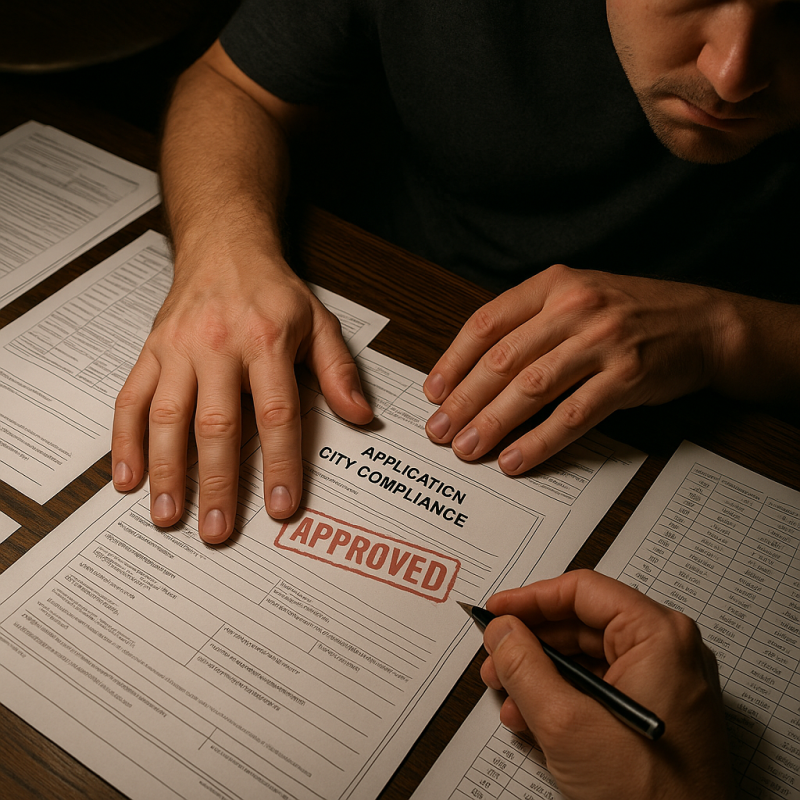 Image by RM AI
Legal Research
That evening, I sat at my kitchen table with my laptop and started researching. Not home improvement forums this time—municipal bylaws. I pulled up the city's legal code and started reading. Privacy violations. Harassment definitions. Nuisance complaint procedures. I took notes in a new document, copying relevant sections, noting statute numbers. The privacy bylaws were interesting. Restrictions on surveillance of neighboring properties. Regulations about recording devices pointed at private spaces. Requirements for reasonable expectation of privacy in residential areas. The harassment section was even more relevant. It defined patterns of behavior intended to disturb, annoy, or intimidate. It outlined what constituted actionable harassment versus legitimate complaints. And it specified documentation requirements for filing harassment claims. Detailed records of incidents. Dates, times, descriptions. Evidence of repeated behavior. Proof of impact. I looked at my spreadsheet, my folders of emails and photos, my timeline of complaints and inspections. I'd been building exactly what the bylaws required without even knowing it. My systematic documentation wasn't just defensive record-keeping anymore. It matched the legal requirements for something much more substantial. The section on documenting patterns of behavior for harassment claims had specific requirements I could meet.
 Image by RM AI
Surveillance Timeline
That evening, I opened a new spreadsheet and started building something more specific than my general complaint log. This one was dedicated entirely to surveillance. I went back through my notes, my photos, my memory of the past months. Every time I'd seen Richard standing at the fence line with his phone pointed at my backyard—I recorded the date and approximate time. Every instance I'd noticed Patricia watching from their upstairs window—documented. The times I'd caught them both positioned to observe my property simultaneously—noted with timestamps. I added columns for what they were watching, how long they stayed, whether they were recording or just observing. The spreadsheet grew longer than I expected. I'd been aware they were watching, but seeing it mapped out chronologically was different. The frequency wasn't occasional. It wasn't even regular. Some weeks had entries almost daily. There were stretches where they'd positioned themselves to monitor my yard multiple times in a single day. I stared at the completed timeline, feeling something shift in my chest. I'd thought I was dealing with nosy neighbors who complained too much. When I mapped out the dates and times, the frequency looked worse than I had realized.
 Image by RM AI
Staying Composed
The seventh complaint arrived on Tuesday. Noise violation again, claiming my hot tub pump ran past quiet hours. I read the notice at my kitchen counter, my coffee still warm in my hand. My expression didn't change. I drafted my response the same way I'd done six times before—factual, professional, referencing the pump's timer settings and decibel ratings. I attached the manufacturer specifications. I filed the city notice in my folder, updated my tracking spreadsheet, and went to work. The eighth complaint came Friday. Alleged property line encroachment this time, suggesting my fence might be six inches over the boundary. I scheduled the survey for the following week and responded to the city with the same measured tone. That evening, I took my trash bins to the curb. Richard was in his driveway. I nodded politely, my face neutral. He watched me, clearly waiting for some reaction—frustration, anger, exhaustion. I gave him nothing. I went back inside, added the new complaint to my documentation system, and made dinner. I filed the notices in my folder and updated my records without any reaction they could witness.
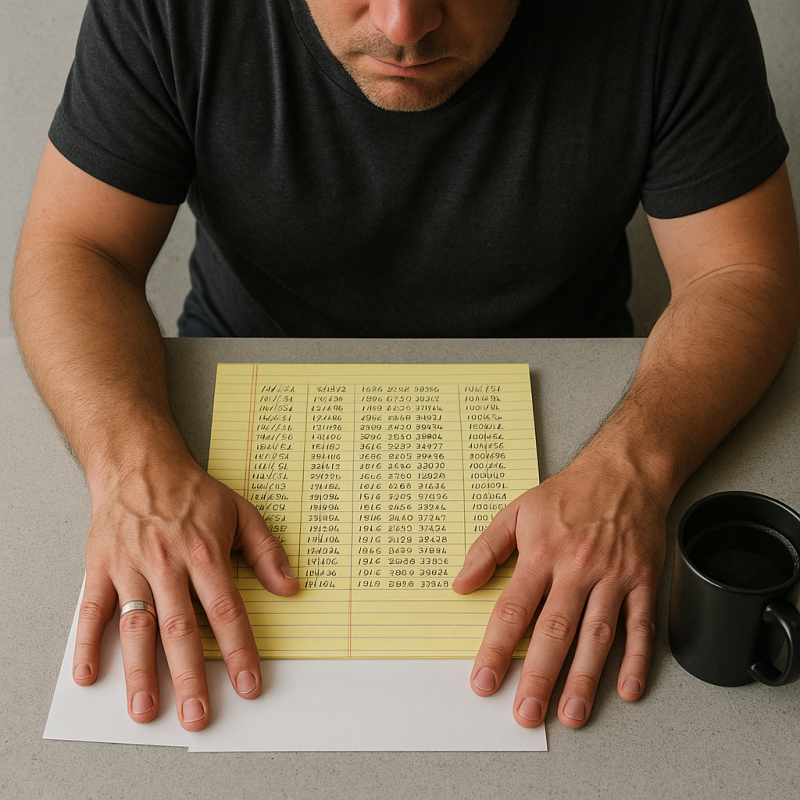 Image by RM AI
Complete Records
Saturday morning, I set up my scanner and started making copies. Every inspection report the city had sent me—copied. Every complaint notice—copied. Every clearance letter stating no violation found—copied. I organized them chronologically in a three-ring binder, using divider tabs for each month. The process took three hours. Each document told the same story: complaint filed, inspection conducted, no violation found. Noise complaint—cleared. Permit issue—cleared. Property line dispute—cleared. Setback violation—cleared. The binder grew thicker as I worked through the stack. I added my own documentation between the official papers—photos timestamped and printed, my response emails, my tracking spreadsheet. When I finished, I sat back and looked at what I'd assembled. The binder was nearly two inches thick. Each page represented a baseless claim that had been investigated and disproven by city officials. Each cleared complaint was documented proof that their accusations had no merit. I ran my hand over the cover, feeling the weight of it. The stack of documentation was thicker than I expected, each page representing a baseless claim that had been disproven.
 Image by RM AI
Recording Evidence
I spent Sunday afternoon at the electronics store, comparing camera systems. I didn't need anything elaborate—just clear video, decent resolution, continuous recording capability. I chose a simple setup with weatherproof housing and night vision. Back home, I mounted the camera on my back porch, angled toward the fence line. The position gave me a clear view of the spot where Richard usually stood when he recorded my yard. I made sure the camera stayed entirely within my property boundaries, focused on my own fence and the narrow strip of my yard along the property line. I wasn't recording their property—just documenting who approached my fence and what they did there. I tested the angles, checked the footage quality, adjusted the position slightly. The view was clear. Anyone standing at that section of fence would be visible. I set it to record continuously, saving footage to a hard drive in my garage. The system was simple, legal, and effective. If he was going to document me, I was going to document him doing it.
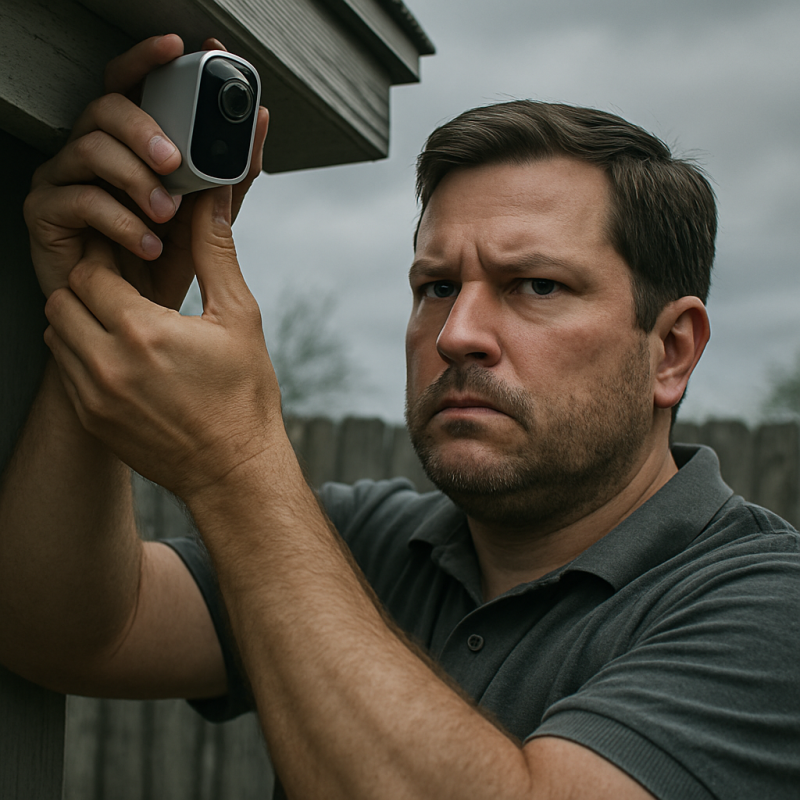 Image by RM AI
Digital Footprint
Monday evening, I opened my laptop and typed "Richard Caldwell" into the search bar. I wasn't sure what I was looking for exactly—just background, context, anything that might help me understand who I was dealing with. Their social media profiles were sparse. Patricia had Facebook but rarely posted—mostly shared articles about neighborhood safety and property values. Richard's LinkedIn showed a career in commercial real estate, currently semi-retired. I moved to public records. Property ownership history, business registrations, court records. The property records showed their current address, purchased eight years ago. I expanded the search parameters, looking for any other properties they might have owned. I found two more addresses, both in the same neighborhood. Both sold within the past eight years. I sat back, staring at the screen. Three properties in the same area over eight years. That seemed unusual. People didn't typically buy and sell multiple homes in the same neighborhood unless they were flipping houses or had some other specific reason. I bookmarked the property records and made notes of the addresses and dates. What I found made me want to dig deeper.
 Image by RM AI
Property Records
I pulled up the county assessor's website and started searching systematically. The first property the Caldwells had owned was on Maple Street, three blocks from my house. Purchased twelve years ago, sold eight years ago. The second was on Oak Avenue, two blocks away. Purchased nine years ago, sold six years ago. Their current property, where they lived now, purchased eight years ago. I mapped out the timeline in a new document. They'd owned the Maple Street property for four years, overlapping with the Oak Avenue property for a year, then sold Maple Street and bought their current home while still owning Oak Avenue. Two years later, they sold Oak Avenue. The pattern felt strange. Why buy multiple properties in the same neighborhood? Why the overlapping ownership periods? I couldn't think of an obvious explanation. Investment properties, maybe? But they'd lived in each one—the records showed homestead exemptions. I stared at the addresses, trying to see what connected them beyond proximity. The pattern of buying and selling in the same area felt unusual, but I couldn't identify exactly what it meant.
 Image by RM AI
Transaction History
I started pulling sale records, comparing the Caldwells' selling prices to other homes sold around the same time. The Maple Street property sold for $285,000. I found three comparable sales within two months—similar square footage, same neighborhood, similar condition based on listing photos. They'd sold for $310,000, $318,000, and $305,000. The Oak Avenue property sold for $340,000. Comparable sales in that timeframe ranged from $365,000 to $380,000. I double-checked the data, making sure I was comparing similar properties. The pattern held. Both times, the Caldwells had sold for noticeably less than market value. I leaned back in my chair, frowning at the spreadsheet. Why would someone consistently sell below market? Financial pressure? Bad timing? Or something else? I searched for the buyers' names, but they meant nothing to me—no obvious connection to the Caldwells. Maybe I was reading too much into ordinary real estate transactions. Maybe they'd just been eager to sell, willing to accept lower offers for quick closings. I couldn't tell if I was seeing something significant or reading too much into ordinary real estate transactions.
 Image by RM AI
Professional Guidance
Tuesday morning, I searched for attorneys specializing in property disputes and harassment cases. I needed someone who understood both the legal framework and the practical realities of neighbor conflicts. James Chen's practice came up repeatedly in my search—property law, harassment claims, residential disputes. His website showed twenty years of experience and several case results involving neighbor harassment. I called his office and scheduled a consultation for the following Tuesday. Then I started organizing. I pulled out my binder of complaints and clearances, my surveillance timeline, my property research on the Caldwells, my photos and videos. I created a summary document outlining the situation chronologically—when I'd installed the hot tub, when the complaints started, the pattern of inspections, the surveillance I'd documented. I wanted to present everything clearly, let an experienced attorney see what I was seeing and tell me if I had a case worth pursuing. The situation had become too complex for me to navigate alone. I needed professional guidance on what my documentation actually proved and what my options were. I scheduled an appointment for the following week and began organizing my documentation for the meeting.
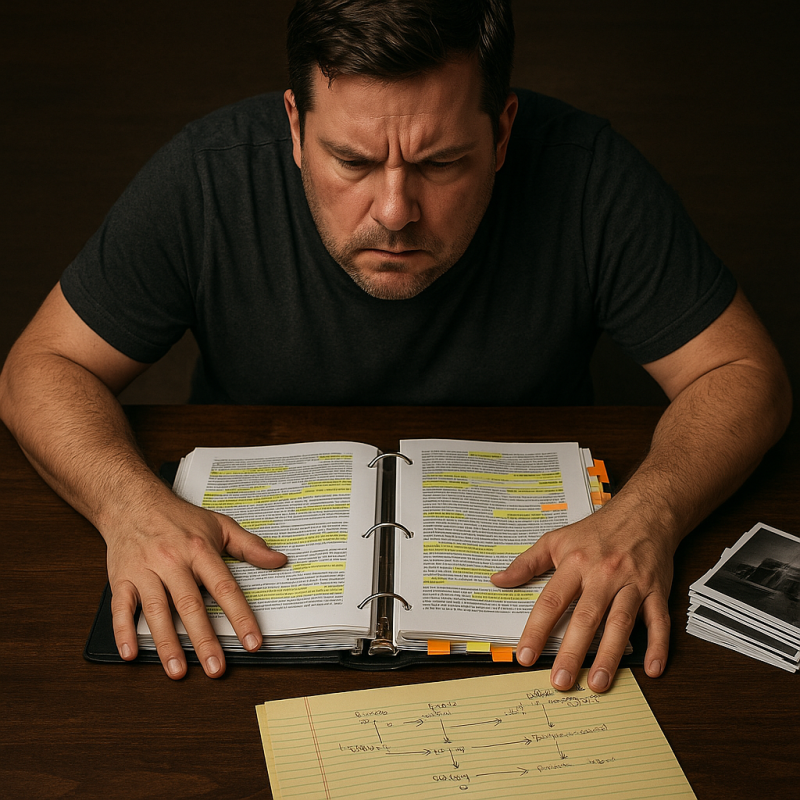 Image by RM AI
Legal Consultation
James Chen's office was exactly what I expected—organized, professional, walls lined with law books and framed certifications. He shook my hand and gestured to the chair across from his desk. I set down my binder and the folder of additional documentation I'd prepared. He asked me to walk me through the situation from the beginning, so I did. I explained the hot tub installation, the permits, the first complaint. Then the second. Then the pattern that emerged—the timing, the frequency, the surveillance I'd documented. I showed him my timeline, the inspection reports that found nothing, the photos of Patricia recording me from her window. He reviewed each document methodically, occasionally making notes on a legal pad. His expression remained neutral, professional, but I noticed he spent extra time on the surveillance documentation. When I finished, he looked up from the papers and asked how long this had been going on. I told him—four months of constant complaints, inspections, and monitoring. He set down his pen and leaned back in his chair. "This is more than a simple neighbor conflict," he said, his tone matter-of-fact but weighted with something I couldn't quite identify.
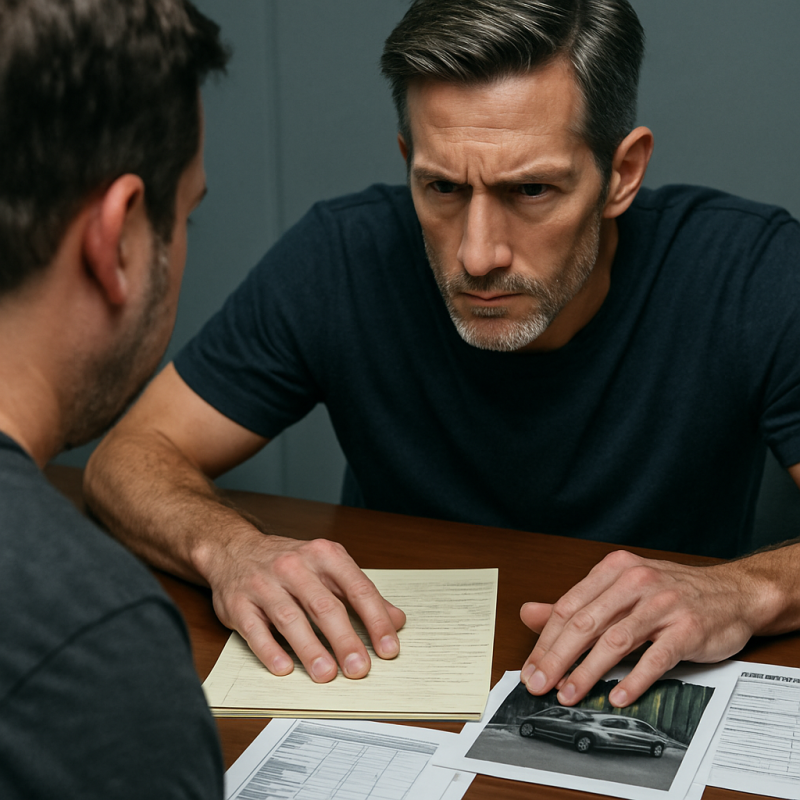 Image by RM AI
Legal Framework
James walked me through the legal framework piece by piece. He explained harassment statutes, how they applied to residential situations, what constituted a pattern of behavior under the law. He reviewed privacy violation laws, pointing out specific sections that covered surveillance and recording without consent. Then he went through my documentation again, this time explaining what each piece demonstrated from a legal perspective. The timeline established frequency and persistence. The inspection reports proved the complaints were unfounded. The surveillance photos documented invasion of privacy. He said the methodical approach I'd taken—dating everything, keeping copies, documenting each incident—was exactly what courts looked for when establishing harassment patterns. He outlined potential legal remedies: cease and desist orders, restraining orders, civil suits for harassment and emotional distress. But then he paused, tapping his pen against the legal pad. "Your documentation is solid," he said. "It's exactly what you'd need to establish a pattern of behavior. But there are additional steps we could take that would strengthen the case even more." He looked at me directly, and I felt something shift in the conversation—like we were moving from what I'd already done to what came next.
 Image by RM AI
Formal Process
James pulled out a fresh legal pad and started writing down specific guidelines. He told me to begin formally documenting each incident with dated entries—not just notes, but detailed records that included time, date, what happened, who was involved, and any witnesses. He said to keep records of any communication attempts I made with the Caldwells, and equally important, any rejections or refusals to communicate. He explained that demonstrating I'd tried to resolve things reasonably would matter in court. He wrote down a format for me to follow, showed me examples of what level of detail was needed. Then he looked up from the pad and said something that caught me off guard. "You might also want to look into whether anyone else in the neighborhood has experienced similar issues with the Caldwells." He said it casually, like it was standard due diligence, just another box to check. "Sometimes in harassment cases, establishing a broader pattern of behavior can be valuable. Previous neighbors, other people on the street—if there's a history, it strengthens your position." I nodded, making a note of it. It made sense as a precaution, though I had no idea if anyone else had dealt with anything like this.
 Image by RM AI
Neighborhood History
I started searching for contact information for previous homeowners the same evening I got back from James's office. I pulled up property records for my street, looking at transaction histories for each house. The county assessor's website showed ownership changes, sale dates, and previous owners' names. I worked my way down the block systematically, checking each property. What I found made me pause. Three other houses on my street had changed owners since the Caldwells arrived six years ago. That seemed like a lot for a quiet residential neighborhood where most people stayed for decades. I wrote down the names of the previous owners and the dates they'd sold. Then I started trying to track them down. I searched social media, online directories, public records databases. Some names were too common—multiple John Smiths, several Maria Garcias. Others had no digital footprint I could find. I tried the county clerk's office for forwarding addresses, but privacy laws limited what they could share. I spent hours cross-referencing names with phone directories, property records in neighboring counties, anything that might give me a lead. The search was harder than I'd expected, but I kept at it. If there was a pattern here, I needed to find it.
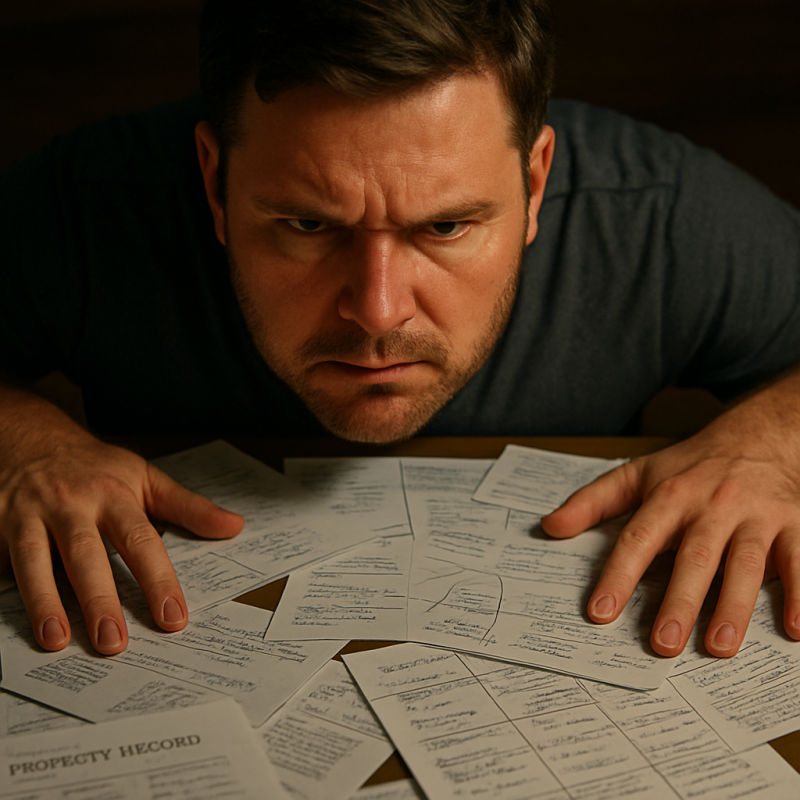 Image by RM AI
Tracking Down Leads
After three days of searching, I finally found something useful. Denise Hartley had sold her house two years earlier, and unlike the other previous owners, she'd left a forwarding address with the post office that was still on file. I found it through a property records search that cross-referenced with postal databases. Her new address was in a town about forty miles away. I sat at my kitchen table and drafted a letter. I kept it brief and professional. I explained that I lived in the neighborhood she'd moved from, that I was researching the area's history, and that I had some questions about her experience there. I didn't mention the Caldwells by name—I didn't want to bias her response or make assumptions about why she'd left. I just said I was interested in learning about what the neighborhood had been like when she lived there. I read the letter three times, making sure the tone was respectful and not intrusive. Then I printed it, signed it, included my phone number and email address, and mailed it. I had no idea if she'd respond, but it was the best lead I had. All I could do was wait and hope she'd be willing to talk.
 Image by RM AI
Former Neighbor
My phone rang on a Thursday afternoon, three days after I'd mailed the letter. The number wasn't in my contacts. I answered, and a woman's voice said, "Is this the person who sent me a letter about Maple Street?" I confirmed it was. She said her name was Denise Hartley. There was a pause, and then she asked, "Are the Caldwells still living next door to your house?" The question hit me immediately—not just what she asked, but how she asked it. Her voice carried something I recognized, something tired and cautious. I told her yes, they were still there. Another pause. "That's what I thought," she said quietly. "When I got your letter asking about the neighborhood, I figured it had to be about them." I felt my pulse quicken. I asked if she'd had problems with them. She let out a long breath. "Problems," she repeated, like the word didn't quite cover it. "Yeah. You could say that." The way she said their names—the Caldwells—told me everything I needed to know about what I was going to hear.
 Image by RM AI
Familiar Pattern
Denise described it methodically, like she'd told the story before, maybe to herself. It started with a complaint about her fence being six inches over the property line. Then her trash cans being out too early on collection day. Then her landscaping blocking a sightline. Each complaint triggered an inspection. Each inspection found either nothing wrong or minor issues that didn't warrant citations. But the complaints kept coming—every two weeks, sometimes every week. She said Patricia Caldwell would stand at her window with her phone, recording Denise whenever she was in her yard. She described the same surveillance I'd experienced, the same constant monitoring. The city inspectors became familiar faces. She tried talking to the Caldwells, tried to resolve whatever the issue was, but they refused to engage. The harassment went on for eight months. She said she stopped using her backyard, stopped inviting friends over, felt anxious every time she left her house or came home. Finally, she couldn't take it anymore. She listed her house and sold it within three weeks, taking the first reasonable offer just to escape. "I just wanted it to stop," she said, her voice flat with exhaustion. "So I left."
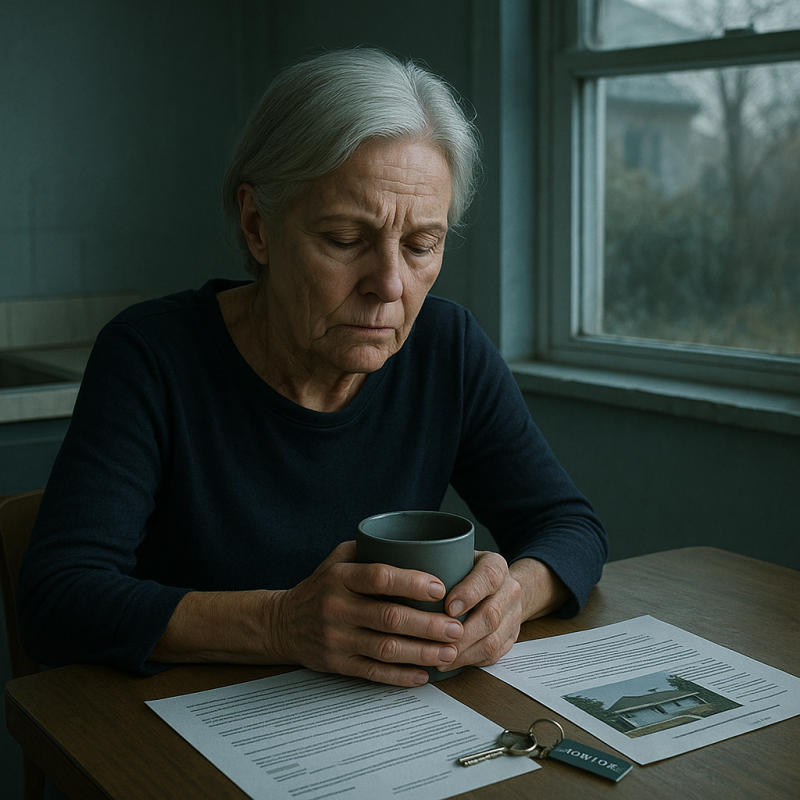 Image by RM AI
Multiple Victims
Denise went quiet for a moment after describing her decision to sell. Then she said something that made my chest tighten. "I talked to another person who used to live on that street," she said. "We ran into each other at a grocery store about a year after I moved. They'd lived a few houses down from me. When they found out I'd been on Maple Street, they mentioned they'd had trouble with the Caldwells too before they sold and moved away." I asked for the person's name. She gave it to me—a former neighbor who'd lived four doors down. The address clicked immediately. I pulled up my property research notes on my laptop while she was still on the phone. That house had sold five years ago, a year after the Caldwells moved in. I stared at the address on my screen, then at the other properties I'd flagged. Three houses. Three previous owners. All had sold and left after the Caldwells arrived. I asked Denise if the person had described what happened to them. "Same thing," she said simply. "Complaints, inspections, surveillance. Same pattern." I recognized the address as one of the other properties I had found in my research.
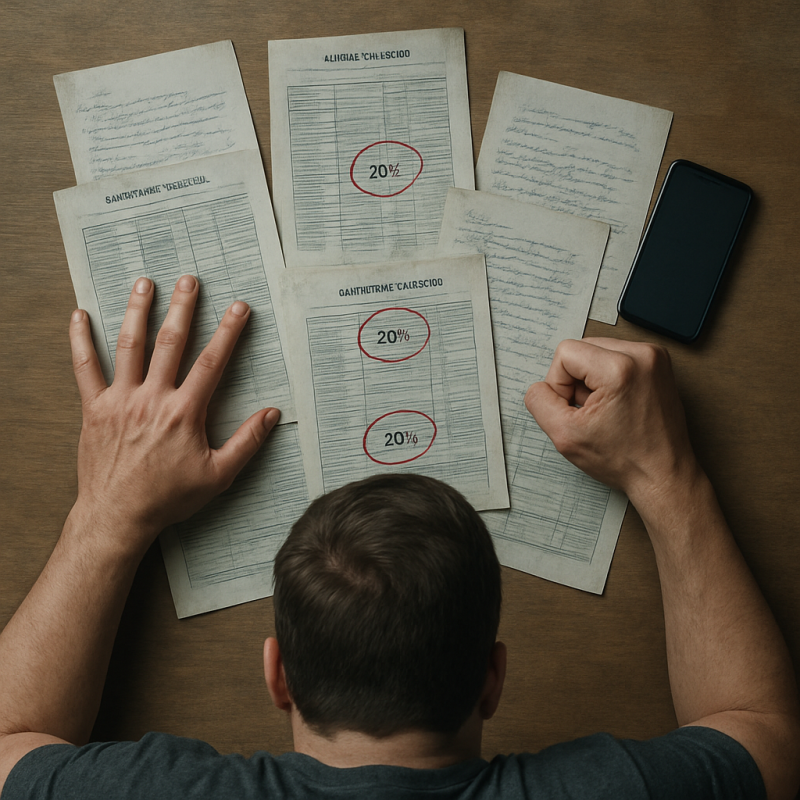 Image by RM AI
Sales Records
I spent the next morning pulling every property sale record I could find for houses within a three-block radius of the Caldwells. The county assessor's database let me search by date range, so I started from when they'd moved in five years ago and worked forward. I found seven properties that had changed hands during that time. I pulled the sale prices for each one and started comparing them to the assessed values and comparable sales in the area. Three of them stood out immediately—they'd sold for noticeably less than similar houses on nearby streets during the same time periods. I cross-referenced the addresses with my notes from the property research I'd already done. Two of them were houses I'd already identified—Denise's former home and the property four doors down from hers. The third was one I hadn't flagged yet, but it fit the same timeline. I stared at the numbers on my screen, trying to understand what I was looking at. The below-market prices seemed significant, but I couldn't figure out why someone would consistently sell for less than their home was worth. The prices didn't add up, but I couldn't yet see what connected them.
 Image by RM AI
Real Estate Connection
I decided to search for real estate agents who'd handled sales in the area during the same period. The county records included agent information for most transactions, so I started pulling those names and cross-referencing them with the properties I'd flagged. Most of the agents were different—random names from various brokerages around the city. But three of the seven sales, including two of the below-market ones, had been handled by the same agent. I searched the agent's name online and found a business listing for a small real estate office about fifteen minutes from our neighborhood. The agent's last name was Caldwell. I sat back from my laptop and stared at that name on the screen. It could have been a coincidence—Caldwell wasn't exactly an uncommon surname. But the timing bothered me. The agent had handled Denise's sale. The agent had handled the sale four doors down from her. Both properties had sold below market value, and both former owners had described the same pattern of harassment before they left. I added the real estate information to my research file, but I kept the language careful in my notes. I started to wonder if there was a family connection, but I didn't have proof yet. It could have been coincidence, but my instinct told me it wasn't.
 Image by RM AI
Below Market
I went back through every sale the Caldwell-connected agent had handled in the neighborhood and pulled the market comparables for each one. I used online real estate databases to find what similar houses had sold for during the same months—same square footage, same number of bedrooms, same general condition based on the listing photos I could still find archived online. I built a spreadsheet with columns for the actual sale price, the comparable market value, and the difference between them. Every single property the agent had handled sold below the expected value. Not by huge amounts—nothing that would trigger obvious red flags—but consistently lower. Five to eight percent under market in most cases. I mapped the timeline next to my notes about when each resident had experienced problems. Denise had dealt with complaints for eight months before selling. The neighbor four doors down had lasted about a year according to what Denise had told me. The third property had changed hands after the previous owners lived there less than two years—right after the Caldwells arrived. The financial angle began to suggest itself, but I still couldn't see the full motive. Why would someone systematically drive neighbors to sell at lower prices? I was starting to see a connection, but I still needed one more piece to understand why.
 Image by RM AI
The Full Picture
I sat at my kitchen table staring at the spreadsheet and the property records spread across my laptop screen, and suddenly everything clicked into place. The Caldwells hadn't been harassing neighbors because of noise complaints or property disputes. They'd been systematically driving people out so their relative could profit from below-market sales. Every complaint, every inspection, every camera pointed at a neighbor's yard—it was all designed to make living there unbearable until the homeowner gave up and sold. And when they did sell, they were desperate enough to accept a lower price just to get out. The real estate agent took their commission, and probably the Caldwells got a cut somehow. Denise hadn't been paranoid. The neighbor four doors down hadn't been imagining things. They'd both been targeted the same way I was being targeted now. This was a business operation, and I was just the latest mark. I thought about every cleared inspection, every unfounded complaint, every hour I'd spent documenting their surveillance. None of it had been about the hot tub. This was never about the hot tub—it was a business operation, and I was their next target.
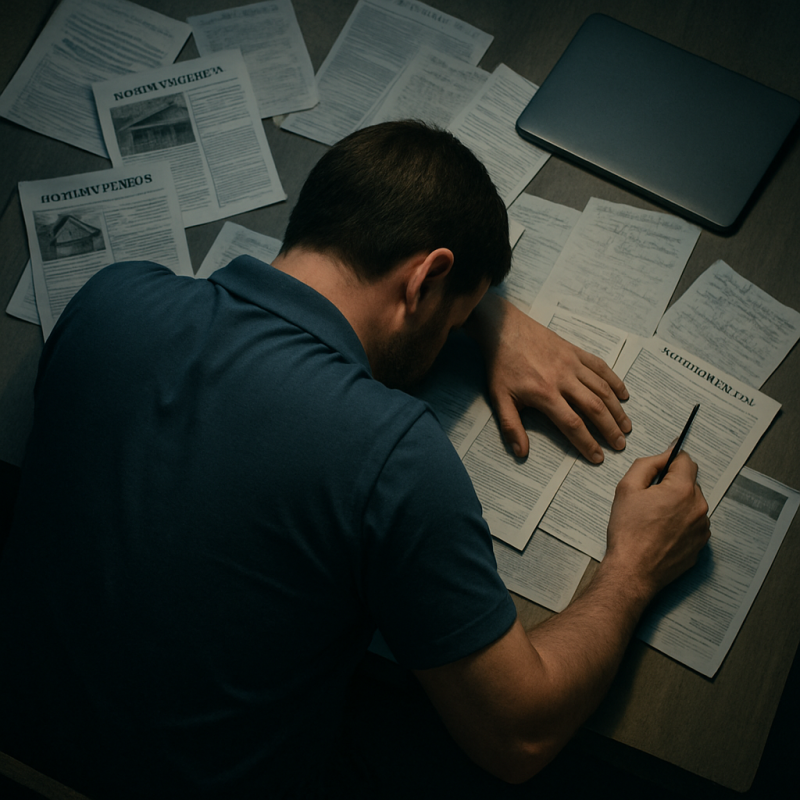 Image by RM AI
Strategic Options
I spent the rest of that afternoon sitting with everything I'd discovered, thinking through exactly how to use it. I had documentation of their harassment pattern. I had property records showing multiple neighbors had left after similar treatment. I had the real estate connection that explained their motive. The question was what to do with all of it. I could confront them directly, but that felt insufficient. They'd just deny everything or claim coincidence, and I'd have wasted the advantage of knowing their game. I could go to the police, but I wasn't sure harassment for real estate profit was something they'd prioritize without more concrete evidence of coordination. I could report the real estate agent to their licensing board, but that would take months to investigate and might not stop the Caldwells from continuing their pattern. What I needed was a comprehensive response that would make them understand they'd picked the wrong target this time. I needed to document everything in a way that would be undeniable—not just to them, but to anyone who might need to see it later. I decided I'd go back to James Chen with everything I'd found and let him help me structure it properly. Confrontation alone wasn't enough—I needed them to understand they had picked the wrong target.
 Image by RM AI
Full Disclosure
I called James Chen's office the next morning and scheduled an appointment for that afternoon. When I arrived, I brought my laptop and a folder with printed copies of everything I'd compiled—property records, sale prices, market comparables, the real estate agent's business information, and my timeline of harassment incidents. James listened while I walked him through what I'd discovered. I showed him the pattern of neighbors leaving after experiencing the same complaints and surveillance I'd been dealing with. I showed him the below-market sales and the real estate connection. I explained how Denise and the other former neighbor had described identical experiences before they sold and moved away. James took his time reviewing the documentation, occasionally making notes on a legal pad. He pulled up a few of the property records on his own computer to verify what I was showing him. When he finished, he set down his reading glasses and looked at me across the desk. "This is substantial," he said. "You've documented a clear pattern of harassment, and the real estate angle gives us motive. We have more than enough to work with." He started outlining what we'd need to do next, and I felt something settle in my chest—not quite relief, but the solid feeling of having a plan. James looked through the property records and real estate connections, then said we had more than enough to work with.
 Image by RM AI
Structuring the Case
James pulled out a fresh legal folder and started organizing my documentation into sections. He suggested we structure everything chronologically first—every complaint the Caldwells had filed against me, matched with the inspection results that had cleared me each time. That would establish the harassment pattern most clearly. Then we'd add the surveillance timeline as a separate section, with dates and descriptions of each incident I'd documented. The property records would go in a third section, showing the pattern of neighbors leaving and the below-market sales. We'd include Denise's testimony about her experience, along with what she'd told me about the other former neighbor. The real estate connection would be its own section at the end, tying everything together with the agent's business information and the sales they'd handled. James worked methodically, occasionally asking me to clarify a date or provide additional detail about a specific incident. We spent over an hour organizing everything into a format that would be clear to anyone who read it—a judge, a licensing board, or the Caldwells themselves if it came to that. When we finished, the case file looked professional and comprehensive. Every cleared complaint, every surveillance instance, every property record—it was all going into one comprehensive package.
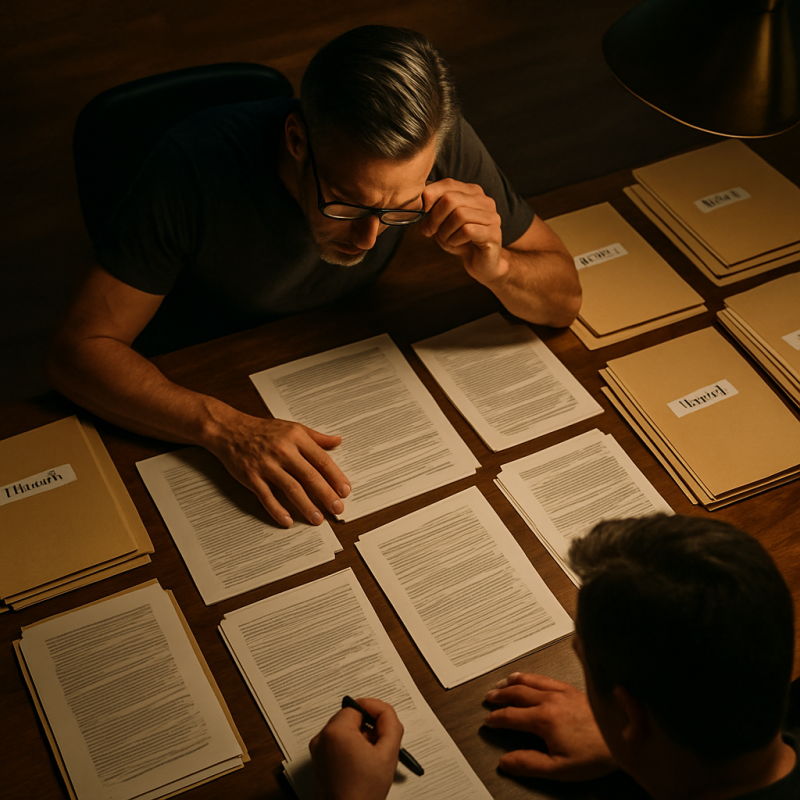 Image by RM AI
The Pattern Report
That evening, I sat down at my home office and created the formal harassment pattern report James and I had outlined. I started with a cover page that listed every complaint by date and type—noise violations, property maintenance issues, alleged code violations, everything the Caldwells had filed against me over the past months. Next to each complaint, I documented the inspection result and the date I'd been cleared. The pattern was undeniable when you saw it laid out like that—complaint after complaint, each one investigated and dismissed, but never stopping. I added a section for the surveillance incidents with dates and descriptions. I included the timeline showing how the complaints had intensified after I'd installed the hot tub, even though every inspection confirmed I was in compliance. I attached the property records showing the sales pattern in the neighborhood, the market analysis proving the below-market prices, and the real estate agent connection. I formatted everything clearly with headers and page numbers so anyone reading it could follow the progression. When I finished, I printed the entire report. The printer ran for several minutes, page after page feeding into the output tray. When I printed the final version, the stack of pages felt heavier than paper alone.
 Image by RM AI
Violations Highlighted
I pulled up the county website and started going through the local bylaws section by section. I wasn't looking for loopholes—I was looking for violations. The Caldwells had spent months filing complaints against me, but they'd never stopped to consider what laws they might be breaking themselves. I printed out the relevant sections and went through them with a highlighter, marking every regulation that applied to their behavior. The privacy statutes were clear about residential surveillance without consent. The harassment ordinances specifically mentioned repeated unfounded complaints as a form of nuisance behavior. There were sections about recording neighbors on their own property, about filing false reports with municipal authorities, about creating hostile living environments through systematic intimidation. I highlighted each one carefully, adding margin notes with dates and specific incidents. When I finished, the pages looked like evidence exhibits, which was exactly the point. The yellow highlighting made it impossible to miss what Richard and Patricia had been doing. It wasn't just annoying neighbor behavior anymore—it was documented illegal activity with specific code violations attached to each incident.
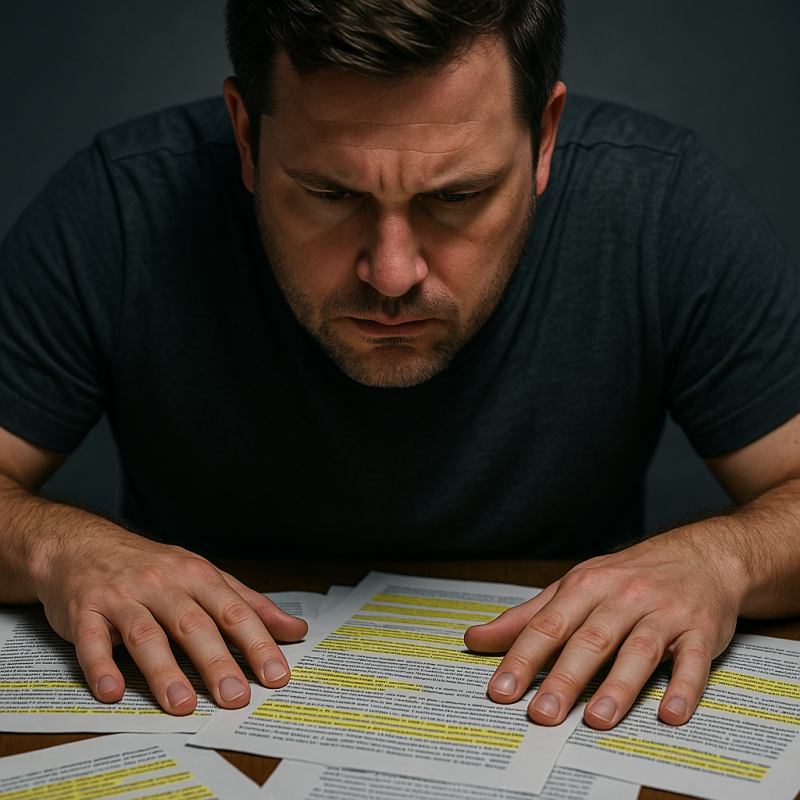 Image by RM AI
The Warning
I opened a new document and started drafting the formal notice. I kept the tone professional and factual, listing each incident by date with the corresponding bylaw violation. I referenced every cleared inspection, every dismissed complaint, every instance of surveillance I'd documented. I didn't make threats or use emotional language—I just stated what had happened and what the legal consequences would be if the pattern continued. I cited the specific ordinance numbers for harassment, privacy violations, and false reporting. I noted that all documentation had been compiled and was ready to be filed with the appropriate authorities if necessary. I mentioned that legal counsel had reviewed the materials and confirmed the viability of formal action. I read through the notice three times, adjusting phrases to make sure nothing could be misinterpreted as aggressive or vindictive. It needed to be clear that this wasn't retaliation—it was documentation of their behavior and a final opportunity to stop before legal proceedings began. When I finished, I printed it on clean white paper, folded it carefully, and placed it in a standard business envelope. I sealed it and set it on the table by my front door where I'd see it every time I left the house.
 Image by RM AI
The Wait
The next morning, I took the envelope and walked out to my backyard. I positioned myself near the fence line where Richard usually appeared with his phone, the envelope folded in my hand. I wasn't hiding or trying to bait him—I was just there, waiting for what I knew would happen eventually. Richard had a pattern. He came out to record me at least twice a week, usually in the morning or early evening when he thought I'd be using the hot tub. I stood there for maybe ten minutes, just looking at my yard, at the hot tub sitting there perfectly legal and properly permitted. The morning was quiet except for birds and the distant sound of traffic from the main road. I felt calm in a way I hadn't felt in months. I wasn't anxious about what Richard might do or what complaint might come next. I had documentation. I had evidence. I had a clear record of everything they'd done, and now I had a formal notice that laid it all out in terms they couldn't ignore. Then I heard it—the distinctive sound of the Caldwells' back door sliding open.
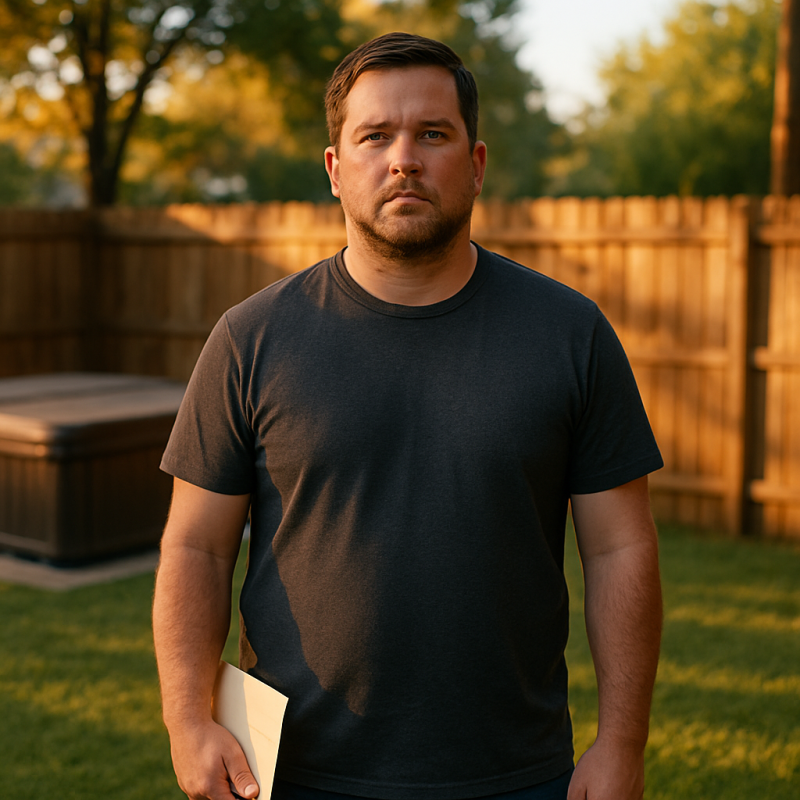 Image by RM AI
The Approach
Richard stepped out onto his deck and started walking toward the fence. He had his phone in his hand, held at chest level the way he always did when he was about to start recording. His posture was rigid and confident, that same expression he wore every time he came over to document whatever imaginary violation he thought he'd caught me committing. He didn't see the envelope in my hand yet—he was too focused on getting into position, on making sure his phone had a clear angle. I watched him approach, noting the familiar routine, the predictable pattern he'd followed for months. He reached the fence line and lifted his phone slightly, adjusting his grip to start filming. His eyes were on me with that look of righteous certainty, like he was performing some kind of civic duty by harassing his neighbor. I didn't move back or turn away like I usually did. Instead, I took two steps forward, closing the distance between us. The envelope was visible now, held clearly in my right hand. Richard's finger hovered over his phone screen, about to press record, when I stepped into his line of sight with the envelope extended toward him.
 Image by RM AI
The Envelope
"You'll want to read what's inside," I said, my voice level and calm. Richard froze, his finger still hovering over the record button. He looked at the envelope, then at my face, then back at the envelope. His expression shifted from confident to confused—this wasn't how our interactions usually went. Normally I'd retreat or ignore him while he filmed. I'd never approached him directly, never handed him anything. He lowered his phone slightly, uncertainty crossing his features. "What is this?" he asked, but I just kept the envelope extended toward him, waiting. He hesitated for another moment, then reached out and took it from my hand. The exchange was quick and businesslike. He turned the envelope over, looking for some indication of what it contained, but I'd left it unmarked. No labels, no writing on the outside. He glanced at me again, and I could see him trying to figure out what game I was playing, what trap I might be setting. But I wasn't playing anything. I just stood there, composed and silent, while he held the envelope between us.
 Image by RM AI
First Pages
Richard tore open the envelope and pulled out the stack of papers inside. He unfolded them and started reading from the top. I watched his face as he went through the first section—the compliance reports showing every complaint he and Patricia had filed, each one listed by date with the inspection result next to it. Cleared. Compliant. No violation found. Dismissed. The words repeated down the page, complaint after complaint, all of them documented and all of them rejected by the actual authorities. His eyes moved faster as he scanned down the list, and I could see the moment it registered that I'd kept records of everything. His confident expression started to shift, the certainty draining from his features as he realized the pattern was right there in black and white. He flipped to the second page, then the third, seeing the timeline of complaints intensifying after the hot tub installation, seeing the market analysis showing the neighborhood sales pattern, seeing the real estate connection. His jaw tightened slightly, and he turned to the next section without looking up at me.
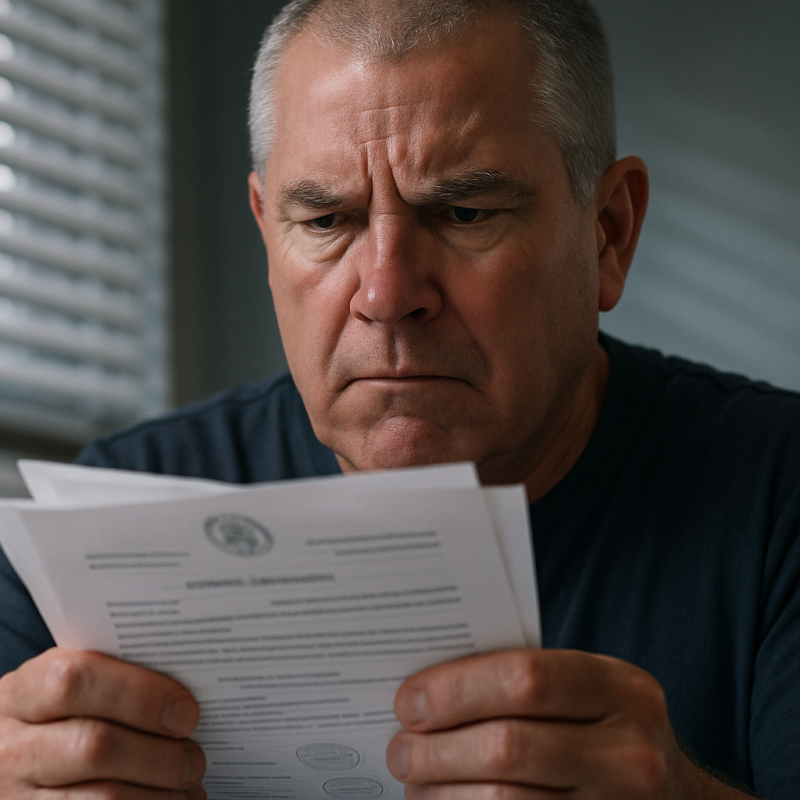 Image by RM AI
The Violations
Richard reached the pages with the highlighted sections, and I watched the color drain from his face. The yellow marker made the bylaw violations impossible to miss—privacy statutes about residential surveillance, harassment ordinances about repeated unfounded complaints, regulations about recording neighbors without consent on their own property. Each section was clearly marked with the specific code number and the penalty range for violations. His eyes moved across the highlighted text, and I could see him reading the words multiple times as if he couldn't quite process what he was seeing. The recording restrictions were particularly clear—what he'd been doing with his phone wasn't just annoying, it was explicitly illegal under county ordinance. The false complaint filing section outlined potential fines and legal consequences for systematic misuse of municipal resources. Richard's hand holding the papers trembled slightly. He looked up at me once, his expression no longer confident or righteous, just shocked and uncertain. Then he looked back down at the pages, scanning through the highlighted sections again as if hoping he'd misread them the first time.
 Image by RM AI
The Notice
Richard flipped to the final pages and found the formal notice. I watched him read through it, his eyes moving slowly across each line. The notice laid out every incident by date—every time he'd filmed me, every complaint he'd filed, every inspection that had cleared me. It referenced the specific bylaw violations that applied to each action. It stated clearly that all documentation had been compiled and reviewed, and that continued harassment would result in formal legal action including filing complaints with law enforcement and pursuing civil remedies for the pattern of behavior. Richard reached the end and then started reading again from the beginning of the notice, going through it a second time. His face had gone from pale to slightly flushed, and his rigid posture had softened into something that looked almost deflated. The phone was still in his other hand, forgotten now, no longer pointed at anything. I stood there in silence, not adding commentary or explanation. The documents spoke for themselves. Richard read through the notice one more time, and I waited, completely still, for him to finish processing what he was holding.
 Image by RM AI
Silence
Richard stood there at the fence line, holding those papers in one hand and his phone in the other. His mouth opened slightly, then closed again. He looked down at the documentation, then back up at me, then down at the papers again. I could see him trying to formulate something—a response, a justification, maybe another threat—but nothing came out. The silence stretched between us, and I didn't fill it. I just stood there, hands at my sides, waiting calmly for whatever he might say. His face had gone through several shades of color in the past few minutes, and now it had settled into something pale and tight. The phone in his hand stayed pointed down at the ground. He never raised it to record. He never pressed anything. After what felt like a full minute of complete silence, he lowered the phone entirely, tucking it into his pocket. Then he turned, still holding my documentation packet, and walked back across his perfectly maintained lawn toward his house. He didn't look back. He didn't say a single word. I watched him go, standing exactly where I was, and the only sound was his footsteps on the grass and then his door closing behind him.
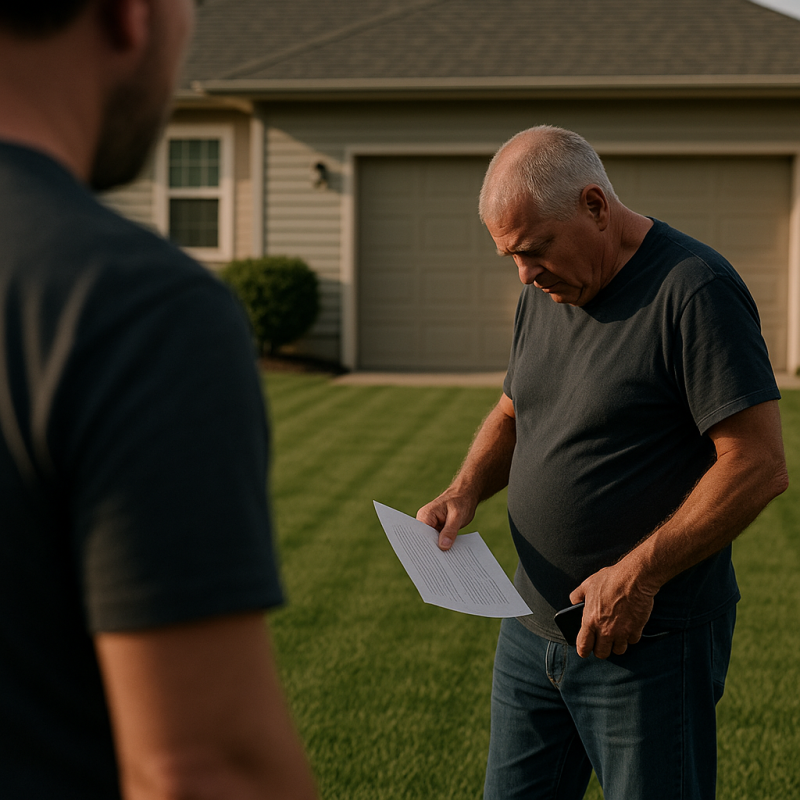 Image by RM AI
Immediate Change
The next day came and went without any activity from the Caldwell property. No complaints arrived in my mailbox. No city vehicles pulled up for surprise inspections. I checked my email twice that first day, expecting something, but there was nothing. The second day was the same—complete silence. By the third day, I realized I hadn't seen Richard or his wife at their fence line at all. Usually they'd be out there multiple times a day, watching, documenting, making their presence known. Now the space between our properties stayed empty. I went about my normal routine, taking out the trash, checking the mail, working in my yard, and nobody appeared to monitor me. No camera lenses poked over the fence. No clipboard emerged to record violations that didn't exist. The contrast with the previous weeks was so stark it felt almost surreal. I'd gotten used to constant surveillance, to the steady stream of complaints and inspections, to the feeling of being watched every time I stepped outside. Now there was just quiet. I wasn't going to question it or reach out to confirm anything. The silence from their side of the property felt strange at first, but I wasn't going to question it.
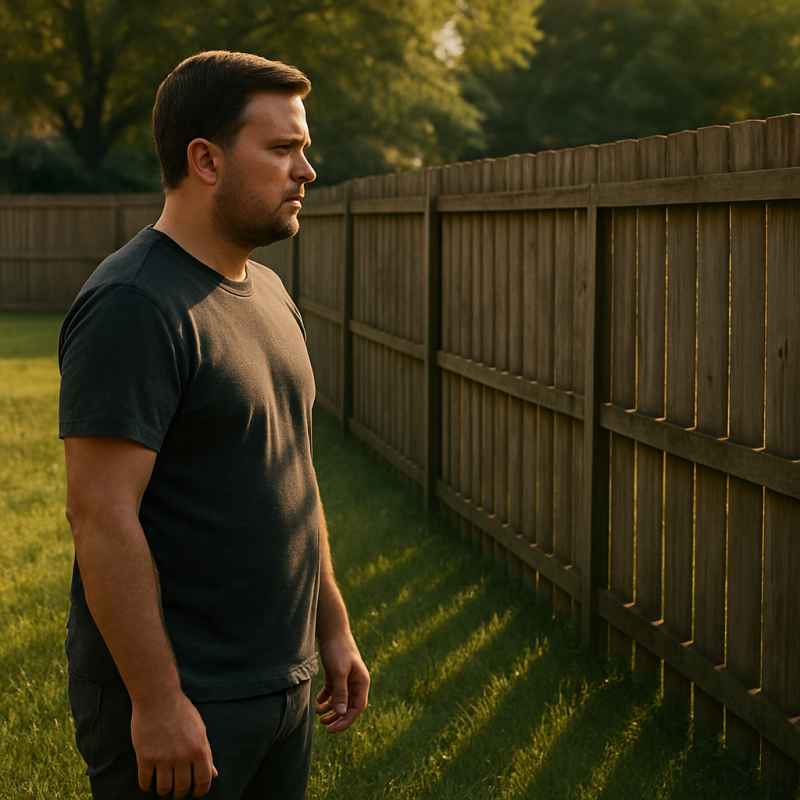 Image by RM AI
Finally
That evening, I went outside and removed the cover from my hot tub. I'd barely used it in weeks, always worried about what complaint might follow, what angle Richard might find to turn a simple soak into another code violation. But now I tested the water temperature, adjusted the jets, and climbed in without that knot of anxiety in my chest. The warm water surrounded me, and I leaned back against the molded seat, feeling the tension drain from my shoulders. It was exactly what I'd wanted when I'd first decided to install this thing—just a quiet place to relax after work, nothing complicated or controversial. The jets hummed softly, and I closed my eyes for a moment, letting the heat work through muscles that had been tight for months. No camera appeared over the fence. No clipboard materialized to document the noise level or the steam rising into the air. The Caldwell house stayed dark and quiet. I sat there as the sky shifted from blue to purple to deep navy, watching the first stars appear overhead. The evening air was cool on my face while the water stayed warm, and for the first time since this whole situation started, I felt completely at ease. I sat there as the evening darkened, finally enjoying the simple thing I had only wanted from the start.
 Image by RM AI
Lessons Learned
Sitting in that hot tub, I thought about everything that had happened over those months. I'd learned more than I ever wanted to know about property codes, documentation procedures, and the formal complaint process. I'd learned that keeping detailed records wasn't paranoid—it was essential. I'd learned that some people build their entire sense of control around making others back down, and they're completely unprepared when someone doesn't. The harassment had been exhausting and frustrating, but responding with thorough documentation instead of escalation had been the right choice. Every date, every incident, every cleared inspection—it had all mattered in the end. I'd learned that persistence under pressure counts for something, that staying methodical when someone's trying to provoke you is its own kind of strength. Richard had counted on me giving up, on me getting tired of the complaints and inspections and just removing the hot tub to make it stop. That's what people like him rely on—the other person deciding it's not worth the fight. But I'd decided it was worth it, and I'd been willing to document everything necessary to prove my case. The hot tub still sits in my backyard, and the Caldwells still live next door, but they haven't filed a single complaint since.
 Image by RM AI
KEEP ON READING

The Origins Of 3 Common Sayings You Still Use Today
Etienne Boulanger on UnsplashMany of the phrases you use every…
By Rob Shapiro Apr 28, 2026
Was Caligula The Most Ruthless Roman Emperor?
Artur Matosyan on UnsplashRoman Emperor Caligula is one of ancient…
By Rob Shapiro Dec 18, 2025
1 Weird Fact About Every President
Washington, Lincoln, FDR. Most people know something about the lives…
By Robbie Woods Dec 3, 2024
10 Accidental Discoveries That Changed Maps & 10 That Changed…
Mistakes That Mattered. A lot of major discoveries did not…
By Cameron Dick Apr 15, 2026
10 Actors Who Perfectly Played a Historical Figure & 10…
Which Performance is Your Favorite?. Playing the role of a…
By Rob Shapiro Sep 15, 2025
10 Actors Who Perfectly Played a Historical Figure & 10…
Portraying a real person from history is one of the…
By Noone Dec 17, 2025