

20 Historical Figures Who Paid for Their Words With Their Tongues
When Speech Became Dangerous
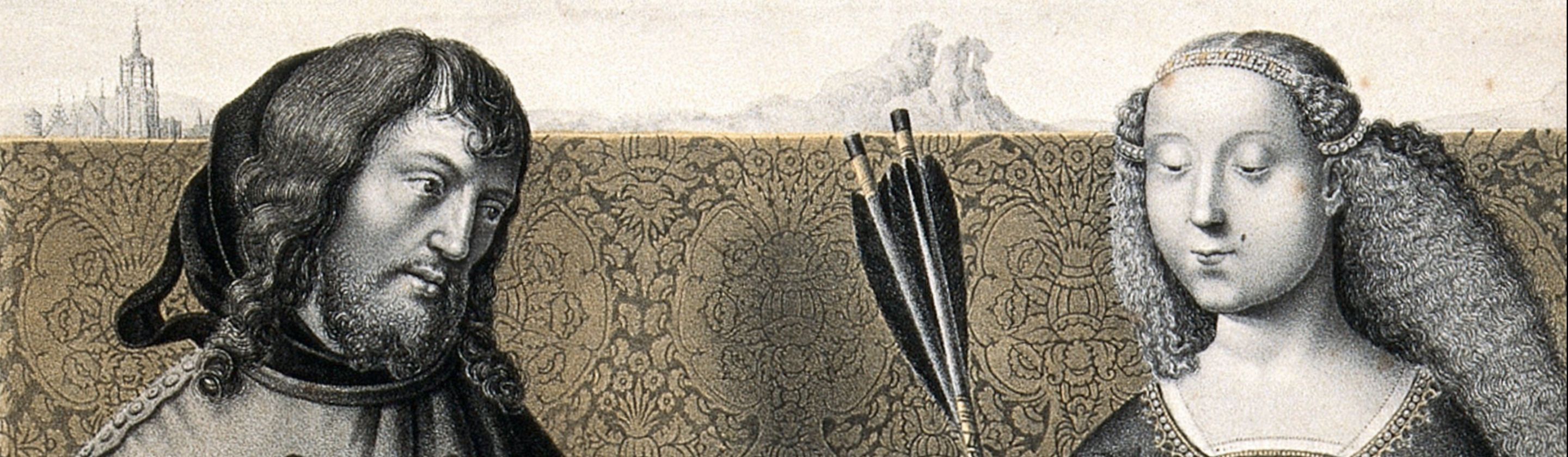
History has never been kind to people who speak too clearly at the wrong time. A sharp sentence, a sermon, a pamphlet, or a refusal to flatter power has ended careers, bodies, and lives. Sometimes the tongue was punished literally, as in the cases of Maximus the Confessor, Romanus of Caesarea, and Byzantine figures whose tongues were cut or slit to silence them. Other times, the “tongue” was the public voice itself, and the punishment was exile, prison, execution, or erasure. Here are twenty figures whose words became dangerous enough to cost them dearly.
 commons.wikimedia.org on Google
1. Cicero
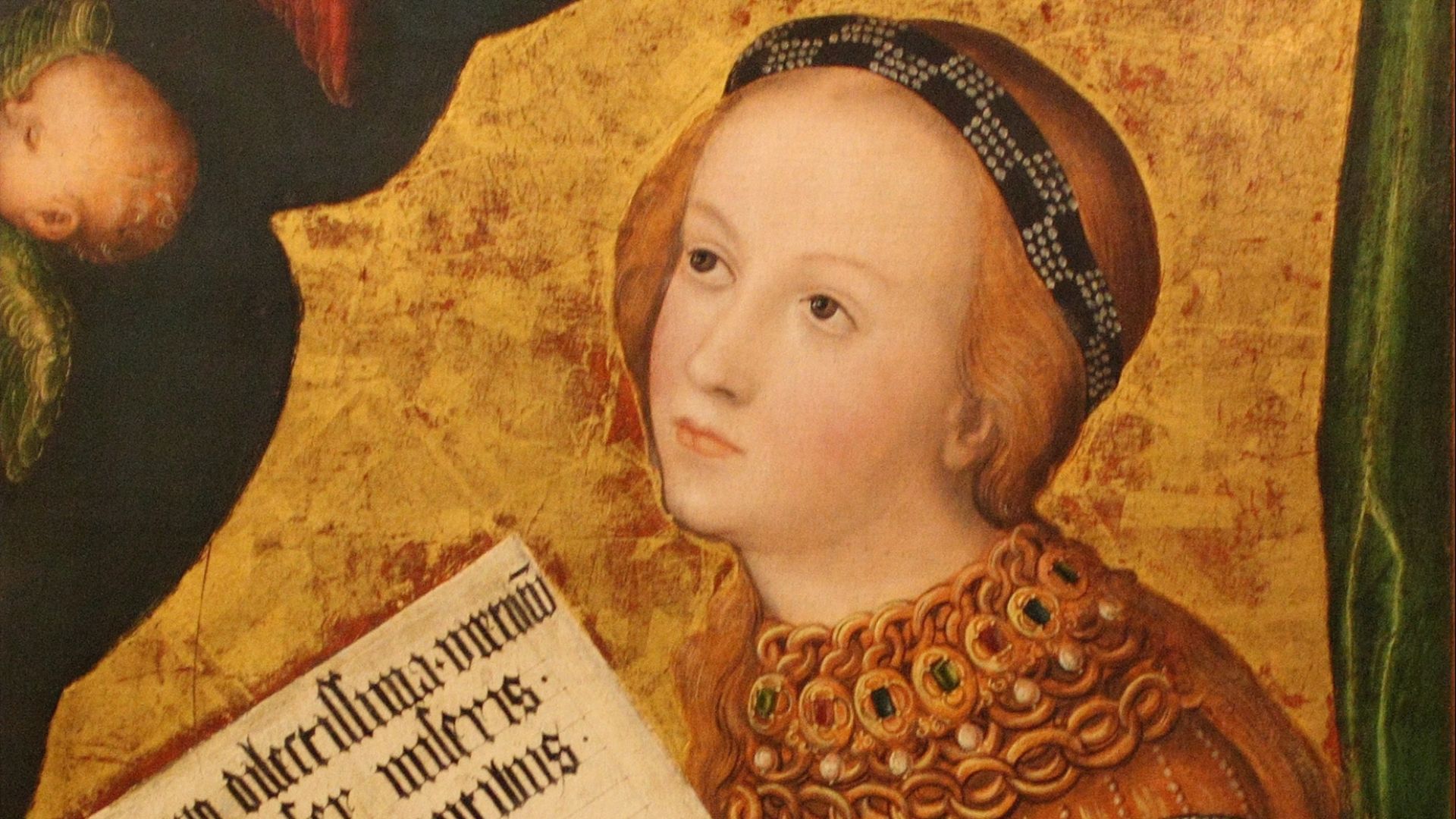
Cicero built his life on language, and Rome never forgot it. After his enemy Mark Antony came to power, Cicero was killed, and later tradition says his head and hands were displayed in the Forum, a brutal answer to the speeches that had made him famous.
2. Socrates
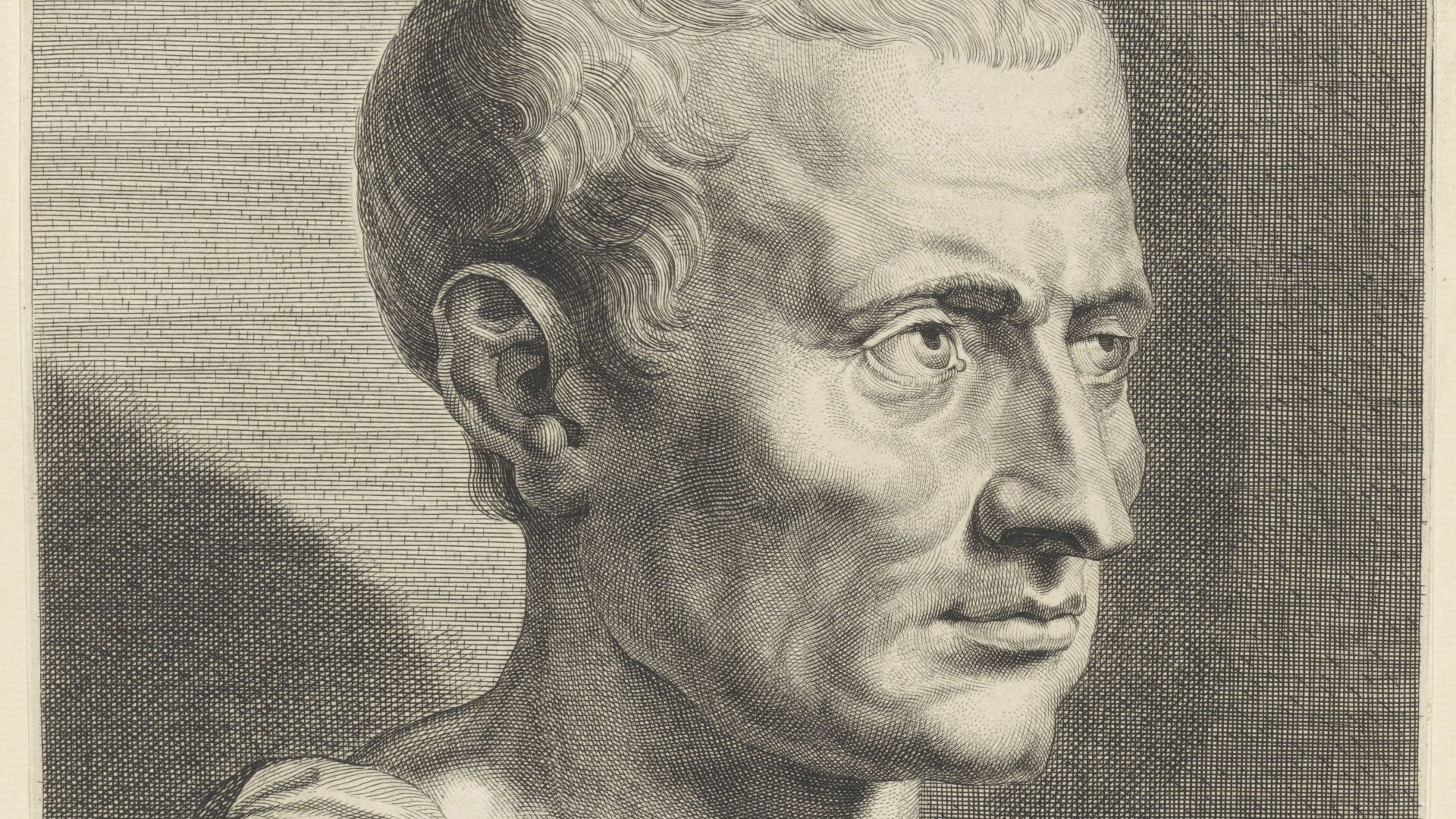
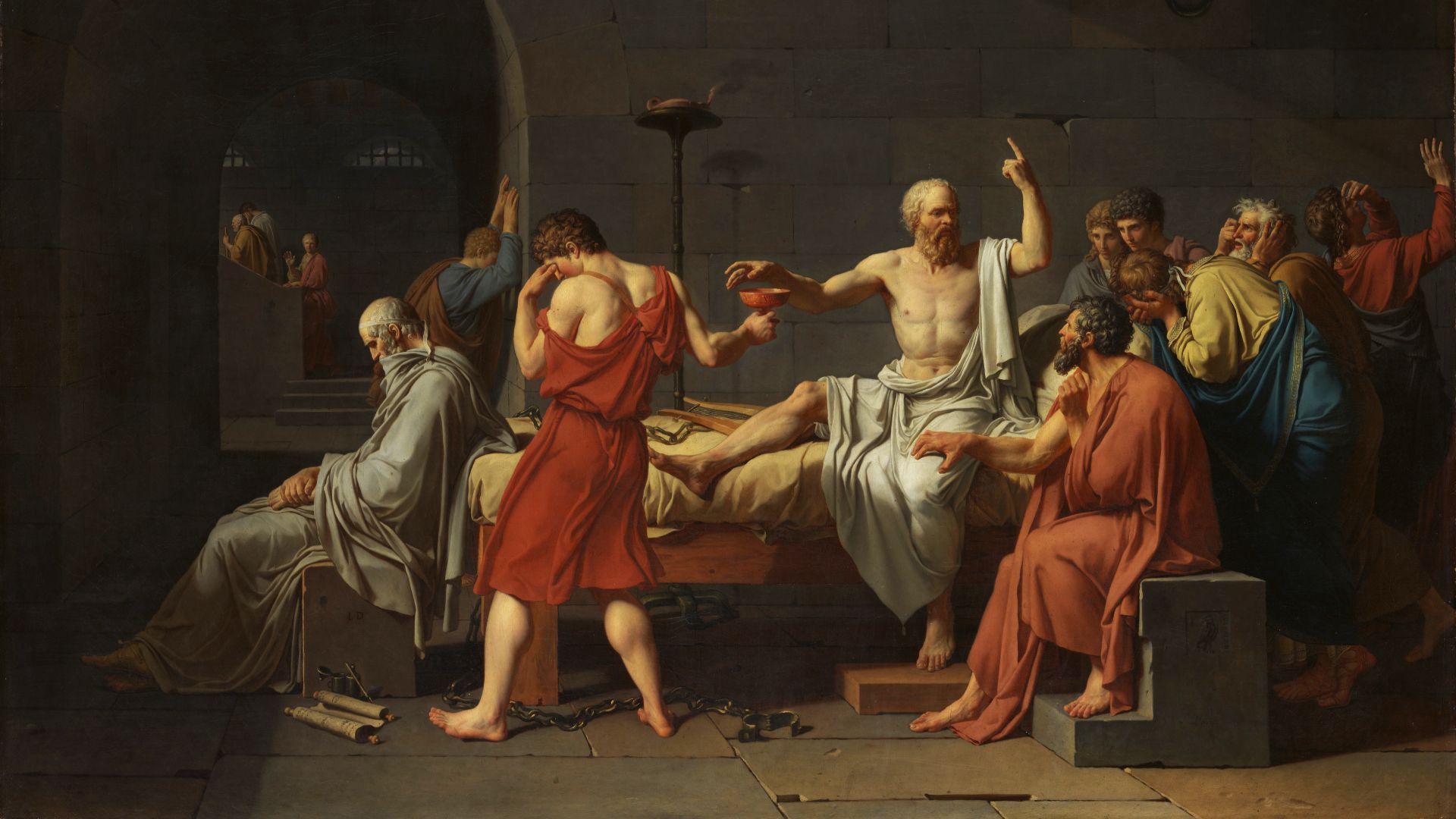
Socrates did not write books or command armies. He asked questions in public, and Athens decided those questions were dangerous enough to deserve death, forcing him to drink hemlock after his trial for impiety and corrupting the youth.
 Jacques-Louis David on Wikimedia
3. Romanus Of Caesarea
Romanus was a Christian deacon whose preaching reportedly angered imperial authorities during the persecutions under Diocletian. According to early Christian accounts, his tongue was cut out before he was eventually strangled, a punishment meant to stop the sermon at its source.
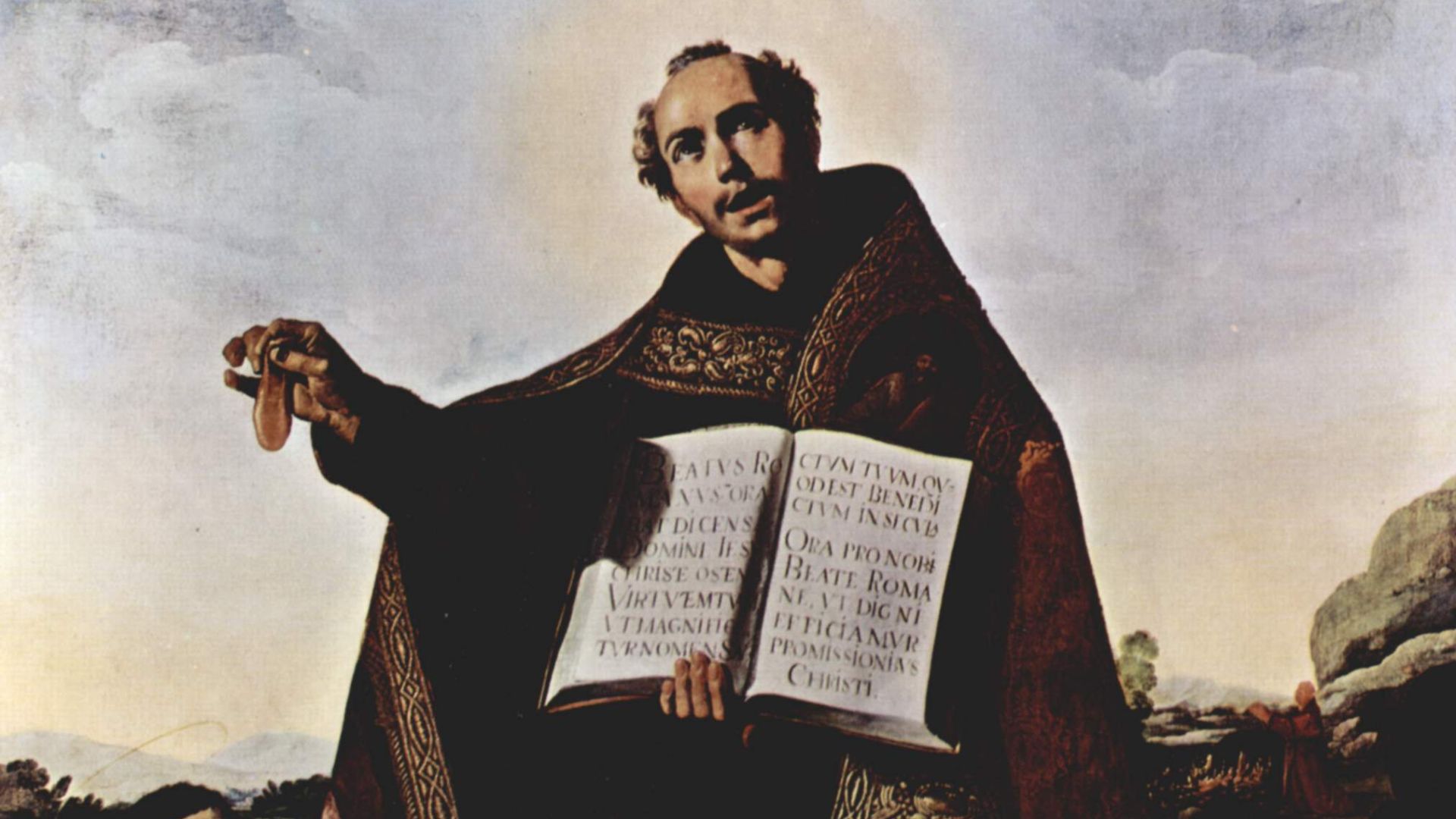 Francisco de Zurbarán on Wikimedia
4. Maximus The Confessor
Maximus argued against Monothelitism, a theological position backed by imperial power, and refused to soften his stance. His tongue was cut out and his right hand was severed so he could no longer speak or write, which tells you exactly how threatening his words had become.
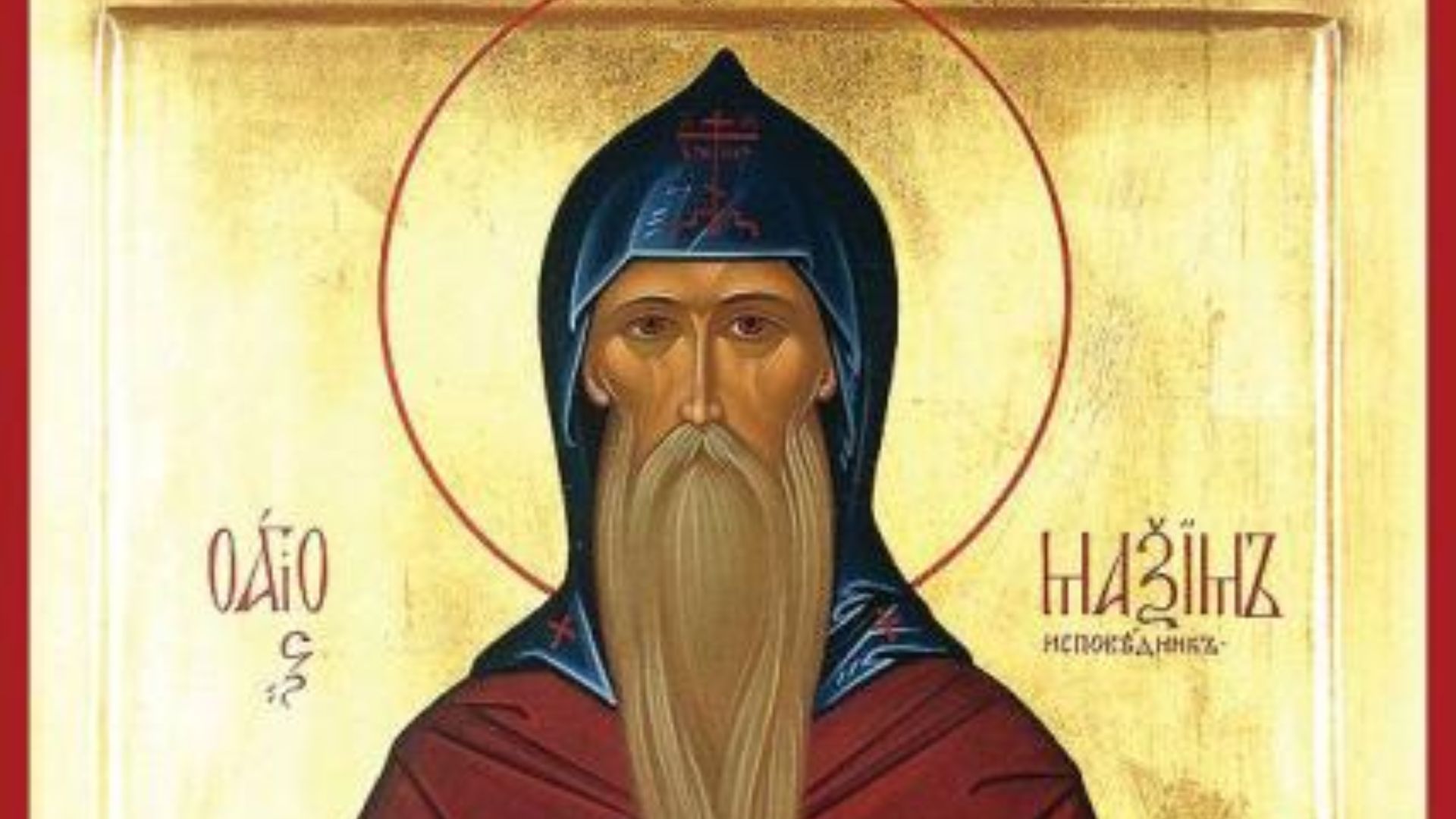 Unknown authorUnknown author on Wikimedia
5. Anastasius The Apocrisiarius
Anastasius was one of Maximus’s closest allies, and he suffered for standing beside him. Church tradition records that Maximus and his two disciples were mutilated, each losing his tongue and right hand before exile.
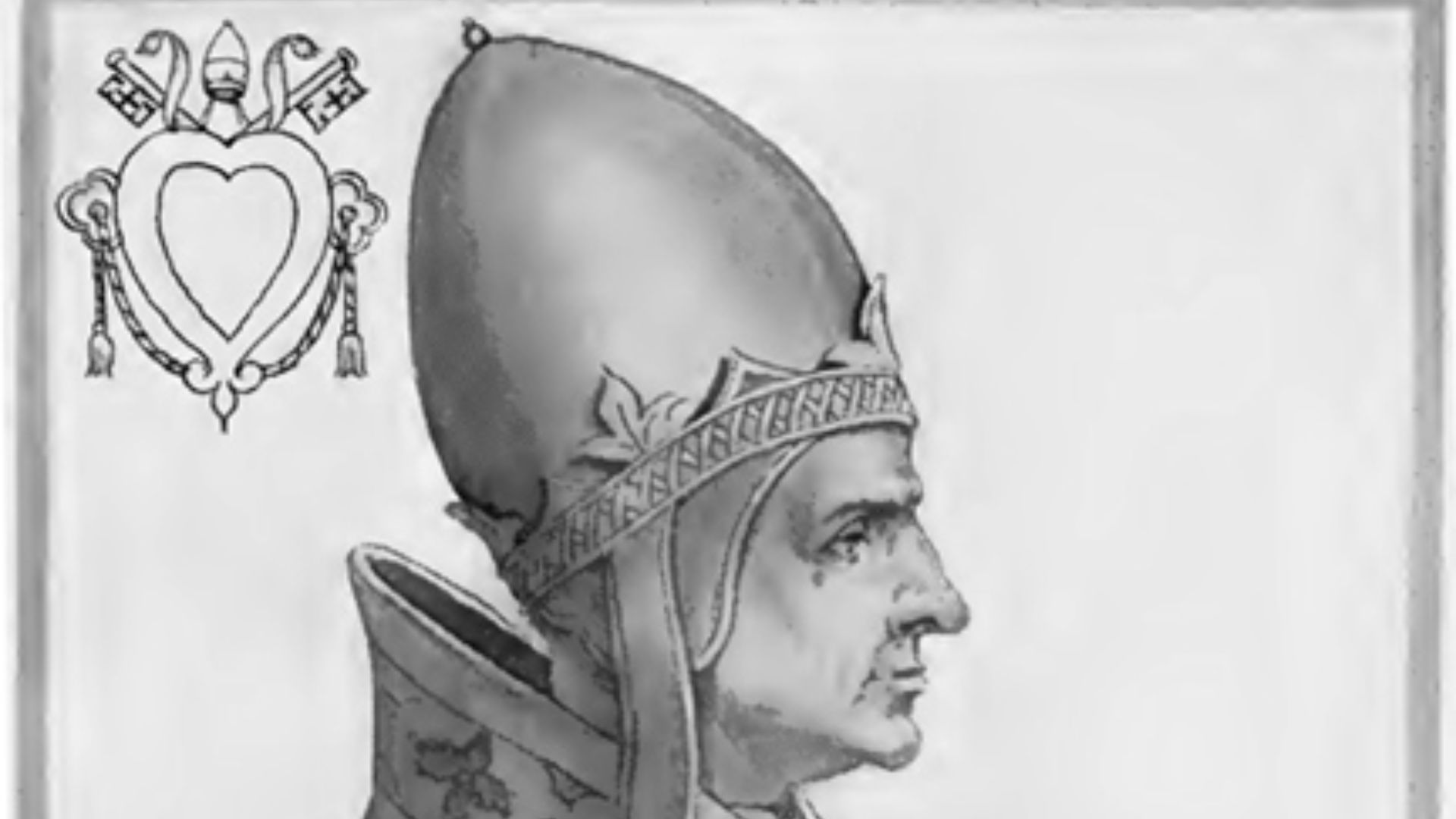 commons.wikimedia.org on Google
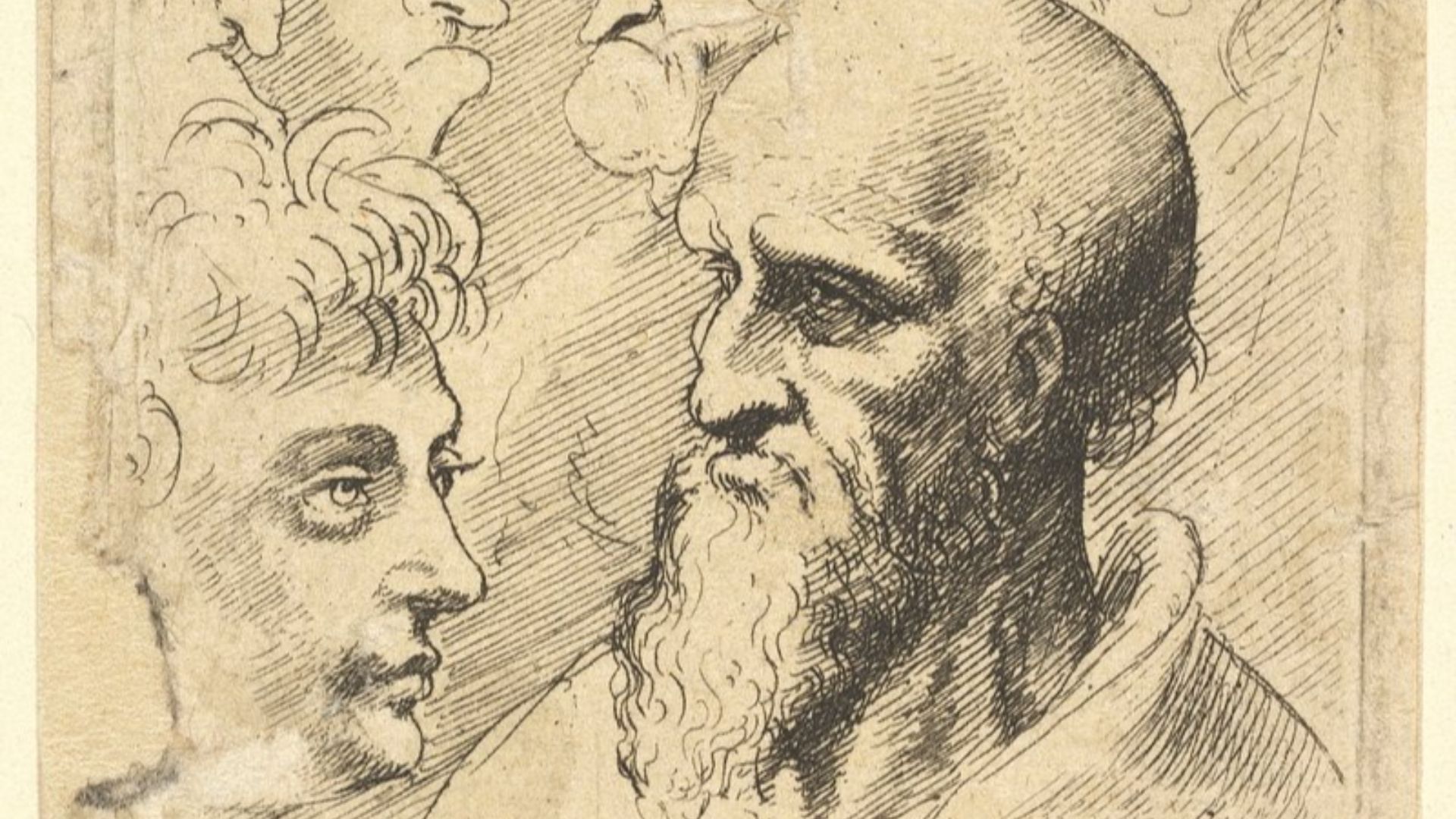
6. Anastasius The Monk
The second Anastasius connected to Maximus’s circle met the same grim pattern of punishment. It was not enough for authorities to defeat the argument; they wanted the mouths and hands of the arguers destroyed.
7. Justinian II
Justinian II was not punished for noble dissent so much as for the violent politics of empire. After he was overthrown in 695, his nose and tongue were slit before he was sent into exile, a Byzantine way of saying his body was no longer fit to rule.
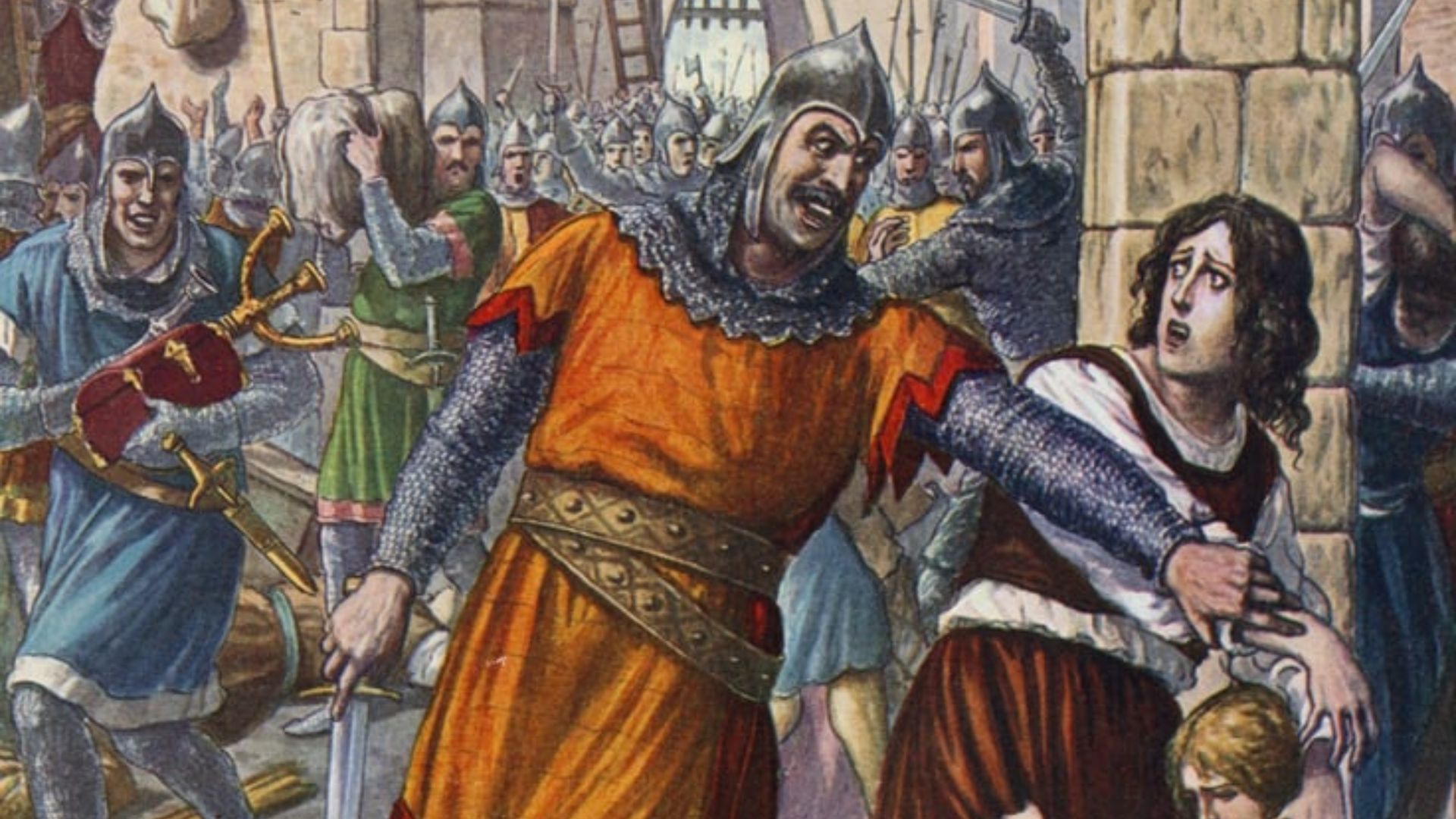 Tancredi Scarpelli on Wikimedia
8. Leontius
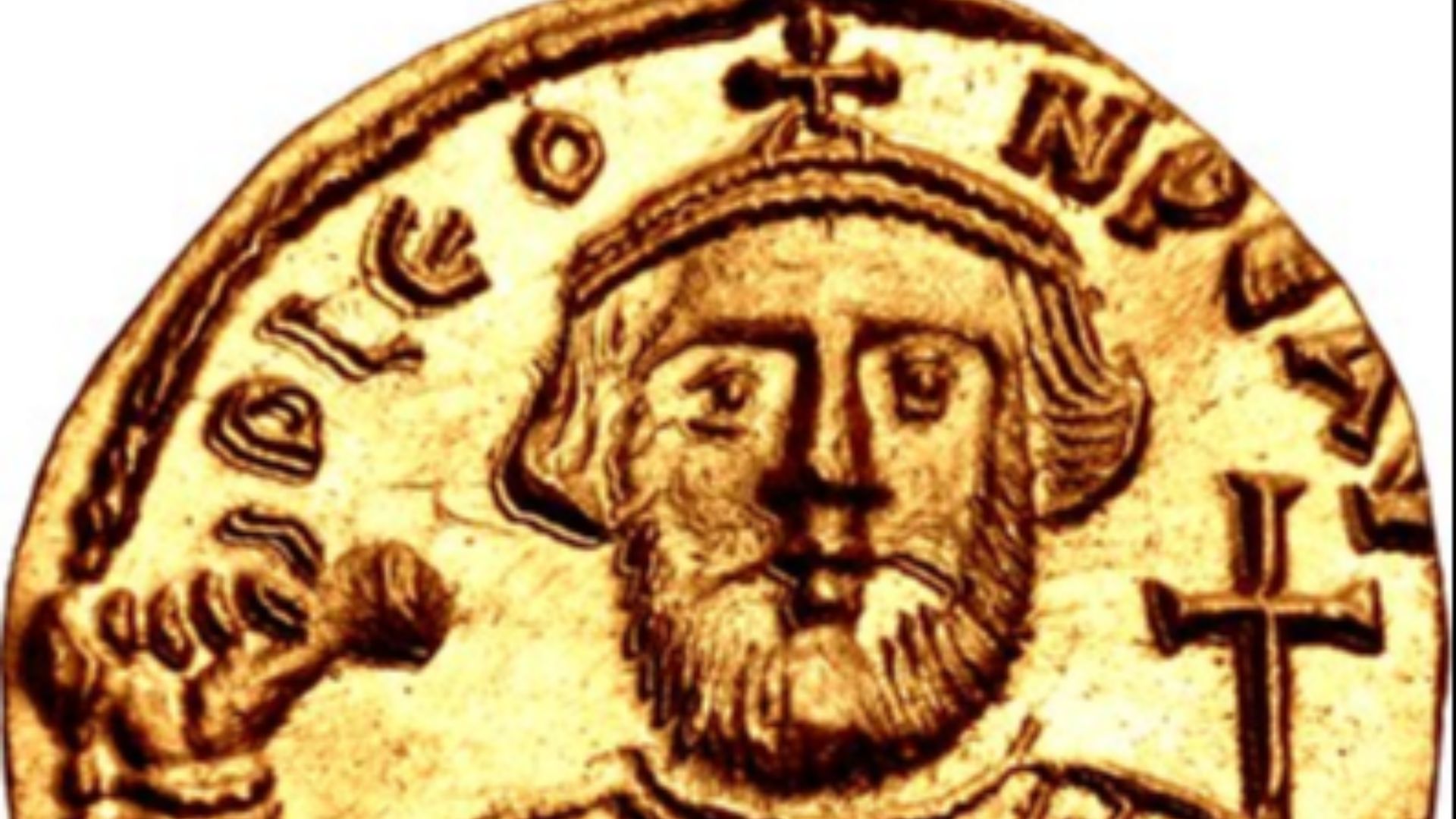
Leontius helped bring down Justinian II, then learned how quickly the same machinery could turn on him. When he was overthrown, his nose and tongue were cut, a public mutilation designed to make political speech and political ambition look ridiculous.
 commons.wikimedia.org on Google
9. Martina
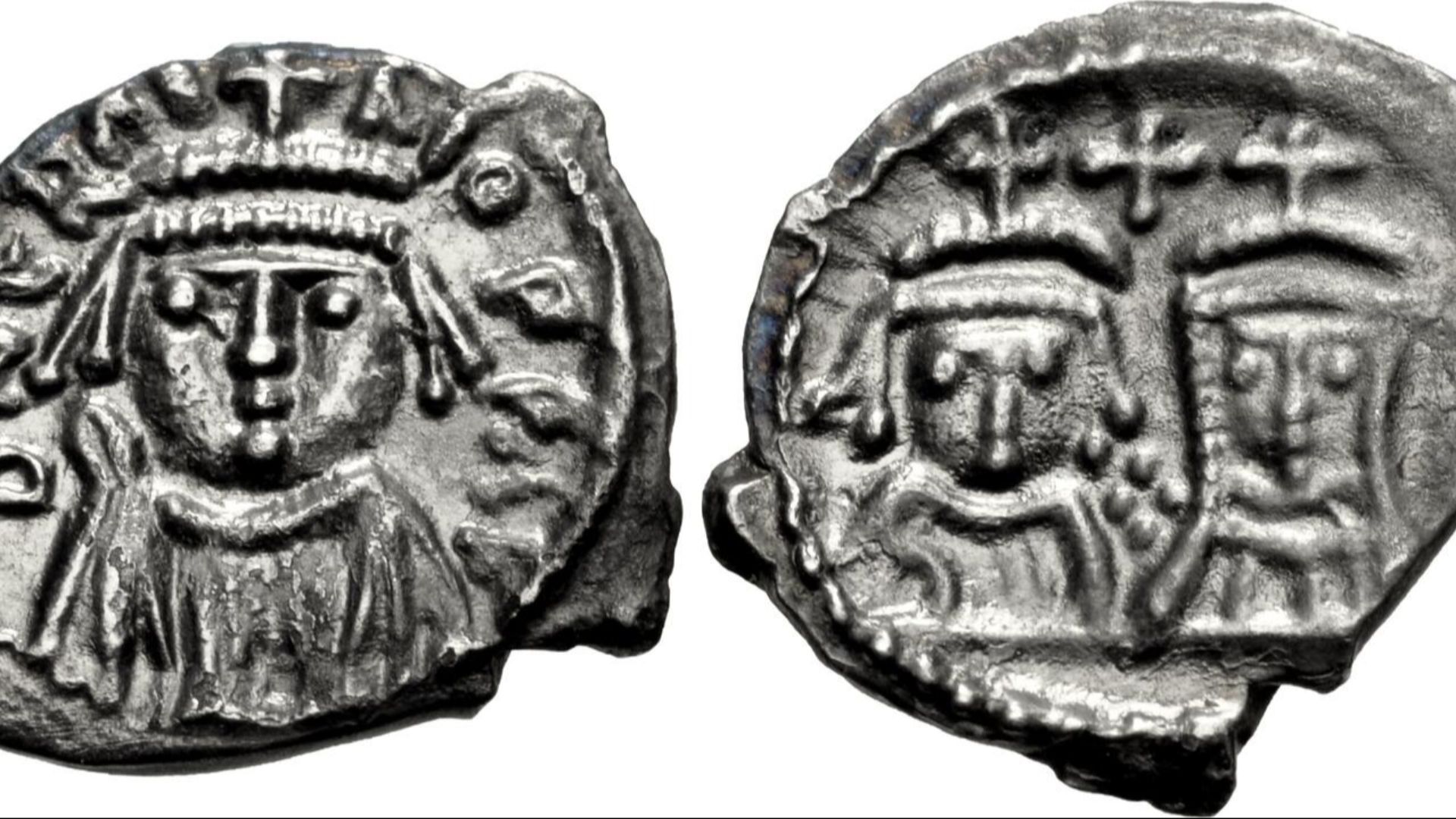
Martina, the Byzantine empress and regent, was caught in the deadly struggle over succession after Heraclius. When the Senate and army turned against her, her tongue was slit or cut, depending on the source, and she was sent into exile.
10. Pope Leo III
Pope Leo III survived a violent attack in 799, and later accounts say his enemies tried to tear out his tongue and blind him. Whether every detail is clean history or pious memory, the meaning is clear: they wanted him unable to speak, rule, or be seen as whole.
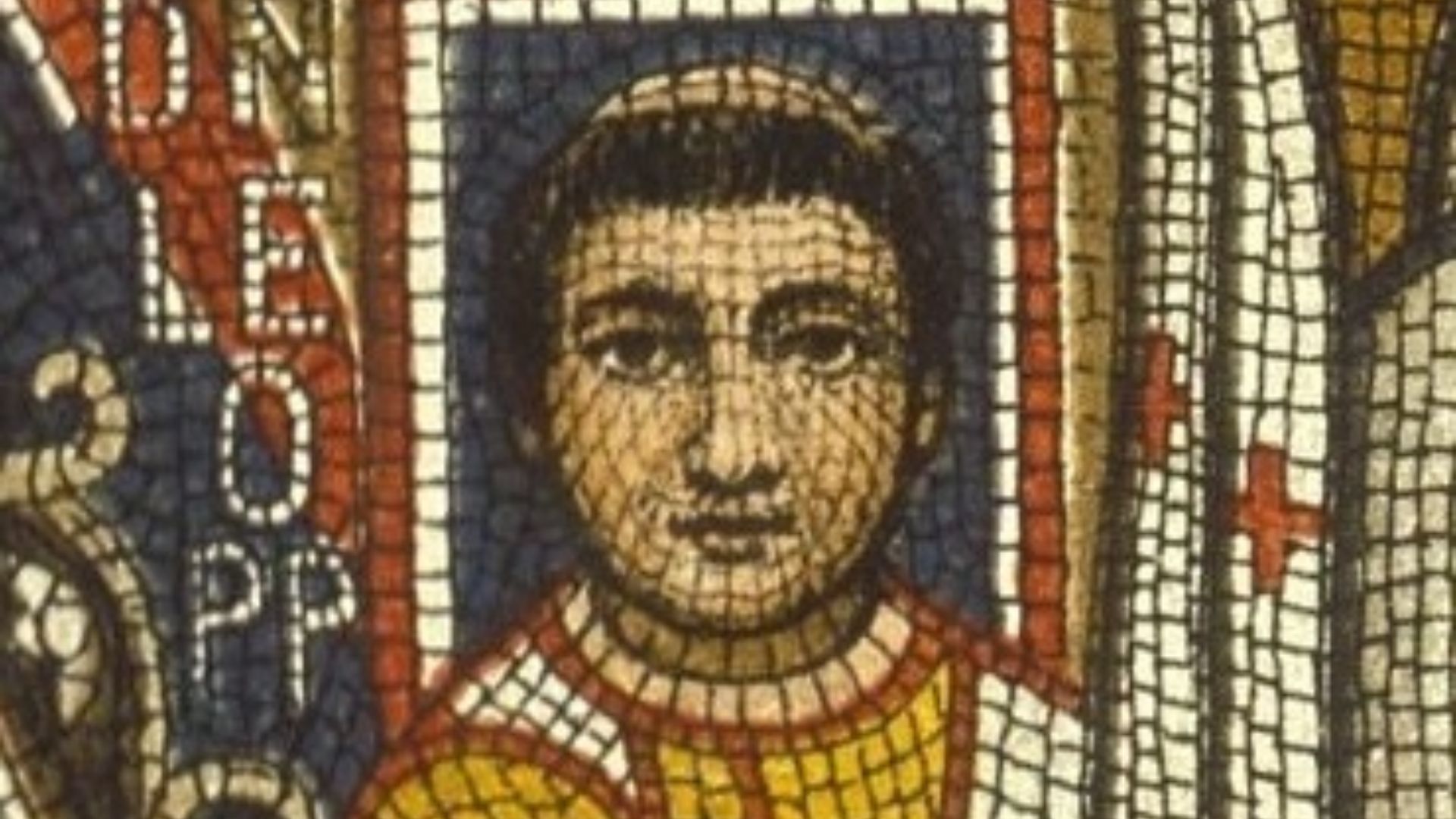 Various: Original: Unknown authorUnknown author Restoration: Ferdinando Fuga (1743) on Wikimedia
11. The Confessors Of Tipasa
In 484, Vandal king Huneric ordered the tongues and right hands of Nicene Christians in Tipasa cut off after they refused Arian control. The story became famous because later sources insisted some continued speaking even after the mutilation.
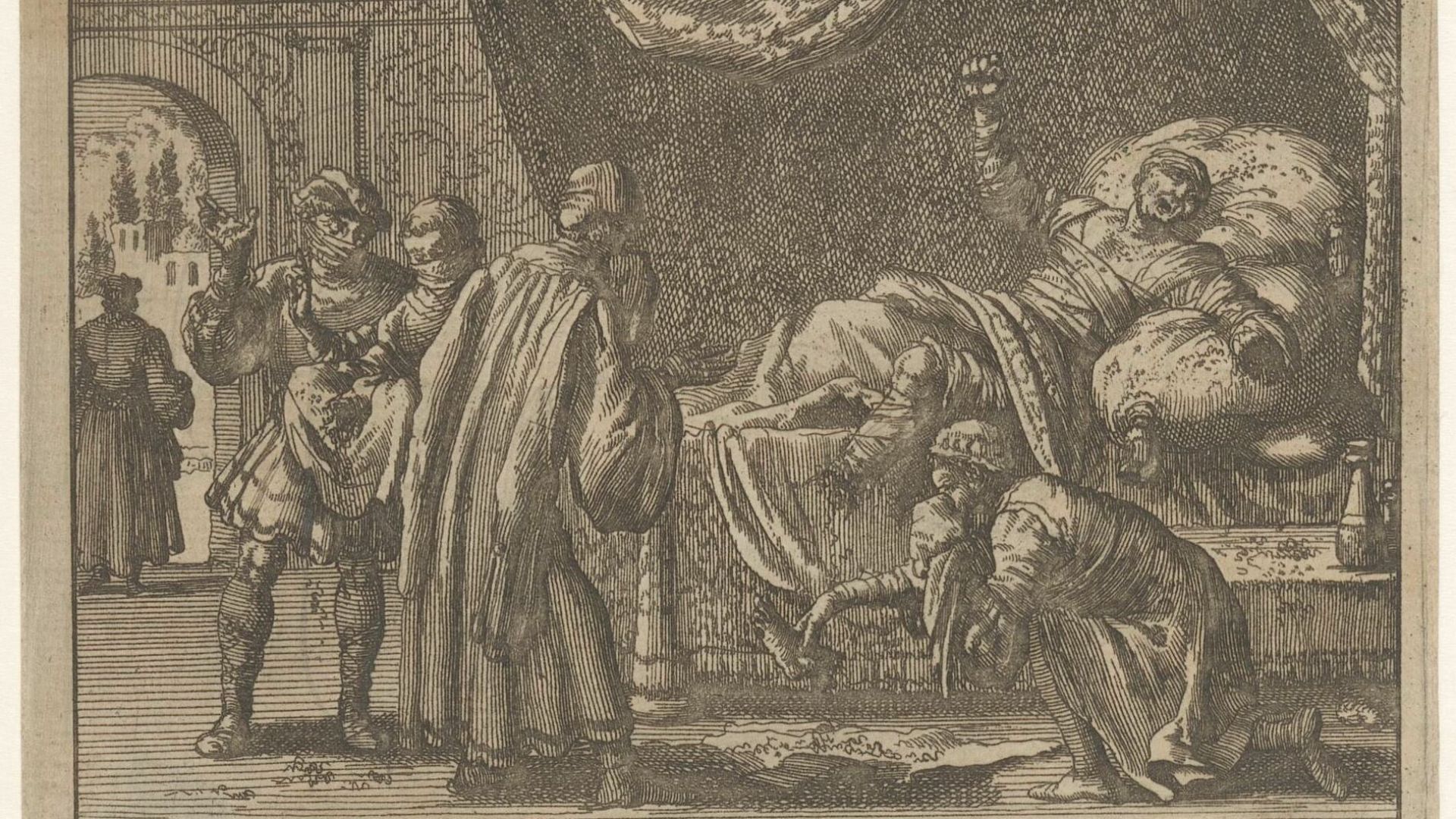
12. Agathoclia
Agathoclia appears in Christian martyr tradition as an enslaved woman who refused to renounce her faith. Her sentence reportedly included having her tongue cut out, a punishment aimed not just at belief, but at confession spoken aloud.
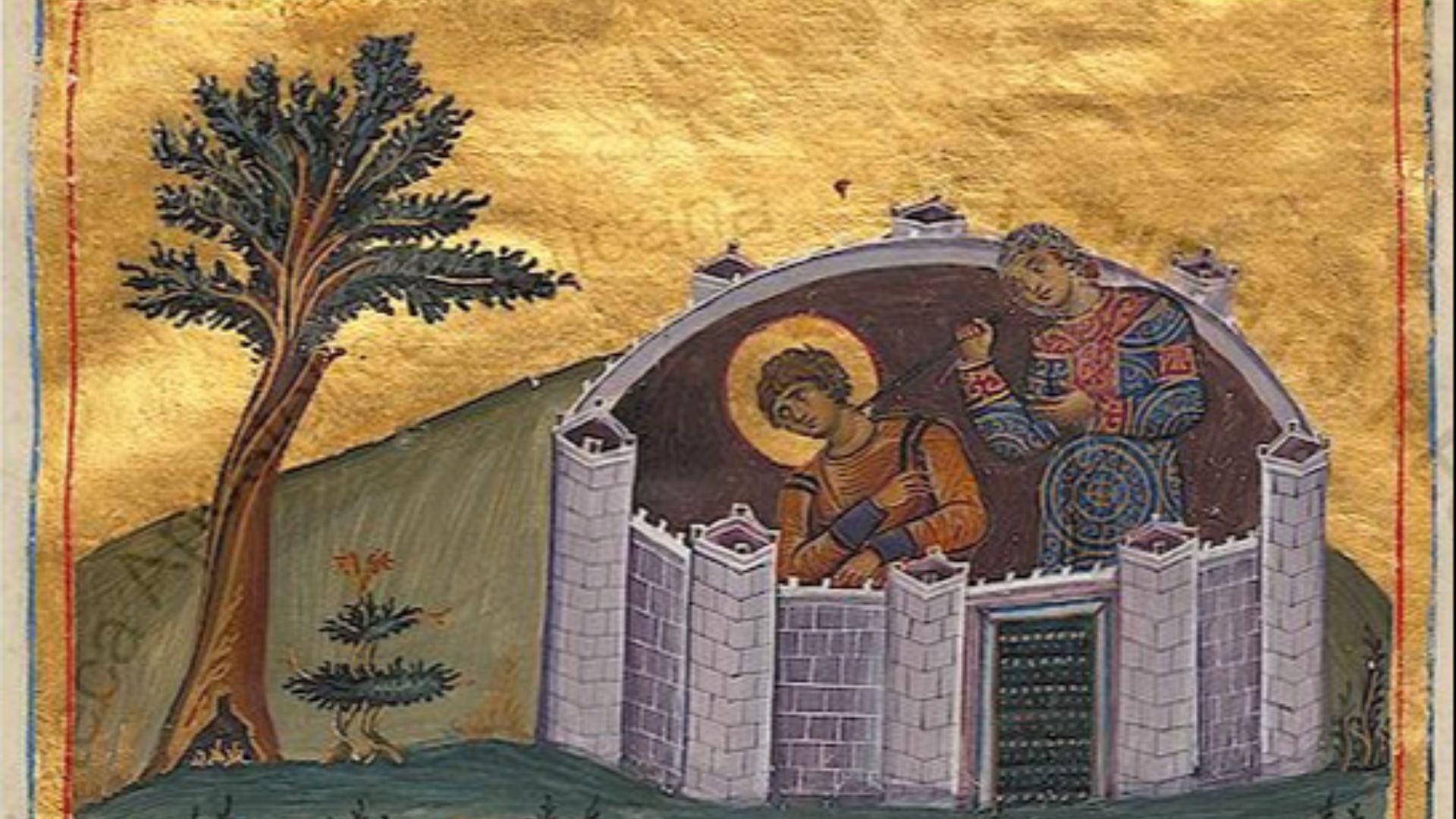
13. Christina Of Bolsena
Christina’s story comes wrapped in legend, but it survived because the image is hard to shake. A young woman refuses to worship the approved gods, keeps speaking, and is punished with the cutting out of her tongue before further tortures follow.
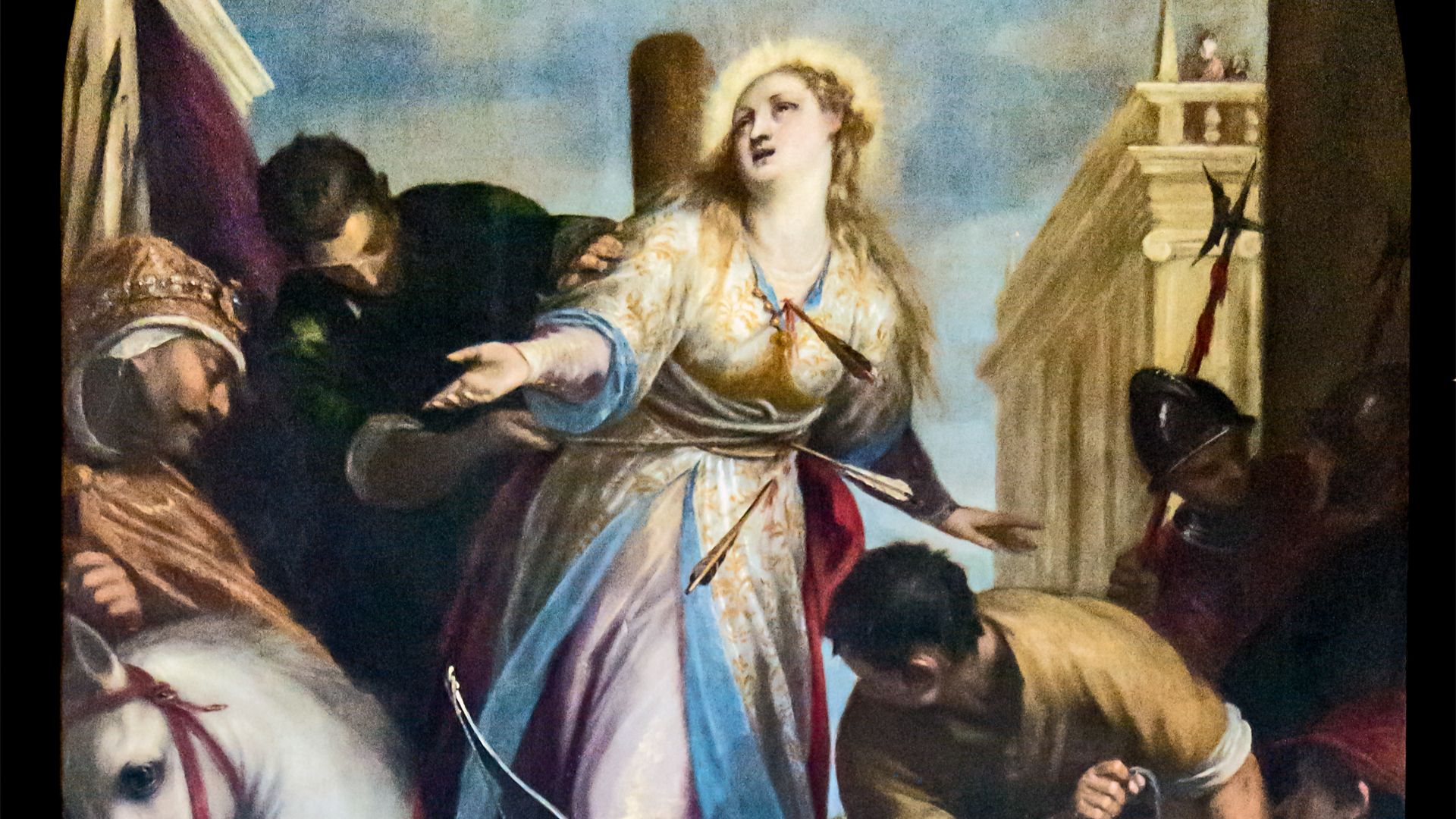
14. Longinus
Longinus, remembered in Christian tradition as the centurion at the crucifixion, becomes a convert whose new words put him in danger. Later hagiography says his tongue and teeth were cut out before his execution, turning his confession into the reason for his suffering.
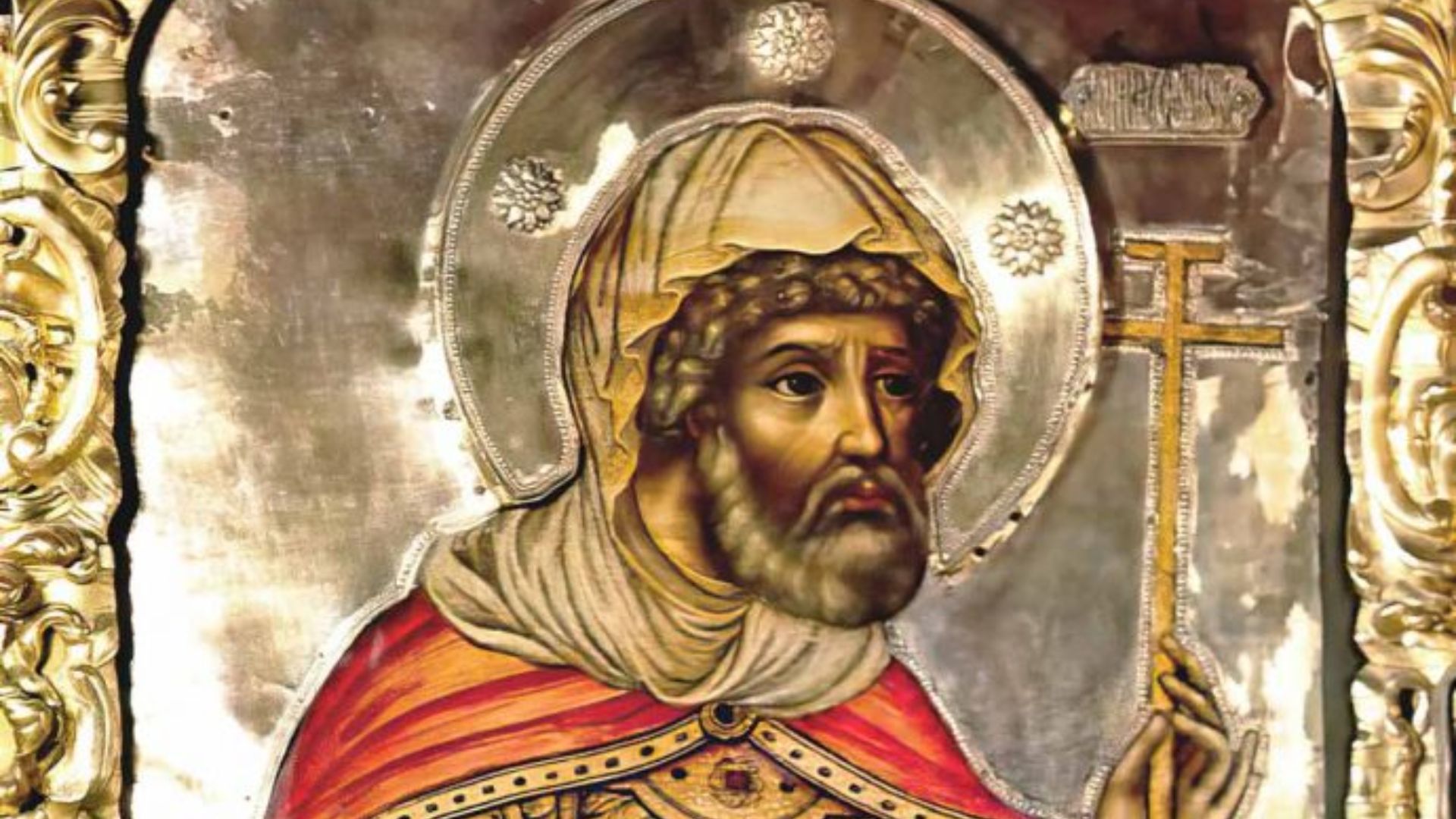 Fyodor Zubov / Фёдор Зубов (? — 1689) on Wikimedia
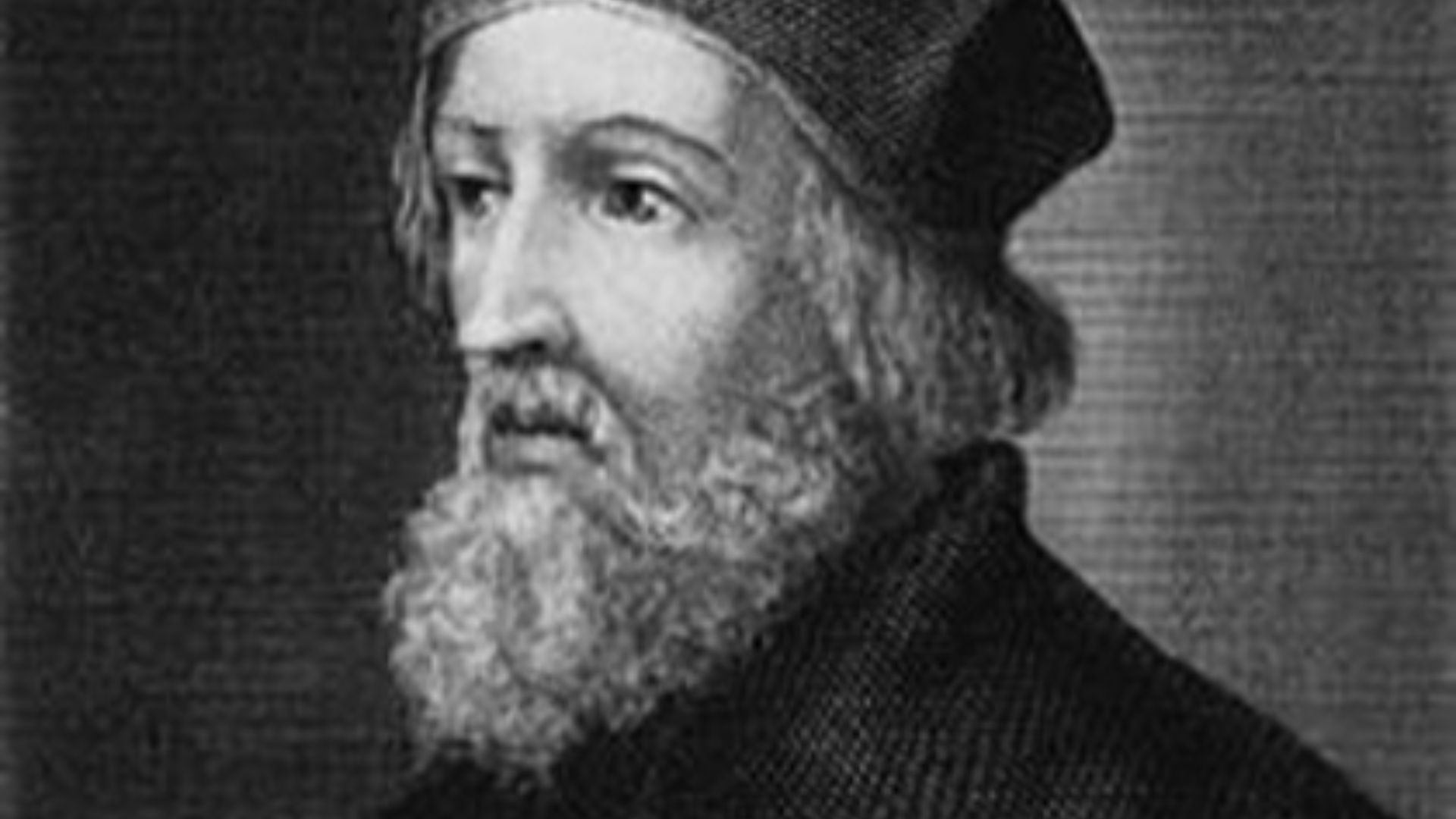
15. Jan Hus
Jan Hus preached reform in Bohemia and refused to recant the ideas that had made him both beloved and hated. He was burned at the stake in 1415, proving that a pulpit could be as dangerous as a sword when the wrong people were listening.
 Unknown authorUnknown author on Wikimedia
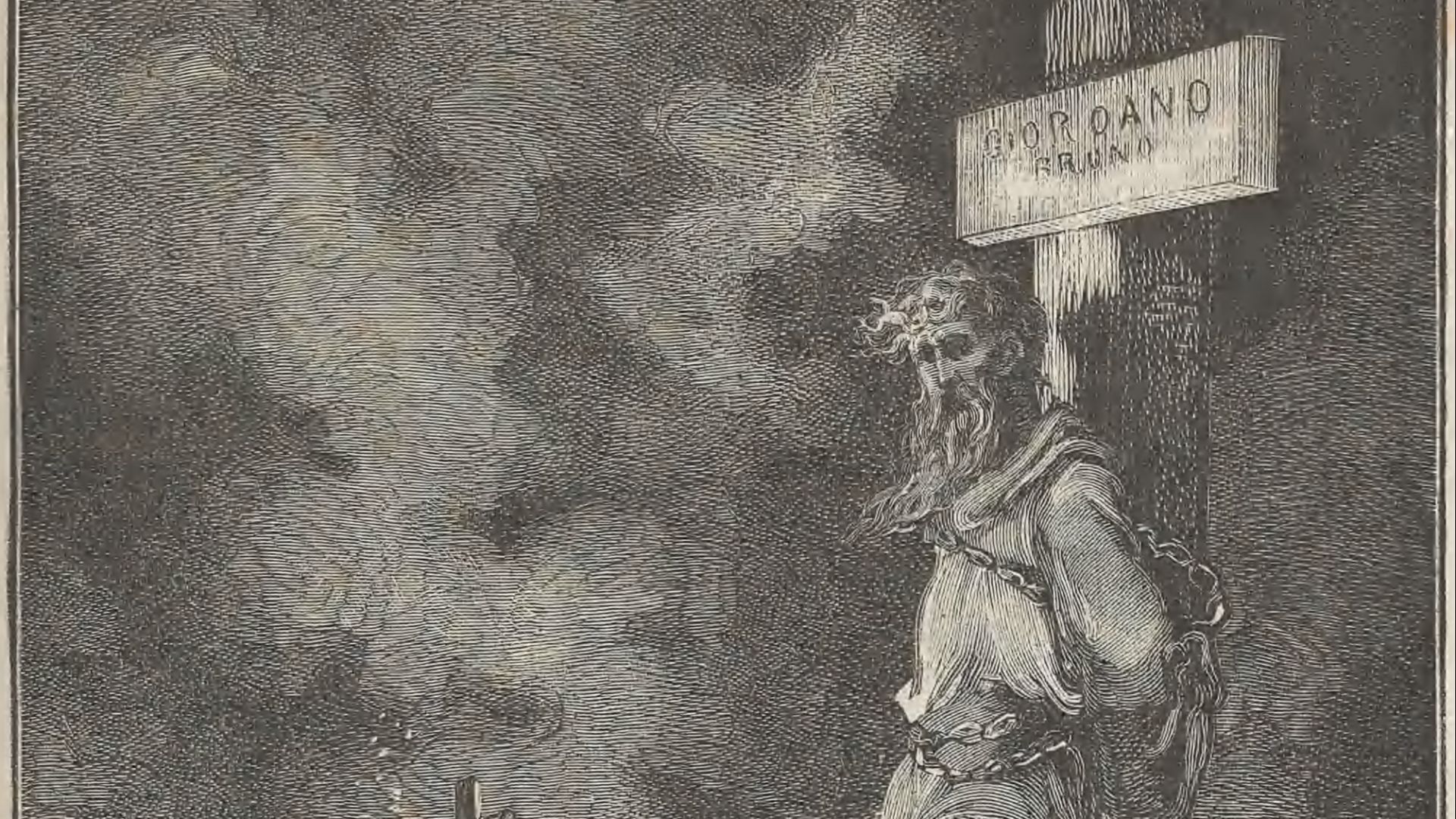
16. Giordano Bruno
Bruno’s universe was too wide for the authorities who judged him. His ideas about religion, philosophy, and the cosmos helped lead to his execution in Rome, where the body was burned because the mind would not bend.
 Camille Flammarion on Wikimedia
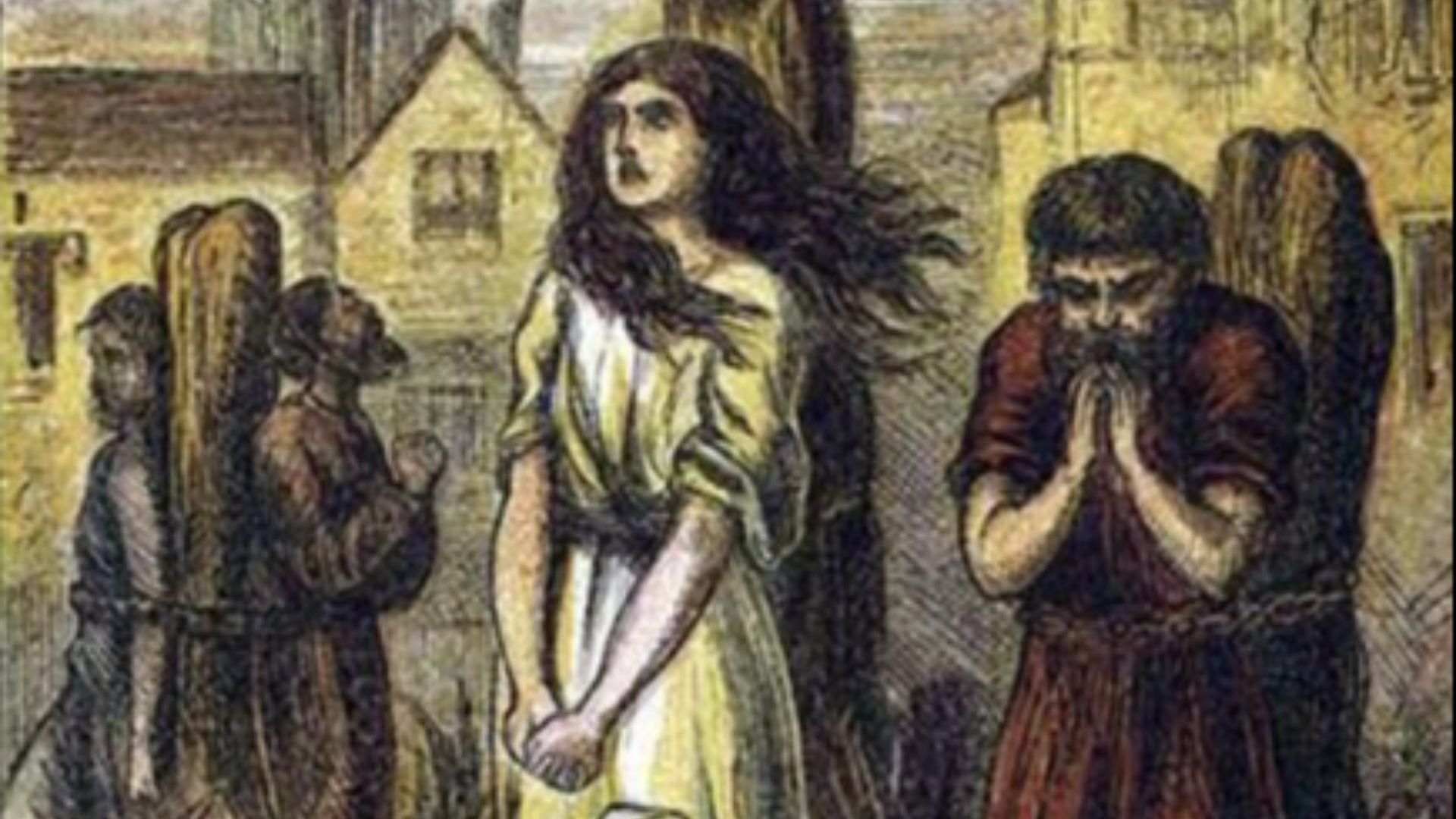
17. Anne Askew
Anne Askew argued openly about religion in Tudor England, which was no small thing for anyone, let alone a woman. She was tortured, refused to name others, and was burned in 1546, taking her words with her rather than handing them over.
 Unknown authorUnknown author on Wikimedia
18. William Tyndale
Tyndale believed ordinary people should be able to read the Bible in English. That sentence sounds harmless now, but in his world it was revolutionary enough to get him strangled and burned.



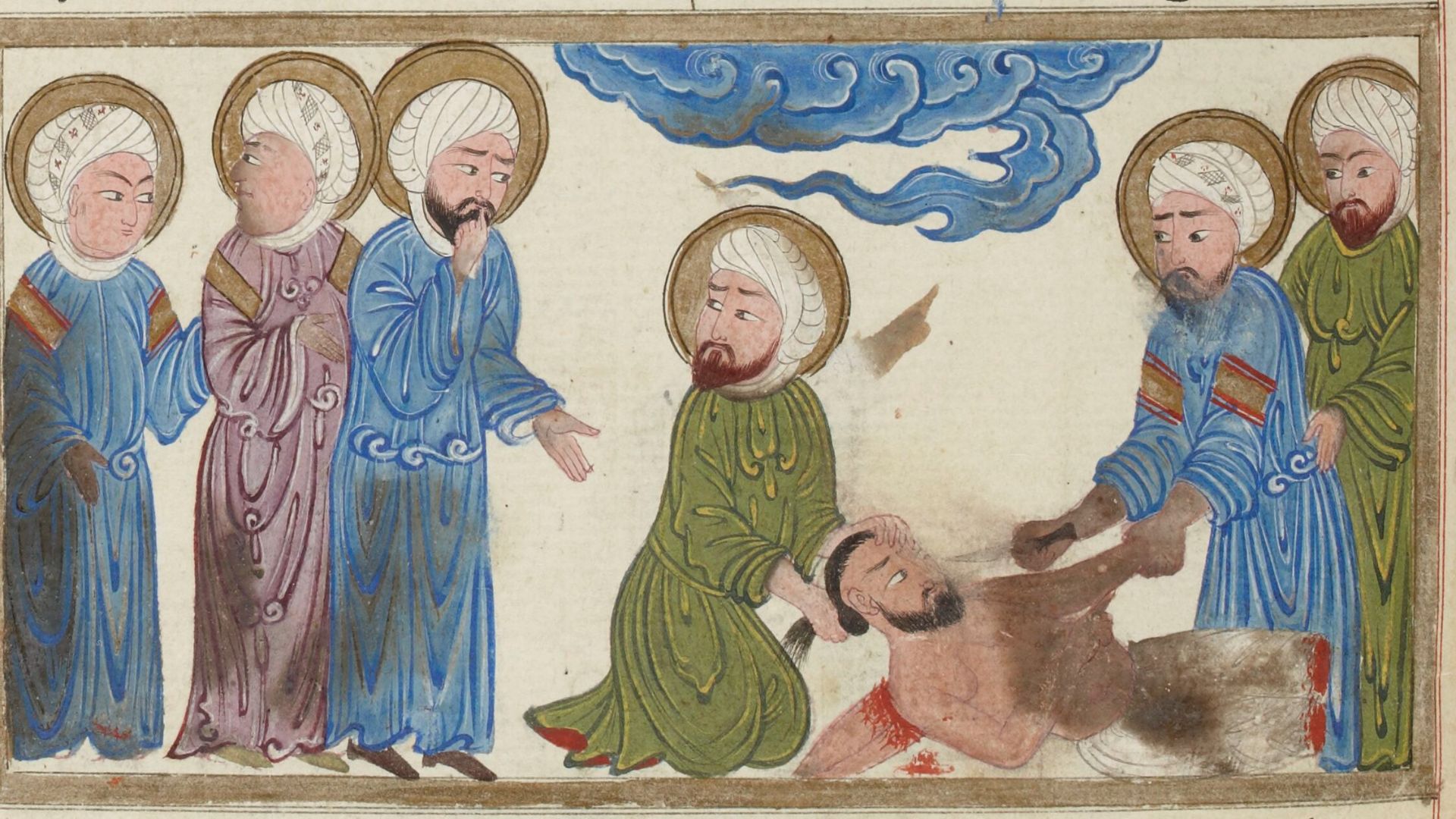
19. Mansur Al-Hallaj
Al-Hallaj was a mystic whose ecstatic religious language alarmed political and religious authorities in Baghdad. His words were judged dangerous, and he was executed in 922, leaving behind the kind of phrases people still argue over centuries later.
 Unknown authorUnknown author on Wikimedia
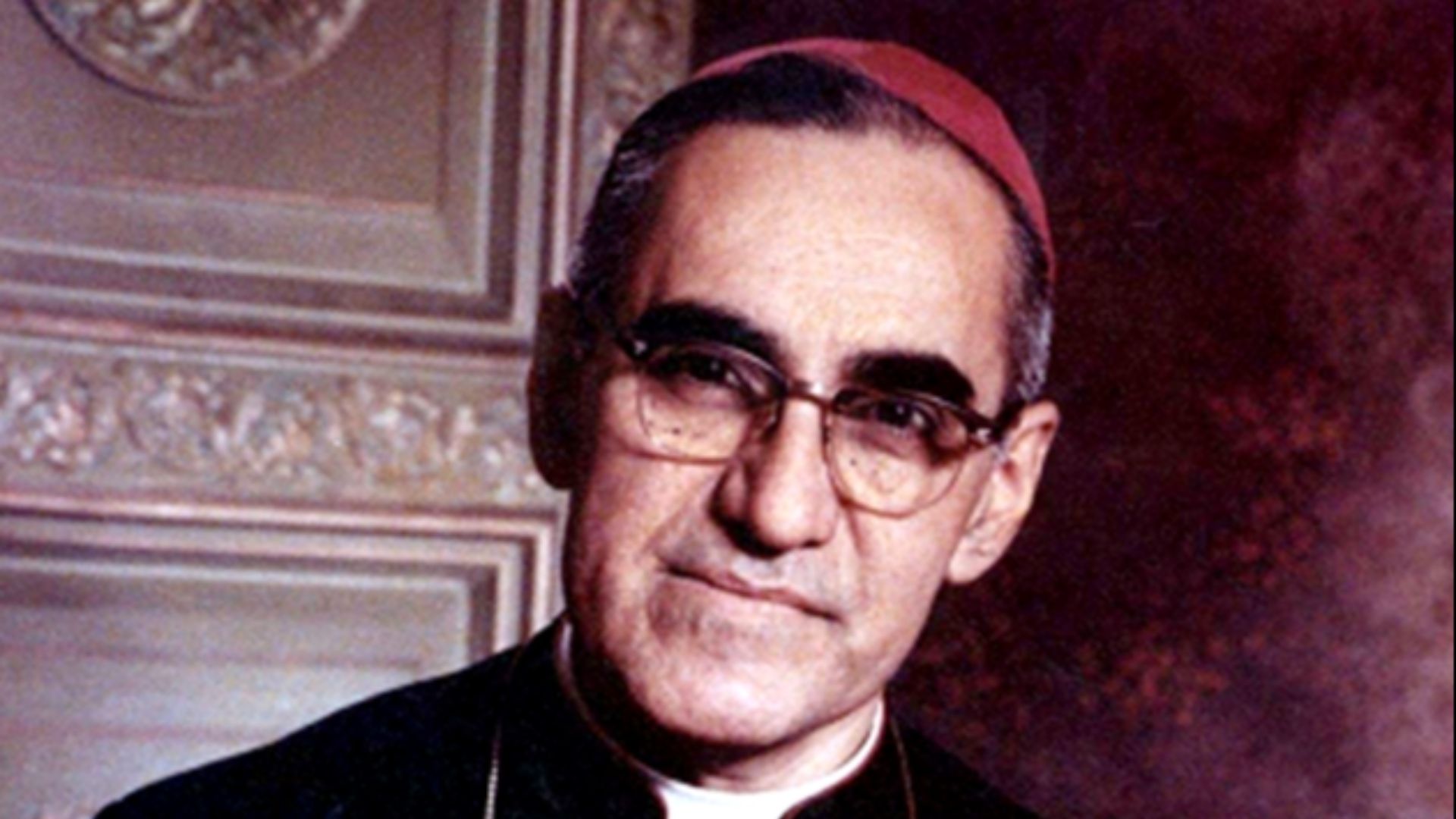
20. Oscar Romero
Oscar Romero spoke against violence and injustice in El Salvador, and his sermons reached people far beyond the church walls. He was assassinated while saying Mass in 1980, a final reminder that some voices become most powerful when someone tries to silence them.
 Arzobispado de San Salvador; Congregatio de Causis Sanctorum on Wikimedia
KEEP ON READING
The Brutal Realities Of Gladiator Life Beyond the Arena
David Cruz asenjo on PexelsWhen most people think of gladiators,…
By Rob Shapiro Mar 31, 2026
The Volcano Winter That Nearly Toppled Europe
Collin Ross on UnsplashMost people, if asked to name a…
By Cameron Dick Mar 31, 2026
From School Plays To Starting A Cult: 20 Of The…
The Books That Made Us. Many people will tell you…
By Farva Ivkovic Jan 31, 2025
20 Facts About Jane Grey, The Forgotten Queen Of England
A Quick, Messy, and Tragic Reign. Lady Jane Grey never…
By Maria Cruz Jan 31, 2025
20 Priceless Historical Art Pieces Rescued By The Monuments Men
Protecting Human History. While the soldiers on the front lines…
By Sara Springsteen Mar 31, 2026
Almost Every Ancient Statue Has a Missing Nose, And It's…
Gary Todd from Xinzheng, China on WikimediaWalk through the classical…
By Elizabeth Graham Mar 31, 2026