

When Timing Changed the Course of History
History is filled with moments where events could have unfolded very differently if they had occurred just a little earlier or later. In many cases, the exact timing of a decision, discovery, or action determined outcomes that shaped entire nations. By looking at these 20 instances, you can see how precise timing often made the difference between success and failure, turning ordinary events into pivotal turning points.
1. The Storm That Saved Japan (1281)
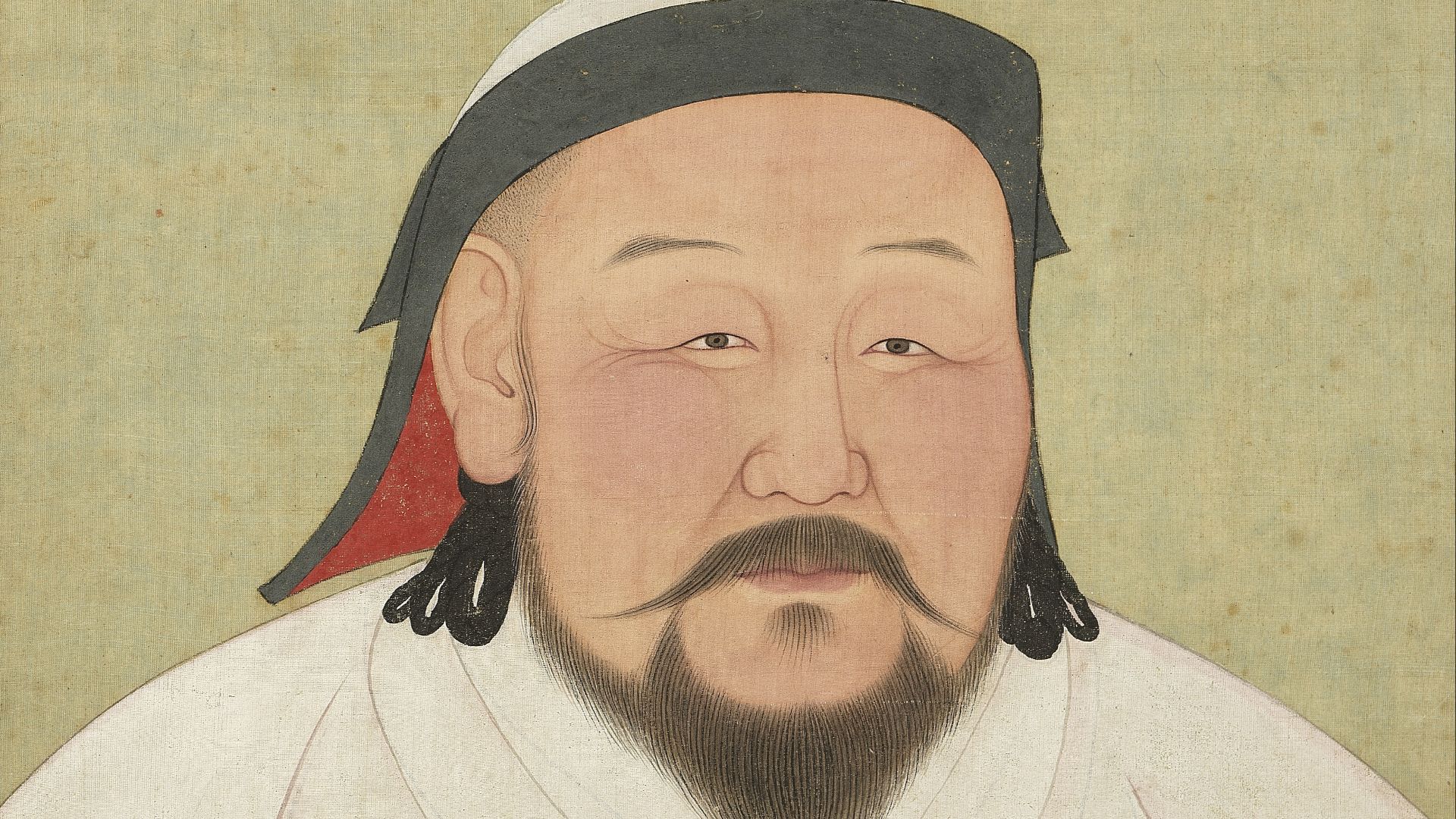
When the Mongol Empire attempted to invade Japan for a second time in 1281, a massive typhoon struck the invading fleet at just the right moment. The storm destroyed a significant portion of Kublai Khan’s ships before they could establish control. This natural event, later called the “kamikaze” or divine wind, effectively ended the invasion and preserved Japan’s independence.
2. The Midnight Ride of Paul Revere (1775)
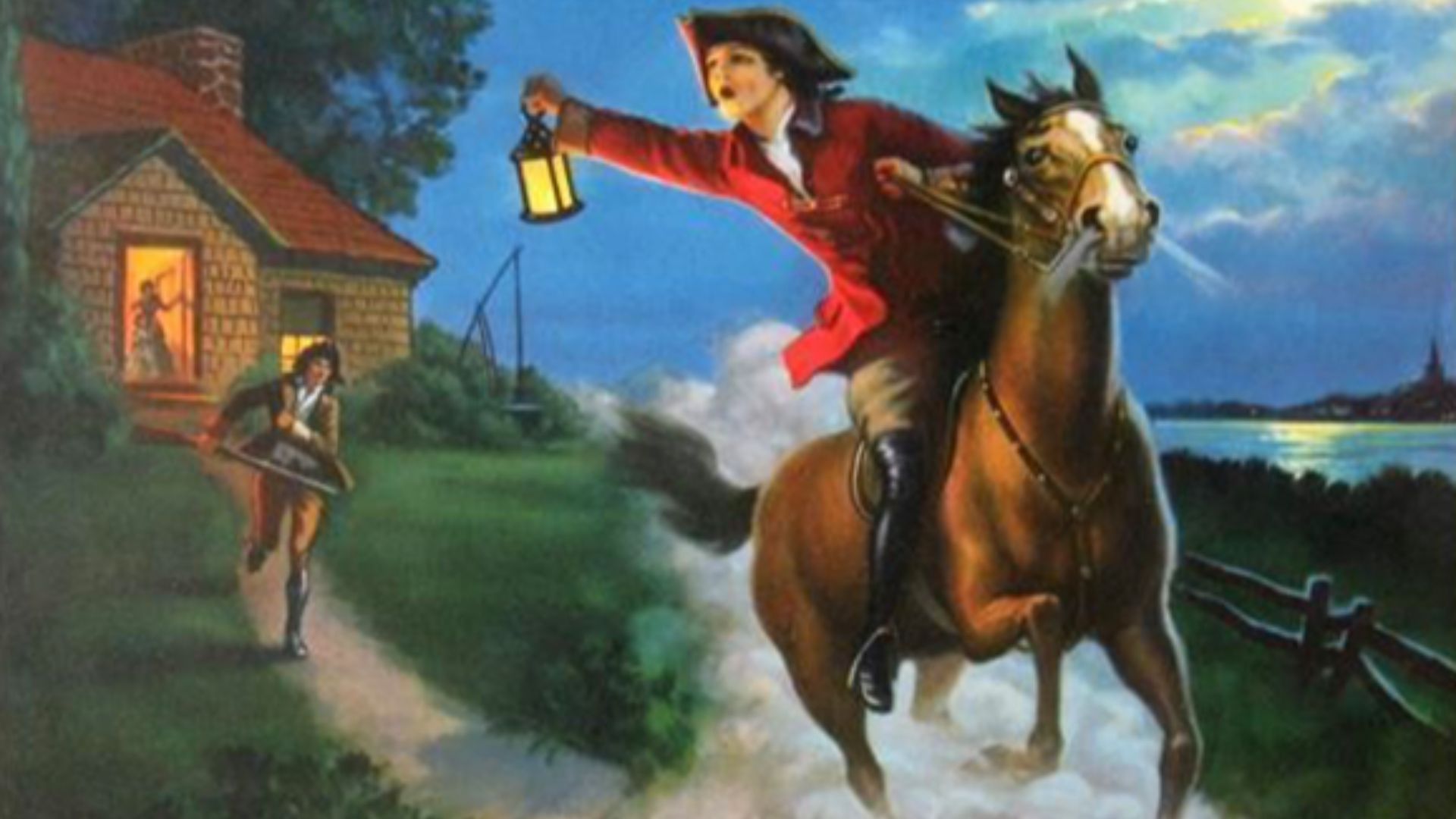
Paul Revere’s ride came at a critical moment as British troops advanced toward Lexington and Concord. His timely warning allowed colonial militias to prepare, preventing a surprise attack. Because the alert reached key leaders quickly, it helped spark the opening battles of the American Revolutionary War.
 Edward Mason Eggleston (1882-1941) on Wikimedia
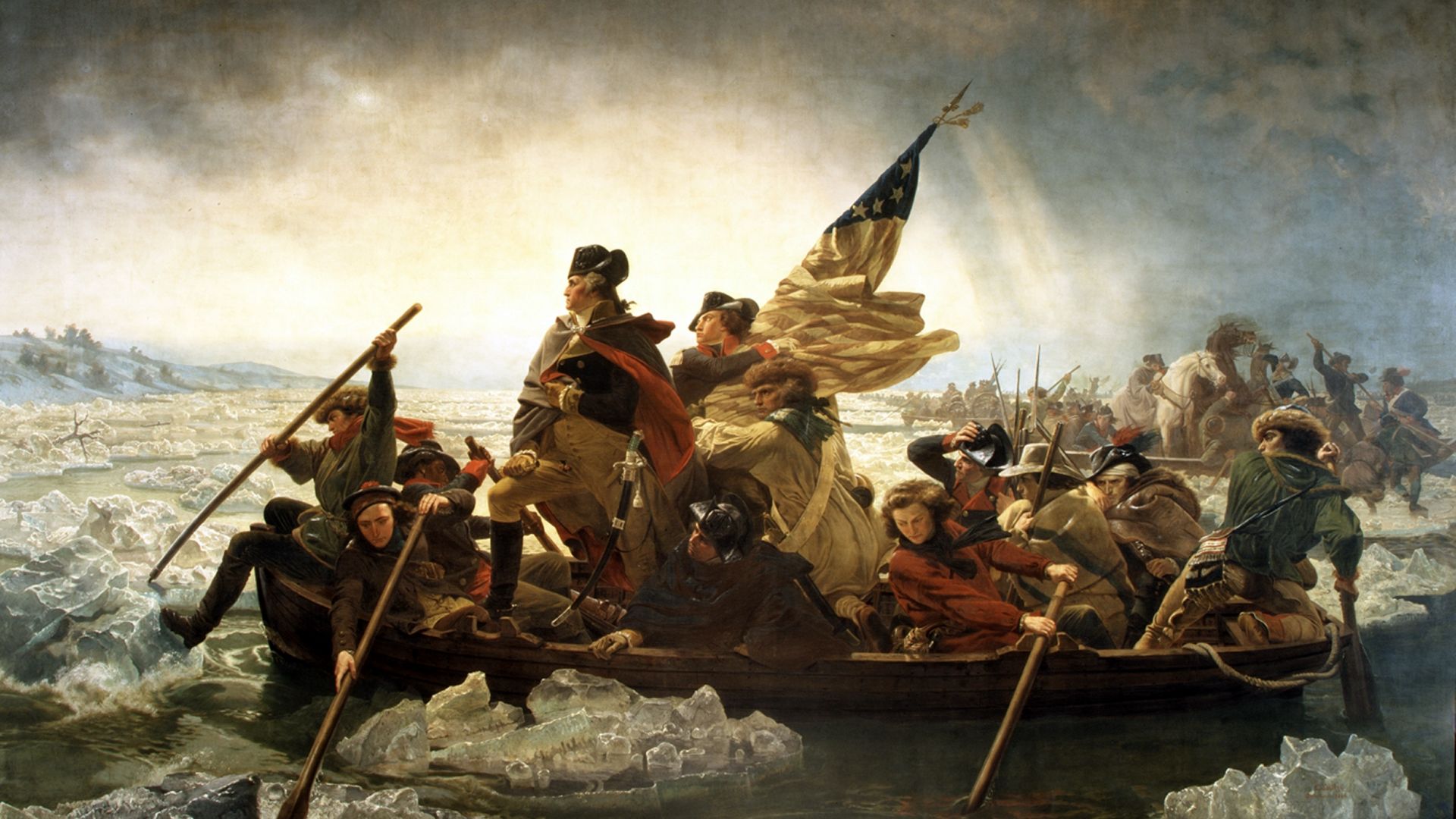
3. Washington Crossing the Delaware (1776)
George Washington chose to cross the Delaware River on the night of December 25, catching Hessian forces off guard. The timing, during a holiday when the enemy was less alert, contributed directly to a successful surprise attack in Trenton. This victory boosted morale at a point when the Continental Army desperately needed it.
4. The Louisiana Purchase Opportunity (1803)
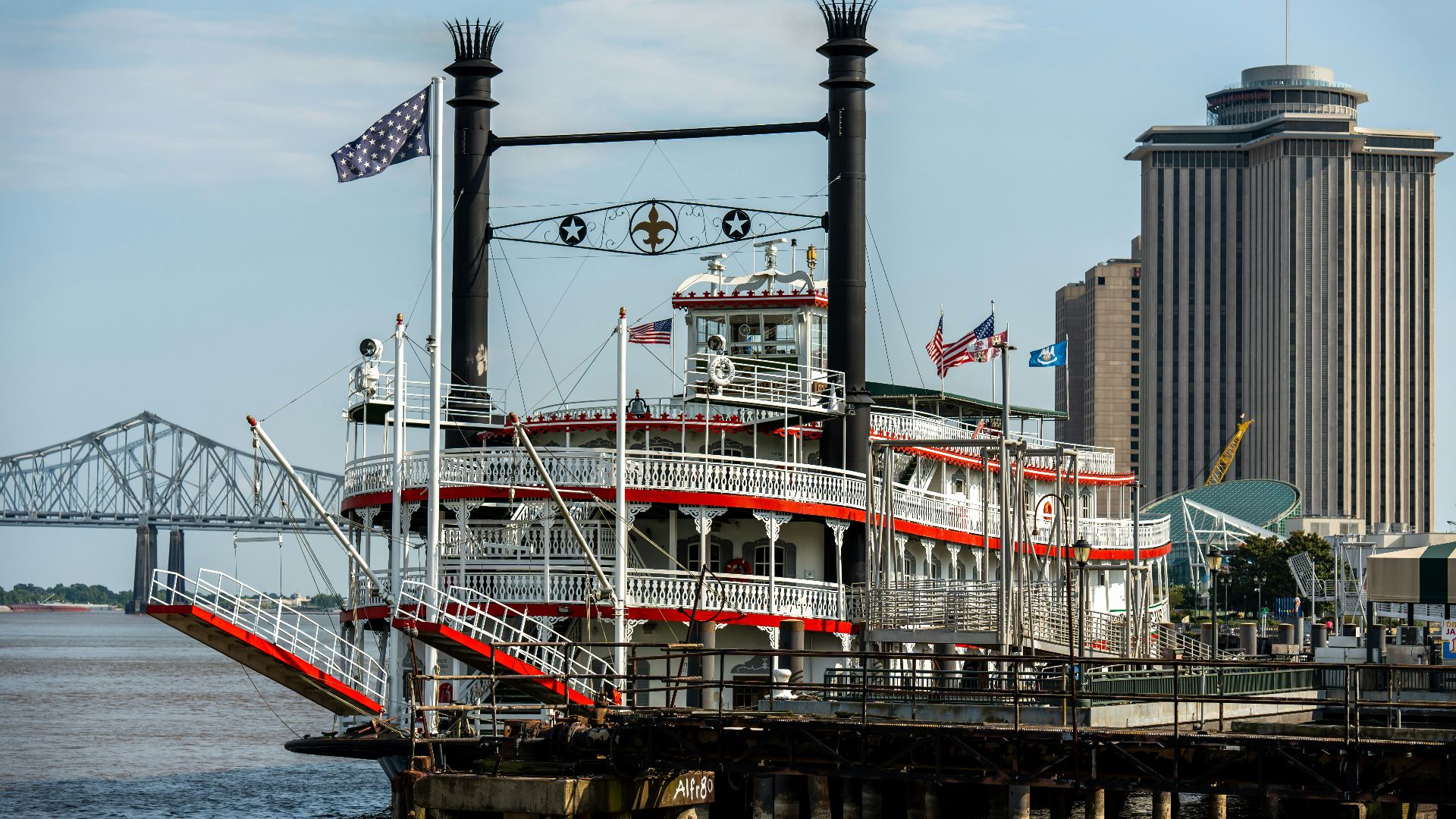
The United States secured the Louisiana Territory from France at a moment when Napoleon needed funds for his European campaigns. The timing allowed the U.S. to double its size quickly and at a relatively low cost.
5. The Telegraph and the Civil War (1860s)
The development and use of the telegraph during the American Civil War allowed leaders to communicate quickly across long distances. This technological advancement arrived just in time to influence military coordination. Faster communication helped shape strategies and outcomes on both sides.
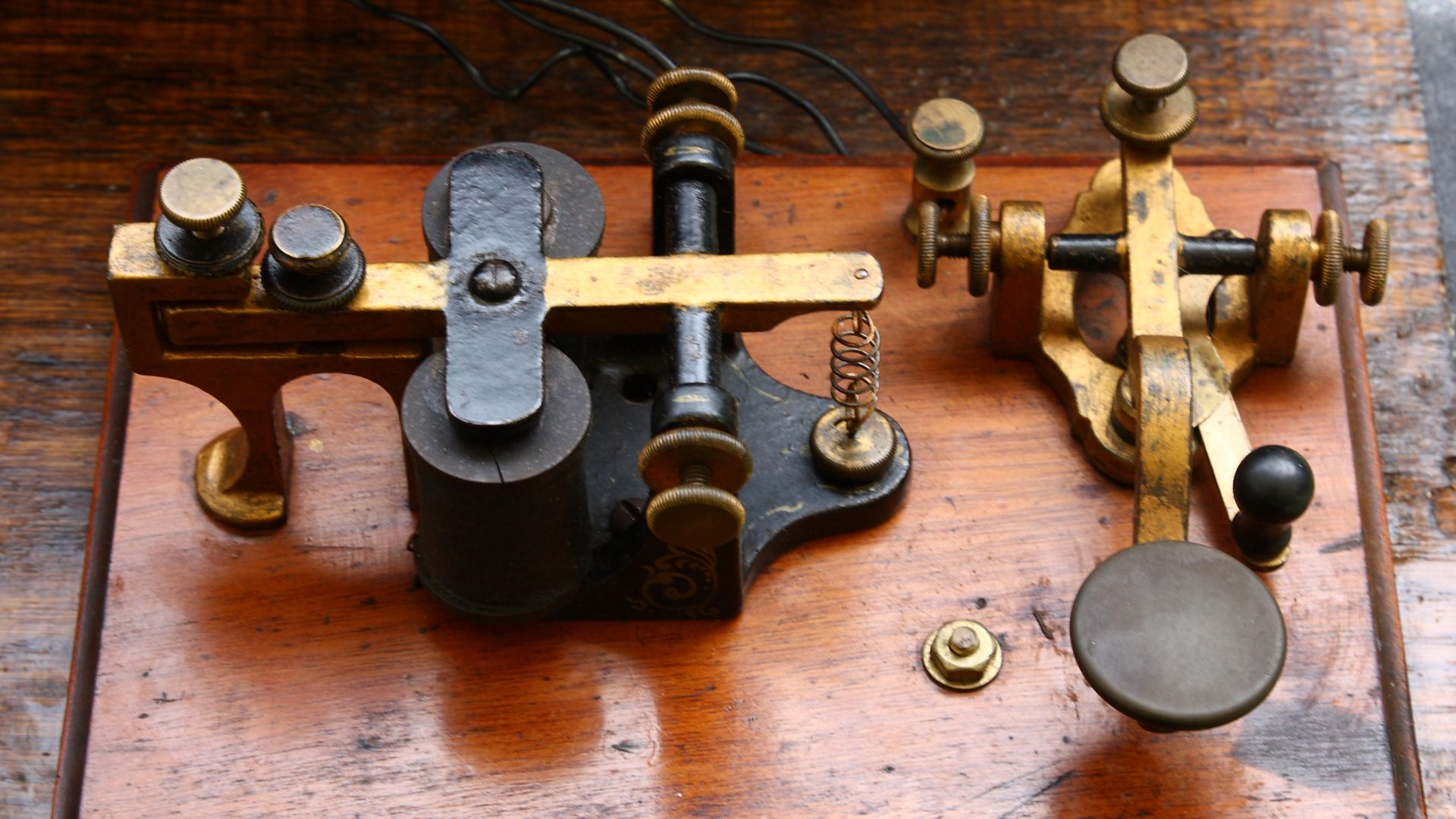 John Schanlaub from Lafayette,IN, USA on Wikimedia
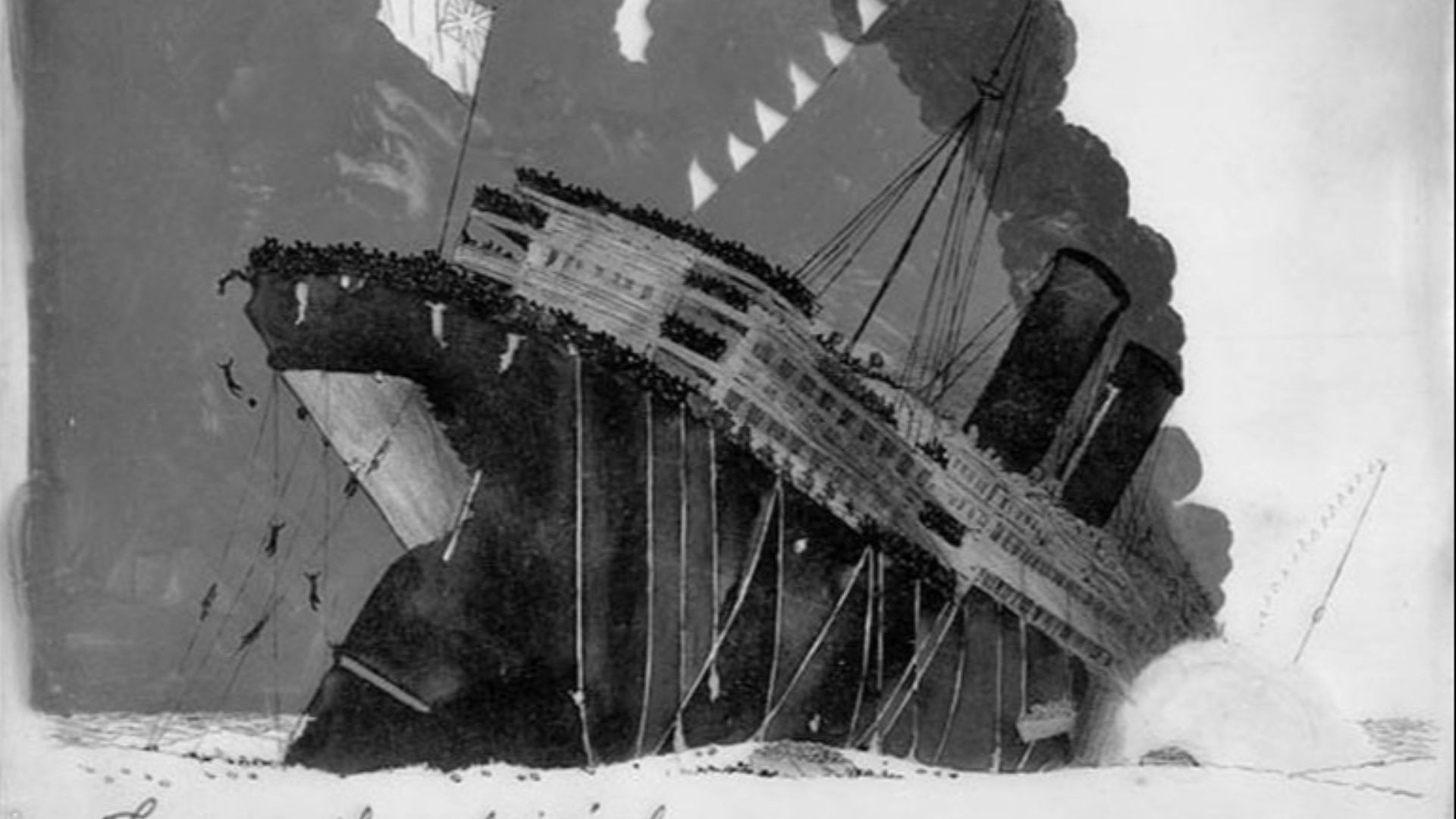
6. The Sinking of the Lusitania (1915)
The German attack on the Lusitania occurred during a period of rising tension between the United States and Germany. The timing of the event intensified public opinion against Germany. Although the U.S. didn’t enter World War I immediately, this moment contributed significantly to the shift in sentiment.
7. The Zimmerman Telegram (1917)
British intelligence intercepted and revealed Germany’s proposal to Mexico to join the war against the United States. The timing of its release came when American neutrality was already under strain. Public awareness of the message helped push the U.S. toward entering World War I.
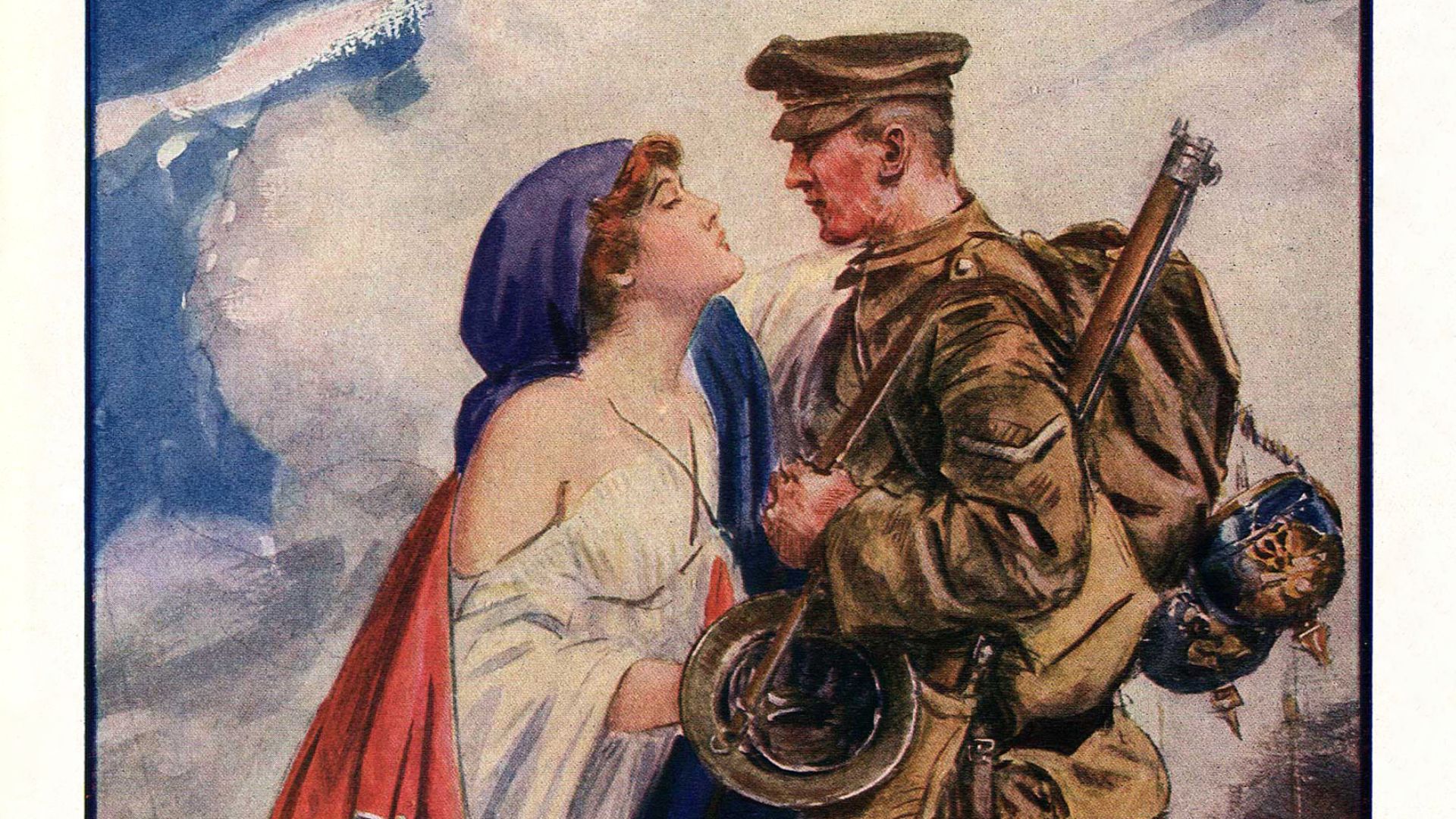
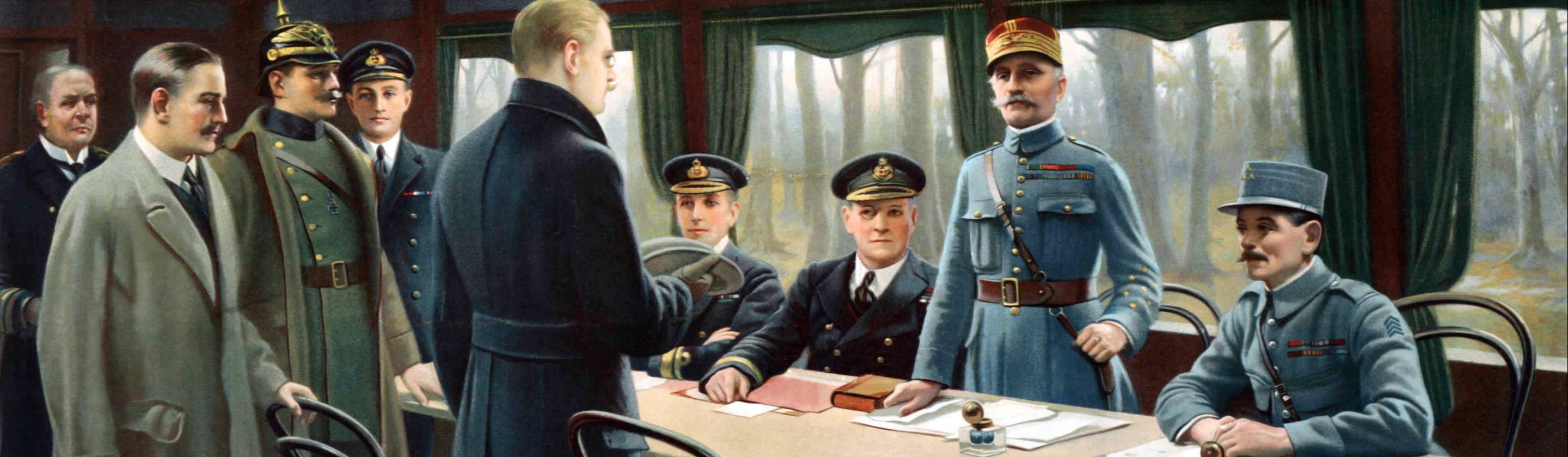
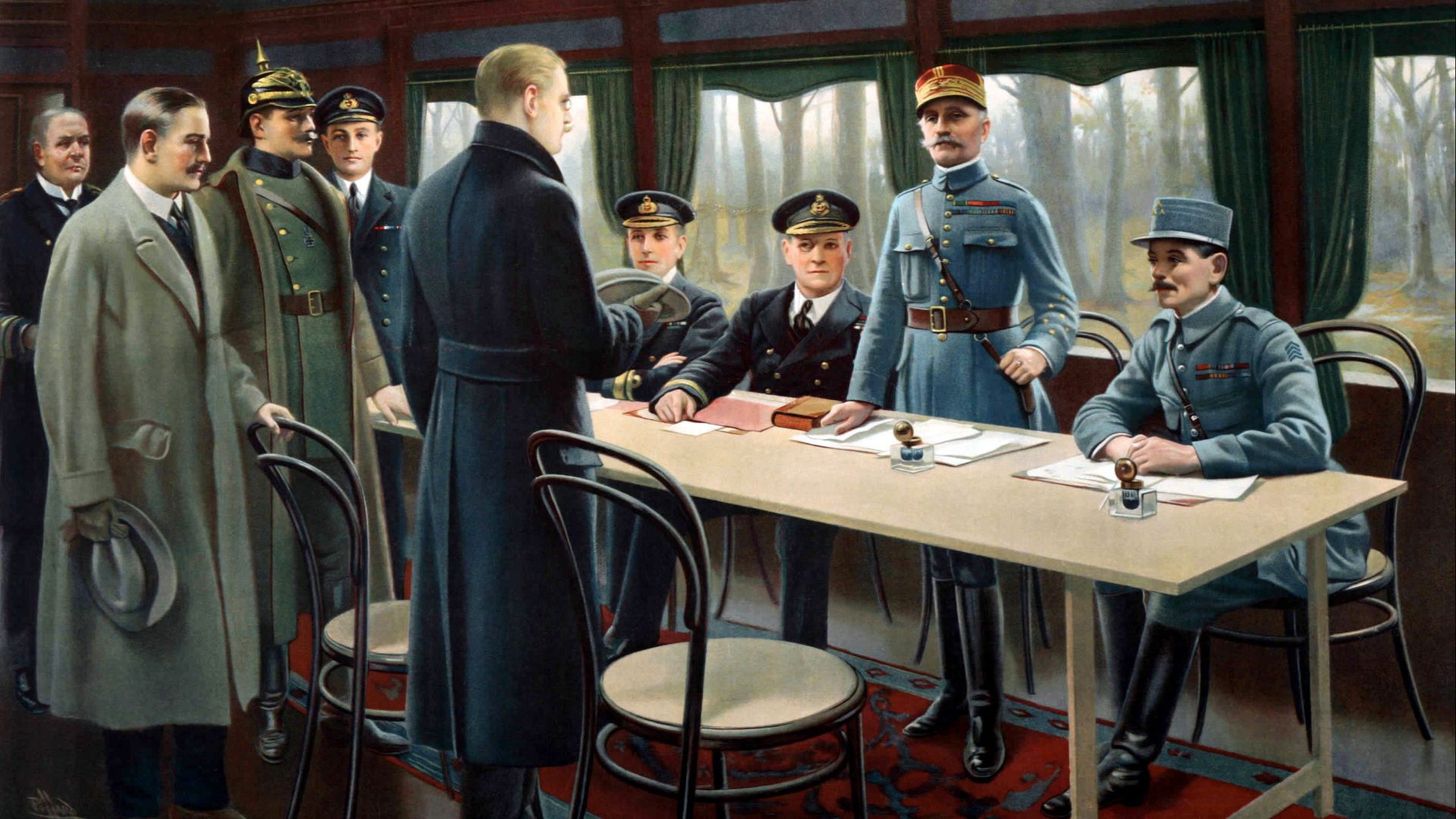
8. The Armistice of World War I (1918)
The armistice ending World War I was signed at the eleventh hour of the eleventh day of the eleventh month. While symbolic, the precise timing also reflected coordinated military and political decisions.
 Maurice Pillard Verneuil on Wikimedia
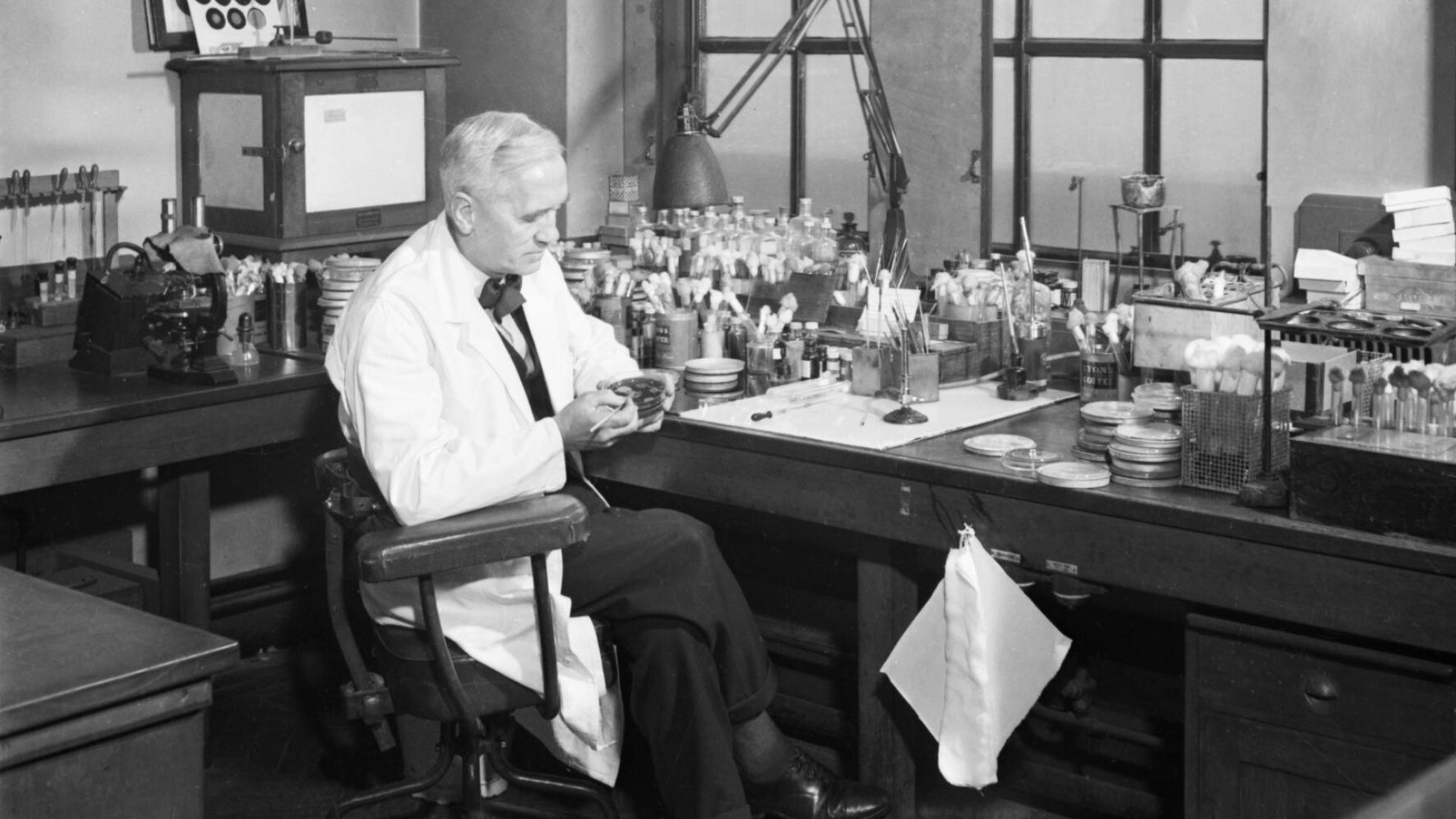
9. Fleming’s Discovery of Penicillin (1928)
Alexander Fleming noticed mold contaminating a petri dish at just the right moment before it was discarded. His observation led to the discovery of penicillin, the first widely used antibiotic. The timing of his attention to detail turned what could have been a routine cleanup into a groundbreaking medical advancement.
 Ministry of Information Photo Division Photographer on Wikimedia
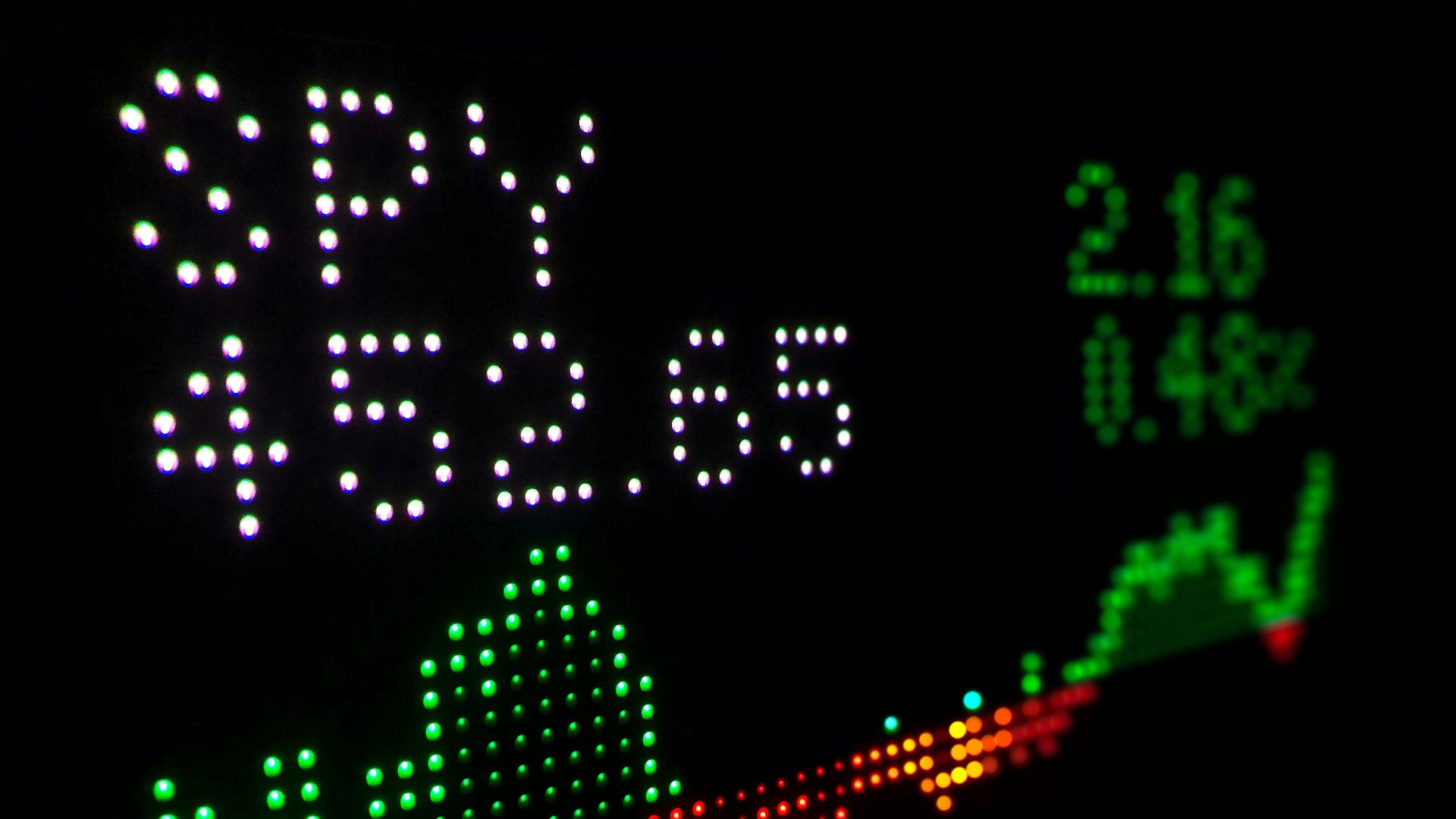
10. The Stock Market Crash (1929)
The crash occurred after a period of rapid economic growth and speculation in the United States. Its timing exposed underlying weaknesses in the financial system. This event triggered the Great Depression, reshaping global economies for years.
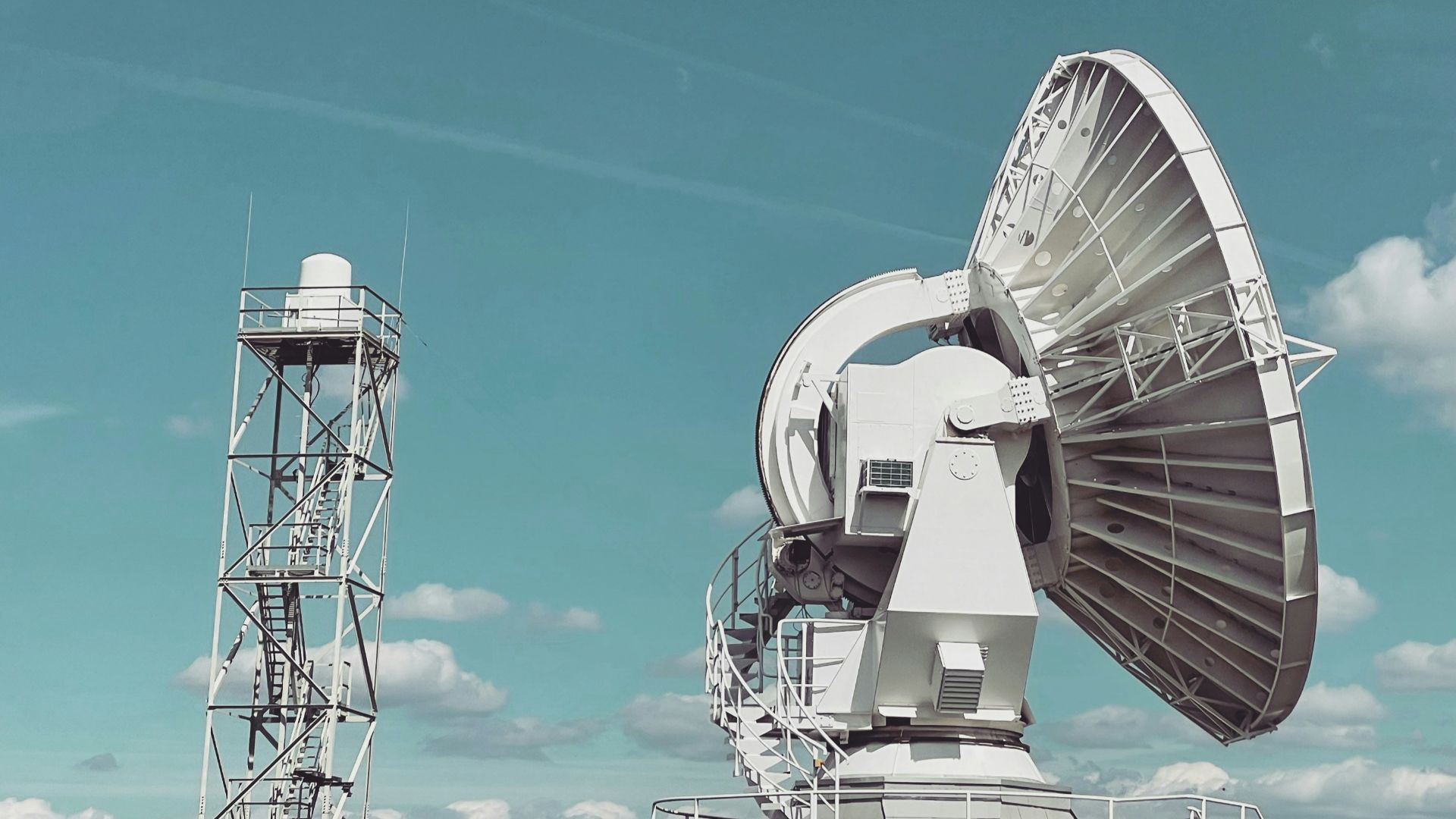
11. Radar Development Before World War II (1930s)
The advancement of radar technology came just before the outbreak of World War II. This timing proved critical, especially during the Battle of Britain. Early detection of incoming aircraft gave defenders a strategic advantage that helped prevent invasion.
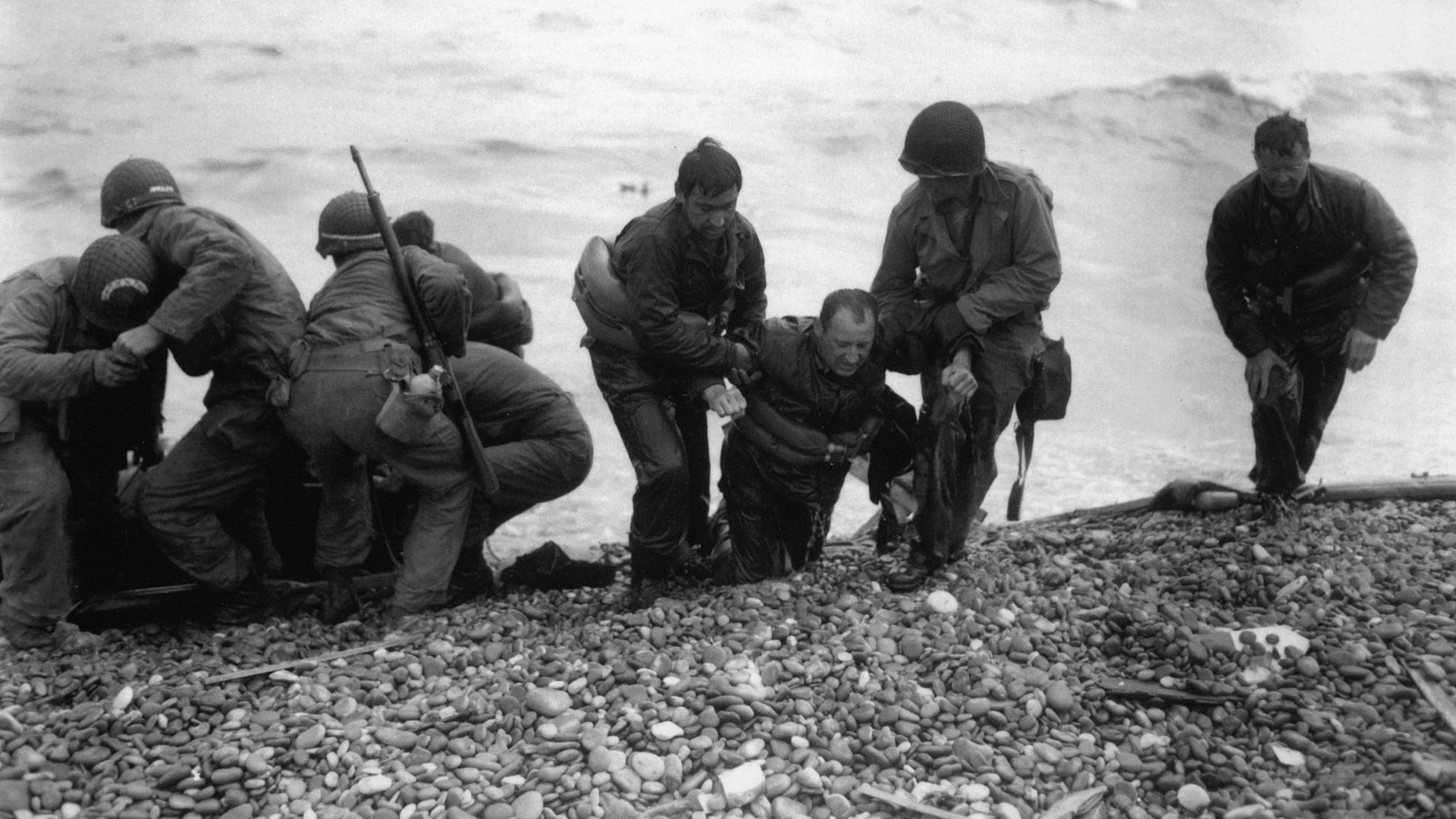
12. D-Day Landings (1944)
The Allied invasion of Normandy depended heavily on precise timing, including tides, moonlight, and weather conditions. Commanders delayed the operation by one day due to unfavorable weather, a decision that proved crucial.
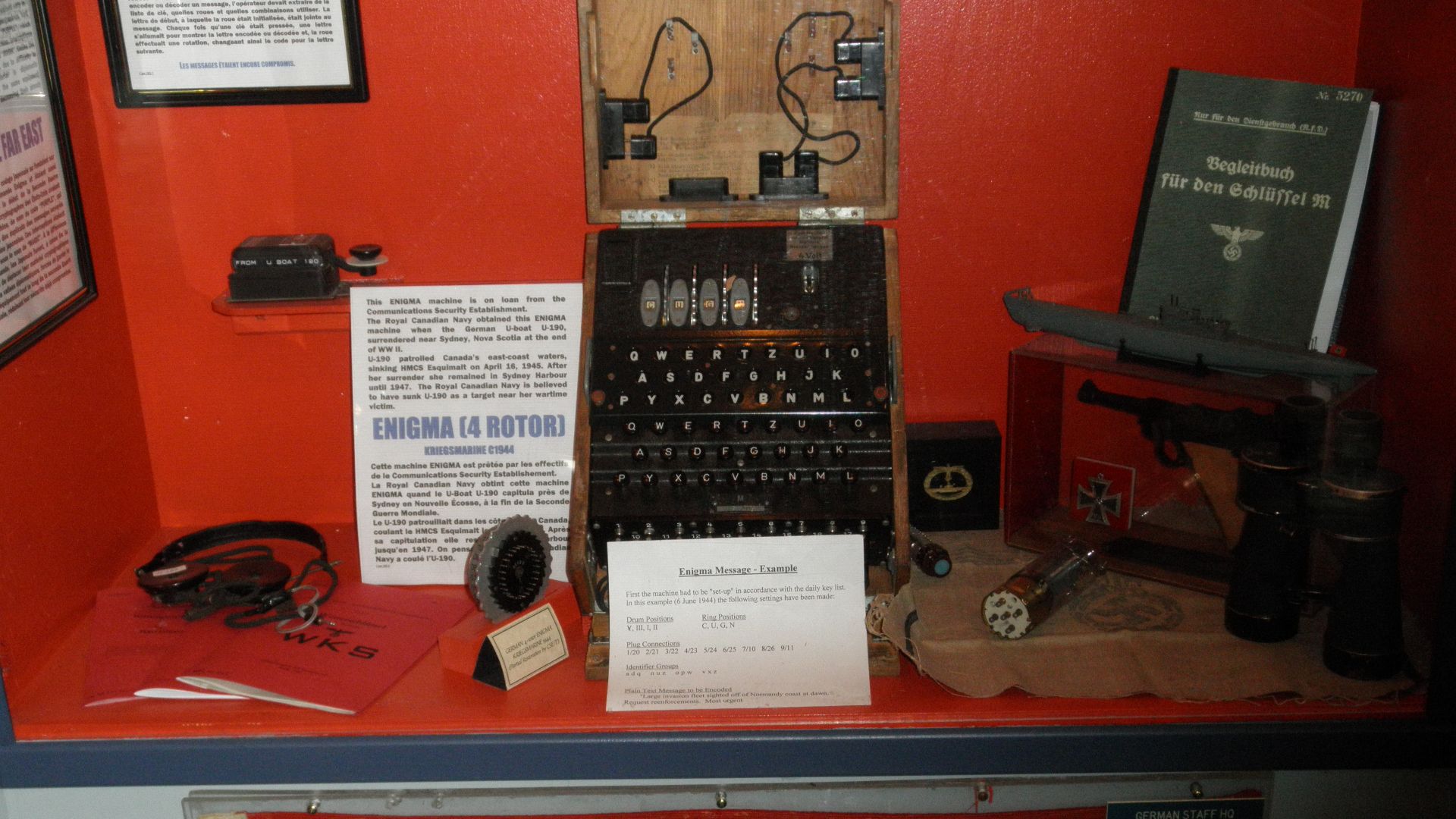
13. The Enigma Code Break (1940s)
Allied codebreakers decrypted German Enigma messages at a critical stage in the war. The timing allowed them to anticipate military movements and protect supply lines.
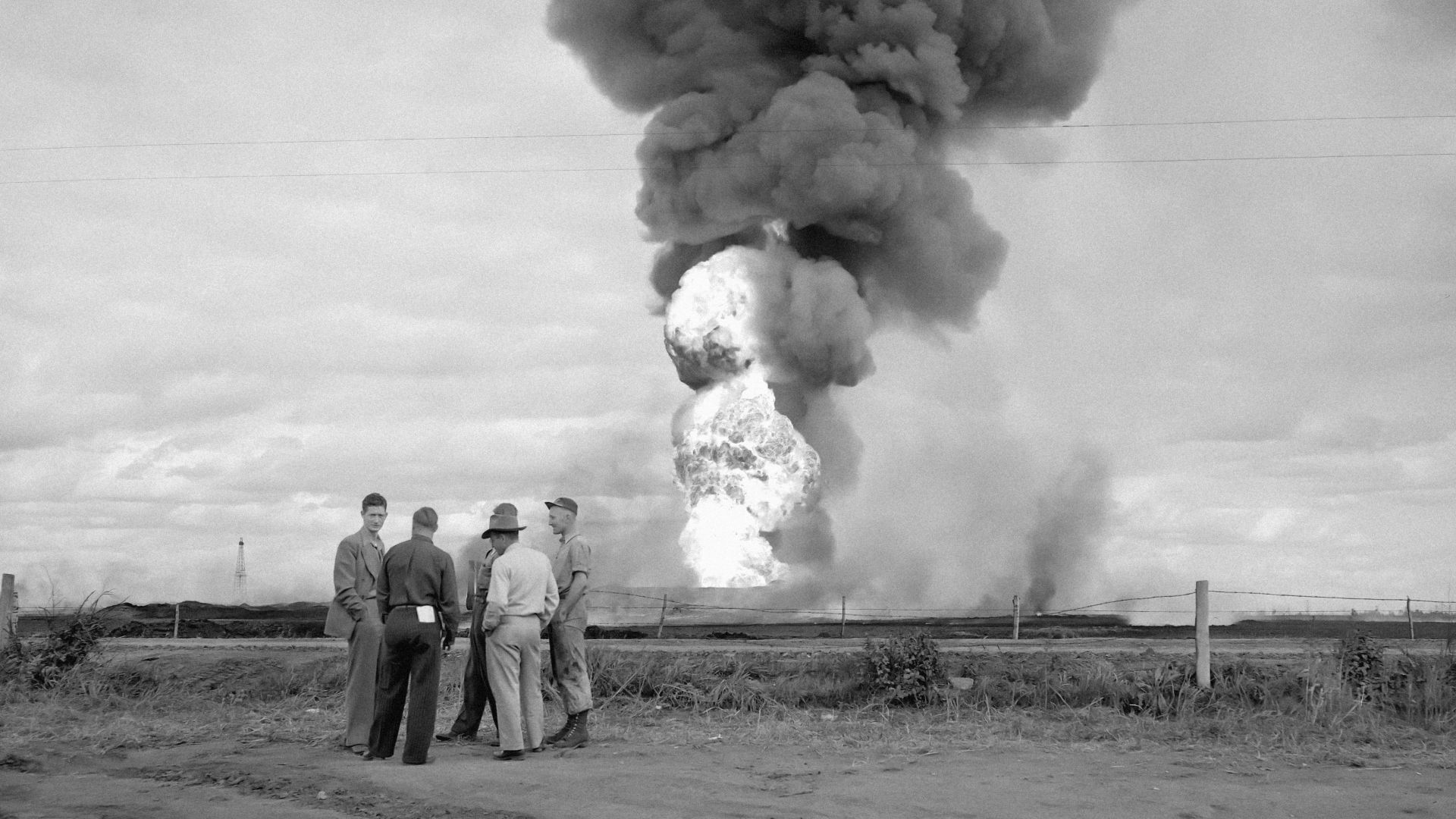
14. The Atomic Bomb Decision (1945)
The use of atomic bombs on Hiroshima and Nagasaki occurred late in World War II when Japan’s position was already weakened. The timing contributed to Japan’s decision to surrender soon after. This brought the war to an end more quickly than many had expected.
 Provincial Archives of Alberta on Unsplash
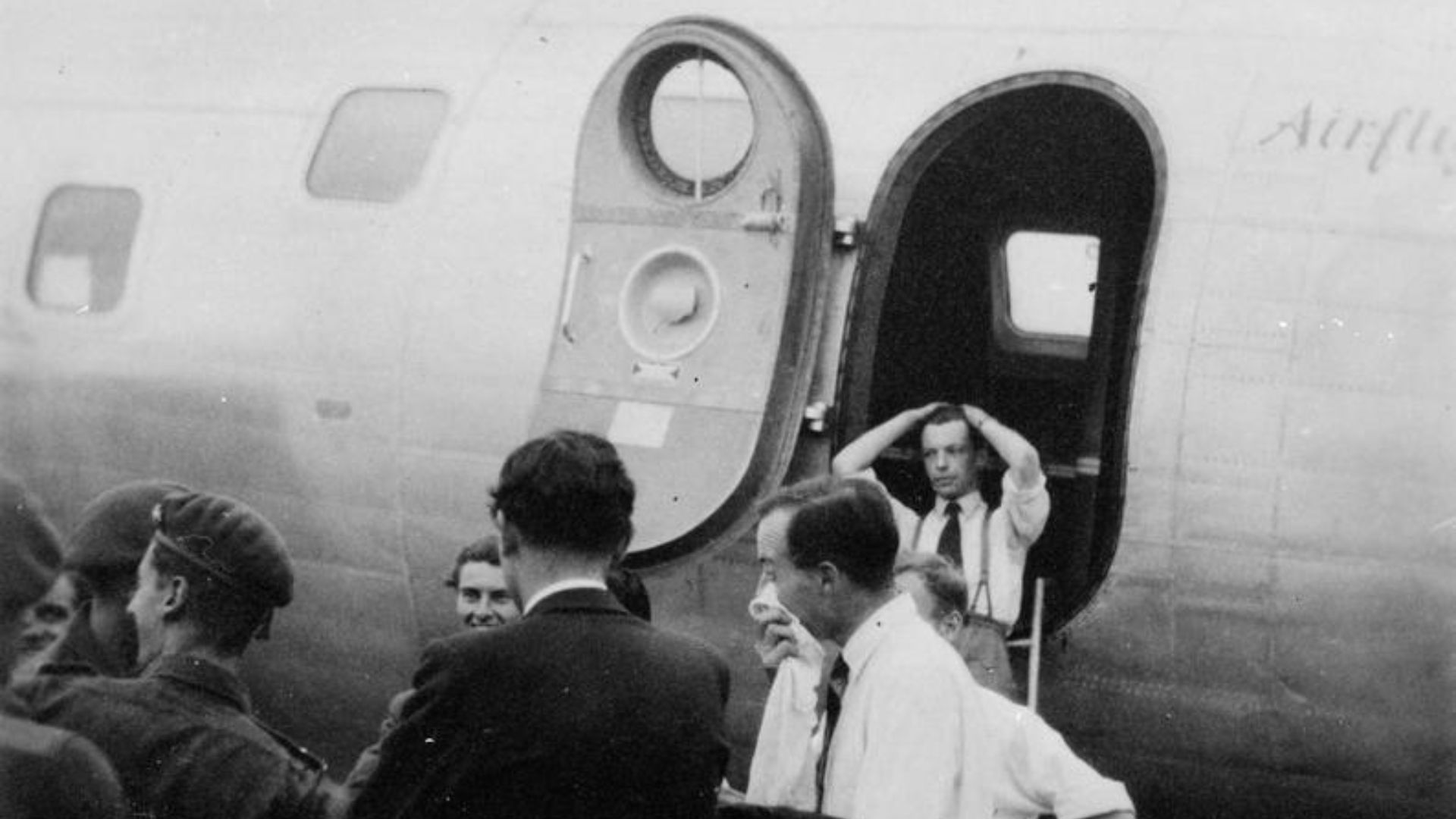
15. The Berlin Airlift (1948–1949)
When the Soviet Union blocked land access to West Berlin, the Western Allies responded immediately with an airlift. The quick and timely response prevented a humanitarian crisis.
 Unknown photographer on Wikimedia
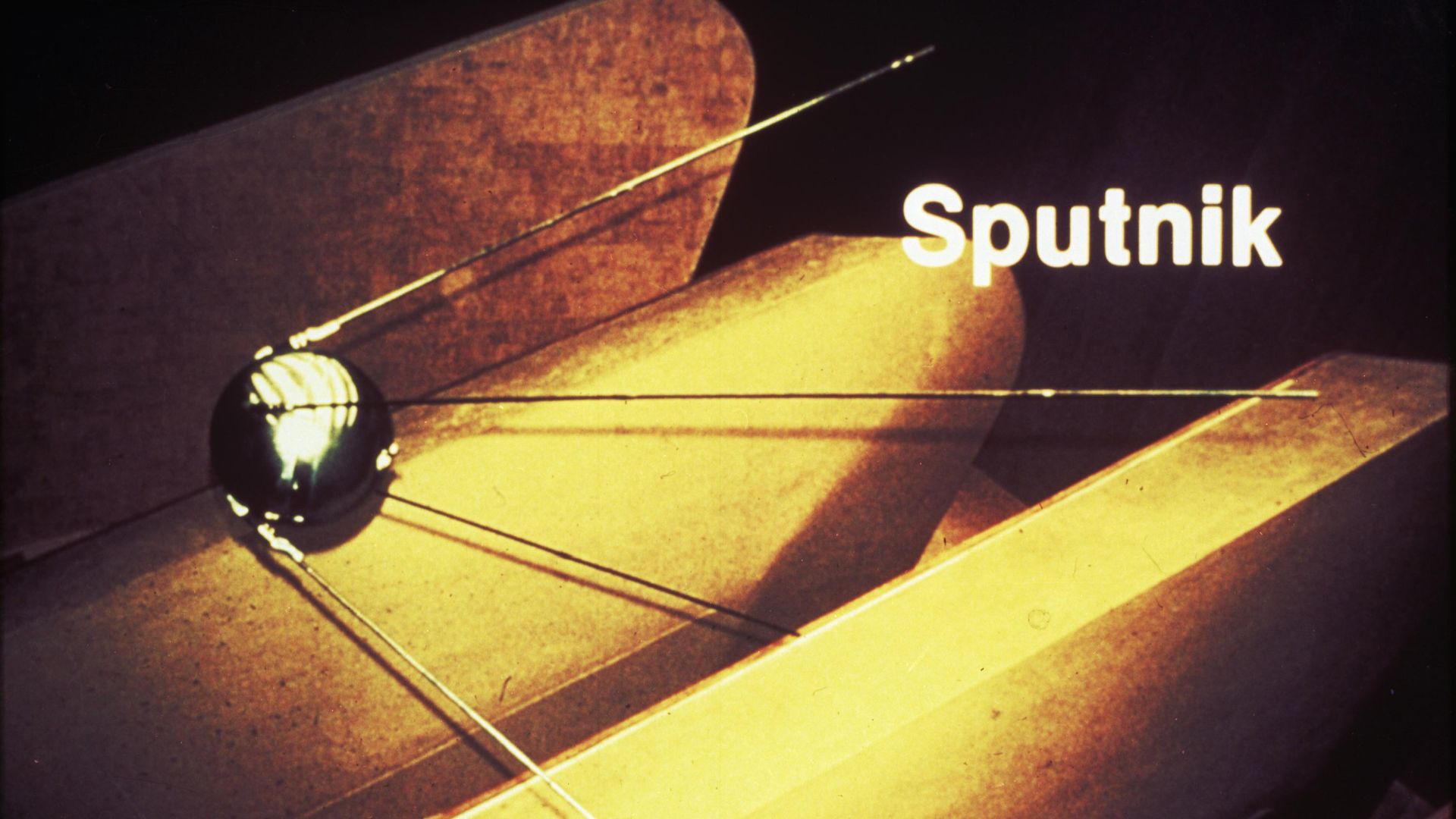
16. The Launch of Sputnik (1957)
The Soviet Union’s launch of Sputnik came at the beginning of the space race. Its timing shocked the United States and accelerated scientific and educational efforts. This moment led to increased investment in space exploration and technology.
17. The Cuban Missile Crisis Resolution (1962)
Negotiations between the United States and the Soviet Union were resolved just before tensions escalated into nuclear conflict. The timing of communication and compromise was critical.
 Cecil W. Stoughton on Wikimedia
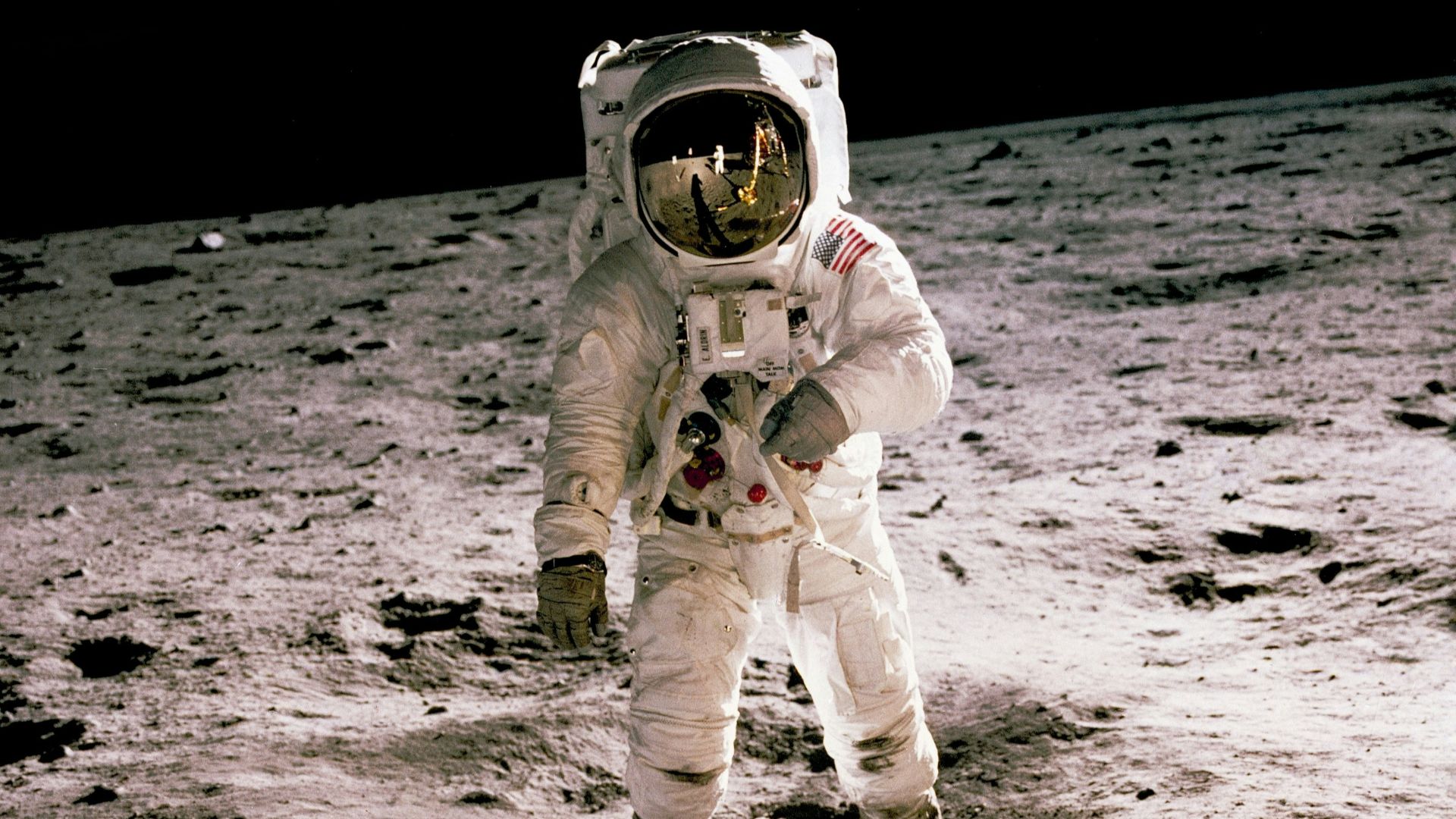
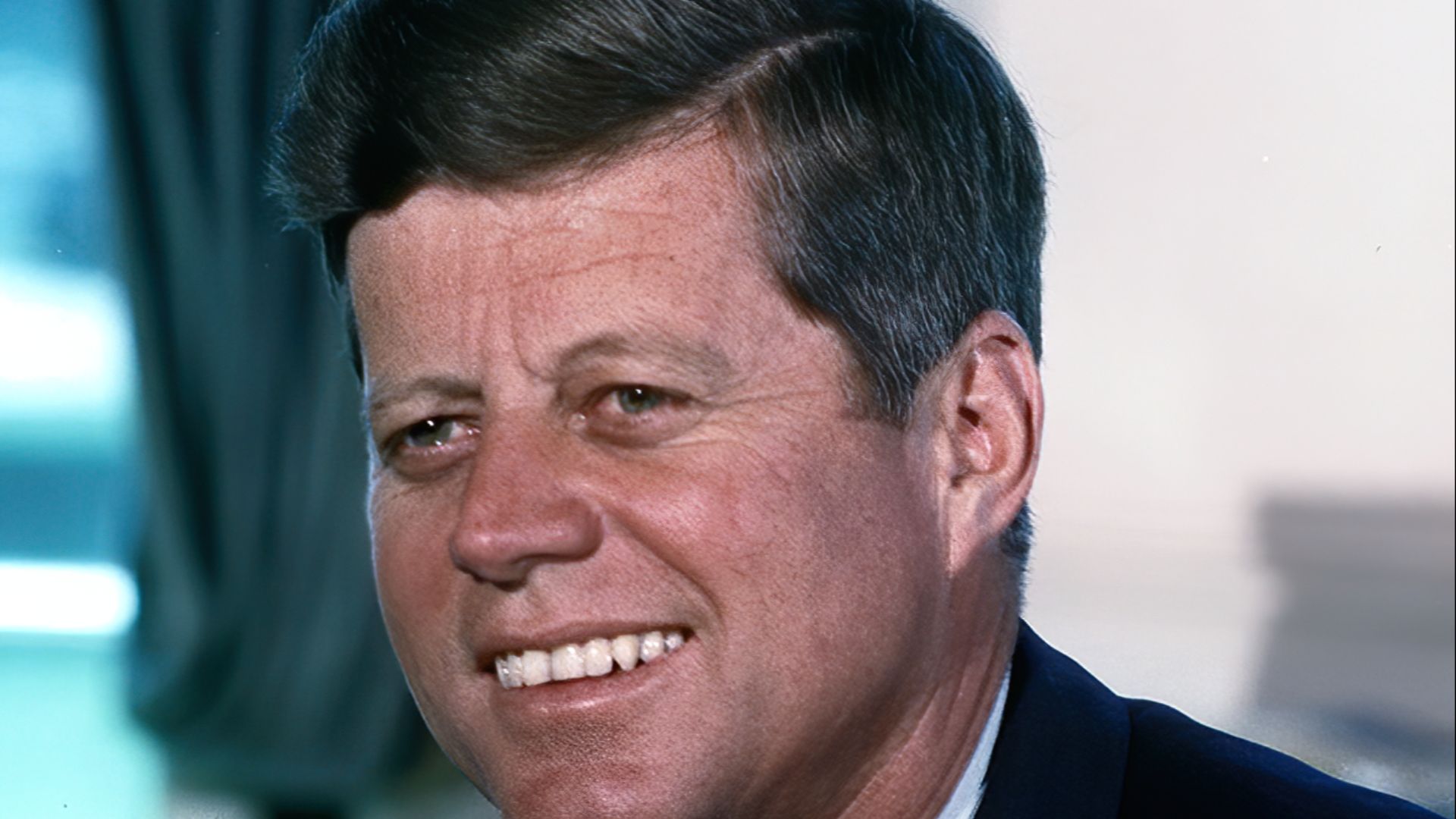
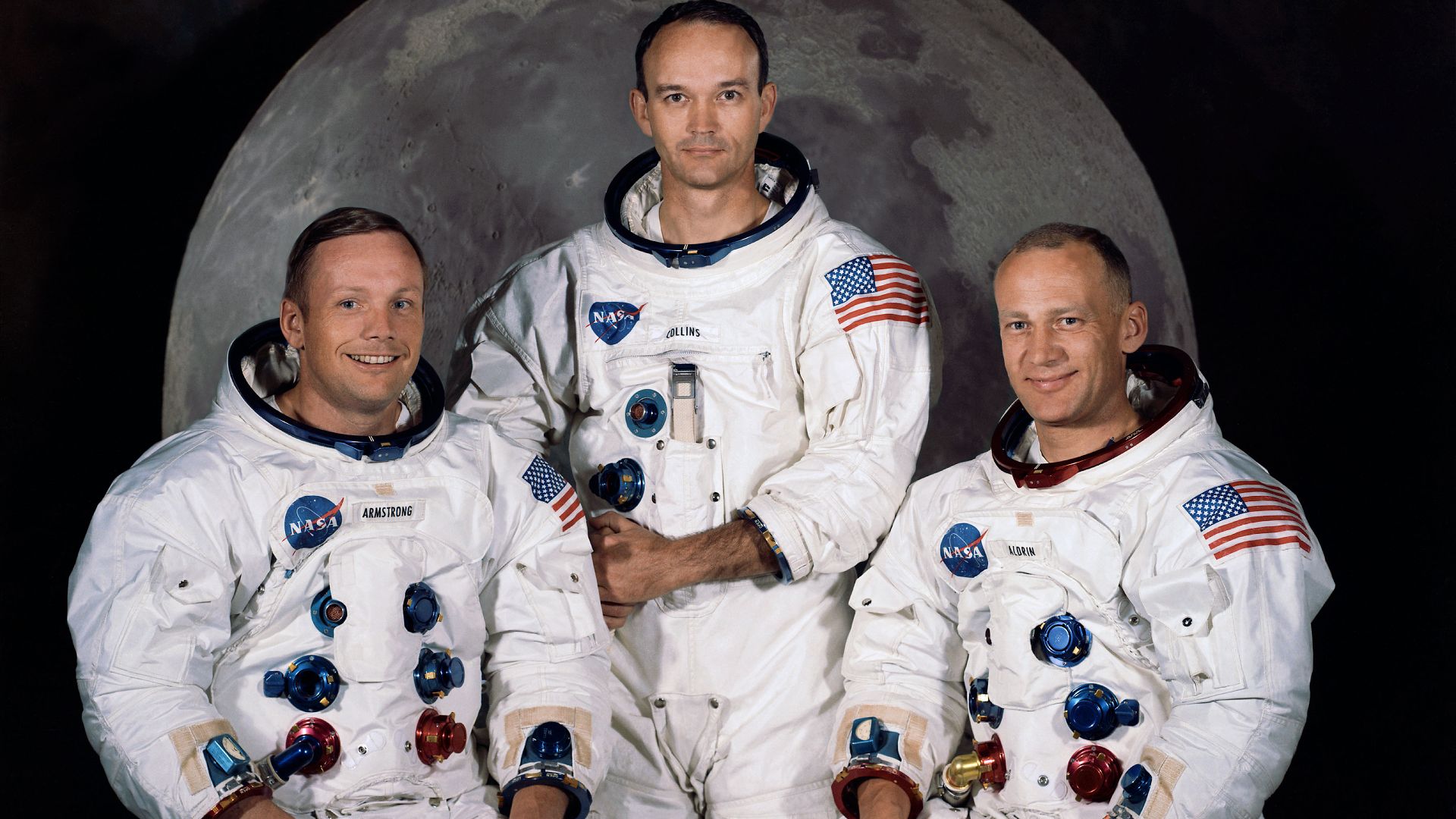
18. The Moon Landing (1969)
The United States successfully landed astronauts on the Moon within the decade promised by President Kennedy. Achieving this goal on time demonstrated technological capability and national determination.
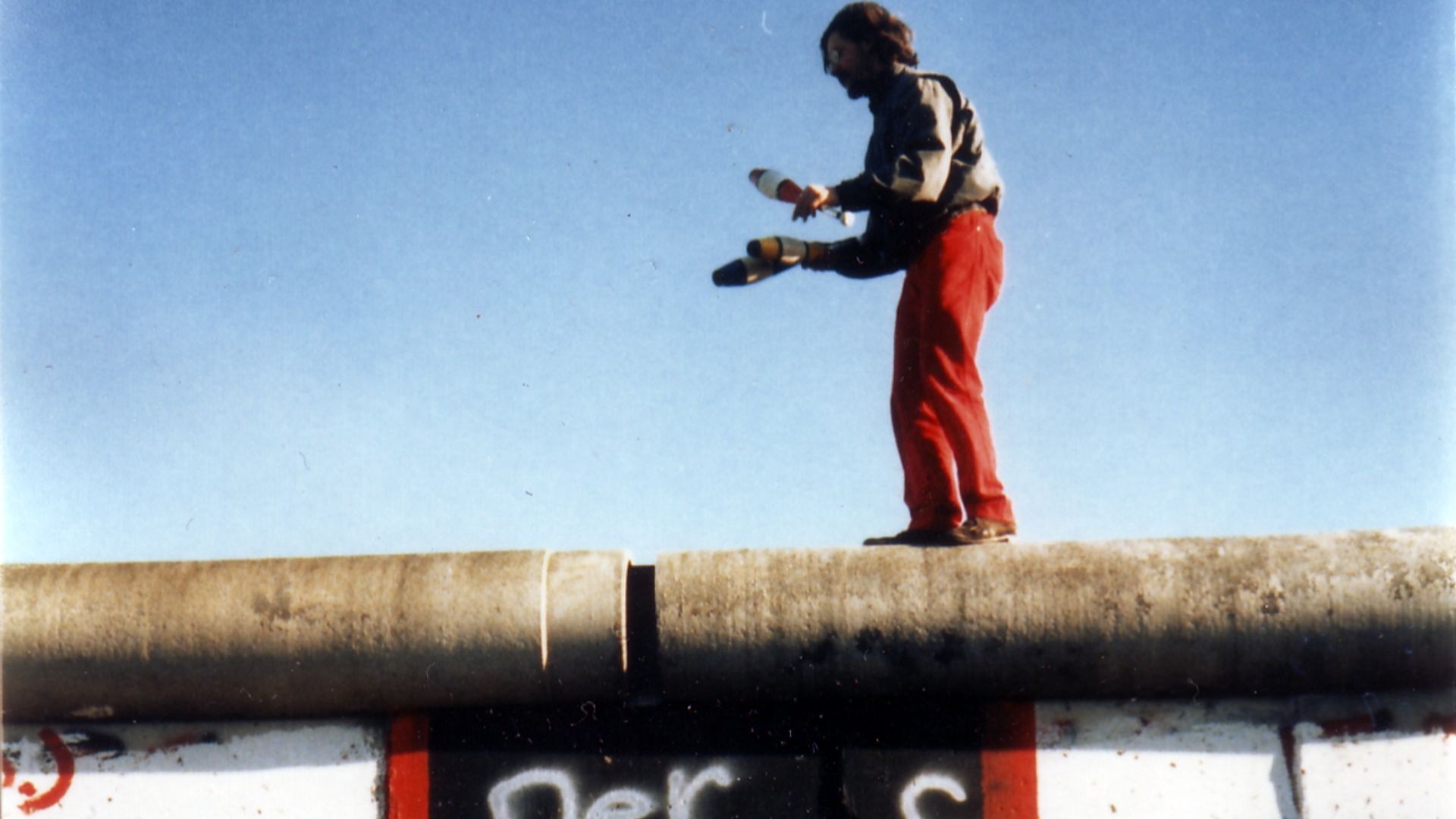
19. The Fall of the Berlin Wall (1989)
A miscommunication during a press conference led to an announcement that border restrictions were lifted immediately. The timing caused crowds to gather at checkpoints, leading to the wall’s rapid opening.
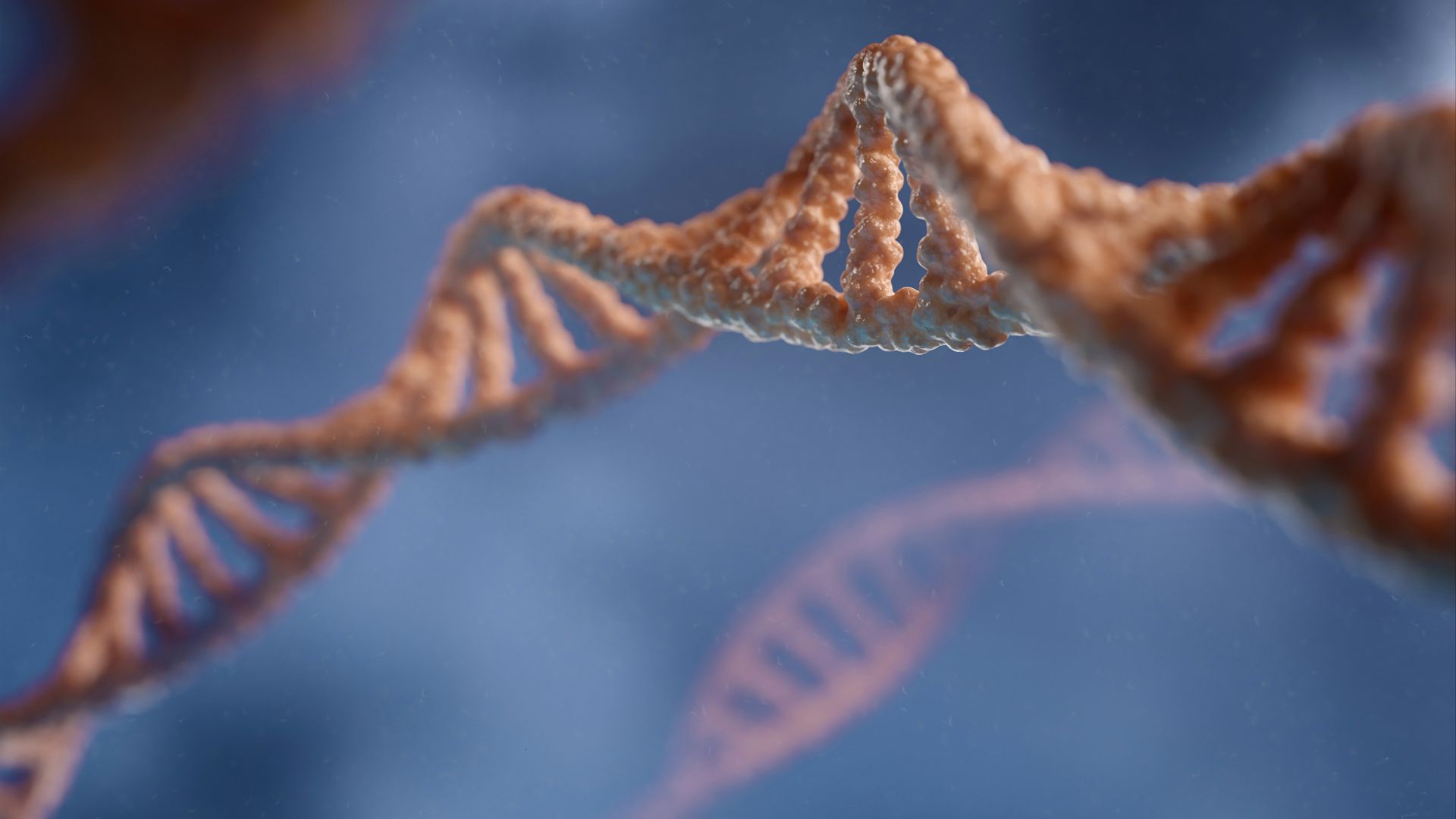
20. The Human Genome Project Completion (2003)
The completion of the Human Genome Project came after years of international collaboration. Its timing coincided with rapid advancements in computing and biotechnology.
KEEP ON READING
The story of Ching Shih, the Woman Who Became the…
Unknown author on WikimediaFew figures in history are as feared…
By Emilie Richardson-Dupuis Dec 29, 2025
Einstein's Violin Just Sold At An Auction—And It Earned More…
A Visionary's Violin. Wanda von Debschitz-Kunowski on WikimediaWhen you hear…
By Ashley Bast Nov 3, 2025
This Infamous Ancient Greek Burned Down An Ancient Wonder Just…
History remembers kings and conquerors, but sometimes, it also remembers…
By David Davidovic Nov 12, 2025
The Mysterious "Sea People" Who Collapsed Civilization
3,200 years ago, Bronze Age civilization in the Mediterranean suddenly…
By Robbie Woods Mar 18, 2025
20 History-Makers Shaped by Affliction
Hardship Left Its Mark. History is often told through victories,…
By Cameron Dick Apr 27, 2026
20 Soldiers Who Defied Expectations
Changing the Rules of the Battlefield. You’ve probably heard plenty…
By Annie Byrd Feb 10, 2026