

20 of History's Most Baffling Mysteries That Have Only Recently Been Solved
When the Past Finally Yields an Answer
History has a way of leaving behind more questions than answers, especially when the evidence has long been buried or damaged. In recent years, though, technological and scientific advancements have helped researchers answer puzzles that once seemed permanently out of reach. From uncovering a famous king under a parking lot to discovering a Neanderthal-Denisovan hybrid child, here are 20 of history's most baffling mysteries that have only recently come to light.
1. The Somerton Man Finally Had a Name
For more than 70 years, the unknown man found dead on Somerton Beach in Adelaide in 1948 was one of Australia’s most famous mysteries. His identity was finally linked in 2022 to Carl “Charles” Webb, a Melbourne-born electrical engineer and instrument maker, through forensic genetic genealogy. The cause of death still carries uncertainty, but the central question of who he was no longer feels unreachable.
 Bletchley at en.wikipedia on Wikimedia
2. Richard III Was Found Under a Parking Lot
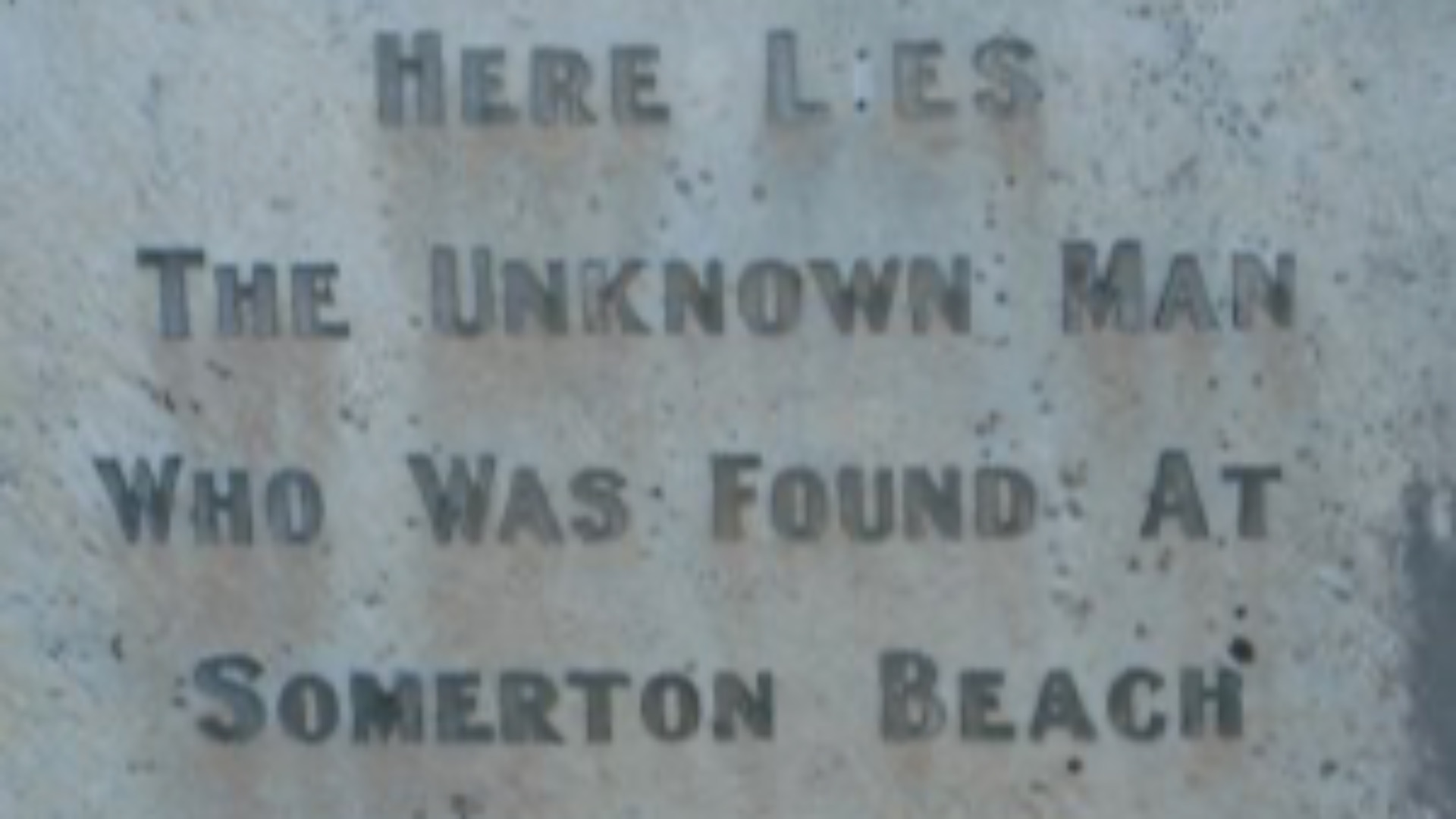
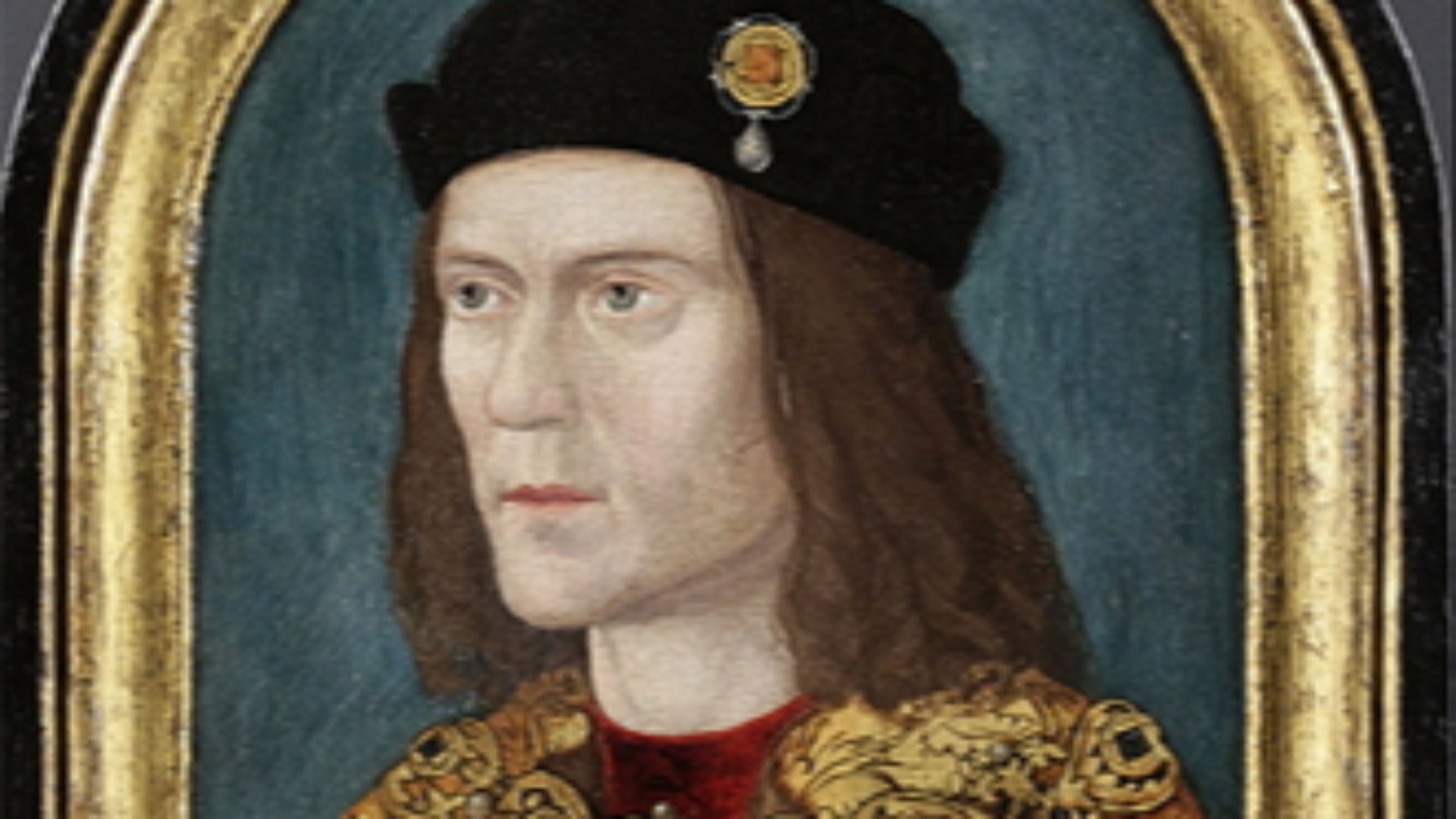
For centuries, people argued over what had happened to the body of Richard III after he died at the Battle of Bosworth in 1485. In 2012, archaeologists uncovered a skeleton beneath a parking lot in Leicester, and DNA evidence helped confirm in 2013 that the remains were those of the lost king. The discovery didn’t just locate his grave; it also corrected long-standing assumptions about how his body disappeared from history.
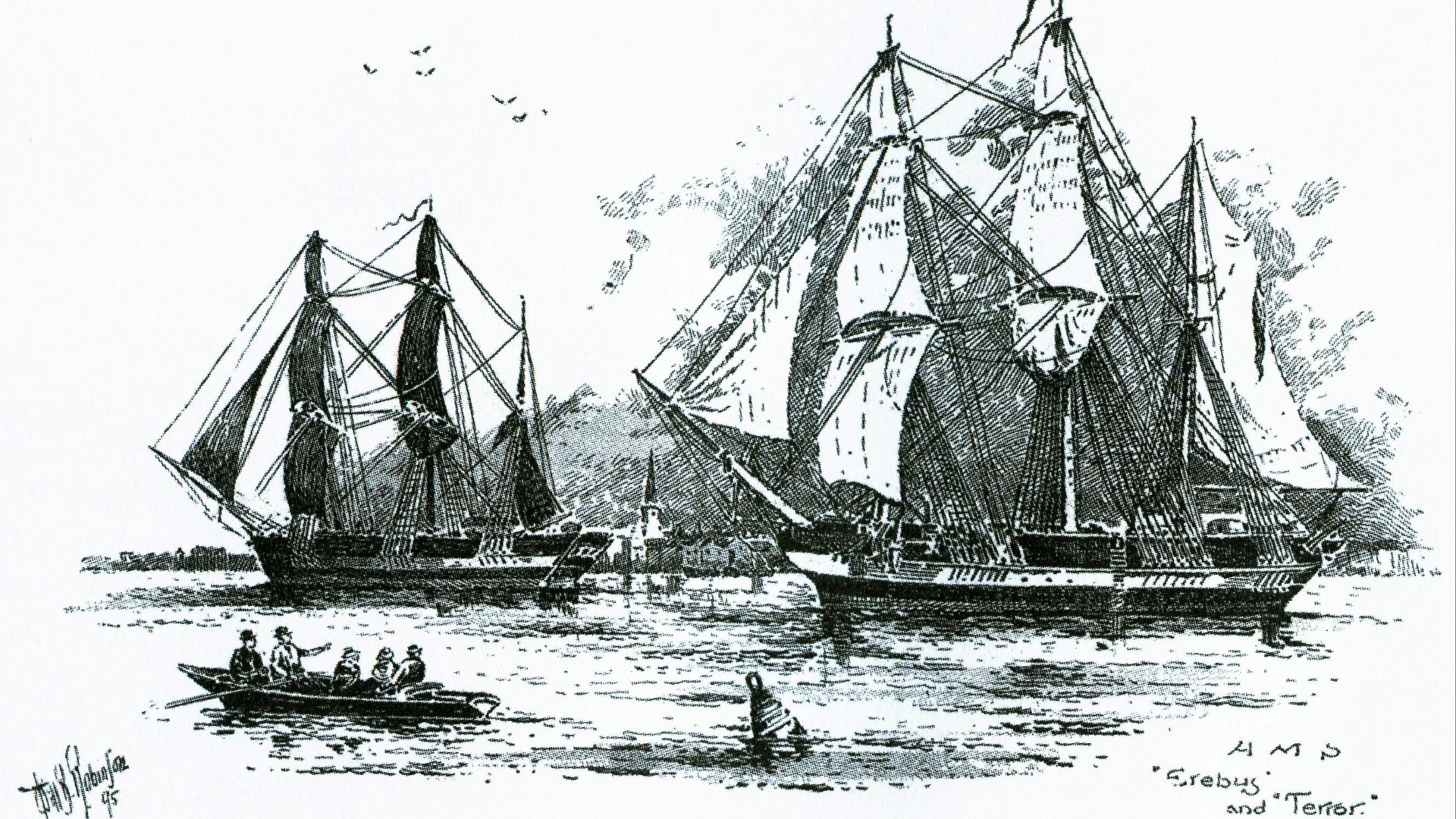
3. The Lost Ships of the Franklin Expedition Were Found
Sir John Franklin’s Arctic expedition vanished in the 1840s while searching for the Northwest Passage, leaving behind one of Canada’s most haunting historical puzzles. The wreck of HMS Erebus was located in 2014, followed by HMS Terror in 2016, with Inuit knowledge playing an important role in the search. Those discoveries didn’t answer every question about the crew’s final days, but they solved the central mystery of where the ships ended up.
4. Shackleton’s Endurance Located After More Than a Century
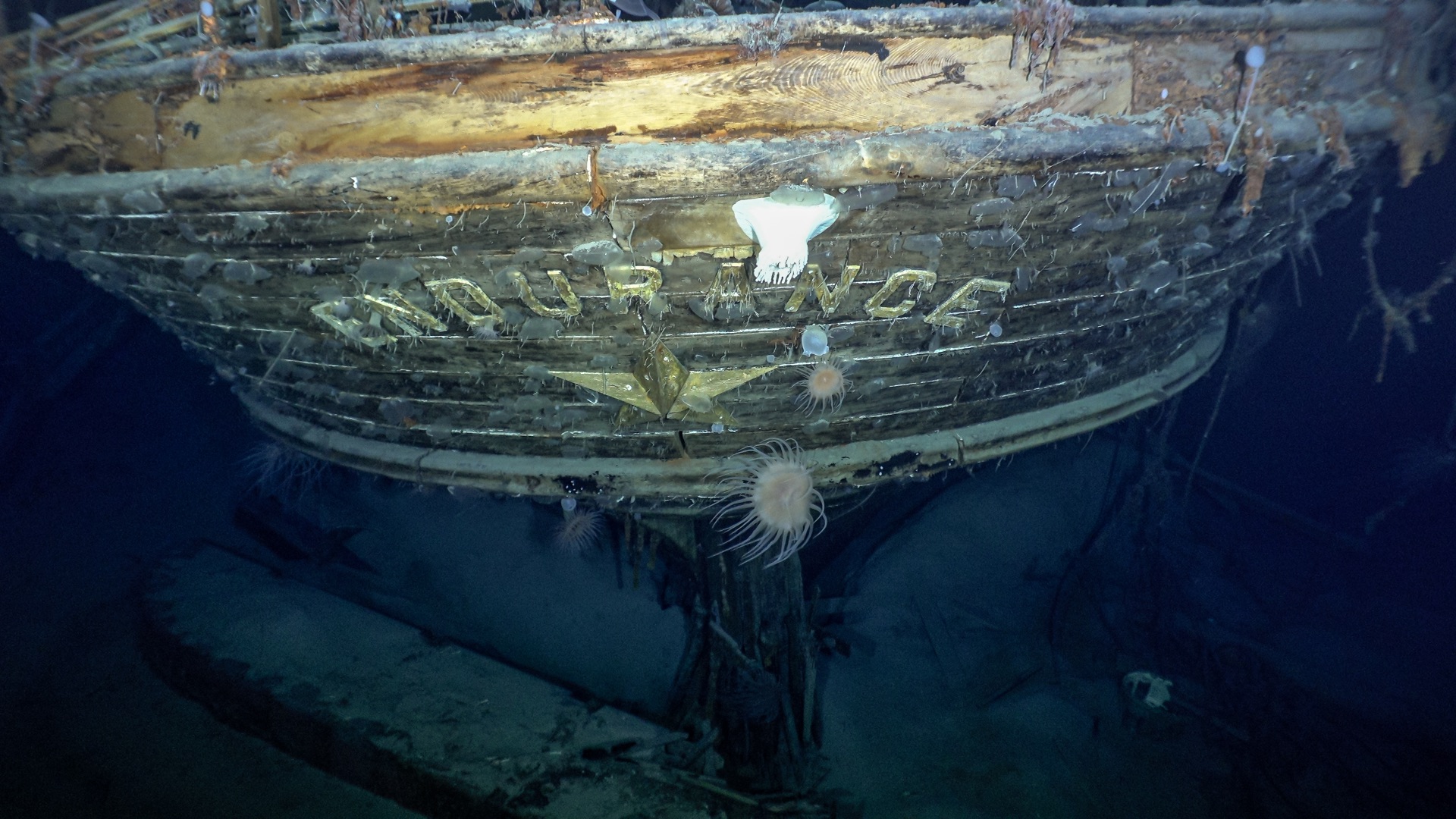
Ernest Shackleton’s ship Endurance sank in the Weddell Sea in 1915 after being crushed by Antarctic ice. Although Shackleton’s crew survived, the ship itself remained missing until the Endurance22 expedition found it in March 2022. The wreck was discovered in remarkably preserved condition, giving historians a direct look at a vessel that had long existed mostly through photographs, diaries, and survival accounts.
5. The Romanov Children’s Remains Were Identified
After the Romanov family was murdered in 1918, rumors persisted for decades that one or more of the imperial children had survived. DNA testing of remains from a second grave, discovered in 2007, provided strong evidence that the two missing children were Tsarevich Alexei and one of his sisters. That finding closed the door on one of the most persistent escape legends of the 20th century.
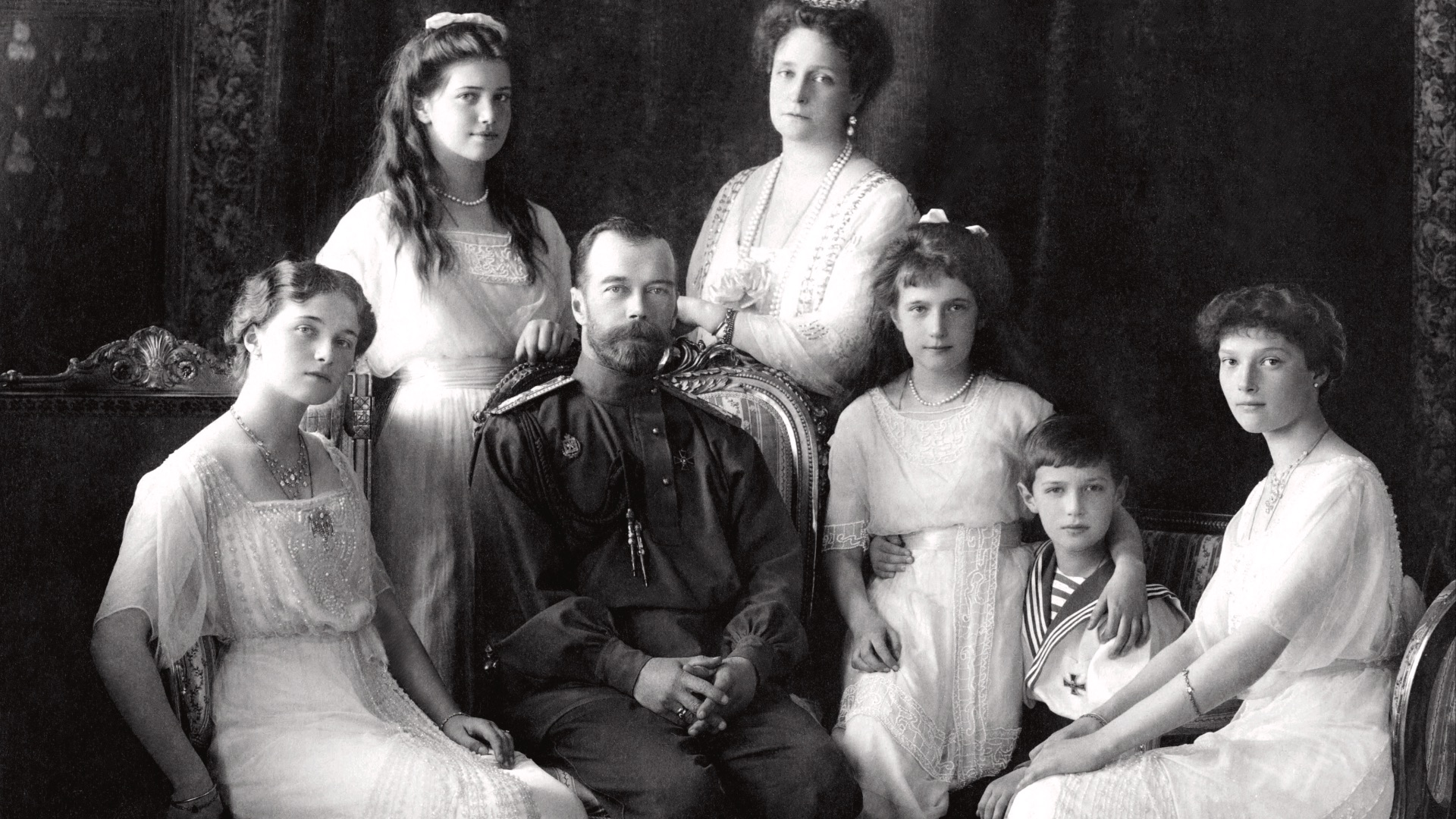 Boasson and Eggler St. Petersburg Nevsky 24. on Wikimedia
6. The Zodiac Killer’s 340-Character Cipher Was Decoded
The Zodiac Killer’s identity remains unknown, but one of his most notorious messages has finally been solved. In 2020, a team of private codebreakers cracked the 340-character cipher that had baffled investigators and enthusiasts since 1969, and the FBI confirmed the breakthrough. The decoded message didn’t name the killer, but it did settle one of the case’s most famous unanswered questions.
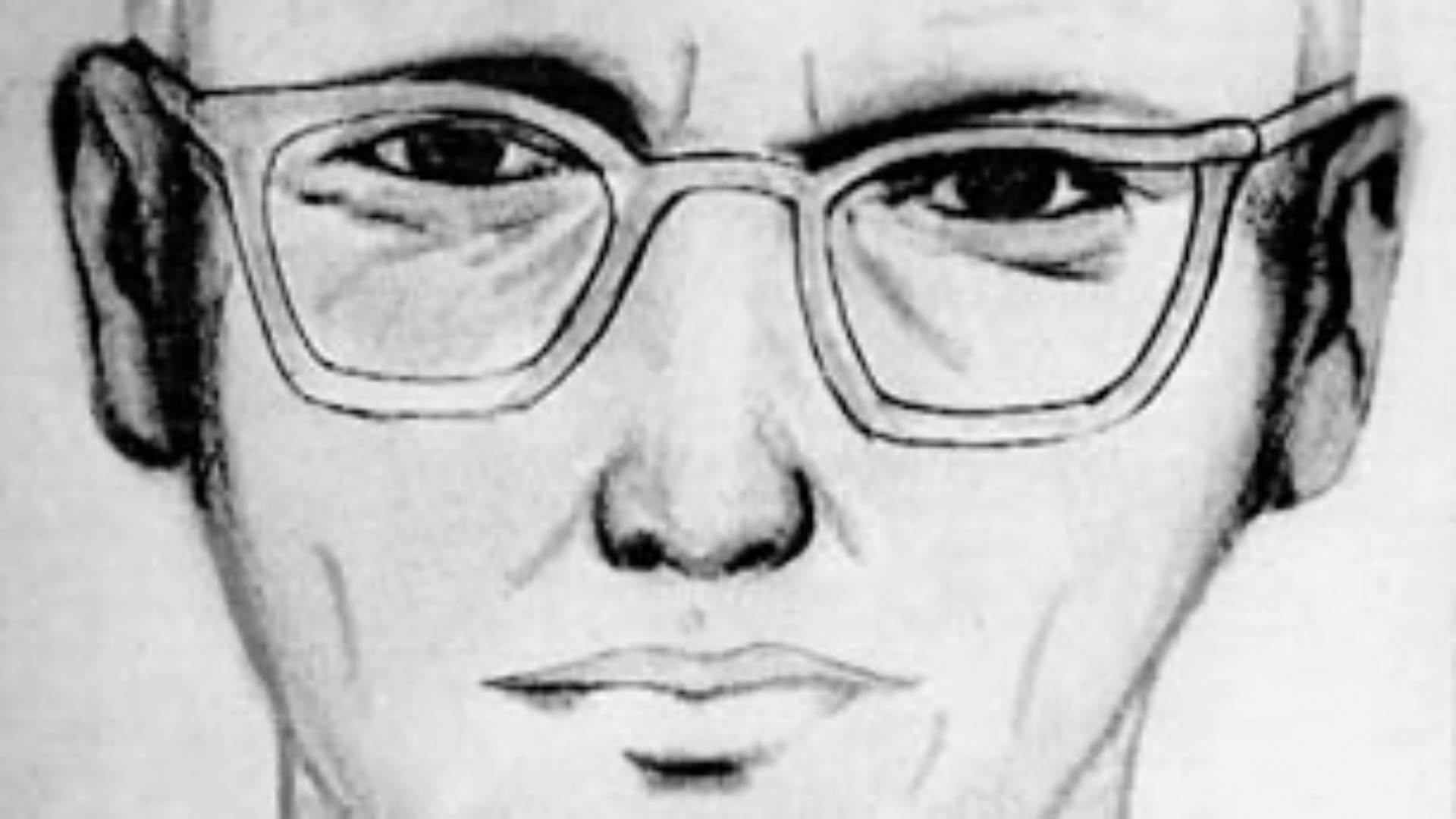 San Francisco Police Department on Wikimedia
7. The Black Death’s Likely Origin Was Traced
For generations, scholars debated where the medieval Black Death began before it devastated Europe, the Middle East, and North Africa. In 2022, ancient DNA from plague victims buried in what is now Kyrgyzstan pointed to the region as a likely source of the pandemic’s explosive 14th-century spread. The work connected old cemetery inscriptions, archaeology, and bacterial genomes in a way earlier historians simply couldn’t.
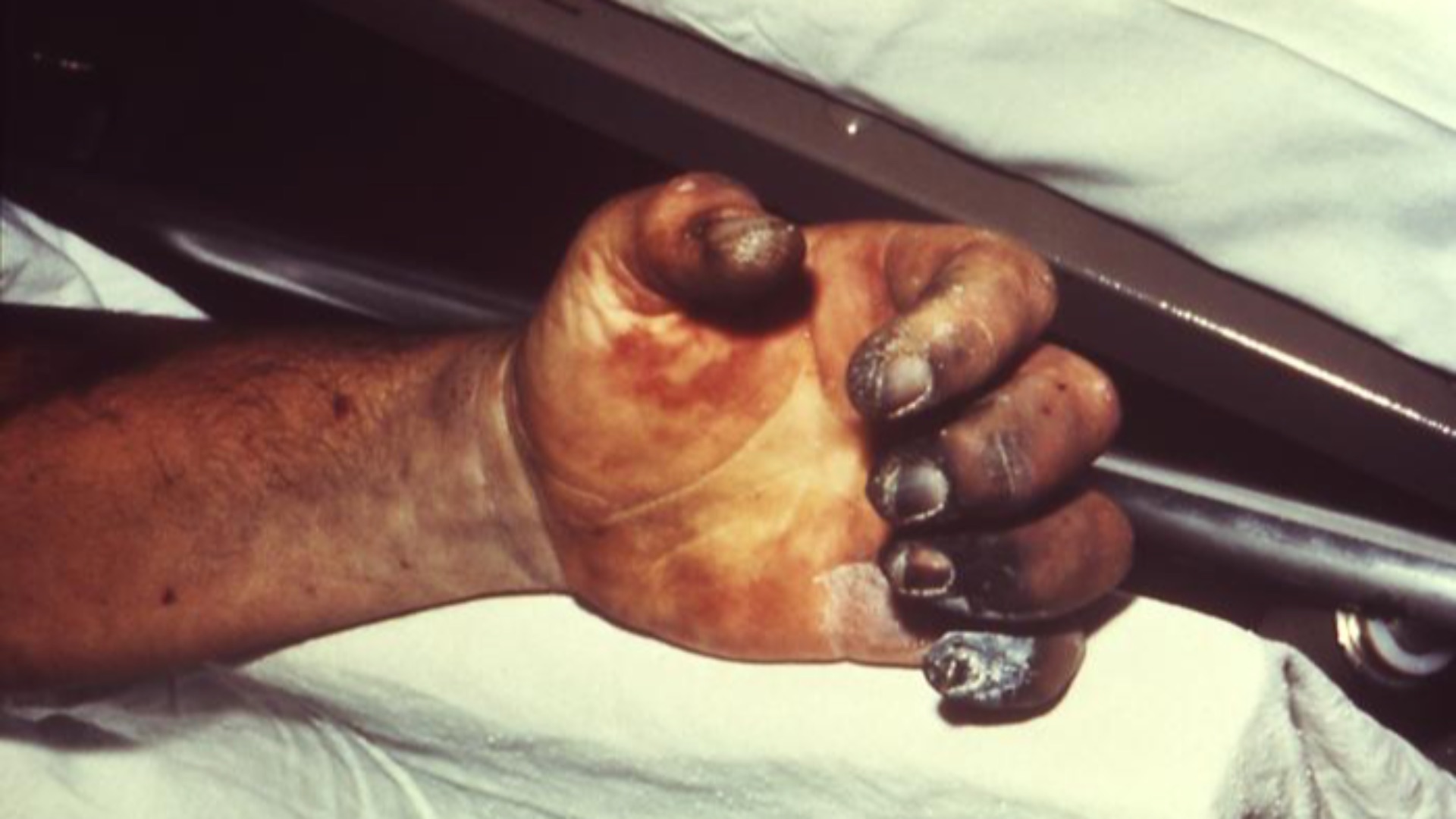 CDC/Dr. Jack Poland on Wikimedia
8. The Vikings’ Time in North America Was Dated Precisely
L’Anse aux Meadows in Newfoundland had already shown that Norse travelers reached North America long before Columbus, but the exact date remained uncertain. In 2021, researchers used evidence from a known solar storm preserved in tree rings to determine that Vikings were active there in A.D. 1021. That single date gave historians a firm anchor for one of the most important early crossings of the Atlantic.
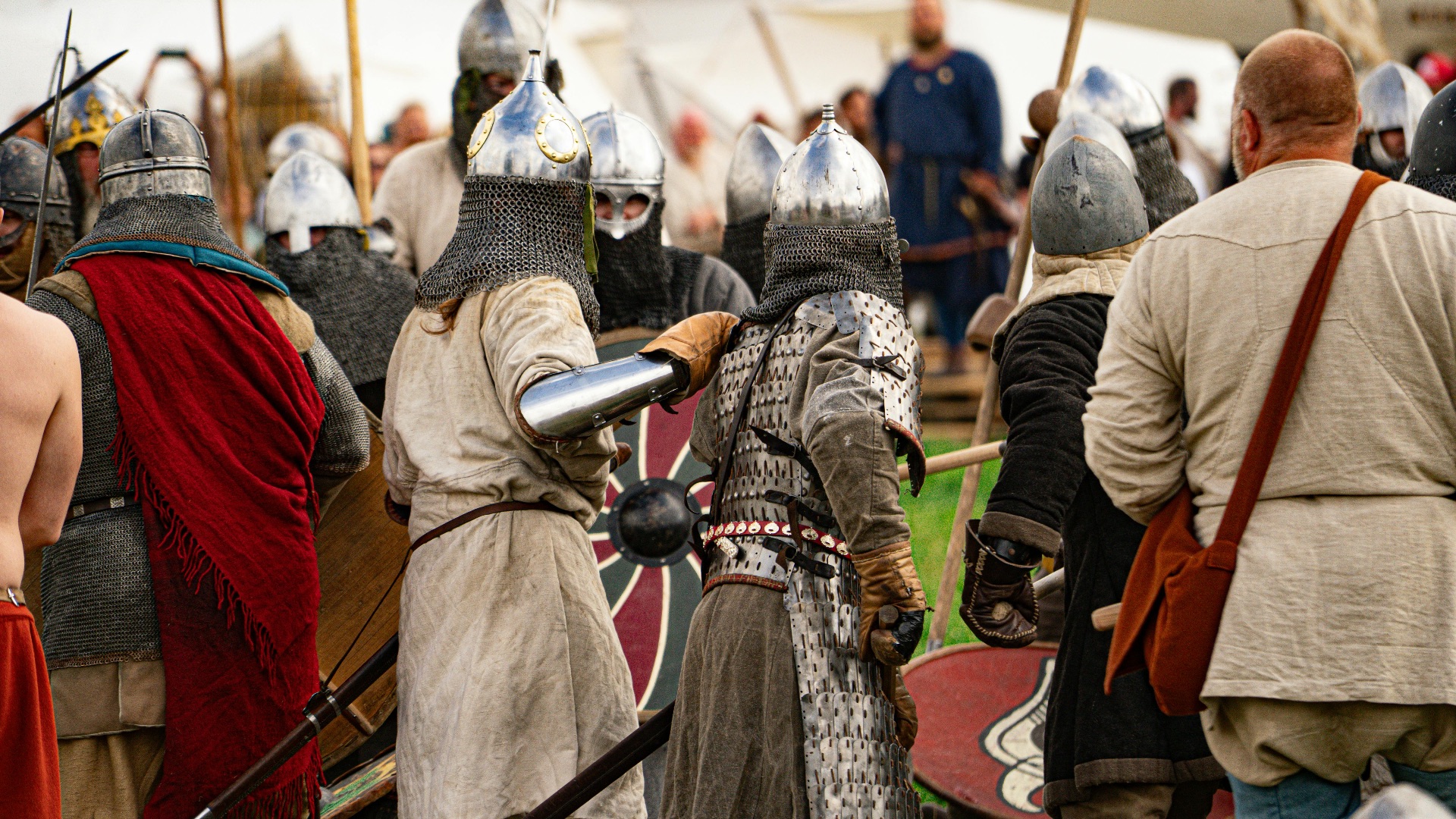
9. Stonehenge’s Altar Stone Was Traced to Scotland
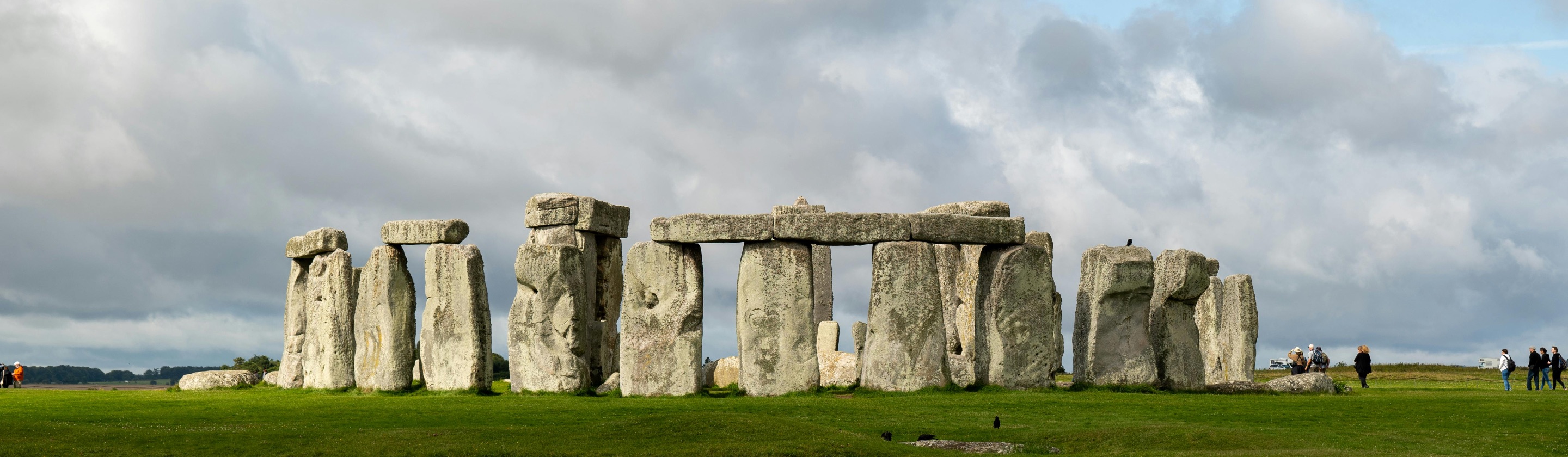
Stonehenge has produced a long list of mysteries, and one of the biggest involved the origin of its large central Altar Stone. Research published in 2024 found that the stone’s mineral signature matched rock from northeast Scotland, not Wales as many had suspected. That answer raised fresh questions about transport, but it solved a major part of the puzzle about where this six-ton stone came from.
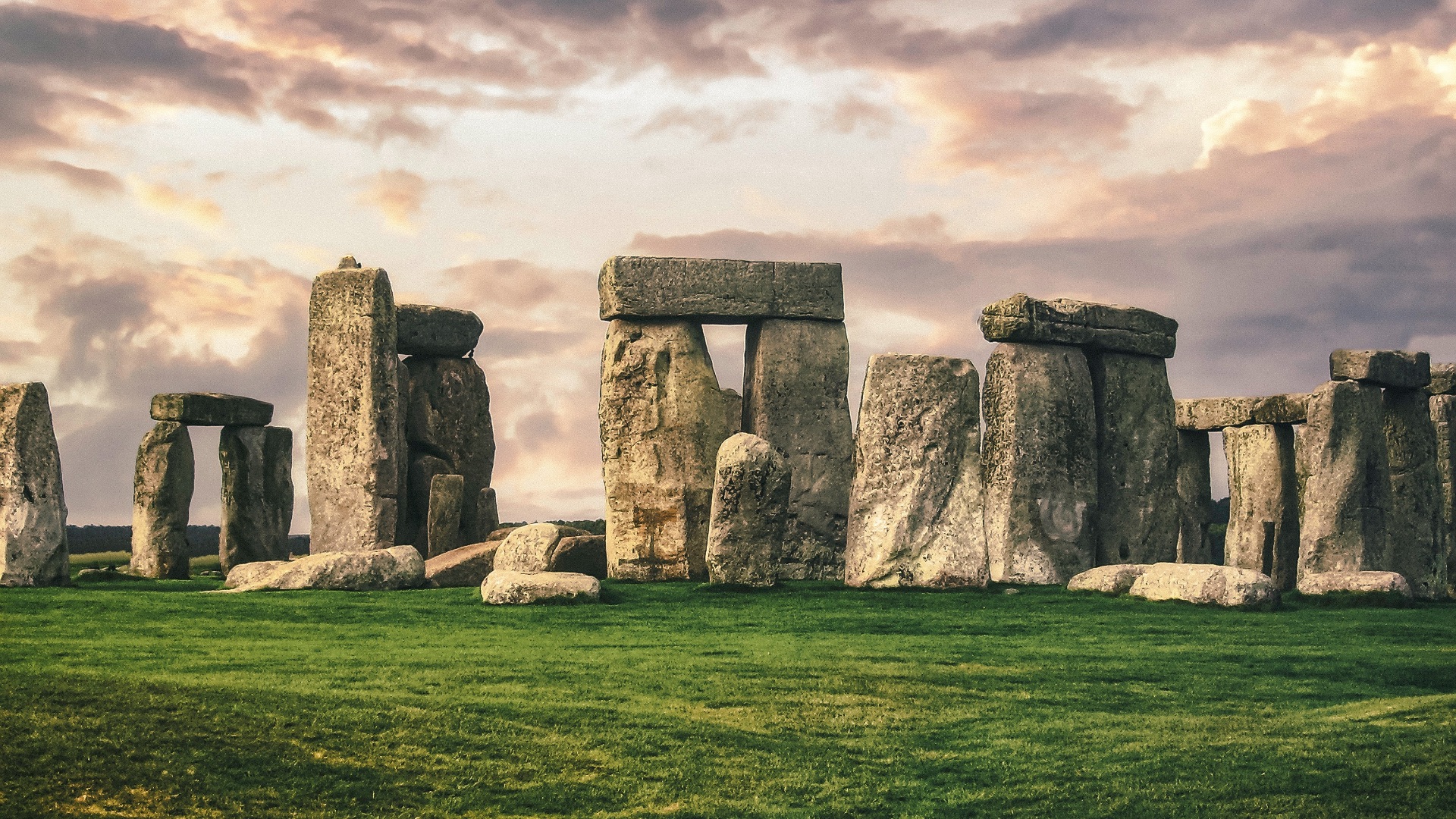
10. Roman Concrete’s Durability Was Explained
People have long wondered why some ancient Roman concrete structures survived for nearly 2,000 years while many modern materials deteriorate much faster. In 2023, researchers reported that Roman concrete’s lime clasts could help it repair cracks when water entered the material. The finding showed that what once looked like sloppy mixing may actually have been part of the material’s lasting strength.
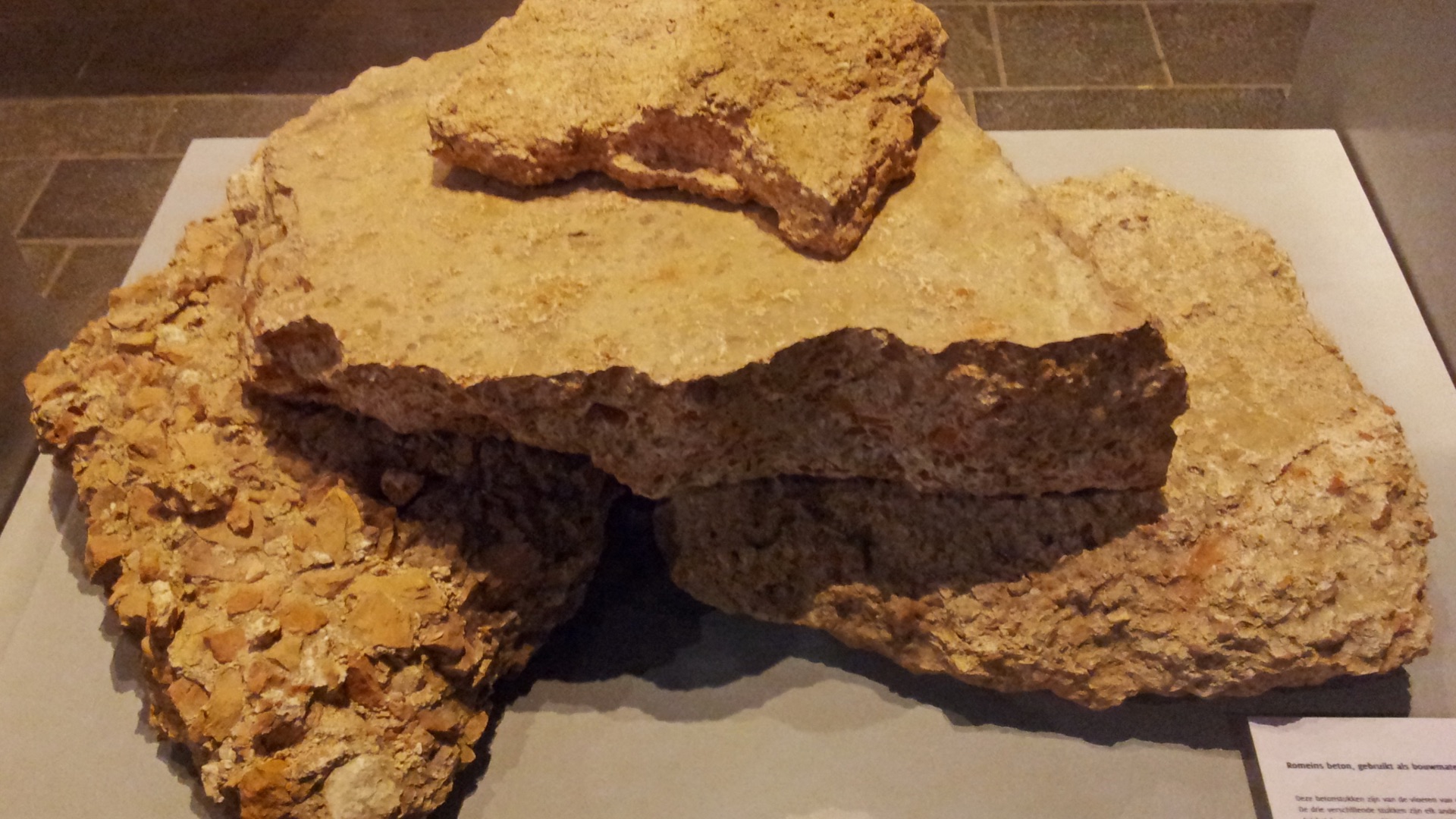
11. The H.L. Hunley Crew’s Deaths Were Explained
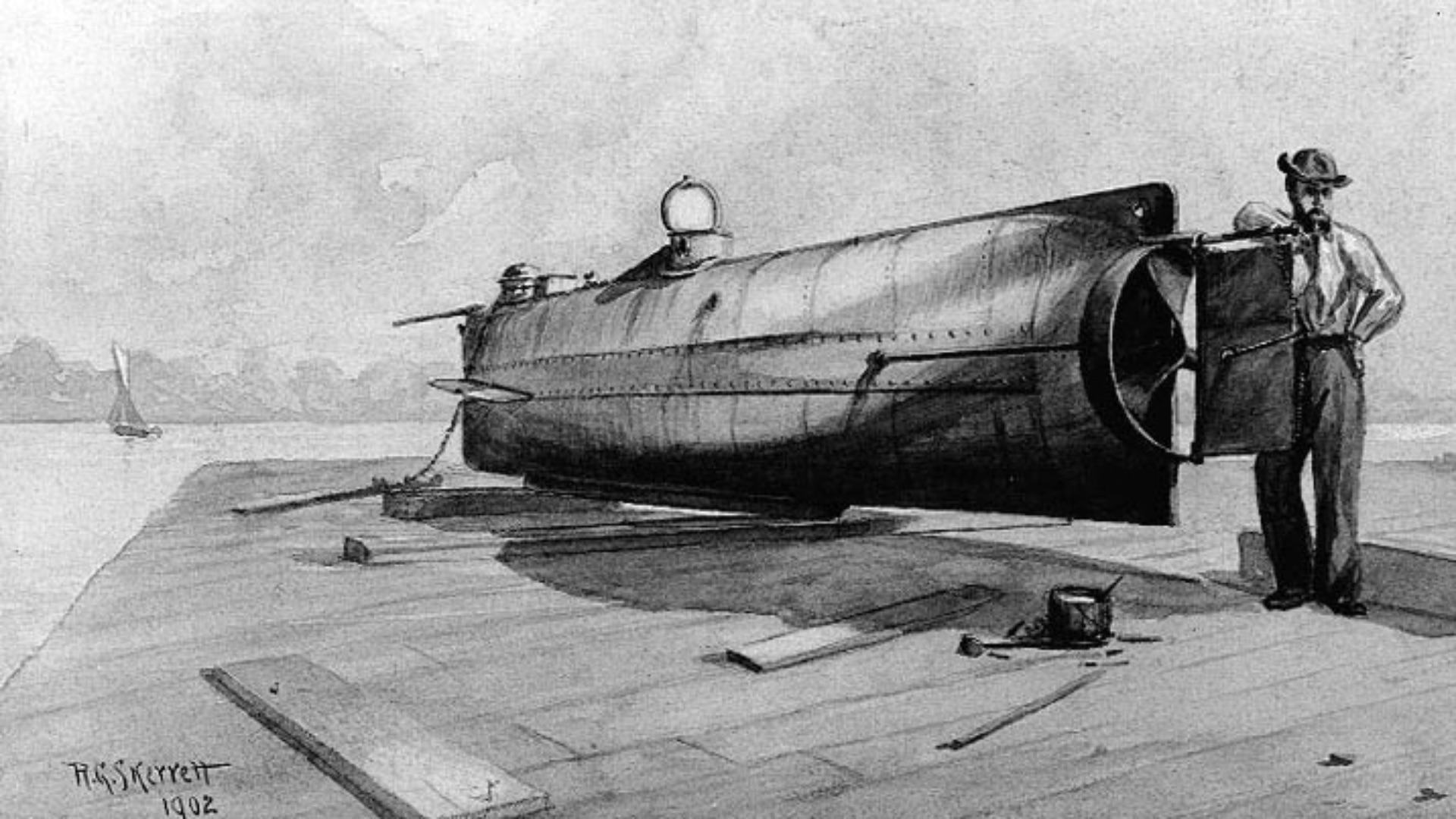
The Confederate submarine H.L. Hunley became the first combat submarine to sink an enemy warship, but it disappeared the same night in 1864. When it was recovered, the crew appeared to have died at their stations, with no obvious sign of escape or panic. Research published in 2017 argued that the blast wave from the submarine’s own torpedo likely killed the crew almost instantly, solving a Civil War mystery that had lasted more than 150 years.
12. King Tut’s Dagger Came from Meteorite Iron
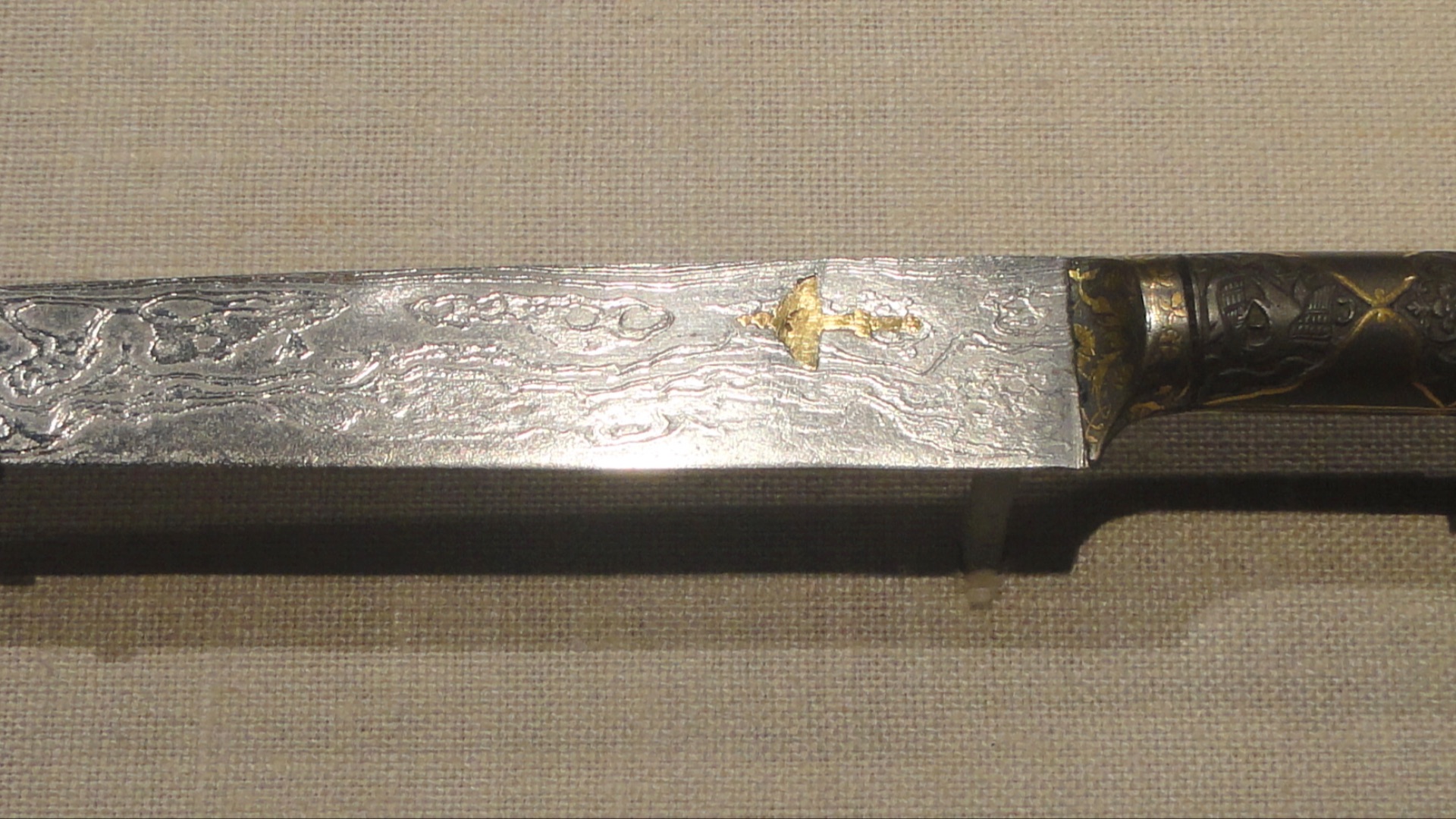
Tutankhamun’s iron dagger puzzled researchers because it was made at a time when ironworking in Egypt was rare. A 2016 analysis using portable X-ray fluorescence found that the blade’s composition matched meteoritic iron, including high nickel and cobalt levels. That result helped explain both the dagger’s unusual material and why such an object would have been treated as a royal treasure.
13. The “Ivory Man” Turned Out to Be the “Ivory Lady”
A lavish Copper Age burial in Spain was long thought to belong to an elite man because of the extraordinary grave goods found with the body. In 2023, peptide analysis of tooth enamel showed that the person was female, leading researchers to rename the individual the “Ivory Lady.” The discovery changed how archaeologists think about power, status, and gender in prehistoric Iberia.
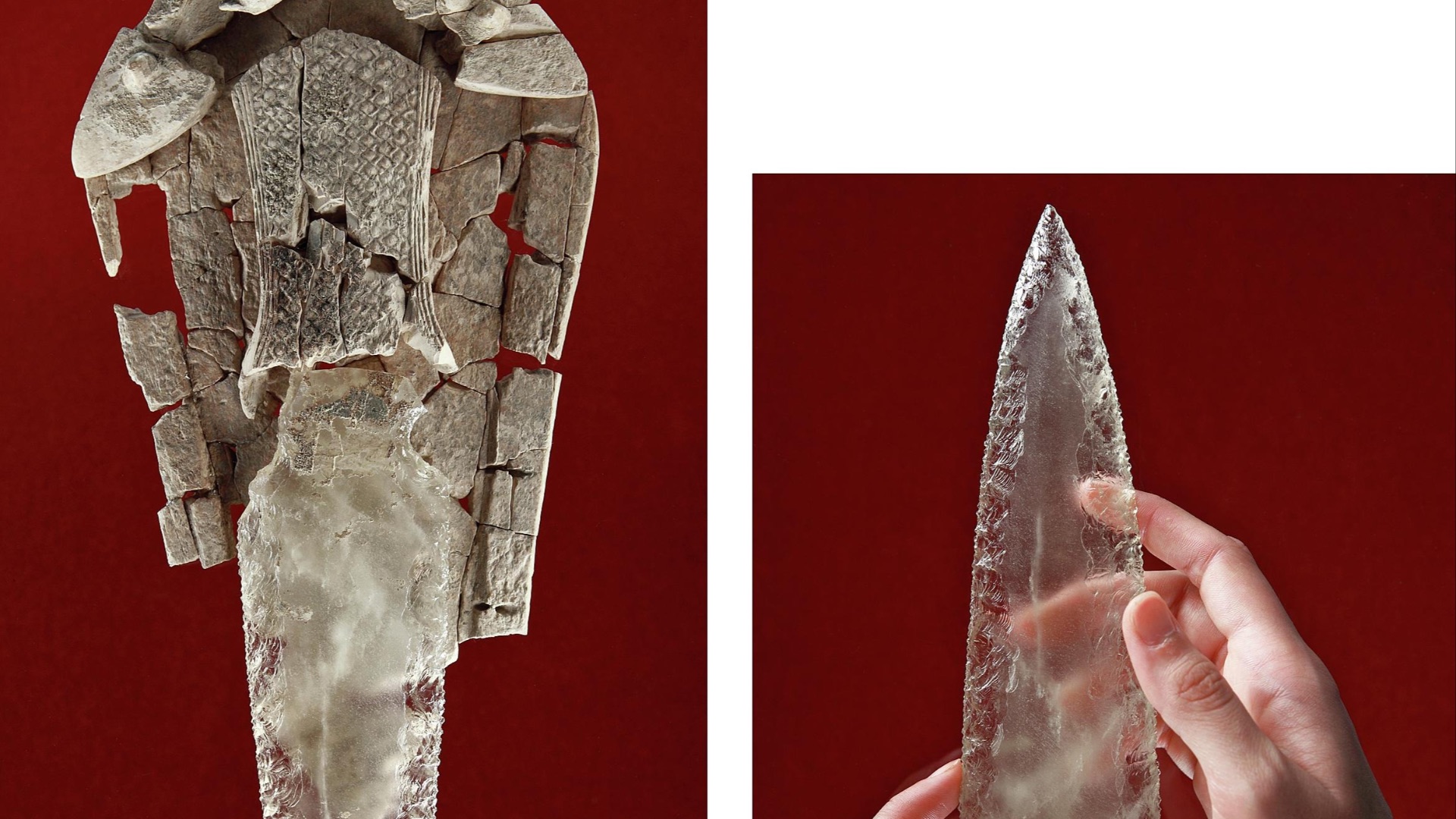 Leonardo García Sanjuán, Timothy Earle. Photograph: Miguel Ángel Blanco de la Rubia. on Wikimedia
14. Beachy Head Woman’s Origins Were Rewritten
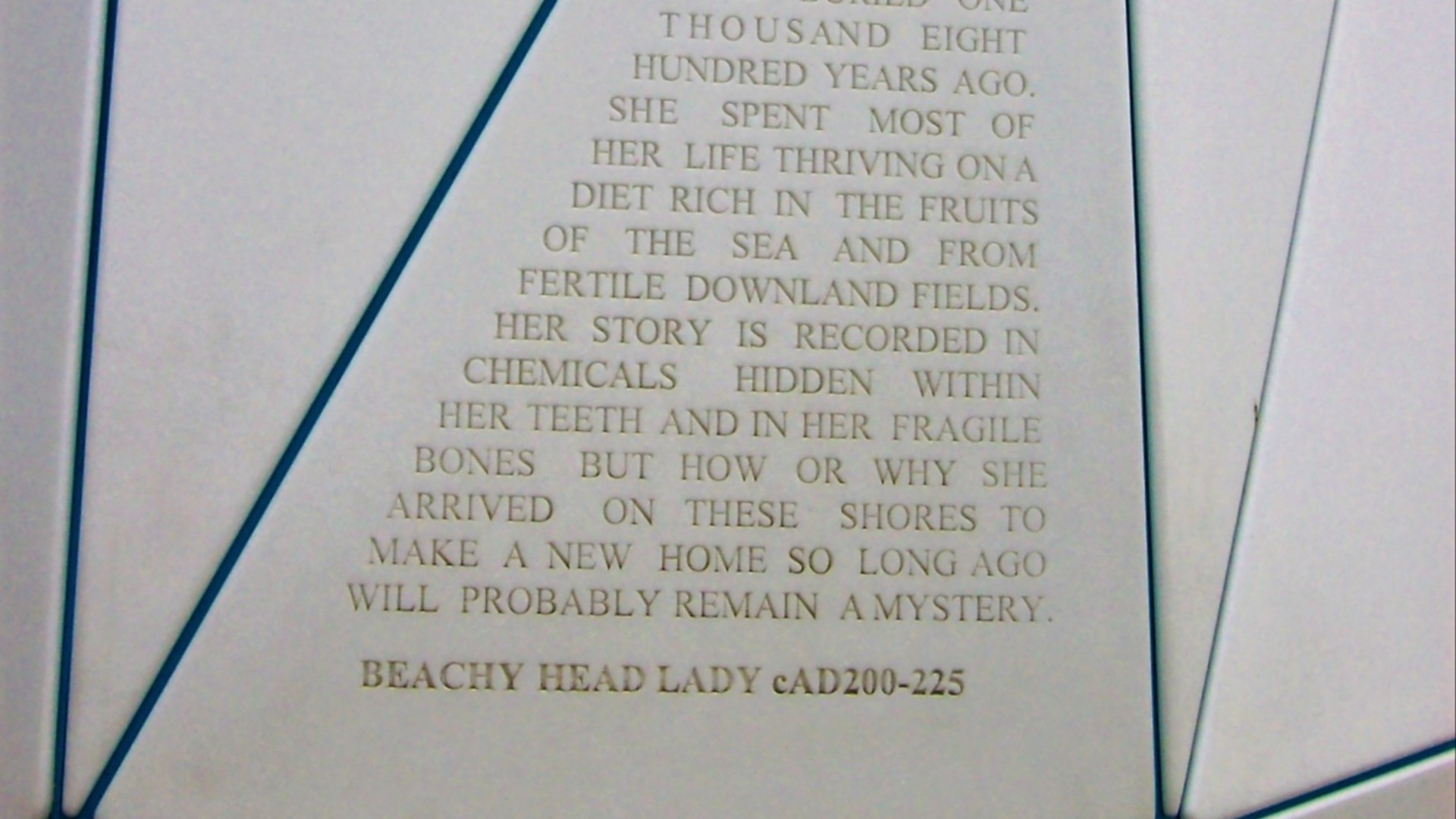
The Roman-era skeleton known as Beachy Head Woman was once believed to have had recent sub-Saharan African or Mediterranean ancestry. A 2025 DNA study found instead that she most likely came from the local population of Roman-era southern England. It’s a good reminder that older interpretations can change dramatically when newer scientific methods become available.
15. Vittrup Man’s Life Story Came Into Focus
Vittrup Man was found in a Danish bog in 1915, but for a long time researchers knew little about who he had been. A 2024 study combining DNA, isotope evidence, archaeology, and physical analysis suggested that he was a genetic outsider in Neolithic Denmark who likely grew up elsewhere before ending up in a ritualized killing. Instead of being just a damaged skeleton, he became a person with a traceable life history.
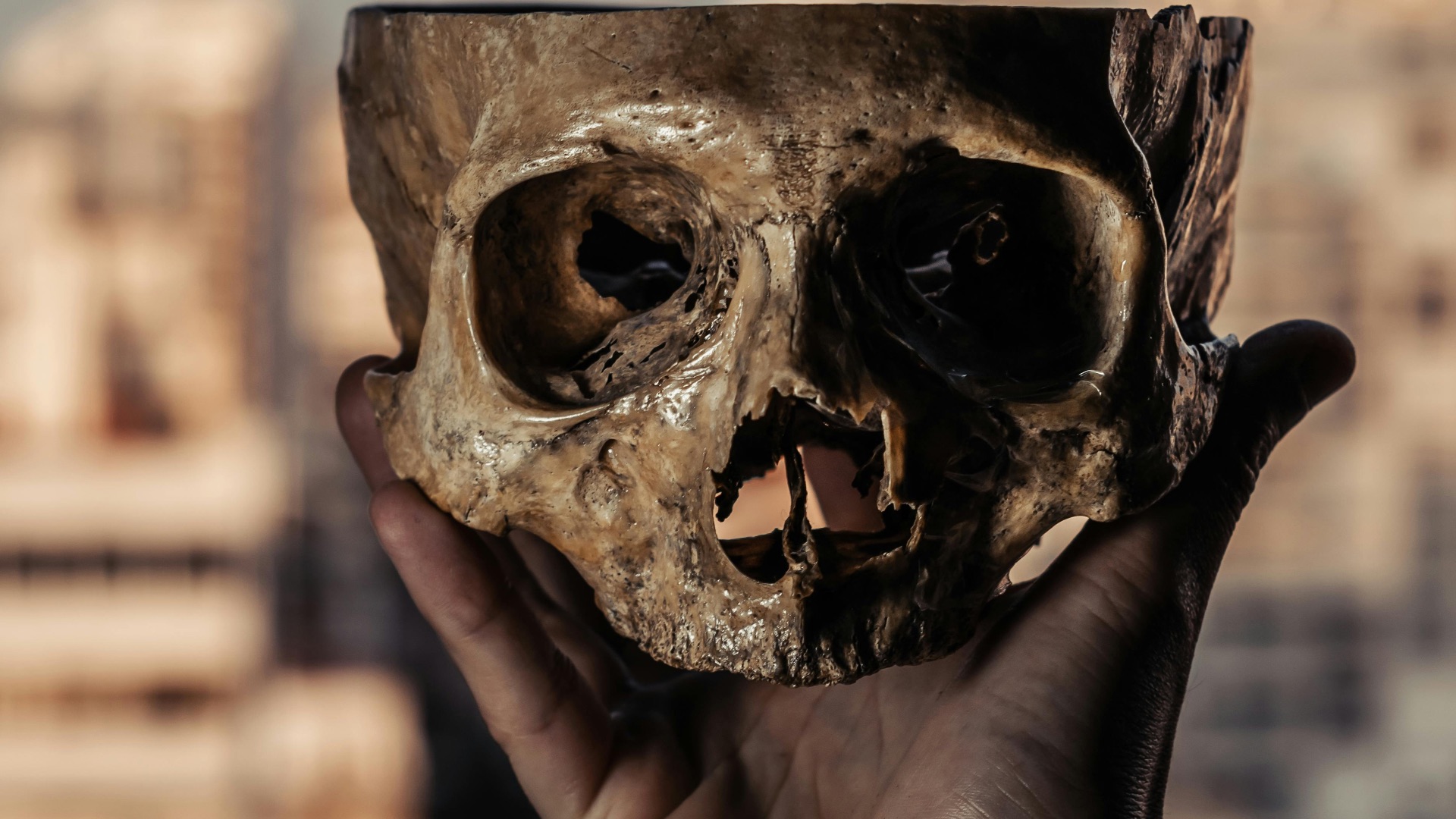
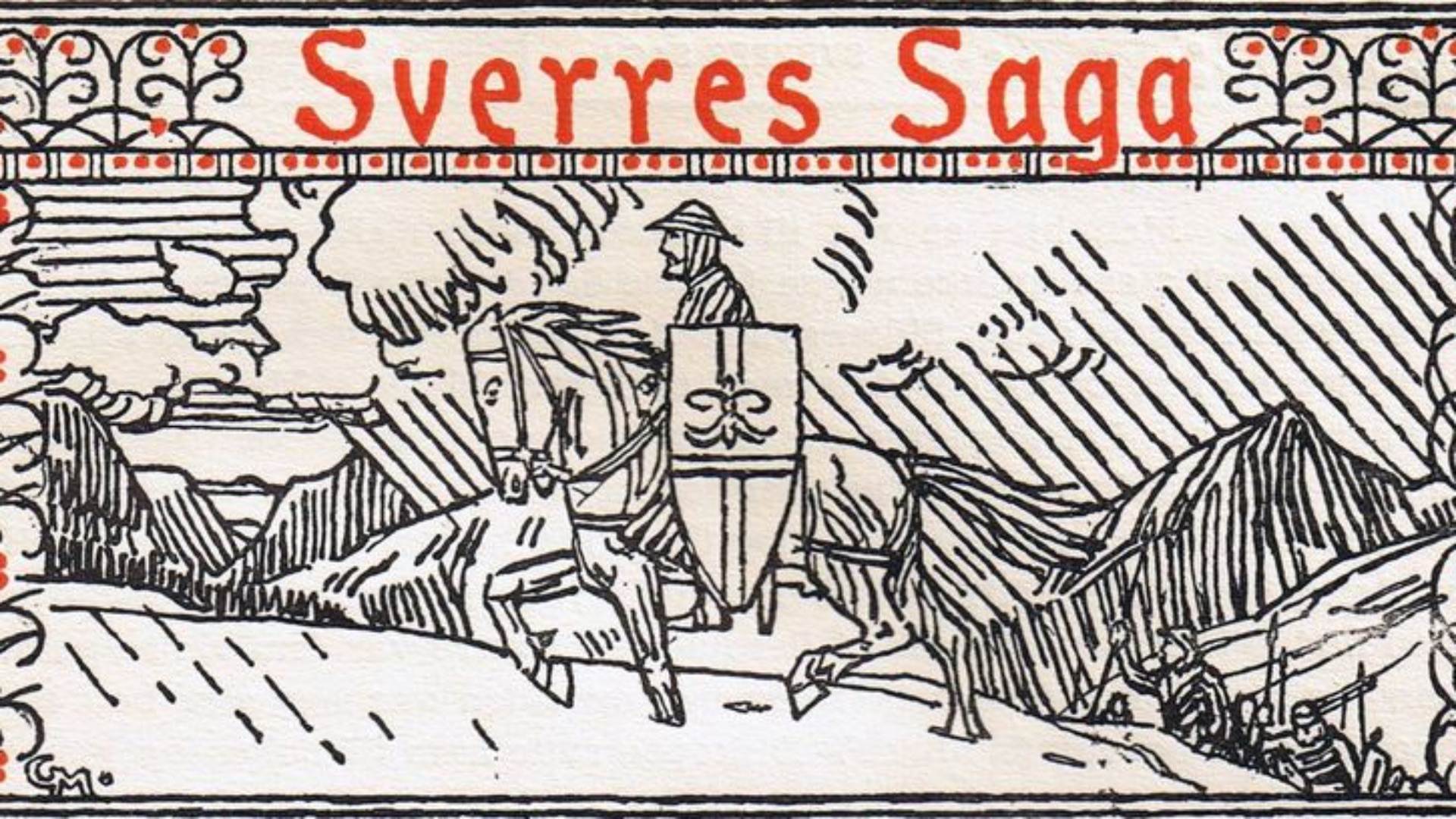
16. A Norse Saga’s “Well-Man” Was Matched to Real Remains
An 800-year-old Norse saga described a man being thrown into a well during a raid on Sverresborg Castle in 1197. Human remains were found in that well in the 20th century, but only recent DNA and radiocarbon work made the connection much stronger. Researchers concluded that the bones likely belonged to the man described in the saga, bringing a brief medieval text unusually close to physical proof.
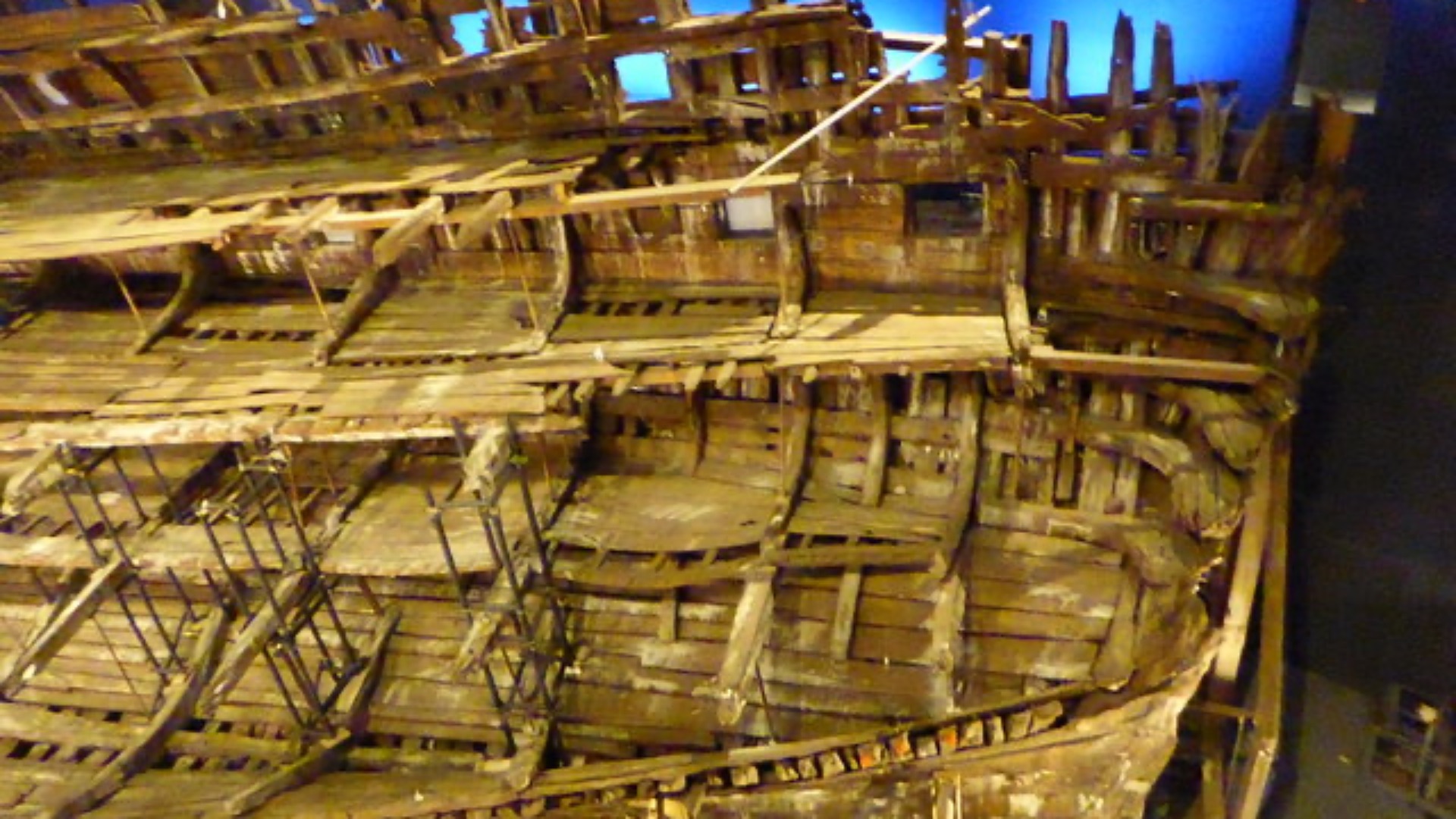
17. The Mary Rose Crew’s Backgrounds Were Reconstructed
The Tudor warship Mary Rose sank in 1545, preserving the remains of many of the people who served aboard it. Recent isotope and ancestry studies have shown that some crew members had more diverse childhood origins than older assumptions about the Tudor navy suggested. You don’t get their full biographies, but science has made their world feel far less anonymous.
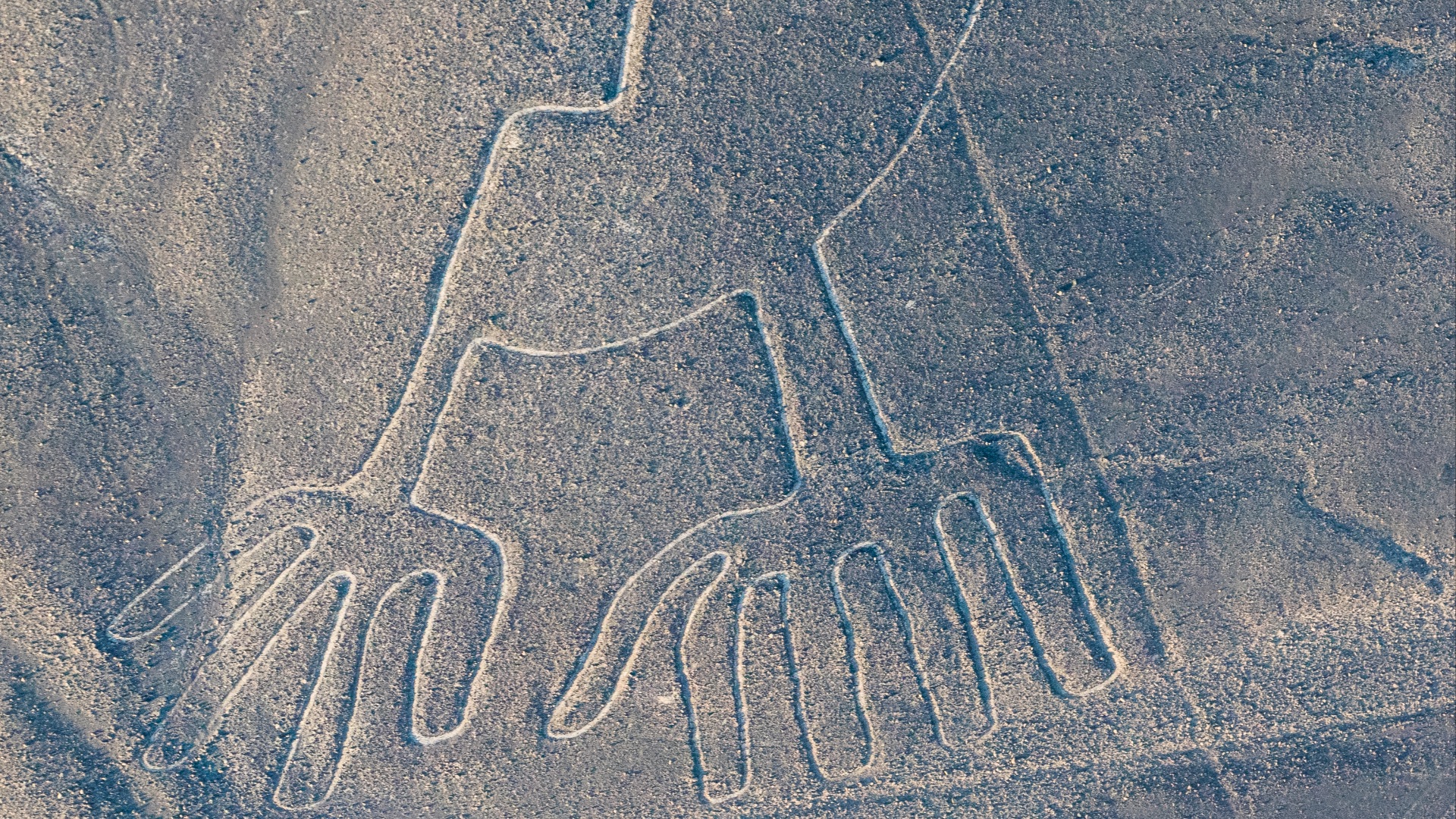
18. Hundreds of Hidden Nazca Geoglyphs Were Identified
The Nazca Lines in Peru have fascinated researchers since the 20th century, but many smaller figures were difficult to spot from the ground or even from standard aerial surveys. In 2024, researchers reported that artificial intelligence helped identify 303 previously unknown figurative geoglyphs in just months of fieldwork. The discovery didn’t solve every question about Nazca culture, but it greatly expanded the evidence scholars can use to understand the figures’ purpose and distribution.
19. A Bone Fragment Revealed a Neanderthal-Denisovan Child
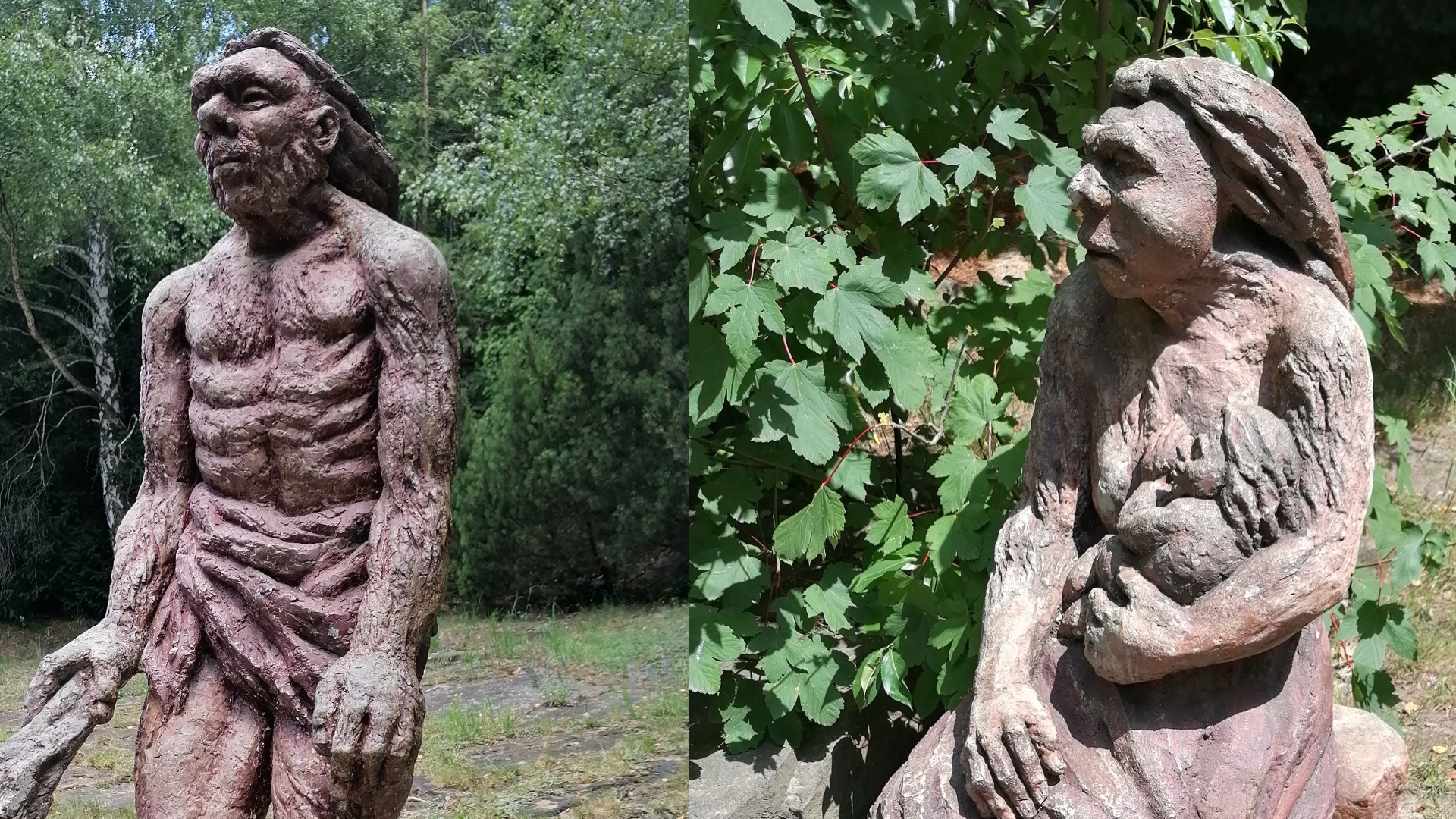
A small bone fragment from Denisova Cave in Siberia looked unremarkable at first, but genetic testing changed its importance completely. In 2018, researchers showed that it belonged to a girl whose mother was Neanderthal and whose father was Denisovan. That finding gave scientists direct evidence that these ancient human groups were not just neighbors, but had children together.
20. The Antikythera Mechanism Became More Understandable
The Antikythera Mechanism, recovered from an ancient shipwreck, has long baffled scholars because of its complex gears and fragmentary condition. Modern imaging and modeling have shown that the device could predict astronomical positions and eclipses, and in 2021 researchers proposed a reconstruction of its front display. Some details are still debated, but one of history’s strangest artifacts is now far less mysterious than it was a century ago.
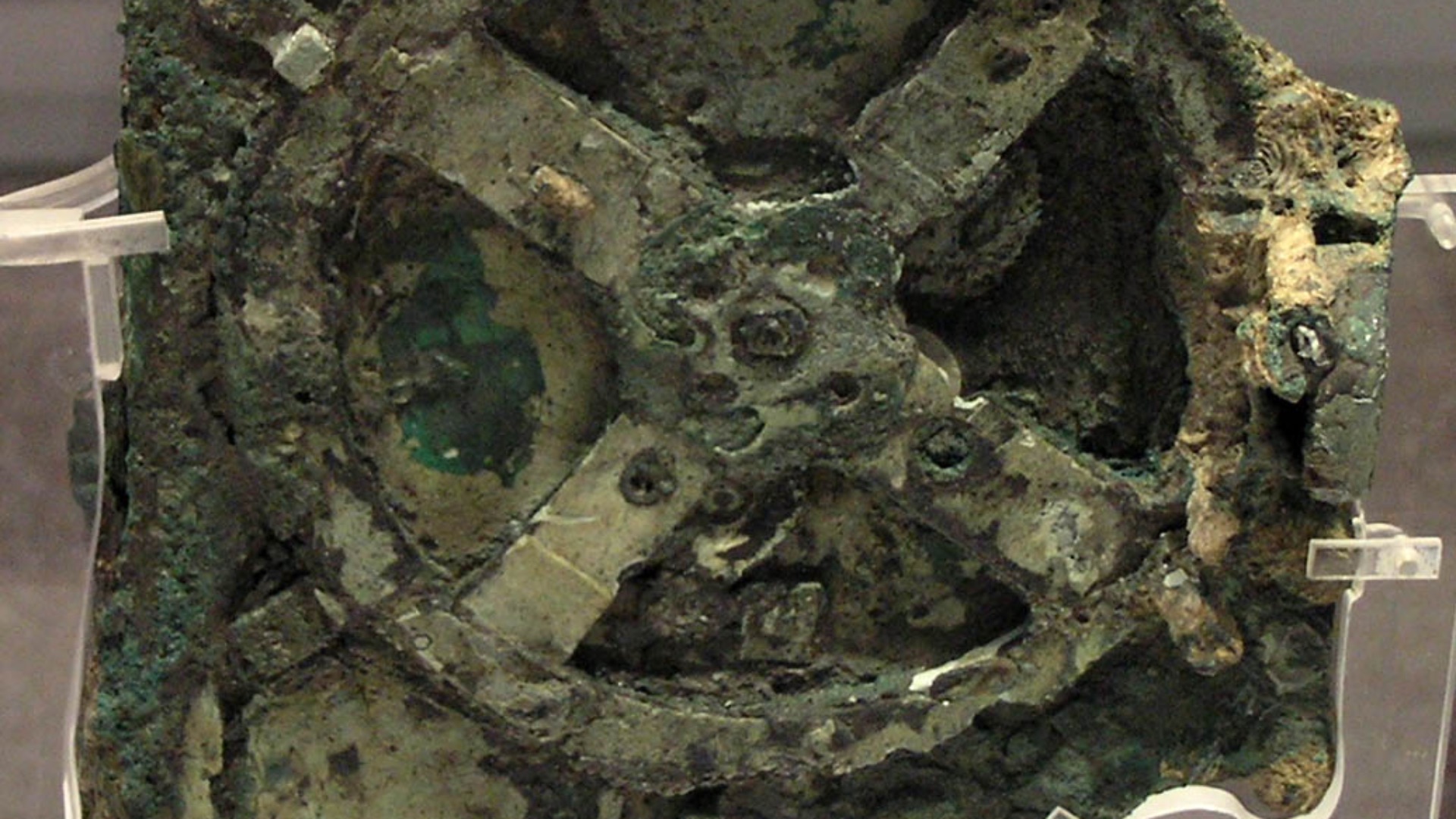 No machine-readable author provided. Marsyas assumed (based on copyright claims). on Wikimedia
KEEP ON READING
The story of Ching Shih, the Woman Who Became the…
Unknown author on WikimediaFew figures in history are as feared…
By Emilie Richardson-Dupuis Dec 29, 2025
Einstein's Violin Just Sold At An Auction—And It Earned More…
A Visionary's Violin. Wanda von Debschitz-Kunowski on WikimediaWhen you hear…
By Ashley Bast Nov 3, 2025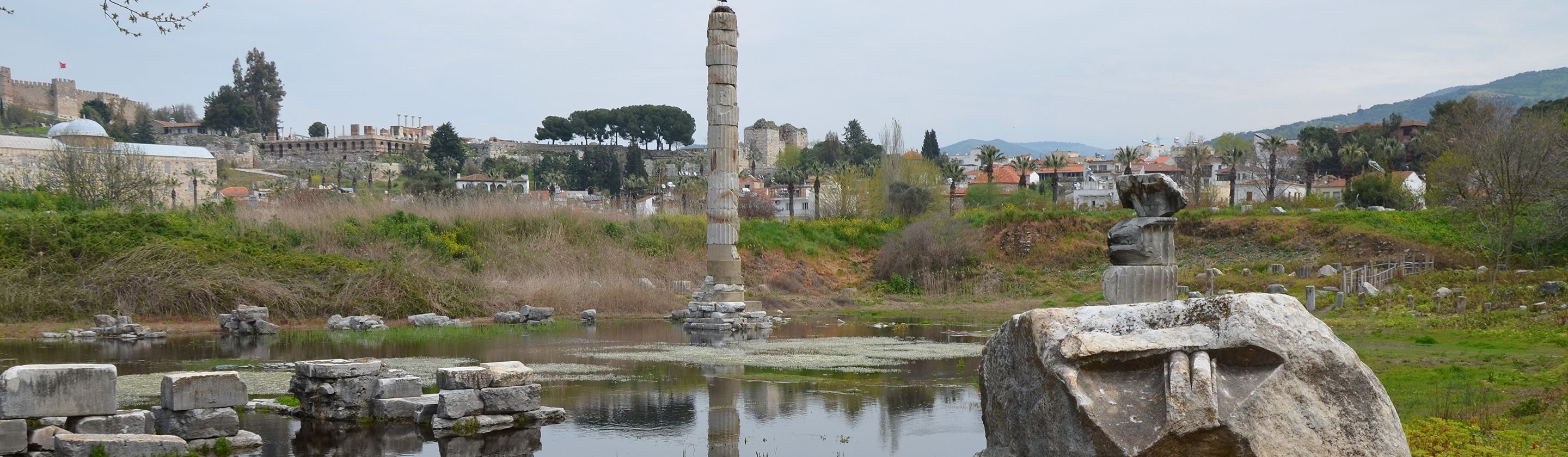
This Infamous Ancient Greek Burned Down An Ancient Wonder Just…
History remembers kings and conquerors, but sometimes, it also remembers…
By David Davidovic Nov 12, 2025
The Mysterious "Sea People" Who Collapsed Civilization
3,200 years ago, Bronze Age civilization in the Mediterranean suddenly…
By Robbie Woods Mar 18, 2025
Archaeologists are Still Fighting Over If A High-Tech Ancient Civilization…
JR Harris on UnsplashThe world of archaeology is usually a…
By Sara Springsteen Apr 28, 2026
20 Soldiers Who Defied Expectations
Changing the Rules of the Battlefield. You’ve probably heard plenty…
By Annie Byrd Feb 10, 2026