

A Brief Note Before We Begin
Looking back at history, you’ll notice that people didn’t always use the same language we do today to describe identity and relationships. Because of that, people’s very choices were often ostracized, sometimes landing some of the biggest and most respected names today in hot water for absolutely nothing. Today, we’re exploring some of those names, looking into how their personal lives and public achievements often intersected in meaningful ways.
 Universal. Photographer not credited (page 32) on Wikimedia
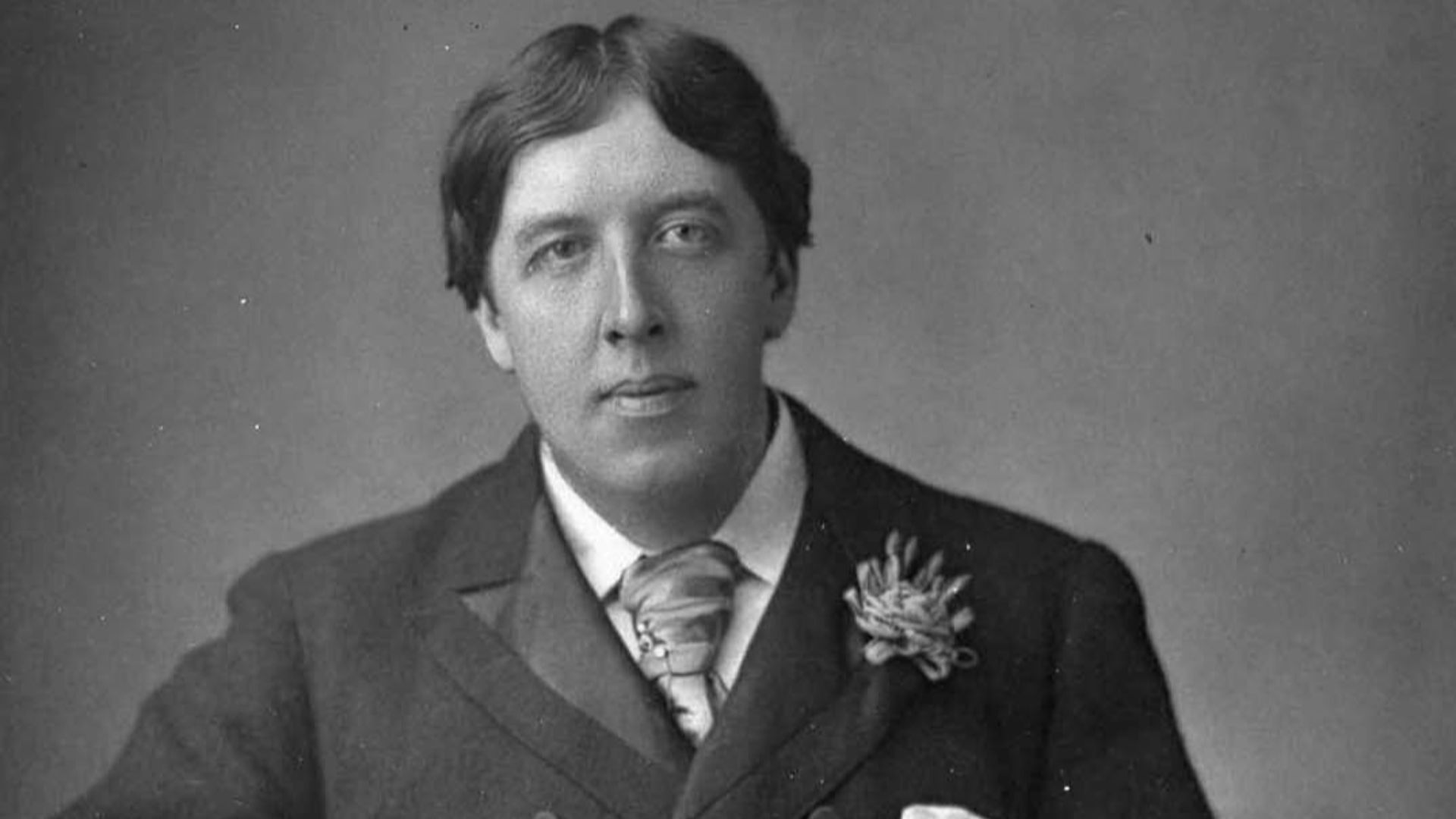
1. Oscar Wilde
Oscar Wilde rose to fame in the 1890s with phenomenal works like The Picture of Dorian Gray (1890) and The Importance of Being Earnest (1895). He had relationships with men, most famously Lord Alfred Douglas, which became central to his public scandal, and in 1895, he was convicted under Britain’s anti-gay laws and sentenced to two years of hard labor.
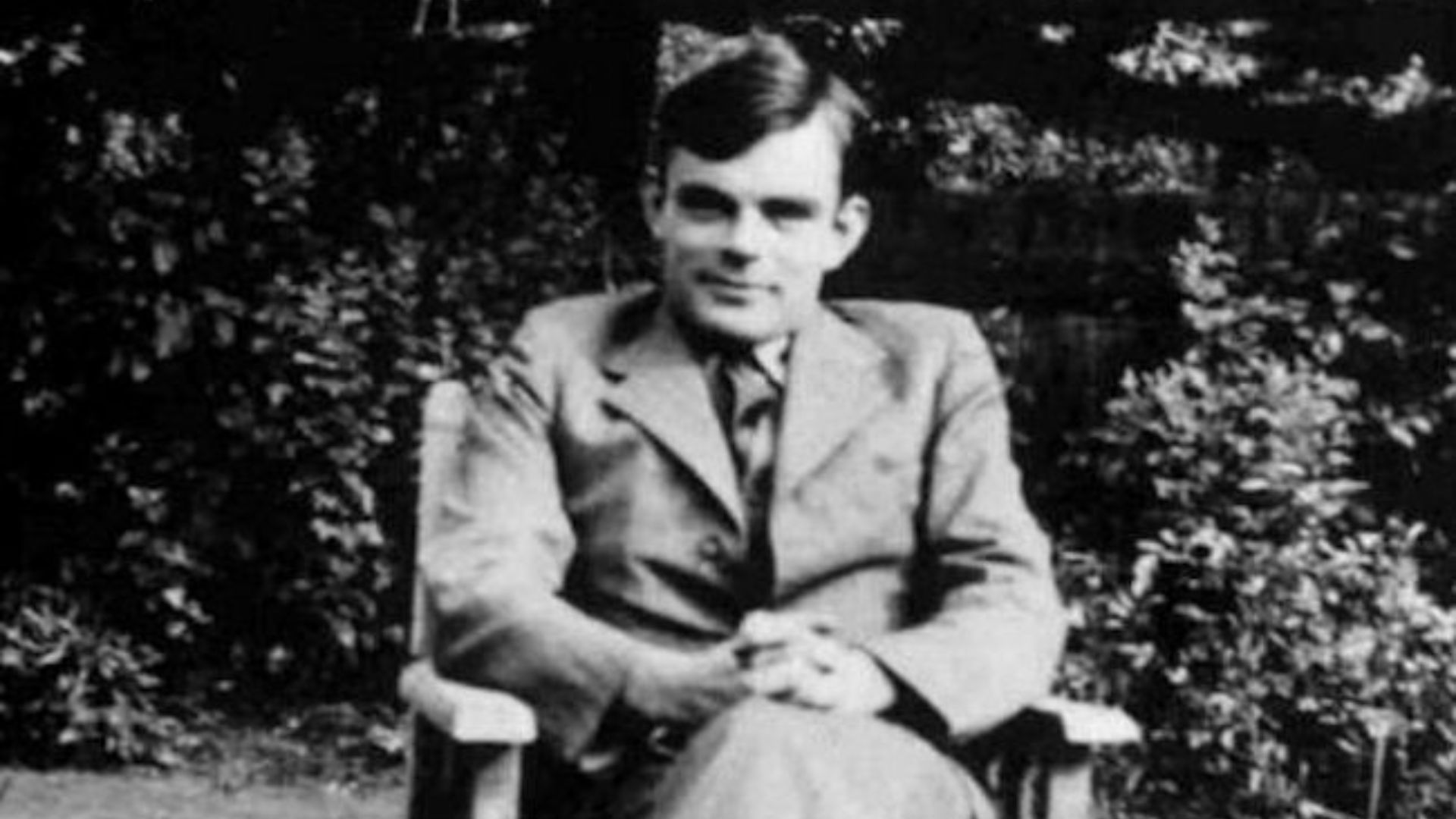
2. Alan Turing
Alan Turing became widely known during World War II for his role in breaking German codes at Bletchley Park—but his achievements didn't spare him from ridicule. Despite his contributions that shaped computing, especially after his 1936 paper on computable numbers, he was prosecuted in 1952 for a same-sex relationship and subjected to chemical castration.
3. Bayard Rustin
Bayard Rustin’s most visible work came during the civil rights movement of the 1950s and 1960s, especially organizing the 1963 March on Washington. He was openly gay, too, which caused tensions within the movement’s leadership, and in 1953, he was arrested on a morals charge related to a same-sex encounter.
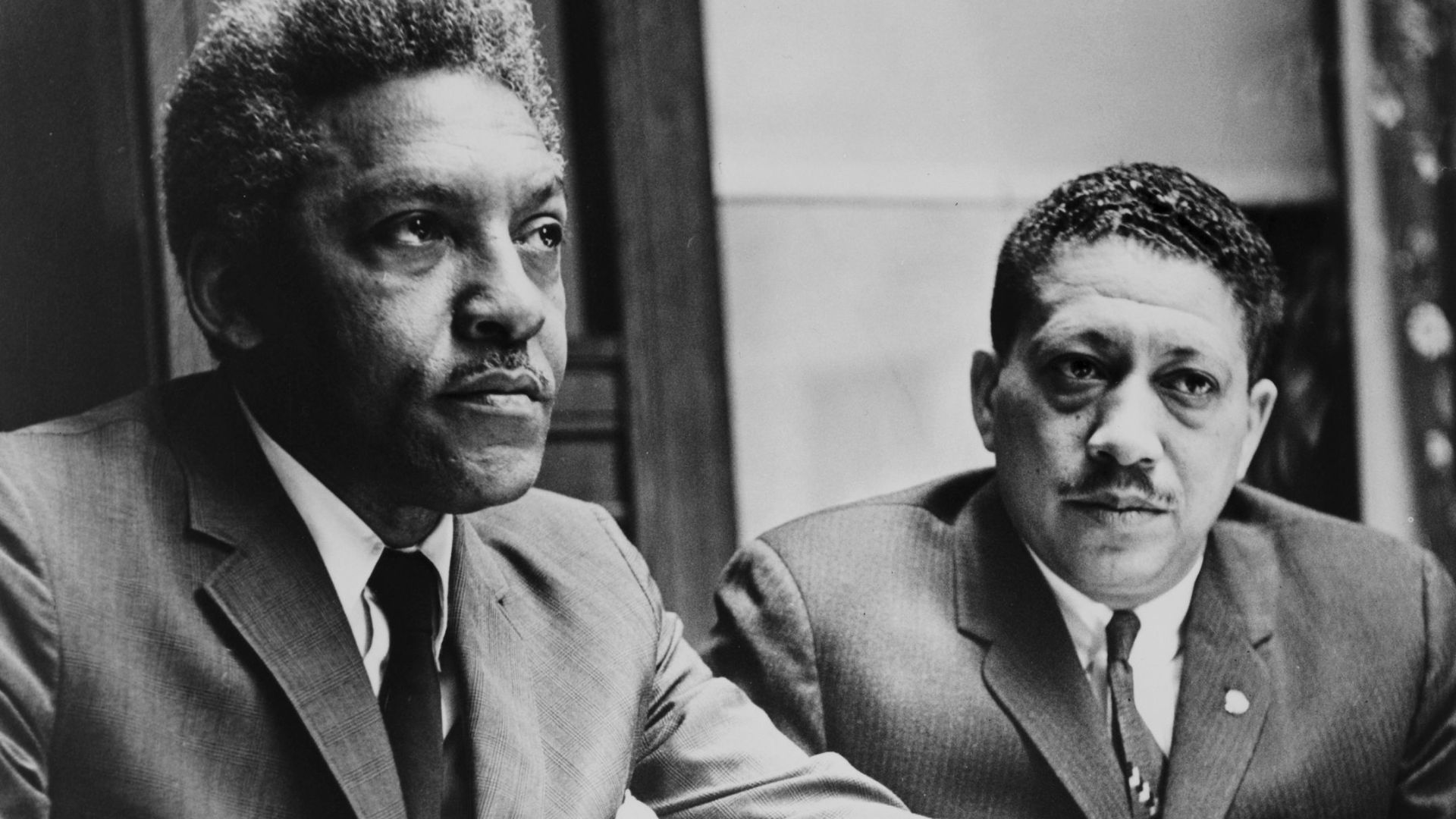 Al Ravenna, New York World-Telegram and the Sun staff photographer on Wikimedia
4. Harvey Milk
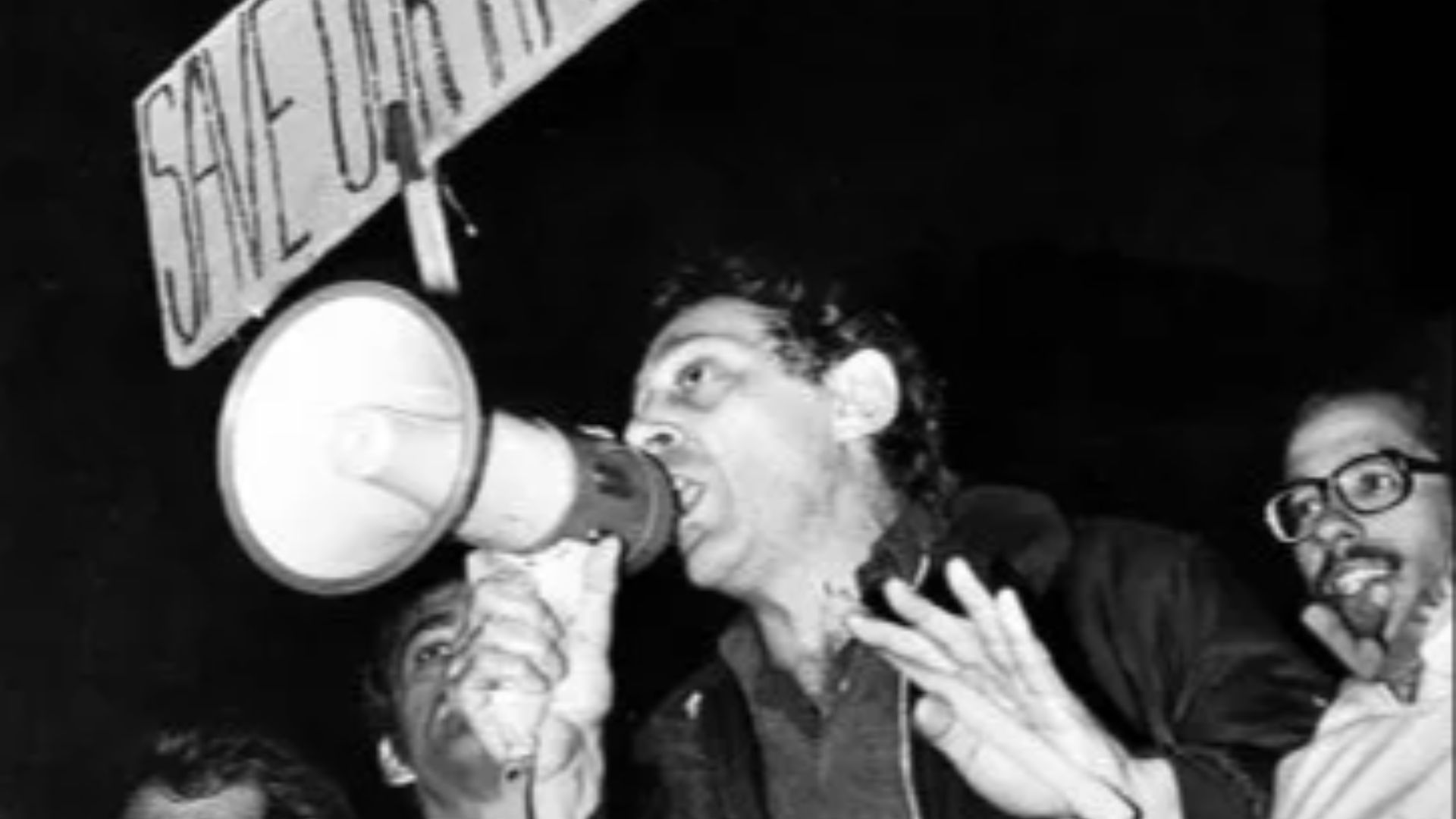
Harvey Milk rose to prominence in the 1970s and was elected to the San Francisco Board of Supervisors in 1977. As one of the first openly gay elected officials in the U.S., he advocated for LGBTQ rights and broader protections, but his life was cut short when he was assassinated in 1978, only a year after taking office.
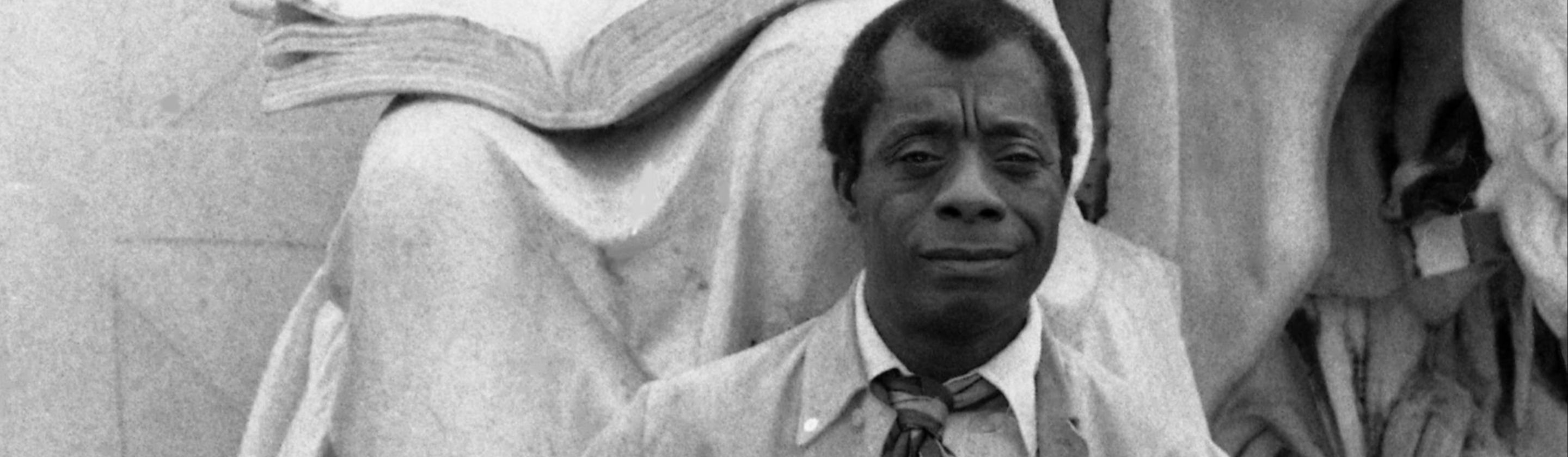
5. James Baldwin
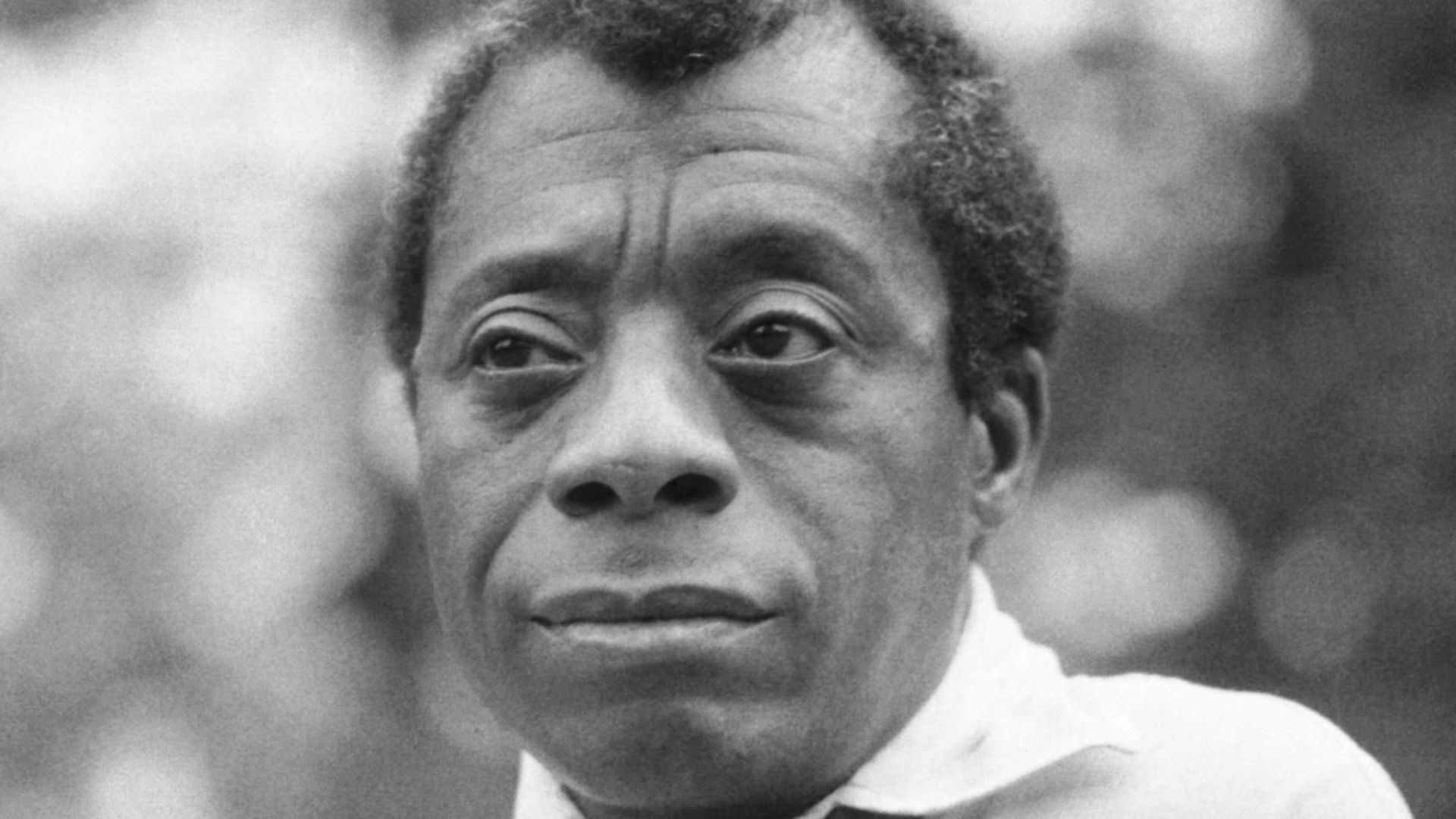
James Baldwin gained much-deserved recognition in the 1950s and 1960s with incredible works like Go Tell It on the Mountain (1953) and Giovanni’s Room (1956). His writing explored all kinds of sensitive topics, like race and sexuality, with unusual openness for the time. While he wasn’t formally prosecuted for being gay, he chose to live abroad to avoid American discrimination.
6. Federico García Lorca
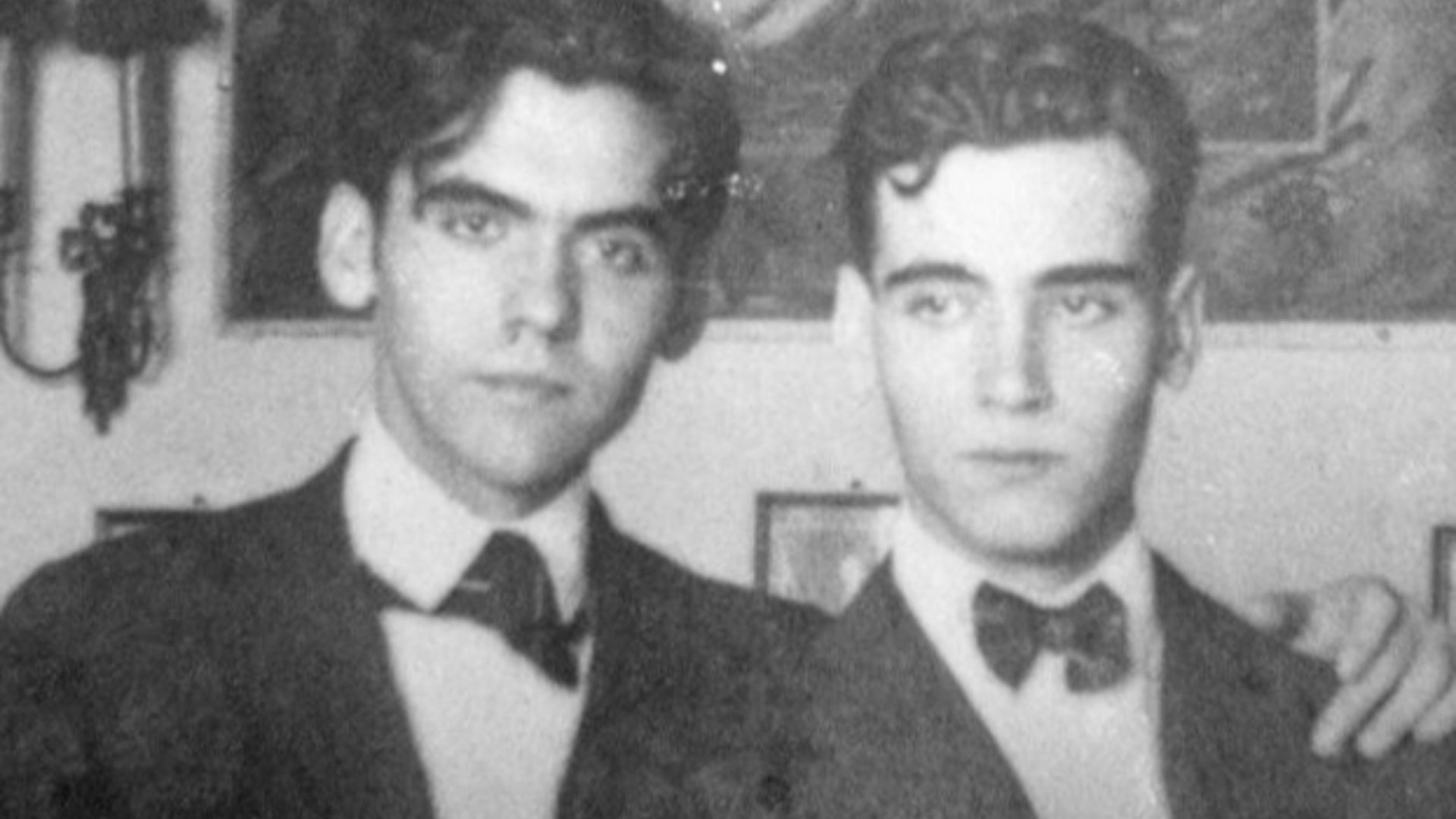
Federico García Lorca became one of Spain’s leading literary voices in the 1920s and 1930s, writing plays like Blood Wedding (1933). Even today, his homosexuality is widely discussed in scholarship, though it wasn’t openly discussed in public due to the so-called norms at the time. In 1936, he was executed during the Spanish Civil War, likely influenced in part by his identity and political associations.
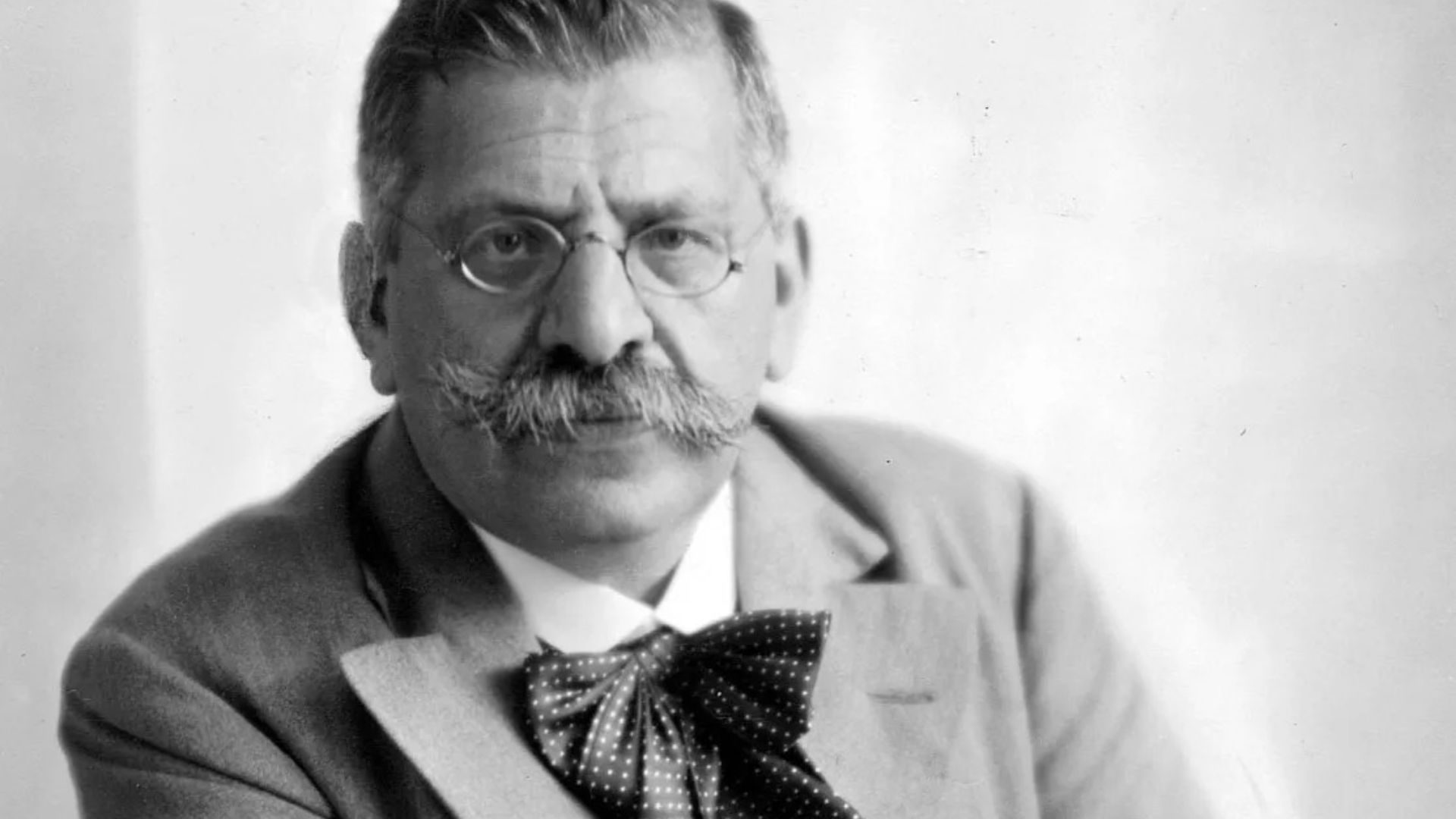
7. Magnus Hirschfeld
Magnus Hirschfeld was most active from the 1890s through the 1920s, founding the Institute for Sexual Science in 1919. Astonishingly, he advocated for gay and transgender rights long before such ideas were widely accepted, but in 1933, Nazi forces destroyed his institute and forced him into exile.
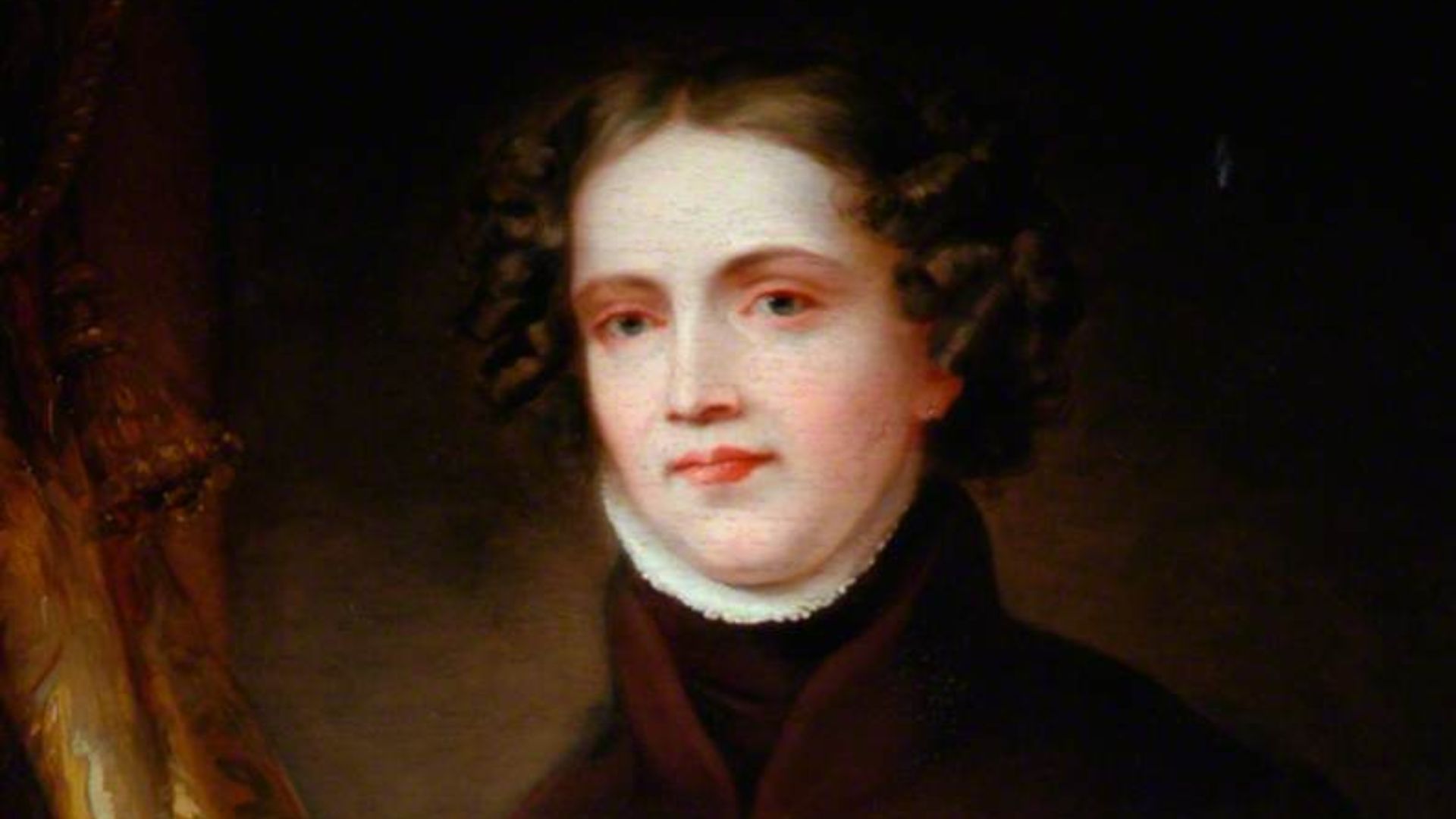
8. Anne Lister
Anne Lister kept detailed diaries documenting her life and relationships throughout the early 19th century, and we’ve been able to peek into her thoughts today. Her most significant relationship was with Ann Walker, and they took communion together in 1834 as a form of commitment. In her life, she faced all sorts of hostility for her expression and relationships.
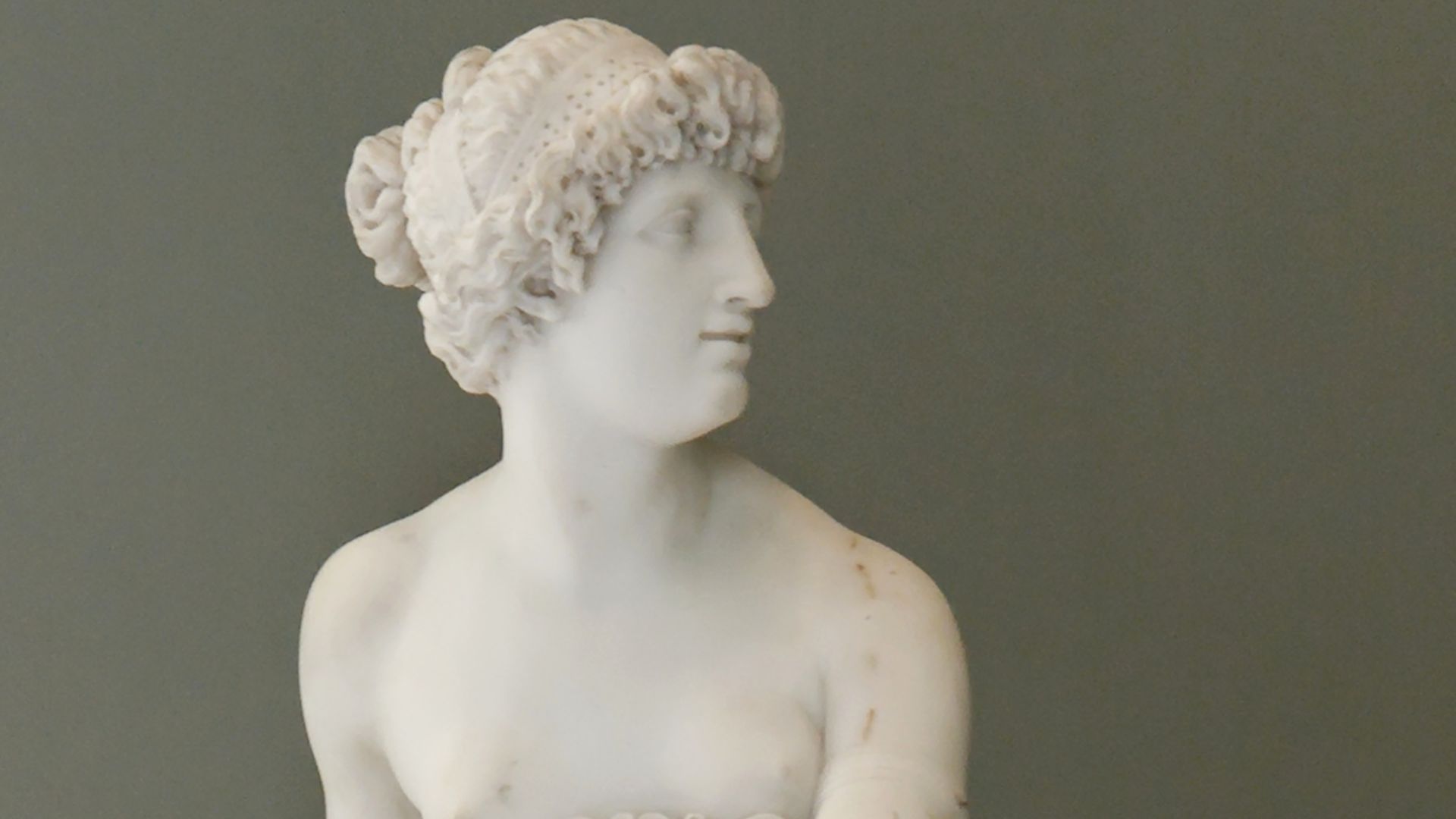
9. Sappho
Homosexuality existed long before the 19th century, of course, with Sappho being a prime example. She lived around 630–570 BCE and was known in her time for lyric poetry performed with music. Her surviving fragments, preserved across centuries, expressed affection and desire for women. However, because of the time period, her legacy has been reshaped and debated over time.
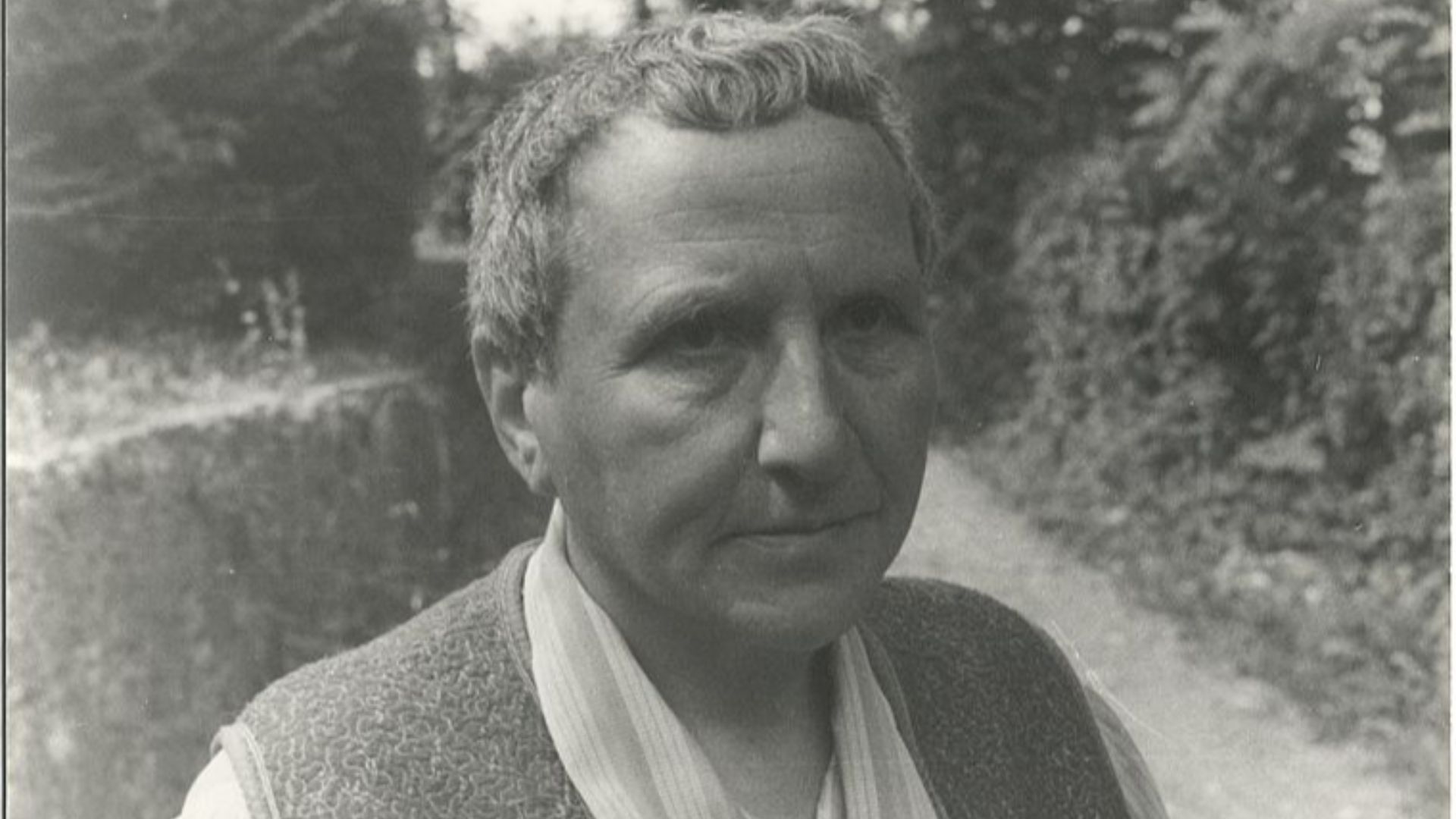
10. Gertrude Stein
Gertrude Stein became a central figure in the Paris art world in the early 20th century, most notably between 1900 and the 1930s. Her work, including Tender Buttons (1914), helped define modernist literature, and if that wasn’t impressive enough, she also lived openly with her partner Alice B. Toklas.
11. Alice B. Toklas
Speaking of whom, Alice B. Toklas herself became widely known after the publication of her own life, aptly titled The Autobiography of Alice B. Toklas in 1933. Her life with Stein was steady and public within their community, even if it wasn’t fully accepted outside it.
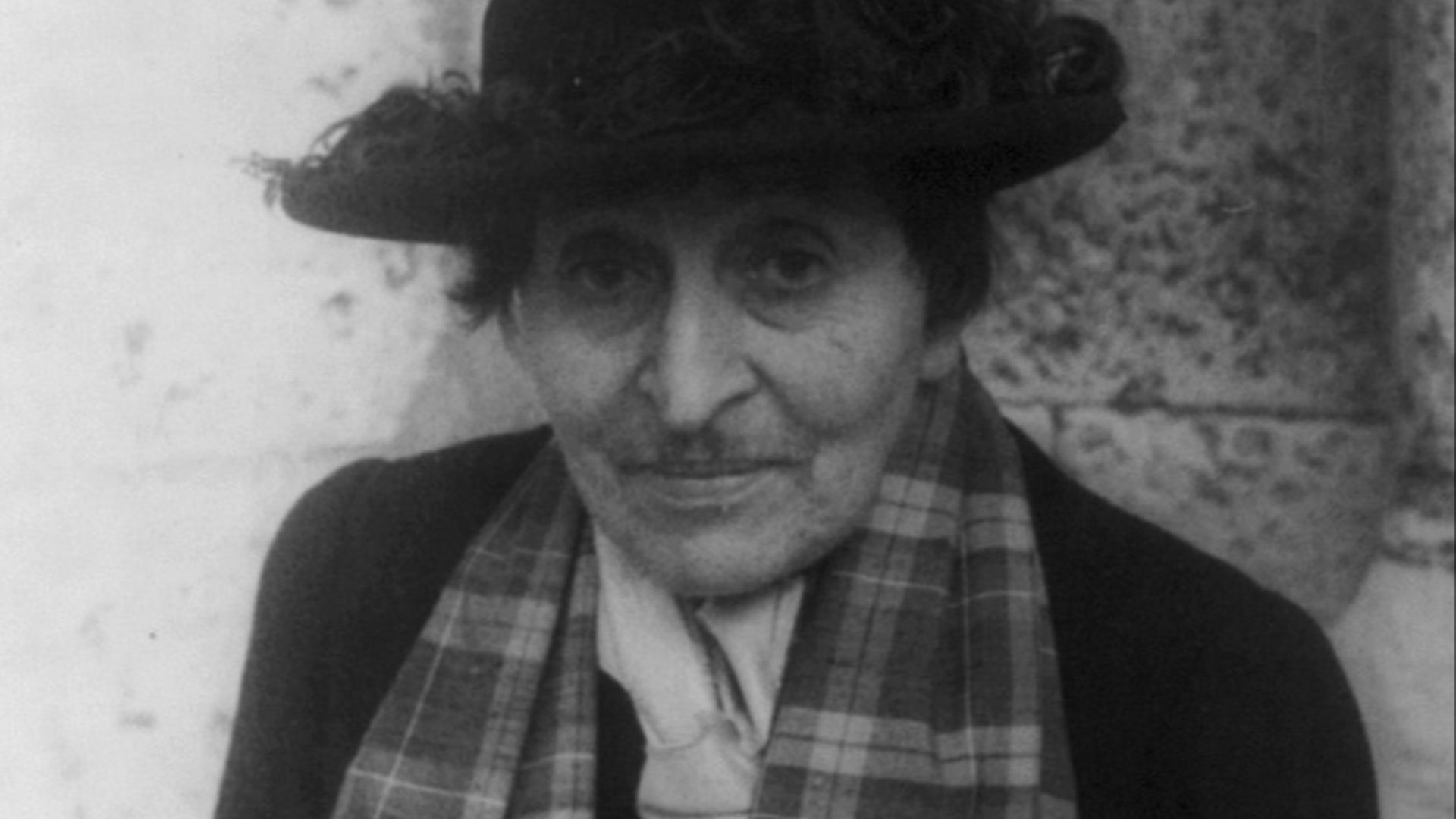
12. Radclyffe Hall
Radclyffe Hall gained recognition after publishing The Well of Loneliness in 1928—though maybe not for the reasons she hoped. The novel depicted a lesbian protagonist, quickly becoming controversial, and that same year, it was banned in Britain following an obscenity trial.
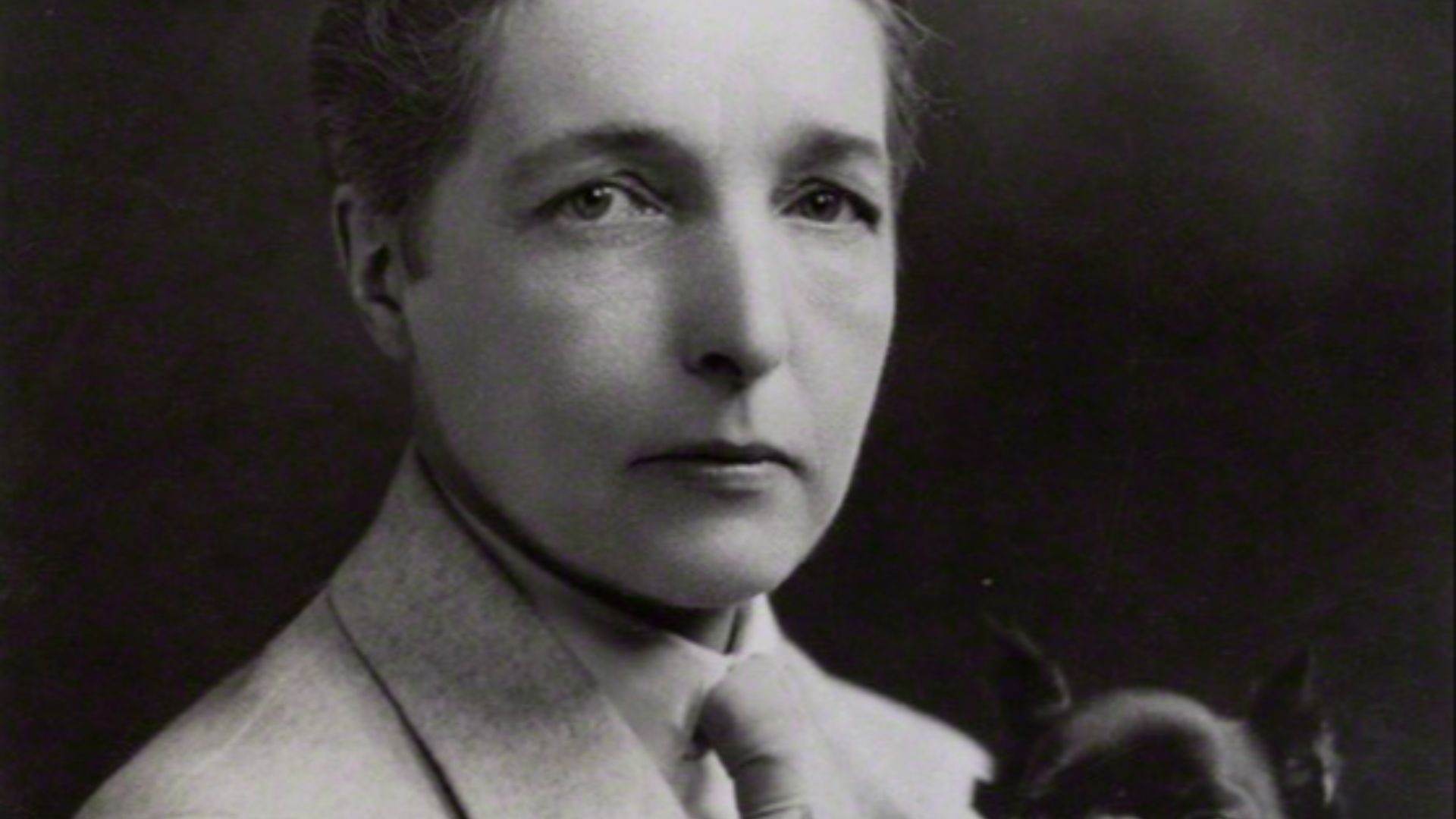
13. Audre Lorde
Audre Lorde became widely known between the 1960s and 1980s, with books like Coal (1976) and The Black Unicorn (1978). She wasn’t ashamed of who she was, speaking openly about being a Black lesbian, while using her writing to challenge injustice. Naturally, she faced systemic discrimination across multiple aspects of her identity.
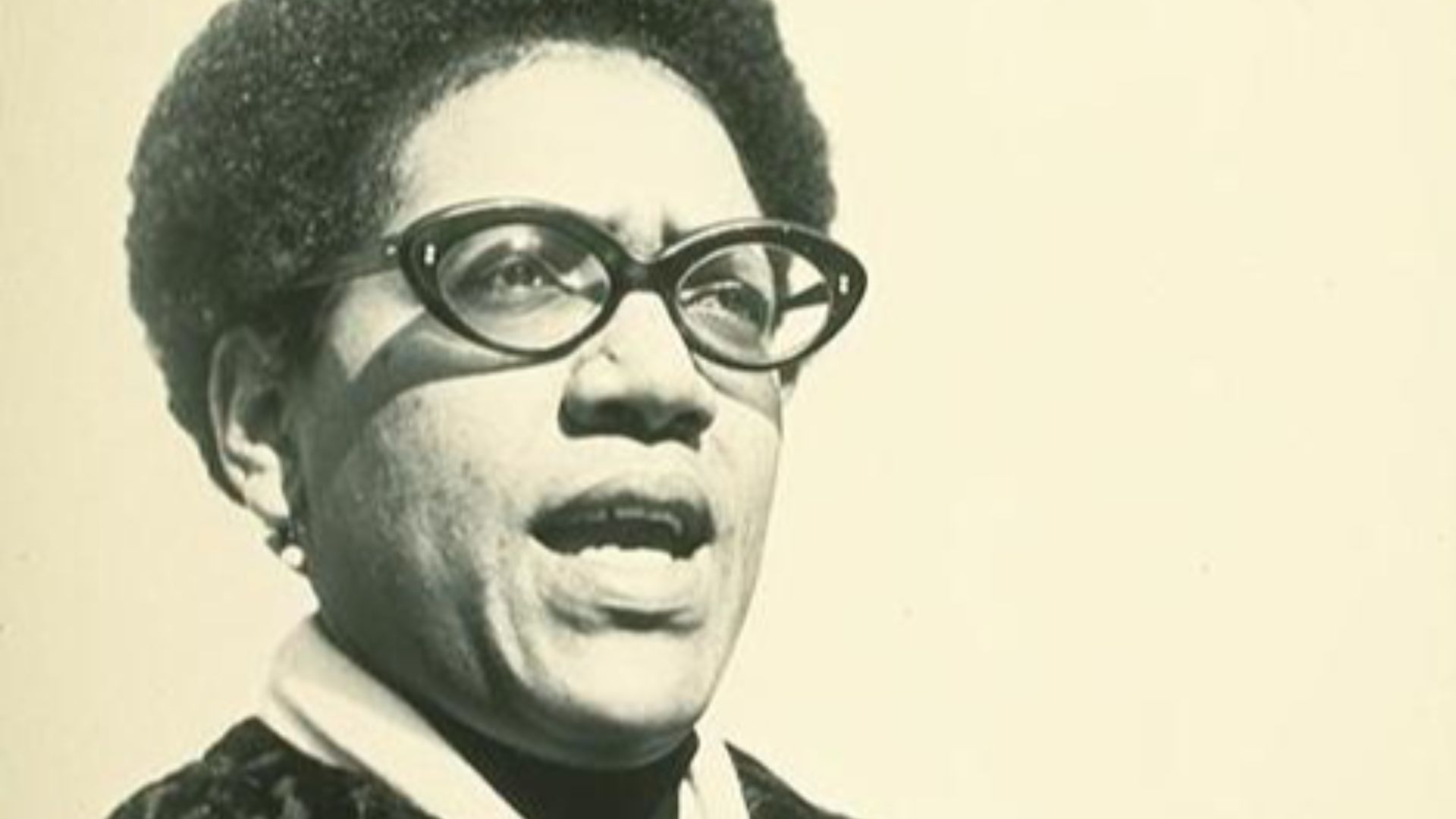
14. Lorraine Hansberry
Lorraine Hansberry rose to fame with A Raisin in the Sun, which premiered on Broadway way back in 1959. She also wrote for The Ladder in the late 1950s under her initials, engaging with lesbian discourse. Her sexuality wasn’t publicly acknowledged during her lifetime, however, which made sense given the risks of the era.
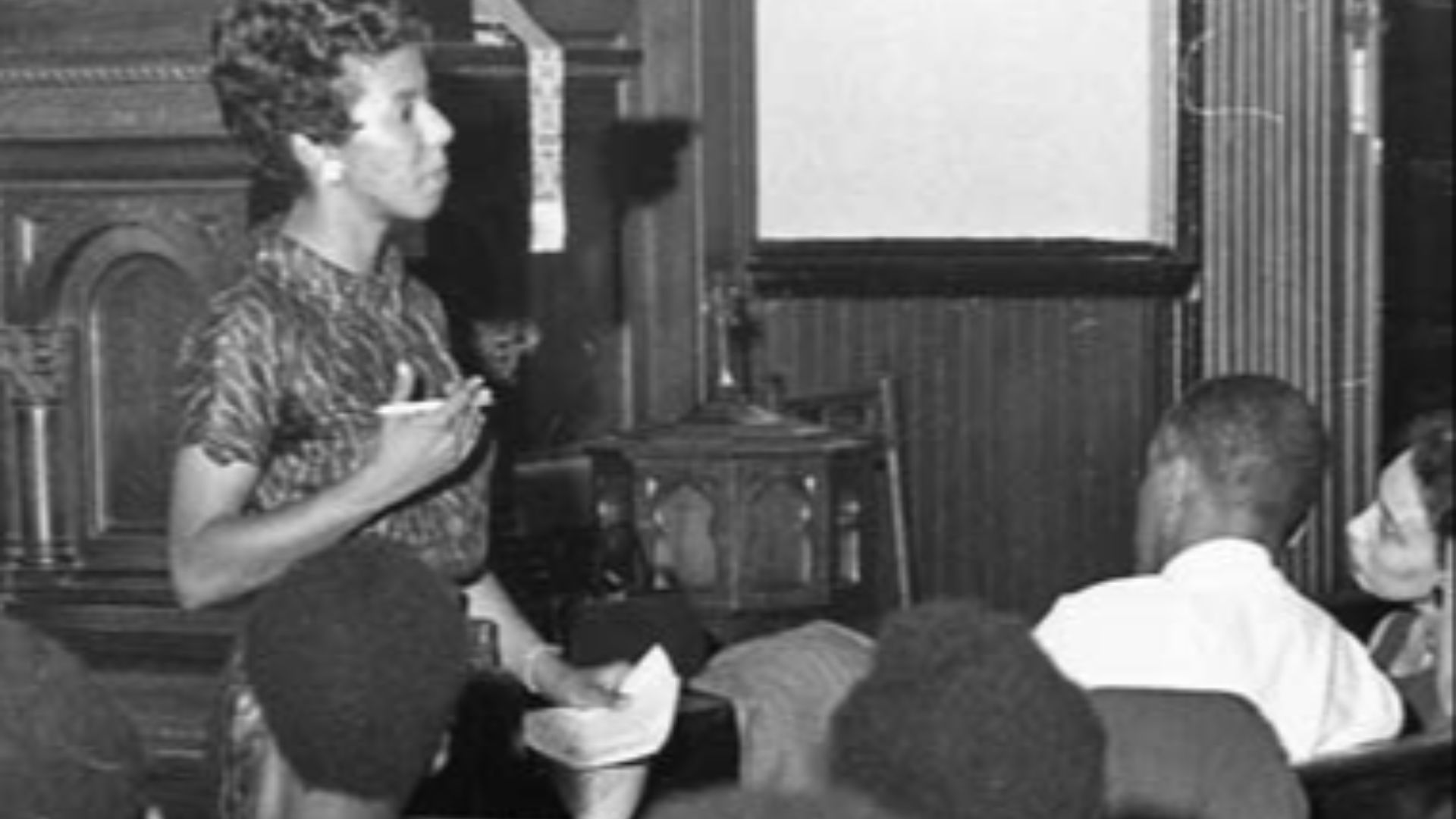
15. Barbara Gittings
Barbara Gittings did a lot of prominent work in her lifetime. She was most active from the 1950s through the 1970s as a key figure in early LGBTQ activism, helping organize protests in the 1960s and working to change psychiatric views on homosexuality. Her work actually culminated in its removal from the DSM in 1973.
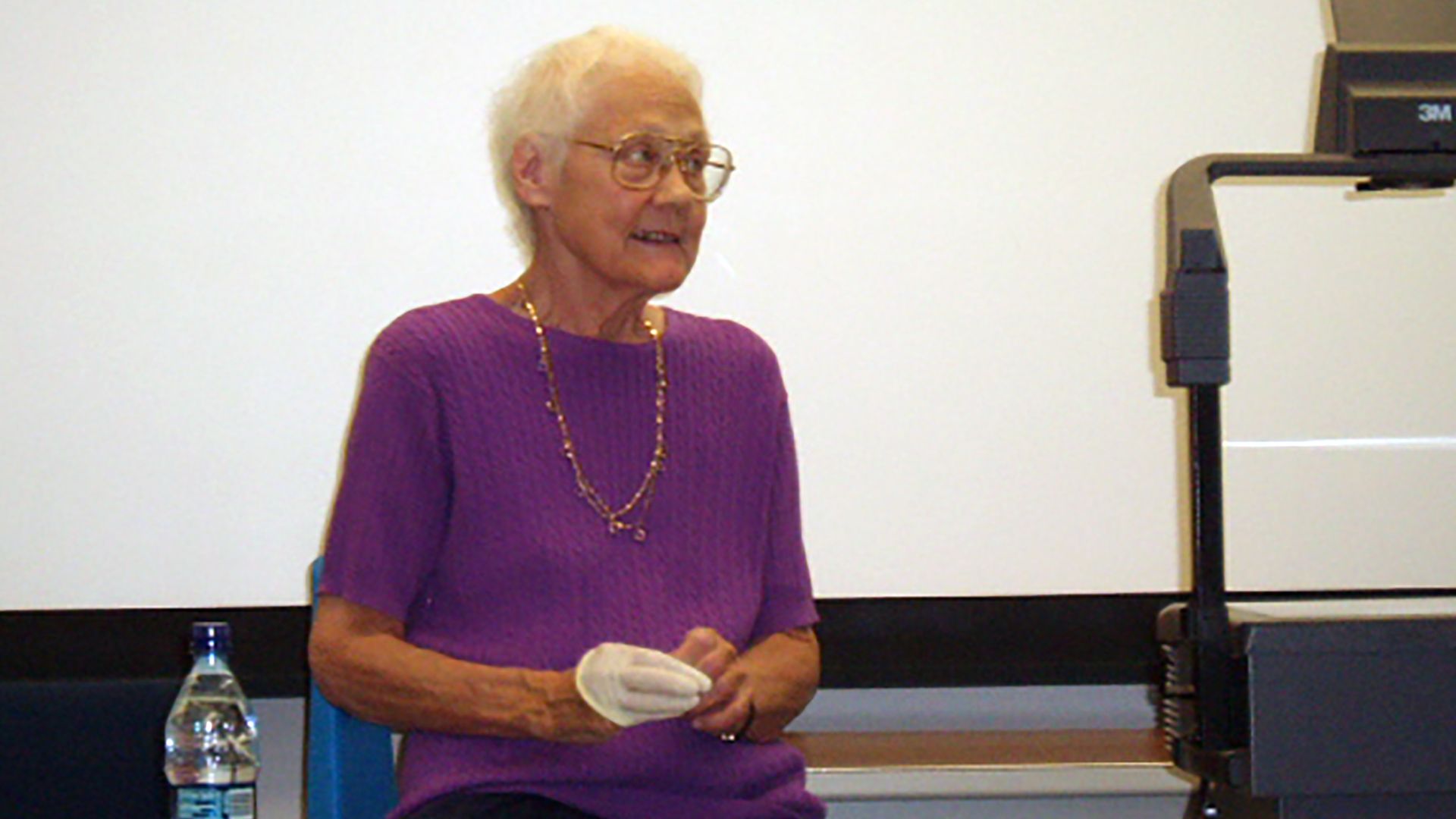
16. W. H. Auden
W. H. Auden gained prominence in the 1930s with his work, but it was his relationship with Chester Kallman that influenced his later work and personal life. Auden actually lived much of his adult life in places where he could be more open about his identity, avoiding harsher legal environments.
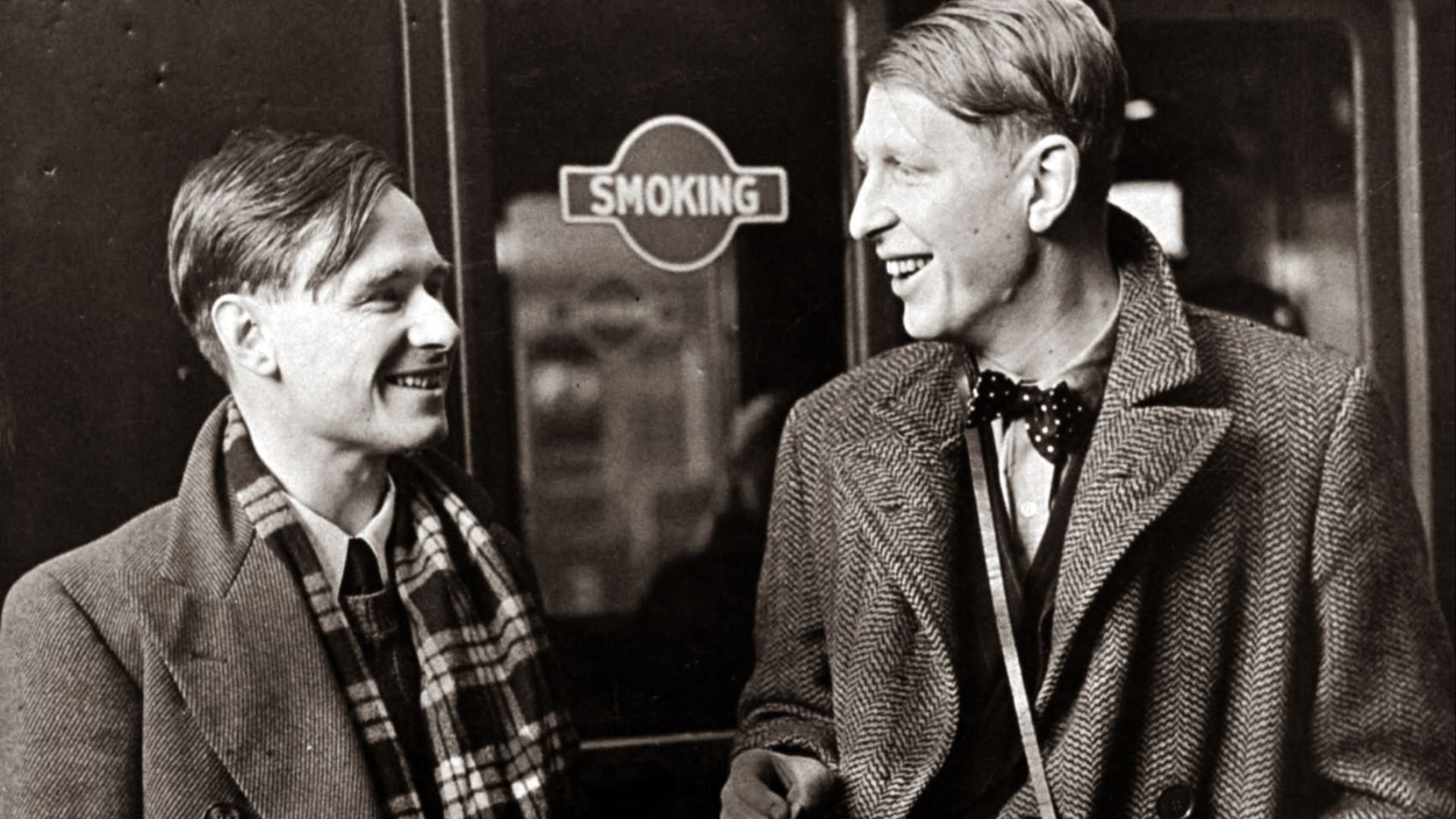 National Media Museum from UK on Wikimedia
17. Christopher Isherwood
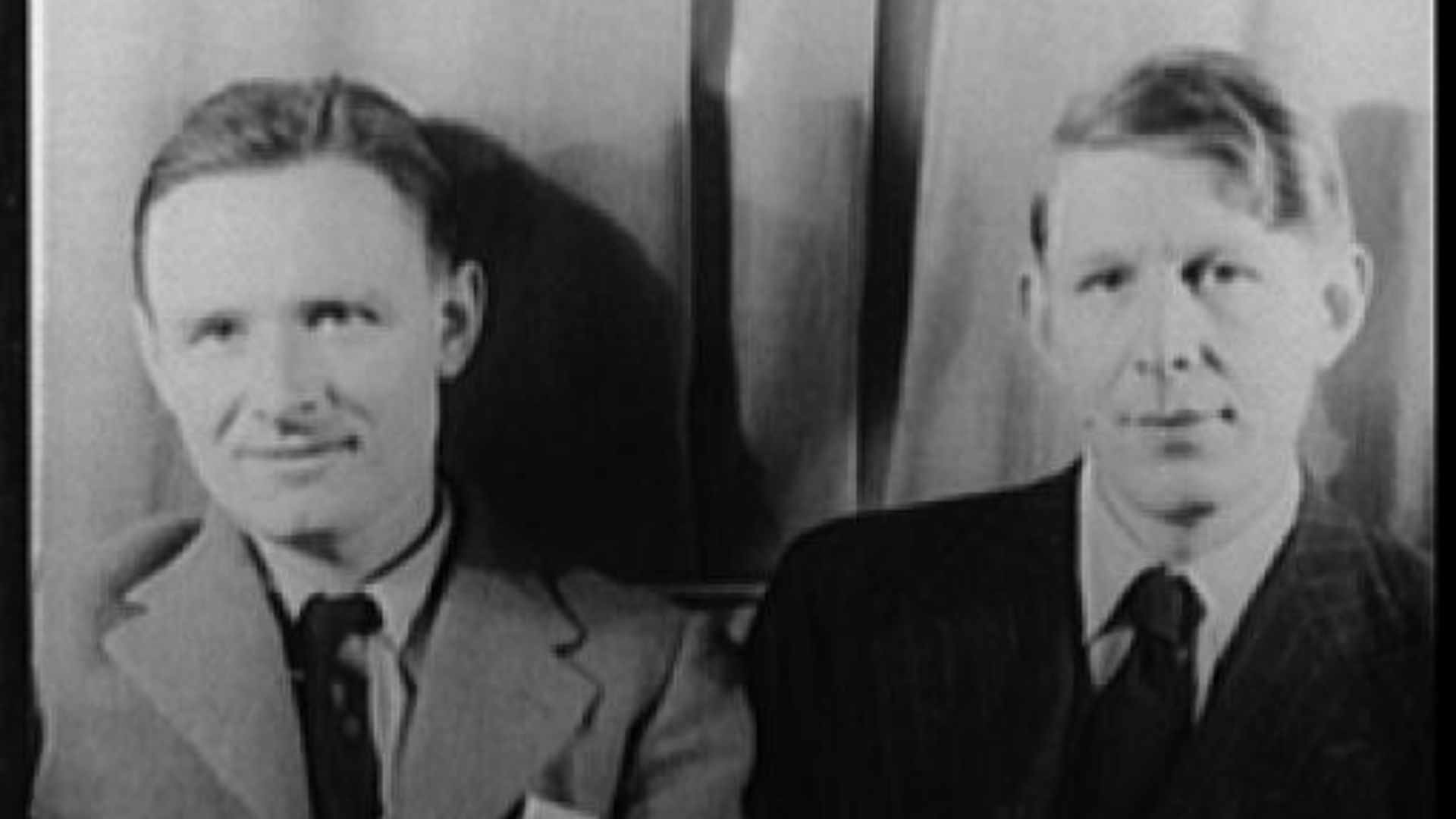
You might not know his name, but you know his work. Christopher Isherwood became well known in the 1930s with Goodbye to Berlin (1939), which later inspired Cabaret. But that’s not all he had tied to his name. His long relationship with Don Bachardy began in the 1950s and lasted decades, which was a big deal at the time.
18. Tennessee Williams
Tennessee Williams rose to fame in the 1940s and 1950s with plays we still study today, like The Glass Menagerie (1944) and A Streetcar Named Desire (1947). That said, society at the time focused heavily on his relationship with Frank Merlo, which lasted from the late 1940s until Merlo died in 1963.
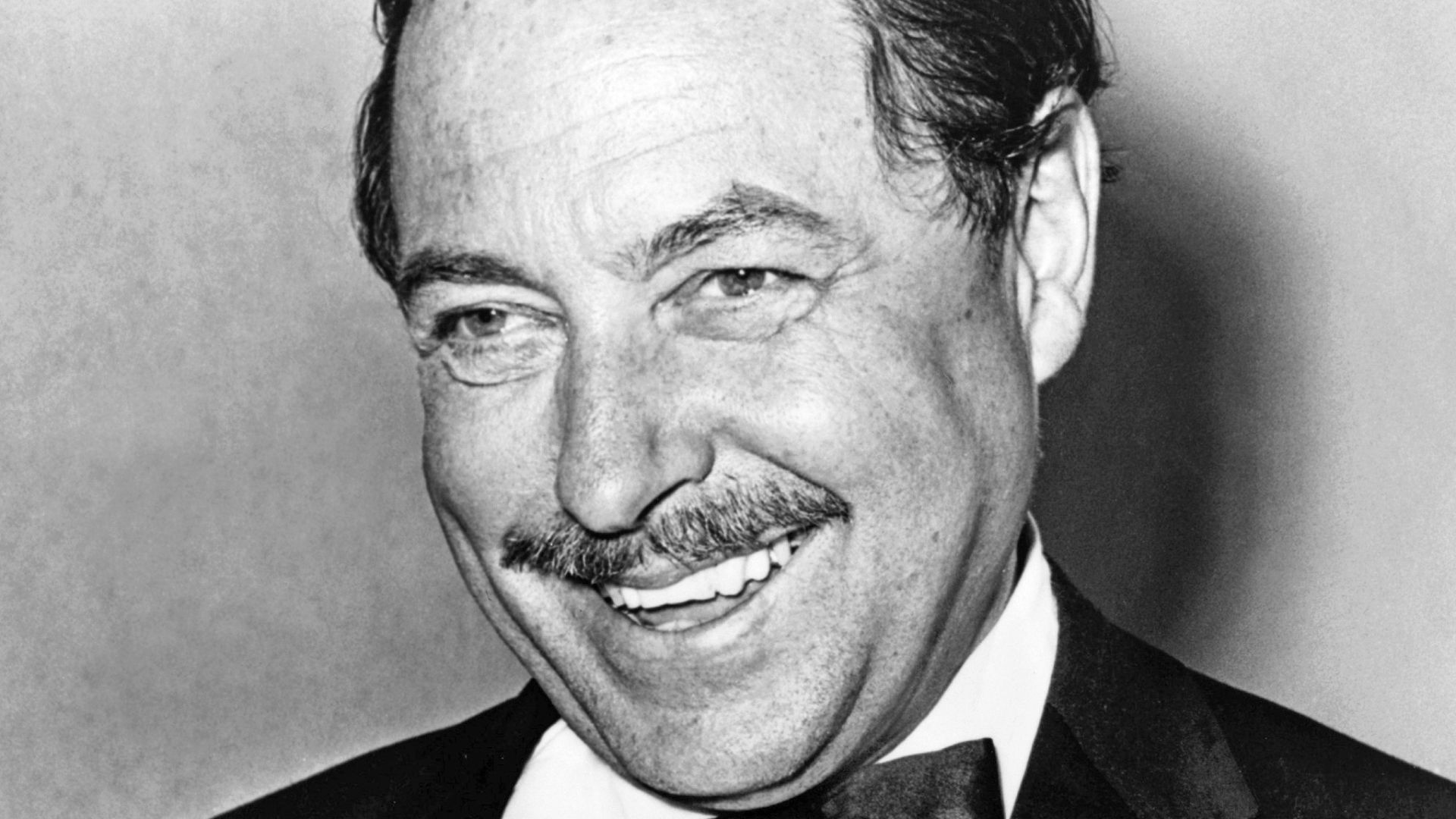 Orlando Fernandez, World Telegram staff photographer on Wikimedia
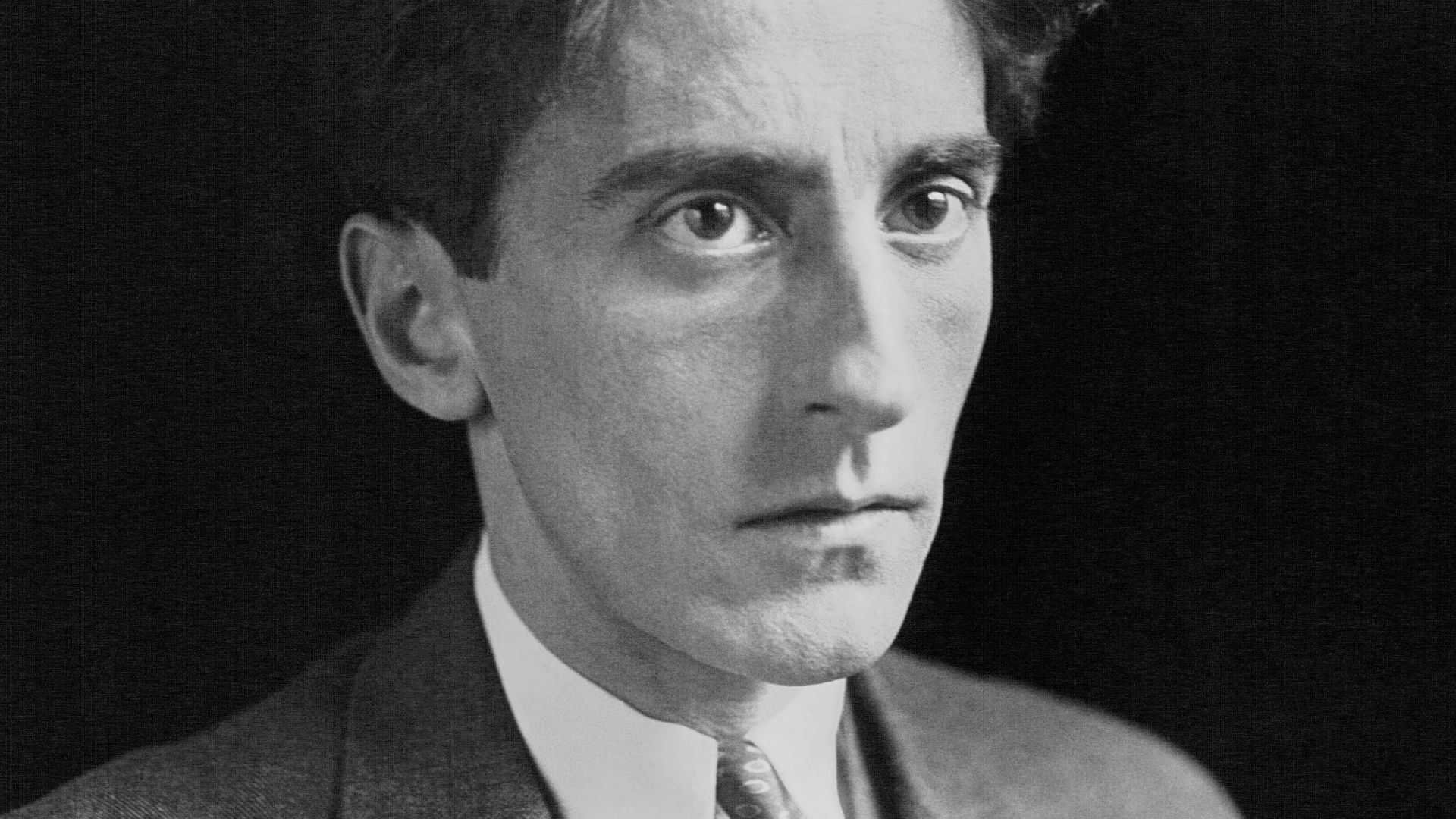
19. Jean Cocteau
Jean Cocteau was active across the arts from the 1910s through the 1950s, but his career was far from the only talking point. His relationship with actor Jean Marais was widely known in artistic circles, and he worked in environments that allowed more openness than many of his contemporaries experienced.
 Agence de presse Meurisse on Wikimedia
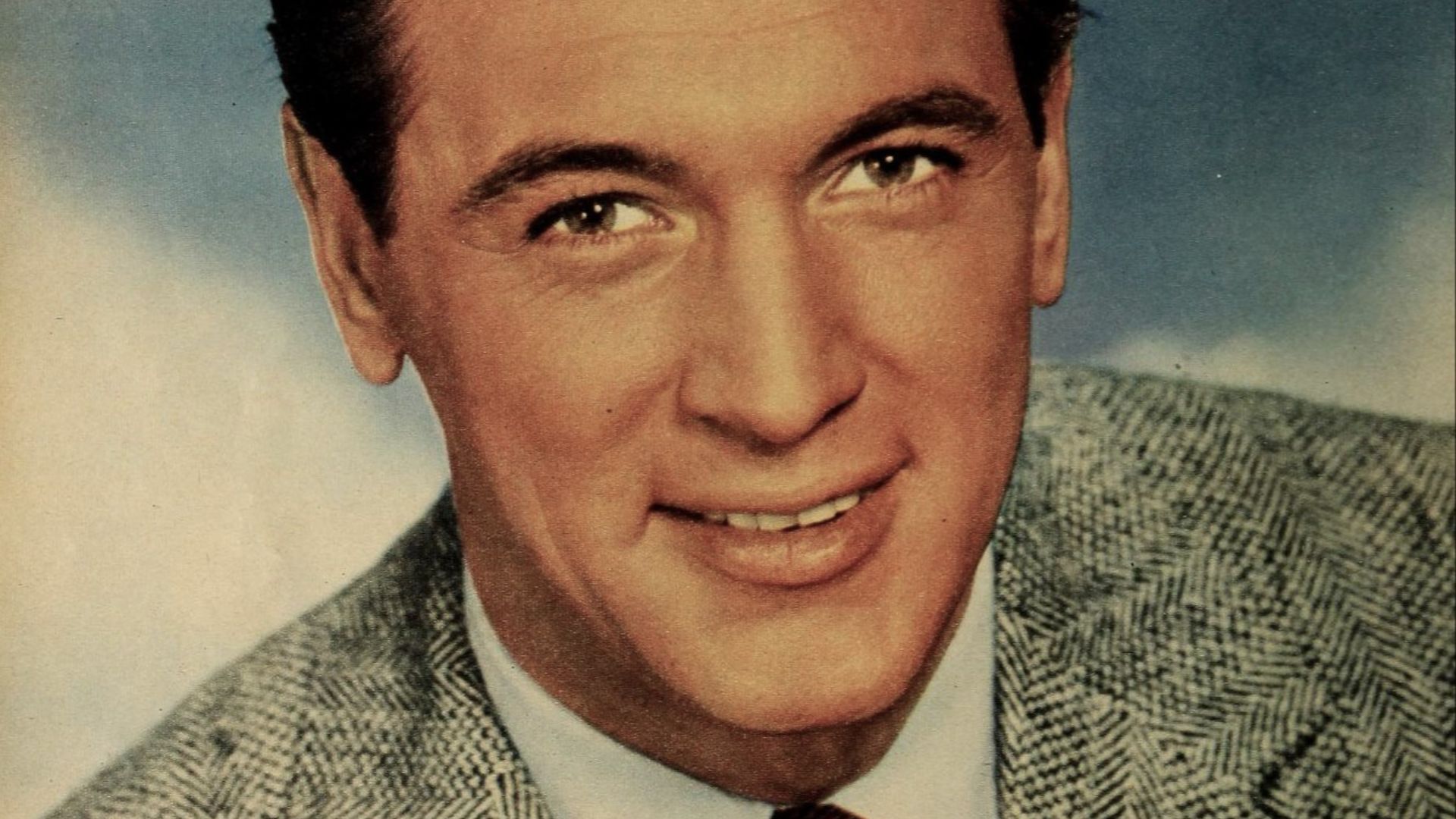
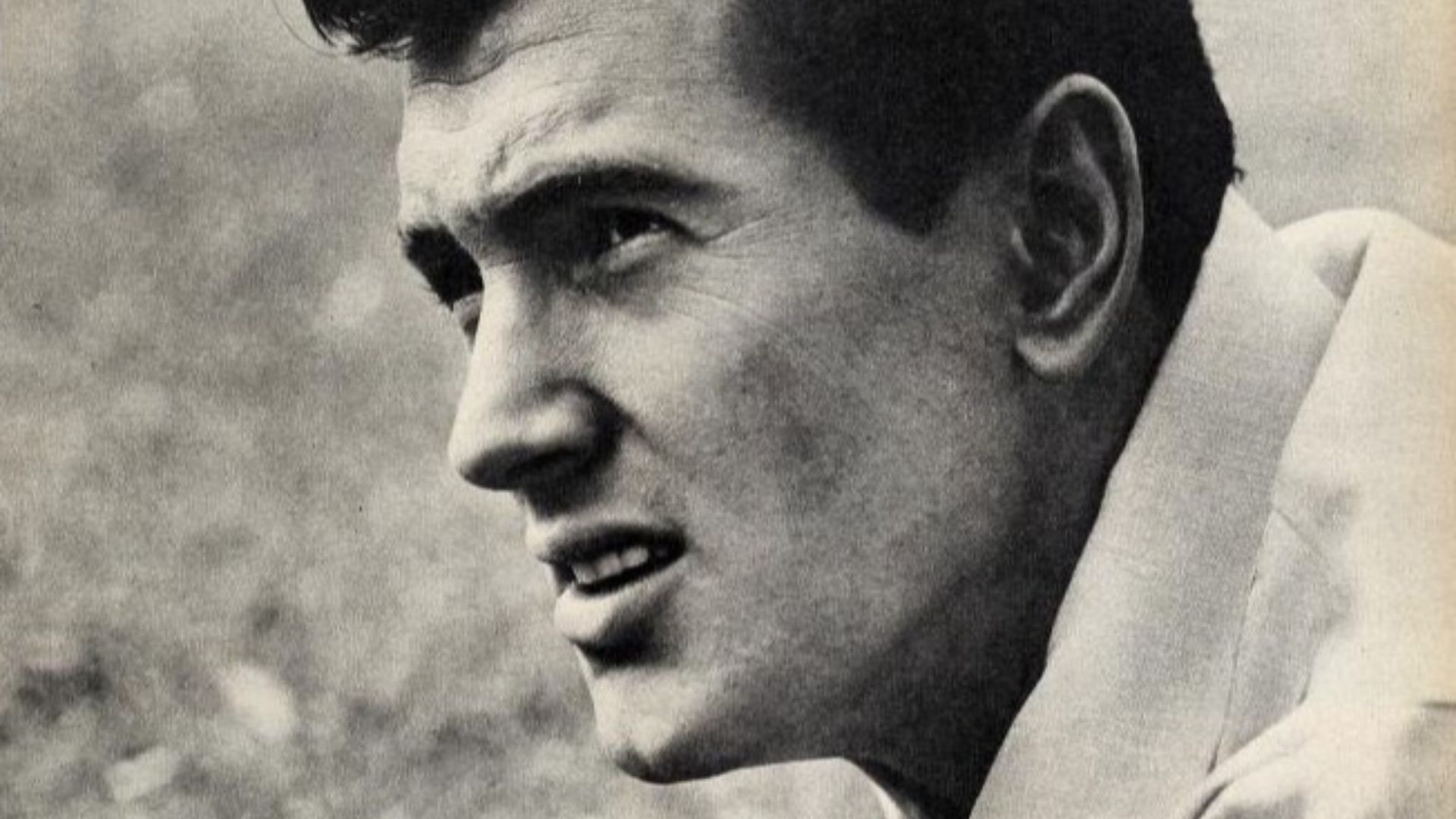
20. Rock Hudson
Rock Hudson became a major film star in the 1950s and 1960s, and though people speculated on his sexuality, it was largely kept private during his career due to public expectations. That all changed, though, in 1985 when his death from AIDS-related complications brought widespread attention to the epidemic.
KEEP ON READING
The 20 Most Recognized Historical Figures Of All Time
The Biggest Names In History. Although the Earth has been…
By Cathy Liu Oct 4, 2024
10 of the Shortest Wars in History & 10 of…
Wars: Longest and Shortest. Throughout history, wars have varied dramatically…
By Emilie Richardson-Dupuis Oct 7, 2024
10 Fascinating Facts About Ancient Greece You Can Appreciate &…
Once Upon A Time Lived Some Ancient Weirdos.... Greece is…
By Megan Wickens Oct 7, 2024
20 Lesser-Known Facts About Christopher Columbus You Don't Learn In…
In 1492, He Sailed The Ocean Blue. Christopher Columbus is…
By Emilie Richardson-Dupuis Oct 9, 2024
20 Historical Landmarks That Have The Craziest Conspiracy Theories
Unsolved Mysteries Of Ancient Places . When there's not enough evidence…
By Megan Wickens Oct 9, 2024
The 20 Craziest Inventions & Discoveries Made During Ancient Times
Crazy Ancient Inventions . While we're busy making big advancements in…
By Cathy Liu Oct 9, 2024