

I Ignored Seven Frantic Calls From My Doctor—By The Time I Answered, I Was Already Racing To The ER
I Ignored Seven Frantic Calls From My Doctor—By The Time I Answered, I Was Already Racing To The ER
The Third Reschedule
I rescheduled that appointment twice before Mark finally put his foot down, and honestly, both times felt completely justified in the moment. The first time, I had a project deadline that genuinely could not move — or at least that's what I told myself at eleven-thirty the night before, when I was still staring at a spreadsheet and quietly panicking. The second time, I just... didn't want to go. There's no better explanation than that. The whole process of sitting in a waiting room, filling out the same forms I filled out three years ago, having someone take my blood pressure and tell me to eat more vegetables — it felt like a waste of a perfectly good Friday morning. I was fine. I felt fine. I had no reason to think otherwise. But Mark had been watching me dodge this thing for two months, and that morning over coffee he didn't say much. He just looked at me across the kitchen table with that particular expression he has — not angry, not nagging, just steady and patient and quietly certain that I was being an idiot. I told him I'd call to reschedule for real this time. He nodded once, like he'd believe it when he saw it. That look stayed with me longer than any argument would have.
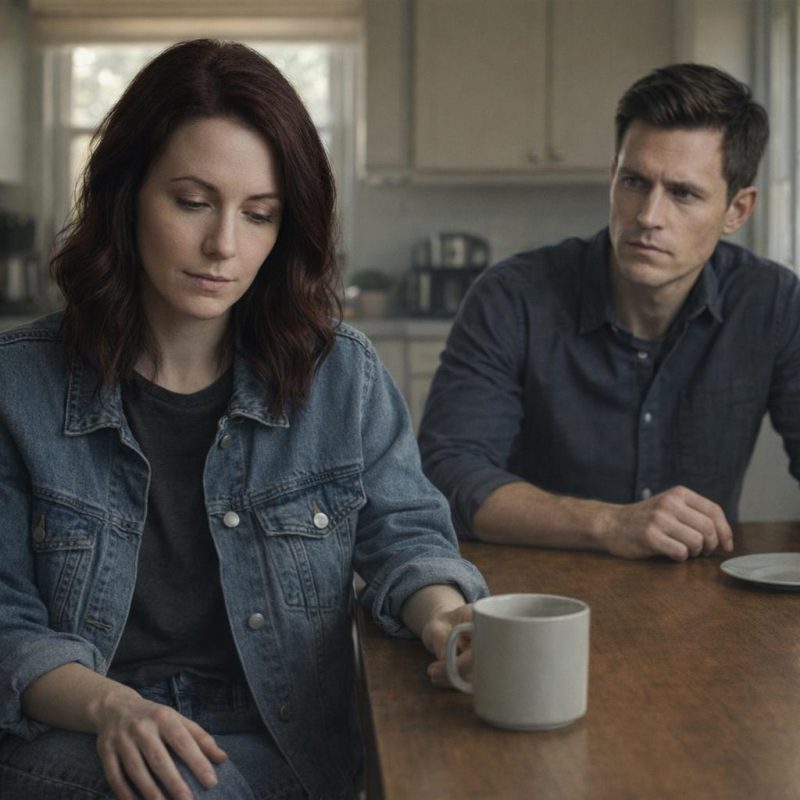 Image by RM AI
Errands and Obligations
I pulled out of the driveway that Friday morning with my coffee going cold in the cupholder and a mental grocery list already forming in my head. Eggs, definitely. We were out of eggs. And I needed to remember to grab that dry cleaning before the weekend, and there were those shoes in the trunk — a pair of sandals I'd bought online three months ago that were half a size too small and still hadn't made it back to the return drop-off. I figured I could swing by after the appointment, maybe grab lunch somewhere, make a whole efficient little errand loop out of it. The appointment itself barely registered as the main event. It was just the anchor point around which I was organizing my Saturday errands on a Friday, which felt vaguely like a personal win. I wasn't nervous. I wasn't dreading it. I genuinely felt fine — healthy, normal, no complaints worth mentioning. This was just one of those things you do because you're a functioning adult who has a doctor and occasionally sees her. The drive was twenty minutes of radio and autopilot, and before I'd even finished mentally debating whether to get a salad or a sandwich for lunch, I was turning into the clinic parking lot.
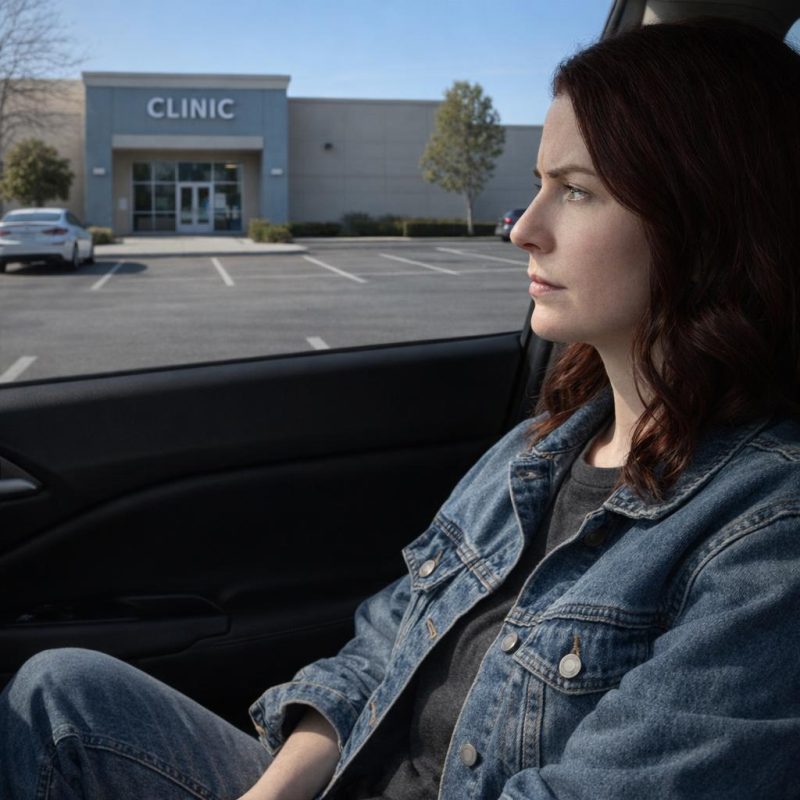 Image by RM AI
Industrial Disinfectant and Daytime TV
The waiting room smelled exactly the way every waiting room smells — that particular combination of industrial disinfectant and something vaguely like stale coffee that no amount of air freshener has ever successfully defeated. There were maybe six other people scattered across the chairs, all of them hunched over their phones with the focused energy of people who have accepted that time has stopped and there is nothing to do but scroll. I grabbed a clipboard from the front desk and settled into a chair near the window, and then spent the next ten minutes filling out forms that asked me questions I had definitely answered before. Same emergency contact. Same insurance information. Same little row of checkboxes about whether I smoked, drank, exercised regularly. I checked the same boxes I always check. In the corner, a mounted TV was playing one of those daytime talk shows where everyone seems extremely invested in something I couldn't quite follow without sound. I watched it for a minute, then went back to my phone. Nobody called my name. The minutes moved the way waiting room minutes always do — slowly, with no particular urgency, the whole place suspended in that specific kind of institutional stillness where nothing feels important or pressing. The smell of antiseptic and old coffee settled over everything like it had always been there and always would be.
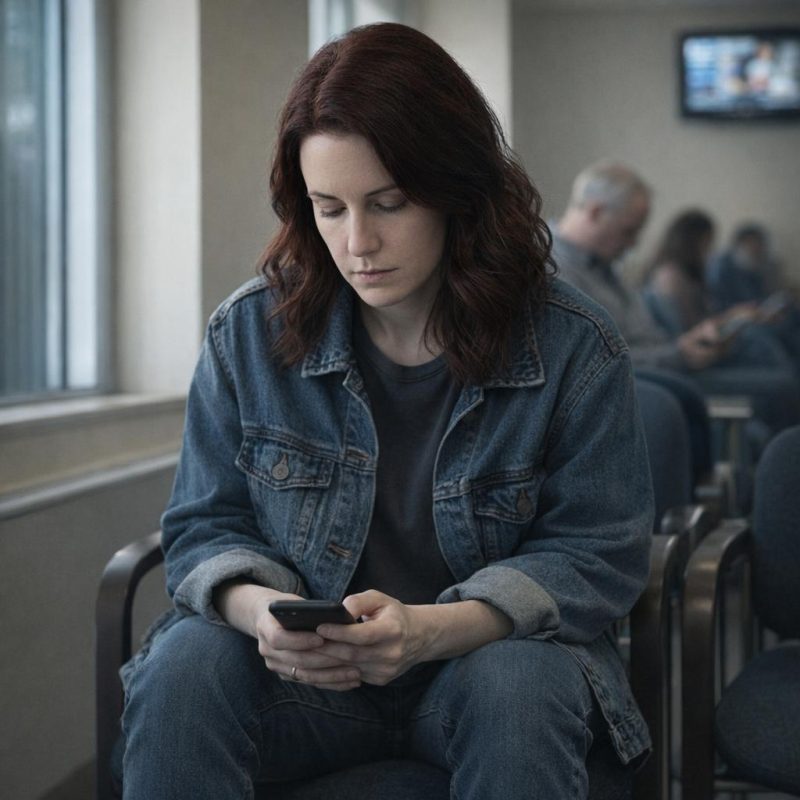 Image by RM AI
Cold Paper
When the nurse finally called my name, I followed her down a short hallway that smelled even more aggressively clinical than the waiting room, past a row of closed doors, and into a small exam room at the end. She took my blood pressure, typed something into a tablet, and told me the doctor would be right in. Then she left, and I was alone with the room. It was cold in that specific way exam rooms always are — the kind of cold that makes you wonder if they keep it that way on purpose, or if the thermostat is just broken and nobody's gotten around to fixing it. The walls were that particular shade of off-white that manages to be both inoffensive and deeply depressing. There was a laminated poster about hand-washing technique. There was a jar of cotton balls. I hopped up onto the exam table mostly out of habit, and the paper covering made that loud, obnoxious crinkling sound that I'm convinced is specifically engineered to make you feel like you're doing something wrong just by existing. I was already mentally calculating whether I had time to stop for lunch before the dry cleaning place closed. My mind was somewhere between the sandwich debate and the return shoes in my trunk, while the thin paper crinkled quietly beneath me every time I shifted my weight.
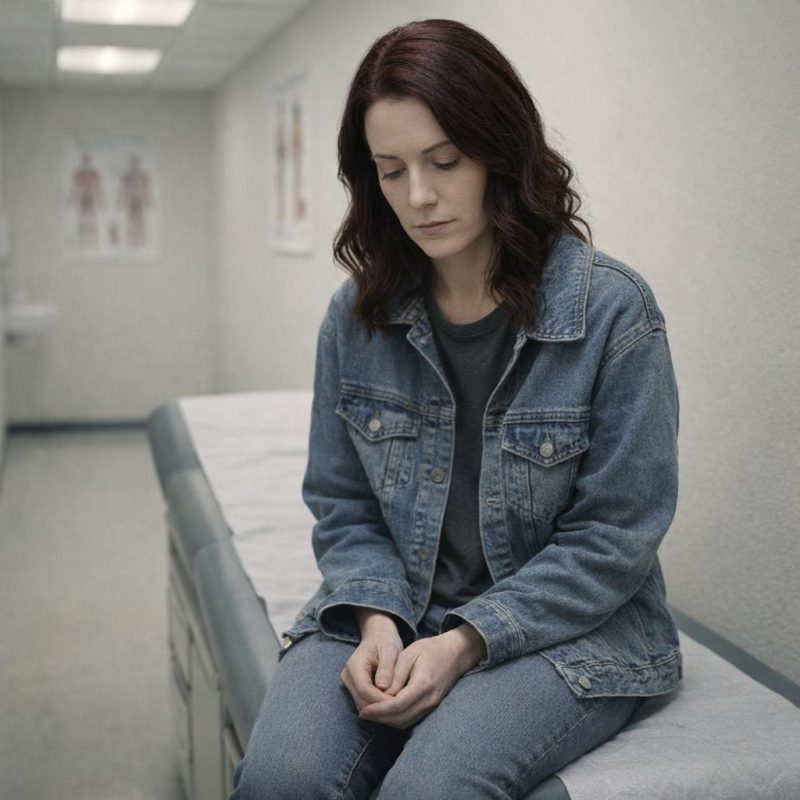 Image by RM AI
Standard Questions
Dr. Patel came in a few minutes later, and she had that energy that good doctors have — calm and unhurried, like she had all the time in the world even though I knew she probably had twelve other patients waiting. She introduced herself, shook my hand, and settled onto the little rolling stool with her tablet in her lap like she'd done it ten thousand times, which she probably had. She started with the standard questions. How was I sleeping? Pretty well, mostly. Any changes in appetite? Not really. Headaches? Occasionally, but nothing unusual. She checked my blood pressure again, wrapped the cuff around my arm with practiced efficiency, noted the number, and moved on. I answered everything honestly, which was easy because there wasn't much to report. I felt normal. I'd felt normal for as long as I could remember. The questions had a comfortable rhythm to them — ask, answer, note, move on — and I found myself relaxing into it the way you relax into any routine that turns out to be less painful than you anticipated. I was almost starting to feel good about having come, like maybe adulting wasn't so bad after all. Then she glanced up from her tablet and asked if I'd noticed any unusual symptoms lately — anything that felt different or off.
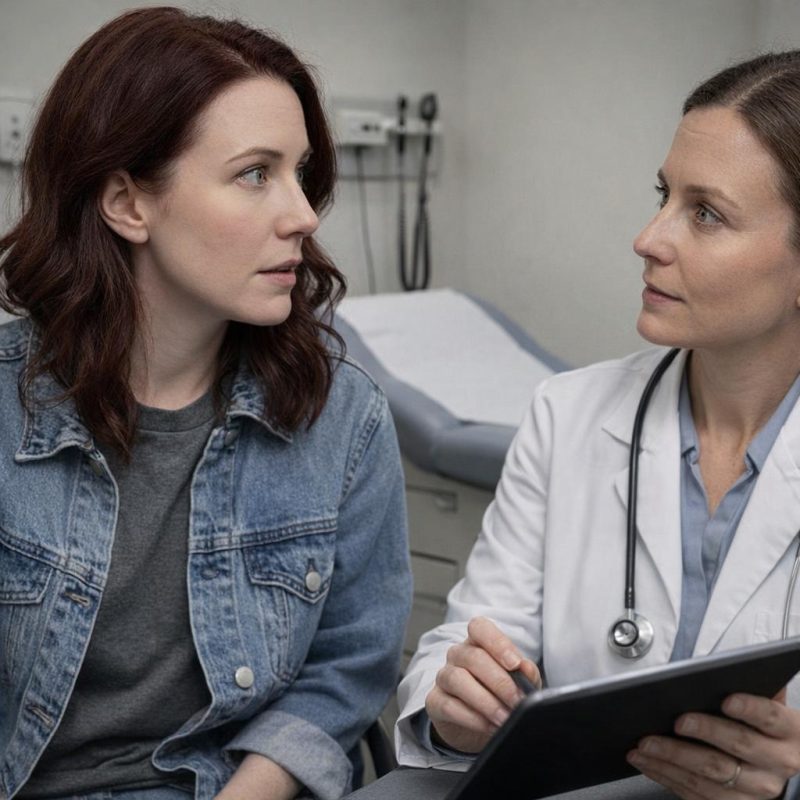 Image by RM AI
Work Stress
I thought about it for maybe two seconds before I answered. There was the tiredness, sure — I'd been more worn out than usual lately, the kind of fatigue where you get home from work and just sit on the couch for twenty minutes before you can motivate yourself to make dinner. But I knew exactly what that was. I'd been putting in long hours on a project that had been dragging on for weeks, staying late, bringing work home, not sleeping as well as I should have been. It wasn't mysterious. It was just the predictable consequence of being a person with a demanding job and a tendency to say yes to too many things. I told Dr. Patel all of this — the tiredness, the late nights, the work stress — and I could hear myself explaining it the way you explain something that has an obvious answer. She nodded along, which felt like confirmation that yes, this was a completely normal and boring thing to be experiencing. She asked a couple of follow-up questions about how long it had been going on, whether it was getting better or worse. I said a few weeks, maybe a month, and that it seemed pretty stable. She nodded again, and I watched her tap something into her tablet.
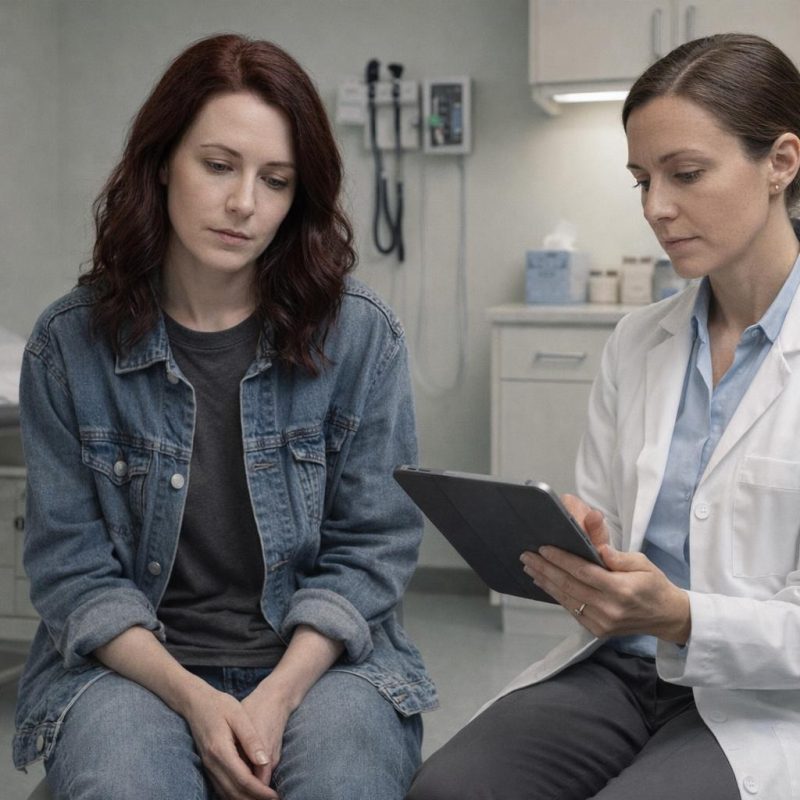 Image by RM AI
Everything Looks Fine
The actual physical exam took maybe ten minutes, which was shorter than I expected and longer than I wanted, mostly because the room was still cold and the paper was still crinkling. Dr. Patel listened to my heart with her stethoscope, moving it around with quiet concentration, then told me my heart sounded good. She tapped my knee with that little rubber hammer and my leg kicked out like it was supposed to. She pressed on my abdomen in a few places, asked if anything hurt — nothing did — and then stepped back and pulled off her gloves with that efficient snap that signals the exam portion is wrapping up. I sat up a little straighter, already anticipating the end of this. She made a few more notes on her tablet, then looked up and said everything looked fine. Those three words landed with a particular kind of satisfaction that I hadn't expected to feel. I hadn't been worried going in, not consciously, but hearing it confirmed out loud — everything looks fine — released something small and tight that I hadn't noticed was there. I sat on that crinkly paper table and let the relief of it settle over me, quiet and uncomplicated, the way good news feels when you didn't know you were waiting for it.
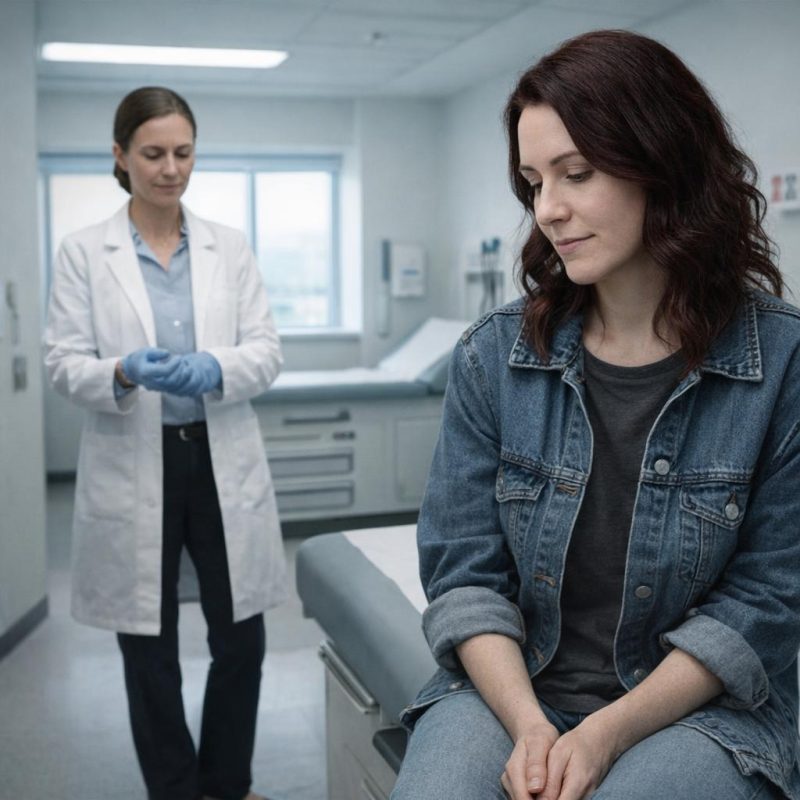 Image by RM AI
Just to Be Thorough
Dr. Patel set her tablet down and mentioned, almost as an afterthought, that she wanted to run some basic labs before she let me go. A blood count, a metabolic panel — the standard stuff, she said, the kind of thing they do at routine physicals just to have a baseline on file. She said it the way you'd mention grabbing a receipt: not because anything was wrong, just because it was the done thing. I nodded and said sure, because what else do you say? It took another ten minutes — a quick blood draw from a nurse who was impressively efficient about the whole thing — and then I was pulling my jacket back on and gathering my bag. Dr. Patel appeared in the doorway again, already moving on to whatever came next in her day, and gave me a small, easy smile. She said the results would probably be back within a few days, and that she'd call if anything came back.
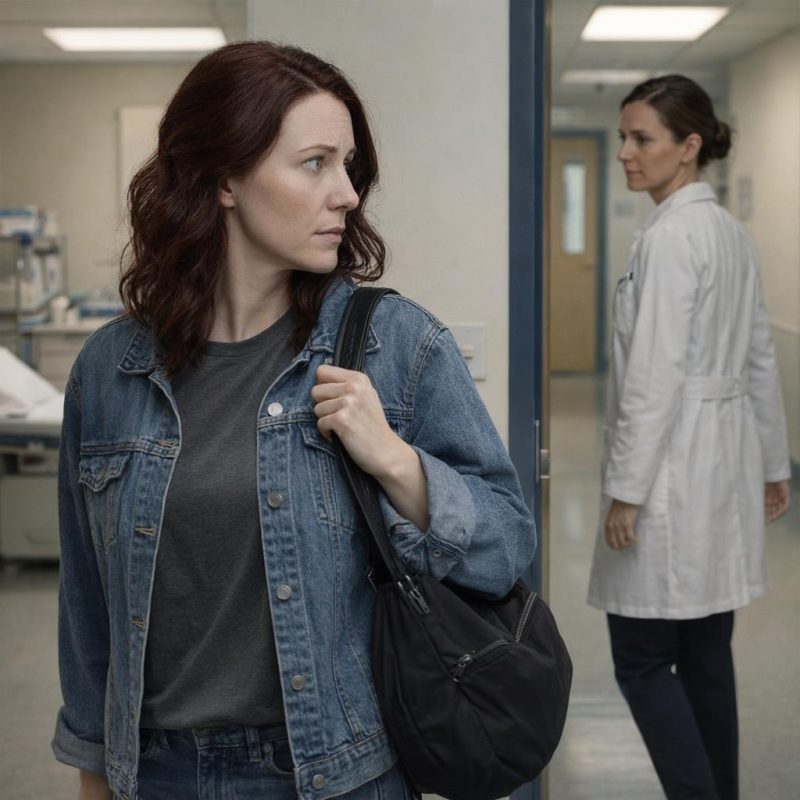 Image by RM AI
Oat Milk Latte
Honestly, the moment I stepped out of that medical building, the whole appointment just evaporated from my brain. Done. Filed away. I gave myself a small, private pat on the back for being a functional adult who goes to the doctor like a normal person, and then I immediately started thinking about coffee. There's a place two blocks from my apartment that does an oat milk latte so good it almost makes up for the fact that I have to pay eight dollars for it. Almost. I figured I'd earned it — sitting in a waiting room for forty minutes and letting someone stick a needle in my arm felt like sufficient justification for a treat. The coffee shop was warm and smelled like espresso and cinnamon, and I joined the little queue feeling genuinely pleased with myself. I ordered my usual, moved to the side to wait, and pulled out my phone to scroll through nothing in particular. The barista called a name, someone shuffled past me, and I glanced up from my screen — and there, standing at the pickup counter with a cup already in her hand, was Jessica.
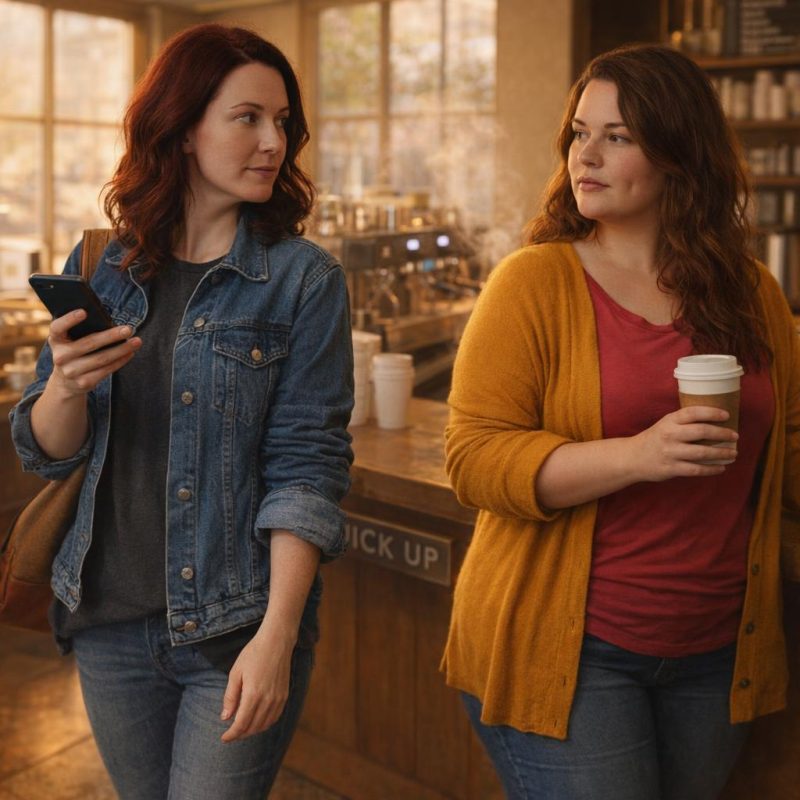 Image by RM AI
Old Boss Stories
Jessica spotted me at almost the exact same second I spotted her, and her whole face broke into this huge, genuine smile that made me feel immediately warm. We did that thing where you both say the other person's name at the same time and then laugh about it. She looked exactly the same — maybe her hair was a little shorter — and within about thirty seconds we'd claimed a small table by the window and were already deep into it. We talked about our old boss, the one who used to send emails at eleven at night and then act surprised when nobody responded until morning. We laughed about the time the entire office printer network went down the day of a major client presentation and everyone just kind of stood around in stunned silence. She told me she'd moved to a new company, something in tech, and seemed genuinely happy about it. I told her I'd gone freelance, which she said sounded amazing, and I said it was, mostly, except for the part where you have to do your own taxes. We talked for almost twenty minutes before we finally exchanged numbers and promised — actually promised, not just said it — to get dinner soon. I walked out into the afternoon feeling lighter than I had all week, the easy warmth of running into someone you'd genuinely missed settling around me like a good coat.
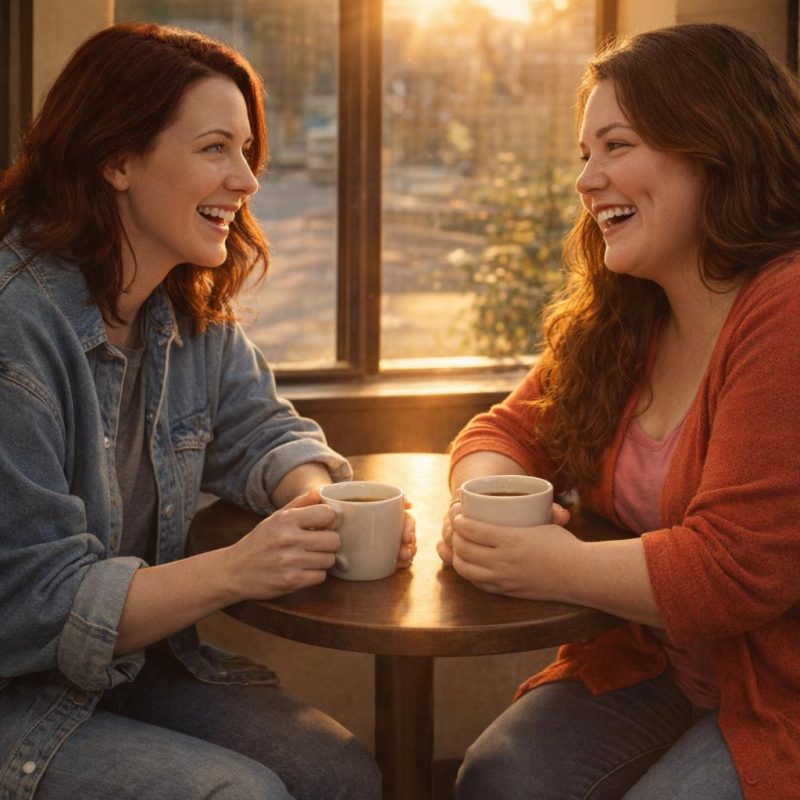 Image by RM AI
Leftover Pasta
By the time I got home, I was thinking about lunch and nothing else. I'd had leftover pasta in the fridge since Thursday — a simple tomato and basil situation that was honestly better the second day — and I heated it up in the microwave while my laptop booted on the kitchen table. The apartment felt good in that particular Friday afternoon way, quiet and unhurried, like the whole week had finally exhaled. I sat down with my bowl and started working through my emails, the kind of low-stakes inbox maintenance I always put off until the end of the week. A client needed a revision timeline. Someone wanted to schedule a call for Monday. I replied to both, flagged a couple of things for later, and felt the small, satisfying click of having my professional life briefly under control. The pasta was good. The emails were manageable. I refilled my water glass and opened a browser tab I didn't really need. Outside, the afternoon sun had shifted to that long, golden angle it gets in late afternoon, and it came through the kitchen windows in wide, warm bars that fell across the table and made everything look a little softer than it actually was.
 Image by RM AI
Unplanned Nap
After lunch I migrated to the couch, which was a mistake, in the best possible way. I told myself I was just moving somewhere more comfortable to keep working, and I even brought my laptop with me as evidence of good intentions. The living room was doing that thing it does on sunny Friday afternoons where the light comes in at exactly the right angle and turns the whole room into something that feels less like an apartment and more like a very convincing argument for taking a nap. I opened a document I was supposed to be editing. I read the same paragraph twice. The couch cushions were soft in a way that felt almost unfair. My laptop screen was warm against my legs. I could hear the faint sound of someone's music drifting up from the street below, something slow and indistinct, and the room was so perfectly, unreasonably warm that fighting it started to feel like a matter of principle rather than practicality. I set the laptop on the coffee table with every intention of picking it back up in five minutes. I pulled a throw blanket over my legs. My eyes went heavy in that slow, inevitable way that doesn't really ask permission, and I closed them and was asleep before I'd even finished deciding to be.
 Image by RM AI
Something Buzzing
I came back to consciousness the way you do after a nap that went deeper than you planned — slowly, in pieces, with no immediate idea of where I was or what time it was or why the light looked so wrong. The room had gone from that warm gold to something dimmer and more orange, the kind of light that means the afternoon has quietly become early evening without asking you. I lay there for a moment just blinking at the ceiling, that thick, cotton-headed confusion sitting heavy behind my eyes. Something was buzzing. It took me longer than it should have to identify the sound — a persistent, insistent vibration coming from somewhere close, rattling against a hard surface in a way that felt almost aggressive for how groggy I was. My phone. It was on the coffee table, screen lit up, shaking itself in little urgent pulses against the wood. I reached for it without really thinking, the way you do when your body is still mostly asleep and your brain is just along for the ride. The room felt suspended in that strange, underwater quality of waking up in the wrong light, the kind of disorientation that takes a few minutes to fully shake.
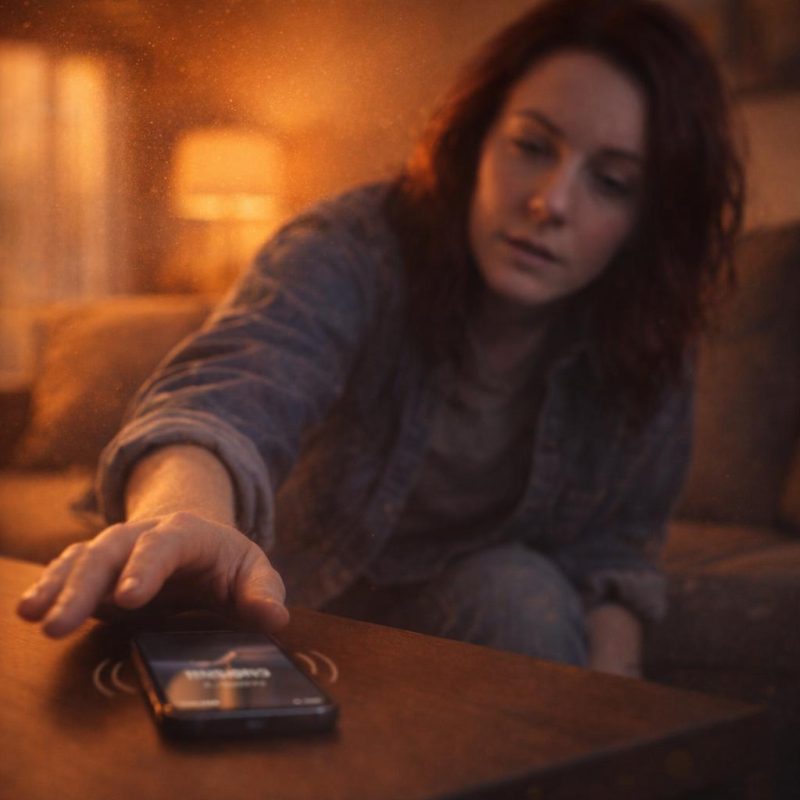 Image by RM AI
Unknown Number
I squinted at the screen and the number meant nothing to me. No name, no area code I recognized, just a string of digits glowing against the lit-up display. My brain, still operating at about forty percent capacity, ran through its standard post-nap logic: unknown number, no voicemail yet, probably spam. It had the cadence of a robocall — that slightly too-persistent ring, the way it just kept going. I watched it for a second, genuinely undecided, and then the decision kind of made itself the way decisions do when you're still half-asleep and the couch is warm and the idea of talking to an actual human being, let alone a recorded voice trying to sell me an extended car warranty, felt like more than I could reasonably manage. I set the phone back down on the coffee table, face up, and watched the screen flash once more before the call dropped to voicemail. The buzzing stopped. The apartment went quiet again — that particular late-afternoon quiet that feels different from morning quiet, softer and a little slower, like the day itself was winding down alongside me. I pulled the blanket back up and lay there in the stillness, not quite asleep but not quite all the way back either.
 Image by RM AI
Three Missed Calls
A little while later I reached for my phone again, mostly just to check the time, the way you do when you've lost track of the afternoon and need to reorient yourself. The screen lit up and I saw the time — nearly six — and then my eyes drifted down to the notifications below it. I'd expected nothing, or maybe a text from Mark, or one of those promotional emails that somehow always arrive at the exact moment you don't want them. Instead there was a stack of missed call alerts. I scrolled up slowly, still not fully awake, trying to make sense of what I was looking at. One missed call. Then another. Then a third. All from the same number — the same unknown string of digits that had buzzed me out of my nap. Three calls. Same number. No voicemail, no text, nothing to explain it. I sat up a little straighter on the couch, the blanket falling off my legs. It was probably nothing. Spam dialers do that sometimes, cycle through the same number, try a few times before giving up. I knew that. I told myself that. But something in my stomach did a small, uncomfortable flip anyway.
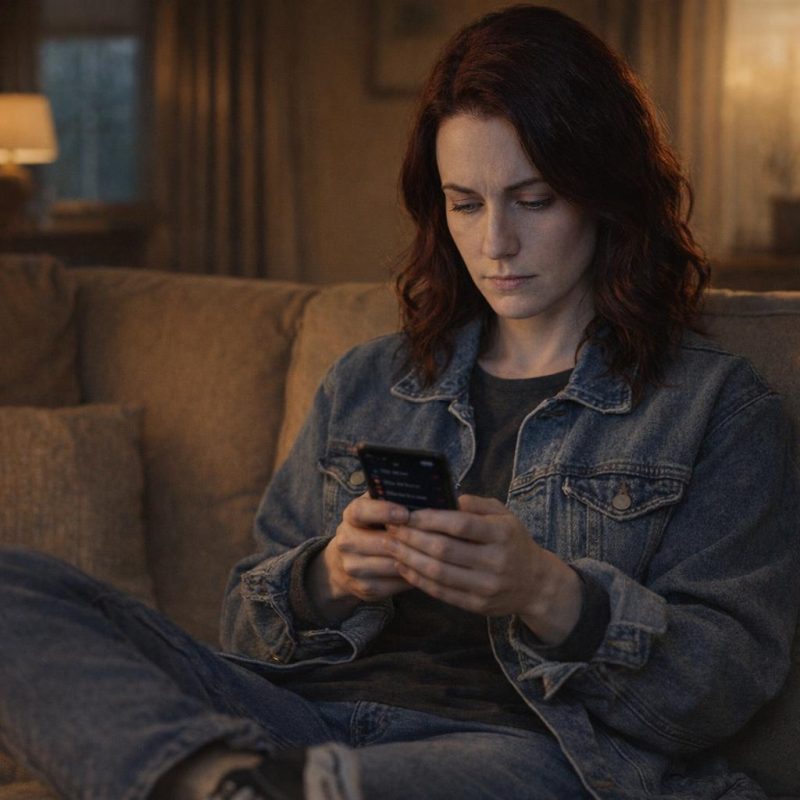 Image by RM AI
It Rings Again
I was still sitting there, phone in hand, trying to decide whether to call the number back or just block it and move on, when it started vibrating again. Same number. Right there in my palm, buzzing with this kind of quiet insistence that felt different from a robocall — robocalls don't usually try four times in one afternoon. I stared at it. My thumb hovered over the green button. The rational part of my brain said it was nothing, said I was being ridiculous, said spam callers are persistent and that's literally their whole thing. But some other part of me, some quieter and less rational part, didn't want to pick up. I couldn't have explained it if you'd asked me. I just sat there watching the screen pulse in my hand, the number cycling through its rings, and I didn't answer. It rang through. The screen went dark. The call dropped to voicemail, same as before, and I set the phone face-down on the coffee table. My heart was beating a little faster than it had any reason to.
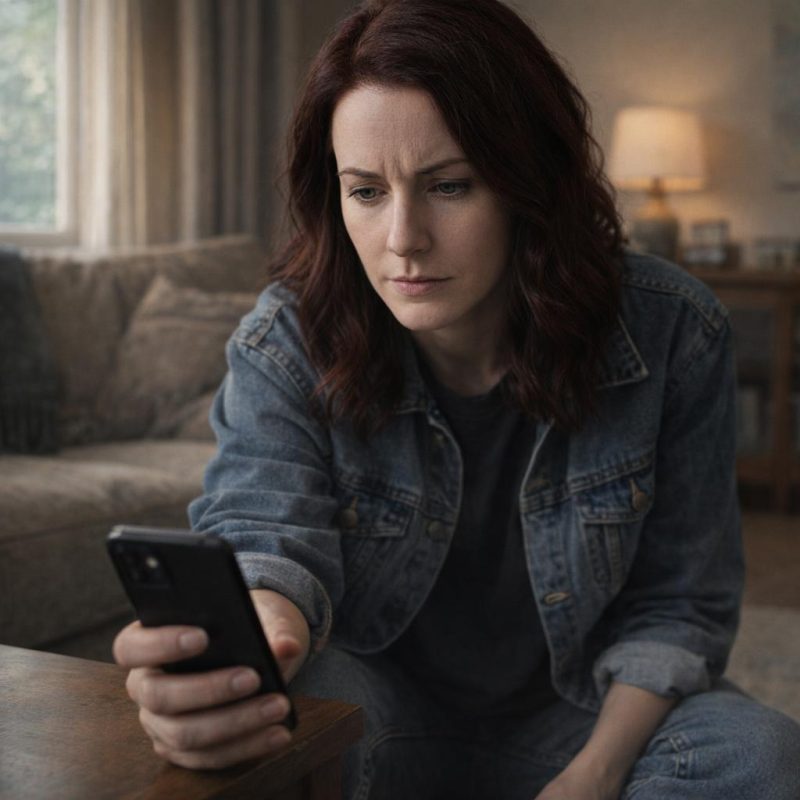 Image by RM AI
Seven
I don't know what made me actually open the call log instead of just setting the phone back down. Maybe it was the way my heart was still beating too fast, or maybe some part of me just needed to see it laid out in front of me. I tapped the recent calls tab and scrolled up. Same number. Same number. Same number. I kept scrolling and it just kept appearing, stacked one on top of the other like some kind of accusation. I started counting under my breath, the way you do when you're hoping you miscounted and the answer will be different the second time. One. Two. Three. Four. Five. Six. I paused. Scrolled up one more time. Seven. Seven missed calls from the same number, all within the last ninety minutes. My mouth went dry. Robocalls don't do that. Scammers don't do that. Nobody calls seven times in ninety minutes unless something is actually wrong. I sat there on my couch staring at that number, and for the first time all afternoon, I wasn't annoyed anymore. I was scared.
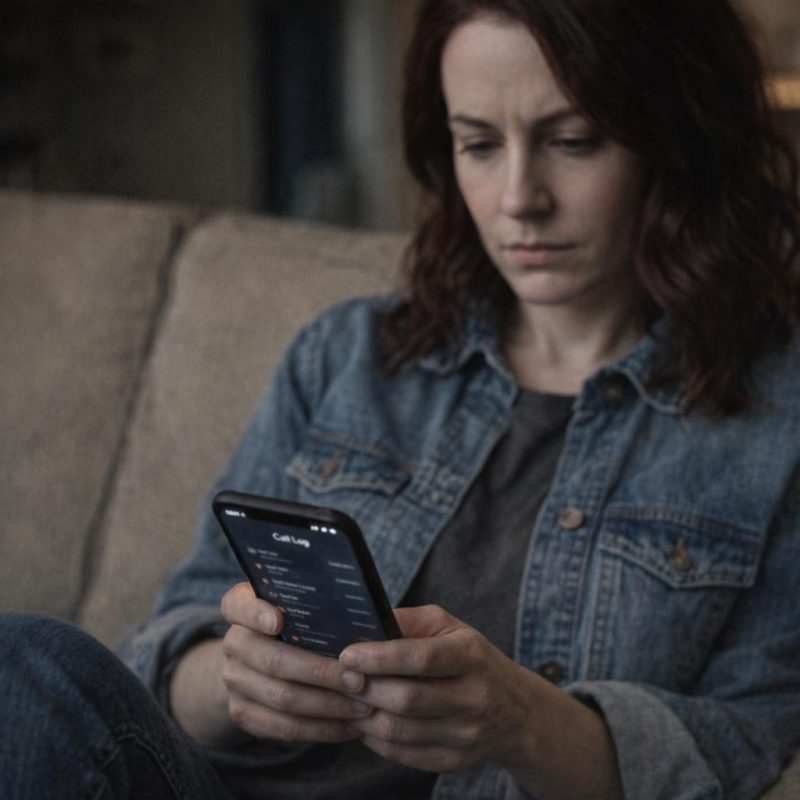 Image by RM AI
The Voicemail
My hands were shaking by the time I navigated to voicemail. I almost dropped the phone twice. There was one new message — I'd somehow missed that notification entirely — and I pressed play with my thumb and held the phone up to my ear. A woman's voice came through, clear and professional, but there was something underneath it, a tightness she was working hard to keep out of her words. She said her name was Lisa, that she was calling from Dr. Patel's office, and that she needed me to call back as soon as possible. She said it was important. She said it twice, actually — as soon as possible — like once wasn't going to be enough to get through to me. I pulled the phone away from my ear before the message even finished. I didn't need to hear the rest. It wasn't the words exactly, it was the way she'd said them, that careful, controlled professionalism that sounded like it was holding something much bigger at arm's length. I sat very still on the couch, the phone warm in my palm, and let that voice settle over me.
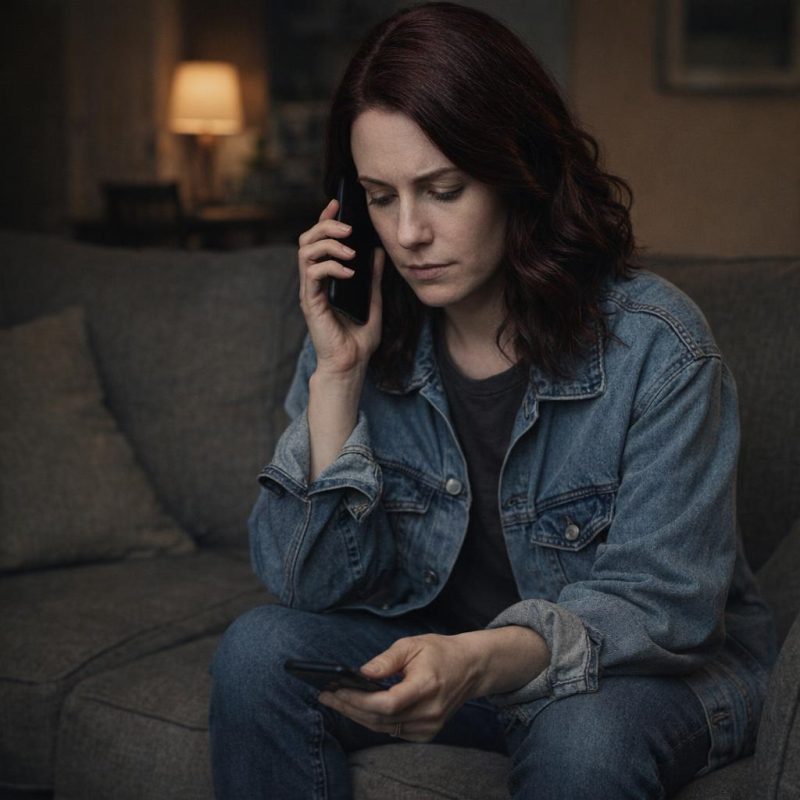 Image by RM AI
Critically High
I called the number back before I'd even fully decided to. The receptionist picked up on the second ring and I barely got my name out before she said, 'One moment,' and the line clicked over. No hold music. No wait. Dr. Patel's voice came through almost immediately, and it was different — not the measured, unhurried tone from the exam room. This was clipped. Careful in a different way. She said my lab results had come back with a critically high value. She said the number was far outside the normal range. She said it indicated a life-threatening situation and that I needed to get to the nearest emergency room immediately. I remember the room going very quiet around me, like someone had turned down the volume on everything except her voice. Then she said something that made my head swim. She said there was a possibility — a small one, but a real one — that there had been a mix-up at the lab. That the results might not be mine. But she said they couldn't take that risk. She said it again, clearly, without softening it: 'This is a life-threatening situation.'
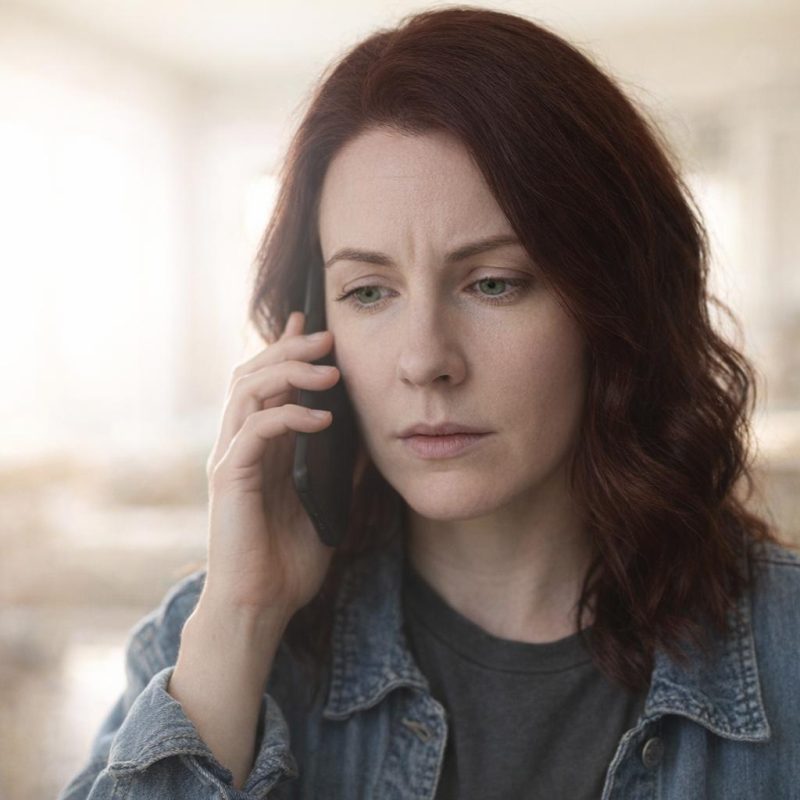 Image by RM AI
Fifteen Minutes
I called Mark while I was still standing in the middle of the living room, not entirely sure when I'd stood up. I don't remember exactly what I said to him. Something about Dr. Patel, something about the ER, something about coming home now. He didn't ask a lot of questions. He just said he was on his way. He made it back in less than fifteen minutes, which shouldn't have been possible given where he works, and when he walked through the door his face was doing something I hadn't seen before — this tight, controlled worry that he was clearly trying to keep from spilling over. We didn't talk much on the drive. I stared out the passenger window at streets I'd driven down a hundred times, the coffee shop, the dry cleaner, the park where we walked on Sunday mornings, all of it sliding past like scenery from someone else's life. I kept trying to find the thread that connected this morning — the annoyance of the routine checkup, the bad coffee, the waiting room magazines — to whatever this was now. I couldn't find it. At some point Mark reached over the center console and took my hand, and I held on to the warmth of it without saying a word.
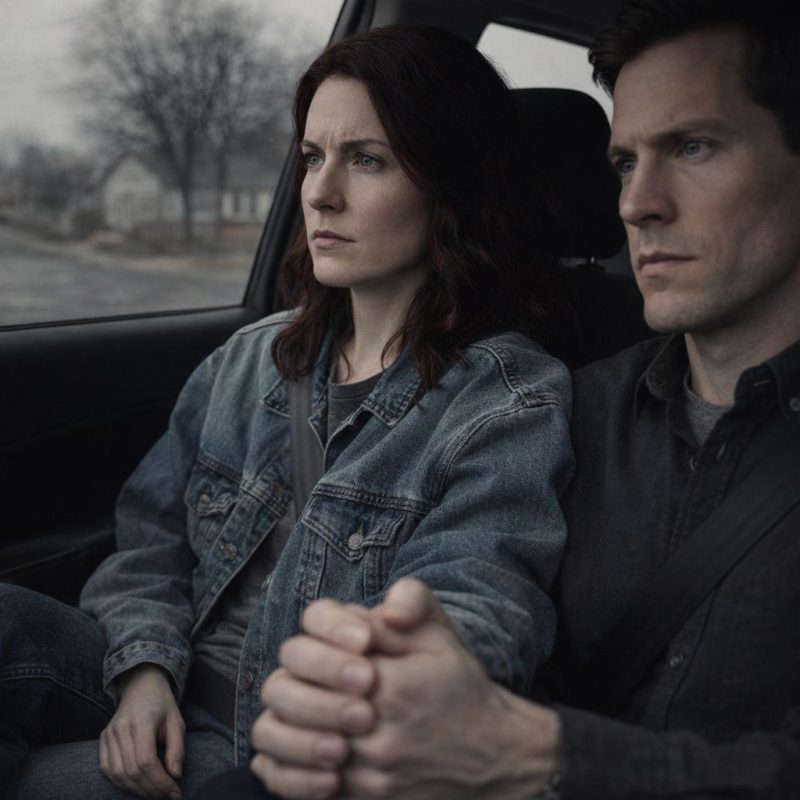 Image by RM AI
The Longest Wait
They moved us to a private waiting area off the main ER corridor, which I understood was meant to be a kindness and which somehow made everything feel worse. The chairs were hard plastic, the kind that are designed to be wipeable rather than comfortable, and Mark and I sat in them side by side and talked in circles. We said maybe it was a mistake. We said lab mix-ups happen, that Dr. Patel had said so herself. We said the numbers were probably wrong. We said it over and over, taking turns, like if we kept passing the reassurance back and forth between us it would eventually start to feel true. It didn't. After a while the words started to sound like something we were reciting rather than something we believed, and the silences between them got longer. Mark kept shifting in his chair. I kept straightening up and then slumping back down. The afternoon stretched in a way that felt physically wrong, each minute taking up more space than it should. We'd run out of new things to say, so we just kept saying the old things, and even those had gone hollow somewhere along the way.
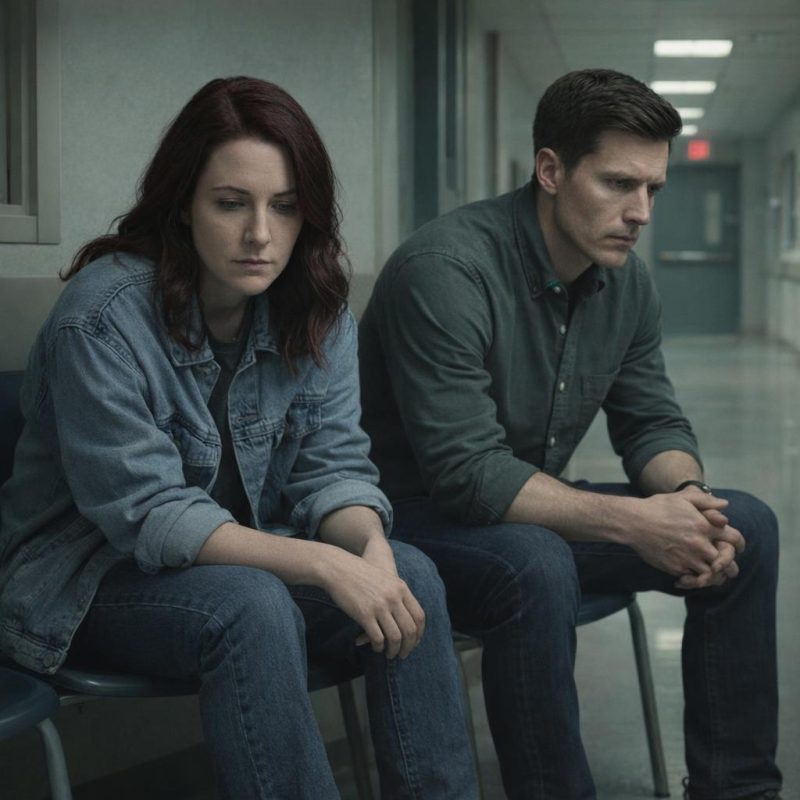 Image by RM AI
Other People's Flowers
At some point I stopped trying to talk and just watched the hallway through the open doorway. The hospital kept moving out there, indifferent and purposeful. Nurses walked past with the particular efficiency of people who always know exactly where they're going. An orderly pushed a cart that squeaked on every third wheel rotation. A man in street clothes strode past holding a paper coffee cup, talking on his phone, laughing at something. I watched all of it with this strange detached feeling, like I was watching it through glass. Mark said something beside me and I nodded, though I hadn't caught the words. I was somewhere else entirely, stuck in this room while the rest of the world just kept going, kept having ordinary afternoons, kept being fine. I thought about how I'd been annoyed this morning. Actually annoyed, about a routine checkup. It felt like something that had happened to a different person. Mark squeezed my hand and I felt it distantly, like a signal coming from far away. Then a woman walked past the doorway carrying a balloon bouquet and a cellophane-wrapped flower arrangement, smiling at something on her phone.
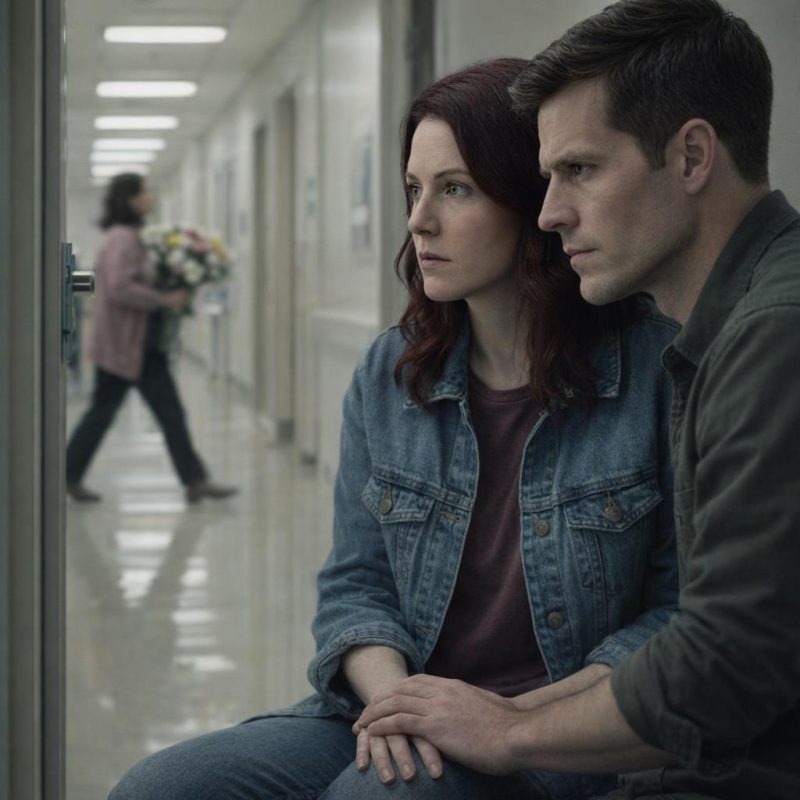 Image by RM AI
The Clock
There was a clock on the wall directly across from where I was sitting, one of those plain institutional ones with a white face and a black second hand, and I made the mistake of starting to watch it. The second hand moved in these tiny, lurching increments that seemed to slow down the moment I focused on them. I tried to stop looking. I looked again thirty seconds later. Mark tried to distract me — he mentioned something about dinner, something about a show we'd been meaning to watch, small ordinary things lobbed gently into the silence. I heard his voice but the words kept sliding off. My mind was somewhere else entirely, running through a list I didn't want to be running through. What if the results were right. What if they were mine. What if something was happening inside my body right now, in this moment, while I sat here in a plastic chair staring at a clock. What if I was already out of time and just didn't know it yet. Mark said my name once, softly, and I turned toward him and tried to look like I was okay. The clock kept moving. The room held its breath around us, filled with nothing but the slow, relentless sound of that second hand.
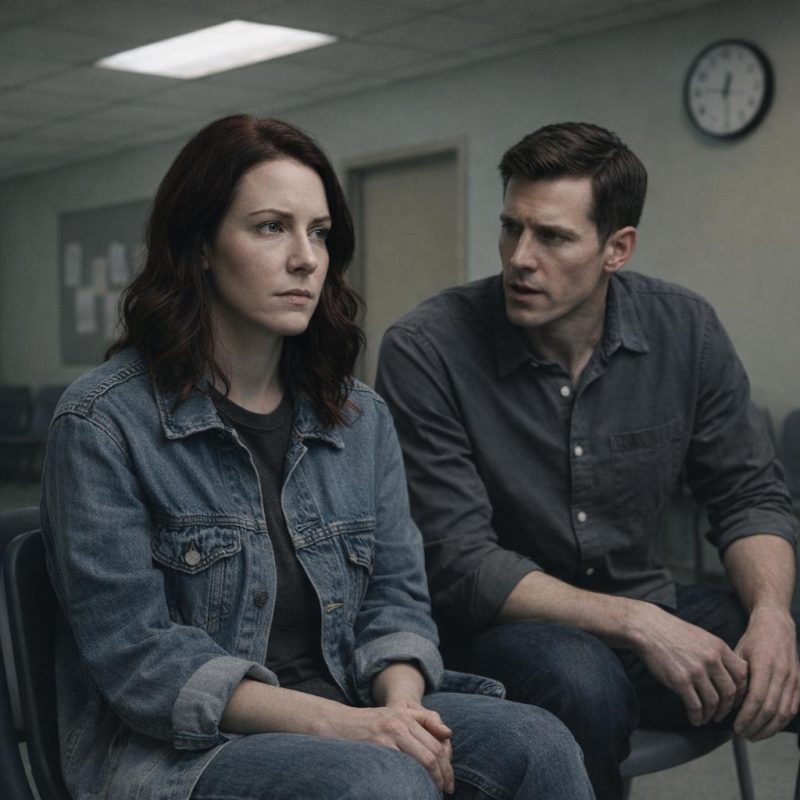 Image by RM AI
Footsteps
I don't know how much time had passed when I heard them — footsteps in the hallway, coming from the left, unhurried but deliberate, the kind of pace that belongs to someone who knows exactly where they're going and isn't rushing because they've done this before. My whole body went still. Mark heard it too. I felt him sit up straighter beside me without either of us saying anything, both of us turning toward the open doorway at the same moment, like we'd rehearsed it. My heart was doing something loud and unsteady in my chest. This was it. Someone out there had a piece of paper, or a chart, or a result, and they were walking it toward us right now, and in about thirty seconds I was going to know something I couldn't unknow. The footsteps got closer. I gripped the edge of the plastic chair with both hands and stared at the empty rectangle of the doorway, and the sound of those slow, even steps filled the whole room.
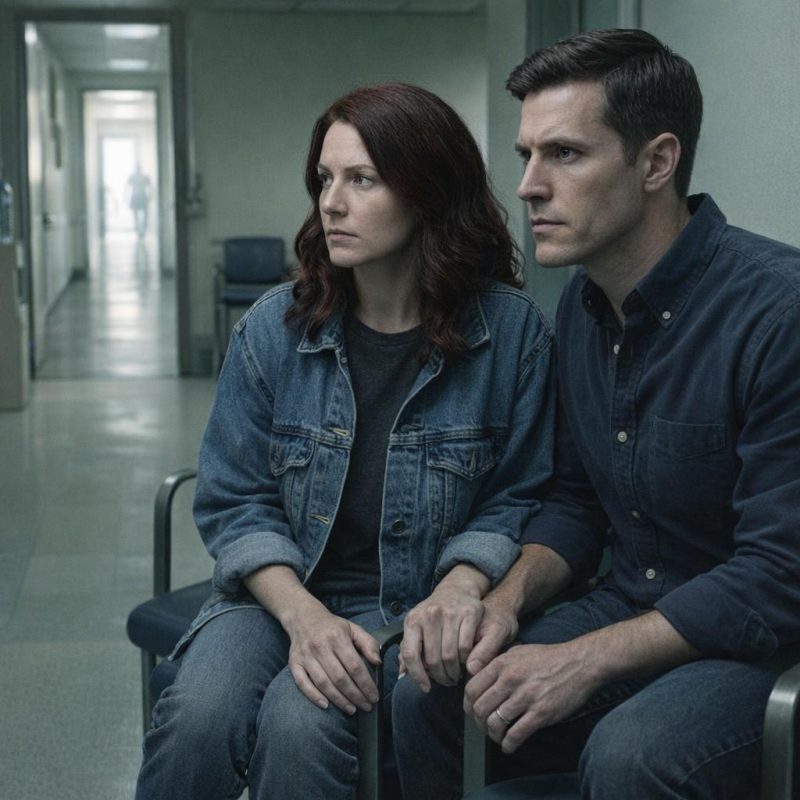 Image by RM AI
Unreadable
He walked in and I almost stopped breathing. Dr. Chen came through the doorway in scrubs and a white coat, moving at that same unhurried pace I'd heard in the hallway, and he looked exactly like someone who had done this a thousand times before. He pulled a chair from against the wall and sat down across from us — not standing, not hovering, actually sitting, which felt significant in a way I couldn't explain. Mark's hand tightened around mine so hard I felt my knuckles press together. I watched Dr. Chen's face the way you watch a weather radar when a storm is coming — looking for any shift, any tell, any small muscle movement that would give me something to hold onto. There was nothing. His expression was completely, maddeningly neutral. Not grim. Not relieved. Not the careful softness people put on when they're about to say something terrible. Just steady. Composed. He took a slow breath, and I tracked every millimeter of it, and his face gave me absolutely nothing.
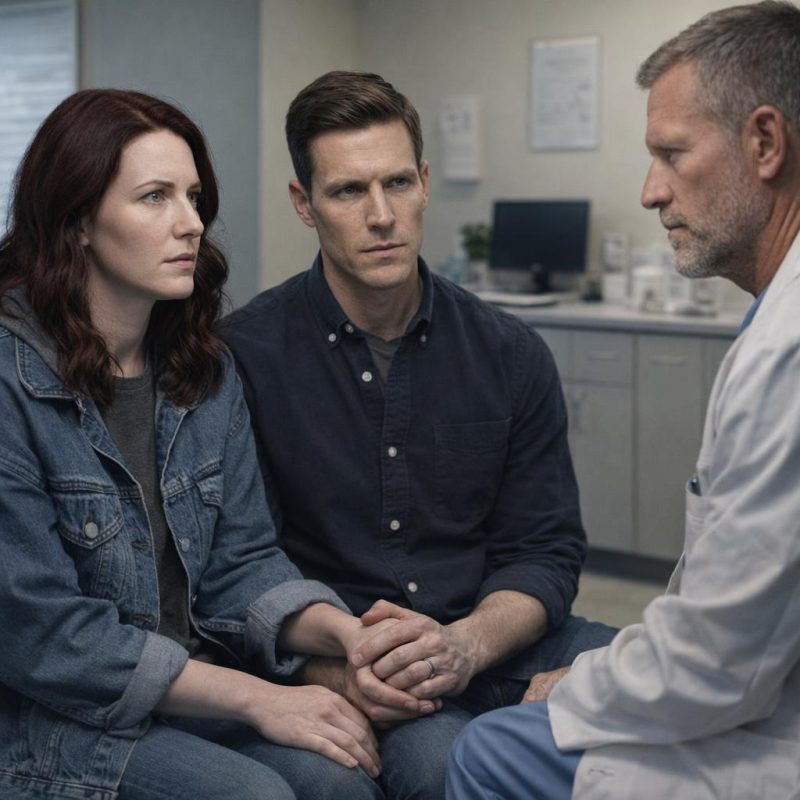 Image by RM AI
Good News
He looked at me — not at Mark, at me — and he said, 'I have good news.' That was it. Four words. And something inside my chest cracked open like a fault line giving way after years of pressure. I heard Mark exhale beside me, this sharp, ragged sound he'd clearly been holding for a long time, and I felt my own eyes go hot and blurry in a way I hadn't let them go this entire afternoon. Good news. Good news meant I wasn't dying. Good news meant the thing I'd been bracing for since I'd heard Lisa's voice on the phone that morning — the catastrophic, life-altering thing — wasn't happening. Dr. Chen's expression was still serious, still measured, and some part of me registered that there was more coming, that he wasn't finished, that four words weren't the whole story. But in that moment I couldn't get past those four words. They sat in the middle of the room like something solid, something I could put my hands on, and I just held onto them.
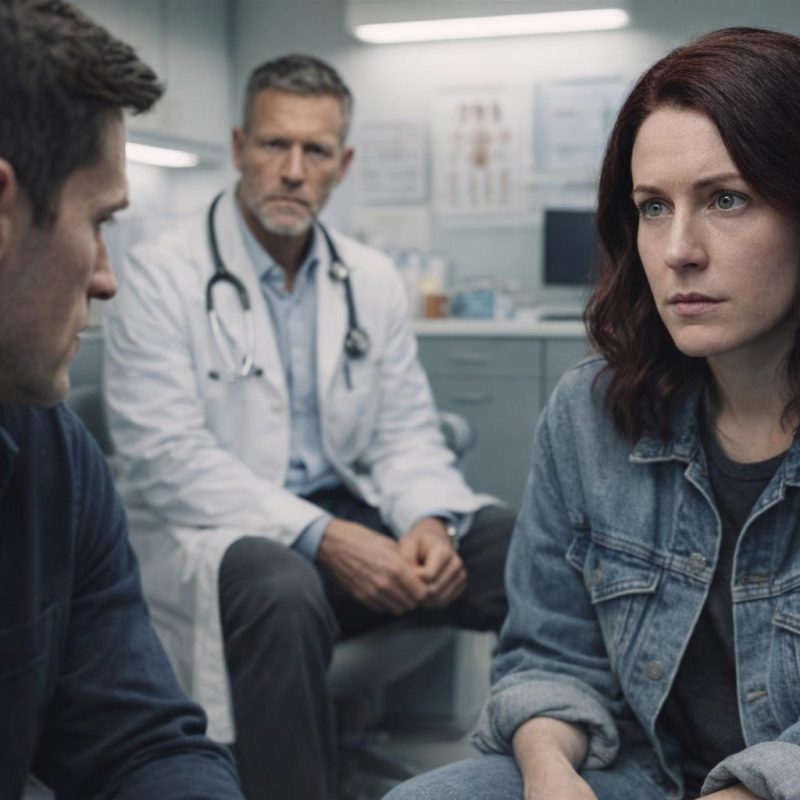 Image by RM AI
Not Yours
He leaned forward slightly and folded his hands together, and I made myself focus because I could tell he was about to explain something and I needed to actually hear it. He said the results that had triggered the emergency calls — the values that had sent everyone into crisis mode — weren't mine. I stared at him. He said it again, more carefully: there had been a labeling error at the lab. Two samples, two patients, wrong labels on the vials. The results that had come back flagged as critical, the ones that had sent Dr. Patel's office into a panic and put me in this waiting room for the last several hours — those results belonged to someone else. Mark said something beside me, some low sound of disbelief, but I couldn't look at him because I was still looking at Dr. Chen trying to make the words arrange themselves into something that made sense. A mistake. A clerical mistake. I opened my mouth and then closed it again. He waited. And then I heard myself say, very quietly, 'Not my results?'
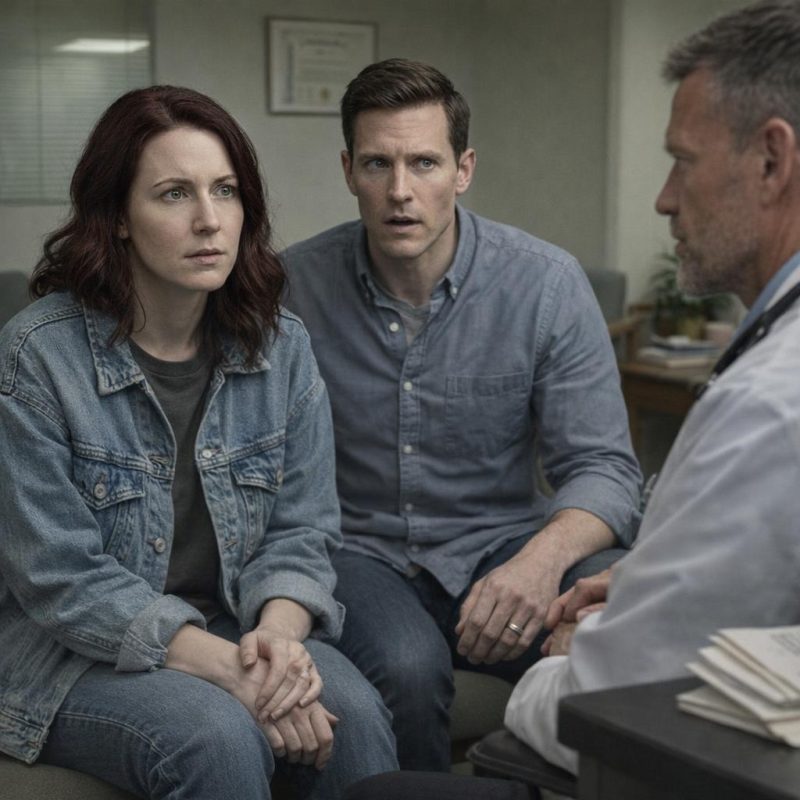 Image by RM AI
Someone Else's Emergency
Dr. Chen nodded and walked me through it slowly, like he understood that my brain was moving at about half speed. Two patients, two vials drawn around the same time, a labeling mix-up somewhere between the collection and the processing. It happened rarely, he said, but it happened. The critically high values, the ones that had made Lisa call seven times, the ones that had made Dr. Patel's office treat this like a five-alarm emergency — those belonged to another person. Someone else had those numbers. Someone else's body was producing those results. I felt relief move through me in a wave so strong it was almost nauseating, this full-body loosening of something I hadn't even realized I'd been clenching for hours. And then, almost immediately, something else moved in right behind it. Because if those results belonged to someone else, then somewhere out there was a person walking around with critically high values in their bloodwork. Maybe they'd gotten a call. Maybe they hadn't. Maybe they were sitting in a waiting room somewhere, or maybe they were still at home, completely unaware, while their body quietly did whatever it was doing.
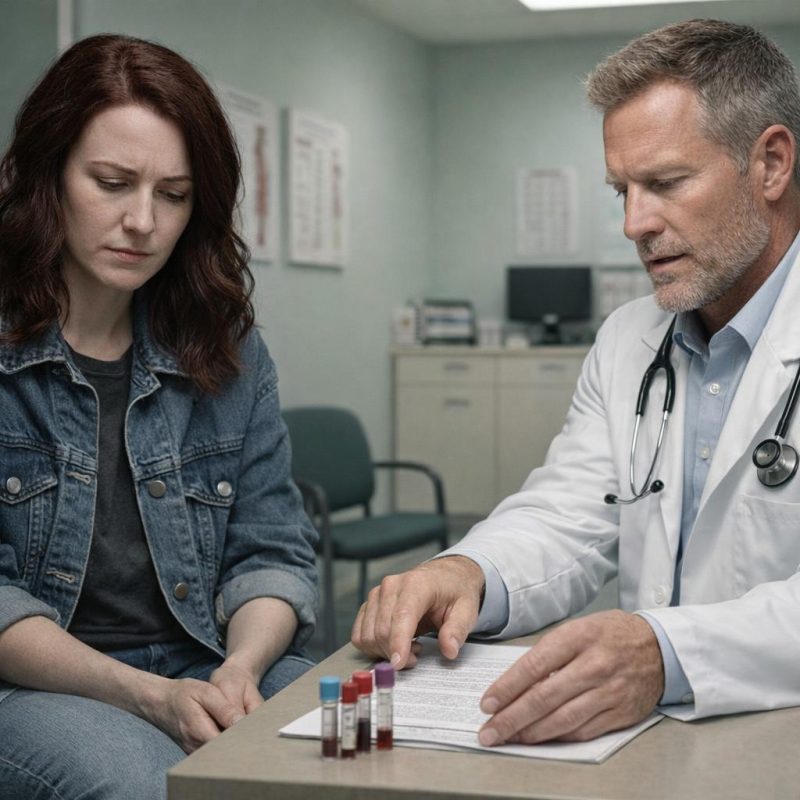 Image by RM AI
Your Actual Results
Dr. Chen kept going, and I made myself stay with him even though my head was still spinning from the last part. He said they had pulled my actual results — the ones correctly labeled, correctly processed, correctly matched to me. He paused for just a second, and I gripped the edge of my seat. And then he said they were completely normal. I laughed. I don't know where it came from — it just came out, this short, slightly unhinged sound — and then my eyes filled up and I pressed my hand over my mouth because I couldn't decide if I was going to laugh more or cry and it turned out the answer was both, kind of simultaneously, in a way that probably looked alarming to anyone watching. Mark made a sound beside me that was somewhere between a breath and a word. Normal. My results were normal. I wasn't dying. I had spent the entire day convinced I was dying, had driven to an emergency room, had sat in a plastic chair for hours catastrophizing every possible outcome, and my results were completely normal.
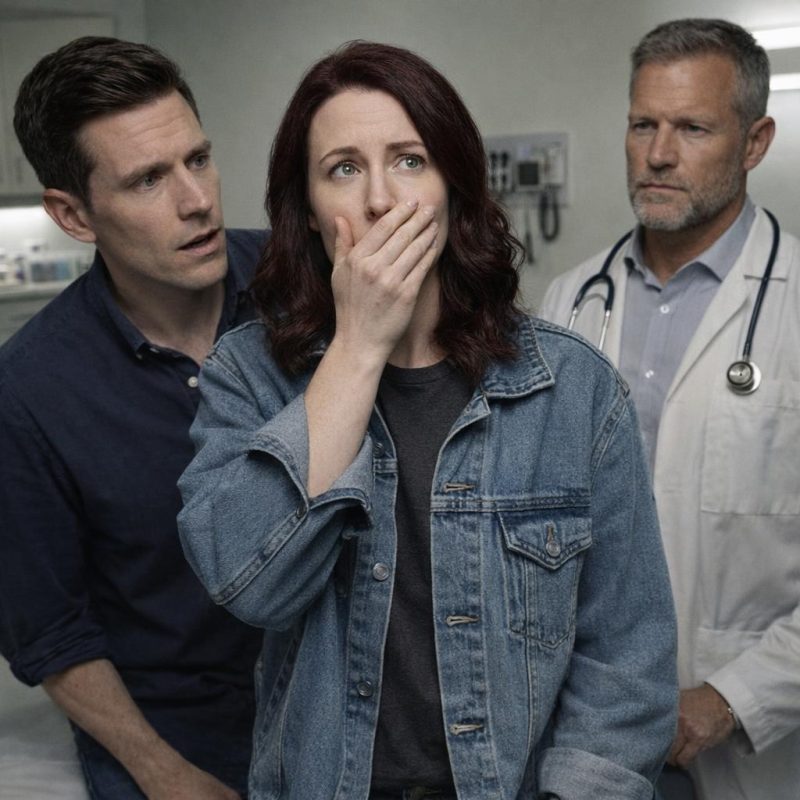 Image by RM AI
Mark's Arms
Mark didn't say anything. He just reached over and pulled me into him, and I let him, turning into his shoulder and grabbing the front of his shirt with both hands like I needed something to hold onto. I felt him shaking. That was the thing that got me — not my own shaking, which I'd been doing for hours, but his. He'd been sitting beside me this whole time, steady and calm and solid, and now that it was over I could feel what it had cost him, this fine tremor running through his whole body that he hadn't let me see until now. I pressed my face into his shoulder and laughed and cried at the same time, which is a deeply undignified experience I don't recommend, and he held on tighter. Somewhere across from us Dr. Chen sat quietly and let us have the moment. I was aware of him there, patient and still, but I couldn't look up yet. I just stayed where I was, my face in Mark's shoulder, both of us shaking together in that small, fluorescent-lit room.
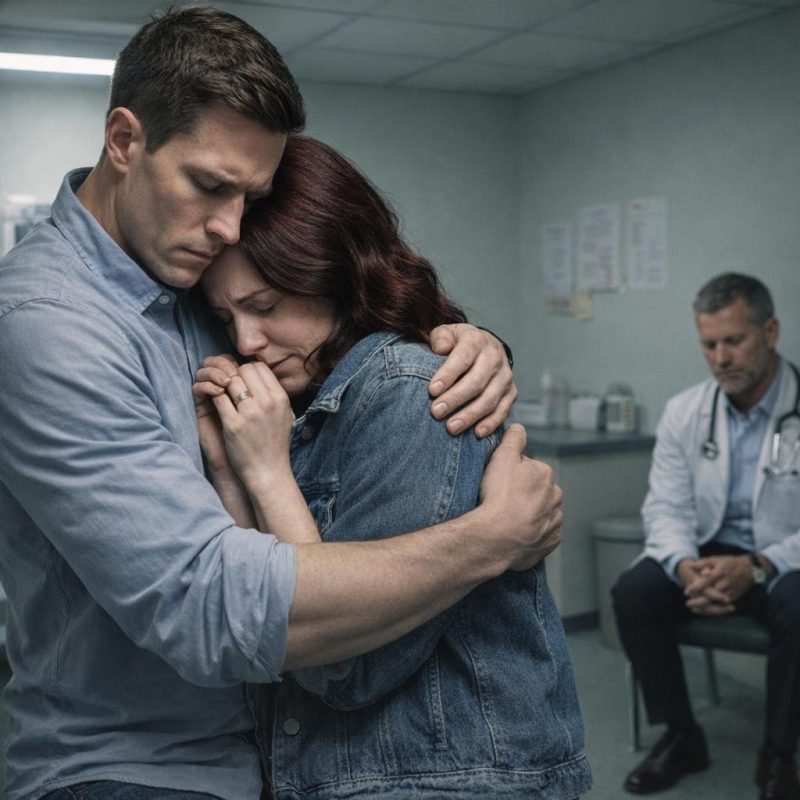 Image by RM AI
Human Error
Eventually we pulled apart, and I wiped my face with the back of my hand and tried to look like a functional adult, which I'm not sure I pulled off. Dr. Chen explained it gently — labs process thousands of samples every day, and the systems in place to prevent errors are good, but they're not perfect. A transposed number, a label applied to the wrong vial, a moment of inattention in a busy facility. It didn't happen often, he said, but when it did, the safeguards were designed to catch it before it caused real harm. In this case, they had. I nodded along, and I understood everything he was saying, and I was genuinely, profoundly grateful. But I kept thinking about the other patient. The one whose results had ended up attached to my name. Someone out there had critical values in their bloodwork, and I didn't know if they knew, didn't know if anyone had reached them, didn't know if the same system that had caught my mistake had caught theirs in time. That thought settled into me and stayed there, quiet and heavy.
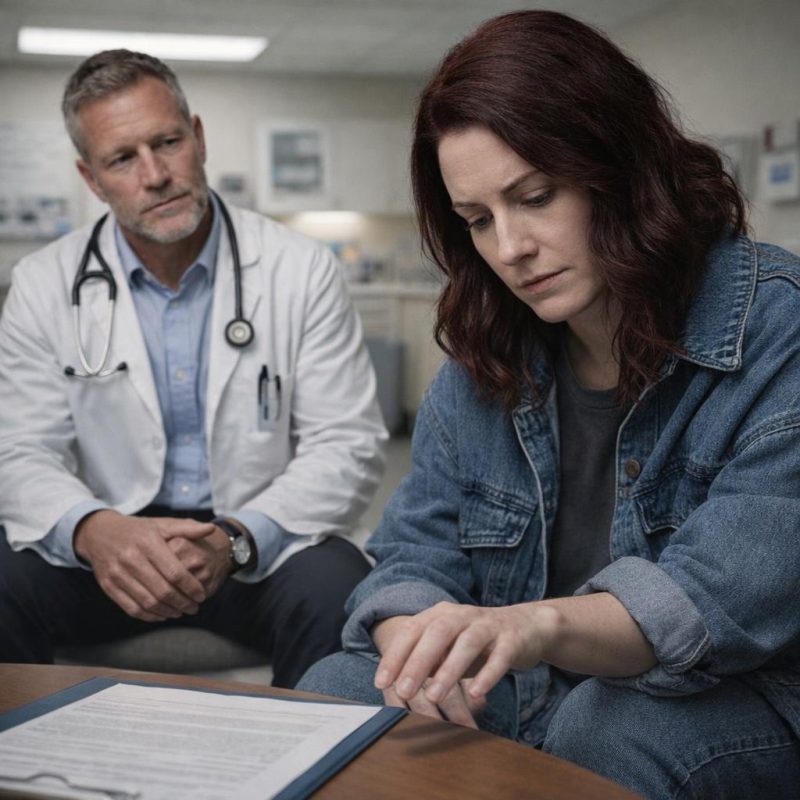 Image by RM AI
One More Thing
Dr. Chen stood up, and I felt my whole body sag with something like relief — the kind that comes when you realize a hard conversation is finally wrapping up and you're going to be allowed to go home and lie on your couch and process all of this in private. He smoothed the front of his coat and gave us both a small, professional nod, the kind that signals closure. I was already mentally calculating how long the drive home would take. He took a step toward the door. And then he stopped. He turned back, and there was something in his expression that hadn't been there a moment ago — a slight shift, a careful quality, the look of someone choosing their next words. He said, 'There is one more thing I think you should know.'
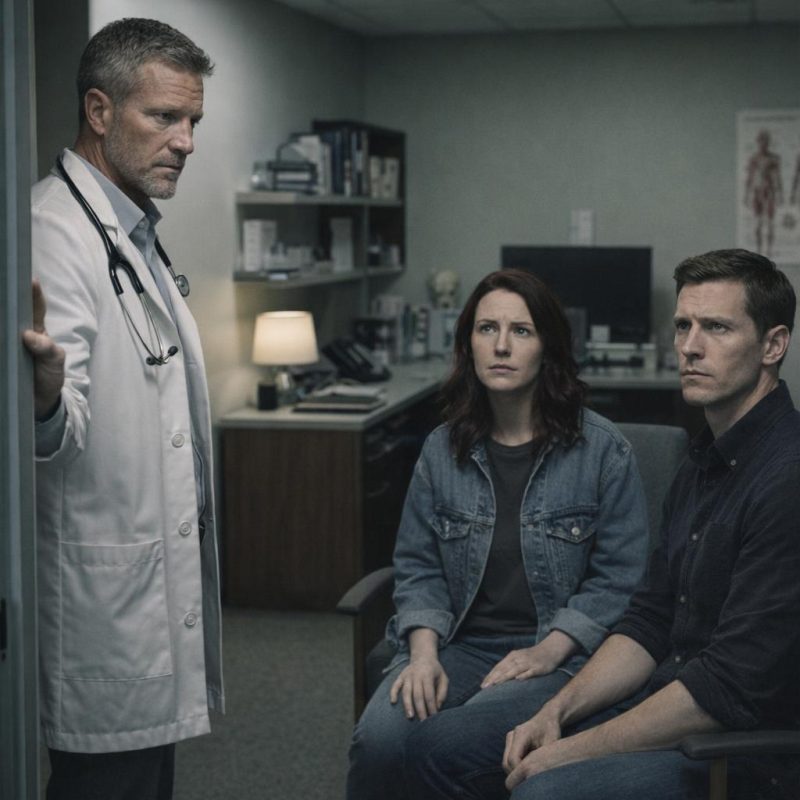 Image by RM AI
Comprehensive Screening
My whole body had already started to unclench — and then Dr. Chen turned back around. He didn't sit down right away. He just stood there for a second, like he was choosing his words carefully, and that pause alone was enough to make my stomach drop all over again. He said that when they ran the full workup tonight, they weren't just looking at the results that had brought me in. The comprehensive screening they'd done — the kind they run when someone comes in presenting the way I had — had flagged something. Something separate. Something that had nothing to do with the lab error, nothing to do with the results that had sent me racing here in the first place. Mark's hand found mine under the blanket, and I let him take it. Dr. Chen's voice stayed calm and measured, the way it had been all night, but I could feel my pulse picking back up anyway. He said it wasn't related to the emergency. He said that part was important to understand. But there was something else they'd found, and he wanted to make sure I knew. The words 'something else' just sat there in the room between us.
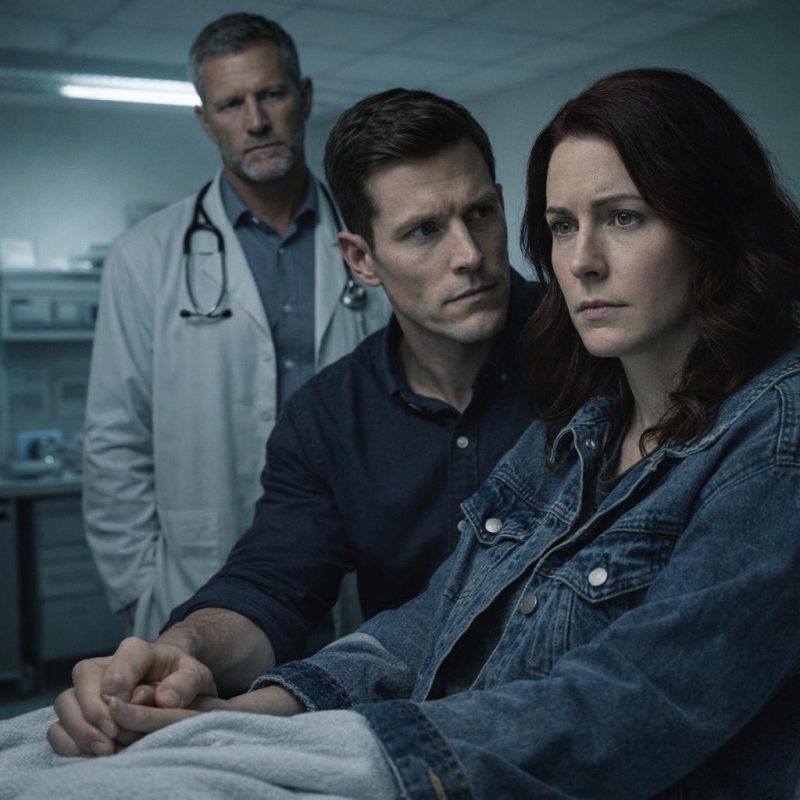 Image by RM AI
Small and Treatable
I think I stopped breathing for a second. Mark's grip on my hand tightened, and I could feel him doing the same thing I was — bracing. Dr. Chen must have seen it on both our faces because he held up one hand, almost like a reflex, and said, 'I want to be clear — this is not another emergency.' He said what they found was small. Caught early. He used the phrase 'very treatable' and I felt something in my chest loosen just slightly, like a knot that had been pulled too tight finally giving a fraction of an inch. He said early detection made all the difference with something like this, and that the timing — as strange as the whole night had been — was actually in my favor. I nodded, even though I wasn't entirely sure I was processing it correctly. My brain had been running on adrenaline for hours and the gears weren't exactly turning smoothly. But I heard the important parts. Small. Early. Treatable. Mark exhaled next to me, slow and quiet, and I felt the warmth of that — the shared relief of two people who had both been holding their breath. Those two words — very treatable — were the most beautiful thing I'd heard all night.
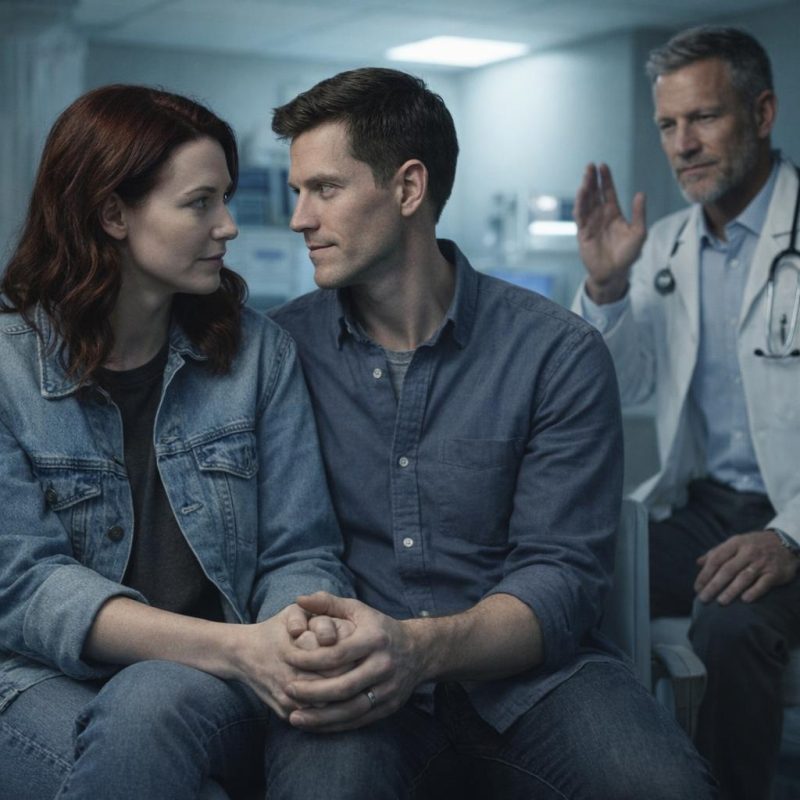 Image by RM AI
Hidden Without the Calls
Dr. Chen let that settle for a moment before he kept going. He explained the timing of it — how this particular thing wouldn't have shown any symptoms for a while. Months, he said. Maybe longer. It would have just been sitting there, quiet, invisible, not showing up on a standard panel. The routine physical I'd had — the one that had started this entire chain of events — hadn't caught it. It wasn't designed to. Only the kind of comprehensive screening they'd run tonight, the kind triggered by a genuine emergency presentation, would have picked it up this early. He said it plainly, without any drama, but the implication landed hard anyway. If the lab hadn't mixed up those results, I never would have gotten those calls. If I hadn't ignored them for most of the day and then finally panicked and come in, they never would have run the full workup. The thing that had terrified me — the mistake, the frantic calls, the hours of fear — had accidentally pointed a flashlight into a corner that nobody had thought to look in yet. I just stared at the ceiling for a second, trying to hold all of that at once.
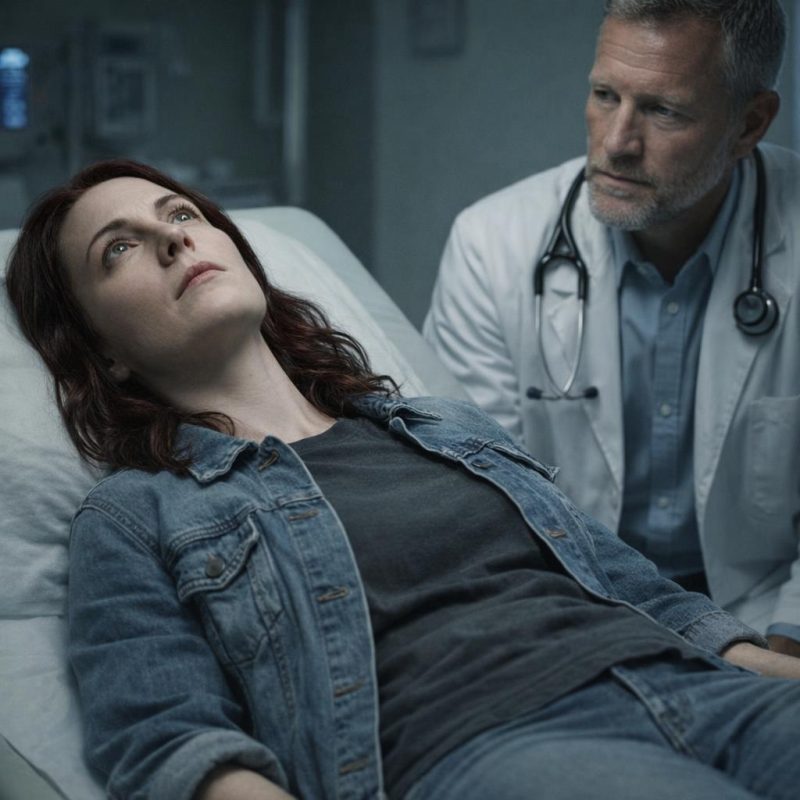 Image by RM AI
The Actual Diagnosis
Dr. Chen sat back down, which somehow made it feel more serious and more manageable at the same time. He walked us through it — the actual finding, the medical name for it, the specifics. He used terminology I only half understood, something about thyroid function and levels that had been sitting just outside the normal range in a way that was easy to miss but meaningful when you knew what you were looking at. He said it was caught very early. He said that was the best possible scenario for something like this. Treatment was straightforward — medication to start, regular monitoring, follow-up with a specialist to dial in the details. He said the prognosis was excellent. He said that word — excellent — and I held onto it. I nodded along, trying to track everything, asking a few questions that probably revealed how little I actually retained from high school biology. Mark asked a couple of smarter ones. Dr. Chen answered all of them without rushing, without making me feel stupid for not knowing what a thyroid actually did beyond vague memories of a diagram in a textbook. By the time he finished, I had the shape of it — not every detail, but enough. The word 'thyroid' sat in my head, concrete and specific, no longer just a shadow.
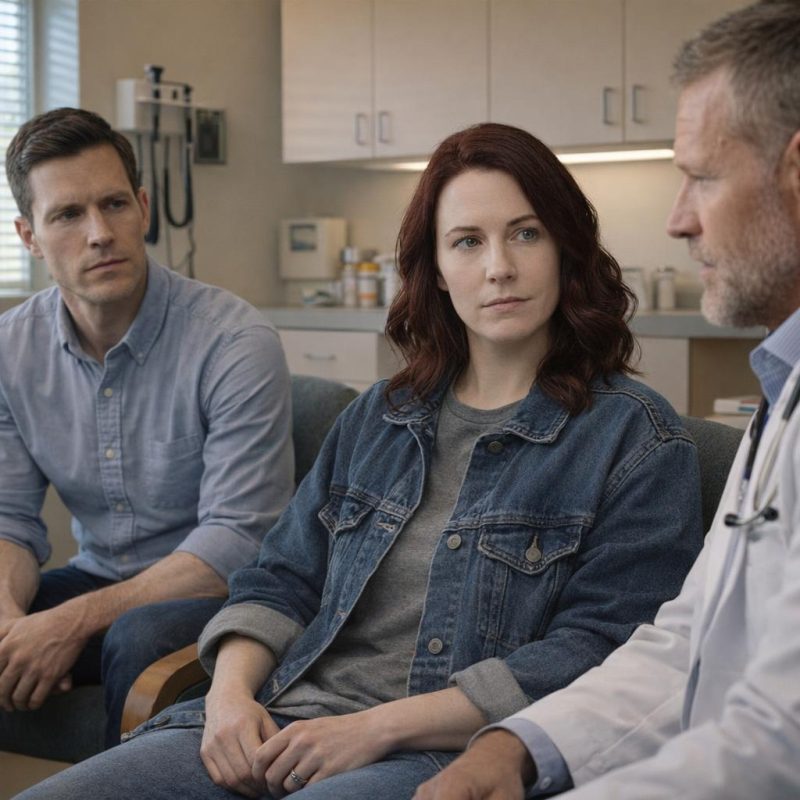 Image by RM AI
Follow-Up Appointments
Dr. Chen stood up again — for real this time, I was pretty sure — and reached for a folder on the small counter near the door. He handed me a stack of papers, and I mean a stack. There were referral forms for an endocrinologist, prescription information, instructions for what to monitor and when to call, a sheet explaining the follow-up timeline. I stared at it all sitting in my lap and felt something tilt sideways in my brain. A few hours ago I had been sitting in my car in the parking garage, convinced I was about to get news that would end everything. And now I was holding a color-coded packet about specialist appointments and medication schedules. It was so aggressively normal. So bureaucratic. So Tuesday-afternoon-at-the-doctor's-office. Mark leaned over and started reading one of the pages, already in practical mode, already thinking about calendars and next steps, which was exactly what I needed him to do because I was not there yet. Dr. Chen said his team would also send everything to my primary care physician so there'd be a full record. I nodded. I tried to look like a person who was absorbing information. And then I reached out and took the stack of papers from Dr. Chen's hands.
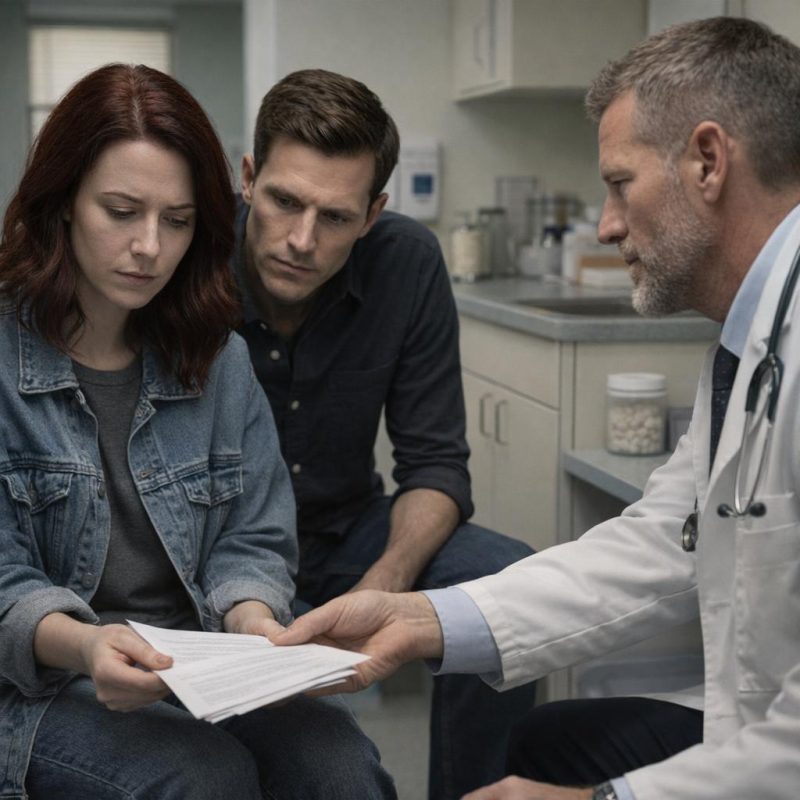 Image by RM AI
The Other Patient
There was one thing I hadn't been able to stop thinking about since Dr. Chen had first explained the mix-up, and before he could leave again I made myself ask it. I said — and I know this is probably not how medical privacy works — I asked about the other patient. The one whose results I'd gotten. The one who was actually supposed to receive that call. Dr. Chen's expression shifted, just slightly. He didn't shut it down harshly, but his voice became careful in a way it hadn't been before. He said he couldn't discuss other patients — which I understood, I really did, I wasn't asking for a name or details — but he confirmed that the situation was being handled. The lab was involved. The appropriate people were being contacted. He said it with the kind of measured certainty that told me the wheels were already in motion. I nodded and said I understood. And I did understand. But understanding something and being able to stop thinking about it are two completely different things. Somewhere out there, someone was getting a call tonight. A real one. The kind I'd spent all day dreading. And there was nothing I could do about that, and no way to unknow it.
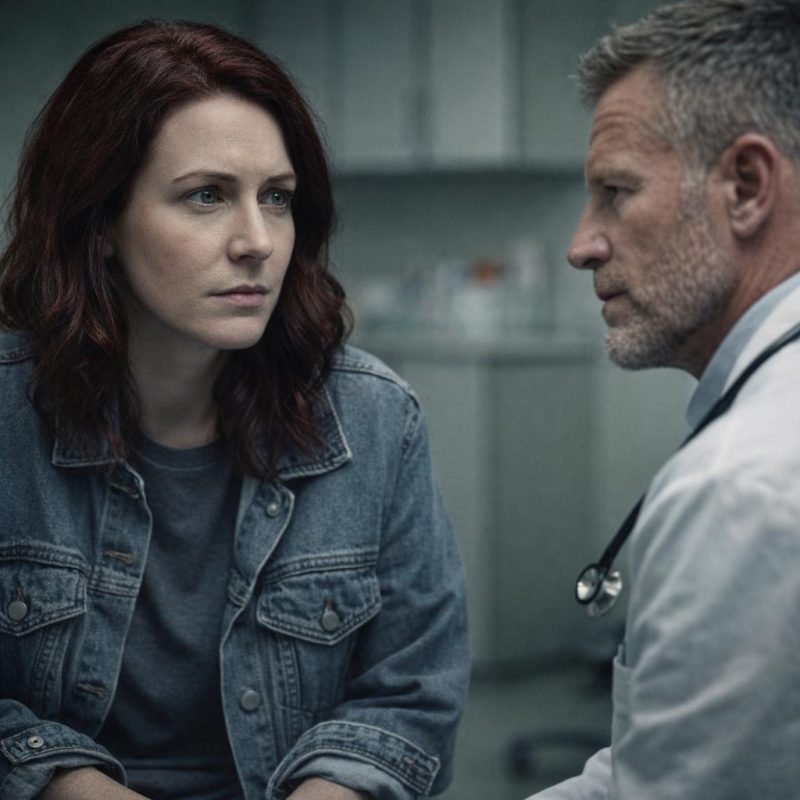 Image by RM AI
Ready to Leave
Dr. Chen shook both our hands — mine first, then Mark's — and said I was free to go. He said to rest tonight, to follow the instructions in the paperwork, and to call the office number on the front sheet if anything felt off before my follow-up. He said it the way doctors say things when they mean it but also when they've said it a thousand times, that practiced warmth that somehow still felt genuine. And then he was gone, the door swinging shut behind him with a soft click. I sat there for a second. Mark was already gathering the papers into a neat stack, folding his jacket over his arm, doing the quiet logistics of leaving. I tried to stand up and my legs felt strange — not weak exactly, just unfamiliar, like they'd forgotten what regular standing felt like after hours of sitting in that bed running worst-case scenarios. Mark put his arm around me without saying anything. We were really leaving. After all of it — the ignored calls, the parking garage panic, the waiting, the fear, the mix-up, the unexpected finding — we were just walking out. The permission to simply go home sat over me like something I hadn't known I needed until it arrived.
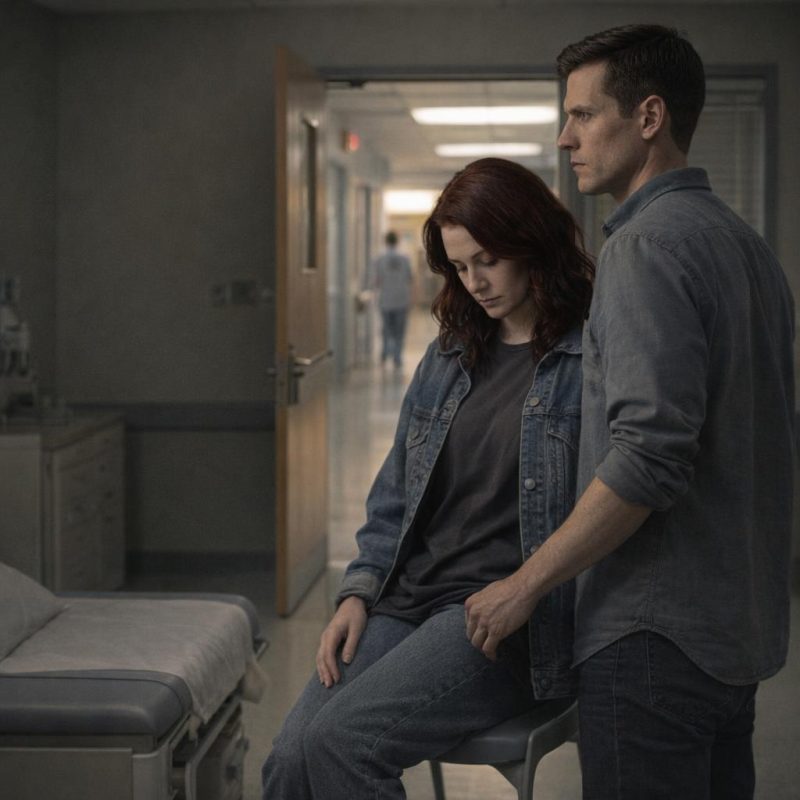 Image by RM AI
Walking Out
The hallway looked exactly the same as it had when we'd come in. Same fluorescent hum overhead, same nurses moving between rooms with that unhurried efficiency that somehow still conveyed urgency, same cluster of chairs near the waiting area where a man in a gray jacket was still sitting with a paper coffee cup going cold in his hands. We passed the little alcove near the entrance where someone had left a vase of yellow flowers on a side table — I'd clocked it on the way in without really seeing it, and now I saw it again, same flowers, same table, same everything. The world had not rearranged itself to match what I'd been through. It had just kept going, indifferent and ordinary, while I'd spent the last several hours convinced I was coming apart. Mark kept his arm around my shoulders and I let myself lean into him a little more than I normally would in public. I had a folder of endocrinologist referrals and a prescription and a story I was going to have to figure out how to tell people. The automatic doors at the end of the corridor slid open as we reached them, and I stepped through into the cool evening air.
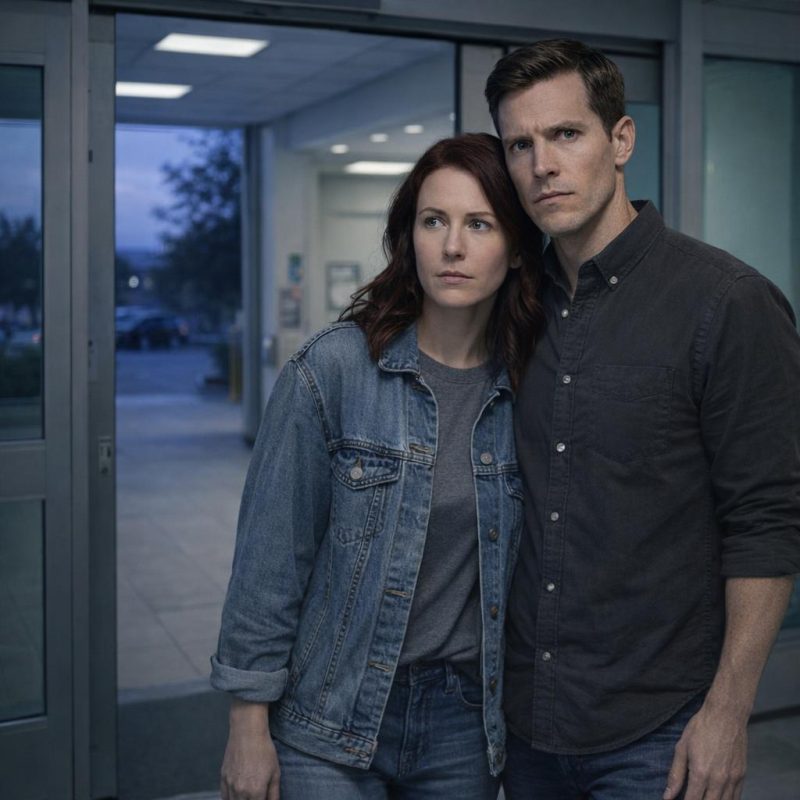 Image by RM AI
The Parking Lot
The parking lot was quieter than I expected. Just the low hum of distant traffic and the occasional click of a car door somewhere in the rows ahead of us. My legs still felt like they belonged to someone else — functional, technically, but not quite mine. Mark walked beside me with his hand at the small of my back, not steering, just there, and I was grateful he wasn't trying to fill the silence with anything. The evening air was cool against my face and I tilted my head up slightly, just to feel it. We found the car without either of us saying a word. Mark clicked the locks and I heard the familiar double-beep, and we both just stood there for a second on either side of the car before getting in. I had a folder of referrals in my hand and a diagnosis I hadn't fully absorbed yet and about a thousand feelings I didn't have words for. I pulled the door shut behind me. Mark pulled his shut too. The quiet between us settled in like something with weight to it, not uncomfortable, just full — the kind of silence that doesn't need to be fixed.
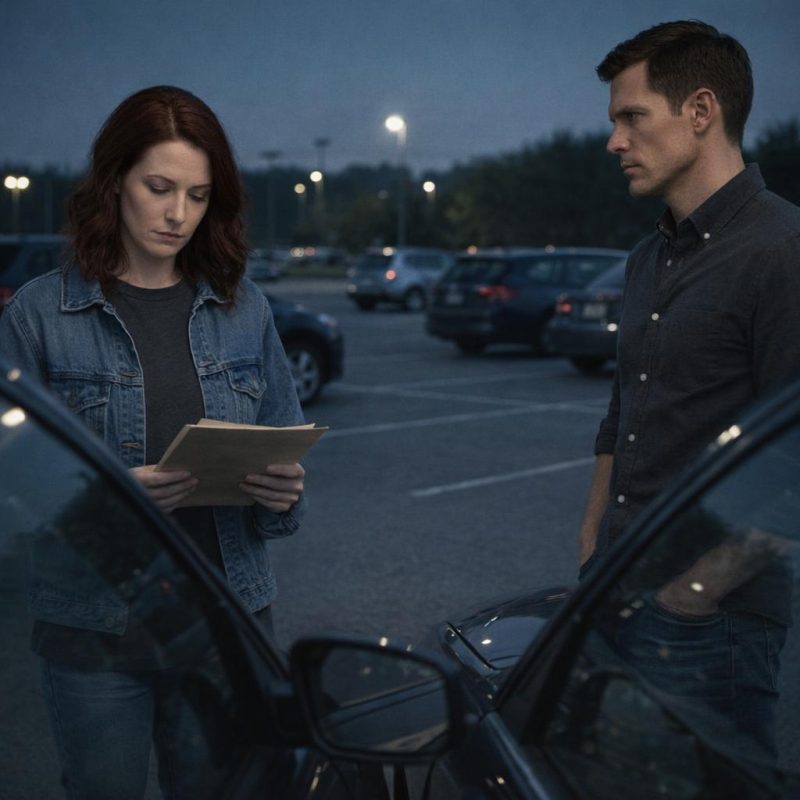 Image by RM AI
The Drive Home
Mark pulled out of the parking lot slowly, like he was being careful with something fragile, and I didn't say anything about it. I just turned toward the window and watched the world go by. A woman was walking a golden retriever along the sidewalk, the dog pulling ahead the way dogs always do. A guy in a hoodie was standing outside a coffee shop scrolling his phone. Two kids on bikes cut across a parking lot entrance without looking. All of it completely ordinary. All of it completely indifferent to the fact that I had spent the last several hours convinced I was dying. The traffic lights cycled through their colors the same way they always did. Other cars moved around us like nothing had happened, because for them, nothing had. I pressed my fingers against the cool glass of the window and tried to locate myself in it — in the normalcy of it — and couldn't quite manage. Mark reached over at a red light and squeezed my hand once, then put his back on the wheel. He didn't say anything. The city just kept moving past the glass, unhurried and unchanged.
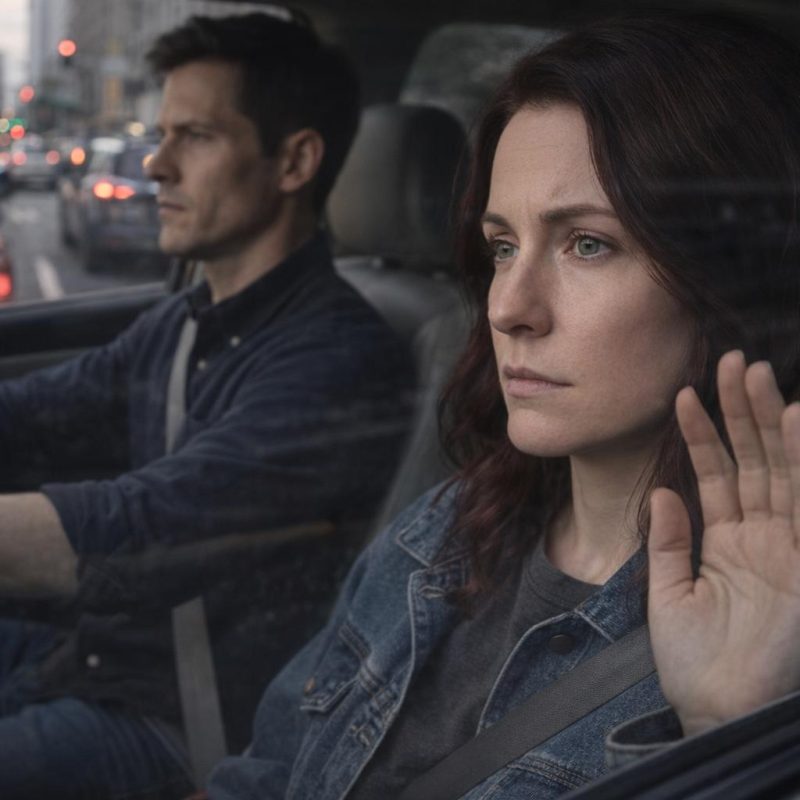 Image by RM AI
Home
Mark unlocked the apartment door and pushed it open and I walked in ahead of him into the dark. He hit the light switch and everything came up familiar — the same couch, the same rug, the same stack of mail on the counter I'd been meaning to sort for a week. The lunch plate I'd left in the sink was still there, fork balanced across the rim exactly where I'd set it. The throw blanket I'd pulled over myself during my nap was still bunched at one end of the couch, still holding the shape of where I'd been lying. It smelled like home. It looked like home. But it felt like I was walking into a photograph of a morning that had happened to someone else, some earlier version of me who had no idea what the next few hours were going to bring. The afternoon light that had been coming through the windows when I left was gone now, replaced by the dark and the glow of the streetlights outside. It felt like days had passed. It felt like years. And then I saw my laptop, still open on the couch right where I'd left it, screen gone dark from sitting idle.
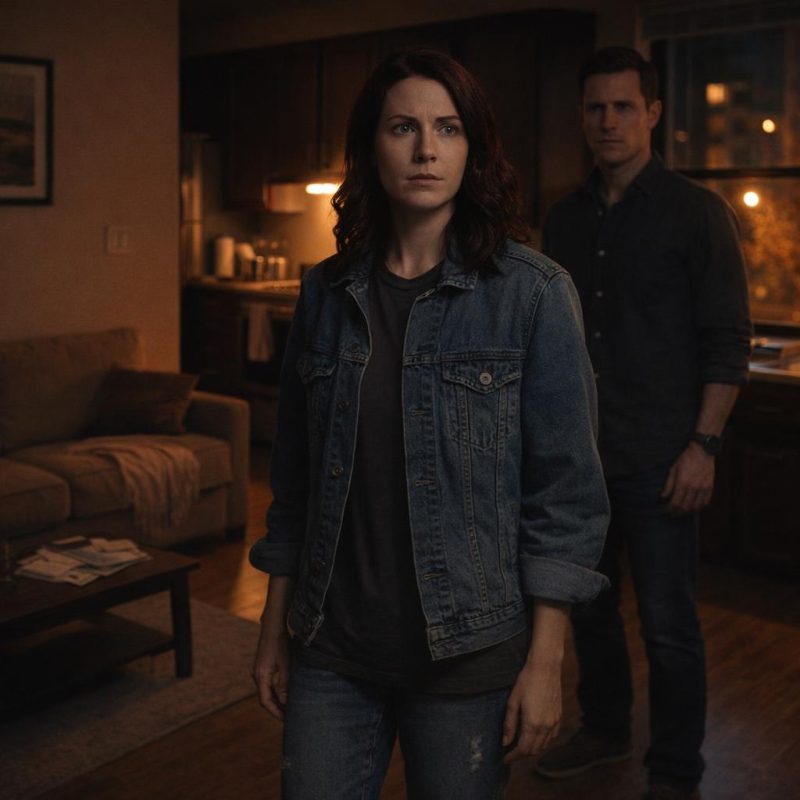 Image by RM AI
The Timeline
I don't know what made me look at the clock on the wall, but I did. Eight thirty-two. I stood there staring at it for a second like it had said something rude. I'd woken up from my nap around two-thirty. I'd been sitting on that couch, half-asleep, annoyed about a phone call I didn't want to take. That was six hours ago. Six hours. I ran it back in my head — the missed calls, the panic, the drive to the ER, the waiting room, the blood draws, the tests, the conversation with Dr. Chen, the referrals, the walk back out through those fluorescent-lit hallways. All of it. Six hours. Mark dropped onto the couch behind me and let out a long breath, and I heard the cushions take his weight. I stayed standing, still looking at the clock like it might correct itself. It didn't. Six hours felt like it should have been a week, minimum. It felt like something that should have left a visible mark on the walls, some evidence that time had bent around what happened inside it. The clock just read eight thirty-two, steady and indifferent, and the numbers didn't move.
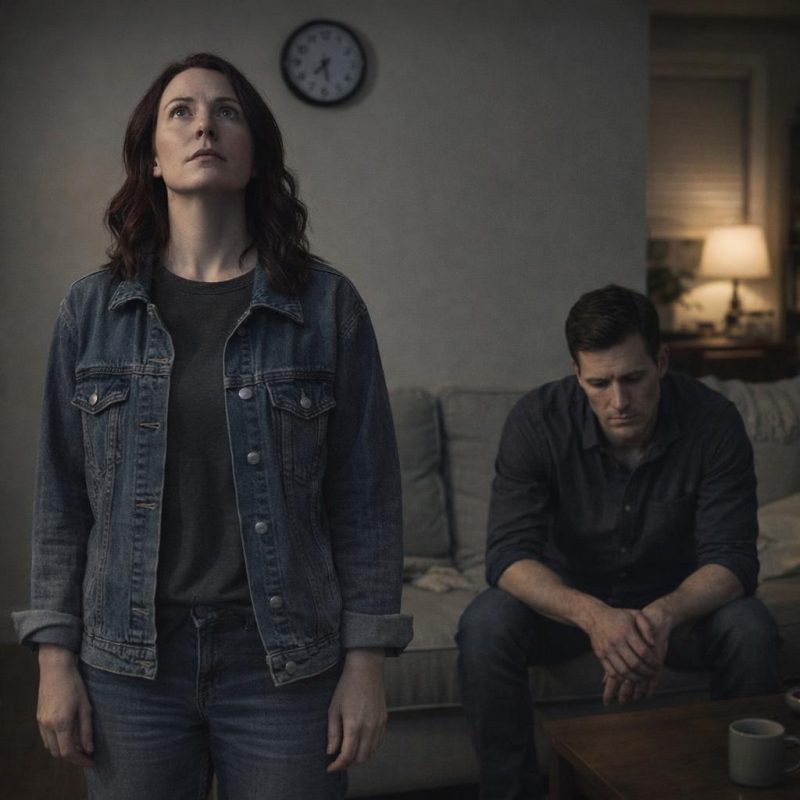 Image by RM AI
The Lab Error That Saved Me
I sat down next to Mark on the couch and stared at the dark laptop screen and tried to actually think it through from the beginning. The lab had mixed up two patients' samples. Someone else's critical results had gone into my file, attached to my name, and that's what had sent Lisa into a panic and triggered the seven calls I'd spent the afternoon ignoring. That error — that clerical, administrative, completely avoidable mistake — had scared me badly enough to actually go to the ER. And the ER had run a full panel. And the full panel had caught something real, something that was actually mine, something that would have kept sitting quietly in my body doing its thing until it became a much bigger problem. I said it out loud, slowly: 'So the wrong results sent me to the right place.' Mark looked at me. 'A mistake that shouldn't have happened,' he said, 'found something that needed to be found.' We sat with that for a second. And then he started laughing — just a short, disbelieving exhale at first — and I felt it too, rising up through the exhaustion, because the whole thing was so absurd it almost didn't seem real. Someone else's lab error had saved my life.
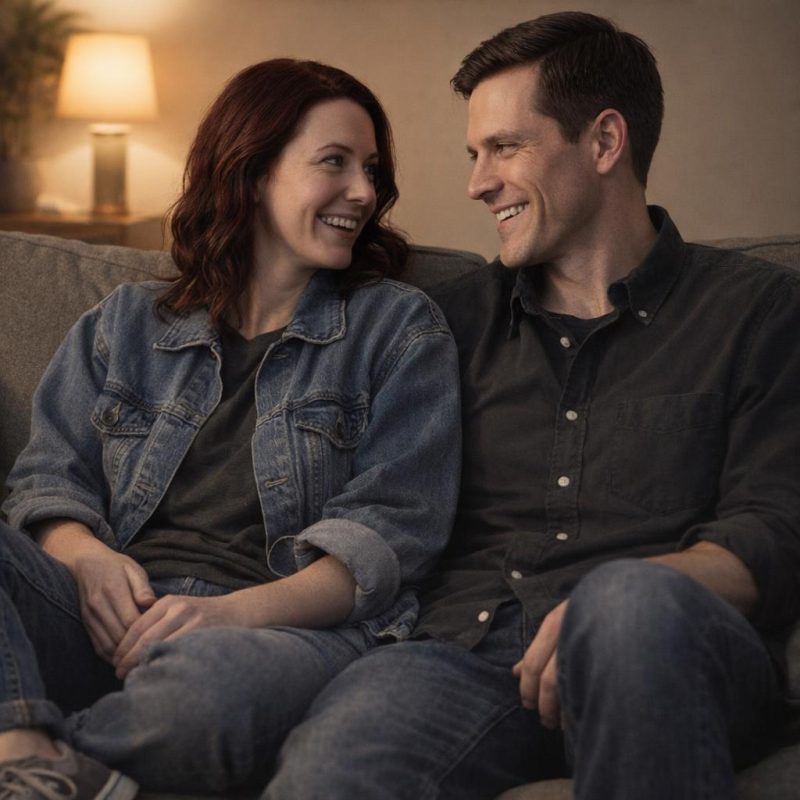 Image by RM AI
Hysterical Laughter
Once it started, neither of us could stop it. Mark went first — that short exhale turned into actual laughter, the kind that comes from somewhere deep and a little desperate — and then I was gone too. I'm talking full, helpless, can't-catch-your-breath laughter, the kind that makes your stomach hurt and your eyes water and your whole body shake. I kept trying to say something and couldn't get the words out. At one point I managed 'I ignored seven calls' and that just made it worse. Mark wiped his eyes with the back of his hand and started to compose himself and then looked at me and lost it again. It was hysterical in both senses of the word — genuinely funny and also slightly unhinged, the way laughter gets when it's carrying a lot of other things underneath it. All the fear from the afternoon, all the dread in that waiting room, all the white-knuckle tension of not knowing — it was all coming out sideways, through my ribs, in waves I couldn't control. I pressed my hands over my face and felt the tears running down into my palms, and I genuinely could not have told you whether I was laughing or crying, only that I couldn't stop, and the tears kept streaming down my face.
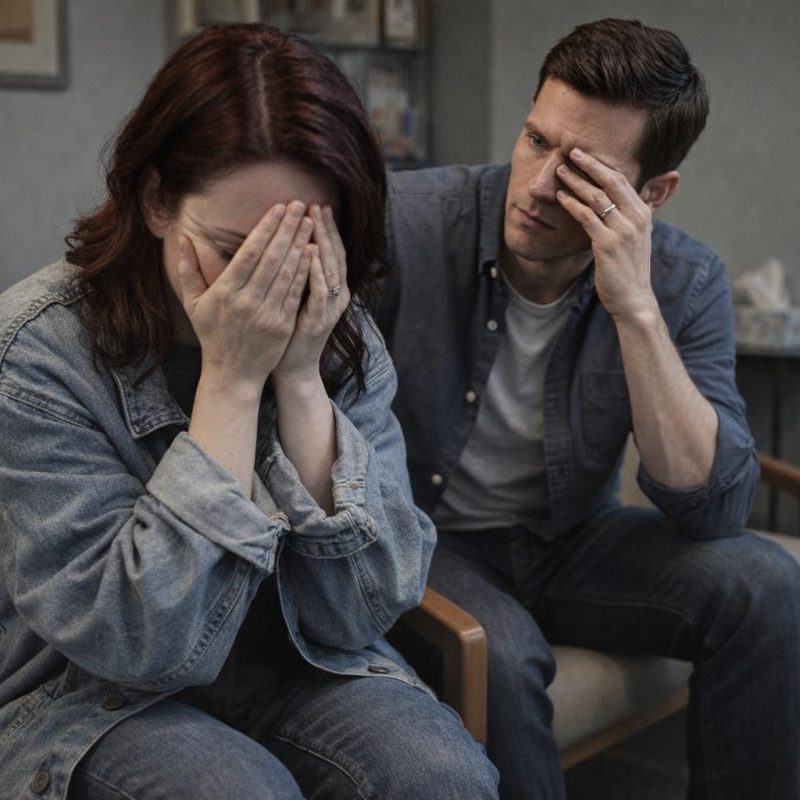 Image by RM AI
The Other Patient's Face
The laughter wound down the way it always does — in smaller and smaller waves, until we were just sitting there breathing, Mark's shoulder against mine. And then, in the quiet that followed, my mind went somewhere else entirely. There was another patient out there. Someone whose name should have been on those results. Someone who actually had whatever those numbers meant, whatever had sent Lisa into urgent-call mode. Did they know yet? Had the lab caught the error before their results went out too, or were they sitting in their own ER right now, terrified, getting tests run, trying to hold it together the way I had been? Or worse — had no one called them at all? I'd never know. There was no way to know. I'd never find out how their story ended, whether the mix-up had been caught in time, whether they were okay. Mark noticed my expression change and reached over and took my hand without saying anything. I held onto it. The laughter had felt like setting something down, but this — the thought of that other person, somewhere out there in their own version of my afternoon — settled back over me like something I hadn't earned the right to put away yet.
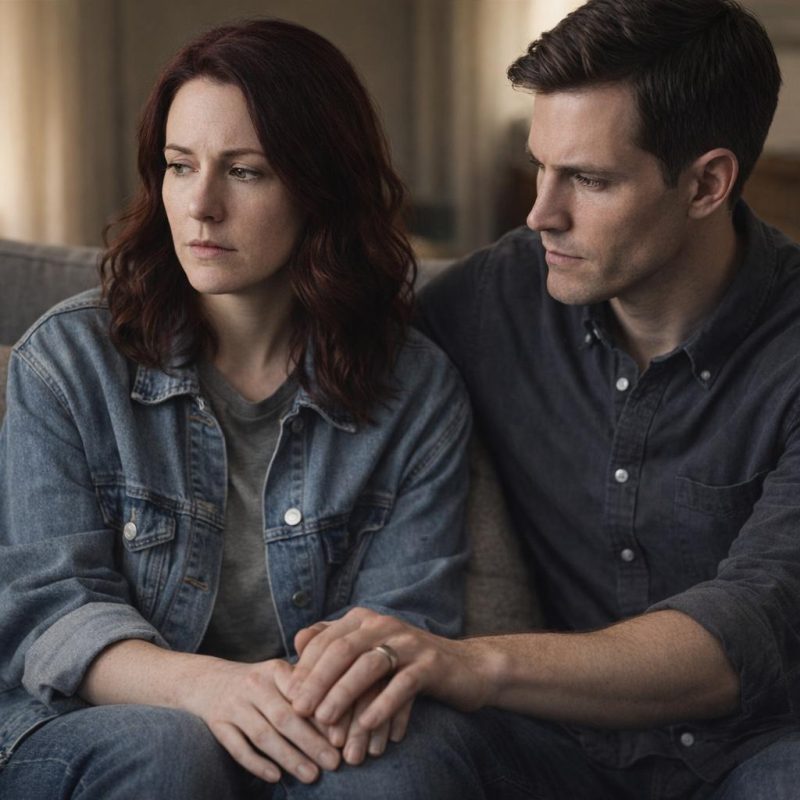 Image by RM AI
If I Hadn't Rescheduled
After a while I started thinking about the appointments. The first one I'd rescheduled because of a work deadline that, looking back, had not been worth it. The second one I'd pushed because I just hadn't felt like dealing with it that week — classic. If I'd gone the first time, the timing would have been completely different. Different lab batch, different day, different everything. The samples never would have been swapped. I never would have gotten those calls. I never would have gone to the ER. Mark pointed it out before I could even finish the thought: 'Your procrastination,' he said, with this look on his face that was equal parts disbelief and affection, 'literally saved your life.' I didn't have a good answer for that, because he wasn't wrong. Two reschedules and a nap and seven ignored phone calls had somehow added up to catching something my body had been quietly carrying without my knowledge. I sat with that for a long time — the strange, tangled chain of it, all the small avoidances and delays that had lined up, accidentally and perfectly, into something that mattered.
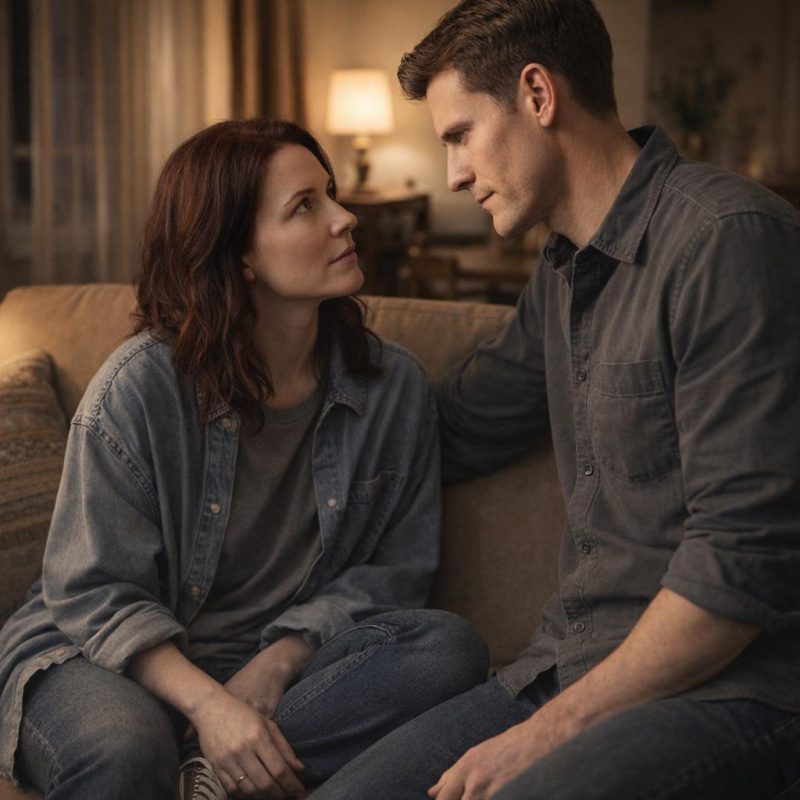 Image by RM AI
Mark's Confession
Later that night, after the discharge paperwork was signed and we were finally home, Mark got quiet in a way that told me something was coming. He sat on the edge of the couch with his hands clasped together, staring at the floor, and then he just started talking. He said the waiting room had been the worst two hours of his life. He said he'd sat there running through every possible outcome, and most of them were bad, and he hadn't known what to do with his hands or his thoughts or any of it. 'I kept thinking,' he said, 'that I was going to walk out of there alone.' His voice was steady when he said it, but just barely. I hadn't thought about what he'd been going through while I was on the other side of those doors — I'd been so caught up in my own fear that I hadn't fully registered his. I reached over and took his hand. He squeezed back hard, like he was still holding on. And when I looked up at his face, the fear was still there, sitting just behind his eyes.
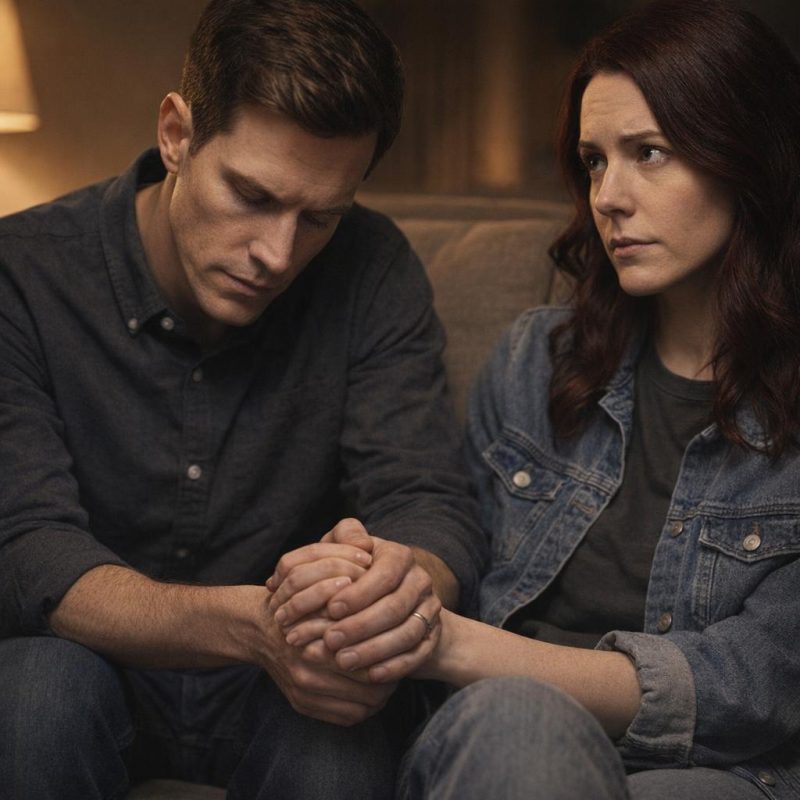 Image by RM AI
The Paperwork
Somewhere around nine o'clock I spread the hospital paperwork out on the coffee table and actually looked at it. All of it. There was a follow-up appointment with an endocrinologist in two weeks, a prescription I needed to start tomorrow, a list of symptoms to monitor, and two pages of dietary recommendations that I was absolutely going to have to read more than once. Mark leaned over my shoulder and read along without saying anything, which I appreciated. It wasn't scary, exactly — none of it was catastrophic — but it was a lot. It was specific and detailed and real in a way that the ER had somehow not fully been, maybe because the ER had felt like a crisis and this felt like a life. A new routine. A thing I was going to have to manage, probably forever, or at least for a very long time. I turned to the last page and there it was in plain language: ongoing monitoring required, medication indefinite pending specialist review. I set the page down on the table. The stack sat there between us, three inches thick, and none of it was going away.
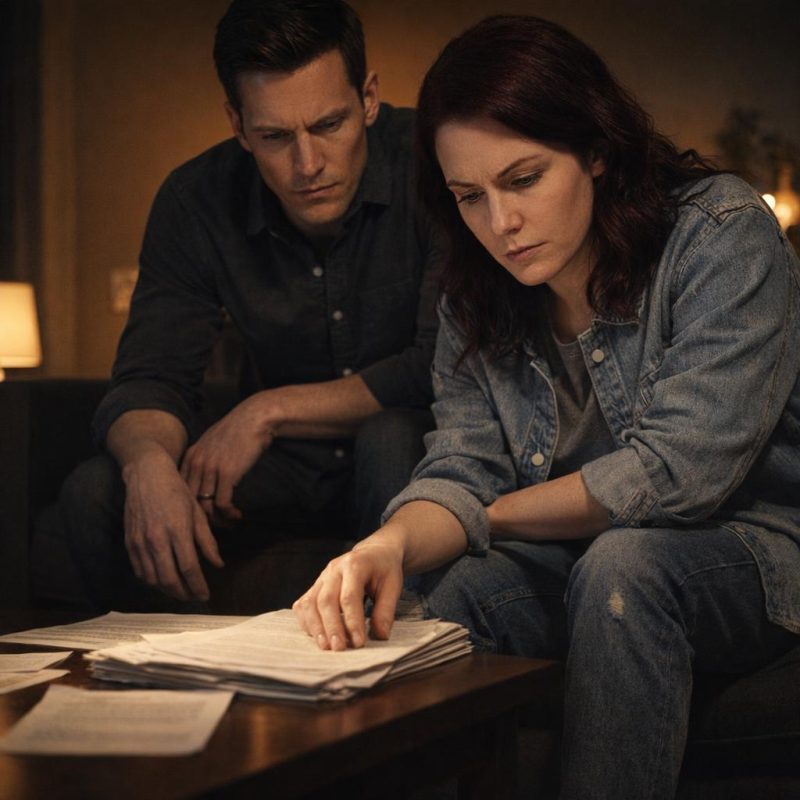 Image by RM AI
Calling Mom
I knew I had to call my mom. I'd known it since we left the hospital, honestly, but I'd been putting it off the same way I put off everything — by telling myself I'd do it in a minute, and then letting the minutes stack up. Mark suggested I wait until morning, which was genuinely good advice, but I also knew myself well enough to know I wouldn't sleep with it hanging over me. The problem was I had no idea how to explain any of it. The lab error, the seven missed calls, the nap, the ER, the actual diagnosis that turned out to be a completely different thing from the terrifying thing — it sounded insane even inside my own head. How was I supposed to say it out loud to my mother, who was going to panic first and ask questions second? I picked up my phone and found her contact and just sat there looking at it. Her name on the screen. The little photo next to it from a birthday dinner two years ago. Mark put his hand on my knee and didn't say anything. The weight of the whole day pressed down, and I still didn't have the first sentence.
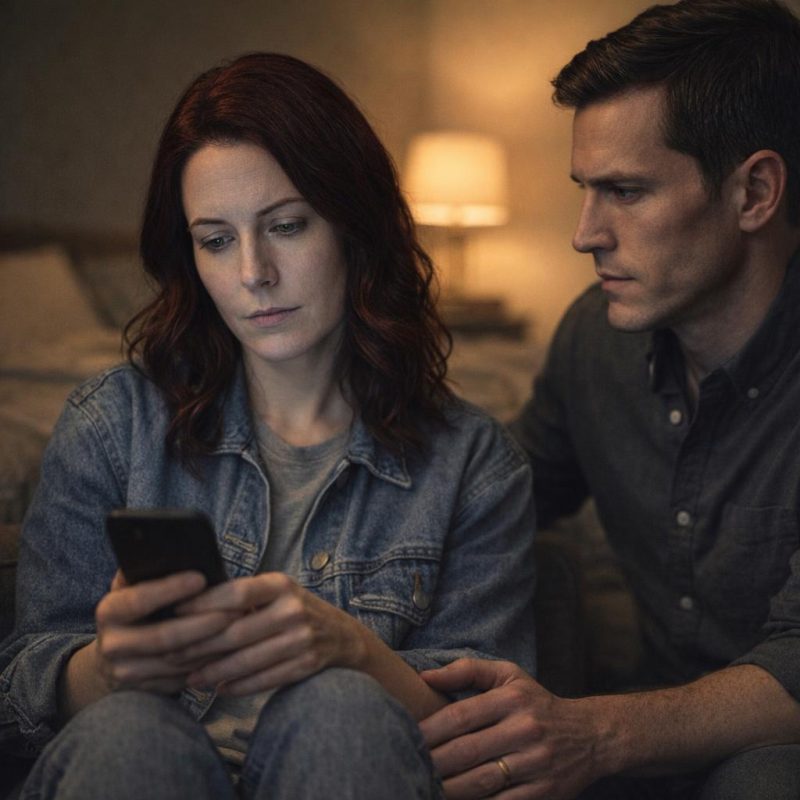 Image by RM AI
The Incidental Finding
After I finally got off the phone with my mom — which went about as well as expected, meaning she cried twice and made me promise to send her the endocrinologist's name — I opened my laptop and started reading. I wanted to understand what had actually happened to me, medically speaking. I found my way to a few reliable-looking sources and started reading about incidental findings, which is apparently a whole category of medical discovery. Conditions found by accident. Tumors spotted during scans ordered for something else entirely. Heart abnormalities caught during routine pre-op bloodwork. Thyroid irregularities flagged during emergency panels run for completely unrelated reasons. It happened constantly, according to everything I was reading — people walking into hospitals for one thing and walking out with a diagnosis they never expected, something that had been quietly developing inside them with no symptoms, no warning, nothing. Mark read over my shoulder again, and at one point he said, 'That's literally you.' And it was. I'd gone to the ER because of a lab error that wasn't even about me, and they'd found something real. The whole thing was so statistically strange that I almost laughed. I closed the laptop and sat with the odd, sideways comfort of knowing I wasn't the first person the universe had surprised this way.
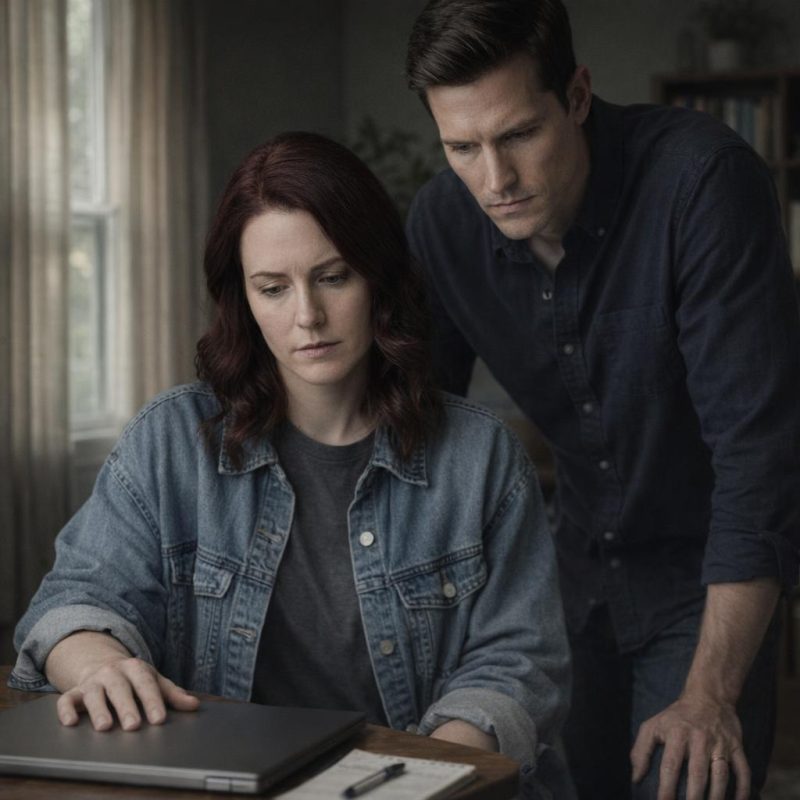 Image by RM AI
The Prognosis
I picked up Dr. Chen's discharge notes again around midnight and read through them slowly this time, not in a panic, not trying to absorb everything at once. The prognosis section was short and clear: excellent with early detection and consistent management. That phrase — early detection — kept snagging my attention. Dr. Chen had said it in the ER too, and I'd heard it, but I don't think I'd really let it land until now. If I'd gone years without knowing, if the lab error had never happened, if I'd never ended up in that ER — the condition would have kept progressing quietly. By the time symptoms showed up enough to send me to a doctor, it would have been a different conversation entirely. But they'd caught it now. I was going to be fine. Mark said, 'You know you're actually lucky, right?' and I said yes, and I meant it in a way that felt new and specific and not at all like the generic thing people say when they're trying to feel better. I set the notes down on the nightstand and lay back against the pillow. The relief had settled into something quieter and steadier than I expected — less like a wave and more like solid ground.
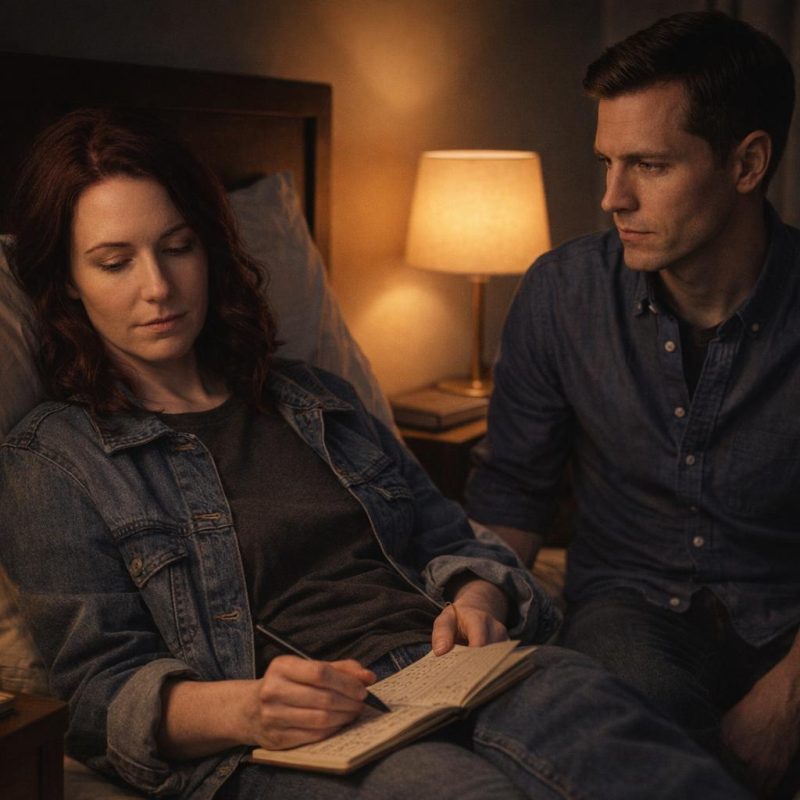 Image by RM AI
The Seven Calls
I don't know what made me open the call log. Habit, maybe, or just the need to look at the thing directly one more time. Seven missed calls from Dr. Patel's office, all clustered between two-thirty and four in the afternoon. I'd been asleep for most of them — genuinely, deeply asleep, the kind of nap where you wake up not knowing what day it is. I thought about what would have happened if I'd answered the first one. I probably still would have ended up in the ER. They still would have run the same panels. They still would have found the same thing. The calls weren't the variable — I was. My procrastination, my nap, my general avoidance of anything that felt like adult responsibility had somehow threaded together into this specific afternoon that changed everything. Mark looked at the screen with me and didn't say anything for a second. Then he said, 'Seven calls.' Just that. Like he was reading a historical marker. I scrolled back through them one more time, Lisa's number repeating down the screen, each entry a few minutes apart.
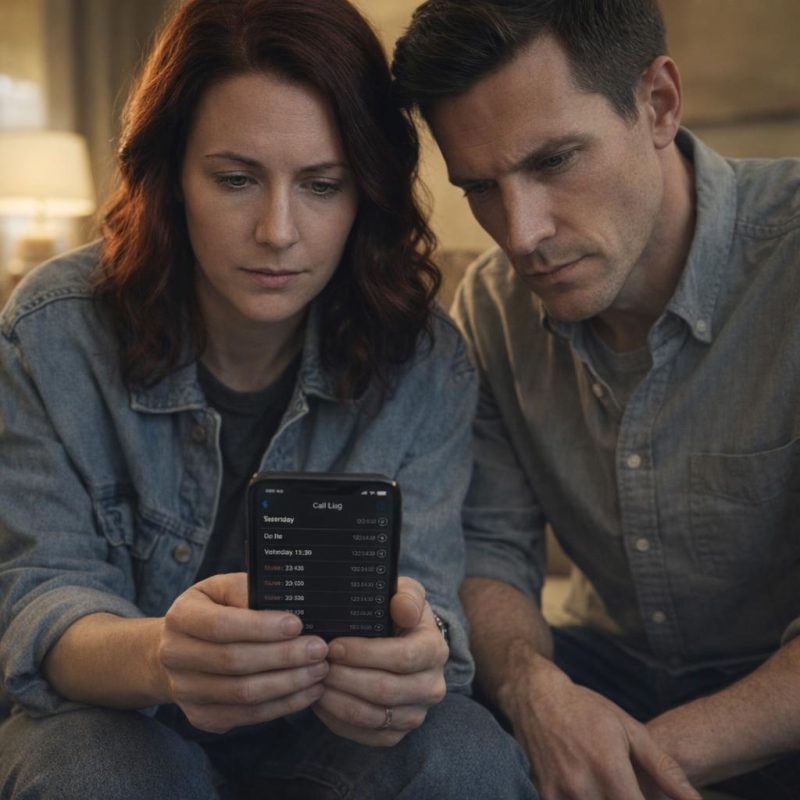 Image by RM AI
The Voicemail She Didn't Finish
I'd never actually listened to the whole voicemail. I'd played it, heard the first few words, panicked, and called back before Lisa even finished talking. So I opened it again and let it run all the way through. Lisa's voice was calm — genuinely, professionally calm, the kind of calm that takes practice — but there was something underneath it, a tightness in the pacing, a precision in the word choices that told a different story. She gave the callback number twice. She said 'as soon as possible' and then, a beat later, 'at your earliest convenience,' like she was trying to find the right register between urgent and not-alarming. She didn't say what it was about. She didn't have to. Mark listened with me, and when it ended he said, 'She was trying really hard not to scare you.' I thought about Lisa sitting at her desk, making call after call, leaving message after message, doing her job with that careful, measured voice while the afternoon ticked by. The message ran forty-three seconds. I'd bailed out at maybe ten. Her voice on the recording came through pulled even and steady — no waver, no crack, right up to the end.
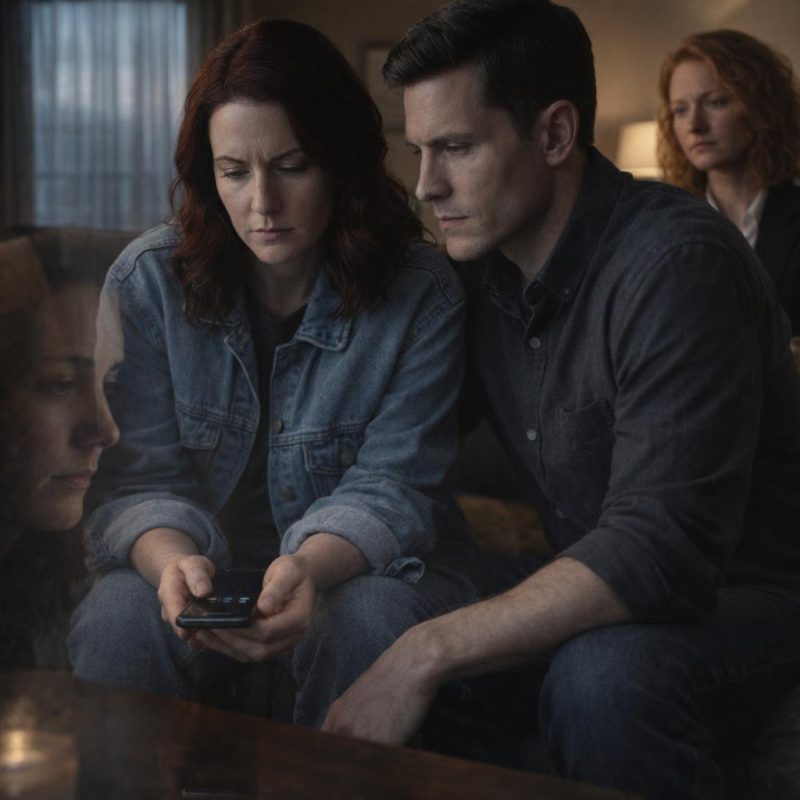 Image by RM AI
Tomorrow's Prescription
I found the prescription information in the stack of paperwork and looked up the pharmacy hours on my phone. They opened at eight. I set an alarm for nine, which gave me a buffer in case I was slow getting out the door, which I almost always was. Mark asked if I wanted him to come with me and I said yes without even thinking about it, which felt right. This morning — and it was still technically the same day, which was almost impossible to believe — I had woken up with no idea any of this was coming. No diagnosis. No treatment plan. No endocrinologist appointment on the calendar. I'd had a nap and a coffee and a vague plan to maybe do laundry. Now I had a prescription, a follow-up, a condition with a name, and a whole new relationship with my own body that I was going to have to figure out as I went. I typed in the alarm label — 'pharmacy' — and hit save. The screen confirmed it: 9:00 AM, pharmacy, tomorrow. I watched the alarm lock into place on the screen.
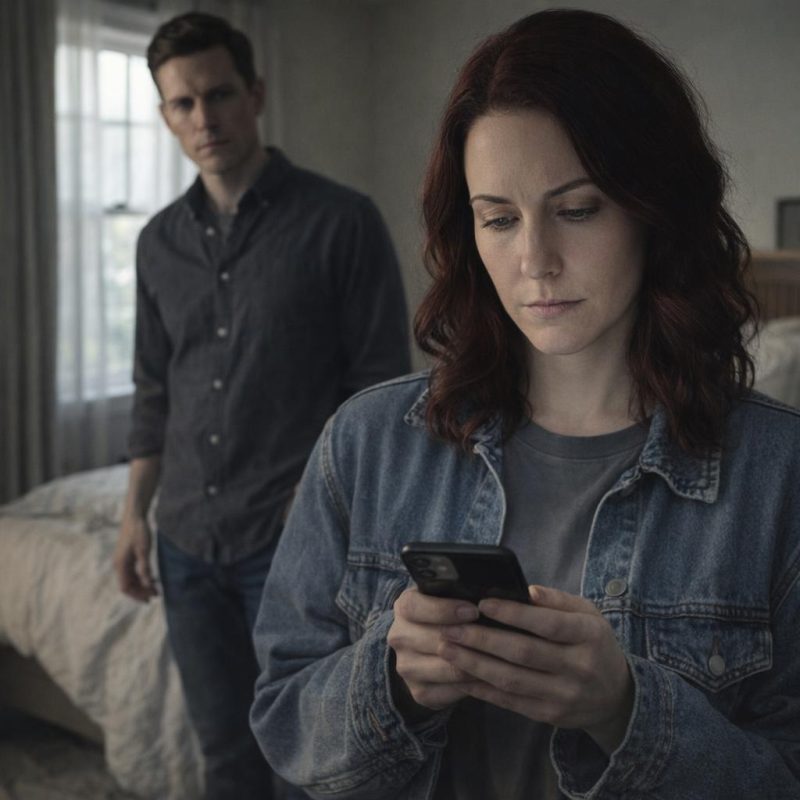 Image by RM AI
The Endocrinologist Appointment
I opened my calendar app and sat there for a second, looking at the grid of my life — work meetings, a dinner with friends next Friday, a dentist cleaning I'd already rescheduled once. Normal stuff. Ordinary stuff. I tapped the date two weeks out and typed in the endocrinologist appointment, the one Dr. Chen had written on the discharge paperwork in careful block letters. It took maybe fifteen seconds. Mark was watching from the other side of the bed, quiet, not making a big deal of it, which I appreciated. When I hit save, the appointment just sat there on the screen, sandwiched between a Tuesday team call and a reminder to pay my electric bill. That was it. No alarm bells. No flashing lights. Just a thing on my calendar, like any other thing. I thought about how different that felt from this morning, when everything had been sirens and urgency and my heart doing things hearts aren't supposed to do. This wasn't that anymore. This was just — mine to manage. A condition, not a catastrophe. I closed the app and set my phone face-down on the nightstand.
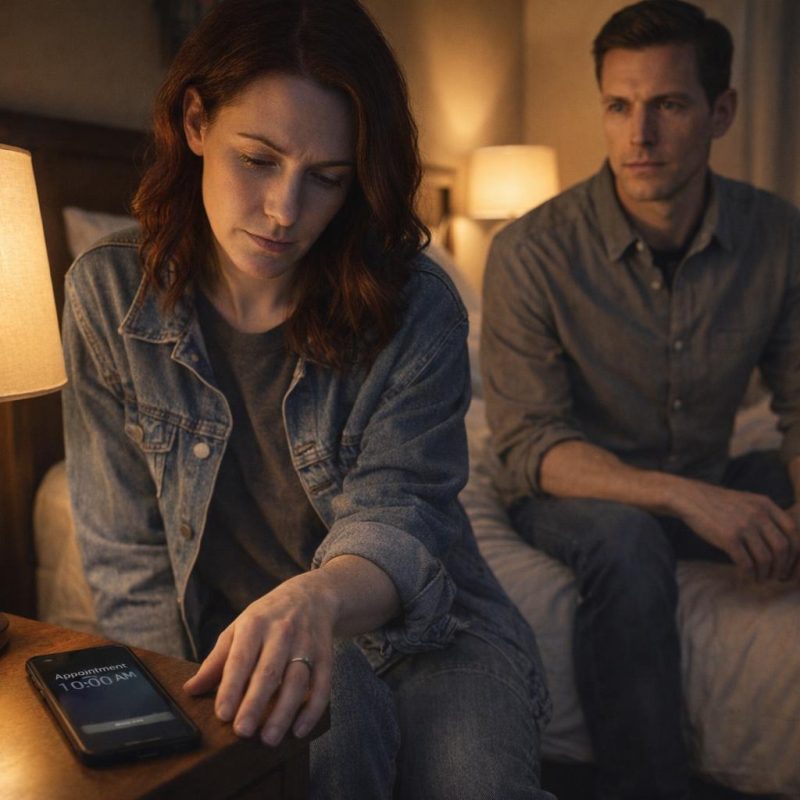 Image by RM AI
Exhaustion
The exhaustion hit me all at once, the way it does when your body finally decides the emergency is over and sends the bill for everything it spent keeping you upright. My eyes felt like they had sand in them. My arms were heavy. Even thinking felt slow, like I was pushing words through wet concrete. I hadn't noticed how much I'd been running on adrenaline until it was completely gone, and what was left underneath was just — nothing. Empty. The good kind of empty, maybe, but empty all the same. Mark said we should go to bed, and I didn't argue, didn't say 'in a minute' the way I usually do when I'm not ready to let a day end. I was ready. I was more than ready. I could barely keep my eyes open long enough to plug in my phone. The whole day — the missed calls, the coffee shop, the ER, the diagnosis, all of it — had compressed into something I couldn't quite hold in my head anymore. It was too much and also, somehow, exactly enough. The weight of it all settled into my bones and stayed there.
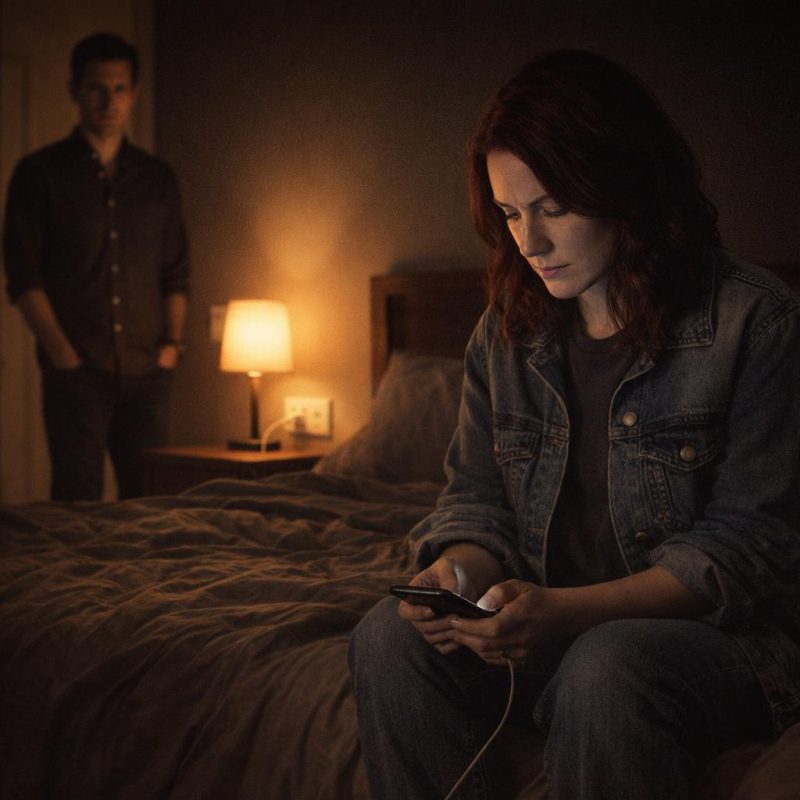 Image by RM AI
In Bed
We brushed our teeth side by side without saying much, which felt normal in the best possible way. I caught my reflection in the bathroom mirror and held it for a moment — same face, same tired eyes, same person who had woken up that morning with nothing more pressing on her mind than whether to do laundry. I looked exactly the same. Everything was completely different. We got into bed and Mark reached over and turned off the lamp, and the room went dark and quiet, the kind of quiet that only happens when the day has finally, fully stopped. He found my hand under the blanket without fumbling for it, like he knew exactly where it would be. I held on. Neither of us said anything. There wasn't anything that needed saying — not right then, not in the dark, not after a day like this one. The ceiling was invisible above me. Mark's breathing was slow and steady beside me. I felt the warmth of his hand in mine, and the weight of the blanket, and nothing else needed to be anything other than what it was.
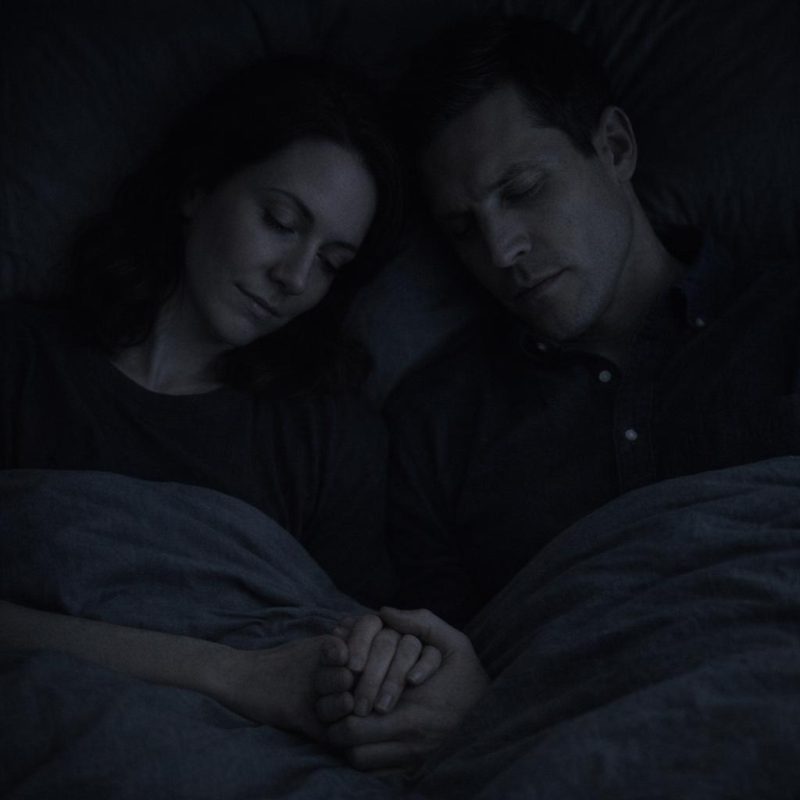 Image by RM AI
Never Taking It For Granted
I lay there in the dark after Mark's breathing had gone slow and even, and I thought about the appointment I'd rescheduled twice. The one that had felt like a hassle, like a thing to push to next month, like something I could deal with later because I felt fine and later always existed. I thought about the seven calls I'd let go to voicemail because I was busy, or distracted, or just didn't feel like dealing with whatever it was. I thought about how close I'd come to finding out the hard way, the way you don't get to walk back from. Tomorrow I'd pick up my prescription. Tomorrow I'd start figuring out what this new version of normal looked like. Tomorrow I'd call my mom, who was going to absolutely lose it, and I'd let her. But lying there in the dark, what I kept coming back to was simple: I was here. I was okay. And I was never, not once, not ever again, going to let a doctor's call go to voicemail.
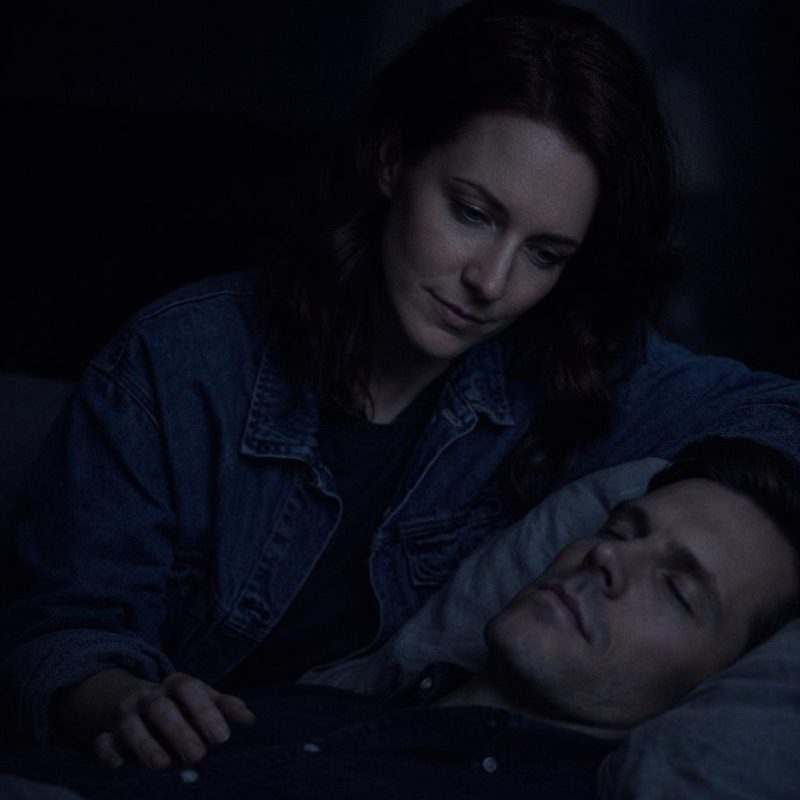 Image by RM AI
KEEP ON READING

20 Powerful Ancient Egyptian Gods That Were Worshipped
Unique Religious Figures in Ancient Egypt. While most people are…
By Cathy Liu Nov 27, 2024
The 10 Scariest Dinosaurs From The Mesozoic Era & The…
The Largest Creatures To Roam The Earth. It can be…
By Cathy Liu Nov 28, 2024
The 20 Most Stunning Ancient Greek Landmarks
Ancient Greek Sites To Witness With Your Own Eyes. For…
By Cathy Liu Dec 2, 2024
10 Historical Villains Who Weren't THAT Bad
Sometimes people end up getting a worse reputation than they…
By Robbie Woods Dec 3, 2024
One Tiny Mistake Exposed A $3 Billion Heist
While still in college, Jimmy Zhong discovered a loophole that…
By Robbie Woods Dec 3, 2024
30 Lost Treasures That Vanished From History
Buried treasure, missing artefacts, legends of ancient gold in them…
By Robbie Woods Dec 3, 2024