

I Discovered My Daughter's Perfect Fiancé Was a Con Artist Two Days Before the Wedding—And Nobody Believed Me
I Discovered My Daughter's Perfect Fiancé Was a Con Artist Two Days Before the Wedding—And Nobody Believed Me
I Discovered My Daughter's Perfect Fiancé Was a Con Artist Two Days Before the Wedding—And Nobody Believed Me
The Salmon-Colored Dress
I spent way too much time worrying about that salmon-colored dress. You know the kind of worry I mean—the kind that keeps you up at night googling things like "what colors photograph badly at weddings" and "salmon vs coral in natural light." My daughter was getting married in two days, and somehow my brain had decided that the most important thing in the world was whether my mother-of-the-bride dress would look washed out in the photos. Melanie had been planning this wedding for eighteen months. Eighteen months of vendor meetings and color swatches and seating charts that got rearranged so many times I'd lost count. I'd watched her transform from my practical, level-headed daughter into someone who could spend forty minutes debating napkin folds. Her fiancé Eric seemed nice enough—polite, successful, always remembered to ask how I was doing. Sometimes I'd catch myself wondering if there was something a bit too smooth about him, but then I'd feel guilty for even thinking it. What kind of mother looks for problems when her daughter is this happy? So I pushed those thoughts away and focused on things I could control, like whether salmon was really the right choice for spring. Two days before the wedding, I thought my biggest problem was a dress.
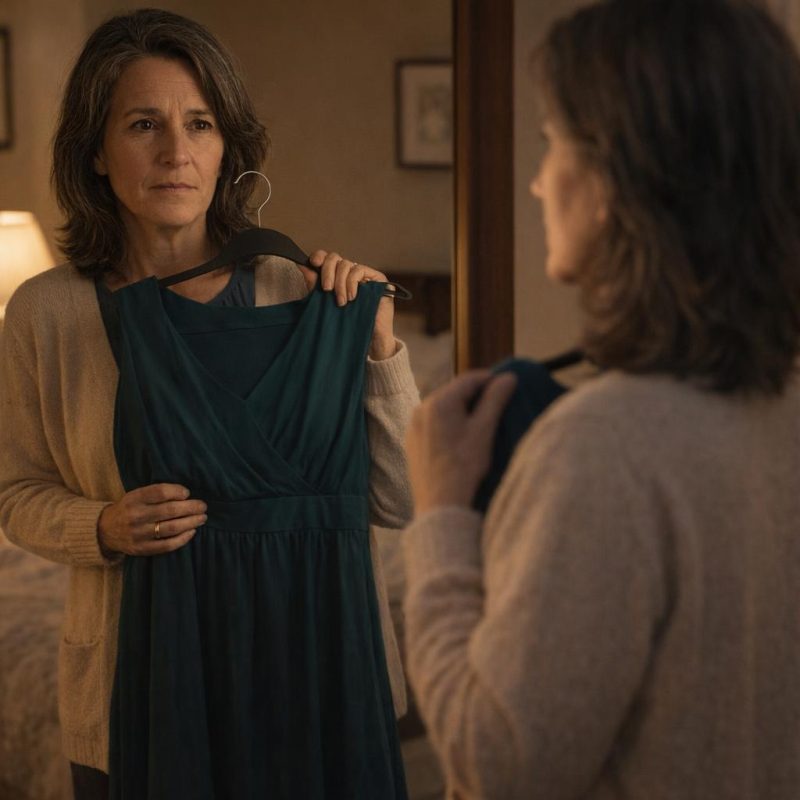 Image by RM AI
Ivory, Not Cream
"Mom, it's ivory, not cream," Melanie said for the third time that week, holding up two flowers that looked identical to me. "Cream has yellow undertones. Ivory is pure. It photographs completely differently." I nodded and made a mental note I knew I'd forget within the hour. We were standing in the florist's shop on Tuesday afternoon, and I could see the exhaustion in Melanie's shoulders even as she maintained her laser focus on every detail. The cake had to have exactly three layers of raspberry filling, not two, not four. The bridesmaids' dresses had already been altered twice because the first seamstress didn't understand how certain blues photographed under different lighting. My sister had stopped answering Melanie's calls after the fourth conversation about table linens. Even Melanie's best friend had started responding to texts with just thumbs-up emojis. But this was my daughter's wedding, and if ivory versus cream mattered to her, then it mattered to me. I watched her examine each flower stem with the intensity of a surgeon, and I reminded myself that this wasn't about me being comfortable. This was about making my daughter happy, even when nothing seemed good enough.
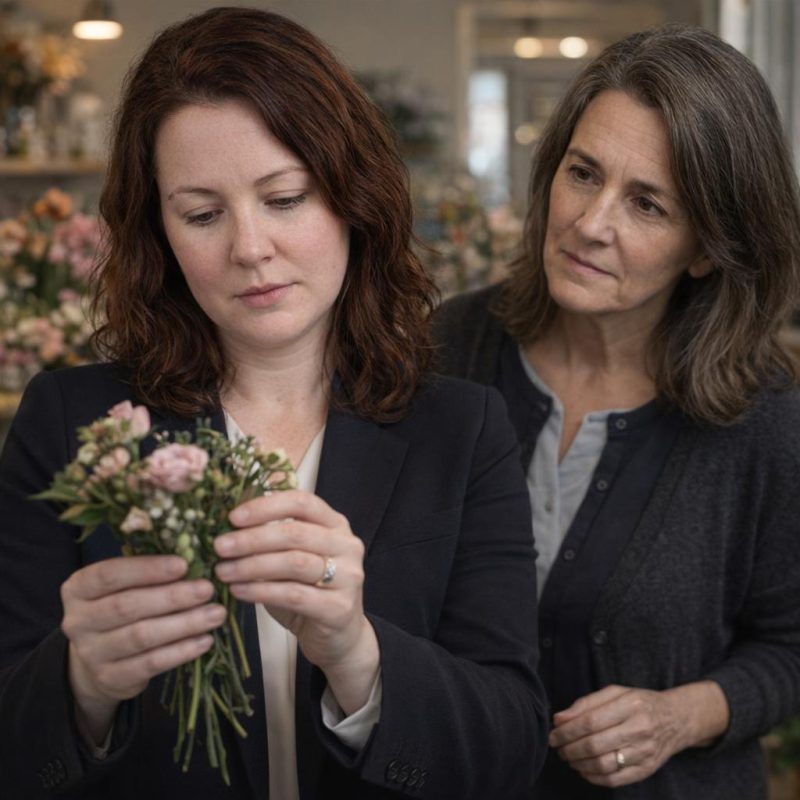 Image by RM AI
Polished Surfaces
Eric looked perfect on paper, and that was part of what bothered me. He was handsome in that catalog-model way, always dressed in tailored suits that probably cost more than my monthly mortgage. He worked in commercial real estate, drove a nice car, and had impeccable manners. He brought me flowers on Mother's Day without Melanie having to remind him. He opened doors, remembered birthdays, and said all the right things at family dinners. My late husband Tom had been different—warm in a way that came from somewhere deep and genuine. When Tom smiled, it reached his eyes and crinkled the corners. When he laughed, it was because something actually struck him as funny, not because it was the socially appropriate moment to laugh. Eric's warmth felt more like room temperature, if that makes sense. Perfectly calibrated, never too hot or too cold. I'd catch myself comparing them and then feel terrible about it. Tom had been gone for six years, and maybe grief had broken something in my ability to trust that good things could just be good. Something about Eric felt too smooth, like a stone that had been polished until all its rough edges disappeared. But I couldn't name what bothered me.
 Image by RM AI
What Friends See
"You must be so thrilled," Carla said over coffee on Wednesday morning. "Melanie really hit the jackpot with Eric." My friend had been saying versions of this for months, and I'd learned to just smile and nod. All my friends said the same thing. How attentive he was. How polite. How lucky Melanie was to find someone so put-together and successful. I sat there stirring my coffee, trying to figure out why their enthusiasm made me feel more isolated instead of reassured. There was something about the way Eric showed thoughtfulness that left me cold, though I couldn't explain why. But how do you explain that to someone? How do you say his kindness felt off without sounding like you're inventing problems? Carla was still talking about how Eric had helped her husband move furniture last month, how he'd insisted on doing the heavy lifting himself. "He's just so considerate," she said. I wondered if grief had damaged something in me, if losing Tom had made me suspicious of happiness. Maybe everyone else could see something I couldn't. Maybe my instincts were broken. I questioned whether my instincts were broken or if everyone else was missing something I couldn't prove.
 Image by RM AI
Attention to Detail
I noticed Eric paying particular attention to my sister-in-law Carol at Sunday dinner, but I told myself it was just good manners. Carol was Tom's older sister, recently widowed after her husband passed from a heart attack. She'd inherited a substantial estate—investments, properties, the kind of money that meant she'd never have to worry about retirement. She was lonely, though. You could see it in the way she lingered after family gatherings, finding reasons to stay just a little longer. Eric had pulled her aside after dessert, and I'd overheard part of their conversation from the kitchen. "I'd be happy to help you organize your finances," he was saying. "Estate management can be overwhelming, especially when you're grieving. I work with these kinds of portfolios all the time." Carol had looked so grateful, so relieved to have someone offer help. Eric's voice was warm and concerned, his hand briefly touching her shoulder in what seemed like a comforting gesture. I watched from the doorway, drying a dish I'd already dried twice. It was thoughtful of him to offer, wasn't it? That's what a good son-in-law would do. But something about his eagerness made me uncomfortable. I told myself he was just being kind, but the eagerness in his offer made me uncomfortable.
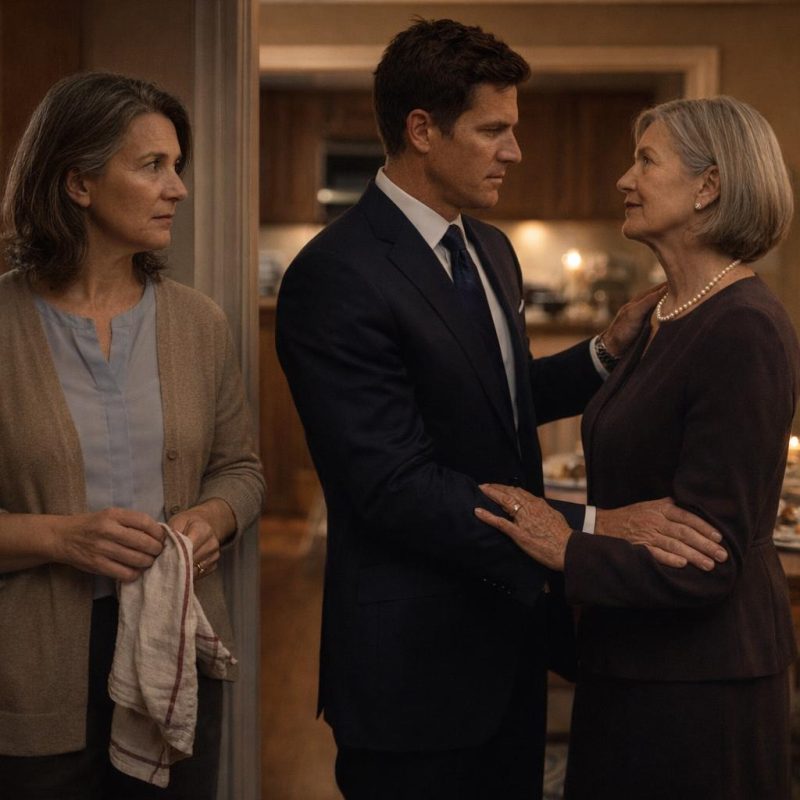 Image by RM AI
The Meddling Mother
I'd seen enough movies and read enough advice columns to know the stereotype: the meddling mother who can't let go, who sabotages her daughter's relationships because no man will ever be good enough to replace her late father. I promised myself I wouldn't be that person. I'd lie awake at night sometimes, wondering if that's what I was becoming. Was I looking for problems because I missed Tom so much that I couldn't imagine anyone measuring up? Melanie was thirty-two years old, perfectly capable of making her own decisions. She had a graduate degree, a successful career, and a good head on her shoulders. Who was I to second-guess her judgment based on nothing more than a vague feeling? If I said something—if I told her I had doubts about Eric without any concrete reason—it would damage our relationship. She'd think I was trying to control her life, that I couldn't accept her growing up and moving on. And maybe she'd be right. Maybe I was just a grieving widow who couldn't stand to see her daughter happy with someone who wasn't her father. So I kept my doubts locked away where they couldn't hurt anyone but me.
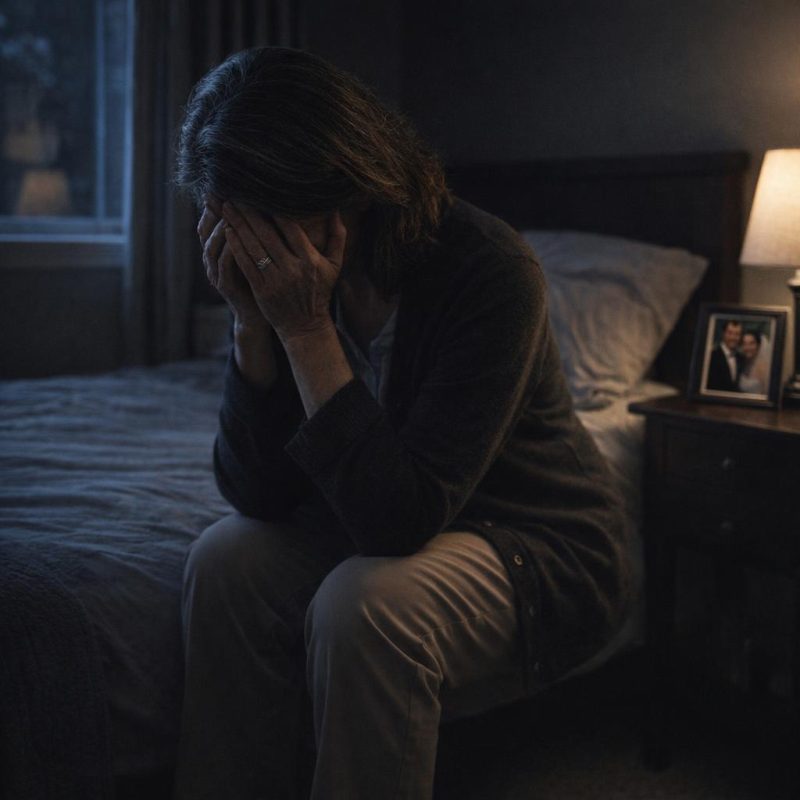 Image by RM AI
Thursday Afternoon
Thursday arrived with the kind of accelerating momentum that makes you feel like you're running to catch up with your own life. The rehearsal dinner was tomorrow night, the wedding on Saturday, and suddenly everything that had seemed far away was right here, demanding attention. I spent the morning confirming final details with the caterer, then called the florist to verify the delivery time, then double-checked with the venue coordinator about the setup schedule. Melanie texted me seventeen times before noon, each message a new question or concern or reminder. The weather forecast looked good. The out-of-town guests were arriving. Everything was falling into place the way it was supposed to. But underneath all the busyness, that persistent unease sat in my chest like a stone I couldn't cough up. I kept pushing it down, focusing on the tasks in front of me. There were programs to pick up from the printer, a final fitting for Melanie's veil, and my salmon-colored dress to collect from the dry cleaner. I looked at my to-do list and felt the hours slipping away. The rehearsal dinner was tomorrow, the wedding Saturday, and I had a dress to pick up.
 Image by RM AI
The Dry Cleaner
The dry cleaner was tucked between a nail salon and a sandwich shop, the kind of small business that had been in the same location for twenty years. I pushed through the door Thursday afternoon, the bell chiming overhead, expecting nothing more than a quick errand. The young woman behind the counter looked up from her phone and smiled. She was maybe twenty-five, with tired eyes and the kind of practiced customer-service expression that comes from working retail. "Picking up?" she asked. I handed her my ticket, and she disappeared into the back room. I could hear hangers sliding on the rack, the rustle of plastic garment bags. She emerged with my salmon-colored dress, and I felt a small surge of relief seeing it again. At least this one thing was taken care of. "Special occasion?" she asked as she rang up the charge. "My daughter's wedding," I said. "This Saturday." Her smile brightened in that automatic way people's faces do when you mention weddings. "Oh, how exciting! Spring weddings are so beautiful." She folded the receipt and tucked it into the garment bag. Then she looked up at me with friendly curiosity and asked a simple question: "What's the groom's name?"
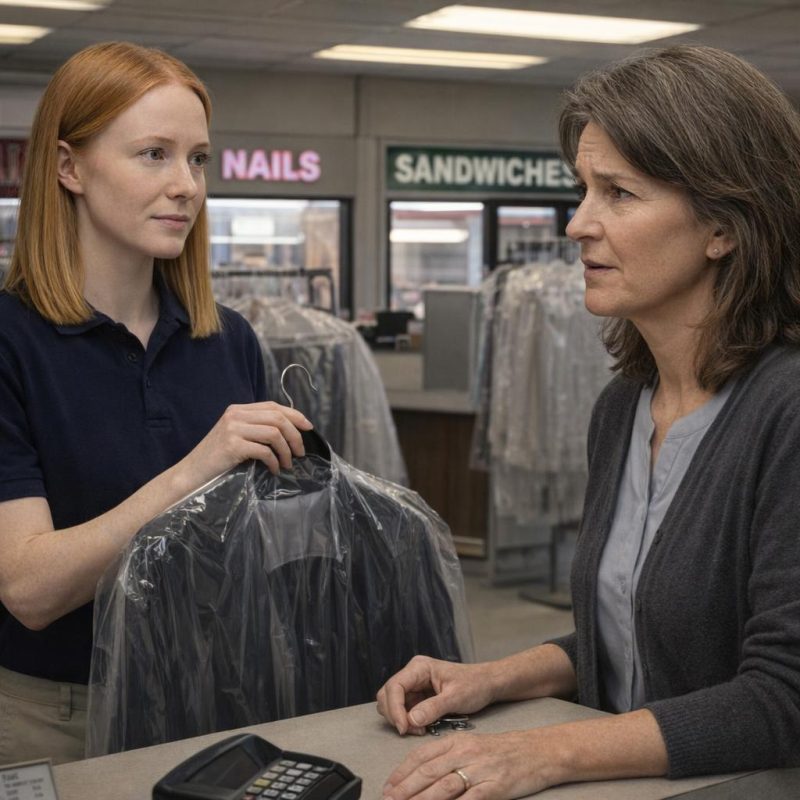 Image by RM AI
The Color Drains
"Eric Collins," I said, and watched something happen to her face that I'll never forget. The color drained so fast it was like watching someone pull a plug—one second she was smiling that practiced customer-service smile, the next she'd gone pale as paper. Her eyes went wide, and I saw her throat move as she swallowed hard. It wasn't subtle. It wasn't the kind of reaction you can misread or brush off as nothing. This was visceral, immediate, the kind of response your body makes before your brain can catch up and tell you to hide it. I felt my own smile falter. "Are you okay?" I asked, suddenly very aware of how quiet the shop had become. She blinked rapidly, like she was trying to reset herself, and I could see her hands trembling slightly where they gripped the counter. "I'm fine," she said, but her voice came out thin and unconvincing. "Just—it's been a long day." She wasn't fine. Anyone could see that. Her hands froze on the hanger, and for one terrible second she looked like someone had punched her in the stomach.
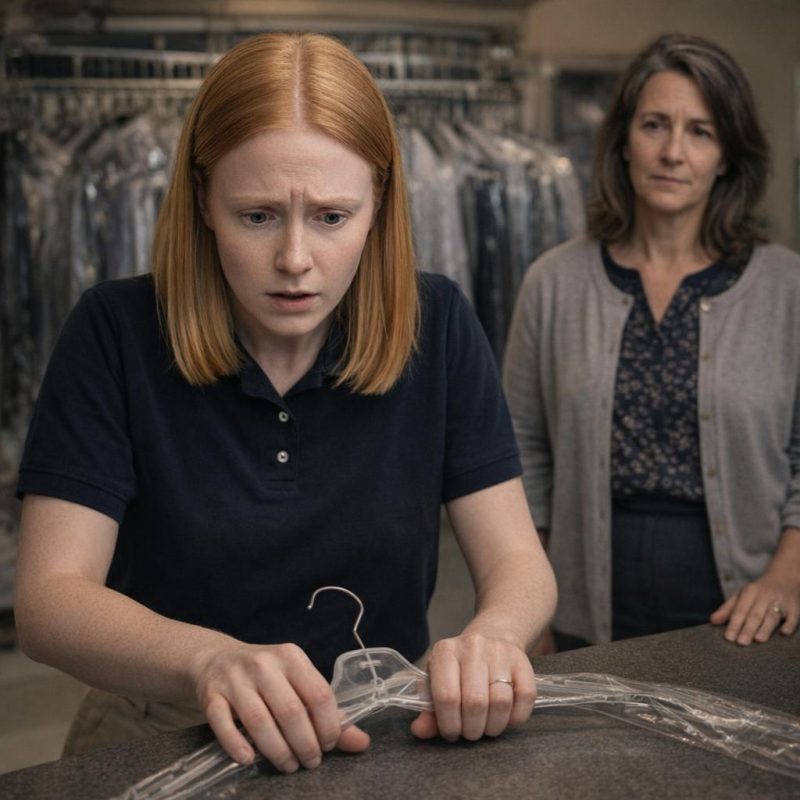 Image by RM AI
Bad News
I lowered my voice and leaned closer to the counter. "Do you know Eric?" I asked. Her eyes darted toward the back room, then back to me, and I could see her weighing something in her mind. The fear was still there, written all over her face. She glanced at the back room again, then leaned in and whispered so quietly I almost didn't hear her. "You can't let your daughter marry him," she said. "He's bad news." My heart started pounding. "What do you mean? What are you talking about?" But she was already pulling back, shaking her head, her face flushed now instead of pale. "I shouldn't have said anything," she said quickly. "I'm sorry, I—" That's when the manager walked out from the back room, a middle-aged guy in a polo shirt with a clipboard in his hand. He looked at both of us, and the clerk immediately busied herself with straightening the counter. "Everything okay out here?" he asked. "Fine," she said, not meeting my eyes. "Just finishing up." I stood there with my dress draped over my arm, wanting to demand answers, but the moment was gone. I left with my dress but couldn't remember the drive home.
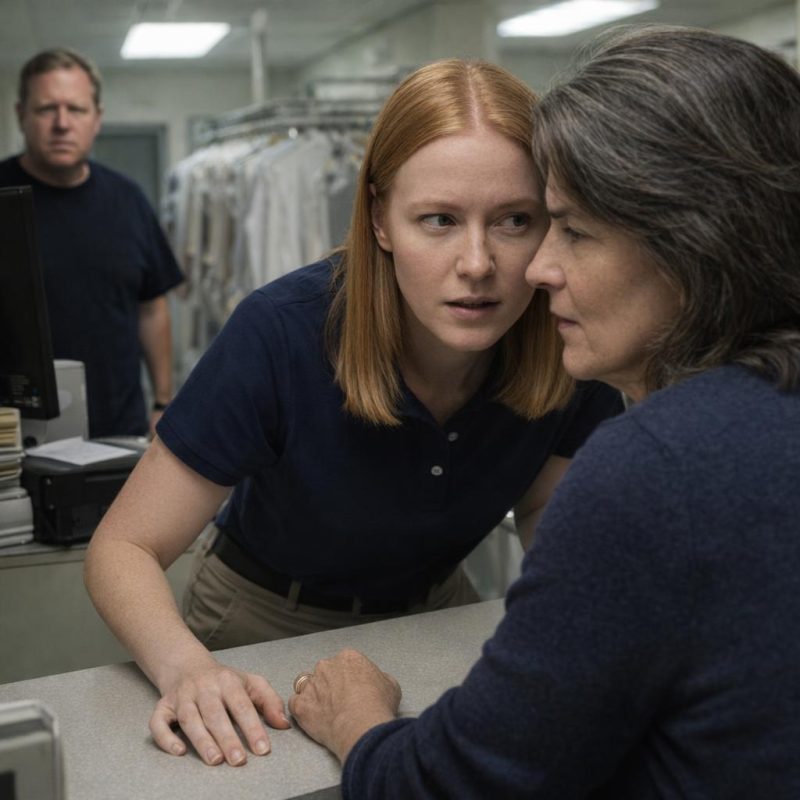 Image by RM AI
The Terrified Face
I sat in my kitchen that evening with a cup of tea I didn't drink, replaying the encounter over and over in my mind. Every time I closed my eyes, I saw that clerk's face—the way the color had drained, the way her hands had frozen on that hanger. I kept trying to read it differently, to find some other explanation for what I'd witnessed, but I couldn't. I've seen people embarrassed before. I've seen people angry, bitter, caught off guard. This wasn't any of those things. This was something deeper, something that came from a place of genuine fear. The way she'd looked at me when she whispered that warning—there was urgency in it, desperation even. She'd risked saying something to a complete stranger, risked her manager overhearing, because she felt she had to. Why would someone do that unless they knew something terrible? I kept circling back to her eyes, to the way they'd gone wide when I said Eric's name. That wasn't embarrassment or bitterness in her face—it was dread.
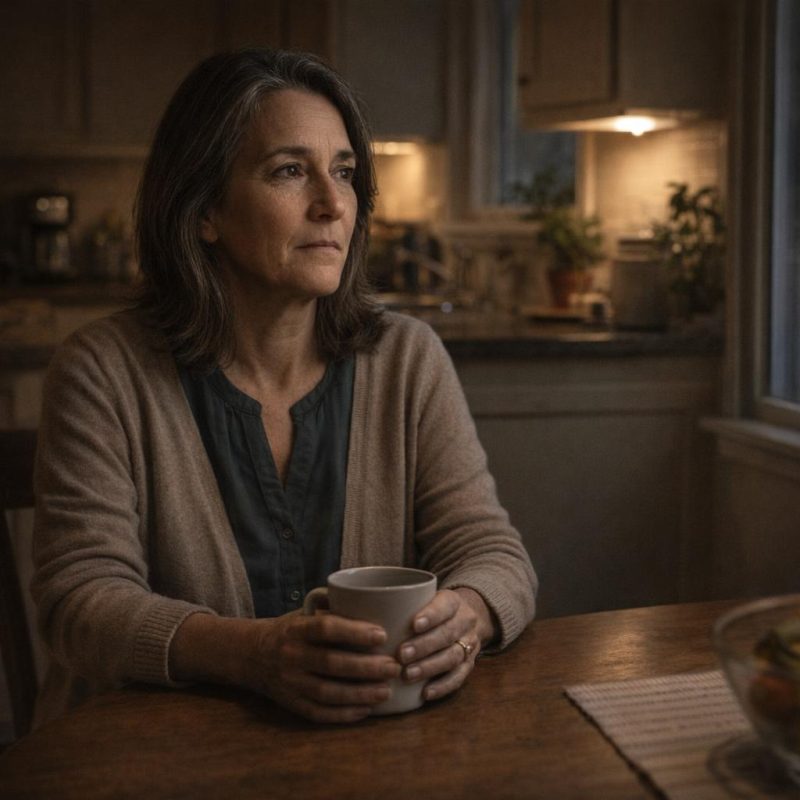 Image by RM AI
Mistaken Identity
I tried every rationalization I could think of. Maybe she'd confused Eric with someone else—Collins is a common enough last name, right? Maybe they'd dated years ago and it had ended badly, and she was just being dramatic about an old breakup. Maybe she was one of those people who saw red flags everywhere, who couldn't be happy for anyone else's relationship. I even wondered if she might be mentally unstable, if I'd just had the bad luck of running into someone with issues who'd latched onto a random name. But none of it stuck. None of it explained the specific quality of her reaction, the way genuine terror had flashed across her face. I've been around long enough to know the difference between someone being petty and someone being afraid. This woman had been afraid. And she'd tried to warn me anyway, even though it clearly scared her to do it. I kept coming back to that—why would she risk it if there wasn't something real behind the warning? No matter how many explanations I invented, I couldn't forget how genuinely afraid she looked.
 Image by RM AI
The Forgotten Receipt
I went back to the dry cleaner Friday morning with a flimsy excuse about needing my receipt for my records. It was thin and I knew it, but I had to try. The bell chimed as I pushed through the door, and my heart sank immediately. A different woman stood behind the counter, older, with reading glasses on a chain around her neck. "Can I help you?" she asked pleasantly. I explained about the receipt, and she nodded and started looking through the computer system. "No problem, I can print you another copy," she said. "Was it the salmon dress? Yesterday afternoon?" "Yes," I said, trying to sound casual. "The young woman who helped me was so nice. Is she working today?" The older woman glanced up from the screen. "Sarah? No, she's off today. Back tomorrow." Sarah. At least now I had a name. I thanked her and took the receipt she printed, but I lingered at the counter, trying to think of how to keep the conversation going. She wasn't there, but another employee made a casual comment that changed everything.
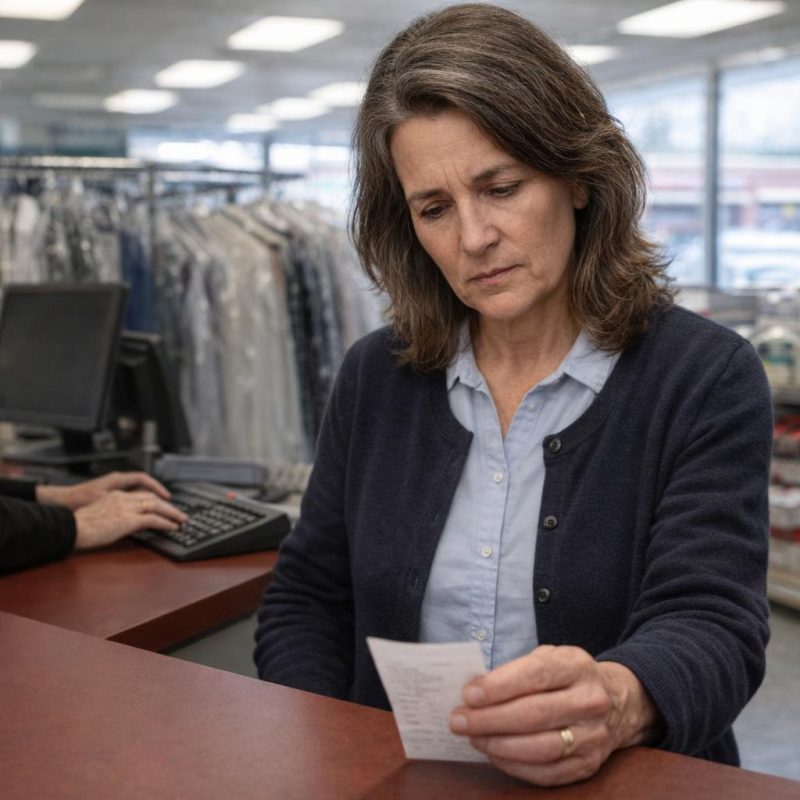 Image by RM AI
Women's Clothing
"Actually," the woman said, still looking at the computer screen, "I see your daughter's marrying Eric Collins. He's one of our regulars." My pulse quickened. "He is?" "Oh yes," she said, smiling as she handed me the receipt. "Comes in several times a month. Always very polite." She clicked her tongue thoughtfully. "Usually brings in women's clothing, actually. Dresses, blouses, that sort of thing. I always thought that was sweet—most men won't bother with their girlfriend's dry cleaning." I felt something cold settle in my stomach. "Women's clothing," I repeated. "Yes, quite a bit of it. Always good quality too." She was still smiling, completely oblivious to the way my mind was racing. I thanked her and walked out, but my hands were shaking as I got into my car. Eric lived with Melanie in his condo. They'd been together for two years. If he was bringing in women's clothing for dry cleaning, it should be Melanie's clothes, right? So why would he be doing it separately, several times a month? That immediately bothered me because Eric lived alone with Melanie—why would he dry-clean women's clothes separately?
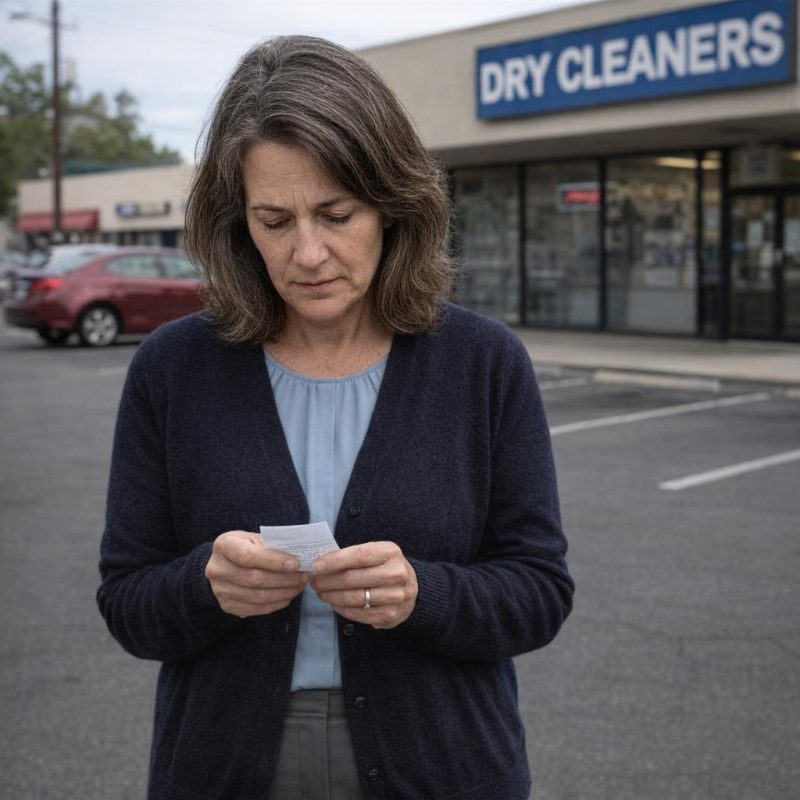 Image by RM AI
Separate Loads
I spent the rest of Friday afternoon sitting at my kitchen table, trying to make sense of it. Why would a man regularly bring women's clothing to the dry cleaner if he lived with his fiancée? The obvious answer—that the clothes belonged to other women—made my stomach turn, but I forced myself to consider it. Was Eric cheating on Melanie? But that didn't quite fit either. If you're having an affair, you don't take your mistress's clothes to your regular dry cleaner where people might recognize you. You'd go somewhere else, somewhere discreet. Maybe the clothes were Melanie's and he was just being helpful? But then why wouldn't they bring their dry cleaning in together, or why wouldn't she handle her own clothes? And the employee had said several times a month—that seemed like a lot. Maybe he had a sister or a mother he was helping? But Melanie had never mentioned Eric having family in the area. Every innocent explanation I tried felt wrong, and the questions multiplied faster than answers.
 Image by RM AI
The Online Search
That evening, I opened my laptop and typed Eric's name into the search bar. I'd looked him up before, of course, back when Melanie first started dating him, but I'd only skimmed the surface—his LinkedIn profile, his company website, the usual things. This time I went deeper, scrolling past the professional headshots and the polished bio. I added different search terms, tried different combinations, went through pages of results I'd never bothered with before. Most of it was mundane—mentions in business directories, a few quotes in local business articles, nothing remarkable. Then, on the fourth page of results, I found a link to a small newspaper from a town in Pennsylvania. The article was from six years ago, and it was about a civil lawsuit involving a real estate development company. I almost skipped past it, but something made me click. The article was dry, full of legal language about breach of contract and financial irregularities. Halfway down an old news article, I found a single sentence that made my stomach tighten.
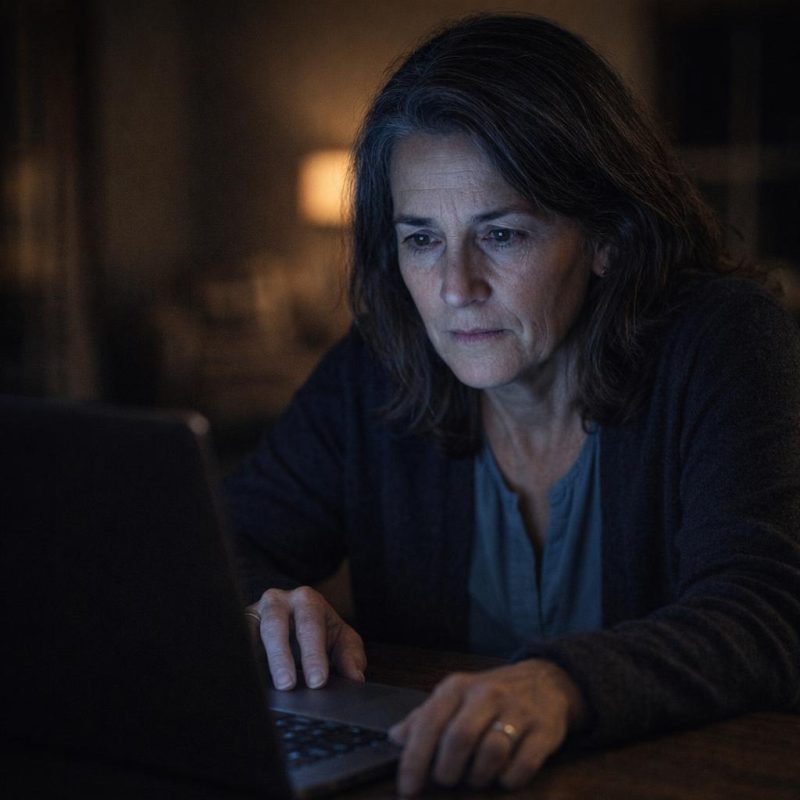 Image by RM AI
Forged Signatures
The article mentioned allegations of forged signatures on investment documents. The company Eric had worked for—though his name wasn't directly listed in the article—had been accused of manipulating elderly clients into signing contracts they didn't fully understand. The lawsuit had been settled out of court, and the details were vague, buried in legal terminology that seemed designed to obscure rather than clarify. I read the paragraph three times, my finger hovering over the trackpad. The company name matched the one I'd seen on Eric's LinkedIn profile from that period. It could have been a coincidence. Maybe he'd worked there but hadn't been involved in whatever had happened. Maybe he'd left before things went wrong, or maybe he'd been in a completely different department. I wanted to believe that. I really did. But something about the timing bothered me—he'd moved to our area shortly after that lawsuit was filed. I sat back in my chair, staring at the screen until the words blurred. I couldn't prove Eric had done anything wrong. I didn't even have evidence he'd known about the forged signatures. But I also couldn't ignore what I was seeing. One questionable business deal could be explained away. A lawsuit at a previous company could be coincidence. But together, they formed the beginning of something that made my chest feel tight. I couldn't prove Eric was involved directly, but I couldn't ignore the pattern starting to form.
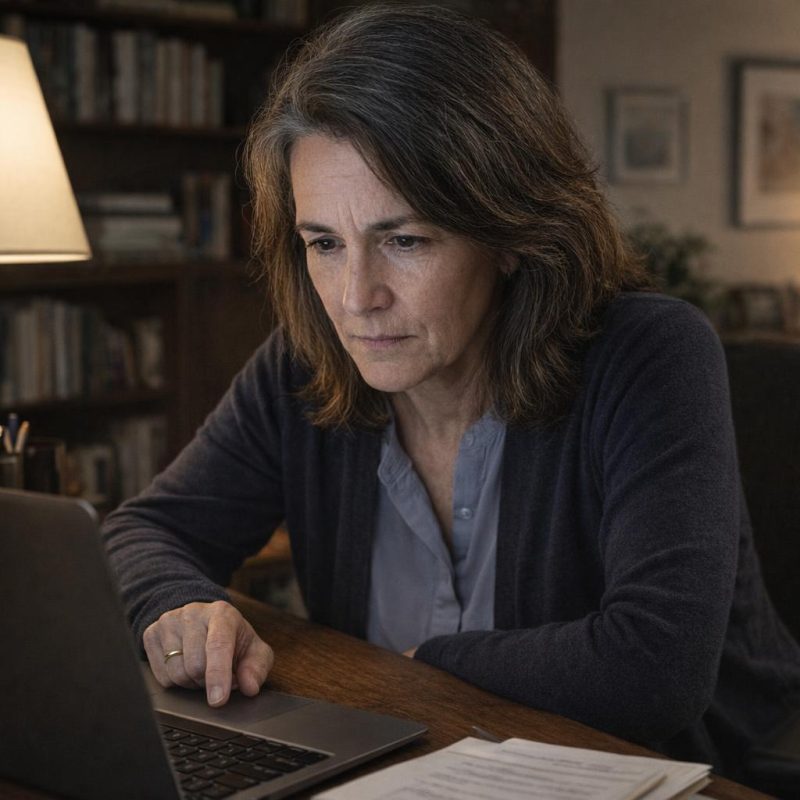 Image by RM AI
The Bank Connection
The next morning, I called Carla. We'd been friends since our kids were in elementary school together, and her daughter Lisa worked at the regional bank downtown. I didn't want to put either of them in an awkward position, but I also didn't know where else to turn. When Carla answered, I could hear the hesitation in my own voice as I explained what I needed. I told her about the lawsuit, about the vague unease I couldn't shake, about how I just wanted to know if there was anything—anything at all—that might give me peace of mind about Eric. Carla was quiet for a long moment. Then she said she'd talk to Lisa, but she couldn't promise anything. Banks had privacy rules, and Lisa could lose her job if she crossed certain lines. I understood. I told her I wasn't asking for account information or anything illegal, just whether Lisa had heard anything, noticed anything, knew anything that might help me understand who my daughter was about to marry. Carla said she'd call me back. The rest of the day crawled by. I cleaned the kitchen twice, folded laundry that didn't need folding, checked my phone every ten minutes. When it finally rang that evening, I nearly dropped it picking up. Carla called back hours later sounding deeply uncomfortable, and I knew she'd found something.
 Image by RM AI
The Pattern
Carla's voice was tight when she spoke. Lisa had asked around discreetly, she said, and what she'd found wasn't in any official records—nothing that would show up in a background check or a credit report. But there had been complaints. Informal ones, filed with the bank's customer service department over the past few years. Several older women, all of them widows, had come in upset about investments Eric had recommended. They'd signed paperwork they didn't fully understand, put money into property deals that seemed questionable, felt pressured into decisions they later regretted. The bank couldn't do anything because the paperwork was technically legal—Eric had covered himself well. No fraud charges, no criminal investigation, nothing that would stick. But the pattern was there. Lisa had remembered because one of the women had been so distraught she'd cried at the teller window, saying she'd trusted him because he'd been so kind to her after her husband died. I felt my stomach turn over. I pressed the phone harder against my ear, as if that would somehow make what Carla was saying less real. She kept talking, her words careful and measured, but I could hear the concern underneath. These women had been vulnerable, lonely, grieving. And Eric had been there, offering help and guidance and friendship. None resulted in criminal charges because the paperwork was technically legal, but a pattern existed.
 Image by RM AI
Lonely Older Women
After I hung up with Carla, I sat at the kitchen table and thought about Aunt Carol. My aunt had been widowed for almost a decade, and she'd always been independent, sharp with money, careful about her investments. But she was also lonely. She'd mentioned Eric several times over the past year, always with a kind of pleased surprise in her voice—how thoughtful he was, how he'd stopped by to check on her after she'd had that fall, how he'd offered to look over her portfolio and make sure everything was in order. At the time, I'd thought it was sweet. Eric being attentive to my family, making an effort with the older generation, showing the kind of consideration that seemed rare in young men these days. Now, remembering those conversations, I felt cold. Carol was wealthy. She'd inherited well, invested carefully, and she lived modestly in a house that had tripled in value over the years. She was exactly the kind of person those other women had been—older, alone, financially comfortable, and grateful for attention from someone who seemed genuinely interested in her wellbeing. I thought about the way Eric always asked about her when he came over, the way he'd volunteered to help her set up online banking, the way he'd suggested she might want to diversify her investments. Tiny moments I'd ignored started lining up into something ugly.
 Image by RM AI
The Confession
Carol pulled me aside during the rehearsal dinner, her face pale beneath her carefully applied makeup, and I could see her hands trembling as she clutched her purse. She asked if we could talk somewhere private, and the urgency in her voice made my stomach drop. We found an empty hallway near the restrooms, and she started speaking before I could even ask what was wrong. Eric had approached her a few weeks ago, she said, about an investment opportunity. Her voice was shaky as she described how he'd presented it—complex financial projections, development timelines, projected returns that sounded impressive but left her feeling confused. She kept apologizing for not understanding the numbers, for feeling stupid when he explained the structure. He'd made it seem urgent, she said, like the opportunity wouldn't last long. He'd been so patient with her questions, so encouraging, making her feel included in something important. She'd felt special, she admitted, her voice breaking slightly. It had been so long since anyone had made her feel like her opinion mattered, like she could be part of something bigger. I listened with growing dread, my protective instincts screaming as she described his approach. Then she said something that made my blood run cold. She'd almost signed everything without reading the fine print carefully.
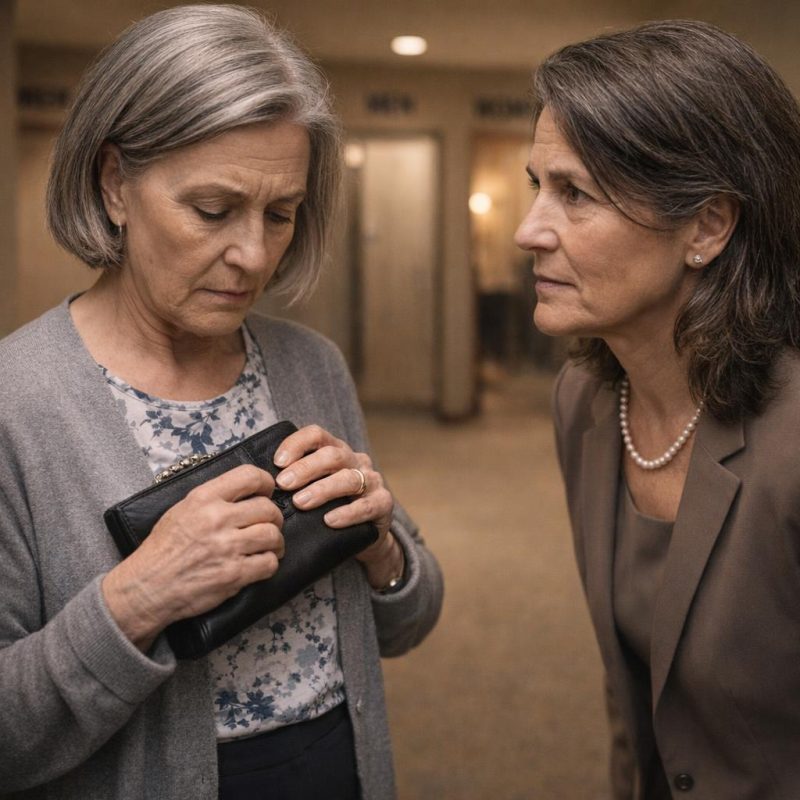 Image by RM AI
Wedding Gift Opportunity
Carol explained that Eric had framed the whole thing as a wedding gift opportunity—a way for her to invest in the couple's future together. He'd told her that Melanie didn't know about it yet, that he wanted to surprise her with Carol's support and belief in them. The way Carol described it, he'd made her feel like she was doing something meaningful, something that would bind their family closer together. She'd been so lonely since her husband died, she said quietly, and Eric had seemed to understand that. He'd visited her several times to discuss the investment, always bringing flowers or a small gift, always asking about her day before talking business. He made her feel needed, she said, like she wasn't just a widow living alone but someone whose wisdom and resources could help the young couple build their life. The wedding gift angle had been brilliant, I realized with growing alarm—refusing would have felt like rejecting Melanie and Eric's future, like saying she didn't believe in their happiness. As Carol spoke, a phrase kept echoing in my mind, something Sarah had said in one of her messages about Eric's previous victims. He makes people feel chosen, Sarah had written. That phrase about making people feel chosen echoed in my mind like a warning bell.
 Image by RM AI
Show Me the Papers
I asked Carol if she still had the preliminary documents, trying to keep my voice steady even though my heart was racing. She nodded and reached into her purse, pulling out a folded stack of papers that looked official and intimidating. She'd brought them tonight, she admitted, hoping someone could help her understand what she'd be signing. She trusted Eric, she said quickly, but the legal language was so dense, and she'd felt embarrassed to ask him to explain it again. My hands were shaking before I even read the first line, and I had to take a deliberate breath to steady myself. Carol watched me anxiously as I unfolded the documents, her fingers twisting the strap of her purse. The papers felt heavy in my hands, heavier than they should have been. I could see Carol's signature line at the bottom of the first page, still blank, and felt a wave of relief that she hadn't signed yet. She started to apologize again for bothering me with this, for being confused, but I shook my head and told her to wait while I read. The rehearsal dinner noise felt distant as I focused on the text, my eyes scanning the opening paragraphs. The legal language in the first paragraph looked disturbingly familiar.
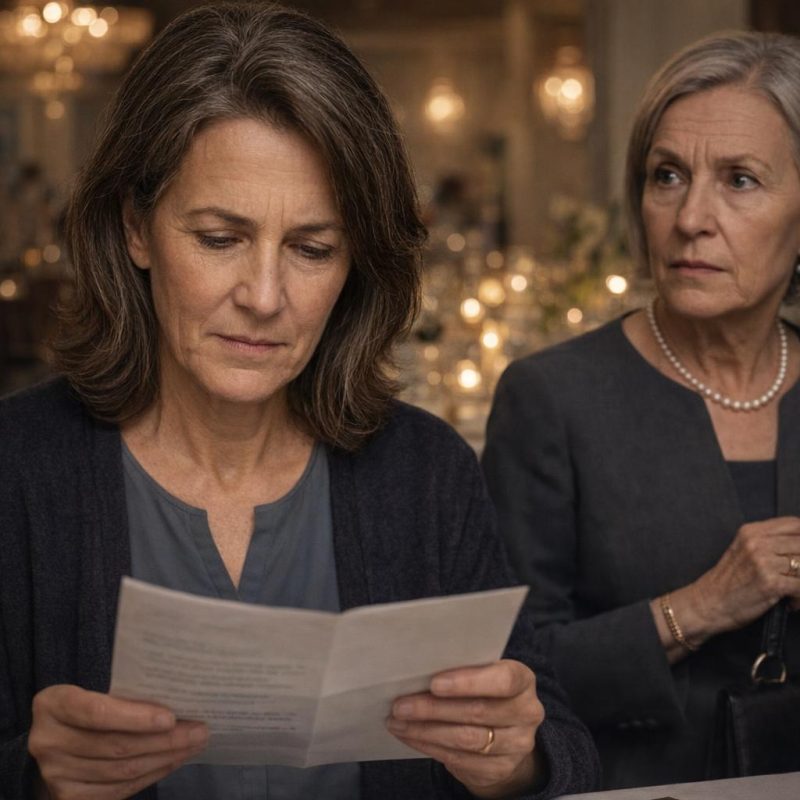 Image by RM AI
Familiar Language
I read through the contract more carefully, my pulse quickening with each clause. The language was remarkably similar to what I'd seen in that old lawsuit article about Eric's failed development deal—the same convoluted structure, the same protective clauses that seemed designed to shield one party while exposing the other to all the risk. Specific phrases jumped out at me, nearly identical to the legal terminology I'd read just days ago. The investment structure appeared legitimate on the surface, but the deeper I read, the clearer it became that Carol would be signing away control of her money with almost no recourse if things went wrong. Carol asked what I was seeing, her voice small and worried, and I struggled to find words that wouldn't terrify her. How could I explain that the man about to marry my daughter had presented her with documents that looked designed to exploit her? The pattern was undeniable now—the same legal framework, the same protective language for Eric, the same exposure for the investor. Everything I'd found over the past two days, every article and court record and warning from Sarah, was staring back at me in black and white.
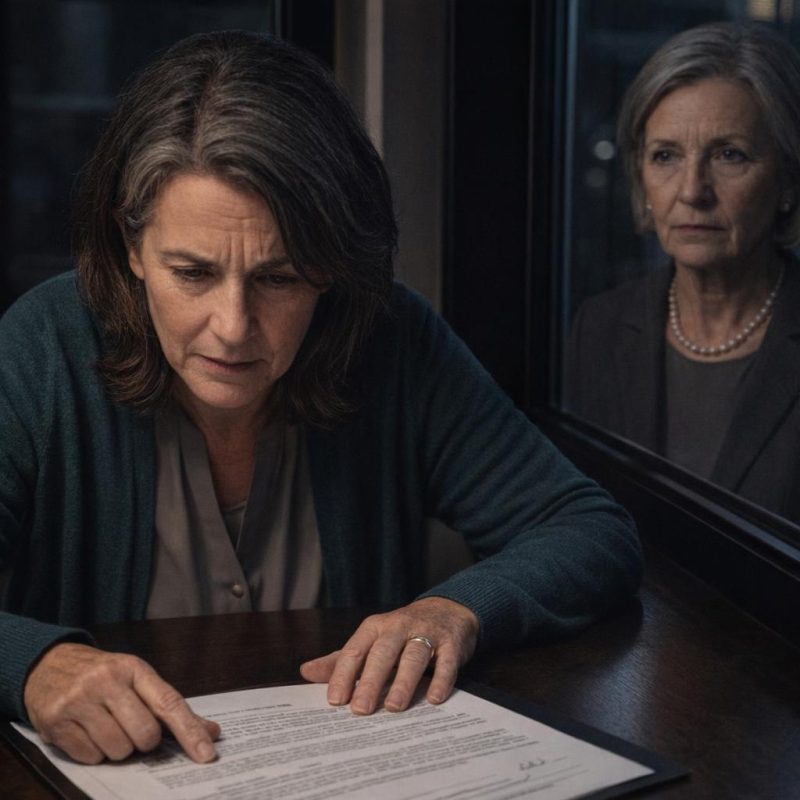 Image by RM AI
The Strategic Bride
The truth hit me all at once, so obvious I couldn't believe I hadn't seen it before. Eric hadn't fallen in love with Melanie and then discovered wealthy targets nearby—he had chosen my daughter specifically because she was his access point to every financially vulnerable woman in our family and social circle. I thought about the eighteen-month courtship, how patient he'd been, how he'd attended every family gathering and charmed every widow and divorcee we knew. He'd volunteered to help Carol with her finances. He'd offered investment advice to my cousin Patricia. He'd been so attentive to my friend Margaret at Thanksgiving, asking about her late husband's business. It hadn't been kindness or good manners. It had been mapping. He'd been building relationships, establishing trust, positioning himself as the helpful son-in-law who understood money and cared about family. Melanie had never been his endgame—she was his doorway. Every thoughtful gesture, every family dinner he'd attended so graciously, every conversation where he'd listened so carefully to the older women in our lives—it had all been strategic positioning. The eighteen-month courtship, the careful attentiveness, the perfect manners—it had all been positioning from the very beginning.
 Image by RM AI
Doorway, Not Destination
I felt physically sick as the full scope of his scheme became clear. He'd volunteered to help Carol with her finances within months of meeting Melanie. He'd charmed every widow at family gatherings, remembering their stories, asking thoughtful questions about their late husbands' businesses and investments. I'd thought he was just unusually mature and family-oriented for someone his age. Now I understood he'd been cataloging assets, identifying vulnerabilities, building the trust he'd need to exploit later. My daughter—my beautiful, trusting daughter—had been chosen as a means to an end. Not because Eric loved her, but because she gave him access to a network of wealthy, lonely women who would trust their future son-in-law. Carol was clearly a primary target, but how many others had he identified? How many of our friends and family members had he mapped out as potential victims? The wedding wasn't just about marrying Melanie—it was about cementing his position, making himself family, making it harder for anyone to question him when he started asking for investments. I looked at Carol, who was watching me with growing concern, and knew I had to act. Now I had to prove it before the wedding happened in less than eighteen hours.
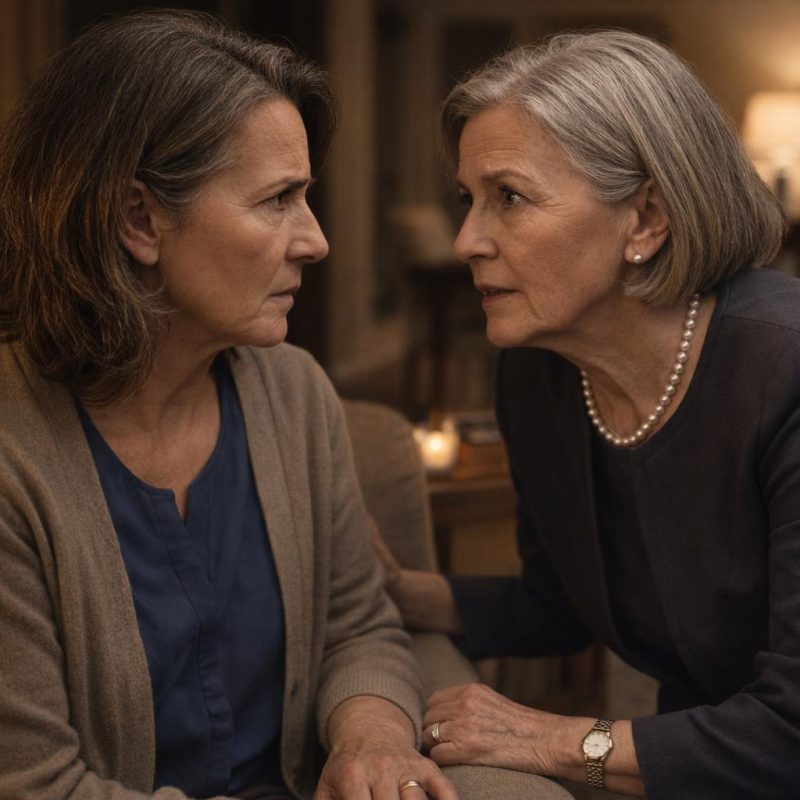 Image by RM AI
Before Dawn
That night, after the rehearsal dinner finally ended, I sat in my car in the parking lot and called Lisa directly. I'd gotten her number from Carla weeks ago, never imagining I'd need it like this. She answered on the fourth ring, her voice cautious when she heard who was calling so late. I explained the situation as clearly as I could—the documents Carol had been pressured to sign, the wedding tomorrow, the urgency of needing professional eyes on the contract language. I was asking her to risk her job, I knew that. Meeting with me about documents that weren't officially part of any bank business, giving advice that could be seen as overstepping her professional boundaries. Lisa was quiet for a long moment, and I could hear her breathing on the other end of the line. I told her I wouldn't ask if I wasn't desperate, if I didn't believe my family was in real danger. She asked a few careful questions about the documents, about Eric, about the timeline. Then she hesitated again, and I held my breath. Lisa hesitated for a long moment before agreeing to meet me at her office before sunrise.
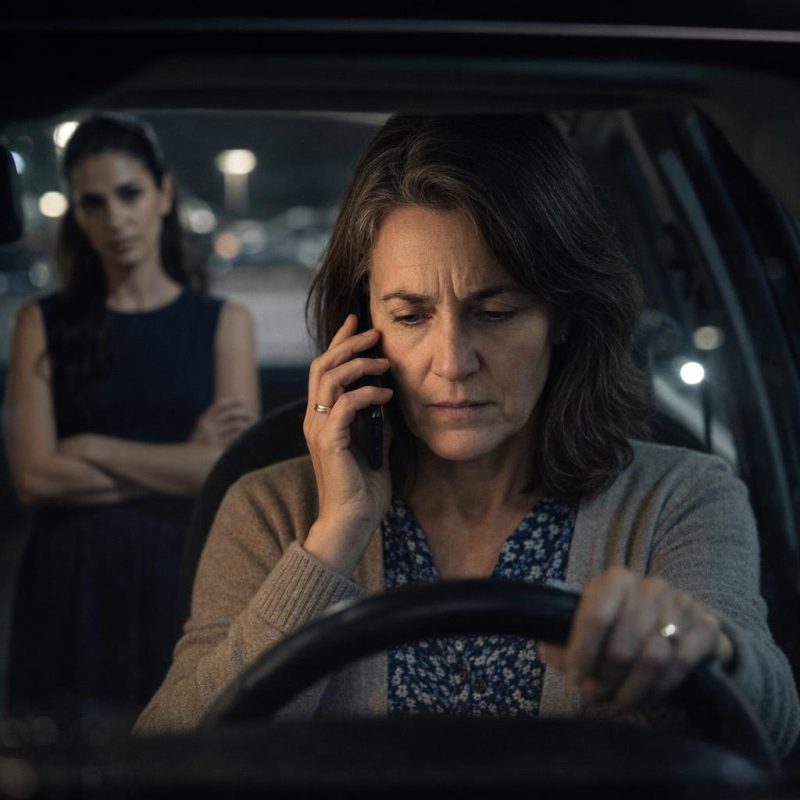 Image by RM AI
Professional Opinion
I arrived at the bank at five-thirty in the morning, the sky still dark, my hands wrapped around a coffee cup I couldn't drink. Lisa let me in through a side entrance, looking professional even at this hour, though I could see the concern in her eyes. She spread Carol's documents across her desk under the fluorescent lights and began reading with the careful attention of someone who knew exactly what to look for. I watched her face as she worked through the pages, saw her expression shift from neutral professionalism to something harder, grimmer. After twenty minutes, she looked up at me and confirmed what I'd feared. The clauses were extraordinarily predatory, she said, designed to look legitimate while stripping Carol of financial control and recourse. The investment structure would give Eric access to Carol's funds with minimal accountability, and the exit clauses were written so that Carol would bear all the risk if anything went wrong. Lisa's voice was careful but firm as she explained each problematic section. Then she said something that made my stomach drop. She said she'd seen contracts structured like this before—always from people who knew exactly how to hide exploitation in legalese.
 Image by RM AI
Emergency Review
I called Carol at five-forty-five in the morning, my hands shaking so badly I could barely hold the phone. The sky was still dark outside my kitchen window, and I knew I was about to ruin her Saturday morning, maybe ruin everything, but I couldn't wait another minute. She answered on the third ring, her voice thick with sleep, and I just started talking. I told her everything—the dry cleaner's warning, Sarah's devastating phone call, the pattern of complaints from widows, and what Lisa had found in her investment documents. I told her about the predatory clauses, the exit terms that would leave her holding all the risk, the structure designed to give Eric access to her money with almost no accountability. There was silence on the other end for what felt like forever. Then Carol's voice came back, clear and sharp, all the sleep gone from it. She said she was calling her attorney immediately. By six in the morning, she had Margaret Henderson on the phone, and I could hear Carol's voice through my speaker—calm but steel underneath—demanding an emergency review of the documents. Henderson asked pointed questions, her tone shifting from annoyed at the early call to professionally alert as Carol explained the situation. I heard papers rustling, heard Henderson's sharp intake of breath as Carol described what Lisa had flagged. Attorney Henderson said she could have a preliminary assessment within two hours—barely enough time before the wedding.
 Image by RM AI
Wedding Morning
On the morning of what was supposed to be my daughter's wedding, I sat in Attorney Henderson's office with Carol while we planned how to expose the man Melanie was about to marry. The office was quiet, just the three of us and the stack of documents spread across Henderson's mahogany desk. Henderson had her reading glasses perched on her nose, a leather portfolio open in front of her, and the brisk efficiency of someone who'd seen every scam there was. She walked us through each problematic clause, her finger tracing lines of legalese that looked innocent until she explained what they actually meant. The investment structure was designed to fail, she said, with Eric positioned to walk away clean while Carol absorbed the losses. The exit clauses were particularly vicious—written so that Carol would have almost no recourse if things went wrong. Henderson had seen contracts like this before, she told us, always from people who knew exactly how to exploit trust and hide predatory terms in professional-looking documents. We discussed how to approach Melanie, what evidence to show her first, how to present everything so she might actually listen. Carol was pale but determined, her hands steady as she organized the papers. I felt sick thinking about walking into my daughter's bridal suite with this folder instead of her veil. The only question now was whether Melanie would listen before she said 'I do.'
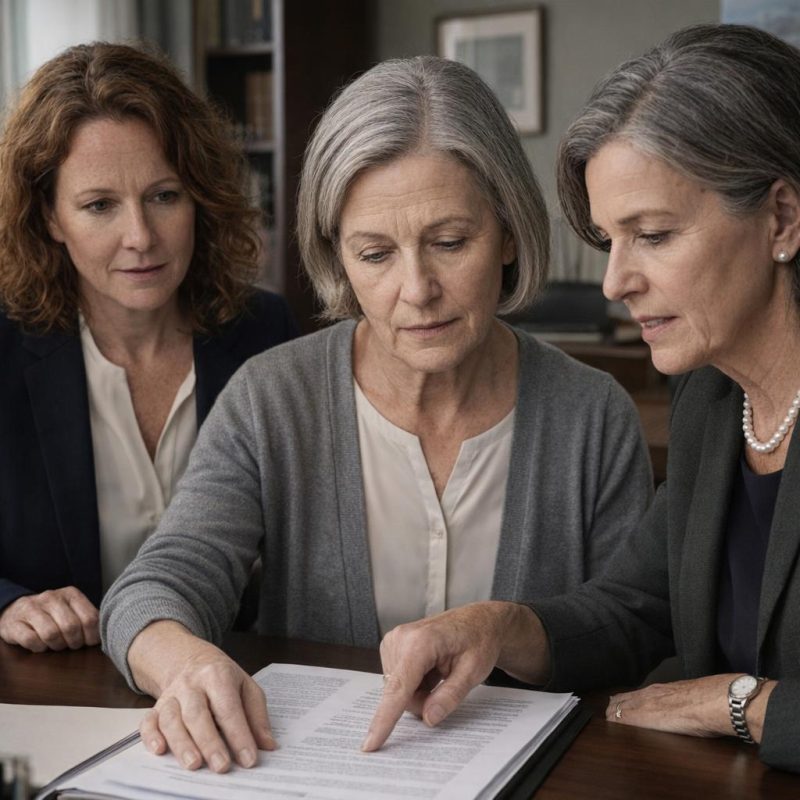 Image by RM AI
The Intervention
I found Melanie in her wedding dress, radiant and furious when I walked in with Carol and a folder of documents instead of her veil. She was standing in front of the full-length mirror in the bridal suite, and the dress was everything she'd dreamed of—ivory lace with delicate beading that caught the morning light. Her makeup was flawless, her hair swept up in an elegant twist, and she looked so beautiful it made my chest ache. Then she saw my face, saw Carol behind me, saw the folder in my hands, and her expression shifted from bridal joy to immediate anger. She asked what I was doing there, why Carol was with me, why I wasn't helping with the final preparations like I was supposed to be. Her voice had that edge it got when she thought I was about to interfere, about to be the meddling mother she'd warned me not to be. I told her she needed to see something before the ceremony, that it couldn't wait, that I wouldn't be here if it wasn't absolutely critical. Carol stepped forward, her presence lending weight to my words, and I saw confusion flicker across Melanie's face. She demanded to know what was so important that we'd interrupt her on her wedding day, her hands clenched at her sides, her jaw tight. For a terrible moment, I thought she might throw us both out of the room.
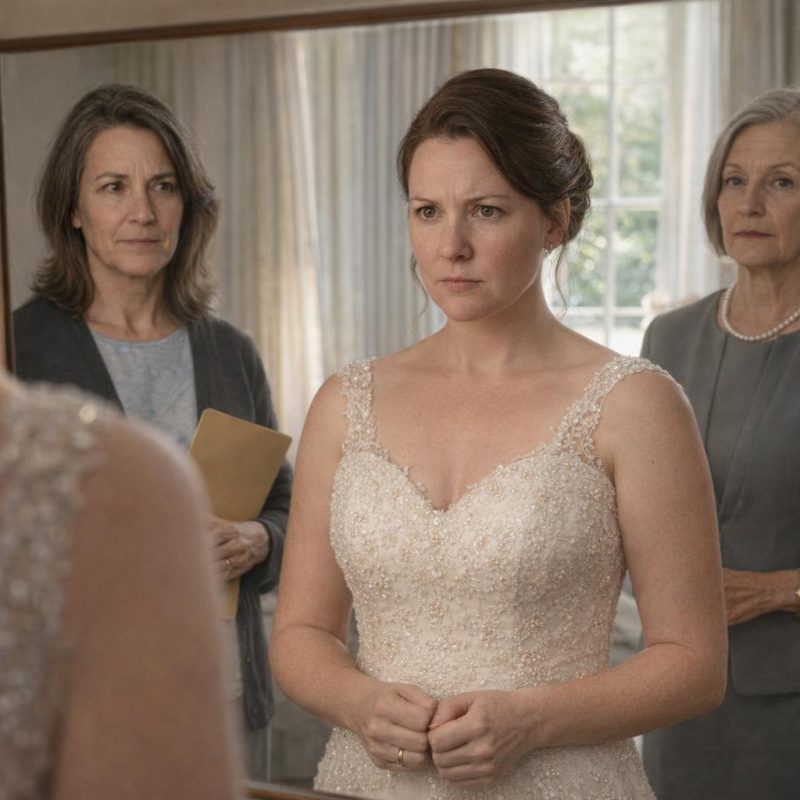 Image by RM AI
The Evidence
I laid out everything: the dry cleaner warning, the complaints from widows, Sarah's devastating phone call, and now Carol's predatory investment documents, while Melanie stared at me like I'd become a stranger. I started with Mr. Kim's warning about Eric targeting wealthy widows, moved to the pattern I'd discovered through my research, then told her about Sarah—how Eric had done this before, how he'd left her financially devastated and emotionally destroyed. Melanie's face went from angry to disbelieving, her arms crossed tight across her chest. Carol spoke up then, her voice quiet but firm, explaining how Eric had approached her about investments, how professional and trustworthy he'd seemed. She showed Melanie the documents, pointed out the clauses that Attorney Henderson had flagged as extraordinarily predatory. I watched my daughter's eyes move over the pages, saw her trying to process what she was reading, trying to reconcile this information with the man she loved. She kept shaking her head, saying there had to be explanations, that Eric wouldn't do this, that I was seeing patterns where there weren't any. I pulled out my phone and showed her the screenshots of complaints I'd found, the timeline I'd built, the way everything connected. Her hands were trembling as she looked at the evidence, her perfect wedding makeup starting to smudge at the corners of her eyes. Then she said she wanted to hear Eric's side before deciding anything.
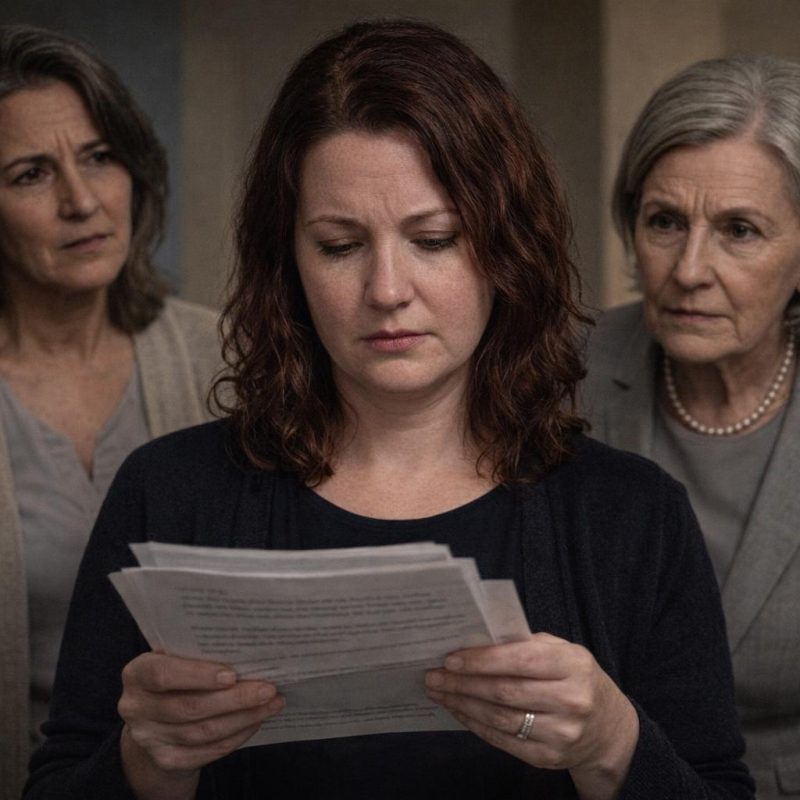 Image by RM AI
The Performance
Eric arrived looking handsome in his wedding suit, listened to our accusations with patient amusement, and dismissed everything as wedding-day hysteria and jealous gossip. He knocked softly on the bridal suite door, and when Melanie let him in, his face showed nothing but concern and gentle confusion. He looked at her in her wedding dress with such tender affection that even I felt a flicker of doubt. He listened as Melanie explained what we'd told her, his expression shifting from puzzled to sympathetic to slightly amused, like he was dealing with overwrought relatives who'd gotten themselves worked up over nothing. He addressed each accusation calmly and reasonably. The dry cleaner was a bitter man who resented successful people, he said. The complaints from widows were from women who'd made poor investment decisions and needed someone to blame. Sarah was an ex who'd never gotten over their breakup and had been spreading lies about him for years. As for Carol's documents, he explained that they were standard investment contracts, that any attorney worth their salt would flag protective clauses as 'predatory' because that's what lawyers did—they saw danger everywhere. His voice was warm, reassuring, tinged with just the right amount of hurt that we'd believe such things about him. He reached for Melanie's hand, his eyes full of wounded sincerity. His explanations were so smooth that even I momentarily wondered if we'd made a terrible mistake.
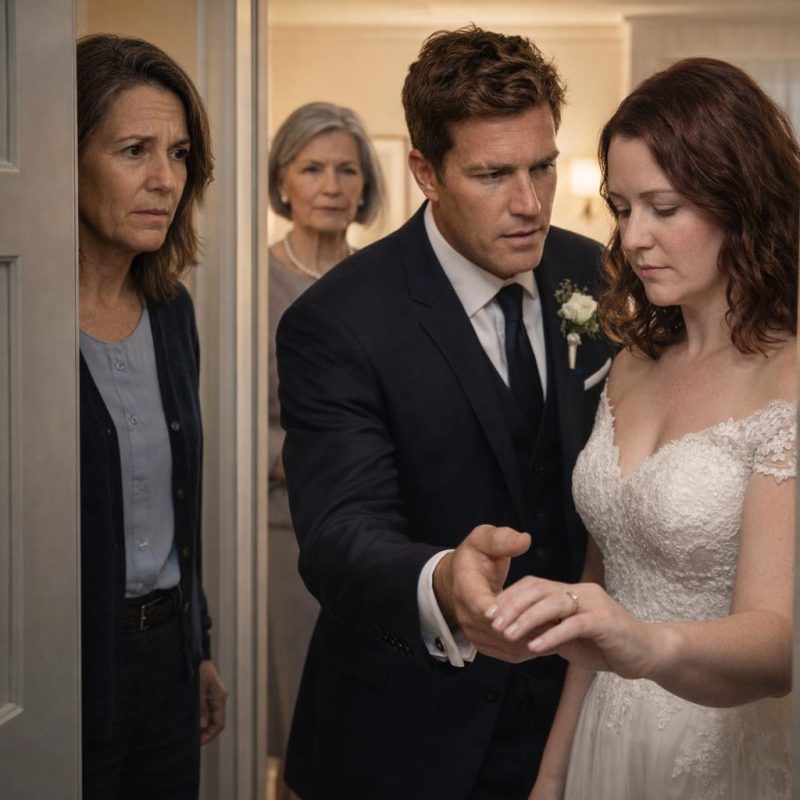 Image by RM AI
The Crack
Carol quietly mentioned that her attorney had already reviewed the documents and flagged them as predatory, and I watched Eric's charming smile freeze on his face. She said it so matter-of-factly, like she was commenting on the weather—that Margaret Henderson, who'd been her attorney for fifteen years, had done an emergency review that morning and found the contract structure extraordinarily concerning. Carol explained that Henderson had seen these kinds of clauses before, always in contracts designed to exploit rather than protect. The change in Eric was subtle at first, just a slight stiffening of his shoulders, a fractional pause before he responded. But I was watching him closely, and I saw the exact moment his composure cracked. His smile stayed in place but became fixed, artificial, like a mask that had slipped slightly out of alignment. He asked which attorney Carol had consulted, his voice still smooth but with a new edge underneath. Carol named Henderson's firm, mentioned her thirty years of experience in financial law, and I saw something flicker behind Eric's eyes—calculation, maybe, or concern, or anger carefully controlled. He started to say something about attorneys being overly cautious, about how Henderson probably didn't understand the investment structure, but his tone had shifted. The warmth was gone, replaced by something harder, more defensive. His eyes went cold before his voice did.
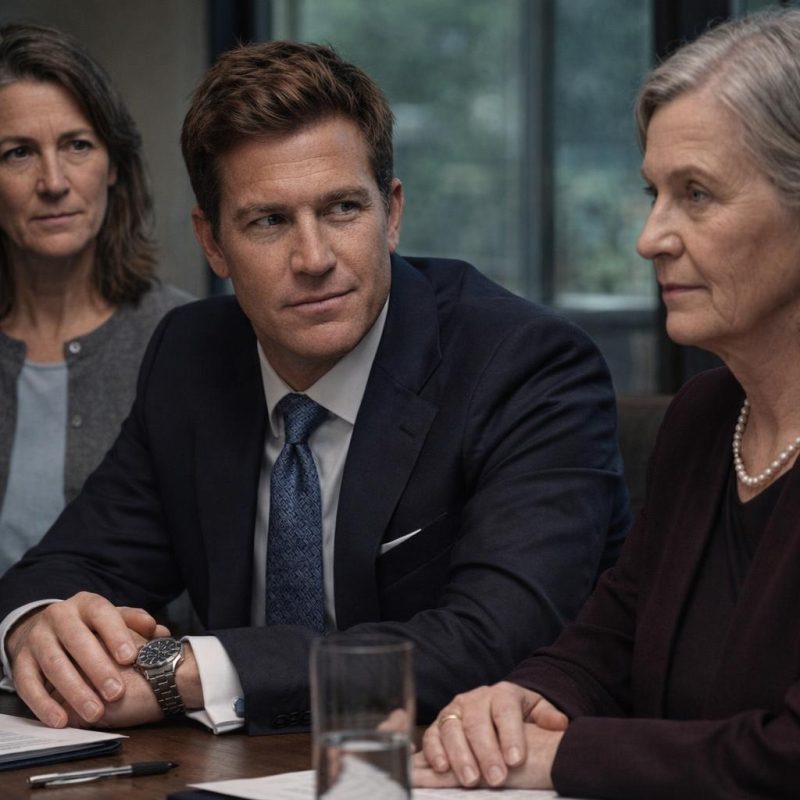 Image by RM AI
The Transformation
The transformation happened in seconds: the warm, reassuring fiancé became someone cold, defensive, and furious, demanding to know who had given us the right to investigate him. His voice rose as he turned on Carol, asking what kind of person hired attorneys to scrutinize their daughter's fiancé behind everyone's backs. He said we'd violated his privacy, that we'd gone snooping through his business affairs like we had any right to judge his professional dealings. The gentle concern vanished completely, replaced by barely controlled anger. He demanded to know what else we'd done—who else we'd talked to, what other aspects of his life we'd invaded. His face was flushed now, his carefully maintained composure crumbling as he realized we'd gone beyond casual suspicion to actual legal review. He turned to Melanie, his voice sharp, asking if she'd known about this, if she'd been part of this investigation into the man she claimed to love. When she shook her head, stunned into silence, he swung back to me, his eyes hard and accusing. He said I'd never accepted him, that I'd been looking for reasons to destroy their relationship from the beginning, that this was just a mother who couldn't let go of her daughter. His words came faster, angrier, all the smooth charm stripped away to reveal something cold and calculating underneath. It was the first time any of us had ever heard him raise his voice.
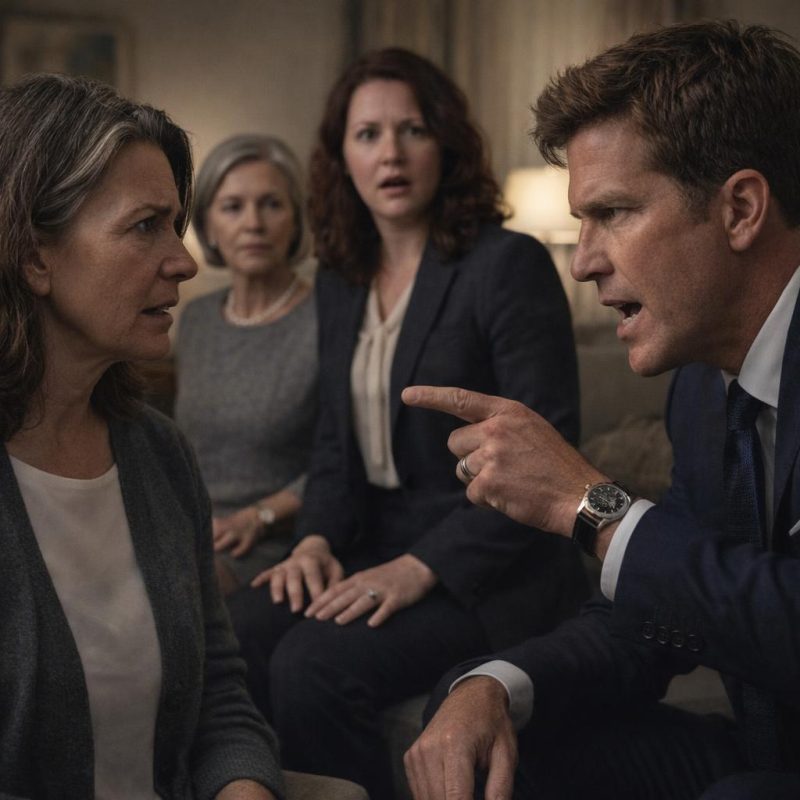 Image by RM AI
The Stranger
Melanie stood frozen in her wedding dress, watching the man she loved become a stranger the moment money and legal consequences entered the conversation. I saw her face as Eric's mask fell away, saw her trying to reconcile this angry, defensive man with the gentle fiancé who'd been so patient and understanding for the past year. She'd never seen him like this—none of us had. The Eric she knew didn't raise his voice, didn't make accusations, didn't turn cold and calculating when challenged. But here he was, furious at being investigated, defensive about his business practices, more concerned about his privacy than about reassuring the woman he was supposed to marry in two hours. I watched my daughter's eyes move from Eric to the documents in Carol's hands, then back to Eric's flushed, angry face. She was putting it together, I could see it happening—realizing that his fury wasn't about being falsely accused but about being caught, that his transformation had been triggered not by hurt feelings but by the mention of attorneys and legal review. The man who'd been so careful, so charming, so perfectly attentive had disappeared the instant his financial schemes faced professional scrutiny. Melanie's hands were still at her sides, her beautiful wedding dress suddenly looking like a costume for a play that had been canceled. She didn't cry—she just went very, very still.
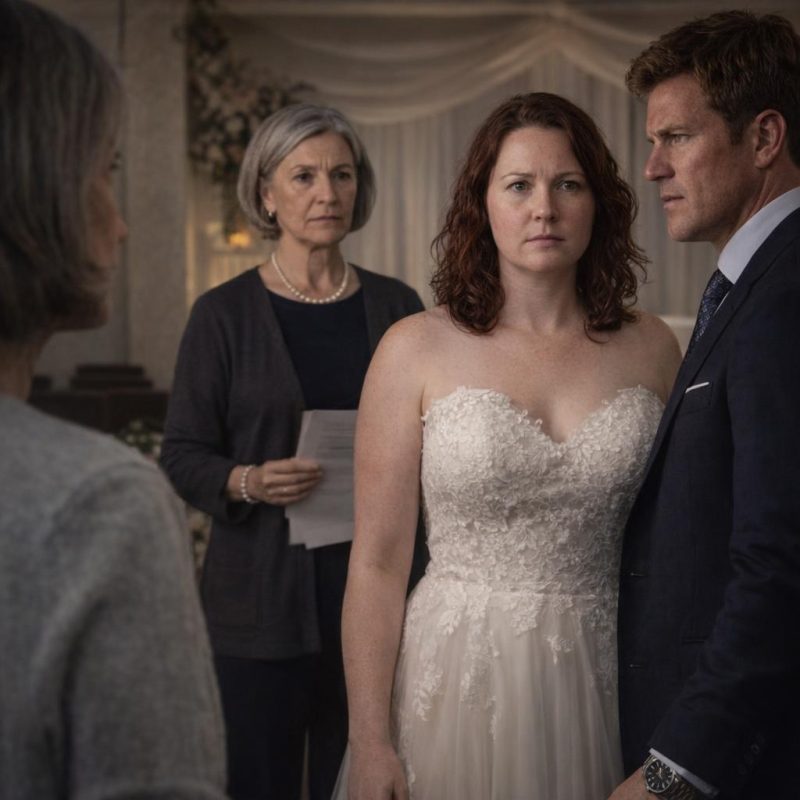 Image by RM AI
Three Words
Melanie didn't say anything at first. She just stood there in that beautiful wedding dress, looking at Eric like she was seeing him for the first time—really seeing him. Then she reached down and twisted the engagement ring off her finger. It wasn't dramatic, wasn't angry. Just deliberate. She set it on the table between them, the diamond catching the light, and when she finally spoke, her voice was completely steady. "Get out now." Three words. That's all it took to end eighteen months of planning, thousands of dollars in deposits, a future she'd been building in her mind. Eric's face went through about five different expressions in two seconds—shock, anger, calculation, then something cold and hard I'd never seen before. He looked at Carol, at me, back at Melanie. For a moment I thought he might try to argue, might attempt one more performance of the charming fiancé. But he must have seen something in Melanie's face that told him it was over. He straightened his tie, picked up his jacket from the chair, and walked out without another word. The door closed behind him with a quiet click that seemed impossibly loud in the sudden silence. I looked at the clock on the wall. Guests would be arriving in two hours expecting a wedding that was no longer happening.
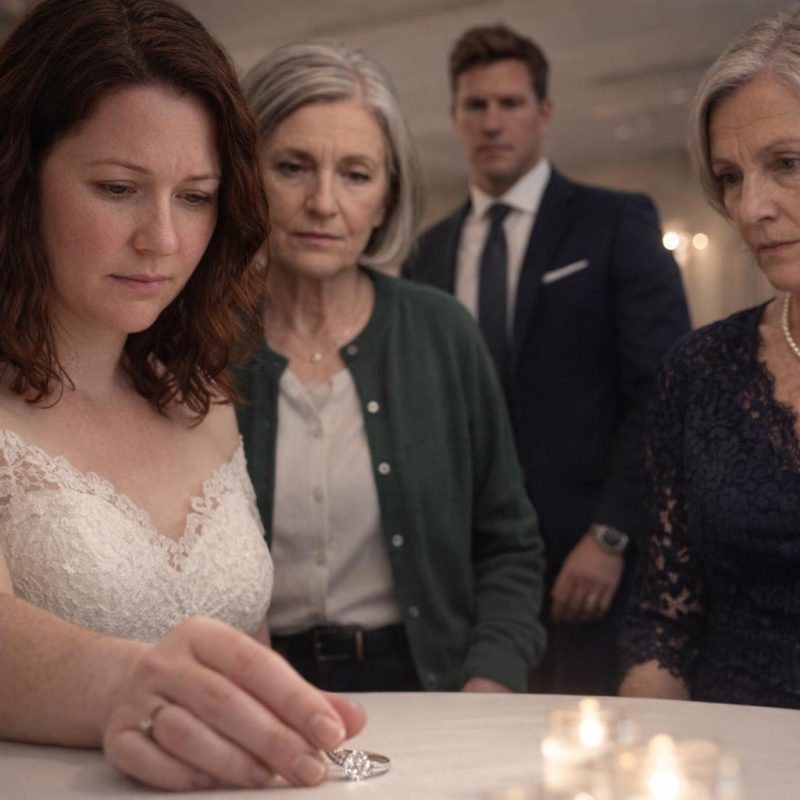 Image by RM AI
Lost Deposits
The days after blurred together in a haze of whispered phone calls and awkward explanations. I spent hours on the phone with the venue, the caterer, the florist—everyone wanted to know why, and I kept the answers vague. "Change of plans," I said over and over. "We're so sorry for the inconvenience." The deposits were gone, of course. Thousands of dollars that might as well have been thrown into a fire. But every time I started to feel sick about the money, I'd remember Eric's face when Carol mentioned attorneys, and I knew we'd gotten off cheap. Melanie moved back into her childhood bedroom, the one with the faded wallpaper she'd picked out in high school. She cried a lot those first few days—not loud, dramatic sobbing, just quiet tears that would start without warning. I'd bring her tea that she'd let go cold on the nightstand, sit with her while she stared at nothing. Sometimes she'd talk about the wedding that wasn't going to happen, about telling her friends, about feeling stupid. But other times, when she thought I wasn't looking, I'd catch something else in her expression. Sometimes I caught her looking relieved underneath the grief.
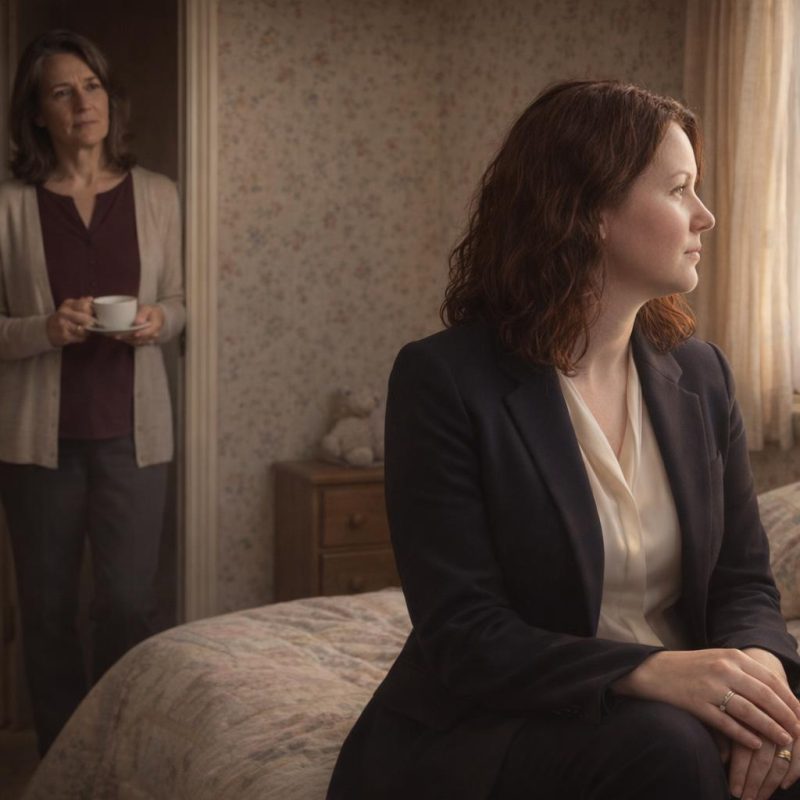 Image by RM AI
The Pattern Exposed
It took about three weeks before the first woman reached out to the investigator Carol had hired. Then another. Then three more. Their stories were so similar to what Sarah had told me about her mother that it felt like reading the same script with different names. Wealthy widows, mostly. Women who'd lost their husbands and were navigating grief and sudden financial responsibility. Eric had found them all through his "consulting" business, had offered help with estate management, had been patient and charming and attentive. Had proposed within a year. Had started making suggestions about investments and property transfers. Some had caught on before signing anything. Others hadn't been so lucky. The pattern was undeniable once you saw it laid out—not just similar, but identical in its calculated progression. That's when the formal investigations started, when prosecutors began looking at the accumulated evidence instead of individual complaints that Eric's lawyers had managed to dismiss as misunderstandings or civil disputes. Turns out there's a difference between one woman saying she felt manipulated and six women showing the exact same timeline of manipulation. He'd built his schemes on technicalities, but patterns are harder to hide than individual crimes.
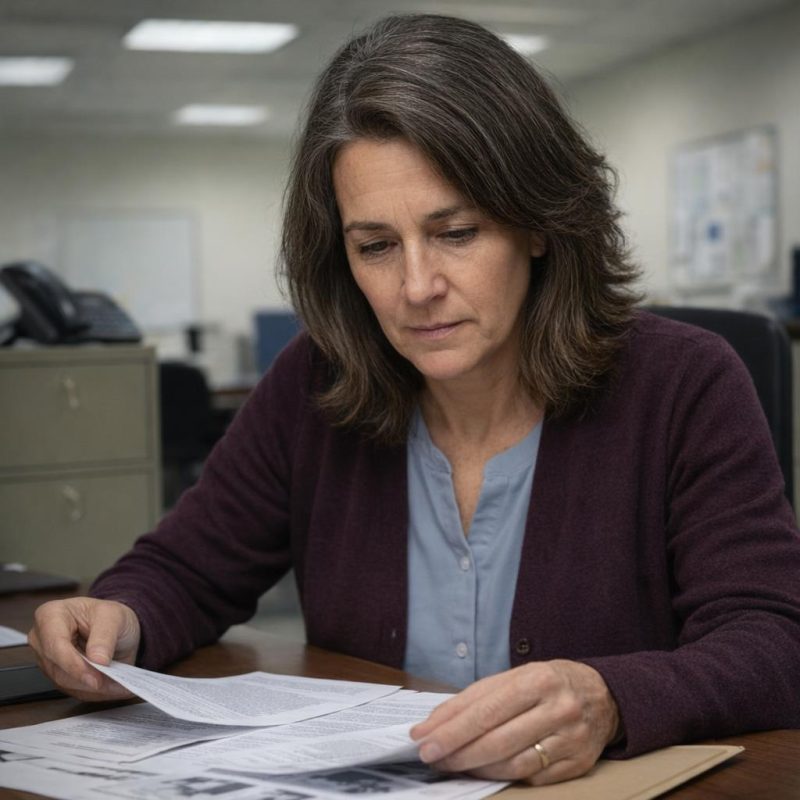 Image by RM AI
The Dry Cleaner
I still think about Sarah sometimes. The young woman at the dry cleaner who was so terrified she could barely get the words out, who risked her job and maybe worse to warn a complete stranger because she recognized danger when she saw it. I never got to thank her properly—by the time I went back to that dry cleaner a few weeks later, she'd quit. The new clerk didn't know where she'd gone. But I think about her courage all the time, about how one moment of bravery from someone who had every reason to stay silent changed everything. She didn't owe me anything. She didn't know Melanie, didn't know our family. She just saw a mother picking up a wedding dress and couldn't live with herself if she didn't speak up. That's the part that gets me—how close we came to missing that warning, how easily I could have brushed her off as confused or mistaken, how different everything would have been if I'd chosen to believe Eric's charm over her fear. Melanie's doing better now. She's back in her own apartment, back at work, even dating again—carefully, but hopefully. She thanks me sometimes for listening, for investigating, for believing something was wrong. But I know the truth. If Sarah hadn't spoken up, my daughter might have spent years trapped in a marriage built not on love, but calculation.
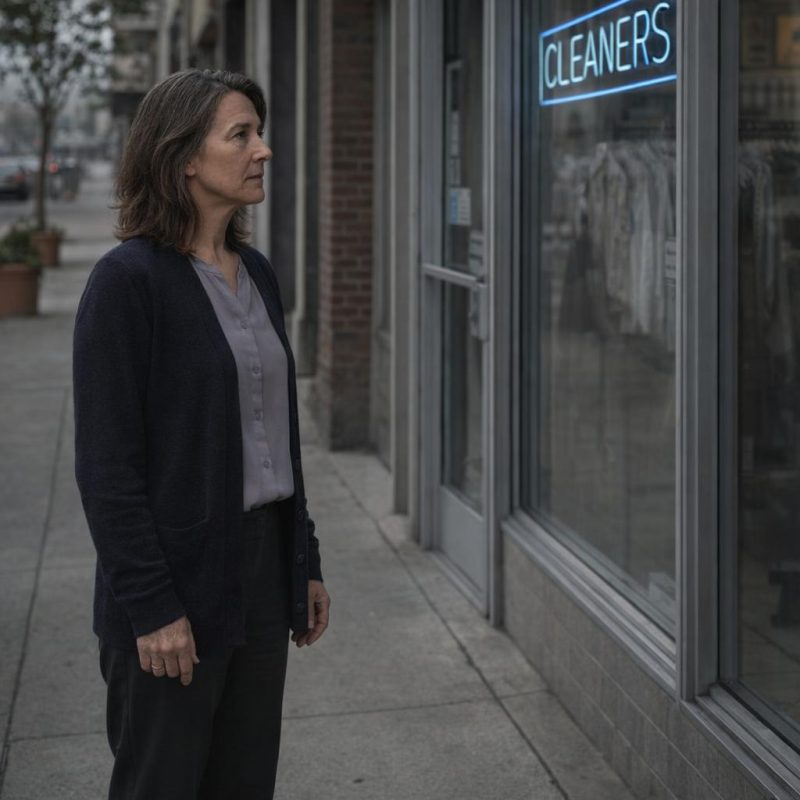 Image by RM AI
KEEP ON READING
The 20 Most Recognized Historical Figures Of All Time
The Biggest Names In History. Although the Earth has been…
By Cathy Liu Oct 4, 2024
10 of the Shortest Wars in History & 10 of…
Wars: Longest and Shortest. Throughout history, wars have varied dramatically…
By Emilie Richardson-Dupuis Oct 7, 2024
10 Fascinating Facts About Ancient Greece You Can Appreciate &…
Once Upon A Time Lived Some Ancient Weirdos.... Greece is…
By Megan Wickens Oct 7, 2024
20 Lesser-Known Facts About Christopher Columbus You Don't Learn In…
In 1492, He Sailed The Ocean Blue. Christopher Columbus is…
By Emilie Richardson-Dupuis Oct 9, 2024
20 Historical Landmarks That Have The Craziest Conspiracy Theories
Unsolved Mysteries Of Ancient Places . When there's not enough evidence…
By Megan Wickens Oct 9, 2024
The 20 Craziest Inventions & Discoveries Made During Ancient Times
Crazy Ancient Inventions . While we're busy making big advancements in…
By Cathy Liu Oct 9, 2024