

The Morning of Thirty
Thirty feels different than she expected, and not in a good way. Maya wakes up before her alarm, which never happens, and the first thing she does is reach for her phone on the nightstand. The screen lights up with the usual noise — a weather alert, a promotional email from a store she hasn't shopped at in two years, a reminder about a dentist appointment she already rescheduled. She sets the phone face-down and stares at the ceiling for a moment, then picks it up again. Nothing from her parents. Nothing from her brother Ethan. She tells herself it's still early, that people are busy in the mornings, that a birthday message isn't something anyone owes her. She gets up, makes coffee, and checks again while the kettle heats. Still nothing. She drinks her coffee standing at the kitchen window, watching the street below settle into its ordinary Tuesday rhythm. By the time she's dressed, she's checked four times. The number feels embarrassing even to admit. She sets the phone on the counter and makes herself leave it there while she brushes her teeth. When she comes back, the screen is dark and quiet. Then the family group chat icon lights up with a new message, and something in her chest lifts just slightly before she can stop it.
 Image by RM AI
Ethan's Vacation Plans
The message isn't about her. Of course it isn't. Ethan has apparently just booked a two-week trip to Costa Rica, and the family chat erupts like he's announced a moon landing. Maya watches the notifications stack up while she's still standing in her kitchen in yesterday's socks. Richard sends a long message about the best time of year to visit, which resorts have the best security, which areas to avoid. Linda follows with a packing list — actual bullet points — and a reminder to bring reef-safe sunscreen. Ethan responds with a photo of the resort pool, all turquoise water and palm trees, and types 'can't wait!!!' with three exclamation marks. Richard replies immediately: 'You've earned it, son.' Maya reads that one twice. She's been at her job for six years. She just turned thirty. She puts her phone in her bag and walks to the bus stop, but checks it again on the ride in, and again waiting for the elevator at work, and again at her desk before her computer finishes booting. The messages keep coming. Resort reviews. Flight upgrade options. A link to a travel insurance comparison site. Linda asks if Ethan wants her to order him new luggage. Maya scrolls past the twentieth message about Ethan's resort without seeing her own name mentioned once.
 Image by RM AI
The Unspoken Date
Maya gets through the morning on autopilot. There's a team meeting at nine that runs long, and she's grateful for it — it gives her somewhere to put her attention that isn't her phone. She takes notes she doesn't need to take, asks a follow-up question she already knows the answer to, just to stay present. During the break between meetings she checks the family chat. More Costa Rica content. A video Ethan posted of himself doing a trial run with a new backpack in his living room, narrating like a travel vlogger. She closes the app and puts the phone in her desk drawer. She eats lunch at her desk, a sandwich she made that morning without really tasting it. The afternoon is quieter. She finishes a report, answers some emails, waters the small succulent on her windowsill that she keeps forgetting about. Around three o'clock she opens the chat again, more out of habit than hope. Ethan is asking about voltage converters. Richard has sent a link. Linda has sent a heart emoji. Maya closes it again. By the time she's shutting down her computer and pulling on her coat, she's stopped expecting anything. The date on her screen reads the same as it has all day, and somewhere between the morning meeting and the walk to the elevator, the waiting had quietly become something else — something heavier, but easier to carry.
 Image by RM AI
Evening Without Candles
Maya stops at the grocery store on the way home and buys pasta, a jar of sauce, and a small bar of dark chocolate that she tells herself is not a birthday treat. It is absolutely a birthday treat. Her apartment is quiet when she gets in, the particular kind of quiet that feels louder on certain days than others. She changes out of her work clothes, puts water on to boil, and checks her phone one more time while she waits. The family chat has seventeen new messages. Ethan has found a restaurant near the resort that has a tasting menu. Richard says it looks excellent. Linda asks if he needs a reservation. Maya sets the phone screen-down on the counter and cooks her pasta. She eats it at the kitchen table with a book open in front of her, though she reads the same paragraph three times without absorbing it. She thinks about sending a message — something light, something that wouldn't make anyone feel bad, just a small flag that today existed. She doesn't send it. She eats the chocolate square by square while the evening news plays quietly in the background, and somewhere around ten o'clock she turns off the lamp and gets into bed. The chat icon glows briefly on her nightstand screen with another new message, and then the screen goes dark, and the day is over.
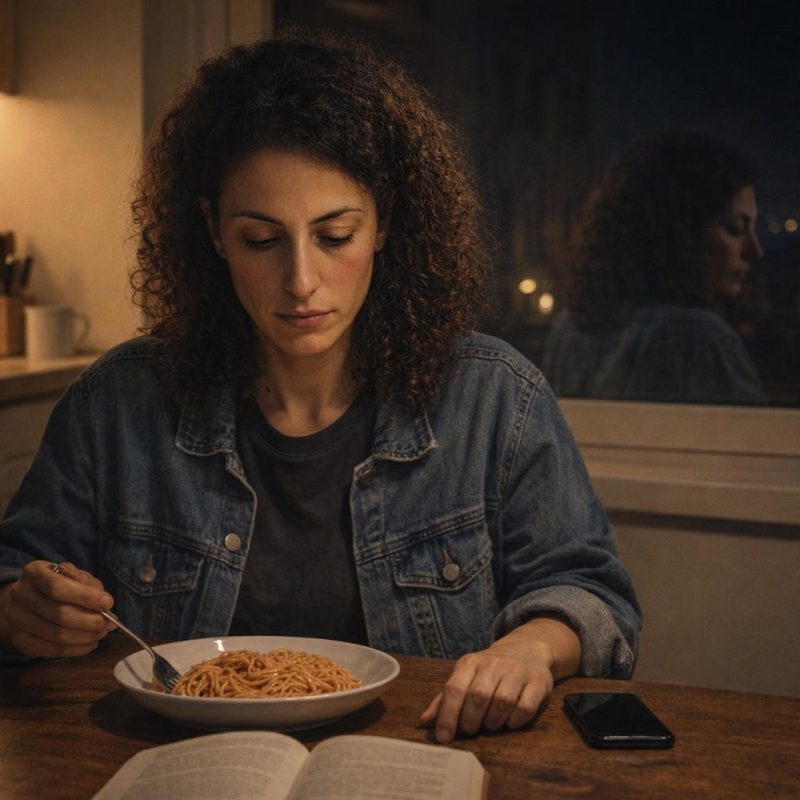 Image by RM AI
The Day After
Maya wakes the next morning and reaches for her phone before she's fully conscious, a habit she's been meaning to break for about three years. The family chat has fourteen new messages from overnight. Ethan couldn't sleep and posted a long thread about whether to book the all-inclusive package or pay per activity. There are timestamps going back to two in the morning. She lies there in the gray early light and scrolls through it all. Nobody has said anything about yesterday. Not a late message, not an 'oh, I almost forgot,' not even a passing mention. She gets up and makes coffee and stands at the window the way she did yesterday morning, and the morning before that. The street looks the same. She gets dressed, checks the chat one more time while putting on her shoes, and decides to mute the notifications. Not forever. Just for now. She needs to be able to put her phone in her pocket without bracing for the next resort update. She's almost out the door when she opens the app one last time, and there at the top of the thread is a new message from Richard asking Ethan whether his travel insurance covers adventure activities.
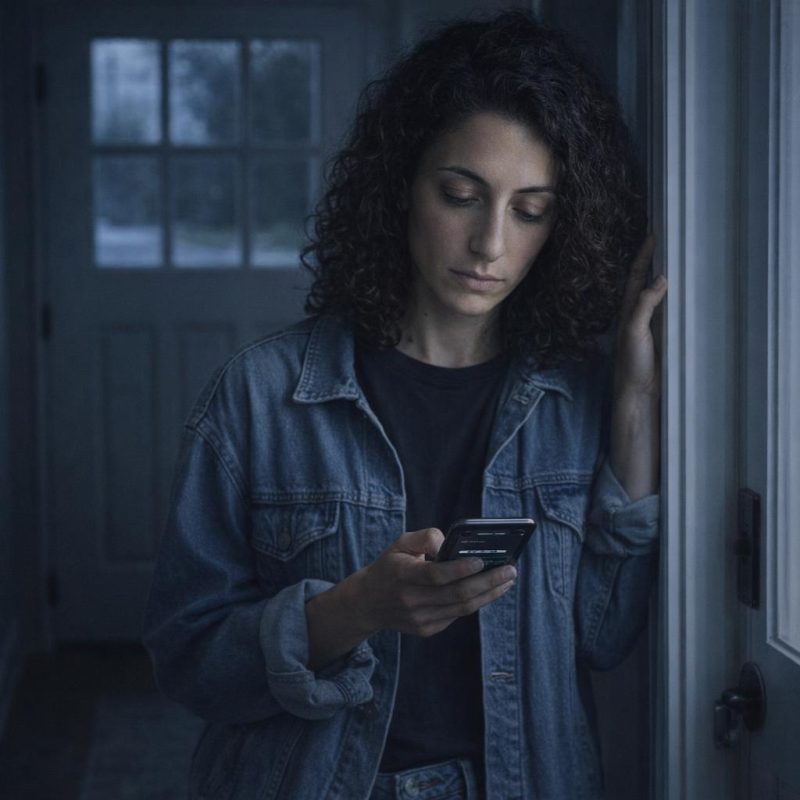 Image by RM AI
Focus and Distance
Maya gets to the office twenty minutes early, which surprises even her. There's something clarifying about arriving before the noise starts — the empty hallway, the hum of the HVAC, the coffee machine running its first cycle. She makes herself useful before anyone else arrives, pulling together notes for a project that's been sitting half-finished on her desktop for two weeks. When her manager comes in and sees the draft already in her inbox, she stops at Maya's desk and says, 'Did you sleep here?' Maya tells her she just had a productive morning. By noon she's cleared most of her backlog and volunteered to take on the quarterly summary that nobody else wanted. A coworker stops by around two and says Maya seems 'weirdly focused today,' which she takes as a compliment. She works through lunch again. It's easier than thinking. The afternoon moves fast when you give it enough to do, and she's grateful for that. She's shutting down her computer just after five, already thinking about whether she has anything at home worth cooking, when her screen flickers with a calendar notification before it goes dark — a reminder for next month's quarterly family dinner, still six weeks away, sitting there in the schedule like something she'd managed to forget entirely.
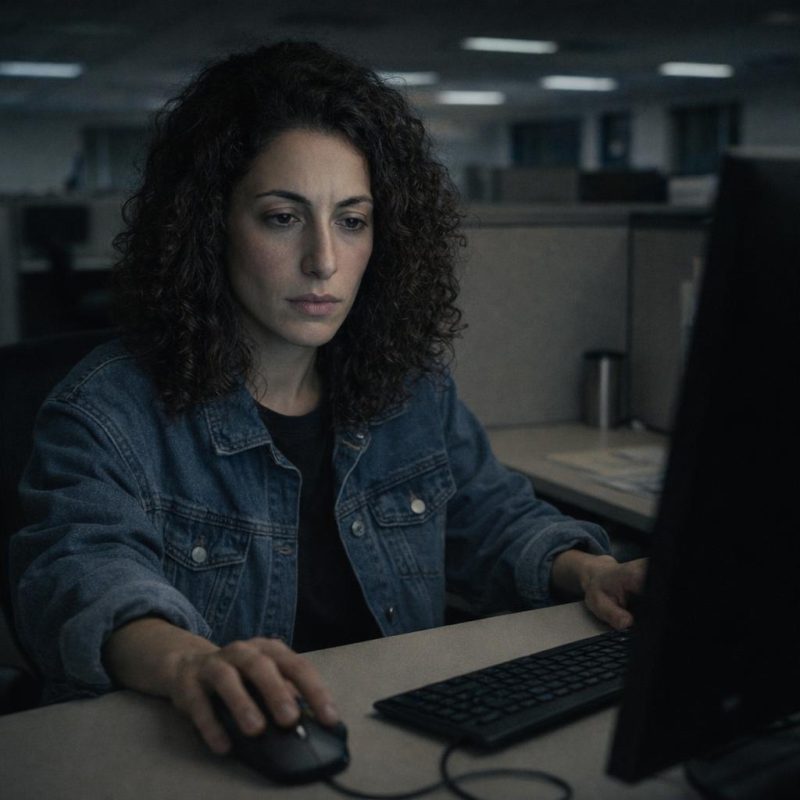 Image by RM AI
The Active Thread
Maya unmutes the family chat on a Thursday evening mostly out of morbid curiosity, the way you press a bruise to see if it still hurts. It does. Forty-seven messages have come in since she silenced it, and she scrolls through them with a kind of detached amazement. The central debate, apparently, is whether Ethan should book the zipline tour or save it as a walk-in activity in case the weather is bad. Richard has sent three separate links to TripAdvisor reviews. Ethan has posted a video of someone else doing the zipline, captioned 'this could be me.' There's a back-and-forth about harness safety that goes on for eleven messages. Maya keeps scrolling. Linda weighs in on the weather, then on whether Ethan should pack a rain jacket or just buy one there. Richard says to buy quality gear before you travel, not after. Ethan says he'll figure it out. Maya reaches the bottom of the thread and sits with her phone in her hand for a moment, not sure what she was looking for. Then a new message loads at the top of the screen — Linda has sent a photo, slightly blurry and warm-toned, of a small boy grinning on a tire swing, with the caption: 'my adventurous boy.'
 Image by RM AI
Grandfather's Garden
Maya puts her phone face-down on the coffee table and thinks about her grandfather Joseph. She's not sure why — maybe it's the photo of Ethan as a child, or maybe it's just the particular quality of the quiet in her apartment tonight. Joseph had a garden behind his house, a real one, not the decorative kind. Tomatoes, herbs, a fig tree he'd planted the year her mother was born. Maya used to spend Saturday afternoons out there with him when she was small, and then when she was not so small, and then right up until the end. He never talked down to her the way the rest of the family sometimes did without seeming to notice they were doing it. He'd hand her a trowel and explain things — about soil, about patience, about how some things take longer than you expect but come up stronger for it. He died two years ago, in the spring, and the funeral was the last time she saw the whole family in one place. She remembers standing at the graveside thinking that the person who had always seemed most interested in who she actually was had just left. A few weeks before he died, he'd taken her hand and said, very clearly, that he'd taken care of something important and that she should make sure to follow up with his lawyer. She'd nodded and squeezed his hand and told him not to worry. She hadn't known what he meant, and in the grief that followed, she hadn't thought to ask. His words sat with her now the way they sometimes did — quiet, unresolved, like something left on a shelf she hadn't yet reached.
 Image by RM AI
Three Days of Silence
Three days. I know because I've been counting without meaning to — the way you count something you're trying not to care about. The family chat is still going. I can see the notification badge from across the room, little red number climbing. Linda sent a photo of a resort pool. Ethan posted a screenshot of flight prices and asked if anyone thought the layover was too long. Richard responded within minutes with his opinion on layovers, which he apparently has strong feelings about. I stopped checking it the way I used to — that reflexive grab for the phone every time it buzzed. Now I let it sit. I go to work, I come home, I make dinner, I watch something I've already seen before. The routine has a kind of weight to it that isn't entirely unpleasant. My grandfather used to say that some silences are just the ground resting. I didn't fully understand that when he said it. I'm not sure I fully understand it now. But somewhere around the third evening, with the dishes done and the apartment quiet and the chat badge sitting at twenty-seven unread messages, the silence stops feeling like something missing and starts feeling like something that simply is.
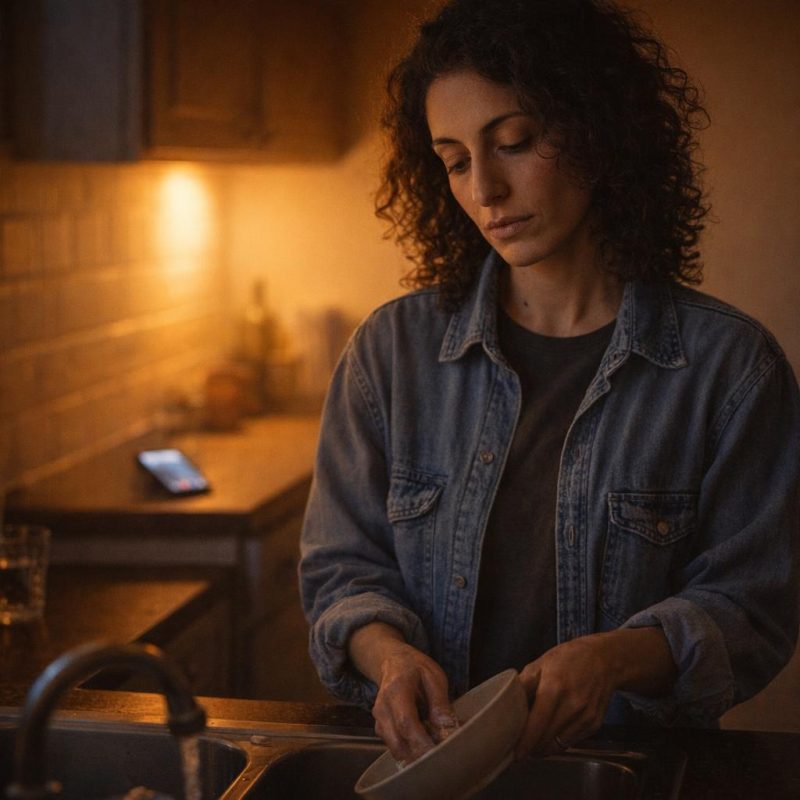 Image by RM AI
Crisis in the Chat
It starts just after nine on a Tuesday night. My phone buzzes once, then again, then three times in quick succession, and I think it's probably Ethan posting more flight options. I pick it up without urgency. The chat has shifted. Richard's name is at the top of the thread, then Linda's, then Richard again. No resort photos. No layover debates. Linda has sent three question marks in a row. Ethan has typed what's going on?? with two question marks, which for Ethan signals genuine alarm. Richard's messages are short and clipped in a way that feels different from his usual tone — words like urgent and immediately and do not ignore this. I scroll up trying to find where the shift happened, some message that explains the pivot, but the thread is moving faster than I can read it. Linda sends a string of worried-face emojis. Ethan asks if someone should call someone. And then, cutting through all of it, Richard's message arrives in full capitals: CHECK YOUR EMAIL NOW. EVERYONE. DO NOT WAIT.
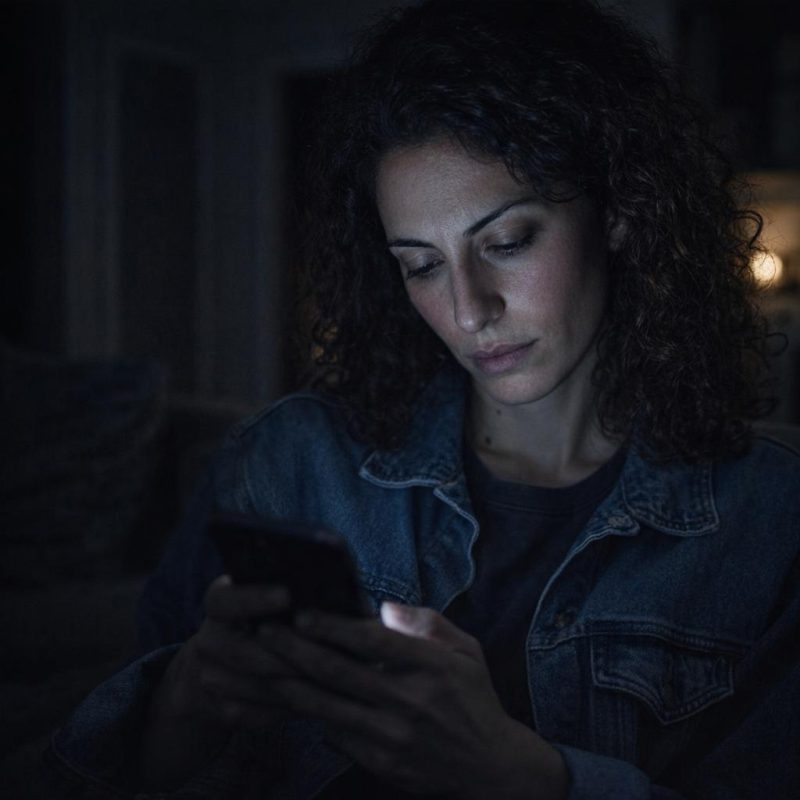 Image by RM AI
The Developer's Name
I scroll back through the thread trying to build a timeline. The vacation planning stopped around seven-thirty — mid-sentence, practically, Linda in the middle of asking about checked baggage fees. Then a gap of about forty minutes, and then Richard's first message, which just says I need everyone's attention. I read forward slowly. Richard mentions a letter. Linda asks if it came to the house. Ethan says what letter, what are you talking about. Richard says it's about the property and they need to deal with it immediately. Linda asks which property, and Richard's response is short enough that I can feel the impatience in it: the estate, obviously. Ethan asks if they should be worried. Richard doesn't answer that directly. Instead he starts repeating a name — first in one message, then again in the next, then a third time when Linda asks him to spell it out. I read the name each time it appears, trying to attach it to something I recognize. I don't. But by the fourth or fifth message, the name has settled into the thread like it belongs there. David Morrison. David Morrison. David Morrison.
 Image by RM AI
Eviction Notice
I keep reading. Richard has forwarded something — a summary, maybe, or his own paraphrase of whatever arrived in the mail — and the word that stops me is eviction. Linda responds immediately: that can't be right, we've lived there for years. Ethan types what do you mean eviction, that's insane. Richard says he knows, he knows, but the letter uses that word and they need to take it seriously. Linda asks how a developer can just send something like that. Richard says he doesn't know yet, that's why he needs everyone looking at the email. Ethan asks if this David Morrison person can actually do anything or if it's just a scare tactic. Richard doesn't answer that either. He says he's still trying to understand the basis for it, that the language in the letter is dense and he hasn't parsed all of it yet. I read that message twice. Then I read it a third time. Richard's next message comes in while I'm still staring at the screen: he says David Morrison is claiming legal authority over the property and that the family needs to respond within thirty days.
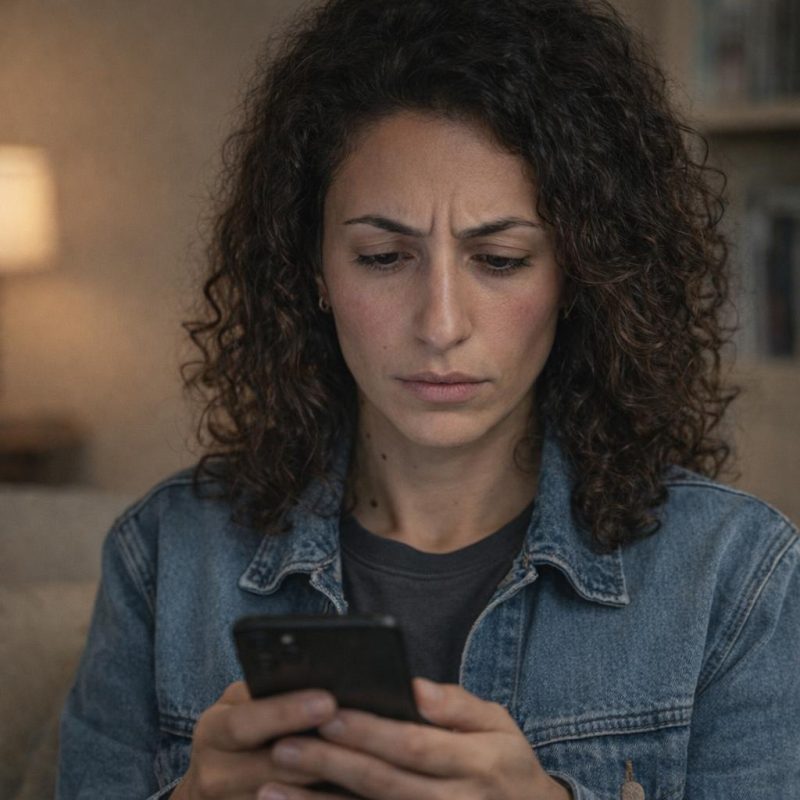 Image by RM AI
The Estate in Question
I type a question into the chat for the first time in three days: which property are we talking about? Richard responds faster than I expect. The family home, he says. Grandpa's place. The estate on Birchwood. I sit with that for a moment. I know that house. I know the way the back hallway smells in summer, the particular creak of the third stair, the fig tree in the garden that my grandfather planted the year my mother was born. My parents have lived there since before I can remember — it was always just the house, the fixed point, the place everything else orbited around. I'd assumed, the way you assume things that were never formally explained, that when my grandfather died the property had simply passed to my father. No one had ever said otherwise. Linda sends a message saying they've never had any issues with ownership before, not once in all these years. Ethan asks if there's a deed somewhere in the house. Richard says there must be, there has to be. I look at the address Richard has typed out, and something about seeing it written down like that — just a street name and a number — makes the whole thing feel suddenly, unexpectedly real.
 Image by RM AI
Maya's Assignment
The chat goes quiet for a few minutes, and then Richard tags me directly. Maya, he types, you're good at this kind of thing. Can you look into the property records? I stare at the message. It's the first time anyone in that thread has typed my name in days — longer than days, actually, if I'm counting from before my birthday, which I am, apparently, still counting. Linda follows up almost immediately: yes, Maya, you'd know where to start with something like this. Ethan adds, helpfully, that I probably have more time to research than they do, which lands the way Ethan's helpful suggestions usually land. No one mentions the silence. No one says anything about the week that just passed. The conversation moves forward as though I've been part of it all along, as though the gap simply didn't happen. I feel the pull of it — that old familiar gravity, the one that says of course you'll help, of course you'll sort it out, that's what you do. I don't type anything yet. But I can already feel the shape of what's expected settling over the conversation like it always does.
 Image by RM AI
The Developer's Letter
I tell them I'll look into it. Richard responds with good and then, a few minutes later, forwards the letter directly to the chat. There's a PDF attachment. I download it without thinking too much about whether I want to. The family is still reacting in the thread — Linda saying this is unbelievable, Ethan asking if they need a lawyer, Richard telling everyone to calm down and let Maya read it first. I set the chat aside and open the file. It takes a moment to load. The letterhead comes up first: clean, professional, a logo I don't recognize above a business address in the city. Morrison Property Development. Below that, a date from two weeks ago, which means this has been sitting somewhere for two weeks before it reached the chat tonight. The language in the opening paragraph is formal and precise — the kind of writing that has been looked at by more than one person before it was sent. I scroll slowly, reading each line. The letter references property records, a transfer timeline, a request for cooperation with what it calls the transition process. I reach the section that outlines the eviction schedule and I stop scrolling.
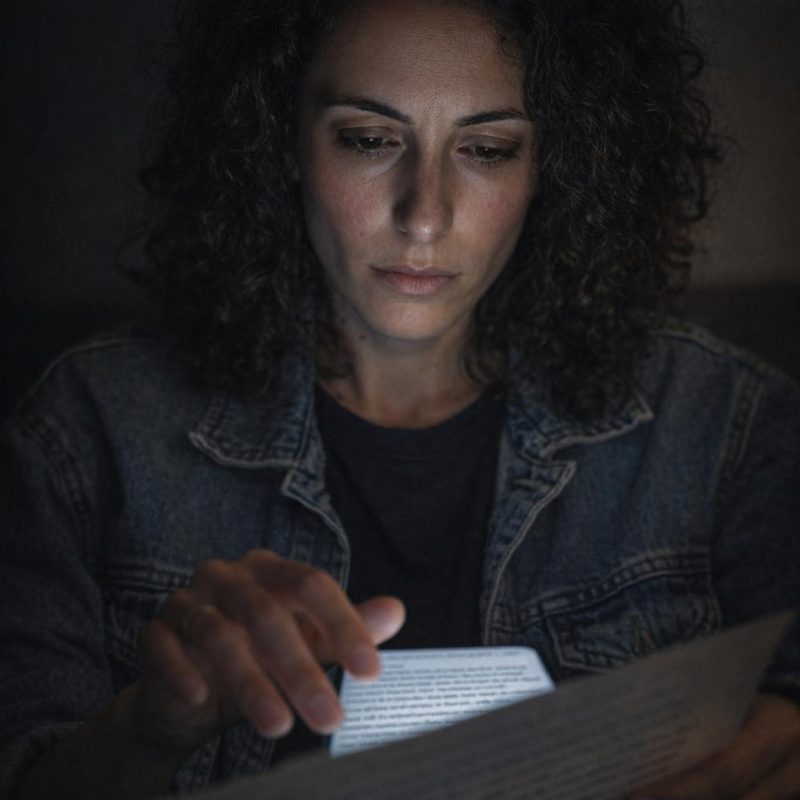 Image by RM AI
Missing Documents
My parents send over everything they can find — photos of documents, scanned pages, a folder of files that arrives in pieces over the course of an hour. I open each one and make a list as I go. There are tax records going back fifteen years, utility bills, a homeowner's insurance policy with my father's name on it, and a set of old mortgage papers from before the loan was paid off. I organize them into a rough timeline on my kitchen table, physical printouts next to my laptop screen. It takes a while. Some of the scans are blurry, some are partial pages, and I have to ask my mother twice to resend things that didn't come through clearly. But by the time I've gone through everything, the list of what's present is reasonably complete. The list of what's absent is shorter, but it matters more. No transfer documents. No probate paperwork from when my grandfather died. And the deed itself — the original property deed, the one document that would show who actually owns the house on Birchwood — is nowhere in the files my parents kept.
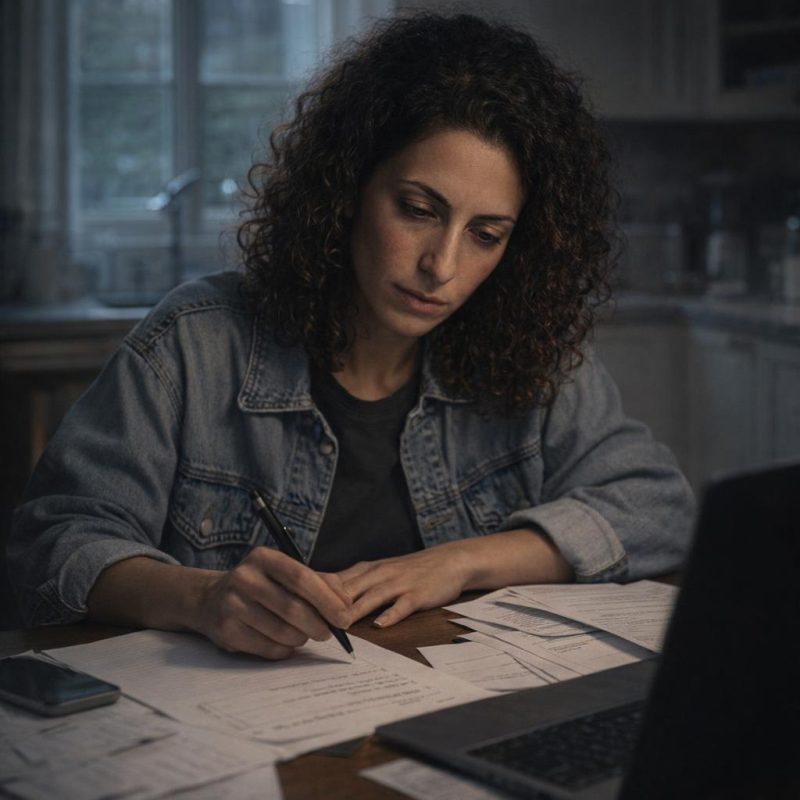 Image by RM AI
Grandfather's Safe Deposit Box
I sit with the incomplete stack of documents for a long time, turning the problem over in my mind. The deed isn't here. It wasn't in anything my parents sent, and it wasn't in the probate files, and I've gone through everything twice now. I keep thinking about where a document like that would even go — who would have kept it, and where. And then something shifts, the way a memory sometimes surfaces when you stop pushing for it. My grandfather's voice, quiet and deliberate, from one of the last real conversations we had before he got sick. We were sitting at his kitchen table and he was telling me about the bank on Elm Street, the one he'd used for forty years. He said he kept the things that mattered in a safe deposit box there. I remember thinking it was just something old people did, keeping papers in a bank instead of a filing cabinet. He told me the box number like it was something I should write down. I didn't. I was half-listening, the way you do when you don't understand yet that a conversation is important. The number was 247.
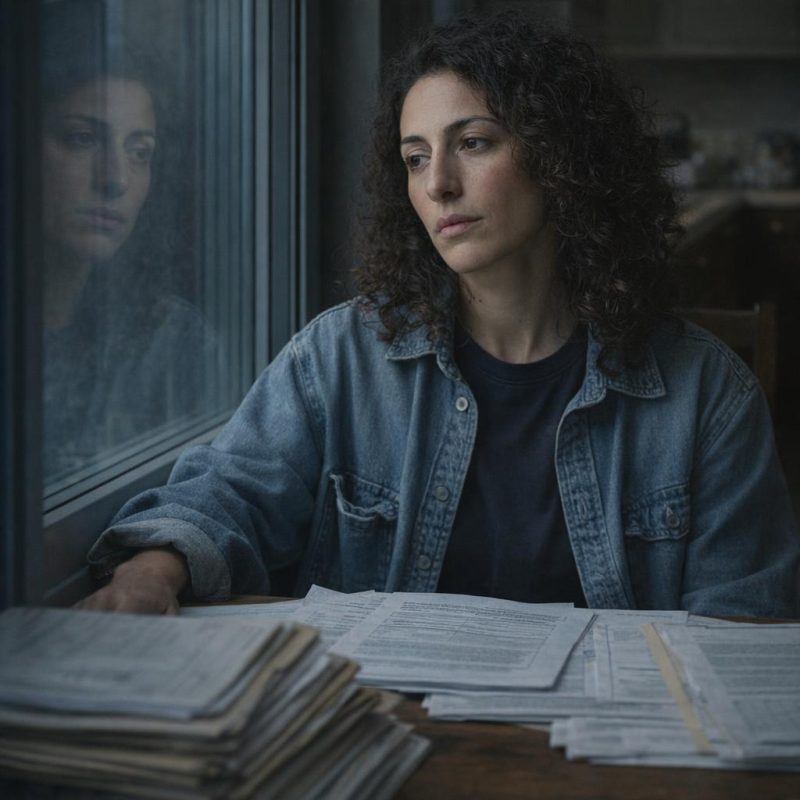 Image by RM AI
The Search for the Key
I know exactly which box I'm looking for. It's been in my closet since the week after the funeral — a medium-sized cardboard box, the kind that copy paper comes in, with his name written on the side in my own handwriting. I pull it down from the shelf and set it on my bed. The smell that comes out when I lift the lid is specific and immediate: old paper, a faint trace of the cedar soap he always used. There are photographs on top, loose ones and a few in small frames. His reading glasses, folded carefully. A pocket watch I remember him winding at the dinner table. I go through everything slowly, setting each item aside. Underneath the photographs there are letters, bundled with a rubber band that's gone brittle. I lift them out and set them down. Near the bottom, tucked against the side of the box, there's a small white envelope, unsealed, with nothing written on the outside. I open it. Inside is a single brass key, small and worn smooth at the edges, with the number 247 stamped into the metal. I hold it in my palm for a moment, the key resting there, cool and quiet against my skin.
 Image by RM AI
Scheduling the Visit
I find the bank's number online and call before I talk myself out of it. The representative who answers is polite and efficient. I give her the box number — 247 — and she confirms after a brief pause that the box exists and is registered to an account. She explains what I'll need to bring: a government-issued photo ID, and documentation establishing my relationship to the account holder, since the primary holder is deceased. I have my grandfather's death certificate in the folder I've been keeping since the estate paperwork started. I tell her I can come in tomorrow morning and she checks the schedule and offers me a ten o'clock slot. I take it. After I hang up, I sit for a minute with the phone in my hand. My parents' chat thread has three new messages I haven't answered. I don't open them. I'm not ready to explain this yet — I want to see what's actually in the box before I say anything to anyone. Whatever is in there, I'd rather know first. I set the key on my nightstand and pull up the bank's address to confirm the location. The appointment confirmation sits in my email, ten o'clock tomorrow morning, and I close the laptop and leave it there.
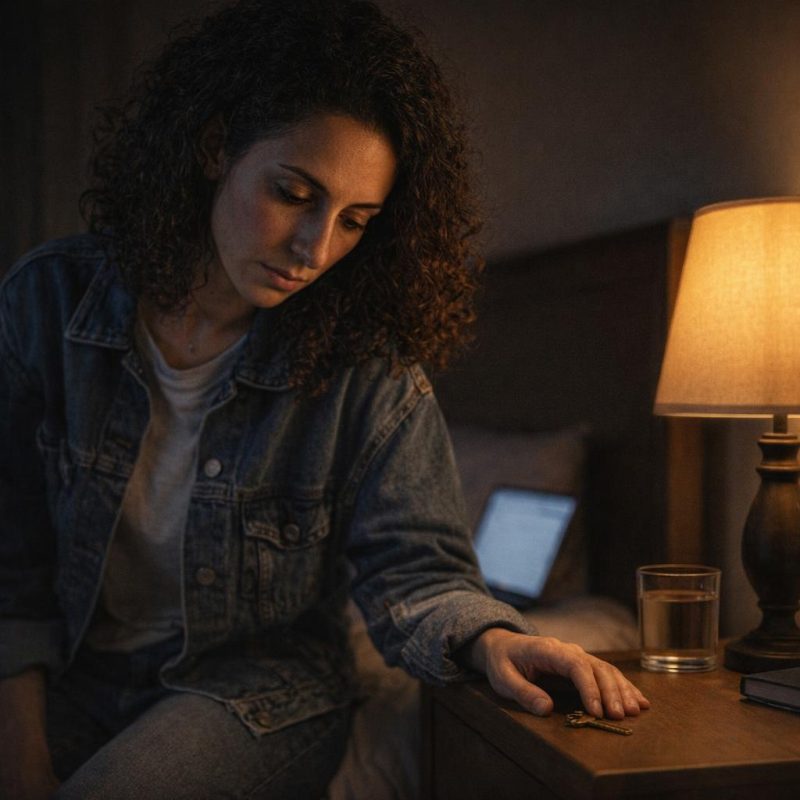 Image by RM AI
The Morning of Answers
I'm up before my alarm. The family chat has been active overnight — I can see the notification count before I even unlock my phone. My father asking if I've found anything new. My mother sending a long message about the eviction timeline and whether we need to respond to the developer by the end of the week. Ethan suggesting we hire a lawyer, which would have been useful advice three weeks ago. I read through all of it standing in my kitchen with a cup of coffee going cold on the counter. I don't type anything back. There's nothing I can tell them yet that would help, and I'm not going to mention the bank until I know what I'm dealing with. I get dressed, put the brass key in the front pocket of my jacket, and check that I have my ID and my grandfather's death certificate in my bag. The drive takes twenty minutes. I find parking half a block away and sit in the car for a moment, watching the foot traffic on the street outside the bank. Then I get out, cross the sidewalk, and walk toward the bank entrance with the key pressed solid against my palm through the fabric of my pocket.
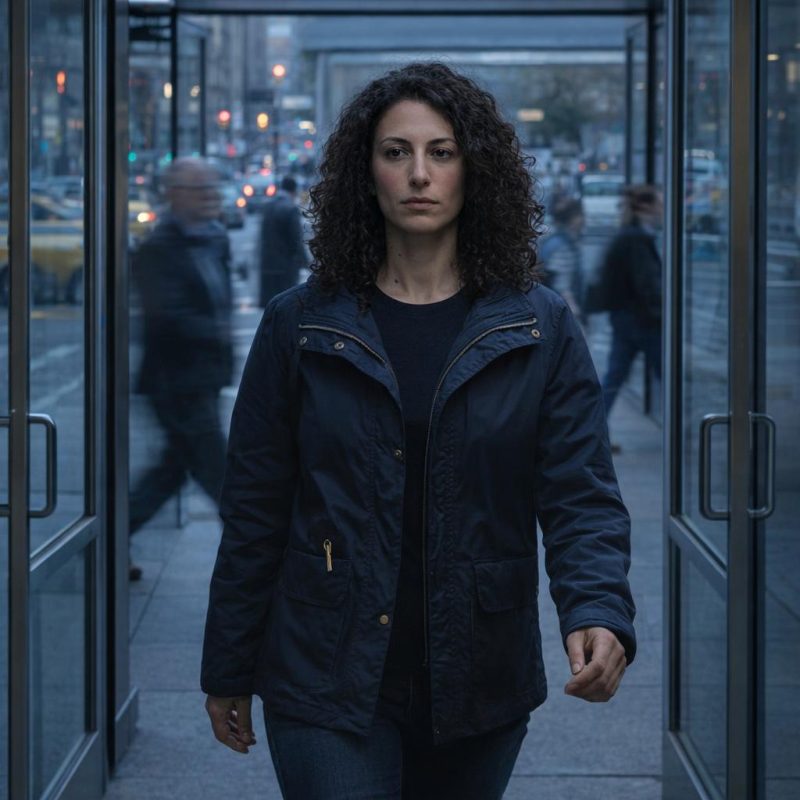 Image by RM AI
The Vault Door
The bank employee — a woman with a lanyard and a calm, practiced manner — leads me through a door behind the main counter that requires a keycard to open. The temperature drops noticeably on the other side. The vault area is quieter than the lobby, the kind of quiet that feels intentional, like the room was built to hold it. The walls are lined floor to ceiling with small metal doors, each one numbered, each one the same dull silver. She finds box 247 without hesitating, checks my ID against her records, and watches while I insert the key. It turns. She removes the long metal drawer from the wall and carries it to a small private room off the main corridor — a table, two chairs, a door that closes. She sets the box on the table and tells me to take my time, and then she's gone. I sit down. The box is in front of me, closed, the key still in the lock. I don't open it right away. I just sit there for a moment, hands flat on the table on either side of it, feeling the particular weight of not yet knowing — the strange, suspended heaviness of what might be inside.
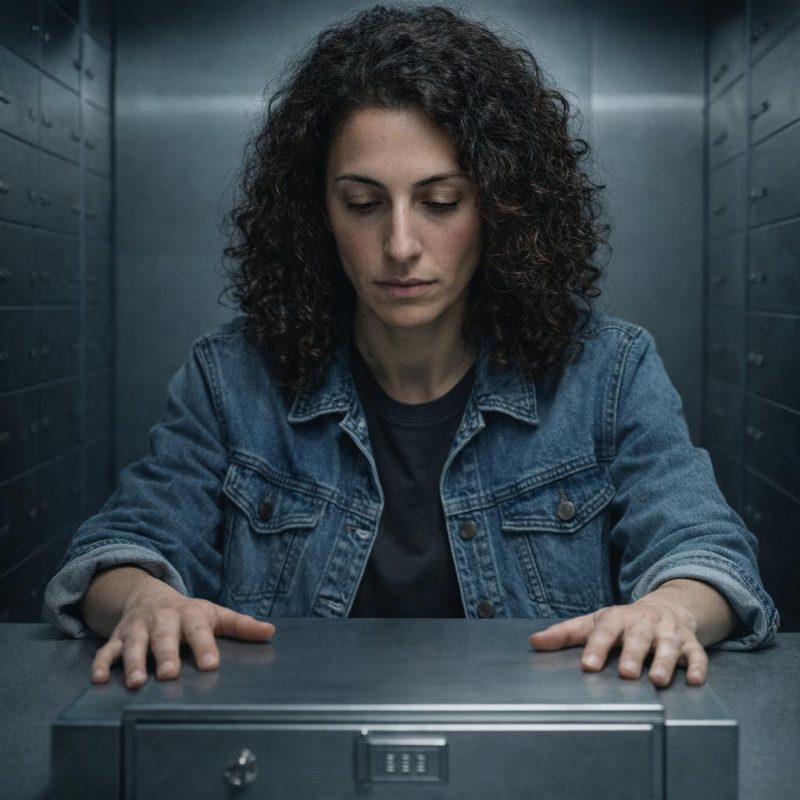 Image by RM AI
Pressure from Home
My phone vibrates against the table before I've touched the box. I look at the screen. My father: *Any update? We need to know what you've found.* Then my mother, a minute later: *Maya, the developer's deadline is this week. Please tell us something.* Then Ethan: *Seriously, what's the plan here? David is expecting a response.* The messages come in close enough together that the phone barely stops moving. I read them all. Then I turn the phone face-down and push it to the far edge of the table. The room is very still. No lobby noise, no street noise, just the faint hum of the climate control and the sound of my own breathing. Out there, the timeline is urgent and the developer is waiting and everyone needs an answer. In here, there is only the closed box and the key still sitting in the lock. I don't know what my grandfather put in this box or why he made sure I knew the number. I don't know what any of it means yet. But the family's urgency feels very far away in this room, like noise heard through several walls, present but unable to reach me.
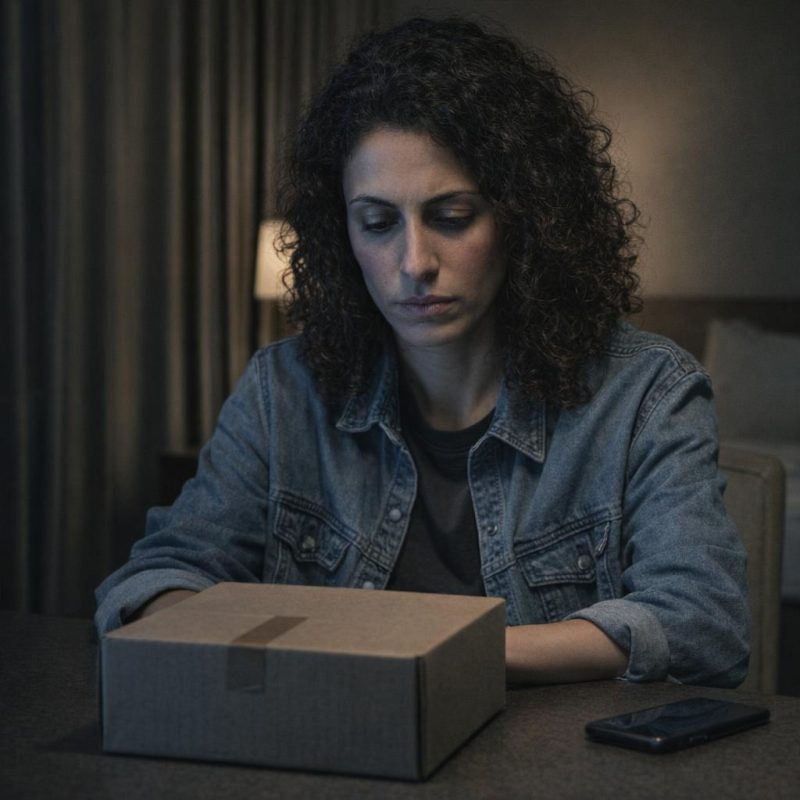 Image by RM AI
Opening the Box
I turn the key the rest of the way and lift the lid. The inside of the box is fuller than I expected. A stack of documents sits on top, folded and refolded along old creases, the paper slightly yellowed at the edges. Legal-looking papers — I can see the formatted headers and dense paragraph blocks without reading the words yet. Beneath those, tucked at an angle, are several older letters, handwritten, the envelopes soft with age. I lift the stack of documents out carefully and set them on the table beside the box. Then I reach back in. At the very bottom, lying flat against the metal floor of the drawer, is a sealed envelope. It's plain white, not old, the seal still intact. My name is written on the front in ink that has faded to a pale blue-gray, but the letters are careful and deliberate, each one formed with the particular patience I remember from birthday cards and notes left on the kitchen table when I was small. I know that handwriting. I set the envelope down on the table in front of me and I don't move. My name, in my grandfather's careful script, looking back at me from the bottom of a box he made sure I could find.
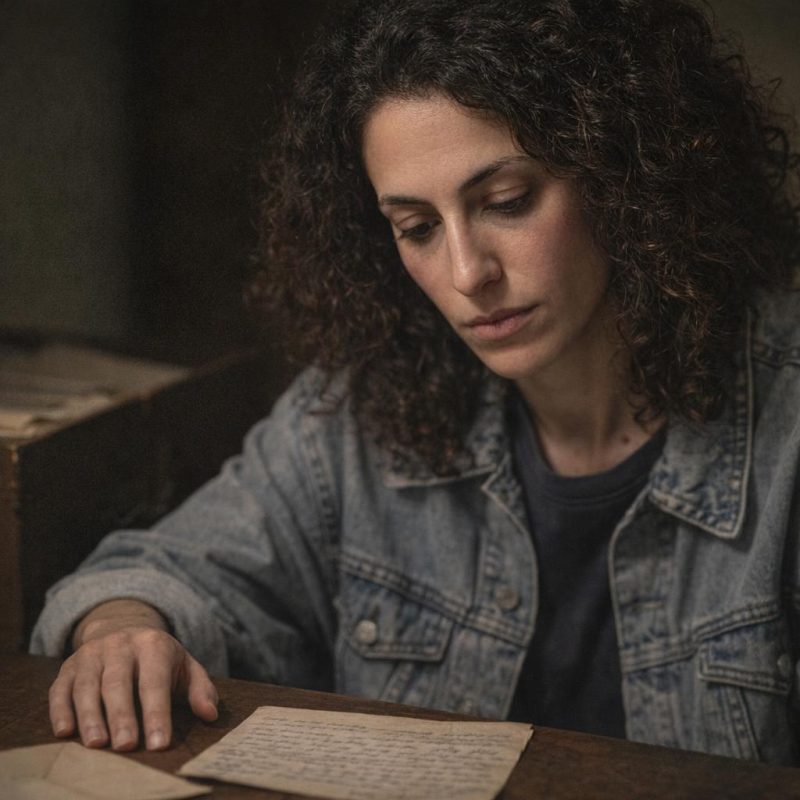 Image by RM AI
The Property Deed
I leave the sealed envelope where it is and turn to the legal documents first. There are four of them, each folded separately. The first two are older — insurance records, it looks like, and something related to a property tax assessment. I set those aside. The third document is thicker, folded in thirds, and when I open it the paper resists slightly at the creases, the way old documents do when they haven't been unfolded in years. The header is formatted differently from the others, more formal, with a block of official text at the top. I smooth it flat against the table. It takes me a moment to orient to the layout — the legal language is dense and the font is small. But I can see the property address in the middle of the page, the street and number I've known my whole life. Below the address block, near the bottom of the document, there are two official stamps in dark ink, slightly smeared at the edges the way old notary seals go, and a line of signatures above a date. The stamps are clear. The signatures are clear. This is the original property deed, the one document no one in my family has been able to find, sitting in a safe deposit box my grandfather made sure I knew how to open.
 Image by RM AI
Public Records Search
I set the deed down carefully and pick up my phone. There's a county property records portal I've used before for work — nothing fancy, just a public database anyone can access. I open the browser and type in the address from memory, the street and number I've known since I was old enough to read a mailbox. My hands are steadier than I expect them to be. The viewing room is quiet except for the faint hum of the ventilation system, and the deed sits on the table beside me like it's waiting. I navigate to the search field and enter the address character by character, double-checking each one before I hit the search button. I want to be careful. I want to be exact. Whatever is in this database, I need to see it for myself, independent of anything sitting on this table. The page shifts to a loading screen, a small spinning indicator in the center, and I watch the bar at the top of my browser begin to fill.
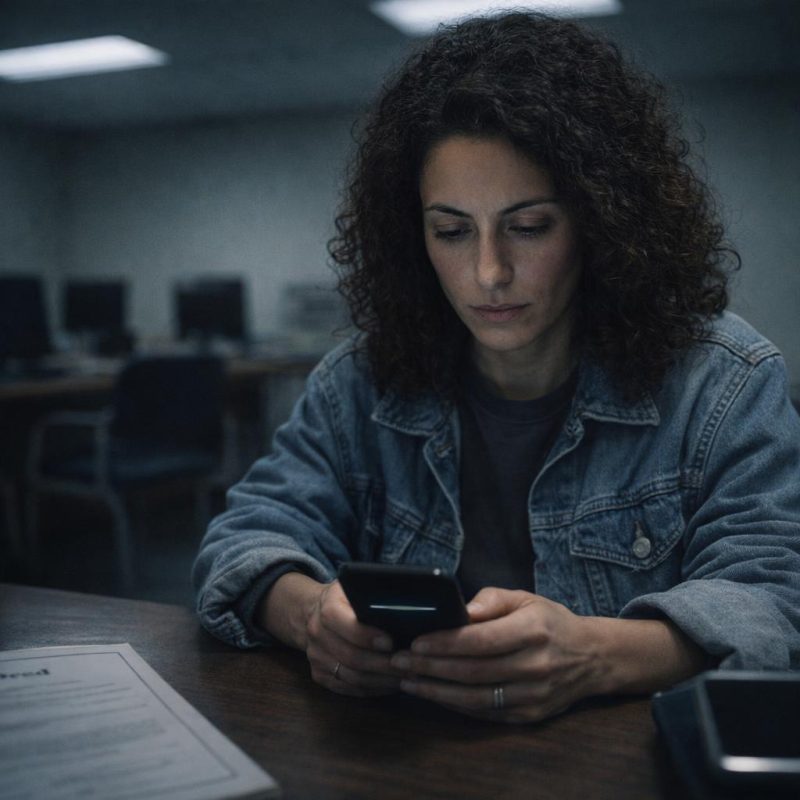 Image by RM AI
The Transfer Date
The results come through in a plain formatted table — property address, parcel number, assessed value, and then a column labeled Transfer History. I tap on it. There's one entry. A single transfer, recorded twelve years ago, with a date listed in the standard month-day-year format. I stare at it for a moment before the number registers. Then I pick up the deed from the table and find the corresponding date near the bottom of the document, just above the notary stamps. The ink is slightly faded but the numbers are clear. I look at my phone. I look at the deed. The dates are identical. I set the deed back down and do the arithmetic slowly, counting backward from the current year. Twelve years ago I was eighteen. I think about that for a second — just sit with the number. My eighteenth birthday was in the spring. I pull up the calendar on my phone and check the month and day against what's printed on the deed. The date on the document is the exact date of my eighteenth birthday.
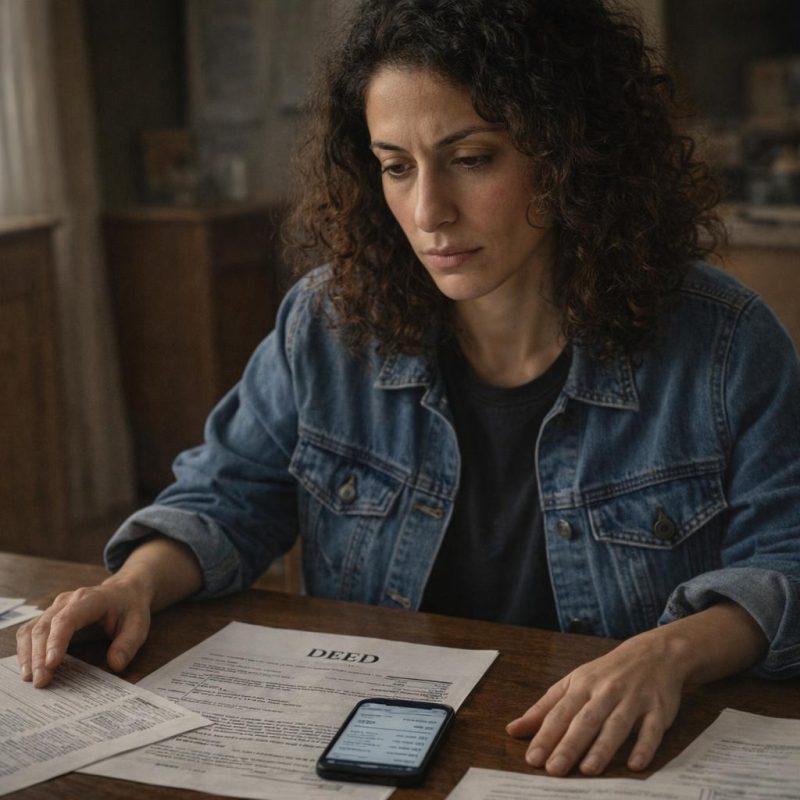 Image by RM AI
Alone with Questions
I lean back in the chair and look at the ceiling for a moment. The documents are still spread across the table — the deed, the tax records, my phone with the county database still open. My grandfather transferred the property on my eighteenth birthday. That was the spring before I started college, the year he was still healthy enough to drive himself to appointments and tend the back garden on weekends. I remember that birthday. My parents took Ethan and me to dinner at the restaurant near the harbor, the one with the white tablecloths. Nothing unusual happened. Nobody mentioned property. Nobody mentioned anything legal. Joseph came by the house that afternoon with a card and a small wrapped box — a book, I think, something about architecture. He stayed for maybe an hour. I try to think whether he seemed different that day, whether there was something in the way he looked at me that I missed. I can't find it. The memory is ordinary. The date on the deed is not. The ventilation hum fills the small room, and the question just sits there with me, unanswered.
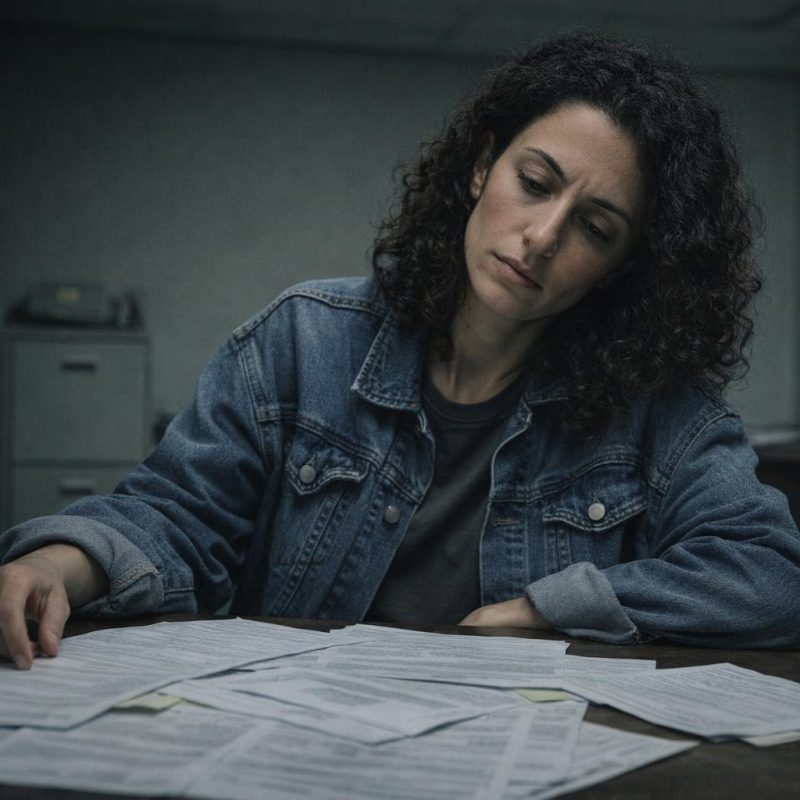 Image by RM AI
Entering the Bank
I think about what I looked like walking into this bank this morning. I had my bag over one shoulder and the key in my coat pocket, and I was running through the list of things my father had said the night before — find the deed, find the insurance documents, bring back whatever you can. I remember thinking it was a practical errand. Something I could do to help, something concrete in the middle of all the noise. The teller at the front desk had asked if I needed assistance and I'd said no, I knew where I was going. I did know where I was going. I just had no idea what I was walking toward. That version of this morning feels very far away now — the woman with the bag and the key and the simple task. Everything in this room has shifted since then, quietly and without announcement, the way things sometimes do when you're not watching for it. I look at the documents on the table, and the morning I walked in feels like it belongs to someone else entirely.
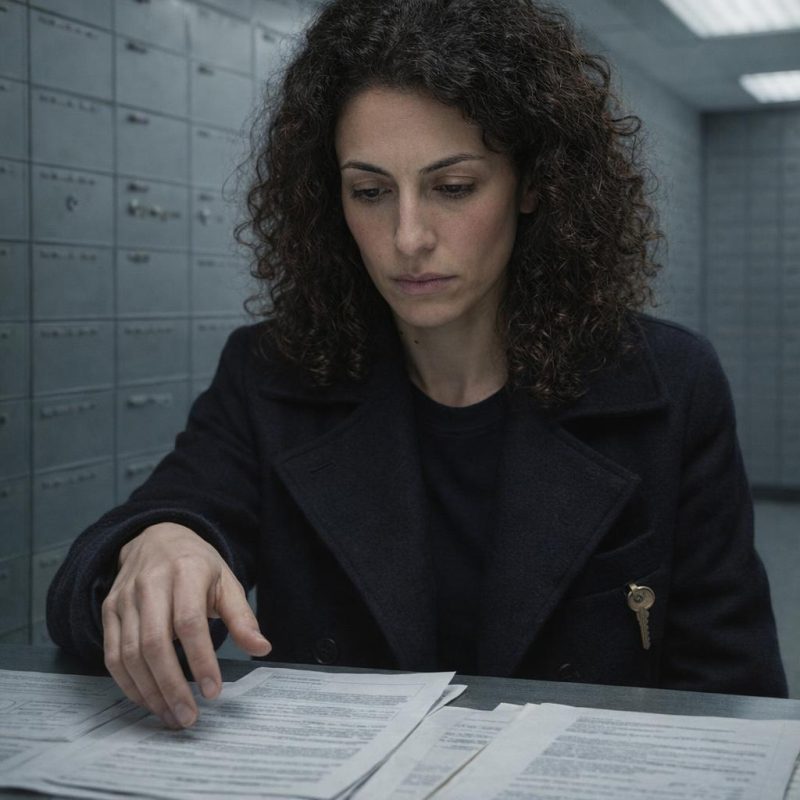 Image by RM AI
The Sealed Envelope
I set the deed aside and reach for the envelope. It's smaller than I expected — standard letter size, maybe slightly narrower, the kind of envelope you'd find in a box of personal stationery. The paper has gone slightly yellow at the edges the way old paper does, not damaged, just aged. My name is written on the front in my grandfather's handwriting, the same careful, slightly formal script he used in birthday cards and the occasional letter he'd send when I was away at school. I trace the letters with one finger without meaning to. The M is looped the way he always made it. The envelope is sealed — not taped, actually sealed, the flap pressed down and held. It has weight to it, not heavy, but present. More than a single sheet. I hold it in both hands and don't open it. I'm not ready yet, or maybe I just want to stay in this moment a little longer, the one where I'm still holding something from him that I haven't heard yet. The paper is soft and slightly warm under my fingers.
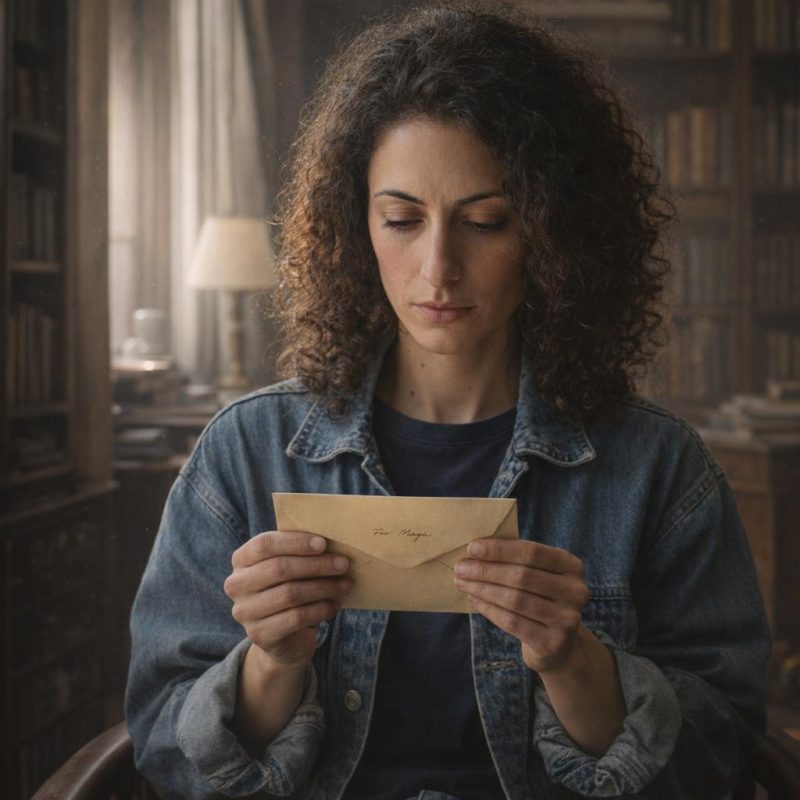 Image by RM AI
Reading the Deed
I set the envelope down and pick up the deed again. I've been circling it, reading pieces, but I haven't gone through it start to finish the way I should. I make myself start at the top. The first section describes the property — lot dimensions, parcel number, the legal description of the land boundaries in that dense surveyor language that takes a moment to parse. The second section identifies the grantor. Joseph Chen. His full legal name, printed clearly in the body of the document. I keep reading. There are terms and conditions, language about the transfer being irrevocable, language about encumbrances and liens, standard boilerplate that I move through carefully because I don't want to miss anything. My eyes are moving line by line, slower than I'd like, because the font is small and the legal phrasing requires attention. I reach the section that identifies the recipient of the transfer. The heading reads Grantee. Below it, there is a name. My eyes move to it.
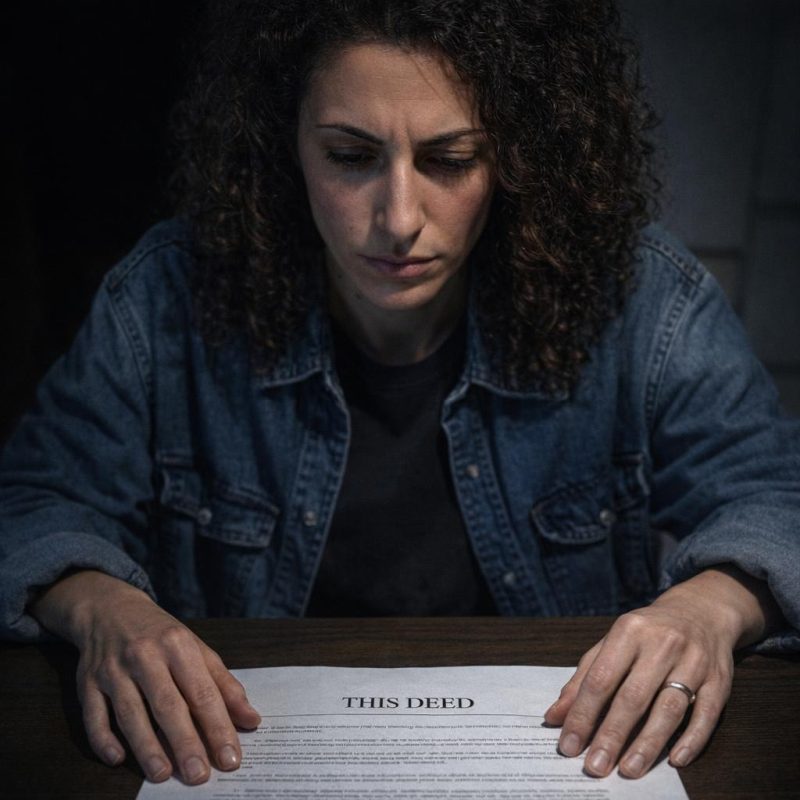 Image by RM AI
The Name on the Deed
The name is mine. I read it once and then I stop. I read it again. Maya Chen. It's printed in the same typeface as the rest of the document, the same size, the same weight — nothing about it looks different from any other line on the page. But it's my name. Not my father's. Not a family trust. My name, listed as the person to whom Joseph transferred ownership of the estate. I set the deed flat on the table and press my fingers against the edge of it to keep my hands from shaking. I check the line above the name, the heading, to make sure I'm reading the right section. Grantee. I check the property address at the top of the document. It's the right address. I look at the name again. Maya Chen. I look for a middle initial, a suffix, anything that might indicate a different person with the same name. There's nothing. The document is clear and the document is old and the document has been sitting in a sealed safe deposit box for twelve years. I sit with my hands flat on the table, the room perfectly still around me.
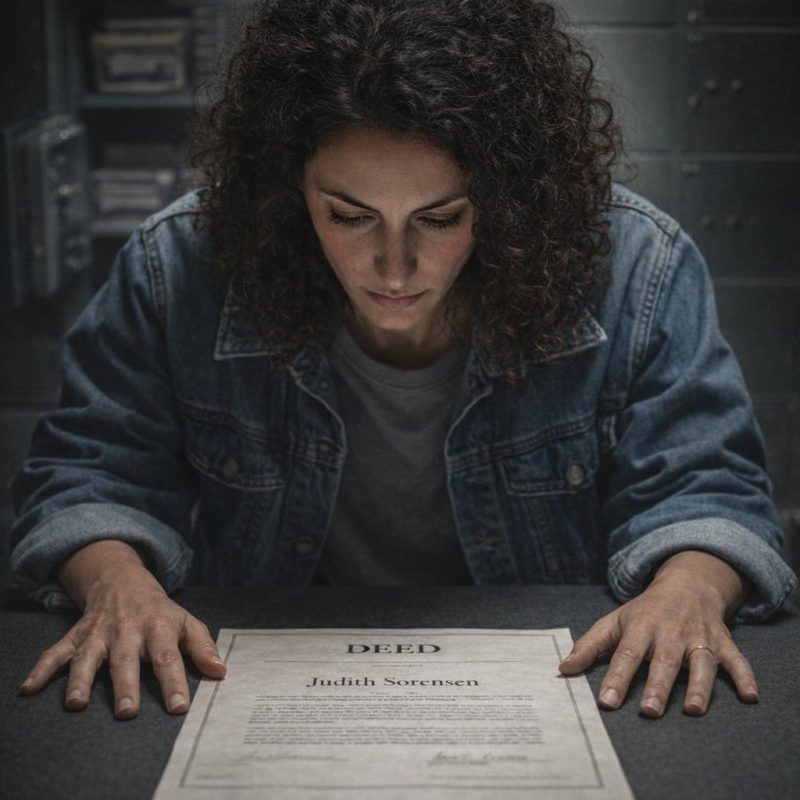 Image by RM AI
Verification
My hands are shaking when I pick up my phone. I open the county records portal again and navigate back to the transfer history for the estate address. The table loads. I read the entry slowly. Owner of record: Maya Chen. I look at the deed. I look at the phone. I go back to the portal and search the address a second time, wondering if I entered something wrong the first time, if the system cached an error. The results come back the same. I check the transfer date on the portal against the transfer date on the deed. They match. I check the parcel number. It matches. I look for a note, a flag, a secondary entry, anything that might suggest the record is incomplete or superseded. There's nothing like that. The county database and the document on the table in front of me are saying the same thing, in the same terms, without qualification or exception. I set the phone down beside the deed and sit with both of them in front of me, the two records identical and still.
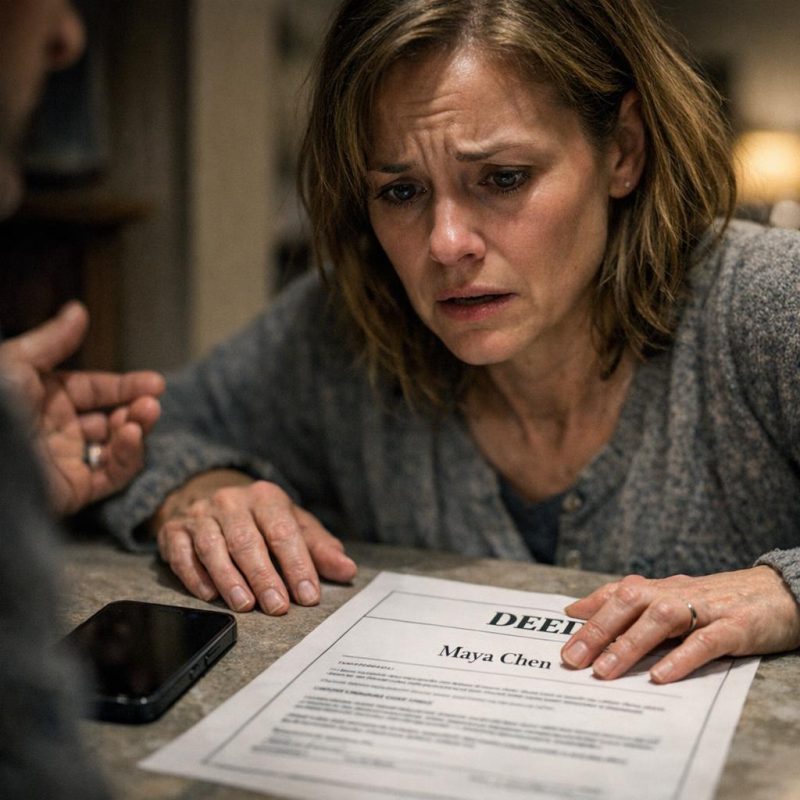 Image by RM AI
Grandfather's Signature
I turn the deed over and find the signature section near the bottom of the last page. Joseph's handwriting is there — careful, deliberate strokes, the kind of penmanship that belongs to a different era. His name is signed in full, the letters even and unhurried, like he had all the time in the world and wanted every character to be legible. I trace the line without touching it. I've seen that signature on birthday cards, on checks he pressed into my hand at holidays, on the back of old photographs. It's the same hand. There's no question about that. Below his name, a date is printed in the notary's block letters — twelve years ago, the month of my eighteenth birthday. I look at the notary's stamp next, an embossed seal pressed into the paper, slightly raised under my fingertip when I finally let myself touch it. The ink is faded at the edges but the impression holds. Two witness signatures sit beside it, names I don't recognize, printed clearly beneath each cursive line. The whole section is complete — every line filled, every required mark present, the seal pressed firm into the page.
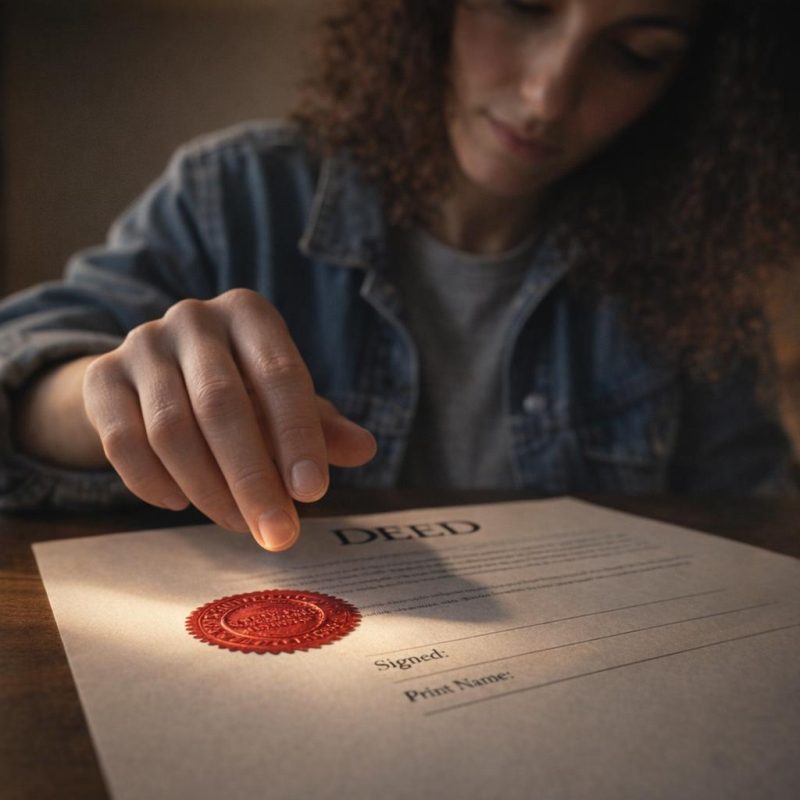 Image by RM AI
The Eighteenth Birthday
I set the deed down and sit back, and my mind goes somewhere else entirely — back twelve years, to the evening of my eighteenth birthday. We had dinner at the house, the whole family around the table. My mother made the pasta I always asked for. My father gave me a savings bond and a lecture about financial responsibility. Ethan had already left for his second year of college, so he called during dessert, distracted, the background noise of a dorm hallway behind his voice. Joseph was there, though. He sat at the corner of the table where he always sat, quieter than usual, watching more than talking. He gave me a card — a plain white envelope with my name on the front in his careful script. Inside was some cash and a note that said he was proud of me. I remember thinking it was sweet but simple. I remember him watching me read it. He had this expression I couldn't quite place at the time — not sad, not excited, something more settled than either of those. He smiled at me when I looked up, and it was the kind of smile that felt like it meant more than I understood, like he was holding something warm and private behind it.
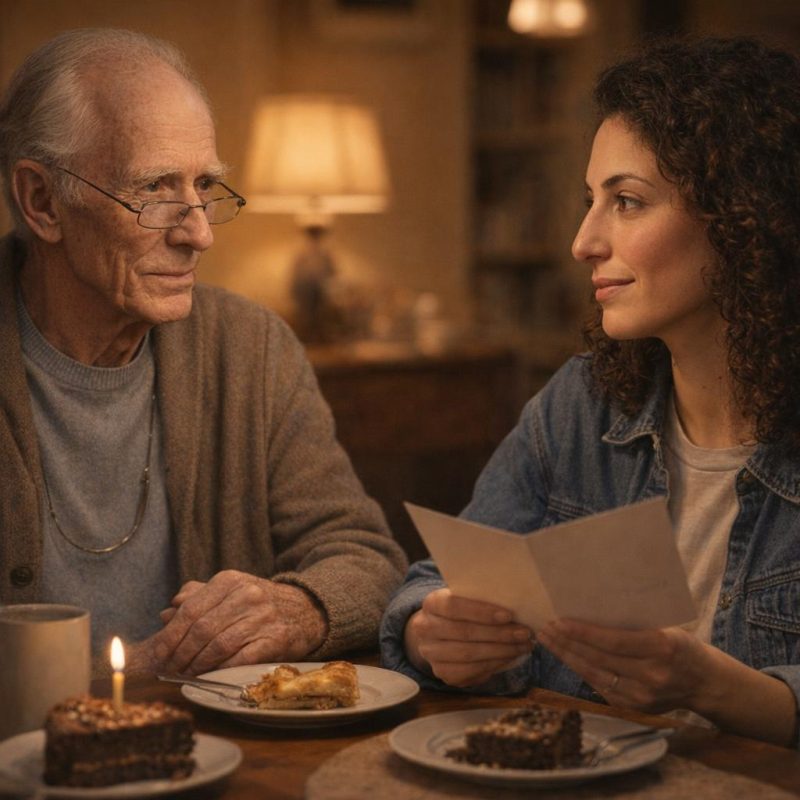 Image by RM AI
The Family's Assumption
I pull my thoughts back to the present and look at the deed again. The date on the transfer is twelve years ago. Joseph died eight years ago. For four years after he signed this document, he was still alive — still coming to Sunday dinners, still sitting at that corner of the table. And then he died, and the family moved forward the way families do, and somewhere in that grief and paperwork and settling of accounts, everyone assumed the house passed to my father. I try to think through what that would have looked like from the outside. There would have been a will, probably. Discussions with an attorney. My father taking on the utility accounts, the property taxes, the maintenance calls. All the practical weight of ownership landing on his shoulders, and him carrying it without question because why would he question it. The house had been in the family for decades. Of course it went to him. That's how these things work. Except it didn't. The transfer had already happened years before Joseph died. My father has been paying taxes on a property, making decisions about a property, presenting himself as the owner of a property that has never been in his name.
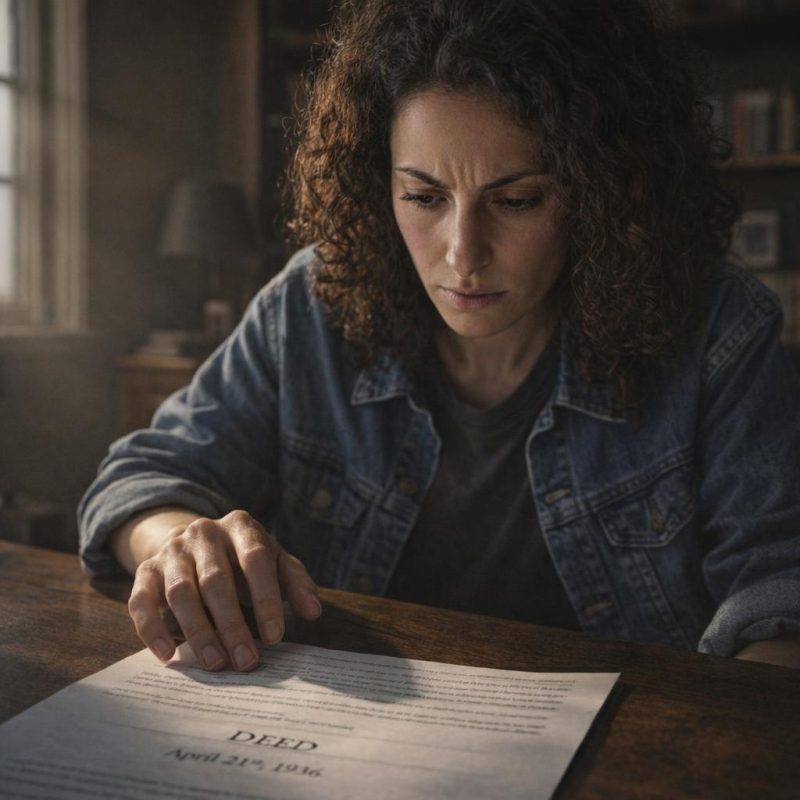 Image by RM AI
Sitting with Truth
I don't move for a long time. The deed is still on the table in front of me, and the county records portal is still open on my phone beside it, and both of them are saying the same thing without any ambiguity or softening. My name is on the ownership line. The parcel number matches the address I grew up in. The transfer is recorded, notarized, witnessed, and filed. There is no secondary document undoing it. There is no later transfer moving the property to someone else. The public record ends with me. I try to let that settle into something I can actually hold. I own the house my father grew up in. I own the house I grew up in. I own the house where my family is currently living, where my father is currently fielding calls from a developer, where my mother is currently worrying about what happens next. They don't know. None of them know. The developer's claim is against a property that belongs to me, and the family has been scrambling to respond to something that is entirely, legally, mine to decide. I sit with the deed and the silence of the room, and the weight of that settles into me slowly, like something finding its place.
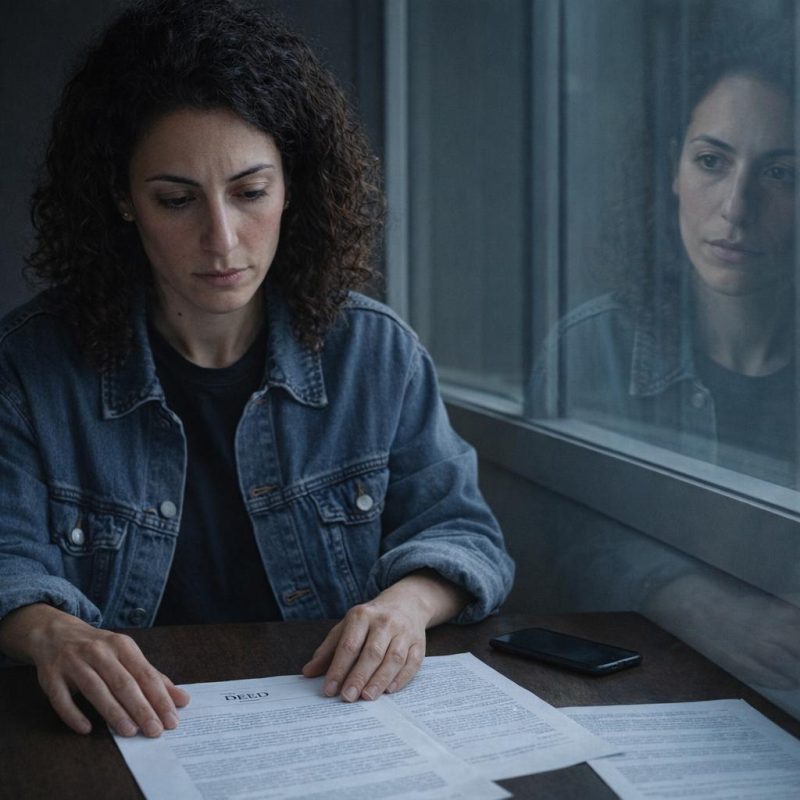 Image by RM AI
The Power Shift
I think about the messages. My father's texts have been clipped and directive — find the documents, check the records, report back. My mother's have been anxious, full of worried questions about what the developer might do, whether the family could lose the house. Ethan sent a voice memo at some point, casual and pressuring at the same time, telling me I was the one with time to deal with this, that I should just handle it. I've been reading all of it as obligation, as the familiar pull of being the one who gets assigned the tasks no one else wants to take on. But I look at those messages differently now. My father has been giving orders about a property he has no legal standing over. My mother has been worrying about losing something that was never hers to lose. Ethan has been pushing me to handle a situation that I am, in fact, the only person with any authority to handle — just not for the reasons any of them think. They asked the one person who could actually answer the developer's claim to go find the answer. They just didn't know that's what they were doing. I sit with that for a moment, and something in it lands quietly, without drama.
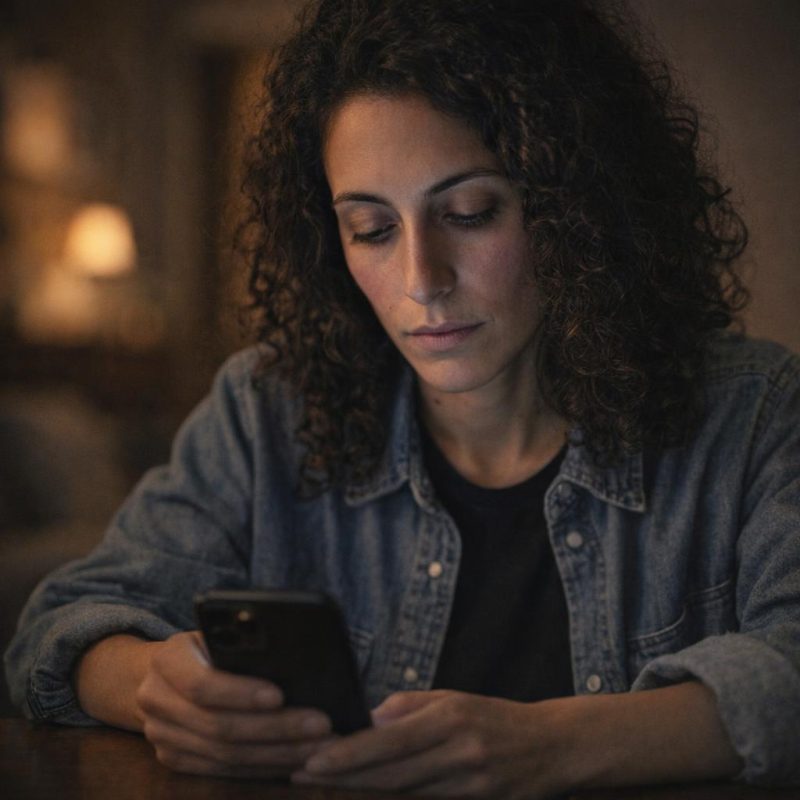 Image by RM AI
Father Never Owned
I go back through the deed one more time, slower now, reading every line in the ownership and transfer sections. Joseph's name appears as the grantor. My name appears as the grantee. The legal description of the property follows — lot number, parcel boundaries, the full address. I read through the entire document looking for any place where my father's name might appear, any clause that names him as a beneficiary or intermediate holder or contingent owner. It isn't there. I check the county records portal again, pulling up the full ownership history for the parcel. The entries go back decades. Joseph's name appears as owner for a long stretch of years. Then the transfer date, twelve years ago. Then my name. There is no entry between Joseph and me. No period where the property sat in my father's name, not even briefly, not even as part of an estate proceeding. I search for any linked documents — a will, a probate filing, a deed of trust — that might show my father had a claim that was later superseded. The search returns nothing connected to this parcel in his name. I scroll through the history twice to be certain. Richard's name appears nowhere in the ownership record.
 Image by RM AI
Grandfather's Choice
I set the deed down and reach for the envelope. It's been sitting at the edge of the table since I first pulled it from the folder, and I've been circling back to it in my mind even while I was reading through the documents. The paper has aged to a soft cream color, and the seal on the flap is still intact — a small pressed closure that has held for twelve years. My name is on the front in Joseph's handwriting, the same careful script I just spent an hour studying on the deed. I turn the envelope over in my hands. The ownership record skipped a generation. The transfer went directly from Joseph to me, documented and filed, and then life continued — birthday dinners, cards with cash inside, a smile I couldn't read at the time. I don't know what he was thinking when he made that choice. I don't know what he saw that I didn't. Whatever it was, he wanted me to understand it eventually — that's why this envelope exists, why it was filed with the deed, why it has my name on it. The envelope has been waiting twelve years to tell me.
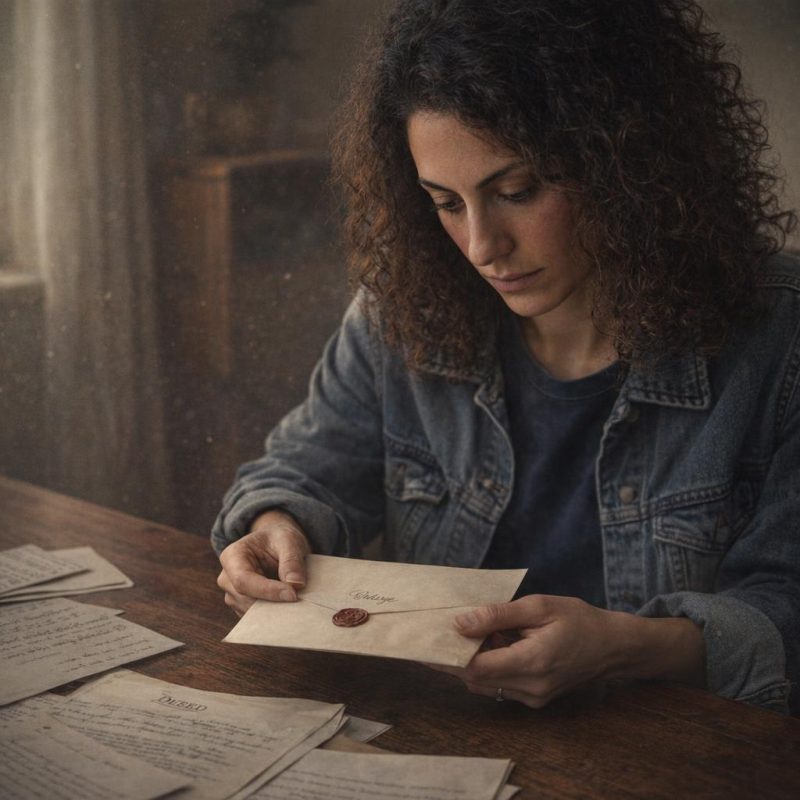 Image by RM AI
Opening Joseph's Letter
I slide my finger under the flap carefully, working the seal loose without tearing the paper. It gives after a moment, the old adhesive releasing cleanly. Inside is a single folded sheet — quality stationery, heavier than regular paper, the kind Joseph kept in the desk in his study. I unfold it slowly. His handwriting fills most of the page, the lines even and unhurried, the same hand I've been looking at all afternoon. At the top, the date: twelve years ago, the week of my birthday. I recognize the ink color, a dark blue he always used. I bring the page closer and find the opening line, and something tightens in my chest before I've even finished reading it. The letter begins: *My dear Maya.*
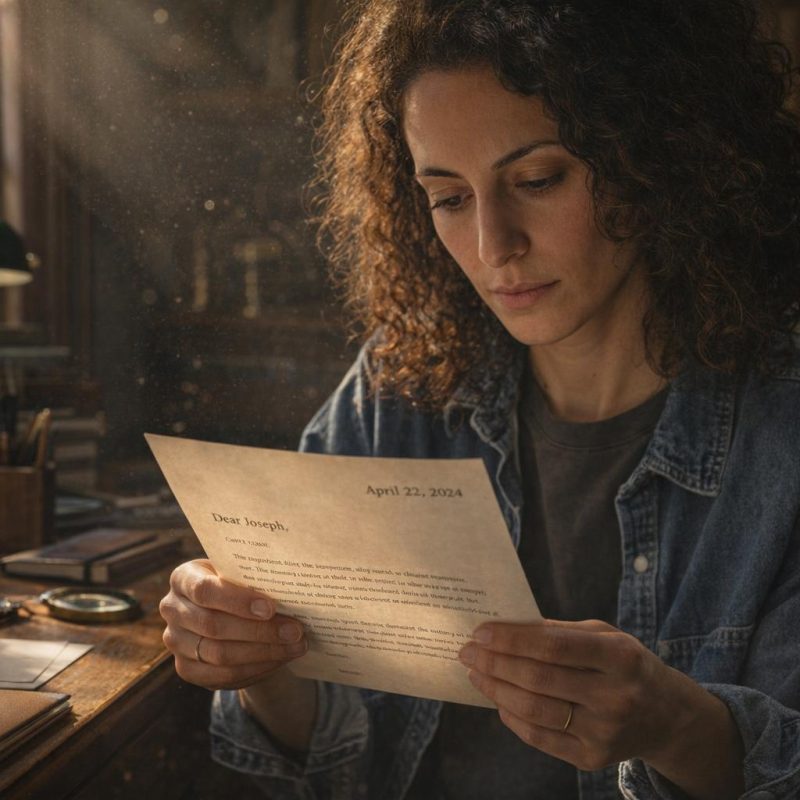 Image by RM AI
Joseph's Words
I read slowly, the way you do when you don't want something to end. Joseph's handwriting is steady across the page, unhurried, like he had all the time in the world when he wrote this. He says he watched for years. Not in a suspicious way — just the way someone watches when they love you and they're paying attention. He writes about family dinners, about holidays, about the small moments that add up over time. He doesn't name anyone directly, doesn't say anything harsh. He just describes what he saw: who got asked about their plans, whose news got celebrated, whose went quiet in the room. He writes that he noticed how I carried myself through all of it — steady, he says, and patient in ways that shouldn't have been required of me. He says he made a decision on my eighteenth birthday, that he wanted to give me something no one could take away or overlook. He writes that he hoped I'd never need it, but that he needed to know it was there. The letter closes with three words I've read four times now. The paper is warm in my hands, and the room around me has gone very still.
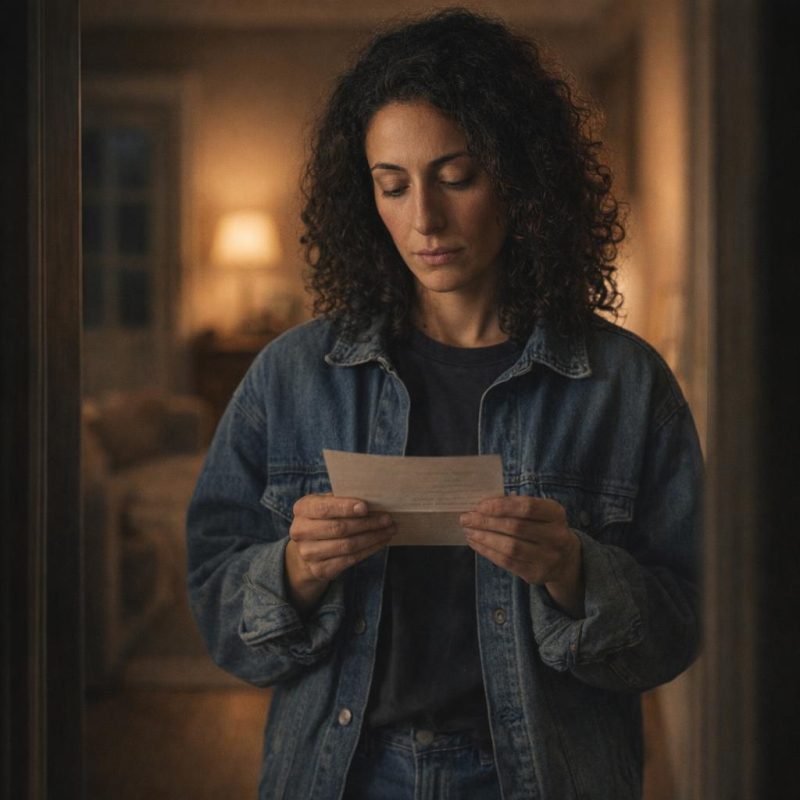 Image by RM AI
Legal Confirmation
I pull out my phone and start searching. Property deed transfers, ownership rights, what makes a deed legally binding — I go through it methodically, one tab at a time. The language is dense in places, but the core of it is clear enough. A properly executed deed transfer, signed and notarized, conveys full legal ownership to the named recipient. It doesn't require the recipient to announce it, doesn't require family consensus, doesn't expire. I search specifically for transfers made to minors and find that they're valid as long as the deed is properly recorded, which this one is — I checked the recording stamp twice. I look up whether a deed can be contested after this many years and read through several legal summaries. The window for most challenges is narrow, and none of the grounds I find seem to apply here. I set the phone down on the table beside the documents. The law isn't ambiguous about this. The deed says what it says, the recording confirms it, and twelve years of legal standing don't dissolve because someone didn't know to look. Whatever anyone else believes about this property, the paperwork tells a different story — and the paperwork is what counts.
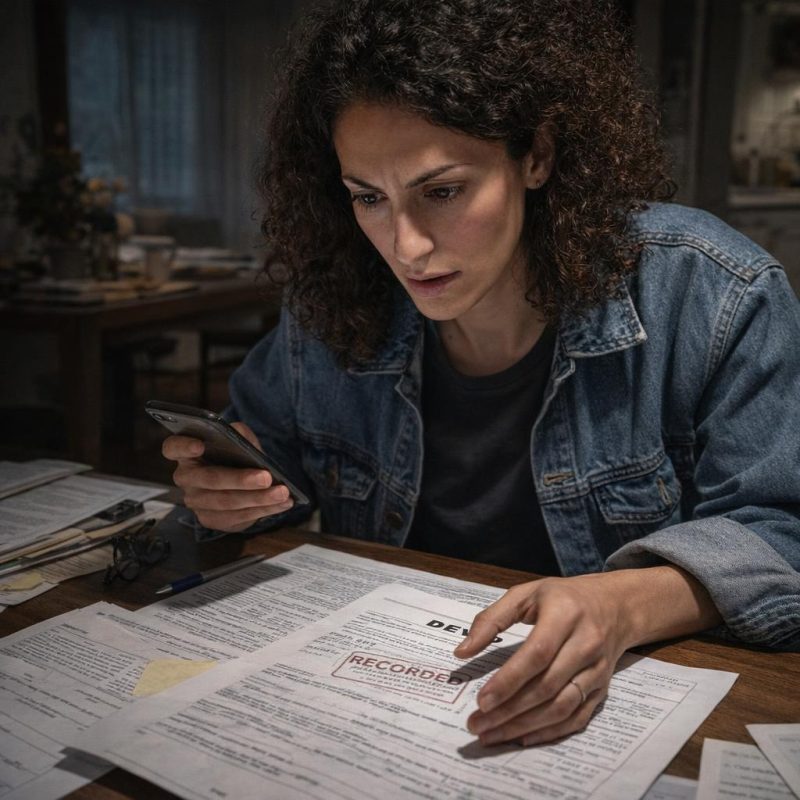 Image by RM AI
The Sole Owner
I sit with it for a moment, just letting it settle. The estate belongs to me. Not in a complicated way, not in a way that needs to be argued or negotiated — it's mine, recorded and confirmed, has been since I was eighteen years old. My father has been fielding calls from a developer about a property he has no legal standing over. My family has been in a panic about a situation that is entirely mine to resolve. They've been sending me messages asking for help without knowing that I'm the only one who could ever have helped them in the first place. There's something almost absurd about it, and I sit with that too. I think about the developer's letter, the urgency in it, the assumption that Richard is the person to contact. I think about what it would mean to respond — not through my father, not as a footnote to someone else's decision, but directly, as the owner. I have that authority. I'm the only one who does. My phone lights up on the table beside the documents, and it's another message from Richard — the third one in two hours, the tone getting sharper with each one.
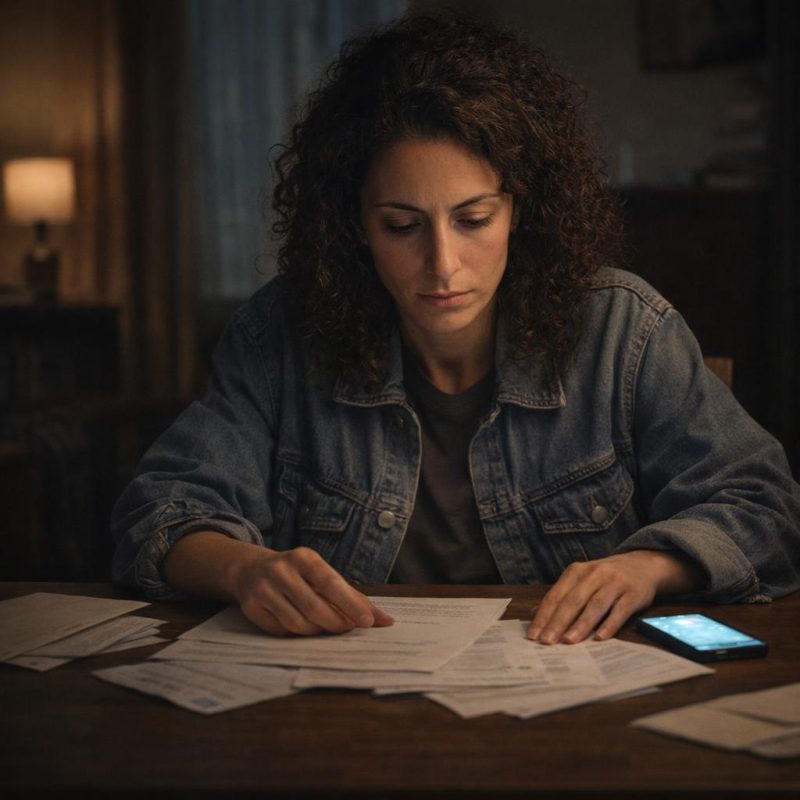 Image by RM AI
Power Inverted
I look at Richard's message and then I look at the deed, and something about holding both of those things at once is almost too much to process. He's been giving me instructions. Telling me to look into things, to find out what I can, to report back — the same tone he's used my entire life, the one that assumes I'm there to assist and not to lead. And the whole time, the thing he's been panicking about has had my name on it. I think about the group chat. Forty-seven messages about Ethan's vacation plans, zipline tours, which resort had the better pool. Not one message for my birthday. Not a single one. And now, three days later, they need me. Not because they remembered I exist, but because a crisis landed in their laps and they ran out of other options. Linda asking if I'd heard anything. Ethan forwarding the developer's letter like I was a resource to be used. Richard demanding updates. I've spent years being the one who shows up quietly, handles things, and gets thanked last if at all. I set the deed down on the table, my name printed clearly at the top, and the distance between who they think I am and who I actually am in this moment sits there between us like something solid.
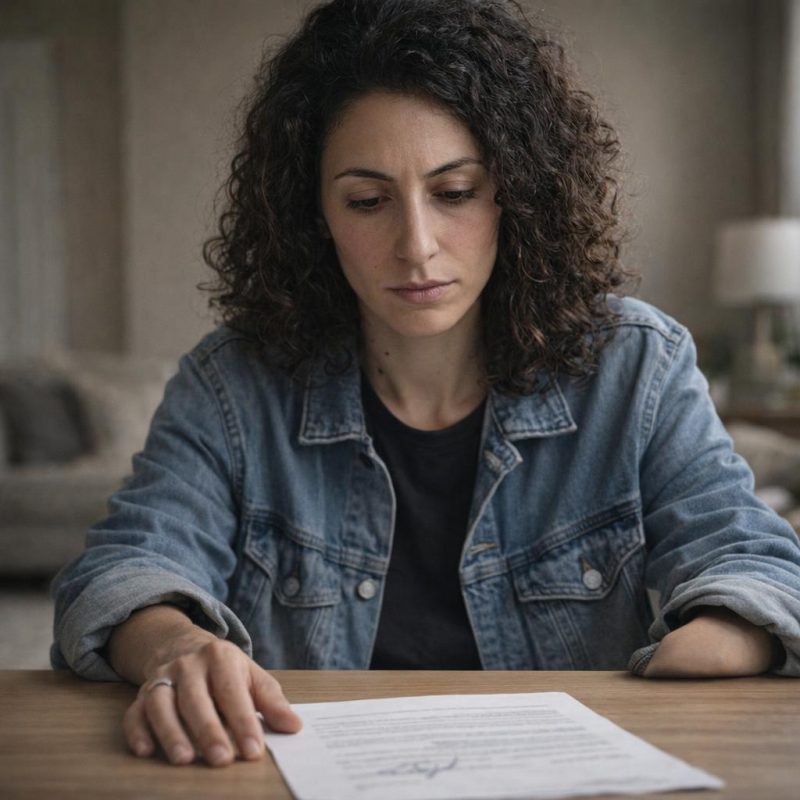 Image by RM AI
The Truth Revealed
I read my name on the deed one more time, slowly, the way you do when you want to make sure you're not misreading something. I'm not. Maya. Right there, in the legal description, in the ownership line, in the notary's certification. Joseph transferred this property to me twelve years ago, on my eighteenth birthday, and had it recorded the same week. Not to Richard. Not to the family as a whole. To me. My father has spent years acting as though this estate was his to manage, his to worry about, his to pass down someday. My family has operated on that assumption without ever questioning it, because why would they — Richard was the one who talked about it, who referenced it at holidays, who accepted the developer's letter as though it was addressed to him by right. None of them knew. Maybe Joseph never told anyone. Maybe that was the point. I think about the letter, about the words he chose, about the care he took to make sure I'd find this when I needed it. He saw something in this family that he didn't say out loud, and he responded to it the only way he could — quietly, legally, permanently. I'm still sitting at the table in the bank's document room, and my family is out there somewhere waiting for answers, and I'm holding the deed with my name on it as the legal owner.
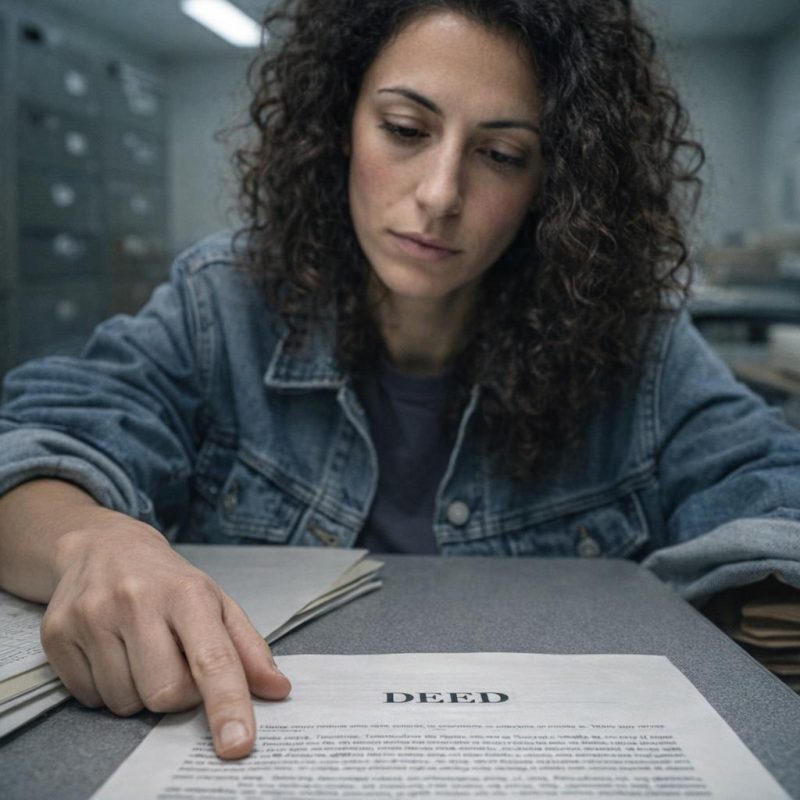 Image by RM AI
Considering Options
I don't move for a while. The documents are spread in front of me — the deed, the letter, the notarized transfer — and I just sit with them. I could call Richard right now. I could tell him everything, watch the whole dynamic shift in real time over the phone. I could contact the developer directly, introduce myself as the owner, and handle the claim without involving my family at all. I could do nothing for a few more days, let them keep sending messages into the void, and decide when I'm ready. None of those options feel wrong, exactly. They just feel different. Each one leads somewhere, and I'm not sure yet where I want to go. I think about what I actually want out of this — not what would be satisfying in the short term, not what would make a point, but what I actually want my life to look like on the other side of this moment. The forgotten birthday sits somewhere in the back of my thoughts, quiet but present. I have time. The developer's letter has a response window, and I'm still inside it. I gather the documents into a careful stack, align the edges, and sit back in the chair, turning over the question of what I want to do with everything I now hold.
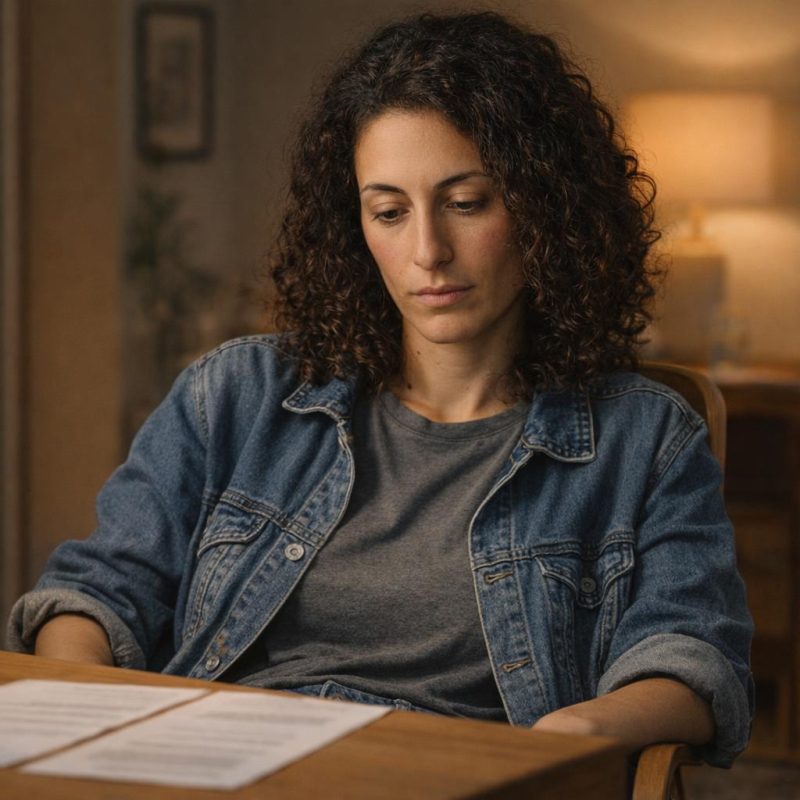 Image by RM AI
The Forgotten Birthday
Three days ago I turned thirty. I sat with my phone on the kitchen counter and watched the group chat the way you do when you're waiting for something you're not sure is coming. It wasn't. The messages were already rolling in by mid-morning — Ethan had found a zipline tour that fit the schedule, Linda wanted to know about the resort's cancellation policy, Richard was asking about airport transfers. Forty-seven messages by the time I stopped counting. I made myself dinner, watched something I don't remember, and went to bed. No call. No text. Not even a late one the next morning from someone who'd forgotten and felt bad about it. Nothing. And now, seventy-two hours later, my phone hasn't stopped. Linda asking if I've found anything. Ethan forwarding documents with a note that just says *can you look at this?* Richard's messages getting shorter and more clipped with each hour, the way they do when he's decided someone isn't moving fast enough. They need me urgently now. They just didn't need to remember me three days ago. I set the phone face-down on the table beside the deed, and the contrast between those two silences — the one on my birthday and the one I'm choosing right now — settles over the room without a sound.
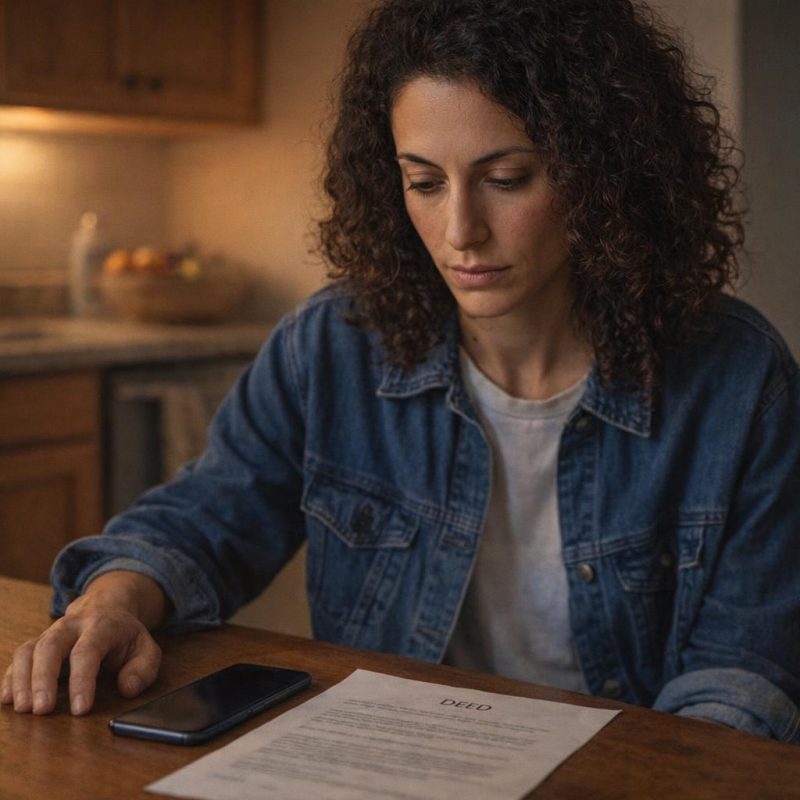 Image by RM AI
Years of Being Overlooked
I think about the graduation dinner where Richard spent most of the evening on his phone and left before dessert. I think about the promotion I mentioned once at a family lunch — how Linda said *that's nice, honey* and then asked Ethan about his new apartment for the next twenty minutes. I think about the holidays where I showed up, helped with everything, and drove home alone while the family made plans for the following weekend that I wasn't included in. It wasn't dramatic. That's the thing about it — there was never a single blowup moment I could point to. It was just the accumulation of being the one who was there but not quite seen, year after year, in small ways that were easy to dismiss individually and impossible to ignore in total. Joseph was at most of those dinners. He sat at the head of the table and watched the same things I lived through. He never said anything about it directly — not to me, not that I heard. He just made a decision, quietly and legally, twelve years ago, and made sure I'd find it when I needed it most. Sitting here now with his letter in my hands, I understand that he saw exactly what I'd been living through, and he found the only way he knew to say so.
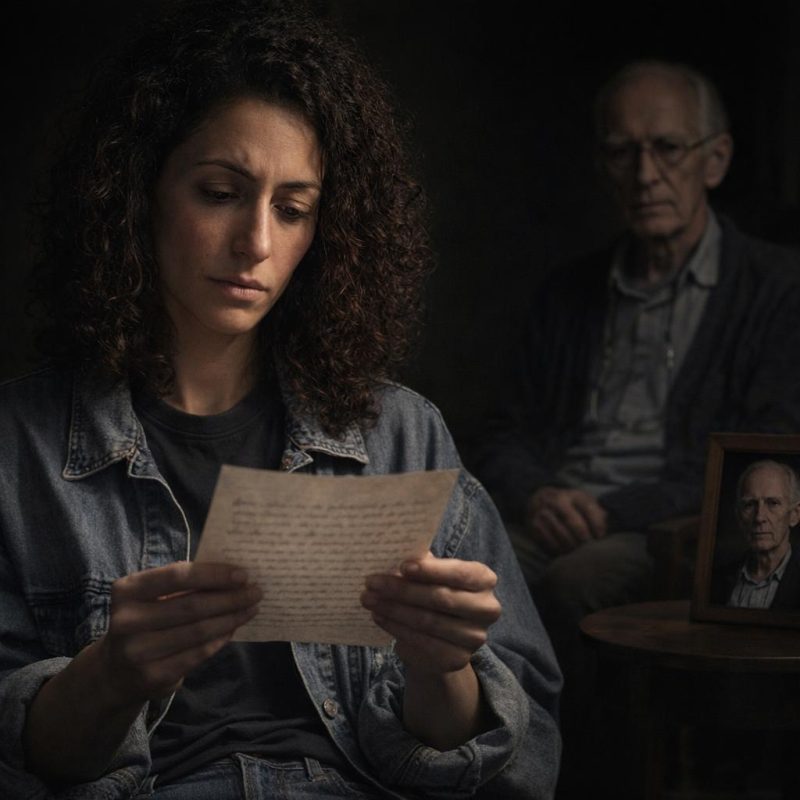 Image by RM AI
The Developer's Claim
I set Joseph's letter down and pick up David's again. The letterhead is clean and professional — Morrison Property Development, with a phone number, an email address, and a deadline printed in the kind of bold font that's meant to communicate urgency. The eviction notice attached to it is addressed to Richard. That detail lands differently now. Richard isn't the owner. He never was. Which means this letter, this claim, this entire situation — it's mine to handle. Not his. Mine. I read through the terms again slowly. David is asserting a prior development agreement, citing a clause that would give his company right of first refusal on any sale or transfer. He's given a fourteen-day window for a response before he escalates to legal action. Fourteen days. I don't know yet whether his claim has any legal weight, but I know one thing clearly: he's been dealing with the wrong person this entire time. He sent this letter to a man who has no authority over this property. Whatever conversation needs to happen next, it happens with me. I look at the contact information printed at the bottom of the page — the phone number, the email, and the response deadline printed in bold.
 Image by RM AI
Choosing the Moment
I sit with the documents spread across the table and think through my options. I could call Richard directly — hear his voice go tight and controlled while he tries to take over a situation he has no standing in. I could arrange a family meeting, sit across from all three of them, watch their faces while I explain what Joseph did twelve years ago. I could send individual messages, give each of them a private moment to absorb it. None of those feel right. There's something too accommodating about all of them, too much like I'm managing their comfort again. Then I think about the group chat. The one that went quiet on my birthday. The one where twenty-three messages have been piling up since this morning, each one more urgent than the last, each one assuming I'll drop everything and fix what they can't. The same chat where no one typed a single word on the day I turned thirty. The symmetry of it settles something in me. That's where they forgot me. That's where they'll find out. I open the chat, and my thumb hovers over the image icon on my phone.
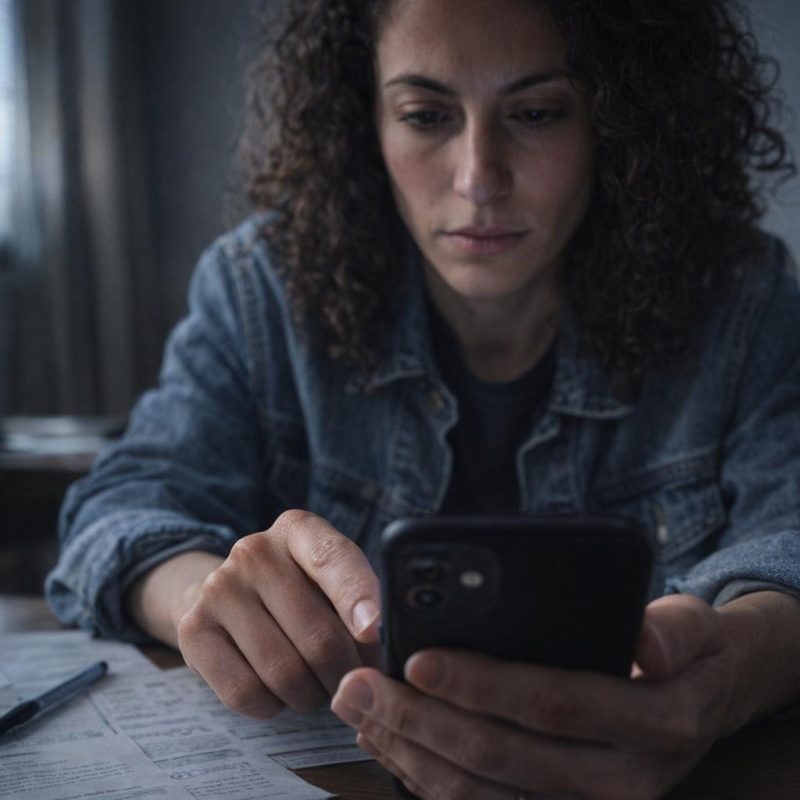 Image by RM AI
Creating the Digital Copy
The bank employee at the service desk is helpful without being intrusive, which I appreciate more than she knows. She points me toward a flatbed scanner near the back of the branch, the kind used for documents and statements, and tells me to take my time. I handle the deed carefully, the way you handle something that has been waiting a long time to matter. I lay it flat on the glass and press the lid down gently. The scan takes less than thirty seconds. I pull up the preview on the attached screen and lean in close. Joseph's signature is there in the lower right corner, slightly faded but legible. The transfer date is clear. And my name — printed in the grantee field in plain black type — is unmistakable. I save the file to my phone and open it to check the resolution. Every line is sharp. Every word is readable. I zoom in on my name once, just to see it the way someone else will see it for the first time, and then I close the preview. The image sits in my camera roll, quiet and complete, ready.
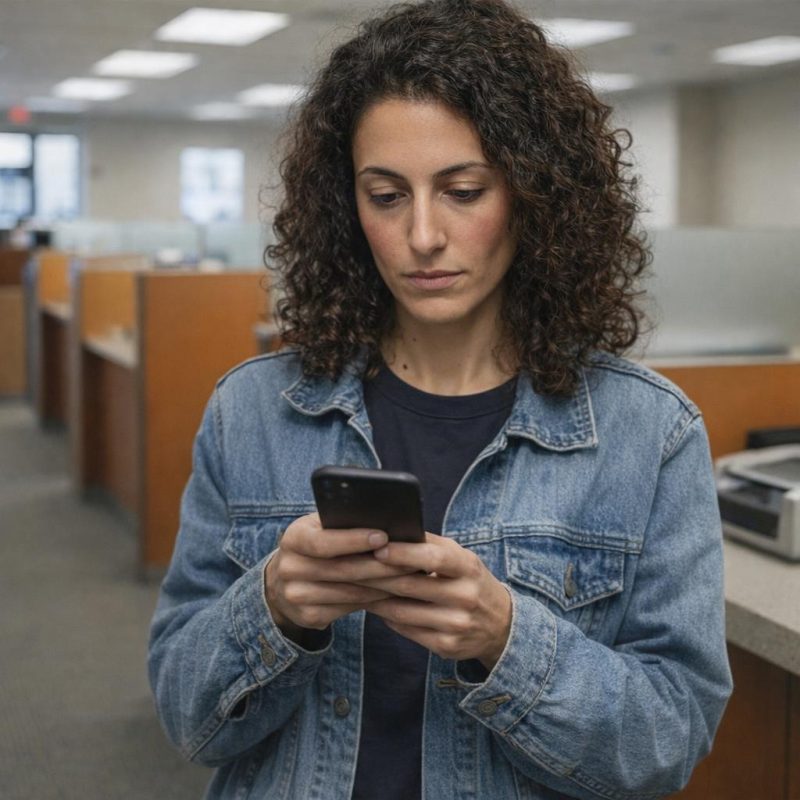 Image by RM AI
Opening the Chat
I'm still in the bank parking lot when I open the family group chat. Twenty-three messages. I scroll up to where they start, sometime around mid-morning, and read through them in order. Richard's first message is clipped and demanding — *Has anyone spoken to the estate lawyer? This needs to be handled today.* Then Linda: *I'm so worried, I don't know what we're supposed to do.* Then Ethan: *Maya, where are you? Dad's been trying to reach you.* Then more from Richard, each one shorter and sharper than the last. Then Linda again, asking if anyone had heard from me. Then Ethan: *Why isn't she responding?* The messages keep going, the panic building in small increments, each one assuming I'm somewhere out of reach and unavailable. I read every single one without hurrying. There's no pull in my chest to reassure them, no reflex to type *I'm here, I'm on it, don't worry.* I just read, and the distance between their urgency and my stillness feels like the clearest thing I've felt all day.
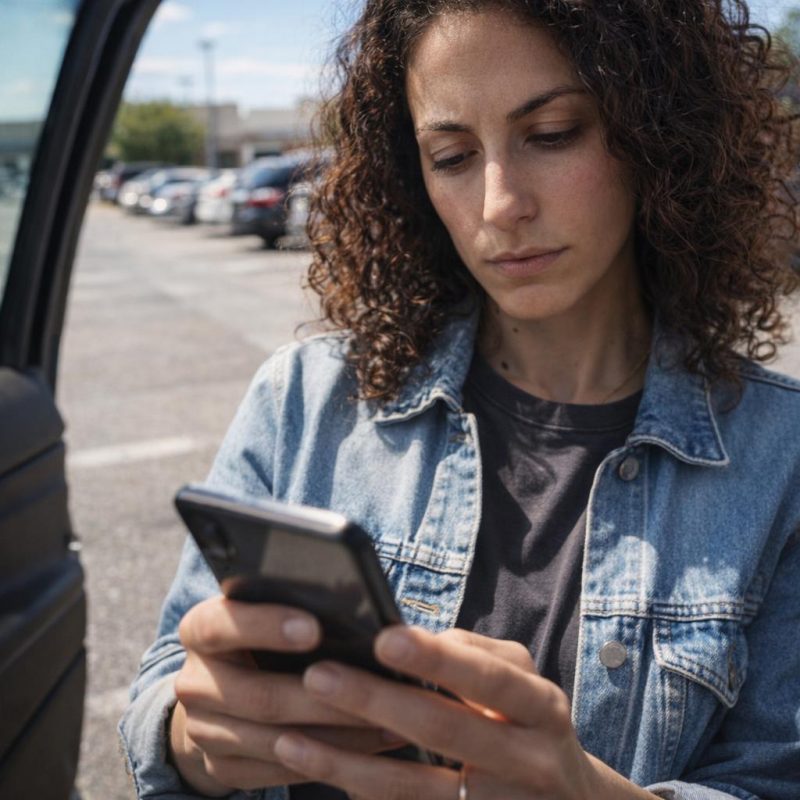 Image by RM AI
Sending the Deed
I don't type anything first. I've thought about whether to add a caption, a sentence, even a single word of context, and I keep coming back to the same answer: no. They've spent the morning sending me demands and questions. They can spend a few minutes looking at a document. I open the image file — the scan of the deed, sharp and complete — and attach it to the group chat. My name in the grantee field is the first thing that will catch the eye. The transfer date sits just below it. Joseph's signature anchors the bottom of the page. I press send. The image loads into the thread, expanding to fill the preview window the way photos do, and I watch it settle into place among all their urgent, unanswered messages. I set my phone face-up on the passenger seat and wait. Outside, the parking lot is ordinary and quiet. Inside the chat, my name sits at the center of a document none of them knew existed, in a field that changes everything, and the stillness of that moment holds.
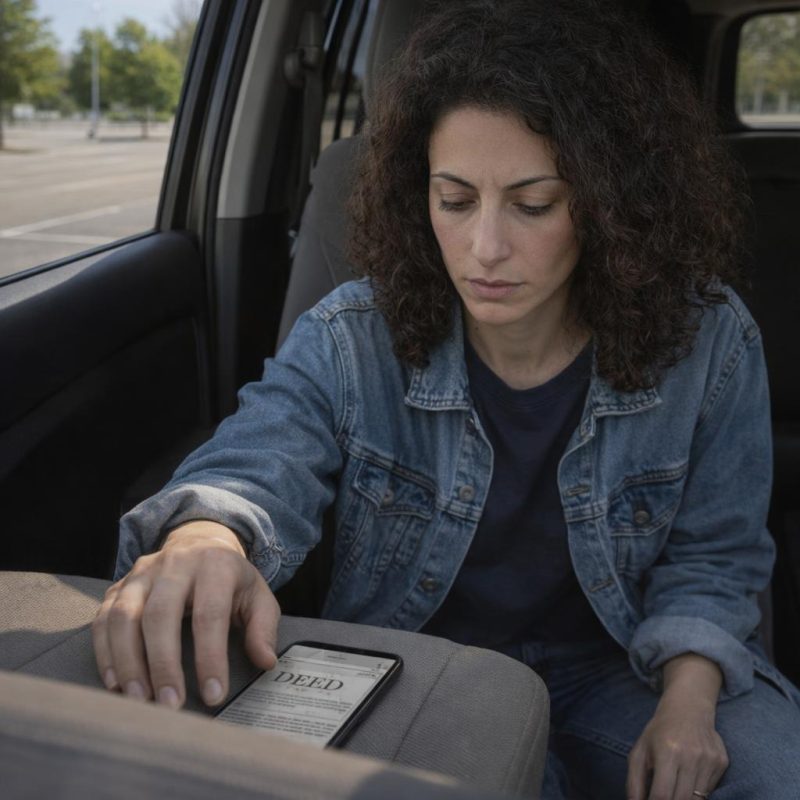 Image by RM AI
The Family Reacts
The first response comes in under two minutes. Linda: *What is this?* Then Ethan, almost immediately after: *Did you send the wrong file?* Then a pause — long enough that I picture Richard reading it twice, maybe three times, zooming in the way I did. Then Linda again: *Maya, I don't understand what I'm looking at.* Then Ethan: *Is that Grandpa Joseph's signature? Why does it say your name?* The messages start coming faster after that, overlapping, each one a variation of the same disbelief. Linda asks if it's a copy of something old. Ethan asks if there's been some kind of mistake with the records. I read each one as it arrives and don't type anything back. There's nothing frantic in me. I feel almost detached, the way you feel watching weather move in from a distance — aware of what's coming, not afraid of it. Then Richard's message appears, and it's different from the others. No questions. No confusion dressed up as a question. Just four words, direct and demanding, the way he's always spoken to me when he wants an answer right now: *Is this document real?*
 Image by RM AI
Maya's Response
I type my response slowly, not because I'm uncertain, but because I want every word to be exact. *Yes. It's real. I verified it this morning with the county recorder's office and confirmed it against the original deed held at the bank. Grandpa Joseph transferred the property to me twelve years ago — on my eighteenth birthday. I am the sole legal owner of the estate. I have been since I was eighteen.* I read it back once before I send it. Then I add one more line: *The house has never been in Dad's name. It was never his to manage, sell, or negotiate over.* I press send and put the phone down. The chat goes quiet for a moment — not the quiet of people who have nothing to say, but the quiet of people who are recalibrating everything they thought they understood. I can feel it even through the screen. Twelve years of assumptions, twelve years of Richard making decisions about a property he had no legal claim to, twelve years of me being the quiet one in the background — and now the chat shows three typing indicators, blinking and stopping, blinking and stopping, none of them finding the words yet.
 Image by RM AI
Setting Terms
I pick the phone back up and type the second message before any of them can find their footing. *I'll be contacting the developer directly. His letter was addressed to Dad, but the claim is against my property, and I'm the only one with authority to respond to it. Any negotiations, any decisions about the estate — those go through me. Not Dad. Not anyone else. Me.* I read it once and send it. Then I add a final line, short and plain: *I don't need input on this. I'll let you know what I decide.* I set the phone down again. For a few seconds the typing indicators appear — Richard's, then Linda's, then Ethan's — and then they stop. One by one, each indicator disappears. The chat sits open on my screen, my last two messages at the bottom, and nothing comes back.
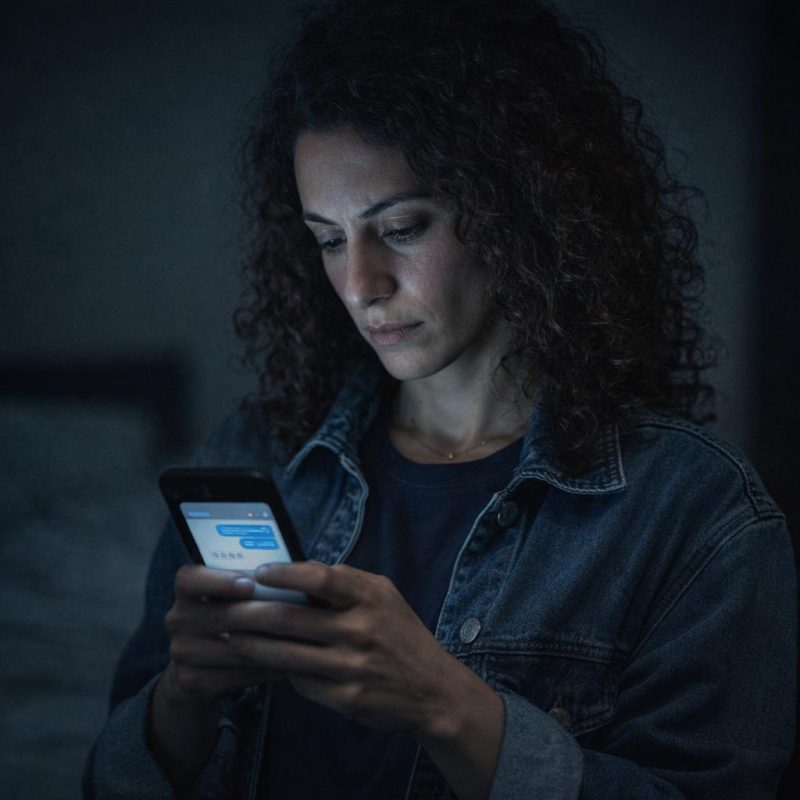 Image by RM AI
The Power Acknowledged
The chat stays quiet for almost ten minutes. Then Richard's message comes through, and it isn't a demand. *How long have you known about this?* That's all. No directive, no correction, just a question. I read it twice before Linda's follows: *I don't understand why Joseph would have done it this way. Can you help me understand?* And then Ethan, a few minutes after that: *So what are you actually planning to do with it?* I set the phone on the table and look at the three messages sitting there. No one is telling me what to do. No one is explaining what the family needs or what the right move is or what Dad has already decided. They're asking. All three of them, asking me. I think about how many years I spent waiting for that — for any of them to direct a question at me like my answer was the one that mattered. I don't feel triumphant about it. I mostly feel tired, and a little sad, and very clear. I type back one line to the group: *I'll handle it.* Three read receipts appear almost immediately, and none of them reply.
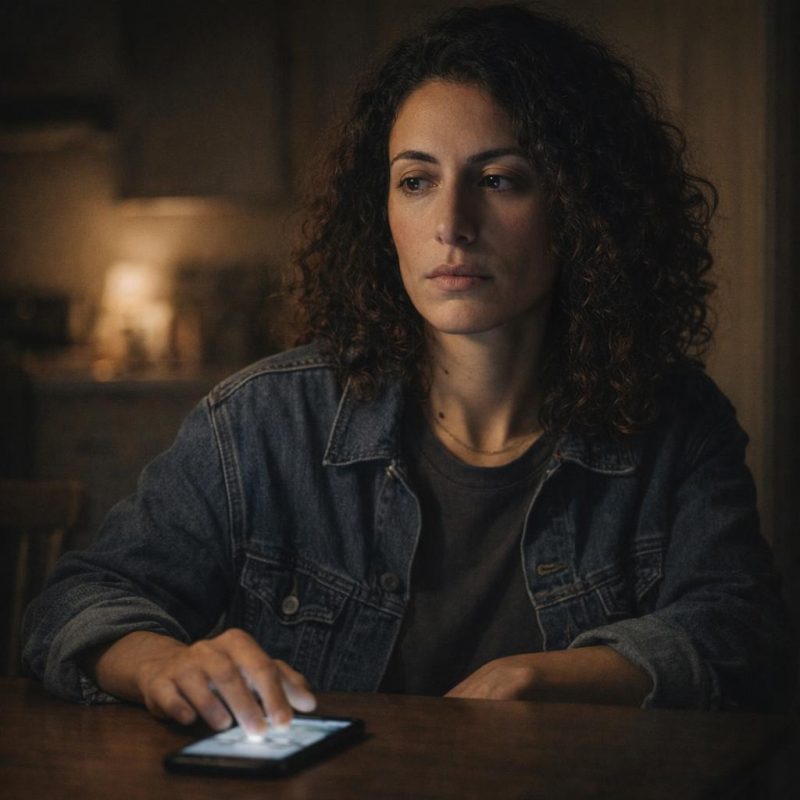 Image by RM AI
Contacting the Developer
I find David Morrison's contact information in the letter — a direct email address printed beneath his firm's letterhead. I open a new message on my phone and sit with the blank subject line for a moment before I type: *Re: Development Claim — Hartwell Estate.* Then I start the body. I keep it short and I keep it level. I introduce myself as the legal owner of the Hartwell Estate, note that his letter was forwarded to me as the titled party, and reference the specific claim he outlined. I attach the ownership documentation my grandfather's solicitor sent me — the deed, the trust instrument, the transfer confirmation. I tell him I'm available to meet at his office or a location of his choosing, and that I'd like to discuss the matter directly before any further correspondence. I read it through once. I adjust one sentence in the middle where I'd started to over-explain, trim it back to the facts, and leave it clean. Then I add a closing line: *Please confirm receipt and your availability at your earliest convenience.* I sign it with my full name and the estate address. I press send. The message sits in my sent folder, professional and plain, and that plainness feels like exactly the right thing.
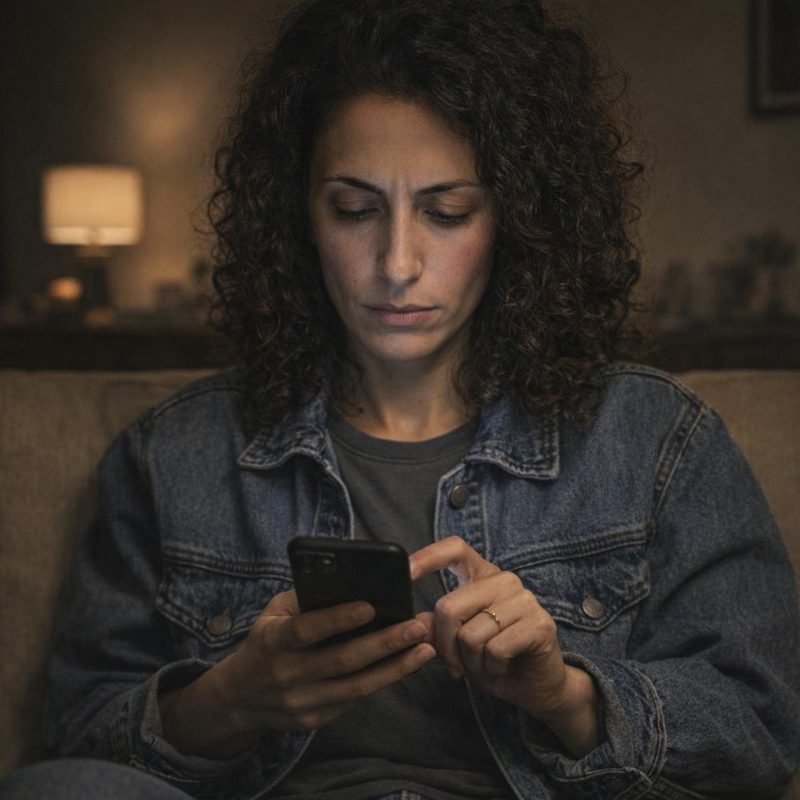 Image by RM AI
The Negotiation
David Morrison's office is on the fourth floor of a glass-fronted building downtown, and he meets me at the door himself — which tells me something. He's polished, measured, the kind of person who reads a room before he speaks in it. He reads mine and adjusts. We sit across a conference table and I lay out the documentation without preamble: deed, trust instrument, transfer confirmation, the solicitor's letter. He looks through it carefully. He doesn't argue any of it. What he wants, it turns out, is access to the eastern boundary of the property for a drainage easement tied to an adjacent development. Not the house. Not the gardens. A strip of land along the far edge that my grandfather used for nothing. We talk for forty minutes. I ask about the scope, the timeline, the compensation structure. He answers everything directly. I counter on the compensation figure and he comes up without much resistance. I ask for a clause limiting any future claims on the remainder of the property and he agrees to it in writing before I leave. I walk out with a signed heads-of-terms document in my bag and the full estate intact. My grandfather left me something solid, and I kept it that way.
 Image by RM AI
Redefining Family
I write the family message that evening, sitting at the kitchen table with a cup of tea going cold beside me. I tell them the developer's claim is resolved, that the estate is secure, and that no further action is needed from anyone. Then I keep going. I tell them that I'm glad to have a relationship with each of them, but that the terms of that relationship are changing. I won't be the person who gets left out of plans and included only when something is needed. I won't be managed or dismissed or spoken over. If they want to be in my life, they're welcome to be — but it will be as people who see me, not as people who assume I'll absorb whatever's convenient for them. I tell them that Joseph saw me, and that he made sure I'd have ground to stand on when I needed it. I'm standing on it now. I read the message through twice, change nothing, and send it. Then I close the app and set the phone face-down on the table. Outside the window the evening is settling in, quiet and ordinary. The estate is mine. The future is mine. My grandfather knew, thirty years before I did, exactly what I was going to need.
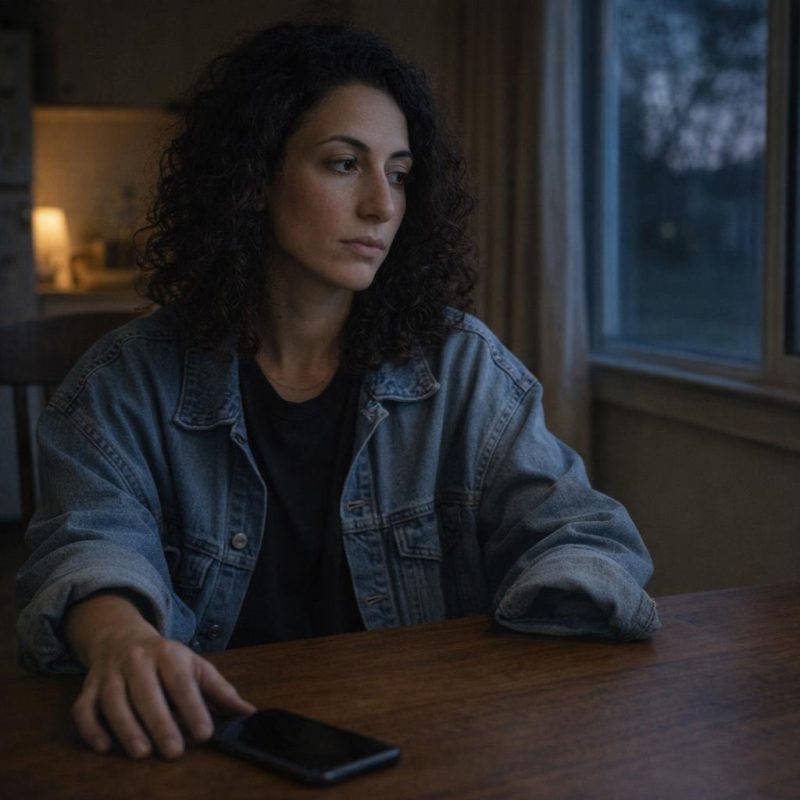 Image by RM AI
KEEP ON READING
10 Greatest Quarterbacks Of All Time & 10 That Are…
Do You Disagree?. Few topics in sports generate as much…
By Farva Ivkovic Dec 2, 2025
The story of Ching Shih, the Woman Who Became the…
Unknown author on WikimediaFew figures in history are as feared…
By Emilie Richardson-Dupuis Dec 29, 2025
20 Shakespearean Words, Translated For A Modern Audience
What’s In A Word?. Shakespeare was a wordsmith of the…
By Breanna Schnurr Dec 17, 2025
20 Inspiring Stories From Native American History
Incredible Stories Of Resilience And Endurance. Many of us didn't…
By Ashley Bast Dec 17, 2025
You Think You Have Problems? These Royal Families Were Cursed
Boasson and Eggler St. Petersburg Nevsky 24. on WikimediaHeavy is…
By Ashley Bast Dec 5, 2025
MH370: The Plane That Can't Be Found
Anna Zvereva from Tallinn, Estonia on WikimediaEleven years after Malaysia…
By Christy Chan Dec 10, 2025