

I Built a $75M Software Company While My Ex Called It a 'Little Hobby' — Then He Tried to Court My Buyer
I Built a $75M Software Company While My Ex Called It a 'Little Hobby' — Then He Tried to Court My Buyer
The Last Signature
The papers have been sitting on the kitchen table since Tuesday. I keep telling myself I'll get to them after Lily's bath, after her story, after she's finally asleep — and now it's past eleven and the house is quiet except for the refrigerator humming in the corner, and there's no more after left. I pull the stack toward me and read through the custody agreement one more time, even though I've already read it four times with the attorney. Alternating weekends. Holidays split down the middle. Everything divided into columns, neat and final. Upstairs, Lily is asleep with her stuffed rabbit tucked under her arm, completely unaware that her world has been reorganized into a spreadsheet. I find the signature lines and work through them one by one — initials here, full name there, date in the box. The kitchen table has always been where I do the hard things. Bills, school forms, the grocery lists I make when I'm trying to feel like I have a plan. I sign the last page and set the pen down. The stack of papers sits there, official and done. I leave my hand resting on the pen for a moment, feeling the weight of it, not quite ready to let go.
 Image by RM AI
Custody Exchange
I pack Lily's bag the way I always do — pajamas rolled tight, her rabbit tucked in the front pocket where she can reach it, the little bag of goldfish crackers she likes for the car. Marcus pulls up at noon exactly, which is the most Marcus thing about him, the punctuality that always felt less like consideration and more like a point being made. Lily sees his car through the window and she's already pulling at the door handle, backpack bouncing, calling Daddy before she's even down the front steps. I watch her run to him and he scoops her up and she laughs, and I hold onto that — the laugh, the fact that she's happy — because it's the only thing that makes the handoff feel okay. Marcus sets her down and opens the back door for her, and I walk out to pass him the bag. He looks good, the way he always looks good, like he's dressed for somewhere better than my front yard. He takes the bag without really looking at me and says something about the weekend plans, a museum, maybe the park. Then he buckles Lily in and leans down to her level, and I hear him say it clearly: "Mommy's going to have so much free time now — she'll have to figure out what to do with herself."
 Image by RM AI
Empty Hours
The house is too quiet by Saturday afternoon. I clean Lily's room even though she only left yesterday — straighten the books on her shelf, refold the blanket at the foot of her bed, line up her shoes by the door. It doesn't need doing. I know it doesn't need doing. I start a load of laundry, then remember I started one last night. I sit down with a book I've been meaning to read for six months and get through four pages before I put it back down. I make pasta for dinner and eat it standing at the counter because sitting at the table alone feels like a statement I'm not ready to make. I think about calling someone — my sister, maybe, or a friend from before the marriage got so consuming — but I don't know what I'd say. That I'm fine? That I'm not fine? That I genuinely don't know what I'm supposed to want now? I end up at the kitchen table anyway, laptop open in front of me, the cursor blinking in a blank document. I don't type anything. I just sit there while the evening goes dark around the edges of the windows, and the silence presses in from every direction, and I let it.
 Image by RM AI
The Scheduling Problem
I'm reading the news with my second cup of coffee when I find the article — a regional hospital network, their scheduling system crashed during a software migration, hundreds of appointments lost, patients calling in to find their slots simply gone. The reporter treats it like a technology story. I read it like a memory. I think about the morning I took Lily to her pediatric cardiologist follow-up and the front desk couldn't find the referral, and the specialist's office had double-booked the first three slots of the day, and the nurse at the desk had this look on her face — not angry, just exhausted, the look of someone fighting a system that was never built to help her. I'd sat in that waiting room for two hours watching the whole thing unspool. I open a blank document, the same one I've been staring at for days, and this time I start typing. Not code, not yet — just a list. The problems I saw. The gaps. The way appointment data lived in four different places and none of them talked to each other. The list gets longer than I expect. I stop and read it back, and something in my chest goes still and focused, the way it does when a problem starts to feel like it has a shape. I sit back and look at the kitchen table, the list on the screen in front of me, and the idea just sits there quietly, waiting to see what I'll do with it.
 Image by RM AI
First Lines of Code
Lily goes down for her nap at one-thirty and I'm at the kitchen table with the laptop open before her door is fully closed. I've found a beginner programming tutorial — the kind with a cartoon mascot and encouraging messages when you get something right — and I feel slightly ridiculous, but I open it anyway. The syntax is strange, like trying to read a language that uses familiar letters in completely wrong combinations. I type the first example exactly as written and get an error. I type it again and get a different error. I spend twenty minutes on a single line of code, reading the explanation three times, and then I change one character and it stops complaining. The tutorial moves on. I don't. I rewrite the same small function four times, changing one thing each pass, trying to understand why it works when it works and not just that it does. The third rewrite is worse than the first. The fourth one is cleaner. I'm so deep in it that I don't hear Lily stir at first — it's the creak of her bedroom floor that pulls me back. I look at the clock: almost four. I look at the screen. The function is sitting there, complete, and when I run it, the output appears exactly where it's supposed to be.
 Image by RM AI
Proof of Concept
I work through three of Lily's nap times before the prototype does anything worth looking at. The first session I spend just mapping the logic on paper — boxes and arrows, the way appointments need to move when a slot gets blocked. The second session I turn the paper into something the computer can read, badly at first, with errors I have to look up one by one. The third session I clean it up enough to test. I build a fake schedule: two doctors, six patients, one deliberate conflict buried in the middle — a double-booking on a Tuesday at ten. I've been telling myself not to get attached to it yet, that it's probably going to fail, that I should manage my expectations. Lily is asleep upstairs. The refrigerator hums. I run the test. The system flags the Tuesday conflict immediately, bumps the second patient to the next available slot, and updates both schedules in the same pass. I add a second doctor's full week of appointments and run it again. It handles both without errors, no conflicts, no gaps. I sit back and look at the screen. The output is plain text, no interface, nothing anyone else would call impressive. But the logic holds.
 Image by RM AI
Sunday Pickup
Marcus's building has a doorman and a lobby with a marble floor, which I notice every time I come to pick up Lily and try very hard not to think about. Lily appears at the elevator with her backpack on and her shoes on the wrong feet, talking before she's fully through the door — they went to the aquarium, there was a shark, it was enormous, did I know sharks have to keep swimming or they die? I'm crouching down to fix her shoes when I notice Marcus's apartment door is still open behind her. Through the gap I can see the new desk — glass and steel, the kind that costs more than my monthly mortgage payment — and behind it, shelving units still in their packaging, a monitor setup that belongs in an edit suite. Marcus comes to the door with his phone against his shoulder, the particular posture of a call he doesn't want to interrupt. He holds up one finger at me — one minute — and turns slightly away. I get Lily's left shoe sorted and stand up. Marcus is still on the call, voice low, and I catch the words clearly before he turns further toward the window: a seven-figure round, closing before the end of the quarter.
 Image by RM AI
Night Work
Lily is asleep by eight-thirty and I'm back at the kitchen table by eight thirty-two. I've been thinking all day about the provider preference problem — the way a real scheduling system can't just find an open slot, it has to know that Dr. Reyes doesn't take new patients on Mondays, that the pediatric wing shares a check-in desk with cardiology and the overlap creates a bottleneck between nine and ten. I work through it on paper first, the way I've started doing, drawing out the logic before I touch the keyboard. By ten I have something worth coding. By midnight I have something worth testing. The errors are different now — not beginner errors, not misplaced brackets, but logic errors, the kind that mean the system is running and thinking wrong. I find them one at a time and fix them one at a time. At some point I make tea and forget to drink it. At some point the street outside goes completely quiet. At two in the morning I run the full test suite — five providers, three locations, a week of appointments with conflicts seeded throughout — and the system resolves every one. I sit back in the kitchen chair and the house is still and dark around me, and the only light is the screen, and the feeling in my chest is something I haven't felt in a long time — clean and quiet and entirely mine.
 Image by RM AI
Little Hobby
He's fifteen minutes early, which he knows I hate, and I'm still at the kitchen table when I hear his key in the lock. I don't have time to close the laptop. Lily comes running from the living room and he scoops her up, and over her shoulder his eyes land on the screen — lines of code, the scheduling interface, the test case I've been running all morning. He sets Lily down and she runs to get her backpack and he walks over, hands in his pockets, and tilts his head at the screen the way someone looks at a child's drawing taped to a refrigerator. "What's this?" he asks. I tell him it's scheduling software for healthcare providers. He nods slowly, the way he does when he's already decided what he thinks. "That's nice," he says. "A little hobby. Something to keep you busy." He pauses, and then, because he can't help himself, he adds that I might want to look into part-time administrative work, something with steady hours, something practical. Lily comes back with her backpack and her stuffed rabbit and I kiss her forehead and tell her I'll see her Thursday. The door closes. I sit back down at the table and open the laptop again. The word hobby just sits there somewhere behind my eyes, quiet and small and sharp.
 Image by RM AI
Spite Fuel
Lily goes down for her nap at one and I'm at the kitchen table before she's finished settling. I don't let myself think about what Marcus said — not exactly — but it's there underneath everything, a low hum I can work against. I pull up the scheduling engine and start on the conflict resolution layer, the part that doesn't just flag a double-booking but actually fixes it, reshuffles the surrounding appointments, accounts for provider travel time between locations. It takes three hours and two full rewrites but by the time I hear Lily stirring upstairs I have something that works. I test it again after dinner while she watches her show, and again after she's asleep, running scenarios that get progressively harder — emergency insertions, last-minute cancellations, a provider who drops out mid-week. The system handles every one. I build the efficiency optimizer last, the feature that looks at a full week of appointments and finds the arrangement that wastes the least time for the most providers. I run it against a simulated schedule for a five-provider clinic — forty-three appointments, eleven conflicts seeded in — and watch it resolve the entire week in under four seconds, a clean grid where there had been a tangle.
 Image by RM AI
Unexpected Contact
Lily is building something with her blocks on the kitchen floor, narrating it to herself in a low serious voice, and I'm half-watching her and half-reading through a thread on a healthcare IT forum where I'd posted a description of the scheduling problem six weeks ago. I'd mostly forgotten about it. I check my email out of habit and there's a name I don't recognize in the inbox — Claire Mitchell — with a subject line that reads: *Re: Healthcare Provider Scheduling Software.* I read it once quickly and then sit up straighter and read it again. She introduces herself as working in healthcare technology investment and says she came across information about my project and found the approach interesting. She asks if I'd be open to a brief conversation about the work I'm doing. The email is short and professional and tells me almost nothing about what she actually wants. I read it a third time looking for something I might have missed. Lily holds up a lopsided tower and says "Mama, look" and I tell her it's perfect, because it is. I set the phone face-down on the table and look at the blocks and try to think about who Claire Mitchell is and how she found something I've barely told anyone about, and I don't have an answer.
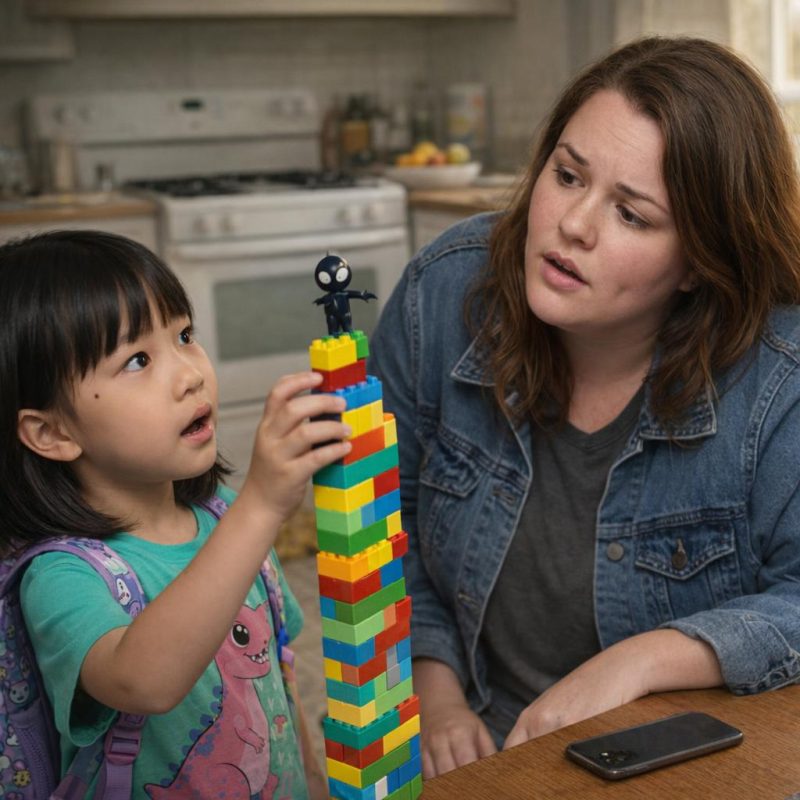 Image by RM AI
The Demo Request
I spend two hours drafting a reply that's four sentences long. The first version is too eager. The second is too guarded. I delete a line about the software not being finished yet because it sounds like an apology, and I delete a line asking how she found me because it sounds suspicious. What I send, finally, is simple — I introduce myself, say I'm open to a conversation, and ask what kind of discussion she has in mind. I hit send before I can rewrite it again. Lily is down for her nap and the apartment is quiet and I make tea and tell myself not to check my email for at least an hour. I last twenty minutes. There's already a reply. Claire thanks me for responding, says she's reviewed what's publicly available about the project, and that she'd like to see the software in action if I'm willing. She asks if a video call demonstration would work, at my convenience, sometime in the next week.
 Image by RM AI
The Demonstration
I set up at the kitchen table fifteen minutes early and check the lighting twice and close every browser tab that isn't the software. Lily is asleep upstairs. I've run through the demo in my head so many times that the steps feel like a script, which is either reassuring or a warning sign. Claire joins the call exactly on time — professional background, unhurried manner, a notepad visible at the edge of the frame. I start with the core scheduling interface and walk through a standard week for a three-provider clinic, then introduce the conflict resolution layer and show it working in real time. My voice is steadier than I expected. Claire asks questions as I go — not surface questions, but specific ones, about how the algorithm handles priority weighting, about what happens when a provider's availability changes mid-week, about the data structure underneath the calendar view. I answer each one. Somewhere in the middle of explaining the emergency insertion logic I stop feeling nervous and start feeling something else, something closer to competence. When I finish she thanks me and says she'll be in touch, and I close the laptop and sit in the quiet kitchen, her notepad still in my mind, the way she'd filled half a page without once looking away from the screen.
 Image by RM AI
Balancing Acts
Claire's follow-up email arrives the next afternoon while Lily is arranging her stuffed animals into a row on the living room floor. It's detailed — six questions about scalability, about database architecture, about how the system would perform under concurrent load from multiple facilities. I read it through once and open a new document to draft the response. I get through the first question and a half before Lily calls from the other room, and I go. There's juice on the floor, a full cup tipped sideways, spreading toward the rug. I clean it up, rinse the cloth, come back. I write two more paragraphs. Lily appears at my elbow with a puzzle — the one with the farm animals, the pieces she can almost do herself but not quite — and I close the laptop and sit on the floor with her and we do the puzzle twice. After dinner I give her a bath and read her two chapters of her book and sit beside her until she's asleep. Then I come back to the kitchen table and finish the email. It takes another hour to get the technical answers right, to say what I mean without overselling what the system can currently do. I send it just before midnight and sit for a moment in the particular quiet of a day that asked for everything and got it.
 Image by RM AI
Second Meeting
The second call is scheduled for Thursday afternoon during Lily's nap, and I'm at the kitchen table again with the software open and my notes from the first call beside me. Claire starts by asking about the architecture I described in my email — specifically whether I designed it with horizontal scaling in mind from the beginning or whether it would need to be restructured. I tell her I built it to expand, that the provider and location layers are modular, that adding facilities is a configuration change rather than a rebuild. She nods and writes something down. Then she asks how the system would handle scheduling coordination across a regional network — not one clinic, but dozens, sharing provider pools and referral pathways. I walk her through how that would work in theory, the parts that are already built and the parts that would need development. She listens without interrupting. Then she asks a question I'm not quite ready for — she asks whether I've thought about what it would take to connect systems that currently don't talk to each other at all, across different states, different platforms, different regulatory environments. I start to answer and she says she's asking because the problem she's looking at isn't regional. She says the phrase "national healthcare system integration" and I stop talking.
 Image by RM AI
National Scale
After the call I sit at the kitchen table with a blank document open and type the phrase into a search engine. The results come back fast — government reports, industry white papers, a Senate subcommittee hearing from two years ago. I read for two hours while Lily sleeps. The numbers are staggering: scheduling inefficiencies across the national healthcare system cost somewhere between eight and twelve billion dollars annually in wasted provider time, missed appointments, and duplicated administrative work. I find three separate reports from different research bodies all arriving at the same conclusion — there is no unified scheduling solution. Every regional system runs its own software, most of it outdated, none of it designed to communicate with anything outside its own network. I open a second document and start mapping what my software would need: a universal provider data standard, a compliance layer for each state's regulatory requirements, an integration protocol that could sit on top of existing systems without replacing them. The technical challenges fill two pages. I sit back and look at what I've written. The scope of it is almost too large to hold in one thought — and underneath that, quieter, is the recognition that the architecture I built in this kitchen, at this table, was already pointing in exactly that direction.
 Image by RM AI
Custody Weekend
I pack Lily's bag the way I always do — snacks she'll actually eat, the stuffed rabbit she can't sleep without, a change of clothes for every possible weather. She chatters the whole drive over, telling me about a dream she had involving a purple horse and a very large sandwich. I let her talk. Marcus's building comes up fast and I find parking on the first try, which almost never happens. He opens the door mid-sentence, phone pressed to his ear, one finger raised in that way he has — the universal signal for give me a minute that somehow always stretches longer. Lily doesn't wait. She ducks under his arm and disappears down the hallway toward her room, dragging her backpack behind her. I stand in the doorway with her overnight bag and he takes it without looking at me, still talking. He's pacing now, which he only does when something has his full attention. I catch fragments — funding round, timeline, the right kind of partner. He sounds more alive than I've heard him in months. I set the rabbit on the entry table where Lily will find it and turn to go. Behind me, through the closing door, I hear him say he's this close to landing the investor his firm has been waiting for.
 Image by RM AI
Quiet Progress
The apartment is quiet in a way it only gets when Lily is gone. No cartoons, no requests for cereal, no small feet on the hardwood at six in the morning. I make coffee and sit down at the kitchen table before the sun is fully up. The database architecture has been bothering me for weeks — it works, but it won't scale, not at the volume Claire's questions implied. I spend Saturday pulling it apart and rebuilding it from the ground up, restructuring the tables to allow for regional clustering so providers in different states can be grouped without losing the ability to query across the whole system. It takes most of the day. By evening I'm running simulated data sets — a hundred providers, then a thousand, then a full state's worth — and watching the response times hold steady. Sunday I document everything, every decision, every tradeoff, the kind of notes that would let someone else follow the logic without asking me a single question. By the time the light outside goes orange and low, the software can theoretically handle deployment at a scale I hadn't let myself imagine six months ago. I sit back and look at what's on the screen. The kitchen table, the cold coffee, the hum of the laptop — and something that had been built, quietly, in the space between everything else.
 Image by RM AI
Comparison
Marcus brings Lily back on Sunday evening, right on time for once. She comes through the door smelling like his apartment — that particular cedar and dry-cleaning smell — and goes straight for the couch with her rabbit. He lingers in the doorway, which he doesn't usually do. He mentions the new office space his firm is moving into, something in a better building, more square footage, a conference room that will actually impress clients. I nod and say that sounds good. Then he asks, almost as an afterthought, if I'm still working on my scheduling thing. I tell him I am. He tilts his head in that way that means he's about to offer advice I didn't ask for, and says I might want to start thinking about monetization at some point, that passion projects are great but they need a path to revenue. I say I'll keep that in mind. He talks for another minute about his firm's growth trajectory — new hires, a second fund, the kind of momentum that compounds. He says it like he's reading from a pitch deck. Then he says goodnight to Lily and leaves. I close the door and stand there for a moment. On the other side of it, he was describing a business expanding in every direction. On this side, I had just rebuilt the architecture that could handle a national healthcare system — and hadn't said a word about it.
 Image by RM AI
The Follow-Up
Lily goes down easier than usual, which I take as a small gift. I do the dishes, wipe down the counter, and then sit at the kitchen table with my laptop because that's where the work happens. I check email out of habit more than expectation. Claire's message is near the top, sent that afternoon, and it's longer than anything she's sent before. She's been thinking about the technical requirements for enterprise deployment, she writes, and she has some specific questions she'd like to walk through. There are bullet points. There are follow-up questions nested inside the bullet points. She asks about my documentation practices, about how I've tracked the development process, about whether I have records establishing the timeline of the software's creation. The language is careful and precise in a way that feels different from our earlier conversations. I read through it twice, then a third time. Near the bottom, she writes that she'd like to schedule a longer conversation to discuss potential structures going forward — and that she wants to make sure we have time to cover intellectual property as well. I sit with that phrase for a moment. Then I read it again. Partnership structures and intellectual property — two terms that, sitting next to each other in a single email, meant this had stopped being exploratory a while ago.
 Image by RM AI
Marcus Mentions an Investor
The Friday custody exchange goes the same as always — Lily's bag packed, the rabbit tucked in the front pocket, the drive over with the radio on low. Marcus opens the door before I knock, which means he was watching for us, or watching for something. He's off his phone for once but he has the look of someone who just got off a call they're still thinking about. Lily goes straight inside. He holds the door and tells me, without much preamble, that he's close to something significant with his firm. A major investor, he says. The kind that changes the shape of what you can build. He doesn't say a name. He says this person is exactly what his firm needs right now — the right profile, the right network, the right appetite for the kind of deals he's been putting together. He says it the way he says most things about his work, like he's already certain of the outcome and is simply informing me of it. I hand him Lily's bag and say that sounds promising. He nods, already half-turned back toward the apartment. I walk back to my car and pull out into the street. His words stayed with me on the drive home — not because they meant anything in particular, but because of how much weight he'd put behind them.
 Image by RM AI
Parallel Tracks
The weekend opens up the way child-free weekends do — suddenly, completely. I'm at the kitchen table by eight with coffee and the laptop and the particular quiet that still takes me a few hours to settle into. Claire had asked about the notification architecture in our last call, so I spend the morning building out the alert logic for appointment conflicts across provider networks. It's detailed work, the kind that requires holding a lot of variables in mind at once, and I'm grateful for the uninterrupted hours. Somewhere in the afternoon, between test runs, I think about what Marcus said at the exchange. A major investor. The kind that changes the shape of what you can build. I wonder, briefly, whether his firm is doing better than I'd assumed — whether the new office and the second fund and the talk of momentum are real or just the version of things he presents to the world. Then I think about Claire's email, the bullet points, the phrase partnership structures, and what it might mean for the software sitting open on my screen. The two things occupy different parts of my mind, separate and unconnected, like two conversations happening in different rooms. I go back to the code. By evening the notification system is running cleanly across a simulated five-state network. I close the laptop and sit in the quiet, aware that two separate parts of my life were moving at the same time, in directions I couldn't quite see the ends of yet.
 Image by RM AI
Technical Deep Dive
Lily goes down for her nap at one, which gives me a window. I'd already set up the laptop at the kitchen table and had my notes open when Claire's call came through. She starts with the security architecture — encryption standards, access controls, audit logging — and her questions are specific enough that I have to pull up the actual code to answer some of them accurately. She takes notes. I can hear the keyboard. She asks about my development process, whether I'd worked with any outside contractors, whether any part of the system had been built using third-party funding or resources. I tell her no — every line of it is mine, built on my own time, on my own equipment, without outside investment. She asks about version control, whether I have records showing the development history from the earliest prototype. I walk her through the repository structure, the commit logs going back to the first working build. She asks about the compliance layer, the state-by-state regulatory mapping, how I'd documented the logic behind each rule set. We've been on the call for nearly an hour when she pauses, and I hear her shift in her chair. Then she asks whether I've documented all intellectual property independently — meaning outside of any shared accounts, any joint assets, anything that could complicate a clean ownership record.
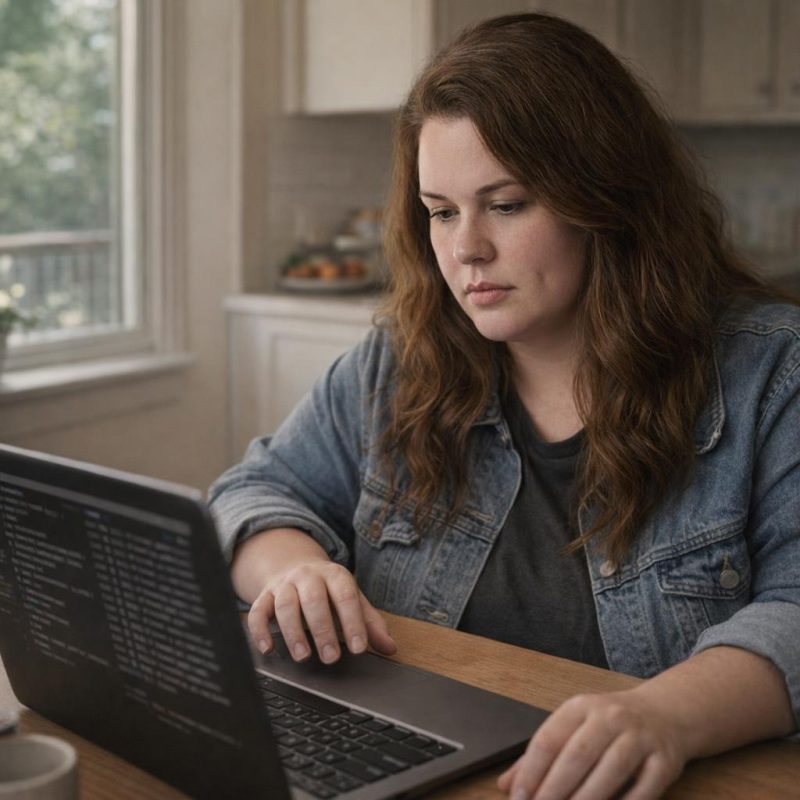 Image by RM AI
Documentation Review
Lily is asleep by eight-thirty and I go straight to the desk. Claire's question about independent documentation has been sitting in the back of my mind since the call, and I want to see what I actually have before I answer her properly. I open the project folder and start pulling everything into a single directory — the commit logs, the technical specifications, the architecture diagrams, the compliance mapping documents, the testing records, the version history going back to the first prototype I built on a secondhand laptop at this same table. It takes two hours. I create a timeline document, chronological, showing every significant build milestone with dates and descriptions. I check the intellectual property records I'd filed early on, the ones my attorney had walked me through, confirming sole authorship and independent development. Then I sit back and look at the screen. Folder after folder, each one labeled and dated, each one containing the kind of documentation that doesn't leave much room for ambiguity. Forty-one months of work, laid out in order. The commit log alone ran to over three thousand entries.
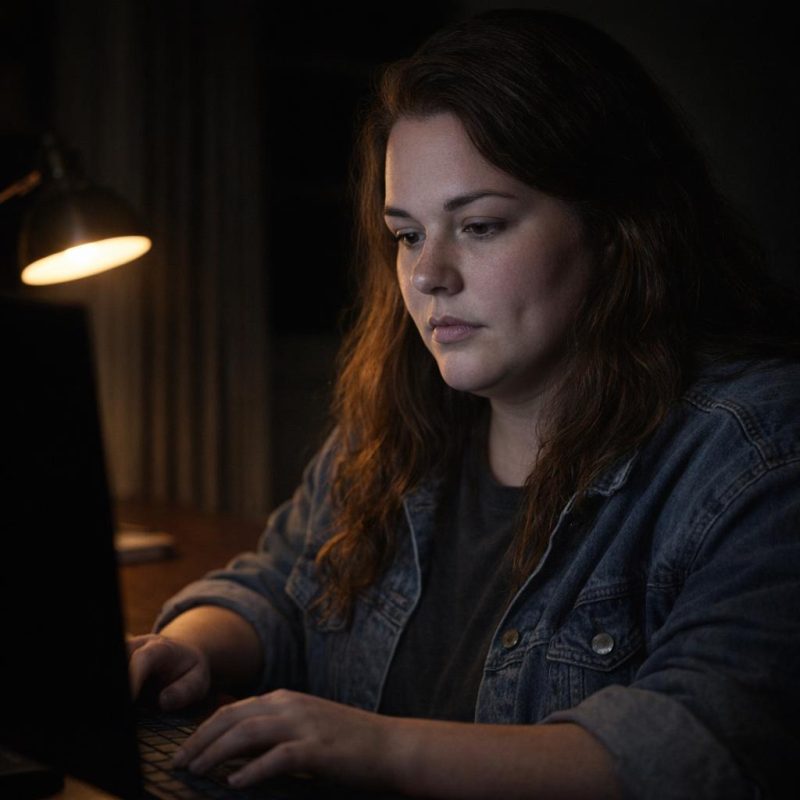 Image by RM AI
Sunday Pickup
I pull up to Marcus's building at six on Sunday and text that I'm outside. Lily comes down the stairs ahead of him, backpack bouncing, and I crouch to catch her at the door. Marcus follows with her overnight bag, phone pressed to his ear, still in the clothes he'd wear to a client lunch — pressed shirt, no tie, the kind of casual that takes effort. He sets the bag down near the entrance and holds up one finger in my direction without looking at me, still talking. I catch fragments while I zip Lily's jacket — something about preparation, about the materials being ready, about making sure the right people were in the room. Lily tugs my sleeve and asks if we can have pasta tonight and I tell her yes, absolutely, whatever she wants. Marcus turns slightly away, lowering his voice, and I'm not trying to listen, but the building entrance is small and his voice carries. He says the investor meeting is scheduled for Tuesday.
 Image by RM AI
Acquisition Discussions
I drop Lily at preschool Monday morning and come home to a quiet apartment. I make coffee, open my laptop, and work through the usual morning emails — a support ticket, a server notification, a newsletter I keep meaning to unsubscribe from. Then I see Claire's name in the inbox and I click it before I've even set my mug down. The email is short, maybe six sentences, written in the same measured tone she always uses. She says the evaluation phase has gone well and that her group would like to move into acquisition discussions, if I'm open to it. She asks about my availability for a more formal conversation and suggests I might want to have legal counsel present. I read it twice. Then a third time, slower, stopping on that phrase — acquisition discussions. Not exploratory. Not preliminary interest. Acquisition. I'd built this thing at a kitchen table while Lily slept, on a secondhand laptop, between custody pickups and preschool drop-offs. I sat with the word for a long time, and it didn't get smaller.
 Image by RM AI
Keeping Quiet
Wednesday's custody drop-off is at five-thirty, same as always. I pack Lily's bag the way I always do — her stuffed rabbit on top, the spare inhaler in the front pocket, a note about what she ate for lunch. Marcus answers the door in a good mood, which I notice because it's specific, not his usual neutral. He takes Lily's bag and asks, almost as an aside, how my little project is coming along. I tell him I'm still working on it. He nods the way people nod when they've already stopped listening, and says that's good, that keeping busy is important. Then he mentions, without me asking, that his investor meeting went well, that he's feeling optimistic about where things are heading. I say that's great and mean nothing by it. Lily hugs my legs and I hug her back and tell her I'll see her Friday. I walk to my car and I don't say anything about Claire. I don't say anything about the email sitting in my inbox, or the word acquisition, or any of it. Some things stay yours until you're ready.
 Image by RM AI
Research
Lily goes down for her nap at one and I open a new browser tab. I've been turning Claire's email over in my head for two days and I want to understand what I'm actually looking at before I respond. I start with the basics — what does a software acquisition process involve, what does due diligence look like, what are the typical timelines. The results are dense and I work through them slowly, taking notes in a document I keep separate from everything else. Then I narrow the search to healthcare technology specifically, because that's the category my software fits. The articles are different. The language is different. Words like strategic asset and market consolidation and proprietary infrastructure appear in sentences that are not hypothetical. I find a piece from a trade publication about scheduling and workflow systems in the healthcare sector, the kind of systems that reduce administrative overhead and integrate across platforms. The article describes several recent transactions in the space. I read the valuation ranges twice to make sure I'm reading them correctly. Healthcare software acquisitions in this category, the article said, routinely ranged from tens of millions to well over a hundred million dollars.
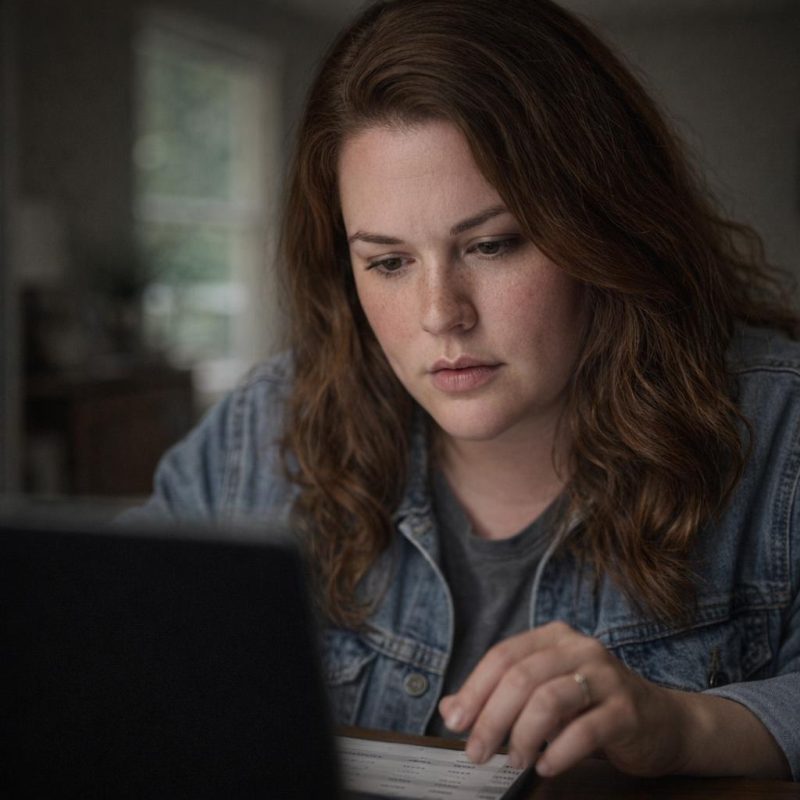 Image by RM AI
Night Thoughts
Lily is asleep and the apartment is quiet and I'm sitting at the kitchen table with Claire's email open on one side of the screen and my notes from the afternoon's research on the other. The numbers I'd read earlier are still sitting somewhere behind my eyes, not quite real yet. I go back through the documentation folder I'd assembled — the commit logs, the architecture diagrams, the compliance records — and I think about what it actually represents. Forty-one months. Every late night, every version that broke and had to be rebuilt, every small fix I made at this table while Lily slept ten feet away. I remember Marcus standing in this kitchen, maybe two years ago, asking when I was going to do something real with my time. He'd used the word hobby. He'd said it the way you say something you've already decided. I look at the table, the same one, the same chair, the same lamp casting the same yellow light across the same scratched surface. Whatever came next, whatever Claire's group decided this was worth, it had started here, in this room, while someone who knew me well had looked at it and seen nothing.
 Image by RM AI
Formal Proposal
Thursday morning I get Lily settled with her breakfast and open my laptop while she works through her cereal. There's an email from Claire, sent at seven forty-two, with a subject line that reads: Next Steps — Formal Discussion. I read it standing at the counter. The tone is different from her previous messages — more structured, more deliberate. She writes that her investment group has completed its initial evaluation and would like to schedule a meeting to present a preliminary acquisition proposal. She recommends I have legal representation present for the discussion. She proposes a video call for the following week and asks me to confirm my availability. I read it twice, then put the phone face-down on the counter and finish making Lily's toast. Lily asks if she can have jam and I say yes and I spread it carefully and cut the crusts off the way she likes. I go through the motions of the morning — shoes, jacket, backpack — and I don't let myself think about the email until Lily is out the door. Then I pick the phone back up and read it one more time. The word proposal sat in the middle of the screen, plain and exact.
 Image by RM AI
The Name
I put Lily down for her nap and open a new search tab. I want to know more about who Claire actually works for before I call my attorney. I type in Meridian Health Investment Group and start reading. Their website is clean and minimal — a portfolio page listing healthcare technology companies they've acquired or funded, a brief statement about their investment philosophy, office locations in four cities. The acquisitions listed are not small. I find a few trade press articles about their activity over the past three years, deals in the eight-figure range, a couple that crossed into nine figures. They move carefully and they move with significant capital. I find a longer piece about their expansion strategy, the way they've been broadening from direct acquisitions into partnership structures with other investment vehicles. The article is from a financial industry publication, the kind Marcus used to leave on the coffee table. It describes Meridian's growing interest in venture capital partnerships as a way to extend their reach into emerging healthcare markets. Near the bottom, in a paragraph about firms operating in adjacent sectors, the article listed several venture capital companies Meridian had been in contact with — and the sector description matched Marcus's firm exactly.
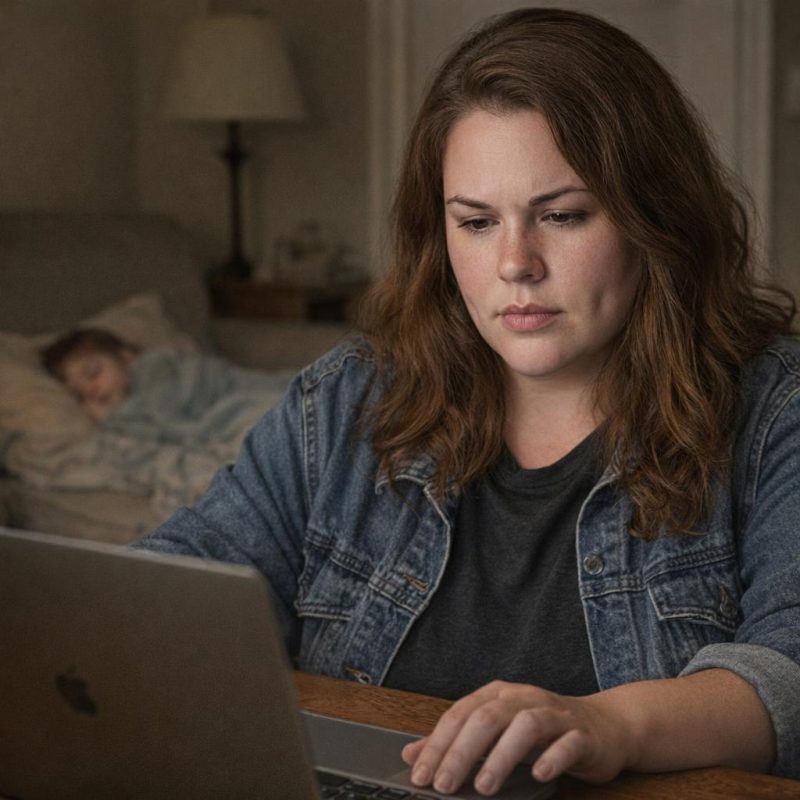 Image by RM AI
Firm Names
Lily wakes up from her nap and I get her a snack and put on her show, and I sit at the far end of the couch with my laptop open. I go back to the article from earlier and read the relevant section again, more carefully this time. The language is general — Meridian seeking partnerships with mid-size venture capital firms focused on healthcare-adjacent technology investment. It doesn't name Marcus's firm specifically. I search for his firm directly, pulling up the industry database listing I'd seen him reference once in a document he'd left on the counter. The profile is brief: firm size, founding year, stated focus areas. Healthcare-adjacent technology. Mid-size capital base. I search for Meridian alongside the firm's focus area and find two more press releases, both from the past eighteen months, both describing Meridian's outreach to firms matching that exact profile. I write down the firm characteristics side by side in my notes document — Meridian's stated partner criteria, Marcus's firm's listed profile. I close the laptop and watch Lily's show for a minute without seeing it. The two columns sat next to each other on the page, close enough to matter.
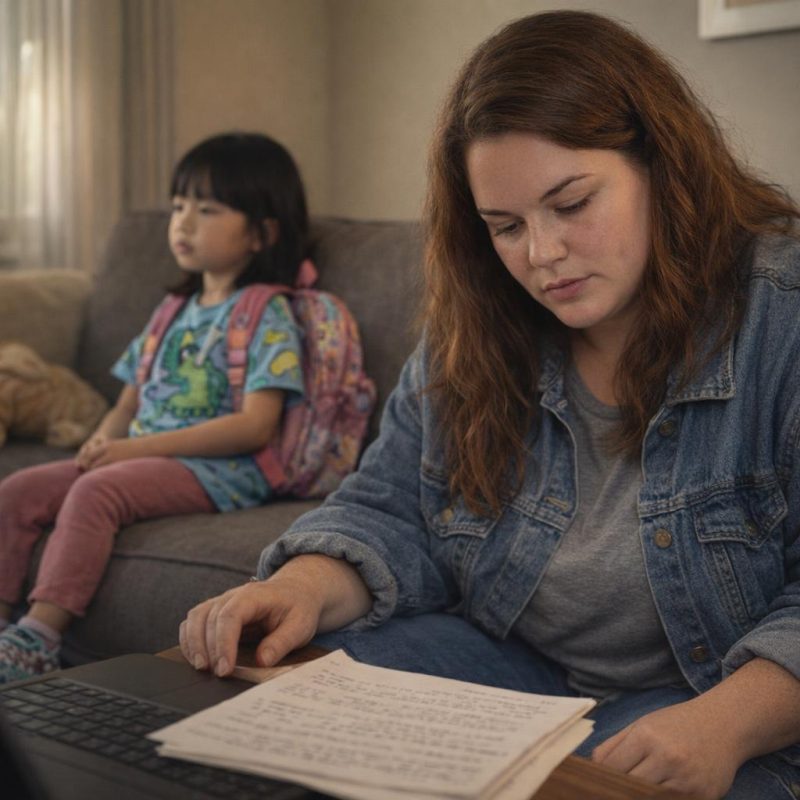 Image by RM AI
Tuesday Afternoon
Marcus opens the door before I even knock, which is unusual. Lily is already in her jacket, backpack on, and he's in a good mood — the kind that radiates off him when something has gone his way. He crouches down to hug her goodbye and tells her to be good, and she wraps her arms around his neck and says she will. Then he straightens up and looks at me with that particular expression he gets when he wants an audience. He says the meeting went better than he expected. He says the investor really understood the vision, understood where the firm was headed, which is more than he can say for most of the people he's sat across from lately. I nod and reach for Lily's hand. He's still talking. He says she was sharp, asked the right questions, didn't waste his time with the usual skepticism. I say that sounds promising and start moving toward the stairs. He calls after me, still pleased with himself, adding the name almost as an afterthought — Claire Mitchell.
 Image by RM AI
Processing
I buckle Lily in and close the back door and get behind the wheel and pull out of the parking spot at a normal speed. Lily is telling me about the movie Marcus put on after dinner, something animated with a dog, and I ask her if the dog was funny and she says yes, very funny, and I say good. The streetlights are coming on. I take the turn onto the main road and keep both hands on the wheel. Claire Mitchell. The name sits in the middle of everything I've been tracking for the past two weeks — the press releases, the firm profile, the matching criteria — and now Marcus has handed me the last piece without knowing he was holding it. Lily asks if we can have hot chocolate when we get home and I say yes, absolutely, we can do that. I don't know yet what it means that Claire has been talking to both of us. I don't know if she knows. I keep my eyes on the road and my voice even, and the effort of holding all of it still while Lily chatters about the dog settled into my shoulders like weight.
 Image by RM AI
Confirmation Search
Lily goes down without much resistance, which I'm grateful for. I close her door and go straight to the kitchen table and open the laptop. I type Claire Mitchell's name into the search bar and add Meridian alongside it. The results come back fast — a professional networking profile near the top of the list. I click through. The profile photo matches the woman I've been on calls with: same composed expression, same professional headshot framing. I scroll down to the experience section. Her current role is listed under Meridian Capital Group. The description runs two lines. The first line reads: technology acquisition and healthcare system integration. The second line reads: venture capital partnership development and strategic investment evaluation. I read both lines twice. I go back to the top of the profile and read the full summary. She handles both sides — identifying acquisition targets in the healthcare technology space and evaluating venture capital firms for partnership. The same person. The same role. I set the laptop down on the table without closing it, her profile still open on the screen.
 Image by RM AI
The Same Person
I make tea I don't really want and sit back down at the kitchen table. The laptop is still open. Claire's profile is still there. I've written nothing in my notes document — there's nothing left to write down. The information is just sitting in front of me now, fully assembled. Claire has been on calls with me about the software for weeks. She has also been meeting with Marcus about his firm. She is doing both things at the same time, through the same role, and neither of us has said a word to the other about it. Marcus doesn't know I've ever spoken to her. I'm fairly certain of that — he would not have dropped her name so casually if he had any idea. Whether Claire knows about the connection between us, I can't say. Her manner on our calls has been professional and measured, the same way it apparently was in his meeting. I sit with my hands around the mug and look at the dark window above the sink. The whole shape of it — Marcus chasing the same person who has been on calls with me about everything I built — settled over me like something I didn't have a word for yet.
 Image by RM AI
Separate Worlds
Claire's email comes in the next morning while Lily is eating breakfast. It's brief and professional — a note confirming our upcoming call and attaching a preliminary agenda. I read it twice at the counter, then set the phone face-down and finish making Lily's toast. I write back after the school drop-off, keeping my reply short and on-topic, matching her tone exactly. I don't ask anything outside the scope of the agenda. I don't give her any reason to think anything has shifted on my end. The custody exchange with Marcus is Thursday. I think about what he might mention, whether he'll bring Claire up again, whether he'll have had another meeting by then. I'm not going to push anything in either direction. I'm going to answer Claire's questions about the software and I'm going to hand Lily over on Thursday and listen to whatever Marcus feels like sharing. The information I have is mine to hold until I understand it better. What I've learned about managing two separate conversations — one about what I've built, one about what Marcus thinks he's building — is that the discipline of it is its own kind of work.
 Image by RM AI
Marcus's Optimism
Marcus is ten minutes early on Thursday, which means he wants to talk. Lily runs inside to put her bag down and he stays on the doorstep, jacket open, looking like someone who has just come from somewhere that went well. He says the second meeting happened yesterday. He says it went even better than the first. I lean against the doorframe and say that's good to hear. He says Claire is serious, that she's not the kind of person who takes a second meeting unless she's genuinely interested, and he can tell the difference. I say I'm sure he can. He nods, pleased, and mentions she's managing a lot right now — her schedule has been tight lately. He says it like it's a mark in her favor, proof that she operates at a certain level. I keep my expression neutral and say it sounds like she stays busy. He agrees, already moving toward the stairs, and then pauses with one hand on the railing. Then he says she mentioned the deal keeping her busiest is in the healthcare technology space.
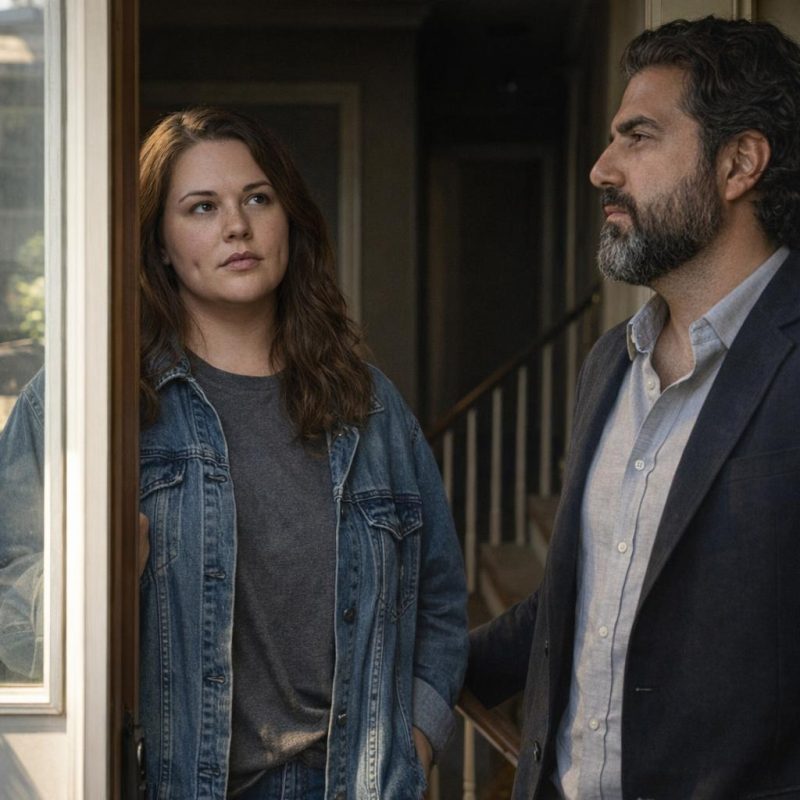 Image by RM AI
Parallel Tracks Confirmed
I close the front door and stand in the hallway for a moment. Lily is in the living room, I can hear the television. Marcus's last comment is still sitting in the air — healthcare technology, the same space my software operates in, the same language Claire has used on every call we've had. I don't know what Claire has told him exactly. She wouldn't have named me or the company — that much I feel fairly confident about, given how carefully she's handled everything on my end. But she said enough that the shape of it is visible, at least to me, standing here with both halves of the picture. I think about her profile, the two lines of her job description. I think about how both conversations have stayed separate, neither one touching the other. Whether that's standard professional practice or something else entirely, I genuinely can't say. I go into the living room and sit next to Lily and watch the last few minutes of her show. The quiet that settled around me wasn't confusion — it was the particular stillness of sitting with a question I didn't yet have the answer to.
 Image by RM AI
Formal Acquisition Meeting
Lily goes down for her nap at one and I have the laptop open on the kitchen table by five past. Claire's face appears on screen right at the hour — same composed expression as her profile photo, same measured tone when she says hello. She walks through the agenda methodically. Meridian's interest in the software centers on national integration potential, she says — the architecture is compatible with existing healthcare infrastructure in ways that most comparable products aren't. She outlines a preliminary valuation range without hesitating, framing it as a starting point for further discussion. I ask about timeline and she gives me a realistic answer, not a sales answer. I ask about what the integration process typically looks like for a product at this stage and she walks me through it in detail. Marcus's name doesn't come up. My awareness of his meetings with her doesn't come up. The call runs forty minutes and covers more ground than any conversation we've had before. When it ends and the screen goes dark, I sit with my hands flat on the table, and what stayed with me wasn't the valuation range or the timeline — it was how completely professional the whole thing had been, on both sides, despite everything I was carrying into it.
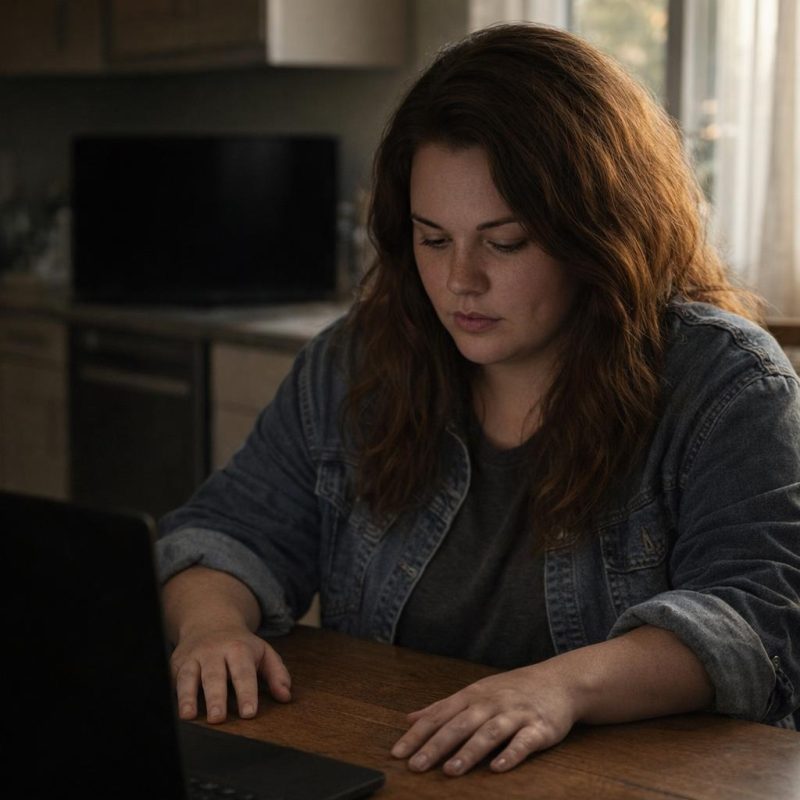 Image by RM AI
Marcus Brags About Progress
Marcus calls on a Thursday afternoon, Lily playing with her blocks on the living room floor while I fold laundry nearby. He wants to push the Saturday pickup to noon instead of ten — something about a breakfast meeting running long. I say that's fine and write it down. Then he keeps talking, the way he does when something is going well for him, and I go still without letting it show. He says his second meeting with Claire went even better than the first. He says she's thorough, professional, asks the right questions. I ask what kind of questions and he gives me a vague answer about portfolio structure and market positioning, clearly enjoying the sound of his own expertise. He says her firm moves carefully but when they commit, they commit. I make a small sound of acknowledgment and shift a stack of towels. He says Claire told him she sees real potential in his firm.
 Image by RM AI
Strategic Questions
Lily goes down at one-fifteen and I have maybe ninety minutes. I open the laptop and pull up my email thread with Claire, reading back through it before I start typing. I draft the message slowly, choosing each word the way you'd choose footing on uneven ground. I ask about Meridian's typical timeline for acquisition decisions — reasonable, something any seller would want to know. I ask whether Meridian evaluates multiple opportunities simultaneously across different sectors — also reasonable, also something that could tell me more than it appears to ask. Then I add one more question, the one I've been turning over since Marcus's call: whether there are any potential conflicts of interest I should be aware of, and how Meridian typically handles them if they arise. I keep the tone even, professional, nothing that would read as accusatory or strange. I read it through twice before I send it. Then I close the laptop and sit with the quiet, aware of exactly how much I'd said and how carefully I'd said it.
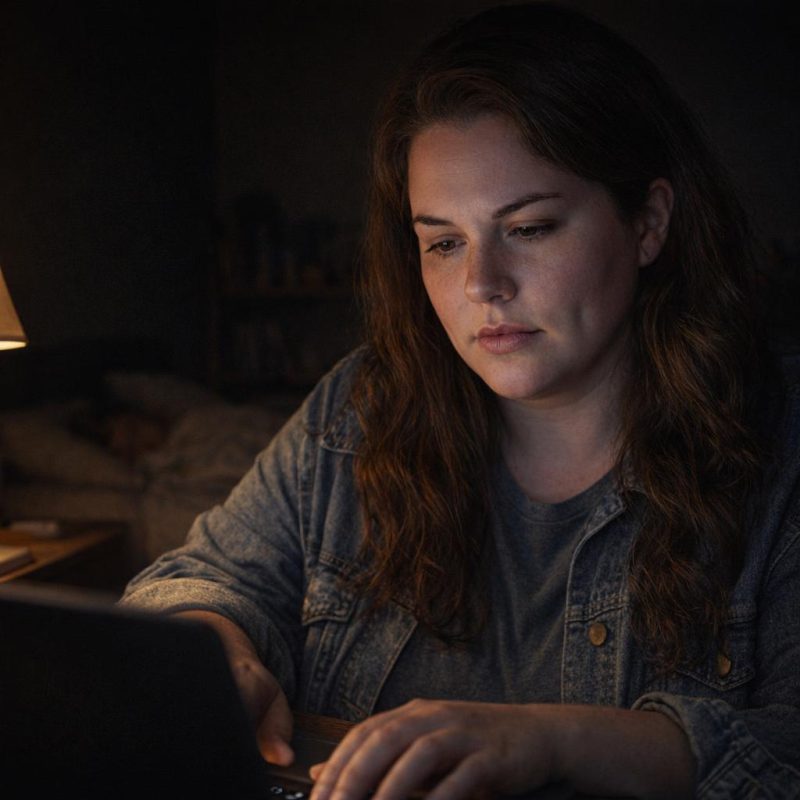 Image by RM AI
Claire's Response
Claire's response arrives the next morning while Lily is eating breakfast. I wait until Lily is settled with her crayons before I open it. The email is thorough — three paragraphs, each one answering exactly what I asked and nothing more. Meridian does evaluate multiple opportunities simultaneously, she writes, often across different sectors, as part of their standard portfolio approach. Potential conflicts of interest are managed through internal protocols designed to protect all parties involved. I read the final paragraph twice: all professional relationships maintained by Meridian's evaluation team are kept strictly confidential, in accordance with both contractual obligations and professional standards.
 Image by RM AI
The Pattern Becomes Clear
After Lily's nap I sit at the kitchen table with a notepad and write out the timeline from the beginning. Claire first reached out to me six weeks before Marcus ever mentioned her name. Their first meeting — the one he described as going well — happened the same week Claire and I had our second call about integration architecture. I think about the questions Claire asked me early on: about intellectual property ownership, about whether any third parties had claims on the codebase, about my independence as a founder. At the time they felt like standard due diligence. Sitting here now, I'm not sure they were only that. I think about her confidentiality language from this morning, precise and deliberate. I think about how she's never once asked me anything that felt off, never pushed in a direction that felt strange — and neither has she ever said anything that would tell me what she does or doesn't know. I look at the two columns on my notepad — her interactions with me, her interactions with Marcus — and something about the spacing of it, the careful parallel lines, makes me go very quiet.
 Image by RM AI
The Truth Revealed
I schedule the call for Tuesday morning, Lily at preschool, the house quiet. When Claire's face appears on screen I don't lead with small talk. I tell her I need to ask her something directly and I'd appreciate a direct answer. She nods once, expression unchanged. I ask her if she's aware that Marcus — the person pursuing a partnership with her firm — is my ex-spouse. There's a pause, not long, maybe two seconds. Then she says yes. She says she identified the connection early in her evaluation of my software, cross-referencing public records as part of standard due diligence. She says she kept the two relationships separate because each opportunity deserved to be evaluated on its own merits, and that her confidentiality obligations ran in both directions. She says Marcus has no idea that the healthcare software acquisition she's been working on is mine. I sit with that for a moment. The man who has spent two years calling my work a hobby has been meeting weekly with the person who is buying it for eight figures — and he has no idea.
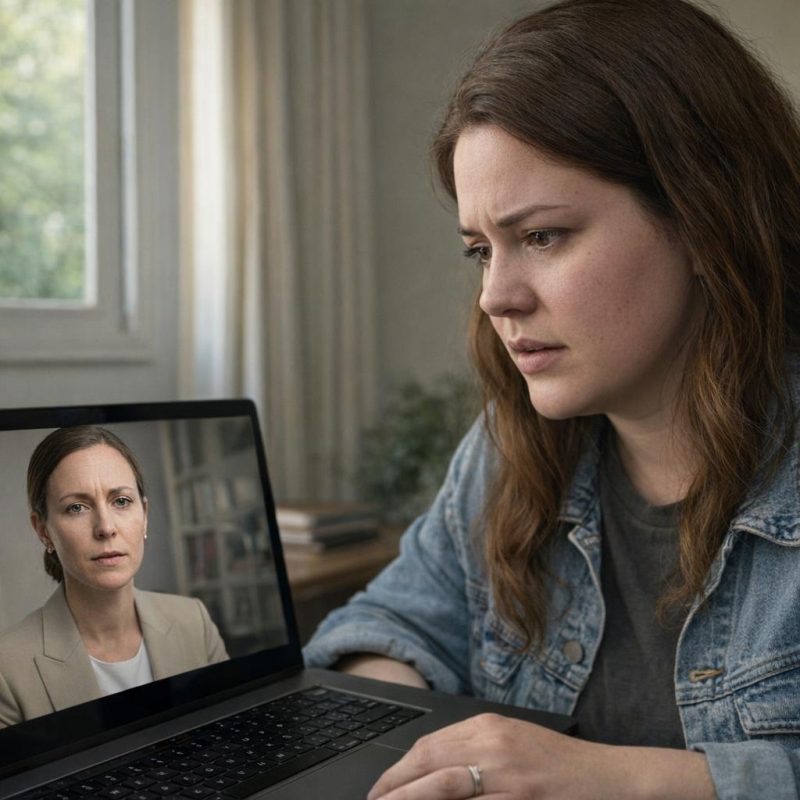 Image by RM AI
Strategic Position
After the call ends I don't move for a while. Lily won't be home for another hour and the house is completely still. I think about every custody exchange where Marcus mentioned Claire's name with that particular confidence he gets when he thinks he's winning something. I think about the breakfast meetings, the portfolio presentations, the way he said she sees real potential in his firm. He has been walking into those meetings believing he is the one with leverage, the one with the opportunity, the one whose work is being taken seriously. And the whole time, Claire has been sitting across from him knowing exactly what she knows. I'm not angry. That surprises me a little — I expected anger and what I feel instead is something quieter and more settled. I have the acquisition moving forward. I have the terms coming. I have the full picture and Marcus has a fraction of it. The call with Claire ends and the timeline is mine to manage now — I can let the acquisition close, I can let Marcus keep talking, and at some point the moment will come when he finds out, and I get to decide when that is.
 Image by RM AI
Separate Conversations
Saturday drop-off is at noon, as rescheduled. Lily runs ahead to Marcus's door with her backpack bouncing and he scoops her up in the doorway, which is the version of him I try to hold onto for her sake. He sets her down and she disappears inside, and then it's just the two of us on the threshold doing the handoff logistics — her allergy medication is in the front pocket, she had a short night so she might be tired by four. He nods, already half-distracted, and then he mentions Claire. Says he has another meeting with her next week, that she's been asking detailed questions about his firm's five-year projections, that he thinks they're getting close to something real. I ask what kind of timeline he's working with. He says maybe another month, maybe less. I say that sounds promising and mean none of it. He looks pleased. I say goodbye to Lily through the doorway and walk back to my car, and the whole drive home I sit with the particular quiet of knowing everything he doesn't.
 Image by RM AI
Acquisition Terms
Claire's email arrives on a Wednesday evening while Lily is in the bath. I see the subject line — Meridian Acquisition: Preliminary Terms and Timeline — and I leave my phone on the counter until Lily is out, dried off, and in her pajamas. I read her two chapters of her book, tuck her in, and then I sit down at the kitchen table with a glass of water and open it. The email runs four paragraphs. Claire outlines two deal structure options, each with a different balance of upfront payment and earnout provisions. She describes the due diligence process and a projected timeline of eight to ten weeks to formal documentation. She notes that Meridian's legal team will begin preparing the initial agreement once I confirm interest in proceeding. And then the valuation range, stated plainly in the third paragraph, a number with eight digits that I read twice and then set the phone face-down on the table. The kitchen was quiet around me, the same table where I'd written the first lines of code, and the number sat there in the dark of the screen like something that had always been waiting to be real.
 Image by RM AI
Marcus's Confidence
Marcus picks up Lily on a Thursday afternoon and lingers in the doorway the way he does when he has something to say. Lily runs to grab her backpack and he leans against the frame, jacket open, looking like a man who has just gotten good news and can't quite contain it. He tells me Claire has moved his firm to the final evaluation stage. He says it like he's announcing a promotion. I tell him that's great and mean it to sound exactly as neutral as it does. He keeps going — says Claire told him personally that she's very impressed with his vision and his strategy, that she sees real alignment between what he's building and what Meridian looks for in partners. He says the partnership decision should come within the next few weeks. He says this deal will transform his firm's trajectory. Lily comes back with her backpack half-zipped and her shoes on the wrong feet, and Marcus scoops her up without breaking his train of thought. He looks at me over her shoulder and says he's certain Claire will choose his firm because she told him she's impressed by his vision.
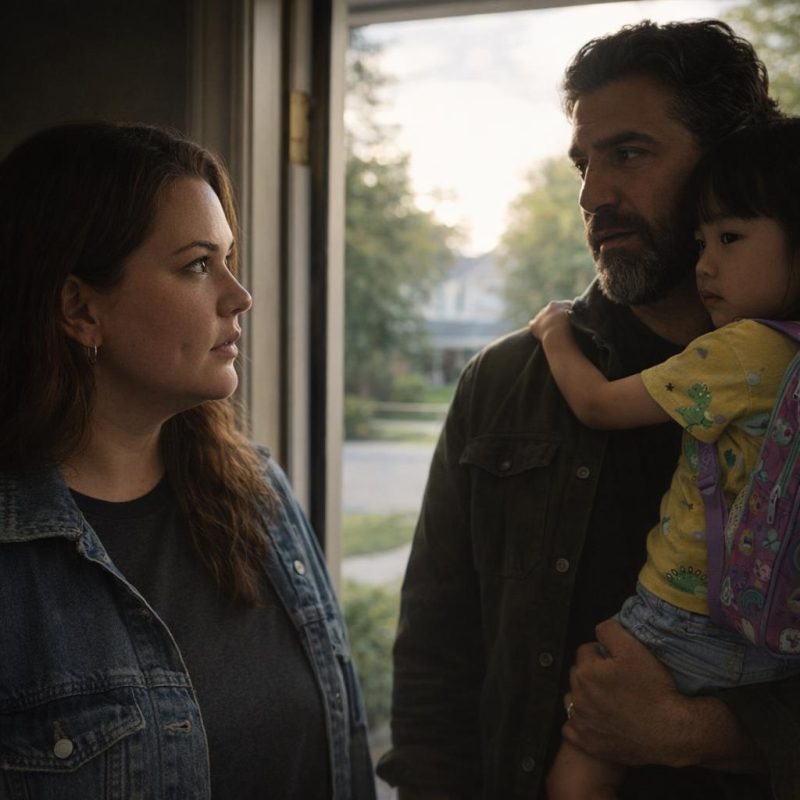 Image by RM AI
Seventy-Five Million
Lily is napping when Claire's video call comes through. I sit down at the kitchen table with a notepad and a pen I don't end up using. Claire looks composed on the screen, the way she always does, and she gets to the point quickly. Meridian is presenting its formal acquisition offer. Full intellectual property transfer. Integration into national healthcare systems across three regions. She walks me through the payment structure — a significant upfront sum with a structured earnout tied to integration milestones — and then she states the total offer value. Seventy-five million dollars. I write nothing. I ask about the timeline for final documentation and she says six to eight weeks pending due diligence completion. I ask about the IP warranty provisions and she explains them clearly. I ask about post-closing obligations and she outlines them. My voice stays even through all of it. Claire confirms that Meridian's legal team will send the formal agreement to my attorney within forty-eight hours. After she ends the call I sit there looking at the number I've written on the notepad — the one I told myself I wasn't going to write — seventy-five million dollars, in my own handwriting, on the same table where Marcus once told me I was wasting my time on a little hobby.
 Image by RM AI
The Weight of the Offer
Lily is still asleep. The house is quiet in the way it only gets on weekend afternoons, that particular stillness where even the refrigerator seems to hold its breath. I don't move from the kitchen table after Claire's call ends. I just sit there with the notepad in front of me and the number on it. I think about the first version of the software, the one I built in pieces between Lily's bedtime and two in the morning, the one that crashed every third time I ran it. I think about the months when I wasn't sure the architecture would hold, when I was debugging on four hours of sleep and telling myself it was worth it without fully believing it. I think about Marcus standing in this kitchen — this exact kitchen, at this exact table — telling me in that patient, slightly tired voice that I should think about whether the time I was putting into my little hobby was really worth it. He said it more than once. He said it like he was doing me a favor. The number on the notepad doesn't feel real yet. But the table does. It always has.
 Image by RM AI
Legal Counsel
I email the attorney Claire recommended on Monday morning, before Lily wakes up. His name is on a short list Claire sent weeks ago, described only as someone who handles technology acquisitions regularly. I attach the preliminary terms and ask for a consultation as soon as he has availability. He responds within two hours and we schedule a call for that afternoon. Lily is at Marcus's when we talk, which means I can pace the kitchen without narrating anything to a five-year-old. The attorney has clearly read everything before we get on the call. He asks precise questions about the IP transfer scope and the earnout structure, and I answer them as clearly as I can. He goes quiet for a moment after I finish and then tells me the valuation is strong — genuinely strong, not just for a solo-developed product but for this market, this sector, this moment. He says the earnout provisions are reasonable and the warranty language is standard. He says there are a few places he'd want to tighten the indemnification clauses but nothing that should slow the timeline. He agrees to represent me through closing. After the call I sit at the kitchen table with my notes, and the word he used — strong — settled over everything like something I'd been waiting a long time to hear.
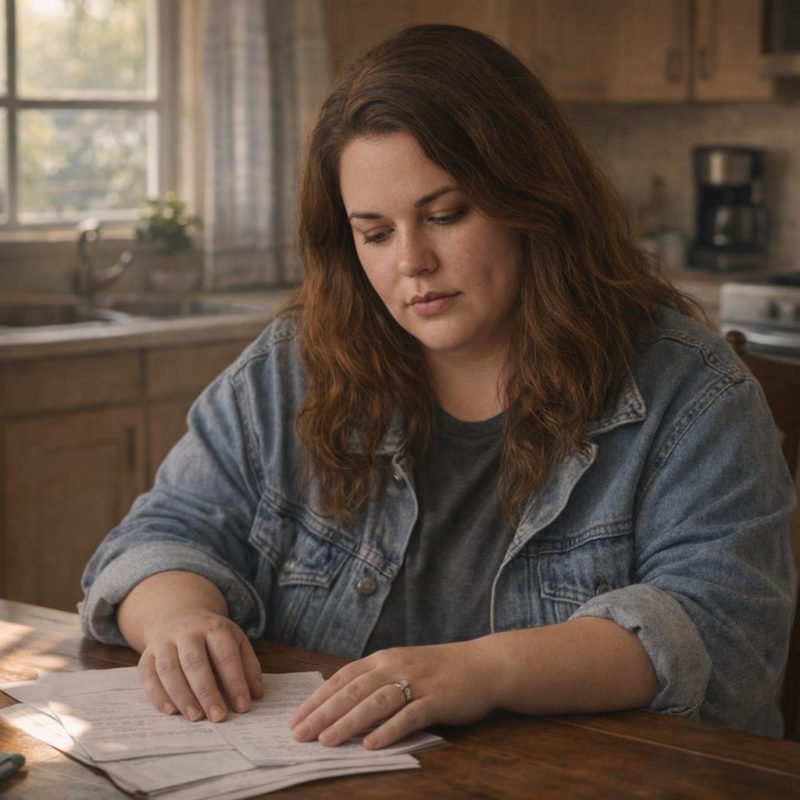 Image by RM AI
Final Negotiations
The negotiation call takes two and a half hours and I am on my second cup of coffee before it ends. My attorney and I join Claire and two members of Meridian's legal team, and the conversation moves through the agreement clause by clause with the kind of methodical patience that would have felt unbearable a year ago and now just feels like work. My attorney flags the indemnification language early and Claire's team adjusts it without much resistance. We spend the most time on the post-closing technical support obligations — I want a defined scope and a hard end date, and Meridian's team wants flexibility. We find language that gives them what they need without leaving me open-ended. Claire is measured throughout, collaborative in a way that makes the whole thing move faster than I expected. By the time we reach the final provisions I am writing notes in the margins of my printed copy and my attorney is nodding at his screen. When the call ends he tells me the terms are as clean as he's seen in a deal this size. I close my laptop and sit with that for a moment — the quiet, specific satisfaction of having negotiated every line of a seventy-five million dollar agreement and known exactly what I was asking for.
 Image by RM AI
Acceptance
The final agreement arrives from Meridian's legal team on a Tuesday. My attorney and I go through it together on a call that morning, checking every negotiated change against our marked copy. Everything is there. The adjusted indemnification language, the defined scope on post-closing support, the earnout milestones we'd specified. He tells me it's clean and that I can sign with confidence. I draft the acceptance email that afternoon while Lily colors at the other end of the kitchen table, occasionally holding up drawings for my approval. I keep the email short — formal acceptance of Meridian's acquisition offer, confirmation that my attorney has reviewed the final agreement, expression of readiness to proceed to closing. My attorney reviews the draft and suggests one small change to the opening line. I make it. I read the whole thing one more time. Lily holds up a drawing of what she tells me is a horse, though it looks more like a very determined cloud. I tell her it's beautiful. Then I hit send.
 Image by RM AI
Closing Timeline
Claire's response to my acceptance comes within the hour — a clean, professional confirmation with the closing schedule attached. Two weeks. Final due diligence, document execution, fund transfer. She's mapped out every step. I read through it twice at the kitchen table while Lily watches something on her tablet in the next room. Near the bottom of Claire's email there's a short paragraph I read more carefully than the rest. She notes that acquisitions at this scale typically generate attention in industry publications and professional networks within days of closing. She says it matter-of-factly, the way she says most things, and she leaves any decisions about prior disclosure entirely to me. I sit with that for a moment. Marcus is still waiting on a call from Claire about his firm. He mentioned it again at the last custody exchange, that slightly tighter version of his usual confidence, the one that shows up when he's not quite as certain as he sounds. In two weeks, the acquisition will be public. Claire's email is still open on my screen, the closing date sitting there in plain text — and Marcus has no idea it's coming.
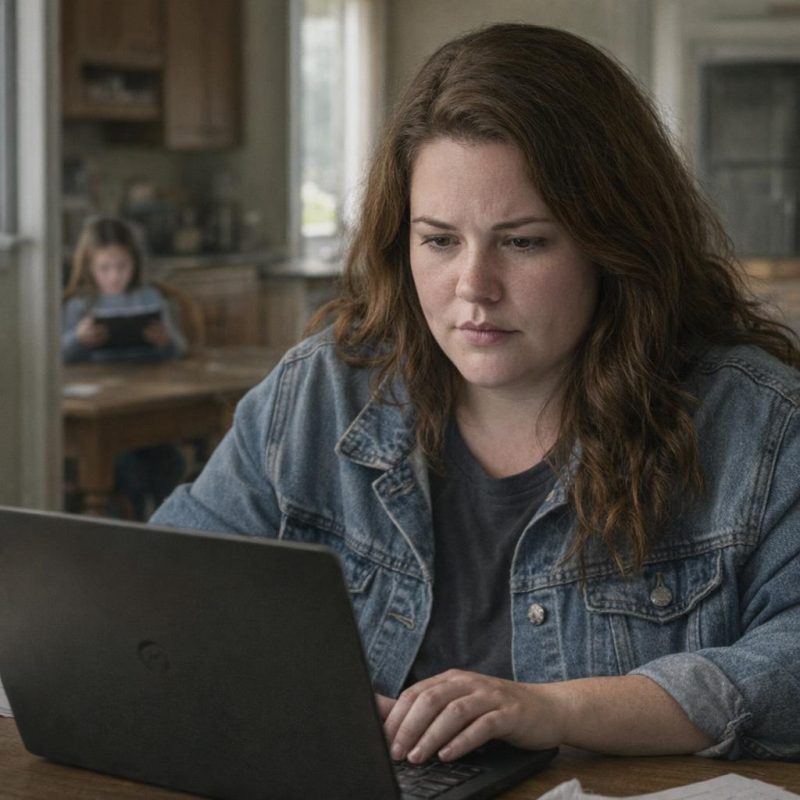 Image by RM AI
Signing Day Approaches
I confirm the signing details with Claire and my attorney on Wednesday morning. The closing will happen at my house. My attorney suggested a conference room at his firm but I told him I had a preference for the kitchen table, and he didn't ask why. Claire confirmed the location without comment. Marcus drops off Lily that evening and stands at the door longer than usual. He tells me he still hasn't heard from Claire about his firm's evaluation. He says she's probably just finalizing her internal process, that these things take time, that he's not worried. He says it the way people say things when they are, in fact, a little worried. I tell him I'm sure she'll be in touch soon, which is true in a way I don't explain. He kisses Lily on the top of her head and leaves. I watch his car pull out of the driveway and then I close the door and look at the kitchen table — the same table where I wrote the first line of code, where Marcus called it a hobby, where I took Claire's call, where I signed my name to seventy-five million dollars — and my phone buzzes with a message from my attorney confirming that the signing is set for tomorrow morning, right here.
 Image by RM AI
The Morning Before
I'm up before six. Lily is still asleep, her door cracked the way she likes it, and the house is quiet in that particular way it gets before the day decides what it's going to be. I make coffee and stand at the counter for a moment, just looking at the kitchen table. There are crayon drawings on one end, a juice cup Lily left last night, a stack of her library books. I clear all of it carefully — the drawings go on the counter, the books on the shelf by the door, the cup in the sink. Then I wipe the table down. It's a plain table. Scratched in one corner from when I dragged a hard drive across it at two in the morning eighteen months ago. I remember sitting here the night Marcus told me the app idea was cute. I remember the first function I ever wrote compiling correctly and me just staring at the screen like I wasn't sure it was real. I get two extra chairs from the living room and set them around the table. I straighten them. I step back and look at what I've made of this space — this ordinary, unremarkable table — and I set the pen I'll use to sign directly in the center.
 Image by RM AI
The Signing
Claire arrives at nine-fifteen, my attorney right behind her, and I open the door before either of them can knock. Lily is in the living room with her coloring books, close enough that I can hear her humming to herself. We sit at the kitchen table — Claire across from me, my attorney to my left, the documents stacked in a neat pile between us. My attorney walks me through each page the way he always does, methodical and unhurried, and I read every line even though I've read them all before. The numbers are right. The terms are right. Everything I asked for is in there. Claire sits quietly while I read, her hands folded on the table, and when my attorney says we're ready I pick up the pen. I sign my name seven times across seven different pages. My hand is steady. I don't rush it. When I get to the last page I pause for just a second — not from doubt, just from wanting to be present for it — and then I sign. Claire signs after me, her pen moving quickly and without ceremony. My attorney gathers the pages into their folder. From the living room, Lily hums something that might be a song from her favorite show. The pen rests on the table where I set it down, and the room holds the quiet of something finished.
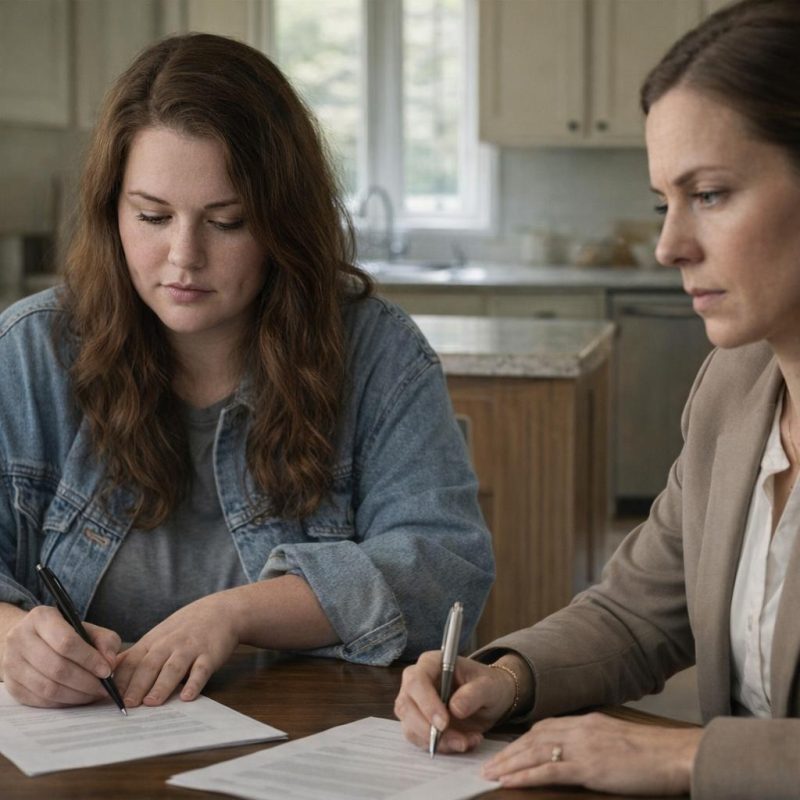 Image by RM AI
Marcus Learns the Truth
Claire is still at the table, sliding her copy of the documents into her bag, when I hear Marcus's car in the driveway. He's twenty minutes early. I don't move to intercept him — I just watch the front door open and see his face go through three different expressions in about two seconds. He sees Claire first. Then he sees the documents. Then he looks at me. 'What is this?' he says, and his voice comes out smaller than I think he intended. Claire stands and extends her hand to him the way she does — composed, unhurried. She tells him it's good to finally meet him in person, that she's been looking forward to it. Marcus shakes her hand on reflex, still looking between us. I tell him that Claire is the person who just acquired my software. I say it plainly, no performance. He asks what I mean by acquired. I tell him seventy-five million dollars, finalized this morning, right here at this table. The silence that follows is not comfortable. Marcus looks at Claire and I can see him recalibrating, trying to find the version of this that makes sense to him. Claire tells him she evaluated both opportunities and made her decision. She picks up her bag. She says it was a pleasure doing business with me, shakes my hand, and walks out the front door. Marcus stands in my kitchen and doesn't say anything, and his face carries the full weight of understanding something too late.
 Image by RM AI
New Chapter
Marcus takes Lily twenty minutes later. He buckles her into her car seat the way he always does, careful and quiet, and Lily waves at me from the window as they pull away. I stand on the porch until the car turns the corner. Then I go back inside. The kitchen table still has the faint outline of where the document folders sat, a slight compression in the tablecloth. I sit down in my usual chair — the one with the wobbly left leg I keep meaning to fix — and I open my laptop. Not because I have to. Because I want to. There's a folder on my desktop I made three weeks ago labeled 'Next.' I've been leaving it closed. I open it now. It has a single document inside, four bullet points, the beginning of something I started sketching out on a night when Lily was asleep and the house was quiet and I let myself think past the acquisition for the first time. I read the four lines. I add a fifth. Outside, the neighborhood is doing its ordinary Saturday things — a lawnmower somewhere, a dog, someone's radio. I sit at the table where I wrote the first line of code, where I signed the last page of a seventy-five million dollar deal, and I start typing.
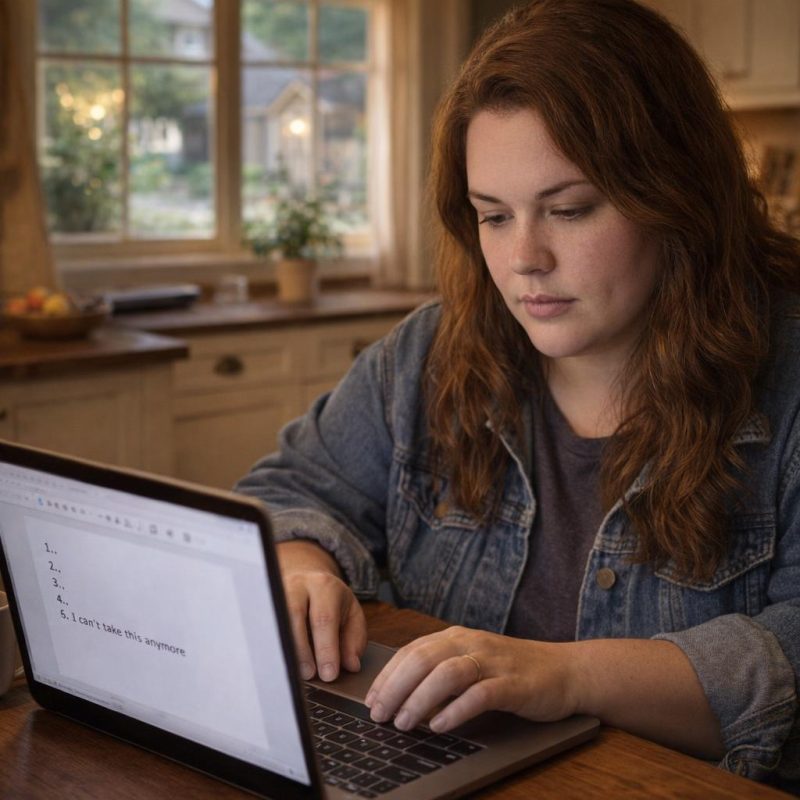 Image by RM AI
KEEP ON READING

20 Powerful Ancient Egyptian Gods That Were Worshipped
Unique Religious Figures in Ancient Egypt. While most people are…
By Cathy Liu Nov 27, 2024
The 10 Scariest Dinosaurs From The Mesozoic Era & The…
The Largest Creatures To Roam The Earth. It can be…
By Cathy Liu Nov 28, 2024
The 20 Most Stunning Ancient Greek Landmarks
Ancient Greek Sites To Witness With Your Own Eyes. For…
By Cathy Liu Dec 2, 2024
10 Historical Villains Who Weren't THAT Bad
Sometimes people end up getting a worse reputation than they…
By Robbie Woods Dec 3, 2024
One Tiny Mistake Exposed A $3 Billion Heist
While still in college, Jimmy Zhong discovered a loophole that…
By Robbie Woods Dec 3, 2024
30 Lost Treasures That Vanished From History
Buried treasure, missing artefacts, legends of ancient gold in them…
By Robbie Woods Dec 3, 2024