


The Flight Nobody Wanted
Look, I'm not someone who talks to strangers on planes. I'm the person who immediately puts in earbuds, opens my laptop, and pretends the armrest isn't touching someone else's armrest in that awkward middle-seat intimacy. But that Tuesday morning flight to Denver was packed, and I'd booked too late to get anything decent. I wedged myself between a guy in a faded Sonic Youth t-shirt and a woman who'd already claimed both armrests like it was her birthright. The flight attendant hadn't even finished the safety demonstration before I felt my chest tighten with that familiar corporate dread. Another client meeting. Another PowerPoint presentation where I'd smile and nod and talk about 'strategic synergies' while dying inside. I pulled out my tablet to review the deck one more time, but honestly, I could recite this stuff in my sleep at this point. Eight years of consulting will do that to you. The guy next to me shifted in his seat, and I pointedly avoided eye contact, focusing hard on slide seventeen. Then he leaned over slightly, and in this calm, almost amused voice, he asked me something that made my fingers freeze on the screen: 'Do you actually enjoy what you're looking at right now?'
 Image by RM AI
The Question That Changed Everything
I should have given him the professional brush-off. You know, the polite smile and 'Oh, it's fine, just work' response that shuts down airplane conversations before they start. But something about the way he asked it, without judgment, just genuine curiosity, made me pause. I looked at him properly for the first time. Mid-fifties maybe, with these lines around his eyes that suggested he smiled a lot, wearing that band t-shirt like he didn't care about looking respectable at thirty-thousand feet. 'Honestly?' I heard myself say. 'No. I really don't.' And suddenly I was talking, actually talking, about how every Sunday night I felt physically sick thinking about Monday morning. How I'd spent eight years climbing this ladder and couldn't remember why I'd started climbing in the first place. How my job title sounded impressive at dinner parties but meant absolutely nothing to me. He listened without interrupting, just nodding occasionally, and when I finally stopped rambling, I felt both mortified and weirdly relieved. Then he said something that made my stomach flip: 'I understand completely. I used to be someone entirely different, and I felt exactly the same way you do right now.'
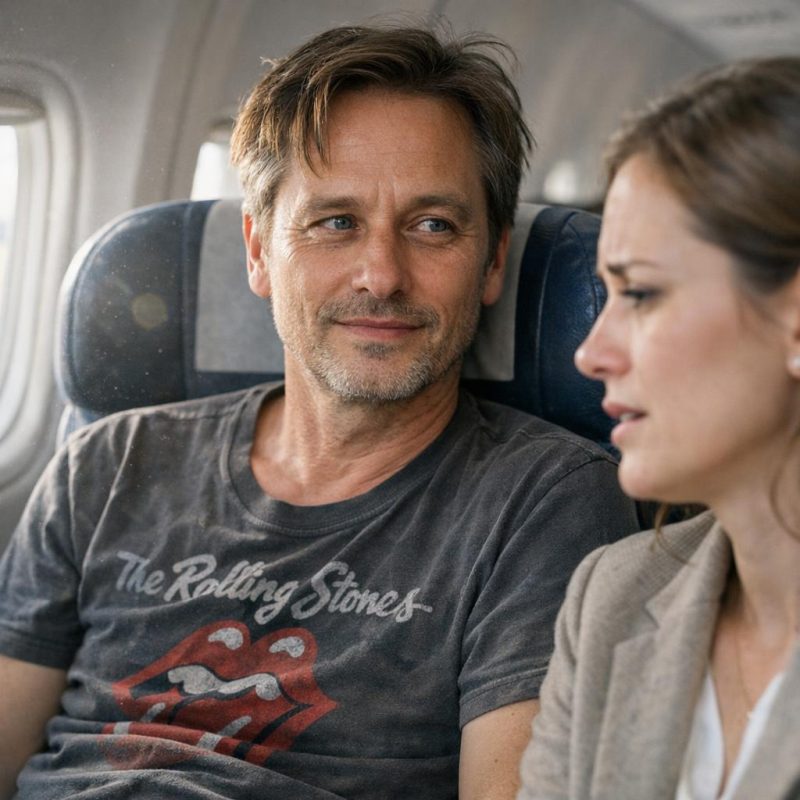 Image by RM AI
The Banker Who Became a Filmmaker
Marcus, that was his name, told me he'd spent twenty years as an investment banker in London. Twenty years of eighty-hour weeks, of making money he never had time to spend, of being excellent at something that hollowed him out from the inside. He was forty-three when he walked away from it all, no backup plan, just a vague idea that he wanted to tell stories. His family thought he'd lost his mind. His colleagues took bets on how long before he came crawling back. But he didn't go back. He learned filmmaking from YouTube videos and community college courses. He lived in a studio apartment that cost less than his former parking spot. And now, twelve years later, he made documentaries about ordinary people doing extraordinary things. Nothing that would win an Oscar, he said with a self-deprecating smile, but work that actually mattered to him. I sat there absorbing this, my corporate presentation completely forgotten. Someone had actually done it. Someone had walked away from the safe, respectable, soul-crushing path and survived. More than survived, actually seemed happy. I needed to know the answer to one specific question, and my voice came out almost desperate: 'Do you regret it? Even for a second?'
 Image by RM AI
Dreams I'd Buried
He answered without hesitation: not once. And then he turned the question back on me, asking what I would do if money weren't an object, if I wasn't afraid. I found myself talking about things I hadn't mentioned in years. How I'd wanted to be a journalist in college, had edited the school paper, had dreamed of writing stories that exposed truth and changed perspectives. How I'd taken the consulting job after graduation because it seemed practical, telling myself it was just temporary. How 'temporary' had somehow become eight years, and I couldn't remember the last time I'd written anything that wasn't a client email or status report. My voice actually cracked a little when I admitted I used to carry a notebook everywhere, filling it with observations and story ideas. Marcus listened to all of it, and when I finished, he reached into his worn leather backpack and pulled out a business card. 'I'm working on a documentary series about people rebuilding their lives,' he said, handing it to me. 'If you're serious about writing again, I could use someone who understands what it's like to be trapped in the wrong life. Think about it.' He smiled. 'It's not too late to start over.'
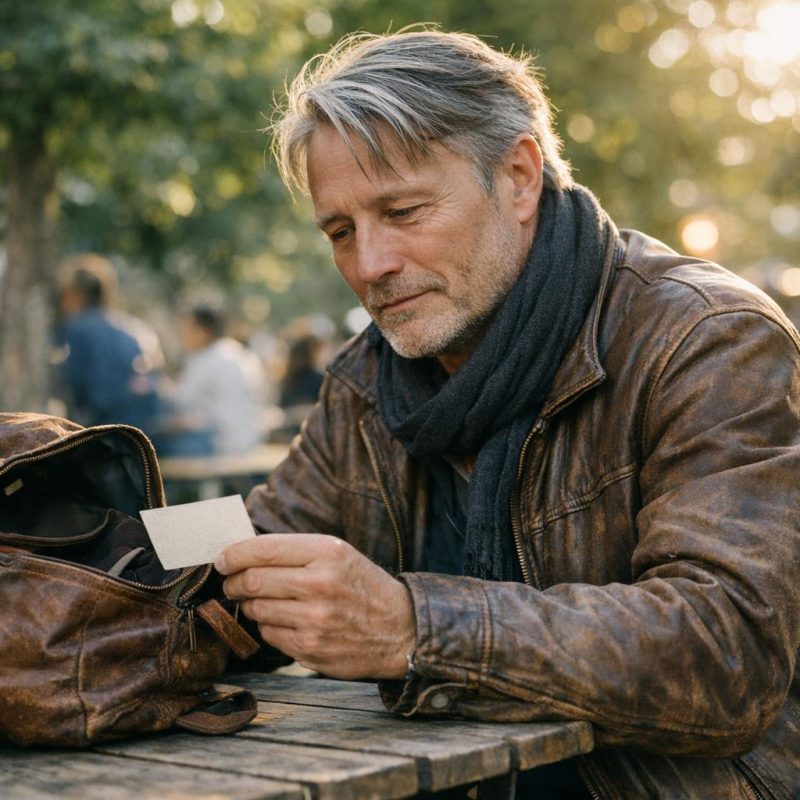 Image by RM AI
Landing in Denver
We exchanged contact information as the plane descended, and then we were in Denver and reality kicked back in. I had a rental car to pick up, a hotel to check into, a client presentation at two o'clock. Marcus headed off to meet his small film crew, and I rolled my carry-on toward the Hertz counter, trying to shift my brain back into consultant mode. The meeting went fine, I think. I said all the right things, smiled at the right moments, but I kept touching the business card in my blazer pocket like a talisman. That evening, back in my generic Marriott room with its polyester comforter and inspirational landscape print, I ordered room service and opened my laptop. I meant to review tomorrow's agenda. Instead, I found myself opening a blank document, my fingers hovering over the keys. It had been so long. What if I'd forgotten how? What if I'd never been any good in the first place? But then I started typing, just stream of consciousness at first, and suddenly I was writing about the woman on the plane who'd hoarded both armrests, about corporate life as a slow suffocation, about Marcus and his Sonic Youth t-shirt. I wrote until two in the morning, and for the first time in eight years, I felt completely, terrifyingly alive.
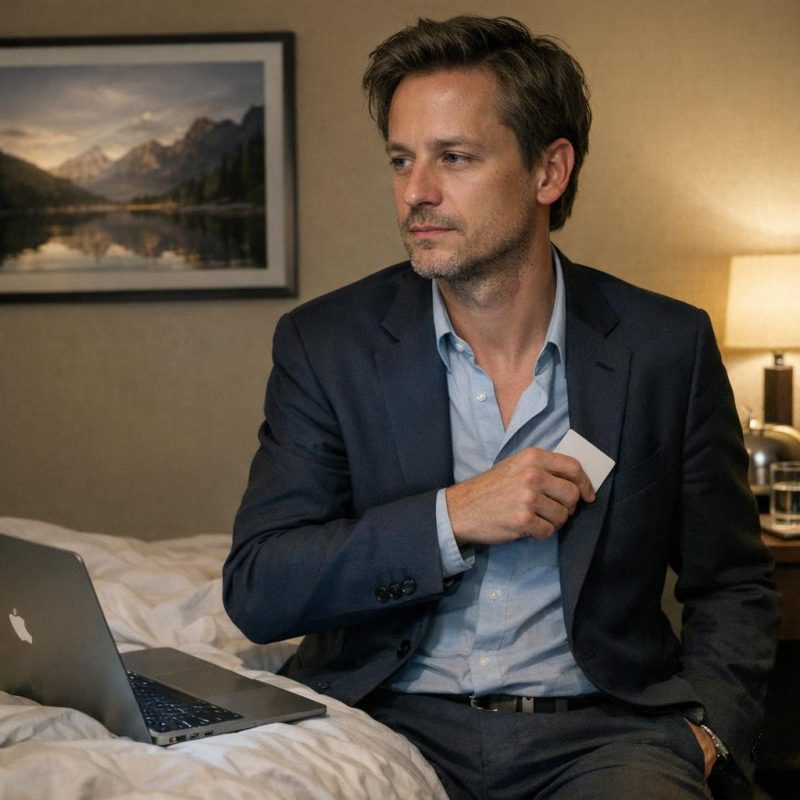 Image by RM AI
The Flight Home
The return flight felt different somehow, like I was seeing everything through new eyes. I kept pulling Marcus's card from my wallet, reading the simple text: 'Marcus Chen, Documentary Filmmaker' and a phone number. Just holding it made my heart race with possibility and terror in equal measure. I must have taken it out a dozen times during that flight, turning it over in my fingers, wondering if I was brave enough to actually use it. The flight landed at O'Hare around seven, and I knew David would be waiting at arrivals like he always did after my business trips. David with his steady accountant job and his five-year plan and his logical approach to everything. David who loved me and supported me and would absolutely think I'd lost my mind if I told him I was considering throwing away my career because of a conversation with a stranger on an airplane. I spotted him by baggage claim, holding a coffee from my favorite place, smiling that warm smile that had made me fall for him three years ago. He pulled me into a hug, asked about the trip, and I heard myself giving the standard updates about flights and meetings. But the whole time, Marcus's card burned in my pocket, and I realized with growing dread that I had absolutely no idea how to tell the person I loved that everything had just changed.
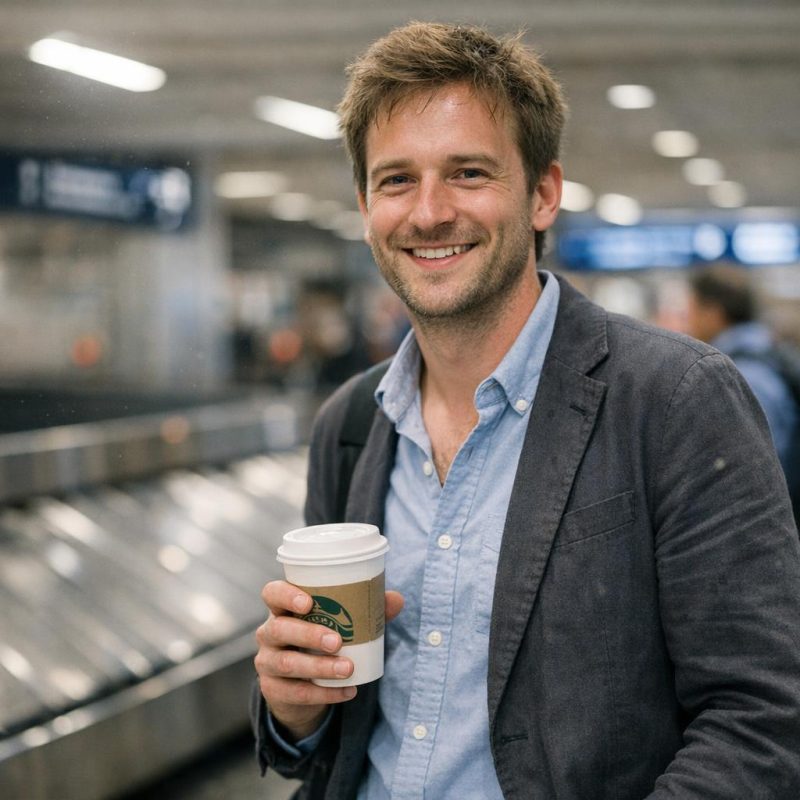 Image by RM AI
Monday Morning Blues
Monday morning hit like a punishment. The elevator ride up to the fourteenth floor, the badge swipe, the sea of gray cubicles under fluorescent lights that hummed just loud enough to drive you slowly insane. My desk looked exactly as I'd left it, coffee mug with the corporate logo, framed photo of David and me at his cousin's wedding, the motivational poster someone from HR had distributed that said 'Excellence Is A Journey' or some similarly meaningless phrase. I couldn't breathe. I actually stood there for a moment wondering if I was having a panic attack. Jennifer, my boss, swept past with barely a nod, already on her phone negotiating something that probably didn't matter to anyone except shareholders. At ten we had our weekly strategy meeting, the kind where eight people spend an hour discussing things that could have been an email. Jennifer droned on about quarterly targets and market positioning. I opened my laptop, pulled up the note-taking document I always used for these meetings. But my fingers didn't type meeting notes. Instead, I found myself opening a new document and starting an article about corporate life as performance art, about how we're all pretending our work has meaning. I was supposed to be capturing action items, but I was writing the truth instead, and I didn't even care if anyone noticed.
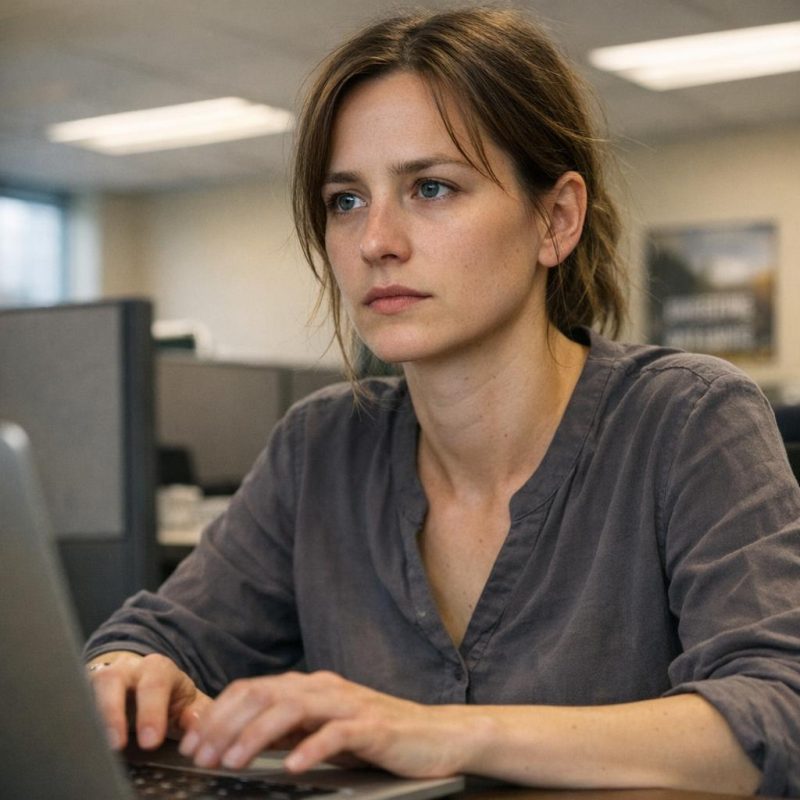 Image by RM AI
Sunday Dinner Interrogation
Sunday dinner at my parents' house was a weekly tradition I usually enjoyed, but that week I arrived with this nervous energy I couldn't quite hide. Mom had made her usual pot roast, and we were barely through the salad course when she asked about Denver. I tried to keep it vague, but then I mentioned meeting this interesting filmmaker on the plane, just in passing, and suddenly both my parents were laser-focused on me. Mom asked what kind of films, whether he was successful, and I could see her trying to figure out why I was bringing this up. Then I made the mistake of mentioning that Marcus used to be in finance and had changed careers, and my father set down his fork with this look I knew too well. 'You're not getting any ideas, are you?' he said, not quite joking. 'You have a stable career, good benefits, a future. People don't just throw that away because they meet some dreamer on an airplane.' Mom chimed in about how competitive journalism was, how different from the practical skills I'd built. I felt myself shrinking in my chair, thirty-two years old but suddenly eight again, being told to be sensible, be realistic, be grateful for what I had. I mumbled something about just having an interesting conversation and changed the subject to my brother's kids, but inside I was burning with shame for even daring to want something different.
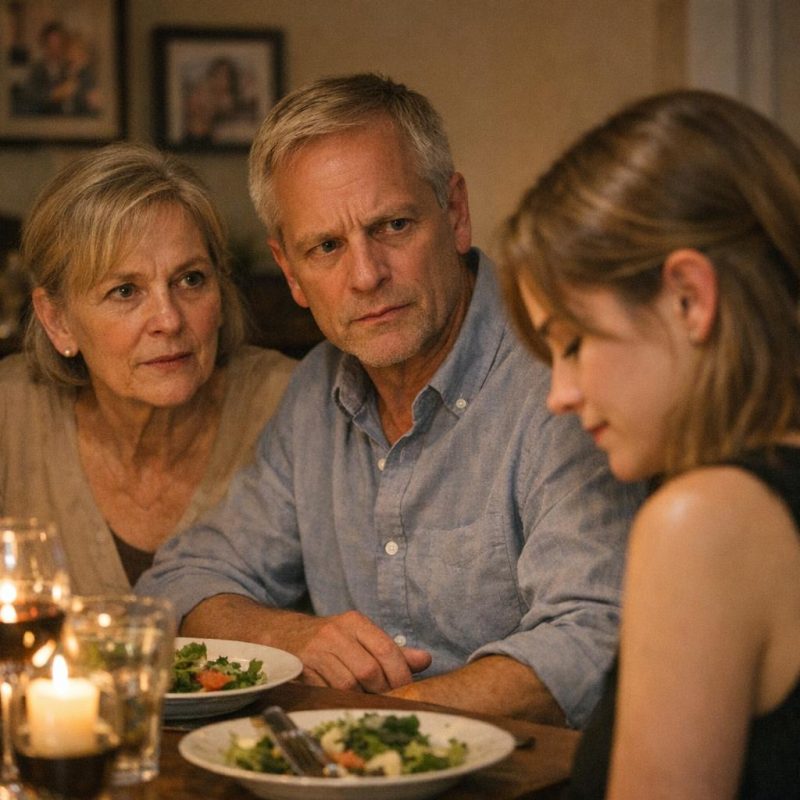 Image by RM AI
Night Writing Sessions
I became someone who set alarms for five AM, which is not who I am at all. But there I was, every morning in the dark, tiptoeing to the living room with my laptop like I was sneaking out for an affair. I'd write furiously for two hours before getting ready for work, and whenever David stirred or got up for water, I'd minimize the window and pretend I was checking emails. The secrecy felt ridiculous and thrilling at the same time. I told myself I was protecting him from worry, but really I was protecting myself from his questions, from having to explain something I didn't fully understand yet. My coffee consumption tripled. I wrote about the tech startup culture I'd observed, about the performance anxiety in corporate America, about the weird cognitive dissonance of making good money while feeling spiritually bankrupt. The words came easier than I expected, like they'd been backed up for years. I'd read somewhere that you have to write a million bad words before you write anything good, so I kept waiting for these drafts to be terrible. But they weren't terrible. They were raw and honest and actually pretty decent. After two weeks, I had three complete articles sitting in a folder on my desktop, and when I started Googling publications that might want them, my hands were shaking so hard I could barely type.
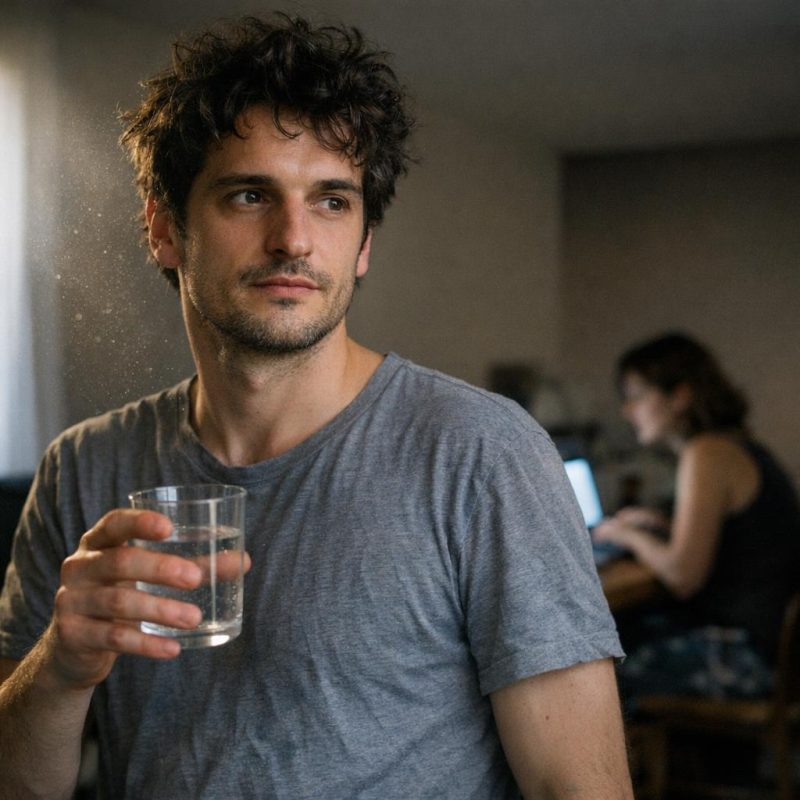 Image by RM AI
The Performance Review
Jennifer's office always smelled like expensive candles and ambition. She had me sit in the leather chair across from her massive desk and pulled up my performance review on her monitor, angling it so I could see the ratings. All 'exceeds expectations' across the board. She talked about my leadership on the Denver project, my strategic thinking, my reliability. Then she leaned back and said they were creating a Senior Director position and I was their top candidate. Twenty percent raise, team of six reporting to me, real influence on company direction. This was it. This was everything I'd worked toward for a decade, the validation I'd craved since my first internship. I should have been ecstatic. Instead, I felt this weird tightness in my chest, like the walls were closing in. Jennifer was looking at me expectantly, waiting for the enthusiastic yes she'd clearly anticipated. My mouth was dry. I heard myself say, 'That's incredible. Can I have some time to think about it?' Her expression flickered, just for a second, confusion or maybe concern. 'Of course,' she said slowly. 'But don't think too long. These opportunities don't come around often.' I walked back to my desk feeling like I'd just turned down a marriage proposal I'd been expecting to want.
 Image by RM AI
Coffee with Rachel
Rachel and I met at our usual coffee shop on Saturday morning, and I just blurted it all out. The plane conversation, the secret writing, the promotion I couldn't bring myself to accept. She listened without interrupting, which is not like her at all, and when I finished, she had this look on her face like I'd just announced I was abandoning my family to join a commune. 'Okay,' she said carefully. 'I want to be supportive. But are you actually thinking about quitting?' I nodded. She took a long sip of her latte. 'To do what? Write? Full time?' I nodded again, feeling defensive. Rachel has been my best friend since college, and she knows me better than almost anyone. She also works in accounting and has a very practical worldview. 'I love you,' she said. 'And I think you're an amazing writer. But have you looked at what journalists actually make? Have you calculated how long your savings would last?' The question hit me like cold water. I hadn't. I'd been operating on pure emotion and impulse, imagining myself as this brave person making a bold life change, without doing any of the actual math. 'That's what I thought,' Rachel said gently, and suddenly my grand transformation felt less like courage and more like a quarter-life crisis.
 Image by RM AI
The First Submission
I spent an entire evening researching publications, reading submission guidelines, trying to match my articles to the right outlets. I settled on a small online magazine that focused on workplace culture and millennial career issues. My piece about corporate performativity seemed perfect for them. I wrote a cover letter, attached the article, and then just sat there staring at the send button. What if it was terrible? What if I'd completely misjudged my own writing? What if Marcus had just been polite on that plane and I'd built this whole fantasy on nothing? I thought about all those MFA graduates working as baristas, all the talented people who never break through. But I also thought about staying in my current life forever, and that felt worse. I closed my eyes and clicked send. The next three days were torture. I checked my email obsessively, my heart jumping every time a notification appeared. I knew rationally that publications took weeks or months to respond, but I couldn't help myself. On day three, the response came. 'Thank you for your submission. Unfortunately, it does not fit our current editorial needs.' Standard form rejection, impersonal and brief. I was at work when I read it, and I literally had to lock myself in the bathroom stall to cry, pressing toilet paper against my eyes so my makeup wouldn't run.
 Image by RM AI
The Spreadsheet
Rachel showed up at my apartment the next weekend with her laptop and a determined expression. 'Okay,' she said. 'If you're really considering this, we're doing it properly.' She opened a spreadsheet and started asking questions. Monthly expenses? Savings total? Health insurance costs without employer coverage? Emergency fund needs? We spent three hours inputting numbers, and Rachel color-coded everything by priority level. Red for non-negotiables, yellow for reducibles, green for eliminables. My rent was horrifyingly red. My student loan payment, also red. Coffee shops and takeout, very very green. We ran different scenarios: six months of buffer, nine months, a year. We calculated what I'd need to earn freelancing to make it sustainable. The numbers were sobering. Not impossible, but not the romantic notion of just following my dreams either. I'd need to cut my spending by forty percent and start earning from writing within six months, or I'd burn through everything I'd saved. 'It's tight,' Rachel said. 'But it's doable. If you're smart and disciplined and willing to live pretty lean.' She looked at me seriously. 'The question is whether you actually want this enough to live on ramen and canceled Netflix.' I stared at the spreadsheet, at the concrete reality of my fantasy. For the first time, quitting felt like something I could actually do, not just dream about.
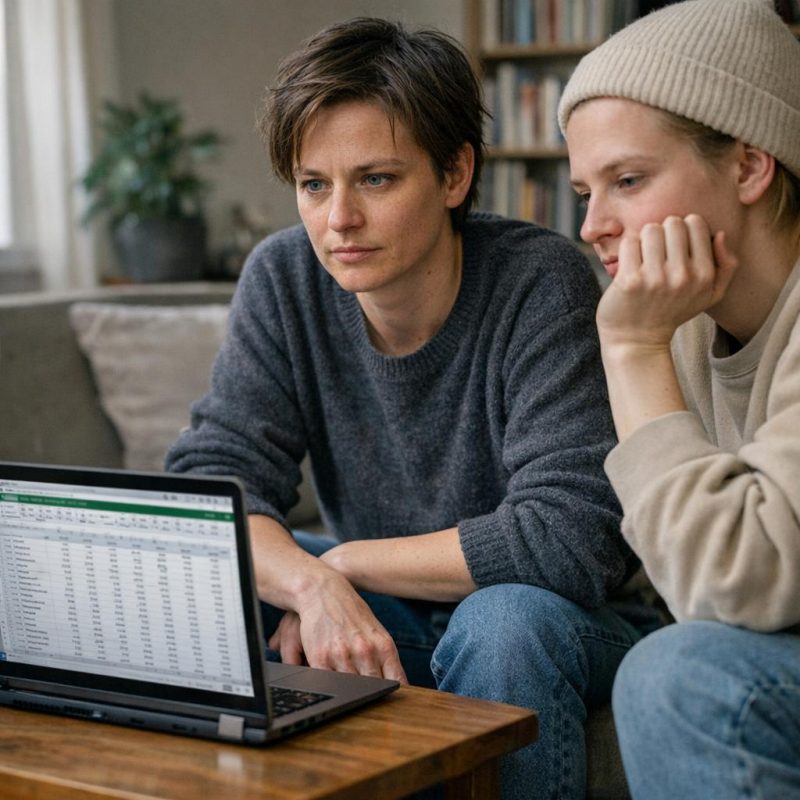 Image by RM AI
David's Concern
David noticed I'd been somewhere else mentally for weeks. We were supposed to watch a movie one night, and I realized I'd been staring through the TV for twenty minutes without processing anything. He paused it and turned to me. 'What's going on with you lately?' he asked. 'You've been so distant.' I couldn't keep hiding it. I told him I'd been writing, that I was thinking about making a career change, maybe leaving corporate work to pursue journalism. I tried to frame it carefully, emphasizing that I was still in the planning stages, that I wasn't being reckless. He listened with this increasingly worried expression. 'Define career change,' he said slowly. I explained about the articles, the spreadsheet, the financial planning. His face got tight. 'So you want to quit your job. The job with benefits and stability and a promotion waiting. To write articles for websites?' He wasn't being mean, exactly, but there was this disbelief in his voice. I tried to explain about feeling unfulfilled, about Marcus's question, about wanting work that mattered. David shook his head. 'I love you,' he said, and my stomach dropped because nothing good ever follows that phrase. 'But I can't support you throwing away everything you've worked for on a whim. This isn't brave. It's irresponsible.'
 Image by RM AI
Therapy Session
Dr. Walsh had been my therapist for two years, so she knew me well enough to see through my defenses. I'd scheduled an emergency session and spent the first ten minutes explaining everything in rapid-fire detail, defending my position before she'd even challenged it. When I finally stopped talking, she was quiet for a moment. 'What are you really afraid of?' she asked. I gave her the obvious answers: financial instability, career suicide, wasting my education. She nodded but didn't look satisfied. 'Those are real concerns,' she said. 'But I don't think they're what's keeping you up at night.' She leaned forward slightly. 'I think you're more afraid of disappointing people than you are of failure itself.' The observation hit me hard because it was true. I was terrified of my parents' reaction, of David's judgment, of proving everyone right who'd ever told me to be practical. I'd spent my whole life being the responsible one, the one who made good choices, who colored inside the lines. Dr. Walsh asked the question quietly but it landed like a bomb: 'Would you rather disappoint other people, or disappoint yourself?' I opened my mouth to answer and realized I had absolutely no idea what to say.
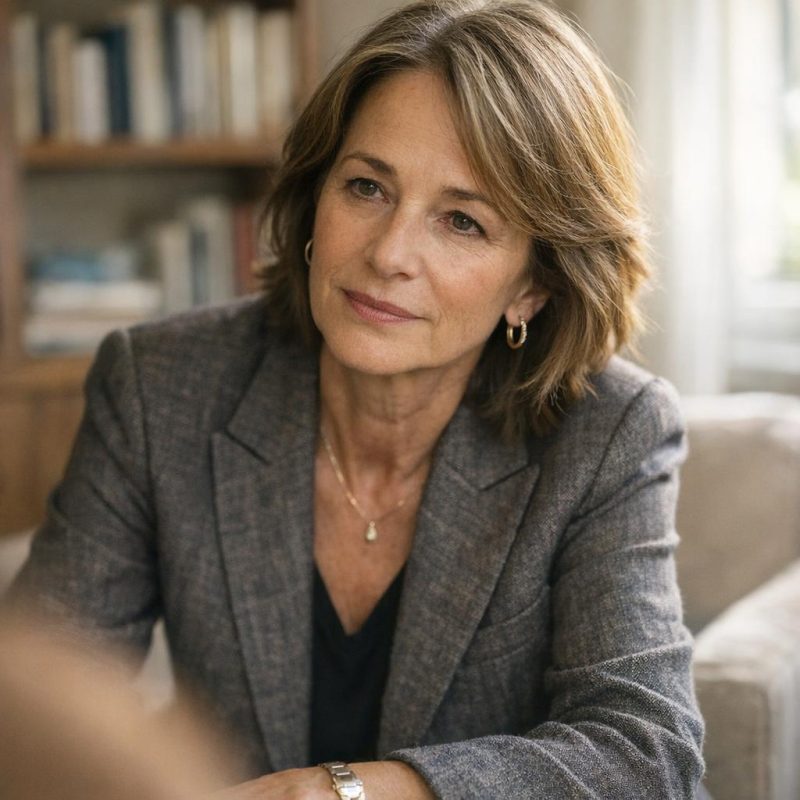 Image by RM AI
Acceptance Letter
I was eating cereal before work, mindlessly scrolling through emails on my phone, when I saw it. Subject line: 'Article Acceptance - Workplace Authenticity.' My hands went numb. I had to read it three times before it actually registered. They wanted to publish my piece. They loved my voice. They thought it would resonate with their readers. I screamed. Like, actually screamed, so loud that my neighbor banged on the wall. I didn't even care. I called Rachel at seven-thirty AM, jumping around my apartment like a maniac. This was real. I was going to be a published writer. Someone at an actual publication had read my words and thought they were worth sharing. I rode that high all the way through my shower until I sat back down at my laptop and read the full email. There was a contract attached, and I scrolled down to the payment section with my heart pounding, imagining what this first check might look like. Seventy-five dollars. They were going to pay me seventy-five dollars. I stared at that number for a solid minute, trying to make the math work in my head, trying to figure out how many articles at seventy-five dollars each I'd need to publish every month to survive, and the equation was absolutely terrifying.
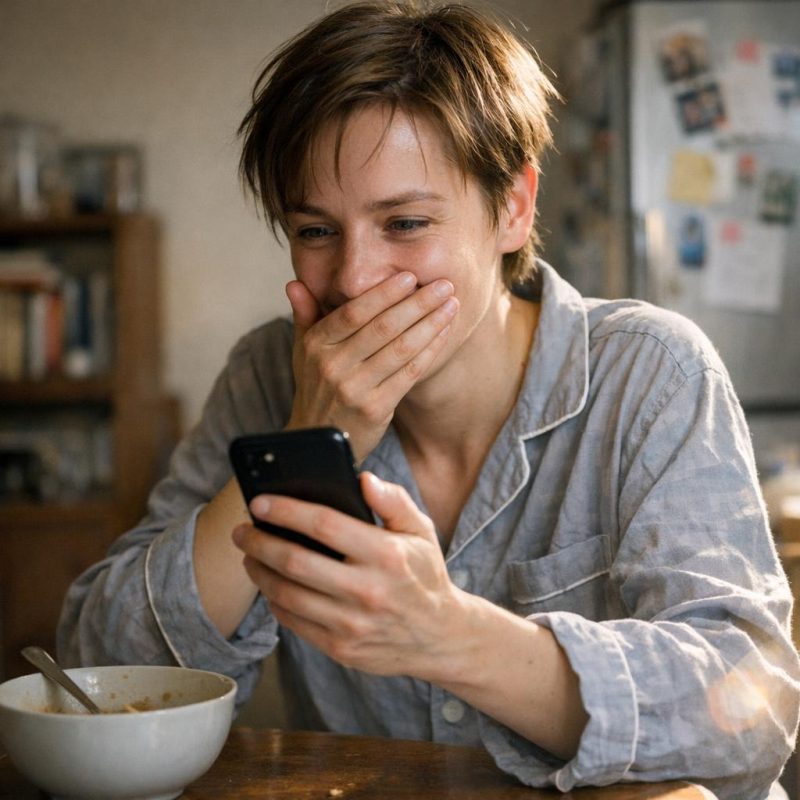 Image by RM AI
Published
The morning my article went live, I sent the link to everyone. Rachel texted back within minutes with like six fire emojis and 'THIS IS SO GOOD.' She forwarded it to three people while we were still texting. My parents took longer. My mom called that afternoon and said it was 'very interesting' in that tone she uses when she doesn't quite understand something but wants to be supportive. My dad asked if they'd paid me well, and when I told him seventy-five dollars, there was this long silence before he said 'well, it's a start.' David opened the link on his phone while we were having dinner. I watched him scroll, his face completely neutral, and he made it maybe halfway through before locking his screen. 'It's good,' he said, but he was already cutting his chicken. 'So listen, I've been thinking we should probably talk about being realistic here. About what this writing thing actually looks like long-term.' The pride I'd been carrying around all day turned to lead in my stomach.
 Image by RM AI
The Old Notebook
I was looking for my tax documents when I found it. A purple notebook from my junior year of college, shoved in the back of my closet behind old textbooks. The cover was covered in coffee rings and the pages were dog-eared, filled with my handwriting from ten years ago. Story ideas. Article pitches. Notes from journalism classes. Contact information for editors I'd planned to reach out to after graduation. There was a whole page where I'd written out my five-year plan, and it included working at a magazine, publishing a collection of essays, maybe doing some travel writing. I'd drawn stars next to the goals I was most excited about. God, I'd been so sure of myself back then. So convinced that this was obviously what I'd do with my life because what else would I possibly do? I sat on my bedroom floor reading page after page of my younger self's ambitions, and I started crying. Not gentle tears, but the kind of crying where you can't catch your breath. I'd been mourning this loss for eight years without even realizing I was grieving.
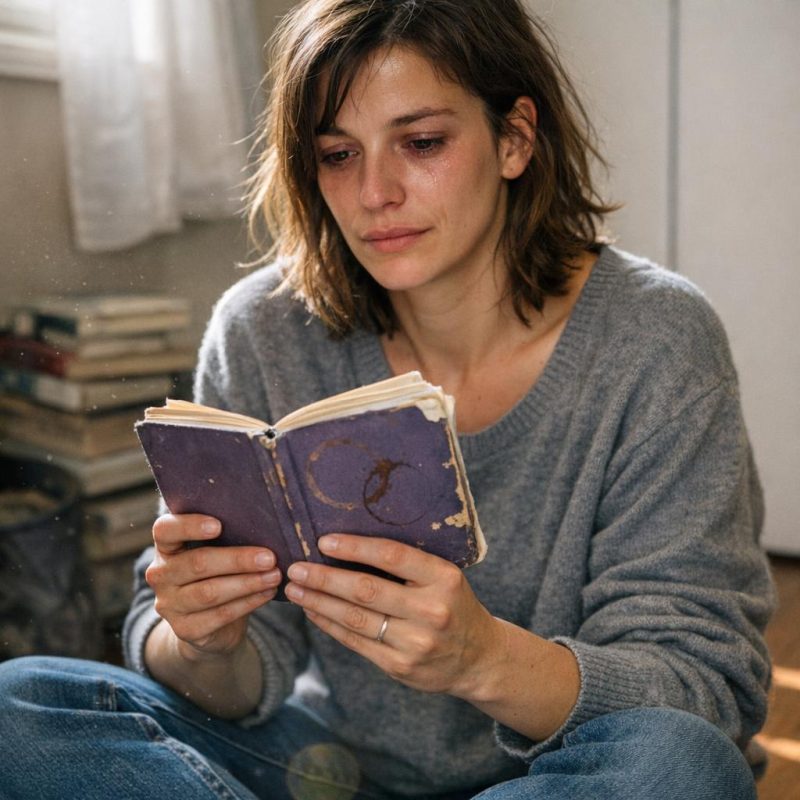 Image by RM AI
Three Months Later
Three months later, I had five more articles published. One in a small business magazine, two on Medium that actually got some traction, one in an online literary journal, and another in the same outlet that had published my first piece. The money was still terrible, like laughably bad, but people were reading my work. Strangers were leaving comments. Someone had even emailed to say my article about workplace authenticity had helped her quit a job that was destroying her mental health. I was riding that high when Jennifer called me into her office on a Thursday afternoon. She closed the door, which was never a good sign. 'I want to talk about your performance,' she said, and my stomach dropped. 'You've missed two deadlines this quarter. Your presentation last week was not up to your usual standard. Is everything okay?' I opened my mouth to explain, but what was I going to say? That I'd been staying up until two AM writing articles that paid almost nothing? That I'd been mentally checked out for months because I'd finally found something that made me feel alive?
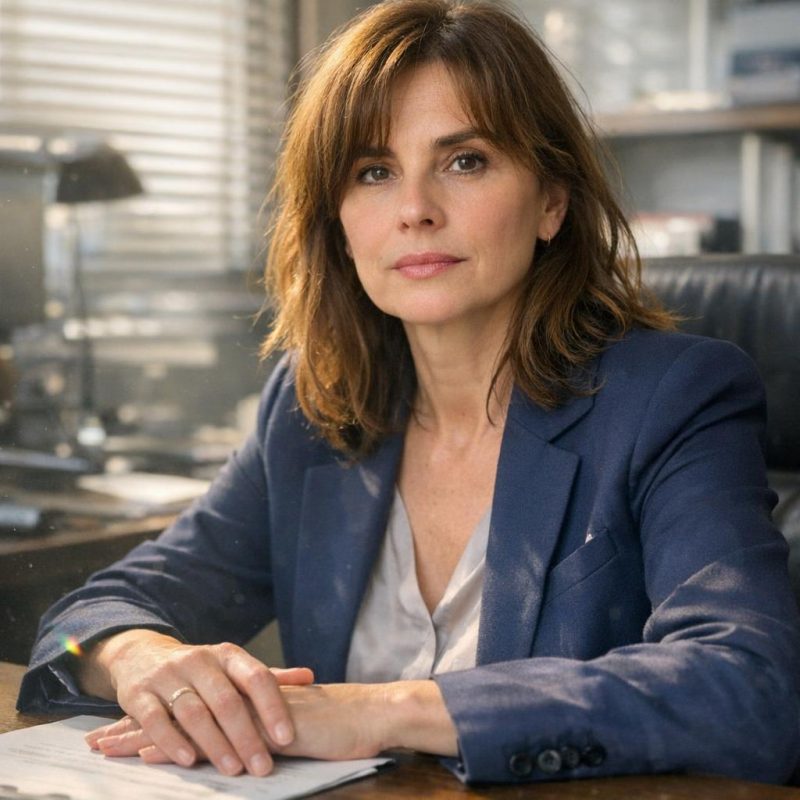 Image by RM AI
The Fight
David found me writing at two in the morning on a Wednesday. I had a huge presentation the next day, the kind that could determine my year-end bonus, and I was supposed to be sleeping. Instead, I was hunched over my laptop finishing an article about burnout culture. He stood in the doorway of my home office for a full minute before I noticed him. 'Are you kidding me right now?' His voice was tight with anger. 'You have to be at work in six hours.' I told him I was almost done, just give me twenty minutes. That's when he lost it. He said I was throwing away everything we'd built together for what, a hobby? That I was being selfish and irresponsible and he couldn't watch me destroy my career anymore. Then he said the thing I knew was coming but still wasn't prepared to hear. 'You need to choose. This fantasy or our actual future together. I'm serious.' I stared at him for maybe ten seconds, saved my document, closed my laptop, and walked past him to grab my jacket. 'Where are you going?' he asked, and I didn't answer because I was already out the door.
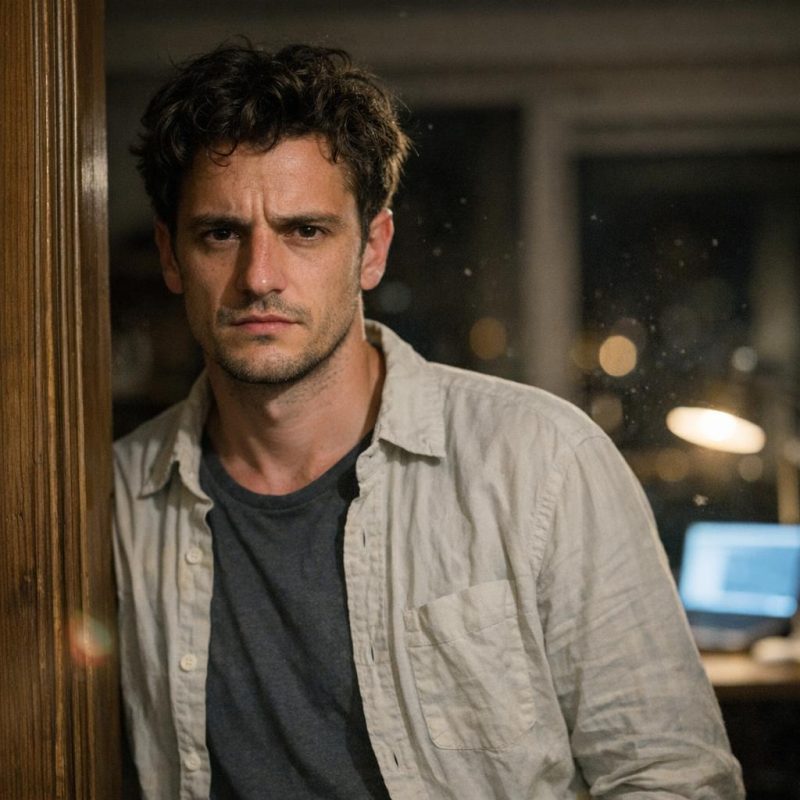 Image by RM AI
Rachel's Couch
Rachel's couch was uncomfortable and her apartment was too warm, but I stayed there for three nights straight. She didn't ask many questions at first, just handed me blankets and wine and let me exist in my misery. But on the third night, she sat down next to me and her whole energy was different. 'I'm going to stop telling you to compromise,' she said. 'I've been thinking about it, and I've been wrong. David's been wrong. Everyone telling you to be practical has been wrong.' I looked at her like she'd grown a second head. This was Rachel, who'd spent months suggesting I could do both, that I just needed better time management. 'So what are you saying?' I asked. She leaned forward, completely serious. 'I'm asking what you actually want. Not what makes sense or what's safe. What do you want?' And I knew the answer immediately, even though saying it out loud felt terrifying. 'I want to email Marcus.' Rachel stood up, grabbed my laptop from the coffee table, and handed it to me without another word.
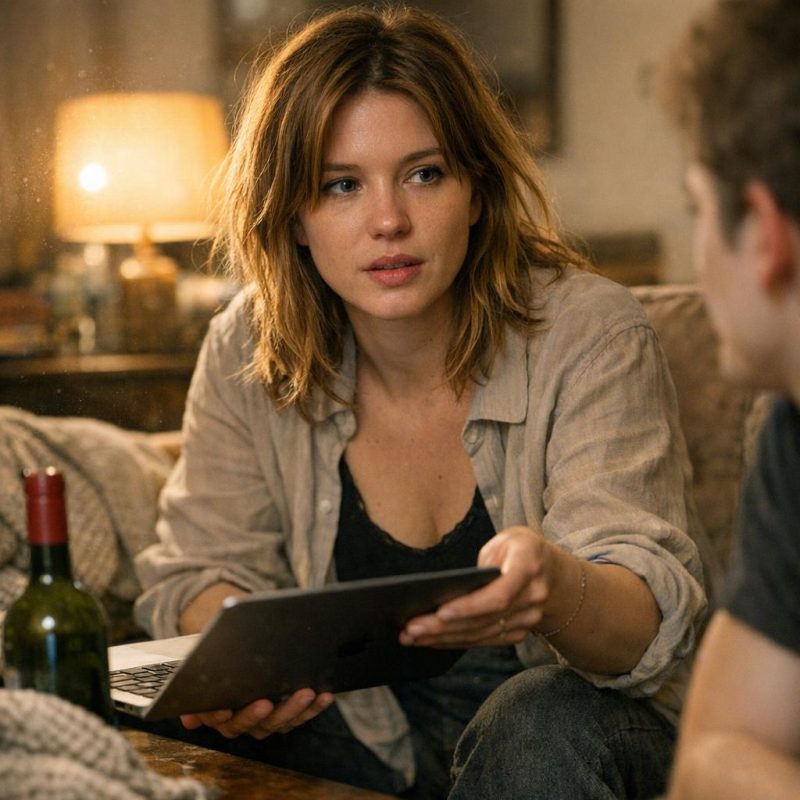 Image by RM AI
Email to Marcus
I wrote seven different versions of that email. The first one was way too formal, like I was applying for a corporate job. The second was too casual, too desperate. The third tried to explain everything that had happened since our flight, and it turned into a novel. I deleted all of them. Started over. Deleted again. Rachel fell asleep on the other end of the couch while I was still typing and retyping the subject line. Finally, around midnight, I just wrote what was true. 'Hi Marcus, It's the person from seat 14A. I've been thinking about our conversation for months. I've been writing. I published some articles. I think I'm ready to talk about what comes next, if you're still willing. I don't know what I'm doing, but I know I can't keep doing what I've been doing.' I read it over once, closed my eyes, and hit send before I could overthink it. Then I set my phone face-down on the coffee table and tried to convince myself I wouldn't check it every five minutes. An hour later, it buzzed with his response. 'Come to Boulder next week. Let's talk in person. Here's my address.'
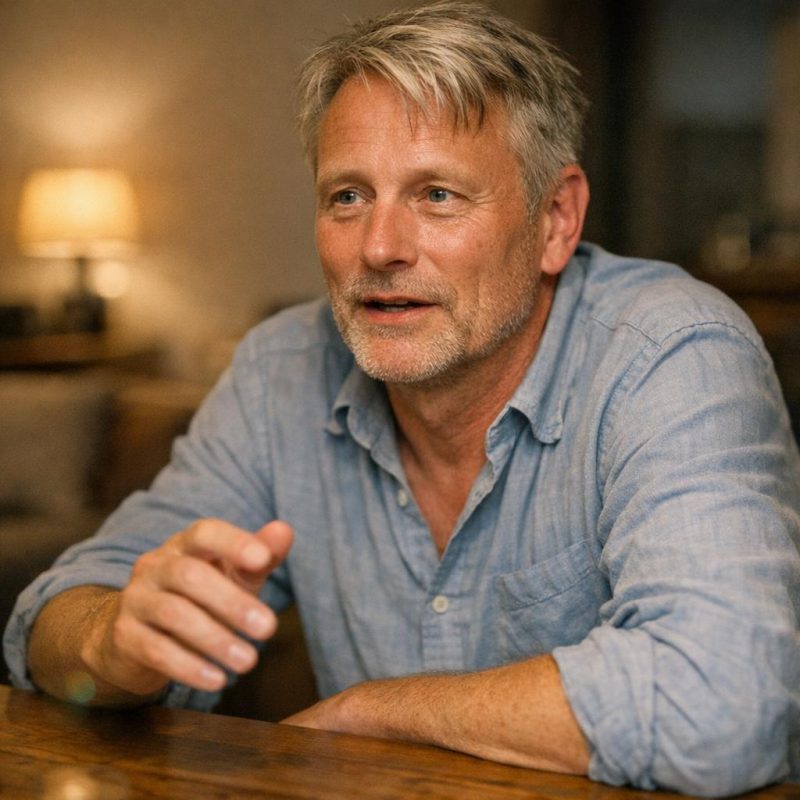 Image by RM AI
The Boulder Trip
I told work I had a doctor's appointment and flew to Boulder on a Tuesday morning. The whole flight I was running through scenarios in my head, trying to prepare for disappointment, trying not to get my hopes up. Marcus's studio was in a converted warehouse downtown, the kind of place with exposed brick and huge windows. My hands were shaking when I pressed the buzzer. He answered the door himself, looking exactly like I remembered, except he was wearing paint-stained jeans and an old sweater. 'You came,' he said, smiling like he'd genuinely wondered if I would. The space inside was chaos in the best way. Editing equipment everywhere, whiteboards covered in notes, two other people hunched over laptops wearing headphones. Marcus introduced me to Sarah and to Joel, explained they were working on a documentary about climate refugees. He showed me their footage, walked me through their research process, asked if I wanted to see their interview transcripts. And something happened while I was standing there in that messy, creative space surrounded by people who actually cared about the stories they were telling. Something inside me just clicked into place, like a bone setting after being broken for years.
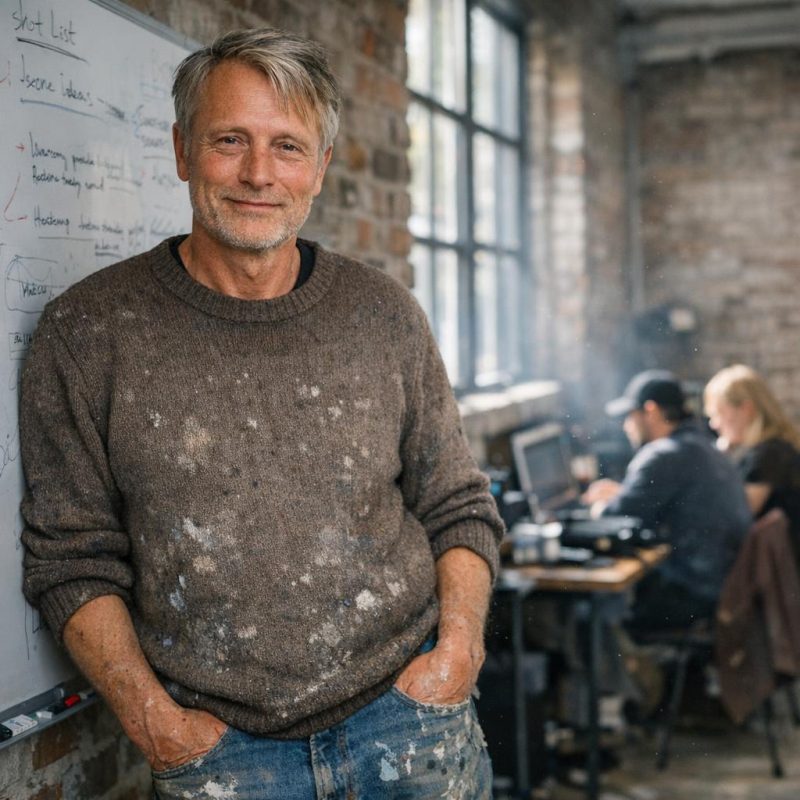 Image by RM AI
The Offer
We talked for three hours. Marcus showed me everything they were working on, explained how his small team operated, asked about the articles I'd published. Then he leaned back in his chair and said, 'I have a proposal for you.' My heart was hammering so hard I thought he could probably hear it. He needed someone to help research and write for their documentaries. Interview transcription, background research, helping shape narrative structure. It would be freelance to start, maybe fifteen hours a week, with the possibility of more if things went well. I asked about pay, trying to keep my voice steady. He named a number that made me do quick mental math. It was maybe a quarter of what I made at my corporate job. Maybe less. For a second, I heard David's voice in my head asking me to be realistic, heard my dad's silence on the phone, heard Jennifer asking about my performance. But then I heard myself, and what I said was yes. Just like that. No negotiation, no asking for time to think about it. 'Yes, I'll do it,' I said, and Marcus grinned like I'd just made both of our days.
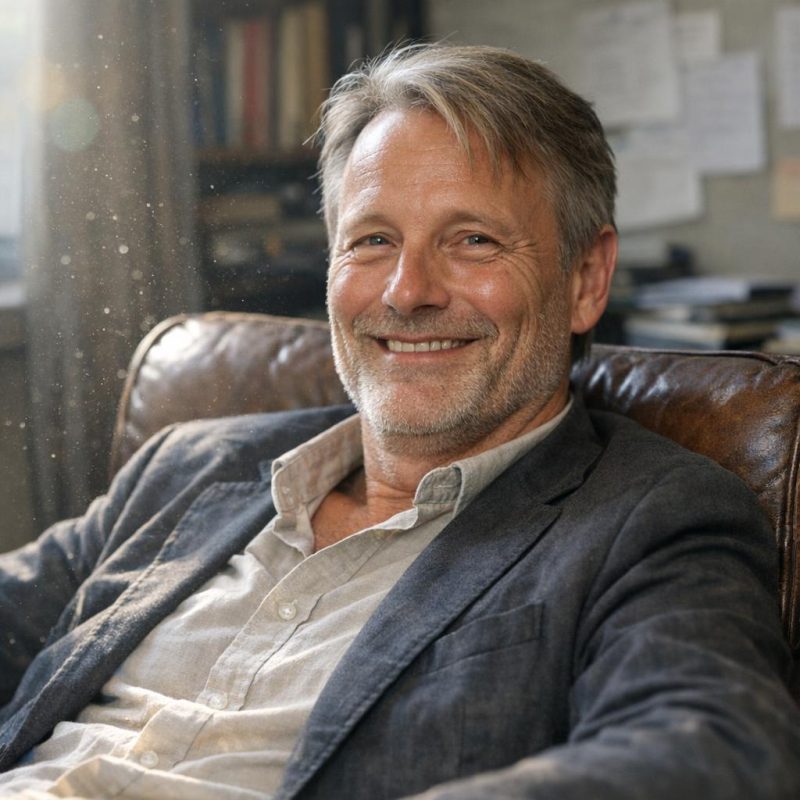 Image by RM AI
The Big Magazine
When I got back to Chicago, I went straight to my apartment and collapsed on the couch, still processing everything that had happened with Marcus. My laptop was sitting on the coffee table, and I opened it out of habit, expecting the usual corporate emails and project updates. Instead, there was a message from someone named Elena Martinez with the subject line 'Story Inquiry.' My heart did this weird skip thing. Elena was a senior editor at one of those magazines I'd been reading religiously since college, the kind that published long-form journalism that actually mattered. She said she'd been following my LinkedIn articles about corporate culture and burnout, and she wanted to talk about commissioning a piece. A real piece. Like, four thousand words about career transitions and what it means to walk away from stability in your thirties. I must have read the email five times. She wanted to schedule a call for the next day. I called her at exactly the time she'd specified, my hands shaking so hard I almost dropped my phone. We talked for forty minutes about the angle, the research, the timeline. Then she named the fee, and I actually had to ask her to repeat it. She wanted to commission a long-form piece about career transitions, and the fee would cover three months of expenses.
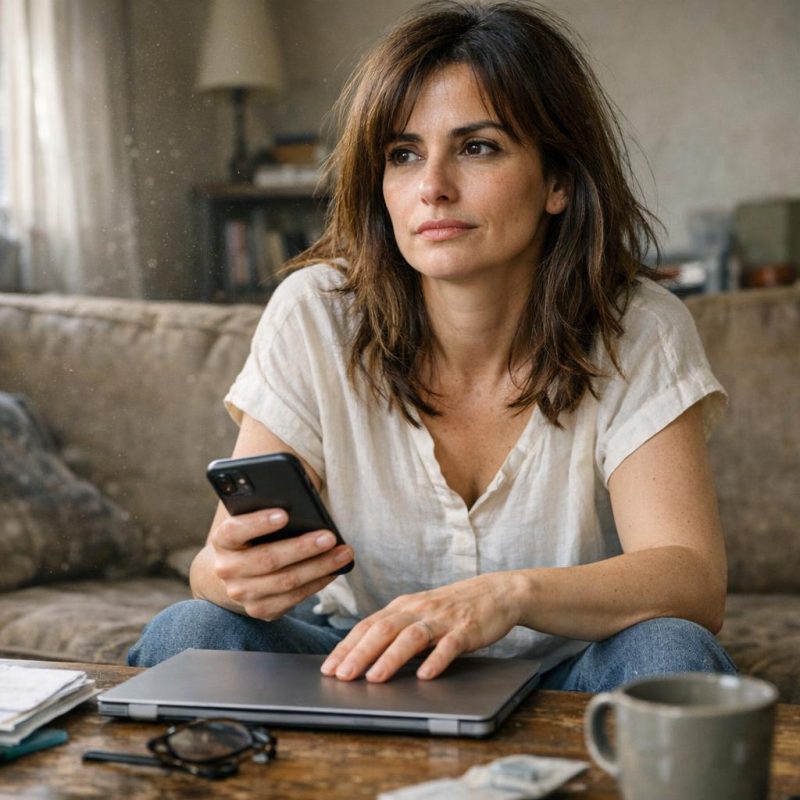 Image by RM AI
The Decision Point
The next morning, I sat at my corporate desk and stared at my computer screen without really seeing it. Jennifer had sent another email about that promotion, the one she'd been dangling for weeks. More money, more responsibility, more of exactly what was slowly killing me from the inside. On one side of my desk was the corporate life, the predictable path that everyone expected me to follow. On the other side was Marcus's freelance offer and Elena's magazine commission and this terrifying possibility that I could actually make something different work. My hands were cold. I'd been sitting there for maybe twenty minutes, just frozen, when I realized I'd already made the decision. Maybe I'd made it on that plane, or in Marcus's office, or even back when I first sat next to him in seat 14B. I opened my bottom desk drawer where I'd been hiding something for two weeks now. A resignation letter I'd written at midnight one night when I couldn't sleep, thinking I'd never actually use it. I pulled it out, smoothed the single page, and stood up. I opened my desk drawer, pulled out the resignation letter I'd been secretly drafting, and walked toward Jennifer's office.
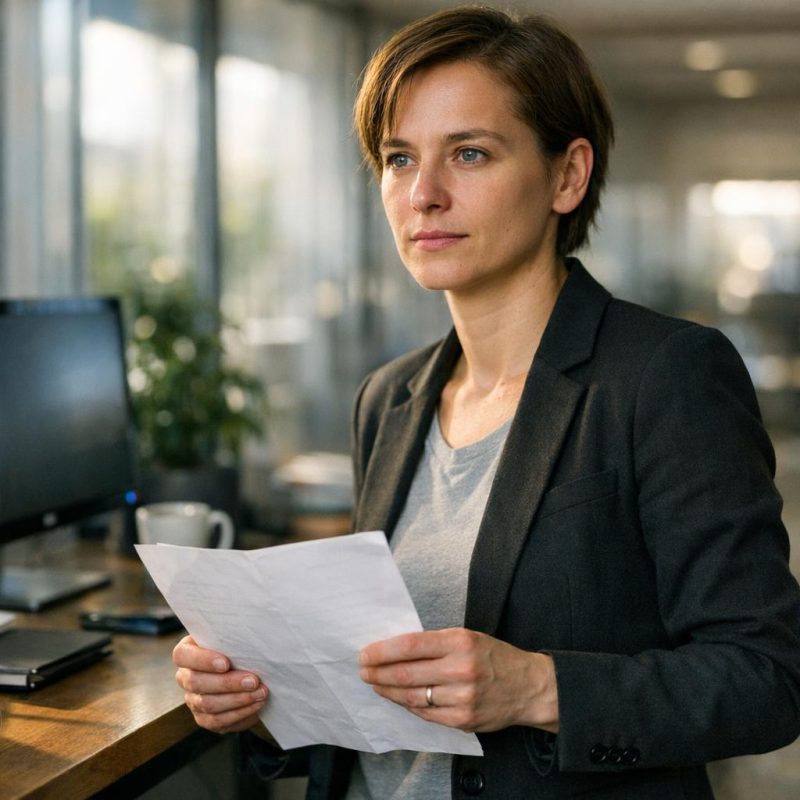 Image by RM AI
I Quit
Jennifer was on a conference call when I knocked, but she waved me in, holding up one finger. I stood there holding my letter, feeling like I might throw up, while she wrapped up her conversation. When she hung up, she smiled at me, that professional smile she used when she wanted something. 'Good timing,' she said. 'I was just about to email you about the promotion paperwork.' I didn't say anything. I just placed the letter on her desk and took a step back. She looked down at it, confused at first, then picked it up and started reading. I watched her face change. Confusion became shock, then something almost like hurt. 'You're resigning?' She said it like the words didn't make sense together. 'Is this about money? Because we can negotiate.' I shook my head. 'It's not about money.' 'Then what? Are you going to a competitor?' I told her about the documentary work, the magazine piece, and she actually laughed. Not a mean laugh, exactly, but disbelieving. 'Are you having some kind of crisis? This isn't like you.' Maybe that was the problem, I thought. Maybe it was exactly like me, and I'd just been pretending otherwise. When I walked out of her office, my hands were shaking, but I'd never felt more certain of anything in my life.
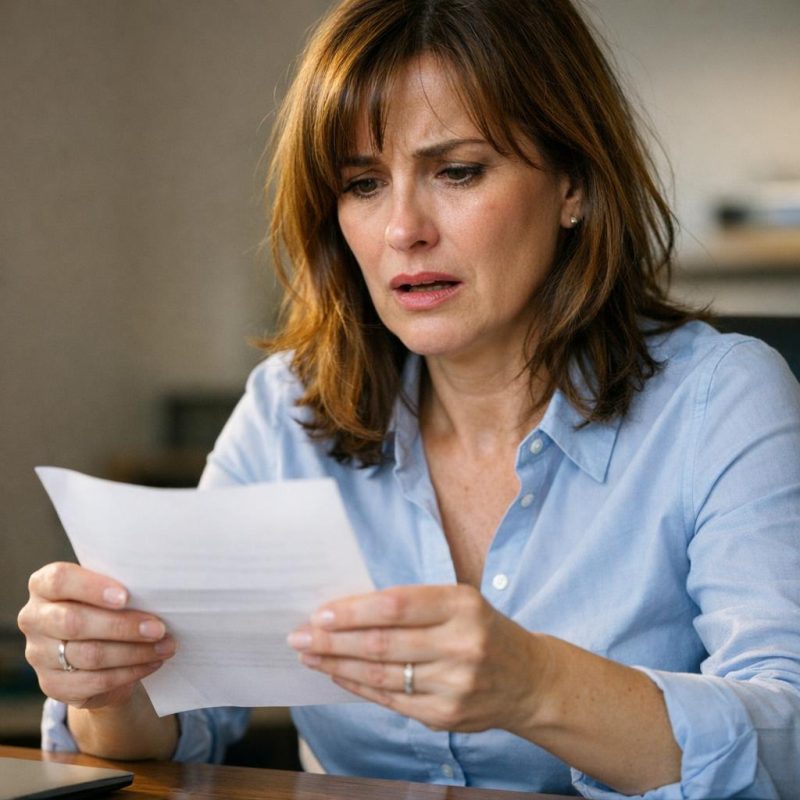 Image by RM AI
Telling My Parents
I drove to my parents' house that weekend, practicing what I'd say the entire way there. My mom was in the kitchen making coffee when I arrived, and my dad was in his usual chair reading the newspaper. They both looked so comfortable, so settled in their routines, and I felt like I was about to detonate a bomb in their living room. I sat down and just said it straight. 'I quit my job.' My mother actually gasped, her hand flying to her chest like she'd been struck. 'You what?' My father put down his newspaper very slowly and stared at me. I explained everything—Marcus, the documentary work, the magazine commission, how I couldn't keep doing work that made me miserable just because it paid well. My mom kept saying 'but your career' over and over, like those two words were supposed to mean something. My father was quiet for a long time, his jaw tight, and then he said I was throwing my life away. That I'd worked so hard to get where I was, and I was just going to throw it all away for what? Writing? Dreams? He said the word 'dreams' like it was something embarrassing. I surprised us both by standing up and saying I was finally finding it.
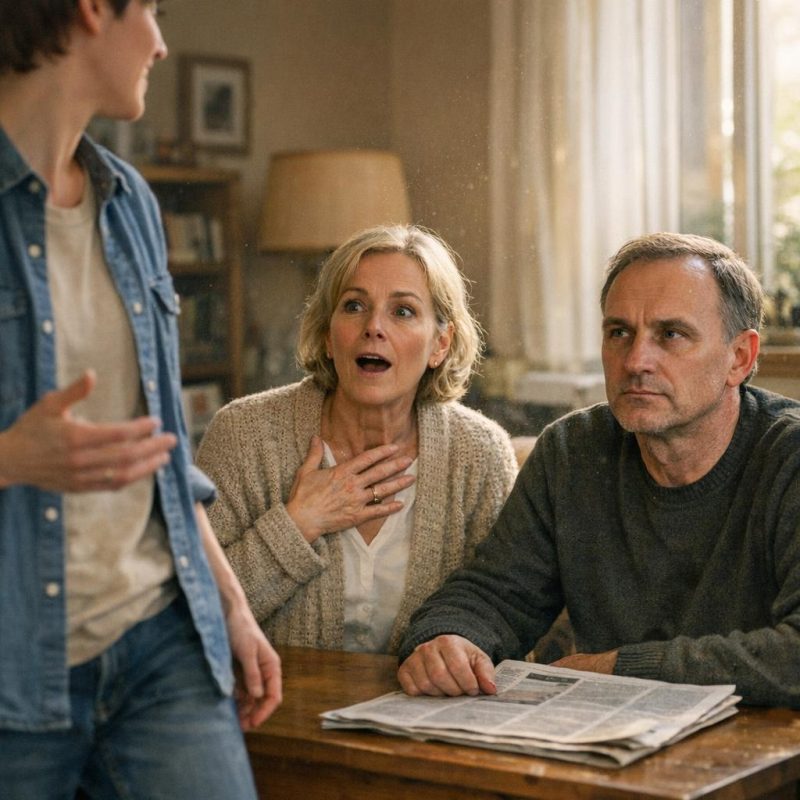 Image by RM AI
David Returns
Two days after I told my parents, David called. Not texted—actually called, which he never did anymore. He asked if we could meet, said he wanted to talk, and something in his voice made me agree. I showed up at a coffee shop near his office, and he was already there, looking tired and somehow smaller than I remembered. He apologized immediately. Said the ultimatum was unfair, that he'd been scared and handled it badly. For a second, I felt this surge of hope, this stupid fantasy that maybe we could figure it out after all. He reached across the table and took my hand, and I let him. Then he said, 'But I still think you're making a mistake.' There it was. The apology with conditions attached, the olive branch with thorns. He couldn't support this choice, he said. He needed someone who wanted the same life he did—the house, the stability, the conventional path. He wasn't trying to control me, he just couldn't be with someone who was choosing chaos over security. And the thing was, I got it. I did. We sat there for another hour, talking in circles, but the conclusion was already clear. But then he said he still couldn't support this choice, and I realized we wanted fundamentally different lives.
 Image by RM AI
Last Day
My last day at the office felt surreal. I'd worked there for seven years, and now I was packing everything into two cardboard boxes like none of it had ever mattered. My coworkers kept stopping by my desk to say goodbye, and they all had this same confused expression, like they were watching someone voluntarily walk off a cliff. Some of them asked where I was going next, what company, and when I explained I was going freelance, doing documentary work and writing, they just nodded slowly. One guy from accounting actually said, 'Well, good luck with that,' in a tone that clearly meant I'd be back in six months. I cleaned out my drawers, packed up the framed photo of me and Rachel, took down the calendar I'd never looked at. My company laptop went back to IT. My key card went to HR. Every step felt like shedding a layer of skin I'd been wearing for so long I'd forgotten it wasn't actually me. Jennifer didn't come say goodbye. I walked past her office on my way out, and she was on another conference call, gesturing at her screen. I almost knocked but didn't. As I walked out of the building for the last time, I felt simultaneously free and terrified.
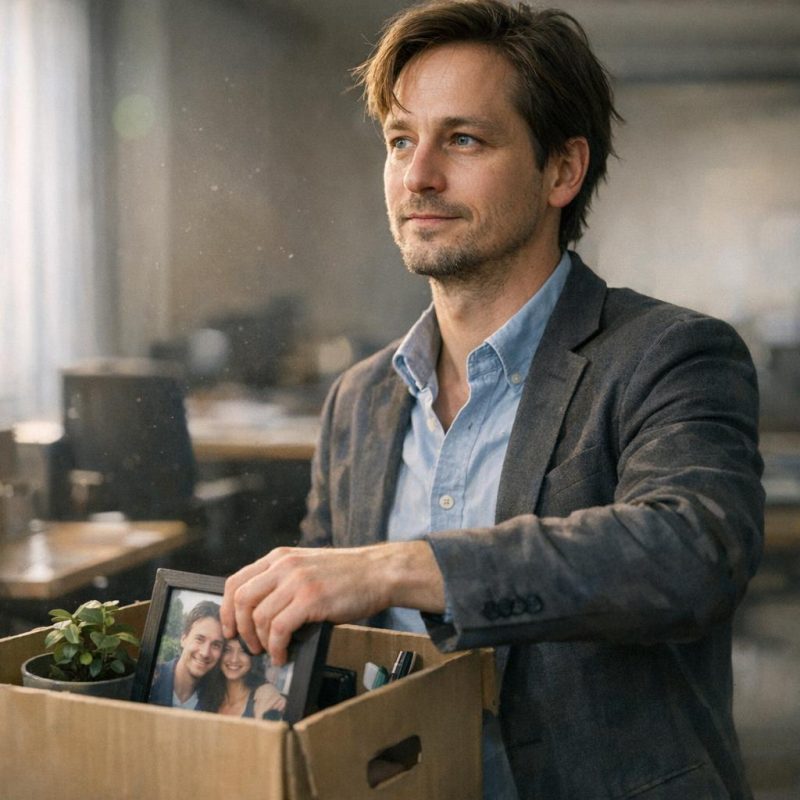 Image by RM AI
First Week of Freedom
The first week without a corporate job was disorienting in a way I hadn't anticipated. I kept waking up at six-thirty out of habit, reaching for my phone to check emails that no longer existed. My calendar was suddenly, frighteningly empty. No meetings, no deadlines, no structure at all. I tried to be productive, working on the magazine piece, organizing files for Marcus's project, but mostly I just sat in my apartment feeling untethered. By Wednesday, I was having full conversations with myself out loud, which couldn't be a good sign. Thursday morning, I woke up in a complete panic. My chest was tight, my hands were shaking, and I couldn't catch my breath. What had I done? I'd thrown away everything stable in my life for what—some freelance work and a magazine article? This was insane. I was insane. I called Rachel, barely able to form words, and she showed up twenty minutes later with coffee and this look on her face that was part concern, part I-told-you-this-would-be-hard. She sat with me on the floor of my living room while I spiraled, letting me talk through every fear and worst-case scenario. Rachel found me having a panic attack in my apartment, convinced I'd made the biggest mistake of my life.
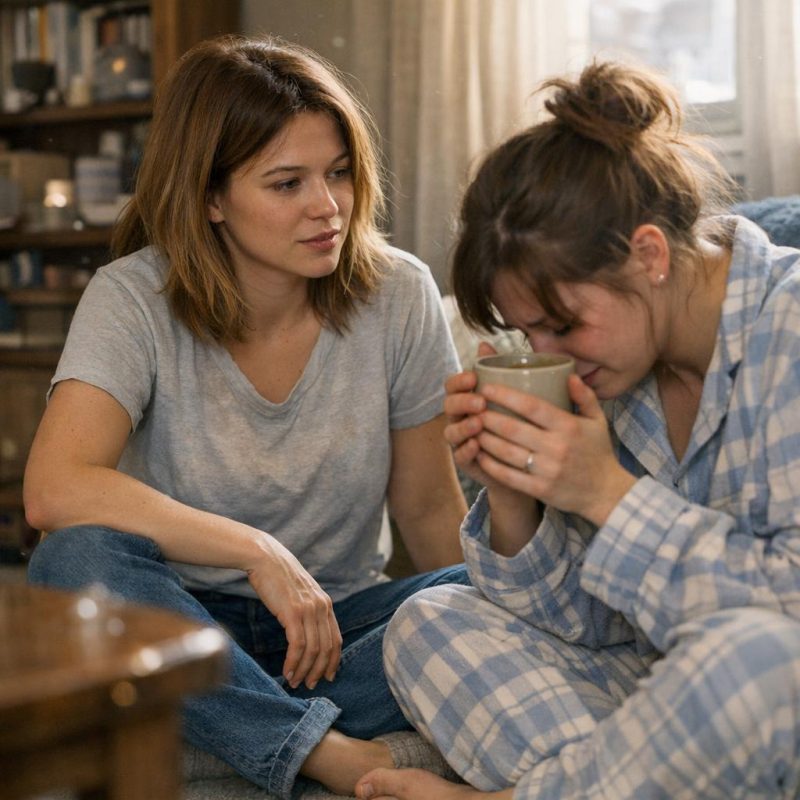 Image by RM AI
Meeting Sophia
Monday morning, I showed up at Marcus's production company for my first official project. The office was in a converted warehouse, all exposed brick and mismatched furniture, nothing like my old corporate space. Marcus introduced me to a woman named Sophia who'd be working with me on research. She was maybe twenty-eight, wearing jeans and a hoodie, with this easy confidence I immediately envied. We grabbed coffee, and she asked how I was feeling about the transition. I tried to sound positive, but she saw right through it. 'You're freaking out,' she said, not unkindly. I admitted I was. She laughed and said she'd been exactly the same. Sophia had left a law firm two years ago to do this work, and her family still hadn't forgiven her. The first few months, she said, she'd cried almost every day, convinced she'd destroyed her life. 'But here's the thing,' she said, leaning forward. 'It gets easier. Not right away, and not in a straight line, but it does.' She told me about the projects she'd worked on, the stories she'd helped tell, how she finally felt like her work mattered. She told me the first six months were hell, but if I could survive them, everything would start to make sense.
 Image by RM AI
The Magazine Article
I became obsessed with that magazine article. For two weeks straight, I wrote from the moment I woke up until I couldn't keep my eyes open anymore. I wrote about the plane ride with Marcus, about the vertigo of quitting, about the terror of not knowing if I'd made the right choice. Every draft felt either too raw or too polished, too self-indulgent or too vague. Rachel brought me food because I kept forgetting to eat. Sophia checked in to make sure I was still alive. I rewrote the ending seven times, trying to be honest about how hard everything was without sounding like I regretted it. Because I didn't regret it, not exactly, but I was definitely drowning. When I finally submitted it to Elena, my hands were shaking. She called me the next day while I was at Marcus's office. 'This is raw and honest,' she said, her voice warm. 'Exactly what we need. I'm scheduling it for the next issue.' I sat there in the converted warehouse with exposed brick all around me, and for the first time in months, I felt like maybe I could actually do this.
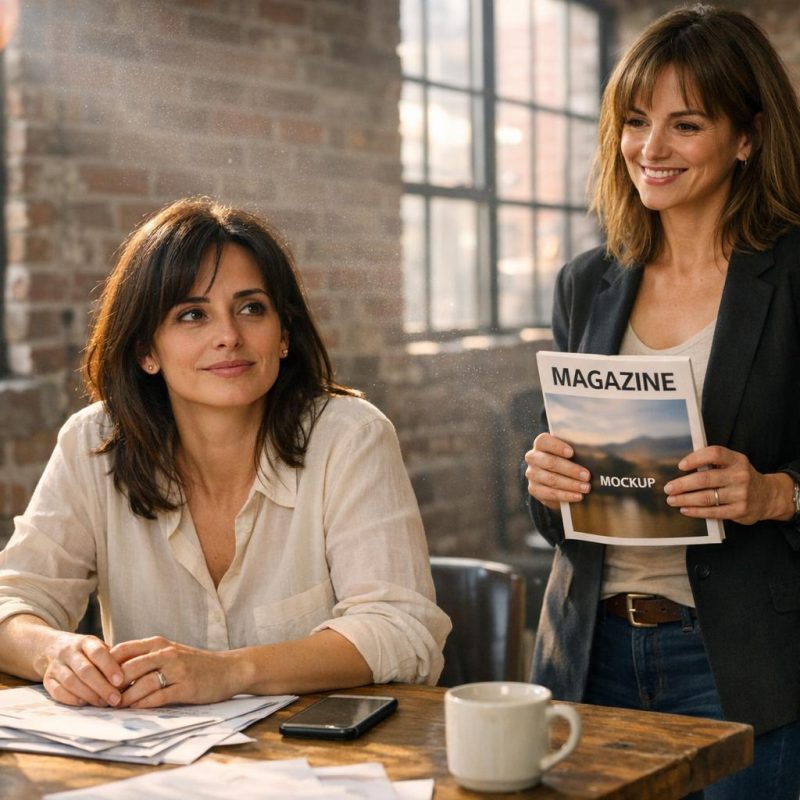 Image by RM AI
Publication Day
The article went live on a Tuesday morning, and I watched my phone like it was a bomb about to detonate. Within an hour, it had been shared thirty times. By afternoon, three hundred. People were commenting everywhere, telling their own stories about leaving careers, about being too scared to leave, about regretting staying too long. Strangers were messaging me on social media, thanking me for putting words to feelings they'd carried for years. My hands wouldn't stop shaking. Rachel texted: 'YOU'RE GOING VIRAL.' I felt sick and exhilarated at the same time. That evening, Marcus called. 'Congratulations,' he said, sounding genuinely pleased. 'You captured something real.' We talked for a few minutes about the response, about how hungry people were for honest conversations about work and meaning. Then he paused. 'I should mention,' he said, 'several other publications have reached out to me asking if you take commissions. Apparently everyone wants a piece of the writer who actually quit.'
 Image by RM AI
Money Stress
The article's success felt amazing for about forty-eight hours, and then my rent was due. I stared at my bank statement like it might magically change if I looked long enough. The magazine payment wouldn't come for another month. The documentary work paid eventually, but eventually didn't help me now. I started going through my apartment, identifying what I could sell. The nice coffee table I'd bought when I got promoted, gone. The designer lamp my mother gave me, listed online. I ate rice and beans for a week straight. On Friday, Rachel found me sitting on my floor crying over my bank statement, surrounded by furniture I was about to post on Craigslist. She sat down next to me and didn't say anything for a minute. Then: 'You knew this would be hard.' I wiped my face with my sleeve. 'I know,' I said. 'But knowing it intellectually and living it are completely different things.' She nodded and reminded me that I'd saved money for this exact situation, that I'd planned for struggle, and that one bad month didn't mean I'd failed.
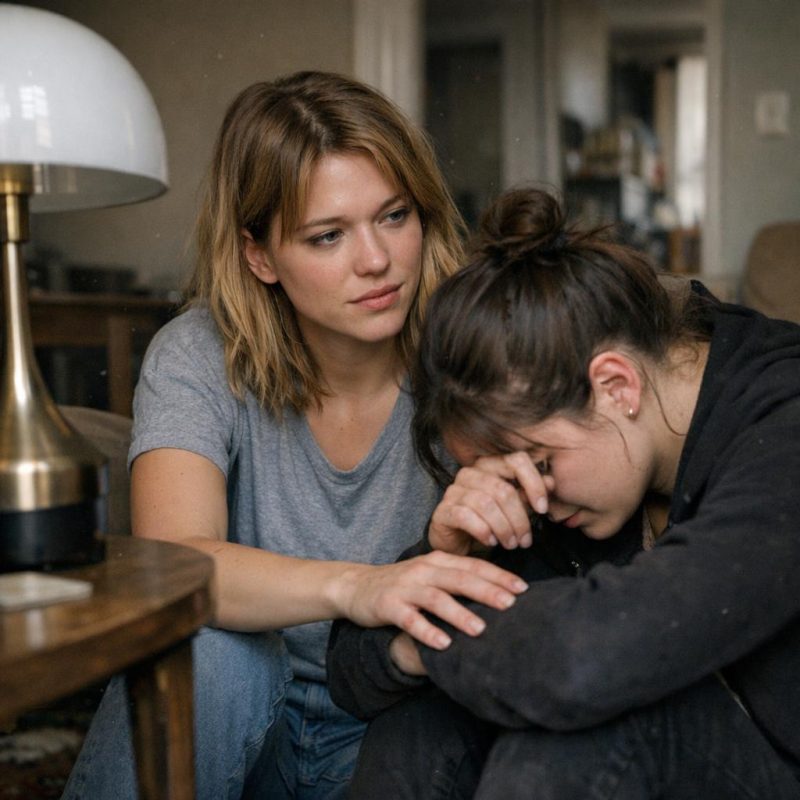 Image by RM AI
Parent Thaw
My mother called on a Sunday afternoon, which was unusual enough that I almost didn't answer. 'I read your article,' she said without preamble. My stomach dropped. Here it comes, I thought. The lecture about throwing away my education, about disappointing the family. 'It was quite good,' she continued, her voice careful. 'Quite good' was the closest thing to praise my mother ever gave. I couldn't speak for a second. 'You really think so?' I managed. 'You have a way with words,' she admitted. 'Though I wish you'd used that talent in a more stable career.' There it was, but it sounded more worried than angry. We talked for a few more minutes about the response to the article, about the commissions I was getting. Before she hung up, she asked, 'Are you eating enough?' It was such a mom question, so basic and caring, that I felt tears spring to my eyes. 'Most days,' I said honestly. She was quiet for a moment, and I suddenly understood that she wasn't just disappointed in my choices anymore—she was actually worried about me surviving them.
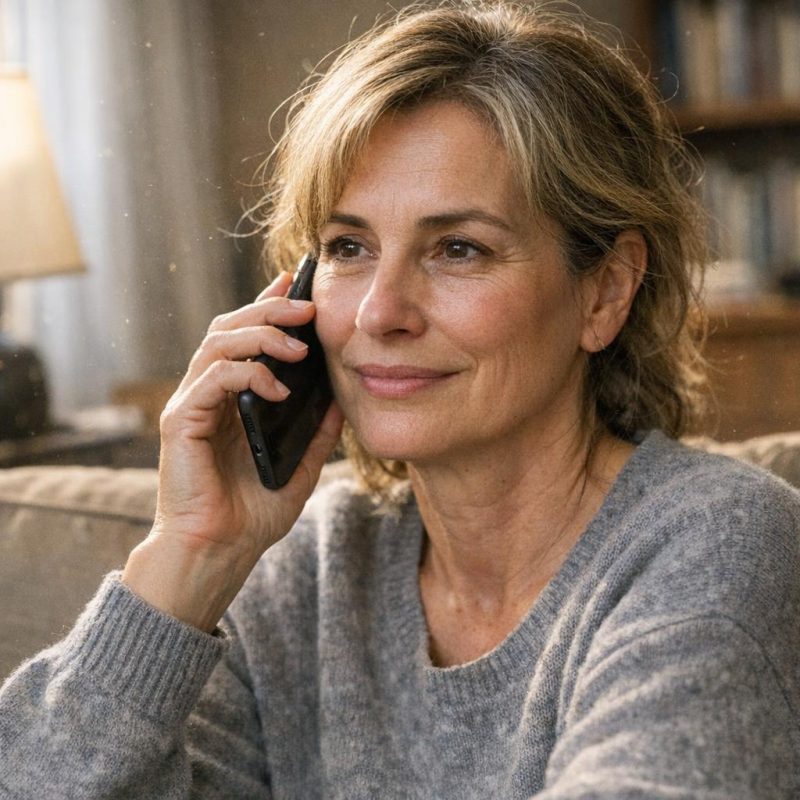 Image by RM AI
The Documentary Shoot
My first documentary shoot took me to Montana, where we were interviewing a rancher who'd transitioned to sustainable agriculture. I'd never done fieldwork before, and everything felt foreign—the equipment, the interview techniques, the way Marcus shaped questions to draw out real stories rather than rehearsed answers. Sophia showed me how to watch for the moments when people forgot the camera was there, when they stopped performing and started just being. We spent three days in that Montana landscape, and I learned more about storytelling than I'd learned in years of corporate presentations. I fumbled constantly, asked obvious questions, felt like the amateur I was. But I also felt alive in a way I'd forgotten was possible. On our last evening, Marcus pulled me aside at dinner. The sun was setting over the mountains, painting everything gold. 'You have a natural talent for this work,' he said, looking at me directly. 'I want to make you a regular team member, if you're interested. Not just project-by-project anymore—actually part of the team.'
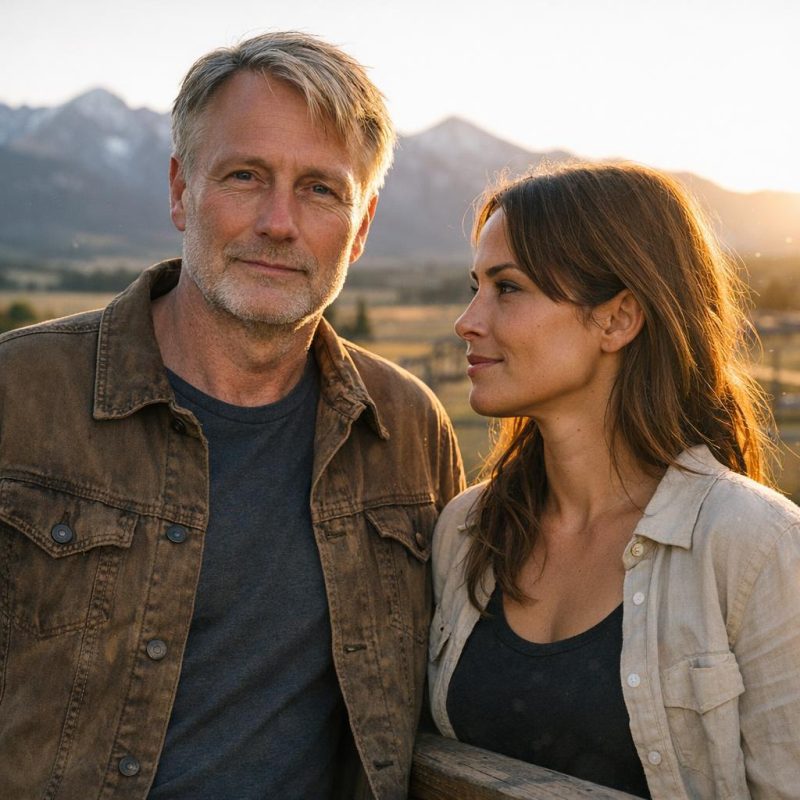 Image by RM AI
Six Months In
Six months after quitting, I sat down and took stock of everything. Fifteen published articles across various magazines. Three documentary projects with Marcus's team. A portfolio that was actually starting to look legitimate. I was also barely scraping by financially, living on a fraction of my former income, and my savings account had dwindled to an amount that would have terrified my old self. I'd sold half my furniture, stopped buying new clothes entirely, and learned to make one bag of groceries last a week. My apartment was basically empty now. My mother called every Sunday with thinly veiled concern. My former colleagues probably thought I'd lost my mind. Rachel came over that weekend with Thai food, and we sat on my floor because I'd sold my dining table. 'Do you regret it?' she asked, gesturing at my empty apartment, at the life I'd chosen. I thought about my old cubicle, the strategy meetings, the PowerPoints about quarterly growth. 'No,' I said, and realized with surprise that I meant it. Despite everything—the fear, the poverty, the uncertainty—the answer was genuinely no.
 Image by RM AI
Former Colleague Lunch
I met a former colleague for lunch at her suggestion, someone I'd worked with for three years on the pharmaceutical account. She looked exactly the same—perfect suit, perfect hair, that slightly manic energy that came from too much coffee and too many deadlines. We made small talk for a while, dancing around the obvious. Finally she said, 'Everyone at the office thinks you're brave but crazy.' I laughed. 'What's the ratio?' 'About seventy-thirty in favor of crazy,' she admitted. We talked about the projects she was working on, the new management structure, the latest reorganization. All of it sounded exhausting and familiar. Then she looked down at her salad. 'I'm miserable,' she said quietly. 'I wake up every morning and dread going in. But I have a mortgage, student loans, a lifestyle I can't afford to change.' I watched her, seeing my former self reflected back. How many people, I wondered, were sitting in offices right now, trapped in lives they didn't want, too scared or too practical or too invested to change? The answer was probably millions, and that realization made me incredibly sad.
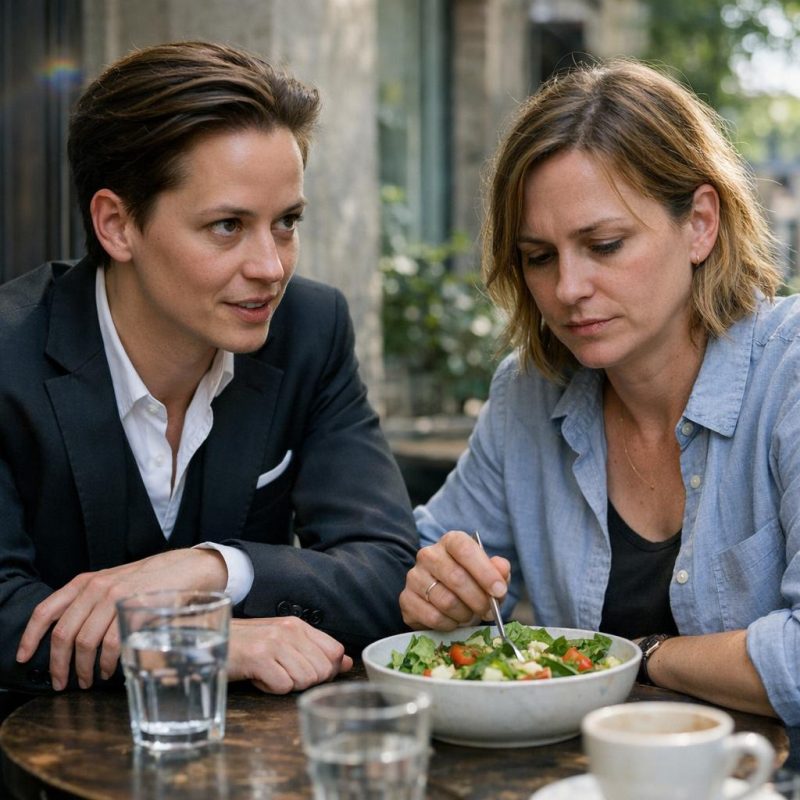 Image by RM AI
The Book Deal Inquiry
The email came on a Wednesday morning from a literary agent whose name I vaguely recognized. She'd read my magazine article and several follow-ups I'd written about career transitions and meaningful work. 'Have you ever considered writing a book about your experience?' she asked. A book. The idea had crossed my mind in abstract terms, but I'd dismissed it as too ambitious, too soon. She wanted to schedule a call to discuss it further. We talked that Friday, and she laid out what she thought the book could be—part memoir, part guide, part social commentary on how we think about work and purpose. Then she mentioned what kind of advance publishers might offer for a proposal. The number she said made me go completely still. It was more money than I'd made in the past six months combined, more than enough to stop selling furniture and eating rice for dinner. I almost dropped my phone, just sat there staring at my empty apartment, trying to process that someone thought my story was worth that much, that maybe this terrifying leap I'd taken might actually lead somewhere sustainable after all.
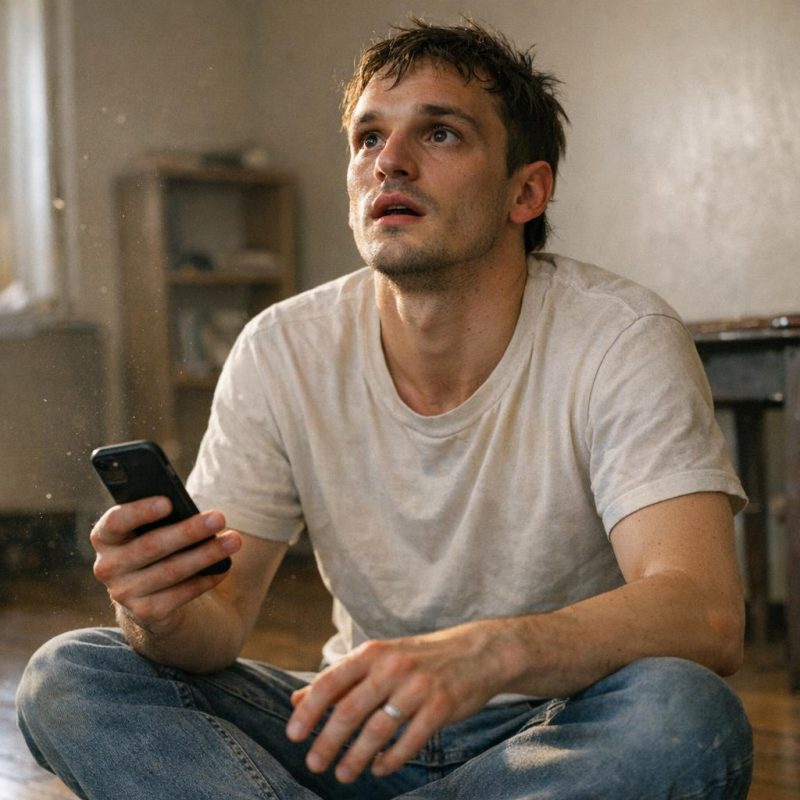 Image by RM AI
Coffee with Marcus
I met Marcus at the same coffee shop where we'd had our second conversation, months ago when I was still figuring out what the production company gig even meant. He looked genuinely pleased when I told him about the book deal offer, that slow smile spreading across his face. 'I'm not surprised,' he said, stirring his espresso. 'You know, from that first conversation on the plane, I could tell you were a writer. The way you asked questions, the way you listened—you were already telling stories in your head.' I laughed, feeling this warmth spread through my chest. We talked for over an hour about the proposal I'd need to write, about vulnerability and truth-telling. Then he said something that stopped me. 'Helping people find their path—that's become the most meaningful part of my own journey. More than any business I've built or sale I've closed.' His eyes were serious, reflective. 'You reaching out after our flight, following through on all of this—it reminded me why I do what I do.' I realized then that this wasn't just a one-way street, that maybe I'd given him something too. That helping people find their path was the most meaningful part of his own journey, and somehow I'd become part of that.
 Image by RM AI
The Proposal
The book proposal consumed me for three solid weeks. I'd never written anything like it before—part pitch, part outline, part sample chapters that had to somehow convince strangers my story was worth investing in. The agent sent me examples of successful proposals, and I studied them like sacred texts. I pulled out all the journal entries I'd kept throughout the transition, pages and pages of raw fear and hope and confusion I'd scribbled during sleepless nights. Reading them back was brutal. There was the entry from my last week at the corporate job, where I'd written 'I don't know if I'm brave or just stupid.' Another from my first week freelancing: 'Made $200 today. Cried about it.' I wove these moments into the proposal, trying to capture not just what happened but what it felt like to live through it. The sample chapters took forever because I kept second-guessing every word, every revelation. Was I being too vulnerable? Not vulnerable enough? Would anyone even care? When I finally sent it off to the agent, I felt like I was sending a piece of my soul into the world to be judged.
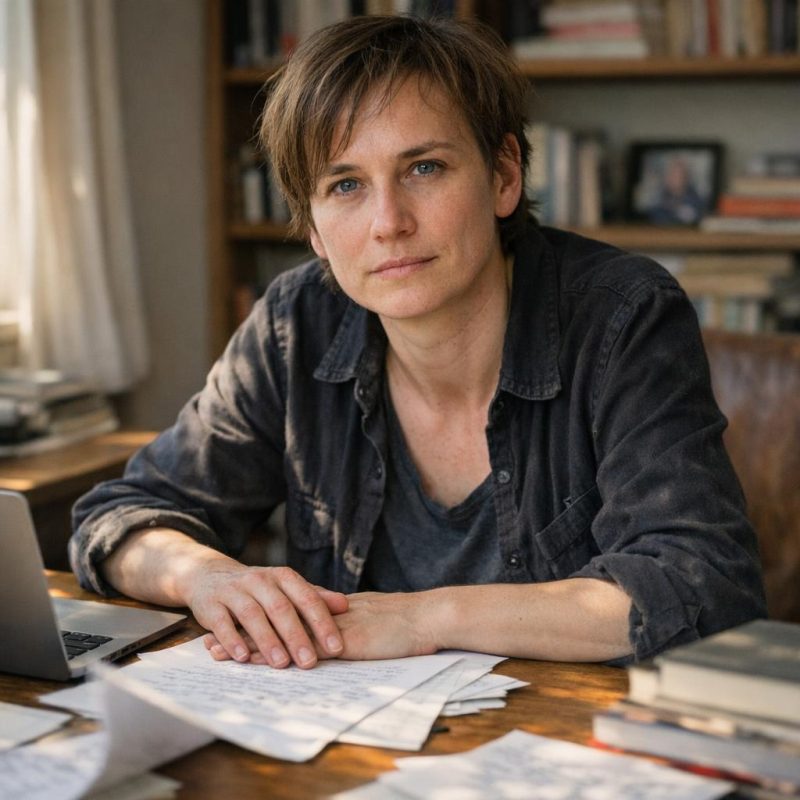 Image by RM AI
Waiting Game
The agent warned me that publishers typically took four to six weeks to respond, sometimes longer. 'Try not to obsess over your inbox,' she said, which was like telling me not to breathe. I checked my email approximately nine hundred times a day. Every notification made my heart jump. I'd wake up at 3 AM and grab my phone, just in case some editor had insomnia and decided to read proposals in the middle of the night. Rachel banned me from talking about it after day five because I was driving her insane. I tried to stay busy with freelance work, but my focus was shot. I'd be in the middle of editing a video and suddenly think, 'What if they hate it? What if no one wants it?' I started having these elaborate fantasies—sometimes the rejection email, sometimes the acceptance, playing both scenarios on repeat. The waiting was its own special kind of torture, this suspended animation between my current life and a possible future. Three weeks in, my phone rang with the agent's number, and I could tell from her tone before she even said hello—it was either very good or very bad.
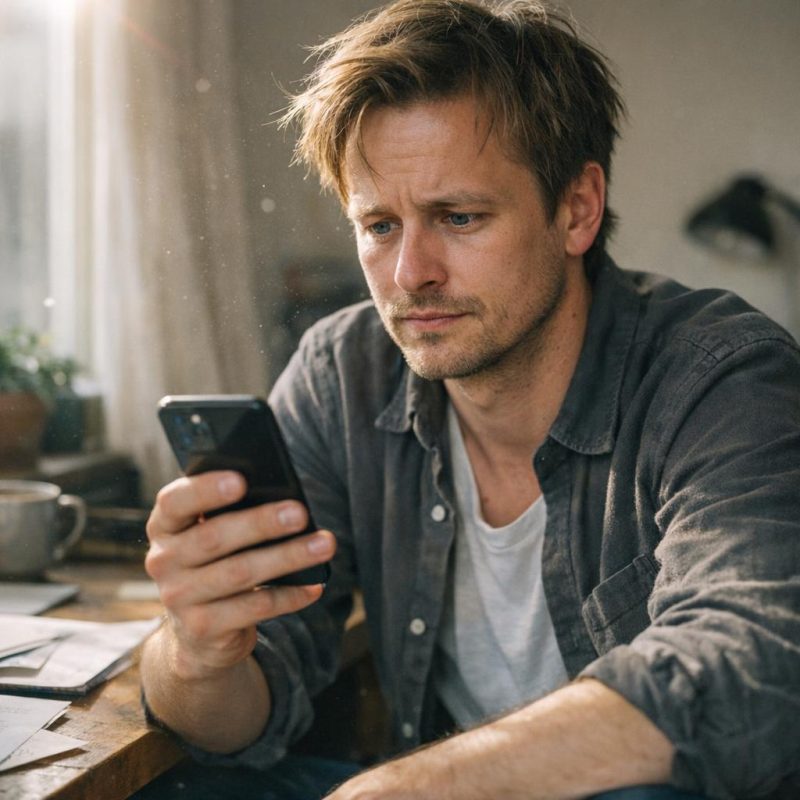 Image by RM AI
The Offer
A major publisher wanted my book. The advance they offered was more than I'd made in my best year at the corporate job—enough to pay off my credit card debt, cover rent for months, actually breathe for the first time since I'd quit. I sat on my apartment floor after the agent told me, just staring at the wall, trying to process that this was real. Then I called Rachel and literally screamed into the phone. She screamed back. I called my mom next, and she cried, which made me cry. 'I'm so proud of you,' she kept saying. 'I'm just so proud.' My hands were shaking when I dialed Marcus. 'Congratulations,' he said, and I could hear the smile in his voice. 'Though I have to say, I never doubted this would happen. Not for a second.' That almost broke me completely—the steadiness of his belief when mine had wavered so many times. Later that night, I opened a bottle of cheap wine and sat by my window, watching the city lights, thinking about how a conversation with a stranger on a plane had somehow led to this moment, this impossible validation of the scariest decision I'd ever made.
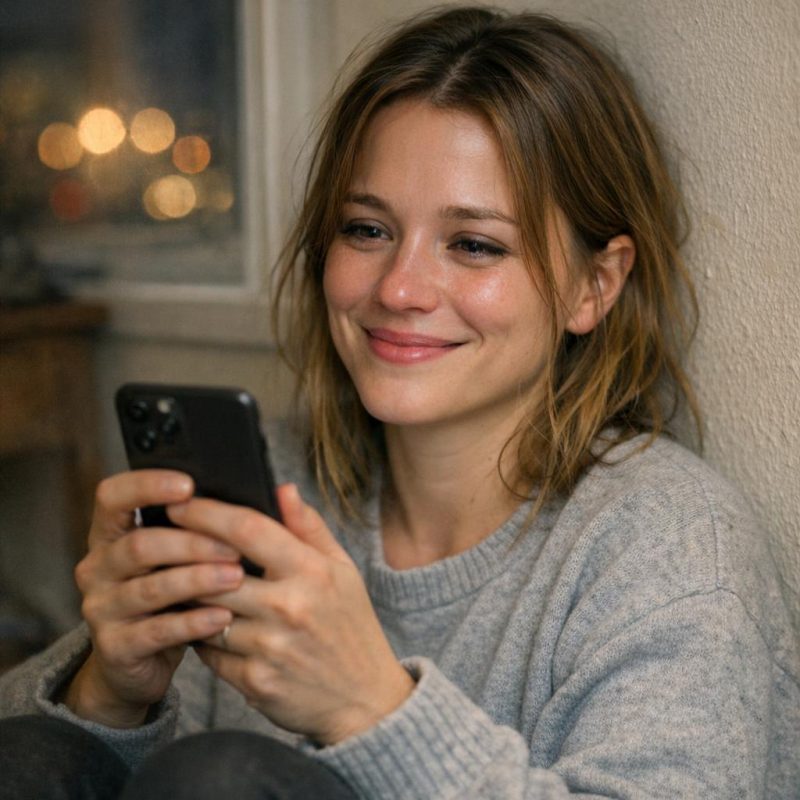 Image by RM AI
Father's Admission
My father called two days after I'd told my parents about the book deal. This wasn't typical—Dad usually let Mom handle the emotional conversations. His voice sounded different, careful. 'I owe you an apology,' he said. I went completely still. 'When you quit your job, I thought you were making a terrible mistake. I was harsh about it, and I'm sorry.' He paused for a long time, and I could hear him breathing. 'I've been thinking a lot lately. I spent my whole life doing work that never fulfilled me. Forty years in a job I tolerated because it was safe, because it paid well, because that's what you were supposed to do.' My throat tightened. He'd never talked like this before, never admitted anything close to regret. 'I always told myself I didn't have a choice, that I had a family to support. But the truth is, I was just afraid. Too afraid to want more, too afraid to take a risk.' His voice cracked slightly. 'Watching you have the courage to change course made me realize how much of my own life I wasted being afraid. And I'm proud of you. I should have said that from the beginning.'
 Image by RM AI
Writing the Book
Writing the book was like living through the entire journey all over again, except this time I had the gift of hindsight. I'd wake up early, make coffee, and dive into chapters that recreated my last miserable months at the corporate job, the panic attacks in the bathroom, the Sunday night dread. Some days I wrote for eight hours straight, completely lost in the process. Other days I could barely get through a paragraph because the emotions were too raw, too close. I found myself crying over my laptop more than once, reliving conversations with Marcus, the terror of my first day freelancing, the shame of selling my furniture. But there were also moments of pure clarity, where I'd write something and think, 'Yes, that's exactly what it felt like.' The book started taking shape as more than just my story. Every chapter revealed patterns I hadn't seen while living through them—how fear disguises itself as practicality, how society teaches us to mistake comfort for success. The deeper I got into the manuscript, the more I understood that this wasn't just my story but everyone's who'd ever felt trapped by expectations, everyone who'd wondered if there was more to life than a decent salary and benefits.
 Image by RM AI
One Year Anniversary
One year. It had been exactly one year since my last day at the corporate office, since I'd walked out with my box of desk plants and that strange mix of terror and relief. Rachel organized a small celebration—her, me, and Sophia at a wine bar in Brooklyn. We toasted to survival, to transformation, to me not having to eat rice for every meal anymore. 'Remember a year ago?' Rachel said, grinning. 'You were having literal panic attacks about whether you'd made the biggest mistake of your life.' I laughed because it was true. A year ago I'd been paralyzed with doubt, convinced I'd ruined everything. Now I had a book deal, a growing freelance career, work that actually meant something. Sophia raised her glass. 'To taking insane risks that somehow work out.' We clinked glasses, and I looked at both of them—the people who'd supported me when I was barely holding it together. The contrast was staggering. Same person, completely different life. Rachel leaned back in her chair, studying me. 'A year ago, you were having panic attacks about your decision,' she said. 'And now you're literally writing a book about it. How does that even happen?'
 Image by RM AI
David's Email
The email from David appeared in my inbox on a random Tuesday morning, his name making me do a double-take. We hadn't spoken since our awful final conversation over a year ago. Subject line: 'Congratulations.' I braced myself before opening it. He'd seen the news about my book deal through mutual friends. 'I wanted to reach out and say congratulations,' he wrote. 'And also that I was wrong. About everything I said to you back then. You were brave, and I was just scared—scared of what your choices said about my own life.' My heart was pounding as I kept reading. 'I need to tell you something. I quit my job three months ago. I'm going back to school to become a teacher, which is what I wanted to do before I convinced myself it wasn't practical enough.' I stared at the screen, completely stunned. David. The person who'd called my decision 'career suicide,' who'd made me feel naive and reckless for wanting more. 'Watching you take that leap—even though we didn't work out—it planted something in me,' he continued. 'I couldn't stop thinking about it. I recently quit my own job to pursue something more meaningful, and I realized I'd inadvertently inspired him to completely change his life.'
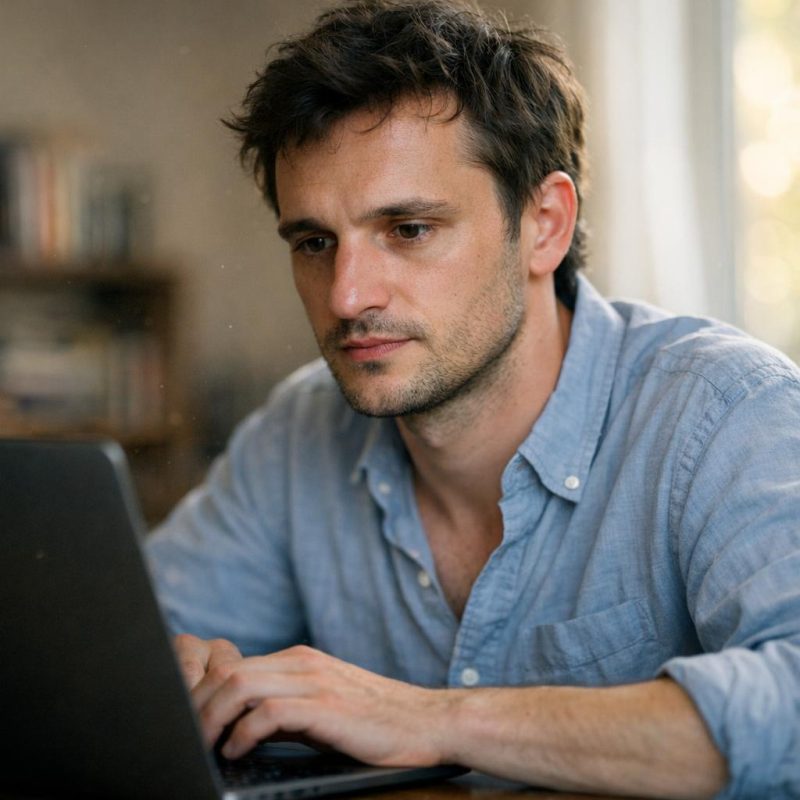 Image by RM AI
The Finished Manuscript
I typed the final sentence of my book manuscript at 2:47 AM on a Wednesday, and then I just sat there, hands hovering over the keyboard like I'd forgotten how they worked. The apartment was dead silent except for the hum of my laptop fan. I'd been working on this thing for nine months, pouring every anxious thought and hard-won lesson into it, and now it was just... done. I scrolled back through the document—87,000 words about quitting, rebuilding, failing, and somehow finding my way. My eyes were burning from exhaustion, but I couldn't stop rereading random paragraphs, wondering if I'd actually managed to capture what I'd been trying to say. The next morning, after maybe three hours of sleep, I attached the file to an email to my editor with shaking hands. 'Here it is,' I wrote, trying to sound casual and professional when really I wanted to type 'PLEASE TELL ME THIS DOESN'T SUCK.' I hit send and immediately wanted to vomit. She responded four hours later—four hours that felt like four years—with a message that made me cry at my desk. 'This is exactly what I hoped for and more,' she wrote. 'You've written something truly special here.'
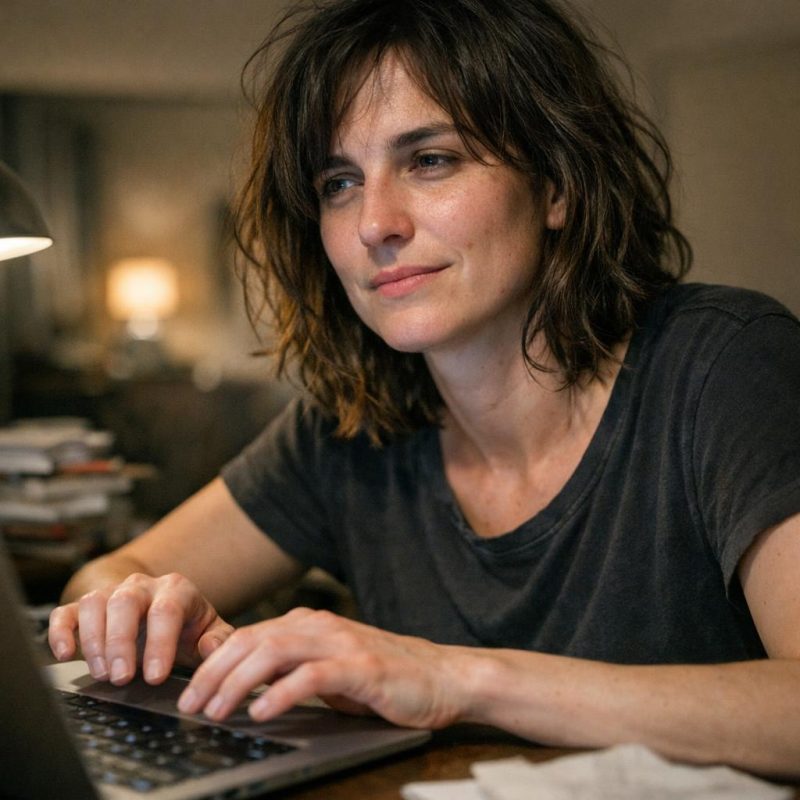 Image by RM AI
Publication Timeline
My editor sent over the publication timeline in a detailed email, and I had to read it three times before my brain could process what I was seeing. The book would hit stores in April—exactly eighteen months after that panicked conversation with Rachel when I'd quit my job with no backup plan. Eighteen months from complete freefall to published author. I sat there staring at the date, feeling this weird sense of cosmic alignment, like the universe had been keeping track all along. The timeline laid out everything: manuscript edits in December, copyedits in January, advance reader copies in February, reviews and publicity in March. Each milestone felt both terrifying and exhilarating. I printed out the schedule and stuck it on my wall, this tangible proof that I was really doing this. Looking at it, I realized the symmetry wasn't just coincidence. It felt like I'd completed one massive chapter of my life—the chapter about leaving—and was finally ready to begin the next one, the chapter about building something that mattered. The timeline made it all feel suddenly, startlingly real in a way it hadn't before.
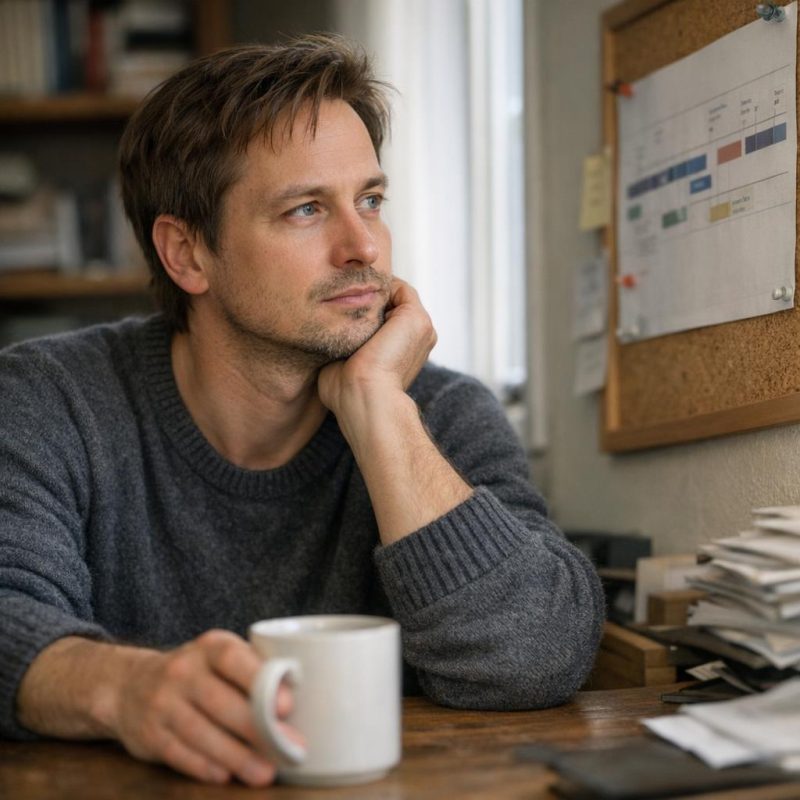 Image by RM AI
Speaking Engagement
When Northwestern University emailed asking me to speak to their graduating business students about career transitions, I said yes immediately and then spent the next week absolutely spiraling. Public speaking had always terrified me, and now I was supposed to stand in front of two hundred soon-to-be graduates and say something meaningful? I rewrote my speech seven times. I practiced in front of my bathroom mirror until I hated the sound of my own voice. Rachel gave me a pep talk that mostly consisted of 'You literally changed your entire life, you can handle twenty minutes on a stage.' The morning of the talk, my hands were shaking so badly I could barely hold my notes. But then I walked out there and looked at all those faces—nervous, hopeful, terrified of making the wrong choice—and I saw myself at twenty-two. I saw everyone who'd ever felt trapped by the 'right' path. And suddenly the words just came. I told them about crying in airplane bathrooms and maxing out credit cards and not having answers. I told them it was okay to want something different, even if you didn't know what that something was yet. Standing there, watching them actually listen, I finally understood what this whole journey had been for.
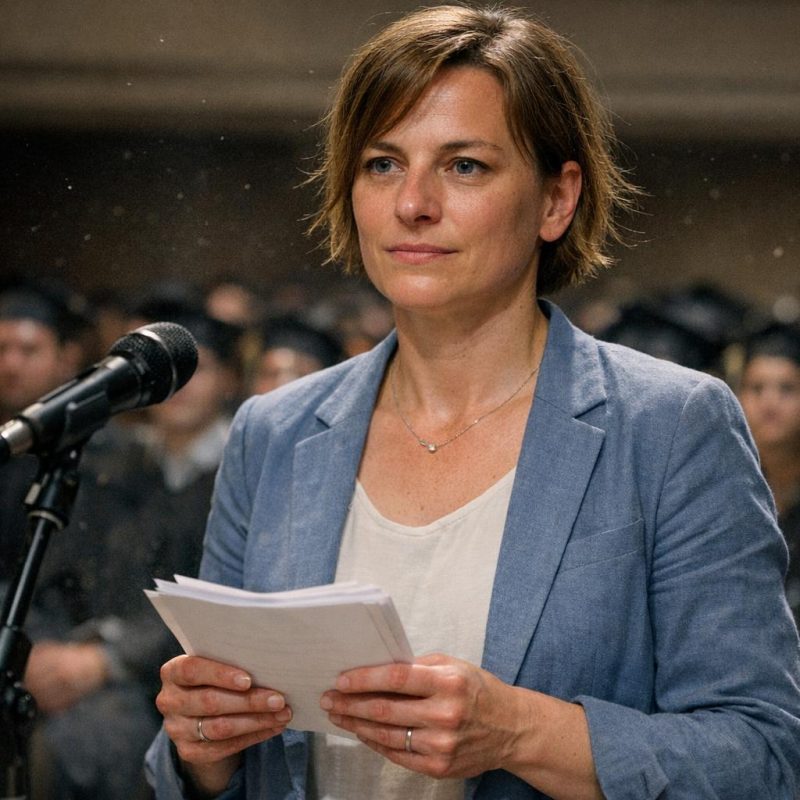 Image by RM AI
Chance Encounter
I was working on my laptop in a coffee shop in Chicago, in town for a quick consulting gig, when a woman around my age approached my table. 'I'm so sorry to interrupt,' she said, looking both embarrassed and determined. 'But are you the person who wrote that magazine article about quitting corporate America?' My brain short-circuited for a second. The article had come out three months earlier, but I still wasn't used to being recognized. I nodded, and she broke into this huge smile. 'I quit my law firm job because of you,' she said, pulling up a chair without asking. She told me she'd been working eighty-hour weeks, making partner track, completely miserable but convinced she couldn't leave. Then she'd read my article during her lunch break and cried in a conference room. 'You gave me permission to want something different,' she said. 'I didn't even realize I needed that permission.' She'd left the firm two weeks later and was now working at a legal nonprofit, making half the money and feeling actually happy for the first time in years. After she left, I sat there stunned, staring at my laptop screen. I'd been so focused on my own journey that I hadn't fully grasped what sharing it might mean—that my story could be the permission someone else needed to change their life.
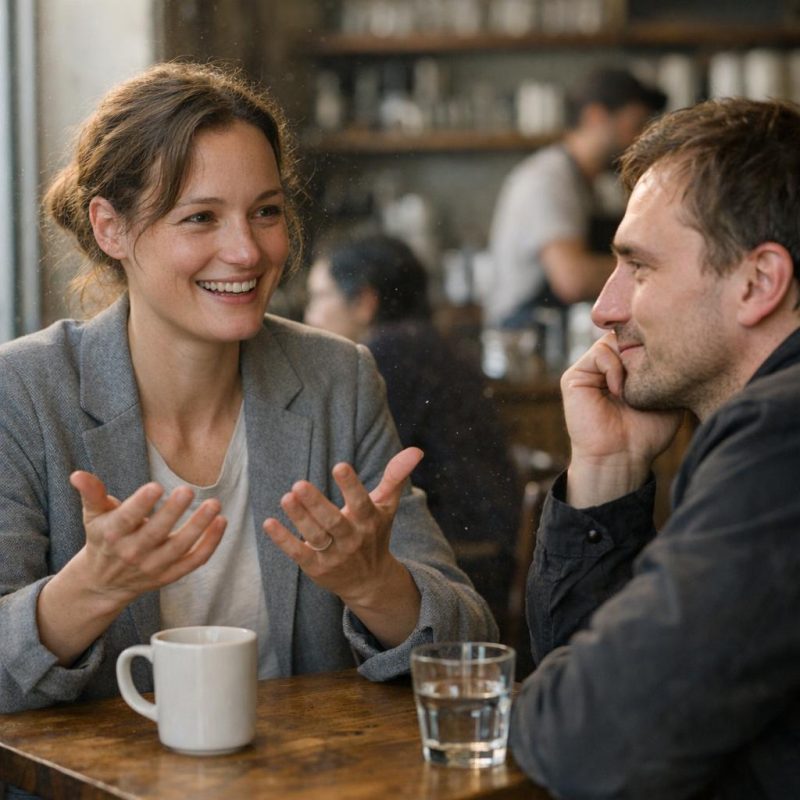 Image by RM AI
Marcus's News
Marcus called me on a Tuesday afternoon, and I could hear the grin in his voice before he even said hello. 'So,' he started, drawing out the word, 'remember that documentary I've been working on? The one about sustainable agriculture that you kept pushing me to take risks on?' My heart started racing. 'It got accepted to Tribeca,' he said, and I actually screamed into the phone. We spent twenty minutes talking logistics and celebration plans, and then he got quiet for a second. 'I need to tell you something,' he said. 'None of this would have happened without you. I was playing it safe with my projects, taking assignments I knew I could execute perfectly. But you kept challenging me to dig deeper, to take chances on stories that mattered even if they were harder to tell.' I felt my throat tighten. 'Marcus, that's all you,' I said. 'No,' he interrupted gently. 'It's both of us. You took this insane leap that inspired me to take my own risks, and then I got to encourage you through yours. We've been inspiring each other this whole time.' Sitting there on my couch, phone pressed to my ear, I realized he was right—our friendship had been this beautiful feedback loop of courage and possibility, each of us giving the other permission to become braver.
 Image by RM AI
Financial Stability
I was reviewing my bank account on a random Thursday when I realized something that made me sit up straight: I'd achieved financial stability doing work I actually loved. Between the second installment of my book advance, steady documentary work with Marcus, and the freelance articles I'd been writing for various publications, my income had finally stabilized at a sustainable level. It wasn't my old six-figure salary, but it was enough—enough to pay rent without panic, enough to save a little each month, enough to feel secure. The best part? I'd paid off my credit card debt. All of it. The balance that had haunted me for over a year was finally, blessedly zero. I texted Rachel immediately: 'We're celebrating tonight. My treat.' We went to this wine bar we used to walk past during my broke months, the one I'd always said I'd take her to 'someday when I could afford it again.' Sitting across from her, glasses raised, I couldn't stop marveling at how wrong I'd been about everything. I'd genuinely believed that financial security required corporate misery, that choosing meaningful work meant choosing poverty. But here I was—solvent, stable, and actually excited to wake up and work every morning.
 Image by RM AI
Book Cover Reveal
The email from my publisher arrived with the subject line 'Your Cover!' and I almost didn't open it because I was suddenly, irrationally terrified. But I clicked, and there it was: my book cover. My name. My story. The design was simple and striking—bold typography against a minimalist background—and seeing it made everything hit me at once. This was really happening. My deeply personal journey was about to become a physical object that strangers could hold in their hands. I posted the image on social media with shaking hands, expecting maybe some supportive comments from friends. Instead, I watched in real-time as people I'd never met started commenting, sharing, pre-ordering. A woman in Seattle wrote, 'This is exactly what I needed to see today.' A guy in Boston shared it with the caption, 'Currently writing my own resignation letter.' Someone else posted a long comment about leaving medical school to become a photographer, thanking me for making her feel less alone in that choice. My notifications kept buzzing all evening—hundreds of people connecting over this shared experience of wanting something different, of taking scary leaps, of rebuilding. I sat there watching these conversations unfold around my book cover, realizing I'd accidentally created something bigger than myself: a community of people brave enough to choose their own paths.
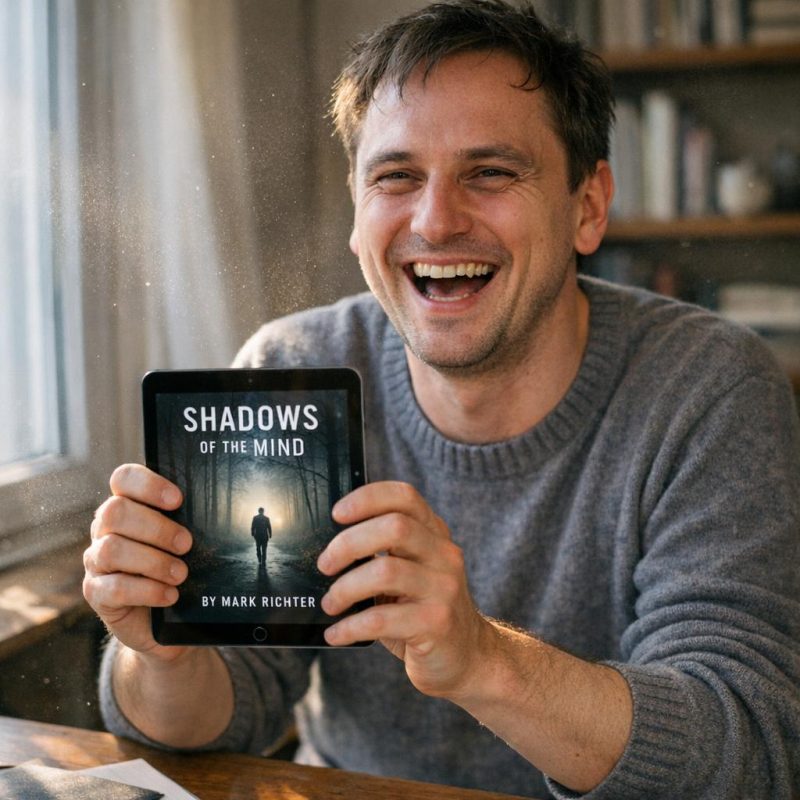 Image by RM AI
Pre-Publication Jitters
Two weeks before publication, the anxiety hit me like a freight train. I'd wake up at 3 AM in a cold sweat, convinced I'd made a terrible mistake by exposing so much of myself. What if people thought I was naive? What if former colleagues read it and mocked me? What if it helped no one and I'd just aired my failures for nothing? I spiraled so hard that Rachel finally made me call Dr. Walsh, who I hadn't seen in months. I sat in her familiar office, that same couch where I'd cried so many times during my early transition days, and word-vomited all my fears. She listened patiently, then leaned forward with that look she gets when she's about to say something important. 'Do you remember why you wrote this book?' she asked. I nodded. 'To help people feel less alone.' 'And can you do that without being vulnerable?' I shook my head. 'Then the fear you're feeling isn't a warning sign,' she said gently. 'It's confirmation. It means you've written something that matters, something true enough to be scary.' She smiled. 'Vulnerability was always the whole point.' Walking out of her office that day, I realized she was right—the terror I felt wasn't a reason to hide, it was proof I'd finally done something worth being afraid of.
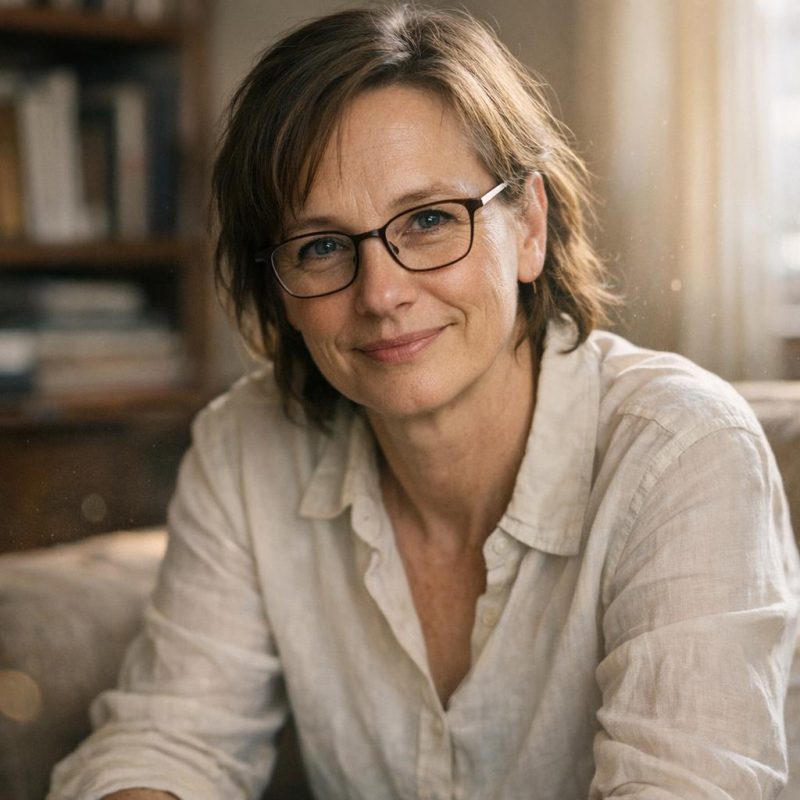 Image by RM AI
Publication Day
I woke up at 5 AM on publication day without an alarm, my heart already racing. The book was out there—actually out there, in bookstores and online, real copies with my name on them that strangers could buy and read. I made coffee with shaking hands and opened my laptop, telling myself I wouldn't obsessively refresh social media. That lasted about ten minutes. I spent the entire day glued to my phone, checking Goodreads, Amazon, Twitter, Instagram—anywhere someone might post about the book. Rachel texted me around noon: 'Stop doom-scrolling and breathe.' She knew me too well. By 3 PM, the first legitimate reviews started appearing, and I felt like I might throw up. A trade publication called it 'searingly honest.' A book blogger wrote that it 'articulated feelings I didn't know how to express.' And then I found the one that broke me: a review on a major platform that said, 'A brave and necessary roadmap for anyone questioning their path—Rossi writes with the kind of vulnerability that makes you feel less alone in your doubts.' I sat at my kitchen table and just sobbed, the good kind of crying where you're overwhelmed by relief and gratitude. People were getting it—they were actually getting what I'd been trying to say.
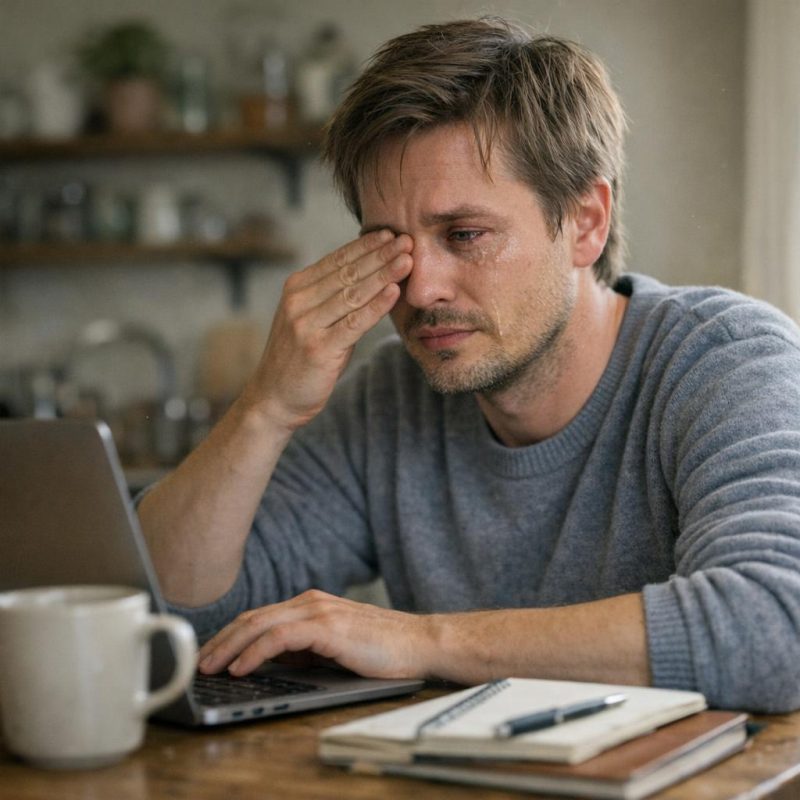 Image by RM AI
Book Tour
My publisher arranged a small book tour—six cities, indie bookstores and community spaces, nothing fancy but more than I'd ever imagined. I was terrified before the first event in Portland, convinced maybe three people would show up. Instead, the bookstore was packed, standing room only, and when I opened the floor for questions, hands shot up immediately. A woman in her forties told me she'd been a lawyer for fifteen years and hated every day of it. A recent college grad said my book made him feel less guilty about not wanting the prestigious job his parents expected. In Chicago, Seattle, Boston—everywhere I went, the same thing happened. People lined up after readings to share their stories, their fears, their secret dreams they'd been too scared to voice. A man in Austin confessed he'd been planning his escape from finance for two years but kept chickening out. In Denver, a teacher thanked me for validating that burnout wasn't a personal failing. I'd thought I was just telling my story, but what I'd accidentally done was create permission for others to examine their own lives. Standing in that last bookstore in San Francisco, listening to yet another person say 'I thought I was the only one who felt this way,' I realized I'd stumbled into something bigger than a book—I'd become an advocate for people brave enough to want something more authentic.
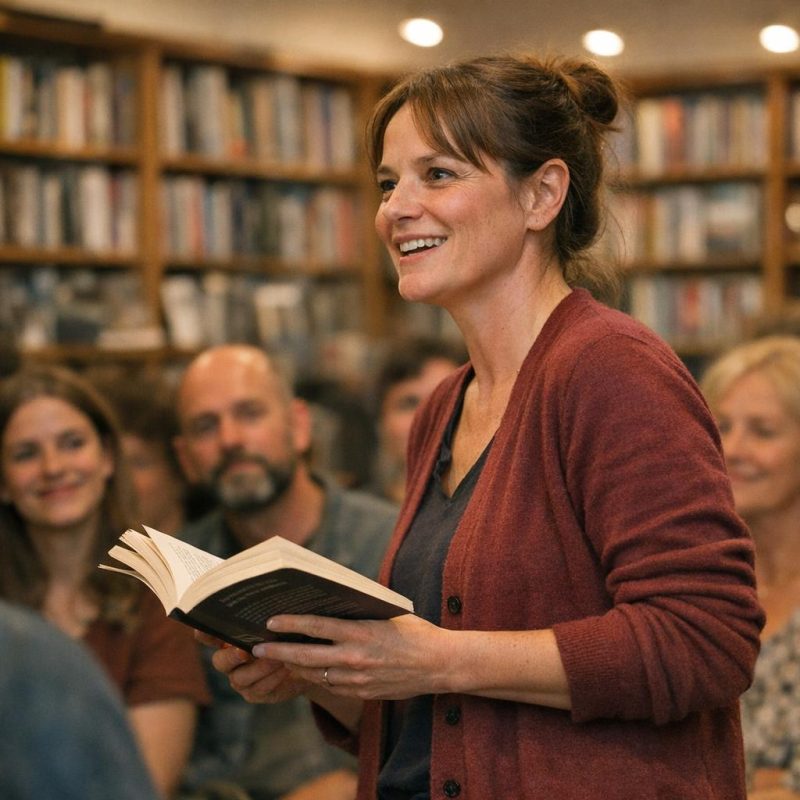 Image by RM AI
Full Circle Moment
I was on a flight back from the West Coast leg of the tour, exhausted and lost in thought, when the woman next to me did a double-take. 'Oh my god,' she said, pointing at my face then down at the book in her lap—my book. 'You're her. You wrote this.' I felt my face flush as she told me she was an accountant at a firm that was slowly crushing her soul, that she'd bought my book at the airport on impulse, that reading about Marcus asking me 'But are you happy?' had made her cry in the terminal bathroom. 'I start a UX design bootcamp next month,' she said, eyes bright. 'Your story gave me the courage to finally do it.' We talked the whole flight, and as we descended, I looked around the cabin—all these people in their seats, flying somewhere, maybe running from something or toward something, just like I had been two years ago. It hit me then, really hit me: I was literally sitting on an airplane, having the kind of conversation that had once changed my entire life, except this time I was on the other side of it. Transformation isn't this finish line you cross and then you're done—it's a choice you keep making, over and over, every single day.
 Image by RM AI
The Man in 14B
After the tour ended, I finally did what I'd been thinking about for months. I wrote Marcus a letter—an actual handwritten letter—thanking him for asking the question that had unraveled my entire existence in the best possible way. I told him about the book, about the people I'd met, about how that one conversation in seat 14B had somehow rippled out into all these other lives. I didn't expect a response, honestly. But three weeks later, an envelope arrived with Danish postage. His reply was characteristically brief: 'I'm glad my question resonated, but you should know—I've asked hundreds of people that same question over the years. Most nod politely and change the subject. You're the one who had the courage to actually answer it honestly, and then do something about it. The hard part was never the asking. It was everything you chose to do afterward. That was all you.' I read his letter about five times, letting it sink in. He was right. Marcus had been a catalyst, sure, but he hadn't made me quit my job or start consulting or write a book or face my fears. He'd just held up a mirror at exactly the right moment. Sometimes the greatest gift another person can give you is permission to want something more—and the courage to pursue it is something you find within yourself.
 Image by RM AI
KEEP ON READING
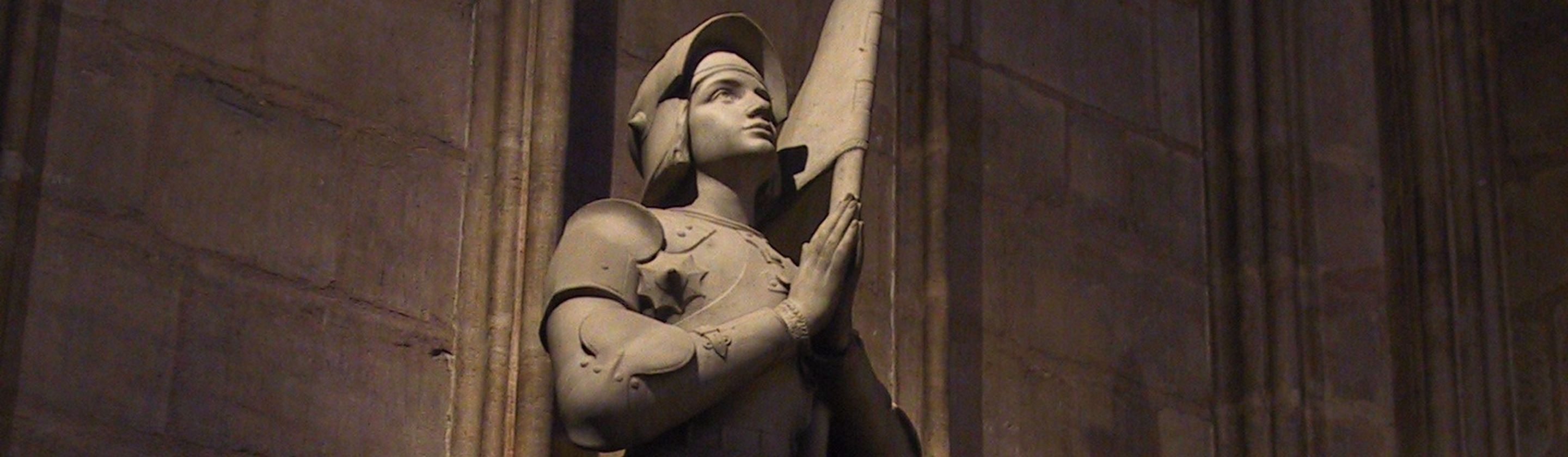
Joan of Arc: Why Her Story Still Resonates Today
John Everett Millais on WikimediaJoan of Arc’s story has everything…
By Elizabeth Graham Jan 29, 2026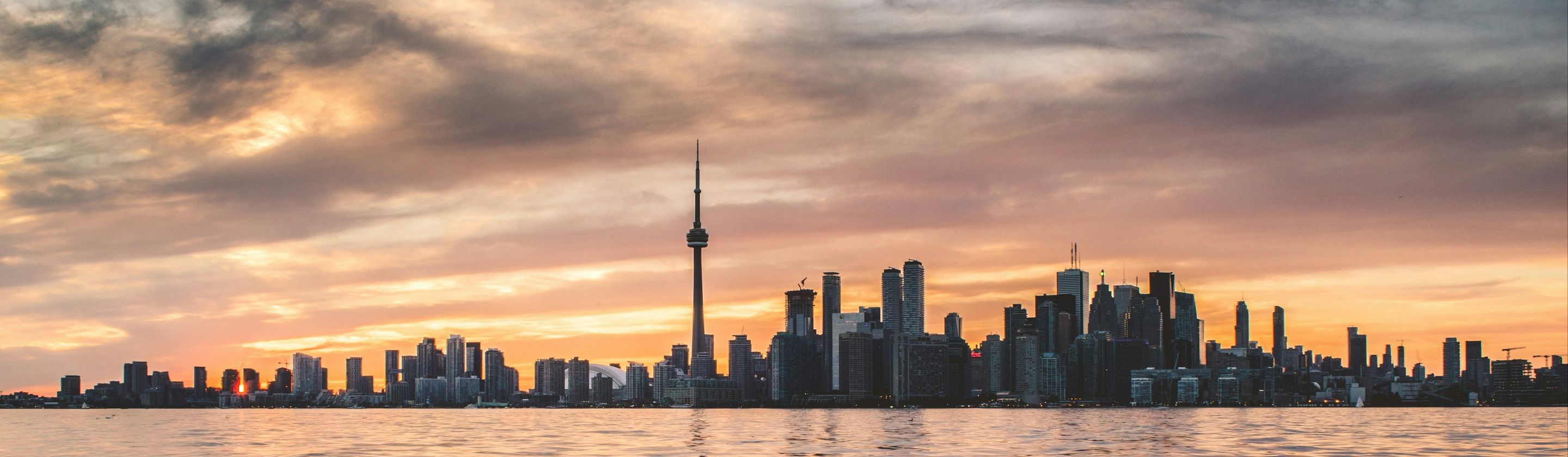
20 Ways Murdoch Mysteries Pays Homage To Toronto's History
Toronto History, Built Into the Setting. Murdoch Mysteries takes place…
By Elizabeth Graham Jan 29, 2026
Old-Money: The Hidden Dynasties That Shaped the Course of History
Oscar White on WikimediaWhen we think about the forces that…
By Cameron Dick Jan 29, 2026
These Were The Most Intense U.S. Presidential Debates In History
Associated Press on WikimediaAmerican presidential debates have often reflected more…
By Rob Shapiro Jan 29, 2026
Beware The Scythe: The History Of The Grim Reaper
Samuel D. Ehrhart on WikimediaMost people can picture the Grim…
By Annie Byrd Jan 29, 2026
Why Tang Taizong Is Considered One Of China's Greatest Emperors…
Beyond the Throne. Becoming emperor by assassinating your brothers usually…
By Chase Wexler Jan 26, 2026