Bizarre Facts About Howard Hughes, The Billionaire Genius Who Vanished
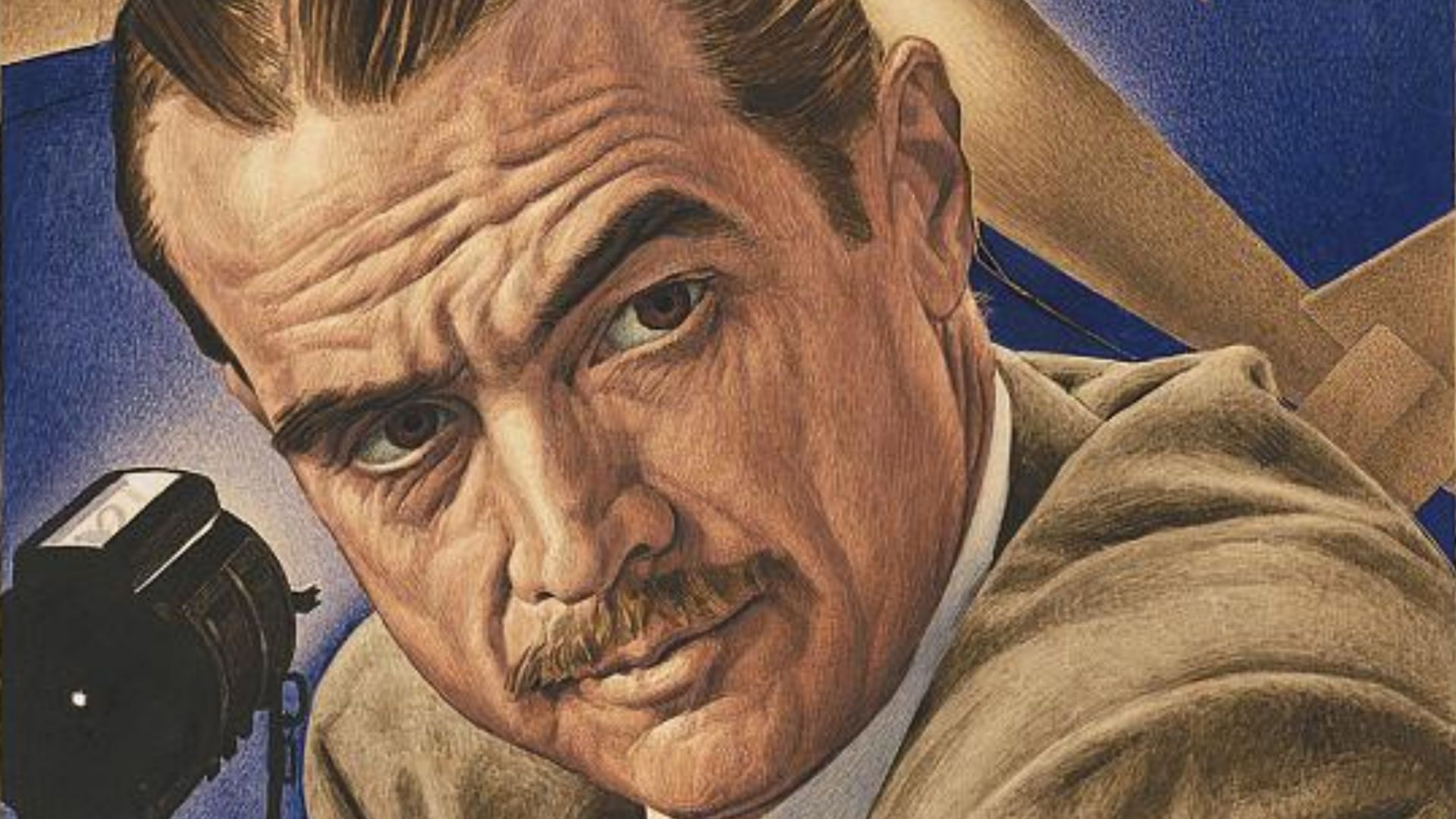
Howard Hughes seemed to have everything a man could want. He inherited a fortune, dated some of the world's most beautiful women, made Hollywood movies, broke aviation records, bought airlines and eventually became one of America's richest men. Then something strange happened: Hughes virtually disappeared. He spent his final years hidden behind darkened windows, communicating through handwritten memos while an increasingly small circle of aides controlled access to him. When he finally died, authorities reportedly needed fingerprints to confirm that the frail man was actually Howard Hughes. Somehow, even that wasn't the strangest chapter of his story.
1. He Was Born Into Money
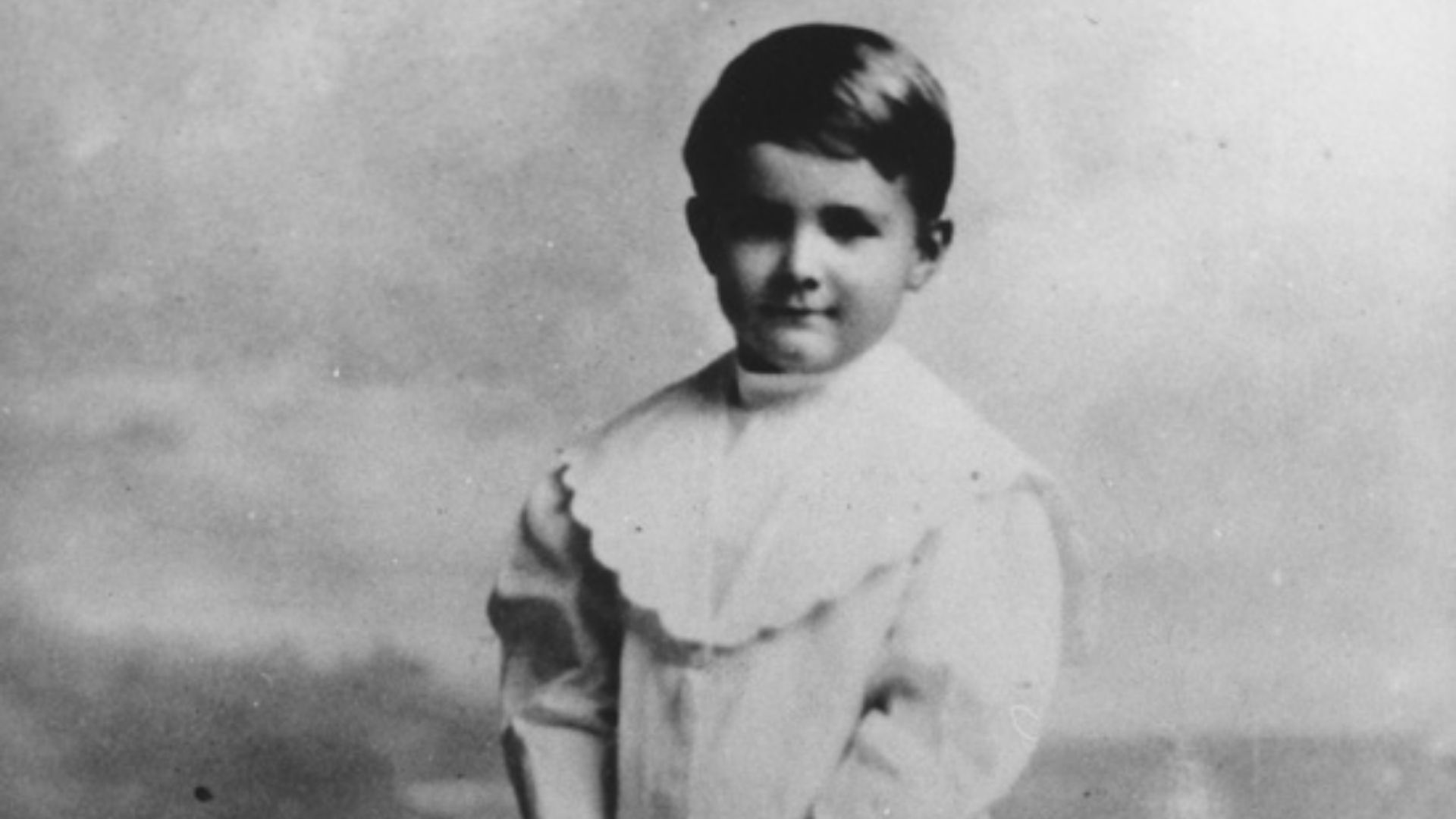
Howard Robard Hughes Jr. was born in Houston, Texas, on December 24, 1905, although some early records created confusion about the precise date. His father, Howard Hughes Sr., was an ambitious inventor and businessman who developed a revolutionary drill bit used by the oil industry. The resulting Hughes Tool Company generated enormous wealth. Young Howard therefore grew up surrounded by privilege—but money couldn't protect him from everything.
In fact, the fears that eventually consumed Hughes may have started remarkably early.
2. His Mother Worried Constantly
Hughes's mother, Allene, was intensely concerned about her son's health. Biographers have described her as unusually fearful of disease, carefully monitoring Howard for signs of illness. Hughes himself became increasingly preoccupied with germs as he grew older, although historians should be cautious about drawing a straight psychological line from mother to son. What is clear is that physical health became an extraordinary obsession during his later life.
First, however, Howard had to survive something more immediate: losing both parents while he was still remarkably young.
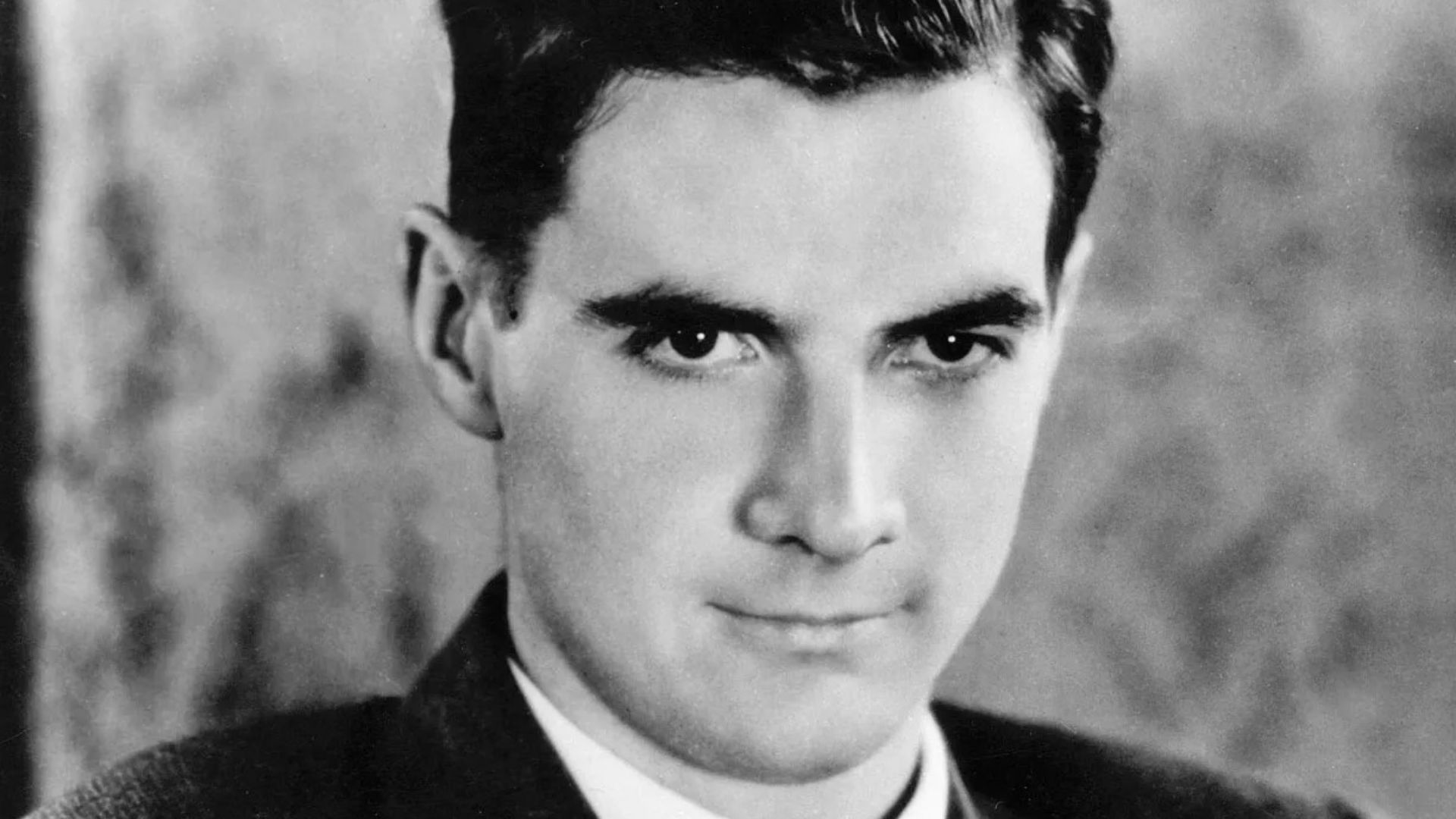 AnonymousUnknown author on Wikimedia
3. He Lost His Mother
Allene Hughes died in 1922 following complications related to an ectopic pregnancy. Howard was only 16. Her death was a devastating disruption for a teenager who had grown up under her close attention. Hughes was attending school but had never been an ordinary student; machinery, science and engineering fascinated him far more than conventional education.
Then, less than two years after losing his mother, another death changed everything.
Howard's father suddenly passed away—and the teenager was about to inherit an industrial fortune.
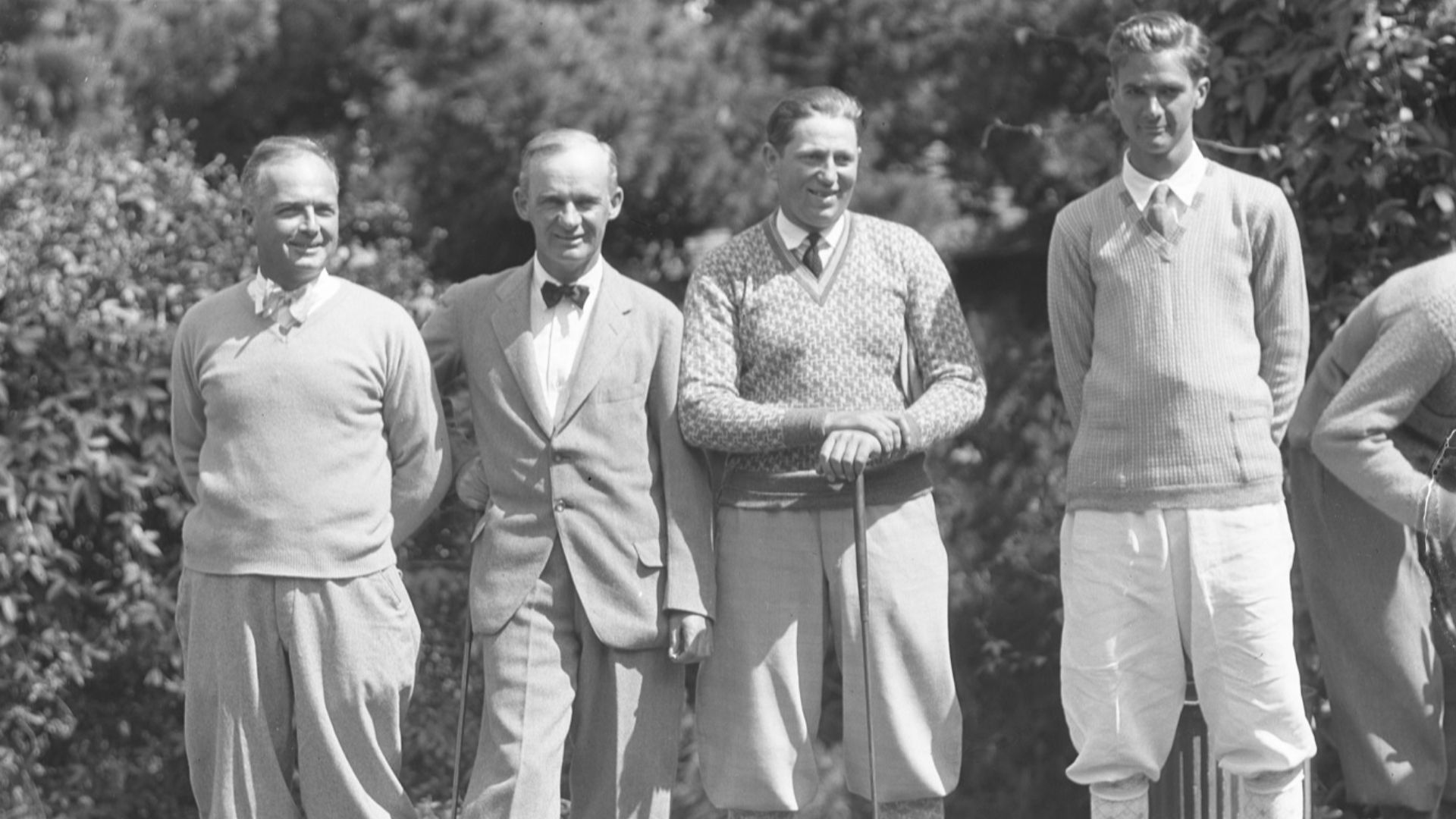
4. He Became An Orphan At 18
Howard Hughes Sr. died of a heart attack in 1924, leaving his 18-year-old son without either parent. He also left behind the enormously valuable Hughes Tool Company. Relatives and business associates might reasonably have expected the teenager to remain under adult supervision while experienced men managed the family interests.
Howard had another idea.
He successfully petitioned to be declared legally independent and eventually acquired his relatives' interests in the company. Hughes wasn't content simply to inherit wealth. He wanted control of it.
 commons.wikimedia.org on Google
5. He Married A Houston Socialite
Before Howard became synonymous with glamorous actresses, he married Ella Botts Rice, a young woman from a prominent Houston family. They wed in 1925, when Hughes was 19, and soon headed for California. Ella had married a wealthy young Texan with a secure family business behind him.
Instead, she found herself married to an increasingly ambitious man obsessed with conquering Hollywood.
Hughes had enough money to enter the movie business without anybody's permission. He was about to discover that money could buy opportunities—but not necessarily respect.
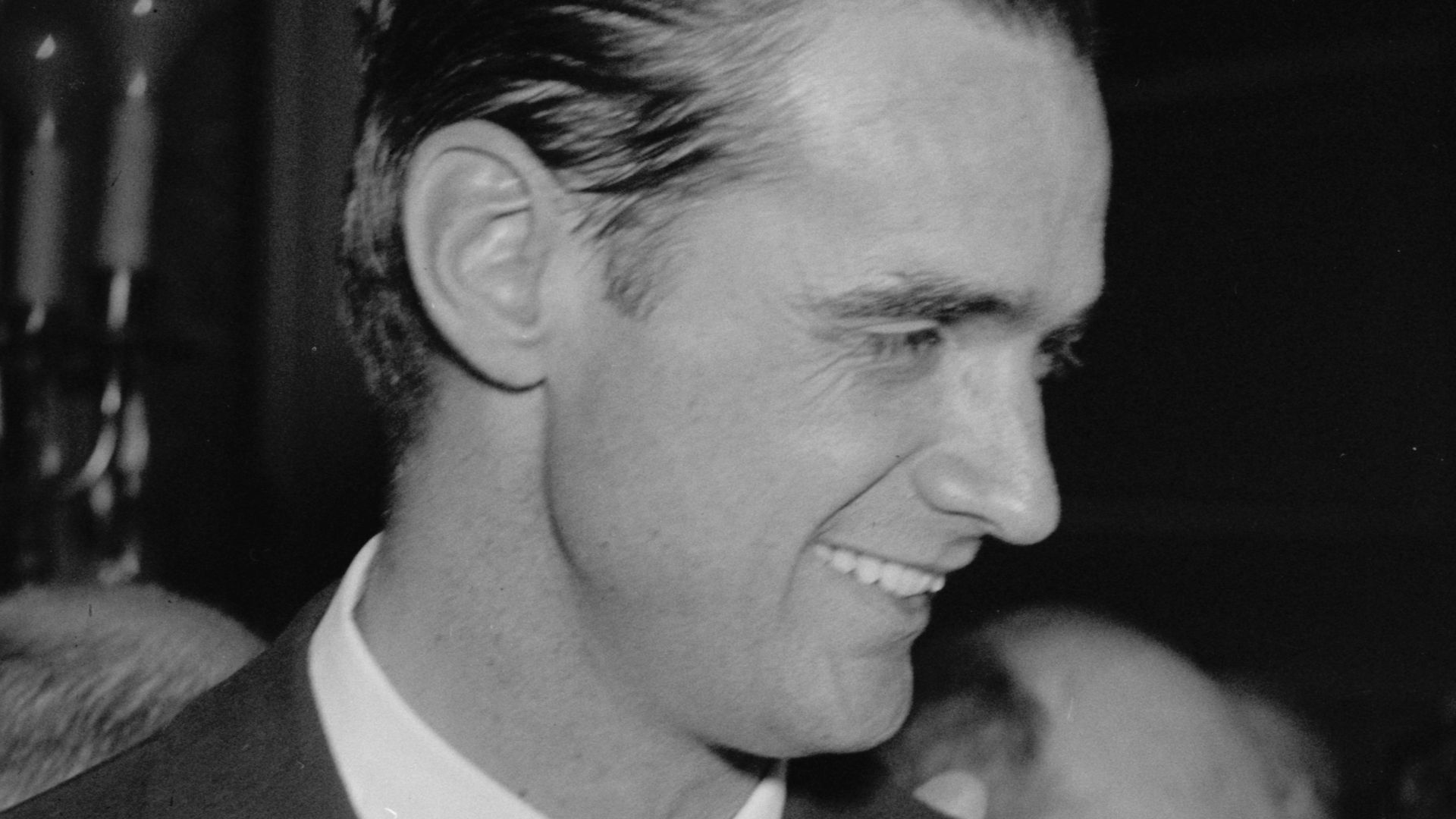 Harris & Ewing, photographer on Wikimedia
6. Hollywood Thought He Was A Rich Kid
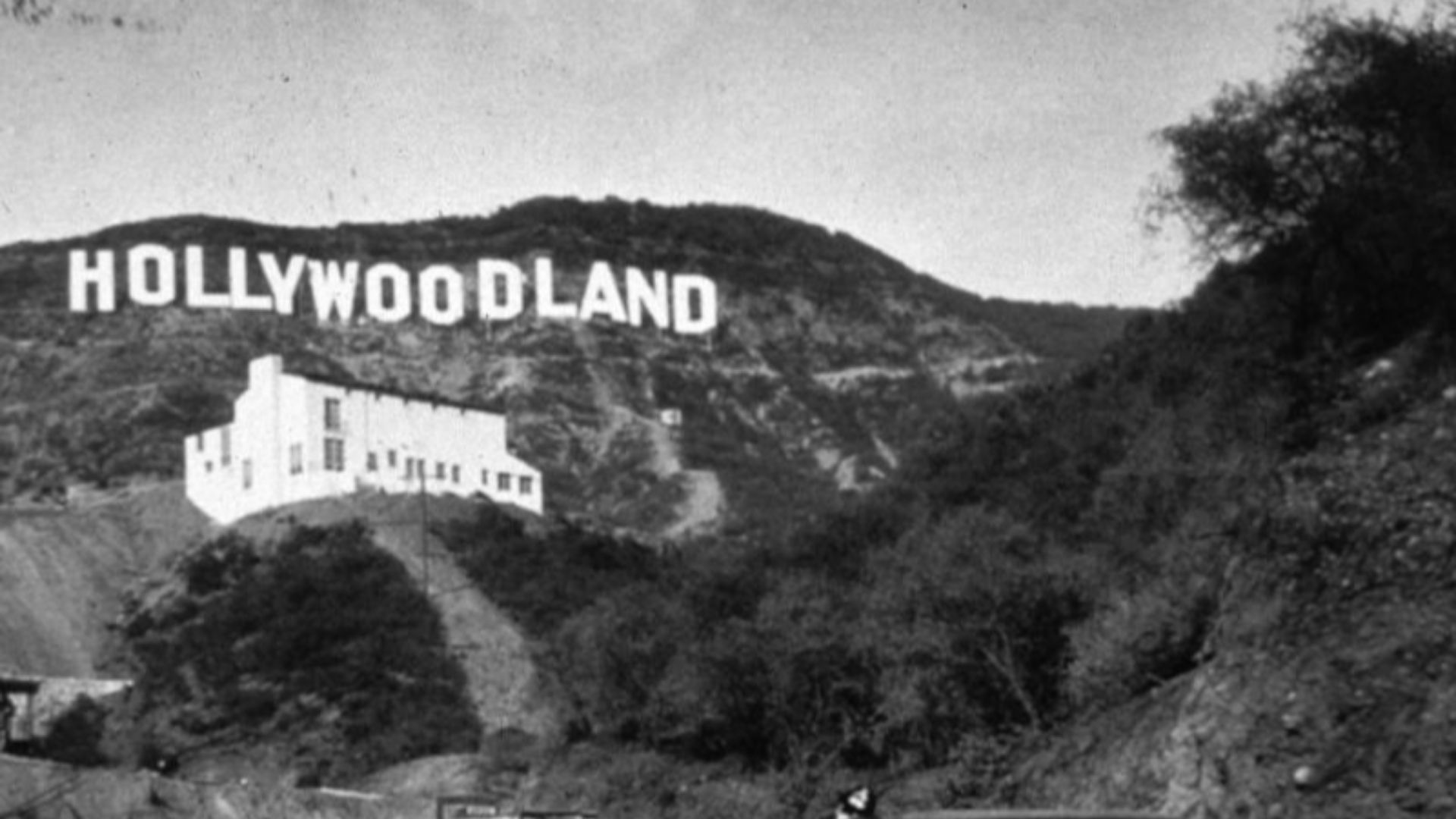
Hughes arrived in Hollywood with something aspiring filmmakers could only dream about: his own fortune. That also made established movie people suspicious. Here was a young Texan with virtually no experience who believed he could produce films simply because he had money.
Hughes responded in the way he would repeatedly respond throughout his life: he spent whatever was necessary to prove everyone wrong.
His early productions gradually earned attention, and Two Arabian Knights even won an Academy Award for director Lewis Milestone. But Hughes wanted something much bigger.
 commons.wikimedia.org on Google
7. He Became Obsessed With One Movie
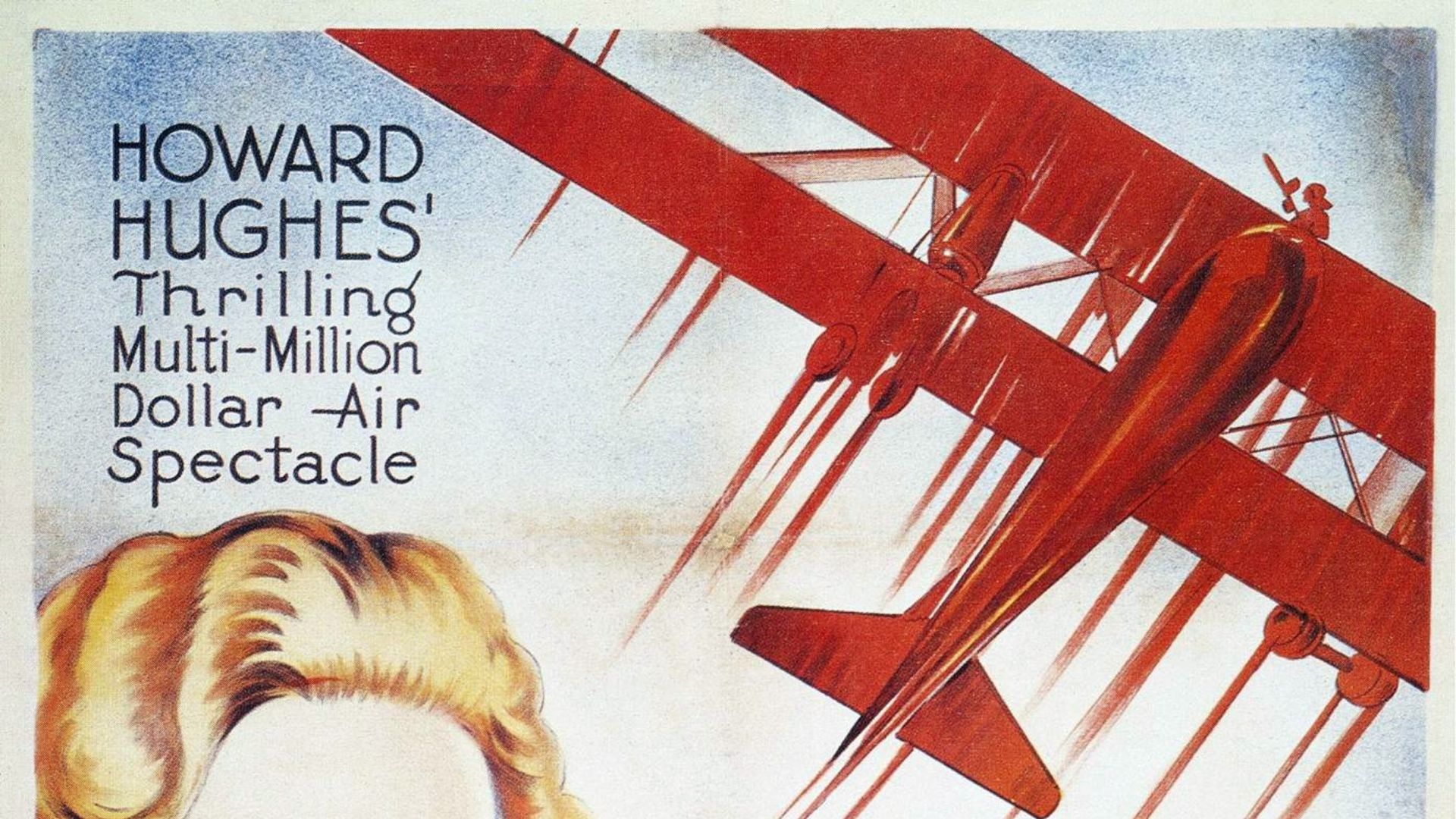
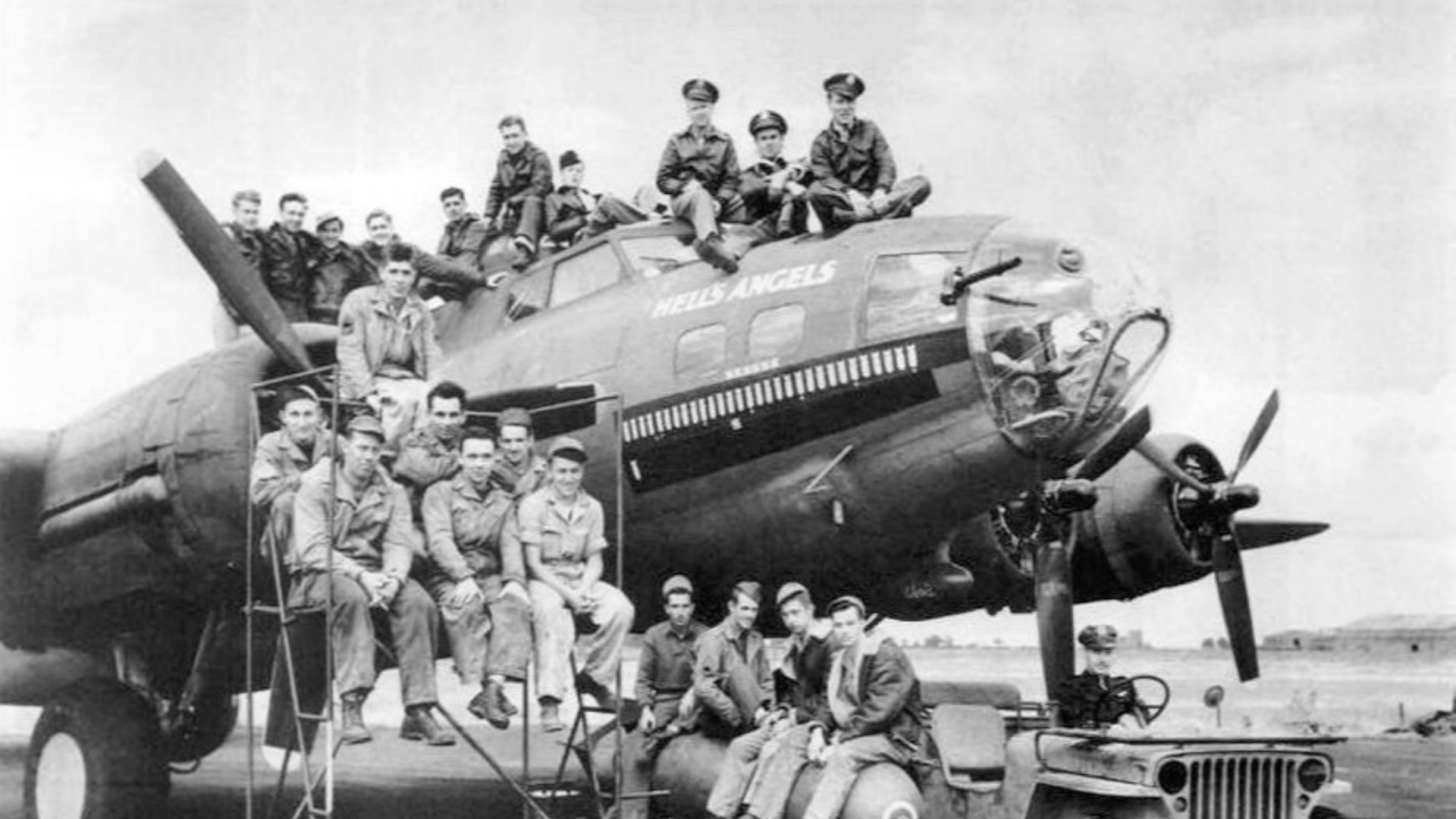
Hughes's aviation epic Hell's Angels became one of the defining extravagances of early Hollywood. Production began as a silent film, but when talking pictures revolutionized the industry, Hughes essentially reworked the project. He assembled aircraft and pilots for spectacular aerial sequences and poured enormous amounts of money into the production.
The final cost was staggering for its era.
But Hughes wasn't merely sitting safely behind a producer's desk while other people took the risks. His obsession with aviation was becoming intensely personal.
8. He Risked His Own Neck
Hughes wanted aerial sequences that looked authentic because he actually understood flying. When professional pilots refused maneuvers they considered too dangerous, Hughes sometimes took extraordinary risks himself. During the production of Hell's Angels, he crashed an aircraft while attempting a difficult maneuver and suffered injuries.
It wouldn't be his last crash. Hughes's willingness to put himself in danger became one of the strangest contradictions of his personality. The man who would eventually become terrified of contamination could also be astonishingly reckless in an airplane.
9. His Marriage Couldn't Compete
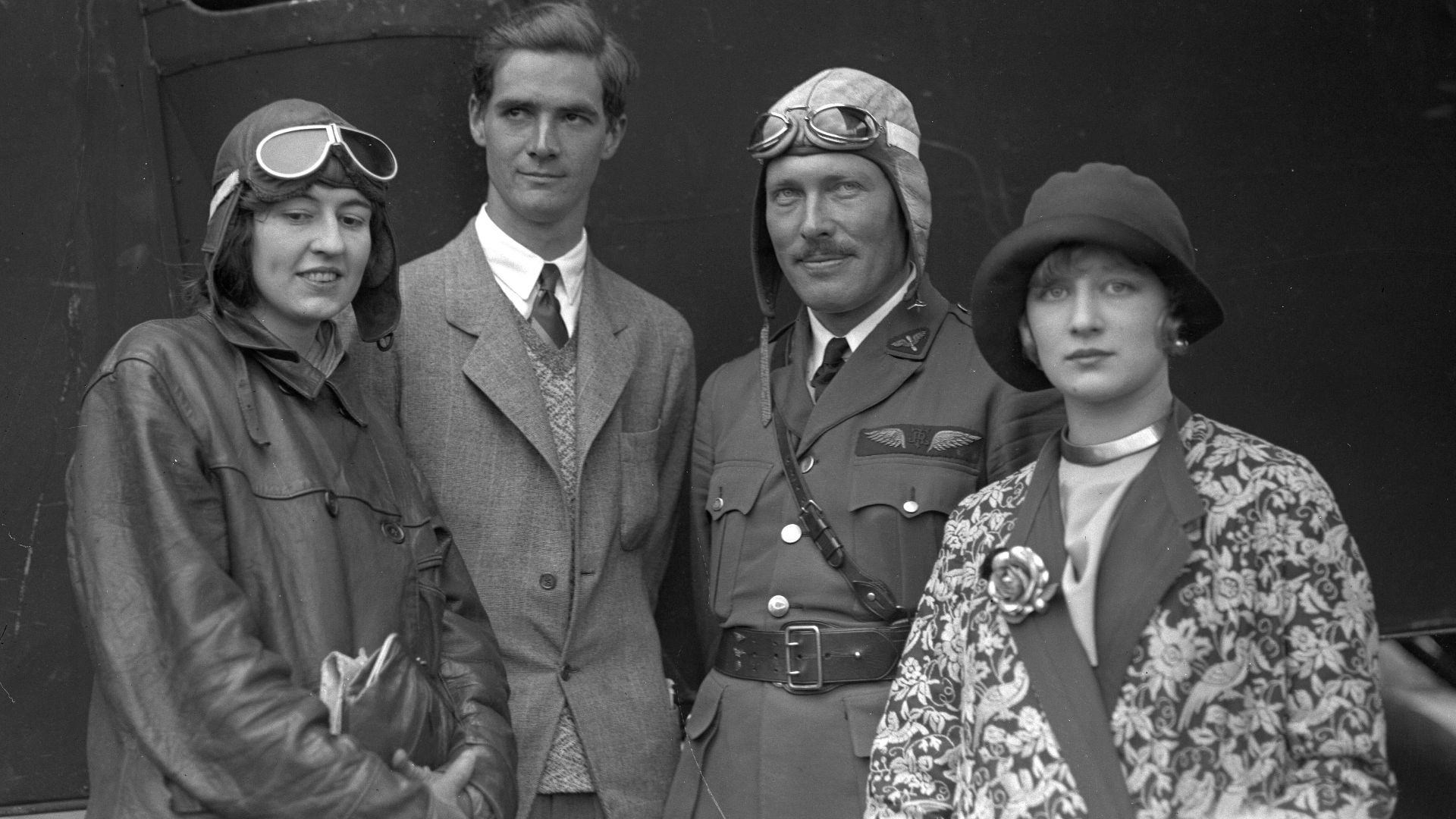
While Hughes poured himself into movies and aviation, his marriage to Ella deteriorated. Hollywood offered beautiful actresses, endless work and the excitement of an entirely new world. Ella eventually returned to Houston, and the couple divorced in 1929.
Howard Hughes was 23 years old, enormously wealthy and newly single in Hollywood. That combination would produce exactly the results you might expect. Women soon became almost as important to the Hughes legend as airplanes, and some of the most famous actresses in America would eventually become associated with him.
 Los Angeles Times on Wikimedia
10. Hollywood's Beauties Fascinated Him
Accounts of Hughes's romantic life read like a list of classic Hollywood royalty. Katharine Hepburn became one of his most significant relationships, while names connected to him over the years included Ava Gardner, Ginger Rogers, Bette Davis, Gene Tierney and others. Not every supposed affair can be established with equal certainty, and Hughes attracted rumors simply because of his reputation.
Still, one fact isn't disputed: beautiful women fascinated him.
Yet one actress would become famous because Hughes decided Hollywood wasn't appreciating her enough.
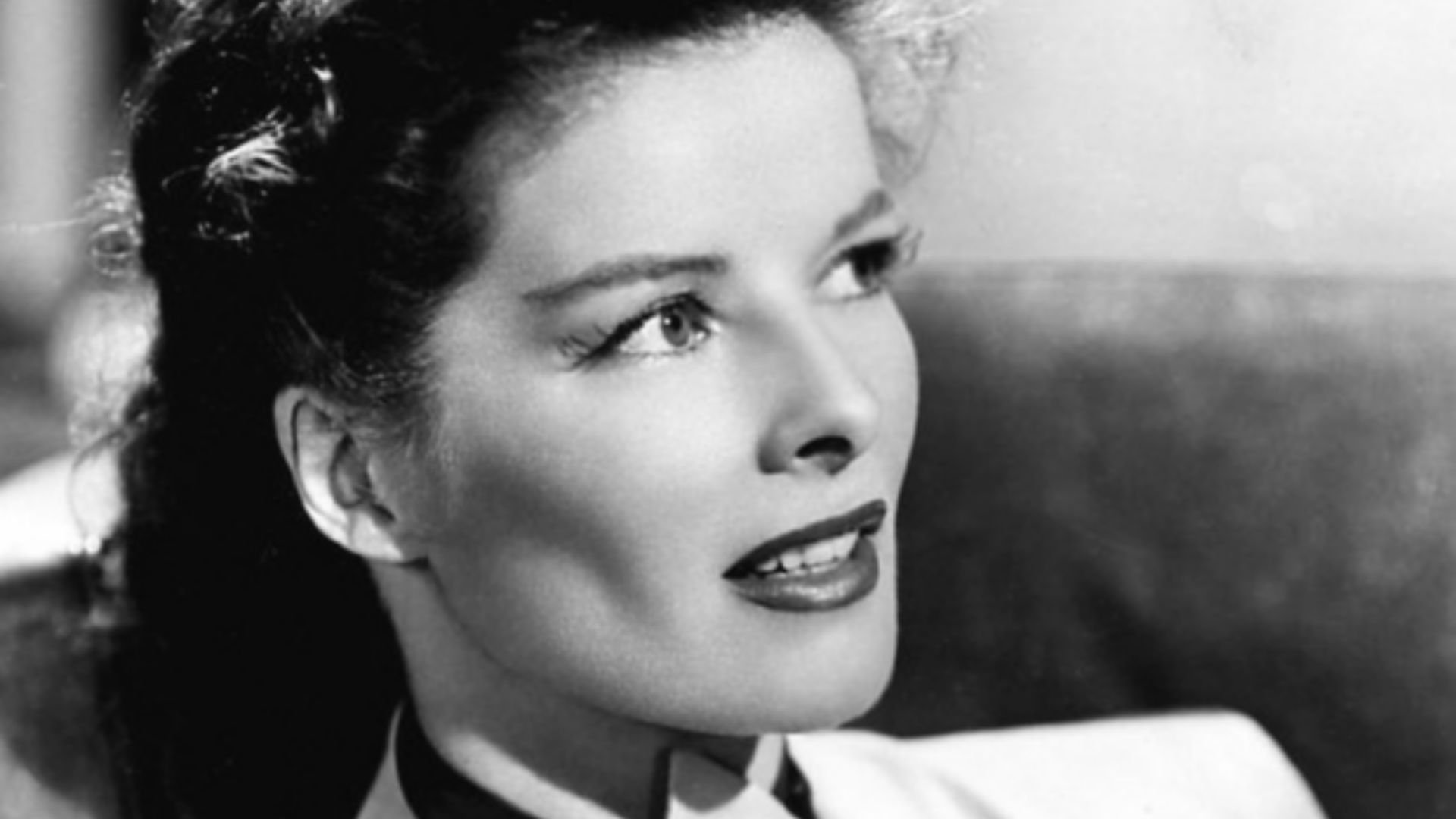
11. He Discovered Jane Russell
Hughes cast the relatively unknown Jane Russell in The Outlaw, a western ostensibly about Billy the Kid. Yet Hughes's publicity campaign focused heavily on Russell's figure, turning her into a sensation before many Americans had even seen the movie. Censors were considerably less enthusiastic.
Hughes battled over the film's provocative presentation and cleverly used the controversy to generate publicity. The businessman understood something that would become commonplace decades later: outrage could be extraordinarily valuable advertising.
But while Hollywood made Hughes famous, airplanes made him heroic.

12. He Wanted To Be The Fastest
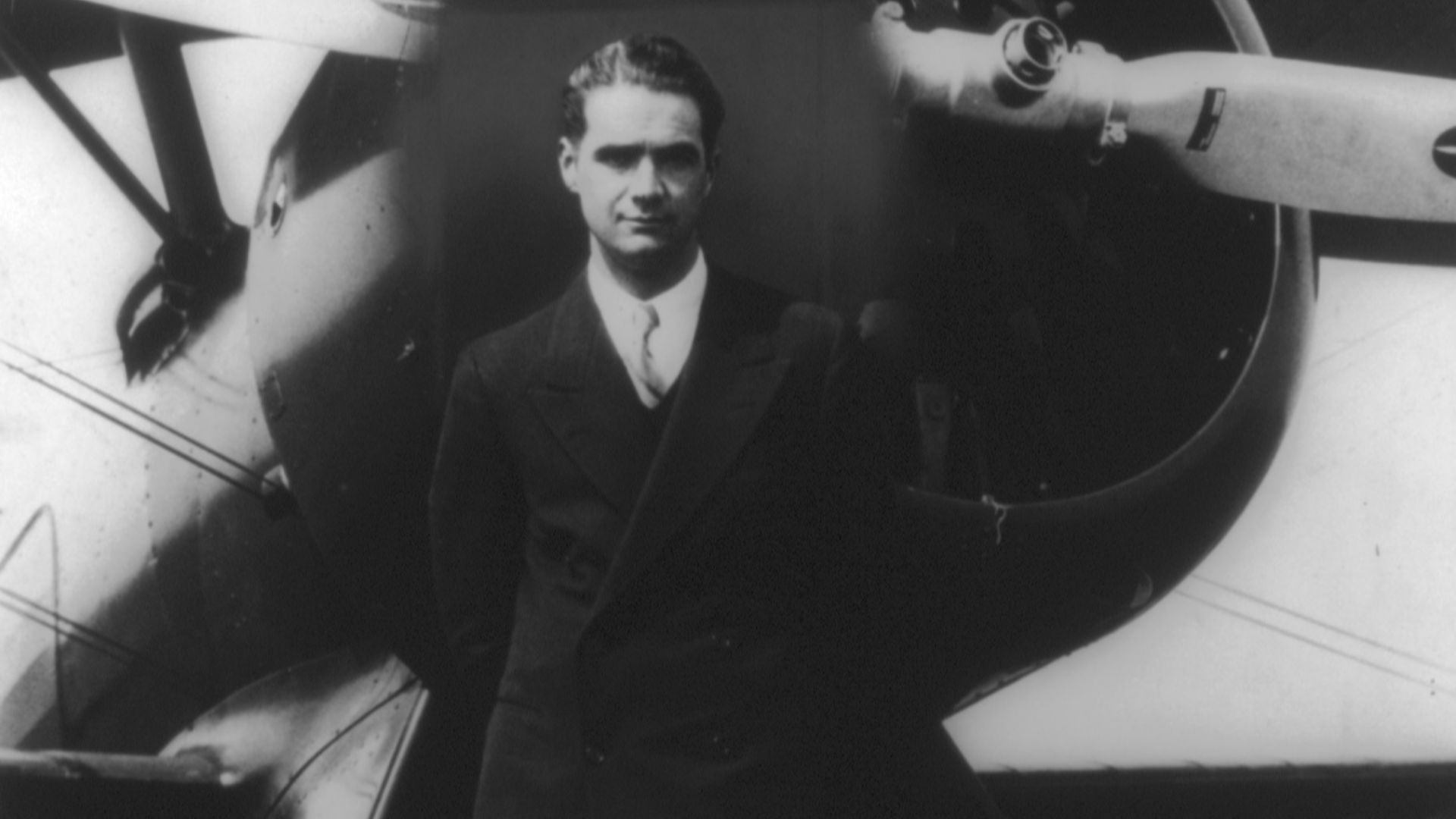
Hughes wasn't satisfied owning airplanes or putting them in movies. He wanted to break records himself. In 1935, flying an aircraft built by his own company, Hughes established a landplane speed record of roughly 352 miles per hour.
It was an astonishing achievement for a man the public primarily knew as a wealthy movie producer. Hughes was becoming something much more interesting: part industrialist, part celebrity and part daredevil. He could have stopped there and enjoyed the acclaim. Stopping, unfortunately, was never Howard Hughes's specialty.
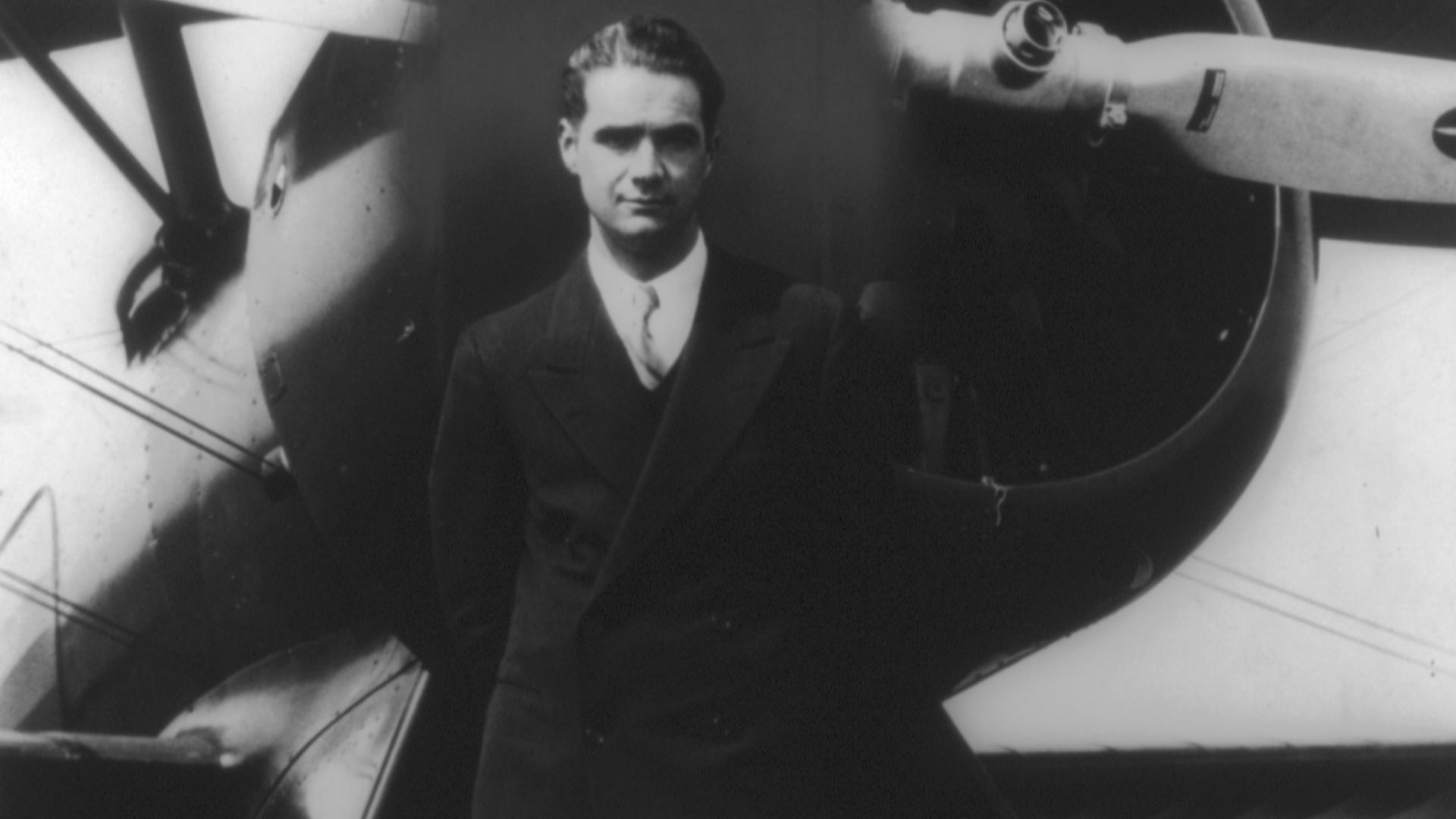
13. He Crossed America In Record Time
In January 1937, Hughes flew from Los Angeles to Newark in approximately seven and a half hours, setting another transcontinental record. Commercial aviation was still young enough that feats like this captured enormous public attention.
Hughes had money, movie stars and genuine courage. Better still, he looked like a romantic hero. The press loved him. Then Hughes decided that crossing America wasn't impressive enough. He wanted to circle the entire planet—and do it faster than anyone had before.
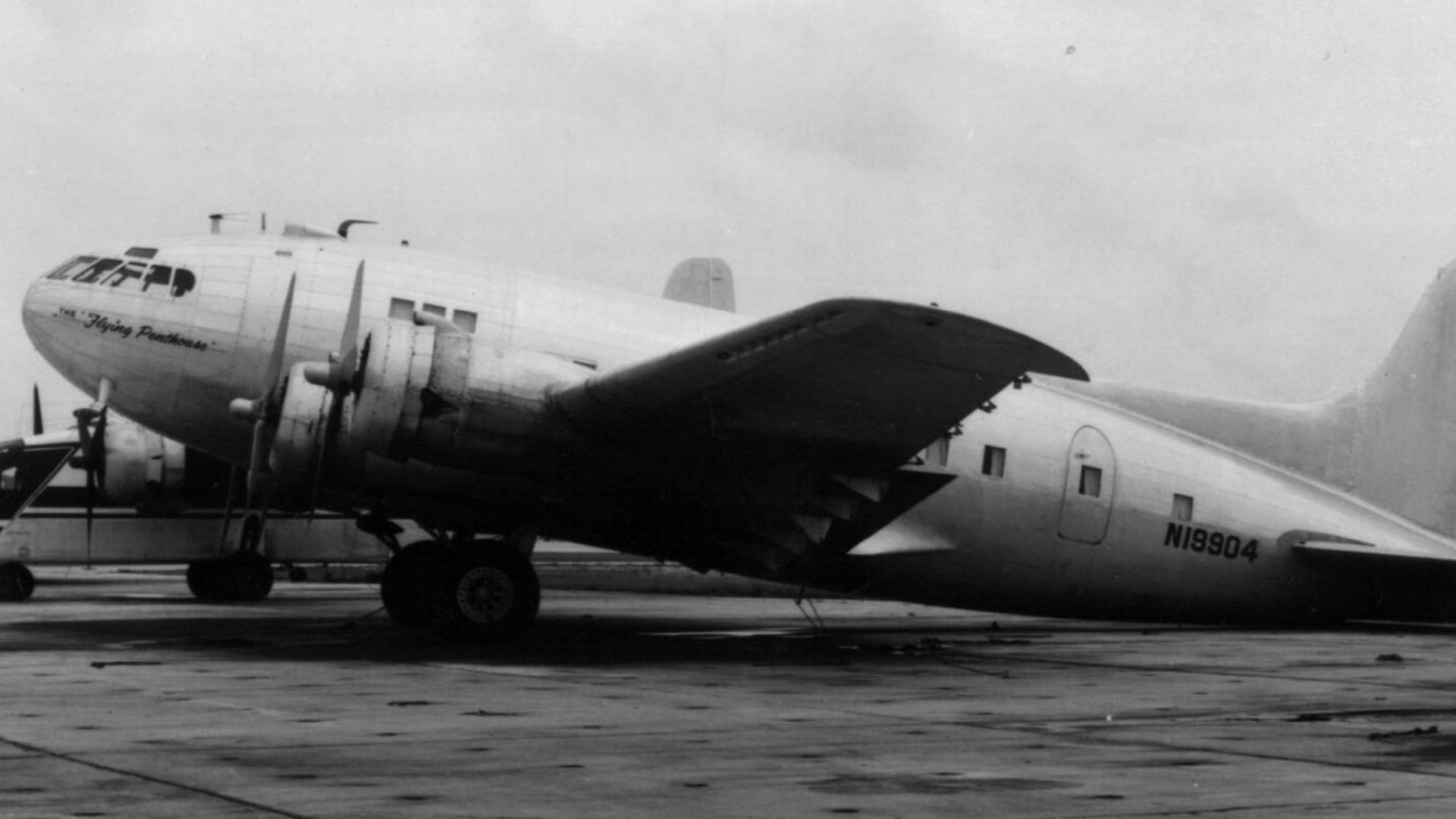
14. The World Cheered Him
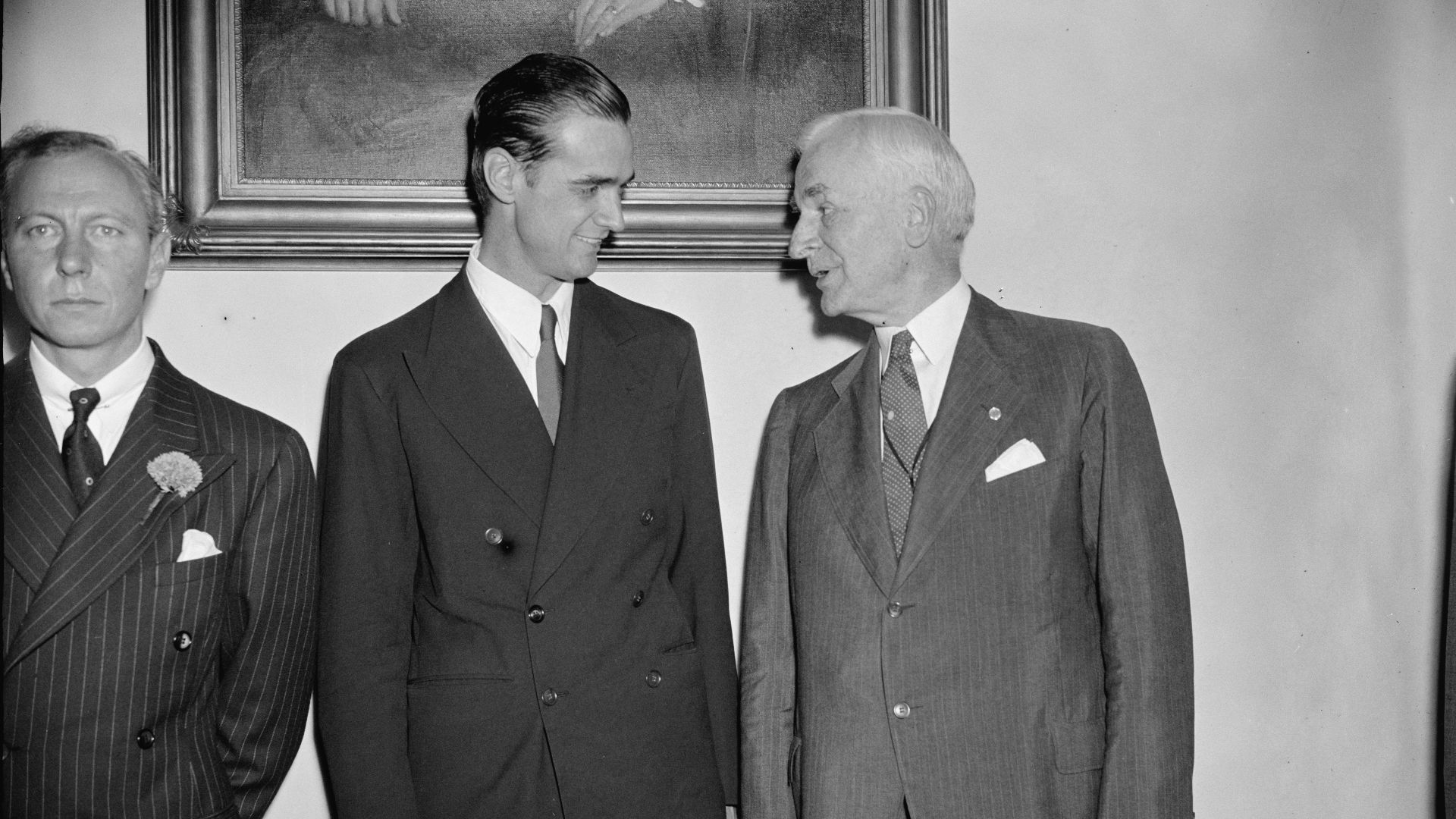
In July 1938, Hughes and a small crew flew around the world in just over 91 hours, smashing the previous record. When he returned, enormous crowds celebrated him. New York gave Hughes and his crew a ticker-tape parade, and he became one of America's most admired aviators.
This was arguably Howard Hughes at his public peak: handsome, daring, rich and seemingly unstoppable. But Hughes wasn't interested merely in breaking records anymore. He wanted influence over the future of commercial aviation itself—and that ambition would eventually bring him enemies in Washington.
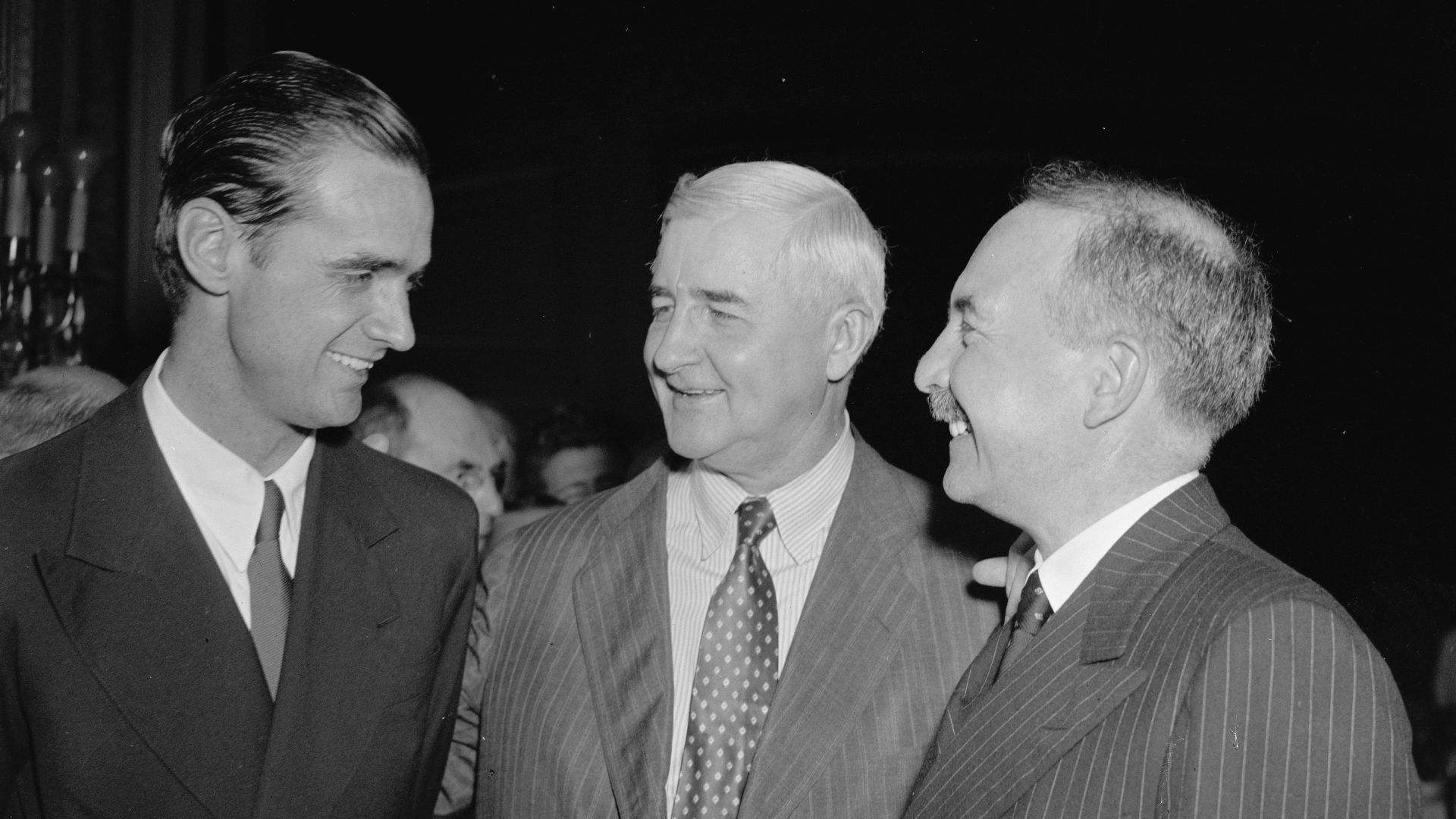 Harris & Ewing, photographer on Wikimedia
15. He Took Control Of An Airline
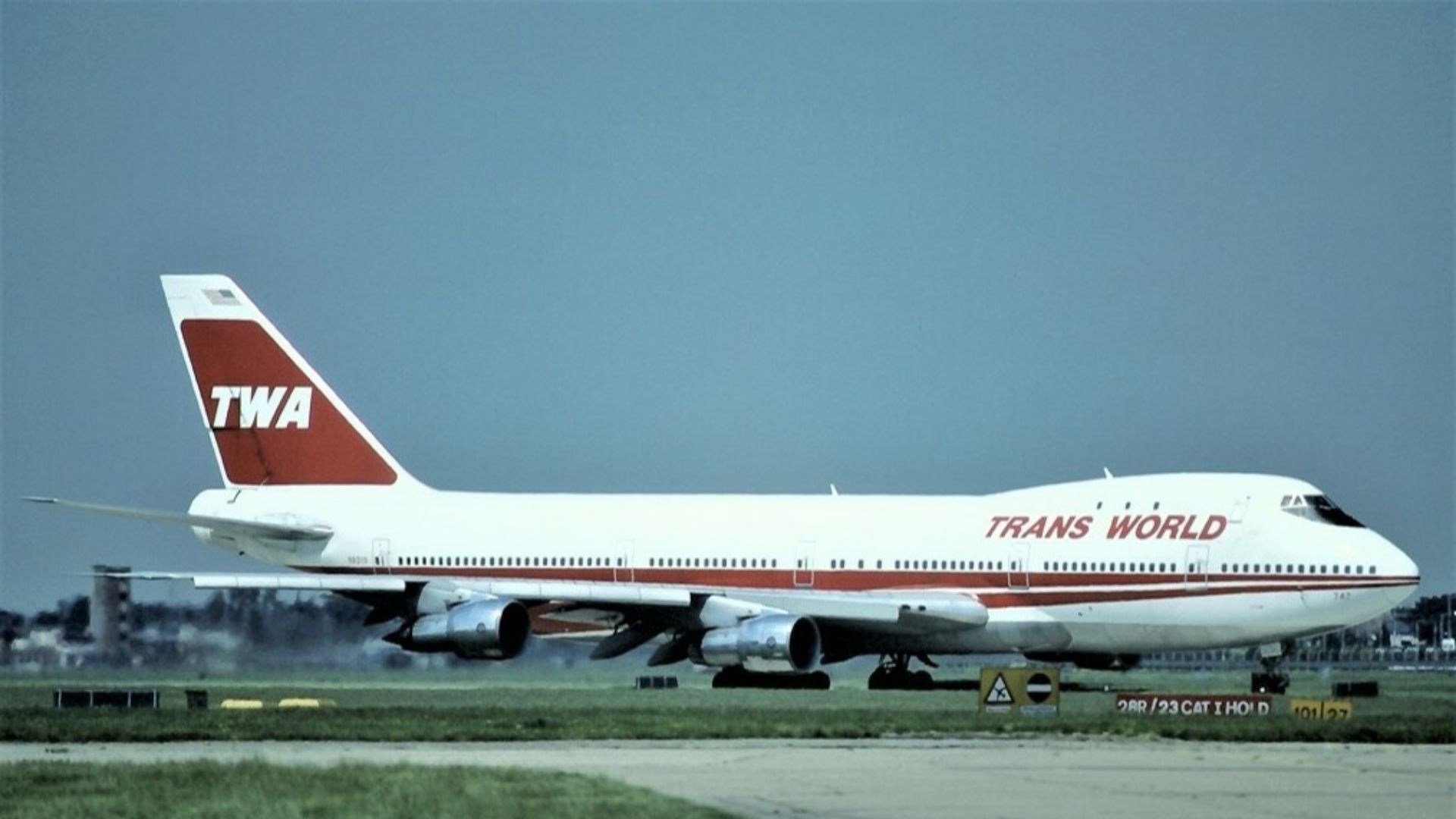
Hughes acquired a controlling interest in Transcontinental & Western Air, later known as TWA. He pushed the airline toward faster, more advanced aircraft and became closely associated with its expansion. His fascination with engineering now intersected with enormous commercial power.
But Hughes's business methods and determination to control his companies created constant conflict. The same qualities that made him brilliant could make him extraordinarily difficult. Years later, TWA would become the center of one of the bitterest financial and legal battles of Hughes's career. Before that happened, however, war gave him an even more ambitious project.
16. The Government Wanted A Giant Plane
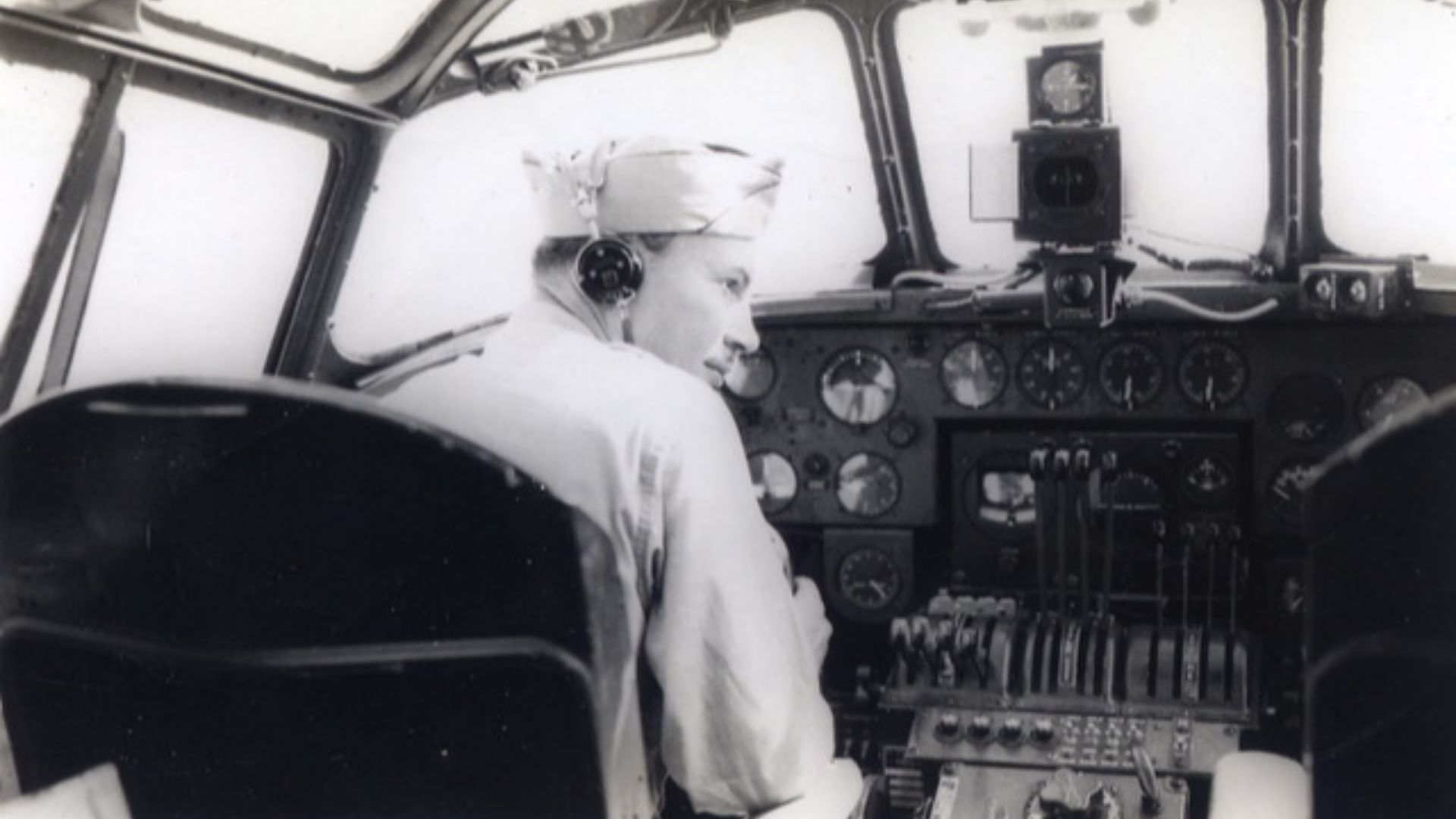
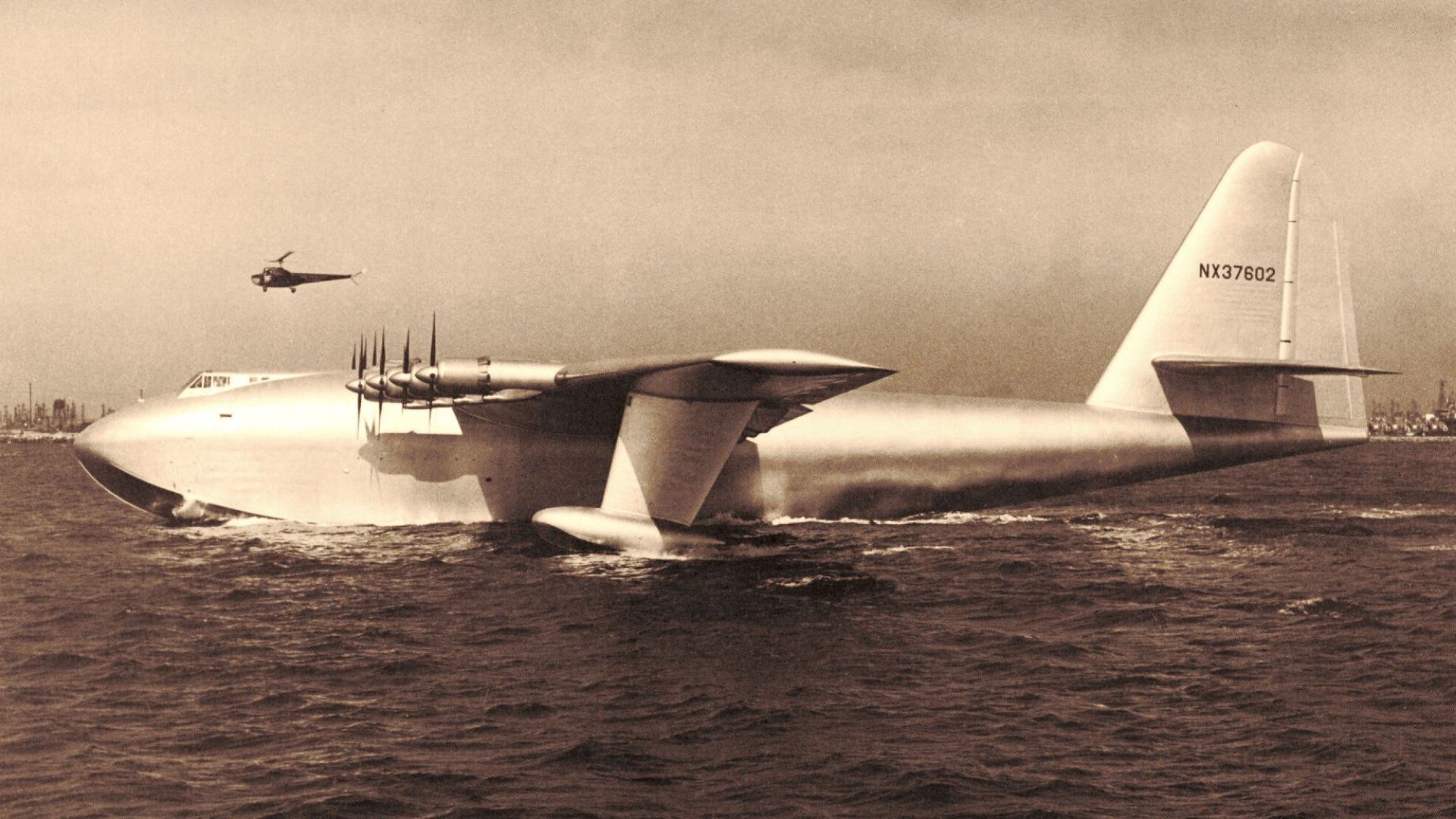
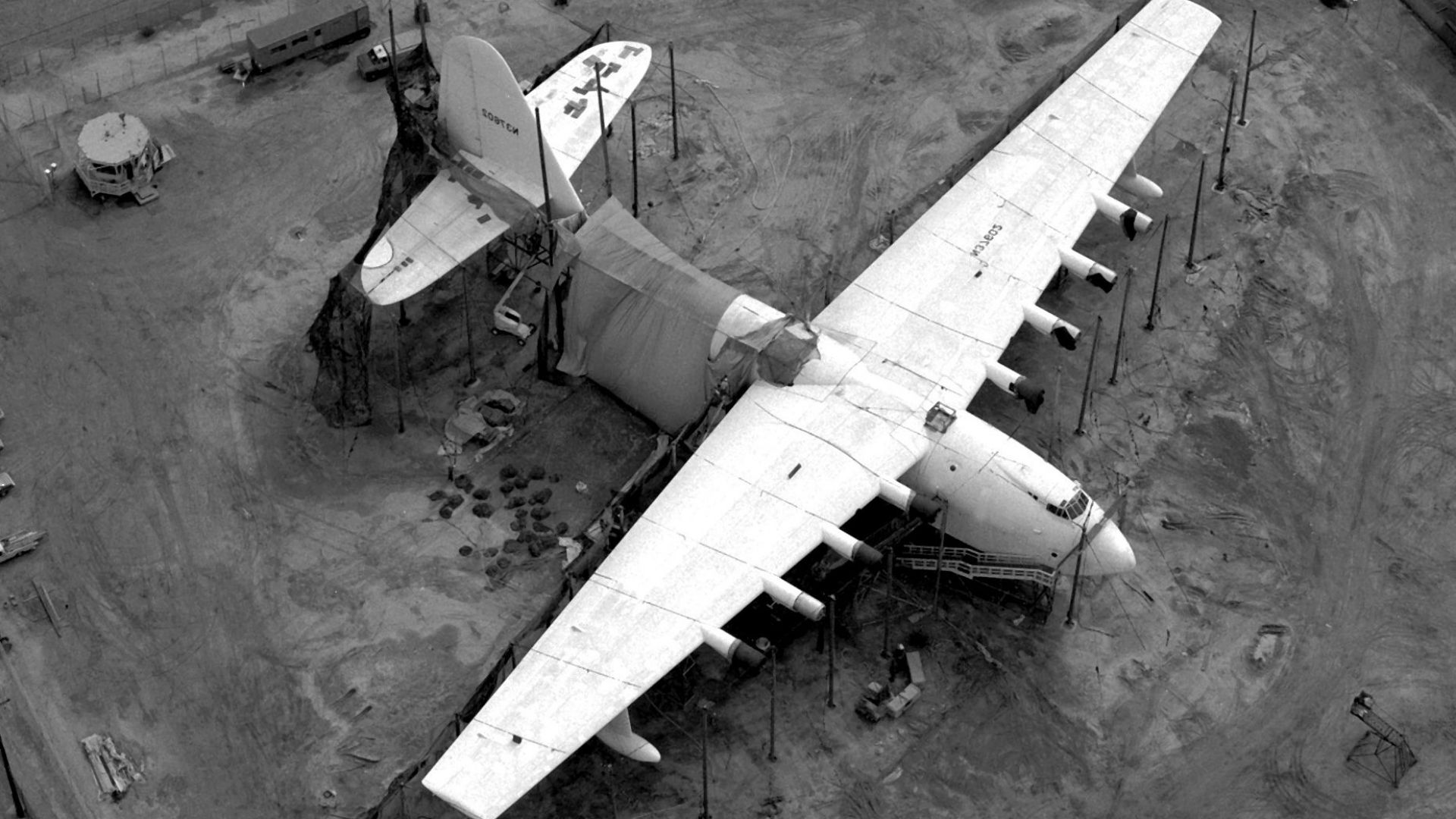
During World War II, industrialist Henry Kaiser proposed building enormous cargo aircraft that could carry men and equipment across the Atlantic while avoiding German submarines. Hughes became involved in developing the giant wooden aircraft eventually designated the H-4 Hercules.
The press gave it a nickname Hughes reportedly disliked: the “Spruce Goose.” The project became enormously expensive and wasn't completed before the war ended. Critics began wondering whether Hughes had wasted government money. Hughes's answer would eventually involve one of the most theatrical moments of his entire career.
 United States Army Air Force Air Transport Command on Wikimedia
17. He Built Something Almost Unbelievable
The H-4 Hercules was enormous. Because wartime restrictions made strategic metals difficult to obtain, the aircraft was constructed primarily from wood—though birch, rather than spruce, predominated. Its wingspan exceeded that of any aircraft then built.
But a gigantic airplane is only impressive if it actually flies. Critics doubted that Hughes's creation ever would. Some portrayed the entire project as a monument to one eccentric millionaire's ego. Howard Hughes had spent years proving skeptics wrong. This time, Congress itself wanted answers.
18. He Was Called Before The Senate
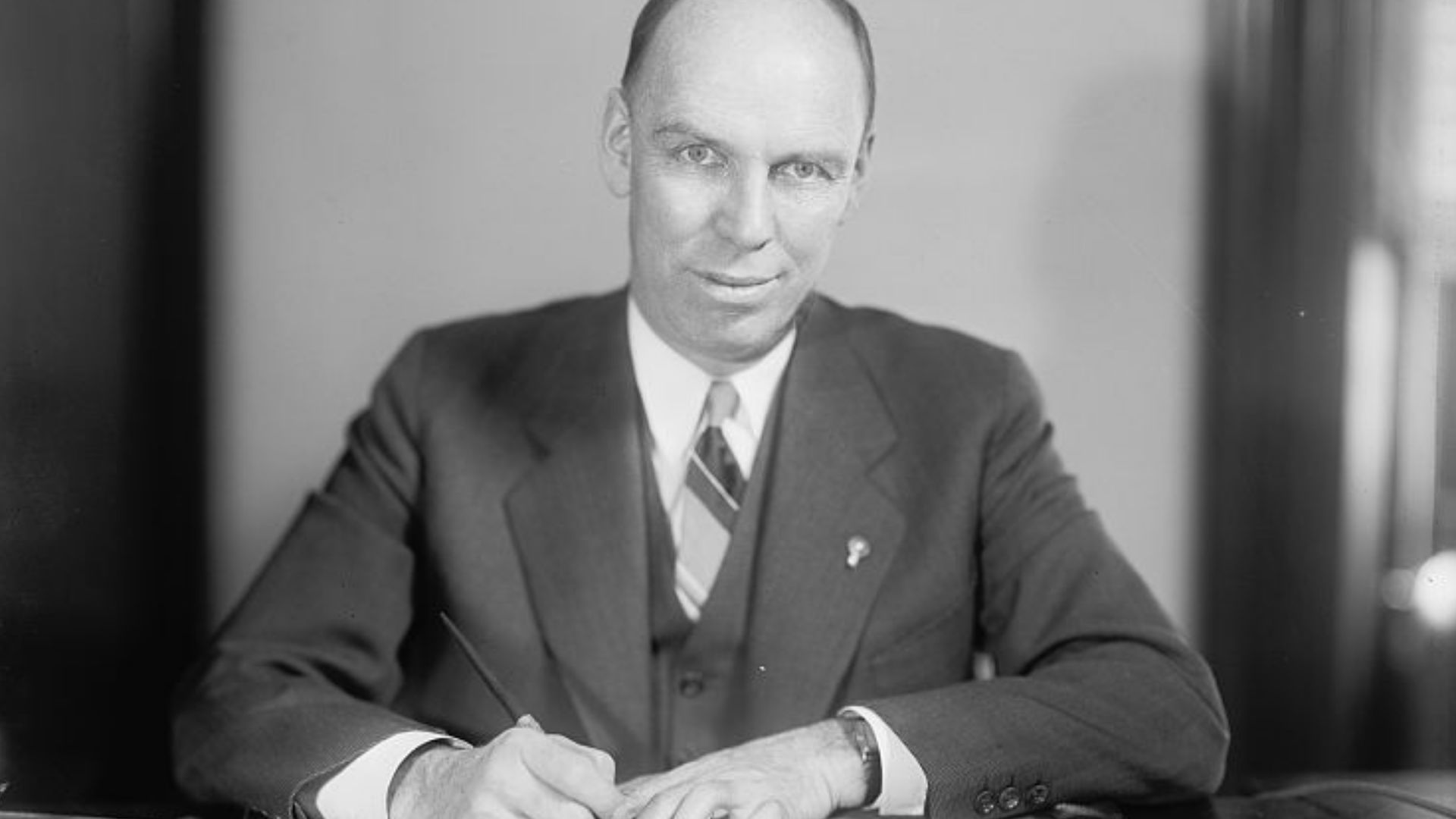
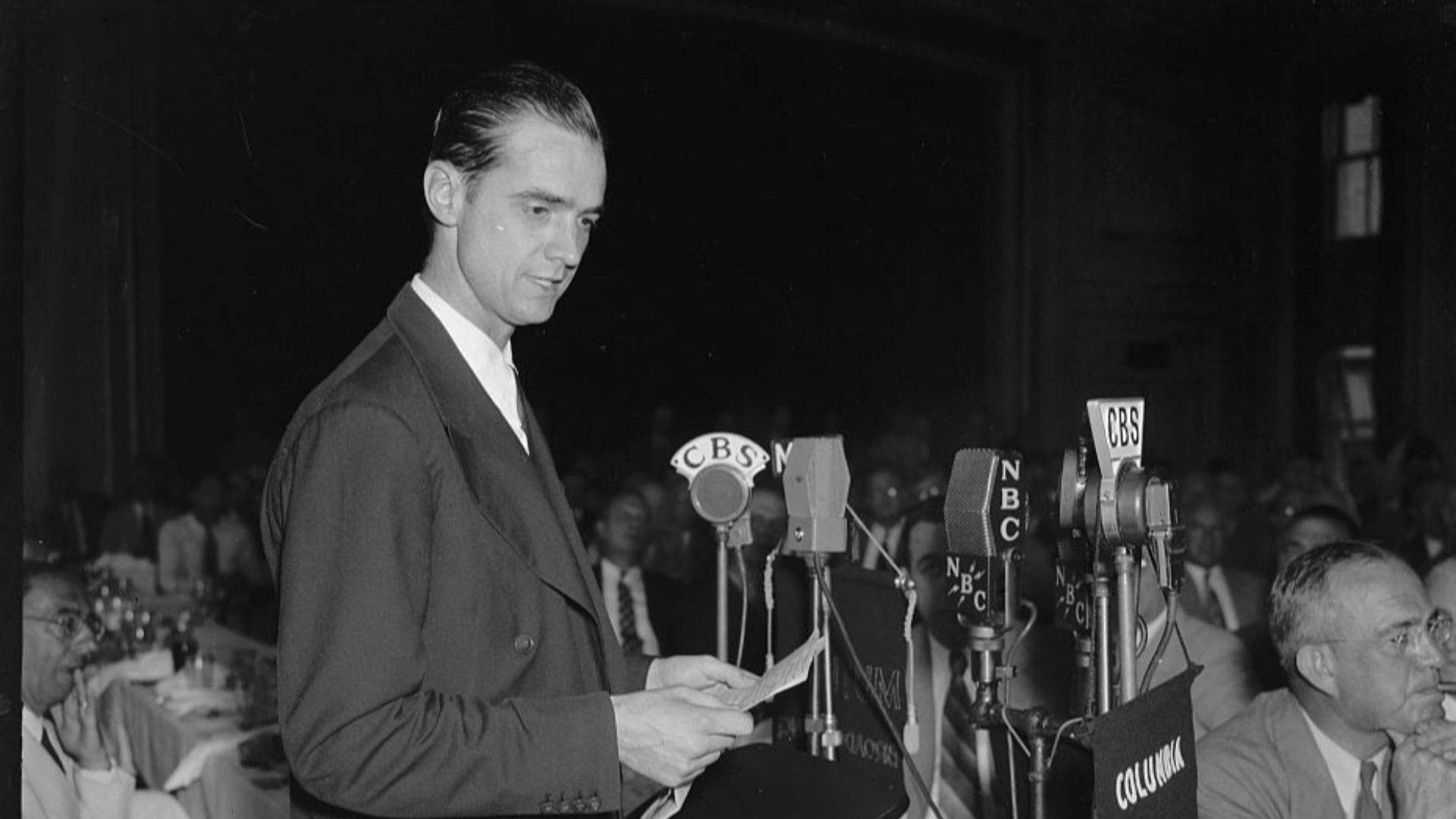
In 1947, Hughes faced Senate hearings investigating wartime aircraft contracts, including his projects. Senator Owen Brewster of Maine became one of Hughes's principal antagonists. Hughes counterattacked, publicly accusing Brewster of pressuring him in connection with TWA and rival Pan American Airways.
The hearings became a sensational public confrontation between a wealthy industrialist and powerful politicians. Hughes wasn't going to quietly accept humiliation. Then he did something even more effective than arguing with senators: he climbed into the cockpit of the supposedly useless giant airplane.
 Harris & Ewing, photographer on Wikimedia
19. The Spruce Goose Actually Flew
On November 2, 1947, Hughes piloted the H-4 Hercules during a test in Long Beach Harbor. The enormous aircraft rose from the water and flew for roughly a mile before landing again.
It never flew a second time. Still, that brief flight mattered enormously to Hughes. The machine his critics mocked had left the water with him at the controls. Whatever the project's practical shortcomings, nobody could truthfully say the Spruce Goose had never flown.
But Hughes had already survived a much more frightening aviation episode.
 Balcer~commonswiki on Wikimedia
20. He Crashed Into Beverly Hills
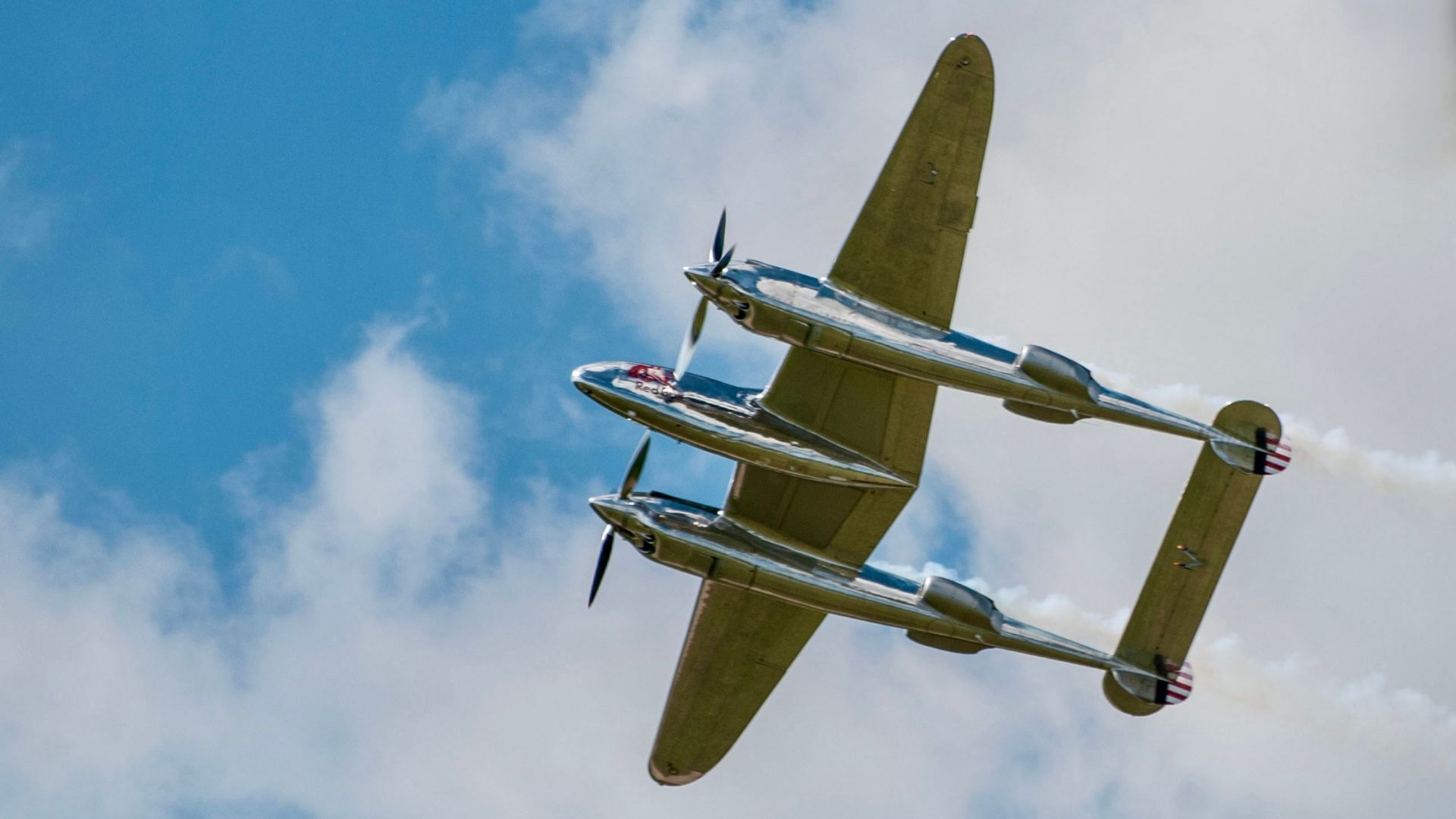
On July 7, 1946, Hughes was testing the experimental XF-11 reconnaissance aircraft over Los Angeles when something went terribly wrong. The plane malfunctioned, descended over Beverly Hills and crashed into houses.
Hughes survived, but his injuries were catastrophic. He suffered severe burns, broken ribs and other serious injuries that required prolonged treatment. The accident changed his life. Doctors prescribed strong pain medication during his recovery, and Hughes's later dependence on medication became one of the darkest elements of his decline.
Yet even from a hospital bed, Hughes remained Howard Hughes.
 Harris & Ewing, photographer on Wikimedia
21. He Redesigned His Hospital Bed
During his recovery, Hughes reportedly found the standard hospital bed uncomfortable and designed an improved version using his engineering instincts. It was classic Hughes: even while seriously injured, he could become obsessed with solving a mechanical problem nobody had asked him to solve.
But the crash left consequences that engineering couldn't fix. Chronic pain followed Hughes for years. His physical injuries, medication use and already-existing compulsive tendencies became increasingly intertwined. The fearless aviator was still building an empire—but privately, something inside Howard Hughes seemed to be changing.
22. He Bought An Entire Movie Studio
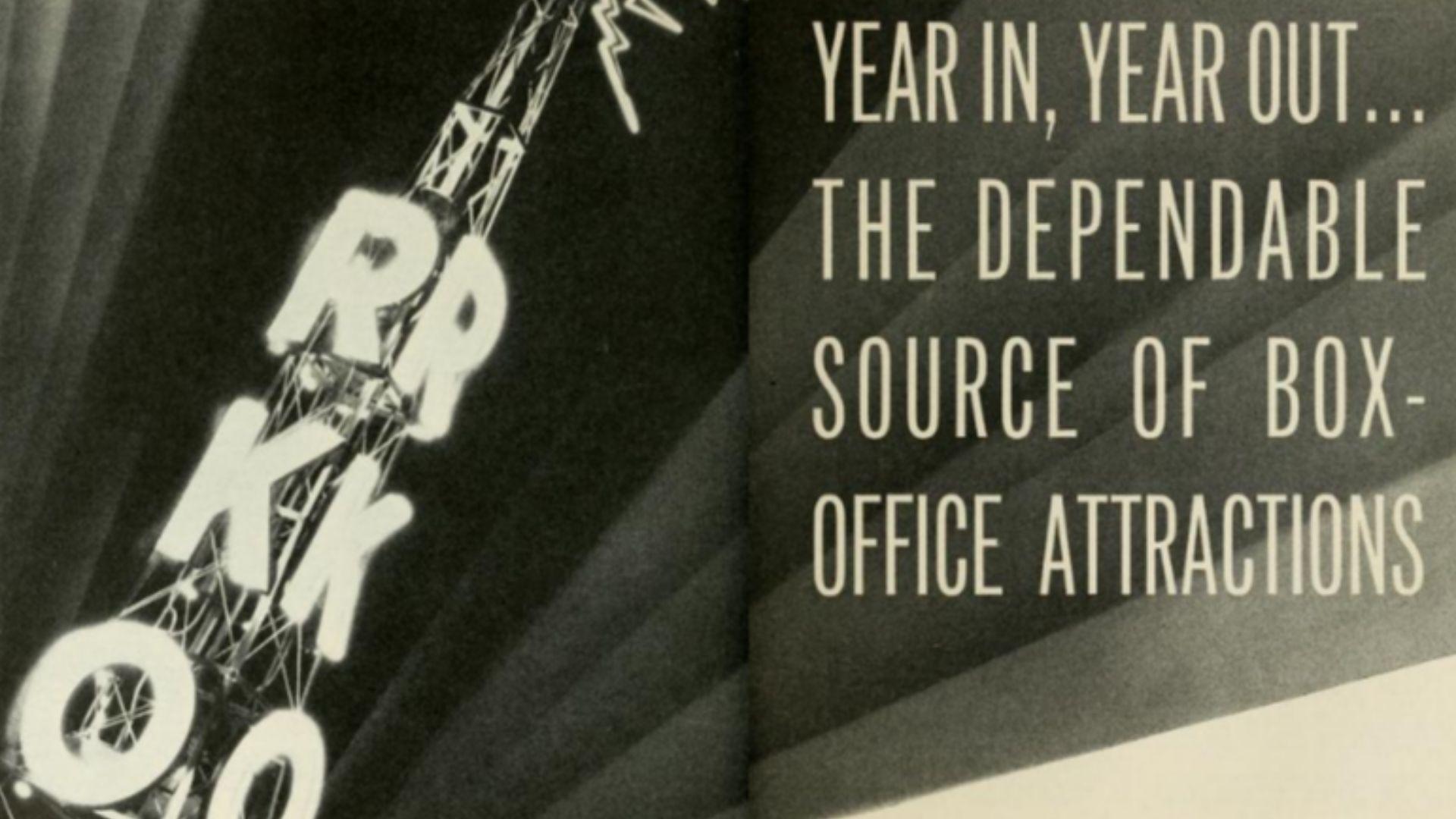
In 1948, Hughes gained control of RKO Pictures. Owning a Hollywood studio gave him enormous power over productions and careers, but Hughes's management became notoriously unpredictable. Projects could be delayed while he obsessed over details, and his attention could shift abruptly.
RKO struggled during his ownership. Eventually Hughes sold his interests, but not before making his strange mark on another major American institution. By the 1950s, he wasn't merely a rich movie producer and pilot anymore. He was becoming a man whose money allowed him to build entire worlds around himself.
 RKO Radio Pictures on Wikimedia
23. He Created A Medical Institute
In 1953, Hughes established the Howard Hughes Medical Institute. The organization would ultimately become one of the world's major biomedical research institutions. Hughes Aircraft was placed under its ownership, creating an unusual relationship between his profitable defense business and a medical nonprofit.
It's one of the great contradictions in Hughes's legacy. A man whose own health and behavior deteriorated dramatically helped create an institution that would fund important scientific research for generations. Meanwhile, Hughes's personal world was becoming harder to understand—and one actress was about to enter it permanently.
 Acme Newspictures on Wikimedia
24. Jean Peters Was Different
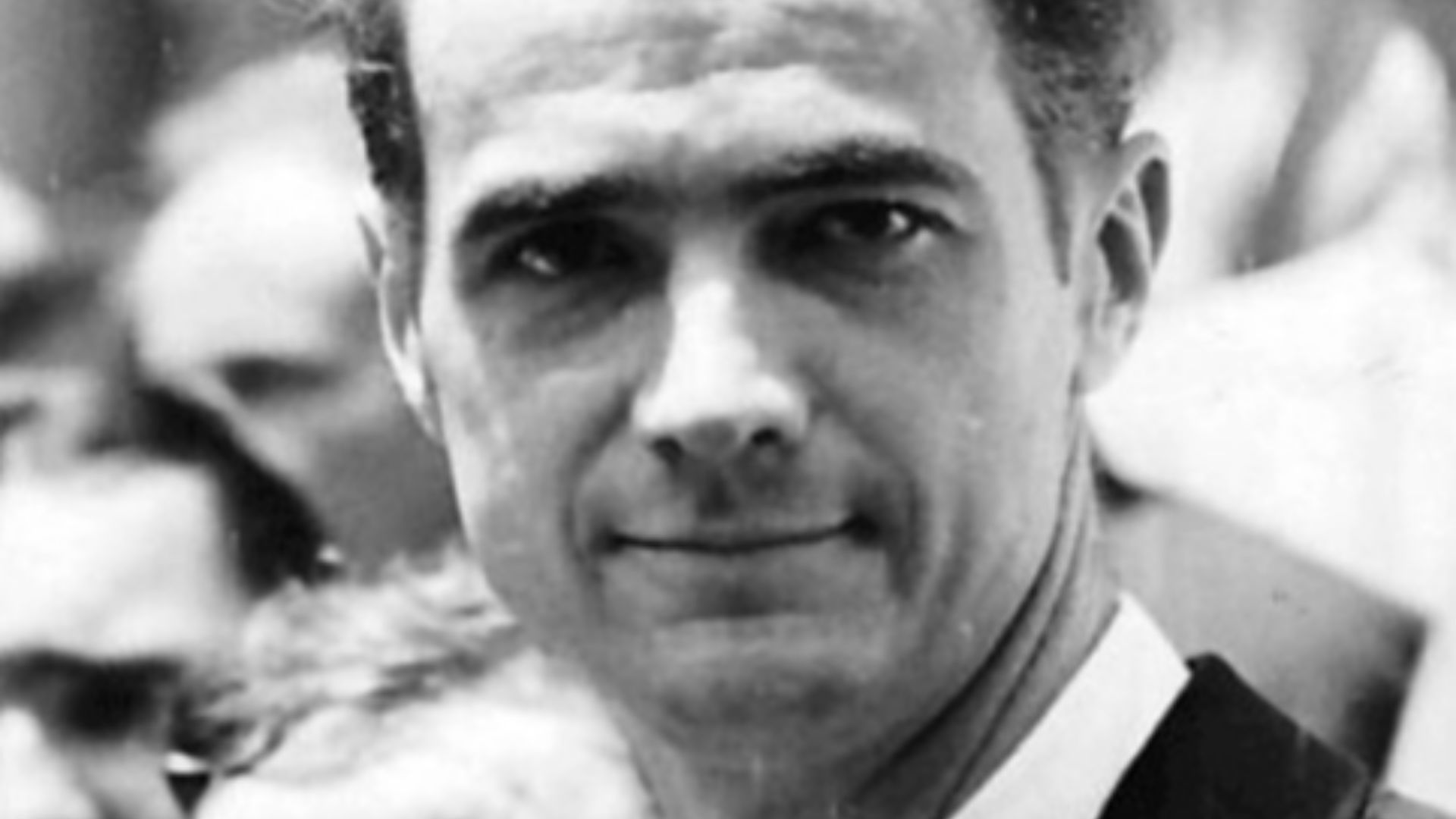
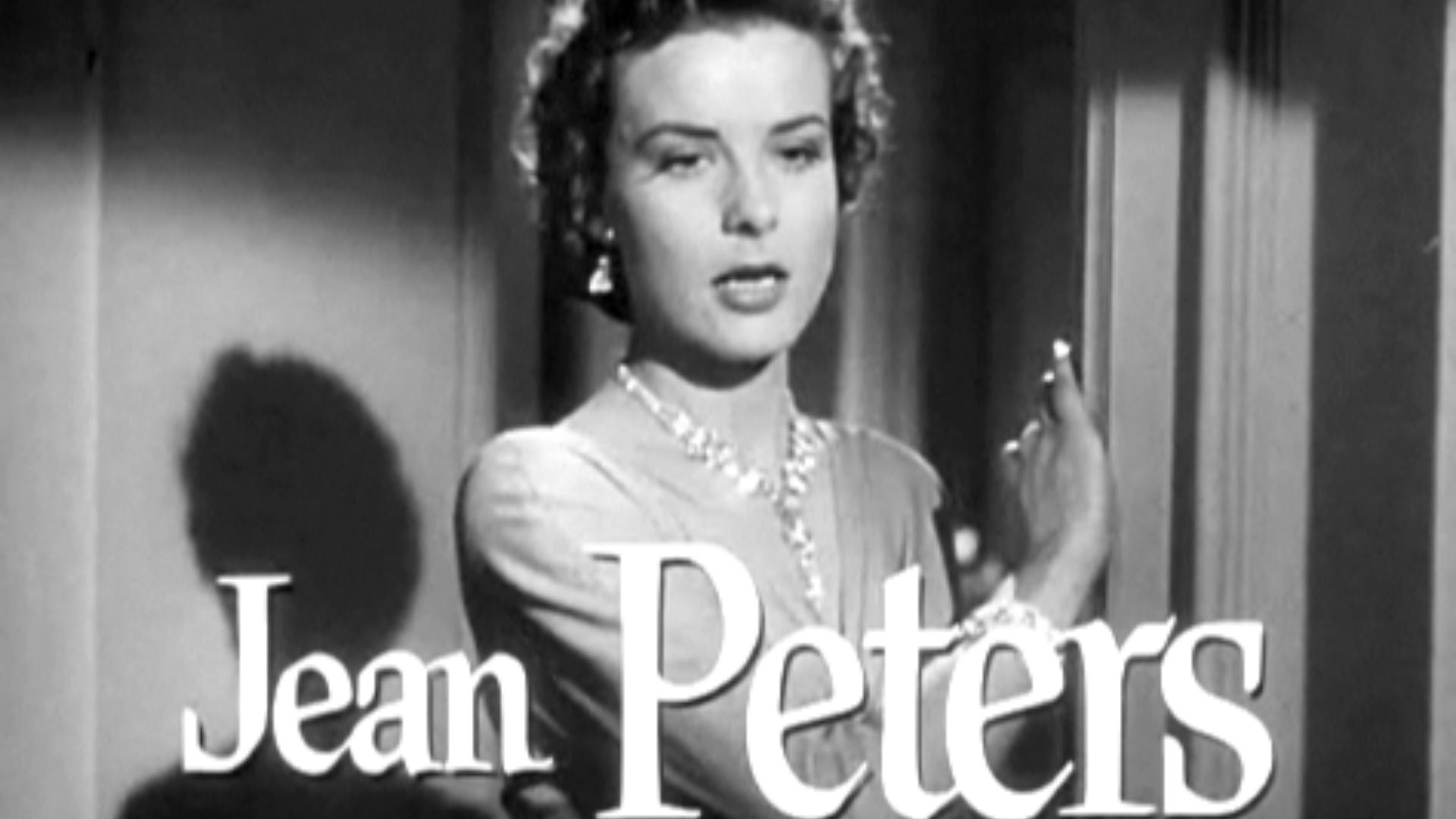
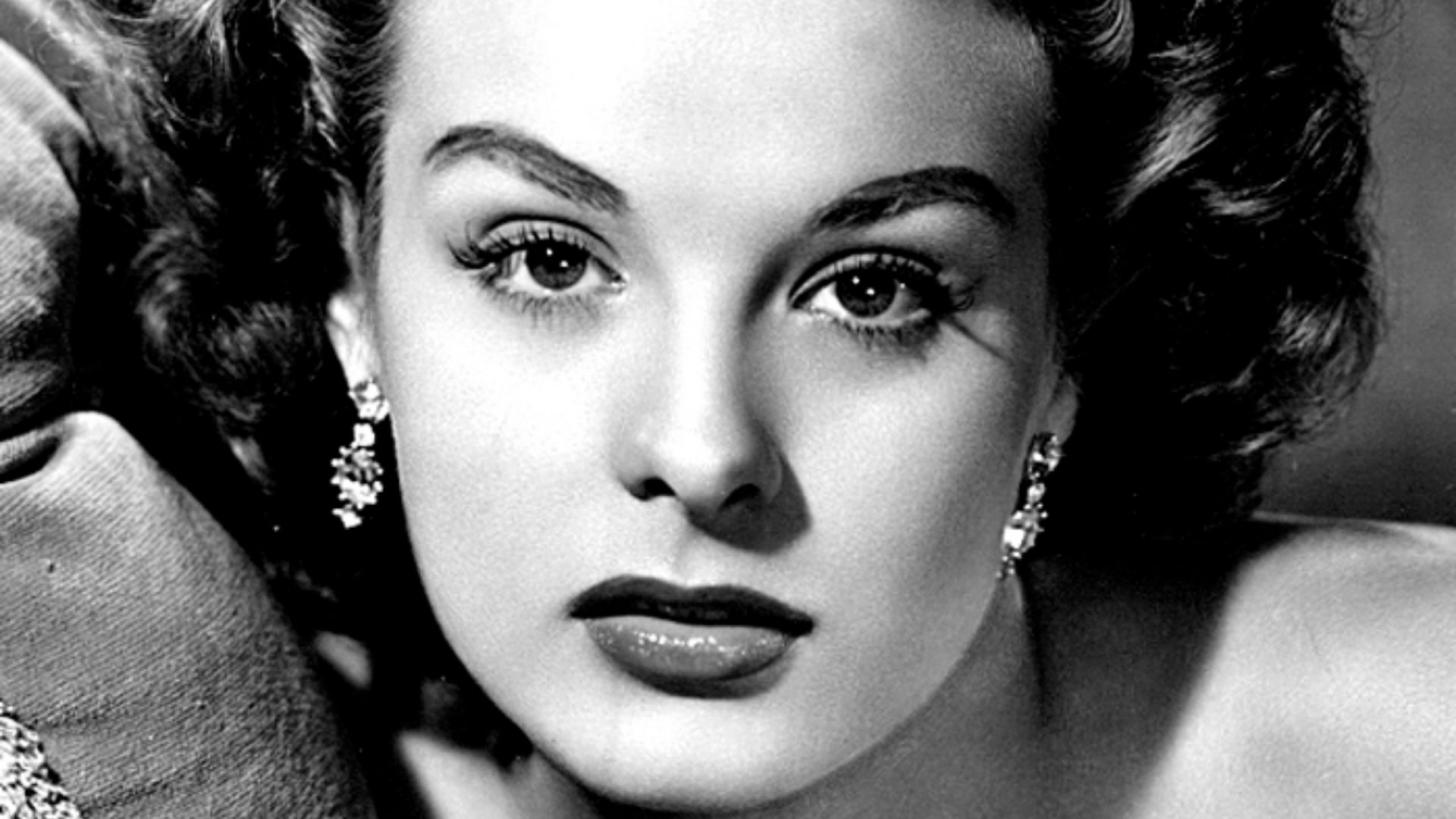
Hughes had known actress Jean Peters since the 1940s. Their relationship attracted considerable attention, but Peters resisted being defined merely as a glamorous movie star. Years passed before the two finally married secretly in Nevada in 1957.
Hughes was 51; Peters was 30. For a man linked with so many famous women, marriage seemed like an extraordinary commitment. But Jean was about to discover that being Mrs. Howard Hughes didn't necessarily mean actually living a conventional married life.
25. His Wife Practically Disappeared Too
After marrying Hughes, Peters withdrew from Hollywood and was rarely seen publicly, inspiring wild rumors about her life. Some wondered whether she was ill or effectively being kept prisoner.
The reality was less sensational but still unusual. Peters quietly attended UCLA classes, pursued hobbies and performed charitable work while maintaining extraordinary privacy. She later revealed surprisingly little about Hughes, insisting after their divorce that their marriage would remain private.
Her silence only made the mystery greater—especially because husband and wife increasingly seemed to inhabit separate worlds.
26. He Could Barely Live With His Own Wife
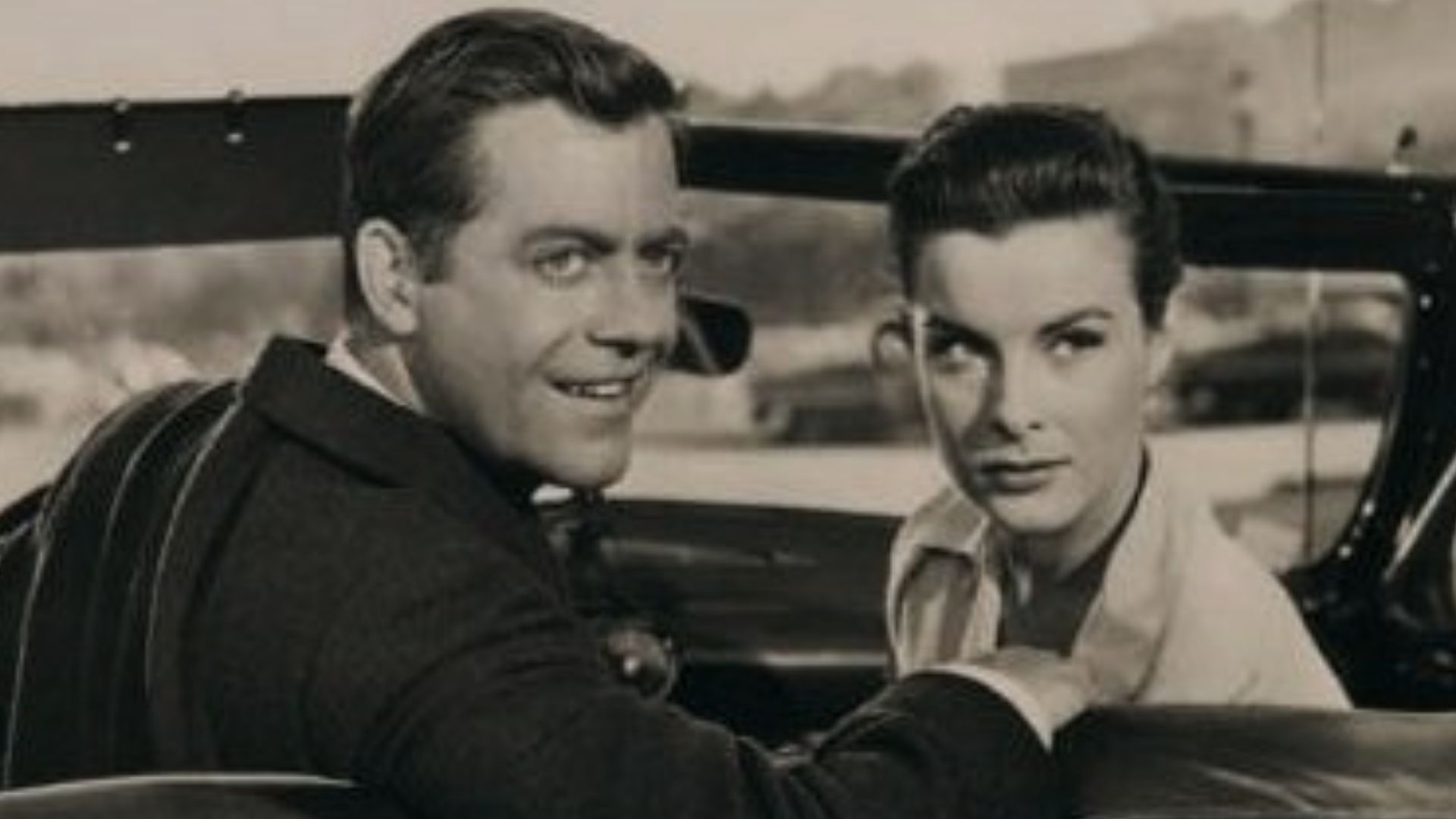
Accounts of Hughes's marriage describe increasingly peculiar interactions. According to reporting after Peters's death, Hughes's fear of germs could make even meetings with his wife awkward, with the couple sometimes maintaining physical distance. Eventually they largely led parallel lives.
Peters was not becoming the same kind of recluse her husband was. Hughes was. The glamorous aviator once photographed beside movie stars was retreating from ordinary human contact. Soon, even people doing millions of dollars of business with Howard Hughes might never actually see him.
 unknown (20th Century Fox) on Wikimedia
27. His Germ Fears Took Over
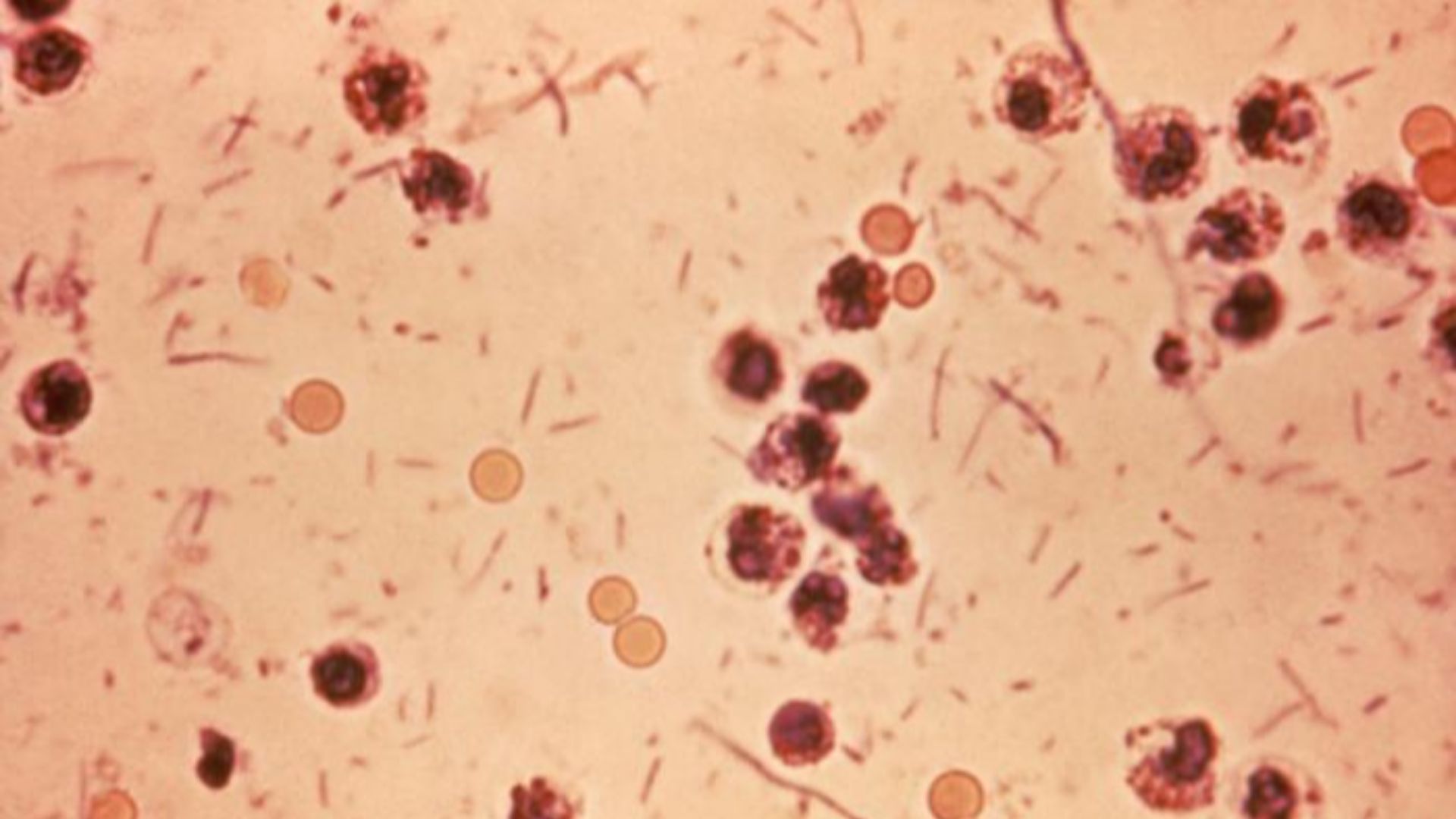
Hughes developed elaborate fears about contamination. Accounts describe increasingly complex instructions surrounding food, objects and personal contact. His compulsive behavior became so extreme that ordinary activities could turn into elaborate rituals.
Modern writers frequently connect Hughes's behavior with obsessive-compulsive disorder, though retrospective diagnosis should always be treated cautiously. Whatever terminology we use, the consequences were undeniable.
The man who had once risked his life testing airplanes was becoming frightened by everyday contact with the outside world. And his fortune gave him the ability to make everyone around him accommodate those fears.
 Centers for Disease Control and Prevention Publich Health Image Library on Wikimedia
28. He Started Communicating Through Memos
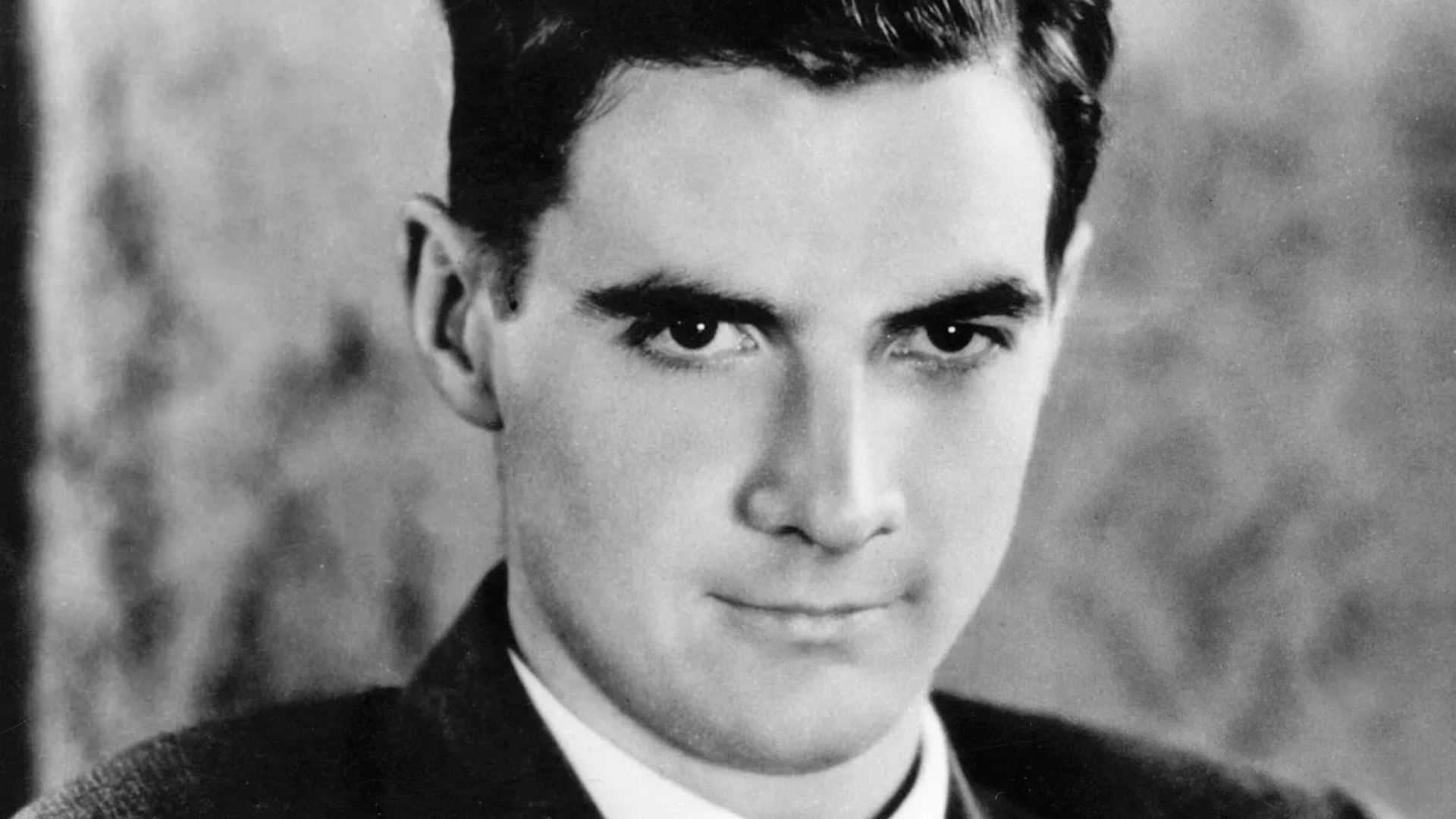
As Hughes withdrew, handwritten memos became an important way for him to issue instructions. Employees could receive extraordinarily detailed directions from a man they might rarely—or never—see. This created an unusual corporate empire.
Hughes still owned assets worth enormous sums, but layers of aides increasingly stood between the billionaire and everyone else. Eventually even senior associates could find themselves trying to interpret the wishes of an invisible boss.
The arrangement gave Hughes privacy. It also raised an obvious and increasingly important question: if almost nobody could see Howard Hughes, who really controlled Howard Hughes?
 AnonymousUnknown author on Wikimedia
29. TWA Became A Disaster
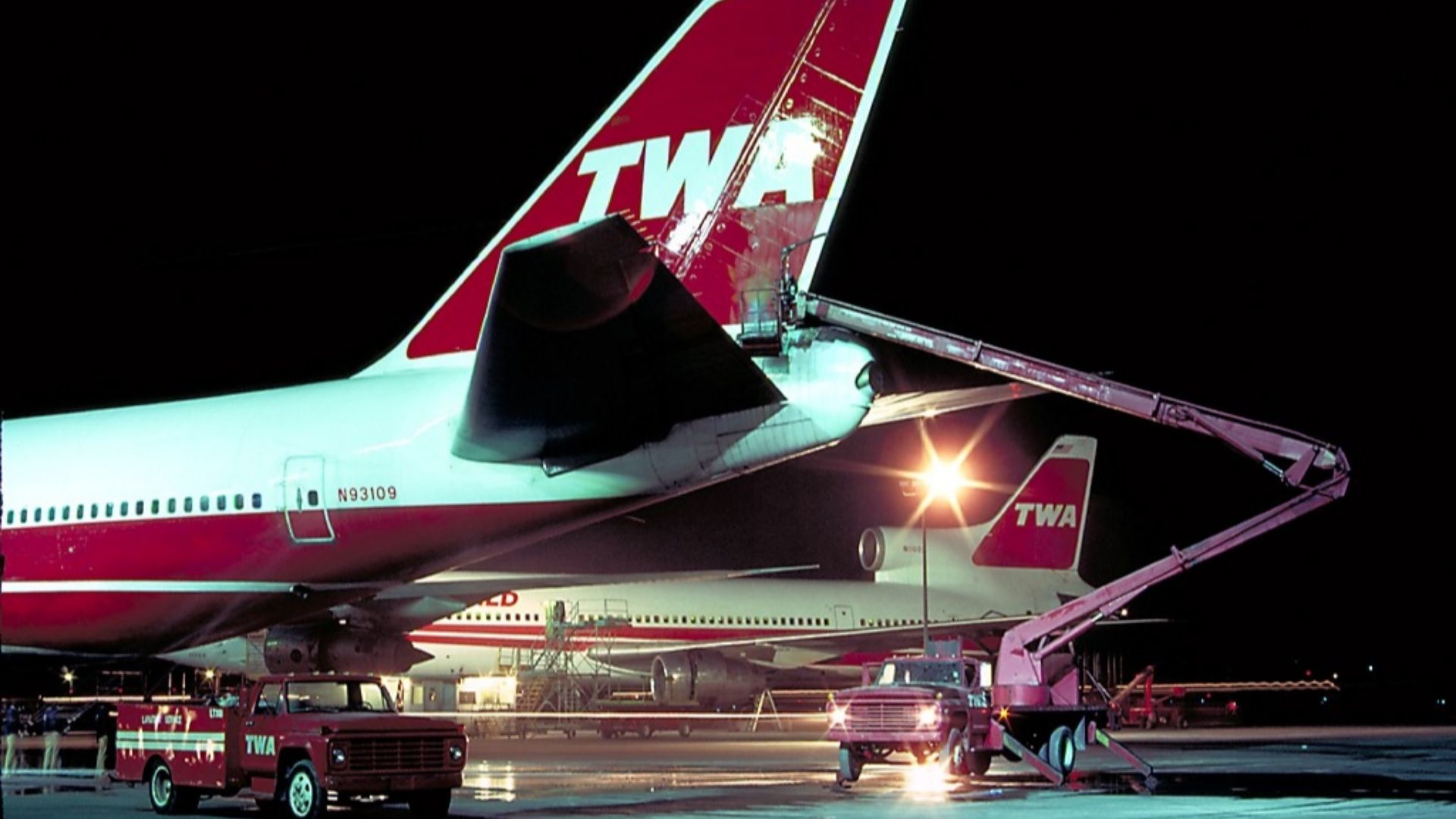
Hughes's relationship with TWA eventually deteriorated into enormous legal and financial conflict. The airline's financing and aircraft purchases produced antitrust litigation, and Hughes lost control of the company. In 1966, he sold his TWA shares for approximately $546 million.
Losing TWA was a major defeat. Financially, however, it gave Hughes an astonishing mountain of cash. Most people might have retired comfortably. Hughes instead headed toward Nevada, where he would transform Las Vegas while barely leaving his hotel room.
30. He Checked Into A Hotel And Wouldn't Leave
In 1966, Hughes arrived at the Desert Inn in Las Vegas and occupied rooms on the hotel's upper floors. His stay stretched on, creating problems when management reportedly wanted the valuable accommodations available for other guests.
Hughes's solution was wonderfully simple. He bought the hotel. It was the kind of thing only Howard Hughes could do: faced with a checkout problem, he acquired the building. And the Desert Inn wasn't going to be his only Las Vegas purchase.
31. He Started Buying Las Vegas
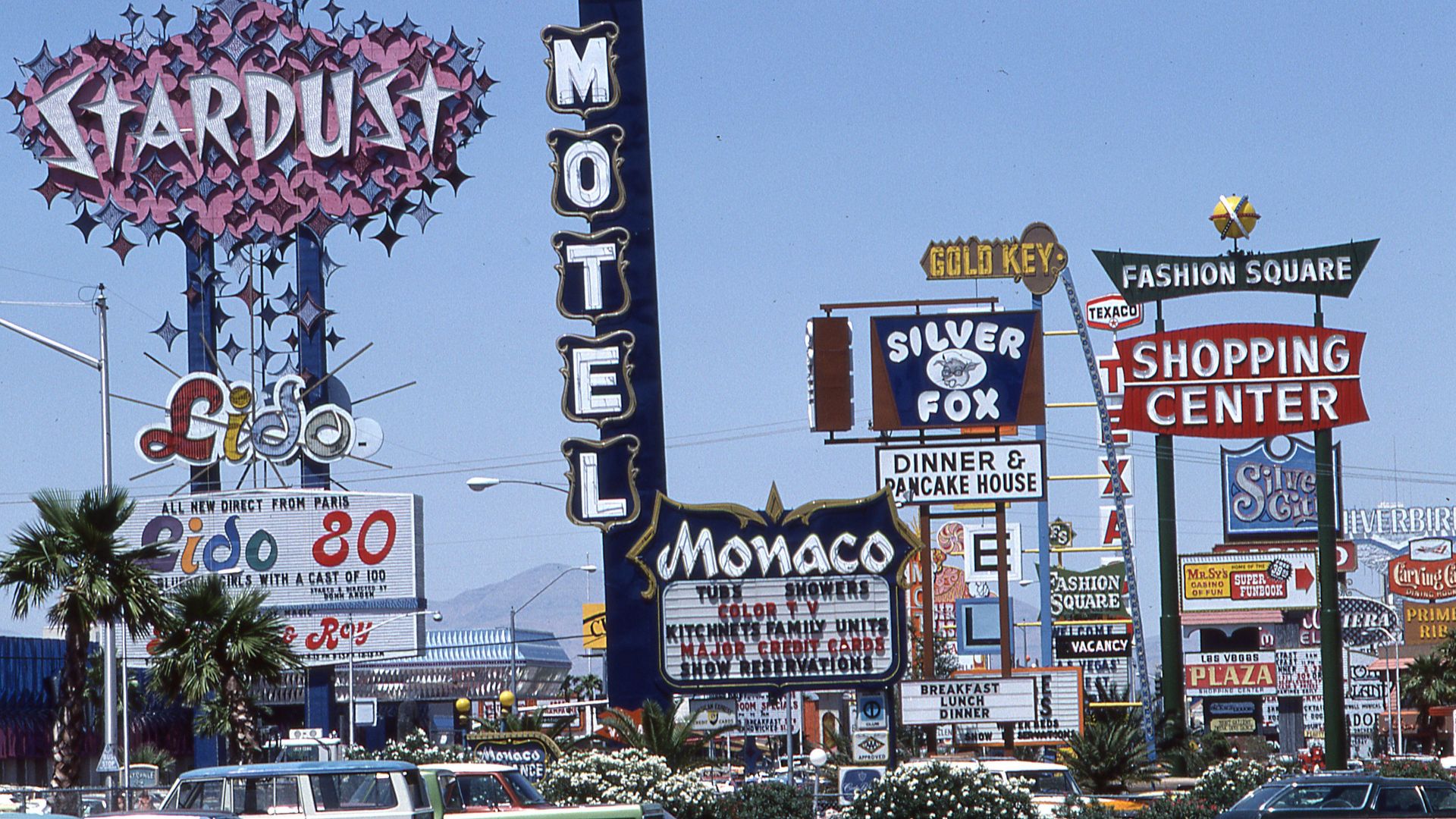
Hughes acquired casinos, hotels and huge amounts of Nevada real estate. His holdings included properties such as the Desert Inn, Sands and Frontier. By the early 1970s, he had become Nevada's largest individual landholder and, with thousands of people working for his interests, the state's largest employer.
Nevada officials actually welcomed much of his investment because respectable corporate ownership helped weaken Las Vegas's reputation for organized-crime influence. The irony was extraordinary. Hughes was helping make Las Vegas look more respectable while personally becoming stranger and more secretive than ever.

32. He Blacked Out His Windows
Hughes lived behind heavily curtained or darkened windows, increasingly separated from daylight and normal routines. Accounts from his later years describe him spending long stretches in dark rooms and keeping highly irregular hours.
The handsome young pilot who once paraded through Manhattan before cheering crowds was now almost impossible to see. Naturally, rumors flourished. Was Hughes terribly ill? Had he lost his mind? Was someone controlling him? Was he even still alive?
The less the public knew, the more outrageous the stories became.

33. His Marriage Finally Ended
Jean Peters eventually filed for divorce, and their marriage formally ended in 1971. Remarkably, she didn't attempt to seize a large portion of Hughes's multibillion-dollar fortune. She accepted lifetime support and waived claims against his estate.
Even more remarkably, Peters refused to cash in by revealing intimate details about life with America's strangest billionaire. After Hughes died, she expressed sadness but still protected their privacy. Her discretion left biographers with unanswered questions. But another woman would make a much more explosive claim after Hughes was gone.
34. Another Actress Claimed She Was His Wife
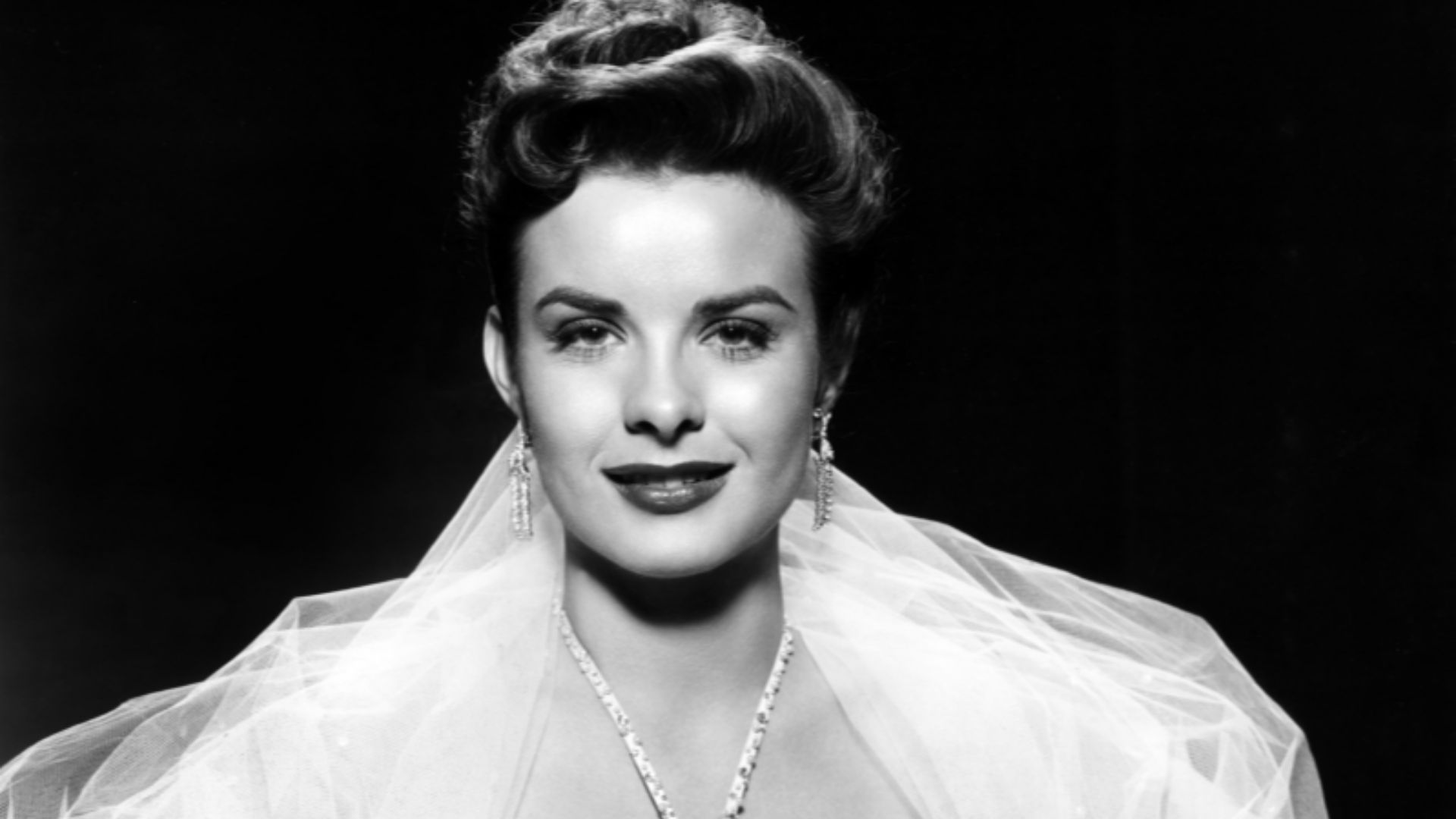
Actress Terry Moore later claimed that she and Hughes had secretly married aboard a ship in international waters in 1949 and had never legally divorced. Hughes's estate litigation turned that alleged marriage into a serious matter.
A Texas court ultimately rejected Moore's claim to widowhood, and documentation establishing the marriage was never produced. Hughes's heirs nevertheless later reached a financial settlement with her. Even Howard Hughes's marital status could become a mystery. Then somebody produced something much bigger: an entire autobiography supposedly dictated by the invisible billionaire.
35. A Writer Claimed Hughes Had Told Him Everything
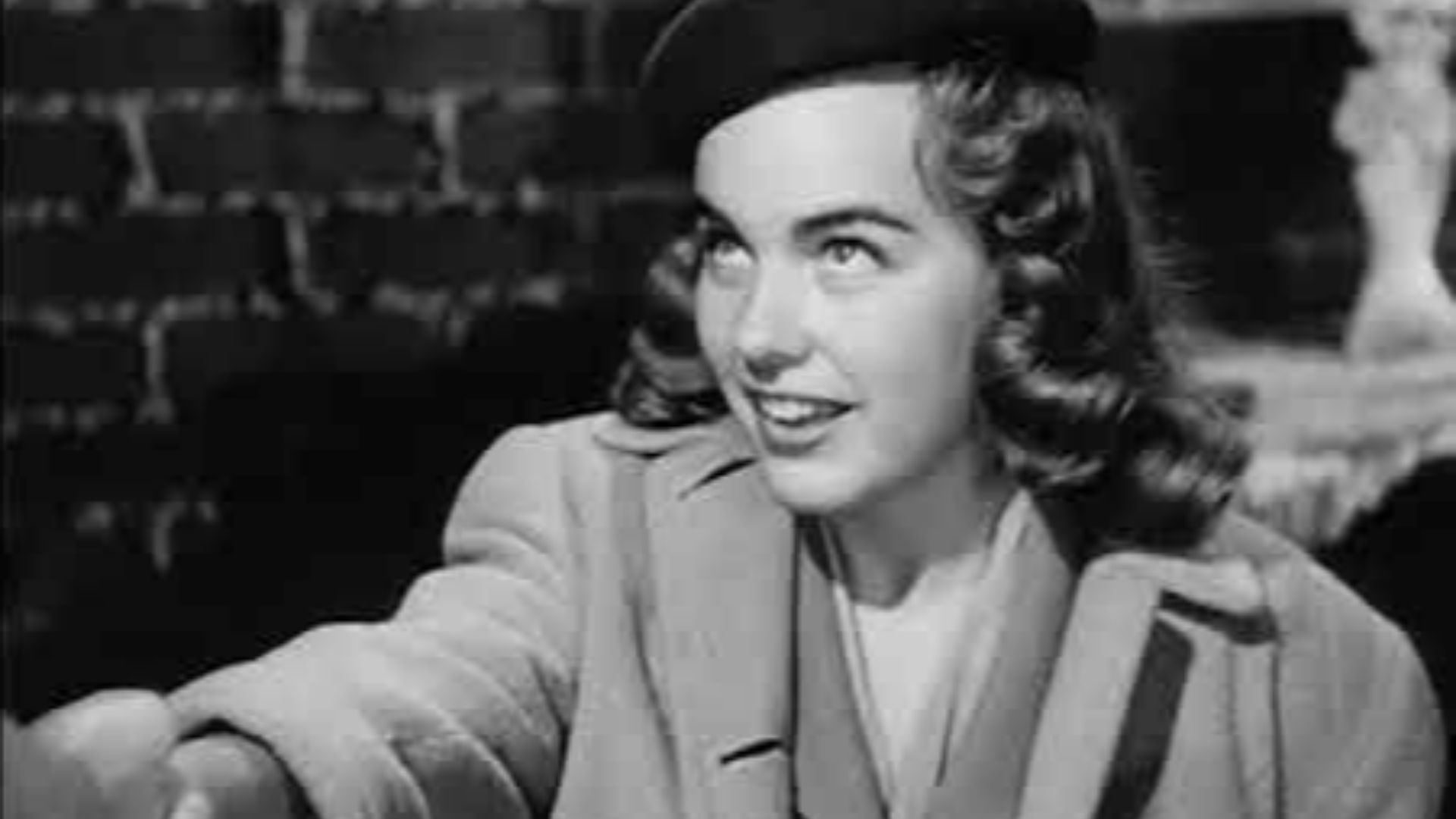
In 1971, author Clifford Irving announced an extraordinary publishing coup: he claimed Howard Hughes had secretly cooperated with him on an autobiography. The premise was brilliant because Hughes's reclusiveness made verification difficult. Publishers could hardly telephone the billionaire and ask.
Irving produced supposed letters from Hughes and convinced powerful people that the project was authentic. The alleged autobiography promised intimate revelations from a man America desperately wanted to understand. There was only one rather serious problem. Howard Hughes hadn't authorized it.
36. Hughes Came Out Of Hiding—By Telephone
Hughes responded to Irving's supposed autobiography without physically appearing before the public. In a telephone conference with journalists who knew him, the reclusive billionaire denounced the book as a fraud.
The bizarre episode became an international sensation and eventually exposed Irving's scheme. The irony was perfect: Hughes had become so mysterious that someone believed he could invent conversations with him and get away with it.
Yet Irving's fraud intersected with something much more serious. The name Howard Hughes was also circulating around Richard Nixon's political world.

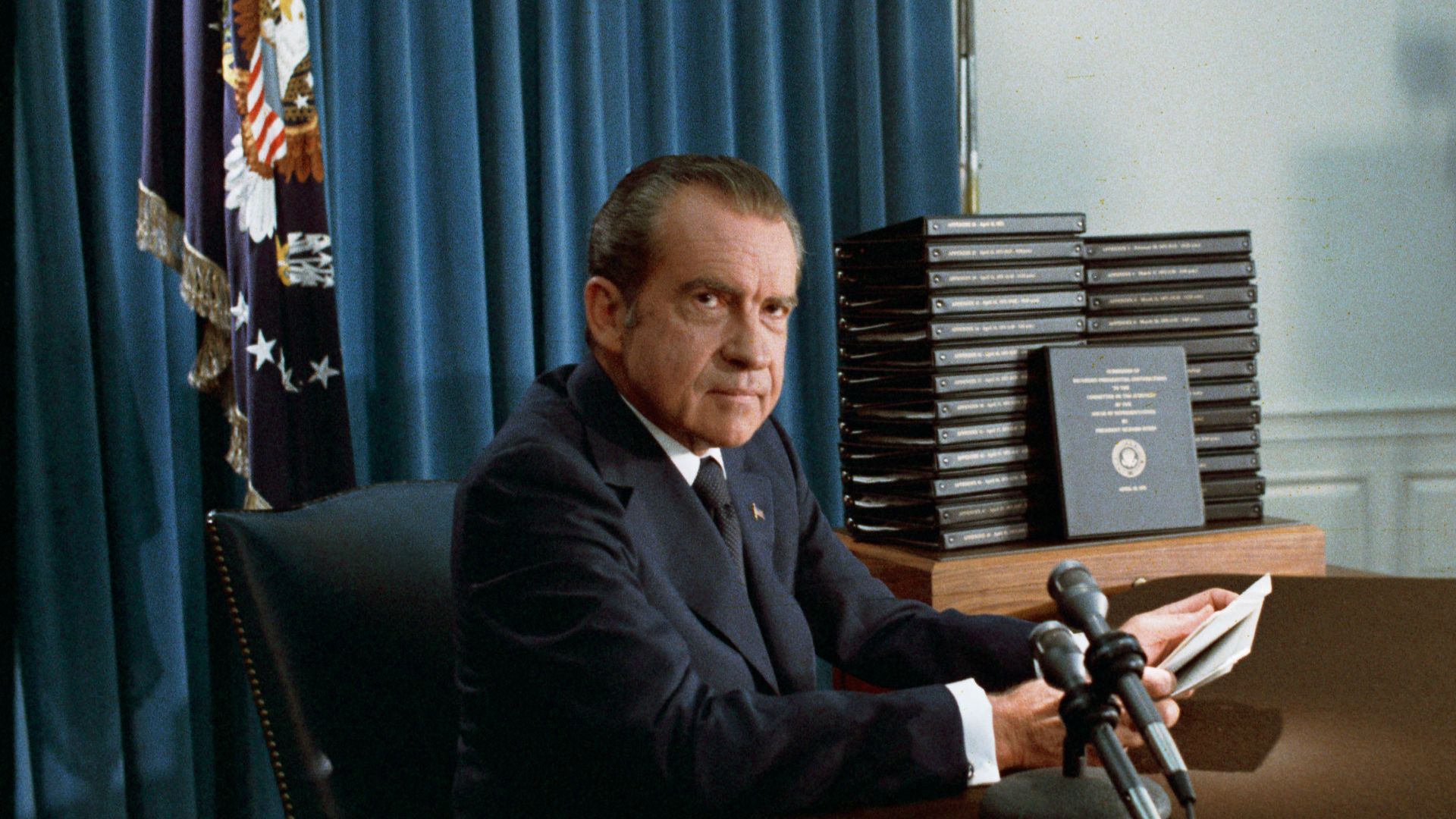
37. He Had A Nixon Problem
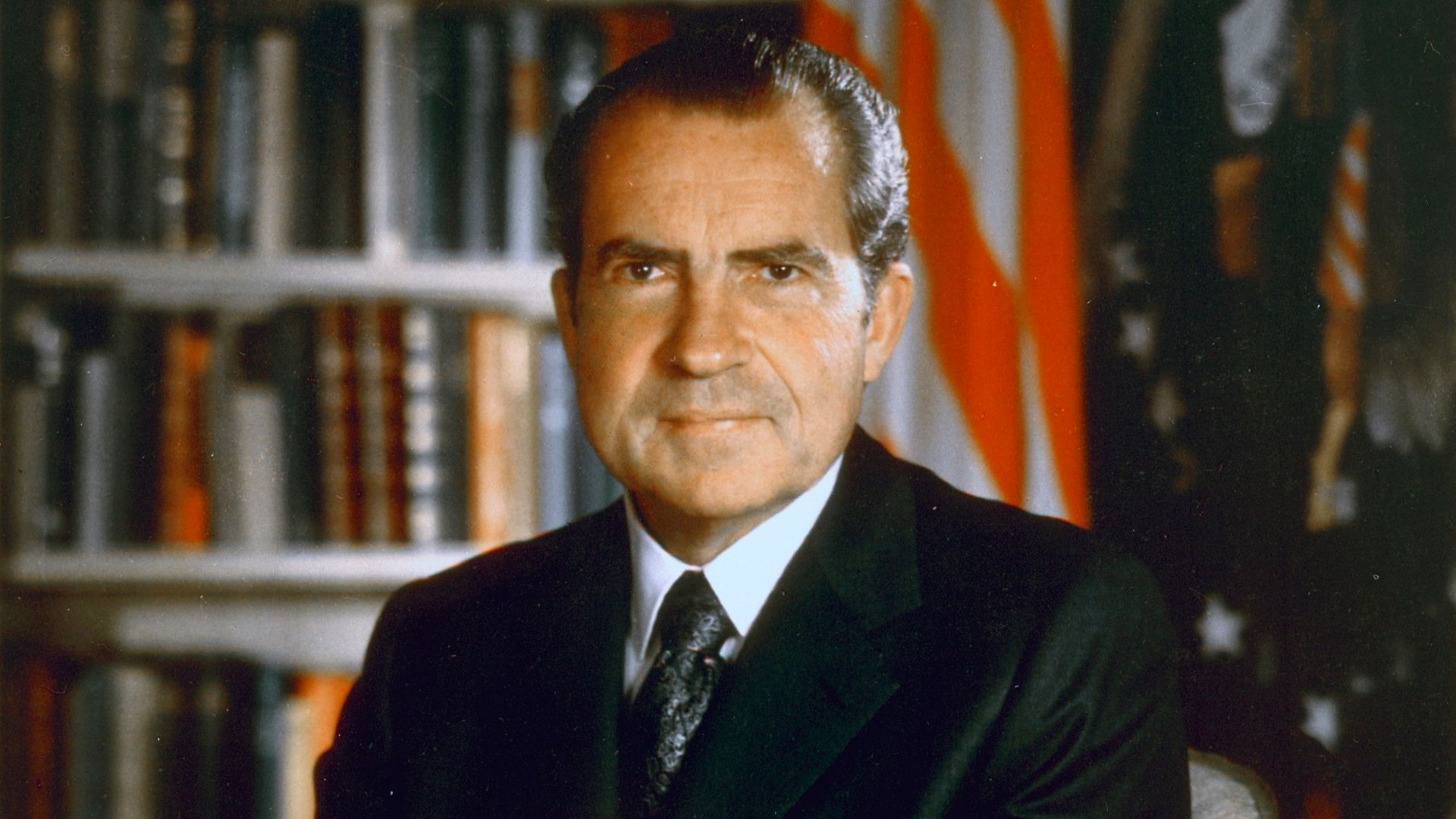
Howard Hughes had financial connections reaching deep into American politics. Most famously, Hughes had loaned Richard Nixon's brother Donald $205,000 for a struggling restaurant business years earlier. The loan became politically embarrassing to Nixon.
Later, Hughes money and relationships again attracted scrutiny around Nixon associates.
This has led to one of the more intriguing theories surrounding Watergate. The theory doesn't replace the established history of the scandal—but it suggests that Nixon may have had another reason to fear what Democrats knew.
38. His Name Became Tangled With Watergate
One theory holds that Nixon's circle worried Democratic National Committee chairman Larry O'Brien possessed damaging information about Nixon's connections to Hughes. Some Watergate investigators and historians have considered whether that concern contributed to the desire to obtain intelligence from the DNC. The exact motives behind the Watergate break-in remain debated.
What is established is that the burglars caught at Democratic headquarters were connected to Nixon's reelection operation. Hughes himself was far away from Washington. But the invisible billionaire was about to become useful to the government in an even stranger operation.
 National Archives & Records Administration on Wikimedia
39. The CIA Needed His Reputation
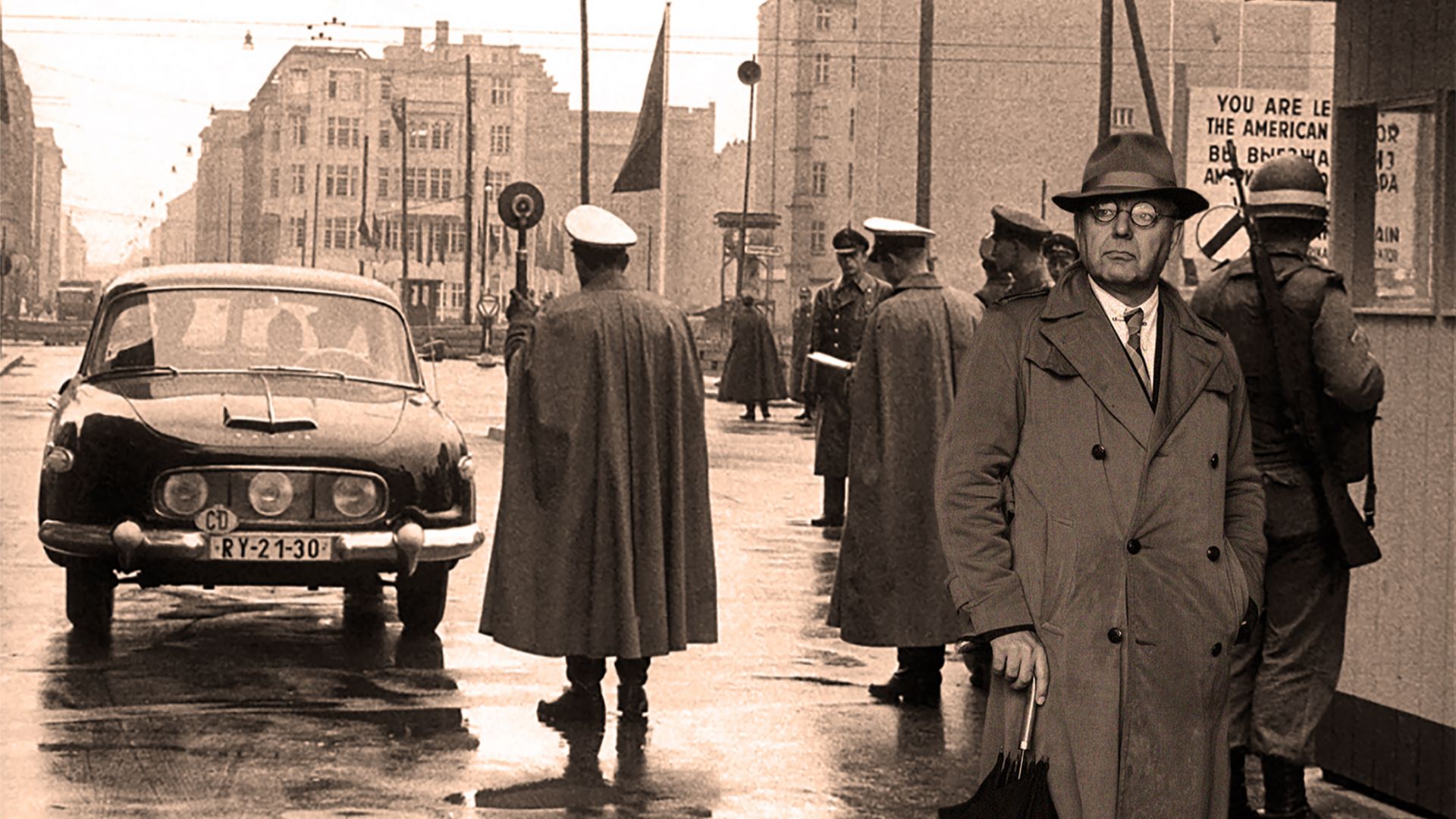
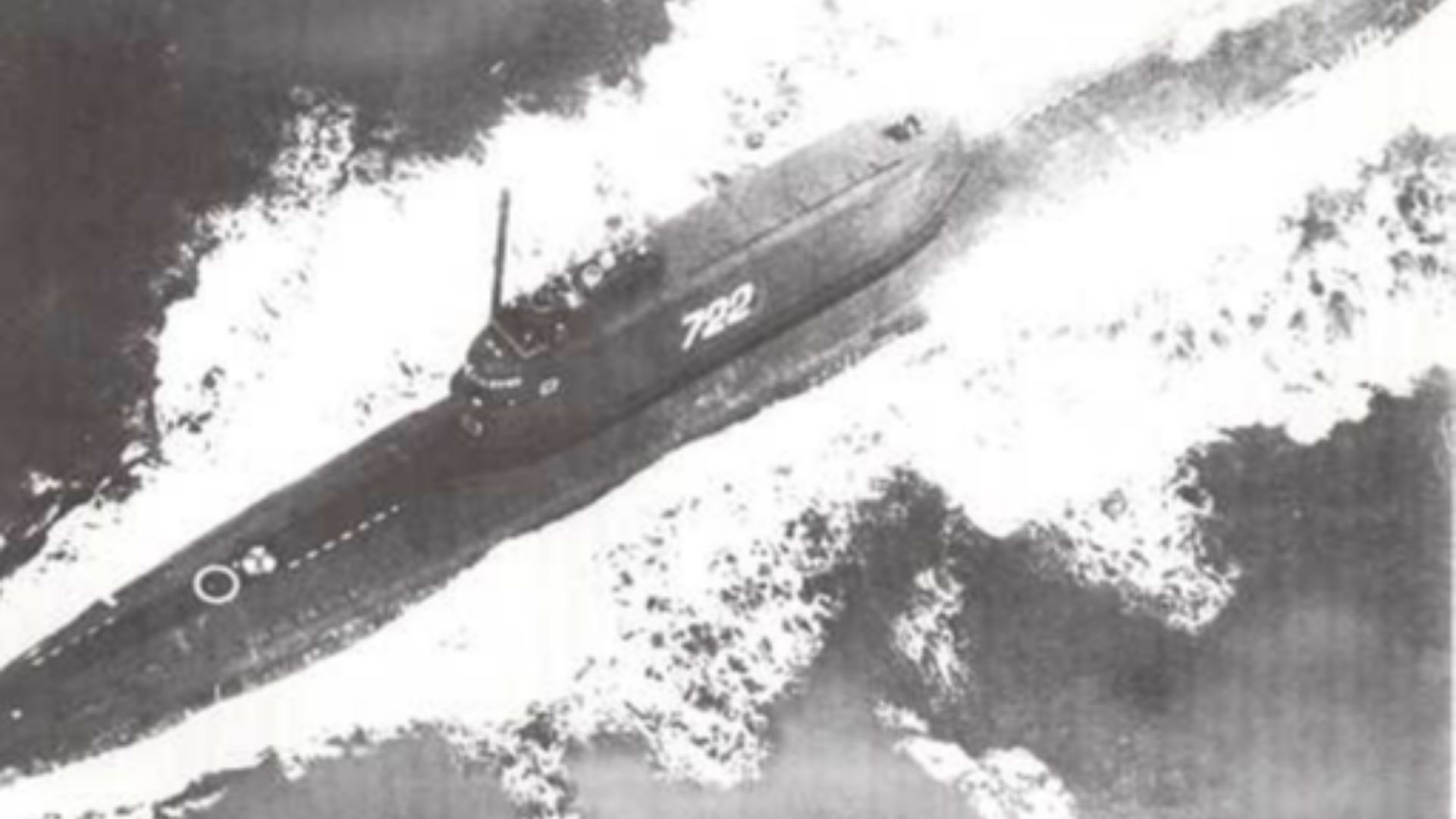
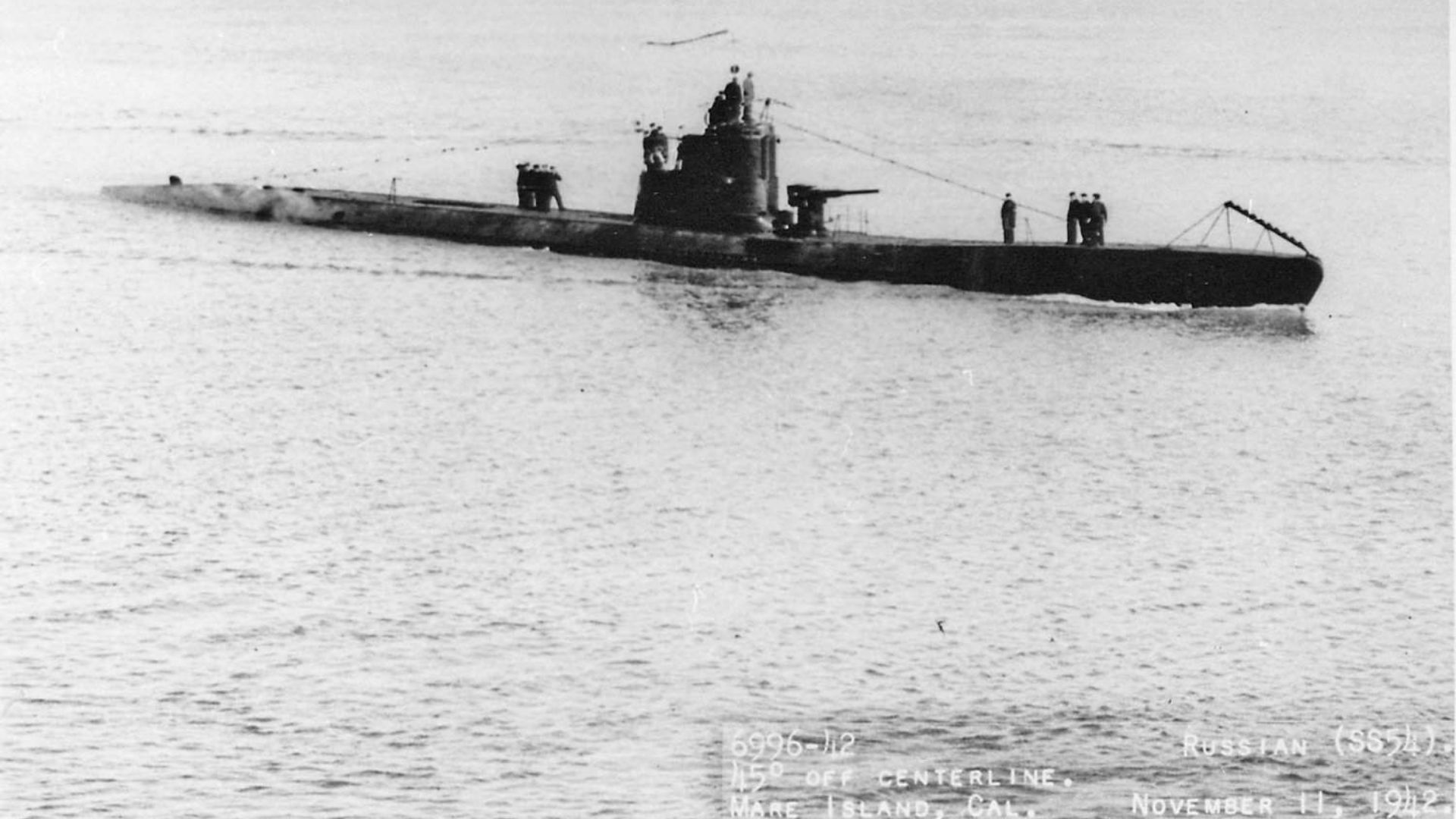
In 1968, a Soviet ballistic-missile submarine sank deep in the Pacific. American intelligence located the wreck and wanted to recover it without alerting the Soviet Union.
The CIA faced an enormous problem: how could the United States build a gigantic vessel capable of retrieving something from the ocean floor without making Moscow suspicious?
They needed a believable cover story. And who could plausibly spend a fortune on an enormous, technologically bizarre ocean project for reasons nobody quite understood? Howard Hughes, of course.
40. He Helped Hide A Secret Mission
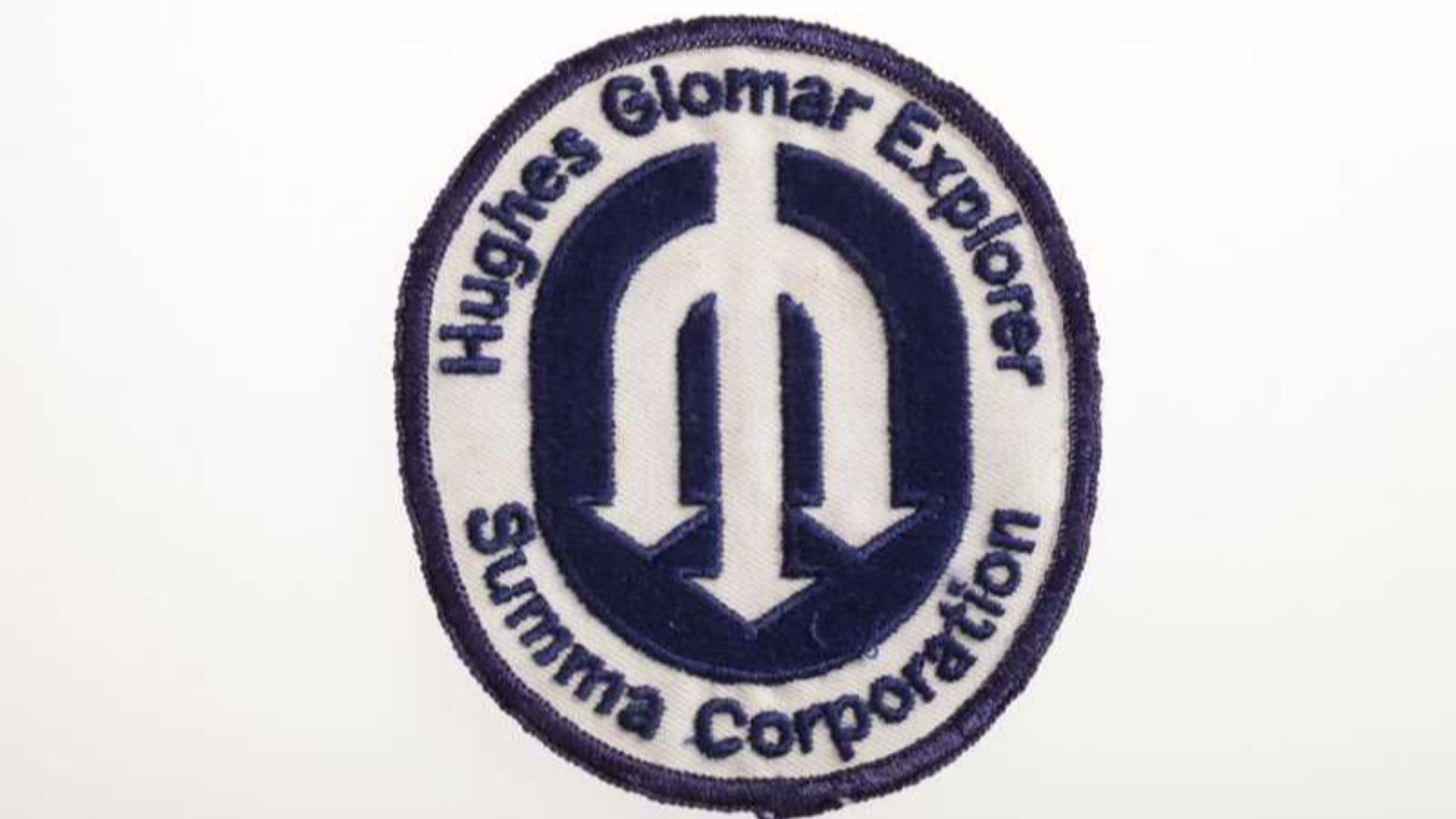
The public story was that the Hughes Glomar Explorer had been created for an ambitious deep-sea mining venture. In reality, the vessel was part of the CIA's Project AZORIAN, designed to recover the Soviet submarine.
Hughes's companies and name provided an ideal cover. The deception worked remarkably well.
In 1974, the Glomar Explorer positioned itself above the wreck while Soviet ships watched nearby without fully understanding what was happening. Then the enormous recovery apparatus reached down toward the submarine. And something went terribly wrong.
41. The Submarine Broke Apart
The Glomar Explorer successfully began raising part of the Soviet submarine from roughly three miles beneath the ocean surface. During the lift, however, much of the submarine broke away and plunged back to the seabed. The operation recovered only a portion of the wreck.
Even partial success was extraordinary considering the engineering involved. The CIA hoped to return for another attempt. Then a completely unrelated burglary at a Hughes office threatened to expose one of America's most audacious Cold War secrets.
42. Burglars Stole The Wrong Papers
In June 1974, thieves broke into a Hughes-related office in Los Angeles and stole documents. Among them was material connecting Hughes to the Glomar Explorer and the CIA.
The agency became desperate to recover the sensitive information, bringing in the FBI and Los Angeles police. Unfortunately, the search itself helped attract attention. Reporters eventually began pursuing the story.
The secret operation was unraveling. And the government's attempt to avoid admitting what had happened created a phrase still used decades later.
 Harris & Ewing, photographer on Wikimedia
43. He Gave Us The “Glomar Response”
When journalists sought information about the secret submarine project, the CIA faced an awkward problem. Confirming or denying the existence of records could itself reveal classified information.
Its solution became famous: the agency would neither confirm nor deny the existence of the requested material. That type of answer is still known as the “Glomar response,” named for the Hughes Glomar Explorer.
Howard Hughes had become so mysterious that even his ship gave government secrecy a new vocabulary. Meanwhile, the man himself was deteriorating badly.
 Central Intelligence Agency on Wikimedia
44. He Kept Moving Around The World
Hughes eventually left Las Vegas and moved between residences in places including the Bahamas, Nicaragua, Canada, England and Mexico. He traveled with a small group of trusted aides while remaining almost completely inaccessible to outsiders.
These weren't glamorous vacations in any conventional sense. Hughes could relocate from one luxurious hotel to another while maintaining essentially the same closed existence behind curtains and guarded doors. His empire spanned industries and continents. Yet the billionaire himself seemed to occupy an increasingly tiny physical world. Then an accident made his already fragile condition worse.
 Acme Newspictures on Wikimedia
45. He Broke His Hip
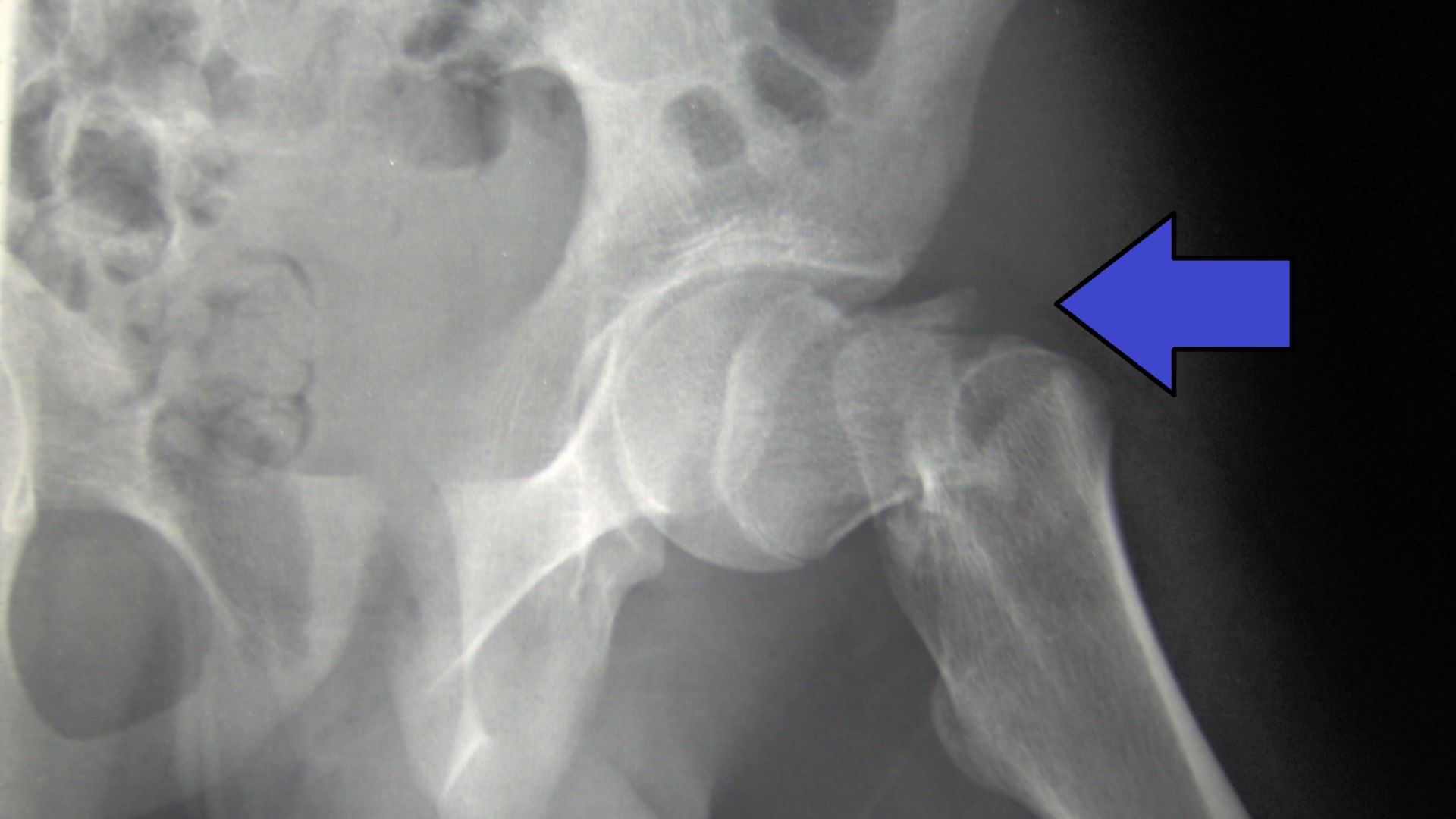
In 1973, Hughes suffered a serious fall that fractured his hip. By then his health had already been badly compromised by old injuries, poor nutrition and dependence on medication. The fracture further reduced his mobility.
His physical appearance changed dramatically. People who remembered the tall, handsome aviator of the 1930s would have struggled to reconcile that image with the frail man Hughes had become. And because almost nobody outside his inner circle saw him, the public couldn't judge the rumors for itself. That secrecy would create an extraordinary problem when Hughes finally died.
46. He Died In The Air
By April 1976, Hughes was desperately ill while staying in Acapulco, Mexico. His aides decided he needed medical treatment and arranged to fly him to Houston.
He never made it to the hospital alive. Howard Hughes died aboard the aircraft on April 5, 1976, at the age of 70. There was something strangely fitting about America's most famous aviator dying in an airplane. But when his body arrived, Hughes's decades of secrecy produced one final bizarre consequence.
47. They Used Fingerprints To Identify Him
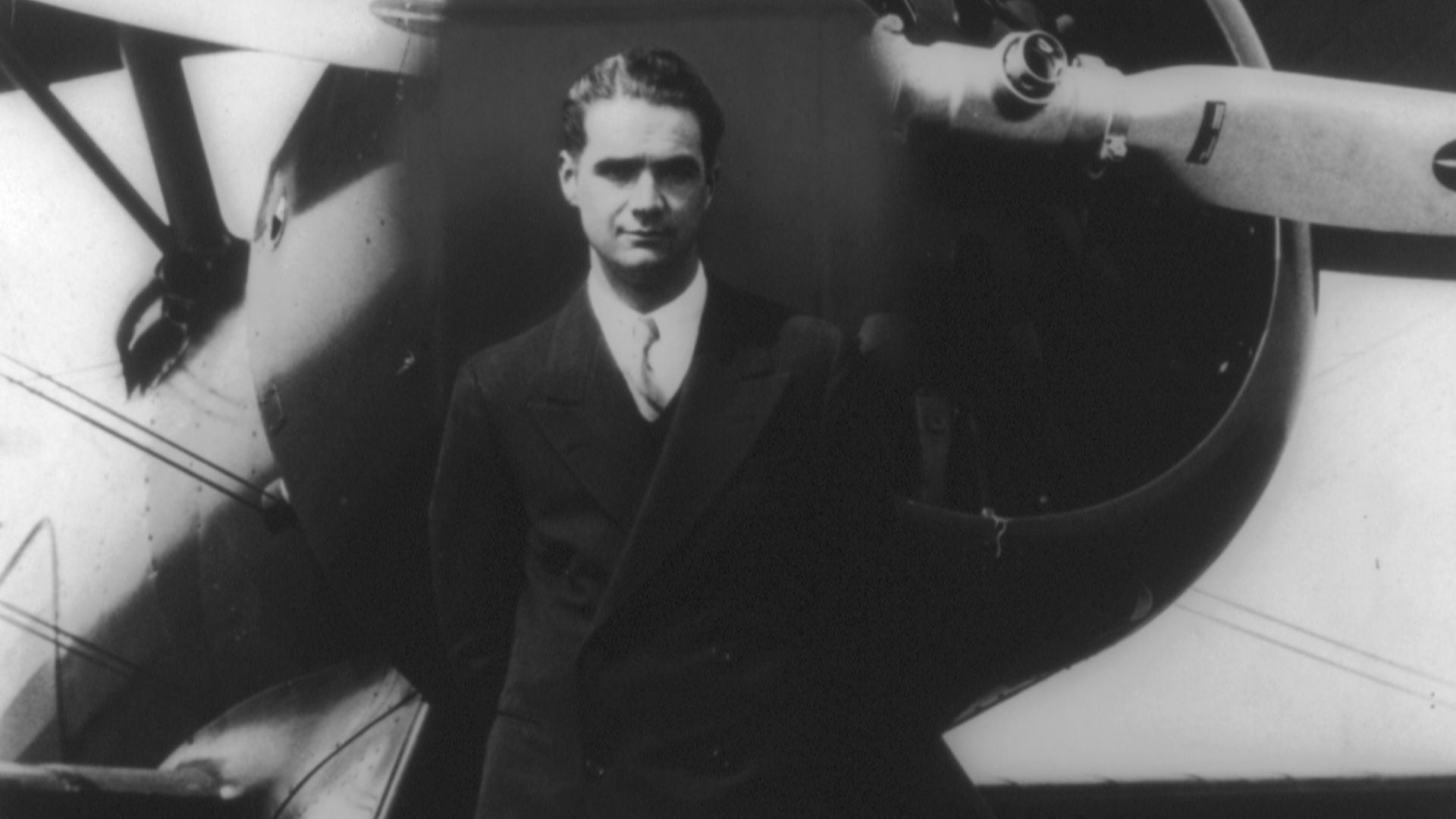
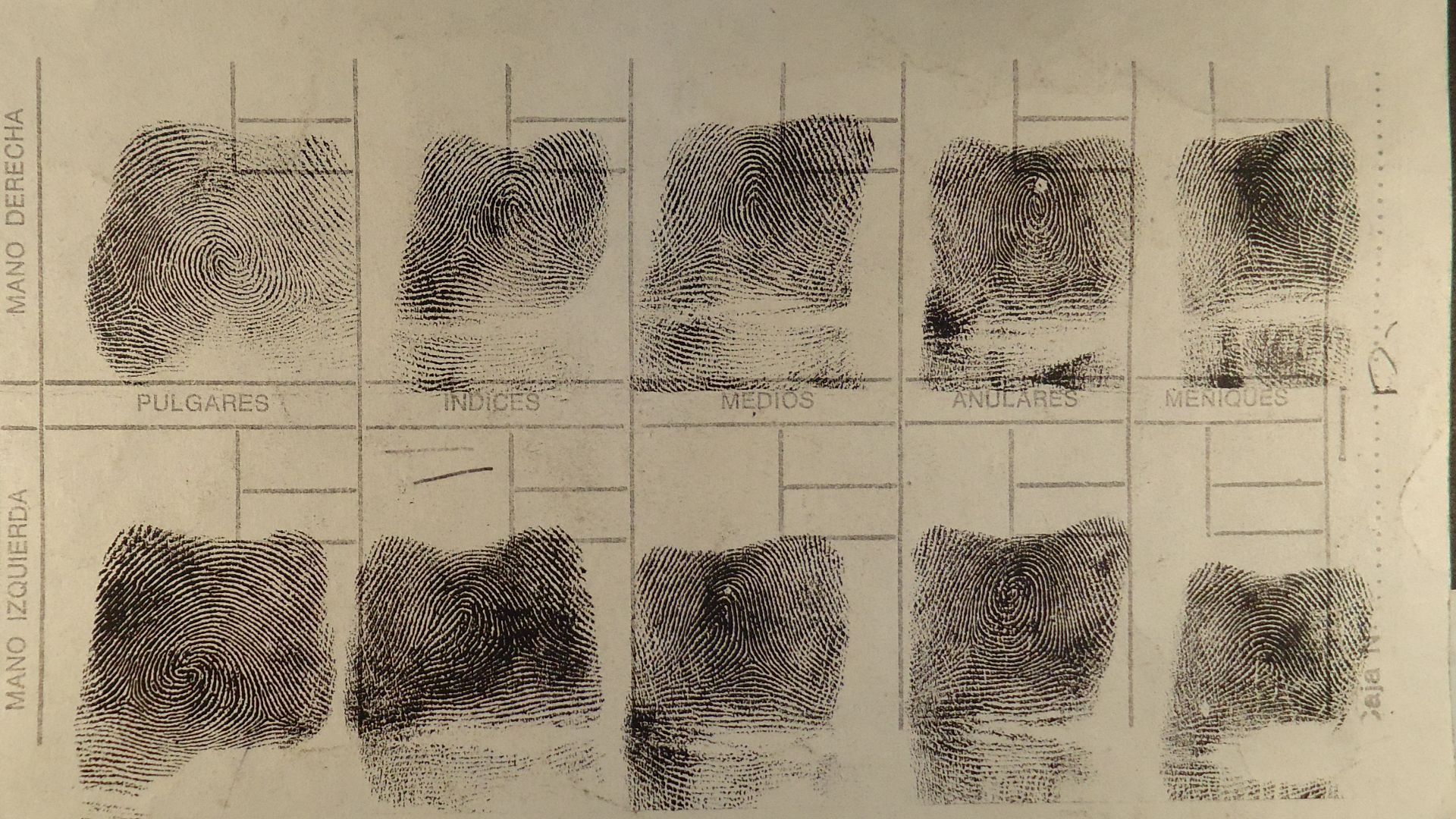
Hughes had remained out of public view for so long, and his appearance had changed so dramatically, that authorities used fingerprints to confirm his identity.
Think about that for a moment. One of the most famous men in America had become so physically unfamiliar that his own face wasn't enough. Death finally ended the question of where Howard Hughes was. It immediately created another question potentially worth billions of dollars:
Where was his will? The answer unleashed chaos.
48. Everyone Wanted His Fortune
Hughes died without a universally accepted valid will, and the battle over his enormous estate became spectacular. More than 40 alleged wills and roughly 400 prospective heirs eventually surfaced, according to the Texas State Historical Association.
One supposed document became particularly famous after being discovered at the headquarters of the Church of Jesus Christ of Latter-day Saints in Salt Lake City. It supposedly left money to an ordinary gas-station owner named Melvin Dummar.
A billionaire who had spent his life controlling everything had left behind financial anarchy.

49. His Fortune Went To His Family
Courts ultimately rejected the sensational purported wills, and Hughes's estate was eventually divided among relatives. In 1983, the estate was settled among 22 cousins on both sides of his family.
Even then, litigation continued over taxes and where Hughes had legally resided. Meanwhile, one institution bearing his name possessed an extraordinarily valuable asset: Hughes Aircraft. The Howard Hughes Medical Institute later sold the company to General Motors for approximately $5 billion.
Howard Hughes was gone. Yet perhaps his strangest legacy wasn't the money at all.
50. Nobody Could Separate The Man From The Myth
Howard Hughes left behind airplanes, movies, casinos, scientific philanthropy and enough bizarre stories to fill dozens of biographies. Some were true. Others were exaggerated, and the fraudulent Clifford Irving autobiography made separating fact from legend even harder. Hughes really did break aviation records, survive a devastating plane crash, buy Las Vegas casinos, provide cover for a secret CIA mission and retreat almost completely from public view.
That's what makes his life so haunting. Hughes spent decades acquiring almost unlimited freedom—money, airplanes, businesses, hotels and power—only to finish his life trapped inside a world that had become smaller and smaller.
The man who once flew around the entire planet ultimately seemed afraid to step outside his room.
KEEP ON READING


_04.jpg)