

Sunday Rituals
Every Sunday afternoon around two o'clock, I'd pull out my mother's old recipe cards and start cooking for the week ahead. It's a routine I'd followed for thirty years, ever since my oldest was in elementary school and money was tight. I'd make a tuna pasta casserole with cream of mushroom soup and frozen peas, chicken and rice with carrots, maybe a baked ziti if I had extra mozzarella in the fridge. Nothing fancy, just the kind of food that reheats well and doesn't cost much per serving. My mother taught me these dishes back when she was raising four kids on a factory worker's salary, and they'd served me just as faithfully through my own lean years. I'd portion everything into glass containers—the same Pyrex ones I'd been using since the nineties—and label each one with masking tape and a marker. Monday's lunch. Tuesday's lunch. Wednesday's lunch. The labels were practical, not precious, written in my everyday handwriting that slanted slightly to the right. By Sunday evening, my refrigerator looked organized and efficient, five neat containers stacked and ready. It saved me probably forty dollars a week compared to buying lunch out, and it meant I never had to think about food during the workday. I had no idea these humble routines would soon become the center of workplace scrutiny.
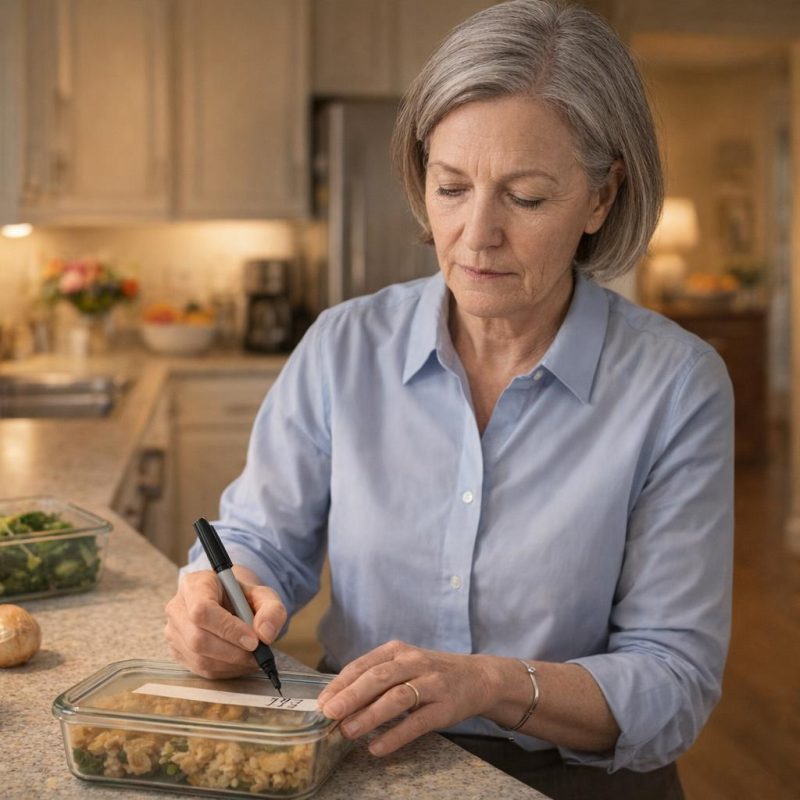 Image by RM AI
The Economics of Lunch
Bringing my own lunch wasn't just about saving money, though that was reason enough on an insurance claims processor's salary. It was about avoiding the whole production that lunch had become at the office. You know what I mean—the endless group texts about where to order from, the passive-aggressive negotiations over who wanted Thai versus sandwiches, the awkward moment when the bill came and someone inevitably hadn't brought cash. I'd watched younger coworkers spend twelve dollars on a salad that was mostly iceberg lettuce, then complain about student loans in the same breath. It made no sense to me. My lunches cost maybe two dollars per serving, and I knew exactly what was in them. No mystery ingredients, no wondering if the kitchen was clean, no waiting in line at some trendy place where they acted like putting an egg on a burger was revolutionary. The insurance office where I worked had that typical corporate atmosphere—gray cubicles, fluorescent lights, motivational posters that nobody read. Most people were too focused on their own lives to pay attention to what I ate. I'd heat up my container in the break room microwave, eat at my desk while catching up on emails, and get back to work. It was unremarkable, which was exactly how I preferred it. Most people at the insurance office barely noticed my routine, but someone was paying closer attention than I realized.
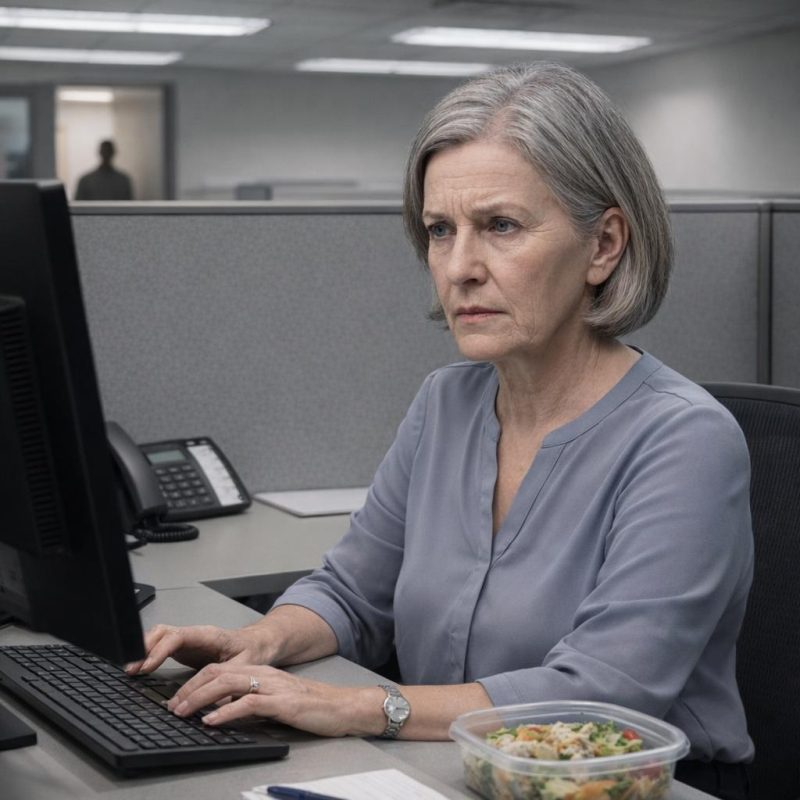 Image by RM AI
Depression-Era Masterpiece
I was standing at the break room microwave on a Tuesday, watching my tuna casserole rotate under the yellow light, when Brielle walked in with her usual confident stride. She was twenty-eight, always perfectly styled with her hair in a sleek ponytail and wearing clothes that looked expensive even if they probably came from Target. She had this way of treating sarcasm like it was the same thing as charm. The microwave beeped, and I pulled out my container, the smell of tuna and cream of mushroom soup filling the small room. Brielle wrinkled her nose in this exaggerated way, like she was in a sitcom. "Oh wow, Teresa's brought another Depression-era masterpiece," she announced to the three other people in the break room, her voice bright and performative. A couple of people laughed—that quick, uncomfortable laugh people make when someone says something mean but frames it as a joke. I looked at her for a moment, then smiled politely, the way you do when you're choosing not to engage. I carried my lunch back to my desk, and the conversation in the break room moved on to someone's weekend plans. It was the kind of comment that felt designed to get a reaction, but I'd learned a long time ago that some battles weren't worth fighting. People laughed, and I smiled politely, assuming the joke would pass like most office humor does.
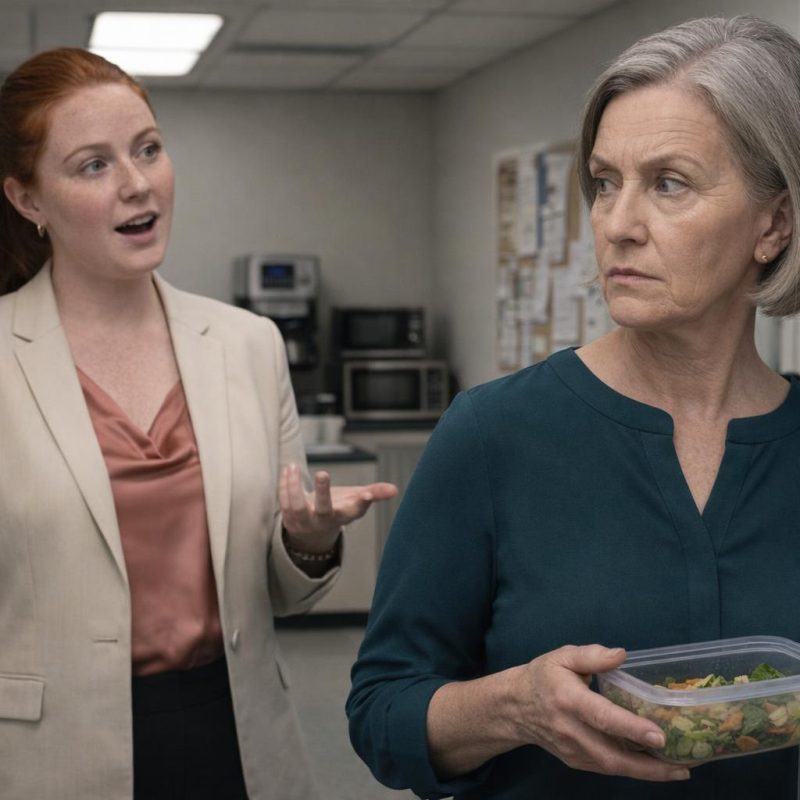 Image by RM AI
The Laugh Track
Eric had been one of the people who laughed at Brielle's Depression-era comment. He was maybe thirty, wore business casual like it was a costume he hadn't quite figured out yet, and had this nervous energy that made him laugh at almost anything. When he caught my eye afterward, he gave me this quick, uncomfortable smile, like he was apologizing without actually apologizing. I recognized that laugh—I'd heard it a thousand times in offices, at family gatherings, in every social situation where someone says something borderline cruel and everyone else has to decide in a split second whether to go along or stand apart. Going along is almost always easier. It doesn't mean people are bad, just that they're human and tired and trying to get through the day without becoming a target themselves. I understood that, even if it stung a little to be on the receiving end. Brielle had a way of commanding the room, of making her opinions feel like the default setting everyone else should adopt. So people laughed, and I ate my tuna casserole at my desk, and the afternoon continued like nothing had happened. I wasn't angry at Eric or the others. They were just doing what people do, choosing the path of least resistance. I recognized that particular kind of workplace laughter—the kind people offer because going along feels safer than standing apart.
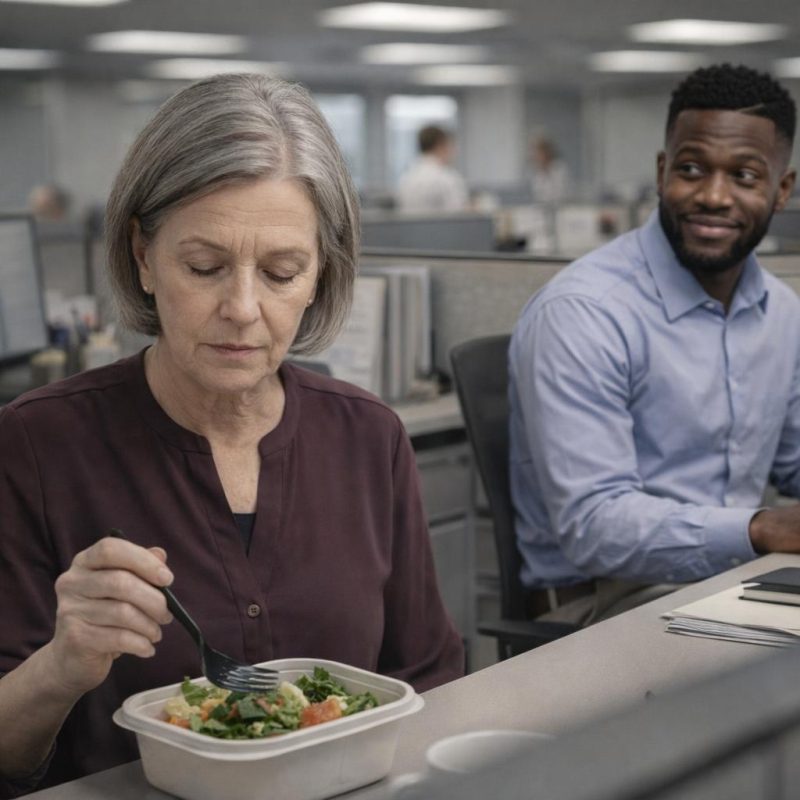 Image by RM AI
Perspective
Here's the thing about perspective: I'd raised two sons mostly on my own after their father decided family life wasn't for him. I'd worked full-time while getting them through high school, sat through parent-teacher conferences where I was the only parent, figured out how to fix a leaking water heater at midnight because calling a plumber wasn't in the budget. I'd survived a marriage where I'd learned to make myself small and quiet, where I'd measured my words carefully and still somehow said the wrong thing. Those years had taught me what real problems looked like, and they didn't look like some twenty-eight-year-old with a designer handbag making fun of my lunch. Brielle was what my mother would have called an office princess—someone who thought a little social power in a small pond made them royalty. Her comments were annoying, sure, like a mosquito buzzing near your ear. But they weren't going to break me. I'd been broken before, and I'd put myself back together, and I knew the difference between genuine cruelty and someone trying to feel important by making someone else feel small. So I could handle a few jokes about my casseroles. I'd handled much worse with much less support. If anything, the teasing reminded me how much worse problems could be.
 Image by RM AI
Biohazard
Over the next couple of weeks, something shifted. Brielle's comments became more frequent, more pointed, like she'd found a bit that worked and decided to commit to it. She started calling my lunches "biohazards" whenever I walked into the break room with my glass container. "Biohazard alert," she'd announce in this sing-song voice, and a few people would chuckle, though the laughter sounded more obligatory each time. I kept my expression neutral, the same pleasant, professional mask I'd worn through countless uncomfortable moments in my life. But I noticed the change in her tone. The first comment had felt like she was trying to be funny, trying to establish herself as the office wit. These newer comments had an edge to them, something sharper underneath the performance. I couldn't figure out why she'd decided to focus on me specifically. I wasn't competing with her for anything, wasn't in her way, barely interacted with her outside these break room moments. But she kept at it, and I kept bringing my lunches, refusing to let her comments change my routine. I'd worked too hard and too long to let someone else's opinion dictate something as basic as what I ate for lunch. I kept my expression neutral, but something about her tone had shifted from casual mockery to something sharper.
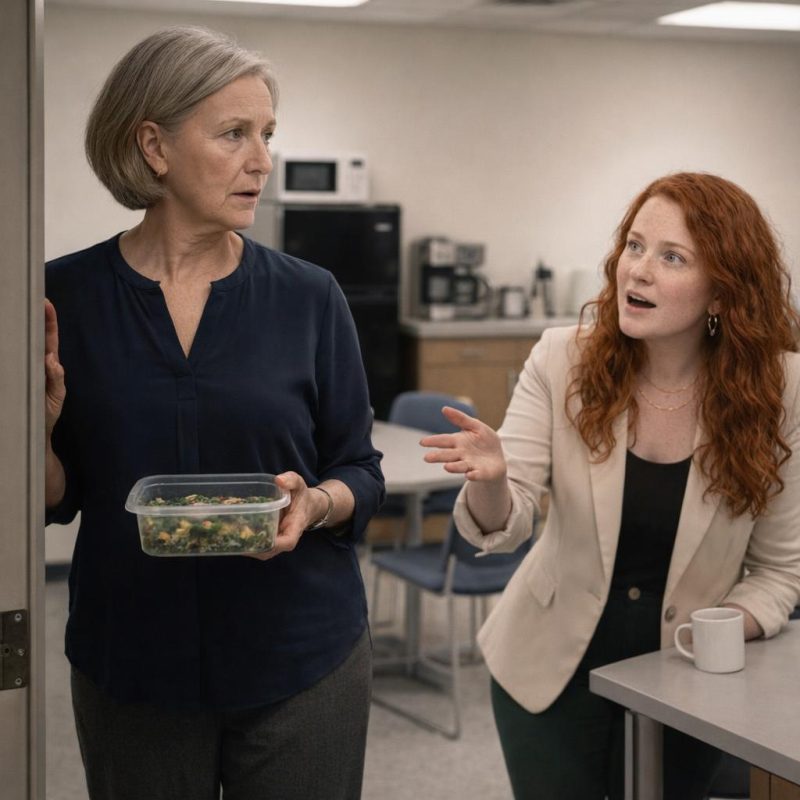 Image by RM AI
Quiet Sympathy
It was a Thursday afternoon when I noticed Linda watching the whole thing unfold. Linda worked in claims processing, same as me but in a different unit. She was in her early fifties, careful and measured in everything she did, the kind of person who thought before she spoke. I was heating up my chicken and rice when Brielle made another biohazard comment, and I saw Linda's eyes flick from Brielle to me and back again. After Brielle left the break room, Linda caught my eye and offered a small, sympathetic smile. It wasn't much—she didn't say anything, didn't confront Brielle or tell her to knock it off. But that smile acknowledged what was happening, validated that the jokes had crossed from funny into mean. I smiled back, a real smile this time, not the polite mask I'd been wearing. It helped, knowing that at least one person in the office saw through Brielle's performance and didn't approve. Linda went back to her desk, and I went back to mine, and nothing changed except that I felt slightly less alone in the whole situation. Sometimes that's all you need—one person who sees what you see and silently confirms you're not crazy for thinking it's wrong. It was a small gesture, but it reminded me I wasn't completely alone in the office's social landscape.
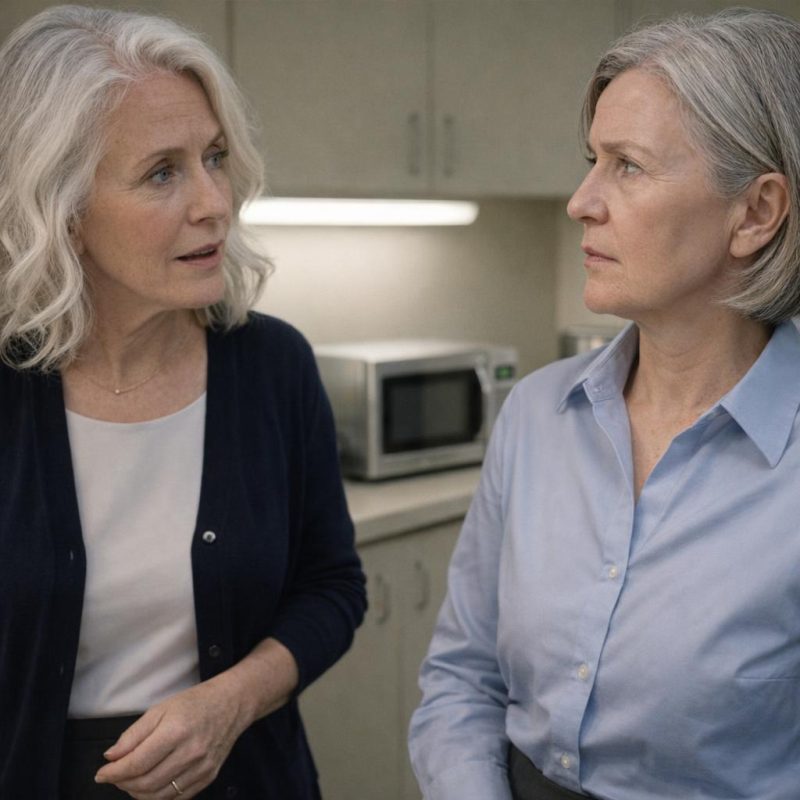 Image by RM AI
Public Documentation
I didn't know Brielle had taken the photo until I saw it in the office group chat that evening. I'd been home for an hour, changed into comfortable clothes and started a load of laundry, when my phone buzzed with the notification. There was my tuna casserole, photographed from above in its glass container with the masking tape label visible, posted for everyone in the office to see. The caption read: "What decade is this from?" with a crying-laughing emoji. I stared at my phone screen, feeling something hot and uncomfortable rise in my chest. The spoken jokes had been one thing—words disappear, and you can pretend they didn't bother you. But this was documented, permanent, shared with forty-some people who all worked in the same building where I'd have to see them tomorrow. I could see that twelve people had already reacted with laugh emojis. I set my phone down on the kitchen counter and took a breath, reminding myself that this too would pass, that people would forget about it by next week, that getting angry would only make things worse. I didn't respond in the chat, didn't acknowledge it at all. Even then, I tried to keep the peace, though the digital documentation of mockery felt different from spoken jokes.
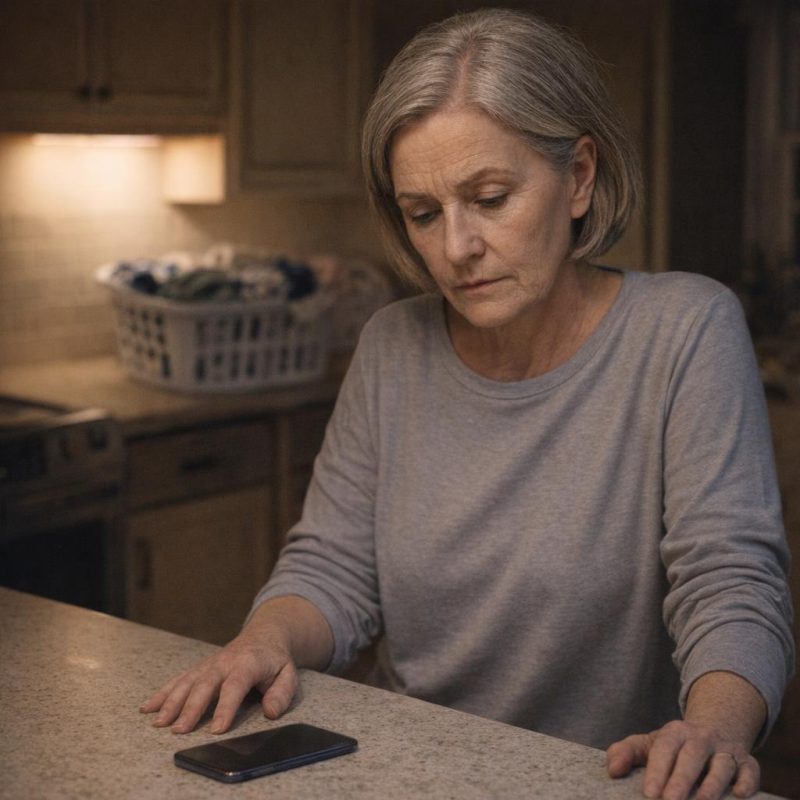 Image by RM AI
The Trendy Alternative
Brielle started talking about the catered lunch on Tuesday morning, leaning against the break room counter with her phone in hand, scrolling through photos of grain bowls and artisan wraps. She'd found this amazing local meal-prep startup, she told anyone who'd listen, and we should all support small businesses instead of eating sad leftovers all week. The way she said 'sad leftovers' while glancing at my Tupperware felt pointed, but I'd gotten used to that by now. She brought it up again Wednesday during a meeting, mentioning how the company was woman-owned and sustainable, how supporting local entrepreneurs mattered. Thursday she forwarded the menu to the office group chat with a message about community responsibility. The lunch was scheduled for Friday, twenty-three dollars per person, and she'd need our orders by end of day. Eric said it looked great, that he was definitely in. Linda asked a few questions about dietary options and seemed interested. I watched Brielle's enthusiasm build with each conversation, her voice bright and insistent whenever she mentioned 'local' or 'small business,' repeating those phrases like a mantra. It struck me as oddly persistent, even for someone as image-conscious as Brielle, but I figured that was just her personality—always needing to be the one who discovered the trendy thing, who brought culture to our boring office. Her enthusiasm seemed genuine enough, though the repeated emphasis on supporting local businesses felt like she was trying to convince us of something more than just ordering lunch.
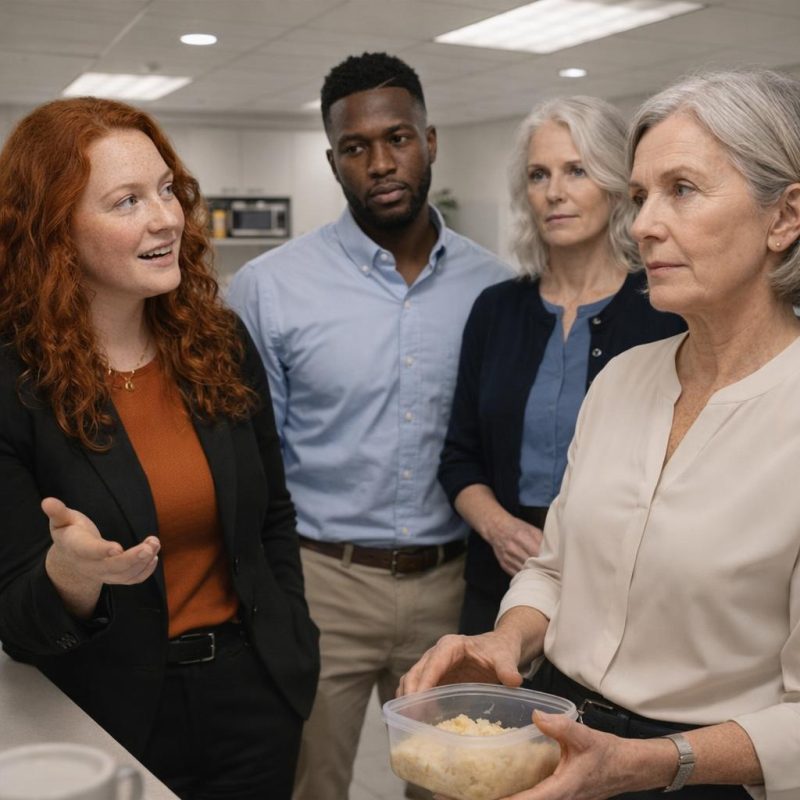 Image by RM AI
Twenty-Three Dollars
I declined the catered lunch because twenty-three dollars for a grain bowl seemed ridiculous. I'd been packing my own lunches for decades, spending maybe three dollars on ingredients per meal, and the math just didn't work for me. When Brielle collected orders Thursday afternoon, I told her I'd pass, that I had food already planned. She gave me that look—the one that said she wasn't surprised, that of course I wouldn't participate in something fun and modern. But I didn't care. Friday arrived and I sat at my desk with my homemade chicken casserole, the glass container warm from the microwave, while half the office gathered in the conference room for their trendy meal. I could hear their voices down the hall, the rustle of packaging, someone laughing about the tiny wooden forks. From where I sat, it sounded like a party I hadn't been invited to, though technically I'd been invited and chosen not to attend. The distinction mattered to me. I ate my casserole slowly, tasting the herbs I'd added, the tender chicken I'd cooked Sunday evening. It was good, familiar, mine. I felt relieved, honestly, to avoid the social performance of group lunch, the forced enthusiasm over expensive food. I was comfortable with my choice, content in my practical corner of the office. I felt relieved to avoid the social performance of group lunch, unaware that my absence would soon become significant in ways I couldn't predict.
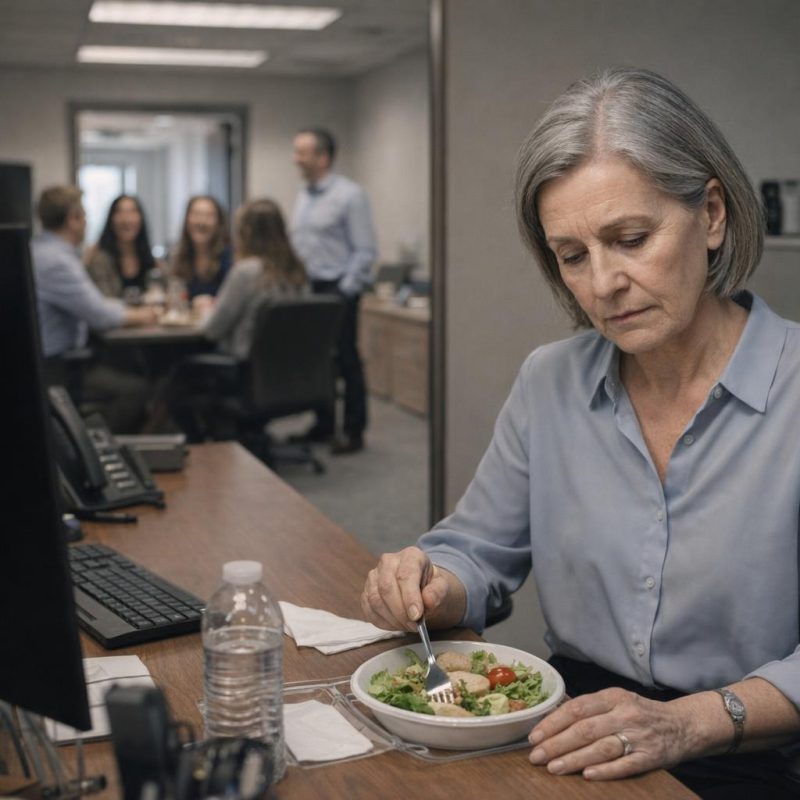 Image by RM AI
The Conference Room
Half the office gathered around the conference table, their voices carrying down the hallway to where I sat at my desk. I could see them through the glass wall—Eric unwrapping a gourmet sandwich, Linda examining one of those little cups of fancy pudding, Brielle holding court at the head of the table like she'd personally prepared the meal. The food looked impressive, I had to admit, arranged in those trendy cardboard containers with the company logo printed on top. Someone said something about the tahini dressing being incredible, and there was general agreement, appreciative murmurs that suggested the twenty-three dollars had been worth it. I heard laughter, the kind that comes easy when people are enjoying something together, when they feel part of the same experience. Brielle's voice rose above the others, talking about how she'd discovered the company on Instagram, how important it was to support women entrepreneurs. From my desk I could hear it all—the enthusiasm, the satisfaction, the sounds of people enjoying something I'd opted out of for purely practical reasons. I took another bite of my chicken casserole, which suddenly tasted a little plain, a little too familiar. Not bad, just ordinary. I told myself I'd made the right choice, that I didn't need to spend money to feel included. From my desk I could hear the appreciative murmurs and laughter, the sounds of people enjoying something I'd opted out of for purely practical reasons.
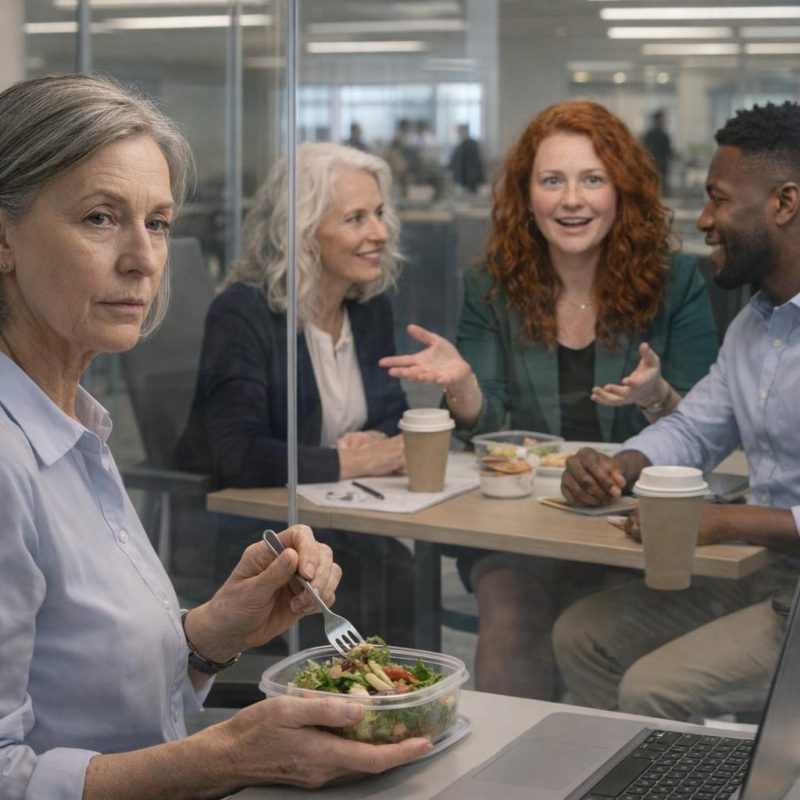 Image by RM AI
Stomach Cramps
About three hours after lunch, I noticed Eric gripping the edge of his desk with both hands, his knuckles white against the laminate surface. His face had gone pale, that grayish color people get when they're trying not to be sick. I watched him take slow, careful breaths, his eyes closed. Then Sarah from accounting walked past my desk toward the bathroom, moving quickly but quietly, one hand pressed against her stomach. Ten minutes later, Marcus did the same thing. I felt a flutter of concern in my chest, that instinctive worry you get when you realize something's wrong but don't yet understand what. Eric stood up carefully, like any sudden movement might be a mistake, and headed toward the men's room. The office had gotten quieter, the afternoon energy replaced by something tense and uncomfortable. I could hear someone's phone ringing unanswered at the far end of the room. Another coworker, Jennifer, pushed back from her desk and left without saying anything to anyone. I counted in my head—that was four people now, all looking sick, all moving with that same careful urgency. My stomach felt fine. I'd eaten my chicken casserole hours ago and felt perfectly normal. I wondered if there was a flu going around, something contagious making its way through the office. Something was wrong, though I couldn't yet understand what it meant.
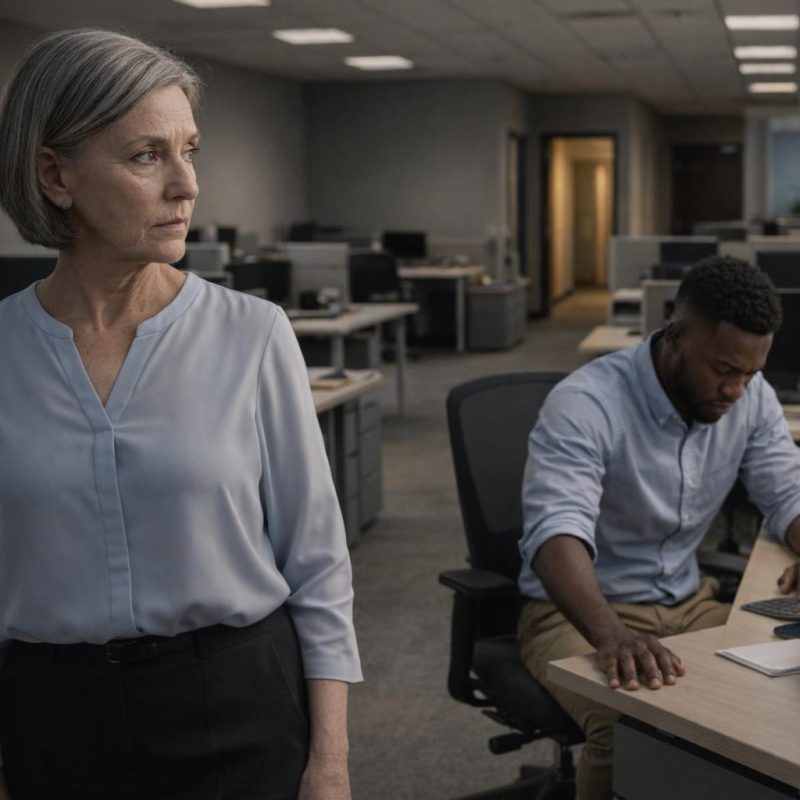 Image by RM AI
Early Departures
By late afternoon, several employees had gone home early with nausea and stomach cramps. Eric left around three, barely managing to tell our supervisor he needed to go before rushing out. Sarah followed twenty minutes later. Then Marcus, then Jennifer. The office felt strange, half-empty, with abandoned desks and unanswered phones creating an eerie quiet. Around four o'clock, Brielle emerged from the bathroom looking genuinely awful—her face pale and sweaty, her usually perfect ponytail disheveled. She announced to anyone within earshot that she thought she had actual food poisoning, that she'd never felt this sick in her life, that something was seriously wrong. Her voice had lost its usual performative quality and sounded raw, frightened. Linda packed up her things early too, moving slowly, one hand on her stomach. I watched them all leave, feeling worried for my colleagues but also increasingly aware of a pattern. Everyone getting sick had been in the conference room at lunch. Everyone who'd eaten the catered meal. I'd seen them all there, enjoying their gourmet wraps and grain bowls. And now they were all sick. I sat at my desk, untouched by whatever was affecting them, my homemade lunch sitting easy in my stomach. The office felt strangely empty, and I realized with uncomfortable certainty that everyone getting sick had eaten the catered lunch.
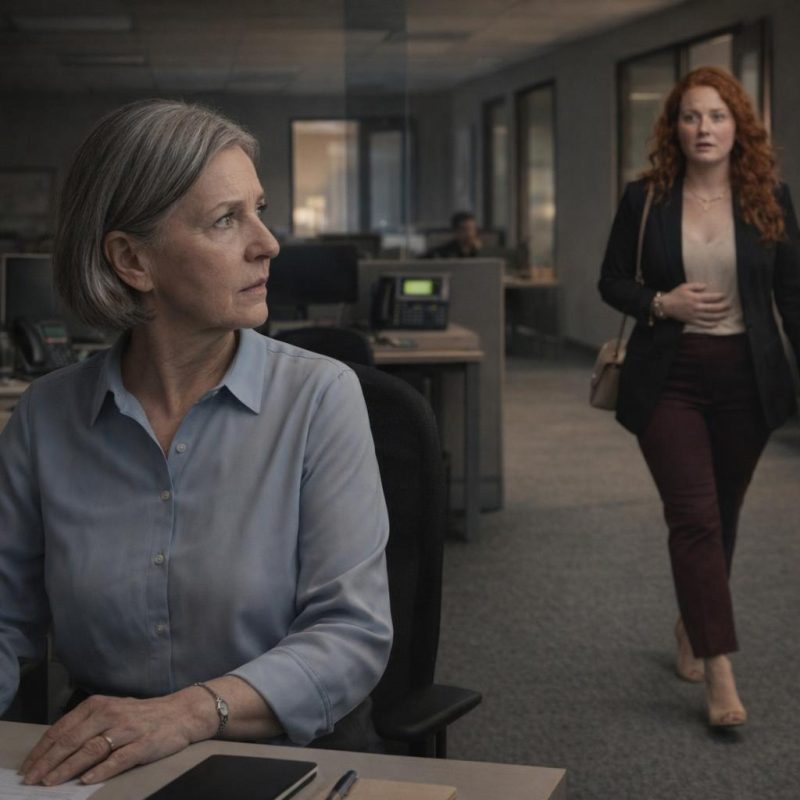 Image by RM AI
The HR Email
Monday morning, HR sent a company-wide email reminding employees to practice safe food handling and sanitation when bringing homemade meals into shared spaces. I read it on my phone before I'd even gotten out of my car, sitting in the parking lot with my lunch bag on the passenger seat. The email talked about proper refrigeration, about the importance of cleanliness in communal kitchens, about how we all shared responsibility for workplace health and safety. It was signed by Diane, our HR director, and sent to everyone in the building. My name never appeared anywhere in the message. But I felt it anyway, felt it like a finger pointing directly at me. I read it again, slower this time, trying to understand the logic. Everyone who'd gotten sick had eaten the catered lunch. I hadn't eaten it, and I was fine. So why was HR sending emails about homemade food safety? My hands trembled slightly as I held my phone, a physical response I couldn't control. The email was vague enough to seem general, careful enough to avoid direct accusation, but pointed enough that I felt its weight. I sat in my car for another five minutes, staring at the screen, trying to make sense of something that didn't make sense. The message never mentioned me directly, but my hands trembled slightly as I read it a second time, trying to understand why it felt aimed at me.
 Image by RM AI
Pointed Silence
The email never mentioned me directly, but I felt it hanging in the air every time I entered the break room, an unspoken accusation that somehow my casseroles were the problem. I'd walk in to heat my lunch and sense the shift, the way conversations would pause just slightly, the way eyes would flicker toward my Tupperware container before looking away. Nobody said anything. That was the worst part—the silence that felt louder than words. I kept replaying the logic in my head, trying to make it make sense. The catered food had made people sick. I hadn't eaten the catered food. Therefore, I was fine. But somehow, in some way I couldn't quite grasp, suspicion seemed to be settling on me instead. On my homemade lunches, my glass containers with masking tape labels, my decades-old habit of bringing food from home. I'd stand at the microwave watching my food rotate, feeling the weight of something I couldn't name pressing down on my shoulders. The HR email had been carefully worded, professionally vague, but it had planted something. A seed of doubt, maybe, or permission to redirect blame. I thought about Brielle's photo in the group chat, her comments about sad leftovers, the way she'd pushed so hard for everyone to order the catered lunch. I couldn't shake the feeling that reality was being quietly rewritten around me.
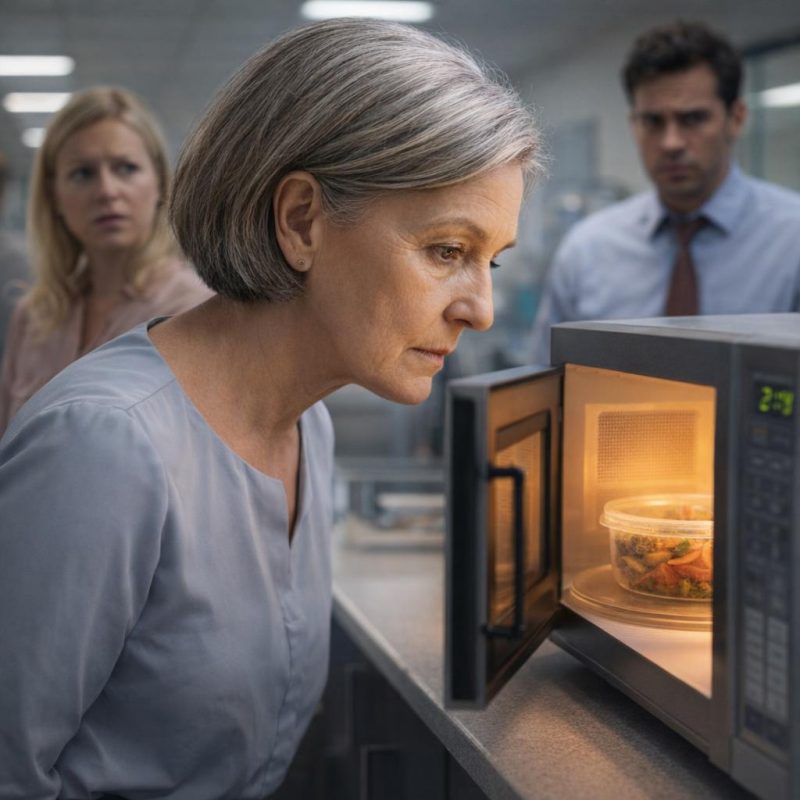 Image by RM AI
The Silent Treatment
Conversations stopped when I entered the break room, leaving only the hum of the microwave and my own footsteps on the linoleum. It happened Tuesday, then again Wednesday, then every day that week. I'd walk in and voices would cut off mid-sentence, leaving an awkward silence that felt thick and deliberate. Eric was there Tuesday afternoon, talking with Linda near the coffee maker, and both of them went quiet when I appeared. Eric gave me a quick, uncomfortable smile before looking down at his phone. Linda busied herself with the coffee pot, suddenly very focused on adding cream. Nobody said hello. Nobody acknowledged me at all. I set my container in the microwave and pressed the buttons, the beeps sounding too loud in the quiet room. I could feel them behind me, could sense their presence and their careful avoidance. The microwave hummed. My food rotated slowly behind the glass door. I counted the seconds, willing the timer to move faster. When I turned around to retrieve my lunch, Eric and Linda were gone, having slipped out while my back was turned. I stood alone in the break room, holding my warm container, feeling the shift from invisible to something worse. I'd been ignored before—that was familiar, manageable. This was different. People's eyes slid away from mine with practiced casualness, as if I'd become someone to avoid rather than simply ignore.
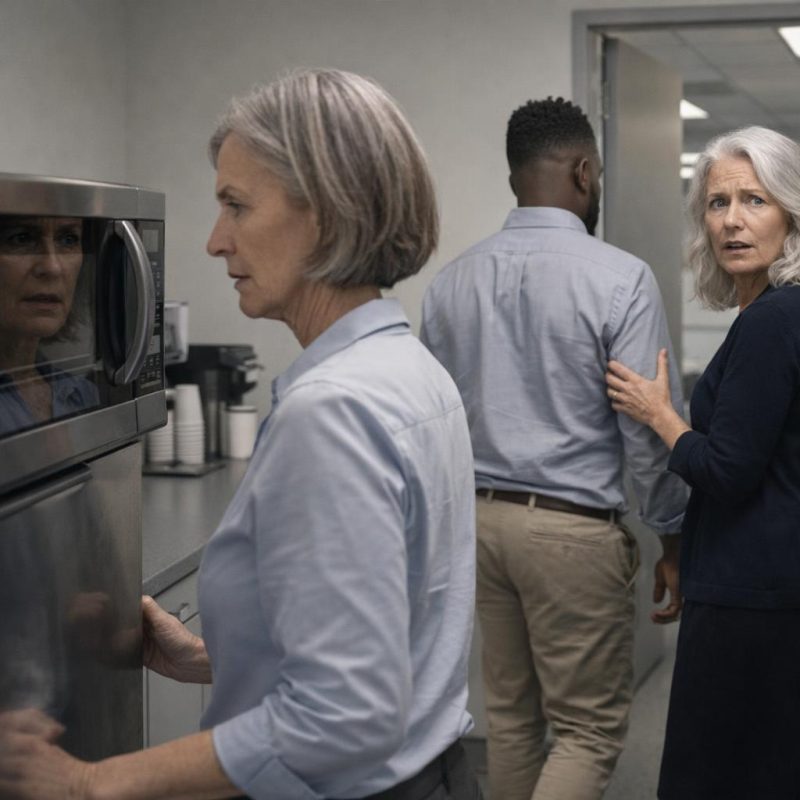 Image by RM AI
The Yogurt Incident
I walked into the break room Thursday morning with my lunch bag, heading straight for the refrigerator like I'd done a thousand times before. A woman from accounting—I'd seen her around but never really talked to her—was already there, reaching for something on the top shelf. She glanced at me, then opened the door wider and spotted my container from yesterday sitting on the middle shelf. Her yogurt was right next to it, maybe three inches away. I watched her pause, just for a second, then reach in and pick up her yogurt. She didn't take it out to eat it. Instead, she moved it to the bottom shelf, all the way on the opposite side, tucking it behind a carton of almond milk where it would be harder to reach. The movement was quiet, careful, deliberate in its casualness. She didn't look at me. Didn't say anything. Just closed the refrigerator door and walked out, leaving me standing there with my lunch bag in my hand. The gesture was so small. So simple. But the message was unmistakable: she didn't want her food anywhere near mine. I stood there holding my lunch bag, feeling humiliated by a gesture so small and so devastating in what it implied.
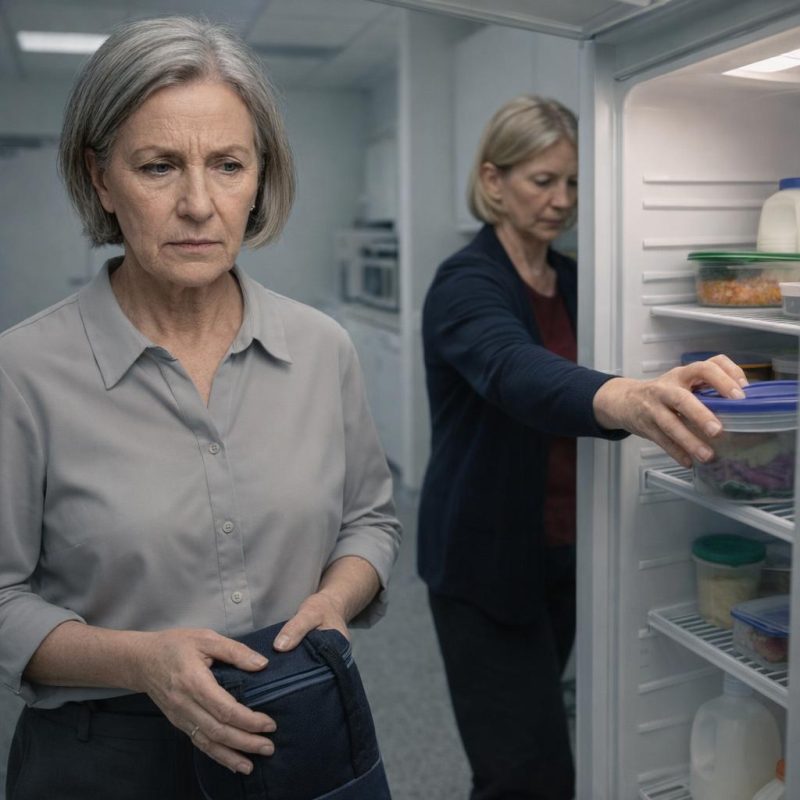 Image by RM AI
Near the Copier
I was at the copier Friday afternoon, running reports for a meeting I didn't particularly care about, when Amanda appeared beside me. She was the receptionist, maybe twenty-two, with that careful quietness some young people have when they're trying not to be noticed. I'd seen her around but we'd never really talked—she seemed like the type who avoided office drama entirely, kept her head down and did her work. Now she stood there fidgeting with her phone, glancing toward the hallway like she was checking for witnesses. "Teresa?" Her voice was barely above a whisper. "Could we maybe talk somewhere private?" I looked at her, surprised. In the past week, almost no one had approached me voluntarily, and certainly not someone who usually stayed so far from any kind of conflict. "Sure," I said, pulling my papers from the copier tray. "What's going on?" She didn't answer, just gestured toward the small conference room near the back hallway, the one people used for phone calls. Her hands shook slightly as she glanced around to make sure no one was watching us.
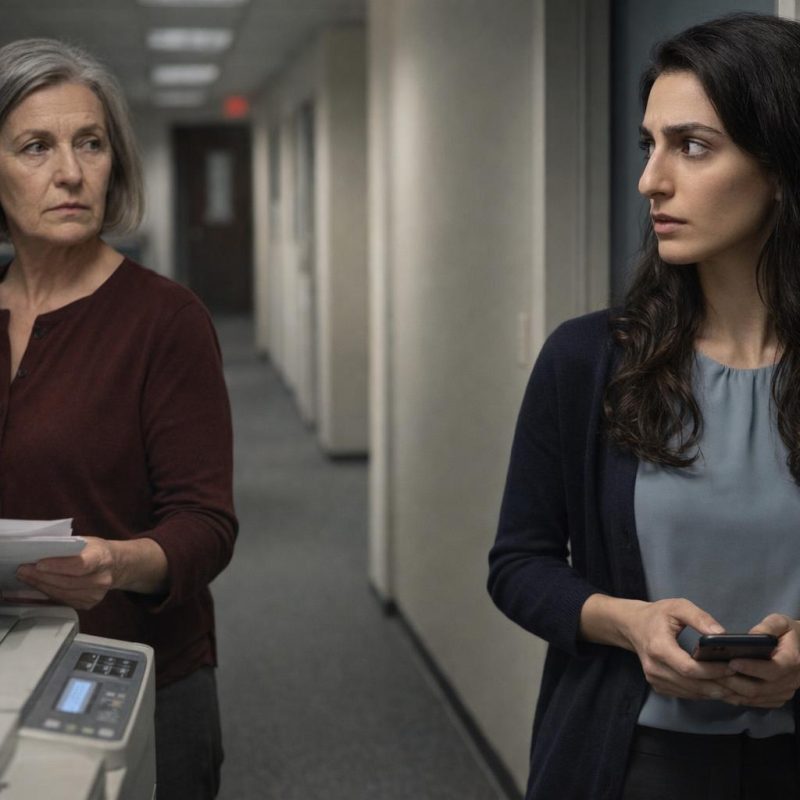 Image by RM AI
Screenshots
Amanda closed the conference room door and pulled out her phone, her fingers trembling as she scrolled through screenshots. "I'm in this group chat," she said quietly. "Most of the office is in it. You're not." She handed me the phone, and I felt my stomach drop as I started reading. It was messages from the weekend, dozens of them, all discussing the food poisoning incident. Brielle's name appeared over and over. "I'm just saying, Teresa always leaves food sitting out forever," one message read. Another: "That tuna thing she brought Friday smelled weird, I'm not gonna lie." Someone else had written, "Maybe HR should check the fridge for science experiments lol." I kept scrolling, watching the pattern emerge. Every time someone questioned the catering company, Brielle jumped in with a comment about my lunches. When Eric mentioned the restaurant's name, Brielle responded, "True, but also Teresa reheats fish in the microwave like three times a week." When Linda wondered if they should report the caterer, Brielle deflected: "Or maybe we should all just be more careful about what we bring from home?" Brielle had spent the entire weekend steering people toward blaming me, her messages turning my casseroles into the problem instead of the catered food that had actually made everyone sick.
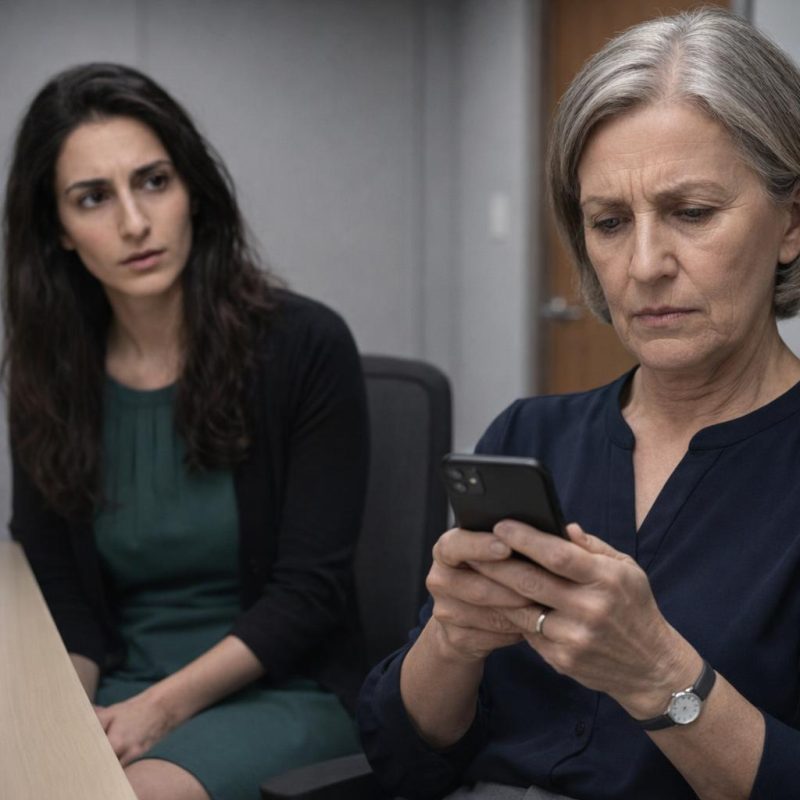 Image by RM AI
Strategic Deflection
I scrolled through every screenshot Amanda had captured, my hands steady even though my chest felt tight with anger. There were at least fifteen messages from Brielle, each one carefully redirecting attention away from the catering company and back toward me. It felt like standing outside a room while people calmly rewrote reality about me, each comment building a false narrative I hadn't known existed. "Thank you for showing me this," I told Amanda, handing back her phone. She nodded, still looking nervous, like she expected someone to burst through the door and catch us. I left work that evening with my jaw clenched, driving home in silence while my mind replayed those messages. The humiliation burned—knowing that while I'd been eating my lunch alone, people had been discussing me in a private chat, turning me into the office problem. But underneath the embarrassment was something else: confusion. Brielle's deflection felt too persistent, too coordinated. She'd responded to nearly every mention of the caterer with a comment about my food, as if she'd been monitoring the conversation constantly. I went home that night furious and embarrassed in equal measure, but something about Brielle's deflection still didn't make sense—why was she working so hard to redirect blame?
 Image by RM AI
Redirect and Deflect
That night I pulled up the screenshots Amanda had sent to my phone and read through them again, this time looking for patterns instead of just reacting to the content. The deflection wasn't random. Every single time someone mentioned the catering company—and I counted seven distinct instances—Brielle had an immediate response that shifted focus back to me. When someone wrote, "That restaurant has terrible reviews online," Brielle replied within minutes: "Maybe, but Teresa reheats fish in there every week lol." When another coworker said, "I think we should tell HR about the caterer," Brielle answered, "Or maybe just remind people about food safety in general?" The timing felt too quick, too prepared. It was like she'd been waiting for those questions, had responses ready before anyone even asked them. I set my phone down and stared at the kitchen wall, trying to understand what I was seeing. This wasn't just someone embarrassed about ordering bad food. This was someone actively working to protect that restaurant, to make sure no one looked too closely at what had actually happened. The pattern felt too consistent, too practiced, as if she'd been preparing for questions before anyone asked them.
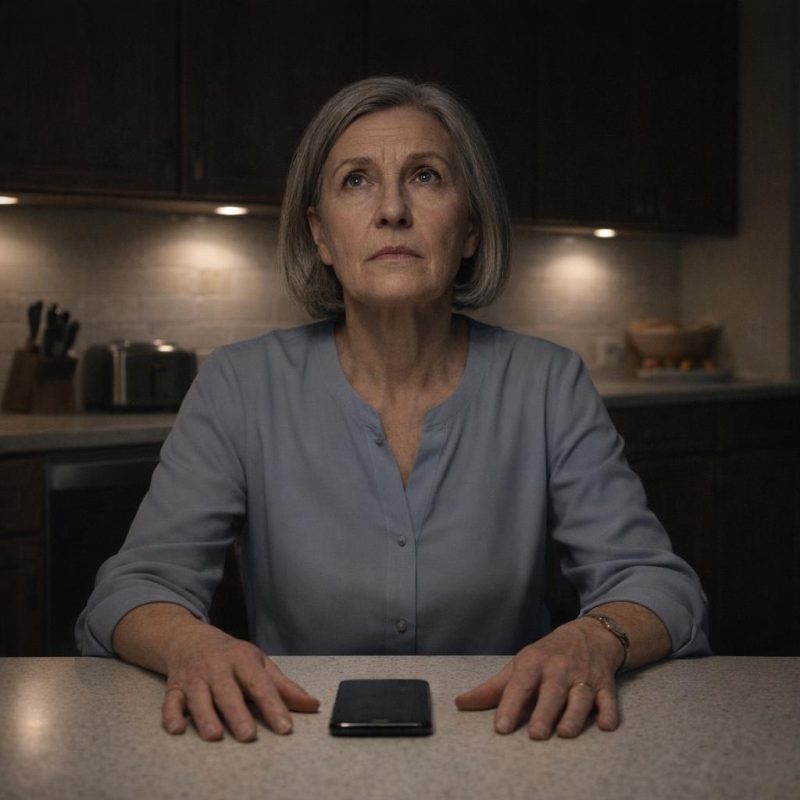 Image by RM AI
Science Experiments
The science experiment comment kept pulling me back. "HR should check the fridge for science experiments," Brielle had written, and five people had responded with laughing emojis. Then others had piled on. "I always wondered what was in those containers," someone wrote. "Probably best not to ask," another added. Each joke built on the previous one, creating this collective narrative that my food was questionable, suspicious, maybe even dangerous. I could see how it worked—how humor made the accusation feel lighter, more acceptable, until fiction started feeling like fact. By the time someone suggested my lunches might have caused the food poisoning, the ground had already been prepared. The jokes had primed everyone to believe it. I sat at my kitchen table reading those messages again, feeling sick at how casually my reputation had been turned into entertainment. These were people I'd worked with for years, people who'd never complained about my food before, now laughing about checking the fridge for my "experiments." Amanda had been right to show me this. I felt sick reading how casually my reputation had been turned into a punchline, each joke building on the last until fiction felt like fact.
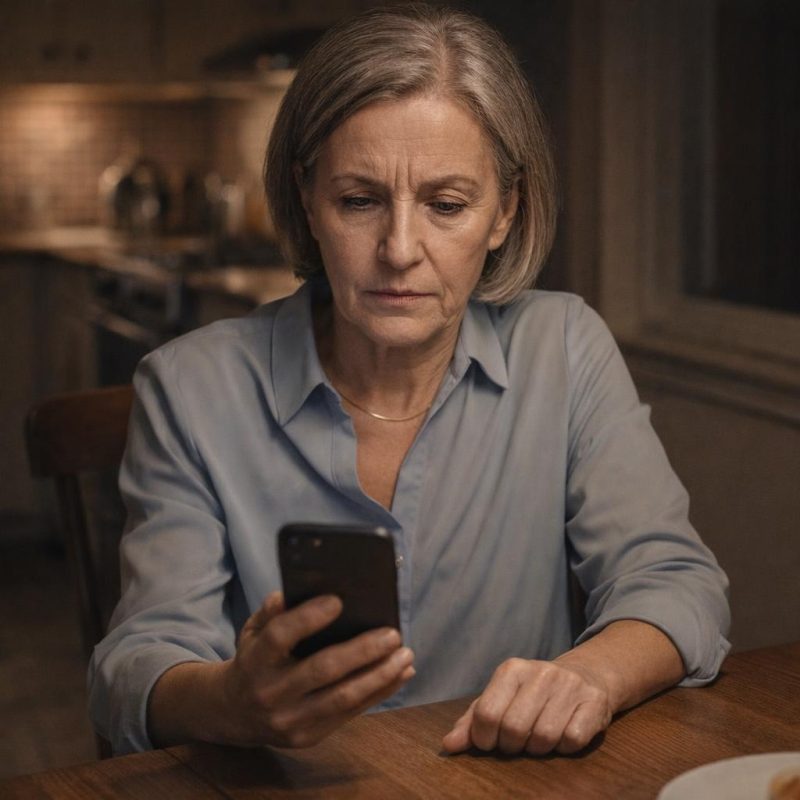 Image by RM AI
The Obvious Logic
"But I didn't eat the catered lunch," I said to Amanda the next time we talked, stating what should have been obvious to everyone. "I brought my own food, like always. So how could I have caused food poisoning that only affected people who ate from the caterer?" Amanda nodded slowly. "I know. That's what didn't make sense to me either." I pulled out my phone and showed her the screenshots again. "Everyone who got sick ate the catered food. I didn't eat it, so I didn't get sick. The logic is pretty straightforward." "You'd think," Amanda said quietly. But somehow Brielle had convinced people to overlook that basic fact entirely. She'd created an emotional narrative—Teresa's weird lunches, Teresa's fish smell, Teresa's food sitting in the fridge—that bypassed logic completely. People weren't thinking about who ate what. They were thinking about how my food made them feel: uncomfortable, judged maybe, or just annoyed by the smell of reheated casseroles. Brielle had tapped into that existing irritation and redirected it into suspicion. I stared at my phone screen trying to understand how everyone ignored the most basic fact: I hadn't eaten the catered lunch, so I couldn't possibly have caused the food poisoning.
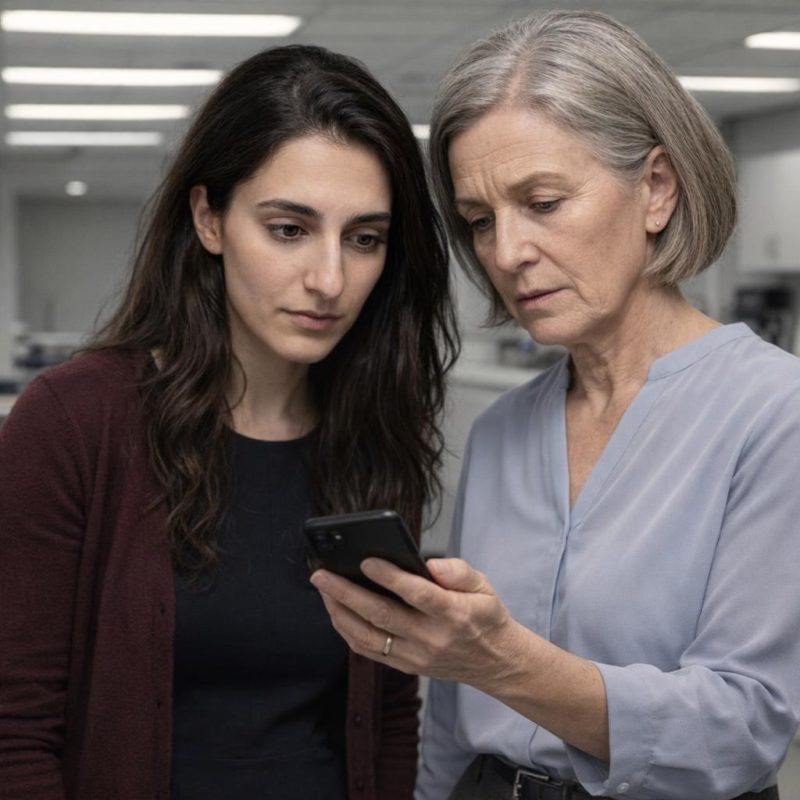 Image by RM AI
Family Counsel
That evening I showed the screenshots to my sons, both of them reading through the messages with expressions that shifted from confusion to anger. "Mom, this is workplace harassment," my older son said immediately. "You need to file a complaint with HR." My younger son agreed. "You have proof right here. She's been running a campaign against you." They weren't wrong. The evidence was clear—Brielle had systematically blamed me for something I hadn't caused, had turned coworkers against me through a coordinated effort in a private chat. Any HR department would take this seriously. But I hesitated, setting my phone down on the kitchen table. "Something doesn't add up," I told them. "Why would she work this hard just to avoid embarrassment about ordering bad food? The effort doesn't match the problem." My sons looked at each other, then back at me. "What are you thinking?" my older son asked. "I don't know yet," I admitted. "But my instincts are telling me there's more here. Something I'm not seeing." They reluctantly agreed to let me investigate further, though I could tell they thought I was being too cautious. But I told them something still didn't add up, and I wanted to understand what I was really dealing with before I made any accusations.
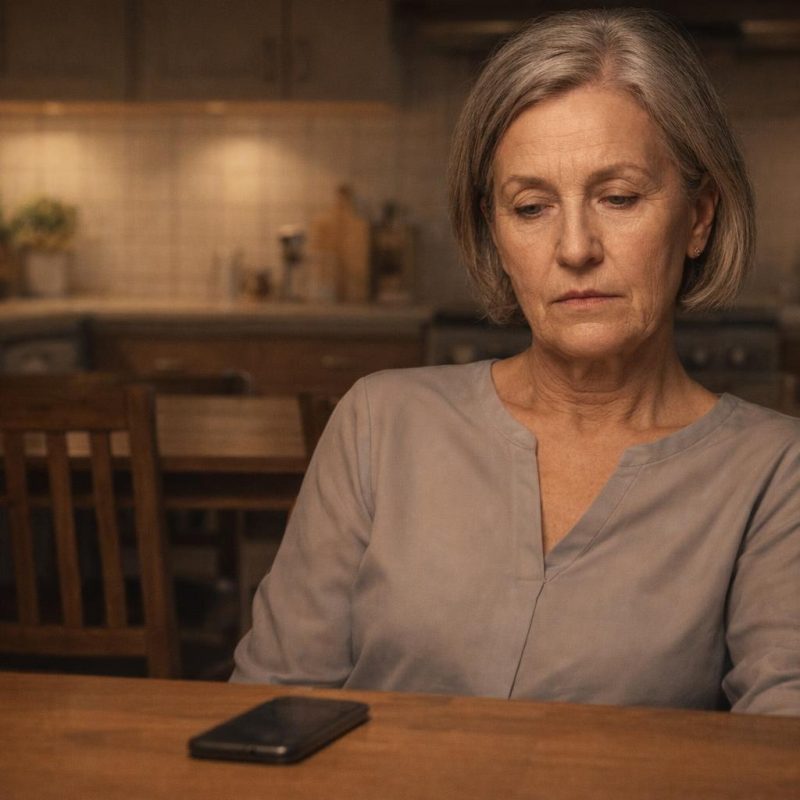 Image by RM AI
Unanswered Questions
That night I couldn't sleep. I lay there staring at the ceiling, my mind replaying every message Amanda had shown me from that group chat. The screenshots kept scrolling through my thoughts like some kind of mental slideshow I couldn't turn off. Brielle's words had been so carefully chosen, so strategically placed to redirect blame. She'd started that campaign the same weekend people got sick, before HR was even involved, before anyone had officially pointed fingers at anyone. That timing bothered me. Most people would wait to see if there was even going to be a problem before mounting a defense. But Brielle had gone on the offensive immediately, working to control the narrative before it could form naturally. I'd been in offices for thirty years, and I knew the difference between someone deflecting out of embarrassment and someone covering their tracks. Embarrassment makes you defensive when confronted. Fear makes you proactive. Brielle had been proactive. She'd worked too hard, moved too fast, coordinated too carefully. Simple mortification about recommending a bad restaurant wouldn't require this level of effort. You'd apologize, maybe make a joke about your terrible taste, and move on. You wouldn't create a systematic campaign to blame someone else. My instincts were screaming that something didn't add up. Something about the intensity of her deflection suggested she had more to lose than I'd initially thought.
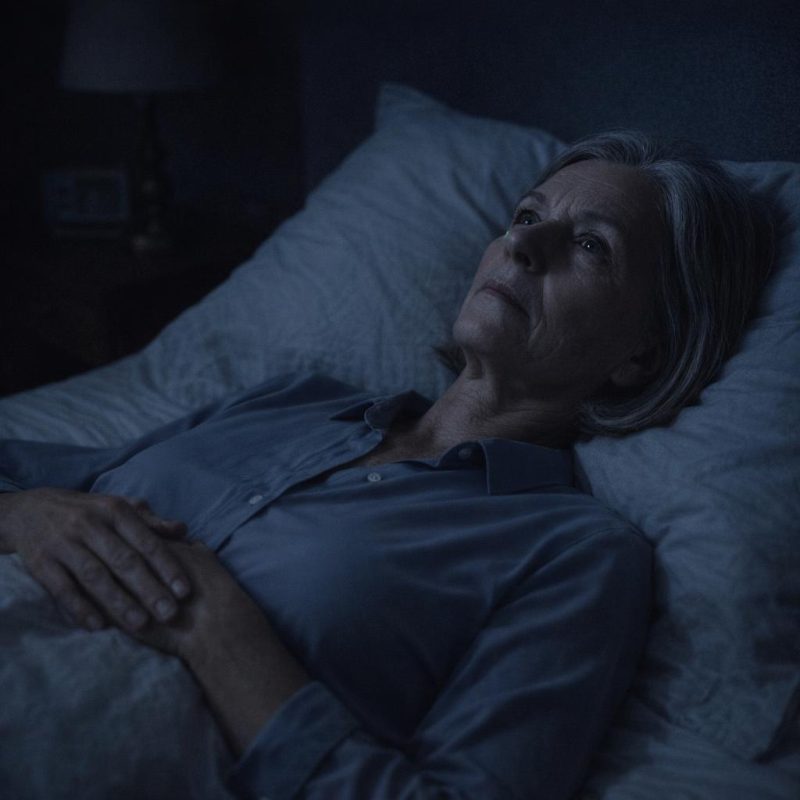 Image by RM AI
Second Visit
Two days later I was at my desk reviewing a spreadsheet when Amanda appeared beside me. She was carrying a manila folder and looked even more nervous than she had the first time she'd approached me. Her eyes kept darting around the office, checking to see who might be watching. "Can we talk?" she asked quietly. "Somewhere private?" I saved my work and followed her to the same small conference room we'd used before. She closed the door carefully and stood there for a moment, clutching the folder against her chest. "I found something else," she said. "I wasn't snooping, I swear. I was just delivering some paperwork to Brielle's desk, and I saw something on her computer screen." She pulled out her phone with shaking hands. "I took a picture really quickly. I don't know if it means anything, but after what we talked about before, it seemed important." I could see the conflict on her face, the worry that she'd crossed some line by photographing something from a coworker's computer. But there was also determination there, a quiet strength that reminded me she'd already taken a risk by showing me those screenshots. "What did you find?" I asked. She told me she'd found something else, something that made the whole situation look different.
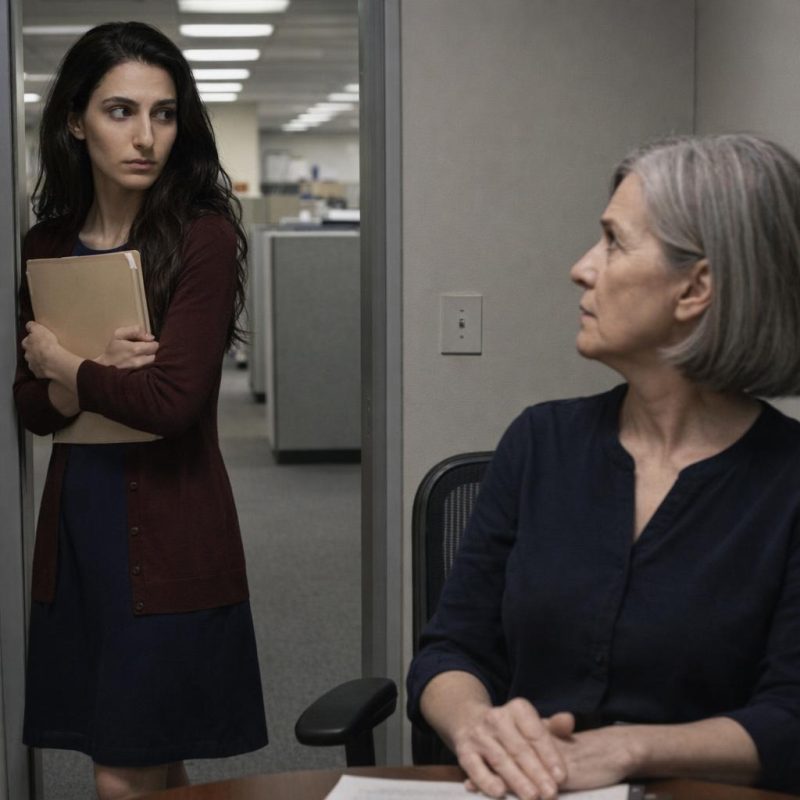 Image by RM AI
The Invoice
Amanda pulled up the photograph on her phone and handed it to me. It was an invoice from a company called Fresh Start Meal Prep & Catering. The document showed charges for the recent office lunch, itemized by dish and quantity. I studied it carefully, trying to understand why Brielle would have this on her computer. "Why would she have the invoice?" I asked. Amanda shook her head. "I don't know. That's what seemed strange to me. Usually those would go straight to accounting, right?" She was right. There was no reason for Brielle to have this document unless she'd specifically requested it or been involved in the payment process somehow. I looked at the invoice more closely. The formatting seemed slightly off, unprofessional in ways I couldn't quite articulate. The fonts weren't consistent. The spacing looked odd. Small details that individually meant nothing but together created an impression of something not quite right. My pulse quickened. Then Amanda pointed to the bottom of the invoice where the company's address was listed. It was in an industrial area on the east side of town, not the kind of location you'd expect for a trendy meal-prep service. The address listed at the bottom made Amanda pull out her phone to start searching.
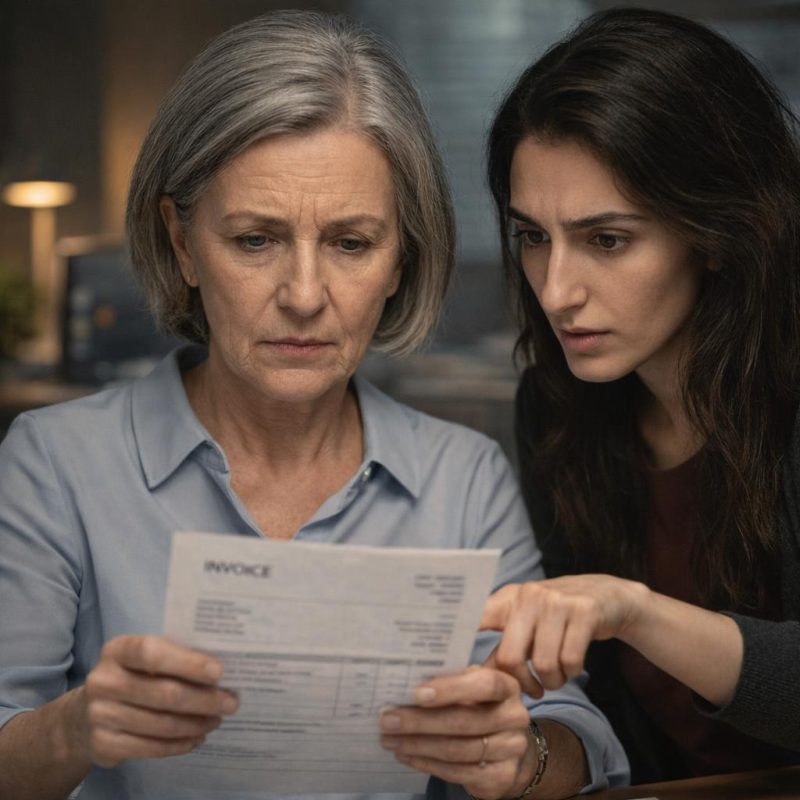 Image by RM AI
Health Violations
Amanda typed the address into Google Maps, and we both leaned over her phone to see what came up. The location showed a commercial kitchen facility, the kind of space that multiple food businesses rent to prepare their products. But when Amanda switched to a regular Google search of the address, several news articles appeared. I felt my stomach tighten as we started reading through them. The kitchen had been cited for health code violations six months earlier. Multiple complaints about food safety had been filed with the health department. One article described "questionable sanitation practices" and mentioned that the facility had been operating under provisional permits while addressing the violations. Another article detailed complaints from other businesses that had used the kitchen space. "Oh my God," Amanda whispered. We kept reading, finding more articles about the same location. The violations had been serious enough to make the local news. Temperature control issues. Cross-contamination concerns. Inadequate cleaning procedures. This wasn't just a one-time problem. This was a facility with a documented history of the exact kind of issues that would lead to food poisoning. Brielle had promoted a business operating out of a kitchen with known problems. She'd pushed our office to order from a place that had already been investigated for health violations. Reading the news articles about previous complaints, my confusion transformed into genuine suspicion about what kind of business Brielle had been promoting.
 Image by RM AI
Bigger Picture
I stared at Amanda's phone, the health violation articles still glowing on the screen. This wasn't bad luck. This wasn't an unfortunate coincidence. The food poisoning was part of a pattern, and Brielle had brought this problematic business into our office knowing, or at least having reason to know, about its history. "Maybe she didn't know?" Amanda suggested, though her voice carried doubt. "Maybe she just found them online and thought they looked good?" I shook my head. The aggressive deflection campaign made more sense now. Brielle hadn't just been embarrassed about recommending a bad restaurant. She'd been panicked about being connected to a business with documented health problems. But that still didn't fully explain the level of effort she'd put into blaming me. Why work so hard to redirect attention? Why not just apologize and distance herself from the company? "I need to know more about this catering business," I said. "Who owns it, how Brielle found them, why she pushed them so hard." Amanda nodded. "I can help. Whatever you need." I appreciated her offer, but I worried about her getting in more trouble. We agreed to be careful and discreet. Then I remembered Walter from accounting, who I'd heard loved investigating anything involving numbers or patterns. I needed to know more about this catering company and why Brielle had worked so hard to bring their business into our office.
 Image by RM AI
Walter's Interest
The next morning I was near the coffee machine when I mentioned Fresh Start Meal Prep to a coworker, just testing how the name sounded out loud. Walter from accounting was refilling his mug nearby and immediately perked up. "Fresh Start? That's the place that made everyone sick, right?" He was in his early fifties with the focused energy of someone who genuinely enjoyed spreadsheets. "I love a good mystery. Especially one with numbers or patterns involved." I briefly explained what Amanda and I had discovered about the health violations. Walter's eyes lit up like I'd just handed him a puzzle. "Oh, this is interesting. Mind if I do some digging? I've got some time this afternoon." I felt a wave of relief. Walter had access to business databases and financial records that I didn't. More importantly, he approached this like an intellectual exercise rather than office drama, which meant he'd be thorough and discreet. Within an hour he'd pulled up the company's basic business registration documents and found their website. He'd also located their presence on several review platforms and was already reading through customer feedback. His enthusiasm for the investigation was contagious. For the first time since this whole situation started, I felt like I had a real ally, someone with the skills to help me understand what was really going on. Within an hour he'd pulled up the company's basic business registration and several online reviews, his enthusiasm for the puzzle making him the perfect unlikely ally.
 Image by RM AI
Digital Footprint
Later that afternoon I stopped by Walter's desk. He'd surrounded himself with printouts of web pages, building what looked like a comprehensive profile of Fresh Start Meal Prep's online presence. He had the methodical focus of someone who genuinely enjoyed solving puzzles. "Look at this," he said, gesturing to his computer screen. The company's website looked moderately professional, nothing spectacular but decent enough. But Walter had been digging deeper into their reviews across multiple platforms. "See these five-star reviews?" He pointed to several glowing testimonials. "Notice anything odd?" I read through them. They all praised the food using similar phrases. "Amazing fresh ingredients." "Best meal prep service I've tried." "Highly recommend for busy professionals." "Three of these were posted within an hour of each other," Walter continued. "And look at the accounts that posted them." He clicked through to show me the reviewer profiles. They had minimal other activity, just a few random reviews scattered across months. "The patterns are too similar to be coincidence," Walter said. "Same sentence structures, same enthusiastic tone, posted in clusters." He explained that while fake reviews weren't uncommon, the concentration here was unusual. He planned to investigate the accounts more deeply. He mentioned that several of the glowing five-star reviews were posted by accounts that seemed questionable, their patterns too similar to be coincidence.
 Image by RM AI
Fake Accounts
The next day Walter called me over to his desk with barely contained excitement. He'd spent hours tracing the review accounts, and what he'd found was damning. "Look at this," he said, pulling up a spreadsheet he'd created. Multiple five-star reviews had been posted by accounts created within days of each other. The accounts had almost no other review activity. Some had used stock photos for their profile pictures, which Walter had verified through reverse image searches. He showed me the writing patterns he'd documented. The same phrases appeared across different accounts. The posting times clustered together, multiple reviews appearing on the same day as if someone had sat down for a coordinated session. "Someone deliberately created fake positive reviews," Walter said. "This suggests the business needed artificial credibility. They weren't doing well organically, so someone worked hard to make them appear more successful than they were." I stared at his spreadsheet, at the evidence of systematic deception. This wasn't just marketing exaggeration. This was fraud. Someone had gone to significant effort to manufacture a false reputation for a struggling business with known health problems. The question was who. When he showed me the patterns in posting times and writing style, I couldn't shake the feeling we were looking at an intentional campaign to make a struggling business appear successful.
 Image by RM AI
Months of Promotion
I went back through my email history that evening, searching for Brielle's name, and what I found made my stomach tighten. The messages stretched back months—seven separate instances where she'd mentioned Fresh Start Meal Prep. Three months ago, she'd suggested them for someone's birthday celebration. Two months before that, she'd recommended them for a client meeting lunch. Every few weeks, another email praising their "amazing commitment to local business" or their "fresh, healthy approach." I'd deleted most of them without much thought at the time, but my email archive remembered everything. The next morning, I showed Walter the printouts I'd made. He studied them with that focused intensity he got when numbers didn't add up right. "This is unusual," he said finally. "Most people mention a restaurant once, maybe twice if they really love it. But seven times? Over several months?" I watched him count through the emails again, his finger tapping each date. "She wasn't just recommending a place she liked," I said quietly. "No," Walter agreed. "This feels like a campaign. Like she had a personal stake in bringing them business." We sat there looking at the evidence of Brielle's sustained enthusiasm, and I couldn't shake the feeling that her promotion of this particular caterer hadn't been about the food at all—it had mattered to her in ways that went far beyond simple restaurant preference.
 Image by RM AI
Unfamiliar Names
Walter pulled up the business registration documents on his computer, the kind of public records anyone could access if they knew where to look. "Fresh Start Meal Prep is registered to two owners," he said, scrolling through the filing. "Jason Hendricks and Marcus Hendricks." The names meant nothing to me. I stared at them on the screen, waiting for some spark of recognition that never came. "Do you know either of them?" Walter asked. I shook my head. "Never heard those names before." Walter jotted them down on a notepad, his handwriting neat and precise. "The business was registered about eighteen months ago. Pretty new operation." He leaned back in his chair, tapping his pen against the desk. "There has to be a connection between these men and Brielle. She wouldn't push their business this hard without a reason." I agreed, though I had no idea what that reason might be. Two men I'd never heard of, running a catering company that Brielle had promoted relentlessly for months. "We should try to find any link between them and our office," Walter suggested. "Social media might show us something." He wrote the names down again on a separate piece of paper and slid it across to me. Jason Hendricks and Marcus Hendricks—suddenly the most important names in this entire mess, even though I had no idea who they were or why they mattered so much to Brielle.
 Image by RM AI
Social Connections
Walter spent the next hour cross-referencing social media accounts, his eyes moving rapidly between browser tabs. "Look at this," he said, pulling up profiles for several of those suspicious review accounts we'd identified earlier. "These fake reviewers are connected to Jason and Marcus Hendricks. They follow them, like their posts, share mutual friends." I watched as he demonstrated the connections, drawing invisible lines between accounts that all led back to the business owners. The fake reviews hadn't just appeared randomly—they'd been created by people in the Hendricks brothers' social circle. "So the owners were definitely involved in manufacturing those reviews," I said. Walter nodded, then clicked over to Jason Hendricks's personal profile. "Let me see what else is here." He scrolled through photos and posts from the past year, and then I saw her. Brielle's face, smiling in photo after photo on Jason Hendricks's page. At a restaurant. At what looked like a backyard barbecue. Standing beside him at some kind of outdoor festival. The photos spanned months, a dozen or more images showing Brielle and Jason together in various casual settings. My heart started racing. Walter and I exchanged a long look, and I knew we were both thinking the same thing. Brielle's aggressive promotion of Fresh Start Meal Prep suddenly made perfect sense—she was deeply, personally connected to one of its owners, and her panic after the food poisoning had never been about protecting the company's reputation at all.
 Image by RM AI
Following the Money
"We should check the company expense records," Walter said, his voice quiet but certain. "If Brielle ever submitted reimbursement requests for catering from Fresh Start Meal Prep, that would show up in the accounting database." I felt a flutter of nervousness. "Can you access that without getting in trouble?" Walter nodded. "It's part of my job. I review expense claims regularly as part of the accounting process. I'm not doing anything against policy—I'm just looking at records I'm authorized to see." He opened the company's expense tracking system, and I watched as he navigated through screens I'd never seen before. "I can search by vendor name," he explained, typing into a search field. "This will pull up any purchase orders or reimbursement claims associated with Fresh Start Meal Prep." My pulse quickened as he prepared to run the search. If Brielle had been using company money to support this business—the business connected to Jason Hendricks—then we were looking at something far more serious than workplace gossip or even deliberate scapegoating. We were looking at potential fraud. Walter's finger hovered over the enter key. "Ready?" he asked. I nodded, though I wasn't sure I was ready at all. He pressed the key, and the system began searching through months of financial records, looking for a pattern I suspected we were about to find.
 Image by RM AI
Team-Building Initiatives
The search results appeared on Walter's screen, and my breath caught. Six separate expense reports, all from Fresh Start Meal Prep, all submitted by Brielle. Walter clicked through them one by one while I leaned over his shoulder. Each expense was labeled as a team-building initiative—"Department Morale Lunch," "Quarterly Team Celebration," "New Employee Welcome Event." The amounts ranged from two hundred to four hundred dollars per occasion. Every single claim had been approved through normal management channels. "She used legitimate processes," Walter said, his voice tight. "Team-building expenses usually get approved without much scrutiny. It's considered good for office culture." I stared at the dates. The expenses spanned several months, showing a clear pattern. Brielle had systematically brought company business to this caterer, framing each occasion as something beneficial for the office while funneling money to a business connected to her personally. "Most people don't do this," Walter said. "They might suggest a caterer once or twice, but six times? All properly documented and reimbursed?" I counted the entries again, my mind racing. The company had been paying for catering from Fresh Start Meal Prep over and over, and every time it was Brielle who'd made it happen. We wondered how much money total was involved, and more importantly, whether anyone in management had noticed the pattern before the food poisoning forced everyone to pay attention.
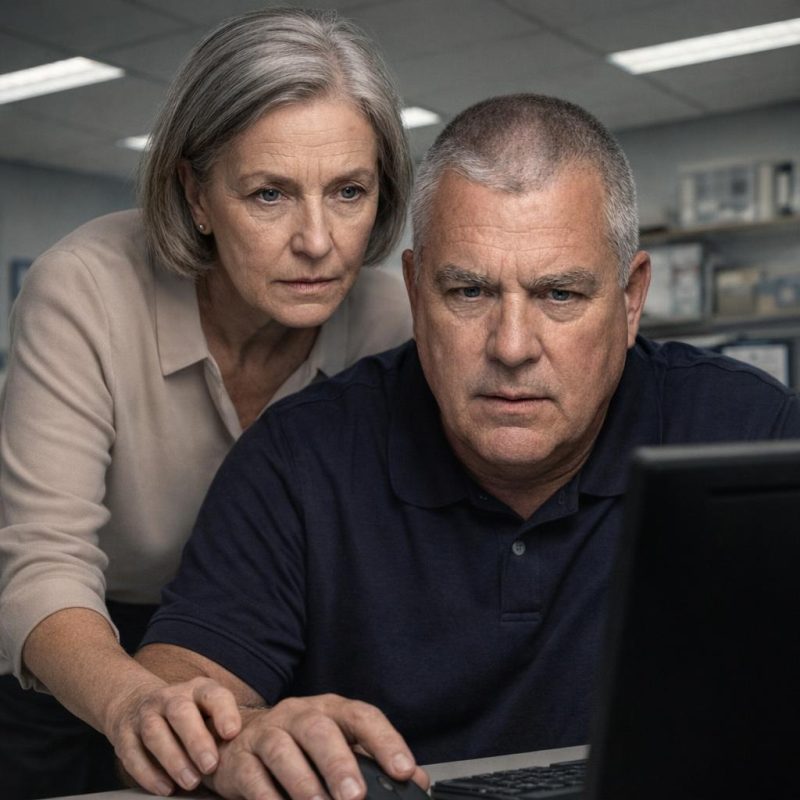 Image by RM AI
Nearly a Year
Walter adjusted the search parameters to show all expenses chronologically, and when the earliest entry appeared on screen, I felt the air leave my lungs. Eleven months ago. The first reimbursement from Fresh Start Meal Prep dated back nearly a year. "There are more," Walter said quietly, scrolling down. Additional entries appeared—not just the six I'd seen initially, but fourteen separate approved expense claims spanning eleven months. Fourteen times Brielle had directed company money to this business. This wasn't opportunistic. This wasn't a few friendly recommendations that happened to work out. This was sustained, methodical, and carefully planned. Each expense had been properly documented, submitted through official channels, approved by management who had no reason to question team-building initiatives. The legitimacy of the process had disguised what was actually happening. "The cumulative amount is significant," Walter said, though he hadn't calculated the total yet. I stared at the screen, at the long list of transactions that told a story I was only beginning to understand. Brielle had been running this operation for almost a year, systematically funneling company resources to a business owned by someone she was connected to. And when the food poisoning happened—when health violations and bad publicity threatened to shine a spotlight on Fresh Start Meal Prep—she'd needed someone to blame. The scale of what she'd done became frighteningly clear in that moment.
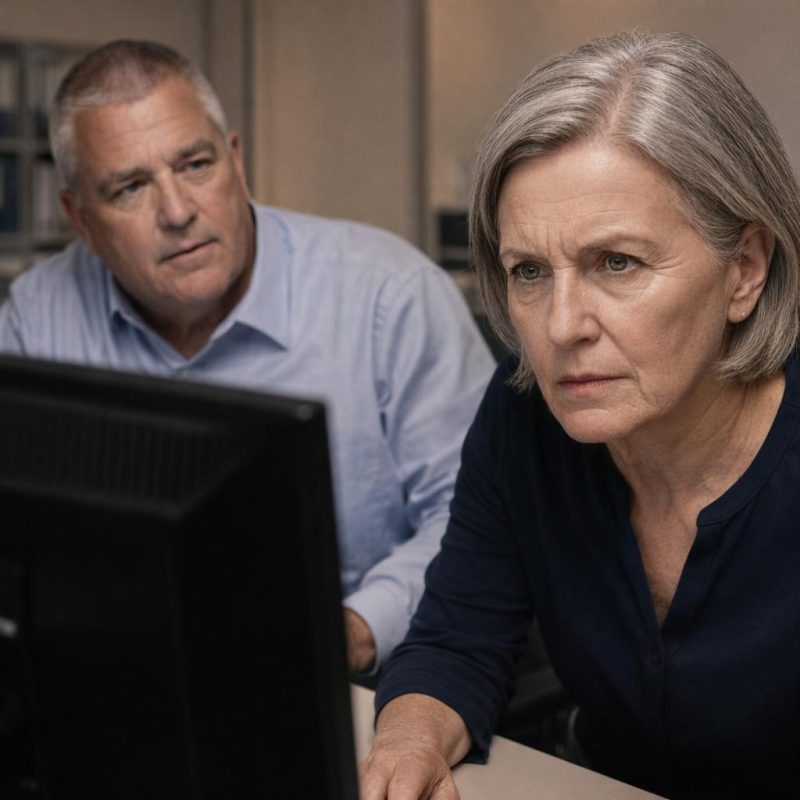 Image by RM AI
Cumulative Total
Walter pulled out a calculator and started adding up the expense amounts, his fingers moving quickly across the keys. When he stopped and showed me the total, we both fell silent. Over four thousand dollars. In less than a year, more than four thousand dollars in company money had flowed to Fresh Start Meal Prep through Brielle's team-building expense claims. "This is serious," Walter said finally. "This isn't just poor judgment. This could be embezzlement or fraud." I felt my heart racing as the pieces fell into place. Four thousand dollars moved from company funds to a business owned by someone Brielle was connected to. And then the food poisoning happened. If anyone investigated the illness thoroughly, they'd examine the caterer closely. That investigation would reveal Brielle's connection to the owners and this pattern of expenses. She'd needed to deflect attention away from Fresh Start Meal Prep immediately, and I'd been the perfect scapegoat—already mocked for my homemade lunches, easy to blame, unlikely to fight back effectively. The health violations, the fake reviews, the systematic expenses—it all painted a complete picture now. Brielle had been helping prop up a failing business with company money, and the food poisoning had threatened to expose everything. The moment people started getting sick wasn't bad luck or an unfortunate accident—it was the moment a carefully constructed scheme began to unravel, and Brielle had been willing to destroy my reputation to keep it hidden.
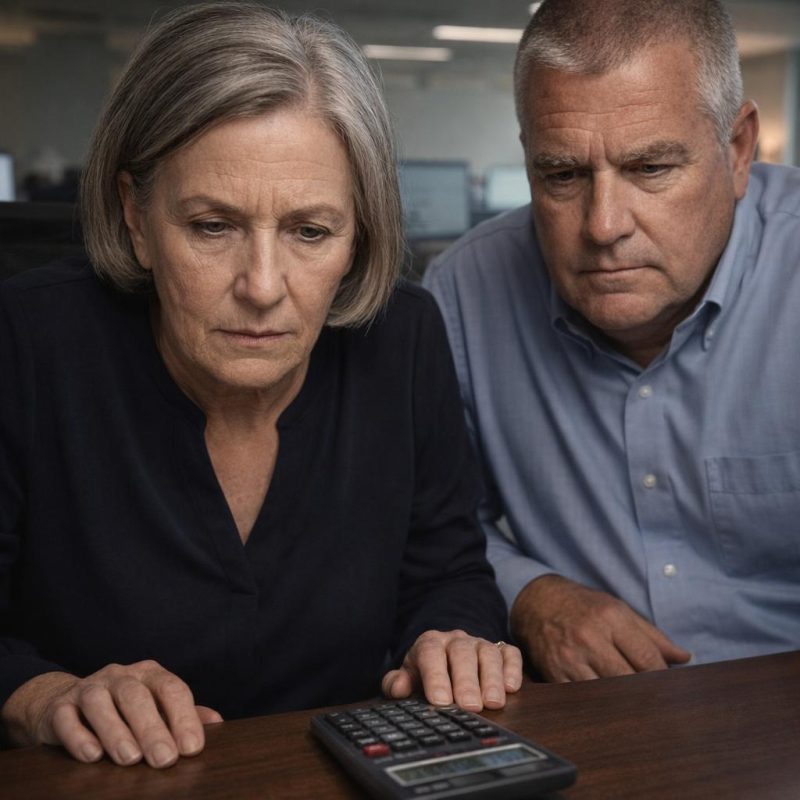 Image by RM AI
Ownership Records
Walter printed out the business registration documents, the pages emerging from the printer with official state seals and filing numbers. I held the papers in my hands, staring at the names listed as owners: Jason Hendricks and Marcus Hendricks. We had concrete proof now. Documentary evidence of ownership. Social media photos connecting Brielle to Jason. Expense records showing systematic company payments to their business. Walter organized everything we'd gathered into a folder, and I felt the weight of what we'd discovered. We had most of the puzzle, but I still didn't know for certain what Jason Hendricks was to Brielle. The photos suggested a personal relationship, but I couldn't say definitively what kind. "We should check her emergency contact information," I suggested. "HR keeps those records, right?" Walter nodded. "I have access to that database too. We need to understand the full relationship before we decide what to do next." I agreed. We also needed to know if management had been aware of any conflict of interest, if anyone had noticed the pattern of expenses before now. We couldn't just march into HR with accusations without confirming every detail first. Walter and I sat there with our folder of evidence, knowing we were close to understanding everything but needing just a few more pieces. Now I needed to confirm exactly what Jason Hendricks meant to Brielle and whether management knew about any of this before we decided what to do with our findings.
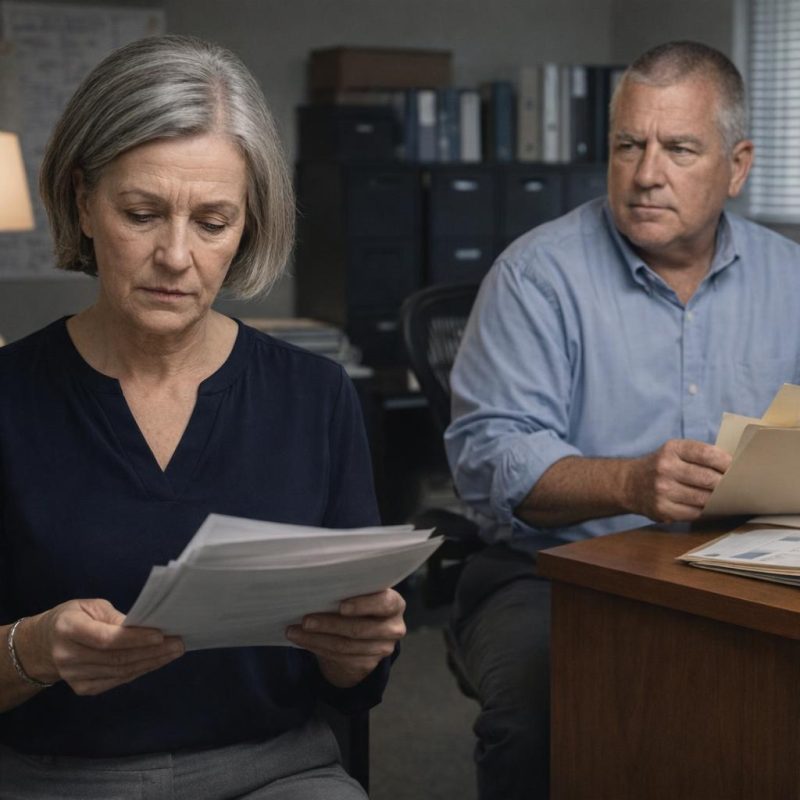 Image by RM AI
The Hendricks Connection
Walter spread the business registration documents across his desk, and I watched as he studied them with the same focused intensity he brought to quarterly reports. He tapped the first page where Jason Hendricks was listed as primary owner, then moved his finger to the second page showing Marcus Hendricks as co-owner. "Same last name," he said quietly. "Could be coincidence, but let me check something." He pulled up their social media profiles side by side on his monitor. Jason's profile showed a man in his late twenties, dark hair, confident smile in most photos. Marcus looked older, maybe mid-forties, with the same bone structure around the eyes and jaw. Walter scrolled through their mutual connections and tagged photos. "Look at this," he said, pointing to a family barbecue photo from two summers ago. Both men stood near a grill, arms around each other's shoulders. The caption read "Hendricks family reunion." I leaned closer to the screen. "So they're related." "Cousins, maybe," Walter said. "Or brothers with a significant age gap. Either way, this isn't just a business partnership. It's a family operation." That changed everything. Family meant someone had a personal investment in this struggling business that went beyond casual entrepreneurship. Family meant someone might do desperate things to keep it afloat. My breath caught as I understood we were close now, so close to proving the connection that would explain everything. "We need to know if anyone at our office has a connection to either of these men," Walter said. I nodded, already knowing whose name we needed to check. "Brielle's HR file," I said. "Her emergency contact information." Walter met my eyes. "That could give us the final confirmation we need."
 Image by RM AI
Emergency Contact
Walter turned back to his computer and navigated to the company HR database, his fingers moving quickly across the keyboard. "Emergency contact information often reveals relationships employees never disclosed," he explained as windows opened and closed on his screen. "People list who they really trust, who they really want called if something happens." I shifted in my chair, suddenly nervous about what we might find. "Do you have permission to view this?" He nodded without looking away from the monitor. "My accounting access includes employee file basics. I need it for payroll verification and benefits administration." The HR portal loaded, and he typed Brielle's name into the search field. Her employee profile appeared—standard information filling the screen. Name, address, hire date, department assignment. Walter scrolled past the routine details, and I found myself holding my breath. This was it. This would either confirm what we suspected or send us back to searching for answers. He located the emergency contact section and paused, his expression shifting as something on the screen caught his attention. His hand stilled on the mouse. He didn't speak immediately, just stared at whatever information was displayed there. I leaned forward, trying to see the screen from my angle, but couldn't make out the text. "Walter?" My voice came out tighter than I intended. He turned the monitor toward me slowly, and I felt my pulse quicken as the emergency contact section came into view.
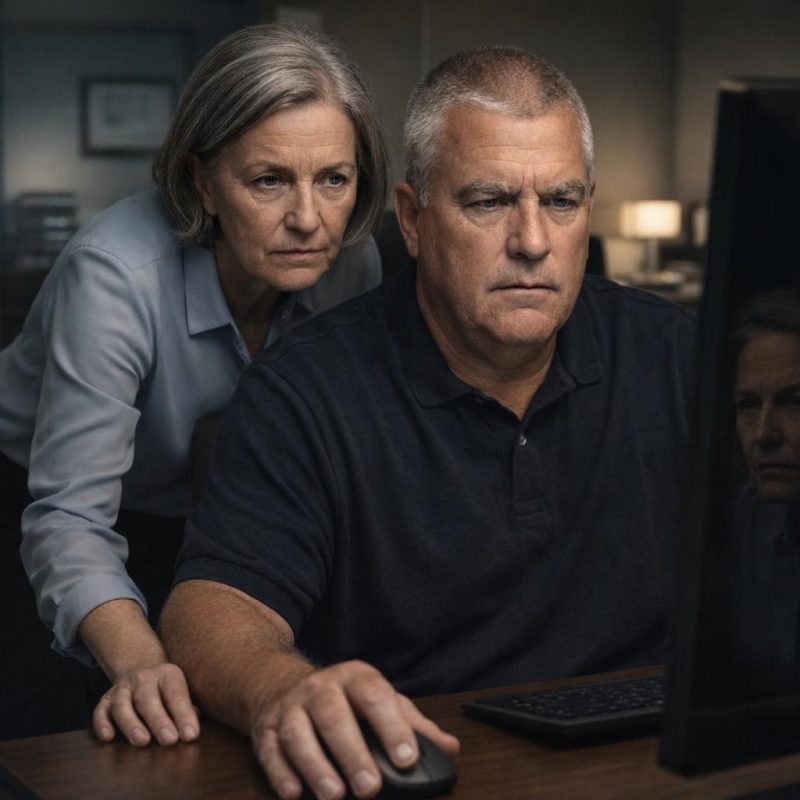 Image by RM AI
Boyfriend
There it was, displayed in the standard HR database format: Emergency Contact Name: Jason Hendricks. Relationship: Boyfriend. I stared at the screen, reading the words again to make sure I wasn't misunderstanding. Jason Hendricks. The same name from the business ownership documents Walter had printed earlier. The same man whose social media photos showed him standing beside Marcus Hendricks at family gatherings. "That's him," Walter said quietly, pointing to the printed business registration still lying on his desk. "Same Jason Hendricks who owns Fresh Start Meal Prep." I felt something cold settle in my chest. We had documented proof now. Brielle had been promoting her boyfriend's company for months, submitting expense claim after expense claim, bringing in catered lunches from a business owned by the person she went home to at night. Every order benefited someone she had a romantic relationship with. Every company dollar she spent went directly into her boyfriend's struggling operation. The intensity of her promotion suddenly made perfect sense. This wasn't just about supporting a local business or enjoying convenient catering. This was personal. This was about keeping her boyfriend's company afloat with our employer's money. And when the food poisoning happened, when people got sick and questions started being asked, she would have panicked. Any real investigation would expose everything—the relationship, the months of expense claims, the undisclosed conflict of interest. Walter printed the emergency contact information, and I watched the page emerge from the printer. The man who owned the failing catering business Brielle had promoted for months was the person she had listed to call in case of emergency.
 Image by RM AI
The Motive
We sat there with all the evidence arranged before us on Walter's desk. Social media photos showing Brielle with Jason at restaurants and concerts. The emergency contact record listing him as her boyfriend. Expense reports showing systematic company payments to Fresh Start Meal Prep stretching back nearly a year. Health violation records from the commercial kitchen. Fake online reviews we'd traced back to accounts connected to the business owners. I began to understand why Brielle had been so desperate to redirect blame away from the catering company. If anyone investigated properly, they would uncover her undisclosed relationship with the owner. They would see the pattern of expense claims she had submitted month after month. "These expense claims could look like fraud if examined closely," Walter said, his voice careful. "She never disclosed her conflict of interest. Every time she ordered from that company, she was essentially directing company money to her boyfriend." I nodded slowly, pieces clicking together in my mind. "If I was blamed for the food poisoning, no one would investigate the real source." "Exactly," Walter said. "The investigation would stop with you. The catering company would stay off everyone's radar. Her relationship would remain hidden." I felt the weight of what we might have uncovered. This wasn't just about protecting her boyfriend's failing business. There was a possibility she had been protecting herself from something far more serious. Financial misconduct. Fraud. The kind of thing that could end a career and possibly lead to legal consequences. She might not have just been protecting her boyfriend's failing business; there was a possibility she had been protecting herself from something far more serious.
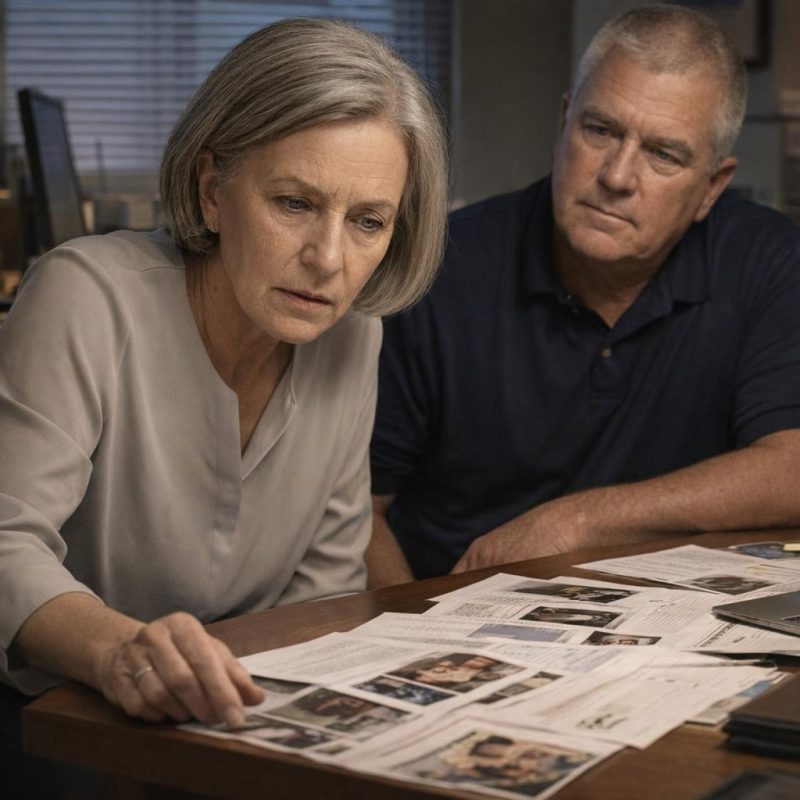 Image by RM AI
The Full Picture
Everything clicked into place with sudden, crystalline clarity. I finally understood the complete scope of what Brielle had done. She had been systematically funneling company money to her boyfriend's failing catering business for nearly a year, submitting fraudulent expense claims disguised as team-building lunches and office events. Each order kept Jason's struggling operation afloat with our employer's funds. And when the food poisoning happened, when people actually got sick from the food she'd been promoting, the whole scheme threatened to collapse. Any real investigation would expose her romantic relationship with the owner. The months of expense fraud would come to light. She would face termination, possibly legal action. She needed a scapegoat immediately, someone to take the blame and stop the investigation before it reached the catering company. And my homemade lunches had made me the perfect target. I'd been bringing food from home for years, eating my leftovers and casseroles while everyone else ordered takeout. Brielle had been mocking those lunches for months—calling them Depression-era masterpieces, wrinkling her nose dramatically, making jokes about biohazards in the break room. I'd thought it was just casual cruelty, the kind of thoughtless meanness some people direct at anyone who doesn't fit their idea of normal. But it wasn't random at all. The jokes about Depression-era masterpieces had never been random cruelty; they had been groundwork, conditioning my coworkers to believe I was the problem long before she needed someone to blame.
 Image by RM AI
Cold Anger
I sat in silence as the full weight of Brielle's strategy settled over me. Every sarcastic comment about my Tupperware containers. Every dramatic nose wrinkle when I opened my lunch. Every joke about biohazards and food safety violations. Every single interaction had served a single purpose: making sure that when she needed a scapegoat, I would already seem guilty. The group chat photo she'd taken of my lunch hadn't been spontaneous mockery. It was documentation she could reference later, proof she could point to when she needed to establish a pattern of questionable food. The Depression-era masterpiece comments weren't just mean-spirited jokes. They were establishing a narrative that my food was old-fashioned, potentially unsafe, the kind of thing that could make people sick. She had been building a foundation for months, priming our coworkers to suspect my homemade lunches the moment anyone got food poisoning. And it had worked. When people started getting sick, everyone immediately thought of me. Not the catering company that had actually caused the problem. Me. My anger, which had burned hot and defensive for days, turned cold and still as I understood exactly what kind of calculated cruelty I had been subjected to. Hot anger makes you reactive, makes you say things you regret. Cold anger is different. Cold anger is focused. Cold anger thinks clearly and plans carefully. "What do you want to do with this information?" Walter asked quietly. I looked at the evidence spread across his desk and felt a calm determination replace my initial fury. I recognized I had the power to expose everything.
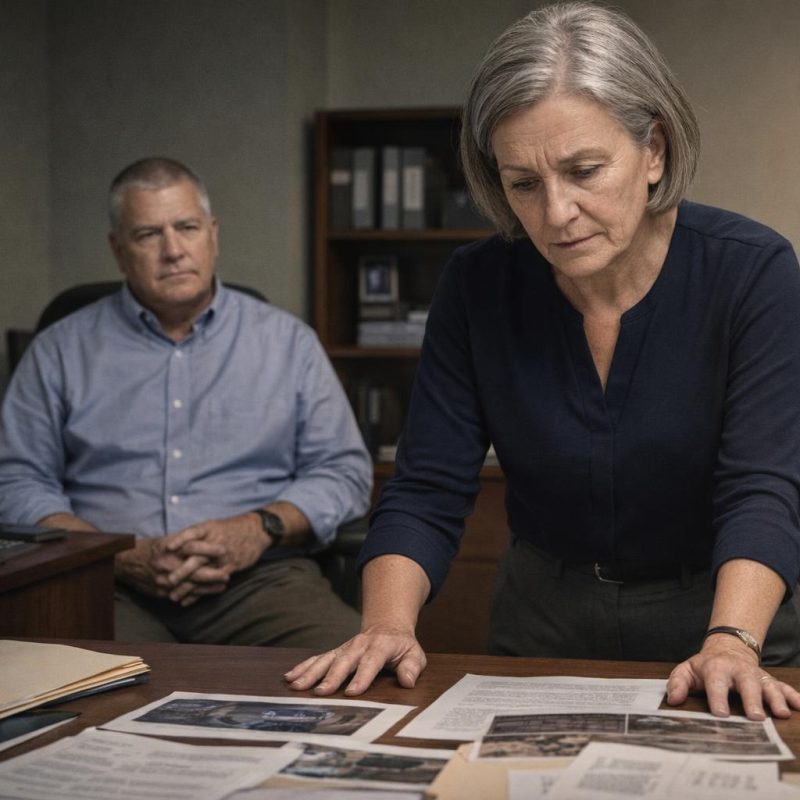 Image by RM AI
Ready to Report
I gathered all the printed documents from Walter's desk, organizing them into a neat stack. Expense reports showing the pattern of payments to Fresh Start Meal Prep. Business registration proving Jason Hendricks was the owner. Emergency contact record showing Brielle's relationship to Jason. Screenshots of the group chat where she'd blamed me. Health department violation records for the commercial kitchen. Everything we'd discovered, everything that proved what she'd done. "I'm going to HR," I said, standing up. "Right now. Diane needs to see all of this." Walter looked slightly nervous but nodded. "You have enough evidence. They'll have to investigate." I headed toward the door, feeling the weight of the documents in my hands. After days of being blamed, after being treated like I'd poisoned my coworkers, I finally had proof of what had really happened. Proof of Brielle's fraud, her undisclosed conflict of interest, her deliberate campaign to make me the scapegoat. I was halfway to the door when my phone buzzed in my pocket. I pulled it out and saw a text from Amanda marked urgent. "Please wait before you do anything. I need to talk to you first. It's important." I paused at the door, frustrated but curious. Amanda had risked her job to help me, had been the only person brave enough to stand up for me when everyone else believed Brielle's lies. If she was asking me to wait, she had a reason. I trusted Amanda's judgment after everything she'd done. But I was so close to finally getting justice.
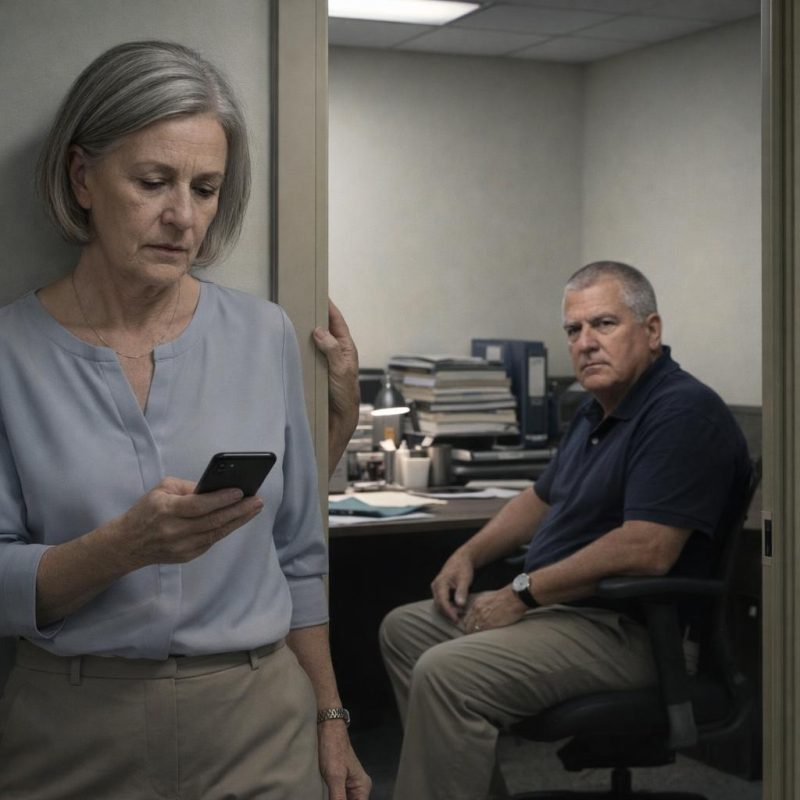 Image by RM AI
One More Day
I met Amanda in the parking lot during lunch, away from office windows and curious eyes. She looked more nervous than usual, her hands twisting together, but there was something determined in the way she stood. "I overheard something at the reception desk this morning," she said quietly, glancing around to make sure we were alone. "A phone call. Someone was asking about the recent catered lunch incident, about how many people got sick, what company provided the food." My pulse quickened. "Who was calling?" "I don't know exactly. But the phrases I heard—they sounded official. Like an investigation. Not just internal HR stuff." She met my eyes. "Teresa, I think someone might already be looking into this. Someone from outside the company." I felt frustration rise in my chest. I'd been ready to march into Diane's office with all the evidence Walter and I had gathered. Ready to expose Brielle's fraud and finally clear my name. "Why are you telling me to wait?" Amanda took a breath. "Because if investigators are already involved, going to HR now might actually complicate things. It could tip off Brielle before the real investigation proceeds. And your report might get lost in whatever's already happening." She looked at me with an intensity I'd never seen from her before. "Please. Just wait twenty-four hours. I believe tomorrow will bring clarity." I wanted to argue, wanted to tell her I'd waited long enough. But Amanda had been right about everything so far. She'd seen things I'd missed, helped me when no one else would. I reluctantly agreed to wait one more day. She wouldn't tell me exactly what she had heard, only that by tomorrow morning the situation might look completely different.
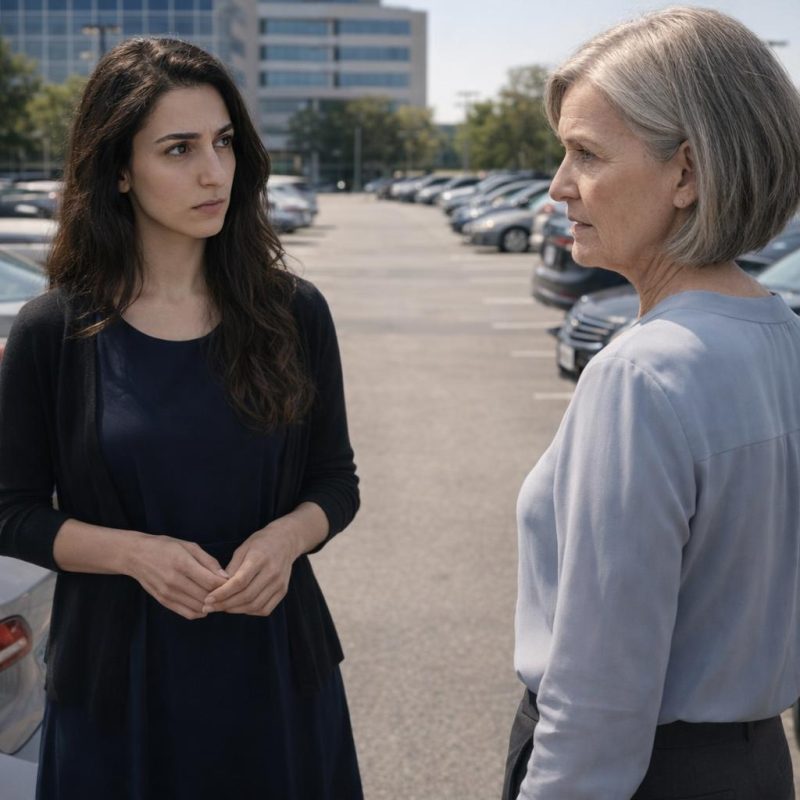 Image by RM AI
The Health Department
I arrived at work the next morning with my stomach in knots, wondering what Amanda had meant about clarity coming today. The office felt different the moment I walked in—there was a tension in the air, people clustered near the reception desk whispering. I set my lunch bag in the break room fridge and made my way to my desk, trying to look casual while my pulse hammered. That's when I saw them. Two people in professional attire stood at the front desk, and even from across the open floor I could see the county health department badges clipped to their lanyards. They spoke quietly to the receptionist, who picked up her phone with a nervous expression. Within minutes, Diane emerged from the HR office, her face composed but serious. She greeted the investigators with a handshake and led them toward a private conference room. The whispers spread through the office like wildfire—health department, investigation, food poisoning complaints. I understood immediately. Multiple complaints from different workplaces must have triggered this official visit. This wasn't just about our office anymore. Amanda caught my eye from across the room and gave me a small, knowing nod—this was exactly what she had been waiting for.
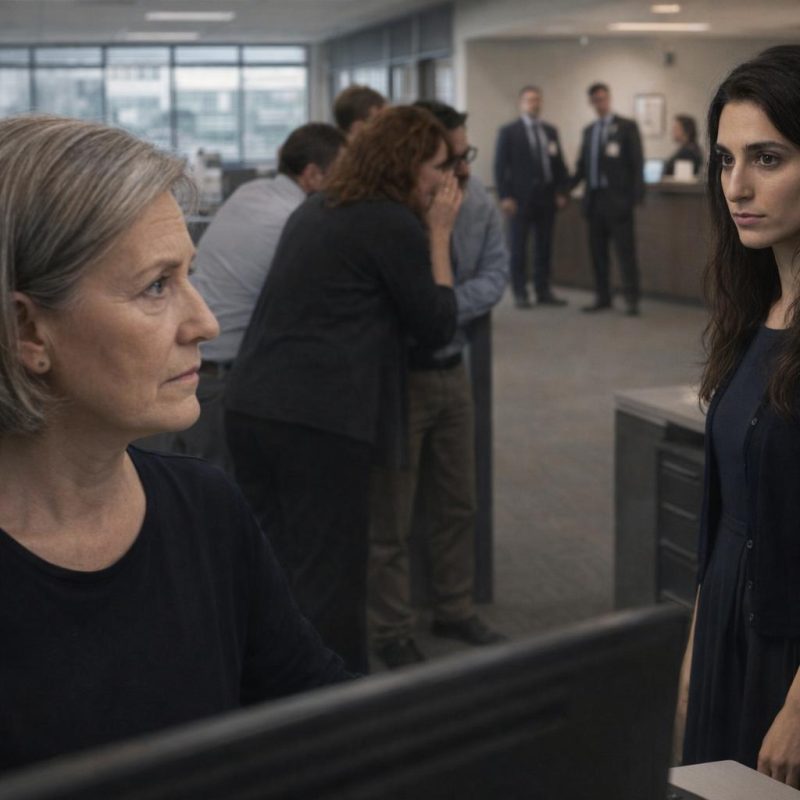 Image by RM AI
Watching the Panic
I watched Brielle throughout the morning from my desk, trying to appear focused on my work while tracking her every movement. She emerged from the bathroom looking pale, her usual careful styling somehow diminished. The confident woman who had orchestrated my public humiliation now sat at her desk staring blankly at her computer screen, barely moving. But what struck me most was her phone. It sat untouched beside her keyboard for the first time I could remember. Normally Brielle checked that phone constantly—scrolling, texting, posting, curating her perfect image. Now it just sat there while she hunched over her desk, waiting. I recognized that posture. I'd seen it before in people expecting bad news, bracing for impact. The health department visit had clearly rattled her more than she could hide. Around noon, her phone finally buzzed. Brielle stared at the caller ID for a long moment before answering, and even from my desk I could see her body language change. She hunched forward, shielding the phone from view, her whispered conversation tense and defensive. I couldn't hear the words, but I didn't need to. When her phone finally buzzed around noon, she stared at the screen for a long moment before answering, and her whispered conversation sounded nothing like her usual confident tone.
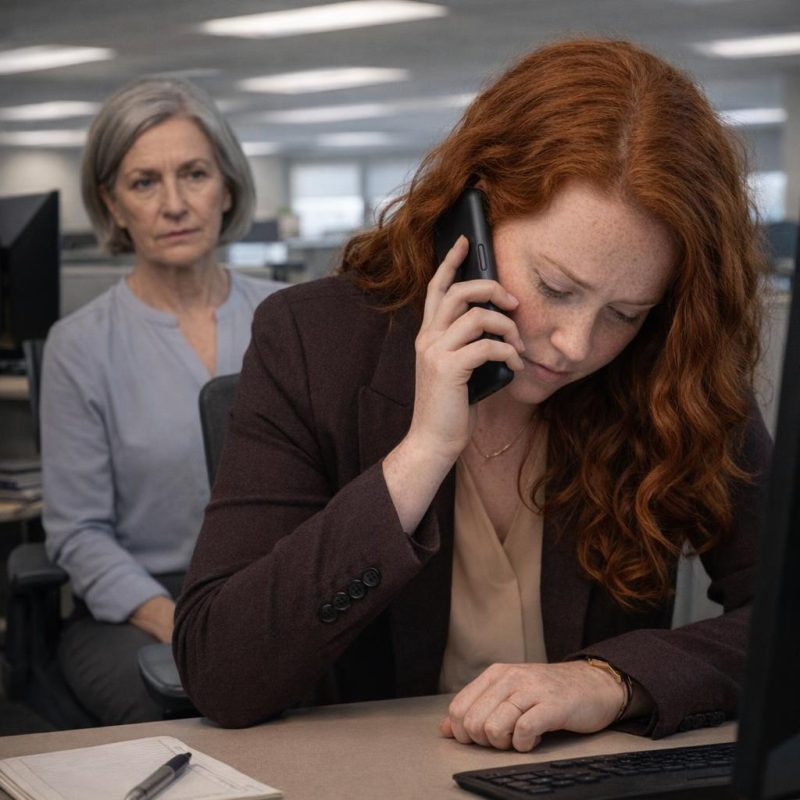 Image by RM AI
The Parking Lot
I needed fresh air after the tense morning, so I stepped outside during my lunch break. The parking lot was mostly empty at this hour, quiet except for the distant hum of traffic. That's when I heard the raised voices. In the far corner of the lot, near a silver sedan, Brielle stood arguing with a man I'd never seen in person before. But I recognized him immediately from the social media photos Walter had found—early thirties, trying to project entrepreneurial confidence but looking stressed and rumpled. Jason Hendricks. In the flesh. My heart started racing. I moved quickly behind a concrete pillar near the building entrance, positioning myself where I could observe without being easily seen. The argument was heated, both of them gesturing sharply, their voices carrying across the empty lot. Brielle's usual composure had completely vanished. Her voice cracked with emotion as she spoke, and even from this distance I could hear the fear underneath her anger. Then she said his name clearly—Jason—and the personal nature of their confrontation confirmed everything Walter and I had suspected. I held my breath behind the pillar, close enough to hear Brielle's voice crack as she spoke the name that confirmed everything: Jason.
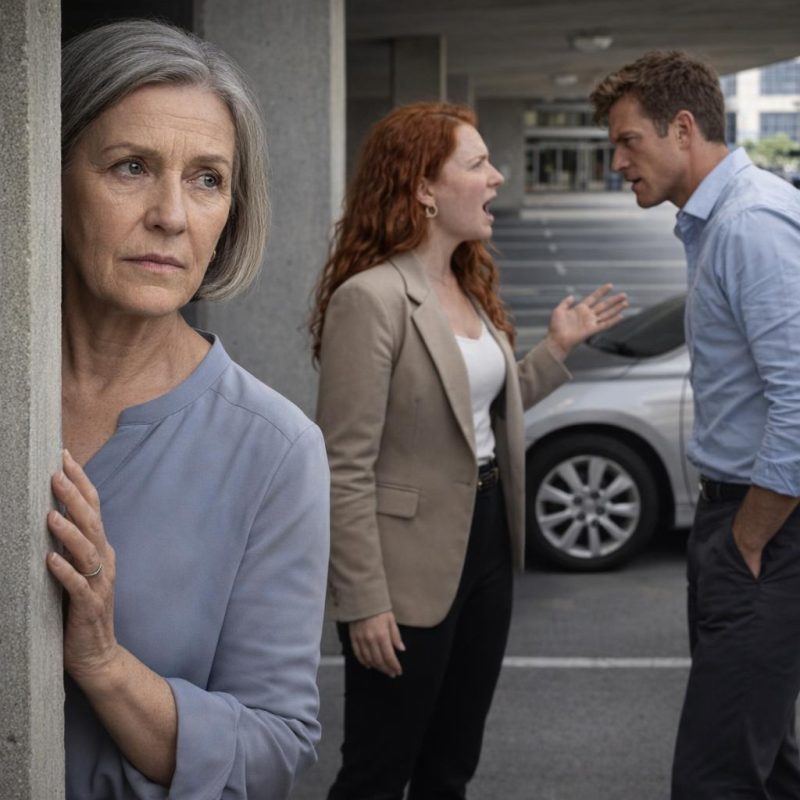 Image by RM AI
Kitchen Inspection
I pressed myself against the pillar, straining to hear their argument clearly. Brielle's voice was sharp with accusation, hissing words that made my blood run cold. "You promised me the kitchen would pass inspection," she said, her voice breaking. "You said nobody would be able to trace the complaints back to them." Back to them. Not back to him. They'd both known. Jason's voice rose defensively, and I could hear the panic underneath his anger. "Don't put this on me," he shot back. "I told you to stop having your office order when the first sanitation warnings came in. That was months ago, Brielle." Months. They'd known about violations for months and kept operating anyway. Kept taking orders. Kept serving food they knew came from a contaminated kitchen. Brielle hissed something back about not being able to stop without raising questions, about needing to maintain appearances. They blamed each other, their voices overlapping, both terrified. I heard genuine fear in their tones—not the calculated manipulation I'd witnessed from Brielle all week, but real panic. Neither of them had expected the food poisoning to trigger an official investigation. Jason's voice rose defensively, blaming Brielle for not telling her office to stop ordering when the first sanitation warnings came in months ago.
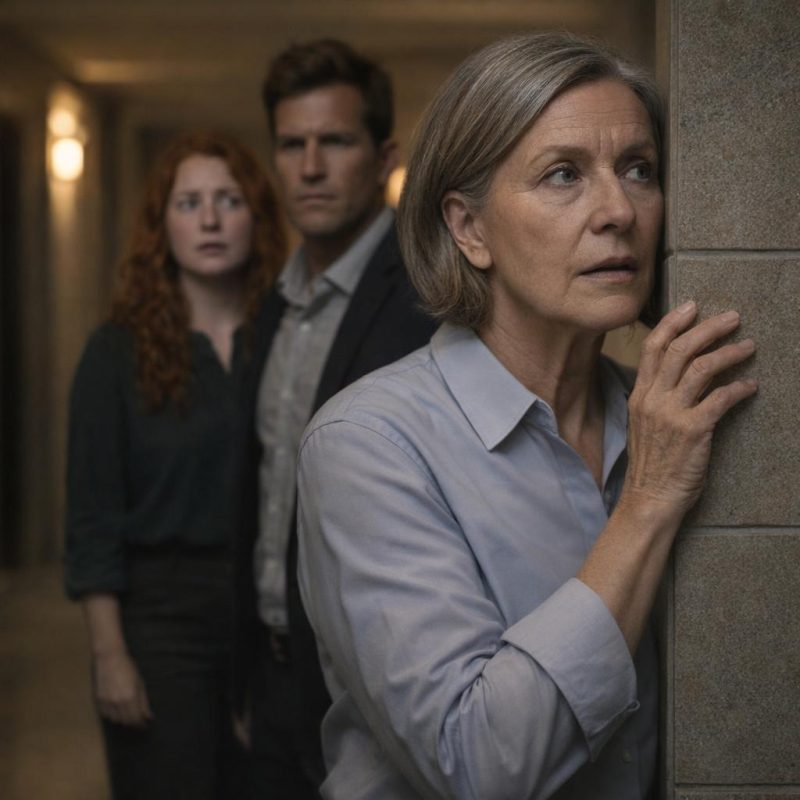 Image by RM AI
Emergency Meeting
The afternoon crawled by after what I'd overheard in the parking lot. I sat at my desk trying to process everything—the health department visit, Brielle's panic, the argument with Jason revealing they'd known about violations for months. At three-thirty, an email appeared in everyone's inbox. The subject line made my pulse spike: "Emergency All-Staff Meeting - Workplace Concerns and Food Safety." Diane had called the meeting for four o'clock in the main conference room. Just thirty minutes away. I read the email twice, my hands trembling slightly. This had to connect to the health department investigation. But what would be revealed? Would management simply announce an external investigation was underway? Would Brielle try to redirect blame again, this time in front of everyone? I gathered my notebook and pen, trying to steady my breathing. Other employees were already heading toward the conference room, their expressions ranging from curious to concerned. I saw Brielle walking the same direction, her face carefully neutral. The hallway felt thick with tension, everyone sensing something significant was about to happen. I walked toward the conference room knowing everything we had discovered could surface in the next hour, though I had no idea how dramatically the truth would be revealed.
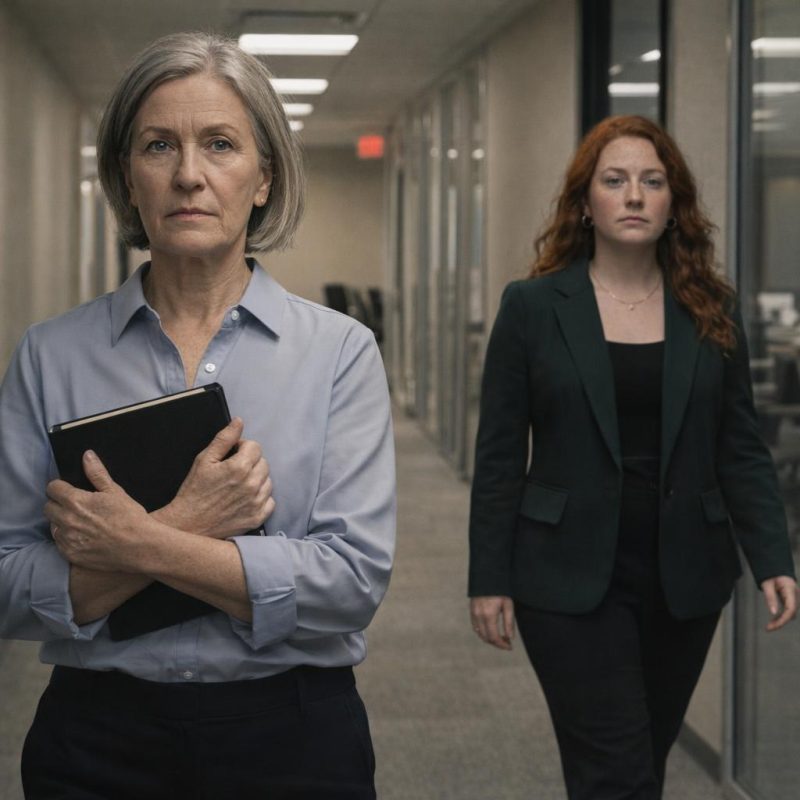 Image by RM AI
Composed Confidence
When Brielle walked into the conference room, I almost couldn't believe what I was seeing. Hours ago she'd been pale and panicked, arguing desperately with Jason in the parking lot. Now she looked remarkably composed—her hair freshly styled, her expression carefully arranged into pleasant professionalism. It was a performance, and a good one. She moved through the room with the casual confidence of someone who expected this meeting to end with another vague warning directed at someone else. Probably me. She chose a seat near the front, crossing her legs and arranging her notebook with practiced ease. I watched from my seat in the middle of the room, disbelief washing over me. Did she really think she could still pull this off? Other employees filed in around us. Eric and Linda settled into nearby seats, both looking uncomfortable. Walter caught my eye from across the room, his expression questioning. Amanda sat quietly in the back corner, her face unreadable. Diane entered last, carrying her laptop and moving to the front of the room where the projector waited. The room fell into expectant silence as she connected her computer. She chose a seat near the front and crossed her legs with the casual confidence of someone who still believed her scapegoat strategy had worked.
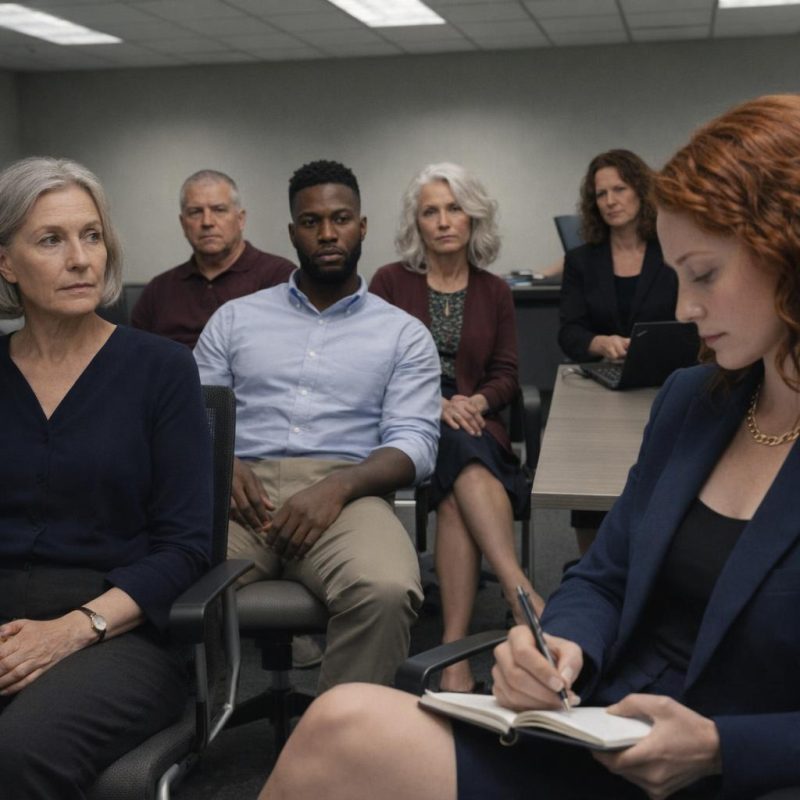 Image by RM AI
The Projector
Diane's laptop connected to the projector, and the first slide illuminated the screen. My breath caught. I recognized those documents immediately—expense reports showing Brielle's repeated orders from Jason's catering company. The next slide showed business registration documents. Then health department notices about sanitation violations. Then screenshots from the private group chat. The conference room fell into stunned silence as evidence accumulated on the screen, slide after slide. This was more comprehensive than what Walter and I had gathered. Amanda must have submitted everything anonymously overnight, compiling it all into an undeniable case. Diane spoke calmly and professionally, her voice steady as she explained that the contaminated catered meals had come from a business secretly connected to an employee. That employee had failed to disclose a personal relationship while promoting the vendor internally. She had steered the office toward this caterer repeatedly, never revealing the conflict of interest. I watched Brielle's composed expression begin to crack. The color drained from her face as she realized what was happening. The entire room turned to look in her direction. Brielle's composed expression began to crack as Diane calmly explained that the contaminated catered meals had come from a business secretly connected to an employee who had failed to disclose a personal relationship while promoting the vendor internally.
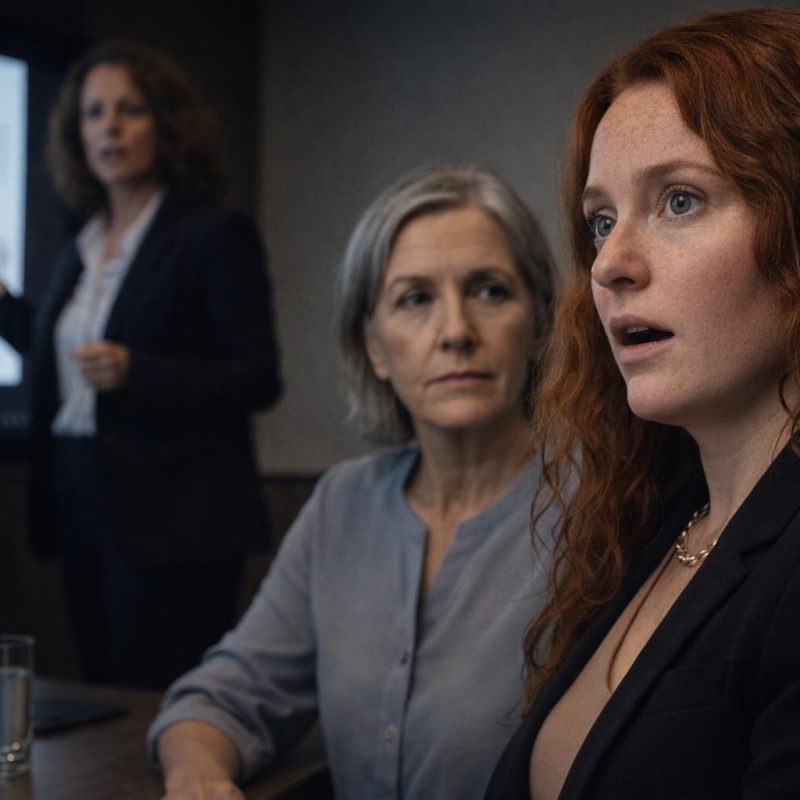 Image by RM AI
The Messages
Diane advanced to the next slide, and my heart pounded as the group chat screenshots appeared—enlarged, impossible to miss. There was Brielle's joke about checking the fridge for science experiments. Her comment about me leaving food out too long. Her response when someone mentioned the caterer: "Maybe, but Teresa reheats fish every week lol." Every deflection, every joke, every comment steering blame toward me was now displayed on a screen for the entire office to witness. The room could see exactly how systematically she had redirected suspicion, how carefully she had crafted the narrative that made me the scapegoat. I watched the faces around me change. Eric's face flushed deep red with embarrassment. Linda looked down at her hands, unable to meet anyone's eyes. Several coworkers who had laughed along with those jokes and avoided me all week now stared at the evidence of their manipulation with visible shame. They could see it now—how easily they'd been led to suspect me, how willingly they'd participated in my isolation. Brielle began stammering protests from her seat, but her voice had lost all its confident charm. I sat perfectly still, watching the moment of public exposure unfold. The coworkers who had laughed along and avoided my eyes all week now stared at the evidence of how they had been manipulated, and several faces flushed with visible shame.
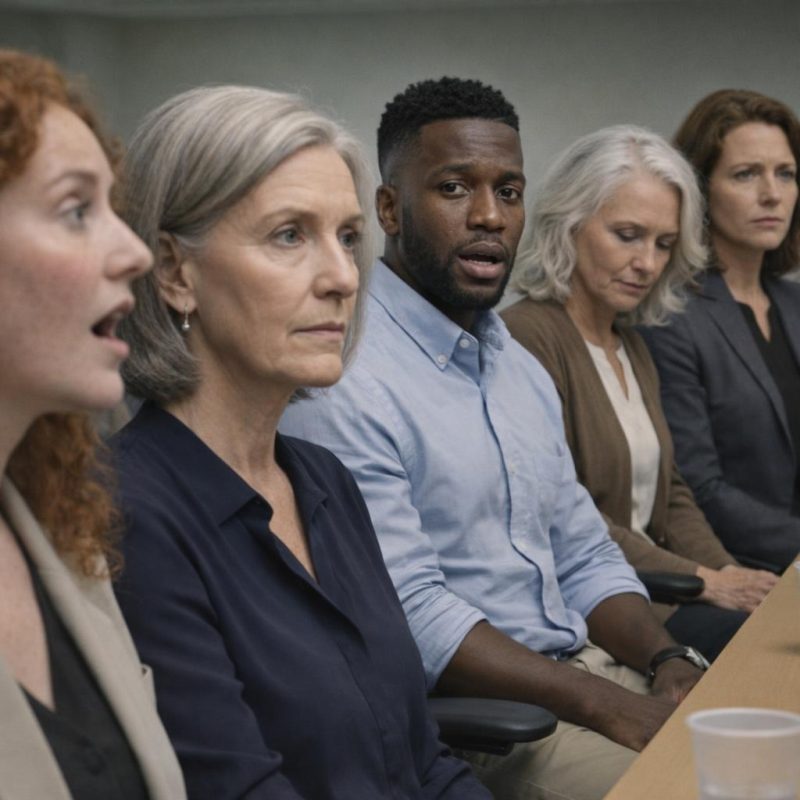 Image by RM AI
The Deleted Emails
Diane paused after the screenshots disappeared from the screen, and I watched her expression shift into something more serious. "There's one more piece of evidence," she said quietly. "Our IT department was able to recover deleted emails from Brielle's account." The room seemed to hold its breath. Diane clicked to the next slide, and there they were—email chains between Brielle and her boyfriend Jason, between Brielle and his cousin, all dated weeks before anyone got sick. I leaned forward slightly, reading the warnings spelled out in black and white. The health department had flagged sanitation issues during a preliminary inspection. Someone had explicitly told Brielle that the kitchen had failed basic cleanliness standards. Another email advised her that continuing to promote the business carried significant risk. But the most damning message came from Jason himself, admitting the business was struggling financially and asking Brielle to push harder for office orders because they desperately needed the revenue. She'd known. She'd known the kitchen was dirty, known people could get sick, and she'd kept encouraging everyone to order anyway because her boyfriend needed the money. She'd endangered every single person in this office, then blamed me to cover her tracks. The room went so quiet I could hear the air conditioner humming, and Brielle's carefully constructed lies shattered completely as she sat frozen in her seat.
 Image by RM AI
Apologies
The silence stretched for what felt like minutes but was probably only seconds. Then Eric stood up from his chair near the back, his face still flushed with embarrassment. He turned to face me directly, and I could see how uncomfortable this was for him. "Teresa," he said, his voice carrying across the quiet room. "I owe you an apology. I laughed at those jokes about your food. I should have questioned what was happening instead of just assuming the worst about you. That was wrong." Linda murmured her agreement from a few seats away, not quite meeting my eyes but nodding. Several other coworkers voiced quiet apologies or nodded along with Eric's words. I accepted them with a simple nod, not because I wasn't hurt, but because demanding elaborate repentance wouldn't change what had happened. My dignity throughout this whole ordeal spoke louder than any speech I could give now. Diane thanked everyone for their attention and officially adjourned the meeting. People began gathering their things and filing out of the conference room, the atmosphere heavy with shame and relief mixed together. I walked past Brielle's frozen form as the meeting adjourned, and for the first time in weeks, I didn't feel the need to justify my casseroles to anyone.
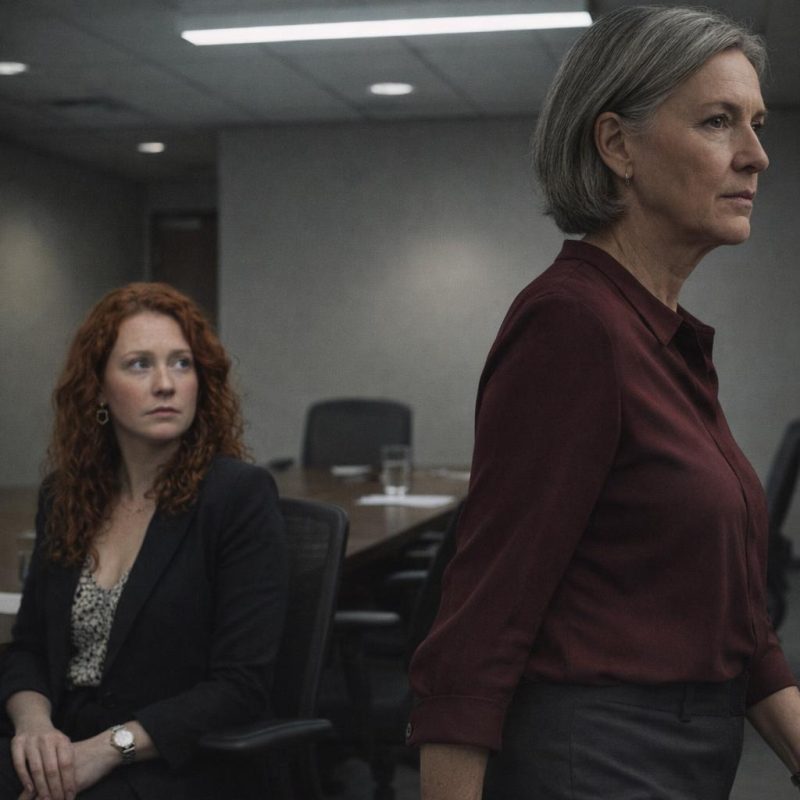 Image by RM AI
Aftermath
A week passed, and Brielle simply stopped showing up to work. There was no dramatic exit, no final confrontation—she was just gone. I heard through office gossip that she'd been quietly terminated, though HR never made an official announcement. Fresh Start Meal Prep closed its doors permanently after multiple health department investigations uncovered violations that went far beyond what had made us sick. Apparently Jason and his cousin were facing potential legal consequences. The office atmosphere gradually shifted back toward something resembling normal, though normal felt different now. Coworkers who had avoided the break room when I was there now sought me out. Someone asked how I made my chicken casserole. Another wanted my tuna pasta recipe. Then Amanda approached my desk one afternoon, her usual timid demeanor softened by something that looked like genuine warmth. "My grandmother loves baked ziti," she said quietly. "Would you mind sharing your recipe?" I wrote it out for her on a notepad, touched by the gesture in a way I hadn't expected. People started asking for my recipes, and Amanda requested my baked ziti instructions for her grandmother, gestures that couldn't erase what happened but acknowledged that something had changed.
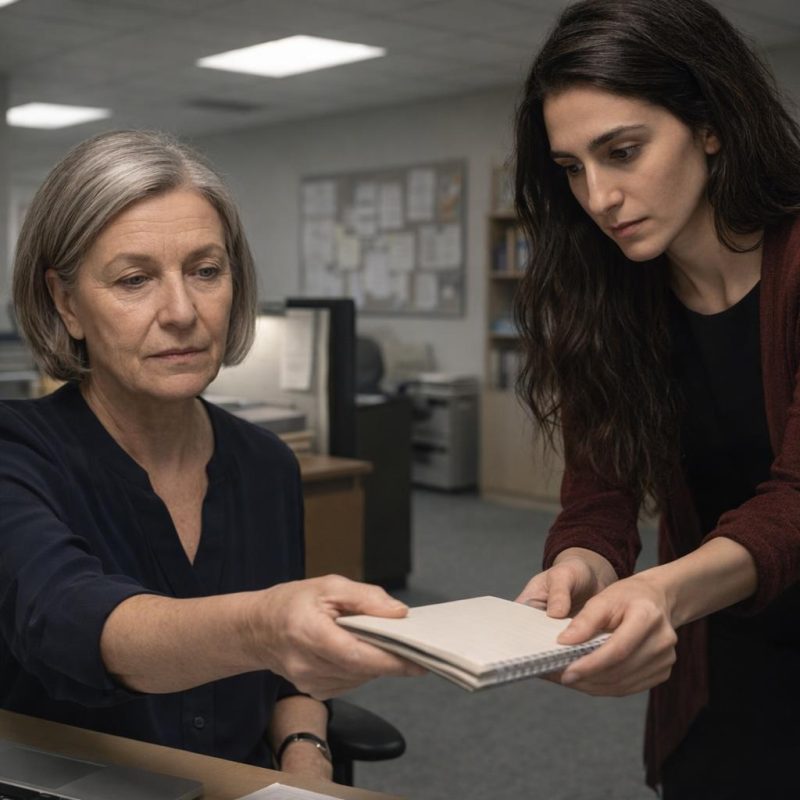 Image by RM AI
Paying Attention
The following Sunday, I returned to my meal prep routine in my kitchen, the familiar ritual both unchanged and fundamentally different. I made tuna pasta casserole, chicken and rice, baked ziti—the same recipes my mother had taught me decades ago. As I stirred and seasoned and portioned everything into containers with masking tape labels, I found myself thinking about how Brielle had chosen me as her scapegoat. She'd looked at my old-fashioned lunches and my age and decided I was an easy target, someone too out of touch to fight back effectively. What she never understood was that women my age survive by paying attention. We learn to watch during difficult marriages, to notice patterns while raising children through hard times. I'd seen Brielle's panic before I understood its source. I'd noticed the inconsistencies in her blame campaign because decades of experience had taught me that when someone works that hard to redirect attention, they're usually hiding something. I packed my containers and stacked them in the refrigerator, grateful for my mother's recipes and my own resilience. Sometimes the woman quietly heating leftovers in the break room is the only person watching closely enough to see who's really making everyone sick.
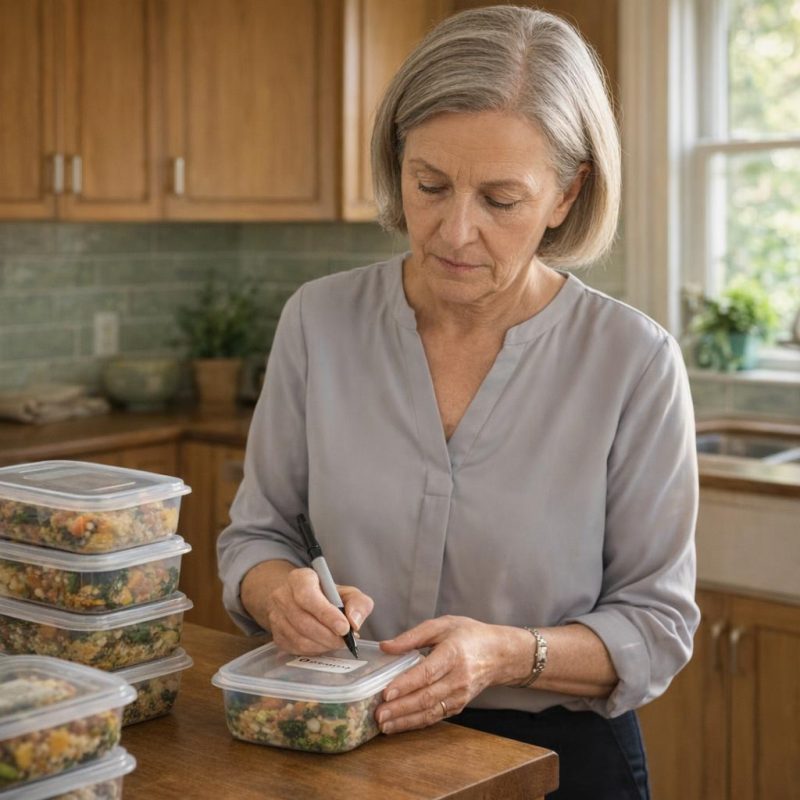 Image by RM AI
KEEP ON READING

The Origins Of 3 Common Sayings You Still Use Today
Etienne Boulanger on UnsplashMany of the phrases you use every…
By Rob Shapiro Apr 28, 2026
Was Caligula The Most Ruthless Roman Emperor?
Artur Matosyan on UnsplashRoman Emperor Caligula is one of ancient…
By Rob Shapiro Dec 18, 2025
1 Weird Fact About Every President
Washington, Lincoln, FDR. Most people know something about the lives…
By Robbie Woods Dec 3, 2024
10 Accidental Discoveries That Changed Maps & 10 That Changed…
Mistakes That Mattered. A lot of major discoveries did not…
By Cameron Dick Apr 15, 2026
10 Actors Who Perfectly Played a Historical Figure & 10…
Which Performance is Your Favorite?. Playing the role of a…
By Rob Shapiro Sep 15, 2025
10 Actors Who Perfectly Played a Historical Figure & 10…
Portraying a real person from history is one of the…
By Noone Dec 17, 2025