
Words Of Wisdom: 20 Of Albert Einstein's Greatest Quotes
Einstein’s Mind Unfiltered
Albert Einstein is remembered for changing science, but his words also reveal how deeply he thought about life, society, and human responsibility. Across decades, he wrote with clarity and moral conviction about the world around him. These quotes capture the ideas he believed truly mattered beyond formulas. Let’s start with the first insight that shaped how Einstein viewed human life.
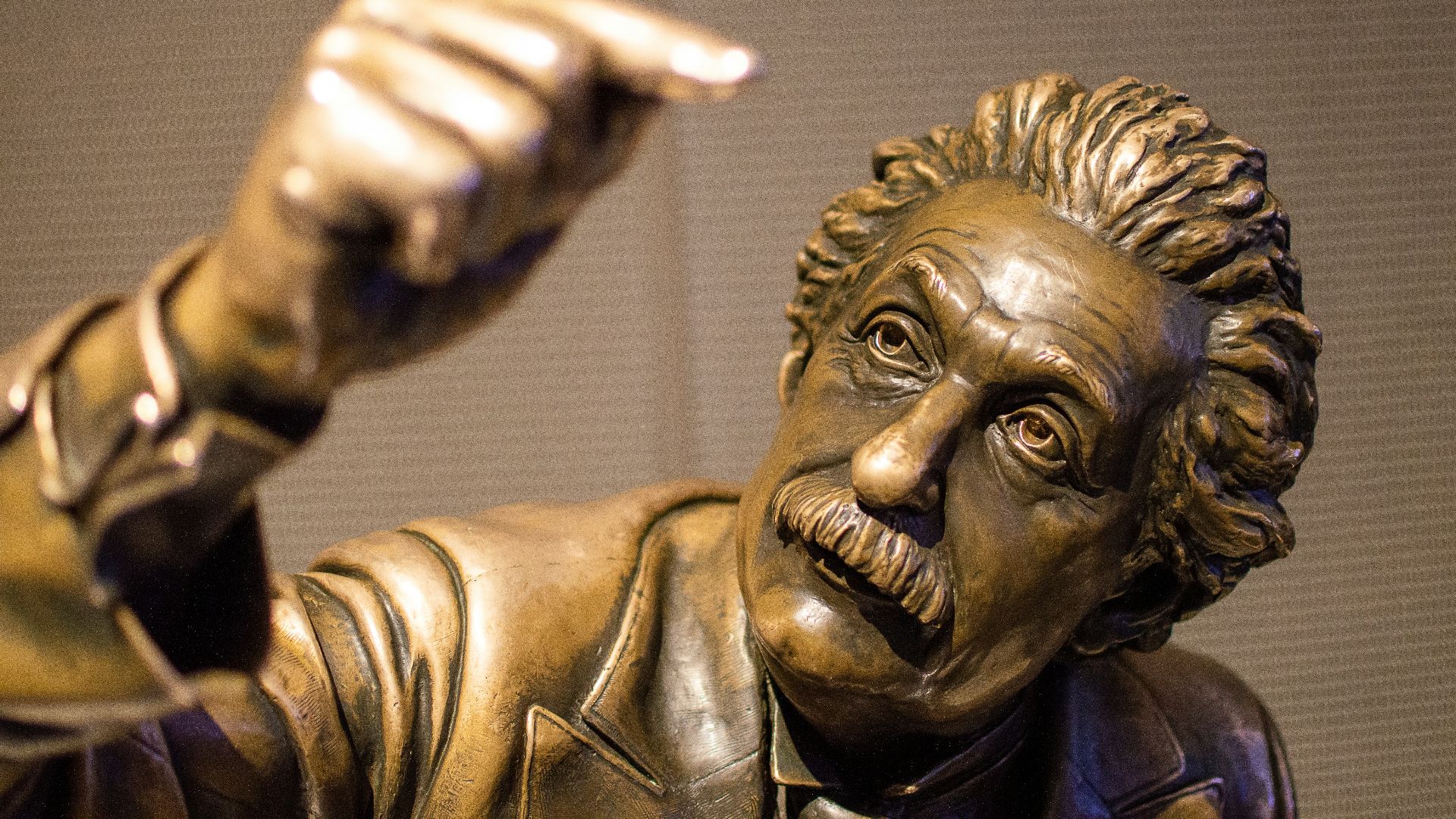 Crisoforo Gaspar Hernandez on Unsplash
1. Human Interdependence And Gratitude
"A hundred times every day I remind myself that my inner and outer life are based on the labors of other men, living and dead, and that I must exert myself in order to give in the same measure as I have received." Einstein wrote this in his 1949 essay collection The World as I See It.
2. Questioning Authority For Truth
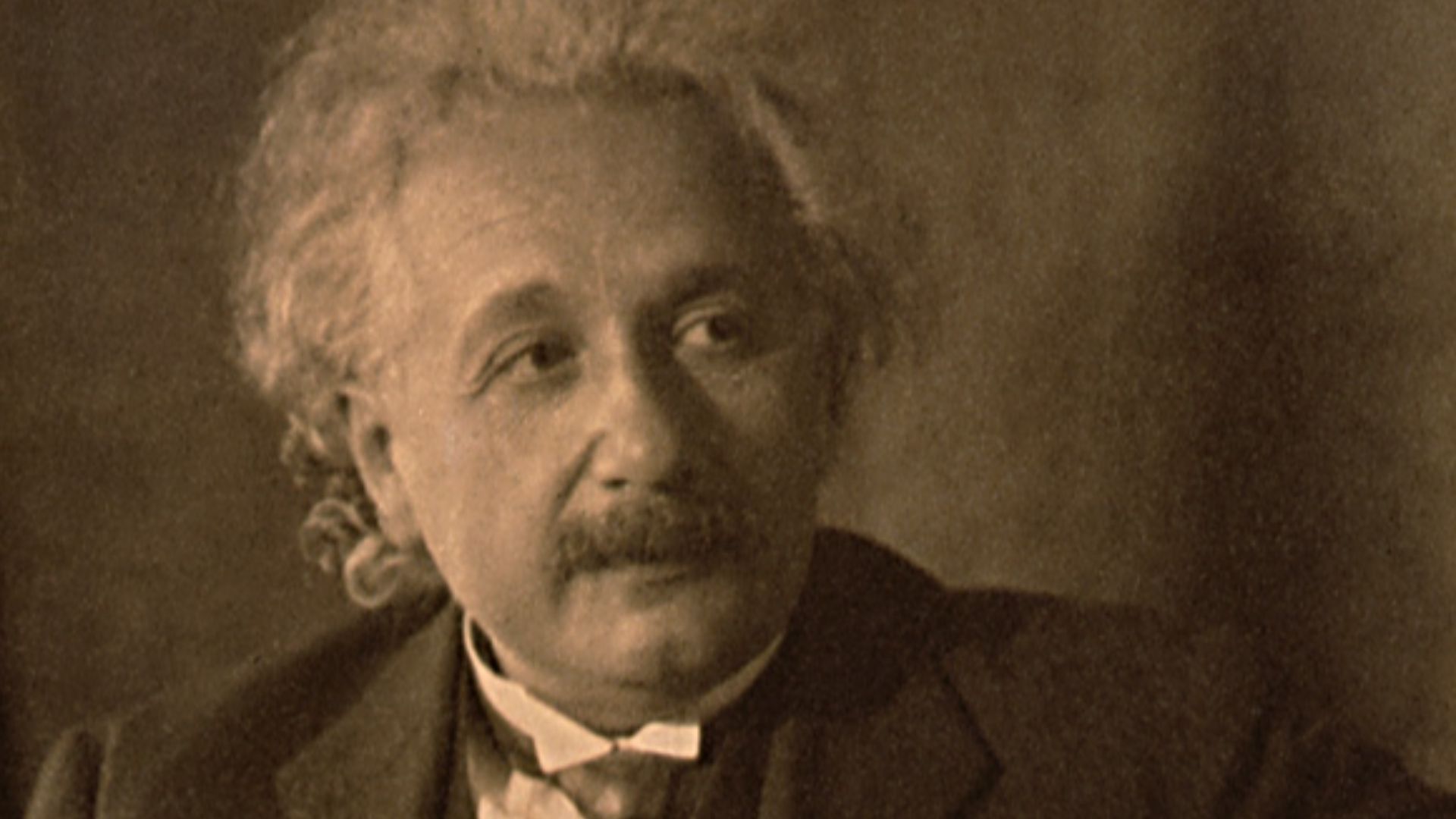
"Blind obedience to authority is the greatest enemy of truth." This came from a 1901 letter to Jost Winteler when Einstein was frustrated with a physicist dismissing his ideas. He believed critical thinking beats conformity every time.
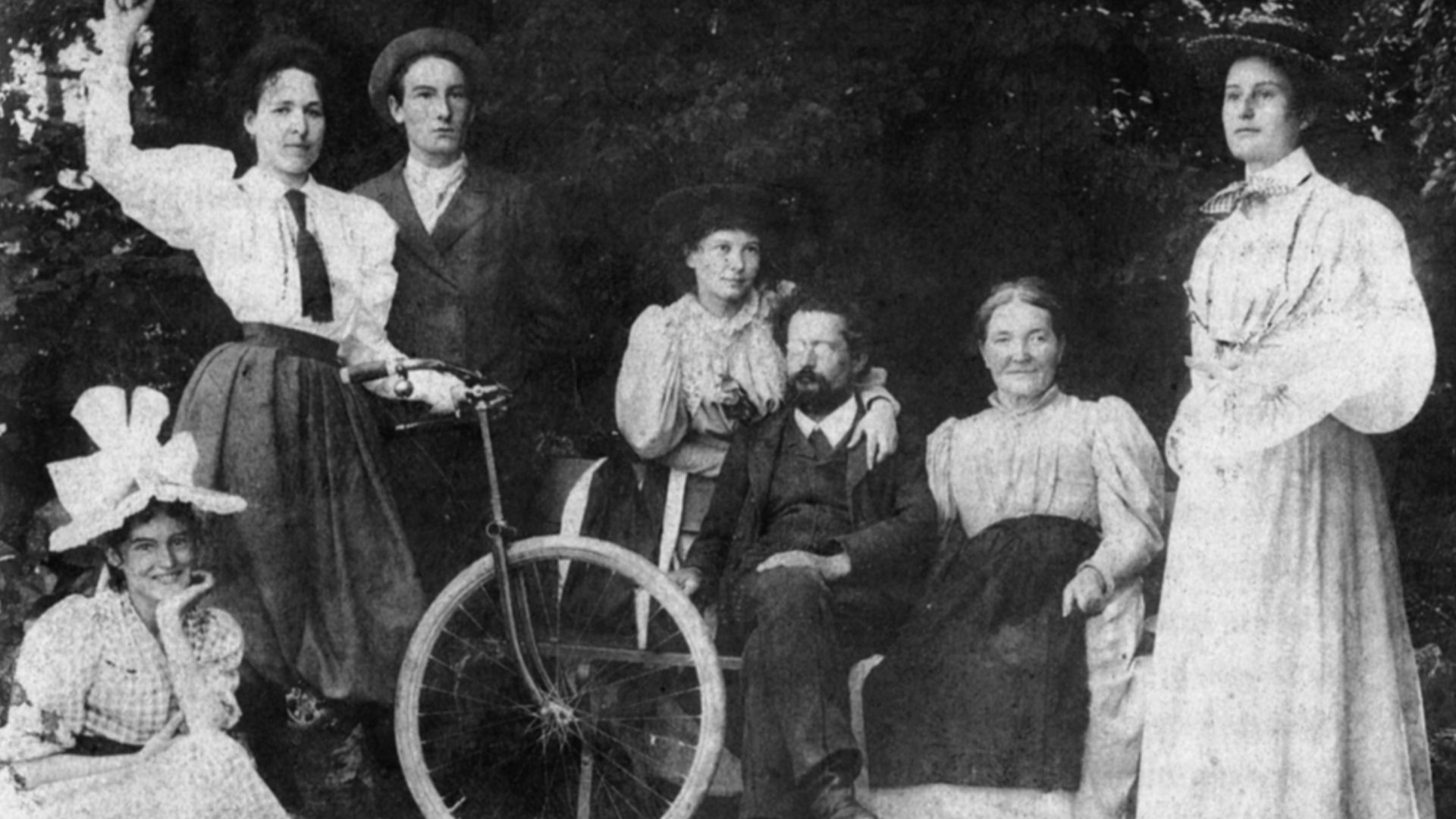 Unknown authorUnknown author on Wikimedia
3. The Tyranny Of Collective Ignorance
"The majority of the stupid is invincible and guaranteed for all time. The terror of their tyranny, however, is alleviated by their lack of consistency." He wrote this satirical observation in Ideas and Opinions from 1954.

4. Mass-Energy Equivalence Simplified
"The mass of a body is a measure of its energy content." This statement from his 1905 paper in Annalen der Physik led directly to E=mc². It revolutionized physics by showing that matter and energy are interchangeable.

5. The Partiality Of Scientific Knowledge
"Nature shows us only the tail of the lion. But there is no doubt in my mind that the lion belongs with it, even if he cannot reveal himself to the eye all at once because of his huge dimension." From a 1914 letter to Heinrich Zangger, this metaphor illustrates how science sees fragments, but the whole truth exists.
6. Wartime Disillusionment With Humanity
"In living through this 'great epoch,' it is difficult to reconcile oneself to the fact that one belongs to that mad, degenerate species that boasts of its free will. How I wish that somewhere existed an island for those who are wise and of good will!" Einstein wrote this to Paul Ehrenfest in 1914 during World War I horrors.
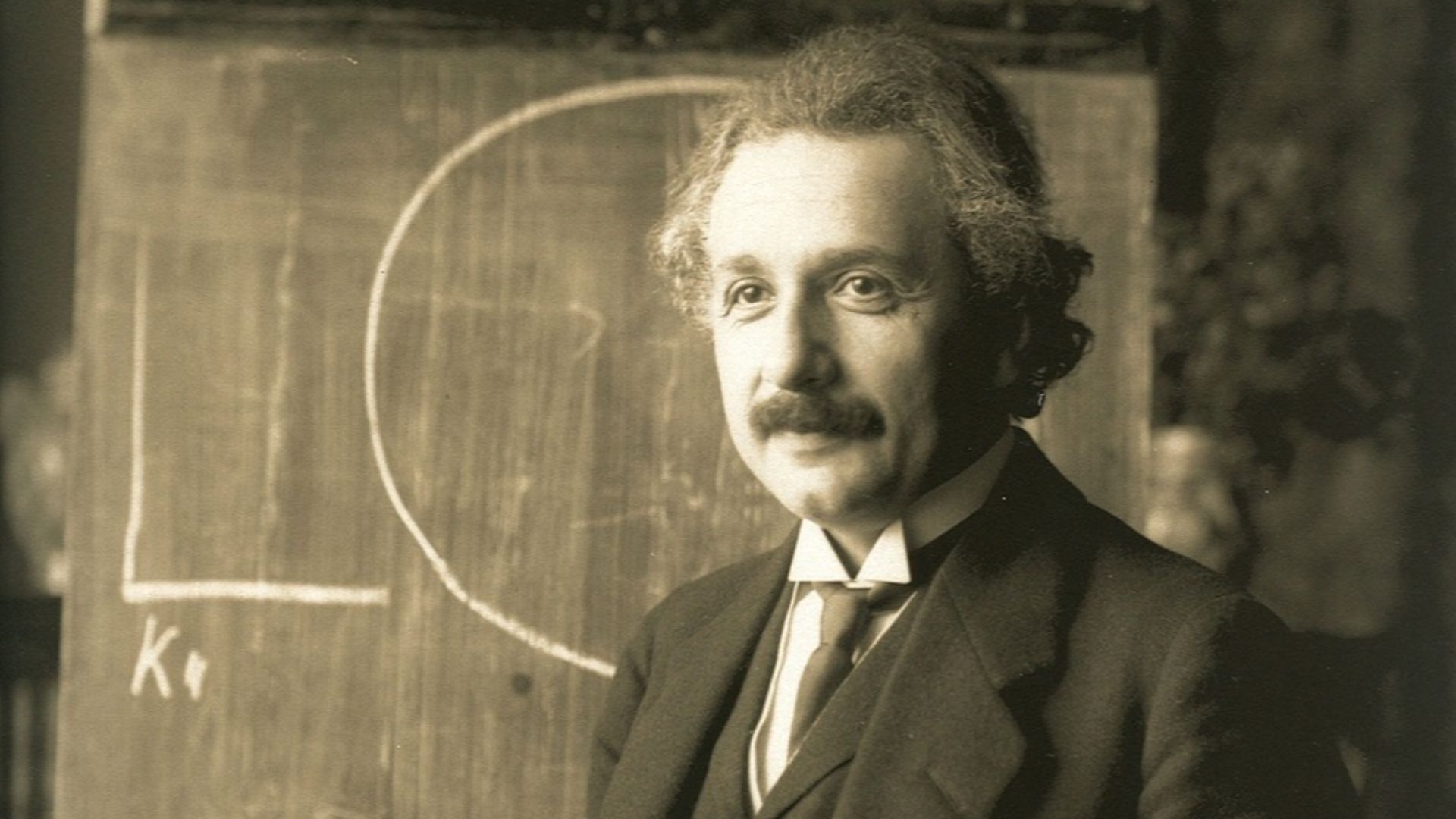
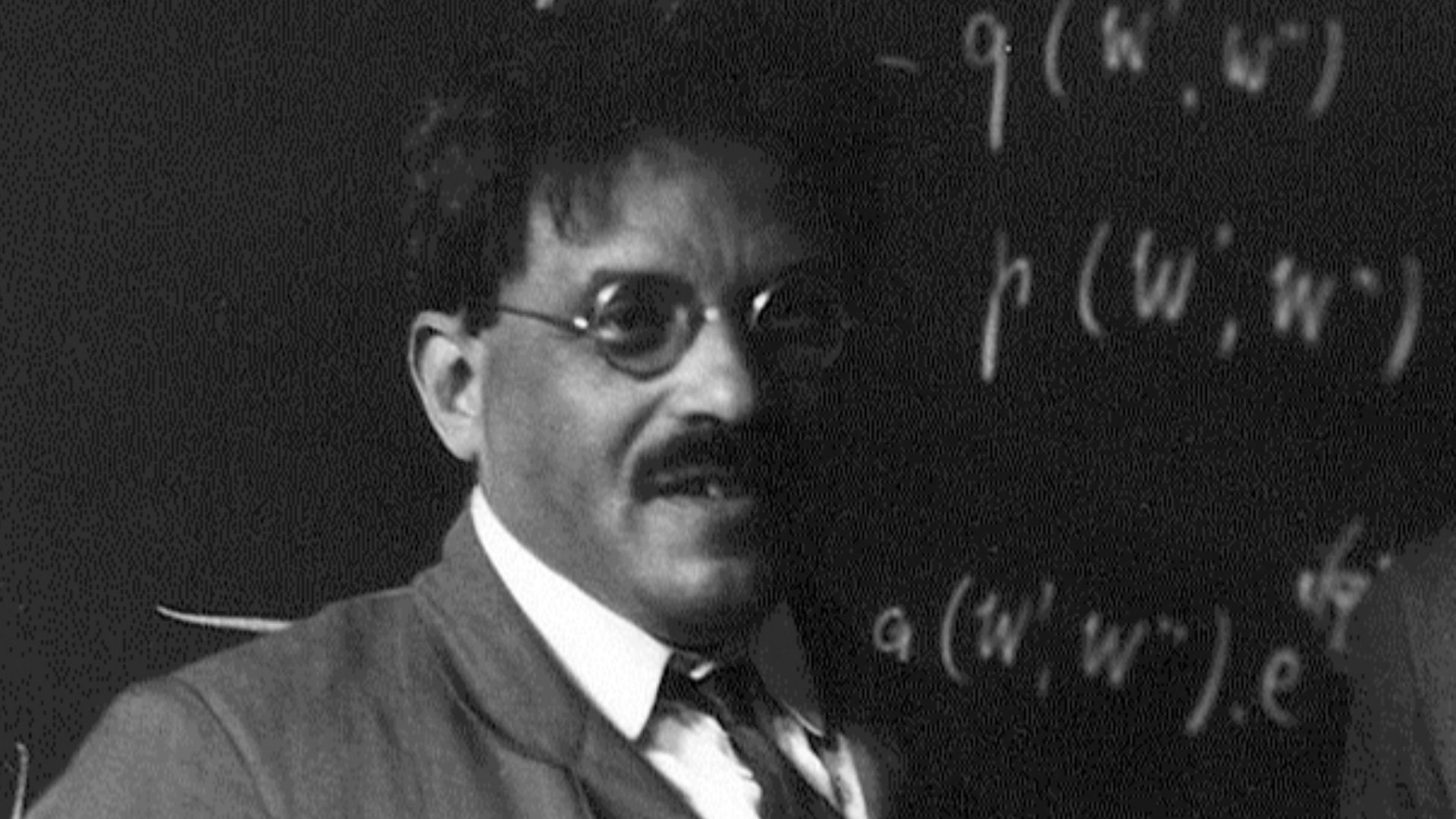 Unknown (Mondadori Publishers) on Wikimedia
8. Challenging Established Concepts
"Concepts that have proven useful in ordering things easily achieve such authority over us that we forget their earthly origins and accept them as unalterable givens." Einstein expressed this idea in his 1916 obituary for physicist Ernst Mach in Physikalische Zeitschrift, urging critical analysis of established ideas.
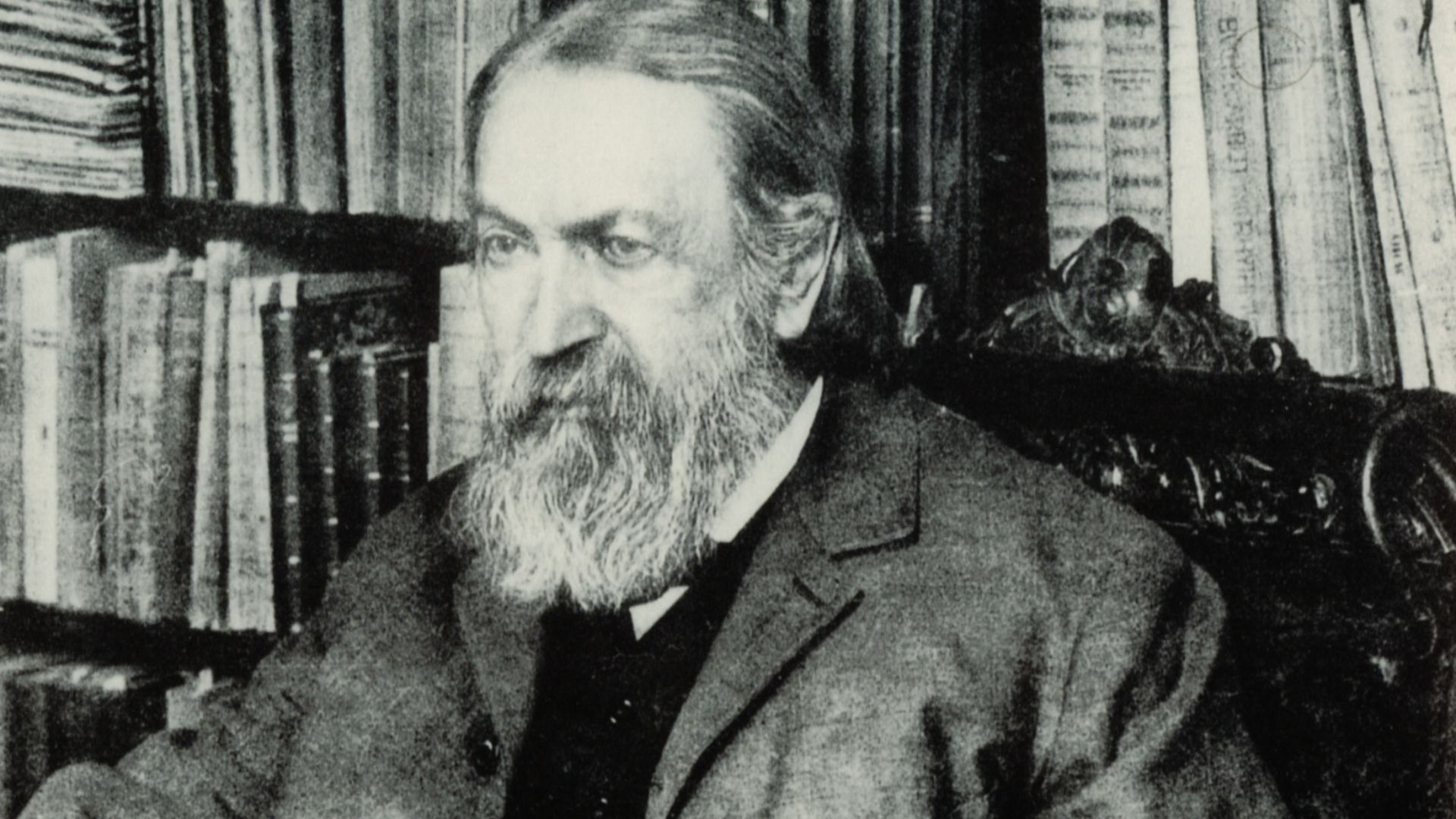
9. Technology Without Ethics
Einstein warned about unchecked technology in a 1917 letter to Heinrich Zangger with the quote, "Our entire much-praised technological progress, and civilization generally, could be compared to an axe in the hand of a pathological criminal." He later regretted signing the letter that led to the atomic bombs.
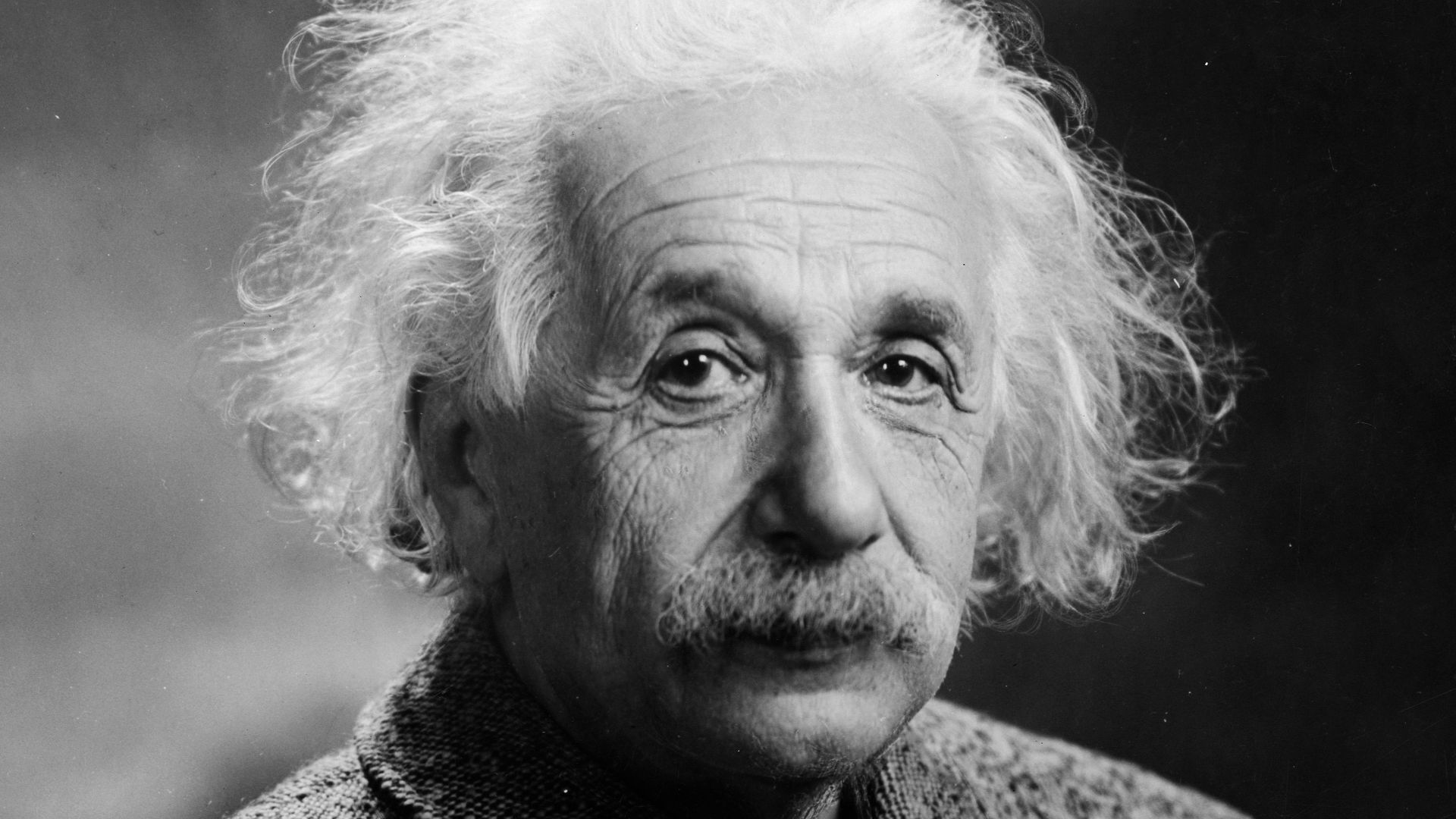 Photograph by Oren Jack Turner, Princeton, N.J. on Wikimedia
10. Passion-Driven Scientific Work
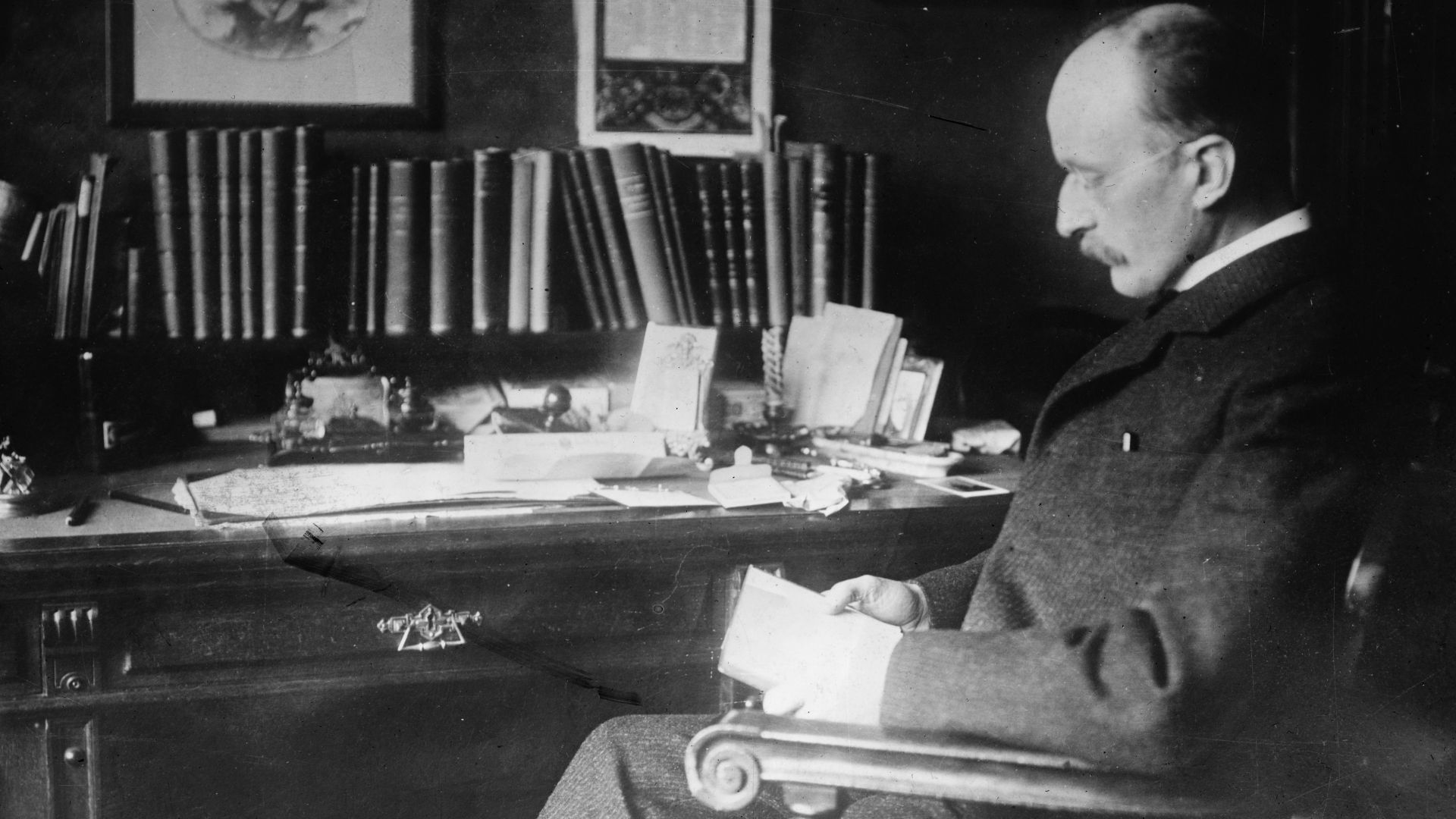
"The state of mind which enables a man to do work of this kind is akin to that of the religious worshiper or the lover; the daily effort comes from no deliberate intention or program, but straight from the heart." In his 1918 address honoring Max Planck’s birthday, he equated science to devotion.
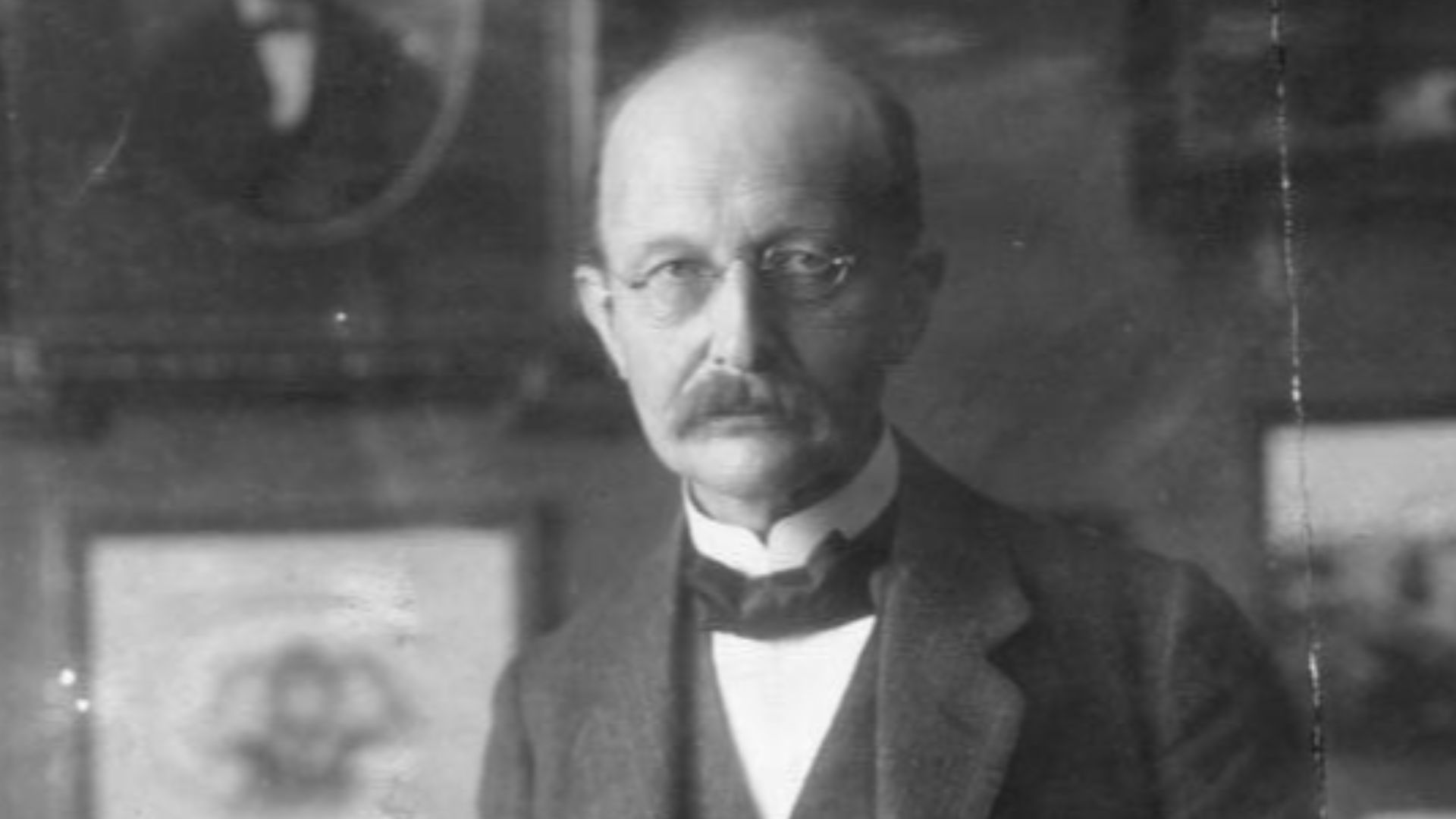 Unknown authorUnknown author on Wikimedia
11. Creating Personal Models Of Reality
"Man tries to make for himself in the fashion that suits him best a simplified and intelligible picture of the world; he then tries to some extent to substitute this cosmos of his for the world of experience, and thus to overcome it," Einstein said this in his 1918 Planck address. He united artists, poets, philosophers, and scientists in their shared attempts to model reality.
 Bain News Service, publisher on Wikimedia
12. Intuition Over Pure Logic
"The supreme task of the physicist is to arrive at those universal elementary laws from which the cosmos can be built up by pure deduction. There is no logical path to these laws; only intuition, resting on sympathetic understanding of experience, can reach them." From the same 1918 address, Einstein stressed that discovery needs intuition.
13. Nature's Elegant Complexity
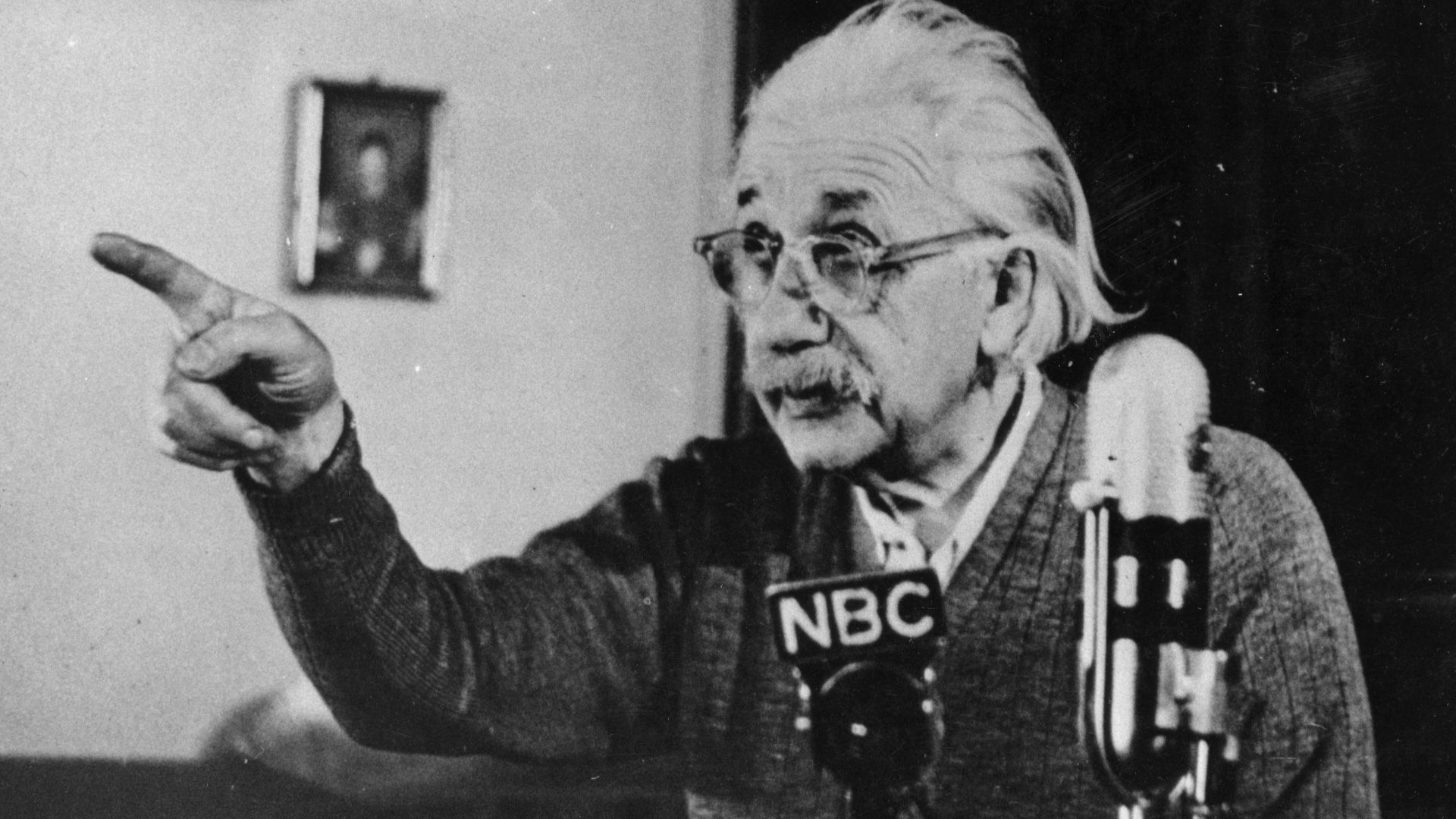
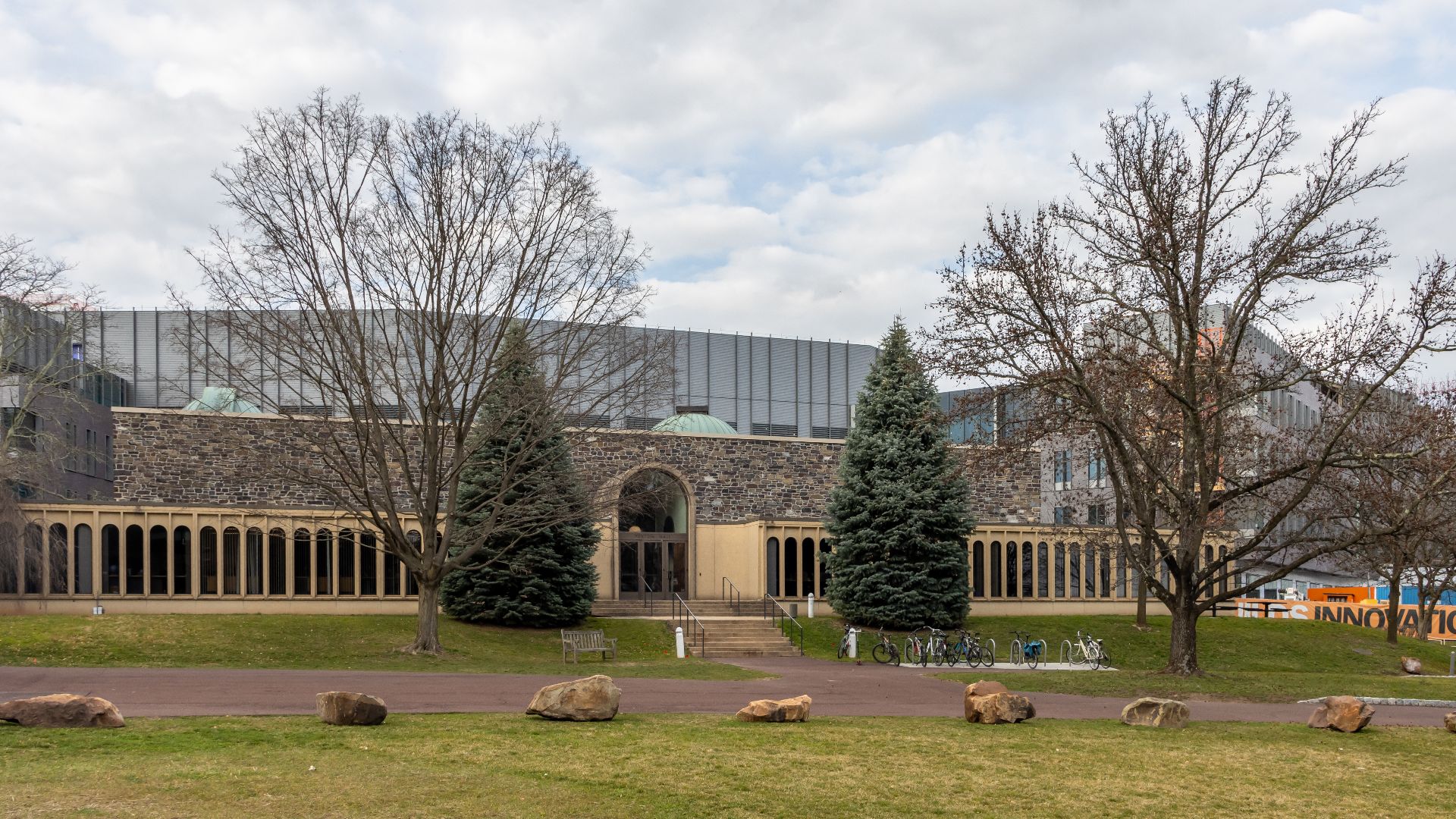
"Subtle is the Lord, but malicious He is not," Einstein remarked this at Princeton in 1921 during relativity debates. It affirms that nature is complex but not deceitful, reflecting his optimism in scientific pursuit.
 Photograph by Mike Peel (www.mikepeel.net). on Wikimedia
14. Education Beyond Memorization
"The value of a college education is not the learning of many facts but the training of the mind to think," he told The New York Times in 1921. The remark prioritized critical thinking. Ironically, his poor school performance made this profound, as exams remained the terror of his youth.

15. The Power Of Imagination
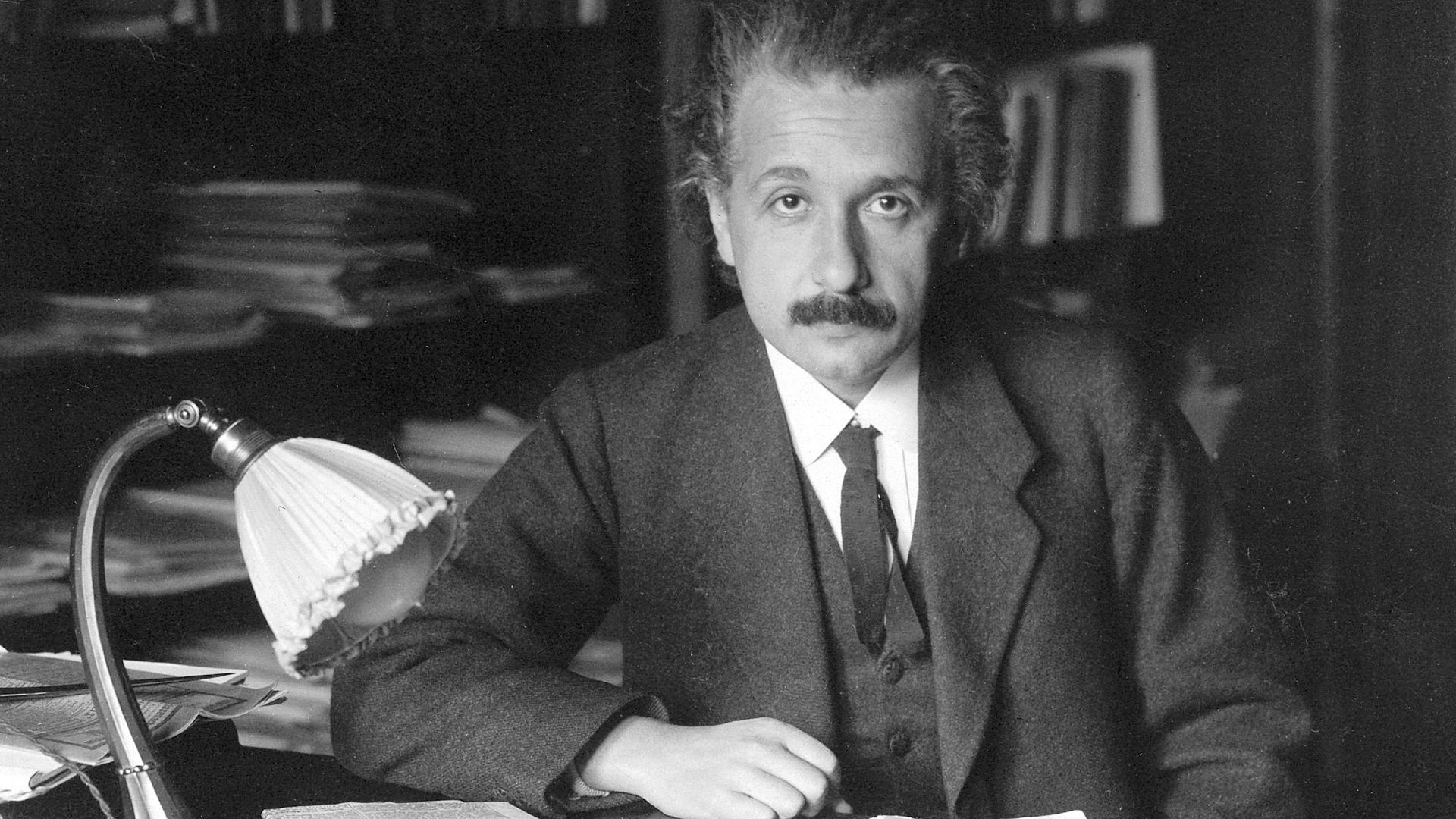
"I am enough of an artist to draw freely upon my imagination. Imagination is more important than knowledge. Knowledge is limited. Imagination encircles the world." During a 1929 Saturday Evening Post interview, he emphasized imagination’s boundless role in driving innovation beyond facts.
 Unknown photographer on Wikimedia
16. Nationalism As Immaturity
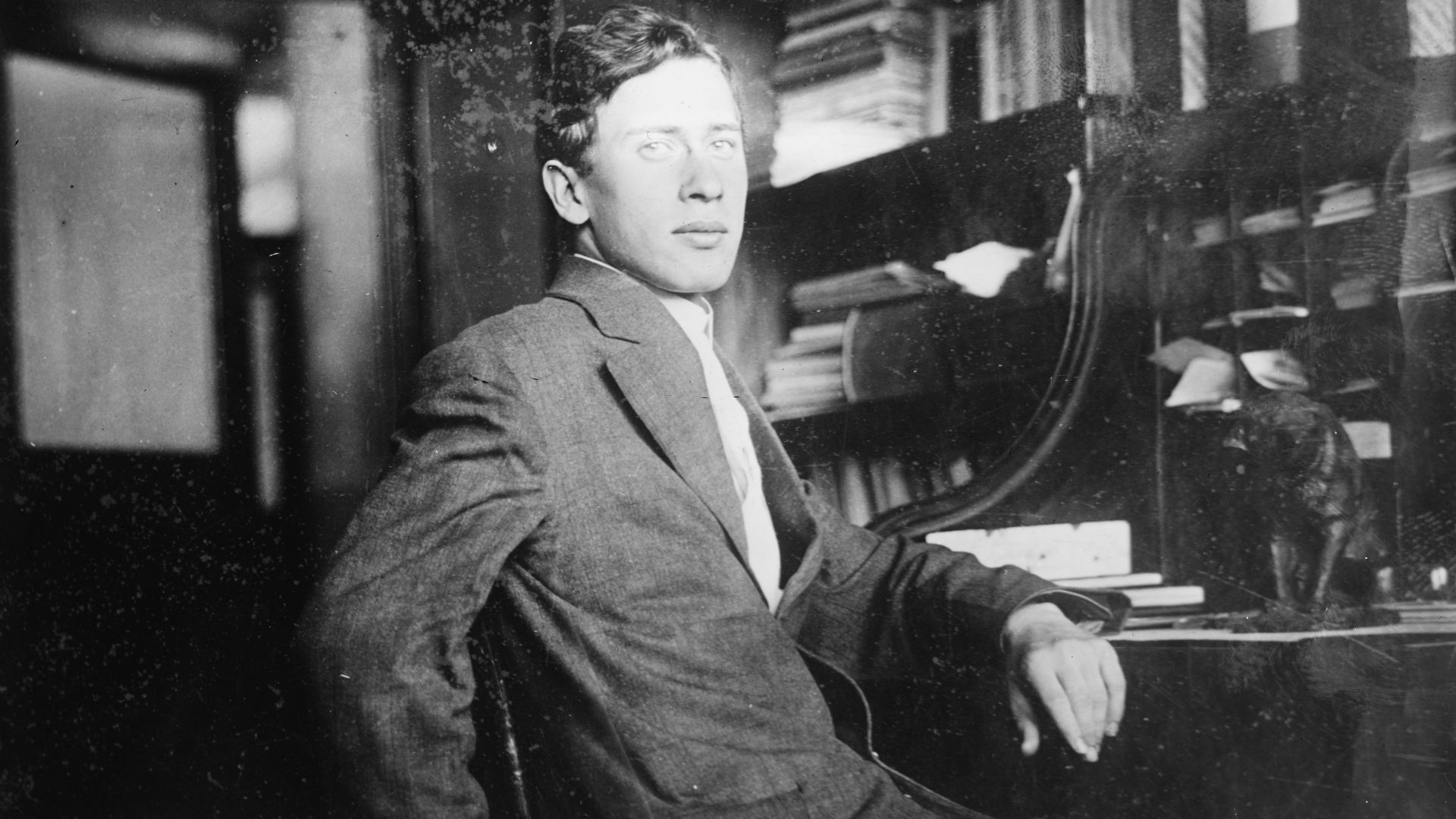
"Nationalism is an infantile disease. It is the measles of mankind." The remark came in a 1929 interview with George Sylvester Viereck, where he critiqued nationalism’s immaturity and advocated global unity for peace after World War I.
 Bain News Service, publisher on Wikimedia
17. Perseverance Through Movement
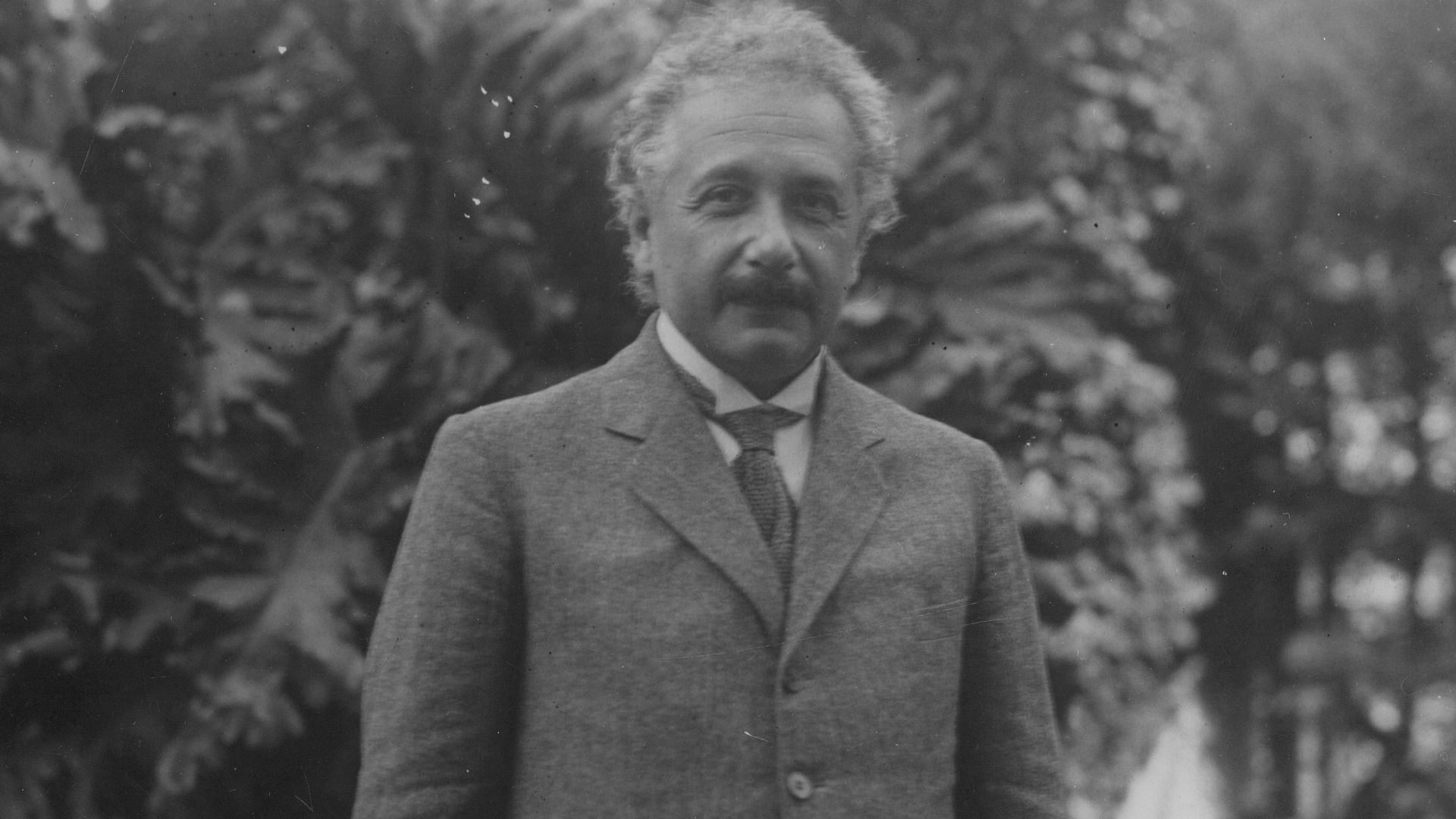
"Life is like riding a bicycle. To keep your balance, you must keep moving." Written to his son Eduard in 1930, the line advised perseverance through challenges and highlighted resilience as essential for maintaining stability in life.
 Archivo General de la Nación on Wikimedia
18. Freedom For Scientific Progress
"Science can flourish only in an atmosphere of free speech." In his 1930 article Science and Dictatorship, he linked progress to freedom and warned against suppression. He fled Nazi censorship, called it “stultification,” and turned exile into a free‑speech statement.
19. Living For Others
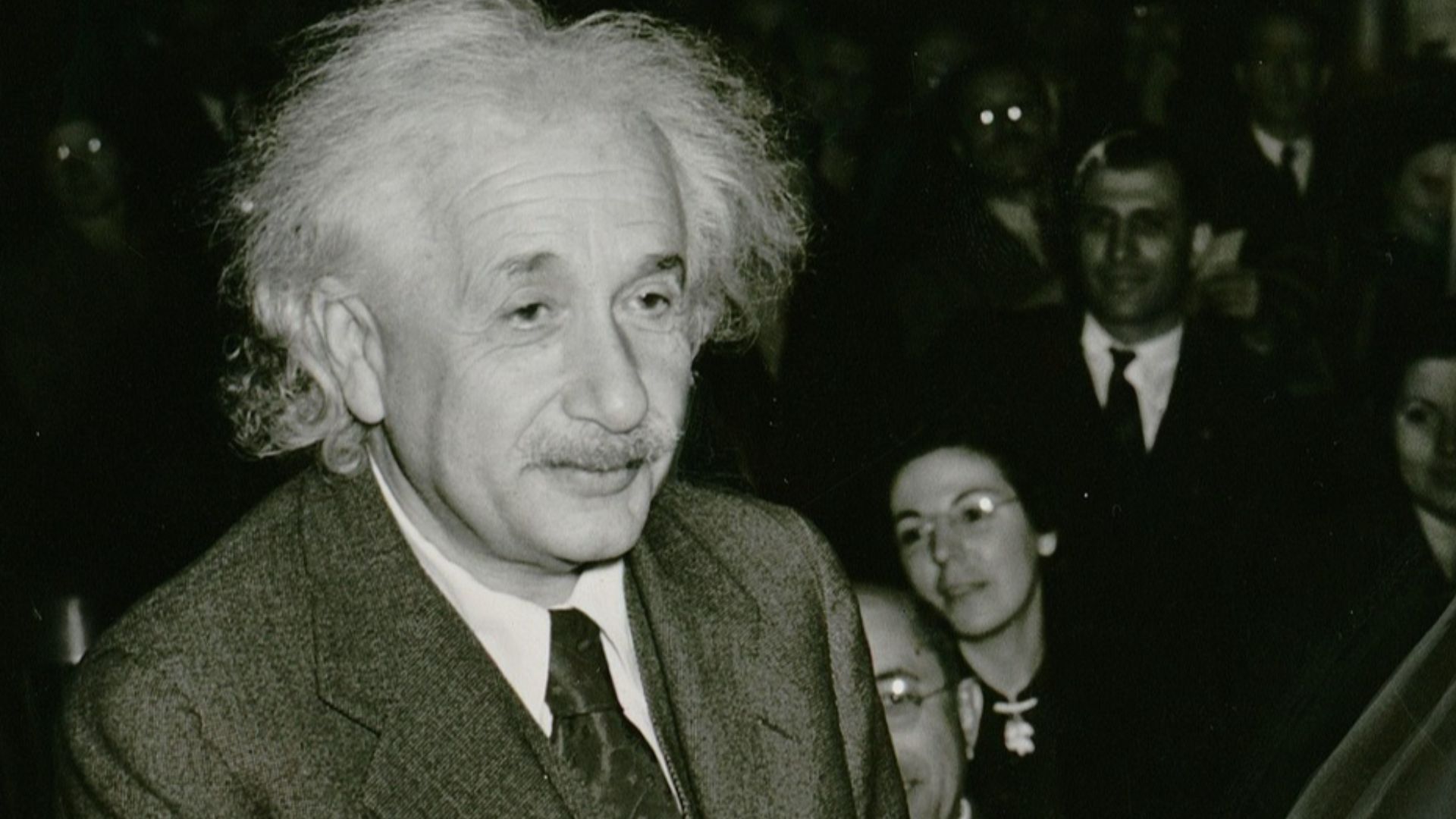
"Only a life lived for others is a life worthwhile," Einstein told The New York Times in 1932. His ethics centered on communal purpose and helping others. He aided countless refugees and jokingly said his "worthwhile" life was mostly "helping others escape relativity lectures" they didn't understand anyway.
20. Unity Of Human Endeavors
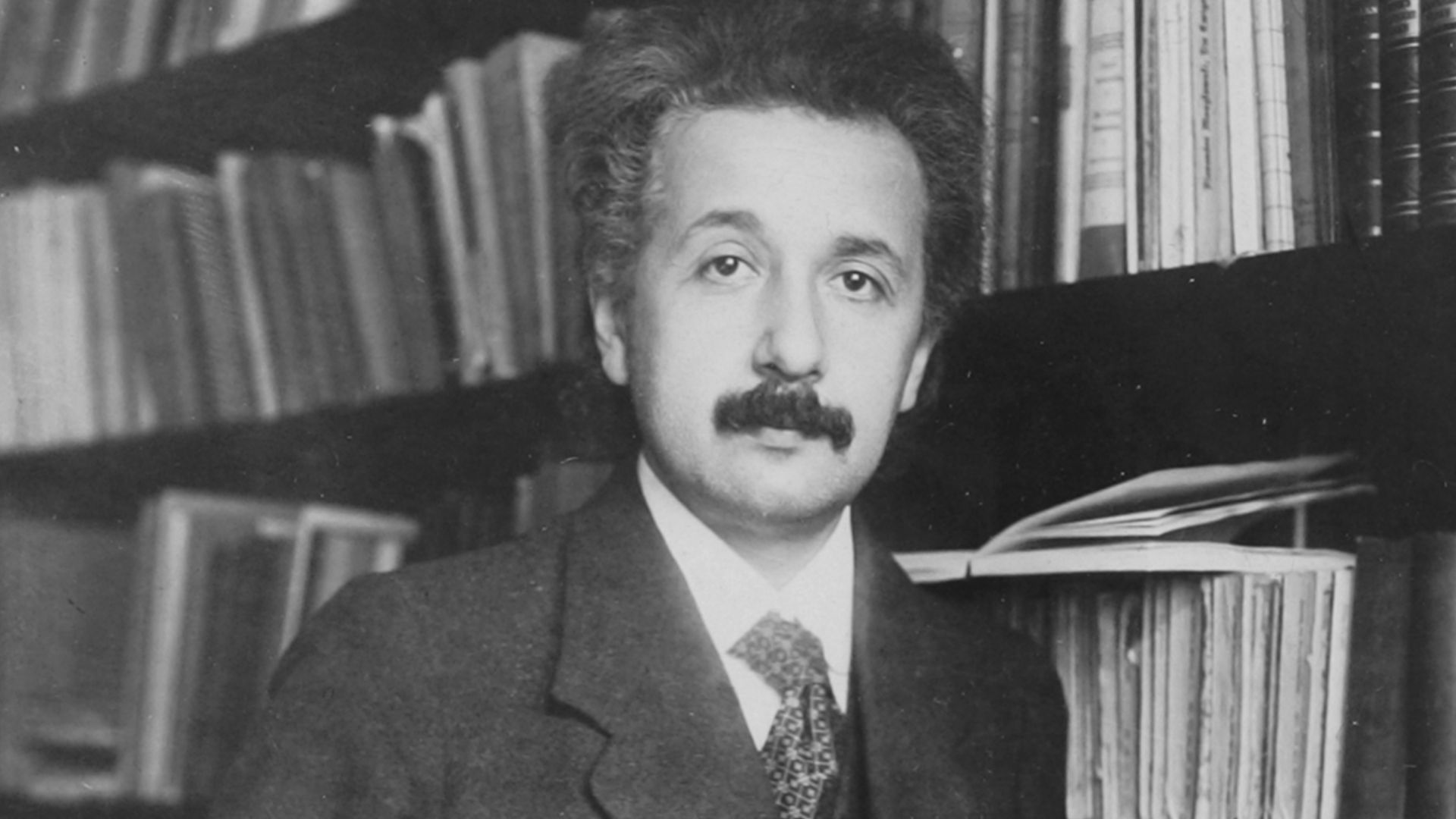
"All religions, arts and sciences are branches of the same tree. All these aspirations are directed toward ennobling man's life, lifting it from the sphere of mere physical existence and leading the individual towards freedom." From his 1937 essay Moral Decay, Einstein unified human pursuits beyond materialism.
 Harris & Ewing, photographer on Wikimedia
KEEP ON READING