

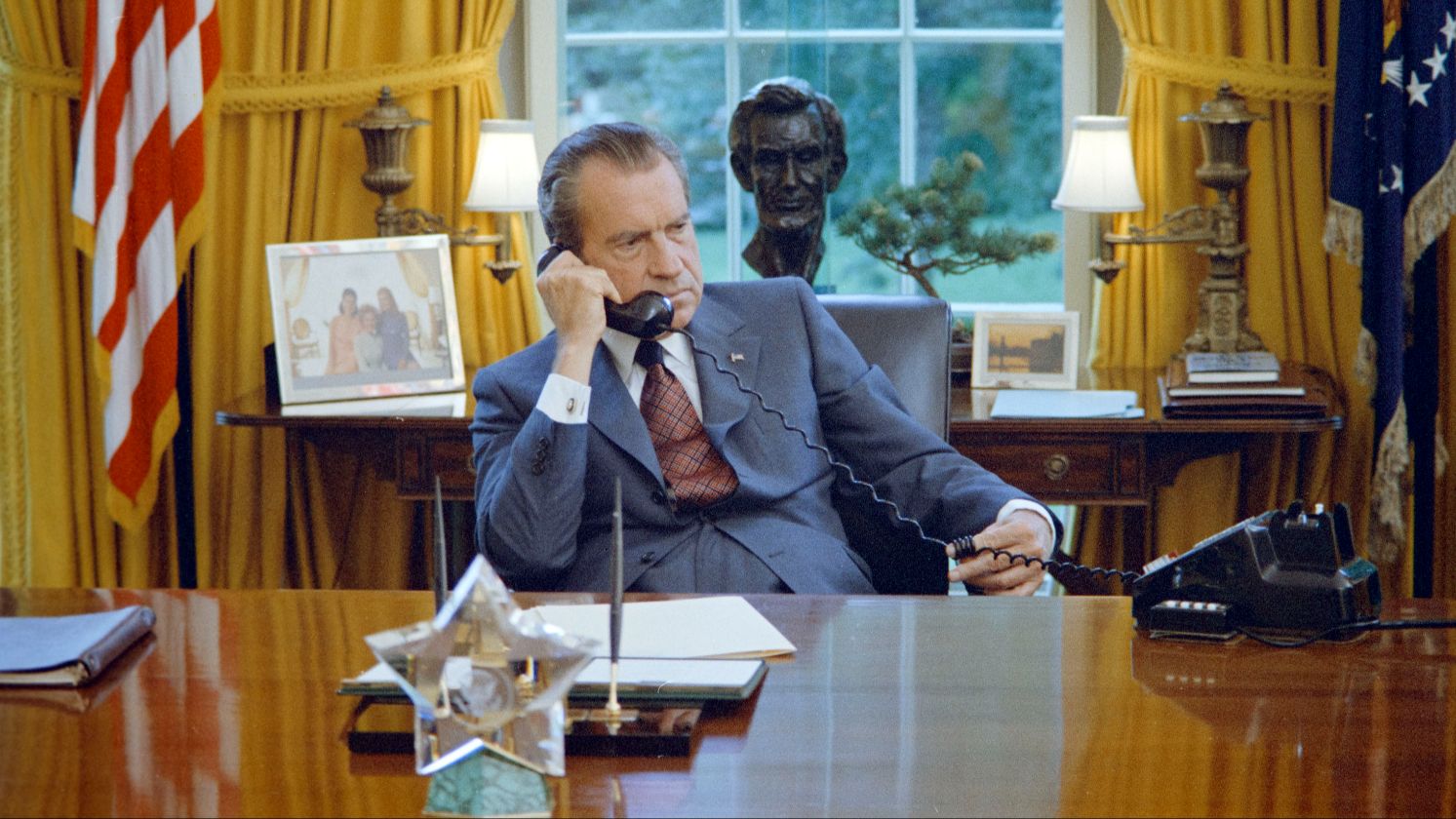
How The Leaking Of The Pentagon Papers Shattered Our Trust In The Oval Office
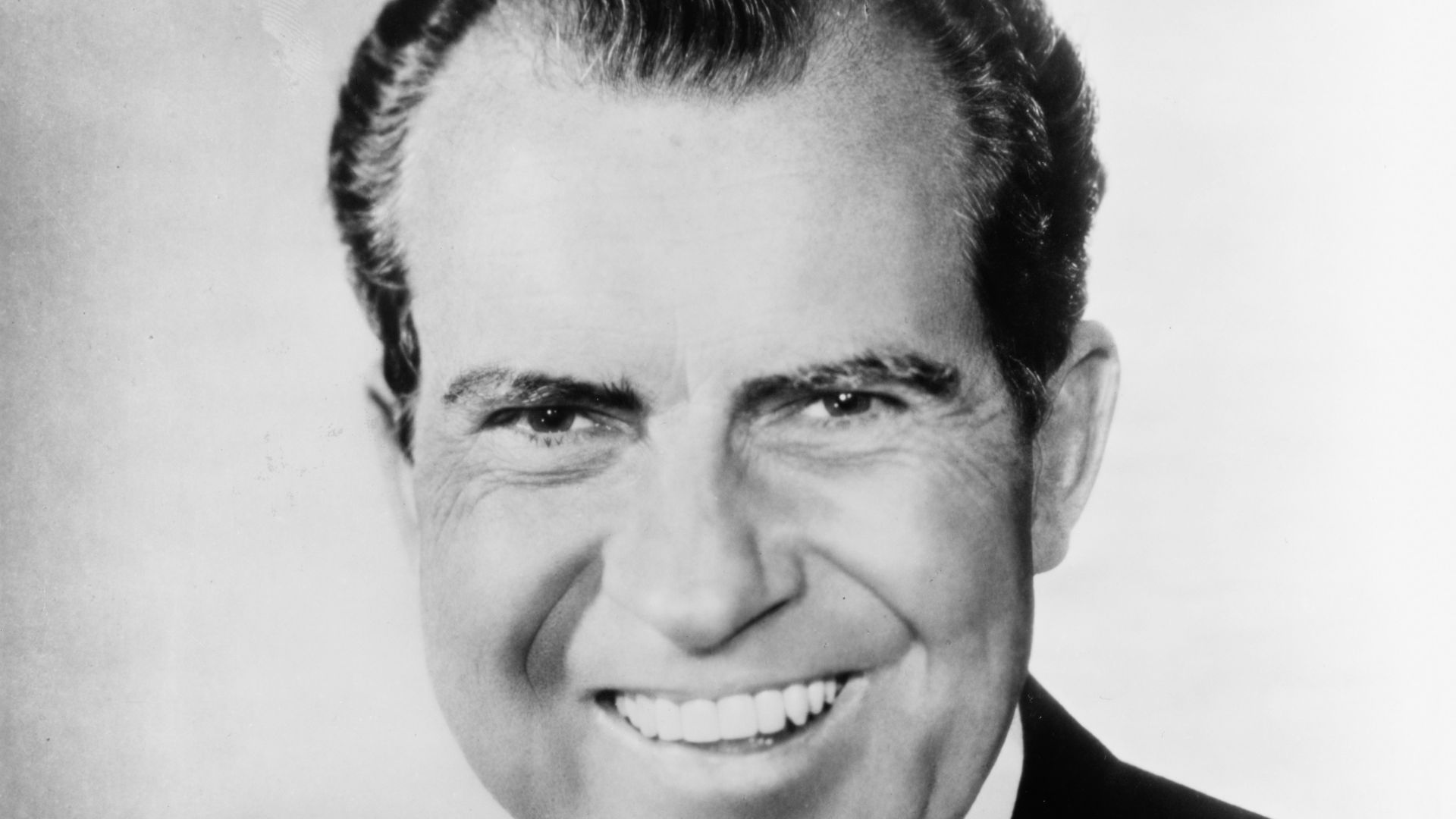 Library of Congress on Unsplash
For much of the twentieth century, Americans were inclined to believe that presidents, even when flawed, fundamentally acted in good faith. While political disagreements were common, there was still a baseline assumption that the White House told the public the truth about matters as serious as war. That assumption began to fracture in the late 1960s, as the Vietnam War dragged on with no clear end in sight.
The release of the Pentagon Papers in 1971 changed that dynamic permanently. What emerged wasn’t just evidence of poor decision-making, but proof of systematic deception carried out across multiple administrations. The documents showed that presidents and senior officials had repeatedly misled Congress, the press, and the public about Vietnam’s origins, escalation, and likelihood of success.
What The Pentagon Papers Revealed
The Pentagon Papers were a classified Department of Defense study commissioned in 1967 by Secretary of Defense Robert McNamara. Officially titled Report of the Office of the Secretary of Defense Vietnam Task Force, the study examined U.S. political and military involvement in Vietnam from 1945 through 1967. Its purpose was internal analysis, not public accountability, and it was never intended to leave government hands. The documents eventually totaled more than 7,000 pages of reports, analyses, and supporting materials.
What made the study explosive was not a single scandalous revelation, but the pattern it exposed. The papers showed that successive administrations, from Truman through Johnson, privately doubted the war’s winnability while publicly projecting confidence. Leaders expanded U.S. involvement even as internal assessments acknowledged that success was unlikely.
The documents also revealed how the scope of the war had been quietly expanded. Bombing campaigns in Laos and Cambodia were concealed from the American public, and troop increases were framed as limited or temporary when they were anything but. These decisions were often justified internally as necessary to maintain credibility, even when officials admitted privately that credibility was already compromised.
The Leak And The Legal Battle That Followed
Daniel Ellsberg, a former Marine and defense analyst who had worked on the study, became increasingly troubled by what he saw as moral dishonesty. After years of internal conflict, he decided that the public deserved to know the truth about the war being fought in its name. In 1971, Ellsberg leaked portions of the Pentagon Papers to The New York Times, setting off one of the most consequential confrontations between the press and the federal government in U.S. history.
The Nixon administration responded aggressively, arguing that the publication threatened national security. The Justice Department sought court injunctions to stop the papers from being printed, marking the first time the federal government had attempted to prevent a newspaper from publishing information it already possessed. The case quickly escalated to the Supreme Court, raising fundamental questions about press freedom and executive power.
In a landmark decision, the Supreme Court ruled 6–3 in favor of the newspapers, affirming that prior restraint on publication violated the First Amendment. The Court found that the government had failed to demonstrate that publication would cause direct, immediate, and irreparable harm to national security.
The Long-Term Impact On Presidential Credibility
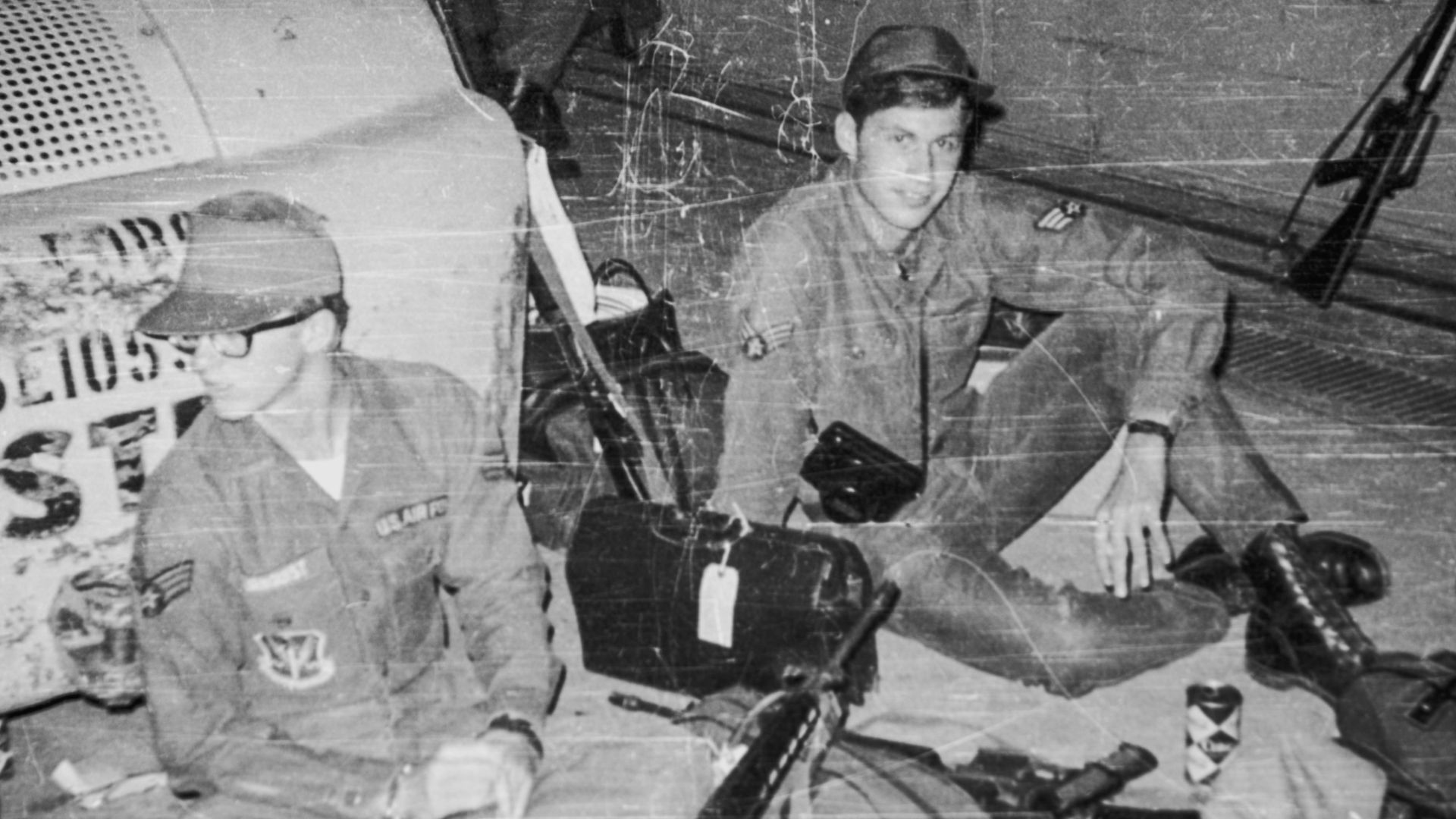
The immediate effect of the Pentagon Papers was public outrage, but their deeper impact unfolded over time. Americans began to question not just the Vietnam War, but the honesty of their leaders more broadly. If multiple presidents had misled the public about something as grave as war, it raised uncomfortable questions about what else might be hidden.
The scandal also reshaped how the press approached the presidency. Journalists became more skeptical, more adversarial, and more willing to challenge official narratives. Deference to presidential authority gave way to investigative rigor, especially when national security was invoked as a justification for secrecy.
The Pentagon Papers also set the stage for Watergate, which erupted just a year later. The same Nixon administration that tried to suppress the papers engaged in illegal actions to silence perceived enemies, including Ellsberg himself. As revelations mounted, the public began to see a pattern of secrecy, paranoia, and abuse of power emanating from the Oval Office. By the time Nixon resigned in 1974, trust in the presidency had reached historic lows.
Even decades later, the Pentagon Papers remain a reference point whenever government transparency is debated. They are cited in discussions about whistleblowers, classified information, and the limits of executive authority. More importantly, they altered the psychological contract between the president and the public. Blind trust was replaced with cautious scrutiny, and official statements were no longer taken at face value.
The release of the Pentagon Papers didn’t just expose lies about Vietnam; it permanently altered how Americans view presidential power. It taught the public that deception could be bipartisan, institutional, and rationalized as necessary for stability. While confidence in individual presidents may rise and fall, the underlying skepticism that took hold in 1971 has endured. The Oval Office still commands respect, but the unquestioning trust it once enjoyed was irrevocably shattered when the truth finally made its way out of the filing cabinets and into the public record.
KEEP ON READING
The Brutal Realities Of Gladiator Life Beyond the Arena
David Cruz asenjo on PexelsWhen most people think of gladiators,…
By Rob Shapiro Mar 31, 2026
The Volcano Winter That Nearly Toppled Europe
Collin Ross on UnsplashMost people, if asked to name a…
By Cameron Dick Mar 31, 2026
From School Plays To Starting A Cult: 20 Of The…
The Books That Made Us. Many people will tell you…
By Farva Ivkovic Jan 31, 2025
20 Facts About Jane Grey, The Forgotten Queen Of England
A Quick, Messy, and Tragic Reign. Lady Jane Grey never…
By Maria Cruz Jan 31, 2025
20 Priceless Historical Art Pieces Rescued By The Monuments Men
Protecting Human History. While the soldiers on the front lines…
By Sara Springsteen Mar 31, 2026
Almost Every Ancient Statue Has a Missing Nose, And It's…
Gary Todd from Xinzheng, China on WikimediaWalk through the classical…
By Elizabeth Graham Mar 31, 2026