The Woman Who Became One of America’s First Self-Made Millionaires in Secret
The Woman Who Became One of America’s First Self-Made Millionaires in Secret
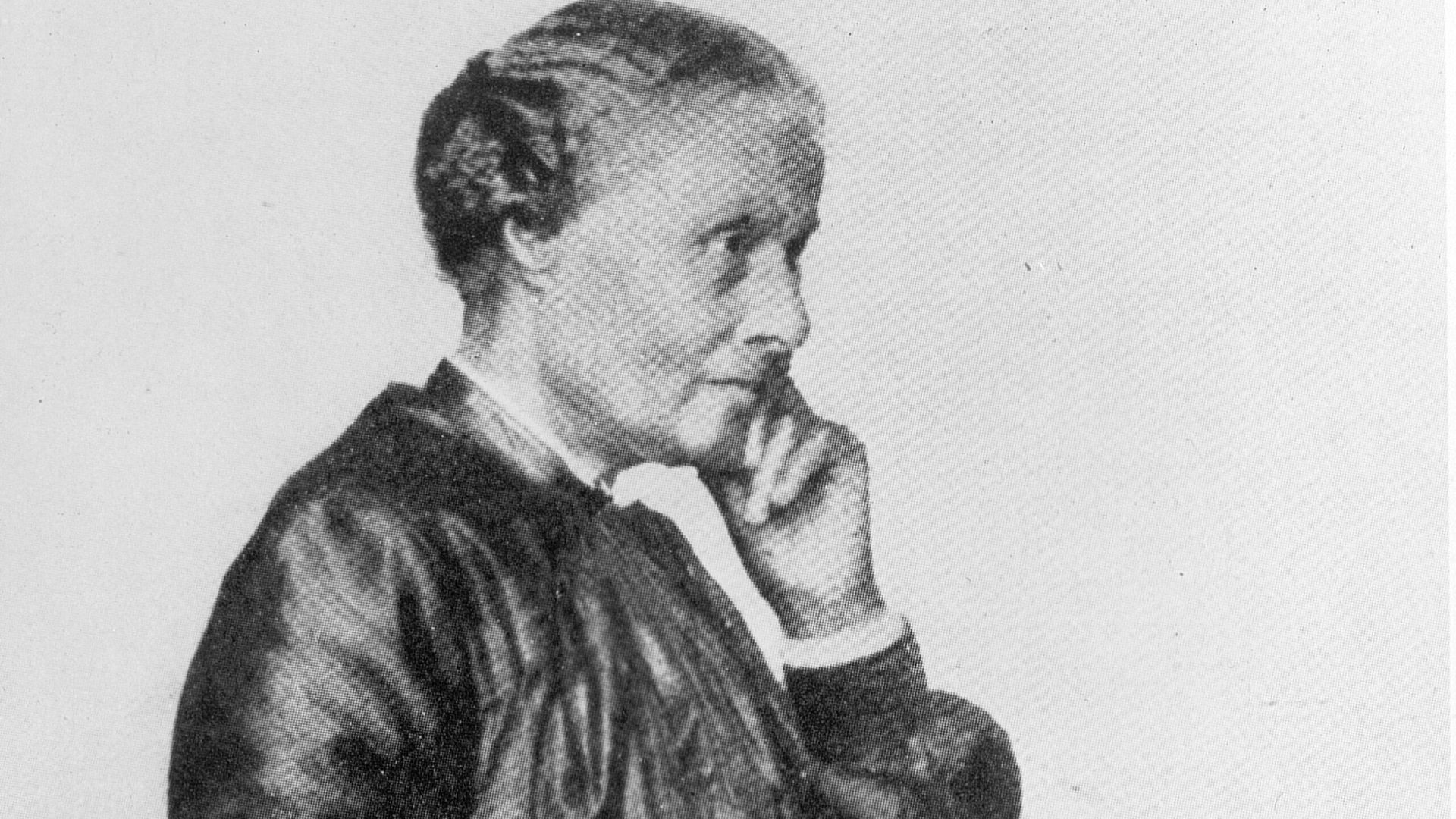
Mary Ellen Pleasant spent much of her life allowing people to underestimate her. In Gold Rush-era San Francisco, she appeared to be a domestic worker serving wealthy white families, yet she was quietly listening, investing, lending money, and building a remarkable business empire. At a time when a Black woman could be denied basic rights, being dismissed sometimes gave her useful cover.
Her fortune eventually stretched across real estate, laundries, boardinghouses, restaurants, farms, mining interests, and other ventures. Much of that wealth became connected to the name of Thomas Bell, a white banker who served as her longtime business partner. The arrangement helped Pleasant operate in circles that weren’t prepared to recognize a Black woman as a major financier, but it would later make proving ownership of her fortune painfully difficult.
She Found Opportunity During the Gold Rush
The details of Pleasant’s early life remain disputed, including where she was born and whether she entered the world free or enslaved. She spent part of her youth in Nantucket, Massachusetts, where she worked for a Quaker family and encountered abolitionist ideas. By the time she reached California in 1852, she had inherited money from her first husband and already understood the value of moving carefully through a dangerous society.
San Francisco offered unusual opportunities during the Gold Rush, but it was hardly an equal marketplace. Pleasant found work as a cook and domestic servant in households and boardinghouses frequented by wealthy businessmen. Those positions placed her close to conversations about mining, property, banks, and new commercial ventures that ordinary investors might never hear.
Rather than merely serving dinner and forgetting what had been said around the table, Pleasant acted on useful information. She invested in businesses that supported the rapidly growing city, including laundries, lodging operations, and other services needed by newcomers. Her work may have looked modest from the outside, but the money she earned and invested was beginning to produce something far larger.
Domestic service also made Pleasant less threatening to powerful white men who might have resisted dealing with her as an equal. They could speak freely in her presence because they assumed she wasn’t part of the financial world being discussed. Pleasant understood how to make her invisibility profitable.
Her Empire Hid Behind a White Man’s Name
Pleasant eventually formed a close business partnership with Thomas Bell, a white banker and investor. Together, they became involved in real estate, mining, finance, and other ventures, although the precise division of their assets remains difficult to reconstruct. Bell’s public position gave their investments a respectable white male face, while Pleasant often remained in the background.
This arrangement wasn’t simply a case of Pleasant letting someone else handle paperwork. Race and gender limited her access to banks, courts, contracts, and social networks, so placing assets under Bell’s name could make transactions easier and less likely to face resistance. It allowed her money to move through a system that might have rejected her if she had openly presented herself as the person in control.
The secrecy reached into their private lives as well. Pleasant financed the construction of an enormous San Francisco mansion that appeared publicly connected to the Bell family, then lived there while presenting herself as a housekeeper. Behind the scenes, accounts describe her as managing the household, servants, and much of the combined financial operation.
If you visited without knowing the truth, you might have assumed that Bell owned the fortune and Pleasant worked for him. That assumption was exactly what allowed her influence to remain hidden in plain sight. She could move through elite spaces, gather information, and direct investments while outsiders continued seeing only the role society expected her to occupy.
Pleasant used secrecy for more than personal enrichment. She assisted Black freedom seekers, helped people obtain housing and employment, and participated in abolitionist networks whose work demanded discretion. Claims that she gave an enormous sum to John Brown remain unverified, but historians consider it likely that she supported abolitionist causes financially.
Hiding Her Wealth Came at a Cost
Pleasant wasn’t always willing to remain invisible. She challenged racial discrimination, including unequal treatment on San Francisco transportation, and became known as an important early civil rights figure in California. Her wealth gave her the ability to fight publicly, even though doing so threatened the carefully controlled identity that had helped her succeed.
The financial partnership with Bell became especially dangerous after his death in 1892. Because their property and investments had been so thoroughly intertwined, Pleasant struggled to demonstrate which assets belonged to her. Years of operating through Bell’s public identity left her vulnerable when his widow challenged her claims in court.
Newspapers made the situation worse by portraying Pleasant as manipulative, dishonest, or mysterious. Racist stereotypes turned an accomplished investor into a suspicious servant who had supposedly controlled a helpless white family. The strategy that once helped her enter the business world now allowed critics to argue that the empire had never truly been hers.
Pleasant lost control of much of her wealth during the legal disputes and spent her final years far from the luxury she had helped create. She died in 1904, leaving behind a life filled with gaps, conflicting stories, and financial records that don’t reveal the full scale of her role.
Mary Ellen Pleasant created one of the era’s most extraordinary hidden investment empires, assembled by a Black woman who understood that public credit could be less valuable than actual control. Her story shows both the ingenuity required to overcome discrimination and the terrible risk of building a fortune that the law recognized under someone else’s name.
KEEP ON READING