


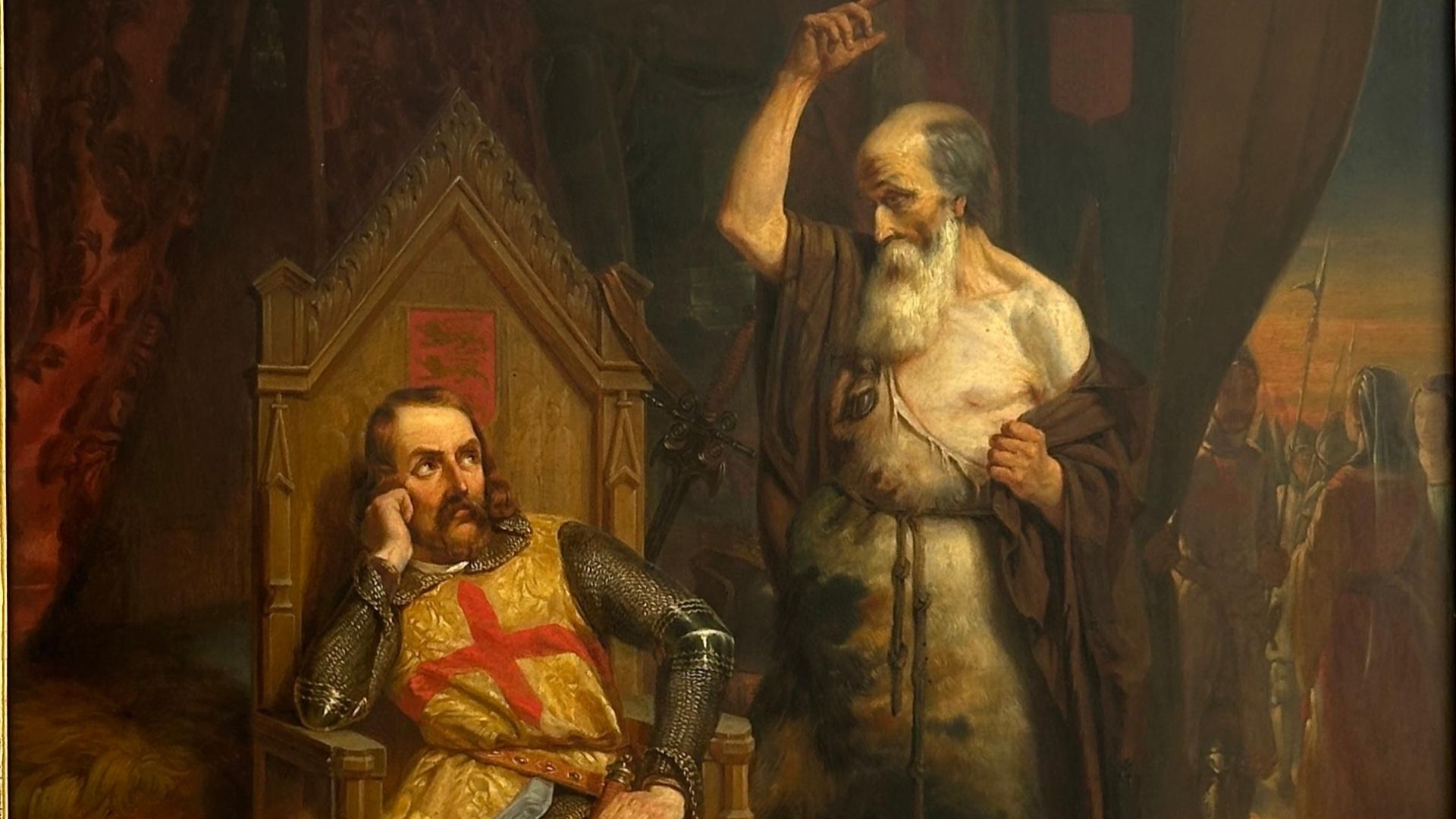
 Pierre Victor Verreydt (1813-1848) on Wikimedia
Richard I of England still benefits from one of the most flattering nicknames in royal history. “The Lionheart” sounds noble, chivalrous, and cinematic, which is probably why the image has held up so well. He's remembered as the crusading warrior king, the bold opponent of Saladin, and the sort of monarch who looks excellent in legend.
The problem is that admiration for Richard’s battlefield reputation often softens the rest of the record. More recent historians have been much less charitable, and for good reason. While he may have been a war hero, Richard wasn't a particularly good king for England in any ordinary governing sense. He was brave and personally magnetic, but those qualities don't automatically add up to wise rule. If anything, Richard’s legend has made it easier for people to overlook how expensive, distant, and destructive his reign really was. So, let's set the record straight.
He Was More Interested in Glory Than in Governing England
One of the clearest reasons history treats Richard too kindly is that he's often remembered as an English king who barely seemed interested in England itself. During his ten-year reign, he spent only a very small amount of time in the kingdom, with most of his attention going to crusading and to defending his continental lands in France, which means he would've been completely detached from the plight of the English people. That's a striking detail for a ruler so central to English memory.
Of course, kingship isn't only a matter of charging around impressively in armor. It also involves administration, justice, finance, appointments, and the generally useful habit of being present in the country you rule. Richard left much of the actual management to others while he pursued military prestige abroad, which helped preserve his heroic image while sparing him the work of actual ruling.
Even Richard’s admirers often end up conceding this point in softer language. The English Monarchs' history describes him as a brilliant general but notes that he had little administrative ability. If another king had spent so little time in England while draining it for foreign campaigns, people might remember him rather less fondly. Richard tends to escape that harsher judgment because he looked so good doing the parts he actually enjoyed.
England Paid Dearly for His Reputation
Another reason the kindly treatment feels undeserved is that Richard’s legend wasn't cheap. The crusade itself required huge sums, and his capture on the way home made things even worse. After being imprisoned by Duke Leopold of Austria and then Emperor Henry VI, Richard was released only after an enormous ransom was raised in England. That's not a romantic side note but a staggering burden placed on the kingdom because its king had chosen a life of military adventure and then managed to get himself captured.
His reign was therefore heroic in a way that happened to cost everyone else a great deal of money. Taxes and extraordinary levies weren't abstract numbers on parchment. They fell on the realm in order to fund a crusade, a ransom, and then further wars in France once Richard was free again. A king who keeps asking the country to finance his personal glory should probably not keep walking away from history dressed as the uncomplicated hero.
His Chivalric Image Hides a Harder Truth
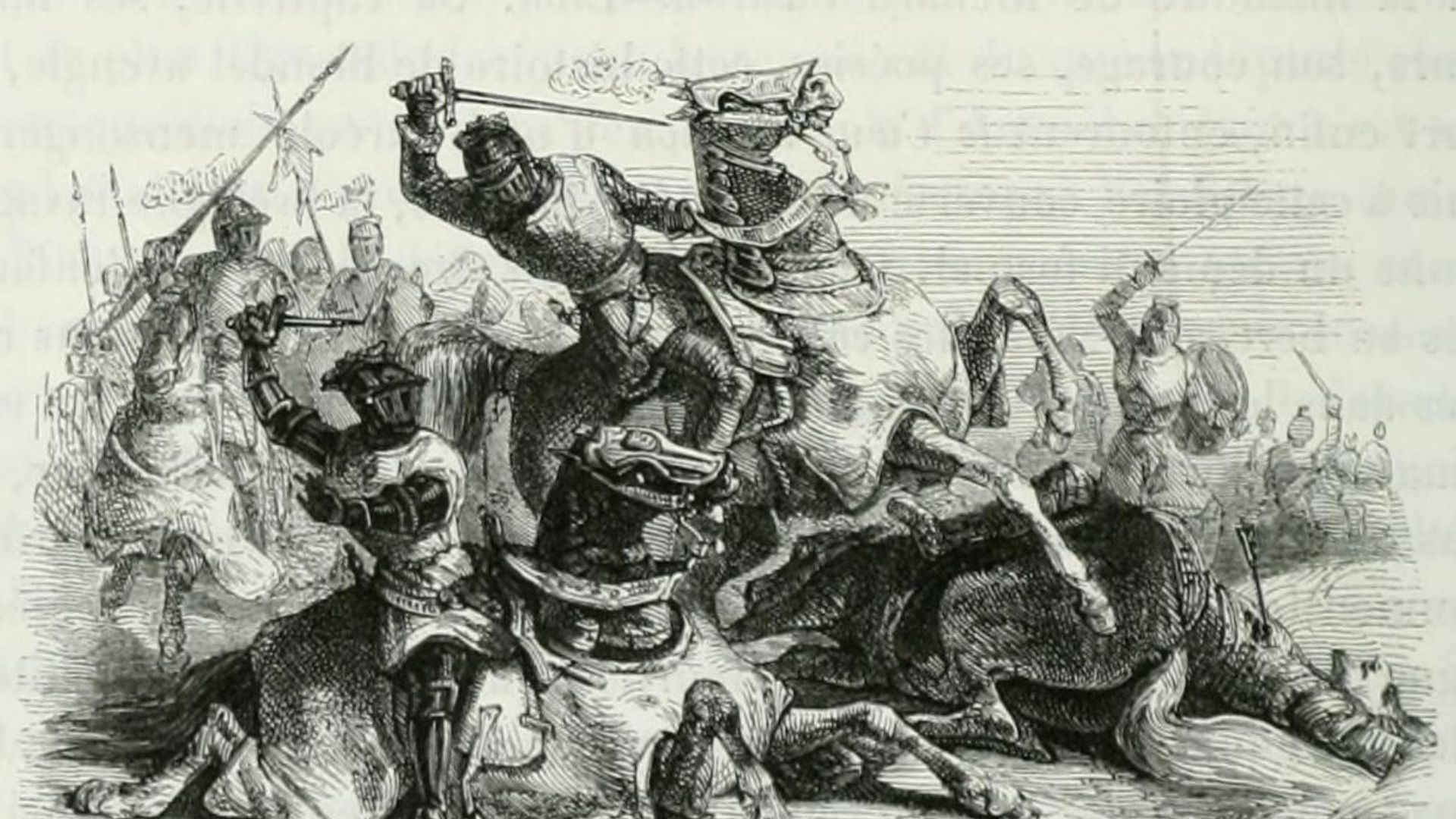
Richard’s reputation also benefits from the fact that “great warrior” is often allowed to sound morally cleaner than it really is. The Third Crusade made him famous, but it didn't make him gentle or kind. After negotiations failed at Acre, Richard ordered the execution of around 2,700 Muslim prisoners. That's the sort of act that shouldn't be obscured by heroic stories. Courage in battle doesn't cancel out brutality, and charisma doesn't excuse cruelty. Richard wasn't only a man of battlefield genius. He was also, as older royal histories admit, capable of a fearful temper and real violence.
Even his personal life suggests a ruler much more comfortable with conflict than with stability. He had long-running quarrels within his own family, including the scheming of his brother John during Richard’s absence. That kind of instability wasn't created by Richard alone, but it hardly strengthens the case for seeing him as an ideal king. He was a tremendous warrior, but kings aren't judged only by how well they frighten enemies. They are also judged by what kind of realm they leave behind.
That's why Richard I is the king history still treats too kindly. He was brave, gifted, and undeniably memorable, but memory has often been much kinder to him than government should be. A ruler who spent little time in England, extracted huge resources from it, and built his fame through war and bloodshed doesn't deserve to be remembered mainly as a glorious lion in a crown. Strip away the crusading shine, and what you find is not England’s great king but one of its most violent.
KEEP ON READING

20 Greek Gods We Don't Often Talk About
Step Aside, Zeus. Greek mythology isn’t only about Zeus and…
By Elizabeth Graham Jan 16, 2026
10 Historic Courtship Practices That Should Be Brought Back &…
Old-School Dating Was a Mix of Charming & Unhinged. Historic…
By Emilie Richardson-Dupuis Jan 20, 2026
Pooches Of The Past: Extinct Dog Breeds
Unknown authorUnknown author on WikimediaDogs have been showing up in…
By Elizabeth Graham Jan 27, 2026
The 20 Craziest Silent Films Ever Made
When Silence Let the Madness Speak. Silent cinema didn’t just…
By Chase Wexler Jan 5, 2026
Legendary Tales: 20 Most Fascinating Mythical Creatures from Folklore
Mythological Beasts. Stories about mythical creatures endure for a simple…
By Christy Chan Jan 16, 2026
The three most expensive historical artifacts ever sold at auction
Attributed to Leonardo da Vinci on WikimediaAuctions are where history…
By Emilie Richardson-Dupuis Jan 9, 2026