The Man Who Changed Martial Arts Forever
Few martial artists have left such a lasting impression on popular culture as Bruce Lee, whose incredible speed, charisma, and innovative fighting philosophy helped transform action cinema. Born in San Francisco in 1940 and raised in Hong Kong, Lee became an international icon despite a film career that was tragically cut short by his death in 1973 at just 32 years old. His accomplishments extended far beyond the movies, from developing his own martial arts philosophy to challenging Hollywood's treatment of Asian performers.
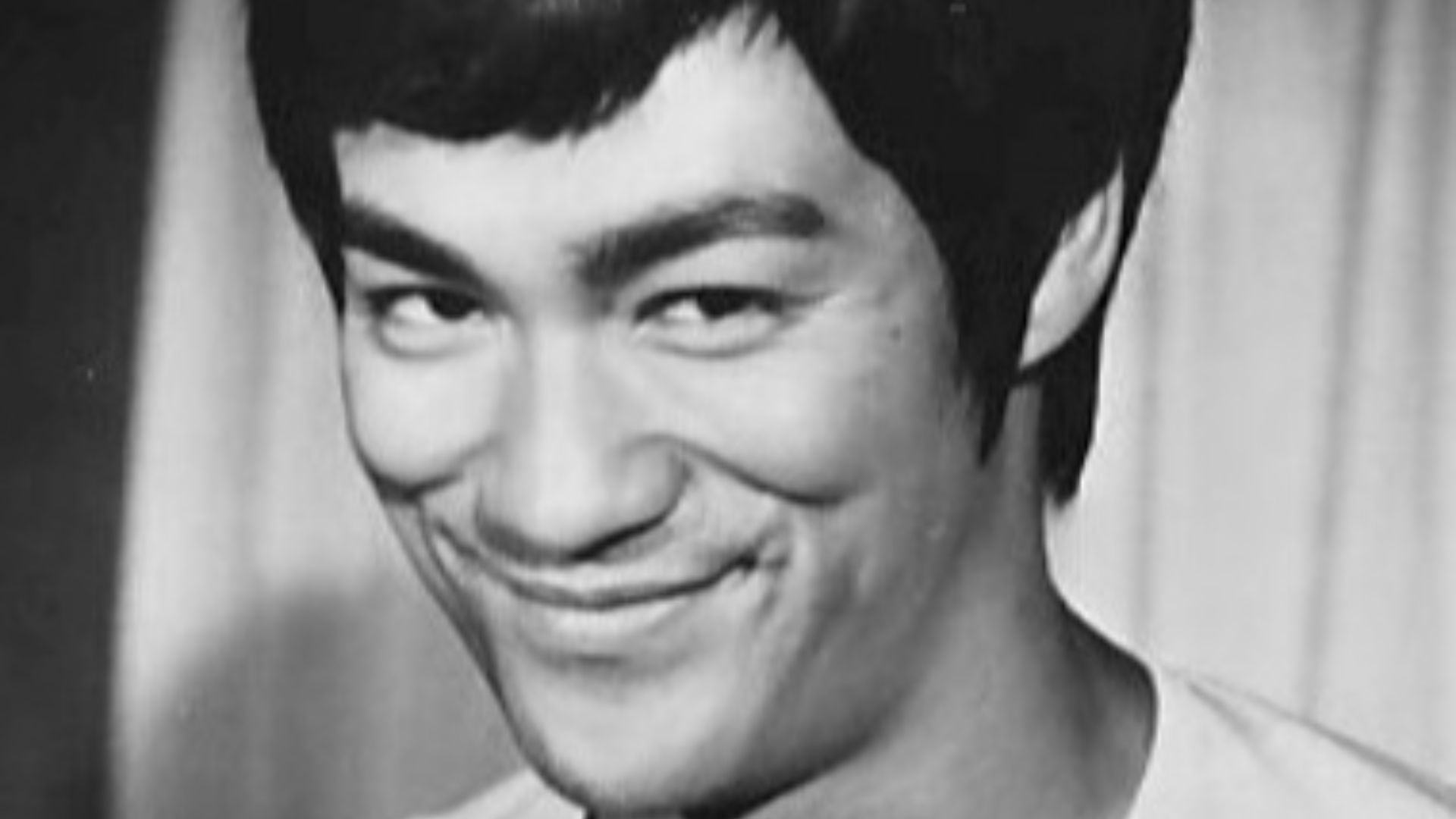 National General Pictures on Wikimedia
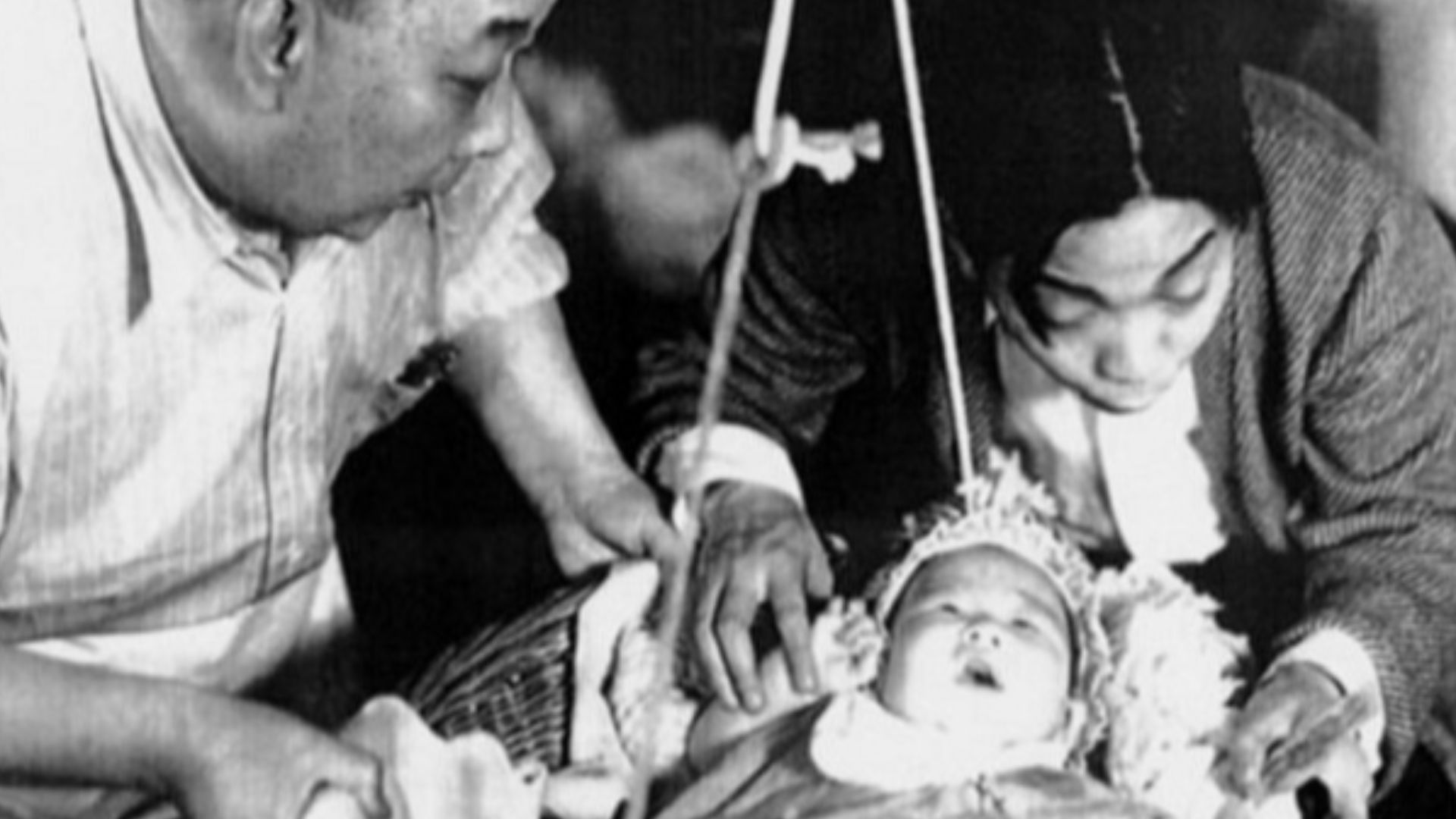
1. His First Appearance on Screen as a Baby
As a baby, Bruce Lee can be seen in a number of scenes in Golden Gate Girl (1941). Given that his father, Lee Hoi-chuen, acted in Cantonese opera, it's not surprising that young Bruce was introduced to this world at such a young age. By the time Bruce reached adulthood, he'd accumulated considerable acting experience that would eventually help him become an international movie star.
2. His Breakthrough Childhood Performance
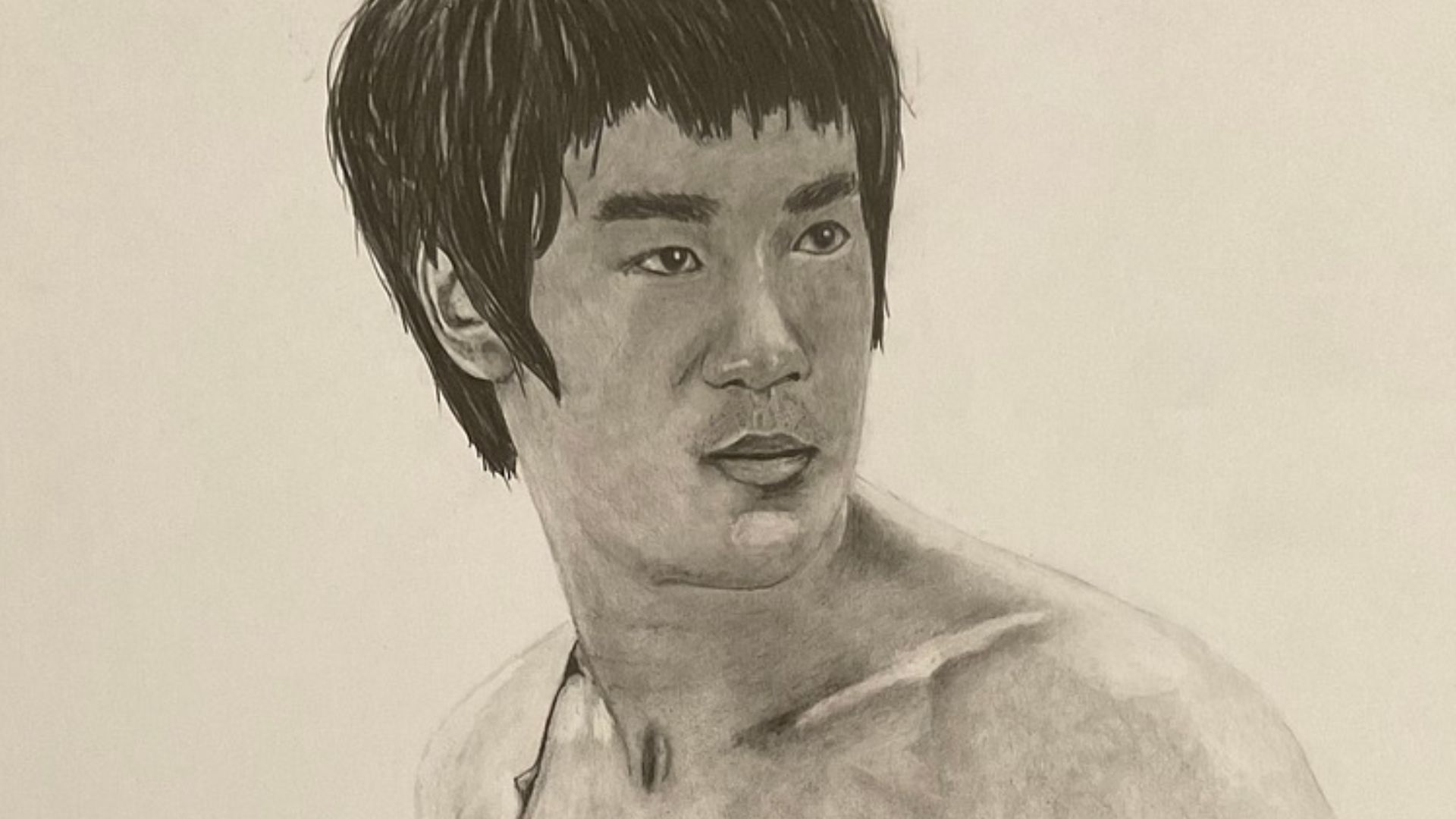
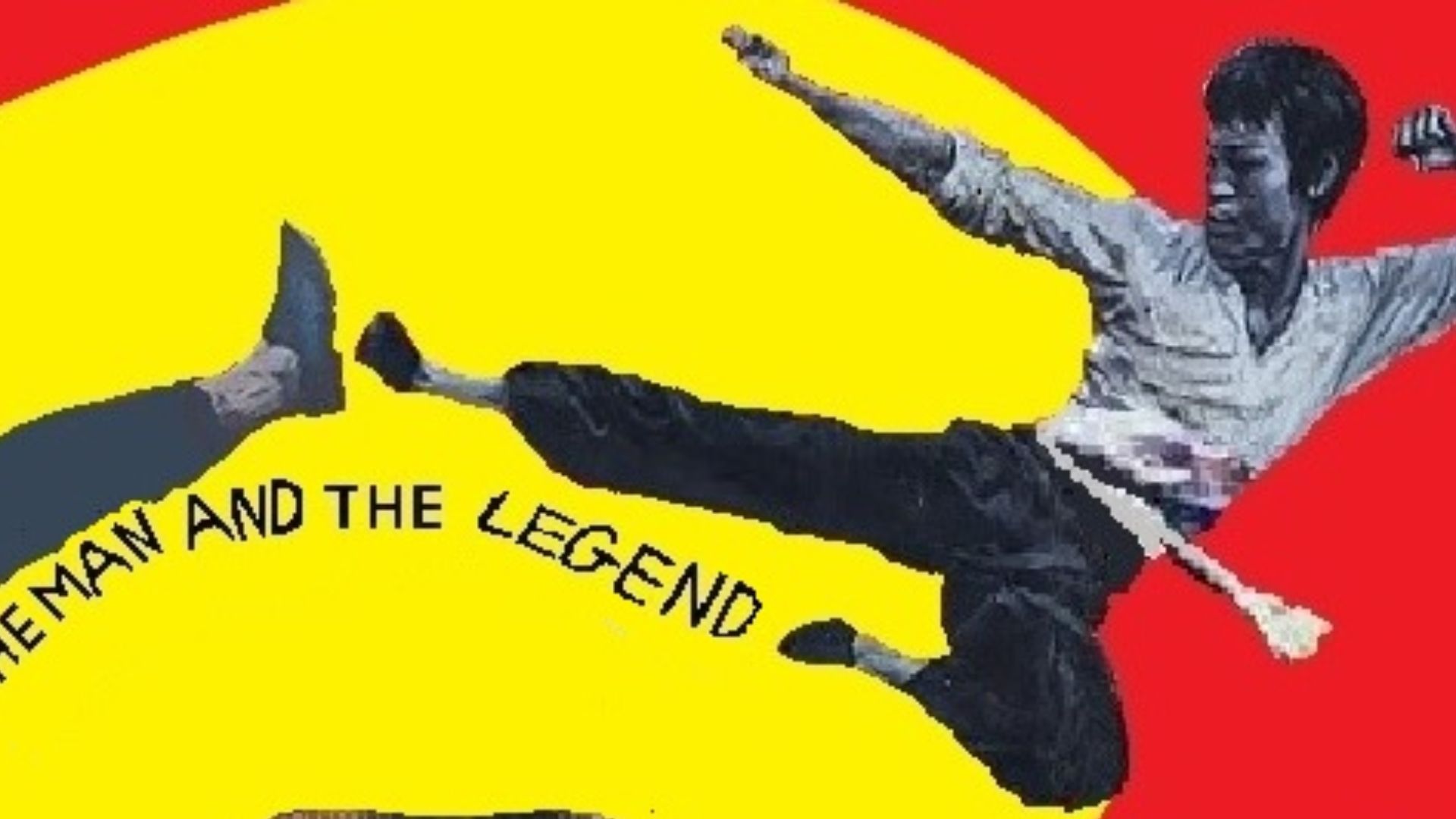
Lee's first significant role was in the 1950 movie The Kid. His character was a street urchin who fell in with some local thugs and other undesirables. Following this, he went on to feature in many more films as a youngster and young teenager.
 Totino9791, Rroame LaOcM, © CEphoto, Uwe Aranas on Wikimedia
3. Learning Wing Chun From Ip Man
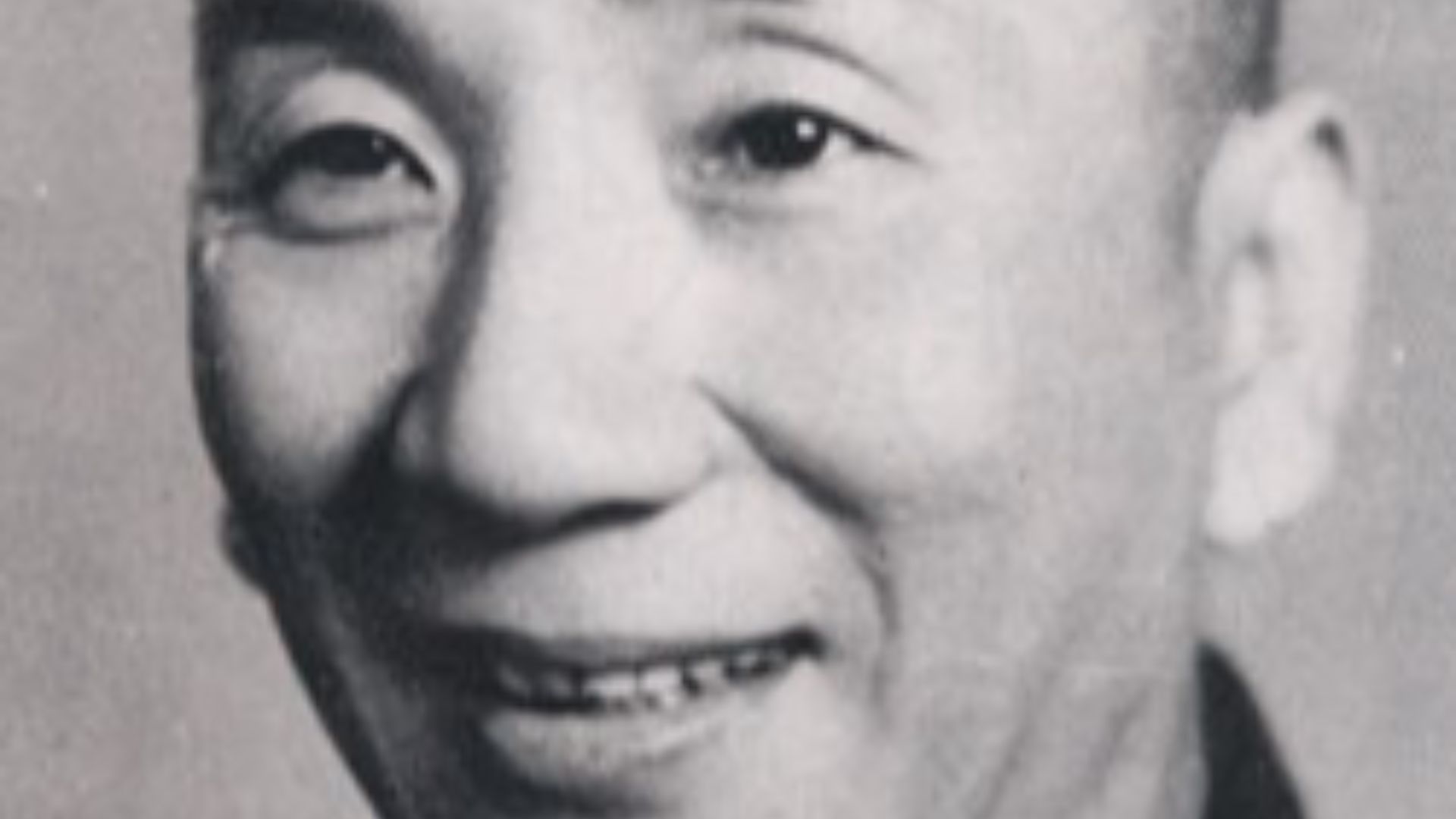
Lee studied Wing Chun under the very accomplished master Ip Man. From this, he learned many useful aspects of fighting at close quarters and economical body movement. Although Lee eventually moved beyond traditional martial arts systems, his early Wing Chun education remained an important foundation.
4. Winning a Hong Kong Cha-Cha Championship
Lee was a very good dancer, with the cha-cha being one of his favorites. He won the Hong Kong championship in 1958. His enthusiasm for dancing reflected a broader interest in movement that would later become central to his martial arts philosophy.

5. Moving to America in 1959
Lee was an American citizen, born in the USA. So in 1959, aged 18, he decided to travel back and initially stayed in San Francisco, although he later made his home in Seattle. Here, he worked at various jobs, continued his education, and started to teach others.
6. Opening His First Martial Arts School
While living in Seattle, Lee began teaching martial arts to students interested in his distinctive approach to fighting. His early classes eventually developed into the Jun Fan Gung Fu Institute, named after his Chinese given name, Lee Jun-fan. Unlike instructors who restricted their teaching to particular ethnic groups, Lee welcomed students from different backgrounds.
7. His Famous 1964 Long Beach Demonstration
Bruce made a very favorable impression on those in attendance at this event. Perhaps most famously, he displayed his "one-inch punch." The event helped introduce his skills to a wider American martial arts audience and contributed to his growing reputation.
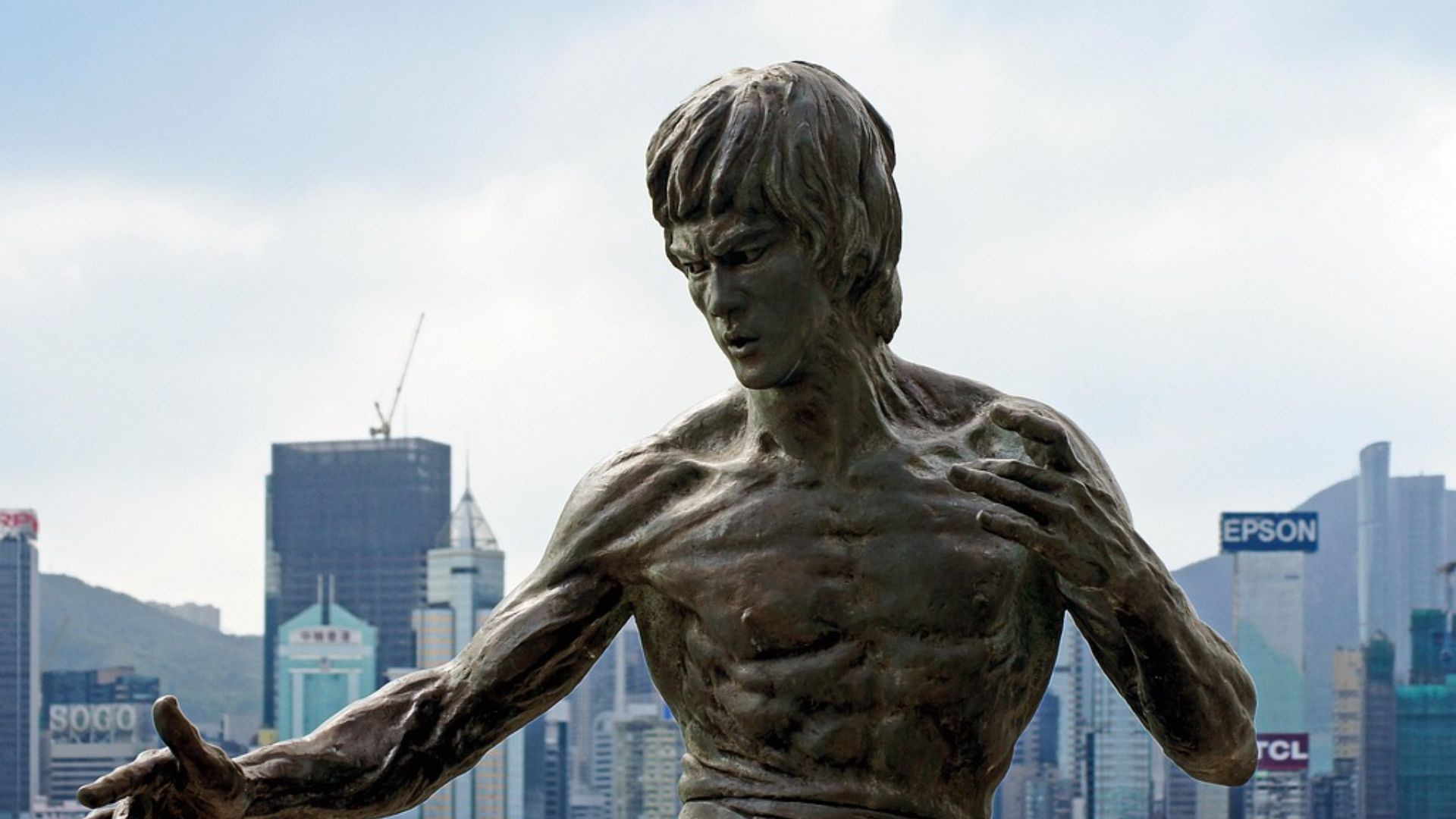
8. Becoming Kato in The Green Hornet
Bruce landed a very desirable part on this TV show in 1966, playing Kato. The show only ran for one year, but nevertheless drew quite a following for Lee due to some excellent fighting sequences. The role became particularly popular in Hong Kong, where audiences admired his fighting sequences and energetic screen presence.
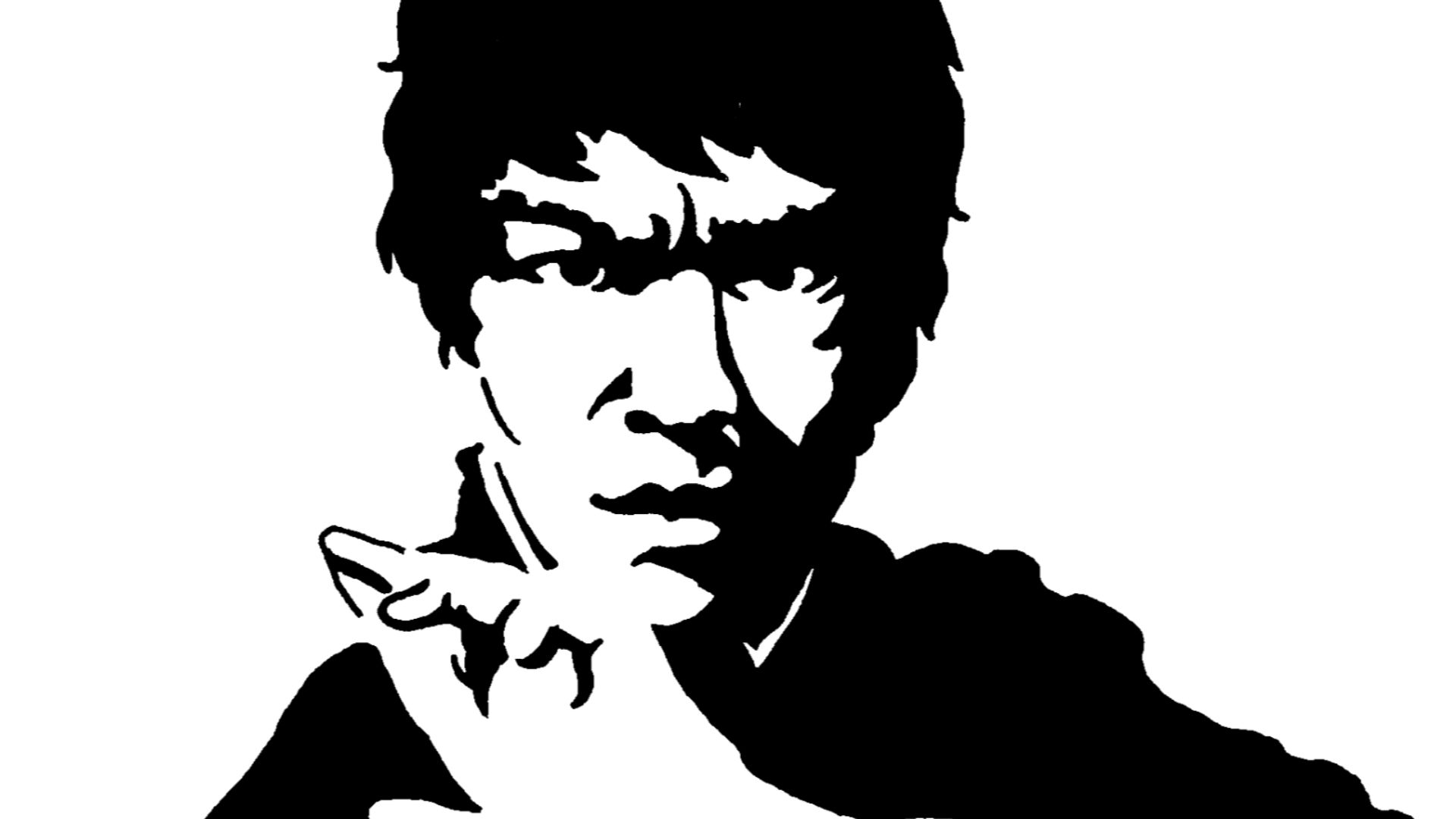
9. Challenging Hollywood's Expectations
As with most minorities in America during this era, Asians were not generally offered leading parts in films. Bruce was keen to play heroic roles, showing that Asians were intelligent, strong, and capable. His determination to establish himself as a leading man became an important part of his professional legacy, even though success didn't come immediately.
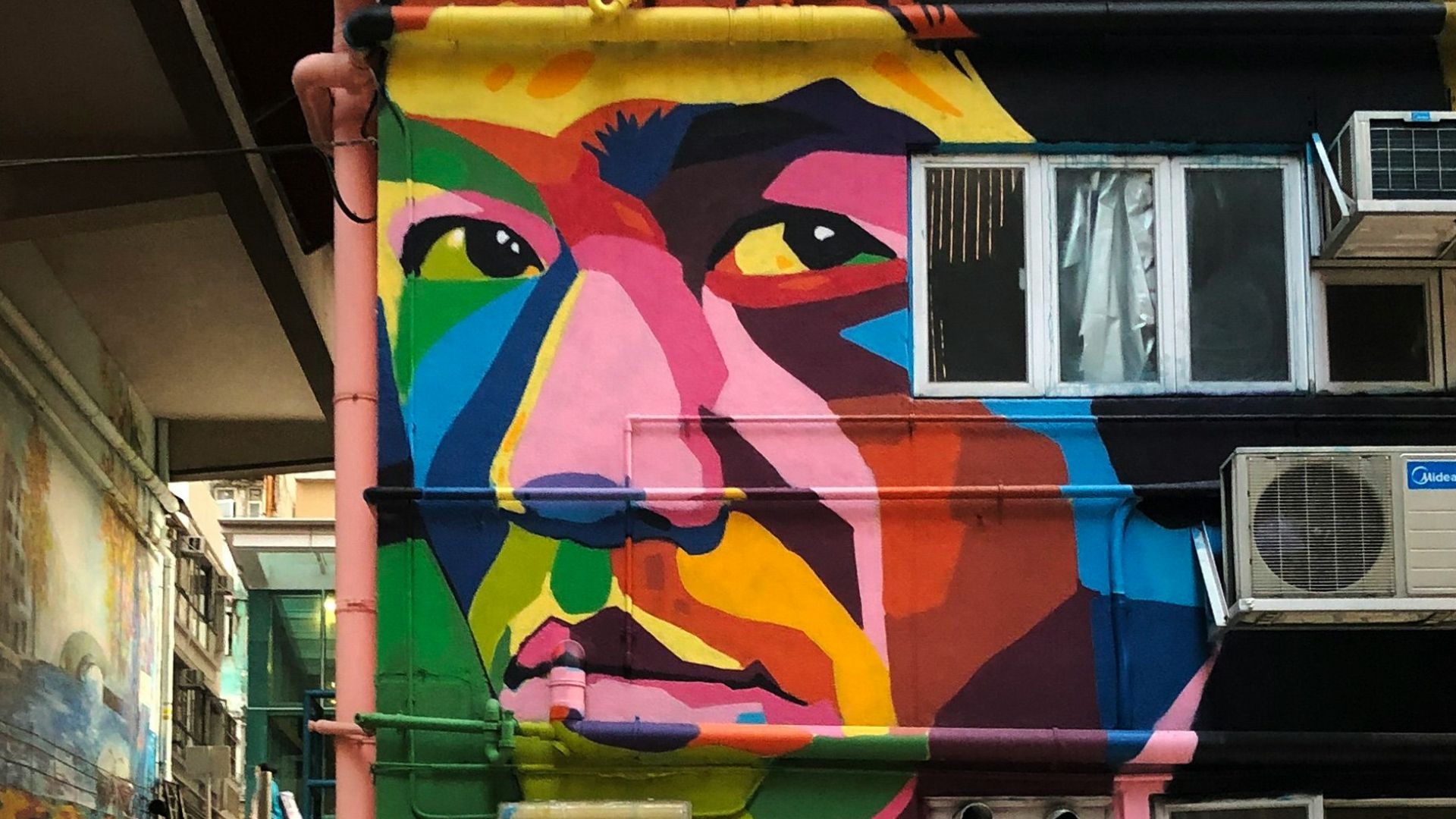
10. Developing Jeet Kune Do
1967 was when Bruce started referring to his style of fighting as Jeet Kune Do. He was of the opinion that a good fighter should try to employ as many effective techniques as possible rather than be tied down to one set of moves. His philosophy challenged traditional assumptions about martial arts training and continues to influence practitioners today.
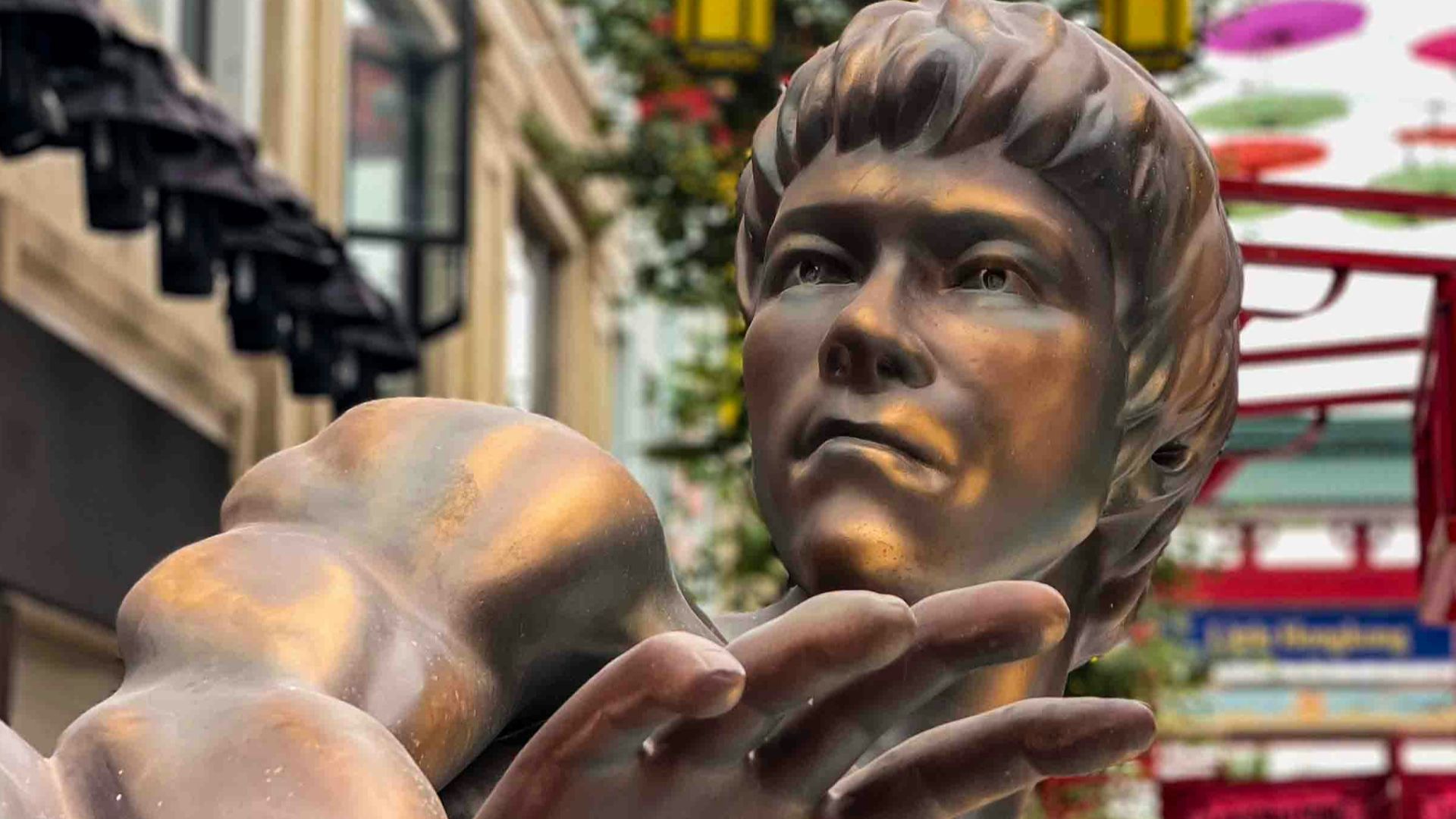
11. Training Hollywood Stars
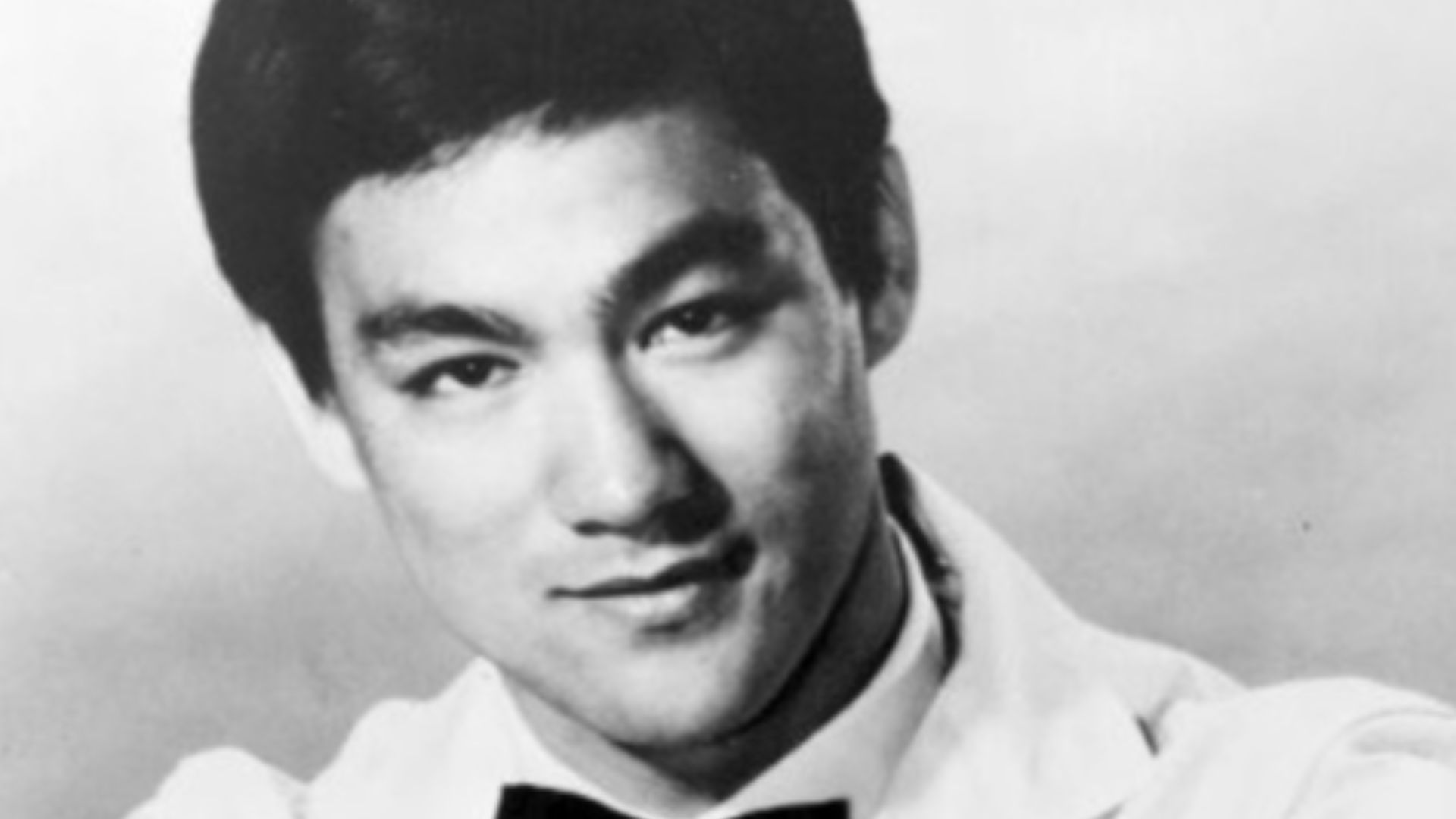
By now, Bruce had built quite a name for himself as an instructor. A host of famous names trained under him, such as Steve McQueen and James Coburn. Kareem Abdul-Jabbar also learned much from Bruce.
 ABC Television, restore by BevinKacon on Wikimedia
12. Returning to Hong Kong for The Big Boss
Finally, after years of perseverance, Bruce got his big break, appearing as a star in this movie. His character became involved with some gangsters operating out of an ice factory. This was the start of him showing off his incredible skills to a much wider audience, and the movie did extremely well.

13. The Dojo Fight in Fist of Fury
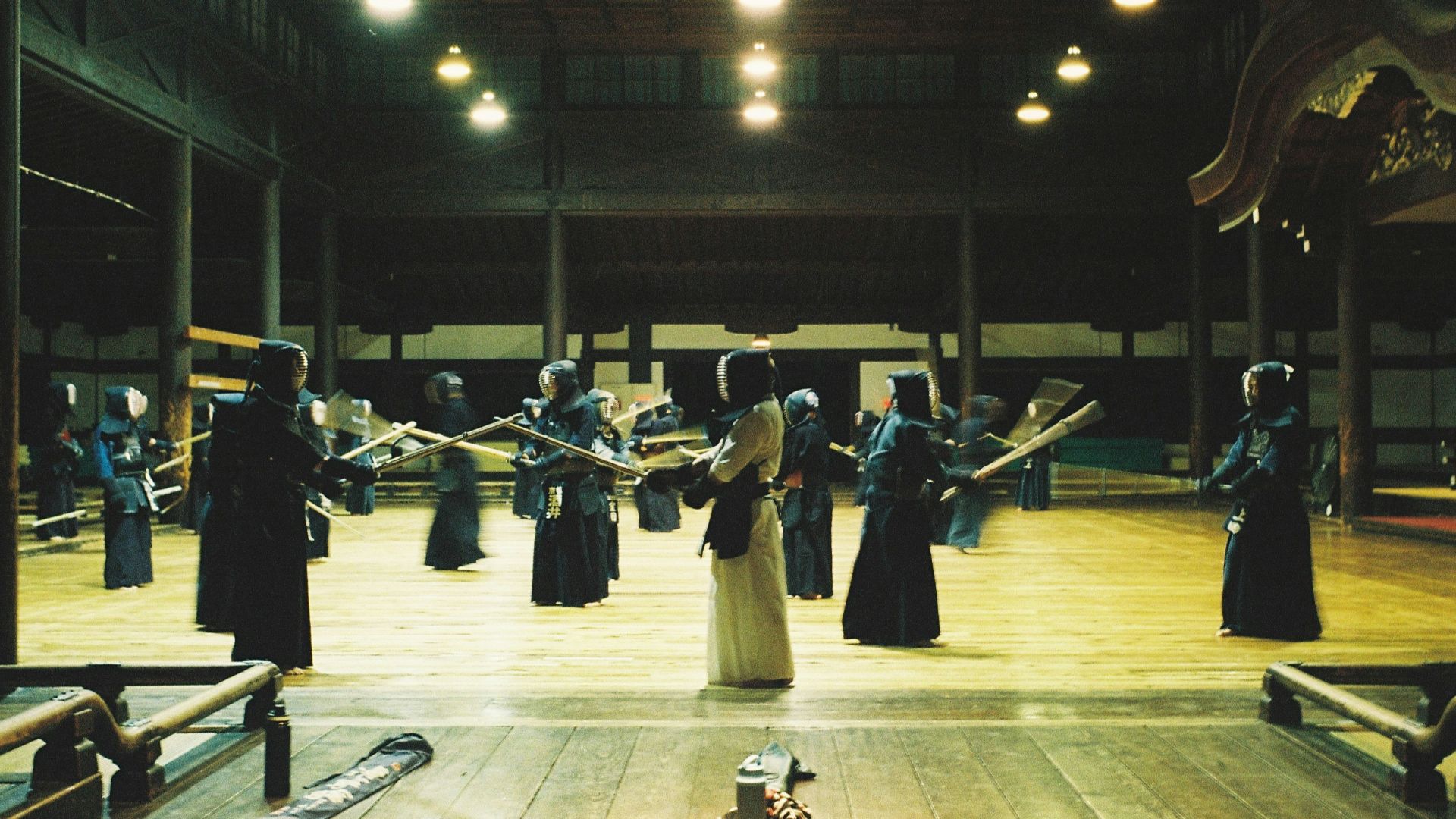
Bruce gave a superb performance in this 1972 movie, playing a man bent on revenge. The highlight was undoubtedly his fight with a succession of men in the Japanese dojo. As well as being impressed with Bruce's martial arts prowess, people responded well to the message of standing up for one's honor.
14. Creating His Own Film With The Way of the Dragon
Deciding he wanted more say over the direction of his movies, Bruce wrote, produced, and directed this movie. His character goes to great lengths to defend the owners of a Chinese eatery. Clearly, he had talents beyond acting.
15. Fighting Chuck Norris in the Colosseum
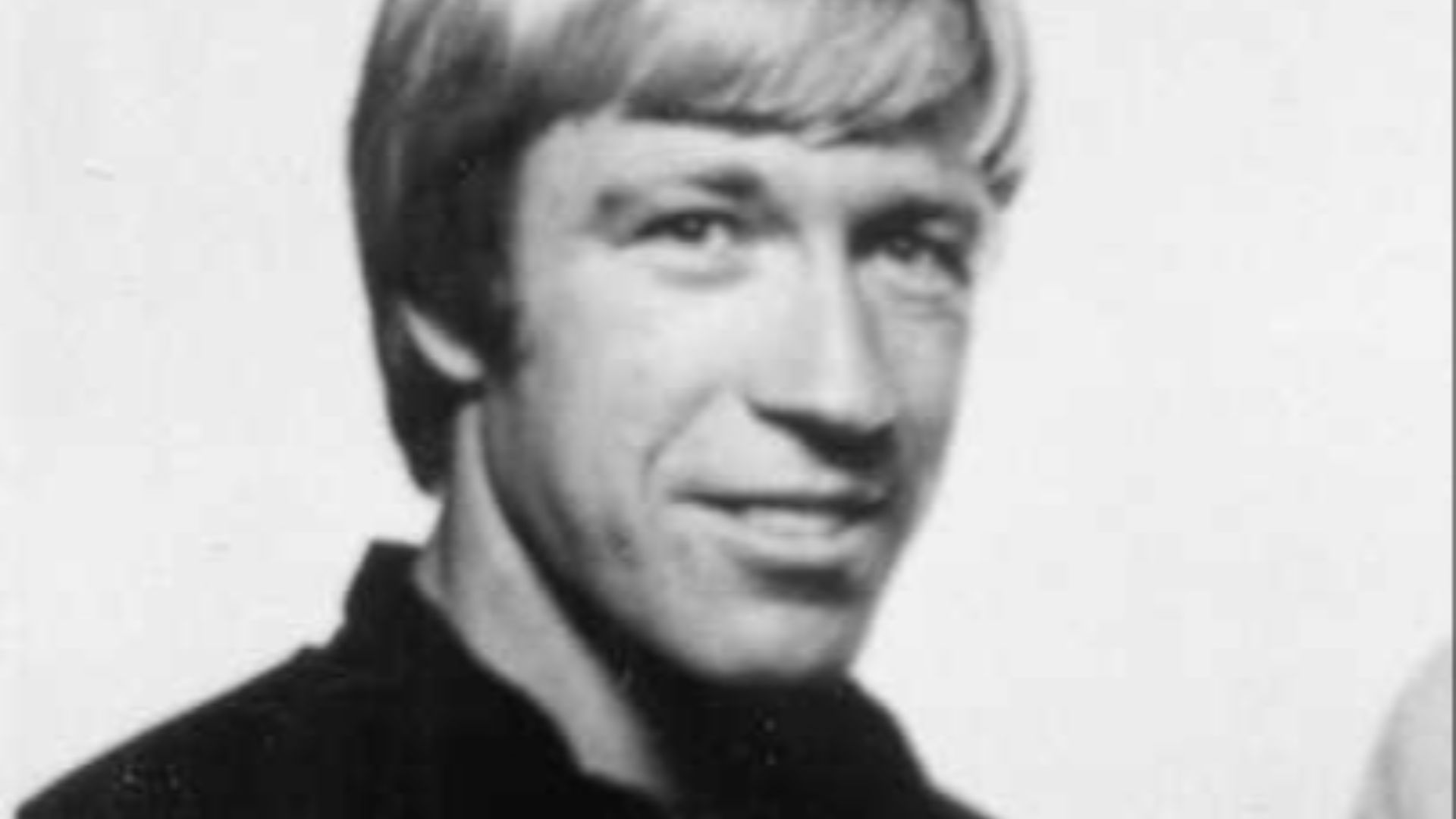
Towards the conclusion of the above movie, Bruce is pitted against Chuck Norris, and they battle in the Colosseum. It was an extremely well-thought-out fight, with each trying various strategies to overcome the other. Chuck Norris was, of course, highly skilled in martial arts himself as a competitor, so it made for great viewing.
16. His Legendary "Be Water" Interview
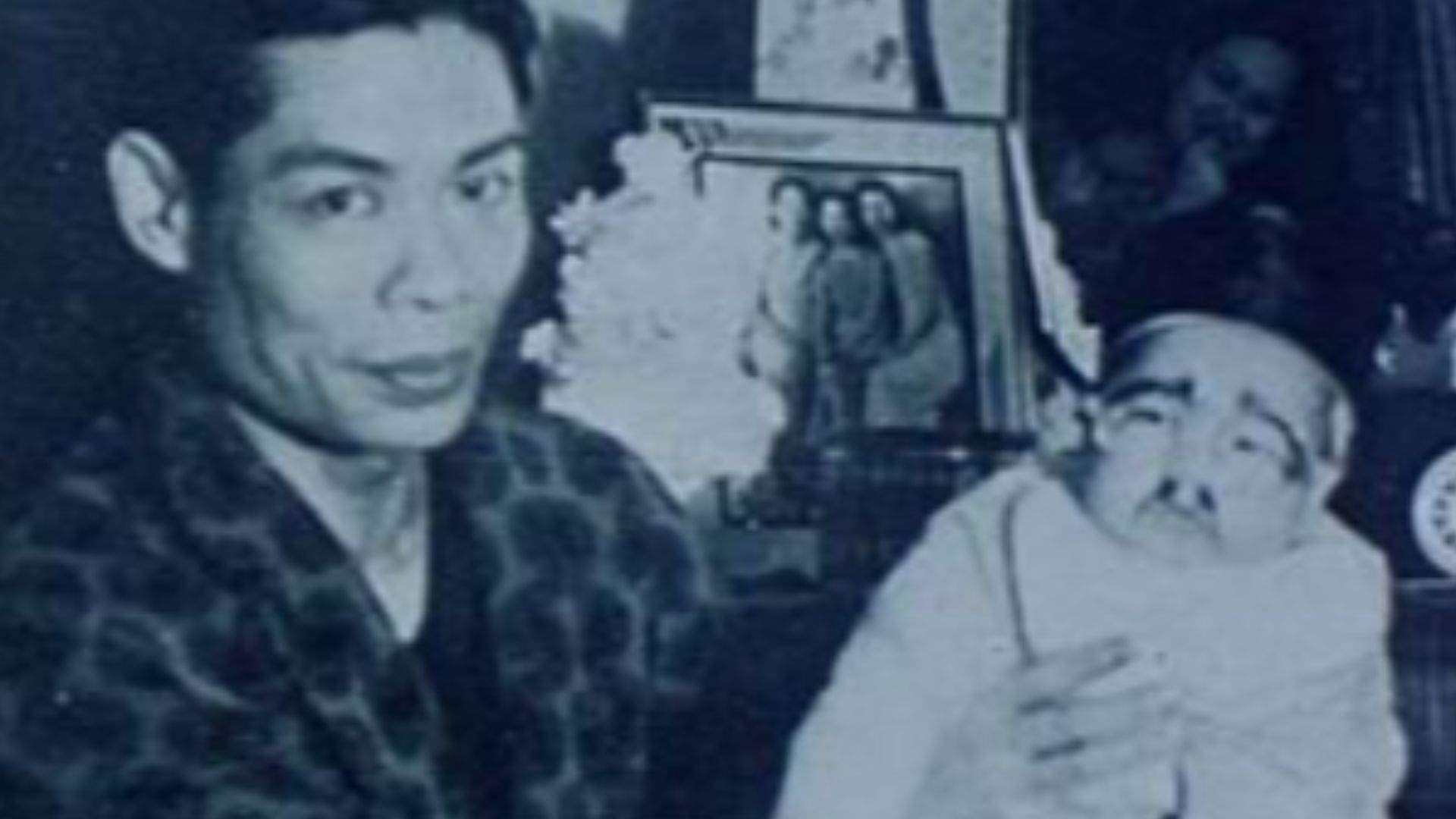
In a 1971 TV interview, Pierre Berton of Canada quizzed Bruce about life and other such matters. He famously stated that one should "be like water," as water would assume any shape depending on what it was poured into. The interview remains one of the clearest examples of Lee's ability to communicate philosophical concepts in an accessible, memorable way.
 Unknown authorUnknown author on Wikimedia
17. The Hall of Mirrors Fight in Enter the Dragon
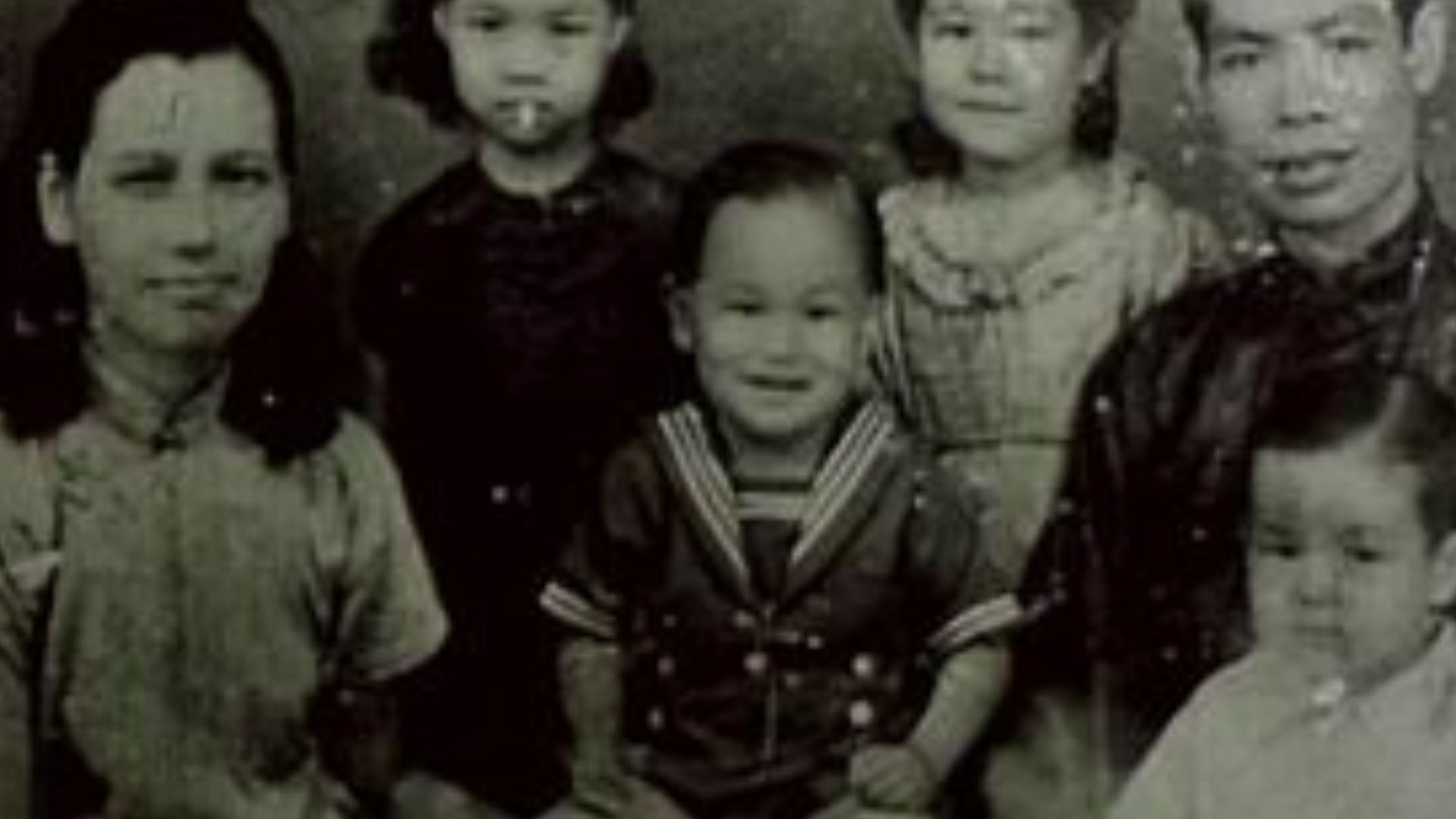
Bruce faces off against his nemesis Han in a room covered in mirrors from floor to ceiling. Obviously, the aim of this was to make Bruce struggle to identify which of the images were real and which were false. Released in 1973, the film introduced Lee to an even larger international audience and became a defining achievement of his career.
 Unknown authorUnknown author on Wikimedia
18. His Final Completed Film Becomes a Global Hit
Enter the Dragon was released in August 1973, a few weeks after his sad death. There was therefore great anticipation as to how successful it would prove, and it lived up to expectations. Although Lee never witnessed its international reception, the film cemented his reputation as a worldwide cinematic icon.
19. His Unfinished Work on Game of Death
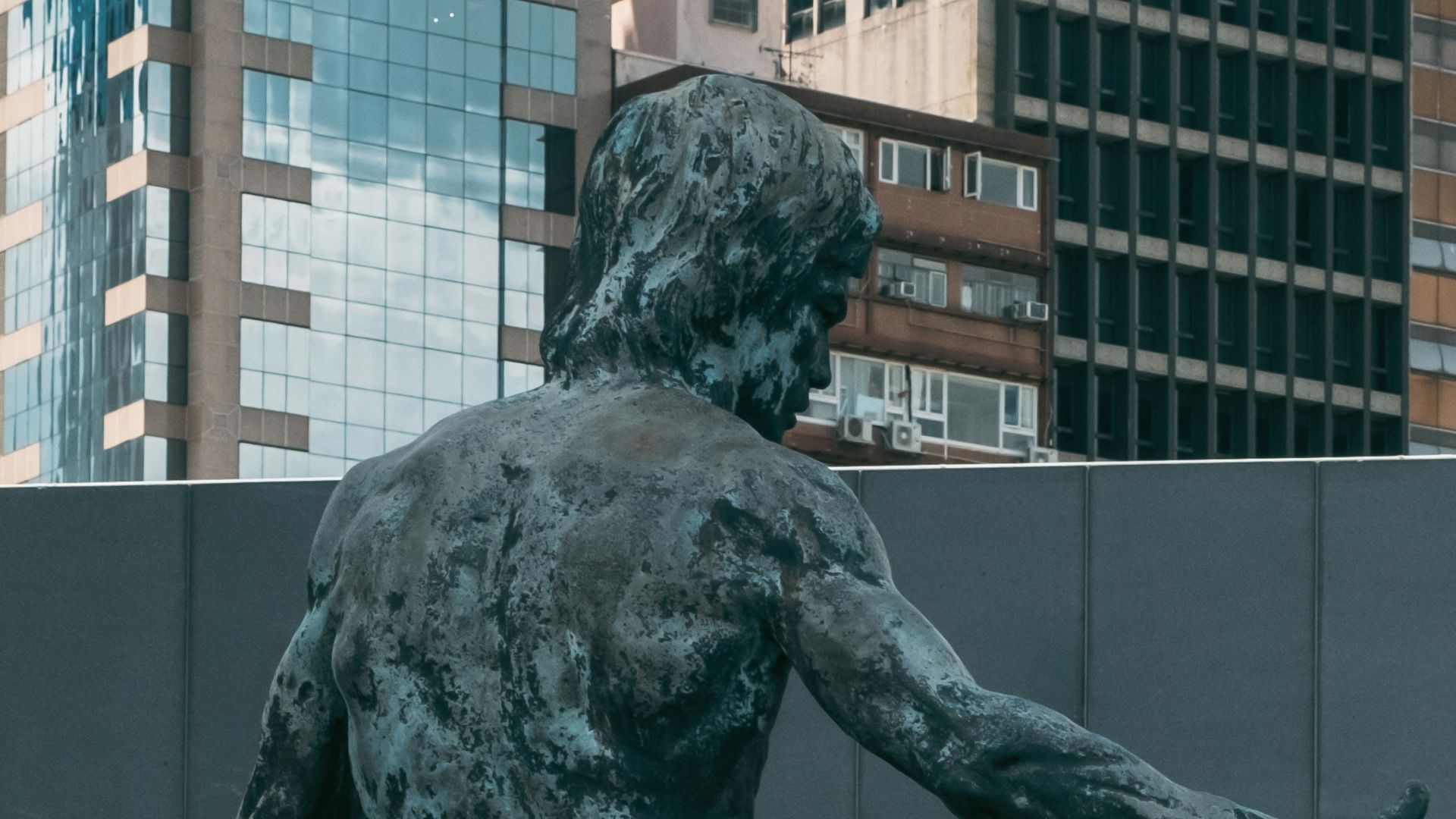
Bruce filmed a number of scenes that were to be included in this movie, including one against Kareem Abdul-Jabbar. Apparently, Bruce was to fight his way up a number of floors of a pagoda, encountering differently skilled fighters on each one. A substantially altered version was released in 1978 using some of Lee's original footage, although it didn't fully represent the movie he'd intended to create.
20. His Lasting Influence on Martial Arts and Cinema
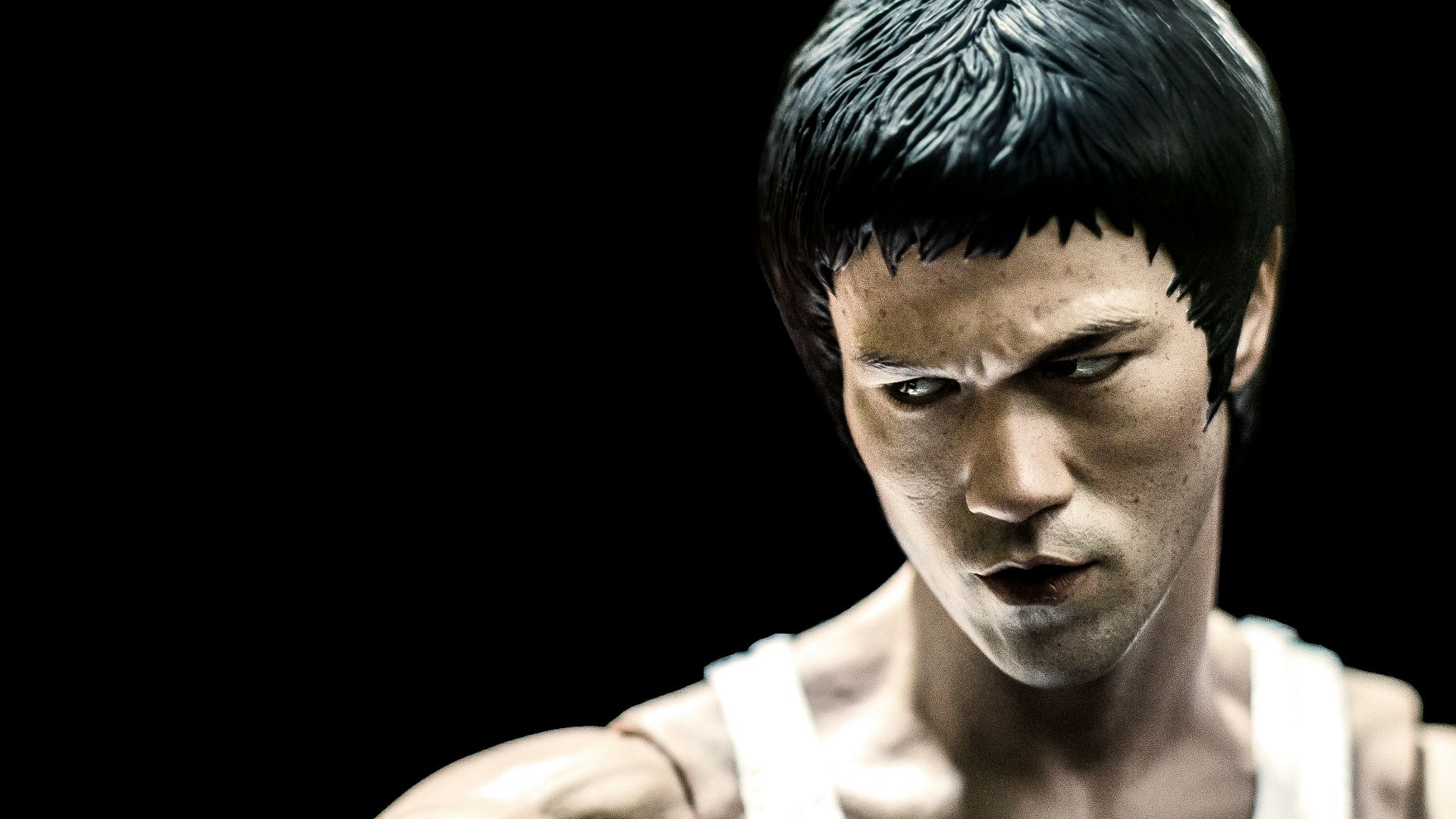
Although Lee died at just 32, his influence continued growing through subsequent generations of martial artists, filmmakers, and performers. His emphasis on adaptability helped shape modern approaches to combat training, while his films inspired countless action stars and directors around the world. More than five decades after his death, Bruce Lee remains a celebrated figure whose achievements continue to attract new fans and encourage people to explore martial arts.
 Unknown authorUnknown author on Wikimedia
KEEP ON READING