


When A Dance Floor Needed A Permit
There was a time when going out dancing meant somebody at city hall had to approve it first. American cities had all kinds of rules about dance halls, and officials worried plenty about what young people got up to after dark. Some restrictions were meant to control drinking, while others targeted Black music and the crowds it attracted. Plenty stayed in place long after anyone remembered why they were introduced. Here are 20 rules American cities once had for public dancing.

1. New York Made Dancing A Licensed Activity
New York passed its Cabaret Law in 1926, in the middle of Prohibition. Any place that sold food or drink needed a cabaret license before customers could dance on the premises. The law stayed on the books for 91 years, until Mayor Bill de Blasio signed its repeal in 2017.

2. Three Customers Was The Legal Threshold
Four people and a band? Legally, that was a dance hall. The licensing requirement kicked in once music and dancing happened while food or drink was being sold to more than three people, which made the rule almost impossible for a small bar to avoid.
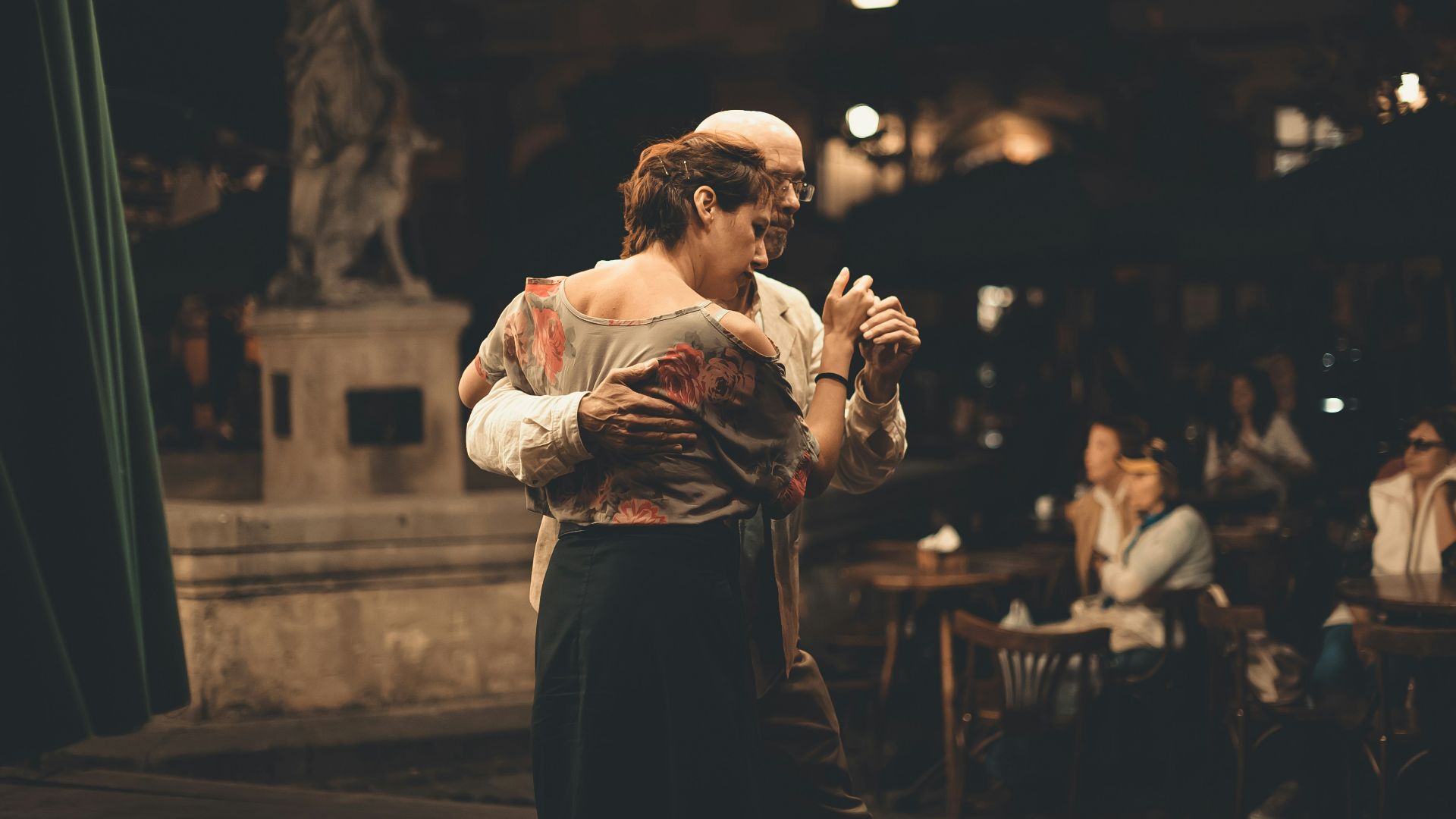 Maksym Kaharlytskyi on Unsplash
3. The City Had Barely A Hundred Legal Dance Floors
When New York finally repealed its cabaret law, only about 97 of the city's 25,000 restaurants and bars had a license allowing dancing. That's roughly 100 places for eight million people. Getting approved meant meeting strict security and surveillance requirements that most owners couldn't afford, so dancing was technically illegal almost everywhere else.

4. Giuliani Brought The Law Back
By the 1990s, New York's Cabaret Law was mostly being ignored. Then Mayor Rudy Giuliani started enforcing it again in 1997 as part of his crackdown on quality-of-life offenses. Bars began getting cited for letting customers dance, and some even put up signs warning people not to.
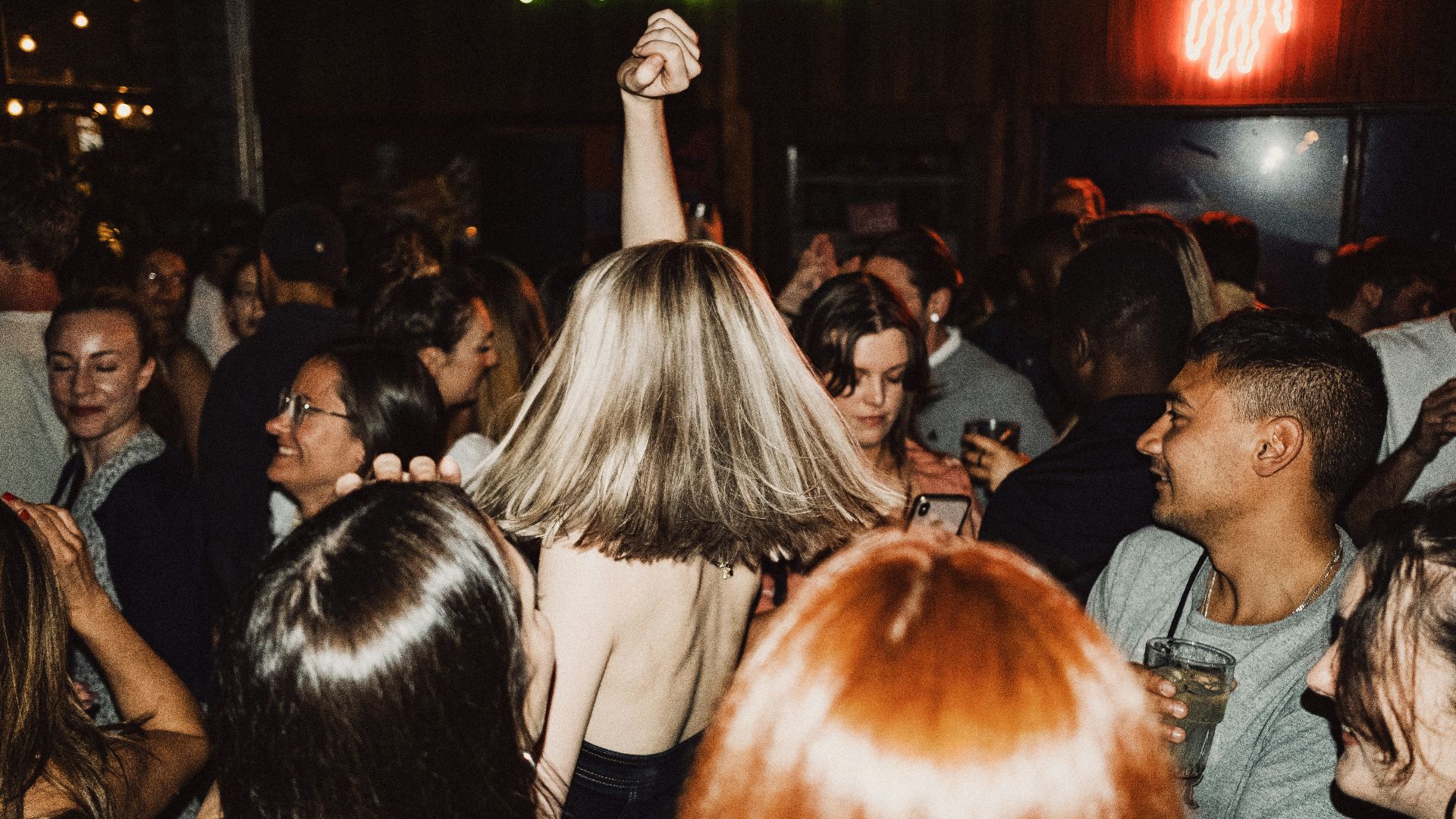 Samuel Regan-Asante on Unsplash
5. Atlanta Banned Sunday Dancing
In 1925, Atlanta banned dancing in public places on Sundays, officially known in the ordinance as the Lord's Day. Sunday restrictions were common back then, but most dealt with selling alcohol or keeping businesses open. Atlanta went a step further and made dancing itself illegal. Apparently, even a little dancing was too much for a Sunday.

6. Minneapolis Shut Its Cabarets Entirely
In 1917, Minneapolis shut down its cabarets along with 43 saloons. Even before the closures, cabaret rules banned customers from dancing. You could go out for a night of live music, but getting up to dance was another matter. The band could play all night, as long as everyone stayed in their seats.

7. Women Couldn't Be Served A Drink
Minneapolis also banned restaurants from selling alcohol to women. A husband could even be fined for sharing a beer with his wife over dinner. Along with the dancing restrictions, the city had some pretty strict ideas about how people were allowed to enjoy a night out.

8. Elmore City Banned Dancing For 82 Years
Eighty-two years without a single legal dance? That was Elmore City, Oklahoma, where public dancing had been banned since 1898, partly because officials believed it encouraged drinking. In 1980, a group of high school seniors finally convinced the school board to let them hold a prom. The story later inspired the 1984 movie Footloose.

9. A Church Within 500 Feet Made Dancing Illegal
Apparently, 300 feet wasn't far enough from a church to hold a Valentine's dance in Henryetta, Oklahoma. In 2017, organizers had to cancel their event because of a city ordinance passed in 1979. The city attorney insisted the law still applied, even after 38 years. Surprisingly, that made it one of the newer dancing restrictions around.
10. Dancing And Liquor Couldn't Share A Room
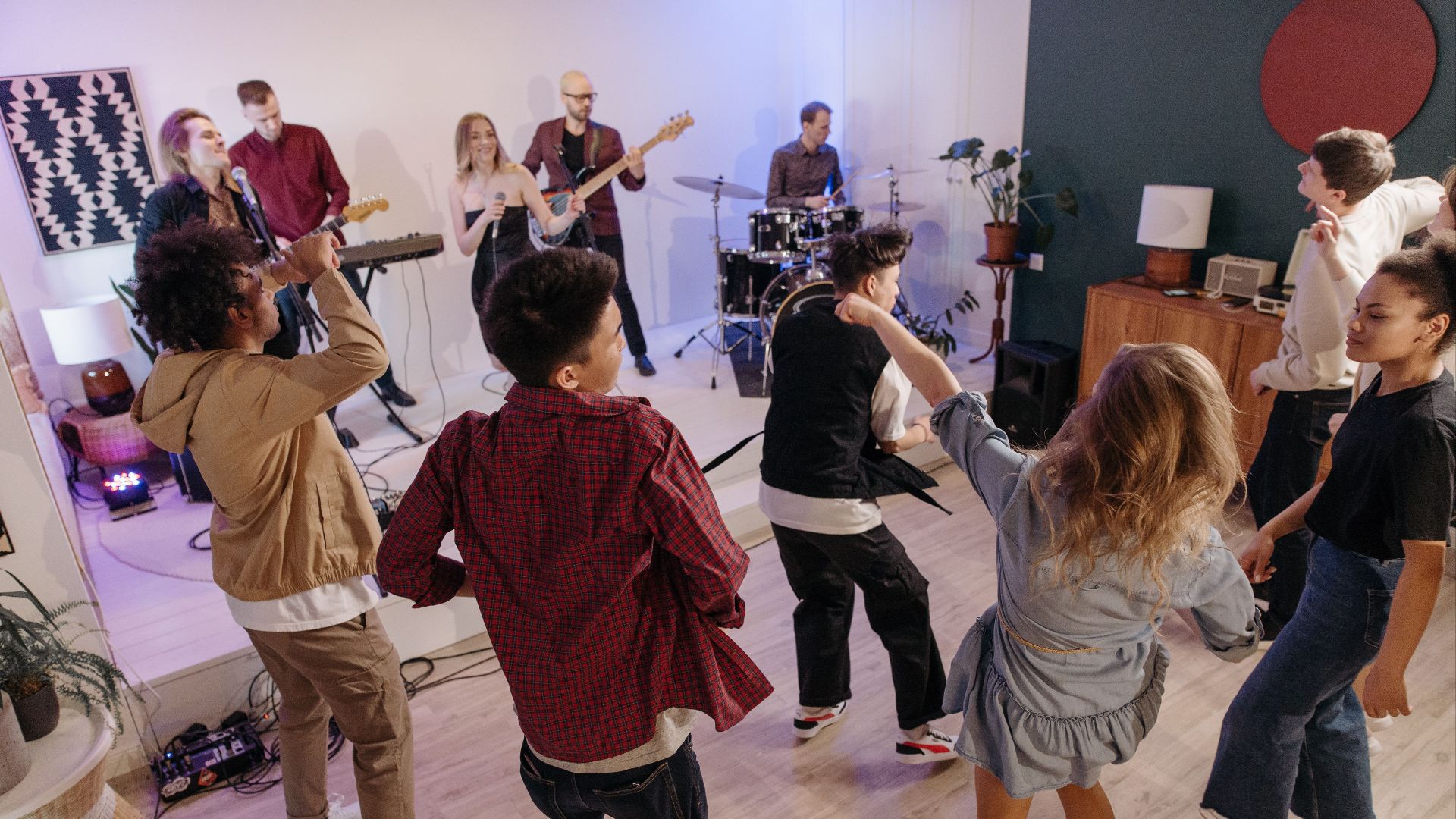
In Trumann, Arkansas, you could go out for drinks or go dancing, but you couldn't do both in the same place. The city banned dancing anywhere alcohol was served, and the rule stayed in place for 21 years until 1994. Plenty of towns had similar restrictions, believing that drinking and dancing were a bad combination.

11. Seattle Barred Unchaperoned Minors
Seattle wasn't keen on teenagers going dancing alone. Under a 1923 ordinance, minors had to bring an adult to get into a dance hall. The city also banned passes that let people leave and return without paying again. Officials wanted to know who was inside, and they weren't too fond of people coming and going as they pleased.
12. The Police Chief Could Cancel A Permit Over The Clientele
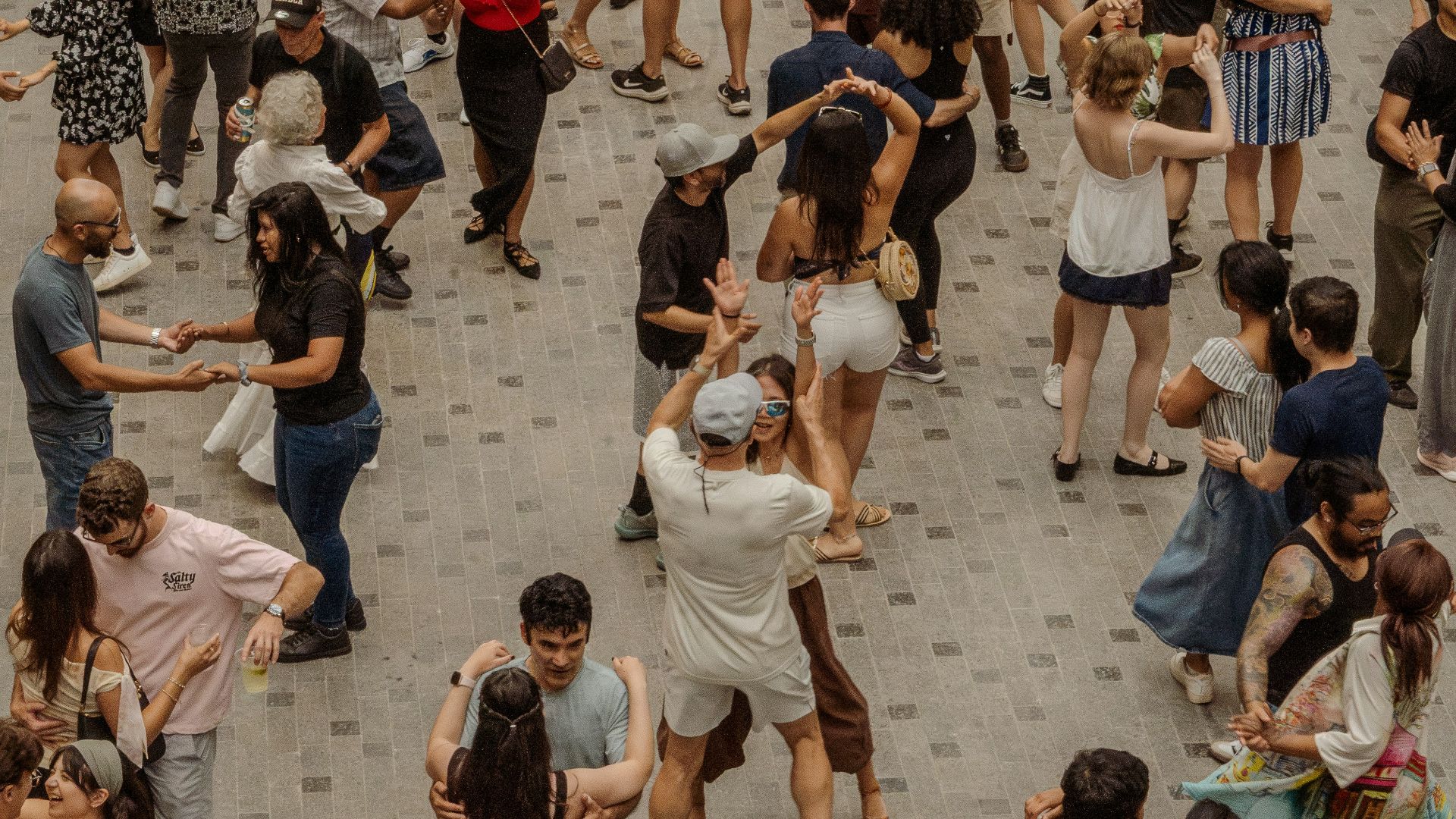
Seattle's 1923 ordinance also gave the police chief the power to revoke a dance hall's permit if it attracted people the law described as "lewd or dissolute." That left owners responsible for the behavior of whoever walked through the door. It also gave police plenty of freedom to decide which crowds they didn't like.

13. Taxi Hall Dancers Had To Wait For An Introducer
At taxi dance halls, men paid to dance with women, but the women weren't allowed to approach customers themselves. Instead, they had to wait for a paid introducer to make the connection. The rules also warned against sitting in private booths and cuddling with patrons. Apparently, paying for a dance was fine, but getting too comfortable was another matter.
14. The Shimmy Was Banned By Name
Specific dances got named and prohibited, and the shimmy came up more than any other. Seattle's taxi halls enforced a ban on it, and dance schools elsewhere posted notices refusing to teach it. One Indiana dance school notice from 1916 objected to the shimmy in openly racial terms. The complaint was partly about hips and partly about where the dance had come from.

15. Plymouth Needed A License From The Burgess
In Plymouth, Pennsylvania, throwing a public dance meant getting permission from the town burgess first. A 1902 ordinance required a license for every public ball or dance, and the music had to stop by 1 a.m. The rule stuck around for decades, so even a perfectly respectable night of dancing came with a curfew.

16. Pennsylvania Charged A Dollar Per Dance
In 1919, Pennsylvania made dance halls in its cities get a permit for every public dance they held. Each one cost a dollar, so hosting regular dances meant regular trips to get permission. Even teaching dance lessons for money required a permit. Apparently, the state wanted a say whether you were learning the steps or showing them off.
17. A Matron Had To Watch The Whole Dance
Some cities wouldn't let a public dance go ahead without a chaperone. The rules called for a woman of good moral character to supervise the entire event, and she couldn't just pop in for a quick look. The dance hall owner had to pay her wages, often along with those of a police officer. Apparently, keeping an eye on the dancers was a full-time job.

18. The Lights Had To Stay On
Some cities even had rules about how brightly dance halls had to be lit. Officials worried about what couples might get up to in dark corners, so stairways and adjoining rooms had to stay open and well lit throughout the dance. Apparently, a little privacy was too much to ask for on a night out.
19. Chicago Closed At One
Chicago wanted the party over by 1 a.m. Entertainment venues had to close unless the mayor approved longer hours. Police superintendent Charles Fitzmorris called it a "one o'clock town" and promised strict enforcement. Dance hall bars had previously stayed open until 3 a.m., and a 1918 ordinance had already banned cabaret entertainment in certain venues.
20. Santa Cruz Banned Rock And Roll Outright
In June 1956, Santa Cruz banned rock and roll at public gatherings after about 200 teenagers attended a dance featuring Chuck Higgins and his Orchestra. Police called the music a threat to public morals and made a point of noting that the band was Black and the crowd was mixed. Asbury Park and San Antonio followed with similar bans within two weeks, though Santa Cruz dropped its own after just a few weeks.

KEEP ON READING