Research Looked A Lot Different Back In The Day—Here's What It Entailed Before The Internet
Research Looked A Lot Different Back In The Day—Here's What It Entailed Before The Internet
Today, finding information takes little more than a few keystrokes. You want to know where to find something? Wikipedia, online sources, or even AI-generated summaries can guide you to the X on the map. But that wasn’t always the case, and back in the day, if you wanted to find a clue to something, you had to do a lot more digging.
There was no convenient search engine to locate an obscure historical date or settle an argument about a famous figure. Instead, researchers depended on libraries, printed reference materials, personal correspondence, and a considerable amount of patience. Come with us as we go through exactly how much work it took to find even one piece of the puzzle.
Libraries Were the Starting Point
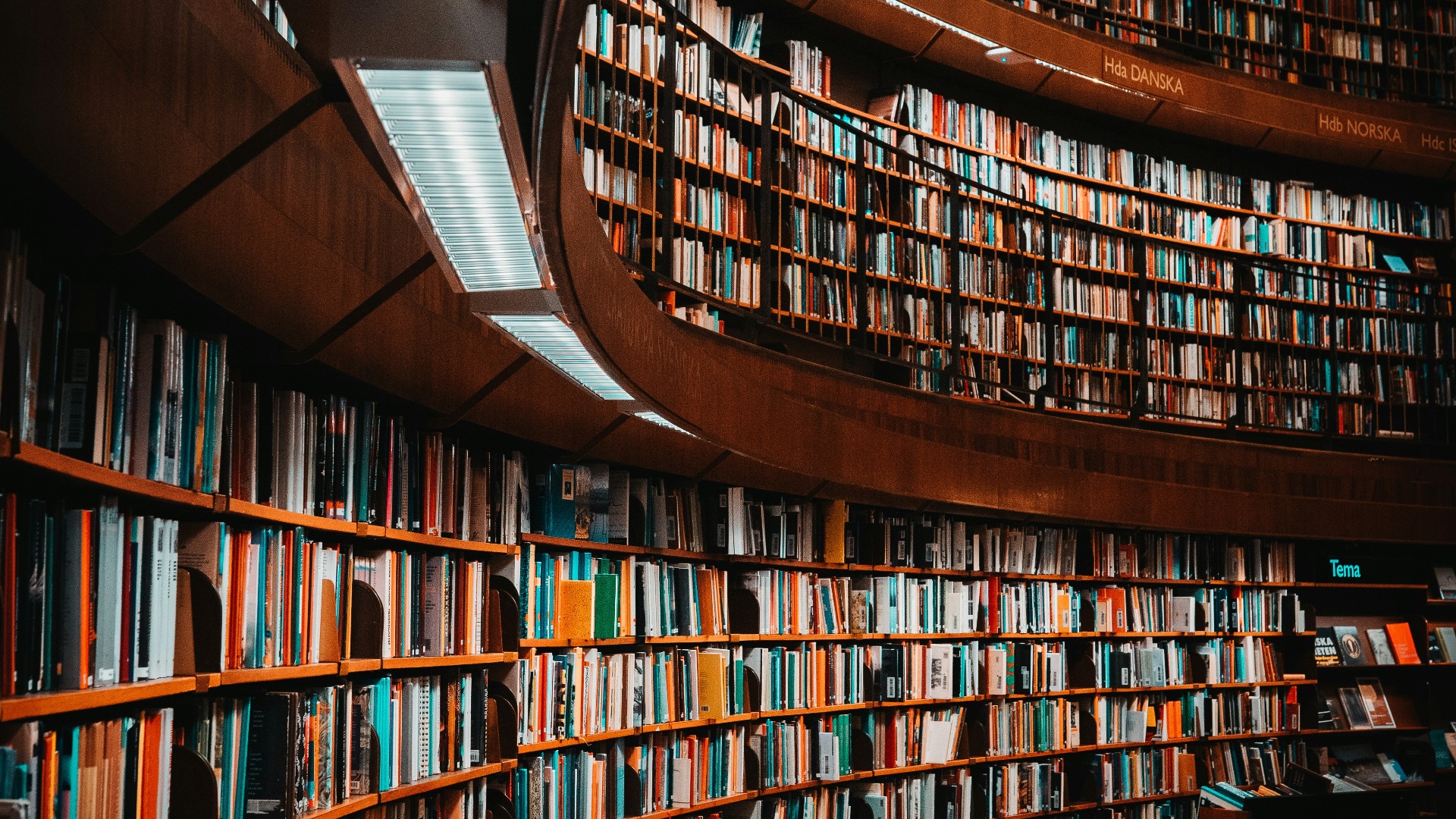
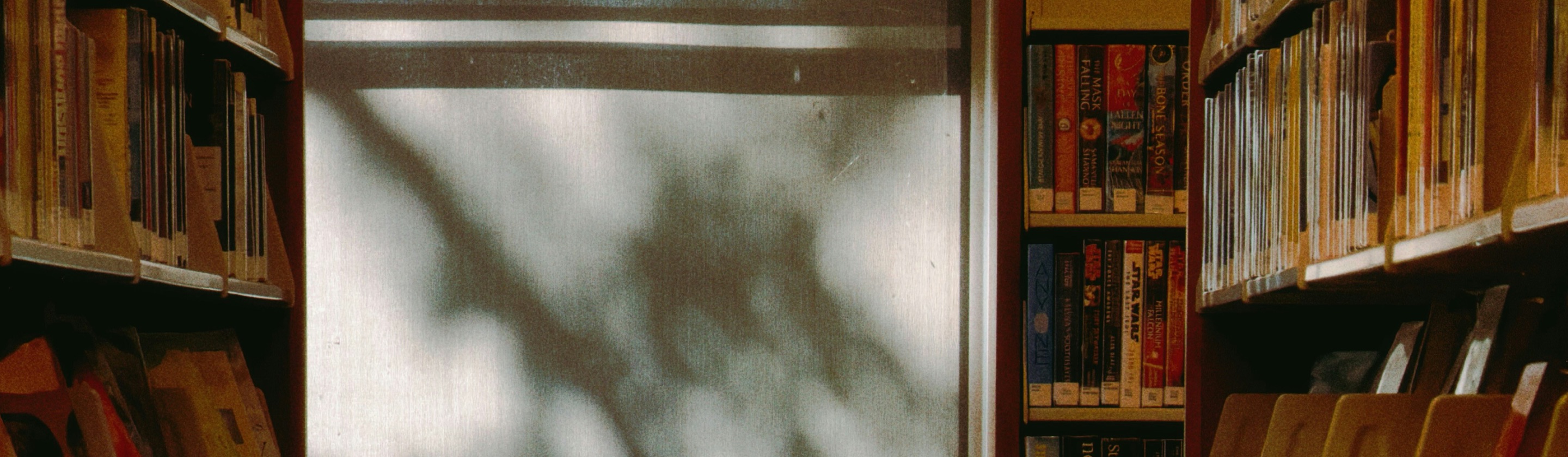
Ah, the library. The institution that’s broken its back offering free information to the public for decades. And yet, people rarely use it now, despite all it offers! Just look at research—where do you think people went when they needed a book or newspaper article? Their collections offered access to historical documents, academic publications, and reference books that might otherwise have been impossible to obtain.
However, finding the right material required some understanding of how everything was organized. That’s where the card catalog came in, a collection of drawers filled with thousands of carefully arranged index cards. Each card had information about a book, including its author, title, subject, and location within the library. If you wanted to find a book, that meant searching those cards manually before even heading to the shelves.
Encyclopedias also played an important role. Publications such as Encyclopaedia Britannica had extensive information on everything from ancient civilizations to scientific discoveries. But because printed editions couldn't be updated continuously, researchers sometimes needed newer sources to confirm whether the information remained accurate.
And that’s where we get to the best of both worlds: librarians! These individuals were another invaluable resource, especially when someone wasn't sure where to begin looking. Experienced reference librarians knew their collections and could recommend specialized books, bibliographies, and historical records that researchers might never have discovered if people trusted their own research. Their knowledge frequently saved visitors considerable time and unnecessary searching.
Finding Evidence Needed Patience
For historians digging into past events, newspapers were among the most valuable sources of firsthand information. Major libraries (surprise, surprise) had collections of old publications, sometimes preserving decades of reporting in bound volumes or on microfilm. Examining these records allowed researchers to understand how particular events were described when they actually happened.
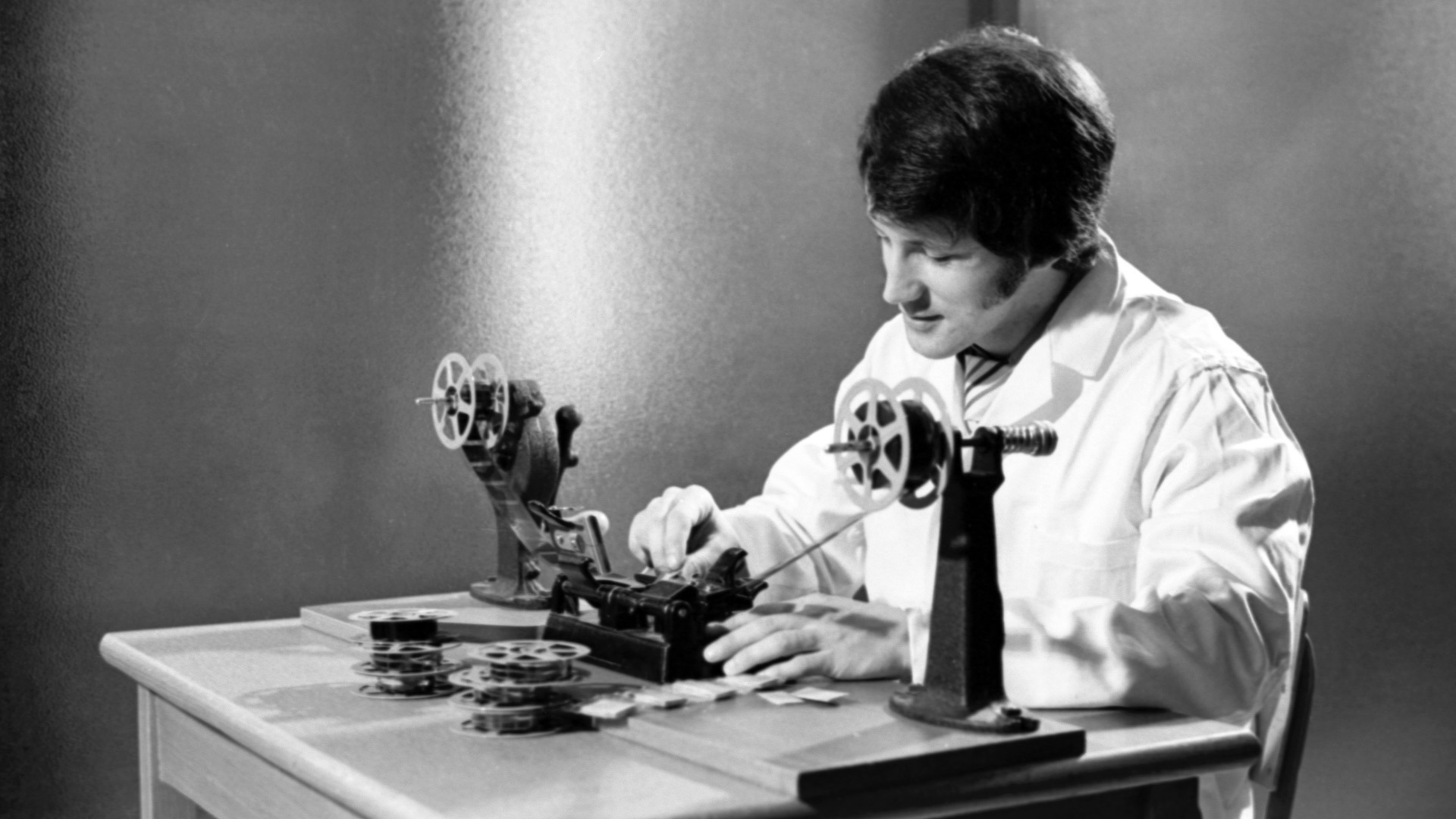
Microfilm machines were then obviously especially important during the twentieth century; they allowed enormous newspaper collections to occupy relatively little storage space. But what did that mean for someone who wanted to use them? It was an admittedly arduous process. Readers loaded reels containing miniature photographic reproductions of printed pages, then enlarged them on a screen. Finding one specific article could involve scrolling through issue after issue, particularly when its publication date wasn't known.
Government archives presented another opportunity to uncover valuable evidence, although visiting them could require more than their fair share of prep. Census records, court proceedings, military documents, and official correspondence contained details that weren't available in published histories. Depending on the institution, researchers likely needed permission to examine certain collections or request materials in advance.
If this sounds like a nightmare, don’t forget that not every useful source was around the corner, either. Researchers sometimes traveled far and wide just to consult university collections or archives holding rare documents. When travel wasn't in the cards, interlibrary loan services could help them obtain books and other eligible materials from institutions, but that took even longer.
Taking Notes and Checking Facts
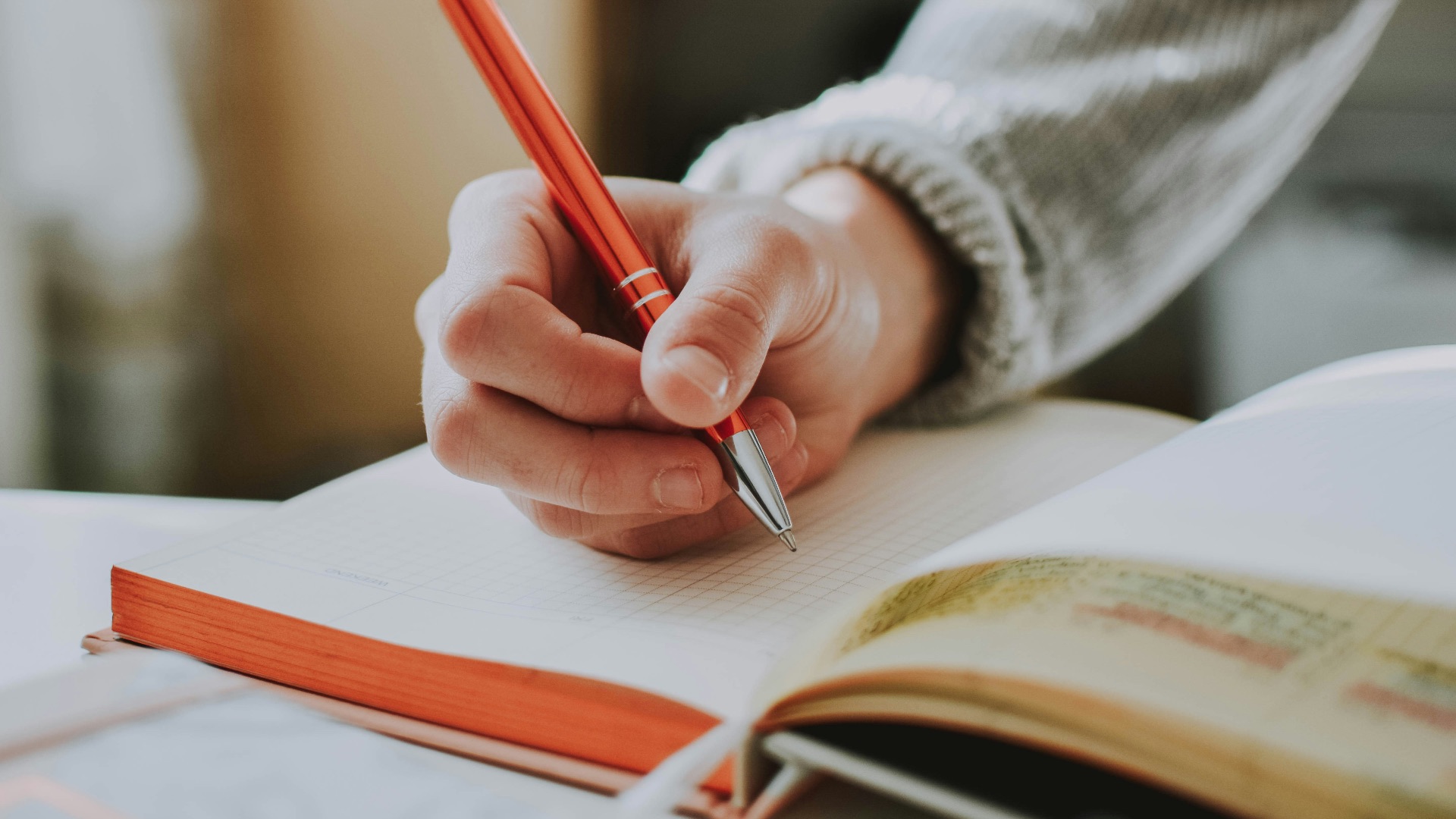
Before laptops became commonplace, researchers often arrived at libraries with all the old-fashioned stuff. Notebooks, pencils, and stacks of index cards were invaluable pieces, especially back then. After all, forgetting to record a page number could mean another trip to the library.
Correspondence offered another method of gathering information that wasn't readily available in books or archives. Historians could write letters to museums, academic specialists, government offices, or individuals with firsthand knowledge of historical events. As you can imagine, that often also meant sitting on your hands until you heard back—sometimes weeks or months later.
Then, of course, checking the reliability of information required comparing sources without the convenience of websites. Researchers examined bibliographies, consulted competing historical accounts, and traced claims back to original documents whenever possible. It’s not even like modern technology made accessing information easier; the fundamental responsibility remains unchanged: good research still depends on knowing which evidence deserves your trust.
Looking back, it's remarkable how much effort went into answering questions we can now investigate in seconds. Sure, the internet eradicated many of those obstacles, but it hasn't replaced the need for careful investigation and reliable sources. If anything, these old-school methods only remind us that finding information and understanding it are two very different things.
KEEP ON READING