


 L. Prang & Co., Boston on Wikimedia
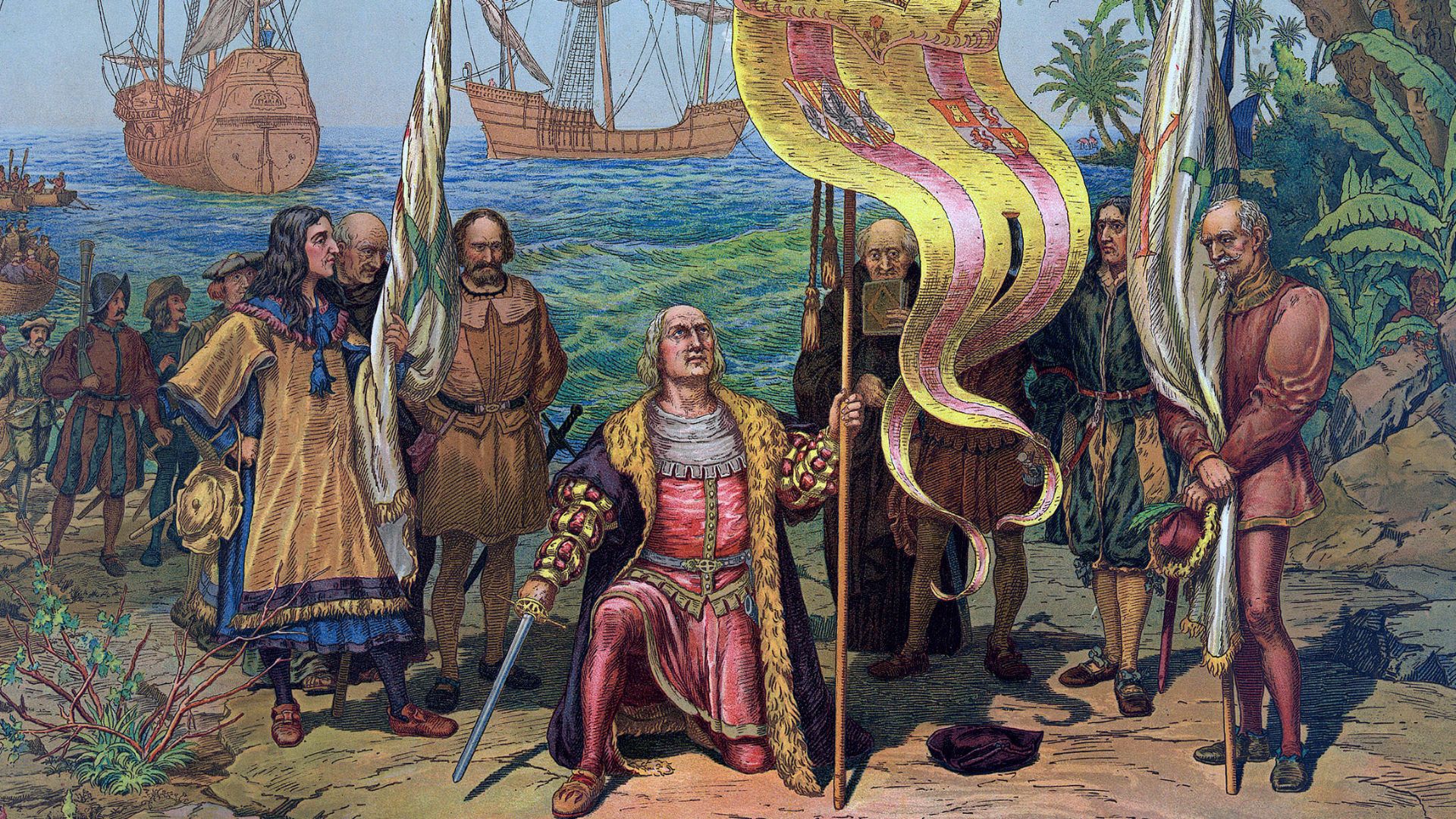
For a long time, the standard history books told us a very simple story about a guy named Christopher Columbus who sailed the ocean blue in 1492. You probably grew up hearing that he was the brave explorer who discovered a "New World," but that narrative has some pretty massive holes in it. It’s a bit like claiming you discovered a neighborhood that already had thousands of people living in it for generations. When we dig into the actual evidence, we find a much more crowded and fascinating timeline of arrivals that makes the traditional story look like a late-entry news report.
Unraveling the mystery of who actually set foot on American soil first requires us to look back much further than the fifteenth century. We have to consider everything from ancient land bridges and Viking longships to Polynesian voyagers and the sophisticated civilizations that were already thriving here. It’s a bit of a historical detective game where the "winner" depends entirely on how you define the word "discovered." Let’s take a light-hearted look at the various groups that beat European expansion to the punch by hundreds, if not thousands, of years.
The Original Architects of the Continent
America was populated thousands of years ago by ancestors of the Native Americans. This occurred when groups migrated from Siberia to North America via a strip of land called Beringia. During an Ice Age, water levels were much lower, and one could walk where the Bering Strait currently is. Between 15,000 and 30,000 years ago, large numbers of people migrated to the Americas. They were able to survive in many climates and build upon the foundations that their ancestors started.
While moving further south into the continent, these people split into hundreds of different groups with different languages, technologies, and crops. People built large cities like those of the Mississippian culture and cliffside houses such as those found in the southwest. They were able to control the continent well before European explorers came searching for new lands. It's almost funny to think that explorers were able to just claim land that already had millions of people living there with their own boundaries and rules. If we are going to discuss who discovered America, we must begin and end with Native Americans.
Humans have been found to have inhabited the Americas even earlier than previously thought. Archaeologists have discovered remains in Monte Verde, Chile, that predate the oldest previously known site by almost 2,000 years. This isn't the only site that continues to change since humans first arrived. Some scientists hypothesize that people came to North America by coastal routes using boats. Studies of these routes are sometimes referred to as the "kelp highway," which paints a picture of early humans navigating coastal waters. Humans who reached America were much more adventurous than they are given credit for.
The Norsemen and Their Northern Outpost
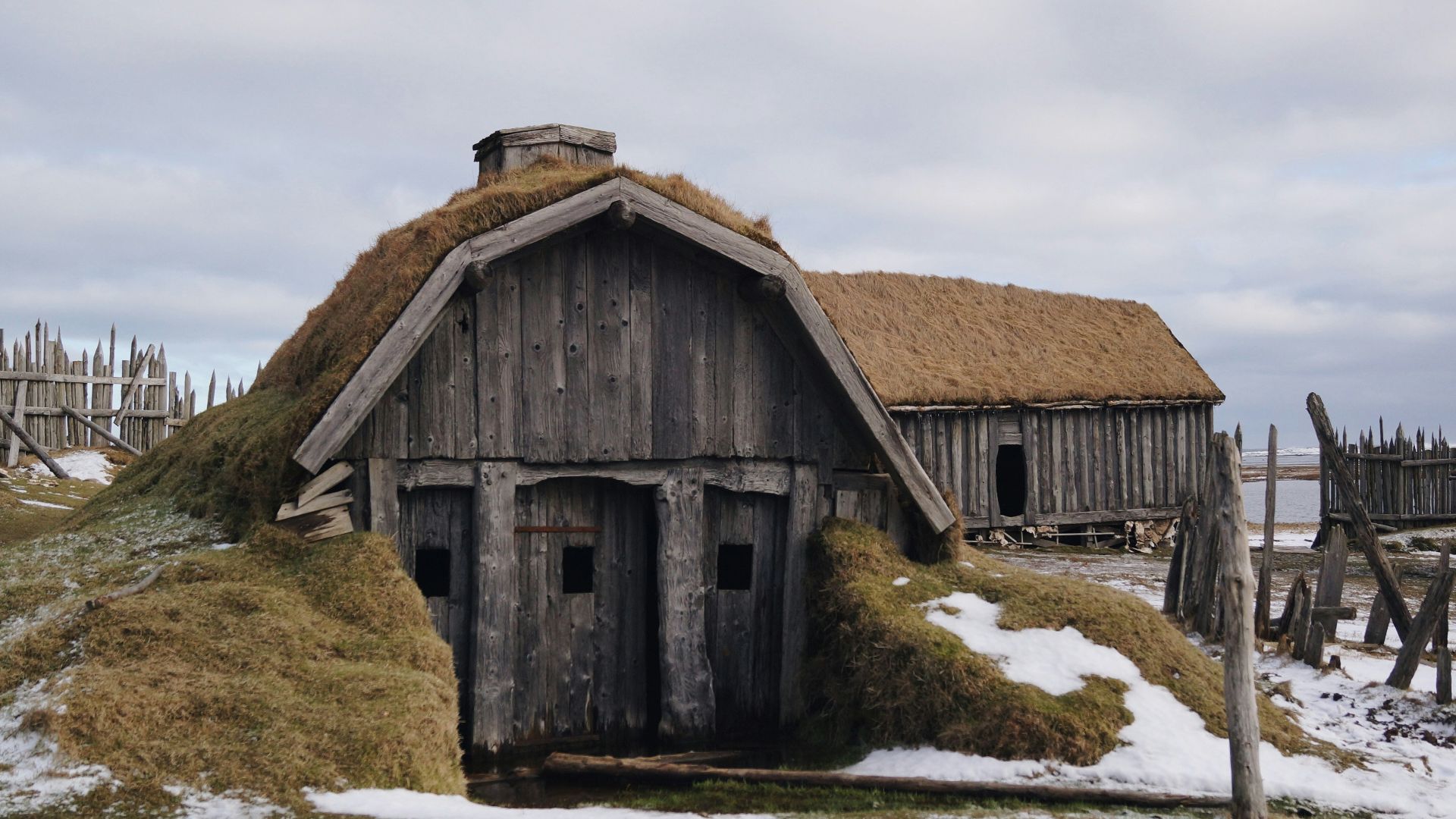
If we’re looking specifically for the first Europeans to reach the Americas, we have to look north to the Vikings about five centuries before Columbus was even born. Leif Erikson is the most famous of these Norse explorers, and he likely established a small settlement in what we now call Newfoundland around the year 1000. You can actually visit the remains of their sod houses at L’Anse aux Meadows today, which provides undeniable proof of their early presence. While their stay was relatively short-lived due to conflicts and isolation, they were technically the first outsiders to set up shop on these shores.
The Norse sagas tell wild tales of "Vinland," a place filled with grapes and timber that sounded like a paradise to the settlers living in icy Greenland. These stories were long considered to be mere myths until archaeologists finally unearthed the physical evidence of Viking tools and dwellings in the 1960s. It’s fascinating to imagine these bearded warriors navigating the North Atlantic in open wooden boats without the help of modern compasses or maps. They managed to find the continent through sheer grit and a bit of luck, even if they didn't realize the massive scale of what they had stumbled upon.
Despite their successful landing, the Vikings didn't exactly stick around long enough to change the course of global history in the way later Europeans did. They mostly used their American outpost as a base for gathering resources like wood and furs before eventually packing up and heading back to more familiar territories. You won’t find many lasting Norse influences in the local culture, but they definitely earned their bragging rights as the first trans-Atlantic commuters. Their story reminds us that history is often written by those who stay, rather than those who simply show up first.
Other Possible Guests and Early Encounters
There are plenty of other intriguing theories about early visitors that don't involve Europeans at all, including the possibility of Polynesian sailors reaching South America. Genetic evidence has shown a link between certain Indigenous groups and Polynesian populations, suggesting that these master navigators might have crossed the vast Pacific Ocean long ago. You can even find the presence of sweet potatoes, a crop native to the Americas, in ancient Polynesian sites, which is a pretty big hint that some trade was happening. It’s incredible to think about these sailors crossing thousands of miles of open water in outrigger canoes just to swap some snacks.
Chinese exploration fleets landing on the West Coast in the early 15th century and Irish monks paddling around in leather-bound boats have also been proposed by some history buffs. Admittedly, these theories lack some of the solid evidence that the aforementioned people do, and are based primarily on fringe interpretations of ancient texts and imagined exaggerations, but they’re fun to think about nonetheless. Who else might have seen the Americas?
Instead of asking who found America first, we should be asking who the millions of people were who found it over the course of hundreds of millennia. Christopher Columbus started us down the path of European colonization and discovery, but he was far from the first European to set foot on American soil. As you study history, you will find that term less and less. This land was new to no one.
KEEP ON READING
The Brutal Realities Of Gladiator Life Beyond the Arena
David Cruz asenjo on PexelsWhen most people think of gladiators,…
By Rob Shapiro Mar 31, 2026
The Volcano Winter That Nearly Toppled Europe
Collin Ross on UnsplashMost people, if asked to name a…
By Cameron Dick Mar 31, 2026
From School Plays To Starting A Cult: 20 Of The…
The Books That Made Us. Many people will tell you…
By Farva Ivkovic Jan 31, 2025
20 Facts About Jane Grey, The Forgotten Queen Of England
A Quick, Messy, and Tragic Reign. Lady Jane Grey never…
By Maria Cruz Jan 31, 2025
20 Priceless Historical Art Pieces Rescued By The Monuments Men
Protecting Human History. While the soldiers on the front lines…
By Sara Springsteen Mar 31, 2026
Almost Every Ancient Statue Has a Missing Nose, And It's…
Gary Todd from Xinzheng, China on WikimediaWalk through the classical…
By Elizabeth Graham Mar 31, 2026