Mistakes That Changed History in Unexpected Ways
History is full of carefully planned victories and brilliant decisions, but some of the biggest turning points happened because somebody got something completely wrong. Military errors, political miscalculations, scientific accidents, and failed business ideas have occasionally produced outcomes nobody expected at the time. While many blunders ended badly, these 20 mistakes somehow created opportunities, discoveries, or advantages that ended up shaping the world in surprisingly positive ways.
 Official photographer on Wikimedia
1. Columbus Sailed the Wrong Way
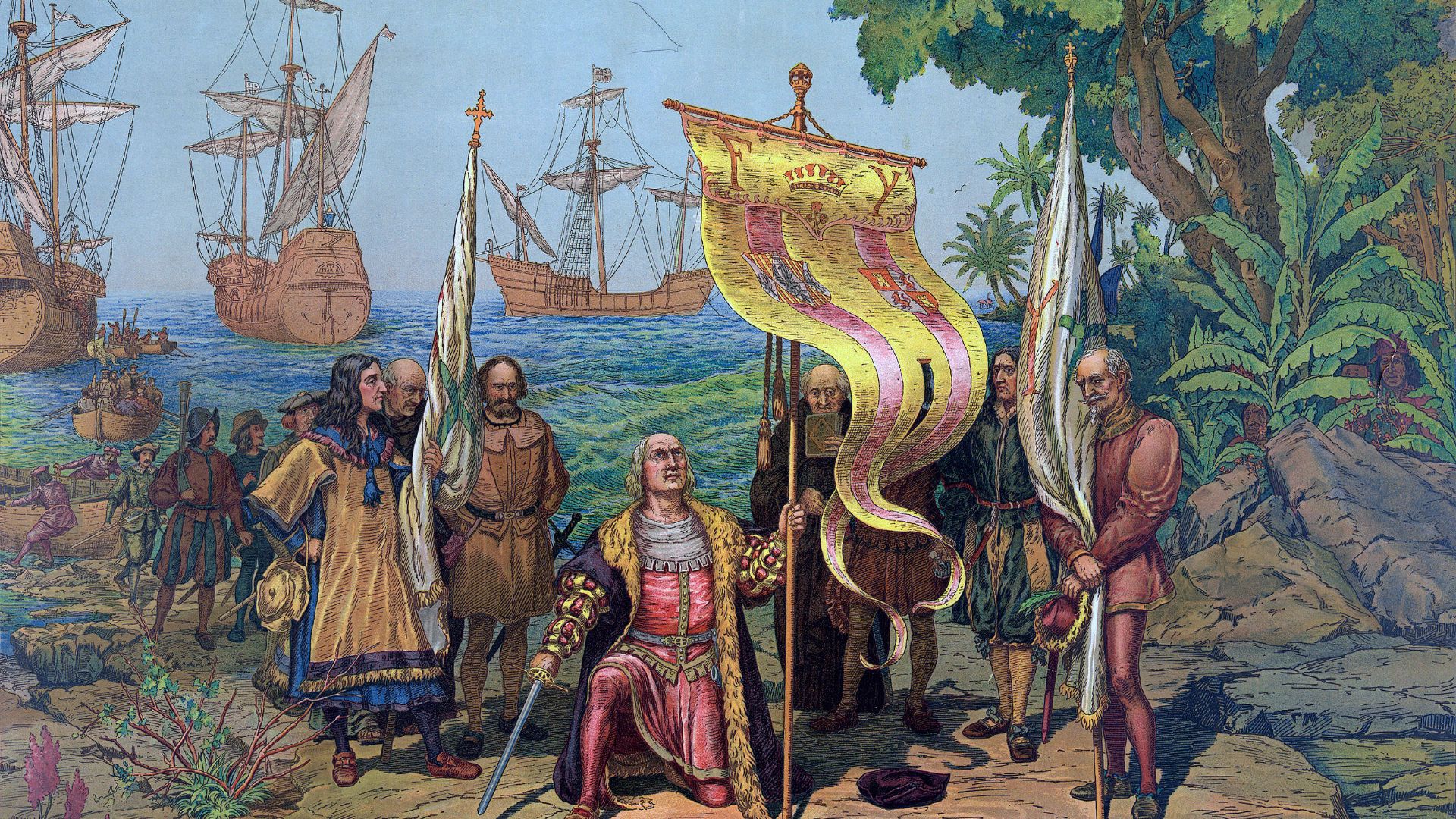
Christopher Columbus believed he could reach Asia by sailing west across the Atlantic, but his calculations were completely inaccurate. Instead of arriving in Asia, he reached the Americas in 1492 and permanently changed global trade, migration, and exploration. His mistake reshaped world history even though his original plan failed.
 L. Prang & Co., Boston on Wikimedia
2. Penicillin Was Discovered by Accident
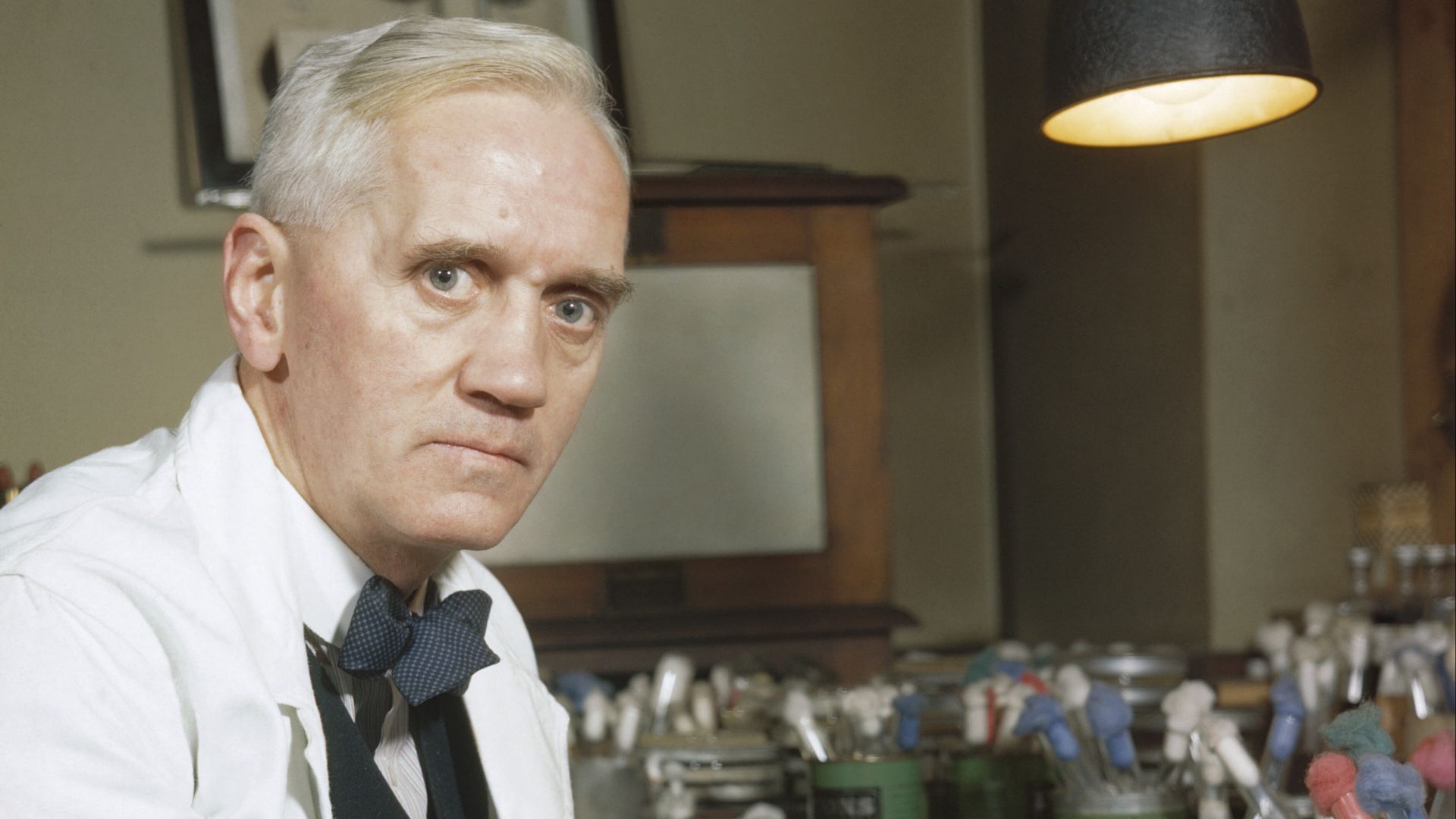
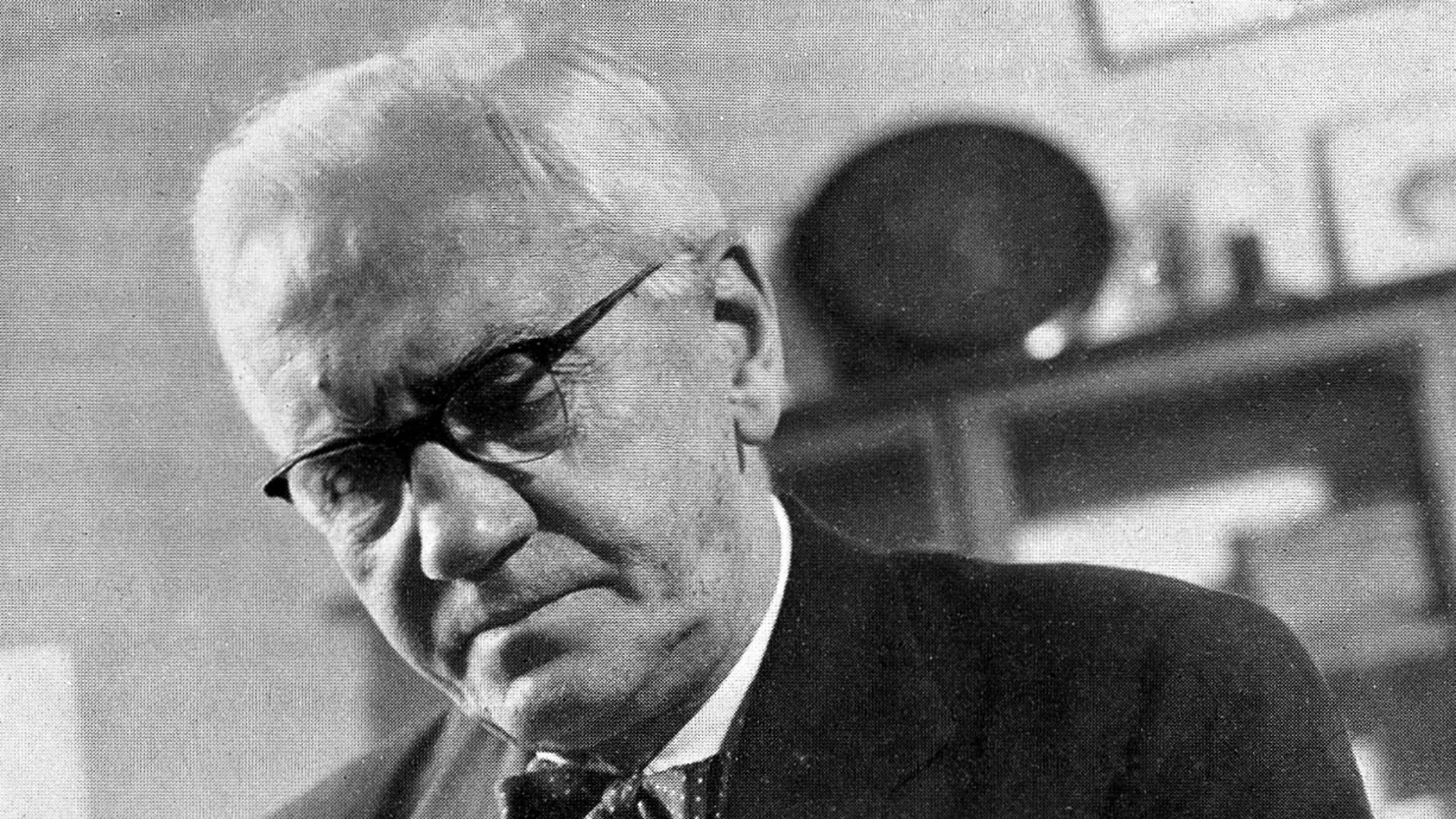
Alexander Fleming accidentally left bacteria samples uncovered in his laboratory in 1928. When mold contaminated the dishes, he noticed the bacteria around it had been destroyed. That unexpected mistake led to the discovery of penicillin, which revolutionized modern medicine.
3. The Great Fire of London Helped Stop the Plague
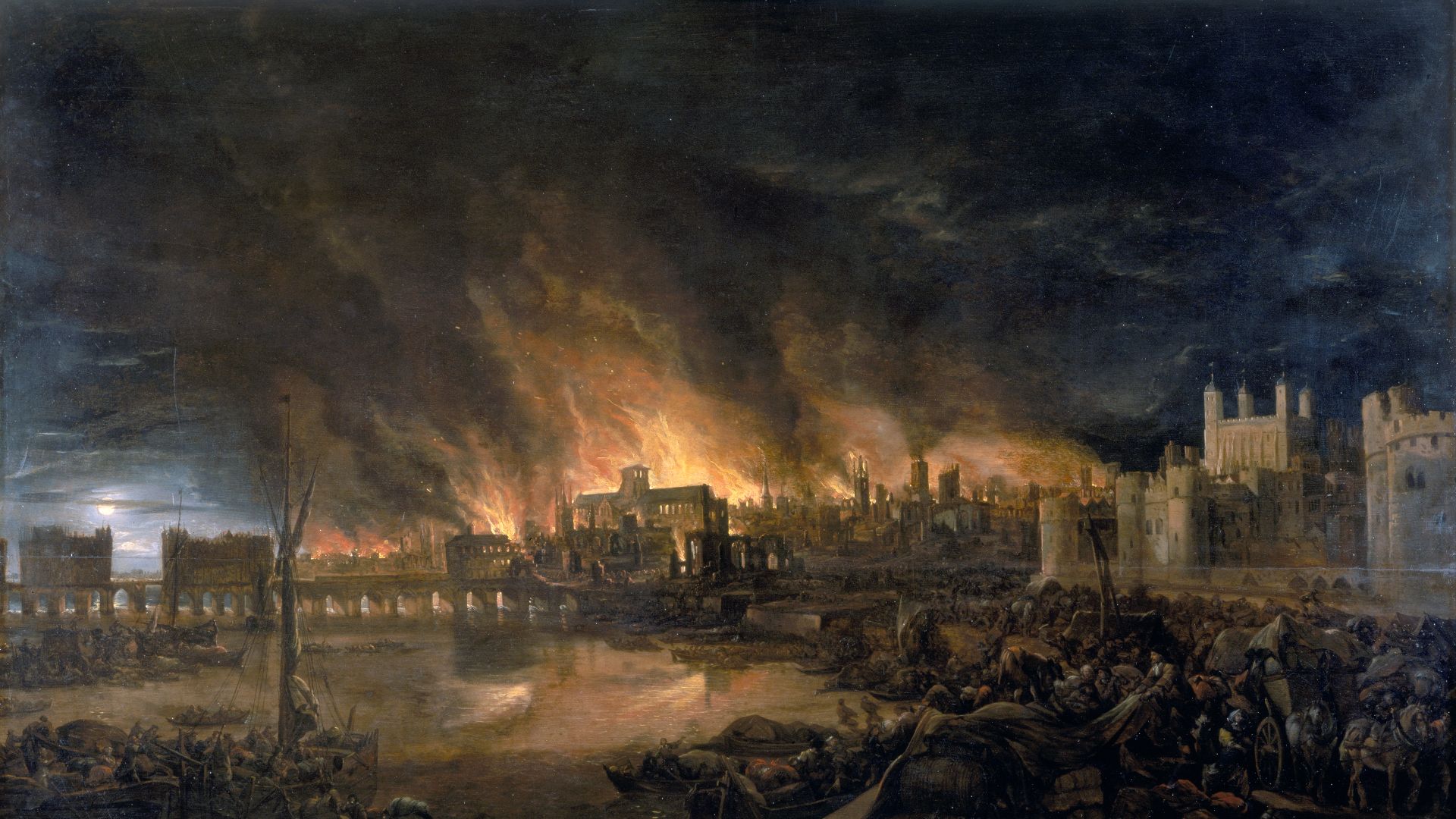
The Great Fire of London in 1666 destroyed huge sections of the city and left thousands homeless. While the disaster caused enormous damage, it also destroyed many of the rat-infested areas where bubonic plague spread most aggressively. Historians believe the fire helped reduce future outbreaks in London.
 Unknown artistUnknown artist on Wikimedia
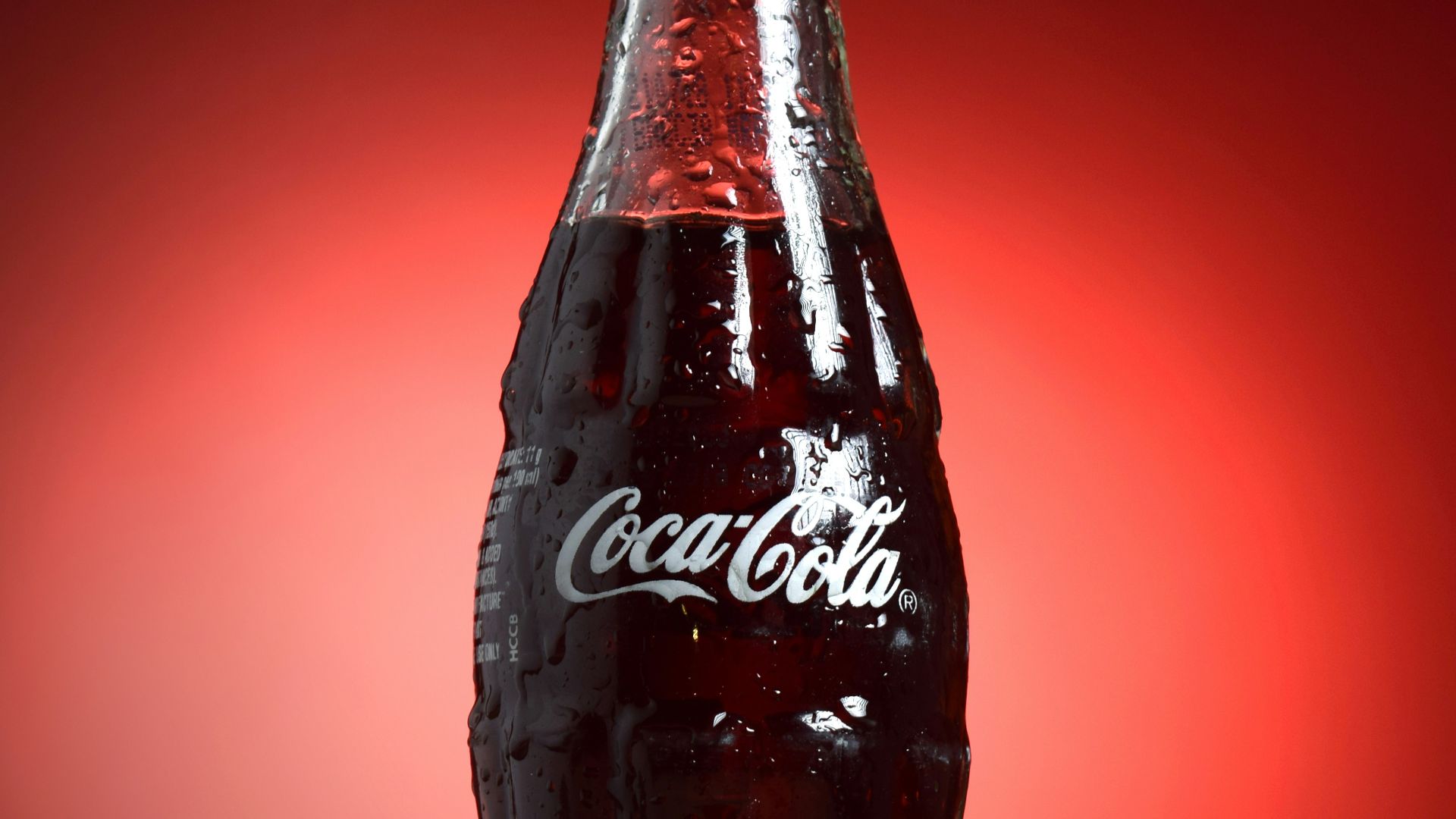
4. Coca-Cola Began as a Failed Medicine
Pharmacist John Pemberton created Coca-Cola in the 1880s as a medicinal tonic meant to treat headaches and fatigue. The product failed as a serious health remedy but became incredibly popular as a soft drink instead.
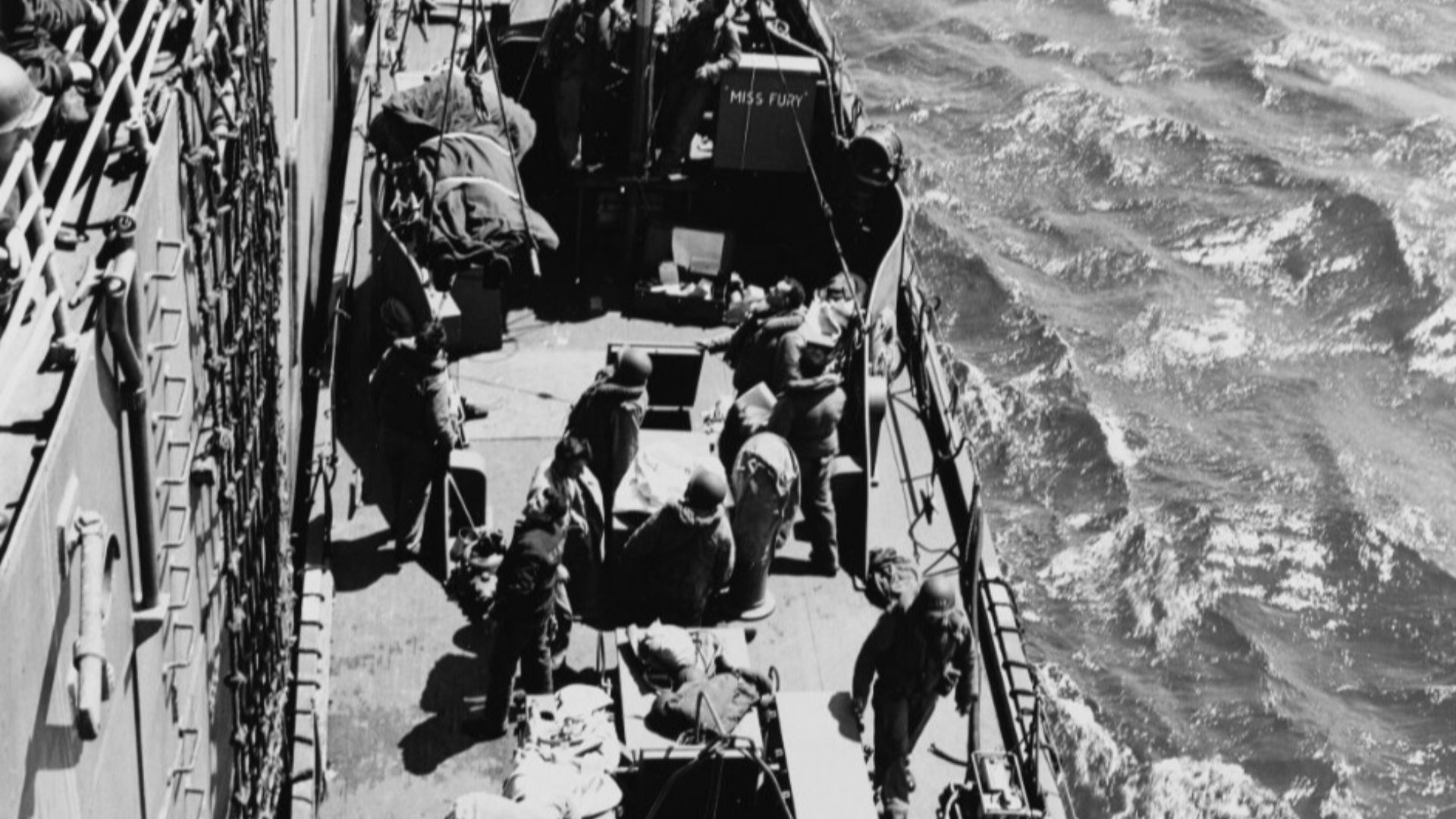
5. The Normandy Invasion Benefited From Bad Weather
German commanders during World War II believed poor weather would prevent an Allied invasion in June 1944. Because of that assumption, several senior officers were away from their posts when D-Day began.
 Unknown authorUnknown author on Wikimedia
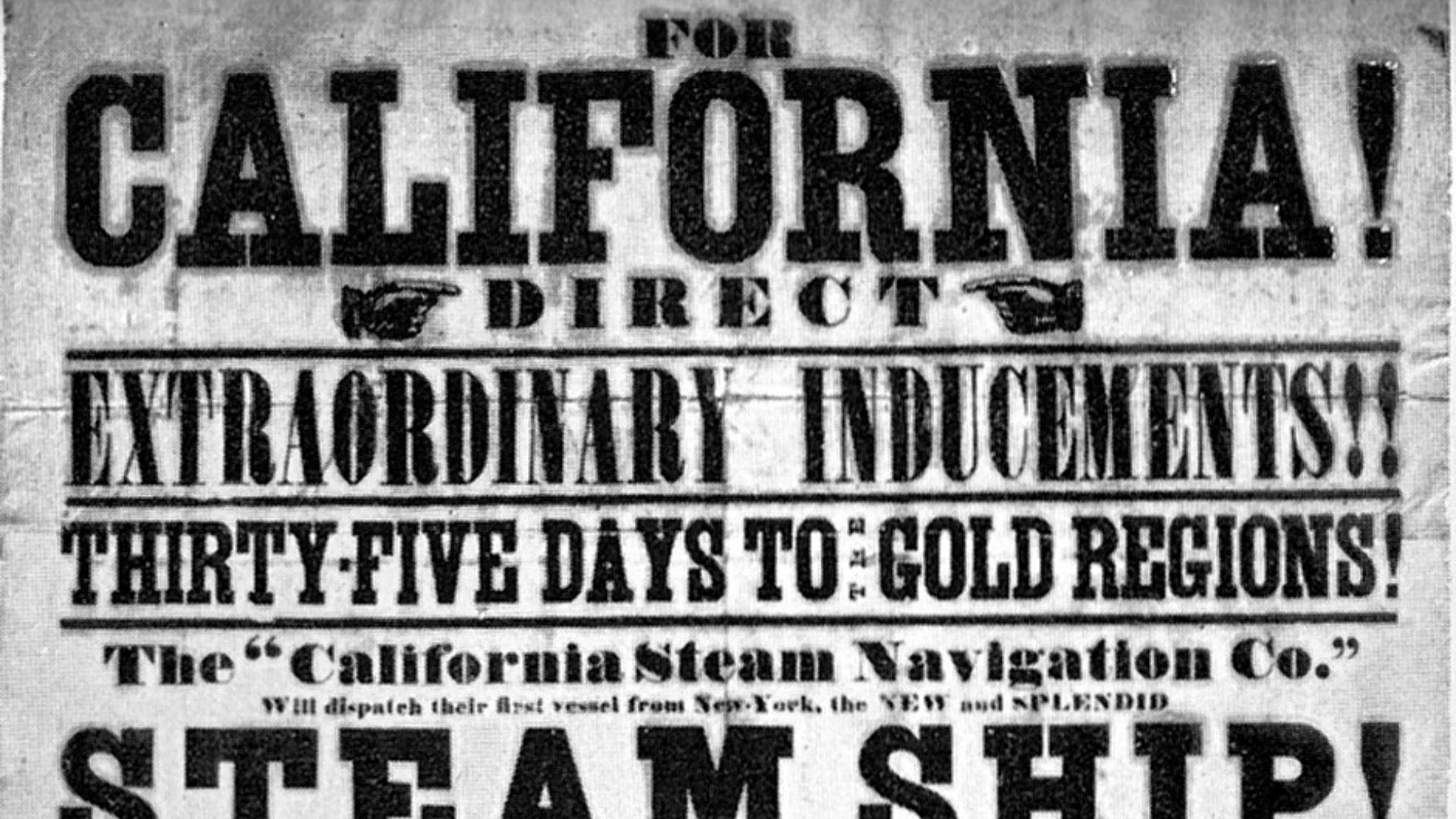
6. The Gold Rush Helped Build California
The California Gold Rush caused chaos, overcrowding, and dangerous working conditions after gold was discovered in 1848. Many miners never became wealthy, and thousands struggled financially. Still, the sudden population boom helped transform California into a major economic center.
7. Microwave Ovens Came From Melted Candy
Engineer Percy Spencer was working with radar technology in the 1940s when he noticed a candy bar in his pocket had melted unexpectedly. Instead of ignoring the accident, he investigated the effect further using other foods.

8. The Berlin Wall’s Fall Began With Confusion
In 1989, East German official Günter Schabowski mistakenly announced that travel restrictions were being lifted immediately instead of later. Crowds quickly gathered at the Berlin Wall, demanding access to the other side.
 Unknown photographer, Reproduction by Lear 21 at English Wikipedia. on Wikimedia
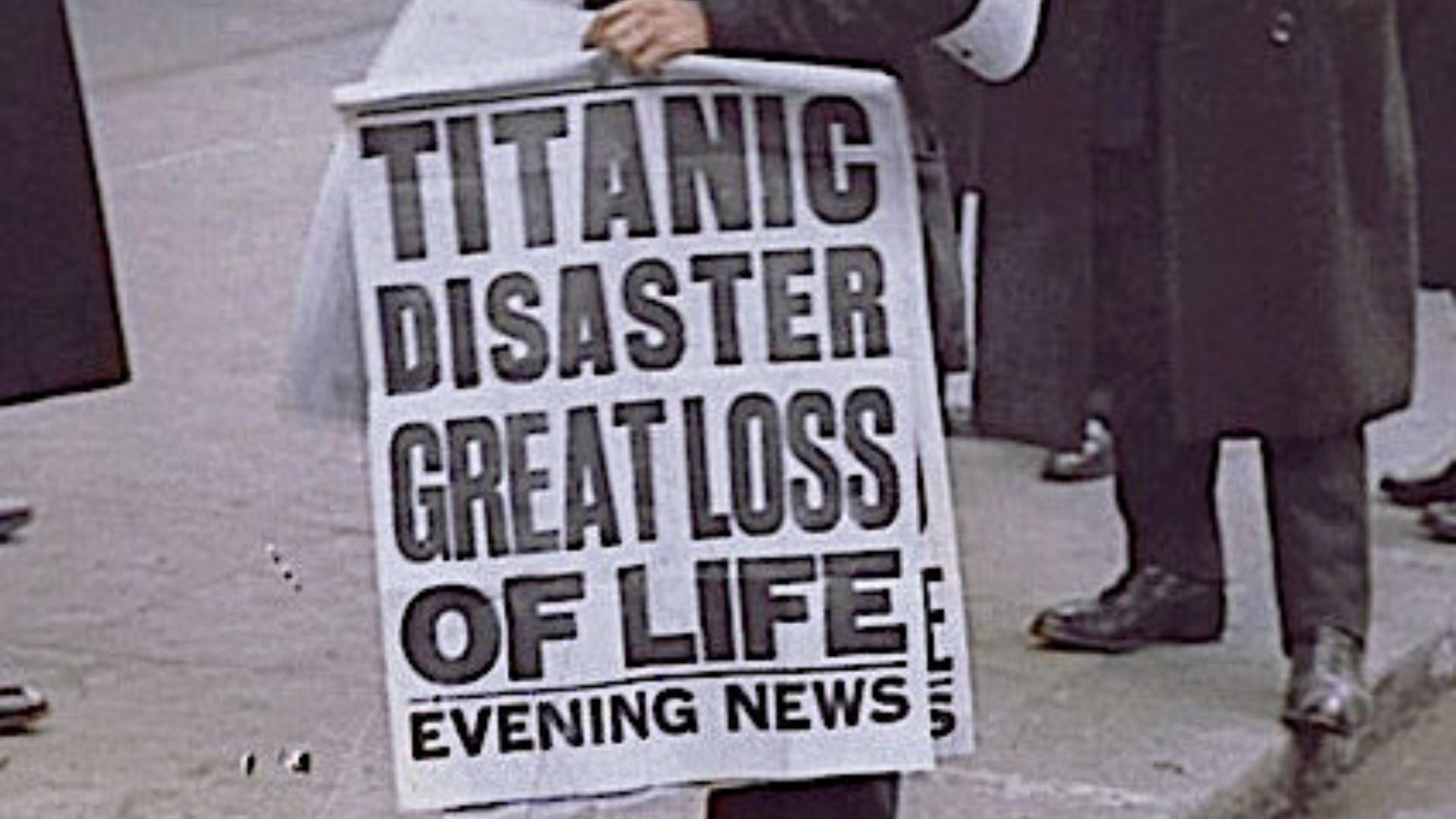
9. The Titanic Disaster Improved Maritime Safety
The sinking of the Titanic in 1912 exposed major problems involving lifeboats, communication systems, and emergency procedures at sea. More than 1,500 people died during the tragedy, shocking governments around the world. New international safety regulations were introduced afterward to improve passenger protection on ships.
 Unknown authorUnknown author on Wikimedia
10. Potato Chips Were Created Out of Frustration
Chef George Crum reportedly invented potato chips in 1853 after a customer repeatedly complained that his fried potatoes were too thick. Annoyed, Crum sliced the potatoes extremely thin and fried them until crisp.
 Emiliano Vittoriosi on Unsplash
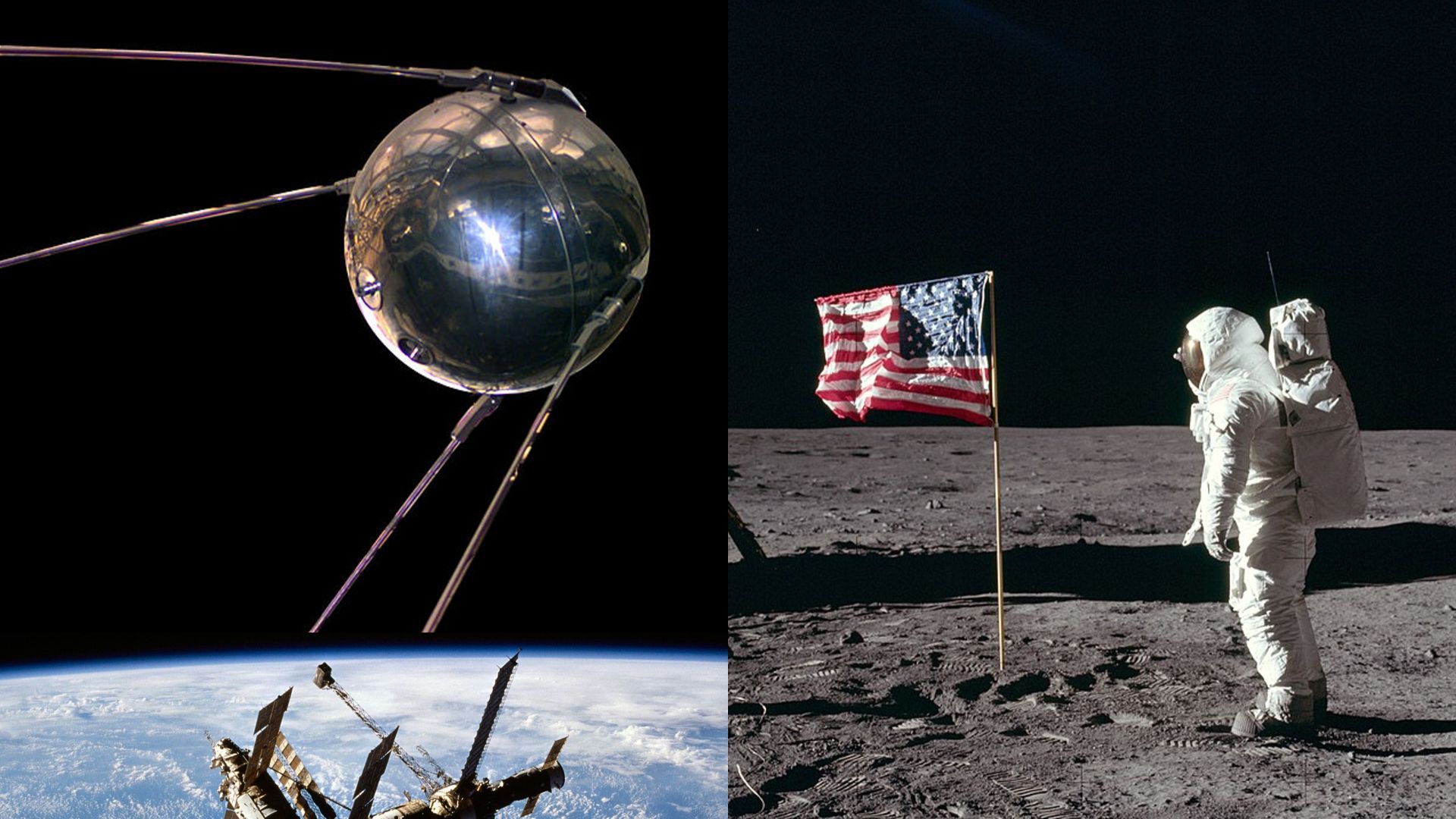
11. The Space Race Advanced Everyday Technology
The Cold War competition between the United States and the Soviet Union created enormous political tension and massive government spending. Despite the risks, the race to reach space accelerated developments in computers, telecommunications, and satellite technology. Many inventions people use today benefited from that rivalry.
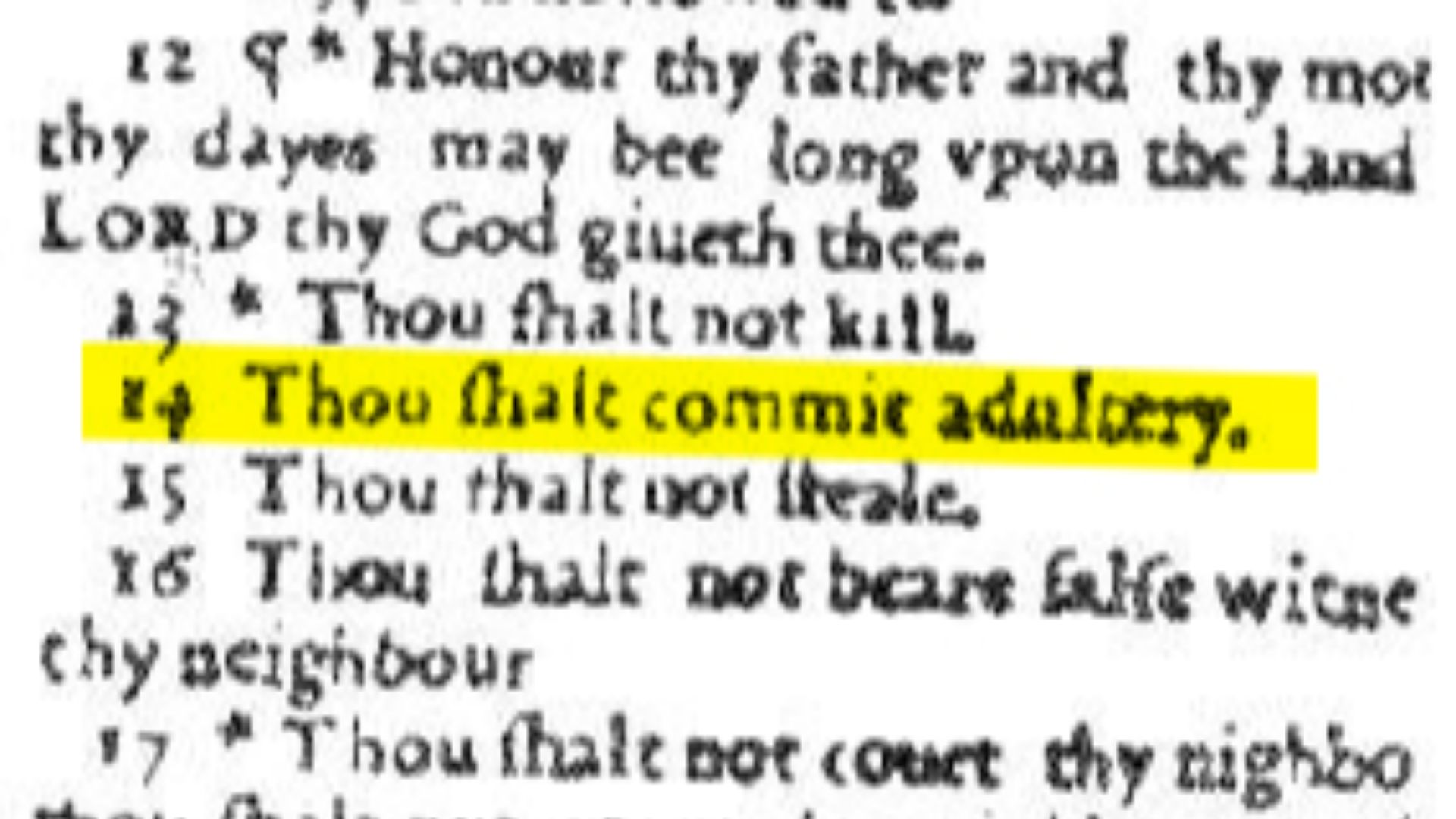
12. A Printing Error Created the “Wicked Bible”
A 1631 edition of the King James Bible accidentally omitted the word “not” from the commandment against adultery. The printing mistake caused outrage and became known as the “Wicked Bible.”
 Transferred from en.wikipedia to Commons by PhiLiP using CommonsHelper. on Wikimedia
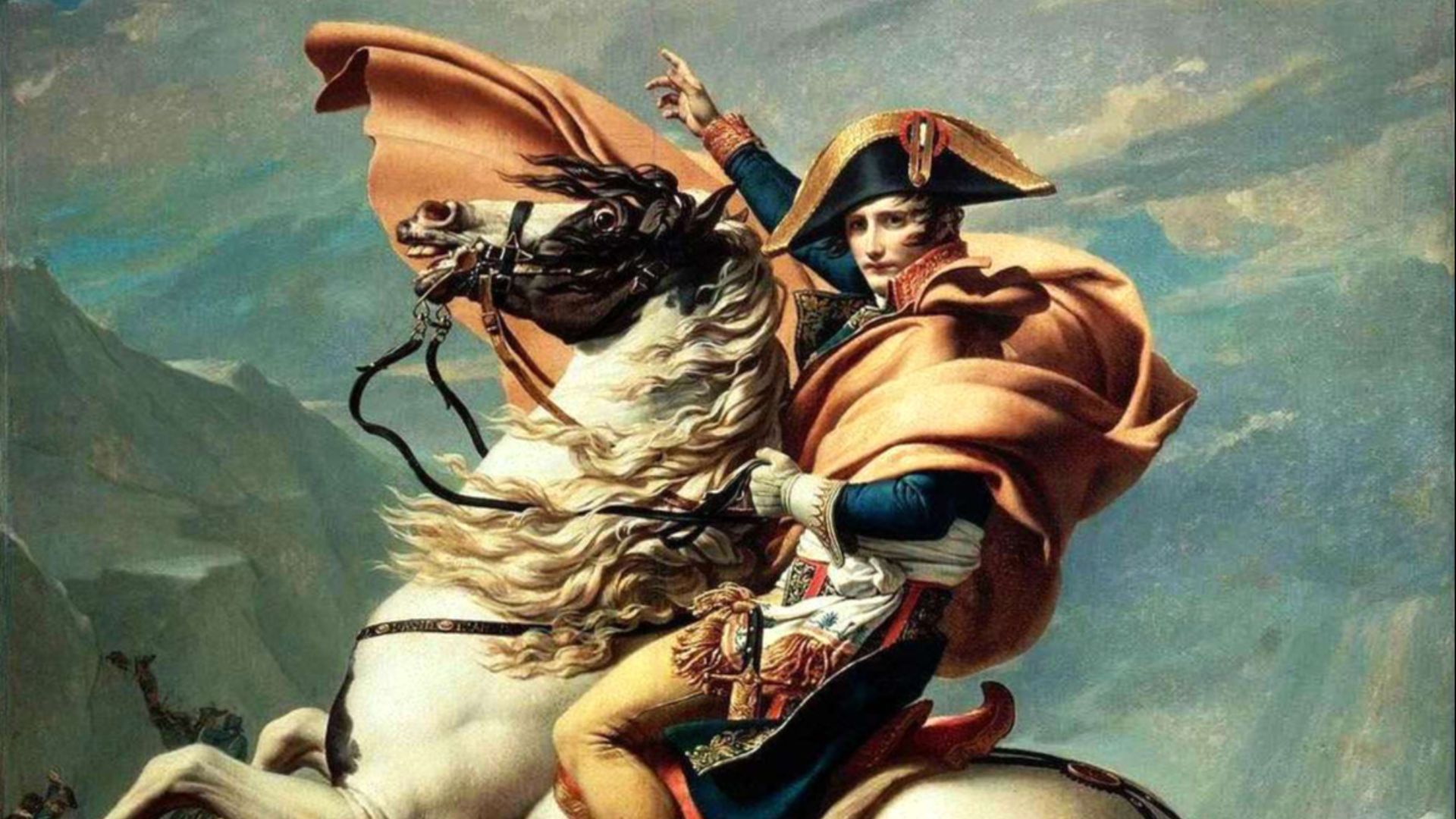
13. Napoleon Sold Louisiana Because of Failure
Napoleon Bonaparte originally hoped to rebuild French power in North America, but struggled after military failures in Haiti. Facing financial pressure, he sold the Louisiana Territory to the United States in 1803.
 Jacques-Louis David on Wikimedia
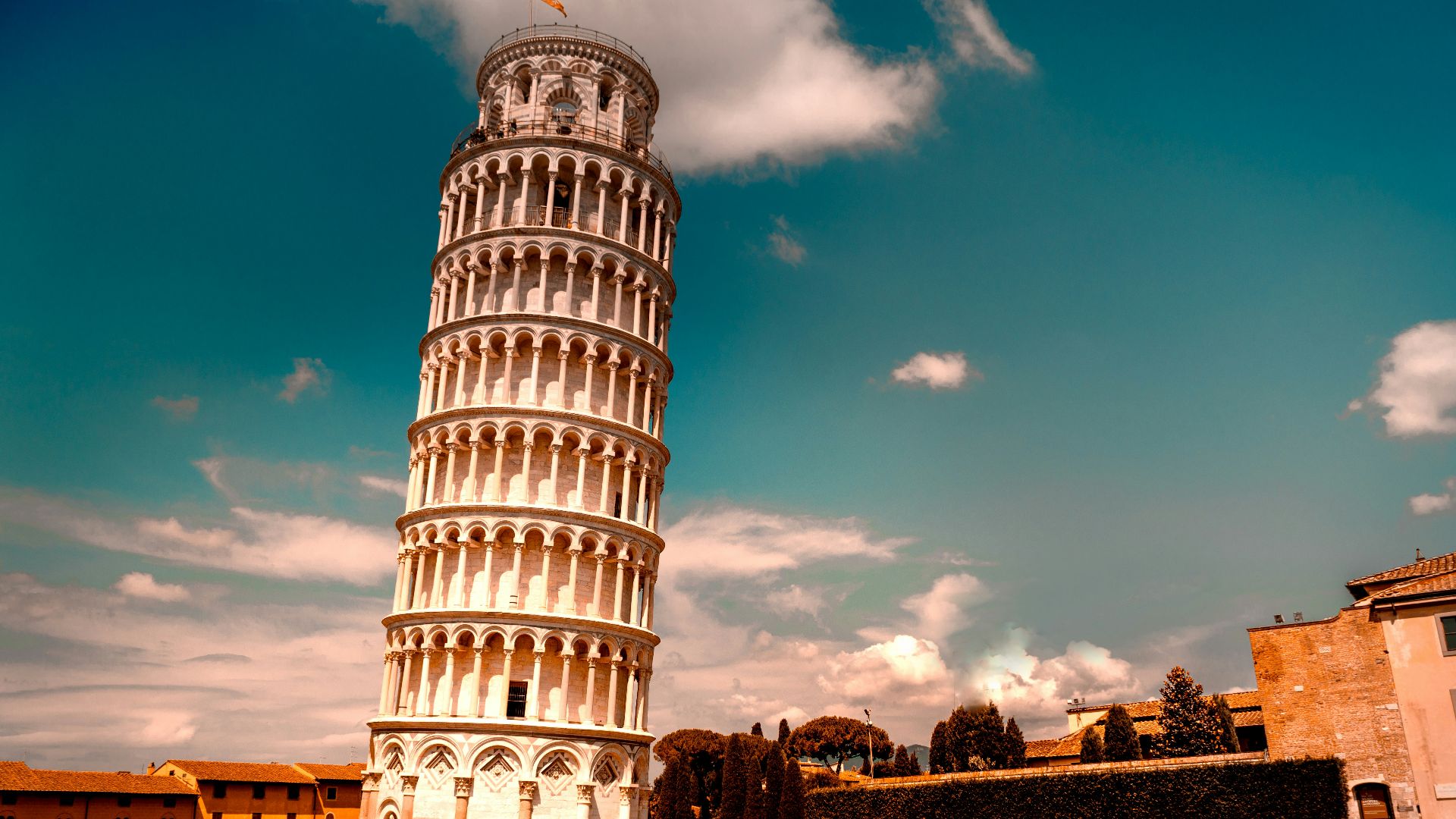
14. The Leaning Tower of Pisa Became Famous Because It Failed
Builders of the Leaning Tower of Pisa began construction in 1173 on unstable ground that couldn’t properly support the structure. The tower started tilting during construction and became a long-term engineering problem.
15. Chocolate Chip Cookies Happened by Accident
Ruth Wakefield invented chocolate chip cookies in the 1930s after adding broken chocolate pieces into cookie dough. She expected the chocolate to melt evenly during baking, but the chunks stayed mostly intact.

16. Alaska Was Sold for Too Little
Russia sold Alaska to the United States in 1867 because leaders believed the territory was difficult to defend and financially unimportant. Many Americans mocked the purchase as “Seward’s Folly” at the time.

17. The Suez Crisis Hurt Britain’s Influence
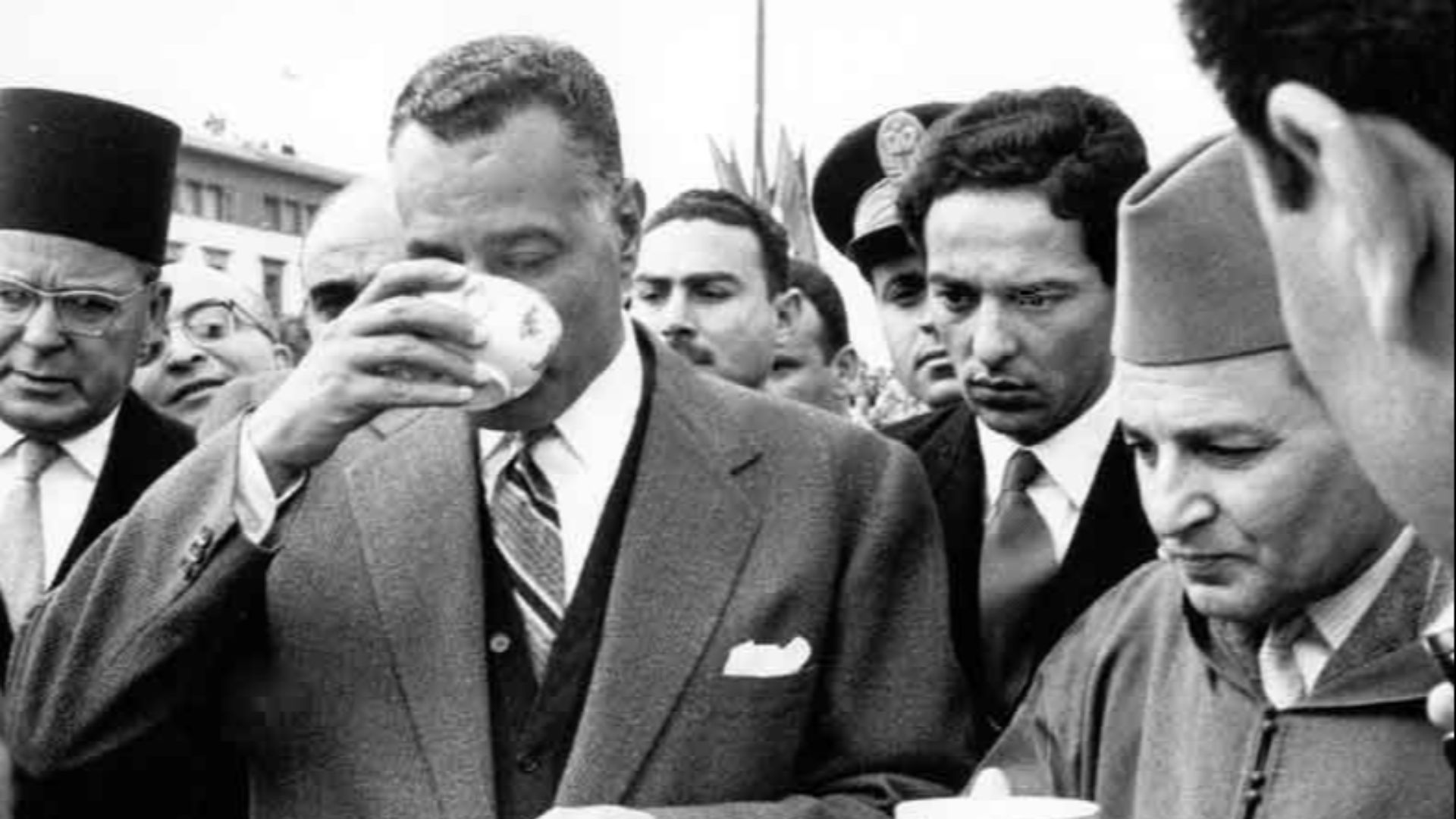
Britain, France, and Israel invaded Egypt in 1956 after Egyptian President Gamal Abdel Nasser nationalized the Suez Canal. International backlash forced Britain and France to withdraw sooner than expected.
 Unknown authorUnknown author on Wikimedia
18. Safety Glass Was Invented After a Dropped Flask
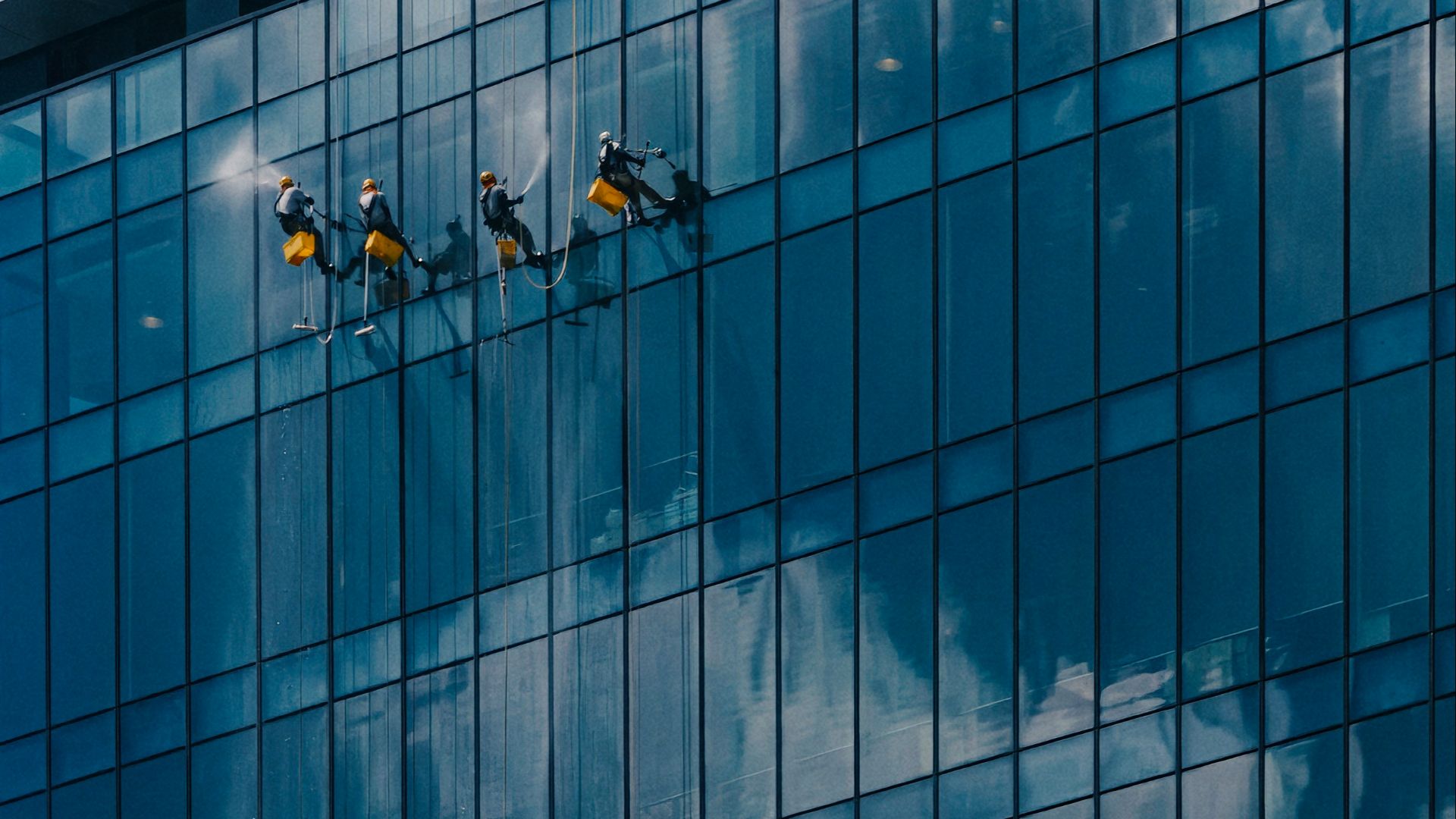
Chemist Édouard Bénédictus accidentally dropped a glass flask coated with cellulose nitrate in 1903. Instead of shattering completely, the glass cracked while mostly holding together.
19. The Rosetta Stone Was Found by Soldiers
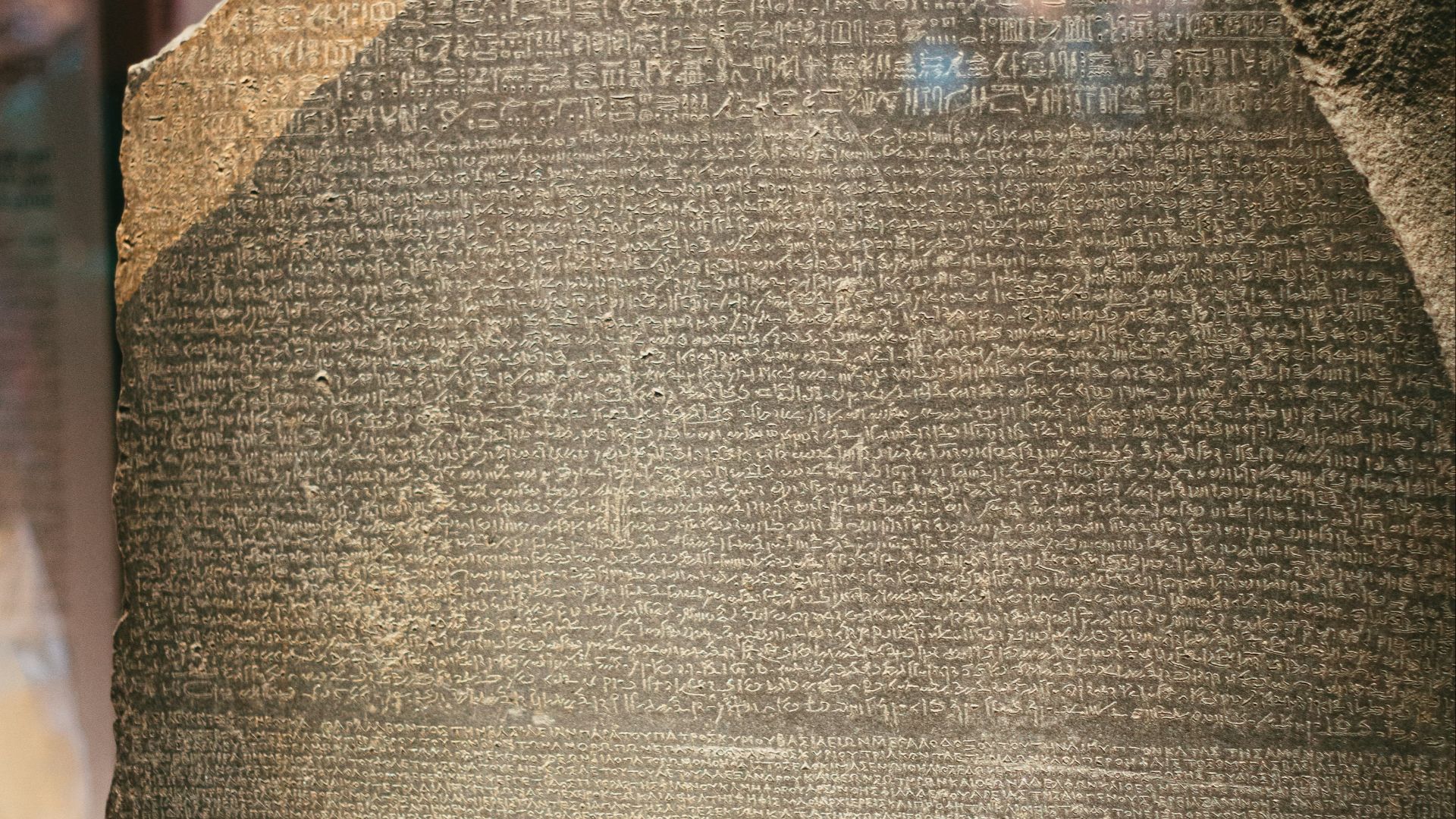
French soldiers working on fortifications in Egypt discovered the Rosetta Stone accidentally in 1799. The stone contained the same text written in multiple scripts, including ancient Greek and Egyptian hieroglyphics.
20. Velcro Came From Burrs Stuck to Clothing
Swiss engineer George de Mestral became frustrated after burrs repeatedly stuck to his clothes and his dog’s fur during walks. Curious about how they attached so effectively, he studied them under a microscope. His observations eventually led to the invention of Velcro in the 1940s.

KEEP ON READING