

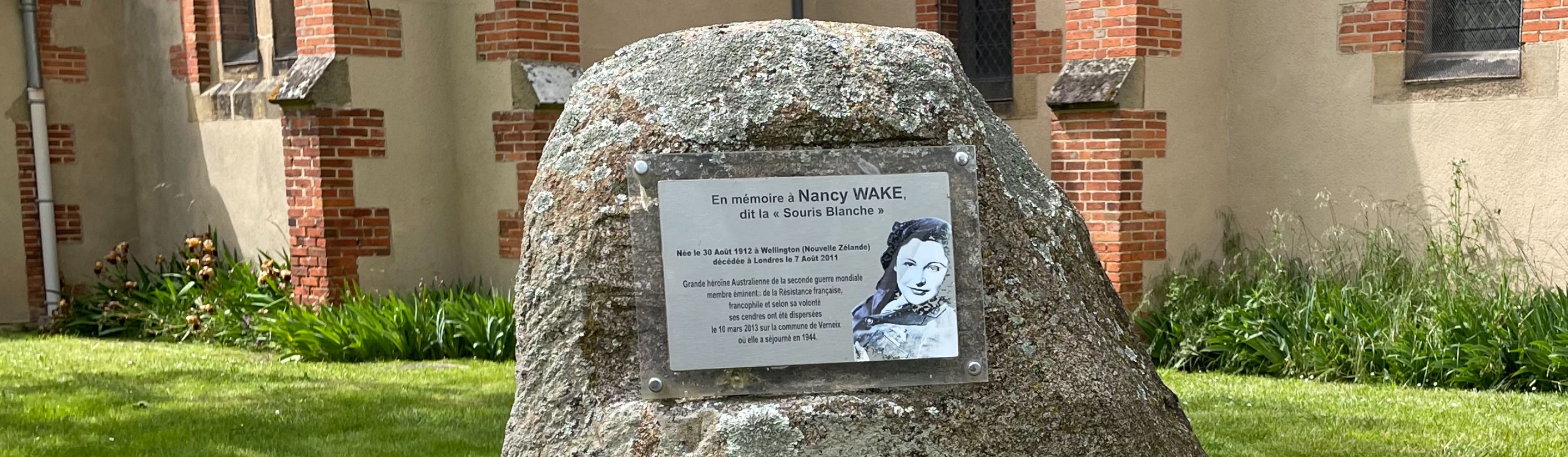
Nancy Wake: The Deadly Spy Who Became the French Resistance's Most Wanted
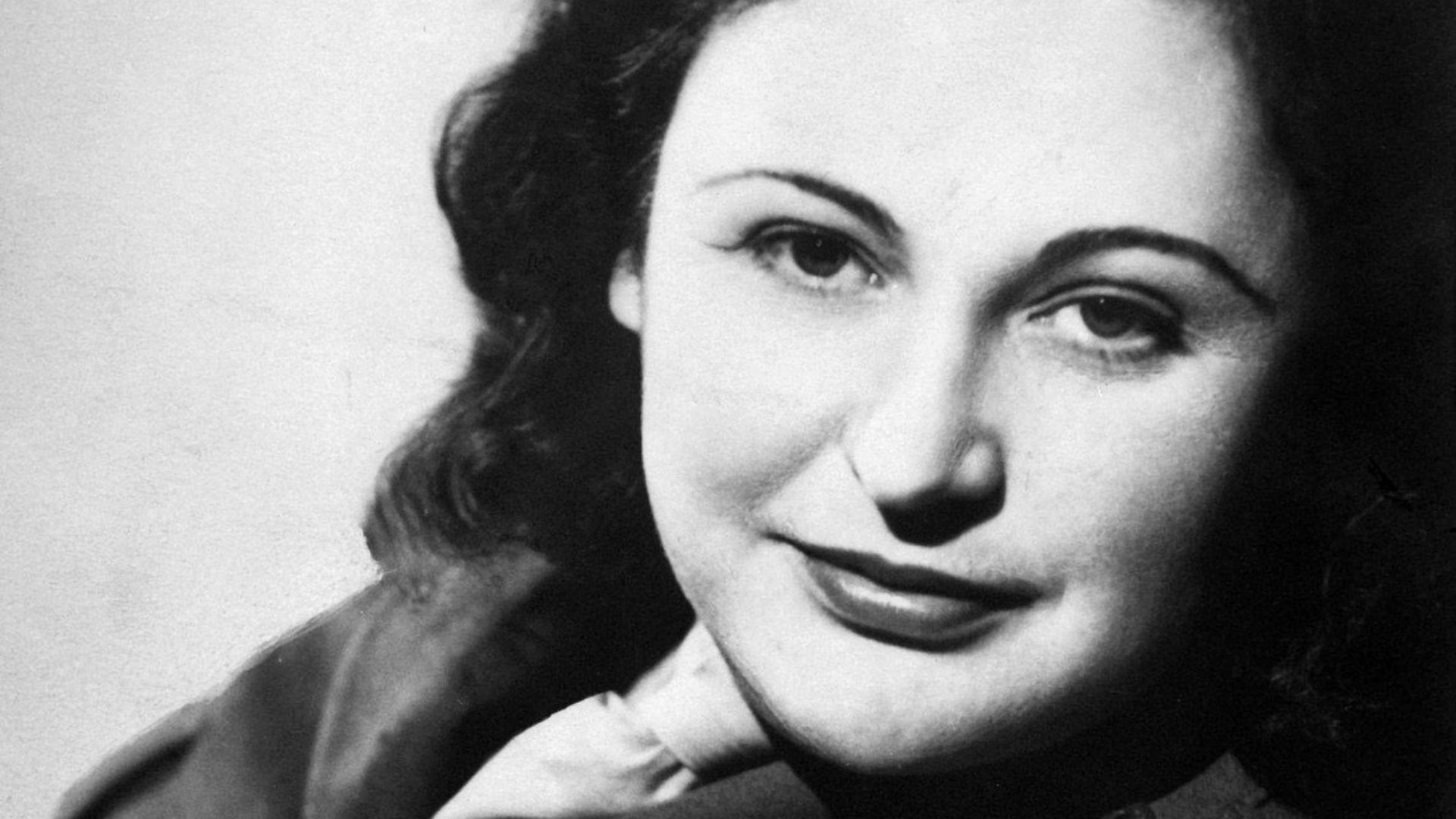
The Gestapo called her the "White Mouse" and put a 5-million-franc bounty on her head, a tremendous fortune in 1940s France. Nancy Wake was the most decorated servicewoman of World War II, but before the manhunts and the medals, she was just a New Zealand-born journalist who'd witnessed Nazi thugs beating Jewish people in Vienna's streets and decided she'd seen enough. By the time war broke out, she was living in Marseille with her French industrialist husband, Henri Fiocca, enjoying what you might call a glamorous life. That didn't last.
From Socialite to Courier
After France fell to Nazi Germany in 1940, Wake became a courier for the Pat O'Leary escape network, smuggling Allied soldiers and Jewish refugees across borders while the Gestapo hunted for those who’d managed to escape their grasp. With her money and social connections, she had advantages most resistance fighters didn't and was able to use her charismatic poise to chat up German officers at checkpoints while carrying forged documents in her handbag.
Her work was effective enough that the Germans became obsessed with catching her. They nicknamed her the "White Mouse" for her ability to escape from tight corners. Every close call made them more determined, every successful escape more infuriating.
In 1943, when her network was betrayed, Wake fled to Spain and then Britain, while her husband Henri remained behind and was captured, tortured, and killed by the Gestapo. She wouldn't learn about his death until after the war ended.
The SOE Transforms Her Into Something Deadlier
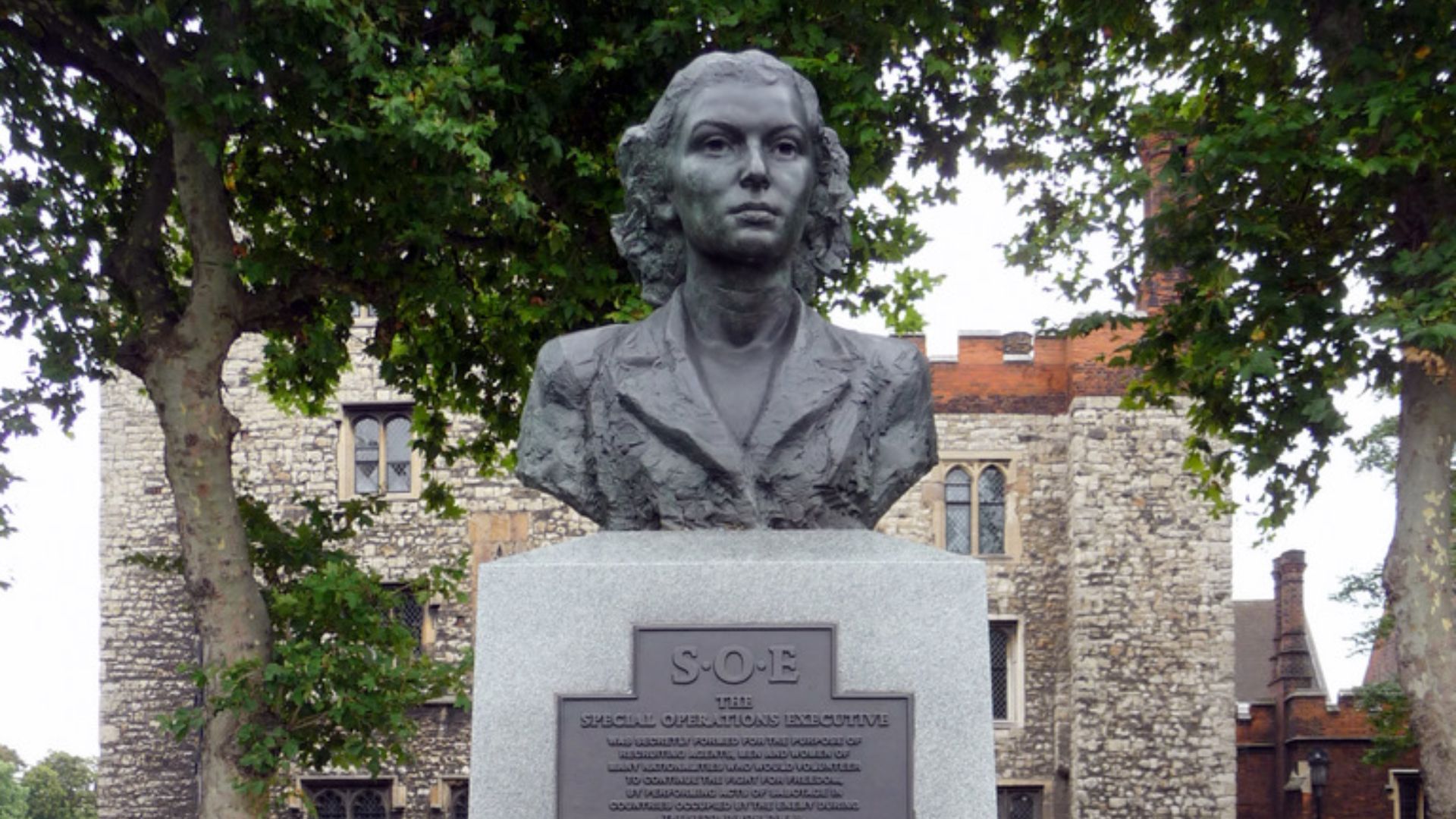 Christine Matthews on Wikimedia
Britain's Special Operations Executive trained Wake in survival skills, silent killing, codes and radio operation, night parachuting, plastic explosives, Sten guns, rifles, pistols, and grenades. Her training reports noted she was "a very good and fast shot" with excellent fieldcraft, and that she "put the men to shame by her cheerful spirit and strength of character". The official SOE historian would later describe her as having "irrepressible, infectious, high spirits."
In April 1944, she parachuted back into occupied France as part of the three-person "Freelance" team, dropping into Auvergne with instructions to help prepare resistance groups for D-Day.
The Bicycle Ride Nobody Believed
When radio codes were lost, Wake borrowed a bicycle and rode an astonishing 500 kilometers in 72 hours to reach another SOE radio operator in Châteauroux, updated London on the situation, and then cycled back. That's roughly 310 miles through German-occupied territory with checkpoints scattered along the routes.
Some historians question parts of Wake's autobiography, wondering if she embellished certain details. Fair enough—memory gets unreliable, especially when you're recounting events that happened decades earlier under extreme stress. The bicycle ride, however unbelievable, is well-documented enough to know it happened as described.
Leading 7,500 Fighters Against 22,000 Germans
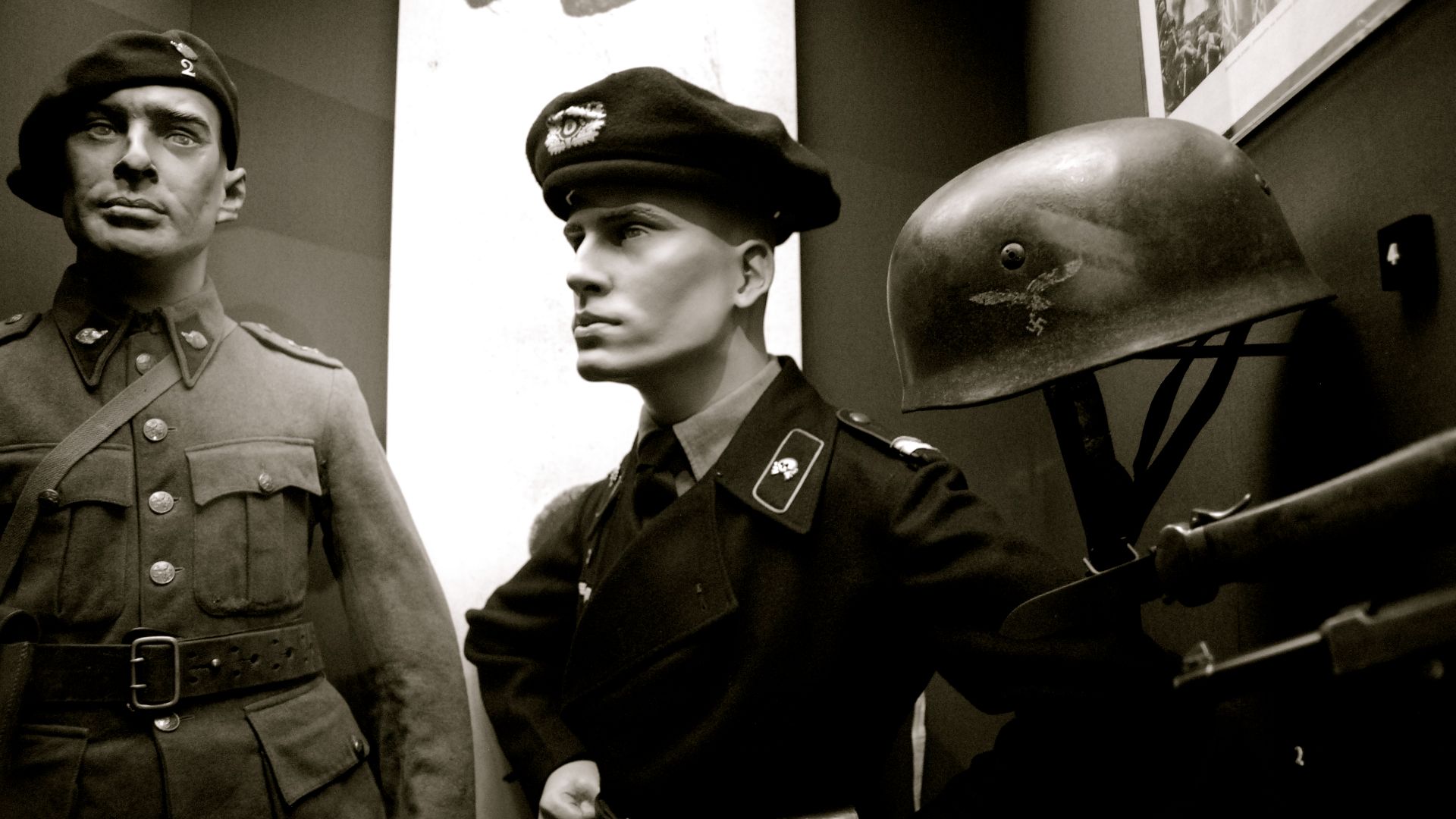
Under Wake's leadership, roughly 7,500 French Resistance guerrilla fighters assaulted German factories and communications stations and, in one encounter, successfully defeated over 22,000 German soldiers. The math doesn't work in any conventional military sense, but guerrilla warfare isn't conventional, and Wake understood how to use mobility, local knowledge, and surprise to offset German advantages.
Her fellow resistance officer Henri Tardivat perhaps described her best: "She is the most feminine woman I know, until the fighting starts. Then, she is like five men."
The Aftermath Nobody Talks About
After the war, Wake received the George Medal from Britain, the US Medal of Freedom, France's Croix de Guerre with two Palms, the Médaille de la Résistance, and eventually became a Chevalier of the Legion of Honour. Australia, where she'd spent her youth, was remarkably slow in offering official recognition and didn’t appoint her as Companion of the Order of Australia until 2004.
Wake once said she hated war but believed that if it came, women needed to play an active part: "I don't see why we women should just wave our men a proud goodbye and then knit them balaclavas." This sentiment seems about right for someone who thought nothing of cycling 300 miles through enemy territory because the job needed doing.
KEEP ON READING
Fact Or Fiction? 20 Facts About King Arthur
Separating Legend From History. King Arthur stands at the crossroads…
By Annie Byrd May 6, 2026
20 Common Sayings With Bizarre Historical Origins
Words Have Backstories. The strangest thing about everyday language is…
By Cameron Dick May 6, 2026
What It Was Like To Travel The Silk Road As…
Andrea Cappiello on UnsplashTraveling the Silk Road as a merchant…
By Rob Shapiro May 5, 2026
20 Famous Jane Does Who Were Finally Identified By Modern…
Destroyed Families Finally Get Their Answers. For decades, Jane Doe…
By Sara Springsteen May 5, 2026
The Conman Who Tried to Sell the Eiffel Tower Twice
inconnu on WikimediaVictor Lustig was born in 1890 in Hostinné,…
By Cameron Dick May 5, 2026
20 Major Inventions People Credit to the Wrong Person
The Credit Doesn’t Always Land Where It Should. History often…
By Emilie Richardson-Dupuis May 5, 2026