

The Missing Roman Legion: How 5,000 Elite Soldiers Vanished Without a Trace
The Missing Roman Legion: How 5,000 Elite Soldiers Vanished Without a Trace
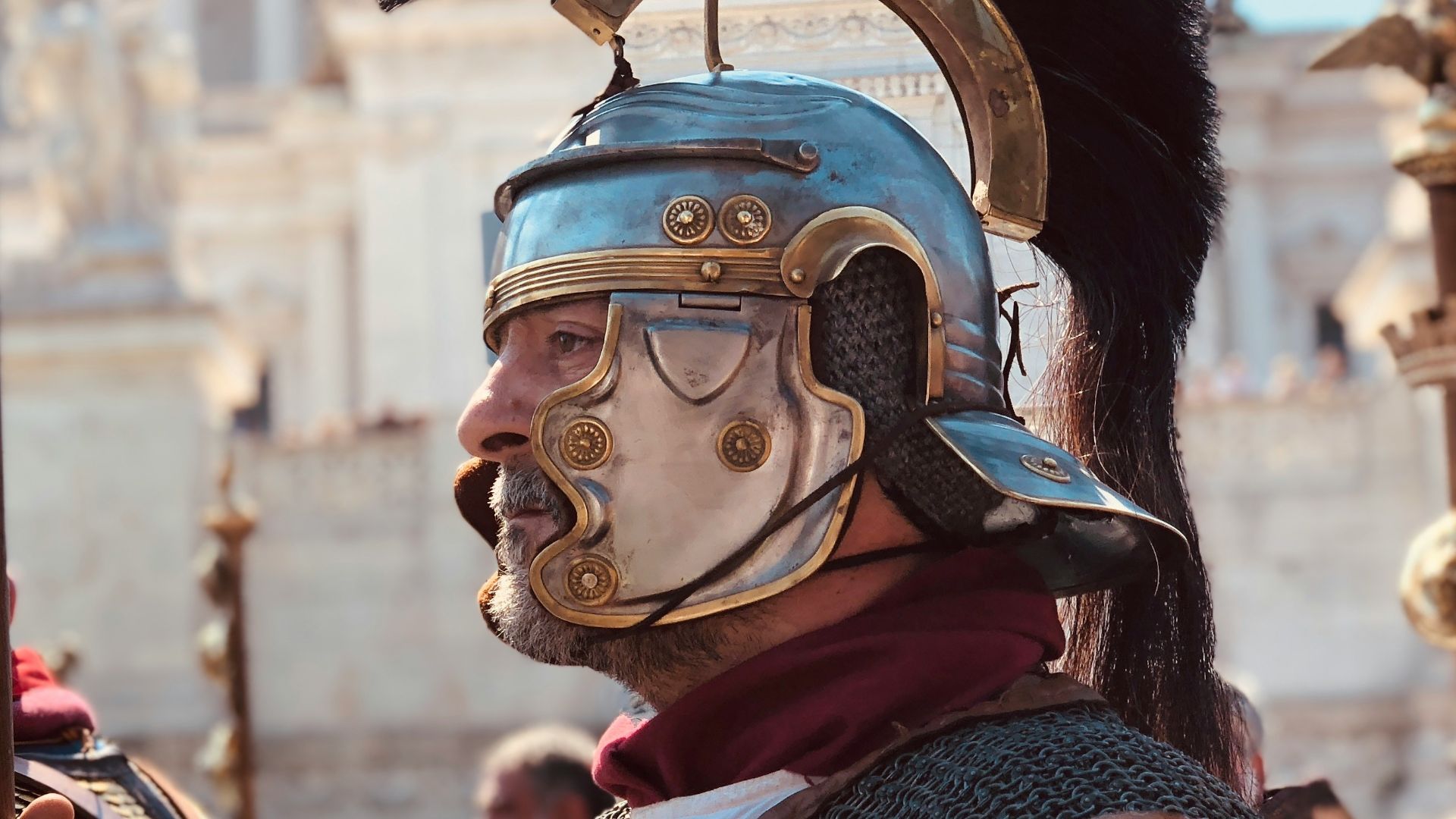 Maria Dolores Vazquez on Unsplash
Imagine commanding a battle-tested force of five thousand heavily armed elite warriors, only to have the entire group evaporate completely from the pages of history. This is not the plot of a Hollywood fantasy film; it is one of the most tantalizing mysteries surrounding the ancient Roman military machine. For centuries, historians and casual archaeology buffs alike have scratched their heads over the sudden and quiet departure of the Ninth Spanish Legion. You can find their fingerprints all over early imperial battle campaigns, but then the trail suddenly goes entirely cold without an official explanation.
This legendary unit, known formally as Legio IX Hispana, boasted a terrifyingly impressive résumé that spanned decades of successful conquests. They fought alongside Julius Caesar, helped orchestrate the invasion of Britain, and built formidable fortresses that anchored the empire's northernmost borders. Yet, by the middle of the second century, this massive gathering of men, armor, and pack animals vanished entirely from official imperial registers. Sorting through the modern theories regarding their mysterious exit reveals a fascinating historical detective story filled with surprising geopolitical twists.
The Myth of the Scottish Mist
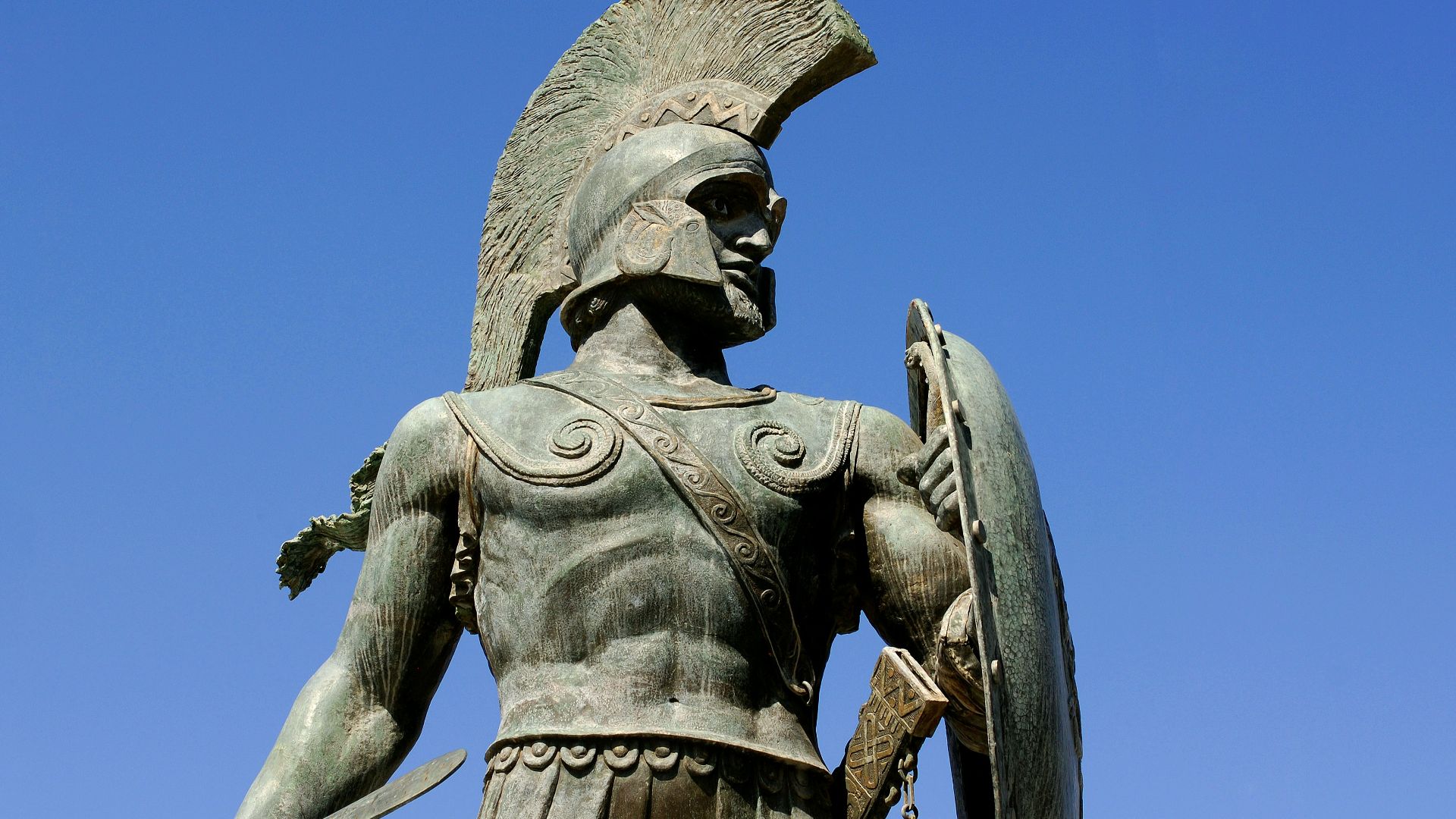
For a long time, the most popular explanation suggested that the brave legion marched deep into the foggy, uncharted highlands of modern Scotland and simply never returned. This romantic notion implies that the fierce indigenous Caledonian tribes completely ambushed and annihilated the entire Roman force in a massive, unrecorded battle. You might have encountered this specific narrative in popular historical novels or cinematic thrillers where the mist-shrouded forests swallow up imperial civilization. It provides a highly dramatic explanation for why the emperor Hadrian suddenly decided to build his famous stone wall right across the width of Britain.
However, modern archaeological excavations have thrown some serious cold water on this traditional, action-packed theory over the last few decades. Researchers working in York discovered physical artifacts, including stamped brick tiles, which suggest the unit was actively upgrading their fortress long after their supposed Scottish demise. These physical clues imply that the soldiers did not actually march off into a tragic cinematic trap in the northern wilderness. Instead, it seems highly likely that they survived their British deployment completely intact and simply packed up their gear for a brand-new assignment elsewhere.
Furthermore, the complete lack of recovered battlefield armor or mass graves in Scotland makes a massive northern massacre highly improbable from a military logistics standpoint. Five thousand soldiers leave behind a massive amount of metallic debris, weaponry, and physical evidence that typically survives beneath the soil for millennia. If an entire elite legion had been wiped out by local tribes, the victorious locals surely would have flaunted the captured Roman standard as a major trophy. The total silence from both Roman chroniclers and local folklore points toward an orderly relocation rather than a catastrophic military defeat.
Sent to the Eastern Front
If the Ninth Legion did not meet a dramatic end in the damp British hills, their most likely destination was the turbulent eastern border of the empire. During the second century, Rome found itself constantly entangled in brutal, resource-heavy conflicts with the powerful Parthian Empire in modern-day Iran and Iraq. Moving a seasoned, highly experienced unit from a peaceful western outpost to reinforce a struggling eastern campaign was very standard operating procedure for high command. You can easily picture these battle-hardened veterans swapping the chilly rains of Britain for the scorching sands of the Middle East.
Historical records indicate that the Roman military suffered several devastating, uncharacteristic defeats in the East during the reigns of emperors Hadrian and Antoninus Pius. A specific disaster occurred in Armenia around the year 161, where an unnamed Roman legion was completely surrounded and wiped out by Parthian forces. Many contemporary scholars suspect that the missing Ninth Legion may have been the unfortunate target of that specific, tragic military ambush. Because the empire preferred to suppress news of humiliating defeats, the destruction of the unit would have been quietly scrubbed from public records.
This eastern relocation theory gained significant traction when archaeologists discovered specific inscriptions in the Netherlands and Germany linked to officers from the Ninth Legion. These findings prove that the command structure of the unit was actively moving around continental Europe long after it supposedly vanished from Britain. It creates a much more realistic timeline in which the soldiers were systematically transferred across the empire to plug defensive gaps. Sadly, their final reward for decades of service was likely an unglamorous defeat on a distant, dusty frontier far from home.
There is another entirely plausible explanation that looks less like a Hollywood tragedy and more like a routine corporate restructuring. In the ancient world, legions that suffered heavy casualties or lost psychological morale were sometimes quietly disbanded or merged into other units by imperial decree. If the Ninth Legion performed poorly during a localized rebellion, the emperor might have stripped them of their name to punish their lack of discipline. You would not find a grand battle report for this scenario because the Romans simply chose to erase the unit's name from the active duty roster.
KEEP ON READING
Was the Mad Gasser of Mattoon a Collective Hallucination?
Unknown author on WikimediaIn September of 1944, residents of the…
By Christy Chan Jun 30, 2026
The Missing Roman Legion: How 5,000 Elite Soldiers Vanished Without…
Maria Dolores Vazquez on UnsplashImagine commanding a battle-tested force of…
By Sara Springsteen Jun 30, 2026
The Tribe That Proved Humans Can Survive Almost Anything
Miscellaneous Items in High Demand, PPOC, Library of Congress on…
By Emilie Richardson-Dupuis Jun 30, 2026
The Woman Who Convinced Doctors She Gave Birth To Rabbits
Fæ on WikimediaSome stories sound made up the moment you…
By Cameron Dick Jun 30, 2026
20 Best Musical Eras In History
What Era Has The Best Music. Music has always been…
By Sara Springsteen Jun 30, 2026
Blast to the Past: 20 American Towns That Seem Frozen…
Where History Still Shapes the Streets. Ever wondered what it…
By Christy Chan Jun 30, 2026