

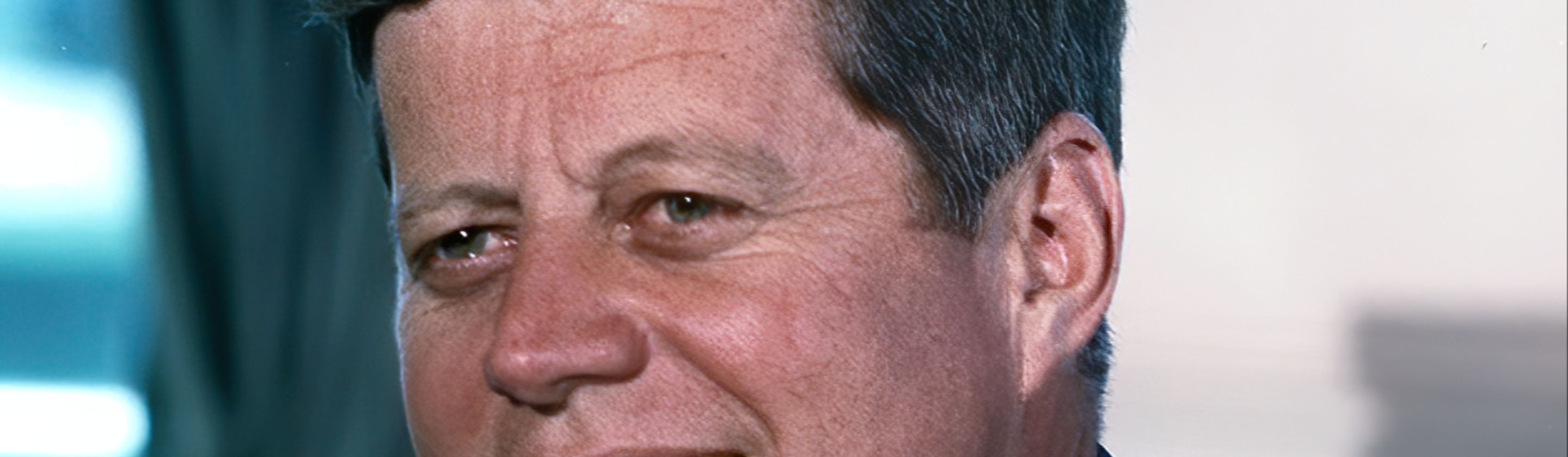
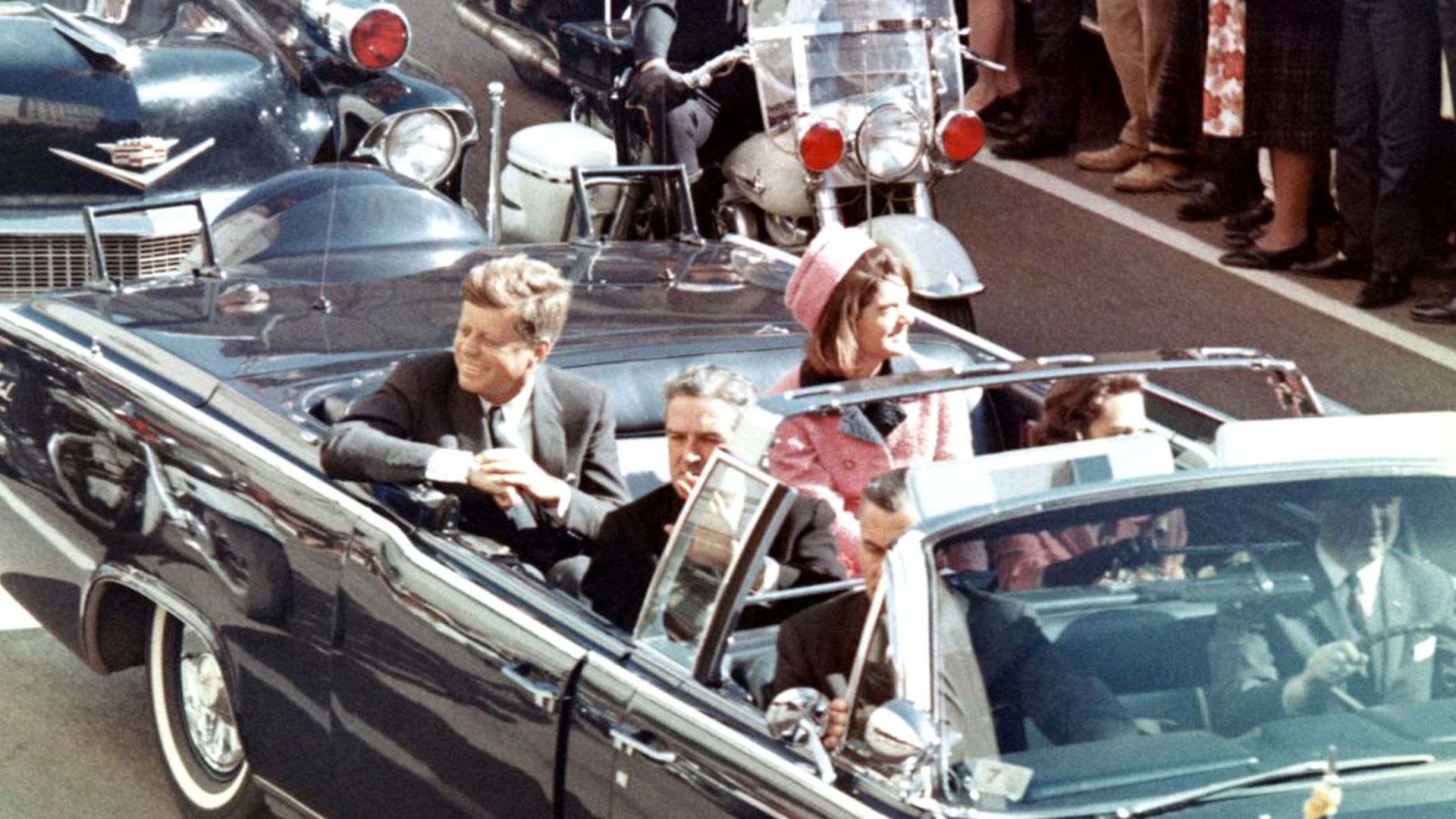
 Walt Cisco, Dallas Morning News on Wikimedia
History often focuses on the grand gestures of our leaders, yet there is a unique intimacy found in the simple act of a final breakfast. On the morning of November 22, 1963, John F. Kennedy sat down for a meal at the Hotel Texas in Fort Worth that was remarkably unpretentious for a man of his stature. While the world was about to change forever, the President was simply a hungry traveler looking for a bit of fuel before a long day of campaigning. You can learn a lot about a person's grounded nature by looking at the food they choose when they aren't trying to impress a foreign dignitary.
It’s easy to imagine a world leader demanding a five-course gourmet feast, but Kennedy’s preferences were famously rooted in his New England upbringing. He didn't ask for anything extravagant or exotic, opting instead for the comfort of familiar flavors that reminded him of home. This choice reflected a man who, despite his immense power and wealthy background, remained deeply connected to the practicalities of everyday life. By examining the specifics of that final morning service, we get a glimpse into the human side of the "Camelot" era that often gets lost in the broader historical narrative.
The Simplicity of the Selection
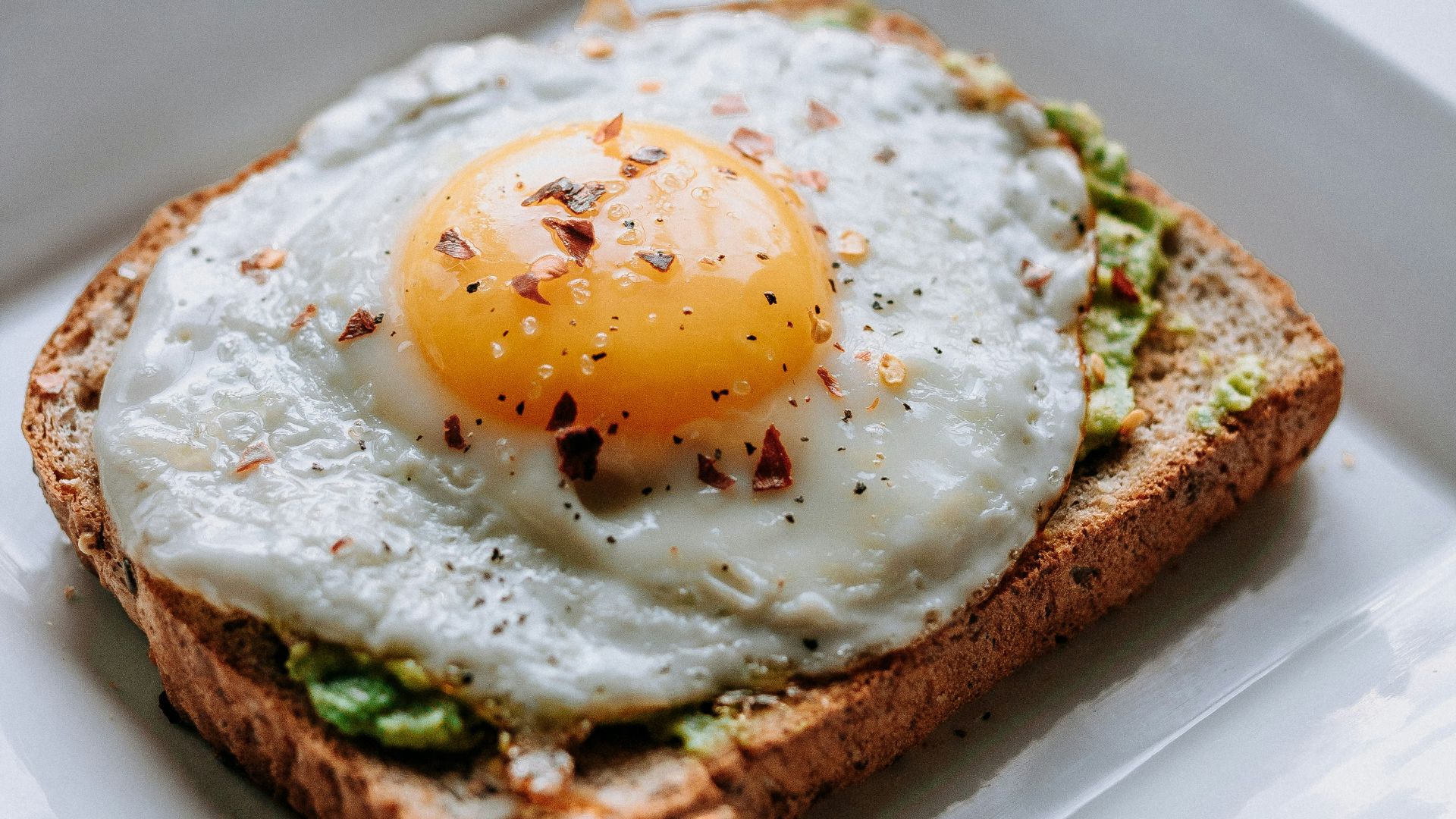
Kennedy’s order was delivered to his presidential suite by room service. The man who placed the order knew precisely what he wanted and never bothered with foolishness. A soft-boiled egg, buttered toast with marmalade, and a couple cups of hot coffee made up Kennedy’s relatively plain American breakfast. Throw in some crisp bacon and a glass of orange juice to meet his nutritional needs, and you have it. No foie gras or sea urchin roe on this luxurious menu. Just simple, down-home cooking.
Simple foods like these demonstrate Kennedy’s capability and desire to cut to the chase. He didn't want to sit around for hours picking at an exquisite menu when he had speeches to give and hands to shake all throughout Texas. Having a regular breakfast helped Kennedy allocate mental resources to understand the treacherous political climate of the time. Not many presidents could say their taste in food wasn't driven by ego or show.
It should also be noted that JFK was not known for eating large quantities of food. His breakfast conveys his appreciation for simple meals that were cooked well and brought to him in a timely manner with little fuss or knocking atmosphere of a state dinner. JFK didn’t feel the need to show off because he seemed to love himself enough. Food was just another resource used to get by. Many may even say that this is why he was able to communicate with the American people using basic vocabulary to convey complex ideas.
A Connection to New England Roots
Even in the heart of Texas, Kennedy’s breakfast plate remained firmly anchored in the traditions of his beloved Massachusetts coastline. The preference for soft-boiled eggs and marmalade was a direct nod to the refined yet traditional dining habits of the East Coast elite. While he was thousands of miles away from Hyannis Port, he carried a piece of his heritage with him through these small, sensory reminders. It shows a man who was comfortable in his own skin and proud of the culture that shaped his early years.
You might find it charming that he didn't try to "go local" by ordering biscuits and gravy or a massive steak just because he was visiting the Lone Star State. He remained authentic to his own tastes, which is a subtle but powerful indicator of a leader who doesn't feel the need to perform for every audience. This consistency allowed him to remain centered even while he was constantly on the move and surrounded by the pressures of the presidency. It was a quiet act of personal integrity that defined much of his approach to both his private life and his public service.
The staff at the Hotel Texas noted that he was incredibly polite and appreciative of the service, treating the waiters with genuine respect and kindness. This behavior reveals a character that wasn't inflated by the high office he held or the intense media scrutiny he faced daily. He understood that every person he encountered played a vital role in the functioning of the world around him, regardless of their job title. Such grace under pressure is exactly what made him such a compelling figure to millions of people during the height of the Cold War.
Looking back at that morning, there is a profound sense of peace in the way Kennedy enjoyed his final moments of relative privacy. He sat with the morning newspapers, sipping his coffee and chatting with his wife, Jacqueline, about the events of the previous day. This domestic scene was the anchor of his morning routine, providing a brief window of normalcy before the Secret Service took over his schedule. It’s a reminder that even the most powerful people in the world cherish the quiet comfort of a shared meal with those they love.
KEEP ON READING

The Origins Of 3 Common Sayings You Still Use Today
Etienne Boulanger on UnsplashMany of the phrases you use every…
By Rob Shapiro Apr 28, 2026
Was Caligula The Most Ruthless Roman Emperor?
Artur Matosyan on UnsplashRoman Emperor Caligula is one of ancient…
By Rob Shapiro Dec 18, 2025
1 Weird Fact About Every President
Washington, Lincoln, FDR. Most people know something about the lives…
By Robbie Woods Dec 3, 2024
10 Accidental Discoveries That Changed Maps & 10 That Changed…
Mistakes That Mattered. A lot of major discoveries did not…
By Cameron Dick Apr 15, 2026
10 Actors Who Perfectly Played a Historical Figure & 10…
Which Performance is Your Favorite?. Playing the role of a…
By Rob Shapiro Sep 15, 2025
10 Actors Who Perfectly Played a Historical Figure & 10…
Portraying a real person from history is one of the…
By Noone Dec 17, 2025