20 LGBTQ+ People from History Who Changed the World
History Is Full Of Queer Icons
LGBTQ+ people have always been part of history, even when old textbooks did their best to hide them in the footnotes. Some were artists, scientists, writers, rulers, musicians, and activists whose private lives were whispered about while their public work changed the world. Others were open enough to become symbols in their own time, even when that visibility came with serious risk. Their stories remind us that queer history isn’t a modern side chapter; it’s been woven into the main story all along. Here are 20 LGBTQ+ people who changed the world.
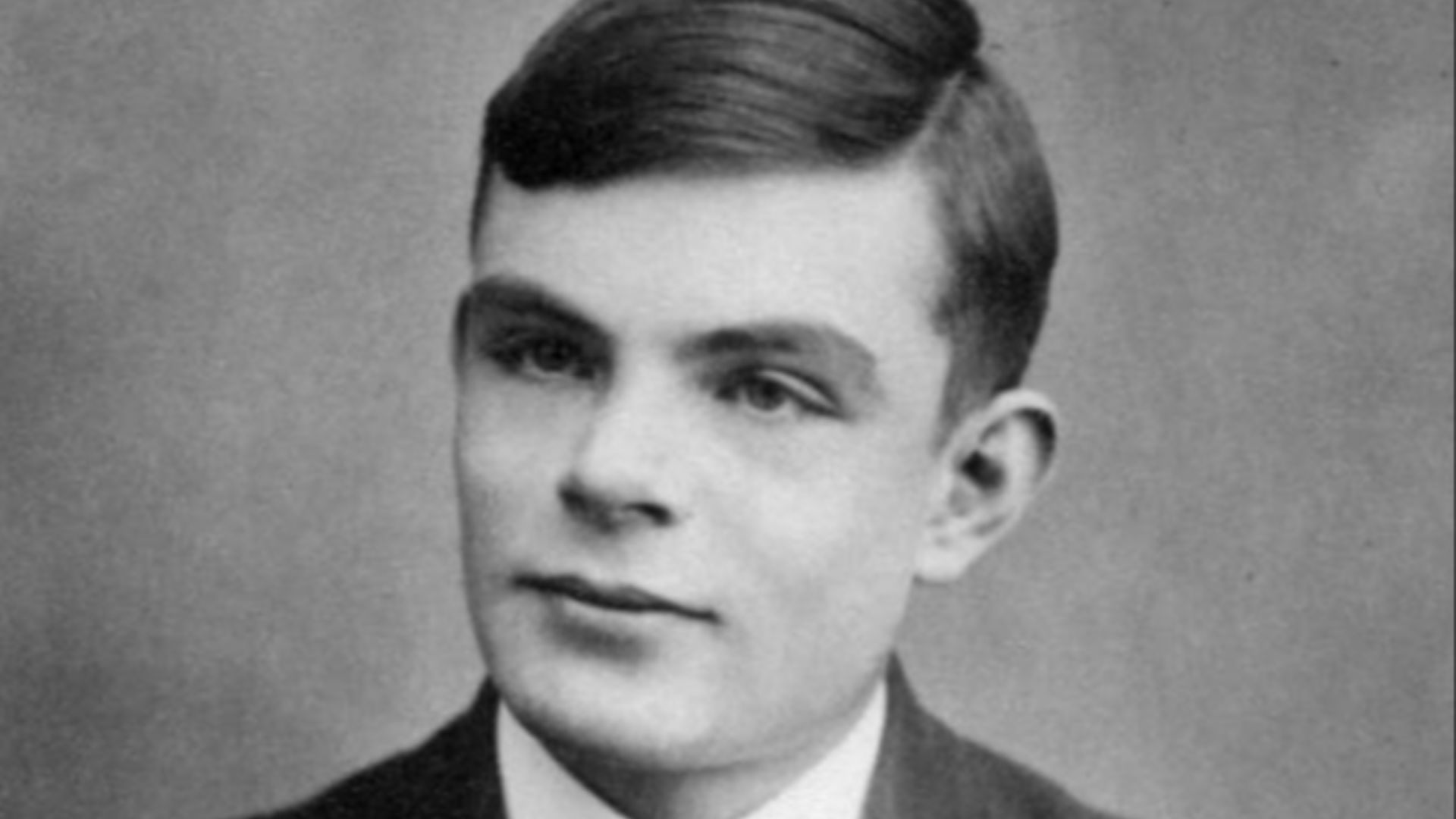
1. Alan Turing
Alan Turing helped shape the modern computer age and played a crucial role in breaking Nazi codes during World War II. His work at Bletchley Park helped the Allies understand encrypted German communications, which was an enormous contribution to the war effort. Turing was later prosecuted in Britain for being gay, a disgraceful injustice that damaged his life and legacy for decades.
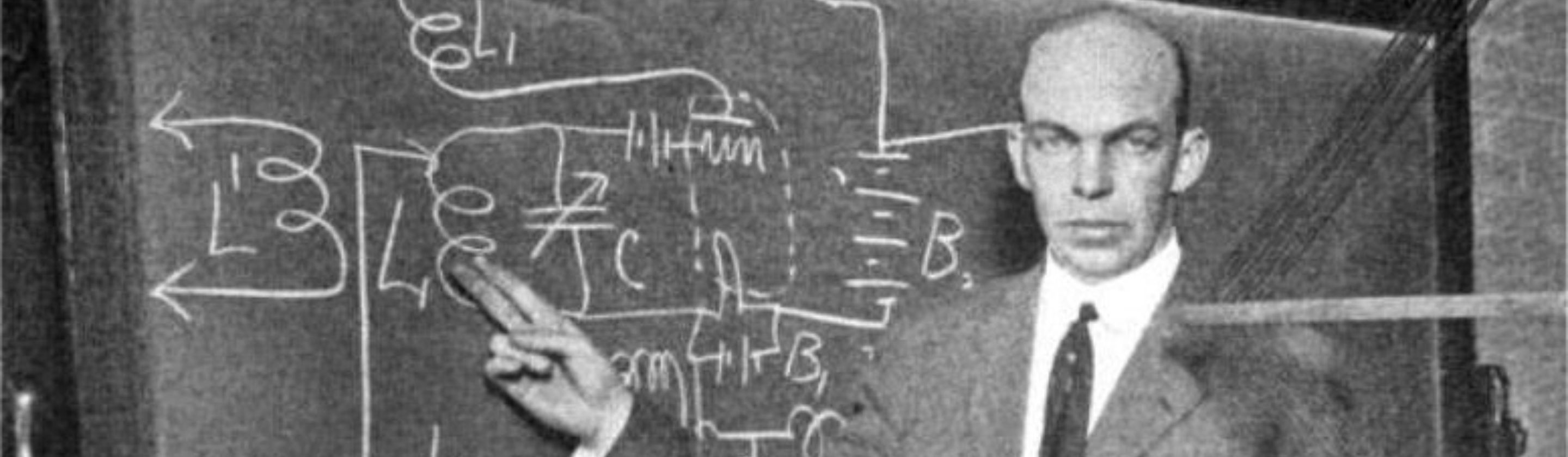
 Possibly Arthur Reginald Chaffin (1893-1954) on Wikimedia
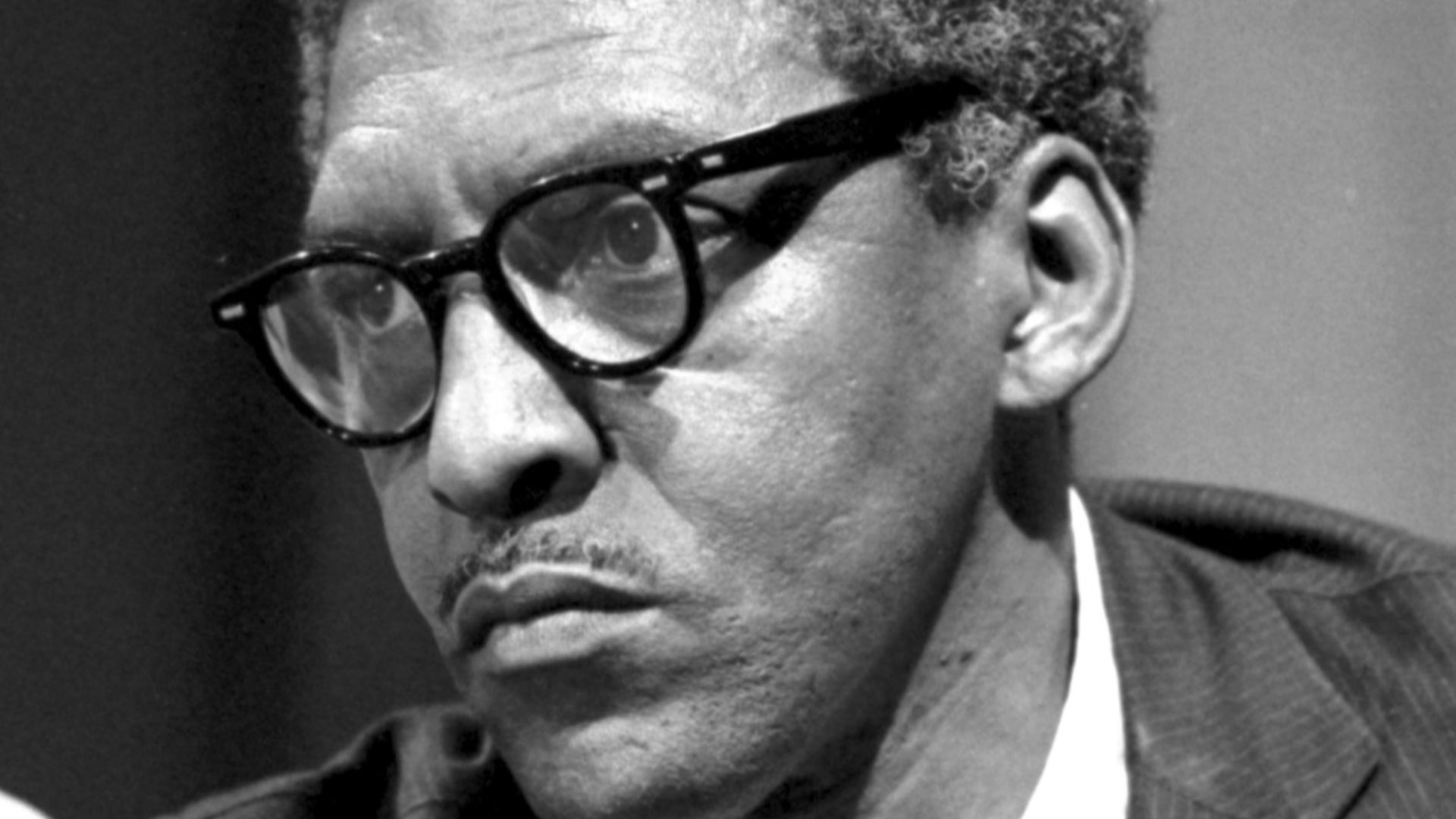
2. Bayard Rustin
Bayard Rustin was one of the key organizers of the 1963 March on Washington, where Martin Luther King Jr. delivered his “I Have a Dream” speech. He was a strategist, activist, and lifelong advocate for civil rights, labor rights, and nonviolent protest. Because he was openly gay in a deeply homophobic era, some leaders tried to keep him in the background, but history has finally gotten better at admitting that Rustin wasn't background material at all.
 Leffler, Warren K. on Wikimedia
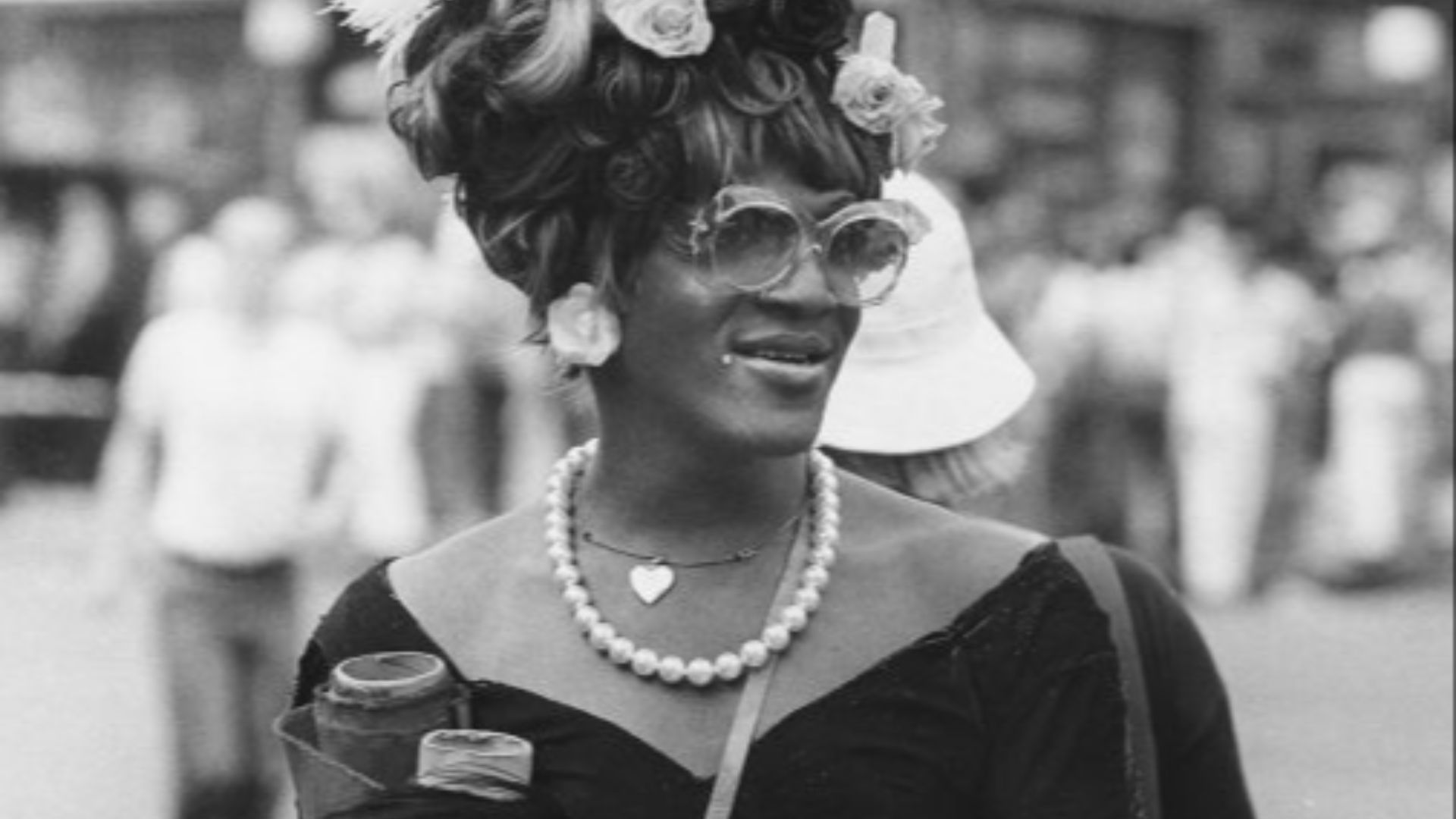
3. Marsha P. Johnson
Marsha P. Johnson was a Black transgender activist and a central figure in New York’s LGBTQ+ rights movement. She was associated with the Stonewall uprising and later helped found STAR, an organization supporting homeless transgender youth and sex workers, along with Sylvia Rivera.
4. Sylvia Rivera
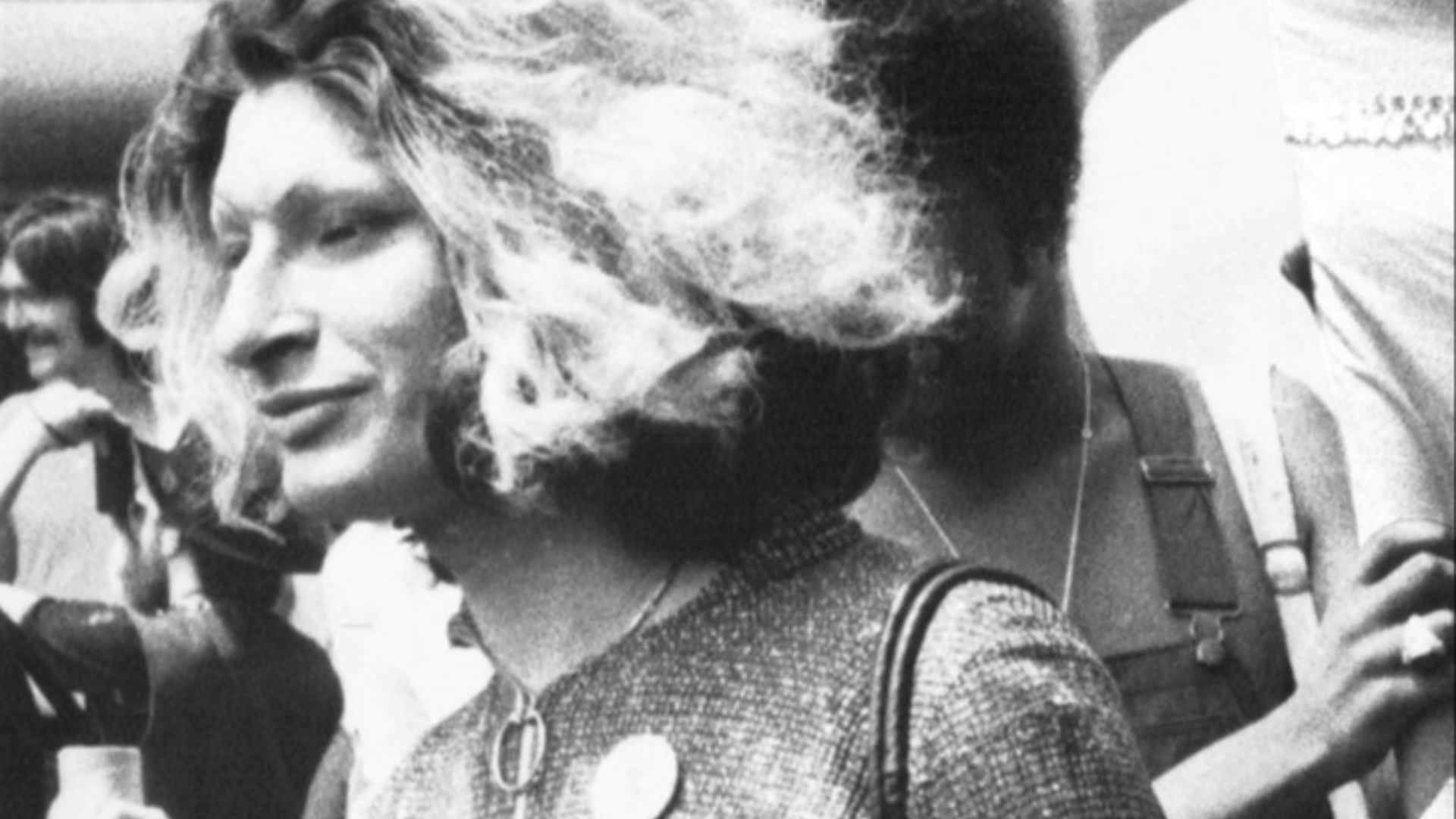
Sylvia Rivera was a Latina transgender activist who pushed the LGBTQ+ movement to include trans people, poor people, youth, and people living on the margins. She was outspoken, fiery, and not especially interested in making comfortable activists feel comfortable. Alongside Marsha P. Johnson, she helped create STAR to support vulnerable members of the community.
5. Oscar Wilde
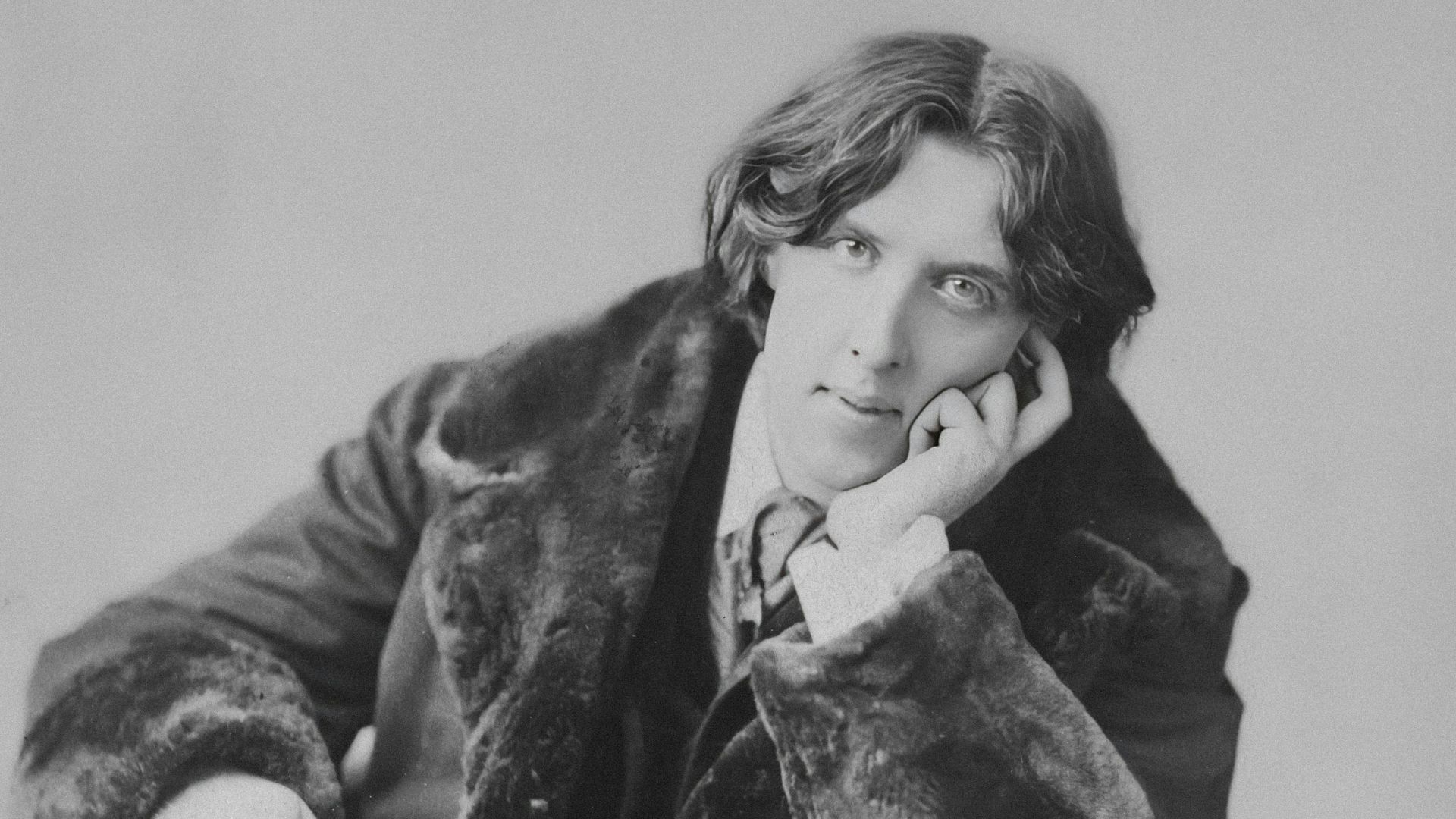
Oscar Wilde became one of the most famous writers of the 19th century with works like The Picture of Dorian Gray and The Importance of Being Earnest. After being prosecuted for “gross indecency” because of his relationships with men, he was imprisoned and socially destroyed. Wilde’s tragedy helped expose the cruelty of Victorian moral policing, while his writing remains gloriously alive.
 The New York Public Library on Unsplash
6. Sappho
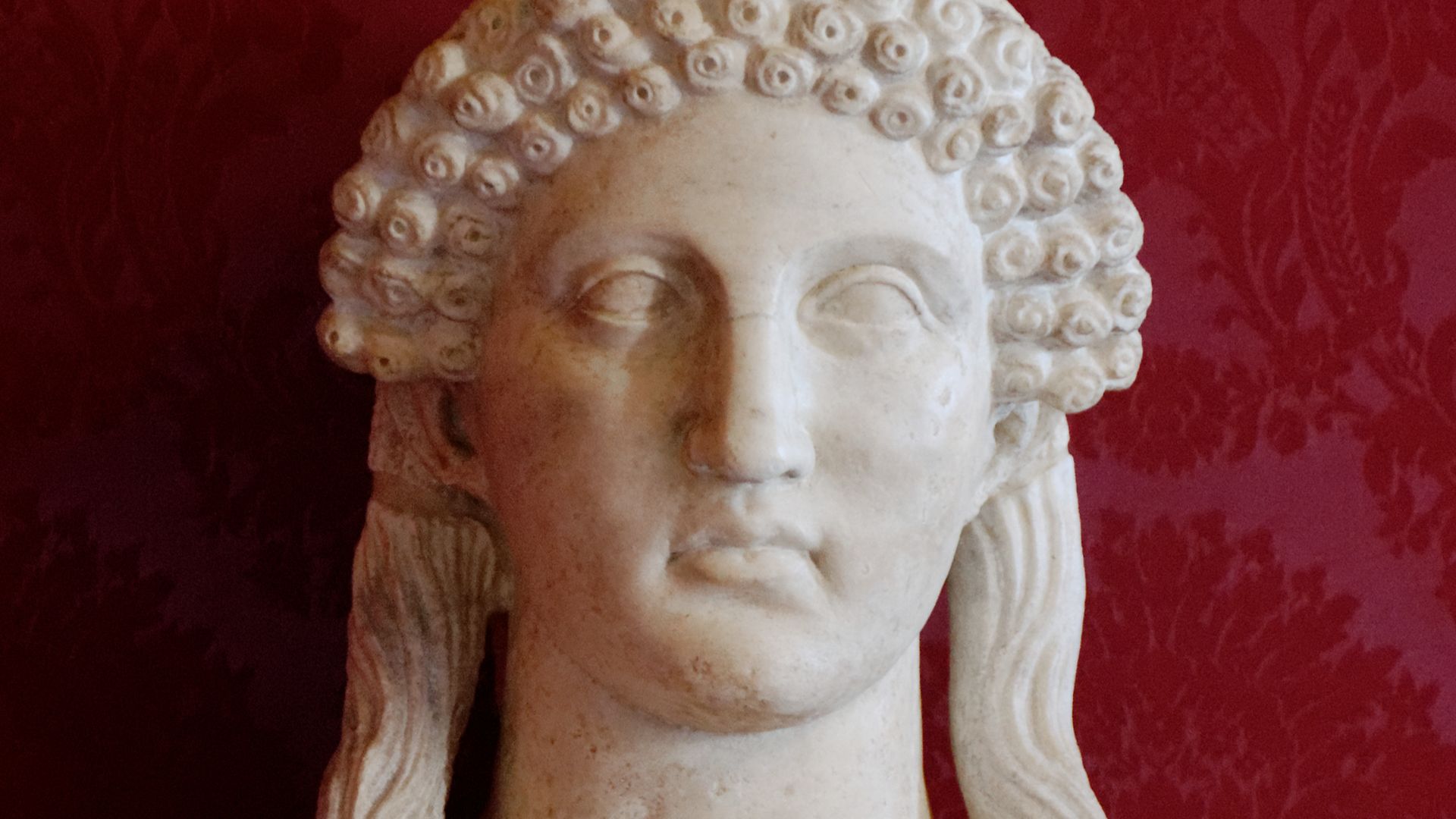
Sappho was an ancient Greek poet from the island of Lesbos, and her work has shaped ideas about love, desire, and lyric poetry for more than two thousand years. Her writing about affection between women later inspired terms like “lesbian” and “sapphic.”
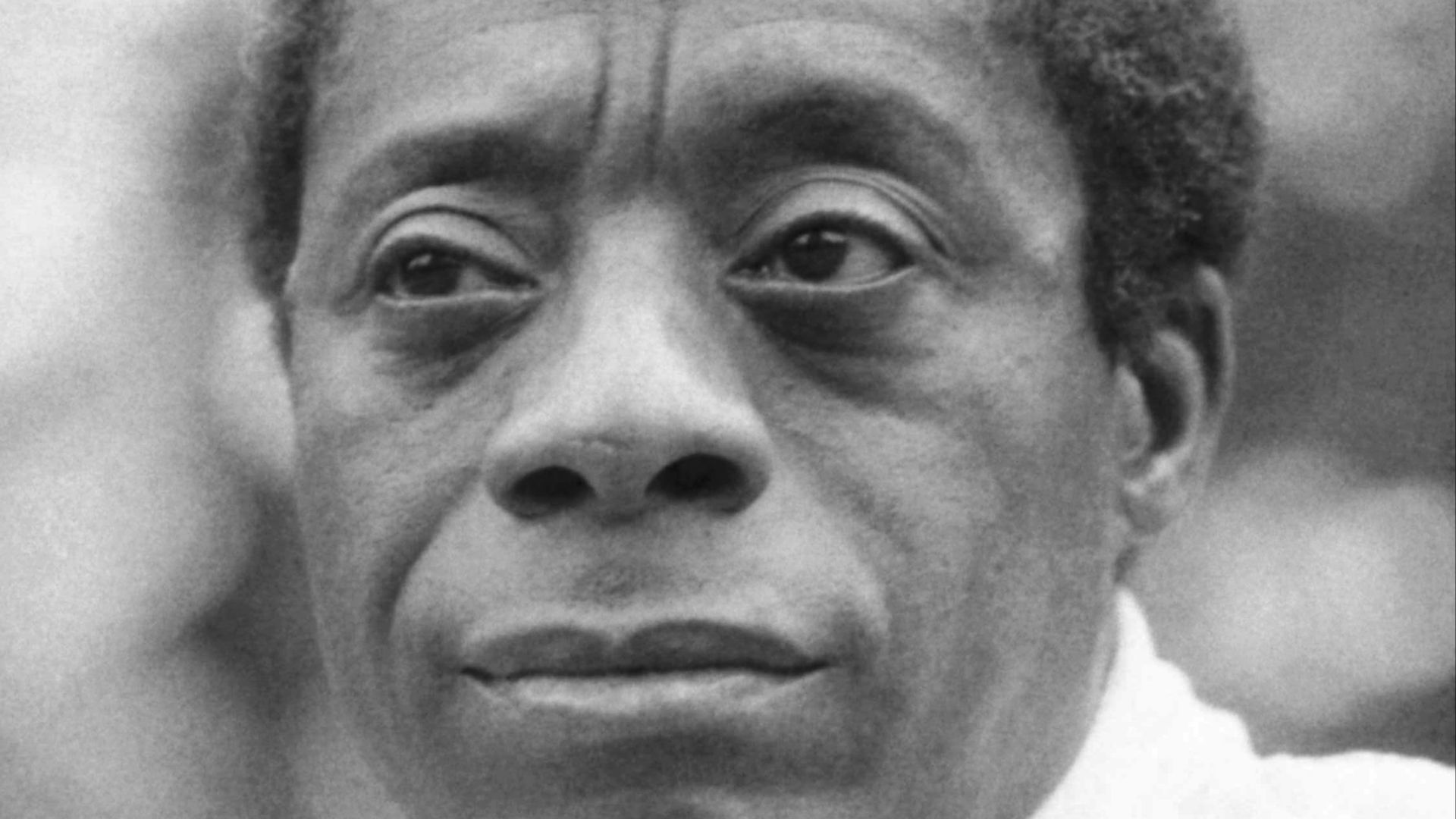
7. James Baldwin
James Baldwin wrote about race, sexuality, America, religion, and identity with extraordinary force and elegance. Books like Giovanni’s Room, The Fire Next Time, and Go Tell It on the Mountain challenged readers to face uncomfortable truths. As a Black gay man, Baldwin understood what it meant to be watched, judged, and misunderstood by multiple worlds at once.
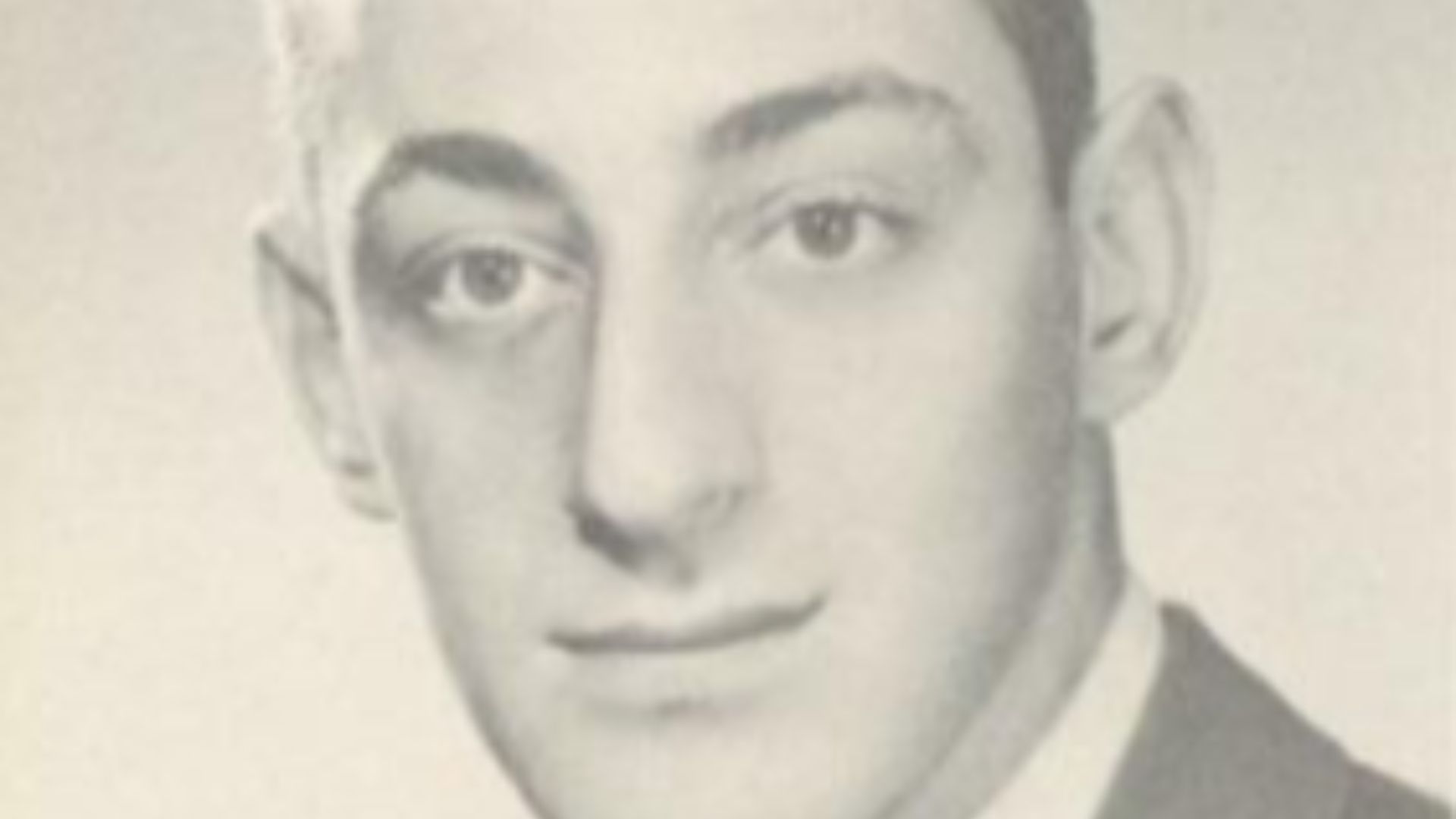
8. Harvey Milk
Harvey Milk became one of the first openly gay elected officials in the U.S. when he won a seat on the San Francisco Board of Supervisors in 1977. He was assassinated in 1978, and although his political career was brief, his impact was enormous. He encouraged LGBTQ+ people to come out, organize, and demand political visibility.
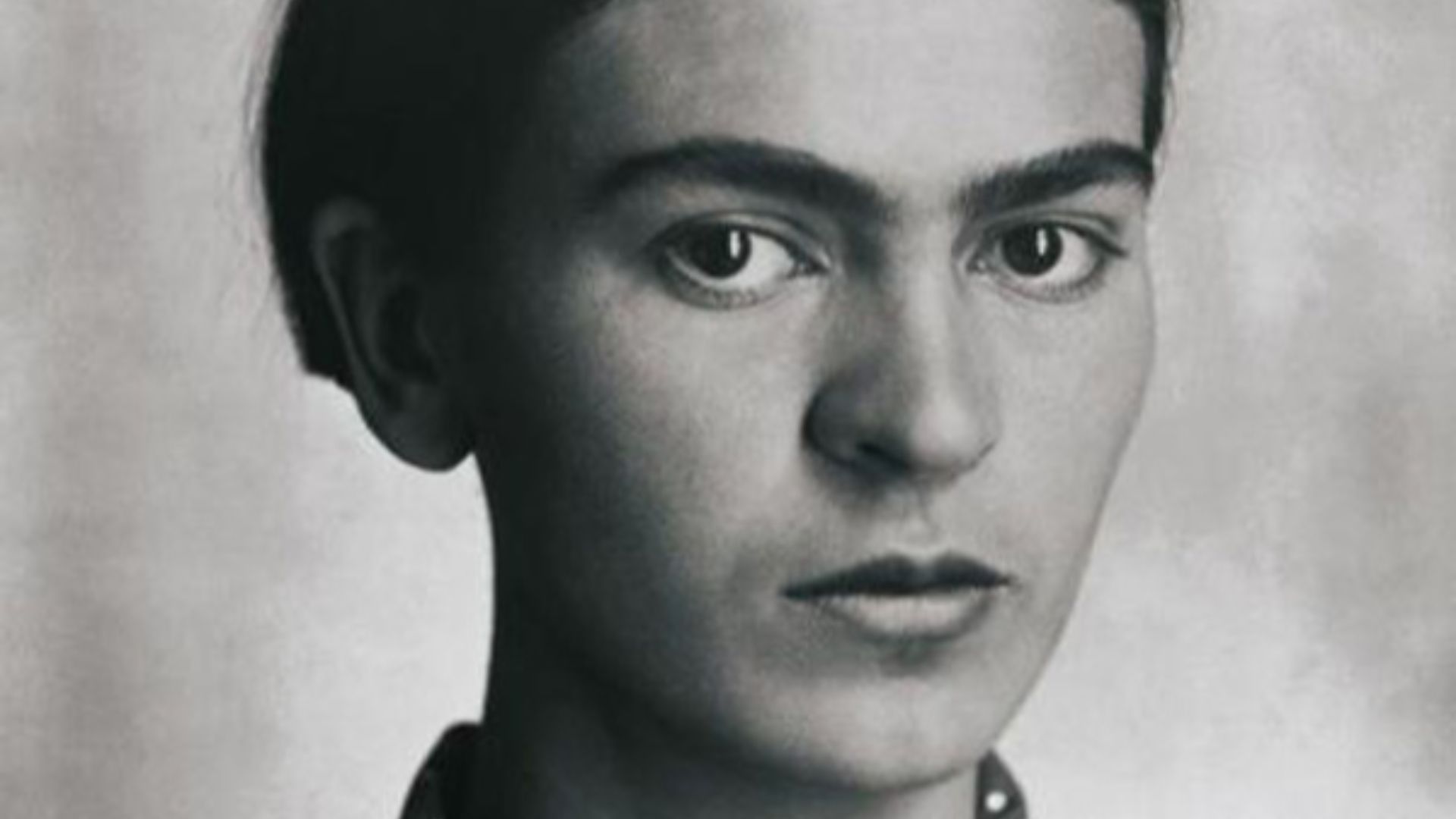
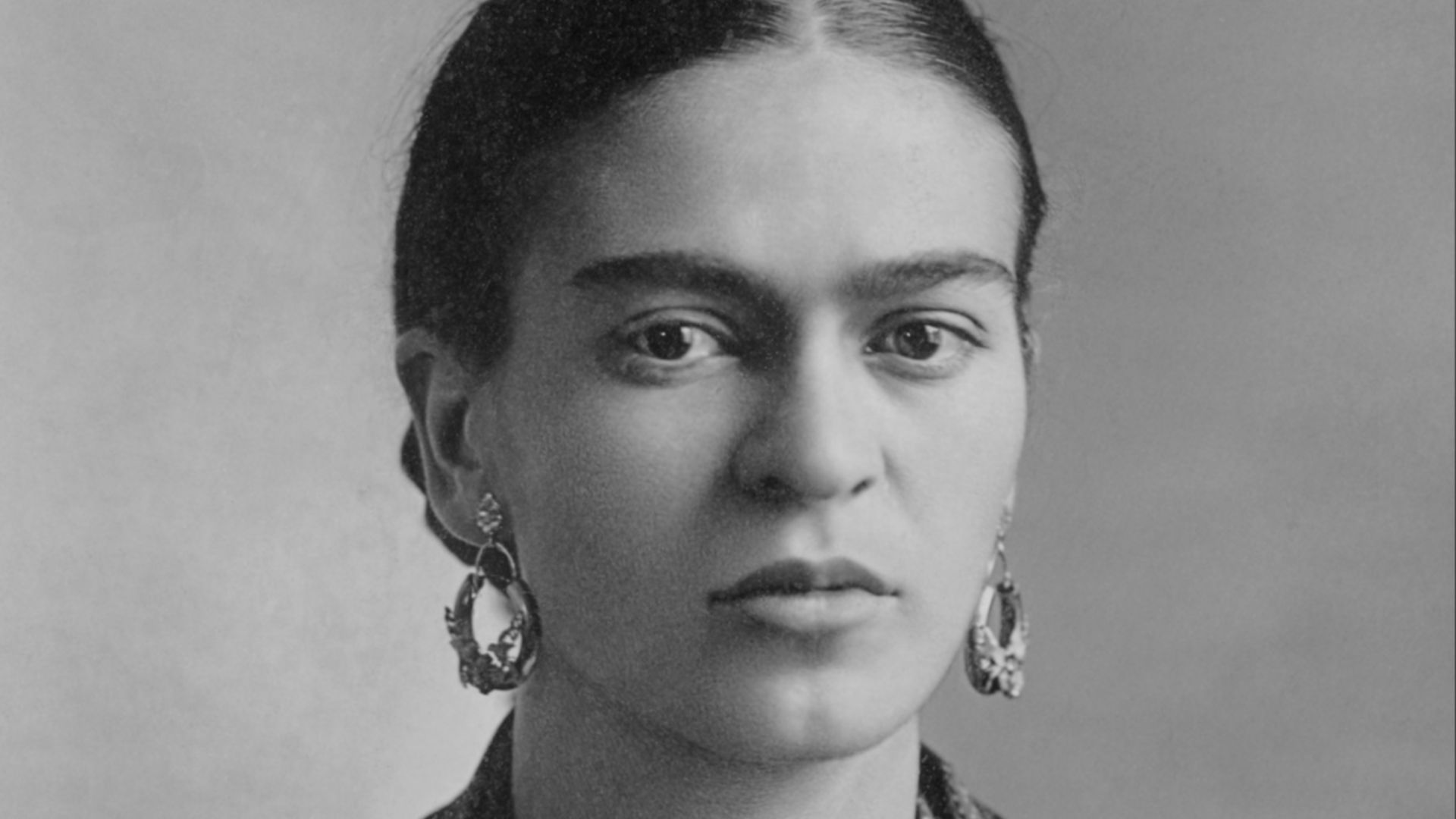
9. Frida Kahlo
Frida Kahlo changed modern art with intensely personal paintings that explored pain, identity, gender, politics, and the body. She had relationships with both men and women, and her life resisted tidy categories. Kahlo’s style, self-portraits, and refusal to soften her own complexity made her an icon long after her death.
10. Walt Whitman
Walt Whitman transformed American poetry with Leaves of Grass, a work full of democracy, physicality, nature, and emotional intimacy. Scholars have long discussed the homoerotic themes in his poems and his close relationships with men. Whitman’s writing celebrated the body and the soul in ways that felt expansive and daring for his time.
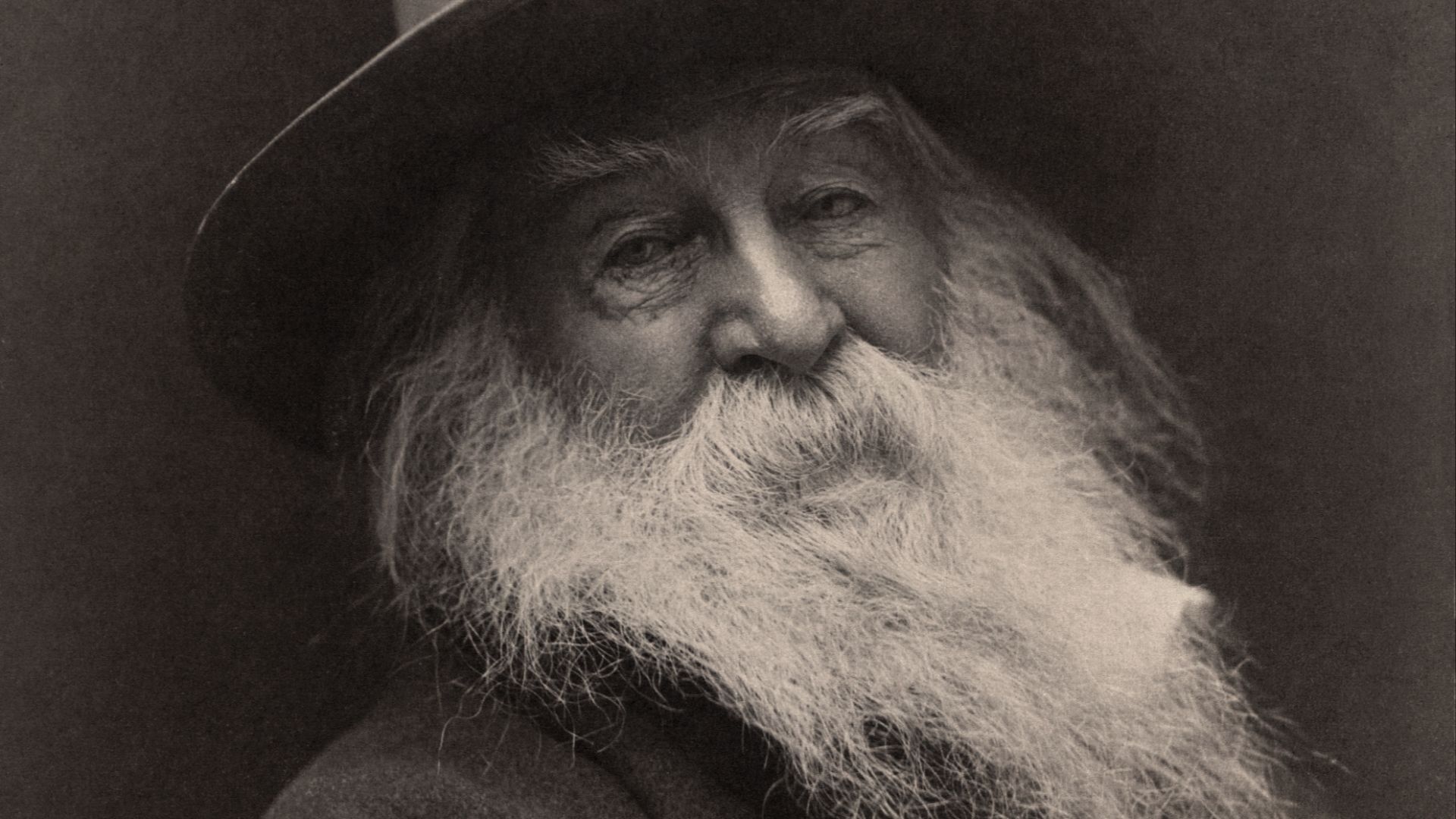 George Collins Cox / Adam Cuerden on Wikimedia
11. Sally Ride
Sally Ride became the first American woman in space in 1983, changing what millions of people imagined a scientist and astronaut could look like. She later became a major advocate for science education, especially for girls. After her death, it became publicly known that she had a long-term female partner, making her the first known LGBTQ+ astronaut.
 NASA; retouched by Coffeeandcrumbs on Wikimedia
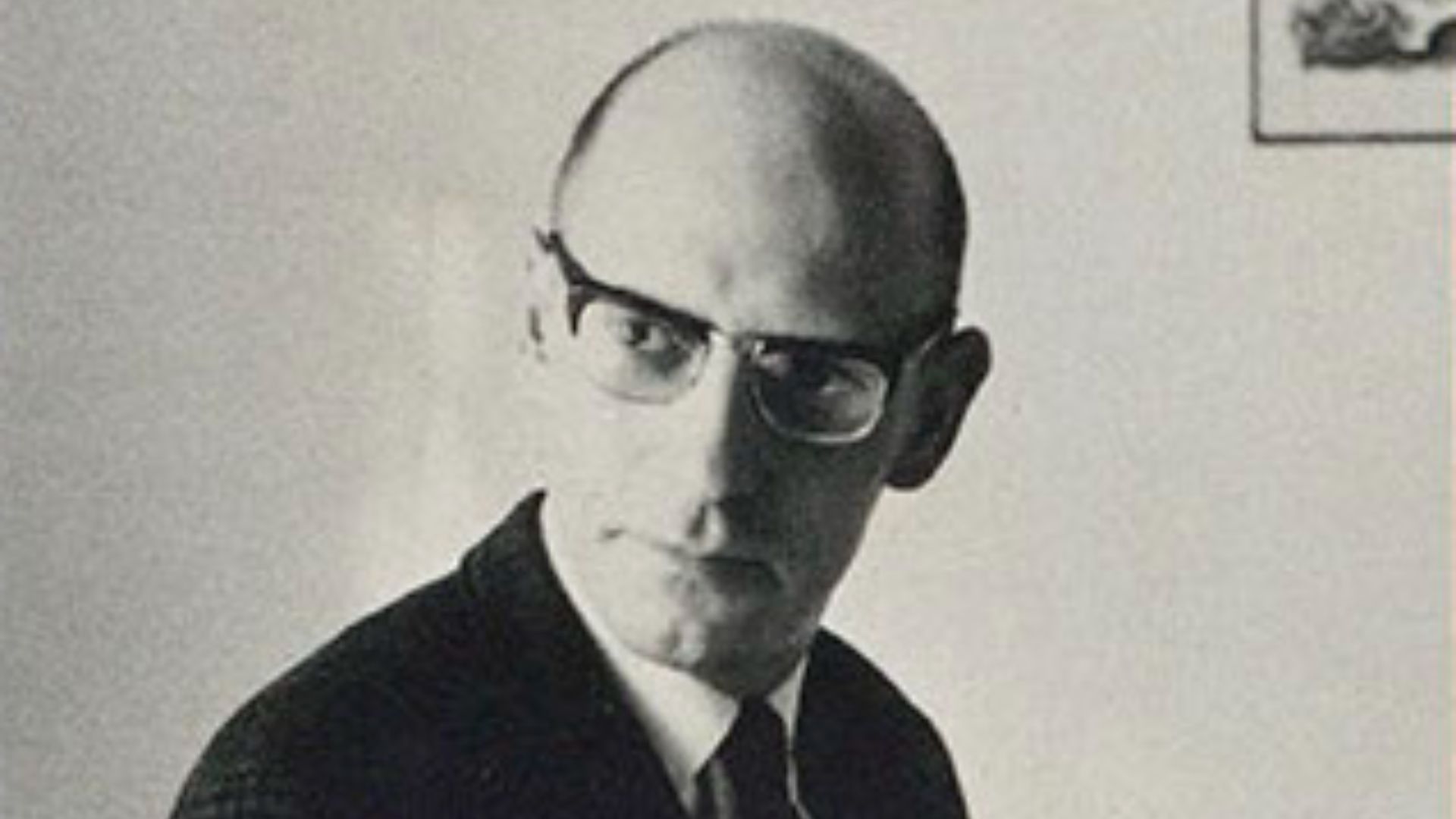
12. Michel Foucault
Michel Foucault was a French philosopher whose writings changed how people think about power, knowledge, sexuality, punishment, and social control. Works like Discipline and The History of Sexuality influenced philosophy, sociology, history, gender studies, queer theory, criminology, and political thought. As a gay man writing about how societies define “normal” and “deviant,” Foucault helped give later scholars and activists a new way to analyze identity and authority.
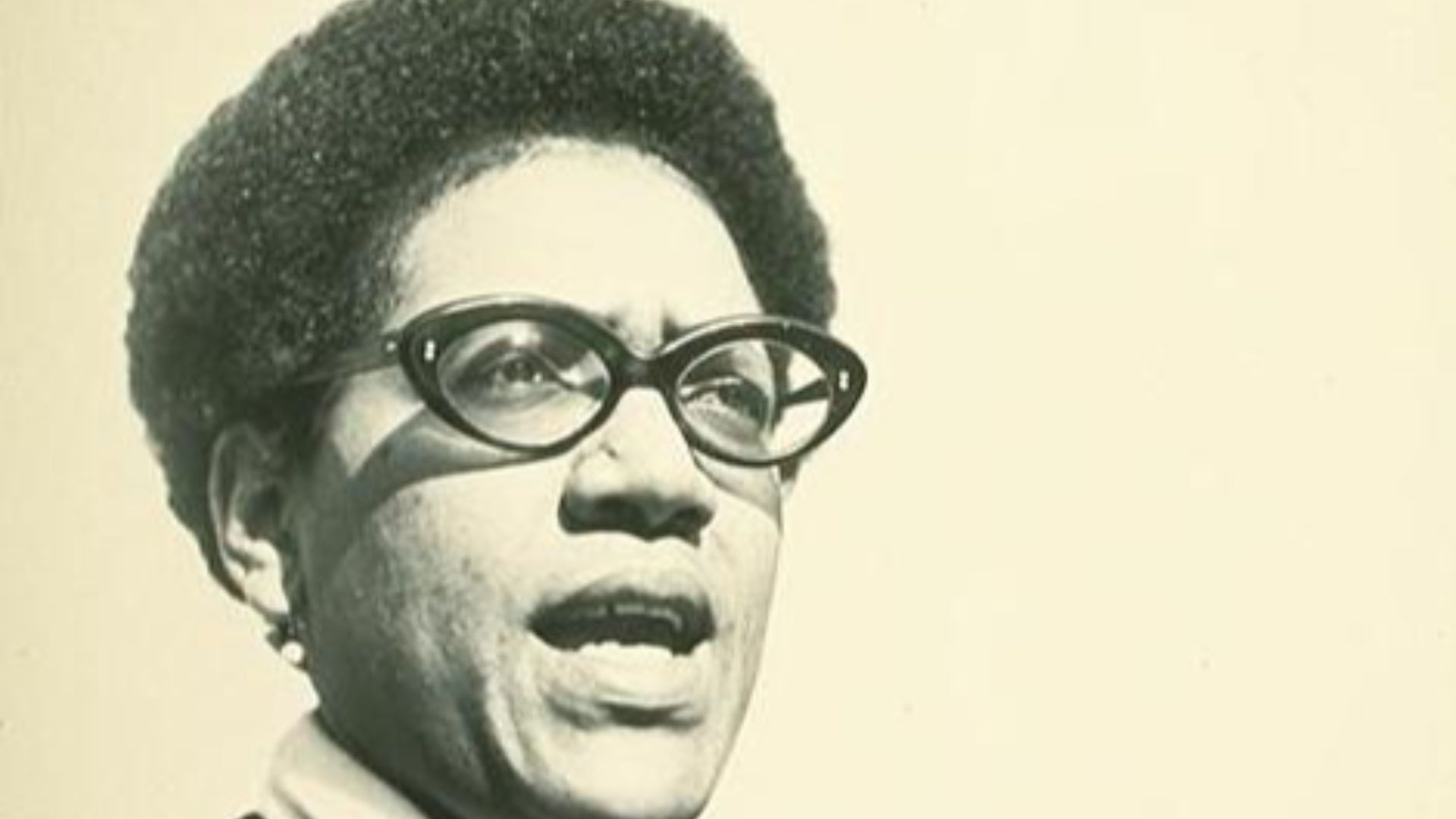
13. Audre Lorde
Audre Lorde was a poet, essayist, feminist, lesbian, and civil rights activist who insisted that identity and justice could not be separated. Her work challenged racism, sexism, homophobia, and silence with fierce clarity. Lorde described herself as “Black, lesbian, mother, warrior, poet,” and she meant every word.
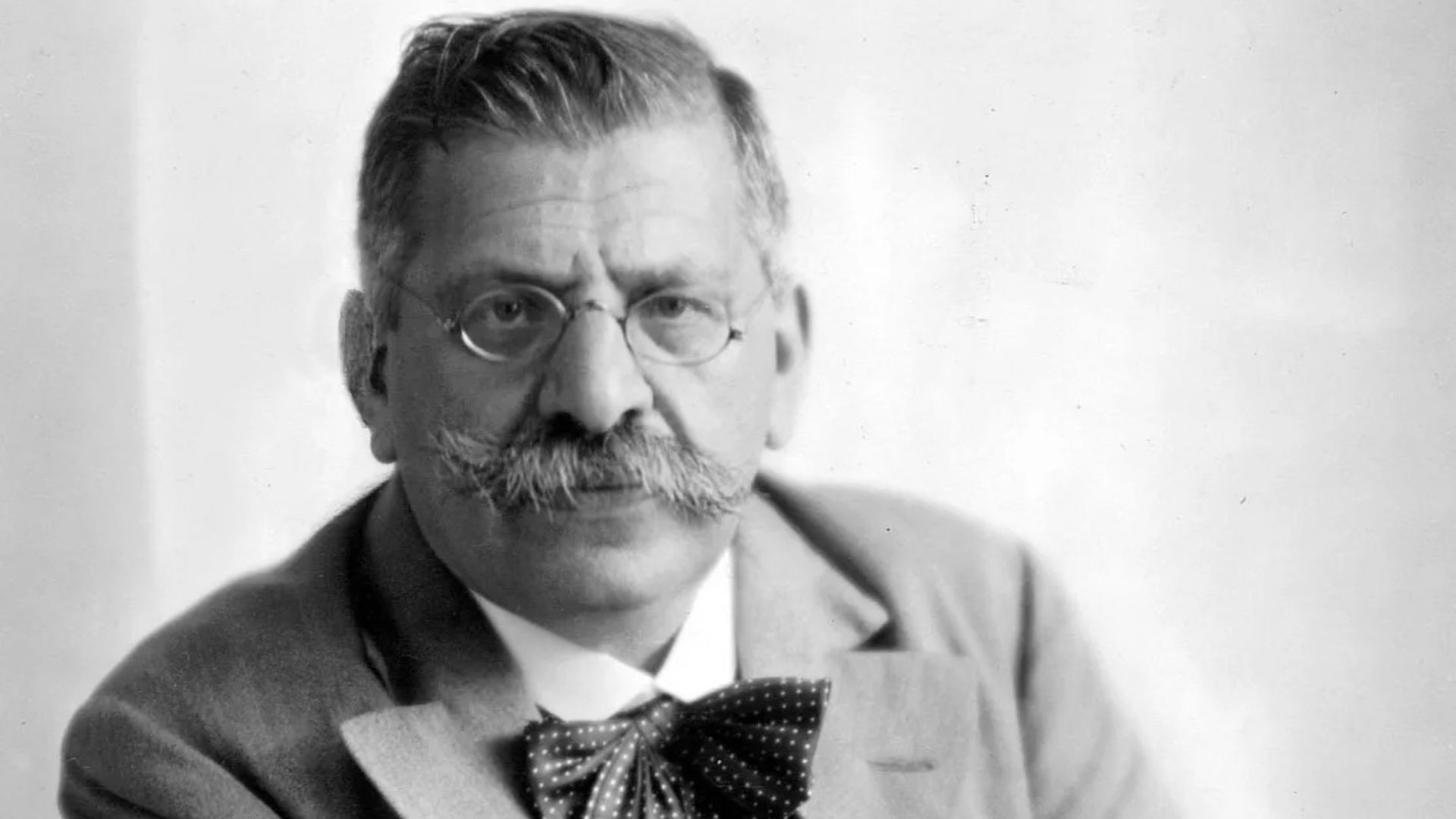
14. Magnus Hirschfeld
Magnus Hirschfeld was a German physician and sexologist who became an early advocate for LGBTQ+ rights. He founded the Institute for Sexual Science in Berlin, which supported research, education, and advocacy around sexuality and gender. The Nazis destroyed his institute and burned its materials, which shows exactly how threatening knowledge can be to authoritarian fear.
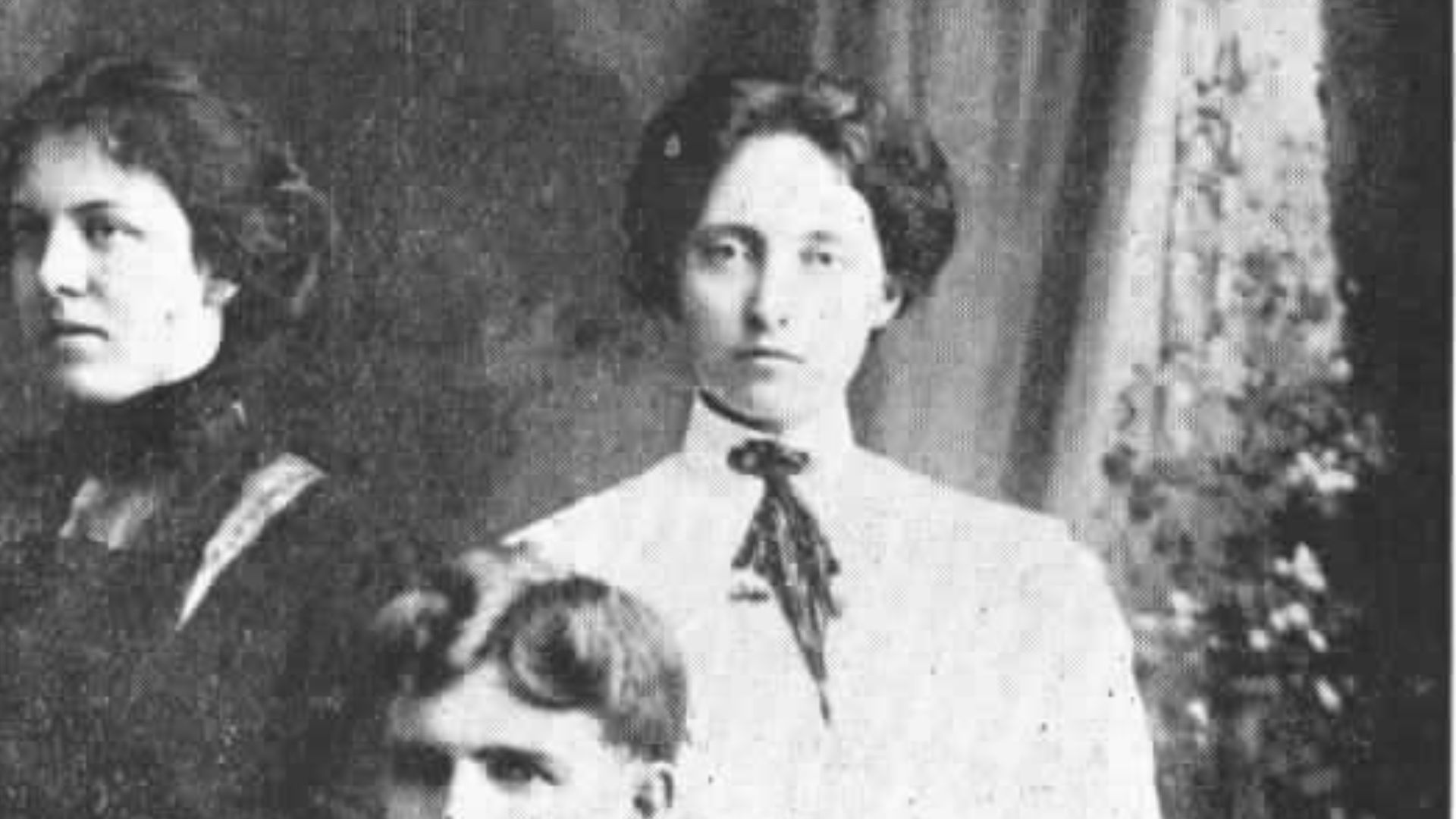
15. Alan L. Hart
Alan L. Hart was a physician, radiologist, and tuberculosis researcher who pioneered the use of X-ray screening to identify tuberculosis sooner. Hart was also one of the first trans men in the U.S. to undergo gender-affirming surgery, making his life historically significant in both medicine and LGBTQ+ history.
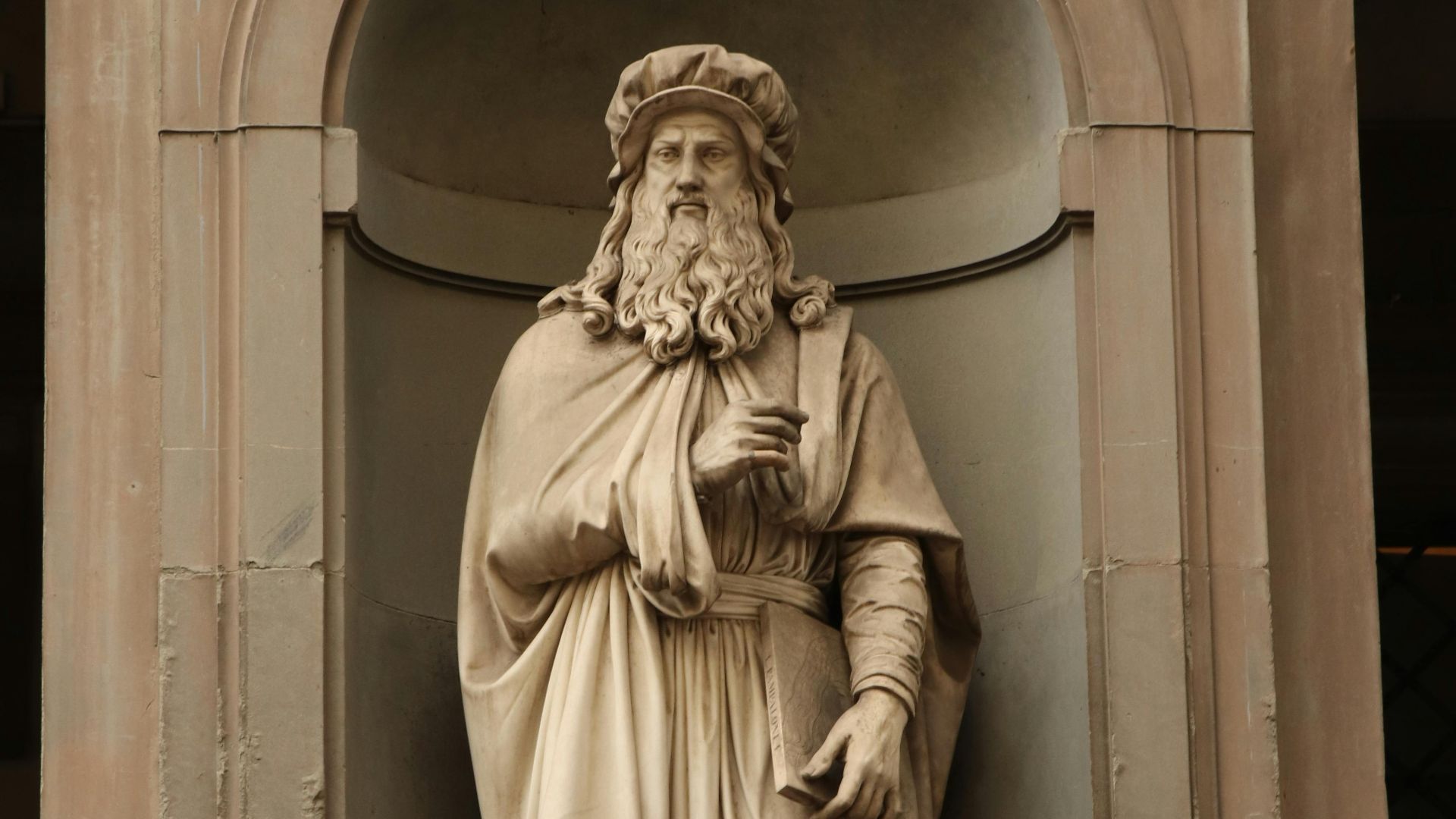
16. Leonardo da Vinci
Leonardo da Vinci changed the world through art, science, engineering, anatomy, and invention. Although the concept of sexual orientation didn't exist in Renaissance Italy, modern historians widely believe he was gay, but it's still somewhat debated. What’s certain is that Leonardo lived outside ordinary expectations in more ways than one, and his genius helped define the Renaissance.
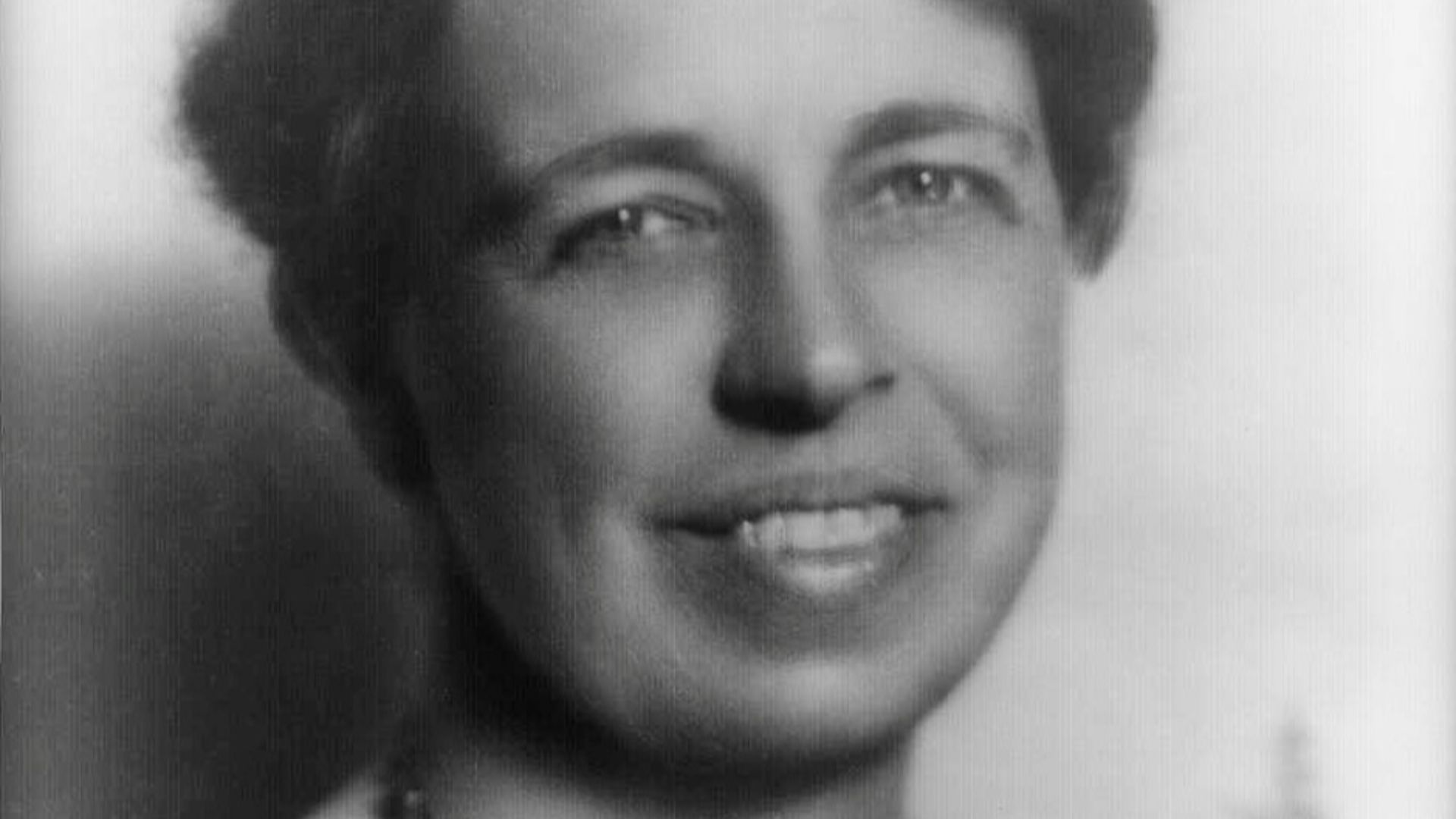
17. Eleanor Roosevelt
Eleanor Roosevelt transformed the role of First Lady and became a major advocate for human rights, civil rights, and social reform. Her close relationship with journalist Lorena Hickok has been widely discussed by historians, with surviving letters showing deep emotional intimacy.
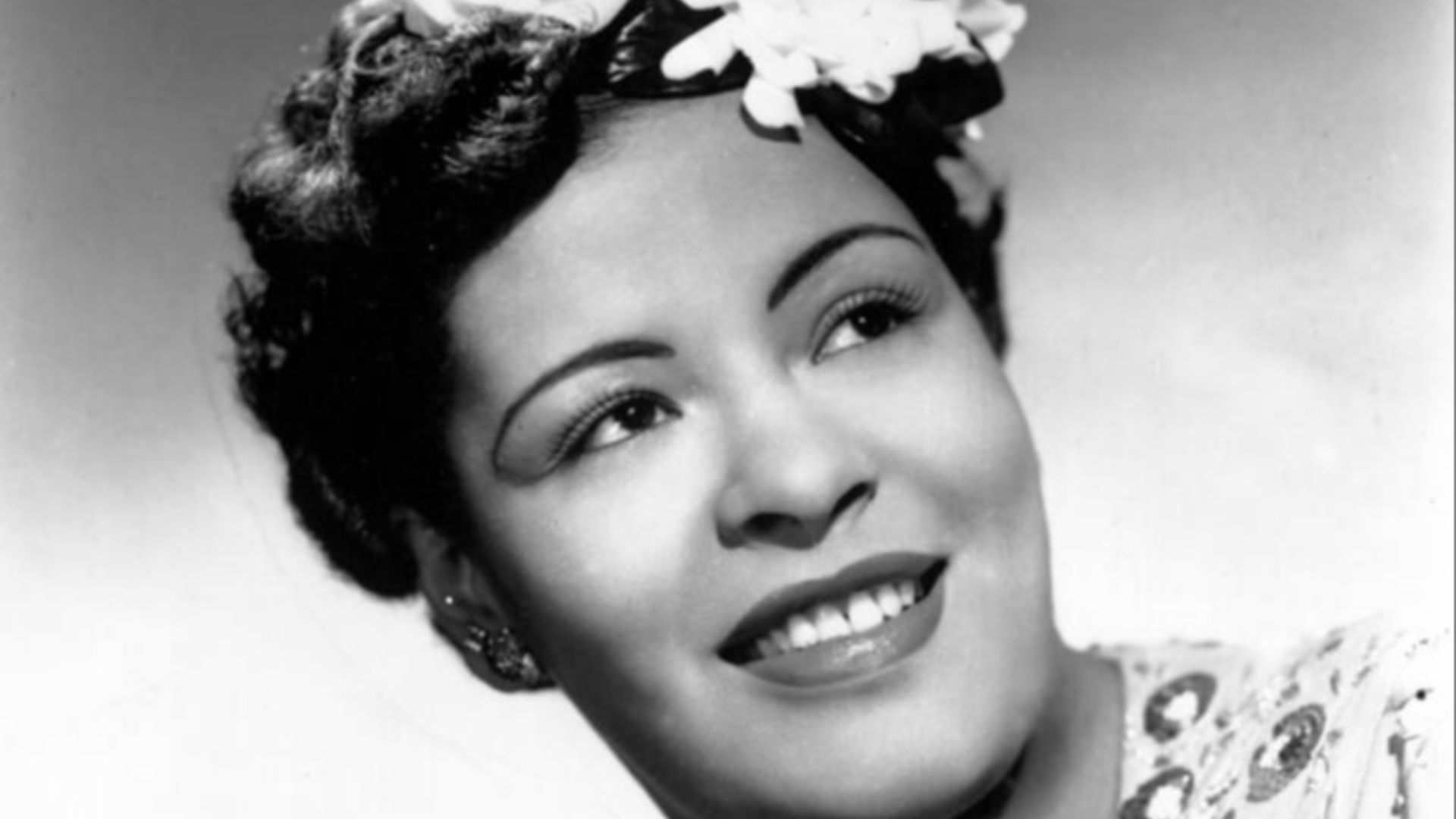
18. Billie Holiday
Billie Holiday changed music with a voice that could make heartbreak, injustice, and longing feel painfully alive. She had relationships with both men and women, though her sexuality was not always openly discussed in the language we use today. Her performance of “Strange Fruit” became one of the most powerful artistic statements against lynching in American history.
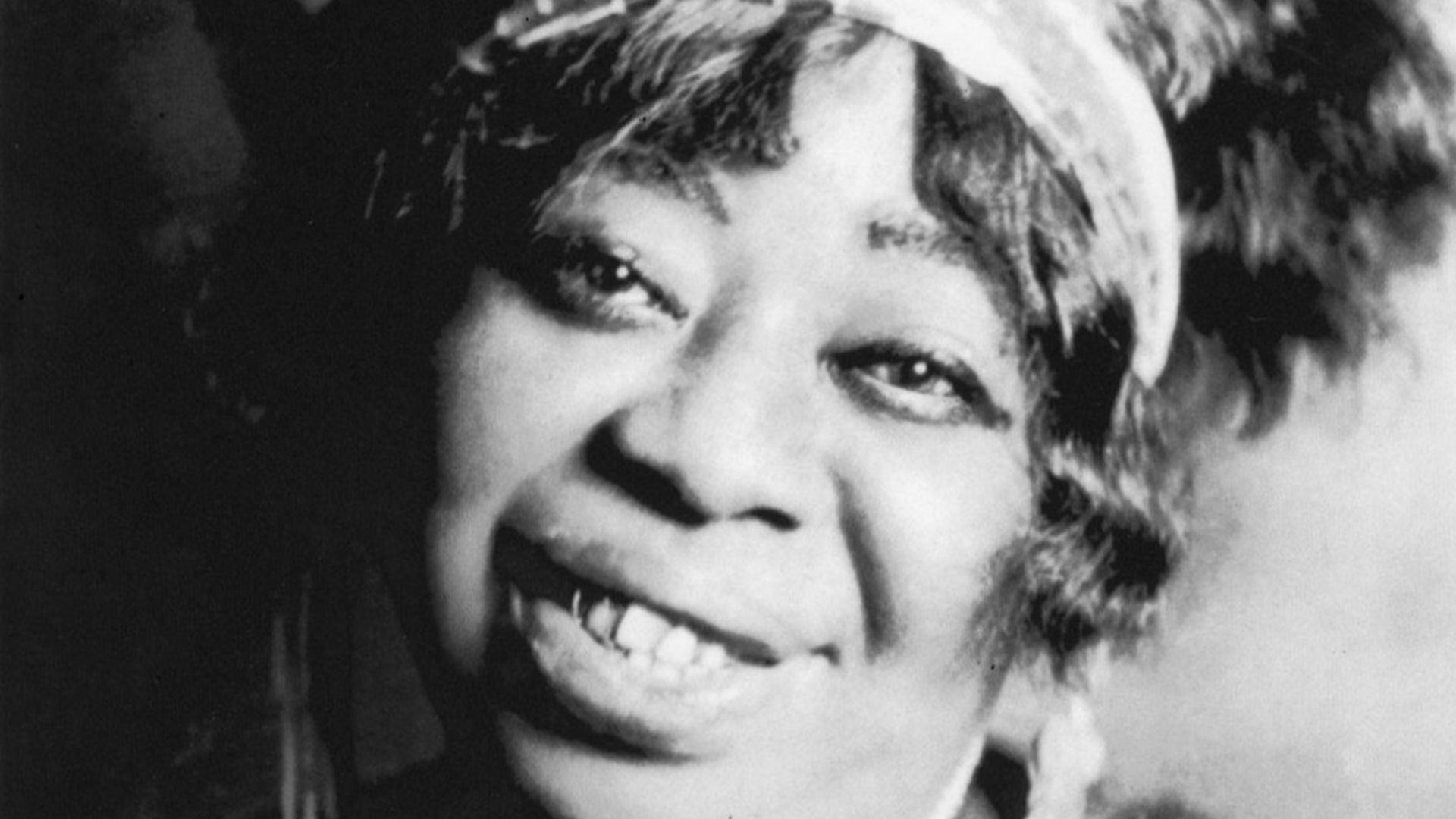
19. Ma Rainey
Ma Rainey, often called the “Mother of the Blues,” helped shape American music in the early 20th century. Her songs included bold references to desire, independence, and relationships with women. She influenced later blues and jazz performers while creating space for a more defiant kind of female expression.
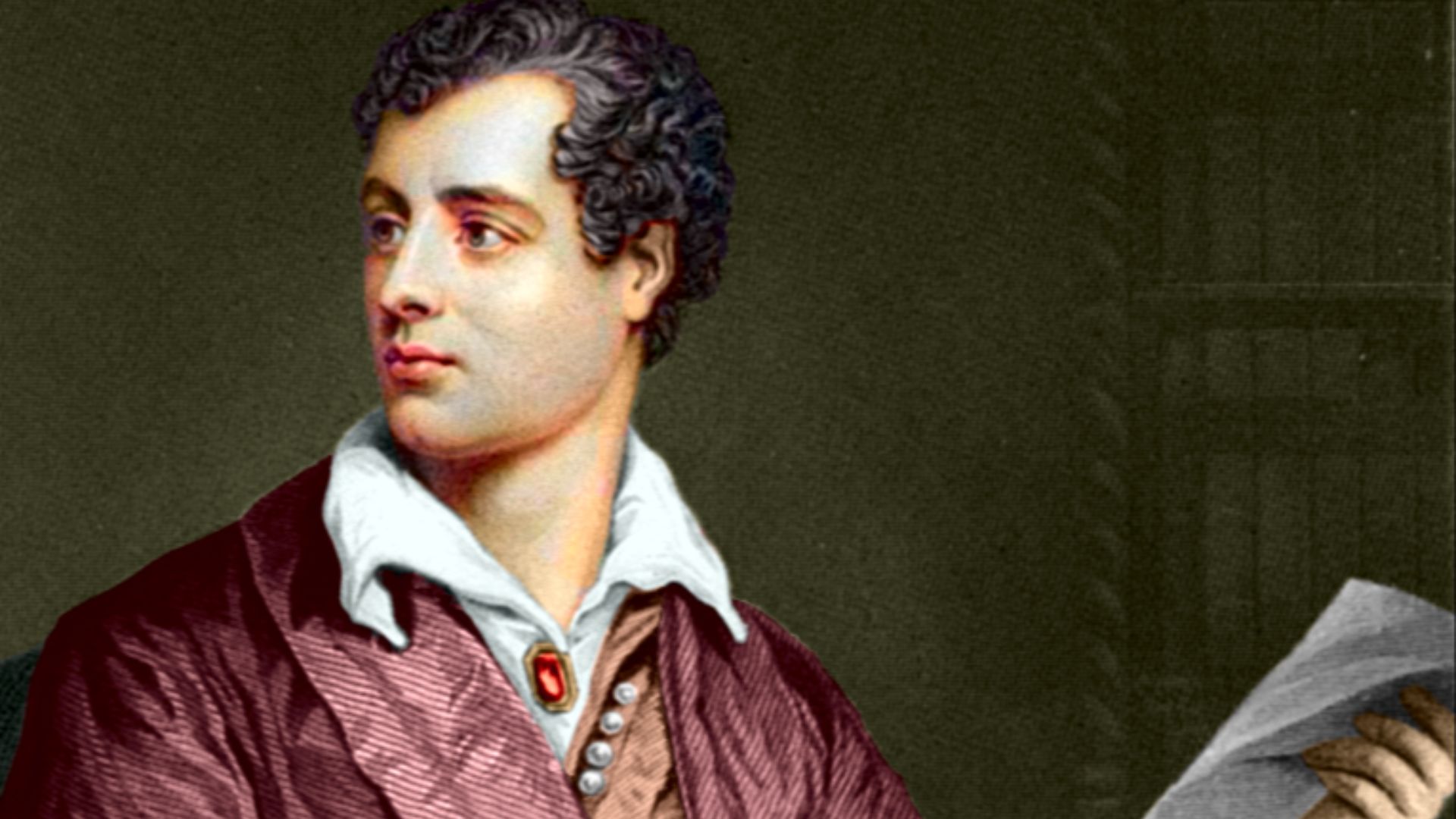
20. Lord Byron
Lord Byron was a defining figure of the Romantic movement, known for poetry that celebrated passion, rebellion, beauty, and emotional intensity. His relationships and desires included both men and women, making him an important figure in queer literary history. Byron’s scandalous life and magnetic public image helped shape the idea of the brilliant, rebellious celebrity artist, making him influential both culturally and literarily.
KEEP ON READING