 Unknown authorUnknown author on Wikimedia
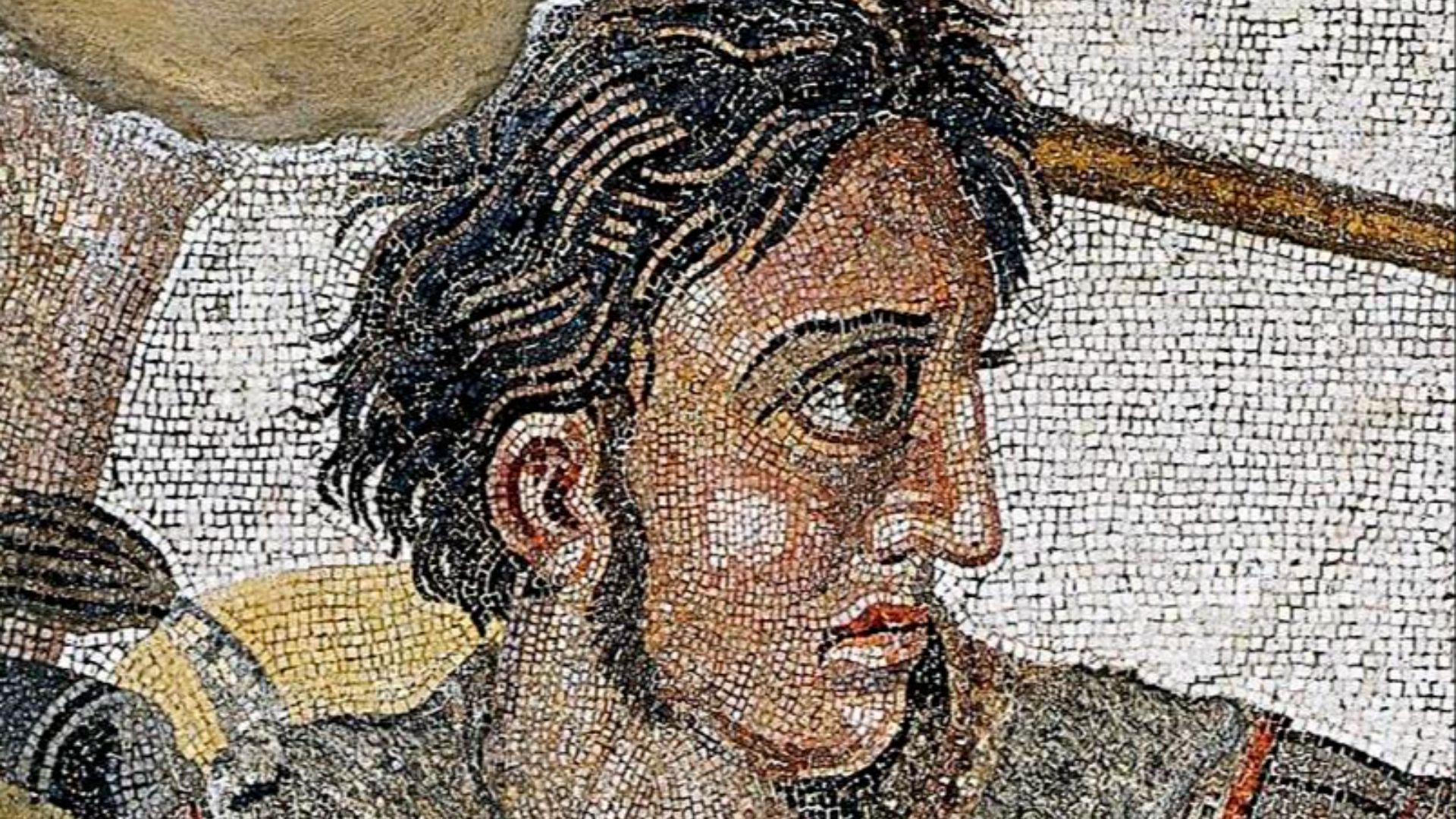
When you think about the typical milestones of a seventeen-year-old, completing high school or learning how to drive usually tops the list. In the ancient world, however, youth was certainly no barrier to achieving monumental historical greatness. At an age when most modern teenagers are still navigating basic life choices, a young Macedonian prince was already stepping onto the global stage to command massive armies. Alexander the Great did not just stumble into his legendary status; he actively earned it through sheer tactical brilliance and an unyielding desire for victory.
The foundation of his future empire began much earlier than most people realize, long before his formal coronation as king. In 340 BCE, his formidable father, King Philip II, left the young prince completely in charge of the homeland while he went off to wage a distant war. This crucial temporary appointment served as a trial by fire that would forever alter the course of Mediterranean history. By examining Alexander's earliest military campaign, it becomes clear exactly how a teenager proved his incredible worth and set the gears of conquest into motion.
The Ultimate Executive Training Program
 Boston Public Library on Unsplash
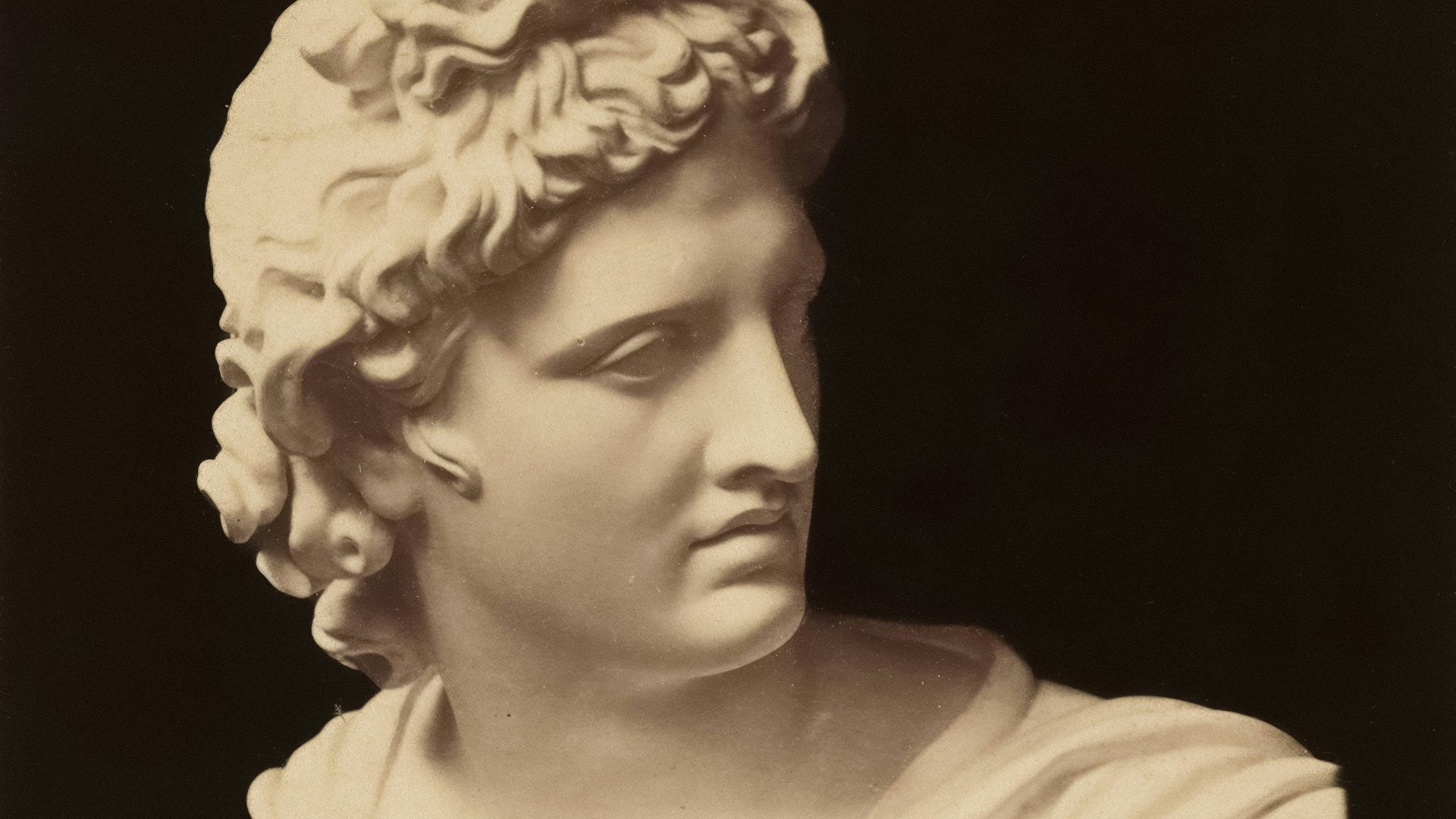
Growing up as the heir to the Macedonian throne meant that Alexander received a truly world-class education designed for a future conqueror. King Philip famously hired the legendary philosopher Aristotle to tutor the young prince in science, politics, and literature. It is easy to imagine that these intense intellectual sessions helped forge a highly analytical mind capable of solving complex strategic problems under immense pressure. This scholarly background was carefully paired with brutal physical training in martial arts, horsemanship, and battlefield tactics.
When King Philip marched away to besiege the distant city of Byzantium, he officially named his seventeen-year-old son as regent of Macedon. This massive responsibility meant that the teenager was suddenly running the entire government and commanding the home guard. He was not content to simply sit quietly in the palace and sign official state documents while his father handled all the excitement. Alexander wanted to prove to the skeptical Macedonian generals that he possessed the grit and determination required of a true leader.
Opportunity knocked almost immediately when a fierce Thracian tribe known as the Maedi saw the king's absence as a perfect chance to revolt. They assumed that a mere teenager would be entirely too weak and inexperienced to defend the northern borders of the kingdom. It turned out to be a fatal miscalculation that the young prince was eager to exploit with absolute precision. Alexander quickly mobilized his remaining troops and marched north to confront the rebellious tribesmen before they could organize a massive invasion.
A Brutal Introduction to Battlefield Tactics
The teenage commander did not hesitate when he reached the hostile territory, launching a fierce and highly coordinated assault against the rebels. He utilized the advanced phalanx infantry tactics that his father had perfected, overwhelming the enemy with a wall of long pikes. His aggressive leadership style completely stunned the Maedi warriors, who were expecting a much more timid approach from a youthful general. Alexander drove them entirely out of their ancestral lands, securing the northern frontier for his family.
To cement his absolute victory, he took the captured main city and completely reshaped it into a permanent Macedonian military outpost. He chose to name the new settlement Alexandropolis, a bold move that mirrored his father's habit of naming cities after himself. This audacious act sent a crystal-clear message to the entire ancient world that a new powerhouse had officially arrived on the scene. It demonstrated an incredible level of personal confidence that would define his entire future career as a conqueror.
When King Philip finally returned home from his campaign, he was thoroughly impressed by his son's decisive and independent actions. The successful suppression of the northern revolt proved that Alexander was much more than just a coddled prince with a famous tutor. He had successfully earned the deep respect of the hardened veteran soldiers who would eventually follow him across Asia. This early victory provided the teenager with the practical battlefield experience he needed for the even greater challenges looming on the horizon.
The campaign also established a pattern that would become one of Alexander's defining traits throughout his military career. Rather than waiting for problems to grow larger, he preferred swift and decisive action that seized the initiative from his opponents. This willingness to act boldly often caught enemies off guard and allowed him to dictate the pace of future conflicts. Even at seventeen years old, he demonstrated a level of confidence and strategic awareness that many seasoned commanders struggled to match.
Ultimately, history remembers Alexander as a legendary figure, but his path to greatness was forged in the fiery trials of his youth. He proved that true leadership requires a rare blend of rigorous preparation, bold action, and an absolute refusal to back down from a challenge. The next time a daunting task feels completely beyond a person's experience level, it is worth remembering the teenage regent of Macedon. With the right amount of determination and focus, even seemingly impossible goals can become achievable.
KEEP ON READING