


The Historical Figure That Arguably Did The Most Good In The World
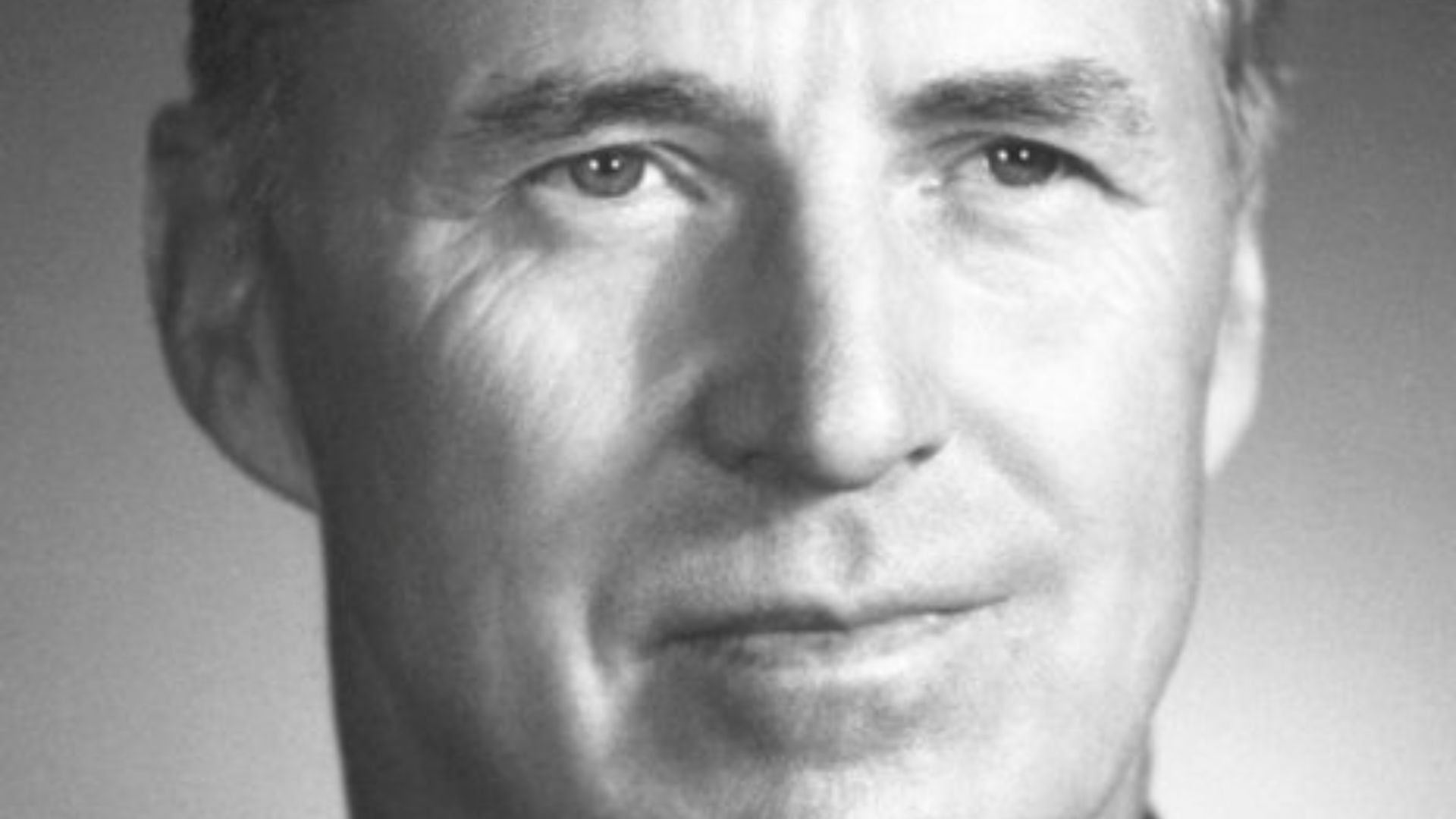
When you think about the individuals who have left the biggest footprint on our world, your mind probably jumps straight to legendary presidents, brilliant inventors, or famous civil rights leaders. We love to celebrate the household names whose statues look out over city squares and whose faces grace the covers of history textbooks. However, if you look at raw numbers and the sheer volume of human lives saved, the person who arguably did the most good in history remains someone you might have never even heard of. A quiet American agricultural scientist managed to rescue more than a billion people from the brink of starvation without ever seeking the spotlight or becoming a household name.
This unassuming scientist was Norman Borlaug, a man whose brilliant mind and tireless work ethic completely reshaped global agriculture during the mid-twentieth century. While politicians were busy fighting wars and drawing borders, he was quietly working in dusty fields to solve one of humanity's oldest and most terrifying problems. His revolutionary discoveries sparked what the world now calls the Green Revolution, a massive transformation in food production that completely altered the trajectory of developing nations. It is a truly mind-boggling legacy that proves how a single dedicated individual can solve a crisis that had plagued our species for millennia.
Engineering The Miracle Wheat
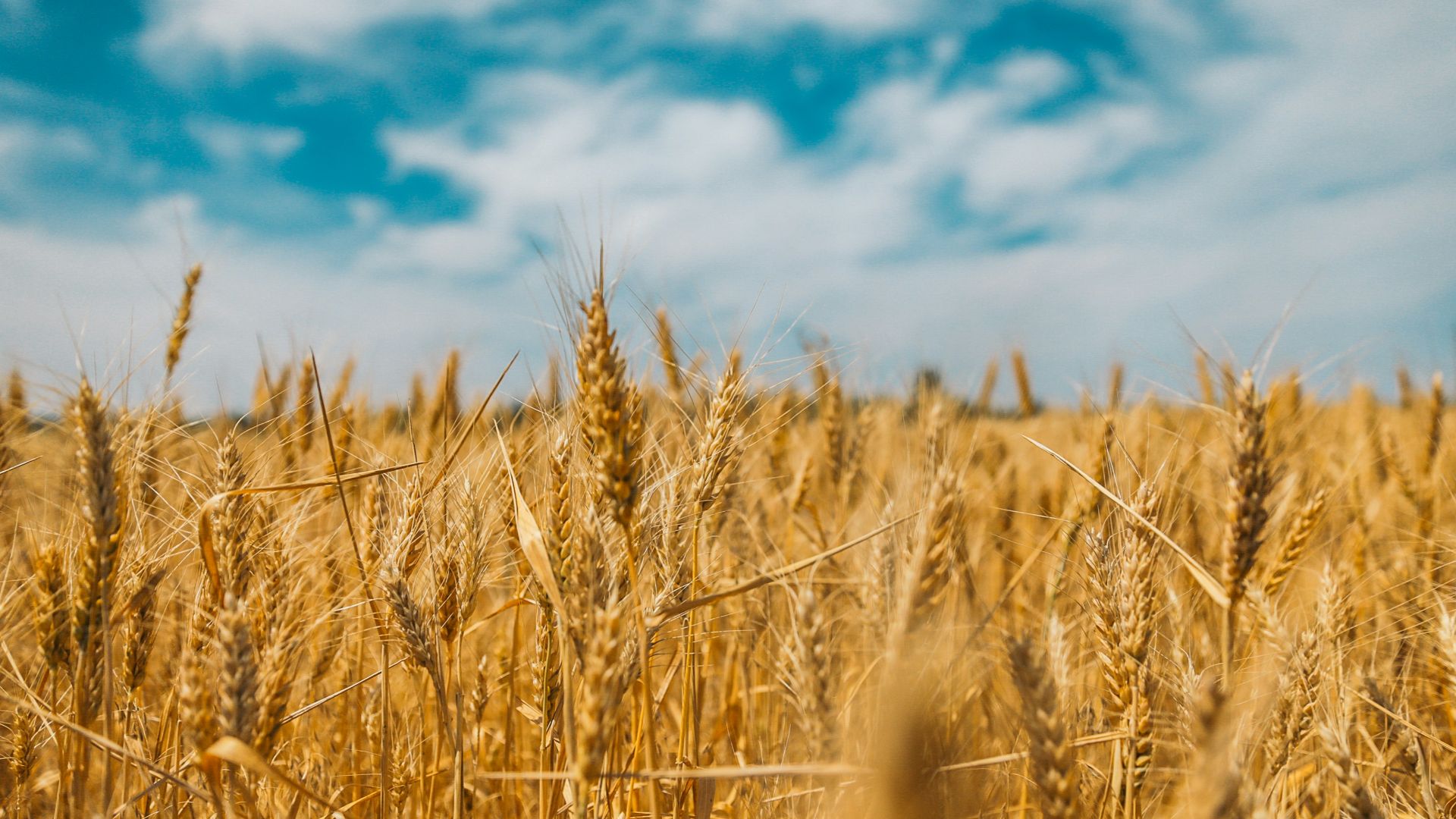
Back in the 1940s, Norman Borlaug accepted a grueling research position in Mexico aimed at helping local farmers battle a destructive plant disease known as stem rust. He spent years meticulously cross-breeding thousands of different wheat varieties by hand under the blazing sun, facing endless failures along the way. His absolute persistence eventually paid off when he developed a unique, high-yielding strain that was incredibly resistant to the dangerous fungus. This breakthrough alone would have been enough to secure his place in scientific history, but he noticed a brand-new problem that required his attention.
The new wheat grew so many heavy grains that the tall, thin stalks would simply snap and collapse under their own weight before harvest time. To fix this frustrating issue, Borlaug brilliantly cross-bred his miracle wheat with a specialized Japanese dwarf variety to create a shorter, sturdier plant. This new semi-dwarf wheat could easily support the massive bounty of grain while utilizing water and fertilizer much more efficiently than traditional crops. The results were absolutely immediate, as Mexico quickly transformed from a country that imported most of its grain into a fully self-sufficient wheat exporter.
You might think that transforming a single nation's food supply would be the peak of a career, but Borlaug was only getting started.
He realized that the innovative techniques he perfected in Latin America could be applied to other regions of the world that were facing imminent catastrophe. His unique blend of scientific curiosity and practical problem-solving allowed him to look at agriculture not just as a branch of biology, but as a vital tool for global peace. Armed with his new seeds, he prepared to take his agricultural crusade to an entirely new continent.
A Rescue Mission For Millions
During the mid-1960s, both India and Pakistan were locked in a terrifying cycle of severe drought and explosive population growth that experts predicted would lead to a massive famine. Global think tanks and prominent sociologists openly wrote off the region, claiming that millions of people were doomed to starve because agriculture simply couldn't keep pace. Borlaug refused to accept this grim prognosis and flew directly into the heart of the crisis to implement his high-yield farming methods. He faced immense resistance from skeptical local bureaucrats, red tape, and the logistical nightmare of moving tons of seed across borders in the middle of a war.
Despite these overwhelming odds, the American scientist trained local farmers to properly plant the new semi-dwarf wheat and manage their fields with modern techniques. The subsequent harvests completely shattered every single historical record, with grain production doubling in a shockingly short period of time.
This spectacular agricultural explosion effectively broke the back of the famine, instantly securing the food supply for hundreds of millions of anxious citizens. You can credit his stubborn refusal to give up on humanity for preventing what would have been the largest humanitarian disaster of modern times.
The sheer scale of this success completely altered the global economic and political landscape, giving these newly independent nations the stability they needed to grow. Instead of being entirely dependent on foreign food aid, India and Pakistan became proud, self-reliant agricultural powerhouses capable of feeding their own populations. Borlaug proved the cynical experts wrong by showing that human ingenuity could expand the limits of nature to sustain human life. His work demonstrated that true security isn't achieved through military might, but through ensuring that regular families have bread on their kitchen tables.
A Legacy Written In Lives
In recognition of his monumental achievements, Norman Borlaug was awarded the Nobel Peace Prize in 1970 for his incredible contributions to global food security. During his acceptance speech, he characteristically deflected the praise, choosing instead to highlight the ongoing battle against world hunger and the need for continued innovation. He spent the remainder of his long life traveling across Africa and Asia, passionately advocating for small-scale farmers and teaching the next generation of agricultural scientists.
He firmly believed that access to food was a fundamental human right that should transcend all political and cultural boundaries.
When you look at the statistics, historians estimate that his agricultural breakthroughs saved over one billion lives from the agonizing reality of starvation. It is an almost incomprehensible number that places him far ahead of any other humanitarian, doctor, or political leader in human history. Yet, despite these staggering achievements, he remained an incredibly humble man who was happiest when walking through a muddy field talking to local workers. He never used his massive influence to amass personal wealth, choosing instead to live a simple life dedicated entirely to the service of others.
Ultimately, his incredible journey serves as a powerful reminder of what true greatness looks like when it is stripped of fame and media hype. The next time you sit down to enjoy a meal, you might want to spare a quick thought for the quiet scientist who helped ensure the world had enough to eat. His life proves that the most impactful work is often done far away from television cameras by people who simply care about making a difference. Norman Borlaug left our planet infinitely better than he found it, leaving behind a living monument of filled plates and thriving nations.
KEEP ON READING
20 Historical Poisons That Changed Politics, War, And Royal Families
Power In A Cup. Poison has always had a strange…
By Cameron Dick May 22, 2026
20 Man-Eaters That Terrified Entire Regions
When Fear Had Teeth. History has a way of turning…
By Cameron Dick May 22, 2026
20 Mistresses Who Had More Power Than the Queens Beside…
Power Wasn’t Always on the Throne. Royal history loves a…
By Annie Byrd May 22, 2026
20 Rare Artifacts That Changed Scholars’ Understanding of the Past
Discoveries That Forced Historians to Rethink What They Knew. Archaeology…
By Rob Shapiro May 22, 2026
Can an Entire Village Vanish Overnight?
Frits Johansen on WikimediaThere are strange stories scattered throughout history…
By Christy Chan May 19, 2026
Why the Titanic Didn’t Have Enough Lifeboats
Willy Stöwer on WikimediaThe Titanic disaster is often remembered as…
By Emilie Richardson-Dupuis May 21, 2026