

George Washington’s Chef Quite Literally Fled The White House – Here’s Why
George Washington’s Chef Quite Literally Fled The White House – Here’s Why
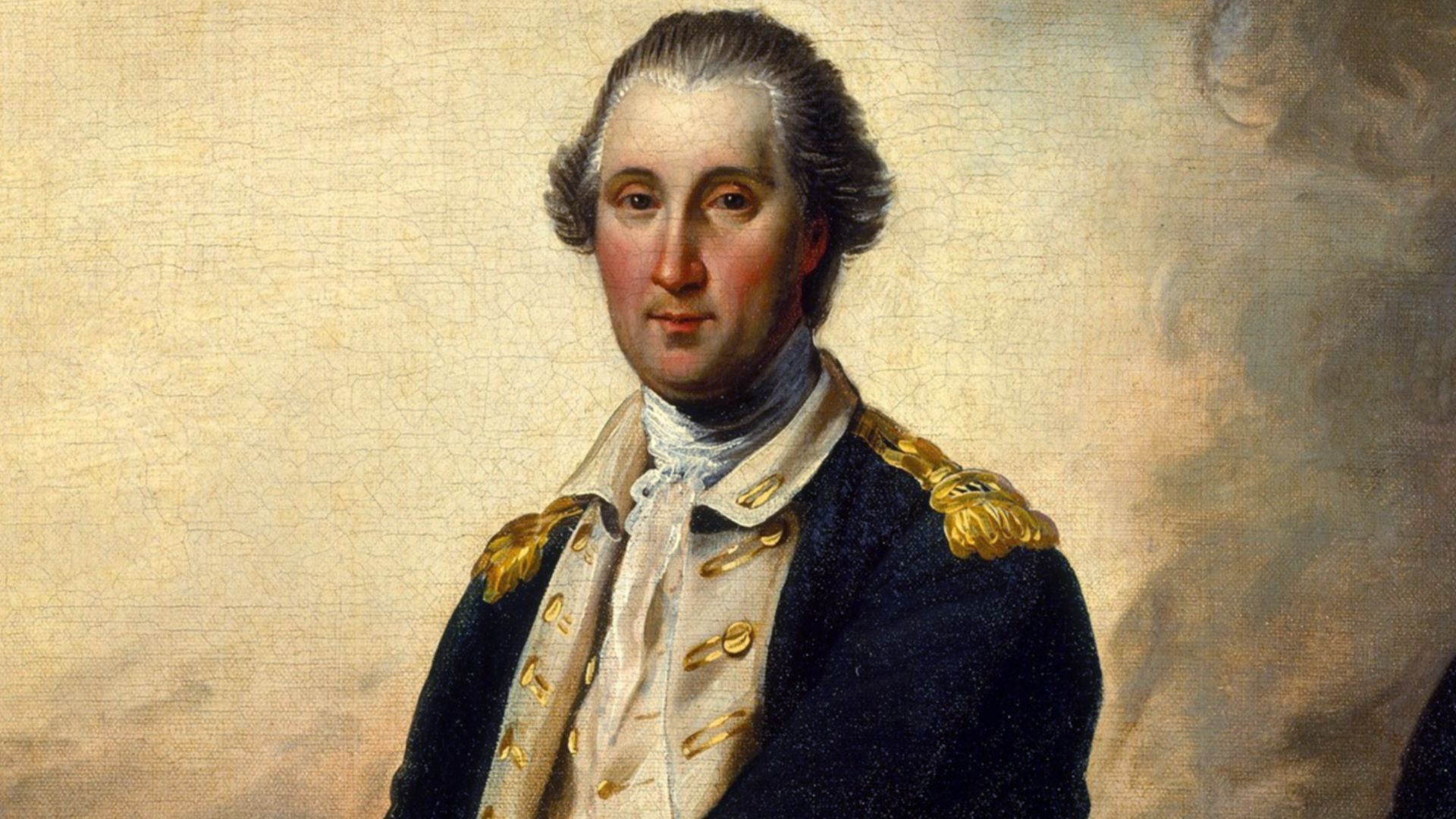
When you think about the grand dinners hosted by the nation’s first president, you probably imagine a scene of ultimate prestige and professional success for those working in the kitchen. George Washington was known for his love of fine dining and hospitality, often hosting elaborate multi-course meals that required the skills of a master chef to execute perfectly. However, behind the scenes of the presidential household in Philadelphia, a much more dramatic story was unfolding involving a man named Hercules Posey. Despite his high status as the chief cook and his reputation as one of the most talented culinary artists in the country, Hercules chose to walk away from it all in a daring midnight escape.
It is important to remember that during the 1790s, the "White House" as we know it today had not been completed yet, so Washington lived in a rented mansion in Philadelphia while the new capital was being built. This city was a particularly complicated place for the president because Pennsylvania had passed a law that could potentially grant freedom to enslaved people who lived there for more than six months. You will find that this specific legal loophole created a constant tug-of-war between the president’s desire to keep his talented staff and the staff's own yearning for a life of independence. The story of Hercules is not just a footnote in history, but a powerful testament to the lengths a person will go to reclaim their own agency.
The Master of the President’s Kitchen
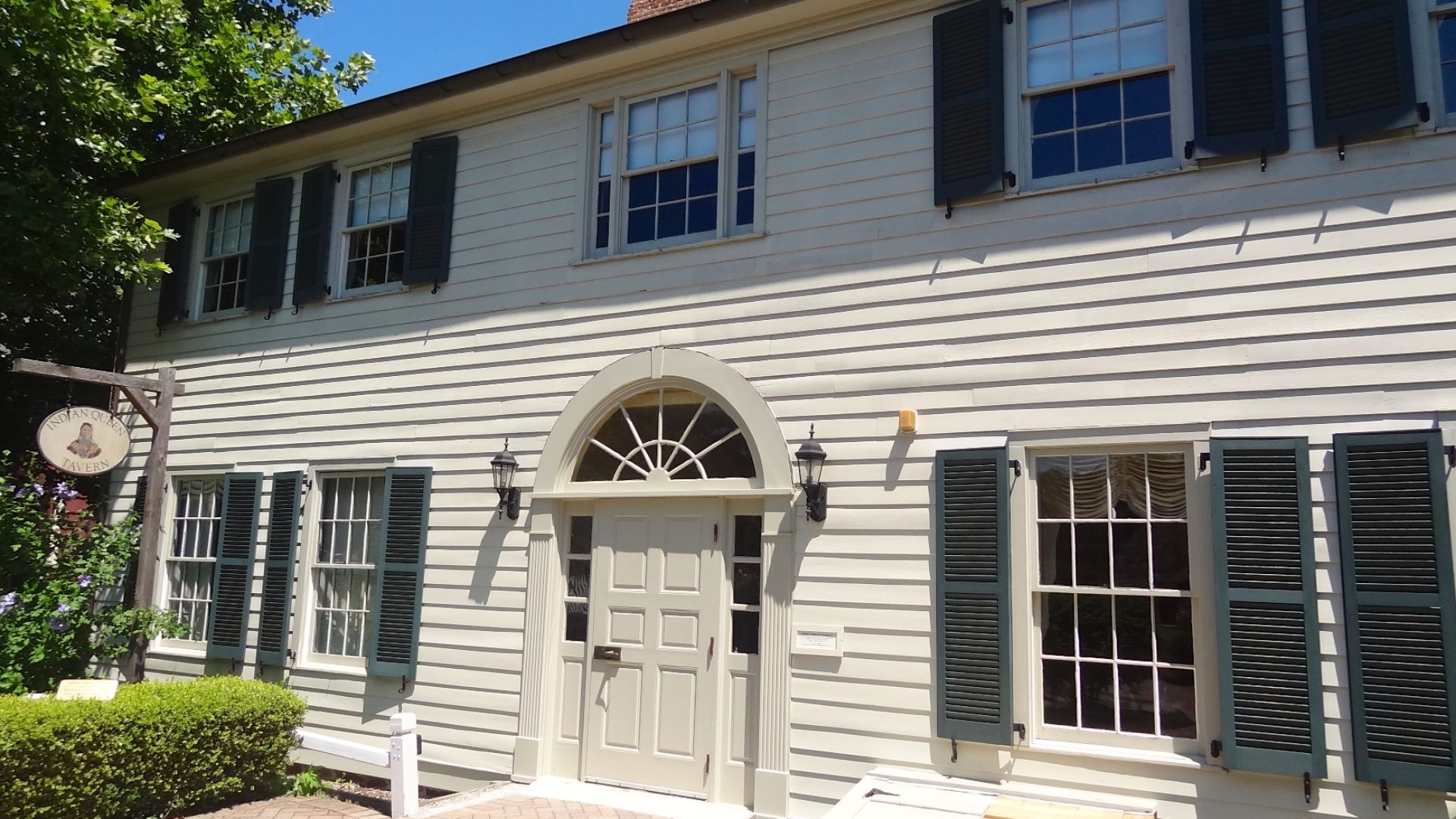
Posey was the “celebrity chef” way before that was ever a thing. He was quite a stylish fellow too, very proud of his appearance. He strutted around Philadelphia, velvet waistcoat, gold-headed cane and all. In the mansion kitchen, Posey was strict with his staff and whipped them into shape to churn out gourmet meals for diplomats and politicians alike. Picture it: this man had pressure to keep presidential table settings pristine, all while dealing with the inner conflict of being enslaved.
Posey became so valuable to the Washingtons that they kept sending him back and forth from the President’s house in Philadelphia to Mount Vernon in Virginia. Washington must have thought Hercules was better than anyone else because he gave him liberties that most enslaved people could only dream of. One such luxury was allowing Posey to sell his leftovers for personal gain. He became wealthy off this agreement, enough to fund his extravagant clothing and lifestyle. Expensive silk fabrics could not buy him freedom though, and Posey remained enslaved under someone else’s will.
Living life as Hercules was a very strange existence. On one hand, he was cooking for the most powerful person in America, but on the other, he was watching the clock so he would not gain his freedom under Pennsylvania law. George Washington was known for making sure that the people he enslaved in the President’s Mansion were rotated out of Pennsylvania every six months. That way, they could not gain their freedom under the Gradual Abolition Act of 1780. One can only imagine how aggravated he must have felt knowing that the president was purposely manipulating his circumstances. Hercules was no fool.
A Calculated Midnight Departure
The actual escape of Hercules took place in February of 1797, just as George Washington was preparing to leave the presidency and retire to his home in Virginia. One might think it is ironic that a man who fought so fiercely for national liberty would be so determined to keep his own cook from achieving the same thing. Hercules had been sent back to Mount Vernon to work as a common laborer, a significant demotion that likely signaled his time as a celebrated chef was coming to an end. This shift in status was probably the final straw that convinced him that his only path forward was to flee into the night.
He managed to slip away under the cover of darkness, leaving behind his family and the only life he had known for decades. It was a massive gamble, as being a runaway in the late 18th century meant constantly looking over one’s shoulder for bounty hunters and federal authorities. Washington was reportedly deeply saddened and confused by the departure, as he genuinely believed that Hercules was happy with his "privileged" life in the kitchen. You will notice that this lack of understanding from the president highlights the massive disconnect between those in power and those they held in bondage.
Despite the president’s best efforts to track him down using various agents and acquaintances, Hercules managed to vanish into the landscape of the early United States. He eventually made his way to New York City, where he lived under a different name to avoid detection by those who might recognize the famous chef. It is fascinating to think about him navigating a new city, perhaps using his culinary skills in secret while building a life that finally belonged to him. His escape was a perfectly timed maneuver that proved he was just as strategic as he was talented with a kitchen knife.
KEEP ON READING
20 Times a Siege Was Won With Trickery
Outsmarting The Walls. A siege is supposed to be a…
By Cameron Dick Mar 26, 2026
The Forgotten Women Who Funded Wars, Causes, and Power Struggles
GIUSEPPE RIVELLI on WikimediaHistory tends to cling to the person…
By Elizabeth Graham Mar 26, 2026
20 Pop Songs With Overlooked Historical References
History In Familiarity. Pop songs can carry a lot more…
By Breanna Schnurr Mar 26, 2026
This Was The Golden Age of Fake Discoveries
Unknown author on WikimediaFrom the 1860s to the 1910s, the…
By Emilie Richardson-Dupuis Mar 26, 2026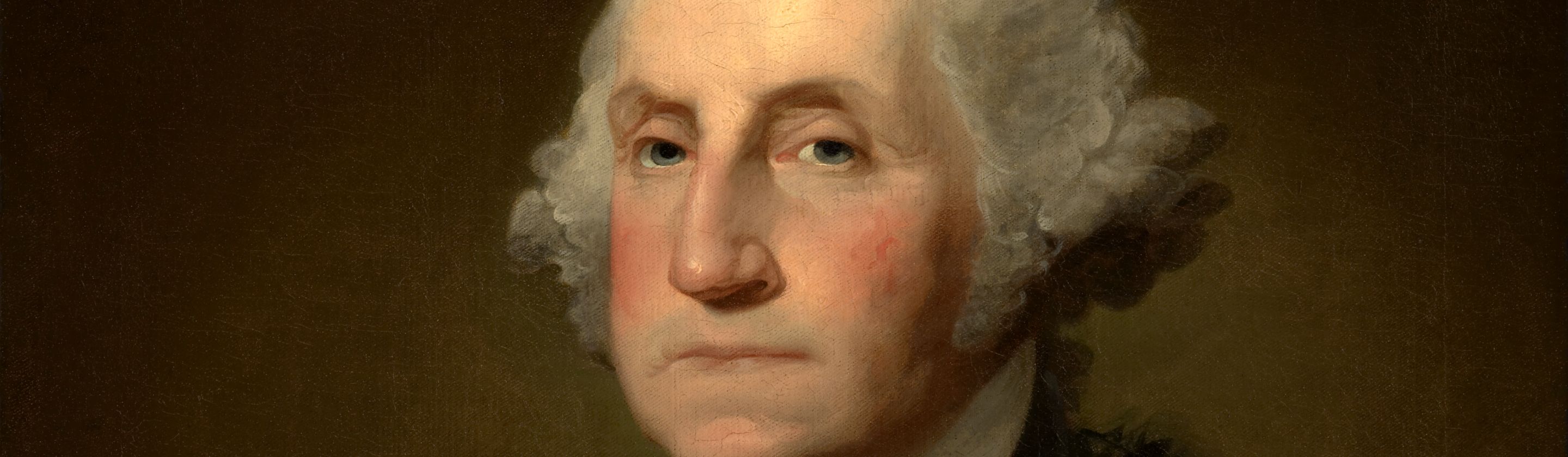
George Washington’s Chef Quite Literally Fled The White House –…
John Trumbull on WikimediaWhen you think about the grand dinners…
By Sara Springsteen Mar 26, 2026
Decoding The Secrets Of The Rosetta Stone
Matteo Vistocco on UnsplashFew discoveries have changed our understanding of…
By Rob Shapiro Mar 26, 2026