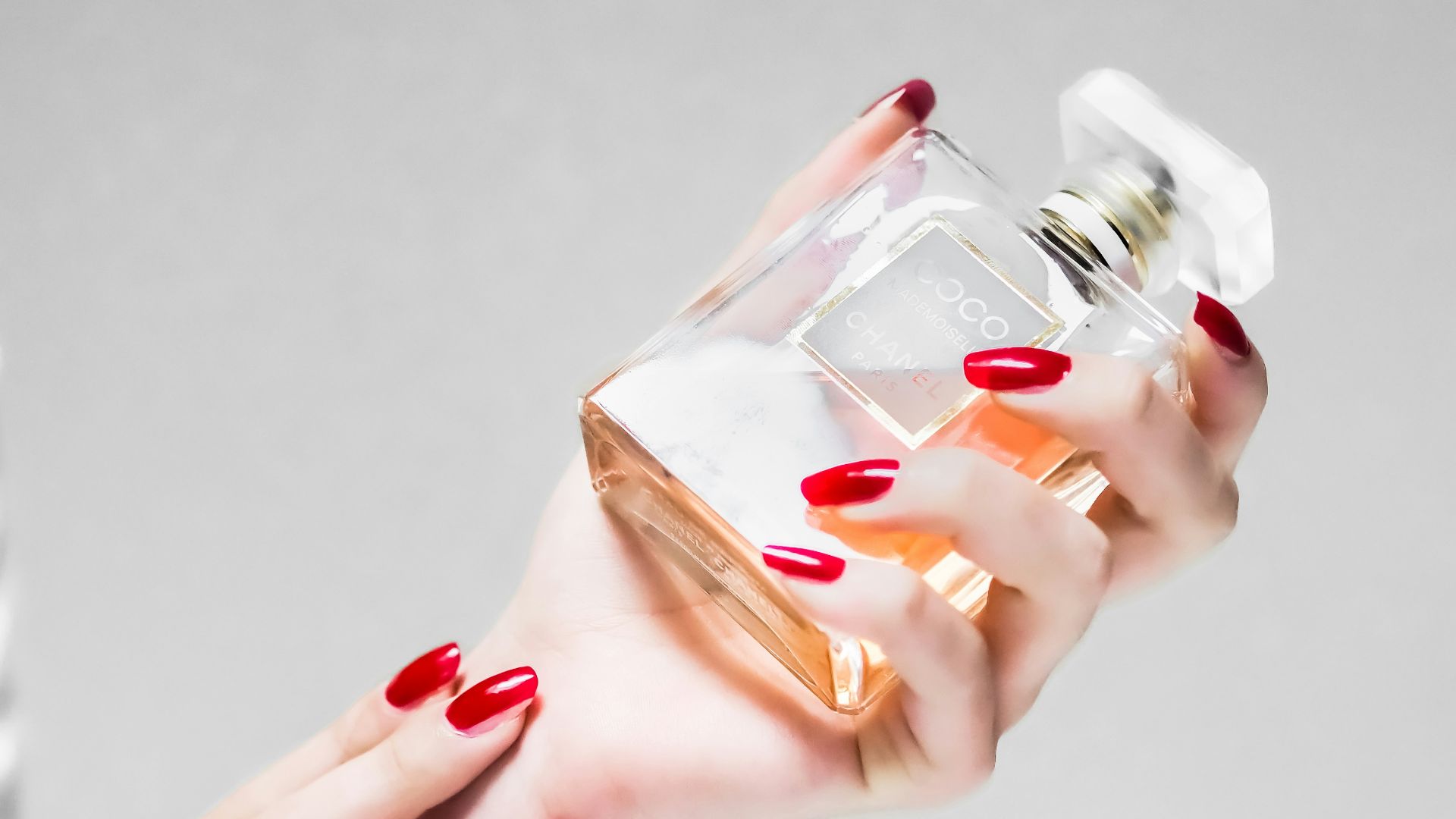
Walk into a perfume store, and you’re overwhelmed with the scent and shine. Glowing bottles, long, dramatic names, and a vast array of scents that just want to become your next go-to. Perfume’s been a cornerstone of society for a very long time. Britannica traces the word perfume to the Latin per fumum, meaning “through smoke,” and notes that perfumery was already known in the ancient world.
That long trail is exactly what makes perfume such a rich subject. A fragrance could tell people you had money, turn a room into a sacred space, or help a ruler build a lasting image. Scent moved through temples, palaces, and public life in ways we couldn’t even dream of. For something that vanishes into the air so quickly, perfume has held onto an awful lot of meaning.
Perfume As Prestige
Perfume became a status symbol early on because it was expensive, portable, and, of course, made you smell good. A modern scholarly overview of ancient Greece says perfumes and scented oils were luxury goods that signified elite status, and adds that perfume had become too valuable to be meaningfully restricted by law. People were reading class through scent long before we created modern beauty standards.
Price and ingredients pushed that message even further. The University of Missouri’s exhibit on ancient Greek and Roman perfumery says the search for social status helped drive the perfume trade, and that a person’s scent could signal wealth and rank. The same Missouri exhibit says the most expensive perfumes used imported ingredients like balsam, myrrh, cassia, and cinnamon, while some especially prized scents were kept for the wealthiest people. Even the container had something to say, since costly fragrances might be stored in glass, stone, metal, or other finer vessels. Fancy scent, fancy bottle, fancy message.
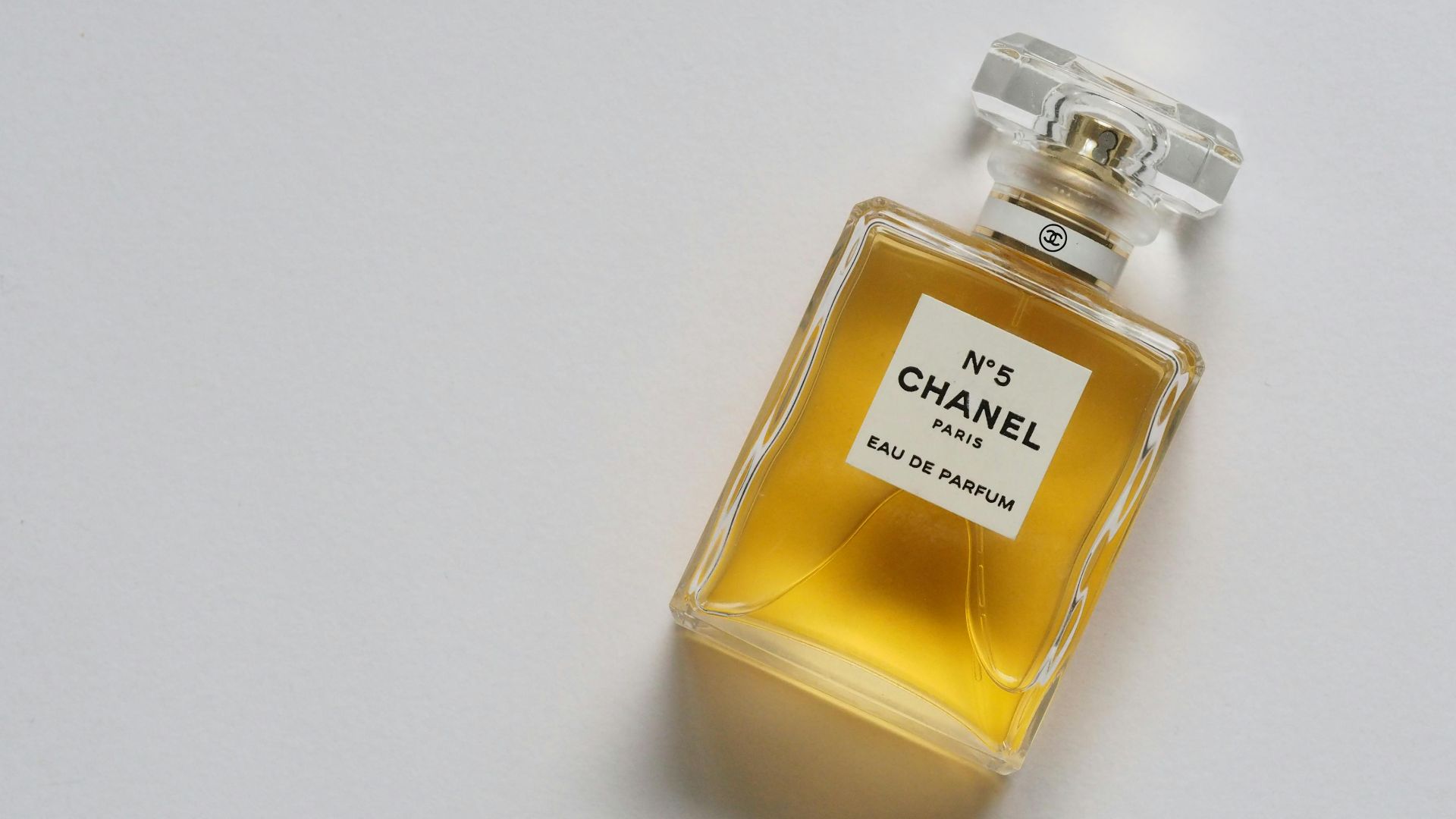
Modern perfume didn’t leave that old prestige story behind; it just gave it sleeker packaging. CHANEL says N°5 launched in 1921 as the house’s first perfume, and the brand’s own history pages connect the scent to Marilyn Monroe’s famous 1952 remark that she wore only Chanel No. 5 to bed. That helped turn one bottle into shorthand for glamour, polish, and that slightly untouchable cool people love to chase. The formula may have been new, though the promise was familiar: wear this, and people will think you’re rich.
Perfume In Ritual
Long before perfume showed up on vanity trays and department store counters, it belonged to sacred space. The Metropolitan Museum of Art explains that ancient Egyptian temples were treated as residences for deities, and that daily rituals included burning incense, which was thought to purify the air. To put it more simply, fragrance helped make a place feel fit for divine presence.
Ancient writers make that ritual world feel even more vivid. In On Isis and Osiris, Plutarch says the Egyptians offered incense to the sun three times each day, using resin at sunrise, myrrh at midday, and kyphi at sunset. He also describes kyphi as a compound of 16 ingredients and says its sweet fumes could calm the body and encourage sleep. Fragrance was tied to worship, but it was also tied to rest, comfort, and the softer side of daily life.
That ritual role didn’t stop with Egypt. The University of Missouri exhibit says perfumes were commonly purchased or donated for sanctuaries in the Greek and Roman world, that temples were kept fragrant to placate the gods, and that perfume bottles often appear in religious and funerary settings. It also notes that some perfumed oils and tree saps could burn like incense, which blurred the line between perfume, offering, and atmosphere. Fragrance followed people through prayer, ceremony, and burial.
Perfume In Power
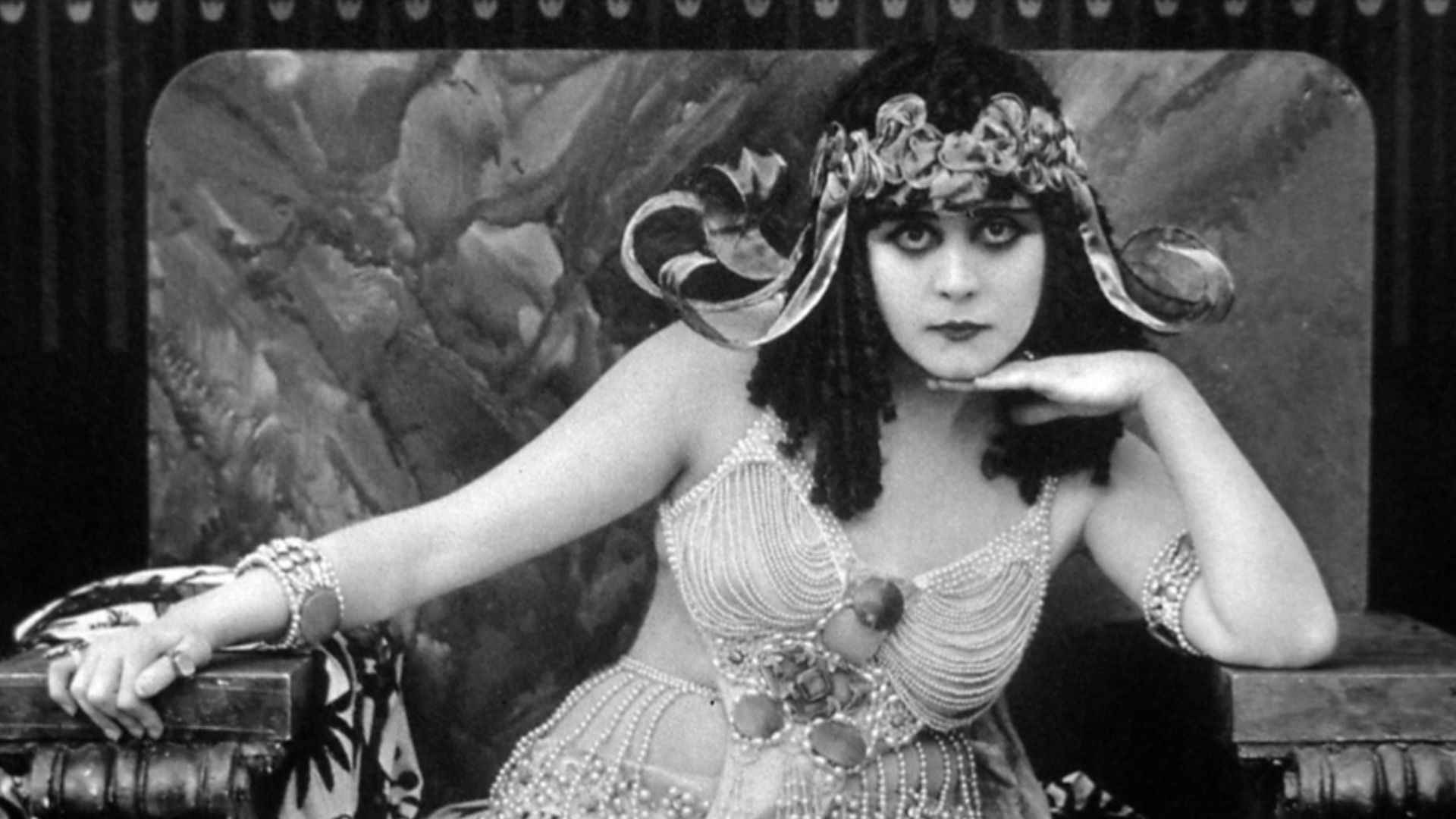 Fox Film Corporation on Wikimedia
Scent could also do political work, especially when powerful people understood how the atmosphere shapes memory. In Plutarch’s Life of Antony, Cleopatra’s arrival is staged so lavishly that the perfume from her vessel drifts to shore before she even speaks. She isn’t merely entering a scene; she’s setting the mood, framing herself, and turning diplomacy into spectacle before she opens her mouth.
Versailles worked on a similar logic, only with more rules, more performance, and, naturally, more wigs. The Palace of Versailles says the court became the material expression of Louis XIV’s determination to bend the nobility to his personal authority, and it describes a court culture built around strict etiquette and constant visibility around the king. Research from the Château de Versailles adds that perfumed gloves and scented products peaked at Louis XIV’s court, becoming a part of the court standards of appearance. The Library of Congress also says Louis XIV used culture, luxury goods, and the arts as part of a larger strategy to glorify the monarchy and dominate European culture.
By the 20th century, perfume and cosmetics slid into state messaging. A study of the Soviet cosmetics trust TeZhe says the company held a near-monopoly in the 1930s, controlling 75 to 100 percent of various product lines, and that its marketing was shaped by Soviet ideological goals. The same study says TeZhe promoted hygiene and body care as social duties and pictured women as ideal Soviet citizens, which gave scent and self-presentation a political role. That’s part of what makes perfume’s history so strange and so compelling. It can seem delicate, dreamy, almost too pretty to matter, and then you look closer and realize it’s been tangled up with class, devotion, image, and power the entire time.