

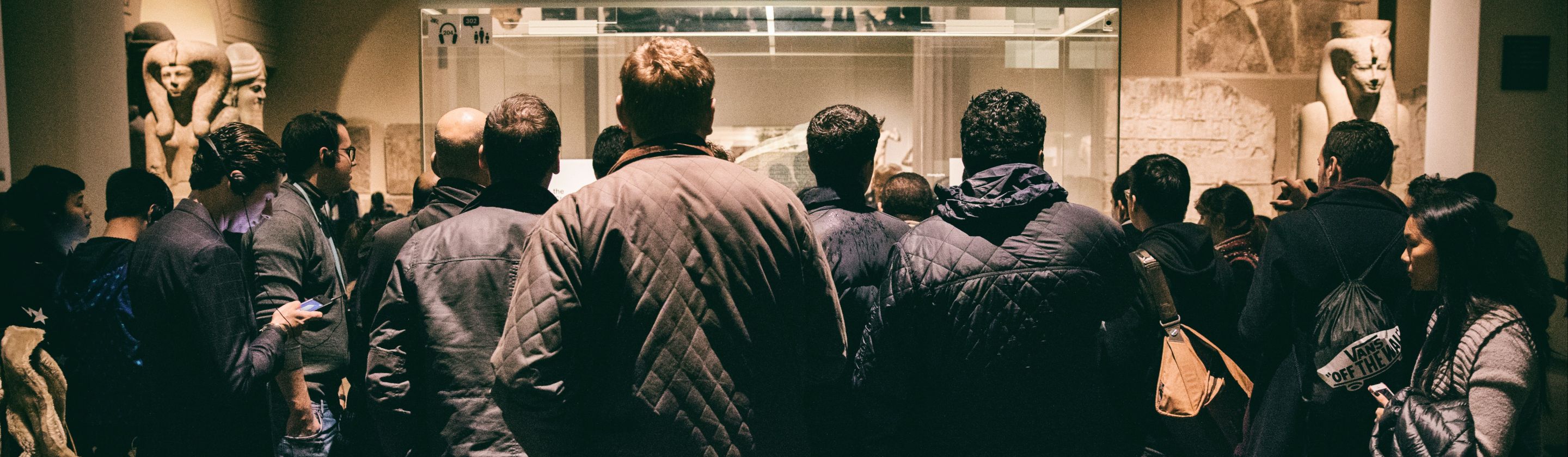
Few discoveries have changed our understanding of history as dramatically as the Rosetta Stone. Before it was uncovered, ancient Egyptian hieroglyphs were largely a mystery, leaving historians unable to fully interpret countless inscriptions and monuments. The stone didn’t just provide answers; it opened the door to an entire civilization’s written language. These breakthroughs helped shift Egyptology into a more evidence-based field. They also allowed scholars to move beyond guesswork and toward accurate interpretation.
What makes the Rosetta Stone so fascinating is how it bridged the gap between the known and the unknown. By offering the same text in multiple scripts, it gave scholars the key they needed to decode a long-lost writing system. Its impact still shapes how we study ancient Egypt today. The discovery continues to influence modern research methods, and also remains one of the most important archaeological finds ever uncovered.
What Is The Rosetta Stone?
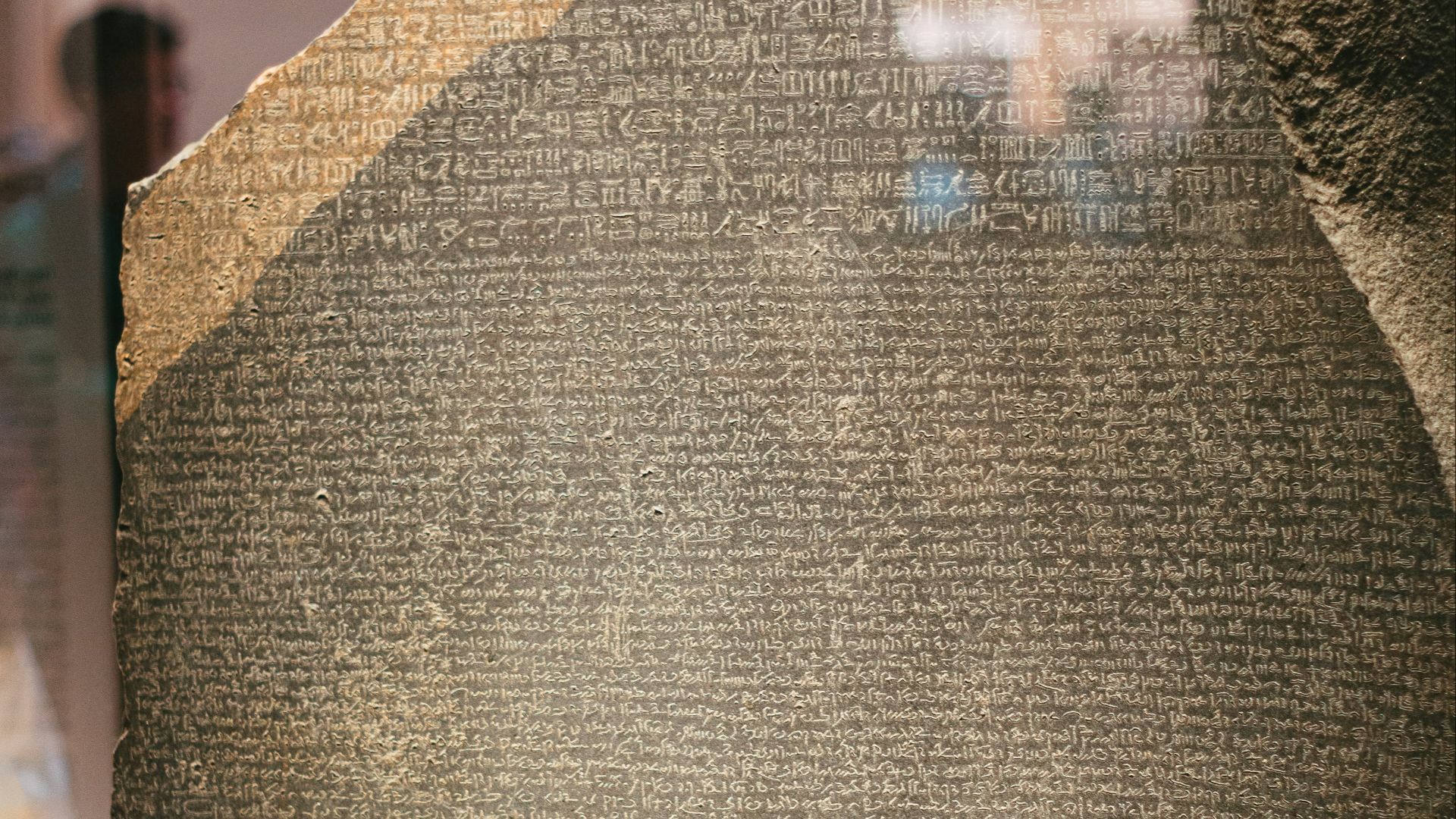
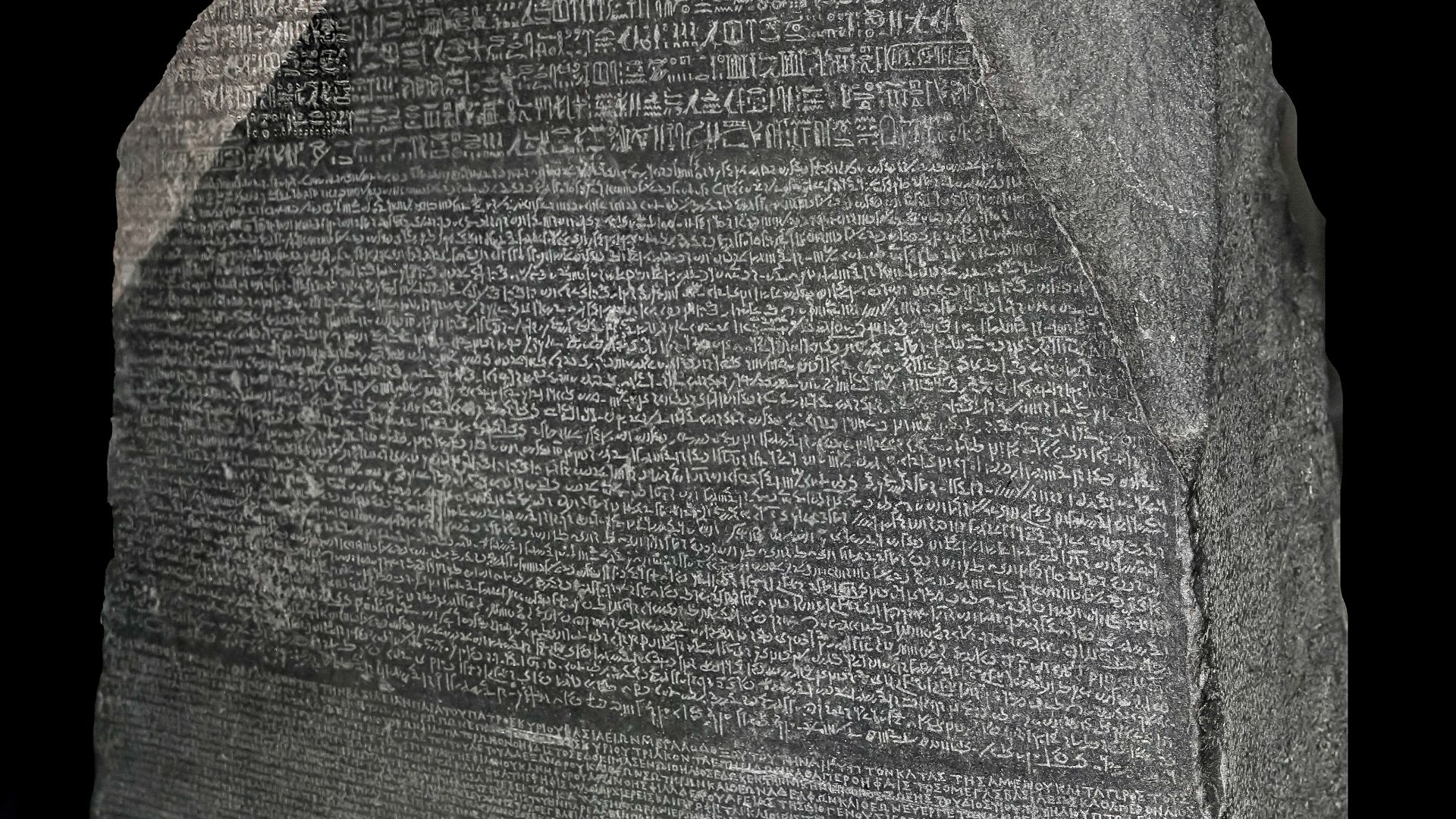
The Rosetta Stone is a granodiorite slab dating back to 196 BCE during the reign of King Ptolemy V. It was originally part of a larger stele, or stone monument, that displayed a decree issued by Egyptian priests. The inscription was meant to affirm the king’s authority and outline his contributions. While the content itself is political, its linguistic value turned out to be far more significant. This combination of purpose and preservation made it especially valuable. It’s one of the few artifacts that connects language and governance so directly.
What makes the stone unique is that the same decree appears in three scripts: Greek, Demotic, and hieroglyphic. Greek was already well understood by scholars at the time of its discovery, which made it a crucial reference point. Demotic was a common script used for everyday writing in Egypt, while hieroglyphs were primarily reserved for formal and religious texts.
The stone was discovered in 1799 by French soldiers near the town of Rosetta, now called Rashid, during Napoleon’s campaign in Egypt. Its importance was quickly recognized, and it was later transferred to British control after the defeat of French forces. Today, it is housed in the British Museum in London. Its journey reflects the political conflicts of the time.
How Scholars Decoded Hieroglyphs
For centuries, scholars believed hieroglyphs were purely symbolic, representing ideas rather than sounds. This assumption made it nearly impossible to interpret the language accurately. The Rosetta Stone challenged that belief by providing a direct comparison between scripts. It allowed researchers to test whether symbols could correspond to phonetic sounds. This shift in thinking was essential for progress. It opened the door to a more scientific approach to language study.
The breakthrough came largely from Jean-François Champollion in the early 19th century. By studying the Greek text and comparing it with the hieroglyphic section, he identified repeating names, including “Ptolemy.” He realized that some hieroglyphs represented sounds rather than just concepts. This insight was critical in unlocking the system. His work marked a turning point in historical linguistics. It also built upon earlier observations made by other scholars.
Champollion announced his findings in 1822, demonstrating that hieroglyphs combined both phonetic and symbolic elements. His work built on earlier efforts by scholars like Thomas Young, who had already made partial progress. Together, these contributions led to a more complete understanding of ancient Egyptian writing.
Why The Rosetta Stone Still Matters Today
The Rosetta Stone didn’t just solve a linguistic puzzle; it transformed the study of ancient Egypt. Once hieroglyphs could be read, historians gained access to religious texts, administrative records, and personal inscriptions. This allowed for a much deeper understanding of Egyptian culture and daily life. It turned monuments from silent structures into sources of detailed information.
Its influence also extends beyond Egyptology into the broader field of linguistics. The stone demonstrated how comparing known and unknown languages can lead to breakthroughs in translation. This approach has been used in other contexts to decode lost or partially understood scripts. It remains a powerful example of how methodical analysis can reveal hidden meaning. These methods continue to guide modern research. They also reinforce the importance of cross-referencing sources.
The Rosetta Stone also helped standardize the academic study of ancient languages. Scholars were able to develop more accurate methods for interpreting inscriptions across different regions. This contributed to the growth of archaeology as a more evidence-based discipline. It showed how collaboration and comparison can lead to lasting discoveries.
Even today, the Rosetta Stone continues to capture public interest and scholarly attention. It serves as a reminder of how a single discovery can reshape historical knowledge. Museums, researchers, and educators still rely on it as a teaching tool. Its legacy is not just about the past, but about how we uncover and interpret human history.
KEEP ON READING

20 Historical Figures Who Lived Extremely Tragic Lives
Loss, Pain, and Unfair Circumstances. History often remembers famous people…
By Christy Chan May 11, 2026
The 20 Ugliest Architectural Design Styles In History
Some Buildings Make History, For Better Or For Worse. Architecture…
By Elizabeth Graham May 11, 2026
20 Historical Figures Who Were Obsessed With Their Pets
History’s Most Famous Pet People. Famous people are usually remembered…
By Elizabeth Graham May 11, 2026
20 Times People Disobeyed Direct Orders And Changed History
Looking Power In The Face And Saying “No”. History isn't…
By Sara Springsteen May 11, 2026
10 People Who Survived The Unsurvivable & 10 Who Walked…
The Edge Has Stories. Survival stories can feel almost rude…
By Cameron Dick May 11, 2026
10 Artists Ahead of Their Time & 10 Who Perfectly…
Some Artists Predicted the Future While Others Defined the Present.…
By Rob Shapiro May 11, 2026