Predictions That Still Spark Debate
Throughout history, people have been fascinated by predictions that appear to come true, whether they came from ancient texts, famous writers, or modern analysts. While some of these examples are debated or interpreted in hindsight, they continue to capture attention because of how closely they seem to align with real events. As you read through these 20 predictions, it’s worth keeping a balanced perspective, since context and interpretation often play a big role in how “accurate” a prophecy appears.
 George Charles Beresford on Wikimedia
1. The Fall of the Titanic Predicted in Fiction
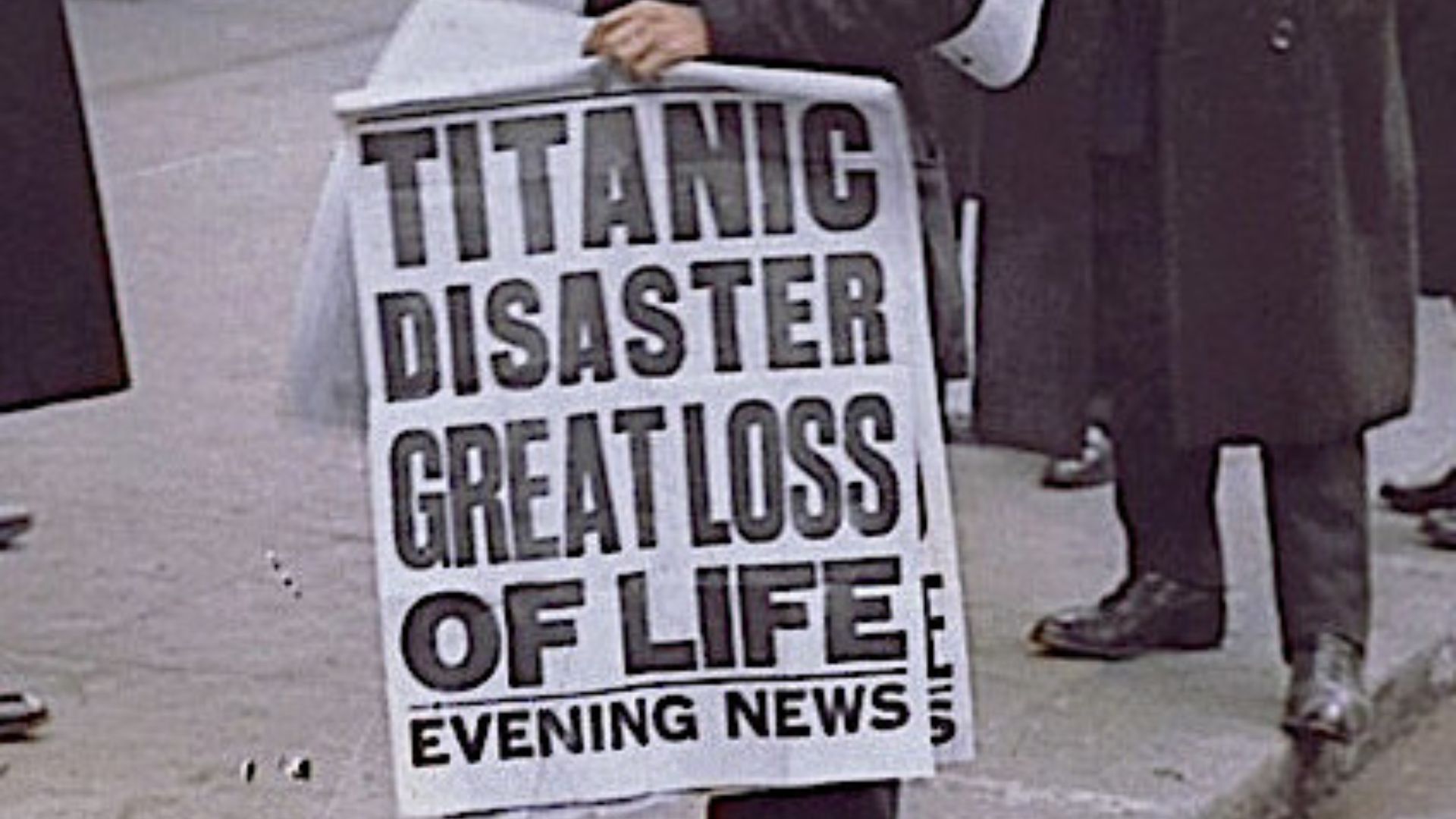
In 1898, author Morgan Robertson wrote Futility, a novel about a massive ship called the Titan that struck an iceberg and sank. The similarities to the Titanic disaster in 1912 are striking, including size, speed, and lack of lifeboats.
 Unknown authorUnknown author on Wikimedia
2. Nostradamus and the Great Fire of London
Nostradamus is often credited with predicting the Great Fire of London in 1666 through vague quatrains. One passage references a great fire in a major city tied to the number 66. Critics argue his wording is broad enough to fit many events. Still, supporters believe the timing and imagery line up closely.
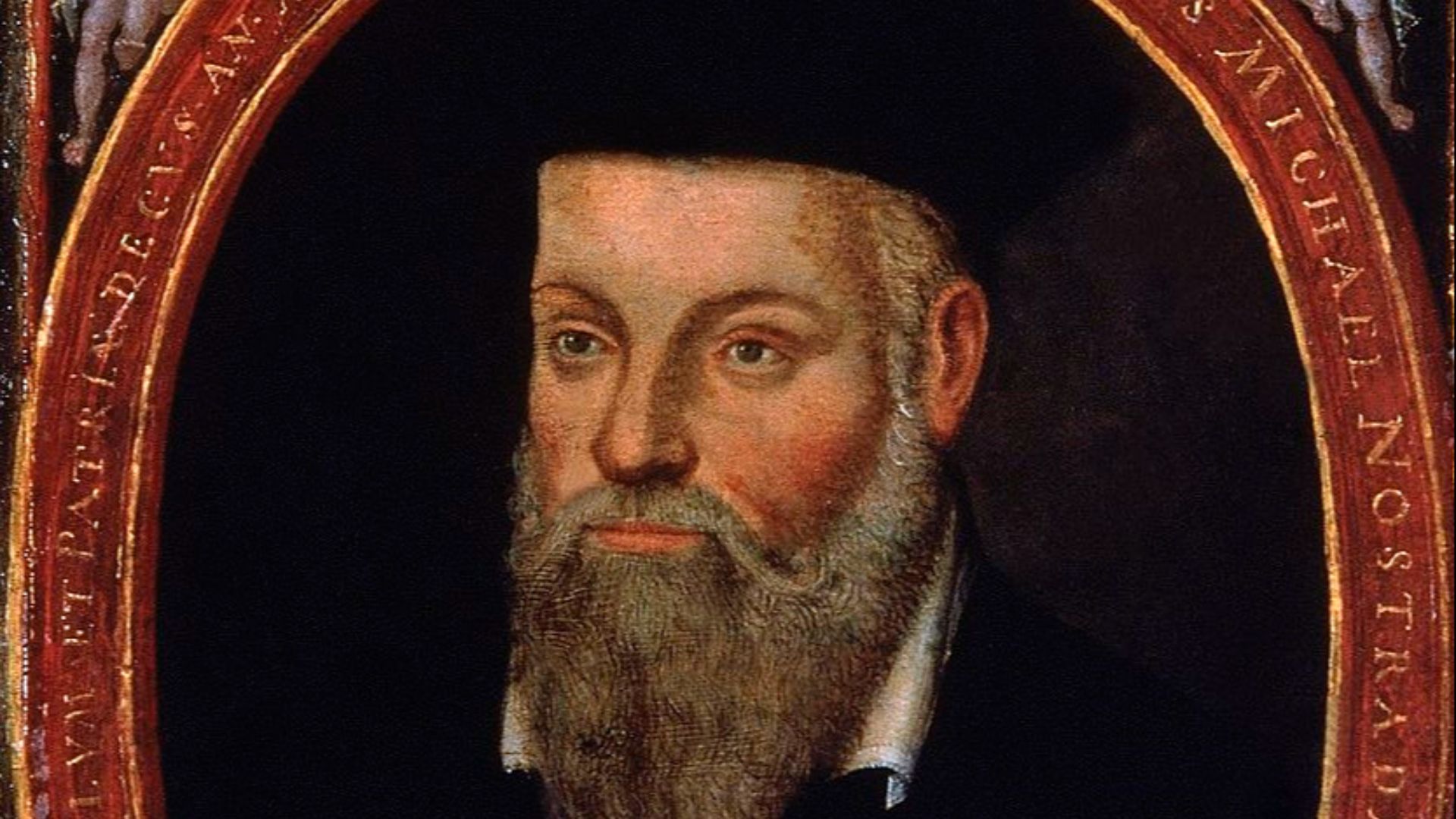 César de Notre-Dame on Wikimedia
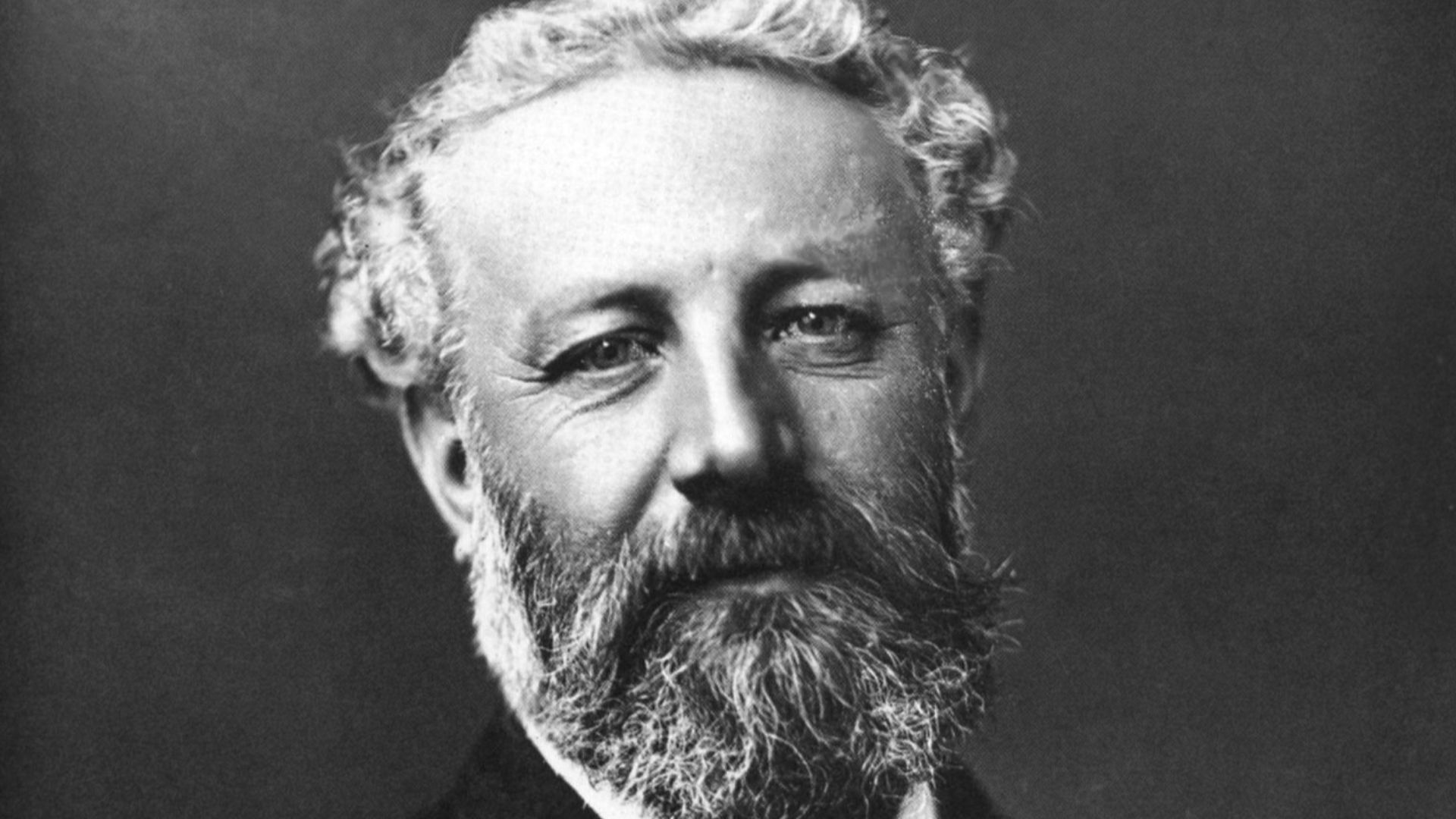
3. Jules Verne and the Moon Landing
Jules Verne’s 1865 novel From the Earth to the Moon described a spacecraft launch strikingly similar to Apollo missions. It even included a Florida launch site and a capsule returning to Earth. While details differ, the parallels are hard to ignore. Many consider this an example of imaginative science anticipating real progress.
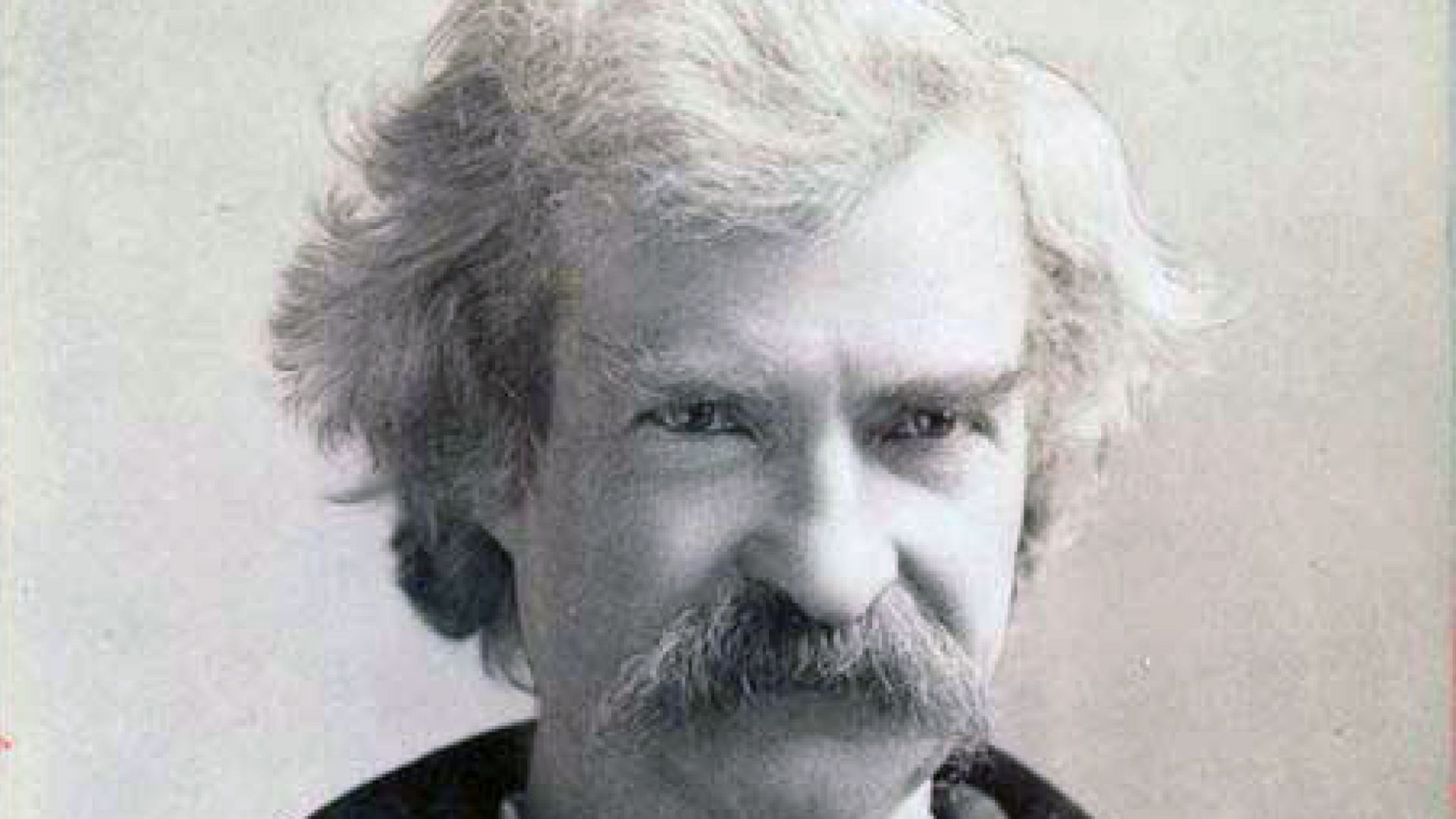
4. Mark Twain and His Own Death
Mark Twain was born during Halley’s Comet's appearance in 1835 and predicted he’d die when it returned. In 1910, the comet came back, and Twain passed away shortly after. The timing was exact enough to fuel intrigue. However, it’s often seen as a poetic coincidence rather than a true prophecy.
5. George Orwell’s Vision of Surveillance
In 1984, George Orwell described a society dominated by constant surveillance and information control. While not a prophecy in a literal sense, modern technology has brought some of those ideas closer to reality. Governments and corporations now collect vast amounts of data. Many readers feel Orwell anticipated key societal concerns.
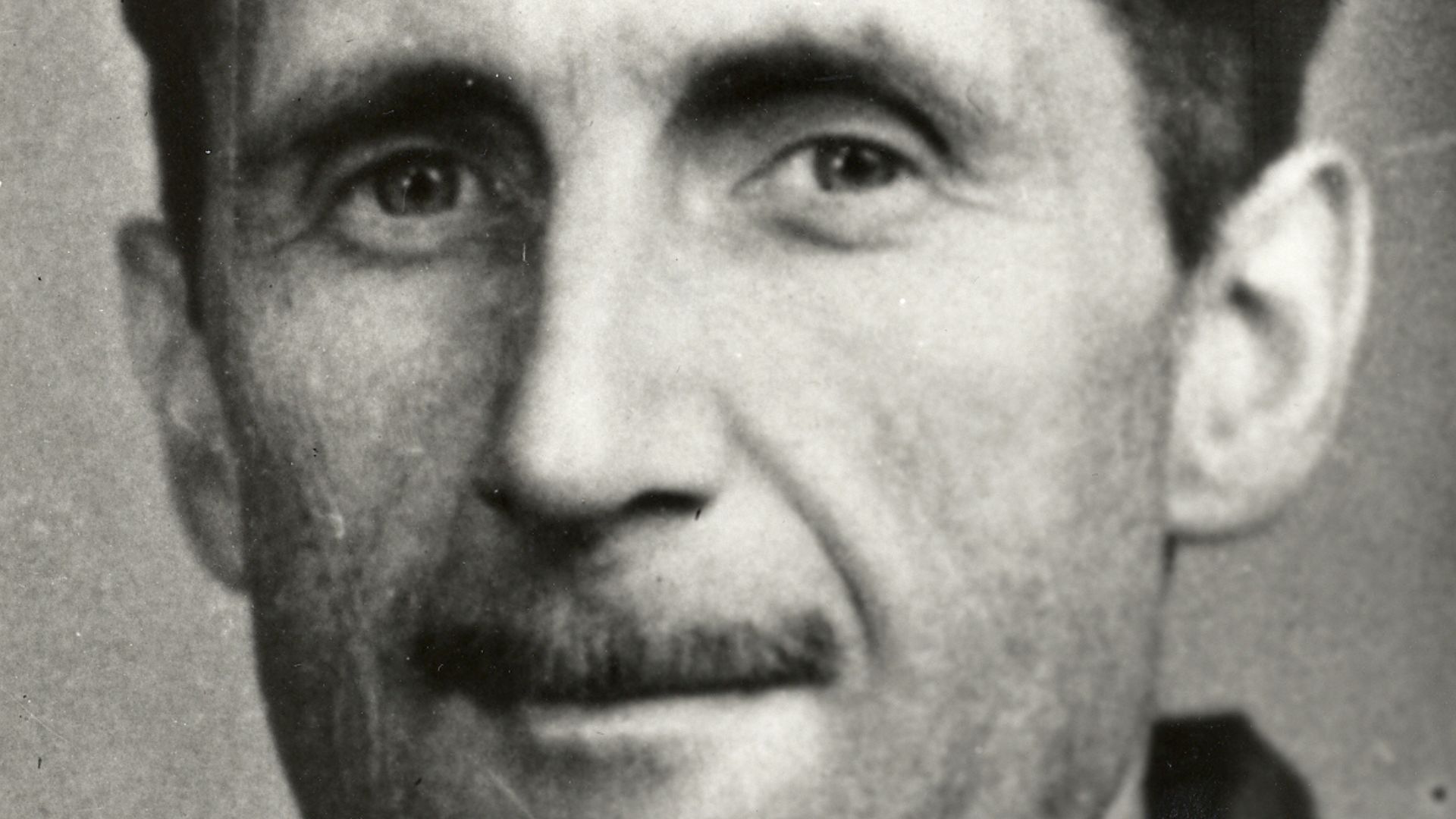 Branch of the National Union of Journalists (BNUJ). on Wikimedia
6. The Simpsons and Smartwatches
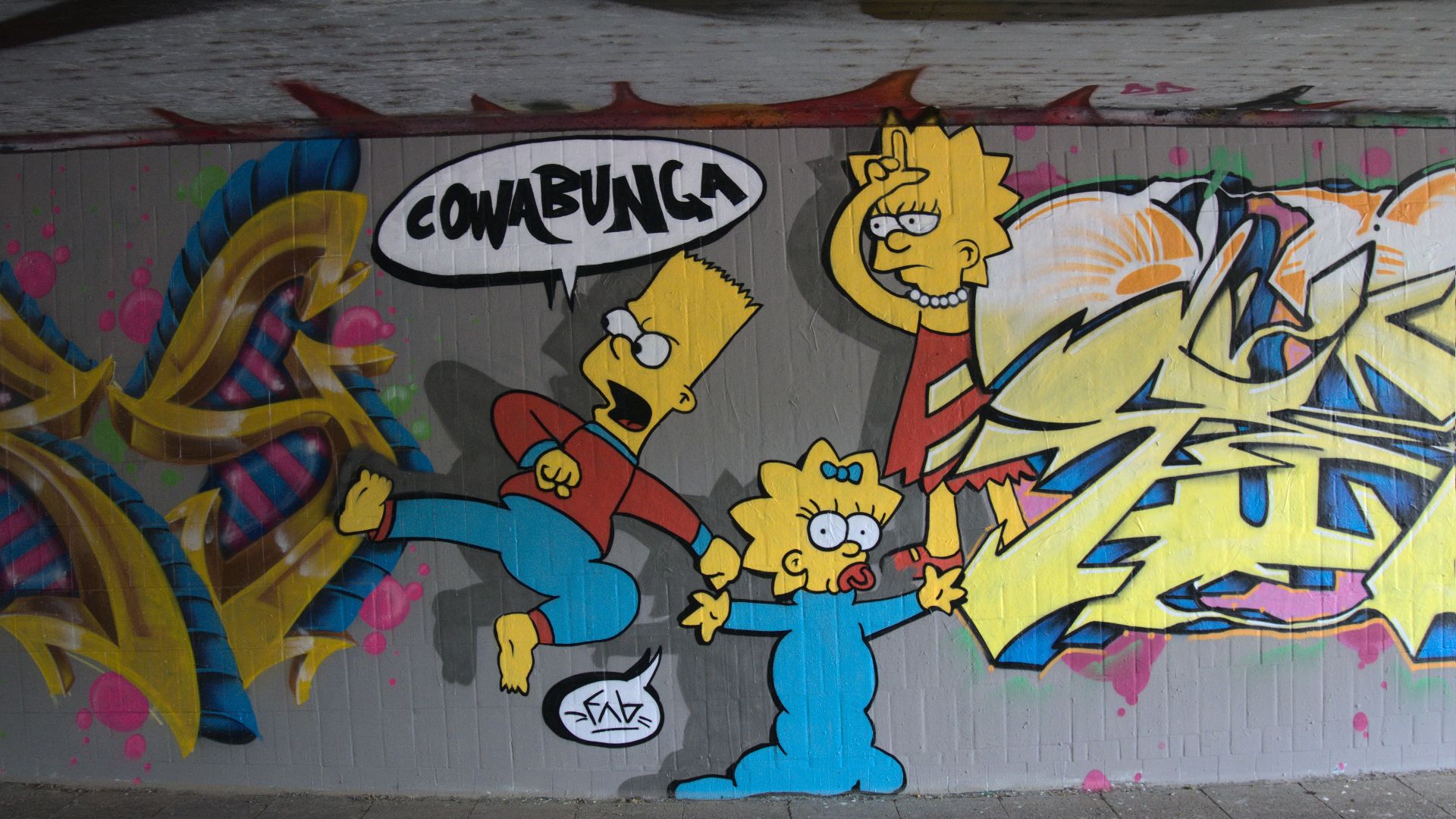
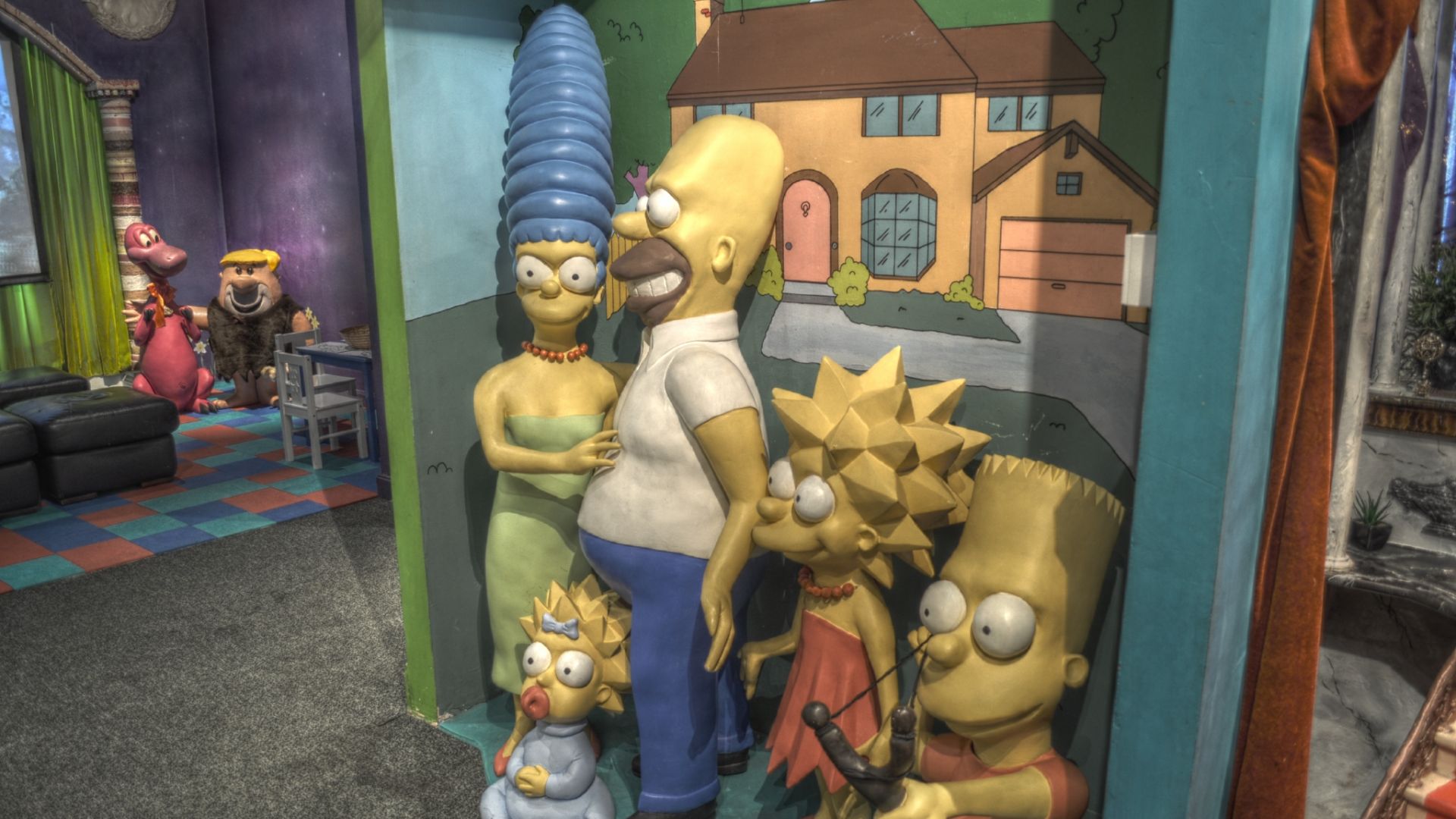
An episode of The Simpsons in 1995 showed characters using devices resembling smartwatches. Years later, wearable tech like the Apple Watch became common. While the show often exaggerates trends, this example stands out. It’s widely seen as a case of clever speculation rather than prediction.
7. The Simpsons and Donald Trump’s Presidency
A 2000 episode depicted Donald Trump as a future U.S. president. When Trump was elected in 2016, people revisited the clip with surprise. The show’s writers have said it was meant as satire. Still, it remains one of the most talked-about “predictions” in pop culture.
 Miguel Mendez from Malahide, Ireland on Wikimedia
8. H.G. Wells and Atomic Weapons
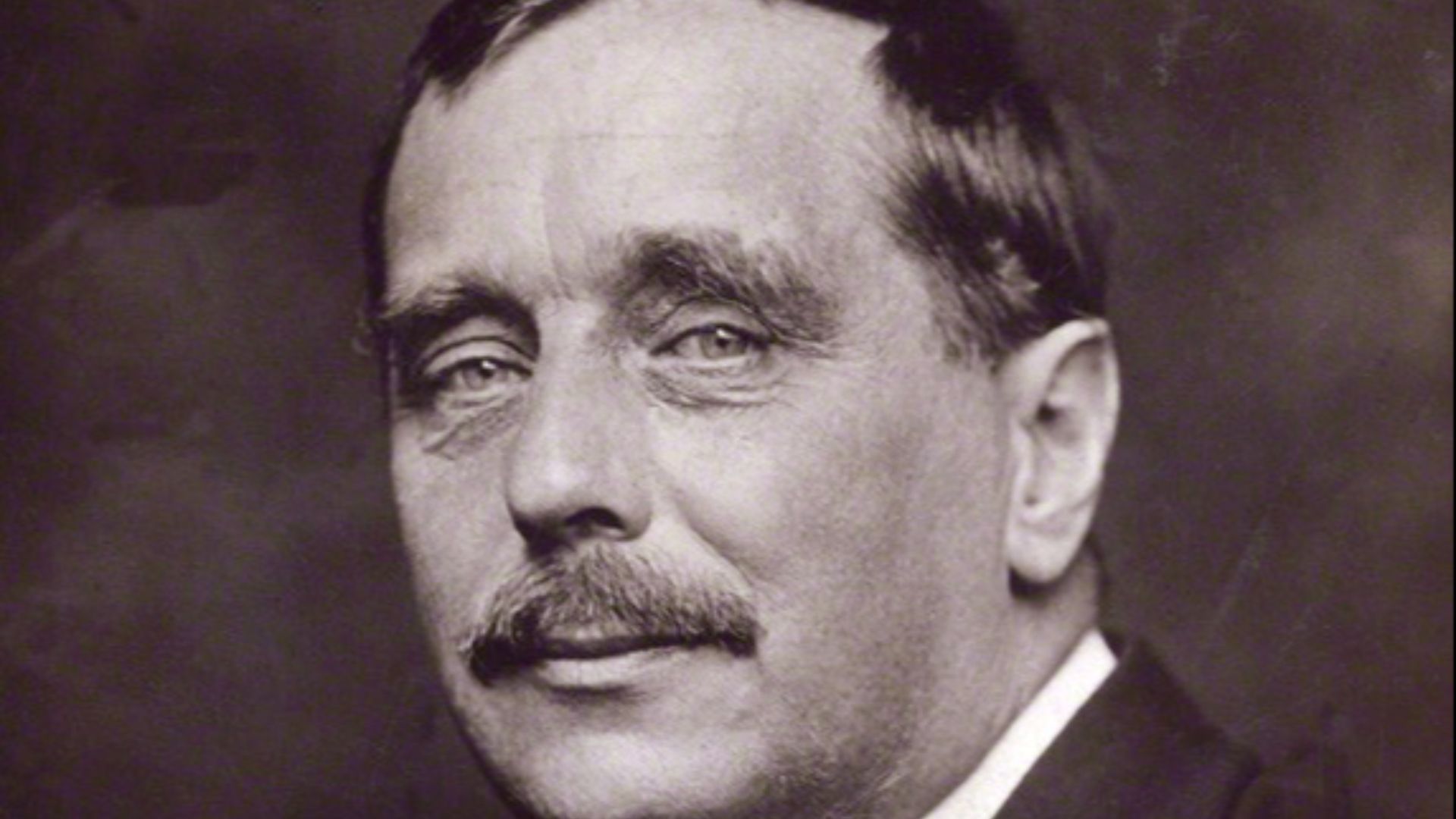
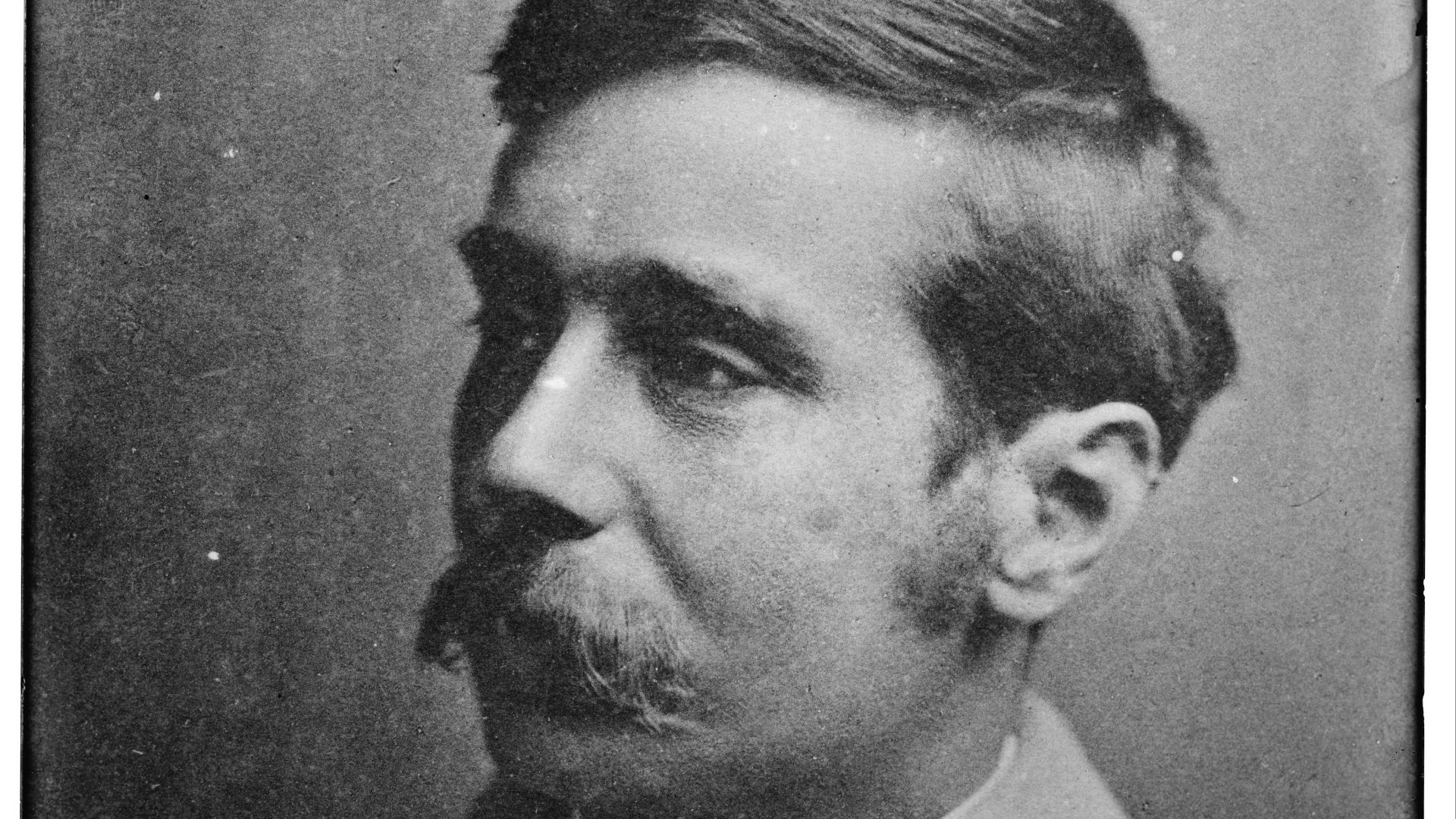
H.G. Wells wrote about atomic bombs in his 1914 novel The World Set Free. He described powerful weapons using atomic energy decades before they were developed. While the science wasn’t fully accurate, the concept was remarkably close. His work influenced early discussions on nuclear physics.
 Bain News Service, publisher on Wikimedia
9. Nikola Tesla and Wireless Communication
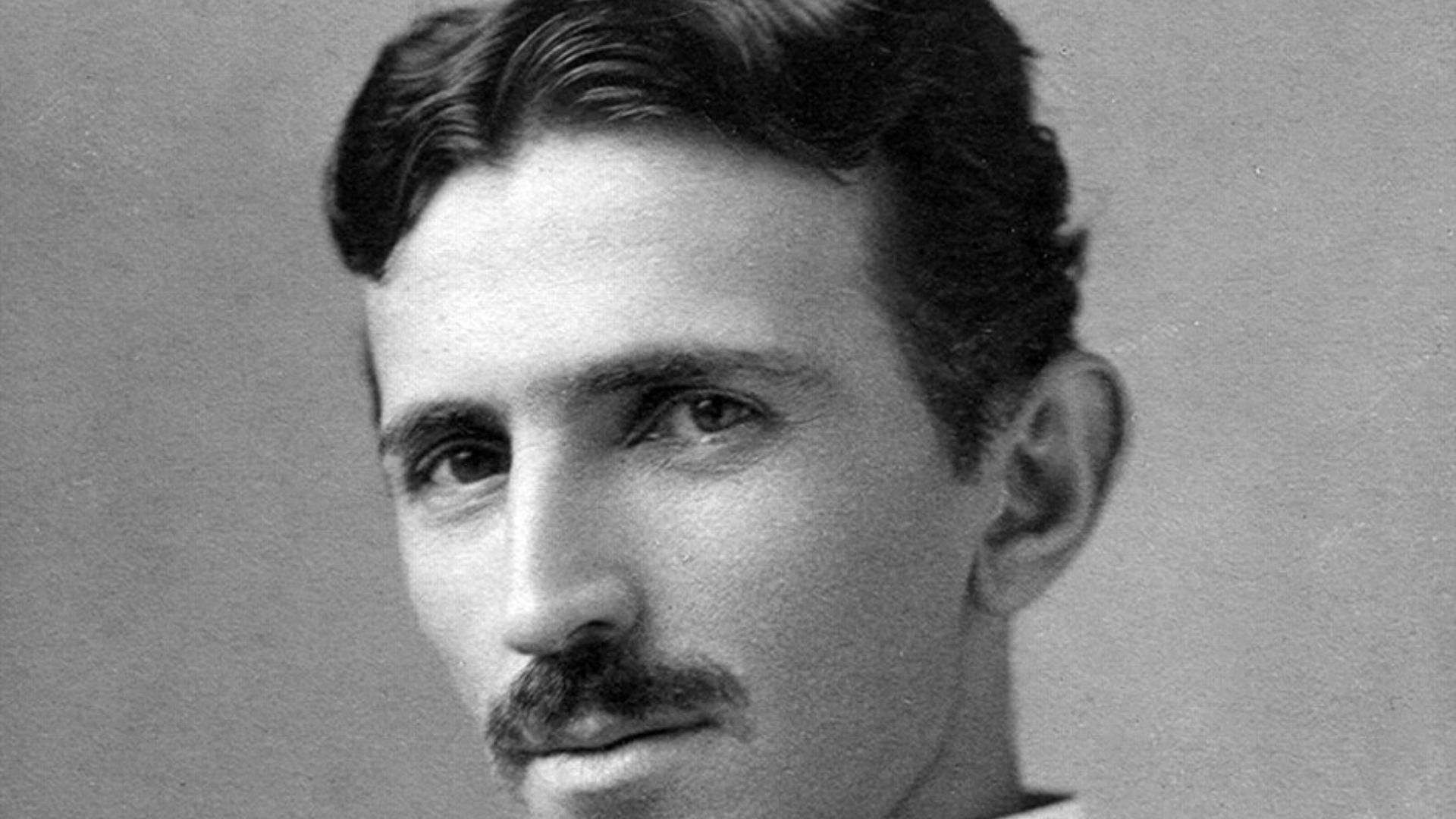
Nikola Tesla predicted a global system of wireless communication in the early 1900s. He described devices that would allow people to communicate instantly across long distances. Today’s smartphones closely match that vision. Tesla’s foresight was based on scientific understanding rather than guesswork.
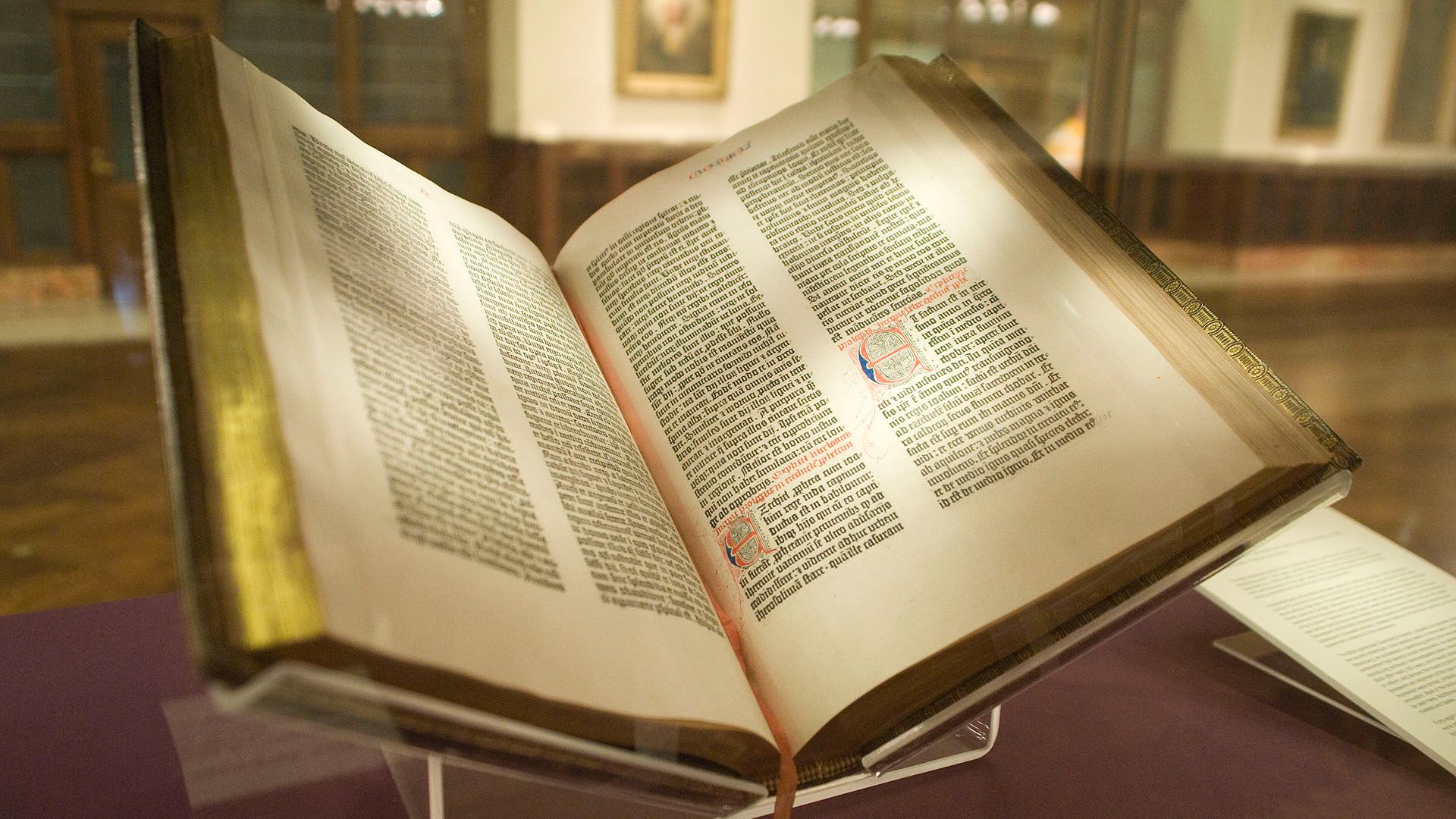
10. The Bible and the Destruction of Jerusalem
Some interpretations of biblical texts suggest predictions about the destruction of Jerusalem in 70 CE. These passages are debated, as they may have been written after the events occurred. Still, many believers see them as fulfilled prophecy. Historians tend to approach them with caution.
 NYC Wanderer (Kevin Eng) on Wikimedia
11. Baba Vanga and the 2004 Tsunami
Baba Vanga, a Bulgarian mystic, is often said to have predicted a massive ocean disaster. After the 2004 Indian Ocean tsunami, some claimed her words matched the event. However, there’s little verifiable documentation of the exact prediction beforehand. This makes the claim controversial.
 Matt Paul Catalano on Unsplash
12. The Simpsons and Video Calls
Long before video calling became common, The Simpsons showed characters communicating through screens. Today, platforms like Zoom and FaceTime are part of daily life. The show’s writers were extrapolating from early tech trends. Even so, the accuracy feels notable.

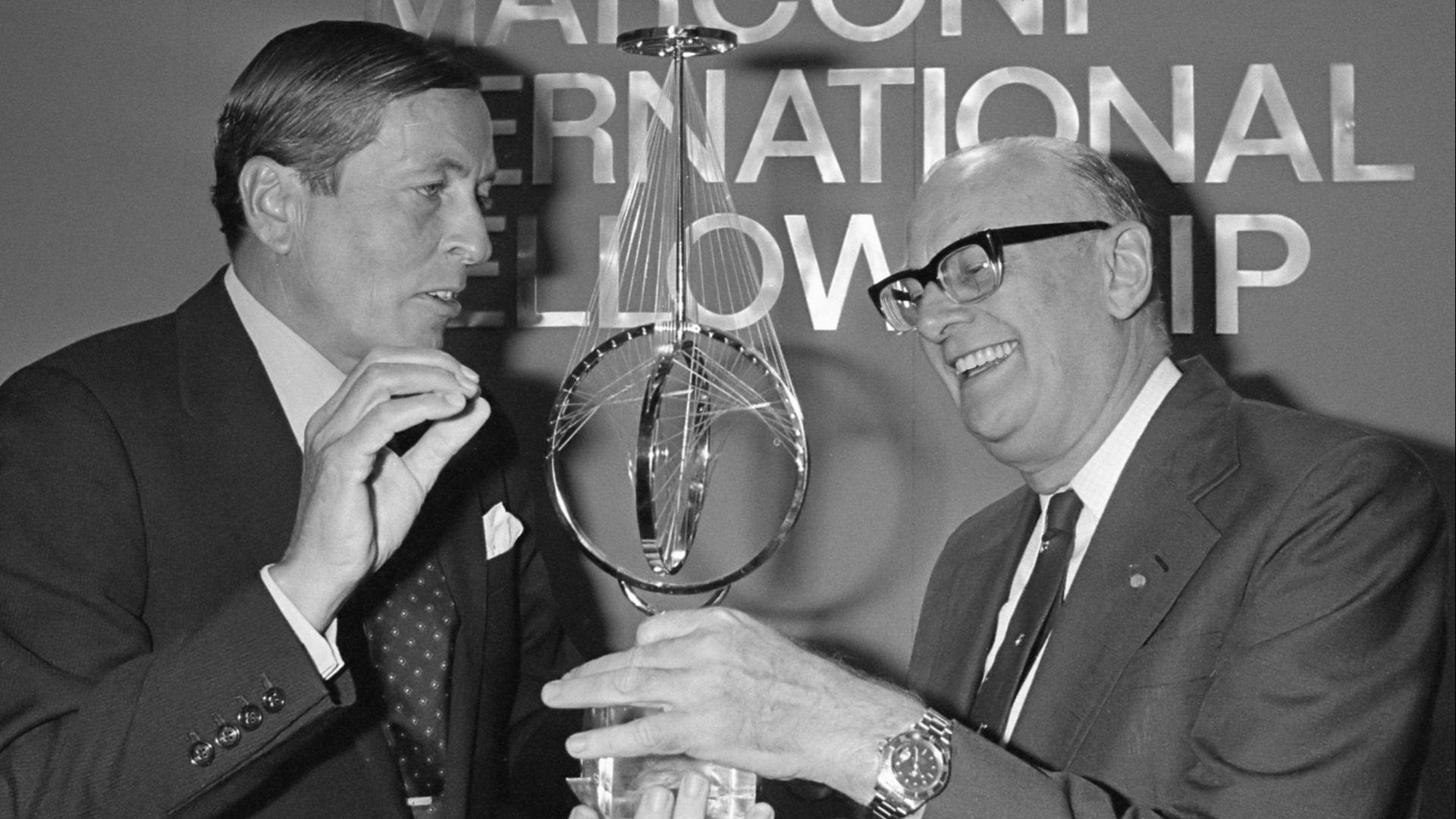
13. Arthur C. Clarke and Satellites
Arthur C. Clarke proposed the concept of geostationary satellites in 1945. At the time, it was purely theoretical. Today, satellites orbit exactly as he described, enabling communication worldwide. His idea is considered one of the most accurate technological predictions ever made.
 Rob Croes for Anefo on Wikimedia
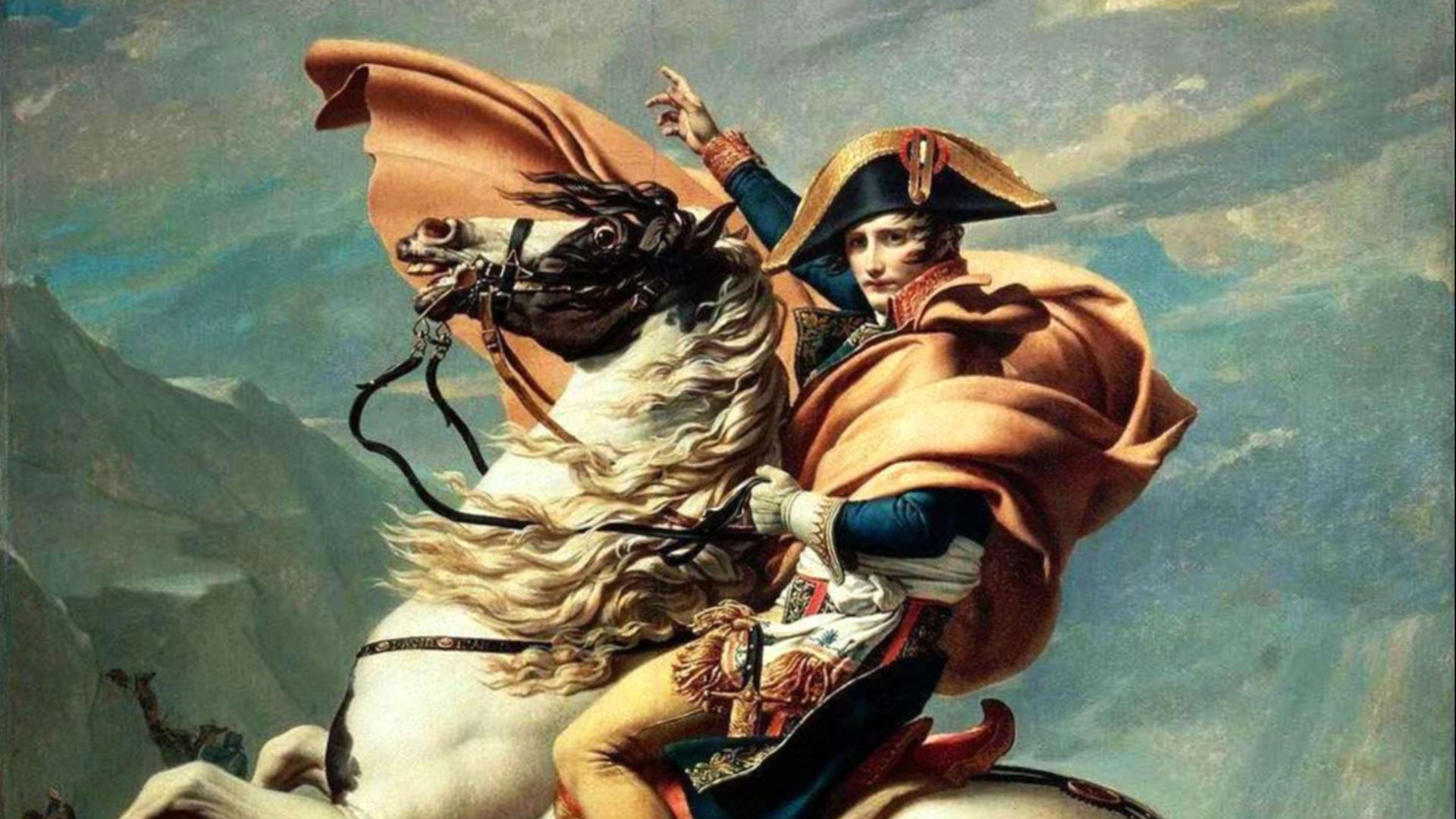
14. Nostradamus and Napoleon
Some of Nostradamus’s writings are interpreted as references to Napoleon Bonaparte. Supporters point to descriptions of a powerful leader rising from humble origins.
 Jacques-Louis David on Wikimedia
15. Edward Bellamy and Credit Cards
In his 1888 novel Looking Backward, Edward Bellamy described a system similar to modern credit cards. Characters used cards to access funds instead of carrying cash.
 Jacques Reich (probably based on an earlier work by another artist) on Wikimedia
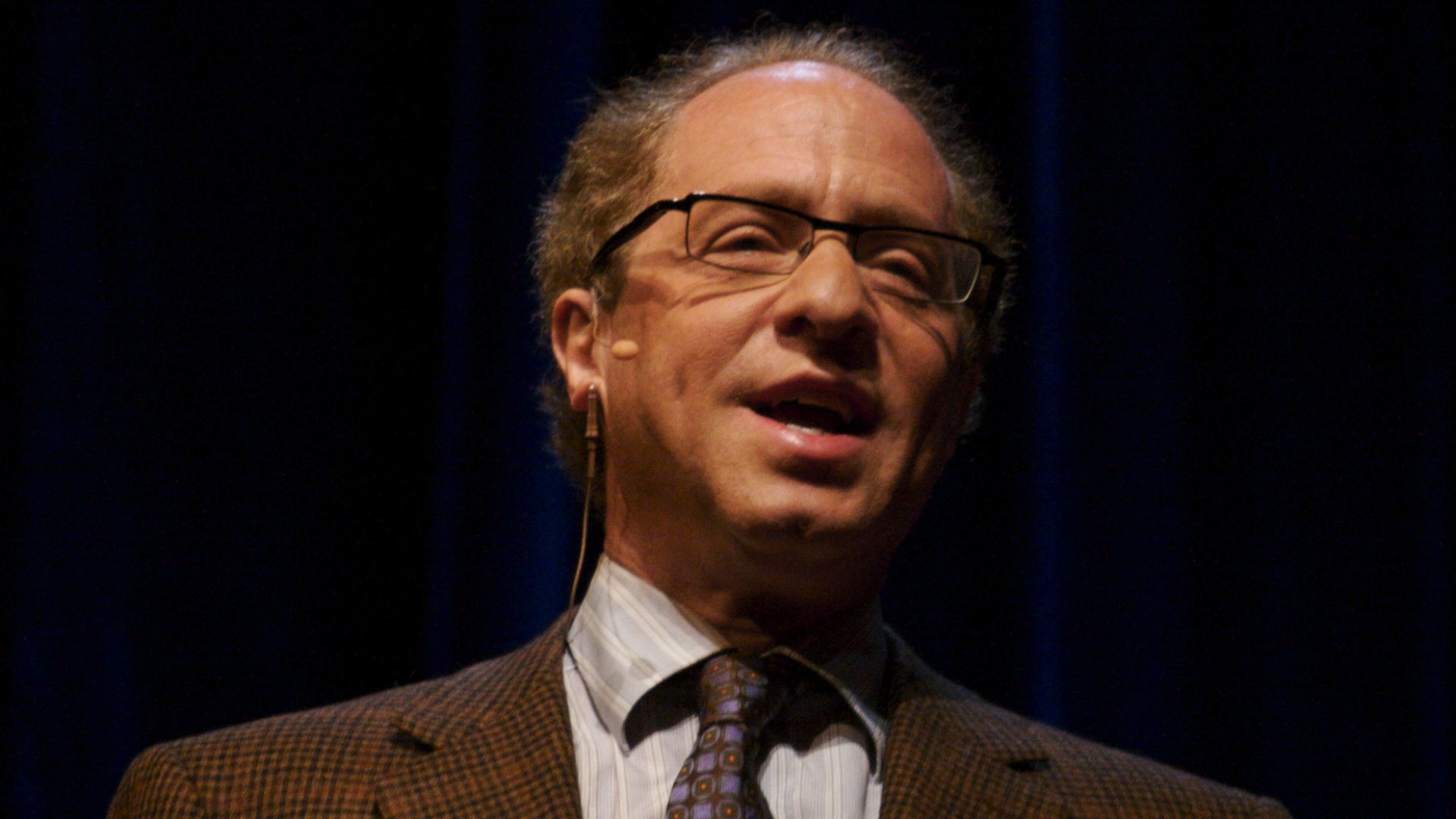
16. Ray Kurzweil and AI Advancements
Futurist Ray Kurzweil predicted significant advancements in artificial intelligence by the 21st century. Many of his timelines have been relatively accurate so far.
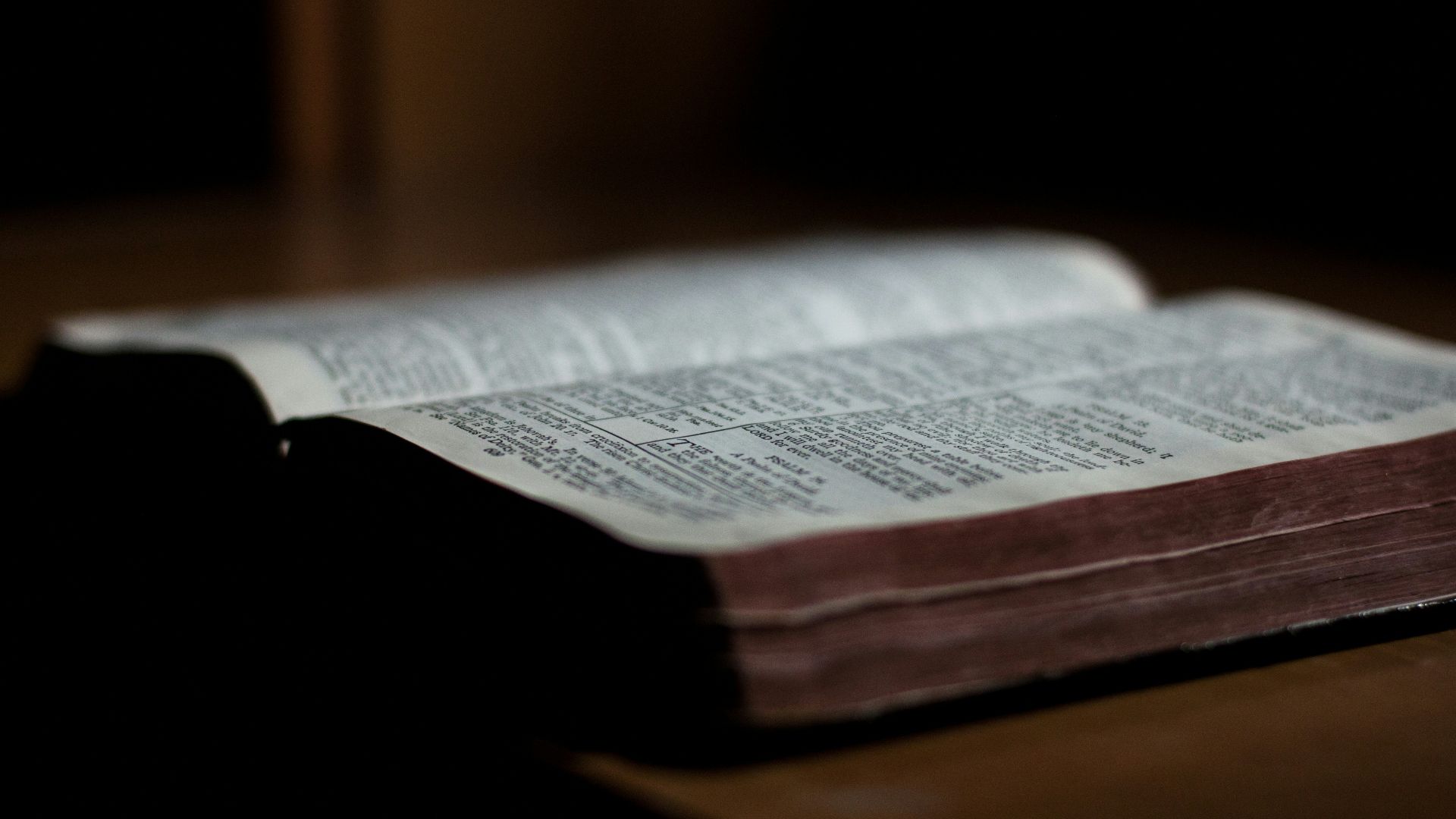
17. The Bible and the Rebirth of Israel
Some believe biblical texts predicted the reestablishment of Israel in 1948. These interpretations are widely debated among scholars. Supporters see a direct connection between prophecy and modern events.
 Ioann-Mark Kuznietsov on Unsplash
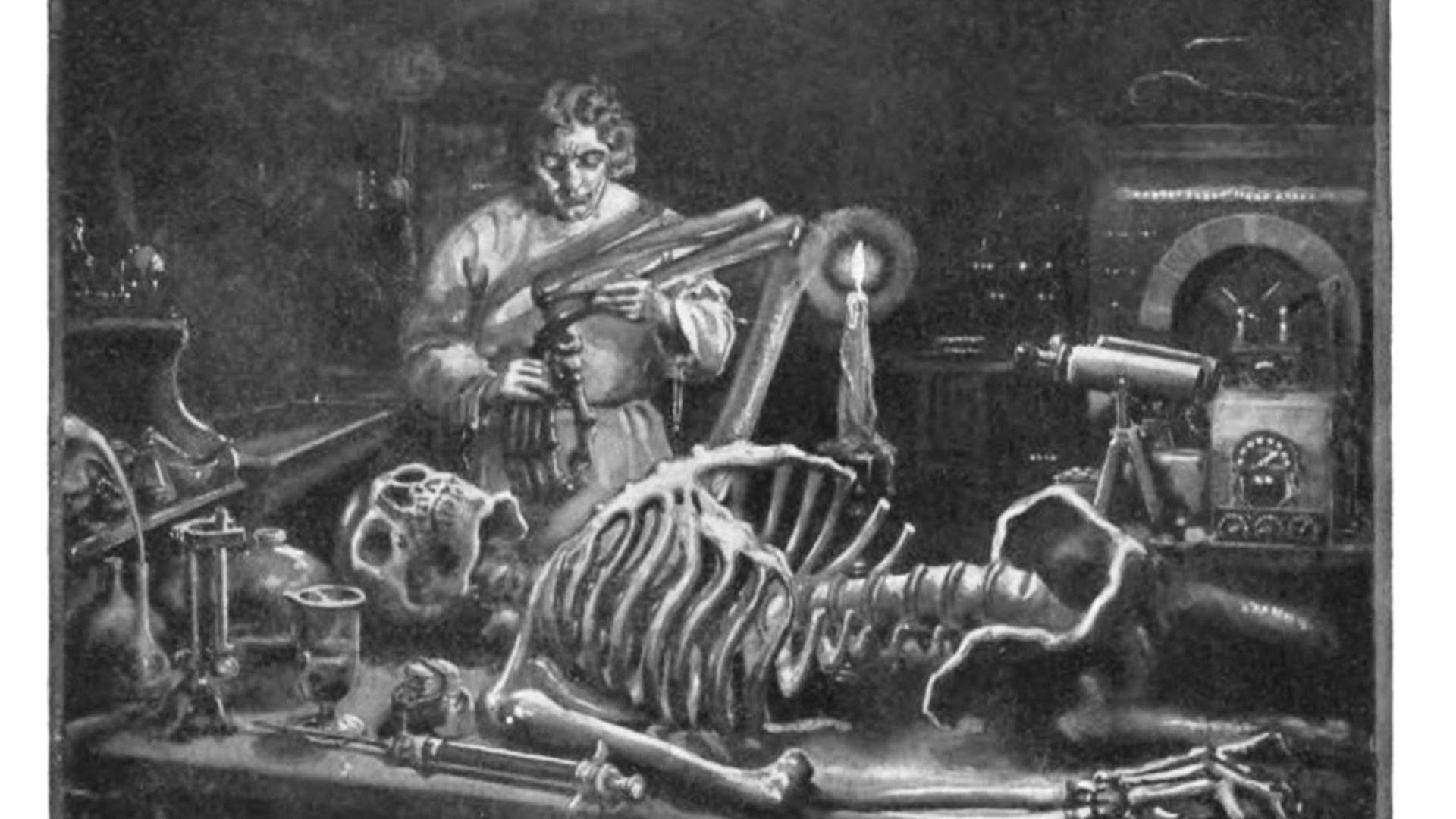
18. Mary Shelley and Organ Transplants
In Frankenstein, Mary Shelley explored the idea of reanimating life using assembled body parts. While fictional, it introduced concepts related to organ transplantation. Today, transplants are a standard medical procedure.
19. The Simpsons and Autocorrect Errors
A 1994 episode joked about devices altering typed words incorrectly. Modern autocorrect systems often make similar mistakes. While humorous, it captured a real issue in digital communication. It’s a small but relatable example of foresight.

20. H.G. Wells and the Internet Concept
H.G. Wells also imagined a “world brain,” a global information network accessible to everyone. This idea closely resembles the modern internet.

KEEP ON READING