

Small Words, Big Consequences
History likes to pretend it runs on grand ideas—territory, power, religion—but sometimes it turns on something much smaller and more human. An insult, especially the kind delivered in public or carried through rumor, has a way of sticking. It lingers, festers, and in the wrong moment, becomes a line nobody wants to step back from. Pride gets involved, then alliances, then armies, and suddenly something that could have been shrugged off becomes impossible to ignore. Here are twenty moments where words helped push tensions into open conflict.
 Birmingham Museums Trust on Unsplash
1. The War Of Jenkins’ Ear
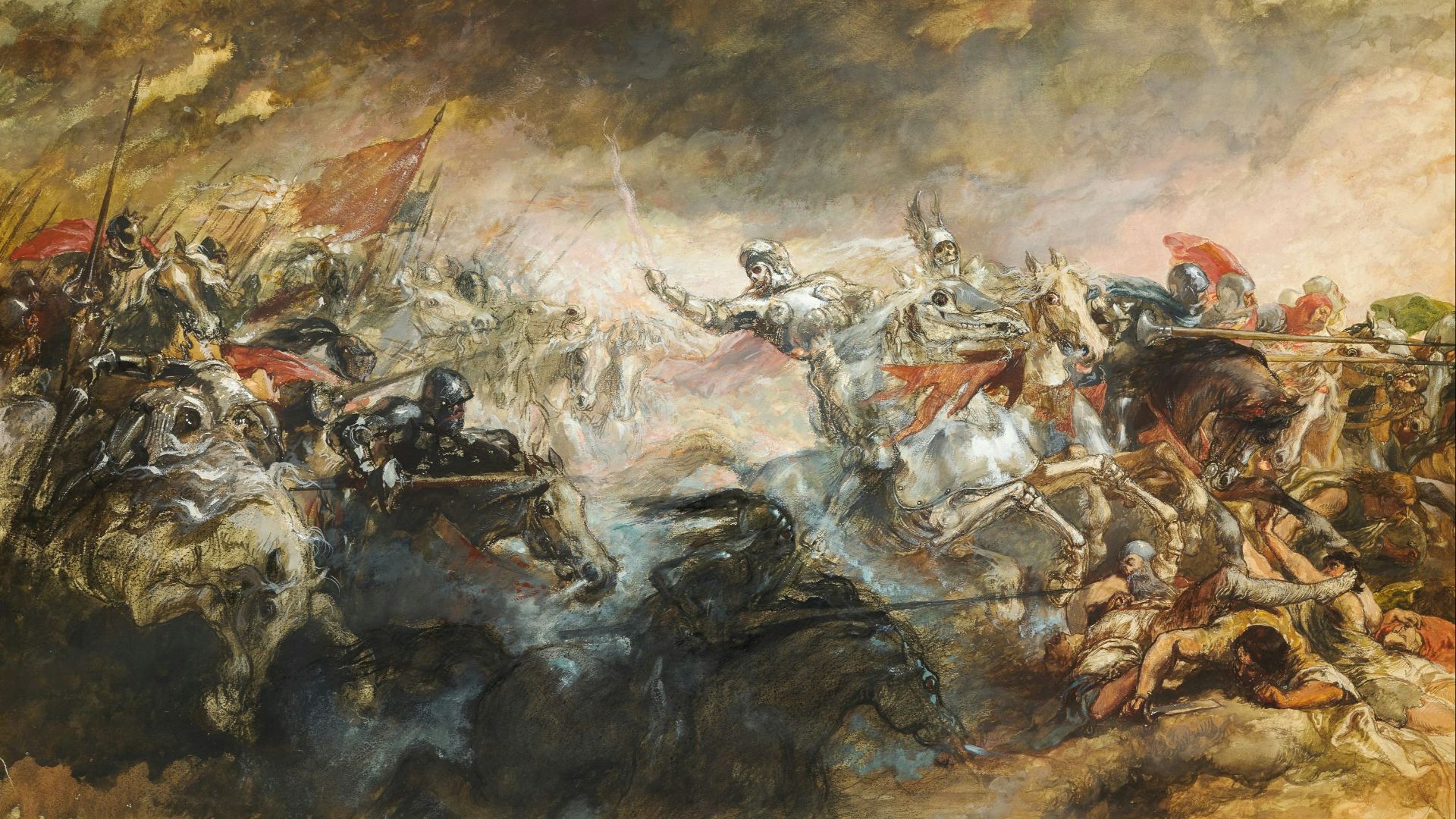
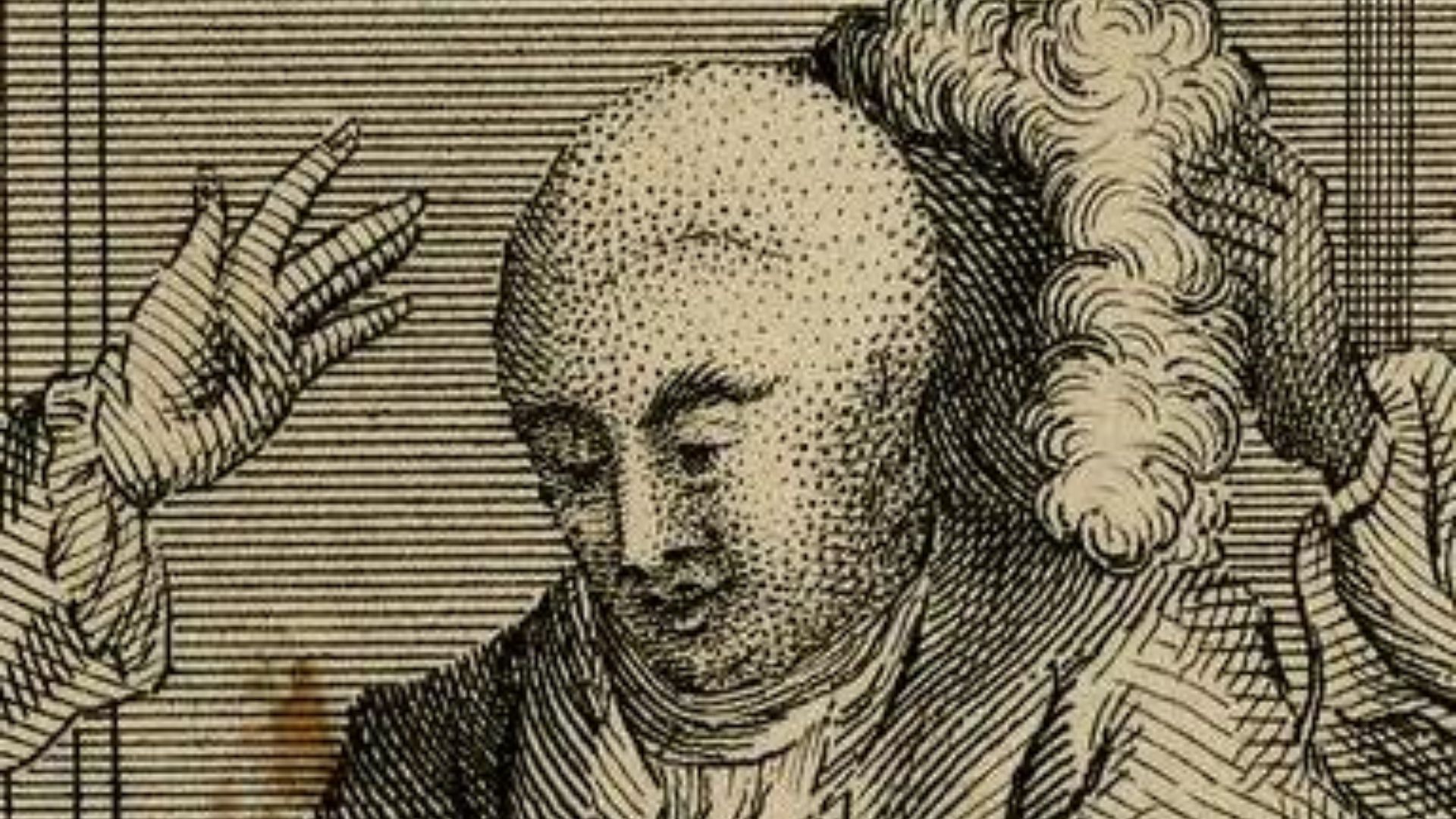
A British sea captain showed up in Parliament with his severed ear, claiming Spanish coast guards had cut it off with a warning. Whether embellished or not, the story spread like wildfire. Outrage turned into a rallying cry, and Britain declared war on Spain in 1739.
 Unknown authorUnknown author on Wikimedia
2. The Football War
A series of heated World Cup qualifying matches between El Salvador and Honduras escalated far beyond the pitch. Riots, propaganda, and national pride turned insults into something combustible. Within weeks, the two countries were at war in 1969.
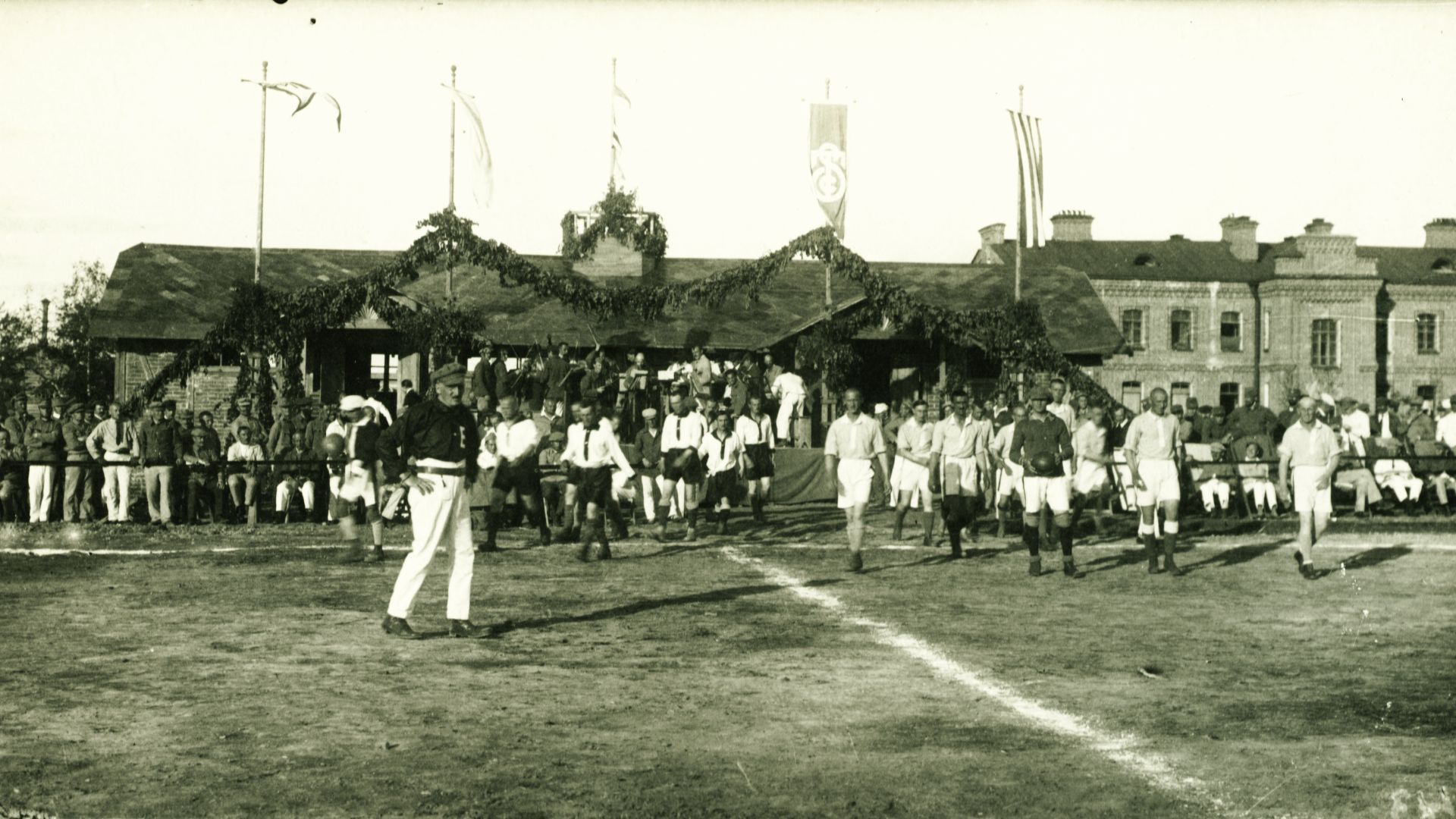 FOTO:Fortepan — ID 85337: Adományozó/Donor: Lőw Miklós. on Wikimedia
3. The Pig War
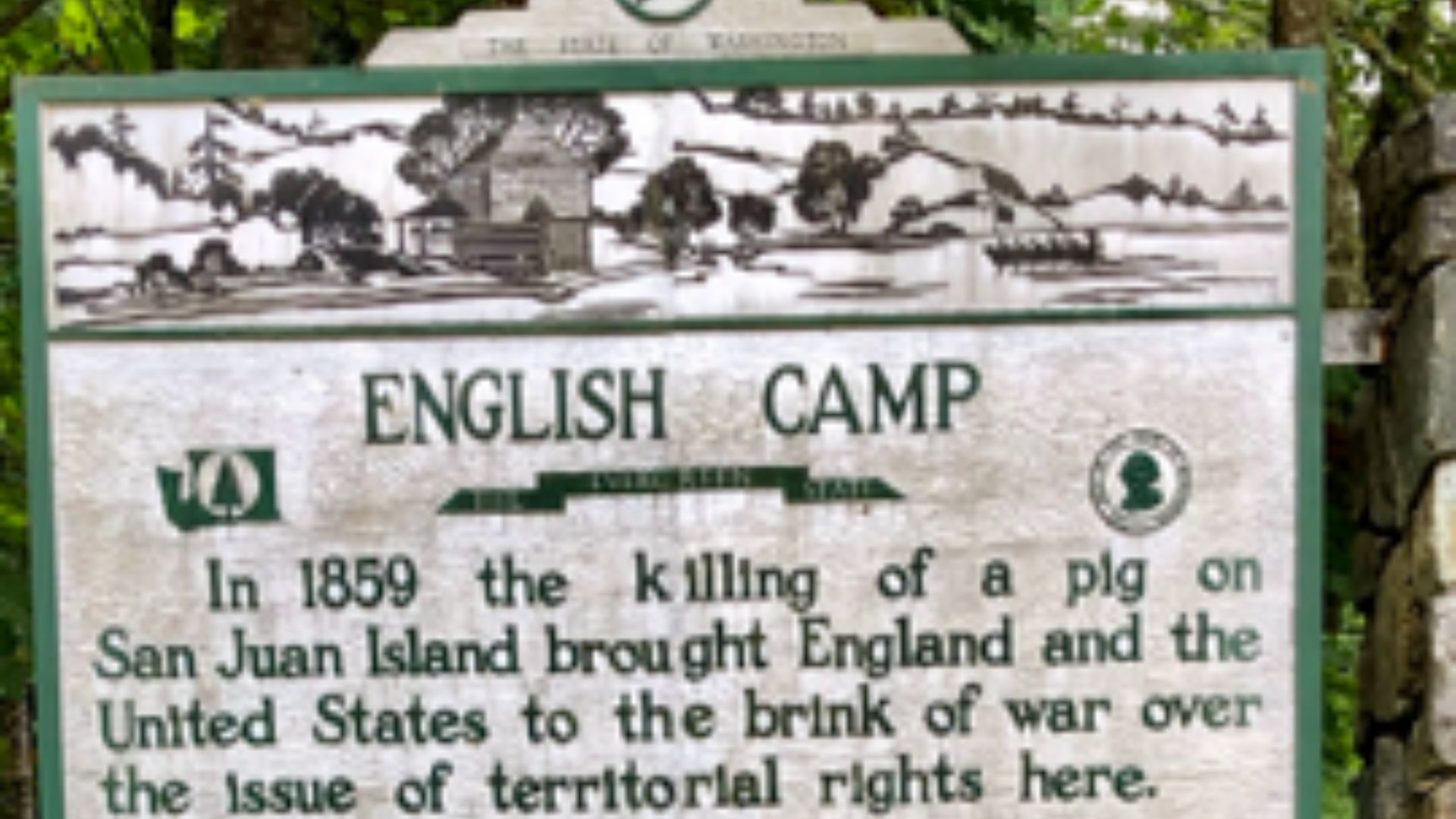
An American farmer shot a British-owned pig that wandered onto his land on San Juan Island. What should have been settled over compensation quickly became a standoff between two nations. Troops arrived, tensions rose, and for a moment, war felt inevitable.
4. The War Of The Bucket
A stolen wooden bucket from a city well doesn’t sound like much, but it carried symbolic weight. When Modena took it from Bologna in the 14th century, it was seen as a deliberate humiliation. The result was a full-scale battle between the two Italian city-states.
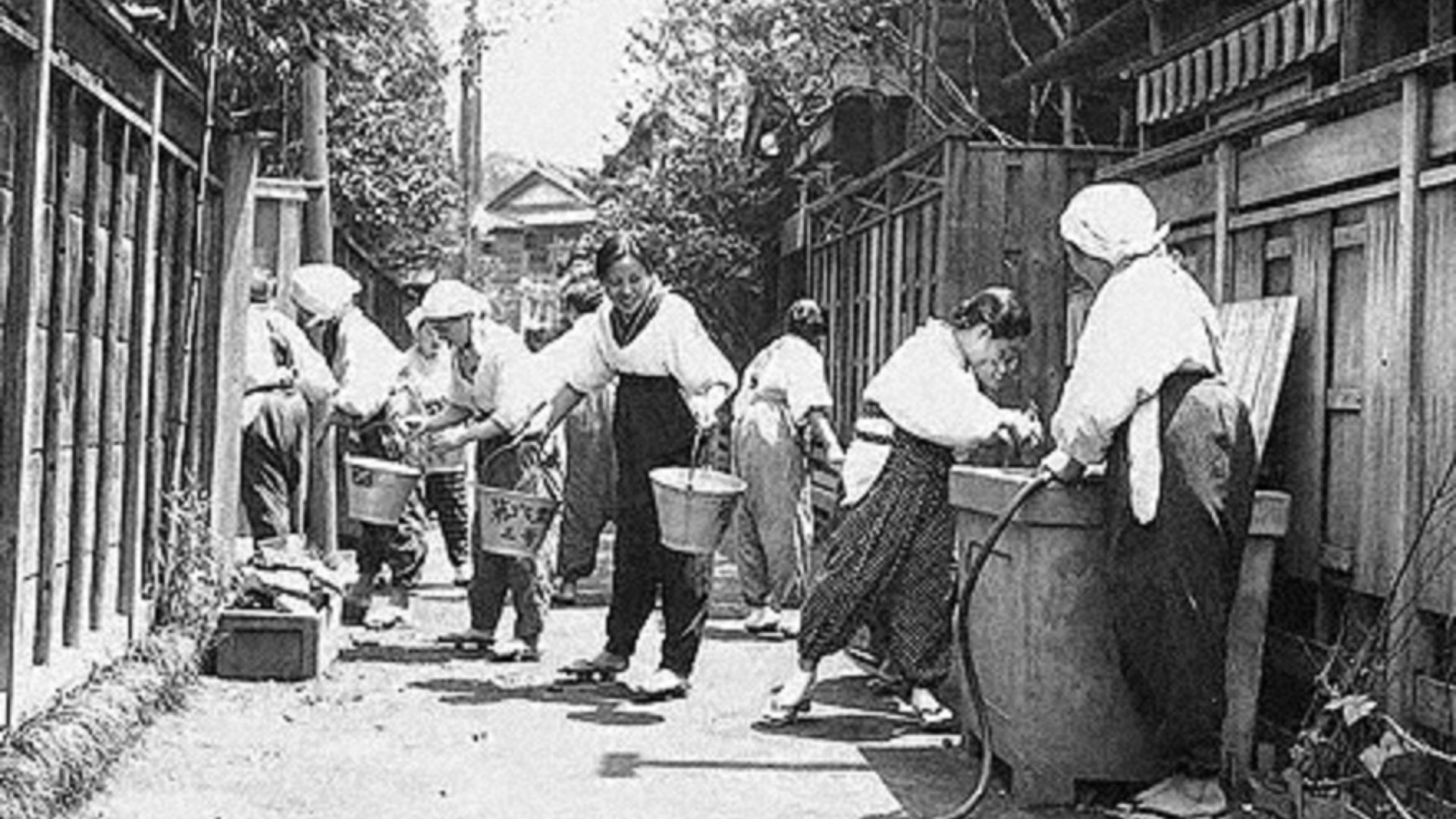 梅本忠男 Umemoto, Tadao(ネガ番号: 416C) on Wikimedia
5. The Nika Revolt
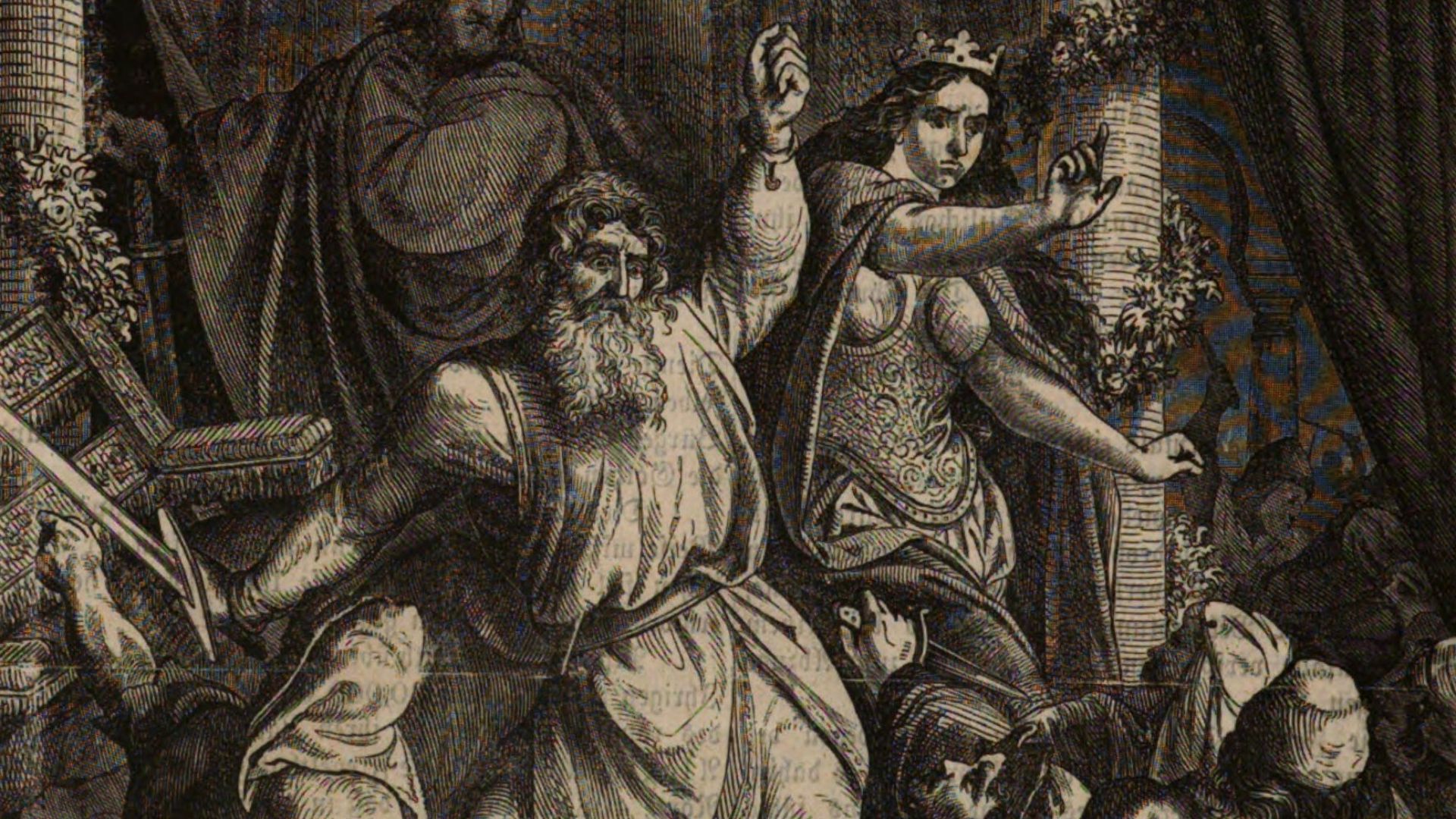
It began in Constantinople as factional taunting between rival chariot teams, the Blues and the Greens, where insults were part of the spectacle and public humiliation could turn a crowd vicious fast. When tensions with the emperor’s officials collided with that fury in 532, the shouting in the Hippodrome became a full-scale uprising.
6. The Anglo-Zanzibar War
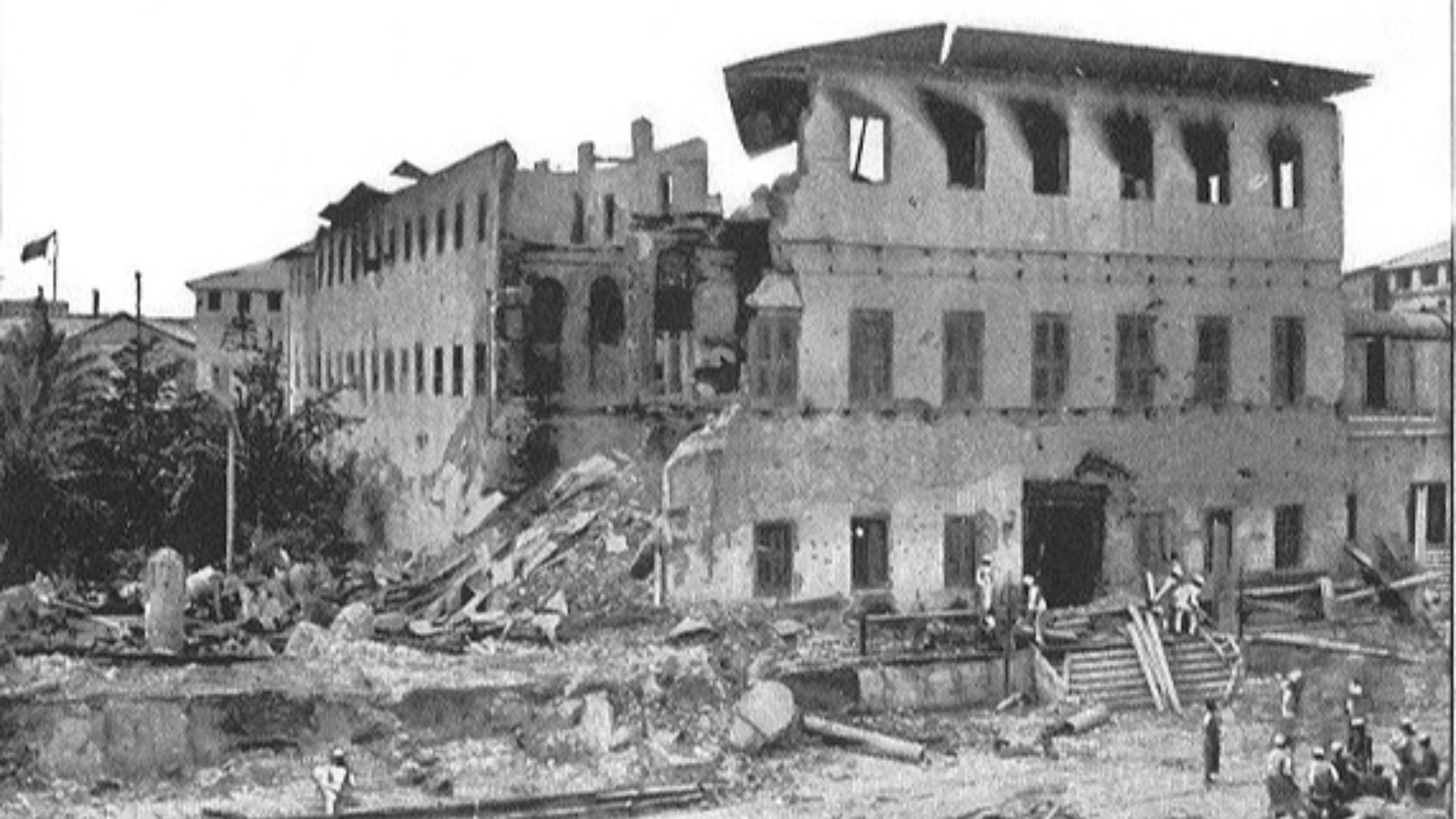
The shortest war in history had its roots in defiance and perceived disrespect. When a new sultan took power without British approval, it was seen as a direct insult to imperial authority. The response was swift and overwhelming, lasting less than an hour.
7. The Pastry War
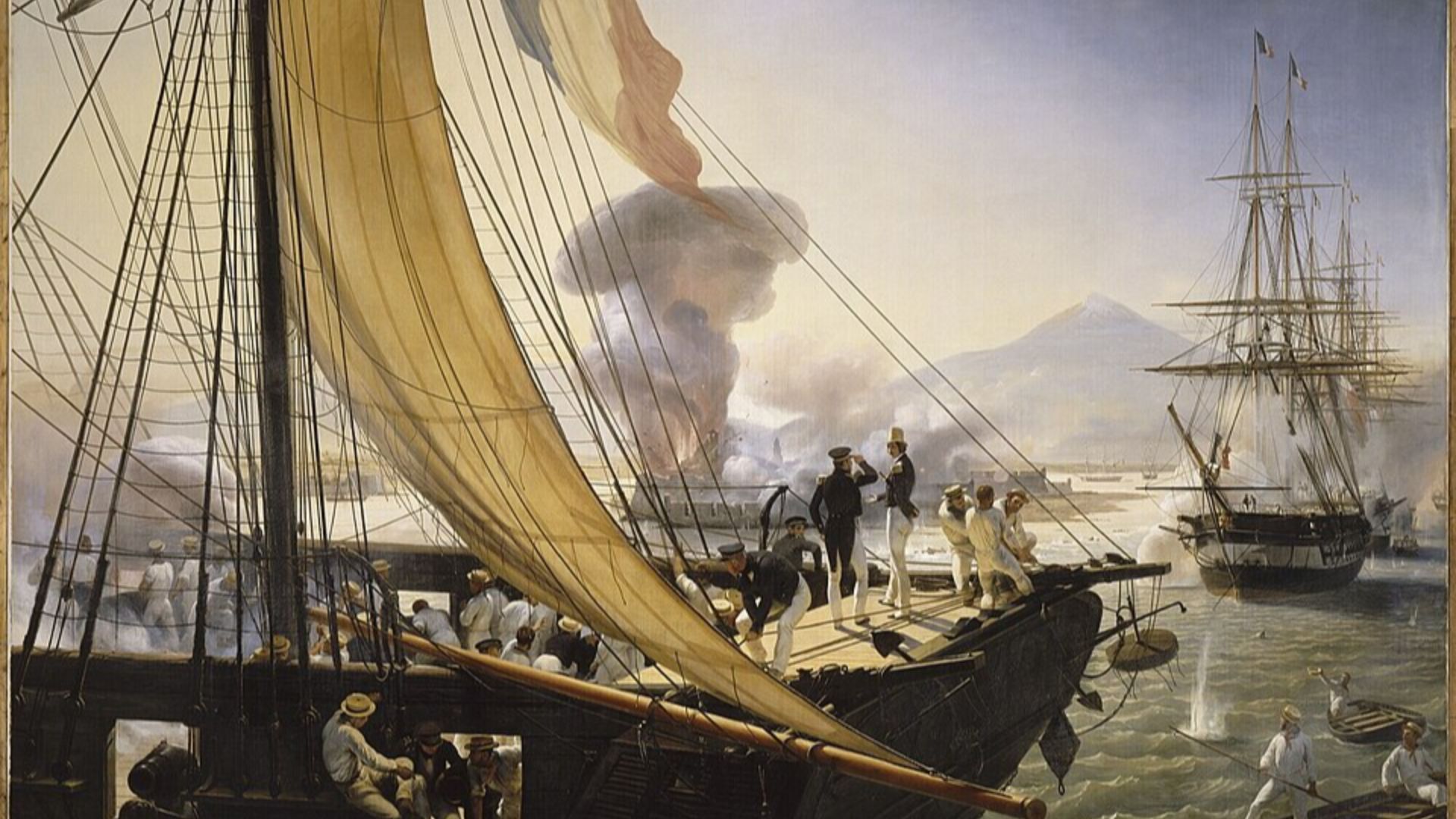
A French pastry chef in Mexico claimed his shop had been looted by Mexican officers and demanded compensation. France took up the complaint as a matter of national honor. The dispute ballooned into a naval conflict in 1838.
 commons.wikimedia.org on Google
8. The War Of The Stray Dog
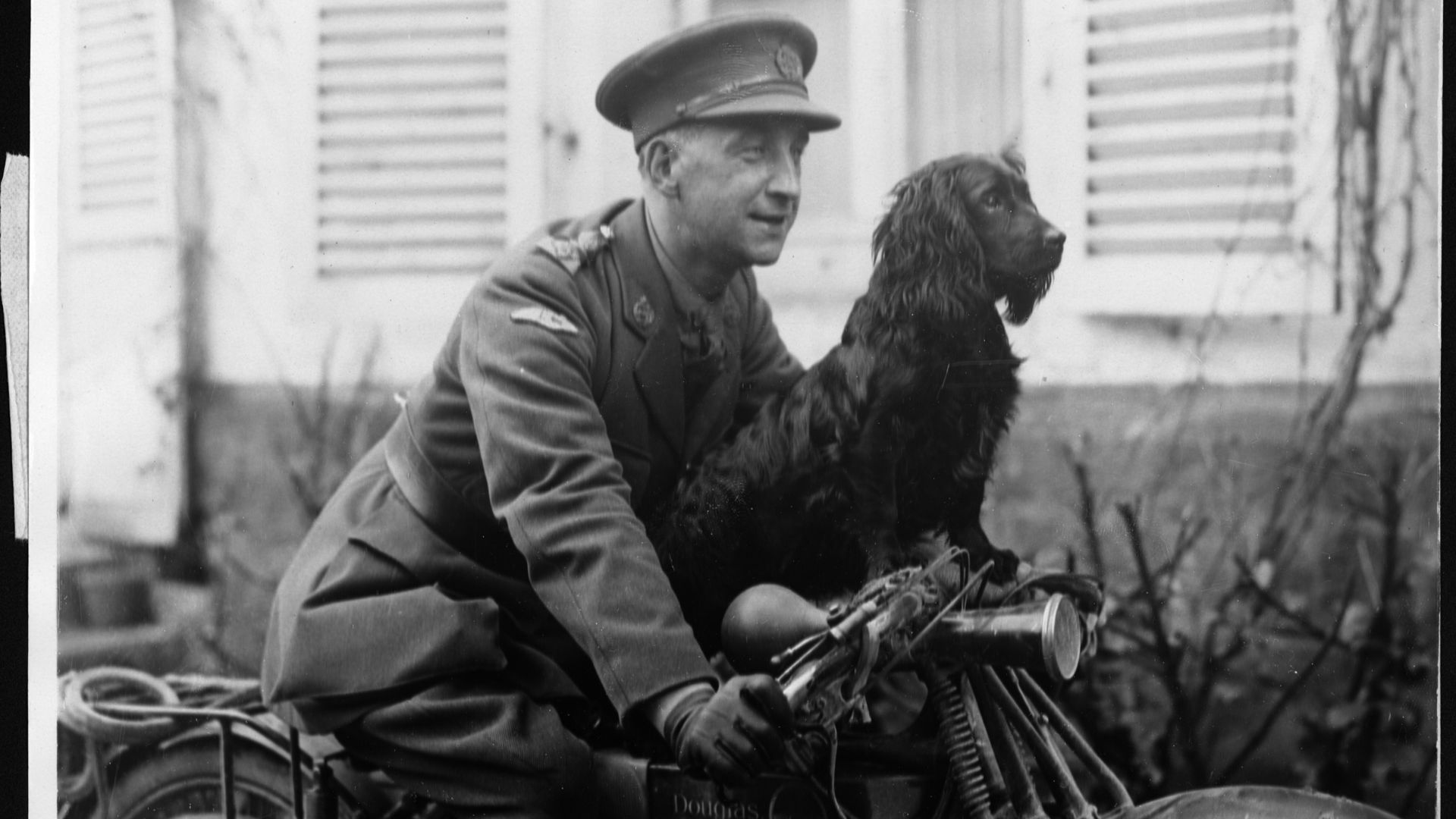
A border incident between Greece and Bulgaria began when a soldier chased a dog across the line. Shots were fired, accusations escalated, and both sides felt slighted. What followed was a brief but deadly clash in 1925.
 National Library of Scotland on Wikimedia
9. The Aroostook War
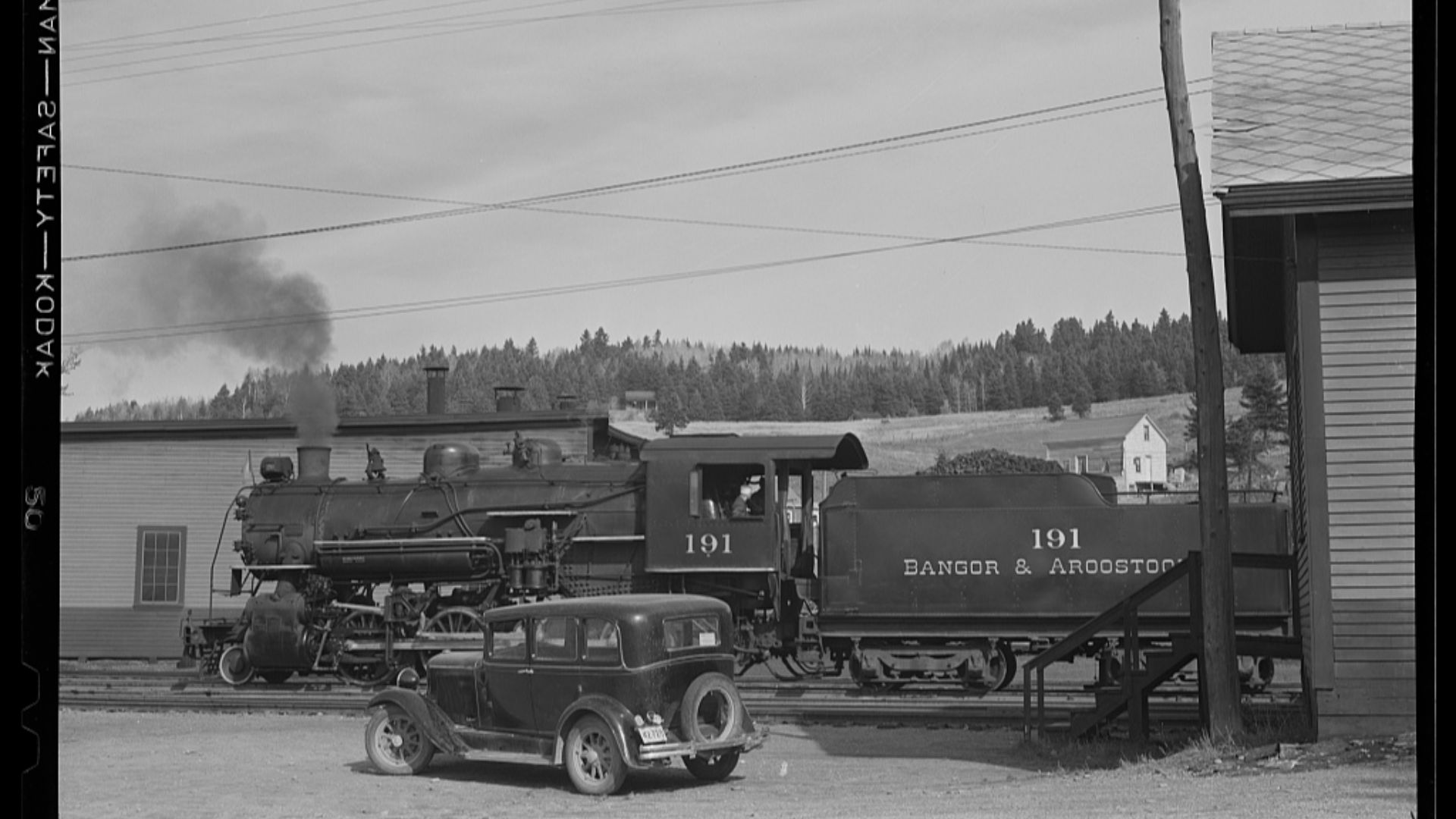
Maine lumberjacks and Canadian forces clashed over a disputed border, but the rhetoric mattered as much as the land. Insults traded between officials and newspapers inflamed tensions. Militias mobilized, and a “war” nearly broke out.
10. The War Of The Golden Stool
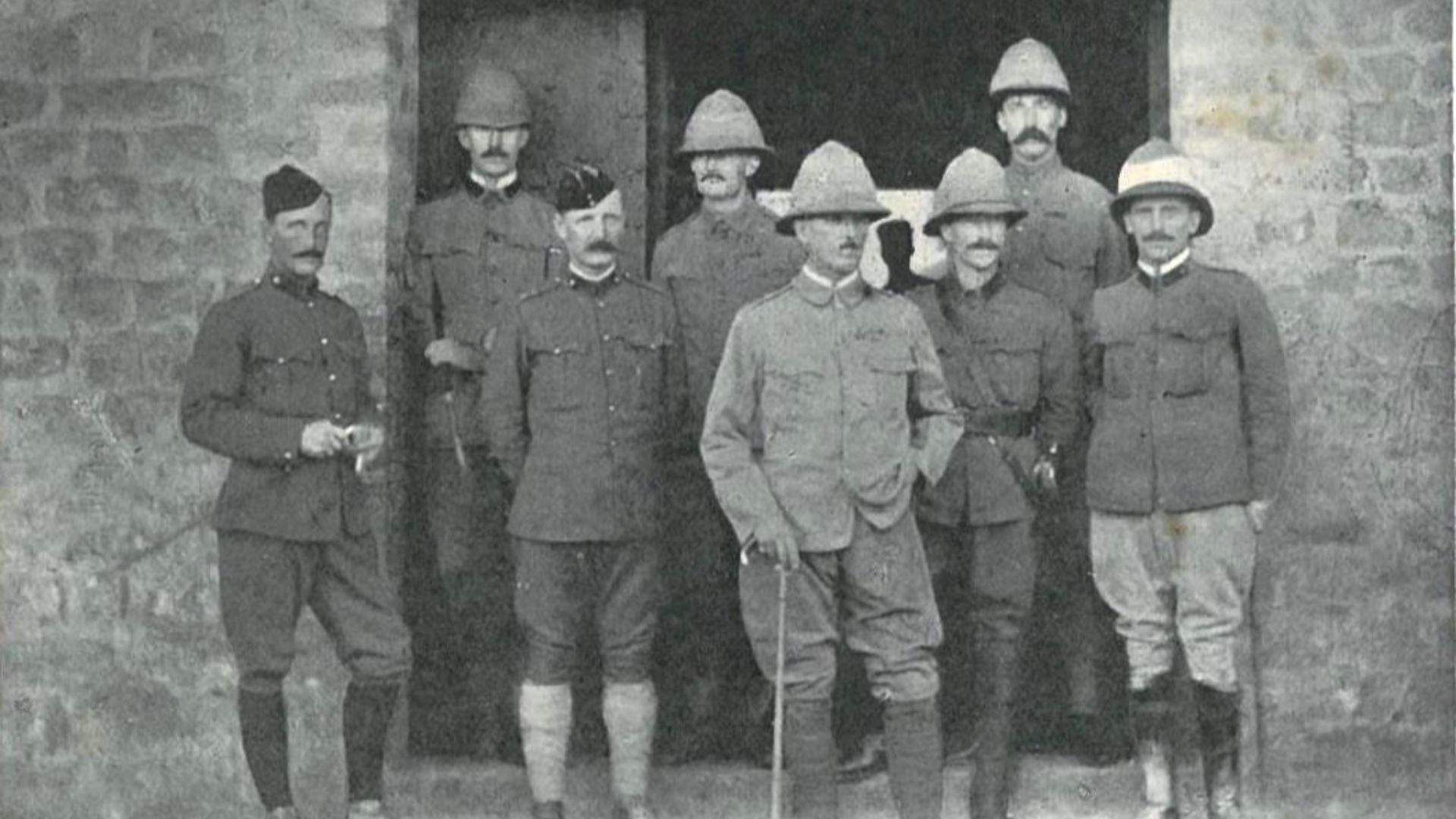
The British governor demanded to sit on a sacred Ashanti throne, a request that was seen as deeply offensive. It wasn’t just a political move—it was a cultural insult. The Ashanti responded with a fierce uprising in 1900.
11. The Falklands War
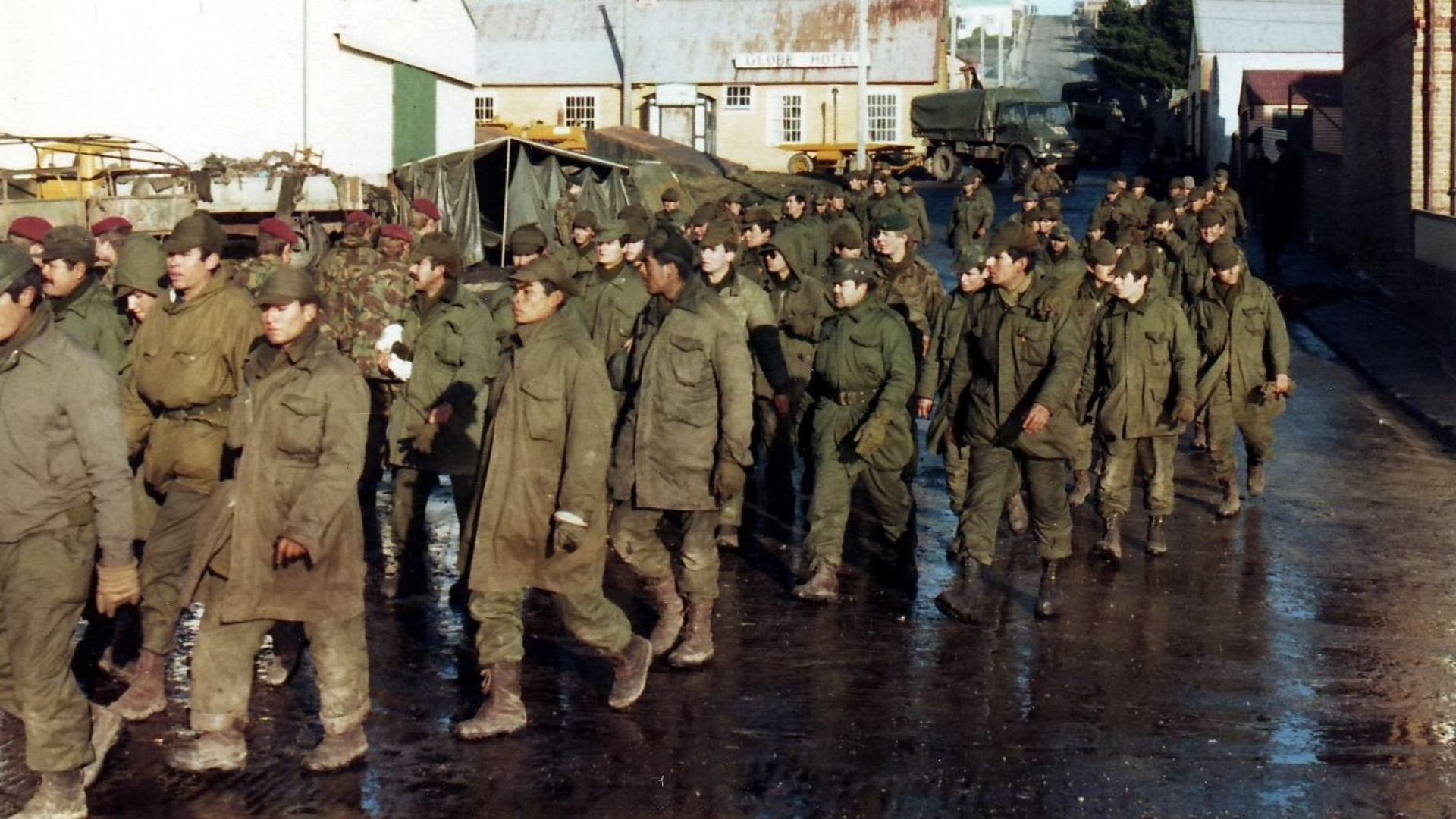
Argentina’s claim over the Falkland Islands had simmered for years, but rhetoric played its part. British dismissals of the claim were taken as disrespect on the world stage. The invasion in 1982 turned that tension into open war.
 commons.wikimedia.org on Google
12. The War Of The Three Sanchos
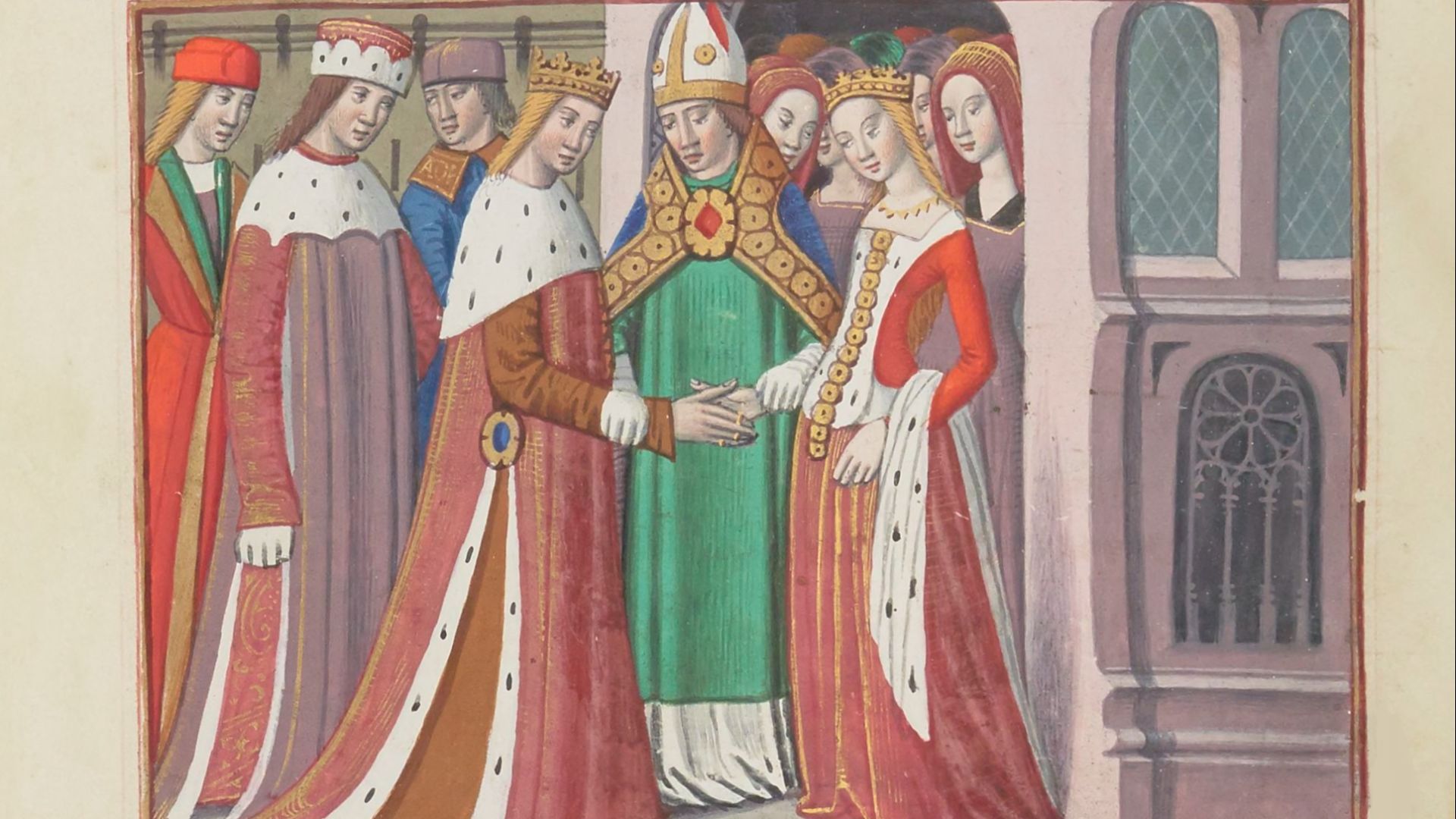
Three cousin-kings named Sancho—of Castile, Navarre, and Aragon—fell into conflict in 11th-century Iberia over disputed frontier lands and old inheritance tensions. The name sounds almost comic, but the fighting was real, with rival dynasties using family claims and regional pride to press their case.
13. The War Of The Roses
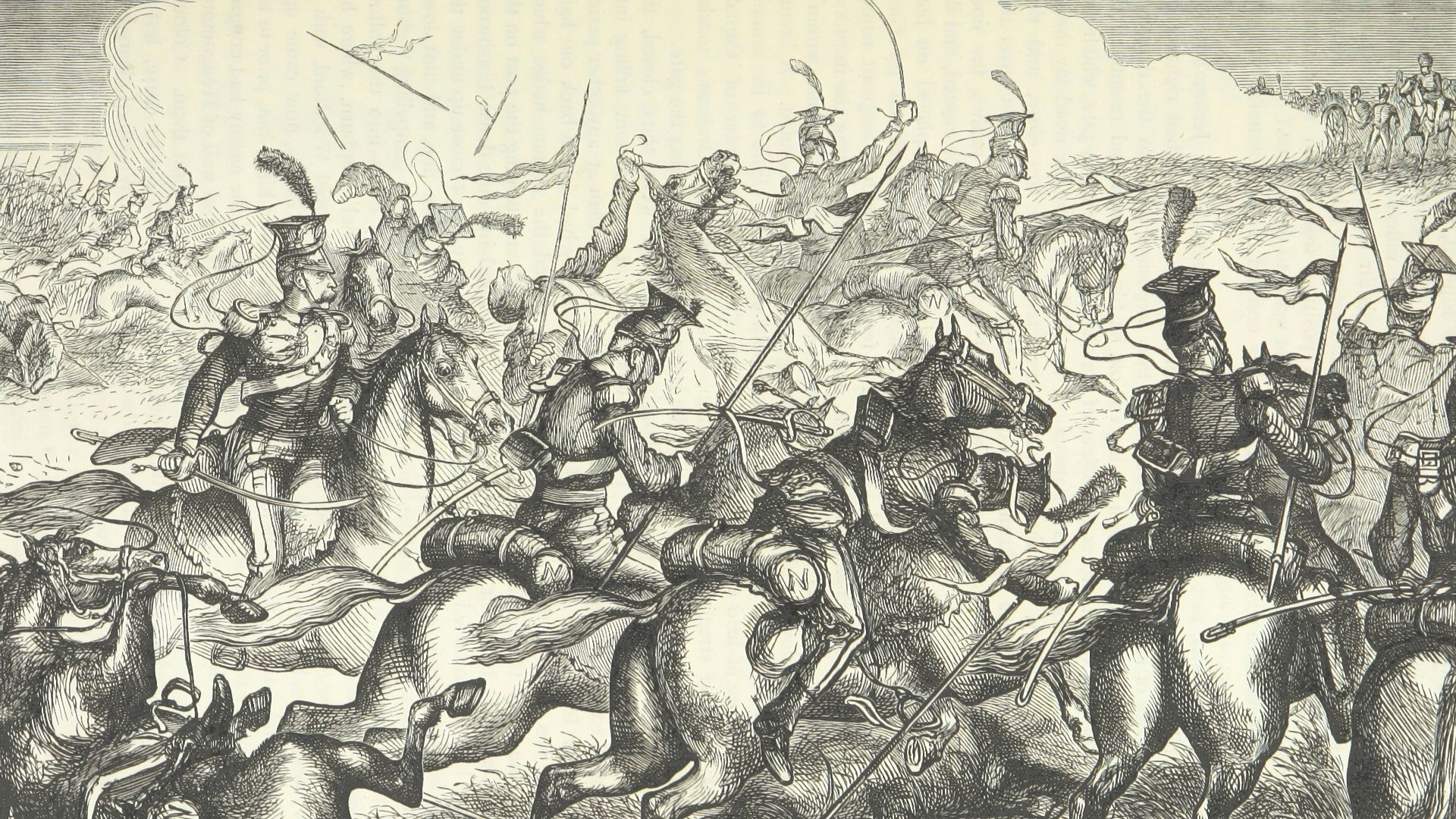
The insults centered on legitimacy, with rival houses treating each other not as opponents, but as usurpers with no rightful claim to the throne. Those public challenges, layered onto private feuds and weak kingship, helped turn dynastic tension into decades of civil war.
 commons.wikimedia.org on Google
14. The First Opium War
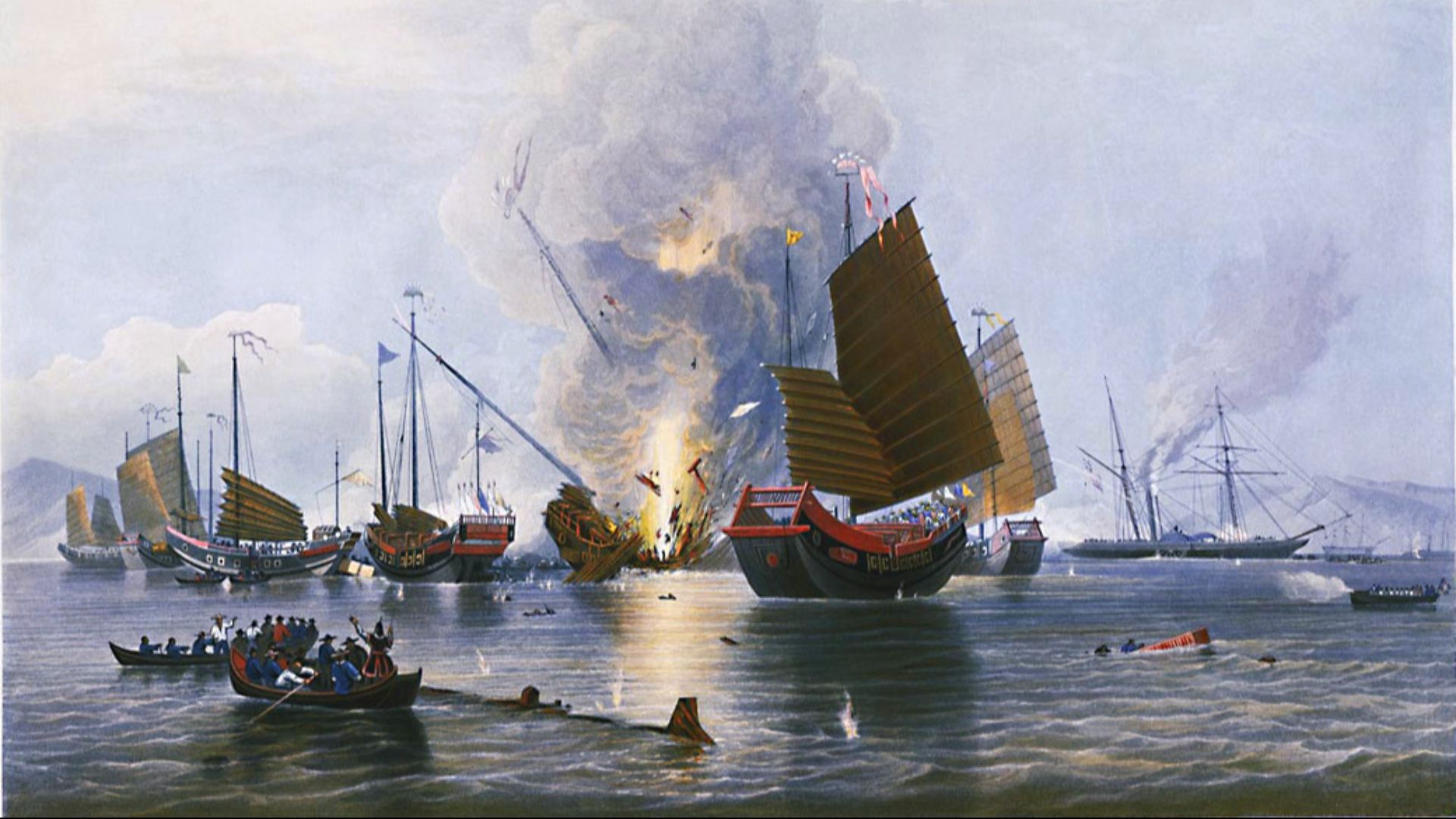
British officials deeply resented being treated by Qing authorities as subordinate traders rather than as representatives of an equal power. Trade drove the war, but mutual contempt and repeated diplomatic slights helped push it into open conflict.
15. The Franco-Prussian War
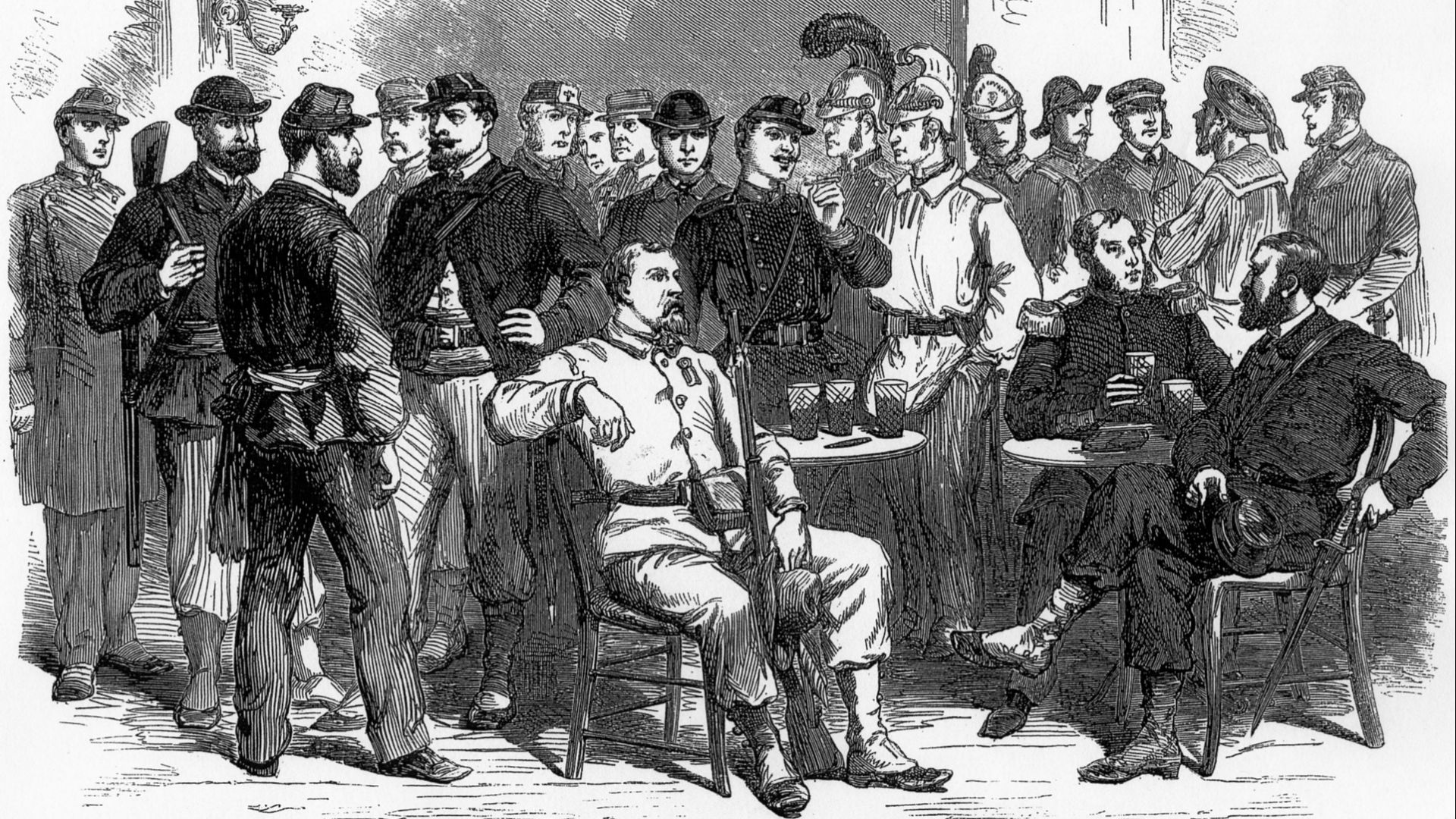
The Ems Dispatch was edited so a routine exchange sounded like a public insult between the Prussian king and the French ambassador. That sharpened outrage in both countries and helped turn a diplomatic dispute into war in 1870.
16. The War Of The Spanish Succession
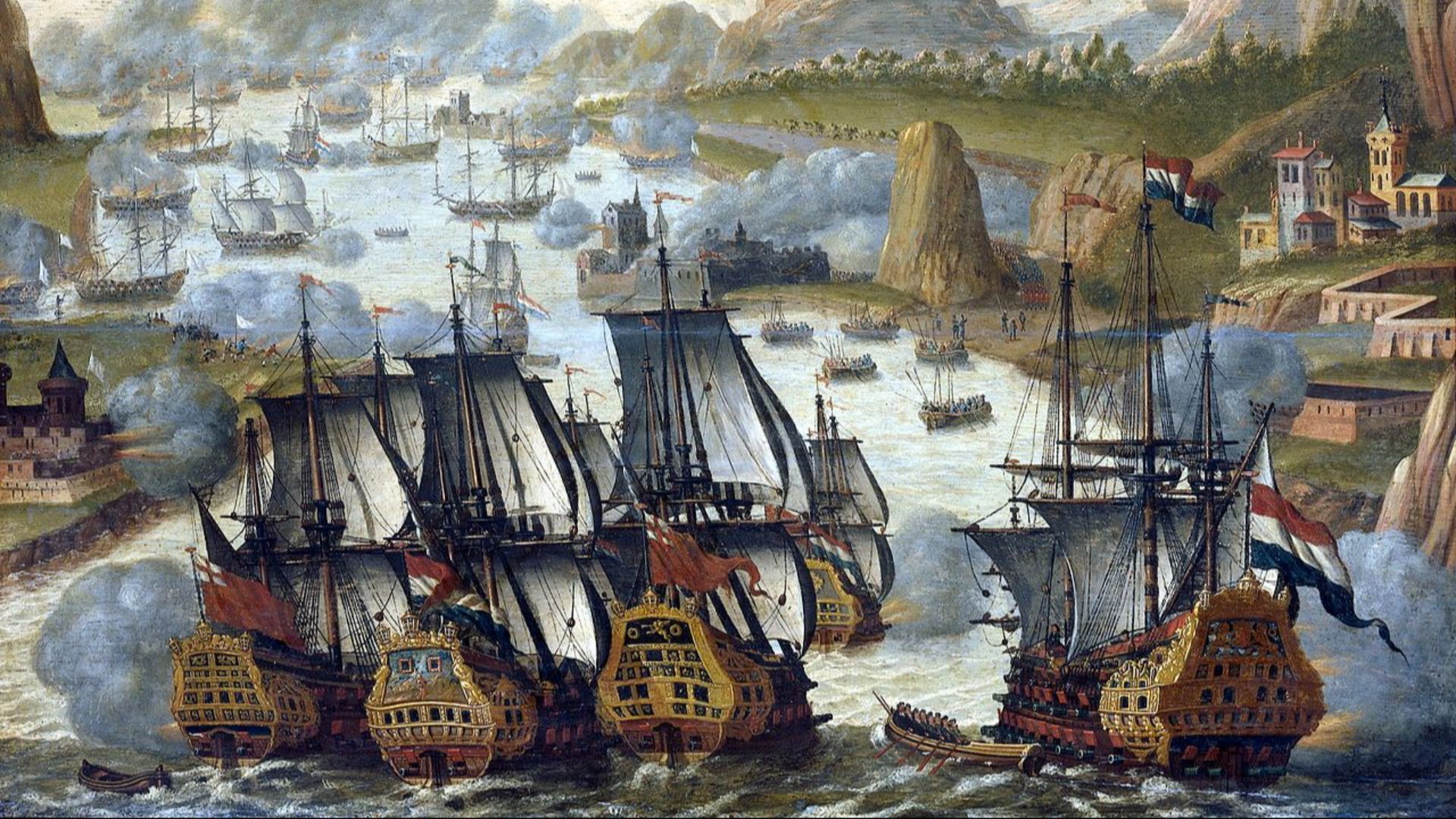
The immediate offense came when Louis XIV accepted the Spanish crown for his grandson in a way that made other powers fear France was arrogantly tipping the balance of Europe. What followed was a massive war over inheritance, but also over the message that Bourbon power intended to take more than anyone else could ignore.
 commons.wikimedia.org on Google
17. The Sino-Japanese War
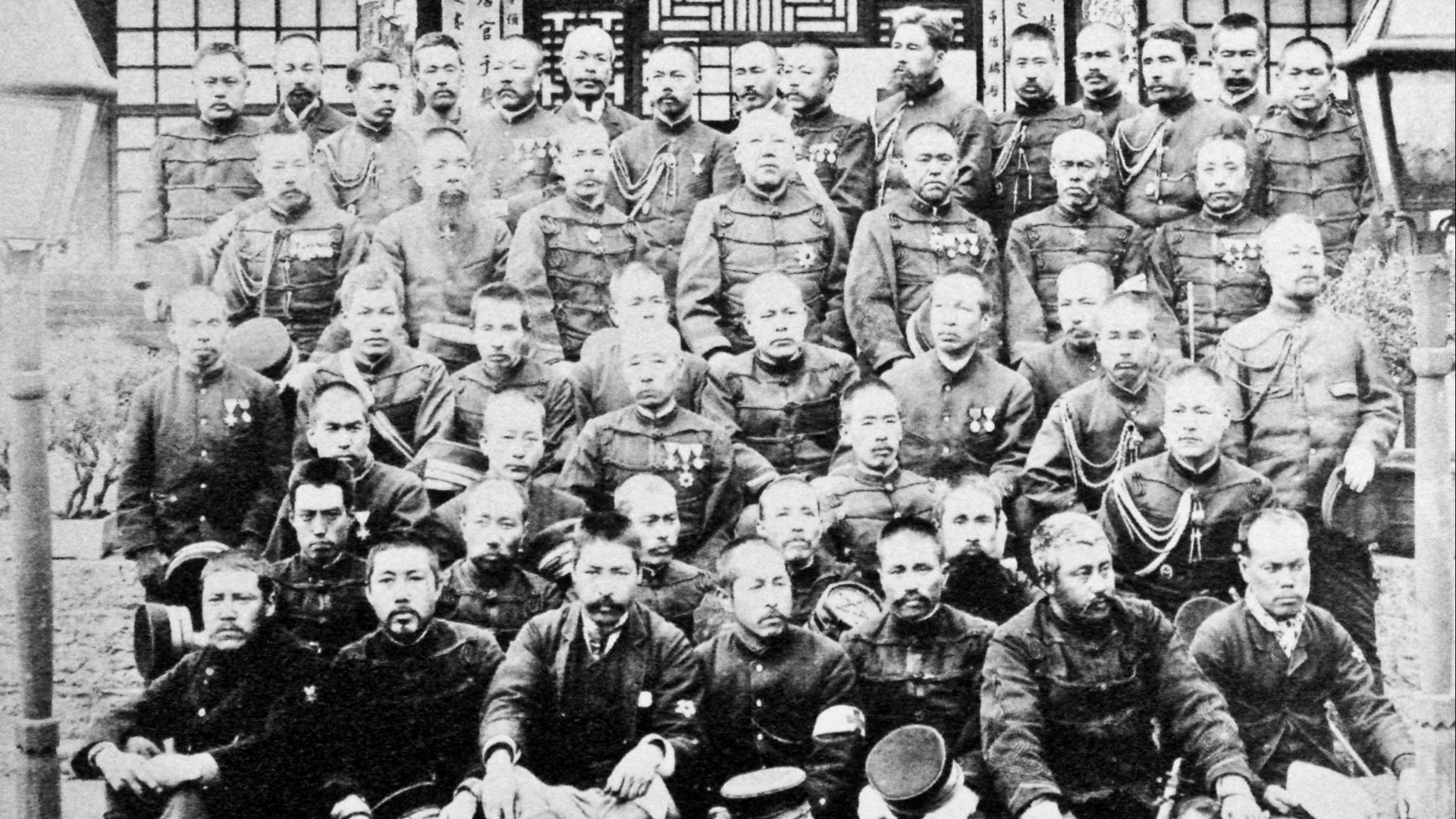
The insult was bound up in status, with both Qing China and Meiji Japan acting as though they had the right to direct Korea’s future. Each side saw the other’s actions as a deliberate slight, and that rivalry over prestige helped spark war in 1894.
 AnonymousUnknown author on Wikimedia
18. The Mexican-American War
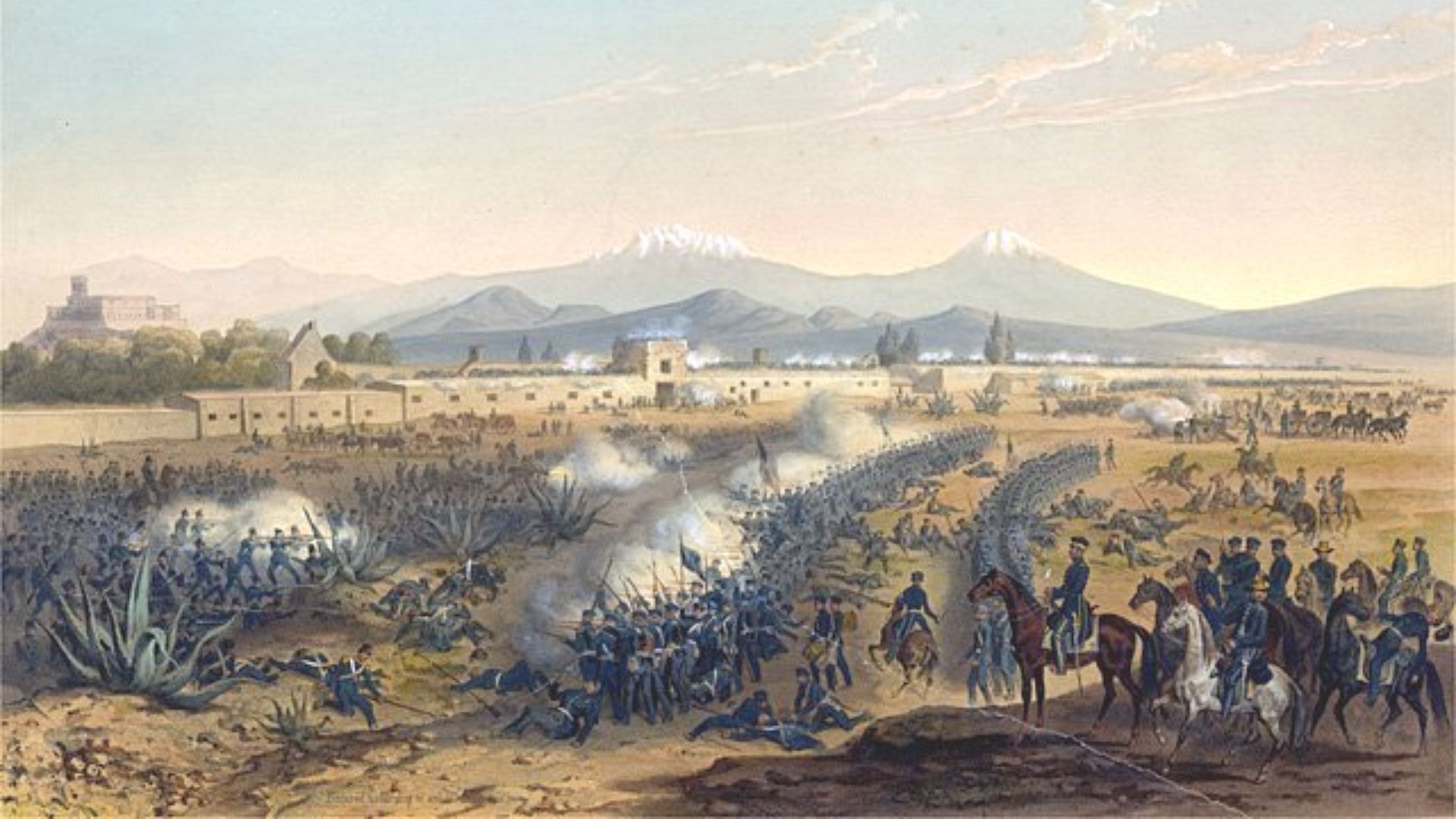
American leaders framed Mexican resistance after the border clashes as an insult to national honor, especially through the claim that “American blood” had been shed on American soil. Expansion was the real engine, but that language made war sound like a matter of pride as much as policy.
 Adolphe Jean-Baptiste Bayot / Carl Nebel on Wikimedia
19. The Russo-Turkish War
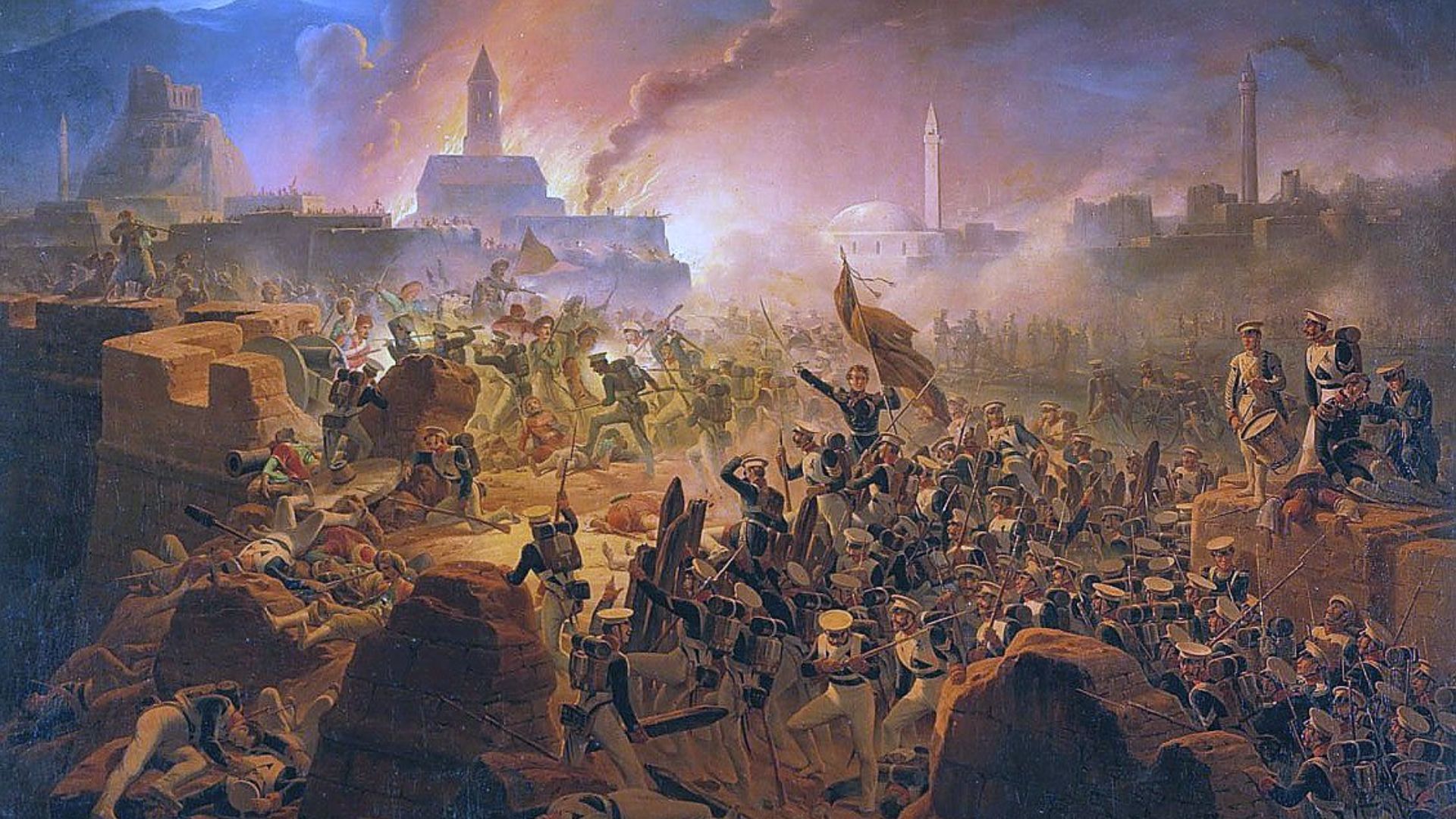
Reports of Ottoman atrocities in Bulgaria stirred outrage in Russia, where many saw them as both a moral horror and an insult to Russia’s role as protector of Orthodox Christians. That sense of affront helped turn public anger and political pressure into war.
 commons.wikimedia.org on Google
20. World War I
This war did not start over one insult, but Europe had been stacking up diplomatic slights, nationalist taunts, and public humiliations for years. By 1914, every crisis had become a test of prestige, and backing down looked almost worse than fighting.


KEEP ON READING
20 Times Nature Wiped Entire Communities Off the Map
When the Ground, Sea, & Sky Changed Everything. History is…
By Emilie Richardson-Dupuis May 8, 2026
20 Fossils Scientists Got Completely Wrong, And What It Took…
One Bone Doesn’t Show The Whole Picture. Paleontology has always…
By Elizabeth Graham May 8, 2026
20 Most Manipulative Historical Figures
Masters of the Long Con. History isn't just full of…
By Sara Springsteen May 8, 2026
10 Technological Advances That Saved Lives & 10 That Took…
Innovation Has Always Had Two Sides. Technology has improved human…
By Rob Shapiro May 8, 2026
20 Radicals History Couldn’t Ignore
They Moved The Line. Every age has people who are…
By Cameron Dick May 8, 2026
20 Animal Species From History That Disappeared Because of Humans
The Creatures We Didn’t Leave Enough Room For. Extinction can…
By Emilie Richardson-Dupuis May 7, 2026